Category: News from the field

  • Bushwise Field Guides to Host Safari Guide of the Year 2022

    BY: Annie DuPre, NQF2, Apprentice Trails Guide and Bushwise Conceptual Copywriter

    Bushwise Field Guides is thrilled to host the the Safari Guide of the Year 2022 competition, along with a key sponsor, WildEarth!

    Bushwise Field Guides is the host sponsor for the Safari Guide of the Year 2022 competition, to be held from 27 June to 3 July. This will be the 11th annual hosting of this important event, which will take place in the Greater Kruger (exact location to be announced closer to the event date). Nominations have officially begun and will remain open until April.

    Safari Guide of the Year (SGOTY) is a prestigious award given each year to one outstanding and accomplished guide. This sets the standards for the guiding industry, this award is a significant annual recognition of a guide’s accomplishments, training, and skill set.

    The competition

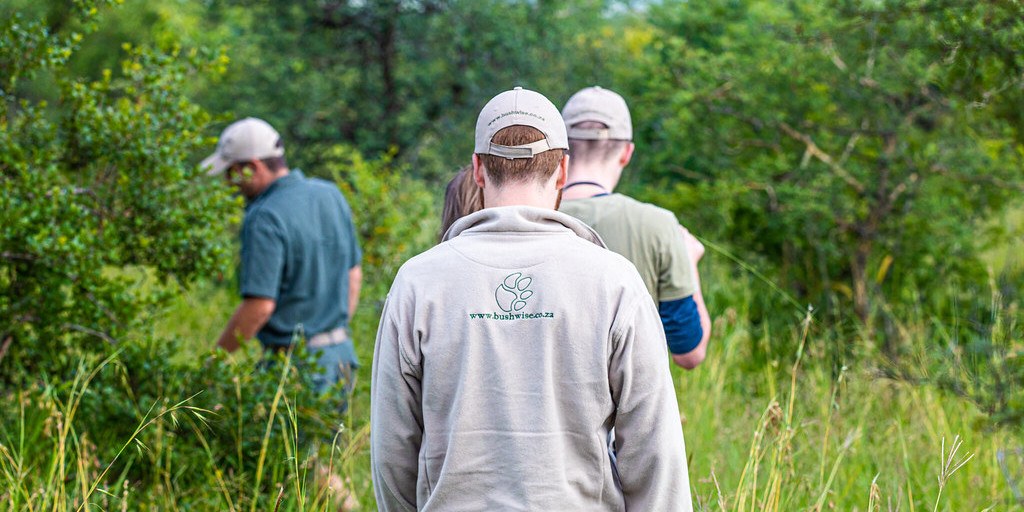
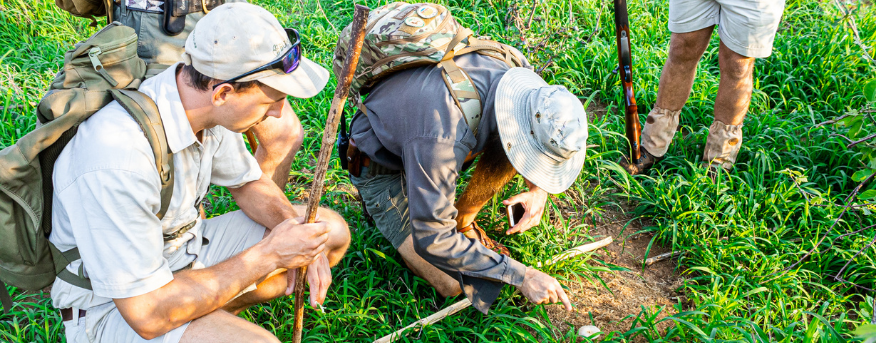
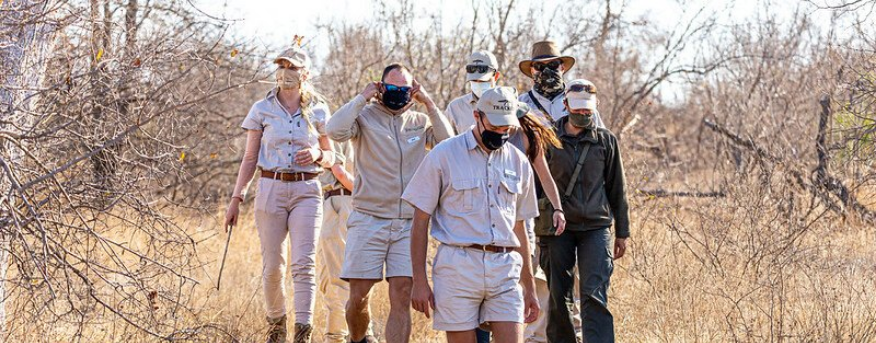
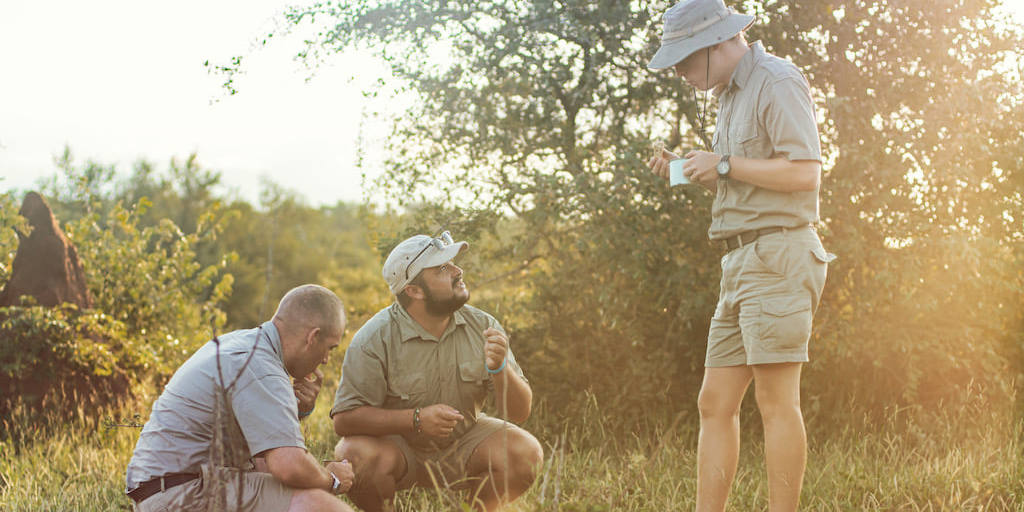
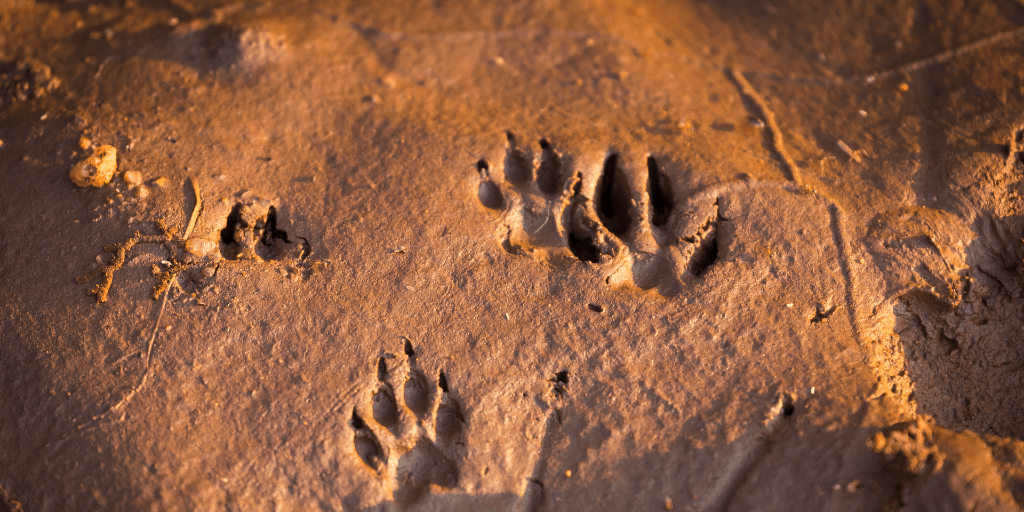
    The competition itself will occur over one week, where the top five nominees will showcase their skills and knowledge to qualified judges and guests. The finalists are evaluated in eight categories: birding, track and sign identification, guided game walk, guided game drive, guided photographic experience, storytelling, rifle handling, and hospitality and professionalism.

    Each category is scored according to a point system and the individual who accumulates the most points at the end of the week is crowned Safari Guide of the Year 2022.

    The nominees

    To be nominated, guides must have a minimum of five years’ guiding experience, Field Guide (NQF4) qualification, Trails Guide qualification, and be currently working at a lodge, training provider, or as a freelance guide. If you know of someone who should be considered for this competition, visit the official SGOTY site to nominate them now.

    The impact

    Each year, Safari Guide of the Year brings together incredibly talented, knowledgeable, experienced and professional individuals who showcase the art of field guiding. In the end, only one guide will walk away with this prestigious title. Despite the impressive competition, this event often creates a feeling of camaraderie and friendship among the finalists.

    While the event itself is just one week, the impact of this recognition stretches much further. The individual awarded with SGOTY, as well as their lodge or employer, will proudly wear this badge for the rest of their career. The competition helps drive the world-class quality of southern Africa’s field guides, which in turn leads to superior standards maintained at lodges, and an enhanced focus on skills development in wildlife conservation.

    Bushwise Field Guides is honoured to be the host sponsor for this significant event. Main sponsors are WildEarth, with additional sponsors including Ruggedwear, Sapmok, Kruger2Canyon News, Accident Angels, as well as private donors.

    Follow Bushwise on Instagram and Facebook for further updates, including this year’s judges, nominees, venue and more!

    #level1exam #gameranger #Birding #fieldguide #trailsguide #Level1 #apprenticefieldguide #cybertracker #trackandsign #gamedrive #fieldexam #fieldguidecourse #studying

  • World Wetlands Day 2022: Wetlands Action for People and Nature

    BY: Annie DuPre, CATHSSETA NQF2, Apprentice Trails Guide and Bushwise Conceptual Copywriter

    Each year on 2 February, the world celebrates World Wetland Day. In this article we take a look at the importance of wetlands around the world, with an emphasis on South Africa. 

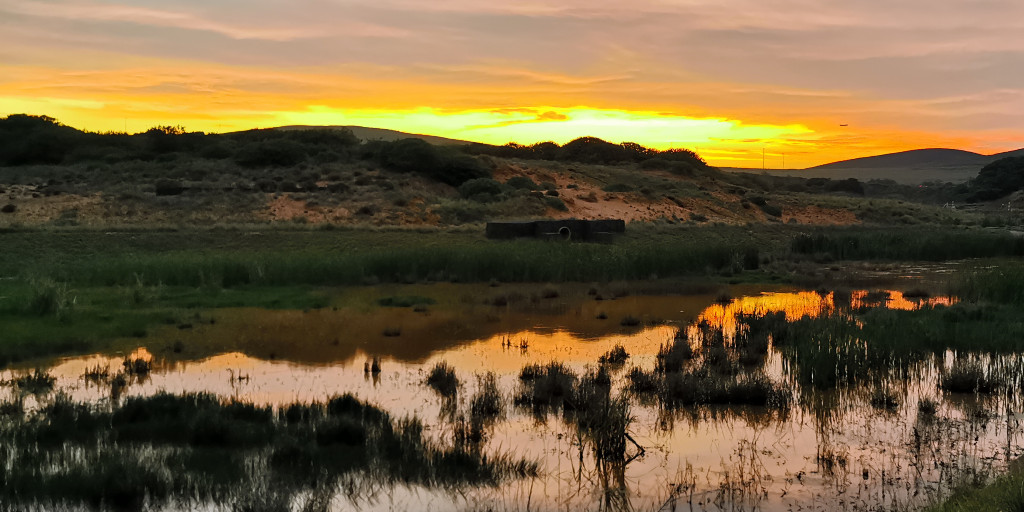
    World Wetlands Day is a celebration of all things wetland. From their vibrant blue waters, to green grasses and sedges, to enormous bird diversity, to mammals, amphibians and reptiles, wetlands host a bounty of vibrant life. At Bushwise Field Guides, we’re excited to celebrate under this year’s theme: “Wetlands action for people and nature.”

    Peatlands, marshes, swamps, bogs, vleis, fens and pans – wetlands play a vital role on our planet. They support a diverse range of plant and animal life, and play a critical role in human survival as well. Yet they’re disappearing three times faster than forests.

    What makes wetlands so important, why should we protect them, and how can we celebrate on World Wetlands Day?

    image

    Photo by Annie DuPre

    What is a wetland?

    In the simplest of terms, wetlands are parts of our landscape that are defined by the presence of water. Whether year-round or seasonal, water presence affects the soil and therefore the types of plants and animals that inhabit these spaces.

    The presence of water in wetlands influences most if not all of it’s biodiversity (diversity of animal and plant life). The prolonged presence of water has a direct effect on the development of the soil, which then affects the plants and animals that live there. For example, specially adapted plants, that prefer very wet conditions, can be found in wetlands.

    The role of wetlands on our planet

    Wetlands aren’t just important for soil, plants and animals – they’re also important for people! Wetlands form boundaries that protect settlements from flooding. Where water would otherwise overflow into towns and communities, wetlands act as a sponge collecting the water. They also limit the effects of water pollution and can provide plant materials that are used for shelters and other products.

    image

    Photo by Annie DuPre

    Another important role of wetlands is in water security. When they’re able to do their job right, wetland catchments can effectively filter and direct water into our rivers, dams, and groundwater sources. This should maintain healthy and reliable water sources for people living near wetlands. This is especially important in times of drought and variable rainfall.

    Wetlands also play a role in carbon sequestration, or the capture and storage of atmospheric carbon dioxide. This is significant for climate change mitigation, which is another reason it’s so important for us to protect wetlands!

    Wetlands in South Africa

    South Africa has incredible biodiversity, which is something Bushwise students learn all about through the Bushwise IFGA Safari Guide course. Wetlands play an important role in sustaining life throughout the country, across many of South Africa’s nine biomes (areas characterised by their vegetation, soil, climate, and wildlife).

    image

    Photo by Annie DuPre

    In the South African province of Limpopo, where Bushwise Field Guides operates its training campuses, there are a few notable wetlands. These are part of the 27 Ramsar sites in South Africa, or wetlands of international importance.

    The first is the Makuleke wilderness area, which lies on the border of South Africa, Mozambique, and Zimbabwe in Kruger National Park. This wetland was the first Ramsar site in the world to be owned and managed by a community. The second is Nylsvley Nature Reserve, a 70km long floodplain that plays host to up to 80,000 birds in the rainy season! Talk about a birder’s paradise.

    Throughout Limpopo, you can find other pockets of ecosystems that fit the description of a wetland, especially the pans and vleis that fill up during rainy times. These areas play an important role, not only for wetland-adapted species, but also as a source of water for other animals.

    If you head a bit further south in South Africa you’ll find the wetland region of Mpumalanga, with its sedge and reed marshes. These fragile ecosystems pop up throughout South Africa, making them a crucial part of our country’s biodiversity.

    Many conservation organisations in South Africa, such as BirdlifeZA and the Endangered Wildlife Trust, have specialised programs that focus on wetland protection, identification, and public awareness. This specific type of conservation is extremely important for the security of our country’s incredible wetlands.

    What animals call wetlands home?

    Wetlands are important destinations for migratory bird species as well as year-round populations. In some of South Africa’s wetlands, you can find upwards of 300-400 different species! Many of these are endangered, threatened, vulnerable, or endemic species.

    image

    Photo by Louise Pavid

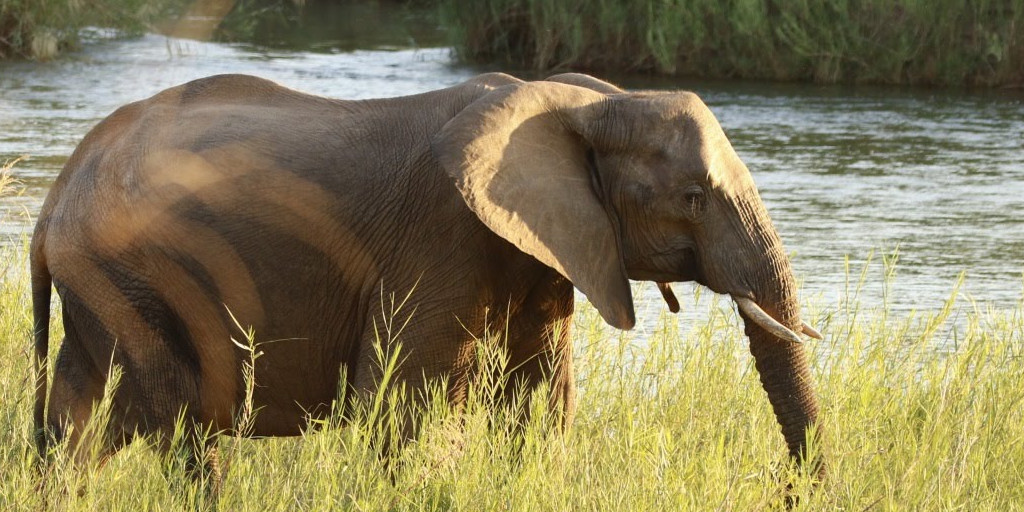
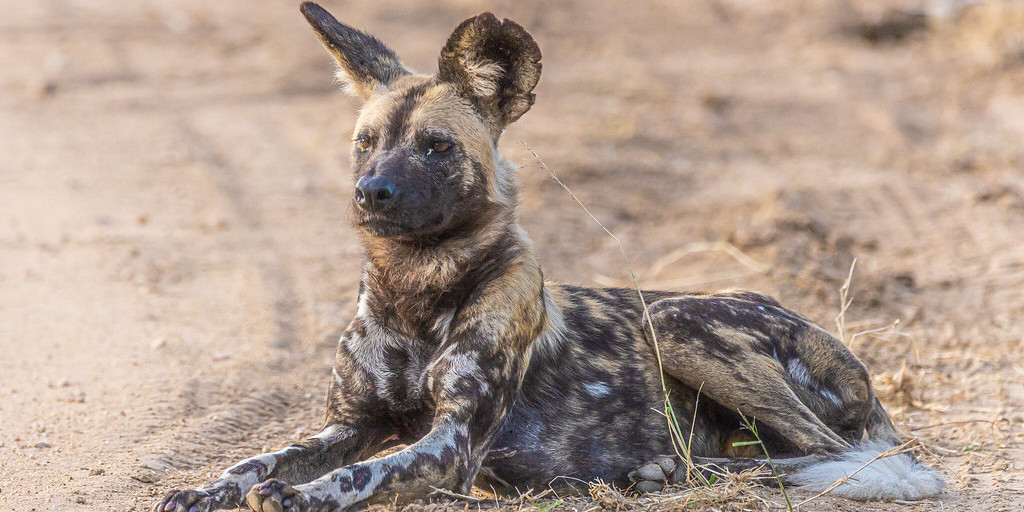
    Inland wetlands in South Africa, such as Makuleke, host large mammal species such as elephant, rhino, wildebeest and eland. You could also find lions, leopards, African wild dogs, and other predators. Amphibians and water-adapted reptiles, insects, and other mammals can be found here.

    Coastal wetlands, such as iSimangaliso Wetland Park, are unique in their biodiversity and landscape. Here, you’ll find marine mammals such as southern right whales, humpback dolphins, bottlenose dolphins, and many more.

    What is World Wetlands Day, and why does it matter?

    To recognise the importance of wetlands on our planet, the Ramsar Convention on Wetlands of International Importance, or Convention on Wetlands, was established in 1971. Since 1997, the World Wetlands Day has been celebrated on 2 February with themes approved by the Convention. These themes add to the excitement around celebrating this important habitat and encouraging action.

    This year’s theme is “Wetlands action for people and nature,” to highlight the necessity of actions to ensure conservation.

    How Bushwise will celebrate in 2022

    image

    Photo by Louise Pavid

    Bushwise students, alumni and staff will be able to celebrate World Wetland Day 2022 by visiting their local dam, marsh, vlei, bog, or other wetland and taking some time to appreciate the biodiversity there. We encourage everyone to take time to clean up their local wetland by simply picking up litter you find in the area. Every little action counts!

    Are you passionate about conserving our local wetlands and other natural resources? Perhaps it’s time to change your career and start a Bushwise IFGA Safari Guiding course. Apply today!
  • Exciting Collaboration: Bushwise Field Guides and the Southern African Wildlife College

    By: Annie DuPre

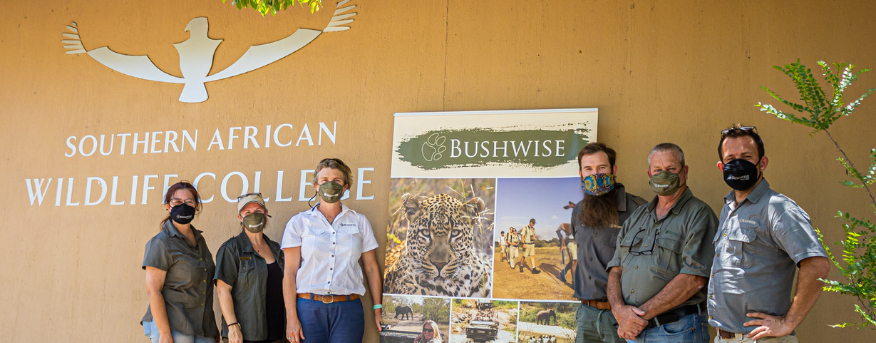
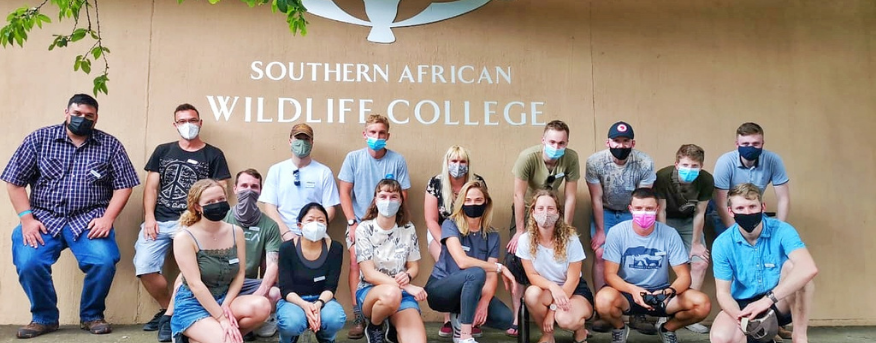
    We are beyond thrilled to announce a new collaboration between Bushwise Field Guides and the Southern African Wildlife College (SAWC). Our two organisations have entered into a symbiotic training agreement, focused on trainer transformation and developing the gold standard for guide training. This agreement kicked off in the first week of January 2022, bringing even more excitement to the new year.

    image

    Working together, Bushwise and SAWC trainers will provide in-person and online training for NQF Level 2 Field Guide Training on the SAWC campus at Kempiana, next to Kruger National Park. Both Bushwise and SAWC are endorsed training providers, each bringing unique strengths and resources to this collaboration. Training will be conducted collaboratively with leaders from each organisation contributing their unique skill set. This follows a highly successful 2008 collaboration between our organisations, and we anticipate excellent results from this new chapter.

    Significantly, special emphasis will be placed on increasing the number of historically disadvantaged individuals that go through our field guide training courses. The first intake of students for this specific element will be in July 2022 and we can’t wait.

    It is envisioned that this collaboration will offer students a best practice, holistic approach to skills development in the fields of wildlife conservation and field guiding. Both organisations are working towards a central part of this collaboration: trainer transformation, where outstanding graduates will continue their training through an internship on the Kempiana property. 

    image

    This image was taken pre-COVID-19. 

    This is a very exciting opportunity for SAWC and Bushwise students to advance their skills set and begin their careers. The ultimate goal is that selected individuals will then be mentored to become assistant or junior trainers themselves. If we are successful and meet our joint goals, we believe this collaboration will essentially provide more sustainable opportunities to participants’ families and increase diversity within the guiding industry.

    This is a significant moment in the guiding world. Collaboration is one of the best ways to enhance guide training, and we believe this relationship between Bushwise and SAWC will deliver some incredible results. We look forward to sharing developments with our supporters, friends, and students, as two world-class and accredited organisations come together to expand the guiding industry, enhance local skills development, and contribute to the overall goal of wildlife conservation.

    About Bushwise Field Guides

    image

    Bushwise Field Guides is a world-class CATHSSETA accredited training provider that delivers exemplary guides to the safari industry. Bushwise was founded in 2006 to provide passionate conservationists an avenue to hone their skills and further their careers. It produces outstanding results with some of the most sought-after guides in the industry, and has maintained a 100% employment rate for graduates of the Bushwise IFGA Safari Guide course since 2012. This is accomplished through long-term courses where students are fortified with the knowledge, skills and experience needed to become leaders in the field guiding and conservation industries. Courses are taught both in-person on campuses in Limpopo, South Africa, and online around the world.

    About the Southern African Wildlife College

    image

    The Southern African Wildlife College is an accredited higher education and training facility. Established by WWF-South Africa in 1996, as a needs-based independent non-profit organisation, the College delivers a full spectrum of conservation education, training and skills development programs, using an applied learning approach. In doing so, it provides tomorrow’s conservation leaders, field rangers, guides and the community with the skills needed to become partners in helping to conserve the region’s rich biological diversity and ensure that its resources and threatened species are protected.

  • Ten of the best World Environment Day quotes

    BY: Tasneem Johnson-Dollie

    How can you honour World Environment Day? By reading ten of the best World Environment Day quotes to get inspired to get out into the field! 

    World Environment Day comes about on 5 June every year and it’s all about promoting environmental awareness and encouraging everyone to add to environmental conservation. 

    Let’s dig a bit deeper to find out more about World Environment Day.

    The first World Environment Day quote

    image

    World Environment Day was established by the United Nations in 1972 and the organisation coined the first World Environment Day quote, detailing what this day was all about.

    “The celebration of this day provides us with an opportunity to broaden the basis for an enlightened opinion and responsible conduct by individuals, enterprises, and communities in preserving and enhancing the environment.” – UN General Assembly, 1972

    While the first World Environment Day quote was monumental and informative, it’s a little lengthy and not quite as catchy as the quotes that came after it.

    Since 1972, World Environment Day has been celebrated with more than 40 different themes and tallied up tons of inspirational quotes. 

    Here are ten of the most inspiring World Environment Day quotes to start you off on your Earth-focused conservation efforts. 

    The top ten World Environment Day quotes

    1) “The Earth is what we all have in common.” – Wendell Berry

    image

    2) “Never doubt that a small group of thoughtful, committed citizens can change the world; indeed, it is the only thing that ever has.” – Margaret Mead

    image

    3) “Breathing can’t be stopped, but we can change and purify the quality of the air we breathe.” – World Environment Day slogan, 2021

    image

    4) “One of the first conditions of happiness is that the link between man and nature shall not be broken.” – Leo Tolstoy

    image

    Image: Jacques Briam

    5) “Like music and art, love of nature is a common language that can transcend political or social boundaries.” – Jimmy Carter

    image

    Image: Anel Olivier

    6) “What we are doing to the forests of the world is but a mirror reflection of what we are doing to ourselves and to one another.” – Mahatma Ghandi

    image

    7) “When one tugs at a single thing in nature, he finds it attached to the rest of the world.” – John Muir

    image

    8) “Never does nature say one thing and wisdom another.” – Juvenal

    image

    9) “A nation that destroys its soil destroys itself.” – Franklin D. Roosevelt

    image

    10) “You cannot get through a single day without having an impact on the world around you. What you do makes a difference, and you have to decide what kind of difference you want to make.” – Jane Goodall

    image

    With so much inspiration to draw from, you may already be raring to join World Environment Day activities. Here’s a look at some of the ways that you can get involved. 

    How you can make an impact on World Environment Day

    You can add to environmental conservation in lots of little ways right where you are. Consider switching to environmentally friendly household cleaning products, upping your recycling game, or composting all your organic kitchen waste.

    And, if you’re looking to make an even bigger impact, there are tons of ways to do that too.

    Bushwise Field Guides offers courses designed for anyone passionate about conservation. You could get involved in an online course for nature enthusiasts or even start off your Field Guides Association of Southern Africa (FGASA) qualification online.

    image

    In this way, you’ll grow your understanding of natural environments, what’s affecting them, and how you can make an impact. 

    And, if you’d prefer to take your learning experience to one of Earth’s most sought-after natural environments, you can take part in a hands-on field guiding course or internship set in the African savannah. These opportunities give you the chance to add to environmental conservation on the ground. 

    Any of these avenues will have you upping your conservationist know-how and growing your ability to keep adding to environmental conservation in the future. In this way, you’ll also be building on the inspiration and success surrounding World Environment Day this year.

    Find out more about our online and in-country courses that you can take part in to make a meaningful contribution to World Environment Day.