Category: Student journeys

  • Get To Know The Black And White Rhino

    This blog about rhinos was written by Nokwanda Mthembu. Special topic blogs are written by Bushwise students during their course, and all facts included are based on their research.

    Read time: 4 mins
    image

    What is a rhino? 

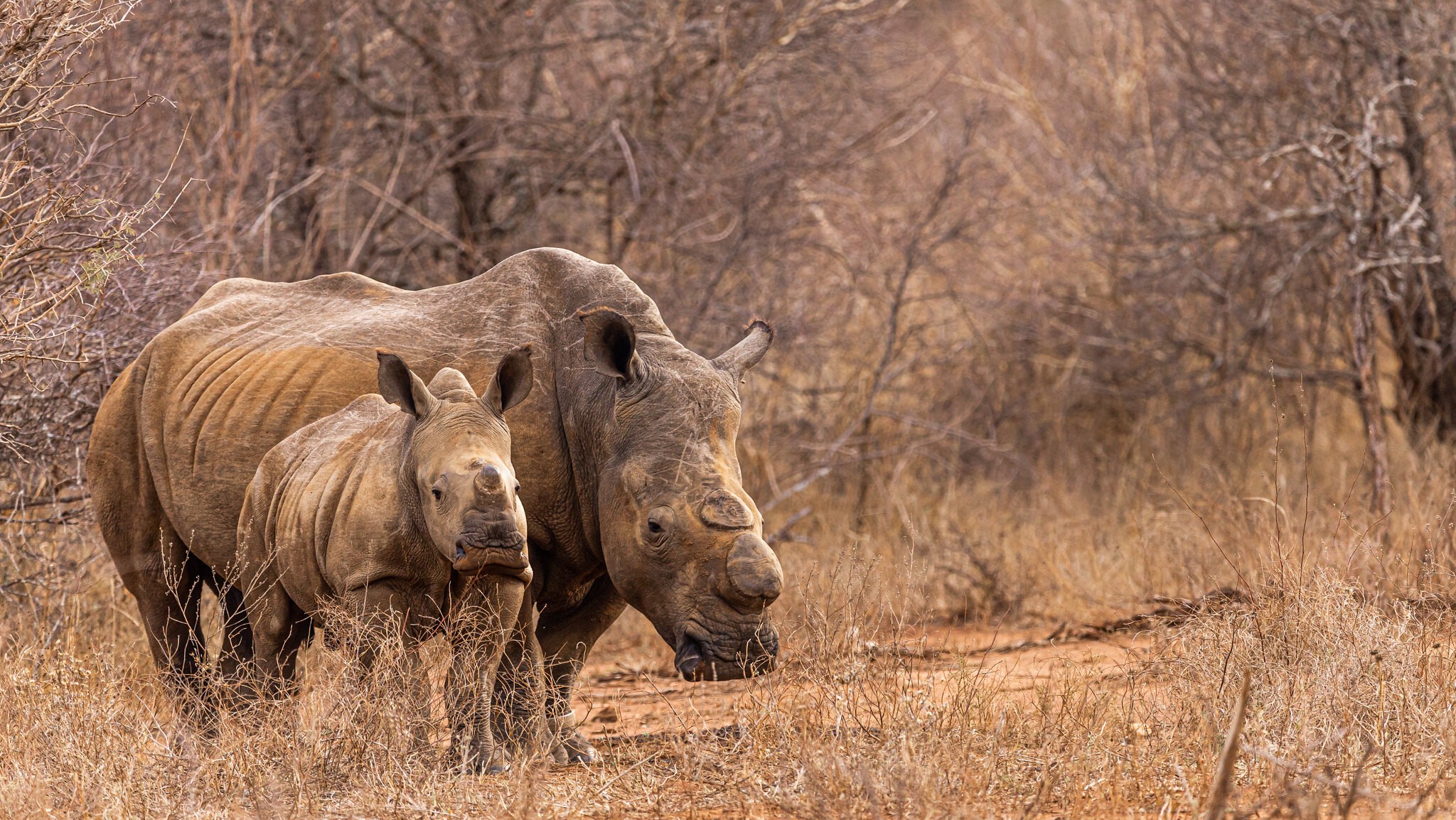
    A rhino is an abbreviation for rhinoceros. Rhinoceros are large herbivores which means they feed on plant matter and grass and they are characterised by their horned snouts. The word rhinoceros comes from the Greek word rhino which means nose and ceros means horn. Some have one horn and others have two horns. There are five species of rhino, including two African rhino species – the black and white rhinos – and three Asian rhino species which include Javan, Sumatran and greater one-horned rhino which is the only rhino with one horn.

    Fun facts

    • Rhinos sometimes chew soil (geophagia) to supplement mineral deficiency.

    • A collective noun for a group of rhinos is a crash of rhino.

    • Rhino horn is made of keratin, the same protein which forms the basis of hair and nails.
    image

    The difference between the black rhino and white rhino

    Rhinos don’t get their names from their skin colour. They are all grey in colour, but this depends on the soil colour of their environment as they often roll in mud and soil to help them keep cool in the summer heat.

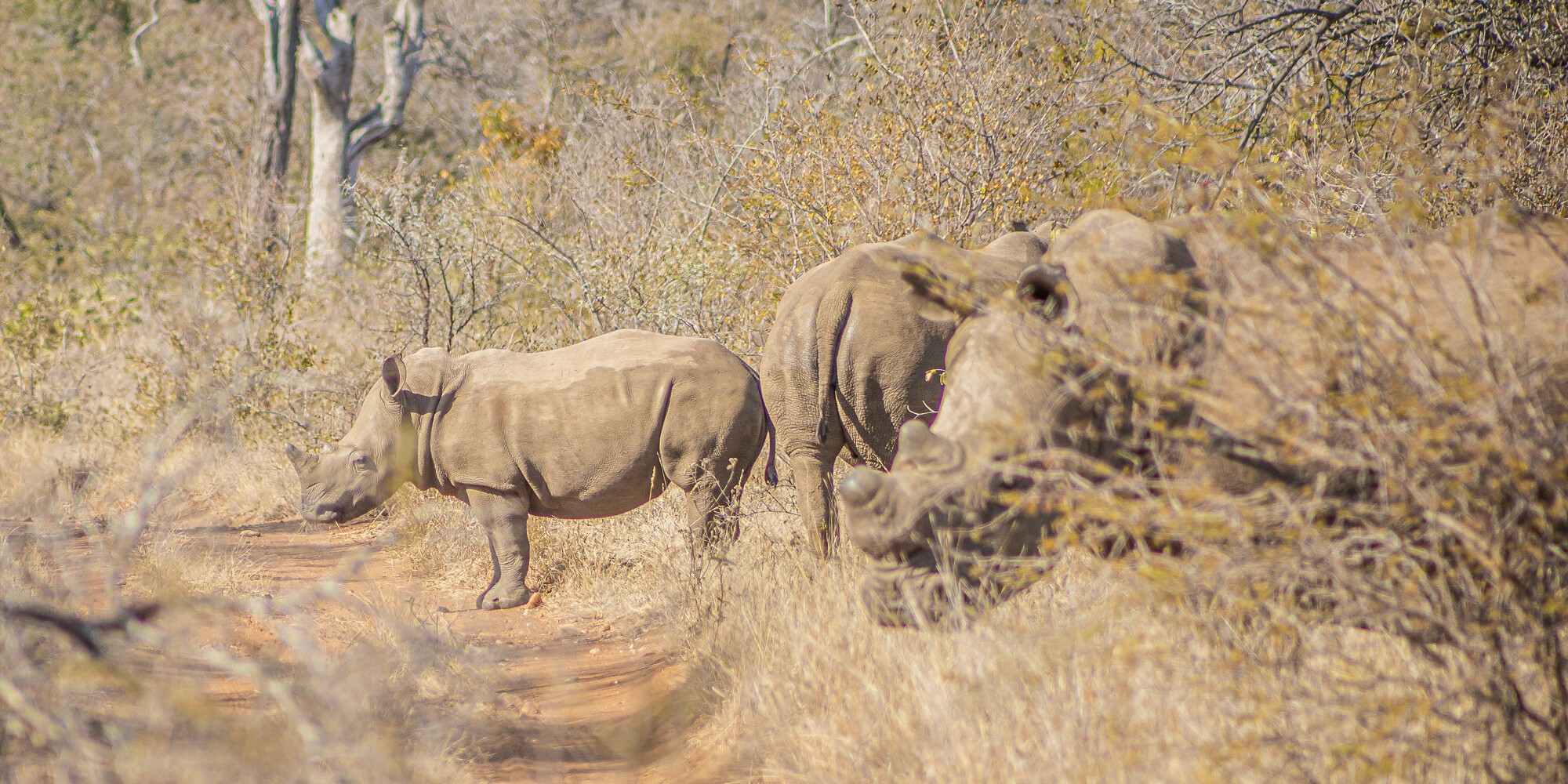
    The white rhino got its name from a misinterpretation of the Dutch name for white rhinos was widj neushoorn, which means wide rhinoceros – referring to its wide upper lip. However, early English settlers misunderstood widj for white, which is how they got their name. The white rhino is the second-largest land mammal on Earth. 

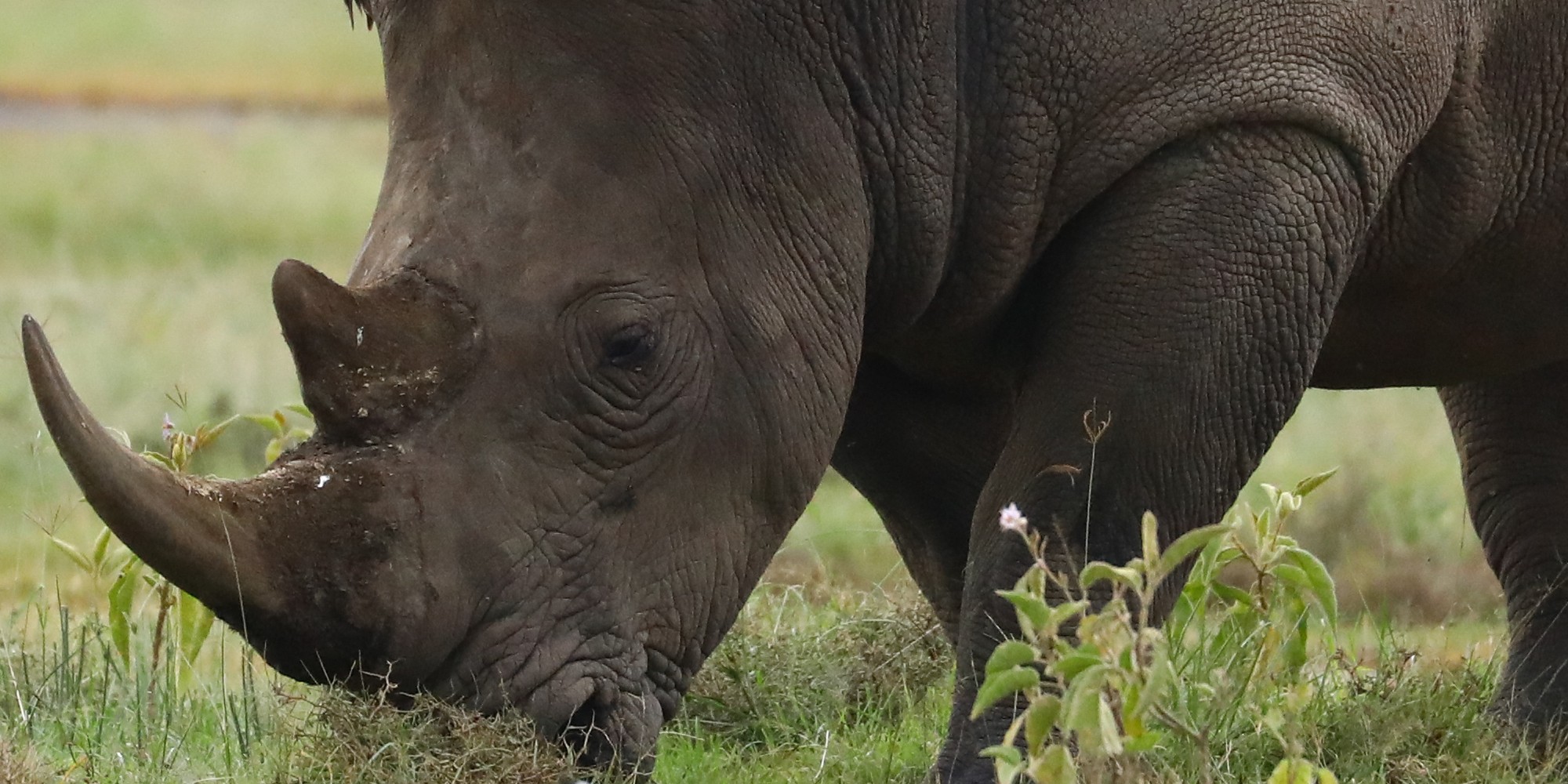
    In contrast, a black rhino can be distinguished from a white rhino by its hooked upper lip and is smaller overall. They also have a shorter head which they carry higher up on the shoulders to accommodate their browsing habits. Their ears are also smaller and rounder. The head of the white rhino is long and carried low – frequently only a few centimetres above the ground because they are grazers and grass makes 99% of their diet. 
    image

    Black rhino prefers woodland with thickets and permanent water, while the white rhino prefers grassland and savanna. White rhinos also do not like closed forests or thick bushes.

    Territory marking

    Rhino bulls are territorial, and they occupy clearly defined territories which they defend against neighbouring bulls. Younger bulls are allowed to remain within a territory if they remain submissive. 

    To mark their territory, the bull will patrol well-used paths to establish and reinforce boundaries. While patrolling, he will spray urine backwards on the bushes. He will also rub his feet in the urine to get some of his scent on his feet to spread it as he walks. 

    The bull also uses the same spot to defecate; these spots are called middens. Everytime after defecating, he will kick open his dung using his hind legs to indicate to other bulls that this is his territory. 

    The cows and the subordinates males can use the territorial bull midden, but they won’t kick open the dung to show respect to the territory bull. If another bull comes and uses the midden and kicks open the dung, this is taken as a challenge to the bull occupying the territory. Bulls will fight using their horns, which means fights can get deadly.
    image

    Bushwise black rhino sighting 

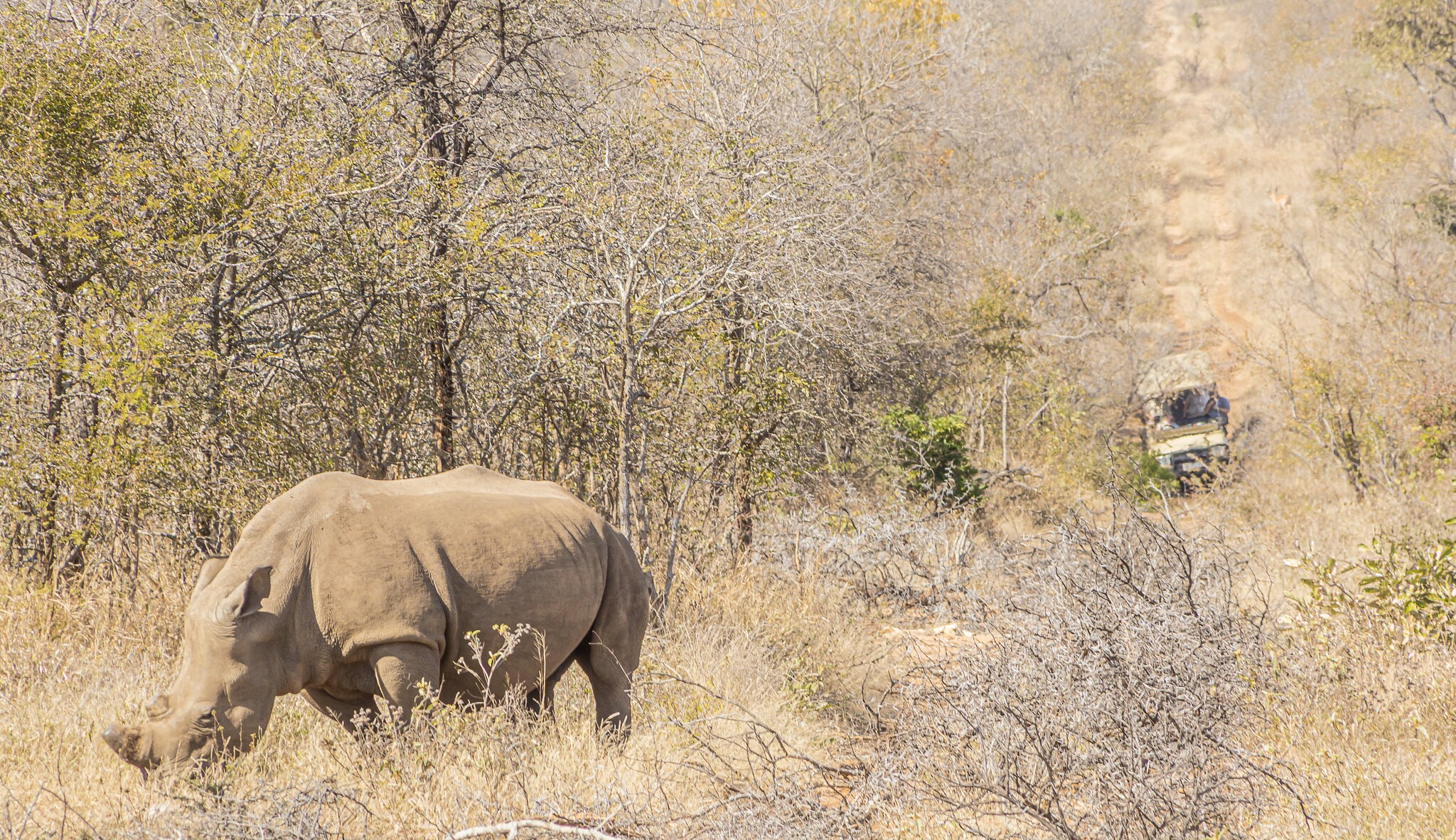
    We were out on our afternoon drive. It was still early on our course and we were focusing on botany, learning how to identify trees and grass. After an hour of driving, we were looking for a nice spot to stop to enjoy some coffee and look at the beautiful African sunset when our trainer Daryn suddenly shouted, stop stop stop!!! Black rhino, there on the plains! Quick turn around!!! 

    I couldn’t believe my ears. I had never seen a black rhino before. Imelda quickly turned the game viewer around and we went towards the black rhino. It was a very big male with a massive horn busy browsing. Even though it was starting to get dark and we were still quite a distance from him, he immediately reacted to our presence. 

    Rhinos have very poor eyesight; they can only see well at a very close range and can see movement at a greater distance. But their senses of hearing and smell are well developed, but they depend on the direction of the wind to carry sounds and smells to them. 

    After we had switched off the engine, his ears started moving – rotating independently in all directions to collect all the sounds around him. We all remain seated, watching him. There was no wind blowing, so while he knew that there was something out there because he’d heard the rolling engine, his poor eyesight and the lack of wind meant he didn’t know what had made it. 

    After a few minutes, he took a few steps, he was so curious – his ears were busy collecting sounds. He then took a few more steps until he was behind a small bush and he hid himself there. It was so funny because he thought that because he can’t see us, we also can’t see him. But we certainly could see his massive horn sticking out of the bush and also his giant body.

    Want to learn more? Check out our online course that helps you to gain valuable wildlife knowledge!
  • Have You Heard About The Bird?

    This blog was written by Emma Matthews, Bushwise Professional Field Guide student. Each student takes a turn as camp manager, and writing a blog is part of the experience.

    Read time: 4 mins

    image

    Cape Townians in 40-degree weather and life u-turns

    It is the aftermath of a sweltering Saturday, and the coolest place I can find seems to be the simple rondavel that has been my home for the last 10 weeks. The Capetonian in me is still in shock – seriously questioning my decision to voluntarily submit myself to the 40+ degree weather we’ve had this past week — only the beginning of summer apparently! 

    Yet, I find myself questioning what the alternative would have been had I followed through with 2023’s ‘plan’ to move to the UK and work in a nursing home. Simply put, I would have been miserable no doubt, homesick and freezing cold. No, I came out the winner with this last minute decision to go out on a limb and combine two of my greatest passions: hospitality and nature. It took many years longer than it should have to walk this path, but I have had my expectations exceeded daily, and every day serves as an opportunity for growth.

    My reign as ‘camp damager’ 

    On that note, as part of Bushwise tradition, each student takes a turn at running the show as weekly camp manager. My turn landed up coinciding with the introduction of our new trainer FP, the beginning of the Rugby World Cup, Bushwise Open Day, and a whole week dedicated solely to the existence of birds. 

    My reign as ‘camp damager’ (as we’ve affectionately coined it) had no real hiccups — besides a rogue honey badger in the fridge and resident porcupines through the bio-bins. But making sure things run smoothly and no one burns the place down is usually easiest after a week of holidays, so I do believe I got lucky.

    The underestimated art of bird watching 

    Bird week had our trainers visibly ecstatic – like kids at Christmas. I honestly believe they had the best time of us all as we competed to beat the last course’s record of species sighted over the week. At one point a leopard was seen, but “if it doesn’t have an oxpecker on it, we’re not stopping”. 

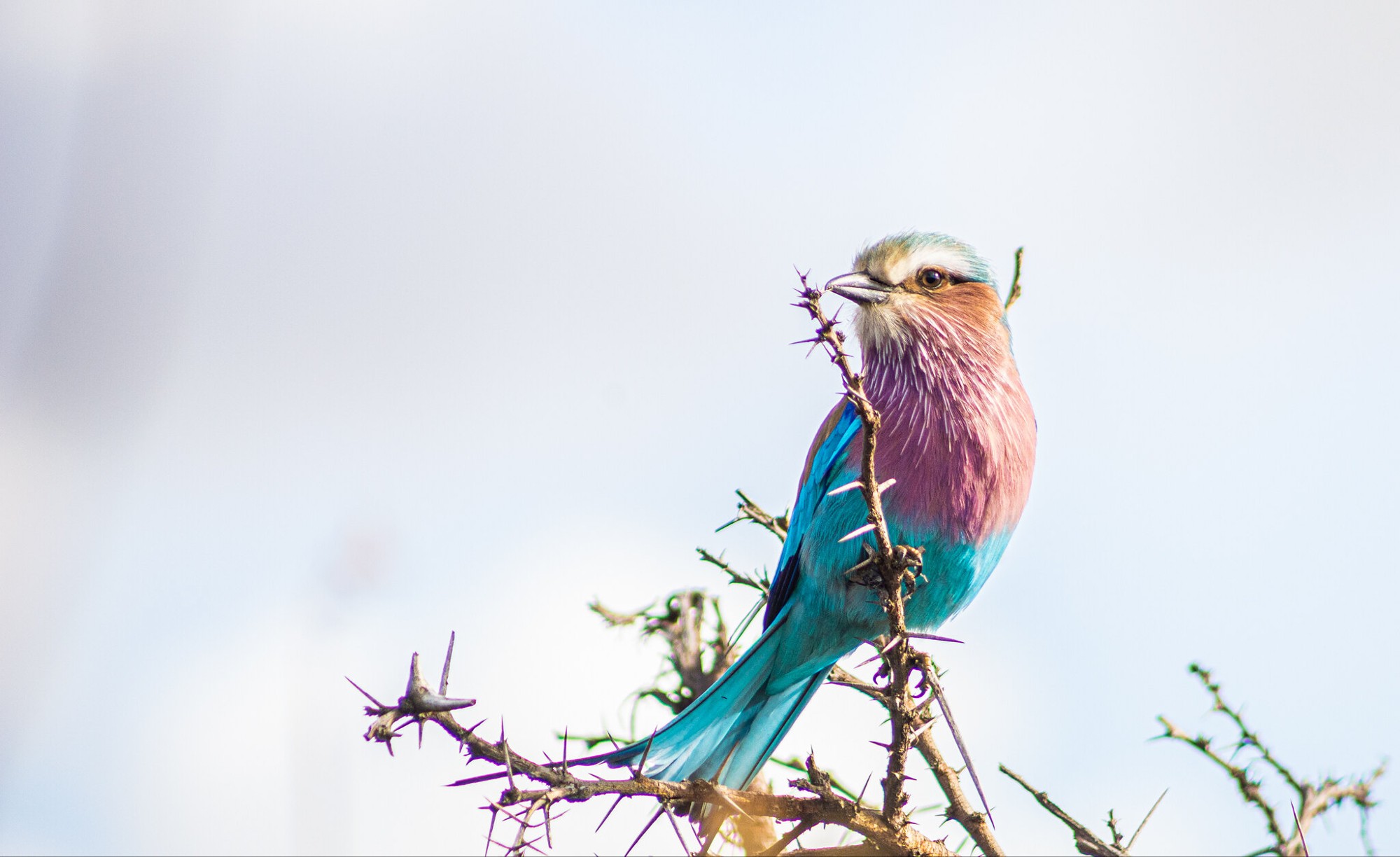
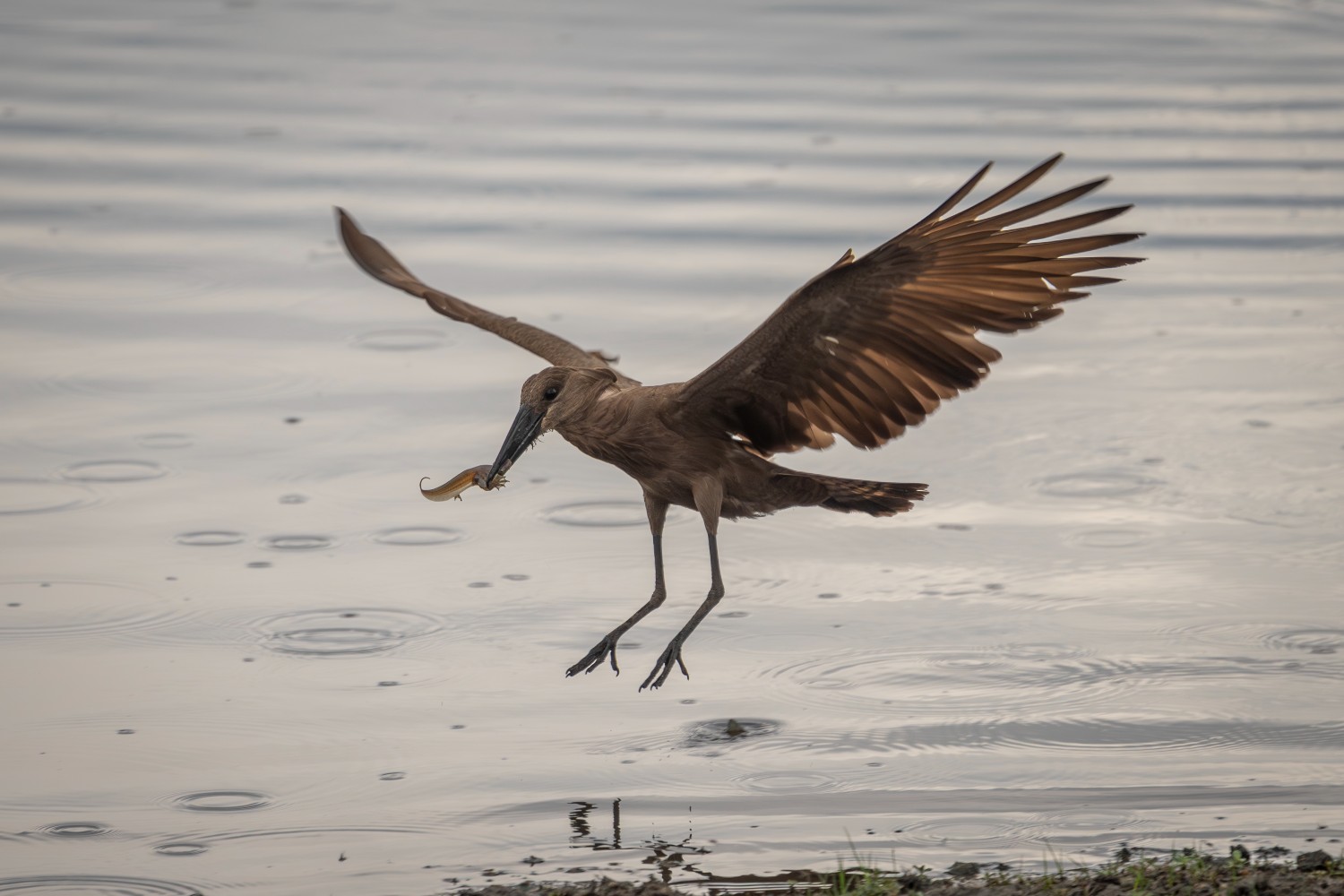
    Roaring winds and scorching heat put our goal out of reach by mere single digits, but you won’t find a sore loser in me. There is a serious art to birding, and it is something I look forward to building on in the years to come. Trees at least stay still, as well as mammals to a certain degree, but you really need to have your wits about you and be on constant alert to get the most out of a day looking for birds.

    Birds aside, our first week back in Semester 3 was a winner with the climax definitely being Thursday’s visit up Mariepskop to ‘go birding’ in four different biomes. The beauty of having such a small group of nine means we all fitted on one Cruiser and were able to share in the same sense of awe as we encountered the beauty that surrounded us. From the hurricane-force gales that were unable to deter the peregrine falcons on top of the mountain to the tranquil forests filled with elusive birds and Sykes monkeys, we were repeatedly awestruck. 

    Open day in 40-degree weather

    Since the previous 60-day group left at the end of last semester, we have had the campus to ourselves, and we’re reaching the stage of becoming a small family — albeit a rather crazy one after sharing one vehicle for 12 hours. I believe we were able to convey this sense of comradery to all the visitors at the most recent Open Day — which of course had to happen in 40-degree weather! The heat deterred no one and I do believe we may be seeing some of those faces on a more permanent basis at Bushwise again at a later point.

    South Africa looks set to destroy Romania in the Rugby World Cup tomorrow, and put everyone in a cheerful mood to enter the new week where we begin with mock drives as preparation for our IFGA practical finals. Theory finals are in a week’s time, and then we will finally be able to let our hair down a bit, just in time for our new group of 60-day students. I want to say that the stress is overwhelming everyone, but we have been so well-prepared to get to this point that I believe my whole group will ace it.

    image

    In summary, I can’t say I’ve ever really had much direction in my life. A decade spent waitressing was always a hand-to-mouth way of living for me. I really enjoyed it, but I always felt stagnant. The sheer amount of knowledge and skills acquired over such a short time here has been unfathomable. I’m finally putting my brain back to work and gearing up to embrace my 30s at year-end. With each week, I’m closer to realising my potential and I look forward to what the rest of the year has to bring.

    Ready to go out on a limb and pursue your dreams of living a wilder life? Join us out here at Bushwise for the start of something special. 

  • Camp Manager Week: Tyre Changes, Returning Birds & A Broken Foot

    This blog was written by Jess Lind, Bushwise Professional Field Guide student. Each student takes a turn as camp manager, and writing a blog is part of the experience

    Read time: 3 min

    And so it begins on Monday morning and at 4:30 am. The alarm goes off, and somehow I manage to crawl out of bed and turn it off. It’s a new day and I am camp manager this week. I walk to the kitchen in the pitch black hearing the sounds of my fellow students snoring away. No sounds of birds are heard yet – I mean why would I hear that? It’s freaking 4:30 am! I unlock the kitchen and set up the coffee station – which thankfully means one thing … back to bed. 

    The day truly begins at 6:30am when we depart for this week’s game drives. Our second time doing our 3-hour drives so nerves are high. Pro tip: stay away from the non-morning people during this time! Everyone meets at the cruisers waiting to defrost from their slumber and the trainers arrive with loads of enthusiasm and energy … where do they get it from?

    image

    The birds return from their holidays

    We drive out into the bush, and it never gets old. The animals are waking up and some are going to bed after a long night. The birds begin chirping and in that moment we all know, we are exactly where we’re supposed to be! 

    This week we had the most incredible sightings – cheetahs, lions, spotted hyenas, elephants! But let’s not forget about our small fellas like the most beautiful butterflies. We also couldn’t have been more excited to see the birds who have just come back from their holiday. Some birds migrate over different seasons and now that spring is approaching, it’s like we have entered a new world because we’re seeing new birds that weren’t here when we started the course. 

    Feeling like a baddie

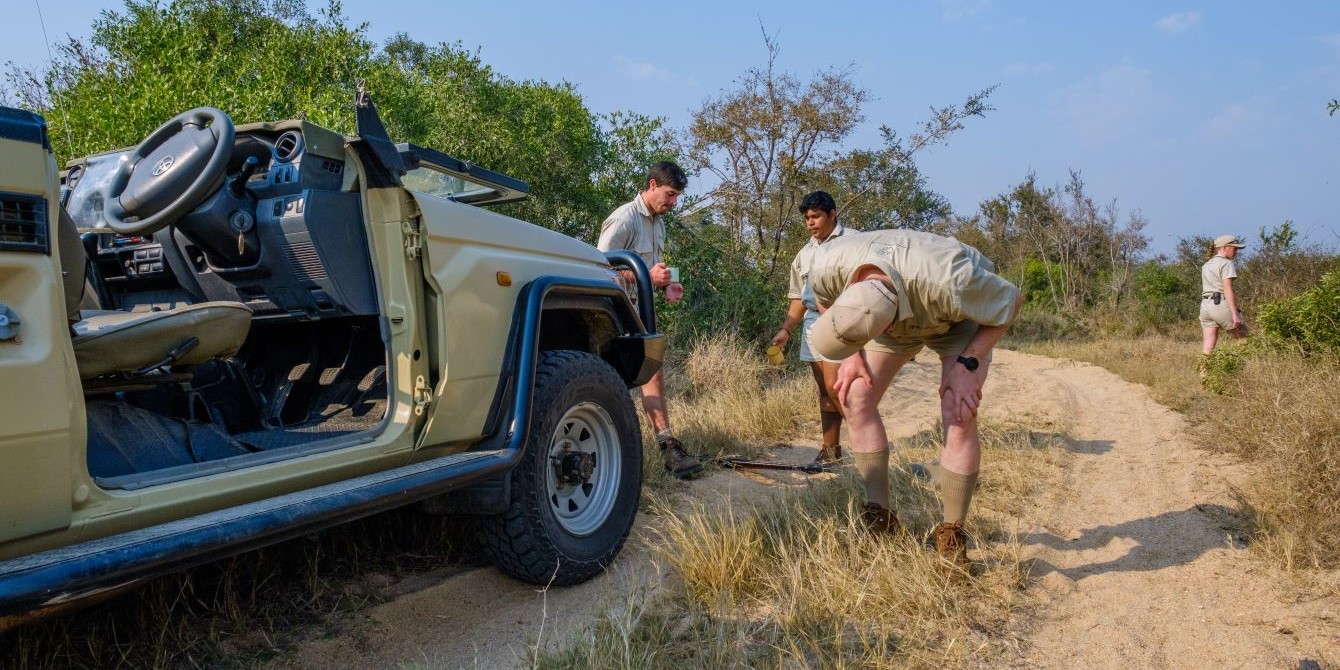
    This week also involved us learning to change tyres on drives, and if you are anything like me, this is not something you were taught growing up. (I 100% think it should be). But my parents raised a strong woman, so I was determined to get it right! 

    And I did it, with a bit of difficulty – but hey we can’t all be perfect on our first try. Doing such a simple task made me honestly feel like a badass. I felt empowered and if anyone that hasn’t changed a tyre before is reading this, I encourage you to learn. 

    image

    The trick to being camp manager

    Being camp manager also means that people come to you with problems they need help with to solve and luckily for me that’s my expertise. But after hearing the same problem – cups being left on the table after meals – it gets hard to keep your cool. It’s such a small thing, but nobody seems to just wash them when they’re done. 

    That’s where being camp manager comes in. Do you lose it and shout at everybody? – very tempting sometimes. Or do you try your best to keep your cool and politely tell everyone for the 10th time to work as a team and pack the cups away? 

    Broken feet and termites

    Being camp manager also means you are in charge of the walkie talkie. So it’s your job to report anything you should be worried about or something the trainers should know. They always say “Don’t worry! Nothing serious will happen.” But this week it did! 

    My fellow student happened to have a wee accident – and by wee I mean she broke her foot in two places! Can I just take a moment to say how strong she was? She did not let a single tear leave her eyes!!! I would be crying buckets if it were me.

    There are so many things I could write about, but I would fill a book. Being camp manager has taught me responsibility, dedication and, most of all, teamwork. After spending some time watching termites build their home, I realised we are a lot like them. Everyone has a role to play and things can only be achieved greatly if we work as a team!

    That’s all from me for this week so goodbye for now!

    Be part of the fun that is campus life when you join us out here at Bushwise to learn and experience all the cool things the South African bush has to offer.

    #IFGAlevel1exam #AdvancedRifleHandling #bushwise #qualification #Exam #IFGALevel1 #training #apprenticefieldguide #safari #IFGA #fieldguiding #Assessments #gamedrive #guiding #IFGAexam #fieldguidecourse #studying

  • Wild Week as Camp Manager: Exams, Game Drives And Sleepouts

    This blog was written by Julian Payne, a Bushwise Professional Field Guide student, during their week as camp manager.

    Read time: 3 mins

    This week was a very big week for us on the SAWC campus. It was full of game drives, a big exam, a sleepout and the start of the new semester. This new semester offered a transition from mainly classroom and theory work to the next phase of the course which is full of animals and game drives! Needless to say, we’re all very excited for that part. 

    Returning from off week

    We had just come back from our first off week. Everyone had plenty of stories and experiences to share from trips back home, Kruger trips (the first for many), trips to town, or the fun they had while staying on campus and hanging out together. It was really nice to see how everyone came back refreshed but also excited for what is to come. I myself noticed that this was the first time I had come back from a break from either school or work and been happy about being back. Truly a sign of how much I enjoy what I’m doing here and that I am finally on the right path in my life. 

    image

    However, there was not much time to dwell on my off week or talk to my friends about theirs as we had our official IFGA exam halfway through the week. This exam was the last of the theory exams that we had been working on since getting to campus last month. Everyone got into full study mode pretty much the moment we arrived back on campus. 

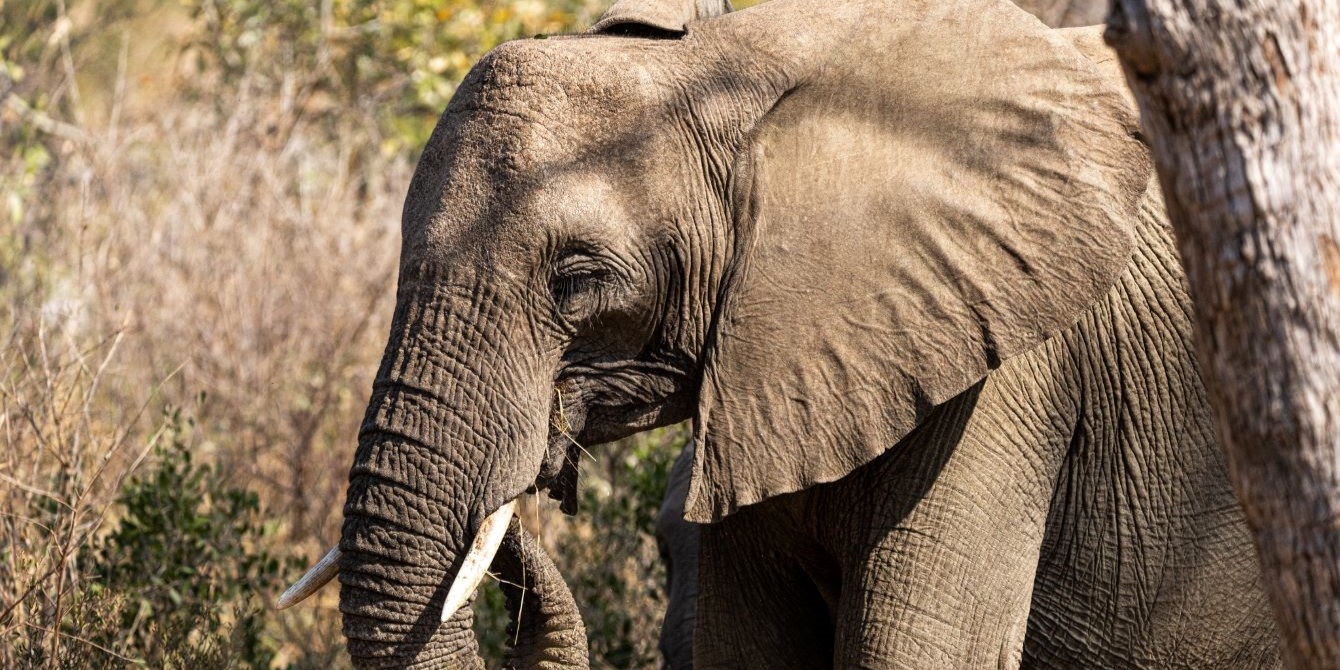
    Between the in-class review sessions with the trainers and the study groups we formed, most people felt quite good going into the exam. We also had a couple of game drives as well which was a nice break from studying. Especially since those drives were quite eventful with some beautiful elephant, ostrich and even rhino sightings. 

    Sleeping out in the bush

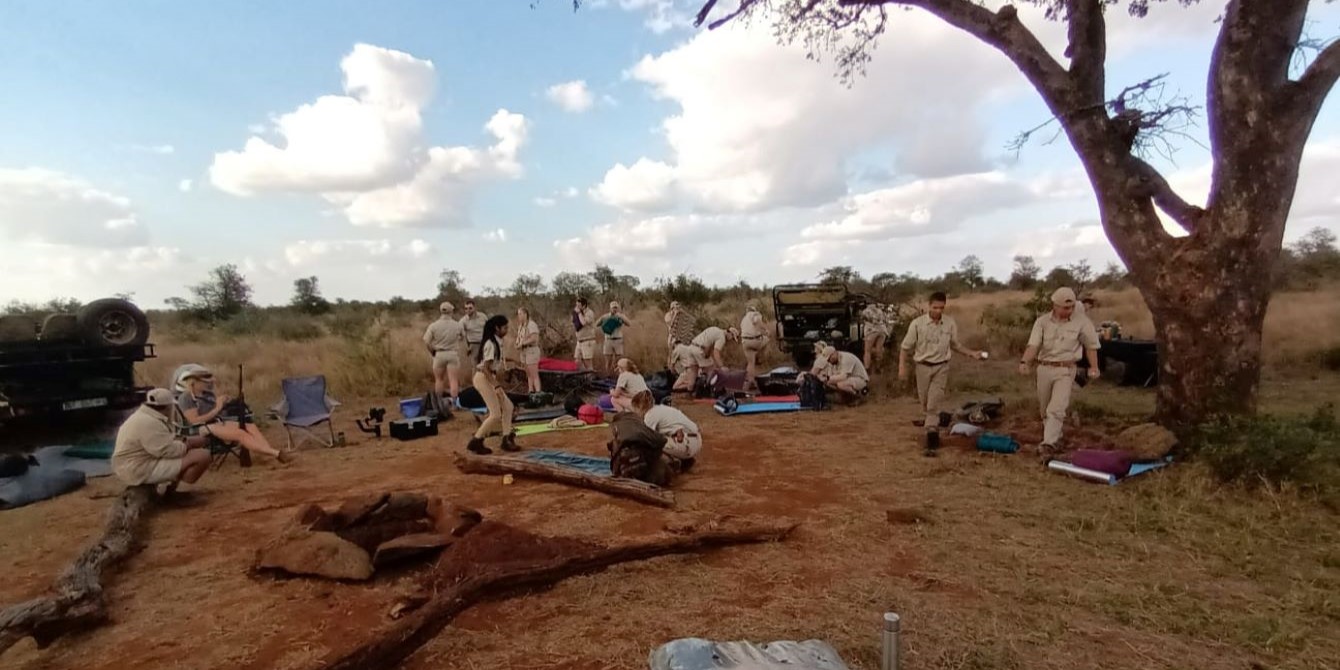
    In the afternoon after we took our exam, we headed to our first sleep out. This meant that we would be sleeping under the open sky inside Kruger, which was something we were all super excited for – albeit a bit nervous. It was especially nice as the weight of the exams and weeks of studying was off our shoulders. 

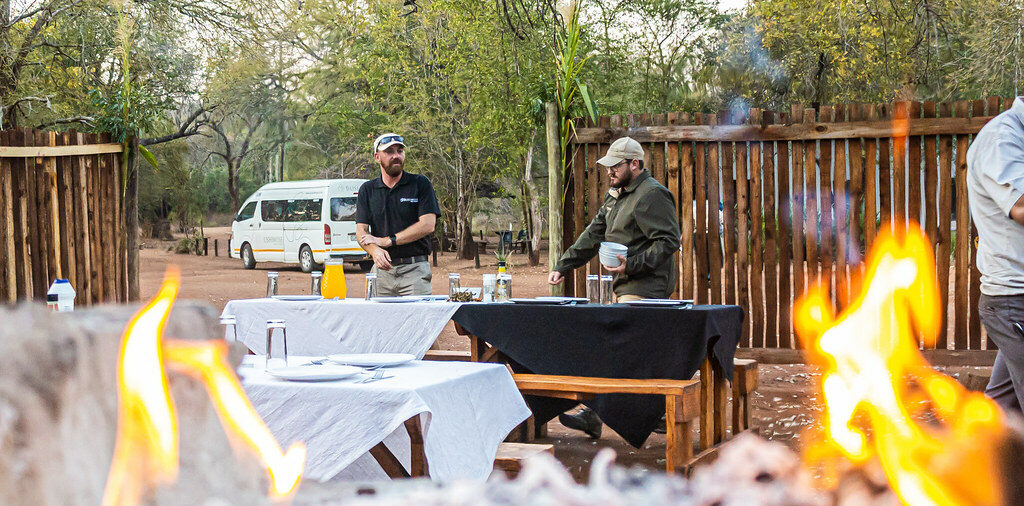
    Once at the campsite under a big marula tree, we set up camp, made a fire, had dinner, sat around the campfire, played a bird game, and just enjoyed nature and each other’s company. Throughout the night we were fortunate to hear hyenas, jackals and a couple of birds. 

    image

    What’s next for the Bushwise students

    Now that the IFGA theory is out of the way, we have started studying for the next phase of the course which is all about learning the animal slides and sounds from mammals and birds all the way to frogs and insects. And while this feels like a daunting task, I personally can’t wait until I know all of these because the bush will look and feel quite different once it isn’t full of “random” animals and sounds, but rather things we actually recognise and know stuff about. 

    This new term will also be the start of more in depth 3-hour game drives that will really allow us to challenge ourselves and see what leading a full game drive is all about. 

    This was not the easiest week to be a camp manager as I had to balance the managerial duties as well as the studying and staying on top of everything. However, as there are always two camp managers, we split up the duties and together we were able to make sure that things were going smoothly so that everyone could focus purely on studying. Plus, we have an amazing group of students here that I am glad to call my friends that all take part in helping each other and making sure everything goes well. 

    Experience the thrill of sleeping under the stars and hearing jackals call as you chat around the campfire late into the night with new found friends out here at Bushwise

    #wildlife #IFGAlevel1exam #bushwise #qualification #IFGALevel1 #training #animals #safari #IFGA #sightings #fieldguiding #Assessments #guiding #IFGAexam #elephant #fieldguidecourse #studying

  • Wildlife Adventures and Leadership Lessons

    Read time: 3 mins

    This blog was written by Goodwill Manzini, Bushwise Professional Field Guide student, during their week as camp manager.

    A little about me 

    My name is Goodwill. I come from Cottondale Village near Andover Nature Reserve. My passion for wildlife started at a young age because my childhood was surrounded by natural environments.

    When I was growing up, you would always find me in front of TV watching wildlife documentaries, trying to educate myself about organisms, weather and landscape and on how they are working together to form the bubble of life. 

    I believe that as a field guide you need to be knowledgeable about ecosystems so that you can instil an appreciation of nature into your guests and try to get them to be as passionate as I am about nature. I also plan to take all the knowledge that I’m learning from SAWC and Bushwise and pour it back into my community. 

    First camp manager of the course

    At the start of the week, I was assigned the duty of camp manager. Everything was still new to us, and we were so full of nerves and doubts. Being the first student camp manager of the course made me feel so special and honoured. By the end of the week, I had learnt a lot and improved my managing skills. 

    At the end of every night Delight – who is the chef for the Bushwise students – and I made sure the fire was put out safely. This is something people don’t often think about, and they often just walk off without checking if anyone will take care of the fire. 

    image

    Game drive encounters

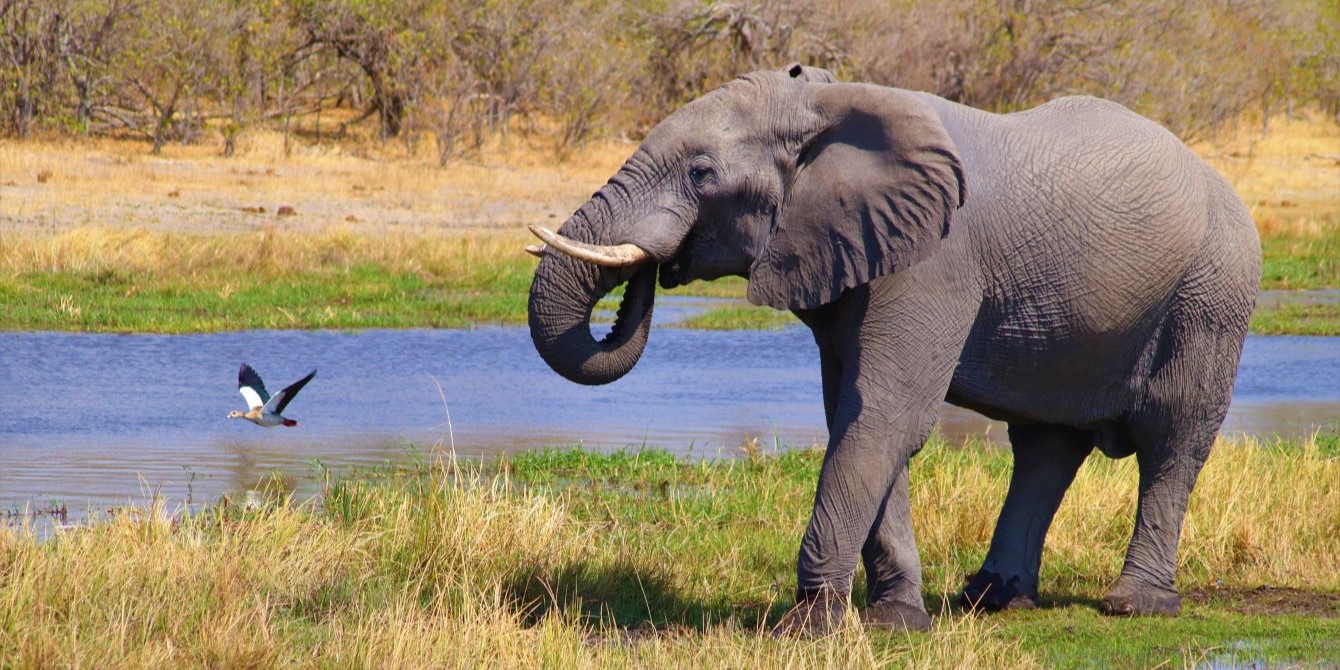
    On Monday, we went on two game drives where we had some great sightings of three elephant bulls (Loxodonta Africana) feeding. We also saw some hippopotami, who went from the land to the water and one of them went up every couple of seconds. I think this was to check what we were up to and to keep his or her partner safe. We were able to enjoy this a lot because we used this area for our coffee break. 

    During our second week, we had the opportunity to visit the famous Hoedspruit Reptile Centre. We were lucky enough to witness a black mamba feeding. 

    We also got a chance to talk about traditional beliefs and medicinal uses of plants when we came across an interesting marula tree (Sclerocarya birrea). We talked about how tribes like the Tsonga people use this tree to communicate with their ancestors, and how every part of the tree has a use. For example: 

    1. The bark is used to treat diarrhoea and dysentery.

    2. The fruits are used to make a jam.

    3. The skin of the fruits can be used as a replacement for coffee.

    4. The nuts are used to make cosmetic products.

    5. The Venda nation uses the tree to identify a baby’s gender.

    Lessons from being camp manager

    I have really learnt a lot from being camp manager and how to guide people. Normally I am a dominant person, but I have never really had to lead any group in a big way. Even though this task did not really require me to lead or guide people too much, it still gave me a taste of how it feels and should be done. After experiencing what I have in these last two weeks, I now am even more excited to reach my dream of becoming a field guide.

    Embark on your own journey of discovery with Bushwise Field Guides. Uncover the wilderness, build leadership skills and nurture a passion for nature. 

    #wildlife #bushwise #qualification #Exam #training #animals #apprenticefieldguide #safari #IFGA #sightings #fieldguiding #endangeredspecies #Assessments #guiding #IFGAexam #elephant #fieldguidecourse #studying

  • The Bushveld Has Its Own Time

    This blog was written by Bradley Blouw, Bushwise Professional Field Guide student, during their week as camp manager.

    Read time: 3 min.

    A freak cold front passed over the Lowveld this week; apparently it is extremely rare for temperatures to reach below 10° C. I had thought that I’d escaped the harsh Free State winters only to find myself wearing three layers in the Lowveld anyways! The cold front moved through and brought rain, making for one miserable week. However, the homely food by the resident chef, Delight Mpofu, instantly warmed everyone up again. 

    From Dwarf Mongooses to Cane Rats

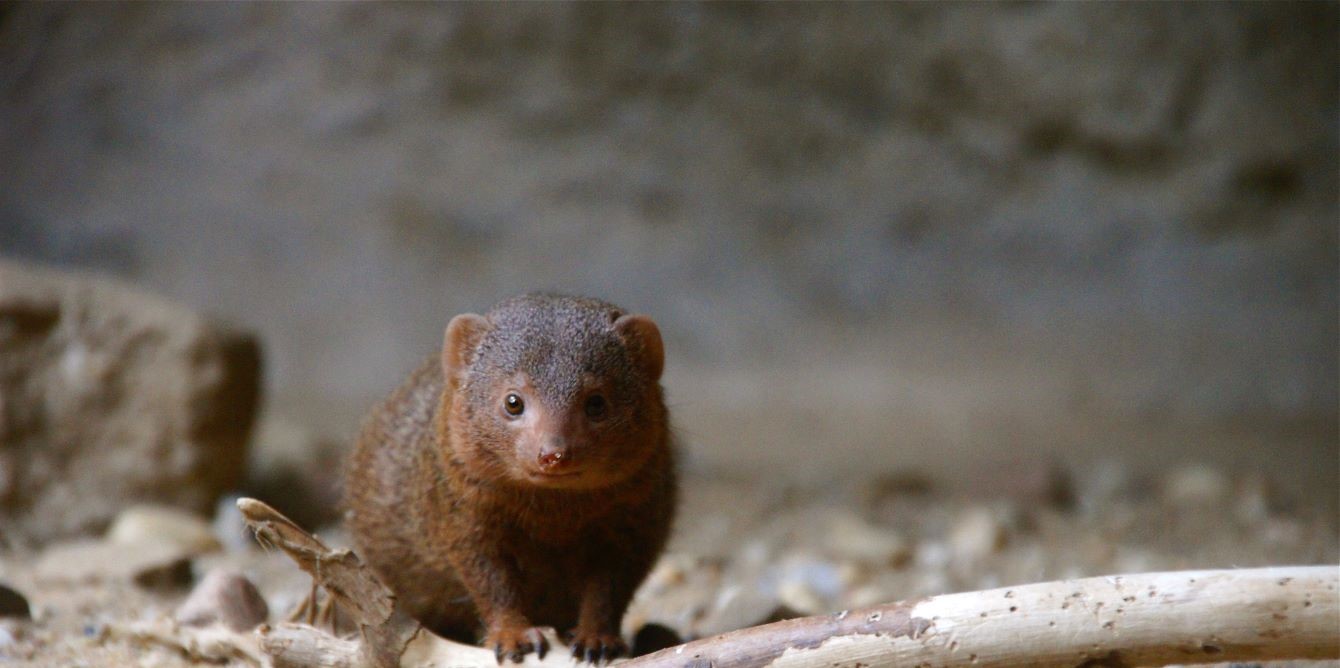
    Every morning we take a stroll through the Southern African Wildlife College, and the short 8-minute walk is always filled with all sorts of little creatures. Thus far, the cutest sighting has been a band of dwarf mongoose; I often stop and just watch them scurrying about. 

    image

    Other daily sightings include francolins, magpie bush shrikes, southern red- and yellow-billed hornbill birds, grey go-away-birds, a resident blue-headed tree agama who lives just outside the classroom and the huuuuuge cane rats that live near our tents. You can often hear rustling through the grass but seldomly see as they are nocturnal rodents.

    And let me not forget about the birds. You’ll also often catch one of the students gazing out the window admiring one of the many many birds we have to get to know for this course.

    Meet Simon, the Colorful Foam-Nest Tree Frog

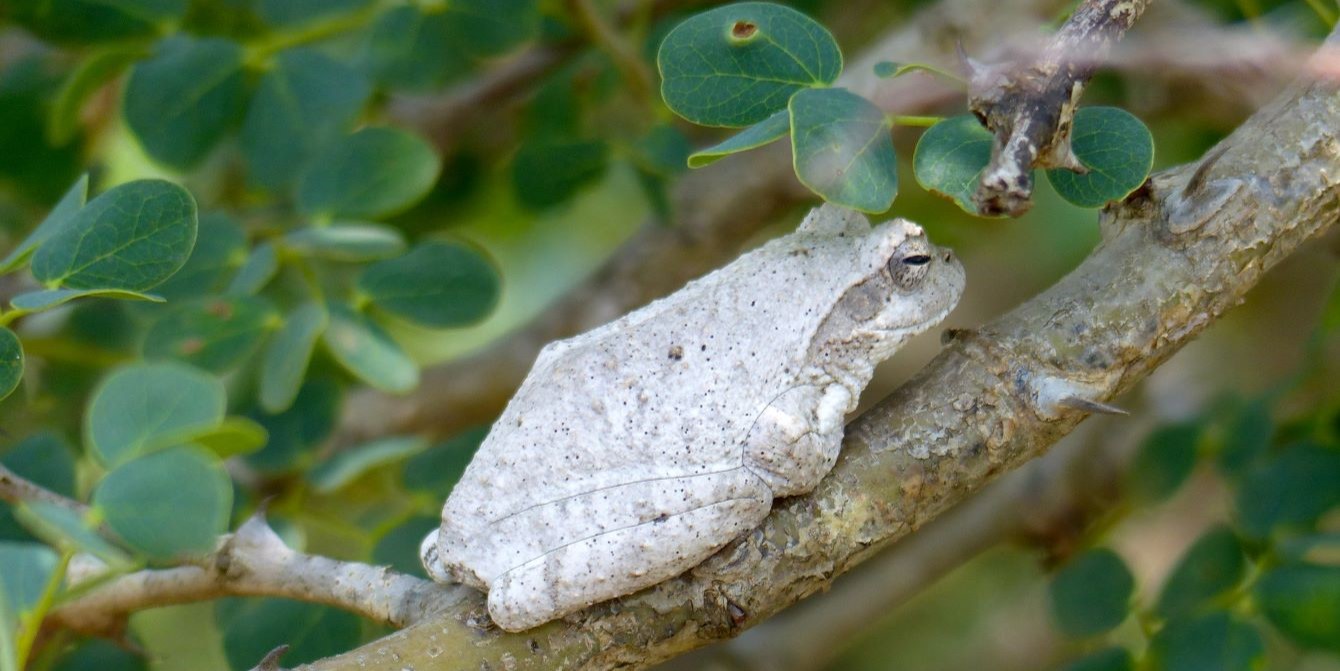
    The closest thing we have to pets out here would be the fauna that decided to make our tents their tents too. There is a foam-nest tree frog that has made itself very comfortable on our porch; we promptly decided to name him Simon. 

    image

    An interesting fact about Simon is that he is able to change his body colour, although it is nothing like the mechanism found in chameleons. When Simon is active and hunting at night, he is a bright green and black colour, but when he comes back to rest during the day, he is a pale white colour. 

    This phenomenon is called thermoregulation by colour change. As the name implies, it helps with the regulation of body temperature, and amphibians rely on the environment to help them regulate their body temperature.  

    We always get nervous when Simon leaves the safe confines of our tent to go hunting at night, only to be relieved when we spot him back on his little perch above the porch.

    Anticipating Spring in the Lowveld

    After the rains that fell about a week and a half ago, there are already signs of new growth on the trees and the scorched grasses. With the temperatures steadily increasing again, we have already had a brown house snake removal on campus and – with the aid of UV lights – a few scorpion sightings at night, which are all signs that spring is well on its way. With the changing of the seasons upon us, I am nervously excited to see what spring has to offer in the Lowveld.

    Sounds like an epic experience? Join a Bushwise course and you could find yourself waking up to the Bushveld each day, too!

    #wildlife #bushwise #qualification #Exam #training #animals #apprenticefieldguide #safari #IFGA #sightings #fieldguiding #endangeredspecies #Assessments #fieldguidecourse #studying

  • Embracing Change: My Journey to Become a Field Guide

    This camp manager blog was written by Ryan Sakinofsky, Bushwise Professional Field Guide student.

    3 min read

    Leaving the City Behind for a Big Adventure

    Driving down the long, dusty, corrugated road to Mahlahla campus, I felt my life was being shaken up literally and figuratively. I left Johannesburg’s bustling, noisy, dirty streets for a new adventure. As I stopped on the bridge crossing the Makhutswi River, my thoughts meandered back six months to when I decided to change my whole life in the musty basement parking at work. 

    I thought back to when I was a student at the University of the Witwatersrand and how different my life was compared to the life I had imagined for myself. As a student, I studied animal, plant and environmental sciences, and I wanted to work in the last few wild spaces we have left and to never ever work in an office. Then life happened and even though I had been working in the corporate world, I managed to find my way back to the bush and it was like everything in my life was new again.

    Settling in: Welcome to Mahlahla campus

    image

    I arrived at the gates to campus and waited for the dust to settle and for my eyes to stop shaking from the corrugations before opening the gate and driving in. I was welcomed by the trainers: Darryn, Wayne and Pioneer and our camp mom, Claudia. The passion they have is contagious and it was not long before we were all settled and feeling content. 

    The next day brought a whirlwind of admin. I was given the honour of being the first camp manager for the Professional Field Guiding Course, and we were split into groups for our camp duties. It was quite nerve-wracking as I was expecting many teething issues from my colleagues, but I was pleasantly surprised to find that any issues were easily sorted. 

    Our subjects for the week were Introduction for Field Guiding, Radio Procedures, Geology and Weather and Climate. It took us a few days to figure out that these subjects weren’t so scary and, given enough time, we began to appreciate the time spent in the classroom  – especially on the unusually cold winter days.

    First game drives and wildlife encounters

    image

    We were all eagerly up before the sun on Wednesday for our first game drive. The air was electric, and we were so full of energy we could have pushed the vehicle the 5km to Makalali Main Gate. This week we learnt about the red bush willow (Combretum apiculatum), the russet bush willow (Combretum hereroense) and the knobthorn (Senegalia nigrescens). My personal favourite tree this week was the knobthorn as it is easily identifiable by the knobs on the trunk that look like spines. Unfortunately for me, the spines are lost when the tree reaches maturity. 

    One of my personal highlights was stopping at a dam on the first morning and watching a baby hippopotamus (Hippopotamus amphibius) ride on its mother’s back to go underwater. We learnt how young hippos are very vulnerable out of the water and will stick close to their moms for protection. 

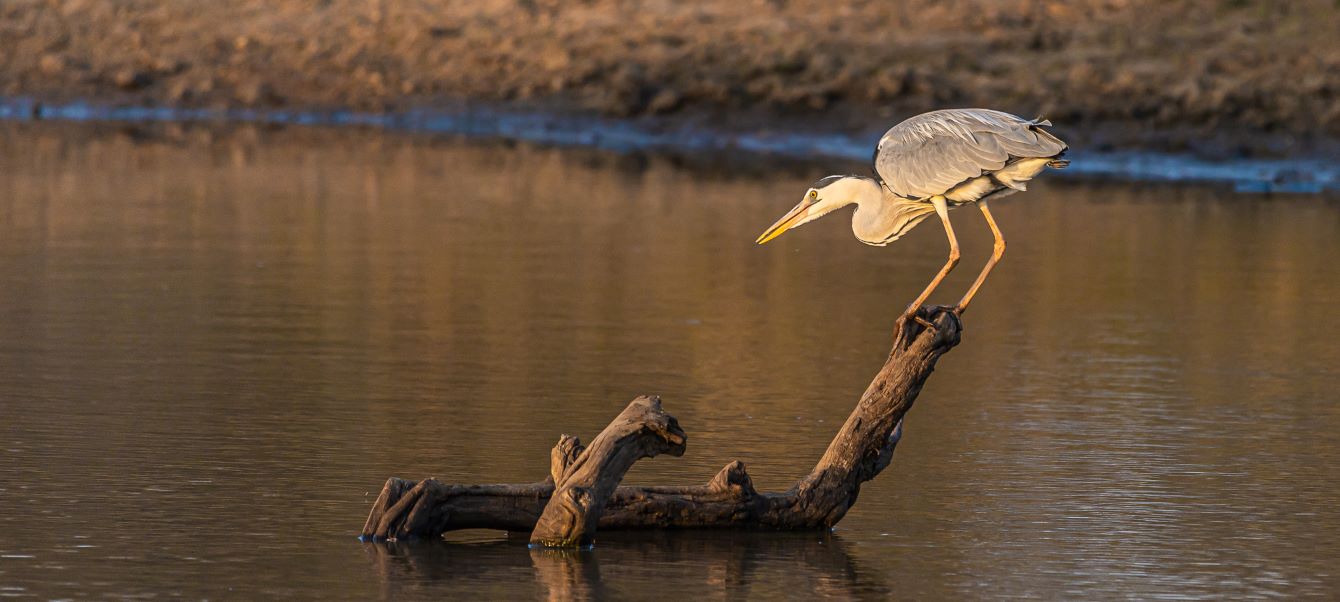
    We also witnessed how territorial grey herons (Ardea cinerea) are when we watched one chase a great egret (Ardea alba) repeatedly around the dam. The pied kingfishers (Ceryle rudis) were giving us a show by doing spectacular dives into the dam to catch a fresh breakfast. The pinnacle of the game drives was finding a pride of lions (Panthera leo) on our way out of the reserve on our first night drive. This was the start of the three-day lion streak we all enjoyed. The next morning, two young males gave a spectacular display of a contact call, which is how members of a pride locate each other once they have been separated.

    Learning the responsibilities of a field guide

    image

    As crazy as this week has been, it reminded me that as as a field guide there will always be the need to step up and manage a situation. From giving people tasks to making sure a job is done or just being there for someone who needs to vent or needs a reassuring word or two. I know that the next six months of my life are going to be a rollercoaster and I am here for the ride.

    Loved this blog? Follow more field guide student experiences in our weekly Bushwise blogs.

    #wildlife #AdvancedRifleHandling #bushwise #qualification #safariguide #Exam #training #animals #apprenticefieldguide #safari #sightings #fieldguiding #Assessments #guiding #fieldguidecourse #studying

  • Life in the Wild: Embracing Adventure and Discovery in the Bush

    This blog was written by Joel Wicks, Bushwise Professional Field Guide student, during this week as camp manager. 

    The day began at 4 in the morning when my alarm blared throughout my tent and of course woke my roommates long before it affected me. I woke up with my duvet completely off and in shock at the first low temperatures I had felt since being in Limpopo. 

    Embracing the chilling beauty of Limpopo’s mornings

    image

    As I walked out the door, I realised that this was far from the heat I was used to waking up to. I took just two steps out the door before turning around and getting both my fleece and beanie. I had made it to the kitchen only partially frozen, but as soon as my hot coffee was finished I was ready for yet another amazing day in this incredible place. 

    The first day of new drive groups was silently shivering as we drove through our  concession of the Kruger National Park – which still makes me smile. The thought that I am living in part of the Kruger and falling asleep to hyena and lion calls – and even the resident fiery necked nightjar each night, it’s truly something I’ll never get tired of. 

    Wildlife from impala to Sterling’s wren warbler

    image

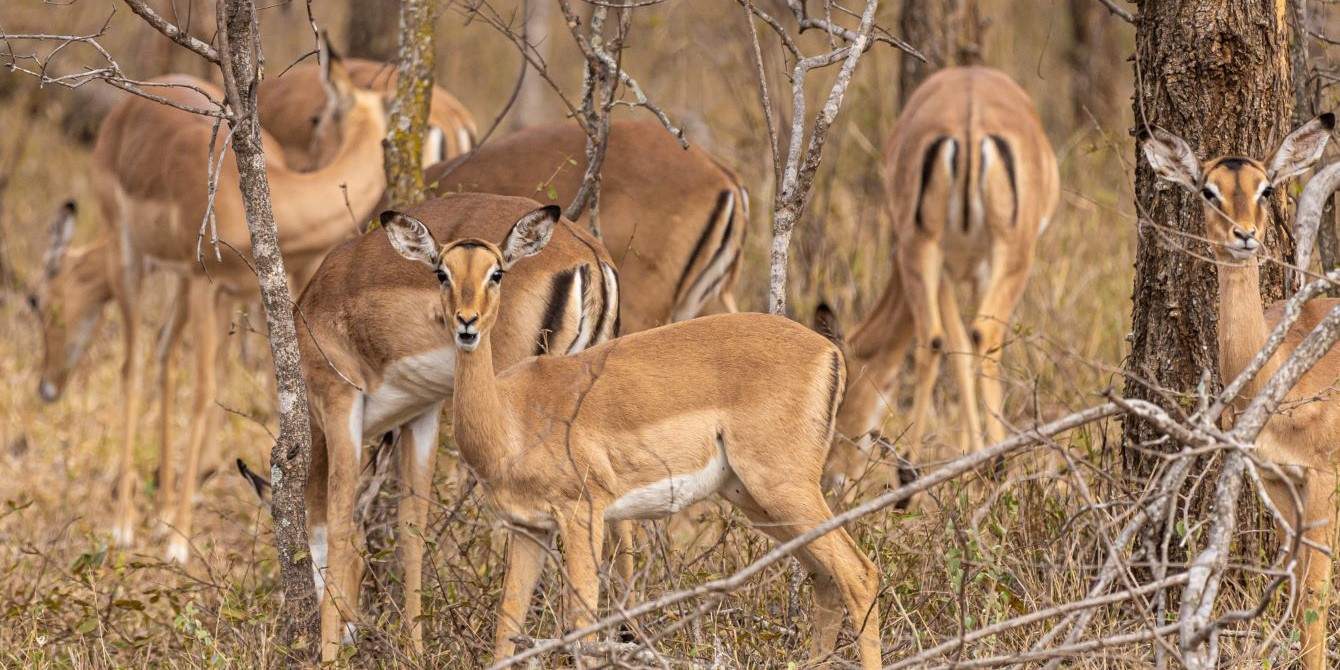
    We quickly settled into our new groups and it wasn’t long before the laughs started, our first sighting. As per usual was a small bachelor herd of impala. Although they’re so common that our previous trainer referred to them as the money back guaranteed antelope because if you don’t see one, you should get a refund, one cannot ignore they’re incredible animals with complex social structures. Even though they’re so common, we haven’t even scraped  surface of what we can learn about these antelope. 

    The next sighting happened to be a female African stonechat, a small bird that’s not too brightly coloured, but the excitement that fills me when seeing a bird I haven’t yet added to my list is a feeling I strive for each day. The more time you spend in the bush, the more your interest in birds begins to grow. I arrived here in search of leopards and elephants, and today I am more focused on finding the Stierling’s wren-warbler.

    Camp management and camaraderie

    Throughout the week, our drives continued, and we all got to witness just how far each of us have come since being here, the knowledge we’ve gained and the friendships that have grown are clear in each day and each drive. Sibusiso and I have realised that being a camp manager is not as easy as it seems. We need to wake up long before our fellow students in order to make sure that the kitchen is open and there is enough hot water for the much needed morning coffee, and take out bread with jams and peanut butter for a quick morning snack. This all sounds relatively easy until you add in the fact that we have to do it most mornings at 4:30 when the sun hasn’t eben risen and most mornings come with a light rain – which can some times be dreadfu, but there’s still nowhere I’d rather be each morning.

    Bird calls and beyond: The sounds of nature

    image

    The weekend came quickly and with it the bird slides and sounds exam, I had just finished my drive and after cleaning my hot box, I made my way to my friend’s tent to do some studying. We went over each call at least three times. With 126 calls, you can imagine that this wasn’t a quick study session, we quickly began noticing the unique features of each individual call and eventually we were naming every bird call we heard with confidence. 

    It was like learning to ride a bicycle. At first you start falling a lot – and I mean a lot – but once you got it, you just want more. Now as I walk through campus or even while on a drive, I realise just how much I overlooked the calls I hear on a daily basis. 

    Once the exam had finished, everyone quickly hurried to the sign out book and it wasn’t long before most of us were on our way to Hoedspruit to gather enough snacks for the upcoming week as well as grab some lunch while we were there. Once we had all gotten our supplies and eaten lunch, we hopped in the car and made our way back to campus, blaring music and speaking about the past week and what is yet to come. 

    Once we reached the college gates, we turned the music down to enjoy the drive through the bush to get to our campus. As we drove we were greeted by squirrels, birds, impala and even elephants, it was the perfect end to the day.  

    Each day in the lowveld is a new adventure, an adventure that I never want to end. Keen to start your own adventure? Join Bushwise and have an incredible experience, every day, just like I have.

    #wildlife #bushwise #fieldguide #qualification #safariguide #Exam #training #animals #apprenticefieldguide #ifga #sightings #fieldguiding #Assessments #guiding #fieldguidecourse #studying #fieldguides

  • Exploring nature: Change will start with me

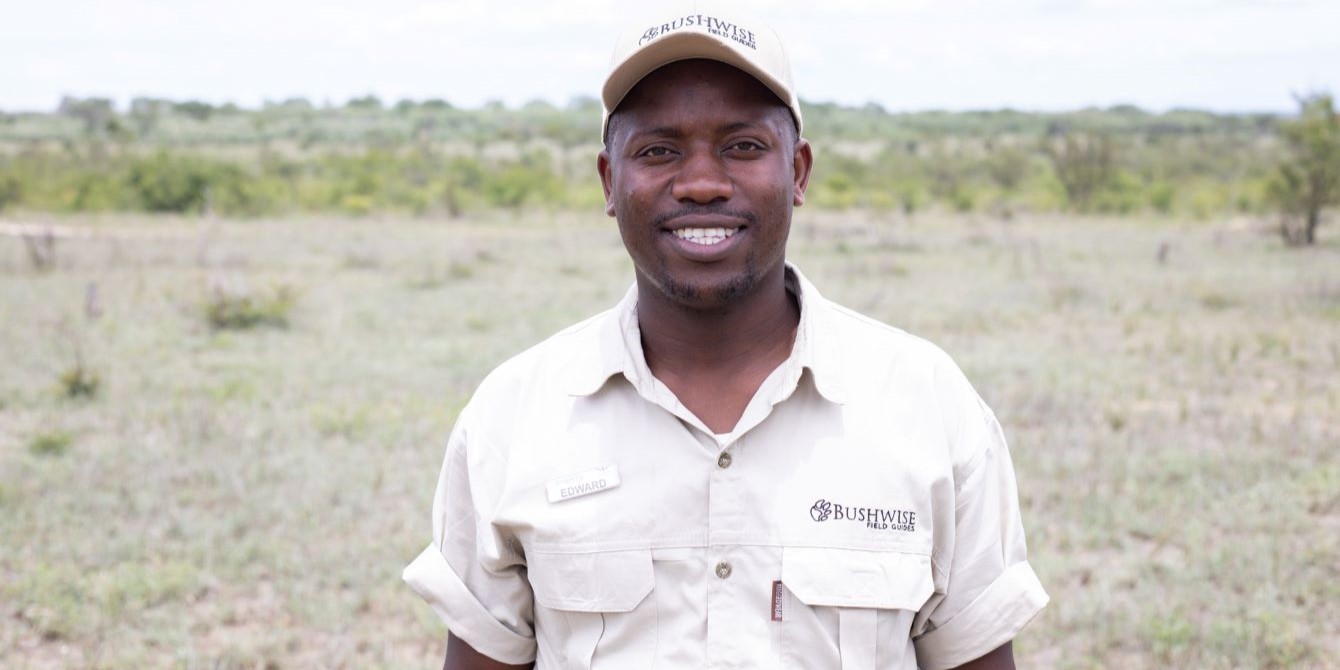
    This blog was written by Edward Tivana, during his turn as camp manager on the Bushwise Professional Field Guide course.

    My name is Edward and I’m from Timbavati village. I have been passionate about nature (guiding) since I was young. It started when we used to watch 50/50 on SABC 2 “where you belong” in our community. During that time, there was no television at home but one of our community members had a television. So every evening we went there as a group to watch the black and white television with a big aerial that you had to operate with your hands rather than a remote.

    I think change will start with me

    Now that I’ve grown up, I think back to where it started, and it makes me proud of what I’m doing right now and the passion I have for wildlife. I will give information to people about our beautiful nature, and teach young people about nature and how it plays a role in our daily life.

    For me, being a guide is not a job but rather a career. I’m looking forward to changing people’s lives or behaviour with nature – particularly young people from different communities because changing one person’s life can make a difference! My guiding is not only about nature but changing the way that people play a role in preserving it. I have realised that most people do care about our wildlife, but there are no people around them to teach or educate them about it, especially in the local communities.

    Becoming camp manager

    image

    As we know, everything has the beginning “from child to an adult” – so I feel so special and honoured for to have the opportunity to grow from just a student to camp manager for the week. In life I’ve learnt that everything has a history which will always be true. I’m saying this because during my week as camp manager I asked myself the question: where am I right now during my management? And the answer is: I’m in Kruger National Park. This context helps me to better understand how important nature is, especially in this historic reserve, and where I would have been without it.

    Kruger National Park

    Kruger began in 1898 as Sabie Game Reserve, proclaimed by the late president of Transvaal Republic, Paul Kruger. In 1926 it mergeed with other land to become Kruger National Park. Paul Kruger came with an idea that some parts of Kruger must be no hunting zones. The first warden was James Stevenson Hamilton, and he had the job of removing people out of prohibited areas and local people gave him the name “skukuza” meaning ‘clearing the area’.

    In 1927, the Kruger was opened to the public and only three cars were allowed to enter the park a day at an entrance fee of 1 pound. So it gives me an understanding that one person can make a difference and now we are proud of our wildlife community because of the difference Paul Kruger made. Today Kruger is 20 000 square kilometres, how crazy is that?

    Observing unique animal interactions

    image

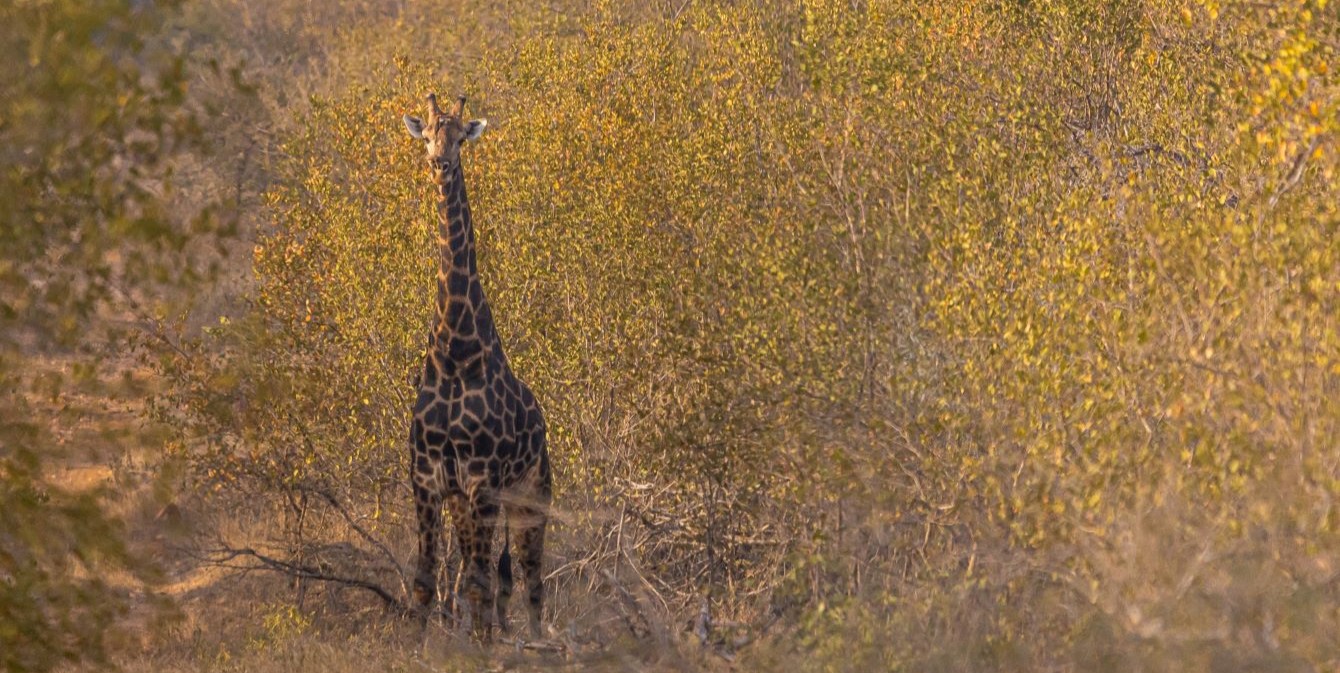
    On our Monday morning game drive we got to see the impala in their rutting season which was awesome as they chase one another while growling, zebras fighting, elephant bulls full of mud, wildebeest fighting for dominance and marking their territory, and the journey of giraffes.

    The experience and sightings have been fantastic. At last we saw the big dagga boy (buffalo at the camp and had a sighting of Burchell’s starling and fork tailed drongo where the drongo was trying to steal food from the starling. On my last drive, I really enjoyed seeing a steenbok for the first time and a group of buffalos making their way towards our pan.

    There isn’t a grave big enough to bury all the knowledge I’m gaining from this course and all sightings I’m getting to experience. I’m also so grateful to experience being a camp manager as it is giving me the opportunity to learn how to be a manager and the different roles I have to play.

    Every been curious about Kruger National Park, its history and animals, like Edward? Learn all about the protected areas in South Africa on a course with Bushwise.

    #wildlife #AdvancedRifleHandling #bushwise #qualification #Exam #training #animals #apprenticefieldguide #ifga #sightings #fieldguiding #Assessments #elephant #fieldguidecourse #studying

  • Unveiling the Art of Tracking and Sign: My Experience on Trail

    My name is Maddy, I’m 23 years old and from England. Like most people reading this blog, I first fell in love with Africa, its landscapes and wildlife while watching documentaries on TV. And then I was lucky enough to experience it for myself on a safari in Kenya’s Maasai Mara in 2009. After leaving school at 18, I spent a month volunteering at Shamwari Private Game Reserve in the Eastern Cape, then a month at SANCCOB in Port Elizabeth and finally a month at Naankuse near Windhoek.

    The time I spent experiencing these amazing parts of Africa solidified my desire to return to the bush in some capacity. I then went on to study Zoology at the University of Reading, which provided me with a great knowledge base for the field guiding course, and which I hope will support my future career in some aspects of conservation. 

    I first heard about Bushwise about four years ago from a school friend doing the field guiding course, and thought it looked like an incredibly unique opportunity to spend quality time in the bush whilst learning from experienced trainers.

    Exploring the fascinating world of track and sign

    image

    My week as (co) camp manager coincided with the start of our third semester here at the Southern African Wildlife College. I think everyone was a bit sleepy on Monday morning as we were thrown back into early starts after a restful off-week. But everyone was still happy to be back in the bush and excited to start our first week of track and sign (T&S) and trailing with Colin and Samantha Patrick. 

    We were split into our three game drive groups, with two groups going out twice a day for T&S with Sam, and the third group trailing with Colin. My group was one of the two T&S groups, and I was especially keen to start this part of the course as T&S and trailing is one of my main interests. 

    My and Emma’s first day as camp managers was particularly early as it was our duty to set up breakfast at our outdoor dining area due to kitchen changes. Although a bit half-asleep, it was lovely to rise with the sun and chat to the other students over coffee, recapping all our off-week activities. I imagine this was a good taster of what is to come in a lodge environment when we begin placement where we’ll be expected to wake guests and prepare breakfast before the morning game drive. 

    Unravelling the secrets of Big Five tracking

    image

    We all set out on the vehicles at 7am to find some tracks (thank you, Colin, for the extra hour in bed), and we were not disappointed. Sam threw us in at the deep end by circling a dozen or so tracks along the road and asked us to write down our answers in silence. After this first test, she explained the characteristics of each track, pointing out what made each of them unique to that animal. Luckily, we were all eager to learn and Sam was very patient, so the tracking stick didn’t need to be brought down on anyone – metaphorically of course. 

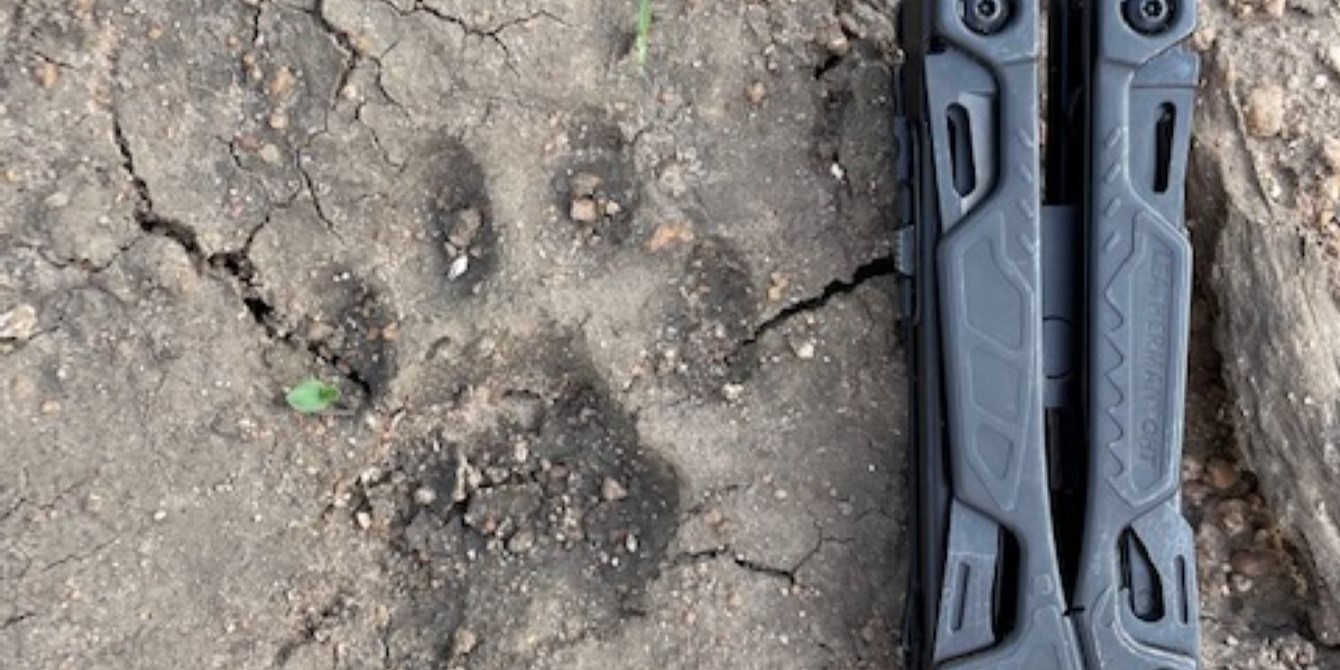
    On Tuesday, we walked to a dried pan which held a myriad of different tracks preserved in the mud, including white rhino, kudu and jackal. In the sandier soil around the remaining pool of water, we found the tracks of three of the Big Five – lion, rhino and buffalo. On Wednesday, we found leopard tracks, completing our Big Five list! 

    Over these three days tracking, Sam also revealed to us the smaller, subtler tracks, such as those of mud wasps building their nests in the ground, lizards dragging their bodies in the morning sun, and a sand grouse having a dust bath. 

    Unforgettable encounters: From rhino scent marking to lion sightings

    image

    On Thursday, my drive group had our turn trailing with Colin and his dog, Koda. We had the excitement of fresh black rhino signs, discovering how pungent rhino scent marking sites can be, and how easily they can disappear into the wooded areas. Saturday was possibly the best day as we took packed lunches out into the part of the concession where we normally don’t venture, but were granted access to on this occasion. 

    On one road we found rhino, elephant, leopard and lion tracks, including a lion scent marking site. The trainers indicated a suitable rhino trail for us to follow, which allowed us to view a beautiful white rhino bull on foot, whilst he watched us from the shade of the surrounding trees. That was a truly special moment. Later that day, we also saw four lions resting in the Timbavati river bed, presumably after having their fill of whatever the vultures were then circling. 

    Enhancing wildlife awareness through trailing experiences

    This first week of the third semester has probably been my favourite so far, and everyone is so grateful to Sam and Colin (and Koda) for spending two weeks teaching us the skill of T&S and trailing. They have such a wealth of knowledge between them, and are truly fantastic teachers — and quite possibly the best tracking instructors in the world (if Sam is reading this). They really have set the bar high so far this semester! But let’s see how our tracking assessment goes…

    To learn more about exciting opportunities in the field of conservation and immersive bush experiences like Maddy describes, join a Bushwise course.

    #wildlife #bushwise #qualification #Exam #training #animals #tracks #apprenticefieldguide #safari #ifga #sightings #tracking #trackandsign #Assessments #guiding #fieldguidecourse #studying