Category: Student journeys

  • From cattle herder to field guide

    Camp manager blogs are written by our current students who each get a chance to lead and manage a group (of their fellow students) for a period of one week. This blog is by Slon Khoza.

    3 min read

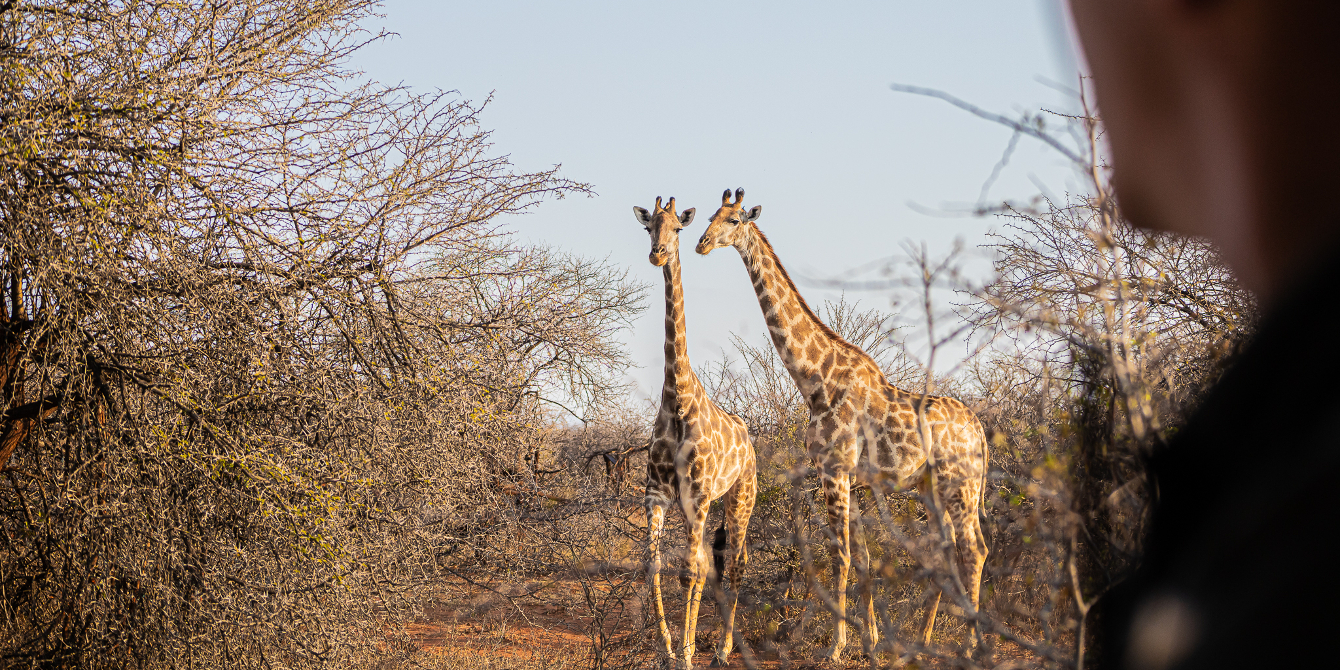
    I’m from a village close to the Kruger National Park in Mpumalanga. I grew up as a goat and cattle herder, and I used to walk along the fence line of Kruger a lot, which gave me the opportunity to see many interesting animals. 

    We never went into Kruger because it wasn’t easy for us. I once got an opportunity to go to Timbavati with an eco-school who took us on a game drive. That’s where my interest in conservation began and I wanted to become a field guide. 

    Following my passion for conservation
    image

    I worked for Conservation South Africa for three years and learned a lot during this time. Then one day I saw a post for a scholarship from the Southern African Wildlife College and Bushwise and I knew I had to apply. And much to my amazement, I got selected for an interview session and after a long journey I made it! 

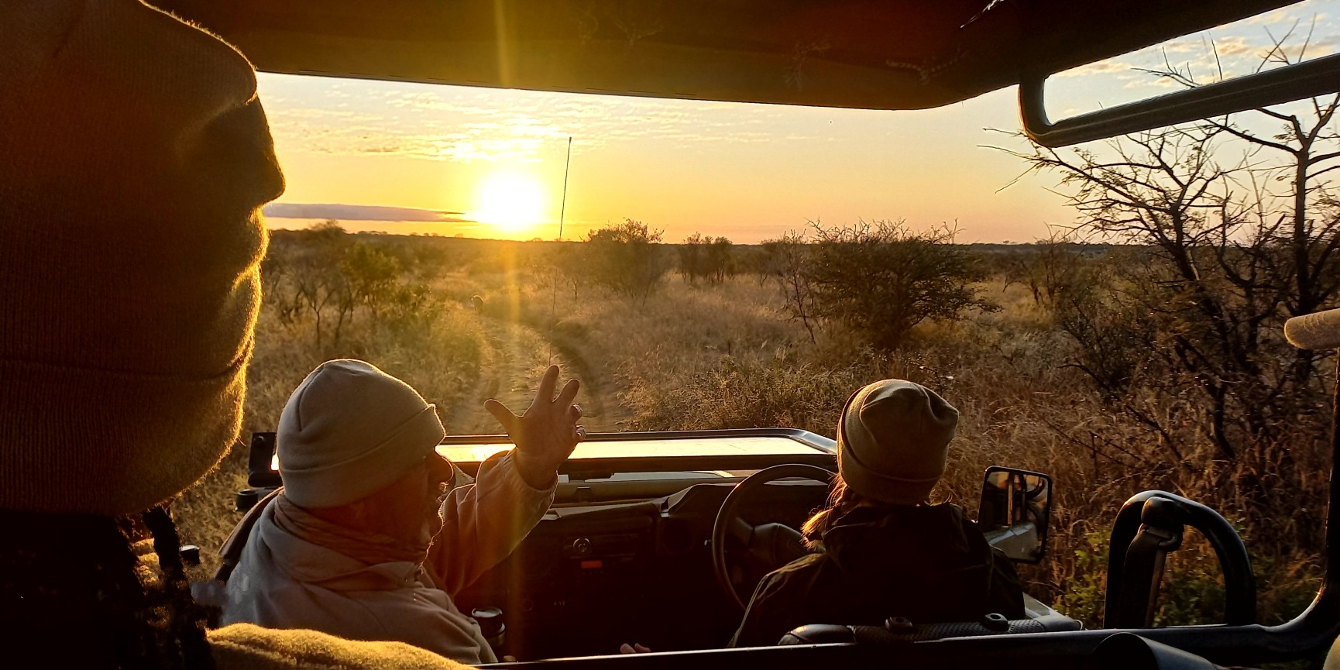
    I started doing a course online with the Wildlife College, before joining Bushwise in person for training. I finally got a chance to take people on game drives, explore the natural environment with them, and share my knowledge about the bush. At the beginning I had doubts about whether I would be able to make it or not. But through the Bushwise course I have gained the confidence and knowledge to guide people, who have been happy with the information I shared with them.

    The role of amazing trainers and mentors
    image

    The training facilities, support resources and mentorship of our trainers are all of a high standard. They are always willing to help when you’re struggling. For example, I was struggling with a module on birds, and the dedicated trainers helped me. 

    At first when I looked at the night sky, I was only able to identify the moon. With all the stars and constellations, I felt like I was looking at one big entity. Now, I am able to identify, point out and name most of the stars and planets.

    The staff, trainers and students at Bushwise have become like a family to me. They are so supportive and we work well as a group – which is great because it shows that we’re all able to work well with people from different backgrounds and cultures. 

    Being camp manager
    image

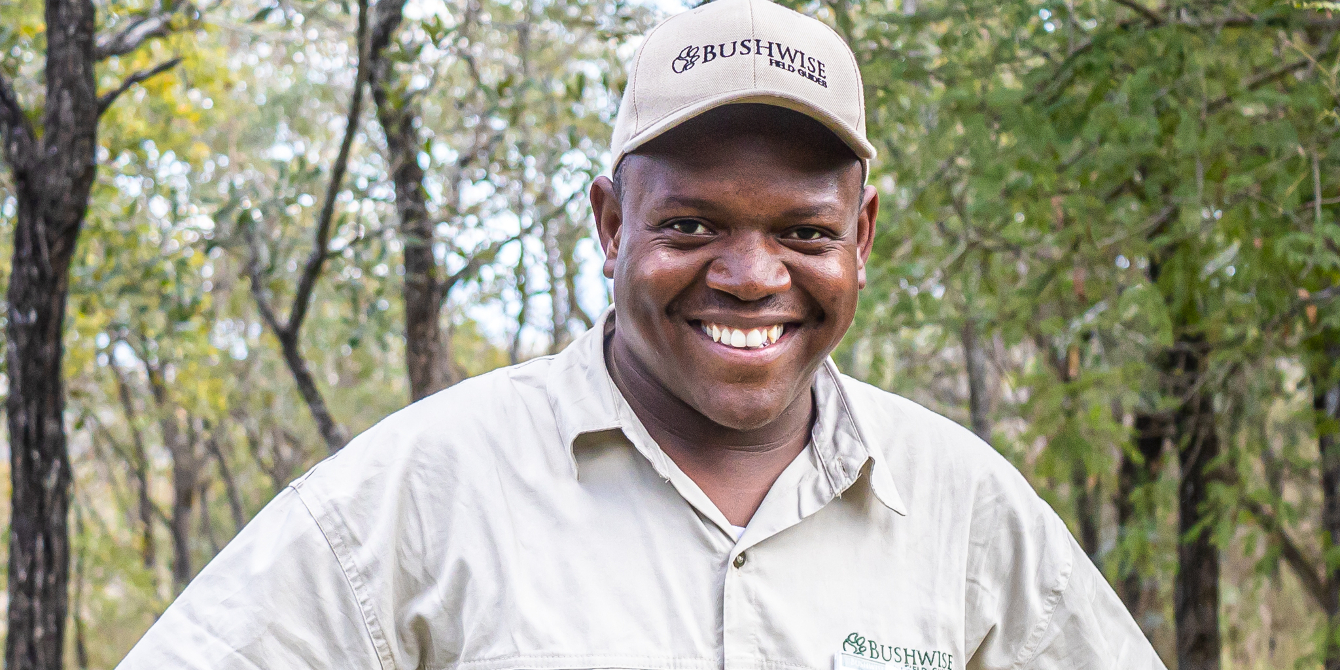
    Bushwise has a schedule that they use to make sure every student has a week to be camp manager. At the beginning I didn’t understand why because I had never been a manager of anything. So I wondered, how are we going to do this? But as time went on, I saw that the role wasn’t as difficult as I thought. 

    My week as a camp manager was during a week of CATHSSETA NQF 2assessments. During your week, you must make sure that everything goes well and if there are any challenges, you have to resolve them.  I remember one morning we had to wait for our assessor to arrive at reception. I didn’t know what to do or what to offer, but thankfully we have a good trainer and he advised me to prepare a hot box to make things look professional and so that’s what I did. 

    When the assessor arrived, I offered him a hot coffee. He was so happy and reminded me of a chatting bird – a green woodhoopoe. After this I felt much better in my camp manager role and think it was a great experience.

    Does this blog speak to you? You can become a field guide, just like Slon. Start your journey in field guide training.

    #AdvancedRifleHandling #animals #bushwise
  • Big bird week on a nature conservation course

    This blog was written by Bushwise student Jacques du Toit, in October 2022 when the students participated in a Bushwise big birding competition. 

    3 min read

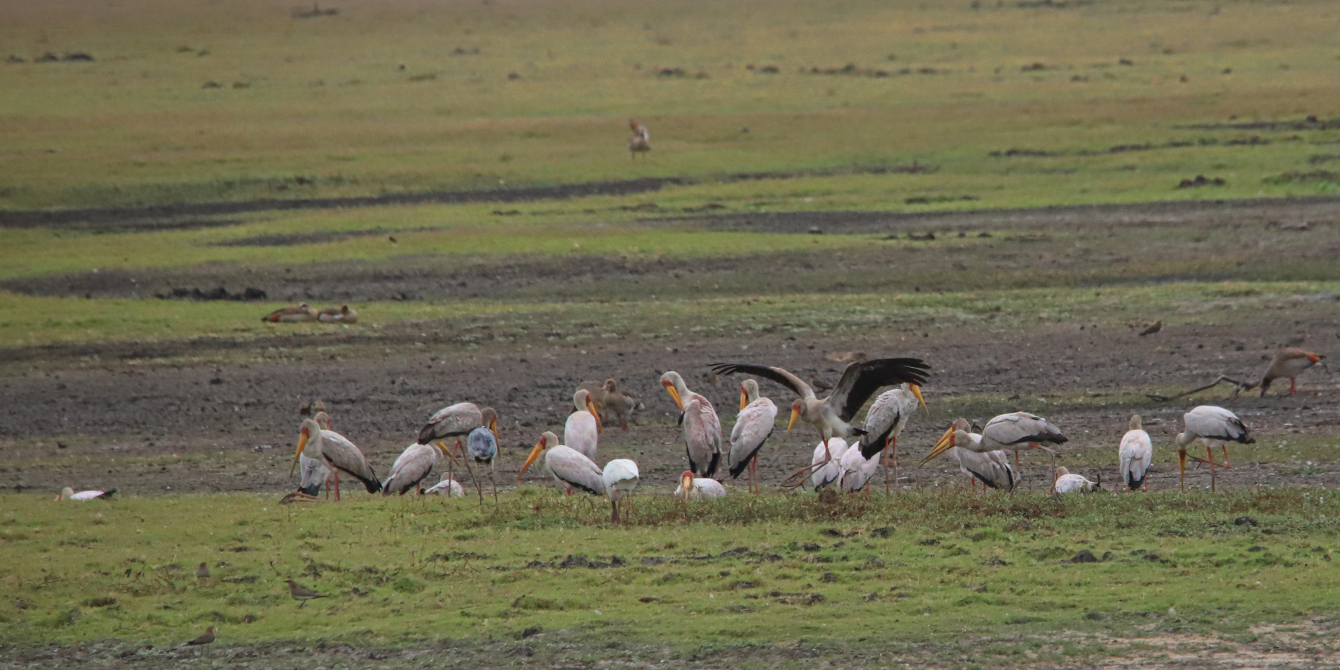
    This week was “Bird Week”, a refreshing change in scenery from our usual schedule throughout the semesters thus far. 

    image

    On Monday we were briefed on the rules, regulations and schedule of Bird Week. We were split up into two groups, A and B and had an equal chance to find as many different bird species as possible in areas which included the SAWC concession, Manyeleti Reserve and Marieskop State Forest. 

    Species had to be confirmed by the trainer onboard, and at least two participants had to have seen or heard the species. Sight of the bird or a clear and concise call of a species constituted a confirmed species. The group who had the most species at the end of Thursday’s activities would be declared winner, and the prize would be the winning group were to be hosted by the losing group at a braai on Saturday night.

    image

    Tuesday the competition started with Group A going to Manyeleti Reserve – our campus’ reserve – and Group B trawling SAWC concession for as many bird species as possible. Because it was the first day, it was really easy to discover unlogged species, and the most common species was found and excitedly logged as a find. 

    The intensity of the competition began to show at the end of the day when both groups tried to find out how many the other had logged. Battle lines were drawn, allegiances formed and friendships tested.

    Wednesday saw the two groups switch areas, Group A around campus and Group B went to Manyaleti. Finding new species to log became more difficult, but with a little more patience and perseverance, the harder to find birds were seen or heard and duly logged. 

    image

    It was a pleasant change to experience a new reserve, as we all had been conducting our game drives, trails and wildlife tracking around SAWC concession for the past three months and we needed some variety. Competition amongst the groups reached new heights and innovative approaches were used to try to get information from the opposing group.

    Thursday was special for all involved. Both groups departed for Marieskop State Forest. This hidden gem had a lasting impact on all students and trainers too. The forest itself was beautiful and an interesting change in biomes. We had become so used to the savannah plains around our campus that when we entered the forest-like biome the first time the excitement and awe in all of our faces was unmistakable.

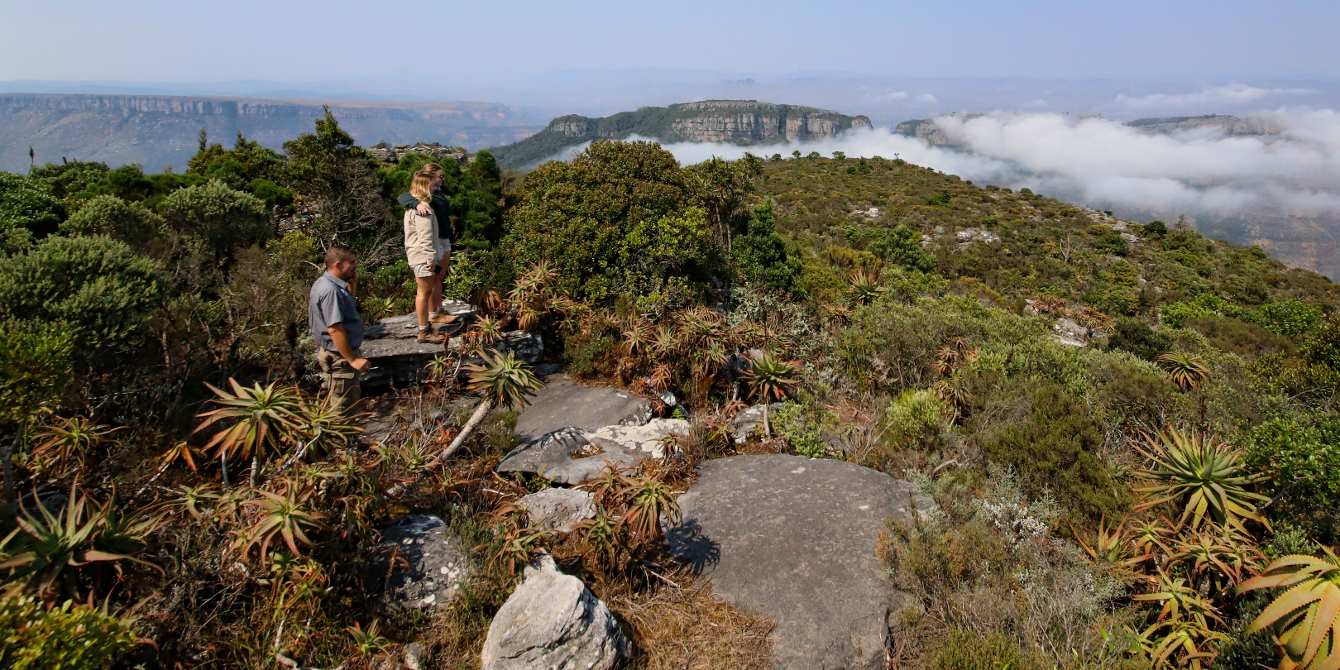
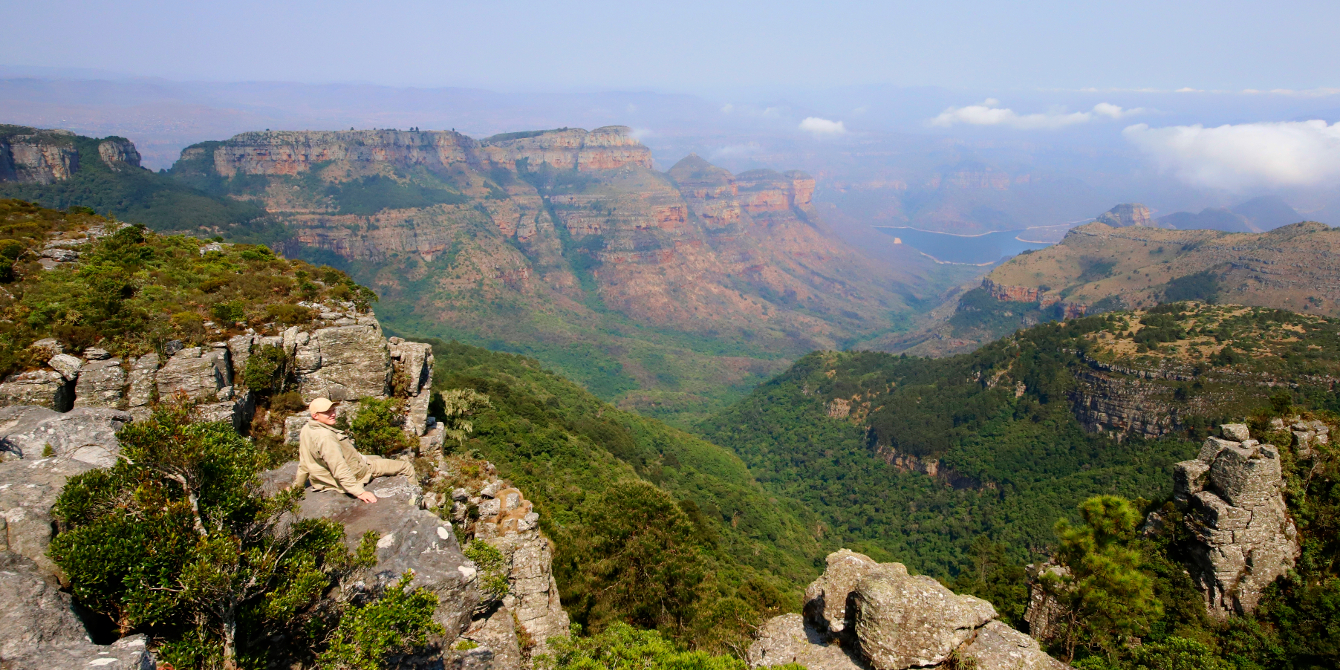
    From a birding point of view, this presented new opportunities to log new species. But the most tremendous moment came after we painstakingly ascended a mountain gravel road and were greeted with breathtaking views from on top of the mountain. 

    image

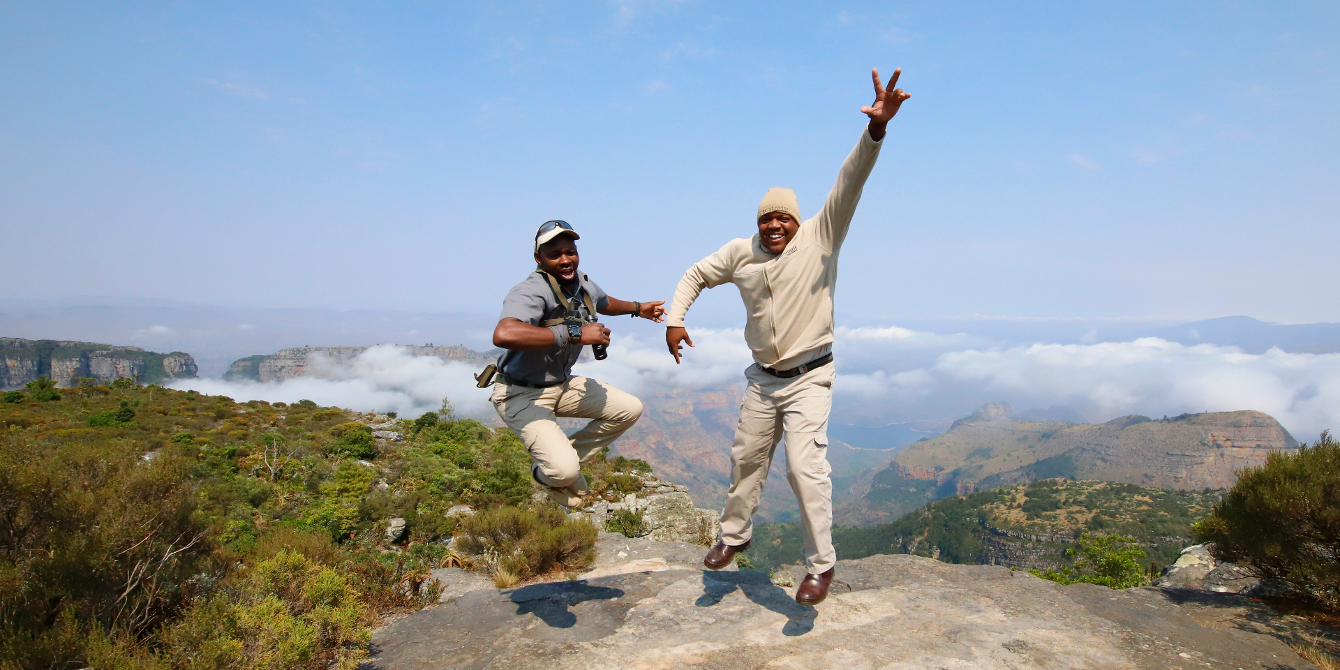
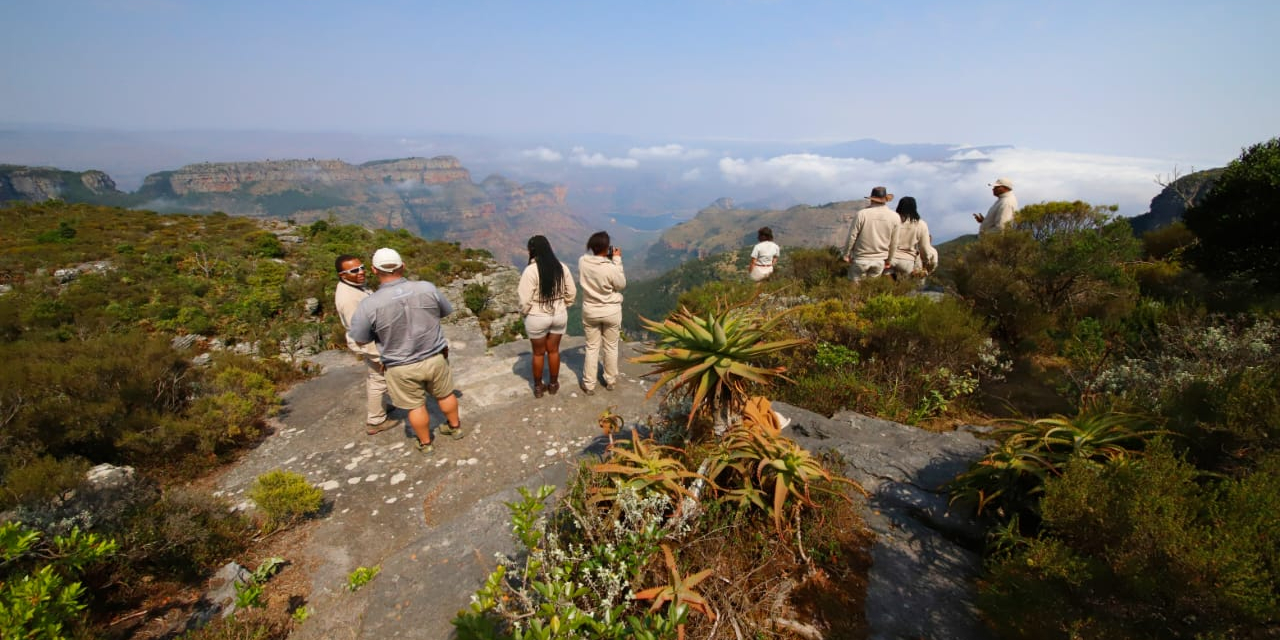
    The weather graced us with partial cloud cover below us – which led to astonishing scenic views from the top of the world. For a few precious moments all previous rivalries and competitors took a back seat as we all enjoyed the freshest air.

    Friday was the day of results. Group A took the win finding 168 species over Group B’s 157. Combined there were over 190 different species discovered. We then had a mock test for the upcoming bird test the following day.

    Saturday started with the much feared test. Unfortunately, the winners didn’t get their prize as the braai was cancelled due to bad weather. 

    image

    On a personal note, at the start of this week my birding knowledge was less than desirable. But after seeing how excited both students and trainers got during the week with recording their found species and the competition that arose from this, I began to understand the joy of birding. I’ve gained tremendous knowledge on birds, but I still need to improve if I want to catch up to my peers’ levels!

    Whether you’re an avid avian enthusiast or a budding birder, a nature conservation course with Bushwise is a great way to further your knowledge! Apply today and join Bushwise.

    #wildlife #ifgaguide #Birding #bushwise #qualification #training #animals #apprenticefieldguide #safari #ifga #sightings #fieldguiding #tracking #trackandsign #guiding #ifgaexam #fieldguidecourse #studying
  • Starting the week off with a bang!

    Camp manager blogs are written by our current students who each get a chance to lead and manage a group (of their fellow students) for a period of one week. This blog is by Jenna Maclachlan.

    3 min read

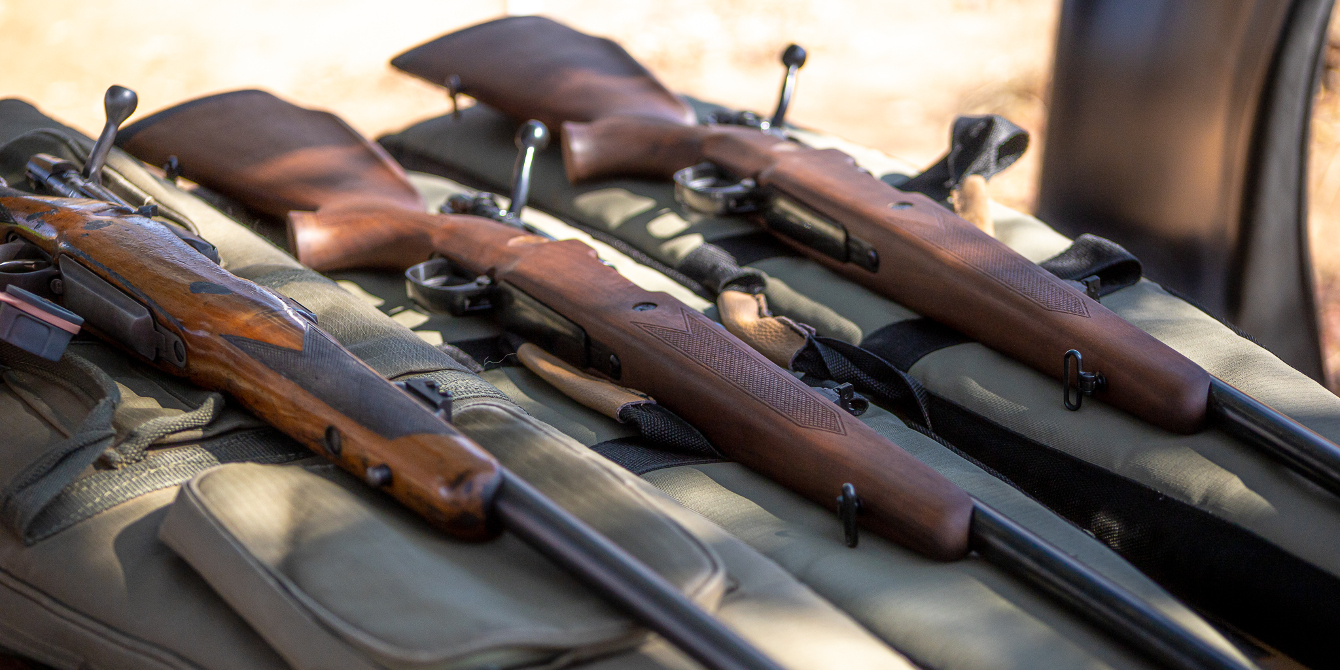
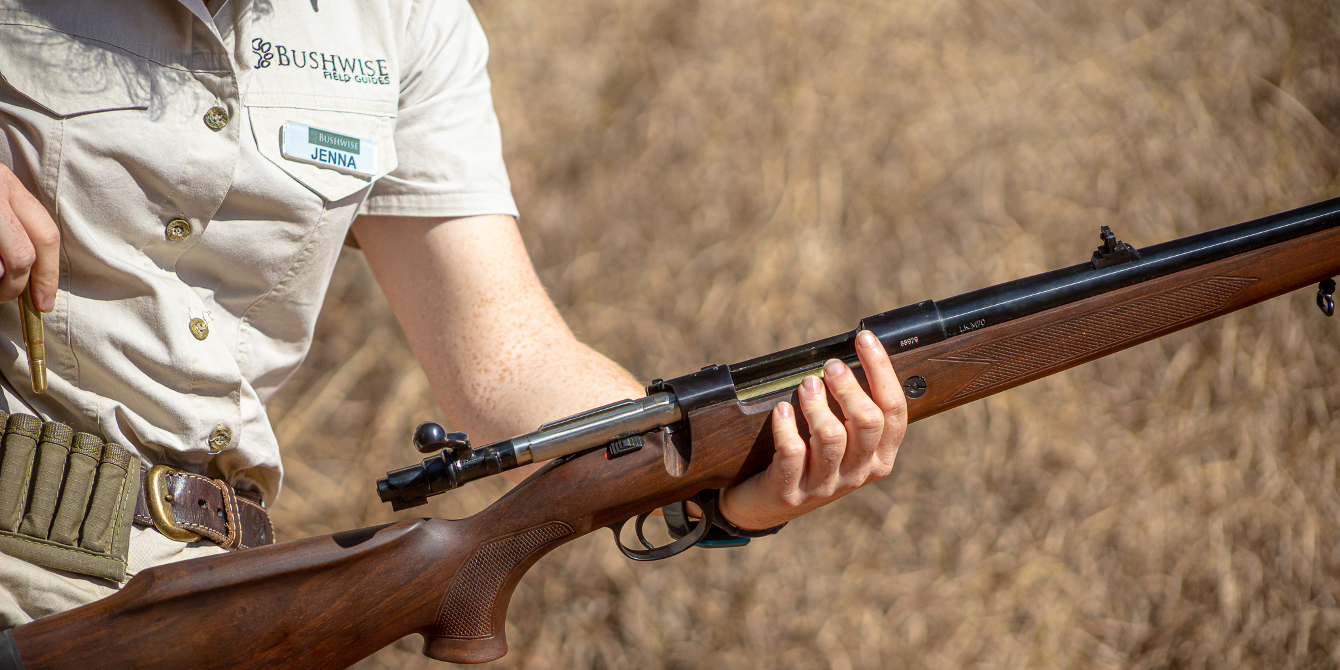
    I recently had the opportunity to be camp manager and it was not a normal week of game drives, it was our advanced rifle handling (ARH) assessment week.

    A week of advanced rifle handling

    image

    The ARH includes five drills: the blindfold reloading test, five rounds in your own time, the speed and accuracy test, the two shooters test and then finally the charging lion test – don’t worry the lion wasn’t real. The drill that I was worried about the most was the charging lion just because it was the last drill, and anything could happen. (For context, the way the lion charge works: there’s a cardboard lion that moves quickly on a pulley towards you, which is activated by the assessor. The idea is to simulate a real lion charge, so we know how we would react under pressure.)

    Before our ARH assessment day, we had plenty of time to practice our shooting. When assessment day arrived, I was a little nervous because of the last lion drill, but I knew I could shoot. With each drill we were all allowed two chances. I had managed to do all the other drills on the first try, but with the lion charge I used my second chance. As I shot, I didn’t know if I had gotten it in the correct area, but when I heard everyone else behind me cheering, I knew that I had hit the target. This meant that I had passed my ARH.

    Earning my ARH certificate

    image

    Having my ARH certificate means I am one step closer to being able to take guests through the bush on a guided walk, as well as log hours and encounters when we do the trails guiding course.

    As the week came to an end so did the semester, which meant another off week. During this off week, I decided to go back home to Durban and visit my family. My mind was in bush mode the whole drive there and back which meant I was still identifying the different animals and birds as I drove.

    Once we got back from off week, there was a new task set for us. This new task consisted of a bird slide and sound test. This means that we have to be able to determine a number of birds by their appearance and by their call. But just because we had to learn for a test didn’t mean that we had to sit in a class and study. We also learned out in the bush while on game drives, we call this our mobile classroom. It really does help to have a mobile classroom because it allows us to see and hear everything in real time.

    Amazing sightings during big

    image

    Although it was birding week, we did have some other cool sightings while we were out on game drive. On the one morning drive, Kyla and I saw the glimpse of a leopard that ran out of the road and into the nearby bushes. At first, I thought I saw a bird that had quickly flown away because all I saw was a black flash. When we went to investigate the area, there were some noticeable leopard tracks where it ran into the bushes. 

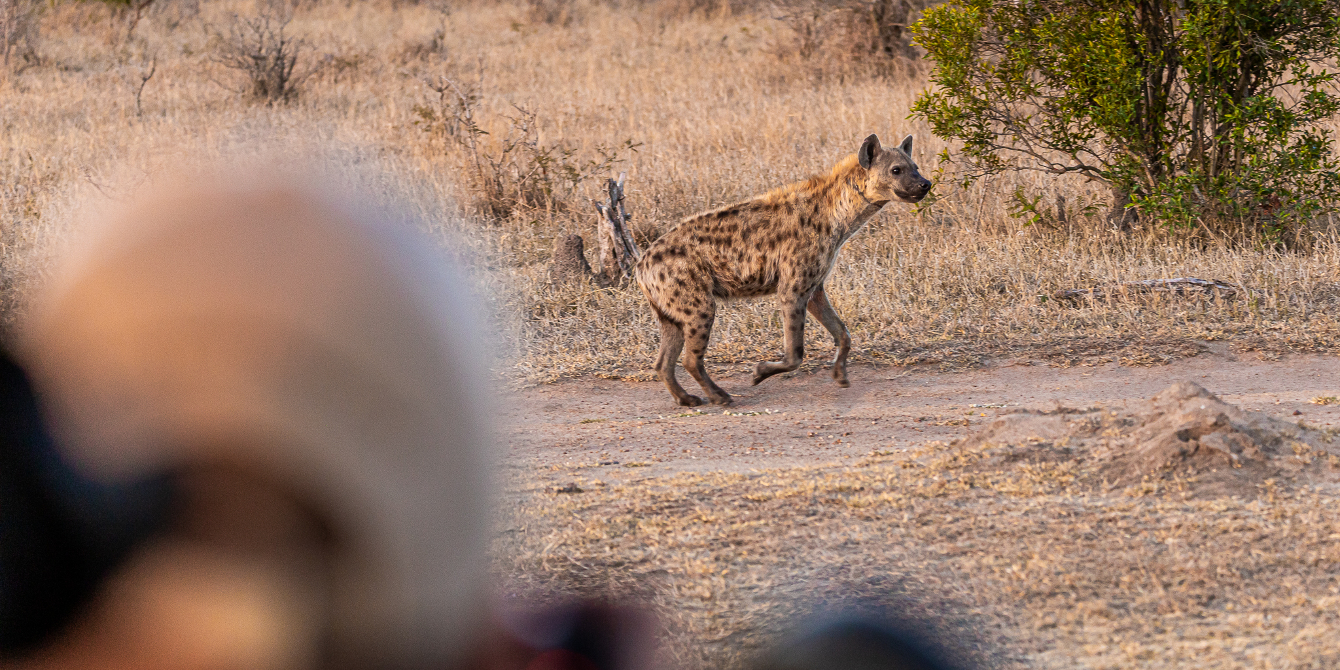
    Later on in the day, while we were on our afternoon drive, we came across two lionesses that seemed to be on a mission. Part way through the drive we decided to have a little bit of fun and Wayne allowed me to drive with Sandra as my “copilot”. While I was driving, we came across a rather big spotted hyena who did not stick around for long as it carried on with its evening stroll. 

    I would say my week as camp manager went rather well, there was a bit of studying involved but there was also lots of fun.

    From birds to leopards, you’ll see it all as a field guide. Start your wild career with Bushwise – apply today.

    #wildlife #AdvancedRifleHandling #Birding #bushwise #qualification #Exam #training #guidejobs #animals #apprenticefieldguide #safari #fieldguiding #tracking #endangeredspecies #gamedrive #elephant #fieldguidecourse
  • My gap year in South Africa

    3 min read

    College graduation was fast approaching. I could feel the approach of freedom, but I had no idea what I would do next. I’d get a job, of course, but I really wanted a break after four years of nonstop studying. My parents encouraged me to think creatively about the best use of my time. If I was going to do something other than work right away, it needed to have value. 

    I’m from the USA but I’d always wanted to travel or work abroad, especially around wildlife, ideally African wildlife. Maybe this was my chance. Maybe it was time to take the leap and do a gap year experience

    What can you do in a gap year in South Africa?

    image

    The internet is a vast place full of millions of ideas for how to spend a gap year. I quickly became intimidated by the number of options for gap year programs in South Africa, which I chose because of the many wildlife programs I’d seen based in Kruger National Park. Other things about South Africa – the ease of flying to Johannesburg or Cape Town, the beauty of the countryside, its unique history – also drew me in. 

    During my research on South Africa, I came across wildlife conservation programs and safari guide training courses. Things I never really even knew existed! I certainly didn’t realise that a girl from Texas with a degree in political science could become a safari guide

    image

    But suddenly, this is what I was thinking about day in and day out. Just imagining catching up with my friends in September, discussing what we’d done since graduation. “I became a safari guide in South Africa. What about you?” I mean is there any better way to spend your summer? 

    To be honest, deciding on the location for my gap year experience was one of the easiest parts of this journey. Wildlife plus travel? Yes please. But I knew that in order to convince my parents to support my decision, I’d need to have all the information available. 

    What are the top 3 reasons why students take a gap year?

    image

    I knew my parents would want to know the reasons for my decision to take a gap year. But before we move on, let’s be clear, I didn’t take a full year off to travel. Not everyone does! Gap year, as it turns out, is more of a broad term that applies to a life break, usually between high school and college, or after college graduation. It’s all about changing up your situation for a period of time and escaping the norm. That’s what I wanted and needed. So what were my main reasons for taking a gap year?

    1. Experiencing a new place in the world.

    2. Bolstering my resume with new skills.

    3. Meeting new people and making memories.

    There are definitely more reasons that I’ve heard, like avoiding burnout, becoming more independent, or learning a new language. But these were certainly my top three reasons for heading off to South Africa on a gap year experience. 

    How much does it cost to take a gap year in South Africa?

    image

    This was an equally important question to my parents and me. I was going to partially fund my experience, with savings I’d earned at my job through college. Making a convincing argument to my parents that it was something worth their support, I laid out all my options for the summer. 

    Yes, we would have to pay for a plane ticket and course fees. But if I stayed at home while looking for a job, I’d still need money for fun, food and travel in the area. Plus if I did a summer course, that would cost something anyway. 

    image

    The benefits, in my mind, certainly outweighed the cons. When I sat down and explained this to my parents, I was thrilled at how supportive they were. To be honest, I think they were a little jealous of the adventure in front of me. I would go to South Africa for three months and then come back as a qualified safari guide. The skills I’d learn from this course would go way beyond working on a safari. No matter where I went next, I’d be ready to start a career in conservation. Talk about a productive way to spend my gap year!

    Are you considering a gap year in South Africa? Learn all about the different programs Bushwise offers, and make the most of your time abroad.

    #wildlife #bushwise #fieldguide #safariguide #animals #safari #fieldguidetrainer #sightings #fieldguiding #endangeredspecies #gamedrive #guiding #studying #fieldguides
  • Tracks and Signs of the Bush

    This blog about track and sign was written by Trevor Hinze, Bushwise Field Guide student. 
    4 min read

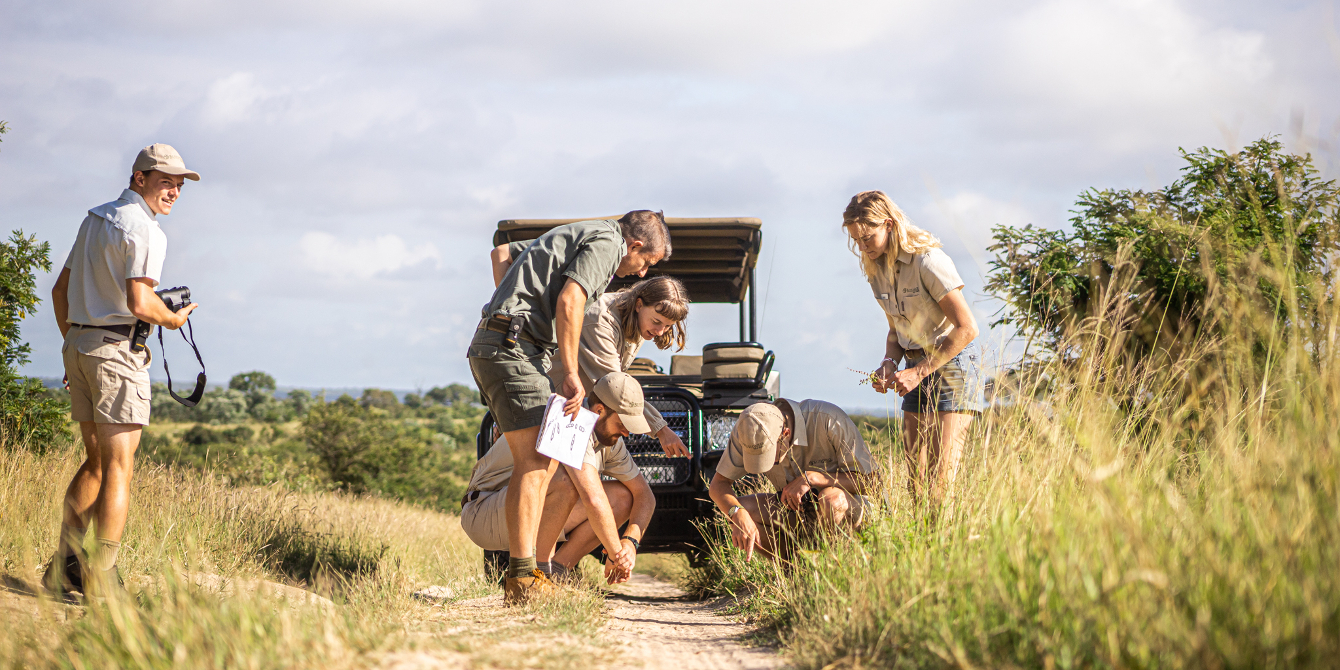
    One of the certifications that Bushwise students can earn is CyberTracker Track & Sign and Trailing. This is also often a favourite experience for students, as it teaches you a whole new way of understanding animals! 
    In this blog, I’m going to be discussing a few things:

    1. What are tracks and signs

    2. Why are they important

    3. How to differentiate between tracks

    What are tracks and signs?

    image

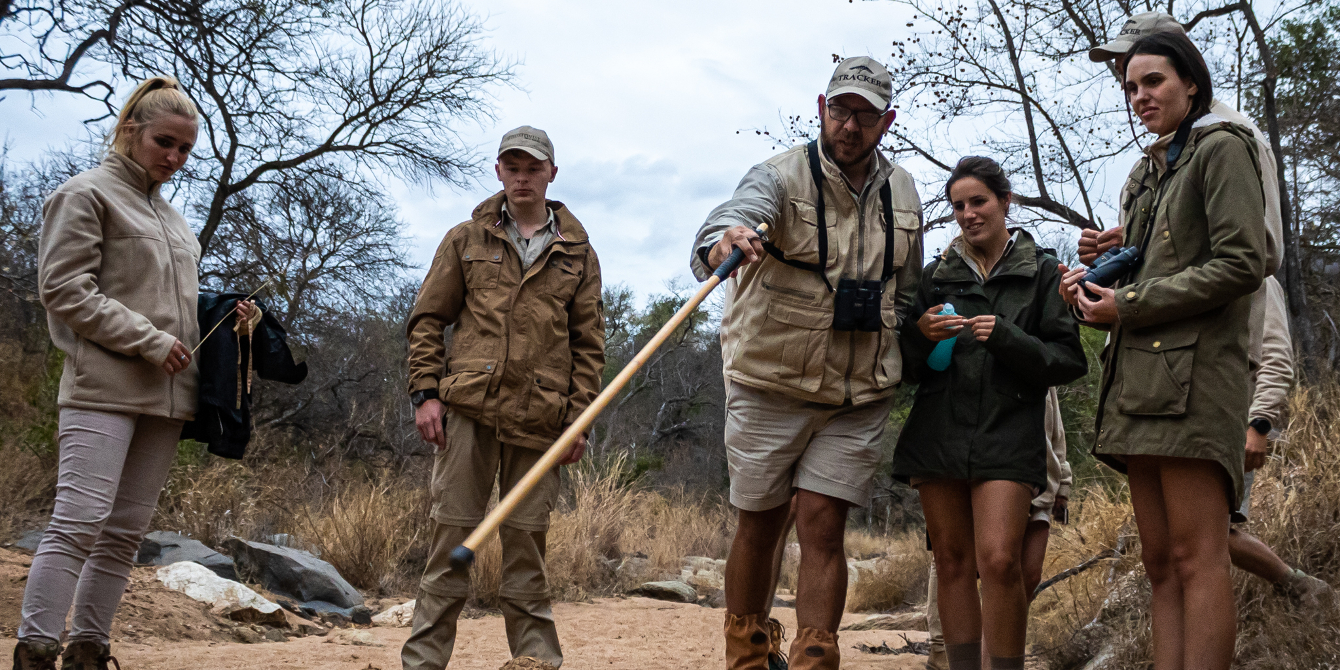
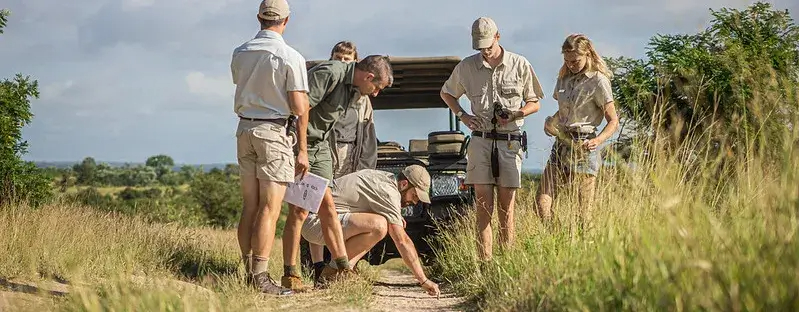
    Track and sign is a whole different art form. It is what you see of an animal even when it’s not there. During our track and trailing assessments, Colin Patrick explained it in a very simple way: 

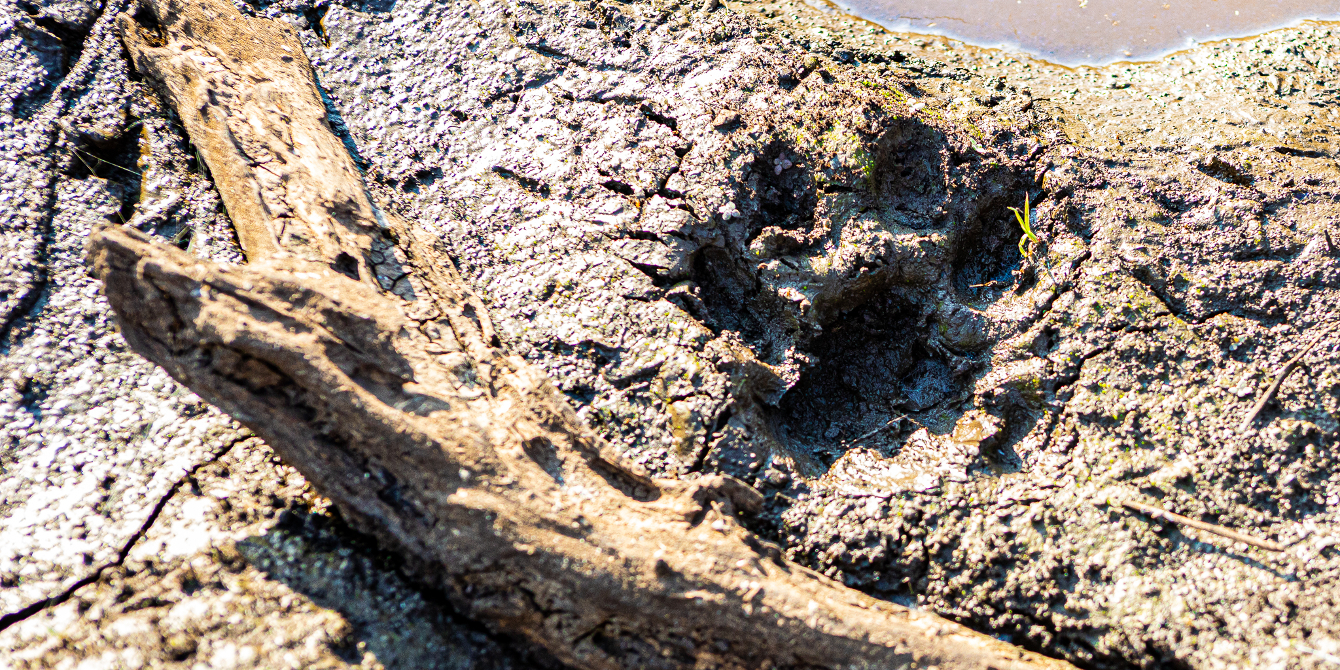
    Tracks are the footprints an animal leaves on the ground. This is usually our key feature in identifying different animals.

    Signs is what an animal leaves behind but which involves an activity such as that elephant leaving behind broken branches. This leads us to our second point:

    Signs tell us what the animal has been doing. An example would be an elephant feeding off a tree. As it feeds it leaves not just tracks, but also branches which it broke off during feeding. Of course the track is a dead giveaway, but what if that elephant was standing on hard ground or there are multiple other elephant tracks in the area. This is where the art form becomes handy.

    Why are they important to us guides?

    image

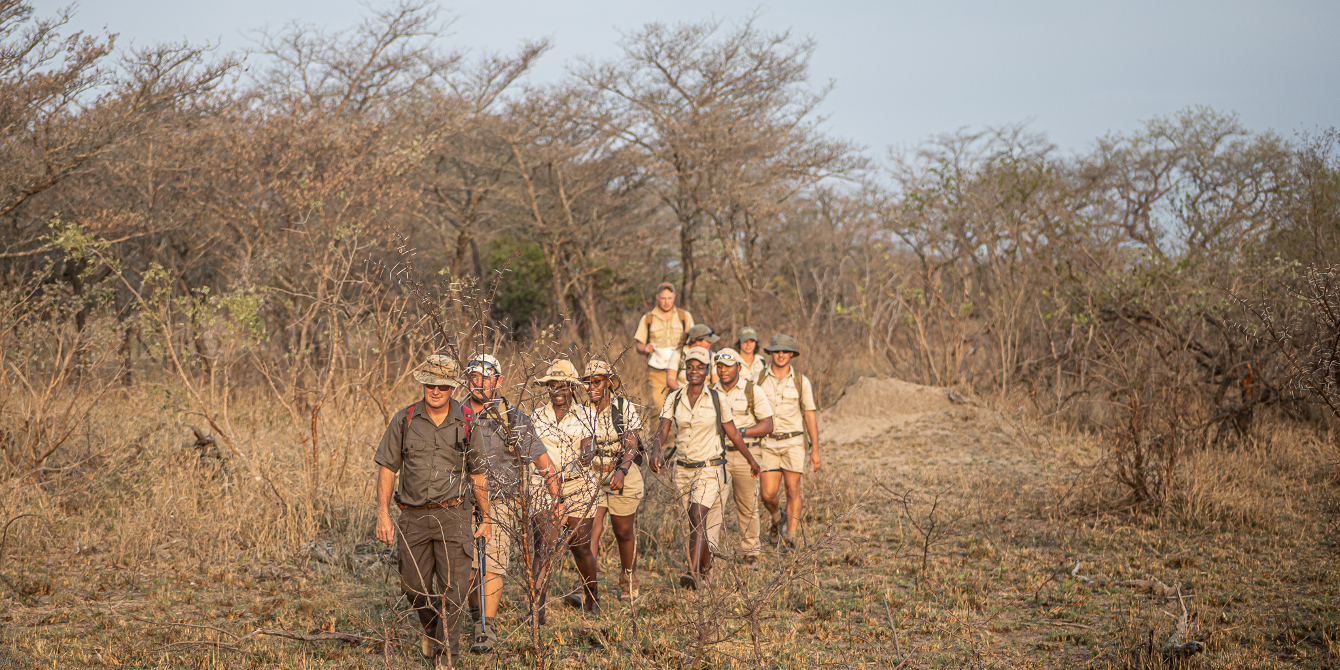
    Wildlife tracking plays a vital role in guiding as it helps to let us find the animal we want, which is what we did during our trailing activities. Trailing is the process of following an animal’s tracks, to hopefully find the animal and observe it (from a safe distance).

    Mind you, trailing is not easy, especially if that animal prefers to live in harsher or thicker environments. Then you might never see a perfectly clear track and you’ll have to start thinking like the animal in order to figure out which route it would have taken. 

    In our trailing week, our walked at least 2 hours every day in the hot summer sun as we trailed anything from elephant to lion. We found and bumped into a lot of elephants but never saw a rhino. At one stage we even trailed a herd of buffalo and came quite close to them – although they didn’t seem to be bothered at all by our presence. That was an experience that I will remember for a lifetime. 

    How do you differentiate between tracks?

    image

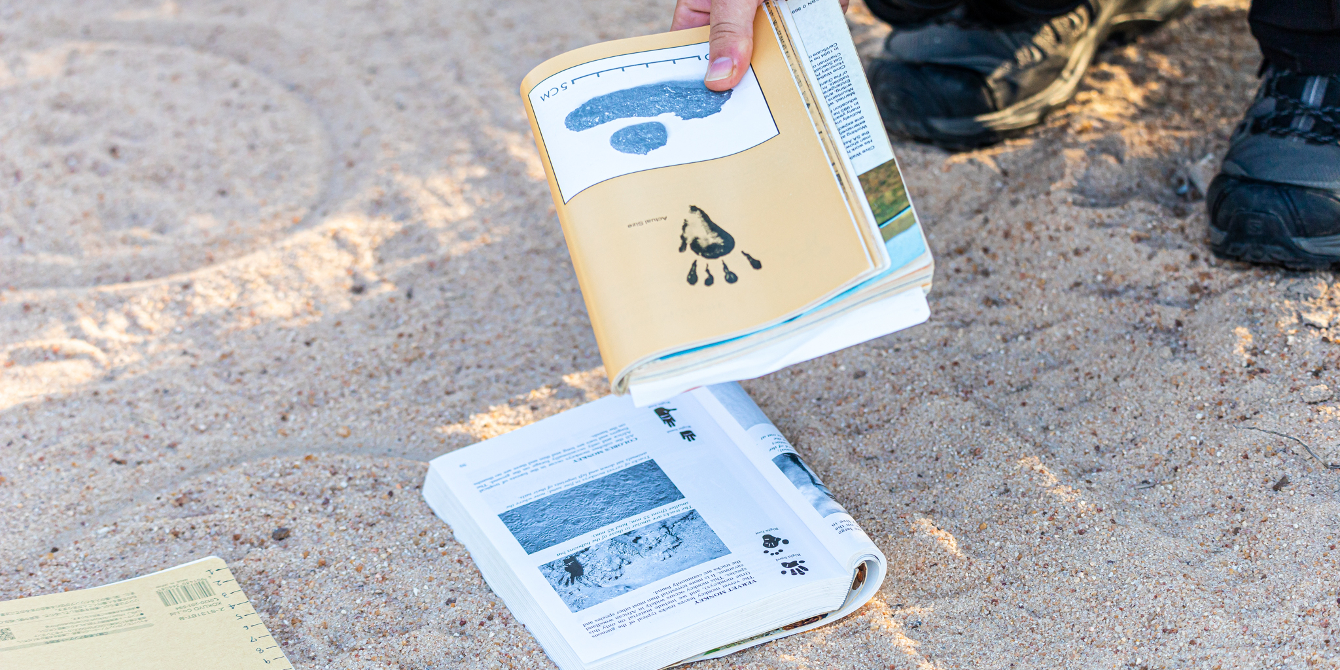
    Sure there is a clear difference between an impala and an elephant, but there is only a slight difference from a kudu to a nyala. The tracks are very similar, but there are a few features that set them apart. This is why ‘identifying features’ are important to us, so that we can distinguish between the different animals that have similar tracks. It could be the X you can draw in a jackal track or the opposite sixes in the blue wildebeest track.

    Some animals are grouped together based on they’re foot structure. This is important because of the number of different animals we have in southern Africa. Animals are adapted to their environments, so they will have different physical attributes depending on where they live. For example, their foot structures differ to better their chances of survival in the biome in which they reside. 

    image

    Take a lion’s paw, which is adapted for the lion to walk as quietly as possible when stalking so that it can successfully hunt. Another example is the blue wildebeest, whose foot structure is adapted for long distance running and speed so that it can endure the great migration which happens in the Serengeti. Some animals such as vervet monkeys and bush babies have specially designed hands and fingers for climbing and clinging onto trees. 

    It’s not just mammals that have different foot structures. Birds and reptiles – except for snakes of course – have foot structures to help them survive. Eagles are predatory birds and therefore have long talons to help them catch prey. Geckos can hang upside down on the ceiling thanks to their foot structure. 

    I received an 89% for our track and sign assessment, which earned me a level 2 track and sign certificate. This will probably not be the last assessment I will do, because I was a mere 1% away from a level 3 certificate! 

    If you’re interested in animal track and sign, a Bushwise course is an excellent way to learn more and earn your certification. Apply today!
    #wildlife #bushwise #fieldguide #trailsguide #Exam #training #animals #tracks #apprenticefieldguide #fieldguiding #tracking #endangeredspecies #trackandsign #Assessments #gamedrive #guiding #fieldguidecourse #fieldguides
  • My experience managing a Bushwise camp
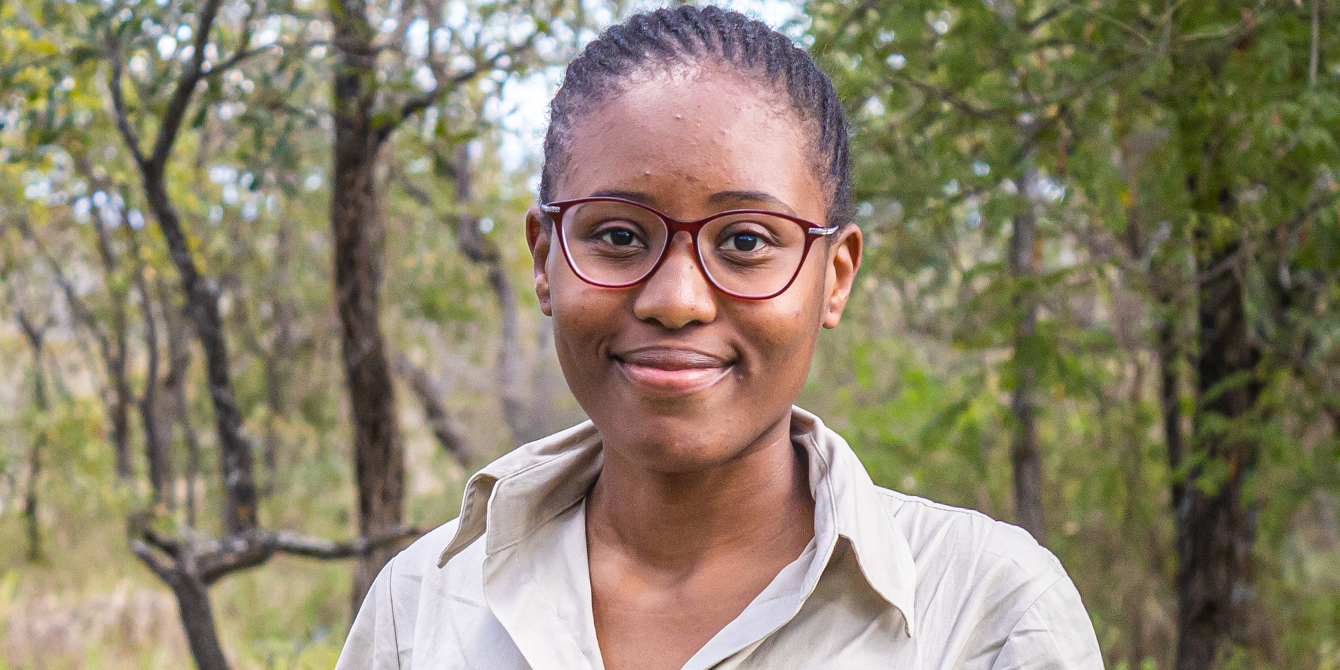
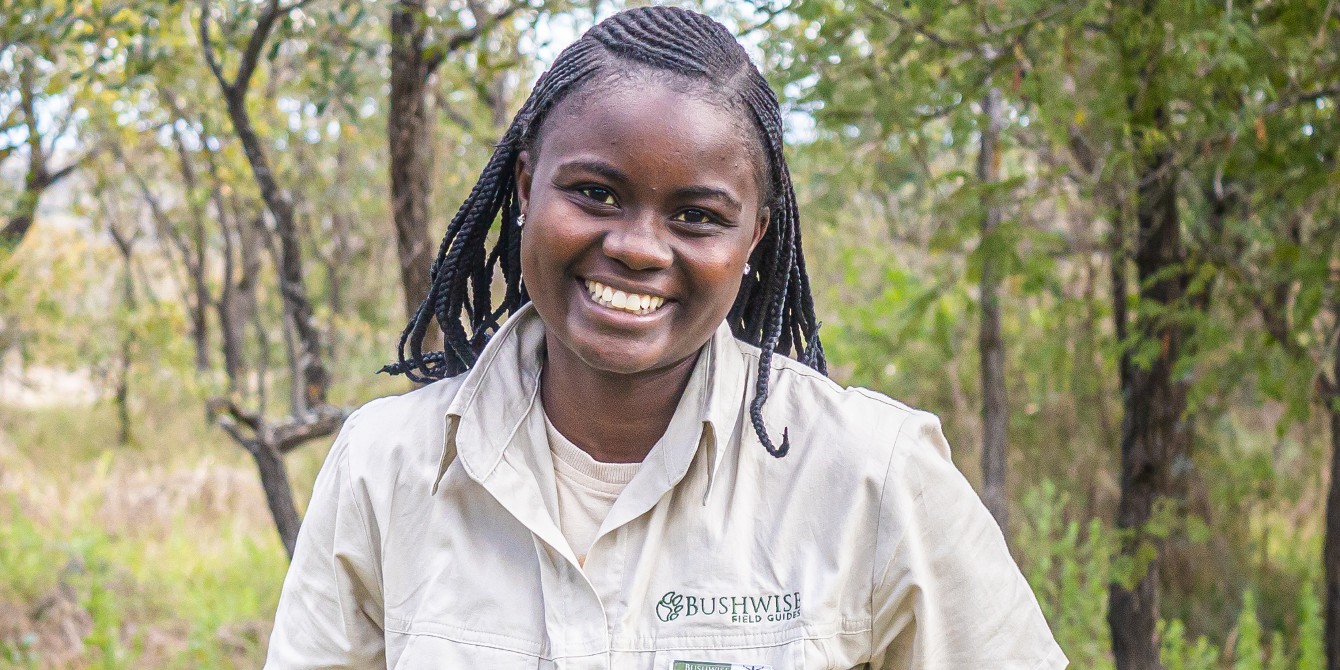
    Each week a Bushwise student acts as camp manager, ensuring that everything runs smoothly around campus. This blog was written by Flora Molepo, a student at our SAWC campus, during her week as camp manager.
    3 min read

    Wild dogs near camp

    image
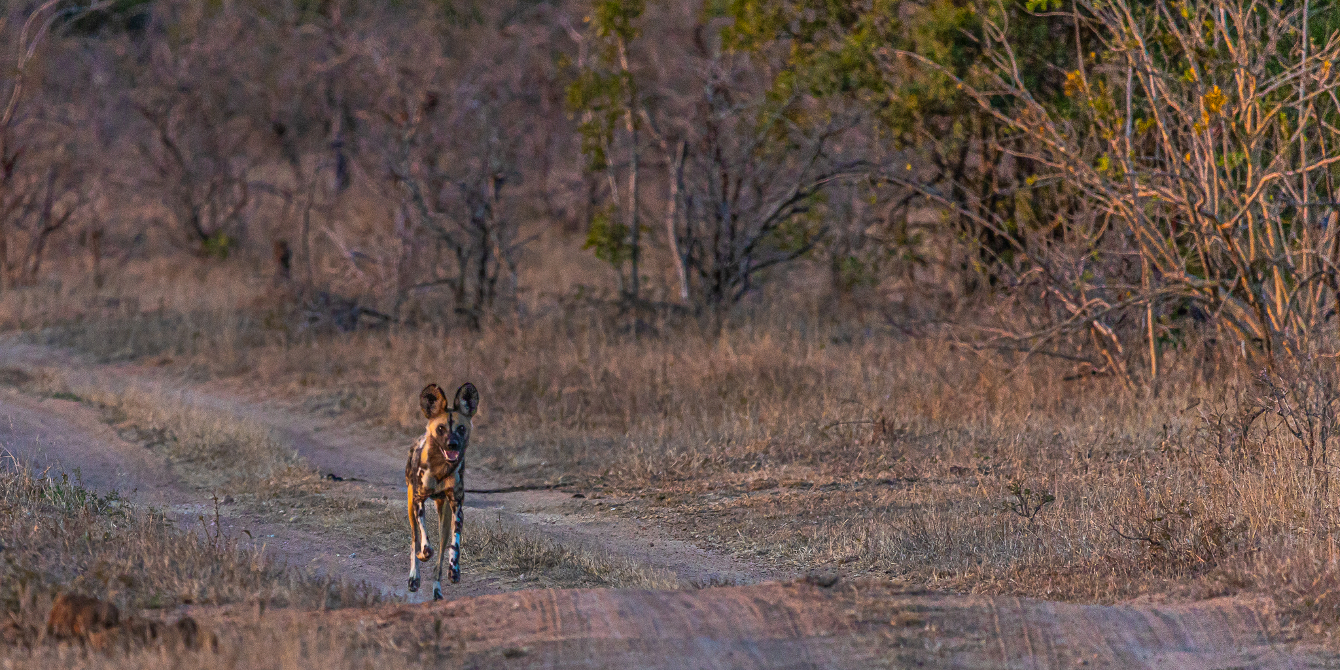
    On Sunday Heidi came racing to tell me that there were wild dogs on an impala kill close to the fence line. I was in the kitchen getting ready to start my camp manager duties when she told me this. I shut the kitchen door and left everything behind as I ran after Heidi because I was so eager to see the wild dogs we had seen on Saturday morning the day before. 

    After learning that the impala had already been destroyed by the wild dogs and that the kill was close to the tents, we realised that we had arrived too late. 

    Wild dogs hunt in packs, covering quite a few kilometres each time they go out. When the dogs catch up to their prey, they’ll grab hold of it and twist it to pull it to the ground. This method is particularly effective when hunting antelope with horns because it reduces the animal’s capacity to defend itself. The prey is then eaten quickly by the dogs, leaving behind the skin, hooves, and big bones. 

    When we arrived on the scene, the impala’s hooves and bones were all that the wild dogs had left behind. Sad we missed them, I returned to my duties as camp manager.

    Gaining skills as camp manager

    image

    Being camp manager this week taught me how to manage problems while meeting people’s needs. Being a manager involves not only assigning duties when they need to be done, but also being trusted with them, completing them and directing others to do the same. 

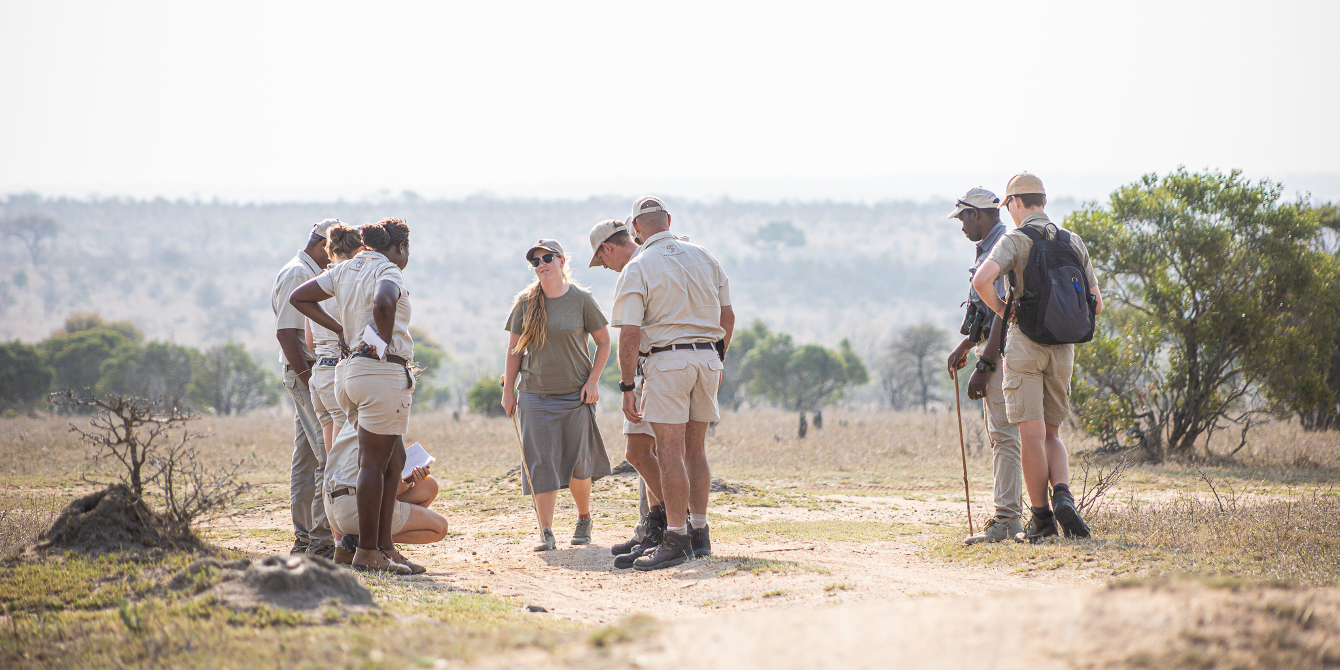
    Colin Patrick and his daughter Samantha Patrick visited us over the previous two weeks . They were leading the track and trailing course, which I found very interesting. This training improved my capacity for observation in the bush, taught me how to locate animals while leading clients, and explained why animal behaviour is crucial when tracking. 

    The importance of problem solving and creative thinking

    image

    In order to offer tea and coffee on our game drives, we have to pack the hotboxes twice daily for morning and afternoon excursions. It was my job as camp manager to make sure that the visitors had coffee and tea, so I produced a list of who would be responsible for cleaning and packing the hot boxes for the day. I assigned the responsibilities in pairs to make it fair and simple for everyone. 

    Of course, I included my name on the list because, as a manager, it’s important to set an example. The guests always had their tea and coffee, but once the milk was forgotten and occasionally the water as well. However, this was not a problem because we took action to fix it. One lesson I took away from this training was to always come up with a plan and, even if it’s challenging, make it work.

    As a Bushwise student, I’ve learned that people are unique in the ways that we perceive the world. Being camp manager this week has taught me to pay closer attention to the needs and desires of others, how to fulfill them, and how to lead others by delegating fairly and respectfully. 

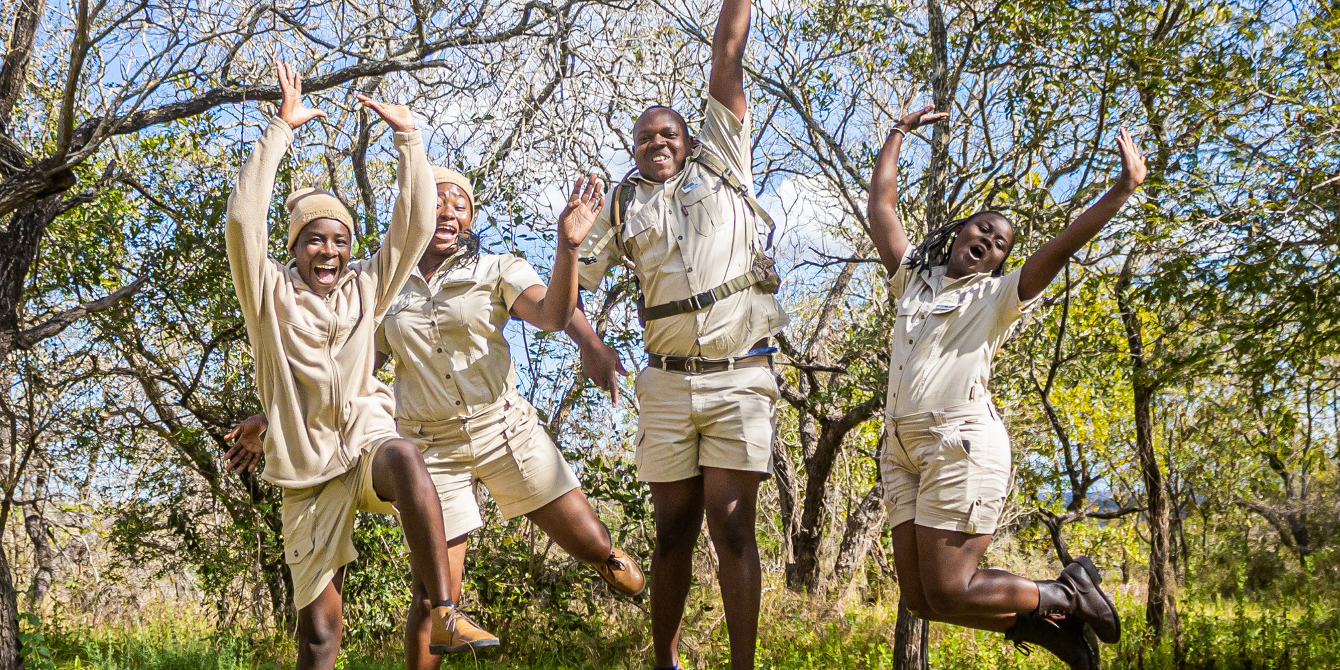
    Being camp manager is a big responsibility, and a great way for Bushwise students to learn what it’s like to be in a leadership position at a lodge. This experience is important as students gain new skills for their future guiding careers. Learn more.

    #wildlife #bushwise #fieldguide #qualification #safariguide #trailsguide #Exam #guidejobs #animals #apprenticefieldguide #safari #sightings #fieldguiding #endangeredspecies #Assessments #gamedrive #fieldguidecourse #studying #fieldguides

  • Bushwise big birding week

    This blog is by Darryn Murray, Bushwise Trainer, who among his many qualifications holds SKS (specialised knowledge and skills) in birding. 

    3 min read

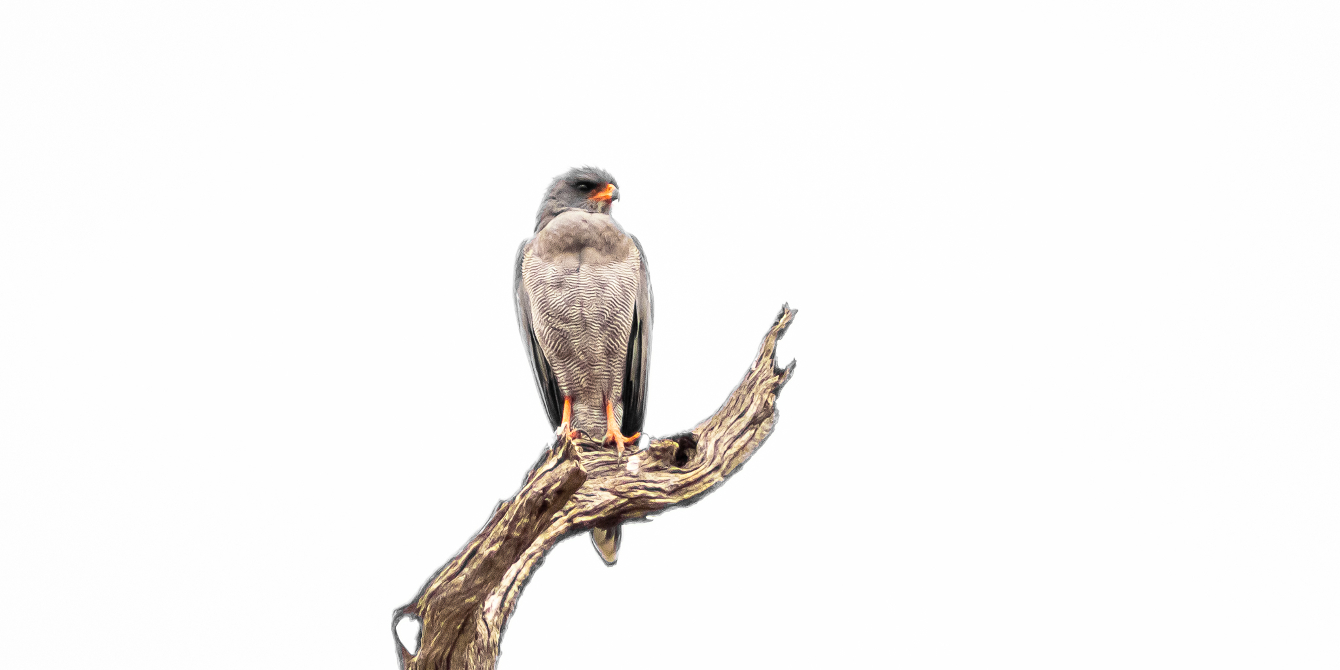
    Over the past week, the Bushwise trainers and students have been embroiled in an epic birding challenge. 

    image

    Eight students and a trainer were paired up to see how many birds they could correctly identify –  either by sight or sound – over the course of a week at several different locations. 

    The prize for the winning team at the end of the week was an aptly named “winners vs waiters” dinner – where  come Saturday afternoon, the winners would be hosted by the losing team and trainer for a full evening’s braai and fireside experience.

    The birding competition heats up

    image

    The competition started out friendly, but the teams soon became super competitive and the competition heated up.

    The first afternoon took place at the Southern African Wildlife College campus for a speed birding round – each team was allowed three hours to identify as many birds as possible. Ashwell Glasson, registrar from SAWC, joined in the competition for the afternoon, sharing his wealth of birding knowledge and experience with the students. 

    On day 2 and 3, the groups explored the Manyeleti Game Reserve for a full day. This allowed the groups to venture into a new area, see different vegetation and species as well as allow them 10 solid hours to bird.

    Bird counts on the rise

    image

    By the end of day 3, one would swear the students were protecting state secrets with their team’s scores. Misinformation began to spread, students tried to get hold of the other team’s lists, and there were many sceptical questions about each and every bird the other team claimed to have seen. 

    The trainers spurred on the groups, constantly reminding the students (and each other) about the prize at the end of the week.

    Day 4 was the highlight for students and trainers alike. At first light, everyone loaded onto their respective vehicles and headed for Mariepskop State Forest. The trainers were possibly the most excited of the lot as it was a chance to bird in a brand new area that nobody in the group had previously been to.

    Birding on top of the mountain

    image

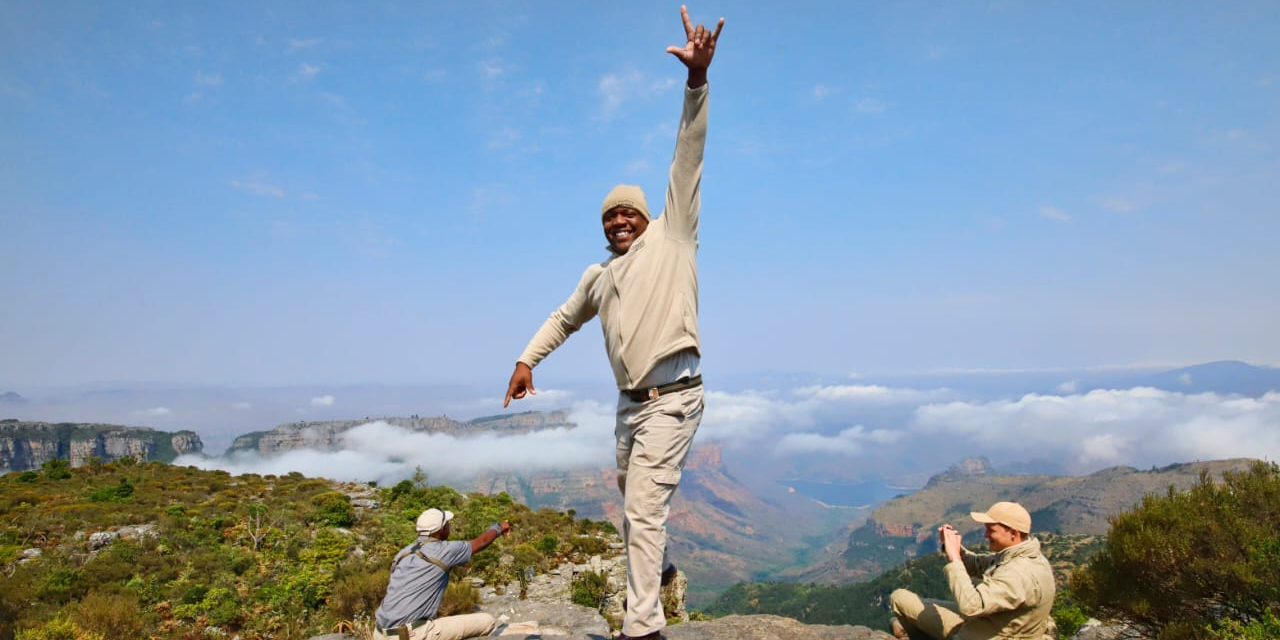
    The views from the top of the Drakensberg mountains were amazing and the group as a whole took an hour out of their birding challenge just to take it all in, walk around, take pictures and drink coffee with a view.

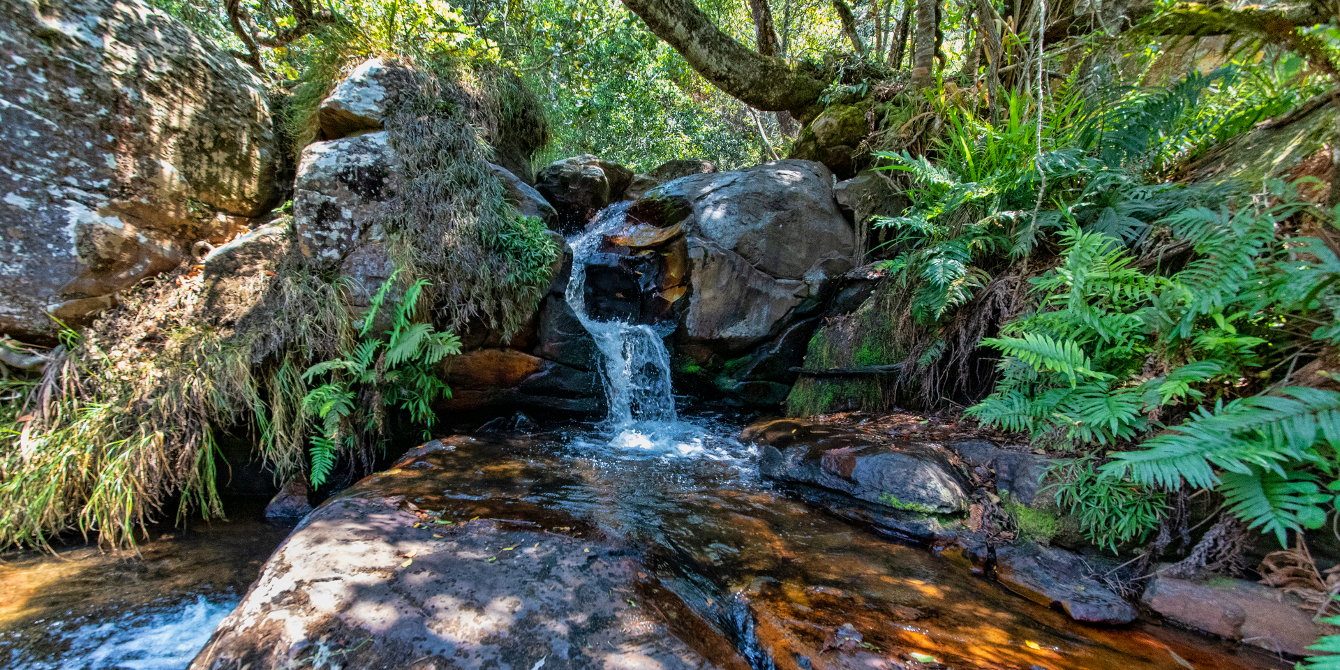
    Lunch was eaten at the Klaserie Waterfall, before returning to the campus and getting a final tally of birds for the week.

    The scores were extremely close. Group 1 scored 159 species, but the winning score was 167 by group 2!

    Incredible bird counts from all participants

    image

    The amazing part of the whole experience was that between the two groups a total of 196 bird species were seen over the week. The students learned the value of patience with long periods of staring at vegetation and describing what they had seen as well as how to keep the group tally a secret.

    Everyone learned from the birding week –the trainers were even able to add a few birds to their life list. So all in all a great week was had by all.

    Do you have a special passion for birds? Or would you like to learn more about our feathered friends? Join a Bushwise course and see how amazing the world of birds truly is! Apply today.

    Words by Darryn Murray, photos by Jacques du Toit

    #wildlife #AdvancedRifleHandling #Birding #bushwise #fieldguide #guidejobs #animals #fieldguidetrainer #sightings #fieldguiding #endangeredspecies #guiding #fieldguidecourse #fieldguides

  • Girls rule the world: women in guiding and nature

    This blog was written by Bushwise student Kerry Ross, as she investigated the powerful role women and females play in conservation and in nature. While on course Kerry has seen the strength of her fellow female students, and the strength of female animals, come to light in many ways.

    Words by Kerry Ross, images by Louise Pavid

    5 min read

    Women guides hitting the target

    image

    I had the privilege of being elected camp manager throughout a very busy week of ARH (Advanced Rifle Handling). Not only did I pick up my first rifle, but I also got to watch every other student go through the training as well. 

    What a fantastic experience and learning opportunity for all. A massive shout out in particular to every young woman who picked up a rifle for the first time, brushed off their fears – and the weight of the mighty .375 – and did brilliantly. 

    Throughout my life, I have heard the stigma that women belong in a certain place, namely “the kitchen while bringing up the kids.” However as a feminist and an advocate for young women the world over, I firmly believe that a woman belongs, well, wherever the heck she wants to be. 

    Growing in skills and confidence

    Nothing proves that theory to me more than simply living with the other young women on this campus. I have watched them over the last three months grow into independent, confident people who are all just trying to be the best versions of themselves while discovering their various niches in this wild industry. 

    I know that by the end of this jam-packed course, they will go on to reach great heights and realise they can do whatever they dream and be whoever they want to be. It fills me with great pride, the likes of which I cannot remember feeling for a very long time. 

    We have been super blessed to be able to go on a number of game drives over the course of the last three semesters. As the course has gone on, I have begun to look deeper into the ever varied roles of women in the animal kingdom, and ladies – between you and me – I think nature is answering that age old question for us all. 

    Female leaders in nature

    image

    From the mighty matriarch African elephant and the mother leopard who raises her cubs on her own to the female soldiers in the Matabele ant tribe, females in nature are so fierce and nurturing!

    On my journey into researching females’ role in nature, I must be honest I got totally and completely sidetracked by the smallest of these women, the humble ant – in particular the warriors of the Matabele ant tribe. 

    Truthfully before I came to Bushwise, I was not the biggest fan of this little creature. In the city, the struggle was very real – how on earth do these tiny six-legged animals get into every crack in the house and slowly but surely become nothing more than a nuisance. The daily battle was real and in the end, I think the score was Kerry – 0 : Every ant species – I lost count after 35. 

    Since really diving into ecology and the importance of every living creature in our ecosystems, I began to look at them very differently. They have now crept into my heart, and now when they come to my room in search of a treat, I will just gently sweep them out. 

    Ladies of the mighty Matabele ants

    image

    Image by Judy Gallagher on Flickr

    When I started reading about this exceptional army of Matabele ants, I simply couldn’t stop. I hope after this blog that other people will also get a different perspective about ants. 

    The Matabele ants were very appropriately named after the Matabele tribe, an African tribe of formidable warriors, who swept through South and Central Africa  between 1836 and 1896  destroying everything in their path. 

    The Latin name for these ants is Megaponera analis – which translates directly to “lawless wicked ones”, but nothing could be further from the truth. Their colonies can grow in excess of 20 million members and their mission in life is to attack termite colonies, eat the inhabitants, and march back with the heads of their enemies clasped in their pincers. 

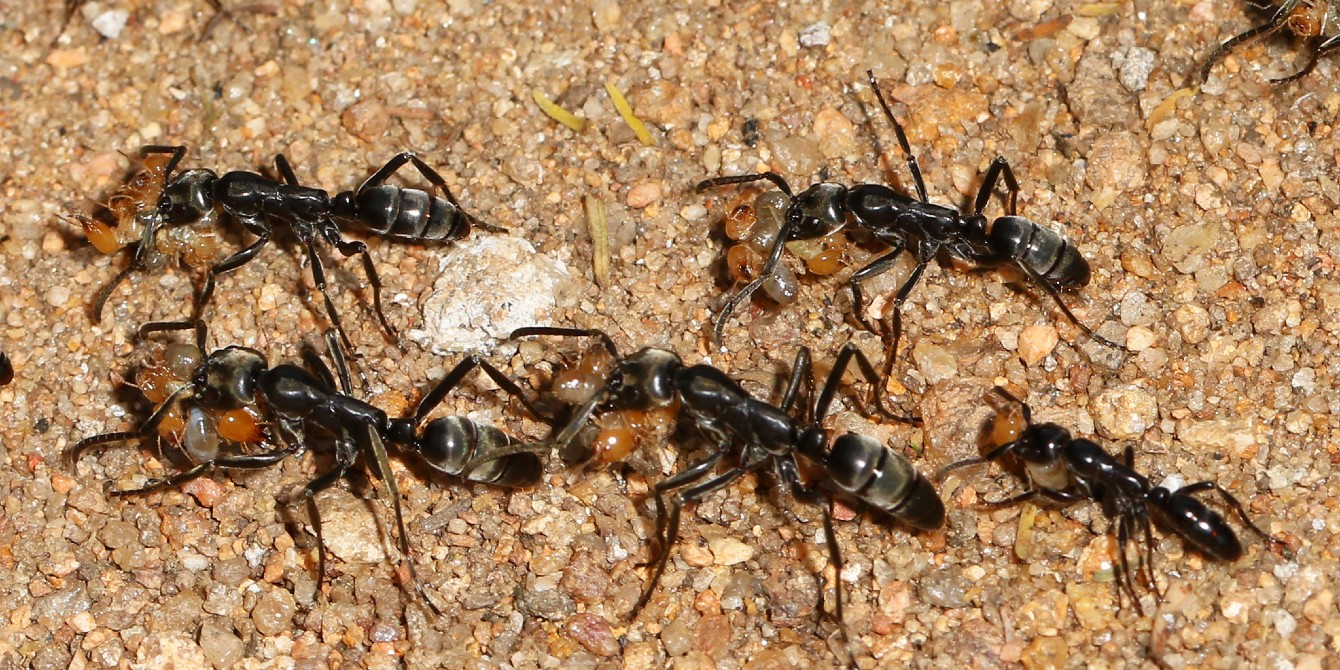
    Having witnessed this raid for myself, I can tell you it is a sight to behold. If you take a closer look at each individual Matabele soldier in a line of ants, you’ll notice they are different sizes. This enables them to fit in different size holes in the termite mound, another very clever design by nature. 

    A female scout goes out to find a food source. Once she has located a suitable mound, she lays a pheromone trail back to head-quarters and then a column of soldiers follows the trail to the termite mound. Once every soldier is present, they all rush forward and overwhelm their prey. Although their victory is almost a guarantee, there will be casualties and injuries. These women are the epitome of team players, wounded soldiers are taken back to headquarters where clinging termites are removed and mutilated limbs are amputated. So don’t be surprised if you notice a couple of soldiers with missing limbs when you stop at an army of Matabele ants! 

    image

    How awesome is nature and how amazing are ants! Next time you see a colony of ants, consider the mighty females of the Matabele ant tribe and let them pass peacefully. They truly are amazing little creatures, and I certainly have gained a new respect for every single one of them. They teach us the value of hard work but most importantly the value of teamwork!

    To all the beautiful women reading this, may you be as revered as the mighty African elephant, as nurturing as the mother leopard and as fierce as the mighty females of the Matabele ant tribe. 

    From elephants to ants, learn about it all on a Bushwise course. Apply for free today and go wild in your career. 

    #wildlife #bushwise #fieldguide #qualification #safariguide #Exam #training #guidejobs #animals #tracks #apprenticefieldguide #safari #sightings #fieldguiding #tracking #endangeredspecies #Assessments #gamedrive #guiding #elephant #fieldguidecourse #studying #fieldguides

  • Through the viewfinder: wildlife photography

    This blog was written by Skye Ludbrook, Bushwise student at our Mahlahla campus. Skye has a keen interest in photography and is currently completing the IFGA Safari Guide Course 6/12 Months.

    3 min read

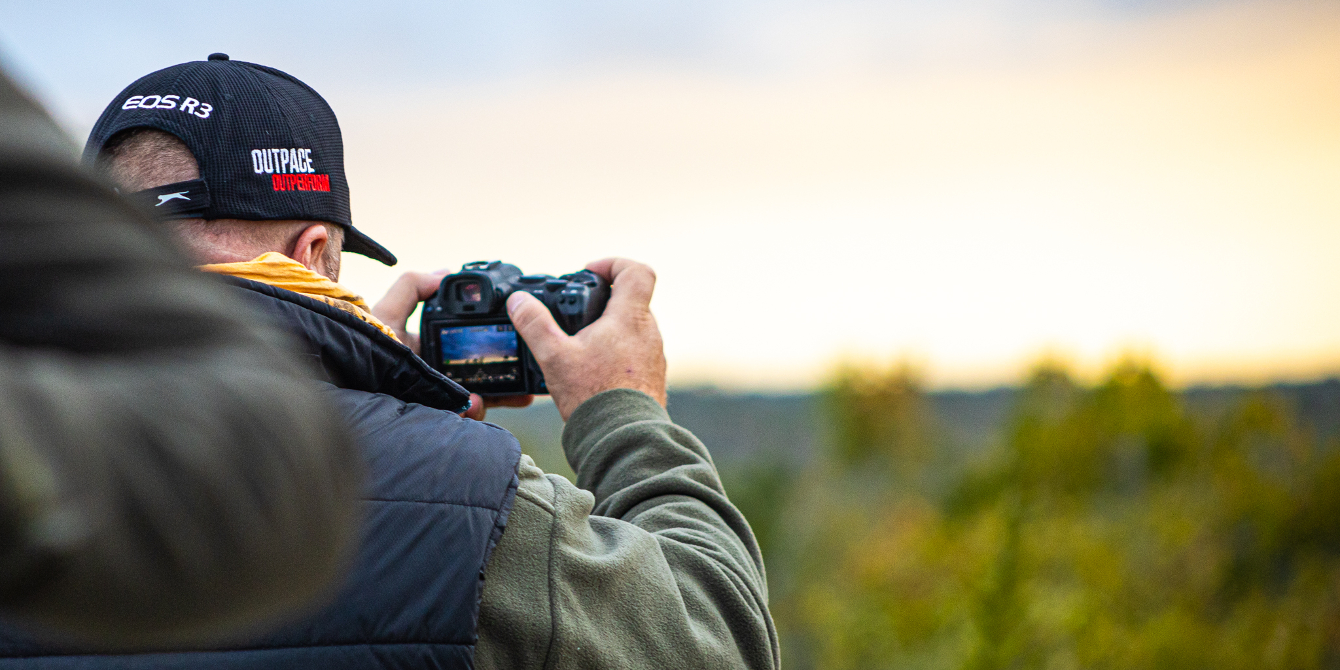
    Looking through the viewfinder on your camera is an incredible ability. It replicates taking a split second out of a moment and viewing it from a completely different perspective.

    The power of a camera

    image

    Wildlife and nature itself are overwhelming things to experience. Seeing how all the branches of life work together to create a sensational whole and being able to feel that sensation through a picture is beautiful. When making use of the artistic medium, you open up many doors in terms of making your game drive the best possible experience.

    Photography is a particularly important part of my life. It allows me to express emotions and experience through a visual source. When I look through my viewfinder I find an open space where I can encourage my creative side. Creativity is a vital aspect that all people should have in their lives.

    Wildlife photography in particular, is an exceptional way of sharing information to people all over the world. As a guide one of our roles is to play a part in the conservation of the natural environment. I feel that photography is the best way to reach out about conservation.

    image

    Not only can you revisit that experience, but you also feel this sense of extreme focus. Taking photos of the environment around you allows you to feel abundantly engaged with what surrounds you and your experience. Over time those pictures will hopefully spark a focus on moments in your life that you never really focused on.

    As a guide it is important to try and know a little bit about all the aspects that come with the job. Having an understanding of photography is one of them as it will increase the quality of your drive for both you and most importantly your guests.

    Why photography is a useful guiding skill

    image

    By knowing how photography works, you can be both a guide to people starting out as wildlife photographers and most importantly to your guests who are trying to capture memories of their life changing experience.

    You’ll be able to tell your guests what the best composition is for the image they want to take. You can guide them on the shutter speed (how fast or slow the shutter on your camera closes), the aperture they should set (the amount of focus the photo will show), and the ISO that should be used (this is dependent on the lighting you are in).

    Throughout your guiding career, you’ll learn and gain more experience. This time spent learning and growing your photographic skills will reflect positively on your photo outcomes and help you impart some of these skills to your guests.

    image

    By enriching their skills, you create an overall positive experience for them which they will carry with them for the rest of their lives. I look forward to seeing smiles on my future guests’ faces when they take an image they love.

    Capturing moments to last a lifetime

    image

    Wildlife photography can be as simple as sharing content you captured of amazing sightings or as important as sharing information about animals that are in danger and need saving. Our society absorbs information primarily through visual content. Using my abilities and passion for photography and the natural environment around me, motivates me to use it to my advantage.

    I love capturing moments and being able to share them with the inquisitive people that make up the world, and I hope you find your spark to make a difference through your viewfinder. If you need a little extra inspiration, consider applying for a Bushwise course and take your wildlife photography to the next level.

    Words by Skye Ludbrook, photos by Louise Pavid

    #lion #wildlife #gameranger #Birding #bushwise #fieldguide #safariguide #Exam #training #guidejobs #animals #apprenticefieldguide #safari #fieldguiding #gamedrive #guiding #fieldguidecourse #studying #fieldguides

  • I never thought I’d become a field guide

    Updated: Sep 10, 2025

    This blog was written by a current Bushwise student.

    3 min read

    My name is Queeneth Seepano, born and bred in Welverdiend, Mpumalanga. I am a person who is passionate about wildlife. But growing up I was an indoor person and I didn’t like being around nature, so I thought I would never want to be part of conservation.

    That all changed when I was selected in 2019 for the Bridging Course at the Southern African Wildlife College (SAWC), a partner of Bushwise Field Guides. It exposed me to a lot that I didn’t know about and it led to my interest in conservation.

    My first step into conservation

    image

    For a year, I was part of the RISE (Rural Initiatives for a Sustainable Environment) department at the SAWC. I worked as a coach in the ‘Coaching Conservation’ program, for kids in grades 5, 6 and 7 at a few primary schools.

    As a coach in this program, my eyes were opened and I saw how these communities, mostly the young kids, didn’t know much about the animals being protected or their importance in our daily lives. And I saw a reflection of myself when I was in school.

    It was a good feeling to educate these kids about conservation so they can grow up with a conservation-minded mentality. In that year, I was also exposed to guiding the kids around the Kempiana area. I fell in love with being out in the bush, especially the part where I was able to share my knowledge with these kids.

    Applying to join Bushwise

    image

    I then realised it was something I wanted to do for a living – sharing my knowledge with people, and helping them experience and enjoy nature.

    I didn’t have a qualification then, until I saw the scholarship posted at the college, wanting candidates to join Bushwise and the SAWC in their field guide training collaboration. At first, I was nervous to apply, but after my supervisor encouraged me, I did.

    I passed my interviews and started with the online learning course where only four of the six candidates would be chosen. I was lucky enough to be chosen by Bushwise. It was my happiest day ever when I received their email. Tears of joy were rolling down my cheeks.

    I joined Bushwise on 8 July 2022, where I am now completing my course as a field guide. Over the past three months, I have gained so much more knowledge.

    One of my best experiences so far

    image

    A highlight of my time with Bushwise was the week in September when I was camp manager. It was a very busy week and quite tiring as we were learning about track and sign and trailing with Colin and Samantha Patrick. It was a very educational week for all of us. I was in group A who learnt track and sign with Samantha.

    Samantha made it easy for us to understand and see the differences between different tracks. I am still so amazed at how much we didn’t know about tracks. During that week, we thought we saw civet tracks, but they were actually jackal tracks. So Samantha showed us how we could differentiate between them.

    image

    Being out and examining tracks all week prepared us for our assessments. The little tracks like squirrels, mongooses, genets, you name them really drove us crazy. Even the impala, bushbuck, steenbok and duiker tracks twisted our brains into knots.

    But I am glad to say that at the end of this week, we all got our levels in track and sign. It was a very great week, I had fun. As camp manager I am very proud of my fellow students for making it through this week.

    It was a great week as we were able to see the pack of wild dogs, a herd of buffalo and pride of lions right outside the reception which is not far from the campus. It was a very amazing week all in all.

    What a journey it’s been

    image

    I must say Bushwise does push you to your limits to help you create a better version of yourself and prepare you for the real world. I am very happy with the efforts of everyone at Bushwise and all experiences I’ve been exposed to.

    Learn more about track and sign on our IFGA Safari Guide Course 6/12 Months.

    Words by Queeneth Seepano and photos by Louise Pavid and Queeneth.

    #AdvancedRifleHandling #bushwise #fieldguide #qualification #safariguide #Exam #training #animals #apprenticefieldguide #safari #fieldguidetrainer #fieldguiding #gamedrive #guiding #fieldguidecourse #studying #fieldguides