Author: Annie DuPre

  • Exciting Collaboration: Bushwise Field Guides and the Southern African Wildlife College

    By: Annie DuPre

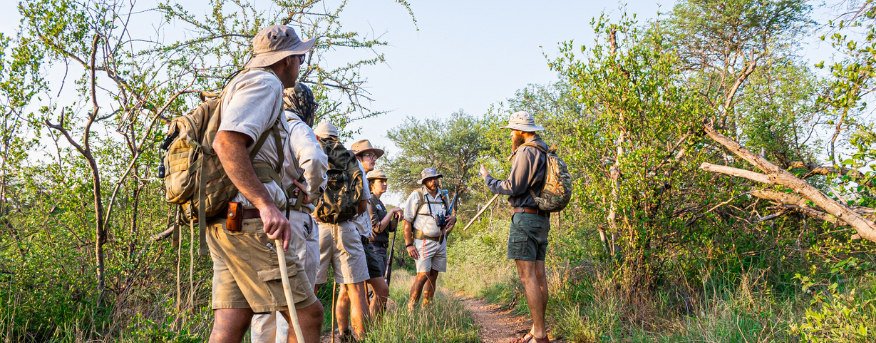
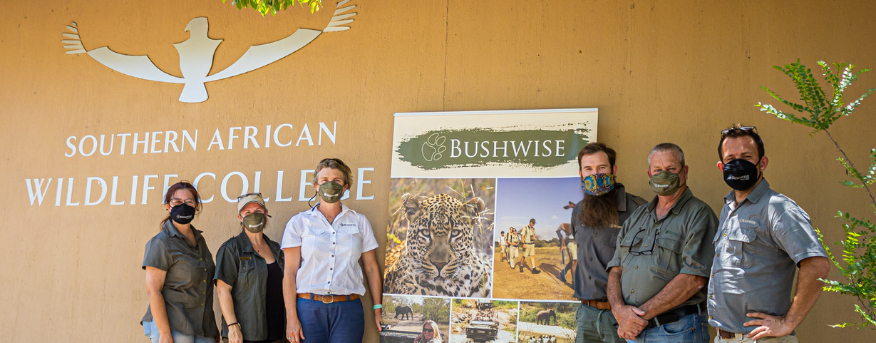
    We are beyond thrilled to announce a new collaboration between Bushwise Field Guides and the Southern African Wildlife College (SAWC). Our two organisations have entered into a symbiotic training agreement, focused on trainer transformation and developing the gold standard for guide training. This agreement kicked off in the first week of January 2022, bringing even more excitement to the new year.
    image

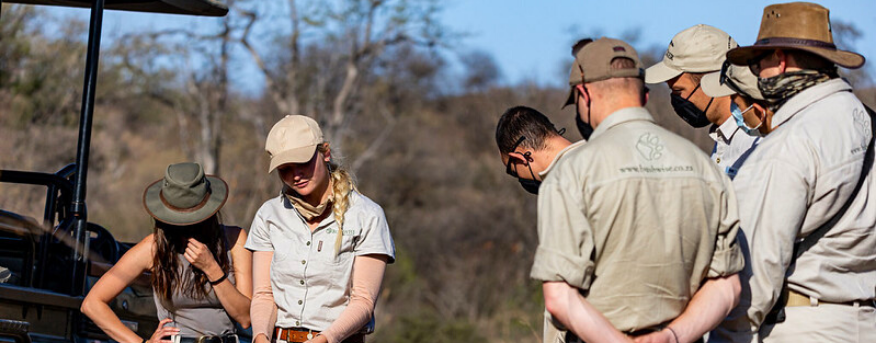
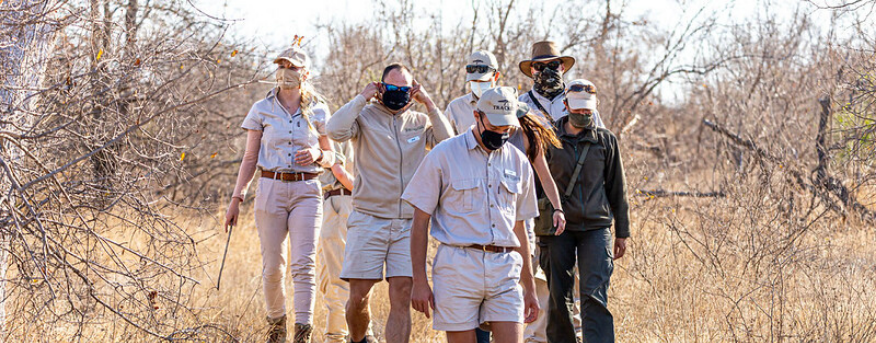
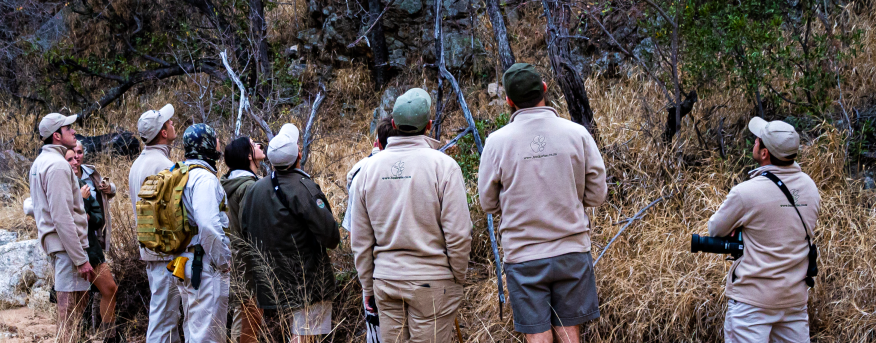
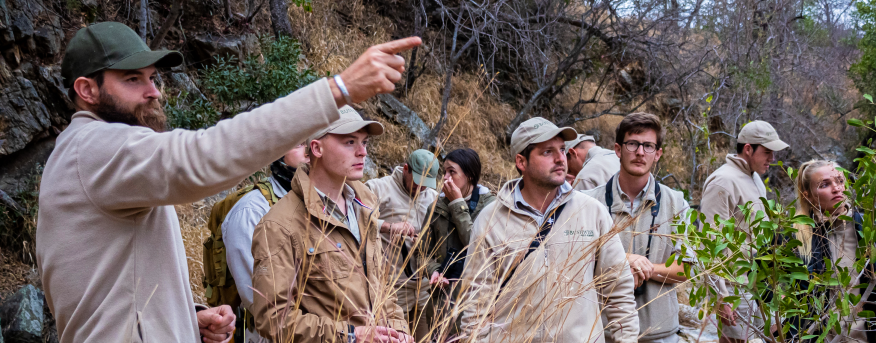
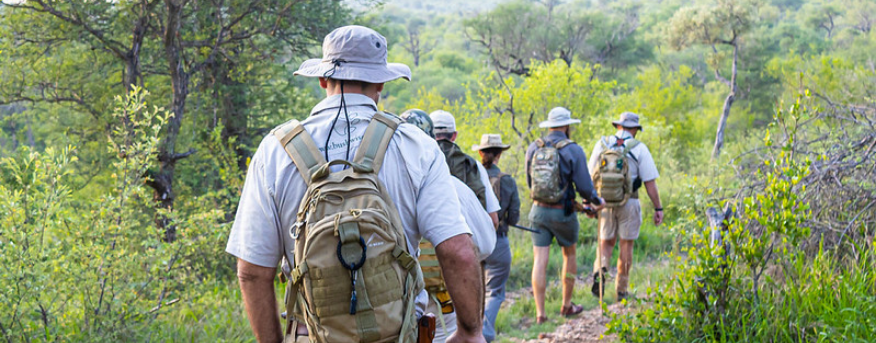
    Working together, Bushwise and SAWC trainers will provide in-person and online training for NQF Level 2 Field Guide Training on the SAWC campus at Kempiana, next to Kruger National Park. Both Bushwise and SAWC are endorsed training providers, each bringing unique strengths and resources to this collaboration. Training will be conducted collaboratively with leaders from each organisation contributing their unique skill set. This follows a highly successful 2008 collaboration between our organisations, and we anticipate excellent results from this new chapter.

    Significantly, special emphasis will be placed on increasing the number of historically disadvantaged individuals that go through our field guide training courses. The first intake of students for this specific element will be in July 2022 and we can’t wait.

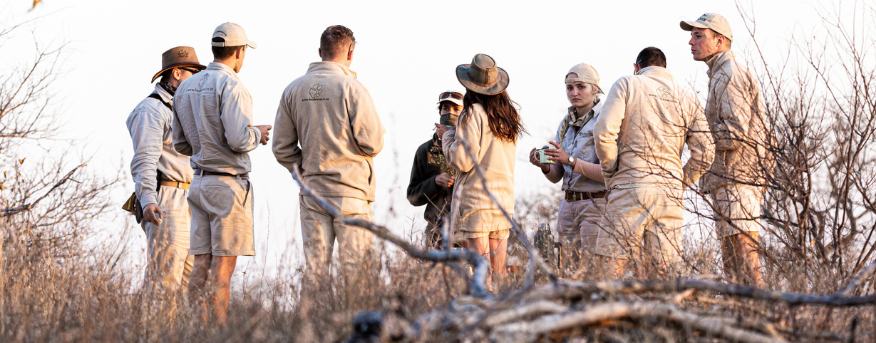
    It is envisioned that this collaboration will offer students a best practice, holistic approach to skills development in the fields of wildlife conservation and field guiding. Both organisations are working towards a central part of this collaboration: trainer transformation, where outstanding graduates will continue their training through an internship on the Kempiana property. 
    image

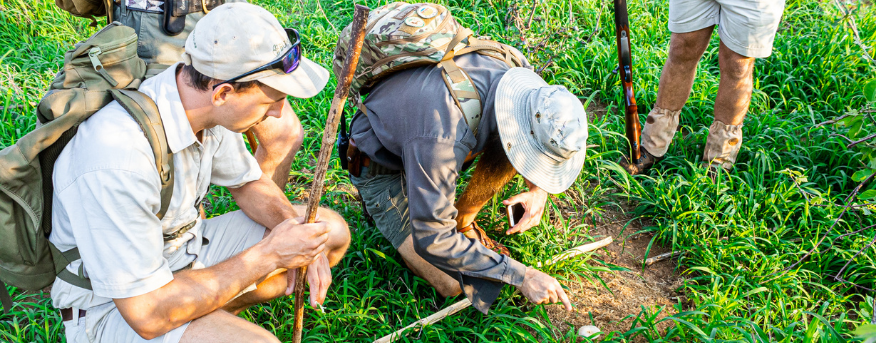
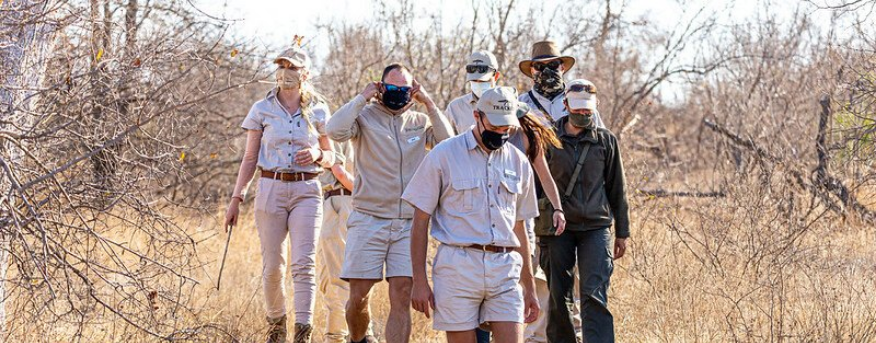
    This image was taken pre-COVID-19. 

    This is a very exciting opportunity for SAWC and Bushwise students to advance their skills set and begin their careers. The ultimate goal is that selected individuals will then be mentored to become assistant or junior trainers themselves. If we are successful and meet our joint goals, we believe this collaboration will essentially provide more sustainable opportunities to participants’ families and increase diversity within the guiding industry.

    This is a significant moment in the guiding world. Collaboration is one of the best ways to enhance guide training, and we believe this relationship between Bushwise and SAWC will deliver some incredible results. We look forward to sharing developments with our supporters, friends, and students, as two world-class and accredited organisations come together to expand the guiding industry, enhance local skills development, and contribute to the overall goal of wildlife conservation.

    About Bushwise Field Guides
    image

    Bushwise Field Guides is a world-class CATHSSETA accredited training provider that delivers exemplary guides to the safari industry. Bushwise was founded in 2006 to provide passionate conservationists an avenue to hone their skills and further their careers. It produces outstanding results with some of the most sought-after guides in the industry, and has maintained a 100% employment rate for graduates of the Bushwise IFGA Safari Guide course since 2012. This is accomplished through long-term courses where students are fortified with the knowledge, skills and experience needed to become leaders in the field guiding and conservation industries. Courses are taught both in-person on campuses in Limpopo, South Africa, and online around the world.

    About the Southern African Wildlife College
    image

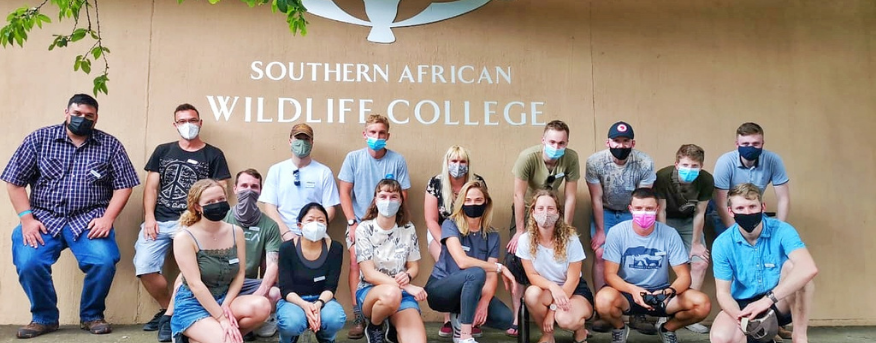
    The Southern African Wildlife College is an accredited higher education and training facility. Established by WWF-South Africa in 1996, as a needs-based independent non-profit organisation, the College delivers a full spectrum of conservation education, training and skills development programs, using an applied learning approach. In doing so, it provides tomorrow’s conservation leaders, field rangers, guides and the community with the skills needed to become partners in helping to conserve the region’s rich biological diversity and ensure that its resources and threatened species are protected.
  • Unplug and unwind: why escaping to nature is the ideal way to reset in the new year

    Some images in this article were taken pre-COVID-19. 

    BY: Annie DuPre

    Sometimes, you have to unplug to recharge. The world around us is busier, noisier, and more stressful than ever before, and with the holidays in full swing, we can often feel overwhelmed. 

    At Bushwise, students know how important it is to examine their role in the natural world. By joining one of our in-country courses, they leave the bustling world behind to immerse themselves in fresh air and untouched bushveld. 

    image

    This choice is beneficial on so many levels – there’s plenty of research to show how nature plays a critical role in maintaining our emotional, physical and psychological well-being. 

    The arrival of a new year gives us a chance to refresh and reinvigorate ourselves – so how will you take advantage of this opportunity to disconnect and reconnect?

    Wild spaces in your backyard

    You don’t necessarily need to travel the world to find your wild escape – you can find it right in your backyard. One of the easiest and most accessible ways to unwind and develop your connection to nature is to simply walk outside and sit on the grass, under a tree, or by a river. 

    image

    Leave technology behind for a few minutes and find a quiet space to soak in the natural world around you. Even better, observe the plants and animals that exist right in your own space. You might be surprised at how much diversity you can find back home. 

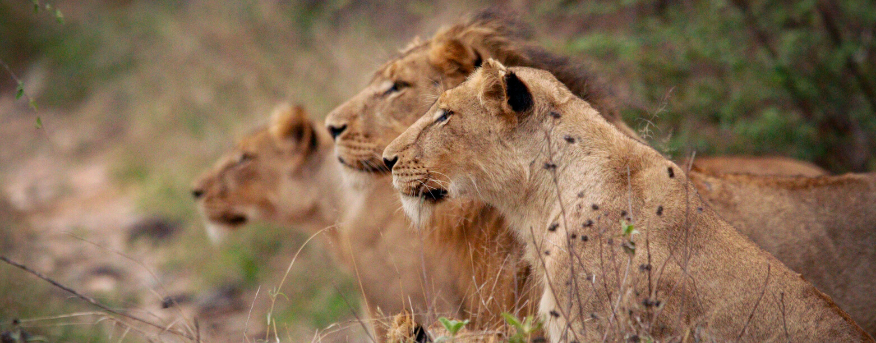
    The best part about going outside, wherever you are, is that there are plenty of ways to experience nature! From walking your dog around your neighbourhood to tracking lions in the Lowveld, the possibilities are endless!

    But, why is it that nature inspires feelings of peace and calm that reinvigorates us? Let’s take a closer look. 

    What research tells us about nature and our well-being

    image

    Being outside typically means getting fresh air and exercise. These two things are critical for our physical health, which has positive effects on our mental and emotional well-being too. Let’s find out how.

    The importance of staying connected

    The term “connectedness” describes the ideal relationship between humans and the natural world. So, the way we connect to nature determines its impact on our health. 

    A strong level of connectedness means feeling an emotional attachment to your natural surroundings. This attachment allows you to deepen your experiences outdoors and receive the full benefits of this relationship. 

    Like any relationship, maintaining healthy connectedness takes work. You need to dedicate time to be outside to allow your senses to absorb the sounds, feelings, and smells of nature. We often lose sight of this in the demands of modern life and days can speed by with almost no time spent outdoors. 

    This is certainly something to aim for in a new year’s resolution: taking time each day to be in nature and develop your connectedness.

    image

    Nature makes us happier

    Research also shows that people who are connected to nature tend to be more positive and calm. There are even studies that suggest that increased time in nature contributes to lowering anxiety and depression. In fact, nature is considered an antidote for stress.

    Another benefit of being a nature-enthusiast? You can develop positive social bonds through your interest in nature. Join local hiking groups, go birding with friends, or take a wildlife course

    Take a break from technology

    There are plenty of warnings about the hazards of being glued to your phone or PC. Too much screen time can cause sleep problems, neck and back problems, and even stress and anxiety. Most recommendations say to avoid looking at your phone 30 minutes or more before you go to sleep. This allows you to wind down your mind and get a good night’s rest. 

    What if I can’t get outside?

    image

    Not everyone has the benefit of access to outdoor spaces. There are plenty of reasons that you could be stuck inside, but that doesn’t mean you can’t benefit from nature. 

    Writing poems or daydreaming about the great outdoors can have similar effects. Research also shows that watching nature documentaries can be beneficial for your mental health. 

    There are tons of world-class documentaries on wildlife, from BBC’s Planet Earth to Netflix’s Dancing with the Birds, to Disney Plus’ Secrets of the Whales, and more. 

    You may also be able to find live safari broadcasts! A few companies throughout Africa offer the opportunity to be transported straight to the bushveld from the comfort of your home.

    Following your favourite safari guides and lodges on Instagram is another great way to keep in touch with the bush when you’re stuck inside! 

    Going even further: disconnecting to reconnect

    image

    One of the ultimate ways to develop your connectedness with nature, and fully immerse yourself in the experience, is to complete a wildlife course. 

    If you have a passion for nature and see yourself developing a career in the industry, joining a course is the best way to disconnect, reconnect, and set off on your dream job. It’s also the best way to kick-start the new year! 

    The Bushwise Professional Safari Guide Course is perhaps one of the best ways to connect to nature. Spend 23 or 50 weeks in the wild, each day devoted to learning more about animals, plants, and everything else that makes up an ecosystem. You’ll quickly learn that humans are just one part of a much bigger process.

    And, you’ll give yourself a technology-cleanse – a period of time where you won’t be checking your phone for emails or texts, simply because there isn’t always wifi and cell signal is limited!

    Are you keen to develop your connectedness even further? Sign up today for one of our 2022 courses and immerse yourself in nature.

  • December in the Lowveld: how the bush decorates for the holidays

    BY: Annie DuPre

    In the northern hemisphere, the cold December weather arrives and brings snow, winter coats, and warm beverages. On the opposite side of the world, here in the Lowveld of South Africa, Bushwise students are donning shorts and sandals, and trying not to sweat through their clothes on game drives! 

    December is a magical time of year. We relax, enjoy seasonally-themed food and drink, and exchange gifts. No matter how you celebrate, this time of year typically means a break from work, time with loved ones, and if you’re lucky, a bit of holiday. 

    image

    But, the holiday season means something different in the wilderness. Lions don’t gather together to swap gifts. There are no baby elephants waiting by the chimney to see Santa. And magpie shrikes don’t light the menorah. 

    However, there is definitely a palpable change in the bush during this time of year! The seasons are shifting, bringing visible changes in local flora and fauna. 

    So, how does the bush celebrate the holidays? 

    November showers bring holiday flowers

    image

    November and December sees the return of summer rain here in the Lowveld. Afternoon thunderstorms and long, sustained showers soak the savannah and grassland, bringing much-needed nutrients to the vegetation. 

    Shrubs, bushes and trees that have been practically dormant throughout winter suddenly start to sprout green leaves, and flowering plants burst forth with bright colours and patterns. 

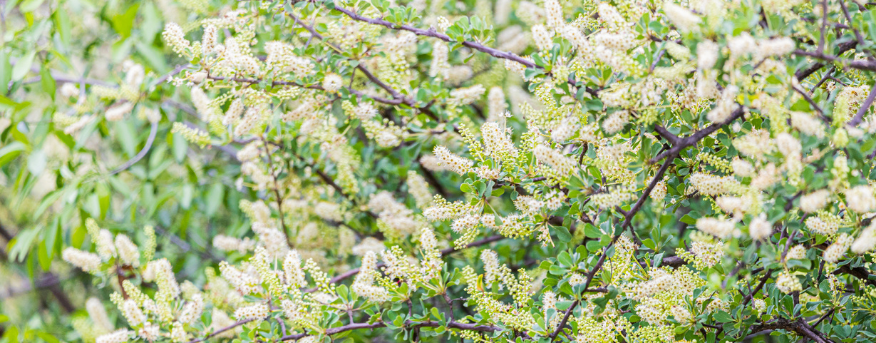
    One flowering plant is sickle bush, a thorny shrub that quickly encroaches, often causing a tremendous headache for farmers and property owners. But, the flowers of the sickle bush are quite beautiful. True to the shrub’s other common names, the Chinese lantern or Kalahari Christmas tree, its flowers look like little ornaments adorning its branches. 

    There are many other trees and plants that flower at this time, including numerous wild flowers that pop up as if from nowhere, dotting the bush with multi-coloured blossoms. 

    image

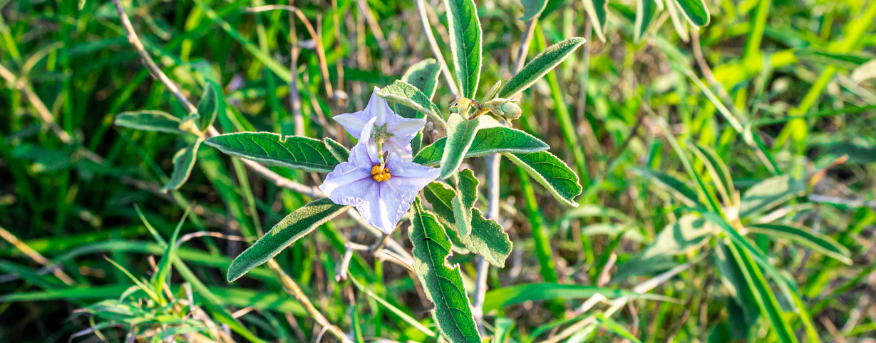
    Purple pod terminalia and silver cluster leaf trees sprout thousands of tiny cream-coloured fragrant flowers. String of stars has cascading white flowers that look almost like twinkling lights blanketing the ground. Other flowering plants include candy stripe lilies, wild basil and aniseed, blue haze, lion’s eye hibiscus, African violets, and many more.  

    Returning home for the holidays

    Along with the rain and change in temperature, comes the return of many migratory bird species. The majority of these species are insect- or seed-eaters, so they return to southern Africa to feed. Think of this as coming home for the holidays for the up to 4.5 billion individuals that flock from their breeding grounds in Europe and Asia. 

    European bee-eaters, with their vibrant, turquoise-blue bellies and chestnut heads, have massive seasonal gatherings of 20-100 individuals. They’re like colourful decorations flying through the sky and roosting in trees. 

    image

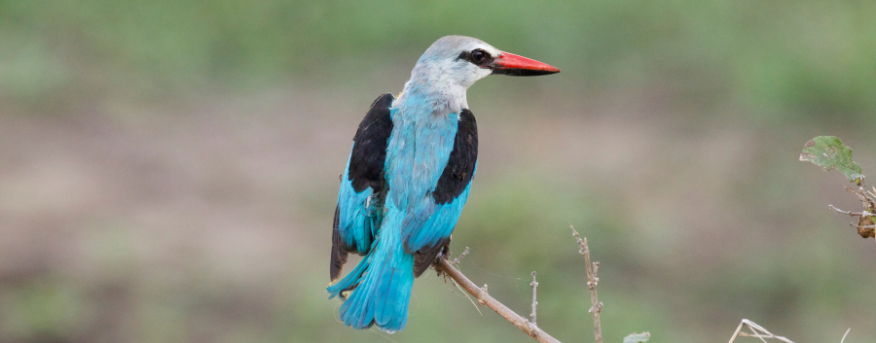
    A popular sign of the season is the return of the woodland kingfisher. Its call rings out through the bush, almost like carol singers echoing their song. Guides often bet on when this vocal bird will return to the Lowveld. Of course they aren’t the only species to sing their song this time of year. Diederik cuckoos, red-chested cuckoos, green-backed camaropteras and African hoopoes join the chorus of birds ringing in the holiday season.

    Arrival of new additions

    This is also the time of year when many prey species give birth, bringing new life into the Lowveld. Impala give birth at around the same time in November and December. They do this because there’s safety in numbers, and because there’s typically plenty of food and water to go around. 

    Other species, like wildebeest and blesbok, also deliver their babies this time of year. If you pay a visit to the Greater Kruger over the holidays, you won’t be able to stop yourself from cooing over the adorable baby antelope sprinting back and forth around the adults. 

    image

    Photo by: Annie DuPre

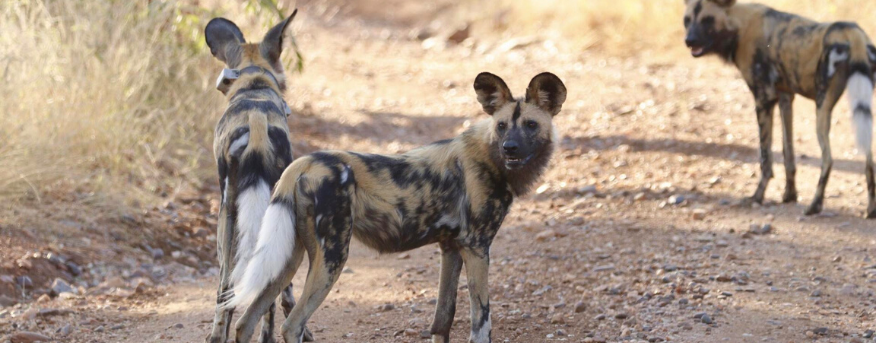
    But, prey species aren’t the only ones with young over the holiday period. African wild dogs give birth between May and June, and keep their young ones in the den until around October. By December, the pups are typically mobile with their pack, and if you’re lucky, you’ll catch a glimpse of this highly social predator!

    Many other species, both prey and predator, will give birth throughout the year. So you may still get lucky and see many different kinds of cubs, lambs, piglets, or calves over the holiday period.

    The holiday tourism rush

    Things are a bit different this year, but typically, the festive season invites a wave of tourists to safari lodges throughout southern Africa. There’s certainly something novel about spending Christmas in summer weather, especially if you’re from the northern hemisphere. 

    Game drives and bush walks are exceptionally hot this time of year. It’s even more festive to pack extra sundowners for your afternoon drive, or to find a bird hide near a dam to relax and enjoy the sights. 

    image

    What’s better than appreciating wildlife and nature with your friends and family? That’s the kind of holiday Bushwise guides love to celebrate!

    If you can’t be with us here in the bush this holiday, take time to walk outside and see how nature is celebrating, wherever you are. 

    And, with 2022 just around the corner, now’s the perfect time to book your bush adventure. There are just a few spots left in our January intake for the Professional Safari Guide Course. What better way to celebrate the holidays than by rewarding yourself with a career move of a lifetime? 

    Don’t wait for the next holiday season, apply for your Bush adventure now!

  • The million dollar guide: How soft skills make a big impression

    The images in this article were taken pre-COVID-19. 

    BY: Annie DuPre

    When you’re training to become a field guide, you spend weeks memorising information, repeating facts and observations about animals, and learning how to interpret animal behaviour. But what about the soft skills of guiding that make a field guide dynamic and memorable?

    What makes an excellent field guide?

    image

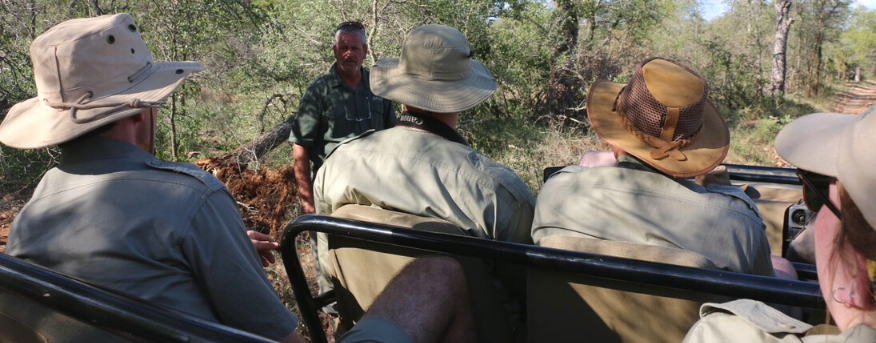
    To be a field guide, you need to love nature and the outdoors, and you need to be an animal person. But it’s also true that you need to be a people person. The guest-guide interaction is one of the most important aspects of a rewarding safari experience.

    Soft skills – communication, leadership, creativity, flexibility, empathy, teamwork, stress and time management, and more – are just as important for guiding as the knowledge and insights you’ll gain from years of training. 

    Have you ever been on a guided tour? Think about what made that experience memorable. Sure, you learned a lot, but wasn’t it just as important to you that your guide was engaging, interesting, knowledgeable, and even fun? The kinds of guides that make impressions are the ones that can connect with their guests in a way that goes beyond simply sharing knowledge. 

    If you’re taken on a safari by a field guide who knows the bush like the back of their hand,  but doesn’t show interest in their group or enjoy talking to people, you’re unlikely to enjoy that experience. 

    Of course, the same goes if your guide is really friendly but knows nothing about wildlife. It’s about finding the perfect combination of hard and soft skills! 

    Essential guiding soft skills

    image

    As the calendar year is nearing its end, so too is the current Bushwise Professional Safari Guide Course. This is an exciting and significant time for students as they’re being assessed on all they’ve learned and gained throughout their training – including their soft skills. They’ve been able to showcase their knowledge through their theory exams and highlight their soft skills in their practical driving assessments. 

    There is a fine balance of hard and soft skills in guiding which Bushwise strives to teach through our online and in-person courses. Let’s take a look at the kinds of soft skills encompassed in Bushwise students and guides.

    Customer service

    image

    There are many levels of interaction between lodges and guests, but as a guide, you’re the main point of contact. 

    Guests are customers, and they’re paying for a service – which in this case is a guided experience. This means that as a guide, you’re responsible for making a guest’s experience something they’ll remember for the rest of their lives, and want to come back to enjoy again and again. 

    Imagine you’re driving guests and you come across an incredible sighting, perhaps a leopard in a tree or a pair of honey badgers playing. As the guide, no matter how tempting it may be to get an awesome photograph, you have to prioritise your guests and position the vehicle in a way that puts the guest in the best viewing spot! 

    Guides must always be aware of their guests’ interests and what they hope to achieve while on safari – this is part of excellent customer service.

    Communication

    image

    Strong communication skills are critical in any kind of hospitality or tourism job. As a field guide, you act as the lead communicator between people and their natural surroundings. 

    You’ll interact with people of different backgrounds, ages, nationalities and personalities. You need to be able to communicate in a manner that all kinds of guests can understand, while getting valuable information across. This applies to both spoken and unspoken communication (i.e. body language). 

    You might have guests that are extremely enthusiastic about a sighting and want to stick around for a while, while other guests are feeling tired or uncomfortable. This is particularly relevant if you’re at a kill and predators are feeding on a prey animal. Feel the vibe of your group. Some people are more sensitive to this than others, and you’ll need to learn how to best communicate with everyone in the vehicle to feel out the energy and know when to move on. 

    Flexibility and adaptability

    image

    Animals don’t always play by the book. You could spend a large chunk of your game drive trying to find something exciting to show your guests, and find that the bush is dead quiet. This is where your skills of flexibility, adaptability and creativity come into play. 

    On a quiet game drive, you might take your knowledge of trees, grasses, soils, climate, and other elements, and incorporate these into an interactive guest experience. If you’ve gotten to know your guests a bit, you might find they have interests beyond the Big Five (a main attraction in Africa), which will allow you to be a bit more flexible on your game drive and perhaps focus on smaller animals like birds or insects for a little while. 

    Leadership

    image

    When you’re guiding a group of guests, whether on foot or in a vehicle, you’re their leader. Being confident, encouraging respect, discouraging dangerous behaviour, and being firm by setting ground rules is extremely important to keep everyone (including the animals) safe.

    Leadership also means knowing when to say no, which means knowing when you need to give an animal its space and take your guests elsewhere. This is an important part of safe and ethical guiding. If an animal is giving you the signal that you’ve entered its danger zone, do not try to push those boundaries. 

    Even if guests want the closest, most intimate experience possible, you must remember that your role is to share nature with guests while observing – not meddling. Recognising that distinction and keeping a safe distance is what makes a good guide and an even better leader. 

    Stress and time management

    image

    As much fun as it is to spend weeks in the bush among wildlife, it is still a job and all jobs can eventually cause stress. Learning how to manage your time and stress productively will be hugely important for your health and the quality of your guiding.

    You’ll be working in an industry that requires early wake up calls and long, sometimes demanding, hours. Even the most enthusiastic extrovert can slow down or tire out if they don’t take care of themselves!

    That’s why it’s so important to look after yourself and know how to decompress. Enjoy an extra cup of coffee or tea in the morning. Allow yourself some alone time between drives. Make calls back home and keep in touch with friends and family. 

    Know how to have fun

    image

    Beyond all of these skills, one of the most important ones is knowing how to enjoy yourself and share your joy with your guests. The people who join your drives or walks are on vacation, after all. 

    Share in their moments of discovery, as they experience the bush for, perhaps, the first time. Of course you must prioritise safety, security, and knowledge – but remember to have a good time while you’re at it!

    Take the time to hone your soft skills

    As a guide, you can have all the knowledge in the world, have memorised books and taken every course out there. But, without soft skills, you won’t be a top-performing guide. Lodges and ecotourism establishments look for these soft skills in their new hires. They want guides who are dynamic and know how to host and entertain guests.

    Are you interested in becoming a top-performing field guide? There’s still time to apply for next year’s courses. Sign up and start your journey to your dream job today!

  • Promoting and protecting: a field guide’s role in conservation

    Photo by: Callum Evans

    BY: Annie DuPre

    In honour of Wildlife Conservation Day on 4 December, we’re proud to highlight the role of field guides in conservation. 

    The main responsibilities of a field guide are quite straightforward – they guide guests in the field, whether in grasslands, savannah, rainforests, mountains, or other landscapes. They create experiences through sharing their specialised knowledge.

    image

    This image was taken pre-COVID-19. 

    But beyond the basics of guiding, there is so much more that field guides stand for and so much more they can accomplish in conservation and protecting biodiversity (an area’s diversity of plant and animal life). In fact, one of the modules you’ll study in the International Field Guide Course is conservation and habitat management.

    As a field guide, you’ve chosen a sustainable career, a career that will not only keep you engaged and interested for a long time, but will also allow you to make a long-lasting contribution to nature.

    You’ll spend your days in nature, sharing your experiences with guests. Each interaction with guests is an opportunity to educate, communicate, and facilitate the process of appreciating wildlife and wild spaces!

    Conservation in South Africa

    image

    Photo by: Annie DuPre

    South Africa is the third most biodiverse country in the world. It’s also one of the best places to train as a field guide and develop a passion for sustainable conservation! Here are just a few facts about South Africa’s biodiversity and ecosystems:

    1. While South Africa is just 2% of the earth’s land surface, it’s home to 10% of the world’s plant species and 7% of its mammal, reptile, and bird species. 

    2. Africa is home to the last in-tact large carnivore guild in the world, all of which can be found in South Africa: lion, leopard, cheetah, wild dog, and spotted hyena.

    3. Over 850 bird species have been recorded in the country, including 69 endemic and near-endemic species.

    4. South Africa has nine distinct biomes, ranging from desert to tropical rainforest to fynbos.

    5. The country is home to the Cape Floral Kingdom, one of just six floral kingdoms in the world. 

    6. There are an estimated 500 private game reserves and lodges in South Africa.

    However, South Africa’s biodiversity is also facing some serious challenges. As threats to biodiversity grow, jobs in ecotourism, such as guiding, become even more important. 

    This is where guiding provides an opportunity not only to educate, but also contribute to sustainable conservation. 

    What is conservation?

    image

    Photo by: Donald Fraser

    Conservation is protecting and sustaining biodiversity – habitats, animals, plants, and other living and nonliving elements of an ecosystem – for future generations. It also means caring for these resources in a responsible manner, and sharing knowledge and experience with others. 

    Guiding as a conservation tool

    Take a moment to think about a group of guests visiting South Africa for the first time. You, as their guide, may be the one and only person who speaks to them about wild animals and their habitats. This is an important responsibility. 

    image

    Photo by: Louise Pavid

    As an ethical guide, you’ll promote sustainable conservation practices. There are a few ways you can do this with guests. While on game drives or bush walks, you can talk with guests about the ecological processes they observe and how each animal plays an important role. Seeing an impala as more than just one animal, but a player in a much more complex and important game, is hugely valuable.

    You can also have engaging discussions with guests about the role of tourism in conservation. People want to see their visit as more than just viewing animals, and it’s true that revenue from tourism plays an important role in protecting wild spaces. They’ll appreciate you highlighting this!

    You can also promote ethical and sustainable tourism by reputable lodges and guides as the best way to experience South Africa’s wildlife first-hand. 

    Contribute to existing conservation projects

    image

    Photo by: Louise Pavid

    Depending on where you’re working, you may be able to contribute to existing conservation projects or research. 

    Projects could include habitat rewilding, biodiversity assessments, game census, species relocation or reintroduction, community engagement, and more. This type of work is usually done by management, ecologists, or game rangers, but occasionally, you’ll get opportunities to help out too.

    For example, the black wattle is considered the most widespread invasive tree in South Africa. They have huge water requirements to survive, making them detrimental to the survival of other native species (and therefore the biodiversity of an area). Reserves are constantly removing black wattles, and you may get to assist with this work depending on your guiding schedule. 

    Some reserves also conduct regular research on key species, and if resources and time allow, you may be able to join research projects or contribute to data collection. Or, before training to become a field guide, you could also join a wildlife research expedition for this opportunity.

    Be a voice for the endangered

    image

    Photo by: Annie DuPre

    As a guide, you are an advocate for wildlife and biodiversity conservation, and people will often look to you for your insights. It’s your privilege and duty to speak on behalf of wild animals.

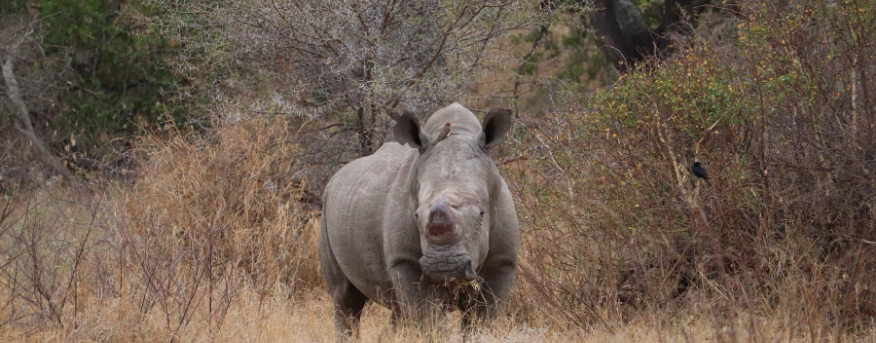
    While on a game drive, you can incorporate your knowledge of endangered species into your chats with guests. There is a lot of confusing information available about wildlife. By speaking up on behalf of rhinos, pangolins, lions, and other threatened and endangered species, you may influence others to do the same. 

    You can also discourage guests from participating in harmful tourism experiences, such as cub-petting, elephant riding, walking with predators, and other hands-on interactive attractions. These types of interactions hold no conservation value, and can be detrimental to wildlife. 

    Your impact can then have a ripple effect and influence more people to protect these species and promote conservation!

    Conservation and guiding go hand in hand

    image

    Photo by: Louise Pavid

    You never know the effect you can have on people as a guide. 

    By showing someone an elephant for the first time in their lives, you could inspire them to commit part of their lives to protecting elephants. Or, by sharing your knowledge about ecosystem processes, you might inspire a young visitor to study a nature conservation course and become a game ranger. You could discuss the dangers of snares with a guest, and they could go on to study veterinary sciences and become a wildlife veterinarian. 

    There are endless ways that your leadership as a guide can have a positive impact on your guests. By being a proponent of sustainable tourism and conservation, you’ll play an essential role in protecting South Africa’s wild animals and habitats. This is the definition of conservation! 

    So, if you’ve always wanted to make a positive impact on nature through a sustainable career, why not get started by joining our next Bushwise International Field Guide Course?

  • The language of birds: What you can learn by listening carefully

    The images in this article were taken pre-COVID-19.

    BY: Annie DuPre

    South Africa showcases an overwhelming diversity of birds – over 850 bird species have been recorded in the country. The Lowveld region (home to the Bushwise campus) boasts some of the country’s most incredible bird diversity.

    Bird identification – through both sight and sound – is part of professional safari guide training. Birds can teach us so much about our surroundings, if we just pay attention!

    The dawn chorus

    image

    Photo by: Annie DuPre

    From the tiniest grey penduline-tit, to the massive southern ostrich, it’s easy to understand why South Africa is a bird-lover’s paradise. When you wake up in camp, the first thing you’re likely to hear (unless there are lions or elephants nearby), are the morning calls of local birds. This is referred to as the “dawn chorus”.

    The dawn chorus can bring a meditative moment to your time in the bush. Close your eyes and see how many you can identify by their calls. If you’re on a game drive, bush walk, or in camp with guests, have them join you in this exercise.

    As a field guide, talking to guests about the different birds you’re hearing is a great way to showcase your knowledge beyond the typical game drive talk. Some guests may even be avid birders (or twitchers, as they sometimes call themselves), so this could be the highlight of their trip.

    One interpretation of the dawn chorus is that this is an opportunity for birds to announce their territory to others, attract mates, or defend their chicks. Singing loudly takes a lot of energy, so it would make sense that the strongest birds can also sing the loudest.

    But birds are saying much more about what’s going on in the bush when they sing.

    What bird calls tell us

    image

    Bird calls aren’t just beautiful sounds. Sometimes, by listening carefully to their calls, you might hear a bird alarming (during your training, you’ll learn that alarm calls are very different to other types of calls). This may be a sign of a predator nearby, might indicate the presence of another species, or could tell you something else entirely. Here are a few examples:

    1. Birds of prey: Raptors, such as tawny eagles or bateleurs, are often the first to arrive on the scene if there’s a kill nearby. These species can even be used to locate leopard kills, so if you see both a tawny and a bateleur in the same tree, or near to one another, have a good look in all the nearby trees for cats! Vultures may also get to the scene quickly. White-backed vultures, for example, can smell a carcass from up to six kilometres away. 

    2. Circling vultures: Vultures flying in circles in a group (known as a kettle of vultures) use thermals (pockets of hot air rising from the ground) to gain lift. This allows them to rise in the air, meaning they can travel further without having to expend much energy. If you see vultures diving down to the ground, it may be a sign of a carcass and therefore a predator. Diving vultures are always worth checking out!

    image

    Photo by: Annie DuPre

    1. Grey go-away birds: As common as grey go-away birds are in urban and suburban areas, people often ignore their crying call. However, if you are in the bush and one or more grey go-away birds are alarm calling, it’s a good indication that a spotted or Verreaux’s eagle-owl is somewhere nearby. Follow their calls and look closely at trees nearby – you might find the culprit.

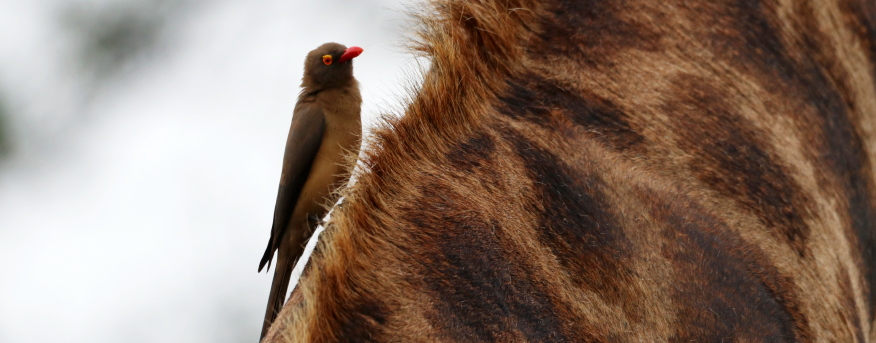
    2. Oxpeckers: Red- and yellow-billed oxpeckers have very recognisable calls. Their role is to clean parasites off ungulates, so when you hear an oxpecker, it’s important to pause and see what animal they’re with. This could be anything from warthogs to rhinos. Recognising the oxpecker call is especially important for trail guides, as you may hear evidence of dangerous game before you see them. In fact, it’s recommended that guides set the sound of oxpeckers as their alarm calls on their phones. Then, whenever you hear an oxpecker, you’re immediately on alert!

    3. Yellow-billed oxpecker: This species is uncommon and listed as Vulnerable in South Africa, and most commonly found with herds of buffalo. Red-billed oxpeckers are more common around camp and throughout the Greater Kruger National Park, while you need to travel a bit further north to find yellow-billed oxpeckers

    image

    Photo by: Annie DuPre

    1. Greater honeyguide: One of many people’s personal favourites, and arguably one of the most interesting human-animal relationships to discuss with guests, is the role of the greater honeyguide. This bird’s “Victor! Victor!” call has alerted people to the presence of bees, and thus honey, for generations. The bird’s calls help people locate beehives hidden in tree hollows. And after the honey has been retrieved, the bird gets the delicious larvae-stuffed comb left behind. As a guide, you may learn of trees in your guiding area where evidence of this activity is still present – this makes for a really interesting discussion with your guests. Sadly, this mutually-beneficial relationship is falling away, as fewer and fewer interactions have been recorded. 

    It’s crucial to be on alert as a guide, always listening for the alarm calls of birds and other animals. There are some birds in the bush that will alarm at the smallest of worries (francolins and spurfowls are notorious for this). However, if you’re busy following the tracks of a leopard and you hear one of these birds alarming ahead of you, then it’s probably a good indication that a big cat is nearby.

    A good guide will always take everything into consideration, using their senses to try and interpret what the bush is telling us. So, while birds may be excellent indicators of other species, they can also tell us much more.

    image

    Seasonal soundtracks

    Of the 850-plus bird species found in South Africa, about 100 are migratory (meaning they spend part of the year outside of the country). This means that you’ll hear different calls depending on the time of year, and guides often mark the change in season with the arrival of certain species.

    The summer Lowveld soundtrack has begun in earnest by mid-November, bringing with it the sounds of the woodland kingfisher, red-chested cuckoo, gorgeous bush-shrike, African paradise flycatcher, Diedrick’s cuckoo, green-backed camaroptera, pin-tailed whydah and more.

    Winter in the Lowveld brings to the forefront the black-headed oriole, black-collared barbet, collared and white-bellied sunbirds, purple-crested turaco, kurrichane thrush, chinspot batis and brown-headed parrot, among others.

    Endemic species

    image

    A point of pride in South Africa is the number of rare and endemic (meaning only found there) bird species that the country hosts. There are 69 endemic and near-endemic bird species in South Africa, including many that are endangered, threatened, and vulnerable. Since species endemism is a strong indicator of biodiversity, South Africans are right to be proud of this number!

    Guests may be travelling to a specific area just to see a “lifer”, or a bird they’ve never seen before and may only get to see it once. So it’s important that you’re able to help identify rare bird species (even if you haven’t actually seen them yet yourself). 

    Bird identification for field guides

    image

    When taking part in one of the Bushwise Field Guide courses, you’ll learn how to identify dozens of birds by sight and sound. This isn’t just a fun trick to impress your guests, it’s also important when interpreting the bush around you and learning to recognise warning signs. 

    Bird calls and identification is just one of many modules that field guides must study to provide their guests with memorable experiences. 

    To learn more about how you too can become an accomplished field guide, check out the courses offered by Bushwise!