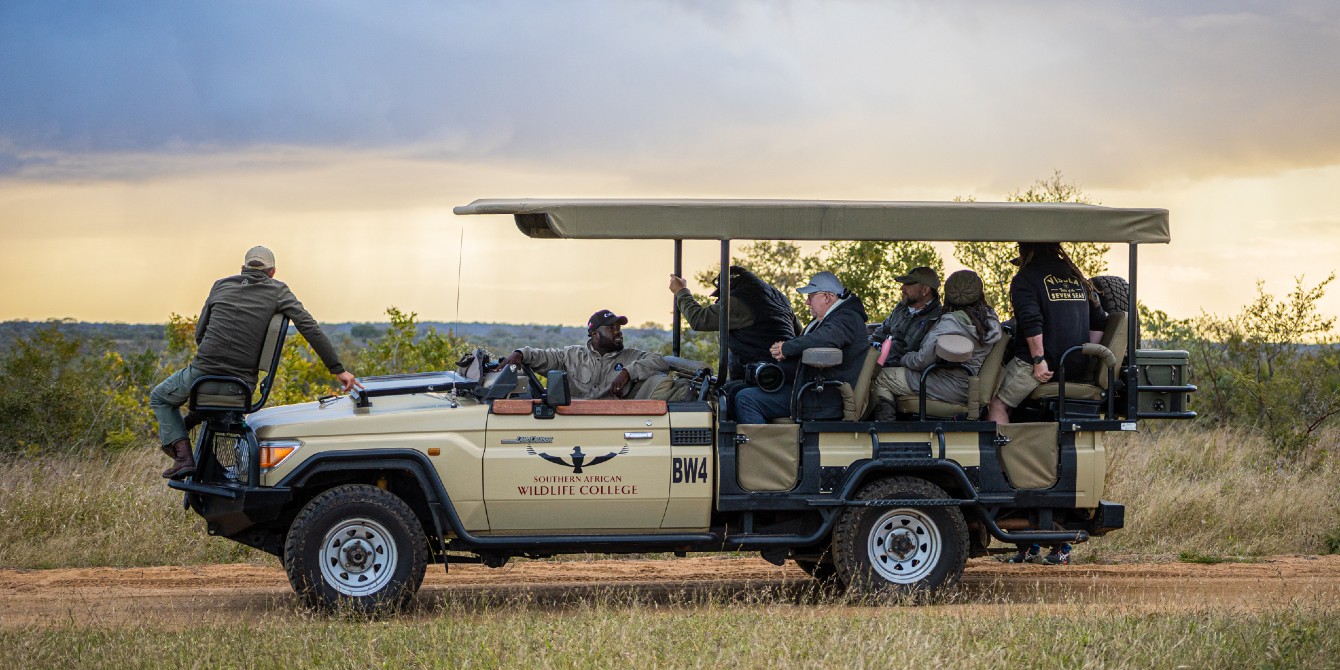
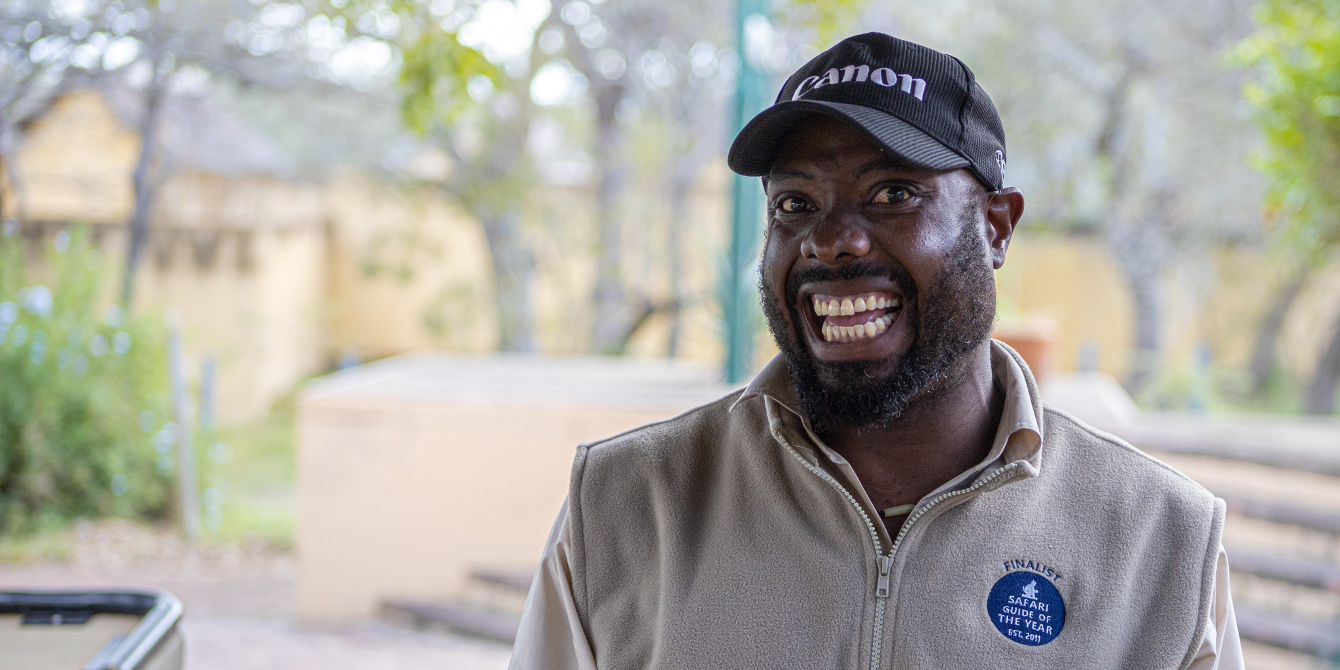
Author: Annie DuPre

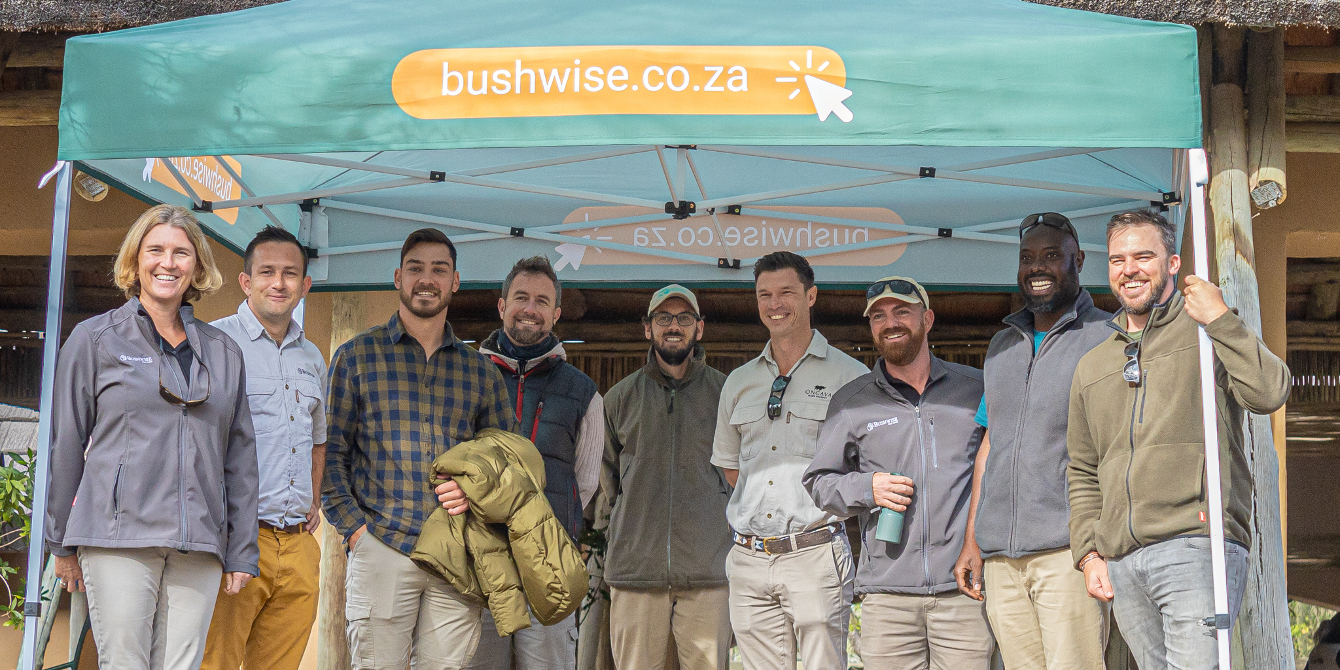
  • Our incredible trainers: Meet the Bushwise team!

    When you want to be the best field guide you can be, you want to train with the best trainers out there. Experts in the industry who not only know their stuff, but know how to transfer their knowledge to you. Instructors who genuinely care about your growth as a field guide. 

    But excellent trainers are more than just educators. They’re also students themselves, keenly interested in the natural world, ambassadors of nature. They’re always asking questions, searching for answers and sharing stories. Because when you work in this industry, you never stop learning.

    At Bushwise we prioritise staff development. That’s why all of our trainers continue to get additional qualifications and certificates while working for us. And many of our trainers stick around for years and years, a testament to their passion for teaching the next generation of field guides. In this post we’re sharing their successes, qualifications, experiences and interesting updates. 

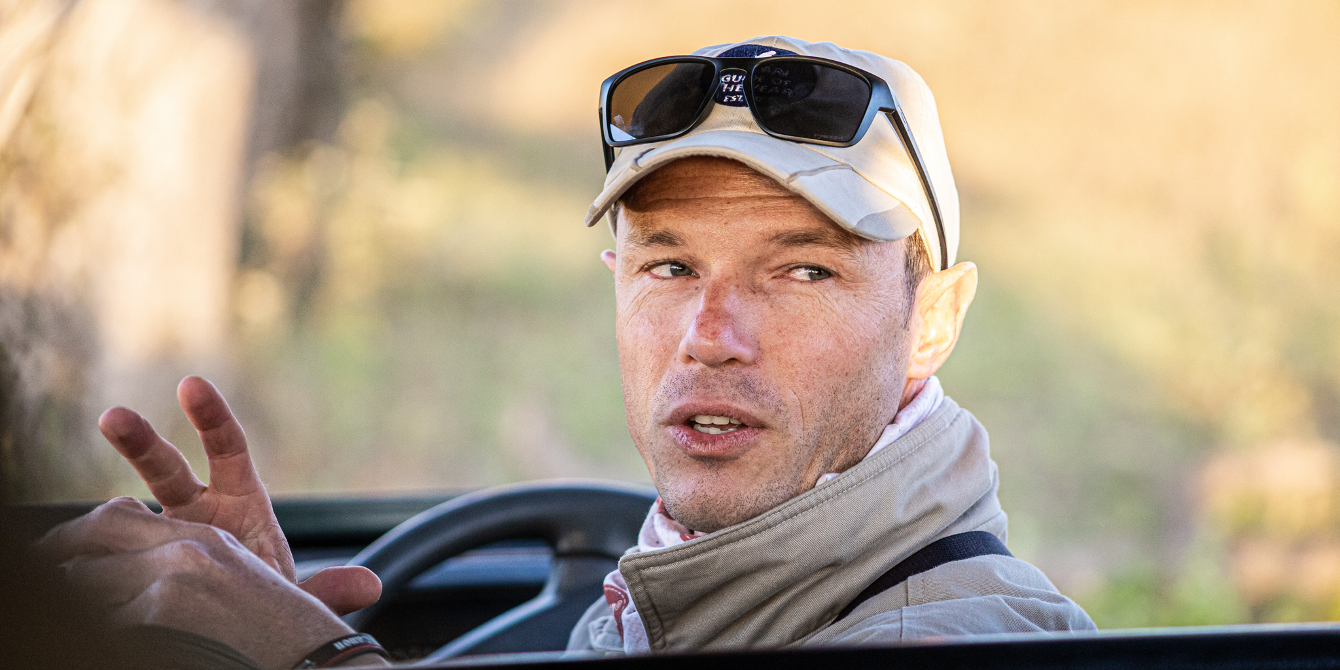
    Nico Brits

    gallery image

    Role: Head Trainer

    Years in the industry: 10

    Qualifications: Professional Field Guide, Professional Trails Guide, Professional Track & Sign, Trailing 3, Tracker 3, Regional bird guide

    Quote: “As a field guide, it’s important to have academic knowledge of animals, but it’s equally important to observe and interpret what’s happening with the animals you’re viewing. There are so many facts written about animals in books that contradict what you will sometimes witness out in the field.”

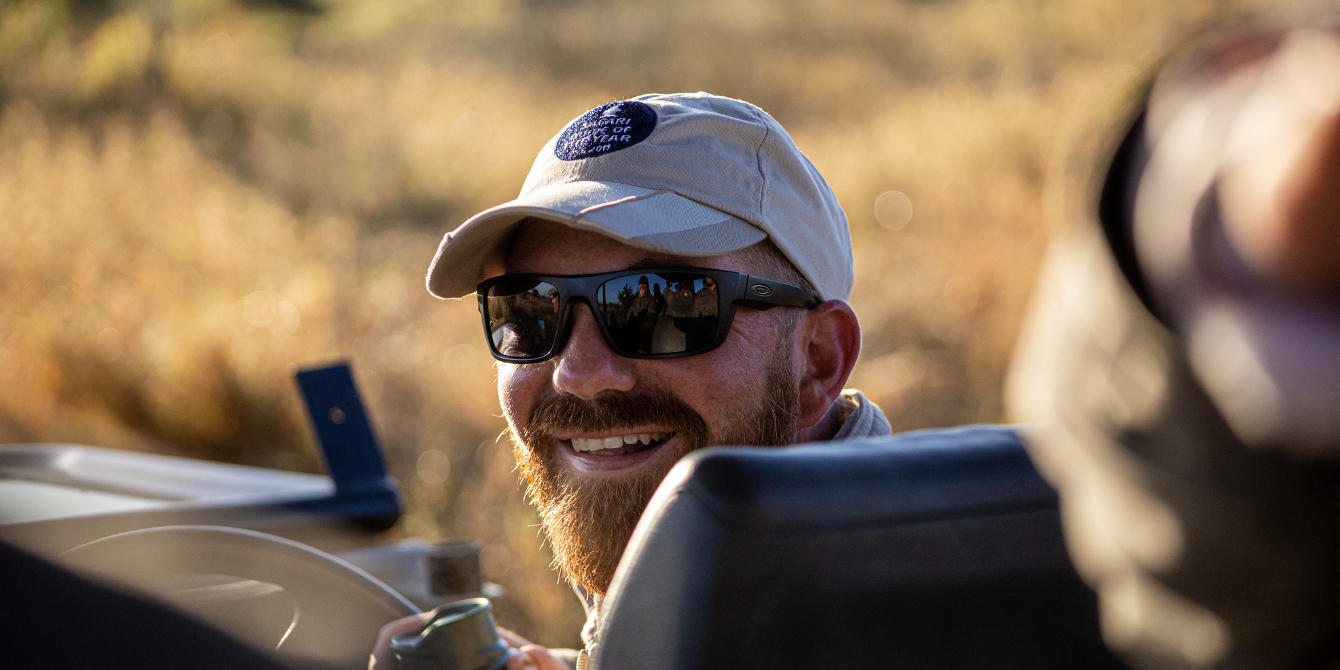
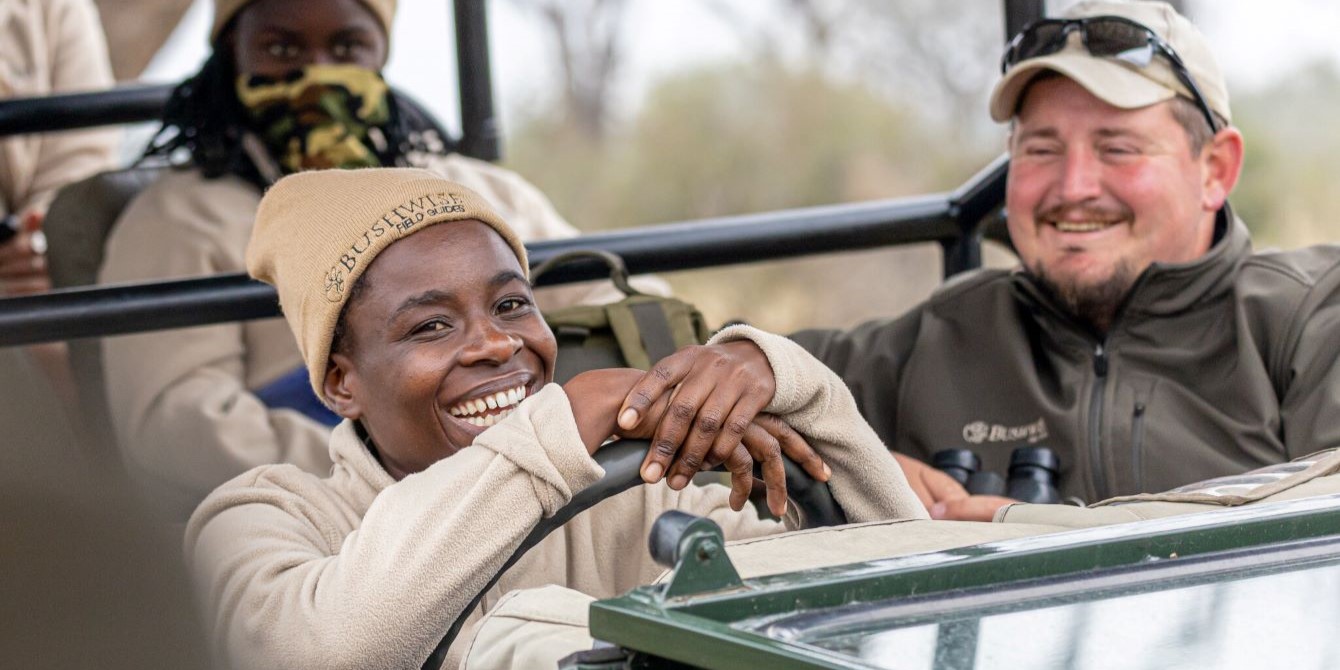
    Darryn Murray
    image

    Role: Head Trainer

    Years in the industry: 13

    Qualifications: Professional Field Guide, Professional Trails Guide, Professional Track & Sign, Tracker 3, Range Officer, SKS Birding, SKS Astronomy theory

    Currently pursuing: SKS Astronomy,

    Quote: “Field guides are the ambassadors of the natural world, we’re there to give guests a great experience, show them the wonders of Africa’s wildlife and natural beauty… It is the responsibility of the field guide allocated to the guests to give them the absolute best experience possible and to make sure that they have the time of their lives. ”

    Pioneer Moyo

    Role: Trainer

    Years in the industry: 16

    Qualifications: Professional Field Guide, Professional Trails Guide, Trails Guide Mentor, SKS Birding (Savannah), Trailing 3, Track & Sign 3, Tracker 3, Specialist Track and Sign

    Currently pursuing: Additional trailing qualifications

    Quote: “I joined Bushwise for greater experience and to meet other nature enthusiasts. What I enjoy most about Bushwise is I get to continue developing myself while sharing these experiences with students from around the world – students here in the field learning from different people.”

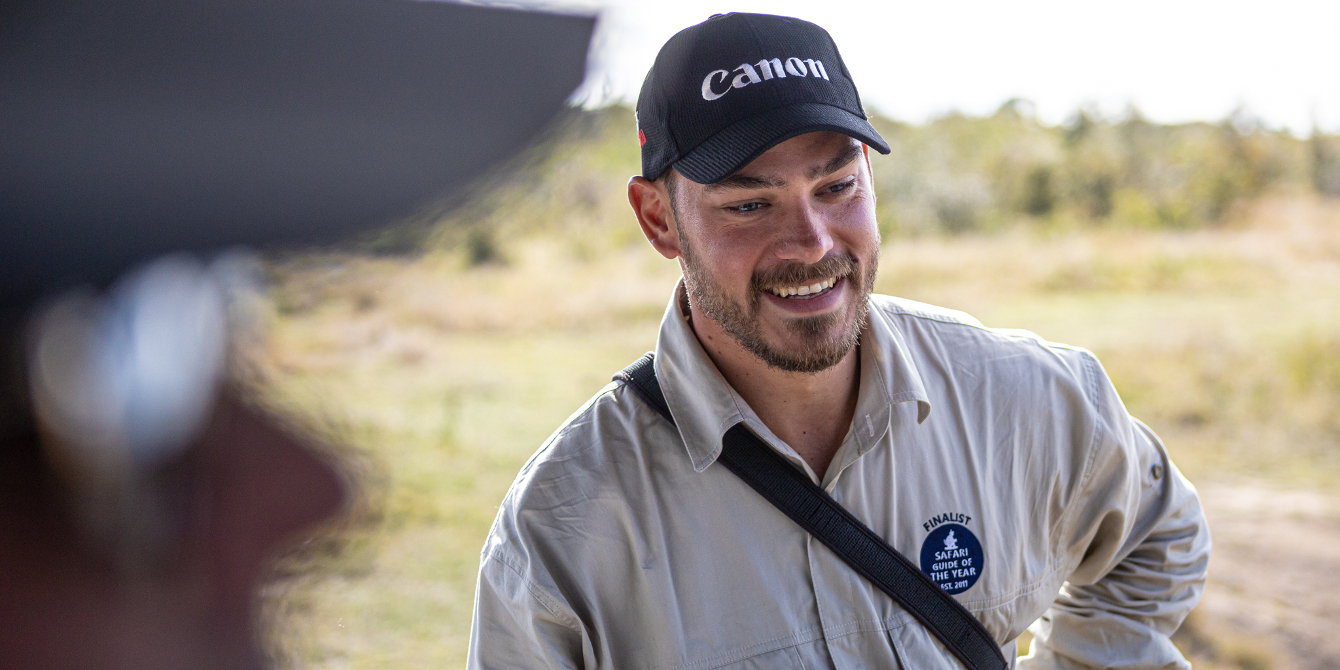
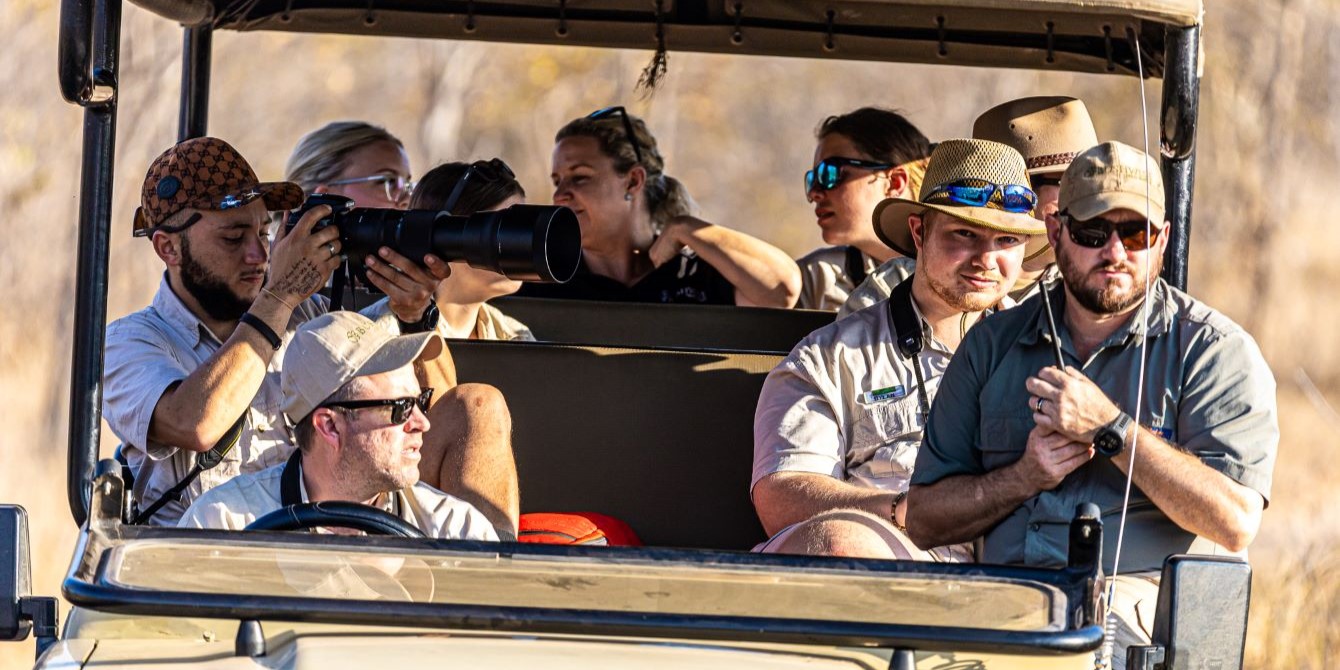
    Wayne Lubbe
    image

    Role: Trainer

    Years in the industry: 12

    Qualifications: Professional Field Guide theory, Track & Sign 3, Trailing 3, Tracker 3

    Currently pursuing: Professional Field Guide practical assessment, Professional Trails Guide, Regional Birding Qualification, Trails Guide Mentor

    Quote: “One thing I find challenging, but also extremely satisfying, is that even we trainers will never know everything. The opportunity to constantly learn and experience new things in the bush is always a plus. Our students learn to always be open and take in as much as they can within the time that they spend with us.”

    Sophie Barrett

    gallery imagegallery image

    Role: Trainer

    Years in the industry: 7

    Qualifications: Lead Trails, Track & Sign 3, Trailing 1, Tracker 1

    Currently pursuing: Professional Field Guide, Regional Birding

    Interesting fact: Sophie worked as a pangolin project coordinator for Rhino Revolution.

    Quote: “One of my favourite things about nature is that we are constantly learning. To find a career where you are seeing or experiencing something new on a daily basis is pretty special. When you find yourself doing the same thing in your working hours as in your free time, you know you have cracked the code.”

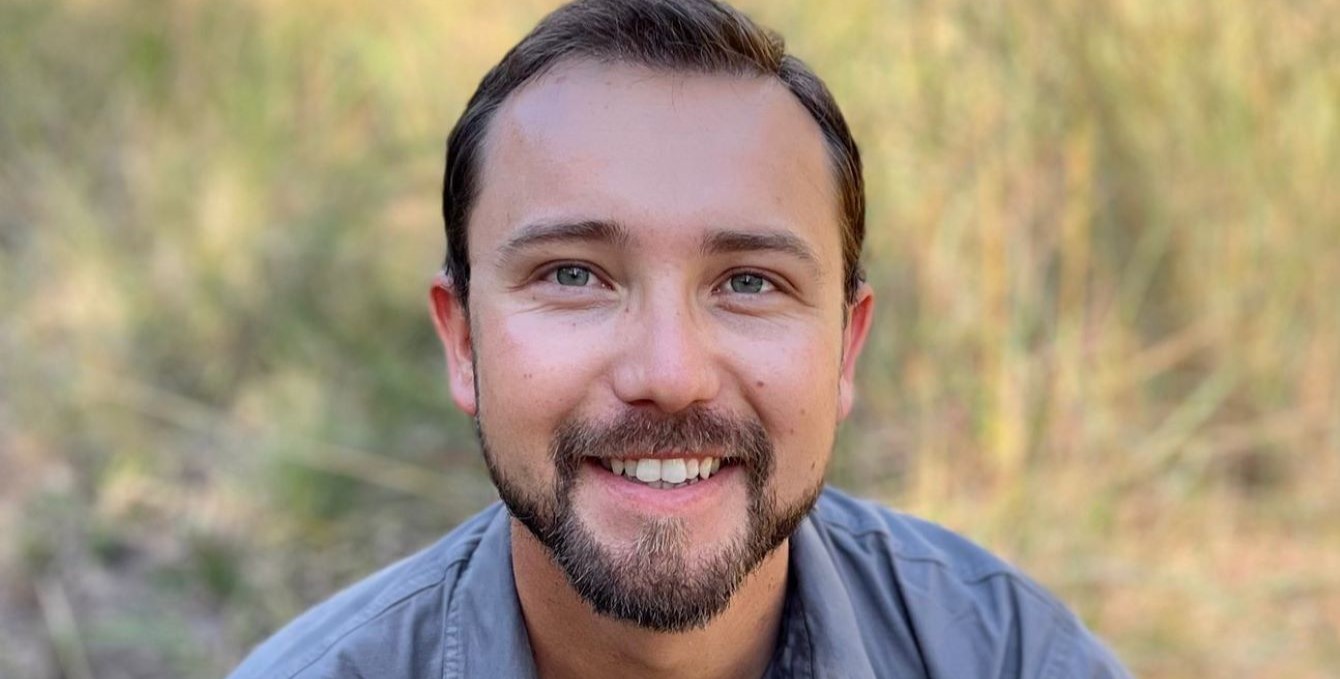
    Friedrich Krantz
    image

    Role: Trainer

    Years in the industry: 8

    Qualifications: Lead Trails, Track & Sign 2, Trailing 2, Tracker 2, Regional birding qualification

    Currently pursuing: Professional Field Guide, SKS birding and dangerous game

    Quote: “The best thing about training is that I get to be part of the development of students who also have a passion for nature. To watch students grow over time and see them as changed individuals for the better,  with a different outlook on life and the natural world, has been most rewarding for me.”

    Keen to meet the team in person?

    We believe that our team is only as strong as our trainers, support staff, and people on the ground running our courses. There are no alphas in this organisation – we are a social pack working together to make field guide training a reality. 

    We hope you enjoyed getting to know each of our current trainers a bit more, and we look forward to seeing you on a course in person. Or try one of our online courses to start your career from home!

    #gameranger #bushwise #fieldguide #qualification #safariguide #training #fieldguidetrainer #fieldguiding #guiding #fieldguidecourse #fieldguides
  • Tracking lions: A print in the sand

    A story about tracking lions with Bushwise students, by Annie DuPre. 

    Read time: 4 min

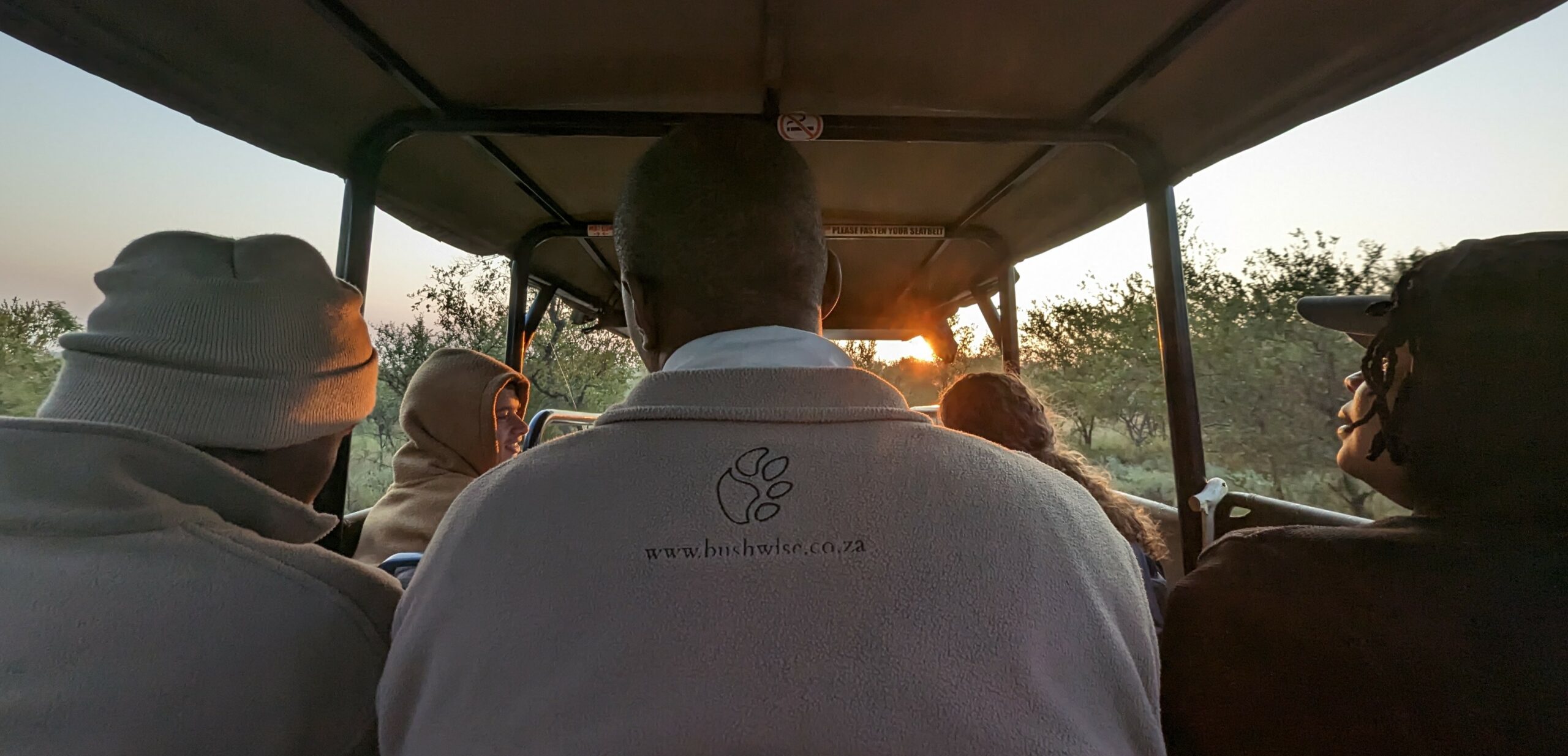
    The vehicle slowed to a stop as James leaned over the passenger door, staring intently at the ground next to our tyres. Vaughan turned the engine off as James contemplated the freshness of the tracks he’d seen. A knowing nod was exchanged between the two and they hopped out of the game viewer to get a closer look. 

    image

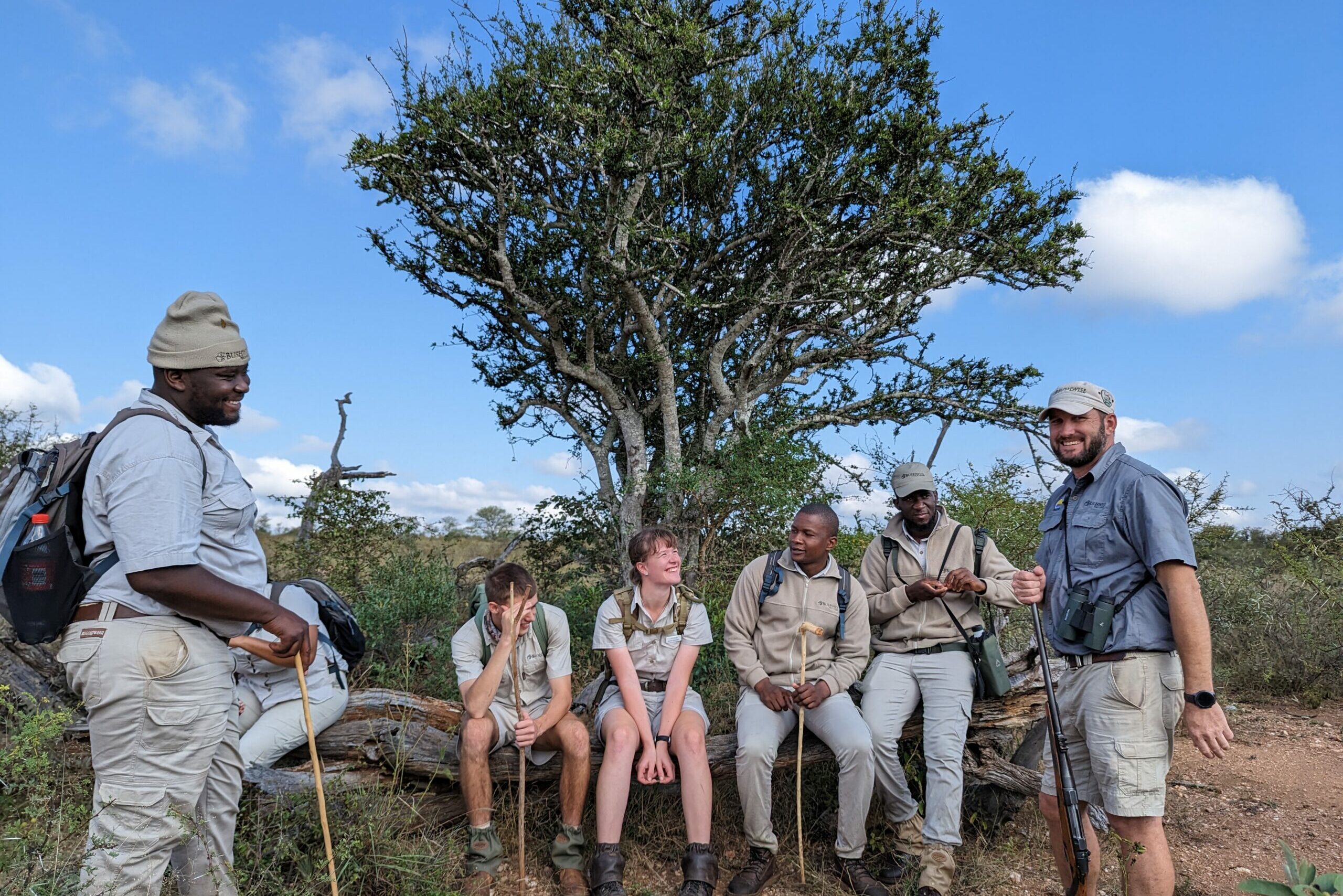
    There I sat, sandwiched in the back row of the game viewer, breathing in the crisp morning air. When you arrive last to a game drive – just like with any family car trip – you get the back row, middle seat! But I didn’t mind. Sitting among eight Bushwise Professional Field Guide students, I was simply taking in the experience. 

    These eight students all share a similar purpose – studying to become qualified field guides and follow their dreams of working in the guiding industry. But they are also eight incredibly unique individuals – in the back I sat between Emmanuel and Greyton; in the middle row were Bongani, Kutlwano and Naledi; and in the front were Max, Kathleen-May and Dominique. 

    A diversity of backgrounds, ages, cultures and communities all blended together for six months in the South African bush. At first glance, you may not expect such a group to become lifelong friends – but here they were. As I watched them laugh together and test each other’s birding knowledge, I was moved by the incredible connection that had been made in a matter of weeks in the bush. 

    Vaughan’s voice snapped me out of my daydream. “Let’s track some lions!”

    If you want to get Bushwise students to move quickly, tell them it’s time to hit the trail. It’s certainly one of the most immersive and unique bush experiences you can have – getting into the mind of the animal, anticipating its next move, learning how to trail while remaining silent and vigilant, recognising tracks and signs and – just maybe – seeing the actual animal. 

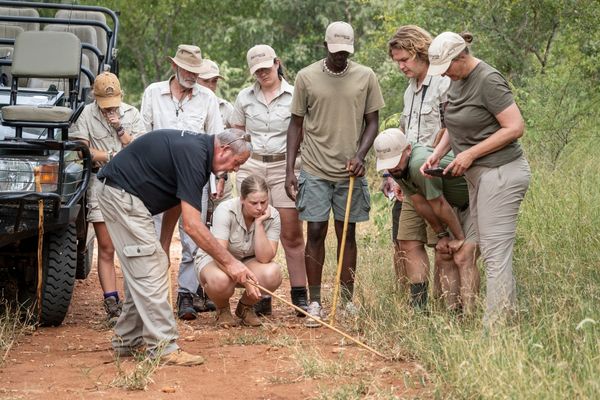
    I hopped out of the vehicle and joined the students, who by this time were circled around a set of beautiful lion tracks, perfectly preserved in the road’s red sand. Backpacks were strapped on, walking sticks in hand. Vaughan began by discussing the freshness of the tracks (very) and things to consider (walk single file, stay behind the rifle, don’t run and listen to instructions). 

    The plan for the morning was this: students would take turns following the trail of the lions with James’s guidance. Vaughan would follow behind them, leading the rest of the students and explaining the process as we went. 

    image

    Bongani quickly volunteered to trail the lions first. He set off, slowly and meticulously checking the ground for tracks, following the movement of the pride. The tracks could tell us so much about their activity – from the places where they had been playing, to where they had napped, to a scent marking made by a territorial male. 

    For hours we followed in the footsteps of the lions – at times seeming to go backwards, circling around ourselves, visiting the same intersection again and again. Sometimes when you trail, it feels like the animal has played a game with you by making the path as complicated as possible. And then there are moments when something just *clicks*, and you find yourself moving with ease in the animal’s footsteps. 

    After Bongani, Greyton took his turn, and then Max, Emmanuel and Dominique. Each student displayed skills in the process, learning from James and Vaughan and picking up new clues on what the lions had been up to. 

    By 10am it was properly warm and sunny when Vaughan suggested we pause for coffee and rusks. I looked at my watch. In the three hours since we had started this adventure, we had only walked two kilometres. 

    But as anyone who’s ever been on a trail in the African bush will tell you, it’s not about covering long distances or getting exercise. It’s about experiencing the natural world from an animal’s perspective; noticing the little things like how grass is bent after an elephant has walked past; identifying insects and birds along the way; and learning how to “read the bush newspaper” in the tracks and signs left behind by wild residents.

    Our morning of tracking was coming to an end. We hadn’t found the lions – the verdict was that they were likely hiding in a thick section of bush where they had bedded down for the day – but we’d seen and learnt so much. As we made our way back to the vehicle, smiles and fist-bumps were silently exchanged between the students. A successful morning out, shared between friends and colleagues, growing in their field guiding career with each and every footstep.

    Spending time out here in the bush is just as much about finding yourself as it is about finding wildlife. Ready to explore a career in nature? Apply for a Bushwise course today.

    #bushwise #safariguide #trailsguide #apprenticefieldguide #cybertracker #fieldguidecourse

  • Bushwise and the SAWC welcome two new scholarship recipients from local communities

    In June 2022, Bushwise and the Southern African Wildlife College (the SAWC) welcomed the first group of scholarship recipients under our new collaboration. In January 2023, two new field guide candidates arrived on campus. Let’s hear their stories and how they realised this was the career they always wanted! 

    3 min read

    Ziphozonke Zwane

    image

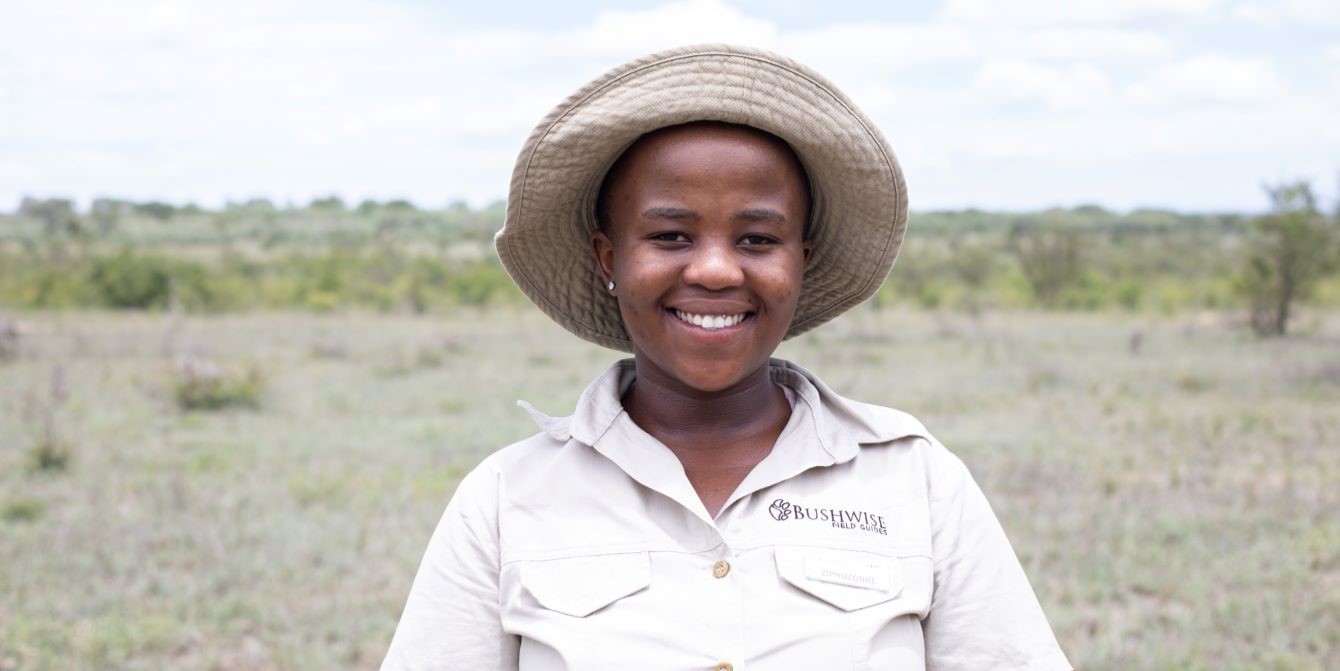
    Born in 1998, Ziphozonke comes from Ladysmith in KwaZulu Natal. Ziphozonke is passionate about wildlife and sees herself as a dedicated and hardworking individual. 

    “I am eager to learn all there is about wildlife and hope that this experience with Bushwise helps kickstart my career.  I believe that in life you have to start somewhere. I started with the Southern African Wildlife College where I completed a short course in Responsible Resource Use and was encouraged to find out more about their other course offerings. That led me to apply for the Bushwise training, and I hope this helps kickstart my career. I believe hard work and diligence pays off.”

    When asked why she wants to become a field guide, Ziphozonke said, “I wanted a place where I will be constantly learning new things everyday and be able to meet different kinds of people each day. I also love that field guiding can teach you about everything in nature. I’d rather be outside than indoors in some office!” 

    “I love the outdoors and am a keen hiker and jogger but also believe in giving back to the community and assisting and educating where I can.” She added, “Apart from becoming a guide, I would also like to engage in wildlife research if given the opportunity.”

    Edward Papado Tivana

    image

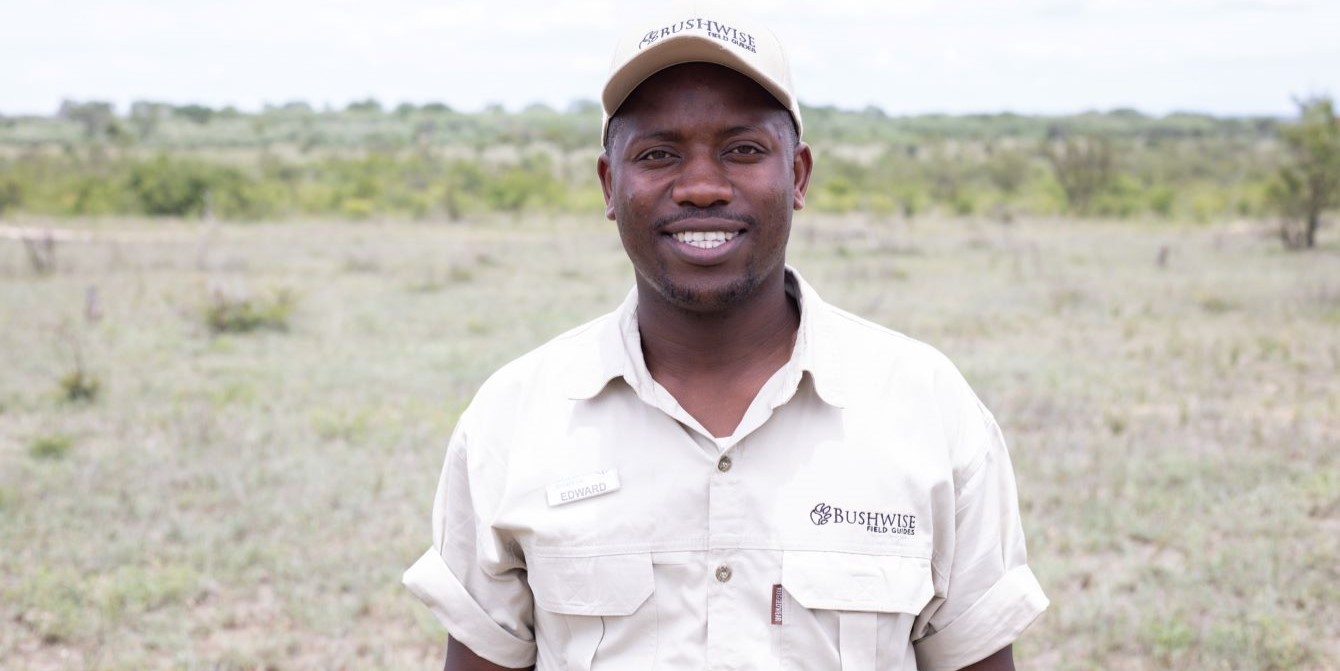
    Edward is a 27-year-old male from Timbavati Village in Acornhoek. He finished his Grade 12 studies at Masingatana High School in 2014 and then went on to do a Diploma in Office Computing. He has been waiting a long time for an opportunity to study as a guide after working at Blyde Canyon Safaris, Mariepskop View and Sable Tours as a Driver.

    He says he is a hard worker having come from a family of 10 and being raised by his mother, a single parent, after his father passed away. Edward’s father worked in Kruger National Park, which is part of what inspires him to want a career in ecotourism and conservation. He wants to become a guide so that he can help change people’s perceptions so that they want to help protect our natural environment. 

    “If you can change one person’s thinking or inform them better, it means that you can actually change lots of people’s thinking or inform a lot more people about nature and wildlife. Guiding gives you this opportunity as everyone loves to share their experiences after having been on a game drive.”

    For so long now he has been hoping for an opportunity to study field guiding, and the opportunity finally arrived with Bushwise and the SAWC. “I love to tell stories so I think I will be a good guide sharing information about nature and the animals tourists see. I want to work my way up as a professional guide so that I can become a head guide. I also want to bring community members together so that I can tell them the importance of conserving our nature,” he added. 

    A bright future ahead of them

    image

    We’re so proud to have Ziphozonke and Edward with us this year. They both have a strong drive to learn and make a difference in the world. Ziphozonke’s eagerness to learn and her passion for the outdoors, and Edward’s love of storytelling and desire to educate the community about nature, will certainly make them valuable additions to the field of wildlife conservation! 

    We look forward to following their journeys and seeing how their experiences with us shape their future careers. To keep up with Edward and Ziphozonke, follow us on Instagram, Facebook and LinkedIn.

    Thank you to the SAWC for the photos and quotes.

    #wildlife #AdvancedRifleHandling #gameranger #bushwise #fieldguide #qualification #safariguide #training #guidejobs #safari #fieldguidetrainer #fieldguiding #tracking #gamedrive #guiding #fieldguidecourse #studying #fieldguides

  • Bushwise recommends: Podcasts on nature and wildlife

    4 min read

    Podcasts are a great way to stay connected to conservation and nature through news and stories. But the sheer number of wildlife-related podcasts available can be quite intimidating. To make things a bit easier, we’ve collected our top recommendations in the following categories:

    1. for safari lovers

    2. for conservation news

    3. for engaging stories

    4. for wildlife in your backyard.

    We’re pretty sure this list will inspire you to download some episodes. Following nature news is an important part of being an informed field guide, or simply keeping connected to our natural world. We hope you enjoy our recommendations.

    Podcasts for safari lovers

    image

    Safari Stories

    This light-hearted podcast comes from two safari and tourism experts, co-founders of the travel company Trunks & Tracks. In it they share amusing stories of what life is like as a safari guide living in the African bush. From humorous tales to hair-raising close encounters, this podcast is a fun and entertaining listen.

    Talking Bush, Safari & Luxury Travel

    Another one created by a safari company, this podcast is a series of informal and fun interviews with experts from across the continent. Guests include experts like wildlife filmaker Kim Wolhuter, professional guides like Douglas Dichana from the Masai Mara, and many more. This podcast transports you directly to the African bush.

    Podcasts for conservation news

    image

    Mongabay Newscast

    Mongabay is a conservation and environmental science news platform. Every other week, they release a new podcast covering relevant and current issues across the world, from wildlife trade to river biodiversity and nature photography. If you’re looking for something that dives a bit deeper into critical issues, this is your podcast.

    Call of the Wild

    If you’re looking for a podcast that directly connects the critical environmental issues of today with actionable steps you can take to make a difference, this is it. A WWF production, Call of the Wild brings in experts from every industry, not just conservation to talk about the threats facing our planet. Start with the episode featuring Sir David Attenborough!

    Living on Earth

    This podcast about climate change, ecology and human health comes from National Public Radio’s PRX. Topics covered recently include COP27, lobster fishing and protecting the Amazon. Quite a varied podcast that really takes deep dives, directly facing our role as humans in threatened environments. 

    Podcasts for engaging stories

    image

    BBC Earth

    The BBC does what it does best in this podcast: telling incredible stories in an engaging and entertaining manner. Blending science, human experience and nature while taking you to lesser explored corners of the Earth, this podcast will take you on a captivating journey. It’s enlightening and humorous, a welcome combination.

    Species

    The name says it all with this one. Each episode focuses on one species of animal (although they also occasionally have a subject matter focus). They’re short, usually just 15–25 minutes, so you can absorb a lot of information without spending too much time. With over 200 episodes there’s plenty to take in.

    This Wild Life

    Hear directly from people working in the conservation industry, who share their trials and tribulations, funny experiences and animal insight. Subjects covered include protecting the last wild horses in America, to women in field guiding, to the plight of turtle hatchlings. They also discuss wildlife job paths to conservation and current events.

    For wildlife in your backyard

    image

    UK Wildlife

    Even if African wildlife is far far away for you, there’s still a lot to discover in your own backyard. If you happen to be based in the UK, the UK Wildlife podcast is an excellent way to connect to nature at home. Their broadcasts range from the role of individual species to wildlife news updates.

    The Field Guides

    You already know we love the name! This podcast is aimed at bringing you on the trail with its hosts, exploring wildlife habitats and interesting species in North America. While the episodes aren’t as regular as others, you can look back into the archives and listen to stories about snowy owls, hellbender salamanders, coyotes and more.

    Urban Wildlife

    This one challenges the misconception that wildlife only exists in isolation from us, by diving into the weird and wonderful things you can find living in cities and towns. From Philadelphia to Zanzibar, this podcast will encourage you to think differently about the world right outside your window.

    Notable mentions

    Need more podcasts? Here are a few of our other favourites.

    Conservation Careers

    Impact: the Conservation Photography Podcast

    My Life, Wildlife

    Higher Calling Wildlife

    Wildlife Observer Network

    Our Wild World

    Get Birding

    Into the Wilderness

    Wild Crimes

    On Wildlife

    Costing the Earth

    If we missed your top nature or wildlife podcast, send us a message! We’d love to hear from you:  info@bushwise.co.za

    Words by Annie DuPre, photos by Louise Pavid

    #wildlife #fieldguide #safariguide #animals #apprenticefieldguide #fieldguidetrainer #sightings #fieldguiding #endangeredspecies

  • My gap year in South Africa

    3 min read

    College graduation was fast approaching. I could feel the approach of freedom, but I had no idea what I would do next. I’d get a job, of course, but I really wanted a break after four years of nonstop studying. My parents encouraged me to think creatively about the best use of my time. If I was going to do something other than work right away, it needed to have value. 

    I’m from the USA but I’d always wanted to travel or work abroad, especially around wildlife, ideally African wildlife. Maybe this was my chance. Maybe it was time to take the leap and do a gap year experience

    What can you do in a gap year in South Africa?

    image

    The internet is a vast place full of millions of ideas for how to spend a gap year. I quickly became intimidated by the number of options for gap year programs in South Africa, which I chose because of the many wildlife programs I’d seen based in Kruger National Park. Other things about South Africa – the ease of flying to Johannesburg or Cape Town, the beauty of the countryside, its unique history – also drew me in. 

    During my research on South Africa, I came across wildlife conservation programs and safari guide training courses. Things I never really even knew existed! I certainly didn’t realise that a girl from Texas with a degree in political science could become a safari guide

    image

    But suddenly, this is what I was thinking about day in and day out. Just imagining catching up with my friends in September, discussing what we’d done since graduation. “I became a safari guide in South Africa. What about you?” I mean is there any better way to spend your summer? 

    To be honest, deciding on the location for my gap year experience was one of the easiest parts of this journey. Wildlife plus travel? Yes please. But I knew that in order to convince my parents to support my decision, I’d need to have all the information available. 

    What are the top 3 reasons why students take a gap year?

    image

    I knew my parents would want to know the reasons for my decision to take a gap year. But before we move on, let’s be clear, I didn’t take a full year off to travel. Not everyone does! Gap year, as it turns out, is more of a broad term that applies to a life break, usually between high school and college, or after college graduation. It’s all about changing up your situation for a period of time and escaping the norm. That’s what I wanted and needed. So what were my main reasons for taking a gap year?

    1. Experiencing a new place in the world.

    2. Bolstering my resume with new skills.

    3. Meeting new people and making memories.

    There are definitely more reasons that I’ve heard, like avoiding burnout, becoming more independent, or learning a new language. But these were certainly my top three reasons for heading off to South Africa on a gap year experience. 

    How much does it cost to take a gap year in South Africa?

    image

    This was an equally important question to my parents and me. I was going to partially fund my experience, with savings I’d earned at my job through college. Making a convincing argument to my parents that it was something worth their support, I laid out all my options for the summer. 

    Yes, we would have to pay for a plane ticket and course fees. But if I stayed at home while looking for a job, I’d still need money for fun, food and travel in the area. Plus if I did a summer course, that would cost something anyway. 

    image

    The benefits, in my mind, certainly outweighed the cons. When I sat down and explained this to my parents, I was thrilled at how supportive they were. To be honest, I think they were a little jealous of the adventure in front of me. I would go to South Africa for three months and then come back as a qualified safari guide. The skills I’d learn from this course would go way beyond working on a safari. No matter where I went next, I’d be ready to start a career in conservation. Talk about a productive way to spend my gap year!

    Are you considering a gap year in South Africa? Learn all about the different programs Bushwise offers, and make the most of your time abroad.

    #wildlife #bushwise #fieldguide #safariguide #animals #safari #fieldguidetrainer #sightings #fieldguiding #endangeredspecies #gamedrive #guiding #studying #fieldguides

  • Winners of Safari Guide of the Year 2022

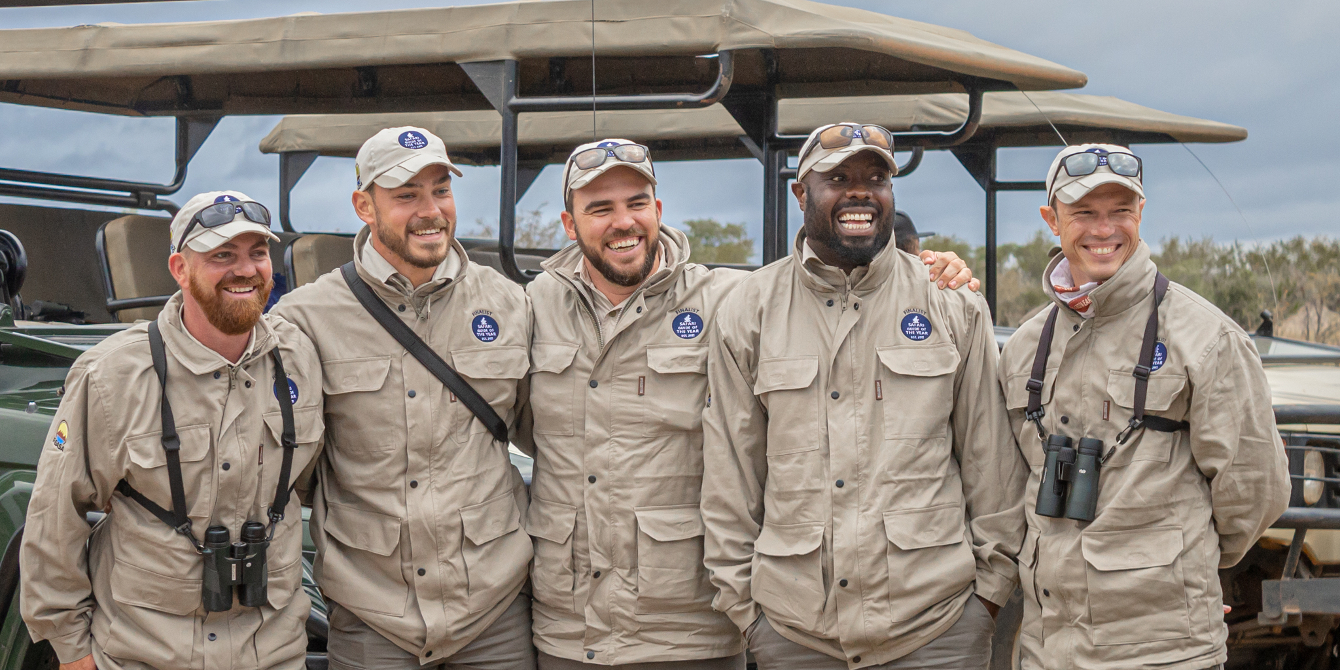
    The Safari Guide of the Year 2022 competition was nothing short of spectacular. The five finalists spent the week showing off their skills in multiple events, from advanced rifle handling to bush walks, game drives, and track and sign. It was the ultimate show of skills and knowledge in the guiding industry, and Bushwise was thrilled to be the host sponsor. The finalists were:

    1. Liam Henderson, the Homestead in Nambiti Game Reserve Reserve

    2. Cameron Pearce, Ongava Game Reserve in Namibia

    3. Nico Brits, Bushwise Trainer at our Mahlahla campus

    4. Solomon Ndlovu, Singita in the Kruger National Park

    5. Ruvan Grobler, Lion Sands in the Sabi Sabi Game Reserve

    image

    The week started with contestants, sponsors, judges and media arriving at our Kempiana campus at the Southern African Wildlife College (SAWC). Bushwise was proud to host this prestigious event back in the home of field guiding, the Greater Kruger National Park. This was also an excellent opportunity for us to show off our newest campus, where we train field guides in collaboration with SAWC.

    Guests, judges, sponsors and other leaders in the safari industry were present to cheer the competitors on, while waiting with bated breath to see who would come out the winner overall, and in the individual categories. 

    image

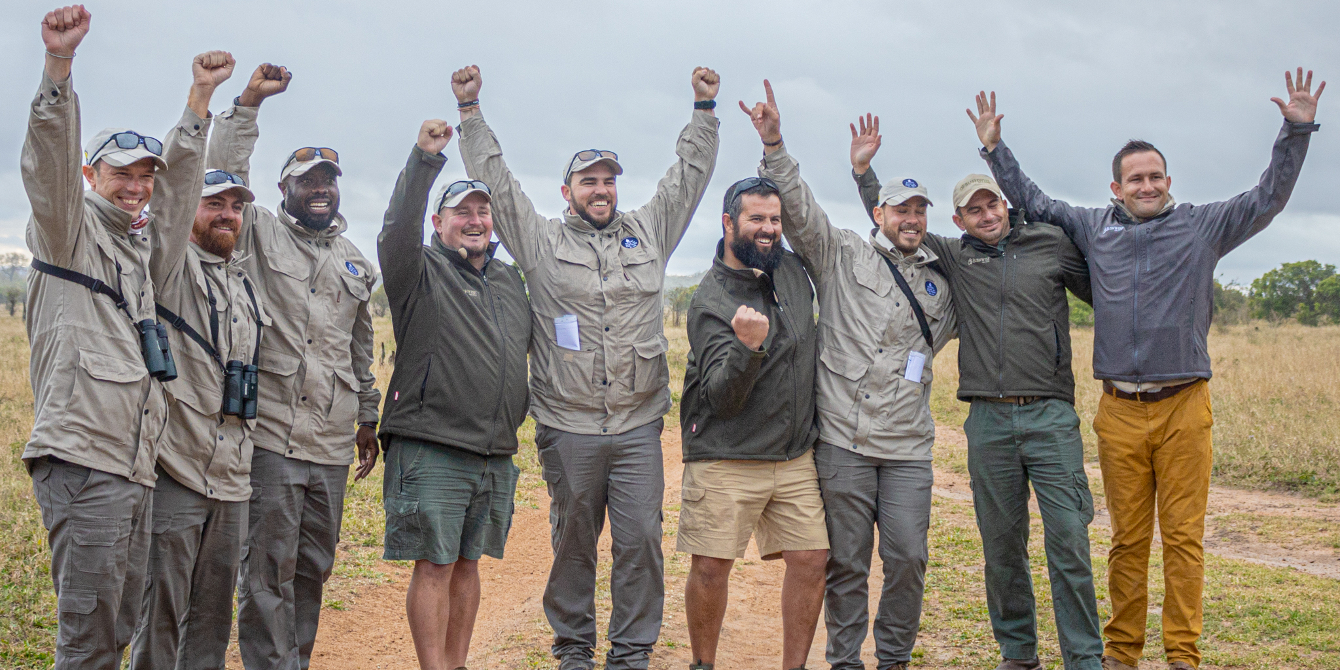
    One thing that stood out for all attendees of this event: it wasn’t just about the competition, it was equally about the camaraderie and friendship shown between the finalists. 

    Whenever there was a moment to relax between activities, you could find the five contenders huddled in a circle, laughing and swapping stories. Their shared passion for the bush, love of wildlife, and years of experience brought them close together throughout the week. 

    image

    But still – someone had to win! Without further ado, we present the overall winner of Safari Guide of the Year 2022: Cameron Pearce. Cameron was the overall winner of Safari Guide of the Year 2022. He also won in the categories of Guided Walk, Track and Sign, Birding and Storytelling. 

    image

    Nico Brits won the categories of Hospitality and Best on Camera. Throughout the week, Nico paid close attention to every guests’ needs, taking utmost care to ensure that each person felt welcome and cared for. When he was interviewed live on WildEarth, he did an excellent job of engaging with and entertaining the audience!

    image

    Ruvan Grobler won the Photography category. During his evaluation drive, he did an incredible job of angling the vehicle for photos, stopping smoothly and exceeding many other requirements for a photographic safari. 

    image

    Solomon Ndlovu took the award for Advanced Rifle Handling. His shooting was quite impressive – hitting an exact spot multiple times on one target. When he would finish an exercise, the excitement in the crowd was palpable. 

    image

    Liam Henderson took home the best in Game Drive category. Liam navigated the reserve professionally, incorporating many elements of the ecosystem into his discussions,  interpreting animal behaviour and sharing excellent sightings with his guests.

    The wildlife played ball with us this week with some truly incredible sightings. When it came to interpreting animal behaviour, the finalists had more than enough opportunity to show off their knowledge!

    image

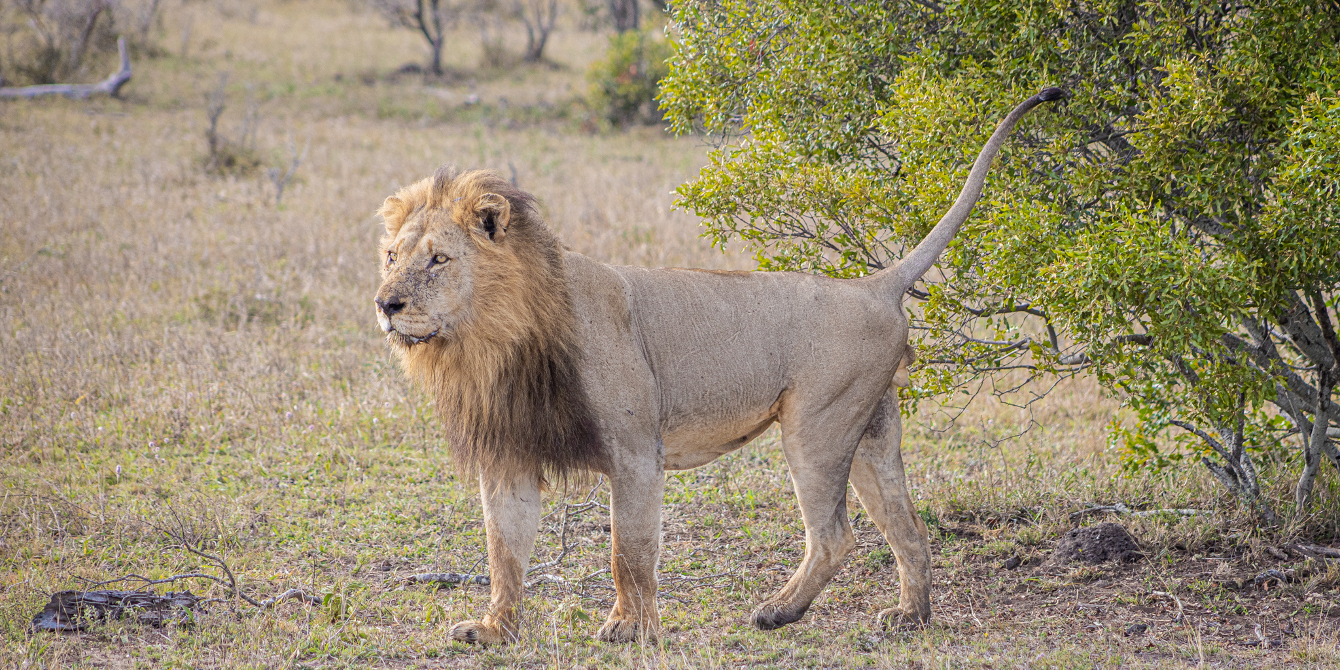
    On one game drive, we were even treated to double male lion sightings. But it wasn’t just about the big game – birdlife was also plentiful. On the guided walks, the finalists were also able to discuss some really interesting animal activity, such as an aardvark excavation.

    The final evening of the event was a bittersweet moment, as guests, judges, sponsors and finalists alike had made lifelong friendships throughout the week. As the countdown to next year’s event begins, we at Bushwise would like to extend a heartfelt thanks to everyone involved in Safari Guide of the Year 2022. 

    image

    To Michelle du Plessis, Mike Karontonis, the SAWC, WildEarth, RuggedWear, Sapmok, CanonRSA, AccidentAngels, Kruger2Canyon, and all individual sponsors who joined us: thank you for making SGOTY 2022 so memorable. 

    A special thank you as well to the Deputy Minister of Tourism, Mr Fish Mahlalela, who honoured us with his presence at this significant event. You can watch the SGOTY 2022 awards ceremony on the WildEarth YouTube channel.

    There are big and exciting things happening at Bushwise. To keep up with the excitement, follow us on Instagram, Facebook, TikTok, and YouTube.

    BY: Annie DuPre, photography by Louise Pavid

    #lion #lodges #AdvancedRifleHandling #gameranger #bushwise #fieldguide #qualification #safariguide #trailsguide #animals #guests #bestlodges #tracks #apprenticefieldguide #safari #fieldguidetrainer #fieldguiding #tracking #trackandsign #Assessments #guiding #fieldguidecourse #fieldguides
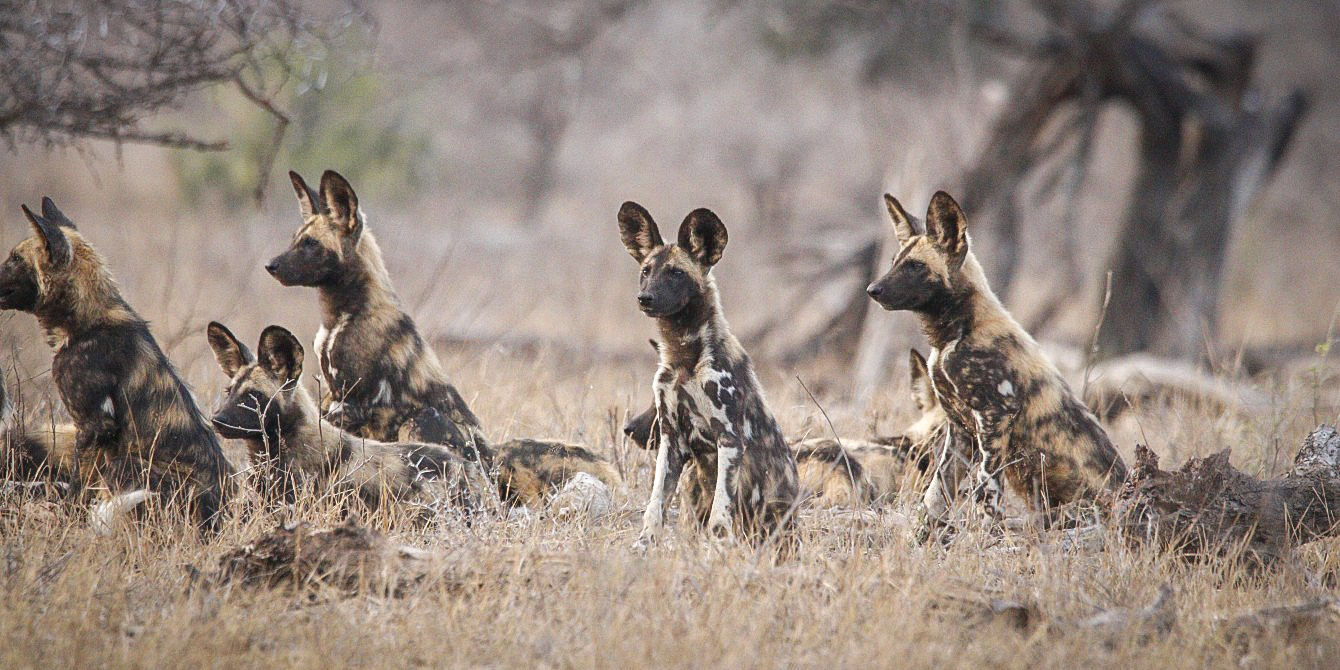
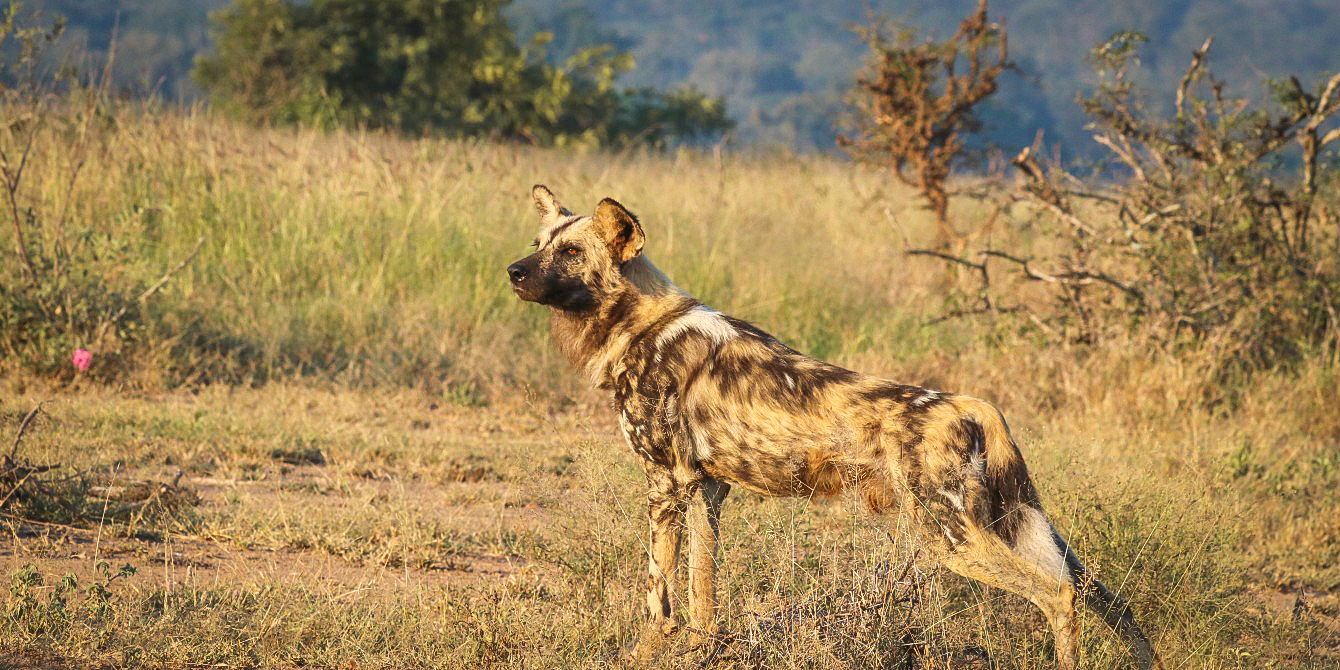
  • African wild dogs: the painted carnivore

    Writing and photos by Annie DuPre, Bushwise Copywriter, currently pursuing her master’s in conservation studying African wild dogs on Kruger’s western boundary. 

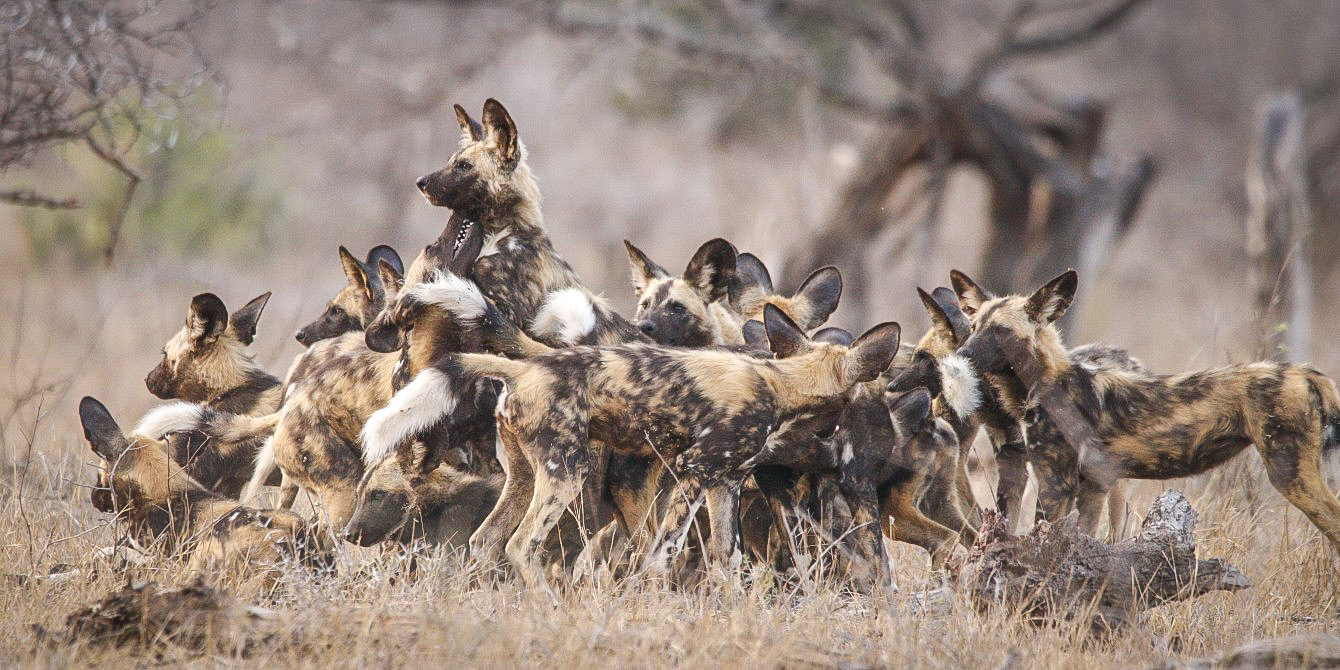
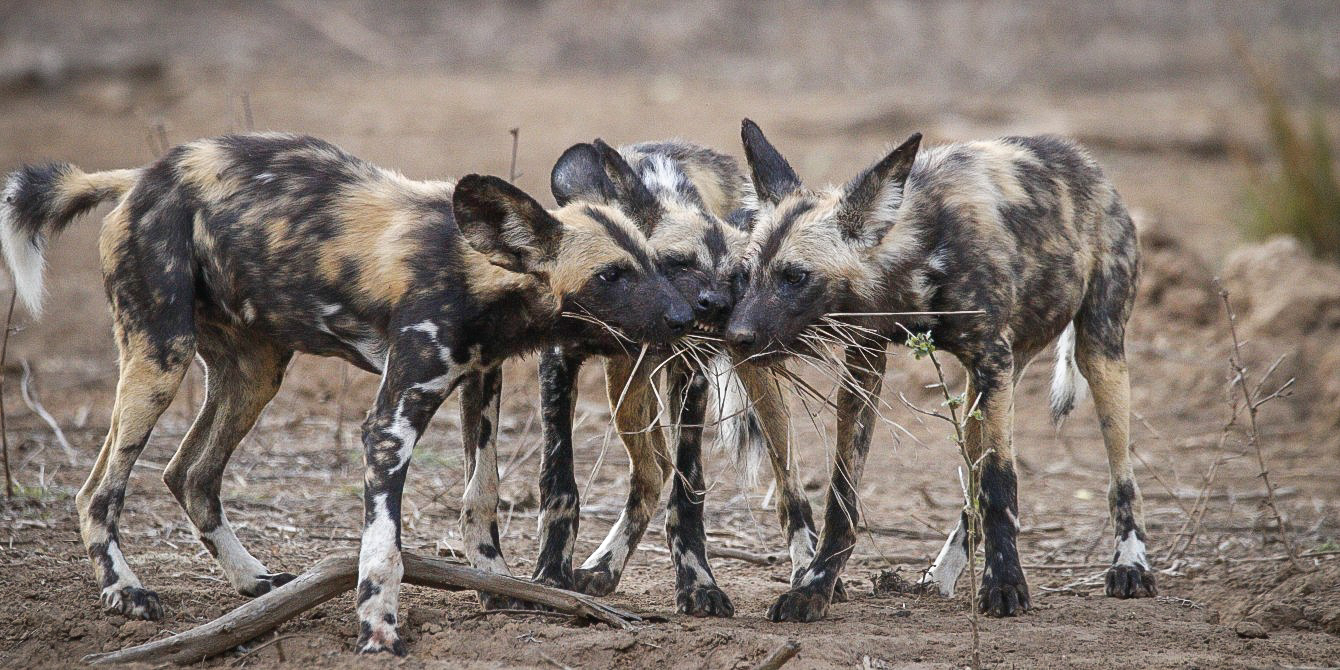
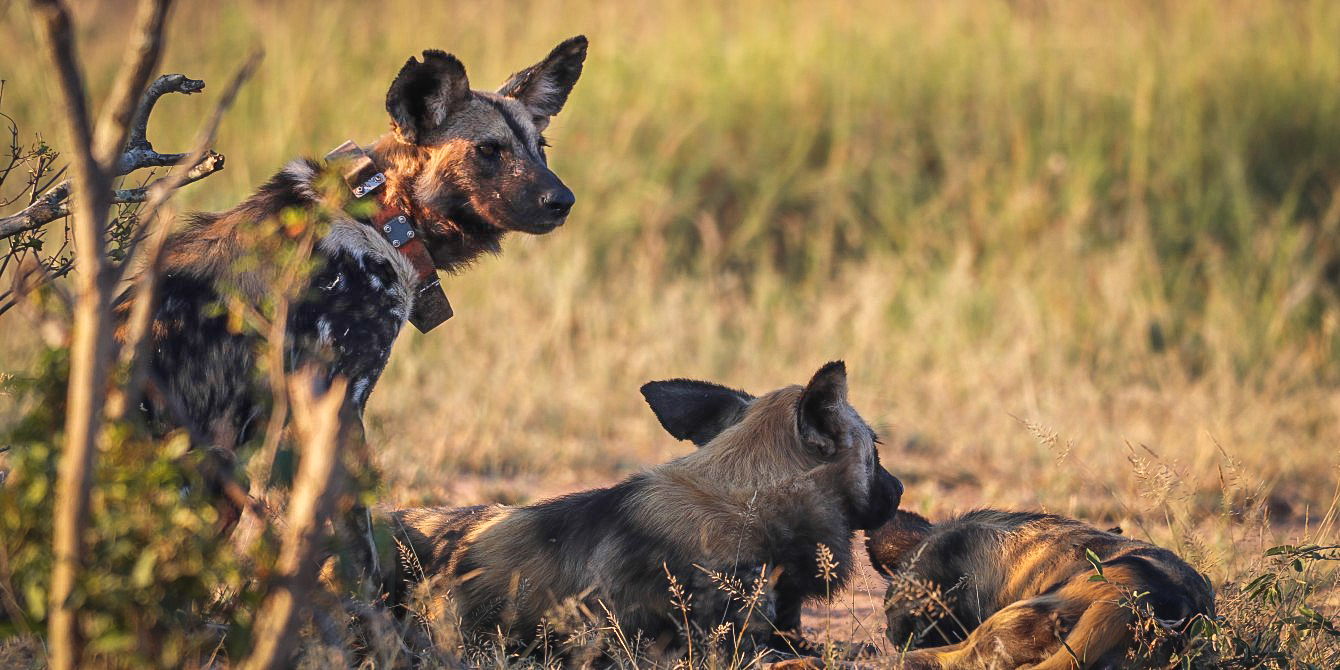
    It’s denning season for African wild dogs in South Africa. Not far from our Bushwise campuses, in the Greater Kruger National Park, little colourful pups are starting to emerge from their dens. This is a significant time for this species, particularly as there are just 550 left in South Africa.

    image

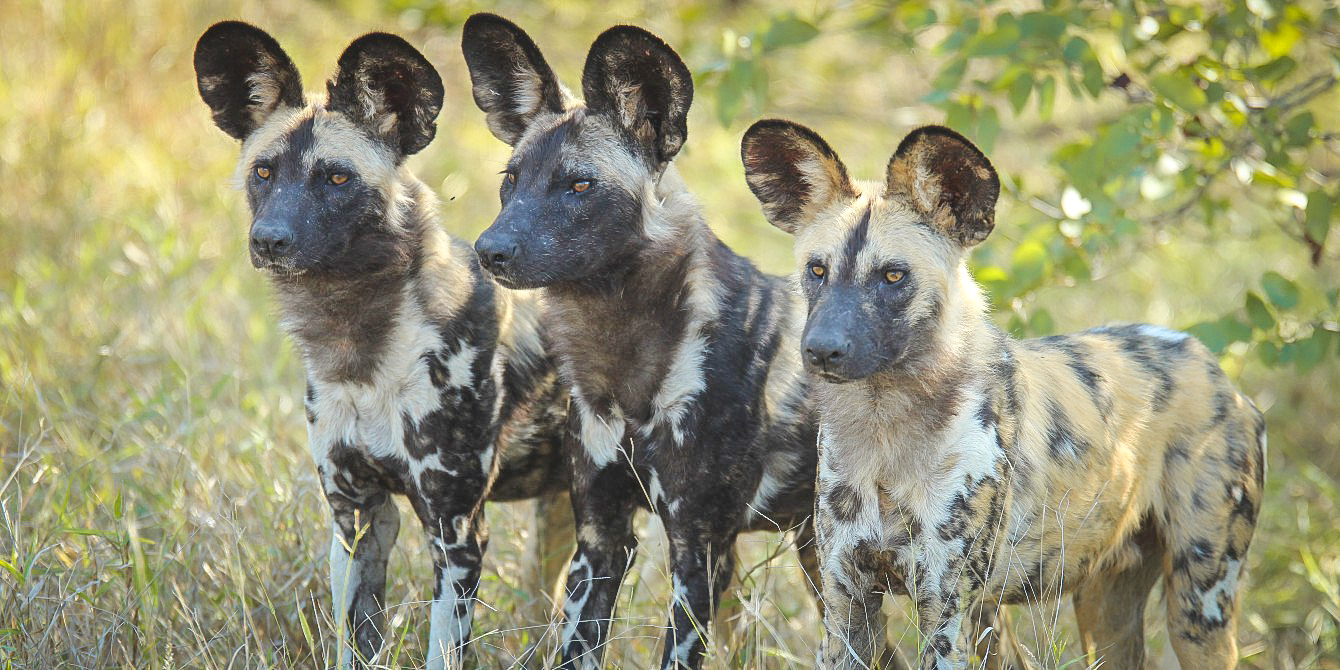
    Wild dogs, also called painted wolves, are one of the most endangered carnivores on the continent, second only to the Ethiopian wolf. Once widespread throughout Africa, they are now found in fewer than half of the countries where they once roamed. The global population is estimated at just 6,600 individuals (adults and yearlings). 

    image

    When is the wild dog denning season?

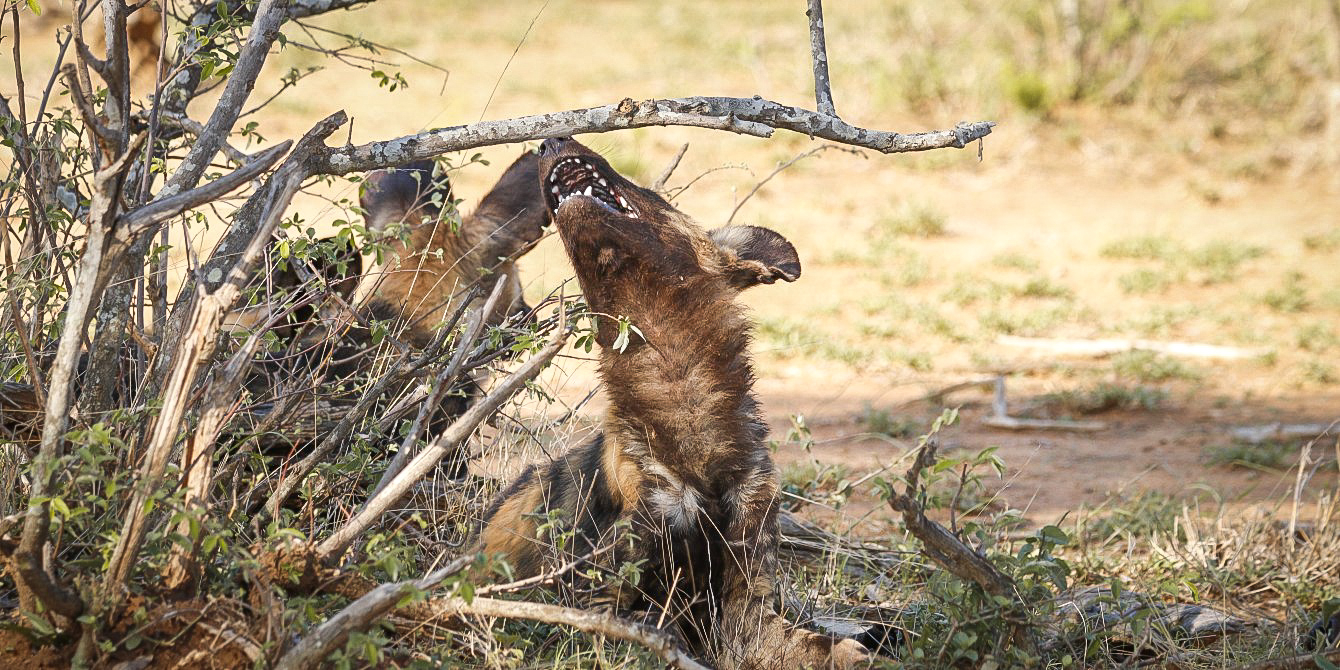
    The wild dog denning season in South Africa overlaps with the dry season, usually between mid-June to mid-September. During this period wild dogs give birth in dens, typically within excavated aardvark burrows in termite mounds. There are of course exceptions to every rule in the animal world. For example, in 2021 a pack waited until October to den in Balule Nature Reserve

    image

    Why are wild dogs endangered?

    Causes of mortality of wild dogs include direct persecution, habitat loss, disease, low prey availability and predation (such as by lions). With such low numbers, conservation of this iconic species is essential. Every individual counts, contributes to genetic diversity and helps sustain local populations. 

    One female wild dog in Kruger truly understood this assignment, once giving birth to a record 21 pups in one litter!

    image

    One of the greatest causes of mortality for wild dog pups is predation by lions. Wild dogs are medium-sized carnivores at just 18-28kg, while lions can weigh up to 190kg. The reason lions kill wild dogs is still being studied, but most likely has to do with predator competition. At the Kempiana campus, Bushwise students witnessed an interaction between these two species, which shows just how intimidating lions can be to wild dogs.

    image

    Lions pose such a high risk to wild dogs that they are avoided whenever possible. During the denning season, wild dogs search for den sites far from areas of high lion density. This often means they must travel greater distances to find food. 

    image

    What is being done to protect wild dogs?

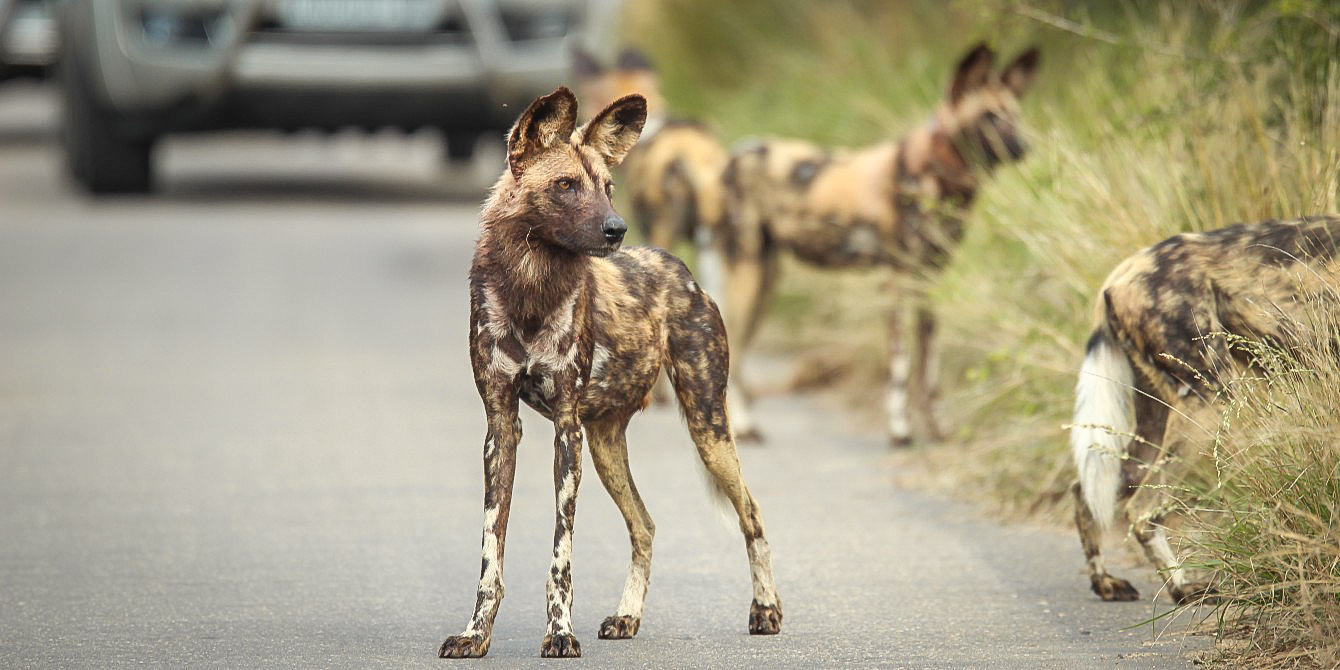
    Protected areas often buttress human settlements and agricultural lands. Humans and animals do coexist peacefully in many areas, but there are still conflicts. Wild dogs are highly prone to getting stuck in snares set for bushmeat poaching, which can be lethal. 

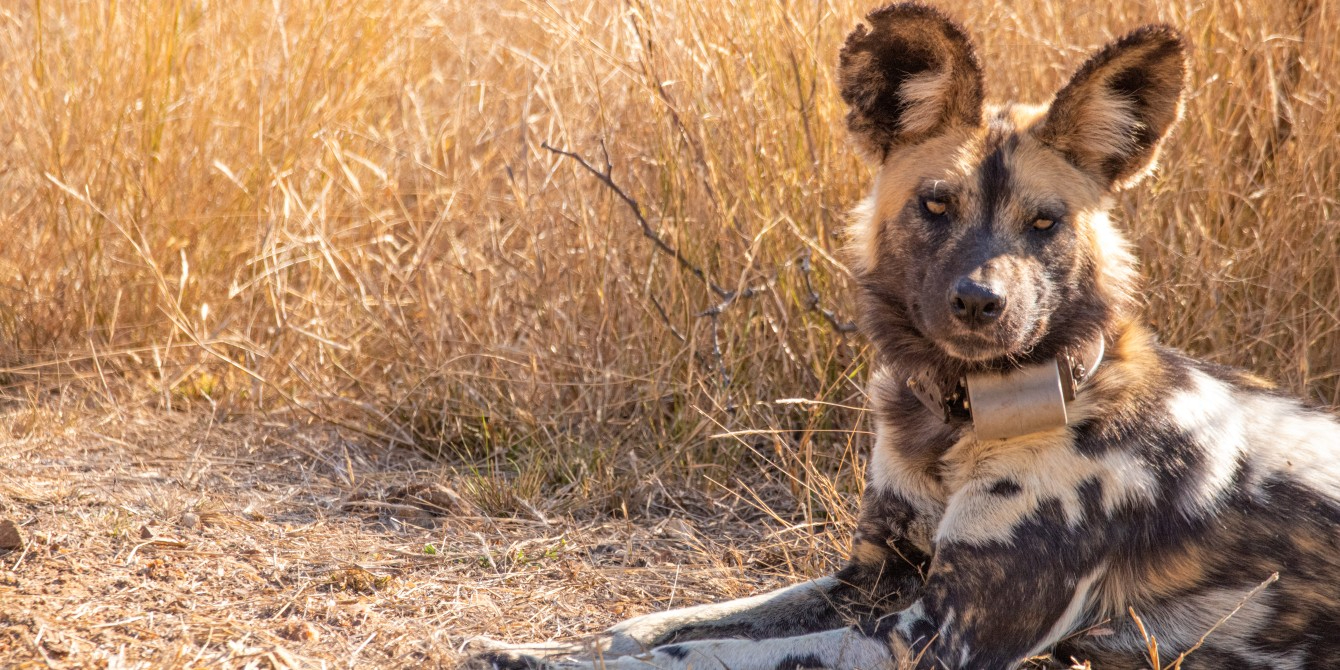
    To combat this, organisations like Wildlife ACT and the Endangered Wildlife Trust monitor the movement of wild dogs using radio collars and telemetry. This conservation and scientific research will help us better understand wild dog movements, dynamics and threats.

    image

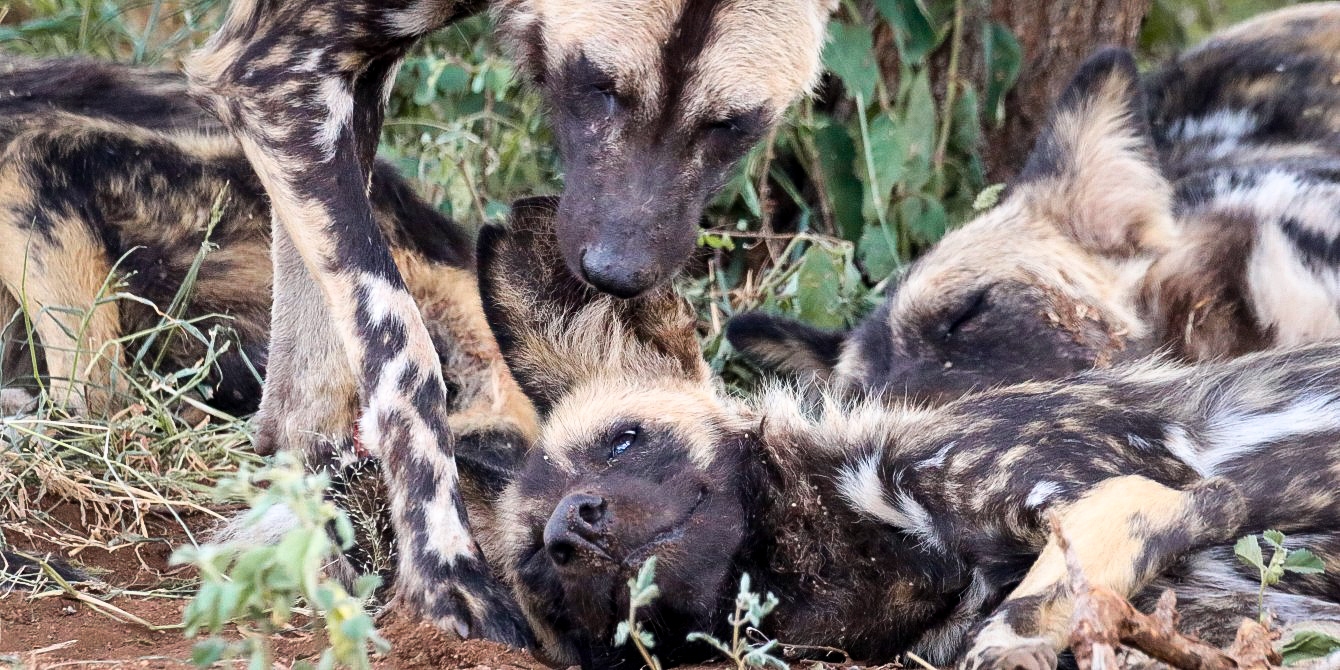
    Wild dogs are also extremely resilient. Their social bonds mean they will care for their sick and injured, even nursing them back to health from the brink. Many incredible stories have been documented showing wild dogs feeding injured adults that have had snares removed from their legs, waist or even neck. Through care provided by their pack mates, these dogs can survive apparently lethal injuries. 

    image

    In the past, a wild dog sighting in a game reserve might not have attracted much interest. This is changing as more and more people mark this species as a “must see” on safari. The Endangered Wildlife Trust works with tourists to monitor the wild dog population. By submitting their photos of individual dogs, visitors can help contribute to the wild dog (and cheetah) census each year. Citizen scientists play an important role in conservation efforts this way.

    image

    Bushwise students have been extremely lucky to see wild dogs on some courses. Both our Mahlahla and Kempiana campuses are adjacent to wild dog home ranges. Seeing wild dogs is always a special experience, especially considering their rarity.

    image

    There is so much to say about wild dogs, that a simple blog post is never enough! We love studying this incredible species at Bushwise – especially when we can see them in person. On Bushwise courses we discuss endangered species, their role in the ecosystem, and what conservationists are doing to protect them. 

    Are you passionate about wild dogs or other wildlife? Field guides play a very important role in educating the public on these critical issues. Apply today to join a Bushwise course and find out how you too can make a difference in protecting these incredible animals. 

    #gameranger #bushwise #fieldguide #safariguide #trailsguide #animals #tracks #safari #fieldguidetrainer #wilddogs #fieldguiding #gamedrive #guiding #fieldguidecourse #fieldguides
  • Why I want to be a field guide: what inspires Bushwise students

    By: Annie DuPre and the current Bushwise field guide students

    We asked Bushwise students: “Why do you want to be a field guide?” Their answers were as diverse as they were similar. What follows is a combination of their responses, unified into one story which showcases their joint passion for conservation, the desire to make a difference, and a love of nature.

    Finding my path

    I’ve always known I was destined to work in the field of conservation. I’ve gone through many stages in my life, school and work, but realised I wasn’t yet on the right path. It’s fair to say the idea of becoming a field guide had been simmering in my brain for a couple of years, but it seemed so crazy. My heart always belonged in nature – to be free and to just live. That was when I found Bushwise.

    Childhood inspiration

    Since I was little I’ve loved being in nature. Playing outside, looking for bugs under rocks, and trying to find different species. Being in nature and seeing and hearing animals is just amazing. The bush has always been my safe haven, a place to experience nature at its finest. Nature has always felt like one of the only places where I could “breathe.”

    image

    Photo by: Louise Pavid

    As I grew older and spent more time indoors, TV and YouTube filled the void of my nature-loving thirst. I would watch Steve Irwin, National Geographic, the Sunday Safari, David Attenborough, and Animal Planet. I’ve been inspired by them for as long as I can remember. They sparked an interest in conservation and furthered my love for nature, even when I was sitting in my room studying or working.

    Needing a change of pace

    I’ve never been a “sit behind a desk” kind of person. During lockdown in 2020, I found myself questioning my current career trajectory. I wasn’t satisfied that my life was headed in the direction I wanted. Did I really want to be stuck in an office? I decided to search for the real reason  why I was put on this earth.

    I’ve always imagined myself working in the bush. I never knew what I would do, but I knew the bush was for me. I would rather spend the rest of my life in the fresh air than stuck in a town. Coming to the bush was like entering a whole new world. Every single day is different with more stories. Every single day is more special and unique

    Passion for conservation

    image

    Photo by: Louise Pavid

    I have always had a strong drive for conservation. I knew I should take the opportunity to learn more about nature and wildlife so one day I could teach other people about the beauty of the outdoors. Conservation of nature was my main aim, but I understood that in order to have more knowledge, I needed to start by learning from the point of view of a field guide.

    Ultimately, I want to be a field guide because I love nature. I love to learn and I hope to help people see what amazing things we have in the natural world. Through being a field guide I hope to make a positive impact on peoples’ lives – helping them fall even more in love with nature by helping them understand it better.

    Wanting to make a difference

    image

    Photo by: Louise Pavid

    In my career I want to make some sort of difference in this world. I want my work to inspire a passion for wildlife and conservation in my guests. I want to show people how vulnerable wildlife is and share my knowledge about the amazing animals we have in the southern parts of Africa. I want to be a voice for the voiceless and stand up for those who can’t stand up for themselves.

    I decided on field guiding because not only can I learn more about wildlife, but I can also teach, inform, and share that knowledge with people around me. Guides can instil in guests a deeper appreciation of nature and conservation. I want to be able to share my knowledge and build experiences for guests, allowing them to create similar joyful memories they can look back on. The ability to open peoples’ eyes and let them embrace the euphoria nature has to offer sounds like a perfect job for me.

    I want to do something with my life that makes me happy. I want to be fulfilled in my career. I love the bush, I love being outdoors. I love the sights, the smells, the sounds. Every day is an adventure. It is my happy place. By becoming a field guide, I can have a full-time job doing something that I am extremely passionate about. To be somewhere I love was the obvious answer – to return to nature, my happy place, and stay!

    What I love most about this experience

    image

    Photo by: Louise Pavid

    Every morning I wake up to the birds tweeting and chirping. I then close my eyes and listen to all the animals around me. I am living a life that many dream of but may never have the chance to pursue. I love sharing my experiences and knowledge with people, and learning from them in the process.

    Not many people get the opportunity to be woken by the sound of a laughing hyena or the roar of a lion. Being quiet and silent in nature, surrounded by wildlife – this is where communication takes place without any words. I feel most alive living among lions and listening to the hyenas “whooping” at night.

    I’ve asked myself a lot why I want to become a field guide – and now I know this is something I was meant to do. So here I am, chasing a lifelong dream, hoping that this will finally make me feel like I belong, and that I am making a difference in preserving this beautiful place we call home. I am already sure that this is where I want to be for the rest of my life. My only wish is that I can love nature as much as she deserves.

    Why Bushwise Field Guides?

    image

    Photo by: Annie DuPre

    Bushwise is an institution that will build on my formal knowledge and equip me with the skills and experience I need to make a difference in this world. My goal is to create a love for the bush with all my guests, to encourage them to look after all that nature has to offer, and to conserve this wildlife for future generations. Bushwise will be my stepping stone in achieving this goal.

    So you asked, “Why do you want to be a field guide?” The answer is easy: It’s in my blood!

    Thank you to all the Bushwise students who contributed to this story: Amelia, Ben, Brody, Charlie, Danelle, Divan, Elmar, Franco, Gareth, Hannah, Heindre, Janine, Jaundre, Jordan, Joshua, Kelly, Kieth, Laura, Lauren, Leigh, Luke, Marc, Marlene, Matthew, Oryx, Petri, Rian, Saki, Suvania , Tasia, Tiaan, Wana, and Wes.

    Does this story speak to you? Have you always wanted to become a field guide, but hesitated to take a plunge? Apply today and fulfil your dream!

    Did this blog speak to you? Have you always wanted to work with animals – but aren’t sure how? Get started with jobs working with animals.

    #gameranger #bushwise #fieldguide #apprenticefieldguide #safari #fieldguiding #fieldguidecourse

  • Extremely rare, highly threatened, and insanely cute: meet the pangolin

    BY: Annie DuPre, CATHSSETA NQF2, Apprentice Trails Guide and Bushwise Conceptual Copywriter

    Ask any field guide about the most elusive creatures in the bush: endangered pangolins will be right at the top of the list. Talk to guests about their experiences on safari and what animals they’ve always wanted to see: a pangolin will be one of them. For those who have been lucky enough to see them in the wild, pangolin encounters will likely be one of their most cherished memories.

    And yet pangolins are one of the most threatened and trafficked animals in the world. They’re disappearing at an alarming rate, and because they’re so elusive it’s almost impossible to measure the impact of these threats.

    If you look at images or videos of pangolins going about their peaceful and tranquil lives, it’s impossible to imagine anyone poaching them. Yet poaching is a real issue –  and a very complicated one.

    So, in honour of World Pangolin Day (20 February), the team at Bushwise Field Guides wants to look closely at what makes pangolins special, why they’re threatened, and what is being done to save them.

    image

    Photo by Adam Tusk via Flickr

    What are pangolins?

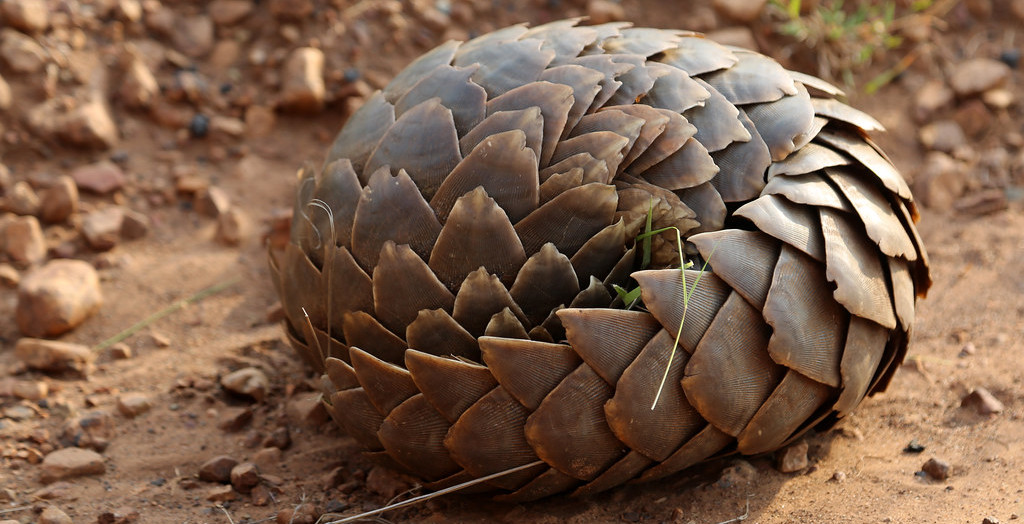
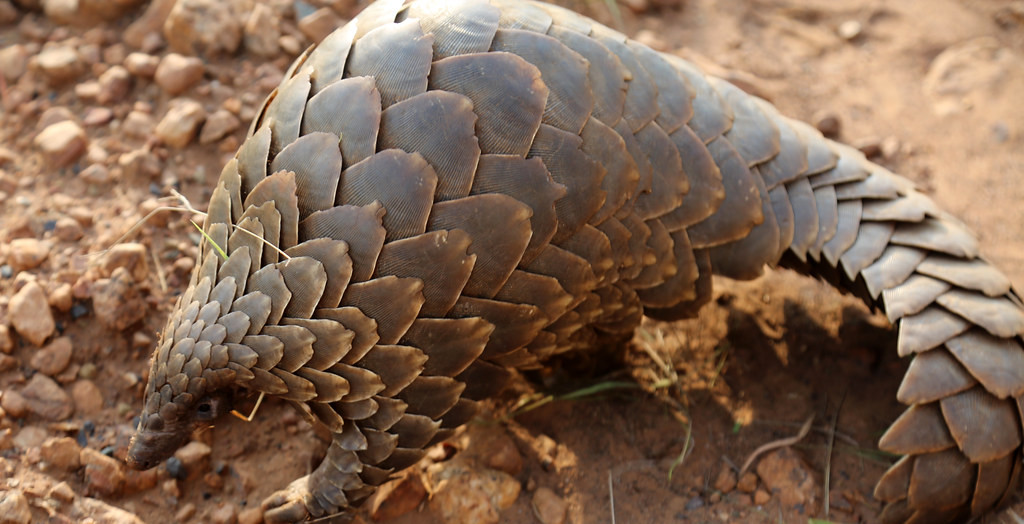
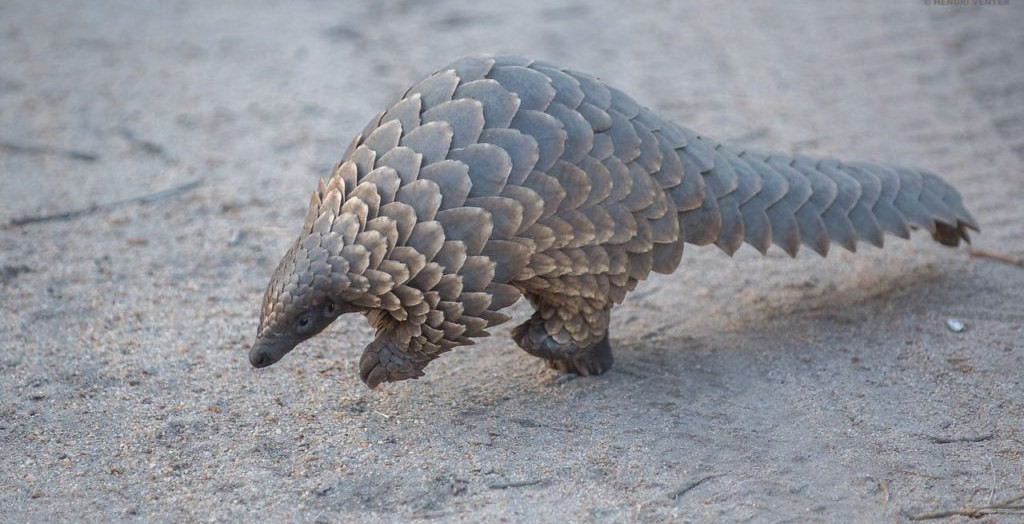
    Pangolins are scaled insectivorous mammals – in fact, they’re the only scaled mammal currently in existence! They use their scales to protect their soft bodies from threats, curling themselves up into a tight ball when threatened. Although they are usually very docile and shy creatures, they also have sharp tails that can be used in defence.

    There are eight species of pangolin found in Asia and Africa, with all species protected under national and international laws. All are listed as endangered or vulnerable and decreasing. In South Africa, where Bushwise Field Guides operates, there is just one species – the Temminck’s ground pangolin.Where foundNameIUCN Red List categoryAsiaChinese pangolinCritically endangeredAsiaIndian pangolinEndangeredAsiaPhilippine pangolinCritically endangeredAsiaSunda pangolinCritically endangeredAfricaBlack-bellied pangolinVulnerableAfricaGiant pangolinEndangeredAfricaTemminck’s pangolinVulnerable (decreasing)AfricaWhite-bellied pangolinEndangered

    Table adapted from the IUCN SSN Pangolin Specialist Group

    Many people call pangolins “scaly anteaters.” At first glance they certainly have similar physical characteristics to anteaters. Pangolins use their sticky tongue to grab ants and termites out of the ground and from foliage. Their tongues can grow longer than their body length! They are truly unique and fascinating creatures, and that alone is reason enough to protect them.

    image

    Photo by Flowcomm via Flickr

    The Temminck’s pangolins that are found in South Africa tend to prefer savannah, grassland, and woodland habitats. They can live for an estimated 15-20 years in the wild and are predominantly solitary (although you might find some adorable videos of babies with their mom – where they ride on her back to get around!)

    Because pangolins are largely nocturnal and secretive, it’s extremely rare that you’ll see one on a game drive. While some of our trainers have been lucky enough to see one or two in their lifetime, many guides go through their entire career without ever seeing one.
    Despite their rarity and elusive nature, pangolins are poached heavily and tons of scales are discovered every year. The measure of this impact is not yet known.

    What threats do pangolins face?

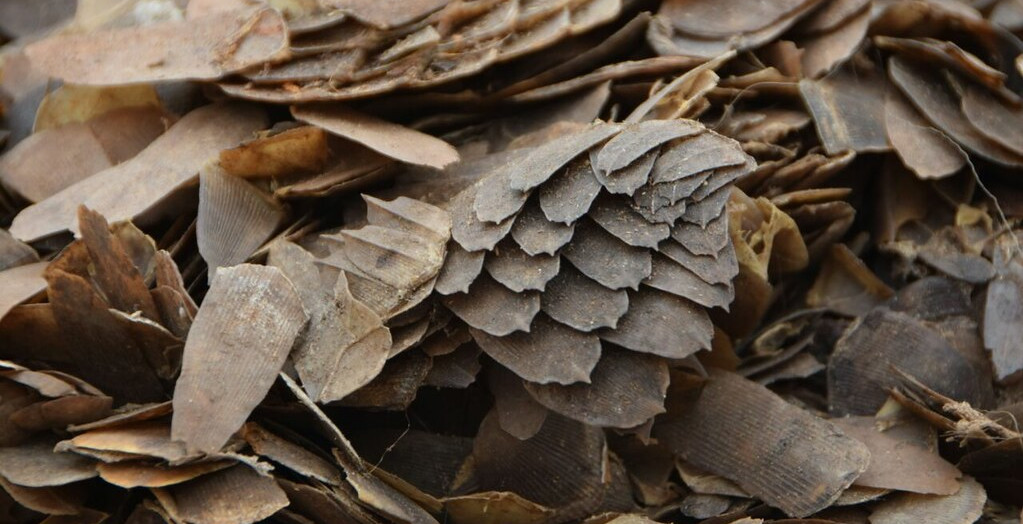
    Pangolins are largely poached for local consumption and international trade. The two main uses of pangolins are scales for pseudo-medicinal purposes, and meat sold as a delicacy. Like rhino horns, pangolin scales are made of keratin, similar to fingernails and hair, and therefore have no actual medicinal or healing properties.

    Although trade in pangolins has been internationally restricted by CITES (the Convention on the International Trade in Endangered Species of Flora and Fauna) since as early as 1995, illegal trade continues – and is the greatest threat to pangolin survival. According to an extensive study, nearly 900,000 pangolins were trafficked between 2000 and 2019.

    image

    Photo by U.S. Fish and Wildlife

    As the populations of Asian pangolins declined, there was a shift in the market and greater pressure was put on African pangolin species. This saw an increase in illegal trafficking out of Africa, as pangolins were exported to mainly Asian countries. In addition to poaching, pangolins face other threats such as habitat loss and encroachment.

    Why should we protect pangolins?

    The destruction of one species can have catastrophic effects on the other members of an ecosystem. In some areas of the world pangolins are known “as guardians of the forest” as they eat termites, preventing further destruction and maintaining a balanced ecosystem.

    At Bushwise Field Guides we love this imagery – and absolutely believe in the importance of protecting pangolins to maintain that balance.
    What is currently being done to save pangolins?

    Public efforts to protect pangolins are gaining traction around the world as more and more people are beginning to recognise this unique animal – and understand its value goes well beyond its meat and scales. There are even some unique advertising campaigns (like this one featuring Jackie Chan) developed by the organisations WildAid and The Nature Conservancy, which aim to change people’s perception of pangolins.

    image

    Photo by Flowcomm via Flickr

    There are a few amazing organisations working to save pangolins around the world, whether through research, activism, education, or on-the-ground action. These include the Pangolin Crisis Fund, African Pangolin Working Group, IUCN Pangolin Specialist Group, World Wildlife Fund, The Nature Conservancy, WildAid, and many more. Here in South Africa, local anti-poaching organisations also prioritise pangolins, alongside other species.

    Beyond supporting organisations like those listed above, individuals can make a difference in other ways. People working in conservation or interacting with tourists, such as safari guides, should be knowledgeable about pangolins and share their insights. As guides we have a powerful tool in our belt – knowledge – and educating visitors on the value of wildlife, such as pangolins, can go a long way in protecting species.
    So, this World Pangolin Day, take time to share information on pangolins, promote their protection, and learn a little bit more about this incredible species!

    Do you want to learn more about endangered species and become a guardian of nature? Apply today and start taking steps towards your career in field guiding.

    Did this blog speak to you? Have you always wanted to work with animals – but aren’t sure how? Get started with jobs working with animals.

    #pangolin #fieldguide #worldpangolinday #apprenticefieldguide #fieldguidetrainer #endangeredspecies #gamedrive #fieldguidecourse

  • Bushwise Field Guides to Host Safari Guide of the Year 2022
    BY: Annie DuPre, NQF2, Apprentice Trails Guide and Bushwise Conceptual Copywriter

    Bushwise Field Guides is thrilled to host the the Safari Guide of the Year 2022 competition, along with a key sponsor, WildEarth!
    Bushwise Field Guides is the host sponsor for the Safari Guide of the Year 2022 competition, to be held from 27 June to 3 July. This will be the 11th annual hosting of this important event, which will take place in the Greater Kruger (exact location to be announced closer to the event date). Nominations have officially begun and will remain open until April.

    Safari Guide of the Year (SGOTY) is a prestigious award given each year to one outstanding and accomplished guide. This sets the standards for the guiding industry, this award is a significant annual recognition of a guide’s accomplishments, training, and skill set.

    The competition

    The competition itself will occur over one week, where the top five nominees will showcase their skills and knowledge to qualified judges and guests. The finalists are evaluated in eight categories: birding, track and sign identification, guided game walk, guided game drive, guided photographic experience, storytelling, rifle handling, and hospitality and professionalism.

    Each category is scored according to a point system and the individual who accumulates the most points at the end of the week is crowned Safari Guide of the Year 2022.

    The nominees

    To be nominated, guides must have a minimum of five years’ guiding experience, Field Guide (NQF4) qualification, Trails Guide qualification, and be currently working at a lodge, training provider, or as a freelance guide. If you know of someone who should be considered for this competition, visit the official SGOTY site to nominate them now.

    The impact

    Each year, Safari Guide of the Year brings together incredibly talented, knowledgeable, experienced and professional individuals who showcase the art of field guiding. In the end, only one guide will walk away with this prestigious title. Despite the impressive competition, this event often creates a feeling of camaraderie and friendship among the finalists.

    While the event itself is just one week, the impact of this recognition stretches much further. The individual awarded with SGOTY, as well as their lodge or employer, will proudly wear this badge for the rest of their career. The competition helps drive the world-class quality of southern Africa’s field guides, which in turn leads to superior standards maintained at lodges, and an enhanced focus on skills development in wildlife conservation.

    Bushwise Field Guides is honoured to be the host sponsor for this significant event. Main sponsors are WildEarth, with additional sponsors including Ruggedwear, Sapmok, Kruger2Canyon News, Accident Angels, as well as private donors.

    Follow Bushwise on Instagram and Facebook for further updates, including this year’s judges, nominees, venue and more!

    #level1exam #gameranger #Birding #fieldguide #trailsguide #Level1 #apprenticefieldguide #cybertracker #trackandsign #gamedrive #fieldexam #fieldguidecourse #studying