Author: Bushwise

  • Mad for marula fruit: facts about the marula tree

    BY: Megan Colborne

    As a field guide, you need to be prepared for every type of question. From “what is a marula tree?” to “are African animals getting drunk from ripe marula fruit?” Whatever the question, we’ve got you covered on all things marula.

    Once you’ve completed your training at Bushwise Field Guides and are a fully qualified field guide, you will be responsible for the experiences of your guests. This is why it’s important to have a wealth of knowledge regarding fauna and flora. 

    What is a marula tree?
    image

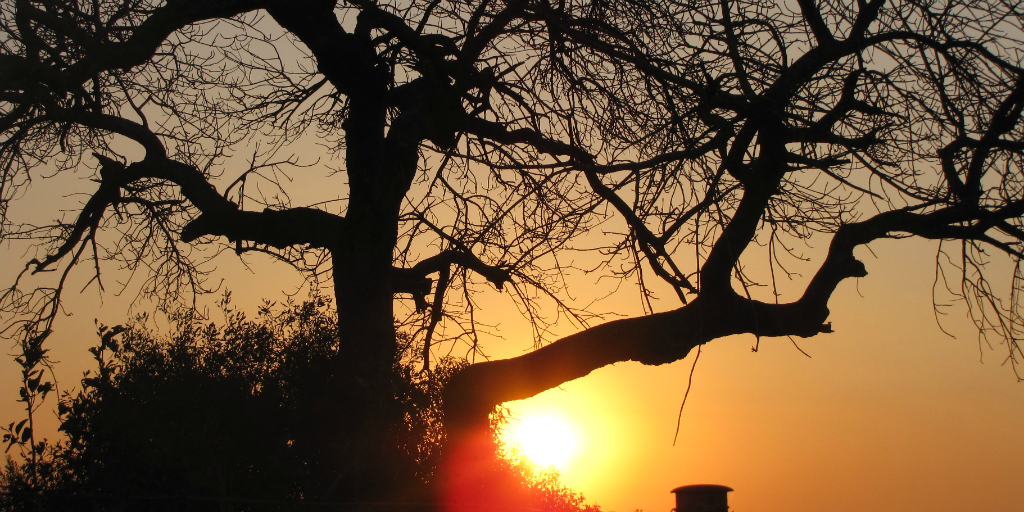
    Original photo: Marula sunset” by krugergirl26 is licensed under CC BY 2.0.

    The marula tree is a green, leafy tree that is resistant to drought so that each tree still manages to produce plenty of marula fruit during dry seasons.

    Known as “the king of African trees” the marula tree is a medium-sized tree standing tall at between 9 and 18 metres tall. This single-stemmed marula tree is found in 29 countries. Female trees bear up to 500 kilograms of fruit each year, while the male marula tree puts on a delicate floral display instead. 

    Yes, that’s right, there are both a male and female marula trees. 

    The marula tree is dioecious, which basically means that each tree has a specific sex. This led to the traditional belief that drinking an infusion made from the bark of a male tree would lead to the birth of a boy, while drinking a bark infusion from the female tree would result in the birth of a girl.

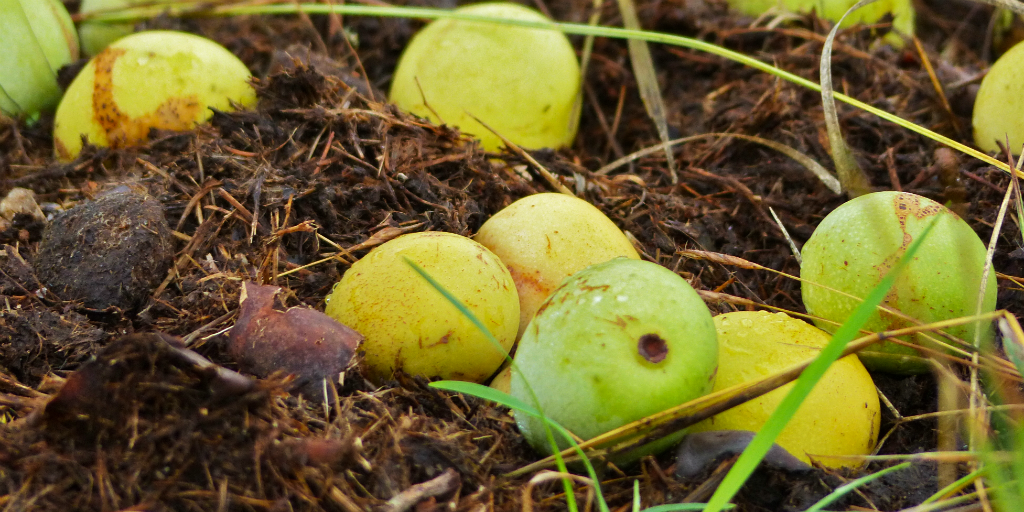
    The juicy marula fruit belongs to the same family as the mango and so it has similar properties. It has a yellow peel, white flesh and a large kernel, or pip, in its centre. 

    History of the marula tree 

    With a history dating back thousands of years, the marula tree has outlived many other trees, with archaeological evidence showing the tree being used as a food source as far back as 10,000 years BCE

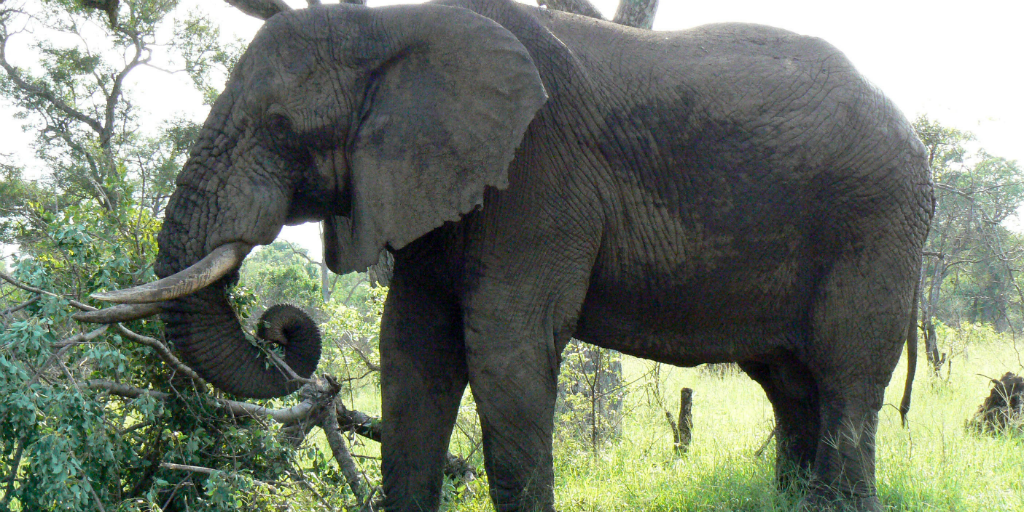
    Over time, many legends have developed in Africa surrounding the marula tree and marula fruit. Local people began to refer to the marula tree as “the elephant tree” as they witnessed elephants travel far and wide to feast on the juicy marula fruit.

    Because of its history and importance in Africa, the marula tree is now protected by law in South Africa.

    Uses and benefits of marula 
    image

    Original photo: “Marula (Sclerocarya birrea) fruits on the ground”by Bernard DUPONT is licensed under CC BY 2.0.

    Nearly every part of the marula tree can be used in some way. 

    The bark of this powerful marula tree contains an antihistamine, is used to prevent malaria, and is also effective in the treatment of stomach issues. Chewing on the bark can also aid in facilitating digestion.

    As for the kernels of the marula fruit, when roasted they are known as the “food of kings”, and are regarded as a delicacy. The leaves of the marula tree are also used as a spice and in a salad dressing.

    The fruits of the marula tree can be eaten, either raw or cooked, and are commonly used to produce jam. When left to ferment, marula fruit can be used to produce various powerful alcoholic drinks.

    In Swaziland, this alcohol is used to make a home-made beer called Buganu.  In Namibia, Ombike is produced, and in Mozambique the fermented marula fruit is used to produce a wine called Ucanhe.

    However, none of these can outrank the internationally known cream liqueur, Amarula. Amarula is produced in South Africa using the marula fruit, alcohol and cream. Amarula is one of the best selling products in the world in this category!  

    Can elephants get drunk from eating too much marula fruit?
    image

    Original photo: Marula snack” by Chris Eason is licensed under CC BY 2.0.
    If tourists on your safari trip ask about African animals getting drunk from ripe marula fruit, don’t be alarmed. 

    This comes from the legend that elephants can get drunk after eating fruit that has fermented on the ground or even inside the stomach of the elephant. 

    So, does marula fruit make elephants drunk? While the marula fruit is an elephant’s favourite and this would make a great story, scientists have debunked this as a myth, so you’re unlikely to see a drunken elephant leaning against a marula tree for support.

    Learn more about the African marula tree and other fauna and flora by becoming a IFGA Safari Guide Course 6/12 Months at Bushwise. Join a Bushwise program today!

    Header photo: Marula Loop” by Chris Eason is licensed under CC BY 2.0.
  • The plight of the pangolin: the world’s most trafficked mammal

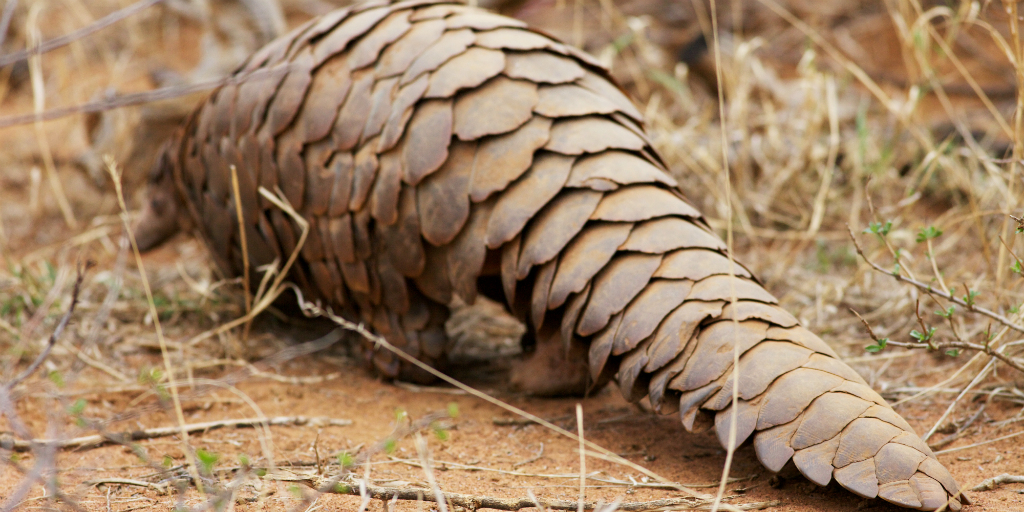
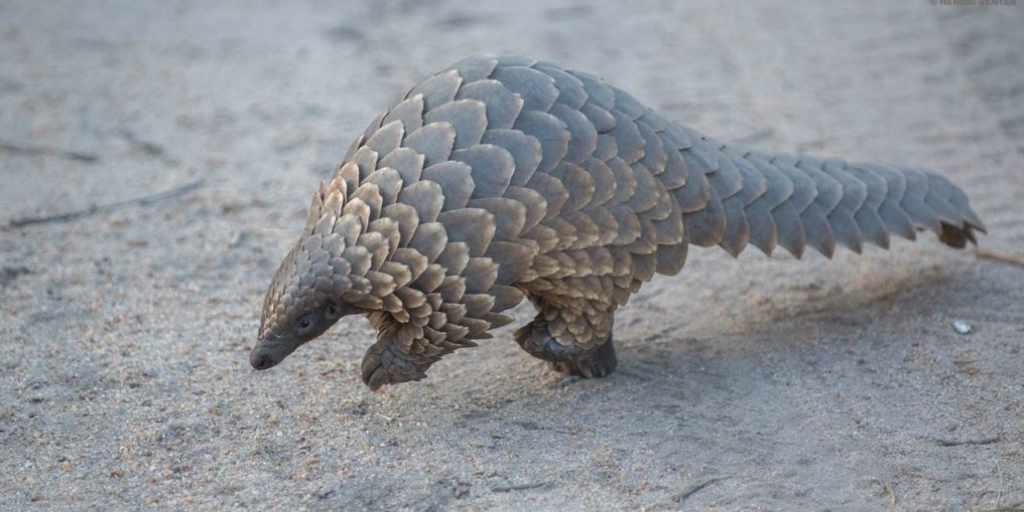
    Original photo:Scaly Anteater” by David Brossard is licensed under CC BY 2.0

    BY: Megan Colborne

    With World Pangolin Day fast approaching and the introduction of the ground-breaking documentary “Eye of the Pangolin” to various airlines flight entertainment options, we’re spreading the word about the endangered guardian of the forests – the pangolin.

    They’re mostly known for not being known, so why should you even care about the pangolin?

    The pangolin is said to be the most trafficked mammal ever, with over a million pangolins poached in the last ten years, leaving them at risk of extinction. The extinction of pangolins could cause both ecological and economic loss to local communities.

    What is a pangolin?

    image

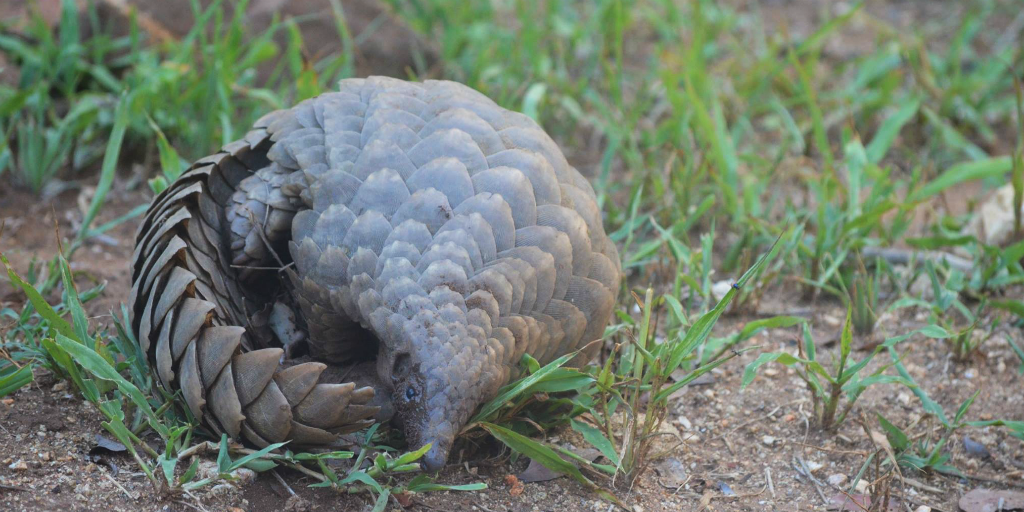
    It may look like a reptile, but a pangolin is actually a small mammal covered head-to-tail in 70 to 1,000 tough, overlapping scales made of keratin. There are eight different species of pangolins which have populated Asia and Africa since dinosaurs walked the earth.  

    Equipped with a tongue longer than its body, the pangolin makes use of this sticky weapon to feed on ants and termites.

    The pangolin is the only known mammal with scales. These scales make up around 20% of the pangolin’s total body mass and are used as their main form of self-defence.  Pangolins curl into a tight ball when feeling threatened, so that their entire body is protected from predators by the layers of scales. 

    Why are they important?

    image

    Original photo:Pangolin” by Adam Tusk is licensed under CC BY 2.0

    Not many people know what a pangolin is, let alone the impact they have in society. 

    The pangolin is a keystone species, which basically means they are critical to the survival of other creatures or ecosystems. 

    Pangolins play an important role in regulating insect populations, with a single pangolin consuming around 70 million ants and termites each year. 

    The possible disappearance of these scaly mammals is expected to have a massive impact and knock-on effect on the environment and ecosystems around them. 

    For example, the extinction of pangolins could have negative effects on the economy. This is because pangolins eat termites that would otherwise destroy local homes and crops that provide communities with their income.

    According to Simon Stuart – chair of the International Union for Conservation of Nature (IUCN) species survival commission – pangolins save the planet millions of dollars a year in pest destruction.

    Why are they poached?

    image

    Original photo:Scaly Anteater exits stage left” by David Brossard  is licensed under CC BY 2.0

    The only predator that leaves pangolins absolutely defenceless?

    People.  

    These scaly anteaters are most commonly poached by humans for their scales. 

    Pangolin scales are collected, crushed into a powder and used in traditional medicines for the treatment of arthritis, lactation, convulsions and stomach disorders, to name a few.

    Despite this long list of ailments, no scientific evidence has been collected to prove that pangolin scales have helped in the treatment of any of the conditions mentioned. 

    Pangolin foetuses are also eaten in parts of Asia to demonstrate wealth and high social status.

    How can you help?

    image

    If you’re passionate about the pangolin and want to know how you can help in their conservation, look no further than Bushwise Field Guides

    Bushwise is a top provider of professional field guide training in South Africa. Here, you have the opportunity to really develop your understanding of the bush, conservation, and field-guiding. 

    This hands-on experience will kick-start your career in conservation by exposing you to the different kinds of skills needed for a career in the bush. For example, at Bushwise you will have the opportunity to learn about what is needed to become a game ranger. 

    The main role of a game ranger is to manage and look after the resources of game reserves. A game ranger’s job includes anti-poaching duties and teaching others about conservation.  

    These skills can be used to help in the journey to protect the pangolin from being trafficked and hopefully over time, will lead to a steady increase in pangolin numbers in Africa. 

    When it comes to the protection of pangolins, there’s no time to waste. Join a Bushwise course today and kickstart your career in conservation.