Author: Bushwise Alumni

  • A manager is nothing without their team

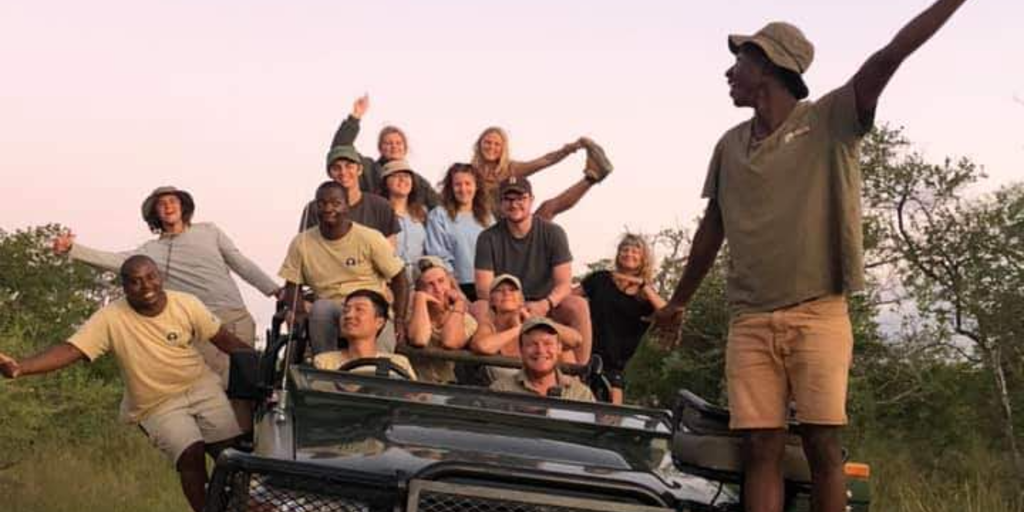
    This image was taken pre-COVID-19. 

    BY: Donald Fraser

    Camp manager blogs are written by our students who each get a chance to lead and manage a group (of their fellow students) for a period of one week.

    We started week nine with refreshed minds, as most of us students on the Balule campus had chosen to go away for our semester break. Two students stayed behind to keep things running smoothly, and welcomed the newest member of our Balule family, Louise Pavid, a wildlife photographer and videographer.
    image

    Photo by: Donald Fraser

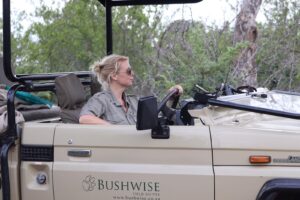
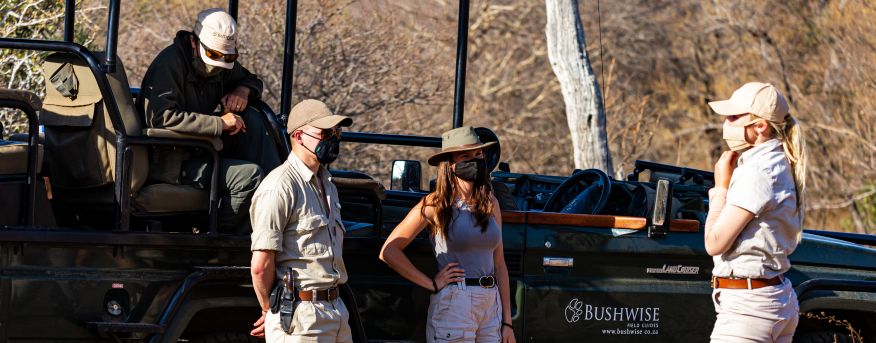
    I’ve had prior management experience, so I knew that being the camp manager was not going to be an easy task. I had lots to remember, like keeping the students going with their morning snacks (milk, cereal and rusks), ensuring COVID-19 protocols were followed, checking the safari guides were ready for their driving slots, and staying in touch with the students’ duties during the week. 

    I hoped I would be able to learn how different it is to manage people in this type of environment compared to the corporate one I was previously in (I worked in the financial industry). 
    image

    Reflecting on the week now, I think managing people remains mostly the same no matter which industry you’re in. You still need to ensure that students, like coworkers, work well together, and that tasks are delivered no matter what circumstances you face. 

    As a camp manager in the bush, I learned that you’ve got to be the first one up in the morning, and the last one to go to bed at night – after ensuring that everything is ready for the next day. And, as a manager, you need to understand that most of your hard work will be done behind the scenes, where nobody will stand and applaud you for what you’re doing!
    image

    Photo by: Donald Fraser

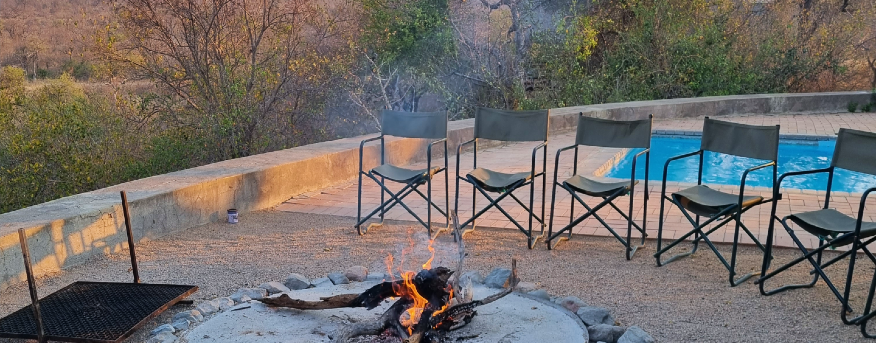
    My most challenging task as camp manager? Hosting a fun evening for the students wins hands down! Everything I planned for the evening went smoothly at first. I prepared a braai (barbeque) for the students, but then one of our lead instructors noticed that the meat we prepared was cooked on Tamboti wood, which secretes a substance that is poisonous to humans! The reality of the situation quickly set in. I engaged with our chef (now my hero) and we made a new plan for dinner. 

     The night wouldn’t have been a success without our teamwork, and it taught me that a manager is nothing without the support of their team.

    I would still like to end up as a type of manager, like a lead trainer for field guides, or even an  area warden. Even though a big part of a manager’s job involves putting out “fires”, it’s still the best feeling to see teams come together. But for now… bring on the reptile and bird exams!

    Interested in joining a Bushwise Field Guides course to gain more clarity on your future? Contact us.
  • Daniel Mogale on falling deeply in love with nature, and life after Bushwise

    The Bushwise alumni gives his unfiltered take on choosing the road less travelled, and staying focused through a tumultuous time.

    BW: I hope you are well. Where in the world are you now?

    DM: I am quarantined in the capital city (Pretoria), learning Mandarin.

    BW: When did you do the Bushwise course? 

    DM: I completed the Bushwise course in 2019.

    BW: Why did you want to do a field guiding course?

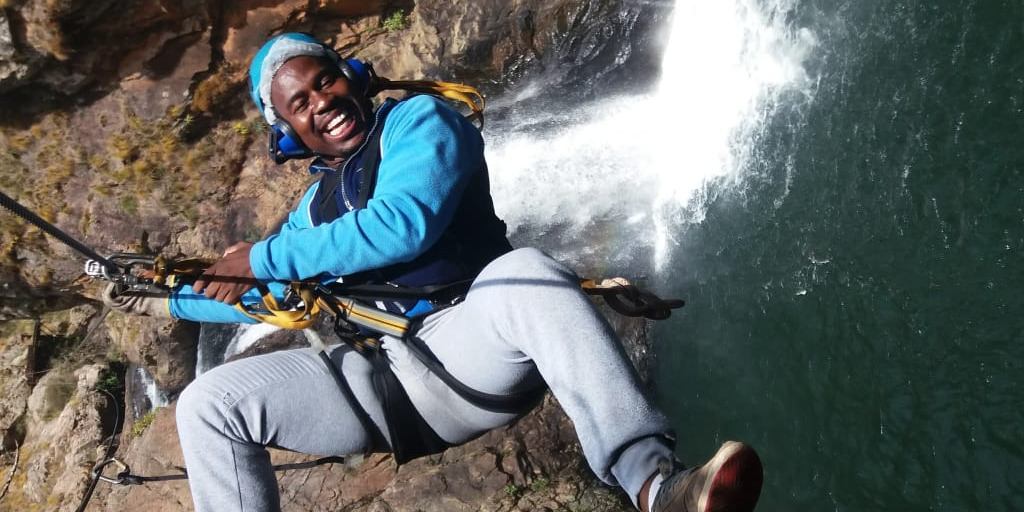
    DM: My interest in wildlife was sparked in 2008 when I enrolled at the Tshwane University of Technology to study Adventure Tourism Management. Magoebaskloof Canopy Tours became my home for the next seven years and seven months that followed.

    image

    Here, I uncovered my passion for helping visitors. As part of the experience I was able to meet and engage with new people on a daily basis, as well as make new friends.

    Along the way, my appreciation of nature and my surroundings grew. I wanted to know more about it all –  from the smallest cicada to the largest mammals. Then I was really fortunate to get a sponsor from one of the top academic institutions in South Africa, and I jumped at the opportunity to enroll at Bushwise.

    BW: What did you think of the course?

    DM: I found it quite tough in the beginning. Thankfully the Bushwise trainers went above and beyond to equip us with their wealth of knowledge and provide extra assistance. Soon, I was confident enough to lead game drives in the bush. 

    Before I started the course I only knew about six bird species, now I know a whole lot and also their calls. 

    image

    BW: Any highlights from the experience?

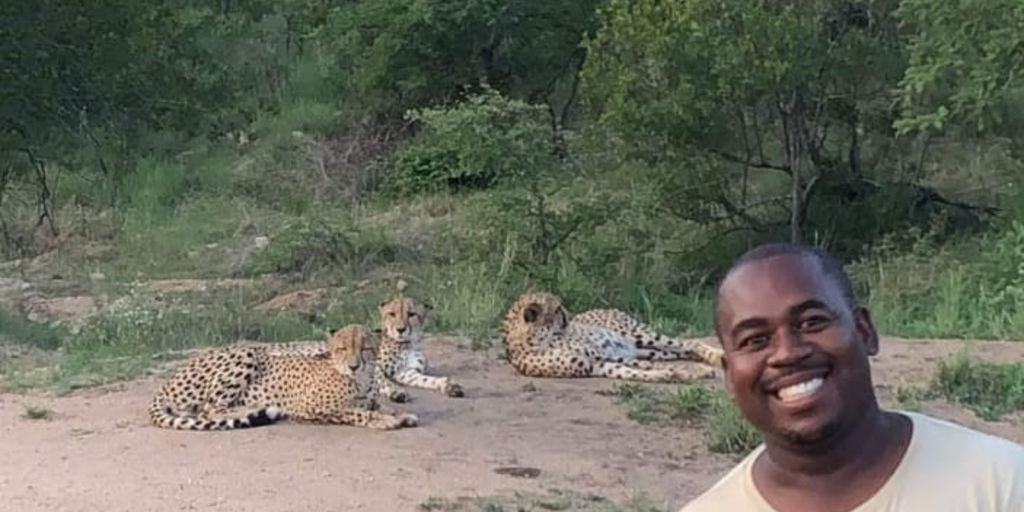
    DM: I distinctly recall the day we came across a Pangolin. It was my first time ever seeing one. This is an extremely rare animal to see in the bush.

    BW: Where did you do a placement?

    DM: I started my placement at GVI in December 2019 but it was cut short, ending in March 2020 because of the Covid-19 outbreak. We went into lockdown, but the little time I had spent on placement was incredibly impactful. I met people from all over the world and even curated my first game drive with the GVI volunteers. I am inspired to continue on this path.

    image

    BW: What are your future plans?

    DM: Not only am I a culture and adventure guide, I am now also a qualified field guide. I am determined to run and own my own safari company one day, for the purpose of sharing vital information about nature and our planet with visitors.

  • Bushwise celebrates a glorious 15 year anniversary

    We feature Kimberley Pierce (Jersey, UK) one of our very first alumni, who completed her course in January 2006. 

    This is her story.

    My mum, who grew up in Zimbabwe, introduced me to Southern Africa early on in my childhood. It was love at first sight. Determined to gobble up all the knowledge I could about The Continent, I discovered the Big Cat Diary Show which was shot in the Masai Mara region of Kenya. Soon all I dreamt about was of one day living in Africa. 

    After completing high school, I knew the path of traditional tertiary education was not for me. I considered my options and eventually found the Bushwise course online. It seemed like an incredible opportunity to learn about the natural world, while also being immersed in the safari environments of Africa, so I decided to sign up.

    image

    This decision led to some of the best times of my life. I was only 20 when I started, and became a part of the most incredible group of people from all over the world (with ages ranging up to the mid-50’s) – eager and dedicated to making the most of our time there. Our trainers were fantastic, incredibly knowledgeable and patient; and we had such a great balance of training and learning, mixed in with a whole lot of fun.

    I was able to do my placement at Ezulwini Camps in the Balule Game Reserve after completing the course. And after my placement, I secured a full-time job and carried on working there.

    A few years later, I returned home (UK) briefly and worked for the Durrell Conservation Trust before finally relocating to Kenya, which had always been my long term goal.

    In Kenya, I retook the local guiding qualifications and then guided and managed at the following places:

    1. Satao Elerai in Amboseli

    2. Nairobi Tented Camp in Nairobi National Park

    3. Naibor in the Masai Mara

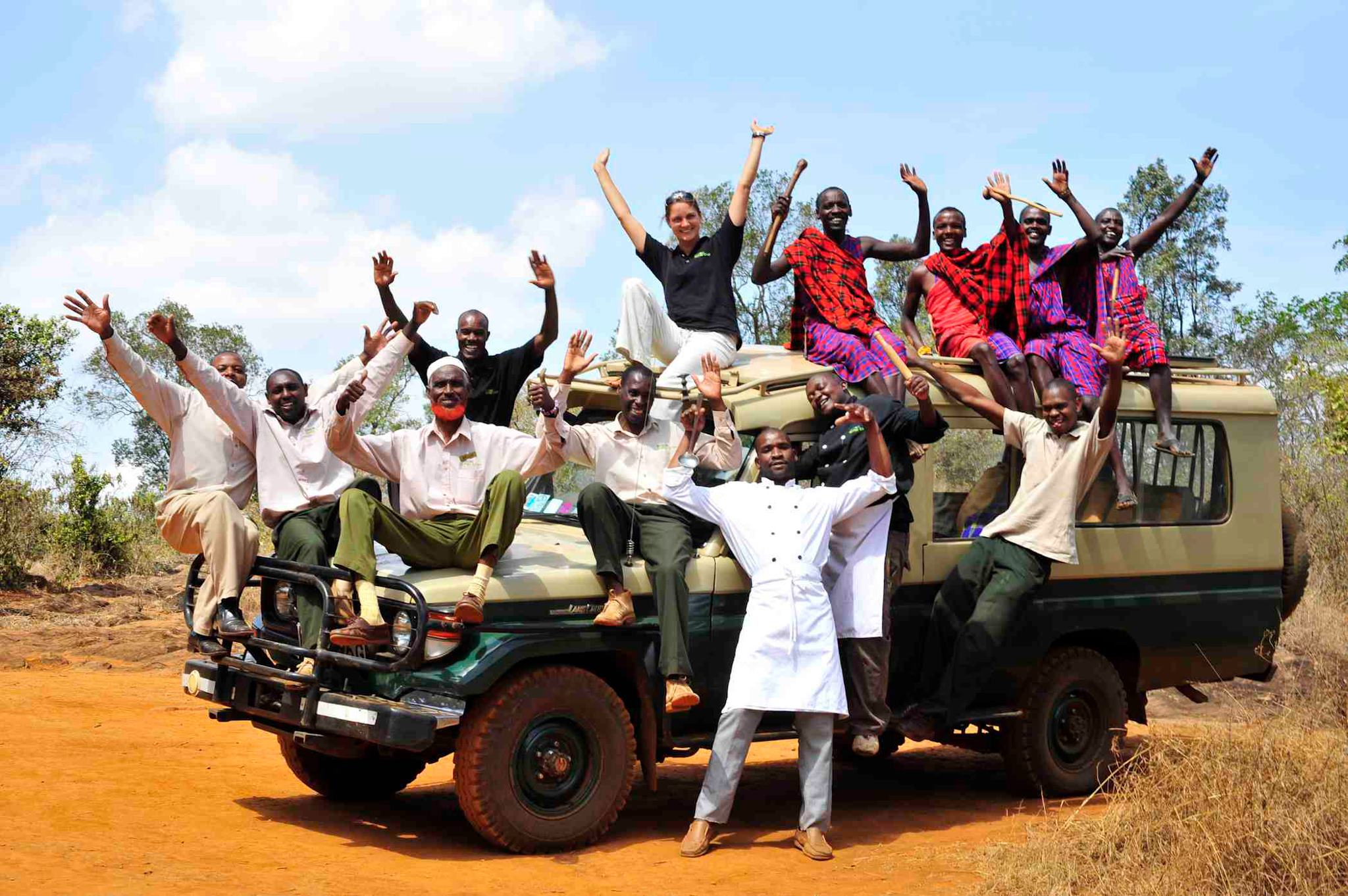
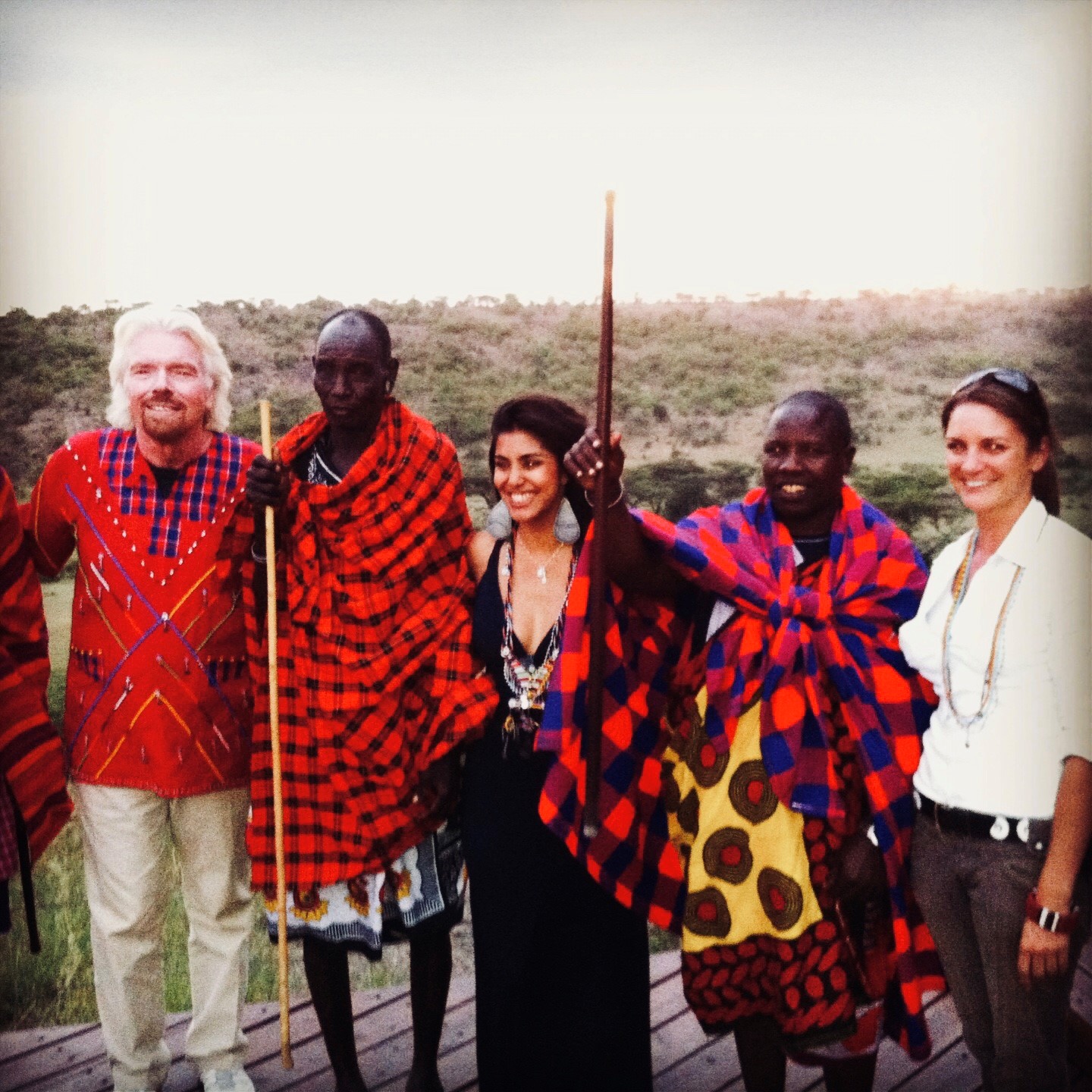
    4. Mahali Mzuri, Richard Branson’s Virgin Limited Edition, a property in the Greater Mara.

    image
    image

    After spending 10 years in Africa, I headed back home where I founded and have been running my own travel business with a specialisation in African safaris.

    The advice I would give to others wanting to become a Field Guide?

    There is so much that goes into being a good guide, but great guides are the ones who find their niche and passion within the industry and are able to communicate well with their clients.

    A great guide can take their clients on a 3-hour game drive, get stuck in the mud for half the time, barely see a thing, but the clients still come back laughing and having had an unforgettable experience.

    Make sure your personality shines through and do not get too worried about not knowing every detail; as your experience grows so will your stories and insight into the incredible world of safaris. And always make sure you have your cooler box well stocked! You can get away with any eventualities if there’s a cold G&T on hand for the clients. (Hint hint!)

    Future plans?

    I have been working on developing my own safari itineraries, and in 2021 will start taking groups from the UK out for high-end Private Flying Safaris around East Africa. I plan to continue growing my travel business with the hopes that one day that I will be self-sufficient and can put most of my time into guiding group travel around Africa.

    Final thoughts?

    Bushwise gave me the platform to enter into an incomparable 10-year career in the safari business. The lessons I learned from my time in the bush, the animal encounters, the tribes I have lived alongside, and most of all – the incredible people I have been lucky enough to work with – have shaped my life. I feel so grateful and privileged to have truly LIVED(and I’m only 34!).

    So, if you have the opportunity – go for it. Even if it does not turn into your career, you will learn valuable lessons that will stay with you for life.

    https://www.kimpiercetravel.com/

    https://twitter.com/KimPierceTC

  • First impressions: “nothing short of amazing”

    BY: Frederico Odierna, student 2021

    My experience of Bushwise has been nothing short of amazing and I can not wait to learn and experience more of what they have to teach us. 

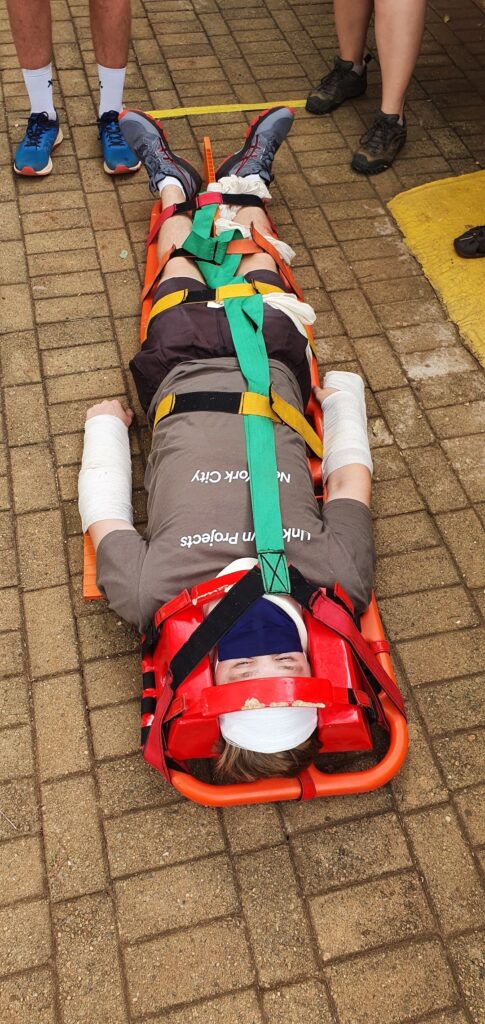
    The first day was mostly orientation of the campus and course where we got to learn a bit more in-depth of what the course is going to entail and rules to follow on campus. I know that the course is going to be a lot of hard work, but I am prepared to put in the effort that is going to be required of us to pass the course overall. On the 9th and 10th of January, we studied to complete our level 2 first aid which I imagine is mostly so that our guides can be slightly more at ease knowing that we can take care of each other in case of an immediate emergency. 

    image

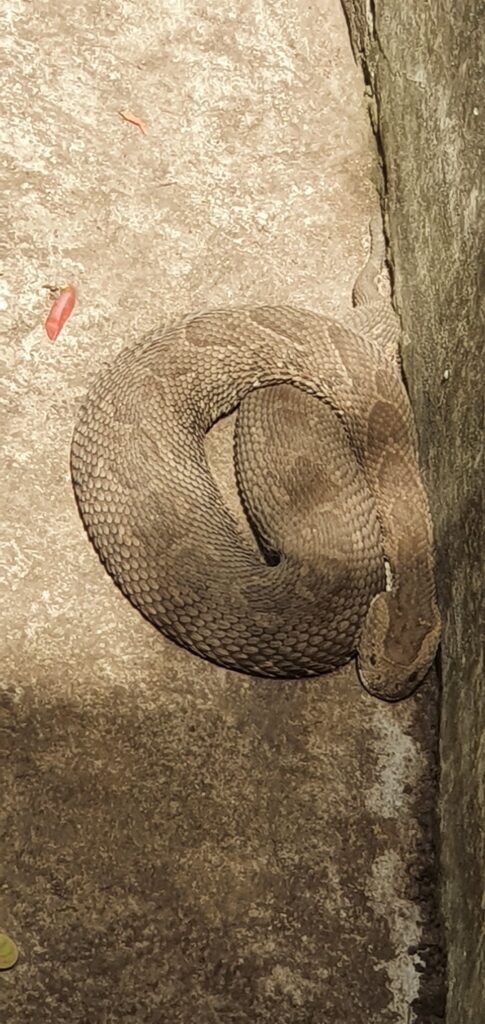
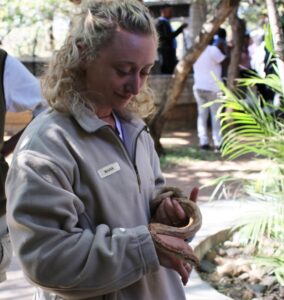
    On the 11th we began with our first FGASA module on geology, which many might not be interested in, but it plays a major role in the climate and therefore life that can be found in a certain area. Today is the 12th of Jan and we had the most amazing time at Hoedspruit Reptile Park, where we got to learn more in detail about snakes in particular, but not limited to them. We learned how Chameleons don’t actually have sticky tongues, but rather employ suction to their prey to catch them, something which I never knew before. We also got to experience them feeding Black Mamba’s which was fascinating to watch how they immediately react to the scent of their prey and almost enter a feeding frenzy which can sometimes lead to them attempting to swallow the same prey.

    Other than course material I have learned a lot of interesting information about the animals that live in our area. Female Water Monitors will lay their eggs in termite mounds due to the amazing architecture that controls the temperature perfectly, which in fact many skyscrapers have used to control airflow throughout the building. Vervet monkeys will raise their brows to expose their white eyelids which contrasts to their black faces to intimidate other animals. I also learned that the term for this is aposematic which applies to all animals that have a mechanism to warn predators of their possible danger. 

    image

    Besides animals, I have enjoyed spending time with the people here and learning about their different views and cultures. This week I was Camp Manager, which basically means I am in charge of relaying information to the guides about how people are doing and any sort of problems that they want to address. It also means that you are the first person to be called on-site in the case of a medical emergency. I am normally not the type of person to enjoy any sort of managerial position but I have found it to not be as bad as I imagined. 

    In conclusion, I am enjoying the experience here thoroughly and can not wait to learn more. The only thing I can mention that I’m going to have to get used to is the heat. 

  • Feeling the changes

    As we all returned from our respective destinations after an off week, for many of us (well, me at least) there was distinct trepidation. This wasn’t going to be our final term at Bushwise; but it was undoubtedly going to be our most important, with all aspects of our assessments in it.

    First up was our mock assessment drives, our final chance to iron out any kinks and polish our presentations for game day. Despite the positively volcanic berg winds bringing things up to 40C. any of us were hoping for nice, slow drives so we could stop to talk about just about every tree, birds, and a pile of dung, Makalali was unobliging with this request.  As an overall group, we saw a lion pride with cubs, a cheetah mother and her offspring, the reintroduced pack of painted wolves and perhaps rarest of all, a team on Pidwa witnessed a caracal pounce on a spurfowl. e wasn’t the only one eating well, as the exponentially increasing decadence of assessment Phuza stops (local name for where you have your coffee/tea stop on morning drives or sundowners with later afternoon drives) becoming almost three-course meals, Rose finally had some competition in the kitchen.

    image

    Game drive @Will Riley

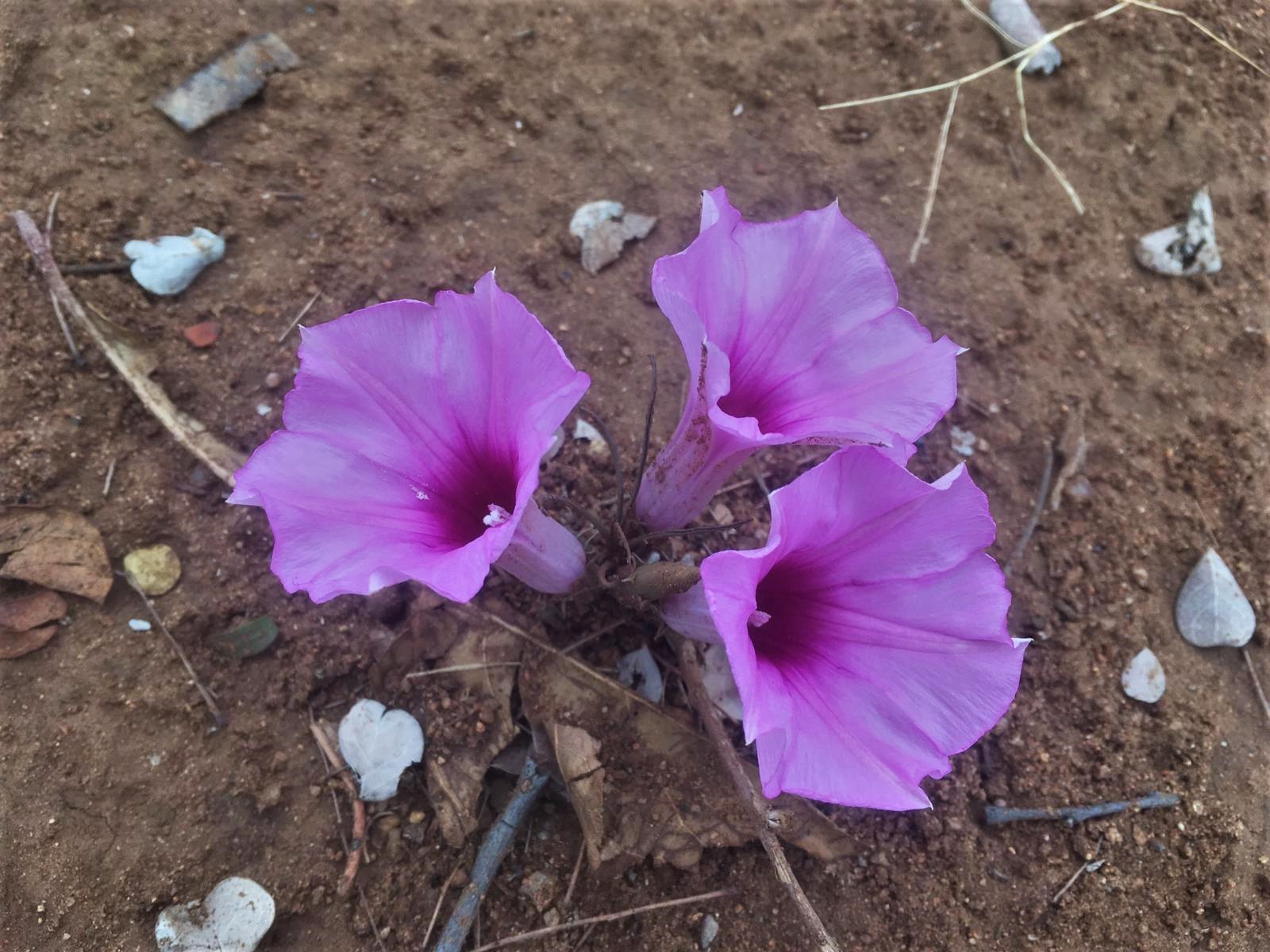
    Escalating Phuza stops and impending exams weren’t the only change being felt though. The weather was initially savagely hot but a merciful break came through with our first taste of the rains. Whilst this and subsequent showers since haven’t yet been enough to rejuvenate the bush from straw-yellow to verdant-green, it was enough to trigger small changes. 

    Flowers began to pop up and some of the trees are looking leafier, even if the grasses are still pale husks barren of any nutrition. The calls across the sky are now mixing up too, as our Little, and White-fronted Bee-eaters are now joined by their European cousins hawking for dragonflies and grasshoppers after a no-doubt tiring migration. Just the other day we may have had a tentative first glance at what might have been the first European Roller…

    image

    A burst of colour in the bush @Will Riley

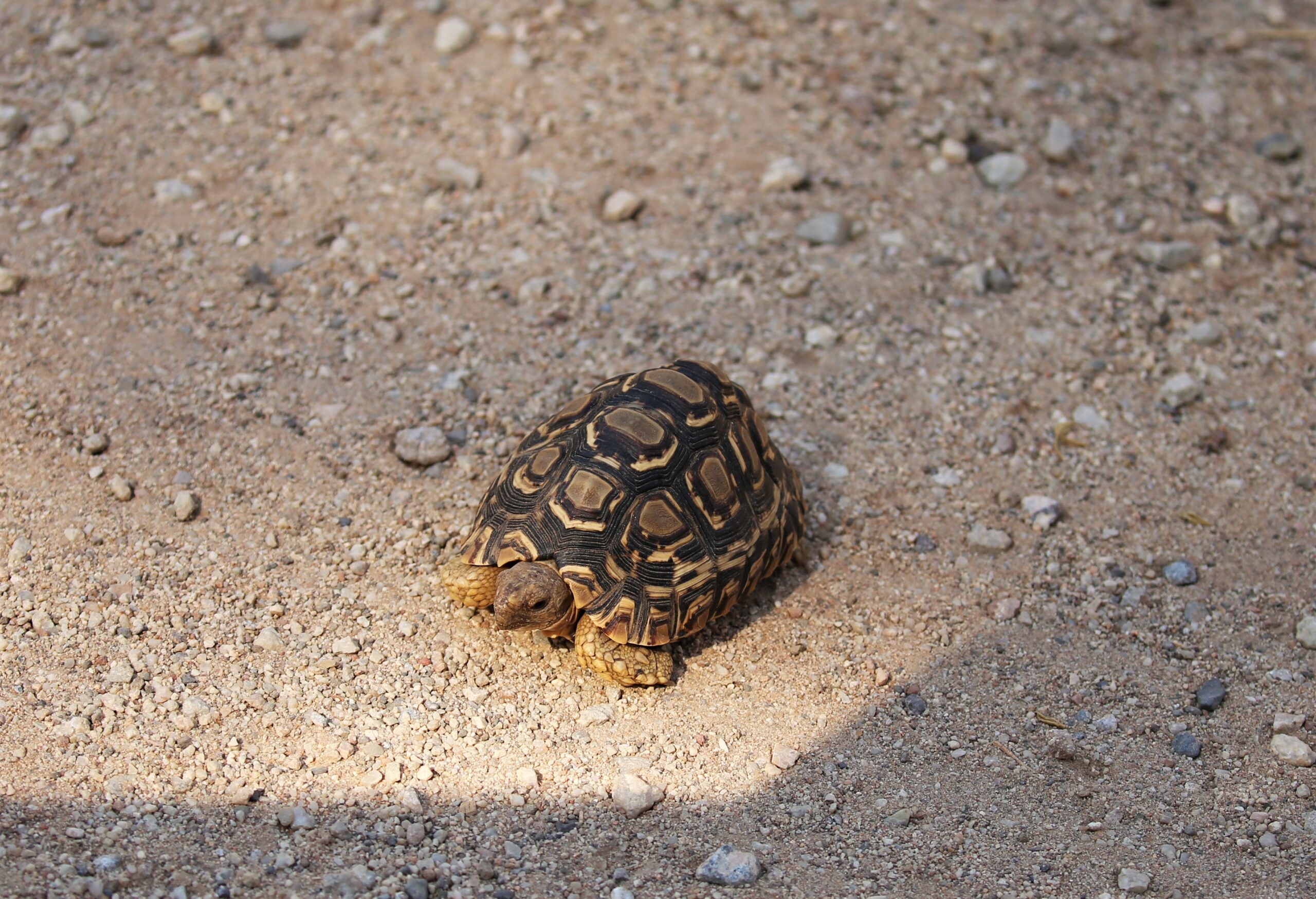
    The residents too began to emerge. At night Plum dung beetles whir noisily over your head like an interloping attack helicopter. Giant millipedes ooze out of the termite mounds and dead trees and begin to trundle placidly through the moribund grass. On one drive we even found a Schlegel’s blind snake attempting to burrow its way inside one of the termite mounds. But the most frequent reptile sighting with the rains is of the Leopard tortoises. South Africa’s largest tortoise, the only one that can swim, and one of the ‘Small 5’. To find one on a drive is a great experience for both guests to get some close-up photographs, and for the guide to flex some knowledge on this familiar species that can often get the box ticked for reptiles on assessment drive. Fingers crossed there will be plenty more in coming weeks!

    image

    Leopard tortoise @Will Riley

    Will Riley

    image
  • An American takes on a manual transmission

    An American takes on a manual transmission.

    Uprooting your life and moving nearly 10,000 miles from home is a lot easier said than done. I have had plans to join Bushwise for two years now and the anticipation for this adventure was at times torturous. Now that I am here I feel like I am finally where I am meant to be, pardon the cliché. Despite this new found comfort I have also discovered that coming from so far, Denver, Colorado to be exact, has come with many challenges. The obvious being that I miss my family and friends back home, but the worst challenge of all you may ask? Well let me tell you, it has been figuring out how to drive stick. On the wrong side of the car. On the wrong side of the road.

    image

    Game drive with Mara

    Upon our first driving exam I was shaking in my boots at the thought of driving the monster sized trucks we work with especially being the only American on the course I felt I had something to prove. I am the only student who has no real history with manual transmissions. America likes to be different from everyone else I suppose. Hands sweating and knees wobbly I passed the initial test by the skin of my teeth but no relief was felt as I was the first student up for game drive. Stuck with the landy for my drive as well I was petrified.

    image

    Night drive

    Over the course of this drive I nearly beheaded half of the vehicle on stray branches, stalled maybe 10 times (this number is actively up for debate among my drive group), said “I am so sorry” more times in three hours than most humans do in their entire life, but powered through none the less. My review sheet filled out by the lovely Ed simply read, in bold and loud handwriting, “PRACTICE”. As I was told I practiced every chance I could stealing, with permission, my classmates “bakkies” (trucks for any non-South Africans reading). As I prepped the car for my second drive the occasional joke about stalling was thrown around but I was determined to stay calm. Sweaty palms still a staple in my life I drove through Makalali, reversed, traversed, avoided branches, the whole nine yards. I would be remiss to neglect mentioning that I did stall once..in the final moments of the drive which sparked laughter and rosy cheeks. I felt proud of my progress but what really made it special was having everyone of my classmates congratulate me and greet me with a smile or “well done Mara!”.

    Looking into our fourth week I am so excited to keep growing as a guide among people who I have grown to love in such a short time.

    Blog by Mara Vinnik

    image
  • Past Bushwise student now working at the iconic Mala Mala Game Reserve

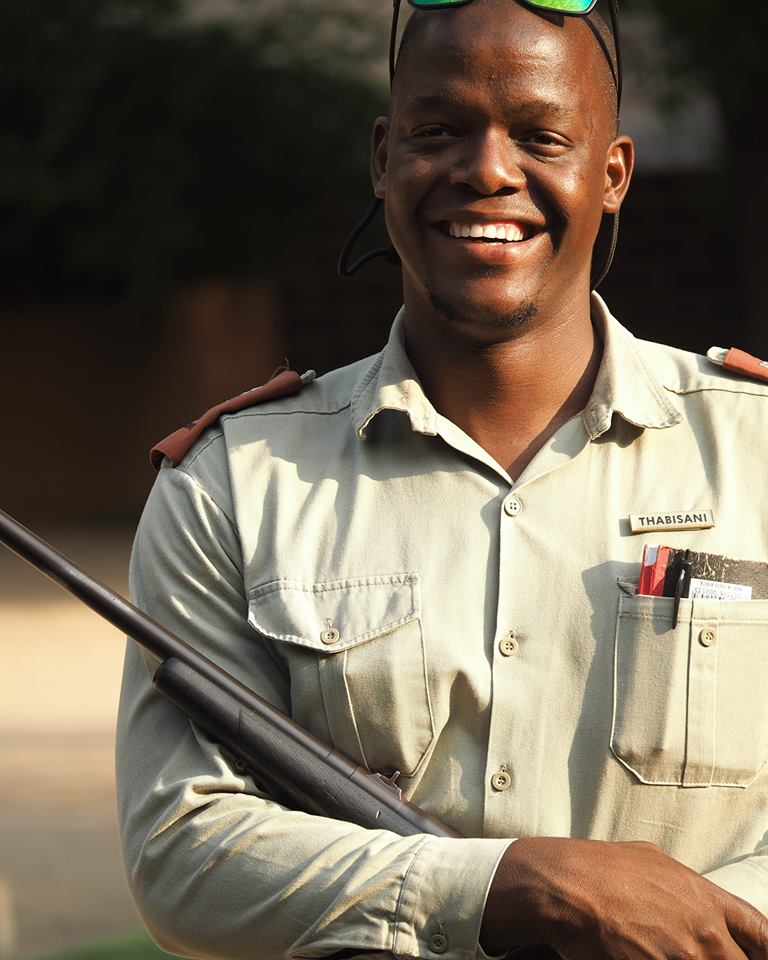
    A past Bushwise student and recipient of the Annual Bushwise Scholarship Thabisani Buthelezi (Ernest), now works at the Iconic Mala Mala Game Reserve as a Field Guide.

    image

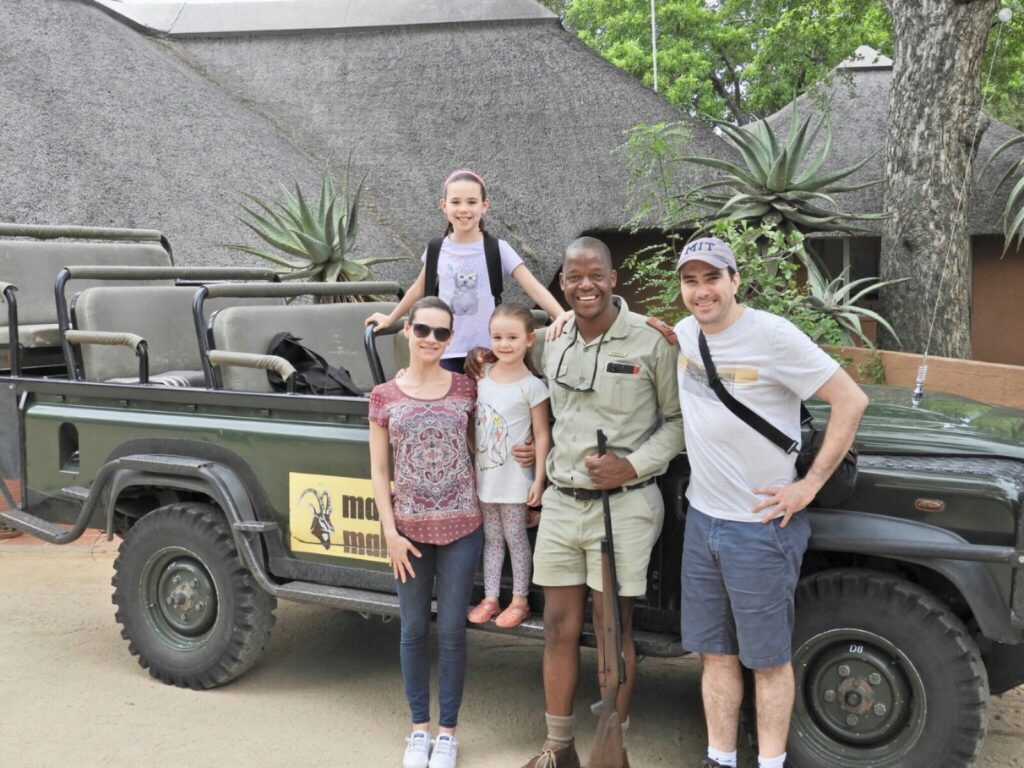
    Special family time on Safari

    Ernest takes us through how he managed to secure himself a job as a Field guide at such an iconic and pristine piece of Africa. Amongst other things, Mala Mala Game Reserve is famous for being the oldest Private Game Reserve in the Southern Africa, having started eco-tourism safaris in 1960’s, it is indeed the birthplace of the safari industry in South Africa.

    image

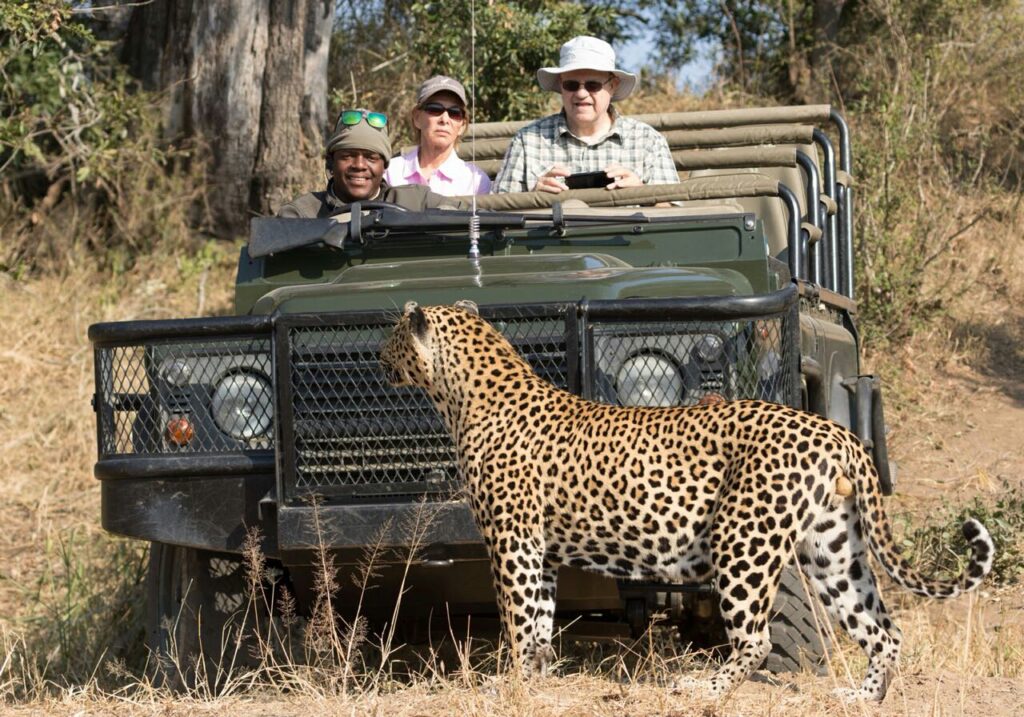
    Leopards all day, every day

    “I had been freelancing around the Lowveld when I read on Mala Mala’s website on their vacancy section that they were looking for a Field guide. The requirements were stated clearly on the website: FGASA L1, First Aid L2, Track & Sign Qualification, Advanced 4×4 Driving Certificate, knowledge of food and beverage.

    Thanks to Bushwise, I had all the required qualifications that obviously put me in a more advantaged position. I was then invited for a 2-day interview, where they assess if you’re a nature enthusiast, and whether you have the passion and knowledge to provide a life enriching experience for their high profiled clientele.”

    image

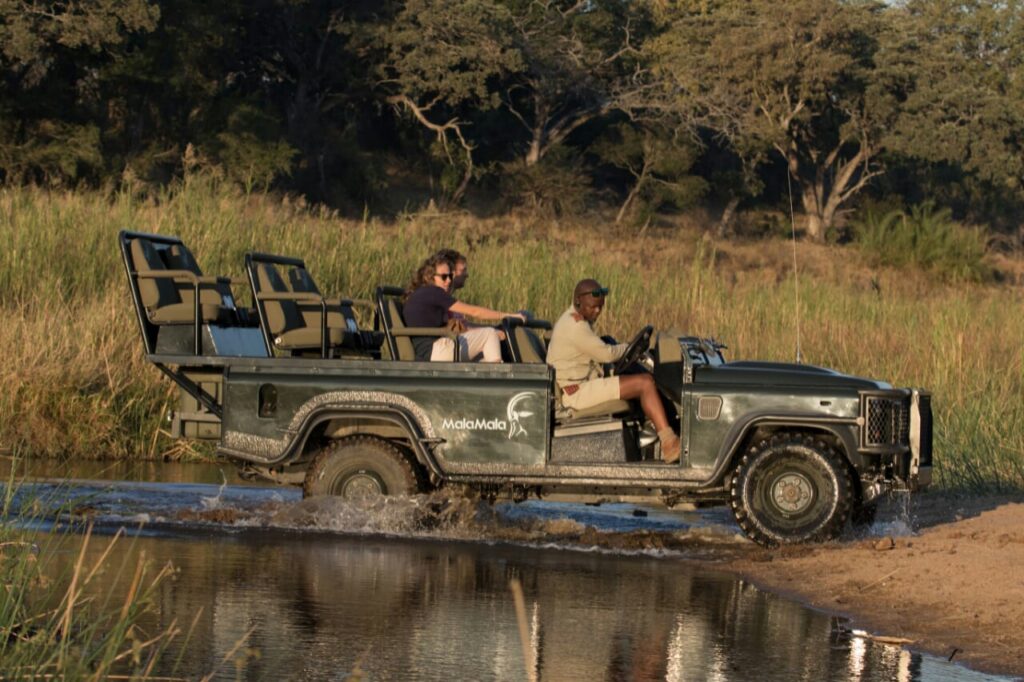
    Crossing the Sand river

    My best experience so far is when I saw 9 different leopards, a herd of Sable antelopes, all during a three-hour game drive. Mala Mala is not only known for being the biggest and oldest private game reserve in the country, but also known for its unmatched game viewing. As far as game viewing goes, Mala Mala is right up there at the TOP. 

    image

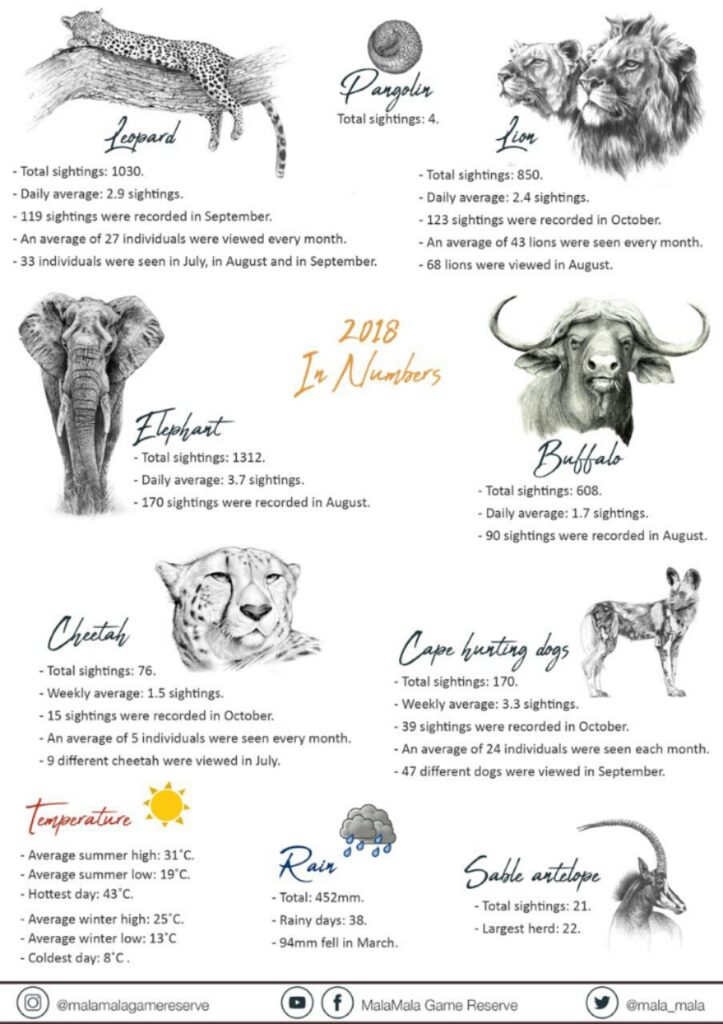
    Mala Mala game viewing stats for 2018

    My advice to aspiring guides out there is, never underestimate what you can achieve. Focus and never stop learning. I wouldn’t have achieved all this without the high-quality training from Bushwise Field Guides, thank you for the opportunity, thanks to the dedicated and experienced trainers who equipped me with knowledge and field experience. The advice and mentorship after I had finished the course has been very helping during the beginning of my guiding career.’

    image

    Thabisani (Ernest) Buthelezi

    #MalaMala #fieldguide #Big5 #animals #safari #sightings #gamedrive

  • First game drive

    A 4am start for the first day of the start of my student life as a field guide-my first practical drive.

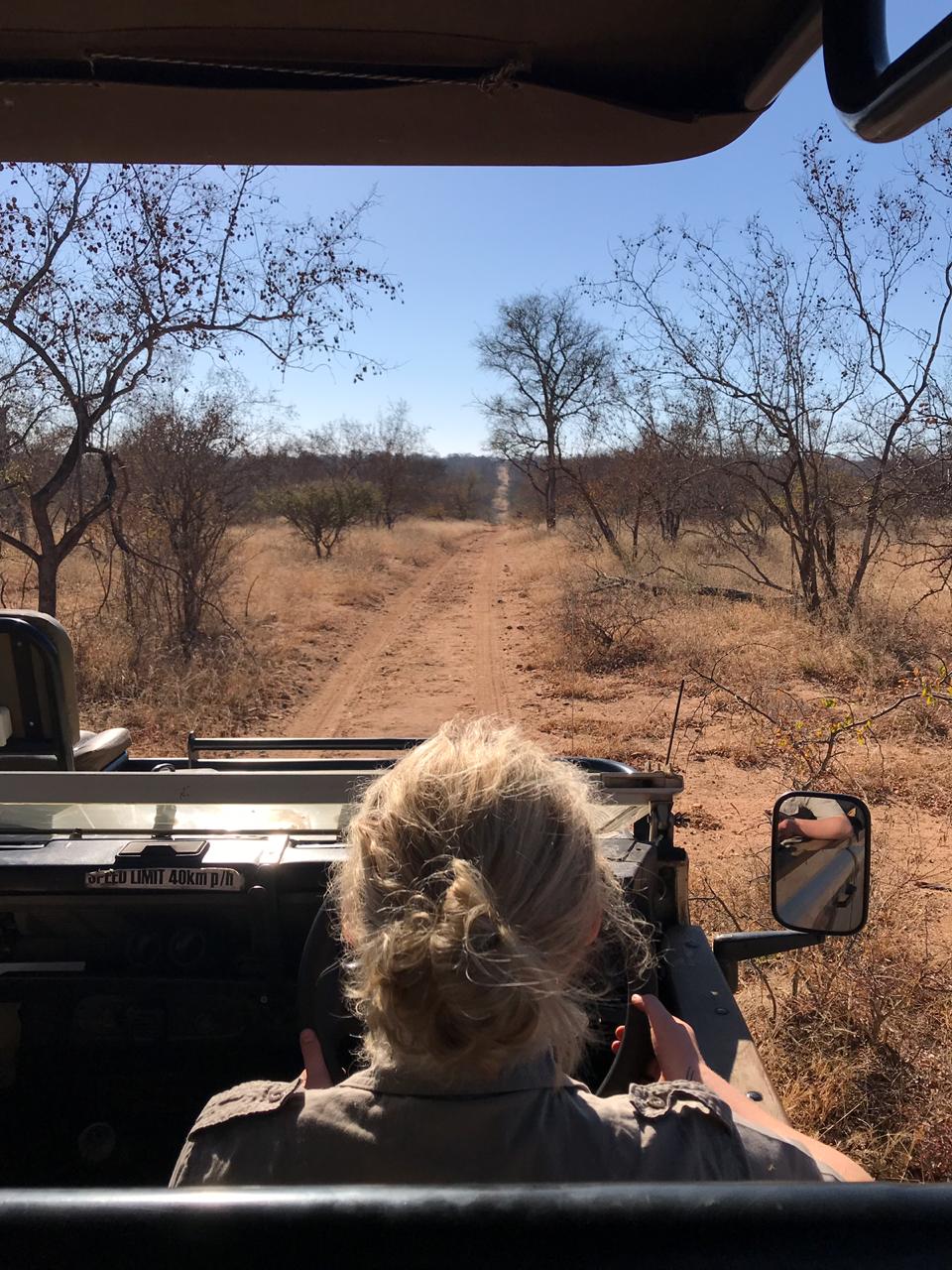
    I start off with the preliminary vehicle safety checks, including the mandatory cushions for people like me that are vertically challenged, pack the phuza box for coffee and we all set off to the Makalali Reserve.

    image

    So it’s my turn, with excitement and some trepidation, I call in over the radio that we are in the reserve and for any updates we should know about. Then with as much confidence I can muster, I set off driving….

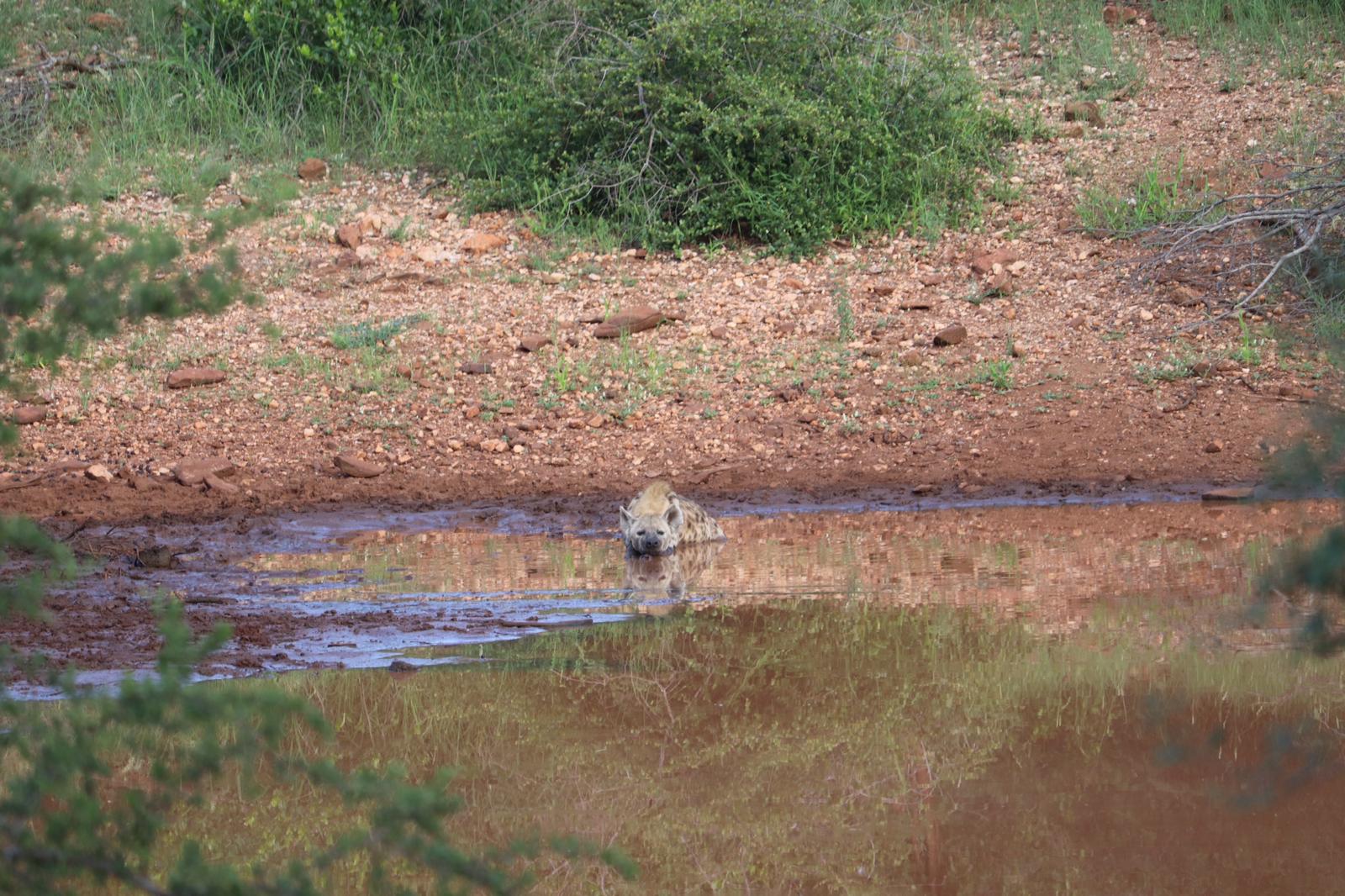
    The first waterhole I was richly rewarded with a beautiful bathing spotted hyena. This was followed by an amazing guided drive with our trainer who proceeded to share his thorough knowledge with us on the surrounding trees, flowers, birds and any animals we encountered whilst I was driving. The amount of detail and the stories our trainer knows is something truly to aspire to and so encouraging for us students to study and learn from.

    image
    image

    Following the tracks through the reserve was a challenge in itself, using the 4×4, and with practice will hopefully become second nature for negotiating steep rocky paths and deep river crossings. Fortunately, I have some experience with my truck Marvin but always good fun to really have a play!

    image

    After a couple of hours of wallowing in nature in all her glory, it was time for the phuza stop and to relinquish the wheel to another student.

    It really was eye opening the amount of stuff you have to do whilst driving as a guide. Not only keeping the drive comfortable but spot game/animals, identify birds through sight and sound, entertain the guests, using the radio, be aware of the changeable weather, abide all safety measures, shows a whole new level of concentration and brain power!

    image

    I can only hope that with time, practice and absorbing as much knowledge through this course, I will become the best field guide I can be.

    image

    Blog & photos by Caroline Prior

    image

    #animals #fieldguide #gamedrive #sightings

  • The bird of optimism

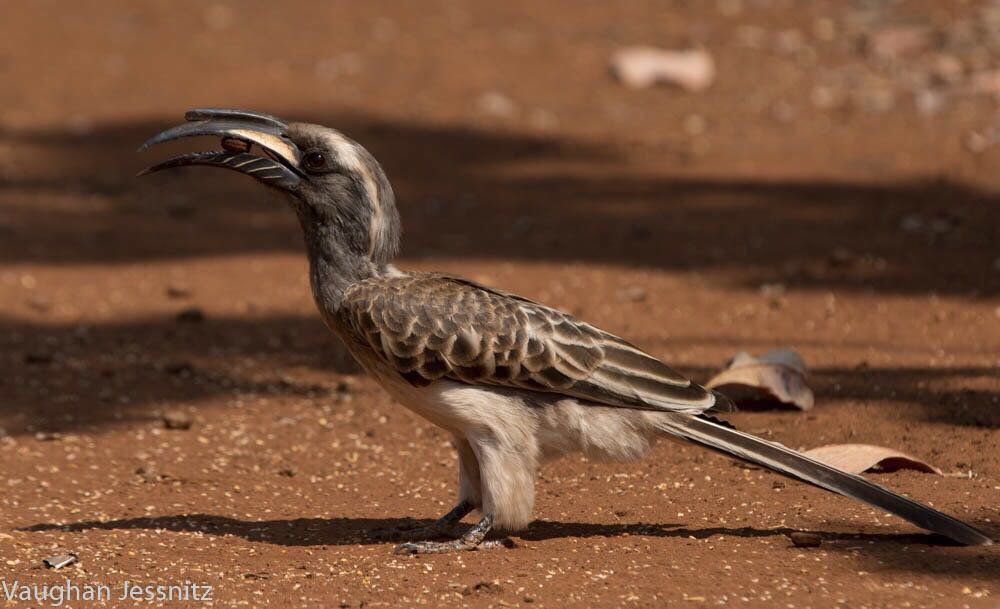
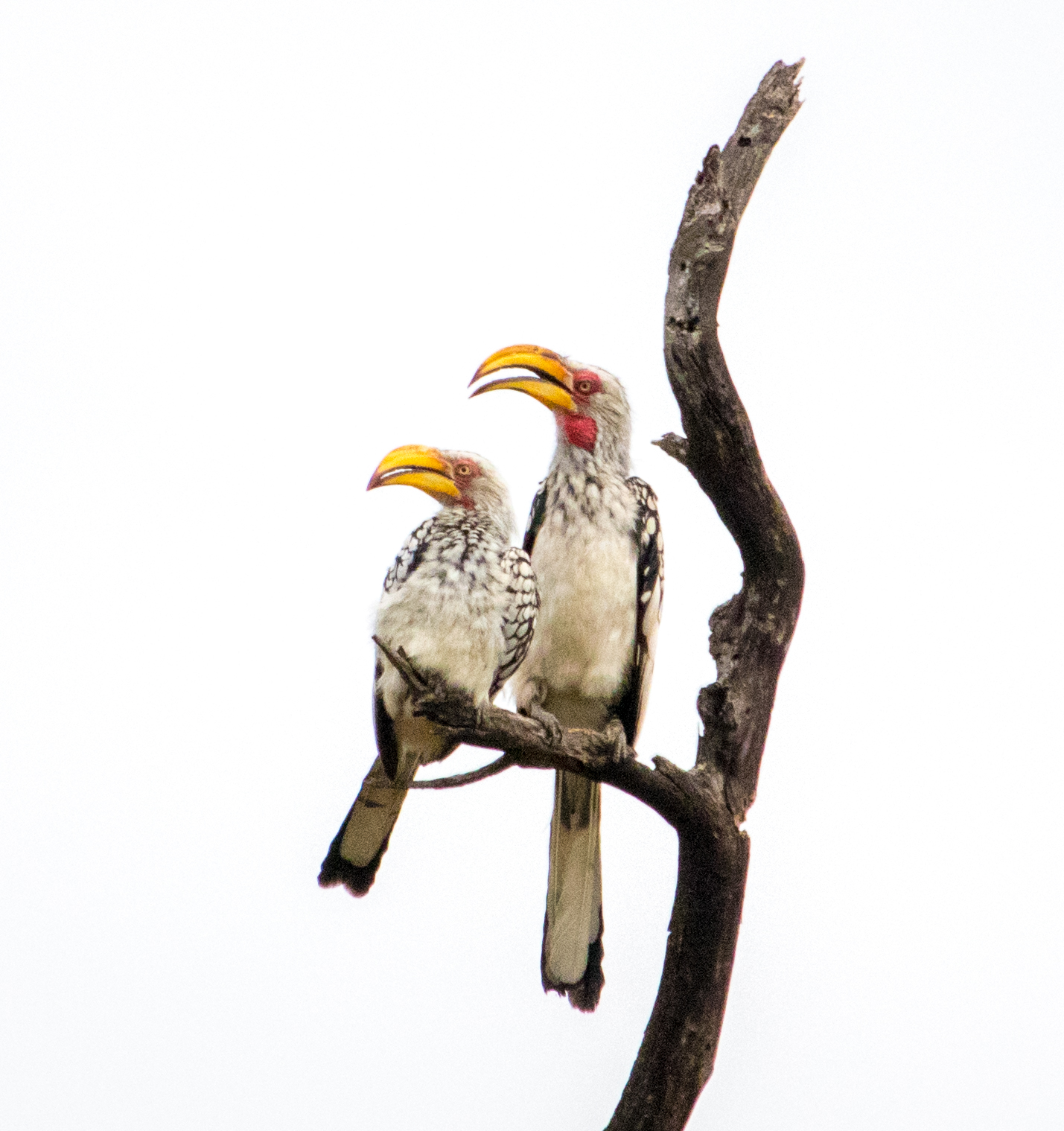
    Ever since Zazu graced our screens in the Lion King even the average toddler around the world is sure to recognize an African Hornbill. Whether its Grey, Yellow-Billed or Red-Billed, this is a bird we see almost daily and, as such, we can find ourselves taking it for granted. However, we should be thankful to Disney for making this bird famous, as long before it made friends with a lion called Simba it has been an important symbol of Africa and has some fascinating behaviours of its own.

    image

    Photo by Vaughan Jessnitz

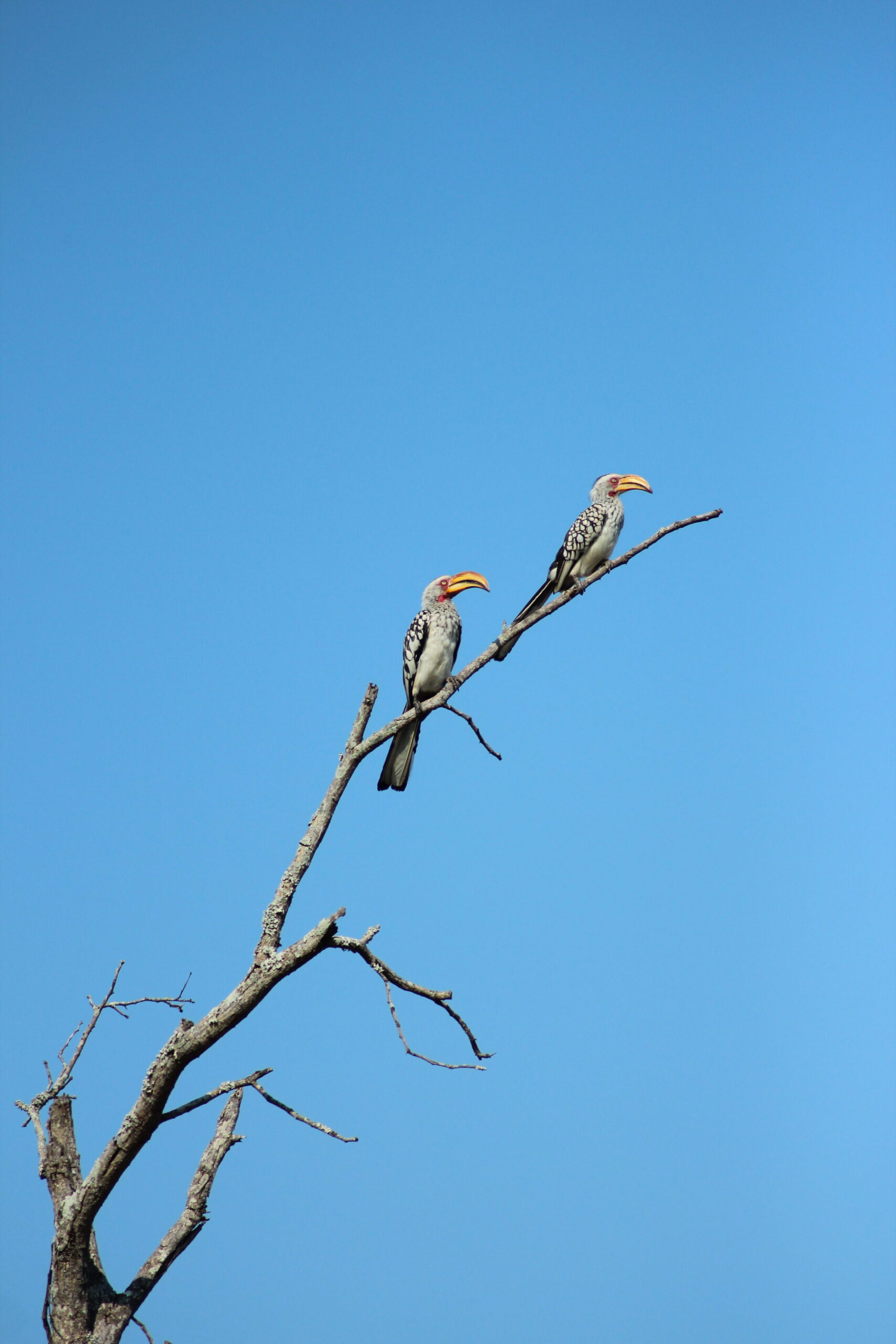
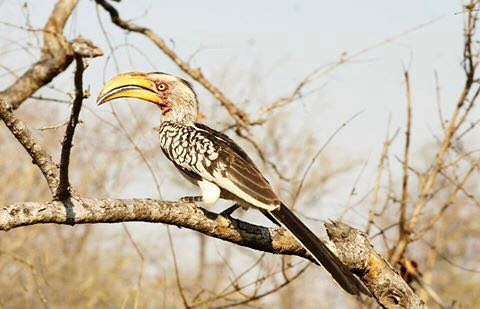
    In Zulu culture the Yellow-Billed Hornbill has long been recognized as the bird of optimism as it’s often seen sitting on the top of tall trees looking towards the endless African sky. Us trainee guides have certainly taken this on board and feel it’s a nice morning reminder to be hopeful about the looming exams ahead!

    image

    Photo by Amy Villis

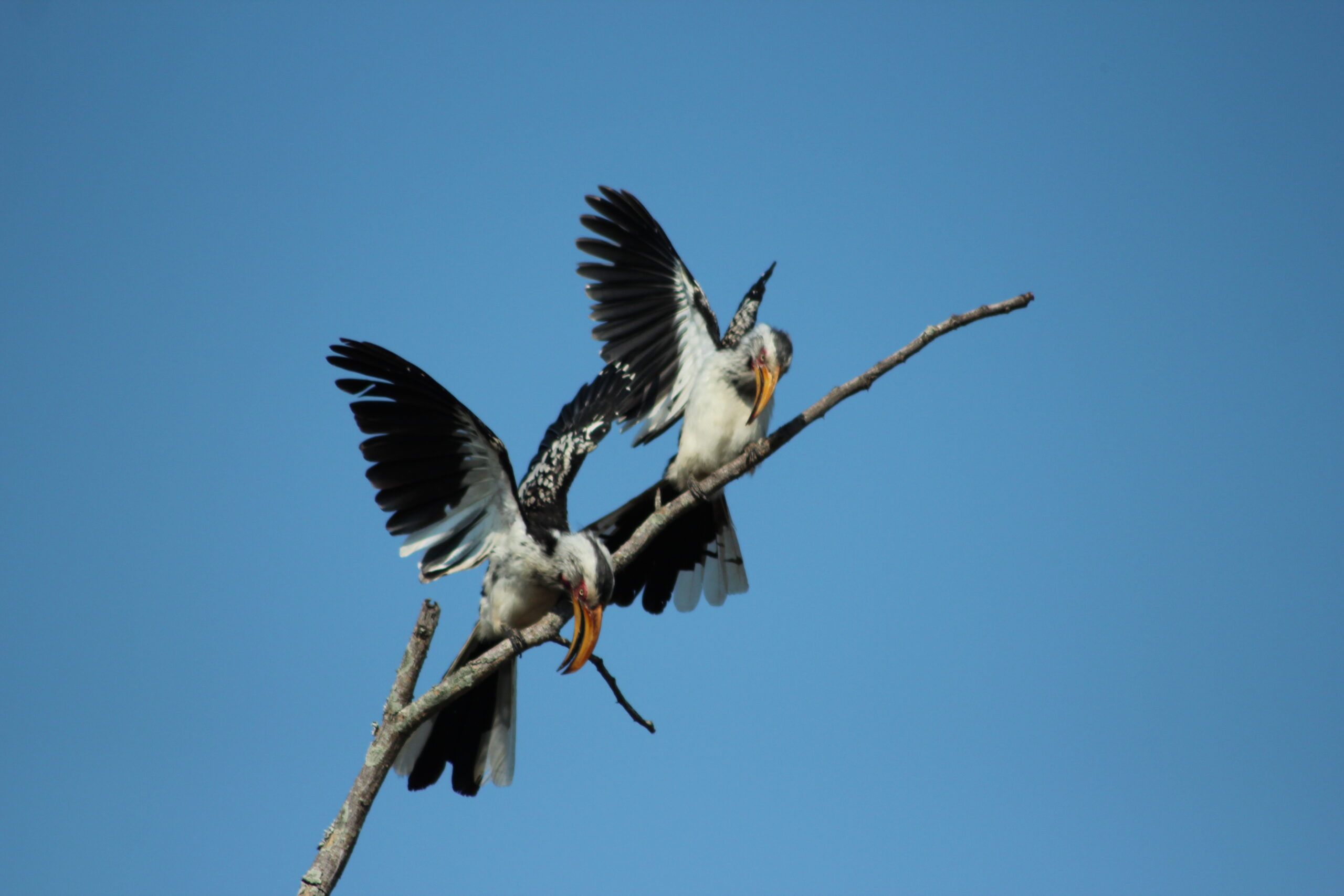
    One of the most endearing traits of the Hornbill is its nesting and breeding behaviour. Hornbills are monogamous birds and perform elaborate courtship displays to build trust between them where they will bow to each other and cluck urgently. The pair will feed together prior to mating and often stop to perform these displays throughout the day.

    image

    Photo by Amy Villis

    Once the birds have found their soul mate the female will find a natural tree cavity and set about doing some home improvements. She will even sacrifice her own tail and flight feathers for the sake of some soft furnishings for her offspring. The male will seal her in with mud leaving a small hole through which he will attentively feed her whilst she cares for the eggs and chicks. She is therefore complete dependent on the male during this time. When the chicks are around half grown the female will break out and the family will remain together for a couple of weeks while the adults feed the chicks together.

    image

    Photo by Sebastiann Kroon

    Another fascinating trait is their mutualistic relationship with dwarf mongooses. They will often forage together and the hornbills will benefit from the insects flushed up by their furry friends. They, in turn, will alarm for raptors which are a danger to the mongooses. Their relationship is so beneficial to both species that the hornbills will wake up the mongooses in the morning by calling down their holes. And in turn the mongooses will sometimes even delay leaving for the day until the hornbills arrive to protect them.

    image

    Photo by Kendal Hanson

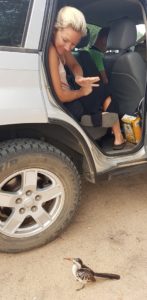
    A bird to admire, even when it is trying to steal your morning rusks!

    image

    Blog by Amy Villis – currently doing her placement at Greenfire Lodge

    #Bird #Birding #Hornbill

    Find out how you can learn about these birds at Bushiwse.