Author: Bushwise Alumni

  • From African safaris to Alaska bears: My Bushwise journey

    This blog was written by Allison Sponder, a Bushwise alumna. Allison reflects on her time at Bushwise and shares how her experiences shaped the path that brought her to where she is today.

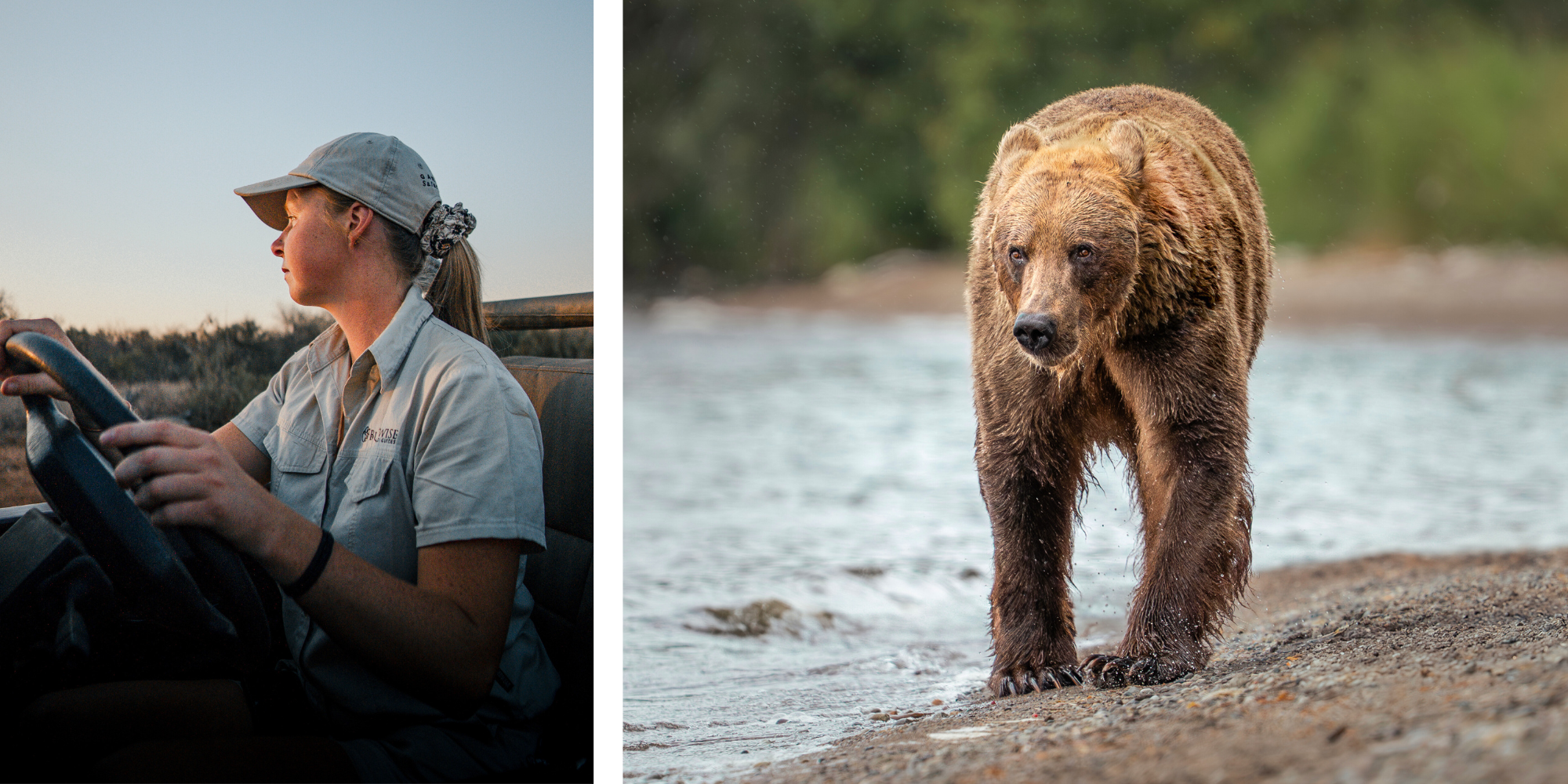
    Before joining Bushwise, I studied for my bachelor’s in wildlife biology. During this time, I also volunteered at a raptor and shorebird education, conservation, and medical facility, while discovering a love for photography. These experiences sparked the journey that eventually led me to Bushwise.
    image

    As a child, I always dreamed of going on safari. My passion for wildlife and photography led me to a photographic workshop in Namibia. During those ten days, I became completely captivated by the experience. I admired the landscapes and wildlife, but what truly inspired me was the joy and knowledge our guides shared. They explained everything, from large mammals and their behaviour to insects, geology, astronomy, and even the physics of a bird’s feather. By the end of the workshop, I knew I wanted to return and become a guide.

    Four months later, I enrolled in Bushwise’s 12-month IFGA Professional Safari Guide course. I chose Bushwise after a guide I met in Namibia spoke highly of their training and experience. The enrollment process was straightforward, and I felt fully supported throughout the interview, acceptance, and visa process. I opted for the twelve-month course because it offered the most comprehensive training and the best opportunity to gain the experience I needed.
    image

    The placement program at Bushwise proved invaluable. Bushwise partners with a variety of lodges and companies and works to match students with roles suited to their personality and abilities.

    My time at Bushwise remains unforgettable. One of the highlights was meeting so many like-minded people who shared my passions and zest for life. Some of these people became lifelong friends, and one even became my fiancé. The training felt intense, as the guiding industry demands, but Bushwise maximises every moment. We learned in a variety of ways, and fieldwork quickly became my favourite. The course went beyond memorising facts. It sparked curiosity, encouraged self-motivation, and developed skills in teamwork, presentation, guest experience, and more. The trainers consistently shared their experience, expertise, passion, and care throughout the process.

    After six months on campus, I moved to my placement lodge for six months. There, I gained hands-on experience in guiding and learned many aspects of running a lodge. I stayed on for a few extra months in other roles before returning home.

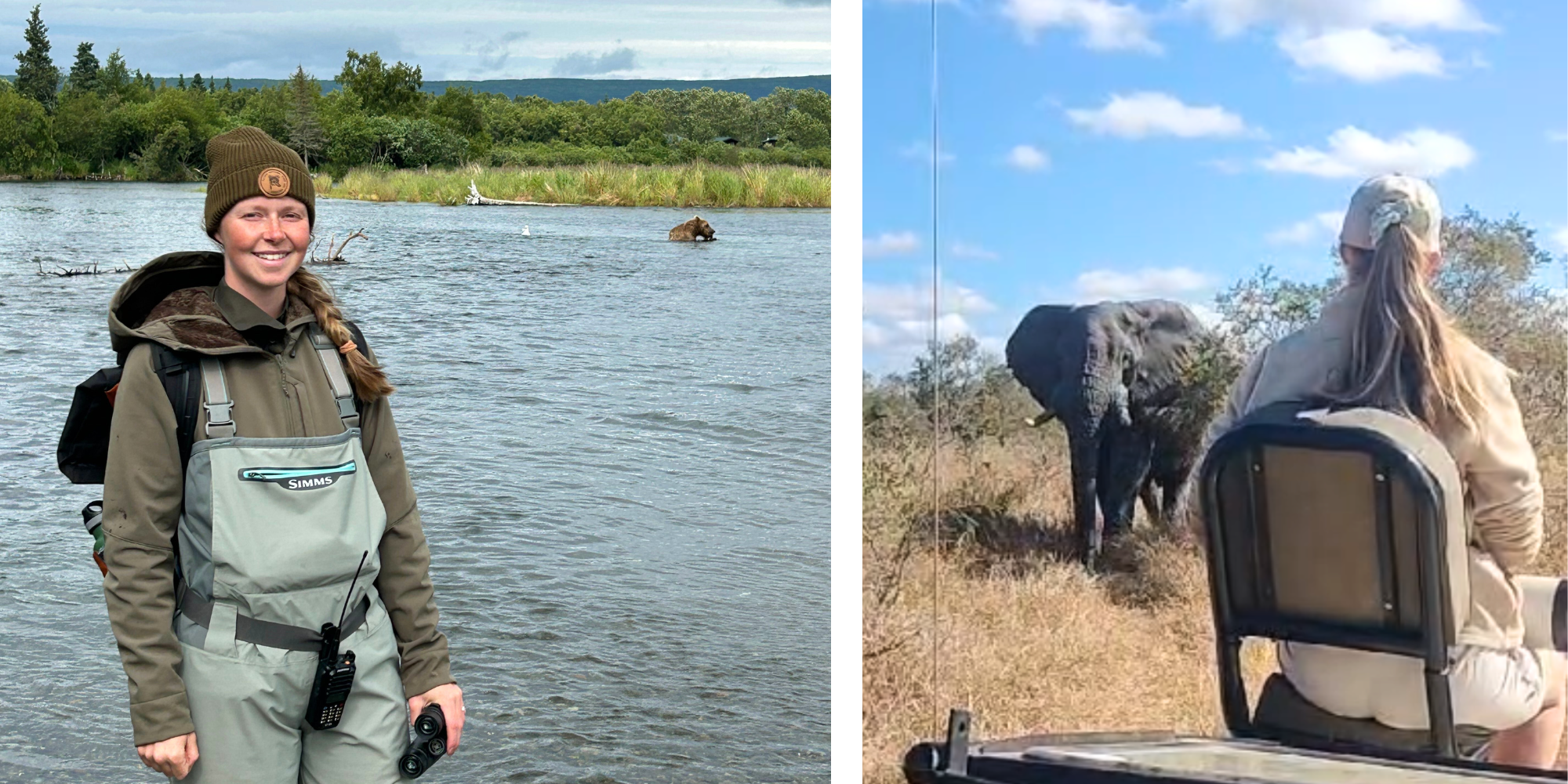
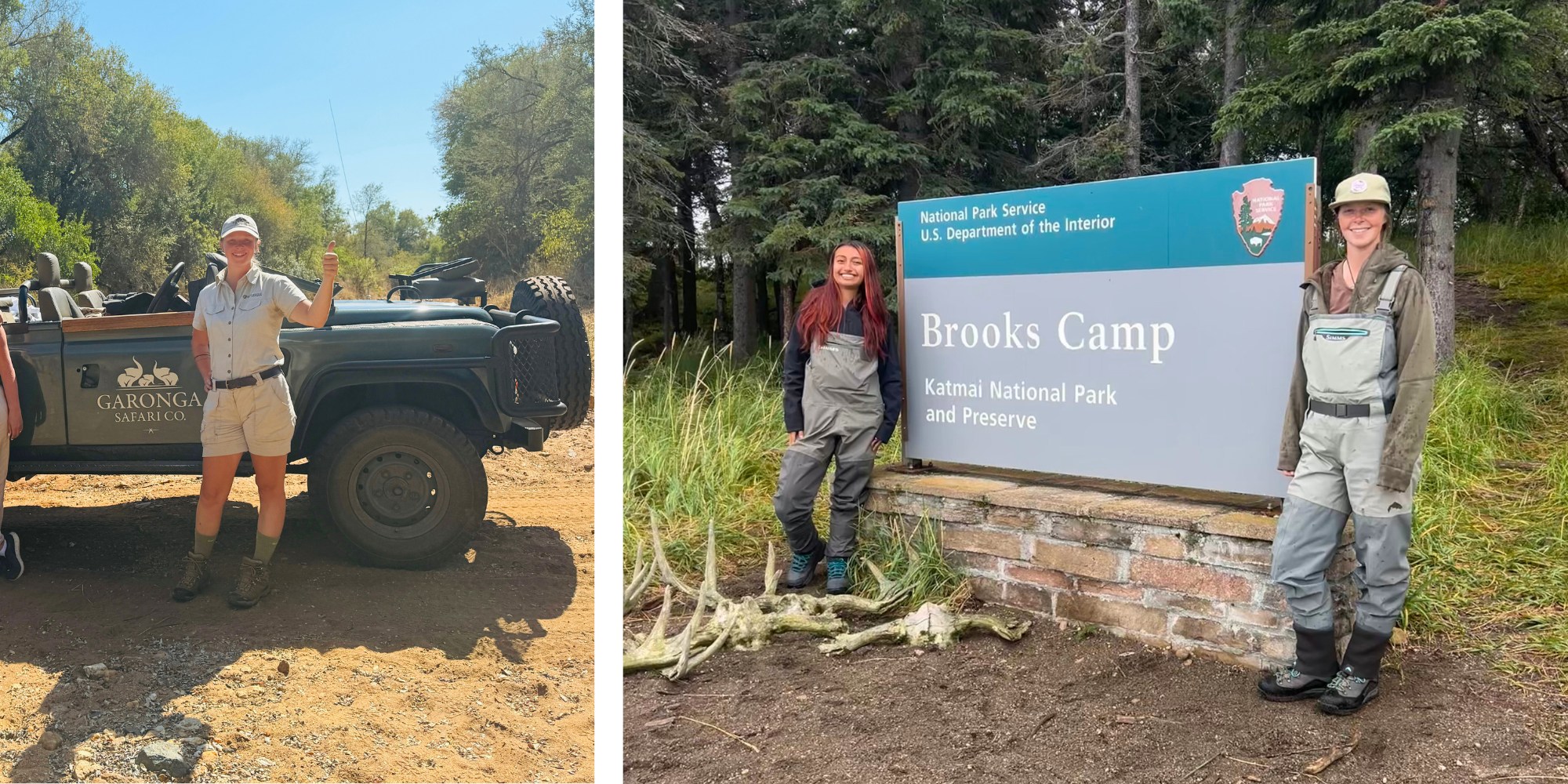
    Although my initial goal focused on returning to South Africa, Bushwise opened doors to another dream. I spent the past summer in Katmai National Park, Alaska, working as a bear viewing guide. This role mirrored guiding in South Africa, with responsibilities including guest safety, ethical wildlife experiences, and education. My Bushwise training in animal behaviour and guest care gave me the skills to succeed.
    image

    I have explored incredible places thanks to my experience with Bushwise. While I plan to live and work in South Africa permanently, I also hope to return to Alaska.

    For anyone considering Bushwise, I say go for it. Be passionate about all aspects of guiding. The role involves early mornings, long hours, all weather conditions, close work with guests and staff, and managing dangerous wildlife encounters. You may also assist with maintenance, hosting, check-ins, bartending, or shuttling. It can be exhausting, but if you love living in nature, educating others, and inspiring people to protect wild places, this career could be perfect for you.

    If this story inspires you, take the first step yourself! Bushwise offers a range of wildlife courses to help you start your journey.
  • What can a featured guide teach future guides? This is Timothy’s story.

    When we first connected with Timothy Raven, we had no idea how many twists and turns his journey had taken before he found his way to the bush.

    Before field guiding, there was retail, bartending, and even managing a gaming store. He’d done a bit of everything. But through it all, he always felt the pull of the wild. He tells us he felt more at home in nature than in the city, inspired from a young age by Jurassic Park, David Attenborough, and Steve Irwin. “I saw how they made a difference,” he says. “I thought, maybe I could do that too.”

    image

    Looking for a way in, Timothy started small. He enrolled in the Bushwise 8-week Nature Enthusiast online course. It was his first real look at what a field guide’s life might be like, and it clicked. The content gave him a feel for the training and lifestyle, and he felt instantly connected to the trainers. “They felt real and grounded,” he says. “And their passion was contagious.” That experience was enough to convince him to take the next step. In July 2023, he joined the IFGA Professional Safari Guide course (6/12 months).

    Timothy calls the course both intense and transformative. “A roller coaster of good times, hectic times, and amazing times,” he laughs. It wasn’t always easy, but it gave him exactly what he needed — a real understanding of life in the bush, and the confidence to step into it.
    “Bushwise helped me figure out what I was good at, and what I didn’t even know I’d be good at.”

    image

    One of the biggest shifts came during the six-month job placement that’s included in the 12-month-long course. It gave him practical insight, hands-on experience, and opened the door to the conservation industry. “That placement was a game changer,” he says. “I learned how to navigate interviews, grew more confident, and realised where I actually belonged.”

    Now, Timothy is a working field guide on a reserve in Zululand. It’s a small team, which means he gets involved in nearly everything. From leading game drives and assisting with animal releases, to conservation efforts like wildlife monitoring,  and even dehorning. No two days look the same. “You get into it all,” he says. “And that’s what I love. The variety keeps you sharp.”

    image

    But it’s not just the work that’s kept him going. Timothy talks a lot about the animals themselves and how each has its own quirks and character. “When you respect them, they respect you back. It’s something you have to experience to believe.” And then there’s the human side of bush life: the friendships, the fireside chats, the sense of community with others who share the same love for nature. “This life changes you,” he says. “In the best way.”

    For anyone thinking about following a similar path, his advice is simple. Start with something small, like the online Nature Enthusiast course, and see how it feels. “If it speaks to you, go all in,” he says. “This job asks a lot, but it gives so much more. I wouldn’t change a thing.”

    And when we ask if he’d do it all again? His answer is immediate: “Absolutely.”

    If you’re ready to swap the ordinary for the wild and discover your own hidden strengths, explore Bushwise’s wildlife courses. Your adventure starts here.

  • Life After Bushwise: From Makalali to UK Animal Management and Freelance Guiding

    Meet Elliot Evans, a graduate of the Bushwise Professional Field Guide 2014 course. After graduation, Elliot did his placement at Makalali Private Game Reserve. His career saw him become a guide for his former trainer, a ground handler for a leopard research project and a lodge manager at Mara. Today, he spends his time between the UK and SA, always staying close and connected with wildlife. But enough from us – let’s hear his journey from his own words.

    Life before Bushwise

    Before coming to Bushwise, I had just finished university and was living in the UK. I had spent my childhood in the bush, and there are not many jobs that can incorporate the bush lifestyle in the UK so choosing to come to Bushwise was a no brainer for me. 

    My favourite Bushwise memories

    image

    I have so many favourite memories! From the sleep outs to the sightings, trips, off weeks, lectures and even the pranks pulled not only by students but by staff too! I honestly think I could write a library of books containing all of my favourite memories from my time there. 

    One of my favourite memories happened one Sunday morning at about 3am. I was woken up by the sound of destruction coming for the dining area, which was right next to my room. So I went in to find out what was going on. I was confronted by four honey badgers trashing the place. Once they saw me, they decided to chase me back to my room and try to get in there too to continue their rampage. They eventually gave up and headed back to the dining area.

    After recovering my nerves (and waking up a bit more), I decided to go get them out of the dining area. With my trusted knobkerrie in hand, I swung open the dining room door, yelling and shouting – only to find that they had grown bored and wandered off. It was at this exact moment that my fellow students woke up and came to investigate. They then proceeded to blame me for the damage as I was standing in the centre of the carnage in nothing but my boxers holding a knobkerrie. To this day, they still blame me for the damage and mess.

    Life right after Bushwise 

    image

    After graduating from Bushwise, I did my placement at Makalali. Once my placement came to an end, I moved back to the UK and continued to search for more bush orientated work. I became a guide for one of my former Bushwise trainers, Conraad Loubser. At the same time, I was working for a travel company that ran safaris in the Lowveld but was based in the UK, and I also was a ground handler for a leopard research company. 

    From there, I became a lodge manager for the Safari Collection in Mara, Kenya – which was unfortunately  messed up by COVID-19. So I had to go back to the UK again where I started working in film and wildlife management. I also took part in some para-veterinary animal darting projects for large and dangerous animals. While my life may not be as bush as it used to be, I can’t say it’s boring!

    My life today

    image

    Now I split my time between the UK and South Africa. When I am in the UK, I work in film as a cameraman and in wildlife management. When I am back in South Africa, I work as a freelance field guide.

    In terms of my wildlife management work, I spend a lot of time working with conservation groups as well vet practices and governing bodies. When I’m not in the field darting and rescuing wildlife, I’m teaching and running courses on specific conservation techniques or running training programs that allow people to develop the skills they need to conserve nature themselves. 

    In terms of my filming work, unsurprisingly I film wildlife – which is a passion I picked up while studying at Bushwise. We all know that that’s the first thing students think of when they go to Bushwise. It’s not “Will I see a kill?” or “Can I tick off all the animals on my wish list?”. No, it’s always “I hope I get some great shots of it all!”I can very happily report that with the helpful tips and guidance from my instructors, I did and I still use these skills to this day!

    Advice for non-South African future guides 

    image

    To the foreign students like myself, don’t let anything stop you! There are going to be things that feel like a brick wall like visas, permits, knowledge, training and qualifications. None of it is impossible, there is always a way to get something done. Persevere and don’t think that you can’t do it. Be like a honey badger and don’t accept no for an answer.

    Special shout out

    Shout out to my former instructors Trevor, Cubus, Conraad and Charles, and to all of my classmates who I haven’t seen since my time there. Not a day goes by where they are not missed or thought of! I can’t wait for a reunion to be held at Mahlahla. Another shout out to Sharin, Kim, Sophie and the other staff who work behind the scenes to keep Bushwise at the top of their game!

    Love this story? Read more in our blog section specifically about alumni experiences!

    #wildlife #AdvancedRifleHandling #gameranger #bushwise #fieldguide #qualification #safariguide #trailsguide #guidejobs #animals #fieldguidetrainer #fieldguiding #guiding #fieldguides

  • Life after Bushwise – From Welgevonden Game Reserve to Wits University

    Meet Ashleigh Donaldson, a graduate of the Bushwise Professional Field Guide 2015 course. After graduation, Ashleigh did her placement at Clifftop Exclusive Safari Hideaway in Welgevonden Game Reserve. Her career grew as she worked as a field guide, lodge manager and assistant research coordinator. Eventually she decided to return to academia and get her PhD, and is now a postdoctoral research fellow! 

    5 min read

    Life before Bushwise

    Before I joined Bushwise, I was completing my MSc in Zoology degree at the University of Pretoria. I was already very involved in wildlife and conservation because of my postgraduate studies, however, I was interested in gaining some practical experience that academics did not provide. I have also always been interested in the way that tourism in South Africa connects to and facilitates conservation, and combining a field guiding qualification with my academic background seemed like the perfect way to explore this. The prospect of connecting people with nature, fostering conservation awareness, and facilitating transformative experiences in the bush added to this.

    Lessons from the bush 

    image

    My time in the bush has had a profound impact on shaping who I am today. Surrounded by wildlife and breathtaking landscapes, I developed a deep appreciation for the interconnectedness of all living things and the delicate balance of ecosystems. Living and working in the bush instilled in me a sense of respect for nature. It taught me to observe and listen, to be patient and adaptable, and to value the resilience of the natural world. The bush also taught me the importance of conservation and the need to protect and preserve our environment for future generations.

    In the bush, I learned the value of teamwork and collaboration. Working alongside experienced guides, researchers, and conservationists, I witnessed the power of collective efforts in achieving common goals. Moreover, my time in the bush fostered a deep sense of responsibility and stewardship. I became acutely aware of the threats facing our natural heritage and the urgency of taking action to mitigate them. It inspired me to pursue further education, research, and conservation initiatives, aiming to make a positive difference in the field of environmental protection.

    One of my favourite memories from the Bushwise course was viewing cheetah on foot on one of our days out in the reserve. It was one of the first times that I had been so close to an animal in it’s natural environment and the moment really stuck with me.

    Life after graduation

    After graduating, I did my Bushwise work placement at Clifftop Exclusive Safari Hideaway in Welgevonden Game Reserve. It was a fantastic experience being placed there! I loved everything about the reserve and found it to be a great place for a new guide to learn and gain experience.

    I then pursued another guiding job in Madikwe, where I gained valuable experience for approximately a year. Eventually, I was presented with an opportunity to transition into a lodge management role in the Klaserie. I dedicated a year and a half to this position before receiving an enticing offer to return to Welgevonden Game Reserve, this time as the assistant research coordinator.

    During my time as the assistant research coordinator, an exciting opportunity presented itself—a chance to pursue a Ph.D. As a result, I made the decision to leave the reserve and enroll full time as a student once again. After several years of research, I successfully completed my PhD in April 2023. Currently, I hold the position of postdoctoral research fellow at the University of the Witwatersrand. This role allows me to continue my research endeavors and contribute to the academic community in a meaningful way.

    Staying connected to nature in academics 

    gallery imagegallery image

    Even though my current role is outside the scope of traditional conservation, there are a number of ways in which I maintain a connection to nature:

    1. I choose research topics that are related to nature and wildlife conservation, which allows me to contribute to the understanding and preservation of ecosystems and species. 

    2. My research involves a lot of fieldwork, and I take this opportunity to spend time observing wildlife in their natural habitats and collecting data that contributes to scientific knowledge.

    3. I collaborate with researchers and organisations that specialise in the study and conservation of nature and wildlife so that we can share knowledge, resources and experiences to further our understanding of and contribute to conservation efforts. 

    4. I plan and attend conferences, workshops and research projects focused on nature and wildlife, which allows me to network with other experts in the field and stay up-to-date with the latest findings and conservation strategies.

    Advice for future guides

    If I were to give a future field guide advice, I would encourage them to always continue learning. The natural world is vast and ever-changing, so approach your role as a field guide with a thirst for knowledge. Never stop learning about the flora, fauna and ecosystems you encounter. Expand your understanding through books, courses, and engaging with experienced guides and researchers. Stay curious and open-minded, and share your knowledge with enthusiasm. 

    I would also encourage them to cultivate a passion for conservation. As a field guide, you are an ambassador for nature and wildlife. Share your passion for the natural world with guests, instilling in them a sense of awe and respect for the environment. Encourage sustainable practices, ethical wildlife viewing and responsible behaviour in nature. Inspire others to become advocates for conservation.

    A closing shout out!

    I want to give a big shout out to my trainers Trevor, Al, Charles and Cobus. Your expertise, guidance and passion for the bush made the learning experience truly exceptional. I also want to extend a special shout out to my fellow students Claire, Kate and everyone in group B. Thank you all for being an integral part of my Bushwise experience. The knowledge, friendships and experiences we shared will forever hold a special place in my heart.

    #lion #wildlife #AdvancedRifleHandling #bushwise #qualification #safariguide #trailsguide #Exam #training #animals #apprenticefieldguide #safari #sightings #tracking #endangeredspecies #trackandsign #Assessments #guiding #ifga #fieldguidecourse #studying

  • From South Carolina to South Africa: One Big Adventure

    This blog was written by Ashton Thomas, during his turn as camp manager on the Bushwise Professional Field Guide course.

    My name is Ashton, I am from a small town in South Carolina, USA and I’m eighteen years of age. I came to Bushwise because I have always loved animals; and loved learning about, teaching and showing people the natural environment and how cool and delicate it is. 

    My journey as a camp manager at Bushwise

    Being camp manager was a lot of fun. I got the opportunity to talk and help people I have not really got to know yet, which I really enjoyed. I opened the kitchen around four forty am every morning which was really cool because I got to see everyone prepare their hot box and actually learned a lot. 

    This week was definitely a little stressful with the new modules we learned and the new kitchen we got. With the new kitchen definitely came some problems, but the whole group got them figured out very quickly. And was a good learning opportunity for everyone. 

    Unforgettable wildlife sightings: From birds to elephants

    image

    The drive this week was amazing even though we had a lot of rain. We did a lot of birding which was a blast. We even found six new birds for me. We also had a really cool encounter with a bull elephant. I can’t even explain the feeling I got from being so close to such an incredible animal. 

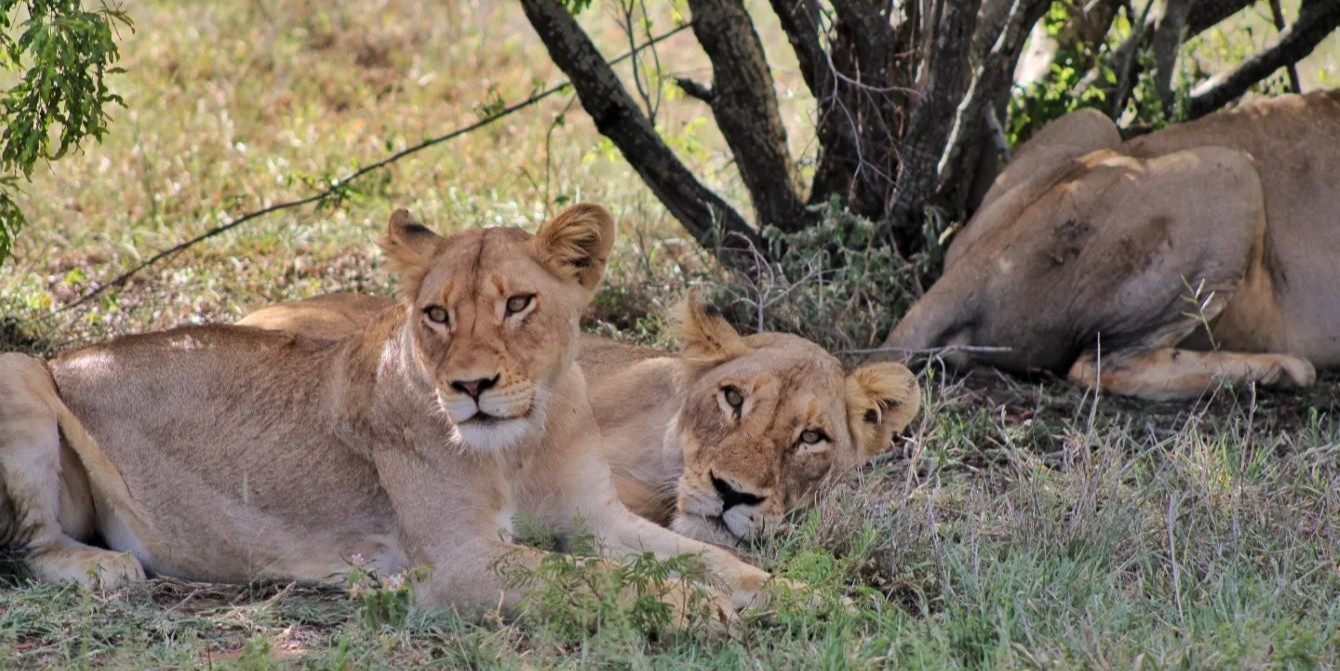
    Throughout the week, we had such cool sightings including lots of birds of prey, dwarf mongooses, antelopes, giraffes, zebras and many other animals. On the very last drive of the week, my group got radioed for a female lion sighting nearby. We ended up finding the lion at a water hole eating a dead waterbuck. It was incredible – you could even smell the dead carcass of the waterbuck. 

    Thrilling lion sighting: A close encounter

    image

    When we first got a sighting of the lion, we were watching a large group of white backed vultures sitting above the dead waterbuck on a small cliff. As we were watching, this beautiful female lion came up through the grass with the sun lighting the lioness up like a spot light. It was so cool. The lioness quickly scared away all the vultures. 

    The sky was absolutely filled with vultures; it looked like something out of a movie. Not long after the insane sighting we tried turning around – only to discover we were stuck! 

    Even though it was bad timing, we learned a lot on how to handle stressful situations and what can get more stressful than getting stuck in front of a lion!

    Overcoming challenges and embracing responsibility

    image

    This week was a lot of fun having that feeling of responsibility really felt good and I enjoyed it a lot. I learned so much from other people and my own mistakes and especially with the new kitchen. 

    Overall, I had an amazing time during the morning and afternoon drives, the lectures during the day, and all the study groups we had. This week has been an absolute blast and a true learning experience.

    Bushwise is for everyone. Whether you’re from the United States, Australia, South Africa or anywhere in between, there’s a place for you on a Bushwise course. Find your course and start having adventures like Ashton!

    #wildlife #AdvancedRifleHandling #bushwise #qualification #safariguide #Exam #training #apprenticefieldguide #safari #sightings #endangeredspecies #Assessments #guiding #fieldguidecourse #studying

  • From Peru to South Africa: My conservation journey

    This blog was written by Lucas Vasquez, a Bushwise student who came to South Africa from his home country of Peru. Lucas shares his experience as a camp manager and some of the amazing sightings he had.

    My name is Lucas Vasquez, and I have been camp manager with my mate Ashton Tomas at the Southern African Wildlife College campus for the past week. I came to Bushwise after several years of visiting Africa and developing a deep love of its wild areas and a passion to conserve them. 

    I come from Peru, and have always been in contact with nature since I have a memory, whether it was at my house in the mountains or going to lodges in the Amazon Rainforest. I came to Bushwise searching to achieve my dream of studying field guiding and wildlife conservation in order to gain more knowledge about nature and pursue my career.

    The Importance of Field Guiding and Wildlife Conservation

    image

    So far I’ve been learning so much and furthering my knowledge about nature and learning so many more things – like astronomy and geology and even taxonomy. The opportunity to drive and guide our classmates and instructors on morning and afternoon drives has opened up a much broader perspective about the bush. 

    It makes you realise that you won’t always see predators or some sort of action, which makes you appreciate the smaller presence of life such as insects, amphibians and birds. This offers a much larger perspective of what nature is composed of and what it means to be a field guide and conserve every living thing in a protected area. 

    A Day in the Life of a Camp Manager

    On my first day as camp manager it was difficult to wake up before everyone, and make sure everything was ready before people started preparing for their drives. I set my alarm for 4:15am, took a refreshing shower to wake up and got ready to start the day. The sun had not even come out and the air was still cold as it had rained through most of the night. Ashton and I opened the kitchen, made hot water and started preparing ourselves for the morning drive while people made coffee and prepared a quick snack before going out. 

    image

    The first drive was guided by Zander and the second by Breadon. It was the first time we did three-hour drives – which made some people nervous. Thankfully it did not rain during the day, so the drives weren’t interrupted by the weather. The lecture on Monday was about fish, it was a short afternoon lecture. 

    At night one of the rooms had a snouted cobra sighted near the room. It didn’t stick around for long and left undisturbed. A genet was also seen at the reception area, apparently it’s a local to the camp. It stayed near the ceiling looking at people go by, completely comfortable with our presence. 

    Encountering Lions on a Wet Afternoon Drive

    image

    On Wednesday, the rain started to pour – we had about 70mm in the morning, another 40mm in the afternoon and 150mm by night. Unfortunately Joel and I lost out on our morning drives due to the rains as many of the roads were closed and the majority of the area had flooded. On Friday, the afternoon drive was moved to 12pm instead of the usual 3pm. It started as a pretty quiet drive guided by Ben, but just as we were heading back to the campus, three lions sprinted across the road, directing themselves towards a burrow. We could see the vultures were filling the sky near the burrow. 

    As we drove toward burrow, we lost sight of the lions, but luckily one of the lionesses emerged from the thicket and went directly towards the carcass of a waterbuck, which we had found in the water a few days ago. We had no idea what its cause of death was. We watched the lions for about half an hour pulling the carcass out of the water and into a bush to get it out of the vulture’s sight and to avoid attracting other competition like hyenas who would try to get a bite. 

    Life at the campus has been pretty normal in general. No major problems have been reported! Each day I feel I’m a step closer to achieving my dream job of bringing people to wild areas, teaching them about wildlife conservation and showing them the beauty of the remaining wild places. 

    Interested in wildlife conservation like Lucas? Learn more about the campus where Lucas has been doing his Bushwise Professional Field Guide course, our campus in the Greater Kruger National Park.

    #lion #wildlife #bushwise #fieldguide #qualification #safariguide #Exam #animals #apprenticefieldguide #safari #sightings #fieldguiding #tracking #Assessments #guiding #fieldguidecourse #studying #fieldguides

  • A horse trails guide in the African bush

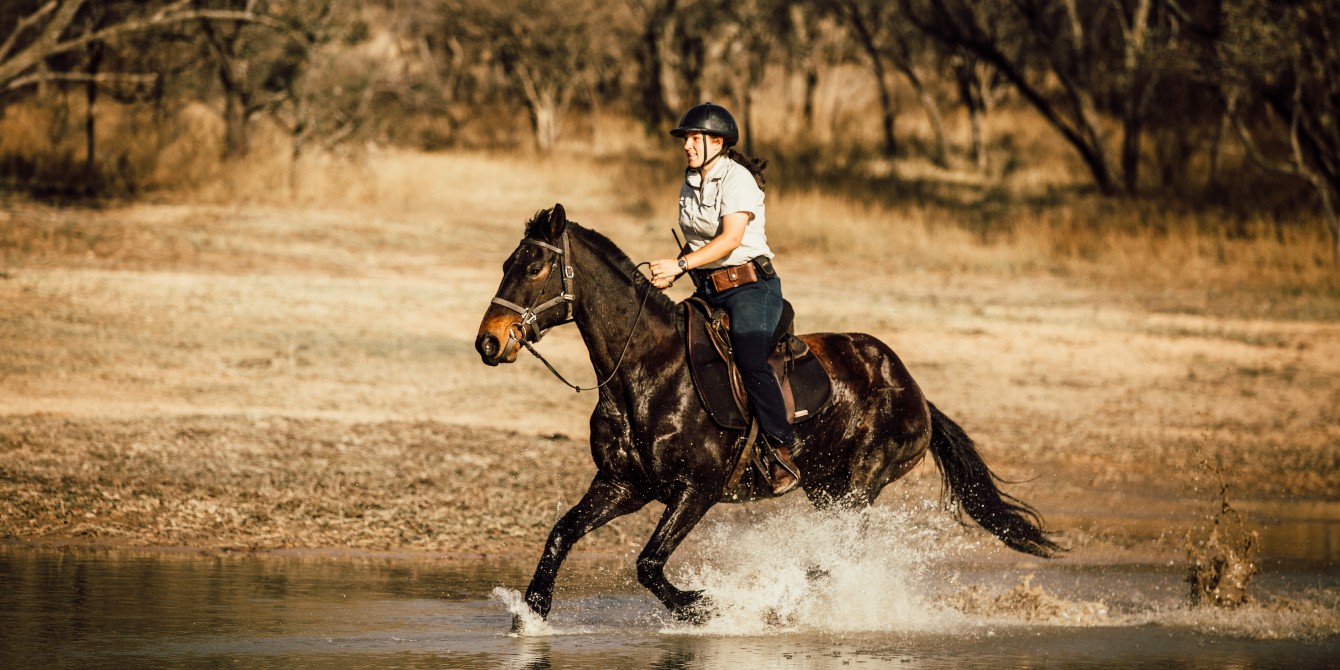
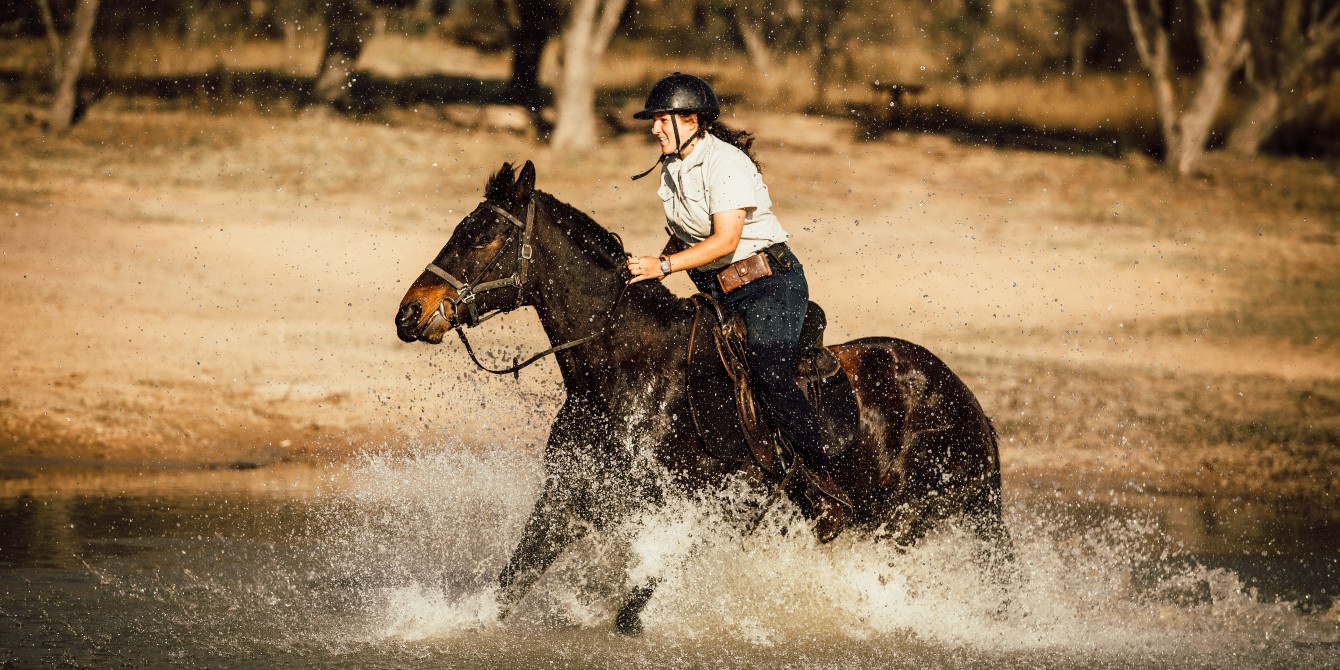
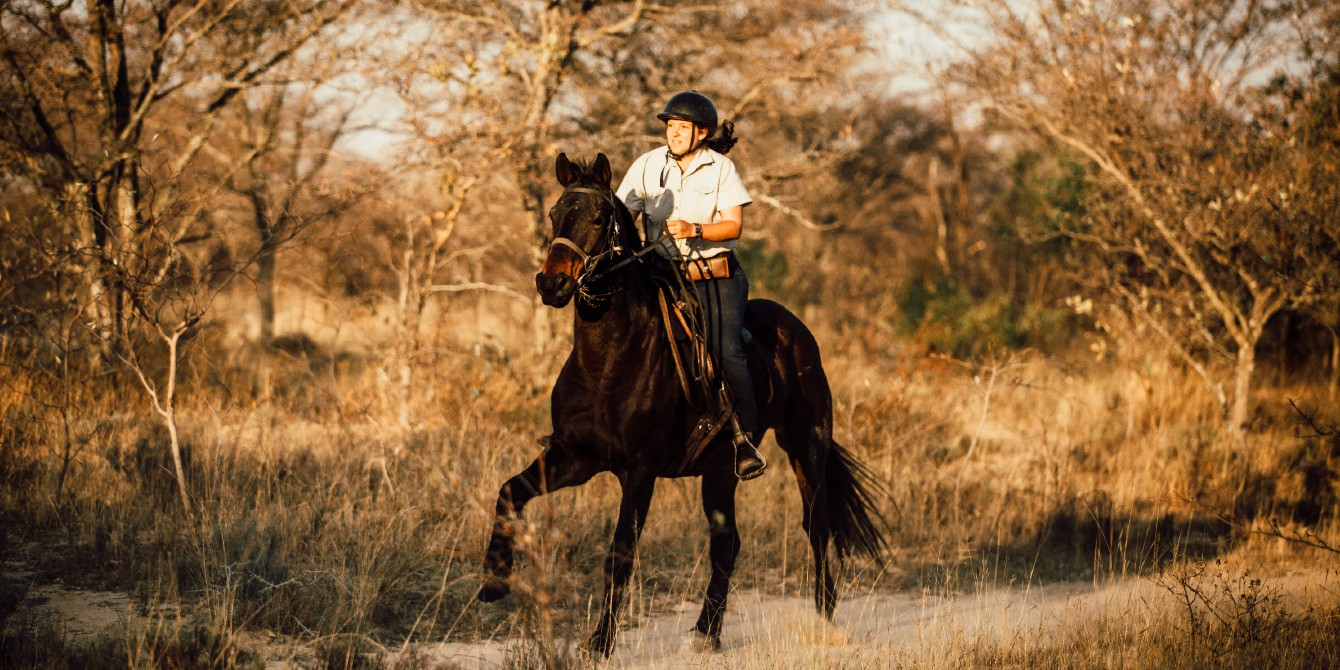
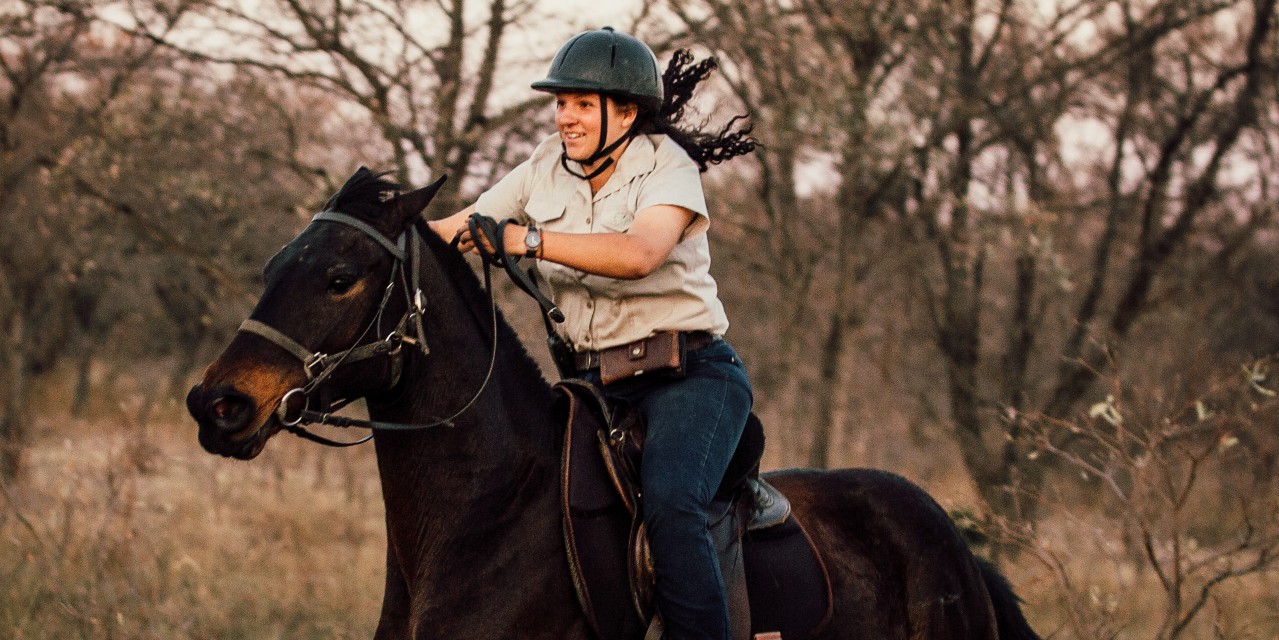
    Jenika Pohl is a Bushwise alumnus and horse trails guide with Ant’s Nest and Ant’s Hill in the Waterberg region of South Africa. The Ant Collection specialises in horseback safaris. In this blog, Jenika tells us her story of how she came to Bushwise and eventually ended up in a dream job as a horse trails guide.

    My name is Jenika, I’m from a small town called Louise Trichardt. I was just two months old when my parents took me to Kruger for the first time. So you could say I’ve always had a love for the bush. 

    After school I wanted to go into conservation and went to study BSc Zoology with tourism at North-West University. I finished my degree in 2020, which meant my last year of university was online. I felt bored being at home and didn’t know where I would find a job in this complicated time that we were in. 

    image

    That’s when I decided to join Bushwise in January 2021. I was lucky enough to be with the amazing group of people that went to Balule. It was the best six months of my life. I made lifelong friends during this time. I also learned a lot, not just theoretical things, but also about myself. 

    The highlight of the whole course was the bush walking. That’s my big passion. Tracking animals is probably the best thing to do. I knew I wanted to become a trails guide after that, as Jack and Lindi were such good mentors. I couldn’t ask for more.

    In June 2021 I finished the course, now my placement is coming up. There weren’t a lot of placements available because of COVID-19. Trever asked us who can ride a horse, and I raised my hand immediately. I’ve been riding since I was three and horses are another one of my passions. 

    image

    Sophie, the co-founder of Bushwise, knows the owner of the Ant Collection and she organised my interview. I went to Ant’s Hill for an interview, only to get there and leave early the next day because of COVID-19. I remember that I didn’t even ride in my interview. 

    Nonetheless, it seems that they liked me because they invited me to start on the 4 July. I was super happy and excited. I never thought I would be able to ride a horse every single day and be in the bush, doing what I love. My placement contract ended in December 2021, and they offered me a permanent job as a horse trails guide. 

    The Ant Collection is situated in the Waterberg. It was once a cattle farm that was owned by Ant’s father and grandfather. Ant decided to rewild the farm and start a horse safari. We have rhino, buffalo, leopard and a whole bunch of other amazing wildlife on the reserve. 

    There are two lodges on the 5,500Ha reserve, Ant’s Hill and Ant’s Nest. It’s not only horse riding, but also walking, game drives, mountain biking and fishing. I’ve been working at Ant’s Hill since February 2022, and I also manage the 45 horses in our stable. 

    image

    A day in the life 

    Our horses come into the stables in the mornings and get fed. Everyone in the stables has a certain number of horses to manage. We check their temperature, manage ticks, look for wounds, brush them, etc. 

    The horses are then allocated to each guest and guide. Then they have to be tacked up and taken down to the lodge. The horses that aren’t being ridden will go out onto the big reserve. That makes sure that the animals are used to the horses, so that we can get quite close to them. In the afternoons, we start at 14h00 and the same happens. 

    We also have volunteers, which normally stay for three months at a time. They will normally be the backup riders that will ride at the back of the group of guests. They also host with the guides. 

    What it’s like to be a horse trails guide

    Being a horse guide is a little bit different to being a regular guide. It’s a little bit more challenging and involves more physical work. You have to be able to ride well and to be able to control your horse. It’s like being a trails guide where you manage the guests behind you, but now you also have to manage the horses as well. You also have to know each horse that is on your ride. 

    image

    Sometimes we get beginner guests that have never been on a horse, which can be challenging. Other times you get guests that say they are experienced but they aren’t. This makes communication very important. Ask your guest if they are still comfortable in the saddle, are they good for a canter, etc. 

    But you as lead guide also need to assess the situation and stand your ground. If a guest is pushing you to a canter, but you can see he/or is going to fall off, you have to be able to say NO. Speaking loudly is important; your voice really needs to travel when you have six horses behind you. 

    In the end, all I can say is that it is super fun for any guide that loves hard work, horses and being in the bush. I’m so grateful to have gotten to this point in my career and I can honestly say it wouldn’t have happened without Bushwise.

    Did you know you could combine field guiding and horseback riding to become a horse trails guide? Apply to Bushwise today and start your journey!

    #Horses #bushwise #fieldguide #trailsguide #horsetrailsguide #fieldguidecourse #fieldguides

  • A Nature Nerd’s Paradise

    By: Callum Evans

    Callum, a Bushwise graduate, looks back on all the weird and wonderful, small and elusive animals he spotted during his time with Bushwise Field Guides.

    When I arrived at Bushwise for the Bushwise IFGA Safari Guide course, I was prepared to see a decent amount of animals and plants. But during my time there, I was completely blown away by the sheer diversity of life that I encountered. 

    With the Greater Kruger National Park being famous for large and iconic mammal species, smaller life can be overlooked. From butterflies to frogs to birds, the bushveld really is a nature nerd’s paradise. 

    Birds in paradise

    image

    Photo by: Callum Evans

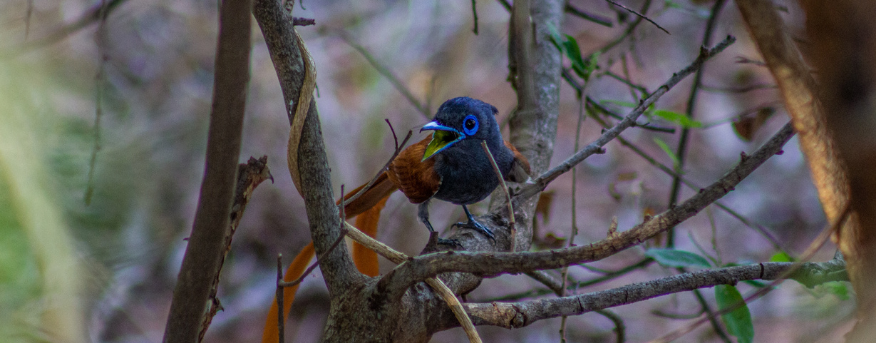
    As a keen birder, I was very excited to look for birds in this area and it definitely exceeded my expectations. Within five months I recorded 180 bird species. This included 15 I had never seen before, like yellow-bellied greenbuls, Retz’s helmet-shrikes and ashy flycatcher. 

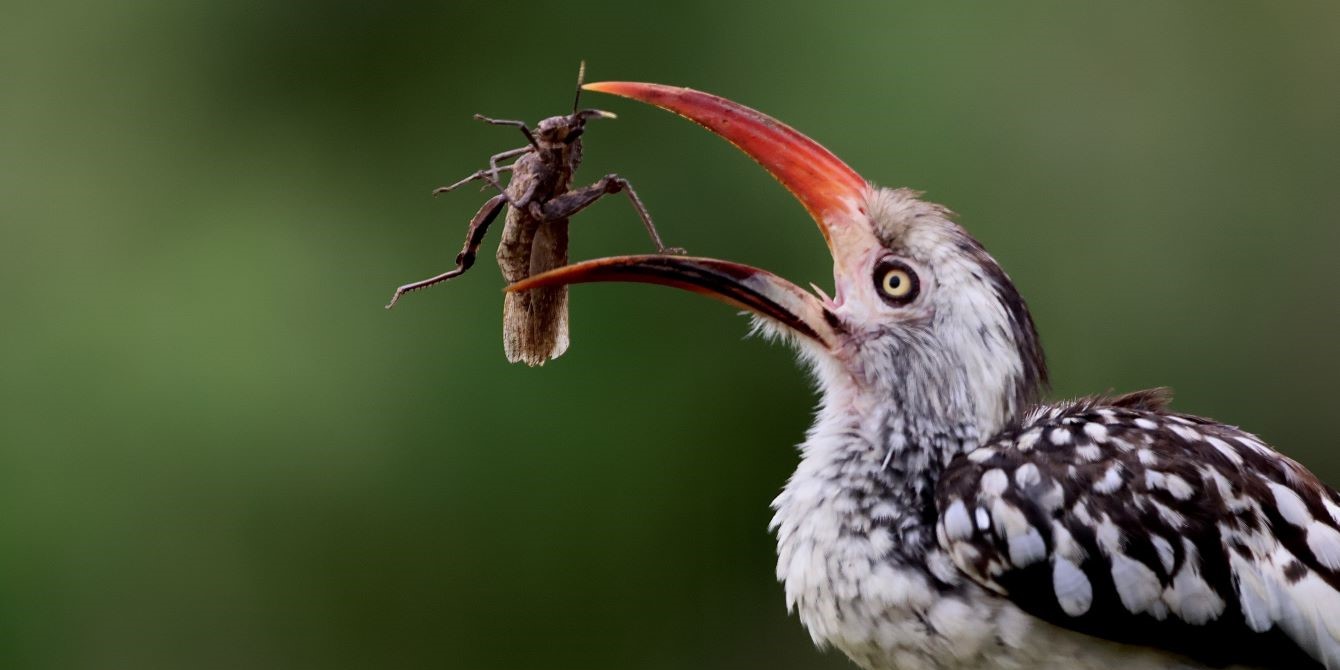
    Perhaps the most exciting part about birding is the chance to find a bird party, with multiple species moving together feeding off the same food source. Here you’ll see chinspot batis, southern black tit, black-backed puffback, long-billed crombec and red-billed hornbill.

    The large iconic birds like a saddle-billed stork, martial eagle, bateleur, and white-backed vulture are always thrilling to see. I was also lucky enough to spot southern ground hornbill and kori bustard in Kruger. 

    In December, the migrant species arrived, including broad-billed rollers, violet-backed starlings, Levaillant’s cuckoo, European bee-eaters, and red-chested and diderik cuckoos. Then the iconic woodland kingfisher joined the summer symphony.

    Chorus of frogs

    image

    Photo by: Callum Evans

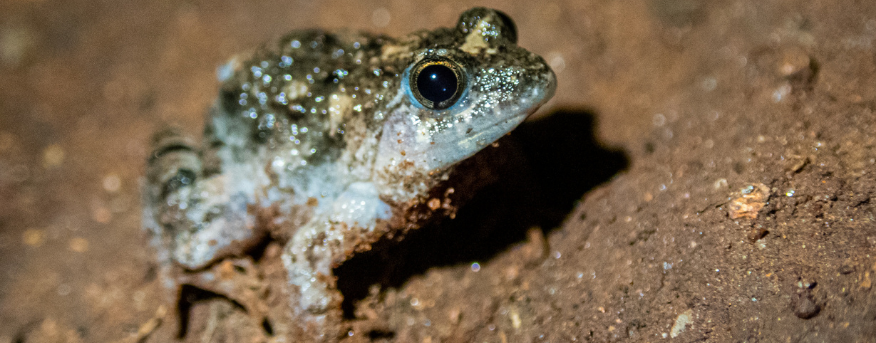
    Frogs fast became a passion of mine thanks to Bushwise Field Guides. Throughout the Field Guide Training course, southern foam nest frogs and red toads were regular visitors to our rooms. Then the rains brought some really exciting new frogs and soon, the dam came alive with a cacophony of different species. 

    Bushveld rain frogs moved through campus at night and the reeds were dominated by brown-backed tree-frogs and broad-banded grass frogs. The tiny bubbling kassina was harder to spot but its call was very distinctive nonetheless. I even spotted an African bullfrog near campus. Ornate frogs were breeding and banded rubber frogs emerged.

    Elusive reptiles

    It was harder to spot the reptile species here. However, slowly but surely, I was able to see a number of species, especially the striped and rainbow skinks, and the Turner’s thick-toed and Wahlberg’s geckos. 

    image

    Photo by: Callum Evans

    Small bushveld and spotted sand lizards were very skittish, shooting away as soon as we approached. The larger species of lizard, like rock monitors, were more visible with the rains. Water monitors prefered to hide around water sources and giant plated lizards could at times be seen basking on rocky outcrops. 

    The rains also triggered leopard tortoises to start moving around, while marsh terrapins are present in almost every body of water. Nile crocodiles were perhaps the most easily seen reptile, while snakes were the hardest to see. 

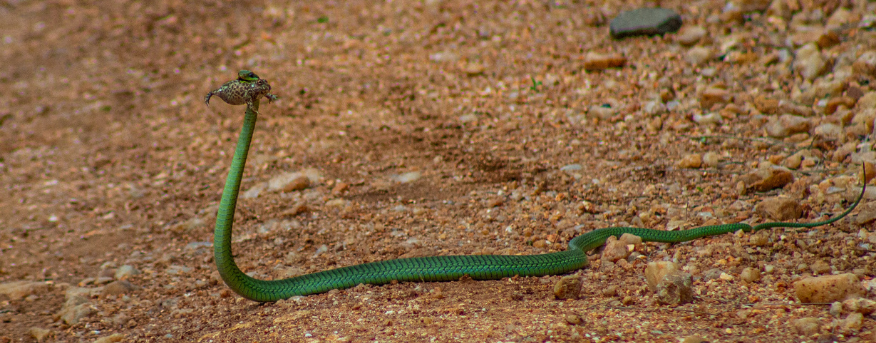
    I personally only encountered four snake species in the area. This included two Mozambique spitting cobras, two small puff adders and a tiny stiletto snake. I was also extremely lucky to watch a large boomslang catch and swallow an ornate frog. 

    Insects and arthropods abound

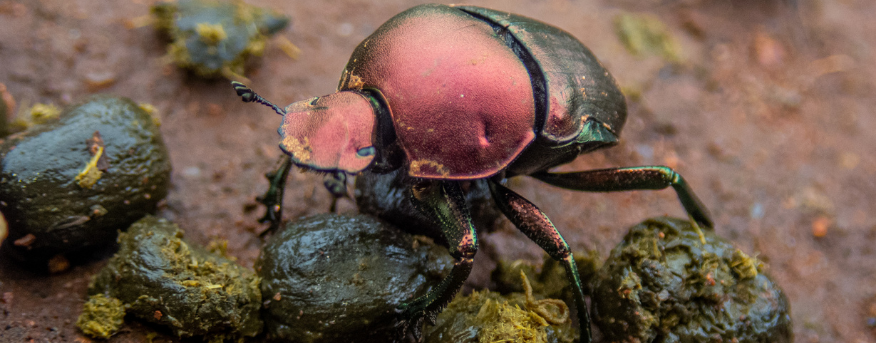
    Out of all the animals, it is the insects and other arthropods that truly make an ecosystem work. In particular, after the rains, beetles could be found everywhere. Giant longhorns and ground beetles walked all over the place, especially at night. As the course went on, more and more dung beetles appeared. 

    image

    Photo by: Callum Evans

    Perhaps the most bizarre one I saw was an ant’s guest beetle, with large and bizarrely structured antennae shaped like broad feathers. Millipedes were some of the most easily seen arthropods, while the centipedes tended to be more elusive. 

    Even in winter, there were plenty of insects to be seen. Butterflies, like the yellow pansy, blue pansy, African monarch and guineafowl could be seen easily throughout the year. Columns of Matabele ants and harvester termites could be heard at night.

    Spiders are ever present in the bushveld, whether it is the unobtrusive wall spiders or water spiders, or the golden orb web spiders in their impressive webs. The homes of community nest spiders adorn many of the trees in the area and the burrows of golden baboon spiders can be easily seen on the ground. 

    A few nights, scorpions made their presence known. I spotted three species: an olive lesser thicktail, a Jones burrowing scorpion, and a shiny burrowing scorpion. 

    My favourite arachnid was the tiny velvet mite. They are bright red with a dense coat of hair and are only seen directly after a heavy downpour.

    Mammals come out to play

    image

    Photo by: Callum Evans

    Of course, the high numbers of mammals in this region complete the picture. I was lucky to see dozens of species of mammals, from a Mauritian tomb bat to elephants. 

    The Greater Kruger National Park offers a great chance to see large numbers of mammals moving through a spacious and relatively continuous system. 

    I saw large groups of grazing mammals in the open savannas, most notably zebra and wildebeest. Big herds of impala, as well as kudu, nyala, and waterbuck would often congregate along riverine areas. I also witnessed some rarer antelope species in the Lowveld, including sable, klipspringer and a Sharpe’s grysbok. 

    Wherever large numbers of herbivores occur, there will always be predators. The Kruger region has some of the highest densities of large predators, especially big cats, in Africa. I saw lions, cheetahs, and leopards on a number of occasions. I also had some really memorable sightings of spotted hyena and black-backed jackal, including seeing the young of both species. 

    image

    Photo by: Callum Evans

    Some of the rarer nocturnal species I saw include African wild cat, honey badger, civet, porcupine and thick-tailed bushbaby. Perhaps my most memorable mammal sighting on the course was encountering a pack of African wild dogs in the Kruger and getting to spend over an hour and a half observing them. 

    These sightings were all incredibly special. I count myself very fortunate to have seen these interesting, beautiful and at times bizarre creatures while I was at Bushwise. It really was a special journey learning about the amazing biodiversity that the Lowveld holds.

    Do you want to experience Lowveld wildlife like Callum has? Apply today to join one of our Bushwise Field Guide courses and kick-start your guiding career.

  • Building a career after Bushwise

    The images in this article were taken pre-COVID-19.

    BY: Tracey Bruton

    This blog was written by Tracey, a graduate of Bushwise. Here, Tracey shares her career journey as a field guide after completing a course with Bushwise.

    I was born in Makhanda, in the Eastern Cape in South Africa, and moved to Cape Town when I was 12. From a young age, I knew I wanted to work in nature because of my love for animals. But after finishing school, I decided to study film and television, and I worked in that industry for many years. 

    image

    I never considered becoming a field guide until I started investigating my next steps after ending a TV contract and needing a change in my life. Field guiding seemed like such a male-dominated industry to me, so I didn’t think I could do it. 

    But then I came across the Bushwise website. I felt inspired to go for it, and applied to join a course. The Bushwise Professional Safari Guide course looked like the right fit for me, and included everything I needed to get started as a guide. Even better – the course offers additional training, including Advanced Rifle Handling and first aid. South African students are also guaranteed employment after successfully completing the course. 

    image

    My trainers – Charles, Conrad, Trevor, and Kobus – as well as the rest of the Bushwise trainers, were top-notch and highly experienced in bush knowledge. Each trainer had something different that added value to my experience at Bushwise. 

    The most valuable thing I learned at Bushwise: even though I’m a woman in a typically male-dominated industry, I’m fully capable of doing the job too! Whether it’s 4×4 driving, changing tyres, shooting a rifle, or leading bush walks, we’re equal in this industry. 

    image

    The course and instructors also taught me the importance of being an ethical guide, treating animals and nature with respect at all times. I learned the importance of the smaller things in nature that are just as interesting and remarkable as the Big Five.

    Once I completed the course, Bushwise assisted me in finding a work placement at Ivory Tree Game Lodge in Pilanesberg Nature Reserve. I left Bushwise with a lot of confidence in my theoretical and practical knowledge, having completed many hours of guiding with my fellow students and trainers during the course, so it wasn’t a difficult transition for me to start guiding. 

    image

    After spending a year and a half in Pilanesberg, I guided in Botswana for a few months before moving to Tangala Safari Camp in Thornybush Nature Reserve. After that, I went to work for Kings Camp in Timbavati Nature Reserve before moving to my current role. I currently work at Thornybush Game Lodge and am very happy. 

    I am now a qualified CATHESSETA Nature Sitr Guide (NQF4) as well as an Advanced Trails Guide. Getting my trails guiding qualification was a long and tough process, especially when finding colleagues willing to walk with me so I could gain practical hours and encounters. But I kept going and finally became qualified after many years! 

    image

    I hope to continue gaining as much knowledge about the bush as I can to become the best guide I can be. I also wish to continue being a custodian of nature by teaching my guests the importance of conserving nature and helping with conservation initiatives.

    The Bushwise Field Guide courses are an excellent starting point for aspiring guides. You can rest assured you’ll get all you need to excel in your field guiding career – from basic knowledge on all aspects of guiding, to gaining certifications and qualifications. You’ll also build confidence in your guiding abilities and this will be instrumental during your first work placement following the course.

    So what are you waiting for? Jump into new challenges and experiences like Tracey, by becoming a field guide

    Did this blog speak to you? Have you always wanted to work with animals – but aren’t sure how? Get started with jobs working with animals.

  • Adventures in the African safari

    BY: Adam Christensen

    Camp manager blogs are written by our current students who each get a chance to lead and manage a group (of their fellow students) for a period of one week.

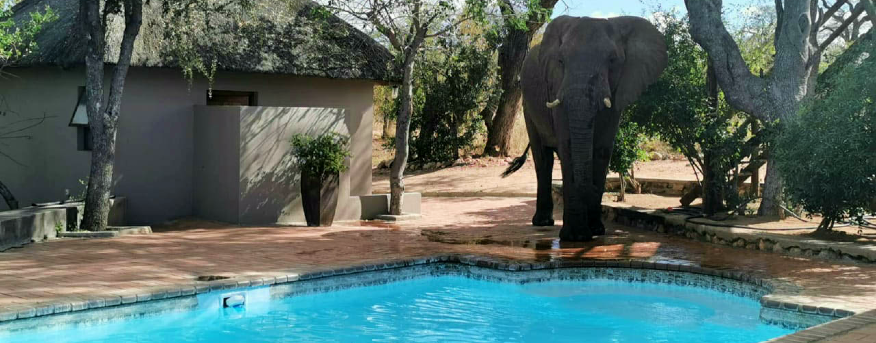
    When everyone returned to campus, we shared stories about the adventures everyone had during off-week. My week off was one for the books! It was spent sharing our camp pool with a couple new friends – African elephants. 

    image

    Photo by: Brendan Davis

    This semester is going to be filled with practical assessments and game drives in preparation for our  CATHSSETA NQF 2 exam, so everyone was feeling the pressure and I could sense a different atmosphere on campus this time around. 

    During my week as camp manager, we studied trees and plants for our first practical assessment of the semester on Thursday. We spent every free moment we had discussing things like whether a leaf was compound or simple, or what types of thorns were present on each tree we learned about. 

    image

    This image was taken pre-COVID-19. 

    Something about the team I’m part of at Bushwise is different compared to any other group I’ve been part of before. Here, everyone genuinely wants each other to succeed and do well. Throughout the week, I’d find groups of students walking around camp teaching each other what they know about trees, or how to properly identify a specific plant. Slowly but surely, everyone became more comfortable and more prepared for the upcoming exam.

    The beginning of summer rains brought the bushveld to life again – welcoming the return of migratory birds, flowers, fruit, and the serenading croaks and sounds of amphibians in the evening. The week was filled with amazing sightings as well. On Sunday, after the students returned to campus, we were lucky to witness a small pride of lions out on a kill – a rare sight on our part of the reserve. We were also visited by elephants on camp and had brief encounters with these amazing creatures throughout the week, right from the comfort of our porches! 

    image

    Each student is getting closer to having all the skills and abilities needed to live out our field guiding dreams! As the camp manager, I learned the importance of teamwork, and I’m glad to see everyone continuing to do their part to ensure that each student’s experience on campus is a fulfilling adventure in the African bushveld.

    Have a safari adventure like Adam by joining a Bushwise Field Guides course.