Author: Bushwise Student

  • African Wild Dog Pups Spotted in Makalali Game Reserve

    This blog was written by Brandon Huxtable, a IFGA Safari Guide student. Each student takes a turn as camp manager, and writing a blog is part of the experience.

    Some mornings in the bush start like any other: a 5 am wake-up, the comforting smell of coffee, and lions roaring in the distance as they patrol their territory. But every so often, the ordinary turns into something extraordinary.

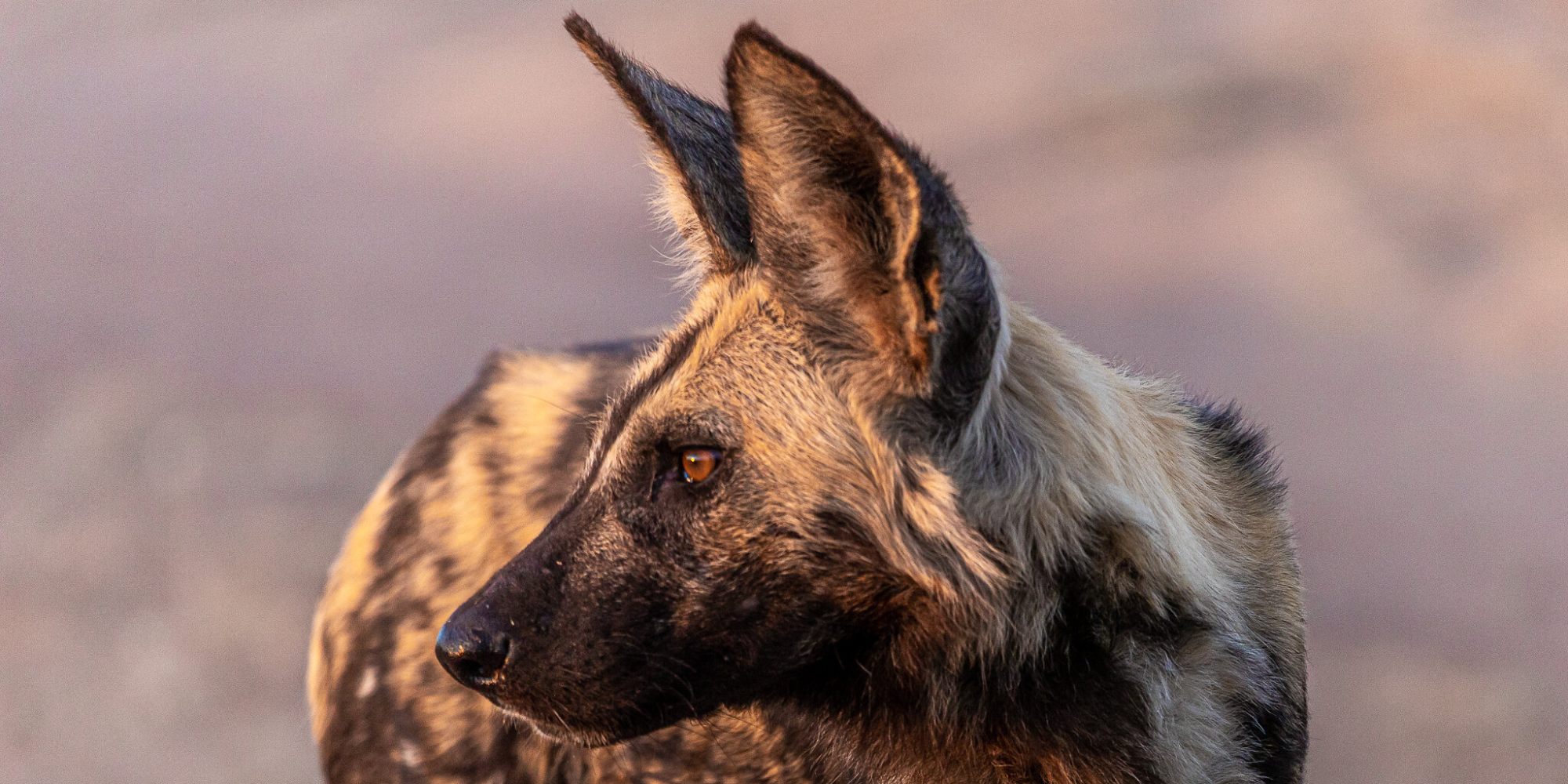
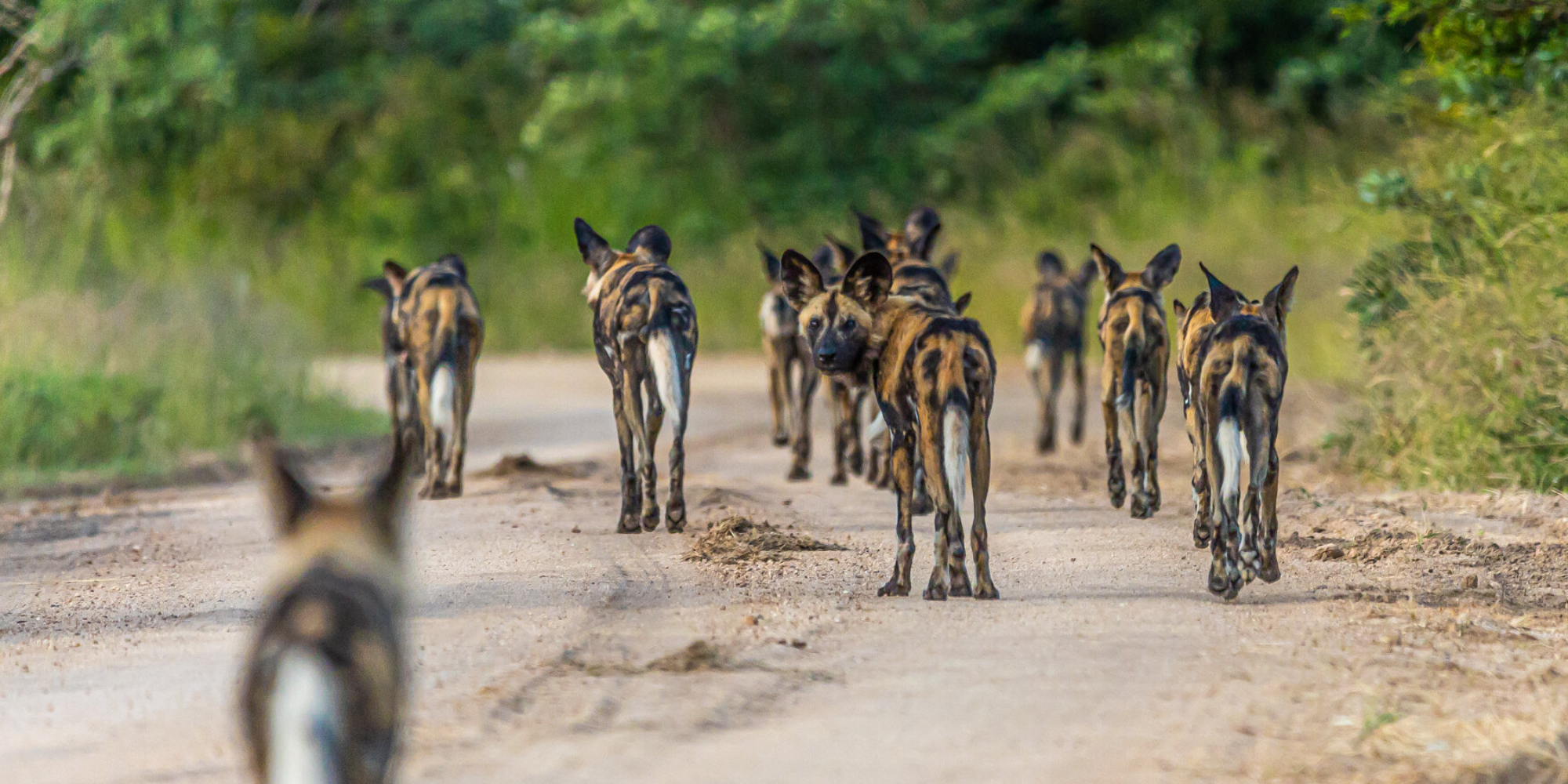
    In late August, Makalali Game Reserve witnessed a rare and unforgettable moment – a pack of African wild dogs with playful pups.

    image

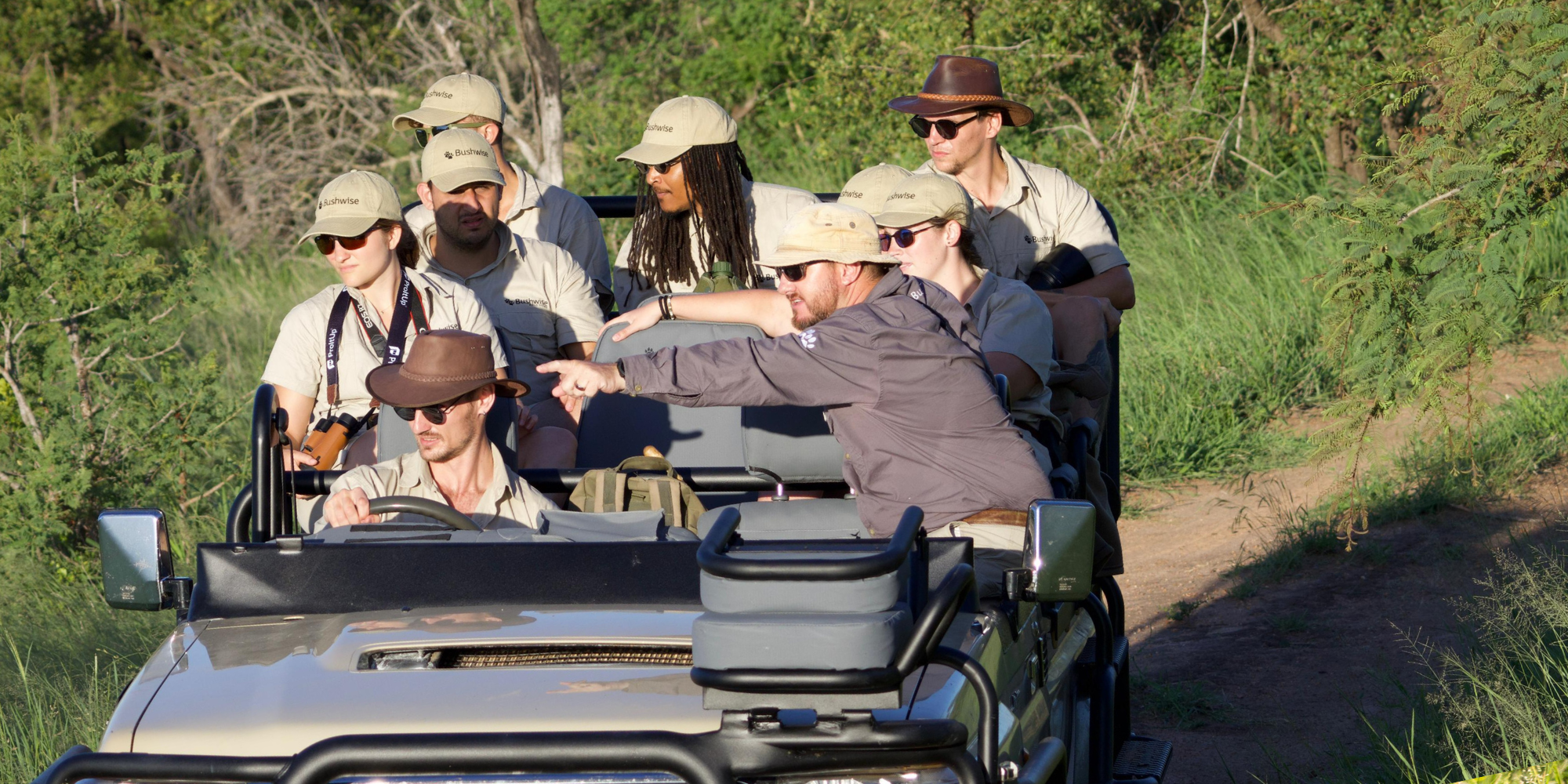
    The morning drive began quietly, with a pause at a dam to watch a saddle-billed stork land gracefully on the water. But anticipation was building. Word had spread that wild dogs, also known as painted wolves, had been spotted with pups.

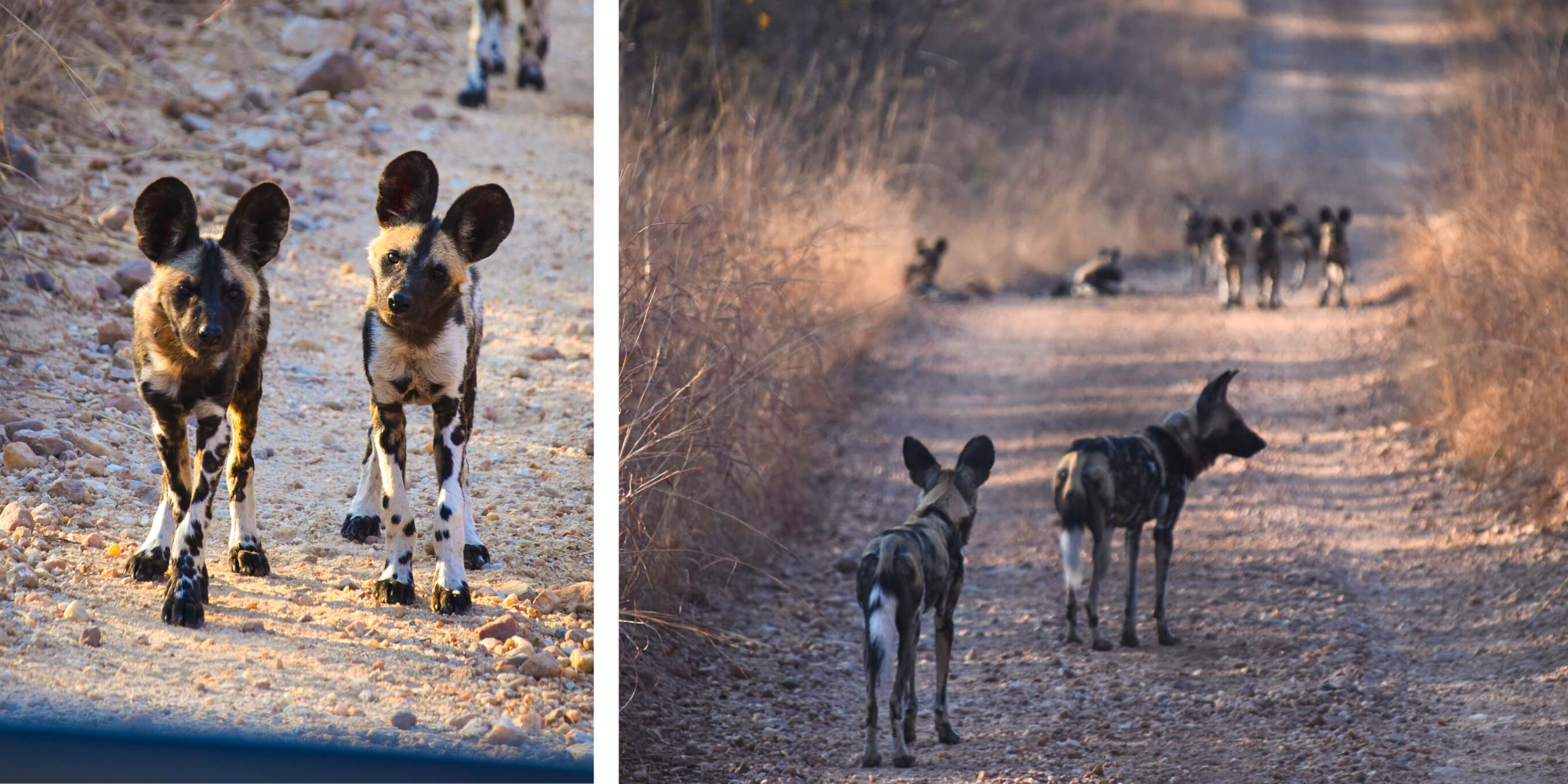
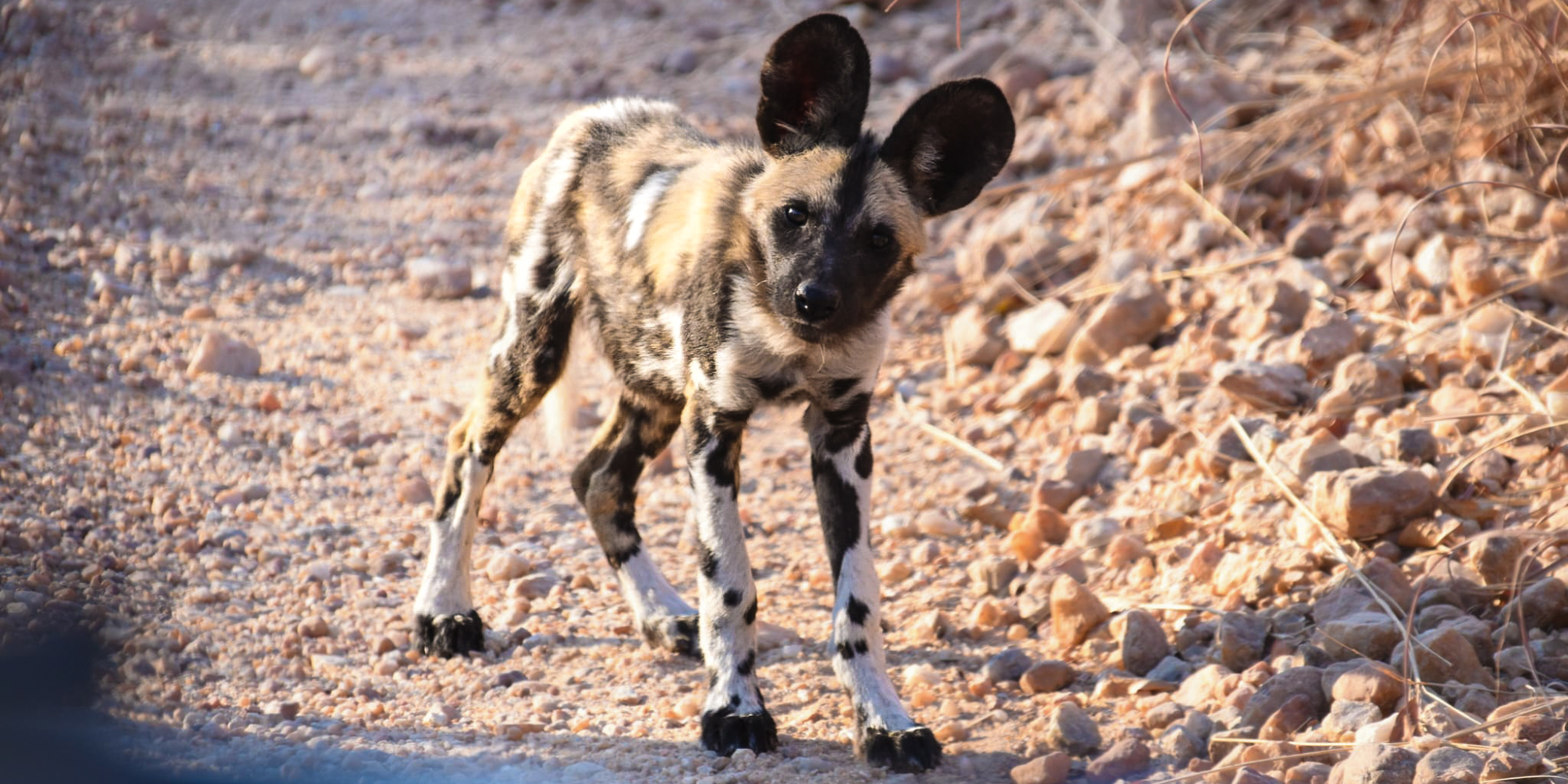
    When the group arrived, only one wild dog appeared in the distance at first. Then, to everyone’s amazement, six tiny pups tumbled out of the bush, full of energy, playfully tackling each other on the road. Their oversized ears and curious glances gave them a comical, almost Mickey Mouse-like appearance, as they edged closer to the vehicle to investigate.

    image

    For over an hour, the group watched in awe. The pups’ boundless curiosity and playful antics were a reminder of what makes these animals so special, and why their conservation matters. As one of Africa’s most endangered predators, every new litter is a reason to celebrate and a sign of hope for the species’ future.

    Eventually, it was time to move on. Yet the excitement of the sighting lingered, filling conversations throughout the day. For some, it was their very first encounter with wild dogs, making the experience even more unforgettable.

    image

    The arrival of pups in Makalali is a highlight for those who witnessed it and an indicator of a meaningful step forward for conservation. With luck, these youngsters will grow strong, survive into adulthood, and one day contribute to the growth of their pack, strengthening the population in the area.

    Want to witness and learn about incredible wildlife firsthand? Bushwise offers a range of wildlife courses and experiences, ranging from 3 days to a year. 

  • Frankfurt to field guide: Starting a safari career in South Africa

    It’s Monday. I’ve just said goodbye to my friends and family at the airport, and now I’m sitting at the gate watching travellers pass by. Each person around me is heading somewhere, maybe a honeymoon, a business trip, a long-awaited reunion. As for me? I’ve got field boots on, a sleeping bag clipped to my backpack, and a head full of nerves, excitement, and an overwhelming sense of adventure.

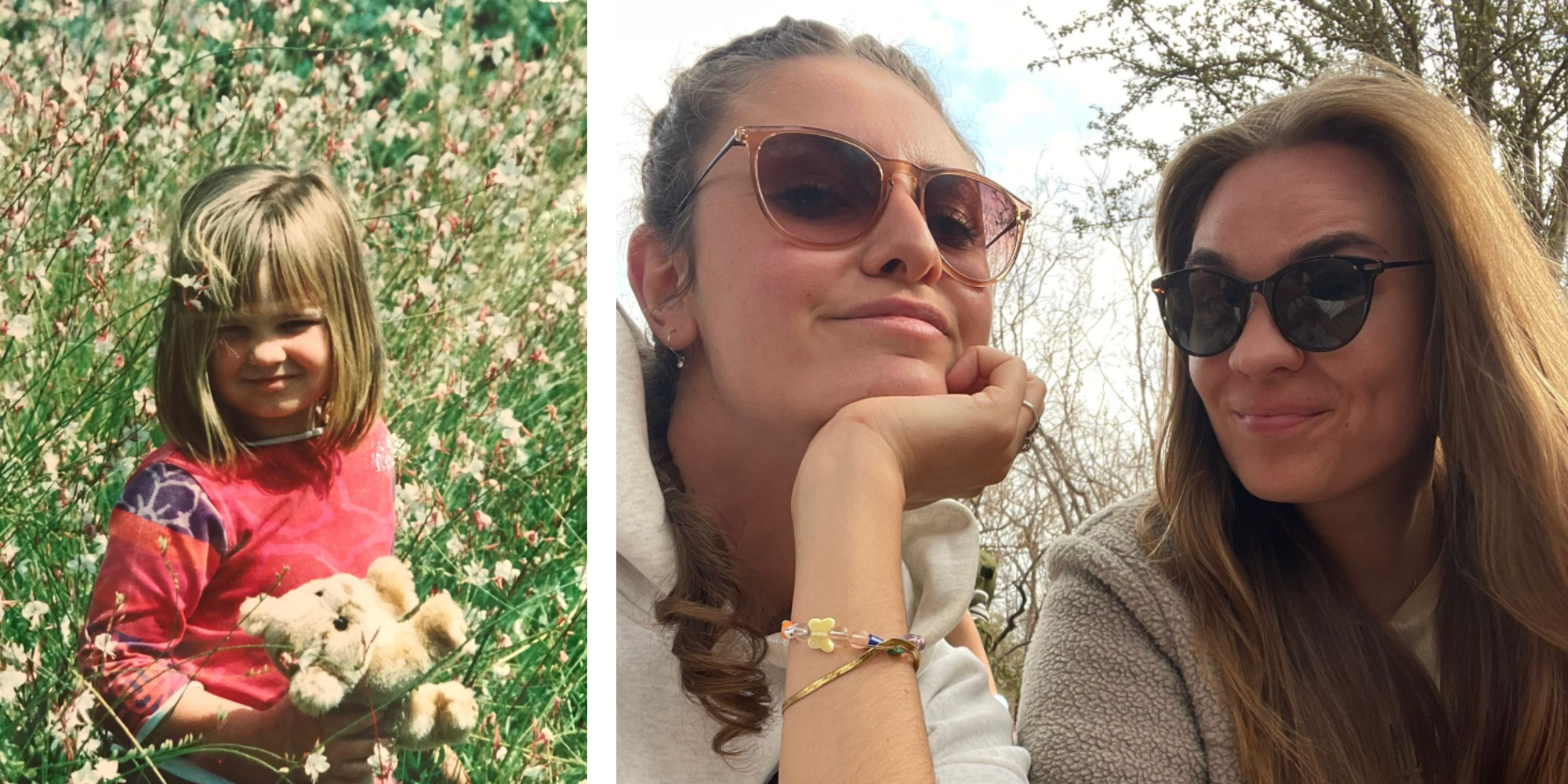
    I’m Nathalie, though most people call me Nats. I grew up in Frankfurt, Germany, in a family that’s always had a strong connection to southern Africa. Over the years, we’ve spent a lot of time here in South Africa, so much so that it stopped feeling like a destination. It started feeling like home. The people, the landscapes, the rhythm of life… it all just resonated. Some of the friendships we’ve made along the way have grown into something more lasting, and returning here always feels like reconnecting with a part of myself.

    image

    I’ve always known I wanted to follow my passion for Africa, so I studied tourism management. I even spent a semester abroad working for a tour operator in Cape Town, then continued in the tourism industry back in Germany. For a while, that path made sense.

    Then one day, I had to prepare a university presentation on sustainable tourism. One section was focused on the status of animal poaching in South Africa’s national parks. It was a small section, only a few slides, but while I spoke, something clicked. For context, I usually over-prepare for presentations (public speaking isn’t my favourite), but that day I barely glanced at my notes. I just spoke from the heart – my professor had to cut me off, and told me he’d never seen someone speak with so much passion. That moment stayed with me. I knew then that I needed to connect my love for Africa and wildlife in a more hands-on and meaningful way.

    After months of research, late nights at work, and questioning everything, one email changed the course of my life: You’re booked.

    image

    Fast forward to July 8th: I’m sitting at OR Tambo International Airport in South Africa, waiting for my transfer to Bushwise Mahlahla Campus. That’s where I meet my classmates – the people I’ll spend the next six months learning and growing with. We’re a mixed bunch: some fresh out of school, some international students who’ve never set foot in Africa, and a few seasoned South Africans who probably learned to track animals before they could walk. We’re different in many ways, but united by one thing – a deep love for the bush and its wildlife. Being surrounded by people who share that passion is incredibly energising.

    The first few days at camp flew by. New faces, settling into a new rhythm, carrying a torch to the bathroom at night, and quickly learning the golden rule: always check your boots before putting them on.

    Once orientation and admin were behind us, it was time for our first sleep-out in the bush. You could feel the buzz of excitement among all of us. We stocked up on snacks in town, packed our gear, and loaded up the safari vehicles. There’s something incredibly humbling about being out in the wild without the comfort of a vehicle or a roof over your head. Your senses sharpen, and every rustle and distant call feels amplified. That night reminded me why I fell in love with South Africa, and why the idea of a traditional nine-to-five just doesn’t appeal to me anymore.

    image

    During my watch duty (everyone on a sleepout takes turns to keep an eye out for any species that might walk past), I heard lions roaring in the distance. Possibly a leopard, too! After my turn, I climbed back into my sleeping bag, looked up at the stars, and realised that every moment of doubt and every step along the way – it’s all led me here. And here? This feels right. I can’t wait to see what’s next in this beautiful country.

    If Nathalie’s story resonated with you and you’d like to explore the wild for yourself, Bushwise offers a selection of wildlife courses designed to help you turn your passion into purpose.

  • From fear to fascination: A closer look at baboon spiders

    This blog was written by Lilias Burnel, a Bushwise Professional Safari Guide student. Each student takes a turn as camp manager, and writing a blog is part of the experience.

    Baboon spiders tend to get a bad reputation. With their long legs, large fangs, and hidden burrows, it’s easy to see why people often associate them with danger. But like many misunderstood species, a closer look tells a very different story.

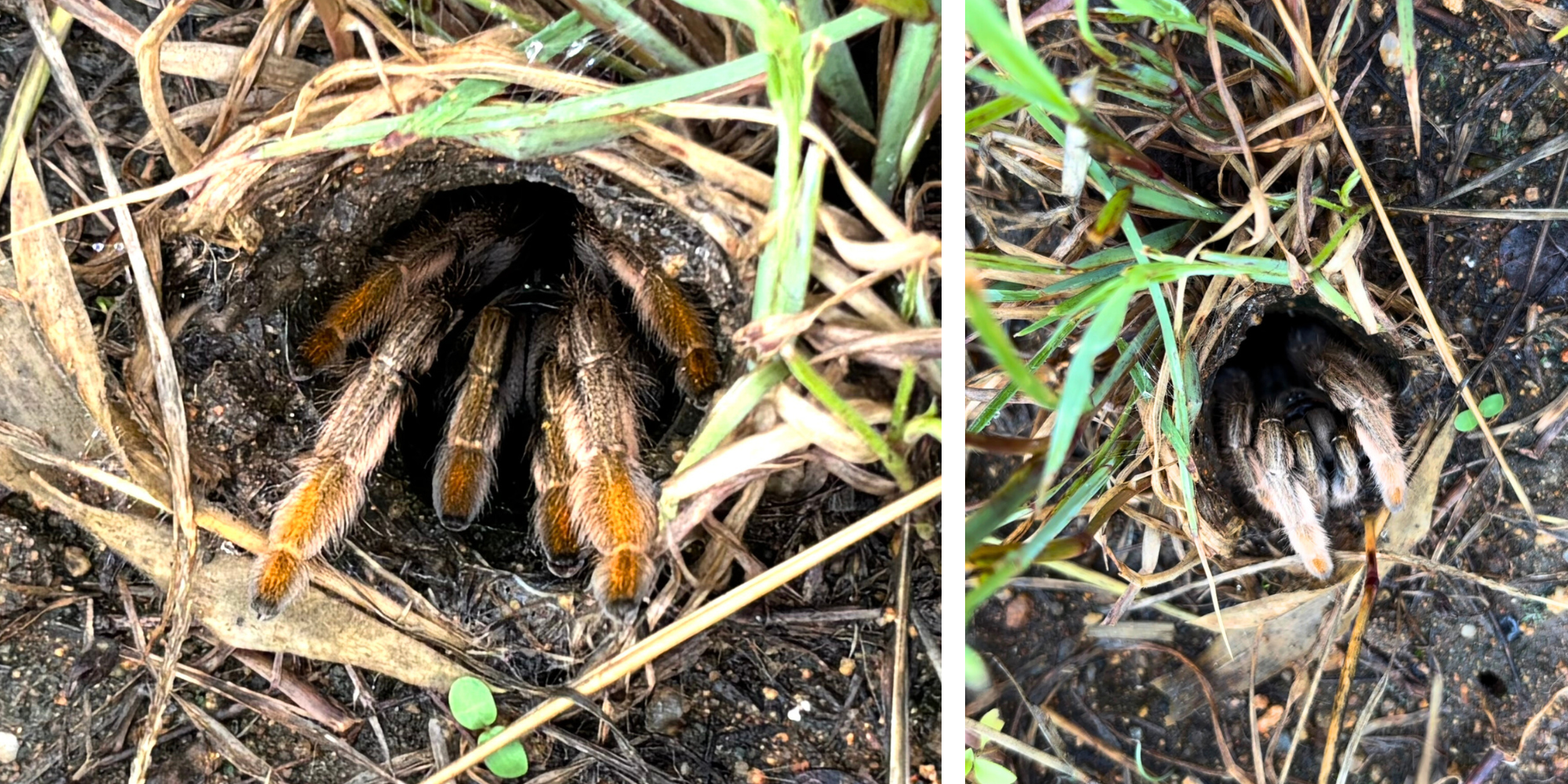
    In the wild, encounters with baboon spiders are often brief, usually just a flash of movement as one disappears into its burrow. They keep to themselves, going about their lives quietly. But for those who take the time to stop and watch, something is fascinating about their stillness and precision. What might look like a threatening posture at first is usually a defensive one. This is a natural response in a world full of predators.

    image

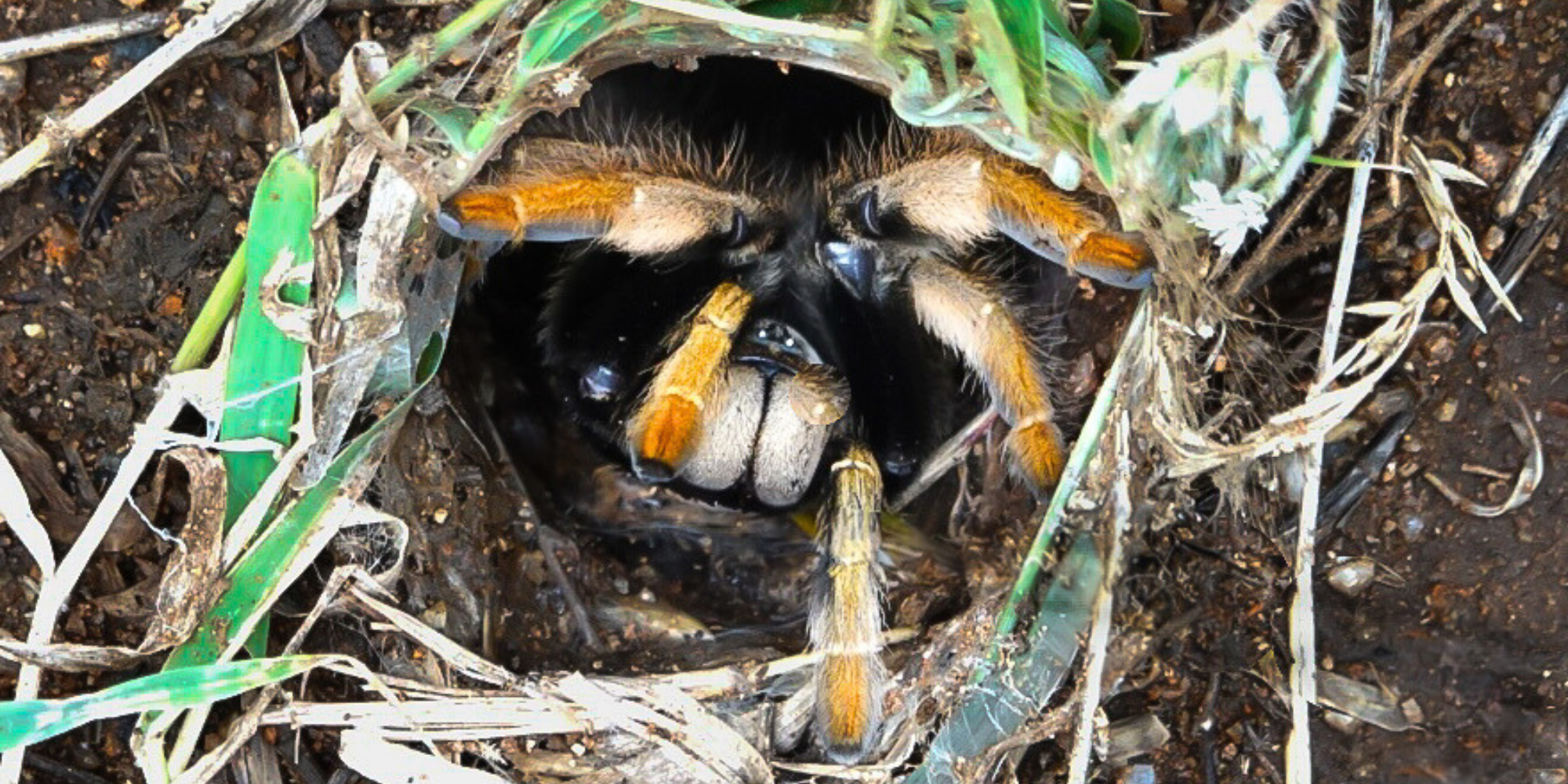
    Baboon spiders belong to the Harpactirinae subfamily, a group of tarantula-like spiders found across Africa. They’re named for the thick, hairy appearance of their legs, which resemble those of a baboon. Unlike web-building species, baboon spiders are ambush predators. They spend most of their time in burrows, which can be up to half a metre deep, using them as both a hiding place and a base for hunting. Some species line their burrow entrances with silk and bits of debris, while others create a tidy circular opening that blends into the surrounding earth.

    Their hunting method relies on patience. The spider stays tucked away, sensing vibrations on the silk lining of the burrow as insects move nearby. When the moment’s right, it quickly strikes, grabbing its prey and delivering a venomous bite. In some species, the fangs can reach nearly two centimetres in length, strong enough to pierce tough exoskeletons. That said, their venom is not considered dangerous to humans. Bites may cause some pain or swelling, but serious reactions are extremely rare.

    image

    One of the more surprising things about baboon spiders is how long they can live. While many spiders survive only a year or two, female baboon spiders can live for over 20 years. They grow slowly, moulting several times a year as they mature, and can even regenerate lost limbs over time. However, moulting leaves them vulnerable for a short while until their new exoskeleton hardens. Males, on the other hand, have a much shorter life cycle. Once they reach maturity and find a mate, their role is complete.

    Despite their resilience, baboon spiders are under threat. Expanding agriculture and urban development are reducing the natural areas where they can safely build burrows. Illegal collection for the pet trade is another concern, especially for species with slower growth rates. Although they may still seem fairly common, their slow life cycle means populations can decline quickly. Conservation efforts are underway in some regions, but changing how people see them is just as important.

    image

    Baboon spiders are a good example of how first impressions can be misleading. What at first seems frightening can, with time and understanding, become something worth protecting. These spiders aren’t aggressive or dangerous – they’re simply well-adapted survivors, playing their part in the ecosystem like so many others. And once we start to see them that way, it’s hard not to be impressed.

    Want to experience Africa’s wildlife up close? Join a Bushwise course and learn from experts while seeing incredible wildlife.

  • Following the tracks: Discovering a new passion in the African bush

    This blog was written by Chante Broodryk, a Bushwise Professional Safari Guide student. Each student takes a turn as camp manager, and writing a blog is part of the experience.

    I never expected animal tracking to capture my interest the way it did. What started as a casual curiosity quickly turned into a deep appreciation for the stories written in footprints, scratch marks, and feeding signs left behind in the wild.

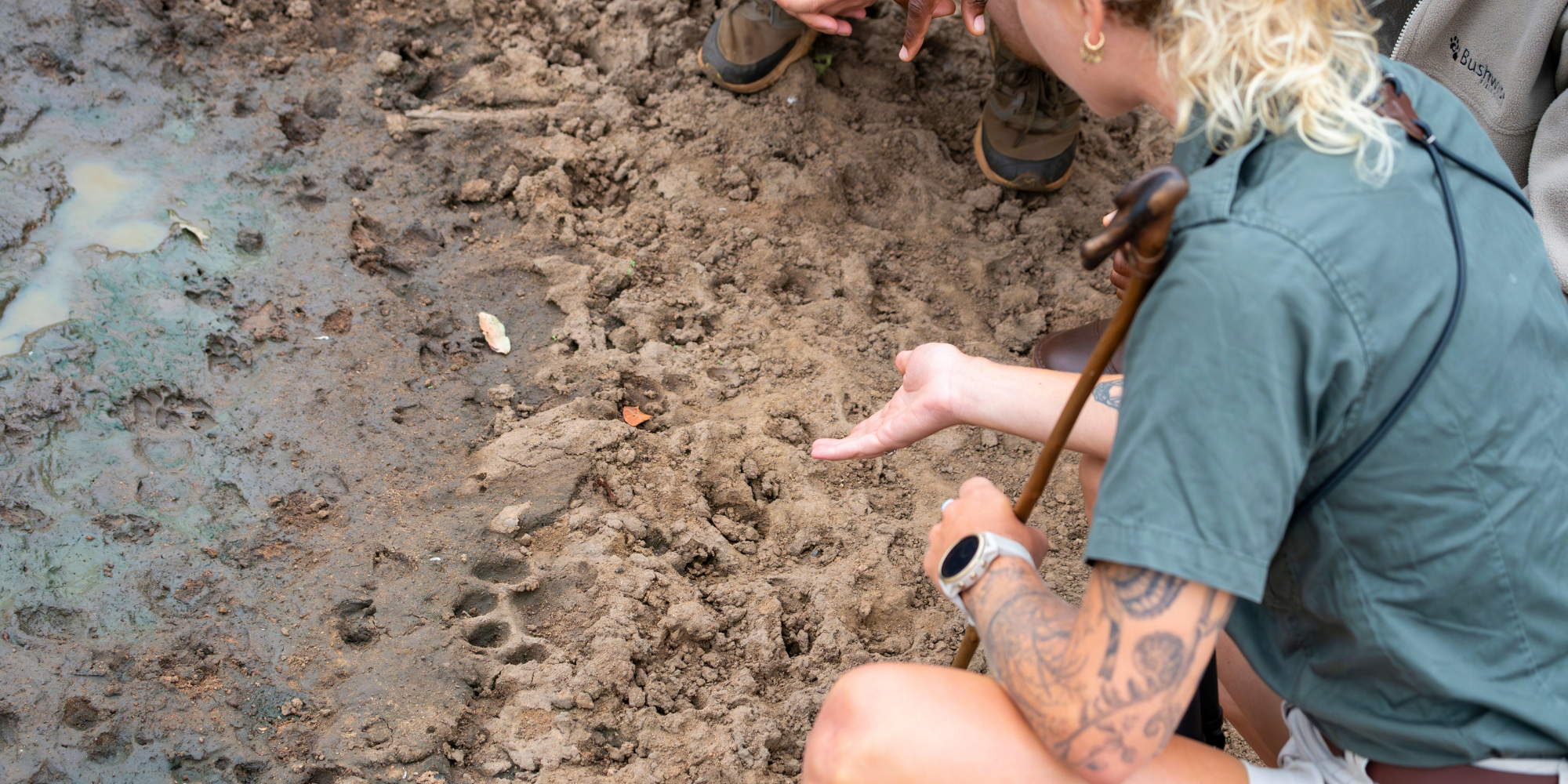
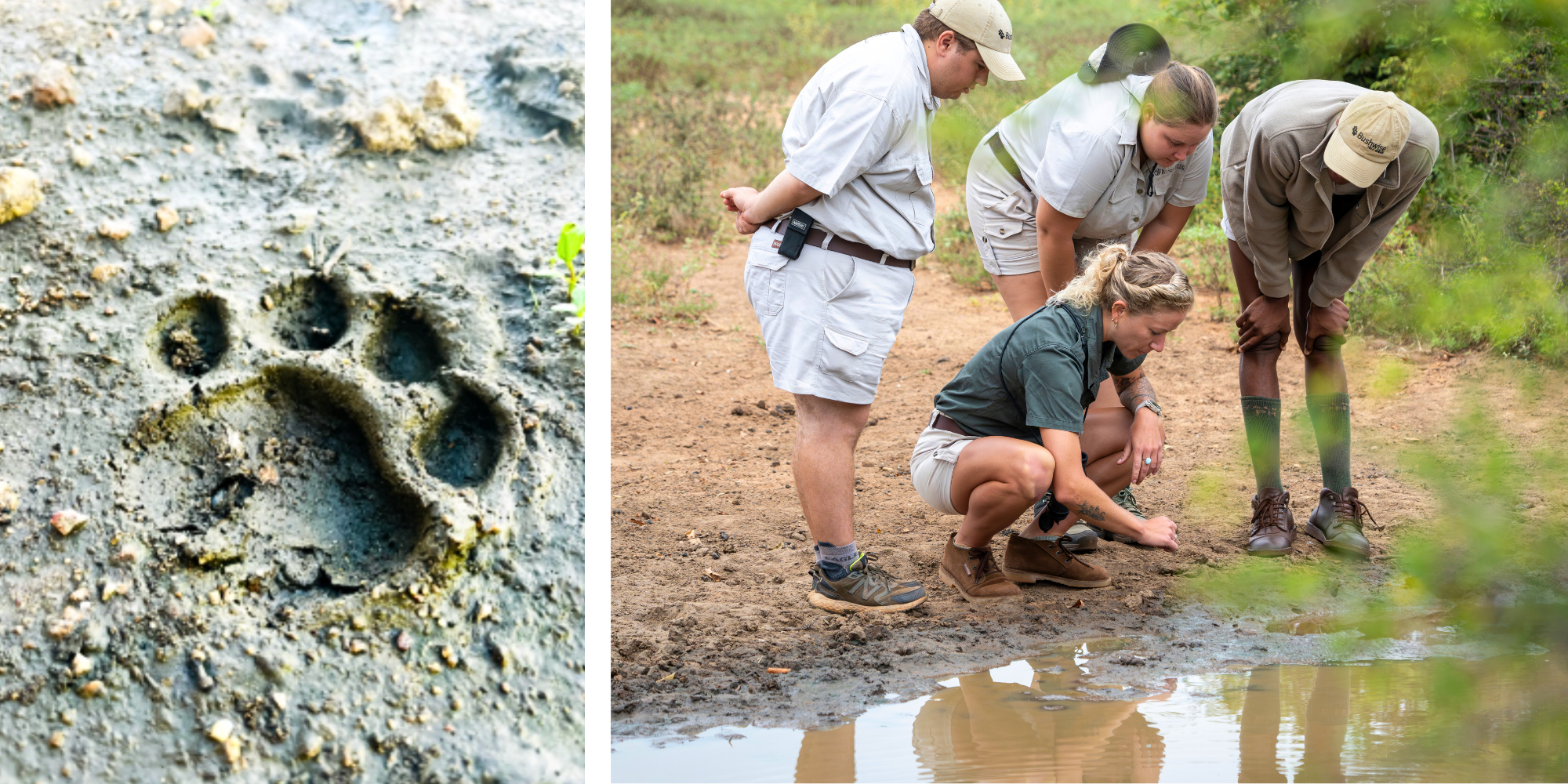
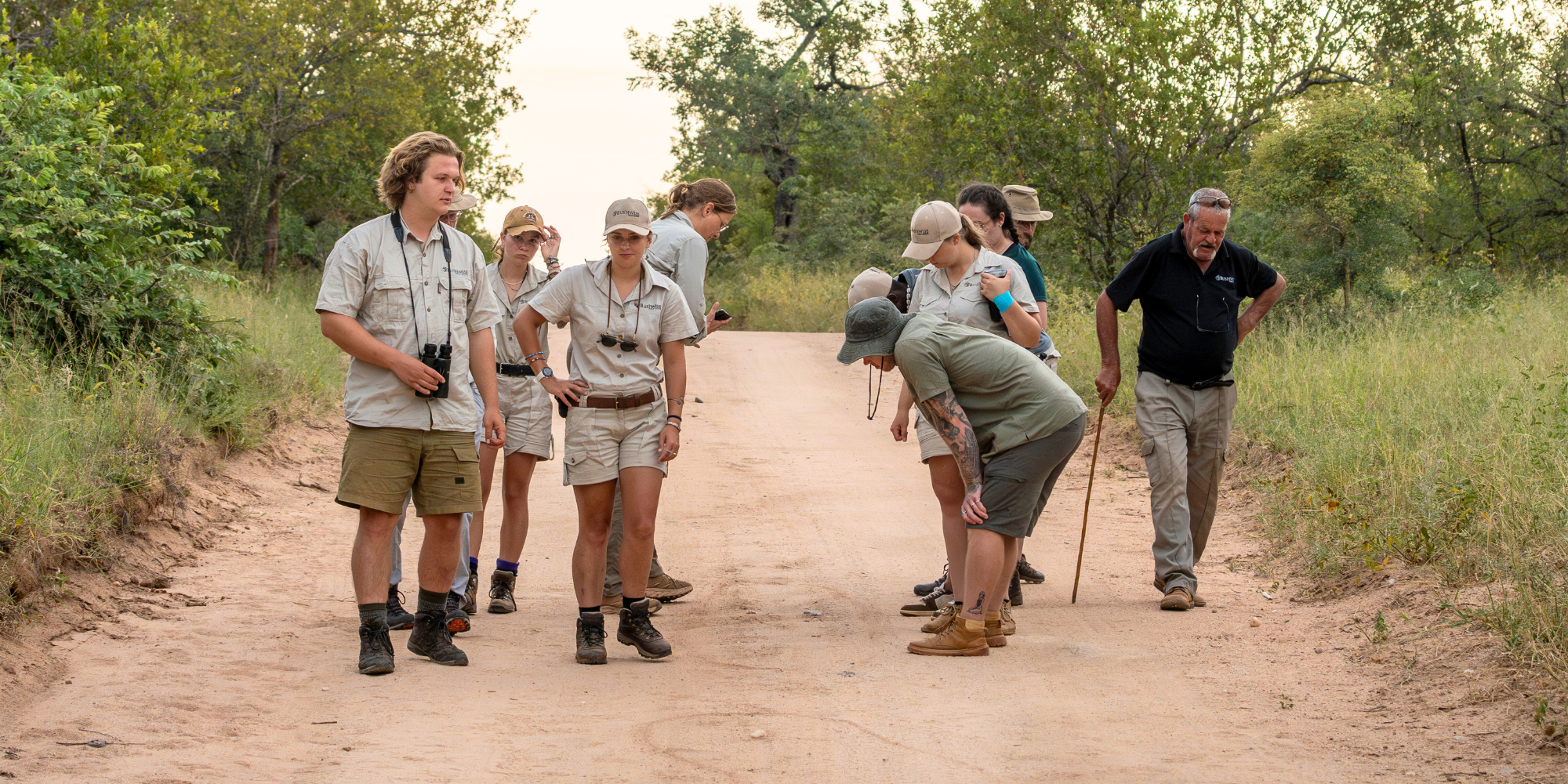
    Over two immersive weeks, we covered track and sign, trailing, and even human tracking as part of our Bushwise field guide training. At first, I didn’t think much of it – just footprints in the sand. But as we began to study and interpret these signs more closely, a whole new world opened up. I found myself fascinated by the details: which animal had passed by, how fast it was moving, what direction it was heading – and why.

    image

    During the first week, we spent hours analysing the tiny details within a single print. I quickly realised that tracking is about more than just footprints. Rubbing against trees, scratch marks on the ground, bite marks, and even the way the grass is bent – all of it contributes to a larger picture. It tells a story. Learning how to read that story gave me a new lens through which to see the bush. I became eager to learn more every day.

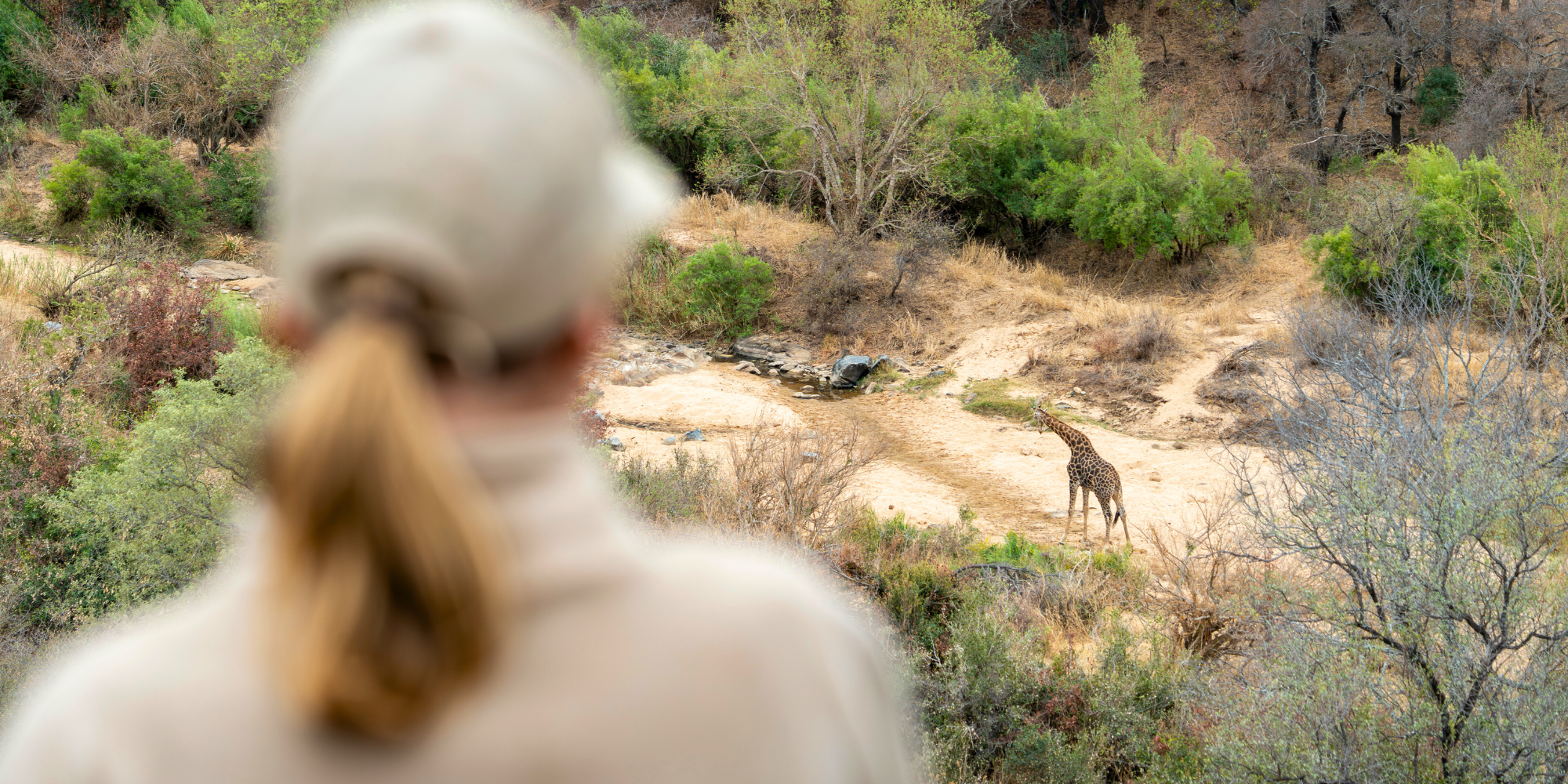
    In the second week, we travelled to Moholoholo Wildlife Rehabilitation Centre for a practical trailing experience. This is where it all clicked. Walking through the bush for kilometres on foot, following the path of an animal, changed everything. Suddenly, I had to think like the animal and imagine what it would do next and why. The awareness it gave me of my surroundings was profound. Being on foot in the wilderness is completely different from viewing it from a vehicle. Every sound becomes significant. Every movement feels meaningful.

    image

    Trailing tracks was more challenging than I expected. It’s incredibly easy to lose the spoor, especially in thick terrain. But with more practice, it becomes a little easier to read the landscape. Even experienced trackers lose the trail sometimes, but finding it again gives you an incredible rush – an adrenaline spike that keeps you motivated and focused.

    Alongside animal tracking, we also learnt about human tracking, which I found equally fascinating. Just by studying footprints, you can determine where a person was looking, if they were rushing or strolling, what shoes they wore, and even estimate their height. It was mind-blowing to see how much detail the human eye can interpret from a simple track when trained to do so.

    image

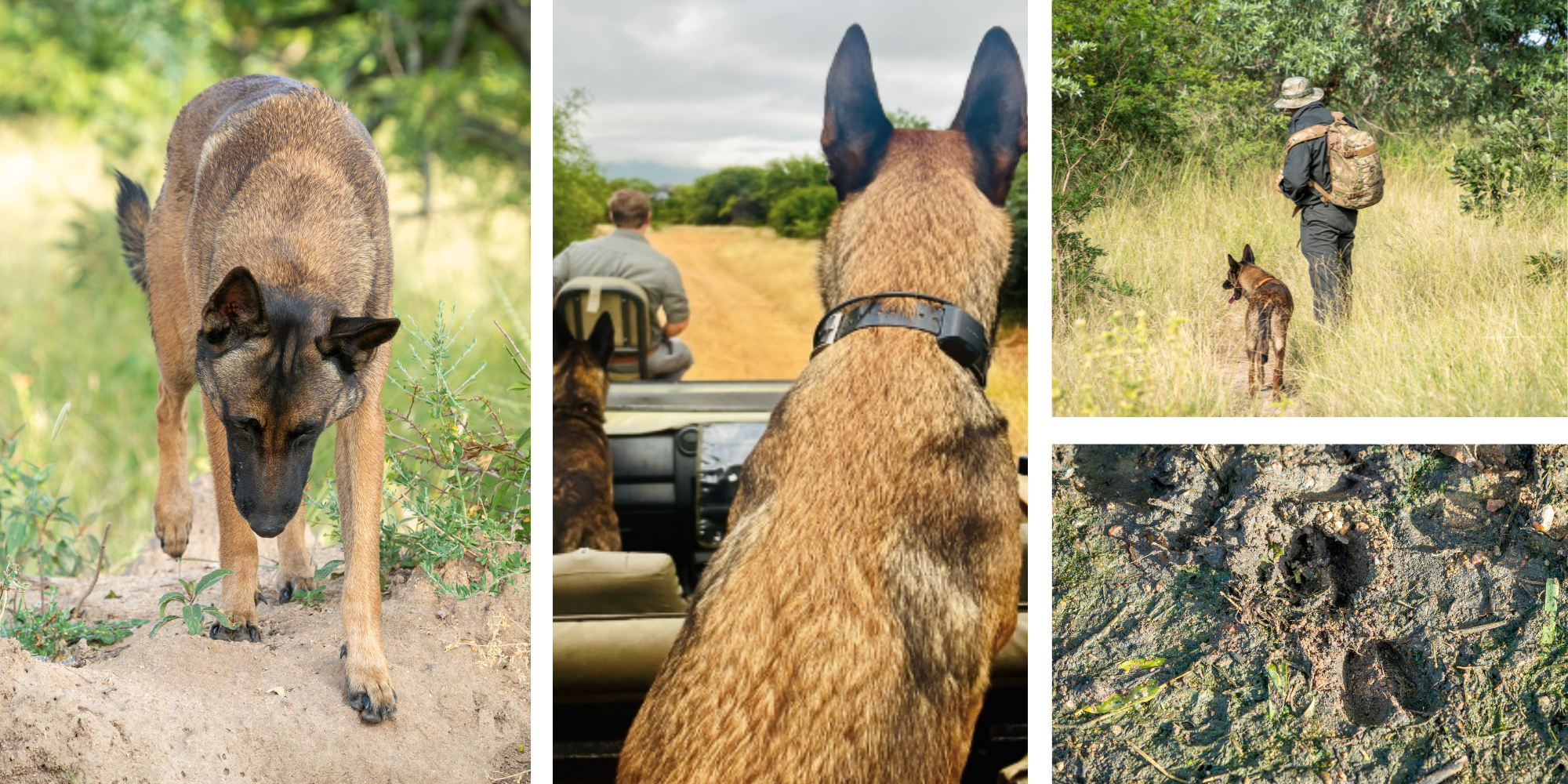
    One of the highlights of this experience was working alongside K9 tracking dogs. Watching them in action and seeing how their instincts and human handlers work together was an unforgettable experience. There’s something special about having a four-legged partner with you in the bush.

    For me, this journey into the world of tracking wasn’t the end, but just the beginning. It’s changed how I experience the wild and even how I see the world around me in everyday life. I now notice the finer details, the things most people overlook. Being at Bushwise, I truly feel like I’m following the tracks to success, and I’m walking the right path.

    image

    Curious about life as a field guide and the skills that bring you closer to nature? Discover Bushwise wildlife courses and take your first steps into the wild.

  • Why zebras have stripes: Uncovering the secrets behind their iconic patterns

    This blog was written by Maurits Van Eeden, a Bushwise Professional Safari Guide student. Each student takes a turn as camp manager, and writing a blog is part of the experience.

    There’s something undeniably iconic about zebras. Maybe it’s their bold black-and-white stripes or the way their stripes are instantly recognisable, no matter where in the world you are. You’ll spot their markings on clothing, art, and even branding,  but what fascinates me is the question behind it all – why do zebras have stripes?

    image

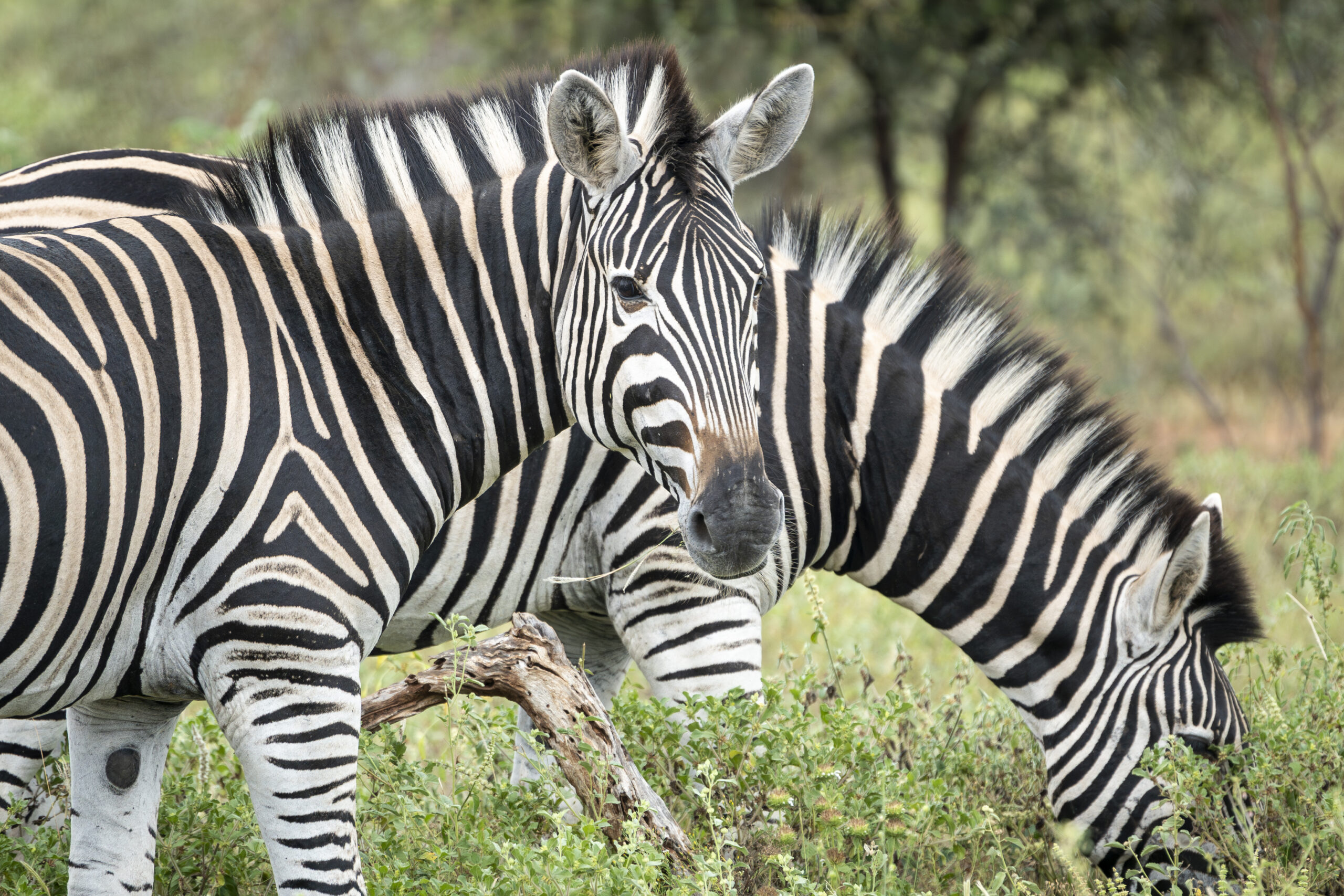
    In Africa, there are three different species of zebra: the Grévy’s zebra, the mountain zebra, and the plains zebra, each having a distinctive look. Grévy’s zebras are the most finely striped and have large, rounded ears and a narrower build than the others. Mountain zebras have thick, bold stripes that wrap all the way around their legs. This is one of the easiest ways to tell them apart. And then there’s the plains zebra, the most common species, known for their wider black stripes and the mysterious “shadow stripes” that sit between them. These faint brown stripes don’t appear on every individual, and to this day, no one’s entirely sure what purpose they serve.

    So, back to the big question – why do zebras have stripes at all? This question has fascinated scientists for decades, and while no single theory has been universally accepted, several compelling explanations have emerged.

    image

    One of the most widely accepted ideas is that stripes help keep biting insects, like tsetse flies and horseflies, at bay. Studies have shown that these insects are less likely to land on striped surfaces, possibly because the bold patterns confuse their vision. Fewer flies mean less irritation, and more importantly, less risk of disease.

    Camouflage is another possible explanation. At first, black and white stripes might not seem like the best choice for blending into their environment,  but during the low light of dawn or dusk, those contrasting patterns can work in the zebra’s favour. The stripes help disrupt their outline, making it harder for predators to pick out one animal from the herd. And when zebras move together, this “motion dazzle” effect becomes even more effective – a blur of stripes that’s tricky to track.

    image

    Another theory is around thermoregulation. The idea is that the black and white stripes absorb and reflect heat differently, creating tiny air currents over the zebra’s skin. These currents could help cool the animal down by boosting sweat evaporation. It’s still being studied, but it’s a fascinating possibility.

    Of course, there’s much more to zebras than their stripes, and as a field guide, understanding zebras beyond their stripes is just as important. Zebras are bulk grazers, eating a wide variety of grasses rather than being selective. That’s a big advantage in environments where food availability shifts with the seasons. When grass is scarce, they’ll even browse on shrubs. Because of this generalist diet, zebras often move ahead of more selective grazers like wildebeest, essentially prepping the landscape for others.

    image

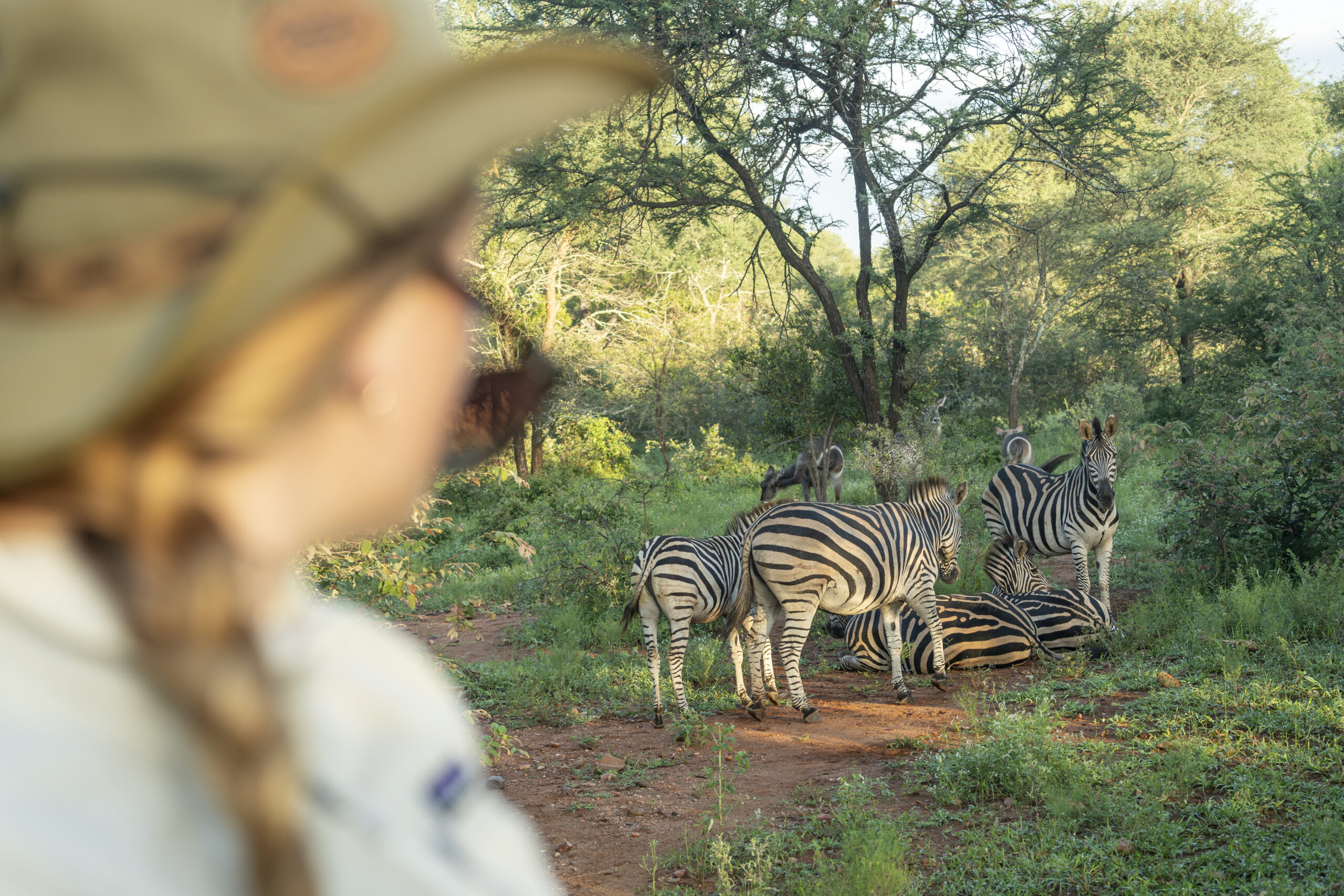
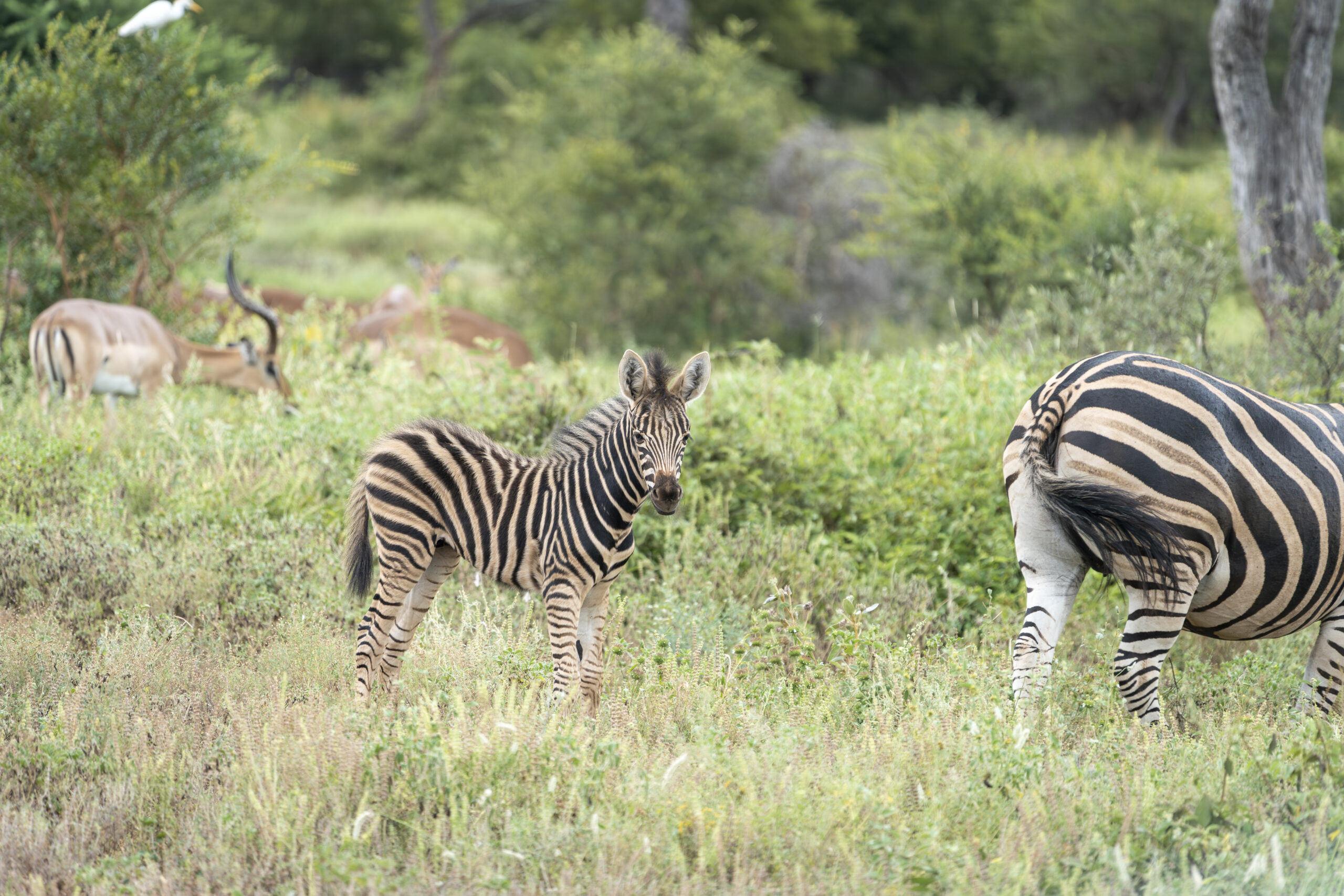
    They’re also highly social animals and are often seen mingling with species like impalas and wildebeest. This isn’t by chance, more animals mean more eyes and ears to detect predators –  a clever survival strategy.

    The more I learn about zebras, the more fascinating they become. Their unique adaptations, social behaviour, and the ongoing scientific debate around their stripes keep me curious. In many ways, zebras are still a mystery – and that’s exactly what makes them so interesting. 

    Ready to learn more about nature’s incredible creatures firsthand?  Explore our wildlife courses to begin your journey into field guiding. 

  • From Switzerland to the South African bush: How Bushwise is helping me achieve my dream

    Tiana Cuttelod, a Bushwise Professional Safari Guide student, wrote this blog. Each student takes a turn as camp manager, and writing a blog is part of the experience.

    My journey to Bushwise began many years ago, although I didn’t realise it at the time. When I was just 10 years old, I visited Namibia – the first African country I had ever experienced. While travelling with my family, I was instantly captivated by the unique ecosystems and wildlife that Africa had to offer. 

    image

    My first game drive left a lasting impression. The sense of wonder I felt, immersed in a completely different wildlife scene, was unforgettable. Sitting in the back of the safari vehicle, I would often watch the field guide in admiration, amazed by his ability to drive, spot animals, and share his knowledge at the same time. It was at this moment I told my parents I wanted to become a field guide. At the time, they found this humorous, thinking it was just a childhood fantasy.

    But my fascination with Africa only grew, and over the years, I travelled back to the continent multiple times. During one of our visits, I discovered a GVI course for under-18s in South Africa. I convinced my parents to let me attend, hoping to find out if guiding was truly the right path for me. While there, I met like-minded individuals, all trying to figure out their futures. 

    image

    As part of the course, I had the opportunity to visit Bushwise’s Mahlahla campus. That visit left a deep impression on me, and I knew I wanted to return one day as a student. When I returned to Switzerland, I spoke to my parents again — this time about the Bushwise IFGA Professional Safari Guide course (6/12 months). While they were initially concerned about the distance and the idea of postponing university, their opinion changed after researching the course themselves. Two years later, I’m proud to say I’ve made it to Bushwise.

    Back home, I had always been drawn to the outdoors. I started horse riding at the age of six, and in 2022, I bought my first horse. My friends and I would often spend the whole day on long trail rides. During this time, I discovered that horse-riding safaris were a real possibility in parts of Africa — and I began to imagine what life might be like working in that environment. It eventually inspired a new dream – to combine my love for horse safaris, game drives, and walking trails into a career. One where I can create meaningful experiences that benefit both visitors and local communities. 

    image

    A year before joining Bushwise, I was torn between studying wildlife sciences at the University of Queensland in Australia or taking a more hands-on path in South Africa. After finishing the International Baccalaureate, I didn’t feel ready to dive straight into another academic setting. I needed something different — a new rhythm, a more active way of learning.

    Now that I’ve spent a few weeks in South Africa, I know I made the right decision. I’ve fallen in love with this place and the lifestyle. Bushwise is providing me with everything I need to take the first step into the guiding world — practical experience, valuable knowledge, and the chance to build connections in the lodge industry. The six-month placement will allow me to understand the realities of working in the bush, and whether it’s something I want to pursue long-term.

    image

    Ultimately, this course is a launchpad for the future I’ve envisioned since I was ten years old — running a lodge that offers guests immersive experiences through horseback safaris, game drives, and walking trails. I’m so grateful that Bushwise is helping me take those first important steps.

    Dreaming of a life in the African bush? Explore Bushwise’s CATHSSETA-accredited wildlife courses and find out how you can turn your passion for wildlife into a professional career.

  • A young conservationist’s journey begins with Bushwise

    This blog was written by Luke Levitas, a Bushwise Professional Safari Guide student. Each student takes a turn as camp manager, and writing a blog is part of the experience.

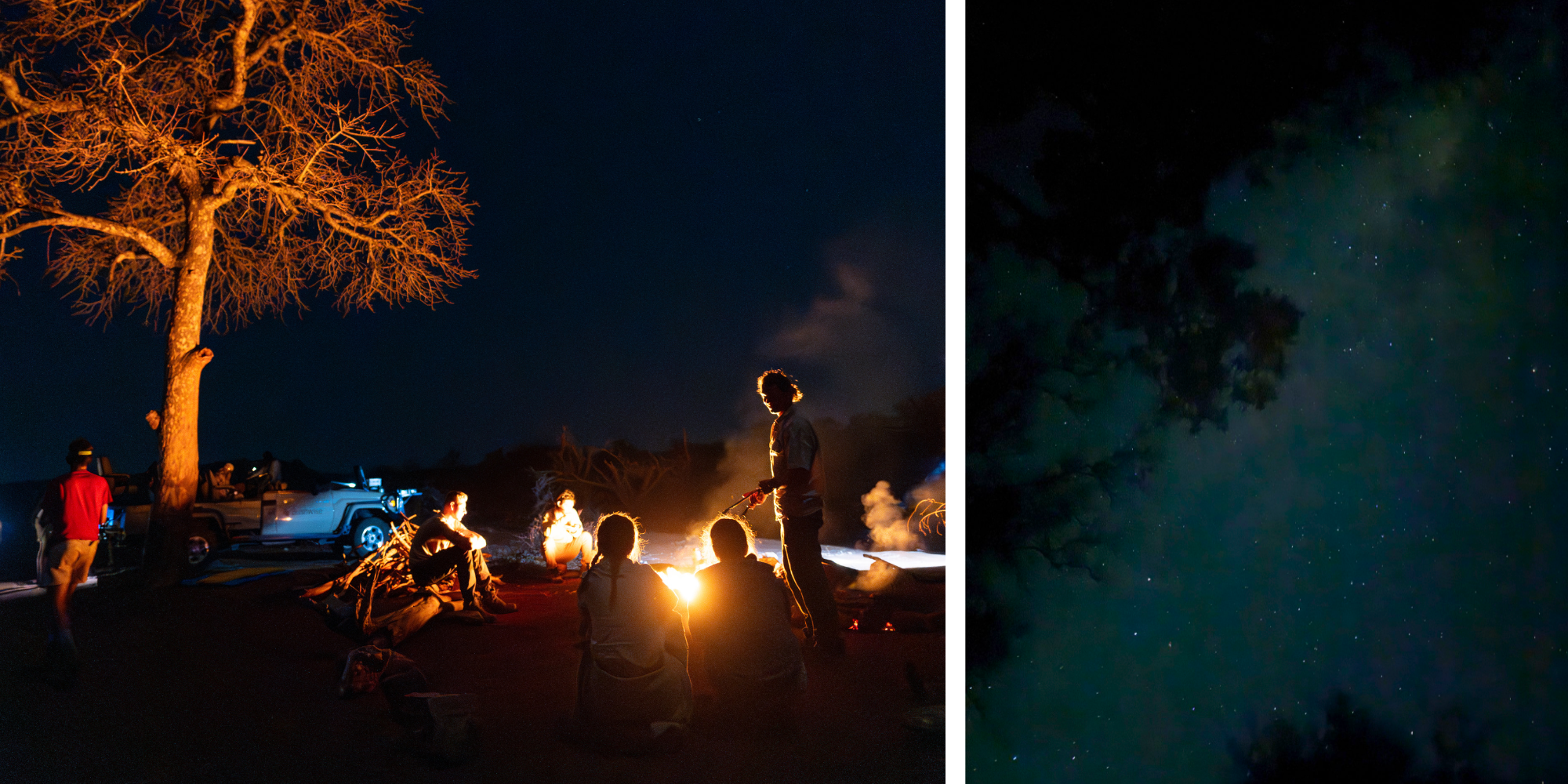
    From a young age, nature has been an integral part of my life. Growing up in South Africa, the connection to the bush felt natural, almost ingrained in us. Some of my fondest memories are of late-night fires with family and friends, surrounded by the sounds of wildlife, and the awe of stargazing on clear nights. These experiences shaped my childhood and instilled in me a strong appreciation for the environment. Over time, this appreciation evolved into a deeper understanding of the importance of conservation. I realised that protecting our natural world is a shared responsibility, and it became clear that I wanted to play a part in it. This led me to pursue a career in wildlife conservation and to consider ways to build a global network dedicated to this cause.
    image

    Growing up, I was inspired by figures like David Attenborough, Steve Irwin, and Lawrence Anthony. Attenborough’s documentaries, which highlight the intricate balance of nature and the interconnection of all life, sparked a curiosity about the world around us. Steve Irwin’s enthusiasm for wildlife and his approach to educating the public showed me the power of passion in conservation. Additionally, Lawrence Anthony’s work with elephants, particularly the herd he rehabilitated as described in The Elephant Whisperer, demonstrated the significant impact one person can make. These figures shaped my outlook and reinforced the idea that every contribution matters.

    In adulthood, I spent nearly seven years living and travelling abroad, where I saw that many of the conservation challenges we face in South Africa, such as habitat loss, poaching, and climate change, are present around the world. I saw landscapes where forests had been replaced by farmland and witnessed how urbanisation was reshaping both natural environments and local communities. It became evident to me that wildlife conservation is not just a local issue, but a global one. If we are to make a meaningful impact, collaboration across borders is crucial.
    image

    One idea I’ve been exploring is the creation of a program similar to the Erasmus+ program, but with a focus on conservation and wildlife work. This program would offer students and young professionals the opportunity to gain practical experience abroad, working on projects aligned with their interests. Beyond the professional skills gained, it would also foster connections between people from diverse backgrounds, all united by a passion for wildlife conservation.

    In addition to this, I believe that stronger connections between game lodges, conservation projects, breeding programs, and research institutions are essential. Currently, many of these organisations operate independently, which can limit the sharing of resources and knowledge. Strengthening these collaborations, both virtually and in-person, could help maximise the impact of their efforts.

    Technology also has a significant role to play in conservation. Drones, AI-powered camera traps, and satellite monitoring systems allow for more precise tracking of animal movements, monitoring of habitats, and detection of poaching activities. A shared database, where conservation teams across different countries can upload and access findings, could revolutionise the way we approach conservation challenges.

    image

    For me, becoming a field guide was a way to stay connected to nature while actively contributing to conservation efforts. Through the IFGA Professional Safari Guide course (6/12 months), I have had the opportunity to share my passion for the environment with people from around the world. When individuals experience the beauty of nature firsthand, they often develop a greater sense of responsibility for its protection.

    The challenges facing conservation are significant – habitat loss, poaching, and climate change present real obstacles. However, collaboration, new technologies, and a shared commitment to the cause can help us make a meaningful difference.

    image

    Nature has provided me with a deep sense of purpose and countless rewarding experiences. Now, I’m focused on giving back and ensuring that future generations have the opportunity to experience the same wonders. By building stronger networks and working together, we can help preserve our natural world for the long term.

    Ready to start your journey into wildlife conservation? Bushwise offers a range of wildlife courses that can help you gain the skills and knowledge needed to jumpstart your career!
  • Living my dream under the African sun – My field guide journey

    This blog was written by Gunther Bauer, a Bushwise Professional Safari Guide student. Each student takes a turn as camp manager, and writing a blog is part of the experience.

    From a young age, my parents nurtured in me a deep love and respect for the natural world. Whenever we had the chance, we would pack up and head to Kruger National Park — camping, exploring, and soaking up everything the park had to offer.

    We’d leave home in the early hours of the morning, always aiming to reach the gate by sunrise. Most of our trips started in Phalaborwa, where we’d check in and watch the first golden rays break over the bushveld. Our destination was usually Letaba or Shingwedzi rest camps, where we’d set up camp for eight unforgettable days. And, of course, no trip ever began without a little family game: each of us would choose the animal we thought we’d see first.

    image

    It was during one of these family holidays, when I was 12 years old, that everything changed for me. I attended a presentation by a herpetologist volunteering as an Honorary Ranger at the Elephant Hall in Letaba. After the talk, I stayed behind to chat with him. His passion was contagious, and right then and there, I knew  I wanted a future connected to nature. But life had other plans.

    After school, I was offered a management position at the restaurant where I’d worked as a waiter. What was supposed to be a temporary detour became a 25-year career in the food and beverage industry. I worked my way up to Operations Manager and held that role for ten years.

    Eventually, I hit a ceiling. I’d achieved everything I could in that field, and I knew it was time for a change. Two years later, after much reflection, that little boy inside me, the one who sat mesmerised in Letaba rest camp, reminded me of his dream. With the encouragement of my beautiful wife and son, I took a leap of faith and enrolled at Bushwise. That decision changed everything.

    image

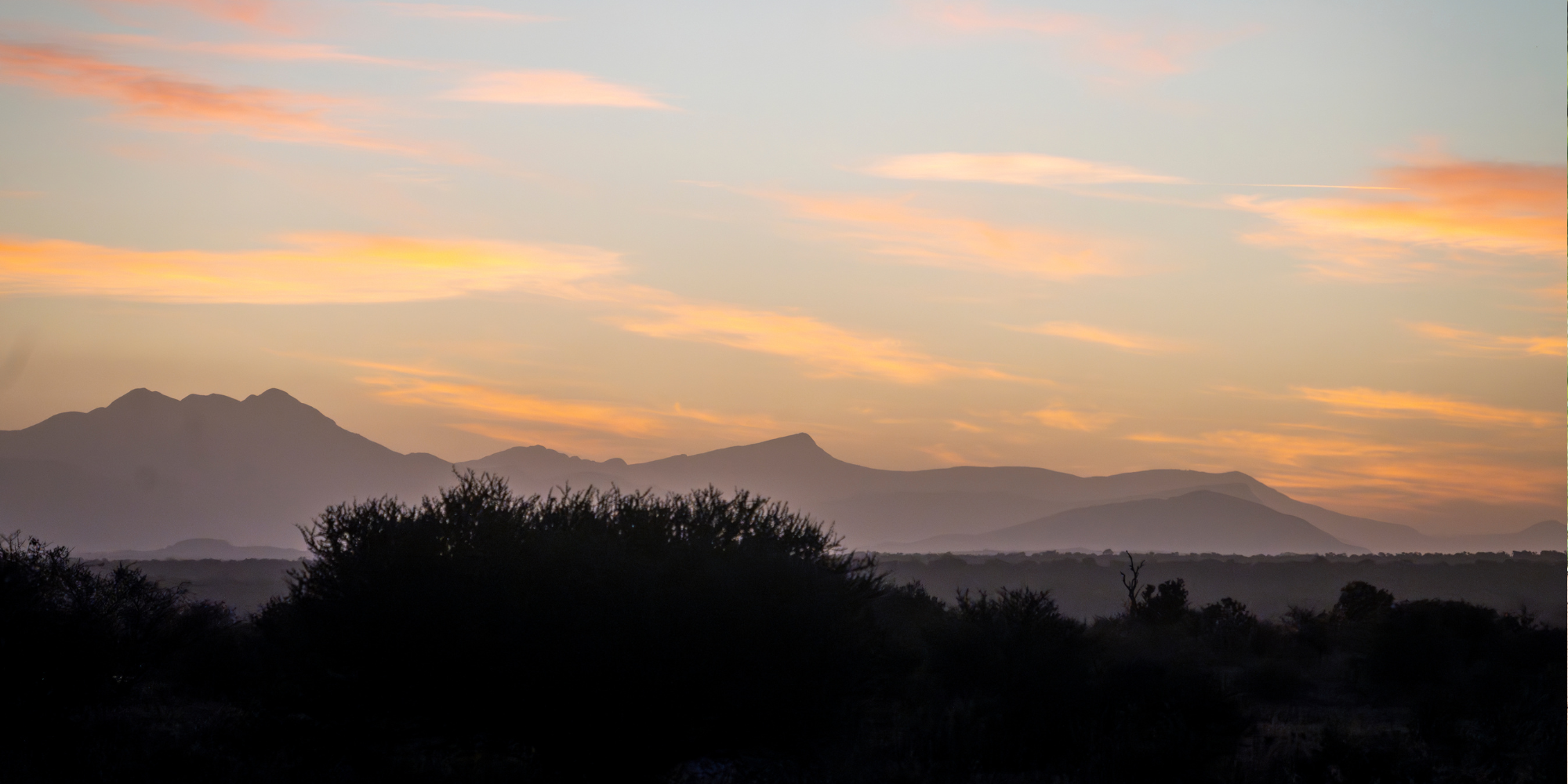
    Now, four months into the IFGA Professional Safari Guide Course (6/12 months), I still can’t quite believe that I wake up to the African bush and its sunrises every single day. It’s been challenging and incredibly rewarding as my knowledge has grown exponentially since day one.

    While there have been countless memorable moments, what I value most are our trainers. Their passion for guiding and willingness to share their knowledge is something truly special. To anyone considering this path, soak up every bit of wisdom your trainers offer.

    One of my favourite things about training here is the unpredictability of each day. One moment, you’re having a quiet drive, identifying trees and grasses, and the next, you’re stumbling upon a giraffe carcass with lions nearby or tracking elephant herds. The freedom of stepping off the vehicle and following lion tracks down a dusty path is indescribable. My highlight so far? Learning to read tracks and truly understand animal behaviour. It’s like deciphering stories left behind in the sand.

    image

    Every day consists of early mornings spent packing my gear and savouring a quiet coffee, followed by 5:30 am game drives, incredible wildlife sightings, daily lectures, and afternoons chasing sunsets, and the best part is, I get to do it all again the next day.

    It really does feel like I’m living my dream out here under the African sun, and I’m excited to see where my journey takes me once I complete the course.

    image

    Ready to reignite your childhood love for nature and turn it into a career? Explore Bushwise’s courses and take the first step!

  • The secret life of giraffes – Facts about Africa’s tallest animal

    This blog was written by Runé Jansen van Vuuren, a Bushwise Professional Safari Guide student. Each student takes a turn as camp manager, and writing a blog is part of the experience.

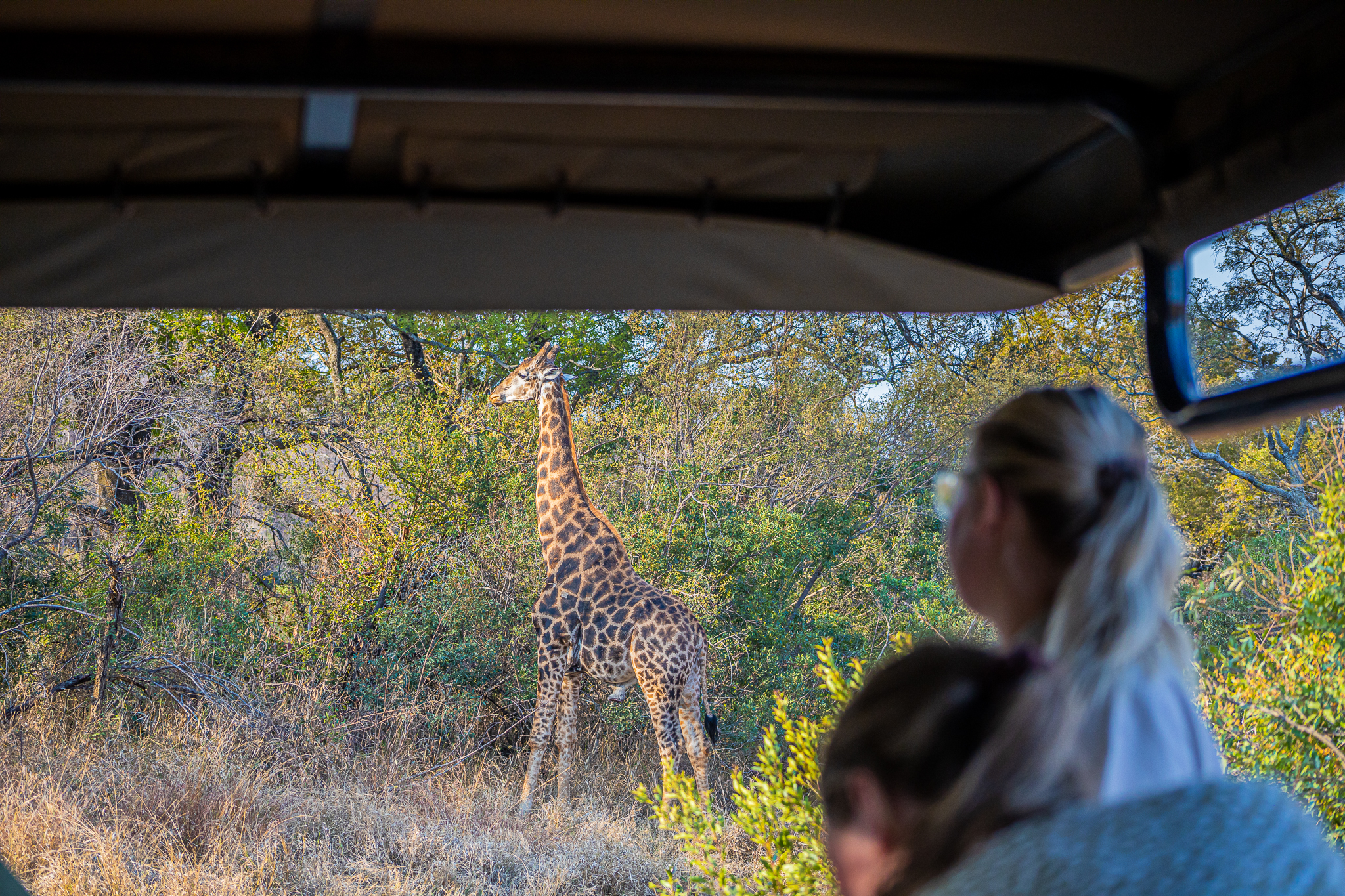
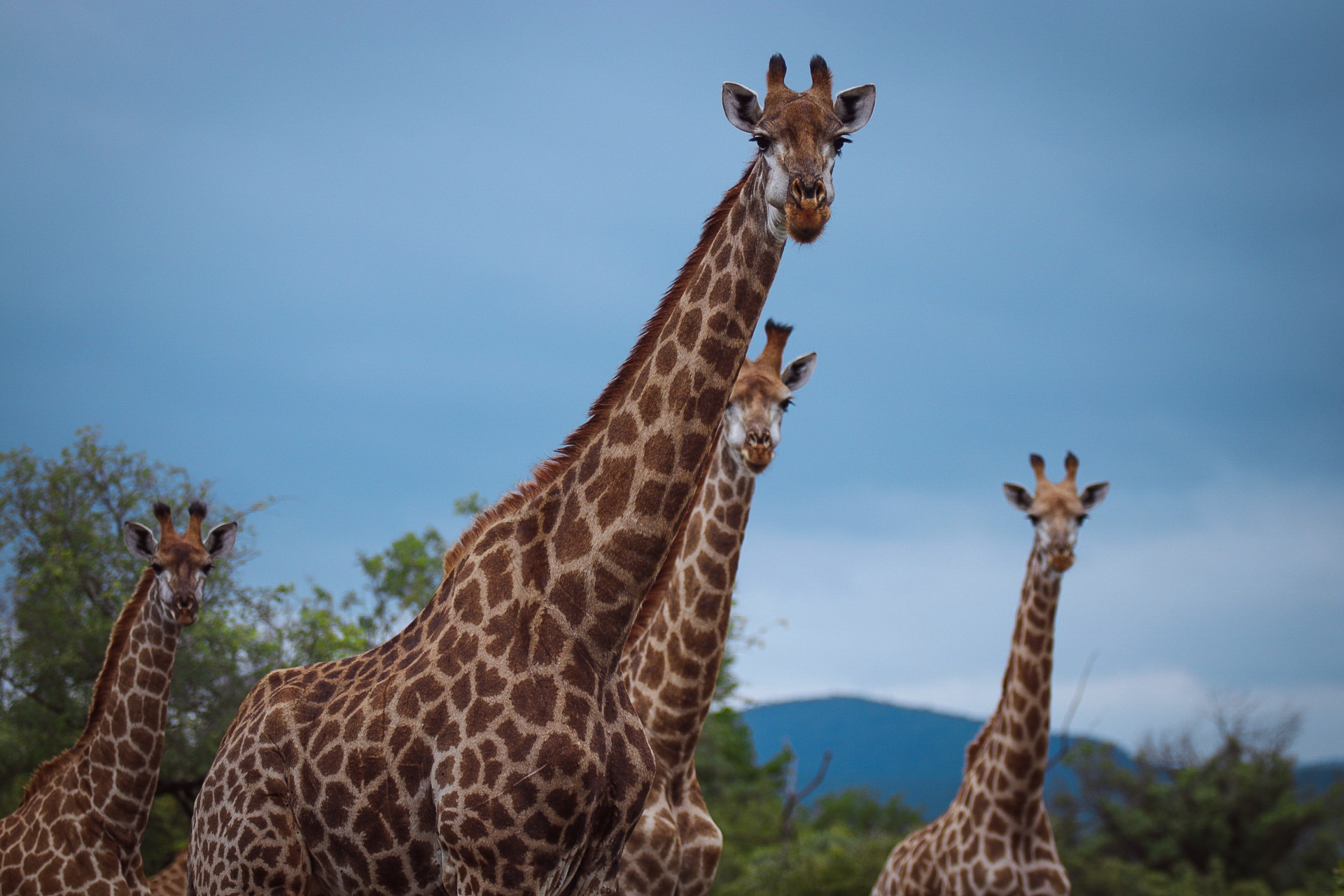
    When thinking of Africa’s iconic wildlife, the first thing that usually comes to mind is the Big Five. But few people pause to appreciate the other extraordinary animals that call this vast and varied continent home, like the giraffe. This majestic creature is the tallest hoofed land mammal on Earth, and it’s no wonder giraffes have captured the hearts of wildlife lovers and travellers alike. With their towering necks, distinctive spotted coats and calm nature, giraffes are truly remarkable.

    image

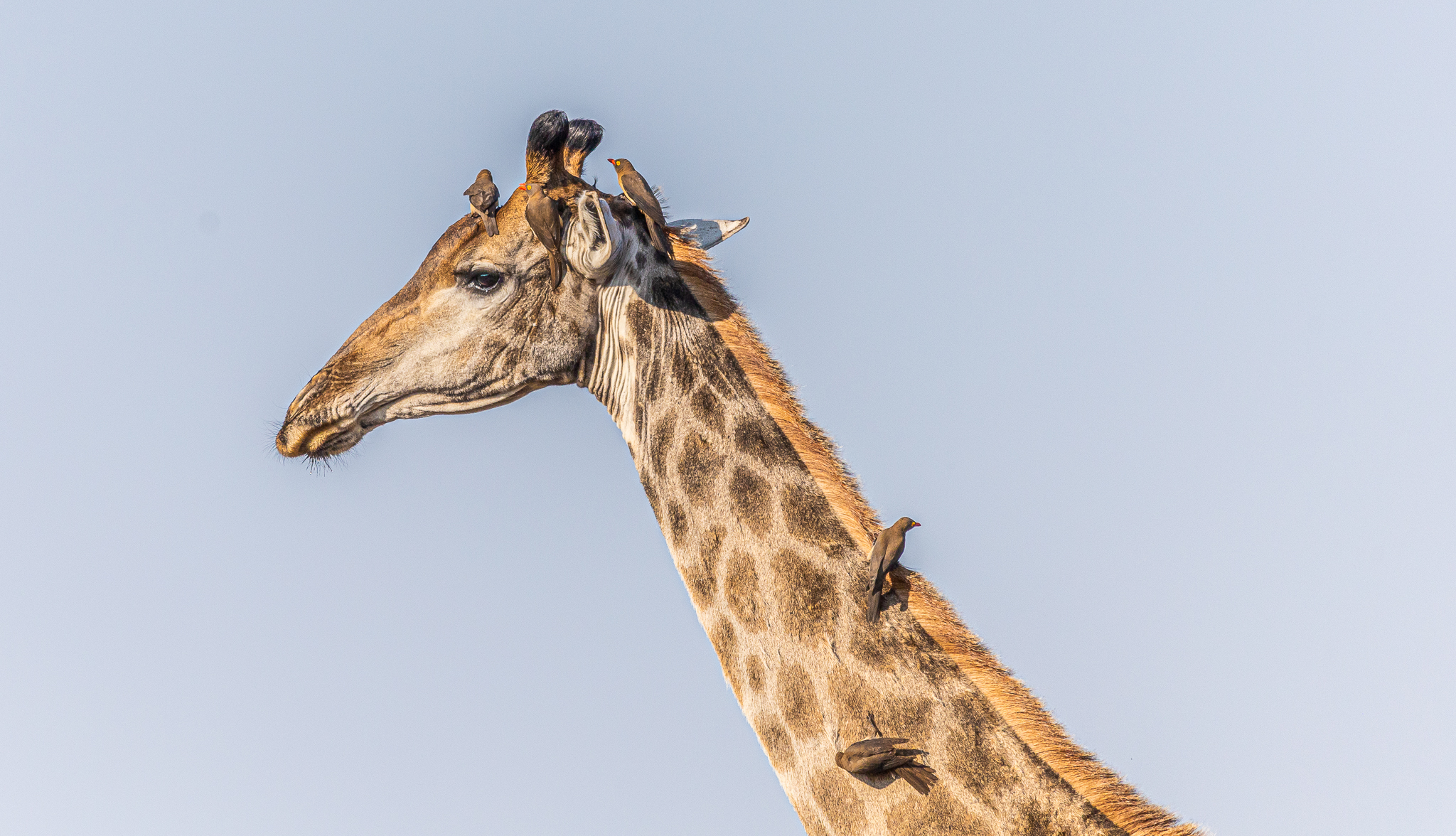
    A giraffe’s height is nothing short of impressive. Males can reach a staggering 5.48 metres (18 feet), while females are generally a little shorter, growing up to around 4.26 metres (14 feet). Their long, sturdy legs – each about 1.82 metres (6 feet) in length – provide the strength and balance needed to support their size.

    Of course, it’s the neck that steals the show. A giraffe’s neck can stretch up to an incredible 3 metres, yet they have the same number of neck vertebrae as humans – just seven. Despite this impressive anatomy, giraffes face a rather awkward challenge when it comes to drinking water. Their necks are too short to reach the ground on their own, so they must bend their legs in a strange, splayed position to lower their heads. Thankfully, giraffes don’t need to drink all that often. They can go for weeks without water, absorbing most of their hydration from the leaves and plants they feed on.

    image

    Giraffes are sociable animals and live in loose, ever-changing groups known as “towers” or, occasionally, “journeys”. Unlike many herd animals, giraffes don’t follow a strict hierarchy. Instead, they interact in a calm, easy-going way. Group sizes can range from just a few individuals to over 20, and the makeup of the group can shift regularly. Female giraffes often form smaller, more stable groups, particularly when raising calves. Males, on the other hand, tend to roam more widely and are commonly seen in bachelor groups, especially during the mating season when they compete for dominance and the right to breed.

    Beyond their striking appearance and social habits, giraffes play a vital role in the health of their environment. As browsers, they help manage the growth of trees and shrubs by feeding on them, preventing certain species from becoming overgrown. This helps maintain a balanced and diverse ecosystem, benefiting countless other species. In a way, giraffes are the quiet gardeners of the savannah. They are also an important part of the food chain, particularly for predators like lions. While their sheer size offers some protection, calves are particularly vulnerable to predation.

    image

    The giraffe’s unique adaptations, peaceful social lives and ecological importance make them a treasured part of Africa’s wild landscapes. Sadly, some giraffe subspecies – such as the Rothschild’s giraffe – are listed as vulnerable, with their numbers declining due to habitat loss and other human pressures. However, thanks to the efforts of conservation organisations working to protect their habitats and raise awareness, there is hope. These initiatives are helping to ensure that giraffes – with their graceful silhouettes and gentle demeanours – continue to roam Africa’s wild areas for generations to come.

  • The humble dung beetle: Nature’s unsung hero

    This blog was written by Cari van Eeden, a Bushwise Professional Safari Guide student. Each student takes a turn as camp manager, and writing a blog is part of the experience.

    “It seems to me that the natural world is the greatest source of excitement, the

    greatest source of visual beauty, the greatest source of intellectual interest. It is the

    greatest source of so much in life that makes life worth living.” – David

    Attenborough.

    Dung beetles, known across the world, often go unnoticed. However, during my time at Bushwise, I learned just how crucial they are to the environment.

    image

    The crucial role of dung beetles

    Dung beetles are vital to maintaining a healthy ecosystem. During the summer months, they play an essential role by burying dung, which, as it decomposes, returns nutrients to the soil. This process improves soil structure and supports plant health. Additionally, they help control pests like flies, which can spread disease. By moving dung, they also assist in seed dispersal, unknowingly giving plants a helping hand.

    Dung beetles: The silent workers

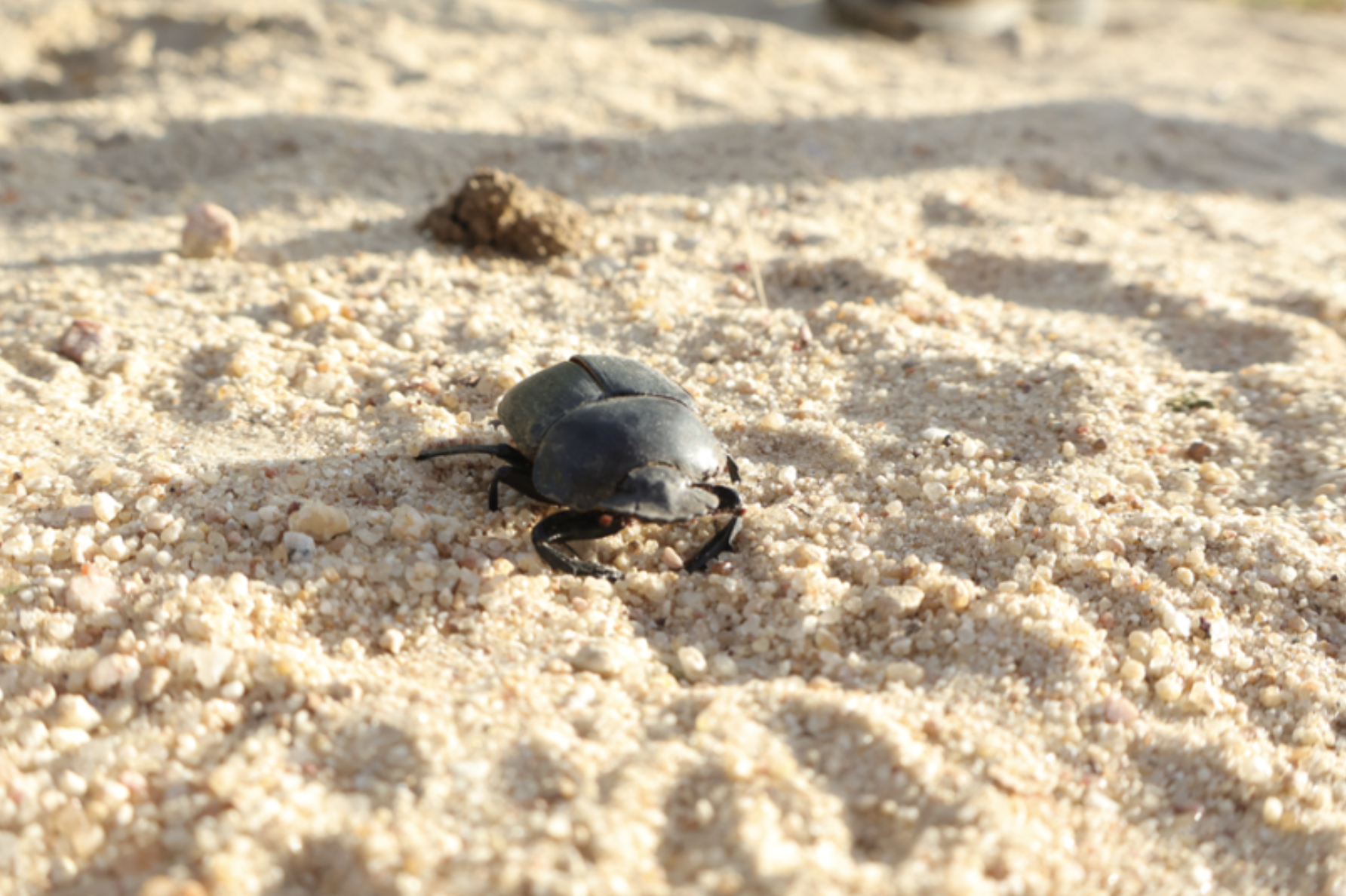
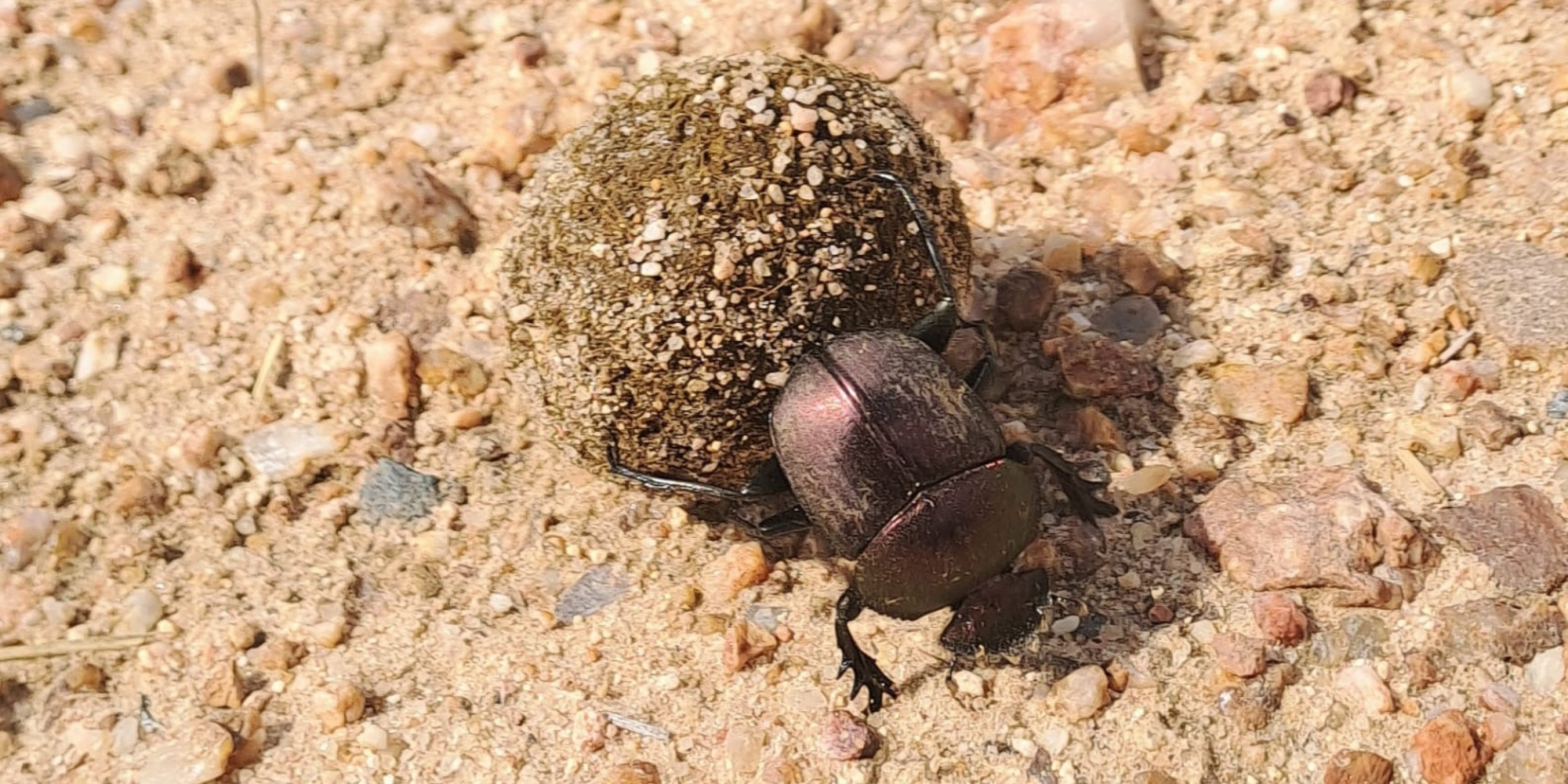
    There are four categories of dung beetles. One group, known as telecoprids, is particularly interesting. These beetles roll balls of dung away from the dung pile, then bury them in soft soil. This not only helps the nutrient cycle but also plays a large role in the biodiversity and beauty of our surroundings. As field guides in training, we quickly recognise how valuable these creatures are, so we make it a point to drive around them while they’re busy at work. It’s also important for us to share the significance of their work with guests during future safaris.

    image

    The fascinating dung ball

    So, why the dung ball? Dung balls serve two primary purposes. They are either used as a food ball, providing nourishment, or as a brood ball, where females lay their eggs. Sometimes, both. 

    Brood balls are fascinating. Often, one beetle clings to the ball while the other pushes it along with its hind legs. The male does most of the heavy lifting, rolling the ball far from the dung pile. Once he finds soft soil, they both dig and bury the ball, allowing the female to lay her eggs inside. This is a perfect example of teamwork in action. The ball ultimately serves as both a food source and a home for the developing larvae. It’s incredible to think that such a small creature can push 50-80 times its body weight.

    Other interesting dung beetles

    There’s also a group of dung beetles called endocoprids. These beetles don’t roll dung but instead dig tunnels beneath the dung piles. Then, there are the paracoprids, who skip the rolling and tunnelling altogether. Instead, they hop onto the dung and lay their eggs right there, though this method comes with the risk of being trampled by larger animals.

    Lastly, the kleptocoprids are beetles that steal dung balls from other beetles, often after a fierce struggle.

    image

    What we can learn from the dung beetle

    Facts aside, these remarkable insects offer valuable lessons: Firstly, there are many ways to achieve the same goal, so avoid comparison. Secondly, never underestimate the power of the “smallest” among us. And lastly, you are often stronger than you realise.

    Ready to learn more about nature’s incredible creatures firsthand?  Explore our wildlife courses to begin your journey into field guiding.