Author: Gerhard van Niekerk

  • The impact of drought and rain cycles in the Lowveld

    This blog on the impact of drought and rain cycles in the Lowveld was originally published in 2017 by Gerhard van Niekerk.

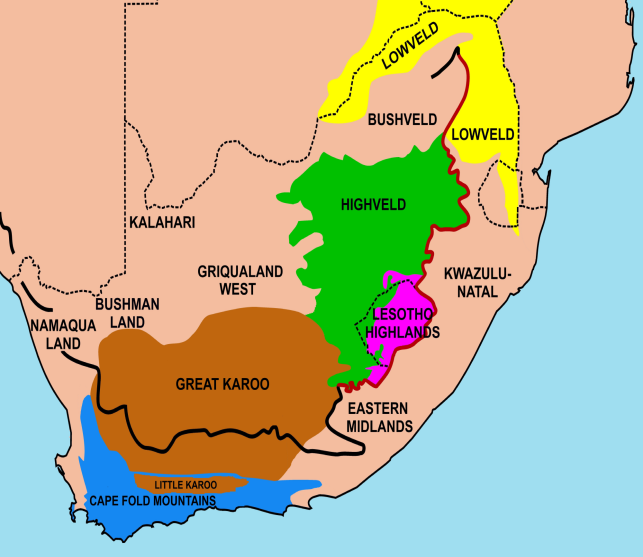
    Location of the Lowveld

    The Lowveld is an area that lies within two provinces of South Africa, Limpopo and Mpumalanga provinces. It is called the Lowveld due to its low altitude in the north eastern tip of South Africa. The altitudes range from around 300-600m above sea level.
    image

    Image from Wikimedia

    The local weather system yields a subtropical climate with hot, humid summers and mild, dry winters. Day temperatures of above 35° in summer are nothing strange to the local inhabitants.

    The Lowveld is exposed to great variations in the amount of rainfall received in any one year. The reason for the low rainfall in the Lowveld and its variability lie in the position of the region relative to the main weather-generating circulation systems. The latitude of the Central Lowveld coincides with a zone of dry, descending air.

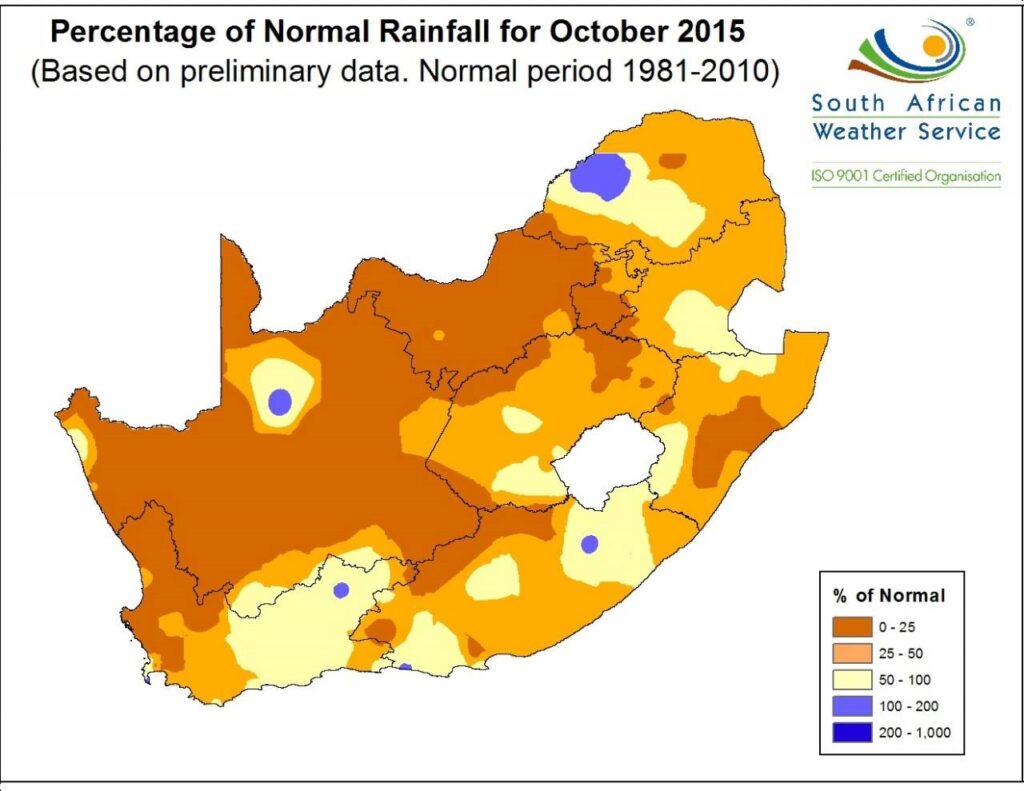
    This means lots of sunshine and warm temperatures but only a little rain. It is only when the tropical circulation shifts southwards in the summer months that the high pressure cells can be pushed aside, sucking moist air from over the Indian ocean and sometimes leading to spectacular thunderstorms. October to April is generally regarded as summer months. Research on the rainfall patterns in the Kruger National Park over the last 100 years indicates a cyclical tendency in rainfall volumes, with 10 years of above average rainfall typically followed by ten years of below average precipitation.
    image

    Image from WeatherSA

    The average rainfall is around 500mm per annum. Rain usually falls between October and March, with a peak in December and January. On average there are thunderstorms for only 25 days of the year. The past 10 years are regarded by many as one of the most intense droughts experienced in the past 30 years or so. A drought could generally be defined that when an area in South Africa receives less than 75% of its normal rainfall, it is considered to be experiencing a meteorological drought. BUT it can be safely assumed that a shortfall of 20% from normal rainfall will cause crop and water shortfalls in these regions accompanied by social and economic hardship.

    HOW THE DROUGHT AND THESE RAINFALL PATTERNS AFFECT THE LOWVELD

    Climate acts with geology as a critical determinant of the ecological potential of a landscape. The climate of the Lowveld follows a trend from wetter and cooler weather in the south and west to drier and hotter in the areas of the north and east. These trends cut across the diverse geological belts to provide a wide variety of habitats, accounting for the great variety in the vegetation and wildlife in the region.

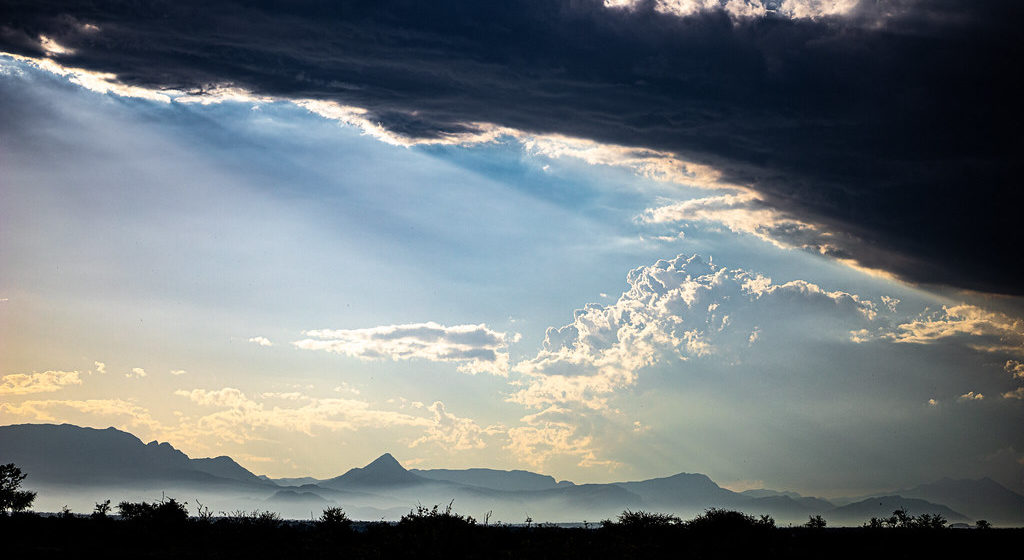
    The wind usually blows from the South, South East, usually under 12.6km/hr. The strongest winds of around 30km/h usually blow in October. From August to October this wind sometimes swings to blow from the north; this is usually a hot dry wind.
    image

    The consequence of rain cycles in the Lowveld being confined to six months of the year is that most crops can only be grown during this period. Similarly, the recharging of water resources is also confined to these crucial six months. When the seasonal rainfall is seriously below normal, crop yields are poor and ground and dam water levels fall dangerously low. Should these conditions occur in swift succession, as in the periods from 1964 to 1970, 1991 to 1995 and again from 2002 to 2005, there is insufficient time for natural resources and the economy to recover from each rainfall-deficit period.

    The effect of abnormally high temperatures is an increase in evapotranspiration as well as stress on plants whilst further depleting surface-water reserves through evaporation.

    A knock for the Agricultural Industry

    The most serious impact, other than dwindling water supplies, is the effect on staple crops and, ultimately, commercial crops. In 1992/1993, undoubtedly one of the most widespread droughts of the last 45 years, maize had to be imported to South Africa . The knock-on effect of crop failure could be seen in the population drift from rural areas into the cities, farm labour lay-offs and farm closures as well as an increasing indebtedness in the agricultural sector.

    Veld Fires

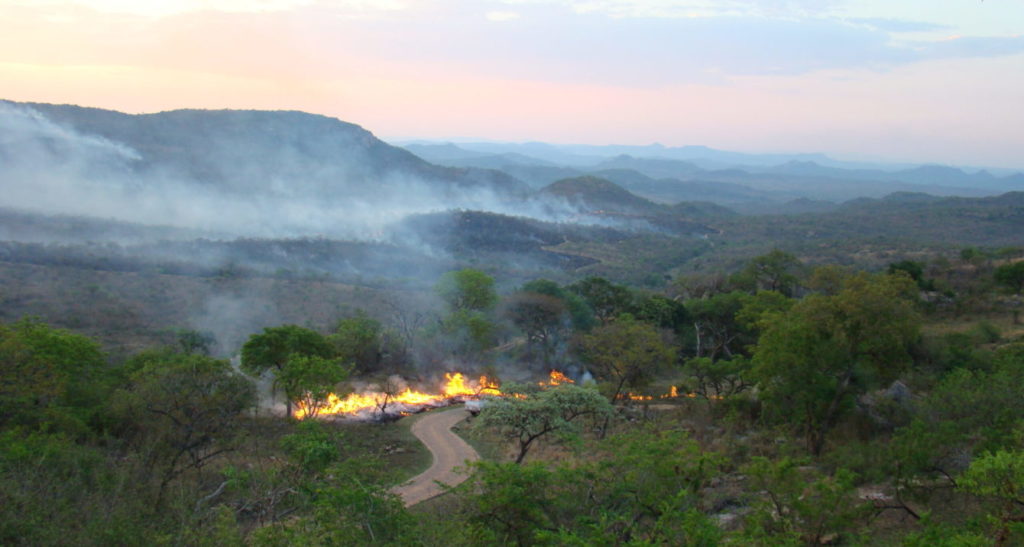
    Other serious impacts brought about by drought are the devastating veld fires which destroy large areas of grazing at a time when grass is in short supply. Commercial timber and orchards are also prone to damage at such times. In 1992 there were several huge fires which destroyed thousands of hectares of grassland. In one of the worst events, during August, at least nine people perished. In 1994, a combination of unusually strong winds and very dry conditions saw large areas of grazing and timber destroyed. Six people died in one such fire in July of that year. Again, in July of 2002, Mpumalanga was devastated by fires that destroyed 24,000 ha of pasture and left four people dead and damages amounting to more than R32 million.
    image

    Soya, sorghum, groundnuts and sunflower crops have also been affected, which has negatively impacted South Africa’s food security. While South Africa usually exports maize South Africa will have to import roughly 5 to 6 million tons of maize (half white and half yellow) to meet its internal demand.

    THE FIRST RAINS

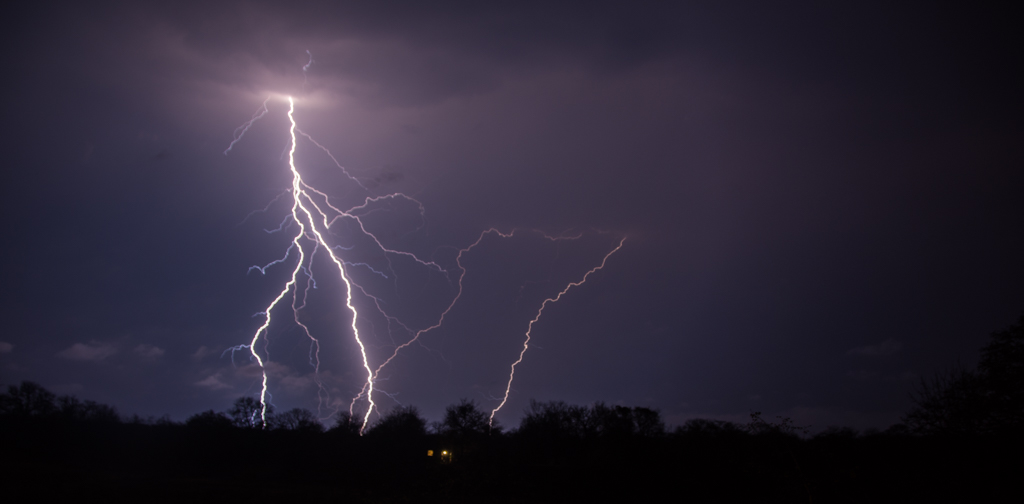
    What a delightful sight it is when one sees, smells and feel the first of the rain cycles in the Lowveld after prolonged periods of drought. Not only does it bring the water but a very welcome relieve for especially the farmers and it also creates an elevated spirit amongst the people of the area. Not to even mention the plants and animals!
    image

    Author: Gerhard van Niekerk

    #fire #impact #lowveld #rain #wind #drought #weather
  • Record breakers in the animal kingdom

    As humans, we recognise our champions and those with very special achievements with a gold medal or a Nobel Peace Prize. Some humans with other very special abilities or special physical features are recorded in the Guinness World Records book. But for millions of years, long before modern humans, the champions in the animal world were already setting some amazing records that remain unmatched by humans. Here are only a few examples that will hopefully trigger your interest in finding out more about the other record breakers of nature.

    The strongest

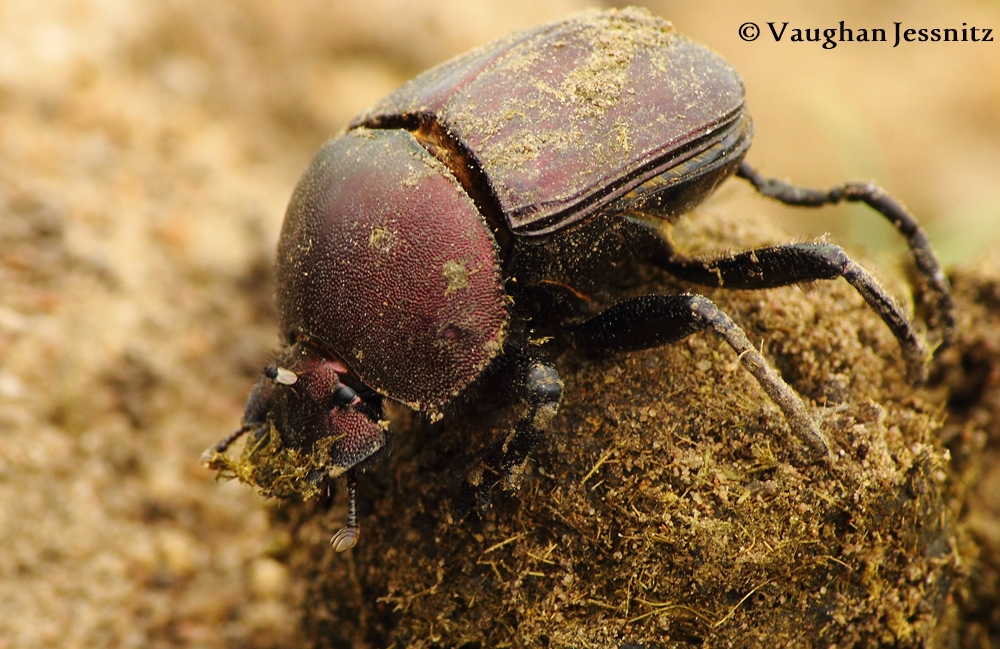
    The current strongest man on earth is Hafþór Júlíus  Björnsson. He weighs 193 kgs and can deadlift 1041 pounds or 520 kgs. That is about 2.7 times his own body weight. But when you compare that to a much smaller creature like a dung beetle or rhino beetle, it becomes very clear that Bjornsson can’t compete with these guys. It is said that dung beetles can push 850 to 1100 times their own body weight. Although a beetle cannot lift 520kgs. they can lift more weight in relation to their body size. This is because muscle strength increases in proportion to the surface area of a muscle’s cross-section and not from a larger volume or mass. This also means that relative to the volume or mass of a muscle, its strength rating decreases the bigger it gets. This law of physics turn the dung beetles into true champions and record breakers.

    image

    Best eyesight

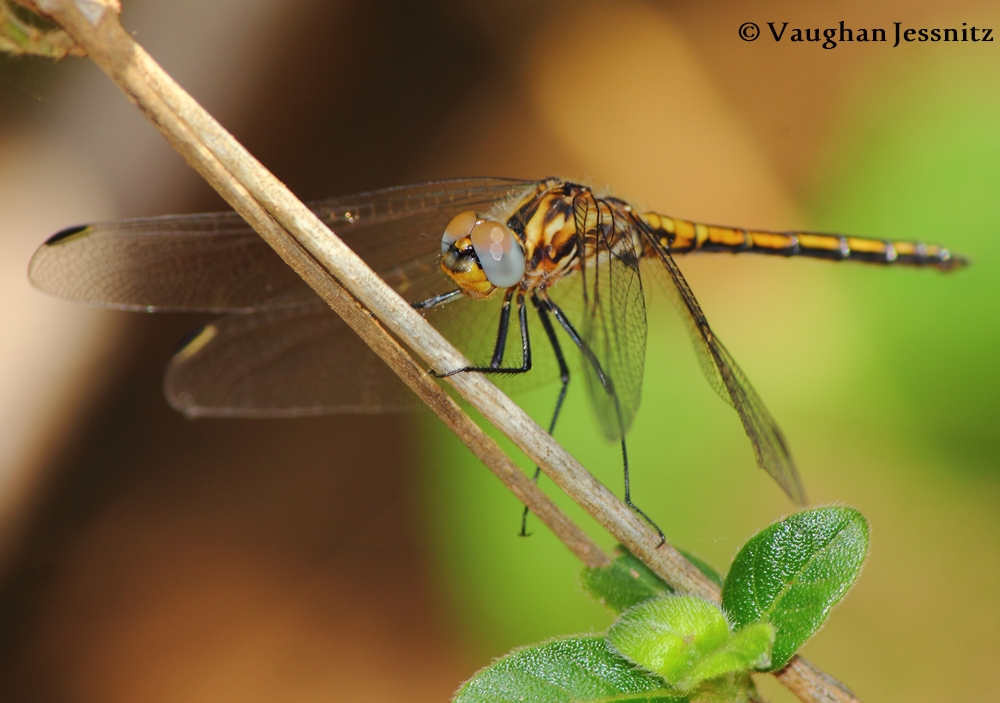
    Dragonflies have two large compound eyes, each with thousands of lenses, and three simple eyes with lenses called ocelli. These eyes allow them to see up to 200 frames per second. In comparison, humans can only see around 12 -16 frames per second. This gives dragonflies the ability to see a three-dimensional hologram-like image and they see this in slow motion. This comes in very handy as they hawk other insects in mid-air. Because they spend a lot of time around water they also have other adaptations in their eyes to prevent them from falling into the water like other insects. While other insects’ sight gets confused by the reflection of the sunlight from water, dragonflies have evolved to counter that visual error. They achieve this by having special horizontal facets in the middle of their eyes that enable them to still distinguish between the darker horizon and the lighter sky. Basically it means their heads always stay level with the horizon. These abilities make dragonflies the record holders of vision.

    image

    The loudest

    A jet aircraft or Boeing 737 taking off generates 90 -150 dB. Just imagine what 230 dB. sounds like. This eardrum bursting noise is produced by Sperm Whales. These calls can travel up to 500 miles underwater. They produce a series of clicking noises that can reach as high as 230 dB. making it the loudest animal in the world. These whales are the Olympic champions of the animal sound world.

    The high jump champions

    Fleas can jump 220 times their body length and they can jump around 30 thousand times in a row. This means that if they were human-sized then they would be able to jump over the Eiffel Tower with an acceleration force of 140G. That’s an acceleration rate 50 times greater than a rocket taking off into space. To help them to achieve this great feat they have an elastic pad made of a protein called resilin. This functions like a tensed spring that release and catapult fleas into the air. To brace them when lifting off they have spiny gripping structures that cover the fleas’ feet and shins.

    In conclusion:

    These record-breakers have been around for millions of years and evolved special adaptations to be able to survive in the hostile natural habitats and out-compete competitors. Their phenomenal feats leave our abilities as humans lacking far behind although we constantly try and mimic these abilities within our own world.

    Blog by Gerhard van Niekerk

    Resources

    https://www.google.co.za/search?biw=1366&bih=625&tbm=isch&sa=1&ei=dGNvXZqRDJHeasmbgMAF&q=telecoprids&oq=telecoprid&gs_l=img.1.0.0i24.325874.328780..330872…0.0..0.414.3302.2-2j7j1……0….1..gws-wiz-img…….35i39j0i67j0j0i10j0i10i24.v3jKVe2XBOw#imgrc=-vL78D43oPeewM:

    https://www.google.co.za/search?biw=1366&bih=625&tbm=isch&sa=1&ei=wmRvXa78KcSUa4KahJgC&q=thor+the+mountain&oq=thor&gs_l=img.1.0.35i39j0l9.122999.124138..126653…0.0..0.455.1438.3-3j1……0….1..gws-wiz-img.WCj_4c8A-tc#imgrc=EaYf_WlUDrlotM:

    https://www.google.co.za/search?biw=1366&bih=625&tbm=isch&sa=1&ei=RGVvXYfNEYS4gweOgZWQAw&q=dung+beetle&oq=dung+bee&gs_l=img.1.0.0l10.129045.131432..133233…0.0..0.423.2769.3-7j1……0….1..gws-wiz-img…….35i39j0i67.crUsKAONVq0#imgrc=NHm5pNorE6RFUM:

    https://animals.mom.me/strong-animals-relative-sizes-5690.html

    https://www.animalwised.com/the-10-highest-jumping-animals-in-the-world-943.html

    https://www.brainfacts.org/thinking-sensing-and-behaving/vision/2012/image-of-the-week-dragonfly-eyes

    https://www.livescience.com/12794-high-jumping-fleas-secret-shins.html

    https://www.google.co.za/search?q=dragonfly+eyes+facts&source=lnms&tbm=isch&sa=X&ved=0ahUKEwixmv6J3LbkAhWxrHEKHSyID7MQ_AUIEigB&biw=1366&bih=625#imgrc=Z5xcVRJHq9CDXM:

    https://www.google.co.za/search?q=dragonfly+eyes+facts&source=lnms&tbm=isch&sa=X&ved=0ahUKEwixmv6J3LbkAhWxrHEKHSyID7MQ_AUIEigB&biw=1366&bih=625#imgrc=yBTrjwZeLFsInM:

    https://showme.co.za/secunda/lifestyle/nature-outdoors/7-things-you-never-knew-about-dragonflies/

    https://thepointsguy.com/news/quietest-aircraft-in-the-sky/

    https://onekindplanet.org/animal/flea/

    #recordbreakers #fastest #besteyes #strongest #animalkingdom #loudest

  • All you need to know about the Trails Guide qualifications

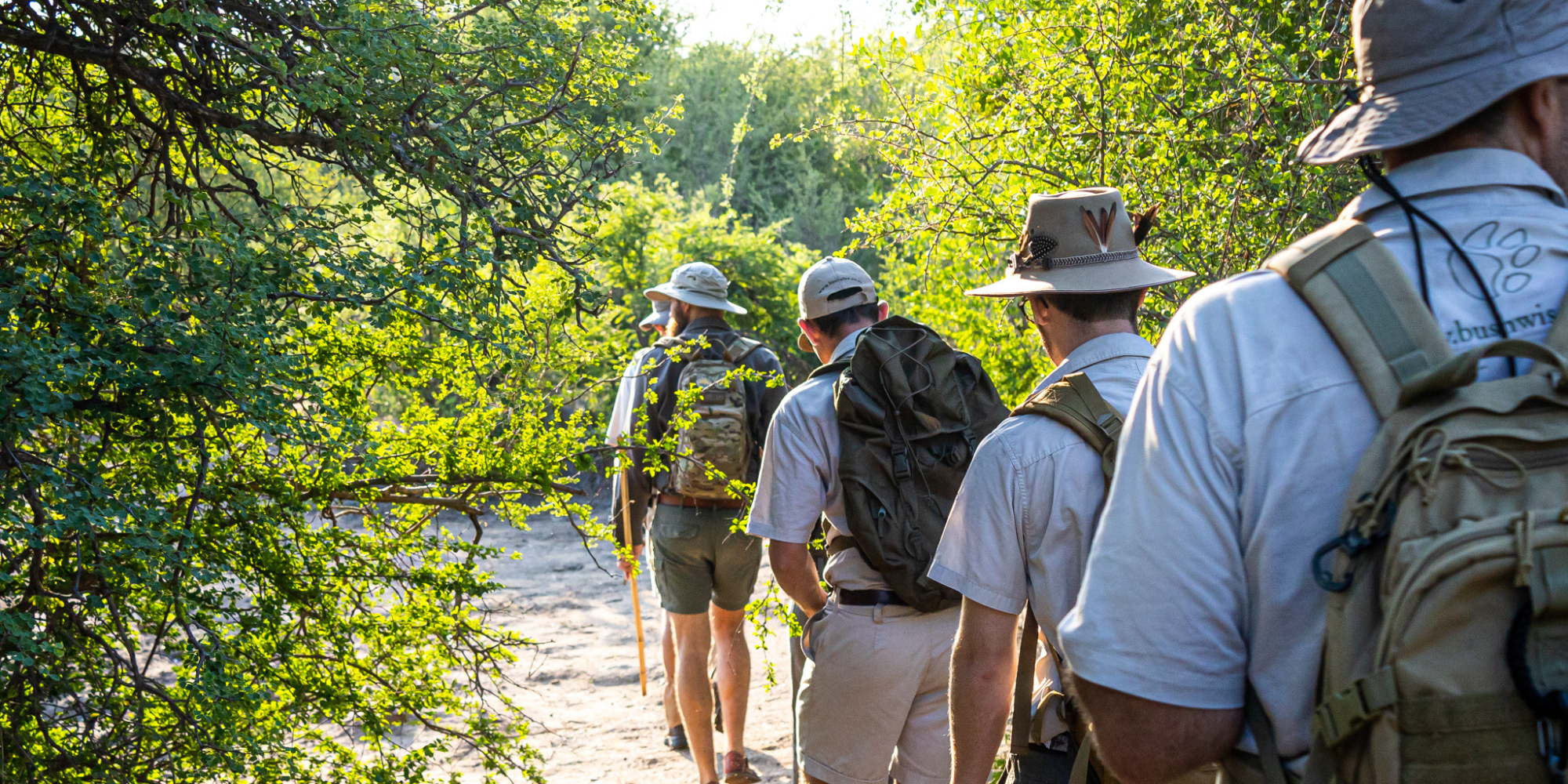
    Imagine walking in Africa’s most iconic game reserves, tracking wildlife on foot, and immersing yourself in nature in its purest form. This is the life of a Trails Guide – a highly skilled guide trained to lead walking safaris in areas with dangerous game animals.

    But how do you become one? Let’s break it down.

    image

    What is a Trails guide? 

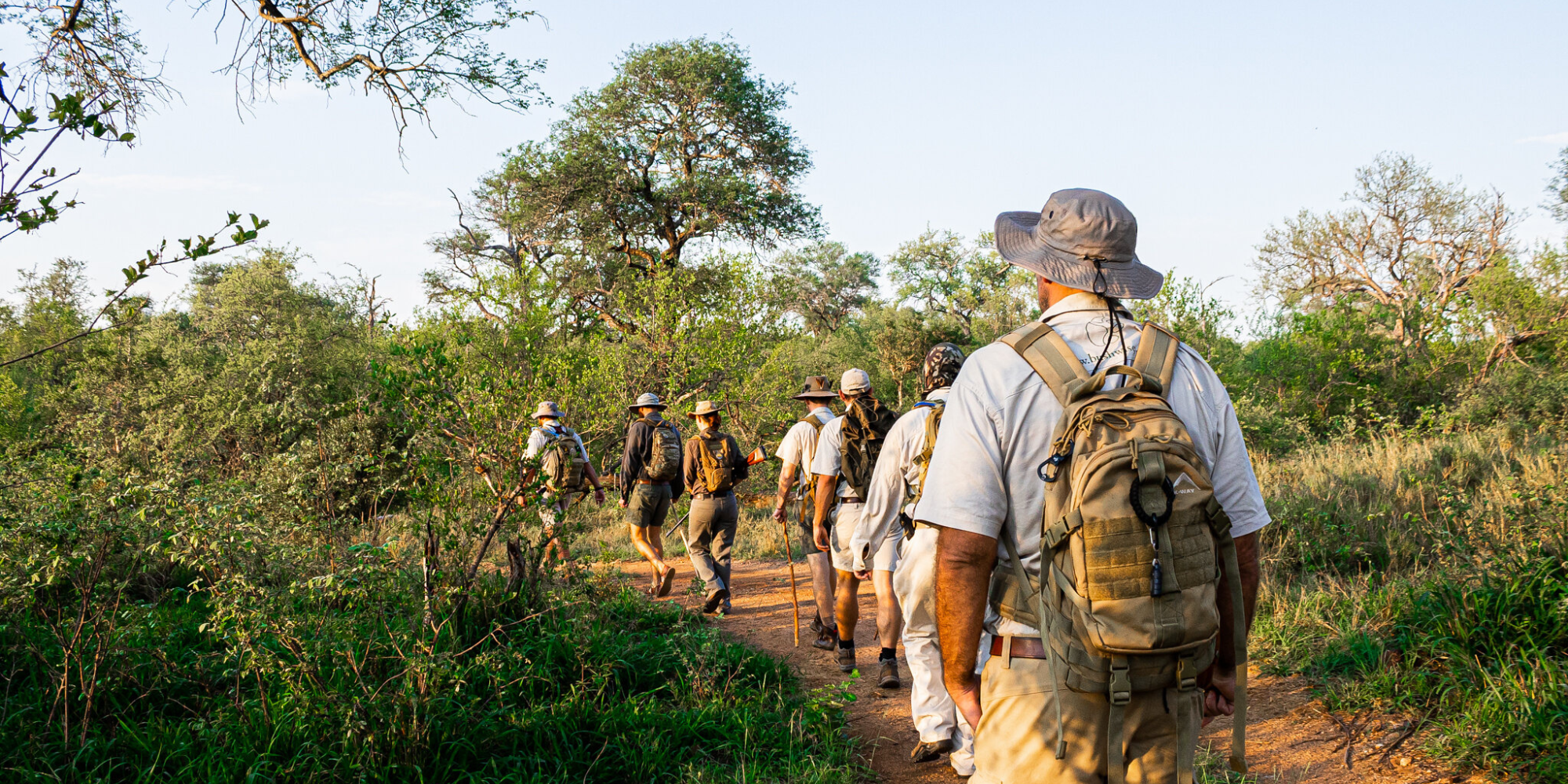
    A Trails Guide differs from a Safari Guide (or Field Guide) in one key way – the ability to lead guests on foot in wildlife areas with potentially dangerous animals.

    While a safari guide holds a CATHSSETA NQF2 Nature Site Guide qualification and can conduct vehicle-based safaris, they are not permitted to lead walking or horseback safaris carrying a rifle. That’s where a Trails Guide comes in!

    image

    The Path to Becoming a Trails Guide

    Becoming a qualified Trails Guide takes time, training, and plenty of experience. Here’s the step-by-step progression:

    1. Qualify as a Safari Guide – Obtain the CATHSSETA NQF2 Nature Site Guide qualification.

    2. Train as a Back-Up Trails Guide (Second Rifle) – Complete the required training and assessment walks.

    3. Gain experience on foot – Walk the required hours, encounter wildlife, and build confidence.

    4. Qualify as an Advanced Trails Guide (First Rifle) – Pass all assessments to lead walking safaris independently.

    But what exactly is the difference between a Back-Up Trails Guide and an Advanced Trails Guide?

    A Back-Up Trails Guide (Second Rifle) supports the lead guide on walking safaris. Walking behind the Advanced Trails Guide, you act as the second rifle, ensuring guest safety. However, you cannot lead a walking safari alone—you must always accompany an Advanced Trails Guide.

    An Advanced Trails Guide (First Rifle), on the other hand, can lead walking safaris independently without needing a backup.

    So how do you reach Advanced Trails Guide status? Let’s dive into the details.

    image

    Training to Become a Back-Up Trails Guide

    If you’re already a qualified safari guide and have First Aid Level 1, your next step is to enroll in the 35-day IFGA Trails Guide Course.

    During this course, you must complete:

    • Theory Exam – Pass with at least 75%.

    • PFTC Firearm Proficiency – Meet the required firearm handling standards.

    • Bushwise Advanced Rifle Handling – Demonstrate safe and effective rifle use.

    • Practical Scenarios (100 hours), including:

      • Simulated walking scenarios

      • Incident management

      • Emergency Action Plans (EAPs)

      • Animal trailing techniques

      • Risk identification and approach and exit strategies

    • 80 walking hours in dangerous game areas

    Additionally, you must log wildlife encounters:

    • 20 Rifled Encounters – Encounters where you carry a loaded rifle.

    • 5 encounters per key species – Elephant, rhino, buffalo, lion/leopard (lion & leopard count as one category).

    • 20 Observer Encounters – Encounters where you’re observing without a rifle.

    Once you’ve completed these requirements, you must pass at least one guided assessment walk to qualify as a Back-Up Trails Guide.

    image

    Gaining Experience as a Back-Up Trails Guide & Advanced Trails Guide Assessment

    With your Back-Up Trails Guide qualification, it’s time to log more hours and encounters – because in the world of trails guiding, experience is everything.

    You can do this at your workplace or return to the IFGA Trails Guide Course to continue building experience in the Advanced Trails Guide (First Rifle) position.

    To qualify for Advanced Trails Guide status, you need to:

    • Log 200 walking hours on foot in dangerous game areas.

    • Encounter wildlife as the First Rifle (lead guide):

      • 80 rifled encounters in total

      • Minimum of 10 encounters per key species (elephant, rhino, buffalo, lion/leopard).

    These hours and encounters must be verified and signed off by an Advanced Trails Guide before your final assessment.

    Additional Requirements:

    • Valid First Aid Level 2 certification

    • Valid Advanced Rifle Handling certification (expires every two years—keep it updated!)

    Once you’ve met these requirements, you’ll undergo a minimum of two final assessment walks to qualify as an Advanced Trails Guide.

    Becoming a fully qualified Trails Guide isn’t easy – but it’s essential for ensuring the safety of both guides and guests in the wild. This rigorous training prepares you for the incredible responsibility of leading guests on foot through Africa’s most breathtaking landscapes.

    If you’re ready to take the next step, apply today! Whether you dream of walking in Africa or even leading horseback safaris through a game reserve, this journey offers an adventure and a reward unlike any other.

    Published By: Bushwise Staff

    Check out Bushwise courses or download our brochure here.

  • The realities of Field Guiding

    It appears to be such a glamorous job to drive tourists around in open game viewers and to wear khaki uniform while in search of the big 5 animals.

    If you ask people why they want to become field guides you may get a variety of answers that will include the following:

    1. I love nature,

    2. I just love the animals,

    3. I enjoy the outdoors and fresh air,

    4. I would like to work with animals.

    5. I always wanted to become a ranger.

    These are all acceptable reasons as to why a person may want to become a field guide, but what is the reality of this occupation?

    image

    Firstly field guiding is actually more about the people that you will have on a game drive than any of the above mentioned reasons.

    If a person would not enjoy being around people, meeting new people and would not enjoy conversations with guests, then field guiding is the wrong career path for you.

    Although field guides do work in nature and are out on game drives in search of iconic African animals, it is more important to be able to entertain and host guests while on these activities. If you don’t enjoy communicating with people then your guests will not have the best time on their safari with you and neither will you.

    Field guides do not work with the animals directly but only view them.

    image

    Field guides are also not rangers although the term has become a universal name for field guides to many a tourist. Rangers deal with the conservation and management of the fauna and flora of a reserve and do not deal with guests.

    Field guides have very demanding work conditions which include a variety of non -guiding related tasks. These tasks are often done in between the normal game drives or bush walks that field guides are required to do. The normal game drives start long before sunrise and all these other tasks will keep guides busy in between and after the normal game drives. During the long summers a day may start at 4 am and end at 11pm or even later.

    image

    Accommodation is mostly very basic and rooms are often shared. Remuneration is also below average and a newly qualified guide may start with a salary of around R 4000.00 per month. Gratuities are not a given and are often shared amongst various staff members. Meals and uniform may be supplied while on duty but each lodge has its own rules when it comes to this. To enter into the guiding industry may also proof quite expensive in relation to the potential income.

    Higher income levels are possible for those who are truly dedicated and committed to guiding as a career and to those who are able to find employment at top end lodges with higher salaries and great gratuity opportunities. This may be around R 10 500 per month excluding gratuities.

    The truly dedicated and passionate guides will find this career very rewarding indeed.

    Find out more about Bushwise courses here.

    Blog by Gerhard van Niekerk

    #tourism #fgasa #fieldguiding #hospitality #fieldguides

  • What makes an Excellent Field Guide

    Before I give my opinion on this, let us just have a brief look at what field guiding actually is all about.

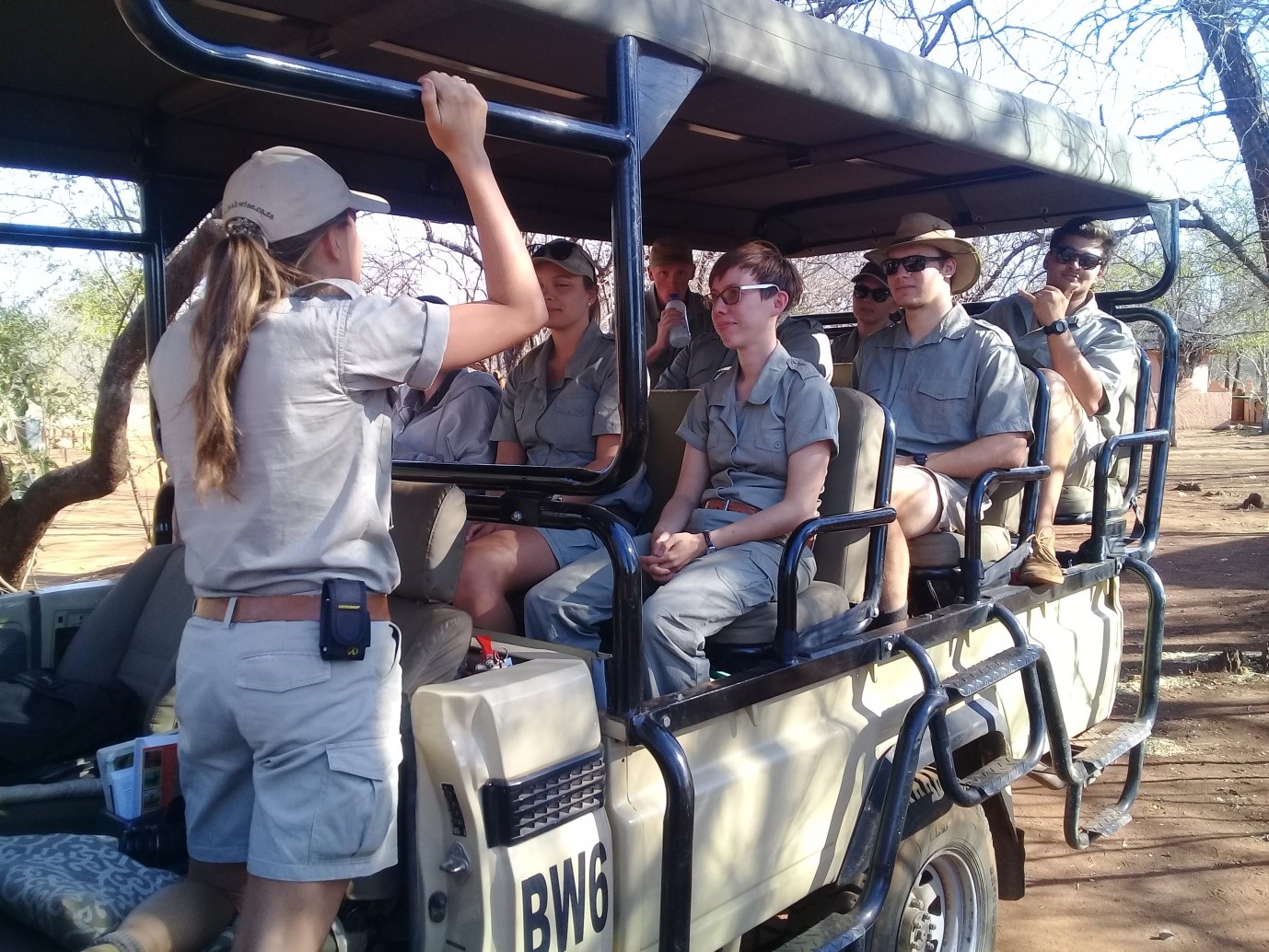
    You have probably seen those open game viewers that drive around in game reserves with a bunch of people in the back? Well, they have a driver on board that is acting as their guide for the duration of their stay at the Lodge, rest camp or Hotel.

    These guides are then supposed to act as a link between what they experience out in the natural environment and their guests. This is done though facilitating and interpreting in a way that the guests would not have experienced without the presence of the guide. This is to be done in a way that is enjoyable for the guests and in a way that will also educate them about the holistic complexities of the natural environment and make them aware about their custodianship and to decrease or limit the impact humans have on the environment. This process should also include the culture,folklore and history of the area.

    image

    Photo by Sean Cawood

    All of this should be done with SAFETY as the underlying controlling factor.

    Well, I agree that that all is a mouthful and achieving that will only be  possible in a perfect world. It seems you need a special degree to do all of that but becoming a qualified and legal field guide can take as little as 2 months or as much as 2 years.

    So what will make a good field guide in this scenario?

    Firstly the question should actually be : “What makes an excellent, professional and ethical guide ?” Many people can become good guides but not many will become excellent.

    I am sure you will get countless different answers on this so I will give only my opinion in view of my experience in the field guiding industry.

    What is often overlooked by prospective field guides is the fact that they will actually spend most of their time dealing with PEOPLE and not so much time on the environment ,fauna and flora.

    image

    Photo supplied by Ryan Jack

    To be the excellent, professional and ethical field guide you will therefore need to  :

    1. Have a love to be amongst people and to talk to people and share your knowledge and interpretation with them.

    2. Have a natural aptitude to facilitate things in public. This skill can be developed but those needing development will not be as excellent as someone who has it naturally.

    3. Have a caring and respectful attitude towards your guests.

    4. Have a caring, enthusiastic, passionate and respectful attitude towards all aspects of the natural environment.

    5. Choose guiding as a way of life and not occupation.

    6. Be a permanent resident or citizen of the country. People doing a gap or sabbatical year will rarely become the excellent guides I refer to here.

    7. Relevant knowledge and skill and keep adding new knowledge and skills to your guiding repertoire.

    image

    Here are some specific characteristics will also assist in becoming an excellent guide:

    1. Be tolerant

    2. Have patience

    3. Have a good sense of humour

    4. Be a team player

    5. Be open and honest

    Other characteristics that can be developed over time is :

    1. Listening skills

    2. Observation skills

    3. Learn how to entertain people

    4. Improve your organisational skills

    5. Follow through what you say

    image

    In conclusion

    Many of guests have probably had an “African dream” and have had to save allot of money to come and realise their dreams. Field guides hold in their hands the opportunity for their guests to realise these dreams and bring life to their fantasies about Africa.

    Check out Bushwise courses for more.

    Blog by Gerhard van Niekerk

    Other great sources:

    Guiding skills manual – Grant Hine

    The guides guide to guiding- Garth Thompson

    #fieldguide #gamedrive #guests #safari

  • Conservation and Field Guiding

    What is considered as the Main Objectives of conservation?

    1. To Conserve essential ecological processes and life support.( e.g. forests for  O² and CO2)

    2. The Sustainable use of species and ecosystems,

    3. To Ensure genetic and bio-diversity.

    What is the current status of conservation areas in South Africa?

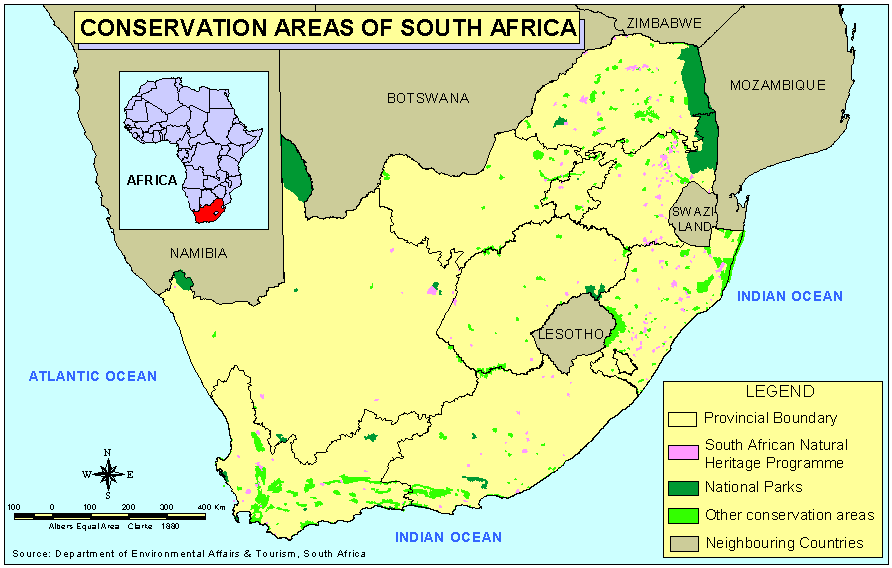
    Currently about 6 % of the land surface is under protection. This means that around 7, 9 million hectares of terrestrial land are protected. Also 2, 2% of marine areas are protected which is 2 million hectares.

    image

    How did the idea of conservation areas evolve?

    It is believed that originally noblemen and royalties created exclusive areas for their own pleasure to either hunt or view game as an exclusive and noble leisure activity.

    But when we look at the current usage of the word “safari” it describes the leisure activities of explorers, scientists, tourists or hunters coming to Africa for different reasons. There is a debate to the origins of the word safari but is probably derived from either the Swahili word “safari” or Arabic word “safari”. It is generally accepted that this word refers to a long journey or grand tour.

    image

    Historically some of the reasons for these extended tours or safaris, were initially for travel to the trade routes in Africa, scientific studies and sport or trophy hunting purposes.

    Ironically the idea of conservation areas also originated from the same men who killed these animals. This was when the realised the devastation and the risk of species going extinct.

    As early as 1897 there were already areas in South Africa that were declared as no hunting zones or “prohibited hunting areas”. These areas were the embryos that later developed into much larger protected sanctuaries .Probably the most renown one was the establishment of the Kruger National park in 1926.

    These early developments in conservation together with much improved ways of travel resulted in a very extensive collection and a wide variety of conservation areas or establishments in South Africa.

    These could be listed as follows:

    1. Trans -frontier parks

    2. Biosphere reserves

    3. National Parks

    4. Provincial Parks

    5. Regional parks

    6. Private game reserves

    7. Marine protected areas

    8. Special nature reserves

    9. Aquariums

    10. Botanical gardens

    11. Zoological gardens

    12. World heritage sites

    13. Forest reserves

    14. Game breeding programmes

    15. Game farms

    16. Endangered species and rehabilitation programmes

    image

    South Africa has come quite a long way to where we are today and more than 10 million tourists visit South Africa on an annual basis. The term Eco – Tourism has also taken foothold in the tourism or Safari industry and this is a sign that conservation of the ecosystems are considered when embarking on the epic African safaris that millions of people dream of.

    It is here on SAFARI with their guests that the field guides have a role to play in the conservation of these protected areas.

    1. Here are some of the reasons why is it important for a FIELD Guide to understand Basic Conservation.

    2. To be able to educate guests about sustainable conservation,

    3. To be able to create and understanding of holistic ecology and in doing so encourage guests to participate in conservation matters and initiatives.

    4. To create a responsibility toward reducing the impact of humans on our natural environment.

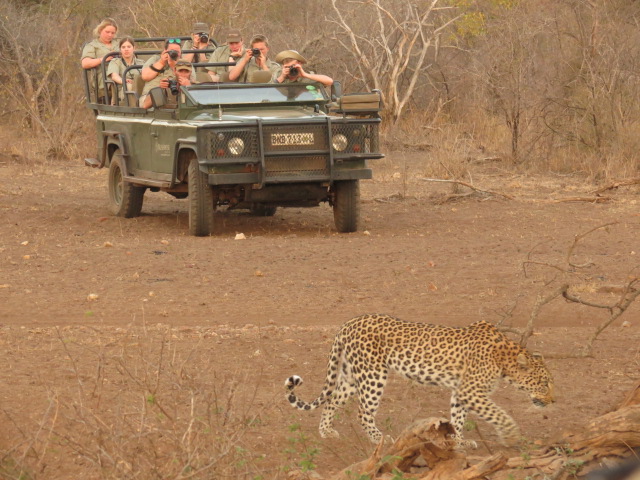
    It may come as a surprise to many people that field guides are not the glamorous and rugged RANGERS as they are often referred to. Game rangers are directly involved in the management of the wildlife and ecology of game reserves and are not involved with guests at all. Field guides on the other end are involved with taking guests out in game viewing vehicles or on foot into natural areas to not only show them the fauna and flora of the country but to also educate them in the ecological and conservation processes.

    image

    As mentioned above in the reasons why is it important for a FIELD Guide to understand Basic Conservation, field guides are supposed to act as mediators, educators and facilitators in the natural environment. Therefore they do not have a direct role in conservation in the true sense of the word but an indirect role as mentioned here above.

    Field guides can also do this by setting the example by getting actively involved in conservation matters in their area of operation or in any other way possible. By doing so they may inspire their guests to also get involved.

    In my view there is too much emphasis placed on the anti-poaching theme as a conservation initiative especially ANTI-RHINO POACHING. I believe that to protect and conserve our natural environment a more holistic approach should be taken. There are many other organisms under threat due to poaching. Here follows just some of those.

    1. Baboon & Monkeys

    2. Blesbok, Bontebok, Zebra, Bushbuck, Nyala, Oribi, Reedbuck, Greysbok, Hartebeest, Duiker, Steenbok, Damara Dik-Dik, Eland, Impala & Gemsbok

    3. Bushpig & Warthog

    4. Buffalo

    5. Hippo

    6. Hyena & Jackal

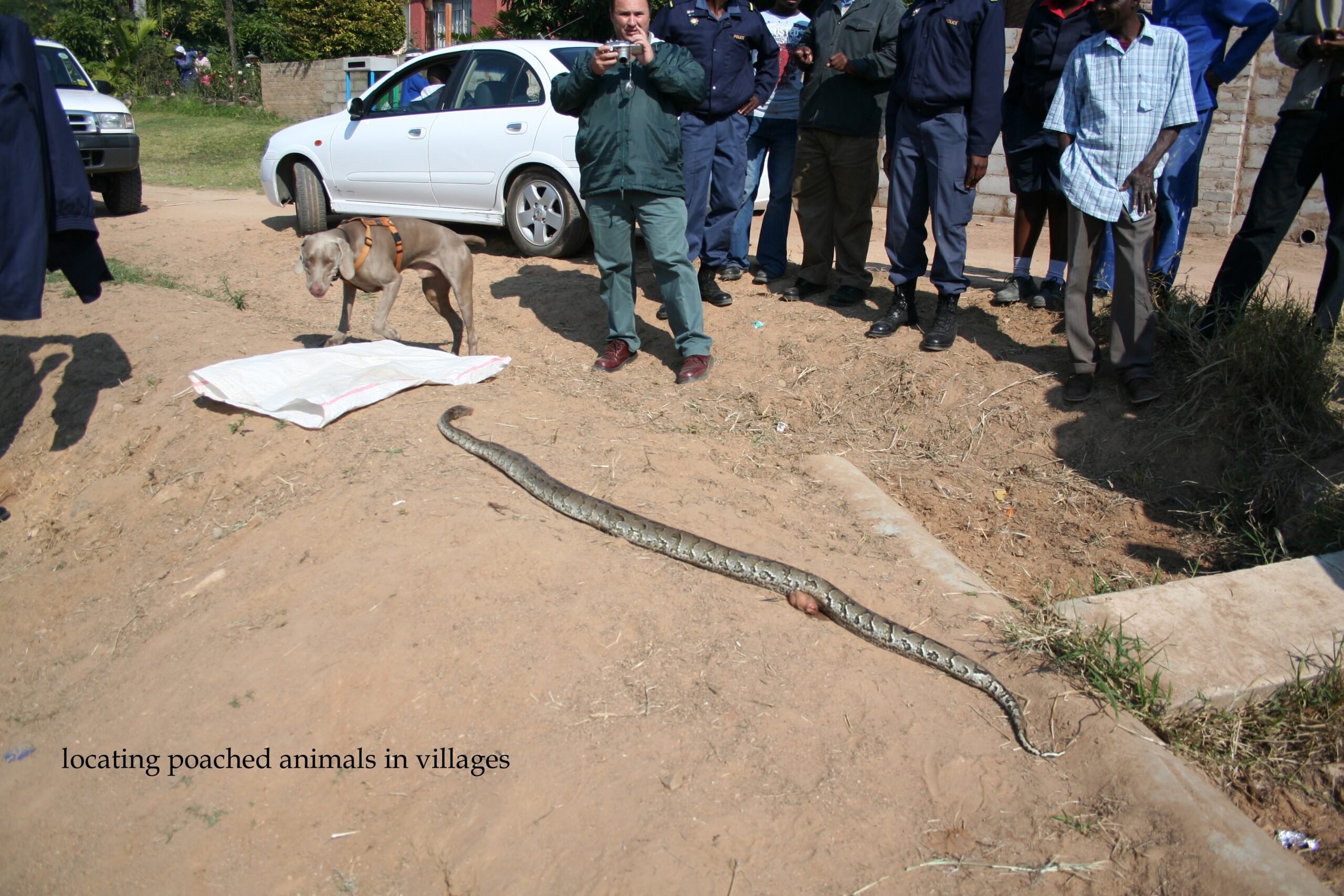
    7. African Rock Pytons, tortoises, chameleons, rock & water monitor lizzards & crocodiles

    8. Aardvark & Pangolin

    9. Vultures, Eagles & Ostriches

    10. General birds

    11. Mongoose & Porcupines

    12. Lions, cheetah & Leopards

    Although the media has really gotten on to the sensation behind the rhino poaching, a vast array of other species is being poached on a daily basis. Any person, who understands the basics of ecology and the important role of each organism in the system, will know that this is actually a serious issue. A serious issue that collectively exceeds the threat of only 1 species under siege!

    image

    More than 50% of Rural South Africans still make use of traditional medicine and visit their traditional healers frequently whether it is in conjunction with modern medicine or not. We are talking about millions of people!! There are even very popular muti markets on the streets of various large cities in South Africa e.g. Durban and Johannesburg just to name a few. Where does this muti come from? Definitely not falling from the skies or delivered by the gods!!!

    image

    Muti are also not only made from animal matter. A lot of plant species are also under threat because of the muti trade. Also remember that most of these millions of people need wood for their energy and heat requirements. Where do they get these from?

    Then we have not even started to look at the illegal PET TRADE or Poaching of Marine life!

    As you can see a more HOLISTIC anti-poaching approach is also needed and the world should also be made aware of these other FLORA and Fauna that are under threat. Not only rhinos.

    In conclusion

    Field guides are collectively dealing with millions of tourists. If these guides are trained properly and are monitored properly, they should be able to have a major positive influence on conservation worldwide.

    As a seasoned field guide and guide trainer myself, I regret to state that I personally do not believe that this is actually happening out in the field. This is not only due to the current inadequate training framework on this topic but also due to a lack of quality control, mentorship and management at the lodges that employ these guides.

    A new at training programmes and proper quality control at lodges is needed to be able to uplift and improve the current awareness of conservation matters in the field guiding industry.

    In my opinion and experience, the majority of current field guides are only focusing on the game viewing aspects of the safaris and very little is done to create an awareness of the importance of sustainable safaris and holistic conservation during safaris in South Africa.

    Read more about Bushwise ethical field guiding courses.

    image

    Blog written by Gerhard Van Niekerk

    Reference and sources list:

    Conservation Areas of South Africa

    https://www.sustainabletourismalliance.net/wp-content/uploads/2012/11/Tswalu-1024×682.jpg —–Photo credit by Amakhala Game Reserve, Eastern Cape, South Africa

    https://cdn.c.photoshelter.com/img-get2/I0000nuElWCwqsCs/fit=1000×750/Scott-B-Smith-Kruger-National-Park-South-Africa-Elephant.jpg

    https://s-media-cache-ak0.pinimg.com/736x/f8/9f/48/f89f485739d6a92ab840fd9abb40a23a.jpg

    https://s-media-cache-ak0.pinimg.com/originals/3d/df/3a/3ddf3a32c2a339d6279ad73dd0225b26.jpg

    Willem Wikkelspies and Piet Pompies.

    Managing tourism in South Africa – R George

    Introduction to South Africa – Grant Hine

    South African Tourism agency

    National department of tourism

    Department of environmental affairs and tourism.