Author: Louise Pavid

  • A year of sightings: Bushwise 2022

    Every New Year brings with it a sense of anticipation and hope. Hope for dreams to be fulfilled, hope for new opportunities and hope that we will learn and grow with each passing day.

    4 min read

    Words and photos by Louise Pavid.
    image

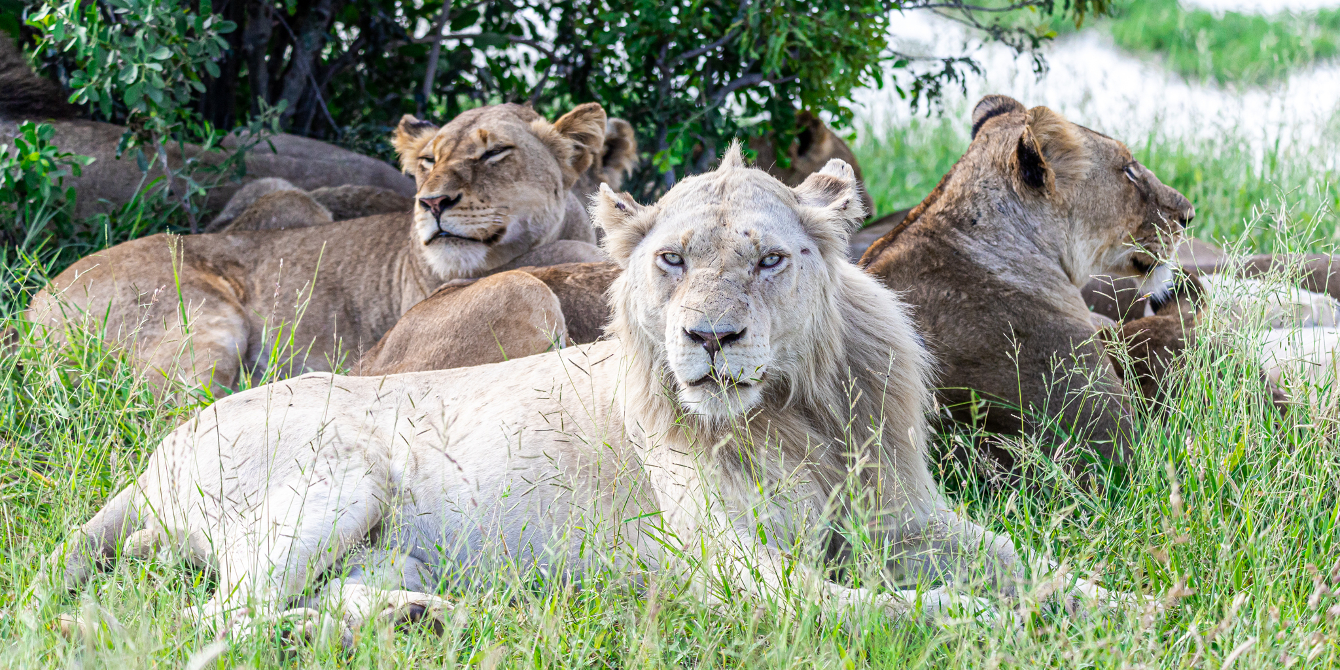
    Last year was certainly one to remember, a new Bushwise campus brought with it exciting new dreams, fulfilment and growth. Aside from this, the wildlife we call our neighbours certainly left their mark. Being fortunate enough to see the famed Birmingham Pride on my first ever trip to the Southern African Wildlife College (SAWC) left me humbled. 

    What makes this pride particularly famous and so sought after by many safari-goers is seeing the rare, genetic trait for leucism carried by the lions of the Timbavati – put simply, white lions. We were fortunate enough on this day to see both the young male and female, brother and sister. The stunning white coats and blue-grey eyes are a remarkable sight.
    image

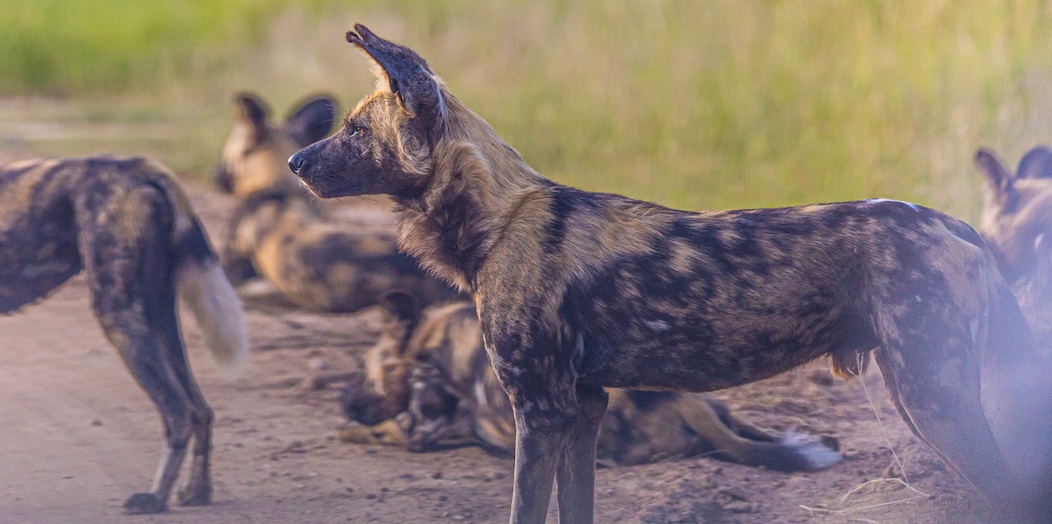
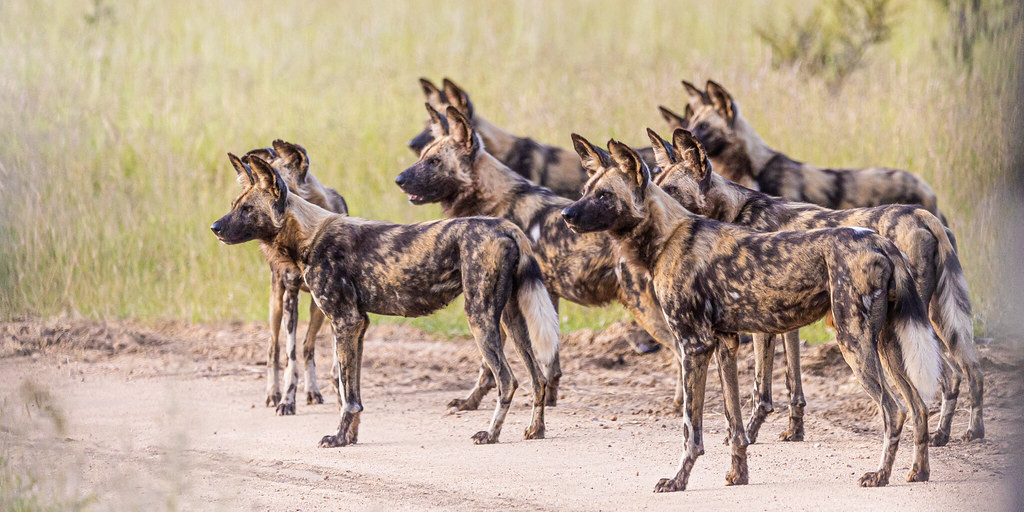
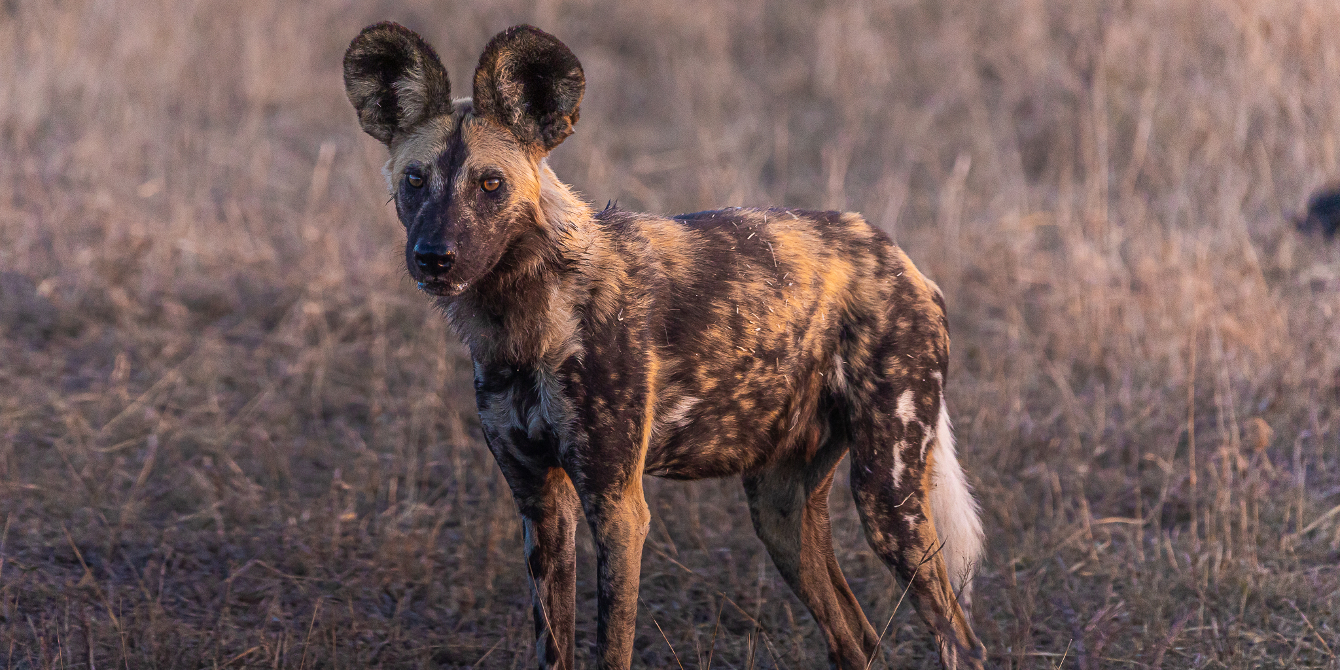
    Not even a week later, we were treated to another astonishing sight on the SAWC campus. A massive pack of wild dogs, approximately 17 members strong – including one with a very distinct set of ‘floppy’ ears. The dogs carpeted the road in front of us, gently interacting and playing in the fading light of dusk. We had heard rumours of lions a bit further down the road from us. But the students’ excitement of seeing the wild dogs (for many of whom this was their first sighting) convinced us to stay with these highly endangered animals. 

    While watching, the peaceful atmosphere was shattered by the sound of thudding paws. Out of nowhere, a huge lioness stormed past the safari vehicle at full sprint, heading straight into the middle of the pack. Soon dogs and lions were scattered everywhere. Fortunately both the canines and felines walked away unscathed.
    image

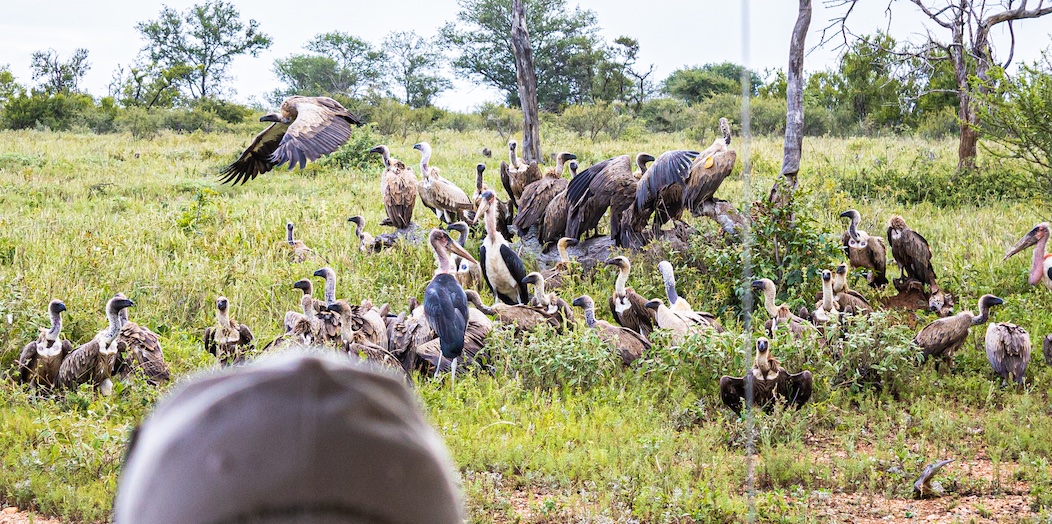
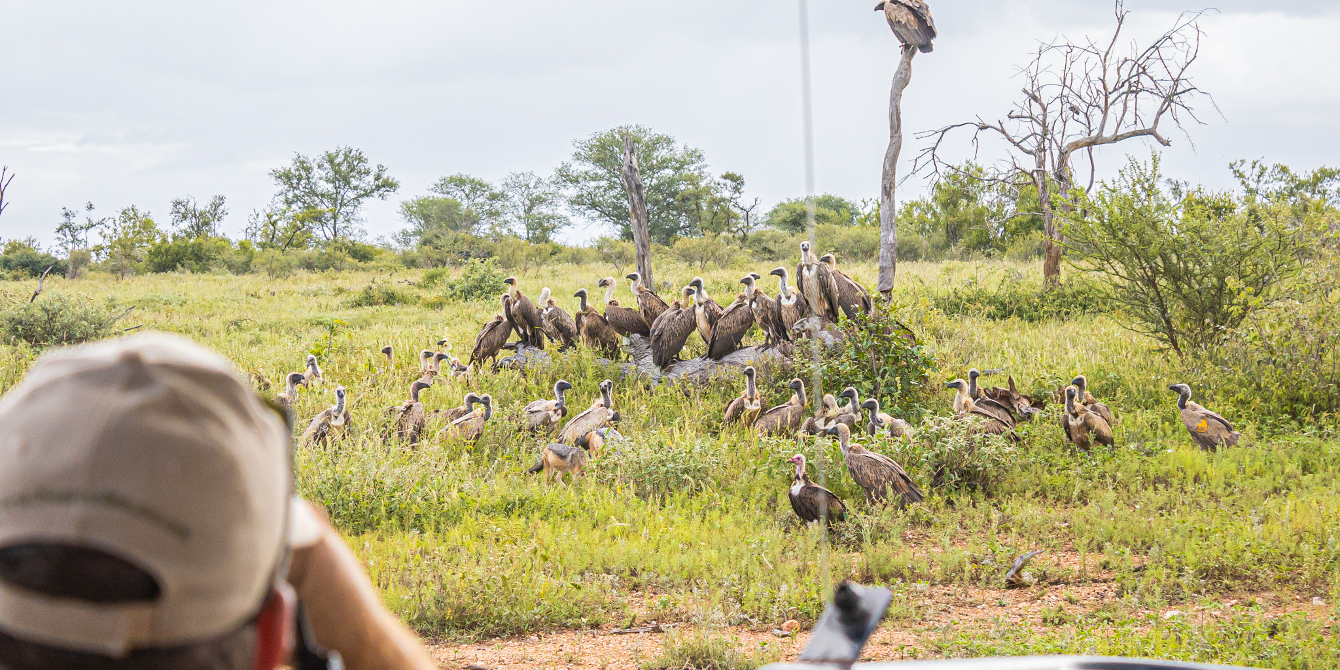
    Vultures circling the skies above you can only mean one of two things. Either the vultures are using thermal lift from warm air currents to reach flying altitude, or more interestingly, they are descending to scout out the potential for a meal. Vultures feed exclusively on carrion, and an abundance of their presence in trees during the day is a great indicator for a kill. After spotting just such a collection of scavenging birds, we took a drive over to investigate. Not five minutes after we arrived, two large male cheetahs emerged from the bush, bellies round and swinging. The vultures descended and the feeding frenzy began. Feathers flew and prehistoric squawks filled the air as vultures and jackals battled over the remains.
    image

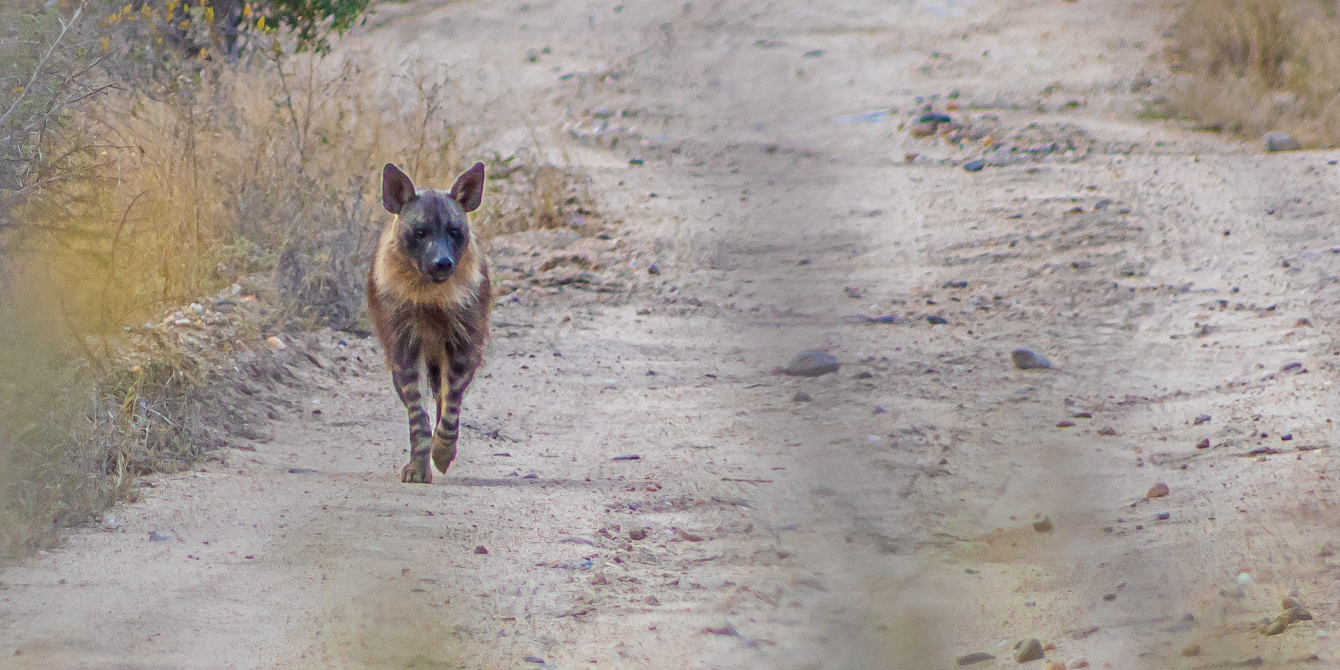
    There are four recognised species of hyena in Africa. Spotted or ‘laughing’ hyenas are by far the most common and easily seen on safari. But seeing one of the others can be tricky given their highly elusive natures. In 2022 however we were treated to several amazing brown hyena sightings. One in particular took us all by surprise. 

    While parked off listening to a talk about termite mounds, a large black shape caught the corner of my eye. I turned my head and there it was, just standing in the road without a care in the world. This is by far the best brown hyena sighting I have ever had throughout my years in the bush. This relaxed individual approached the car before quietly slinking into the bush.
    image

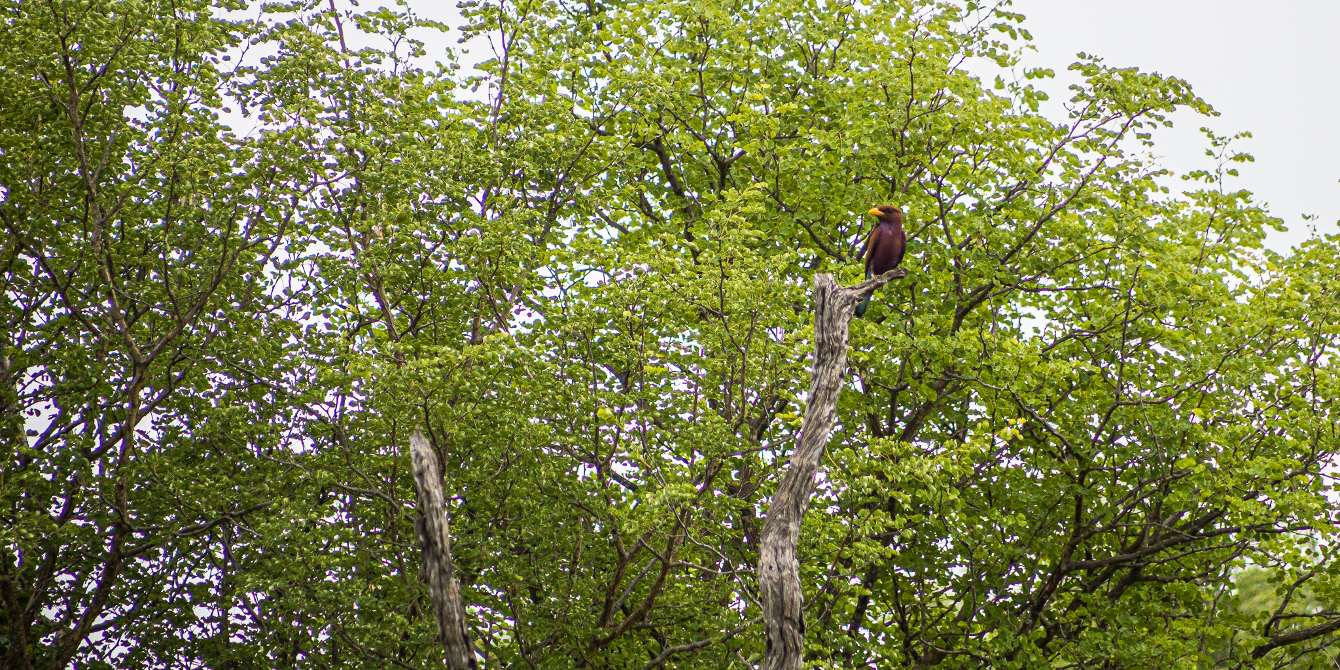
    Birds abound in South Africa, especially during our summer months when many migrants arrive to breed and feed on the plethora of insects, amphibians and reptiles that emerge after the first rains. One such bird is the broad-billed roller. We are extremely fortunate to have a nesting pair on the Greater Makalali Private Game Reserve. Broad-billed rollers are a rare sight and often get birders twitching with excitement! This is the second year I have been fortunate enough to see these strikingly bold-coloured passerines.
    image

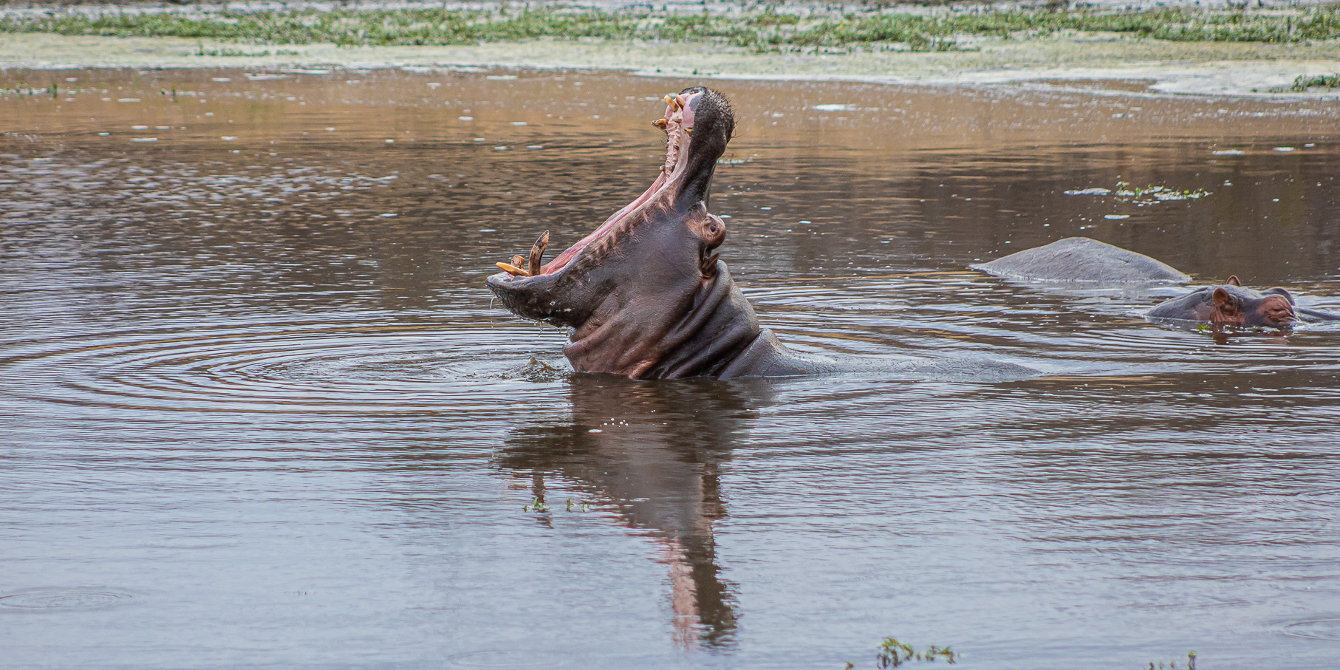
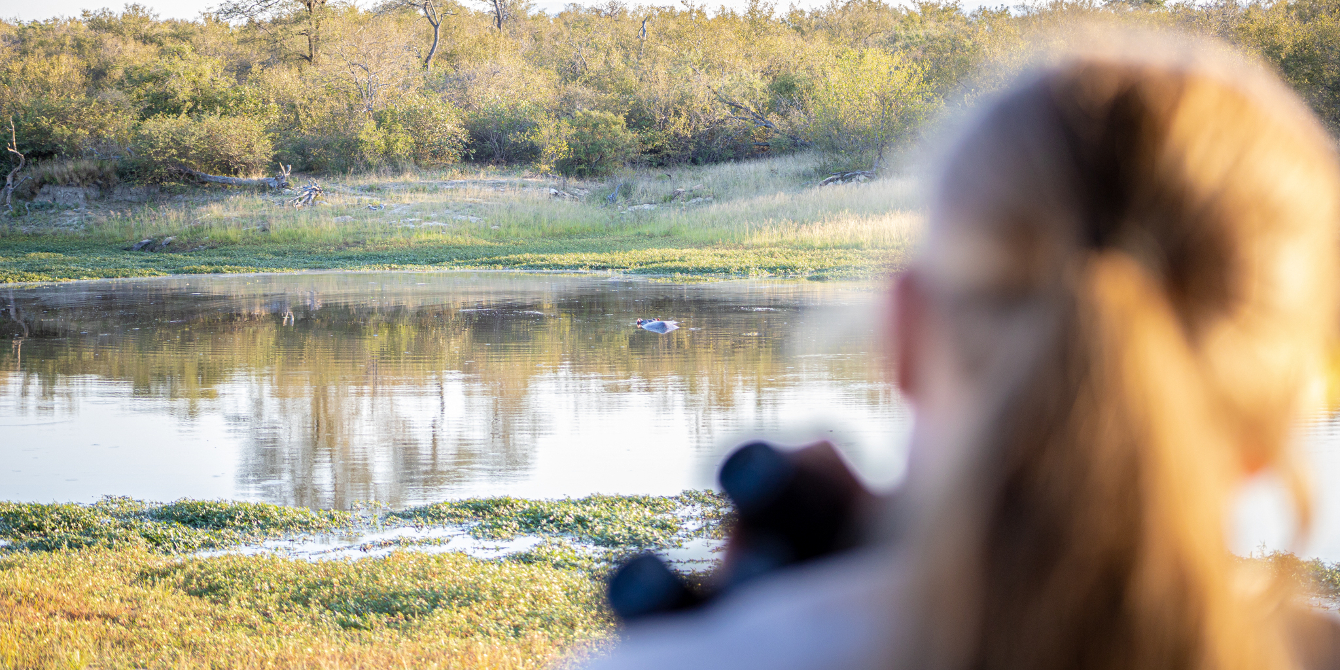
    Finally, what’s a year without a little conflict? An animal favourite of ours is a large hippo bull that lives in one of the dams at Makalali. He’s a regular for many of our game drives and has recently begun to share his little pond with two female hippos and a cute young calf. One cool afternoon we sat peacefully watching the hippos. 

    The bull yawned, showing us his impressive tusks, blew bubbles out of his nose and even performed his dung-spray scent mark – all this to make sure we knew who the dam really belonged to. The two hippo cows and calf were relaxed and minding their own business when out of nowhere, the huge bull stood and attacked one of the cows. 

    To this day we still have no idea what provoked the attack. A few theories between the trainers circulated regarding the oestrous of the females and the proposition that one female was preventing the bull from mating with the other. Without actually speaking to them however, we will never know. In the end, it all calmed down, the scorned female was fine and we left the dam still reeling with adrenalin from the interaction.

    Every year has something new and exciting if you look hard enough. What will 2023 bring us? Only time will tell.

    #wildlife #gameranger #Birding #bushwise #fieldguide #safariguide #trailsguide #guidejobs #animals #safari #fieldguidetrainer #sightings #fieldguiding #tracking #endangeredspecies #trackandsign #gamedrive #guiding #fieldguidecourse #fieldguides
  • Celebrating the newest class of Bushwise graduates

    We’re taking a moment to celebrate our Bushwise graduates – a group of incredible individuals who have just completed their six-month Professional Field Guide course. As they head on to the next stage of their career, Bushwise’s Louise Pavid bids them farewell with this thoughtful story.

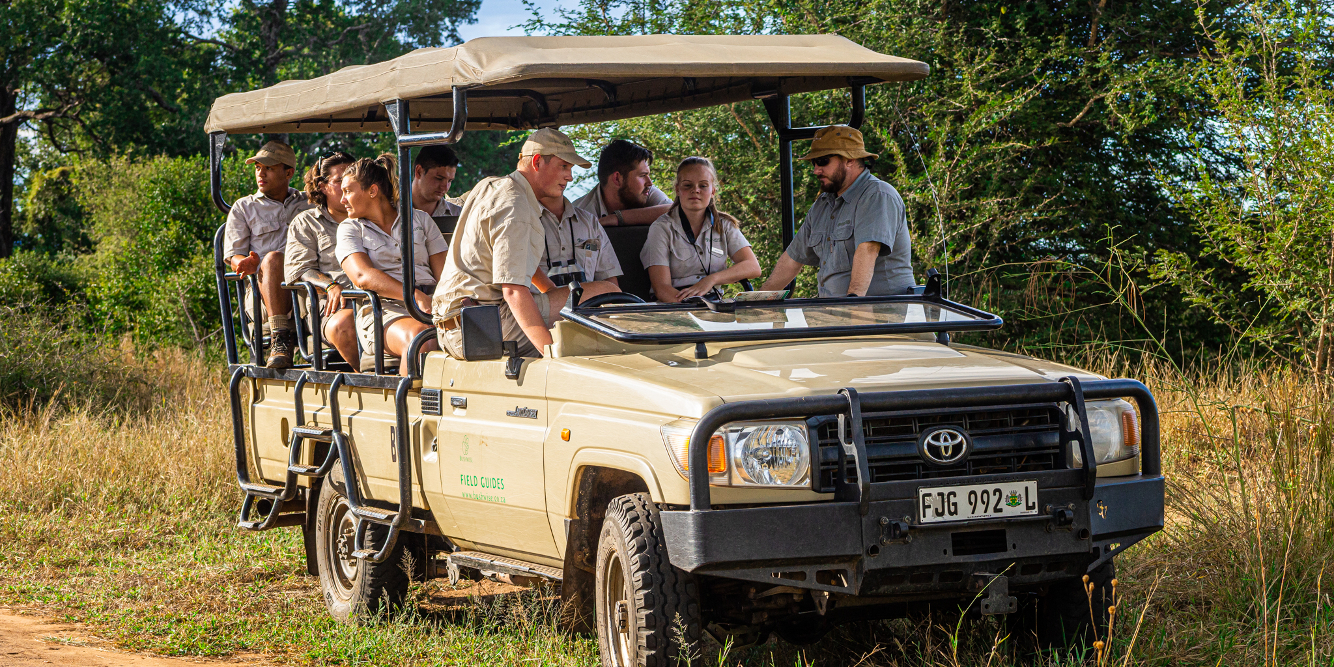
    Six short months ago, 34 fresh new faces arrived to take on a training experience designed to give them the best head start to their careers in wildlife.

    image

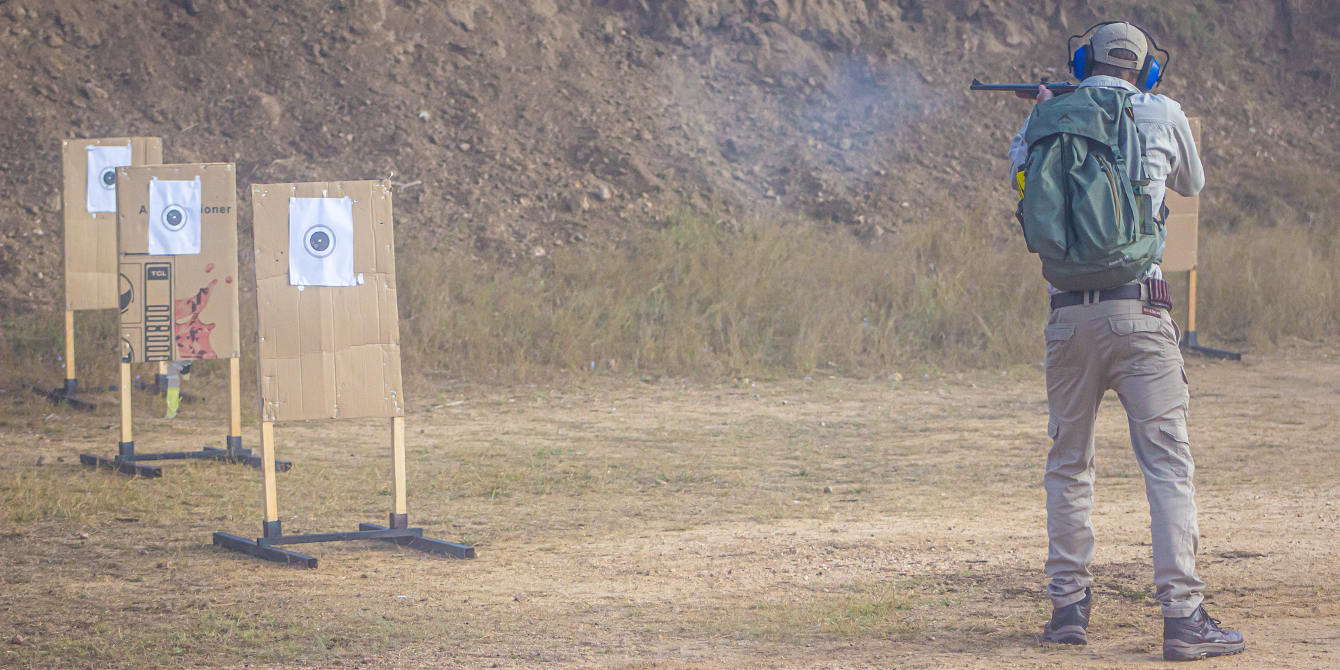
    Needless to say, the adventure that awaited them is one they won’t soon forget! It included iconic African animals, first aid training, snake handling, expert 4×4 training, advanced rifle handling and so much more!

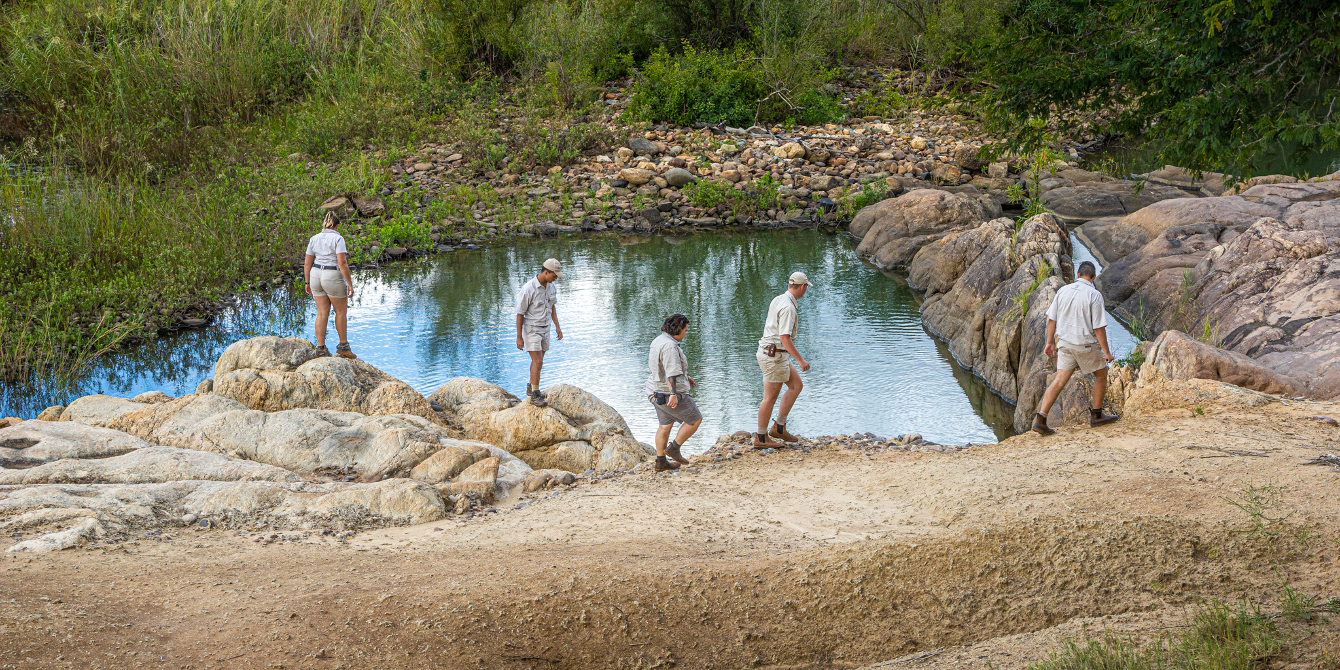
    The first semester kicked off with all the basics, an introduction to field guiding, the basics of vehicle checks and of course orienting around the wilderness that surrounds the two beautiful campuses.

    image

    Once the basics were done and dusted, the students then got a chance in the hot seat, and by hot seat I mean driver’s seat. It’s one thing to enjoy a safari experience from the high-tiered benches of a game viewer, it’s quite another to be the one responsible for delivering that experience.

    And so the weeks sped by as our students practised their guiding, learnt about all things great and small, from lions to lapwings, no literal or figurative stone was left unturned or unexplored. As the students’ knowledge grew, so did their passion for wildlife and their bonds of friendship and support.

    image

    One thing is for sure, giving up everything you’ve known to live with a bunch of strangers in the wild for six months while training to take on your future career takes courage. It’s also, almost, a given that no matter who you are or where you are from, having a common interest and desire to achieve something brings people together.

    By the fourth and fifth semesters, everyone was ready to take on their assessments, both practical and theoretical.

    image

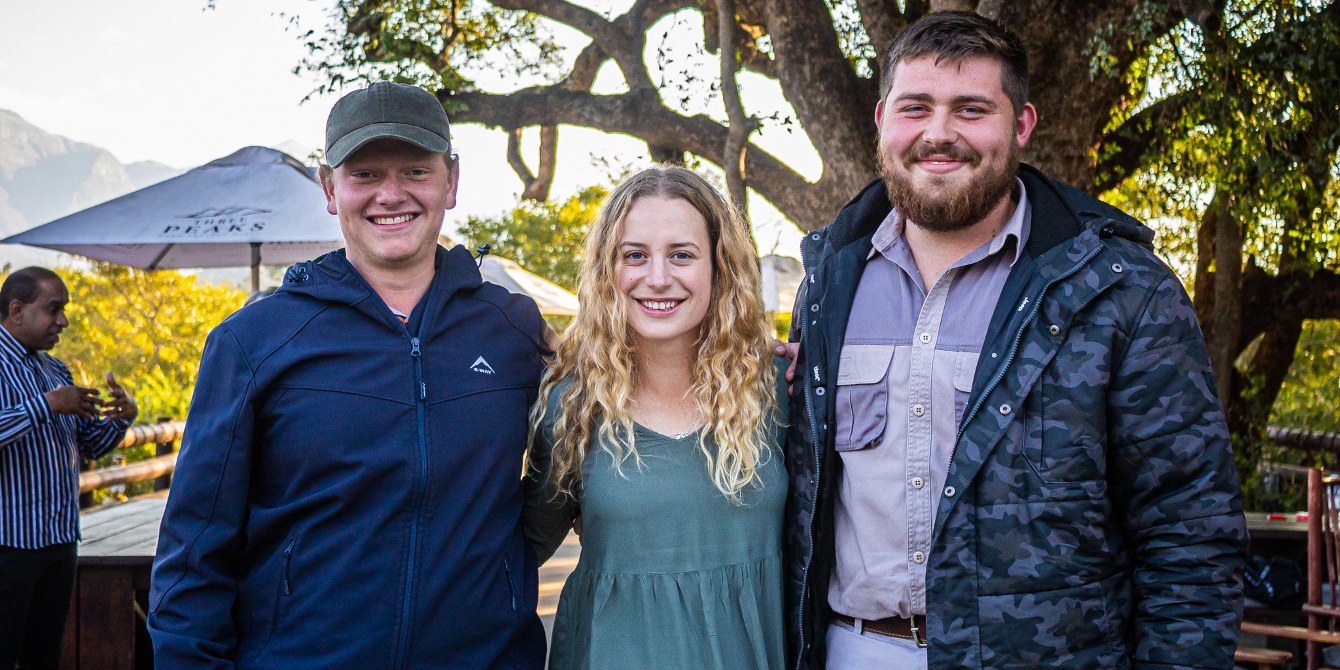
    It’s fair to say that once our students completed all aspects of their training there was a large and collective sigh of relief. Not in a bad way. More in a “we’re finally where we want to be and have earned ourselves a little break before embarking on our career” kind of way. The buzz of excitement was tangible as everyone arrived at the beautiful Blue Mountain Restaurant for their graduation celebration.

    image

    The students arrived in their graduation best, grinning from ear to ear. The staff’s warm smiles reflected the common sense of nostalgia that envelopes us all when celebrating the achievements and the final day of our students’ time with us at Bushwise.

    image

    Head trainers Vaughan and Francois stood proudly as they handed out certificates to each student, recognising the hard work and dedication that went into their training and qualifications. Sophie, co-founder and director of Bushwise, gave an impactful speech about the important work the once students, now field guides, will go on to do in the safari, ecotourism and conservation industries.

    image

    We celebrated our top academic achievers and our amazing allrounders. We raised glasses, clapped our hands and danced the day away. Eventually the time came to say goodbye, we shuffled to our respective vehicles and made our way back to campus to finish off a night of celebration around the fire.

    image

    The following morning was full of tearful farewells, long hugs and supportive words of encouragement as everyone finally set off on their different career paths. No matter what direction a Bushwise graduate takes once their course is complete, it’s safe to say that lifelong friendships, experiences and fond memories will live on in the work and dedication of each of our alumni as they forge their pathway in their career with wildlife.  

    As the January-June 2022 class of Bushwise field guides graduate, we wish them the best of luck in the next stage in their journey. Are you ready to follow their footsteps? Apply today!

    #bushwise #fieldguide #qualification #trailsguide #training #fieldguidetrainer #fieldguiding #fieldguidecourse #studying #fieldguides

  • Ethics and ethology: let’s talk about elephants

    In this photo blog, Bushwise Videographer and Photographer Louise Pavid discusses animal behaviour and guiding ethics.

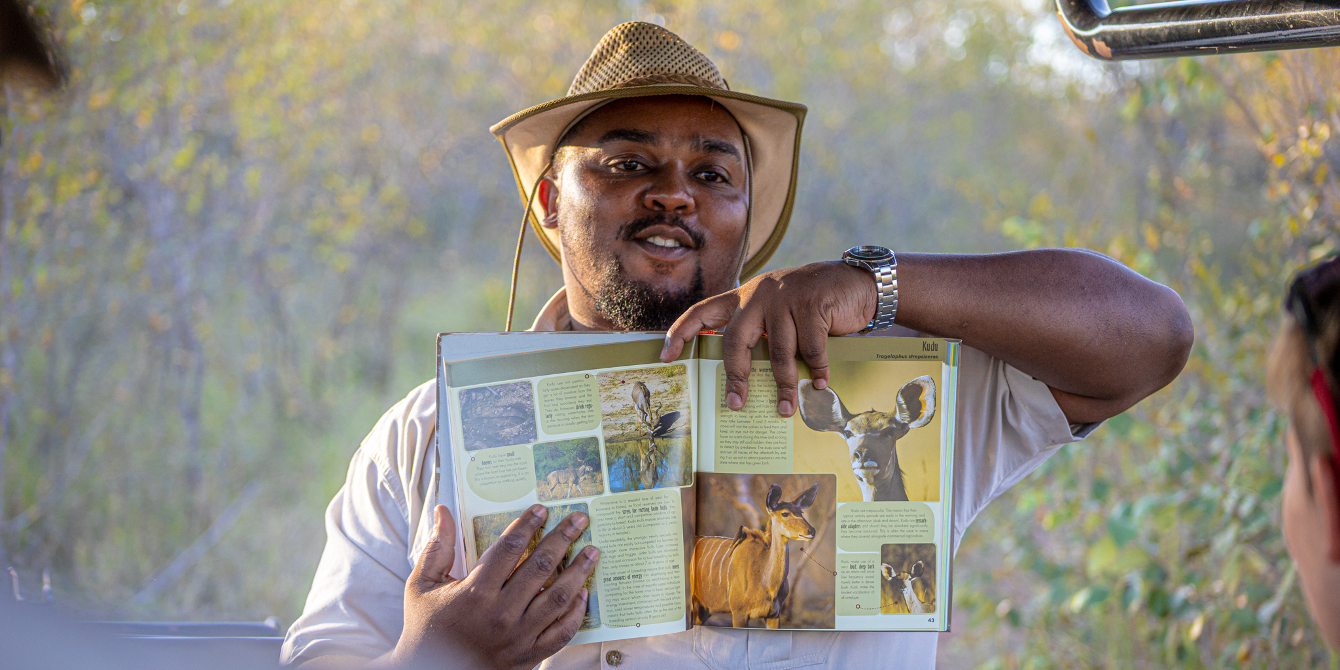
    One of the most important tools in any field guide’s arsenal is a good grounding in the discipline of ethology – the study of animal behaviour.

    image

    While nature enthusiasts enjoy beautiful imagery of animals going about their daily business in peace, most of us will have all seen photos or videos depicting animals doing things that might scare us (like damaging property or charging a vehicle). But what if I told you that many of these incidents could have been avoided?

    image

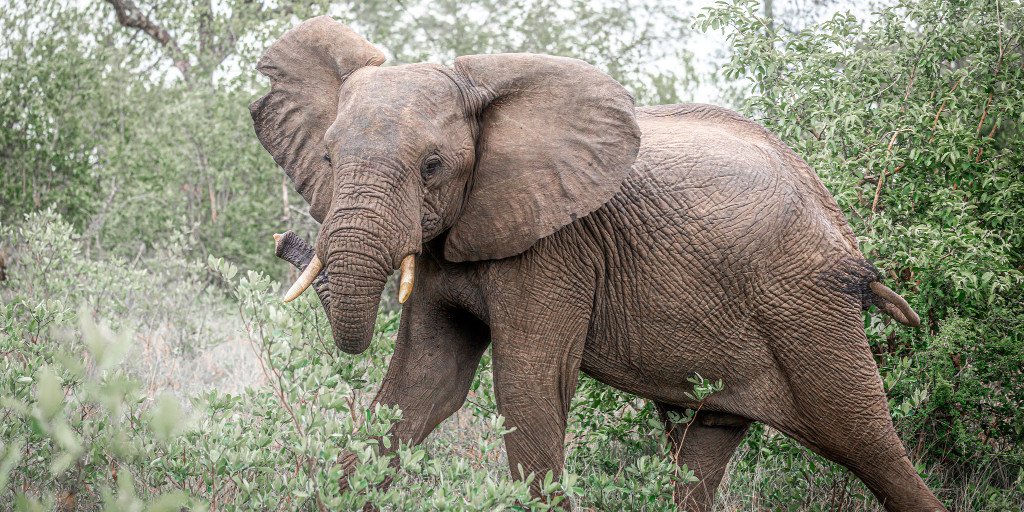
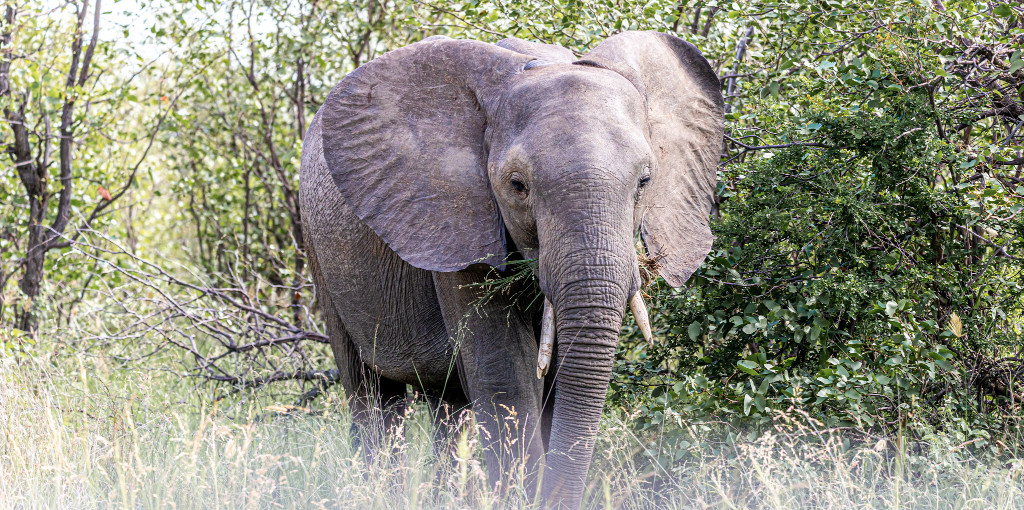
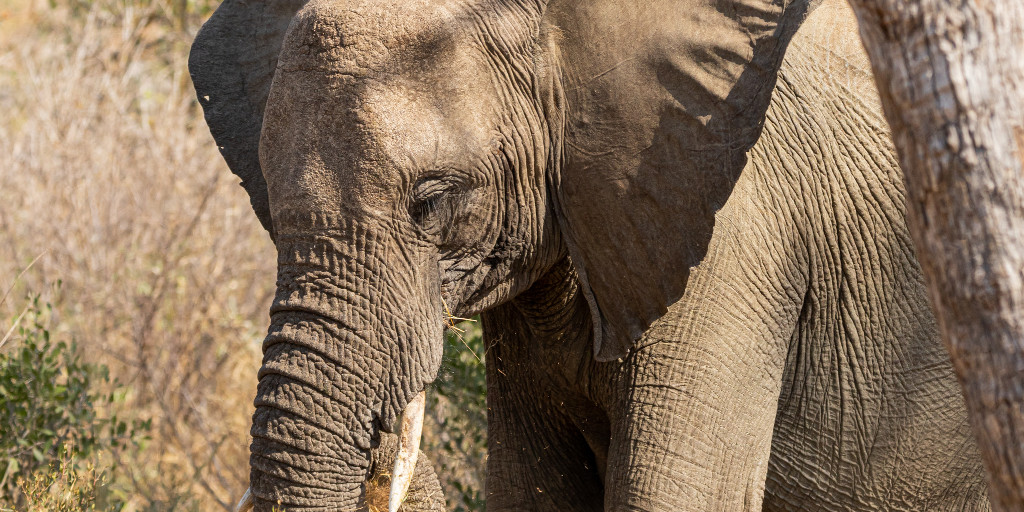
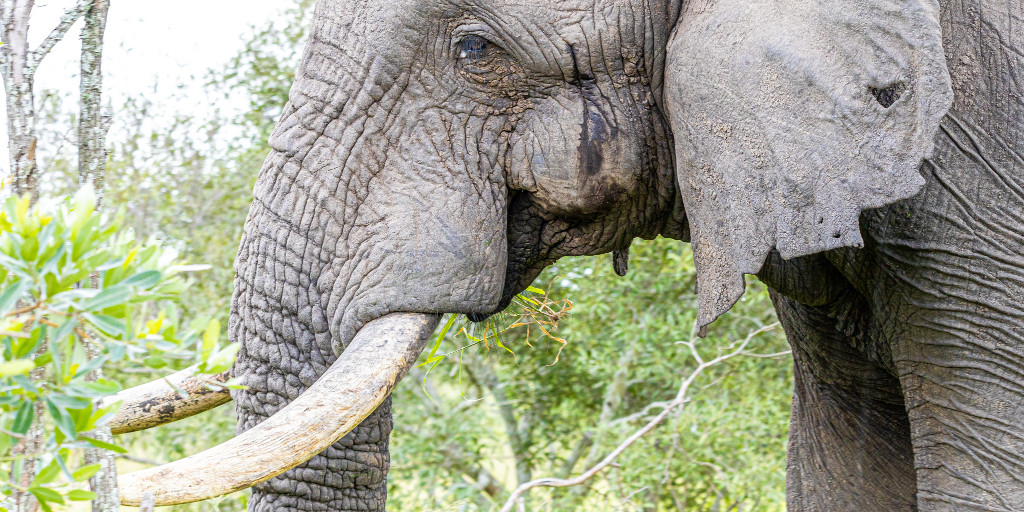
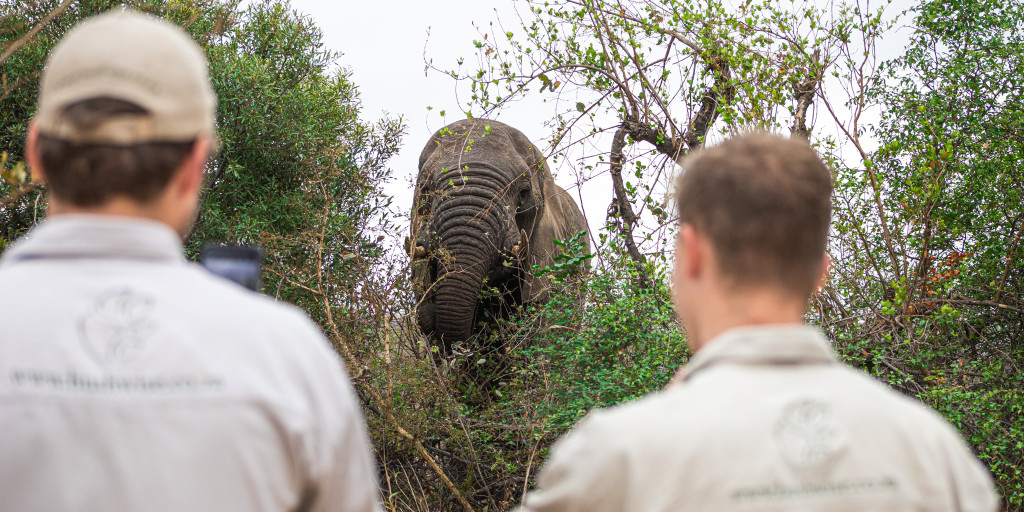
    This is where having an understanding of animal behaviour comes into play. When an elephant holds its head up high with its ears stiff and held out, when it shows rigidness in its body language and has an erect, straightened tail with secretions coming from the temporal glands on either side of its face – that’s a pretty good indication that that particular elephant is stressed and probably not in the mood to deal with you.

    Crowding this elephant or infringing on its comfort zone could likely lead to an unpleasant encounter. Be this in the form of a warning charge, or worse. I don’t like the use of the term “mock charge” because believe me, the animal is not mocking you, it is being serious, it’s warning you to stay away.

    This type of animal behaviour combined with vocalisations – such as trumpeting – is a definite red flag and you should not enter into a sighting. Rather offer the elephant the space it needs to move away, leaving both of you unscathed. This is what we call ethical guiding on the basis of understanding animal behaviour.

    image

    But why are ethics important when dealing with wild animals, aside from the obvious safety implications for you and your guests? Well, it’s about the animal’s safety and well-being as much as it is about our own. Working in and visiting these landscapes constitutes a step out of the modernised human realm and back into the home of Earth’s wild creatures.

    It’s fair to say they were here first and we need to respect that, despite having evolved with the animals over millions of years within these landscapes. But, in the past 10,000 years or so we have slowly begun to migrate away from this primitive, instinct-driven lifestyle as our brains have developed to the point of creating complex tools, building permanent shelters and developing more advanced social structures.

    image

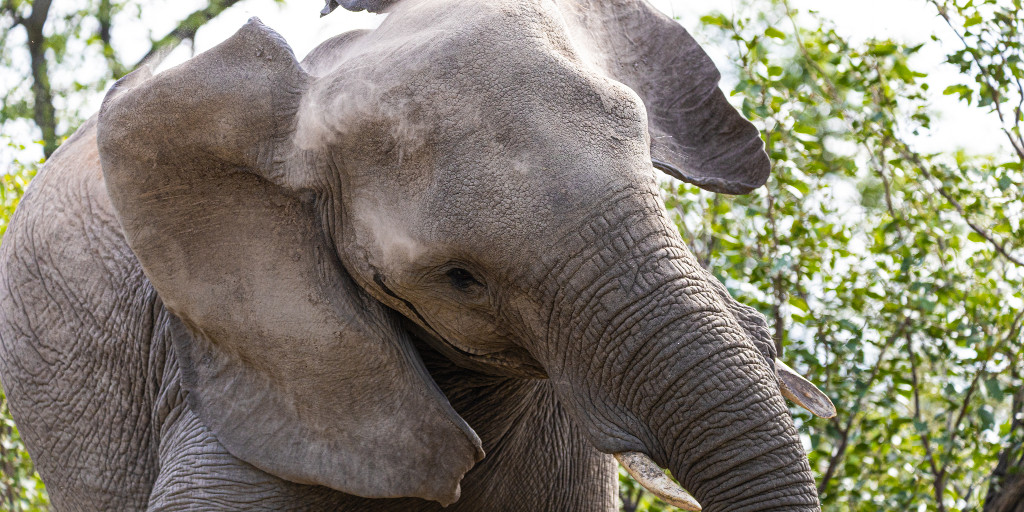
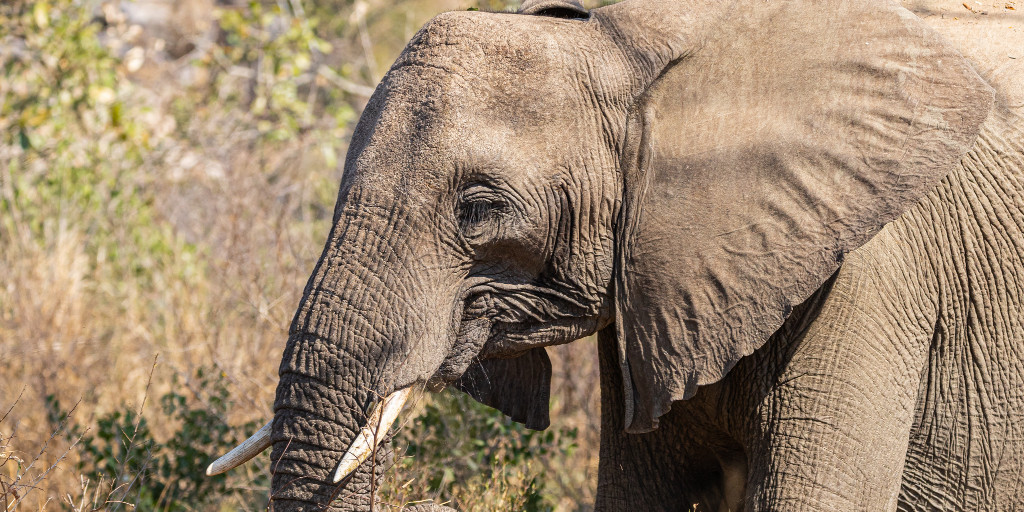
    Essentially, the modern human brain is forgetting our ancestral beginnings. Perhaps this is why many people today will tell you that an elephant flapping its ears is a sign of aggression, when in actual fact it is a method of thermoregulation (a means to keep a consistent and favourable internal body temperature). This is where navigating animal behaviour while upholding ethical guiding practices is crucial.

    image

    Elephants provide a great example to understand animal behaviour. There are several reasons for this. Elephants are often the most feared animal on safari by virtue of being the Earth’s largest terrestrial mammal. Understanding their patterns of behaviour is imperative to peaceful and positive encounters.

    Elephants are sensitive and have similar emotional development and intelligence to our own. I think that’s why so many people are so drawn to them. But just like us, elephants are capable of having bad moods, becoming aggravated from stress in their environment, or stressed due to other herd members’ poor behaviour or rambunctious bulls in musth.

    image

    By understanding their behaviour and practising good ethics while on safari (be it a guided or self-drive experience) it’s not too difficult to observe, analyse, and understand the behaviour of an elephant. Once you get the basics of the body language down you can effectively and ethically avoid negative interactions simply by respecting the animal’s space.

    image

    Ultimately it comes down to experience in the bush. The more time you spend with these animals in the wild the more familiar you become with their behaviour, and likewise, the more familiar they become with your human behaviour.

    That being said, even if you are not a fully-fledged field guide, simply reading up on animal behaviour before entering a wild landscape can reduce the risk of negative encounters and provide you with an overall better experience in nature.

    Learn more about animal behaviour and ethical guiding. Apply today and join the next Bushwise IFGA Safari Guide course.

    Did this blog speak to you? Have you always wanted to work with animals – but aren’t sure how?

    Get started with jobs working with animals.

    #gameranger #bushwise #fieldguide #safariguide #animalbehaviour #apprenticefieldguide #safari #fieldguidetrainer #sightings #animalbehavior #elephants #gamedrive #elephant #fieldguidecourse

  • Track and sign: art or science?

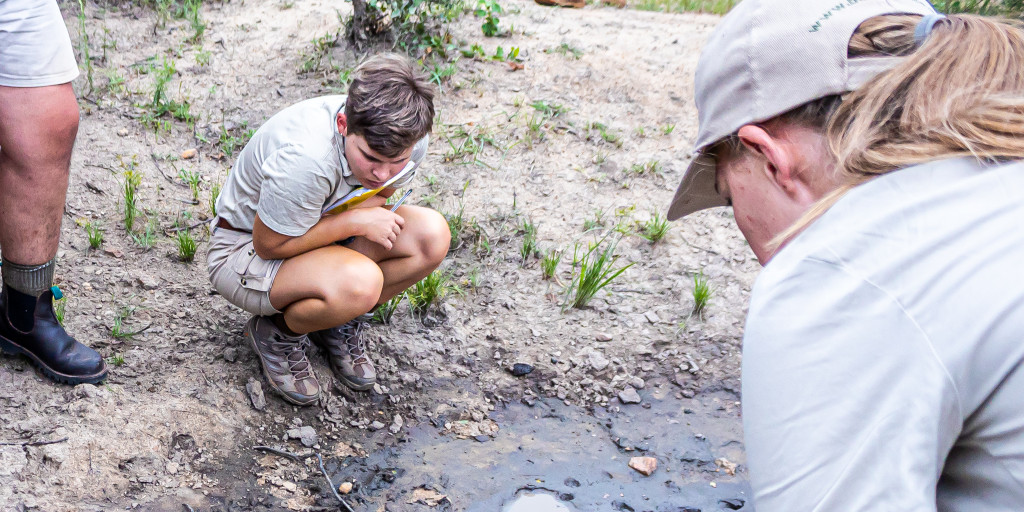
    Following the track and sign portion of the Bushwise IFGA Safari Guide course, Louise Pavid tells us a bit more about the art and science of tracking.

    Writing and Photos By: Louise Pavid, Bushwise Photographer and Videographer

    Being able to identify and follow animal tracks has long been regarded as a mysterious ability that only those with the truest connection to nature are able to call upon. But how mysterious is this ability, really?

    image

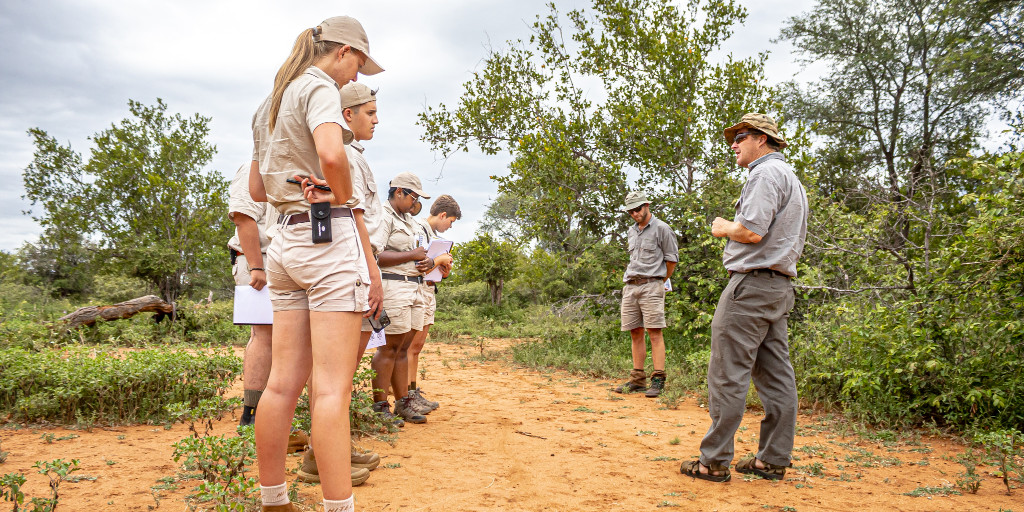
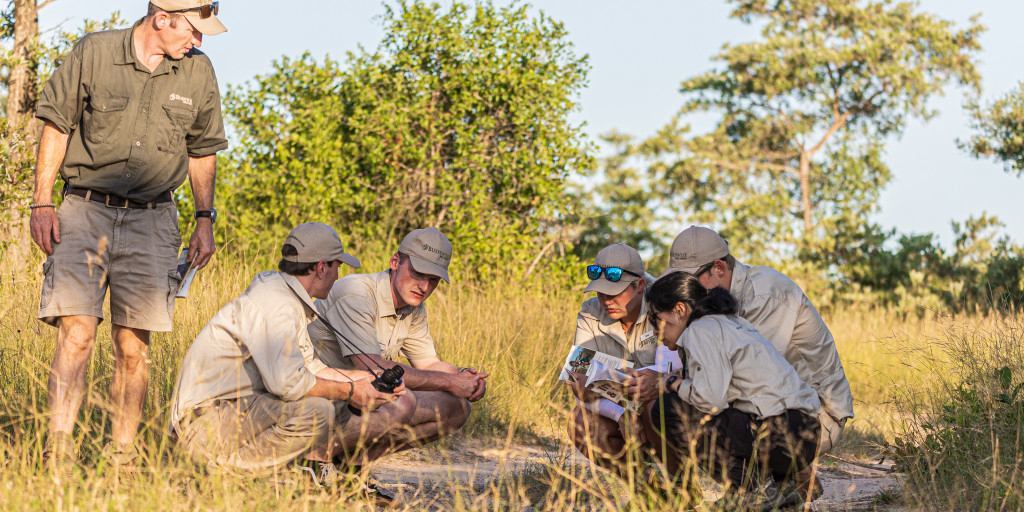
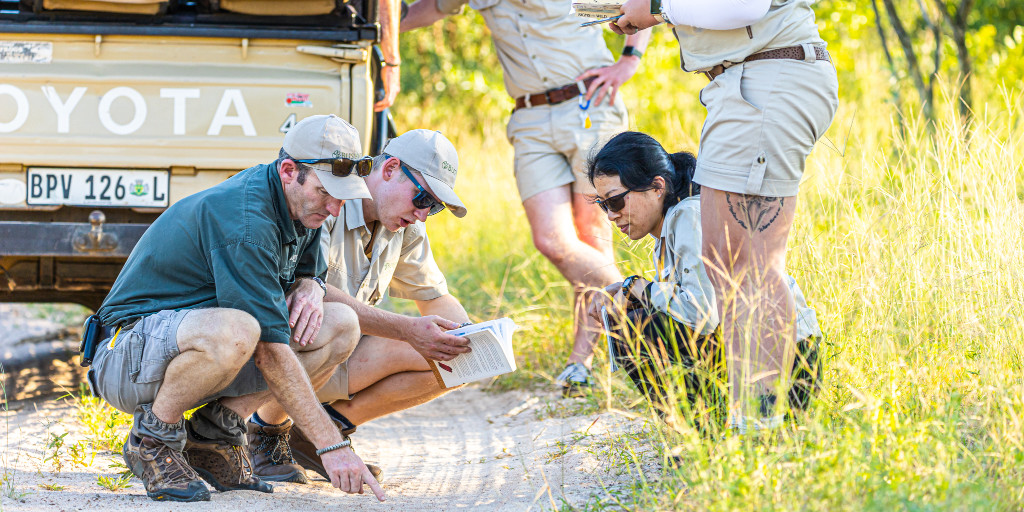
    During the Bushwise IFGA Safari Guide course, students spend two weeks on skills development and intense Track and Sign training with Colin Patrick Training. Colin has over 20 years of conservation experience and has been involved with both the ecotourism and security industries. When I speak of the security industry I specifically mean anti-poaching and tactical (human) tracking.

    image

    Finding animals by using their tracks is only a part of the process. Knowing how to identify a track as belonging to a lion or leopard is a very small part of actually finding that lion or leopard. For field guides, it can be a highly appreciated and necessary skill, especially if you’d like to show your guests the iconic leopard they’ve travelled all the way to Africa to see on safari.

    image

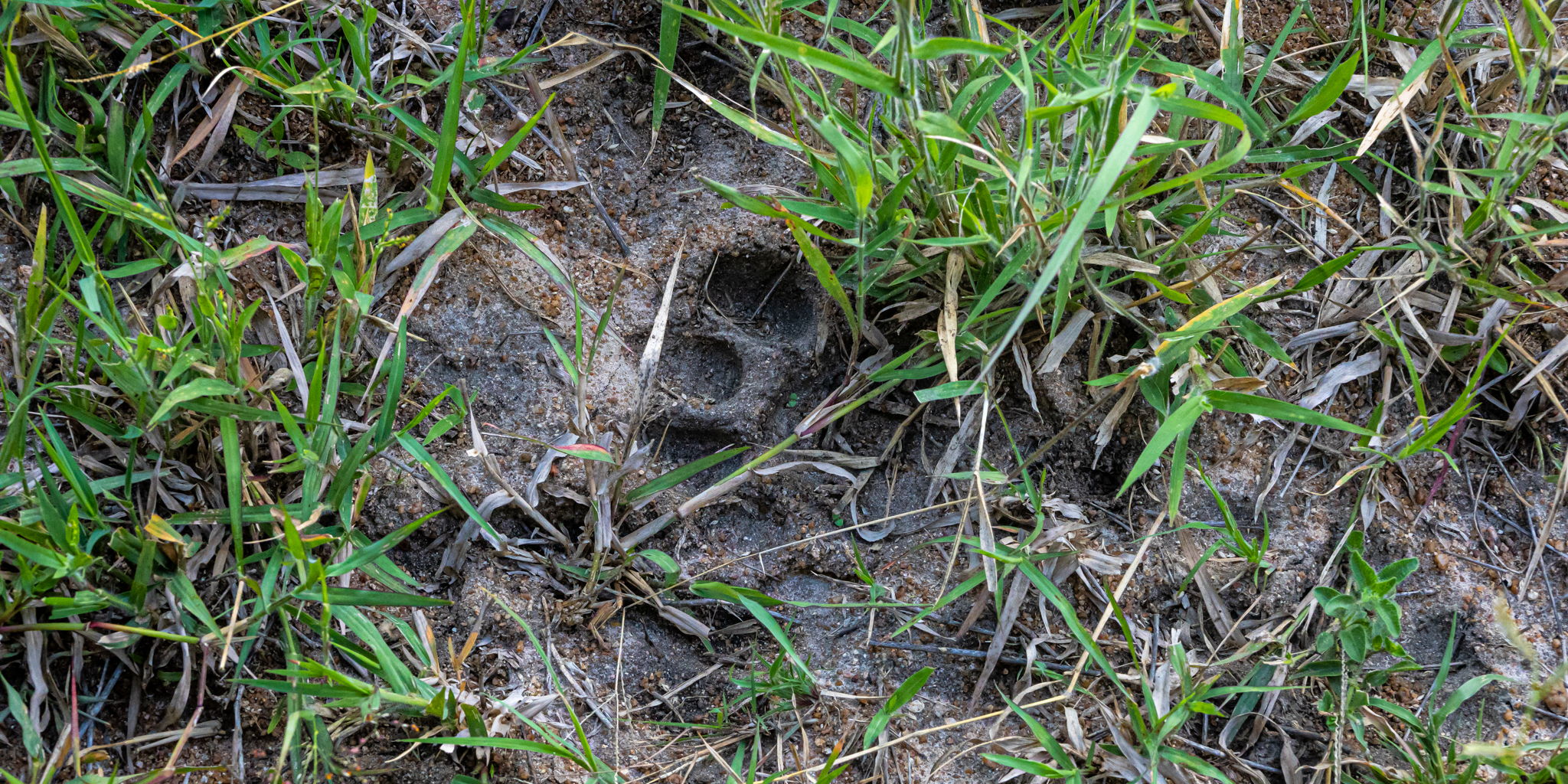
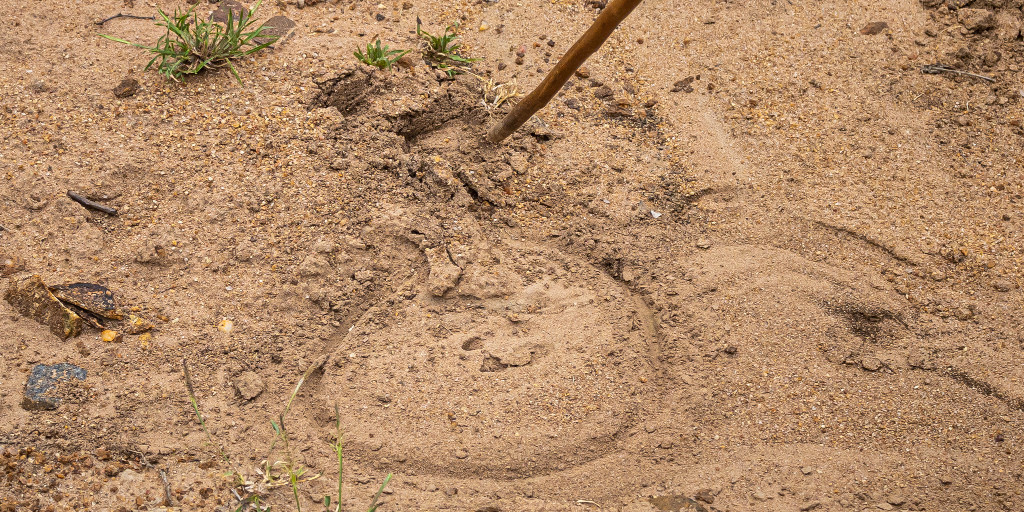
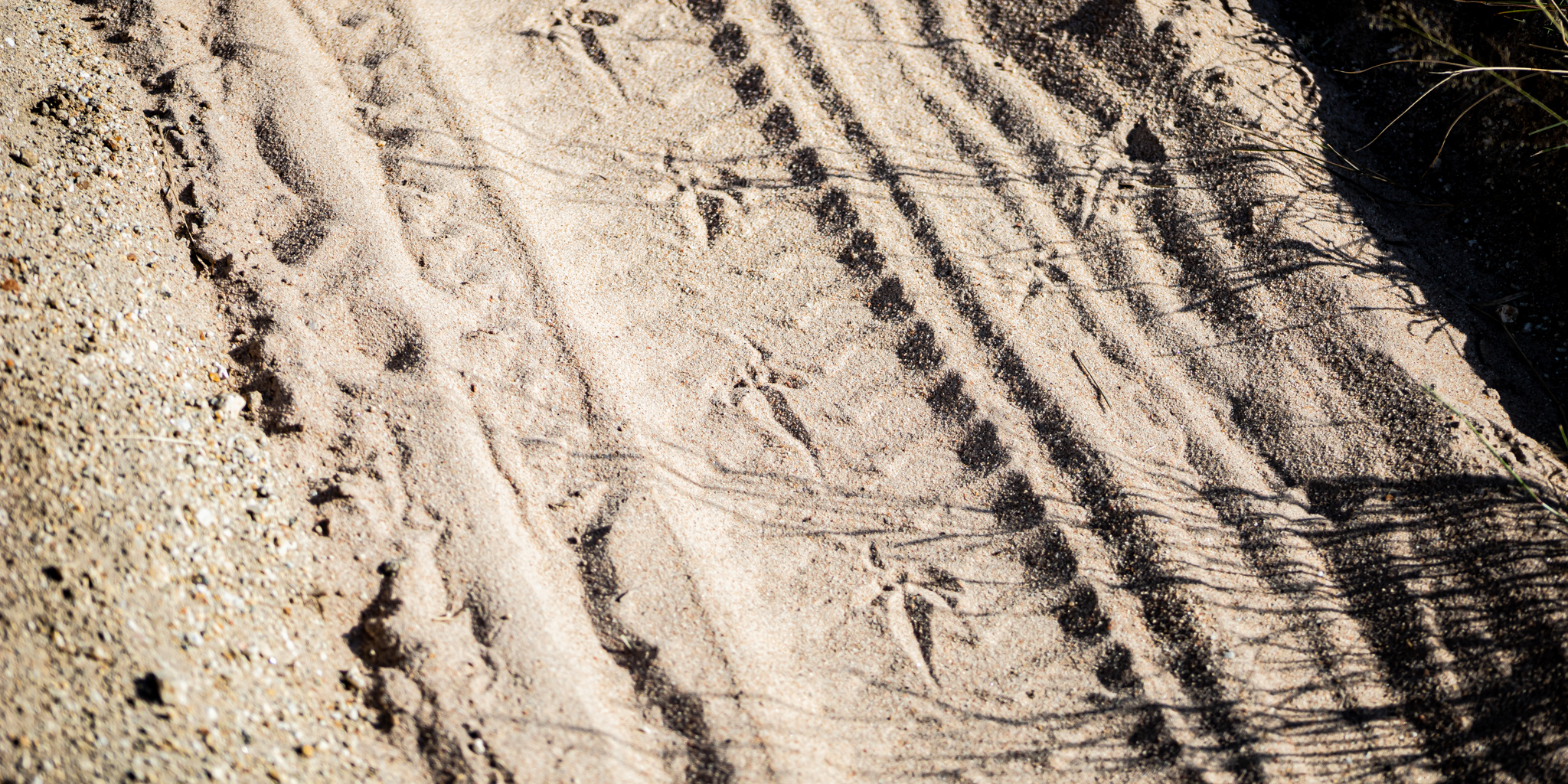
    As Colin puts it, “Tracking is logic.” This refers to the mental process employed to gather information, conduct analyses, and make decisions about a particular scuff mark in the sand. A track is just that, a track. It either is or it isn’t. Tracks don’t lie – they reveal the secret stories of the wild, and to understand them we need to learn their language.

    image

    To the experienced tracker, a quick glance can tell them whether a track is that of an impala or a wildebeest. Having the knowledge and skill to tell them apart at first glance is where the hard work and study comes in. The rest is up to experience.

    image

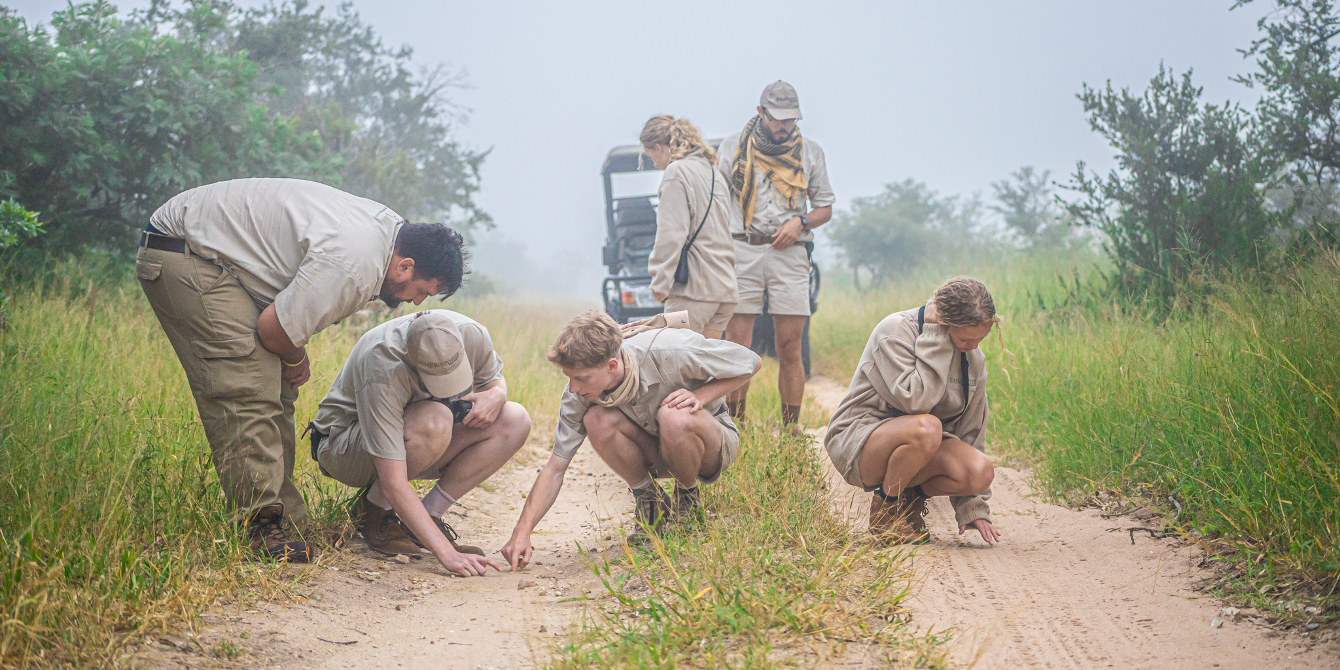
    Needless to say, the “art” of track and sign comes down to learning what various tracks look like in different forms – the language of the tracks. There are a few basic tools we can use to make this easier. First is the light. Is the light working with you or against you? Can you position yourself better to make the light work better for you? Second is determining the direction of the track. Which way was the animal moving? Third is knowing the details of the track, what animal actually left it behind, and how can you prove that it belongs to a specific animal? Last is understanding the bigger picture. What is the context of the track, where is it in the habitat, what other tracks are around or on top of it? How can the greater context tell you a story?

    image

    We all have the ability to learn. No matter how much experience you have or how long you have lived and worked in the bush, there is something new to see every single day. There is not one person on this planet that can tell you everything about the natural environment – there is just too much to learn! But the art of tracking is not quite as mysterious as it may seem.

    image

    To put it simply, tracking starts with observing a few things that can lead you in the right direction. It’s important to remember that identifying a track is a very different story from trailing (following) the animal that left the track. As I continue to learn, I hope to soon share that experience with you. Until then, much more study needs to be employed to even scratch the surface of interpreting the stories of wildlife from the various scratches, patches, and prints left in African dust.

    Have you ever seen a track in the sand, and wondered who left it behind? Apply to the Bushwise IFGA Safari Guide course to gain this powerful knowledge!

    #bushwise #fieldguide #safariguide #apprenticefieldguide #safari #tracking #cybertracker #trackandsign #fieldguidecourse #fieldguides
  • Carnivore competition: it’s more than instinct

    BY: Louise Pavid, Bushwise Photographer and Videographer

    The age old adage of dogs chasing cats is something that extends as far back as our own genetic and ancestral memories. But what about cats chasing dogs – which in natural African landscapes, is a far more likely occurrence?

    image

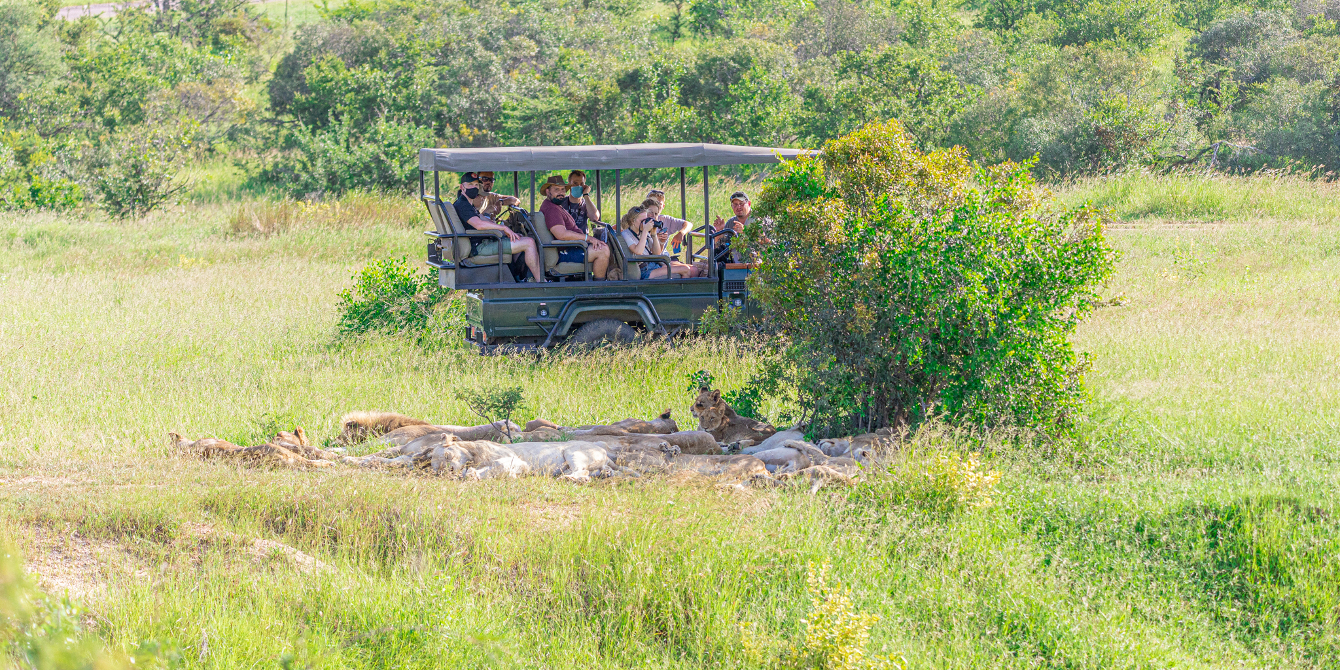
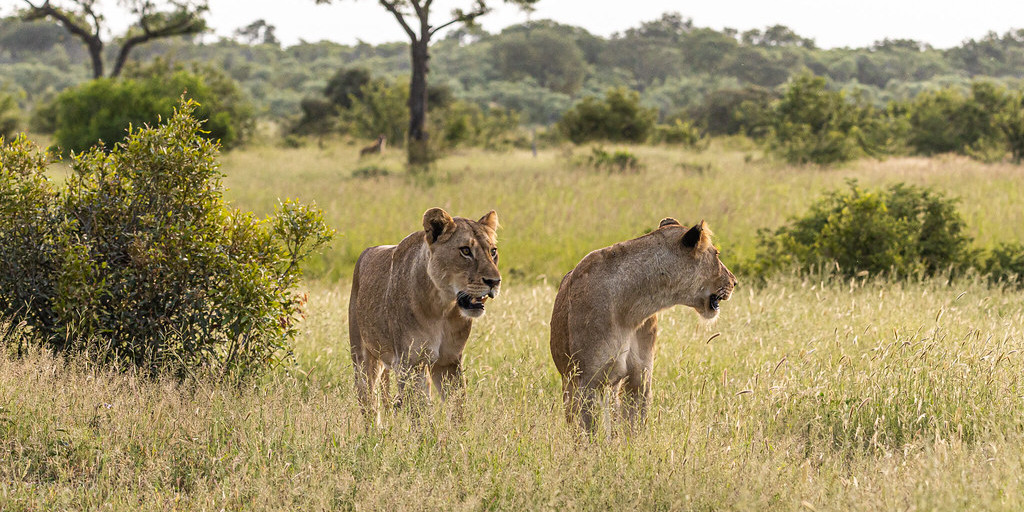
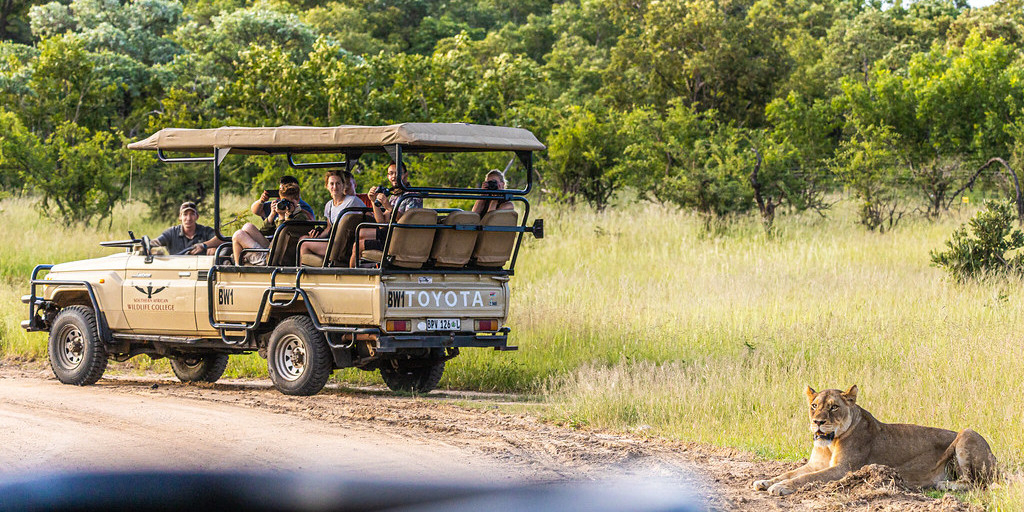
    Several weeks ago we were treated to an unbelievable sighting of the Birmingham Pride lions sneaking up on and chasing a large pack of wild dogs on the Southern African Wildlife College campus. Our hearts were in our throats and adrenaline coursed through us (and the animals) as the sighting unfolded! Fortunately, both the canines and felines went their separate ways, unscathed. But this is not always the case and often begs the question: “Why?”

    image

    Some may say, “oh, that’s just their instinct,” and leave it at that – as though instinct is some mysterious force that we as humans don’t quite understand. But this type of conflict and competition between predators goes deeper and is far more complex than just “instinct.”

    image

    To understand why cats chase dogs, dogs chase cats, jackals chase vultures, and vultures chase marabou storks, we need to take a closer look at the environments they inhabit and what resources within that environment they all need to compete for.

    Resource competition is just one explanation for interspecies competition – and it’s the one we’re going to explore today. On a Bushwise IFGA Safari Guide Course, you can learn about many other types of competition and ways predators interact, tolerate and avoid each other.

    image

    Within any ecosystem there is a trophic pyramid that details the exchange of energy between species and the niches they fill. Producers, like plants, are found at the bottom and are able to create their own food.

    Next comes primary consumers. These are animals including zebras, wildebeest, and impalas, who eat plants to fulfil their nutritional needs. After that come the secondary, tertiary and apex consumers: omnivores and carnivores that eat other animals for their energy and nutritional requirements. This is where the action really heats up.

    image

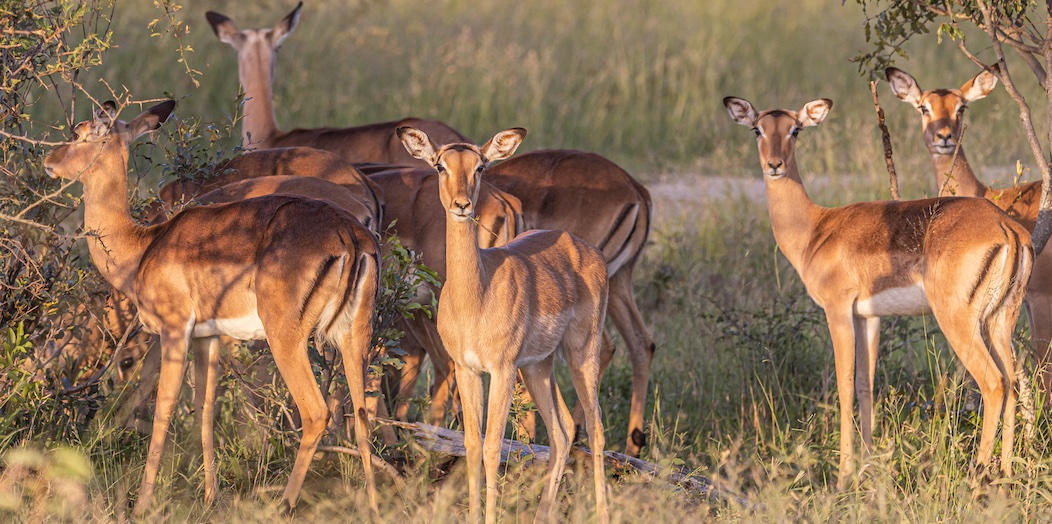
    Although adapted for different hunting techniques, predators like lions and wild dogs will still compete for some of the same resources. Because lions are much larger than wild dogs, they don’t always target the same prey species – but they can (for example, both species eat impala and wildebeest) – meaning they can compete for the same food source in the same area.

    If, for example, the lions are successful in killing an impala, local wild dogs would have to travel further and spend more energy searching for food.

    image

    Ultimately, if the lions can chase away or potentially kill a competitor (such as a hyena or wild dog) then they don’t need to work as hard, expending valuable energy, in search of good hunting. Why waste energy moving to a different location when the lions could just as easily push their competitors to a different area?

    image

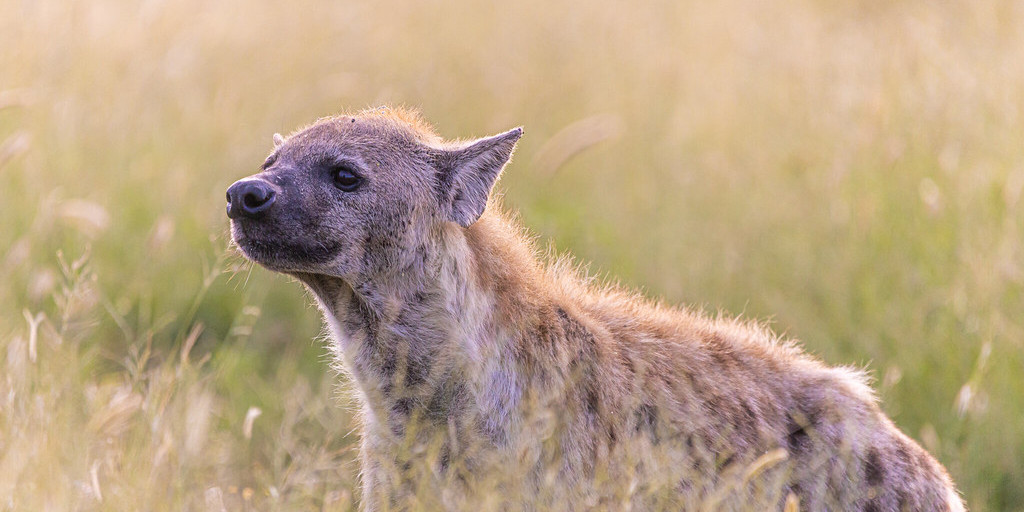
    This cycle of conflict is as old as time and plays an important role in balancing the scales of any natural environment. And it’s not only seen among terrestrial predators. Scavenging birds like vultures and marabou storks not only compete against each other, but also with other scavenging species like jackals and hyenas (although hyenas are exceptionally good hunters in their own right).

    Maybe interspecies competition for resources can be boiled down to something as simple as instinct. But leaving it at that doesn’t do justice to the extremely complex natural systems that have developed over millennia to ensure the healthy balance of natural systems.

    Would you like to learn more about interspecies competition, and see Africa’s predators for yourself? Apply today and pretty soon you’ll be training in the Lowveld.

    #lion #gameranger #fieldguide #trailsguide #hyena #safari #wilddogs #fieldguiding #gamedrive #fieldguidecourse #fieldguides