Author: Tasneem Johnson-Dollie

  • Ten of the best World Environment Day quotes

    BY: Tasneem Johnson-Dollie

    How can you honour World Environment Day? By reading ten of the best World Environment Day quotes to get inspired to get out into the field! 

    World Environment Day comes about on 5 June every year and it’s all about promoting environmental awareness and encouraging everyone to add to environmental conservation. 

    Let’s dig a bit deeper to find out more about World Environment Day.

    The first World Environment Day quote

    image

    World Environment Day was established by the United Nations in 1972 and the organisation coined the first World Environment Day quote, detailing what this day was all about.

    “The celebration of this day provides us with an opportunity to broaden the basis for an enlightened opinion and responsible conduct by individuals, enterprises, and communities in preserving and enhancing the environment.” – UN General Assembly, 1972

    While the first World Environment Day quote was monumental and informative, it’s a little lengthy and not quite as catchy as the quotes that came after it.

    Since 1972, World Environment Day has been celebrated with more than 40 different themes and tallied up tons of inspirational quotes. 

    Here are ten of the most inspiring World Environment Day quotes to start you off on your Earth-focused conservation efforts. 

    The top ten World Environment Day quotes

    1) “The Earth is what we all have in common.” – Wendell Berry

    image

    2) “Never doubt that a small group of thoughtful, committed citizens can change the world; indeed, it is the only thing that ever has.” – Margaret Mead

    image

    3) “Breathing can’t be stopped, but we can change and purify the quality of the air we breathe.” – World Environment Day slogan, 2021

    image

    4) “One of the first conditions of happiness is that the link between man and nature shall not be broken.” – Leo Tolstoy

    image

    Image: Jacques Briam

    5) “Like music and art, love of nature is a common language that can transcend political or social boundaries.” – Jimmy Carter

    image

    Image: Anel Olivier

    6) “What we are doing to the forests of the world is but a mirror reflection of what we are doing to ourselves and to one another.” – Mahatma Ghandi

    image

    7) “When one tugs at a single thing in nature, he finds it attached to the rest of the world.” – John Muir

    image

    8) “Never does nature say one thing and wisdom another.” – Juvenal

    image

    9) “A nation that destroys its soil destroys itself.” – Franklin D. Roosevelt

    image

    10) “You cannot get through a single day without having an impact on the world around you. What you do makes a difference, and you have to decide what kind of difference you want to make.” – Jane Goodall

    image

    With so much inspiration to draw from, you may already be raring to join World Environment Day activities. Here’s a look at some of the ways that you can get involved. 

    How you can make an impact on World Environment Day

    You can add to environmental conservation in lots of little ways right where you are. Consider switching to environmentally friendly household cleaning products, upping your recycling game, or composting all your organic kitchen waste.

    And, if you’re looking to make an even bigger impact, there are tons of ways to do that too.

    Bushwise Field Guides offers courses designed for anyone passionate about conservation. You could get involved in an online course for nature enthusiasts or even start off your Field Guides Association of Southern Africa (FGASA) qualification online.

    image

    In this way, you’ll grow your understanding of natural environments, what’s affecting them, and how you can make an impact. 

    And, if you’d prefer to take your learning experience to one of Earth’s most sought-after natural environments, you can take part in a hands-on field guiding course or internship set in the African savannah. These opportunities give you the chance to add to environmental conservation on the ground. 

    Any of these avenues will have you upping your conservationist know-how and growing your ability to keep adding to environmental conservation in the future. In this way, you’ll also be building on the inspiration and success surrounding World Environment Day this year.

    Find out more about our online and in-country courses that you can take part in to make a meaningful contribution to World Environment Day. 

  • Why is the African wild dog endangered and other African wild dog facts

    BY: Tasneem Johnson-Dollie

    What African wild dog facts do you know besides that they’re from Africa? Well, now’s your chance to get clued up on these stalwarts of the savannah before heading off on your professional field guide course

    There are tons of facts about this species that’ll make you want to take a closer look. For example, African wild dogs are the biggest wild dog species on the continent and the second-most endangered. 

    Let’s find out more by taking a look at some interesting facts about African wild dogs. 

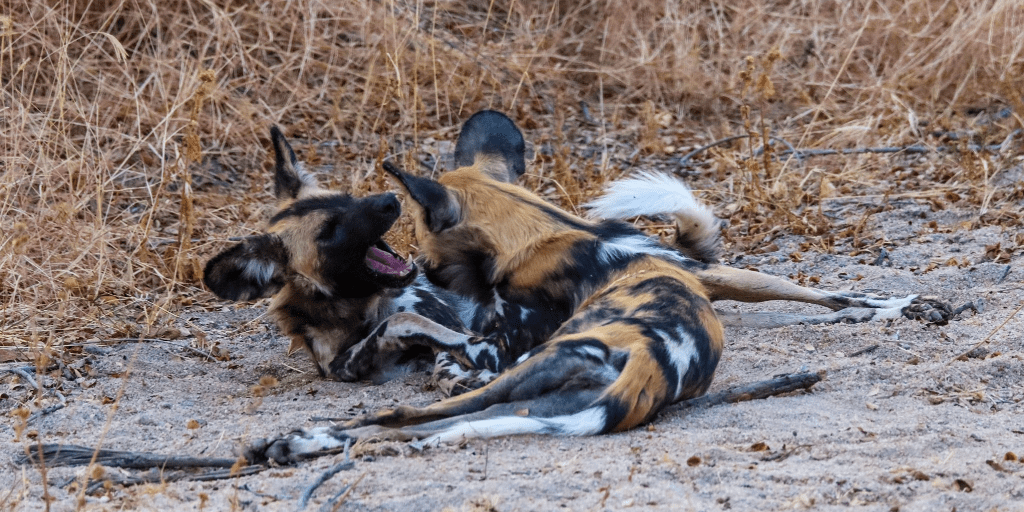
    1) They’re quite different from domestic dogs

    image

    Not all wild dogs in Africa are easy to tell apart from domesticated dogs. But here are some African wild dog features that set them apart:

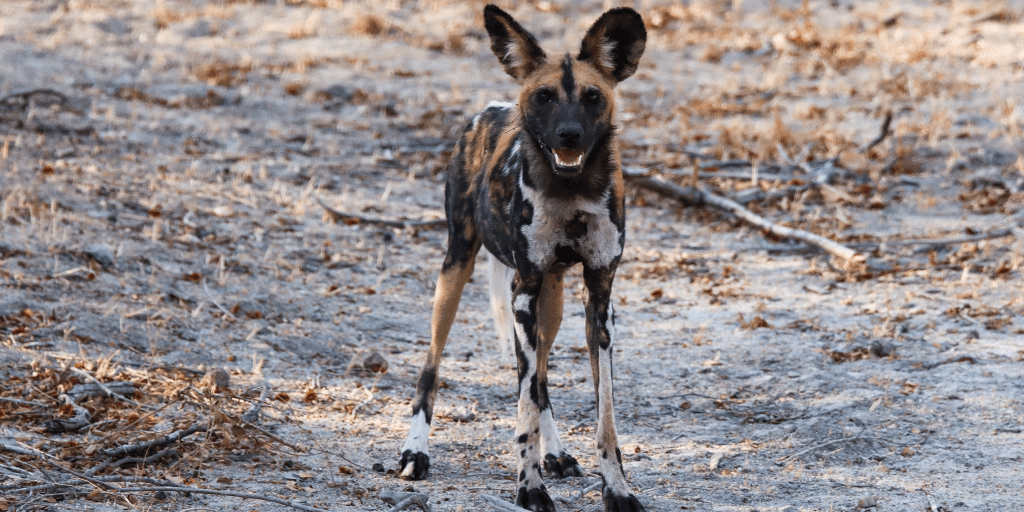
    1. They’re the biggest wild dogs in Africa and have longer legs than the average-sized domesticated dog. 

    2. Their large, rounded ears aren’t seen on any domestic dog breeds.

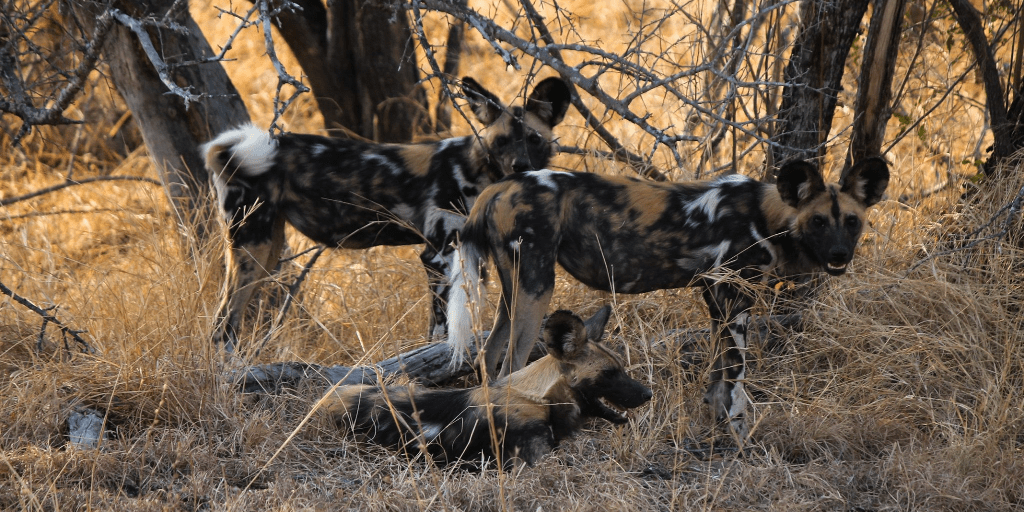
    3. They have multicoloured coats featuring black, brown, orange, white and yellow hair.

    4. You’ll find only four toes on their front paws instead of the five seen in most domesticated dogs.

    And these differences don’t just end at appearance. This type of wild dog in Africa isn’t able to interbreed with any domestic dog species. Also, these wild African dogs are so dependent on their habitats and social structures that no one has been able to tame this species.

    2) Their coat colour differs according to where they live

    image

    While African wild dogs across the continent have similarly coloured faces and tails, coat patterns differ from one wild dog to the next. This makes it easier for conservationists to keep track of individuals within a group while collecting data.

    But, scientists have also seen that these wild African dogs’ coat patterns vary according to the region in Africa where they live. African wild dogs have distinct eastern-African or southern-African coat patterns

    Eastern-African wild dogs of this species live in countries like Ethiopia, Kenya, Sudan and Tanzania and their coat patterns have more black colouring, with smaller patches of white and yellow fur. 

    Southern-African wild dogs live in South Africa, Botswana, Malawi, Mozambique, Zambia or Zimbabwe and their coat patterns have an almost equal mixture of brown, black and white fur.

    These differences in coat patterns allow African wild dogs in different regions to blend in with the vegetation in their natural habitats. 

    3) They’re known by different names

    image

    This species of wild dogs in Africa goes by the scientific name Lycaon pictus, meaning painted wolf. 

    But they also go by a number of other names including:

    1. the painted dog – because of their multicoloured coats

    2. the African wild dog – because African wild dog habitats are found only in Africa

    3. the Cape hunting dog – because of their widespread distribution around the cape regions of Southern Africa.

    4) They’re some of the savannah’s most social animals

    image

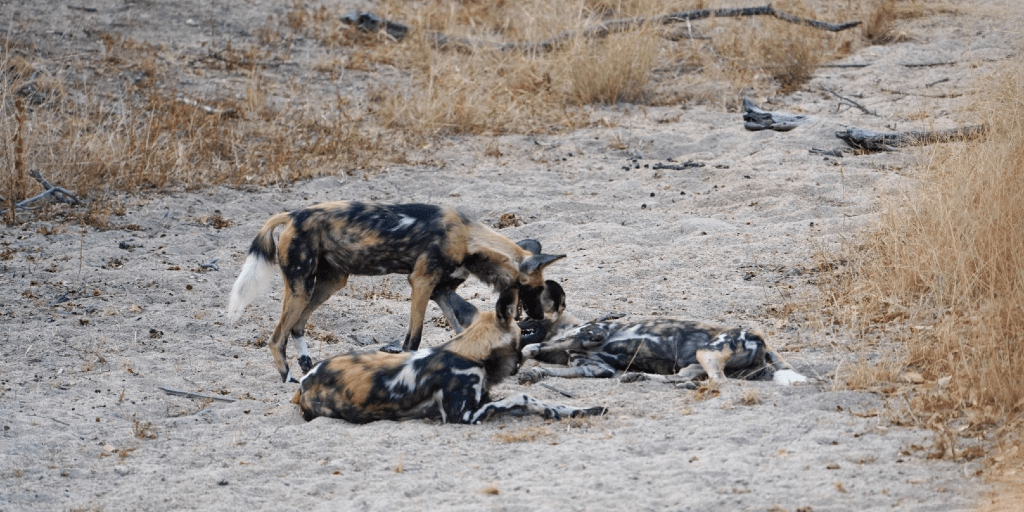
    African wild dogs are thought to be the most efficient hunters in the world and this has to do with their strong social bonds. 

    These wild African dogs run in packs of 15 to 40 members, but packs of up to 100 individuals have also been documented!

    In contrast to some of the other African animals that live in groups, like lions and hippos, African wild dogs don’t show aggression within their social hierarchy. One example of this is the fact that African wild dogs don’t try to intimidate each other.

    Instead, they’ve been seen to take turns caring for their sick and ensuring that African wild dog pups get first pick of any food. In some cases, researchers have even spotted adult African wild dogs offering food to nursing mothers and seen a type of voting practised among the pack where individuals sneeze to cast their vote!

    Their highly social behaviour makes them a species of wild African dog that are great at communicating. 

    And, because they’re so good at communication and working as a group, African wild dogs are even better hunters than lions and hyenas. While lions have an average hunting success of 30%, African wild dogs are known to successfully take down around 80% of their prey. 

    But it’s not just their social prowess that makes them such competitive predators. African wild dogs are also known for their stamina. They can run at over 50 kilometres per hour for long distances and reach speeds of up to 70 kilometres per hour. 

    They easily outrun prey like wildebeests and warthogs and are known to use teamwork to take on prey like speedy gazelles and prickly porcupines. 

    5) Why is the African wild dog endangered?

    image

    Despite their hunting prowess and social spunk, African wild dogs are one of the world’s most endangered animals and the second-most endangered carnivore in Africa

    And, the International Union for Conservation of Nature’s Red List of Threatened Species is where we’ve found the most concerning facts about African wild dogs. There are just 1,409 African wild dogs left in the wild and their numbers are decreasing every year. 

    The biggest challenges to the African wild dog population are:

    1. habitat fragmentation – the breaking up of African wild dog habitats due to human developments

    2. habitat destruction – the loss of large areas of natural habitat due to climate change or human activity like farming

    3. conflict with humans – interactions between farmers and African wild dogs have often ended in conflict. 

    Because this type of wild African dog is nomadic by nature, they need large spaces with open travel routes to ensure their survival. 

    With the negative impact of global warming and human activity on African wild dog habitats, this is becoming even more of a challenge for these wild dogs in Africa. 

    As a Bushwise Field Guides student on a Field Guides Association of Southern Africa (FGASA)-accredited course in the savannah, you’ll learn even more facts about African wild dogs and get to add to their conservation in one of the biggest African wild dog habitats. 

    Take a look at Bushwise’s in-country or online courses where you can learn lots more African wild dog facts and get stuck into making a positive impact in these creature’s conservation. 

  • A closer look at World Habitat Day and the animals most affected by habitat loss

    BY: Tasneem Johnson-Dollie

    World Habitat Day, held on 5 October every year, places emphasis on human habitats and how we can all contribute to improving and maintaining them

    This day was set up by the United Nations (UN) to shine a light on the challenging conditions people around the world are living in that make it harder for them to secure their basic human rights – like the right to life or the right of social service. 

    Human habitats include the villages and cities set up across the world, and these living spaces can’t be separated from the natural land and water ecosystems they form a part of. 

    Because of the growing human population, human habitat development is intensifying across the world, and the effects of human activity are having far-reaching effects on natural ecosystems far and wide. 

    So, getting to grips with what habitat loss is all about and the importance of World Habitat Day is an important step in figuring out how we can flip our human activity to make a positive impact. 

    Why do we need a World Habitat Day?

    image

    Habitat loss is one of the leading causes of animal species extinction today and most of it is caused by human activity.

    Human beings have developed processes like farming, grazing, mining and urbanisation to allow for communities to expand and thrive. 

    But these activities have also resulted in large portions of natural environments being cleared. In forest ecosystems, this has had a negative impact on around 80% of the plant and animal species that call these ecosystems home. 

    This means that habitat loss is not only affecting a whole host of different types of animals and plants, it’s also reducing the Earth’s oxygen-producing capacity – because plants make oxygen – which affects the well-being of all life on the planet. 

    With the interactions between humans, plants and animals being more fragile than ever before, World Habitat Day is key in keeping the world updated on how well – or not so well – humans, plants and animals are interacting, and the impact that human activity is having on the world’s wild spaces.

    And, while human beings can air their grievances and even put on public displays calling on political leaders to address poor living conditions, animals and plants can’t communicate with the powers that be in quite the same way. 

    Today, the current animal extinction rate is at an all time high and extinctions are occurring at an accelerating rate. 

    So, World Habitat Day is an important platform to keep track of our progress towards addressing global development concerns while demonstrating the interconnectedness between people, animals and plants, and the role we play in habitat loss. 

    What is habitat loss?

    image

    A habitat is the natural environment in which people, plants and animals live. It’s home to everything that these organisms need to survive including breathable air, clean water and resources to allow for survival – like food, and building materials to create shelter. 

    Because people, animals and plants “live off the land”, natural environments are influenced by what we do on a daily basis. 

    Human activity is the leading cause of habitat loss through processes like agriculture, land development, pollution and climate change. Each of these processes can contribute to land degradation in three different ways. These include:

    1. habitat destruction – for example, the clearing of trees, filling of wetlands and dredging of rivers

    2. habitat fragmentation – this is caused by developments like roads and dams that split habitats into smaller fragments

    3. habitat degradation – mainly caused by pollution and invasive species that affect the natural processes within an ecosystem. 

    Habitat loss is when all of these factors come together and significantly change an ecosystem to the point where it can no longer provide the food, water, shelter or other natural resources required for life. Natural disasters – like floods, droughts and hurricanes – can also cause habitat destruction. 

    If a habitat is “lost” then the animals and plants that lived in it will either die or be forced to move to another area. So, habitat loss can cause loss of species, but it can also put strain on other ecosystems that become hosts to displaced animals. 

    Which animals are most affected by habitat loss?

    Many of the animals that have been most affected by habitat loss are the larger species that often depend on the natural habitat in a bigger way.

    The animals most affected by habitat loss

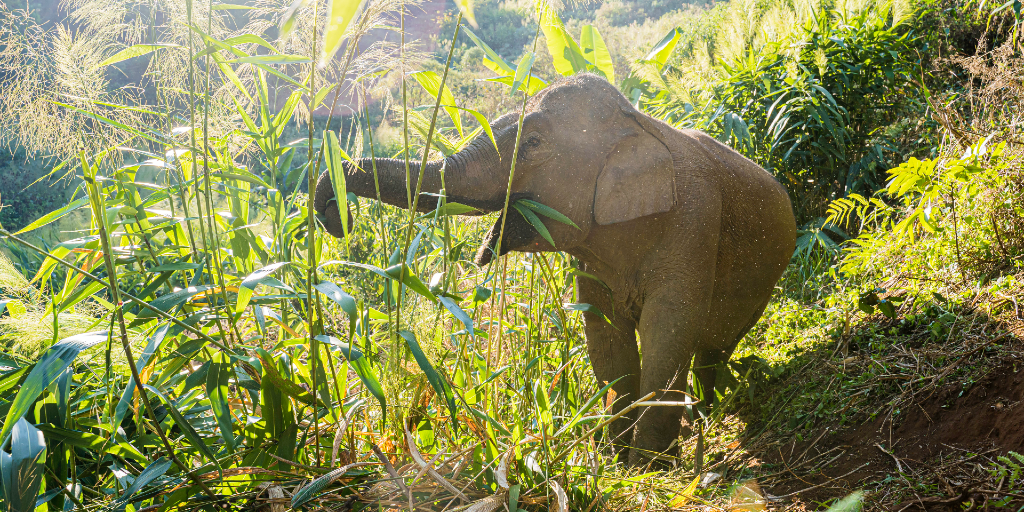
    1) Asian elephants

    image

    Asia houses more than half of the world population and around 20% of the people on Earth are estimated to live in or near to Asian elephants’ habitats

    This makes for close quarters for people and elephants and means that as communities expand, Asian elephants’ habitats are easily taken over. 

    The Asian elephant population is listed as endangered on the International Union for conservation of Nature’s (IUCN’s) Red List of Threatened Species. The population of Asian elephants has dropped by 50% over the last 75 years and their numbers are still decreasing steadily.  

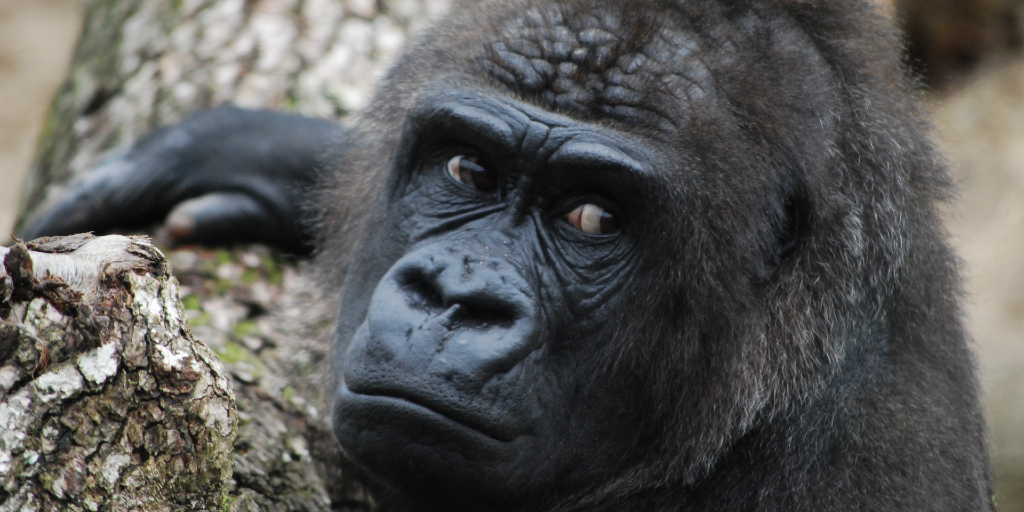
    2) Gorillas

    image

    Original image: Gorilla by Dalibor is licensed under CC BY-SA 2.0

    Gorilla habitats are typically leafy tropical forests with enough space and sustenance to support these massive creatures. 

    Many of the areas known to make up the gorillas’ natural habitat have been cleared for agriculture or development. 

    Mountain gorillas have also been affected by the illegal harvesting of coal for use in cooking and heating. This mining takes a toll on the mountain terrain and results in the degradation of the natural habitat. 

    In addition to habitat loss, gorillas are also vulnerable to poaching. 

    Mountain gorilla habitats are some of the most affected by habitat loss and the IUCN lists mountain gorillas as critically endangered with only 2,600 mature individuals alive today. 

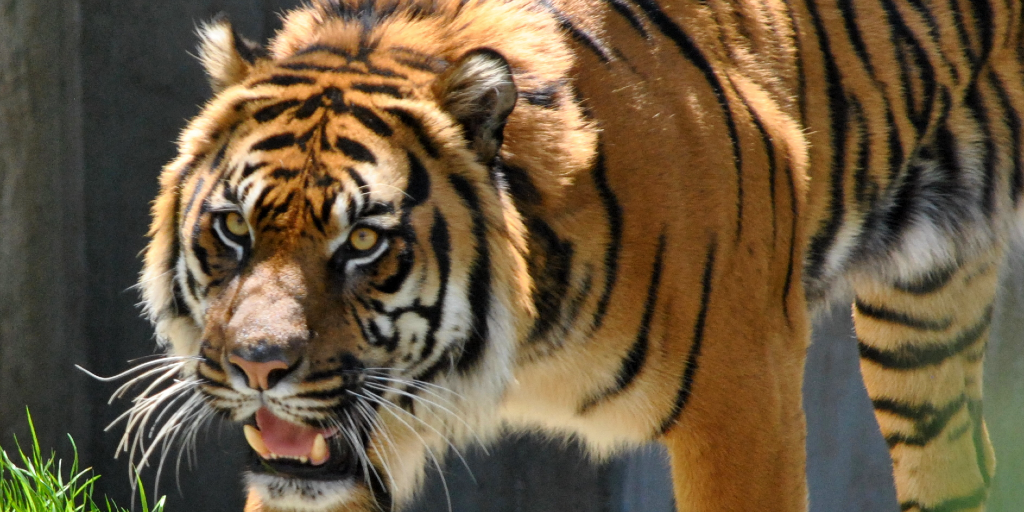
    3)Tigers

    image

    Original image: Tiger by angela n. is licensed under CC BY-SA 2.0

    Before the twentieth century, the tiger population was made up of eight subspecies, but this number has since dropped, with three subspecies becoming extinct over the last 100 years. 

    Tiger habitats include a vast array of terrains, from forests and grasslands to mangrove swamps and savannahs. But, with climate change and human activity reaching every corner of the globe, tigers living in all types of natural habitats have been affected.

    The IUCN lists tigers as endangered. The subspecies most affected is the Bengal tiger, which lives in the tropical forest ecosystem of India. This is because, in India, forests support the livelihoods of around 275 million people and the growing population means that more and more pressure is being placed on forest ecosystems. 

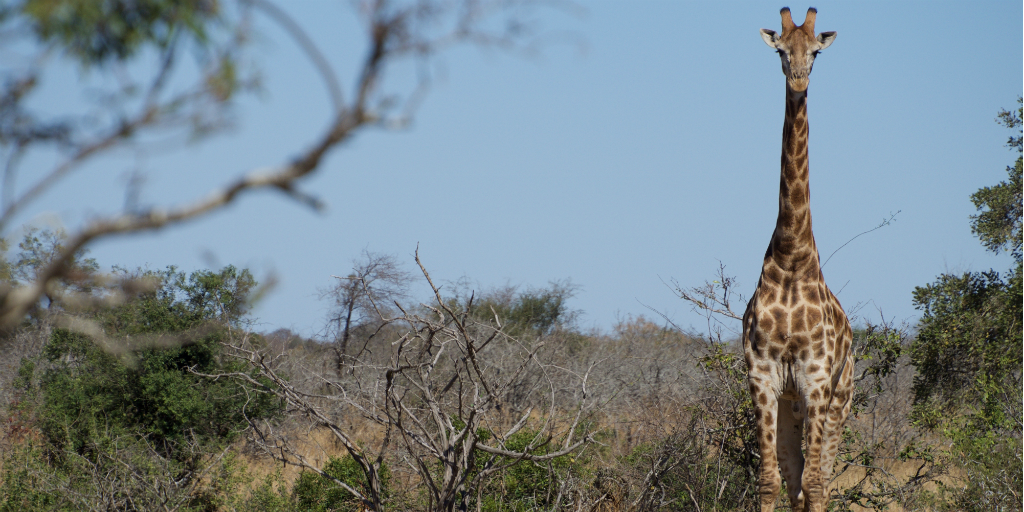
    4) Giraffes

    image

    As a Bushwise Field Guides participant on a Field Guides Association of Southern Africa (FGASA) accredited internship, you could get involved in work that adds to the well-being of an African animal that was recently in the midst of a silent extinction. 

    Giraffe habitats include grassy plains as well as dense forests, but the majority of the giraffe population lives in the savannah. 

    The conservation status of giraffes wasn’t always given a great deal of attention and this meant that when giraffe numbers started to drop, no one noticed for some time

    All giraffe habitats are affected by the biggest global challenges, like the overdevelopment of natural spaces. 

    The African savannah is also vulnerable to desertification, a process where arable land becomes dried out and depleted of nutrients. This can occur due to frequent droughts and rising temperatures, and in some cases overgrazing.

    Because of this, maintaining the health of giraffe habitats is becoming a tougher task with the rise in global temperatures and an increase in the occurrence of overgrazing. 

    Giraffes are currently listed as vulnerable by the IUCN and addressing the effects of human activity on giraffe habitats is key in ensuring these creatures’ population size doesn’t decrease any further. 

    Ocean habitats

    image

    We’d be skimping on our understanding of habitat loss if we didn’t also consider ocean habitats and how human activity is affecting these ecosystems.

    Animals like vaquitas, dolphins, sharks, sea turtles and manatees make up some of the world’s most endangered species.

    And World Habitat Day may hold even more importance in highlighting the well-being of aquatic creatures. This is because not as much is known about aquatic habitats and how to address the challenges facing them when compared to terrestrial terrains. 

    But with more people getting involved in work aimed at maintaining natural habitats, we can make an impact where it matters and learn more about supporting the well-being of animals and plants while we’re at it. 

    We can also build on sustainable development and add to our relationships with plants and animals in a way that benefits us all.

    Get ready to make a meaningful impact this World Habitat Day by joining our Bushwise FGASA Field Guiding and Conservation Careers internship and contributing to healthy habitats.

  • What is overgrazing and why does it have a global impact?

    BY: Tasneem Johnson-Dollie

    When we try to understand what’s fuelling climate change, answering the question “What is overgrazing?” and getting to grips with its global impact is key. 

    Why does overgrazing matter so much? Well, more than 20% of the world’s land surface area is used for grazing, and overgrazing is currently one of the leading causes of climate change. 

    Let’s sift through the soil to uncover the answers to the question, “What is overgrazing and why does it matter?” And, let’s take a look at how overgrazing isn’t just a concern for farmers, but for conservationists and game rangers too.

    What is overgrazing?

    image

    Domesticated animals, like cows, sheep and goats, eat wild vegetation growing in the areas where they are kept. This is called grazing, and is managed by people who own or oversee livestock, like farmers and shepherds. 

    So, what is overgrazing? The United Nations (UN) describes it as “the practice of grazing too many livestock for too long a period on land [that is] unable to recover its vegetation”.

    So, while it may seem simple to put your cows in a pasture and watch them eat, if grazing isn’t well managed, vegetation like grasses, bushes and trees can be negatively affected. 

    And, if overgrazing continues in an area for a long period of time, the vegetation that usually grows there may even disappear completely in the future. 

    So, in an era where livestock is managed by human beings, why has overgrazing become a concern? 

    Well, it has to do with changes in society over time and how our current lifestyles affect global ecosystems.

    Why is overgrazing a concern today?

    image

    People have been domesticating and caring for animals for more than 10,000 years. This means that we have a wealth of historical information on how to raise and manage grazing animals. 

    So, why has overgrazed land only become a concern in the last few decades? 

    Well, as people started transitioning from being nomadic to settling in villages, they began to change their surroundings in a big way. 

    For livestock, this meant staying in the same area instead of travelling across large distances. It also meant that animals would now rely on one piece of land for a much longer period of time. 

    And, with people staying put in one place, it became easier to breed cattle and increase the number of cows, sheep or goats that a farmer owned. 

    So, not only did the vegetation need to support grazing for longer periods of time, but it also had to serve up sustenance for more and more animals each year. 

    This was the start of a sequence of events that led us to ask the question, “What is overgrazing and why is it happening?”

    Let’s dig a little deeper to find out more about the effects of overgrazing.

    What are the main causes of overgrazing?

    image

    Picture a piece of fertile land, lush with greenery and sprawled across the earth with no visible end in sight. You could have the image of a rainforest, the savannah, or even a farm in mind. 

    All of these environments are influenced by three key things: people, animals, and the climate.

    Understanding overgrazing causes comes down to getting to grips with how these three factors influence the amount of vegetation growing in an area over time. One example of this is the African plains, where the grazing of wild animals is usually well-managed by Mother Nature. 

    But, where these areas are fenced in, the environment needs to be managed by conservationists and rangers to maintain a balanced ecosystem. 

    In both of these areas, people are known to poach predatory animals, like big cats, to trade their teeth and claws. This leads to a drop in the number of predators in the area.

    With fewer predators around, populations of grazing animals, like antelopes and zebras, can become so big that they have a negative impact on the environment. This is because large numbers of grazing animals eat the vegetation faster than it can regrow. 

    This cause of overgrazing is the result of human activity and has an impact on animal populations and their environments. And this is a major concern when managing fenced off reserves, as a conservationist or game ranger.

    What are the biggest overgrazing effects?

    image

    Without solutions for the effects of overgrazing, fertile land eventually becomes desert terrain.

    Desertification is when land is degraded to the point where the soil loses its ability to support the growth of plants. 

    Because plants absorb carbon dioxide to survive, less plants means that more carbon dioxide gets trapped in the atmosphere. This is how desertification adds to global warming. 

    So, what effect does overgrazing have on topsoil? And, how exactly does too much grazing turn fertile land into desert? Let’s take a closer look.

    How can overgrazing lead to soil erosion and desertification?

    image

    Before causing plants to stop growing, overgrazing changes the quality of the soil first.

    Overgrazed land has significantly less ground cover – low-growing plants that are anchored in the soil. This overexposes the soil that houses the nutrients and traps the water that plants need to grow. The soil is overexposed to erosion by wind, water, and the movement of animals and people in the area. 

    And that is the answer to the question, “What effect does overgrazing have on topsoil?”

    Topsoil is the layer of soil that is most affected by overgrazing. And, because topsoil is also the most important part of the soil, when it comes to growing crops and producing food, it’s an important part of people’s food supply too. 

    It can take years for overgrazing to result in desertification, but overgrazed land has a big impact on plants, people, and animals as soon as the first plants start to disappear from the soil. Why is this?

    Well, fewer plants means less food for animals and people, as well as more air pollution – since plants play a role in purifying the air. So, having fewer plants affects the well-being of all life on Earth.

    Overgrazing has the biggest impact on arid, semi-arid, and dry sub-humid regions of the world, where there is less vegetation to begin with. In these areas, an increase in climate temperature and water scarcity also speeds up the process of fertile ground becoming desert terrain. 

    Without solutions to overgrazing, desertification will continue, and may spread more rapidly as livestock move from degraded land to the next fertile patch of soil. 

    image

    Wondering how to prevent overgrazing? Well, there are some meaningful ways to make a contribution. Let’s find out how you can get involved.

    How can you help to find solutions to overgrazing?

    Overgrazed land seems to be the world’s biggest catch-22. Yes, we need more livestock to supply the growing human population with food. But, over the last few decades, this increase in the number of livestock has added to overgrazing, desertification, and the reduction of land available for producing food. 

    And, with so many wild animals now located in fenced-in reserves, how we manage land affects more than just our food supplies – it impacts creatures at every level of the food chain. 

    With 95% of global food production coming from crops that need fertile topsoil to grow, how will we meet the world’s food demands as the Earth’s fertile land mass shrinks every year?

    image

    One way is to get serious about finding overgrazing solutions that speak to the world’s biggest challenges, like farming management. Through poor grazing management, the day-to-day feeding routine of animals has become one of the biggest contributors to overgrazed land worldwide. 

    And, since it’s impractical to set dietary restrictions on animals, it would be easier to address human activities, like farming management. But, livestock owners aren’t the only ones who can get in on the action. 

    Nature conservationists and game rangers are responsible for protecting and managing natural environments like grasslands, farmlands and forested areas. They can also get involved in creating solutions around threats to conservation and give advice to farmers on how to manage their livestock and farms. 

    So, by getting involved in work that builds on awareness around overgrazing, you’ll be part of the movement to promote worldwide contributions to reducing the effects of overgrazing. 

    An even bigger impact could be made if more and more people around the world start addressing overgrazing, desertification, and even climate change.

    Sign up for Bushwise Field Guide’s Nature Enthusiast FGASA online course and be part of the work done to conserve natural environments.
  • How to identify the different types of grasses in African savannahs

    BY: Tasneem Johnson-Dollie

    To the untrained eye, the African savannah may seem like a monotonous terrain. But, by learning how to identify the different types of grasses, you’ll see just how diverse this landscape really is. 

    Grasses are the most abundant group of greenery on Earth. And, they’re found in locations across the world: from the dry, desert landscapes of Africa, to the icy cold outdoors of Antarctica. 

    So, if you were to ask anyone around the world about grasses, it’s highly likely that they’d know what you’re talking about. They’d probably even be able to give you a decent general description of what grasses are. 

    But how do you go about telling one prickly specimen from a different type of grass?

    Let’s start by taking a closer look at some answers to the question, “What is grass?” 

    What is grass?

    image

    Grasses are the spindly plants found growing along sidewalks, or out in wild spaces – like South Africa’s grasslands. 

    They come in a range of colours and textures. From the stiff, durable, deep-green blades of buffalo grass, to the lanky wisps of gold-and-brown thatching grasses that shudder with every puff of passing air. 

    All the world’s grasses belong to the plant family Poaceae, and each of these plants is made up of five different parts:

    1. flowers – the parts responsible for producing seeds

    2. blade – the leaf of the plant

    3. culm – the plant stem

    4. roots – the part of the plant below the ground

    5. rhizome – a modified part of the stem that grows underground and can put out new roots and stems

    6. stolon – an adapted part of the stem that can produce new plants. 

    These plant parts aren’t unique to grasses. But, identifying each different type of grass in the wild starts with being able to spot these features on a spindle of growth poking out among other African savannah plants.

    To sharpen your grass-spotting skills, start off by looking at pictures of different types of grasses online or in textbooks. This way, you can get to know more about these plants before stepping out into the savannah.

    Compare simple diagrams, then challenge yourself by identifying each part of the plant in up-close pictures of different types of grasses. 

    And, once you’ve found your grass-examining groove, you can set out and try your hand at identifying the more than 70 different grass types found in South African grasslands. 

    Further reading: All about the different types of grasses of Southern Africa

    Here’s a closer look at how to identify them out in the wild. 

    How to identify the different types of grasses in African savannahs

    image

    On a Bushwise Field Guide’s online or on-site Field Guides Association of Southern Africa (FGASA) Field Guiding course, you’ll learn about the finer details of grass identification once you’re clued up on the basics. 

    This means that you won’t need to carry around pictures of all the different types of grasses found in the savannah. You’ll be able to identify them by paying attention to some tell-tale features instead. 

    For instance, because different grass types grow under different conditions and in different ways, it’s easier to tell some of them apart. 

    One example is when you compare stinking grass with red oat grass. Stinking grass grows in squat, shrub-like tufts and prefers to shoot up out of dense clay soils. But, red oat grass can grow as tall as 1,5 metres and pop out of almost any type of soil. See the difference?

    Stinking grass also gives off an unpleasant smell when crushed and isn’t edible. In comparison, red oat grass is one of the most important edible grasses in the African savannah. It’s eaten by wildlife like birds and zebras, and grazing cattle like sheep and cows. 

    Another eye-catching feature that can help you tell the different types of grasses apart is their inflorescences (or flowering parts). An inflorescence is made up of bunches of flowers called spikelets. And, these spikelets come in three different formations:

    1. spikes – spikelets attached to the main stem of the plant

    2. racemes – spikelets found at the end of short stalks attached to the culm

    3. panicles – spikelets attached to branches that are attached to the culm. 

    How the appearance of African savannah plants changes from season to season

    image

    Compared to the global average of 786 millimetres of rainfall per year, South Africa’s 460 millimetres of annual rainfall makes the country a generally dry region. 

    But, from one season to another there are significant changes in rainfall that affect the growth of all savannah plants, including the different types of grasses.  

    The Limpopo province is home to some of the widest stretches of South African grasslands and this region receives most of its rainfall in the warmer months (between October and April). 

    During this time, you’re much more likely to see different types of grasses at their best: standing tall and shimmering in the sun-soaked savannah. 

    But, in the colder months, grasses aren’t blessed with as many showers. In some areas, frost may settle in as night-time temperatures drop below zero degrees celsius. This is when you’ll see much less of these leggy savannah plants around, and you’ll have to make do with watching the sunset across sandier scenery. 

    Added to the dryness of the terrain is the large amount of annual sunshine in Limpopo. With that in mind, you may be wondering, “How do grasses withstand the year-round heat?” 

    Well, it’s true that atmospheric temperatures can be sweltering at any time of the year: maximum temperatures average at around 22 degrees celsius in winter and up to 40 degrees celsius in summer. But the different types of grasses are adapted to deal with this African savannah climate. 

    One trick they have up their “sheathes” is their ability to channel water to their most important parts and away from most of their outer layers. This reduces the amount of water that’s lost to evaporation as the warm atmospheric air rubs up against the outer sheaths of these savannah plants.   

    Eventually, the outer layers of the plant dry out and die, leading to the tawny shade of many different types of grasses.

    Under certain conditions – like very cold weather or when water is scarce – grasses go dormant and not much of the plant can be seen above ground at all. This means that some of these savannah plant’s most defining features won’t be on display. 

    So, you’ll need to find other ways of identifying each different type of grass from one season to the next. 

    What are other ways of identifying different types of grasses?

    image

    If you end up looking at two very similar grass stems, or if you’re trying to compare the tendrils of grasses that could be twins, you’ll need to get out your magnifying glass to be sure.

    By zooming in on the collar of these African savannah plants, you’ll be able to tell with more certainty if you’re looking at samples that are the same, or different. 

    The collar is the area where the leaf blade joins the culm on all the different types of grasses. This landmark is where you’ll find the auricle – a set of sickle-shaped protrusions that wrap around the stem – and the ligule, which is a paper-like scale found inside the leaf blade. 

    Each of the different grass types has a distinct set of auricle and ligule that sets them apart from every other type of grass.

    And, even when you’re out in the African grasslands during a time when grasses are dormant, you may still be able to identify different grass types using these characteristics. 

    South African grasslands make up almost one-third of the country’s land surface area. So, knowing the African savannah plants that make up the grassland biome can add to your knowledge on the country’s ecosystems in a big way. 

    Start building on your environmental education with Bushwise’s online or on-site field guiding courses and get clued up on the different types of South African grasses.

  • What the water buffalo means to the past and present of human beings

    BY: Tasneem Johnson-Dollie

    Water buffaloes and humans have a shared history spanning more than 50 centuries. But, how well do we really know one of our earliest animal companions, and what are we doing to ensure that they’ll be around for centuries to come?

    The water buffalo is a cousin of the cow and, just like cows, this buffalo species has played a major role in the development of society.

    Let’s learn more about the water buffalo, and how they became an important part of human history.

    How is the water buffalo different from other types of buffalo?

    image

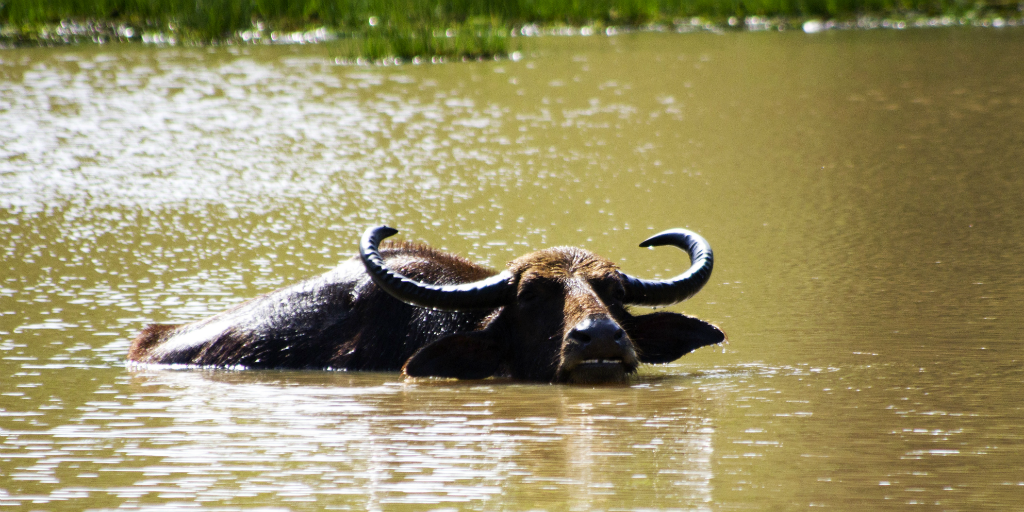
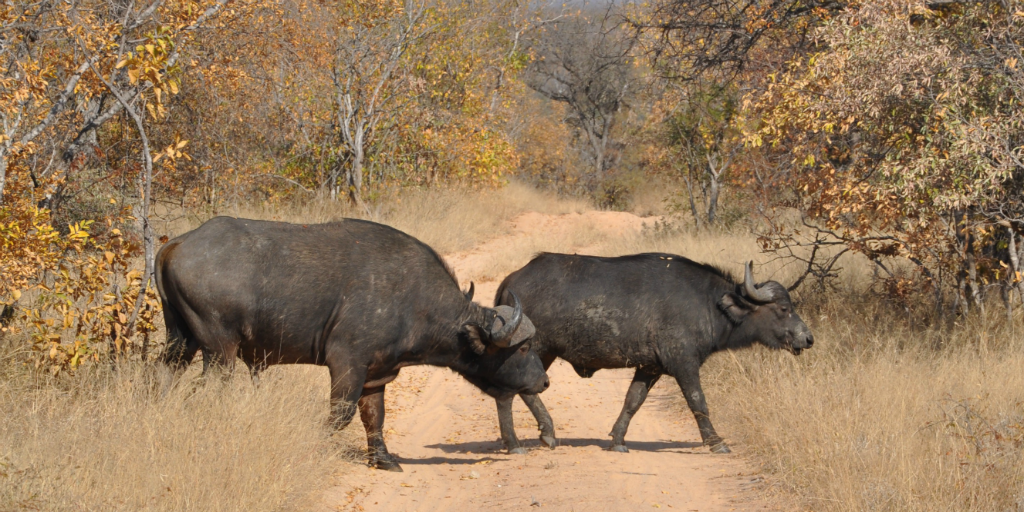
    There are two buffalo species in the world, the African buffalo – also known as the Cape buffalo, and the Asian buffalo – also known as the water buffalo.

    The water buffalo (Bubalus bubalis) differs from the Cape buffalo (Syncerus caffer) in a number of significant ways:

    1. First of all, the Cape buffalo is only found in Africa while the water buffalo is found on all seven continents.
    2. Water buffaloes live in wetlands and marshes in the tropical and subtropical forests of Asia, while the Cape buffalo lives in the savannah and forests of Africa.
    3. Because they live in different habitats, their foot structure is quite different. The water buffalo has splayed hooves that prevent it from sinking into wet sand while the Cape buffalo’s hooves are less splayed and adapted to the harder terrain of the savannahs.
    4. Water buffaloes can grow to be much bigger – and heaps heavier – than other buffaloes.
    5. The Cape buffalo is thought to be much more aggressive than the water buffalo.

    But, did you know that, due to their domestication, there are now also different types of water buffalo?

    The different types of water buffaloes

    image

    Original image: Water Buffalo by Kosala Bandara is licensed under CC BY-SA 2.0

    After centuries of living different lifestyles, it’s no surprise that domestic water buffaloes have undergone some major adaptations that make them quite different from wild water buffaloes:

    1. While both species of buffaloes come in shades of grey and black and have off-white “socks”, domesticated breeds have more white on their bodies.
    2. The large curved horns seen in the water buffaloes of the wild are much smaller or absent in domestic water buffaloes.
    3. While water buffaloes are one of the biggest members of the Bovidae family – cattle-like animals with hooves – wild water buffaloes can be more than four times heavier than domestic water buffaloes.
    4. Domestic types of water buffaloes can live for up to 40 years, while some sources claim that water buffaloes can live for as little as nine years in the wild.

    Today domestic water buffaloes are known as the “tractors of the East” because they still play a big role in the farming industry in Asian countries.

    Why are water buffaloes an important part of human history?

    image

    With more than 70 breeds of domestic water buffalo in existence, it’s clear that human beings weren’t just taken aback by these bulky bovines, but they were keen to keep them close.

    Why did human beings decide to domesticate the water buffalo in the first place?

    Well, it started with water buffaloes inhabiting the same environments as human beings – which made them a viable option for domestication. The idea gained momentum because these animals had the type of temperament that allowed them to be domesticated. And, tons more animals were domesticated because of the realisation that keeping water buffaloes made it much easier for human beings to survive.

    What is it about water buffaloes that had human beings hooked? Well, just like the cow, the water buffalo could provide a wide variety of resources like the following:

    1. Food: Their meat, milk and butterfat are highly nutritious.
    2. Materials for various uses: Their horns and hides can be used to make clothing and equipment, and their dung can be used to fortify buildings and fuel fires.
    3. Farm labour: They’re powerful animals and can easily pull field-ploughing machinery, and can transport people and crops.

    Centuries later, research by the Food and Agriculture Organisation (FAO) shows that more people depend on water buffaloes for their livelihoods than on any other domesticated species on Earth.

    What’s the future look like for the water buffalo?

    image

    While there are more domestic water buffaloes around than you can shake a stick at, the same can’t be said for wild water buffaloes.

    In fact, the International Union for Conservation of Nature’s (IUCN) Red List, states that there are only 2,500 wild water buffaloes left, and their species is classified as endangered.

    So, what’s the problem, since there are still tons of domestic water buffaloes? Well, because wild types of water buffaloes are so different to domestic water buffaloes – they inhabit and contribute to different environments in different ways – we really can’t depend on domestic water buffaloes to take their place.

    It’s important that we work to conserve these creatures in order to conserve the environments they live in. If not, we run the risk of seeing this buffalo species becoming extinct, and finding out what effect their loss would have on environments worldwide.

    Get involved in the conservation of the water buffalo by signing up for a Bushwise Field Guides, Field Guides Association of Southern Africa IFGA Field Guide course or a Nature Enthusiast IFGA online course

  • Where can field guides find work experience placements and employment guarantees?

    BY: Tasneem Johnson-Dollie

    Part of Bushwise Field Guides’ promise is their work experience placement and employment guarantees. But why does it matter, and what does a work experience placement actually mean for field guides?

    Let’s take a look at Field Guide Jobs and the types of placement guarantees offered by Bushiwise,, and how they improve employability.

    Further reading: Why a comprehensive, long-term field guide course is better

    What is a placement guarantee?

    So your field guiding adventure is coming to an end. It’s your last few days of soaking up the sun in a safari vehicle. You don’t know when you’ll get another chance to scan the wild terrain, trying to spot some camouflaged creature you never knew about before your IFGA course. 

    image

    But what happens once you’re done? What’s the next step in your career in conservation?

    Well, if you’re finishing up on a Bushwise course, the future may not seem quite so scary.

    There are courses you could do that promise either a work experience placement, or an employment guarantee.

    These excellent add-ons can improve your employability – and maybe even secure it.

    Take a look at the types of placement guarantees that Bushwise has to offer.

    The different types of placement guarantees

    There are different types of placements available to Bushwise graduates.

    Bushwise offers top-quality field guiding courses that are open to anyone over the age of 18. Bushwise graduates between the ages of 21 and 39 years old are promised either an employment guarantee, or six-month work experience placement. But there are also opportunities for those who fall outside of this age range.

    Employment guarantees are official job offers that are guaranteed for South African graduates who’ve completed the comprehensive IFGA Safari Guide course. 

    Work experience placements are opportunities to gain real-world experience in the field. These are an option for anyone who has completed a IFGA Safari Guide course or a IFGA Field Guiding and Conservation Careers internship. 

    1) Employment guarantees for South African field guides

    For South African graduates of the comprehensive IFGA Safari Guide course, job offers are guaranteed.

    This means that you’re guaranteed a job offer within six months of completing your Bushwise course. Field guides are placed at a lodge or game reserve which partners with Bushwise. 

    But there are other placement opportunities available too.

    2) Work experience placements for Bushwise graduates

    image

    All Bushwise graduates who’ve completed either the IFGA Safari Guide course have access to work experience placements. 
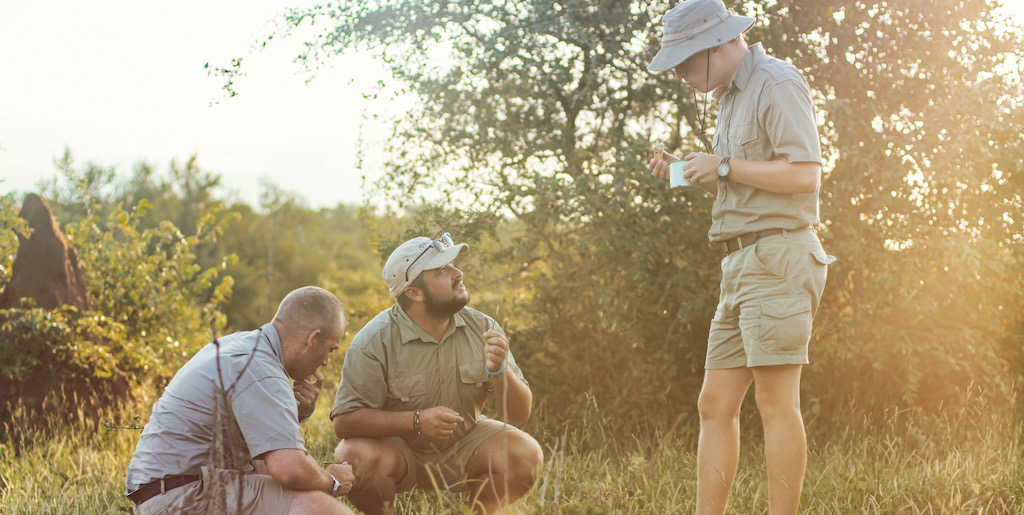
    For those moving on into a work experience placement, Bushwise head trainers will do an assessment of each graduate, and provide advice on the type of work experience placement that would suit them best. 

    These graduates are placed with the Bushwise partner that best suits that graduate’s skills and aspirations. Graduates are placed with a lodge or game reserve that partners with Bushwise. But these placements are not a job offer, and only provide the opportunity to gain experience in the field. However, they often lead to permanent positions.

    And for those Bushwise students who are under 21 – and so are not old enough to get their professional driving permit (PdP) and drive guests around just yet – there are non-guiding placements on offer for you too.

    3) Non-guiding placements

    image

    For graduates under the age of 21, non-guiding work experience placements can give you the opportunity to gain experience in the field, work towards becoming a field guide, and improve your employability in the future. 

    Non-guiding work experience placements may mean setting a reptile-lover up with a placement at Kinyonga Reptile Centre, or putting someone with a passion for wildlife tracking with the Colin Patrick Training organisation.

    We can’t guarantee placements for candidates 39 years and older. This is simply because some lodges and game reserves feel that younger guides are better suited to the physical activity and long days that field guiding requires. But placements are still possible. 

    At Bushwise, we train all age groups in the same way – ensuring that everyone leaves with the same knowledge and capabilities. So, for candidates 39 years and older, working hard, and going the extra mile during your field guiding course, will go a long way in helping you to secure a placement offer. 

    Work experience placements improve employability in a way that no other teaching experience can. And guaranteed job offers take the edge off, and offer you a spring-board into your conservation career.

    image

    Further reading: What are lodges and organisations looking for in a field guide?

    But where exactly would you be placed?

    Where are field guides placed?

    Bushwise works with a number of reputable partner organisations that are often on the look-out for IFGA-qualified field guides. 

    There’s an array of prestigious lodges and wildlife reserves where field guides could be placed. These include MalaMala Game Reserve, Sabi Sabi Luxury Safari Lodges, and Singita game reserves. 

    With high-quality and comprehensive courses, followed by exciting placement opportunities, succeeding in a wildlife conservation career is so much easier for Bushwise graduates.

    Do all field guiding courses offer opportunities to improve employability?

    A guarantee of any kind can’t be given lightly. And this may be the reason why an offer like a Bushwise placement guarantee isn’t something you see very often. 

    If you’re looking for a course that includes a work experience placement, or you’re eager for an education linked to a guaranteed job offer, Bushwise can get you to where you want to be.

    So check out our field guiding courses that offer work experience placements and employment guarantees, and see how they can improve employability for the field guides of the future.

  • All you need to know about field guiding and biomes of South Africa

    BY: Tasneem Johnson-Dollie

    A biome is a particular community of fauna and flora that are adapted to their specific natural environment. As a field guide, you’ll be learning about South Africa’s fascinating biomes and sharing your knowledge with guests. 

    Let’s take a trip through the different types of biomes in South Africa to get a taste for the terrain, climate, and everything in between. 

    What is a biome?

    The biosphere refers to all living things on Earth. It’s split into different biomes. Areas with a similar climate and geography are categorised as a biome, and the conditions in a biome determine the types of animals and plants (fauna and flora) that can live there. 

    In South Africa there are seven types of biome. These biomes are the perfect setting for indigenous South African animals. In fact, the biomes of South Africa give rise to some of the largest animals in the world. So what are these biomes, and how do they support South Africa’s creatures great and small?

    1) Savannah

    image

    Original photo: “Tree nature landscape” by negahuk is licensed under CC BY-SA 2.0

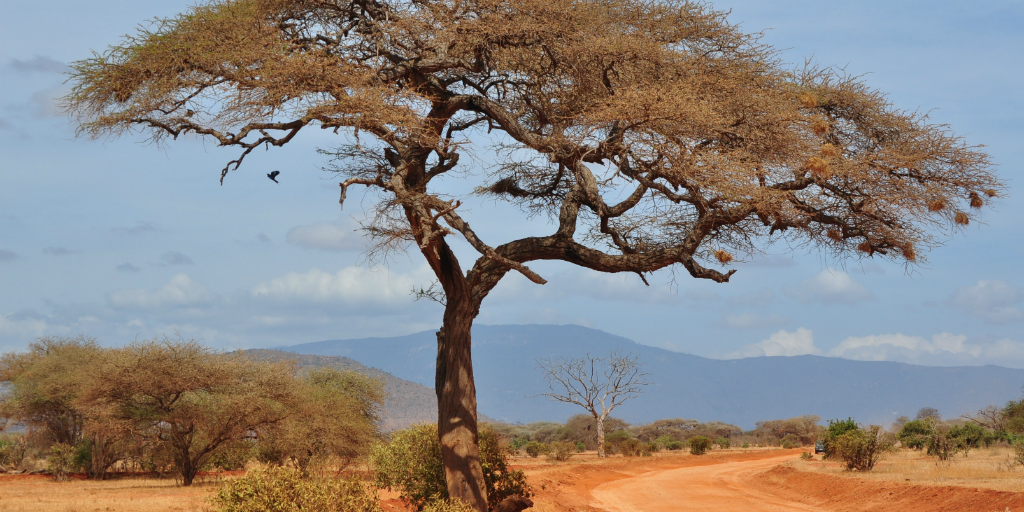
    The savannah is the largest of the different types of biome in South Africa. 

    Looking out over its sandy plains, scattered with thorn trees and spiky bushes, you may think of the savannah as a quiet place. 

    But you’d better keep your wits about you, since the savannah is home to most of the big African animals like lions, elephants, buffalos, and kudus.

    These beasts are built for this bushveld terrain – where the vegetation consists mainly of low-growing thorn trees and bushes. 

    And the fact that each of these animals can reach a speedy pace also helps in this savannah biome, where the hot and dry climate sets the scene for regular fires.

    And the reason that the savannah is home to these spiky bushes and thorn trees is because low annual rainfall means less water for plants. While grasses and bushes can efficiently absorb the minimal amount of water available, most trees find this terrain too thirst-inducing.
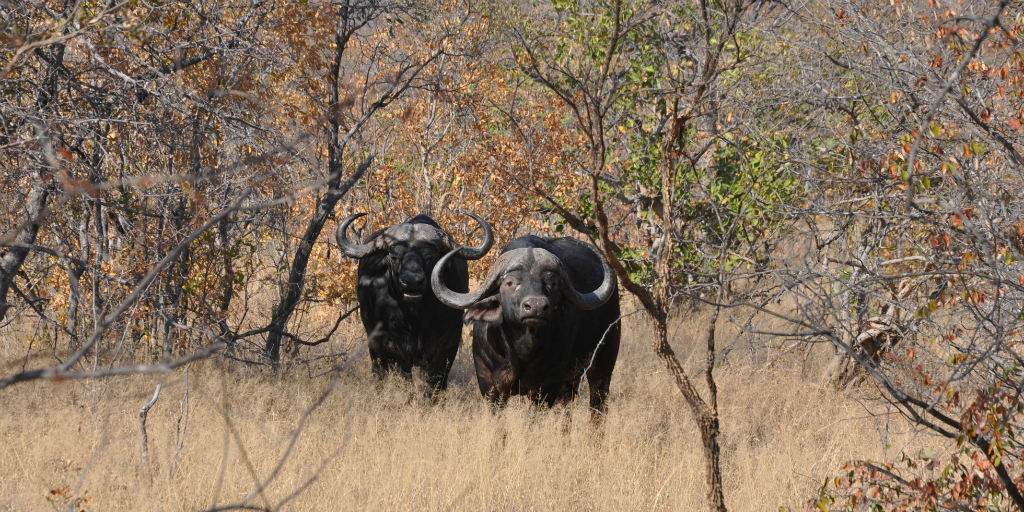
    Savannah biomes are found in the western parts of Limpopo, northern parts of the Northern Cape and Free State, and KwaZulu Natal.

    2) Thicket

    image

    If you find yourself thrust into a thicket biome, you’d see groupings of short trees peeking out of tangles of low-growing shrubs and vines.

    Thickets refer to dense groups of bushes or trees, and thicket biomes are most common in areas with high levels of rainfall, accompanied by dry spells that prevent the thickets from developing into forests.
    And there are some types of animals that love to tuck away in thickets. Take for example the kudus, monkeys and bushbuck that call this type of terrain home.
    And if the thought of a thicket biome makes it hard to keep your claustrophobia in check, then there are other types of biome in South Africa that may tickle your fancy – or even your feet.

    3) Grasslands

    image

    A grassland biome is one where the vegetation is mainly grasses, with trees growing on hills or along river beds.

    The South African highveld – parts of the uncultivated countryside that lies at a higher altitude – is home to the South African grasslands. 

    This area experiences summer rainfall and winters cold enough for frost to form.

    And grass-eating herbivores couldn’t be happier with the dinner that this type of biome in South Africa serves up. 

    Black wildebeest, blesbok and eland feed in these pastures. And with rodents rustling through the long grass, this type of South African biome becomes the perfect hunting ground for birds of prey. 

    4) Forest

    image

    Patches of forest occur throughout South Africa. 

    Some forests make do with rainfall that comes only during winter, while others are spoilt with showers throughout the year.

    If you find yourself in a forest, your first thought may be “well, this place is filled with trees”, and this is what forests are all about. 

    Yellowwood trees are the biggest trees found in South African forests, but there are more than 1,700 species that take root here too. 

    And this tree-top setting is the perfect place for birds – like loeries, eagles and pigeons – to nest. 

    Small mammals – like bushpig, bushbuck and monkeys – also find this forest biome a fantastic place to settle down. They don’t even mind being bugged by the many insects that also forage in these forests.

    But while forests and grasslands contribute to South Africa’s terrain, there are some biomes that give South Africa its distinct flavour, like the flowering fields of Fynbos.

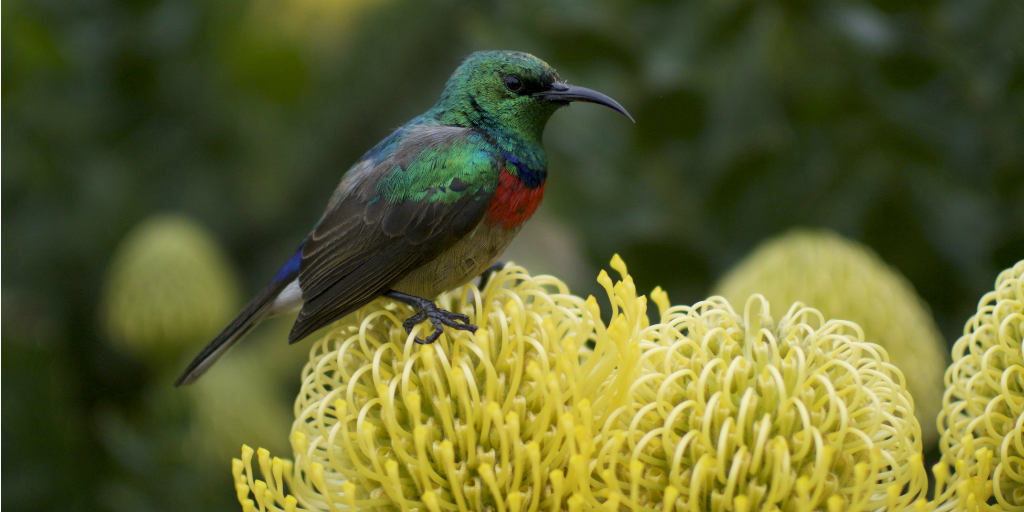
    5) Fynbos

    image

    Original photo: “Sunbird protea” by Free-Photos is licensed under CC BY-SA 2.0

    Fynbos is the natural vegetation found in the Western Cape. The cold wet winters, and hot dry summers in this area provide the perfect place for fynbos to put down roots.

    And fynbos is really a flurry of floral species, with the WWF stating that the Western Cape is more botanically diverse than the richest tropical rainforests in South America, including the Amazon, because of its fynbos.

    This type of South African biome has nutrient-poor soils and can’t grow the type of vegetation that could support big herds of animals or very large animals. But small mammals do well in this biome and you’d probably run into chacma baboons, klipspringers, grysbok, dassies, mongooses, and even the striped mouse. 

    You’ll also see many different species of butterfly and even some reptiles and amphibians – including the geometric tortoise, the world’s second rarest tortoise.

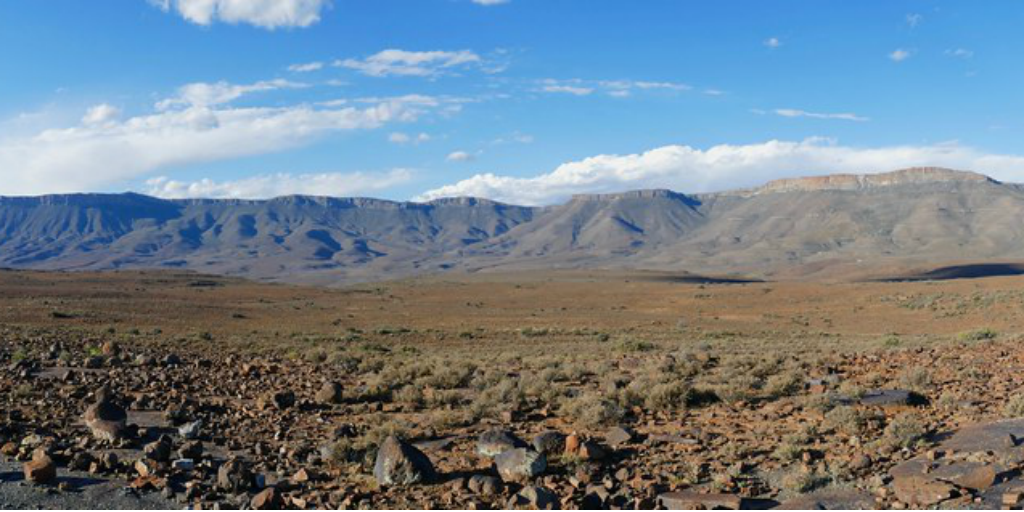
    6) Nama Karoo

    image

    Original photo: “Karoo Landscape …” by berniedup is licensed under CC BY-SA 2.0

    The Nama Karoo is the second largest biome in South Africa and it’s classified as a semi-desert area, receiving very little rain.

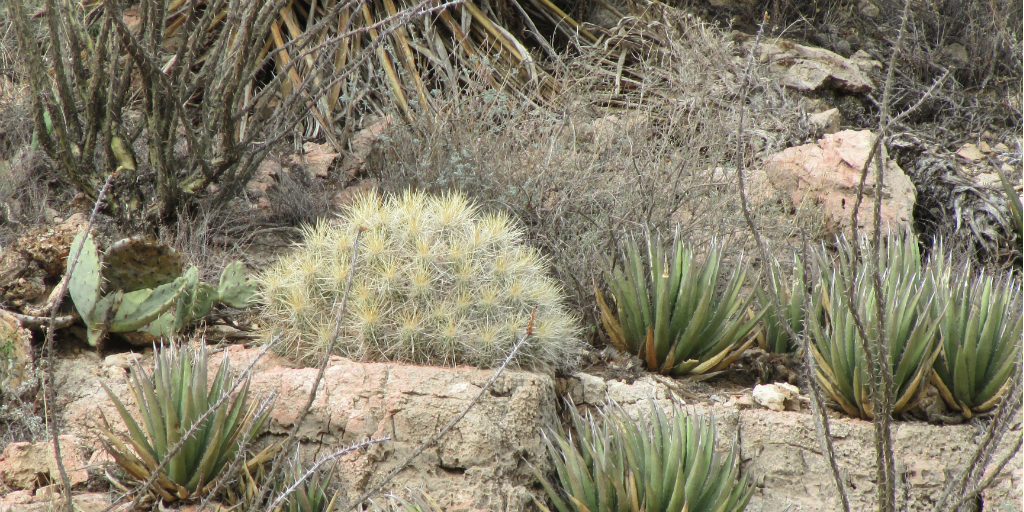
    This arid terrain allows for little more than grassy dwarf shrubs to grow.

    But insects dig this type of biome. In fact, brown locusts and Karoo caterpillars are the main residents of the Nama Karoo. 

    These critters are happy in this dry desert-region, but there are booms in their numbers when the rains come along – which isn’t very often.

    7) Succulent Karoo and desert

    image

    Original photo: “Succulents desert” by TambraNicole is licensed under CC BY-SA 2.0

    And if you’re wondering if proteas are the only flowers you’ll find in the biomes of South Africa, the answer is no.

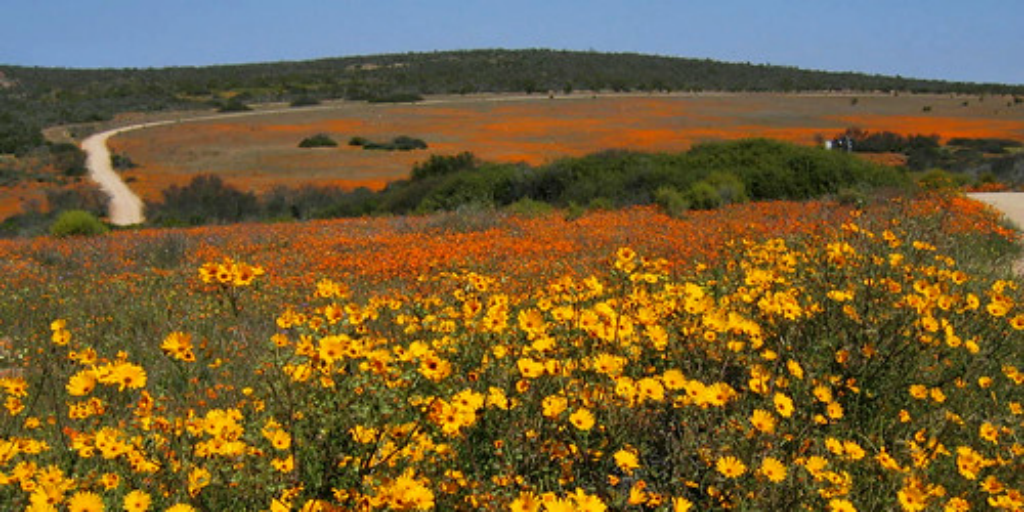
    Just take a trip down to Namaqualand to see the flowering region of the Succulent Karoo and desert.

    Namaqualand is famous for its flowers. You can soak up the true colours of the South African outdoors with a trip to the flowering fields. 

    You see, the flowering season is rather short – just over a month – and the flowers don’t stay out all day. In fact, after opening up in the morning, these desert divas close up in the afternoon (at around 4pm).

    image

    Original photo: “Namaqualand Wild Flowers” by titoh44 is licensed under CC BY 2.0

    But there are other things for your eyes to feast on in the Succulent Karoo and desert.

    Succulents – plants with parts that are abnormally thickened and fleshy – are the less temperamental neighbours of the Namaqualand wild flowers. 

    This tough type of plant can stick out the hot dry summers and cold winters of the Karoo because they can store water and wait it out until the next rains – which in the Succulent Karoo are few and far between.

    And because the Succulent Karoo and desert isn’t the most hospitable biome, the fauna consists of goats and sheep who graze on the vegetation, and insects that scurry in between.

    So taking a trip through the different biomes in South Africa can be a real journey. And this can be an epic learning experience for any field guide.

    Take a look at our Bushwise Field Guides programs that can get you learning more about some of these biomes of South Africa, and spreading the knowledge.

  • Take a closer look at the different types of dung beetle

    By: Tasneem Johnson-Dollie

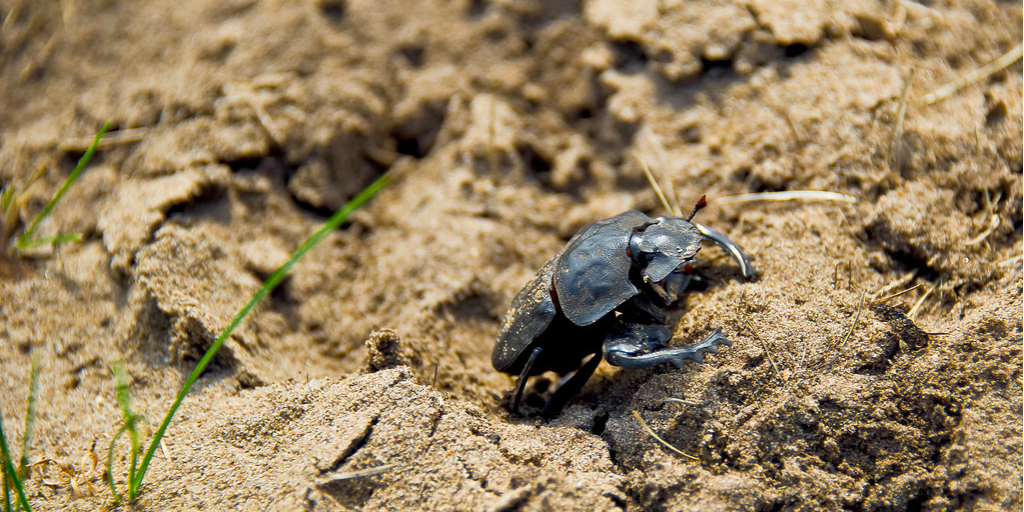
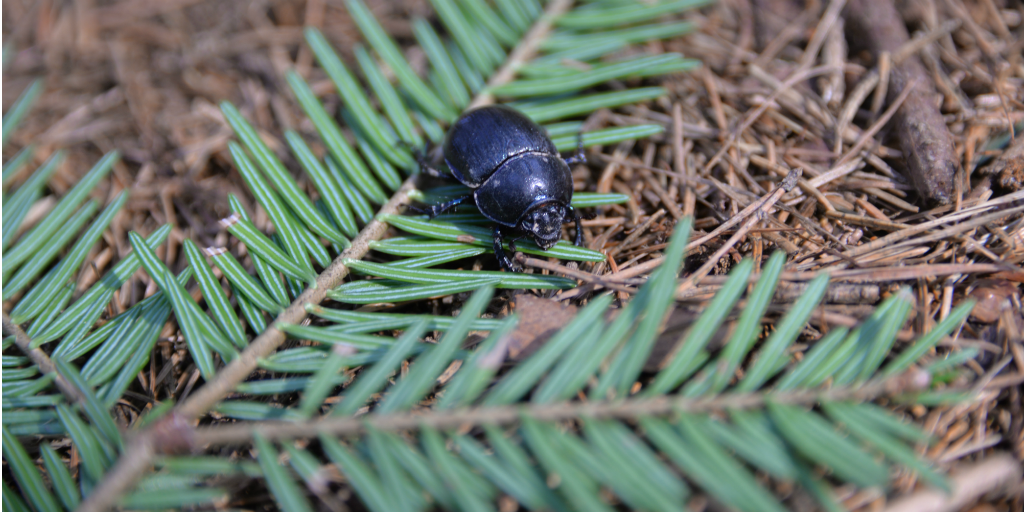
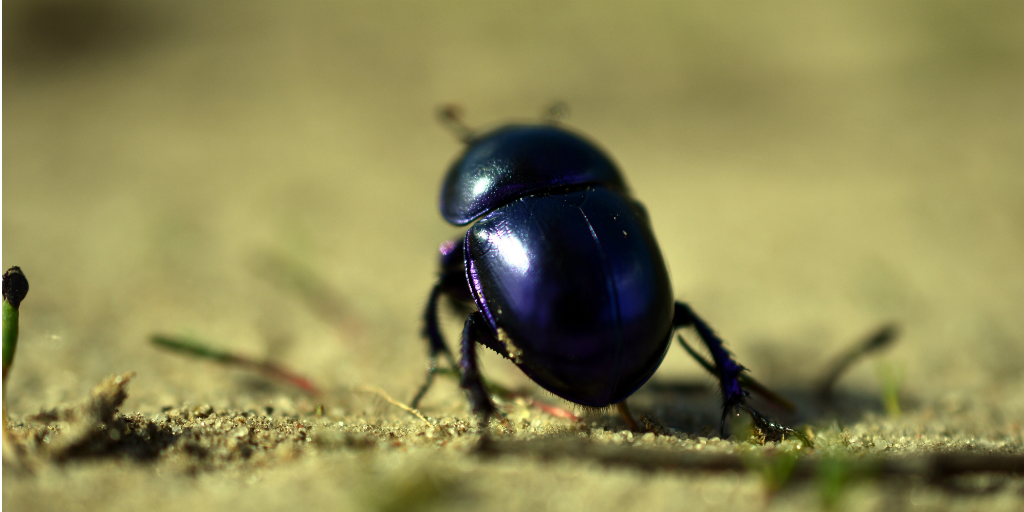
    When you think of a dung beetle, a busy black bug scampering across bumpy terrain is probably what springs to mind. But there are actually many different types of dung beetle.

    There are so many beetles that they’re thought to make up around 25% of all life on Earth. That means one in every four lifeforms is a beetle!

    And these interesting insects make up a good part of this group. But unlike other beetles, they have a very specific way of getting things dung – yes you read it right. Here are some dung beetle facts that you’ll wish you knew sooner. 

    Dung beetle facts

    You might think that a dung beetle is a pretty straightforward bug, but these interesting insects outshine all the rest when it comes to dealing with dung. Let’s take a closer look at what could be the most interesting insect in the world. 

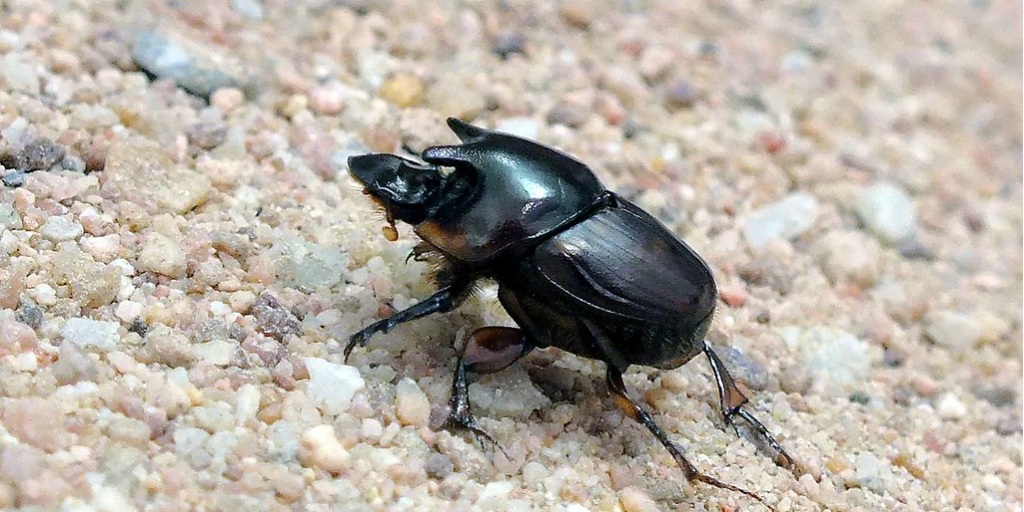
    image

    Original photo: “Onthophagus seniculus” by LennyWorthington is licensed under CC BY-SA 2.0

    What do dung beetles eat?

    If you haven’t yet guessed what a dung beetle eats, it’s dung.

    While their favourite food might seem foul to us, they’re actually quite picky about their choice of poo.

    In fact, it nearly caused a dung disaster in Australia in the 1900s. 

    The Australian dung beetles’ preference for marsupial poo meant that they wouldn’t clean up after any other animals. 

    This manure management problem was solved by introducing foreign dung beetles to the mix, getting them to munch on what the local bugs left behind.  

    image

    Original photo:“Scarab Beetle God” by Topi_Pigula is licensed under CC BY-SA 2.0

    Many dung beetles eat the dung of herbivores, some crave the poop of carnivores, and others favour decaying leaves and fungi. 

    So yes, some of these beetles don’t eat dung at all. 

    But these interesting insects are still classified as dung beetles. This is because they’re part of the group of bugs that eat away at the manure and decay that would otherwise clog up our ecosystems.

    Dung is made up of solid waste with liquid in between, with these interesting insects favouring the nutrient-rich liquid of the dung. 

    Herbivores don’t fully digest all their food. This means that their dung is swimming with nutrients and microorganisms for beetles to feed on. 

    This explains why many a dung beetle has a hankering for herbivore manure. But dung is more than just a delicacy for these beetles.

    Where do dung beetles live?

    image

    Original photo: “dung beetle crawling” by Steve Slater is licensed under CC BY 2.0

    Dung beetles can live almost anywhere in the world. They’re found on every continent except Antarctica. 

    The reason they’re found all over is because dung is found all over. And this steamy sustenance also serves as their humble abode.

    But how does a dung beetle make a home out of such a stinky substance? Interestingly, this is what splits dung beetles into different categories.

    What are the different types of dung beetle?

    With more than 5,000 different types of dung beetle, getting to know more about them can be a tough task. 

    Scientists have divided dung beetles into four different categories according to how they deal with their dung.

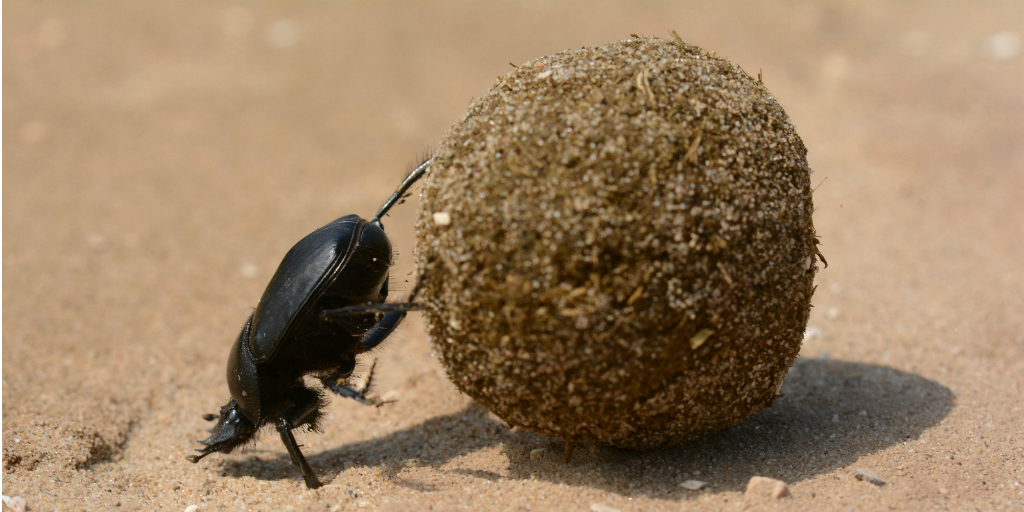
    1. Rollers or telecoprids are the types of beetles that shape the dung into a ball, then roll it to where they want to set up camp, and bury it in the ground. This ball could be used for food or as a brood ball – a place for female dung beetles to lay their eggs in.  

    2. Tunnellers or endocoprids dig tunnels underneath a pat of poo, grab some dung from the pat, and pull it back down into the tunnel. Tucked away at the bottom of these tunnels, they feed on the transported manure, form brood balls, and raise their babies.

    3. Dwellers or paracoprids don’t bother to tunnel or roll dung. They’re happy to just hop on top of a dung pat, where they lay their eggs and raise their young. While these bugs may have an easier set-up strategy than the rest, they run a higher risk of being eaten or trampled on by other animals than the first two types of dung beetles.

    4. Stealers or kleptocoprids are definitely the most devious dung beetles. They steal dung balls from rollers and use them to lay their own eggs in. Even their larvae are devilish, killing the host beetles’ larvae as they develop in the dung ball.

    Despite their decisions on dung management, these different types of dung beetles do have a lot in common. 

    image

    Each day the animal kingdom produces enough dung to match the amount of water falling over the Victoria falls. The different types of dung beetle all work together to take care of this torrent of detritus. Without the collective efforts of these tiny creatures, we’d be sitting with a seriously smelly situation.

    But what’s interesting about them besides their ability to stop our planet from being overrun with poop?

    Why is a dung beetle one of the most interesting insects in the world?

    For one, dung beetles form part of some of the most fascinating stories in human history.

    From as far back as the ancient Egyptians, dung beetles have been part of mythical stories. This beetle was held in such high regard by the Egyptians that they believed a dung beetle rolled the sun through the sky as if it were a giant ball of dung. 

    The face of the Egyptian sun god Kephri was even depicted as a scarab – another name for a type of dung beetle found in Egypt.

    While science has since proven that the sun isn’t propelled by a dung beetle, there are still  many dung beetle facts that are simply fascinating.

    image

    Original photo: “Beetle Dung Beetle” by Peggychoucair is licensed under CC BY-SA 2.0

    Here are ten things you may not have known about these interesting insects:

    1. Some dung beetles live around monkeys’ – and other animals’ – anuses, heeding the first-come-first-served philosophy.

    2. For those not on the frontline of faeces collection, their specialised antennae helps them pick up the scent of poo on the wind.

    3. If they didn’t move manure below the ground, it would harden at the surface and stop plants from growing.

    4. With 150 different types of dung beetle in the tropics, some have evolved non dung-based diets. For example, some munch the mucus of giant land snails while living on their backs, while others decapitate other insects and use their abdomens as dung ball substitutes.

    5. They can eat more than their own weight in a 24-hour period.

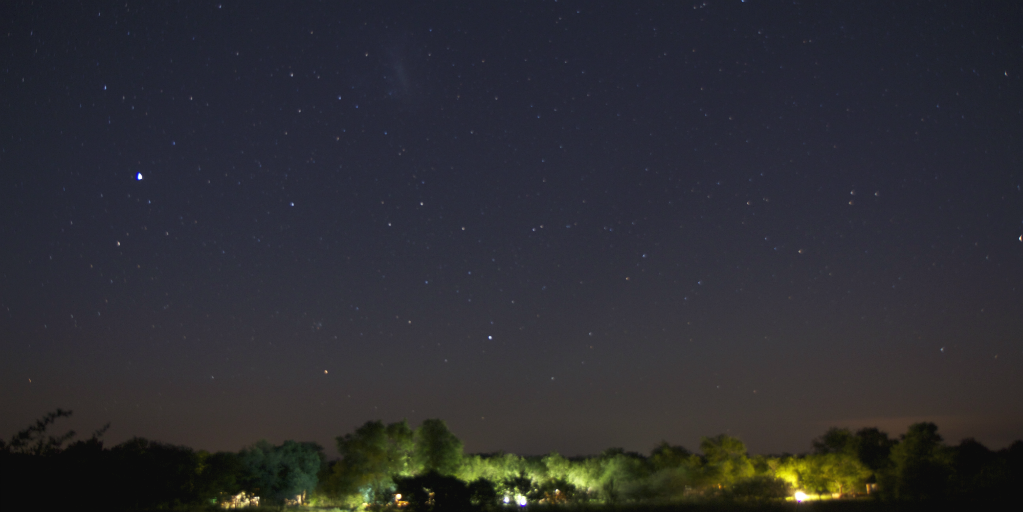
    6. They are the first known species in the entire animal kingdom who use the milky way to navigate at night. A dung beetle can pick up on the polarised light given off by stars and use this as a map to keep itself on course.

    7. On hot days, they’re known to stand on top of their dung balls to give their feet a break from the scorching ground.

    8. Some species can roll a ball of manure the size of an apple.

    9. In South Africa, there are 800 unique species of dung beetle, a massive amount compared to the UK’s 60 species.

    10.  Flightless dung beetles are endemic to southern Africa and can roll up to 50 times their own weight.

    Possibly the most interesting insect in the world, the dung beetle can teach us all a thing or two about cleaning up and caring for the Earth.

    image

    Sign up with Bushwise Field Guides and learn more about the different types of dung beetle in these waste-removing wonder bugs’ natural environment.