Author: Tasneem Johnson-Dollie

  • Field ranger training and World Ranger Day

    BY: Tasneem Johnson-Dolle

    Have you always dreamt about becoming a game ranger? Joining a field guide course is a great way to begin.

    Bushwise offers courses that make learning everything you need to know easy. 

    There’s no better time to start your wildlife training journey. World Ranger Day is in July, but at Bushwise, we like to celebrate rangers all year long.

    Let’s take a closer look at World Ranger Day and the best game ranger courses to get involved in.

    What is World Ranger Day?

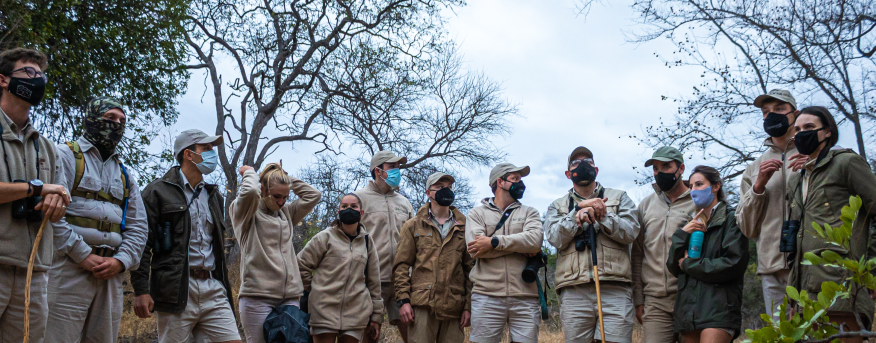
    World Ranger Day, celebrated annually on 31 July, provides an opportunity for us to gain a deeper understanding of the vital role that wildlife rangers play in conservation. It’s also a day that commemorates rangers’ contributions in the field.
    image

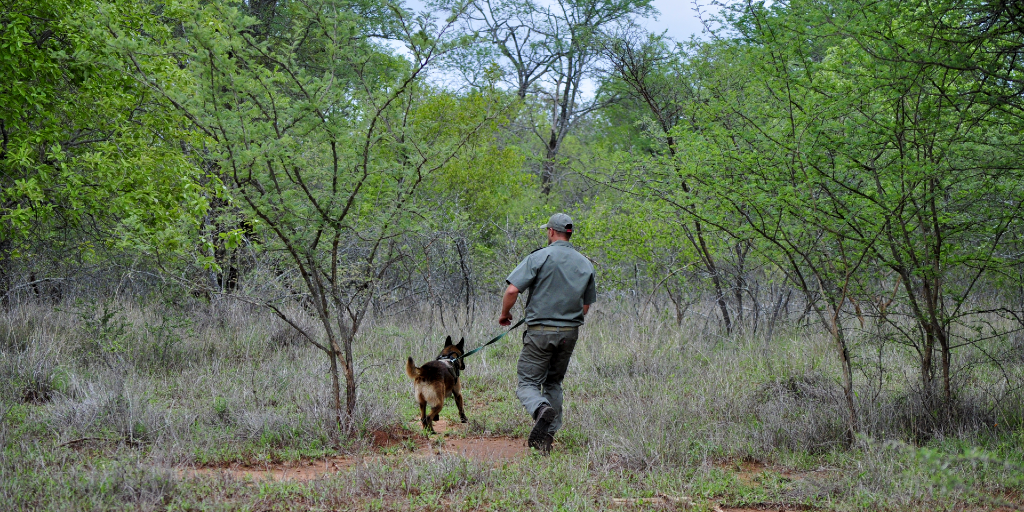
    Wildlife ranger jobs can be challenging, since resources are sometimes limited and the dangers of the work are all too real. Besides the fact that these conservationists work with wild animals, they’re also at the forefront of anti-poaching efforts and preventing human–animal conflict. 

    For this reason, the International Ranger Federation (IRF) – the organisation that started off this annual event – placed honouring rangers, who have been injured or died in the field, at the heart of what World Ranger Day is all about.

    But, wildlife ranger jobs can be as rewarding as they are challenging. And wildlife rangers have the potential to make the most meaningful impact when it comes to conserving Earth’s animal species and natural spaces.

    Read more about how game rangers contribute to the field in this article: The important role game rangers play in conservation.

    And, landing an epic career begins with making a strong start to your wildlife training. Here’s how Bushwise’s top-quality in-country game ranger course can add to your ability to land wildlife ranger jobs. 

    How a game ranger course should prepare you for the field
    image

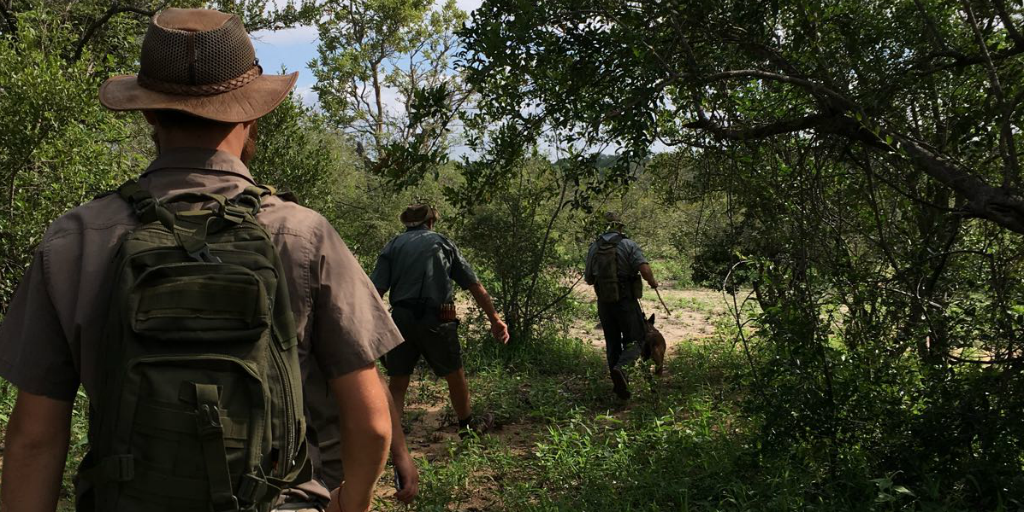
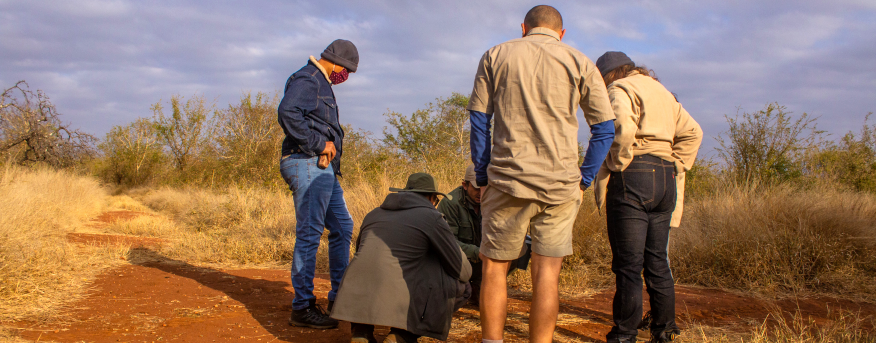
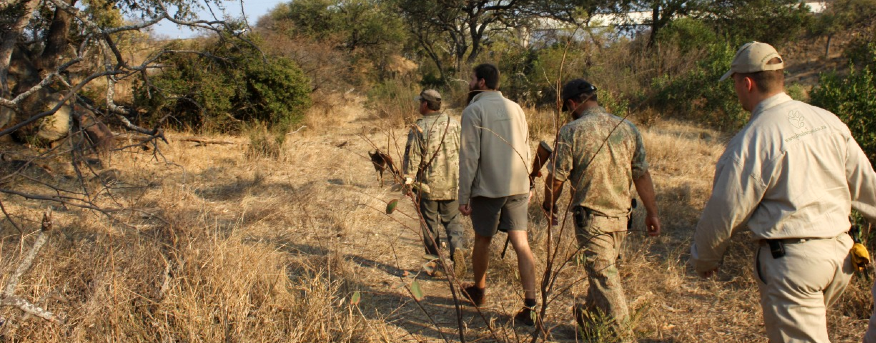
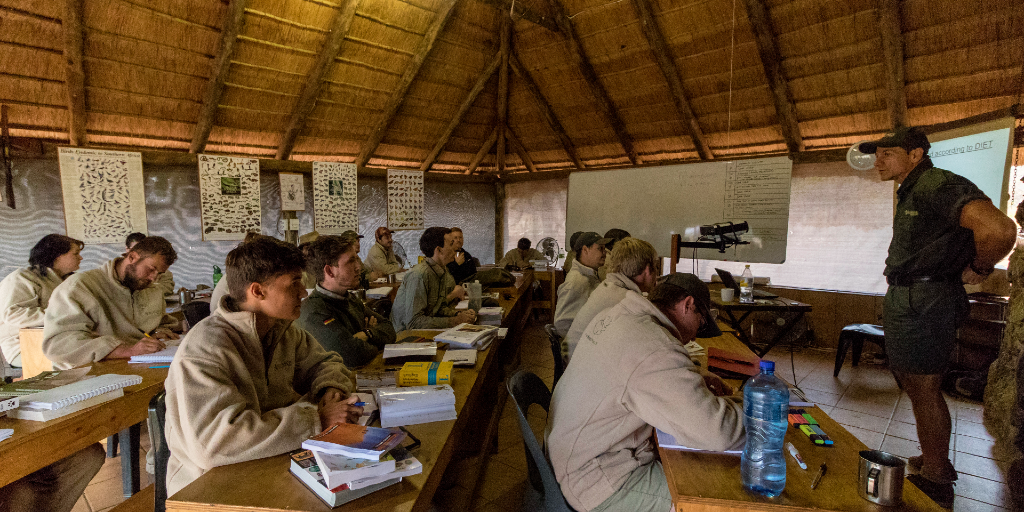
    Game rangers are wildlife rangers who specialise in working with game animals. A regular day for any game ranger may include animal tracking and monitoring, managing natural environments, engaging with local community members, taking tourists out to connect with nature, and even addressing wildlife crimes.

    Further reading: Five of the biggest differences between field guides and game rangers

    It takes skill and confidence to complete these tasks. And, to complete them all in one day (which may well be required every once in a while), means you’ll need to be able to perform at your peak.

    Having the theoretical and practical knowledge that you need, along with tons of real-life experience, means that you’ll be able to tackle your work skillfully and easily shift between the different types of wildlife ranger jobs you’ll be expected to do. And this is essential for any game ranger worth their salt. 

    If you’ve earned your stripes through a top-quality game ranger course, you won’t have to think twice about what to do when you’re out in the field, how to ensure the safety of yourself, your staff, and your guests, or how to troubleshoot when you’re faced with a novel dilemma. 

    Here’s more about our Bushwise CATHSSETA-accredited courses and how they’ll set you up to be successful in landing wildlife ranger jobs. 

    The best game ranger course to get involved in
    image

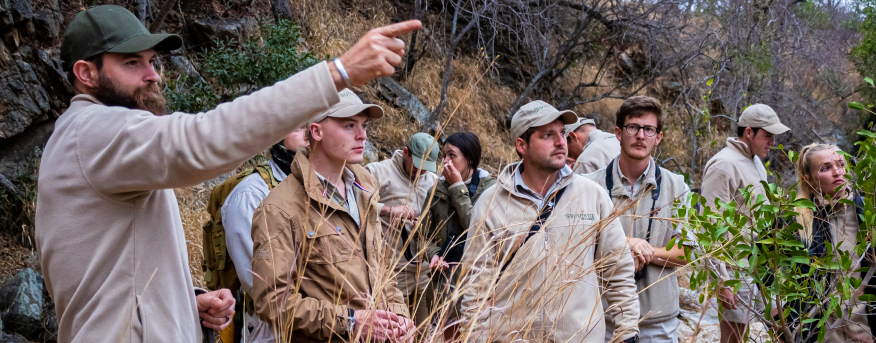
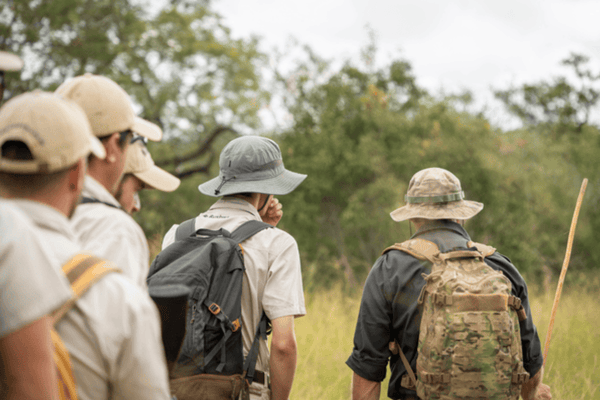
    Choosing a game ranger course to get involved in means selecting a provider that prioritizes safety, top-quality training, expert supervision, and ample opportunities to gain real-life experience in the field. 

    How important is this? Well, set off to the wild and see for yourself. 

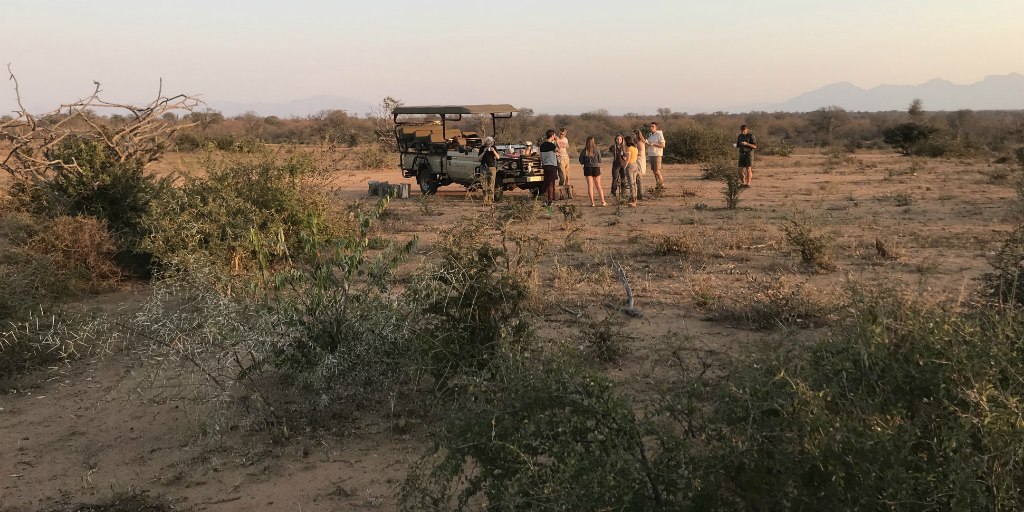
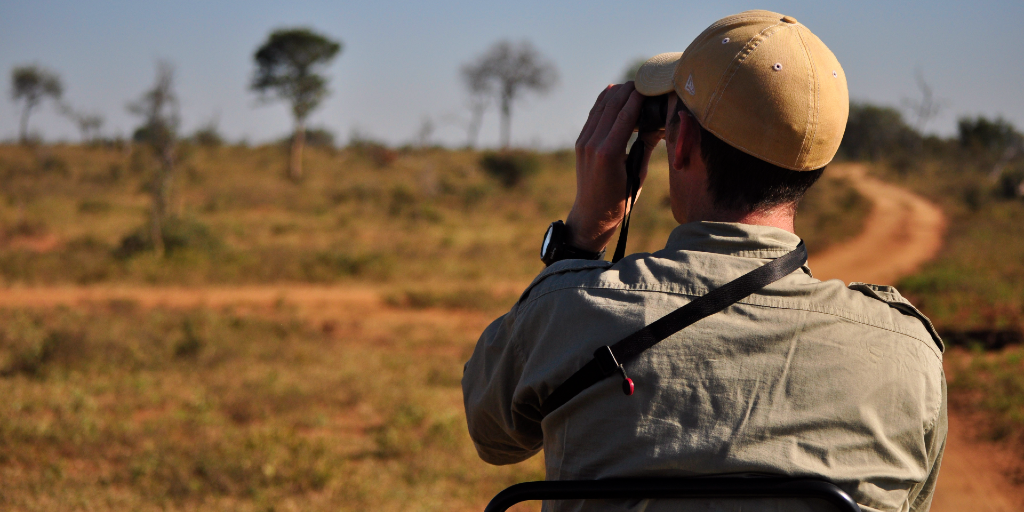
    So, picture this: you’re out in the savannah with the sun beating down on your khaki-covered back. You’ve just turned off the engine of your safari vehicle, and you’re waiting for the hum under the hood to die down so you can tune into the sounds around you. 

    You leap out of the driver’s seat and see the dust kick up around you as your feet collide with the soil. You smile. You’re home, and ready to set off on another day’s work as a game ranger.

    Bushwise is the industry leader in field guiding, and our 6/12 month Practical Game Management course can make all the difference when it comes to your wildlife training. 

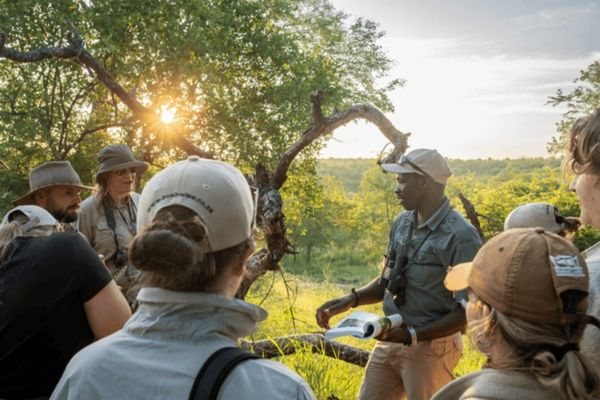
    Not only will this course provide you with the foundational knowledge needed to become a top-quality game ranger, it’ll also add to your employability and give you the chance to land a placement with Bushwise or one of our reputable partners
    image

    How to get involved in Bushwise’s game ranger courses
    image

    Whether you’re ready to hop on a plane and pursue your studies in the savannah, or looking to ease into your studies online first, Bushwise has you covered.

    Our CATHSSETA-accredited Field Guiding online course will introduce you to all the theory you’ll need to get a head start in your wildlife ranger training.

    This means you’ll be ahead of the game before even setting foot in the savannah!

    And, if you’re keen to dive into the in-country experience, our experts are ready to train you up in the best game ranger course on offer.

    Find out more about our field guide ranger courses online and in-person that you can join this World Ranger Day.
  • Different types of bats: how many are there?

    Bats are the second-largest group of mammals, after rodents, and there are tons of different types of bats all around the world. How many different kinds you ask? Well, let’s find out. 

    All bats fall under the scientific name Chiroptera, a Greek word meaning “hand wing.” Bats can be found almost everywhere in the world. But these frequent fliers aren’t often seen because they’re nocturnal and spend their days resting in roosts and nights hunting for food.

    But these sleeping habits haven’t deterred scientists from finding out more about these winged creatures, and filling in the gaps about the different types of bats. Here are some interesting facts about bats. 

    Interesting facts about the different types of bats

    1) There are over 1,400 different species of bats

    image

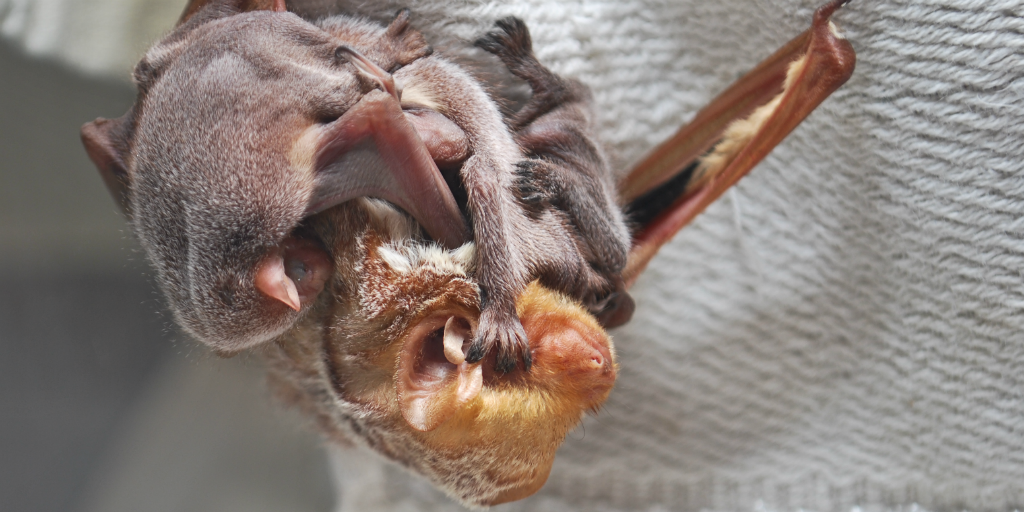
    Photo “Eastern Red Bat with three babies.” by Life Lenses

    And they all vary in size. Some bats – like the bumblebee bat – are the size of a small pebble, while others – like the giant golden-crowned flying fox – have a wingspan that measures 1.7 metres across. 

    Many are dark brown or black, but some – like the Honduran white bat – are white with yellow noses and ears. Some use echolocation to find their way around and others don’t. 

    2) There are two different categories of bats

    image

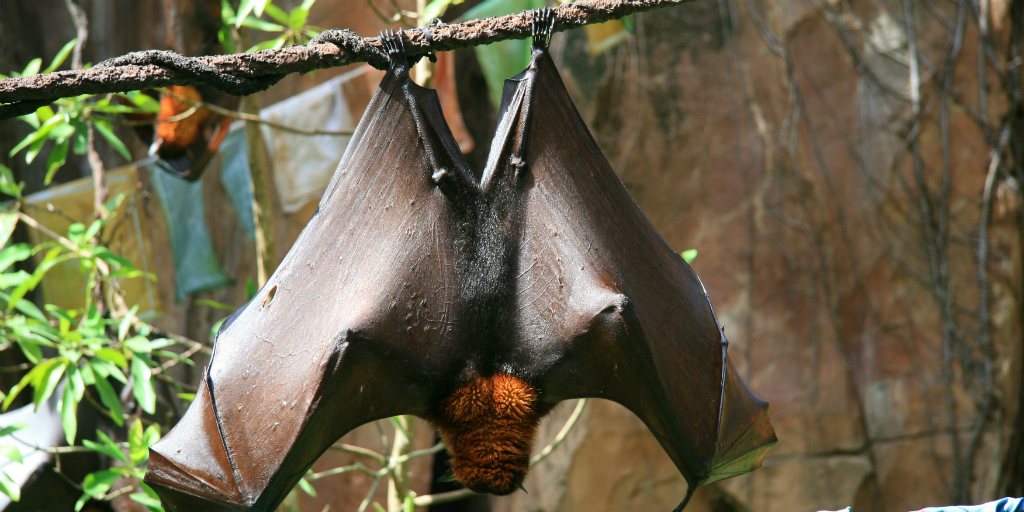
    Photo “Fruit bat” by Richo.Fan

    The many different types of bats are divided into two categories, microbats and megabats, according to certain characteristics.

    Microbats use echolocation to navigate. They do this by emitting sound waves that bounce off of objects back to the emitter, and indicate location. They are found all over the world (except in the polar regions) and eat insects like moths and mosquitos. 

    Most bats are considered microbats, including vampire bats – which are the only microbats that feed on animal blood instead of insects. 

    Megabats are different because they have smaller ears and don’t use echolocation to find their way around. But, their keen sense of sight and smell make up for this, and mean that they can still hunt and move around quite well at night. They also live in the tropics, and their diets consist of nectar, pollen and fruit. 

    3) Why do bats sleep upside down?

    image

    Photo “Sleeping bats” by YuvalH

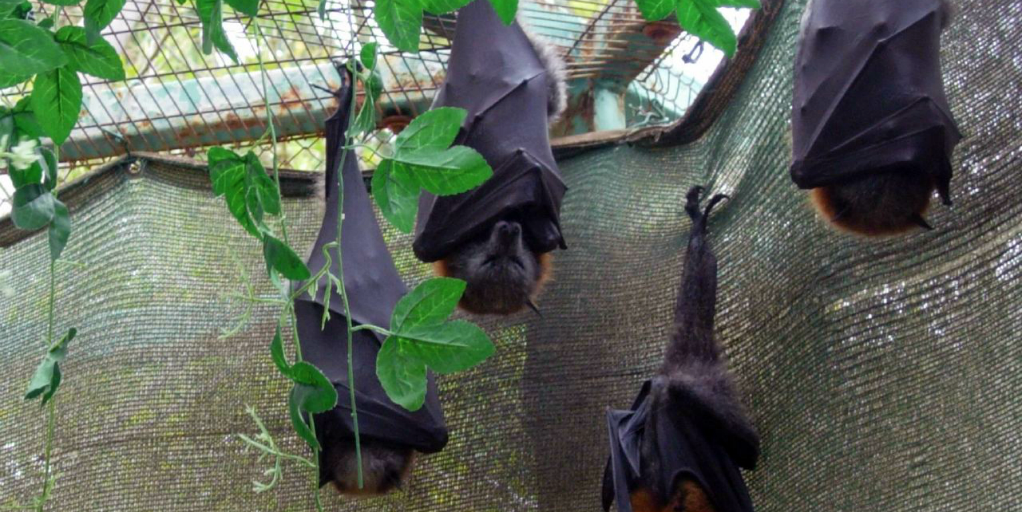
    Not all bats hang upside down. But, some of the different types of bats do this when resting or sleeping.

    And while scientists can’t answer the question, “Why do bats sleep upside down?” with certainty just yet, it’s believed that because bats have to fall into flight, hanging upside down is the quickest and easiest way for them to set off. Especially when they need to make a quick escape! 

    4) Do bats bite?

    image

    Photo “Fruit Bat (flying fox)” by Mike’s Birds

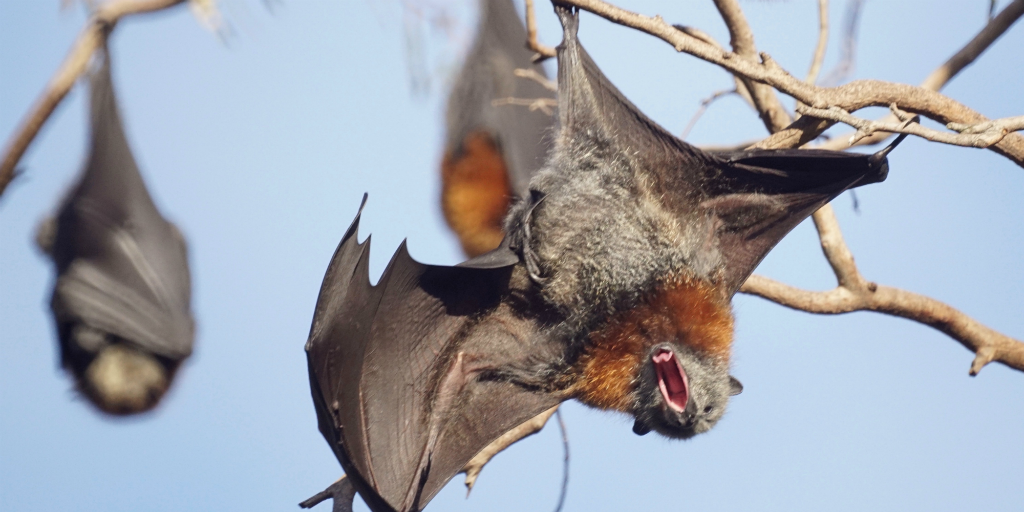
    Certain types of bats – like the different types of vampire bats – bite in order to feed on blood. But these bats are known to sink their teeth into birds, cows, sheep, pigs and horses more often than humans.

    However it’s important to remember that, when provoked, even bats that don’t feed on blood will bite. Bat bites can be dangerous because they often contain rabies and other infectious agents. 

    But, because of their nocturnal nature, and their preference for secluded roosts, it’s not common for people and bats to run into each other. 

    How the different types of bats add to environmental conservation 

    image

    Photo “Mexican Long-Tongued Bat” by desertdutchman

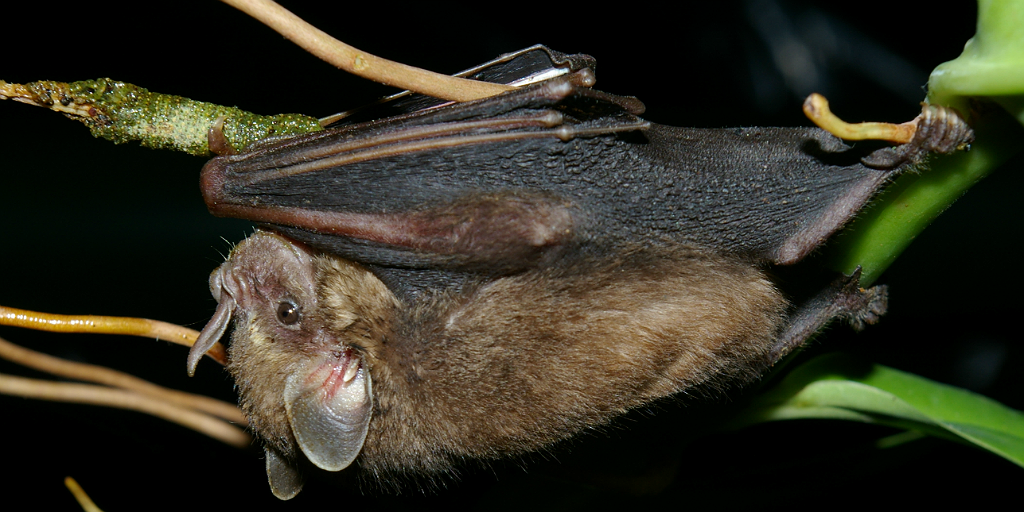
    While bat bites may not seem so appealing, having bats around is actually great for the environment.

    In fact, microbats alone are responsible for eating millions of insects every night. This keeps insect populations from becoming too big – which is great, because too many bugs can have a negative impact on the environment.

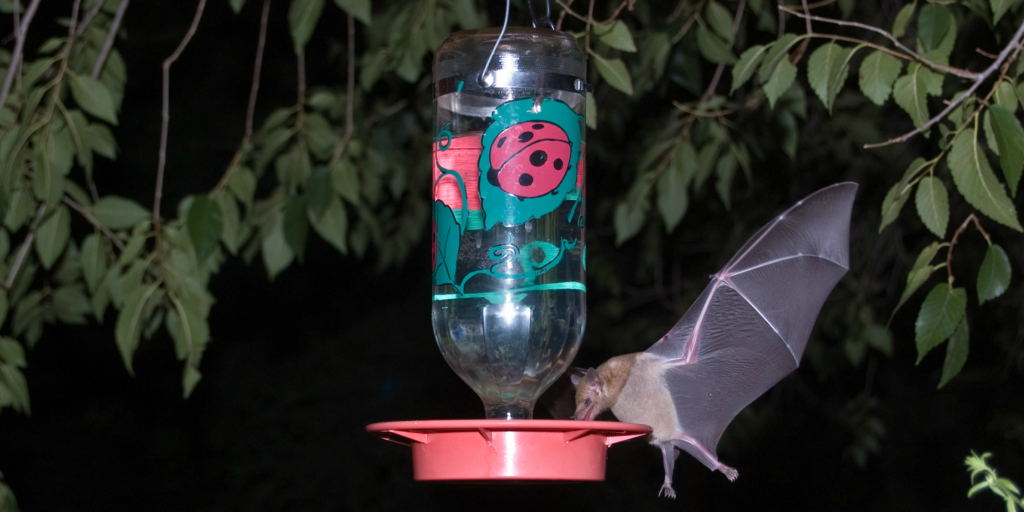
    Another interesting fact about bats that you may not have heard before, is the role they play in pollination. Megabats are partial to sipping on plant nectar, and play a big role in the life cycle of plants by unintentionally carrying pollen from one plant to the next. 

    image

    Photo by Karin Schneeberger alias Felineora

    Because of this, Megabats are responsible for the pollination of well-known and loved plant species, including bananas, mangoes and avocados. 

    But the role that bats play in the earth’s environment isn’t well understood by people across the world, and this has an impact on the survival of the different types of bats. 

    Human activity – like hunting, and the overdevelopment of natural environments – affects the well-being of bats, and the ecosystems they’re a part of. And as a result, the population numbers of the different types of bats is seen to be decreasing each year.

    This is why efforts to conserve bats have become a global priority

    image

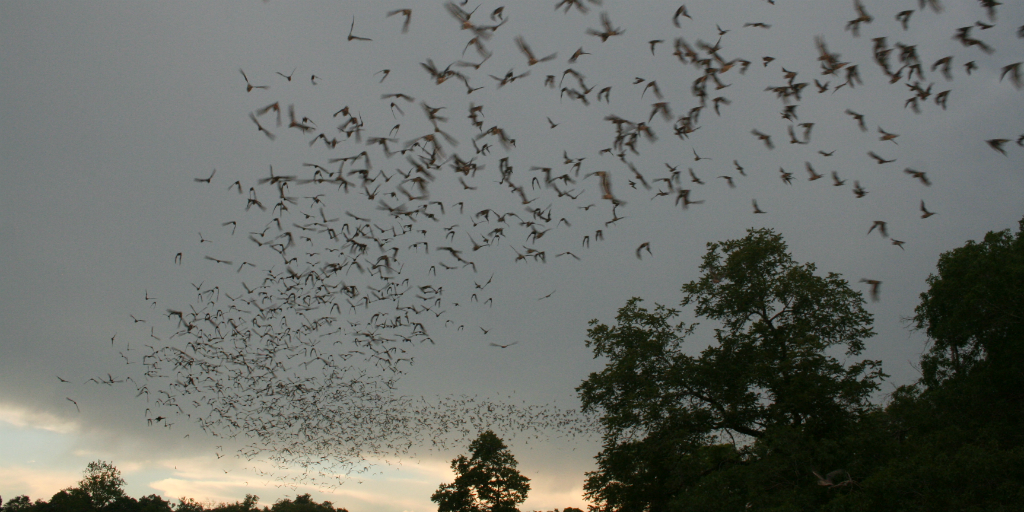
    Original photo: “Bats flying” by USFWS Headquarters is licensed under CC BY 2.0

    How you can learn more about the different types of bats

    Aching for more interesting facts about bats? Wanting to make a start in a career in bat conservation?

    Well, there are wildlife courses on offer that will allow you to dig a lot deeper into the different types of bats out there, what they do in nature, and why bat conservation is key. 

    Take a look at our Wildlife Conservation Programs to see how you can grow your understanding of the different types of bats and add to their conservation. 

    Feature photo: “Bat by Cindy Parks

    BY: Tasneem Johnson-Dollie

    #gameranger #bushwise #safariguide #apprenticefieldguide #fieldguiding #bats #fieldguidecourse

  • All about the different types of grasses of Southern Africa

    Part of field guiding is uncovering the spectacular in something seemingly mundane – like talking about the different types of grasses of Southern Africa – for example. But you may be surprised by just how interesting the different types of grasses can be, and how important they are to our ecosystems. 

    While the rustling sound they make can set the scene for some pretty romantic moments, it’s not often that grasses themselves grab our attention. But without this type of South African vegetation we wouldn’t see all of the animals and other plants that call this country home. 

    There are some excellent online field guide courses that can fill you in on South African foliage. But while you’re here, let’s find out more about the different types of grasses of Southern Africa and learn some interesting facts about the grassland biome. 

    Why are grasses important?

    image

    The different types of grasses belong to the family known as Poaceae, which includes grasses, reeds and bamboos. Scientists have described grasses as being the most important plant species in the world. This is because:

    1. plant life outweighs all other lifeforms on Earth, and grasses make up around 20% of all plants on Earth – meaning they contribute to Earth’s ecosystems in a big way

    2. the different types of grasses can inhabit a diverse range of habitats all around the world

    3. grasses are useful to human beings in a variety of ways, like feeding cattle, providing fuel for cooking and heating, being used for medicinal purposes, and building structures. 

    And today, a good patch of lawn is even useful for keeping up with the Joneses! 

    But, imagine going on safari without spotting your favourite animals in a grassland biome. Or missing out on seeing the sights of Africa because of all the dust blowing around. Grasses are a big part of why we can all enjoy these African attractions. 

    There are more than 10,000 identified grass species in the world and many more that have yet to be classified. So, to stop us from getting tangled up trying to understand this type of South African vegetation, let’s tease through the different types of grasses by taking a look at their different categories. 

    The different types of grasses of Southern Africa

    image

    Today scientists classify the different types of grasses according to their spikelet structure, anatomy of the leaf blade, starch grain structure, cytology, embryo structure and photosynthetic physiology. This basically means that what matters is how the plants grow, how they look when they’re mature and how they produce and store their food. 

    This system has lead to the classification of eight sub-families within the different types of grasses of Southern Africa:

    1. Arundinoideae – reeds that grow in the tropics and Southern Hemisphere

    2. Bambusoideae – bamboos that are endemic to every continent except Europe and Antartica

    3. Ehrhartoideae – crop-type grasses including rice

    4. Pooideae – cereals (like wheat, barley oat and rye), as well as pasture grasses

    5. Aristidoideae – herbaceous grass-types found in the tropics, subtropics and temperate zones

    6. Danthonioideae – herbaceous to partially-woody grass types that grow in open grasslands, shrublands and woodlands

    7. Panicoideae and Chloridoideae – tropical grasses with specific adaptations that allow them to tolerate warm and dry habitats.

    These different types of grasses can be found growing all across Southern Africa, and come together in the wild to give the grassland biome a distinctly South African feel. But what is a grassland biome?

    What is a grassland biome and how do different types of grasses contribute to it?

    image

    Think of wide-open grassy plains where trees and shrubs may make an appearance but aren’t as prominent as the swathes of spiky grasses spread all around. What you’re seeing in your mind is the answer to the question, “What is a grassland biome?”. 

    But there’s a difference between the big grassy patch beside the park where you live and a biome that’s dependent on this type of South African vegetation. You see, the different types of grasses found in a grassland biome actually determines the types of animals that can survive in these wide-open spaces. 

    For example, the temperate grasslands of North America are home to the types of grasses that store nutrients in their roots for parts of the year, making it the perfect habitat for burrowing animals. In contrast, grasses found in the savannah grassland biome generally store nutrients in their leaves and makes this environment fitting for grazing animals. So a slight change in the different types of grasses growing in a grassland biome can mean seeing prairie dogs instead of elephants! 

    Besides setting the scene for the types of animals you’ll find in grassland biomes,  grasses are also some of the only plants that can grow in poor soils, recover after frequent fires, tolerate frost and cope with frequent grazing. This makes them a viable and vital part of grassland biomes in South Africa where these conditions are common. 

    Six interesting facts about the grassland biome

    image

    And just when you thought you couldn’t learn any more about the different types of grasses, here are six interesting facts about the grassland biome:

    1. Grassland biomes are also known as prairies, pampas, steppes and savannahs.

    2. 25% of the Earth is covered by grassland biomes.

    3. Because grasses grow in dense clumps, they prevent soil erosion by trapping the soil and preventing it from being washed away.

    4. Grasses have evolved to grow at their bases instead of their tips to protect themselves from grazing and fires.

    5. Grasses purify the air in the grassland biome by releasing oxygen and trapping dust.

    6. Giant bamboo is the largest variety of grass and can grow to be taller than 40 metres. 

    While grasses are part of one of the toughest families in the plant kingdom, there are quite a few things that affect the health of grassland biomes. 

    Environmental pollution and poaching are some of the major challenges facing grassland biomes today. And more and more of the grassland biome of South Africa is being affected each year. 

    So, where the grassland biome once stretched further than the eye could see, we’re now seeing bald spots dotting this type of terrain.

    How to learn more about the different types of grasses of South Africa

    image

    Getting to know more about the different types of grasses of South Africa is a great way to get involved in work that conserves grassland biomes. 

    Find out more about the Bushwise Nature Enthusiasts Online course, or our Field Guiding Online course, and learn more about the different types of grasses from the comfort of your own home.

    Article BY: Tasneem Johnson-Dollie

  • Setting sights on South African animals: climate change and wildlife

    BY: Tasneem Johnson-Dollie

    Africa is home to around a quarter of the world’s biodiversity. But, it’s also bearing the brunt of the effects of the climate crisis. 

    How has climate change affected African wildlife, and how are animals adapting to changes in their environment? Let’s find out. 

    What is the climate crisis? The African context

    image

    The climate crisis refers to the global rise in temperatures and change in weather patterns since the start of the industrial revolution. 

    These climatic changes are driven by unsustainable human activities that have been rampant in the last few decades. But, despite the fact that humans have contributed to the climate crisis in a big way, the effects of it are not felt proportionally across the world.

    Africa has experienced drastic effects of climate change so far, like the depletion of its natural resources. This is worsened by the continent’s economic and social challenges, as well as its geographical location.

    image

    The Intergovernmental Panel on Climate Change (IPCC) states that Africa will experience “above average” climate change over the remainder of the twenty-first century. It also predicts that the Cape Province of South Africa is one of the areas on the continent that is expected to be most affected by the climate crisis the most in the future.

    Due to its location, South Africa is exposed to both the land and sea impacts that come with the climate crisis. But, efforts aimed at conserving populations of South African wildlife are pushing on – full steam ahead!

    Here’s a closer look at the specific impacts that the climate crisis is having on South African animals, and what’s being done to address it. 

    image

    South African wildlife and the climate crisis

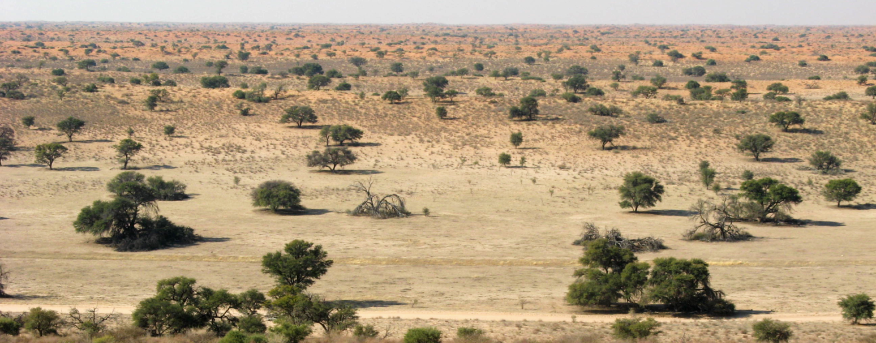
    In South Africa, the savannah biome makes up almost half of the country’s land surface area. And, because of its major role in the environment, South African animals depend on savannah biomes for survival. 

    The impacts of climate change in South Africa place savannah biomes at high risk of desertification – because they’re already so dry to begin with!

    Here are some ways South African animals are coping with the climate crisis.

    South African animal facts to do with climate change

    image

    1. Desertification has affected the natural habitats of an array of South African animals, forcing them to move to other areas. In some cases, these areas are also migratory destinations for large mammals. The depletion of resources and shelter that comes with overpopulated areas means that migratory animals must change course.

    2. African wild dogs tend to hunt in cooler temperatures. Increasing temperatures caused by the climate crisis affects their ability to hunt by reducing the duration of their hunts, and thus, the amounts of food they can secure. Less food can also mean lower pup survival.

    3. Wild dogs aren’t the only predators affected by rising temperatures; the hunting abilities of cheetahs and lions may also be impacted.

    How to alleviate the effects of the climate crisis and add to the well-being of South African animals

    image

    Stopping the climate crisis is clearly a top priority for the well-being of South African animals, but knowing how to stop the climate crisis is key.

    From the law experts bringing down the hammer on environmental offenders, to the conservationists scouring every inch of the savannah to safeguard South African animals – the country is making progress on addressing the effects of the climate crisis. 

    But, its conservational clout could be much bigger with a greater workforce of passionate individuals and communities. And, generating better public awareness around the extent to which the climate crisis is affecting South African animals could also motivate millions more to join the cause. 

    You can add to the impact by studying South African animals online or in the savannah, and becoming a field guide. As a professional safari guide, you’ll be at the forefront of addressing the climate crisis and adding to the well-being of South African animals every day. 

    Find out more about our professional safari guiding course and internship and get started on making your contribution to the conservation of South African animals.

  • Safari guide courses that’ll set you up for success

    BY: Tasneem Johnson-Dollie

    Deciding to become a safari guide is fairly simple for any nature enthusiast. But with so many safari guide courses to choose from, picking the right one  for you can be tricky.

    You want to gain all the theory, skills and experience you’ll need, but this will all depend on the provider and course you pick. So how do you set yourself up to be the best safari game drive and walking safari provider? Let’s find out. 

    How to spot the perfect safari guide course provider

    image

    Photo by: Ben Klunder

    Safari guides are conservation specialists whose daily responsibilities include:

    1. managing wild animals

    2. maintaining natural environments and reserve infrastructure

    3. taking safari lodge guests out on guided walking safaris or game drives

    4. building on the local communities conservation awareness through environmental education.

    Any safari guide training course you sign up for should prepare you to take on these tasks and execute them fairly easily. 

    And, because working in the wild is just about as rugged as it gets, your safari guide course should also teach you solid problem-solving skills and how to keep calm under pressure. 

    Besides being a wildlife expert, you’ll need to be able to deal with all of the expected and unexpected challenges that come with a career in the wild – like being charged by an elephant or coming across poachers.

    image

    Photo by: Christie Janse van Rensburg

    Bushwise Field Guides is considered a leading CATHSSETA-accredited fiedl guide training provier.

    Signing up for a field guide training course is a solid way to start out your career as a safari guide. This type of course will teach you the basics of working in the wild and add to your practical experience in a big way. 

    You can clock up all the additional experience and knowledge you need to specialise as a safari guide on an internship or work placement. 

    As a Bushwise student, you’ll be based at one of the Bushwise campuses, set in the South African savannah, on the border of the Greater Makalali Private Game Reserve in Limpopo. 

    image

    Photo by: Carl Louis Steenkamp

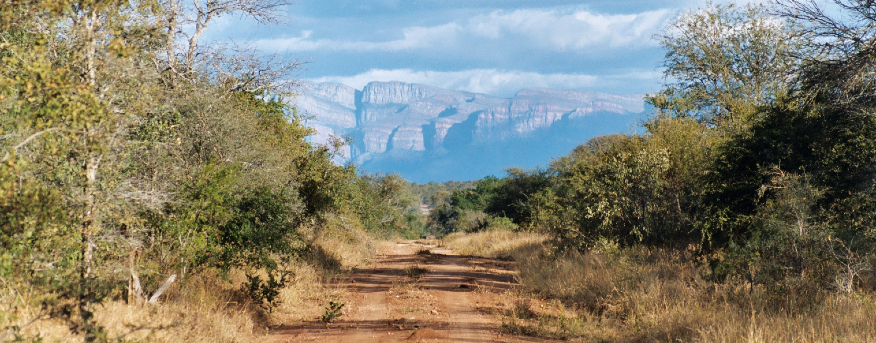
    Just travelling to Limpopo is a huge step in the right direction when it comes to working towards a career as a safari guide. Not only is this area home to the country’s well-known Big Five, it’s also where more than 5,000 plant species and an array of other mammal, reptile and insect species can be found. 

    Because of where it’s situated, Bushwise is the best base for anyone who wants to be immersed in the savannah and learn about its plants and animals first-hand. 

    Here’s a look at the top safari guide courses in the industry and how they’ll prepare you to work in the best safari lodges in South Africa and across the world. 

    Bushwise Field Guiding Online Course

    image

    With travel restrictions coming and going, you may want – or need – to start off with an online CATHSSETA-accredited course that’ll give you a headstart on building your wildlife expertise.

    Bushwise offers one of the most reputable online safari guide training courses that you can do from anywhere in the world. 

    With only 10 hours of learning a week for 12 weeks, you can be sure you’ll be upping your safari guide potential by taking this course.

    And, you won’t be going at it solo. With Bushwise, online learning includes expert-led masterclasses as well as stimulating classroom discussions with your instructors and classmates.

    You’ll walk away with 120 of the 400 hours you need to qualify as a field guide, as well as tons of wildlife knowledge. 

    image

    Photo by: Matthew Franklin

    And, you can step straight into an in-country Bushwise safari guide course when you’re ready to venture into outdoor learning. 

    Further reading: The differences between online and traditional education in a field guiding course

    Bushwise Professional Safari Guides course

    If you’re serious about becoming a safari guide as soon as possible, this is the perfect safari guide course for you. As the most comprehensive safari guide course on offer, you can be sure that you’ll have a meaningful experience in the African savannah.

    You’ll have ample time to become an expert in everything you need to know, from how to create the best guided experience for safari lodge guests (whether on a walking safari or game drive), to how to keep your 4×4 vehicle in tip-top shape. 

    image

    After completing this Bushwise safari guide course, you’ll have the CATHSSETA Nature Site Guide Qualificatoin (NQF2), as well as NQF 4 knowledge under your belt. These qualifications will allow you to apply for work in the field. 

    The course includes six months of theory and practical experience, with a six-month work placement where you could be placed at one of the best safari lodges in South Africa. This type of opportunity will catapult your field employability to new horizons early on in your career. 

    To boost your employability as a safari guide even further – which is a specialised position in the industry – you can also sign up for the Bushwise Foundational Trail Guides course as an add on. 

    This 14-day additional qualification will allow you to clock up the minimum amount of dangerous game encounters on foot, log essential hours in the field, and gain deeper insight into the ethos of guiding in the bush. 

    Altogether, this is one of those safari guide courses that’ll have you completely covered when it comes to your professional foundations.

    image

    Photo by: Brendan Davis

    Wildlife Research Expedition

    If our conservation internship or professional safari guide course isn’t a possibility for you right now – because of time, budget or other constraints – our Wildlife Research Expedition may work.

    On this program, you can choose to spend six, 12 or 18 months doing meaningful wildlife research in the field.

    For this Bushwise safari guide course, we partner with Rhino Revolution and the Biodiversity & Development Institute

    image

    Photo by: Ross de Villiers

    Participants get to take a deep dive into projects focused on topics like anti-rhino poaching, and environmental awareness and habitat restoration all while working directly with field experts. 

    These are some of the tasks you’ll be involved in on a wildlife research expedition:

    1. tracking down animal species and locating plant species of interest

    2. collecting specimens

    3. uploading data

    4. setting up and maintaining remote research stations. 

    Anyone over the age of 18 can apply for this program and start building on their safari guide aspirations without delay.

    How to get started on one of the best safari guide courses

    image

    So you’re feeling ready to leap straight into one of our top-rated Bushwise safari guide courses?

    What are you waiting for?

    Find out more about our Bushwise safari guide courses and start planning for success today.

  • Ten fun facts about spring season in the Greater Kruger National Park

    Photo by: Callum Evans

    Some images in this article were taken pre-COVID-19.

    BY: Tasneem Johnson-Dollie

    What’s the African wild like in the spring season? Read these fun facts about spring season in the Greater Kruger National Park to find out!

    If you’re looking to see the savannah buzzing like no other time of the year, visit South Africa during the spring season and set yourself up for a memorable time in the Greater Kruger National Park. 

    While you’re at it, why stop at just a visit? Why not make the savannah your office for the spring season?

    image

    1) When are the different seasons in South Africa?

    South Africa lies below the equator and the seasons follow the Southern Hemisphere’s schedule. 

    In the African savannah, the wet, hot summer season spans December to February, with the milder temperatures of Autumn settling in from March to May. By June, the rainfall subsides and temperatures sink to winter-chilliness levels. The winter season sticks around until late August, before giving way to the spring season, which lasts from September to November. 

    2) Where is the Greater Kruger National Park

    The Greater Kruger National Park includes the well-known Kruger National Park in Limpopo as well as more than 180,000 hectares of land to the west of the park in Mpumalanga. This stretch of savannah is home to over 20 private reserves. 

    image

    Photo by: Callum Evans

    3) What are springtime temperatures like?

    Springtime in the Greater Kruger National Park falls in the heart of the dry season. 

    But, while there may be little moisture in the air, temperatures in the spring season remain chilly – by South African standards – with lows of around 10 degrees celsius. On warmer days in the springtime, temperatures can reach highs of 27 degrees celsius. 

    4) When is the best time to travel to South Africa and visit the Greater Kruger National Park?

    You may have guessed it by now: it’s the spring season, from September to November. 

    But, you may be wondering why spring is the best season to visit the Greater Kruger National Park if it’s chilly and dry? Let’s find out.

    5) What’s so exciting about the African savannah during the spring season?

    image

    Photo by: Donald Fraser

    One of the best parts of the spring season is that the dry weather makes spotting African savannah animals much easier, because there are fewer water holes around. The scarcity of water draws African savannah animals out of hiding as they seek out fresh water. 

    During this time of the year, you may also see a wider variety of African savannah animals in the same spot at the same time – all taking advantage of the precious water on offer.

    6) Which African savannah animals can I see during the spring season?

    South Africa itself is recognised as a megadiverse country, with its seven different biomes acting as habitats for thousands of species of plants and animals. 

    The savannah biome is home to some of the country’s best-known creatures, like the Big Five – lions, leopards, elephants, rhinos and Cape buffalo – and an array of leaping buck, furry rodents and slithering serpents. 

    As one of South Africa’s largest regions of savannah terrain, the Greater Kruger National Park makes a big contribution to the biodiversity of this biome. It houses over 500 species of birds, around 114 species of snakes, 147 mammal species and more insects than you can easily count.

    image

    Photo by: Donald Fraser

    During the spring season, the colder daytime temperatures mean that reptiles are less active (they get moving after heating up in the sunshine). So, you may not see as many reptiles on the African savannah during this time.

    But, bigger mammals will still be around in their numbers, and smaller mammals will start to come out of hibernation. So, in addition to the zebras, lions, giraffes, elephants, antelope, wildebeest, rhinos, warthogs, hyenas and African wild dogs, you could also get an eyeful of meerkats, dassies, weasels and savannah rodents. 

    Read more about the African savannah biome in this article: All you need to know about field guiding and biomes of South Africa

    7) Which plants can I see in the African savannah during springtime?

    Towards the end of September, the Greater Kruger National Park starts to experience its first rains of the spring season. By the end of October, the African savannah is bursting with lush vegetation. 

    So, if you stick around long enough, you’ll get to feast your eyes on a wide variety of plants in the African savannah too. 

    From acacia and jackalberry trees to bermuda and elephant grasses, you may think you’re not in semi-arid terrain after all!

    This showy greenery is a sign that the spring season is coming to its end. So, you could see the African savannah adorned with a sea of green spindles, broad canopied trees and bushels of thorny thicket.

    image

    Photo by: Donald Fraser

    8) What are the best ways to experience the Greater Kruger National Park during the spring season?

    With this region of South Africa housing an array of different game reserves, booking a safari holiday in the Greater Kruger National Park is easy enough. 

    Going out on a safari with a field guide or game ranger is a great way to learn more about the area from a field expert. But, there are also ways that you can add to your own expertise as a wildlife enthusiast. 

    Bushwise Field Guides offers in-country courses set in this region, and you’ll learn all the theory you need to become a certified field guide. Our courses also ensure that you’ll gain all the practical experience essential for anyone wanting to work in the African savannah.

    With courses like these on offer, anyone who becomes besotted with the Greater Kruger National Park, and its plants and animals, can spend more time on the terrain – while working towards a career in the great outdoors.

    image

    Photo by: Ben Klunder

    9) How can I become a professional conservationist in time for the spring season?

    Bushwise offers CATHSSETA-accredited wildlife courses that can build on your employability as a field guide or game ranger in a big way. 

    You can join our in-country field guiding course or internship and start your studies off this spring in the African savannah. This means you should be a certified wildlife conservationist by the spring season next year!

    10) Can I make the Greater Kruger National Park my office during the spring season?

    image

    Once you’ve got your qualifications, you can apply to work at reserves in the Greater Kruger National Park and make the outdoors your office for all the seasons in South Africa – with the spring season being a highlight of course! 

    Bushwise prides itself on offering the most comprehensive courses in the industry, and 100% of our professional safari guiding course students have gone on to secure work in the field (locally or internationally). 

    Sign up for an in-country course or internship in the Greater Kruger National Park.

  • A World Rhino Day quiz: What type of rhino would you be?

    Photo by: Donald Fraser

    BY: Tasneem Johnson-Dollie

    Celebrate World Rhino Day by finding out which of the world’s rhinos you have the most in common with!

    Completing our World Rhino Day quiz will also teach you some rhino facts and fill you in on more about one of the world’s most endangered species.

    And this is an important first step for anyone looking to get involved in rhino conservation.

    So let’s dash right in and see which of these horned-nosed creatures is a rhino after your own heart. 

    image

    The World Rhino Day quiz

    Do you prefer the arid African outback, or are you partial to Asia’s forested terrains? Is lounging languidly in a water hole your idea of a good time, or would you rather be rolling in the dust? These are some of the differences between the world’s five rhino species. Let’s see which one you’ll be.

    Answer these five questions and read through the feedback to see which rhino fits with your answer. At the end of the quiz, the rhino you’ve been paired with most will be your World Rhino Day matchup!

    1) Would you prefer to live in Africa or Asia?

    a) Africa

    b) Asia

    image

    There are three species of Asian rhinos and two species of African rhinos. If you’ve picked Africa as your destination of choice, you’d be either the white rhino or the black rhino. 

    If you chose Asia, you could be a greater one-horned rhino, Sumatran rhino or perhaps one of the Javan rhinos living on the continent. 

    2) What is your favourite pastime?

    a) Swimming

    b) Sunbathing

    c) Exploring tropical terrains.

    Asian rhinos are really good swimmers and greater one-horned rhinos are probably the best swimmers of them all. 

    In contrast, African rhinos prefer to soak up the sun after rolling around in the dust – it’s some of the savannah’s most sought-after sunscreen after all! 

    And, since tropical forests are one of their preferred terrains, Sumatran and Javan rhinos would be a perfect rhino matchup if you’re an avid explorer of lush terrains. 

    image

    3) For your everyday attire, would you prefer a bulkier look, or an outfit that’s smooth and sleek?

    a) The bulkier the better!

    b) Smooth and sleek please!

    One of the best-known rhino facts is that every rhino has really thick skin – it can be over five centimetres thick in some species. But, thickness aside, some rhinos, like Javan and greater one-horned rhinos, have bigger skin folds and look bulkier than others. 

    Black rhinos and white rhinos have smaller skin folds, which make their skin look deceptively smoother. 

    image

    Photo by: Louise Pavid

    4) Do you consider yourself a foodie, or are you a more conservative eater?

    a) A foodie for sure!

    b) I’m what you’d call a picky eater.

    While rhinos are, in general, herbivorous, their eating habits differ according to the type of terrain they live in. 

    Asian rhinos live in forests, are browsers and have a much more diverse diet, feeding on fruits, twigs and leaves. 

    Javan rhinos are known to feed on 300 different species of plant life. 

    And African rhinos mostly feed on grass and shrub vegetation, because they live in grasslands and shrublands. 

    image

    5) Do you prefer to be where the action is or are you more reserved?

    a) Action all the way.

    b) Reserved for sure.

    The smaller rhino species – like Sumatran rhinos and Javan rhinos – are much less bold than their bigger cousins – greater one-horned rhinos, black rhinos and white rhinos. Because of this, smaller rhino species aren’t easily spotted in nature. 

    So, which rhino did you have the most in common with this World Rhino Day? No matter the outcome, you’ll have learnt a lot more about these thick-skinned creatures.

    Here’s more on why knowing your rhino facts is so important. 

    Why knowing your rhino facts matters

    image

    All rhino species are affected by climate change, habitat loss and poaching, and they’re all listed on the International Union for Conservation of Nature’s (IUCN) Red List. 

    Two species of Asian rhinos – Javan rhinos and Sumatran rhinos – are considered critically endangered, as is the species of African rhinos known as black rhinos. 

    The rarest rhino subspecies of all is the northern white rhino, of which only two individuals are left. While not all rhino species are down to single digits, all rhinos depend on rhino conservation efforts.

    Growing your rhino knowledge means getting to know more about these creatures and the challenges they face. Rhino facts also put into perspective why rhino conservation is key right now.

    You can keep building on your rhino knowledge on a Bushwise Field Guides course online, before setting off to sharpen your practical skills on an in-country course in the African savannah.

    This way, you’ll be adding to your ability to raise awareness about rhinos in your community, and build on your potential to make an impact in rhino conservation worldwide. 

    Check out our online Nature Enthusiast course and in-country field guiding courses.

  • The importance of plants in ecology and field guiding

    BY: Tasneem Johnson-Dollie

    What’s the importance of plants in ecology and field guiding? Well, field guiding and ecology both depend on nature, and there would be no nature without plants! 

    Natural spaces don’t just need plants because they bring splashes of colour to the outside world. There are tons of plant functions that are essential to the maintenance of natural spaces – which are the offices of field guides across the world. 

    But, because they can’t squawk, roar or hiss, plants can often be overlooked and underappreciated.

    So let’s take a closer look at the greenery, and learn more about the ecological importance of plants on Earth and why they’re an essential part of field guiding. 

    What is ecology?

    image

    Ecology is the study of how living things interact within natural environments. 

    This area of conservation places the focus on plants and animals, and the processes that keep ecosystems going. 

    It also includes work aimed at understanding how human beings interact with ecosystems. But how does that relate to the works of field guides?

    The importance of plants in field guiding

    By going on a field-guided tour, urban-dwelling individuals can have a meaningful and informative experience in nature. 

    And, because of the important role they play in nature, it’s important for field guides to be knowledgeable about plants. This helps them to provide a comprehensive guided experience. 

    Field guides need to understand not only the biological functions of plants in nature, but how plants and animals interact and the importance of plants in every ecosystem too. 

    image

    And, one of the most important jobs a field guide has is to act as a link between human beings and nature and encourage the conservation of natural spaces through education and awareness.

    This can’t be achieved if field guides aren’t clued up on the importance of plants to humans and to life on Earth as a whole. 

    And, by adding to the appreciation visitors have for plants, field guides can inspire even more people to get involved in the conservation of the environment. So, let’s take a closer look at how plants fit into our ecosystems. 

    The importance of plants in ecology

    Ecological processes – interactions between plants and animals – are key in keeping any ecosystem going, and plants play a major role in these processes in a number of different ways. 

    In every area, plants contribute to the resources, regulation, support and culture of the ecosystem and surrounding community.

    Here’s a closer look at how each of these roles adds to the ecological importance of plants. 

    image

    Resources

    Plants provide a whole host of resources that are essential to life on Earth.

    Here are some examples of the ecological importance of plants as resources:

    1. Plants are sources of water, fibre and nutrients.

    2. The wood and fibrous material that comes from plants is still used in the construction of dwellings and vessels.

    3. Plant matter is also an important source of fuel and medicine for many communities.

    4. Plants are major players in soil production. 

    Regulation

    The ecological importance of plants also stems from their ability to regulate ecosystems. 

    Plants are responsible for cycling and regulating the water, oxygen and carbon dioxide levels in an area.

    Here are some examples of how they get this done:

    1. Plants absorb water from the air. In this way they’re part of the regulatory system that controls the humidity in the air. 

    2. Carbon dioxide is an essential ingredient in plant survival and plants absorb tons of this gas out of the air to use in photosynthesis. 

    3. Most living things on Earth need oxygen to survive and plants are the world’s main oxygen producers. 

    image

    These important functions of plants allow water to continue moving around Earth – making it available to those who need it – and keeps the carbon dioxide and oxygen in the atmosphere at levels that allow humans and animals to survive.

    Support

    Plants form the basis of the food chain in every ecosystem, so they support the survival of all life in an ecosystem. How do they do this?

    Well, it’s simple enough to see that herbivorous animals couldn’t survive without the shrubs, fruits, vegetables and trees that are present in natural environments.

    But, even carnivorous and omnivorous animals depend on plants too. This is because many of the animals that carnivores and omnivores prey on are herbivores. So without plants, meat-eating animals would go hungry too. 

    Other creatures like insects also depend on plants for food, water and shelter. Some life forms are even known to form symbiotic relationships with plants. For instance, the growth of some bacteria and fungi is promoted when they grow on plants. 

    And, besides the fact that plants can fill an empty stomach, plant-based diets include some of the most nutritious foods on the planet. The vitamins, minerals, fibre and energy that animals and human beings get from plants is essential for our survival.

    Culture

    Many people interact with natural environments on a day-to-day basis, and some even live within them. 

    image

    And even for those who are surrounded by urban terrain, visiting nature is still a big part of the culture of human beings today. Be it in the form of hiking, camping, or even a spiritual retreat, interacting with nature is, well, second nature to human beings.

    Because of this link between people and plants, nature influences our recreation, education and spirituality. 

    And, even the plants we encounter in our day-to-day lives through the foods we eat and the spaces we travel through add to the way we experience the world. Think about how the food you cook or buy is influenced by the types of fruits and vegetables available to you. Or, consider how you’ll choose a travel route according to the scenery it provides. 

    So nature is an inseparable part of human culture today.

    The importance of native plants

    The plants native to an area are able to grow and thrive there because they develop in a way that allows them to make optimal use of the soil, sun and water that the area provides.

    And the importance of native plants should be celebrated, since scientists have shown that many of the fruits and vegetables that are indigienous to an area offer better nutritional value than imported options. 

    And, by making use of the native plants available to them, communities can benefit economically too. As a natural source of food, they are less expensive to cultivate, and surplus food can be sold for extra income. 

    image

    Many native plants are able to continue growing in the region where they come from even in extreme weather conditions – like droughts, floods and heat waves. This means that these plants can continue to offer resources, regulation and support even in tough conditions. 

    How to learn even more about the importance of plants

    Bushwise Field Guides offers Field Guides Association of Southern Africa (FGASA) courses where you can build on your environmental know-how in a meaningful way. 

    You could choose to travel to South Africa to learn about its natural spaces and contribute to the conservation of its plants and animals. In this way, you’ll get to learn about the importance of plants in a real-world setting.

    Or, you could opt for an online FGASA-accredited course where you can start your learning at home with the option to complete practical hours in the field. 

    Both of these options mean that you’ll be engaging with field experts and learning from individuals with years of experience working in the field guiding industry. 

    Find out more about Bushwise’s online and in-country FGASA-accredited courses and learn about the importance of plants while working towards a career in field guiding.

  • Interesting facts about lions and World Lion Day

    BY: Tasneem Johnson-Dollie

    World Lion Day – celebrated annually on 10 August – is all about lion conservation and getting the word out with interesting facts about lions.

    You’ve seen lions in movies, maybe had a stuffed toy lion as a kid, or even got a glimpse of lions in their natural habitats while on a safari. But, don’t think that you know all there is to know about these seemingly familiar creatures, unless you’re a graduate of a Bushwise course, that is. 

    Here are some interesting lion facts and more information on World Lion Day that may teach you some things you never knew about this species of big cat.

    image

    Eight interesting facts about lions

    1) Why are lions considered the king of beasts?

    Lions are some of the strongest and most courageous of all big cats, but there are big cat species that are even bigger and fiercer – like the Siberian tiger.

    So, why is it that lions are known as kings of the beasts then?

    Well, this may have to do with the fact that lions are the most sociable of all big cat species. They live in prides of up to 40 members and, because there’s safety in numbers, they’re not as quick to slink away at the first signs of danger.

    So, while big cats like tigers, leopards and jaguars may duck into the undergrowth when they hear a safari vehicle approaching, lions may continue to lounge out in the open.

    This means that human beings have encountered lions much more than they have encountered other powerful animal species. And this has made lions a popular talking point throughout the ages and built up their status amongst storytellers as the king of the beasts.

    So, remember to share this piece of information with your guests when you’re leading a safari and you spot a pride of lions in the bush.

    2) How many different types of lion species are there?

    image

    There’s only one species of lion alive today, and its scientific name is Panthera leo. There are, however, two different types of lions within this species. These subspecies are known as African lions and Asian lions.

    3) What do you call a baby lion?

    You may jump right to “lion cub” when asked what a baby lion is called, but there are even more specific ways to address these feisty furballs. 

    Baby lions are in fact called whelps or lionets.

    4) Lions start off with spots

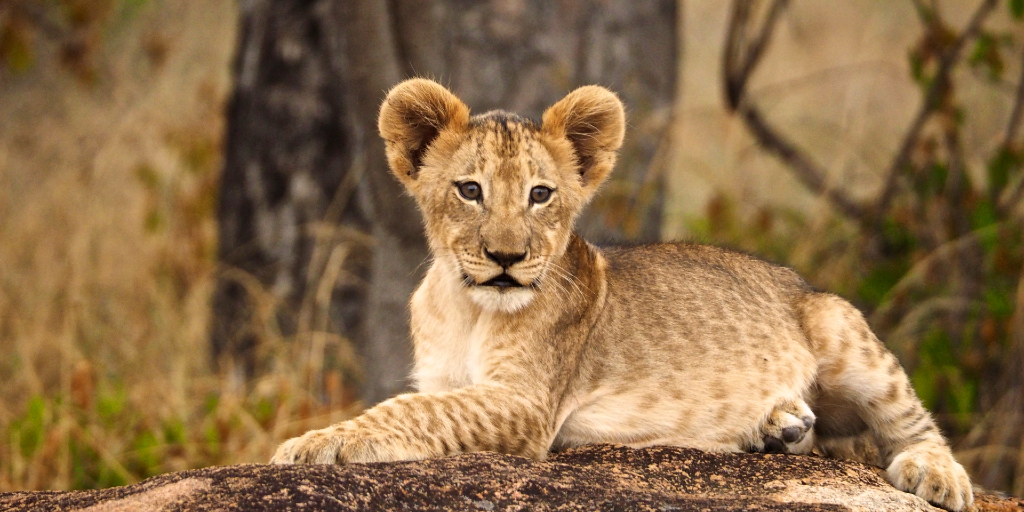
    Little lions often have rosettes or spots of brown spread out across their tawny coloured coats. These markings tend to fade as they grow up, resulting in the single-coloured coats seen on adult lions. 

    image

    5) Lions can get water from plants and meat

    Both African and Asian lions live in terrains that can sometimes run short of water.

    So, it’s a good thing that lions can meet their water requirements in other ways. How exactly do they do this?

    Well, lions’ bodies are highly adapted to surviving when water isn’t easy to come by. For example, their bodies can make very efficient use of the water that’s part of the meat they eat. 

    Some lions, like those living in the Kalahari Desert, have also been known to drink from vegetation like tsamma melons when they can’t gain access to water. This isn’t commonly seen in big cat species.

    These adaptations make it possible for lions to go for up to four days without drinking water. 

    However, if water is available, lions will drink every day.

    image

    6) You may spot a lion hunting in a storm

    Lions prefer to do their hunting at times when they’ll have the biggest advantage over their prey.

    Because of this, lions will often hunt at night. Cooler night-time temperatures make it easier for lions to perform at their peak, and the darkness, paired with lions’ above-average night vision, gives them the advantage they need to land a kill. 

    For similar reasons, lions have also been spotted hunting during storms. 

    The noise that comes with storms may make it harder for other animals to hear who’s coming. But, lions have a sharp sense of hearing that can cut through the background noise. 

    Add to this the fact that lions can see well even when a storm makes visibility poor, and you can see why hunting in a storm is something lions don’t often shy away from.

    image

    7) Lions are the only big cat species that roar together

    Many big cat species can roar, but lions are the only ones that opt to roar in a groupwise fashion in certain circumstances. Why?

    Well, their highly social behaviour means that they do lots of different things together, and roaring is one of them. And, because the most common reason why lions roar together is to defend their territory, more lions make for an even more powerful message to intruders.

    8) Rearing lion cubs is a group affair

    Female lions often raise their cubs together. In fact, lion cubs will feed from any female within their pride that is producing milk. And, watching out for each other’s cubs is second nature for mother lions. 

    So, how many of these facts didn’t you know? If you’re feeling inspired to get involved in lion conservation, let’s talk more about World Lion Day and what you can do as a field guide.

    World Lion Day facts

    image

    Who started World Lion Day?

    World Lion Day was founded by big cat enthusiasts, and husband-and-wife team, Beverly and Derek Joubert. 

    They’re celebrated wildlife conservationists, filmmakers, National Geographic Explorers-in-Residence and researchers with over 30 years of experience working in the African wild.

    Derek and Beverly have Africa’s large predators at the heart of their work, and the challenges faced by lions across the world was what inspired them to start up World Lion Day.
    You see, as well-known as lions may be, many people were unaware of the declining lion population and the factors affecting the well-being of African and Asian lions alike. World Lion Day made highlighting the conservation status of lions a worldwide affair. 

    image

    Why is World Lion Day important?

    The International Union for Conservation of Nature’s (IUCN’s) Red List of Threatened Species categorises African lions as vulnerable, and research has shown that three-quarters of the African lion population is in decline. 

    The African lion population is made up of between 20,000 and 30,000 lions, which may seem like a big number. But, it’s also known that 40% of the African lion population has been lost over the last 30 years and African lions will face extinction in the next few decades if this trend continues.

    And, Asian lions are facing even bigger challenges. The Asian lion population is made up of just one group of 674 individuals living in India’s Gir National Park. 

    These statistics make it clear why lion conservation in Africa and Asia should be key concerns for wildlife conservationists. 

    World Lion Day is an important part of highlighting the challenges faced by lions across the world, celebrating the lion conservation efforts that are taking place and encouraging everyone to add to lion conservation in their own way. 
    image

    How you can prepare for World Lion Day this year

    Learning as many interesting facts about lions as you can means that you’ll be growing your understanding of these wild animals. It’ll also add to your ability to advocate for lion conservation wherever you are.

    And, you can boost your wildlife education by signing up for an online or in-country course or internship with Bushwise Field Guides.

    These programs make it easy to learn from experts in the field and even allow you to go to where the lions are and add to reserve management efforts among a large lion population in Africa. 

    Take a look at our online and in-country field guiding courses and pick how you want to prepare for World Lion Day this year.

  • Terrific facts about the different types of tortoises

    BY: Tasneem Johnson-Dollie

    There are tons of different types of tortoises on Earth and even more tortoise facts that you can learn to get up to speed on every species!

    From how they smell to where they live, tortoises aren’t as plain and simple as you may think.

    Here are some facts about tortoises that’ll get you clued up on one of Earth’s oldest animals.

    What is a tortoise?

    Tortoises are land-dwelling reptiles that belong to the family Testudinidae.

    They’re most easily identified by the shells wrapped around their bodies and the scaly skin they sport that’s seen on all reptiles. 

    image

    The different types of tortoises vary in size and colour and some of the most obvious differences can be seen in their shells – called carapaces. The smallest tortoise carapaces measure in at lengths of less than 12 centimetres while the largest can be over one metre long. 

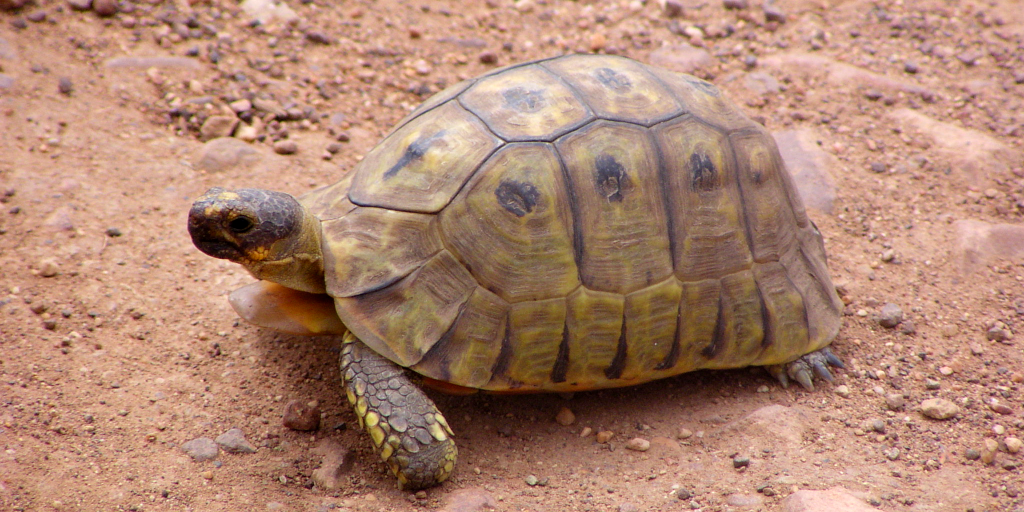
    And, different types of tortoises have shells that look quite different too. Each tortoise shell is made up of segments called scutes, and these are pieced together to form shell patterns. Some tortoise species – like the speckled Cape tortoise – have subtly patterned shells coloured with smudges of brown, grey and yellow. Others – like the Indian star tortoise – boast shells with geometric patterns that really stand out.

    Most tortoises are herbivores with diets consisting of grasses, sedges, flowers, succulents and fruits. But one species, known as the red-footed tortoise, also occasionally feeds on carrion – the decaying flesh of dead animals. 

    How many tortoise species are there?

    There are over 40 different tortoise species found in nature. 

    Here are some interesting tortoise facts about the different tortoise species:

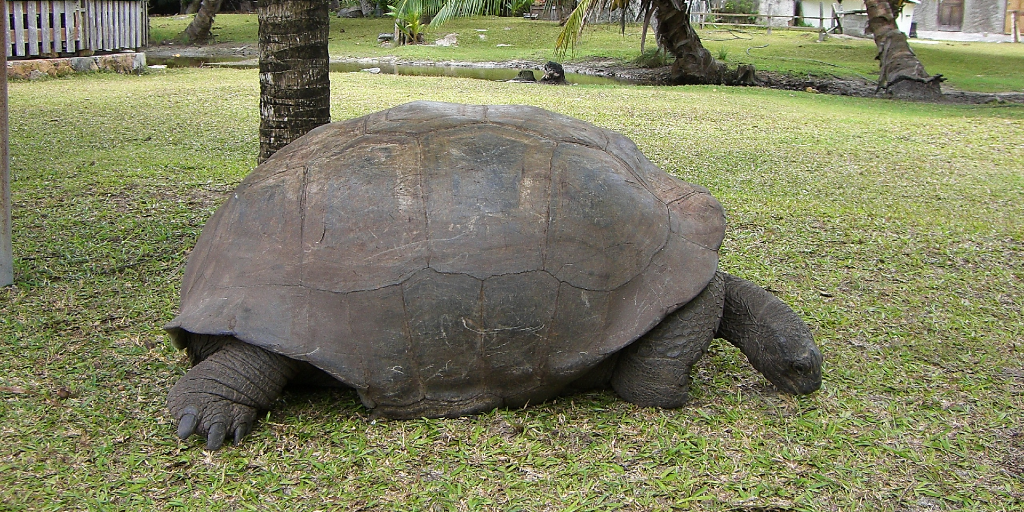
    1. Galapagos tortoises are the largest living species of tortoise.

    2. The ploughshare tortoise is one of the rarest tortoise species on Earth.

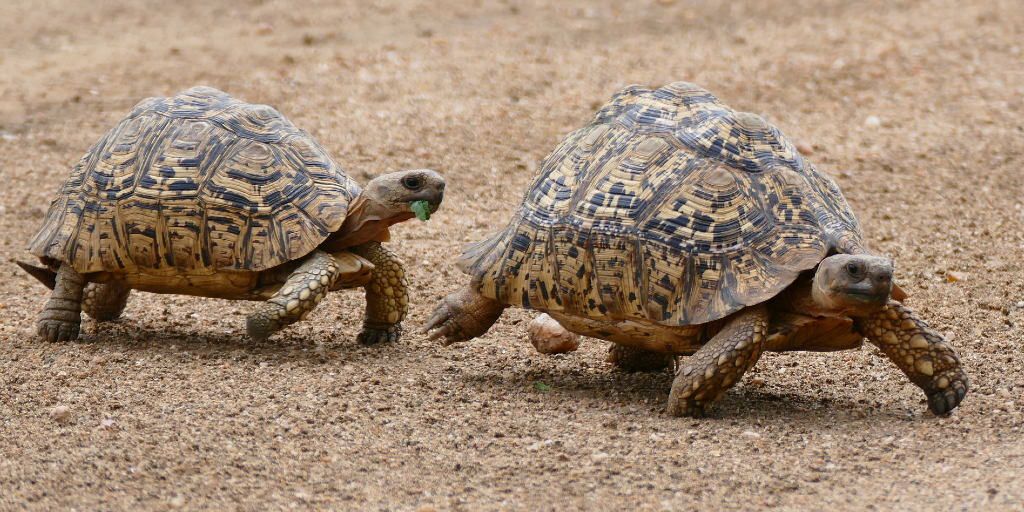
    3. The speediest tortoises around are leopard tortoises, and these guys can even climb!

    image

    Original image: “Leopard Tortoises (Stigmochelys pardalis) pair with smaller male following the female…” by berniedup is licensed under CC BY-SA 2.0

    And where exactly can you go to see all these different types of tortoises and more? Well, here’s a look at where tortoises live.

    Where do tortoises live?

    You’ll find tortoise species on every continent except for Australia and Antarctica.

    The largest tortoise population lives in the southernmost region of Africa. In fact, the Cape region of South Africa is home to the richest biodiversity of tortoises in the world. 

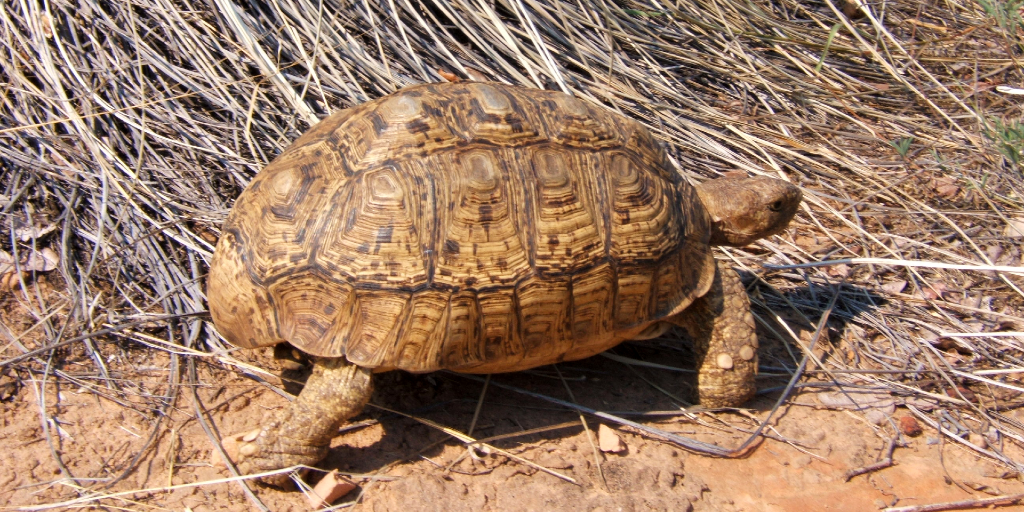
    The leopard tortoise is the most widespread species throughout the country, while the serrated tortoise is more common in the Kalahari, and the savannah hinged tortoise is the most commonly found tortoise species in the northern regions of South Africa. 

    You could visit any number of habitats across the world and come across a tortoise, but most tortoises prefer semiarid environments. Deserts, grasslands, mountainous regions, scrub forests and sand dunes are some of the most well-known tortoise habitats. 

    image

    What’s the difference between turtles and tortoises?

    Turtles and tortoises come from the same evolutionary line, which is not surprising since these creatures have many similarities.

    For instance, both turtles and tortoises are reptiles with shells, and both lay their eggs on land. 

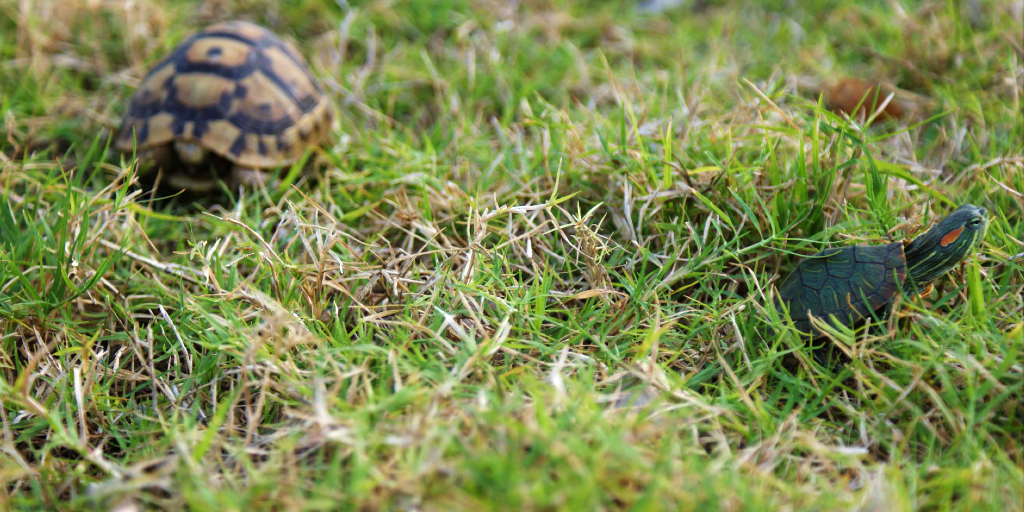
    The main differences between turtles and tortoises lies in the adaptations they have that allow them to live either on land or in water. 

    Here are some key differences between turtles and tortoises:

    1. Turtles are adapted to live in seawater for large parts of their lives, while tortoises are adapted to survive on land.

    2. Tortoises have domed shells while turtles have streamlined shells that allow them to move through water more easily. 
    3. Tortoises have bulky, elephant-like limbs while turtles have flipper-like appendages. 
    4. Tortoises are mostly herbivorous while turtles have an omnivorous diet that includes sea vegetation, jellyfish, sea sponges and small invertebrates. 

    5. Turtles usually have a shorter life span than tortoises, reaching up to 40 years of age. One of the oldest tortoises is over 180 years old!

    image

    Original image: “Slow vs Slower” by Sarz.K is licensed under CC BY 2.0

    The most terrific facts about tortoises

    So, you may think you know a lot about the different types of tortoises after everything you’ve read. But, prepare to be surprised.

    Here are even more terrific tortoise facts:

    1. Tortoises have roamed the Earth for more than 200 million years. That means that they were around even before birds, crocodiles, lizards, mammals and snakes.

    2. A group of tortoises is called a creep.

    3. The shell colours of the different types of tortoises can tell you more about where they come from. A tortoise species with a lighter-coloured shell would’ve come from a warmer area while tortoises with darker-coloured shells will have originated in areas with a cooler climate. 

    4. Tortoises smell with their throats and the organ that helps them smell is located in the roof of their mouths. 

    Are you keen to learn even more facts about tortoises? How about travelling to where tortoises live to learn about them first-hand in their natural environments?

    image

    You can make these dreams a reality by signing up for a Bushwise Field Guides online or in-country field guiding course. This way you can fast-track your learning and get to know more about tortoises and other animals that live in tortoise habitats. 

    Find out more about the Bushwise courses that you can do online or on the ground and see how you can learn top tortoise facts first-hand.