Category: Culture and beliefs

  • Bushwise and Sabi Sabi

    Launch Ranger Academy to Empower Local Communities and Foster Education

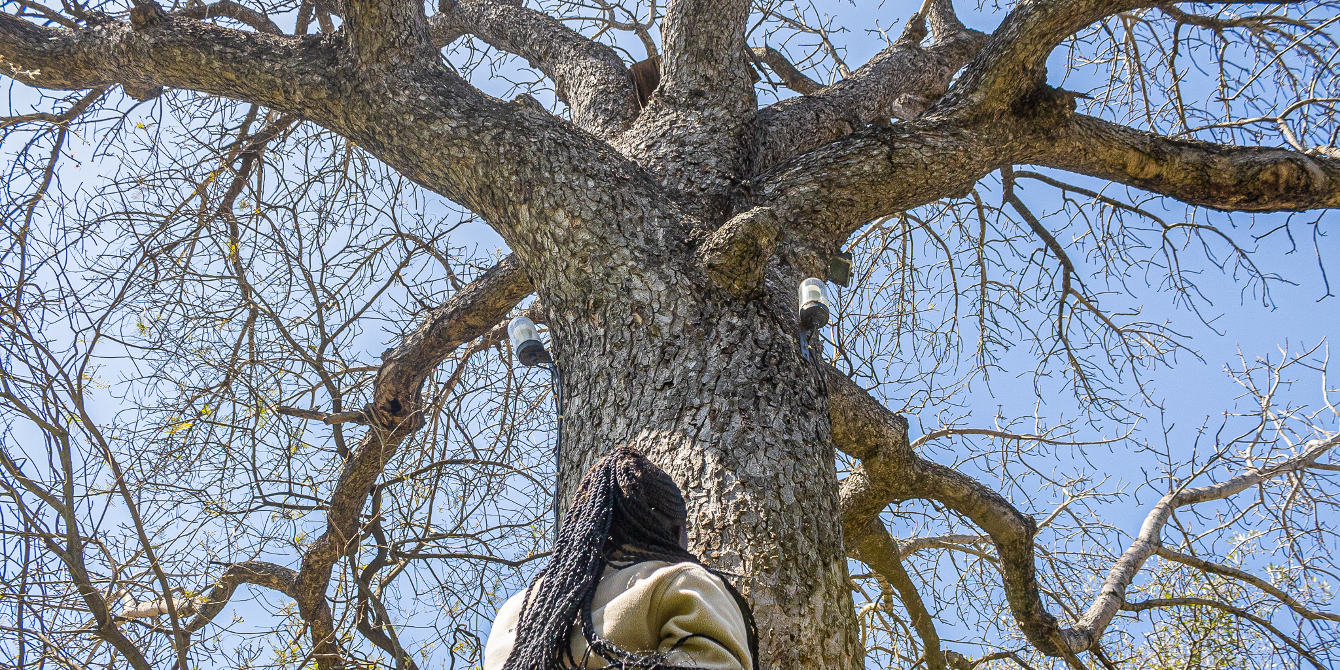
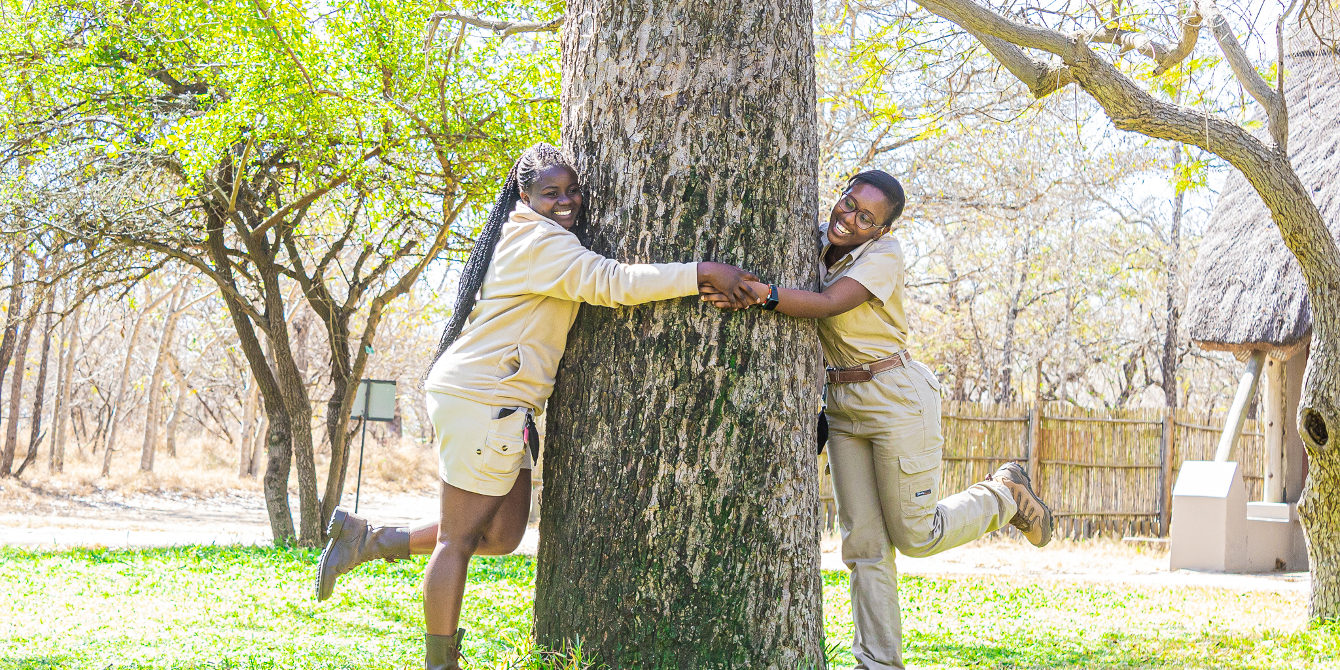
    Bushwise Field Guides and the Sabi Sabi Collection are proud to announce a new initiative to train the next generation of field guides through the Sabi Sabi Ranger Academy in South Africa’s Greater Kruger National Park. This initiative will sponsor students from local rural communities to complete field guide training, equipping them with valuable skills and providing them with career opportunities.

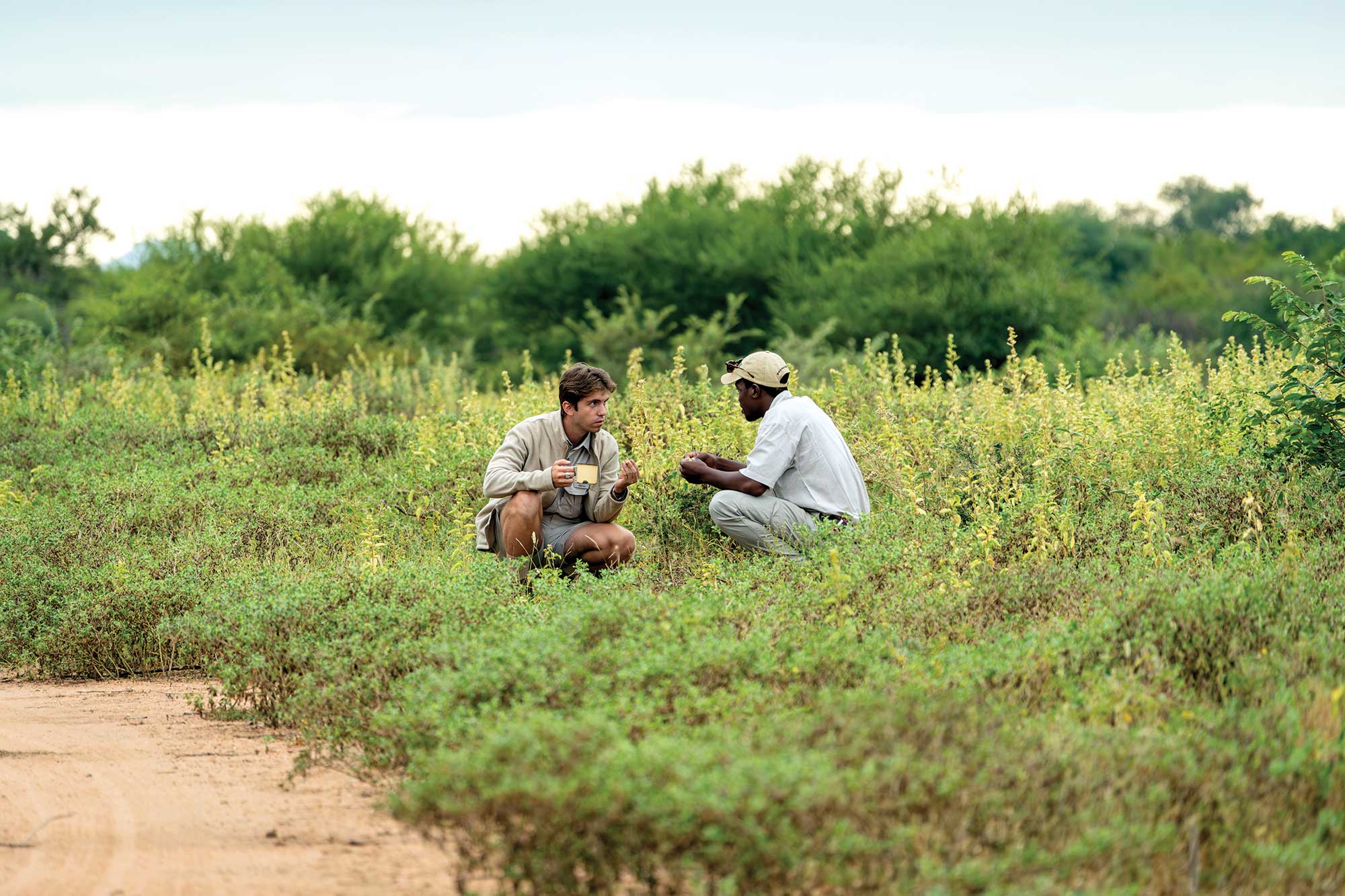
    Starting in July 2024, Bushwise will train aspiring field guides from South Africa at Greg’s Camp within Sabi Sabi Private Game Reserve. The Sabi Sabi Foundation and their community development partner the Gillespie Foundation will sponsor eight students per year from local communities in each training group, beginning with four students this July. This initiative unites two organisations committed to community development and conservation, enhancing career opportunities and offering an immersive ranger training experience.

    Bushwise will train candidates according to the International Field Guide Association (IFGA) standards and CATHSSETA requirements. Students will undergo six months of formal training, followed by a six-month work placement in South Africa or internationally. Upon graduation, our goal is that these newly qualified field guides will be recruited by Sabi Sabi or other luxury lodges.

    Sabi Sabi and Bushwise are dedicated to instilling community and conservation values in future guiding generations. The pandemic and other global events underscored the critical role of local tourism in conservation and highlighted the dependence of game reserves on neighbouring communities for sustainable initiatives. The Sabi Sabi Ranger Academy is a key step in these organisations’ mission to respect culture and history and conserve the land for the future.

    Bushwise is the leading field guide training provider in South Africa. It is the exclusive IFGA training provider in Southern Africa and consistently produces world-class guides through its CATHSSETA accredited courses.

    Sabi Sabi has provided life-changing experiences to guests and residents alike since 1979. They have built a world-renowned guiding team, offering holistic experiences in the bush. As Sabi Sabi expands into the Sabi Sabi Collection, they recognise the importance of growing from within and providing a platform for the next generation of rangers, trackers, and conservationists.

    Media Enquiries: Annie DuPre (annie.dupre@gviprograms.com) and Jacques Smit (smit@sabisabi.com)

    gallery imagegallery image

  • The Marula Tree – The Tree Of Life

    This blog about marula trees was written by Aldo Louw. Special topic blogs are written by Bushwise students during their course, and all facts included are based on their research.

    Read time: 3 mins

    An African sunset, sipping on an Amarula liqueur somewhere in the beautiful breathtaking bush on a game reserve in South Africa. This might be the picture that pops into your mind when the name marula is mentioned. But there is so much more about this tree than the memorable Amarula liqueur that is made from the tree’s fruit. 

    Beyond Amarula 

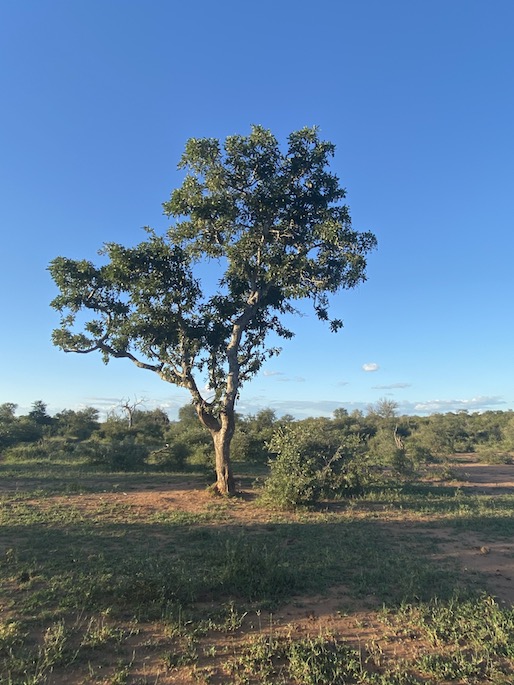
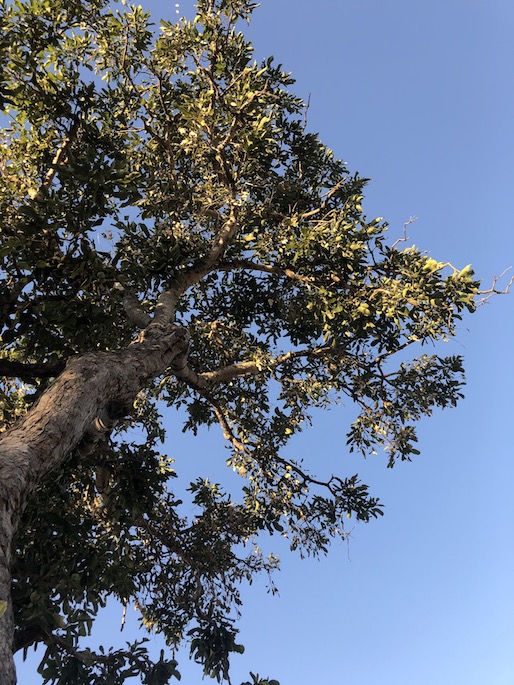
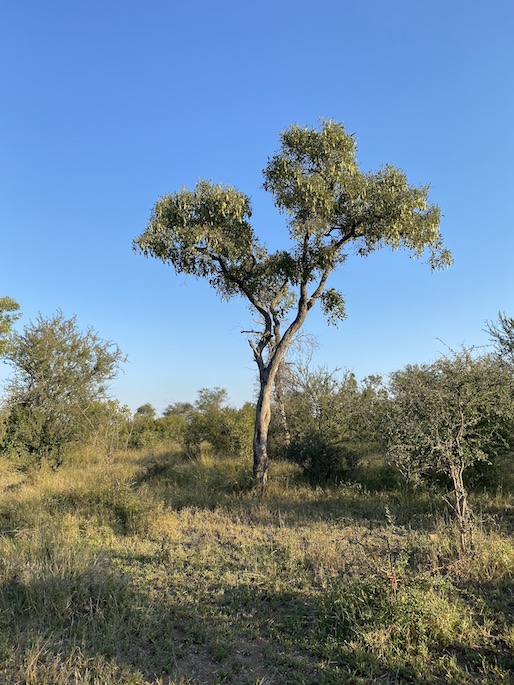
    The marula tree stands 18m tall and the bark is a greyish colour. On the young branches, the bark has a smooth appearance, while on the older branches it appears to be flaky in patches. 

    The leaves are unevenly compounded with 7 to 13 pairs of leaflets plus a terminal one that is near the end of each branch. Even though the young trees are frost-sensitive, marula trees are drought-resistant and one of the fastest growing trees in South Africa , growing up to 1.5 m per year. 

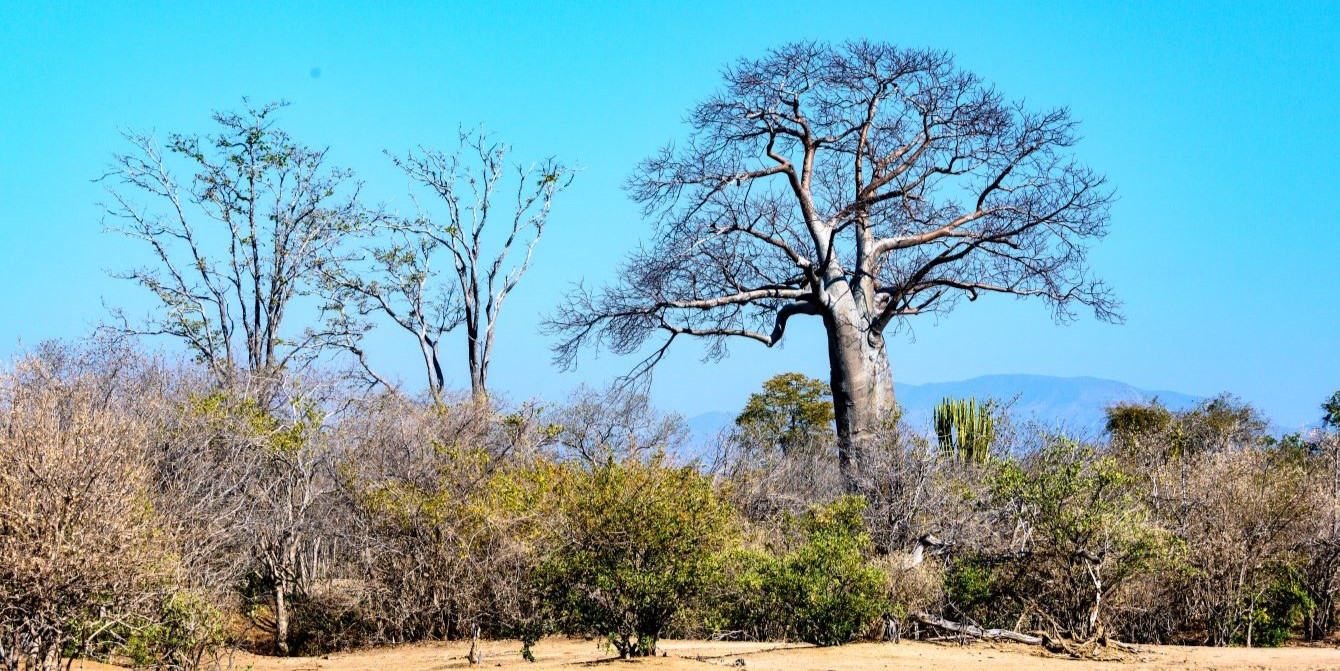
    These trees can be found in the Lowveld and Kruger National Park. They prefer to grow in the savanna or bushveld. Tall grass, baobabs and fever trees can be found growing close to them. 

    image

    Cultural significance and traditional beliefs

    This beautiful tree’s history extends back to more or less 10,000 years and there is evidence that even then the fruit and nut-like kernels were an important food source. The tree has a specific sex (deciduous and also dioecious) which led to many traditional African beliefs about the tree. One such belief is that using the powder of the bark or the flowers to make a tea from either the male or female tree influences the gender of the baby you will have. 

    Versatile uses

    The marula tree is quite a useful tree as it has so many uses. The most obvious – apart from the tasty liquor – being that it can act as both a shelter and a food provider for animals and humans alike. But let’s take a look at some of the more interesting uses for this tree:

    1. The inner bark off the tree can be used to make a decent rope, the light reddish brown wood makes lovely furniture and the skin of the fruit can even be burnt to use as a substitute for coffee and snuff. 

    2. The flowers are 50 to 80mm long sprays with sexes on separate trees. 

    3. Apart from the Amarula liqueur, the fruit is also used to make a semi-sweet wine, beer and even jams and jelly. 

    4. This led to a very funny story of elephants and baboons getting drunk when eating the marula fruit which has fermented while lying on the ground. This was proven to be a myth by scientists, therefore no elephants or baboons will soon be seen walking funny and experiencing a hangover. 

    image
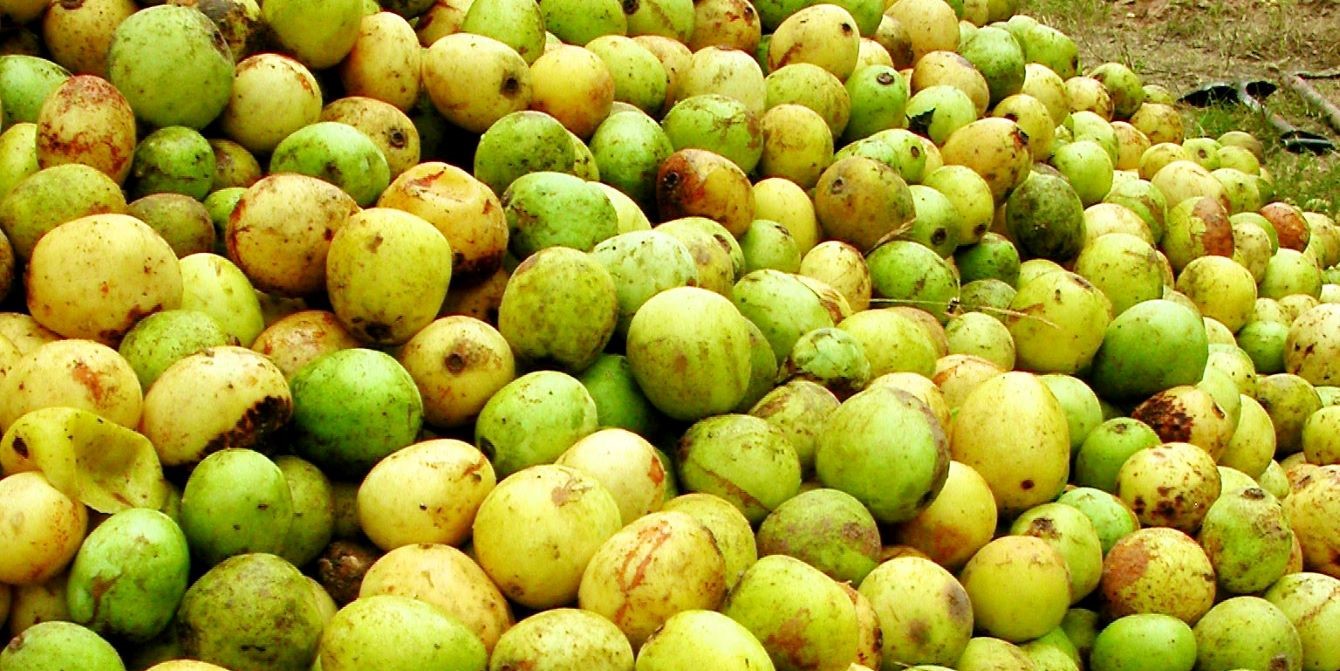
    1. The fruit are yellow and fleshy with a large stone and ripens from January to March. It has 4 times more vitamin C than an orange and is a good source of calcium, magnesium, phosphorus and potassium. 

    2. The seed from the fruit consists of 2-3 nuts that are rich in oil and protein, that can be eaten either raw or roasted. 

    3. The oil from the nuts makes an excellent skin treatment. 

    4. Cattle and game benefit from the leaves, bark and fruit. 

    5. A tea can be made with the bark from the tree to treat diarrhoea. 

    6. Chewing the leaves can reduce heartburn. 

    7. Using the bark in a brandy tincture can help as a preventative for malaria. 

    8. The inner bark has antihistaminic properties and can be used against insect bites or even those hairy caterpillars that can burn you when accidentally gets in contact with your skin. 

    9. An extract from the leaves works wonders for abscesses and burns. 

    The marula tree is the ultimate multi-tasker in the African wilderness. From giving animals and humans a place to live and find a snack, to dishing out remedies for stuff like tummy troubles and insect bites, this tree does it all. No wonder it’s called the “Tree of Life.” So, next time you sip on that Amarula drink, remember, there’s a whole lot more to this tree than meets the eye.

    Deepen your appreciation for the natural wonders of South Africa’s wilderness by joining us out there at Bushwise Field Guides.

    #bushwise #qualification #Exam #safari #ifga #fieldguiding #Assessments #guiding #fieldguidecourse #studying

  • The real life magic of magic guarri

    This blog is by Bushwise Professional Safari Guide student Molly Swan. As part of their training, each student submits a researched blog based on a topic of their choice. 

    3 min read

    South Africa is known to many as a place to visit to see stunning animals such as elephants, rhinos, lions and cheetahs. But if you look closer, you can see and learn so much more. As you immerse yourself, you start to feel calm and revived and you start to ask, why do I feel this way and why does nature have this effect on people? 

    Those who are spiritual find a deep connection here in the bush and some refer to it as magical. Healing medicinal properties and sacred cultural beliefs stare you right in the face in the form of trees, plants and flowers.

    The magic guarri tree

    image

    The magic guarri tree is found all over the bushveld and holds many secrets in its sacred and medicinal ways. Its scientific name is Euclea divinorum. Euclea comes from the Greek word for ‘famous’ (referring to the fine wood) and divinorum is a reference to the medicinal diviners in Africa.

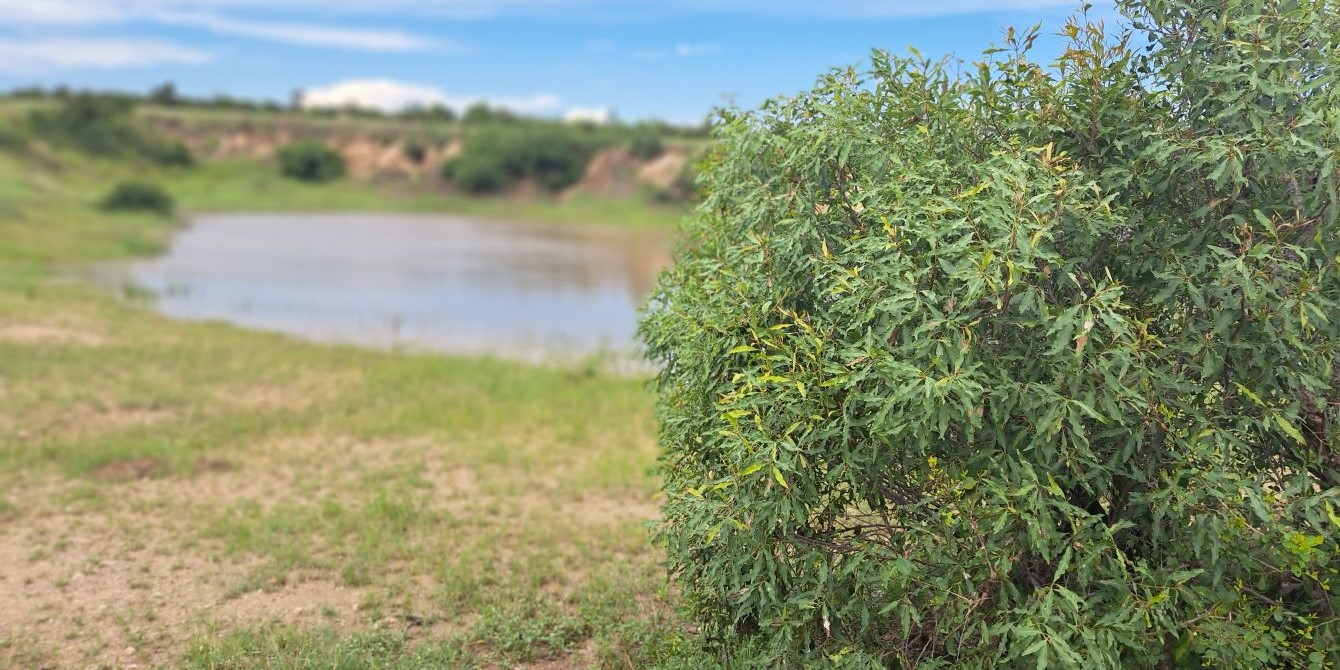
    You will often find it alongside thorn bushes, and it does not discriminate with soil type which is why you can spot so many along thickets. You will know it’s a magic guarri because of its dense shrub shape, its pronounced wavy leaves and clusters of berry shaped fruit. The bark also has a greyish-greenish appearance that is lighter than other varieties. 

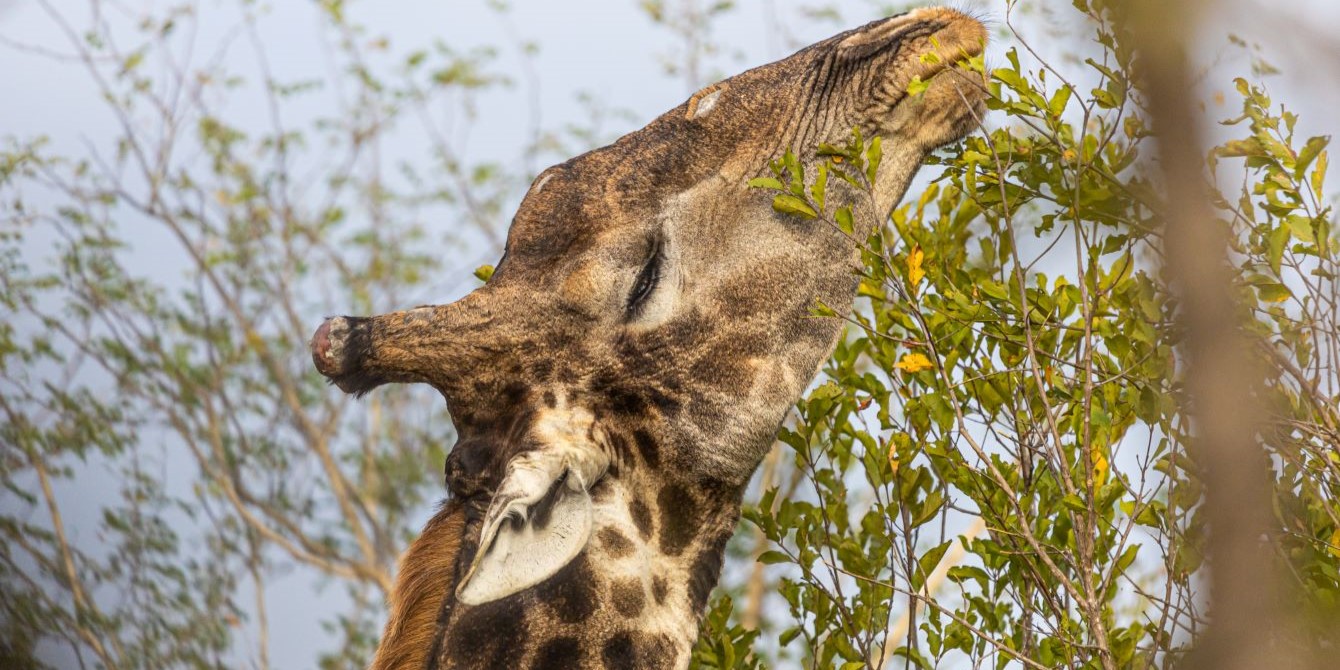
    Birds and kudu enjoy snacking on the guarri tree, but most other animals stay clear of this one due to its unpleasant taste.

    But why is it called the magic guarri? 

    image

    The Zulu culture believes that if you chop down the entire plant their whole kraal – an enclosed shelter for huts or cattle – will be destroyed. In other cultures, they will hang a piece of the branch at the entrance of their homes to repel witches and evil spirits. It is also believed that if you carry a piece of the plant with you, it will bring you good luck, and it might even help you find that special animal you have come all the way to South Africa to see. 

    Making an infusion or powder from the roots of the tree, the guarri is said to have many medicinal properties. These include but are not limited to treatment for headache and toothaches, constipation, diarrhoea, convulsions, and infertility. It can also relieve abdominal pains and pains during pregnancy.

    Practical uses of guarri

    image

    One of the most creative ways you can use the guarri is by using it as a toothbrush. Scrape away the outer bark of the branch and expose the green. Then place the branch in your mouth and start chewing, you will then notice the ends start to separate into nature’s own toothbrush. Of course, if nature provides a toothbrush, it must also provide toothpaste? Indeed, it does! From the ash of the leadwood tree – which is now a protected tree.

    The roots are also used in other creative ways such as using the dark brown dye for basket ware, brewing beer and even lipstick. The fruit from the tree makes a beautiful purple dye. Because the wood is hard and somewhat heavy, it used to be used to make fence posts, mine props, hoes and railway sleepers. 

    The magic doesn’t stop here. If a fire breaks out and there is no fire truck nearby, you can use one of the guarri’s branches with leaves on it to beat out the fire. This works because of the shiny, waxy coating on the leaves that do not fall off easily. It looks similar to a broom when in action. 

    There are indeed three other types of guarri that we have seen here in the Lowveld: common (Euclea undulata), blue (Euclea crispa) and Karoo (Euclea ovata). Just as beautiful but perhaps not as ‘magical’. 

    So next time you are in the bush look for the magic guarri and see what luck it brings you!

    #wildlife #ifgaguide #bushwise #qualification #safariguide #Exam #training #animals #apprenticefieldguide #safari #sightings #fieldguiding #tracking #endangeredspecies #guiding #ifga #fieldguidecourse #studying

  • Why Flora? Understanding plant life.

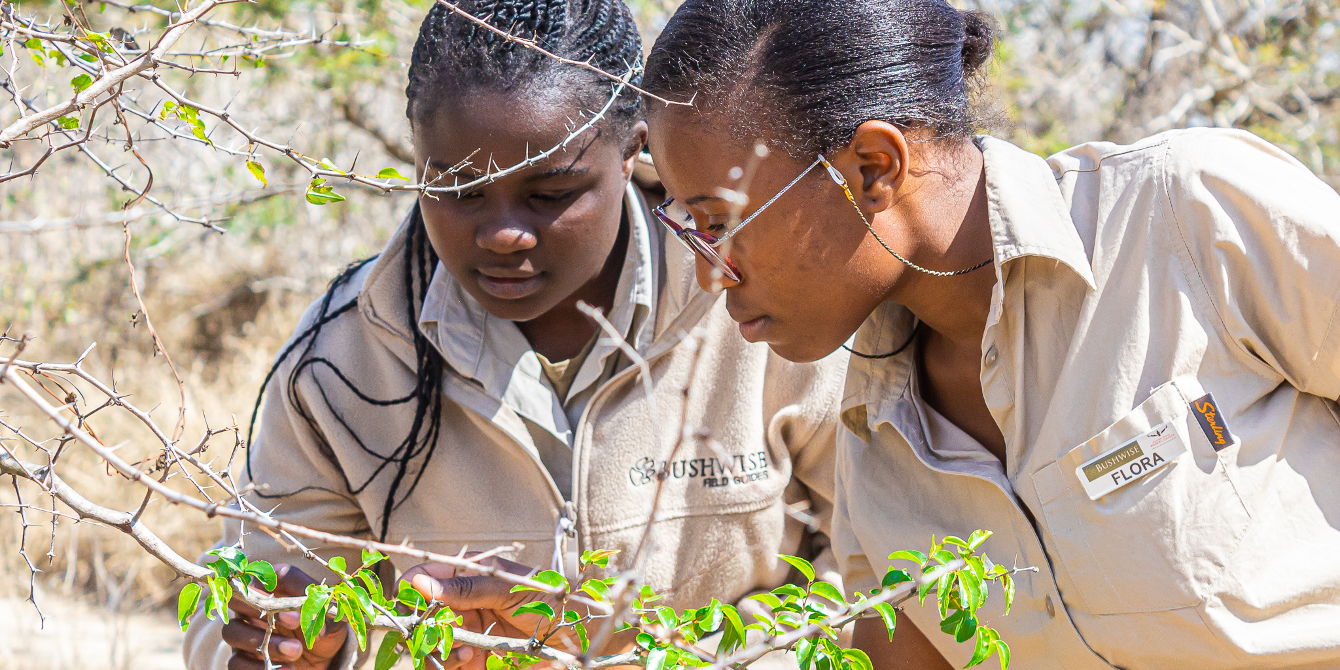
    You might not assume that plants and ancestors go hand in hand. But when your name’s Flora – a traditional Sepedi name passed down through generations – and plants are used at home for medicinal and traditional purposes, plants and ancestry really do go together! 

    This blog was written by Queeneth Seepano and Flora Molepo, two Bushwise students with a growing interest in botany.

    Read time: 5 mins

    What is a plant?

    image

    A plant is a chlorophyll-containing organism which produces its own food through the process of photosynthesis, which makes them self-sustaining organisms. Plants provide humans and animals with oxygen, food and everyday used products from paper, chairs to tissues, etc. 

    Yes, I know. Botany – the scientific study of the structure, economic importance, physiology, genetics, ecology and the distribution of plants – can be less interesting because I mean they are just trees, they don’t move. Who would want to learn about something that just stands and does nothing all day?

    All about plant life!

    image

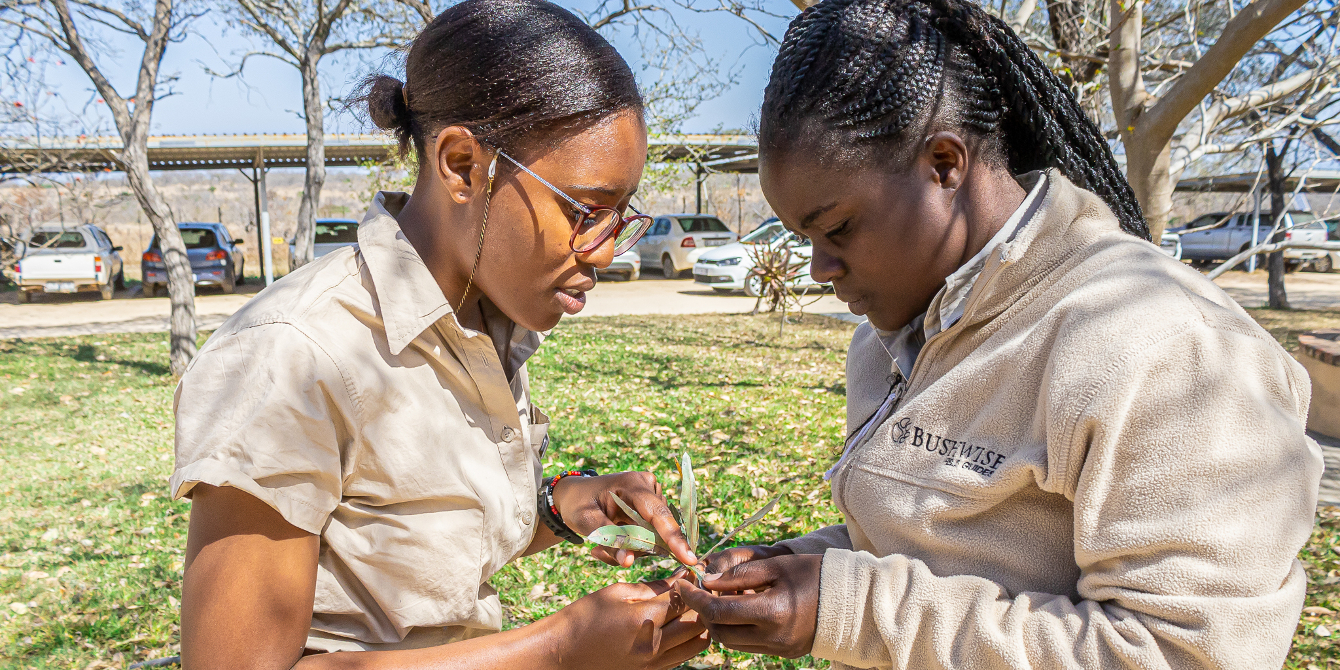
    I had no knowledge about botany or plant life before joining Bushwise Field Guides, but a lot of interest. Bushwise has grown that knowledge and interest. For example, I now have an understanding of the cambium layer, which is the growing part of a tree trunk, to the xylem and phloem, which are used for storing and transporting food, water and nutrients in plants. 

    Incorporating plants is an essential part of our field guide training (it’s one of the many modules we must learn at Bushwise). I was able to incorporate traditional, medicinal uses of specific plants during practical drives. 

    image

    For example, at one stop I discussed using the silver cluster leaf Terminalia sericea. The leaves and roots are important in traditional medicine mostly in the Tsonga culture, they boil the leaves and the infusion is taken every day to help treat stomach-aches, coughs and diarrhoea. 

    The leaves are then chewed to create a paste for open wounds, the bark can be used as a rope, shoelaces or even a belt. 

    What’s in a name? 

    image

    Flora is a distinctive way of naming someone, but in my culture, Sepedi, Flora is a very common name. It’s a generational given name, passed on by my great-grandmother to my grandmother and now to me. 

    My love of plants began with the name ‘Flora’, but continued to develop as plants were used as medicine and for other traditional uses at home. For example, when I had serious menstrual pains, I boiled the leaves of a local plant – an ancient plant species that has been used by humans for medicinal purposes for hundreds of years. Using it relieved the menstrual pains and I was able to go on with daily activities.

    Traditional beliefs, myths and medicinal uses of our plants

    image

    I believe that trees are one of the most important aspects of our ecosystems. Plants are the source of life on Earth. All living things depend on plant life to make it through the day. We have many different species of plants in the world. 

    South Africa is a very diverse country, with many different tribes and people with different perspectives about plants, also with different cultures, beliefs, myths and medical uses. Each and any culture has its own way of using the plants according to their culture. 

    We all know that plants provide us with oxygen, right? But, that’s not all. Let’s explore the traditional uses of some plants starting with Ziziphus mucronata, buffalo thorn.

    Many uses of buffalo thorn or wag’n bietjie

    image

    The buffalo thorn is known locally as wag’n bietjie (wait a minute) in Afrikaans. The buffalo thorn gets this name because the straight thorns on the tree have a really sharp hook on the end (looking a bit like buffalo horns). So when it hooks you, you have to stop and wait to unhook yourself from it. 

    Traditionally the tree is used for many things. As culture and beliefs of certain tribes are different, they all have their own ways of using this tree, either medicinally or culturally. 

    The fruits from these plants are edible for both animals and humans. After eating the fruits, you can take the seeds and crush them into powder, and from that powder you can make porridge. 

    When the tree is starting to have the green new leaves, you can use the leaves as spinach. Depending on how you want them, you can either eat the leaves straight from the tree or you can cook them first.

    Honouring and communicating with our ancestors using plants

    image

    In many cultures here in South Africa we have similar uses of the buffalo thorn branch when it comes to those who have passed away. Our beliefs and myths are what have kept us safe and protected to this day.

    When a member of the family dies and they have passed away far from home – like at the hospital or in a car accident – we use the branch to go to where he/she passed to collect his/her spirit. We believe that the hook thorns represent something in our lives, the hooked thorn shows the past of the person who has died and the straight thorn shows his/her way to the afterlife. 

    image

    The Sclerocarya birrea, the marula tree, is one of the protected trees in South Africa and also one we use in practice. In my belief and culture, we believe our ancestors are always there.

    When we want to communicate with them, we go under this tree, with specific items needed to communicate with them. Like the dead we buried using the buffalo thorn, we are able to communicate with them and tell them all that we ask for under the marula tree.

    image

    Plant life is incredibly culturally and ecologically important. Let’s look after our plants and trees, people!

    Did you know how important plant life is in the functioning of an ecosystem and communicating with ancestors? Learn how everything is connected by joining a Bushwise course

    #bushwise #Exam #training #endangeredspecies #studying

  • Mad for marula fruit: facts about the marula tree

    BY: Megan Colborne

    As a field guide, you need to be prepared for every type of question. From “what is a marula tree?” to “are African animals getting drunk from ripe marula fruit?” Whatever the question, we’ve got you covered on all things marula.

    Once you’ve completed your training at Bushwise Field Guides and are a fully qualified field guide, you will be responsible for the experiences of your guests. This is why it’s important to have a wealth of knowledge regarding fauna and flora. 

    What is a marula tree?

    image

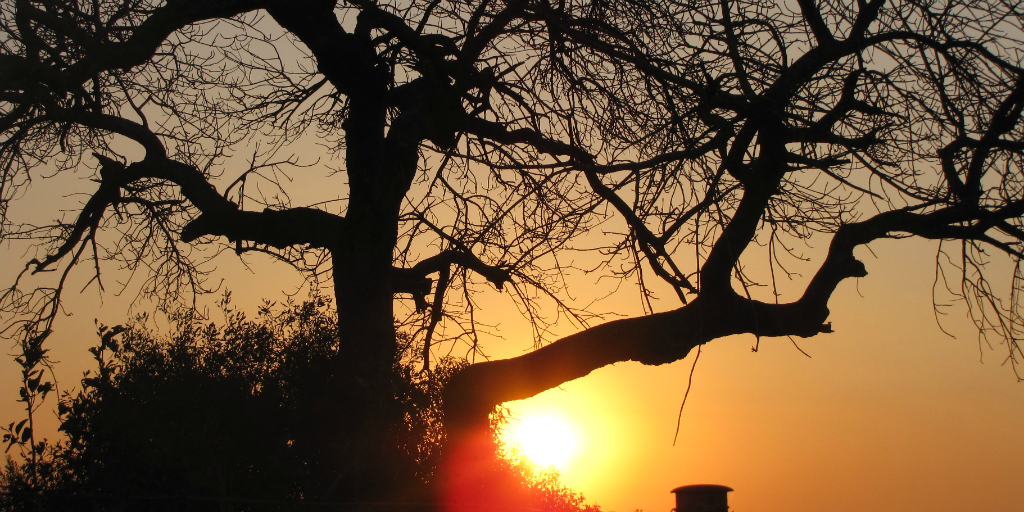
    Original photo: Marula sunset” by krugergirl26 is licensed under CC BY 2.0.

    The marula tree is a green, leafy tree that is resistant to drought so that each tree still manages to produce plenty of marula fruit during dry seasons.

    Known as “the king of African trees” the marula tree is a medium-sized tree standing tall at between 9 and 18 metres tall. This single-stemmed marula tree is found in 29 countries. Female trees bear up to 500 kilograms of fruit each year, while the male marula tree puts on a delicate floral display instead. 

    Yes, that’s right, there are both a male and female marula trees. 

    The marula tree is dioecious, which basically means that each tree has a specific sex. This led to the traditional belief that drinking an infusion made from the bark of a male tree would lead to the birth of a boy, while drinking a bark infusion from the female tree would result in the birth of a girl.

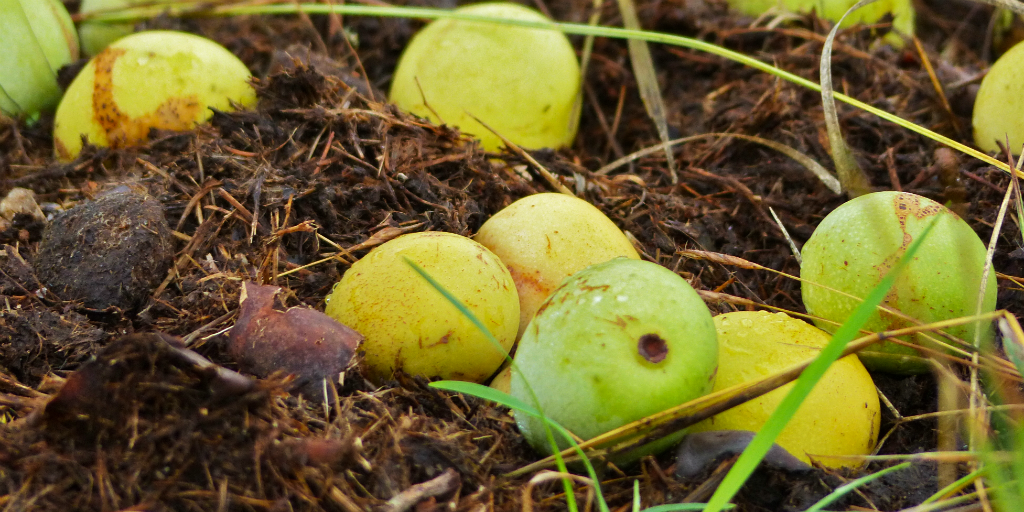
    The juicy marula fruit belongs to the same family as the mango and so it has similar properties. It has a yellow peel, white flesh and a large kernel, or pip, in its centre. 

    History of the marula tree 

    With a history dating back thousands of years, the marula tree has outlived many other trees, with archaeological evidence showing the tree being used as a food source as far back as 10,000 years BCE

    Over time, many legends have developed in Africa surrounding the marula tree and marula fruit. Local people began to refer to the marula tree as “the elephant tree” as they witnessed elephants travel far and wide to feast on the juicy marula fruit.

    Because of its history and importance in Africa, the marula tree is now protected by law in South Africa.

    Uses and benefits of marula 

    image

    Original photo: “Marula (Sclerocarya birrea) fruits on the ground”by Bernard DUPONT is licensed under CC BY 2.0.

    Nearly every part of the marula tree can be used in some way. 

    The bark of this powerful marula tree contains an antihistamine, is used to prevent malaria, and is also effective in the treatment of stomach issues. Chewing on the bark can also aid in facilitating digestion.

    As for the kernels of the marula fruit, when roasted they are known as the “food of kings”, and are regarded as a delicacy. The leaves of the marula tree are also used as a spice and in a salad dressing.

    The fruits of the marula tree can be eaten, either raw or cooked, and are commonly used to produce jam. When left to ferment, marula fruit can be used to produce various powerful alcoholic drinks.

    In Swaziland, this alcohol is used to make a home-made beer called Buganu.  In Namibia, Ombike is produced, and in Mozambique the fermented marula fruit is used to produce a wine called Ucanhe.

    However, none of these can outrank the internationally known cream liqueur, Amarula. Amarula is produced in South Africa using the marula fruit, alcohol and cream. Amarula is one of the best selling products in the world in this category!  

    Can elephants get drunk from eating too much marula fruit?

    image

    Original photo: Marula snack” by Chris Eason is licensed under CC BY 2.0.

    If tourists on your safari trip ask about African animals getting drunk from ripe marula fruit, don’t be alarmed. 

    This comes from the legend that elephants can get drunk after eating fruit that has fermented on the ground or even inside the stomach of the elephant. 

    So, does marula fruit make elephants drunk? While the marula fruit is an elephant’s favourite and this would make a great story, scientists have debunked this as a myth, so you’re unlikely to see a drunken elephant leaning against a marula tree for support.

    Learn more about the African marula tree and other fauna and flora by becoming a IFGA Safari Guide Course 6/12 Months at Bushwise. Join a Bushwise program today!

    Header photo: Marula Loop” by Chris Eason is licensed under CC BY 2.0.

  • How did the zebra get its stripes? And other zebra facts and folklore

    Single-hoofed, black-and-white striped equids known as zebras can be found in the African bushveld. These beasts are closely related to horses and donkeys, but have an interesting story of their own. 

    Telling stories to your guests is an important part of your role as a field guide, so it’s a good idea to have some folklore in your repertoire. It’s also important to have some interesting facts up your sleeve.

    The most striking feature of the zebra is its dual-toned coat. Find out how the zebra got its stripes, other fun facts about zebras and why these zebra facts are good to know for field guides.

    Why do zebras have stripes?

    Some say zebras are white with black stripes. Others believe zebras are black with white stripes. 

    But did you know that zebras actually have black skin under their fur?

    The age-old question, “how did the zebra get its stripes?” is something you might have asked yourself the first time you learnt about these equids. 

    This story about zebra stripes comes from the San people from the Namibian Kalahari Desert. 

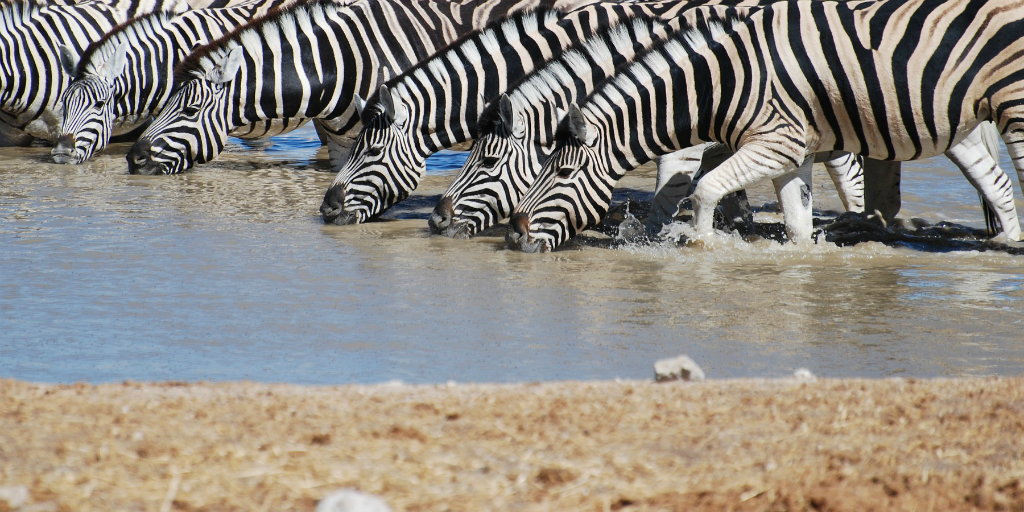
    A long time ago, Africa almost ran out of water because the sun was so hot that it dried up most of its water pools. Animals came from far and wide to drink from the few pools that were left. One day, a baboon sat making a fire next to one of the few remaining water pools that he ruled over and kept to himself. A young zebra and his father came from the grasslands in search of water to drink.

    image

    Original photo: “Zebra drinking” by Hilde Swets is licensed under CC BY 2.0

    When the baboon saw them approaching, he jumped up to guard his water pool with all his might and warned the zebras to stay away. The young zebra and the baboon got into a big argument.

    With a mighty kick, the young zebra sent the baboon flying into the air. He landed on his bottom, causing a patch of hair to fall out. 

    The young zebra, dizzy from the kick, stumbled into the fire next to the water pool. His white fur got scorched and left him with black stripes. 

    The zebra’s fur would never be plain white again.

    Scientists haven’t been able to determine the real-life origin of zebra stripes, so all we have is  folklore. As a field guide, you will share oral stories like this one with your guests on a safari drive.

    If there are kids joining their parents on the safari drive, you can play “Where’s Wally”. Instead of spotting the boy in the striped t-shirt, you can spot the animal with the striped coat.

    Let’s find out about some other zebra facts to add to your stories.

    What sound does a zebra make?

    Original video: “Zebra sounds” by  AlexTriceratops123 is licensed under CC0

    It may not come as a surprise that some zebras sound like horses. But it will surprise you that some zebras also sound like dogs, or people laughing, or even pigs.

    Sometimes zebras bark, bray, or snort, each with a high-pitched tone. Each sound has a different meaning — like saying hello or “get out of my personal space!”

    You can say hello to zebras every day as a field guide on a nature reserve.

    What do zebras eat?

    Zebras are herbivores and mainly eat grass. They also eat small bushes, twigs and leaves from trees that they can reach. 

    You probably wondered how many nutrients are in these simple plants? Almost none.

    Did you know that zebras have strong digestive systems, which helps them to live on diets with minimal nutrients?

    Where do zebras live?

    image

    Zebras are native to Africa. The zebra habitat is grasslands, some in the east and south parts of Africa. 

    A zebra species called the Grevy’s, can be found in Ethiopia and north of Kenya. Others are found on mountains, like in South Africa, Namibia, and Angola.

    Zebras can also be spotted in nature reserves where the species are conserved and protected. 

    Do you love wildlife like zebras and want to make an impact on wildlife conservation

    You can work with zebras and other wild animals. Join a field guiding course today.

    BY: Zaytoen Domingo

  • Fauna and flora, one species at a time

    Bushwise student Petri Oberholster shares how he’s learning to identify the nearly endless species of fauna and flora you’ll see in the Lowveld.

    Camp manager blogs are written by our current students who each get a chance to lead and manage a group (of their fellow students) for a period of one week.

    When I initially arrived at the Bushwise campus, I wasn’t sure what to expect or what practical skills and knowledge was required to become a field guide. However, soon after we went on our first instructor-guided game drive, it became evident that I needed a lot of knowledge of fauna and flora as well as their complex ecosystems.

    image

    As someone who grew up in the city, I didn’t necessarily recognise the subtle complexities that can be appreciated with adequate knowledge and training. I realised that there was so much to learn about tracks, botany, geology, birds, mammals and ecosystems. At first the amount of knowledge I had to gain felt overwhelming. 

    However, as I spent more time out in the bush practising and learning with the instructors, I soon realised that little by little I was learning to identify the different plants, tracks and animals. This process started by taking little steps at a time and focusing on detail. I soon realised that it was far better to start with one species and focus on each of its characteristics, than just to learn about everything in general.

    During our time at Bushwise we are assessed on each of both fauna and flora (animals and plants). For flora, there are various characteristics that one can use for their identification. The ones I like to focus on include leaf form and structure, bark, branches and flowers. 

    image

    Different characteristics and behaviour can also be applied to discern between various different species of fauna. We also focused on the identification of amphibians, mammals, reptiles, fish, birds and arthropods.

    In the process of learning all these characteristics, a whole new world opened up to me and I started to notice and appreciate nature more. I could suddenly identify the specific butterfly species that would fly past me on my walk to class in the afternoon. I could even use the tracks that were left on the path during our morning and afternoon drive to identify what animal had left them. 

    Recently, I’ve learned to identify the tracks of an African civet, a genet and a leopard. I also now know the marks left by an Eastern olive toad. I’ve begun to notice more than just a blur of trees, shrubs and grass while on a drive – I started to differentiate between each tree, shrub and grass, and pay attention to their role in the ecosystem and how they are utilised by local communities. Each has its own uses from medical to spiritual, not just shaping the land but also the culture and traditions of the local communities.

    image

    When my first practical mock assessment (game drive) started, I had the opportunity to test the knowledge I’d gained during my theoretical and practical training. When I identified different plant species, I could finally put my hours of studying to practical use. With relative ease I was able to distinguish between certain plants, like a sickle bush and false thorn, or zebrawood and silver raisin. At the end of the game drive, I really felt that all of the time and effort I spent in the bush was paying off – I had gained an immense amount of knowledge in just a few months.

    Our next big assessment required us to identify animals – including mammals, reptiles, fish, arthropods and amphibians – by sight and sound. The weekend before the assessment, I prepared by looking at tons of different images, studying them and their unique characteristics in detail and furthering the knowledge I had gained in the field. I played the sounds over and over so that I could identify different mammals and amphibians on sound alone.

    image

    I will always remember the early morning drives past the pan where frog calls were clearly audible and how I would try to memorise and identify the different sounds. The same applies to the mammals, I used the same technique to remember their calls during our game drives when I would practise identifying them in their natural environment.

    As the assessment started, all the practice again paid off. Each sound I had meticulously studied and practised was decipherable and each image they showed was easy to identify. I finally knew that all that time in the field was worth it.

    What if you too could identify fauna and flora just by listening to their sounds or looking at their leaves? Apply today and join Bushwise to learn all this and more.

    #gameranger #bushwise #qualification #safariguide #apprenticefieldguide #safari #cybertracker #trackandsign #fieldguidecourse

  • South African plants and cultural beliefs

    South Africa is home to a huge variety of plant life, with many plants holding important cultural, medicinal and spiritual values. Bushwise trainer Francois Theron explores the role of South African plants and why this knowledge is important for safari guides.

    South Africa is exceptionally rich in plant diversity and accounts for more than 20,000 species – that’s 10% of all plants found on the planet! Not only do we have incredibly high plant biodiversity, we also have great cultural diversity. South African plants are used by many people in their everyday lives for food, medicine, shelter and other necessities.

    Ethnobotany is the study of how different cultures use indigenous plants. People have been using plants for thousands of years all over the world, but in recent decades people have increasingly started moving from rural places into urban areas.

    image

    We see this across Africa, where people have access to modern healthcare systems and have moved from subsistence farming to cash crop farming. These changes in sociocultural lifestyles have impacted the indigenous knowledge of traditional and medical uses of plants.

    In South Africa, over 2,000 plant species have been recorded as used in traditional medicine. There is still a lot left to be documented about these plants and their uses. Although we live in a modern era with medical care being freely available, there is a growing interest in natural and traditional medicines. 

    Some of the most common South African plant-derived medicines that we learn about on a Bushwise course include quinine, morphine, codeine, aspirin, atropine and reserpine, to name just a few. Other discoveries include anti-cancer drugs like taxol and vincristine that come from the plant Catharanthus roseus, commonly known as the Madagascar periwinkle. 

    image

    South Africa is a major contributor to world medicine. We supply aloes, which are sold commercially for stomach problems, and buchu, which is used to treat inflammation and fight kidney and liver ailments. Another plant sold commercially is devil’s claw (Harpagophytum procumbens), which is used in Germany as supportive therapy for degenerative disorders of the locomotor system.

    In a more traditional application, the baobab tree, an iconic African tree, played an important role in the meetings of kings and elders. They would only hold meetings under the baobab tree as they believed the tree’s spirit would guide them in decision making. Another tree that plays an important role in religion is the sacred fig (Ficus religiosa). In Hinduism, Buddhism and Jainism, this tree is the tree of knowledge. In Judaism and Chistianity, it is the tree of good and evil.

    image

    Another common and popular tree is the marula. Few people know that this tree has protected species status in South Africa – due in large part to the important role it plays in local communities. Because marula trees are either male or female (the term for this is dioecious), it was commonly believed that drinking an infusion of the bark of the male or female tree could influence whether your baby would be a boy or a girl.

    In addition, weddings were traditionally performed beneath the expansive canopy of large marulas. Its fruit was even used to prepare the beer that was consumed at these weddings!

    For the field guide and prospective apprentice field guides, it’s of utmost importance to be able to identify these South African plant and tree species. Safari guides must also know their cultural importance and traditional and medicinal use. This knowledge can be used to educate visitors to the African continent and discuss the critical role plants play in our environment, history and culture. 

    image

    With over 20,000 species, the opportunities for discussion and engaging on the role of plants in South Africa can go on and on. It is our obligation as field guides, safari guides and trail guides to learn and understand these beliefs. We should share this knowledge with people visiting the bush,  so they understand the beauty and cultural diversity that this great country thrives on. 

    Does ethnobotany interest you? Part of our Bushwise IFGA Safari Guide course is learning about South African plant species. Apply today and learn more!

    #southafrica #bushwise #fieldguide #safariguide #training #apprenticefieldguide #safari #fieldguidetrainer #kruger #southafricanplants #fieldguidecourse

  • Astronomy and mythology: written in the stars

    This article was written by Ben Coley, Bushwise Trainer and author of the new Specialist Astronomy Qualification.

    Since the dawn of time, humans have looked to the heavens to understand the world.

    image

    From learning to interpret the passing of time, to navigating at night, to predicting the best times of the year to plant crops, our understanding of the night sky and astronomy has shaped our society. Not only have the stars given us the ability to plan our lives, they have offered us the ideal storyboard to record our cultural stories, memories, ideals, and experiences.

    For field guides, the diamond-studded sky offers a unique opportunity to discuss the cultural significance of man’s history. To be able to do this whilst immersed in the pristine wilderness is an experience that many guests will cherish forever.

    Let’s take a look at some of the most famous and beautiful stories that have migrated from the constellations to our consciousness.

    Orion

    Orion is undoubtedly the most famous and recognisable constellation in the sky. Many people are aware of the classic Greek myth depicting the great fight between Orion and his arch nemesis, Scorpio, the giant celestial scorpion. But its origins lie far deeper in human history.

    image

    Many of the constellations were adopted by the Greeks from ancient Mesopotamia, and Orion is thought to have originally depicted their great hero Gilgamesh from as far back as 3000 BC. Many of his exploits have been recorded in literature, and a series of tablets from Sumerian times, known as the Epic of Gilgamesh.

    In Africa, the three stars representing the great belt of Orion have been identified by different tribes and cultures as various different animals, including zebras, warthogs and even tortoises.

    In one story, Mintaka, Alnilam and Alnitak are believed to be three zebras that roamed the heavens. A hunter, depicted by the giant red star Aldebaran (Taurus), tried to shoot one of them with his arrow but missed. The zebra, terrified after their near escape, and by the nearby stalking lion (Betelgeuse), escaped to Earth when the stars touched the western horizon. In some Bushman cultures this is believed to be the origin of the zebra species on Earth.

    Crux (the Southern Cross)

    The Southern Cross is the most famous collection of stars in the southern celestial sphere. Its four main stars shine brightly and their unmistakable footprint has been used by ancient civilisations and sailors for millennia as a beacon for navigation.

    When viewed from Australia and New Zealand, Crux is a circumpolar constellation (never setting below the horizon) and has been so influential in their history that it has been honoured by being placed on the national flags of both countries.

    image

    In Africa, the Xhosa and Zulu tribes saw the Southern Cross as groups of giraffes parading across the heavens – perhaps placed there by the animals themselves, to ensure the Moon didn’t get lost as it traversed the skies. Bushmen tribes had a great deal of respect for lions, the apex predator with whom they shared the land – there are various references, often involving red-coloured stars, to these celestial beasts.

    To some groups, the four stars of the cross represented a pride of lions, with the dimmer fifth star (Epsilon Crucis) as their young cub. The pointer stars, or Alpha and Beta Centauri, were the two pride males following the pride as they continuously circled their hunting grounds in search of prey.

    Ophiuchus

    Ophiuchus, the Serpent Bearer, is the forgotten sign of the Zodiac and one of the most underappreciated constellations in the sky. It can be found close to Scorpius and Sagittarius and despite being overlooked as a zodiacal sign, the Sun spends as many as 18 days a year within its boundaries.

    The constellation represents Asclepius, the medicine man of the gods and is usually illustrated holding a rod with a snake wrapped around it. According to Greek mythology, Asclepius learned the secret of resurrection by watching a serpent revive its mate with some magical herbs. Hades, Greek god of the underworld complained to Zeus that this was too much power for mankind to have. Zeus agreed, striking him down with a lighting bolt and placing him in the sky to honour his life and service.

    To this day, many medical companies use the “Rod of Asclepius” as their logo, including the World Health Organisation.

    image

    Canis Major and Canis Minor

    The large and small hunting dogs are usually considered to be the faithful companions of Orion, aiding him in slaying Taurus, the bull. However, both these constellations have their own stories. Canis Major is thought to be Laelops, a great dog that could run down and capture anything it chased. It was gifted to Europa by Zeus after his seduction of her in Crete, along with a magical javelin and a bodyguard fashioned from bronze.

    Canis Minor is thought to be the Teumessian Fox, another mythological creature that could never be caught. For reasons unknown the giant man-eating fox was set upon Thebes and created havoc amongst the people. Laelops was brought in to capture the menace but since their magical powers cancelled each other out, the two protagonists engaged in an endless pursuit before Zeus finally turned them both to stone and placed them in the sky.

    Aquila

    Aquila represents the faithful eagle that served Zeus, carrying his lightning bolts and delivering him the souls of heroes. It has been suggested that at some Roman emperors’ funerals, an eagle was lightly fastened to the top of the pyre so that once the bird’s feathers were singed by the flames, it would break free and take to the skies, carrying with it the emperor’s soul.

    The story of Aquila is also coupled with Hercules and the unfortunate events surrounding the titan, Prometheus. Some sources suggest the human race was sculpted out of clay by Prometheus and the titan was intent on improving the lives of his creation.

    image

    In one story, he stole fire from the gods and gifted it to mankind. Zeus saw this as a great betrayal and punished not only Prometheus, but all of mankind. He fashioned Pandora, the first woman, and sent her to Earth with a box containing misery and evil that was soon opened by people, its contents spreading great pestilence to the world. This is the origin of the fabled notion of not opening Pandora’s Box for fear of the repercussions!

    The immortal Prometheus was chained to a rock and Zeus sent Aquila, his faithful eagle, to peck at his liver every day. Being immortal, Prometheus’s liver would regenerate each night, only to befall the same fate the next day. Prometheus was doomed to suffer this anguish for eternity but was eventually rescued by Hercules, who killed Aquila with one of his poisoned arrows.

    Learn more about our night sky

    The beauty of constellation mythology and cultural starlore is that we have no way of knowing exactly which stories are true. In fact, the truth is irrelevant. The stars became the ultimate tapestry for cultures to record their ideals and their beliefs, and the sheer diversity of stories is a treasure trove for any budding guide to regale to their guests. Be it African, Greek, Roman, Egyptian, Mesopotamian, Aztec, Aboriginal or the Hopi from North America, there is a tale that will resonate with every guest.

    image

    Bushwise now includes a specialist astronomy course, based on the new Advanced Astronomy qualification, with the intention of arming its students with a plethora of information about the night sky and the cultural sagas depicted within.

    We hope this unique knowledge will not only make our guides unique within the industry, but also arm them with the ability to wow their guests – inspiring them to unleash the power of their imagination, and share this new-found knowledge with friends and loved ones across the globe.

    Expand your knowledge of the night sky and astronomy while you train to become a field guide. Apply today and start your career journey with Bushwise.

    #gameranger #bushwise #fieldguide #stars #safariguide #astronomy #apprenticefieldguide #nightsky #fieldguidetrainer #sightings #zodiac #fieldguidecourse

  • We should learn from the fascinating Apple-leaf tree

    BY: Andy Dill, Bushwise student 2020

    I recently came across a quote by Hal Borland which reads “If you would know strength and patience, welcome to the company of trees”, this got me thinking about how a specific tree has helped me with valuable lessons and just continues to teach me about life. It is the Apple-Leaf tree.

    image

    My love affair with this tree started from the minute I first read about it, its odd appearance and quirky name, the way it stands out from the crowd, is easily recognisable and the almost goofy nature to it, fueled me to find out more. The deeper I dug the more I fell in love.

    An often solitary tree in the Savanna, unafraid, to be alone and growing in whichever direction it’s drawn showing a beautiful sense of wanderlust and independence, got me thinking about how we as humans have somewhat grown away from this. Always wanting recognition, gratification and approval, ahead of actually being comfortable with who we are. There is a special magic, about spending alone time with nature and the Apple-leaf is the perfect example of this.

    The slow, unrushed growth of this tree gives it a very hardy wood and the best opportunity for survival against the worst of storms and winds, showing the merit in patience and perseverance. And that whatever we are trying to achieve in life, let it happen, allow it to be slow. We will be rewarded for it later.

    image

    Not only does this tree stand proud and is seemingly unafraid of the opinion of others, but it also has a nurturing side to it in that it acts as a pioneer species for an area by increasing the nitrogen levels in the soil and thus paving the way for new life. This caring side to the Apple-leaf shows us how important it is to enhance the area around us for the lives of others and work as a community for the greater good.

    Often referred to as “The Rain Tree”, during certain times of the year the Apple-leaf gets attacked by the Spittlebug (Ptyelus grossis) causing exudation of water from stems and branches, to such an extent that it creates an impression that there is a light drizzle. The Apple-leaf again choosing to see the positive, actually uses this moisture to almost “self water” and because of this is able to survive in drought conditions.

    It comes as no surprise that in local folklore it’s said: “if you keep a piece of the root in your pocket, you will always have friends.” As well as “The Apple-leaf is said to be a lucky charm and is used to resolve disputes.”

    image

    So much of what I personally struggle with in life, Where to from here? How do I look to others? Is age catching up with me? All of this is eased when I think of the Apple-leaf and how it finds a way to survive and enjoy life; while helping others to succeed and grow around it. With the world in its current situation of fear and angst with the Coronavirus, I think a lot of us should take a step back, slow down and be more like the Apple-leaf.

    Learn all about botany and trees on a course with Bushwise!