Category: Student journeys

  • My duty as camp manager

    BY: Shaun Farnworth

    Camp manager blogs are written by our students who each get a chance to lead and manage a group (of their fellow students) for a period of one week. 

    I was a camp manager for the second week of my Bushwise Field Guides course. The week kicked off with driving around campus, getting used to the vehicles and learning about the trees. After the introductory days were done, we headed to the Makalali Game Reserve.

    image

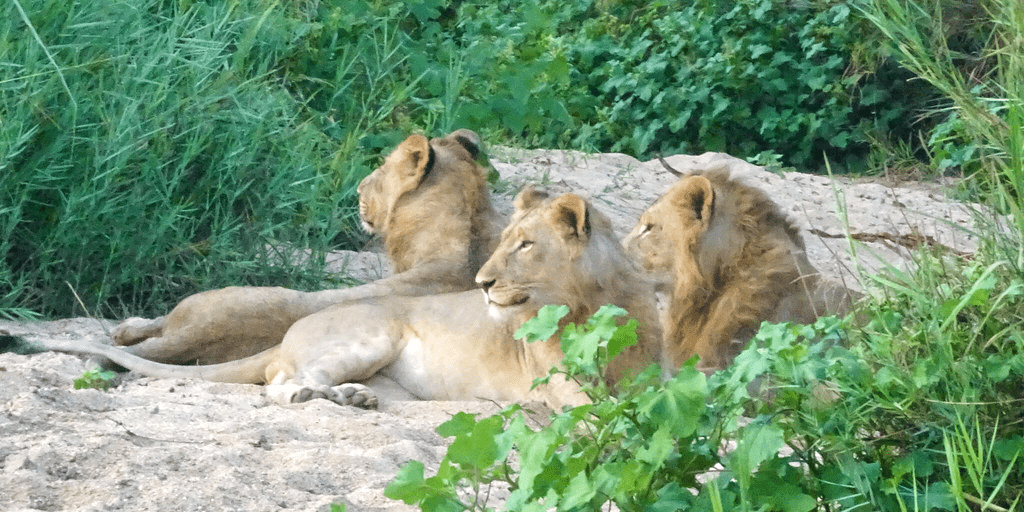
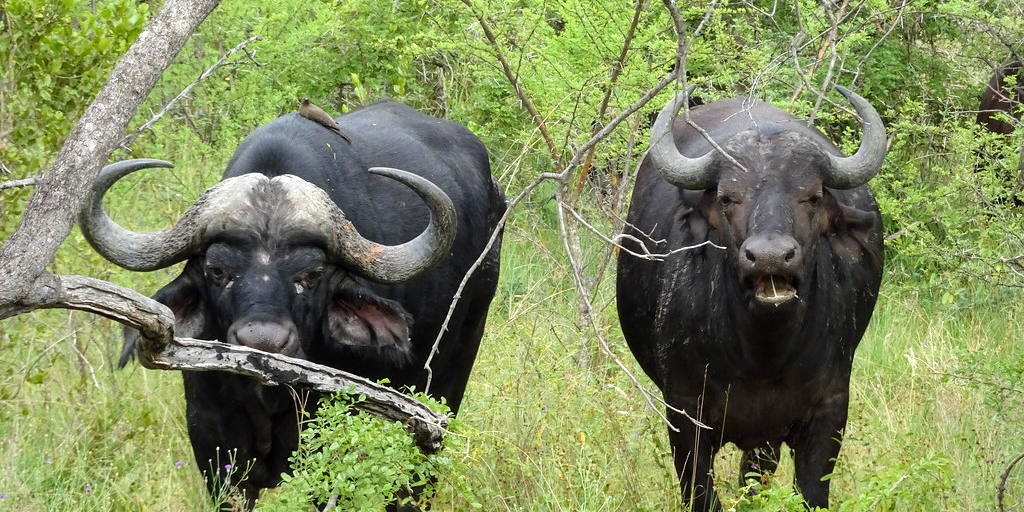
    We had some great sightings on our first day at the reserve. We saw a pride of lions being chased around the riverbed by two “dagga boys” (solitary male buffalo). 

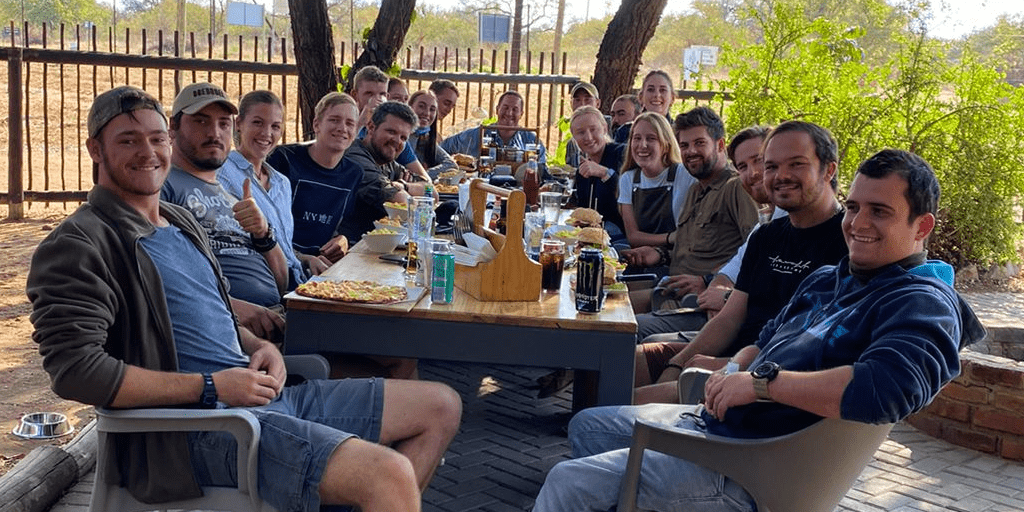
    Back at camp, everyone got to know each other better, and there were good vibes all around. Most nights, we overate on the absolutely amazing food that Rose and Iris, Bushwise’s in-house chefs, prepared and cooked for us.

    image

    PHOTO BY: Shaun Farnworth

    With such incredible things to see around camp, a group of us walked the perimeter almost every night, looking at all the big and small animals there were to see, like civets, honey badgers and bush babies. 

    After returning from one of our walks, one of the other students jumped out of his cabin and called us over to have a look at what he had just witnessed. 

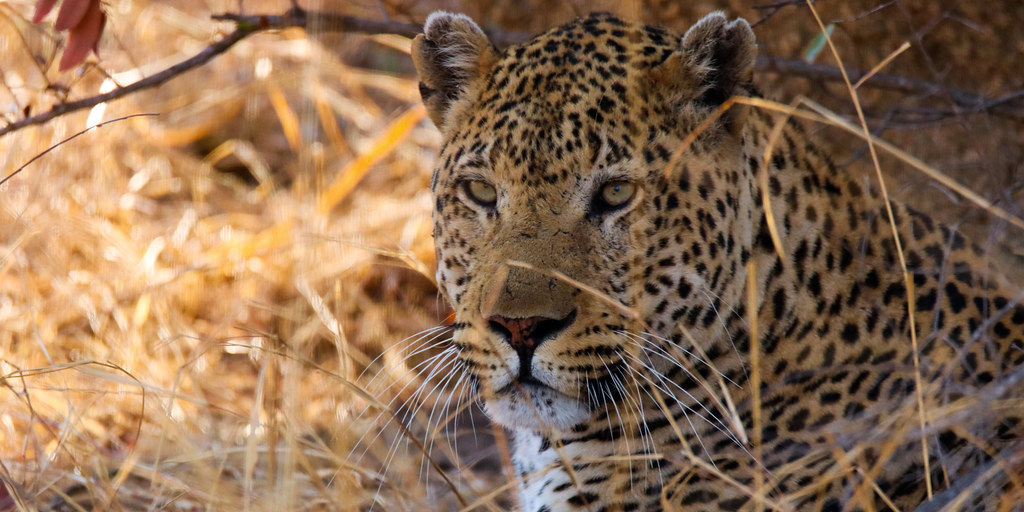
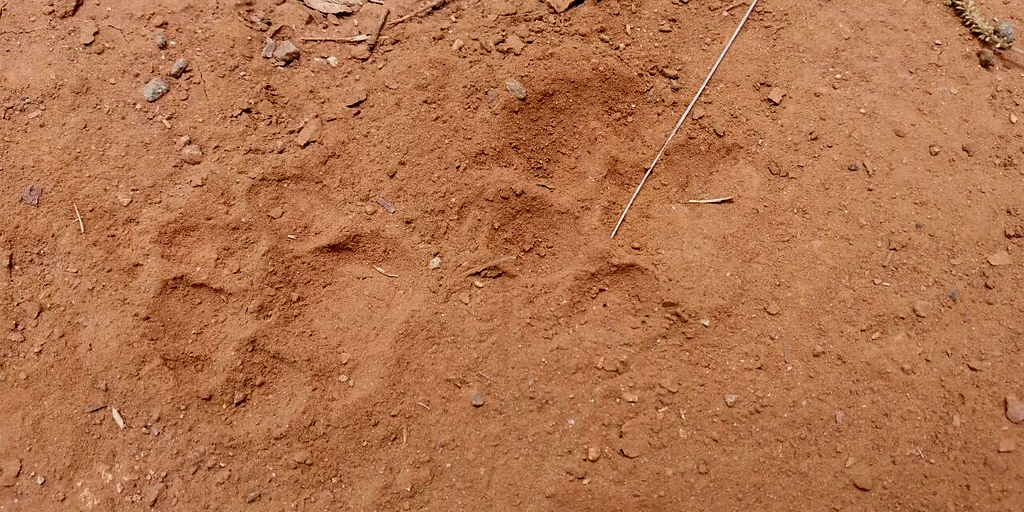
    A leopard had tried taking down a bushbuck in-between the game viewers. We immediately went to investigate. We found tufts of hair and prints under one of the viewers, but no leopard was spotted.

    image

    The bushbuck passed away a day later. It’s carcass was moved into the bush with a camera trap set up to see if the leopard would return, but it didn’t.

    Now that my time as a camp manager has come to an end, I think my favorite part was getting to know everyone better.

    You can have an experience like Shaun by joining a Bushwise course now.

  • A year in the making

    BY: Callum Evans

    Camp manager blogs are written by our students who each get a chance to lead and manage a group (of their fellow students) for a period of one week. Callum has just started his Bushwise Field Guide course and was selected to be the first camp manager. 

    My goal of one day embarking on a Field Guides Association of Southern Africa (FGASA) course finally became a reality on 8 July 2021. At the end of the last year I signed up for a year-long course offered by Bushwise Field Guides. Fast forward eight months and I’ve caught a shuttle from OR Tambo International Airport to arrive at Bushwise’s Mahlahla Campus in the middle of the Lowveld region. 

    First experiences 

    After an introductory briefing by the Head Trainer Vaughan, we had a much needed dinner, an incredible chicken curry made by the two chefs Rose and Iris. After dinner, we went to get sorted out in our rooms and have a well-earned sleep.

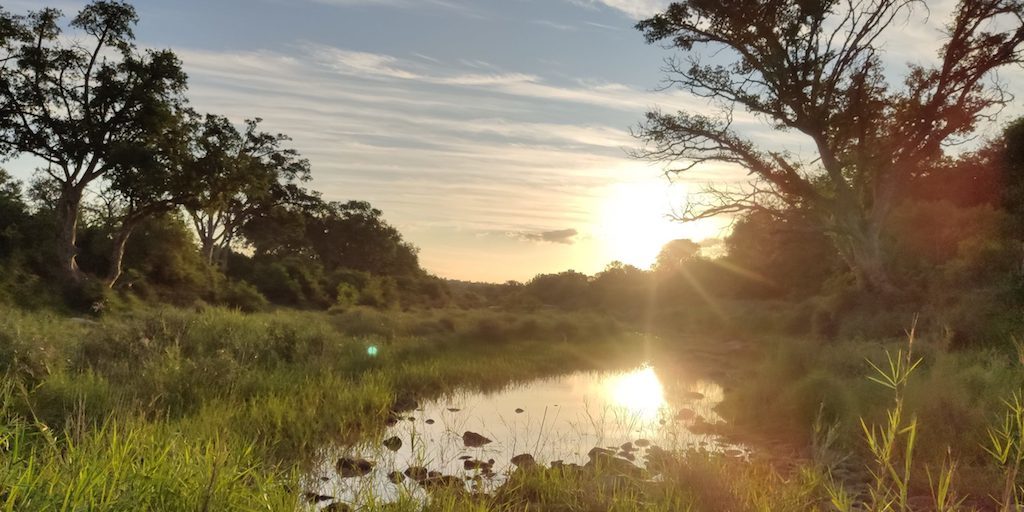
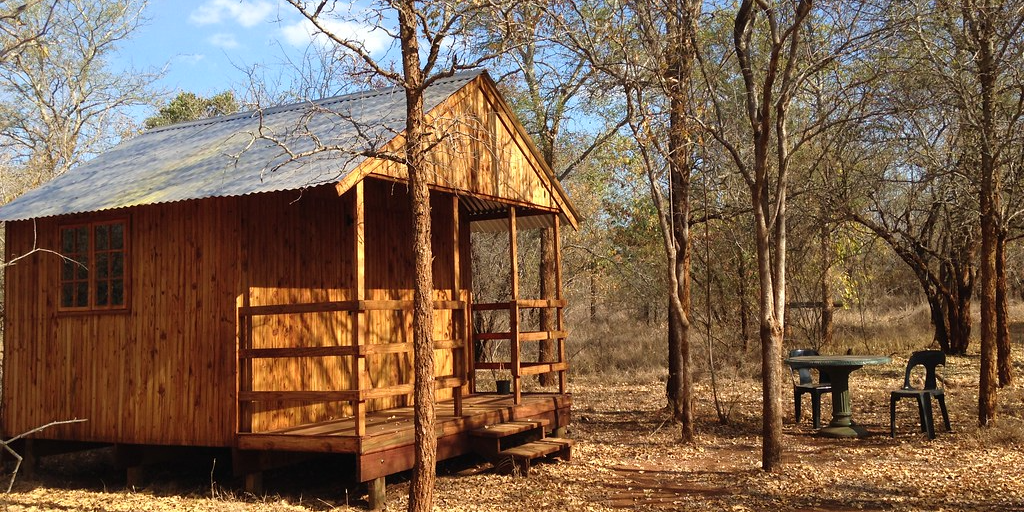
    The next morning, we all got our first good look at the campus. In the early morning, the view was everything I’d expected and more. The warm light seeped among towering trees in  between our rondavels and cabins. 

    image

    The next two days involved a lot of admin and preparation for the next six months. It was on the first day that I found out that I would be the first of the 20 students to take on the role of camp manager, which was quite a shock. It was my first week at Bushwise and I was going to be the camp manager for the first five days. 

    Camp manager, right out of the gate

    At first, I was quite stressed out when I found out about this and was worried that the responsibilities would be overwhelming (particularly since I had little experience in leadership roles before arriving at Bushwise). But I knew that this would not be the first time I would find myself outside of my comfort zone on this course and ultimately this would help me, so I decided to give it my best effort. 

    One job was taking everyone’s temperatures twice a day to monitor for COVID-19 symptoms. This could sometimes be challenging since some people arrived late for meals on occasion. I also helped out where I could on campus, checking for any signs of animal damage or loose trash, making sure the bins were emptied and dishes washed, coordinating with that week’s group leaders and making sure everyone was on time for meetings and meals.

    Wildlife in the bush

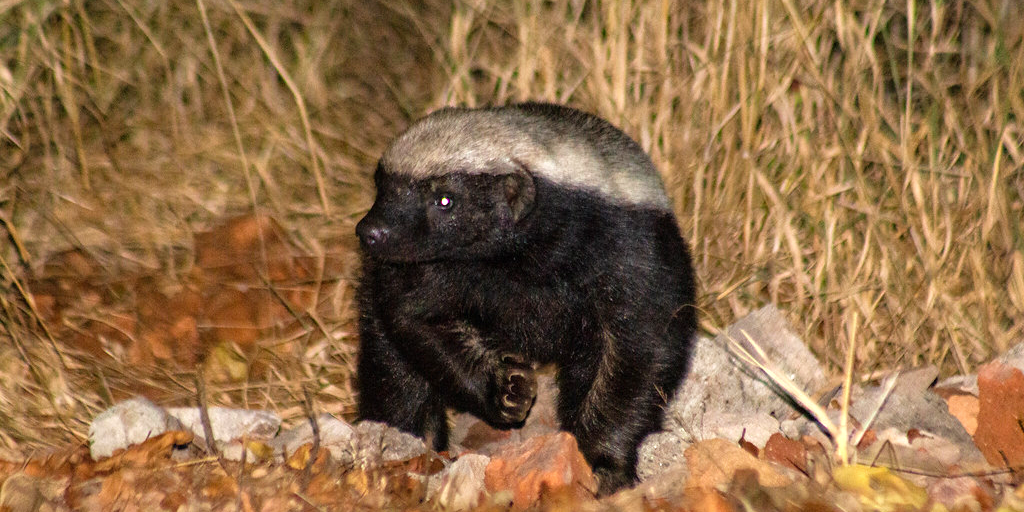
    When living out in the bush, you soon realise how many of the animals in the area are quick to take advantage of the presence of people. At night, several animals are quite bold and walk around the campus in search of scraps of food. Most nights, the two local honey badgers visit the kitchens and often knock over the bins to see if there’s something left behind. So it was quite important to have the bins empty every night! 

    image

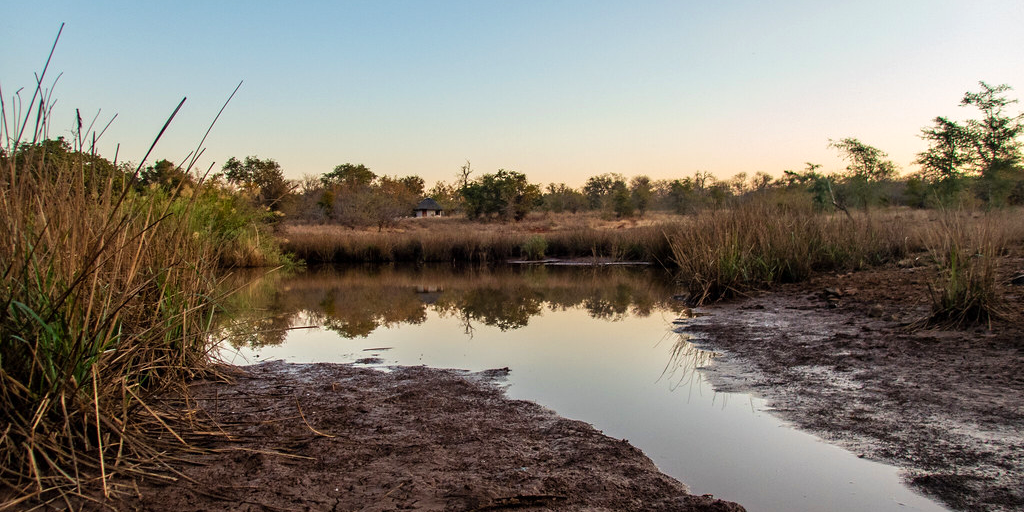
    Over the course of the week, we were lucky enough to see several nyala, a bushbuck ram, a grey duiker, civets, genets, tree squirrels, the honey badgers and a couple of people even saw a porcupine visit the bio-bins. A family of dwarf mongoose paid a couple of visits to campus. Sable and warthog occasionally visited the dam, along with hamerkops, a grey heron, and pied and brown-hooded kingfishers. 

    As the week progressed, more and more birds began to appear in camp, including pearl spotted owlet, black-collared barbet, yellow-bellied greenbul, brubru, bearded woodpecker and several species of sunbird and hornbill. For a nature lover, this place is paradise.

    It isn’t all about the wildlife

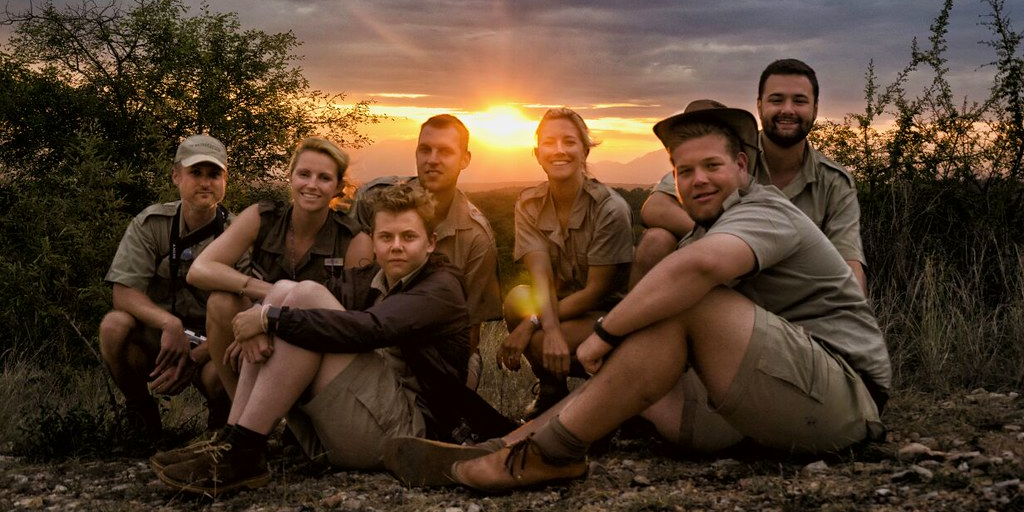
    While the wildlife has been incredible so far , it is the people who ultimately make or break a course like this. It has been amazing to see how quickly everyone has started to get along and work together in the way that they have been doing. 

    image

    The next few months will really test our abilities to work together, which will determine our success as field guides. I think the same is true for our periods as camp managers. While those days were a challenging new experience for me, I hope that that experience will help me over the next six months at Bushwise, and maybe beyond too.

    You can have an experience like Callum by joining a Bushwise course now.
  • First week on the job

    BY: Christie JANSE VAN RENSBURG

    Camp manager blogs are written by our students who each get a chance to lead and manage a group (of their fellow students) for a period of one week. Christie has just started her Bushwise Field Guide course and was selected to be the first camp manager.

    Being camp manager during week one

    I was nervous but also excited when I was selected to be the camp manager from 9 to 17 July 2021, during the very first week of our Bushwise Field Guide course at Balule campus. 

    image

    We were all still finding our feet at our new house in the bush, so it was quite stressful to be the first camp manager. I didn’t know what to expect and the students also didn’t know each other well yet. But once I got into it, it became a very eventful, exciting and rewarding experience!

    What does a camp manager do?

    Being camp manager requires you to take up a number of responsibilities. For example, camp managers man the camp radio to stay in touch with instructors in case anything happens out in the field. I also had to ensure that all duties assigned to the two different groups at the campus were completed. 

    On Wednesday 14 July, I had to host an evening event where I provided a presentation on the week’s main news events. This included updates that ranged from news on what’s happening in South Africa to the weather. I also included some awesome news about animals and that we might have found a new bioluminescent centipede species on the Balule Bushwise campus (currently sent for research to be done on it). 

    image

    As camp manager I also had to arrange some games as entertainment for students, and decided to include these names by playing my game called “The Shangaan”. 

    In this game, the students each drew a Shangaan name and had to find their hidden English animal match around the classroom and kitchen. This was great, and now even one and a half weeks later – most students already know many Shangaan names. Sometimes, they’ll even introduce themselves as their own Shangaan name along with the English translation.

    My other game was the famous “bok-drol spoeg” sport. That was also great fun. 

    Our first game drives

    On Wednesday on 14 July we had our first game drive. We were extremely excited when we saw nearly all of the Big Five animals, just missing leopard and lion, in just three game drives.

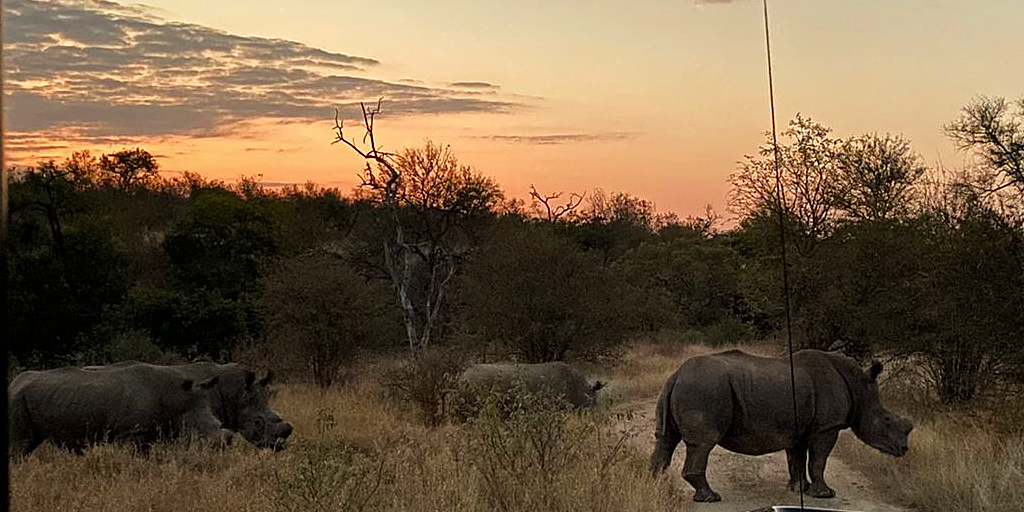
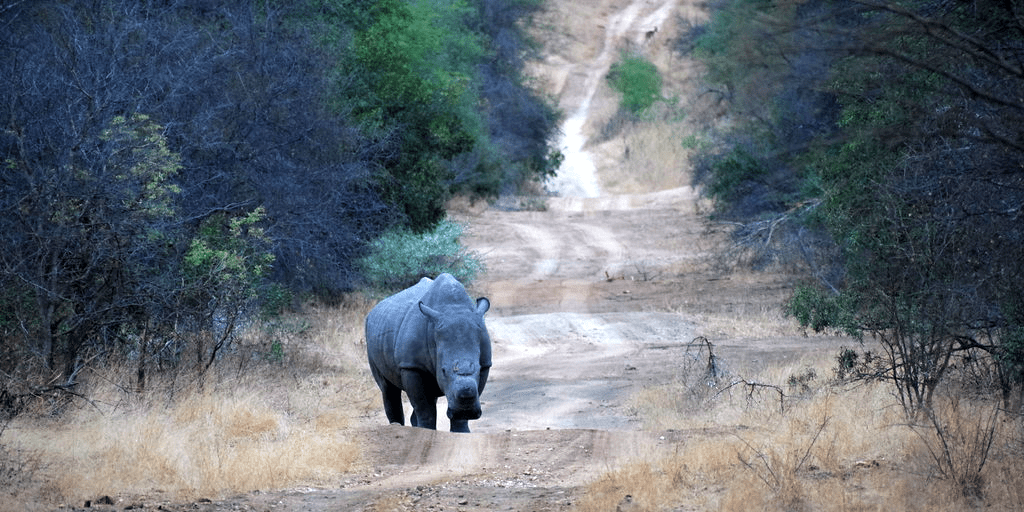
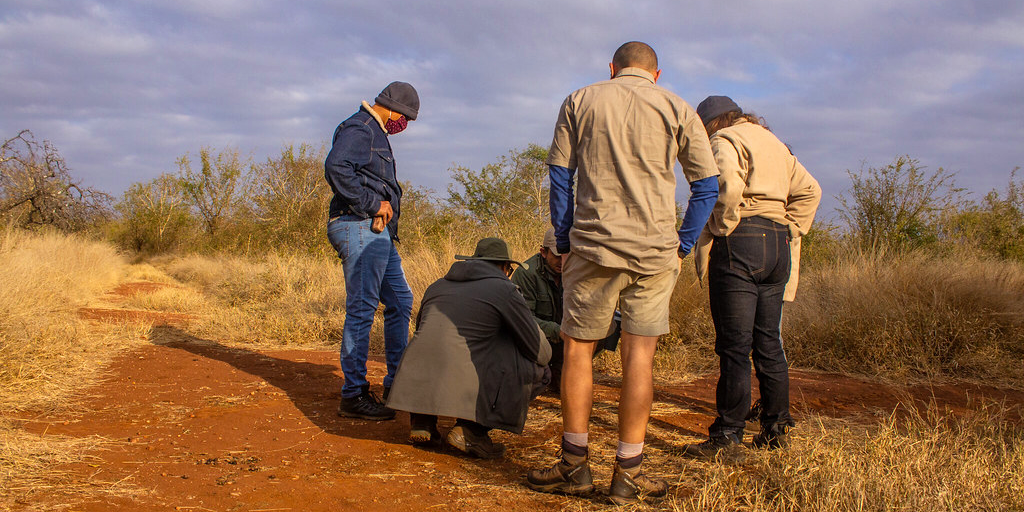
    We did come across some lion tracks, but had to be satisfied with only hearing them roaring at night. On our Thursday morning drive we came across fresh white rhino tracks along the dried up riverbed.   We told everyone when we got back to camp, so when group B went to the same location during their afternoon drive they had some excellent sightings. 

    image

    During our first week of game drives we also had our first opportunity to learn how to drive the big cruisers. I’ve always loved to drive big vehicles and this was just the cherry on the cake for me. 

    Conclusion

    My week as a camp manager was rewarding, and I was impressed by everyone’s efforts and work they put in. I didn’t have any issue telling anyone to complete their duties. 

    We learned a lot in the first week. Some areas that I used to find less interesting (trees, birds, insects, arachnids and astronomy) are now topics I can’t get enough of. I am so fascinated by everything and eager to learn more as the course progresses.

    image

    I am astonished that we’ve already learned so much in such a short amount of time, how close our friendships have become and how exciting this course really is. So far, it is the most amazing experience I’ve ever had. This is a great course to do when you really feel like you belong in the bush. 

    Thank you Lindi, Jack and Ryan for everything you’ve taught us and will teach us in the times to come. This is one experience that will never be forgotten. 

    You can have an experience like Christie by joining a Bushwise course now.
  • Forget animals. Field guiding’s about people too.

    BY: Geena Wegner

    Camp manager blogs are written by our current students who each get a chance to lead and manage a group (of their fellow students) for a period of one week. Geena was part of our January class and led the group earlier in the year.

    “Who is doing this course because they love animals?” 

    This was one of the first questions that the students were asked on the Bushwise field guide course at the beginning of the year. Understandably, several people put their hands up. “The field guide industry is more about people than it is about animals,” said the trainer. 

    Initially, this came as a bit of a shock. The biodiversity of the Bushveld was one of my main deciding factors when I opted to pursue field guiding. But, over the course of the last six months, I came to understand the importance of this statement. 

    image

    People are creative. Oisin attempted to make marula beer using the fruits of the marula tree. Johan carved an incredible walking stick out of tamboti tree wood. And Jack taught us how to weave coasters using wild date palm leaves. 

    People are passionate. Jared is extremely knowledgeable when it comes to reptiles. Brendan has become the biggest birder on campus. Danny is an amazing photographer and Sarah absolutely adores butterflies. 

    image

    People are caring. “Can I make you a cup of coffee?” “Remember your jacket for the morning drive!” “What did you see during your bush walk this afternoon?” “Good luck with the test!” “Who wants the last muffin?”

    People are excitable. Foulsham is always on the lookout for the Burchell’s coucal. Erin loves seeing elephants. Lindi starts dancing when someone passes their Advanced Rifle Handling exam. Taya’s face lights up when she hears a familiar bird call.

    image

    People are adventure-seeking. Our days are filled with game drives where we look at birds, bush walks where we search for buffalo herds, study sessions where we learn about insects, coffee breaks on the deck where we take in our surroundings and staying up late to build up our friendships. 

    “The field guide industry is more about people than it is about animals.” 

    Although this statement was aimed more at the guest aspect of field guiding, my trainers and fellow students have taught me so much more than I could have ever imagined. 

    image

    The biodiversity we experience daily is an undeniable privilege, but it’s the people that make it worthwhile.

    Click here to meet some of the incredible people you’ll meet on base.

  • Leading game drives, hosting dinners and studying

    BY: Grant Helfrich

    Camp manager blogs are written by our students who each get a chance to lead and manage a group (of their fellow students) for a period of one week. Grant was a Bushwise student from our January 2021 class, this is a blog based on his experience as a camp manager earlier in the year.

    My week as camp manager started differently from previous weeks. We spent time practising our hosting and practical skills and lead game drives. Unlike the last term where we led in groups of three, this week, individual students led game drives because we now have the confidence and experience to lead solo.

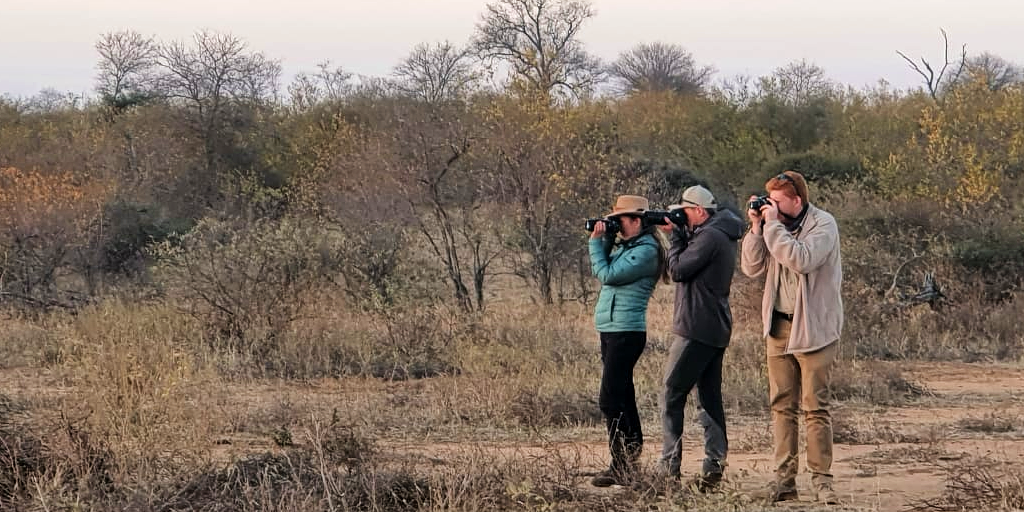
    Jared, the previous week’s camp manager, handed over the official camp manager radio and Daniel began the 5:00 game drive. The rest of us would act like the guests, asking questions and taking photos of all the birds and animals we saw. We mostly photographed mostly birds because the group was mostly made up of keen birders. 

    image

    The next two days were full of safaris hosted by my fellow classmates. On day one, Matthew hosted in the morning, and Taya in the afternoon. Sarah hosted in the afternoon of day two. 

    In addition to our hosting duties, we had four lectures during the week: 4×4, botany, grasses and fish. We also had Trevor and Sharin stop by to tell us all about a wonderful opportunity with Lowveld Trails that we could join after our course has come to an end. This was especially attractive because it would get you some of your hours and encounters on a walking safari if you want to become a Field Guides Association of Southern Africa (FGASA) SKS (Dangerous Game) Guide. 

    To practise my skills and get experience,  I hosted a dinner for my classmates on Friday evening. I told some interesting facts and mingled around with some of the “guests” in casual conversation. 

    image

    On Saturday, we wrote botany and fish tests, which meant we were all studying like crazy before. 

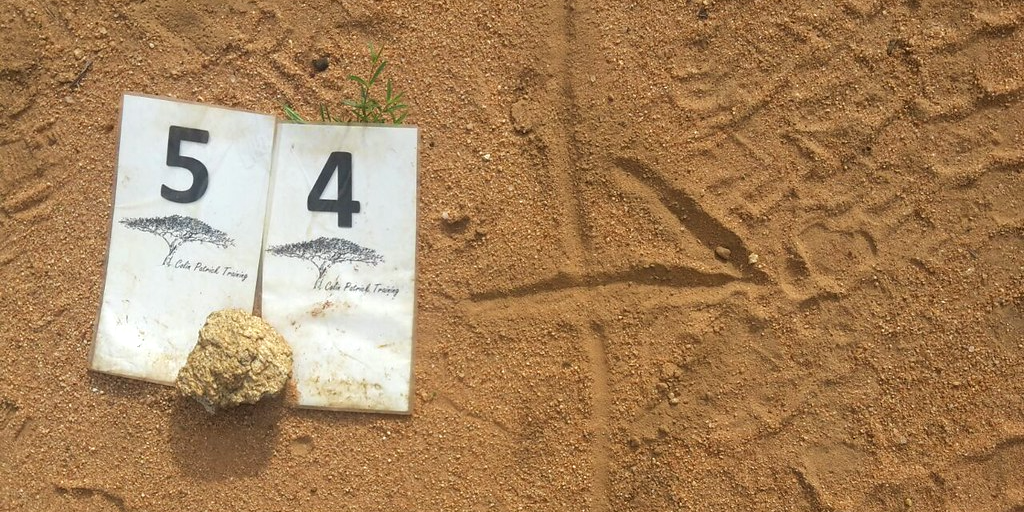
    On Monday, half of our group started their track and sign course with Colin Patrick, who is a very passionate and enthusiastic tracker.  

    image

    From Tuesday onwards, we all focused on our remaining courses. Half the students were preparing to start their rifle competency course, the other half had a variety of studying to complete.

    image

    My week as a camp manager was one to remember. It challenged me, and taught me a lot of great skills I know I’ll utilize throughout my field guide career. I’m excited to see what’s to come!

  • The Balule bird nerd

    BY: Brendan Davis PHOTO BY: Brendan Davis

    Camp manager blogs are written by our current students who each get a chance to lead and manage a group (of their fellow students) for a period of one week.

    One of the most underestimated and underappreciated classes in the animal kingdom is the Aves. I was one of the many people who had lived my life completely unaware of the intricacies and enjoyment that can be found in this vast group of animals. 

    Growing up in Johannesburg, the only association I had with birds was not positive, thanks to the hadedas that habitually sit on the rooftops of houses at 6:00 every morning, shouting their awful call and ensuring that every person within a 100-metre radius does not get another minute of sleep.

    image

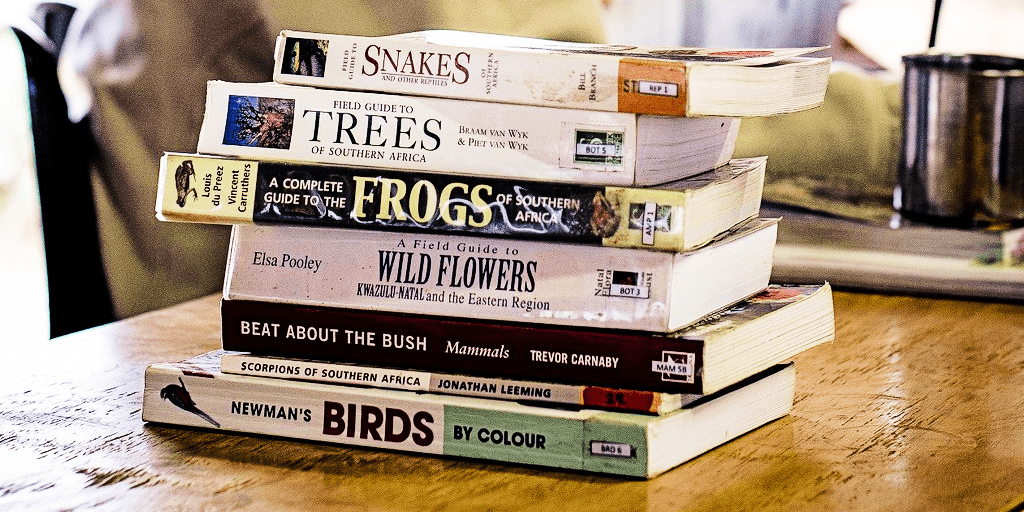
    When I enrolled at Bushwise, I had no idea that a whole new world was about to open up for me. Arriving at Andy’s Camp on Balule Private Nature Reserve, I could not have told you the difference between a barbet and a bulbul! With my goal being to work hard and learn as much as possible to become a great field guide, I sat down with a bird book and started learning about these fascinating creatures.

    Before I knew it, I was going on game drives looking to the sky rather than on the ground. I would sit on the deck of my room for hours on end looking through my binoculars at whatever would appear in the riverbed below. 

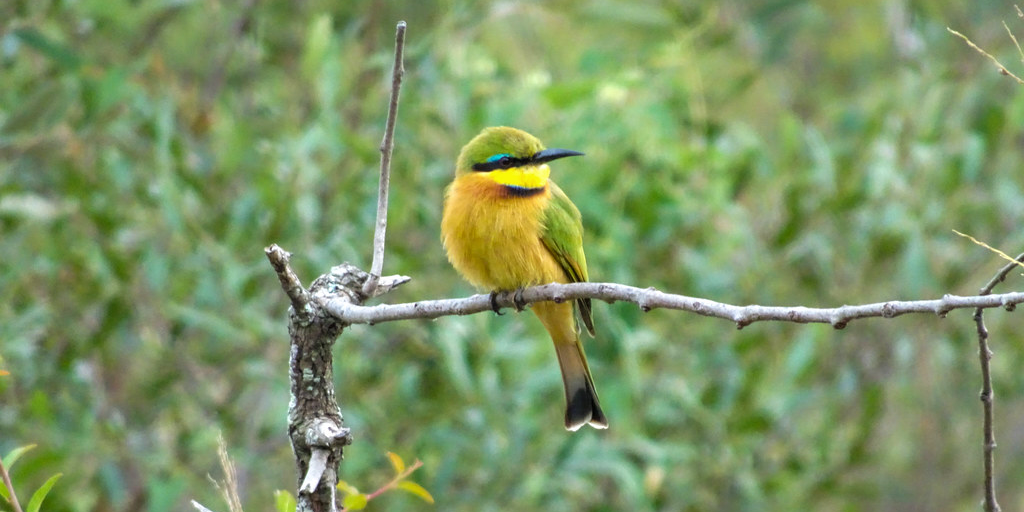
    The highlights of my day would consist of watching a diedrik’s cuckoo float around the bushveld feeding, or enjoying a woodland kingfisher sit on his early morning perch, calling at the top of his lungs to contribute to the dawn chorus. 

    Birds contribute so much to the ecosystem and have an infallible ability to make any drive or walk entertaining, especially when the mammals are not showing face.

    image

    The students made a bird group called the Balule Bird Nerds, and we would use our Saturday mornings to go out on bird walks or drives with the trainers. The most species recorded in one day was 66. 

    All sightings throughout the course were logged on BirdLasser, which contributes to the tracking and monitoring of species movements. I started at Bushwise on 8 January with zero birds on my bird list. And only five months later, I’m sitting on a healthy 199 birds. My goal is to now work towards obtaining the Field Guides Association of Southern Africa (FGASA) Regional Bird Guide Certificate, specialising in savanna bird guiding and then continuing towards the SKS (Birding) Qualification. 

    If you are ever heading on holiday to the bush, or anywhere for that matter, I strongly recommend taking along a bird book and seeing what species you can identify and enjoy! 

    image

    I can’t thank Bushwise enough, and Jack and Lindi Hutchinson in particular, for the wide scope of knowledge I have gained during my time with them. While birds have been the focus of this blog, I can safely say that whatever topic piques your interest, Bushwise will help you feed your passion. Take the leap and start doing what you love!

    Find out which animals pique your interest by joining one of our field guide courses.

  • My experience at Bushwise

    BY: Carel-Louis Steenkamp

    Camp manager blogs are written by our current students who each get a chance to lead and manage a group (of their fellow students) for a period of one week. Where do I begin? The past six months at Bushwise have contained a bit of everything. It’s been action-packed, adventurous, funny, sad, and at times, even a little frustrating. 

    The friendships and bonds that were formed among students and staff are priceless, and something that I will cherish for the rest of my life. We grew together as a family, learning the ways of how things are done in the bush, and getting to know ourselves better too.

    image

    The first semester focused on studying to increase our knowledge about the bush. We wrote weekly tests on all the CATHSSETA modules, like advanced rifle handling (ARH) and viewing potentially dangerous animals (VPDA). These tests helped to prepare us for the CATHSSETA Apprentice Field Guide theory test, and paid off greatly with a 100% pass rate for our campus. 

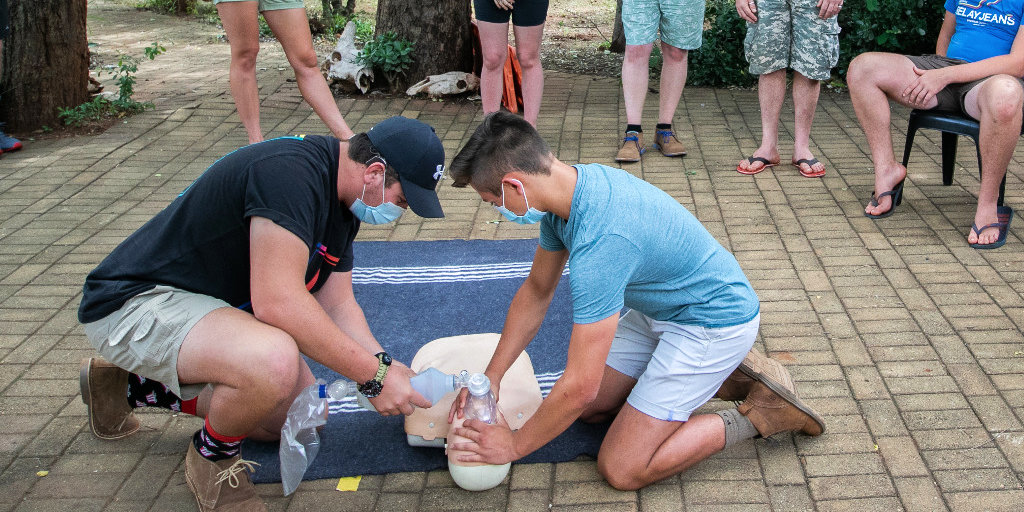
    We went on daily morning and afternoon game drives, where each student got the opportunity to drive and guide the group. This prepared us for the practical assessment of the CATHSSETA Apprentice Field Guide qualification. What makes Bushwise unique compared to other training schools, is the extra training they offer to give students as many qualifications as possible. This helps students to stand out as Apprentice Field Guides when applying for jobs. A few examples of additional training that Bushwise offers includes 4×4 training, an in-depth photography lecture and first-aid training.

    image

    After we wrote the theory exam, it was time for the real fun to begin. We spent a week with Colin Patrick, where we learned about Tracks and Signs. This gave us a new perspective of the bush. I found it mind-blowing that you can gather so much information about an animal just by looking at its tracks. During this time, we also obtained our rifle competency training, which was very interesting for me as I’ve never worked with guns before. This was followed by days of dry firing .375 rifles to help us practise how to handle rifles safely in the bush.

    The practical drive assessment training was a very stressful week! This was the make-or-break moment of the course, so naturally the nerves got to all of us. 

    image

    It was funny to see how some of the students’ personalities changed when they were nervous. All of us made a few minor mistakes and everyone shared a good laugh with one another. But, at the end of the week everyone was smiling because everybody passed their assessment.

    The final semester focused on walking trails and practicing for the ARH assessment. We saw interesting animals and learned how different people react in their fight-or-flight response. 

    The ARH assessment eventually got its turn and we had to give it our best shot to try and successfully complete all the different exercises. This was just a summary of the events that stood out for me, but at Bushwise, you’re always kept busy with fun activities, tasks and new assessments that you have to prepare for.

    image

    These past six months had a massive impact on the person I am today. Bushwise courses allow you to connect to nature, create new hobbies (birding is mine), build confidence and get to know who you are. What I found funny is that prior to starting the course, I thought that I already had a good understanding of the bush. After these six months, I was surprised to look back and remember that I walked in here without really knowing anything.

    And, even though we meet the CATHSSETA standards and have much more knowledge of the bush compared to the average person, I  know that our knowledge is still a drop in the ocean. Bushwise has successfully managed to grow my passion for nature, and it’s because of this that I will strive to keep on learning.

    You can have an experience like Carel-Louis by joining a Bushwise course now.
  • Geology’s role in safaris

    BY: Darryn Murray, trainer at the Bushwise Mahlahla campus 

    So, your holiday is planned. You’re off on safari to one of Africa’s many wonderful game reserves, or national parks. 

    How will having an understanding of geology help you to find the ever elusive leopard, a particular bird species or maybe even the very sought after ground pangolin? Let’s start off by answering some questions.

    What is geology? And why would it play such a big role in a field guide’s career?

    Geology is the study of the composition, structure and history of the Earth. Planet Earth is made of rock composed of various minerals. By studying the geology of the area you’ll be travelling to, you can understand the various soil types that occur there and the vast array of wildlife that’s associated with them.

    image

    How does geology affect soil and wildlife?

    Soil is formed due to the natural process of weathering and erosion of rocks. The composition of the original rock gives us a better understanding of the type of soil that can be found in a particular area. The soils determine the types of vegetation as well as the densities that they can be found in.

    In turn, the various types of vegetation will determine the different browsers, grazers, birds and insects that will be attracted to them. The browsers and grazers will naturally attract predators (and scavengers), both big and small into the area.

    Certain species of plants attract certain species of insects, which attract their own predatory species such as birds and reptiles. All of these interactions are what make up a safari experience.

    Topography: What is it? And how will this help?

    The topography (shape and slope) of the landscape affects the quality of soils and where they are likely to be found. Generally, the tops of slopes are nutrient poor. The bottom of slopes are nutrient rich due to rainfall and other factors such as gravity carrying valuable minerals downhill.

    That’s why the bottoms of hills are likely to have a higher concentration of flora and wildlife. 

    image

    Water: What role does H2O have in this?

    The geology and topography explain how, why and what the soils do, but the rest comes down to water availability. Without a steady or constant water supply very few plants will grow. This will not be an ideal area for wildlife.

    Before heading out on your next safari, read up about the geology, topography and water supply in the area. Then study up on the preferred habitat types of your favourite animals. And who knows, it might mean better sightings on your next safari.

    image

    See the most interesting wildlife animals by joining one of our field guide courses

  • Exam week

    BY: Sarah Bennett

    Camp manager blogs are written by our current students who each get a chance to lead and manage a group (of their fellow students) for a period of one week.

    This was the week we had all been waiting for. That we had all been studying, reading, and testing for.

    Exam week.

    Luckily, we had our off-week before through, so this gave us some much needed time to dedicate to our studies (and some well-deserved rest).

    Before any of that could happen, we still had final practice drives and a practical botany exam. This involved spending three hours walking through the bush and identifying different trees, bushes, flowers, and even the occasional rock.

    image

    After we got through that, we had a little end of semester celebration at Three Bridges. A way to say “well done” to everyone for a gruelling four weeks.

    It’s time to study

    With the amount that needed to be studied, it would have been good to have an extra few hours in the day. But soon enough everyone was back on campus and ready to get back to the grind. And with only 36 hours before we had our FGASA exam, that’s exactly what we did.

    Most of Monday consisted of people memorising definitions, filling out tables, and discussing what we thought we would be asked in the exam. 

    “If there’s only 150 marks and 17 modules, that’s less than 10 marks per module right?” 

    “What if they don’t ask anything about astronomy?” 

    “What do you think they’re going to ask about biomes?” 

    image

    The exam was growing ever closer, and we still hadn’t come to any conclusions. All we could do was get a good night’s sleep and hope for the best.

    Exam day

    Everyone was up early on Tuesday morning, frantically re-reading notes and flashcards. About 30 minutes before the test, a herd of elephants stopped on the driveway to wish us luck. This was a nice sign that everything was going to be alright.

    Once everyone had put down their pens and handed in their exams, there was a palpable sense of relief. It was done. We had made it through. All we could do now was wait for the results.

  • A week of walks

    BY: Jenika Pohl PHOTO BY: Taya Maasch 

    Camp manager blogs are written by our current students who each get a chance to lead and manage a group (of their fellow students) for a period of one week.

    On 13 May, the sightings we caught on-foot were amazing. In the morning, I walked along the river with our trainer Lindi. We saw a pride of lions across the river. They saw us too, watched us for a bit, and then sped off to the rocky outcrops. We sat down and watched them while they were standing on the rocks. This was an amazing experience. 

    image

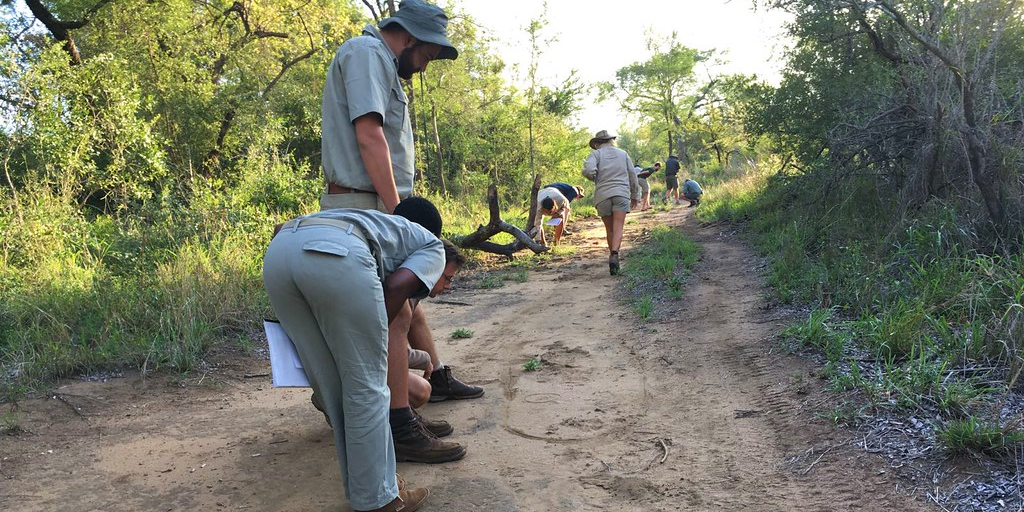
    The afternoon walk was great too. Jaques, who works for Colin Patrick Training, came to teach us more about trailing animals. This was loads of fun, because it’s one of my greatest passions. 

    We found tracks that belonged to a white rhino, on the road. From there, we partnered up and each pair got a chance to trail the rhino. 

    After about an hour, my classmates Erin and Daniel were trailing the rhino and eventually spotted it in the field. We saw Erin and Daniel a few meters away. We walked after them for a while and eventually spotted the rhino about 50 metres from us.

    image

    On Friday night, before our off-week, I acted as the host for the evening and after dinner we played Mario Kart for the rest of the night. During our off-week, some of us went to Colin Patrick Training for the trailing course. We had loads of fun there as well, and saw amazing sightings on foot. On Sunday morning, our whole group met at Marula Bar before Jack and Lindi picked us up at the stack and store. 

    We had a nice braai after we arrived back in the evening. Pieter Kruger joined us for the upcoming week to participate in the walks. The sightings we caught on foot were incredible. 

    On the Monday afternoon walk, we had two encounters with two different herds of elephants in the same area. Tuesday’s walks were quiet, but you can’t have amazing encounters every day. 

    image

    Image: Geena Wegner

    Wednesday was my last day as camp manager. The morning walk was quiet again and the afternoon walk blessed us with an elephant bull sighting, 15 metres away from us. I had an absolute amazing week as camp manager, with unforgettable sightings and incredible people.

    See the most interesting wildlife animals by joining one of our field guide courses.