Category: Uncategorized

  • Snapshot of Chobe National Park and the Central Kalahari Game Reserve

    From Chobe National Park with the highest concentration of wild elephants in the world, to the Central Kalahari and its seemingly endless desert, Botswana is a safari-lover’s dream. These two destinations will expose you to diverse Botswana environments, with Chobe in the northeast alongside the iconic Okavango Delta and the Central Kalahari deep in the country’s central desert landscape.

    3 min read

    About Central Kalahari Game Reserve
    image

    The Central Kalahari Game Reserve (CKGR) is massive. It’s hard to overstate its size; this national park covers nearly 53,000 square kilometres (20,400 square miles) and is 10% of Botswana’s total land area. It’s also remote and relatively difficult to get to, which means visitation is lower than other wildlife reserves in southern Africa. 

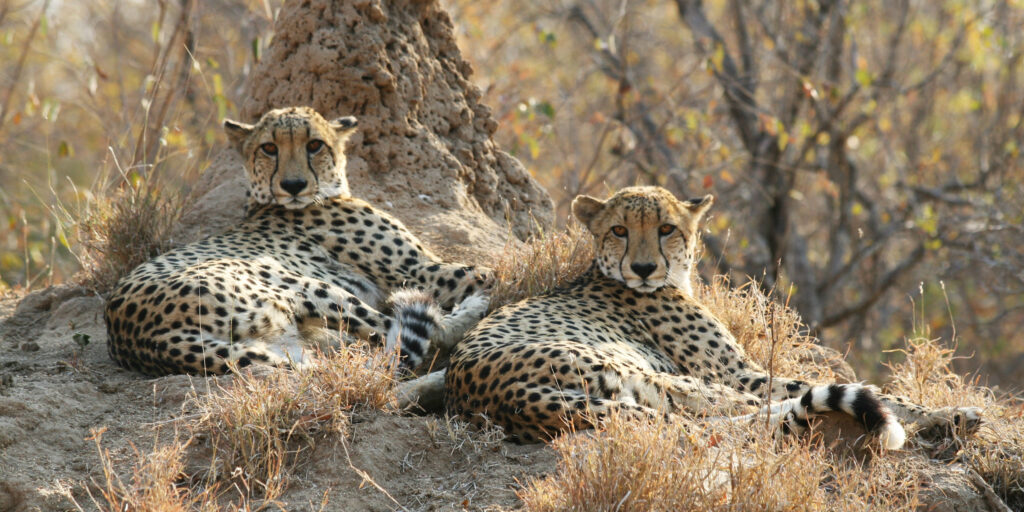
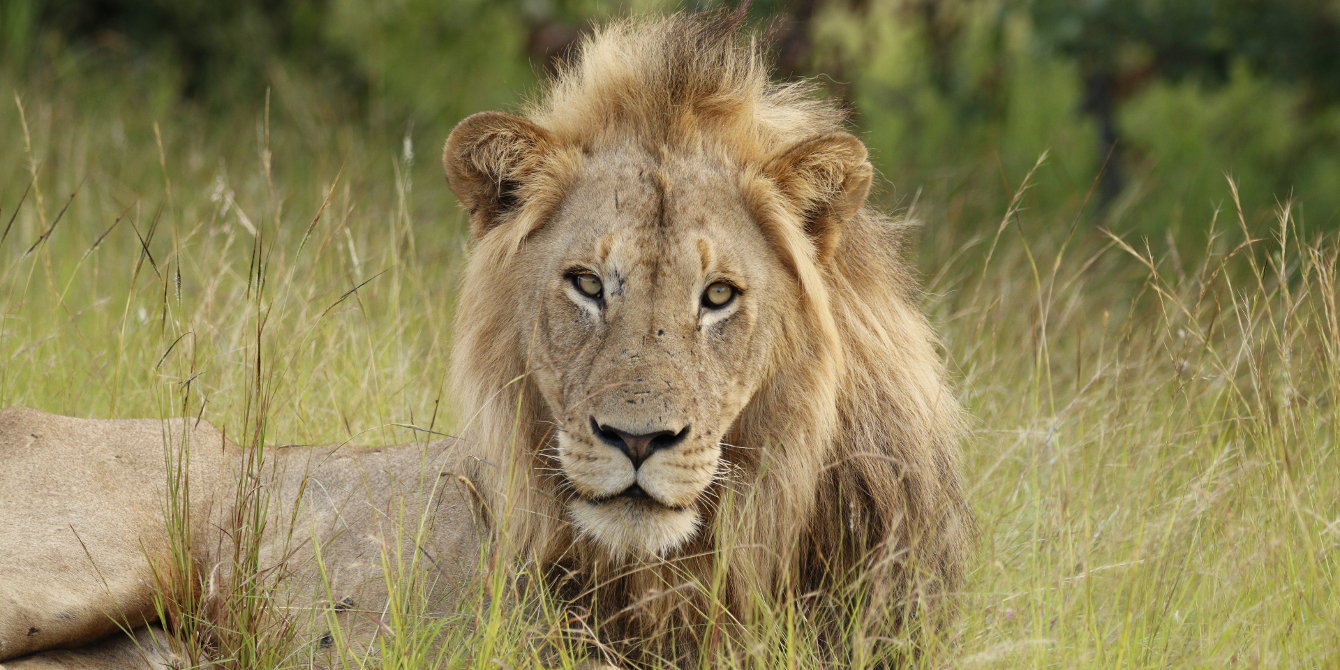
    The CKGR is largely desert, but it also comprises grasslands, scrublands and savannah biomes. Animals found here include lion, cheetah, wild dog, oryx, hyena, elephant, springbok and more. You know those pictures of wide-open spaces filled with thousands of grazing herbivores? That’s what you can hope to see in the CKGR. If you’re looking for a remote and secluded safari experience, the Central Kalahari is an excellent bet.

    Weather in Central Kalahari Game Reserve
    image

    As the Central Kalahari is a desert environment, it experiences two main seasons: dry and wet. The dry season runs from April to October, with the coolest months being in June and July (the southern hemisphere’s winter). Winter nights can be quite chilly, even dropping below freezing. By the end of the dry season, however, the heat is really cranking and temperatures can be as high as 40°C/100°F or more.

    The wet season runs from November to March, bringing much needed rainfall to a dry and brittle landscape. The common weather in the wet season is afternoon thunderstorms with short rain showers. It remains hot throughout this season until the rains stop in April, averaging 32°C/90°F in the late afternoon. 

    When should I visit the Central Kalahari?
    image

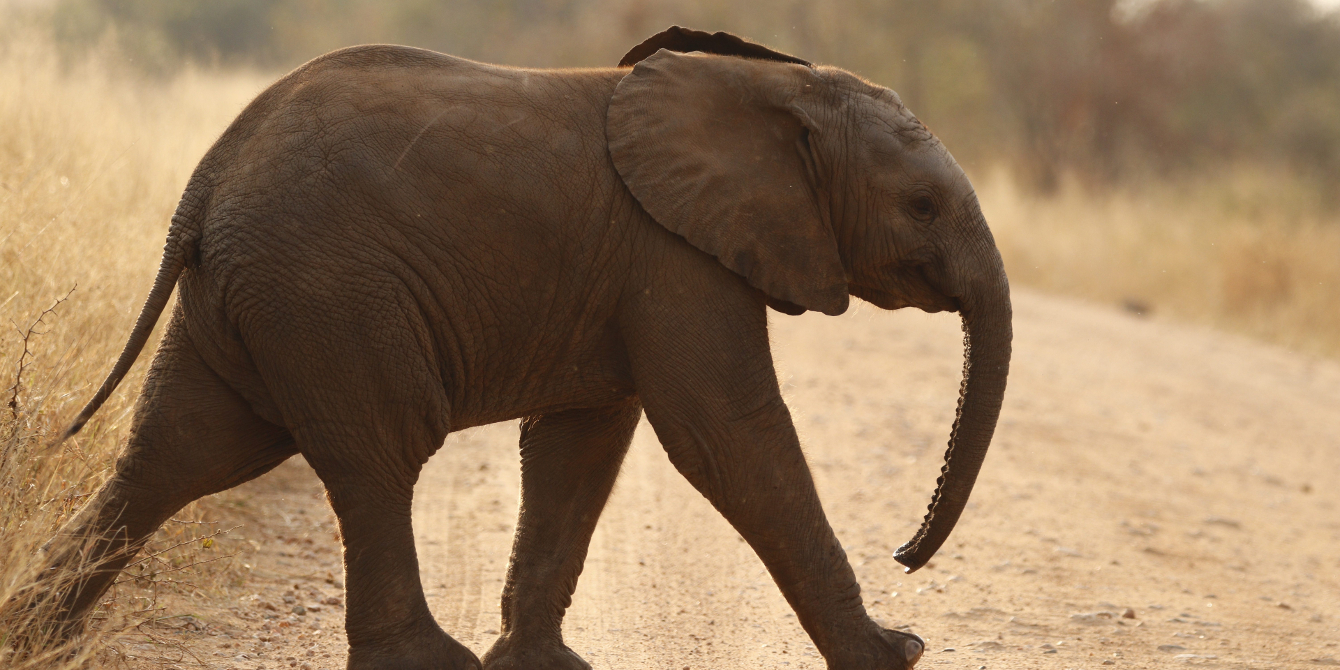
    If you want to see wildlife, January to April is the best time of the year to visit the CKGR. This is when the rainy season brings green growth to central Botswana. The valleys become lush and attract hundreds of herbivores like oryx, springbok, wildebeest, zebra and giraffe. It’s also the time of year when babies are born, which means an increase in predator activity around these herds. 

    We do recommend driving in a convoy of at least two or three vehicles, because the mud in the CKGR is notorious. It’s a good idea to take a 4×4 course or at least be well-versed in how to tow a vehicle out of mud!

    About Chobe National Park
    image

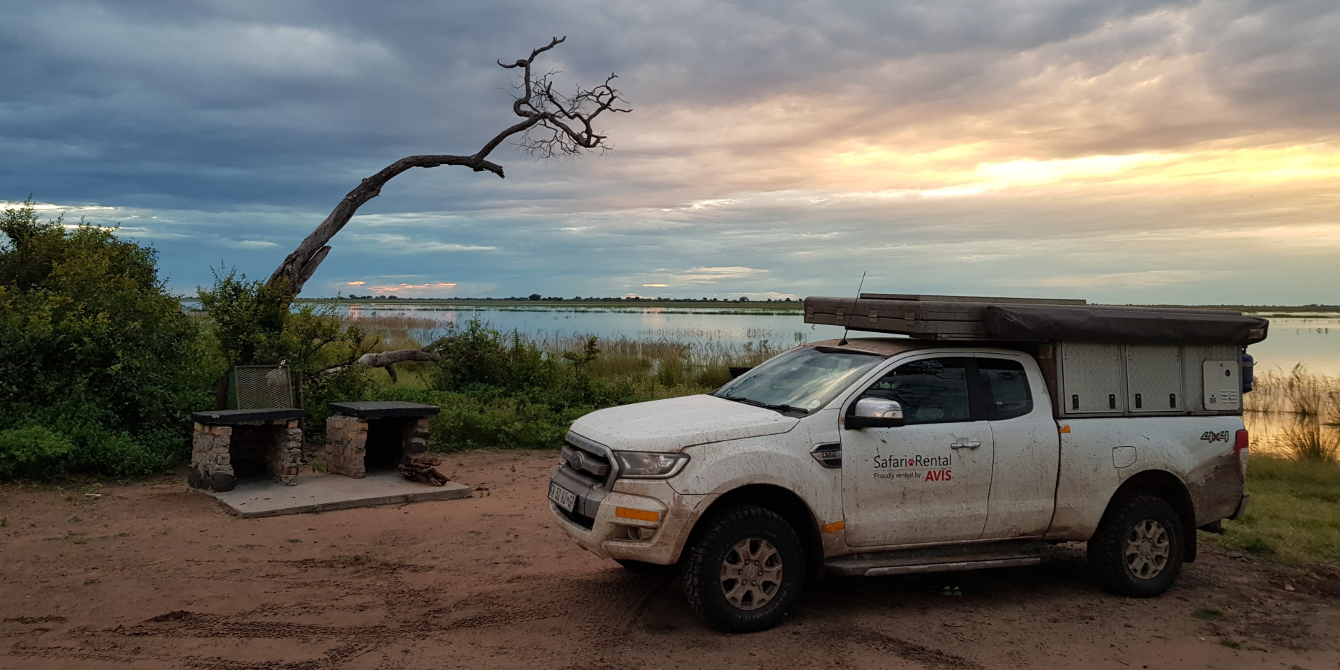
    Chobe National Park stretches from just past the Okavango Delta up to Botswana’s borders with Zambia, Zimbabwe, and Namibia’s Caprivi Strip. It consists of four major areas: 

    1. Ngwenzumba Pans

    2. Linyanti Region

    3. Savuti Region

    4. Chobe Riverfront

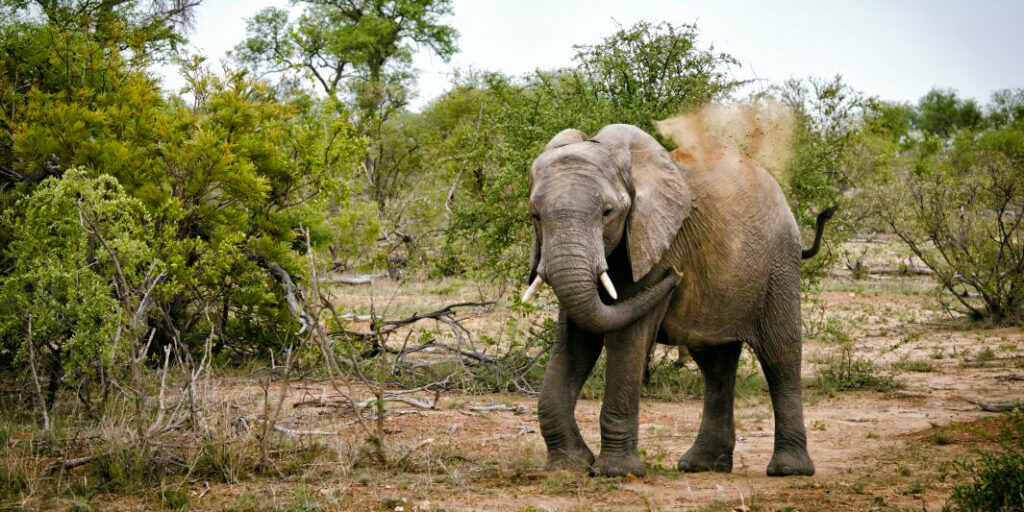
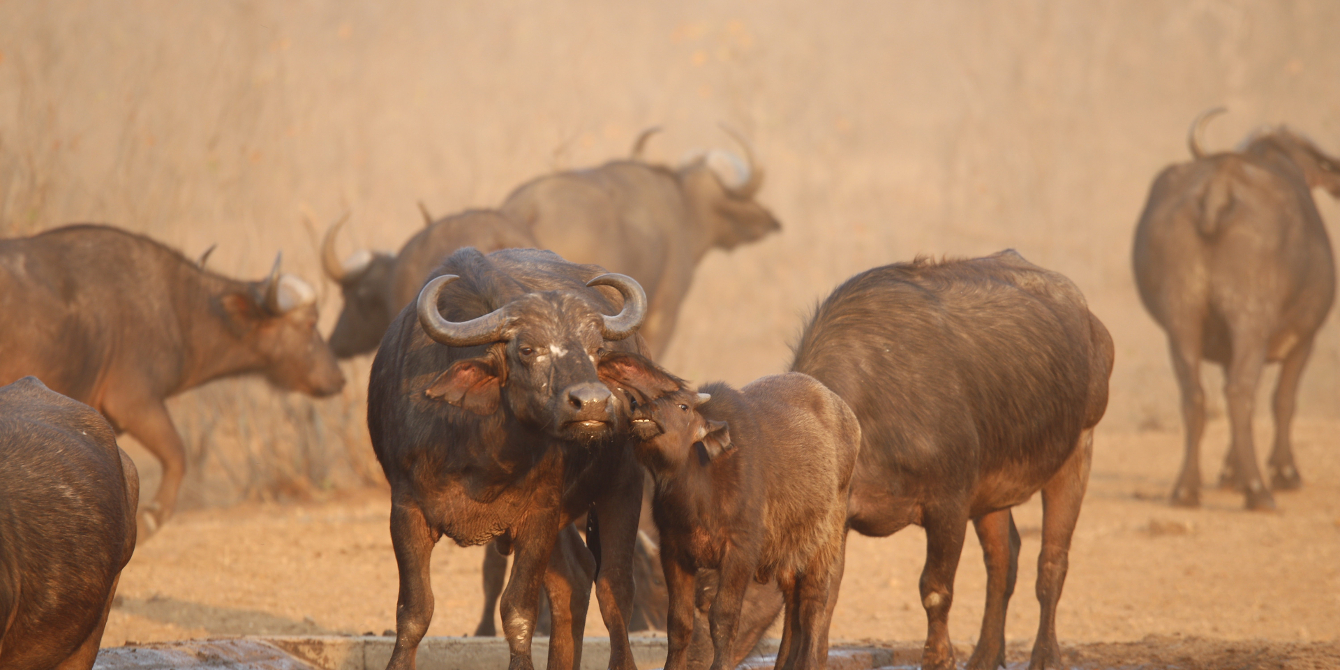
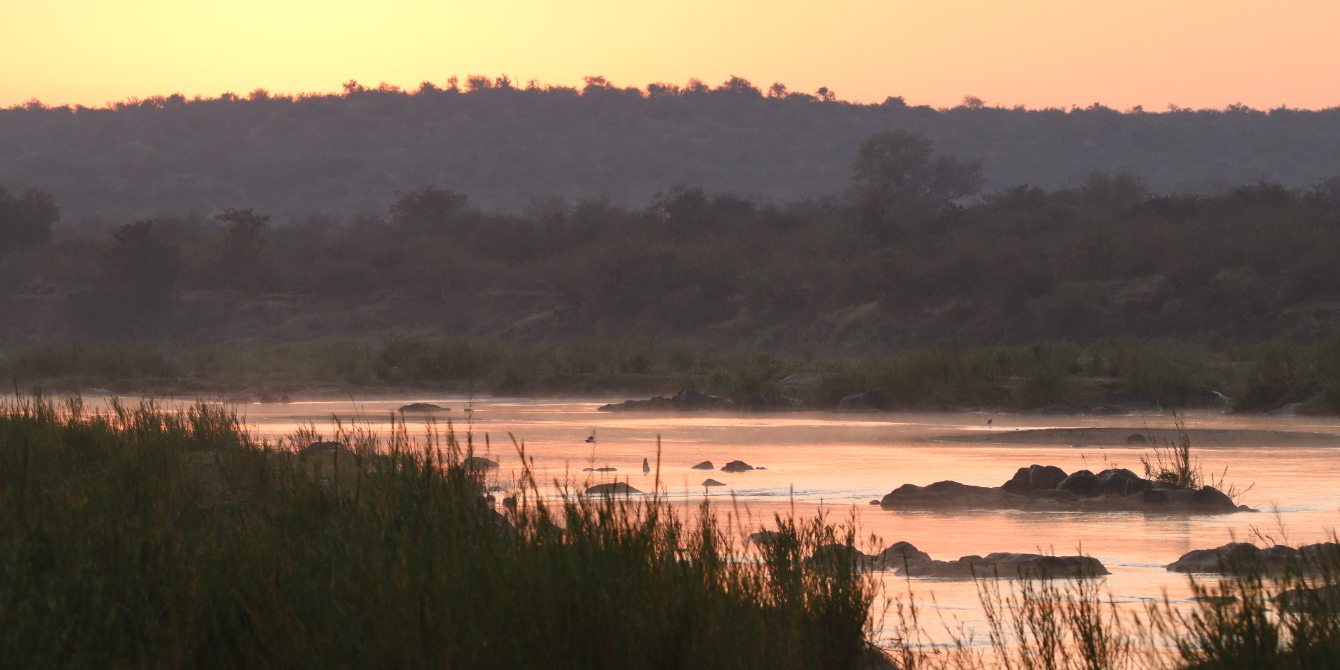
    The northern boundary of Chobe is the Chobe River, which attracts its huge elephant population. Botswana is actually home to a third of the world’s wild elephants – approximately 120,000 individuals live here – most of whom travel through Chobe. It’s not uncommon to see herds of hundreds of elephants in this part of the world.
    image

    Birding and wildlife viewing in Chobe are second to none. The river attracts migrant species and huge collections of herbivores, which are closely followed by predators like lions, wild dogs and leopards. There are a number of campsites within the park run by the parks board or community trusts, as well as 5-star lodges. Chobe is most commonly accessed from Kasane or Maun, both of which have airports.

    When should I visit Chobe?
    image

    Chobe has a similar wet and dry season to Central Kalahari, with the wettest months being December to March. This is a great time of year to visit and take advantage of quieter roads and reduced rates on accommodation. It’s also a birder’s paradise with many migratory species visiting. It will be wet so be sure you’re prepared with the right kind of vehicle (or go with a guide). 

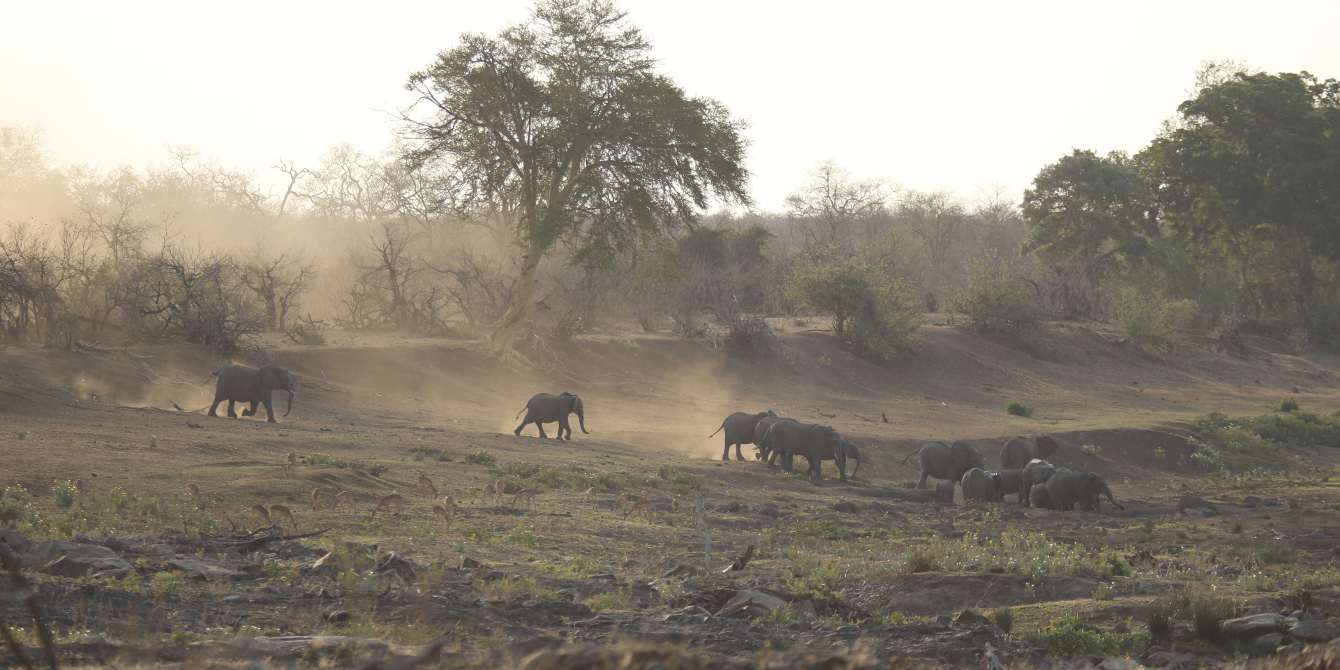
    The best time of year for game viewing is May to November, which coincides with the dry season. At this time of year, animals make their way to the Chobe River or Savuti region to quench their thirst. Here you can see large herds of elephants and buffalo. If you want to avoid rains entirely and don’t mind colder evenings, May to July is a great time to visit – but it’s also quite busy! No matter what time of year you choose, there’s always something incredible to see in Chobe. 

    Do you love wildlife and visiting national parks? What if you could work in a place like Central Kalahari Game Reserve or Chobe National Park? Make your dream a reality by joining a Bushwise course. You can become a field guide in just 60 days!

    Words and photos by Annie DuPre

    #lion #wildlife #gameranger #bushwise #fieldguide #safariguide #guidejobs #animals #safari #fieldguidetrainer #sightings #wilddogs #fieldguiding #tracking #endangeredspecies #gamedrive #guiding #elephant #fieldguides
  • Then the rains came

    By: Sergio Cerrai

    The dust of the dry winter had settled on the cars parked on campus. This prompted me to wash my car……. and then…… the rains came. What if I had washed my car a few weeks earlier? The overcast sky and rain stayed with us for five days. A river that has been dry since we started the course in July, now flowed strongly for 4 days.

    Nature and has its ways, beauty and many languages. Yes, languages, in the plural. Since our course started in July this year, we have been experiencing nature in various forms. Our theoretical studies introduced us to many aspects of nature BUT the practical lessons learned while on our game drives and bush walks put another dimension to the theory. The languages I have experienced recently have been with us since the dawn of life on earth. Bird songs, frog calls, the roar of a lion, and jackal shouting.

    image

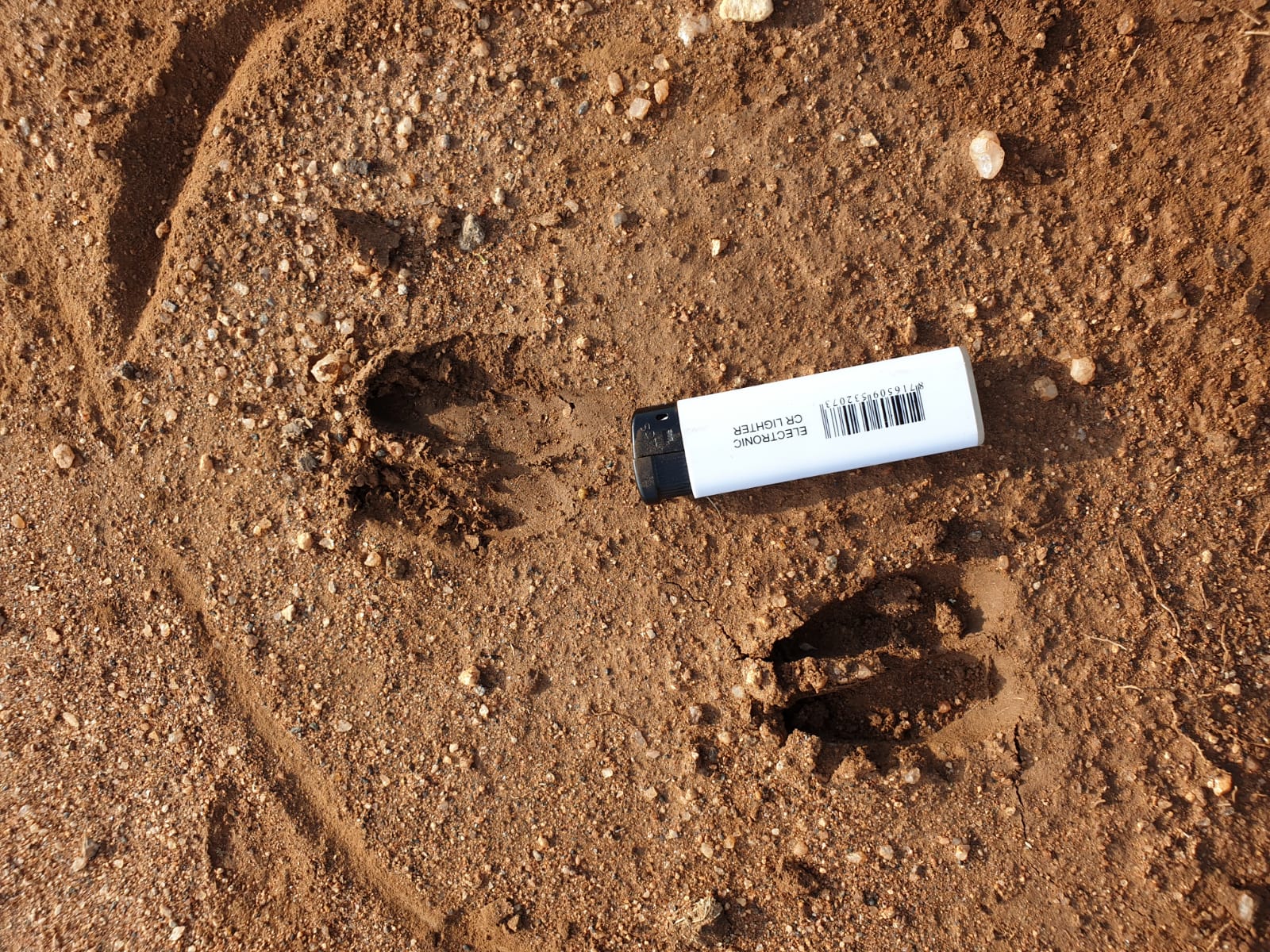
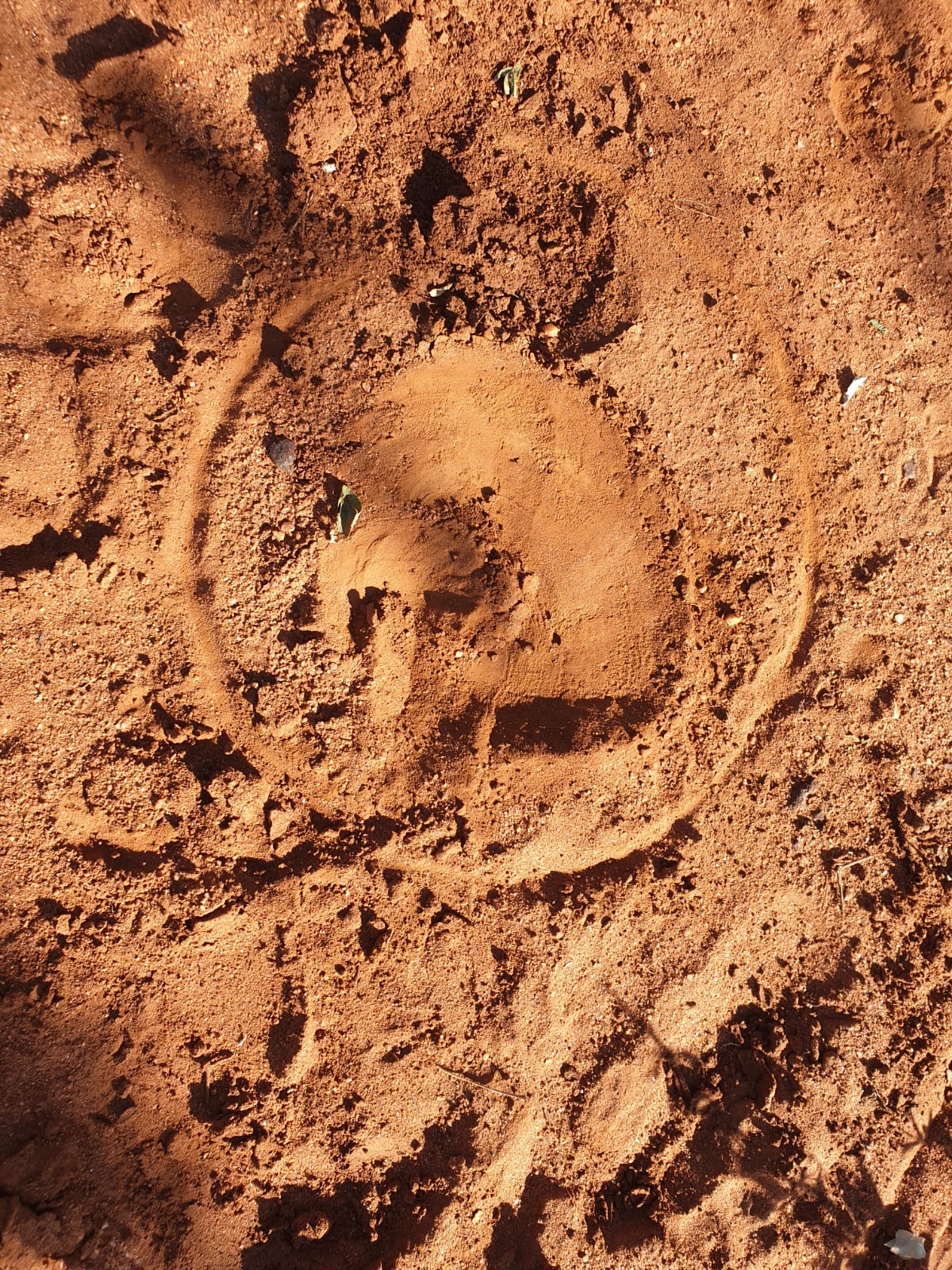
    A fascinating aspect of these languages was revealed to us last week when our Track and Sign course began. We were introduced to Colin Patrick by Trevor Myburgh. Trevor spoke about some of Colin’s achievements and abilities and warned us to pay careful attention, as an opportunity such as we now have does not come along very often. Very prophetic words. After a brief lesson between four walls, we were taken to the classroom of life. The question “why is that a Kudu track? and answer BECAUSE IT IS A KUDU TRACK” comes to mind. This was Colin’s way of telling us that if you look at all the “evidence” you will see that it was the kudu that had walked there.

    image

    That certainly was not the end of the story of track and sign. Being shown where a lioness sat on her haunches, the outline of her tail, hock and paws in the sand, the tracks of a nightjar (a magnifying glass would have helped a bit here), the signs of an Aardvark resting near its recent digging, the hoof tracks of a wildebeest walking along and being able to tell that it was looking in a specific direction. The wanderings of a Black Rhino and its signs were all part of the teaching. (It was during one such lesson that I discovered a hybrid subspecies of a Grey Duiker and a Steenbok. It proved quite difficult to convince the experts even though I saw these tracks over several days)

    image

    I now understand that the spoken word that humankind uses is but one language, and that nature has given us so many more.

    Camp life carried on as usual with no extraordinary events being reported to me. The hot water urn remains a challenge and we should be able to master the temperature control knob soon.

    image

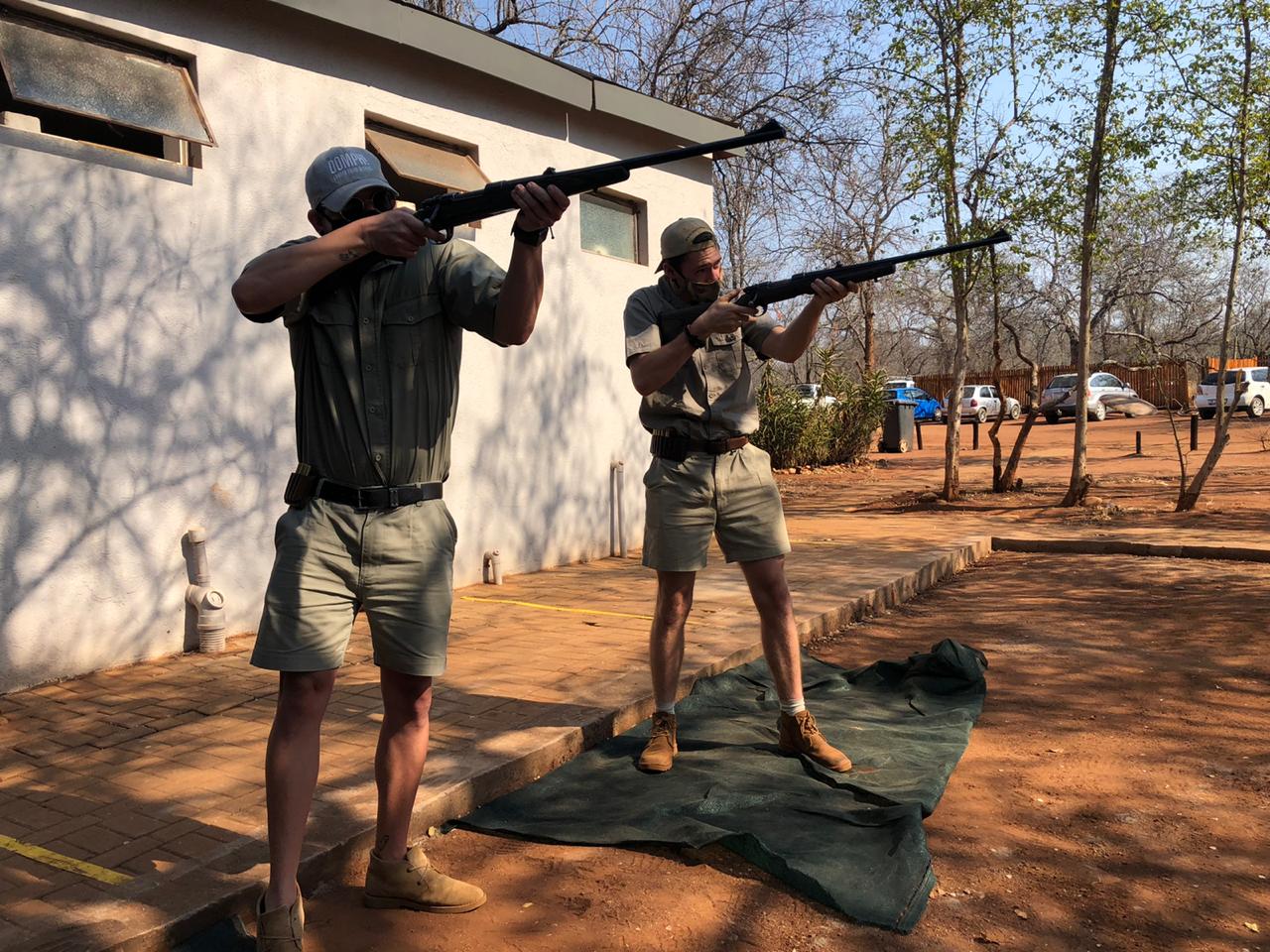
    ARH stands for Advanced Rifle Handling aka build your muscle memory. It was an exciting practical and the times that were recorded during the exercises were amazing. It was humbling to be beaten by my wife on the 12m shooting range during the accredited assessment in Tzaneen.

    image

    The drives to practice all our acquired guiding skills have begun in earnest and it is so much easier when someone else was guiding. To speak and look out for anything of interest while attempting to control a 6m long 3,5-ton beast on four wheels takes some skill. All this while trying to keep the guests from bouncing around the passenger compartment.

    Our trainers as always, have been there for us, to guide us and correct us and to lean on when we encounter some slippery slopes on our paths. We now know how much we still have to learn to get to their level of experience.

  • World Day to Combat Desertification and Drought: why it acts as an important reminder

    BY: Tasneem Johnson-Dollie

    What’s so special about 17 June? Well it’s the date of World Day to Combat Desertification and Drought, and we can all get clued up on conservation from this annual reminder. 

    Keeping track of the causes and impacts of climate change can be tricky on a day-to-day basis.

    But World Day to Combat Desertification and Drought can fill us in on all the latest facts, and help us to see how things change each year.

    Even those asking – “Is climate change real?” – can get some informative answers from this annual event.

    And we can all get a clearer picture of what we can do to address these impacts of climate change ourselves.

    What are the causes of drought and desertification?

    The word drought refers to prolonged periods of low rainfall.

    But what causes drought in the first place? Well it’s just one of the many effects of climate change.

    image

    Some of the leading causes of drought worldwide include:

    1. changing ocean and land temperatures that lead to a drier environment
    2. altered weather patterns, like decreased winter rainfall and warmer summers
    3. reduced soil moisture, which means that less water can evaporate from the soil, travel to the clouds, and rain back down as water
    4. human activity – like the overuse of water.

    If droughts occur regularly in an area with fertile soil, the soil will eventually dry out completely, lose its nutrients and become unable to support plant life. So think no crops, or fields full of flowers in spring.

    This is called desertification.

    Plants are an important part of any natural environment. And, when plants are lost from an area, it affects the survival of animals and humans living in the area too, because plants purify the air and provide food, building materials and even medicines.

    Besides drought, overgrazing – when cattle graze excessively on a piece of land – is also one of the major causes of desertification.

    image

    When animals eat the plant matter in an area faster than it can re-grow, eventually these plants will stop growing and leave the land bare.

    Desertification and drought are both causes and effects of climate change. This is because they happen as a result of changing global temperatures, but they also affect global temperatures and humidity – which adds to the impacts of climate change.

    What’s the purpose of World Day to Combat Desertification and Drought?

    The effects and causes of climate change have a big influence on the well-being of the global community.

    In fact, research has shown that desertification and drought affect the living conditions, economic potential, and health of communities.

    By the late nineties, desertification and drought were acknowledged as being key focus areas for global development efforts.

    And, on 17 June 1994 the United Nations Convention to Combat Desertification (UNCCD) was put into play globally, and adopted by a number of states across the world.

    This convention was a turning point because it:

    1. put a spotlight on desertification and drought as a global concern
    2. highlighted how best to address these effects of climate change
    3. identified where in the world these efforts were most needed.

    And so began the first step in a global approach to identifying and addressing the causes of drought and desertification.

    image

    So why do we celebrate World Day to Combat Desertification and Drought each year?

    Because this convention adds to the global community’s awareness of the leading causes and effects of climate change.

    It also makes it clearer how we can all contribute towards curbing the effects of climate change.

    Here are some of the important facts about desertification and drought that this annual event has taught us over the past ten years.

    Facts about desertification and drought

    1. Over 1 billion people depend on land that is slowly becoming desert for their personal and economic well-being.
    2. Each year the global community loses 12 million hectares of fertile land to desertification and drought.
    3. Land degradation and desertification account for a loss of $42 billion in earnings every year.

    The bottom line is that desertification and drought are still a big global challenge, even after years of efforts to address them.

    But the big benefit here is that these facts about desertification and drought have pushed international organisations to take the next step – developing and implementing more impactful climate-change solutions.

    And you could be part of the team contributing towards the goals set in the UNCCD. How?

    By getting involved in environmental conservation work of course!

    image

    How to contribute towards World Day to Combat Desertification and Drought

    Adding to environmental and wildlife conservation programs means you can make a positive impact in addressing desertification and drought.

    And what’s better than that?

    Well, having the skills and background that you need to contribute in the best ways possible is important too.

    Bushwise Field Guides offers top-rated courses in environmental conservation, wildlife conservation and wildlife conservation research.

    These courses will set you up with all the conservation knowledge and practical experience you need to start adding to environmental conservation in an impactful way.

    Check out Bushwise’s conservation and wildlife research programs, or look into our internship in conservation, and see how you can start amplifying the message of the World Day to Combat Desertification and Drought.

  • Eight things to do during your time off from field guiding in Limpopo

    BY: Tasneem Johnson-Dollie

    You may have travelled to Limpopo, South Africa to become a field guide. But being in Limpopo means that you can fill your time off with tons of exciting activities too.

    The Limpopo province is the fifth-largest province in South Africa, with a population of over five million people.

    It also accounts for 10% of South Africa’s land surface area, so there’s more than enough room to explore.

    And if you’re wondering, “Where is Limpopo?” or “What does ‘Limpopo’ mean?” you’re about to find out!

    Let’s take a look at some facts about Limpopo, South Africa and what you can do during your time there.

    Facts about Limpopo, South Africa

    Where is Limpopo?

    image

    The Limpopo province is the northernmost tip of South Africa, bordered by Botswana, Zimbabwe and Mozambique.

    Because of its location, it acts as one of the gateways to South Africa. And, it’s also home to some of the country’s biggest attractions.

    In fact, part of the Kruger National Park – South Africa’s most well-known game reserve – falls within this province.

    And there are many different types of safaris offered in the Limpopo province.

    You could set out on one of many birding safaris and spot the multi-coloured lilac-breasted roller during a mating display in mid-air.

    Or, what about experiencing one of Limpopo’s savannah-at-sunset safaris? You could even dash through the rugged terrain on one of the best South African safaris out there, where you can spot the big five animals – the lion, leopard, rhino, elephant and buffalo.

    What does “Limpopo” mean?

    The Limpopo province is named after the Limpopo River – South Africa’s second-largest river.

    The word Limpopo has roots in the Sepedi language, which is spoken by one-third of the population in Limpopo, South Africa.

    It stems from the phrase “diphororo tša meetse”, which means strong gushing waterfalls.

    What is Limpopo’s weather like?

    image

    Limpopo weather is dry and hot, with almost year-round sunshine. In the summertime, temperatures average at around 27 degrees Celsius in the capital city, Polokwane.

    And, in the lowveld – low-lying bushveld areas – summer temperatures can reach 45 degrees Celsius!

    You can also expect thunderstorms during the summer season.

    In winter, the weather changes slightly, with early-morning and night-time temperatures dropping to around 10 and 17 degrees Celsius respectively.

    But, during the day, Limpopo weather can still peak to around 30 degrees Celsius in the winter months.

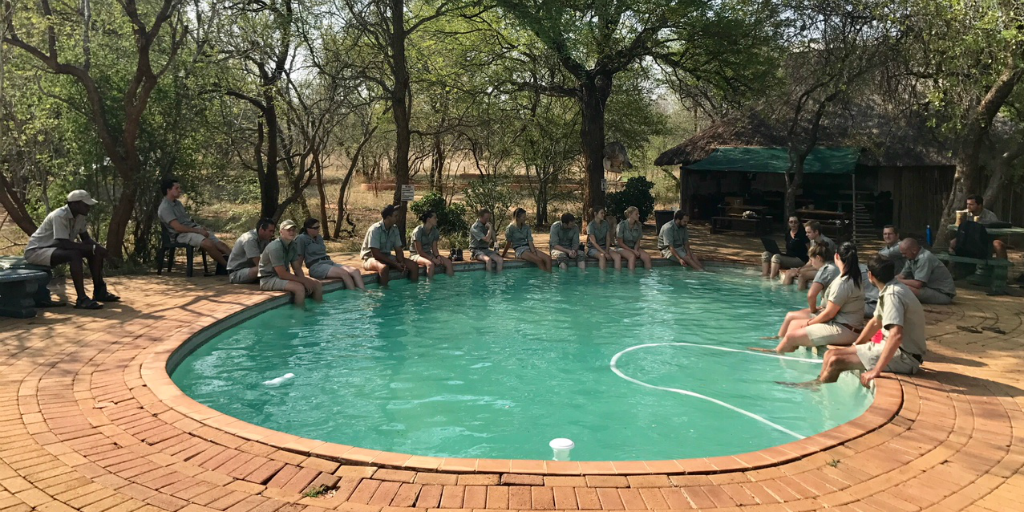
    When do Bushwise Field Guide students get personal time off?

    image

    Bushwise Field Guides courses offer top-rated learning experiences, and each program’s curriculum is clearly set out on our website.

    And, if you take a look at the course information for any one of our on-campus study opportunities, you’ll see that time off is factored into each one.

    Further reading: Now we’re getting serious

    As a field guide student in Limpopo, South Africa, you can explore the province on Saturdays and Sundays – but don’t forget to make time for your studies too!

    But, your personal time off from coursework doesn’t end there.

    After every fourth week on campus, field-guide students are given a full week off! You’re encouraged to use this time to see even more of the attractions in the Limpopo province.

    Here are some of the best activities to dive into during your time off from a Bushwise course.

    Eight of the best things to do during your time off from field guiding

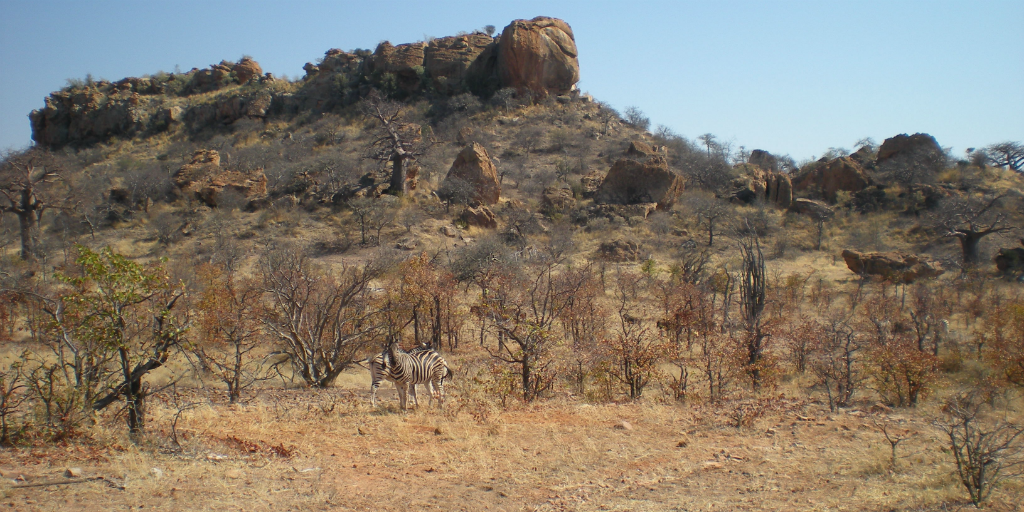
    1) Stay over in Mapungubwe National Park

    image

    Original photo: Landscape in the Mapungubwe National Park, Limpopo Province South Africa, zebra by Petrus Potgieter is licensed under CC BY-SA 3.0

    The Mapungubwe area of the Limpopo province is a United Nations Educational, Scientific and Cultural Organization (UNESCO) World Heritage site.

    It’s also the place where you can see two of the biggest rivers in Limpopo – the Limpopo River and the Sashe River – merging.

    And, between the eleventh and the fourteenth century, this historic location housed the largest kingdom in sub-Saharan Africa.

    In Mapungubwe National Park, field guides can spend their time off in nature to get a feel for even more of the terrain of the Limpopo province.

    Become immersed in local culture and traditions by staying in a themed cottage in one of the park’s sandstone-edged valleys.

    Or, to get closer to the outdoors, journey on over to the tented camps situated in the riverine forest of the Limpopo River.

    From either of these sites, you can take a quick trip to see the artefacts of the Kingdom of Mapungubwe – including the famous golden rhino – which are spread all around the 280 square kilometres of the park.

    2) Find your way to the falls

    Since we know that Limpopo means “strong gushing waterfalls”, it’s no surprise that waterfalls are some of the biggest attractions in the Limpopo Province.

    Visit the Phiphidi Waterfall, a small cascade in Thohoyandou, which is sacred to the VhaVenda clans of Limpopo.

    It’s important to note that this site experiences temporary closures from time to time. If you’re planning to visit, check the opening dates to avoid disappointment.

    This is a site where much of the culture of the VhaVenda people has been preserved, and it’s still one of the preferred places for their religious practices today. If you visit the falls, please be respectful to the site.

    You can also take a trip to the Debengeni Waterfall, a torrential sight where water gushes down from an 80-metre height!

    Situated near the forests of Magoebaskloof, Debengeni Falls is a great spot for swimming and picnicking.

    You could also travel to the Tshirova Waterfall, which can be found in Thulamela in the Limpopo province. Thulamela, which means “the place of giving birth” in Tshivenda, one of South Africa’s 11 official languages, was home to an Iron-Age kingdom, now often referred to as the city of “Thulamela”.

    Here, you can soak up the sights and sounds of Limpopo’s natural environment, while picnicking or taking a dip in the pool beneath the waterfall.

    You could also get to know more about one of South Africa’s earliest kingdoms by taking a guided tour of the surrounding area.

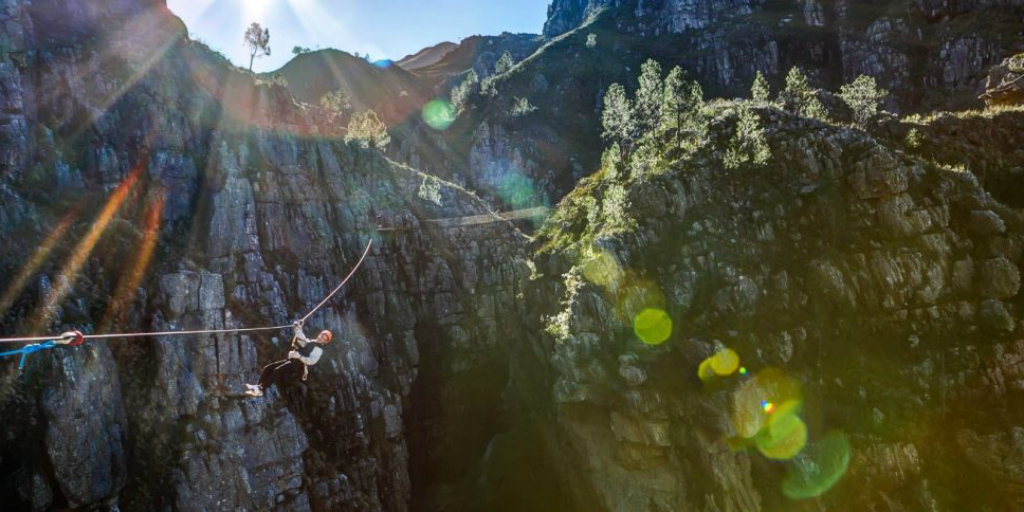
    3) Zoom across the Limpopo province on a zipline

    image

    With its wealth of peaks and valleys, sprinkled with forested areas, ziplining across hillsides or tree canopies has become a must-do activity in Limpopo.

    There are many different zipline providers offering you a bird’s-eye view of the Limpopo province during your time off from field guiding.

    Remember to research these organisations before signing up. Then, go with a reputable provider that has eco-friendly activities at the heart of what they do.

    This way, you can enjoy what the natural environment has to offer while making sure it remains protected at the same time.

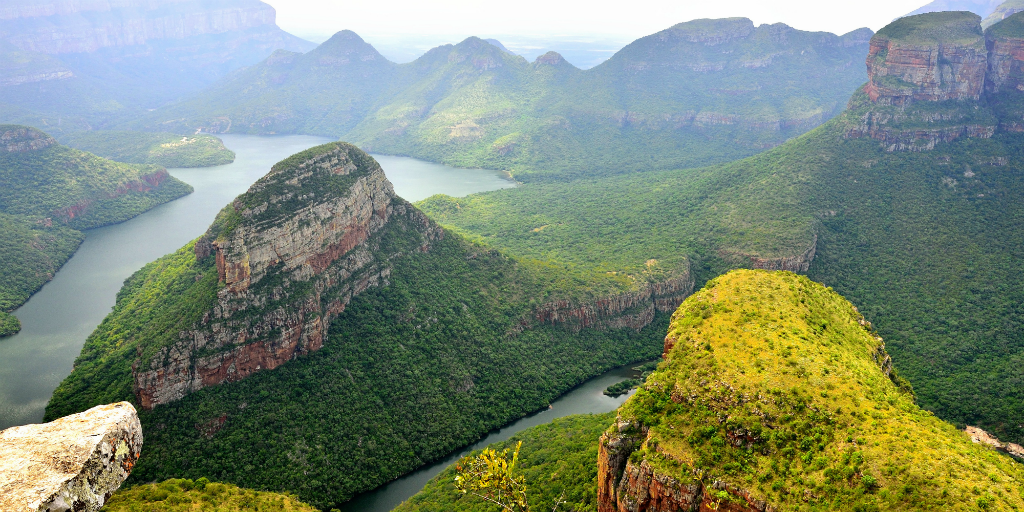
    4) Bob along on a Blyde Dam boat cruise

    image

    Original photo: Blyde River Canyon Dam, Mpumalanga, South Africa by South African Tourism is licensed under CC BY-SA 2.0

    Blyde River Canyon is the third-largest canyon in the world and the largest “green canyon” due to its abundance of tropical foliage – thanks to Limpopo’s weather and climate!

    You can take a boat cruise across the valley to see the diversity of wildlife in the area – including various fish, bird and primate species, as well as hippos and crocodiles.

    You can also get a glimpse of the Kadishi Tufa Waterfall, which is said to resemble the face of a person crying profusely!

    5) Uncover Limpopo’s past at the Polokwane Museum

    You can also take a trip to the Polokwane Museum and get a feel for the broader history of the area.

    The museum displays artefacts from the Iron Age and Stone Age in the region. There’s also a display depicting the culture and origins of the Limpopo people.

    Viewing this display can give any field guide valuable insight into the region that you may not learn about in-depth on a field guiding course.

    6) Hit your step count at the Hans Merensky Nature Reserve

    image

    Follow the Letaba River through Limpopo province, and you’ll come upon the Hans Merensky Nature Reserve along part of its banks.

    One of the big benefits of visiting this reserve is that you can navigate most of it on foot!

    Also, because it’s alongside one of the Limpopo province’s largest rivers, the reserve is home to flocks of water-loving bird species – even in winter.

    You can also catch sight of antelopes, zebras, wildebeests, warthogs, giraffes, and a whole host of snakes too!

    7) Count the cycads in the Modjadji Nature Reserve

    It’s believed that, in prehistoric times, Limpopo was home to mammal-like reptiles.

    These creatures were thought to feed mainly on the cycads that grow in the area of the Limpopo province now known as the Modjadji Nature Reserve.

    Today, Modjadji Nature Reserve is a protected area where you can see some of the oldest and biggest cycads in the world.

    And, once you’re surrounded by this forest of single-species cycads, you may start to feel like you’ve travelled back in time. Remember to keep an eye out for prehistoric reptiles!

    8) Take home a souvenir from the Baleni Salt Pans

    The Tsonga people of the Limpopo province have been harvesting salt in Baleni for centuries.

    Today, 2,000-year-old techniques are still used by local people to harvest salt from their tribal lands. And the industry contributes to Limpopo’s economy in a big way.

    You can take a tour of the salt pans to see the salt-making process in action – which starts with the local people leaving a “gift” at the foot of a motswiri (or leadwood tree) as a thanks to the ancestors.

    And, why not take home a bag of salt from your experience, and add a new flavour to your special meals at home? This can act as a tasty reminder of how you spent your time off in Limpopo.

    With so many activities to choose from, you can be sure that you’ll never have a dull moment during your personal time off from a Bushwise course.

    Take a look at our Bushwise courses in field guiding and wildlife research, and get a head start in a career in wildlife conservation.

  • Five steps to creating the best field guide tours

    BY: Tasneem Johnson-Dollie

    What makes field guide tours memorable? By starting with a passion for nature and following through with some flair, any field guide can create one of the best guided experiences on offer. 

    Can it really be that simple? Well, creating a memorable field guide tour starts with knowing what tourists are looking for, and keeping them entertained while filling them in on all things nature.

    But it goes deeper than that.

    When delivering a field guide tour, field guides are also expected to give tourists a safe experience in nature, and provide them with information that’s interesting and easy to understand.

    While this can be tricky to perfect, you can follow these five steps to becoming one of the world’s best nature field guides.

    Five steps to creating the best field guide tours

    1) Use your passion to get educated

    image

    To be one of the best nature field guides, you’ll need to have the necessary education that comes from completing a top-notch field guide course.

    While there are many accredited courses on offer by different organisations, Bushwise Field Guides is the top-rated provider.

    This ups your chances of employment once you graduate. In fact, more than 90% of our graduates go on to land a job in the field-guiding sector after earning their entry-level qualification.

    And, with a field guiding and conservation careers internship, South African participants are guaranteed a job placement within six months of completing the course.

    These types of providers offer courses where you’ll learn everything you need to know about entry-level field guiding and beyond. They also give you the opportunity to gain the confidence you need to work and problem-solve effectively in the field.

    And, there are even ways to start your studies without having to travel right away.

    Online field guide courses with an interactive spin make it easy to earn a field guiding qualification right now, and get a foot in the door to creating the best guided experiences.

    And, setting yourself up with a solid theoretical foundation as a field guide will give you the insight and wealth of information you need to offer an engaging wildlife tour.

    2) Gain relevant practical experience

    image

    Once you’re equipped with all the theory you need, it’s best to start practising your new-found skills in the types of environments that nature field guides work in.

    This is the best way to figure out the practical skills you need, like how to track animals and find your way through the terrain to see the most interesting attractions. It’s also the perfect opportunity to pick up on the body-language and oration skills that will engage an audience without chasing away any wildlife. You can learn these skills first-hand from the seasoned field guides you’ll work with.

    While you’re out in the field, think about your career as a field guide, and the types of field guide tours you’d like to offer.

    If you’re keen on feathery wildlife, try to spot every bird in South African bird field guide books and keep a record of your experience. This way, you’ll have a better idea of how to find them in the future, and have real-life experience to share on wildlife tours.

    Maybe, you’re more of a plant fundi? Well, you’ll need to get out there and experience the look and smell of these plants for yourself, so that you’ll know what you’re talking about when you tell their story.

    And perhaps you picture yourself as a wildlife safari tour guide in the future?

    Well, being able to grab your audience’s attention out in the savannah – with lions, leopards, rhinos, Cape buffaloes and elephants lurking close by – may seem simple. But, if you don’t gain experience in providing safe encounters, you’ll never get to the top of the field guiding game.

    These first two steps will set you up to be a skillful provider of field guide tours, who knows what they’re doing in the field. But, creating the best field guide tours doesn’t stop there.

    You’ll need to know how to tell the perfect story, and get your guests swept up in tales of South Africa’s wild spaces.

    3) Make a connection

    image

    So you know what to say about nature, but do you know how to say it in a way that gets a group excited?

    There’s no one-size-fits-all approach to getting this right, but a good starting point is getting to know your audience.

    You can find out more by checking with the booking office whether your guests are colleagues from a corporate company, or a family on a vacation. By doing this, you’ll be one step ahead before you meet them face-to-face.

    And once you meet up, take some time to chit-chat and get to know more about the group. This way they’ll start to feel like they’re in the company of a friend, and you’ll have a better idea of the types of personalities you’re looking to entertain.

    But being charismatic doesn’t come easily to us all, and it doesn’t necessarily need to.

    Beyond just your personality, you can make a connection with guests by telling them more about your journey as a field guide, and giving them a glimpse of what it’s like working in the wild – which is a tale in itself!

    4) Hold their interest

    image

    Yes, your audience will often consist of people who are already excited about the topic of the field guide tour – be it the big five, or trees of South Africa!

    But, if you can’t hold their interest, some might feel that the tour was less valuable.

    While different types of nature field guides may speak about vastly different topics, the same rule applies when it comes to capturing your guests’ attention: keep it relevant.

    For example, waffling on about medicinal plants on a wildlife safari tour might leave your guests feeling like they’ve missed out on interesting information about animals.

    Similarly, going off on a tangent about trees may not tickle the fancy of tourists looking to learn more about the birds listed in South African bird field guides.

    So, as a field guide, you need to be well-rounded.

    You can practise your storytelling before setting off to make sure you’re not leaving any important information out. Be sure to consider these questions:

    1. What is this field guide tour about? Is it about wildlife, plants, or seeing the savannah at sunset?
    2. Why have these particular guests chosen to come on this field guide tour? What do they want to see or hear about?
    3. What scientific information is important to convey? (Think about what would engage the group).
    4. What real-life experience do I have as a field guide that adds value to this type of tour?
    5. Is any extra information necessary, and what type of information would this crowd appreciate?

    This way, you’ll be able to focus on what keeps your audience engaged, and create the type of field guide tours that visitors can think back on fondly.

    5) Provide a satisfying conclusion

    image

    Here’s where you may start to feel the pressure – ending the field guide tour with a bang. But don’t fret, we have some tips for you to follow here too.

    Firstly, by the end of the tour you should have tied up all loose ends. Check in with yourself and the audience regularly so that you can be sure that:

    1. all of your guests are keeping up with the information
    2. guests’ questions are being acknowledged and answered without disrupting the flow of the field guide tour
    3. you refer back to the topic of the tour often, and show how new information is relevant to the topic
    4. you answer any hanging questions you may have introduced
    5. you establish awareness regarding conservation in a professional and engaging manner.

    It helps to carry a well set-out checklist with you that you can glance at, to remind yourself of what you might have missed.

    With all of these taken care of you can focus on making your finale unforgettable.

    So what makes for a good ending when it comes to field guide tours?

    Well, it’s good to help the guest relive the experience one last time.

    Find your own way of highlighting the best parts of the trip, and threading them together in a way that piques your audience’s interest all over again.

    image

    Remind them about the lioness encounter, the temperamental elephant calf, or the towering ant hill that you spotted on the tour. Ask guests what they remember about that moment, and allow them to share their thoughts with one another.

    Engage the group and ask about their favourite parts of the tour, and what they’d like to revisit the most.

    Then, slip in a last-minute, astonishing fact about nature: one that will generate a few gasps, and have some guests sinking into silent contemplation. And you’ll know exactly what to say because you’ve got a wealth of field guide tour knowledge!

    And once you’ve set the mood, bring the perfect field guide tour home with a call to action. Tell your group about practical ways that they can contribute to the well-being of nature – in the wild, or at home – and how they can get involved in the type of nature conservation that assists field guides in doing their work well.

    This way, you won’t just be offering tourists the best guided experience, you’ll leave them feeling empowered to make an impact in nature, after experiencing one of the world’s best field guide tours.

    Find out more about Bushwise’s online field guide course, and see how you can get closer to creating the world’s best field guide tours today.

  • Back in the Bush

    Returning to Game Drives

    Following two excellent weeks developing our skills in track and sign with Colin Patrick, and rifle handling on campus it is perhaps no surprise that everyone was excited to return to game drives and put some of our new skills into practice. We started the week with lectures in ecology and arthropods, meaning that we paid close attention to features such as termite mounds and spiders’ nests.  We were also able to appreciate the complexity of the relationships present in the bush whilst observing some of the most active watering holes in the reserve. The drives this week were punctuated with many notable sightings, one group were even so lucky to see a pair of mature maned lions, giraffe and elephant in a single drive!

    Snake in the Loo!

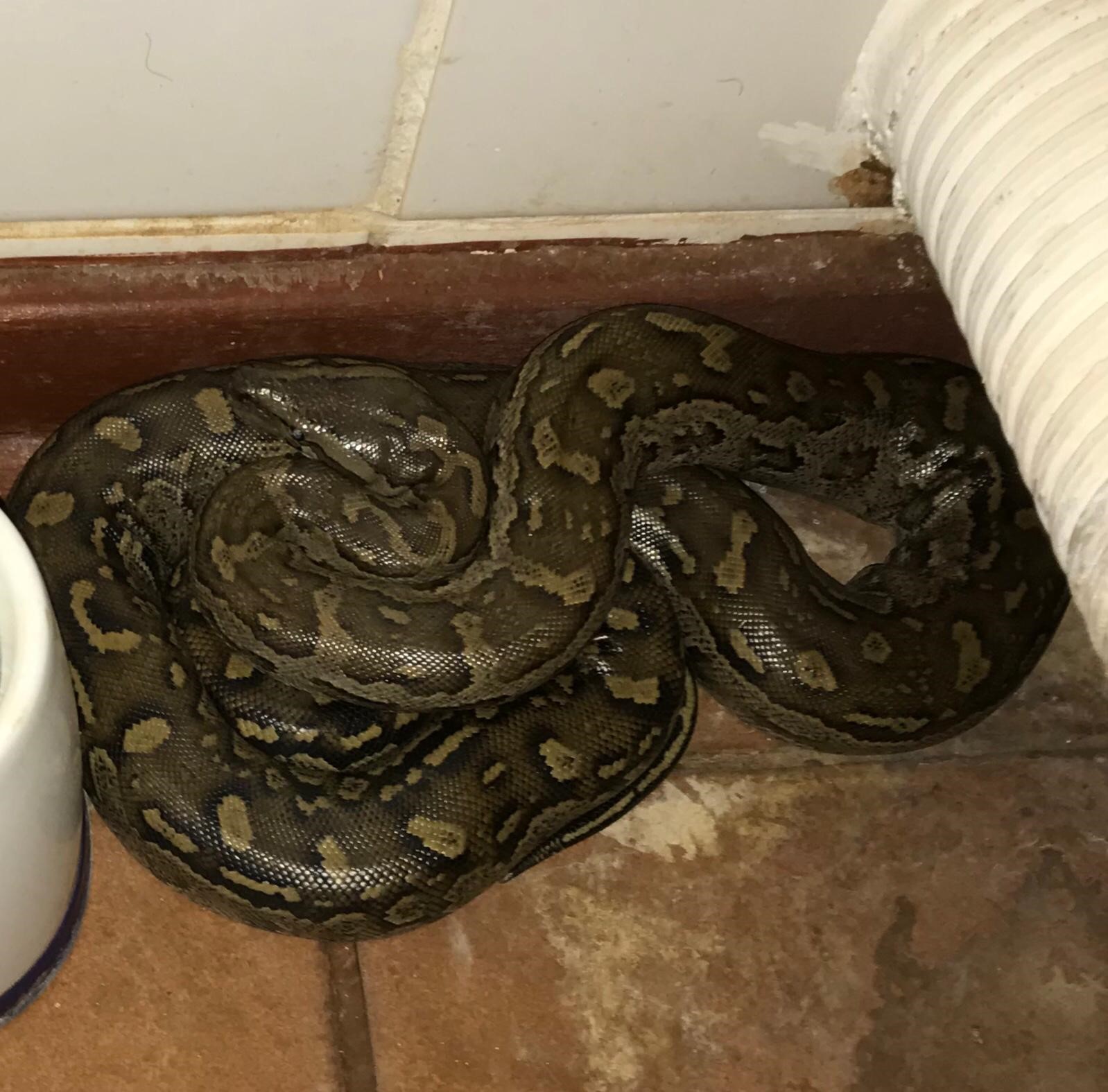
    Returning from one such game drive on Tuesday evening, the ladies were shocked to discover a certain slithery individual in their bathrooms, an African Rock Python! Thankfully not venomous, although large and rather intimidating. We tried to explain to him that he was not allowed to be there, but in the end, it took Vaughan with his trusty snake bin and hook to ensure his safe departure.

    image

    African Rock Python

    Reserve Work

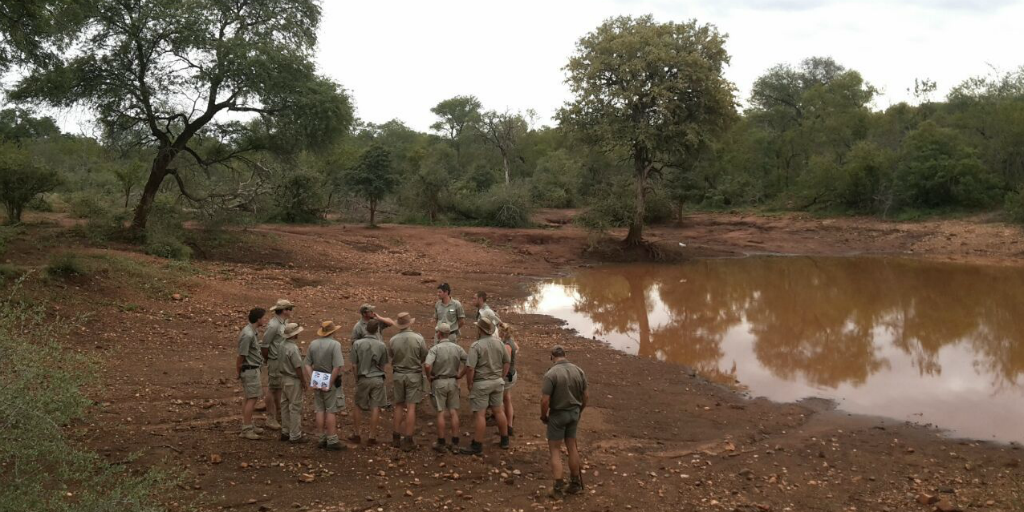
    On Thursday, whilst the internationals dashed off to Hoedspruit for driving lessons, the group got stuck into some much-needed reserve work. The morning consisted of blocking new roads created by vehicles ‘choosing their own path’ to watering holes and dams (naughty, naughty!). This protects the diversity of life contained in the grassy bush and helps limit erosion to only the most established roads.

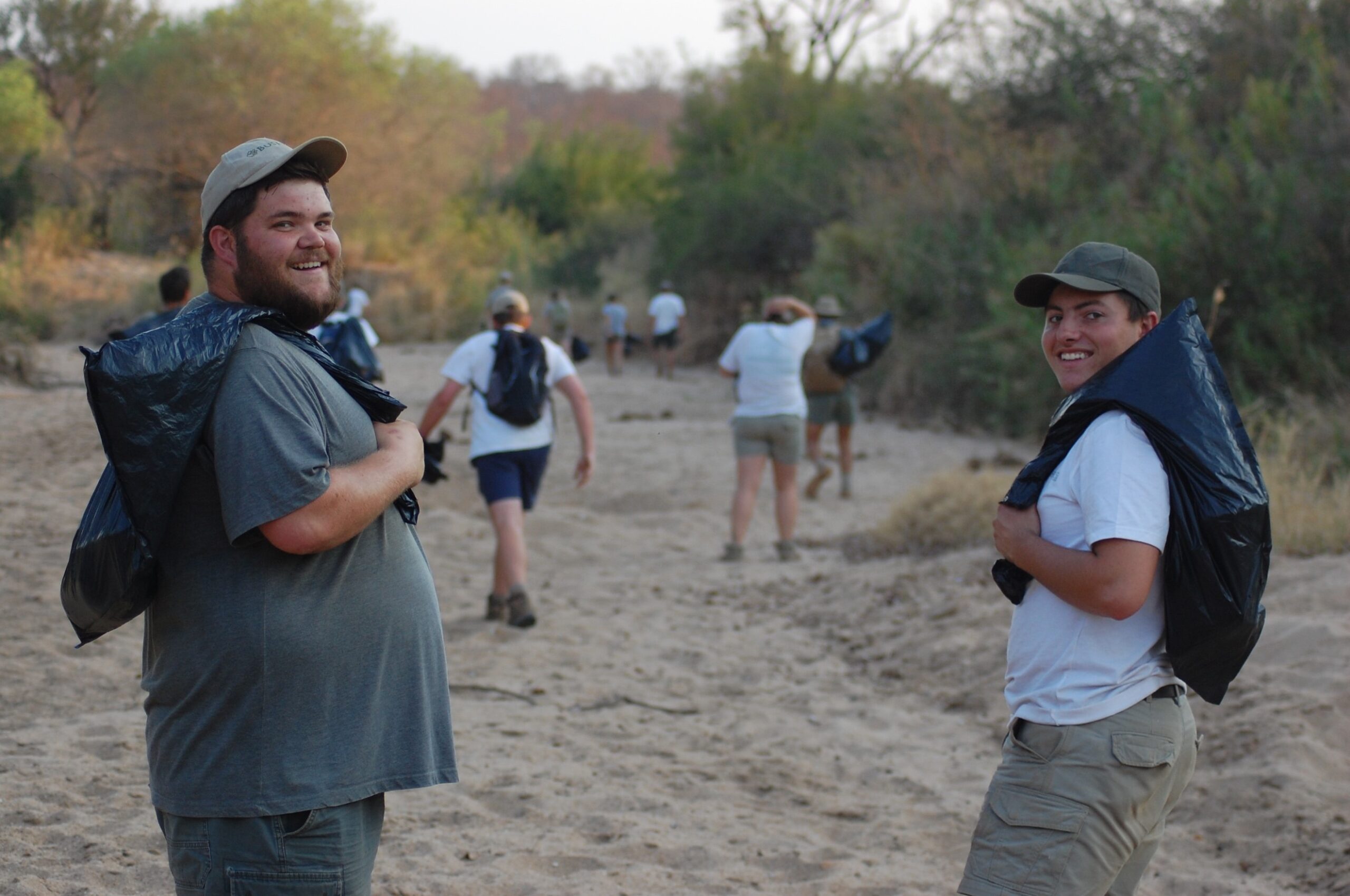
    After lunch, with the internationals back, the group returned to the reserve in full force to clear the Makhutswi River bed of litter. We covered roughly 1km of the river and managed to leave the area free of rubbish ahead of the coming rains. This will make a significant improvement to the aquatic life once the rains arrive, and certainly left the group with an incredible sense of a job well done.

    image

    Reserve work

    On Friday we all received feedback from the trainers to conclude the second semester. With the afternoon came our first hint of rain, reminding us that in just a few weeks the terrain is likely to burst into life. Students and staff then departed on Saturday morning for a well-deserved off week, with excited anticipation of what semester 3 will bring!

    Blog by Harry Travers

    image