Category: Work placements

  • The path to becoming a Professional Safari Guide

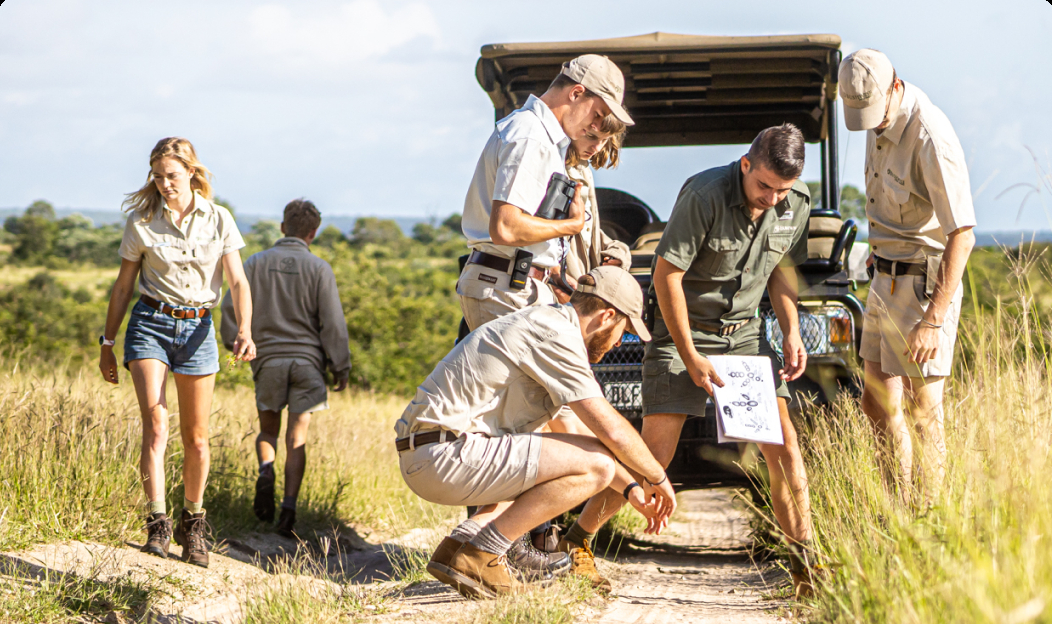
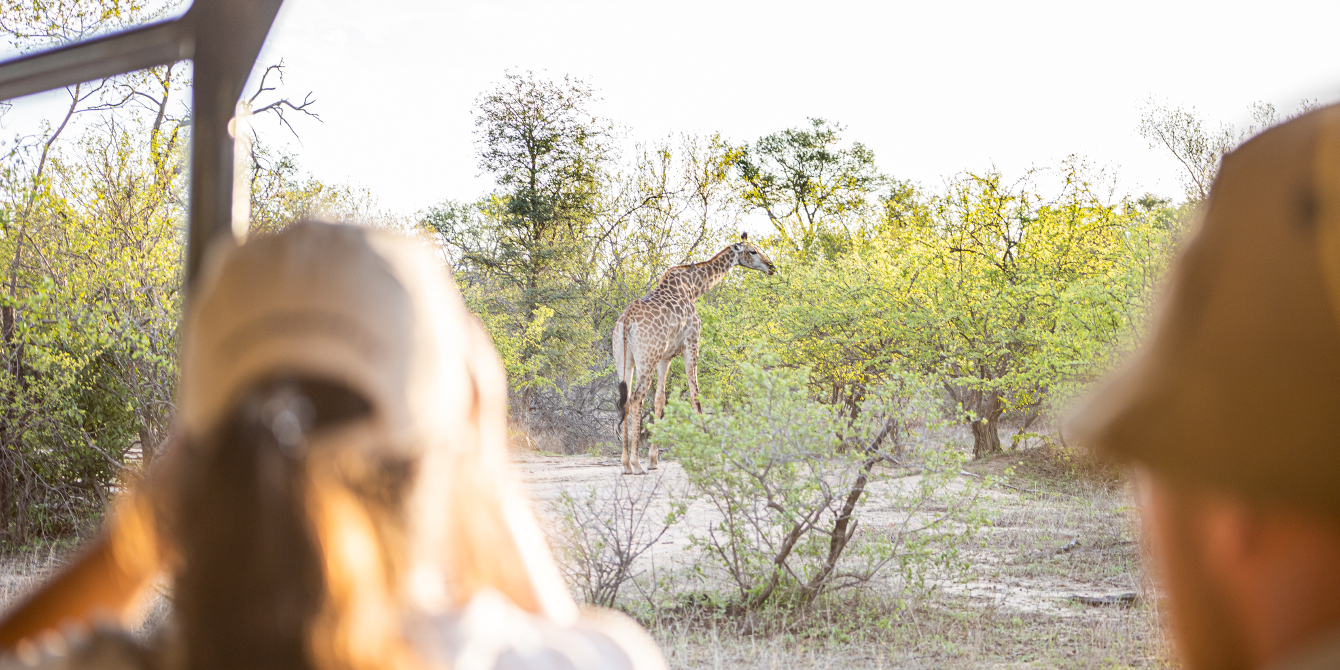
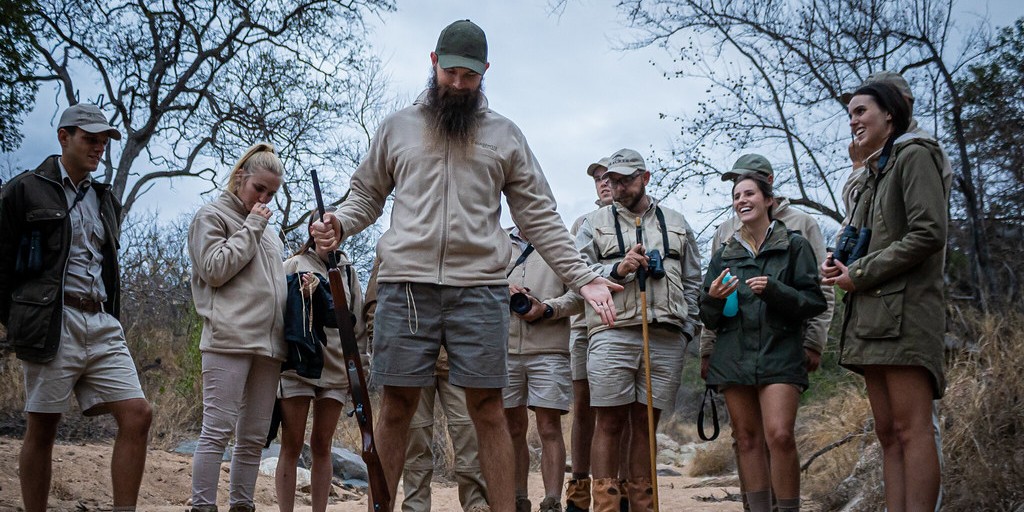
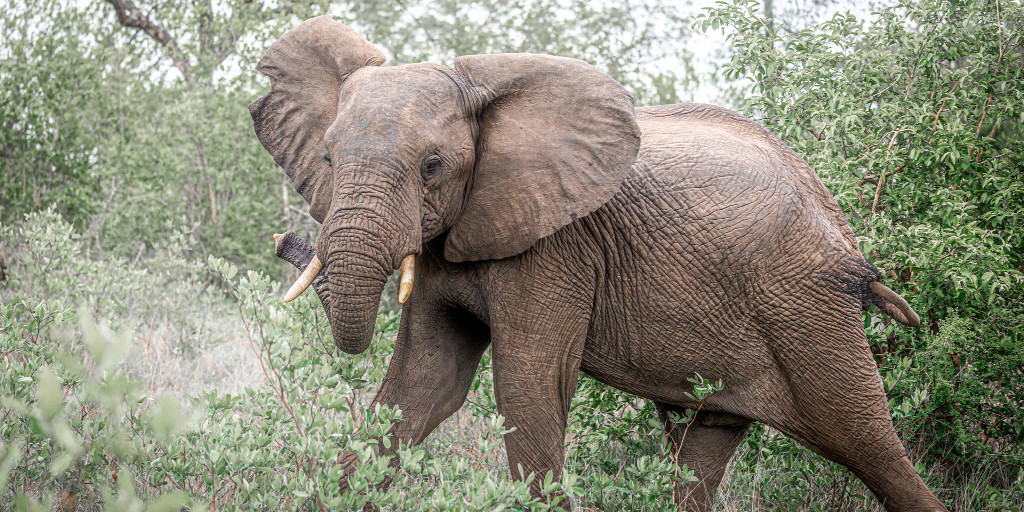
    Few careers make you feel as alive as field guiding. It’s a job where your office changes with the sunrise, your meetings happen around a fire under the stars, and your “daily routine” might include tracking elephants, listening to lions calling in the distance, and sharing stories with guests who are experiencing the African bush for the first time.

    But behind the magic, there is a clear professional pathway built on training, qualifications, and experience.

    What qualifications do you actually need to guide?

    The main question new guides have is figuring out what they must have to work legally, versus what is just optional. To work as a professional guide in South Africa, you only need to tick one official government box: you have to hold a qualification accredited by CATHSSETA (the culture and tourism sector training authority).

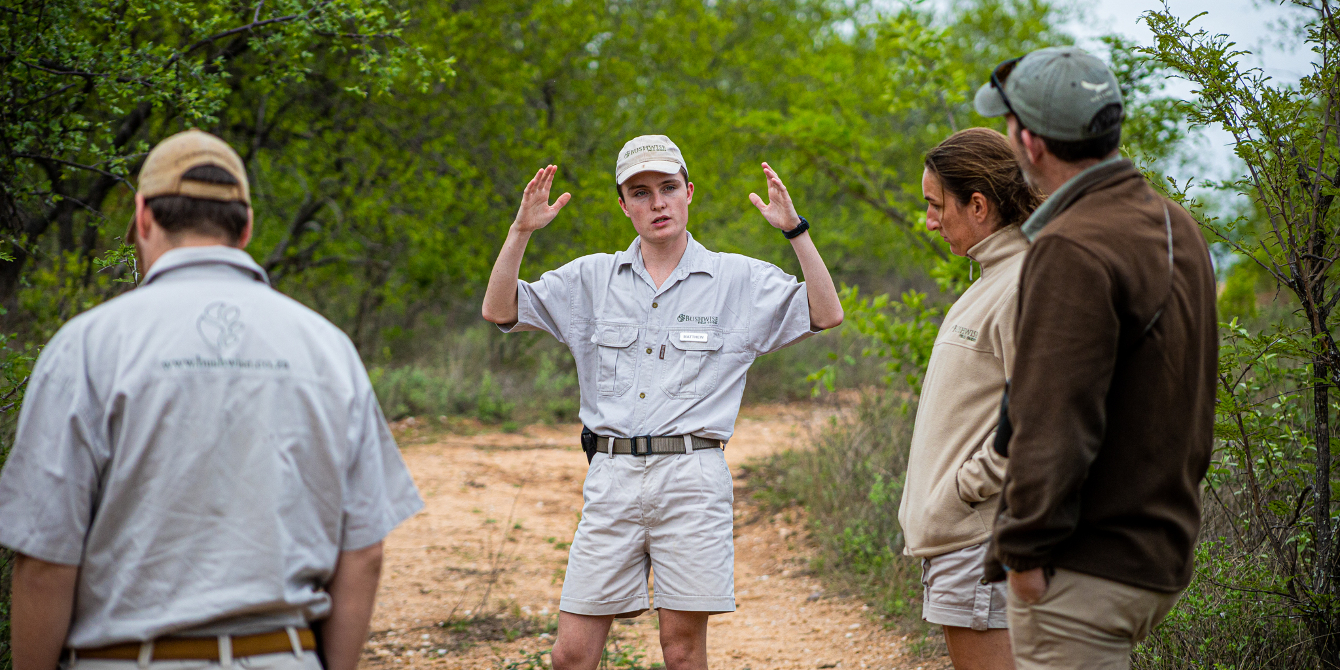
    This is really where the journey begins. It’s the essential foundation that teaches you how to move safely in wild spaces, understand the basics of ecology, and start interpreting the natural world for your guests.

    Where do field guide associations fit in?
    Groups like the International Field Guiding Association (IFGA) and the Field Guides Association of South Africa (FGASA) are separate, voluntary industry bodies. Joining an association is a personal or professional choice, not a legal rule. They exist to offer guides extra industry recognition, field grading, and career development paths, but they do not replace or override the government’s legal baseline.

    Understanding the NQF Levels

    When you look at CATHSSETA-accredited courses, you’ll see them broken down by National Qualifications Framework (NQF) levels. Think of these simply as milestones as you gain experience in your career.

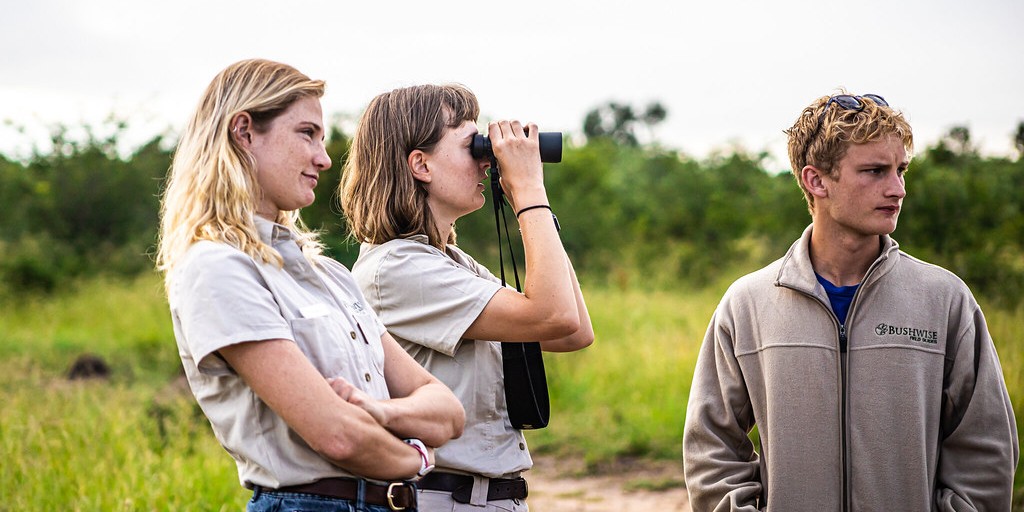
    NQF Level 2 (Nature Site Guide): This is your official starting point. It is the baseline certificate that gets your foot in the door, lets you register with the government, and allows you to start working at a lodge. Your training here is all about moving safely in wild spaces, learning basic ecology, and figuring out how to explain the bush to guests.

    NQF Level 4 (Advanced Nature Site Guide): This is a higher level designed for senior guides. It recognises deeper field knowledge and better guiding skills. Crucially, you cannot skip straight to this level; you can only take your NQF4 assessment after you have finished a full year of active, hands-on guiding experience out in the field.

    The Path to Walking Safaris (Trails Guiding)

    For a lot of guides, the ultimate goal is to take guests out on foot. To do this safely in areas with iconic wildlife like the Big 5, you need a trails guiding certification.

    Step 1: Foundational Trails Guide: This is where you learn how walking safaris work. At this stage, you do not lead walks by yourself – you assist an Advanced Trails guide. The focus here is on building your awareness and learning to walk in a Big 5 environment, safely.

    Step 2: Advanced Trails Guide: Once you have logged your foundational hours and ticked all the boxes, you can take an assessment to qualify to lead walks independently. At this level, you take full responsibility for guiding guests on foot through big game territory.

    You can learn more about the different stages here.

    Where IFGA fits in

    Working alongside CATHSSETA qualifications, IFGA certification adds another powerful, but voluntary, layer to a guiding career. This certification focuses on what makes a safari truly unforgettable: the guest experience.

    It develops skills like:

    • Storytelling that brings the bush to life
    • Reading guests and adapting to different personalities
    • Communicating with confidence and warmth
    • Creating a sense of connection, comfort, and wonder
    • Elevating every moment, from game drives to dinner conversations

    It’s the difference between a guide who is qualified and a guide who truly leaves a lasting impression.

    Field guiding is a profession built on knowledge, but powered by feeling.

    It’s early mornings when the bush is still quiet, the excitement of fresh tracks in the sand, and that moment of silence when guests see wildlife up close for the first time. And just as importantly, it is shared dinners, stories around the fire under the stars, and the feeling that every day in the bush brings something new.

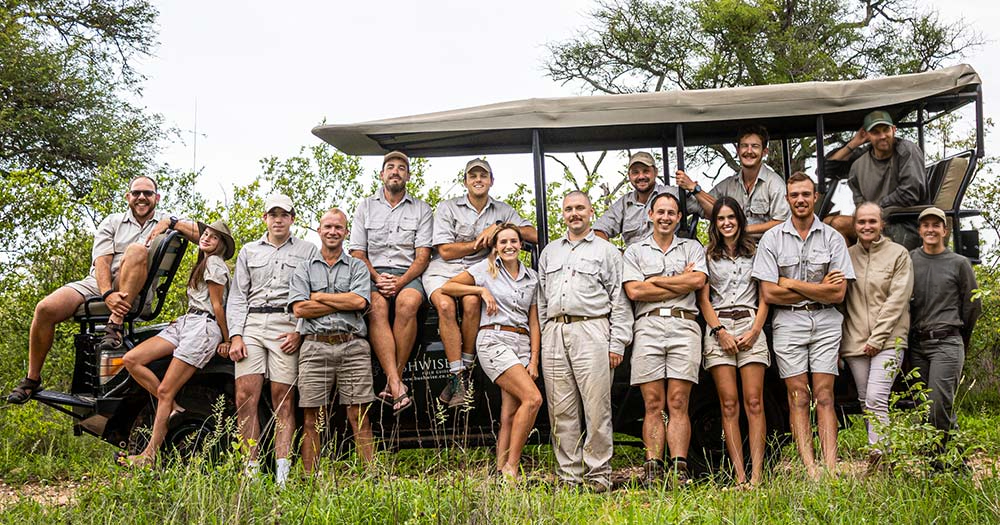
    If you want to become a professional safari guide, Bushwise offers a range of accredited field guide courses from 2, 3, 6, and 12 months, designed to kickstart your career in the wild.

  • Work on a safari in Africa

    Going on safari is one of the most incredible, eye-opening experiences a person can have in life. Seeing wild animals in their natural habitats, being awe-struck by the movement of a leopard through the grass, or the interaction between two elephants is the ultimate vacation. But what if it could be more than a vacation? 

    What if you could work on a safari in Africa? 

    image

    Imagine going to work every day, and feeling like you never work a day in your life. If you truly love what you do for a living, this is possible. That’s what it’s like working on a safari in Africa – each day is spent in the bush, observing wildlife, sharing your knowledge with guests, and conducting guided tours. 

    It takes dedication of course, but if you’re passionate about nature, it might just be the career path for you.

    What’s the best safari job?

    image

    The most common job in this industry is safari guide (also called field guide in southern Africa). Safari guides are ambassadors of the natural world. They’re the first point of contact between humans and nature, using their specialised knowledge and training to interpret their surroundings for their guests. 

    What it’s like to work on a safari

    Wake up every day before the sun rises, and take in the fresh morning air. As the nocturnal animals hide away, the rest of the bush comes alive around you. Birds begin their morning chorus as a soft light illuminates the landscape. 

    image

    Meet your guests at the lodge for coffee and snacks before heading out on a morning activity, usually a game drive. You’ll spend 3-4 hours looking for animals and exploring the reserve. Back at the lodge, your guests will enjoy some downtime while you take care of other duties, like paperwork or transferring guests to and from the airport. 

    By mid afternoon – usually between 3 or 4pm –  head back out for an evening activity. Pause for sundowners by the road, setting up a table with drinks and snacks for your guests. Sunset in the African savannah is beyond compare, with watercolour shades painting the sky and sounds of the bush coming alive. 

    End the day with a night drive back to the lodge, where your guests will freshen up for dinner. Usually you will host them at dinner, enjoying further conversation and storytelling into the night. It’s all in a day’s work as a safari guide!

    How do I become a safari guide? 

    image

    Becoming a safari guide requires a fair bit of studying and training. Most countries have strict licensing and qualification requirements to enter the industry. For example, in South Africa, you must be a qualified Nature Site Guide (NQF2) with CATHSSETA and registered in your guiding region with the National Department of Tourism. 

    The best way to ensure you get all the correct qualifications is to go through an accredited and endorsed training provider, like Bushwise Field Guides.

    Do you want to work on a safari? It’s possible. No matter where you’re from, if you’re 18 years and older, you can train to become a field guide. Apply for a Bushwise course today!

    Did this blog speak to you? Have you always wanted to work with animals – but aren’t sure how? Get started with jobs working with animals.

    #lion #wildlife #AdvancedRifleHandling #gameranger #bushwise #fieldguide #safariguide #trailsguide #training #animals #safari #fieldguidetrainer #sightings #fieldguiding #endangeredspecies #gamedrive #guiding #elephant #fieldguides

  • A horse trails guide in the African bush

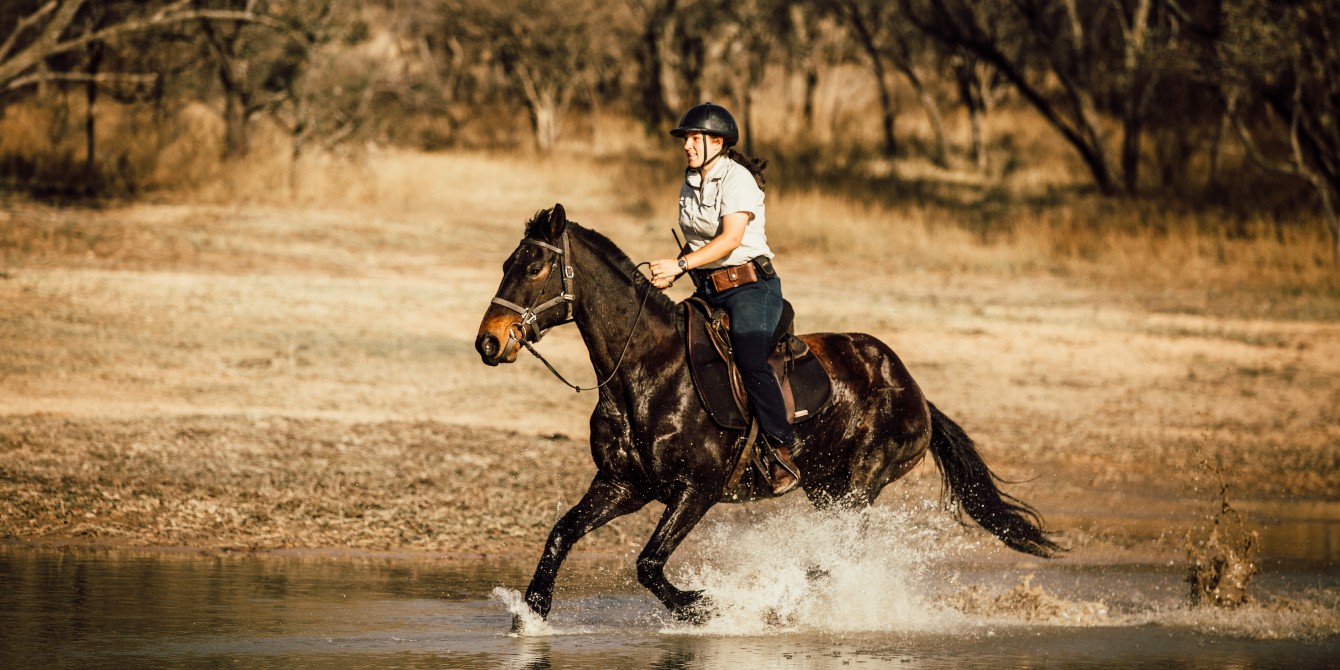
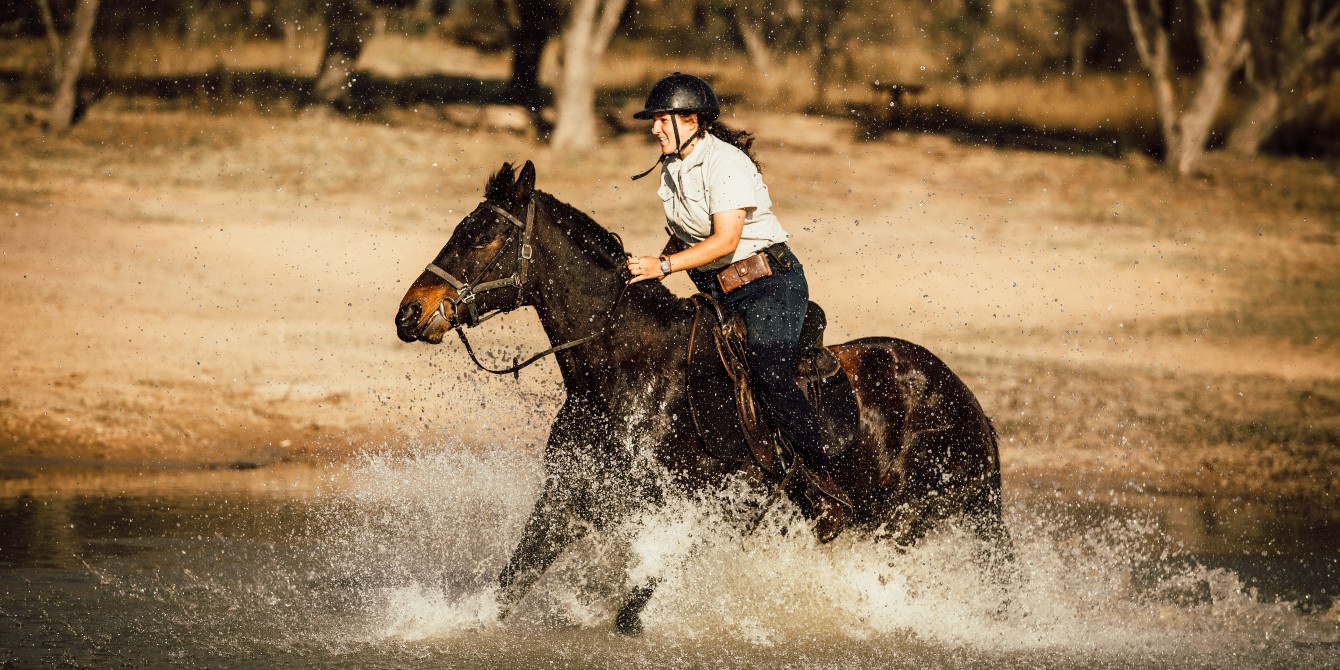
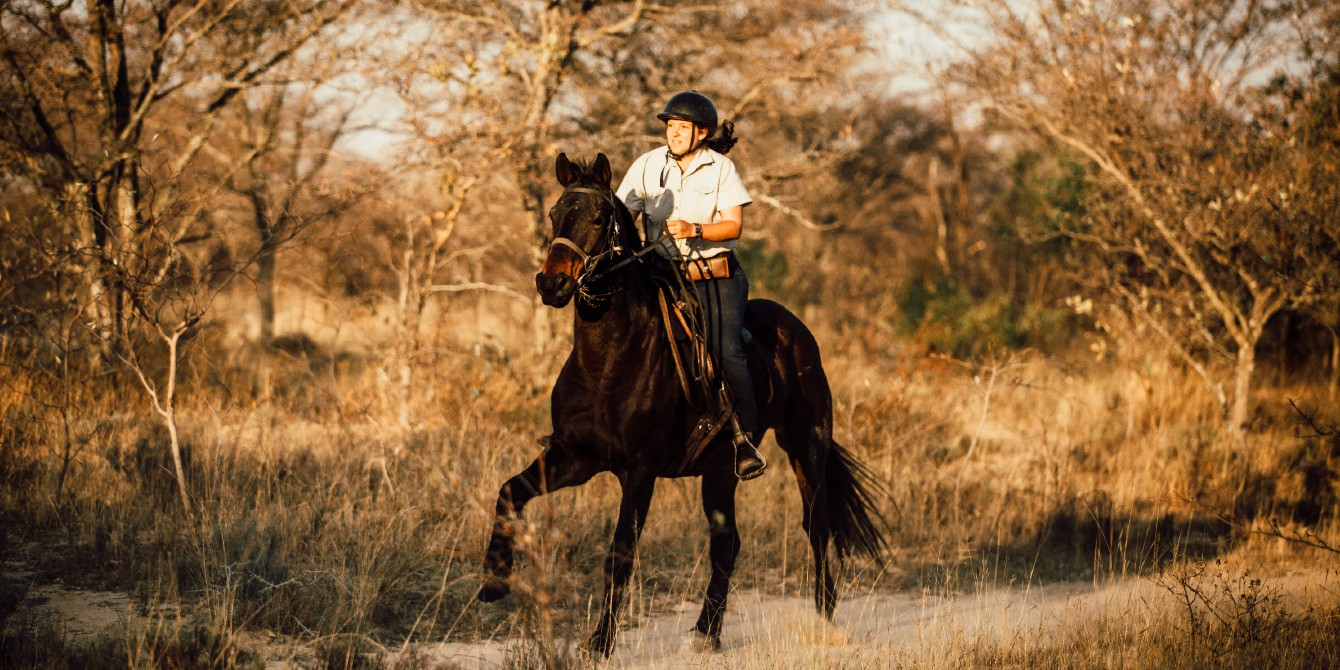
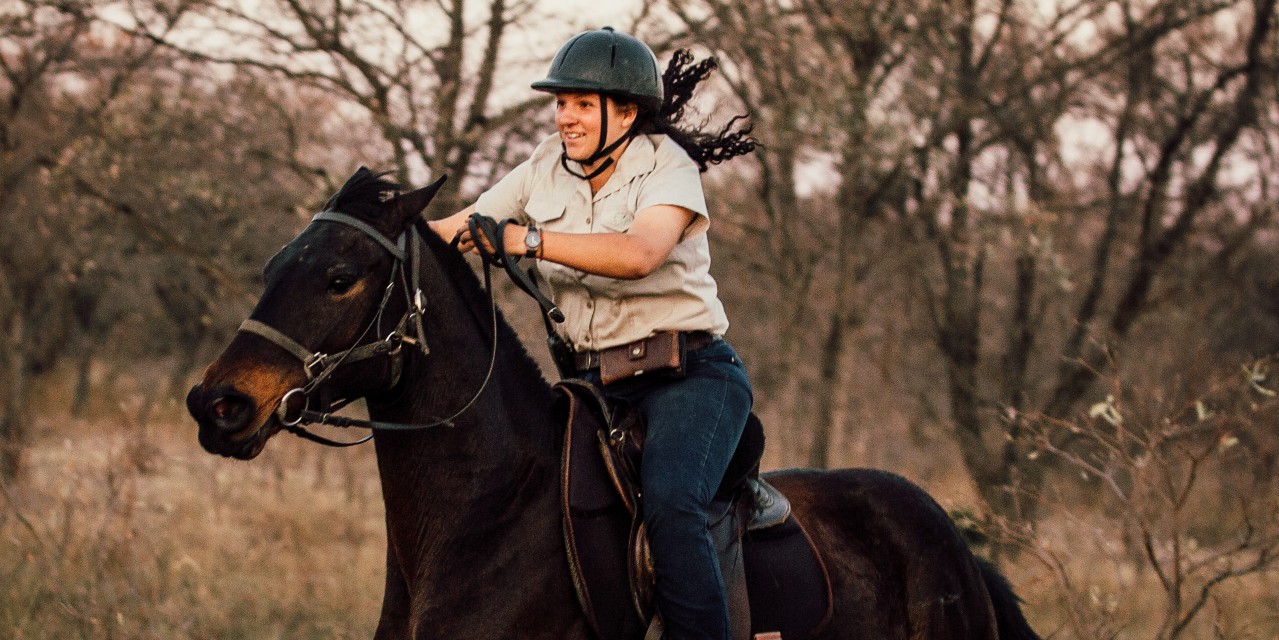
    Jenika Pohl is a Bushwise alumnus and horse trails guide with Ant’s Nest and Ant’s Hill in the Waterberg region of South Africa. The Ant Collection specialises in horseback safaris. In this blog, Jenika tells us her story of how she came to Bushwise and eventually ended up in a dream job as a horse trails guide.

    My name is Jenika, I’m from a small town called Louise Trichardt. I was just two months old when my parents took me to Kruger for the first time. So you could say I’ve always had a love for the bush. 

    After school I wanted to go into conservation and went to study BSc Zoology with tourism at North-West University. I finished my degree in 2020, which meant my last year of university was online. I felt bored being at home and didn’t know where I would find a job in this complicated time that we were in. 

    image

    That’s when I decided to join Bushwise in January 2021. I was lucky enough to be with the amazing group of people that went to Balule. It was the best six months of my life. I made lifelong friends during this time. I also learned a lot, not just theoretical things, but also about myself. 

    The highlight of the whole course was the bush walking. That’s my big passion. Tracking animals is probably the best thing to do. I knew I wanted to become a trails guide after that, as Jack and Lindi were such good mentors. I couldn’t ask for more.

    In June 2021 I finished the course, now my placement is coming up. There weren’t a lot of placements available because of COVID-19. Trever asked us who can ride a horse, and I raised my hand immediately. I’ve been riding since I was three and horses are another one of my passions. 

    image

    Sophie, the co-founder of Bushwise, knows the owner of the Ant Collection and she organised my interview. I went to Ant’s Hill for an interview, only to get there and leave early the next day because of COVID-19. I remember that I didn’t even ride in my interview. 

    Nonetheless, it seems that they liked me because they invited me to start on the 4 July. I was super happy and excited. I never thought I would be able to ride a horse every single day and be in the bush, doing what I love. My placement contract ended in December 2021, and they offered me a permanent job as a horse trails guide. 

    The Ant Collection is situated in the Waterberg. It was once a cattle farm that was owned by Ant’s father and grandfather. Ant decided to rewild the farm and start a horse safari. We have rhino, buffalo, leopard and a whole bunch of other amazing wildlife on the reserve. 

    There are two lodges on the 5,500Ha reserve, Ant’s Hill and Ant’s Nest. It’s not only horse riding, but also walking, game drives, mountain biking and fishing. I’ve been working at Ant’s Hill since February 2022, and I also manage the 45 horses in our stable. 

    image

    A day in the life 

    Our horses come into the stables in the mornings and get fed. Everyone in the stables has a certain number of horses to manage. We check their temperature, manage ticks, look for wounds, brush them, etc. 

    The horses are then allocated to each guest and guide. Then they have to be tacked up and taken down to the lodge. The horses that aren’t being ridden will go out onto the big reserve. That makes sure that the animals are used to the horses, so that we can get quite close to them. In the afternoons, we start at 14h00 and the same happens. 

    We also have volunteers, which normally stay for three months at a time. They will normally be the backup riders that will ride at the back of the group of guests. They also host with the guides. 

    What it’s like to be a horse trails guide

    Being a horse guide is a little bit different to being a regular guide. It’s a little bit more challenging and involves more physical work. You have to be able to ride well and to be able to control your horse. It’s like being a trails guide where you manage the guests behind you, but now you also have to manage the horses as well. You also have to know each horse that is on your ride. 

    image

    Sometimes we get beginner guests that have never been on a horse, which can be challenging. Other times you get guests that say they are experienced but they aren’t. This makes communication very important. Ask your guest if they are still comfortable in the saddle, are they good for a canter, etc. 

    But you as lead guide also need to assess the situation and stand your ground. If a guest is pushing you to a canter, but you can see he/or is going to fall off, you have to be able to say NO. Speaking loudly is important; your voice really needs to travel when you have six horses behind you. 

    In the end, all I can say is that it is super fun for any guide that loves hard work, horses and being in the bush. I’m so grateful to have gotten to this point in my career and I can honestly say it wouldn’t have happened without Bushwise.

    Did you know you could combine field guiding and horseback riding to become a horse trails guide? Apply to Bushwise today and start your journey!

    #Horses #bushwise #fieldguide #trailsguide #horsetrailsguide #fieldguidecourse #fieldguides

  • Field guide jobs and career paths: where do I go from here?

    If there’s one thing we know about field guides, it’s that there’s no “one size fits all” field guide job. You might think, but a field guide is a field guide, right? Not quite! 

    When a student joins any Bushwise course, they bring with them a diversity of backgrounds, experiences and goals for the future. Not everyone will go straight into a traditional field guide role after graduation. Some will, of course, but for the others – there are endless options available. 

    In this article, we outline some of the career paths previous field guide students have taken. Take a look – you might find that someone else’s experience is similar to yours. Stay with us until the end to see a list of conservation and wildlife careers!

    The mid-career breaker

    image

    Perhaps you’ve followed a more traditional career path. You graduated from school, got a job or entered into an apprenticeship and slowly worked your way up. Lots of hard work and hours of skills development got you to the position you’re in now, but you aren’t satisfied. Or, you’re feeling a bit burnt out and you need a change of scenery.

    It’s not unusual for a Bushwise student to be a bit older – we’ve had students in their 40s, 50s, and even 60s join a course. While sometimes it’s for a sabbatical or a career break, occasionally people really do decide to completely change their careers. We’ve met students from all over the world who have a burning passion for African wildlife and they just can’t stay away!

    image

    Ildiko is from the Netherlands. She was in her 30s when she first visited South Africa in 2002, on safari with her family at Addo Elephant Park and Singita. She fell in love with the bush right away. Now 51, Ildiko is tired of spending time in an office working as an events and operations manager – she wants to spend her life in the Lowveld, surrounded by beautiful nature and like-minded people with similar interests. Ildiko recently joined Bushwise and Colin Patrick Training for track and sign assessment. Part of her heart belongs in Southern Africa and she’s determined to be in the bush as much as possible!

    The forever nature enthusiast 

    image

    If there’s one thing that truly unites all field guide students, it’s their love of nature. Sometimes that’s all it takes for a person to sign up for a course. Growing up they watched David Attenborough, Steve Irwin, and other wildlife documentaries, and developed a deep love for nature. Their shelves are filled with colourful books about wildlife, travel memoirs, bird identification guides, and novels featuring animals. Wherever they live, they get outside as often as possible and tend to find insects and reptiles just as exciting as big mammals. 

    Forever nature enthusiasts are creative about incorporating nature into their careers. Even if they don’t become field guides, they’ll work outside somehow, or they’ll find breaks in work to attend field guide courses or multi-day trails in national parks. 

    image

    Georgia is originally from Devon, England. She was working in entertainment TV production and wanted to gain more practical wildlife experience, as she made her move toward science and nature film making. She came to South Africa in 2019 for a field guide course. She absorbed information like a sponge and absolutely loved the African bush. After she qualified as an apprentice field guide, Georgia went back to the UK to continue working in film production. She’s currently working on an environmental impact film and gets back to Africa every chance she can get.

    The gap year student

    image

    Around the world, the term “gap year” means different things. People go backpacking in Europe, join research projects (like sea turtle conservation in Thailand), spend time volunteering, or learn a new language. For some new graduates, the opportunity to train and become a safari guide is an excellent way to spend six months or a year after they’re fresh out of school. 

    If you’ve just graduated from college (or even high school), a Bushwise field guide course can also be a way to gain valuable skills and knowledge that transfer to a job back home. In the USA, for example, there are world-class national parks that are always looking for top-brass talent to join their teams. Positions might include park rangers, tour guides, naturalists, wildlife guides and more. 

    In 2016, Mark finished his university degree in communications and was working a seasonal job at a summer camp in New Hampshire. He’d never been to Africa before, but loved African wildlife. Through internet searches he came across a field guiding course and, on a whim, signed up. He figured there was no better time to try something completely new. Over a few months, he gained multiple certifications, made lifelong friends, and developed some impressive tracking skills. Through his experience he made work connections and secured himself a job with a conservation organisation back home in the USA. 

    The career field guide or trails guide

    image

    Perhaps the most likely scenario on this list is the individual who’s looking to turn field guiding into their career. Whether it’s for the long term or short term, they want a field guide job. They want to drive that game viewer, work at a lodge, or take guests on bush walks in Big Five territory. They’ve arrived on campus ready to start their life-long learning in this unique industry. 

    The most traditional path for a field guide is to work your way up from apprentice field guide to field guide to IFGA field guide. Additional specialisations, known as SKS (special knowledge and skills) can also be earned, such as wildflower or regional bird SKS. Trails guides follow a similar path, moving from apprentice trails guide (previously back-up trails guide), to trails guide, to SKS dangerous game. We speak a little more about this career journey in our recent blog post.

    At Bushwise we’ve had hundreds of students join our courses who went on to find jobs across the conservation landscape. We often share their experiences, and you can find some wonderful success stories on our alumni page on our website

    Other career possibilities

    image

    Where else might a field guide course take you? Here are some more examples of real jobs in conservation and wildlife you could get after becoming a field guide.

    **This is just a snapshot of the possibilities, and some of these careers require additional training or education**

    1. Nature/wildlife photographer or videographer

    2. Ecologist

    3. Conservation researcher

    4. Field guide trainer or assessor

    5. Forest service/parks service ranger

    6. Policy or advocacy officer

    7. Environmental impact assessor

    8. Wildlife biologist

    9. School outreach or volunteer program coordinator

    10. Researcher (field work or lab based)

    11. Lodge management/front of house

    12. Anti-poaching unit member or K9 dog handler

    13. Wildlife veterinarian/vet assistant

    14. Zookeeper

    15. Freelance field/trails guide

    16. Wildlife educator

    17. Marine guide

    18. Environmental lawyer

    19. Wildlife field technician

    20. Communications officer

    21. Science officer

    22. GIS technician

    23. Social media or digital marketing manager

    24. Reserve warden

    25. Helicopter pilot

    26. Hiking/cycling/kayaking guide

    27. Wildlife trade officer

    28. Reserve security manager

    29. Endangered species monitor

    30. Working with animals

    Do any of these careers resonate with you? You could be on your way to a field guide job or other career in wildlife or conservation. Apply today and join the next Bushwise IFGA Safari Guide Course.

    #fieldguidecareer #gameranger #bushwise #safariguide #trailsguide #animals #apprenticefieldguide #safari #fieldguidetrainer #fieldguidejob #cybertracker #fieldguidecourse

  • Five of the biggest differences between field guides and game rangers

    BY: Tasneem Johnson-Dollie

    Looking to become a conservationist? Well, getting a feel for the differences between what game rangers and field guides do is a good place to start when planning for a career in conservation. 

    Yes, field guides and game rangers work at the same establishments, and they may even interact with each other on a daily basis.

    But field guide and game ranger jobs add to wildlife conservation in their own unique ways.

    Here are five of the biggest differences between field guides and game rangers that can help you to make up your mind, and get into a career that meets your expectations.

    1) Where do wildlife rangers and field guides work?

    image

    Both game rangers and field guides work in national parks, game reserves and private lodges.

    In fact, field guide and game ranger courses may offer their practical component in the exact same places.

    But, game rangers are more concerned with the maintenance of the wild spaces that make up lodges and reserves.

    Field guides, on the other hand, focus more on tourist activities – which means they’re most active in areas of the lodge or reserve where tourists are allowed to go.

    2) What field guides and game rangers do

    image

    Wildlife management became a key focus area in South Africa around the early 1800s. This sparked the establishment of game reserves, nature reserves and national parks.

    Here, people who were passionate about conservation could make a living working with wild animals in their natural habitats.

    Many of these establishments were run by individuals who had years of experience living in or visiting the bush. These pioneers came to be known as game rangers or wildlife rangers.

    The title just made sense, since the word “ranger” is used to refer to the “keepers” – or maintainers – of natural spaces.

    With their wealth of practical bush and wildlife knowledge, wildlife rangers were able to take tourists out into the wild.

    This made it easier for individuals with less – or no – experience in the wild to explore safely.

    Safari drives are still the most well-known of these early activities. But, over time, tourists wanted new ways to experience the wild, and the role played by game rangers developed into something much more specific.

    Today, the type of work done by game rangers still includes managing game reserves and collaborating with other reserve managers, as well as ecologists.

    image

    But if you decide to go into a career as a wildlife ranger, you’ll be expected to:

    1. manage animal populations and check for diseases
    2. maintain the reserve’s roads and fences
    3. manage water reserves, water erosion and alien plant growth
    4. ensure that the game reserve is run sustainably
    5. control threats such as poaching
    6. interact with the public and local communities, and add to their understanding of and contribution to conservation.

    As tourism in the country grew, other activities like bush walks became more popular. And, specialists who could provide the best guided experiences in the wild were even more in demand.

    But, with wildlife rangers already having lots of responsibilities that were essential to the well-being of the reserve’s plants, animals and economic well-being, they couldn’t take on much more.

    This is when the conservation career known as “field guide” came about. It was set up to see to the needs of tourists visiting reserves and to lighten the load for game rangers.

    Field guides were trained to:

    1. take tourists out on walking or 4×4 safaris
    2. provide a guided experience that adds to the guests’ understanding of natural environments and the animals that live in them
    3. assist wildlife rangers in their daily activities in the field whenever necessary.
    image

    And this is what you’d get to do if you decided to go into a conservation career as a field guide.

    3) What game rangers and field guides study

    Field guides and game rangers study similar topics but work towards different qualifications.

    Wildlife rangers need to have a tertiary-level qualification that’s relevant to conservation. This means that you’ll need to achieve at least a national diploma with a wildlife focus.

    Your game ranger studies should also equip you with everything you need to know about African ecosystems and their conservation.

    Field guides also need to have a good understanding of all the plants, animals and natural environments that make up African ecosystems.

    But, as an aspiring field guide, you’ll only need to complete the theory and practical components of a IFGA accredited field guide course to be able to work in the industry.

    So, being smart about the qualification you get is key in ensuring that you can land the conservation job you’re hoping for.

    4) Where to study field guide and game ranger courses

    image

    You can get involved in programs that gear your professional development towards game ranger jobs at any one of these South African institutions:

    1. Cape Peninsula University of Technology
    2. University of Cape Town
    3. University of the Western Cape
    4. University of South Africa (UNISA)
    5. Southern African Wildlife College
    6. Tshwane University of Technology
    7. University of Stellenbosch
    8. College of African Wildlife Management.

    And if you’re looking to land jobs as a field guide, you’ll need to achieve your qualification on a field guiding course that’s accredited by IFGA.

    Where would you go to do this?

    Well, there are many different field guide training providers. But, Bushwise Field Guides offers an award-winning IFGA Safari Field Guide course and boasts the highest pass rate in the industry. Not to mention that Bushwise has an employment guarantee that ensures all South African graduates will secure a role within six months of completing this course.

    And you could learn all you need to know about field guiding and gain comprehensive practical experience that adds to your employability in the field.

    5) How wildlife rangers and field guides make an impact

    image

    So how do field guide and game ranger jobs differ in the impact that they have in conservation?

    Well, despite the differences between these conservation careers, getting involved in either of them means that you’ll make a meaningful impact in the conservation of ecosystems.

    But, wildlife rangers are more focused on wildlife and reserve management. And, while they’re bound to interact with lodge and reserve guests from time to time, it isn’t the focus of their day-to-day activities. The work they do has a direct benefit for wild animals and their well-being.

    In comparison, a field guide’s main aim is to interact with tourists in an informative and engaging way, and assist in broadening their understanding of the wilderness. In this way, they build on the global community’s awareness of wildlife conservation and the role that each individual can play in it.

    Start your conservation career

    image

    So, which conservation career do you see yourself in?

    Well, now that you know the differences between field guide and game ranger jobs, you can have a clearer vision of where you’re headed.

    And this will make it easier to work towards the conservation career that speaks to your strengths and passions, and pick the field guide or game ranger course that will get you to where you want to be.

    Even if you’re still not quite sure, you could start out on a field guiding course, and build towards a career as a wildlife ranger in the future.

    Take a look at the Bushwise professional field guiding course and internship that make dreams come true for aspiring field guides or game rangers.