Tag: #africanwildlife

  • Red-Billed Oxpeckers: Nature’s Little Clean-Up Crew

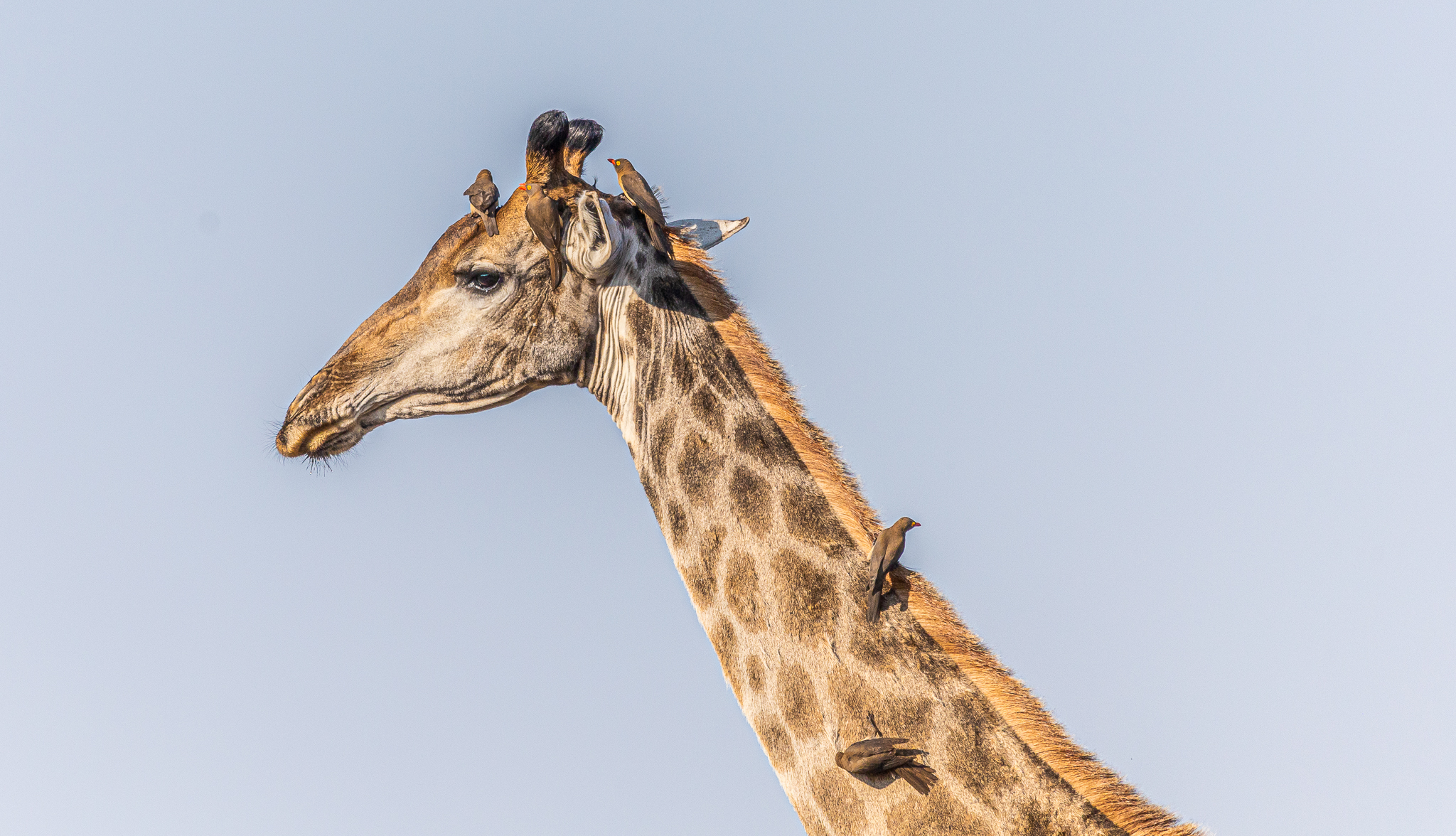
    Red-billed oxpeckers are small, striking birds that are easy to spot on the backs of large herbivores across southern and eastern Africa. Their bright red bills and sharp yellow eyes make them stand out, but their importance goes far beyond their colourful appearance. These birds play a crucial role in maintaining the health of both wildlife and the ecosystems they inhabit.

    Red-billed oxpeckers are famously associated with large mammals such as buffalo, giraffe, antelope, and even domestic cattle. They feed primarily on ticks, flies, and other parasites that infest their hosts. By doing so, they provide a natural form of pest control, reducing the parasite load and irritation for the animals they perch on. This mutualistic relationship benefits both species: the oxpecker gets a steady food supply, while the host experiences better health and comfort.

    These birds are not limited to just eating parasites. They also consume dead skin and sometimes even blood from small wounds, which can be a source of controversy among scientists. Some research suggests that oxpeckers may prolong minor wounds to keep a steady food source, while other studies indicate that their overall effect on host health is generally positive. Regardless, their presence has a clear impact on animal welfare in the wild.

    Red-billed oxpeckers are highly social and are often seen in pairs or small flocks. Their interactions extend beyond their feeding habits. They are vocal birds, using calls to communicate with each other and alert their hosts to potential dangers, such as predators nearby. In this way, they contribute indirectly to the safety of the animals they associate with, making them an integral part of the savanna’s intricate web of relationships.

    Beyond individual animals, red-billed oxpeckers play a role in the wider environment. By controlling parasite populations, they help maintain healthier herbivore populations, which in turn affects vegetation patterns and predator-prey dynamics. Their feeding habits also provide opportunities for other scavengers and insects to benefit from leftover food or disturbed parasites, adding yet another layer to their ecological significance.

    Red-billed oxpeckers are dependent on large herbivores, which means that the conservation of these birds is closely tied to the health of mammal populations. Habitat loss, declining wildlife numbers, and human-wildlife conflict all have the potential to affect oxpecker populations. Protecting large savanna and grassland ecosystems ensures these birds can continue their work, supporting the overall health of the environment.

    Spotting red-billed oxpeckers in the wild offers a small but fascinating glimpse into how species work together in nature. They are a reminder that even the smallest creatures can have a significant role to play in maintaining balance within ecosystems.

    If you’re interested in learning more about the interactions between birds and mammals, or want a career working with wildlife, explore Bushwise’s professional wildlife courses and deepen your understanding of Africa’s incredible wildlife.
  • Spotted hyenas and how hydration shapes their survival

    This blog was written by Koketso Barongwa Sekome, a Bushwise Professional Safari Guide student. Each student takes a turn as camp manager, and writing a blog is part of the experience.

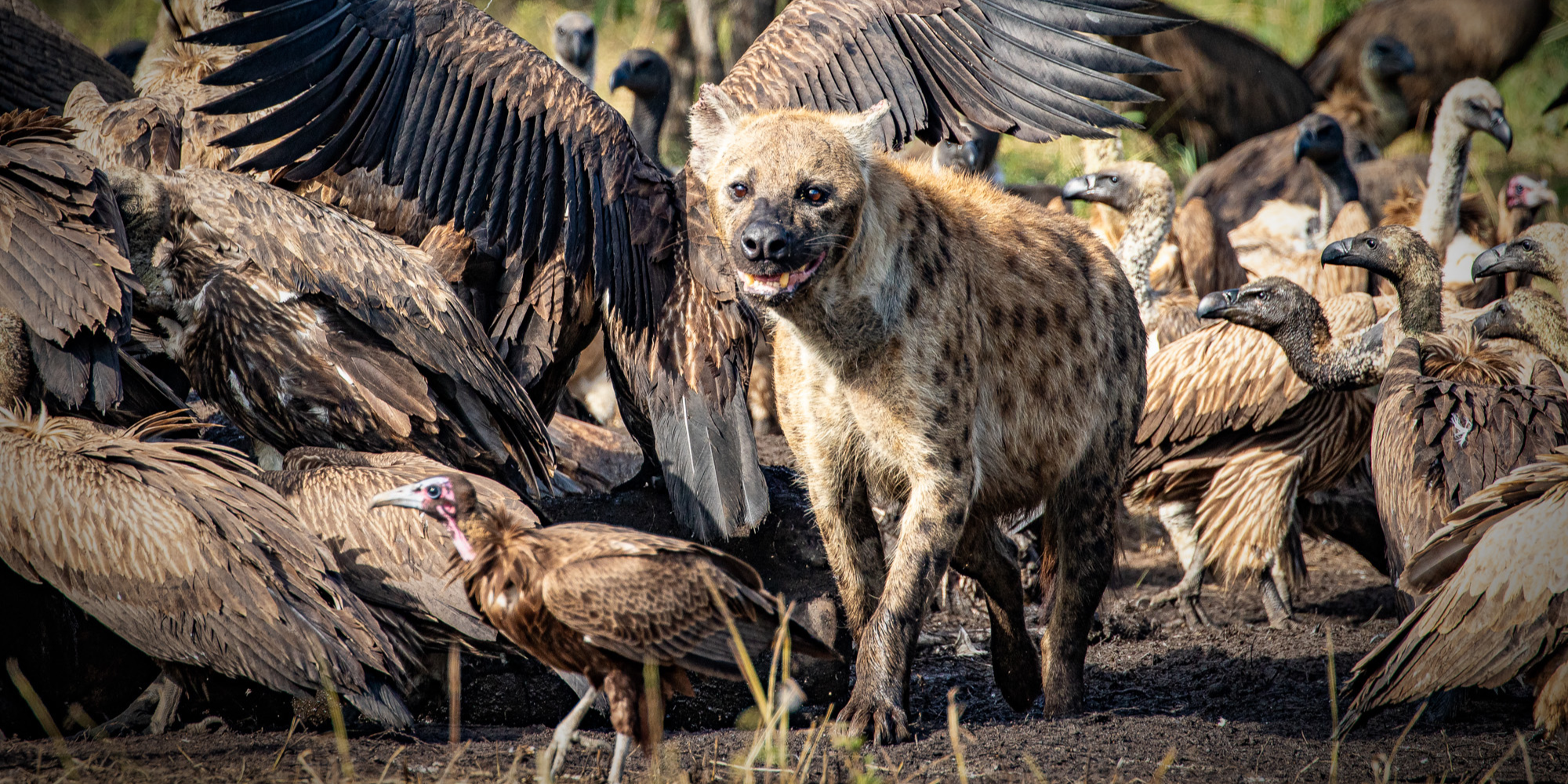
    Across Africa’s open plains, the sound of a spotted hyena’s call cuts through the night. These animals are clever, complex, and highly adaptable, but even the most resourceful creatures need one thing to survive: water.

    image

    In the bush, where dry seasons can stretch for months, water plays a surprisingly big role in shaping hyena behaviour and survival. It helps them regulate body temperature, digest food, heal from injuries, and keep their coats in good condition. It also influences where they live, how they hunt, and how their clans interact.

    Spotted hyenas get most of their water from their prey. The blood and soft tissues of animals they hunt or scavenge contain enough moisture to sustain them for several days. When water is easy to find, they’ll drink often and use rivers, dams, or pans to cool off in the heat. In dry conditions, they can go a week or more without drinking, depending almost entirely on prey fluids for hydration.

    Hyenas are often drawn to waterholes – not just to drink, but to cool down, socialise, and hunt. Water sources attract herbivores, and where there are prey animals, predators are never far behind. Researchers have even seen hyenas submerging carcasses in water to hide them from other scavengers and return later for a second meal.

    image

    Areas with reliable water tend to support more hyenas. That’s partly because water brings in more prey, but also because it provides central meeting points for clans. Hyenas use these spots to interact, reinforce social bonds, and communicate through scent marking and vocalisations. When drought hits and waterholes dry up, these important gathering places disappear, and clan territories may spread wider as they search for food and hydration.

    To cope with the heat, hyenas adjust their routines. They’re mostly active at night, when temperatures are cooler and less energy is lost to the sun. During the day, they’ll rest in the shade or in shallow pools of water. Their bodies are well adapted to conserving moisture, and their kidneys are efficient at holding onto water even in arid environments.

    Water shapes every part of a spotted hyena’s life – from hunting to social structure to territory size. Protecting natural water sources like rivers, pans, and wetlands helps ensure not only the survival of hyenas but also the balance of the broader ecosystem they’re part of. When water thrives, so does everything else around it.

    image

    If learning about the natural world excites you, imagine studying it in person. Join Bushwise to explore Africa’s wildlife up close, understand the behaviours that keep ecosystems in balance, and take the first step towards a career in field guiding, wildlife tourism, or conservation.

  • The dwarf mongoose: Small body, big story

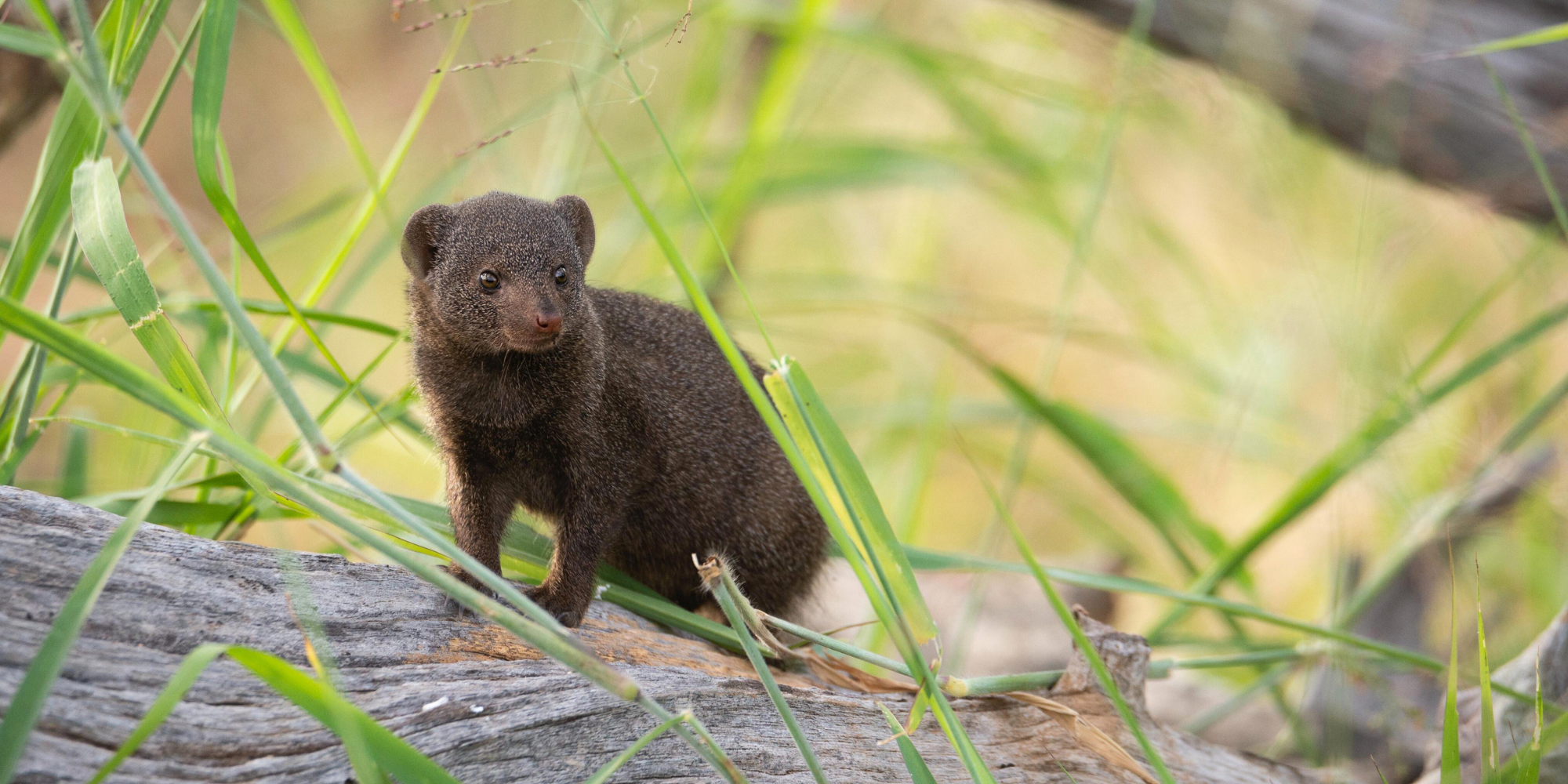
    The dwarf mongoose is Africa’s smallest carnivore, and one of its most entertaining. Found across a wide range of habitats in sub-Saharan Africa, from dry savannas to open woodlands, this tiny mammal punches well above its weight when it comes to personality, intelligence, and teamwork.

    image

    Fully grown, a dwarf mongoose weighs less than half a kilogram and is no longer than a school ruler. But what they lack in size, they more than make up for in social smarts. These animals live in close-knit groups of around 8 to 15 individuals, though sometimes you’ll see gangs of 20 or more. The group is usually led by a dominant female and male, and while they do most of the breeding, everyone plays a role in raising the pups, foraging for food, and keeping watch for predators.

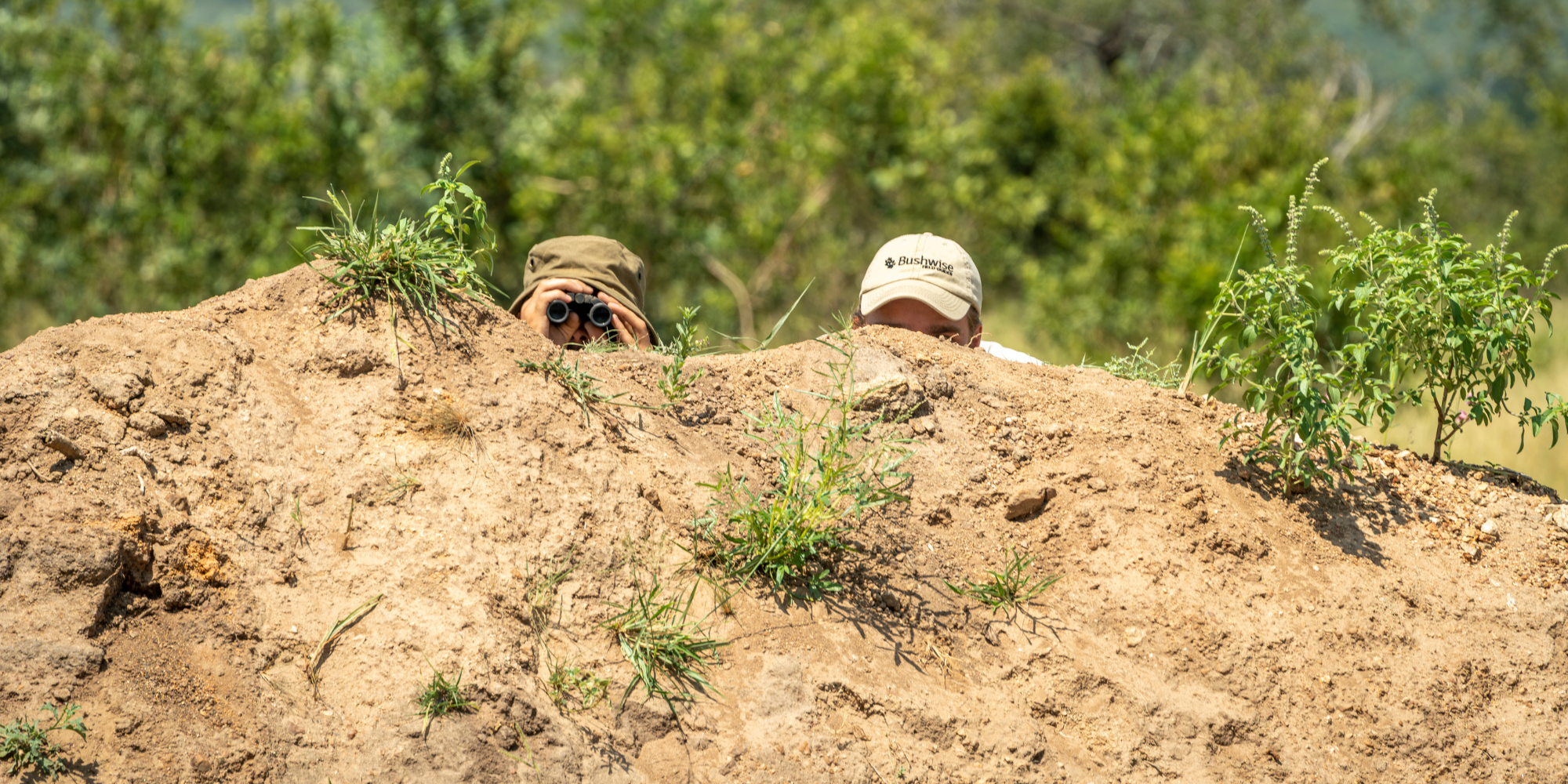
    Teamwork is key. Dwarf mongooses are constantly communicating, using chirps, squeaks, and trills to stay in touch and alert one another to danger. While the group forages, one mongoose often takes on the role of sentry, climbing onto a rock or tree stump to keep lookout. If a threat is spotted, like an eagle or a snake, a sharp alarm call sends the whole group looking for cover.

    image

    Their diet mainly consists of insects like beetles, grasshoppers, larvae, and termites, but they’ll also snack on small lizards, eggs, and the occasional fruit. They use their sharp claws to dig into soil or pry open bark, sniffing out anything edible. They’re not fussy eaters, and their small size means they can access food sources that larger predators might overlook.

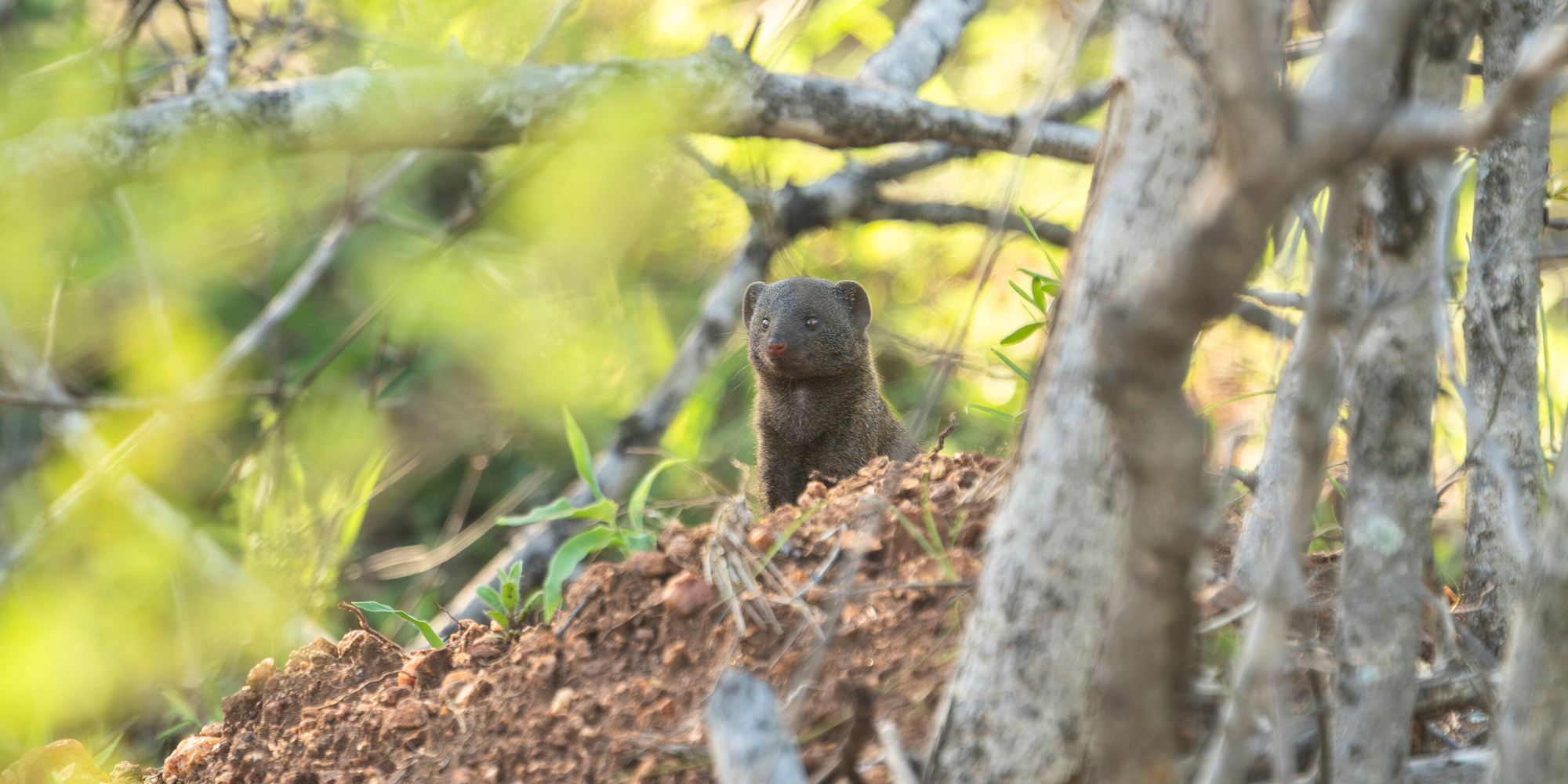
    Dwarf mongooses are most often found living in abandoned termite mounds, which offer plenty of entrances and hidden chambers that are perfect for sleeping, hiding, and raising young. These dens are the centre of their world. At night, the group piles in together to rest, and in the mornings, they groom one another before heading out to forage.

    image

    Pups are usually born during the wet season, when food is more plentiful. A litter typically includes two to four pups, and although only the dominant female breeds, everyone in the group helps care for the young. It’s common to see babysitters staying behind at the den while the rest of the group goes out, or adults sharing food with hungry pups to help them grow.

    Although dwarf mongooses are not endangered, they do face some challenges. Habitat loss from agriculture and development can reduce their range, and the destruction of termite mounds, often unintentionally, removes vital shelter. They’re also vulnerable to natural predators like snakes, birds of prey, and jackals. But their alertness, speed, and social structure give them a good chance of survival.

    image

    They might not be as famous as lions or elephants, but dwarf mongooses are a vital part of the African ecosystem. They control insect populations, serve as prey for larger animals, and show just how effective cooperation in the wild can be. For anyone lucky enough to spot them on safari, watching a group of dwarf mongooses darting in and out of a termite mound or chattering to each other in the grass is always a highlight. Small, scrappy, and full of character, they’re proof that great things really do come in small packages.

    Want to see species like the dwarf mongoose in their natural environment, while gaining practical knowledge and guiding skills? Bushwise offers a range of wildlife courses for you to experience and learn about Africa’s wildlife firsthand. 

  • The secret life of giraffes – Facts about Africa’s tallest animal

    This blog was written by Runé Jansen van Vuuren, a Bushwise Professional Safari Guide student. Each student takes a turn as camp manager, and writing a blog is part of the experience.

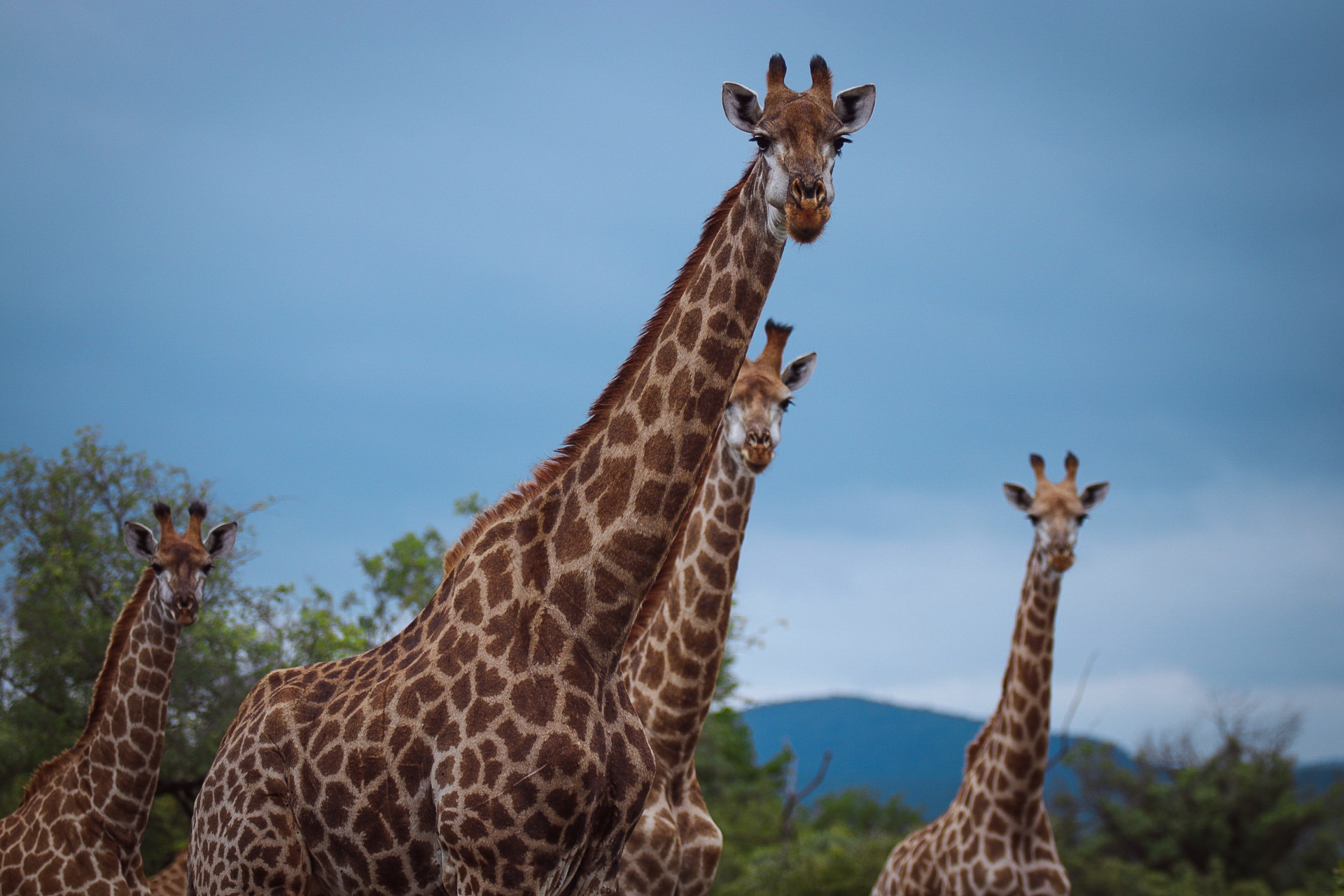
    When thinking of Africa’s iconic wildlife, the first thing that usually comes to mind is the Big Five. But few people pause to appreciate the other extraordinary animals that call this vast and varied continent home, like the giraffe. This majestic creature is the tallest hoofed land mammal on Earth, and it’s no wonder giraffes have captured the hearts of wildlife lovers and travellers alike. With their towering necks, distinctive spotted coats and calm nature, giraffes are truly remarkable.

    image

    A giraffe’s height is nothing short of impressive. Males can reach a staggering 5.48 metres (18 feet), while females are generally a little shorter, growing up to around 4.26 metres (14 feet). Their long, sturdy legs – each about 1.82 metres (6 feet) in length – provide the strength and balance needed to support their size.

    Of course, it’s the neck that steals the show. A giraffe’s neck can stretch up to an incredible 3 metres, yet they have the same number of neck vertebrae as humans – just seven. Despite this impressive anatomy, giraffes face a rather awkward challenge when it comes to drinking water. Their necks are too short to reach the ground on their own, so they must bend their legs in a strange, splayed position to lower their heads. Thankfully, giraffes don’t need to drink all that often. They can go for weeks without water, absorbing most of their hydration from the leaves and plants they feed on.

    image

    Giraffes are sociable animals and live in loose, ever-changing groups known as “towers” or, occasionally, “journeys”. Unlike many herd animals, giraffes don’t follow a strict hierarchy. Instead, they interact in a calm, easy-going way. Group sizes can range from just a few individuals to over 20, and the makeup of the group can shift regularly. Female giraffes often form smaller, more stable groups, particularly when raising calves. Males, on the other hand, tend to roam more widely and are commonly seen in bachelor groups, especially during the mating season when they compete for dominance and the right to breed.

    Beyond their striking appearance and social habits, giraffes play a vital role in the health of their environment. As browsers, they help manage the growth of trees and shrubs by feeding on them, preventing certain species from becoming overgrown. This helps maintain a balanced and diverse ecosystem, benefiting countless other species. In a way, giraffes are the quiet gardeners of the savannah. They are also an important part of the food chain, particularly for predators like lions. While their sheer size offers some protection, calves are particularly vulnerable to predation.

    image

    The giraffe’s unique adaptations, peaceful social lives and ecological importance make them a treasured part of Africa’s wild landscapes. Sadly, some giraffe subspecies – such as the Rothschild’s giraffe – are listed as vulnerable, with their numbers declining due to habitat loss and other human pressures. However, thanks to the efforts of conservation organisations working to protect their habitats and raise awareness, there is hope. These initiatives are helping to ensure that giraffes – with their graceful silhouettes and gentle demeanours – continue to roam Africa’s wild areas for generations to come.