Tag: #birds

  • How to identify birds using the GISS method

    How to identify birds using the GISS method

    Birdwatching is one of those skills that becomes more rewarding the longer you do it. At first, all the fluttering wings and quick movements can feel overwhelming, but once you know what to look for, patterns start to appear. The GISS method is one of the best tools to help you get there.

    GISS stands for General Impression of Size and Shape. It’s a method used by guides, rangers, and birders around the world to identify birds quickly and confidently, even with only a short glimpse. Instead of fixating on tiny markings, GISS encourages you to take in the whole bird – its size, its proportions, how it moves, and where it’s found. Here’s how it works.
    General
    The “General” part of GISS refers to your first impression. What’s the bird’s overall look and feel? Is it elegant and slender like a heron, or compact and busy like a sparrow? Sometimes, your instinctive sense of a bird can be the most accurate clue. The more time you spend watching birds, the sharper that instinct becomes.
    Impression
    “Impression” focuses on the bird’s movement and personality. How does it behave? Is it gliding effortlessly, darting between branches, or bobbing its tail as it walks? Behaviour can tell you a lot — for instance, wagtails are known for their characteristic tail-bobbing, while hornbills tend to move deliberately through the trees. Watching how a bird acts in its environment often gives you just as much information as what it looks like.
    Size
    Size can help narrow things down quickly. Compare the bird to others nearby or to something familiar. Is it smaller than a dove? Bigger than a starling? Size can be deceptive depending on distance, so use it as a rough guide rather than a strict rule. Still, it’s a good way to eliminate possibilities — a bird much larger than a sparrow, for example, isn’t going to be one.
    Shape
    Shape is one of the most reliable identifiers. Look at the silhouette — long neck, short tail, broad wings? Raptors tend to have sturdy bodies and hooked beaks, while swallows are streamlined for fast flight. Even without colour, an experienced guide can identify a bird just by its outline against the sky. Practising this skill takes time, but it pays off quickly once you start noticing patterns.
    Using GISS in the field
    When you’re out in the bush, you rarely get the luxury of a perfect view. Birds hide in thick foliage or take off before you can grab your binoculars. The GISS method helps you make quick, confident identifications using what you can see in the moment. Start with your overall impression, watch how it behaves, note its size and shape — and only then, if you can, check colours or markings to confirm your guess.
    Developing your bird identification skills takes patience and practice, but it’s one of the most rewarding parts of spending time in nature. Each sighting sharpens your observation skills and deepens your connection to the natural world.
    Want to turn your passion for wildlife and the bush into a career? Learn more about Bushwise’s professional wildlife courses and start a career in the safari, conservation, or tourism industries.
  • Through the lens: A birder’s paradise

    This blog was written by Alex Rivarola, a Bushwise International Field Guide student. Each student takes a turn as camp manager, and writing a blog is part of the experience.

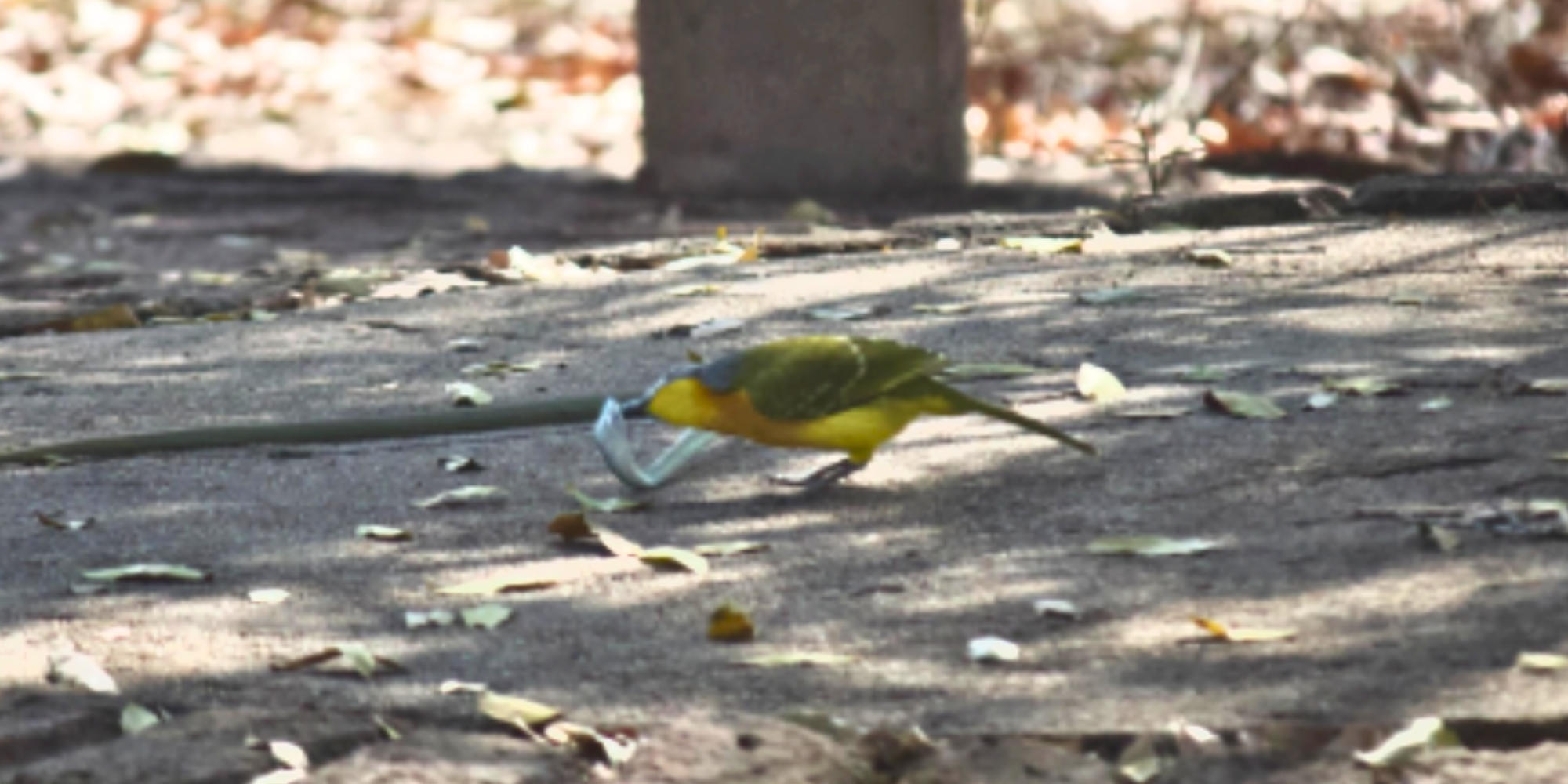
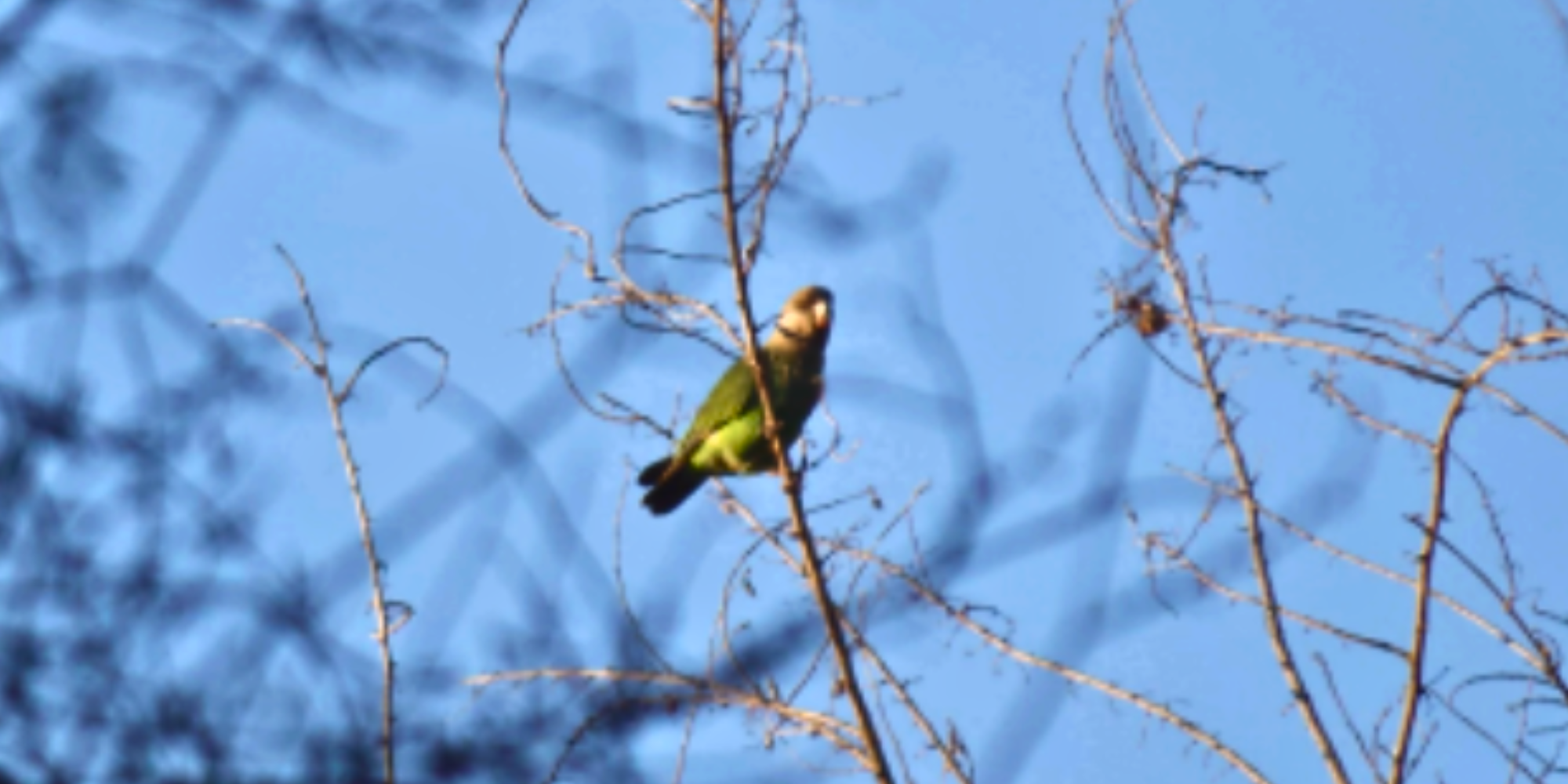
    Hello Everyone! My name is Alex and I want to talk to you about birds! Why birds, you may ask? Well it may or may not have something to do with our schedule of just finishing up our Bird Theory exam, followed by Bird Slides and Sounds. I also really enjoy finding and observing our avian neighbors. There is just something relaxing about waiting a while to just listen to their plethora of calls and unique behaviours. So let’s dive right in. 

    image

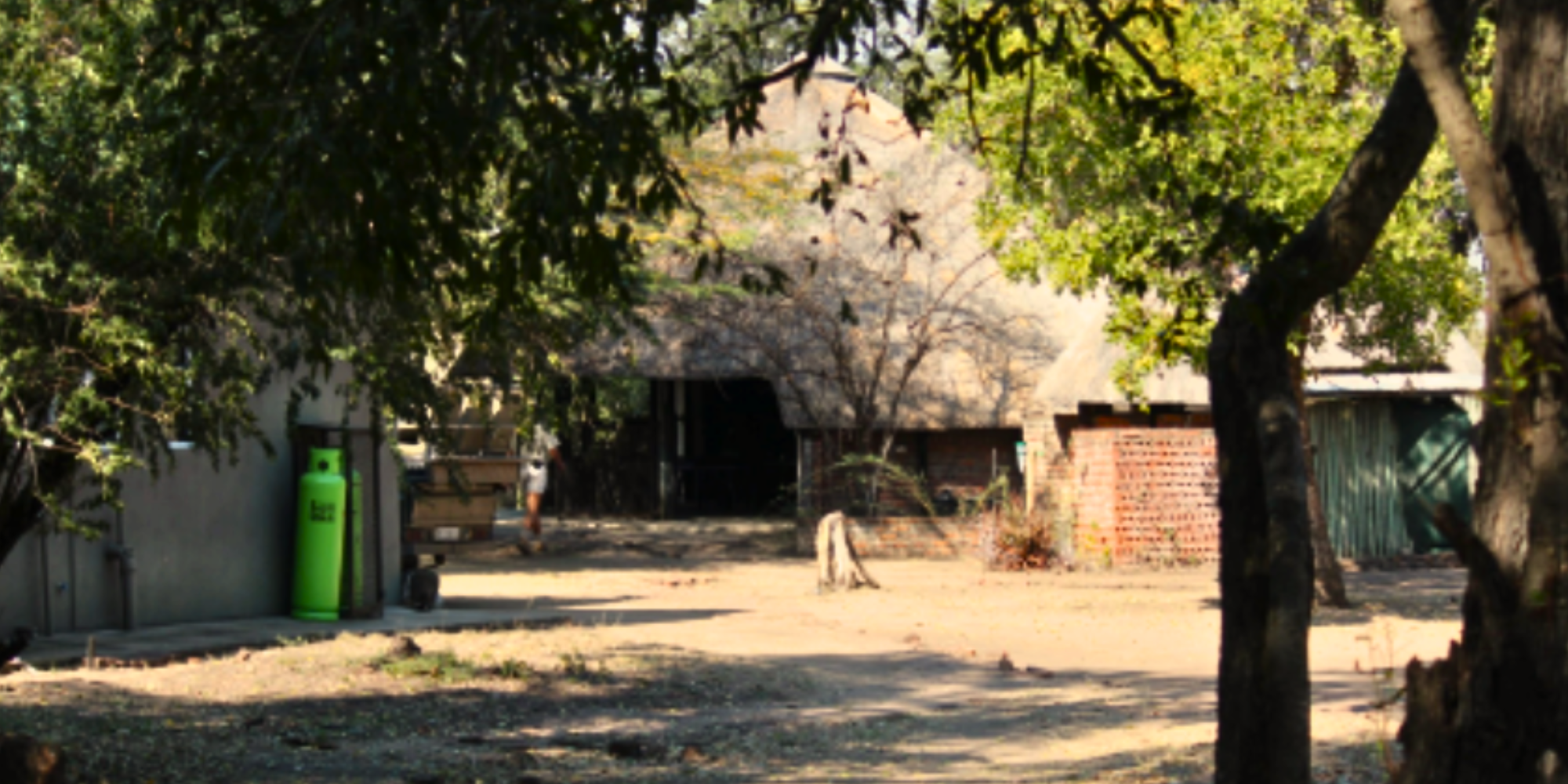
    I am based at the Sabi Sabi Ranger Academy (also known as Greg’s Camp) and what I can tell you is that we are in an ideal location to see all kinds of birds. The camp is located along a drainage and is the lowest point in the surrounding area. This, coupled with a high water table, means that the drainage line has had water in it throughout the dry season. Sufficient water means a lot of healthy vegetation for birds to go about their daily business.

    image

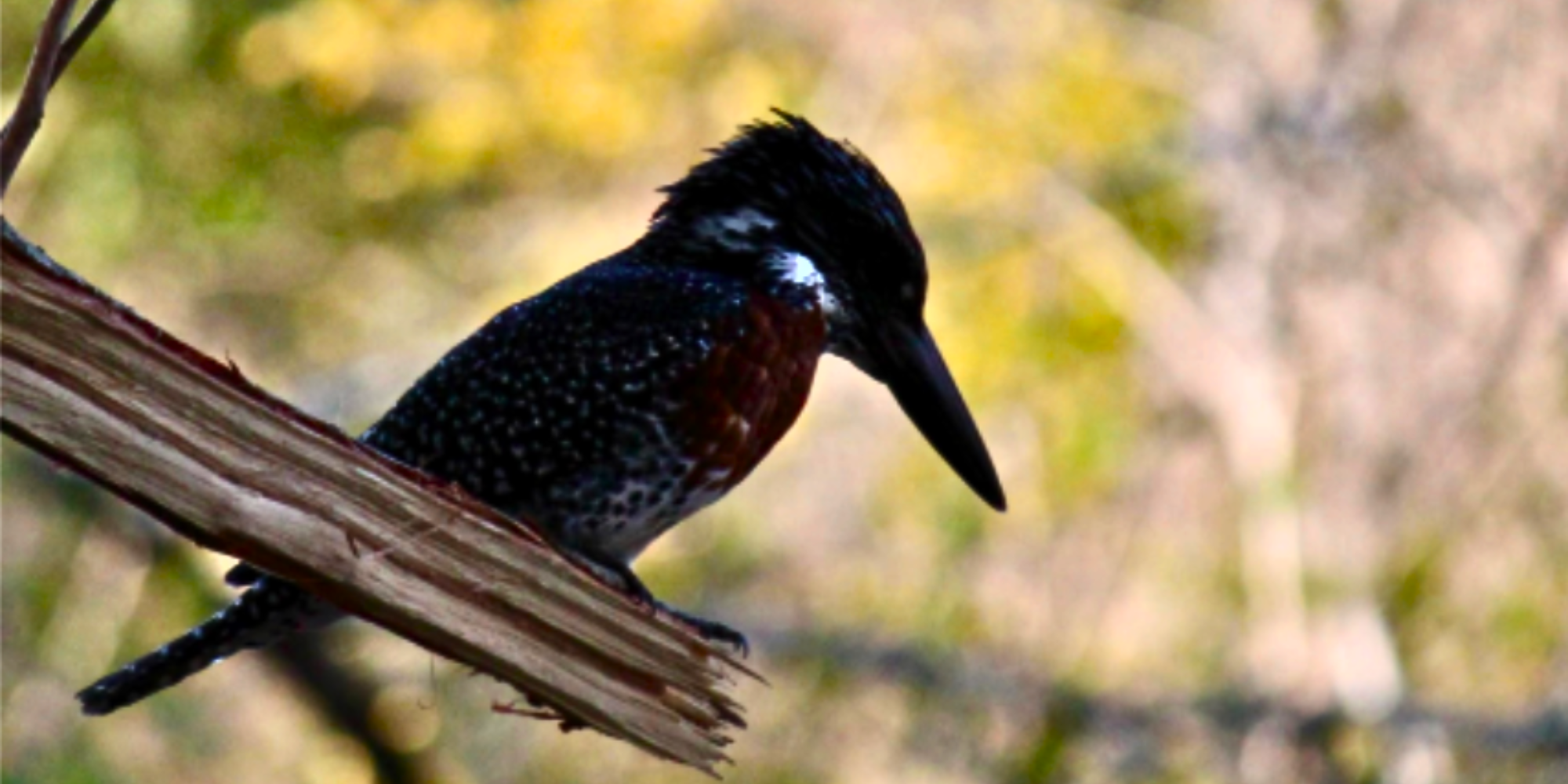
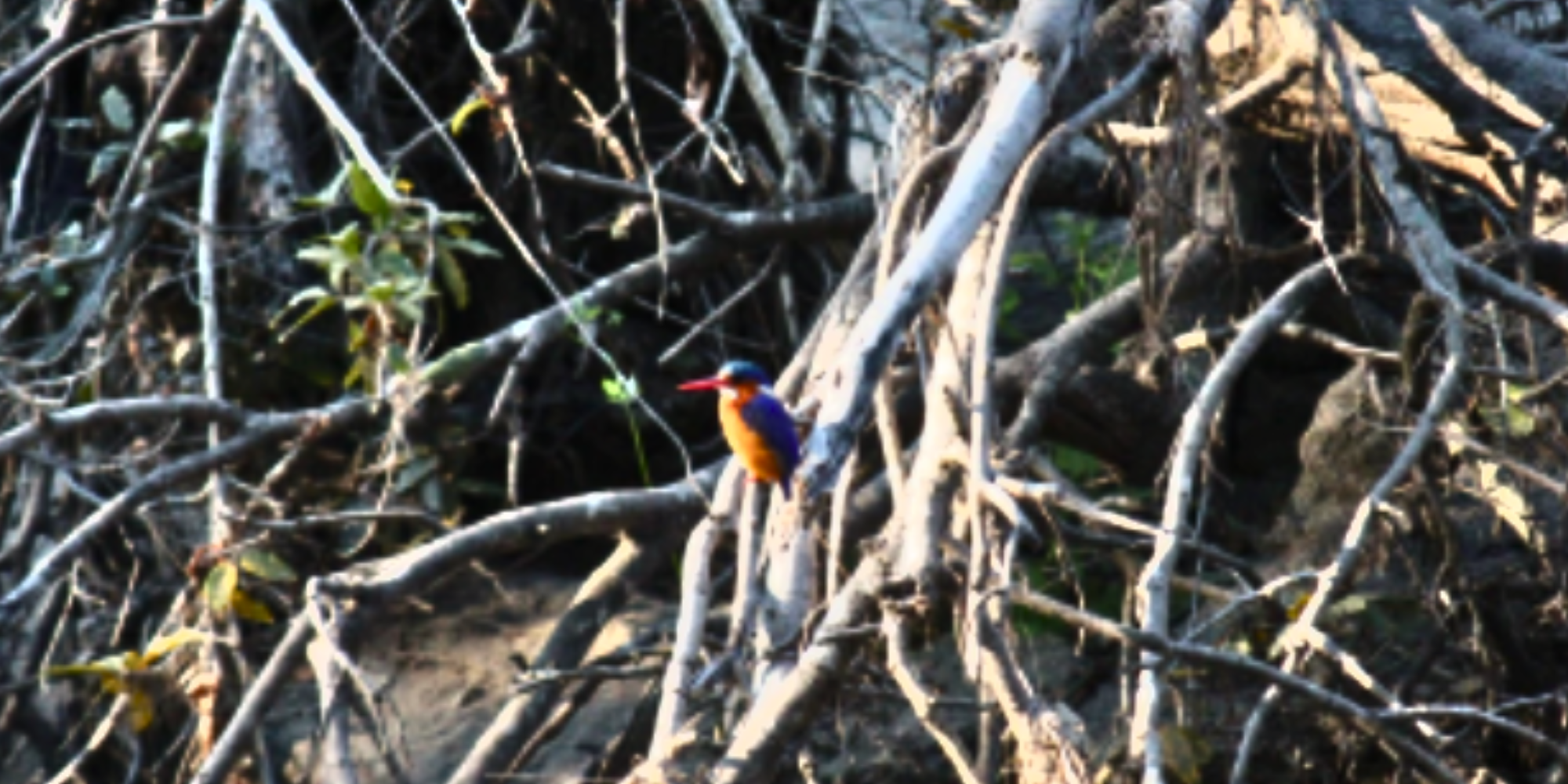
    Of the kingfisher’s typically found in our area of operation, we have had visits from giant, pied, striped, brown-hooded and malachite kingfishers. It is also only a matter of time before the woodland kingfisher shows up. We have been warned that this particular kingfisher is rather noisy, so it should be relatively easy to find it when it does show up. 

    image

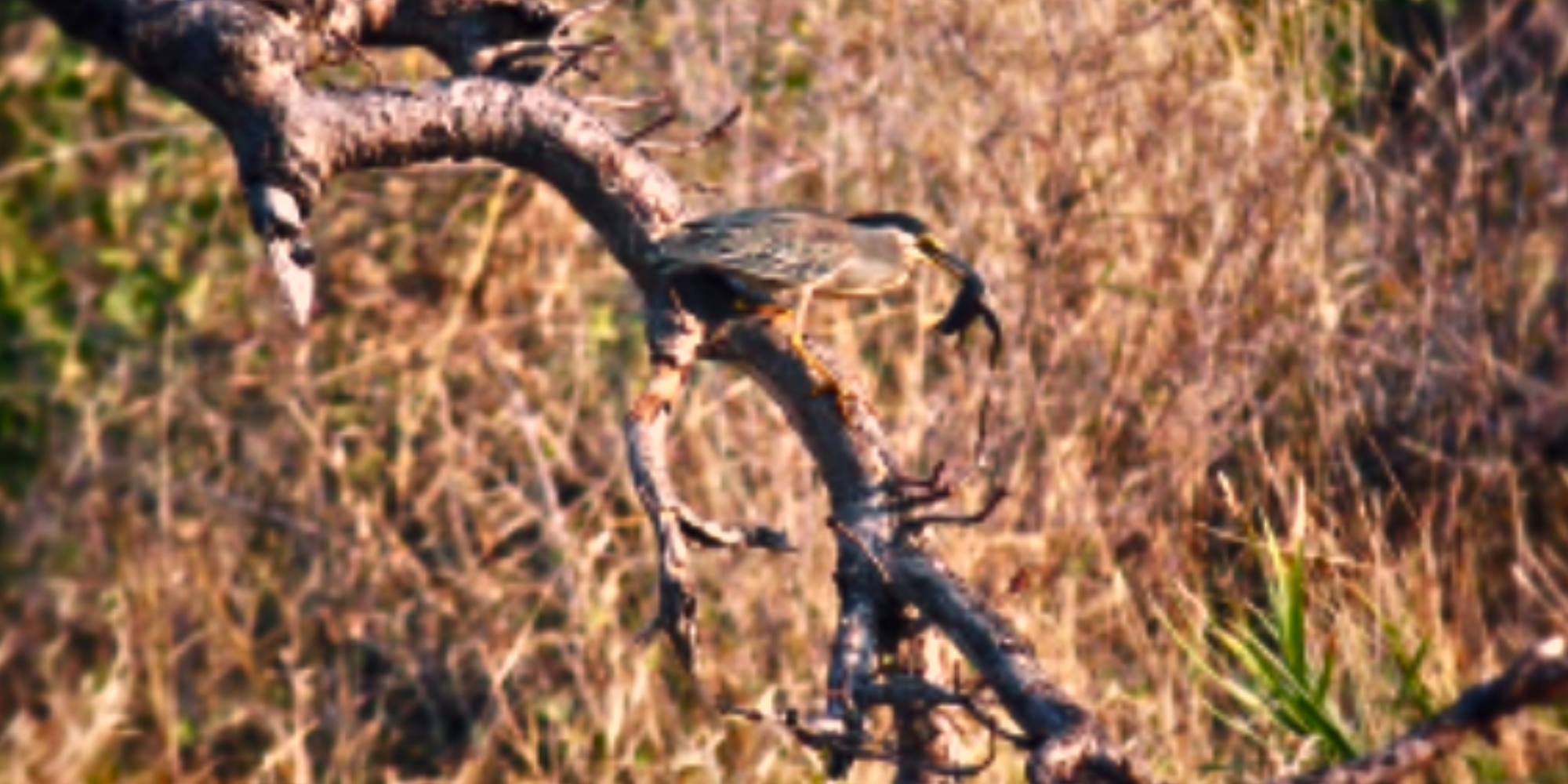
    We have also had some regular visits from grey, striated and even a white-backed night heron! I always find these birds a bit awkward with how they walk around, until they manage to snatch something from the water with surprising speed.

    image

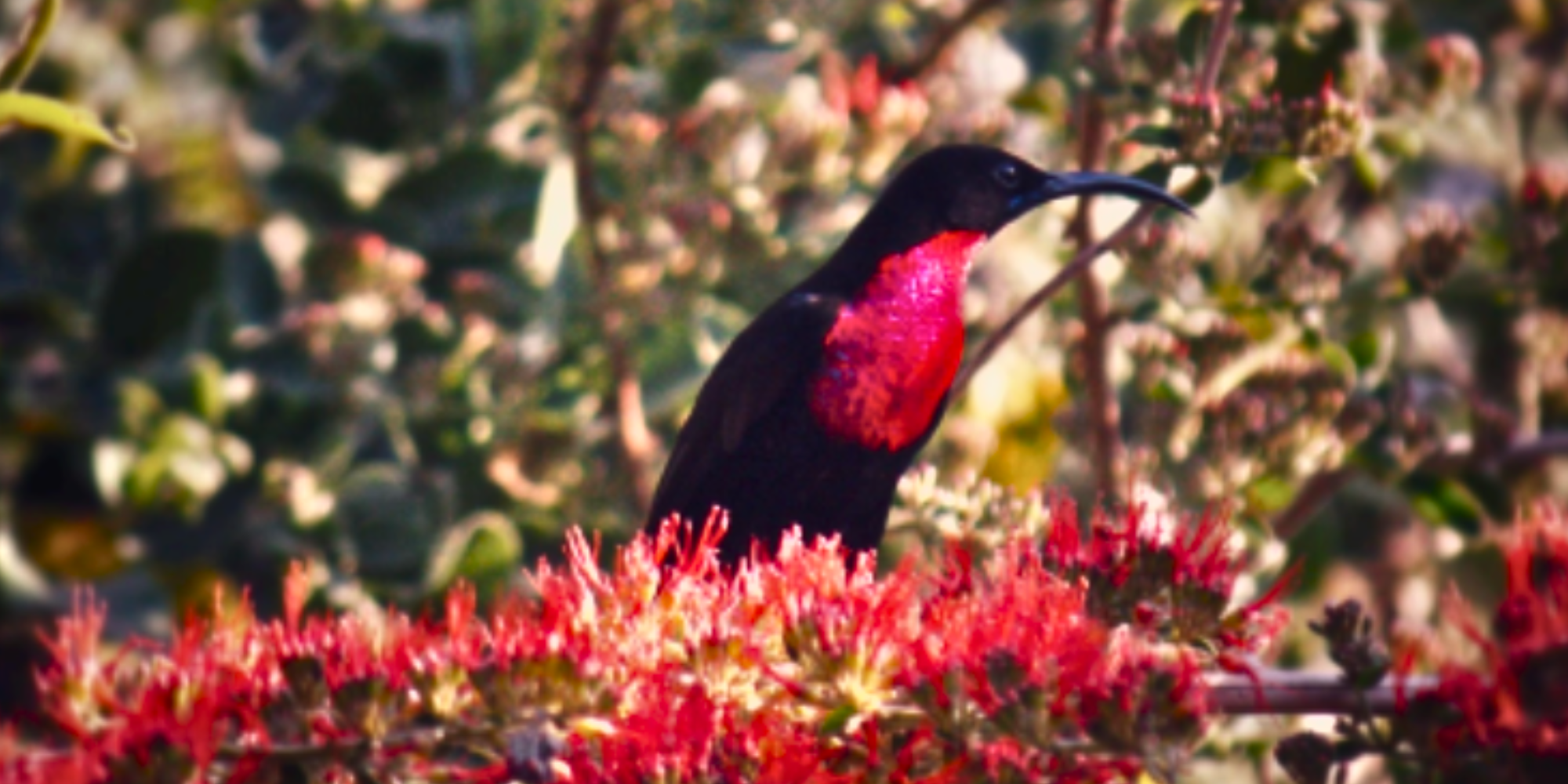
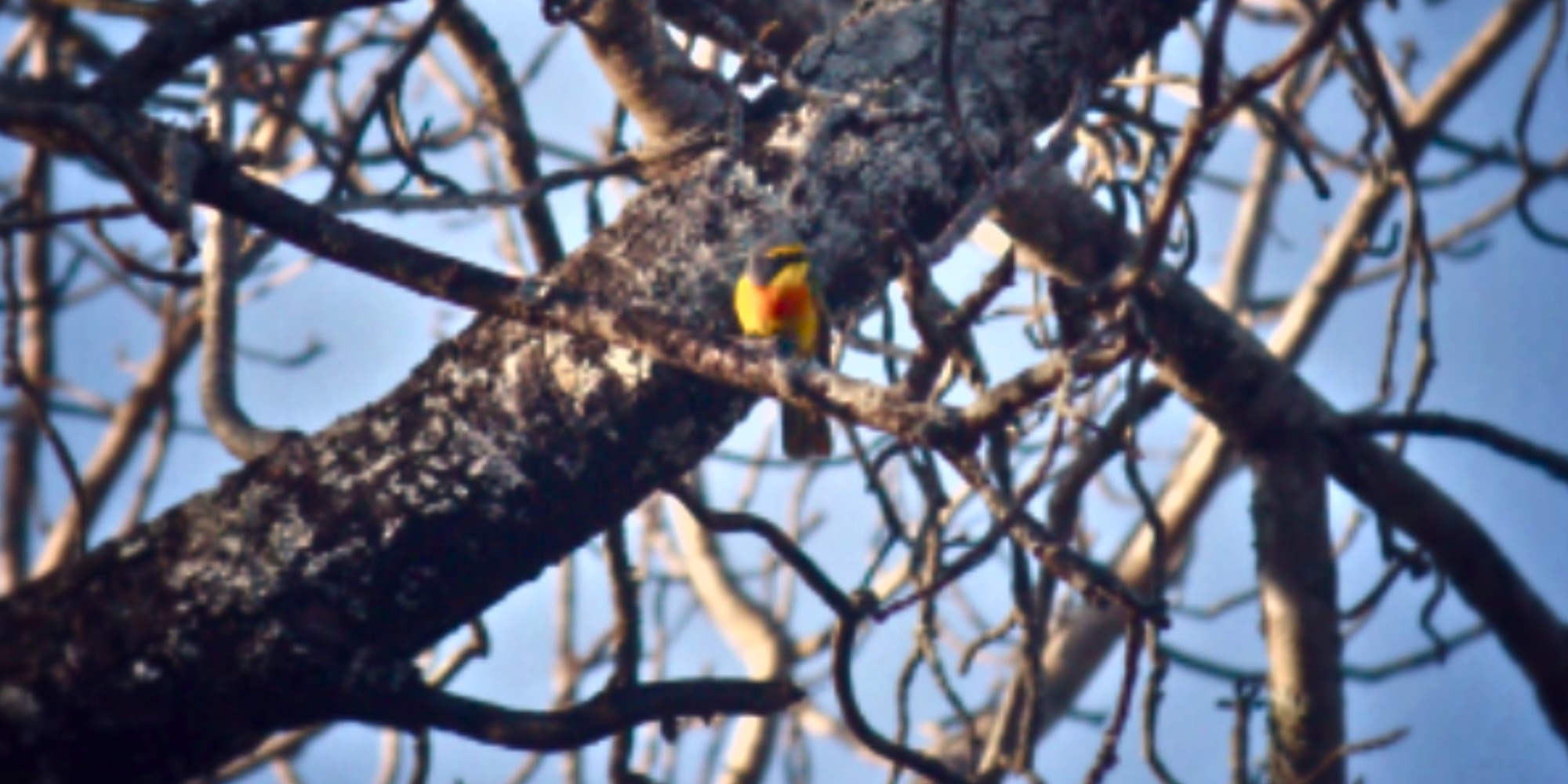
    Another group of birds we see (and hear) on the regular are the sunbirds. White-bellied, Marico and scarlet-chested so far. Much like us students before an assessment, these are busy, busy birds as they move from tree to tree and flower to flower.

    image

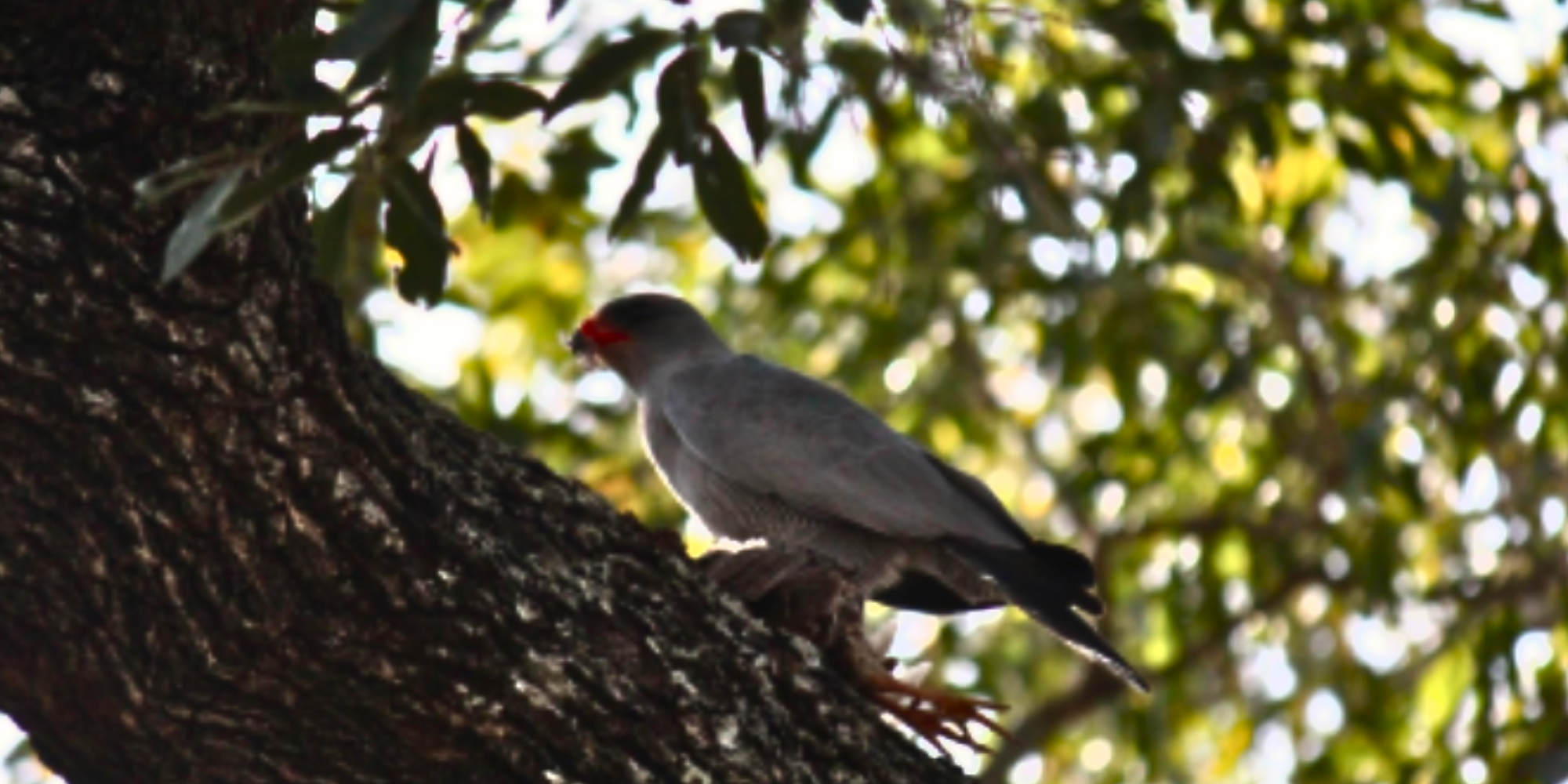
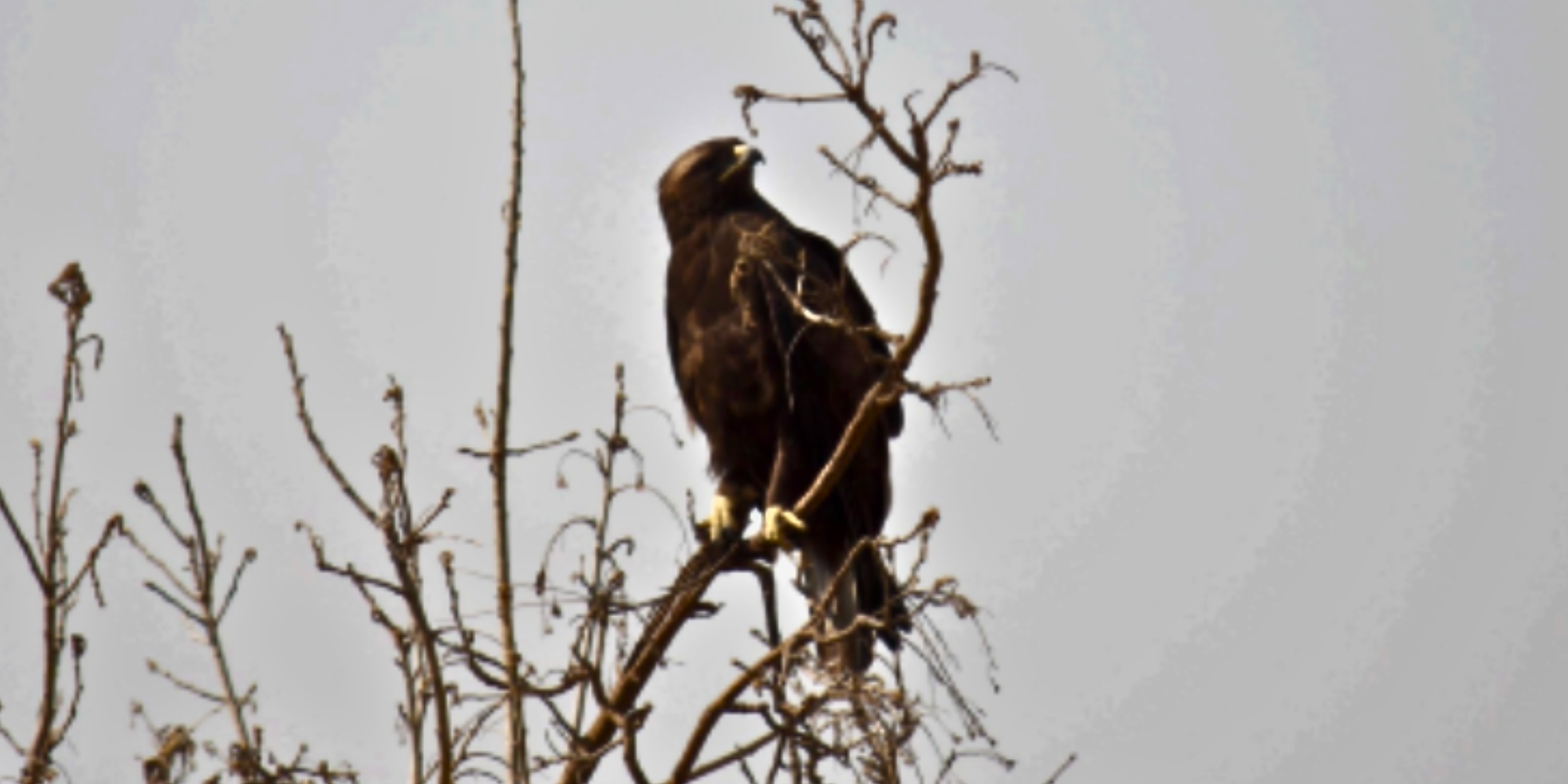
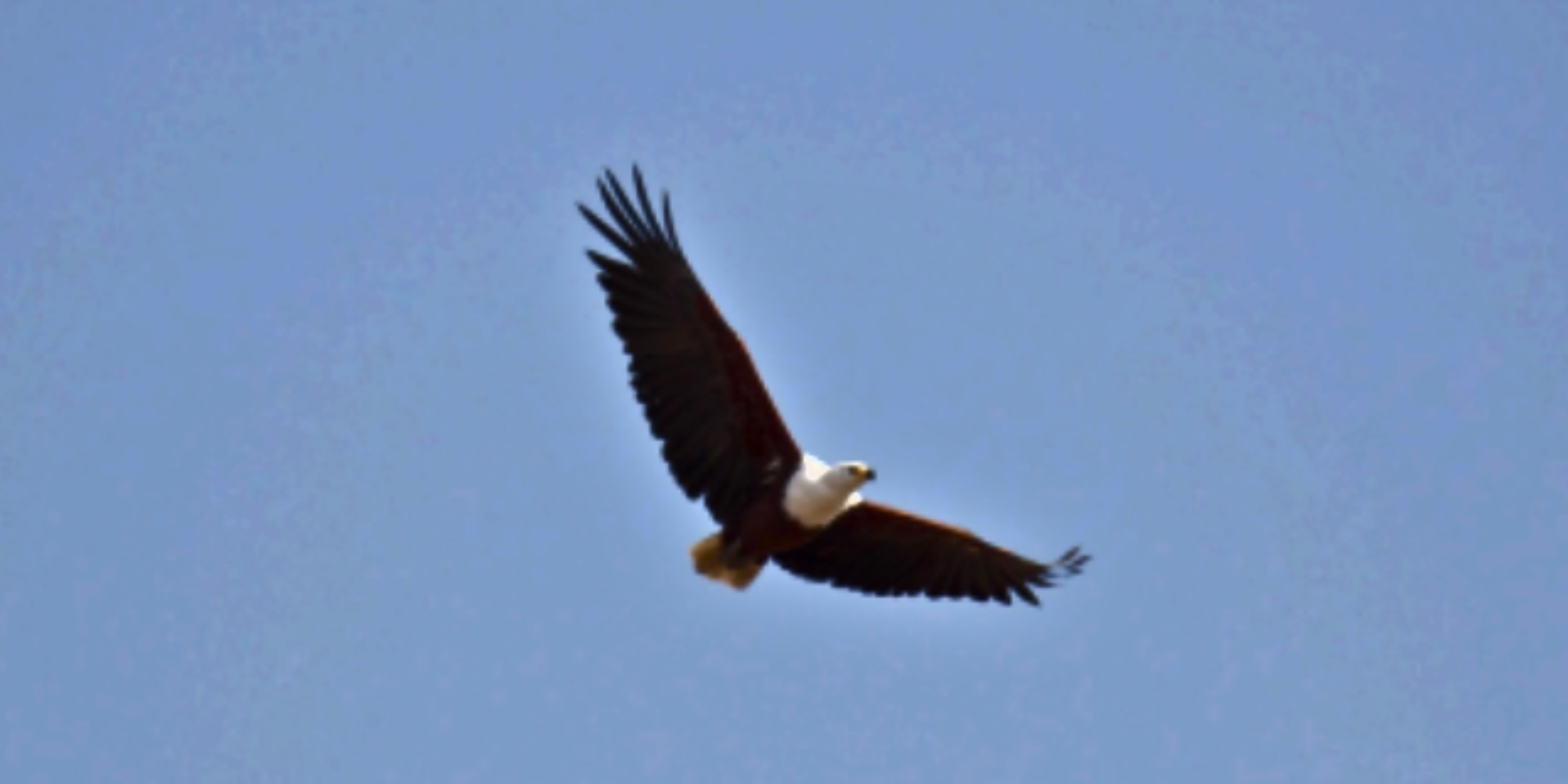
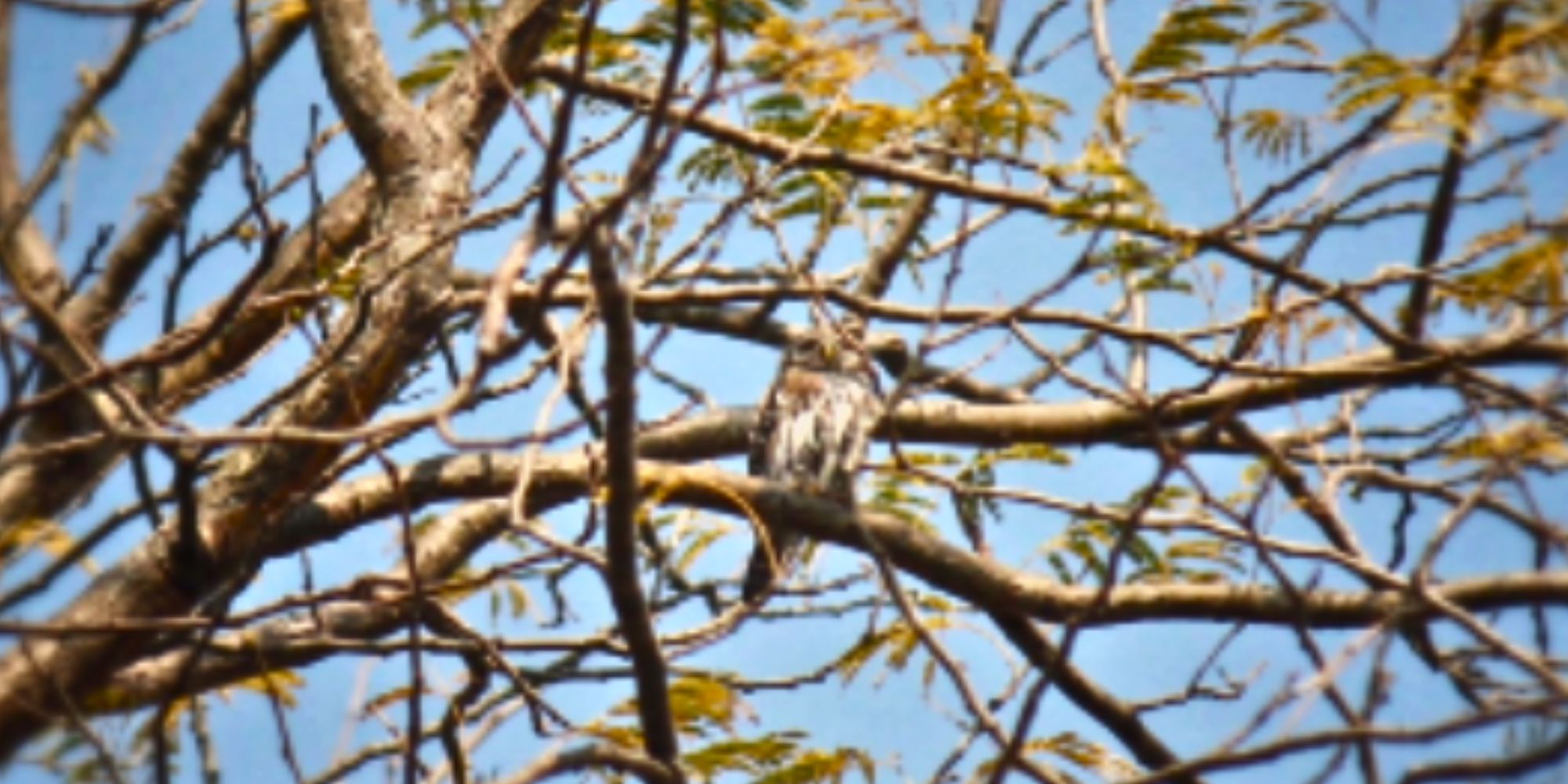
    From small to large, we have also had some visits from some of the resident raptors such as the African fish eagle, Wahlberg’s eagle, brown snake eagle, and a rather ruthless dark chanting goshawk, who has made it it’s life mission to find every crested francolin or Natal spurfowl in our camp.

    image

    image

    image

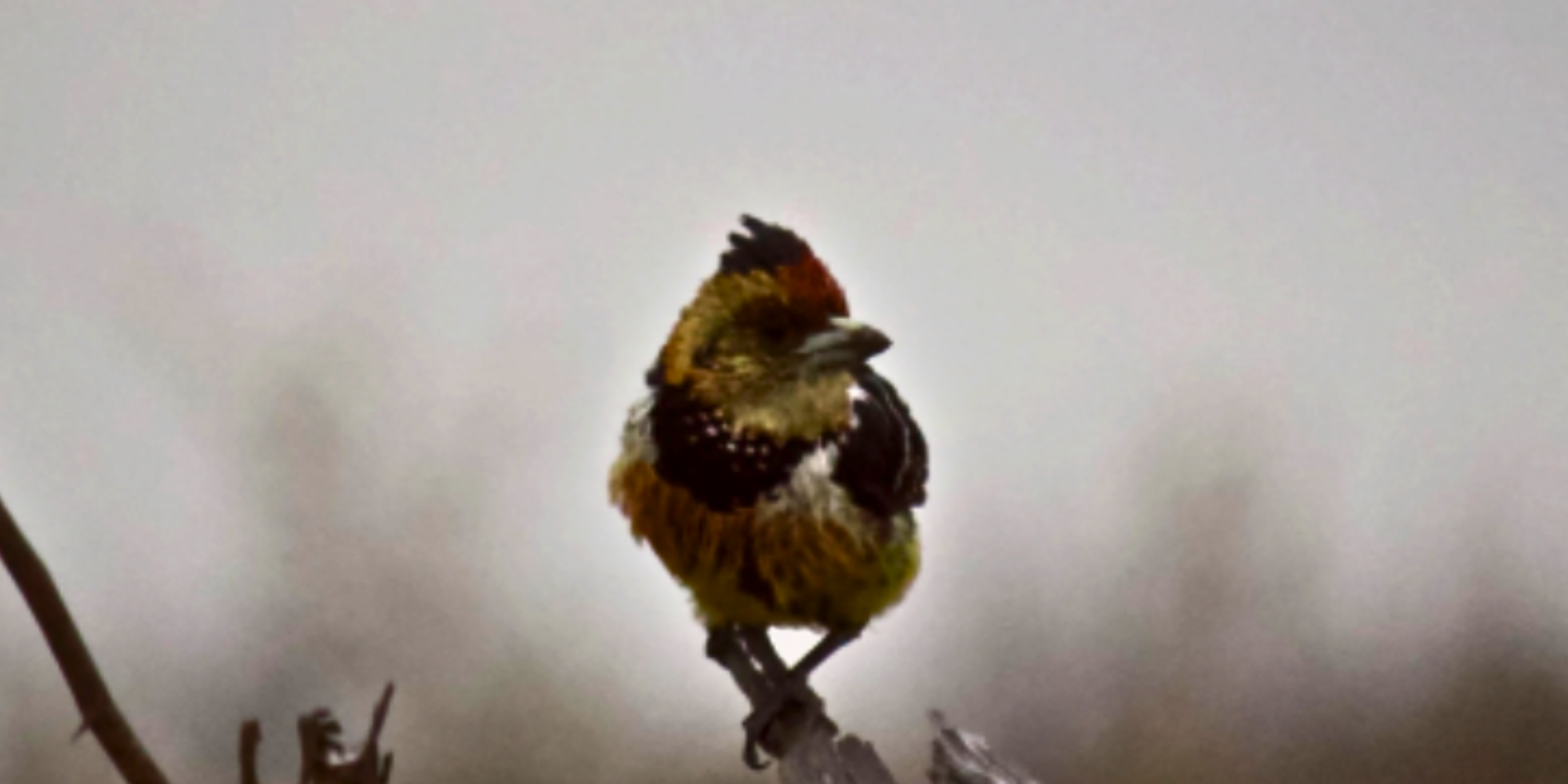
    And last but not least a few of my favourites! Hopefully we will find some more species paying a visit to our camp. And hopefully not during game drives! I hope you enjoyed this brief foray into some of the local birds. Goodbye everyone!

    image

    image

    image

    image

    image

    Ready to immerse yourself in the wild? Learn more about Bushwise’s field guide training programs and how you can start your journey today.

  • How my passion for birding took flight

    This blog was written by Phoebe Gordon, a Bushwise Professional Field Guide student. Each student takes a turn as camp manager, and writing a blog is part of the experience.

    3 min read

    It seems there is some sort of addictive component associated with the South African bush. Something in the air, an almost tangible narcotic, that evokes this intense sense of passion and appreciation. I’ve seen it too. This industry is built on those who relish waking up in the early hours, who happily drive in 40 degree days, who tirelessly strive to satisfy guests and who only go to bed when all the work around the lodge is done. Their work ethic is unbelievable, and from a distance, seems almost a bout of insanity.

    I nearly verged on such insanity in the past week. The dreaded birding week. Don’t get me wrong, I love the odd bird now and then. Watching a little wren hop around or admiring the beauty of a regal eagle is an awesome experience. They are an intrinsic part of almost every ecosystem, from the penguins huddled on the sub zero plains of Antarctica to the smallest hummingbirds in the Amazon Rainforest. As a general nature lover, I can appreciate their beauty and importance, and in all honesty, I tried very hard to be interested. But learning to recognise 127 bird calls and 200 birds by sight, in a mere seven days, was quite the challenge. 

    I can highlight some of the difficulties:

    • They all look the same.

    • They all sound the same.

    image

    In that week, I was not the positive guide who happily got up at 4:30 to go on a drive. Through exhaustion, I found it difficult to appreciate the birds – we were doing two 3-hour game drives a day, plus socialising, plus camp duties, and the remaining time was for studying. And it wasn’t even enjoyable information. But I had a test to pass, so I persevered; listening to the same squawk on repeat, or trying to see if a starling had red or black eyes. I couldn’t understand those around me that adored it – I even started wondering if some just have a genetic predisposition for birding.

    It was only on the Thursday, two days before the test, that I suddenly realised that I was enjoying it. I was excited to see if I could identify the birds on drive, or see one that I hadn’t seen before.

    And, just like that, I was hooked. I had transitioned, seemingly overnight, into a birder.

    image

    I ordered a new pair of binoculars, and the latest version of Robert’s bird book. I wrote line after line on behaviours of the different species, and the minute differences that make all of them unique. Some examples:

    • The fiscal shrike will impale insects on the thorns of a specific tree in his territory, to exhibit his hunting skills as a method of impressing females.

    • White-backed vulture pairs will stay together for their entire lives.

    • Little swifts are almost exclusively airborne, and will only ever land for annual breeding purposes.

    • The oldest southern ground hornbill lived for 60 years.

    • The heaviest sociable weavers nest ever found weighed over 7 tonnes.

    • African harrier hawks have double jointed knees, to allow them to enter the holes of other birds to eat their eggs.

    • Ostriches can run at speeds of up to 70 km/hr.

    • Due to the muscle structure within their oesophagus, flamingos are only able to feed with their heads upside-down.

    I’m not going to say I’m an expert – far from it – but I am proud to say that I have developed a love of birding. 

    image

    I’ve come to realise that there is no secret ingredient in the food, or intoxicating chemical in the air, that compels people to return to the bush day after day, year after year. It isn’t even an inbuilt gene that means that some people adore birds or not. It is the pure nature itself that is so addictive, and the desire to understand the processes behind it, that are the driving forces. The raw experience, the unlimited things to learn, the intrigue of what we may never know. 

    Things are only ever boring if you don’t understand them.

    Want to explore your passion for bird watching? Join a Bushwise program today and get ready to soar.