Tag: #bushwise

  • Inspiring the next generation of female field guides

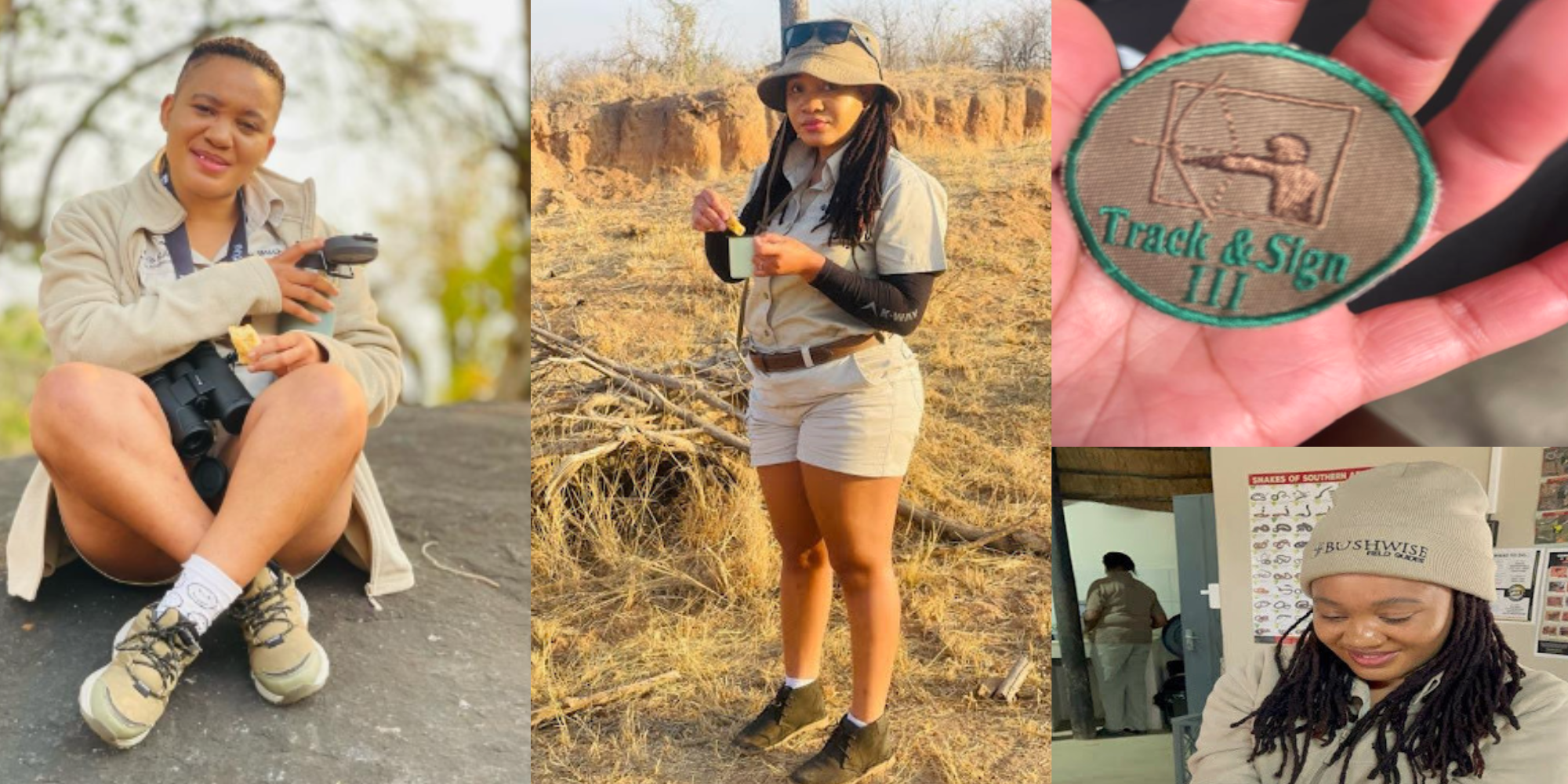
    This blog was written by Lihle Donecia Mndawe, a Bushwise International Field Guide student. Each student takes a turn as camp manager, and writing a blog is part of the experience. 

    Enrolling with Bushwise academy has been a great evolving journey for me, I have developed into a passionate and knowledgeable person with wildlife. This blog reflects my growth and development before, during and after. How I got to be part of the Bushwise 6-month program was a very fortunate experience for me, through the Sabi-Sabi Foundation which sponsored four candidates to study in becoming a field guide with Bushwise and the Sabi-Sabi Ranger Academy. Out of 700 plus candidates that applied for the sponsorship I got to be part of the four candidates that made it to the final selection. After the selection, that’s when I knew my life was about to change to an exciting one – new skills and development. 

    Before 

    I have always been passionate about wildlife, as I have worked at a safari lodge as a receptionist for over 6 years. With my great customer service, patience and being a team player, I knew I would be a perfect fit for being a field guide. Before stepping into Bushwise’s gates, I knew little about animal track, signs and trails, birds and trees, yet I had the eagerness to learn the ins and outs about the wild. I had so much interest in bush walks, even though I had a limited knowledge of the ecosystem. With the lack of information and direction, it took me a little bit longer to finally be where my passion is.
    image

    During 

    One can acquire a skill from an academy, from a role model or a mentor. Currently as a Bushwise student  I have gained so many skills. I got my driving skills with Bushwise with the help of the head trainer – I will forever be grateful for such an opportunity. I have gained a lot of skills and am still learning, with the very knowledgeable and patient mentor I got to learn a lot. Practical assessments such as track and sign, birding, botany, astronomy and sleep out I enjoyed the most, theory lessons were also exceptional, reptile was a bit of a challenge but had a happy ending. Lodge hosting was top-tier for me as I have experience in hosting from my previous workplace; it reminded me of all the good times shared with customers creating unforgettable experiences. 

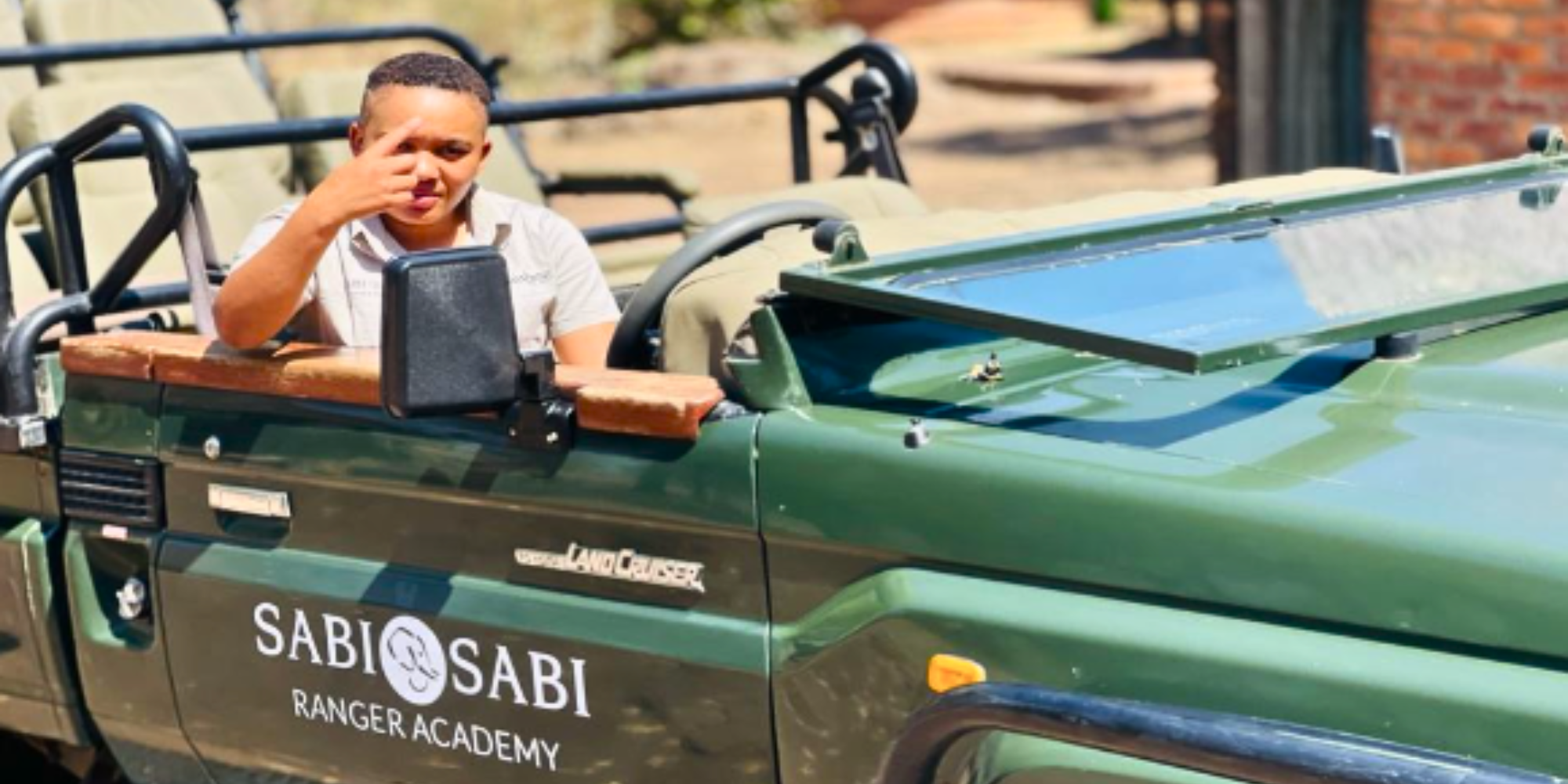
    At the beginning of the course I had less confidence in myself, especially being 1.5 metres in height. I had a few challenges that did not favour my height, like reaching the pedals [in the game viewer], getting on the tracker seat, and changing tyres, but it all comes with practice. 
    image

    Future 

    Now all that is left is the fun stuff – rifle handling and trails . My goal is to achieve the remaining assessments and I am looking forward to getting placed at the lodge. That is when reality will hit, putting all the practical and theoretical skills into practice and engaging with the ecosystem. 

    There is still a long road ahead – more studying, research, learning new techniques and exploring to do. Everyday is a learning experience. Graduating will be the biggest part of my growth and development.

    The Bushwise program is definitely a life changing opportunity, I would recommend it to anyone who has the passion to become a field guide because of their well-trained instructors, proper study material and good course planning. My mission is to grow in the industry and inspire other young females who are passionate to become field guides. Exploring outside the country and experiencing different ecosystems is definitely a dream for me. 

    Ready to begin your own wildlife journey? Apply for a Bushwise course and start your adventure.
  • Oceans to savannahs: My journey to becoming a field guide in Africa

    This blog was written by Jesse Lommerse, a Bushwise International Field Guide student. Each student takes a turn as camp manager, and writing a blog is part of the experience.

    My name is Jesse Lommerse. I am 22 years old, grew up in the Netherlands and for the past couple of years I’ve been living my best life. When I was 19 I bought my own sailing-yacht and started sailing around South and Central America. I have always been a big admirer of the outdoors and nature, but when I started my sailing adventure I really came in touch with my wild side having left everything behind from family, friends, luxury and comfort to wild seas, new countries, new people and lots of adventures. I spent almost 2 years travelling 3 oceans and over 20 countries with a good friend of mine, in which during the long days at sea I had plenty of time to think about my life and what I wanted to do with it.

    image

    Do I want to live on a boat for the rest of my life? Do I want to work for my Dad in the Dutch flower business or do I want to go my own way and make sure I find something that I really enjoy and what I want to be doing the rest of my days?

    So I started thinking about what skills I have and what I’m good at. In my times of sailing I’ve noticed that when I was working on a charter I was very good with my guests and people seemed to like my character. They even liked it more when I started to talk about the colourful fish in the oceans, the big birds in the sky or about the big variety of insects everywhere in Latin America. With my passion for nature, my natural ability to work with tourists and my love for animals I came to the conclusion to become a field guide. However to begin with I had no idea where I wanted to be a guide until I remembered that I went to the Kruger National Park in South Africa with my dad when I was very little and that I really loved everything there. The guides were so kind and full of knowledge, the game reserves were full of animals and the landscapes were astonishing. Therefore I searched for the best training camp, joined up and started a new adventure. 

    Having arrived a couple of months later it was just how I pictured it, kind classmates and trainers all sharing the same interests, cosy huts to sleep in, in the middle of the bush with hyenas and leopards calling in the night and with over 30 birds waking you up in the morning. This was it! A place where I can learn and grow and become the best version of myself. With no regrets of leaving everything behind again, I promised myself I would become the best guide in my own way. One of the nice things of becoming a guide is that there’s not just one way of doing your job. I’ve met a lot of different people here in my camp from a lot of different countries and so many different ways of guiding. It would make sense, guiding is such an enthusiastic job and people express themselves in different ways. 

    image

    Life as a field guide in training is the best! It never felt like I was back in a school studying subjects because I have to. I am here because I love learning these subjects. Although the days can be long, time seems to fly by. We’re now in the 4th semester and we have done so many wonderful things like: birding, track and sign, trailing, and so many more. It’s been a real honour to have been taught by one of the original master trackers Adrian Low and Colin Patrick, seeing them work is like watching the conductor leading an orchestra, it’s a piece of art. The birding week was also fun, although it was very rough in the beginning seeing and learning all the most common birds in our area in one week, but the further we got, the easier it got. 

    Since I’ve been here it’s been so much fun, I’ve learned a lot and made loads of good friends.  It’s a shame knowing that when I get my certificate I have to leave everything behind again…

    If you have a love for nature and a sense of adventure I would definitely recommend becoming a field guide. 

    Ready to start your own journey in becoming a field guide? Explore Bushwise courses and apply now to become a qualified nature guide!

  • The call of the bushveld

    This blog was written by Jon-Harry van Wyk, a Bushwise International Field Guide student. Each student takes a turn as camp manager, and writing a blog is part of the experience. 

    When I was a young boy growing up in South Africa, the ultimate experience would be to stay in the bushveld. The wildness of the place, the sounds you hear at night, the excitement of seeing animals looking at you through the underbrush – there is no place on earth where you feel more in touch with the beauty and magnificence of nature. It is hard not to have an awakening in your soul once you have travelled deep into the bush, along the rivers and looked out over it from atop the peaks. 

    image

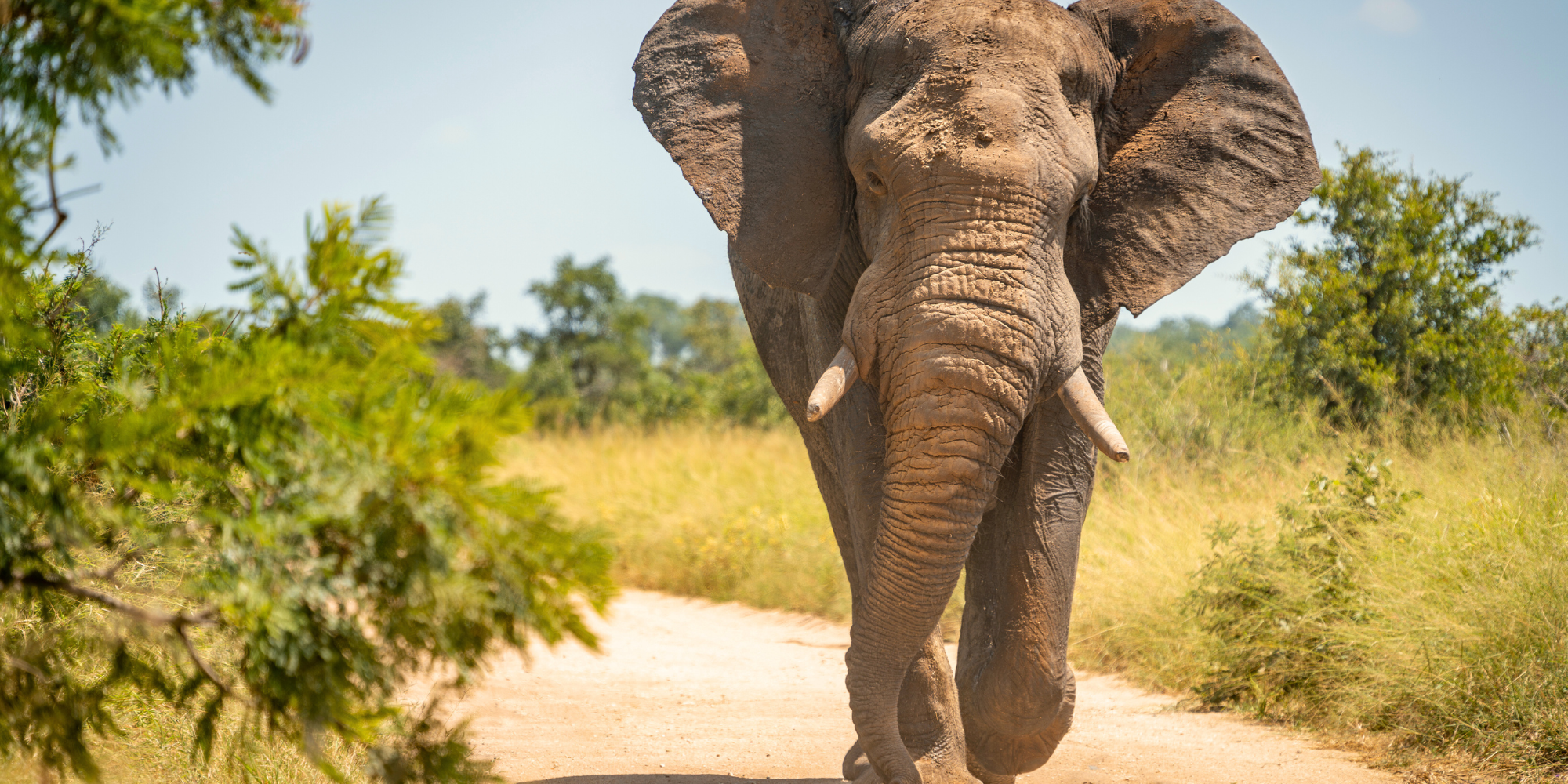
    The first experience that I can think of that really sparked my interest in becoming a guide was around the age of ten. My family and I went on a game drive in the Pilanesberg Nature Reserve when this happened. I remember it was a sweltering day, the flies followed us as we moved in hopes of getting moisture from a bead of sweat. Our guide had found a herd of elephants who at the time were in the midst of their breeding season. We watched as two massive bull elephants struggled against each other for dominance and the breeding rights to their female onlookers. One of the bulls was defeated after a tussle that shook the ground and broke trees. As we sat there, he turned to face us, you could almost see the embarrassment in his eyes after his loss. There was a switch that flipped in his mind, he decided he would not stand the embarrassment, no mock charge or warning he flew towards us.

    image

    I remember in those moments of fear and the pumping of adrenaline how cool and collected our guide had stayed. He had read the situation before the fight had even finished, he had kept a cool head when the dust started flying and five tons were barreling towards us. After we had reversed for over three hundred meters or so the elephant felt he had gotten his frustrations out. As we drove back to the lodge, I felt an excitement and a newfound feeling of yearning to be the man in that seat, to be the man who could read the wild, to be a guide! Many years have passed since then, but that passion has always kept burning inside of me.

    Now, as a young man, my passion for the bush has evolved. I want its serene beauty to still be here for my grandchildren and their children. I have taken the first steps in my journey towards becoming a guide by joining Bushwise. I want to immerse myself with this lifestyle and learn all it can teach me, I intend to leave no stone unturned in this experience. My end goal is to get involved in more of a conservation career through hunting. I’ve come across many individuals who disagree with my plan but in order to keep our parks ecosystems functioning there has to be checks and balances for populations. I hope that through my career I can learn from and teach those that I encounter how to ethically control population numbers, so that we may preserve the beauty of the South African bush for many generations to come.

    image

    My adventures along this path may very well lead me to different outcomes for my future, but my sights will always firmly be set upon preservation of the wild environment I now get to call home. Becoming a guide is just the beginning of this journey that I have set out upon, however it will not be its conclusion. Being in a place surrounded by people with the same passion and love for the bushveld was the perfect start. I encourage those that feel the pull of the bushveld to take that step deeper into its wonder and wildness, it is a place that changes you.

    Ready to start your own journey in nature conservation? Explore Bushwise courses and apply now to become a qualified field guide!

  • Meet the Shy Five: Africa’s most elusive creatures

    This blog was written by Jessica Piper, a Bushwise International Field Guide student. Each student takes a turn as camp manager, and writing a blog is part of the experience. 

    3 min read

    Not many people know or have heard about the Shy Five. Completely different from the Big Five, you’ll rarely see them out in the open. For these five cuties you’ll have to go out early in the  mornings and look carefully because they get spooked easily. These animals are nocturnal, which is mainly why they are tough sightings but are no less exciting then the Big Five. They are  not big or dangerous but are secretive about how they go about their lives. The Shy Five are the  Aardwolf, Aardvark, Bat-eared fox, Pangolin and Porcupine. 

    Aardwolf  [view image here]

    The aardwolf is a part of the hyena family and is referred to as the termite-eating hyena because unlike other hyena family members, the aardwolf mainly eats termites and other insects. They have a bushy tail and slender body with a mane or ridge of hair running down their back, and  their tongue is especially sticky to catch all their favourite food. They have an acute sense of  smell which they use to locate termite mounds and can consume thousands of termites in one night. The shy nature of the Aardwolf and its preference for the darkness is the reason that it is  rarely seen.  

    Aardvark [view image here]

    The aardvark, or more often referred to as ‘earth pig’, is a peculiar looking animal with thick  almost hairless skin, a long snout and rabbit-like ears. These animals, like the aardwolf, are  nocturnal and eat mostly termites and ants, with a preference for termites. They have powerful claws built for digging which can break through termite mounds easily. The aardvark can escape predators by quickly digging underground. The burrows that they leave behind can be crucial to other species, creating shelter for multiple animals, including small mammals, snakes and some insects. However, due to their solitary nature and the fact that they are nocturnal they are very rarely seen. 

    Bat-eared Fox 

    image

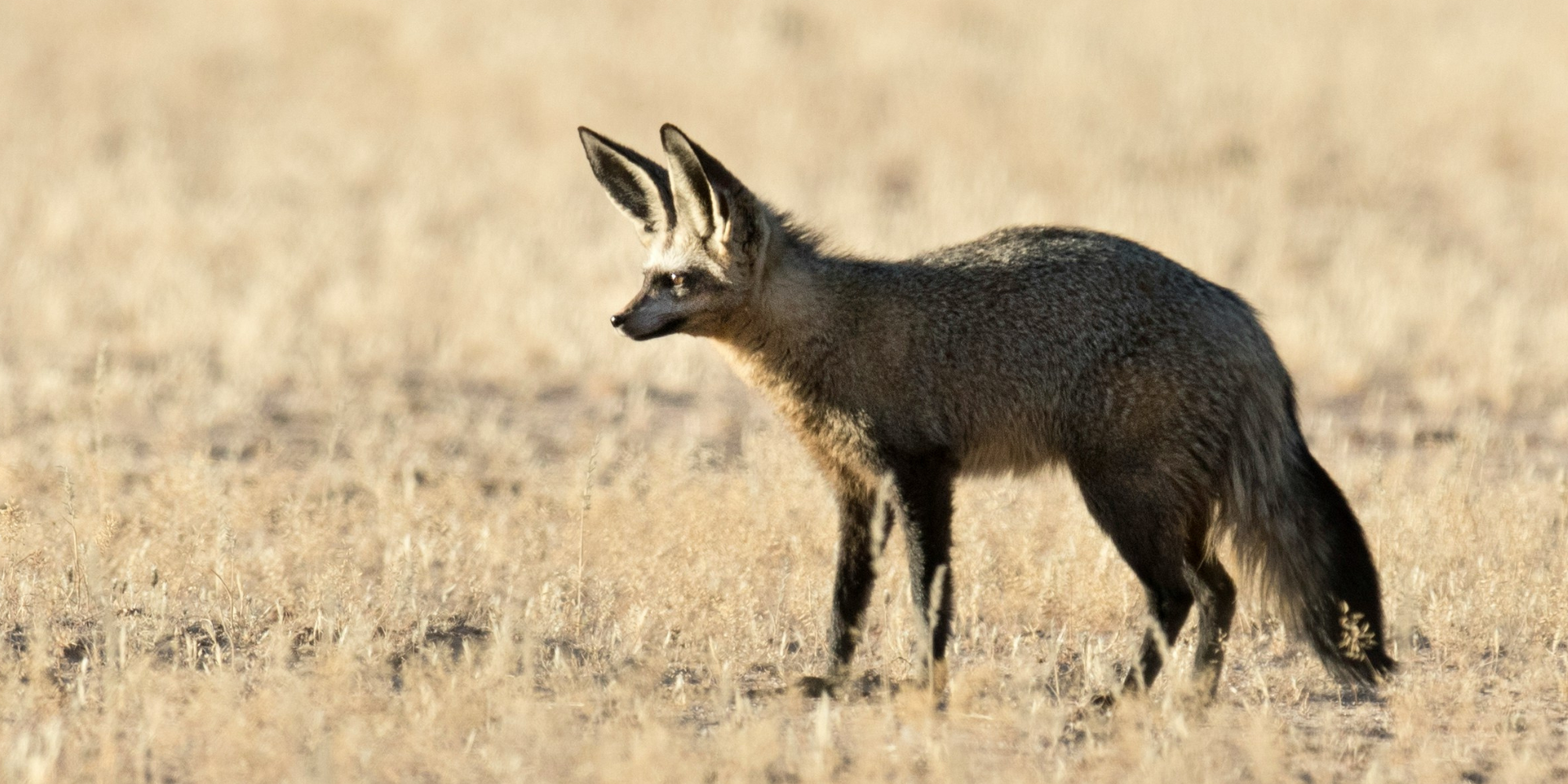
    The bat-eared fox got its name from its enormous ears, which are used to detect insect movement underground. Their ears aren’t just for hunting but can also aid in regulating its body temperature in hotter climates. Their diet has been highly adapted for insects, mainly beetles  and termites. The bat-eared fox is usually seen in small family groups or pairs and is known to be a more social animal although they are still difficult to spot. They spend their days in their burrows to avoid the heat. The fact that they prefer the open and that they are nocturnal makes them very elusive. 

    Pangolin 

    image

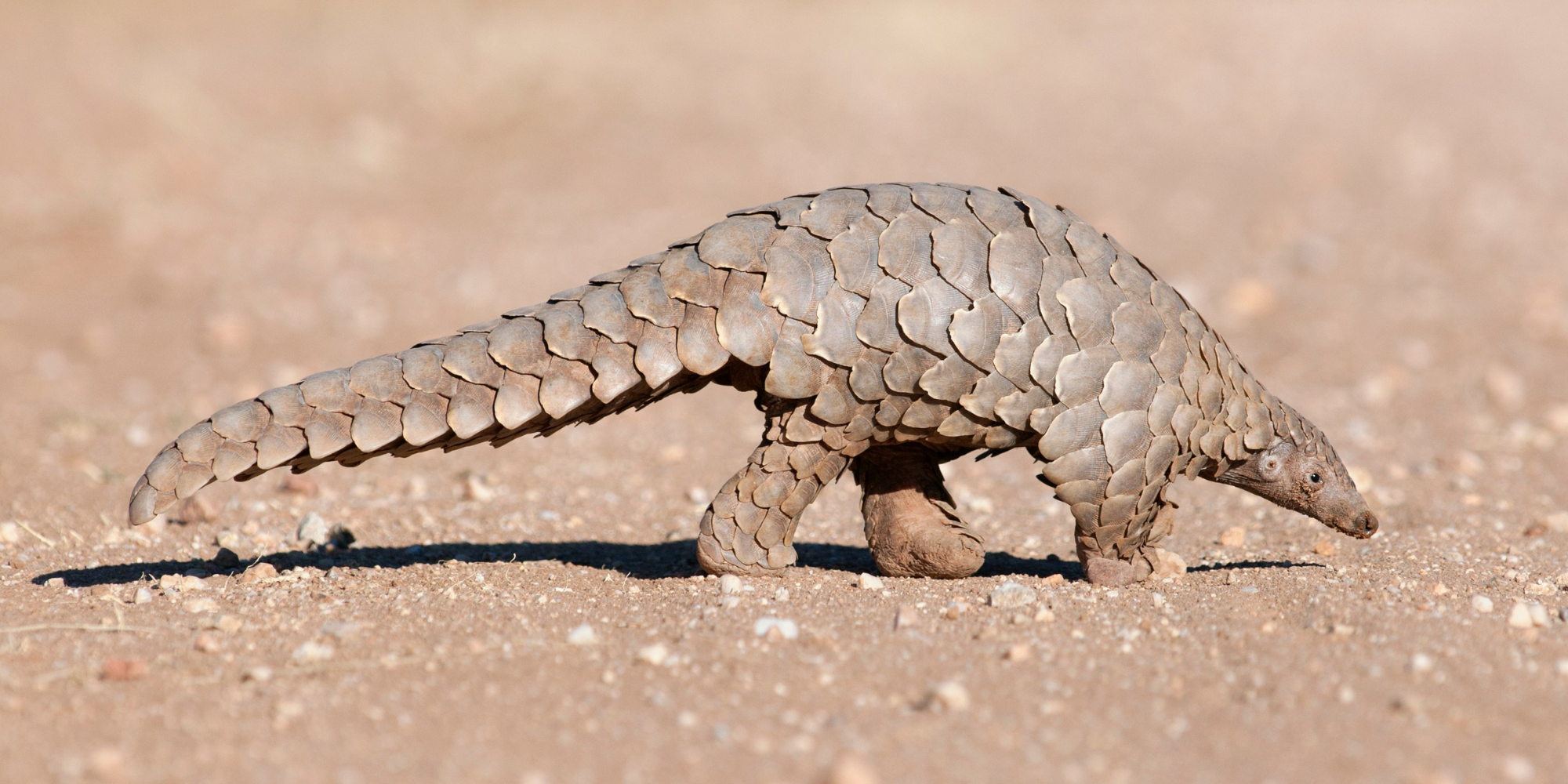
    The pangolin is considered to be the most elusive of the Shy Five. It is covered in scales made of  keratin that overlap each other. When threatened they curl up into a tight ball using its scales as armor protection. Like the aardwolf and the aardvark, the pangolin’s diet mainly consists of ants and termites, using its sticky tongue to lap them up. The pangolin is solitary and nocturnal and spends most of its life in thick vegetation or hidden in burrows. Due to its declining population sightings are extremely rare, making it a very sought-after animal to see in the bush. 

    Porcupine 

    image

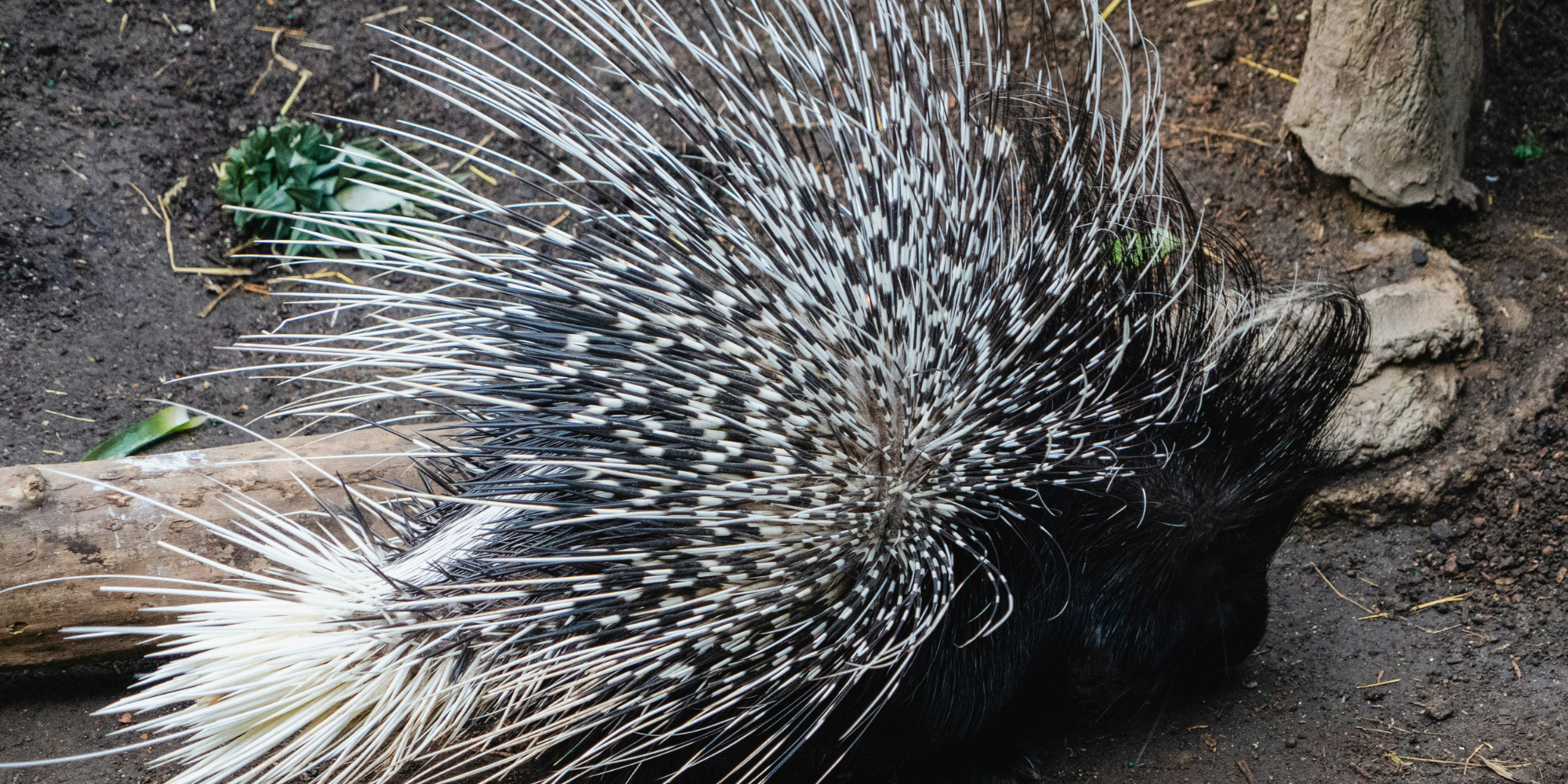
    The porcupine is the largest rodent in Africa and can be recognised easily by the sharp quills. It  uses its quills mainly for defence against predators and when the porcupine is threatened it will  raise and rattle its quills as a warning before running backwards towards the threat to try to  impale them with its barbed, sharp spines. Porcupines forage for bark, roots and tubers during  the night and spend their days in their burrows or rocky crevices. They have a very secretive nature which makes them difficult to spot, however, you can tell if one has been in an area by the  quills often left behind. 

    The Big Five is definitely more of a fan-favourite and on people’s list to see, but the Shy Five are no less interesting. Their roles in the ecosystem and their elusive nature make them a compelling topic for those who are willing to go beyond the beaten path. Seeing any of the Shy Five will require patience, but when spotted will leave a lifetime impression on enthusiasts. 

    Want to explore the fascinating world of Africa’s wildlife? Join a Bushwise course today and take the first step toward becoming a field guide!

  • A wilder path: Why I quit my desk job for a life in the South African bush

    This blog was written by Aleisha Carter, a Bushwise International Field Guide student. Each student takes a turn as camp manager, and writing a blog is part of the experience.

    3 min read

    I used to be an Executive Assistant. A bubbly joker of an Executive Assistant to a wonderful Executive Director in the heart of Brisbane, Australia. My biome was the concrete jungle filled with twinkling glass skyscrapers and dilapidated old buildings waiting to be bought out and replaced with even more twinkling glass skyscrapers. My flagship species was the roaring city buses, all filled with different assortments of workers and, keeping with my current theme, tiny parasites. Okay, yes, I mean lice. 

    Life in the concrete jungle biome was defined by the scent of coffee every morning, followed by the unfriendliness of people waiting for those coffees to work miracles. Life inside the twinkling glass skyscraper home ranges was defined by eye strain from staring at three computer screens for eight hours a day, ticking the seconds on the tiny computer clocks.

    image

    We choose the path of least resistance, right? I’d fallen into administration because I was good at it, it paid well, and the opportunity to climb up the corporate ladder meant very nice moolah (money) if I stuck at it. But there’s something missing in this scenario – job satisfaction, happiness, contentment. 

    Thanks to my job being inside, I was suffering from a serious lack of not just vitamin D, but also vitamin joy! So, while volunteering in Finland in 2023 with 87 Siberian Huskies, I made a decision: I would pursue a career in something that brought me joy – animals. And so, I applied to study Zoology at university and I got accepted!

    Unfortunately, I simply could not commit to living in the concrete jungle for three straight years while I completed my degree. Call it whatever you want – commitment issues, a travel itch, a yearning for something BIG – I felt that there was something else out there for me, another pathway I could take to pursue my dream of escaping the desk and being surrounded by animals every day. And then I found it, or more specifically, it found ME! It was like the sky opened up, and a choir of angels started singing as I laid eyes on the description of the Bushwise Field Guide Course, courtesy of my Instagram targeted ads. It had everything I had desired to learn in the zoology course, but implemented in a practical setting to get me out into the real world NOW.

    An interview, a deposit, many appointments and visa stresses later, and I was on the plane to South Africa to pursue this dream. Did I cry when I flew away from my previous biome and my previous home range and my previous role in this complicated ecosystem? No. Did I cry when I left my family, not knowing when I would see them again? Yes. But the beauty of this course is that I’ve accidentally found an entirely new family out here in the bush.

    image

    My new home range is a small village of bomas set in the savannah biome of South Africa. My territory is, in my humble opinion, the cutest boma in the village, stationed right outside the dining hall and bathrooms. Our flagship species is no longer the crowded buses and lice-ridden seats but the African Elephant and Leopard. No, we’re not parasite-free, but many impalas are here to nibble any ticks attached to their fur.

    My days are no longer spent in front of a screen, but instead I’m living out the scenes of my computer screensaver. We drive through herds of elephants, watch flocks of vultures take to the sky in wind thermals, track the prints of lions until we find entire prides. And then every night we eat together as a family, recounting the adventures and sightings of the day.

    I used to be an Executive Assistant. Now, I’m a Field Guide in training and I finally feel alive.

    Ready to leave the office and embrace a life in nature? Learn more about Bushwise courses and apply today to start your adventure as a field guide!

  • Tracks, signs, and transferable skills: How art helped me master the bush

    This blog was written by Chané Jansen, a Bushwise International Field Guide student. Each student takes a turn as camp manager, and writing a blog is part of the experience.

    4 min read

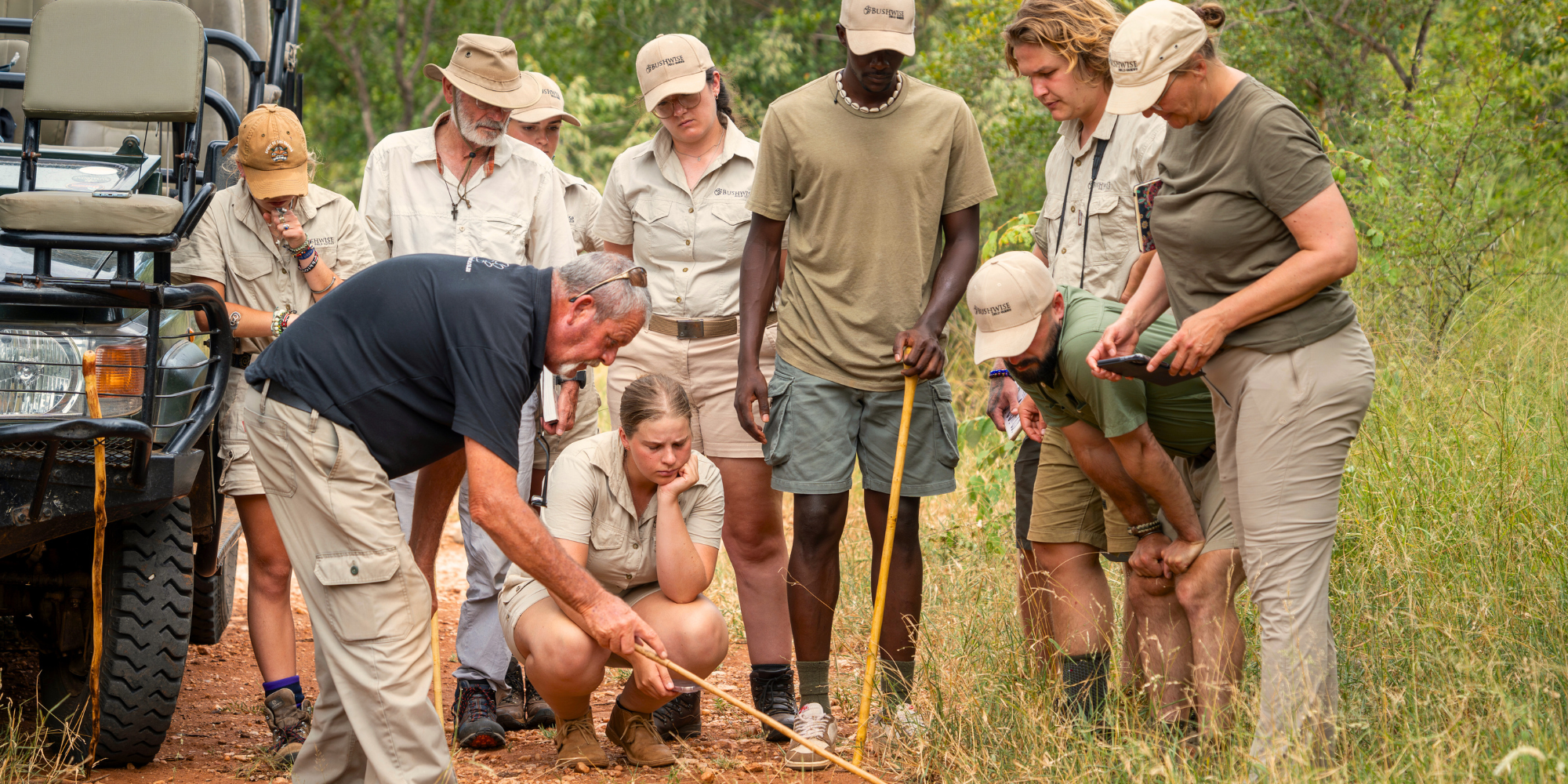
    The Sabi Sabi students have all taken turns as ‘Camp Manager’, but I was the one holding the title during Sam Patrick’s 7-day Track & Sign course and assessment. While those first few days were filled with nerves, apprehension, and thoughts like, ‘I don’t have any professional bush experience; what if I can’t do this?’, my tune soon changed when I realised I’ve been training for this for many years – I just didn’t know it. 

    My background and education in design and fine arts had, all this time, been rewiring my brain to identify shapes, scale, and patterns. And what do you know? That’s exactly what track and sign is. Tapping into my artistic skills took me from zero to Level 3 Tracker in just 7 days. 

    image

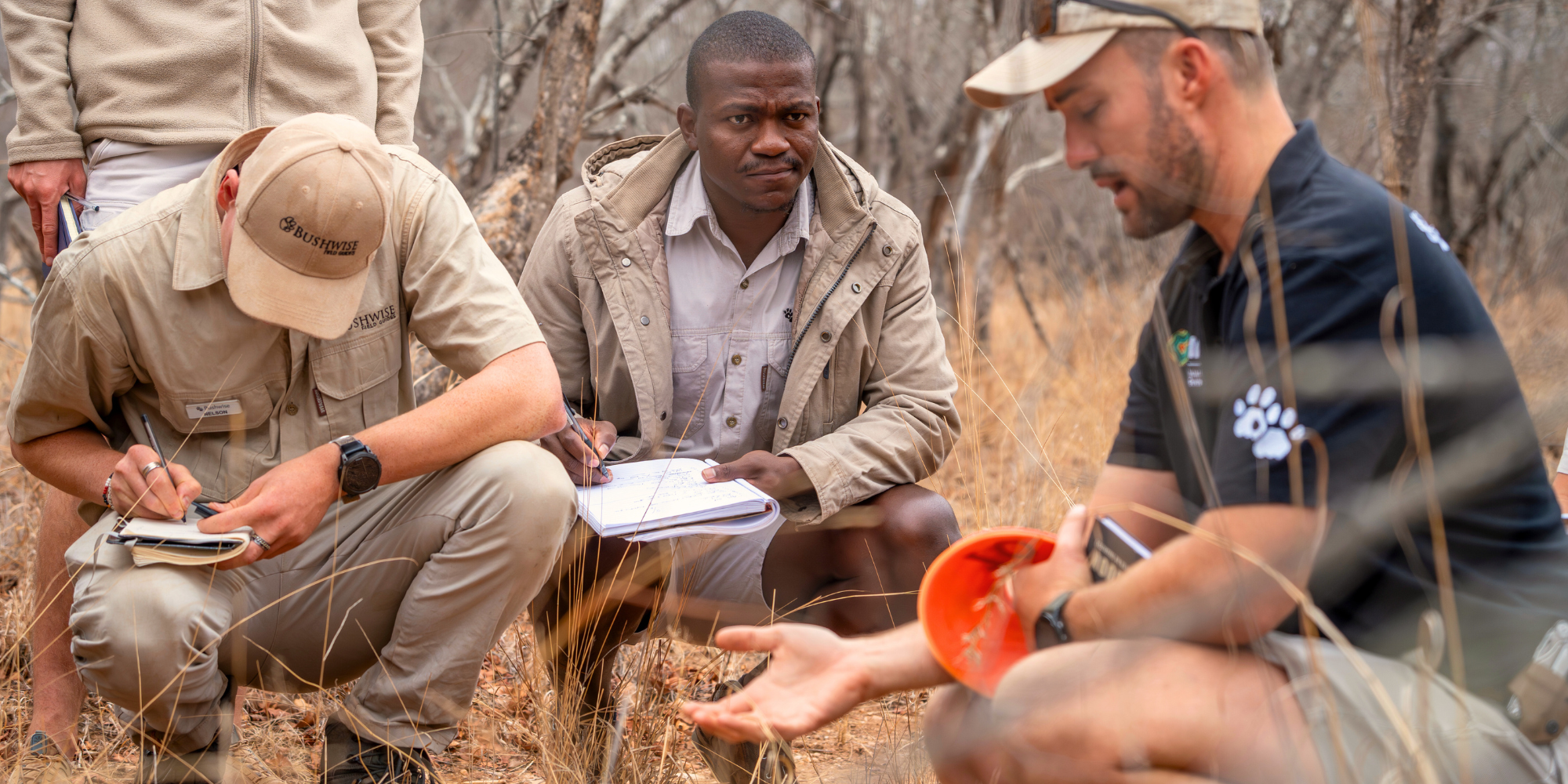
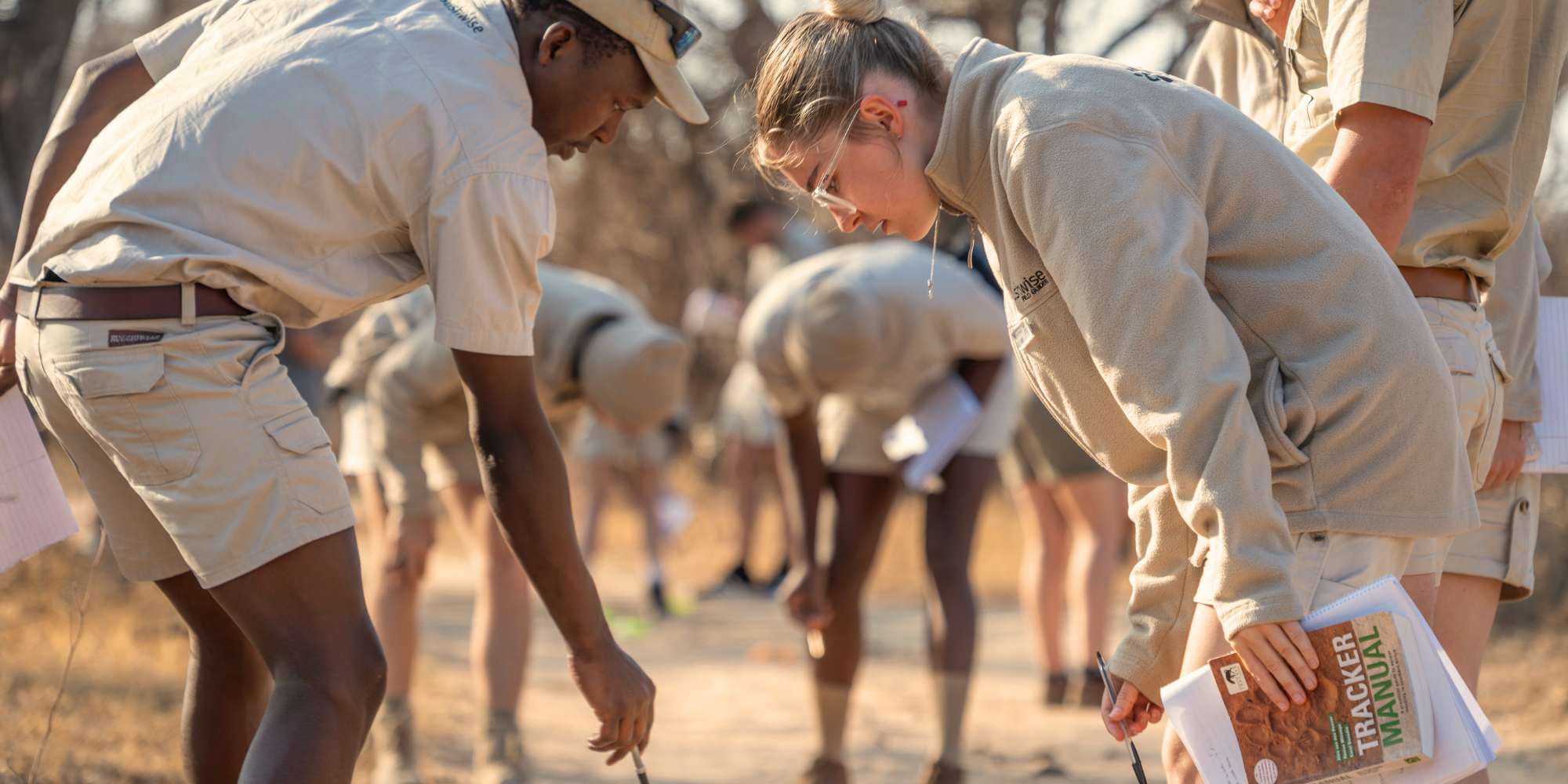
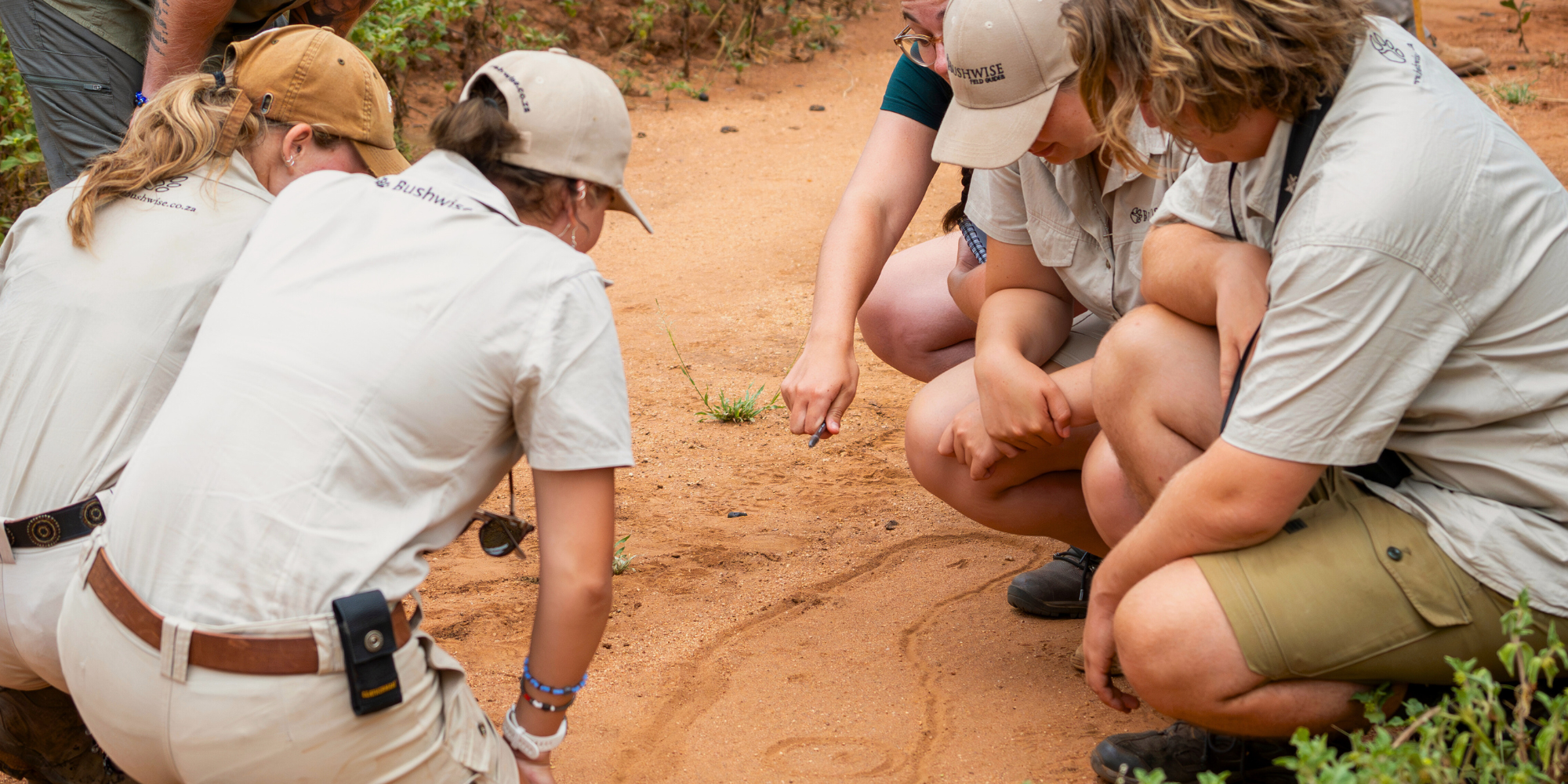
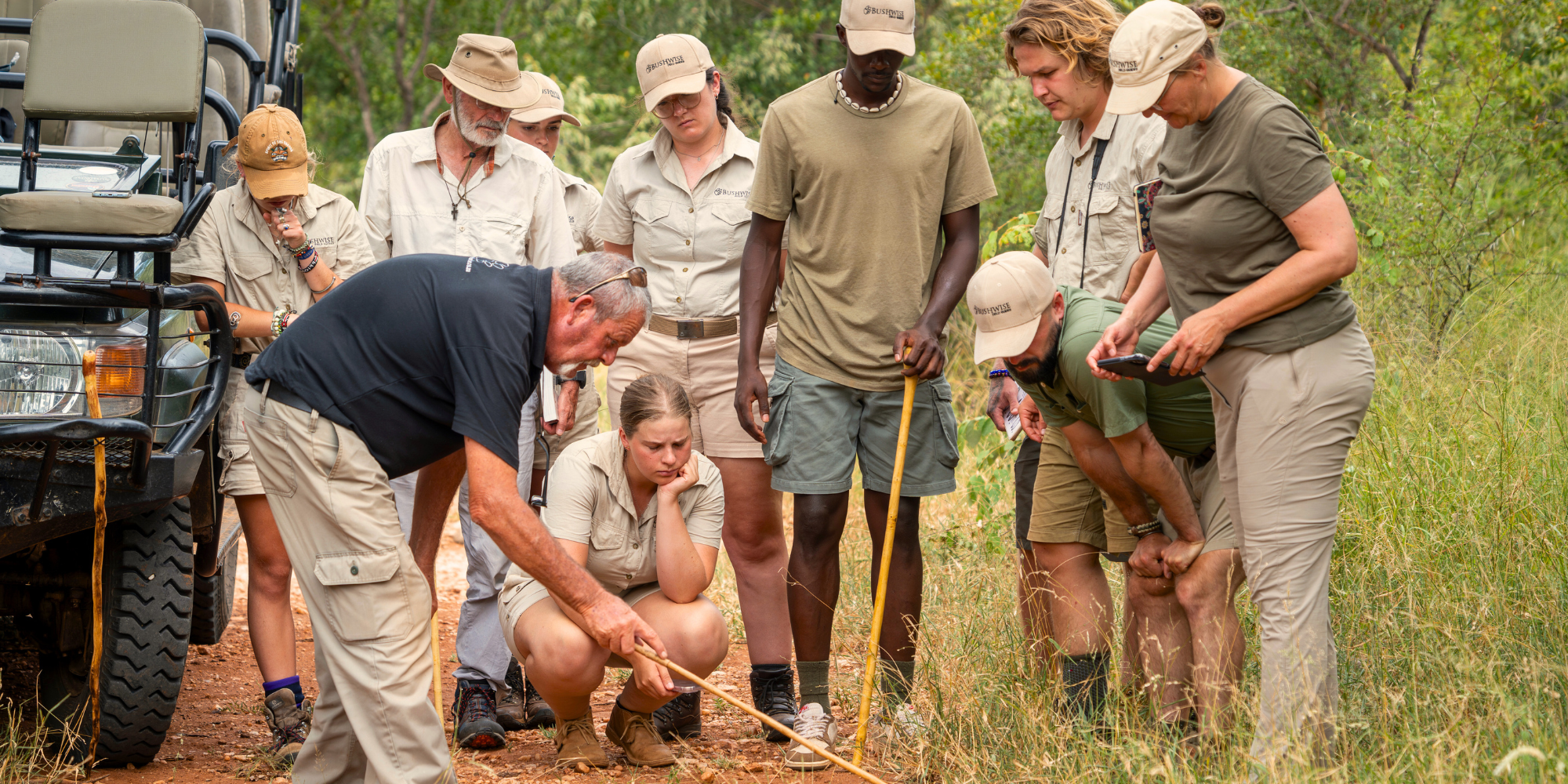
    When Sam arrived that Sunday, I knew next to nothing. My first ‘baseline’ test score is not something I’ll be bragging about, and it shook my confidence to the core. Over the following week, we would be learning to identify the tracks (footprints) and signs (dung, markings, evidence) of the animals and critters in our area. Living in the heart of Sabi Sabi, the list of wildlife we could encounter was extensive, and by day four, our species count was over 45. From paws to hooves, snakes to beetles, a multitude of bird feet, and even frog tracks on assessment day, track and sign tests not only your knowledge but also your observation skills, problem-solving, and critical thinking. 

    Staring down the barrel of track and sign suddenly made me question how qualified I really was, and self-doubt began to creep in. I have a degree in graphic design with a minor in fine arts – what on Earth am I doing here? The things I know exist on a computer screen or a stretched canvas. The delicate, technical skills I’ve acquired throughout my life felt miles away from the wild South African bushveld I found myself in now. After all, what could something like still-life drawing or logo design possibly have to do with staring at the ground?

    Information overload doesn’t begin to describe the first couple days. Our schedule looked something like this every day: 

    • 6:30am to 10:30am: finding, mock testing, and discussing tracks out in the field.

    • 2:00pm to 3:00pm: lecture-based class on tracks and signs.

    • 3:30pm to 6:00pm: another round of finding, testing, and discussing. 

    Amidst the hectic schedule, it was a flurry of toes, pads, lobes, claws, hooves, edge profiles, points, angles, registering, gait, and stride. I never realised how much information could be gathered from marks in the sand and the vast variety of marks possible. Just as you begin to feel comfortable, a new track, ever so similar to one you’ve already learned, throws your groove off entirely. It was simply a matter of putting your head down and trying.

    image

    Slowly but surely something was happening – like a camera lens sharpening its focus on a once-blurry subject, click by click, track by track, I was starting to see things clearly. The hooves that just two days ago all looked the same were each their own distinct shape. The round toes were glaringly different from oval toes, and gait seemed obvious. Rather than an endless list of feet I had to memorise, I was seeing shapes, patterns, and the subtleties that differentiated one spoor from another. 

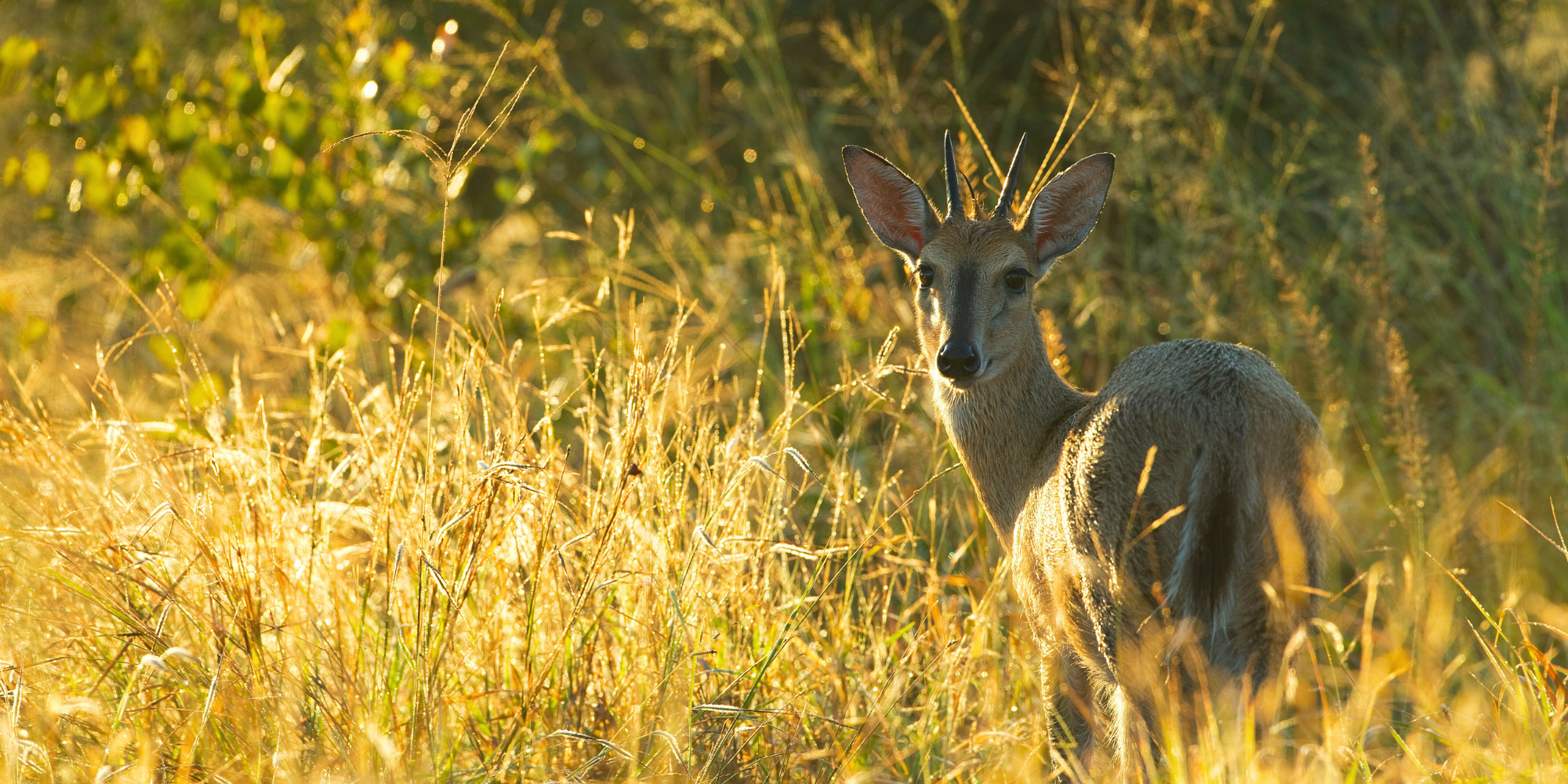
    One moment from day four stands out to me vividly – walking up to yet another circled track in the sand, as we had been doing countless times each day. But this time was different. I took a single glance at the track – no more than three seconds – and without hesitation, I confidently said, “that’s a duiker,” already turning to walk away before the thought had even fully registered. It was only when I stopped and turned back that I realised what had just happened, my own confidence had caught me off guard. 

    I took a moment to go through the process of elimination we had been learning: a relatively small hoof, a slightly curved outer edge profile, a slightly blunted point, and the tracks directly registered. The length of the hoof was more or less equal to the width. All signs point to one answer: duiker. But what struck me wasn’t just the accuracy of identification, it was how instinctive it has become. This track simply looked like a duiker. Instead of painstakingly dissecting each print, I began to just know. Know the shape, know the pattern, know the scale. Within this moment, I recalled something Sam had said on the very first day (that I didn’t really hear through all my internal self-doubting): “Track and sign is just shapes and patterns.” It seems silly looking back how long it took me to realise that what I know best is exactly what we were learning here, just in another form. 

    image

    By the time assessment came around, I walked up to tracks with a smile on my face. Not only had I learned so much in just a week, but I also finally tapped into what I already knew. As my journey in the bush continues, I want to remember that all my skills, whether I realise their relevance or not, can only make me better. I want to encourage anyone thinking about a course with Bushwise or a career in the bush who feels uncertain about having the “right” skills or enough experience. Let me assure you: there is no one-size-fits-all field guide. Whatever knowledge or skills you bring, from any discipline or area of life, will only add to your strengths and make you a unique, well-rounded guide. Embrace what makes you different – those are the very things that will set you apart and allow you to thrive in ways you never imagined.

    Ready to turn your unique skills into bush knowledge? Explore Bushwise courses and apply now to start your journey in wildlife guiding!

  • The resilience of the cheetah

    This blog was written by Eline Kemper, a Bushwise International Field Guide student. Each student takes a turn as camp manager, and writing a blog is part of the experience.

    4 min read

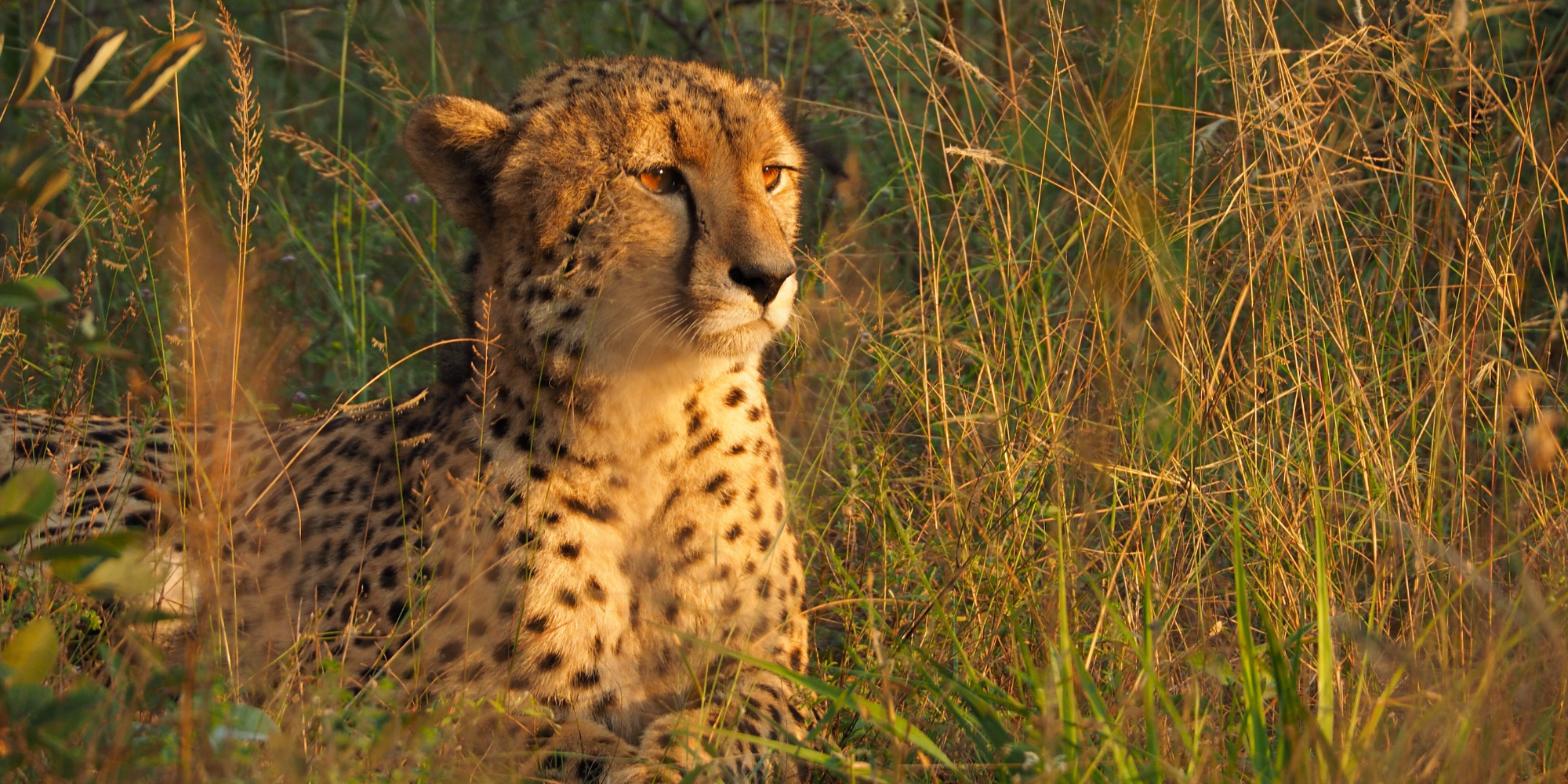
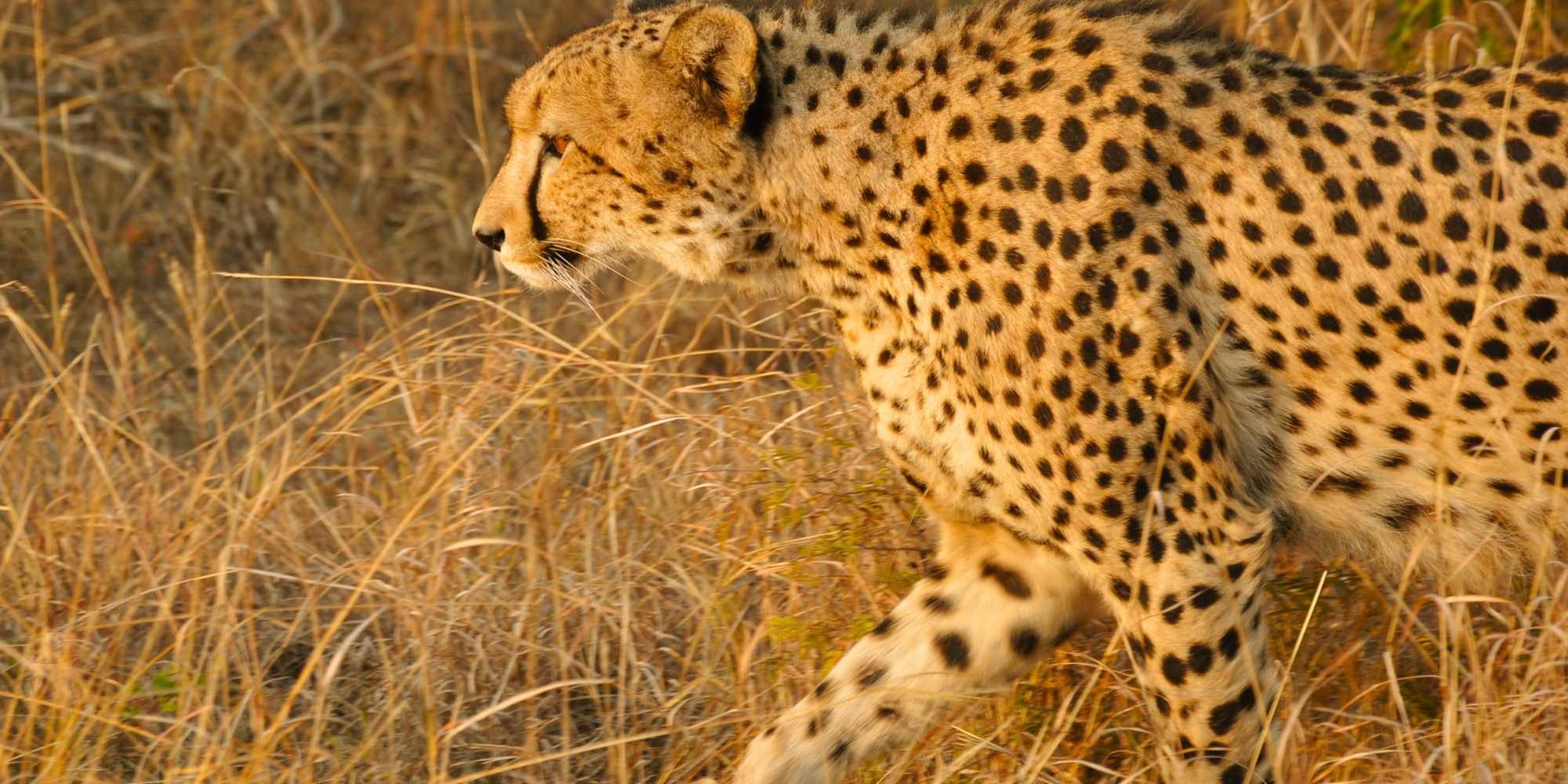
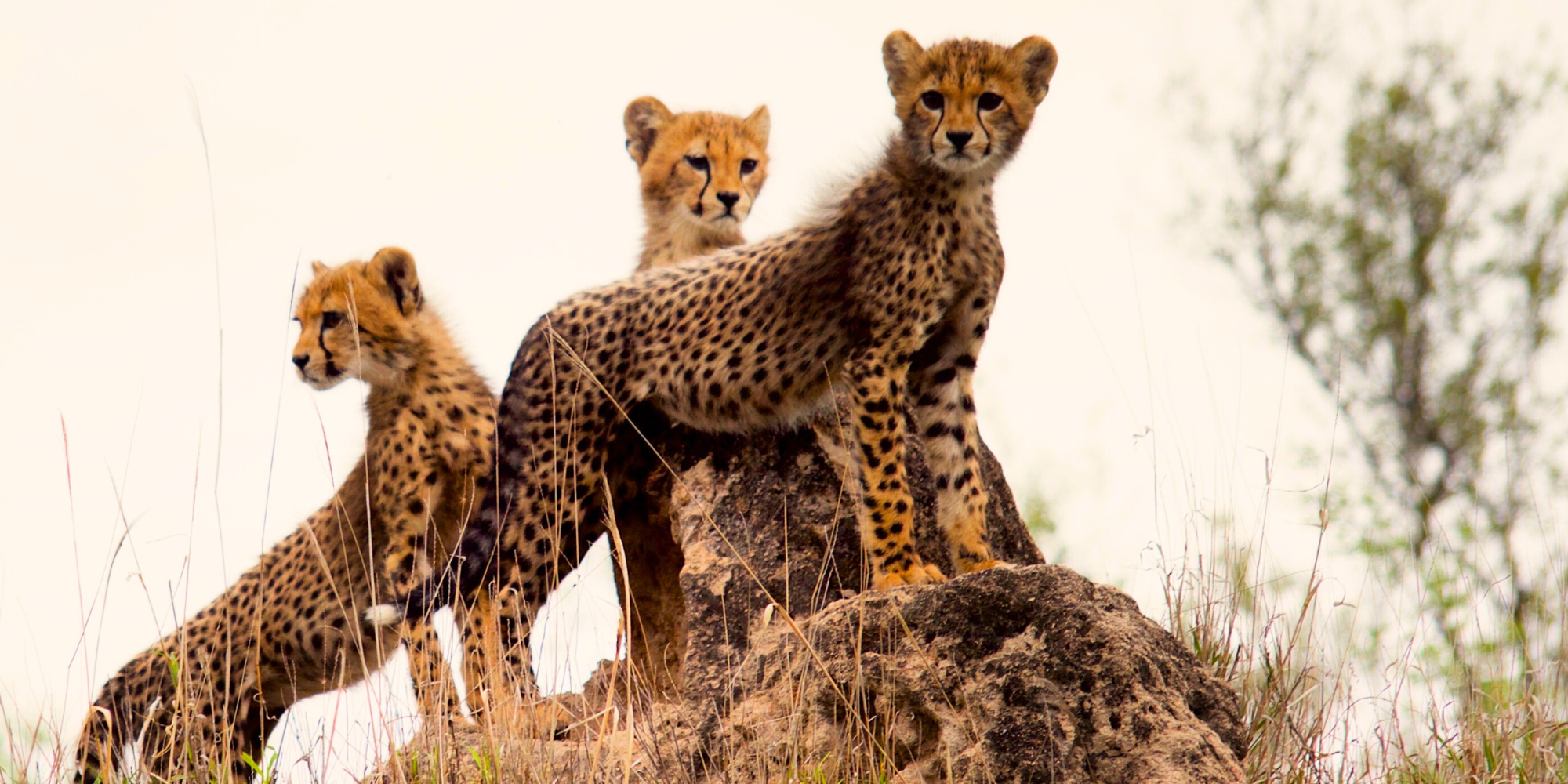
    I am currently enjoying my third semester with Bushwise and I have had the chance to see my favourite animal twice so far! Last week, we saw two juvenile cheetahs quite up close. We think they are brother and sister who only just left their mother. I have been waiting to see cheetahs out in the wild in South Africa for years, so I count myself very lucky. 

    It is the beauty of cheetahs that captured me first: their spots, tear marks, and honey-brown eyes. But, it was after I did my research on them that I came to appreciate them even more. I admire their personality, but especially their resilience, which is what I would like to share some information on with you in this blog.

    image

    Female cheetahs are solitary animals, except when they are raising their cubs. Male cheetahs can be solitary as well, but usually form coalitions. These coalitions consist of one or up to four other male cheetahs, usually their littermates. Males provide no parental care; this responsibility lies with the mother. Therefore, the primary key to the survival of cheetah cubs is the mother. Another reason why the mother is so important is because cheetah cubs are altricial at birth. 

    “Altricial” is one of the words I became familiar with during my last semester with Bushwise. It means that an animal is born in an undeveloped state; they are helpless at birth. Cheetah cubs have their eyes closed for four to 11 days after birth and have no locomotive competency. After 12 to 13 days they can start walking. And it is only after 18 months that the cubs reach their adolescence and are ready to become independent. 

    Currently, the cheetah population is decreasing rapidly. According to reports, there are approximately only 7100 cheetahs left in the wild and they lost 91% of their historic range due to habitat loss and fragmentation. 

    image

    The steep decline in cheetah populations is a result of several causes and one of them is their high offspring mortality. This high offspring mortality has different causes. For example, shortages of food and/or water, climate change, being killed by farmers, and the illegal trade. 

    Extreme poverty is one reason for the illegal trade in cheetahs. The other suspected reason is the desire for exotic pets in the Middle East. Nevertheless, the biggest cause of high offspring mortality is predation by lions and hyaenas. There is no exact estimated percentage of the overall mortality rate of cheetah offspring and the offspring mortality of cheetahs can also differ per area. 

    However, here are a few statistics that can give you an idea. A study on cheetah cub survival on the Serengeti Plains and in the Kgalagadi Transfrontier Park showed that 4.8% of the cubs that were born survived until their adolescence in the Serengeti Plains and 35.7% in the Kgalagadi Transfrontier Park. According to other research, the average percentage of cubs that survive until their adolescence is 30%. Thus, the mortality rate for cheetah cubs found in this research is 70%. 

    image

    According to M. Laurenson, “cheetahs suffer high offspring mortality rates compared to other large felids”. These percentages were alarming to me, but here comes the fascinating part: three traits of the reproductive physiology of the cheetah are thought to have evolved as an adaptation to their high offspring mortality. Namely: they can restart their oestrus cycle quickly after losing a litter, they have one of the shortest intervals between litters and they have a large litter size compared to other felids. 

    If a female cheetah loses a litter, her oestrus cycle restarts quickly. The female comes into oestrus and can be pregnant with young again within 19 days after losing her litter. Second, they have one of the shortest intervals between litters, compared to other large felids. And third, cheetahs have a large litter size compared to other felids. The average litter size of cheetahs is four, but their litters can range in size from one to eight cubs. Meanwhile, other felids have litters with an average of three, which ranges from one up to five.

    It is admirable how cheetahs, but also animals in general, evolve to become resilient to the challenges they have to deal with. I could write another 10 blogs on the cheetah, there is so much that is interesting about them, but for now, I am going to leave it here. I hope I will be able to do conservation work one day to observe their (resilient) behaviour and protect them. I believe doing the International Field Guide Course with Bushwise is a good place to start this journey! 

    Ready to make an impact in wildlife conservation? Explore Bushwise courses and apply today to start your journey in field guiding and protecting endangered species!

  • Wild encounters: A leopard on the prowl

    This blog was written by Keagan Rowe, a Bushwise International Field Guide student. Each student takes a turn as camp manager, and writing a blog is part of the experience.

    4 min read

    My week as camp manager was certainly eventful. While the duties of camp manager did not really require much extra thought as it mainly involved having the camp radio on your person at all times and letting everyone know when meals are ready. The week itself, however, was very interesting. 

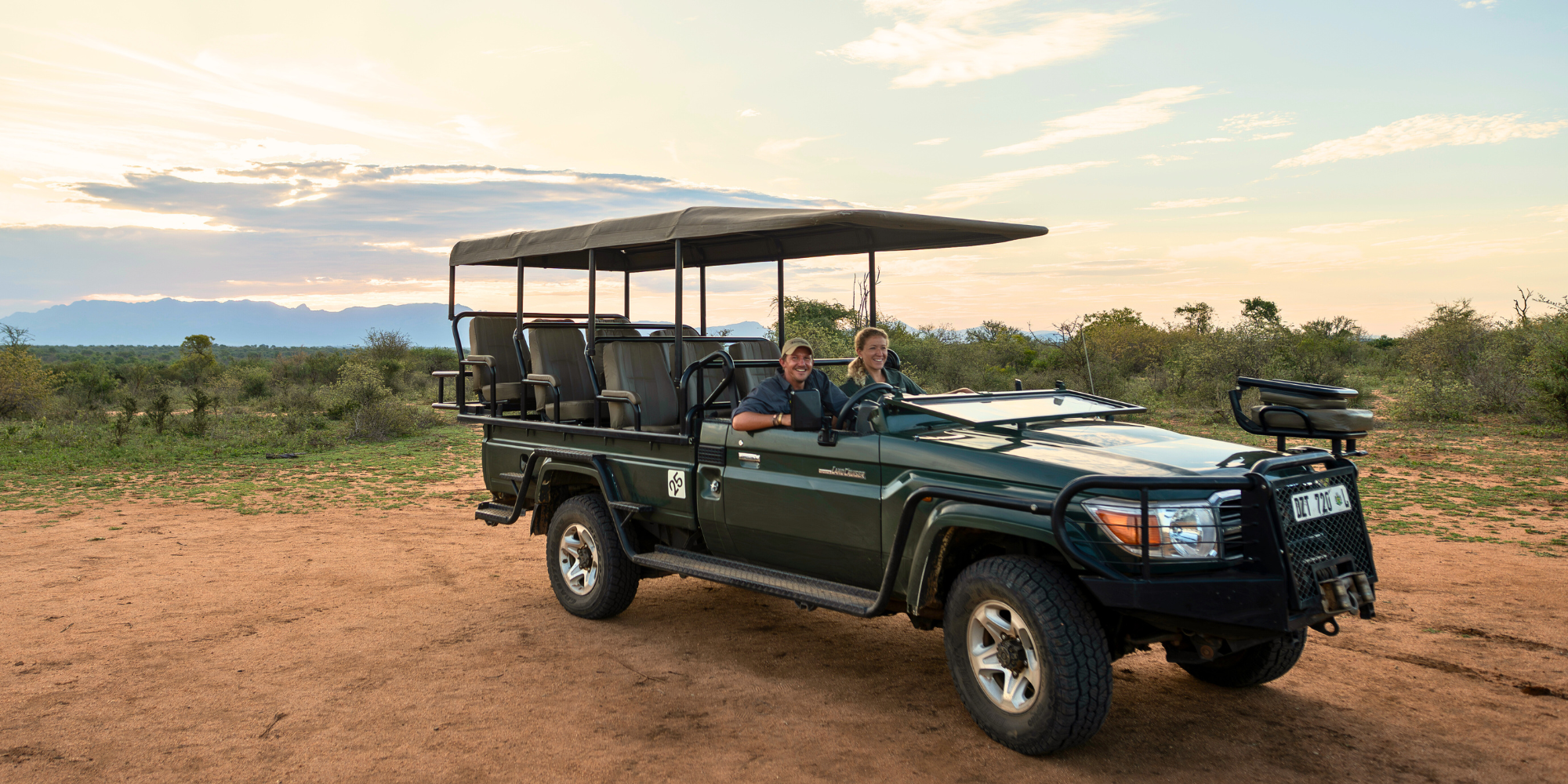
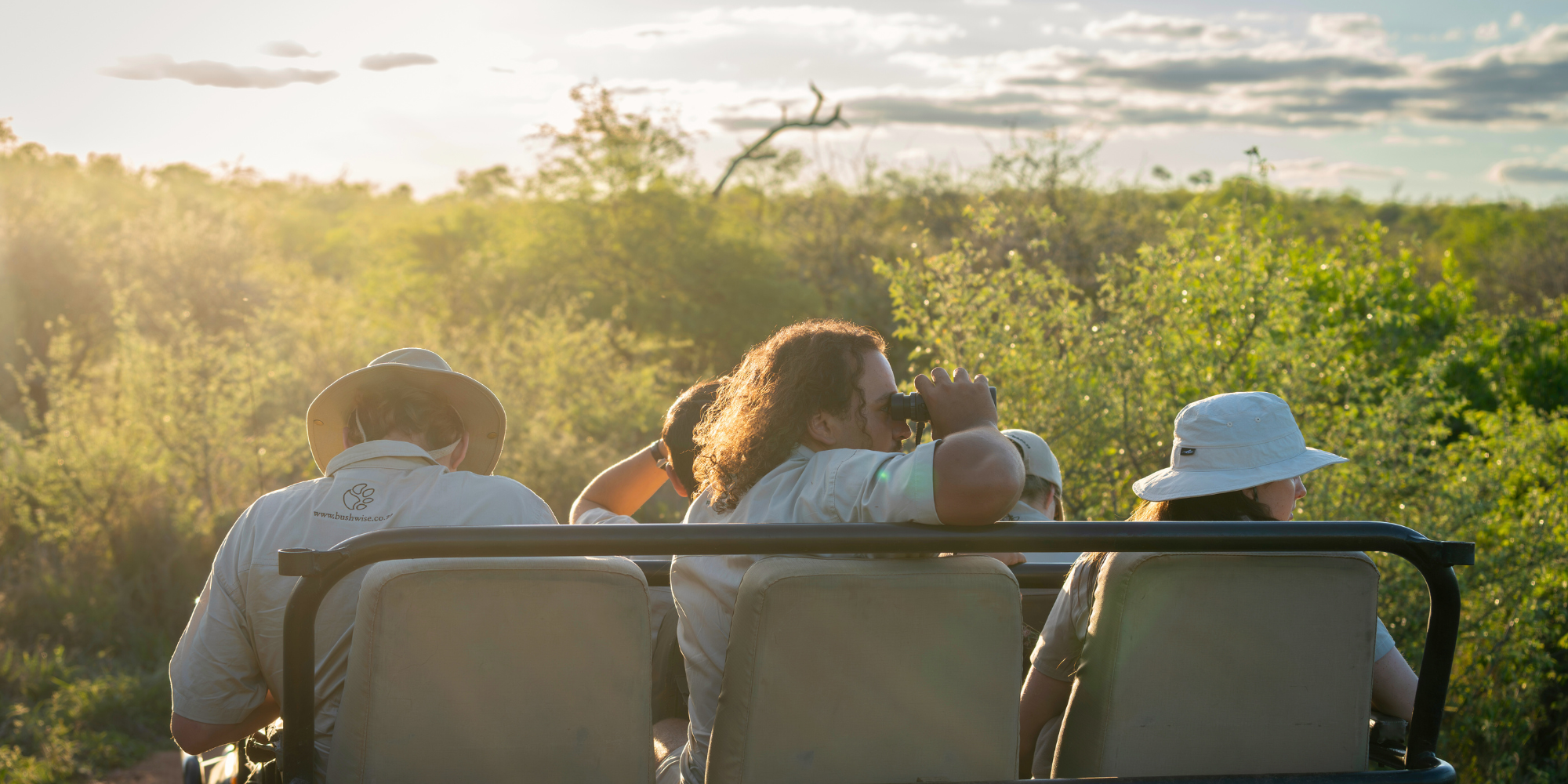
    This week marked the beginning of our practice drives where the idea is to attempt to mimic what you would be doing on a drive if you had guests on the vehicle. I must admit that going into the first drive, despite knowing that it is a practice and the idea is to learn from it, the anxiety to perform in front of your peers was certainly high and I feel like that sentiment was widely spread amongst the students. 

    image

    Despite the pre-drive jitters, I believe all of us did really well for a first attempt and it was fascinating to see the differences in everyone’s style of guiding. Even though this is very early on in our guiding experience you can already slowly start to see the kind of guides everyone will turn into. We have the style of educational guiding where facts and figures are integrated into what you are seeing, the culturally relevant guiding where what we are seeing gets related to the culture of the area and what animals mean to different people in the area, and we see the type of guiding where storytelling dominates the drive. 

    Now the guiding practice was already special, but what further enhanced our experience was the phenomenal sightings that we witnessed. You expect to see a lot while in the Sabi Sands, but to actually bear witness to some of the animals’ behaviours and how they interact was, and always will be, an otherworldly experience. 

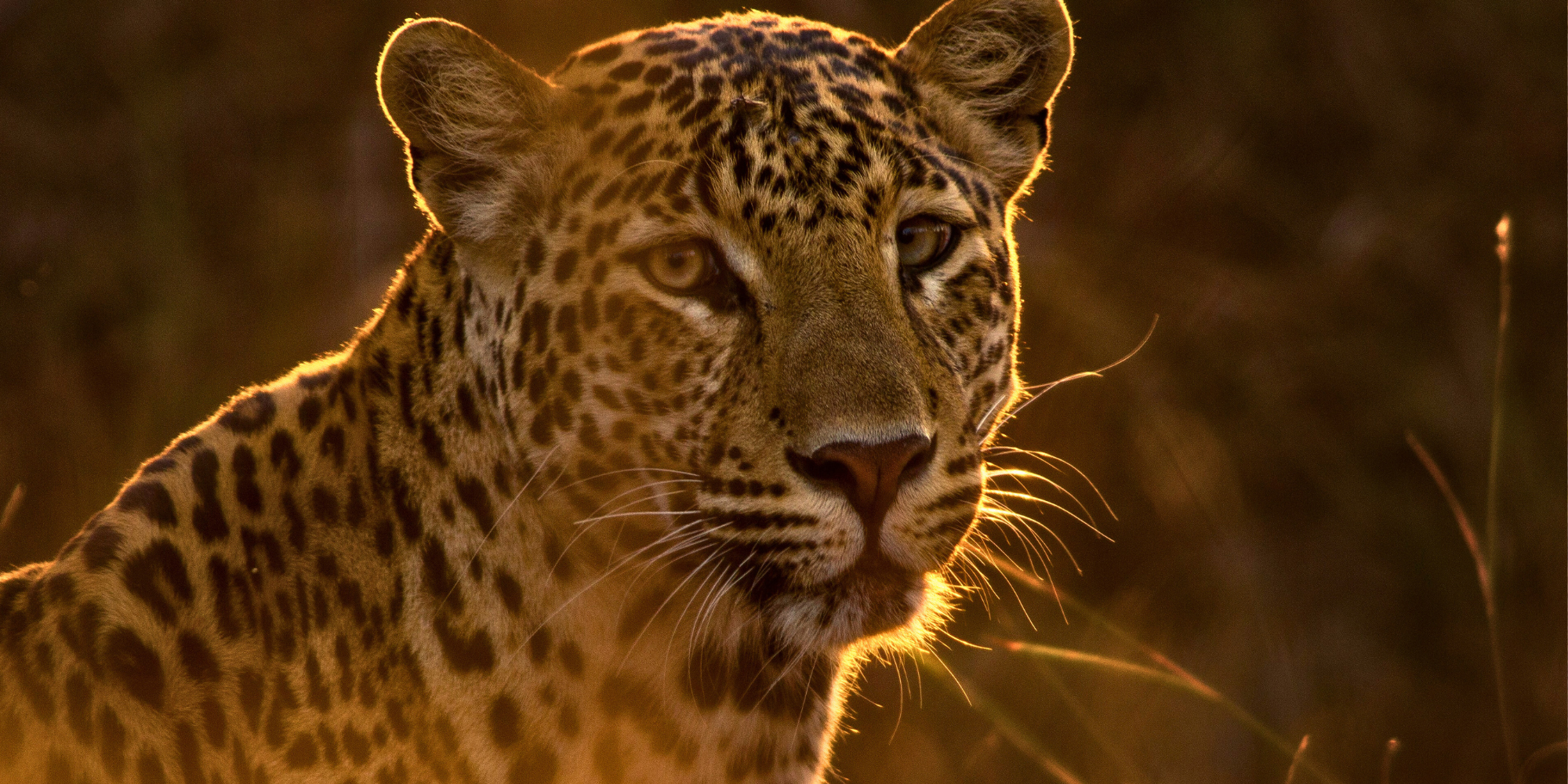
    One of the many sightings that stood out was when we found a female leopard who had just crossed into our concession from Lion Sands. We trailed her for a while and noticed her behaviour shift – she had caught wind of something she could prey on. We sat in silence and observed how the leopard assumed a low posture and began to slowly stalk whatever prey item she had smelt.

    With a bit of time and patience a rather large warthog had emerged from the bushes, at this point everyone on the vehicle started to speculate as to what was going to happen. “There is no way she will try and catch that warthog, it’s nearly as big as her,” was one of our observations. “But she looks skinny, maybe she hasn’t eaten in a while and has to take this chance,” said another. 

    image

    And so with our theories being expressed, now came the time to wait and see. What felt like only a few minutes was actually well over 40 minutes of us baking in the sun while watching the leopard take one small step closer every few minutes. But the sun didn’t bother us, and our patience felt like it could last an eternity – we needed to see what would happen next. 

    The time had come, the leopard was not going to be able to get closer than she already was, the warthog grazed unassumingly about eight meters away from one scary cat. The warthog looked

    up at the vehicle, turned his head slightly to the right and finally spotted the leopard. The warthog bolted away as fast as he could, letting out a grunt that one could possibly translate as “Oh crap”. The leopard had failed the hunt this time, but what a blessing it was to be able to witness the attempt. 

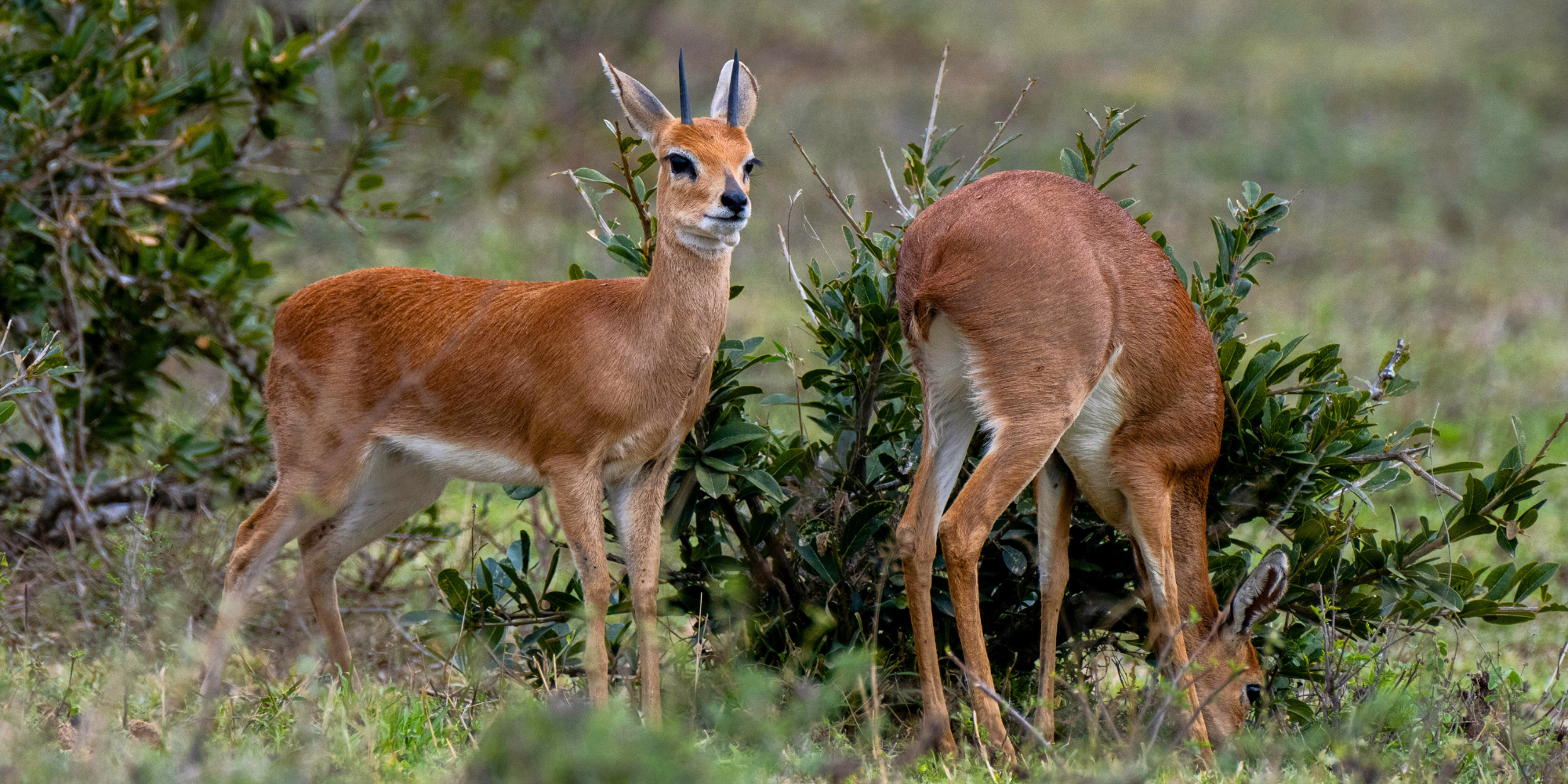
    While the leopard and warthog sighting was certainly a highlight for the week, it was far from the only one. We had a unique sighting that had great comedic value. We drove on the border of Lion Sands and came to a sudden stop when we saw a female steenbok not even six meters away from the road and us. Now this is strange behaviour from a steenbok as they normally run away when vehicles get too close – but not this one. 

    image

    We sat and watched in silence trying to determine how she could be this calm. It didn’t take long for the truth to come out – we saw her dig into the ground and she was munching on some subterranean bulbs. Our head trainer, Nic, then informed us that this steenbok was likely experiencing the effects of the plant’s psychoactive properties. 

    After getting our giggles out of the way, we observed the behaviour of this little antelope and turned it into a teaching moment of “what else can you see”, talking about how her eyes are glazed over, her posture is un-alert and so on and so forth. 

    There are many more things that could be talked about as there is never a dull moment while on this course. My take away from this week is that it really served as a reminder on why I am doing this and while I choose this career path. There is no other profession where you get to watch animals in their natural environments like this, and the ability to turn every sighting into an educational moment, or even a comedic moment, is so incredibly unique and unequivocally special that I couldn’t imagine a better way to spend my days. 

    Ready to turn your passion for wildlife into a career? Explore Bushwise courses and apply now to start your journey in the wild!

  • Stealth and claws: Life of the elusive leopard

    This blog was written by Lionel Gojon, a Bushwise International Field Guide student. Each student takes a turn as camp manager, and writing a blog is part of the experience.

    3 min read

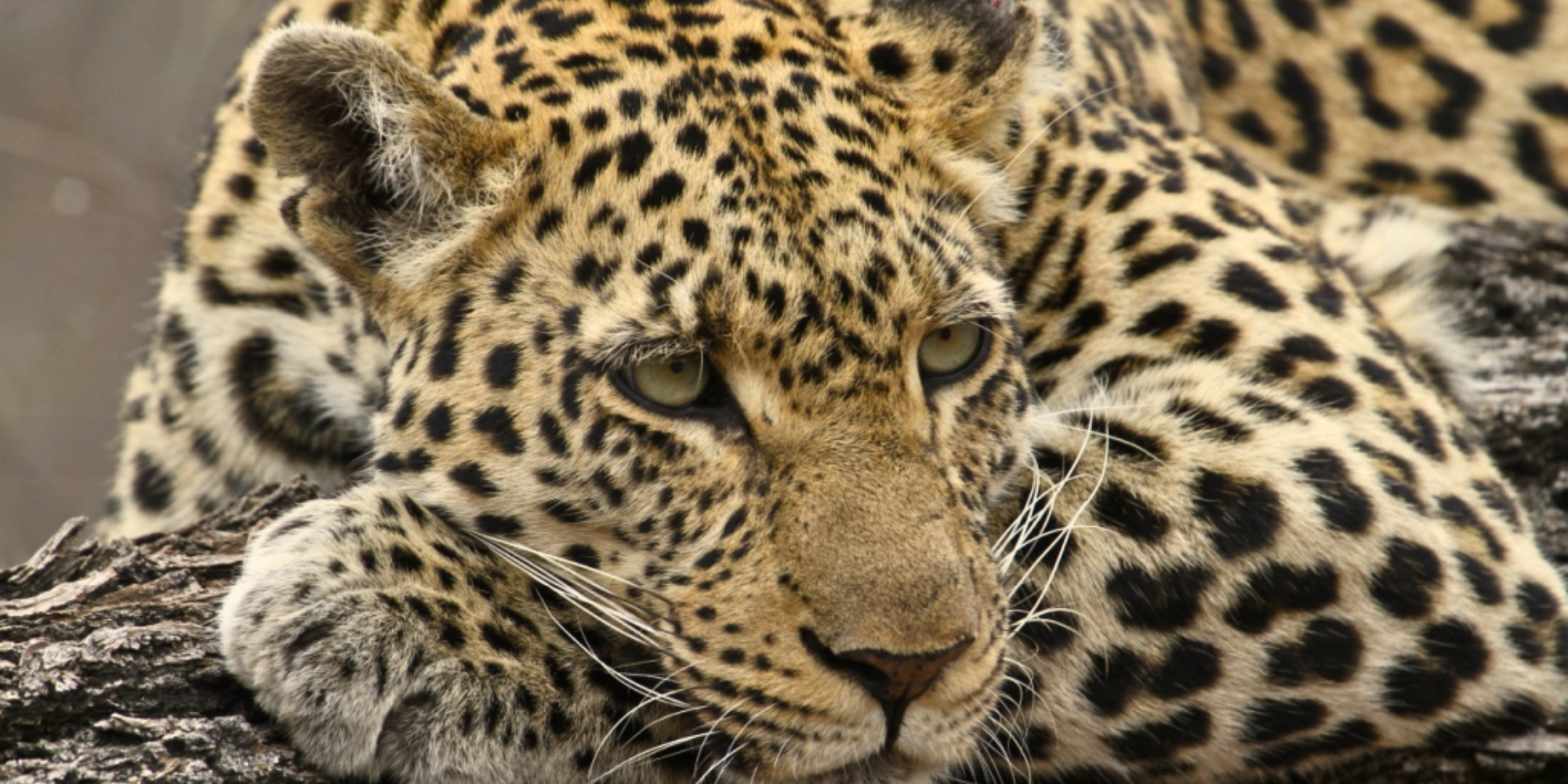
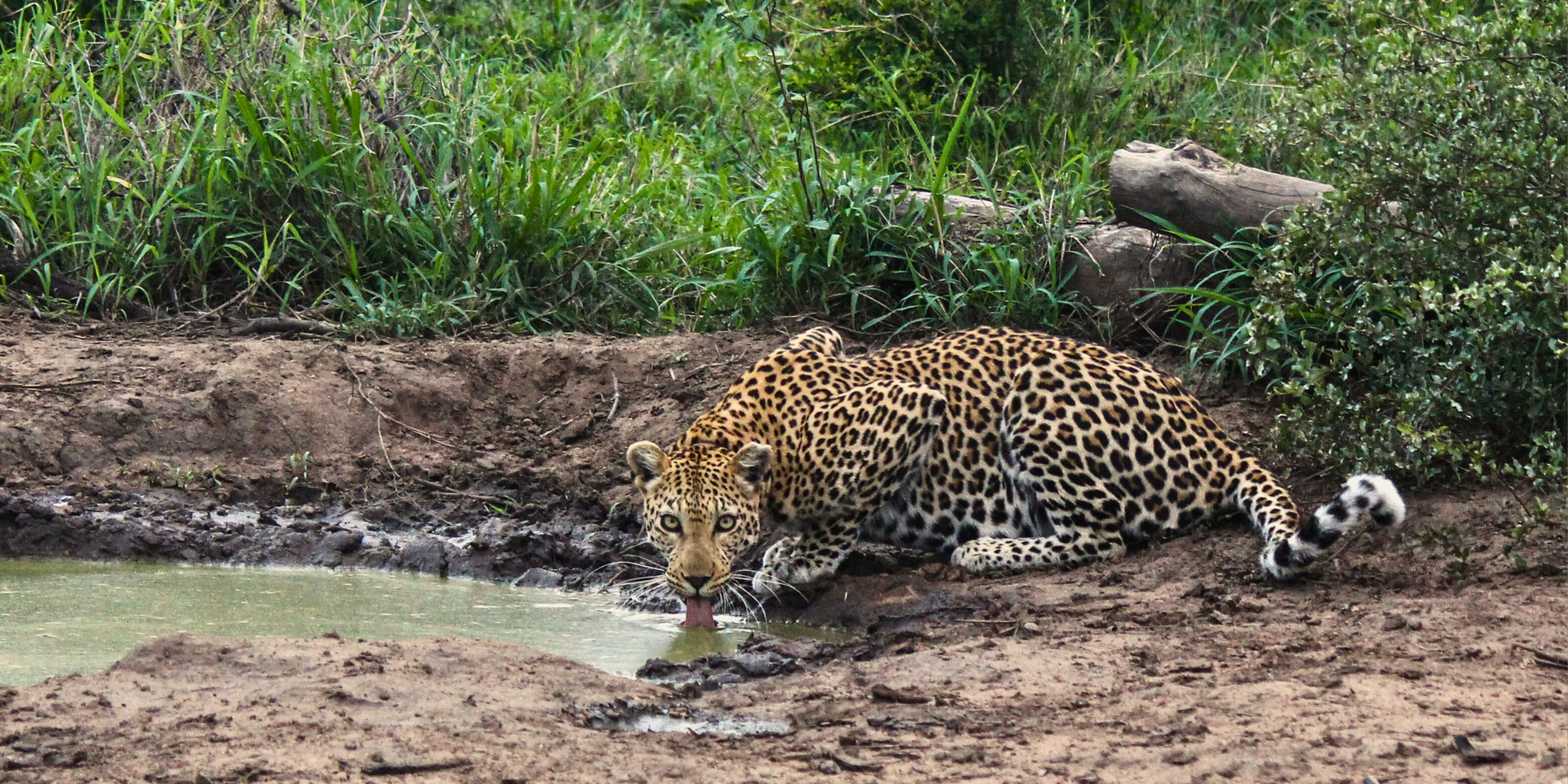
    A shadow in the night. A speck of dust rolling. Razor-sharp claws severing. A piercing shriek. Leopards are the epitome of stealth.

    As an Emirati field guide told me once, “You can’t own a leopard.” Fences can be made, national parks can be guarded and protected, but there is no way to keep a wild leopard in a specific area. Like a shadow, it will vanish into the night. It can be anywhere and you wouldn’t notice. It would only leave its haven at night, a deadly creature killing in complete silence. 

    image

    Leopards can survive even in areas not thought for them. A rocky outcrop, a mountainous chain, a desert, a rainforest, farmland, the outskirts of a city, you name it. Male leopards have been known to cover large distances, looking for territory. 


    The leopard has always been my favourite animal since a young age. Their stealthiness fascinated me; their raw power made me wonder. I found it unimaginably beautiful from the first glimpse. I was always looking at pictures and watching videos of leopards, wondering when I would be able to witness such grace in person. How could a fairly light animal lift such heavy prey into the trees? How could it stay up there, comfortably settled with its meal, laughing at the fight for food raging on below? Some would call it arrogance, I’d call it sheer superiority. 

    We’ve all witnessed the incredible agility and skill of a domestic cat. It can fall from anywhere and will land on its feet, unfazed; so flexible that a fall which could have killed a human would barely bother it. We’ve seen them dodging snake attacks, so fast that even the incredible reflexes of a serpent are no match for them. We’ve seen them bullying much bigger dogs or hunting and playing with food as if it were easy. Now imagine the same animal, but much bigger, and without thousands of generations of domestic life that may slowly erode their reflexes and capabilities. That’s the leopard.  

    image

    From a mouse to a wildebeest, the leopard can kill a vast variety of prey. It will ambush the animal, or get close enough without being noticed before striking. The suffocation will be fast, the chances of survival will be thin. For me, the most impressive hunts are when the leopard waits up in a tree for an impala to get under it, and then lets itself fall on the poor ungulate, sometimes from very high points. 

    Despite its incredible abilities and adaptation skills, the population of leopards around the world are largely declining, mainly due to habitat loss, poaching for claws and body parts, as well as conflict with farmers and trophy hunting in some instances. Once widespread around Africa, Asia and even parts of Europe, leopards are now believed to be present in only around 25% of their original range. Some subspecies such as the Amur leopard in the Russian far-east have populations of no more than a hundred individuals. It is our duty to preserve this magnificent animal and find ways to coexist. 

    Learn more about the fascinating world of leopards and find out how you can contribute to wildlife conservation with Bushwise programs. 

  • Building bonds, facing fears and embracing bush life

    This blog was written by Meere Malherbe, a Bushwise International Field Guide student. Each student takes a turn as camp manager, and writing a blog is part of the experience.

    3 min read

    It’s already the fifth week of being a Bushwise student. I can’t believe how time flies here. I can personally say that we’ve all grown closer and are a huge Bushwise family. We all look out for one another. I could not have asked for a better group! 

    Our week consisted of doing our presentations and our final lectures. Yes, that’s right, we are finally done with them! On Monday we did mammals, Tuesday was ethology, Wednesday was reptiles, Thursday was conservation management and historical human habitation. It has been a lot to take in for the past couple of days but at least we have each other. 

    image

    On Saturday night the group got together for a braai! It was a good way to end the week! Braais always takes me back home, where every night my family and I would spend a whole night laughing and enjoying each other’s company, and Saturday was exactly that! 

    Every day we’d set off on our early morning and afternoon game drives. I always look forward to these because you never know what you might see. Every day one or two students will get their chance at driving us around and talking about nature and all its glory. I can proudly say that everyone has been doing an amazing job so far and can’t wait for the next one! 

    On Wednesday, we had our reptile lecture, and got to go to the Hoedspruit reptile park. We all enjoyed a different scene for once, and learned quite a lot. We got to experience some close encounters with some of people’s biggest fears.  

    image

    Every night, all the students get together and learn all the bird calls, and come up with their own personal way of remembering them. There are so many different calls and some sound so similar. It’s spectacular to see how hard everyone has been working and all the effort being put into the days! We should all be proud of ourselves. 

    Every weekend we do get some time to ourselves which is always wonderful. A few of us will often drive to Gravelotte or Hoedspruit, usually just to enjoy a day out at a restaurant or paddle. Sometimes even just to stock up on snacks. 

    The days have slowly but surely started to warm up. Whenever we study in the classroom, we put on our swimsuits and just hop into the pool to cool down before getting back to do some studying. I have to say I am quite excited to experience how nature changes when spring comes around and all the leaves and plants start to sprout (It will make botany a lot easier). 

    image

    I have to be honest, the thought of being camp manager was like a constant worry that I had in the back of my head. I didn’t want anyone to feel that they needed to treat me differently, but as the time went on, I realised that nothing really changed. It felt like a normal week at camp. Being camp manager doesn’t mean that you don’t have to do your duties, but to make a good impression on others around you. 

    If anyone ever asked me if Bushwise is worth it, I would one hundred percent recommend it! It is so peaceful out in the bush, and it’s a great way to connect to nature and make amazing friends. Don’t wait till the last minute to do what you love, don’t be afraid to take that step in your life, you only live once. Make it worth your while! 

    Ready to embrace the wild and make lifelong friends? Explore Bushwise courses and apply now to start your adventure in nature!