Tag: #bushwise

  • A guide to the Common String-of-Stars

    On a late-summer morning in the lowveld, you might spot a patch of delicate white flowers curling along sandy paths, almost like a string of tiny stars. Stop and look closely – this is the common string-of-stars, Heliotropium steudneri, a modest but fascinating plant that often goes unnoticed!

    The common string-of-stars is a perennial herb or subshrub, usually 60–100 cm tall. It’s woody at the base, with softly hairy stems and narrow, alternate leaves. Its signature feature is the coiled, elongated clusters of small, star-shaped flowers that slowly unfurl as they bloom. From a distance, it may seem unremarkable, but up close, the pattern and symmetry of each flower spike show just how beautifully adapted this plant is to its environment.

    This species is widely distributed across eastern and southern Africa, from Eritrea and Ethiopia down to South Africa, and even across the Red Sea into Yemen and Oman. It thrives in open, sandy soils, dry bushveld, and shrublands, often appearing in disturbed areas or along roadsides. After seasonal rains, it bursts into flower, adding subtle life and colour to otherwise dry landscapes.

    From a conservation and ecological perspective, the common string-of-stars is a pioneer species. It often colonises sandy, disturbed soils first, stabilising the ground and creating opportunities for other plants to establish. For wildlife, its flowers provide nectar for insects, supporting pollinator networks that ripple through the ecosystem. In this way, even a small plant like the string-of-stars contributes to the larger web of life on a reserve.
    For Bushwise students and safari guides, recognising flower species isn’t about identification alone – it’s really about understanding the veld. Knowing which plants signal recovery, which provide resources for insects, and which require careful handling is part of developing the observational skills that make a guide truly exceptional. It’s also a reminder that every element, from the tiniest flower to the largest tree, plays a role in the ecosystem’s health.
    Next time you walk a trail or drive a sandy road, take a moment to spot the coiled white spikes of Heliotropium steudneri. Pause, study its flowers, notice how they catch the light – and think about the quiet but essential role it plays in the bush. It won’t dominate your photographs or headlines, but it’s one of those species that teaches patience, observation, and respect for the African bush.
    If you want to learn about the small wonders of the African bush, Bushwise Wildlife Courses  give you hands-on experience identifying plants, tracking wildlife, and understanding ecosystems from the ground up.
  • A guide to canine anti-poaching units

    A guide to canine anti-poaching units

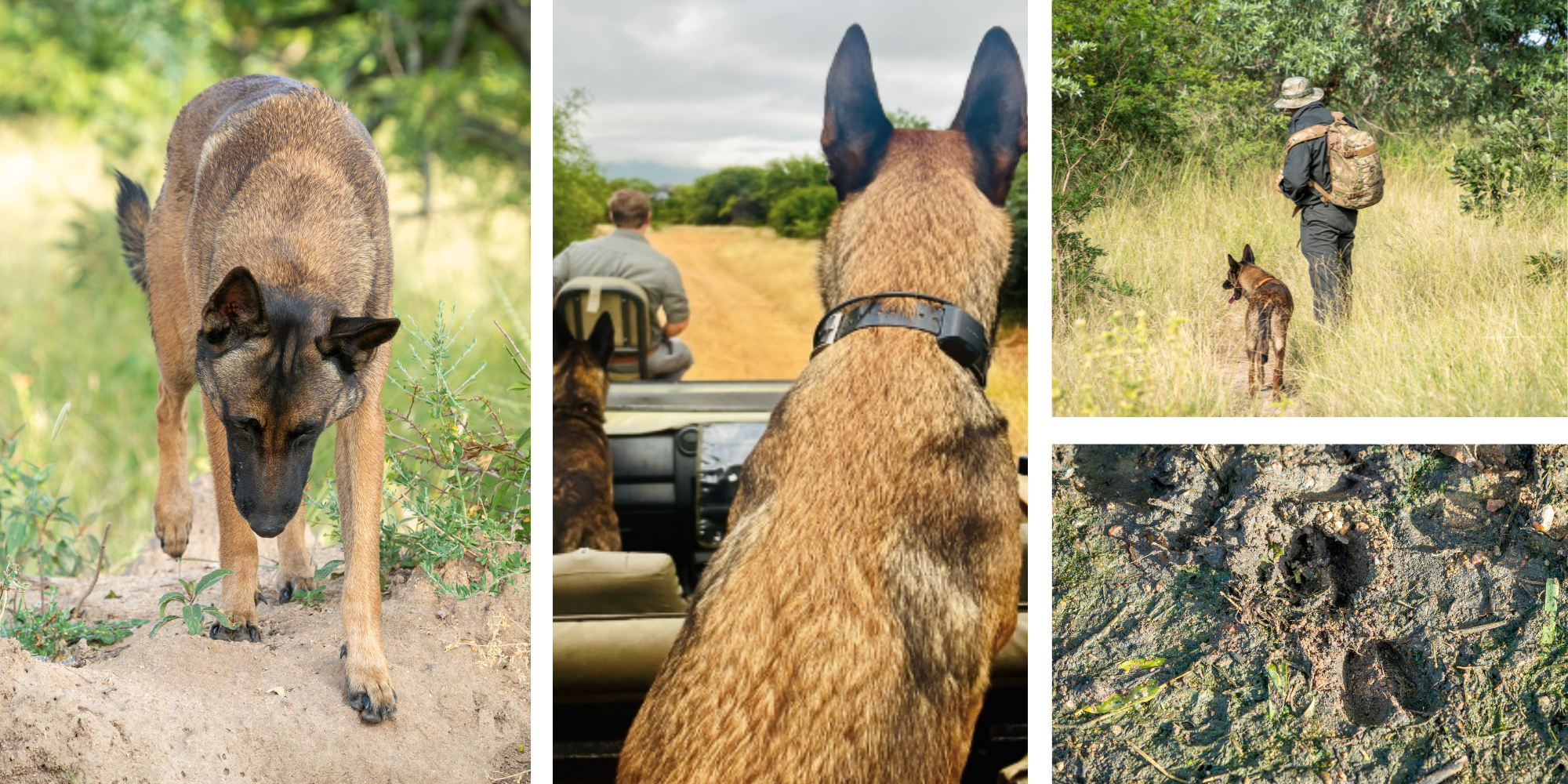
    Canine anti-poaching units are working dog teams used in conservation areas to support law enforcement and wildlife protection operations. They are deployed in anti-poaching, tracking, and detection roles to help rangers locate suspects, recover illegal items, and secure protected areas more efficiently than human teams alone.

    These units consist of a trained handler and a working dog. The most commonly used breeds include Belgian Malinois, German Shepherds, and Bloodhounds. Each dog is selected based on physical ability, temperament, and drive to work under pressure.

    Training starts at a young age and is highly structured. Dogs are trained in obedience first, then developed into either tracking or detection roles depending on aptitude. Tracking dogs are trained to follow human scent over long distances. Detection dogs are trained to identify specific target scents such as firearms, ammunition, or wildlife products like ivory or rhino horn.

    Tracking dogs work by following scent trails left by people moving through the environment. These scent particles are deposited on vegetation, soil, and surfaces as a person moves. Factors such as wind, temperature, terrain, and time affect how strong or dispersed a trail is. A trained dog is able to distinguish the target scent from other environmental smells and follow it with high accuracy.
    Handlers guide the process by interpreting the dog’s behaviour. Changes in speed, direction, and focus indicate whether the scent is strong or weakening. This allows the team to adjust strategy in real time during a track.

    Detection dogs are used in more controlled operational settings such as vehicle checkpoints, ranger posts, airports within conservation areas, and entry gates. Their role is to quickly search people, bags, vehicles, or buildings for specific contraband. This significantly reduces search time compared to manual inspection and improves detection rates.
    In many reserves, detection dogs are also used for preventative security. Their presence at access points reduces the likelihood of illegal items entering protected areas.

    Canine units are typically deployed as part of a wider anti-poaching strategy that includes field rangers, intelligence gathering, surveillance technology, and rapid response teams. When an incident occurs, a tracking dog is often one of the first assets deployed to follow a suspect’s route from the point of entry or crime scene.
    Their value is operational efficiency. A dog can follow a track that may take human teams much longer to identify or interpret. This reduces response time, which is critical in anti-poaching work where delays often result in loss of evidence or escape of suspects.
    For conservation operations and training environments, canine units are a practical tool rather than a supplementary one. They improve detection capability, tracking accuracy, and overall response effectiveness in the field.
    If you want to get into the world of conservation, Bushwise offers wildlife courses that range from conservation to game management,  field guiding, and more.
  • Understanding and protecting Africa’s elusive leopards

    This blog was written by Tia Bell, a Bushwise Professional Safari Guide student. Each student takes a turn as camp manager, and writing a blog is part of the experience.

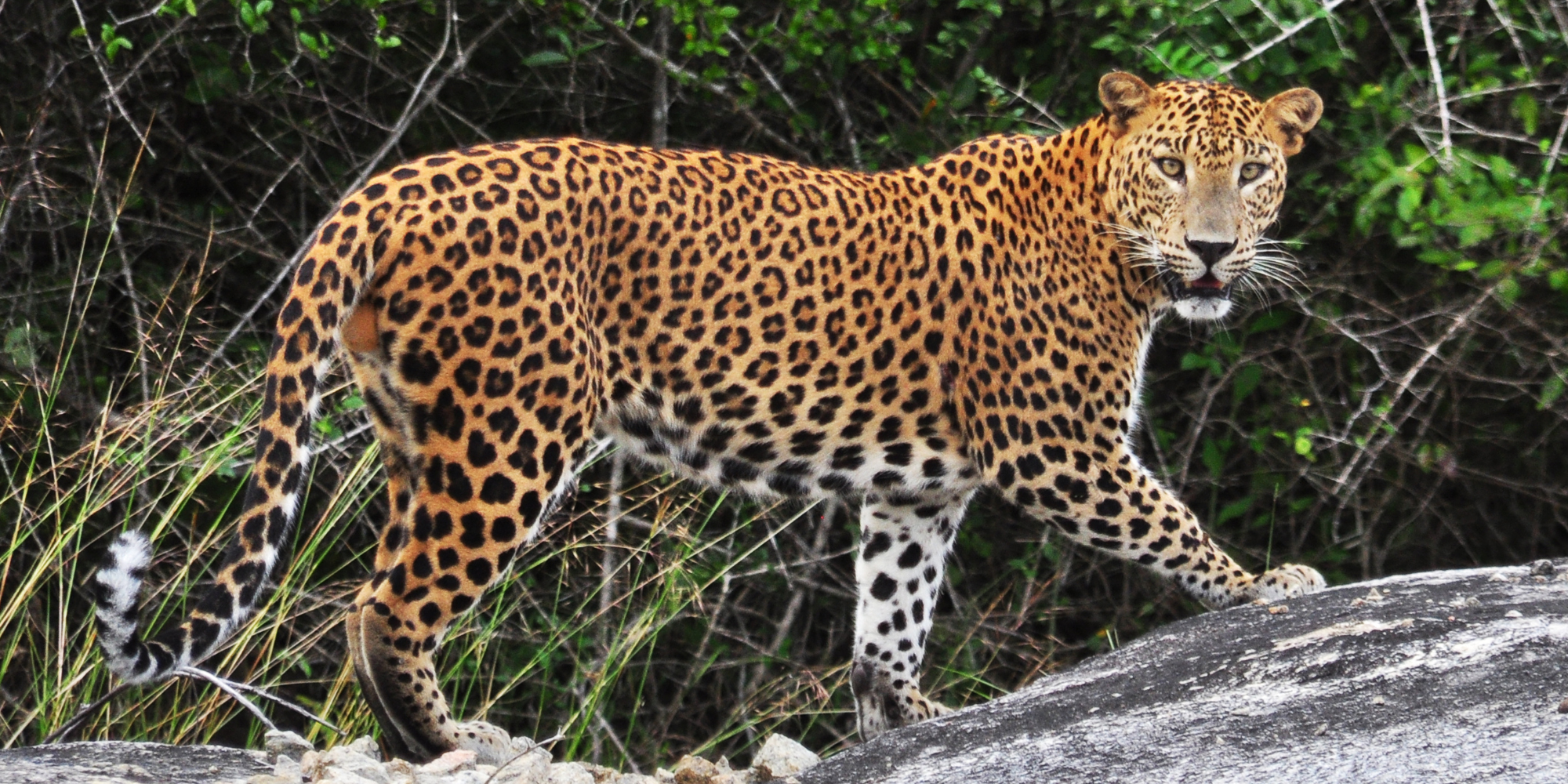
    The leopard is one of Africa’s most mysterious and graceful creatures. Powerful, stealthy, and beautifully patterned, it’s an apex predator and one of the Big Five, a true sign of a healthy ecosystem. But despite being such a master of survival, leopards are facing more threats than ever. Human activity is shrinking their world, and without our help, these incredible cats could disappear from places they’ve lived for generations.

    image

    Leopards are the ultimate experts in staying out of sight. Mostly solitary and active at night, they rely on camouflage and patience to hunt. They don’t sprint after their prey like cheetahs—they stalk quietly, wait for the perfect moment, and then strike with speed and precision. Hunting isn’t easy, and even the most skilled leopard doesn’t succeed every time.

    Competition is tough. Lions, hyenas, and even some scavenging birds are always trying to steal a leopard’s hard-earned meal. To protect their food, leopards often drag it up into trees, sometimes prey as heavy as they are. It’s a brilliant survival trick, keeping their dinner safe from other predators while showing off just how strong and adaptable they are.

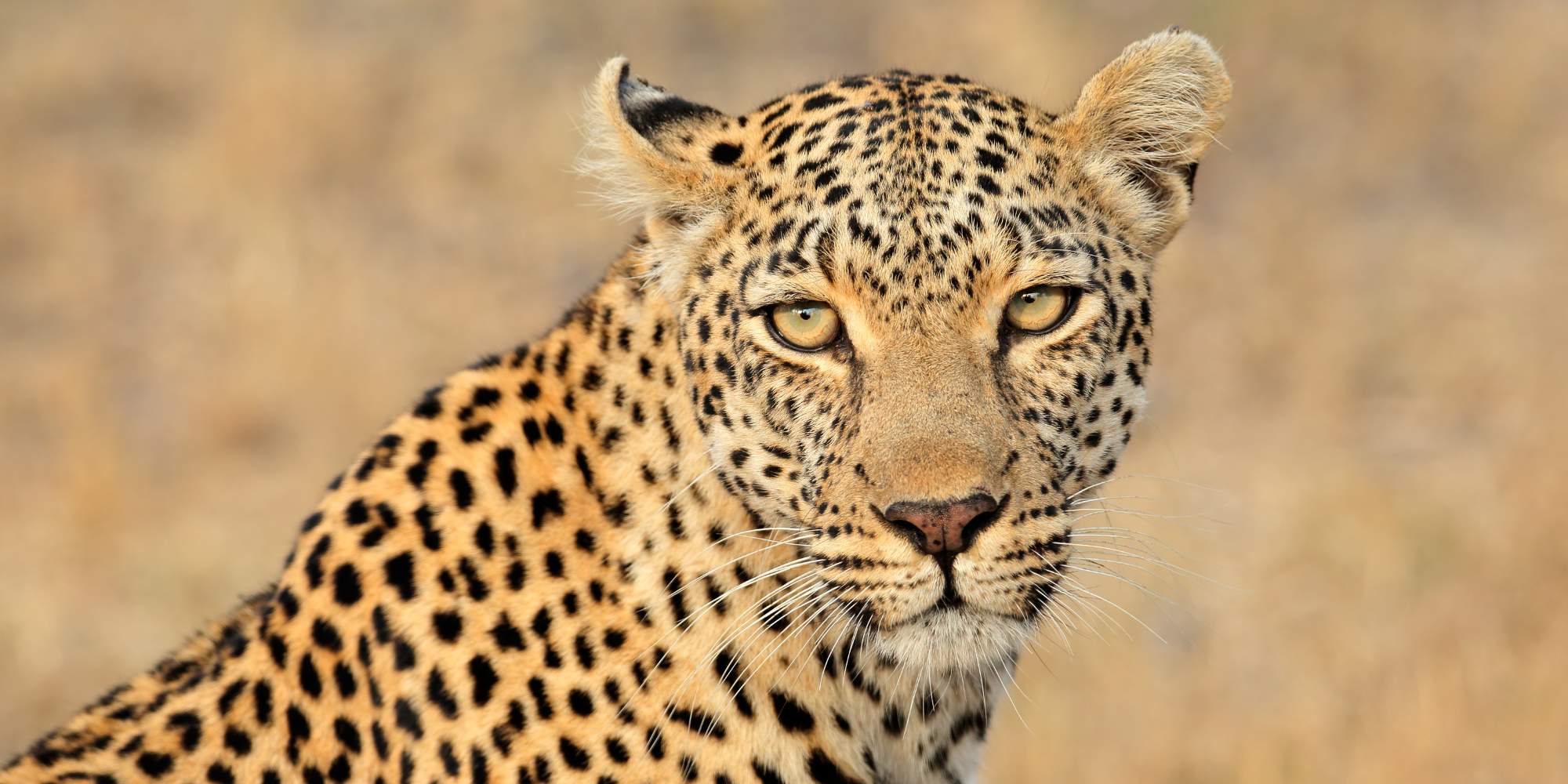
    Life as a leopard is mostly a solo adventure. They only come together briefly to mate, and after that, the female takes care of the cubs alone. Usually, she raises two or three little ones, teaching them how to survive in the wild until they’re ready to go off on their own. Scientists are even exploring whether the spots on a leopard—their unique rosette patterns—might tell us something about family connections. That’s still early research, but it could help with tracking and protecting them.

    image

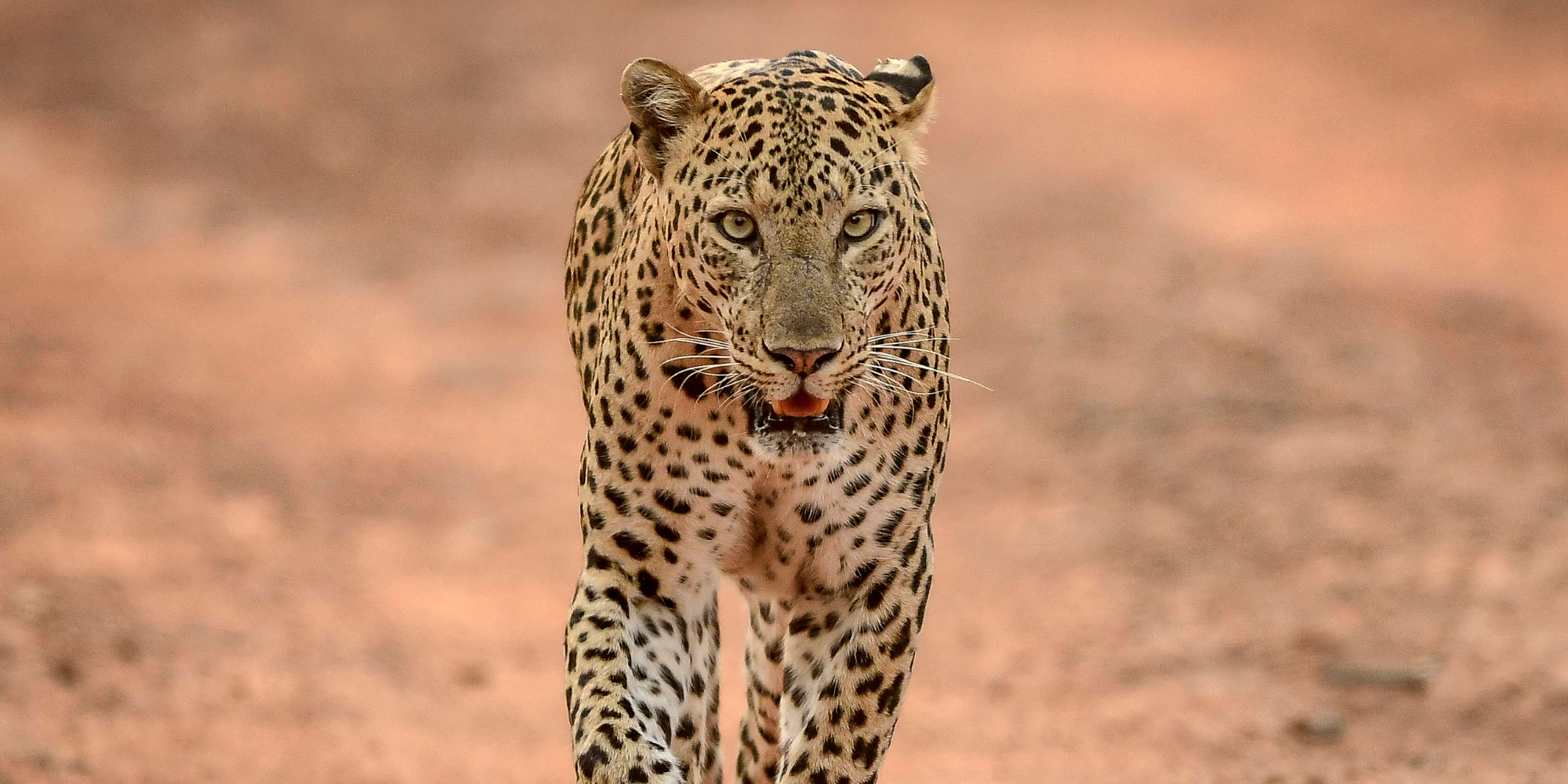
    Even though they’re at the top of the food chain, leopards are considered vulnerable on the IUCN Red List. Human pressures are the main threat. Farmland and development break up their habitats, poachers and trophy hunters reduce their numbers, and conflict with livestock often ends badly for the cats. Protecting leopards isn’t just about saving one species; it’s about keeping ecosystems balanced and healthy.

    The good news is that conservation can work, especially when communities are involved. Educating people about leopards, helping them coexist safely, and showing the benefits of protecting wildlife can make a real difference. It’s a team effort: people, science, and nature working together.
    image

    Leopards may move silently through the bush, but they’re not invisible in importance. Their survival is tied to the health of their environment and the communities around them. By understanding them, protecting them, and giving local people a stake in their future, we can make sure these shadows of strength continue to roam Africa’s wild places and that we don’t lose the beauty, mystery, and vital role they play in our world.

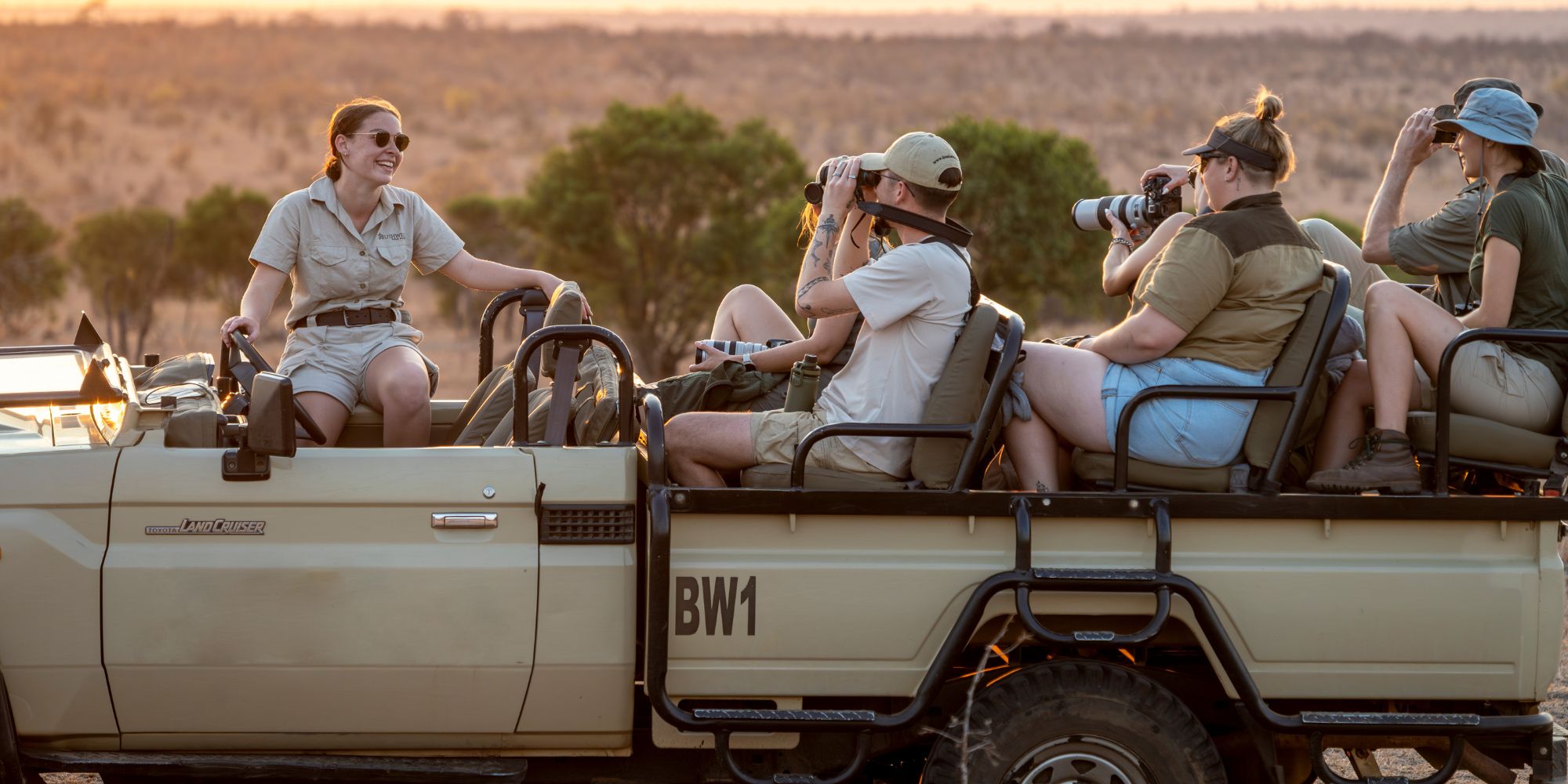
    Want to see African wildlife up close and make a real difference? Bushwise offers a wide range of professional wildlife programs where you can get hands-on, learn from experts, and help conserve these amazing animals.

  • The ultimate Bushwise packing guide

    Wondering what to pack for your Bushwise course? Student Emma Dalmeijer, an IFGA Professional Safari Guide student, shares her experience (and a few lessons learned) about what really works in the African bush – from vellies and khaki shorts to rain jackets you might never use.

    Before arriving at Bushwise, I stood in front of my wardrobe, wondering what on earth to bring. I had never been to Africa before, so I had little idea of what to expect. In the end, I chose what seemed sensible: a pair of mountain shoes from a local outdoor store, one pair of zip-off pants, some denim shorts, a few old shirts, a rain jacket, and, for headwear, a cap and some headbands.

    image

    My plan was simple – comfortable, practical, and multi-functional clothing.

    However, when I arrived in South Africa, I quickly realised that dressing for the bush is something of a science in itself.

    The shoe dilemma

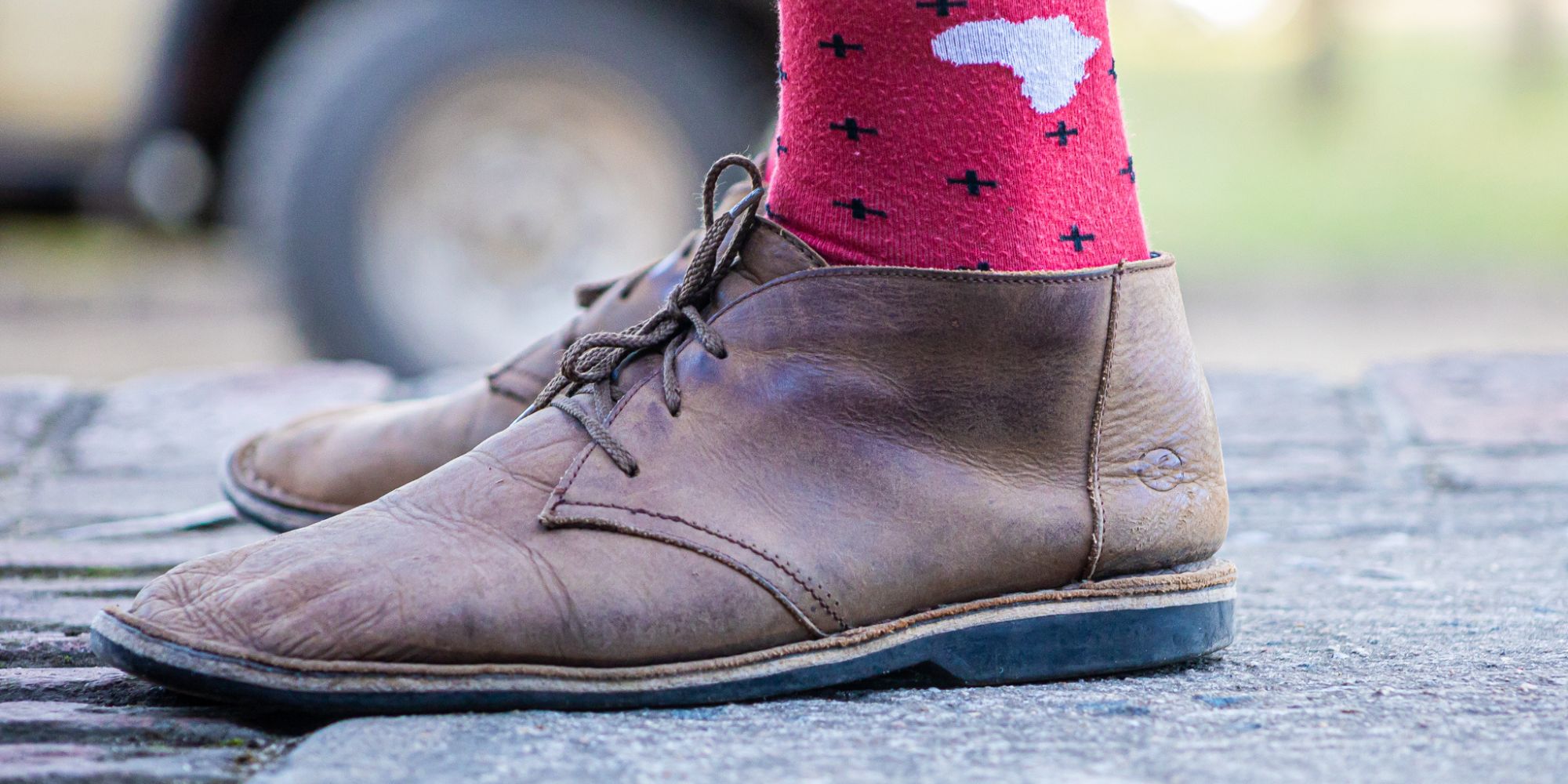
    On my first morning on campus, I stepped out in my sturdy mountain shoes — only to have another student say, “Your feet will be so hot! We’re buying vellies in town.”

    (Vellies are a shoew worn by almost all South Africans, usually made from leather)

    image

    At first, I didn’t think much of it. My shoes were perfectly fine… during winter, at least. But when summer arrived, the inside of those shoes became almost unbearable. That’s when I decided to try a pair of vellies.

    I immediately understood why South Africans rely on them. They’re breathable, lightweight, and quiet, making them ideal for tracking animals without leaving heavy footprints in the sand. My mountain shoes didn’t stand a chance against them!

    That said, my personal favourite footwear remains flip-flops, or “plakkies”, as they’re called here. Every South African seems to live in them, and I now understand why.

    image

    Shorts that mean business

    My zip-off pants seemed like a clever idea at the time, until I met the thorny vegetation of South Africa. Every branch I brushed past caught onto the material, leaving small holes behind.

    Fortunately, Bushwise provides a professional uniform. The khaki shorts are made of durable, comfortable fabric, and the pockets are spacious, making it easy to carry everything needed for a bush walk.

    Compared to the tiny pockets on the shorts I brought from home, these were a revelation.

    Shirts and rainstorms

    When it came to shirts, my tank tops and T-shirts served me fairly well. However, most students preferred the traditional safari-style button-up shirts with roll-up sleeves and ventilation panels. Personally, I kept things simple, though I could see the appeal of those designs.

    The real surprise came during the rainy season. Coming from the Netherlands, I assumed my rain jacket would be indispensable. But when the rains arrived, I watched the South Africans walk out in shorts, plakkies, and T-shirts as though nothing had changed. Apparently, rainwear isn’t a necessity here!

    image

    Hats and sunglasses

    One absolute essential is a hat. My old baseball cap works perfectly well, though around camp you’ll see everything from bucket hats to wide-brimmed safari styles. As long as it shades your face and eyes, it does the job.

    Sunglasses, surprisingly, are less critical than I expected, and a good hat provides most of the protection you need.

    Tools of the trade

    Clothing aside, one of the most useful items I brought was my Swiss Army knife. I’ve always liked multi-tools, but here I discovered the South African equivalent – the Leatherman.

    It does everything a Swiss knife can, but with the added benefit of strong pliers, which turn out to be incredibly handy. South Africans swear by them, and I can see why. They’re practical, durable, and,  if I’m honest,  rather impressive to have on hand. Naturally, I had to get one for myself.

    image

    The ultimate bush outfit

    After a few months at Bushwise, I’ve perfected my go-to outfit, and it’s quite simple: a pair of vellies, the toughest khaki shorts you can find, a light button-up shirt, a Leatherman, and a reliable hat. Stick to neutral, earthy tones, and you’ll blend right into the environment.

    Want to experience the African bush for yourself? Bushwise offers a range of wildlife courses, ranging from a few days to a year! 

  • African Wild Dog Pups Spotted in Makalali Game Reserve

    This blog was written by Brandon Huxtable, a IFGA Safari Guide student. Each student takes a turn as camp manager, and writing a blog is part of the experience.

    Some mornings in the bush start like any other: a 5 am wake-up, the comforting smell of coffee, and lions roaring in the distance as they patrol their territory. But every so often, the ordinary turns into something extraordinary.

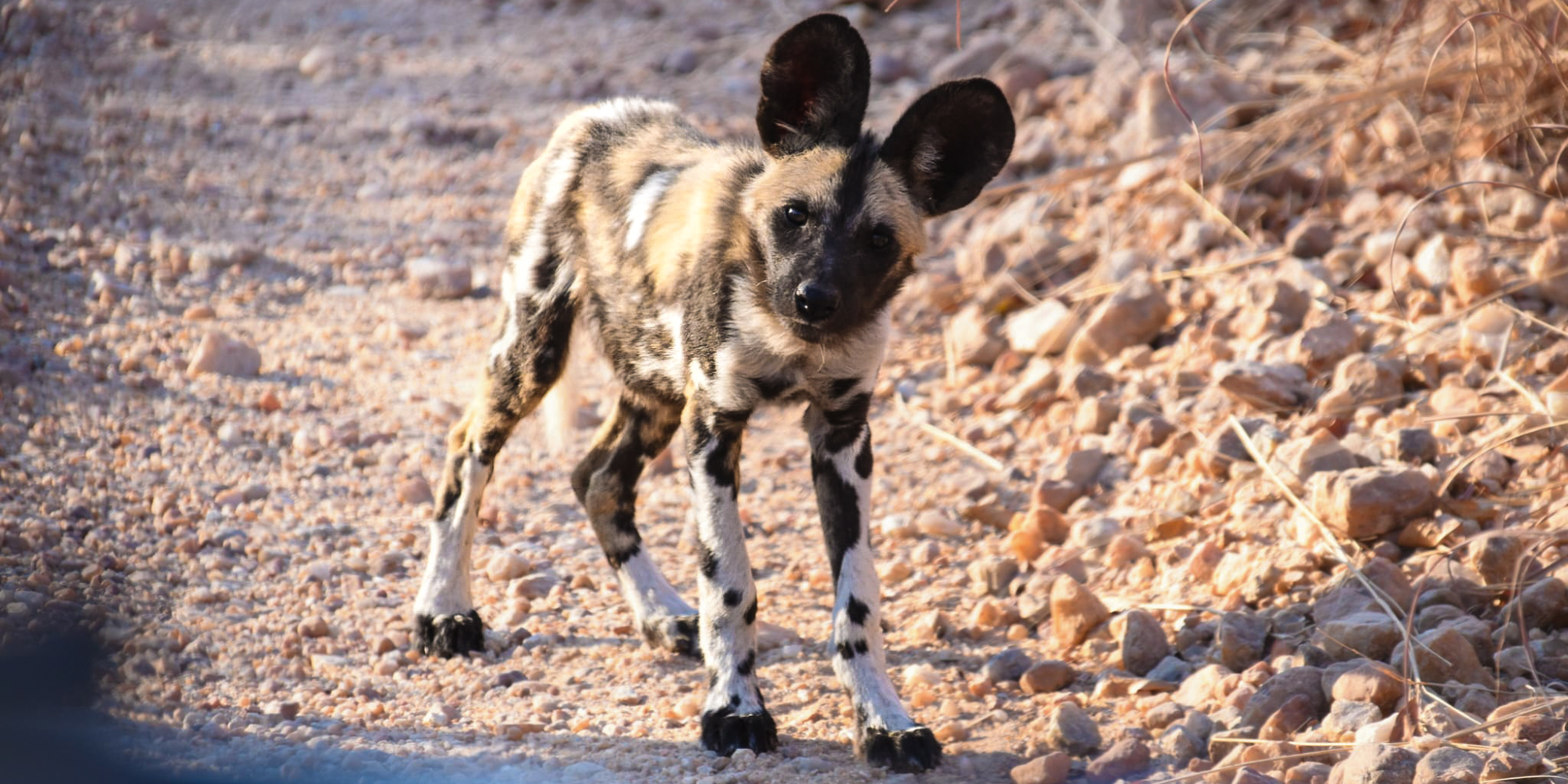
    In late August, Makalali Game Reserve witnessed a rare and unforgettable moment – a pack of African wild dogs with playful pups.

    image

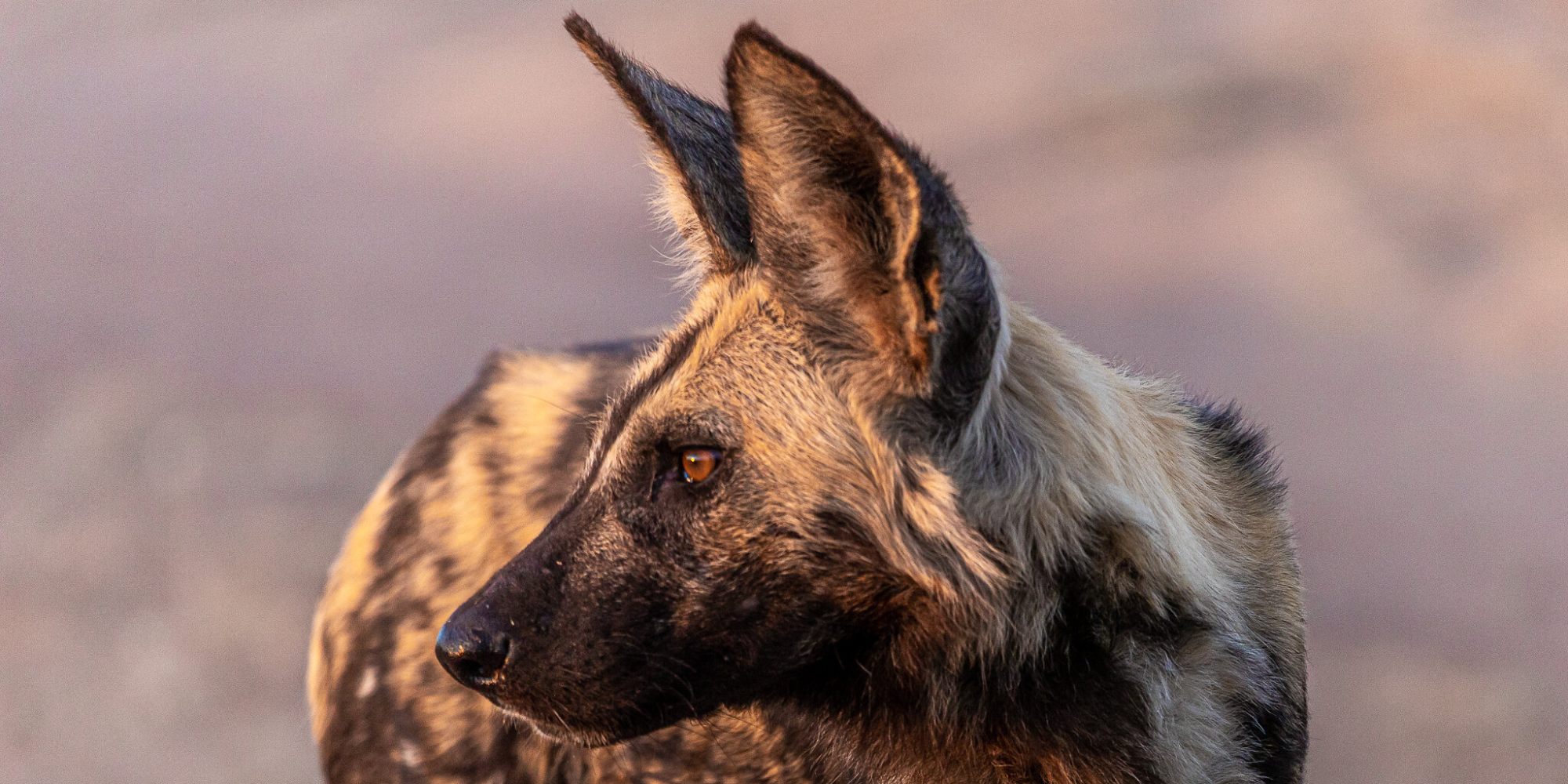
    The morning drive began quietly, with a pause at a dam to watch a saddle-billed stork land gracefully on the water. But anticipation was building. Word had spread that wild dogs, also known as painted wolves, had been spotted with pups.

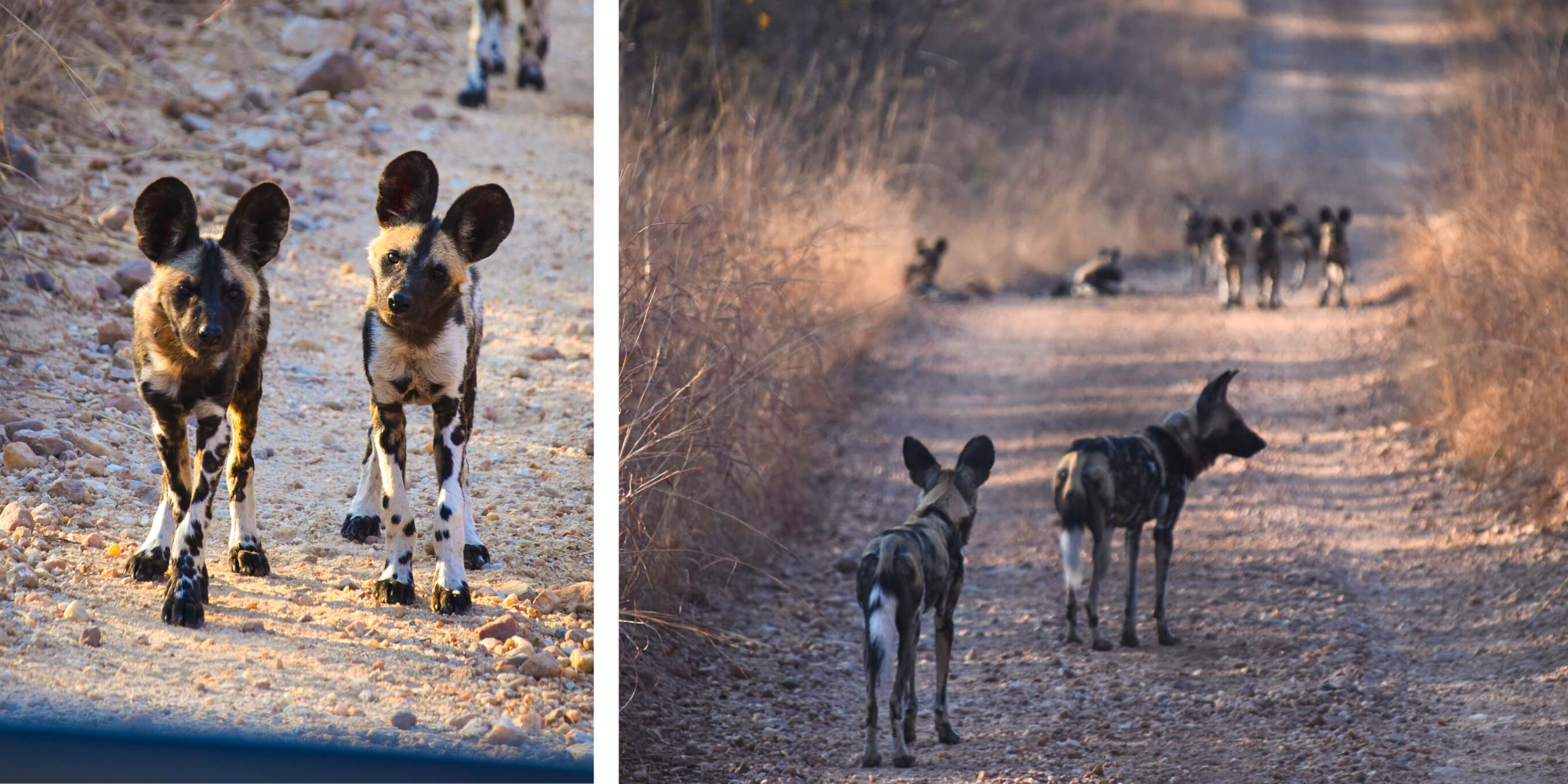
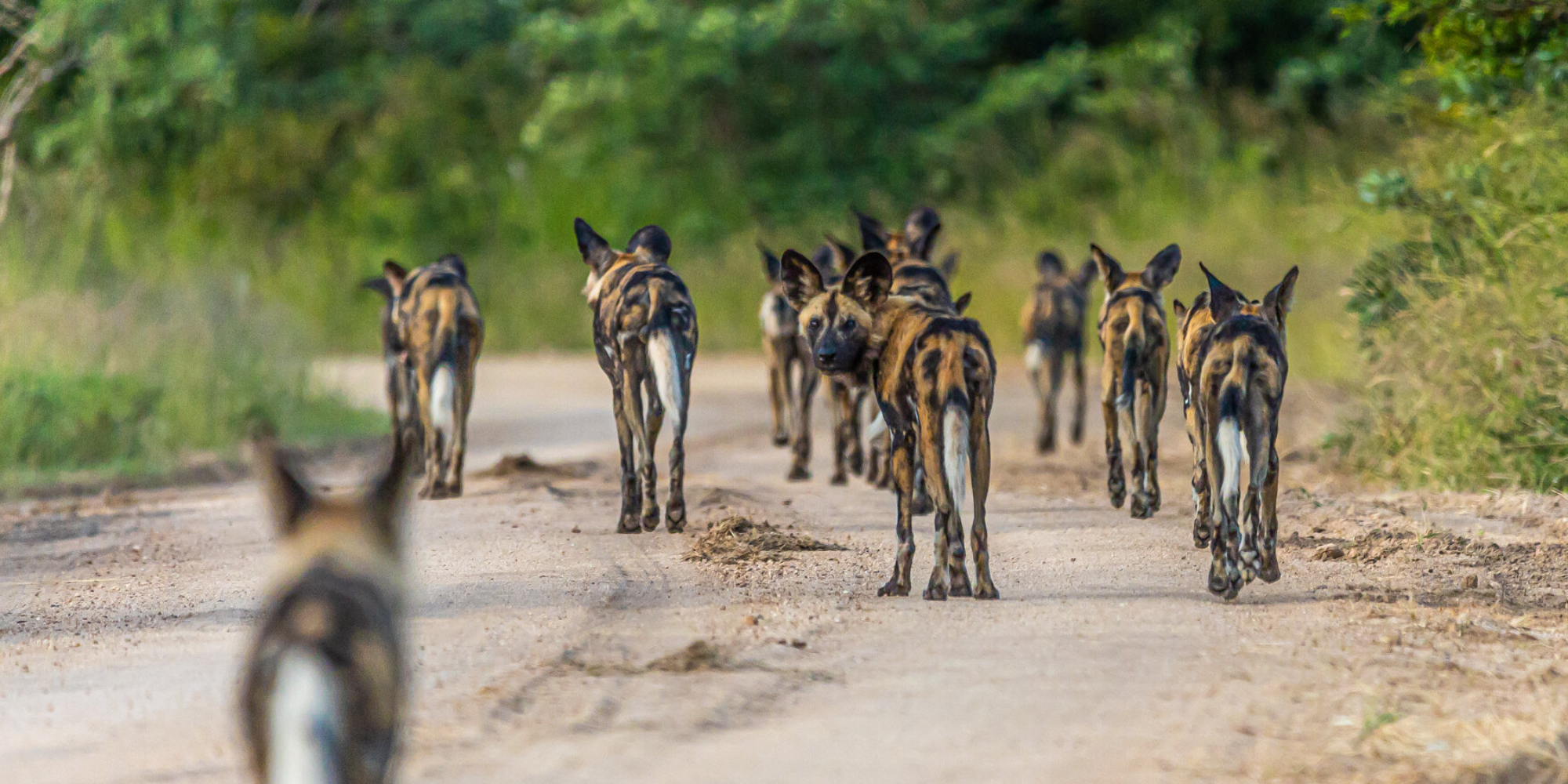
    When the group arrived, only one wild dog appeared in the distance at first. Then, to everyone’s amazement, six tiny pups tumbled out of the bush, full of energy, playfully tackling each other on the road. Their oversized ears and curious glances gave them a comical, almost Mickey Mouse-like appearance, as they edged closer to the vehicle to investigate.

    image

    For over an hour, the group watched in awe. The pups’ boundless curiosity and playful antics were a reminder of what makes these animals so special, and why their conservation matters. As one of Africa’s most endangered predators, every new litter is a reason to celebrate and a sign of hope for the species’ future.

    Eventually, it was time to move on. Yet the excitement of the sighting lingered, filling conversations throughout the day. For some, it was their very first encounter with wild dogs, making the experience even more unforgettable.

    image

    The arrival of pups in Makalali is a highlight for those who witnessed it and an indicator of a meaningful step forward for conservation. With luck, these youngsters will grow strong, survive into adulthood, and one day contribute to the growth of their pack, strengthening the population in the area.

    Want to witness and learn about incredible wildlife firsthand? Bushwise offers a range of wildlife courses and experiences, ranging from 3 days to a year. 

  • From fear to fascination: A closer look at baboon spiders

    This blog was written by Lilias Burnel, a Bushwise Professional Safari Guide student. Each student takes a turn as camp manager, and writing a blog is part of the experience.

    Baboon spiders tend to get a bad reputation. With their long legs, large fangs, and hidden burrows, it’s easy to see why people often associate them with danger. But like many misunderstood species, a closer look tells a very different story.

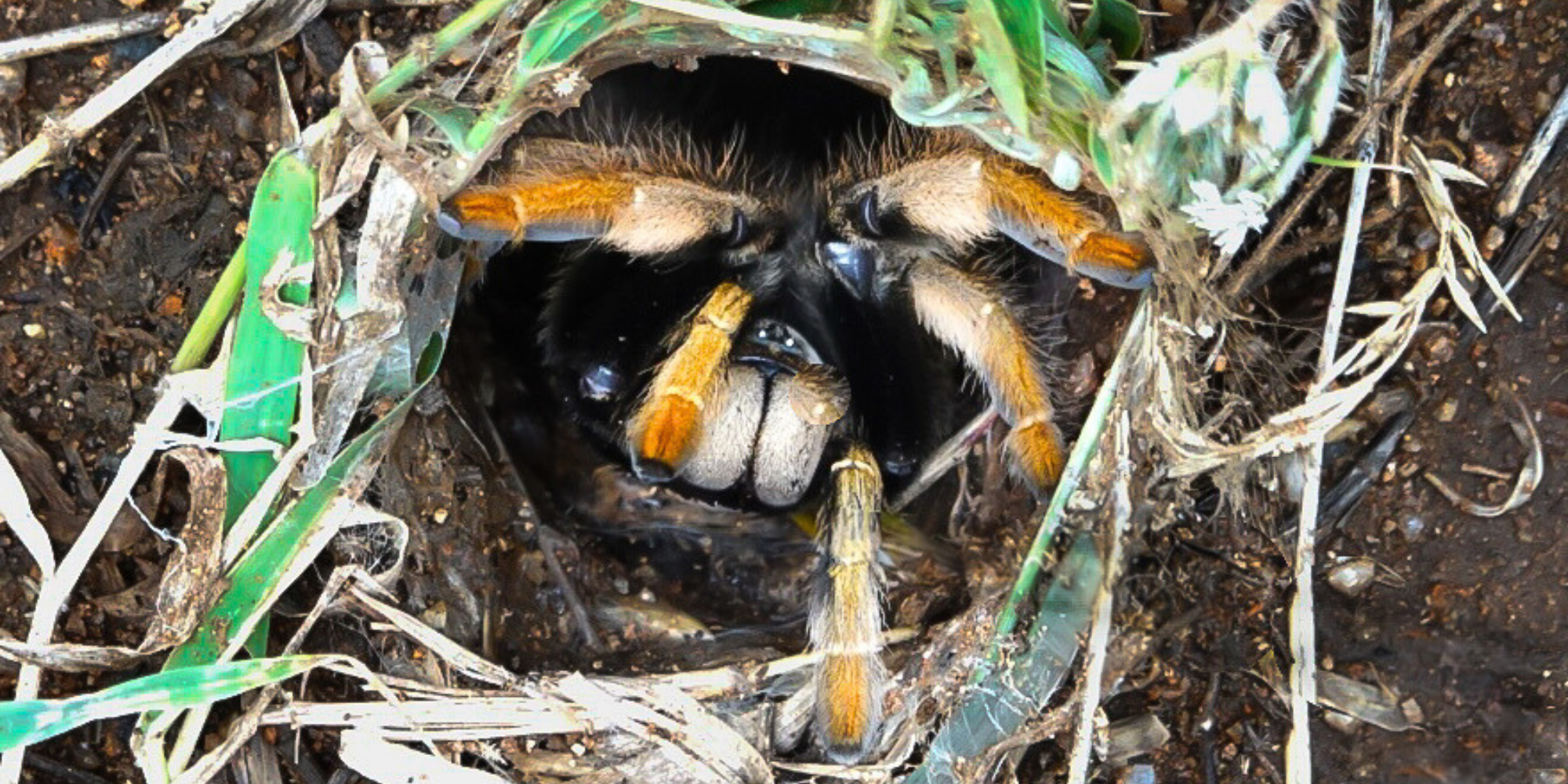
    In the wild, encounters with baboon spiders are often brief, usually just a flash of movement as one disappears into its burrow. They keep to themselves, going about their lives quietly. But for those who take the time to stop and watch, something is fascinating about their stillness and precision. What might look like a threatening posture at first is usually a defensive one. This is a natural response in a world full of predators.

    image

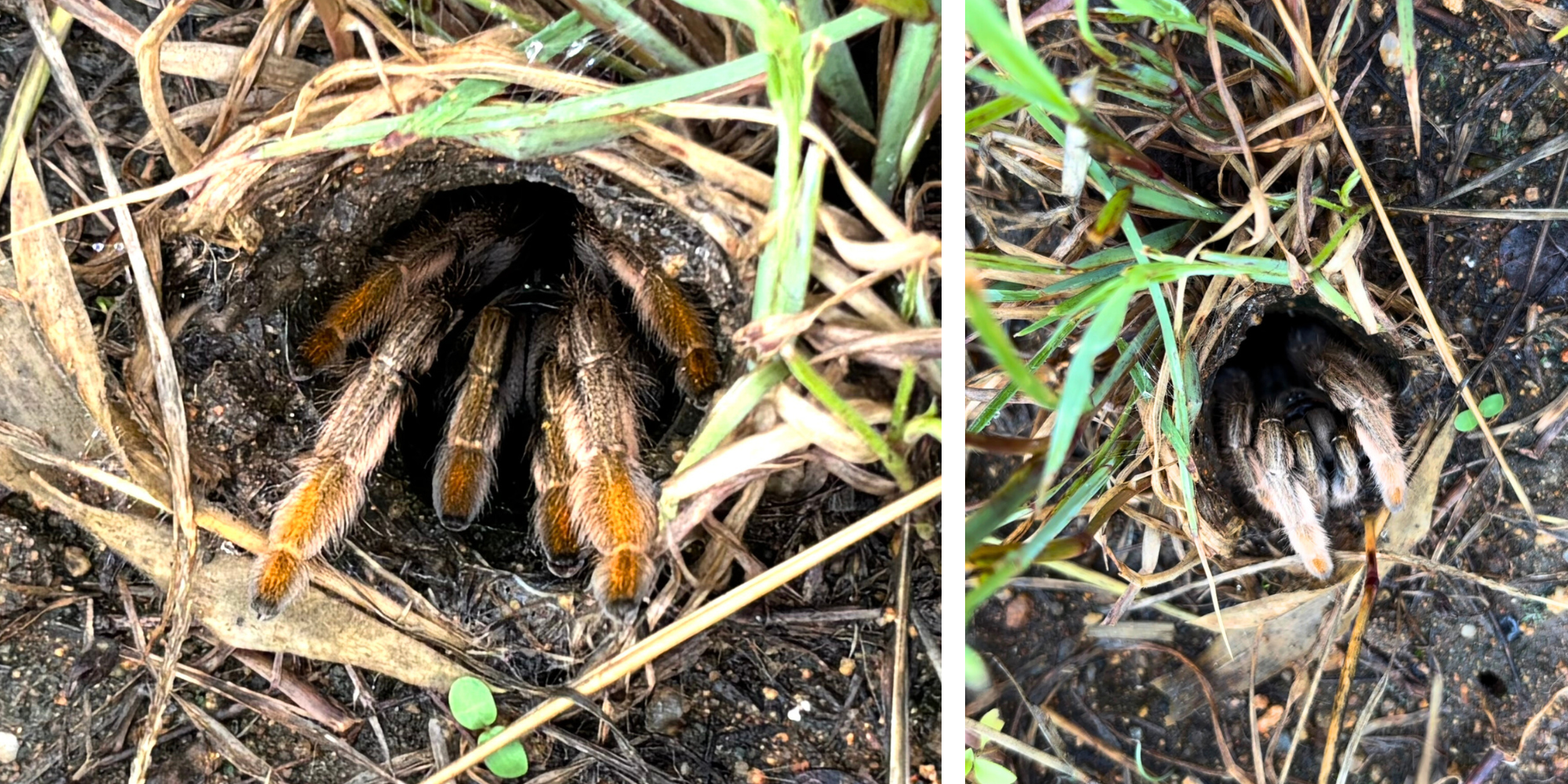
    Baboon spiders belong to the Harpactirinae subfamily, a group of tarantula-like spiders found across Africa. They’re named for the thick, hairy appearance of their legs, which resemble those of a baboon. Unlike web-building species, baboon spiders are ambush predators. They spend most of their time in burrows, which can be up to half a metre deep, using them as both a hiding place and a base for hunting. Some species line their burrow entrances with silk and bits of debris, while others create a tidy circular opening that blends into the surrounding earth.

    Their hunting method relies on patience. The spider stays tucked away, sensing vibrations on the silk lining of the burrow as insects move nearby. When the moment’s right, it quickly strikes, grabbing its prey and delivering a venomous bite. In some species, the fangs can reach nearly two centimetres in length, strong enough to pierce tough exoskeletons. That said, their venom is not considered dangerous to humans. Bites may cause some pain or swelling, but serious reactions are extremely rare.

    image

    One of the more surprising things about baboon spiders is how long they can live. While many spiders survive only a year or two, female baboon spiders can live for over 20 years. They grow slowly, moulting several times a year as they mature, and can even regenerate lost limbs over time. However, moulting leaves them vulnerable for a short while until their new exoskeleton hardens. Males, on the other hand, have a much shorter life cycle. Once they reach maturity and find a mate, their role is complete.

    Despite their resilience, baboon spiders are under threat. Expanding agriculture and urban development are reducing the natural areas where they can safely build burrows. Illegal collection for the pet trade is another concern, especially for species with slower growth rates. Although they may still seem fairly common, their slow life cycle means populations can decline quickly. Conservation efforts are underway in some regions, but changing how people see them is just as important.

    image

    Baboon spiders are a good example of how first impressions can be misleading. What at first seems frightening can, with time and understanding, become something worth protecting. These spiders aren’t aggressive or dangerous – they’re simply well-adapted survivors, playing their part in the ecosystem like so many others. And once we start to see them that way, it’s hard not to be impressed.

    Want to experience Africa’s wildlife up close? Join a Bushwise course and learn from experts while seeing incredible wildlife.

  • Following the tracks: Discovering a new passion in the African bush

    This blog was written by Chante Broodryk, a Bushwise Professional Safari Guide student. Each student takes a turn as camp manager, and writing a blog is part of the experience.

    I never expected animal tracking to capture my interest the way it did. What started as a casual curiosity quickly turned into a deep appreciation for the stories written in footprints, scratch marks, and feeding signs left behind in the wild.

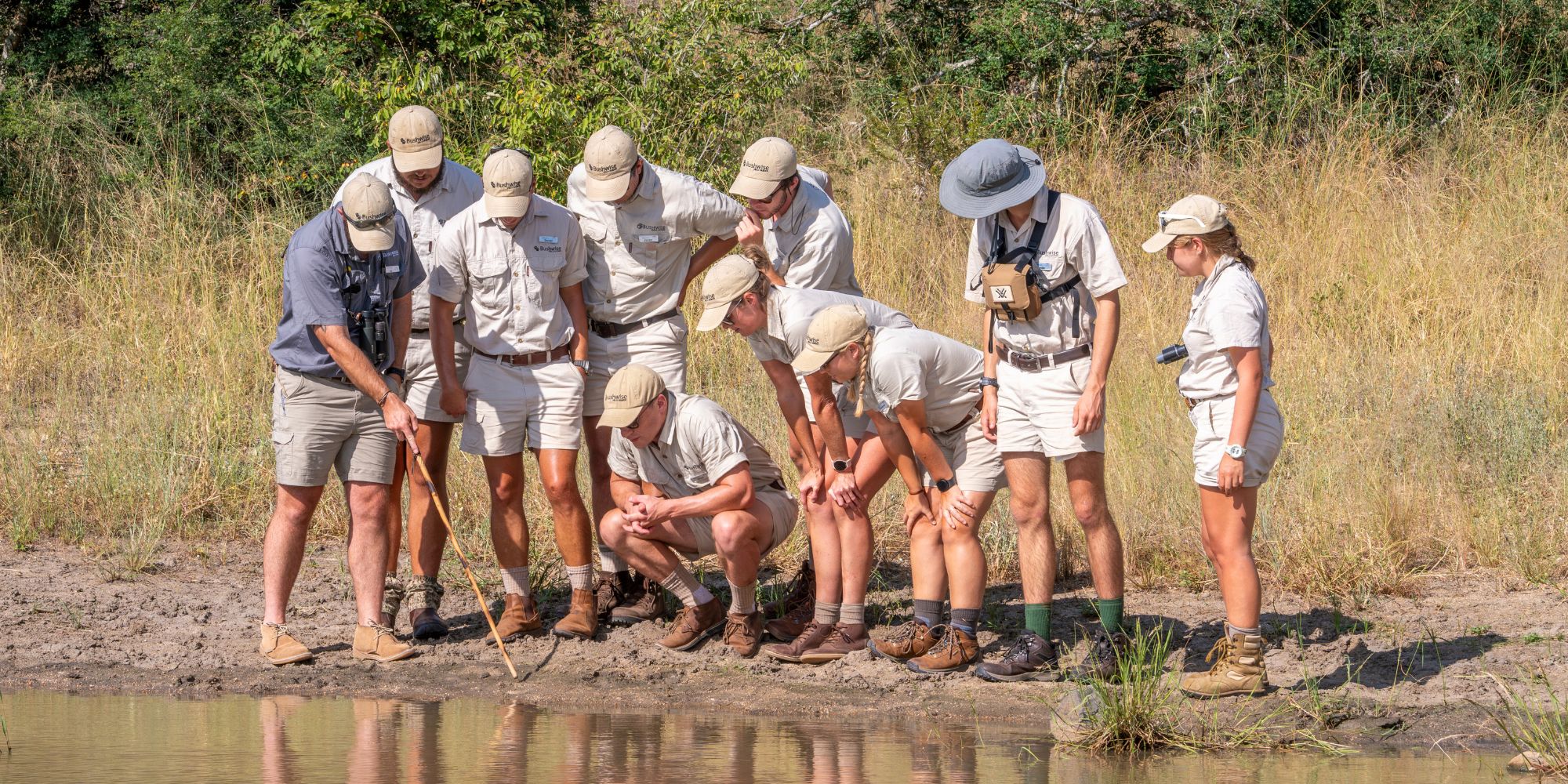
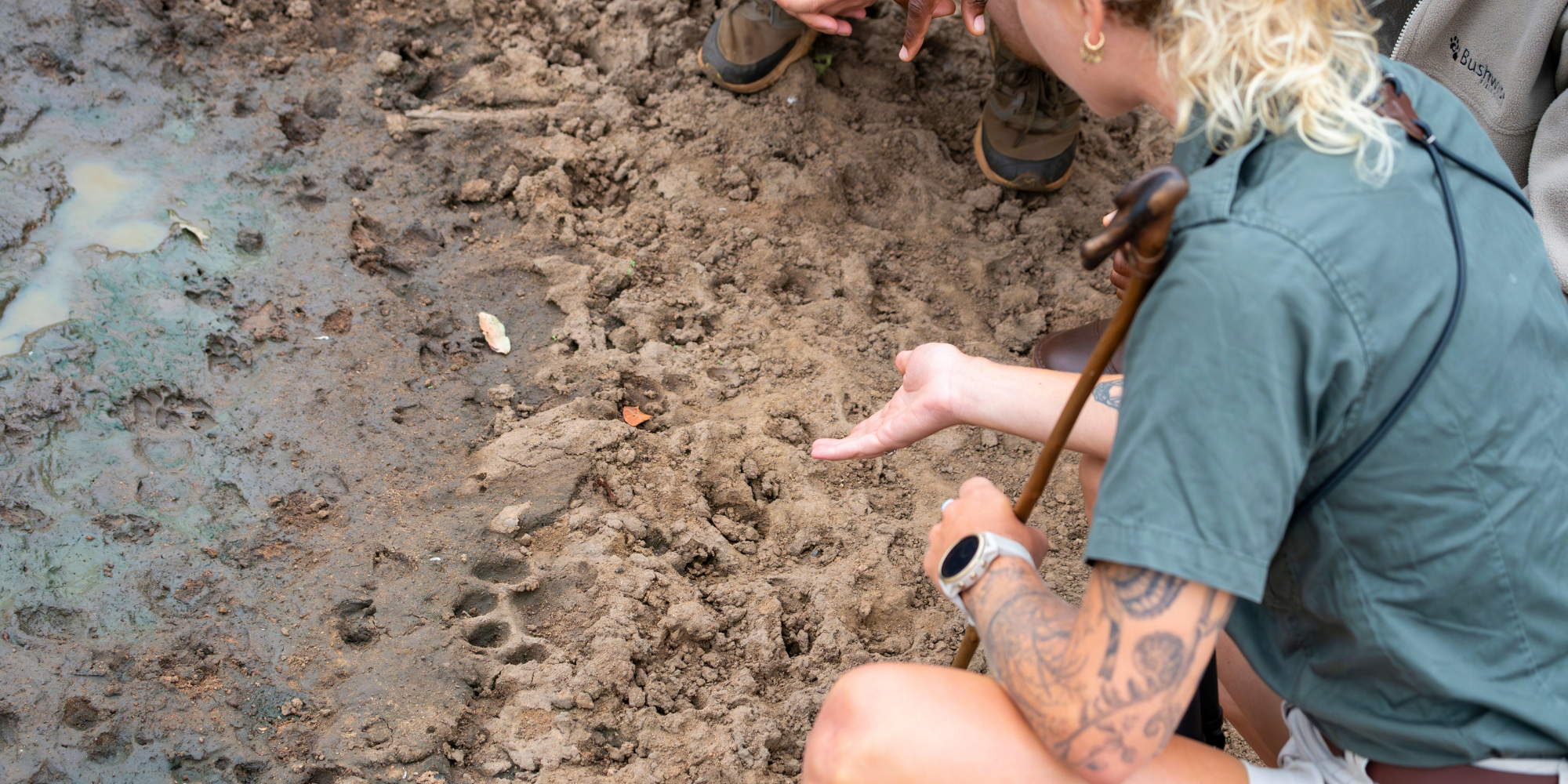
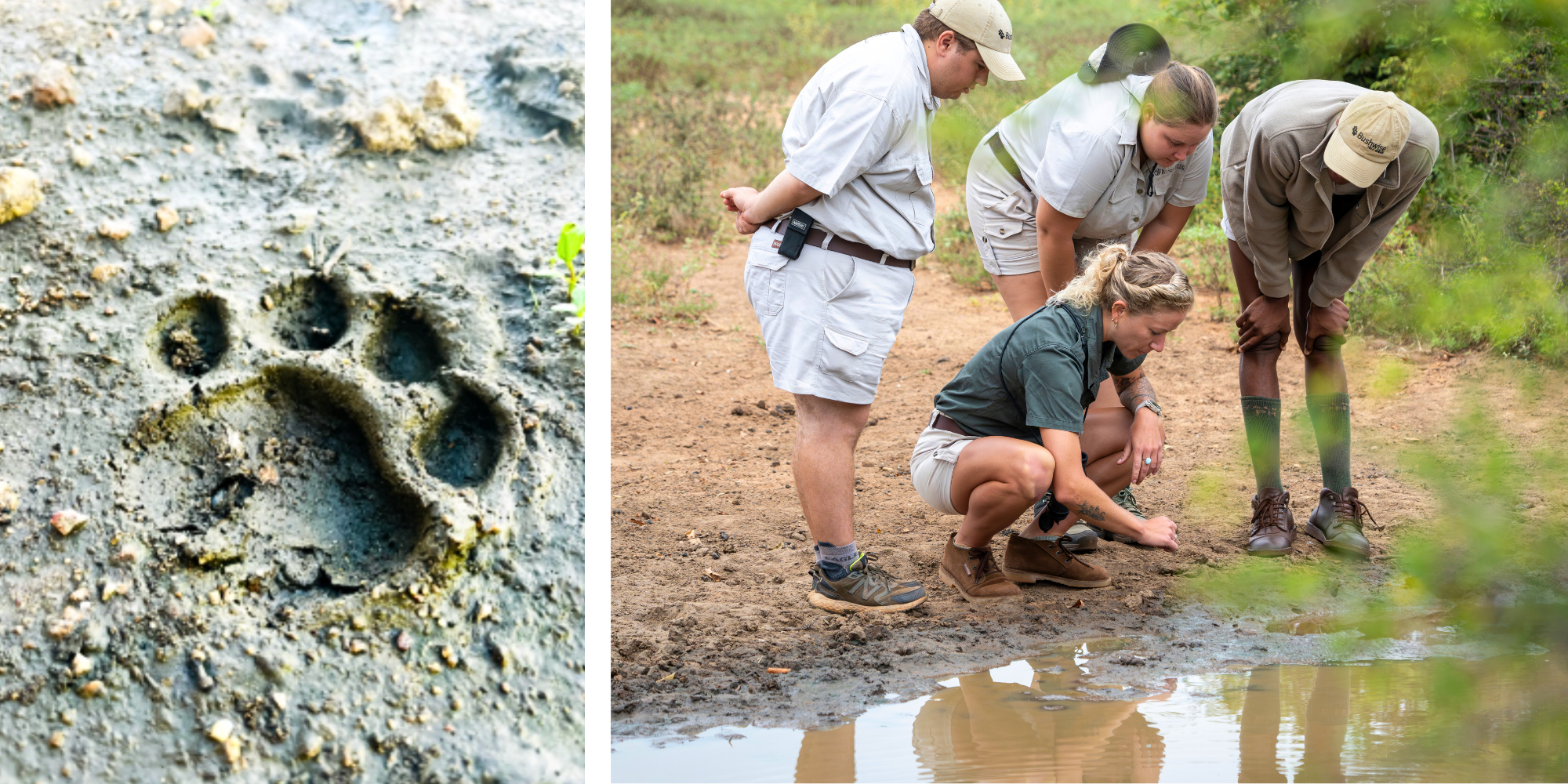
    Over two immersive weeks, we covered track and sign, trailing, and even human tracking as part of our Bushwise field guide training. At first, I didn’t think much of it – just footprints in the sand. But as we began to study and interpret these signs more closely, a whole new world opened up. I found myself fascinated by the details: which animal had passed by, how fast it was moving, what direction it was heading – and why.

    image

    During the first week, we spent hours analysing the tiny details within a single print. I quickly realised that tracking is about more than just footprints. Rubbing against trees, scratch marks on the ground, bite marks, and even the way the grass is bent – all of it contributes to a larger picture. It tells a story. Learning how to read that story gave me a new lens through which to see the bush. I became eager to learn more every day.

    In the second week, we travelled to Moholoholo Wildlife Rehabilitation Centre for a practical trailing experience. This is where it all clicked. Walking through the bush for kilometres on foot, following the path of an animal, changed everything. Suddenly, I had to think like the animal and imagine what it would do next and why. The awareness it gave me of my surroundings was profound. Being on foot in the wilderness is completely different from viewing it from a vehicle. Every sound becomes significant. Every movement feels meaningful.

    image

    Trailing tracks was more challenging than I expected. It’s incredibly easy to lose the spoor, especially in thick terrain. But with more practice, it becomes a little easier to read the landscape. Even experienced trackers lose the trail sometimes, but finding it again gives you an incredible rush – an adrenaline spike that keeps you motivated and focused.

    Alongside animal tracking, we also learnt about human tracking, which I found equally fascinating. Just by studying footprints, you can determine where a person was looking, if they were rushing or strolling, what shoes they wore, and even estimate their height. It was mind-blowing to see how much detail the human eye can interpret from a simple track when trained to do so.

    image

    One of the highlights of this experience was working alongside K9 tracking dogs. Watching them in action and seeing how their instincts and human handlers work together was an unforgettable experience. There’s something special about having a four-legged partner with you in the bush.

    For me, this journey into the world of tracking wasn’t the end, but just the beginning. It’s changed how I experience the wild and even how I see the world around me in everyday life. I now notice the finer details, the things most people overlook. Being at Bushwise, I truly feel like I’m following the tracks to success, and I’m walking the right path.

    image

    Curious about life as a field guide and the skills that bring you closer to nature? Discover Bushwise wildlife courses and take your first steps into the wild.

  • Why zebras have stripes: Uncovering the secrets behind their iconic patterns

    This blog was written by Maurits Van Eeden, a Bushwise Professional Safari Guide student. Each student takes a turn as camp manager, and writing a blog is part of the experience.

    There’s something undeniably iconic about zebras. Maybe it’s their bold black-and-white stripes or the way their stripes are instantly recognisable, no matter where in the world you are. You’ll spot their markings on clothing, art, and even branding,  but what fascinates me is the question behind it all – why do zebras have stripes?

    image

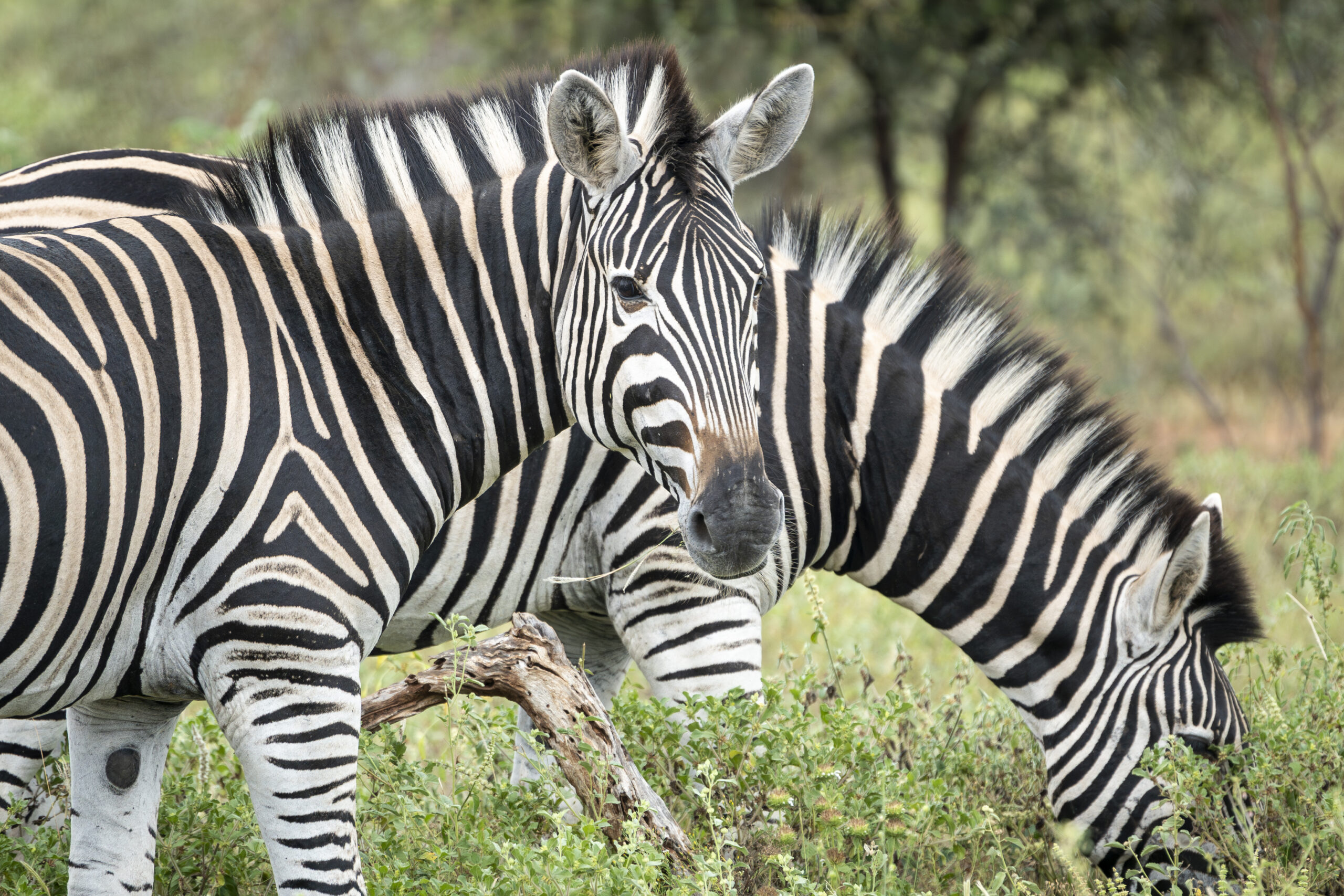
    In Africa, there are three different species of zebra: the Grévy’s zebra, the mountain zebra, and the plains zebra, each having a distinctive look. Grévy’s zebras are the most finely striped and have large, rounded ears and a narrower build than the others. Mountain zebras have thick, bold stripes that wrap all the way around their legs. This is one of the easiest ways to tell them apart. And then there’s the plains zebra, the most common species, known for their wider black stripes and the mysterious “shadow stripes” that sit between them. These faint brown stripes don’t appear on every individual, and to this day, no one’s entirely sure what purpose they serve.

    So, back to the big question – why do zebras have stripes at all? This question has fascinated scientists for decades, and while no single theory has been universally accepted, several compelling explanations have emerged.

    image

    One of the most widely accepted ideas is that stripes help keep biting insects, like tsetse flies and horseflies, at bay. Studies have shown that these insects are less likely to land on striped surfaces, possibly because the bold patterns confuse their vision. Fewer flies mean less irritation, and more importantly, less risk of disease.

    Camouflage is another possible explanation. At first, black and white stripes might not seem like the best choice for blending into their environment,  but during the low light of dawn or dusk, those contrasting patterns can work in the zebra’s favour. The stripes help disrupt their outline, making it harder for predators to pick out one animal from the herd. And when zebras move together, this “motion dazzle” effect becomes even more effective – a blur of stripes that’s tricky to track.

    image

    Another theory is around thermoregulation. The idea is that the black and white stripes absorb and reflect heat differently, creating tiny air currents over the zebra’s skin. These currents could help cool the animal down by boosting sweat evaporation. It’s still being studied, but it’s a fascinating possibility.

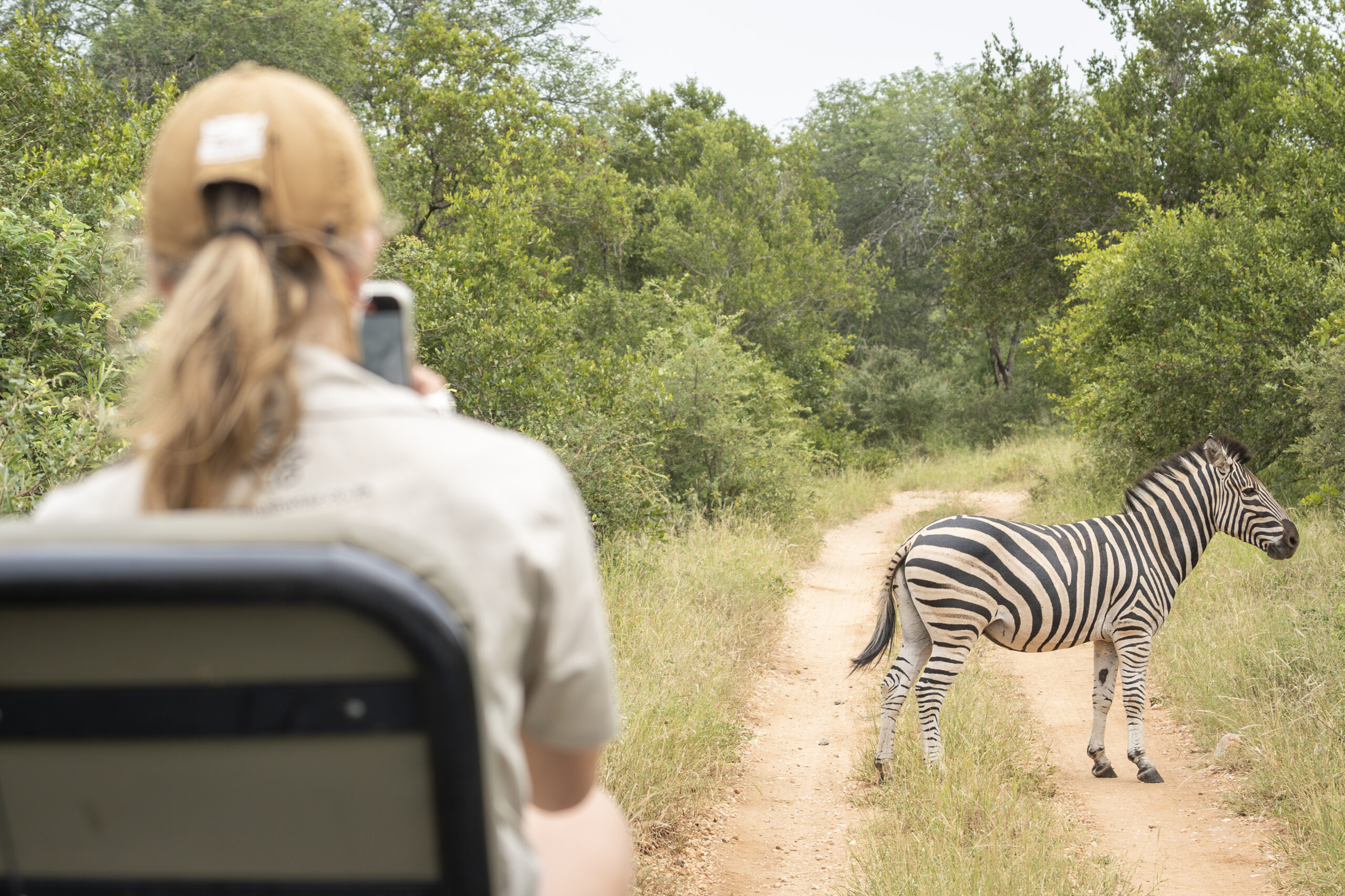
    Of course, there’s much more to zebras than their stripes, and as a field guide, understanding zebras beyond their stripes is just as important. Zebras are bulk grazers, eating a wide variety of grasses rather than being selective. That’s a big advantage in environments where food availability shifts with the seasons. When grass is scarce, they’ll even browse on shrubs. Because of this generalist diet, zebras often move ahead of more selective grazers like wildebeest, essentially prepping the landscape for others.

    image

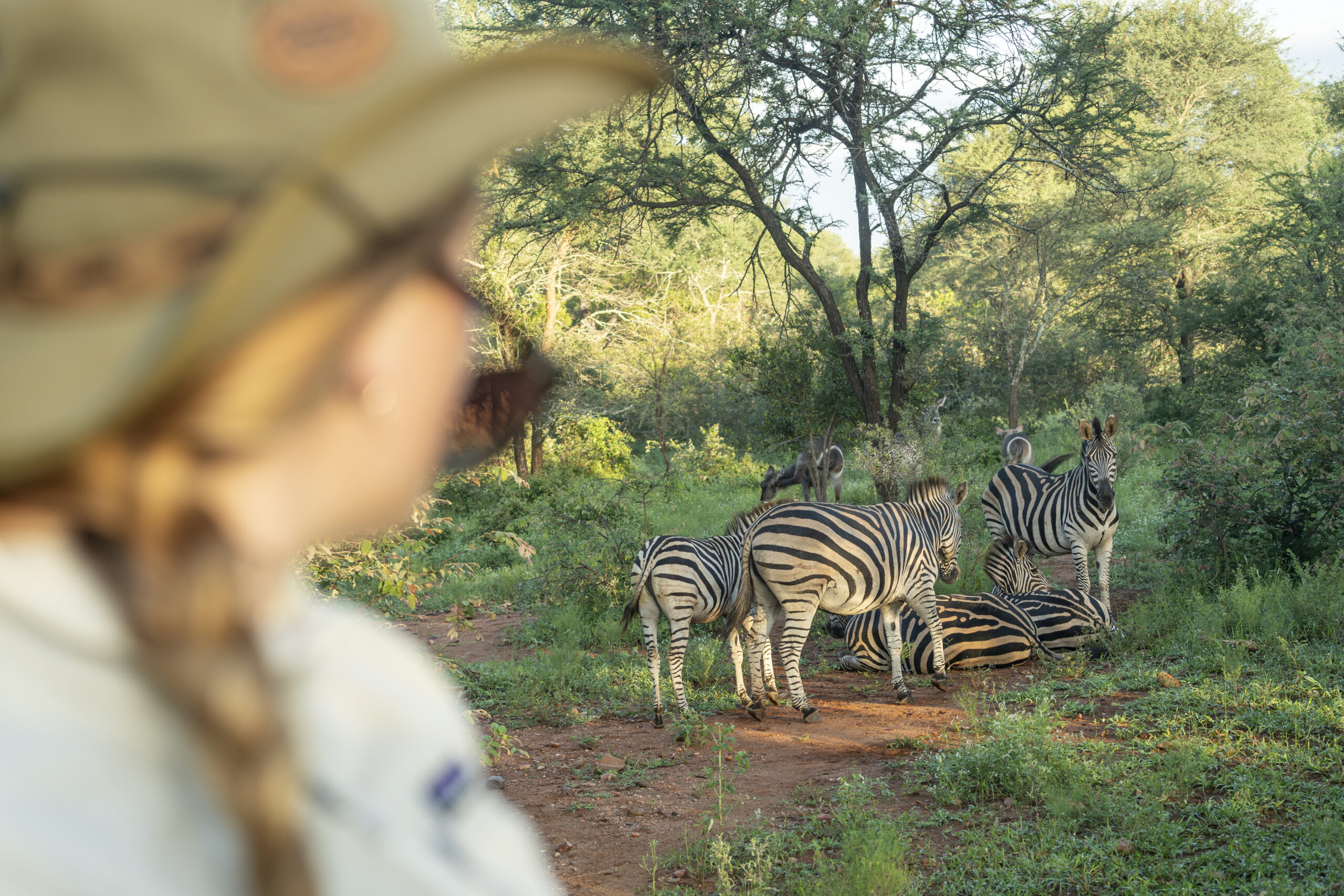
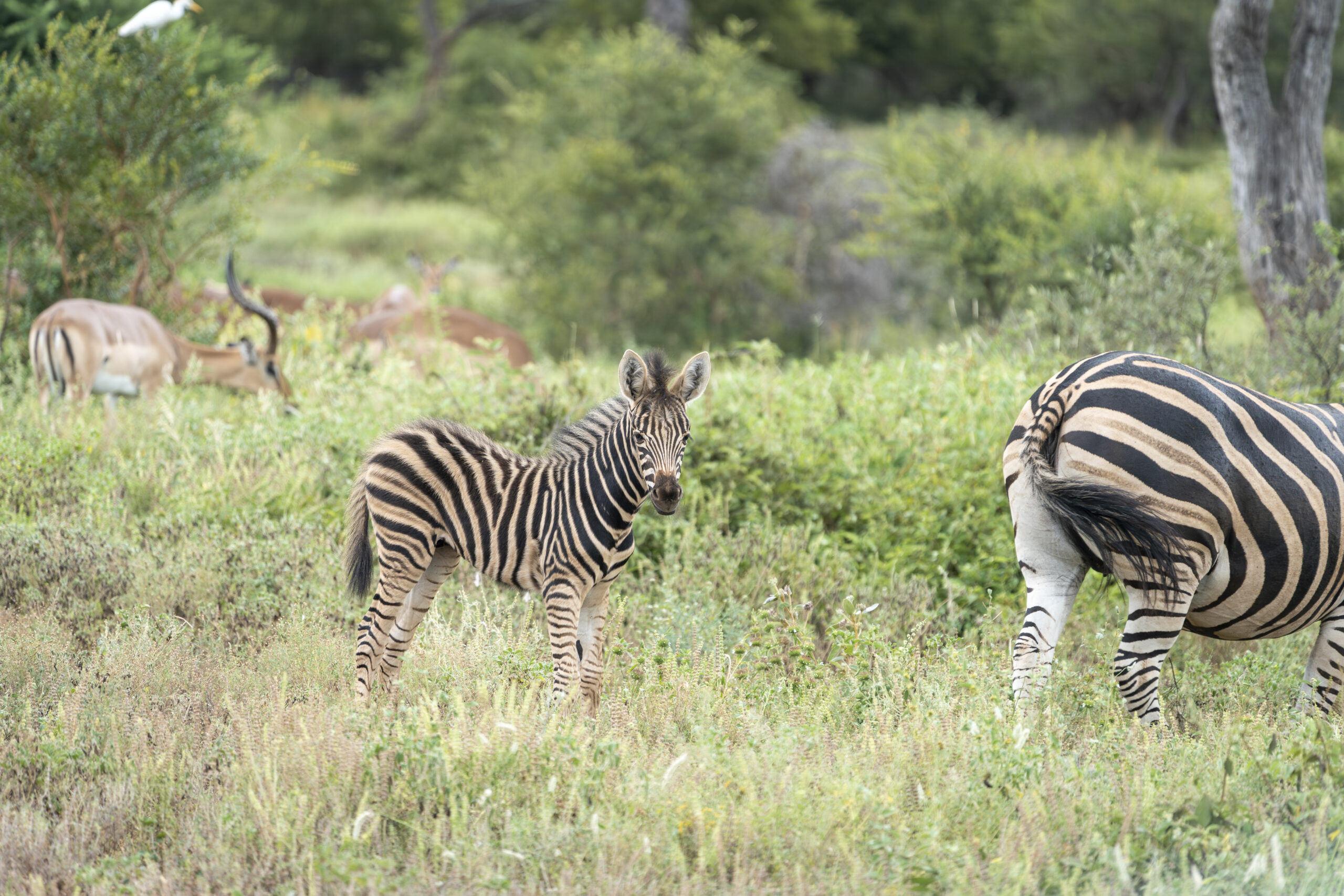
    They’re also highly social animals and are often seen mingling with species like impalas and wildebeest. This isn’t by chance, more animals mean more eyes and ears to detect predators –  a clever survival strategy.

    The more I learn about zebras, the more fascinating they become. Their unique adaptations, social behaviour, and the ongoing scientific debate around their stripes keep me curious. In many ways, zebras are still a mystery – and that’s exactly what makes them so interesting. 

    Ready to learn more about nature’s incredible creatures firsthand?  Explore our wildlife courses to begin your journey into field guiding. 

  • From Switzerland to the South African bush: How Bushwise is helping me achieve my dream

    Tiana Cuttelod, a Bushwise Professional Safari Guide student, wrote this blog. Each student takes a turn as camp manager, and writing a blog is part of the experience.

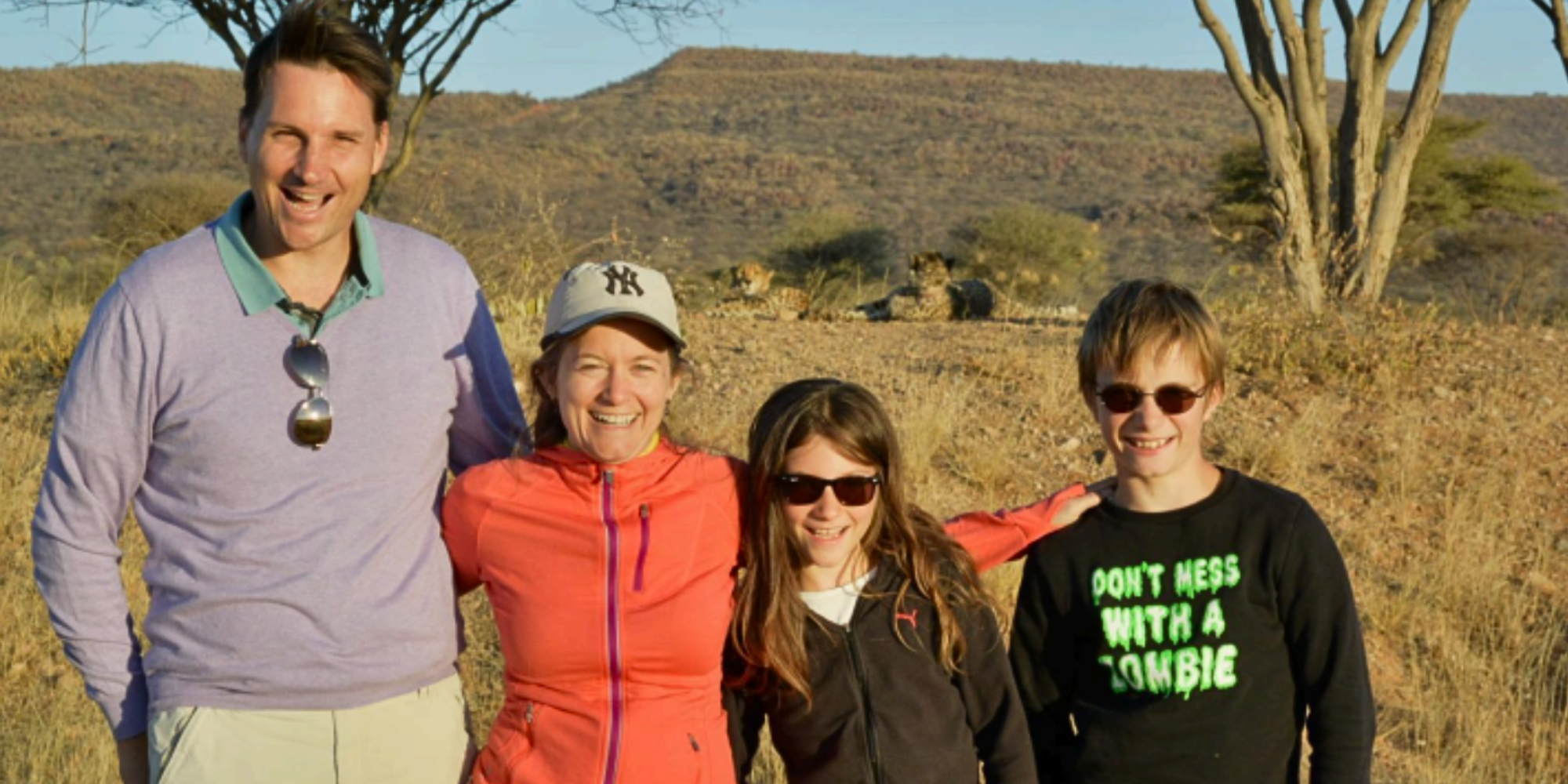
    My journey to Bushwise began many years ago, although I didn’t realise it at the time. When I was just 10 years old, I visited Namibia – the first African country I had ever experienced. While travelling with my family, I was instantly captivated by the unique ecosystems and wildlife that Africa had to offer. 

    image

    My first game drive left a lasting impression. The sense of wonder I felt, immersed in a completely different wildlife scene, was unforgettable. Sitting in the back of the safari vehicle, I would often watch the field guide in admiration, amazed by his ability to drive, spot animals, and share his knowledge at the same time. It was at this moment I told my parents I wanted to become a field guide. At the time, they found this humorous, thinking it was just a childhood fantasy.

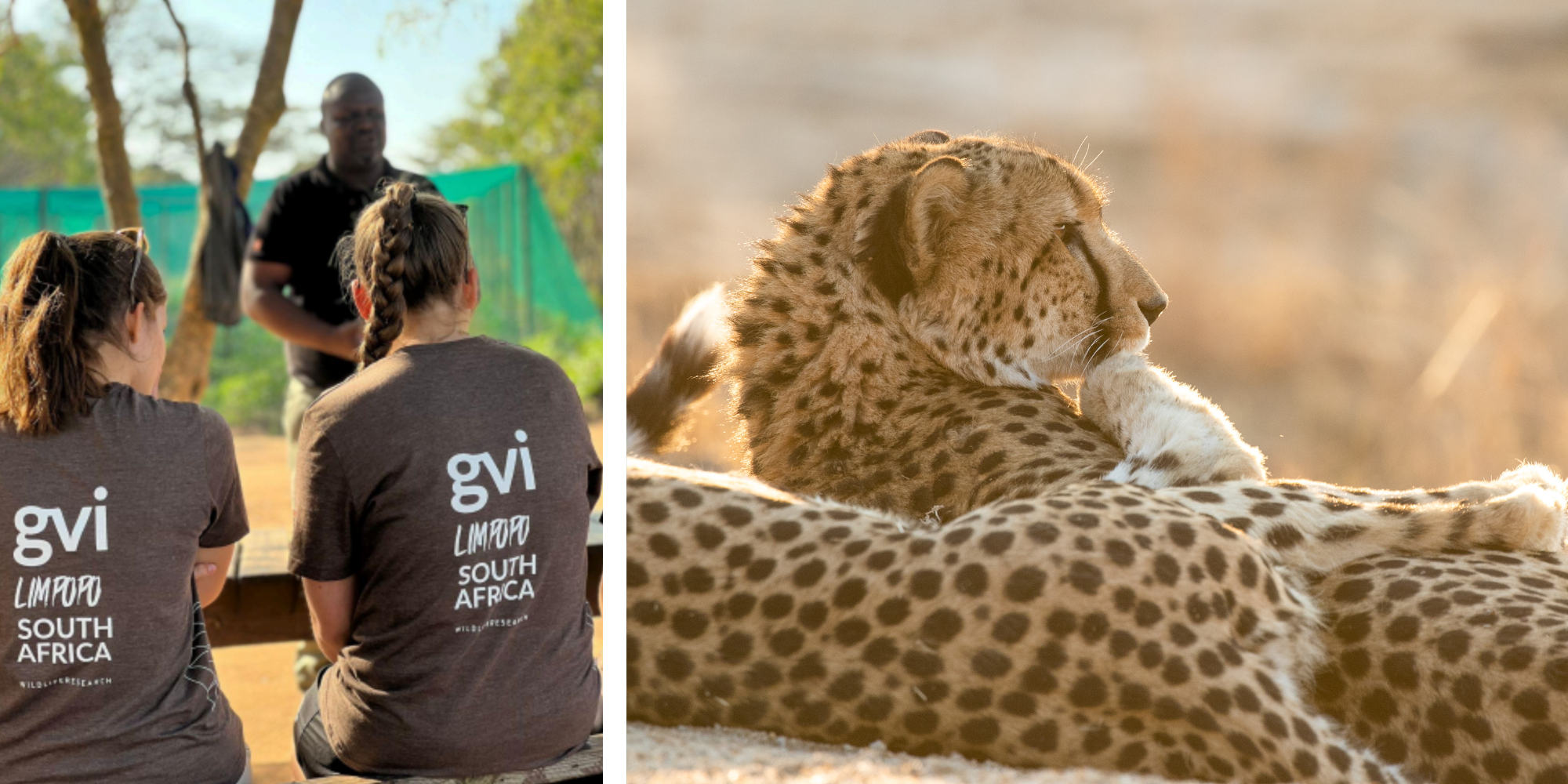
    But my fascination with Africa only grew, and over the years, I travelled back to the continent multiple times. During one of our visits, I discovered a GVI course for under-18s in South Africa. I convinced my parents to let me attend, hoping to find out if guiding was truly the right path for me. While there, I met like-minded individuals, all trying to figure out their futures. 

    image

    As part of the course, I had the opportunity to visit Bushwise’s Mahlahla campus. That visit left a deep impression on me, and I knew I wanted to return one day as a student. When I returned to Switzerland, I spoke to my parents again — this time about the Bushwise IFGA Professional Safari Guide course (6/12 months). While they were initially concerned about the distance and the idea of postponing university, their opinion changed after researching the course themselves. Two years later, I’m proud to say I’ve made it to Bushwise.

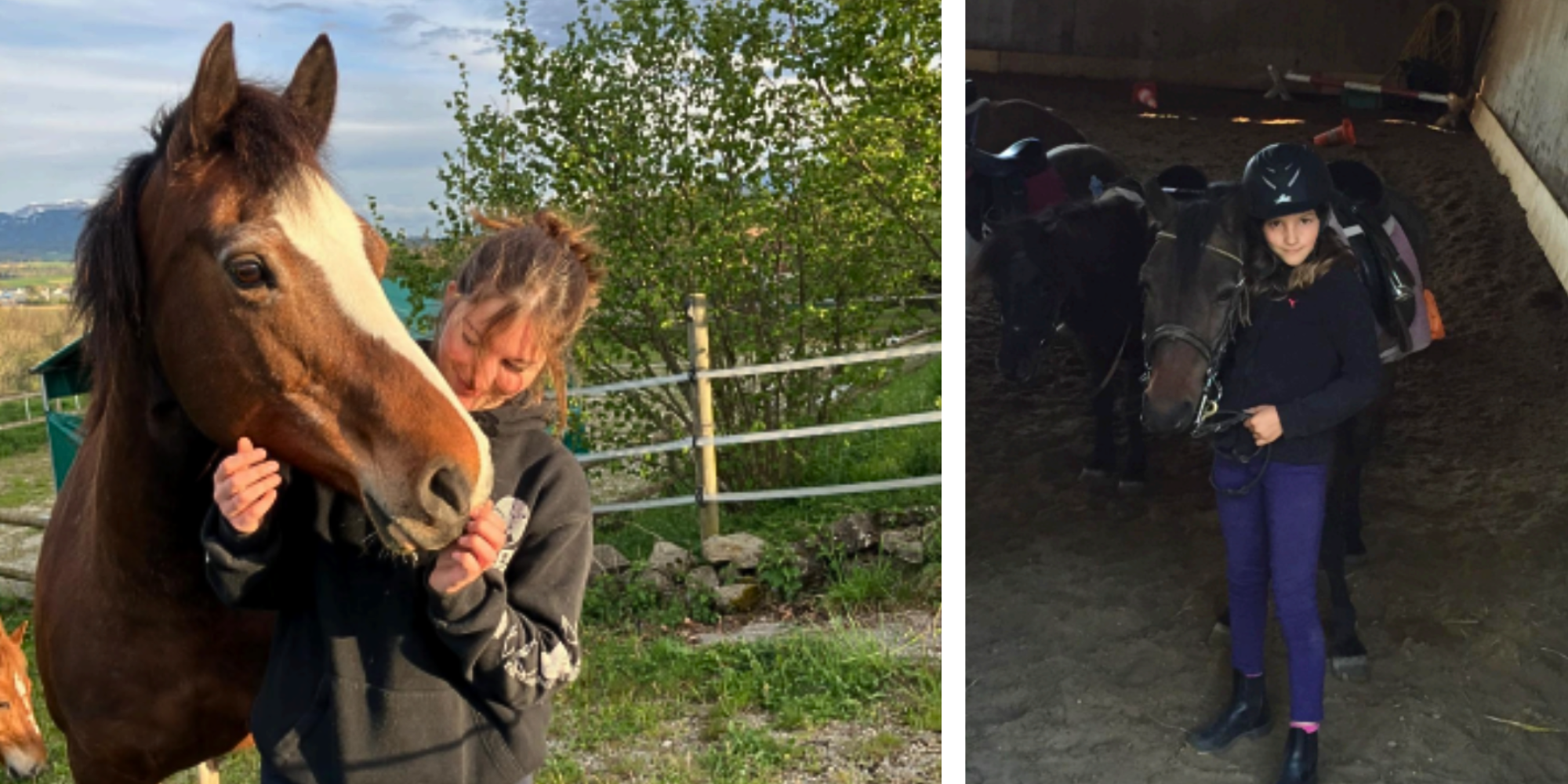
    Back home, I had always been drawn to the outdoors. I started horse riding at the age of six, and in 2022, I bought my first horse. My friends and I would often spend the whole day on long trail rides. During this time, I discovered that horse-riding safaris were a real possibility in parts of Africa — and I began to imagine what life might be like working in that environment. It eventually inspired a new dream – to combine my love for horse safaris, game drives, and walking trails into a career. One where I can create meaningful experiences that benefit both visitors and local communities. 

    image

    A year before joining Bushwise, I was torn between studying wildlife sciences at the University of Queensland in Australia or taking a more hands-on path in South Africa. After finishing the International Baccalaureate, I didn’t feel ready to dive straight into another academic setting. I needed something different — a new rhythm, a more active way of learning.

    Now that I’ve spent a few weeks in South Africa, I know I made the right decision. I’ve fallen in love with this place and the lifestyle. Bushwise is providing me with everything I need to take the first step into the guiding world — practical experience, valuable knowledge, and the chance to build connections in the lodge industry. The six-month placement will allow me to understand the realities of working in the bush, and whether it’s something I want to pursue long-term.

    image

    Ultimately, this course is a launchpad for the future I’ve envisioned since I was ten years old — running a lodge that offers guests immersive experiences through horseback safaris, game drives, and walking trails. I’m so grateful that Bushwise is helping me take those first important steps.

    Dreaming of a life in the African bush? Explore Bushwise’s CATHSSETA-accredited wildlife courses and find out how you can turn your passion for wildlife into a professional career.

  • A young conservationist’s journey begins with Bushwise

    This blog was written by Luke Levitas, a Bushwise Professional Safari Guide student. Each student takes a turn as camp manager, and writing a blog is part of the experience.

    From a young age, nature has been an integral part of my life. Growing up in South Africa, the connection to the bush felt natural, almost ingrained in us. Some of my fondest memories are of late-night fires with family and friends, surrounded by the sounds of wildlife, and the awe of stargazing on clear nights. These experiences shaped my childhood and instilled in me a strong appreciation for the environment. Over time, this appreciation evolved into a deeper understanding of the importance of conservation. I realised that protecting our natural world is a shared responsibility, and it became clear that I wanted to play a part in it. This led me to pursue a career in wildlife conservation and to consider ways to build a global network dedicated to this cause.

    image

    Growing up, I was inspired by figures like David Attenborough, Steve Irwin, and Lawrence Anthony. Attenborough’s documentaries, which highlight the intricate balance of nature and the interconnection of all life, sparked a curiosity about the world around us. Steve Irwin’s enthusiasm for wildlife and his approach to educating the public showed me the power of passion in conservation. Additionally, Lawrence Anthony’s work with elephants, particularly the herd he rehabilitated as described in The Elephant Whisperer, demonstrated the significant impact one person can make. These figures shaped my outlook and reinforced the idea that every contribution matters.

    In adulthood, I spent nearly seven years living and travelling abroad, where I saw that many of the conservation challenges we face in South Africa, such as habitat loss, poaching, and climate change, are present around the world. I saw landscapes where forests had been replaced by farmland and witnessed how urbanisation was reshaping both natural environments and local communities. It became evident to me that wildlife conservation is not just a local issue, but a global one. If we are to make a meaningful impact, collaboration across borders is crucial.

    image

    One idea I’ve been exploring is the creation of a program similar to the Erasmus+ program, but with a focus on conservation and wildlife work. This program would offer students and young professionals the opportunity to gain practical experience abroad, working on projects aligned with their interests. Beyond the professional skills gained, it would also foster connections between people from diverse backgrounds, all united by a passion for wildlife conservation.

    In addition to this, I believe that stronger connections between game lodges, conservation projects, breeding programs, and research institutions are essential. Currently, many of these organisations operate independently, which can limit the sharing of resources and knowledge. Strengthening these collaborations, both virtually and in-person, could help maximise the impact of their efforts.

    Technology also has a significant role to play in conservation. Drones, AI-powered camera traps, and satellite monitoring systems allow for more precise tracking of animal movements, monitoring of habitats, and detection of poaching activities. A shared database, where conservation teams across different countries can upload and access findings, could revolutionise the way we approach conservation challenges.

    image

    For me, becoming a field guide was a way to stay connected to nature while actively contributing to conservation efforts. Through the IFGA Professional Safari Guide course (6/12 months), I have had the opportunity to share my passion for the environment with people from around the world. When individuals experience the beauty of nature firsthand, they often develop a greater sense of responsibility for its protection.

    The challenges facing conservation are significant – habitat loss, poaching, and climate change present real obstacles. However, collaboration, new technologies, and a shared commitment to the cause can help us make a meaningful difference.

    image

    Nature has provided me with a deep sense of purpose and countless rewarding experiences. Now, I’m focused on giving back and ensuring that future generations have the opportunity to experience the same wonders. By building stronger networks and working together, we can help preserve our natural world for the long term.

    Ready to start your journey into wildlife conservation? Bushwise offers a range of wildlife courses that can help you gain the skills and knowledge needed to jumpstart your career!