Tag: #conservation

  • Stealth and claws: Life of the elusive leopard

    This blog was written by Lionel Gojon, a Bushwise International Field Guide student. Each student takes a turn as camp manager, and writing a blog is part of the experience.

    3 min read

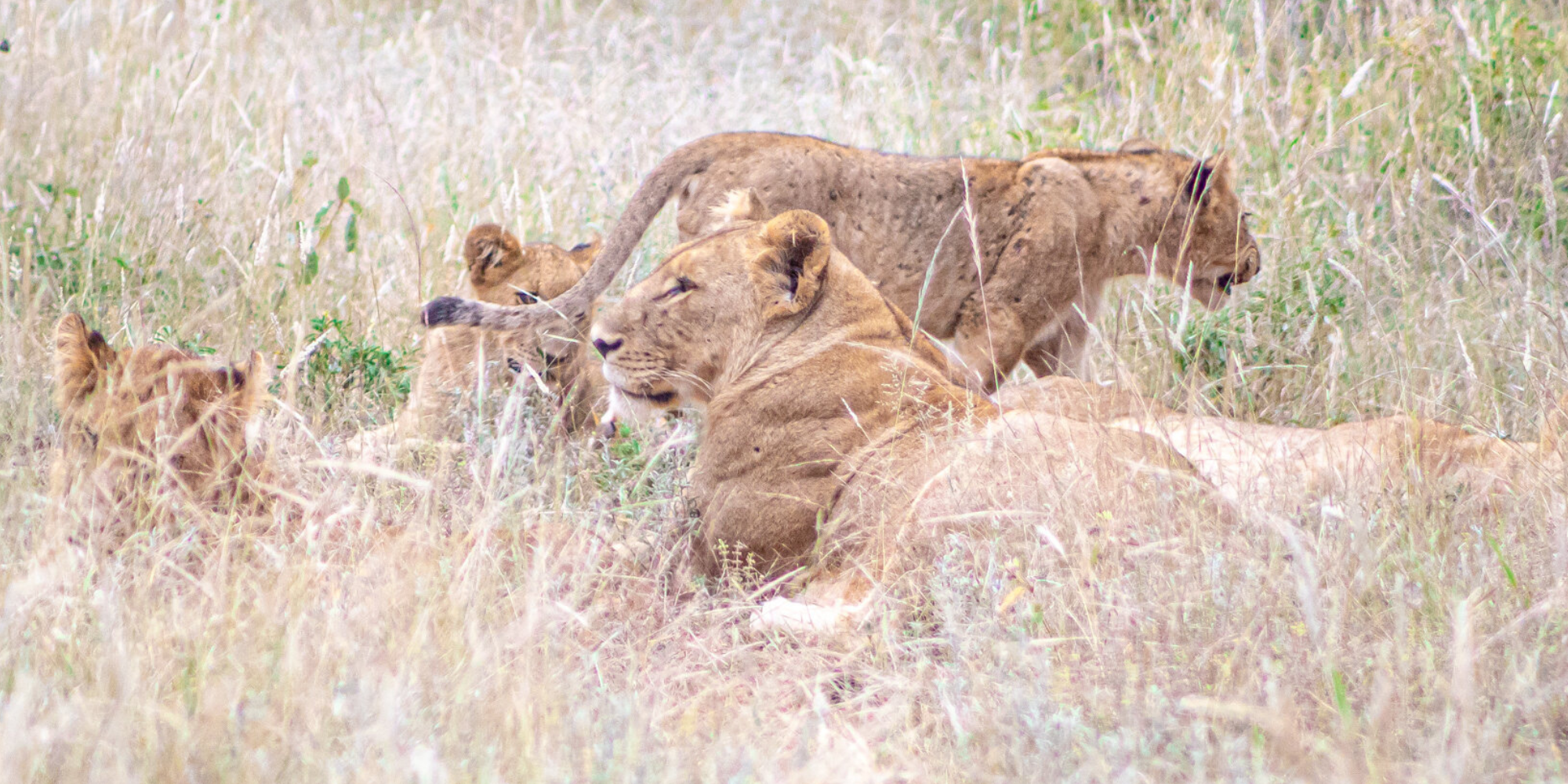
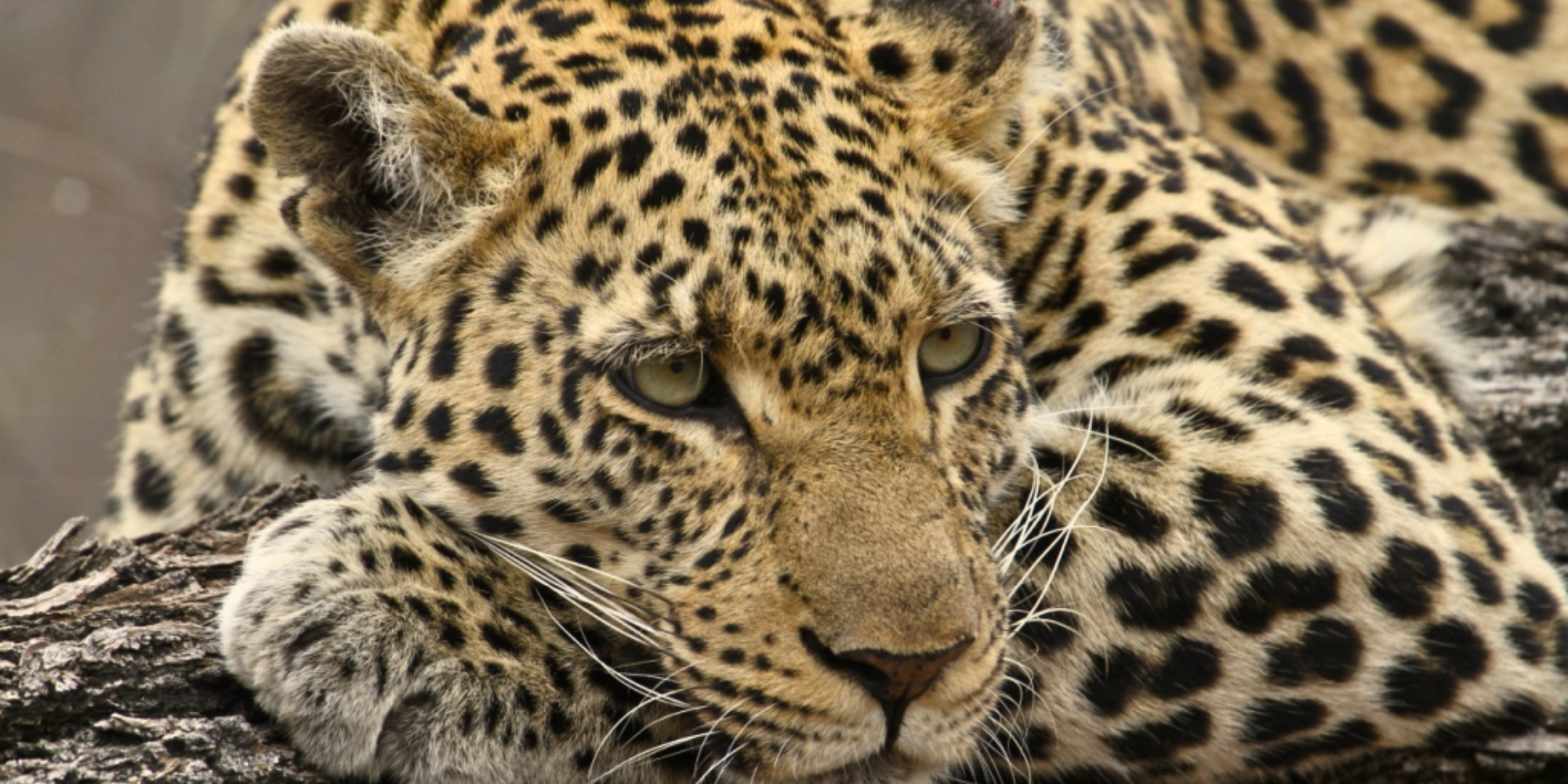
    A shadow in the night. A speck of dust rolling. Razor-sharp claws severing. A piercing shriek. Leopards are the epitome of stealth.

    As an Emirati field guide told me once, “You can’t own a leopard.” Fences can be made, national parks can be guarded and protected, but there is no way to keep a wild leopard in a specific area. Like a shadow, it will vanish into the night. It can be anywhere and you wouldn’t notice. It would only leave its haven at night, a deadly creature killing in complete silence. 
    image

    Leopards can survive even in areas not thought for them. A rocky outcrop, a mountainous chain, a desert, a rainforest, farmland, the outskirts of a city, you name it. Male leopards have been known to cover large distances, looking for territory. 


    The leopard has always been my favourite animal since a young age. Their stealthiness fascinated me; their raw power made me wonder. I found it unimaginably beautiful from the first glimpse. I was always looking at pictures and watching videos of leopards, wondering when I would be able to witness such grace in person. How could a fairly light animal lift such heavy prey into the trees? How could it stay up there, comfortably settled with its meal, laughing at the fight for food raging on below? Some would call it arrogance, I’d call it sheer superiority. 

    We’ve all witnessed the incredible agility and skill of a domestic cat. It can fall from anywhere and will land on its feet, unfazed; so flexible that a fall which could have killed a human would barely bother it. We’ve seen them dodging snake attacks, so fast that even the incredible reflexes of a serpent are no match for them. We’ve seen them bullying much bigger dogs or hunting and playing with food as if it were easy. Now imagine the same animal, but much bigger, and without thousands of generations of domestic life that may slowly erode their reflexes and capabilities. That’s the leopard.  
    image

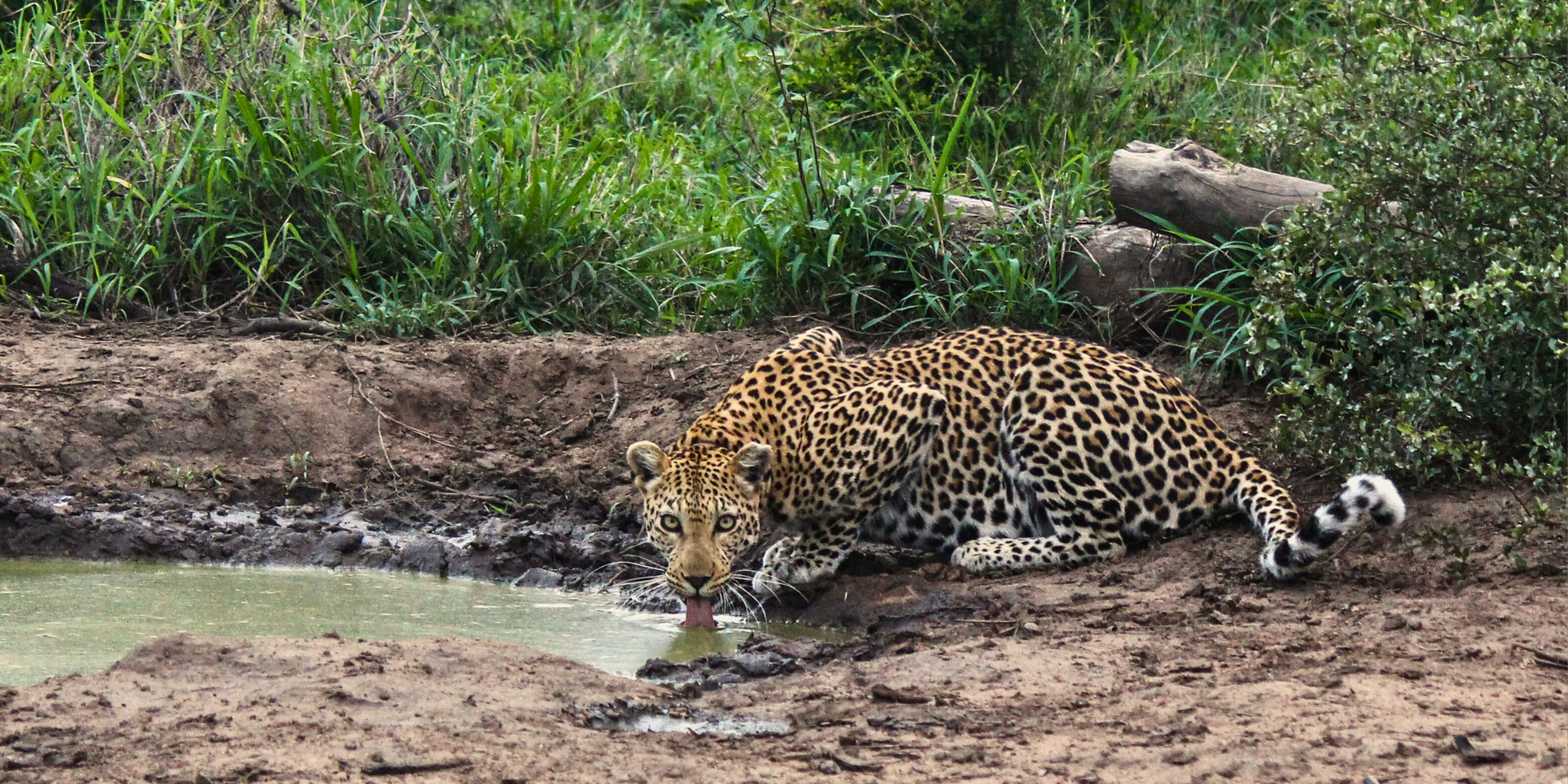
    From a mouse to a wildebeest, the leopard can kill a vast variety of prey. It will ambush the animal, or get close enough without being noticed before striking. The suffocation will be fast, the chances of survival will be thin. For me, the most impressive hunts are when the leopard waits up in a tree for an impala to get under it, and then lets itself fall on the poor ungulate, sometimes from very high points. 

    Despite its incredible abilities and adaptation skills, the population of leopards around the world are largely declining, mainly due to habitat loss, poaching for claws and body parts, as well as conflict with farmers and trophy hunting in some instances. Once widespread around Africa, Asia and even parts of Europe, leopards are now believed to be present in only around 25% of their original range. Some subspecies such as the Amur leopard in the Russian far-east have populations of no more than a hundred individuals. It is our duty to preserve this magnificent animal and find ways to coexist. 

    Learn more about the fascinating world of leopards and find out how you can contribute to wildlife conservation with Bushwise programs. 
  • Building bonds, facing fears and embracing bush life

    This blog was written by Meere Malherbe, a Bushwise International Field Guide student. Each student takes a turn as camp manager, and writing a blog is part of the experience.

    3 min read

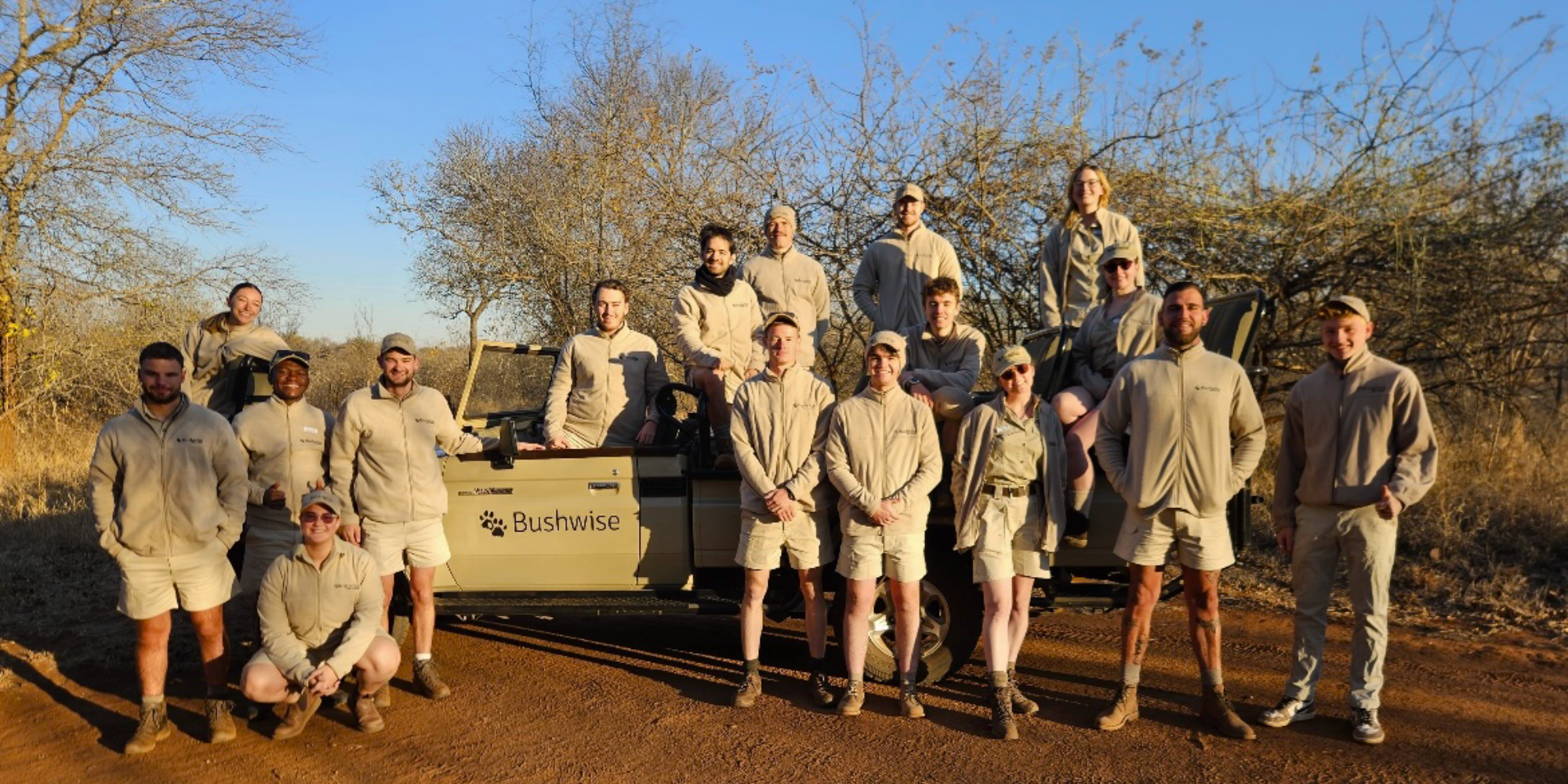
    It’s already the fifth week of being a Bushwise student. I can’t believe how time flies here. I can personally say that we’ve all grown closer and are a huge Bushwise family. We all look out for one another. I could not have asked for a better group! 

    Our week consisted of doing our presentations and our final lectures. Yes, that’s right, we are finally done with them! On Monday we did mammals, Tuesday was ethology, Wednesday was reptiles, Thursday was conservation management and historical human habitation. It has been a lot to take in for the past couple of days but at least we have each other. 

    image

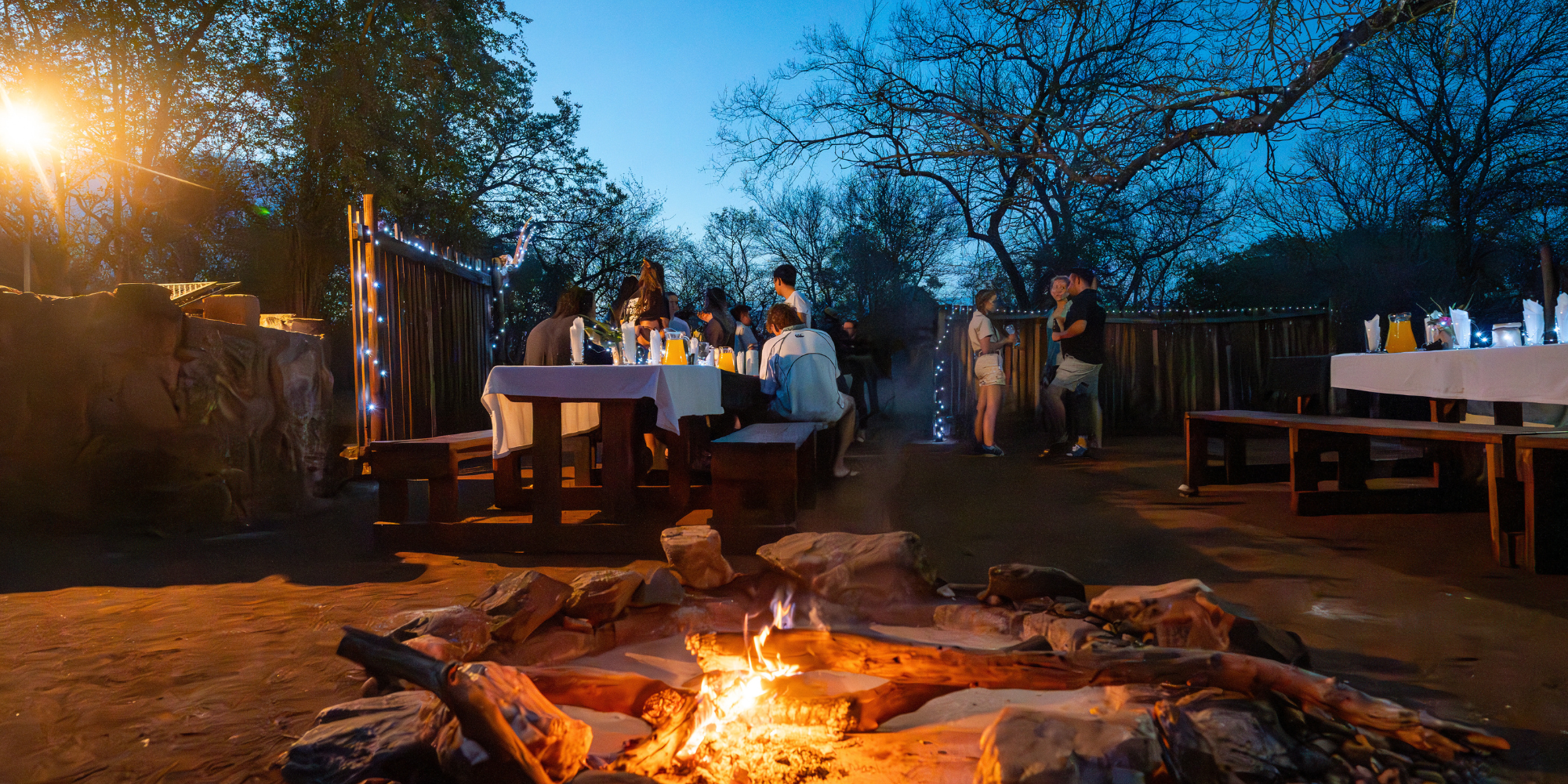
    On Saturday night the group got together for a braai! It was a good way to end the week! Braais always takes me back home, where every night my family and I would spend a whole night laughing and enjoying each other’s company, and Saturday was exactly that! 

    Every day we’d set off on our early morning and afternoon game drives. I always look forward to these because you never know what you might see. Every day one or two students will get their chance at driving us around and talking about nature and all its glory. I can proudly say that everyone has been doing an amazing job so far and can’t wait for the next one! 

    On Wednesday, we had our reptile lecture, and got to go to the Hoedspruit reptile park. We all enjoyed a different scene for once, and learned quite a lot. We got to experience some close encounters with some of people’s biggest fears.  

    image

    Every night, all the students get together and learn all the bird calls, and come up with their own personal way of remembering them. There are so many different calls and some sound so similar. It’s spectacular to see how hard everyone has been working and all the effort being put into the days! We should all be proud of ourselves. 

    Every weekend we do get some time to ourselves which is always wonderful. A few of us will often drive to Gravelotte or Hoedspruit, usually just to enjoy a day out at a restaurant or paddle. Sometimes even just to stock up on snacks. 

    The days have slowly but surely started to warm up. Whenever we study in the classroom, we put on our swimsuits and just hop into the pool to cool down before getting back to do some studying. I have to say I am quite excited to experience how nature changes when spring comes around and all the leaves and plants start to sprout (It will make botany a lot easier). 

    image

    I have to be honest, the thought of being camp manager was like a constant worry that I had in the back of my head. I didn’t want anyone to feel that they needed to treat me differently, but as the time went on, I realised that nothing really changed. It felt like a normal week at camp. Being camp manager doesn’t mean that you don’t have to do your duties, but to make a good impression on others around you. 

    If anyone ever asked me if Bushwise is worth it, I would one hundred percent recommend it! It is so peaceful out in the bush, and it’s a great way to connect to nature and make amazing friends. Don’t wait till the last minute to do what you love, don’t be afraid to take that step in your life, you only live once. Make it worth your while! 

    Ready to embrace the wild and make lifelong friends? Explore Bushwise courses and apply now to start your adventure in nature!

  • Sight, sound and seismic communication: the language of elephants

    2 min read

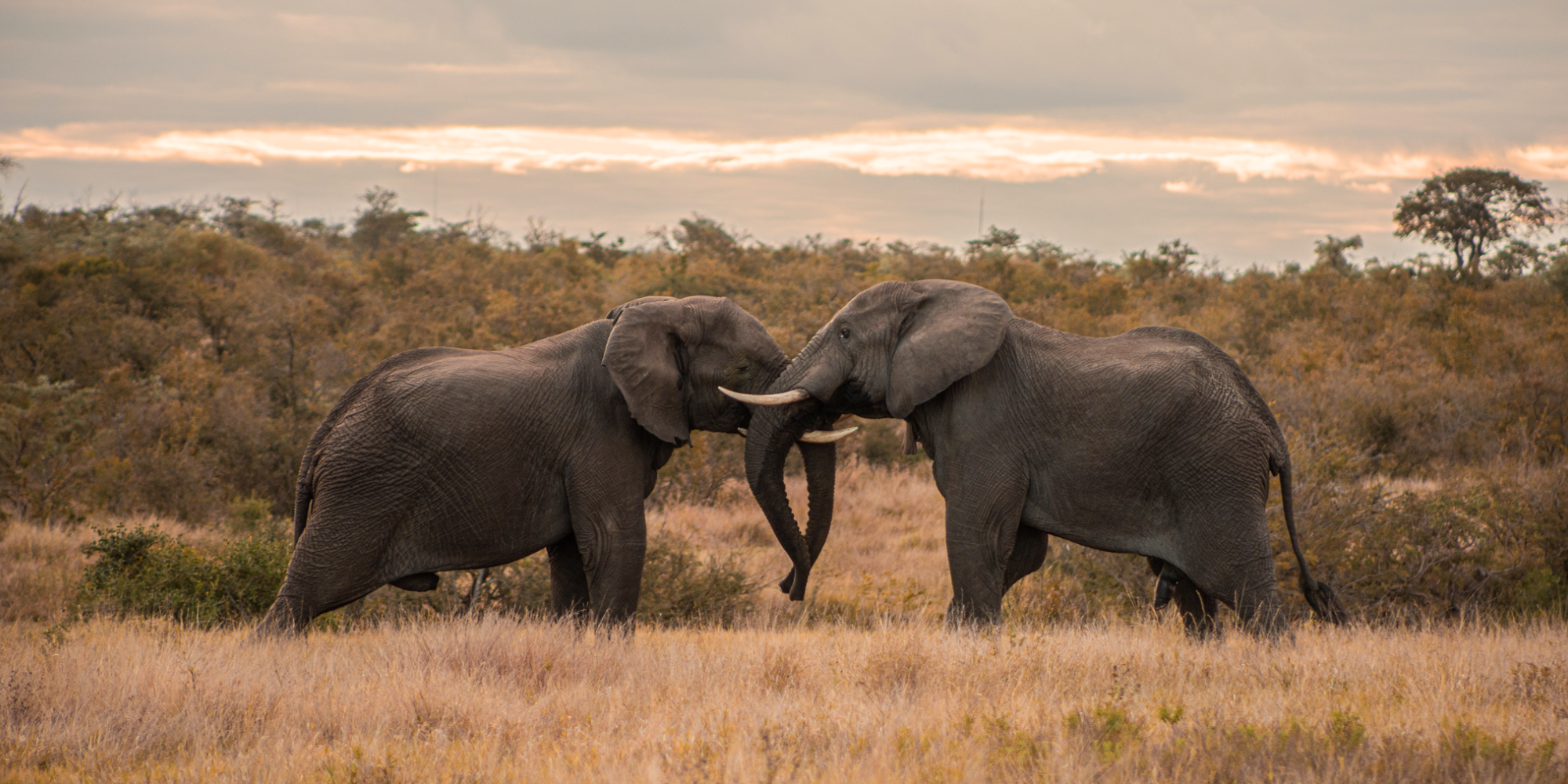
    It’s no secret that elephants are incredibly intelligent animals. They are known for their remarkable empathy, mourning the loss of individuals from their herds and working together to protect vulnerable members. Their social structures are complex, with matriarchs leading the herd and passing down knowledge through generations.

    You may have also heard about their ability to retain information over extended periods of time, storing memories of events, locations, and even the identities of individuals, and recalling them decades later. 

    Unique Communication Methods

    These majestic mammals have unique ways of communicating with one another, not only through sound but also through visual cues, touch, and vibrations carried along the earth’s surface. Their communication is intricate and multi-faceted, reflecting their deep social bonds and cooperative nature.

    image

    Long-Distance Messaging

    Elephants can send long-distance messages to each other through a process called seismic communication. These low-frequency rumbles travel across the ground, creating vibrations that are picked up by other elephants through their sensitive feet. These vibrations can reportedly travel over 2 kilometres and allow elephants to communicate over vast distances, even when out of sight of one another. This ability is particularly important in dense forests or open savannahs where herds may be spread out.

    Identifying a Familiar Face

    A recent study showed that elephants actually “call” each other by name when communicating. African elephants in Kenya have been observed calling out to their friends using rumbles and grumbles that are specific to each individual, much like humans use names. This is a rare phenomenon in the animal kingdom.

    image

    Understanding Body Language

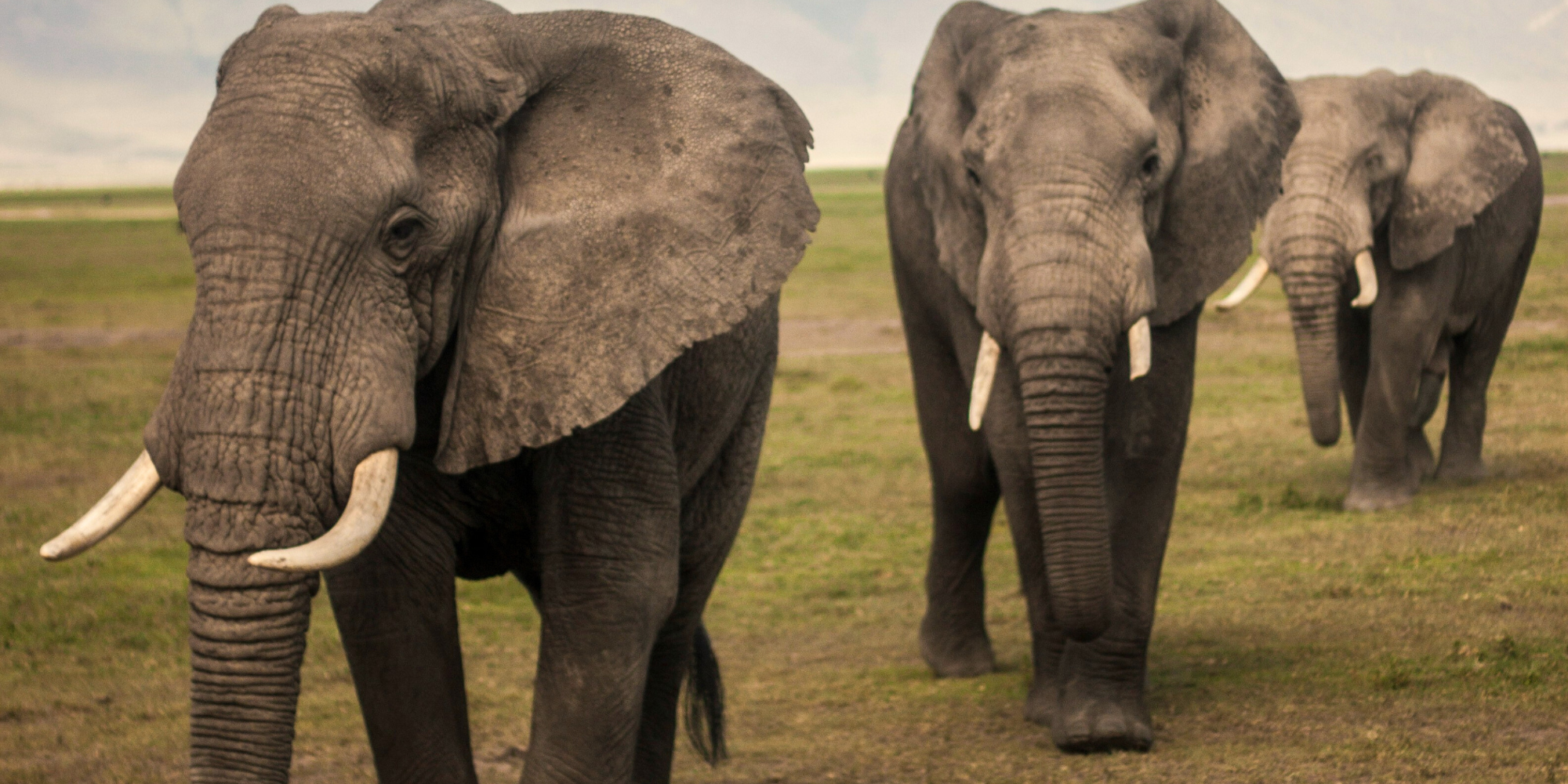
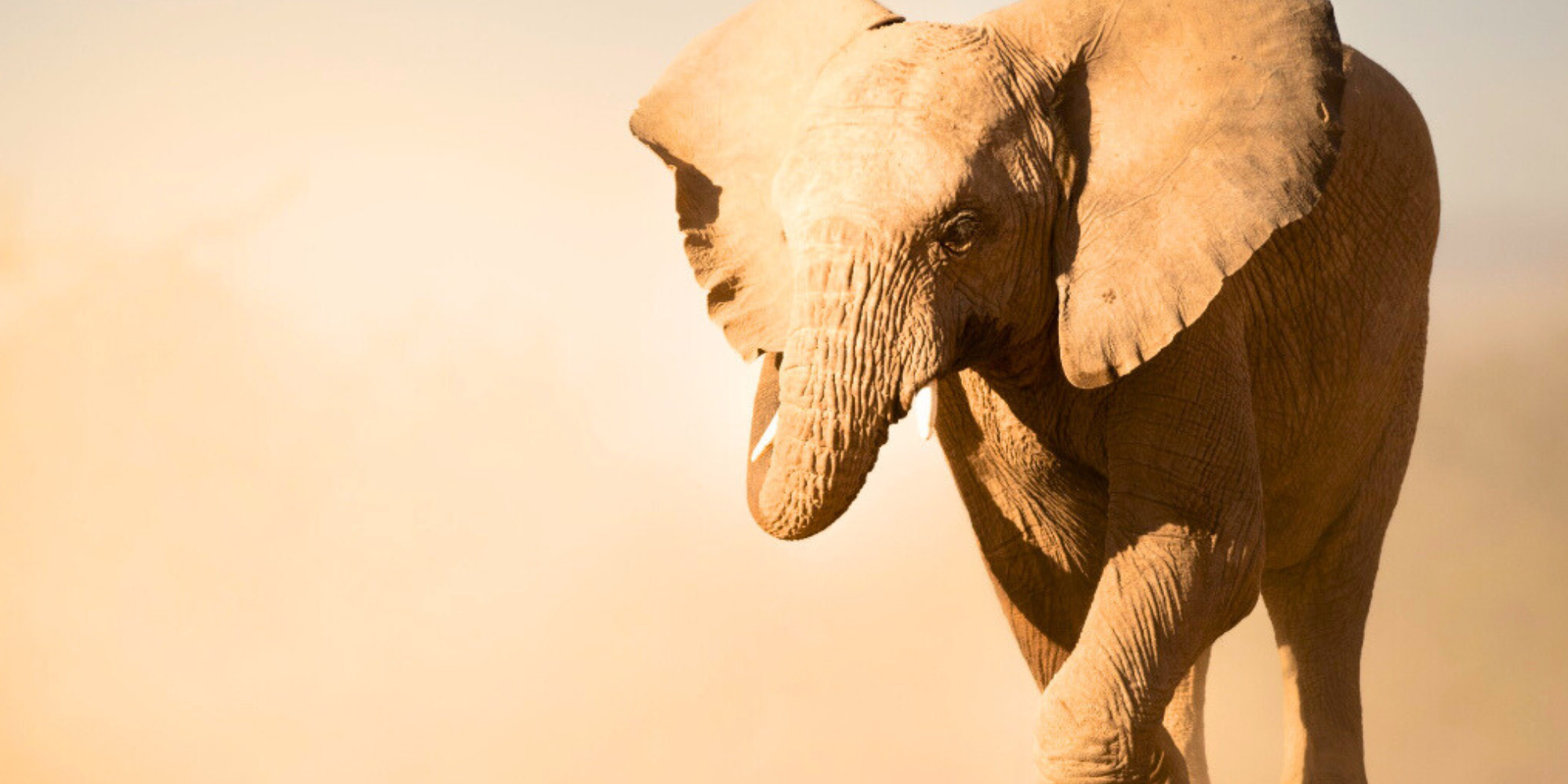
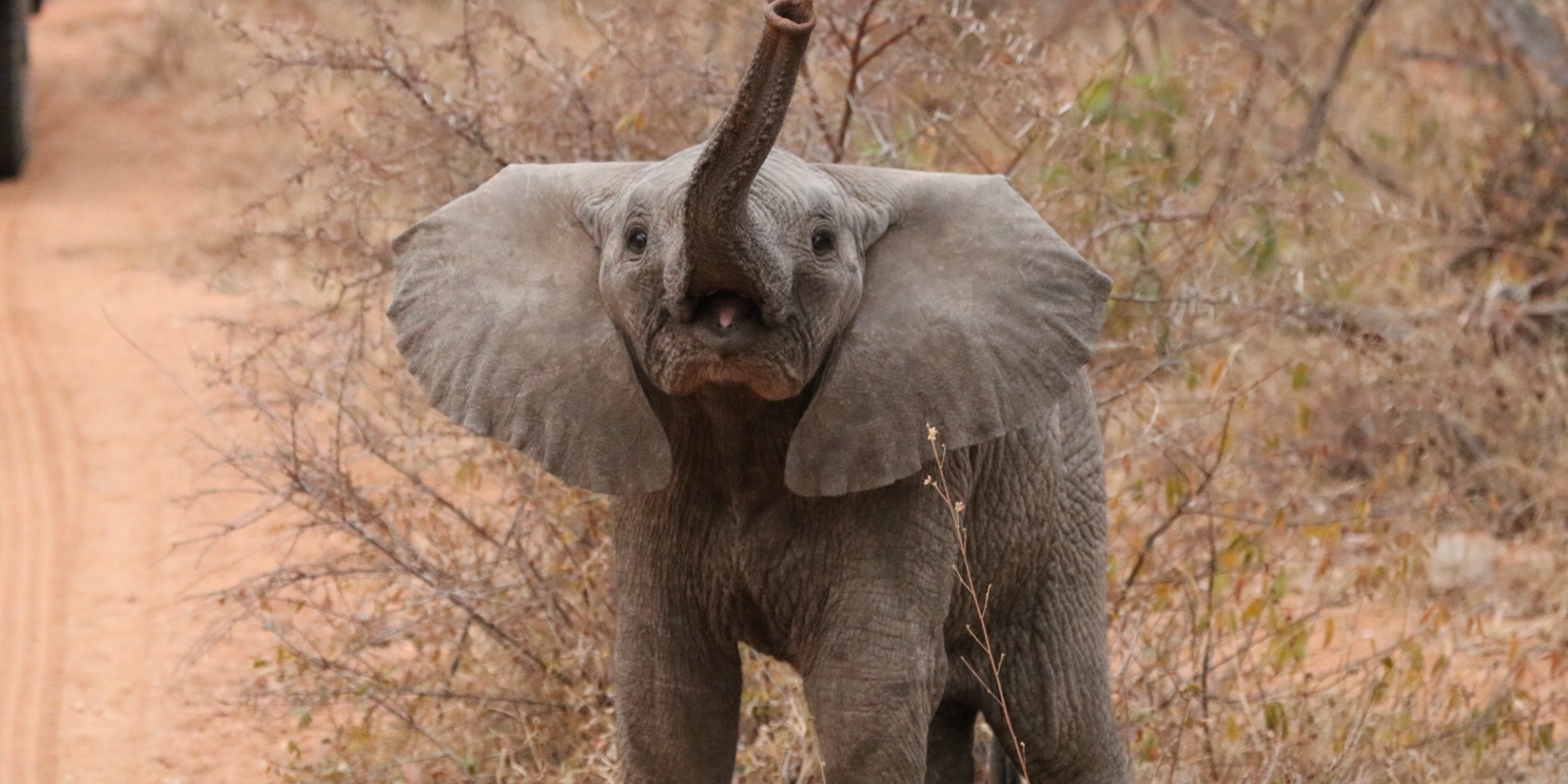
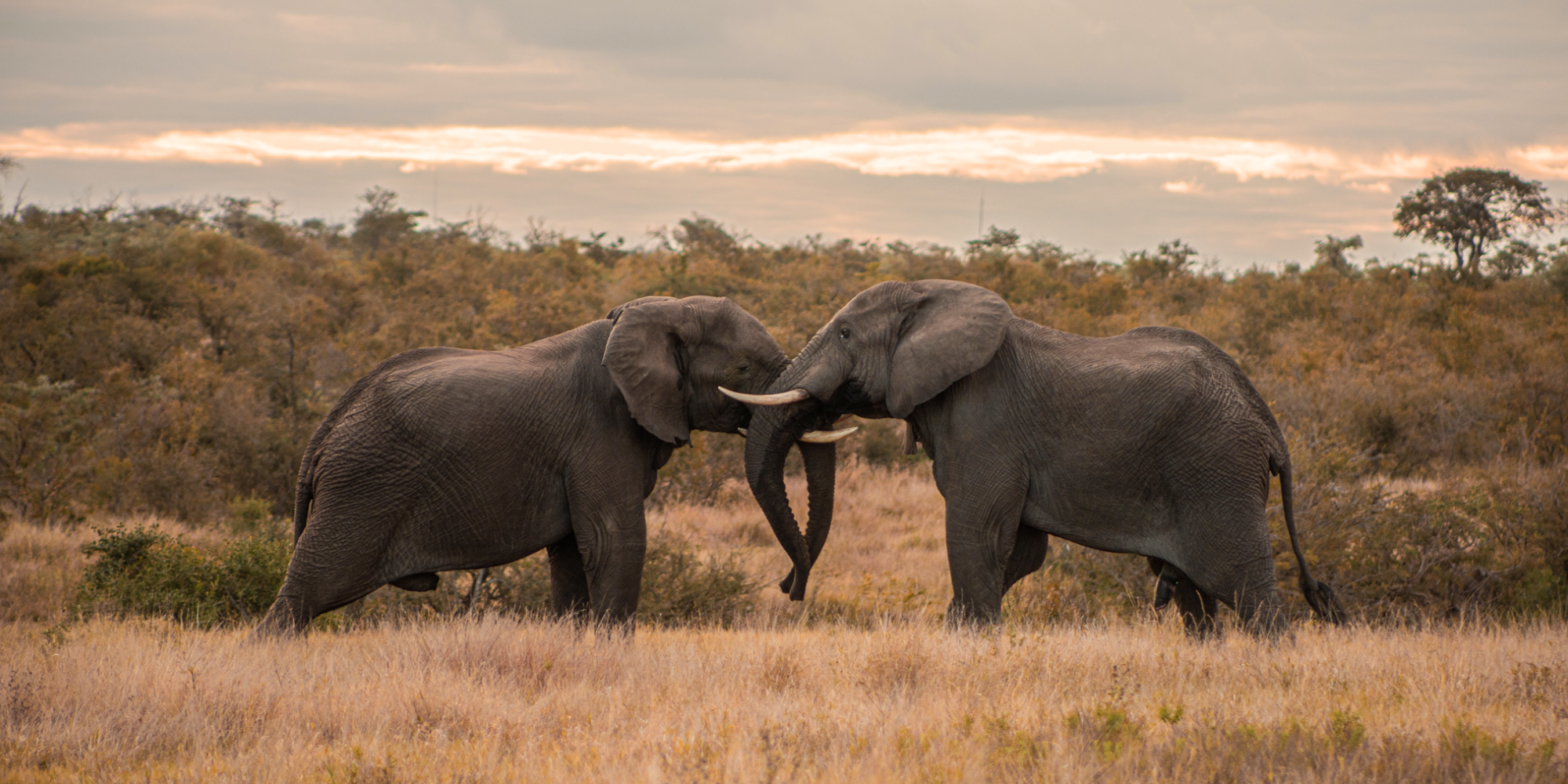
    From curling their trunks to flapping their ears and lifting their tails, elephants use their bodies in numerous ways to communicate messages to members of their herds as well as to other species. These movements can be bold and obvious, or subtle and nuanced, used to display dominance, show aggression, signal arousal, and convey a range of other emotions and intentions. For example, a dominant elephant might spread its ears wide and raise its head high to appear larger, while a submissive one may tuck its tail and lower its head.

    The Importance of Touch

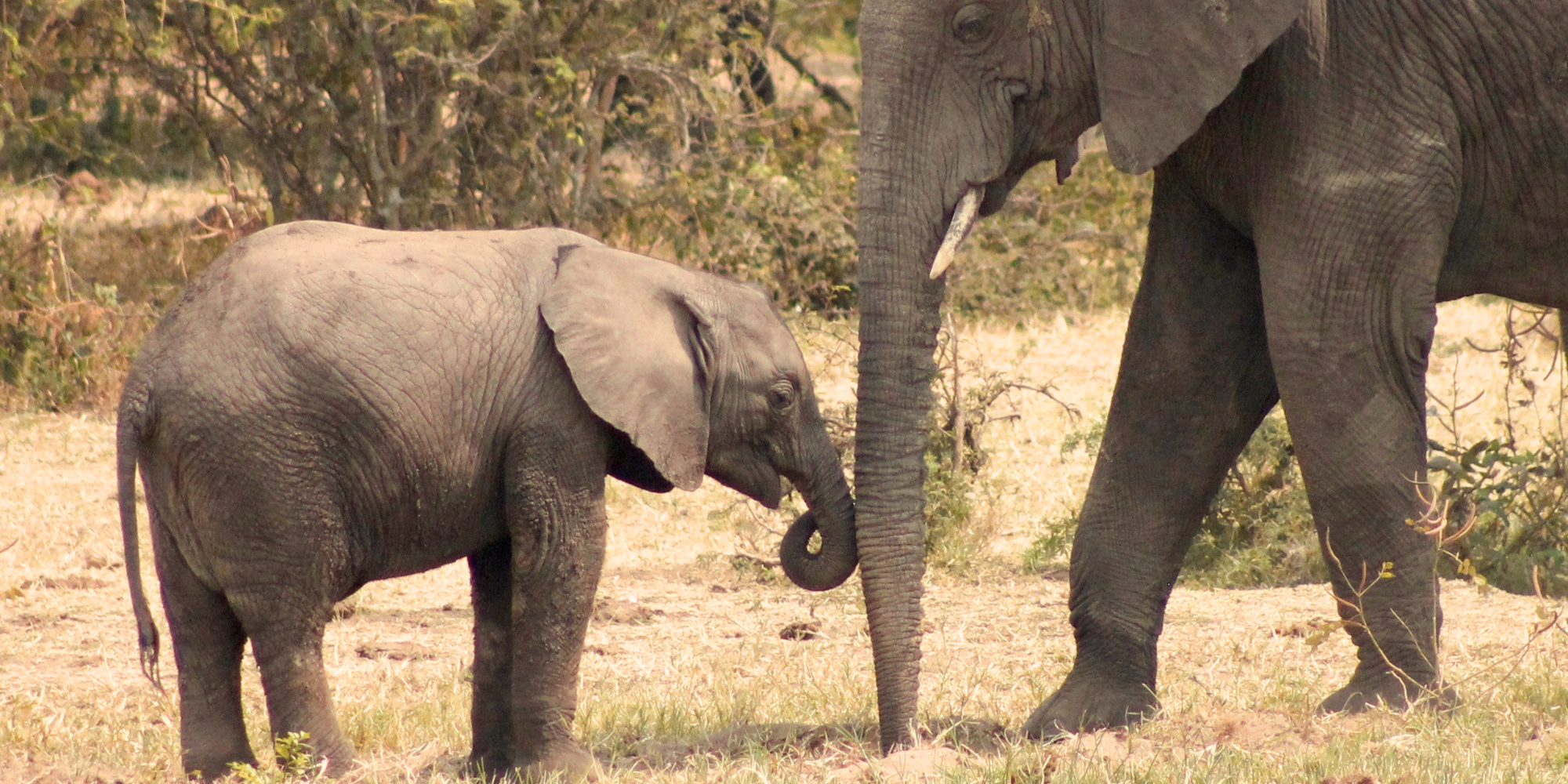
    As highly social creatures, touch is an essential communication tool for elephants. A gentle caress with the trunk can be used to display affection, offer reassurance, or protect a calf, while the rubbing of ears against another individual is often playful in nature. In more aggressive interactions, trunks can be used to slap another individual, while the entire body can serve as a weapon to ram into others. Touch helps reinforce social bonds within the herd and is crucial for maintaining the hierarchy and cooperation among its members.

    image

    The language of elephants is as complex as their social structures. Understanding their communication methods not only deepens our appreciation for these magnificent animals but also highlights the importance of protecting them and their habitats. Every gesture, rumble, and touch tells a story—one that we are only beginning to fully comprehend.

    Fascinated by the world of elephants? Explore Bushwise courses to deepen your understanding of wildlife. Apply now to start your adventure in the bush!

  • From city streets to safari seats: My first three weeks as a Bushwise student

    This blog was written by Taylor Mee, a Bushwise International Field Guide student. Each student takes a turn as camp manager, and writing a blog is part of the experience.

    3 min read

    We’ve reached week three and I think it’s pretty safe to say we are really starting to settle into being full time Bushwise students. The 5am wake-ups, the intermittent phone signal, showering with frogs – it’s all becoming wonderfully familiar. 

    Not long ago, I was drifting off to sleep to the delightful screech of mating foxes, and instead my eyes now closed after a “hard” day’s work to the distant call of a hyena. I say “hard” because being out here really feels like anything but hard work. Would I rather be sitting on the 77 bus, stuck in traffic, listening to some school kids shout about which TikTok they watched last night or be on the back of a game viewer, stuck behind a buffalo herd, listening to the wondrous sounds of the bush? Sorry, London, this man chooses Mahlahla. 

    image

    Amongst all the fun we’ve been having, it has also been a huge privilege and honour to be appointed camp manager for this past week and, in turn, become a shoulder to lean on for my newly adopted Bushwise family. 

    Our first exam week hit camp hard as I took over the reins, further extenuating the need for me to be a strong figure that my people could turn to in their toughest moments. But it was so encouraging to witness that seemingly nothing brings people together in a mutual act of support and solidarity quite like revising for, and attempting to pass, the first of your CATHSSETA exams

    It’s wild to think (excuse the pun) that in the short space of time we’ve been here, our knowledge base has already grown massively. Not long ago my field guiding mental database consisted of being able to provide a list of mammals commonly found in this part of the world – your giraffes, your zebra, of course your big five! 

    I don’t want you thinking I’m a fool, though! Don’t get me wrong I’ve watched my fair share of BBC Natural History Unit programmes, but there’s only so much information three series of Planet Earth can provide you with (we want series four please, Dave!). 

    image

    Now, however, if you want me to distinguish the difference between basalt and granite based soils, I can do so without a second’s hesitation. Need to know the cloud formation before a cold front hits? Hit me up! What taxonomic family does an Otter belong to, you ask? Mustelids people, they’re obviously mustelids. If by the end of the six months here I’m not able to distinguish a tree by a solitary lick of its bark or decipher which bird has flown past simply by listening to the flap of its wings, I’ll be incredibly disappointed – at this moment in time it feels like anything is possible thanks to the amazing experiences we are having and the training we are receiving.

    I also never thought I’d get so much continued joy out of looking at poo! The dogs walking in the hotspots of London won’t know what’s hit them when I return. We’ve already become so accomplished at identifying dung by its shape, colour and context that after six months here learning everything Darryn, Jason and Simone have to offer, I’ll have absolutely no hesitation in determining that it was the owner of the black labrador, approximately 8 months old, on a strictly dry food diet that didn’t pick up their dogs waste last Wednesday morning between 07:22 and 07:36 am.  You’re a welcome, officer. 

    image

    All in all, I think there is no doubt we can call semester one a success! New lifelong friendships are beginning to form, a whopping 8 modules worth of knowledge stored away (hopefully) forever and plenty of awesome sightings under our brown belts!

    It’s very sad to be hanging up my camp manager boots at the end of this hard week of studying. But I take one last look at the base, as I climb into the taxi taking us for a few well-earned days of relaxing in Hoedspruit, knowing that I’ve left Bushwise Mahlahla in a better place than I found it.  


    Ready to start your own adventure with Bushwise? Explore our courses and apply today to begin your journey in the African bush!

  • A sneak peek into my life as a Bushwise student

    This blog was written by Jason Peter Lizamore, a Bushwise International Field Guide student. Each student takes a turn as camp manager, and writing a blog is part of the experience.

    3 min read

    The first time we saw each other was at the airport. It was really early in the morning and all of us were so excited. On our way to the campus our driver, Blessing, was the funniest guy we could ever imagine. We had two stops where we could go and grab some snacks and drinks. The people in the back enjoyed the drive, while the people in the front (like myself) had the time of our lives.

    Blessing drove us safely to the campus. We arrived and I already felt like this is our time to become the best version of ourselves. The trainers welcomed us politely and introduced themselves to us. After that, Darryn said we had to do a lot of paperwork – the fun part. Then the trainers showed us our rooms. At first I wasn’t sure if I liked the room on the other side of the campus, but now I kinda enjoy it because I have a place a bit away from everyone (if I need a bit of space for myself or to study). I enjoy the walk in the mornings to the dining room because I get time to prepare myself for the energy everyone already has.

    image

    The first night we sat around the fire while Rose was preparing our food, we told our stories to each other and got to know the trainers a bit better, made a few jokes and so on. Rose, our cook, makes the most amazing, delicious food.

    The next evening she made her famous chicken pie (Darryn, Jason and Simone’s favourite meal).

    During the week we got to know each other a bit more and made a bonfire every night. I can gladly say, we will become really good friends. Everyone respects each other and we are holding together as a team.

    The trainers are really polite and fair. The way they teach us is more than I have expected. They go into very fine detail and go out of their way to explain stuff to us. Famous quote from Darryn: “We work hard and play hard.”

    image

    One evening, Meere, Jana (some of the students) and myself sat outside and had a nice chat and made some jokes. All of a sudden a porcupine came around the corner and tried to open the fridge. We chased it away and went to make ourselves some tea. I walked back to the shelf to get the cups (keep in mind, without a torch), I grabbed the cups, turned around and this porcupine stood right next to me, opened his quills and hissed. Ran back and Jana and Meere were dying with laughter.

    The first aid course was challenging at first, but really interesting. I knew a lot of things already and I am really proud to say that all of us passed the course! Andrew is a really passionate man and all of us look up to him.

    image

    Our campus at Bushwise is really beautiful and is filled with amazing, spectacular wildlife all around us. Being out in the bush is really a once-in-a-lifetime experience. I think I can speak for all of us – it makes us feel alive and important. We can learn so much and better ourselves. We will have a massive impact on how people experience the bush and I can’t wait to start my journey. This is, honestly, like a wish come true; to teach tourists about animals and what impact they have on our lives is going to be amazing.

    I can’t wait to have more experiences and grow together with Bushwise. 

    Ready to start your own adventure and create unforgettable memories? Learn more about Bushwise courses or apply now to join our community!

  • I left my job in the UK to be a safari guide in South Africa

    This blog was written by Matthew Dufty, a Bushwise International Field Guide student. Each student takes a turn as camp manager, and writing a blog is part of the experience.

    4 min read

    I’m Matthew, a 26-year-old from the United Kingdom who gave up his life back in England to travel over 8000 miles to pursue my life-long passion of working within nature. But, why?

    From an early age I was obsessed with the wildlife in the southern part of Africa. My earliest memory is watching a documentary following the lives of a pack of wild dogs. I was hooked from then on. 

    Being from the UK the only opportunity to see these animals would be on TV, so from that moment I added “South African safari” to my bucket list. This was only emphasised more when a TV show called “Wild at Heart” came out when I was eight. The series shows the journey of a family emigrating to South Africa where they attempt to rehabilitate a game reserve for animals. This opened my eyes to the fact that not only can you go to South Africa to see these animals but you can also go there to work with them. This blew my mind. 

    image

    In 2019 and 2021 I ticked “South African Safari” off the bucket list with trips to Malelane and the Sabi Sands, and as mind-blowing as those experiences were, it just wasn’t enough; there was still something missing.

    That something was working with animals. In 2023 in had the privilege of spending three weeks in Namibia volunteering at the Namibia wildlife sanctuary and the Kanaan Desert Retreat. The first 2 weeks were spent at the wildlife sanctuary where the focus is to rehabilitate vulnerable animals, with the hope of releasing them back to the wild. The final week was more focussed on the conservation of the area allowing animals to have free movement in the area without the obstruction of the fences from farming areas that were once there. These 3 weeks gave me the realisation that I couldn’t spend the rest of my life working in a retail environment with the mundanity of repeating the same day over again. I spent a couple of weeks reminiscing about the past 3 weeks when I returned home and made the decision to search for something that could help me scratch that itch of working in nature. That’s when I found Bushwise.

    But why Bushwise? The thought of becoming a nature guide had me hooked instantly and I knew that was my future. As mentioned, I have been on safaris before, some better than others, but what was the factor that defined each of them? The guide. 

    image

    For me, personally, the guide is the most important piece in the game drive puzzle. They are the person that turns a good sighting into a great sighting and also creates an experience which will be memorable for the guests on board. An international trip to South Africa for safari isn’t cheap and the last thing you want is for your experience to be ruined by a guide that doesn’t show the same excitement and enthusiasm as you. Having spent time researching Bushwise I soon realised that, for what I wanted, Bushwise was the logical choice. 

    Other organisations provide a very similar experience but the option of a 6-month placement seemed like an opportunity I couldn’t pass on. The possibility of actually working within a lodge environment had me sold. In addition to the advantage of being taught by high-quality and knowledgeable trainers, the Bushwise team are also there to help support the transition of becoming a qualified nature guide.

    image

    So what does the future hold and what do I want to do with my career? I would love to have a long and distinguished career as a nature guide. I left my job of 6 and a half years to pursue a dream and I want to make that dream my reality. I enjoy my life back home – the job security, financial freedom and being surrounded by friends and family – but I am only truly myself when in a natural environment surrounded by the sights and sounds of all things South Africa has to offer.

    It’s not going to be easy – becoming a nature guide isn’t something that happens overnight, it’s dedication to a purpose which is greater than yourself. You’re not only an ambassador for the country and place you work but also for the conservation and protection of the wildlife. You are being a voice for the voiceless and need to spread the impact that humans are having on the natural environment.

    I am currently in my second week of my 50-week course and I am already gaining invaluable knowledge on, not only what a nature guide should know, but also how to carry yourself to ensure that you are being professional every day. It’s a long way from my life back in the UK, but with the environment Bushwise has created, they give you the best chance of following your dreams. Here is to the next 48 weeks!

    Ready to follow your passion for wildlife and conservation? Learn more about Bushwise courses and apply now to start your adventure!

  • Secrets of the trunk: an elephant-astic tool

    This blog was written by Meline Klopfenstein, a Bushwise Professional Field Guide student. Each student takes a turn as camp manager, and writing a blog is part of the experience.

    4 min read 

    One of the cutest events I have ever seen was an elephant calf trying to control its trunk. Can you imagine having to control up to 40,000 muscles at a time? Can you imagine being able to push a whole tree down with the trunk, but also, pick up a single shoot of grass? It is incredible!

    image

    What is it ?

    The trunk is the fusion of the upper lip and the nose of the elephant. It weighs up to 140 kg and measures between 1.5 to 2 m! It is one of the only appendages that is moveable without any bone structure. The arrangement and small size of the muscles, enable an acute control for fine movement, and an undeniable strength. The tip of the trunk is extremely sensitive as it contains a dense network of sensory receptors.

    The vital role of the trunk

    The trunk is a vital tool for the elephants. From shaking a marula tree to get the fruits, to gently caressing a calf, to simply breathing, elephants display immense dexterity and strength. It is used for feeding, drinking, communicating, and so much more.

    Elephants use their trunks to get food – be it twigs, fruits or grass – and bring it to their mouths. An adult elephant’s trunk can also carry up to 12 litres of water to the mouth. Sometimes we also see them putting their trunks in their mouths and then drinking. They have a pharyngeal pouch at the back of the mouth that serves to store water. It can hold about 4.5 litres of water, but without a trunk, it would not be possible for the elephant to use this water!

    The trunk is also vital for elephants to dust, mud, and water-bath. These activities are carried out as social interaction and bonding experiences, but are also important for many other reasons. It enables better thermoregulation by creating a protective layer over the skin and directly cooling down the elephant. It also maintains the skin in good health by moisturising it. Mud also plays insect repellent and antiseptic roles, helping with the healing of wounds.

    image

    Communication using the trunk

    Elephants also use their trunks to communicate in different ways. To start with, the long trunk enables the elephant to have an acute sense of smell. The genome of the elephant is composed of up to 2,000 functional olfactory receptor genes! To make a comparison, domestic dogs have about 800 and humans have 400 functional olfactory receptor genes. Smell is central to their survival. It allows them to find food, water and navigate their environment safely, as they are able to smell danger from a distance. Smell is also central in their communication with other elephants. 

    The trunk of an elephant is one of the most sensitive parts of its body. It is therefore often used for reassurance or bonding. A mother will sometimes gently caress the calf to make sure it is awake, following the group or to guide it. Upon greeting one another, or as they face danger, elephants will sometimes reach their trunk to the mouth of the other individual. Calves have also been observed sucking their own trunk. This was often in a situation where the calf showed signs of uncertainty or discomfort. It is thought to serve a reassurance purpose, just as a human child would suck his/her thumb when needing reassurance.

    Sounds elephants emit are varied. The larynx is situated in the throat of the elephant and is responsible for emitting most of the sounds: rumbling, trumpeting, infrasound. The trunk, however, can be used to modify the tones of the trumpeting, thus expanding the range of sounds possible. The trunk itself can also emit a kind of snorting sound, that shows high arousal.

    image

    It is also possible to read the state of mind of the elephant by the movement and position of its trunk. For example, a male in musth will display many recognisable behaviours such as curling and uncurling, or dragging the trunk on the ground. Dragging and bouncing the trunk can also be observed when threatening. I have seen young elephants playing and chasing birds, throwing their trunks forward to frighten them.

    Joyce Pool (Co-Founder and Co-Director of ElephantVoices) also believes that when elephants point their trunk straight to a direction or an object, it is to attract and direct the attention of other members of the group to this object, and not only for smelling. If an individual smells something and does not want to attract the attention of other members of the group, only the tip of the trunk will subtly move in the direction of the smell.

    With such a complex appendage, how do calves learn to use it?

    They are born with a trunk that is fully functional but they do not have the control over it. Controlling it is a colossal task and it takes up to a year for the calf to be fully comfortable. The calf will learn by observing the other members of the group and imitating. It is through a lot of trial and error that the calf gains control over its trunk.

    Want to learn more about the wonders of wildlife? Explore Bushwise courses and apply now to start your adventure in field guiding!

    Sources used:

    Longren, L. L., Eigen, L., Shubitidze, A., Lieschnegg, O., Baum, D., Nyakatura, J. A., Hildebrandt, T., & Brecht, M. (2023). Dense reconstruction of elephant trunk musculature. Current Biology, 33(21), 4713-4720.e3. https://doi.org/10.1016/j.cub.2023.09.007

    Kirstein, K. A., & Berlin, H.-U. zu. (2023). Giants with microscopic muscles: New findings reveal the structure of the dexterous elephant trunk. Phys.orghttps://phys.org/news/2023-09-giants-microscopic-muscles-reveal-dexterous.html

    Poole, JH., (n.d.). Ethogram table. Retrieved 27 April 2024, from https://www.elephantvoices.org/elephant-ethogram/ethogram-table/overview.html

  • Following the signs: Learning to track elephants in the wild

    This blog was written by Kayla Pieterse, a Bushwise Professional Field Guide student. Each student takes a turn as camp manager, and writing a blog is part of the experience.

    3 min read

    A long, hot day. We walked almost 13 kilometers that day. Where could they possibly be? My body was exhausted and my water was running low. We kept going, still staying strong. Being cut by buffalo thorns was not the best. 

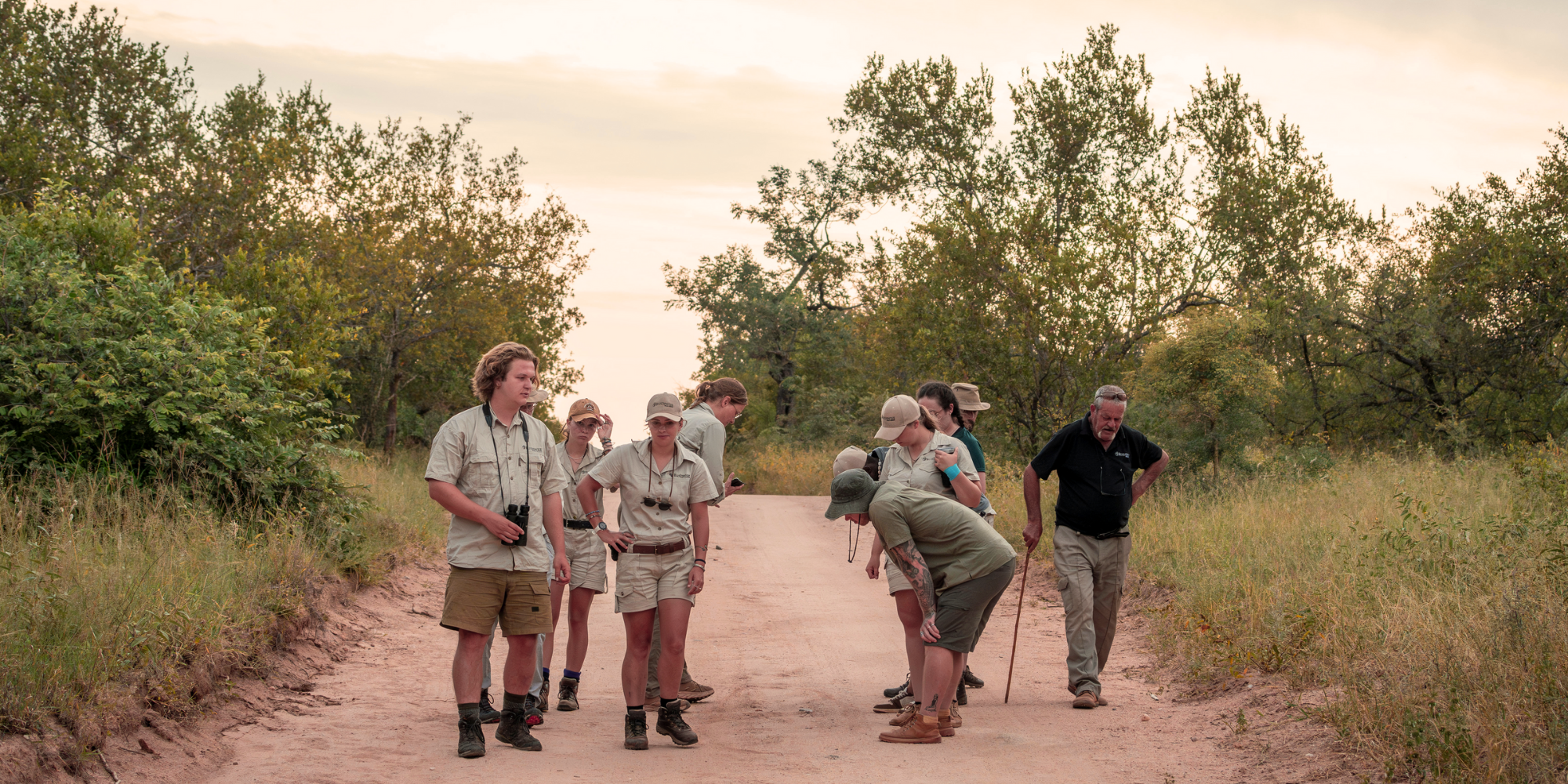
    This was the day of trailing with Colin Patrick, the legend. It all started with a cold morning drive in search for some tracks that were fresh. We suddenly stopped and there was a small branch laying on the side of the road. How is that even a track? How can Colin even say it was an elephant? How do we trust this? Those were all questions running through our mind. We got out of the vehicle and we started walking to the other side of the road. It was magical, there it was, a beautiful, clear track imprinted in the sand. So, we started walking and following those tracks. Each student got a chance to do this trail. It wasn’t easy as it was all of the students’ first time doing this. 

    image

    The time went by and everyone got used to how it works, what to look for and what signs to follow. Then my turn came. We were on the road, the tracks were crystal-clear… well, not for me. I could recognise one or two tracks of this beauty, but for some reason my eye just wasn’t used to this yet. Colin saw the confusion in my eyes and asked the next student to join me and help. It was as if he just knew exactly where this elephant was walking. I felt embarrassed. Colin said he could go on and I should fall back in line. We only had one turn so my heart started racing. 

    I wasn’t sure if I failed or not, but I knew that it didn’t go as planned. Everyone else did so well. How do they see these tracks and signs so easily? I was hoping to get called to try again, but time ran out and we went back to camp for breakfast. The afternoon was also allocated for trailing and we went back. The remaining students all got their turn. There was one student remaining, it was as if we started running, because there was fresh elephant dung, fresh leaves that were eaten, and there were clear tracks. The adrenaline was real; out of breath and no more water left at this stage. They are close, I can feel it! Colin called out my name. 

    image

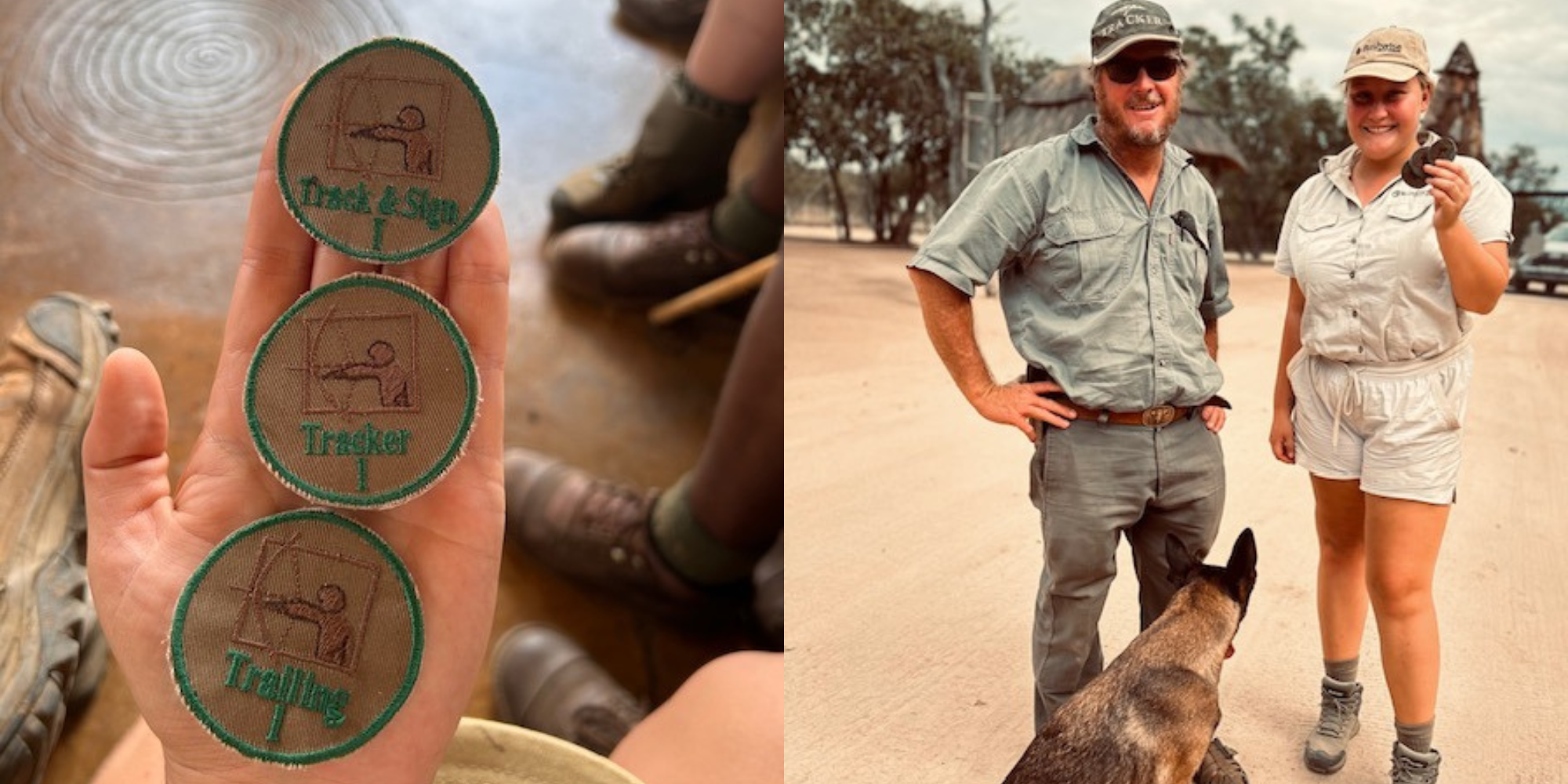
    This is it; it is your time to shine, girl. Colin said, “take it slow,” but after that adrenaline rush, I couldn’t even think straight. Suddenly, all those tracks became super clear, the dung was everywhere. Finally, we got to a river. I knew this time I did much better with this trail. As if I just knew where they were. So, Colin told me I did a good job, but they are on the other side of the river and we don’t have time to go there now. I was confident that I would’ve gotten them if we kept going, but everyone was too exhausted. It was a long and hot day. My confidence got boosted and I felt as if I could find anything. I was proud of myself. As I should be, because a few days later I got a tracker level one qualification.

    image

    Time will tell and even if everything doesn’t always work out the first time, do as Colin says – get back up and try again. Press your reset button and take things slow. Never doubt your first instinct. 

    Want to learn to track wildlife? Learn more about Bushwise courses, and apply now to begin your adventure in the bush!

  • How my passion for birding took flight

    This blog was written by Phoebe Gordon, a Bushwise Professional Field Guide student. Each student takes a turn as camp manager, and writing a blog is part of the experience.

    3 min read

    It seems there is some sort of addictive component associated with the South African bush. Something in the air, an almost tangible narcotic, that evokes this intense sense of passion and appreciation. I’ve seen it too. This industry is built on those who relish waking up in the early hours, who happily drive in 40 degree days, who tirelessly strive to satisfy guests and who only go to bed when all the work around the lodge is done. Their work ethic is unbelievable, and from a distance, seems almost a bout of insanity.

    I nearly verged on such insanity in the past week. The dreaded birding week. Don’t get me wrong, I love the odd bird now and then. Watching a little wren hop around or admiring the beauty of a regal eagle is an awesome experience. They are an intrinsic part of almost every ecosystem, from the penguins huddled on the sub zero plains of Antarctica to the smallest hummingbirds in the Amazon Rainforest. As a general nature lover, I can appreciate their beauty and importance, and in all honesty, I tried very hard to be interested. But learning to recognise 127 bird calls and 200 birds by sight, in a mere seven days, was quite the challenge. 

    I can highlight some of the difficulties:

    • They all look the same.

    • They all sound the same.

    image

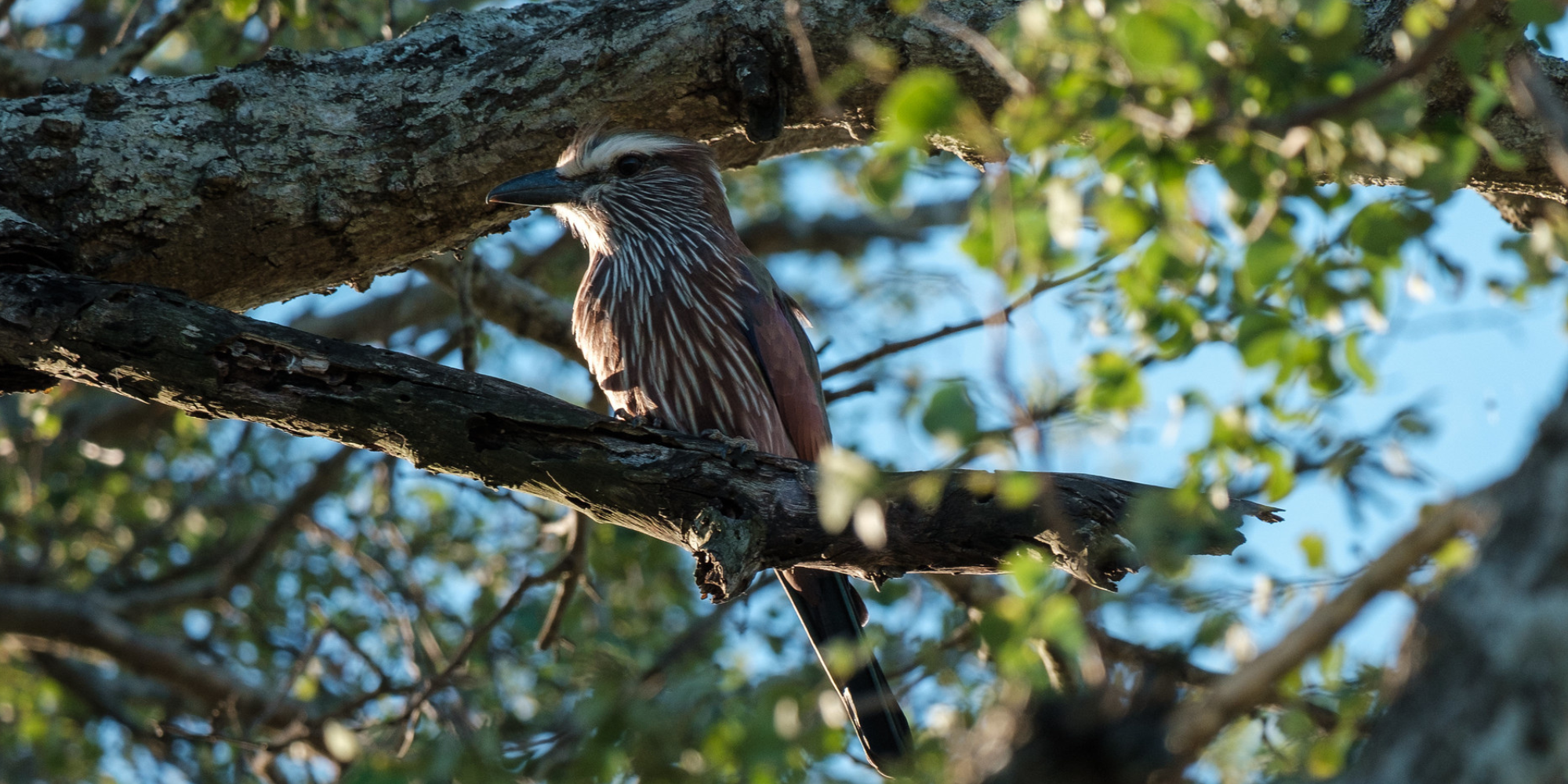
    In that week, I was not the positive guide who happily got up at 4:30 to go on a drive. Through exhaustion, I found it difficult to appreciate the birds – we were doing two 3-hour game drives a day, plus socialising, plus camp duties, and the remaining time was for studying. And it wasn’t even enjoyable information. But I had a test to pass, so I persevered; listening to the same squawk on repeat, or trying to see if a starling had red or black eyes. I couldn’t understand those around me that adored it – I even started wondering if some just have a genetic predisposition for birding.

    It was only on the Thursday, two days before the test, that I suddenly realised that I was enjoying it. I was excited to see if I could identify the birds on drive, or see one that I hadn’t seen before.

    And, just like that, I was hooked. I had transitioned, seemingly overnight, into a birder.

    image

    I ordered a new pair of binoculars, and the latest version of Robert’s bird book. I wrote line after line on behaviours of the different species, and the minute differences that make all of them unique. Some examples:

    • The fiscal shrike will impale insects on the thorns of a specific tree in his territory, to exhibit his hunting skills as a method of impressing females.

    • White-backed vulture pairs will stay together for their entire lives.

    • Little swifts are almost exclusively airborne, and will only ever land for annual breeding purposes.

    • The oldest southern ground hornbill lived for 60 years.

    • The heaviest sociable weavers nest ever found weighed over 7 tonnes.

    • African harrier hawks have double jointed knees, to allow them to enter the holes of other birds to eat their eggs.

    • Ostriches can run at speeds of up to 70 km/hr.

    • Due to the muscle structure within their oesophagus, flamingos are only able to feed with their heads upside-down.

    I’m not going to say I’m an expert – far from it – but I am proud to say that I have developed a love of birding. 

    image

    I’ve come to realise that there is no secret ingredient in the food, or intoxicating chemical in the air, that compels people to return to the bush day after day, year after year. It isn’t even an inbuilt gene that means that some people adore birds or not. It is the pure nature itself that is so addictive, and the desire to understand the processes behind it, that are the driving forces. The raw experience, the unlimited things to learn, the intrigue of what we may never know. 

    Things are only ever boring if you don’t understand them.

    Want to explore your passion for bird watching? Join a Bushwise program today and get ready to soar.

  • The Mapogo coalition: How five lions ruled the Sabi Sands

    This blog was written by Keegan Williams, a Bushwise Professional Field Guide student. Each student takes a turn as camp manager, and writing a blog is part of the experience.

    3 min read

    During a visit to the Kruger Park towards the end of 2018, I became very interested in the coalition of lions. These coalitions are formed to make it easier for them to fight, dominate other male lions and to hunt. I was particularly interested in the history of the infamous Sabi Sands Mapogo lion coalition who originated from the Eyrefield Pride and made their first appearance in March of 2006.

    This coalition became known for their sheer power and strength and managed to take over an area of about 70 000 hectares of the Sabi Sand Reserve by moving in with great dominance and power killing the males in the area with ease.

    They did what the lion population never does and that was to control and protect an expansive area of land reducing eight other prides to just one.

    image

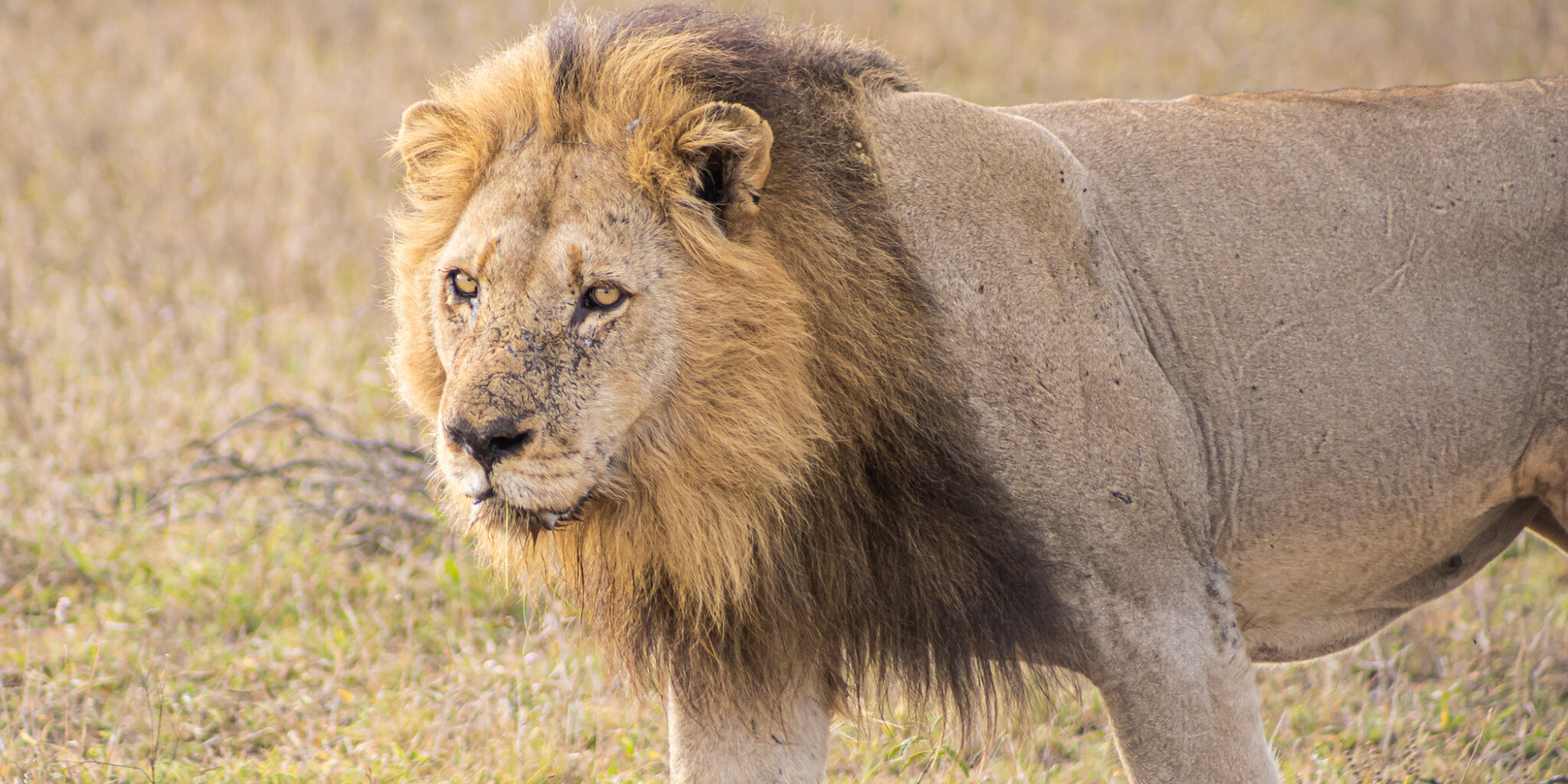
    The Mapogo lion coalition was named after a South African security company, which was known for their heavy handling in dealing with criminals. The six male lions in the Mapogo coalition were named as follows: Makulu (meaning “big” in Zulu) who was the leader and not related to the other brothers. He joined the coalition as a four-year-old without resistance from the pride. Dreadlocks and Rasta were named for their specifically styled abundant manes. Pretty Boy was seen as being more pretty looking than his brothers, hence his name. Kinky Tail had a tightly curled tail and Mr T, whose mane was groomed in a natural mohawk style, was also known for his extreme brutality.

    The Mapogo coalition killed over 100 lions, including females and cubs when taking over whole territories. They were extremely aggressive and would often eat their challengers. This behaviour was considered unnatural. In addition, these lions would kill their own cubs in case they were competition in the future and would eat them too. The Mapogos were responsible for the drastic decline in spotted hyena in the Sabi Sands.

    image

    As young lions they left their pride in order to hunt, live and destroy other prides together. These lions dominated the Northern and Southern territories of Sabi Sands protecting each other. Rasta, Dreadlocks, Makulu and Pretty Boy formed one band guarding the southern side while Mr T and Kinky Tail guarded the North.

    In 2010 a new pride of Manjigilane lions tried to take control of Sabi Sands. This led to a battle between them, Kinky Tail, and Mr T. During this battle, Kinky Tail was killed forcing Mr T to join his brothers in the South. This was the first time that he had been seen with the other brothers in about 2 years. As soon as Mr T came back he started killing the other cubs, as he wanted to mate with the other females and he wanted the pride to have his offspring.

    In the next few months, the remaining five lions managed to fight off competition and take over new prides. However, things began to change when Rasta was killed in July 2010 by a young Manjigilane coalition. Dreadlocks never returned from a night patrol and it is believed that he had been killed by poachers or possibly another coalition.

    In March 2012, Mr T was killed by the Selati pride. The last time Makulu was seen alive was in January 2013 at the Mala Mala Game Reserve. He was almost 15 years old at the time. It is not known how Pretty Boy died but it is believed that he could have died of starvation as the last time rangers had seen him he appeared weak and thin.

    This rare coalition of six cannibalistic lions ruled by fear and wiped out prides that posed a threat to them, between 2006 and 2013. The Mapogo lions of Sabi Sands will forever be known as the majestic beasts that once ruled the wild.

    Interested in wildlife conservation? Dive deeper into the world of lions and more with Bushwise programs. Apply today!