Tag: #conservation

  • Red-Billed Oxpeckers: Nature’s Little Clean-Up Crew

    Red-billed oxpeckers are small, striking birds that are easy to spot on the backs of large herbivores across southern and eastern Africa. Their bright red bills and sharp yellow eyes make them stand out, but their importance goes far beyond their colourful appearance. These birds play a crucial role in maintaining the health of both wildlife and the ecosystems they inhabit.

    Red-billed oxpeckers are famously associated with large mammals such as buffalo, giraffe, antelope, and even domestic cattle. They feed primarily on ticks, flies, and other parasites that infest their hosts. By doing so, they provide a natural form of pest control, reducing the parasite load and irritation for the animals they perch on. This mutualistic relationship benefits both species: the oxpecker gets a steady food supply, while the host experiences better health and comfort.

    These birds are not limited to just eating parasites. They also consume dead skin and sometimes even blood from small wounds, which can be a source of controversy among scientists. Some research suggests that oxpeckers may prolong minor wounds to keep a steady food source, while other studies indicate that their overall effect on host health is generally positive. Regardless, their presence has a clear impact on animal welfare in the wild.

    Red-billed oxpeckers are highly social and are often seen in pairs or small flocks. Their interactions extend beyond their feeding habits. They are vocal birds, using calls to communicate with each other and alert their hosts to potential dangers, such as predators nearby. In this way, they contribute indirectly to the safety of the animals they associate with, making them an integral part of the savanna’s intricate web of relationships.

    Beyond individual animals, red-billed oxpeckers play a role in the wider environment. By controlling parasite populations, they help maintain healthier herbivore populations, which in turn affects vegetation patterns and predator-prey dynamics. Their feeding habits also provide opportunities for other scavengers and insects to benefit from leftover food or disturbed parasites, adding yet another layer to their ecological significance.

    Red-billed oxpeckers are dependent on large herbivores, which means that the conservation of these birds is closely tied to the health of mammal populations. Habitat loss, declining wildlife numbers, and human-wildlife conflict all have the potential to affect oxpecker populations. Protecting large savanna and grassland ecosystems ensures these birds can continue their work, supporting the overall health of the environment.

    Spotting red-billed oxpeckers in the wild offers a small but fascinating glimpse into how species work together in nature. They are a reminder that even the smallest creatures can have a significant role to play in maintaining balance within ecosystems.

    If you’re interested in learning more about the interactions between birds and mammals, or want a career working with wildlife, explore Bushwise’s professional wildlife courses and deepen your understanding of Africa’s incredible wildlife.

  • How to identify birds using the GISS method

    How to identify birds using the GISS method

    Birdwatching is one of those skills that becomes more rewarding the longer you do it. At first, all the fluttering wings and quick movements can feel overwhelming, but once you know what to look for, patterns start to appear. The GISS method is one of the best tools to help you get there.

    GISS stands for General Impression of Size and Shape. It’s a method used by guides, rangers, and birders around the world to identify birds quickly and confidently, even with only a short glimpse. Instead of fixating on tiny markings, GISS encourages you to take in the whole bird – its size, its proportions, how it moves, and where it’s found. Here’s how it works.
    General
    The “General” part of GISS refers to your first impression. What’s the bird’s overall look and feel? Is it elegant and slender like a heron, or compact and busy like a sparrow? Sometimes, your instinctive sense of a bird can be the most accurate clue. The more time you spend watching birds, the sharper that instinct becomes.
    Impression
    “Impression” focuses on the bird’s movement and personality. How does it behave? Is it gliding effortlessly, darting between branches, or bobbing its tail as it walks? Behaviour can tell you a lot — for instance, wagtails are known for their characteristic tail-bobbing, while hornbills tend to move deliberately through the trees. Watching how a bird acts in its environment often gives you just as much information as what it looks like.
    Size
    Size can help narrow things down quickly. Compare the bird to others nearby or to something familiar. Is it smaller than a dove? Bigger than a starling? Size can be deceptive depending on distance, so use it as a rough guide rather than a strict rule. Still, it’s a good way to eliminate possibilities — a bird much larger than a sparrow, for example, isn’t going to be one.
    Shape
    Shape is one of the most reliable identifiers. Look at the silhouette — long neck, short tail, broad wings? Raptors tend to have sturdy bodies and hooked beaks, while swallows are streamlined for fast flight. Even without colour, an experienced guide can identify a bird just by its outline against the sky. Practising this skill takes time, but it pays off quickly once you start noticing patterns.
    Using GISS in the field
    When you’re out in the bush, you rarely get the luxury of a perfect view. Birds hide in thick foliage or take off before you can grab your binoculars. The GISS method helps you make quick, confident identifications using what you can see in the moment. Start with your overall impression, watch how it behaves, note its size and shape — and only then, if you can, check colours or markings to confirm your guess.
    Developing your bird identification skills takes patience and practice, but it’s one of the most rewarding parts of spending time in nature. Each sighting sharpens your observation skills and deepens your connection to the natural world.
    Want to turn your passion for wildlife and the bush into a career? Learn more about Bushwise’s professional wildlife courses and start a career in the safari, conservation, or tourism industries.
  • Spotted hyenas and how hydration shapes their survival

    This blog was written by Koketso Barongwa Sekome, a Bushwise Professional Safari Guide student. Each student takes a turn as camp manager, and writing a blog is part of the experience.

    Across Africa’s open plains, the sound of a spotted hyena’s call cuts through the night. These animals are clever, complex, and highly adaptable, but even the most resourceful creatures need one thing to survive: water.

    image

    In the bush, where dry seasons can stretch for months, water plays a surprisingly big role in shaping hyena behaviour and survival. It helps them regulate body temperature, digest food, heal from injuries, and keep their coats in good condition. It also influences where they live, how they hunt, and how their clans interact.

    Spotted hyenas get most of their water from their prey. The blood and soft tissues of animals they hunt or scavenge contain enough moisture to sustain them for several days. When water is easy to find, they’ll drink often and use rivers, dams, or pans to cool off in the heat. In dry conditions, they can go a week or more without drinking, depending almost entirely on prey fluids for hydration.

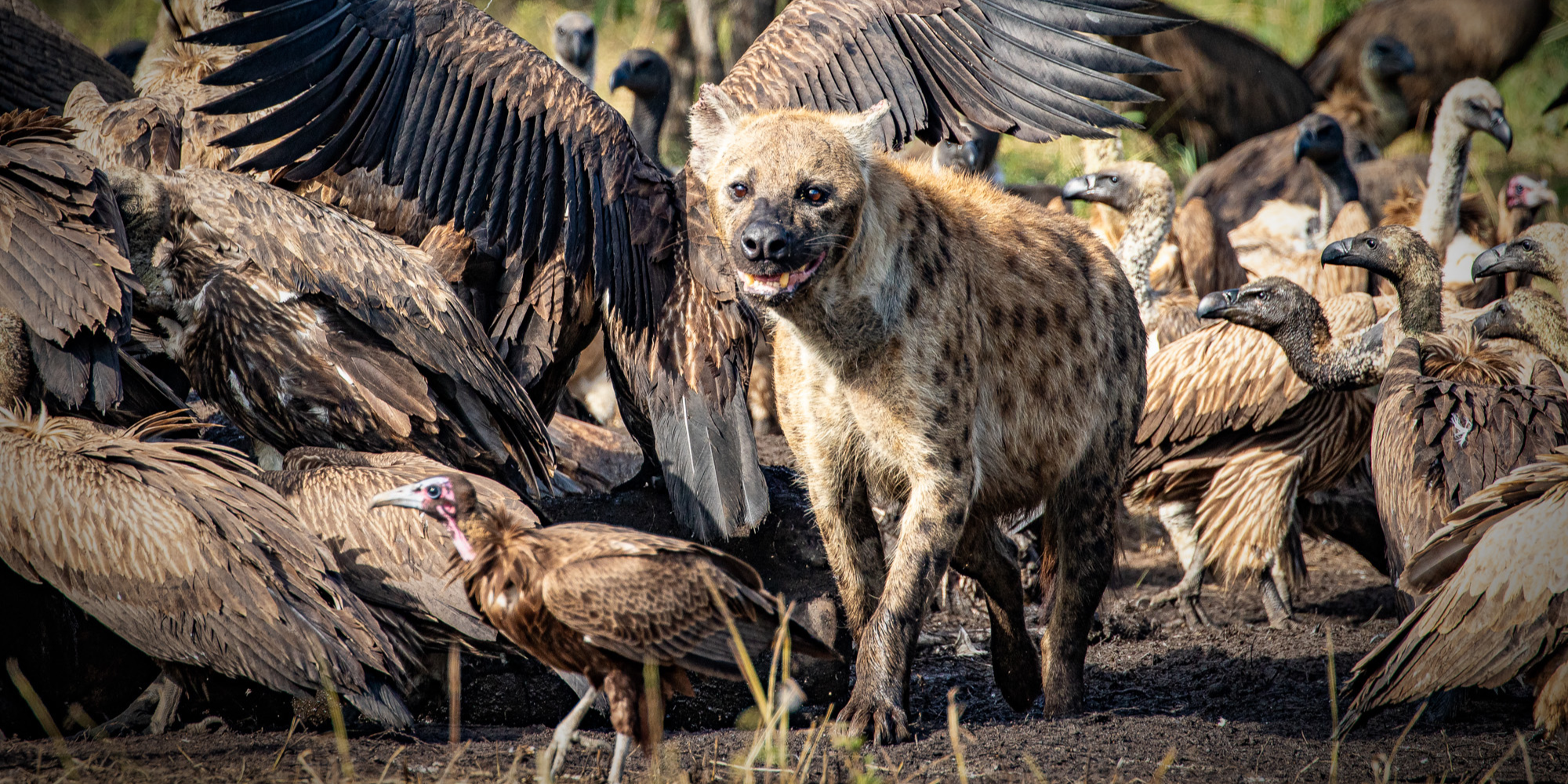
    Hyenas are often drawn to waterholes – not just to drink, but to cool down, socialise, and hunt. Water sources attract herbivores, and where there are prey animals, predators are never far behind. Researchers have even seen hyenas submerging carcasses in water to hide them from other scavengers and return later for a second meal.

    image

    Areas with reliable water tend to support more hyenas. That’s partly because water brings in more prey, but also because it provides central meeting points for clans. Hyenas use these spots to interact, reinforce social bonds, and communicate through scent marking and vocalisations. When drought hits and waterholes dry up, these important gathering places disappear, and clan territories may spread wider as they search for food and hydration.

    To cope with the heat, hyenas adjust their routines. They’re mostly active at night, when temperatures are cooler and less energy is lost to the sun. During the day, they’ll rest in the shade or in shallow pools of water. Their bodies are well adapted to conserving moisture, and their kidneys are efficient at holding onto water even in arid environments.

    Water shapes every part of a spotted hyena’s life – from hunting to social structure to territory size. Protecting natural water sources like rivers, pans, and wetlands helps ensure not only the survival of hyenas but also the balance of the broader ecosystem they’re part of. When water thrives, so does everything else around it.

    image

    If learning about the natural world excites you, imagine studying it in person. Join Bushwise to explore Africa’s wildlife up close, understand the behaviours that keep ecosystems in balance, and take the first step towards a career in field guiding, wildlife tourism, or conservation.

  • What can an expert guide learn from Bushwise? This is Daniel’s story

    Daniel Razafimandimby, an experienced tour guide from Madagascar, recently travelled to South Africa to join the Bushwise IFGA Professional Safari Guide Course (2 months). His goal? To enhance his skills, deepen his knowledge, and bring these insights back to inspire and elevate guiding standards in his home country. This is his story.

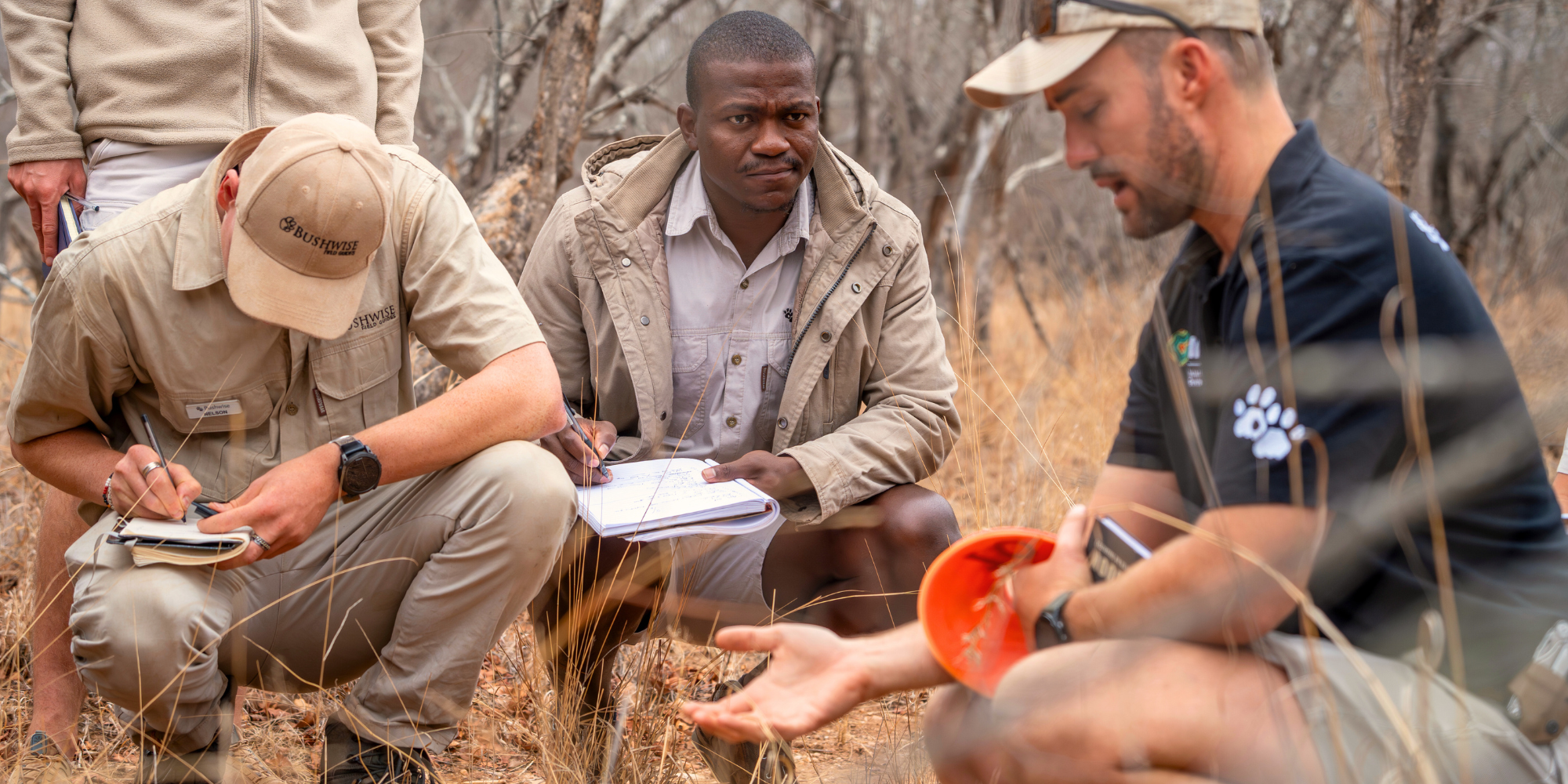
    With a career spanning more than 20 years, it’s safe to say Madagascan tour guide Daniel Razafimandimby is an expert in his field. Though he giggles as he recalls being completely stumped by Bushwise’s Track & Sign module during his first week in South Africa. 

    “Nobody explained to me about the tracks and signs,” he laughs as we connect via Zoom. “And then I thought, what were they doing? When the instructors stopped and explained about the toes, about the lobes [animal tracks in the sand], what were they doing?” 

    Fueled by curiosity and encouraged by his fellow students, Daniel referred to his course material, quickly working to understand tracks and signs and other essential guiding skills. And so began his 2-month journey as a Bushwise student in the South African savannah. 

    image

    “I think the best way to describe the 2-month IFGA Professional Safari Guide Course is to say it’s an ‘experience of a lifetime’,” says accomplished Bushwise trainer Andrew Kirton. This high-level course, backed by the International Field Guides Association (IFGA), is perfect to get students ready for the guiding industry. “It takes a lot of hard work from the trainers, but even more so from the students,” he adds. 

    The Bushwise IFGA Professional Safari Guide Course (2 months) consists of 17 modules including ecology, botany, astronomy, arthropods, taxonomy and more. Students also participate in daily game drives, learning to operate viewing vehicles, track animals, identify bird calls and distinguish between different flora. “The modules are the foundation of what a guide should know,” says Andrew. 

    And while courses like astronomy were introduced to Daniel in Madagascar, he praises the comprehensive approach Bushwise implements.

    “Here [we’re equipped with] a practical way to combine everything. Especially the practice drives helped a lot; we don’t have that in Madagascar,” Daniel tells me. “My instructors really helped me have extra practice with driving. That doesn’t exist in Madagascar – to combine everything together and to be assessed on it, that doesn’t exist at all. We have a written test at the end of the program, and that’s it.”

    image

    Daniel’s course with Bushwise was made possible through Noble Caledonia, a boutique wildlife and marine expedition cruise company based in the UK. Recognising the value of Bushwise’s field guide courses, especially their focus on soft skills training, Noble Caledonia sponsored Daniel’s studies. Over two months, he acquired these invaluable skills and will now share them with his network back home.

    “Soft skills are one of the most important aspects of being a guide,” explains Bushwise trainer Andrew. “We work on developing great communication skills, verbal and non-verbal skills, teamwork and being a team player, but also having the responsibility of being camp manager for a week, which ensures delegation skills and teaches students how to work under pressure. Time management is also an important aspect within the many soft skills we cover.”

    With these skills in hand, guides gain a deeper understanding of the tourism industry, says Andrew. “Bushwise has mastered this throughout the years, ensuring the best possible guides come out of this course, which is an important aspect for us – they are, indeed, the future of the guiding industry.”

    image

    In his short time with Bushwise, Daniel gained insights from his trainers and identified ways that guides in Madagascar could enhance their customers’ experience. “We don’t have hotboxes [insulated cases designed to keep drinks and food hot or cold] in Madagascar; we don’t have any drink breaks, even during a trek that can start from 06:00am until 16:00pm. I think I can tell them how it’s quite the highlight of a tour just to add a kind of hotbox to have a drink break.”

    Daniel also plans to share his experience on the Bushwise way of learning. “I think the most important thing will be how to combine astronomy with geology, the climate and wildlife. Because in Madagascar, the guides are mainly focussed on wildlife, and that’s about flora and fauna (plant life and animals) most of the time. Some will add a bit of history and culture. But it’s a big world, I think everything should be included, because I was told I might not see animals during a game drive, and so I had to talk and get the guests interested in what I’m talking about.”

    Daniel’s passion for guiding can be felt even through the computer screen, and Andrew says it was even more of a joy to behold in person. “Daniel was such a great person to have on the course. One thing I can say is, the Daniel who arrived is not the same Daniel that left.”

    Learn more about Bushwise courses and how you can take your guiding expertise to the next level with the IFGA

  • Fierce, fast, and under threat: The extraordinary life of African wild dogs

    This blog was written by Amy Jefferson, a Bushwise International Field Guide student. Each student takes a turn as camp manager, and writing a blog is part of the experience.

    Facts:

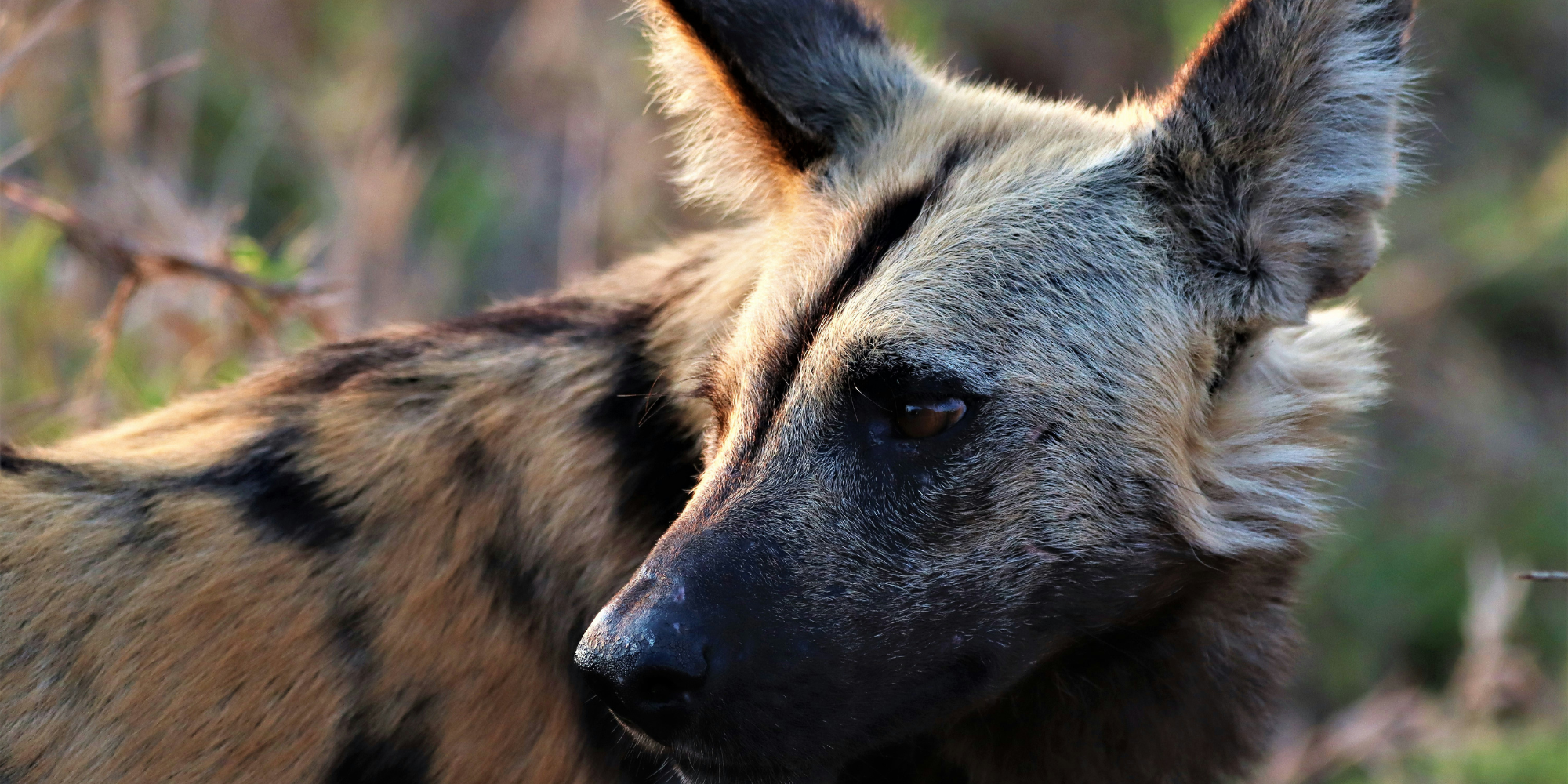
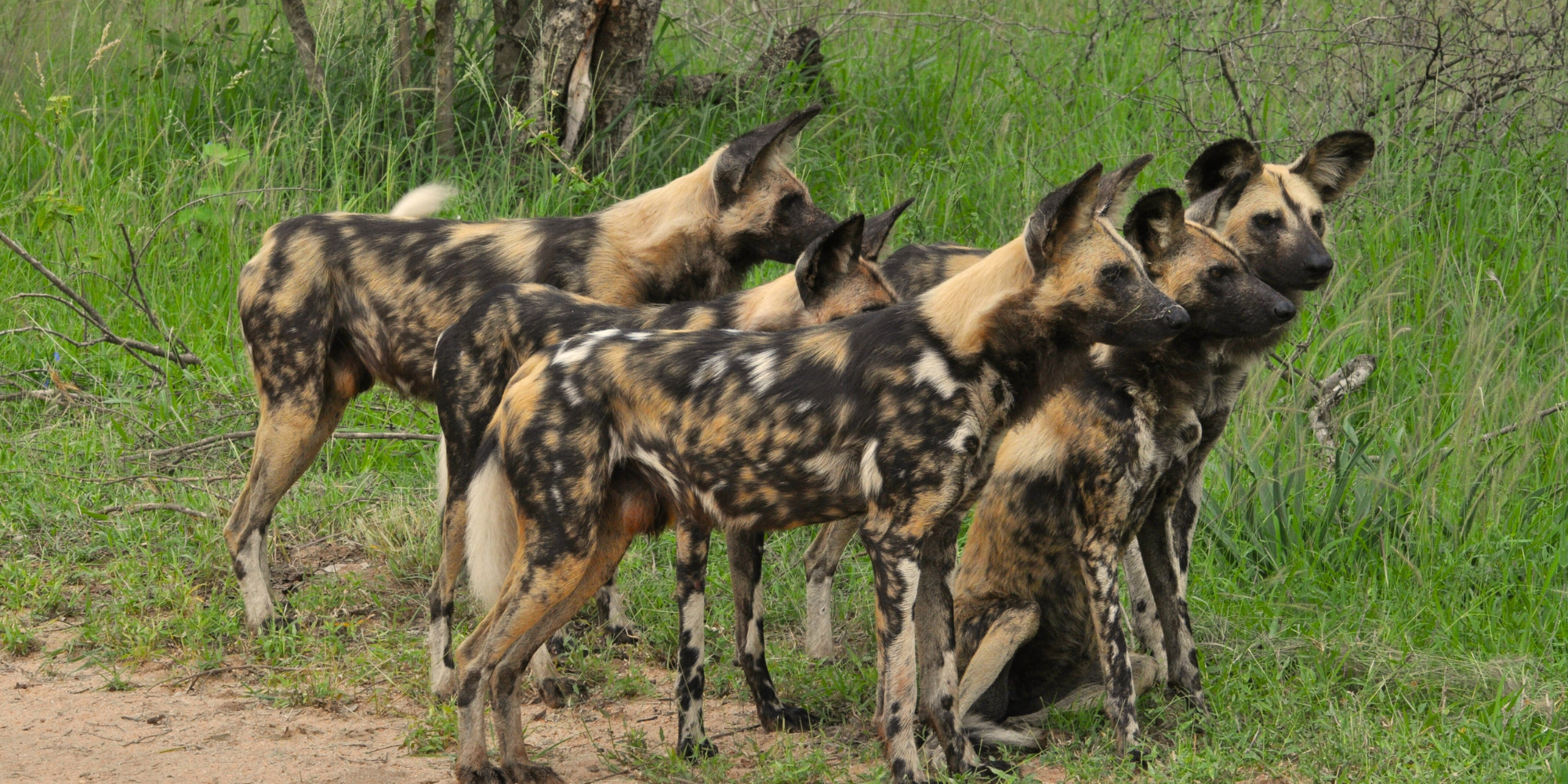
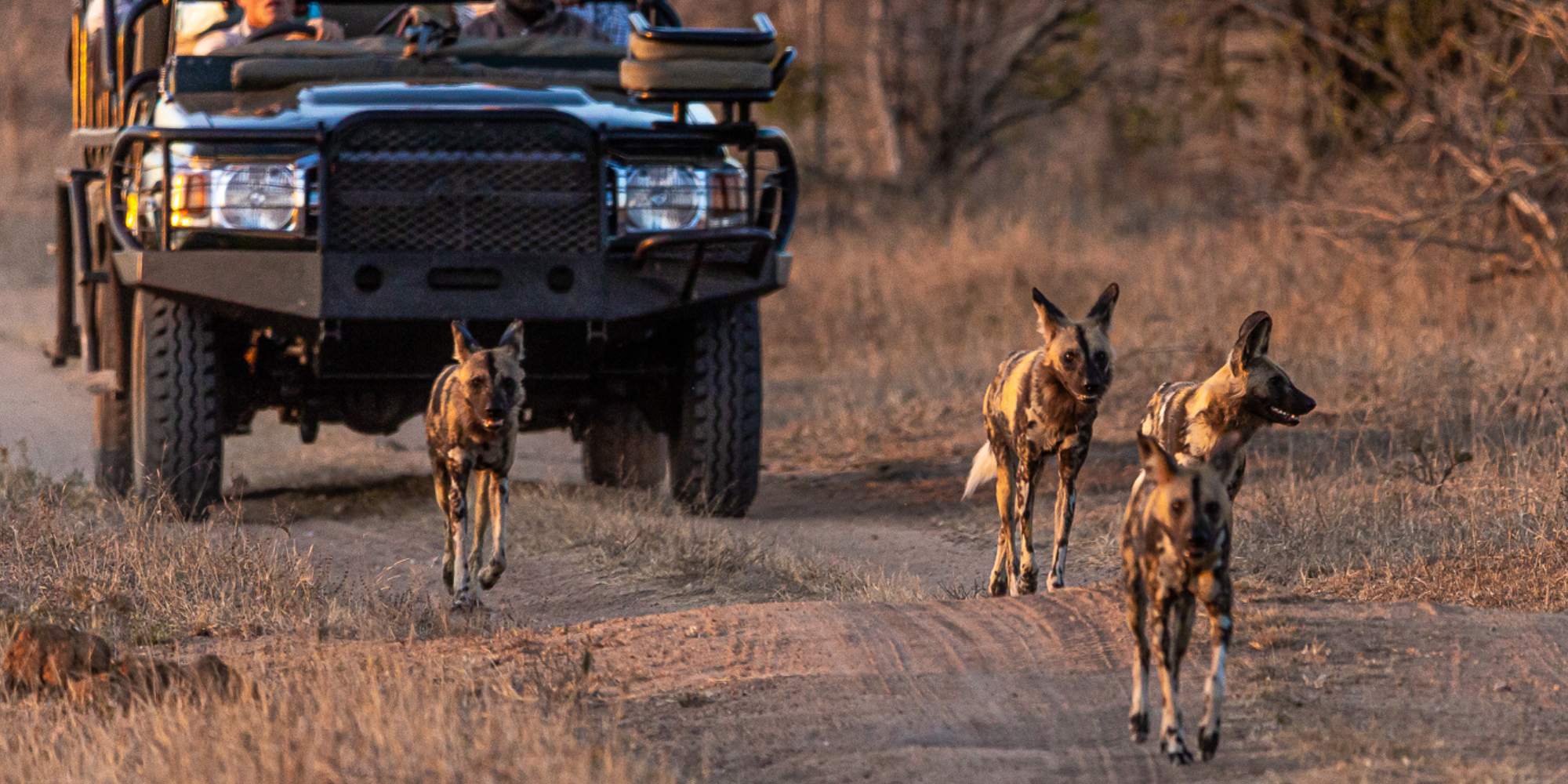
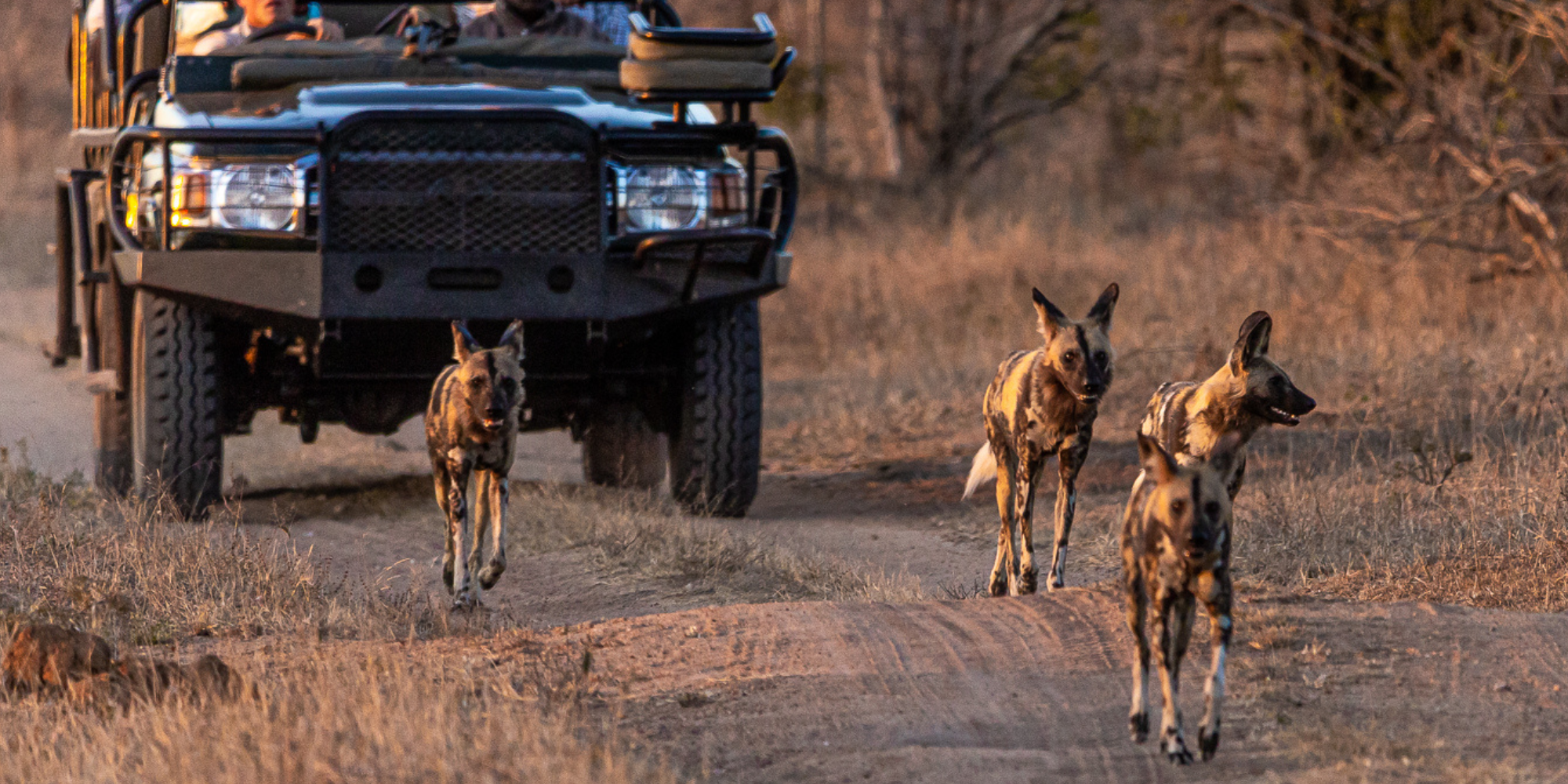
    African wild dogs are highly endangered animals with an estimated population of 6,600 with their current population decreasing. They have incredible hearing, with muscles allowing their large ears to swivel. They only have 4 toes per foot, unlike other dogs which have 5 toes. They can run up to 70 kilometres per hour. They generally live up to 11 years old in the wild. They communicate by touch, actions and vocalisation.

    They have a success rate of up to 80% when hunting due to their high levels of communication, they are among the most effective predators in the world. To put that into perspective, lions have a one-in-four success rate. This is nearly all a result of their pack coordination, which is still a rich source of zoological research. It was only recently discovered that they use sneezes to ‘vote’ on hunting decisions.  

    image

    Territories: 

    Wild dogs spend their days prowling huge amounts of territory, with home ranges of up to several hundred square kilometres. To put that into perspective, Greater London is home to 8.8 million people, but an area that size could only support one or maybe two Wild Dog packs. 

    Pack social structure:

    African wild dogs are seasonal breeders, in South Africa pups are usually born mid winter, after a gestation period of 70 days. Litters can be 12 pups or more, the female cannot suckle offspring for too long. From the age of 3 weeks, milk is supplemented with regurgitated meat brought to the pups by other pack members. Their pups are given priority over dominant pack members when feeding. Packs average around 15 members and have been known to sometimes go up to 40. Before the recent population decline, packs of up to 100 were recorded.

    Non-breeding adults sacrifice their own nourishment to ensure the pups in the group get enough to eat and grow. The packs typically hunt antelopes and will also tackle much larger prey. They are extremely social and known to help the other members of the pack when they are weak or sick. Once mature, males stay with their original pack while the females generally seek a new pack. They are extremely loyal to its species and habitat. 

    image

    To form a pack:

    To form a pack you need a few brothers and a few sisters who are NOT related and put them in an enclosure together and they will decide who becomes the alpha male and alpha female. Only the alpha female and male will mate and have pups but the whole pack will look after the pups. If they do not form any connections together, when they are sedated you can rub one on the other and when they wake up they will automatically be drawn together because their scents will be on each other. 

    Threats:

    Unfortunately, they are often hunted and killed by farmers who fear for their livestock. They are also threatened by shrinking space to roam as well as susceptibility to diseases – these diseases include rabies and distemper from coming into contact with domestic animals. The IUCN reports that the population level of African wild dogs fluctuates but is in a likely irreversible decline. Genetic inbreeding may be the possible cause of the Kruger National Park wild dog’s life expectancy of only 6 years. 

    image

    Conservation:

    African wild dogs are among many species that benefit from the creation of protected wildlife corridors that help connect their increasingly fragmented habitats. Conservation groups are also working on initiatives that reduce conflict between humans and African wild dogs. These include awareness initiatives that dispel myths about the animals as well as educational initiatives that offer farmers training in livestock management techniques that prevent depredation 

    Learn more about Bushwise courses and find out how you can contribute to conservation efforts and make a real impact.

  • ‘I have found my true passion’: A life-changing Bushwise journey

    This blog was written by Surprice Shabangu, a Bushwise International Field Guide student. Each student takes a turn as camp manager, and writing a blog is part of the experience. 

    My name is Surprice Shabangu from Numbi village, which is located near the Numbi gate of the Kruger National Park. Growing up I used to see buses and open vehicles taking international tourists to the national park “Skukuza”, and that was quite fascinating to see how people from all over the world are coming to visit the national park which is a symbol to our locals. I have always been curious to how few of our elders with the community ended up working in the park driving open vehicles.

    After completing my studies in BA honors in sociology, which mainly focuses on society and its behavior, I worked for an NGO known as Gold-Youth Development, where I served for 4 years as a intern facilitator. My contract was for 3 years and this year it was extended by 2 years where I was going to serve two more years as a lead intern facilitator. 

    I started following Bushwise on social media early 2023 and I was fascinated by the things they used to post about. To me their posts were informative and some of the things were very relatable to me as a local resident. Last year I saw a post from Tourvest, but never got the opportunity to apply. I spend so much time with high school friends who are now nature and culture guides, listening to their life stories of Kruger National Park and wildlife. They made me more curious and to develop love for the bush and wildlife.

    image

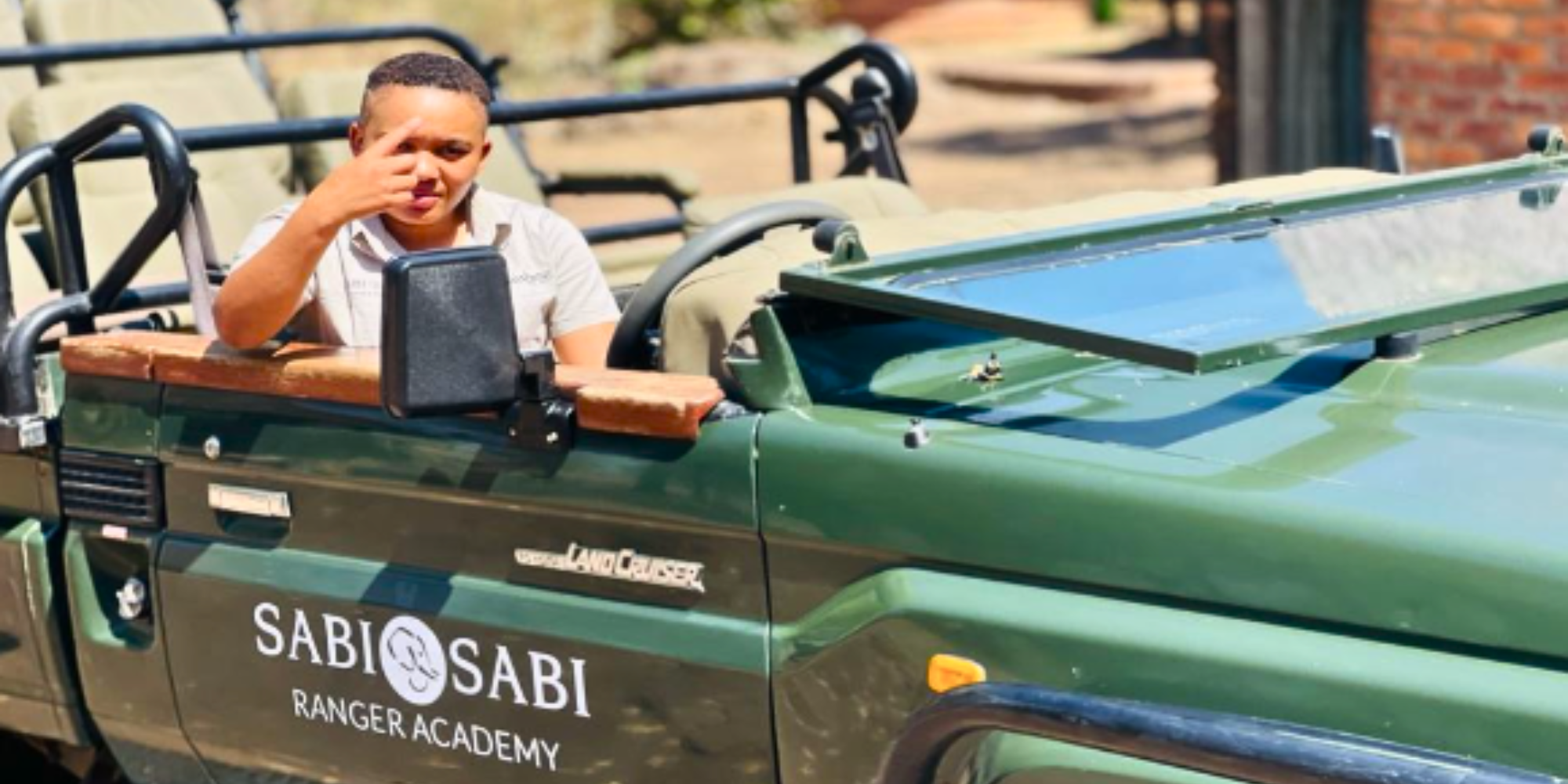
    Around May or June this year I saw a post from Bushwise together with Sabi Sabi Ranger Academy, they were looking for people who will be trained as field guides. I did not waste time because I knew that this could be a life-changing opportunity. I applied and luckily I was amongst the people who received the scholarship.

    I did not know what life would be like in the bush, hence I was ready to face anything. When I got the opportunity I had to quit my job to start a new life in the bush. Bushwise came to me at a time where I was stressing a lot about life as I knew that soon the pipeline at work was going to get to me and I was going to be unemployed eventually. 

    Honestly, being in the bush with Bushwise has imparted me with knowledge and skills that I never thought I would gain in life – from understanding animal behaviour and nature to delivering an ethical nature guide experience for guests. I gained skills on how to work within a team, how to manage and lead people with diverse cultures and behaviour. 

    image

    I have found my true passion and I feel connected to nature. Through this new journey I have gained incredible experience on trailing wild animals, interpreting animal’s behavior. I believe that I will be a good mediator between wildlife and people visiting Africa who never got to see the wildlife.  

    I met wonderful people, from the previous 60-day students to my classmates; I believe that I met lifetime friends whom I might work with in future. Being with them feels like a new home and we are a family. We often fight but always have a way of sorting our differences, we help each other with academics and whenever one loses focus we are able to be honest with one another and encourage each other. 

    Lastly, how can I forget my instructors, they did an amazing job in sharpening my driving and guiding skills. They are amazing people, always patient with their students and they want what’s best for us. I will forever be grateful to Sabi Sabi and Bushwise for changing my life, ensuring that I am able to change my home situation. 

    I hope that Bushwise will continue to transform the lives of disadvantaged African children to be tools that will ensure that conservation is preserved so that the future generations get to know the beauty of African wildlife. 

    Ready to discover your true passion? Explore Bushwise courses and apply now to start your own adventure!

  • Inspiring the next generation of female field guides

    This blog was written by Lihle Donecia Mndawe, a Bushwise International Field Guide student. Each student takes a turn as camp manager, and writing a blog is part of the experience. 

    Enrolling with Bushwise academy has been a great evolving journey for me, I have developed into a passionate and knowledgeable person with wildlife. This blog reflects my growth and development before, during and after. How I got to be part of the Bushwise 6-month program was a very fortunate experience for me, through the Sabi-Sabi Foundation which sponsored four candidates to study in becoming a field guide with Bushwise and the Sabi-Sabi Ranger Academy. Out of 700 plus candidates that applied for the sponsorship I got to be part of the four candidates that made it to the final selection. After the selection, that’s when I knew my life was about to change to an exciting one – new skills and development. 

    Before 

    I have always been passionate about wildlife, as I have worked at a safari lodge as a receptionist for over 6 years. With my great customer service, patience and being a team player, I knew I would be a perfect fit for being a field guide. Before stepping into Bushwise’s gates, I knew little about animal track, signs and trails, birds and trees, yet I had the eagerness to learn the ins and outs about the wild. I had so much interest in bush walks, even though I had a limited knowledge of the ecosystem. With the lack of information and direction, it took me a little bit longer to finally be where my passion is.

    image

    During 

    One can acquire a skill from an academy, from a role model or a mentor. Currently as a Bushwise student  I have gained so many skills. I got my driving skills with Bushwise with the help of the head trainer – I will forever be grateful for such an opportunity. I have gained a lot of skills and am still learning, with the very knowledgeable and patient mentor I got to learn a lot. Practical assessments such as track and sign, birding, botany, astronomy and sleep out I enjoyed the most, theory lessons were also exceptional, reptile was a bit of a challenge but had a happy ending. Lodge hosting was top-tier for me as I have experience in hosting from my previous workplace; it reminded me of all the good times shared with customers creating unforgettable experiences. 

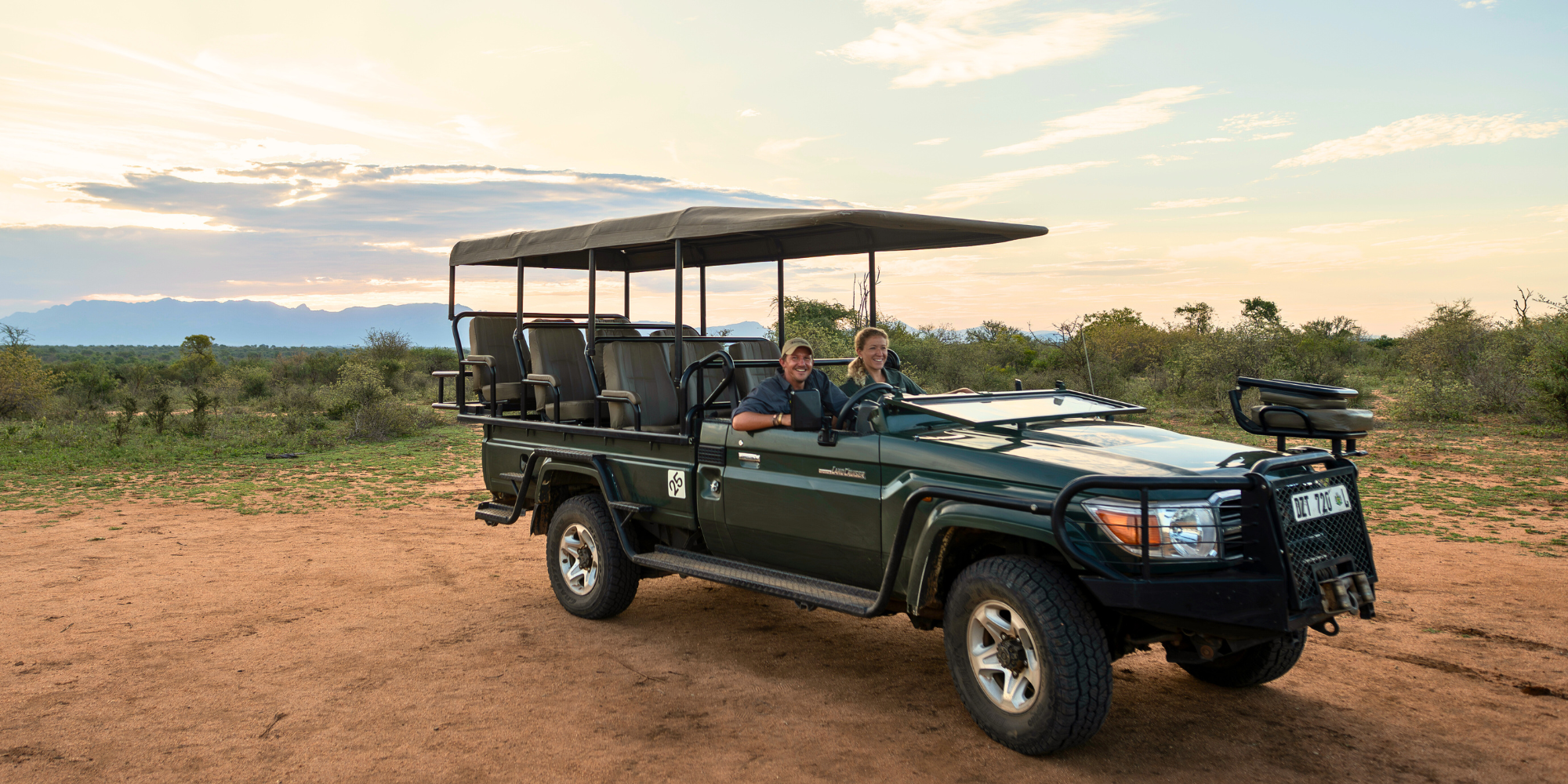
    At the beginning of the course I had less confidence in myself, especially being 1.5 metres in height. I had a few challenges that did not favour my height, like reaching the pedals [in the game viewer], getting on the tracker seat, and changing tyres, but it all comes with practice. 

    image

    Future 

    Now all that is left is the fun stuff – rifle handling and trails . My goal is to achieve the remaining assessments and I am looking forward to getting placed at the lodge. That is when reality will hit, putting all the practical and theoretical skills into practice and engaging with the ecosystem. 

    There is still a long road ahead – more studying, research, learning new techniques and exploring to do. Everyday is a learning experience. Graduating will be the biggest part of my growth and development.

    The Bushwise program is definitely a life changing opportunity, I would recommend it to anyone who has the passion to become a field guide because of their well-trained instructors, proper study material and good course planning. My mission is to grow in the industry and inspire other young females who are passionate to become field guides. Exploring outside the country and experiencing different ecosystems is definitely a dream for me. 

    Ready to begin your own wildlife journey? Apply for a Bushwise course and start your adventure.

  • The call of the bushveld

    This blog was written by Jon-Harry van Wyk, a Bushwise International Field Guide student. Each student takes a turn as camp manager, and writing a blog is part of the experience. 

    When I was a young boy growing up in South Africa, the ultimate experience would be to stay in the bushveld. The wildness of the place, the sounds you hear at night, the excitement of seeing animals looking at you through the underbrush – there is no place on earth where you feel more in touch with the beauty and magnificence of nature. It is hard not to have an awakening in your soul once you have travelled deep into the bush, along the rivers and looked out over it from atop the peaks. 

    image

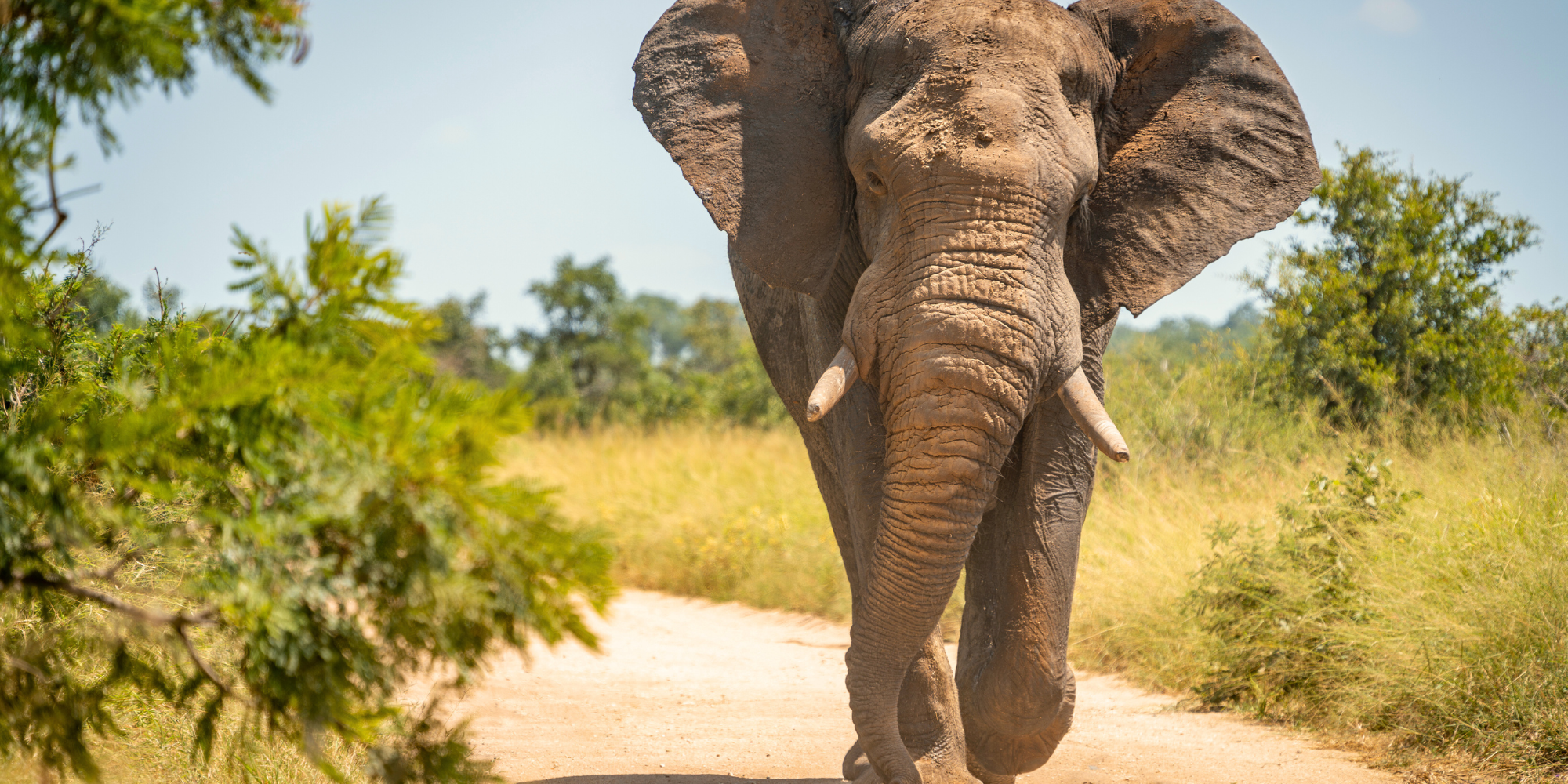
    The first experience that I can think of that really sparked my interest in becoming a guide was around the age of ten. My family and I went on a game drive in the Pilanesberg Nature Reserve when this happened. I remember it was a sweltering day, the flies followed us as we moved in hopes of getting moisture from a bead of sweat. Our guide had found a herd of elephants who at the time were in the midst of their breeding season. We watched as two massive bull elephants struggled against each other for dominance and the breeding rights to their female onlookers. One of the bulls was defeated after a tussle that shook the ground and broke trees. As we sat there, he turned to face us, you could almost see the embarrassment in his eyes after his loss. There was a switch that flipped in his mind, he decided he would not stand the embarrassment, no mock charge or warning he flew towards us.

    image

    I remember in those moments of fear and the pumping of adrenaline how cool and collected our guide had stayed. He had read the situation before the fight had even finished, he had kept a cool head when the dust started flying and five tons were barreling towards us. After we had reversed for over three hundred meters or so the elephant felt he had gotten his frustrations out. As we drove back to the lodge, I felt an excitement and a newfound feeling of yearning to be the man in that seat, to be the man who could read the wild, to be a guide! Many years have passed since then, but that passion has always kept burning inside of me.

    Now, as a young man, my passion for the bush has evolved. I want its serene beauty to still be here for my grandchildren and their children. I have taken the first steps in my journey towards becoming a guide by joining Bushwise. I want to immerse myself with this lifestyle and learn all it can teach me, I intend to leave no stone unturned in this experience. My end goal is to get involved in more of a conservation career through hunting. I’ve come across many individuals who disagree with my plan but in order to keep our parks ecosystems functioning there has to be checks and balances for populations. I hope that through my career I can learn from and teach those that I encounter how to ethically control population numbers, so that we may preserve the beauty of the South African bush for many generations to come.

    image

    My adventures along this path may very well lead me to different outcomes for my future, but my sights will always firmly be set upon preservation of the wild environment I now get to call home. Becoming a guide is just the beginning of this journey that I have set out upon, however it will not be its conclusion. Being in a place surrounded by people with the same passion and love for the bushveld was the perfect start. I encourage those that feel the pull of the bushveld to take that step deeper into its wonder and wildness, it is a place that changes you.

    Ready to start your own journey in nature conservation? Explore Bushwise courses and apply now to become a qualified field guide!

  • The resilience of the cheetah

    This blog was written by Eline Kemper, a Bushwise International Field Guide student. Each student takes a turn as camp manager, and writing a blog is part of the experience.

    4 min read

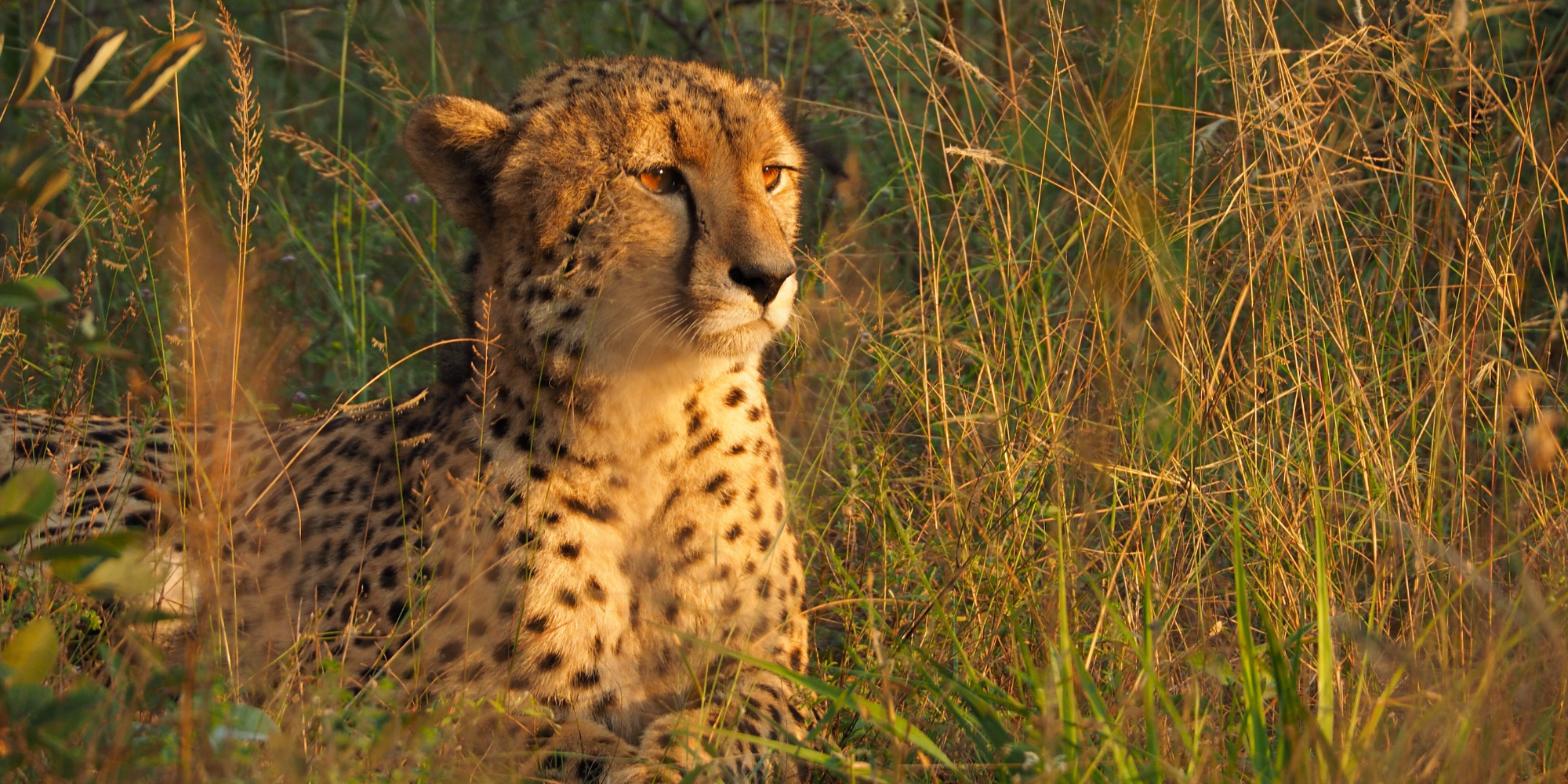
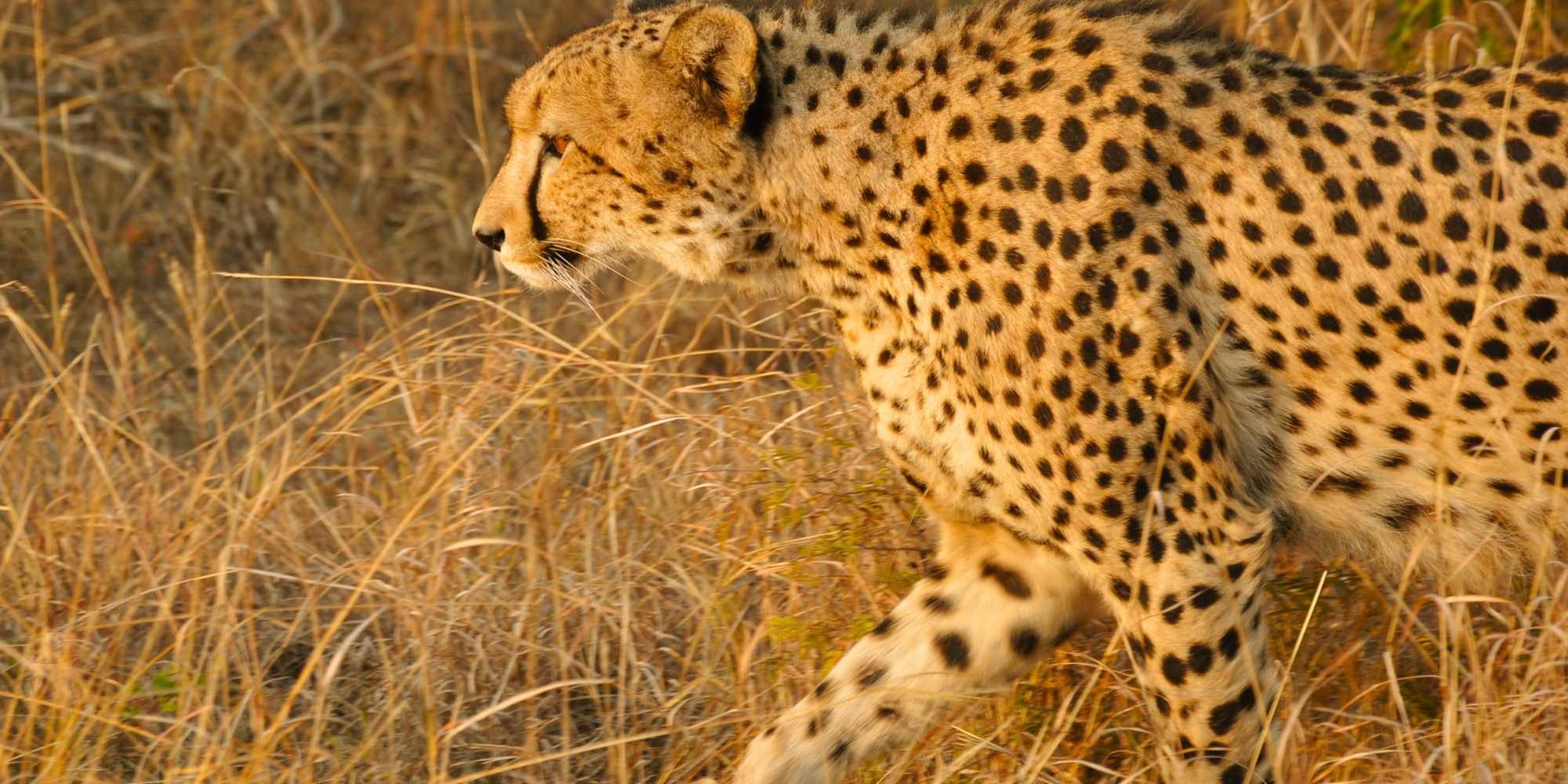
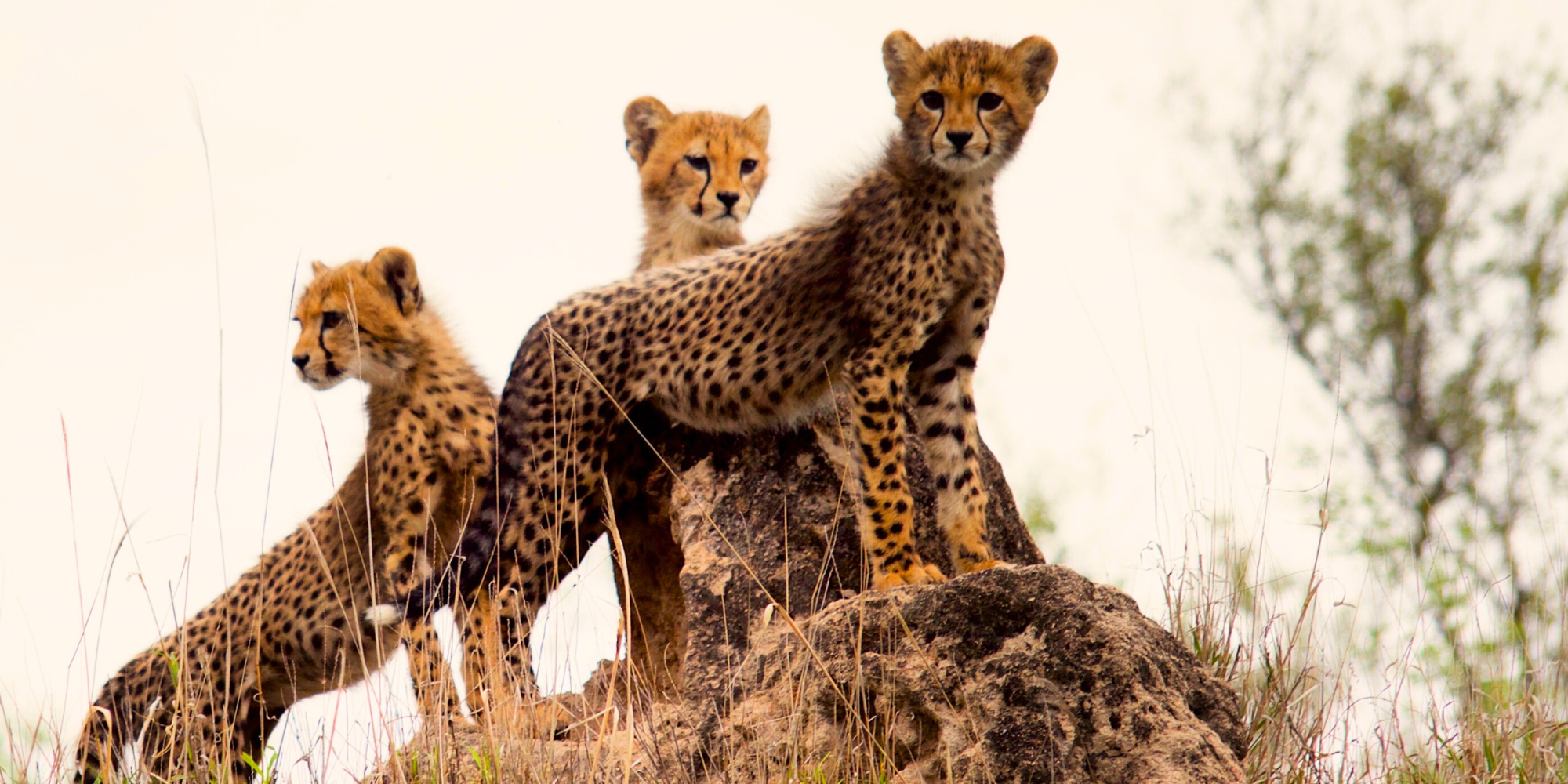
    I am currently enjoying my third semester with Bushwise and I have had the chance to see my favourite animal twice so far! Last week, we saw two juvenile cheetahs quite up close. We think they are brother and sister who only just left their mother. I have been waiting to see cheetahs out in the wild in South Africa for years, so I count myself very lucky. 

    It is the beauty of cheetahs that captured me first: their spots, tear marks, and honey-brown eyes. But, it was after I did my research on them that I came to appreciate them even more. I admire their personality, but especially their resilience, which is what I would like to share some information on with you in this blog.

    image

    Female cheetahs are solitary animals, except when they are raising their cubs. Male cheetahs can be solitary as well, but usually form coalitions. These coalitions consist of one or up to four other male cheetahs, usually their littermates. Males provide no parental care; this responsibility lies with the mother. Therefore, the primary key to the survival of cheetah cubs is the mother. Another reason why the mother is so important is because cheetah cubs are altricial at birth. 

    “Altricial” is one of the words I became familiar with during my last semester with Bushwise. It means that an animal is born in an undeveloped state; they are helpless at birth. Cheetah cubs have their eyes closed for four to 11 days after birth and have no locomotive competency. After 12 to 13 days they can start walking. And it is only after 18 months that the cubs reach their adolescence and are ready to become independent. 

    Currently, the cheetah population is decreasing rapidly. According to reports, there are approximately only 7100 cheetahs left in the wild and they lost 91% of their historic range due to habitat loss and fragmentation. 

    image

    The steep decline in cheetah populations is a result of several causes and one of them is their high offspring mortality. This high offspring mortality has different causes. For example, shortages of food and/or water, climate change, being killed by farmers, and the illegal trade. 

    Extreme poverty is one reason for the illegal trade in cheetahs. The other suspected reason is the desire for exotic pets in the Middle East. Nevertheless, the biggest cause of high offspring mortality is predation by lions and hyaenas. There is no exact estimated percentage of the overall mortality rate of cheetah offspring and the offspring mortality of cheetahs can also differ per area. 

    However, here are a few statistics that can give you an idea. A study on cheetah cub survival on the Serengeti Plains and in the Kgalagadi Transfrontier Park showed that 4.8% of the cubs that were born survived until their adolescence in the Serengeti Plains and 35.7% in the Kgalagadi Transfrontier Park. According to other research, the average percentage of cubs that survive until their adolescence is 30%. Thus, the mortality rate for cheetah cubs found in this research is 70%. 

    image

    According to M. Laurenson, “cheetahs suffer high offspring mortality rates compared to other large felids”. These percentages were alarming to me, but here comes the fascinating part: three traits of the reproductive physiology of the cheetah are thought to have evolved as an adaptation to their high offspring mortality. Namely: they can restart their oestrus cycle quickly after losing a litter, they have one of the shortest intervals between litters and they have a large litter size compared to other felids. 

    If a female cheetah loses a litter, her oestrus cycle restarts quickly. The female comes into oestrus and can be pregnant with young again within 19 days after losing her litter. Second, they have one of the shortest intervals between litters, compared to other large felids. And third, cheetahs have a large litter size compared to other felids. The average litter size of cheetahs is four, but their litters can range in size from one to eight cubs. Meanwhile, other felids have litters with an average of three, which ranges from one up to five.

    It is admirable how cheetahs, but also animals in general, evolve to become resilient to the challenges they have to deal with. I could write another 10 blogs on the cheetah, there is so much that is interesting about them, but for now, I am going to leave it here. I hope I will be able to do conservation work one day to observe their (resilient) behaviour and protect them. I believe doing the International Field Guide Course with Bushwise is a good place to start this journey! 

    Ready to make an impact in wildlife conservation? Explore Bushwise courses and apply today to start your journey in field guiding and protecting endangered species!

  • Wild encounters: A leopard on the prowl

    This blog was written by Keagan Rowe, a Bushwise International Field Guide student. Each student takes a turn as camp manager, and writing a blog is part of the experience.

    4 min read

    My week as camp manager was certainly eventful. While the duties of camp manager did not really require much extra thought as it mainly involved having the camp radio on your person at all times and letting everyone know when meals are ready. The week itself, however, was very interesting. 

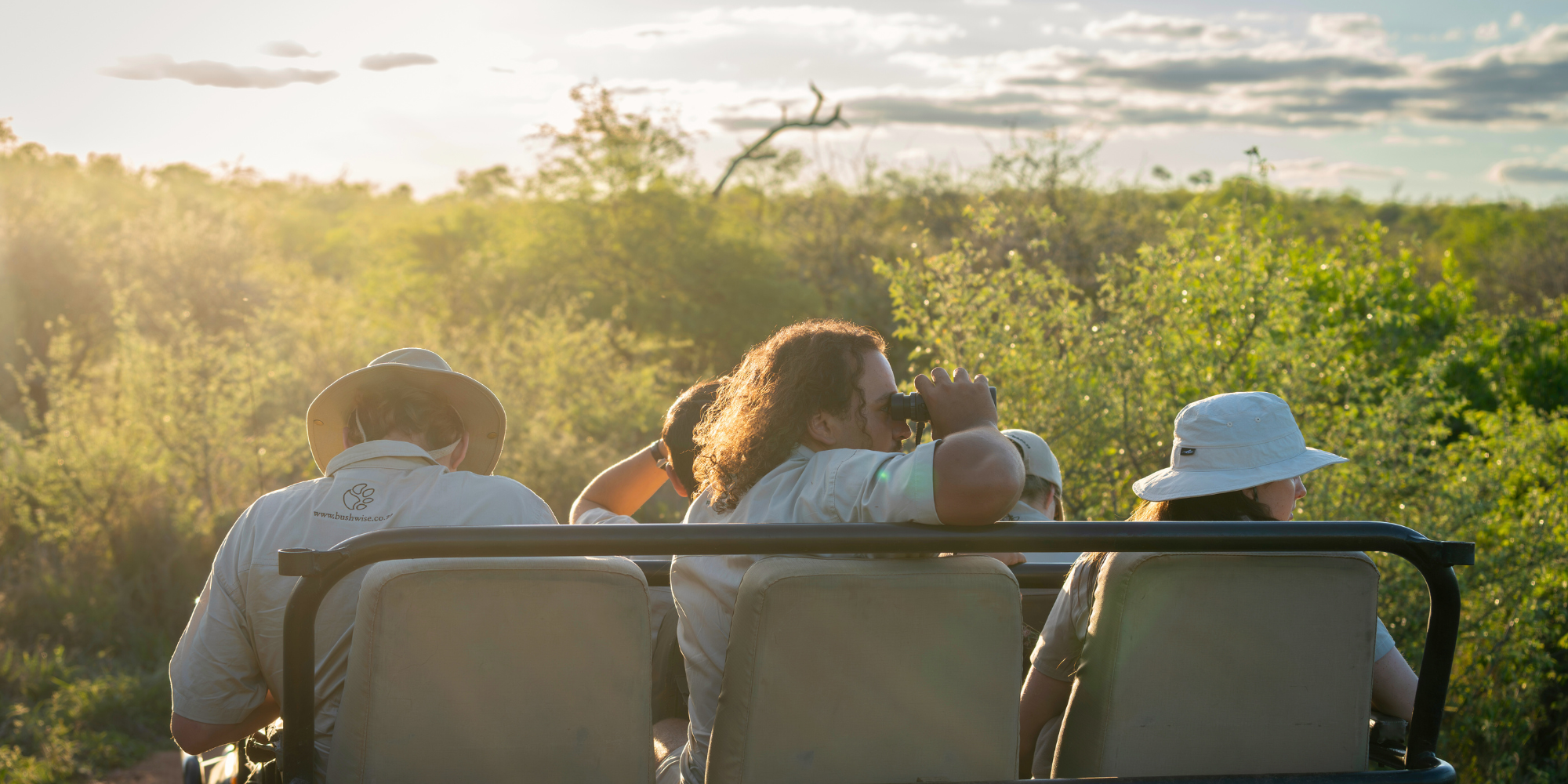
    This week marked the beginning of our practice drives where the idea is to attempt to mimic what you would be doing on a drive if you had guests on the vehicle. I must admit that going into the first drive, despite knowing that it is a practice and the idea is to learn from it, the anxiety to perform in front of your peers was certainly high and I feel like that sentiment was widely spread amongst the students. 

    image

    Despite the pre-drive jitters, I believe all of us did really well for a first attempt and it was fascinating to see the differences in everyone’s style of guiding. Even though this is very early on in our guiding experience you can already slowly start to see the kind of guides everyone will turn into. We have the style of educational guiding where facts and figures are integrated into what you are seeing, the culturally relevant guiding where what we are seeing gets related to the culture of the area and what animals mean to different people in the area, and we see the type of guiding where storytelling dominates the drive. 

    Now the guiding practice was already special, but what further enhanced our experience was the phenomenal sightings that we witnessed. You expect to see a lot while in the Sabi Sands, but to actually bear witness to some of the animals’ behaviours and how they interact was, and always will be, an otherworldly experience. 

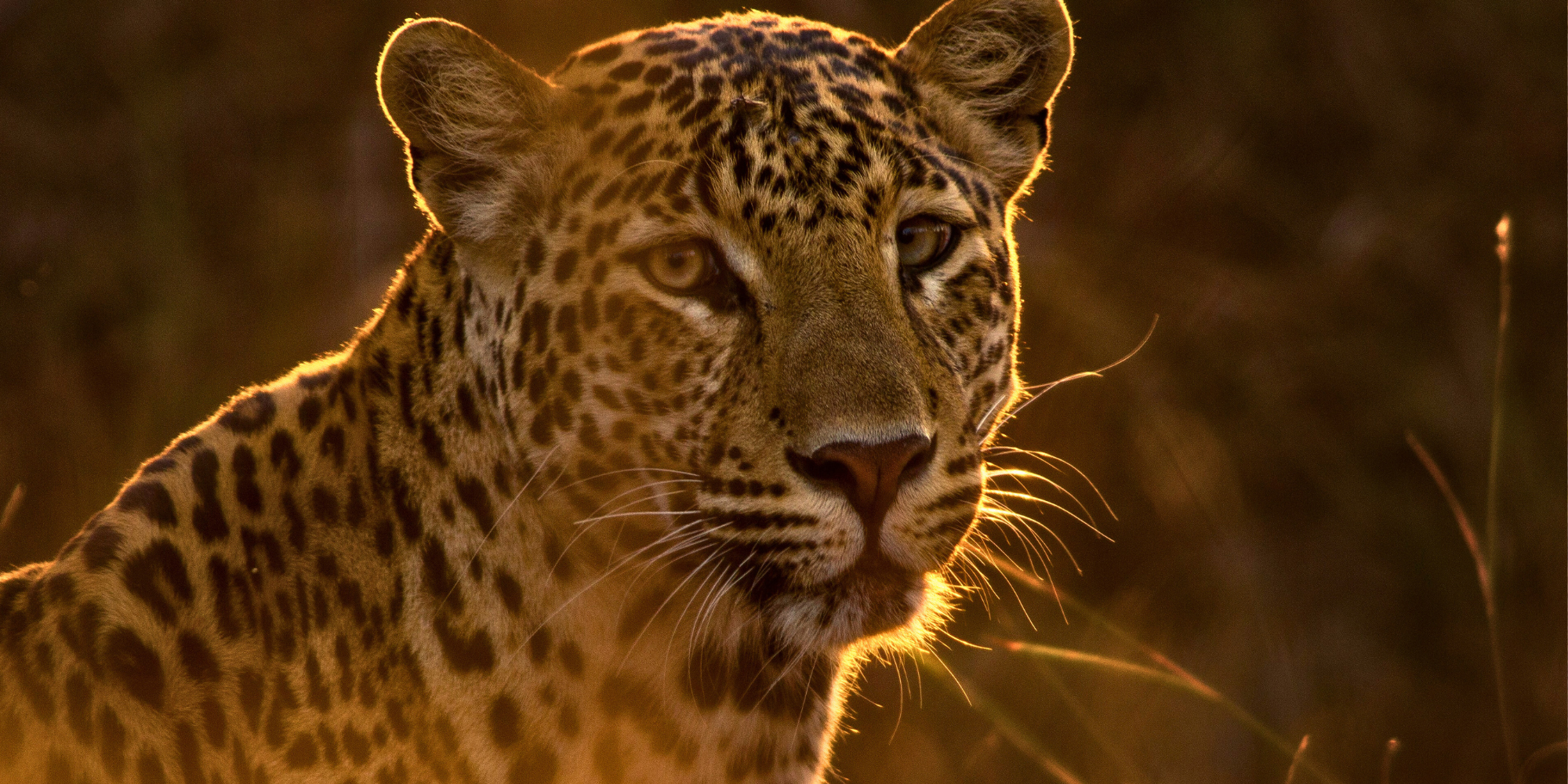
    One of the many sightings that stood out was when we found a female leopard who had just crossed into our concession from Lion Sands. We trailed her for a while and noticed her behaviour shift – she had caught wind of something she could prey on. We sat in silence and observed how the leopard assumed a low posture and began to slowly stalk whatever prey item she had smelt.

    With a bit of time and patience a rather large warthog had emerged from the bushes, at this point everyone on the vehicle started to speculate as to what was going to happen. “There is no way she will try and catch that warthog, it’s nearly as big as her,” was one of our observations. “But she looks skinny, maybe she hasn’t eaten in a while and has to take this chance,” said another. 

    image

    And so with our theories being expressed, now came the time to wait and see. What felt like only a few minutes was actually well over 40 minutes of us baking in the sun while watching the leopard take one small step closer every few minutes. But the sun didn’t bother us, and our patience felt like it could last an eternity – we needed to see what would happen next. 

    The time had come, the leopard was not going to be able to get closer than she already was, the warthog grazed unassumingly about eight meters away from one scary cat. The warthog looked

    up at the vehicle, turned his head slightly to the right and finally spotted the leopard. The warthog bolted away as fast as he could, letting out a grunt that one could possibly translate as “Oh crap”. The leopard had failed the hunt this time, but what a blessing it was to be able to witness the attempt. 

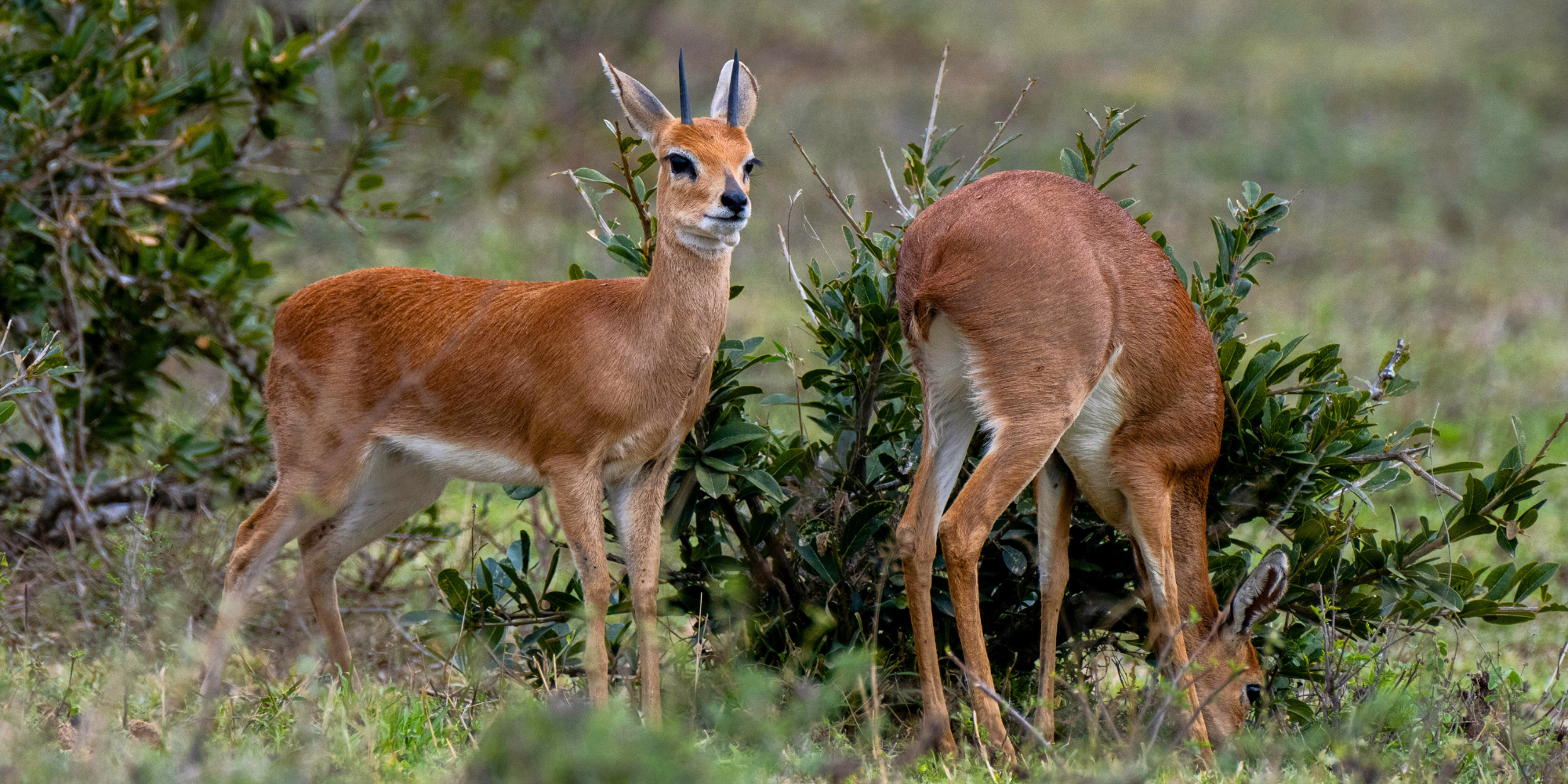
    While the leopard and warthog sighting was certainly a highlight for the week, it was far from the only one. We had a unique sighting that had great comedic value. We drove on the border of Lion Sands and came to a sudden stop when we saw a female steenbok not even six meters away from the road and us. Now this is strange behaviour from a steenbok as they normally run away when vehicles get too close – but not this one. 

    image

    We sat and watched in silence trying to determine how she could be this calm. It didn’t take long for the truth to come out – we saw her dig into the ground and she was munching on some subterranean bulbs. Our head trainer, Nic, then informed us that this steenbok was likely experiencing the effects of the plant’s psychoactive properties. 

    After getting our giggles out of the way, we observed the behaviour of this little antelope and turned it into a teaching moment of “what else can you see”, talking about how her eyes are glazed over, her posture is un-alert and so on and so forth. 

    There are many more things that could be talked about as there is never a dull moment while on this course. My take away from this week is that it really served as a reminder on why I am doing this and while I choose this career path. There is no other profession where you get to watch animals in their natural environments like this, and the ability to turn every sighting into an educational moment, or even a comedic moment, is so incredibly unique and unequivocally special that I couldn’t imagine a better way to spend my days. 

    Ready to turn your passion for wildlife into a career? Explore Bushwise courses and apply now to start your journey in the wild!