Tag: #elephants

  • The call of the bushveld

    This blog was written by Jon-Harry van Wyk, a Bushwise International Field Guide student. Each student takes a turn as camp manager, and writing a blog is part of the experience. 

    When I was a young boy growing up in South Africa, the ultimate experience would be to stay in the bushveld. The wildness of the place, the sounds you hear at night, the excitement of seeing animals looking at you through the underbrush – there is no place on earth where you feel more in touch with the beauty and magnificence of nature. It is hard not to have an awakening in your soul once you have travelled deep into the bush, along the rivers and looked out over it from atop the peaks. 
    image

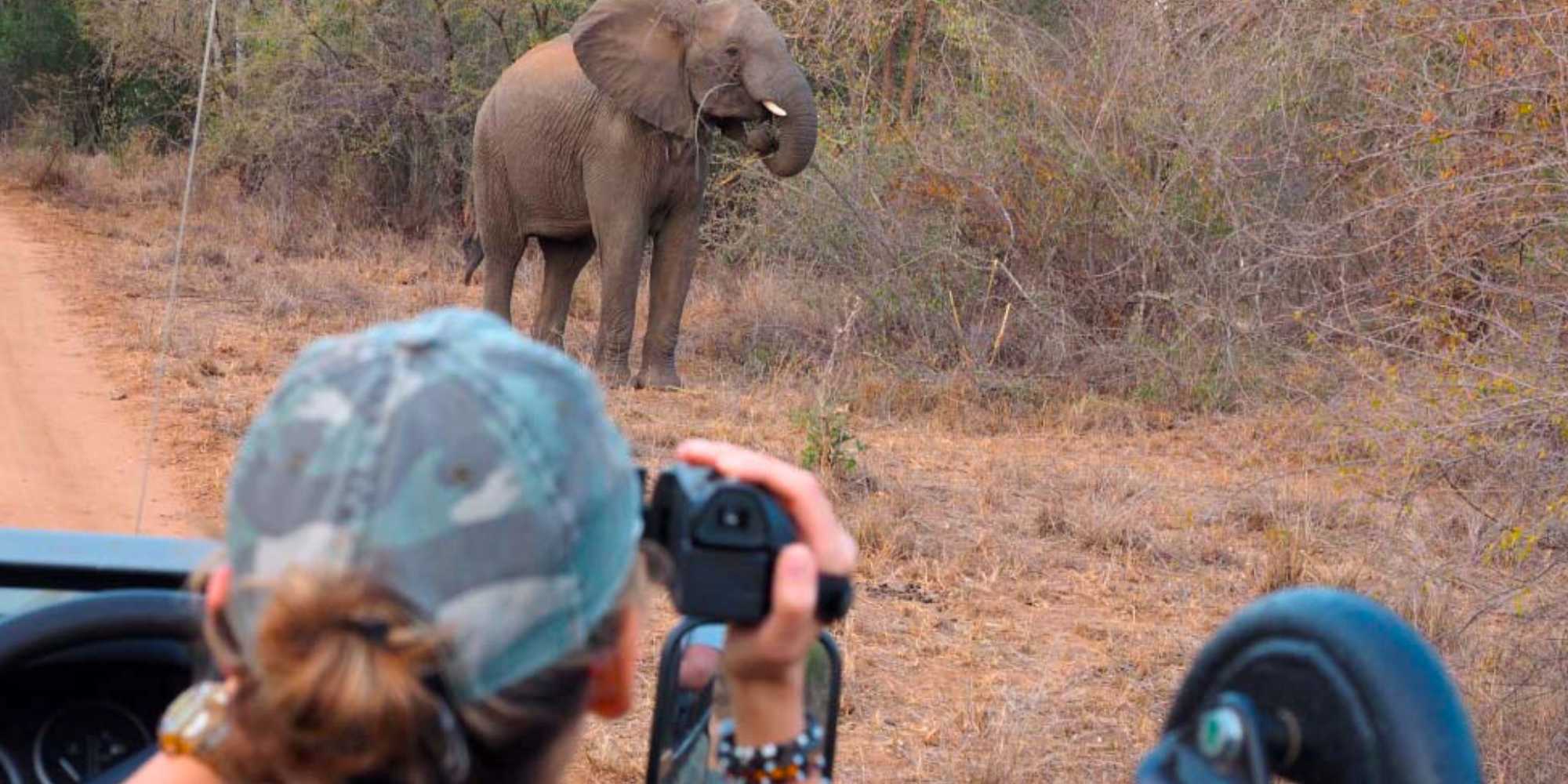
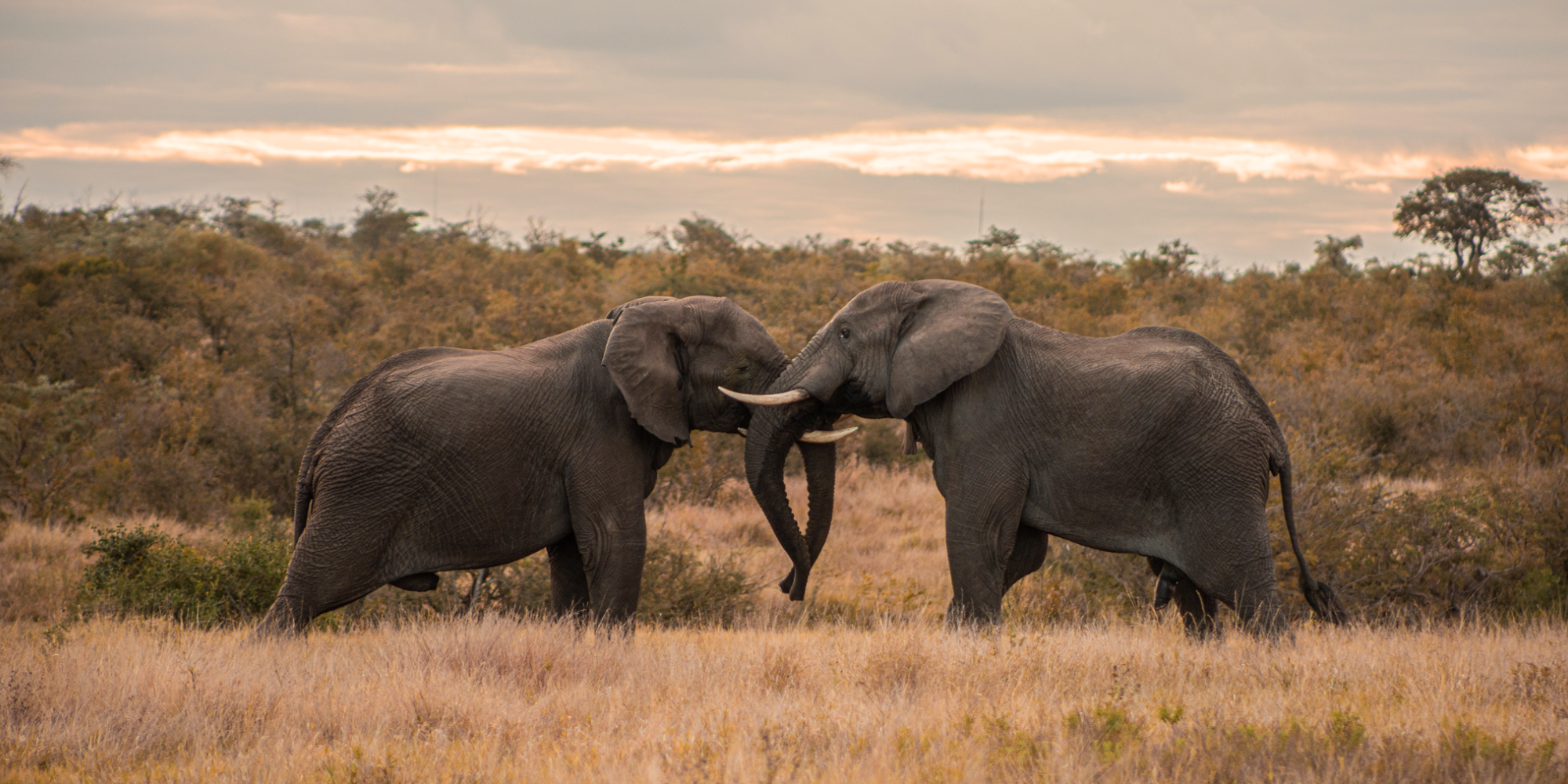
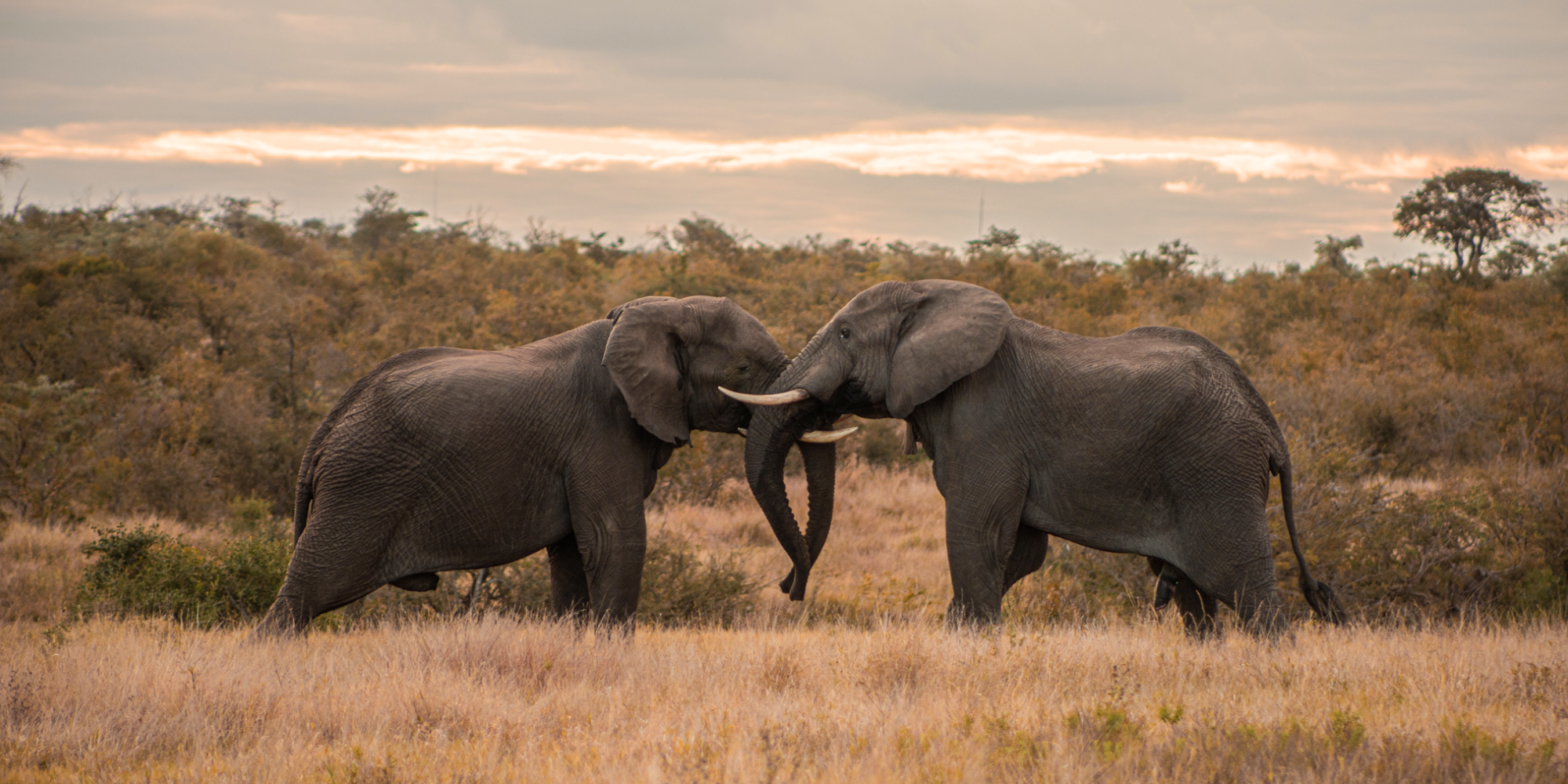
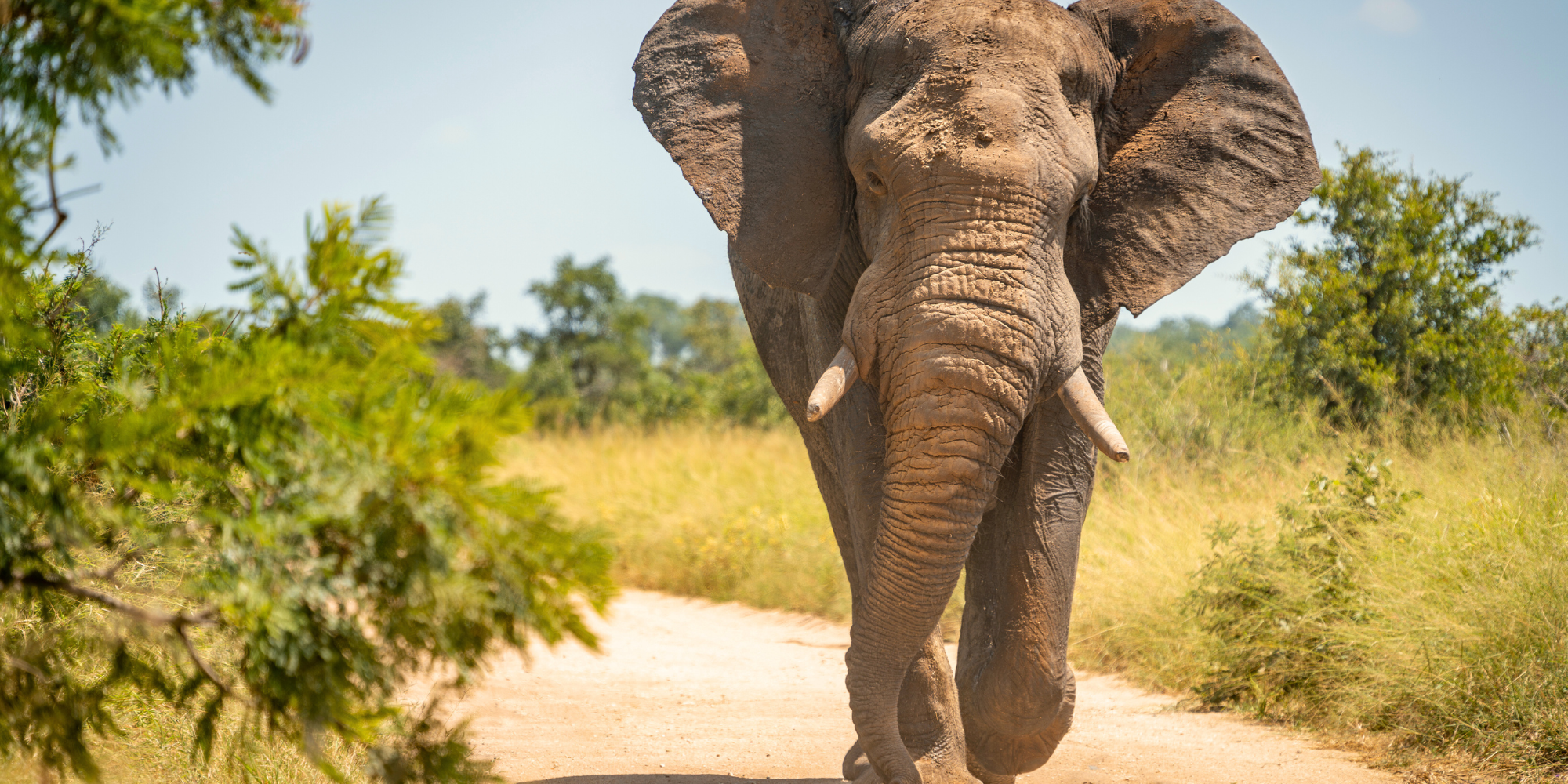
    The first experience that I can think of that really sparked my interest in becoming a guide was around the age of ten. My family and I went on a game drive in the Pilanesberg Nature Reserve when this happened. I remember it was a sweltering day, the flies followed us as we moved in hopes of getting moisture from a bead of sweat. Our guide had found a herd of elephants who at the time were in the midst of their breeding season. We watched as two massive bull elephants struggled against each other for dominance and the breeding rights to their female onlookers. One of the bulls was defeated after a tussle that shook the ground and broke trees. As we sat there, he turned to face us, you could almost see the embarrassment in his eyes after his loss. There was a switch that flipped in his mind, he decided he would not stand the embarrassment, no mock charge or warning he flew towards us.
    image

    I remember in those moments of fear and the pumping of adrenaline how cool and collected our guide had stayed. He had read the situation before the fight had even finished, he had kept a cool head when the dust started flying and five tons were barreling towards us. After we had reversed for over three hundred meters or so the elephant felt he had gotten his frustrations out. As we drove back to the lodge, I felt an excitement and a newfound feeling of yearning to be the man in that seat, to be the man who could read the wild, to be a guide! Many years have passed since then, but that passion has always kept burning inside of me.

    Now, as a young man, my passion for the bush has evolved. I want its serene beauty to still be here for my grandchildren and their children. I have taken the first steps in my journey towards becoming a guide by joining Bushwise. I want to immerse myself with this lifestyle and learn all it can teach me, I intend to leave no stone unturned in this experience. My end goal is to get involved in more of a conservation career through hunting. I’ve come across many individuals who disagree with my plan but in order to keep our parks ecosystems functioning there has to be checks and balances for populations. I hope that through my career I can learn from and teach those that I encounter how to ethically control population numbers, so that we may preserve the beauty of the South African bush for many generations to come.
    image

    My adventures along this path may very well lead me to different outcomes for my future, but my sights will always firmly be set upon preservation of the wild environment I now get to call home. Becoming a guide is just the beginning of this journey that I have set out upon, however it will not be its conclusion. Being in a place surrounded by people with the same passion and love for the bushveld was the perfect start. I encourage those that feel the pull of the bushveld to take that step deeper into its wonder and wildness, it is a place that changes you.

    Ready to start your own journey in nature conservation? Explore Bushwise courses and apply now to become a qualified field guide!
  • Sight, sound and seismic communication: the language of elephants

    2 min read

    It’s no secret that elephants are incredibly intelligent animals. They are known for their remarkable empathy, mourning the loss of individuals from their herds and working together to protect vulnerable members. Their social structures are complex, with matriarchs leading the herd and passing down knowledge through generations.

    You may have also heard about their ability to retain information over extended periods of time, storing memories of events, locations, and even the identities of individuals, and recalling them decades later. 

    Unique Communication Methods

    These majestic mammals have unique ways of communicating with one another, not only through sound but also through visual cues, touch, and vibrations carried along the earth’s surface. Their communication is intricate and multi-faceted, reflecting their deep social bonds and cooperative nature.

    image

    Long-Distance Messaging

    Elephants can send long-distance messages to each other through a process called seismic communication. These low-frequency rumbles travel across the ground, creating vibrations that are picked up by other elephants through their sensitive feet. These vibrations can reportedly travel over 2 kilometres and allow elephants to communicate over vast distances, even when out of sight of one another. This ability is particularly important in dense forests or open savannahs where herds may be spread out.

    Identifying a Familiar Face

    A recent study showed that elephants actually “call” each other by name when communicating. African elephants in Kenya have been observed calling out to their friends using rumbles and grumbles that are specific to each individual, much like humans use names. This is a rare phenomenon in the animal kingdom.

    image

    Understanding Body Language

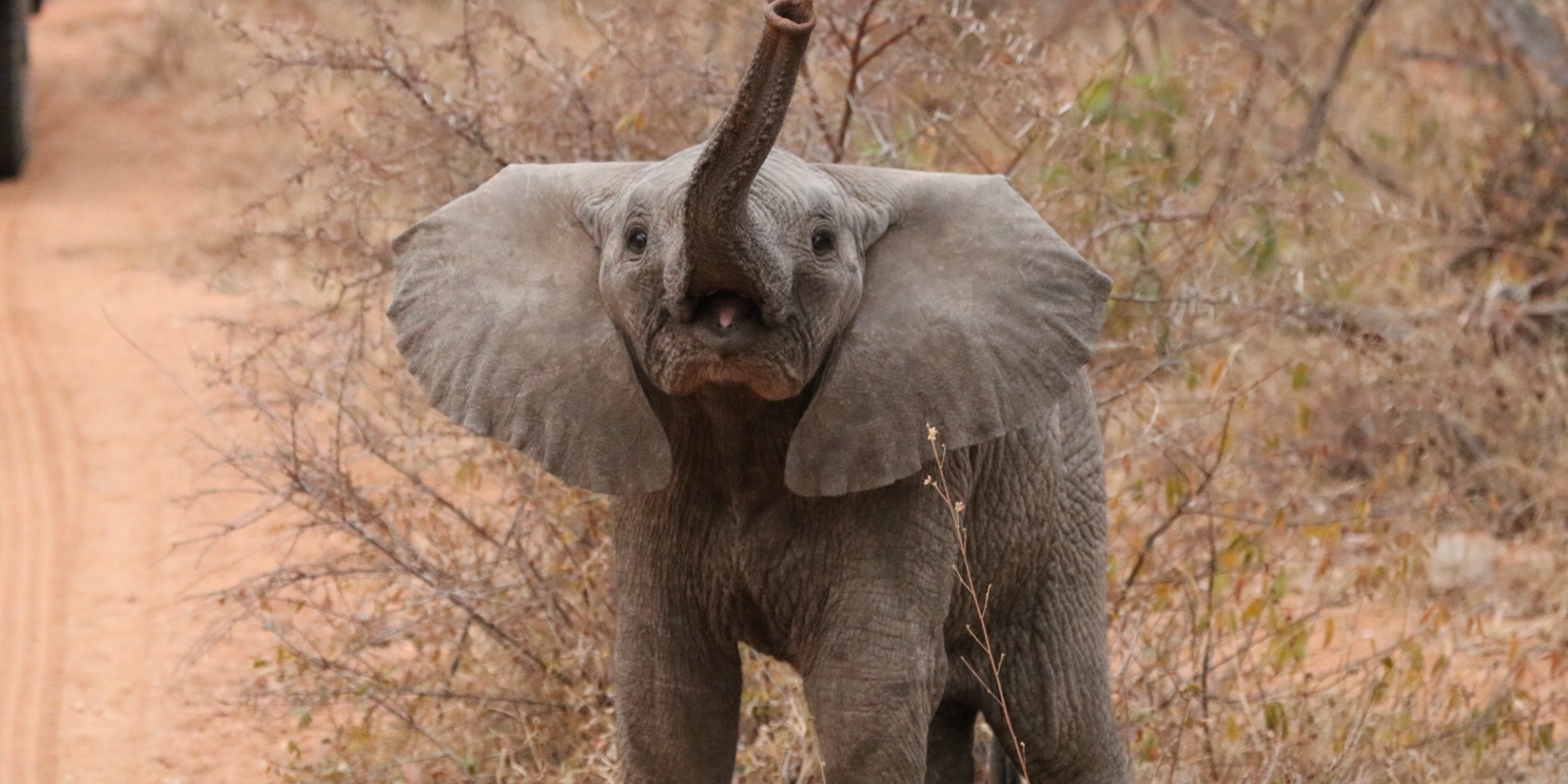
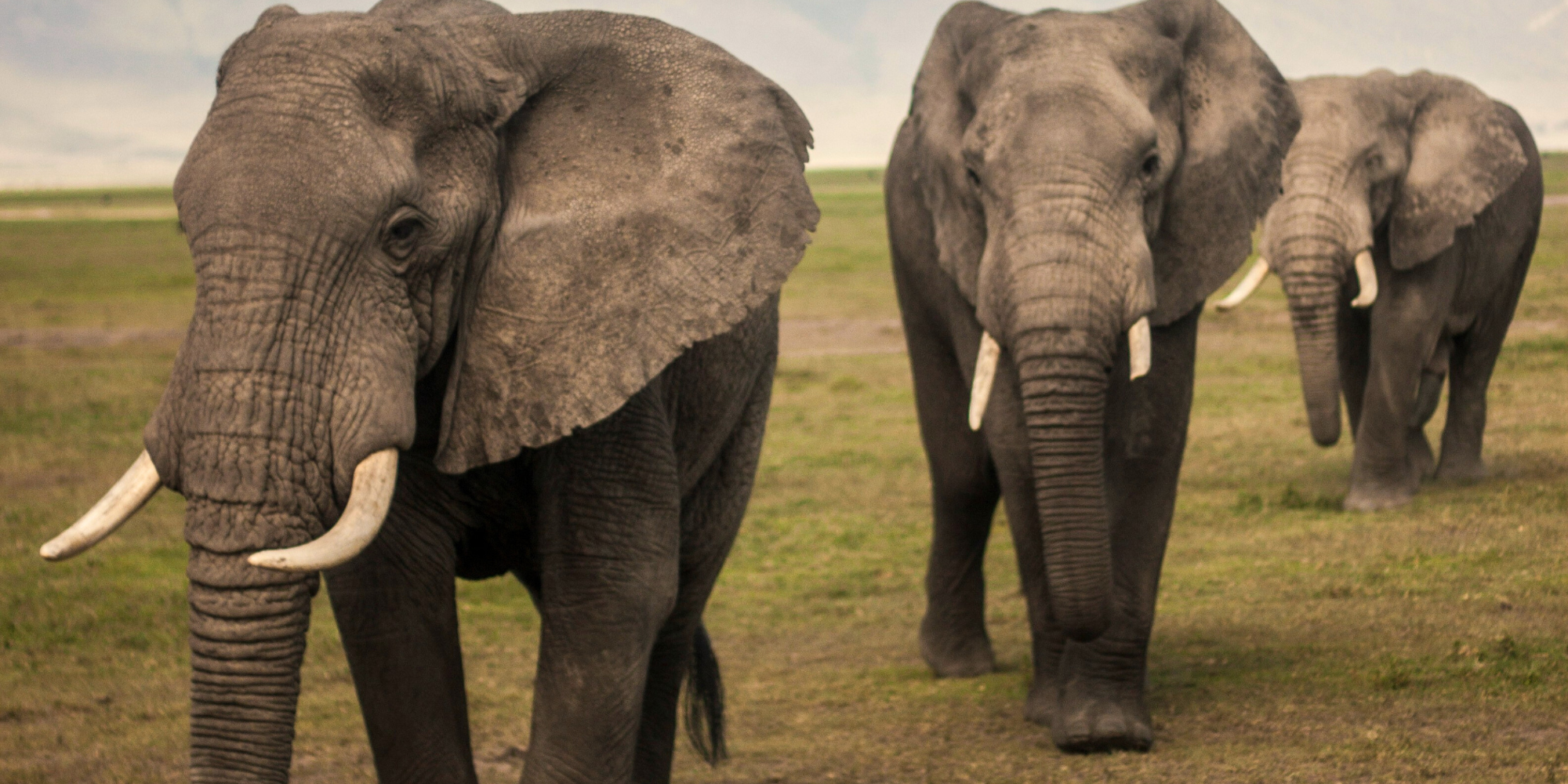
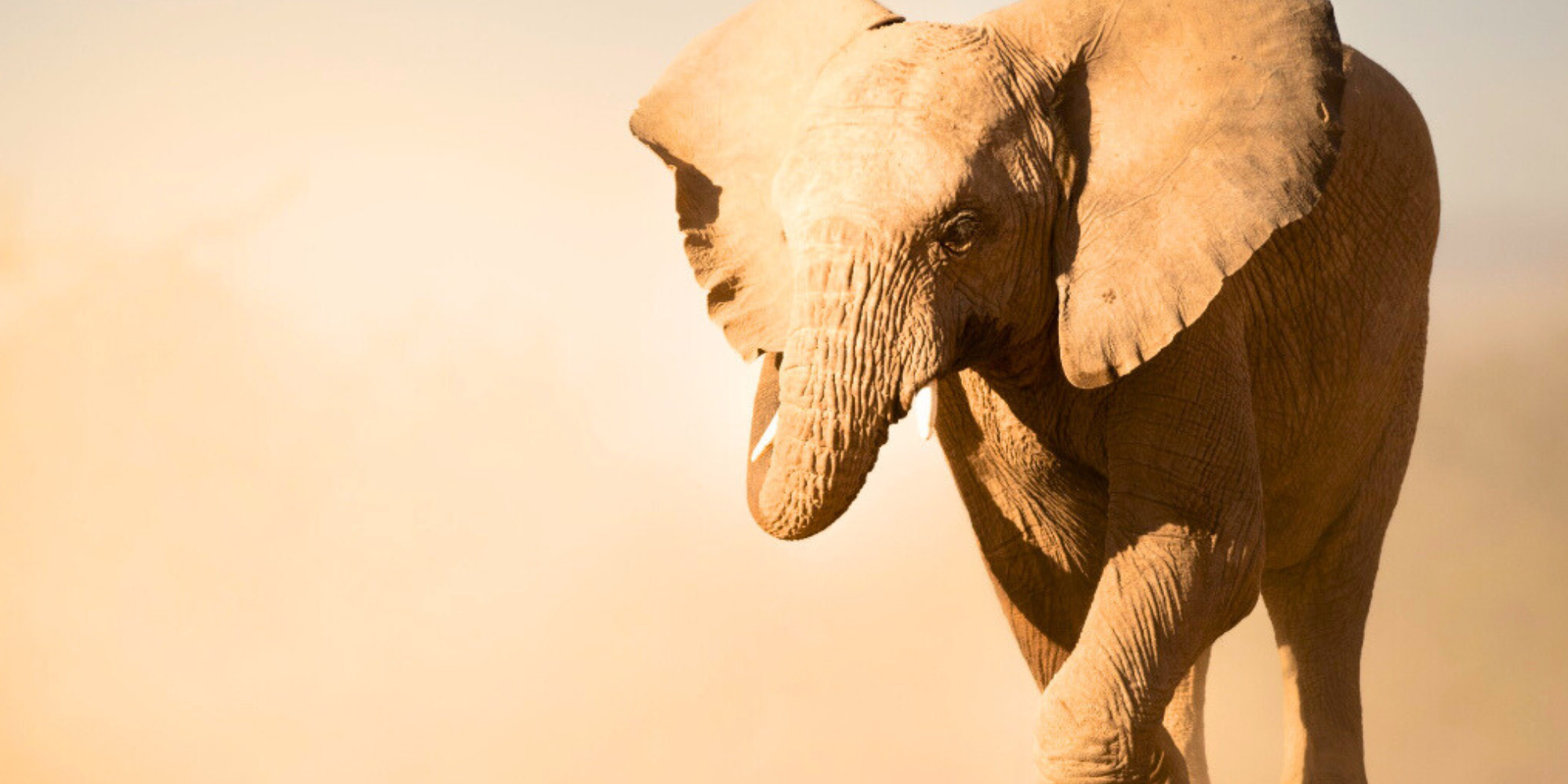
    From curling their trunks to flapping their ears and lifting their tails, elephants use their bodies in numerous ways to communicate messages to members of their herds as well as to other species. These movements can be bold and obvious, or subtle and nuanced, used to display dominance, show aggression, signal arousal, and convey a range of other emotions and intentions. For example, a dominant elephant might spread its ears wide and raise its head high to appear larger, while a submissive one may tuck its tail and lower its head.

    The Importance of Touch

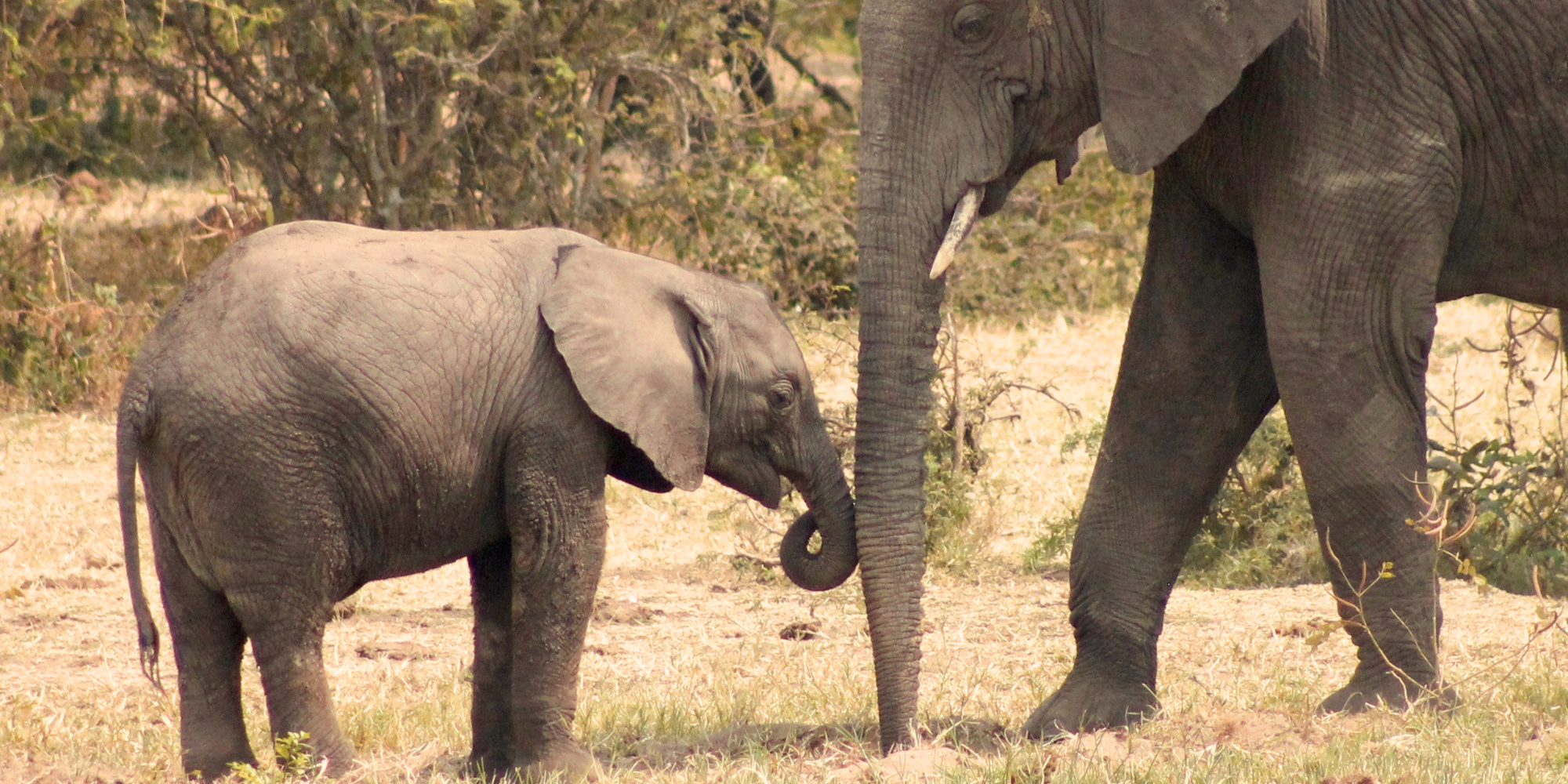
    As highly social creatures, touch is an essential communication tool for elephants. A gentle caress with the trunk can be used to display affection, offer reassurance, or protect a calf, while the rubbing of ears against another individual is often playful in nature. In more aggressive interactions, trunks can be used to slap another individual, while the entire body can serve as a weapon to ram into others. Touch helps reinforce social bonds within the herd and is crucial for maintaining the hierarchy and cooperation among its members.

    image

    The language of elephants is as complex as their social structures. Understanding their communication methods not only deepens our appreciation for these magnificent animals but also highlights the importance of protecting them and their habitats. Every gesture, rumble, and touch tells a story—one that we are only beginning to fully comprehend.

    Fascinated by the world of elephants? Explore Bushwise courses to deepen your understanding of wildlife. Apply now to start your adventure in the bush!

  • Secrets of the trunk: an elephant-astic tool

    This blog was written by Meline Klopfenstein, a Bushwise Professional Field Guide student. Each student takes a turn as camp manager, and writing a blog is part of the experience.

    4 min read 

    One of the cutest events I have ever seen was an elephant calf trying to control its trunk. Can you imagine having to control up to 40,000 muscles at a time? Can you imagine being able to push a whole tree down with the trunk, but also, pick up a single shoot of grass? It is incredible!

    image

    What is it ?

    The trunk is the fusion of the upper lip and the nose of the elephant. It weighs up to 140 kg and measures between 1.5 to 2 m! It is one of the only appendages that is moveable without any bone structure. The arrangement and small size of the muscles, enable an acute control for fine movement, and an undeniable strength. The tip of the trunk is extremely sensitive as it contains a dense network of sensory receptors.

    The vital role of the trunk

    The trunk is a vital tool for the elephants. From shaking a marula tree to get the fruits, to gently caressing a calf, to simply breathing, elephants display immense dexterity and strength. It is used for feeding, drinking, communicating, and so much more.

    Elephants use their trunks to get food – be it twigs, fruits or grass – and bring it to their mouths. An adult elephant’s trunk can also carry up to 12 litres of water to the mouth. Sometimes we also see them putting their trunks in their mouths and then drinking. They have a pharyngeal pouch at the back of the mouth that serves to store water. It can hold about 4.5 litres of water, but without a trunk, it would not be possible for the elephant to use this water!

    The trunk is also vital for elephants to dust, mud, and water-bath. These activities are carried out as social interaction and bonding experiences, but are also important for many other reasons. It enables better thermoregulation by creating a protective layer over the skin and directly cooling down the elephant. It also maintains the skin in good health by moisturising it. Mud also plays insect repellent and antiseptic roles, helping with the healing of wounds.

    image

    Communication using the trunk

    Elephants also use their trunks to communicate in different ways. To start with, the long trunk enables the elephant to have an acute sense of smell. The genome of the elephant is composed of up to 2,000 functional olfactory receptor genes! To make a comparison, domestic dogs have about 800 and humans have 400 functional olfactory receptor genes. Smell is central to their survival. It allows them to find food, water and navigate their environment safely, as they are able to smell danger from a distance. Smell is also central in their communication with other elephants. 

    The trunk of an elephant is one of the most sensitive parts of its body. It is therefore often used for reassurance or bonding. A mother will sometimes gently caress the calf to make sure it is awake, following the group or to guide it. Upon greeting one another, or as they face danger, elephants will sometimes reach their trunk to the mouth of the other individual. Calves have also been observed sucking their own trunk. This was often in a situation where the calf showed signs of uncertainty or discomfort. It is thought to serve a reassurance purpose, just as a human child would suck his/her thumb when needing reassurance.

    Sounds elephants emit are varied. The larynx is situated in the throat of the elephant and is responsible for emitting most of the sounds: rumbling, trumpeting, infrasound. The trunk, however, can be used to modify the tones of the trumpeting, thus expanding the range of sounds possible. The trunk itself can also emit a kind of snorting sound, that shows high arousal.

    image

    It is also possible to read the state of mind of the elephant by the movement and position of its trunk. For example, a male in musth will display many recognisable behaviours such as curling and uncurling, or dragging the trunk on the ground. Dragging and bouncing the trunk can also be observed when threatening. I have seen young elephants playing and chasing birds, throwing their trunks forward to frighten them.

    Joyce Pool (Co-Founder and Co-Director of ElephantVoices) also believes that when elephants point their trunk straight to a direction or an object, it is to attract and direct the attention of other members of the group to this object, and not only for smelling. If an individual smells something and does not want to attract the attention of other members of the group, only the tip of the trunk will subtly move in the direction of the smell.

    With such a complex appendage, how do calves learn to use it?

    They are born with a trunk that is fully functional but they do not have the control over it. Controlling it is a colossal task and it takes up to a year for the calf to be fully comfortable. The calf will learn by observing the other members of the group and imitating. It is through a lot of trial and error that the calf gains control over its trunk.

    Want to learn more about the wonders of wildlife? Explore Bushwise courses and apply now to start your adventure in field guiding!

    Sources used:

    Longren, L. L., Eigen, L., Shubitidze, A., Lieschnegg, O., Baum, D., Nyakatura, J. A., Hildebrandt, T., & Brecht, M. (2023). Dense reconstruction of elephant trunk musculature. Current Biology, 33(21), 4713-4720.e3. https://doi.org/10.1016/j.cub.2023.09.007

    Kirstein, K. A., & Berlin, H.-U. zu. (2023). Giants with microscopic muscles: New findings reveal the structure of the dexterous elephant trunk. Phys.orghttps://phys.org/news/2023-09-giants-microscopic-muscles-reveal-dexterous.html

    Poole, JH., (n.d.). Ethogram table. Retrieved 27 April 2024, from https://www.elephantvoices.org/elephant-ethogram/ethogram-table/overview.html

  • Following the signs: Learning to track elephants in the wild

    This blog was written by Kayla Pieterse, a Bushwise Professional Field Guide student. Each student takes a turn as camp manager, and writing a blog is part of the experience.

    3 min read

    A long, hot day. We walked almost 13 kilometers that day. Where could they possibly be? My body was exhausted and my water was running low. We kept going, still staying strong. Being cut by buffalo thorns was not the best. 

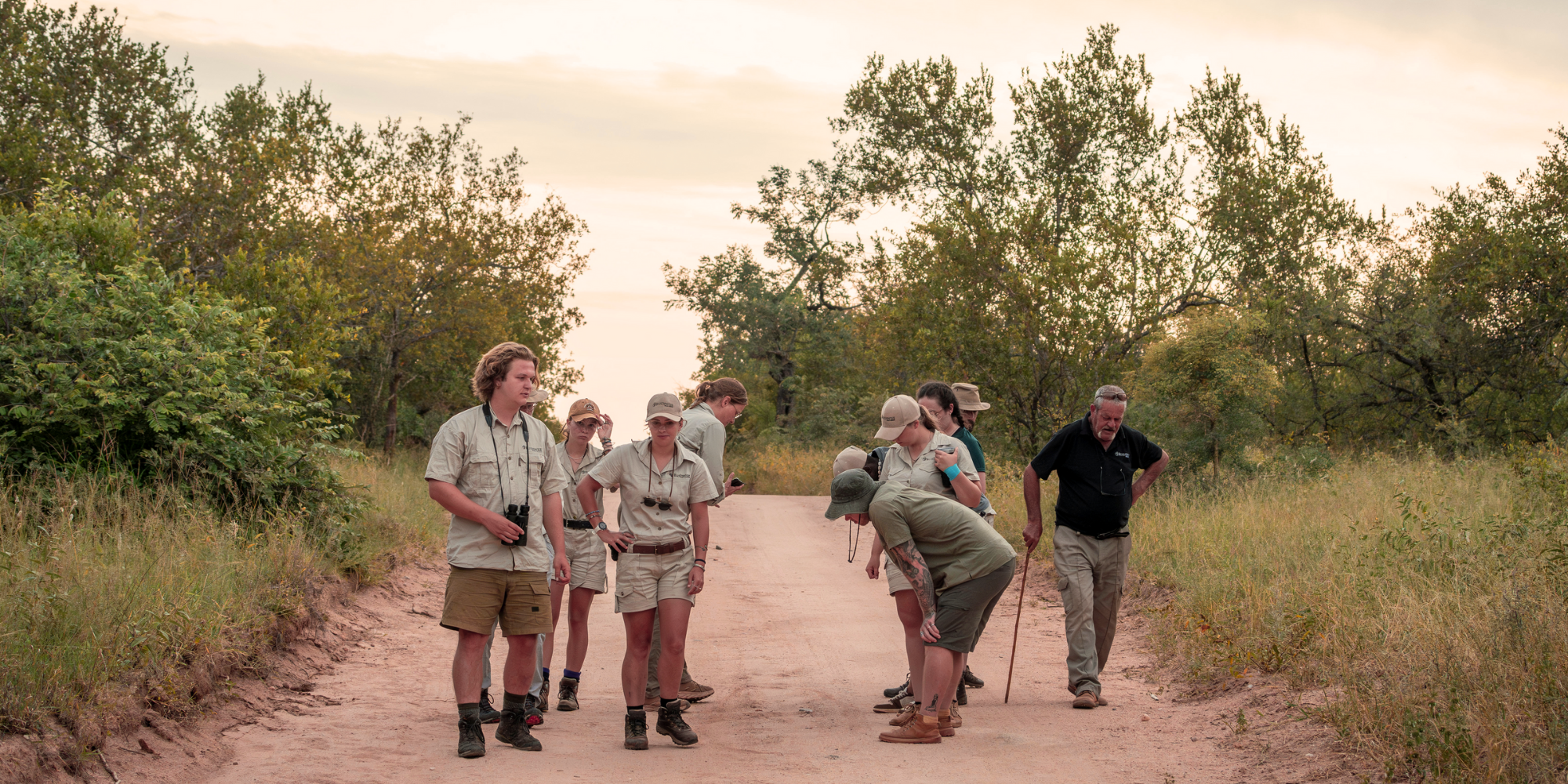
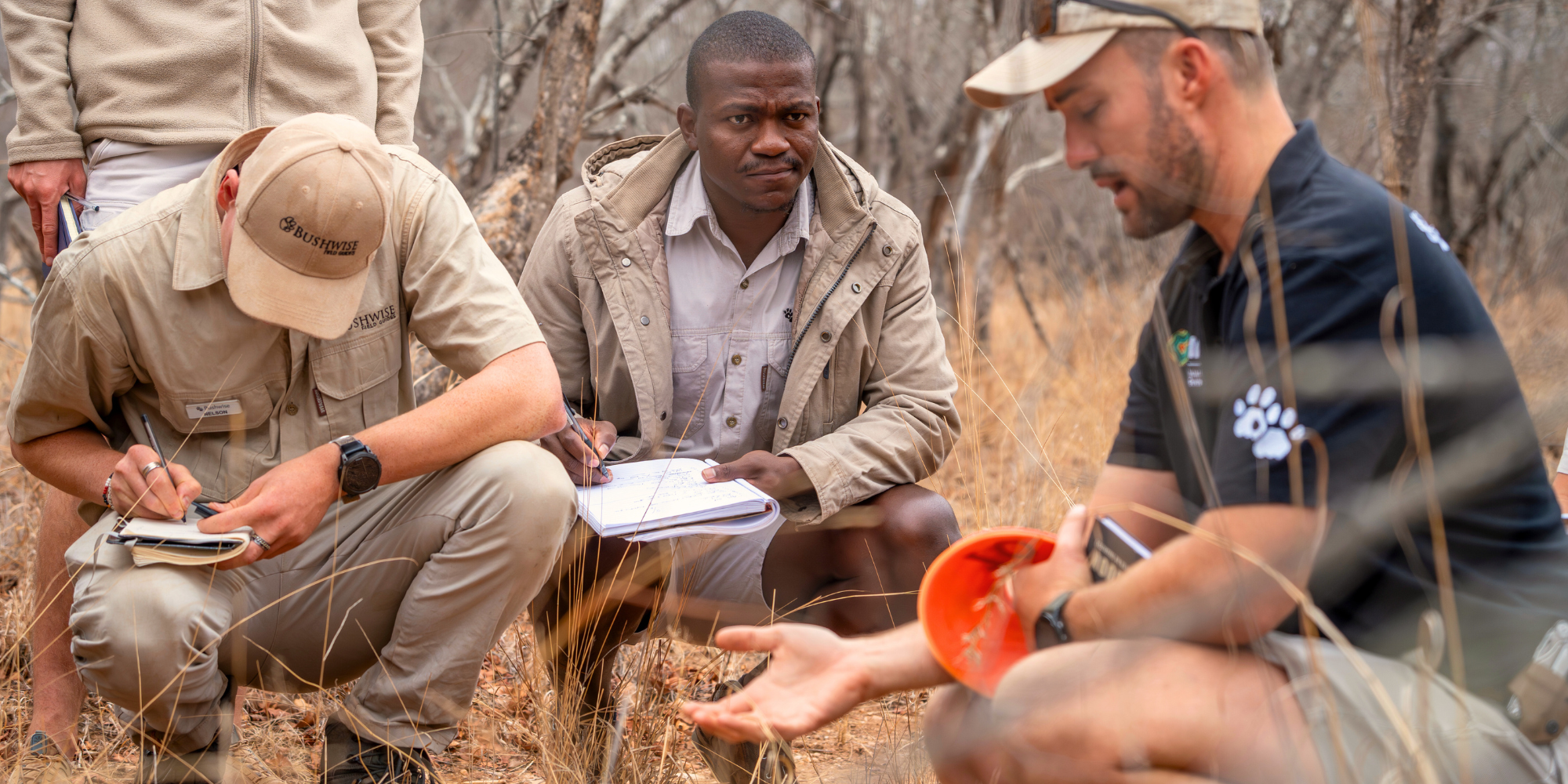
    This was the day of trailing with Colin Patrick, the legend. It all started with a cold morning drive in search for some tracks that were fresh. We suddenly stopped and there was a small branch laying on the side of the road. How is that even a track? How can Colin even say it was an elephant? How do we trust this? Those were all questions running through our mind. We got out of the vehicle and we started walking to the other side of the road. It was magical, there it was, a beautiful, clear track imprinted in the sand. So, we started walking and following those tracks. Each student got a chance to do this trail. It wasn’t easy as it was all of the students’ first time doing this. 

    image

    The time went by and everyone got used to how it works, what to look for and what signs to follow. Then my turn came. We were on the road, the tracks were crystal-clear… well, not for me. I could recognise one or two tracks of this beauty, but for some reason my eye just wasn’t used to this yet. Colin saw the confusion in my eyes and asked the next student to join me and help. It was as if he just knew exactly where this elephant was walking. I felt embarrassed. Colin said he could go on and I should fall back in line. We only had one turn so my heart started racing. 

    I wasn’t sure if I failed or not, but I knew that it didn’t go as planned. Everyone else did so well. How do they see these tracks and signs so easily? I was hoping to get called to try again, but time ran out and we went back to camp for breakfast. The afternoon was also allocated for trailing and we went back. The remaining students all got their turn. There was one student remaining, it was as if we started running, because there was fresh elephant dung, fresh leaves that were eaten, and there were clear tracks. The adrenaline was real; out of breath and no more water left at this stage. They are close, I can feel it! Colin called out my name. 

    image

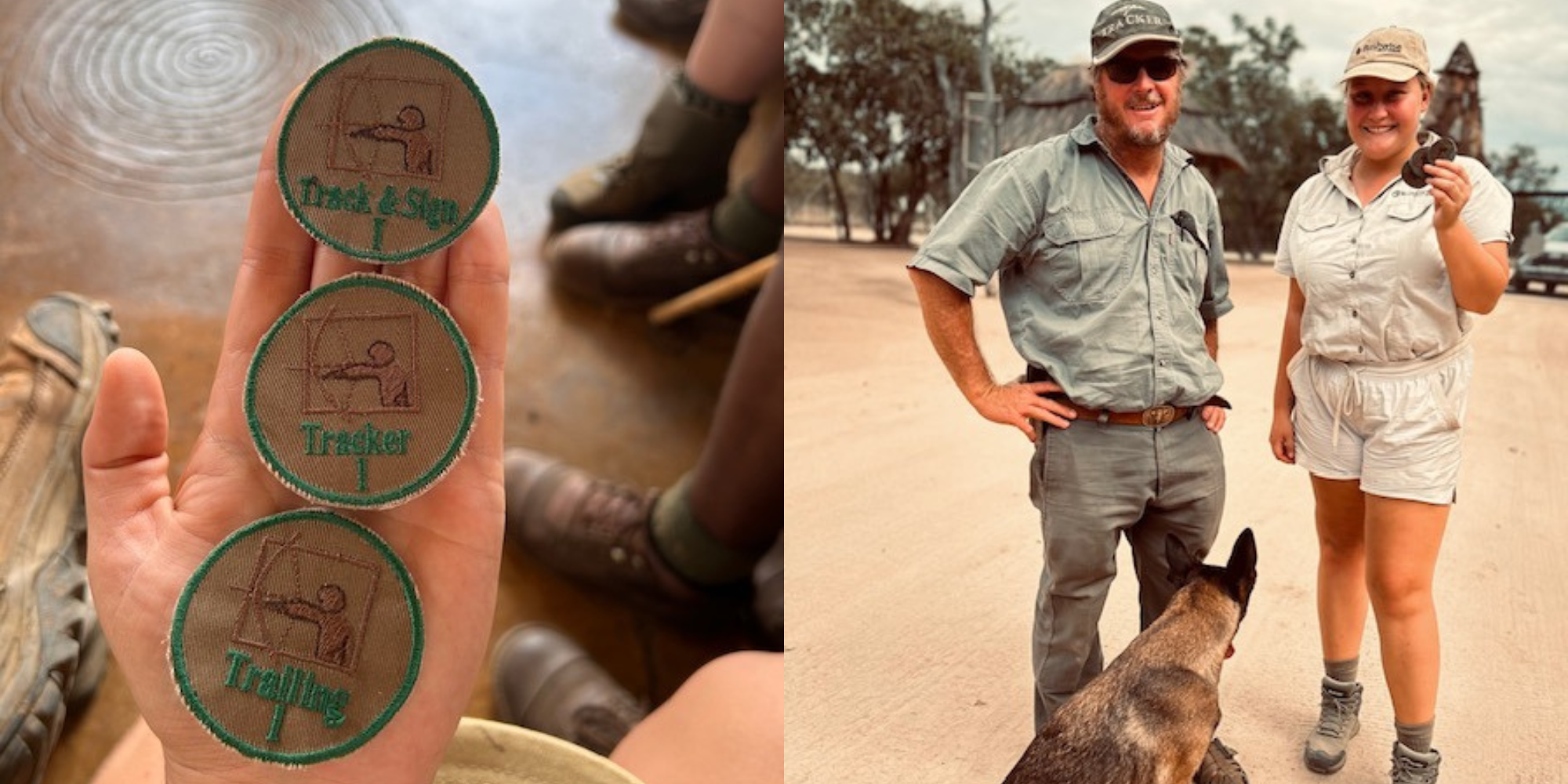
    This is it; it is your time to shine, girl. Colin said, “take it slow,” but after that adrenaline rush, I couldn’t even think straight. Suddenly, all those tracks became super clear, the dung was everywhere. Finally, we got to a river. I knew this time I did much better with this trail. As if I just knew where they were. So, Colin told me I did a good job, but they are on the other side of the river and we don’t have time to go there now. I was confident that I would’ve gotten them if we kept going, but everyone was too exhausted. It was a long and hot day. My confidence got boosted and I felt as if I could find anything. I was proud of myself. As I should be, because a few days later I got a tracker level one qualification.

    image

    Time will tell and even if everything doesn’t always work out the first time, do as Colin says – get back up and try again. Press your reset button and take things slow. Never doubt your first instinct. 

    Want to learn to track wildlife? Learn more about Bushwise courses, and apply now to begin your adventure in the bush!