Tag: #fieldguidetraining

  • The path to becoming a Professional Safari Guide

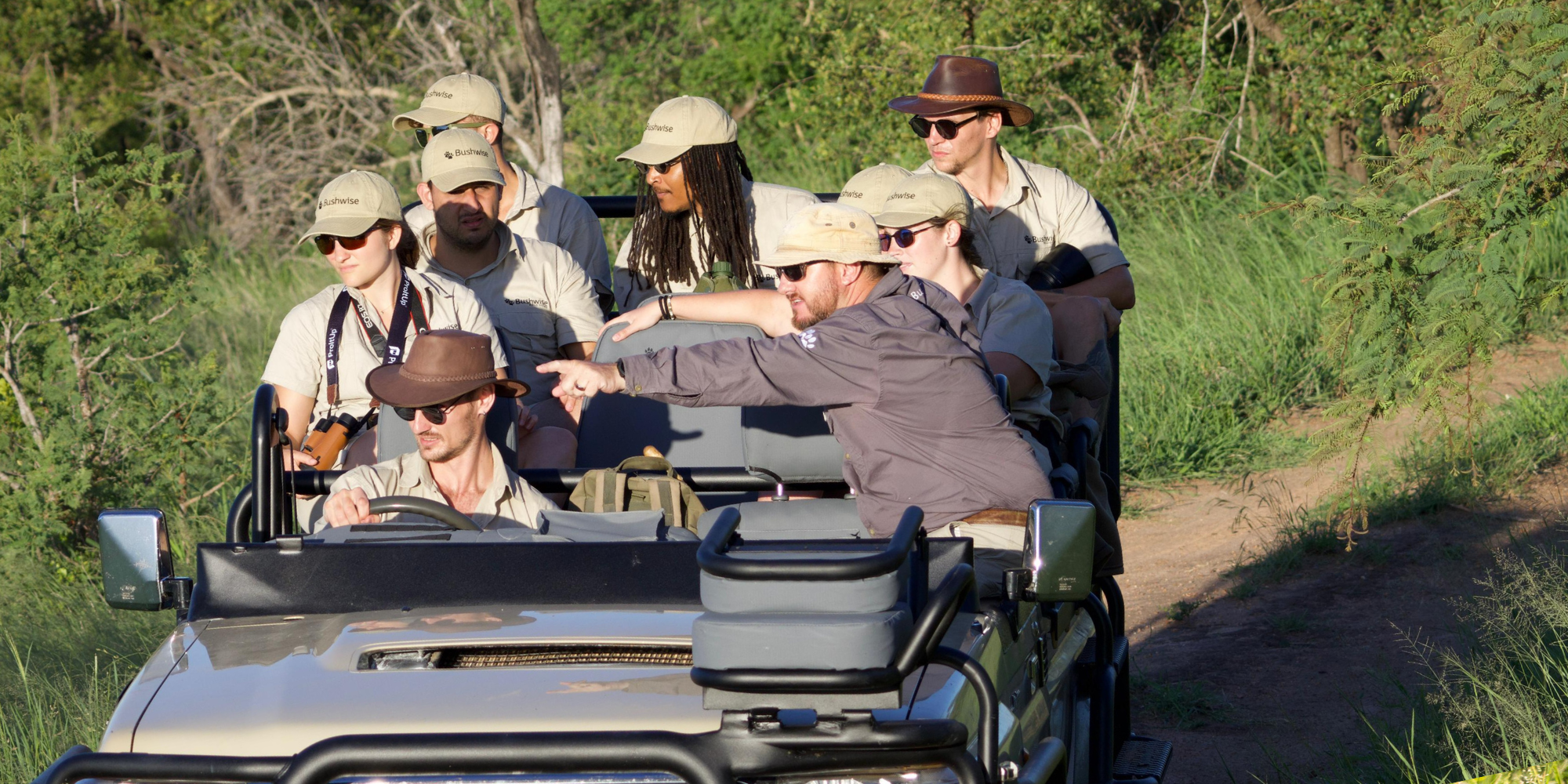
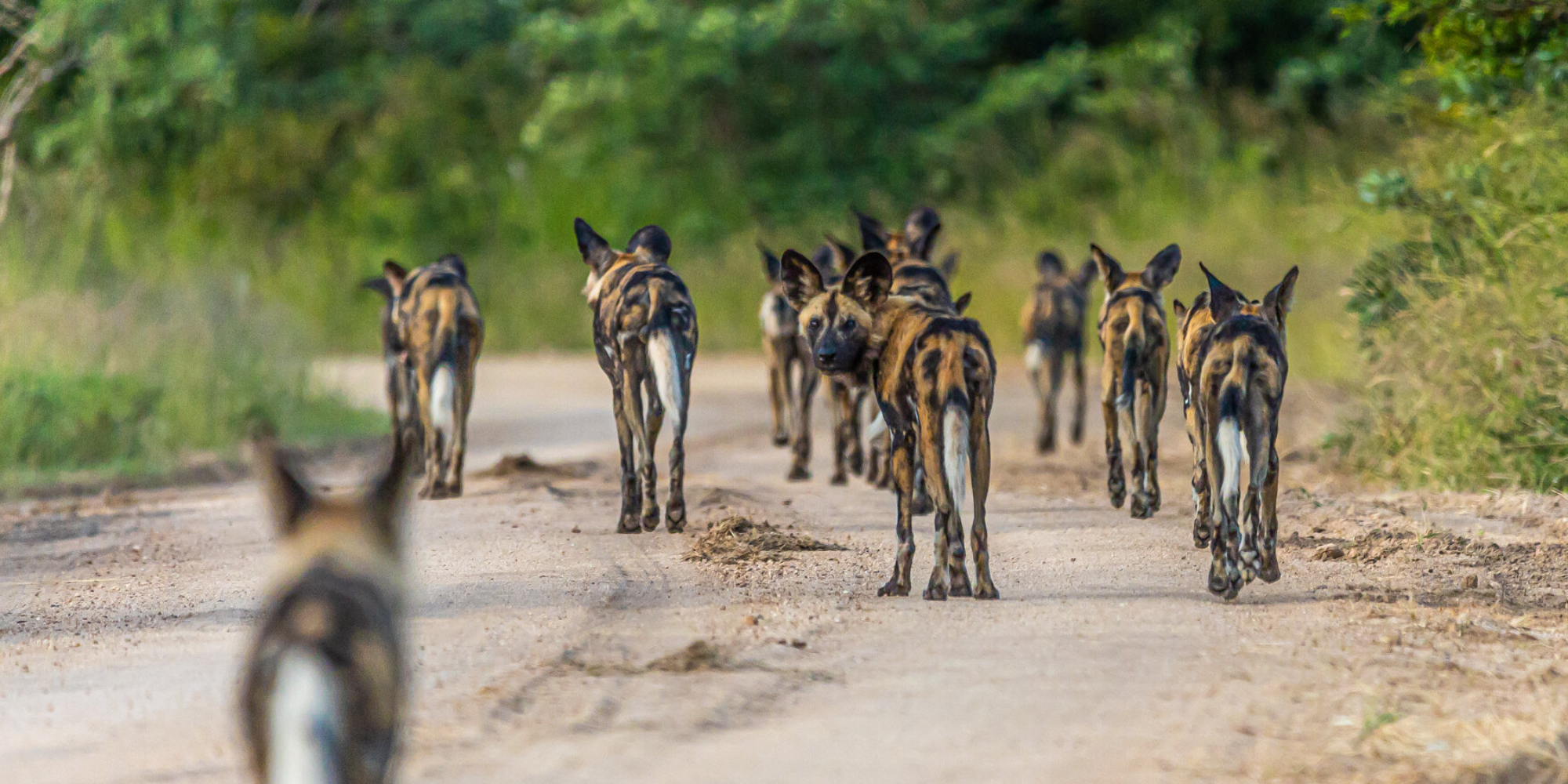
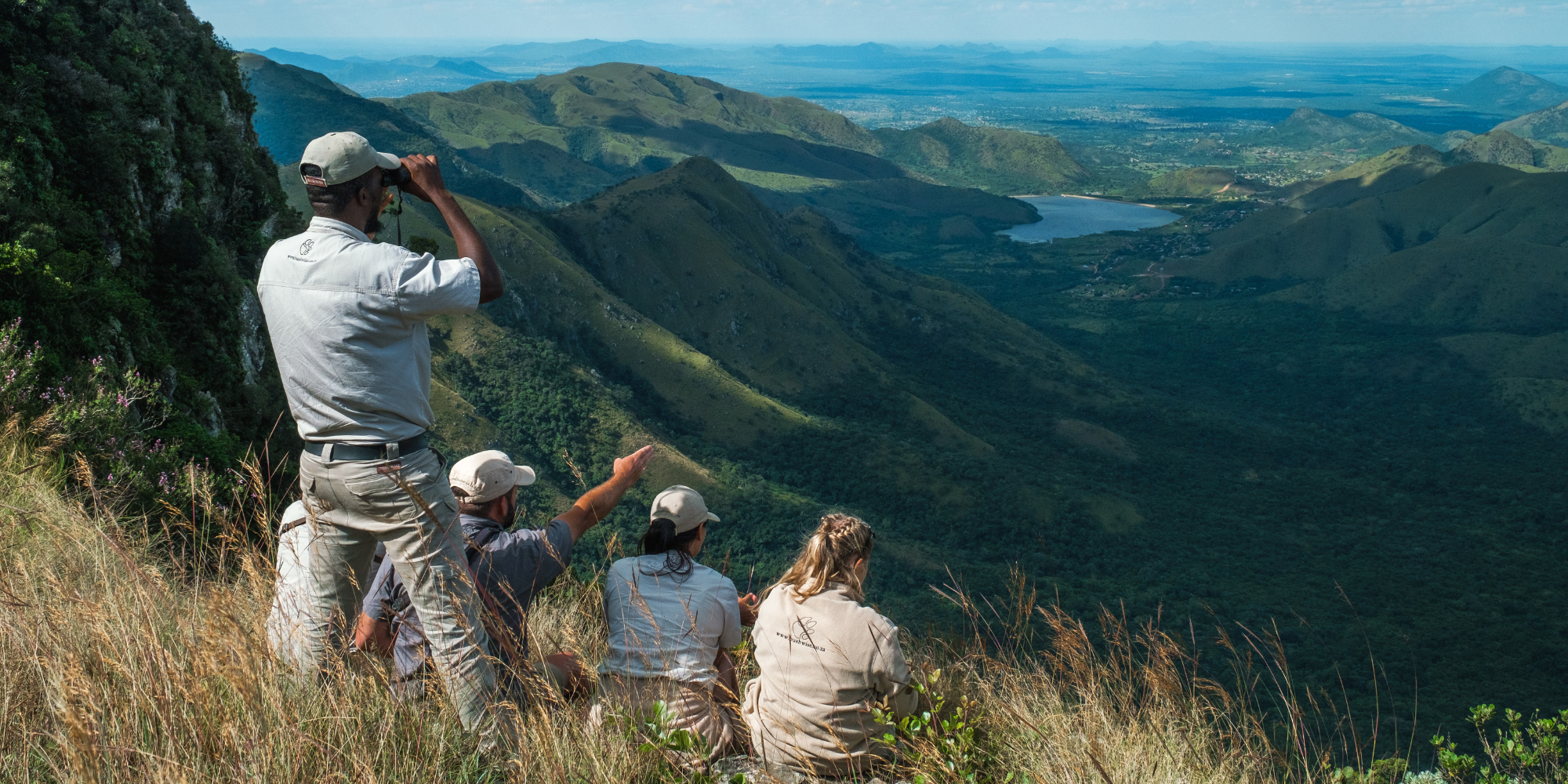
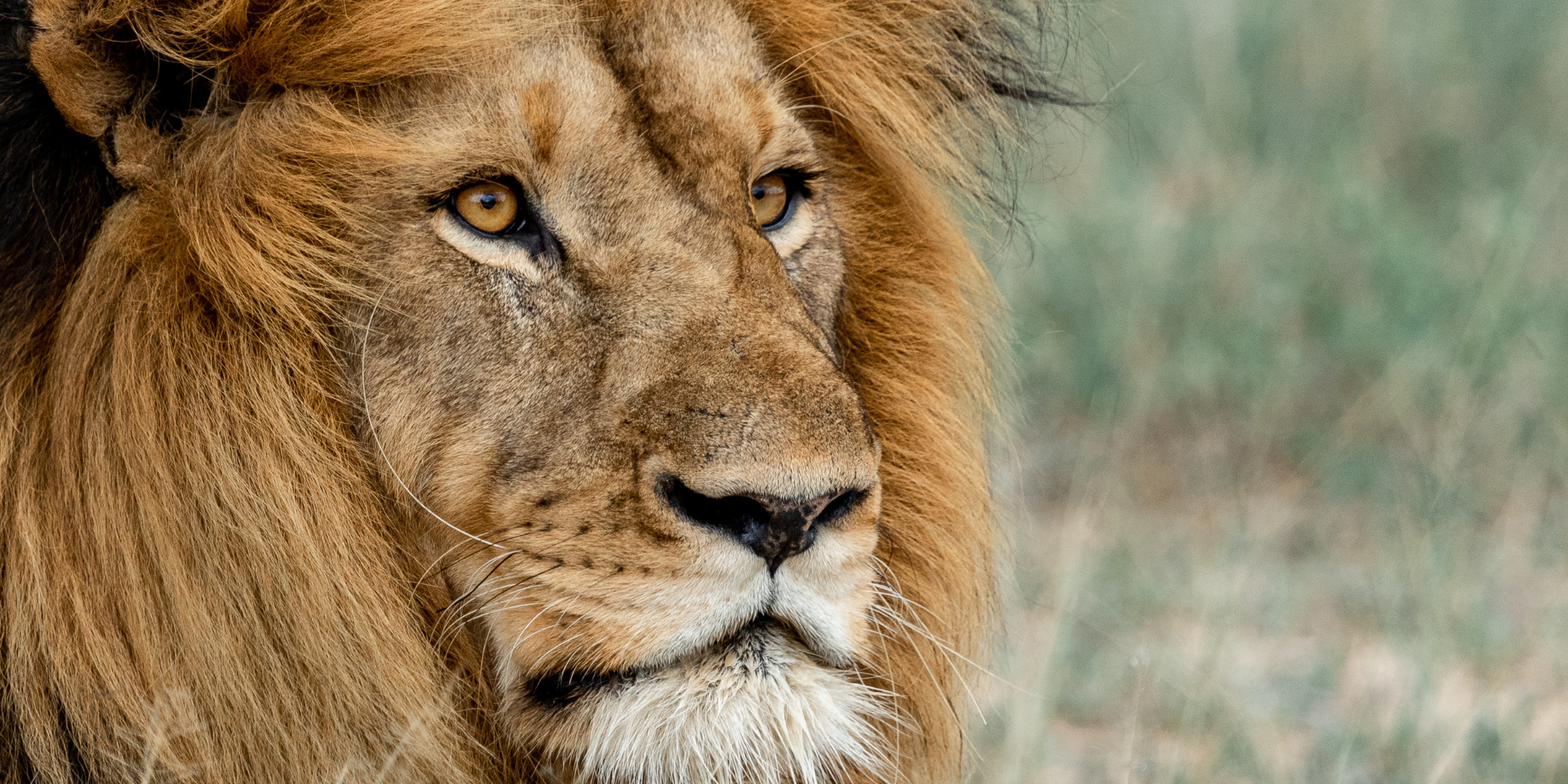
    Few careers make you feel as alive as field guiding. It’s a job where your office changes with the sunrise, your meetings happen around a fire under the stars, and your “daily routine” might include tracking elephants, listening to lions calling in the distance, and sharing stories with guests who are experiencing the African bush for the first time.

    But behind the magic, there is a clear professional pathway built on training, qualifications, and experience.

    What qualifications do you actually need to guide?

    The main question new guides have is figuring out what they must have to work legally, versus what is just optional. To work as a professional guide in South Africa, you only need to tick one official government box: you have to hold a qualification accredited by CATHSSETA (the culture and tourism sector training authority).

    This is really where the journey begins. It’s the essential foundation that teaches you how to move safely in wild spaces, understand the basics of ecology, and start interpreting the natural world for your guests.

    Where do field guide associations fit in?
    Groups like the International Field Guiding Association (IFGA) and the Field Guides Association of South Africa (FGASA) are separate, voluntary industry bodies. Joining an association is a personal or professional choice, not a legal rule. They exist to offer guides extra industry recognition, field grading, and career development paths, but they do not replace or override the government’s legal baseline.

    Understanding the NQF Levels

    When you look at CATHSSETA-accredited courses, you’ll see them broken down by National Qualifications Framework (NQF) levels. Think of these simply as milestones as you gain experience in your career.

    NQF Level 2 (Nature Site Guide): This is your official starting point. It is the baseline certificate that gets your foot in the door, lets you register with the government, and allows you to start working at a lodge. Your training here is all about moving safely in wild spaces, learning basic ecology, and figuring out how to explain the bush to guests.

    NQF Level 4 (Advanced Nature Site Guide): This is a higher level designed for senior guides. It recognises deeper field knowledge and better guiding skills. Crucially, you cannot skip straight to this level; you can only take your NQF4 assessment after you have finished a full year of active, hands-on guiding experience out in the field.

    The Path to Walking Safaris (Trails Guiding)

    For a lot of guides, the ultimate goal is to take guests out on foot. To do this safely in areas with iconic wildlife like the Big 5, you need a trails guiding certification.

    Step 1: Foundational Trails Guide: This is where you learn how walking safaris work. At this stage, you do not lead walks by yourself – you assist an Advanced Trails guide. The focus here is on building your awareness and learning to walk in a Big 5 environment, safely.

    Step 2: Advanced Trails Guide: Once you have logged your foundational hours and ticked all the boxes, you can take an assessment to qualify to lead walks independently. At this level, you take full responsibility for guiding guests on foot through big game territory.

    You can learn more about the different stages here.

    Where IFGA fits in

    Working alongside CATHSSETA qualifications, IFGA certification adds another powerful, but voluntary, layer to a guiding career. This certification focuses on what makes a safari truly unforgettable: the guest experience.

    It develops skills like:

    • Storytelling that brings the bush to life
    • Reading guests and adapting to different personalities
    • Communicating with confidence and warmth
    • Creating a sense of connection, comfort, and wonder
    • Elevating every moment, from game drives to dinner conversations

    It’s the difference between a guide who is qualified and a guide who truly leaves a lasting impression.

    Field guiding is a profession built on knowledge, but powered by feeling.

    It’s early mornings when the bush is still quiet, the excitement of fresh tracks in the sand, and that moment of silence when guests see wildlife up close for the first time. And just as importantly, it is shared dinners, stories around the fire under the stars, and the feeling that every day in the bush brings something new.

    If you want to become a professional safari guide, Bushwise offers a range of accredited field guide courses from 2, 3, 6, and 12 months, designed to kickstart your career in the wild.
  • What can a featured guide teach future guides? This is Timothy’s story.

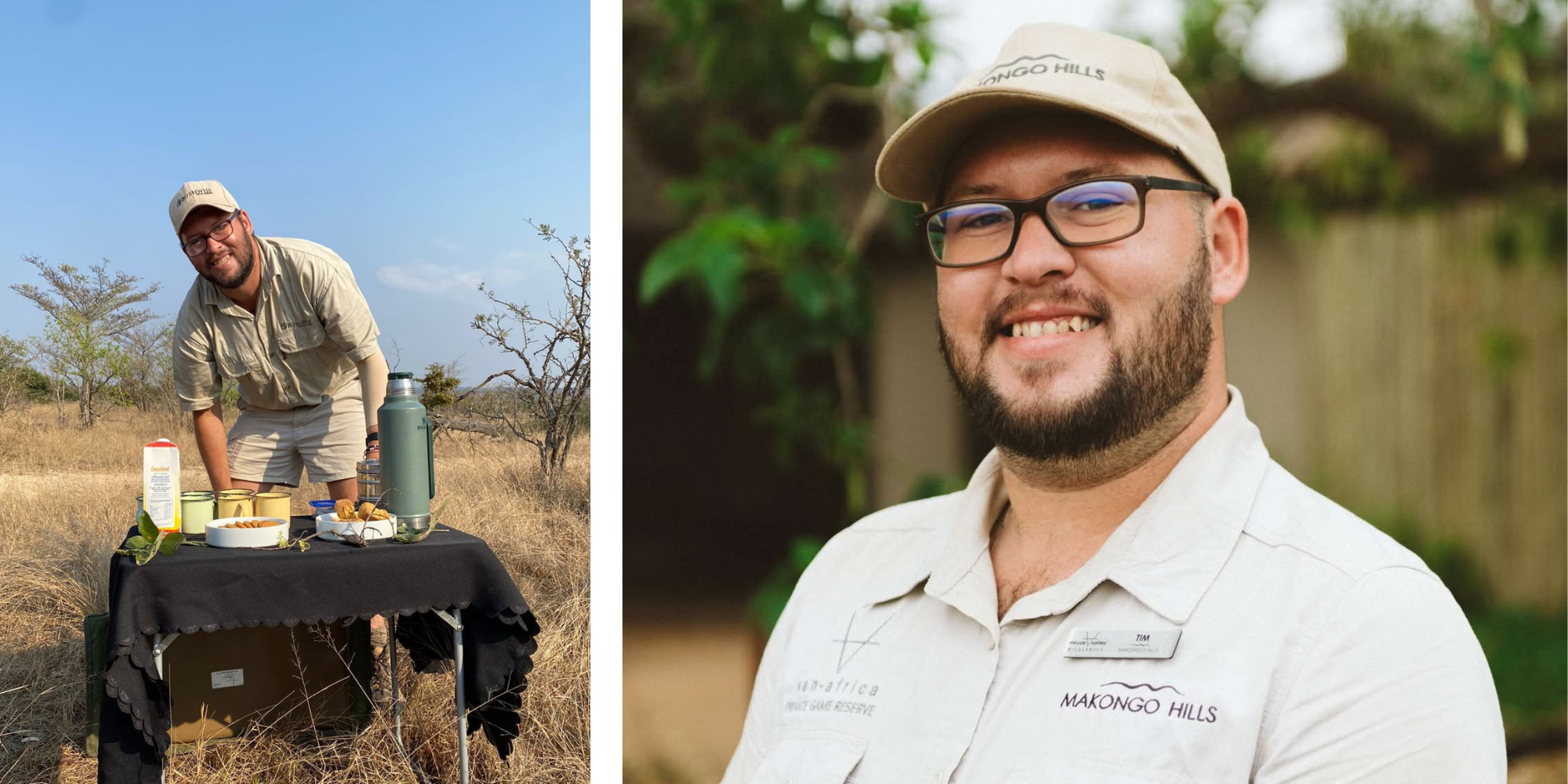
    When we first connected with Timothy Raven, we had no idea how many twists and turns his journey had taken before he found his way to the bush.

    Before field guiding, there was retail, bartending, and even managing a gaming store. He’d done a bit of everything. But through it all, he always felt the pull of the wild. He tells us he felt more at home in nature than in the city, inspired from a young age by Jurassic Park, David Attenborough, and Steve Irwin. “I saw how they made a difference,” he says. “I thought, maybe I could do that too.”

    image

    Looking for a way in, Timothy started small. He enrolled in the Bushwise 8-week Nature Enthusiast online course. It was his first real look at what a field guide’s life might be like, and it clicked. The content gave him a feel for the training and lifestyle, and he felt instantly connected to the trainers. “They felt real and grounded,” he says. “And their passion was contagious.” That experience was enough to convince him to take the next step. In July 2023, he joined the IFGA Professional Safari Guide course (6/12 months).

    Timothy calls the course both intense and transformative. “A roller coaster of good times, hectic times, and amazing times,” he laughs. It wasn’t always easy, but it gave him exactly what he needed — a real understanding of life in the bush, and the confidence to step into it.
    “Bushwise helped me figure out what I was good at, and what I didn’t even know I’d be good at.”

    image

    One of the biggest shifts came during the six-month job placement that’s included in the 12-month-long course. It gave him practical insight, hands-on experience, and opened the door to the conservation industry. “That placement was a game changer,” he says. “I learned how to navigate interviews, grew more confident, and realised where I actually belonged.”

    Now, Timothy is a working field guide on a reserve in Zululand. It’s a small team, which means he gets involved in nearly everything. From leading game drives and assisting with animal releases, to conservation efforts like wildlife monitoring,  and even dehorning. No two days look the same. “You get into it all,” he says. “And that’s what I love. The variety keeps you sharp.”

    image

    But it’s not just the work that’s kept him going. Timothy talks a lot about the animals themselves and how each has its own quirks and character. “When you respect them, they respect you back. It’s something you have to experience to believe.” And then there’s the human side of bush life: the friendships, the fireside chats, the sense of community with others who share the same love for nature. “This life changes you,” he says. “In the best way.”

    For anyone thinking about following a similar path, his advice is simple. Start with something small, like the online Nature Enthusiast course, and see how it feels. “If it speaks to you, go all in,” he says. “This job asks a lot, but it gives so much more. I wouldn’t change a thing.”

    And when we ask if he’d do it all again? His answer is immediate: “Absolutely.”

    If you’re ready to swap the ordinary for the wild and discover your own hidden strengths, explore Bushwise’s wildlife courses. Your adventure starts here.

  • The dwarf mongoose: Small body, big story

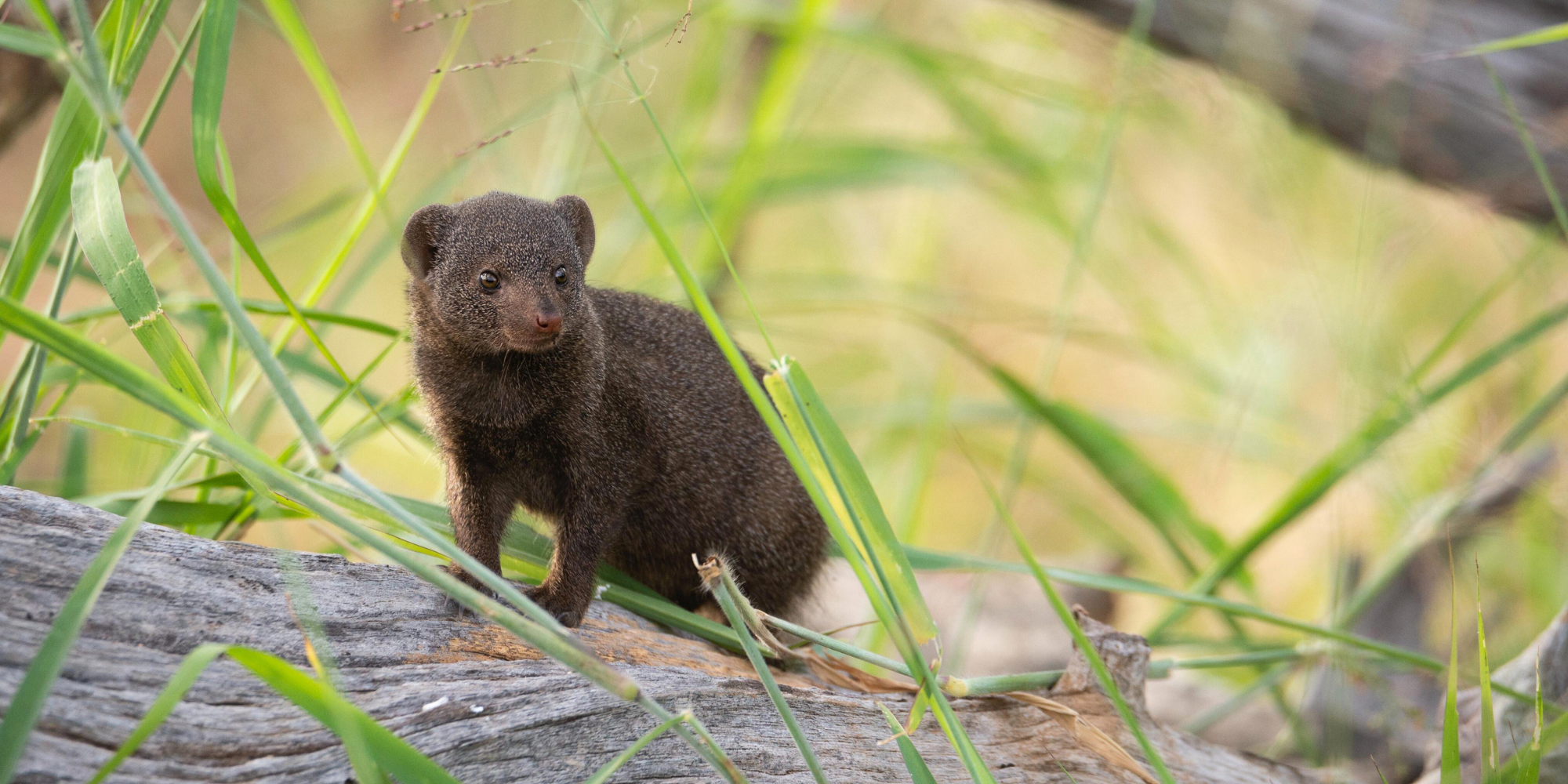
    The dwarf mongoose is Africa’s smallest carnivore, and one of its most entertaining. Found across a wide range of habitats in sub-Saharan Africa, from dry savannas to open woodlands, this tiny mammal punches well above its weight when it comes to personality, intelligence, and teamwork.

    image

    Fully grown, a dwarf mongoose weighs less than half a kilogram and is no longer than a school ruler. But what they lack in size, they more than make up for in social smarts. These animals live in close-knit groups of around 8 to 15 individuals, though sometimes you’ll see gangs of 20 or more. The group is usually led by a dominant female and male, and while they do most of the breeding, everyone plays a role in raising the pups, foraging for food, and keeping watch for predators.

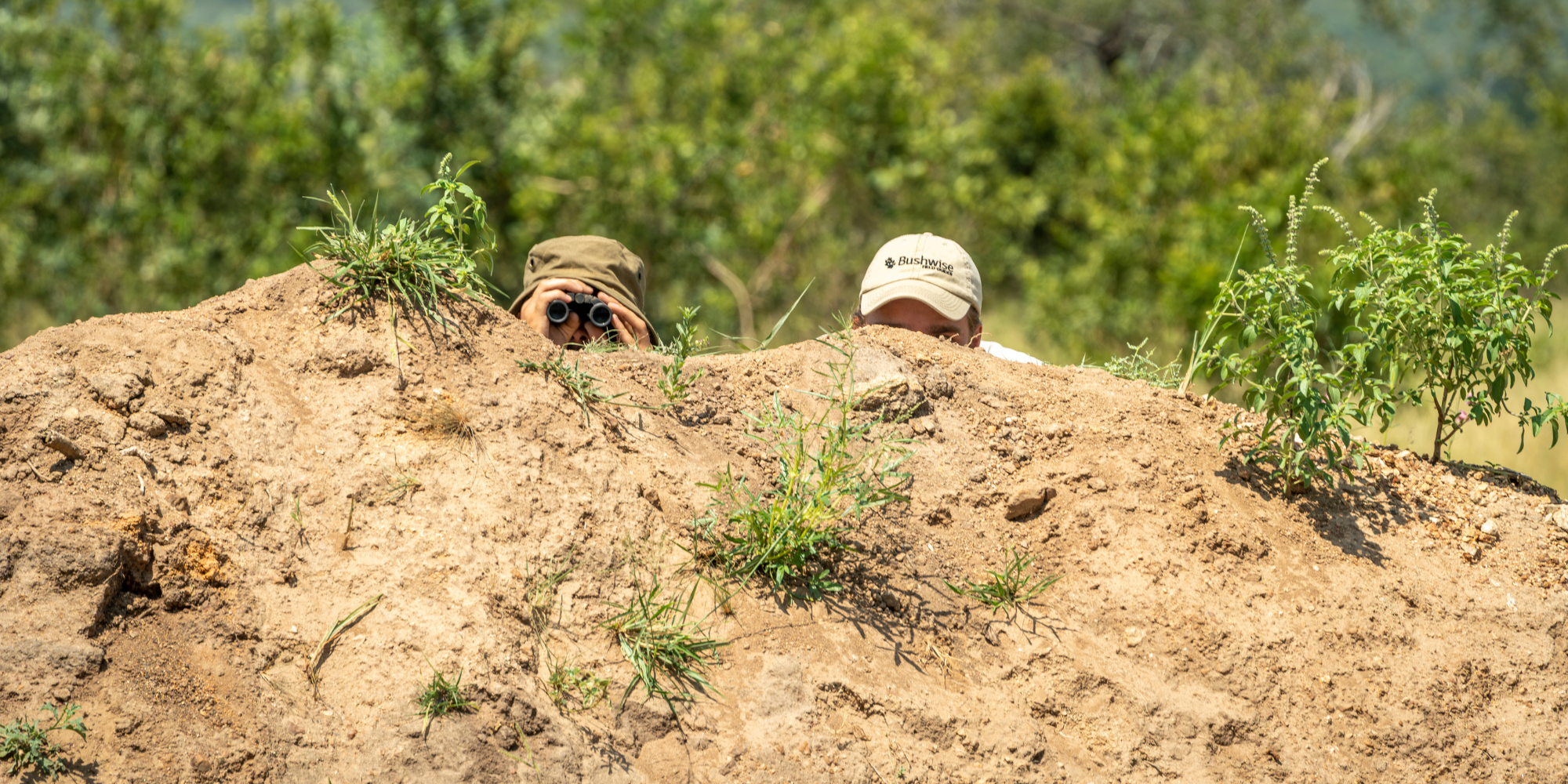
    Teamwork is key. Dwarf mongooses are constantly communicating, using chirps, squeaks, and trills to stay in touch and alert one another to danger. While the group forages, one mongoose often takes on the role of sentry, climbing onto a rock or tree stump to keep lookout. If a threat is spotted, like an eagle or a snake, a sharp alarm call sends the whole group looking for cover.

    image

    Their diet mainly consists of insects like beetles, grasshoppers, larvae, and termites, but they’ll also snack on small lizards, eggs, and the occasional fruit. They use their sharp claws to dig into soil or pry open bark, sniffing out anything edible. They’re not fussy eaters, and their small size means they can access food sources that larger predators might overlook.

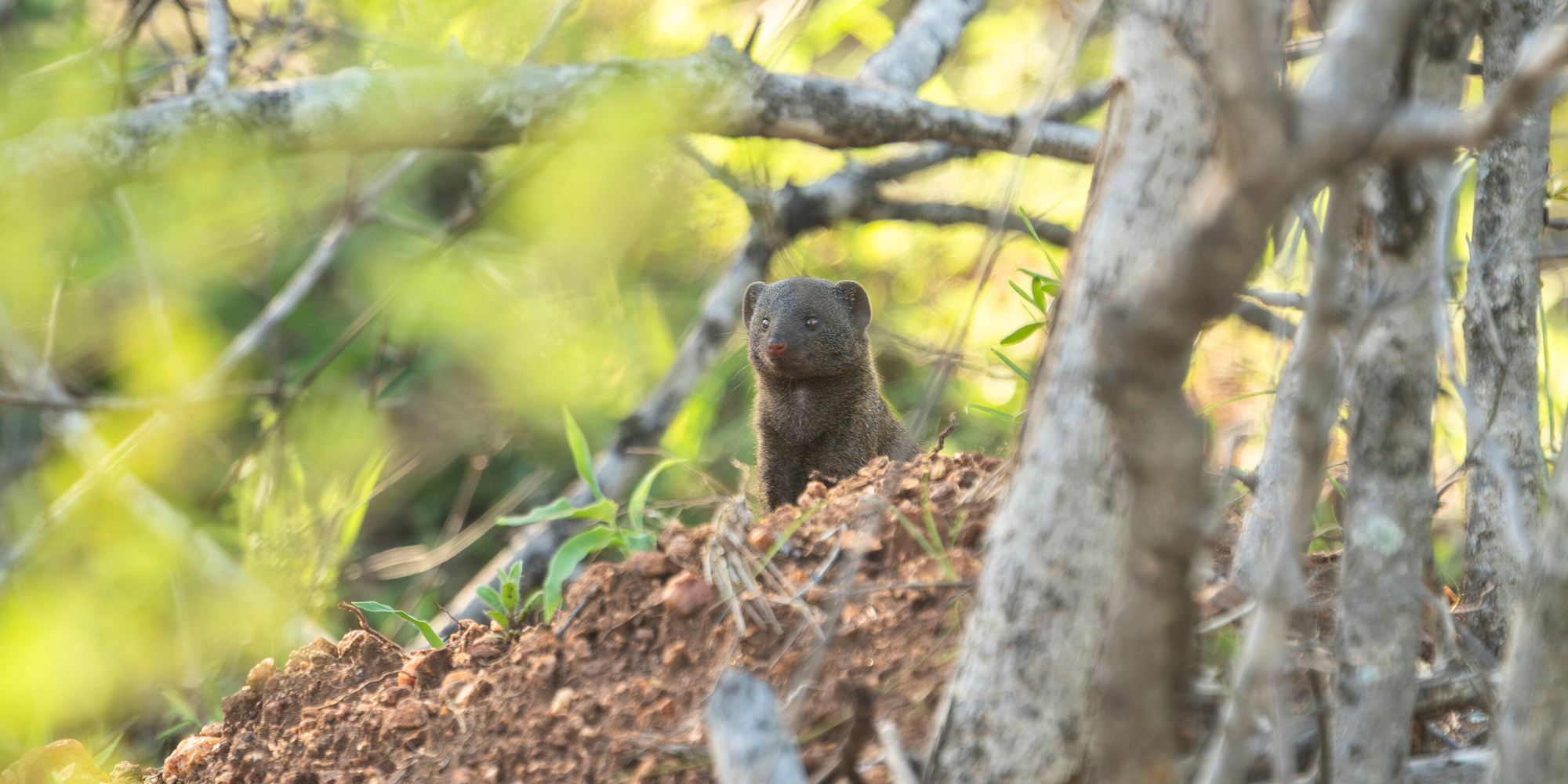
    Dwarf mongooses are most often found living in abandoned termite mounds, which offer plenty of entrances and hidden chambers that are perfect for sleeping, hiding, and raising young. These dens are the centre of their world. At night, the group piles in together to rest, and in the mornings, they groom one another before heading out to forage.

    image

    Pups are usually born during the wet season, when food is more plentiful. A litter typically includes two to four pups, and although only the dominant female breeds, everyone in the group helps care for the young. It’s common to see babysitters staying behind at the den while the rest of the group goes out, or adults sharing food with hungry pups to help them grow.

    Although dwarf mongooses are not endangered, they do face some challenges. Habitat loss from agriculture and development can reduce their range, and the destruction of termite mounds, often unintentionally, removes vital shelter. They’re also vulnerable to natural predators like snakes, birds of prey, and jackals. But their alertness, speed, and social structure give them a good chance of survival.

    image

    They might not be as famous as lions or elephants, but dwarf mongooses are a vital part of the African ecosystem. They control insect populations, serve as prey for larger animals, and show just how effective cooperation in the wild can be. For anyone lucky enough to spot them on safari, watching a group of dwarf mongooses darting in and out of a termite mound or chattering to each other in the grass is always a highlight. Small, scrappy, and full of character, they’re proof that great things really do come in small packages.

    Want to see species like the dwarf mongoose in their natural environment, while gaining practical knowledge and guiding skills? Bushwise offers a range of wildlife courses for you to experience and learn about Africa’s wildlife firsthand. 

  • From fear to fascination: A closer look at baboon spiders

    This blog was written by Lilias Burnel, a Bushwise Professional Safari Guide student. Each student takes a turn as camp manager, and writing a blog is part of the experience.

    Baboon spiders tend to get a bad reputation. With their long legs, large fangs, and hidden burrows, it’s easy to see why people often associate them with danger. But like many misunderstood species, a closer look tells a very different story.

    In the wild, encounters with baboon spiders are often brief, usually just a flash of movement as one disappears into its burrow. They keep to themselves, going about their lives quietly. But for those who take the time to stop and watch, something is fascinating about their stillness and precision. What might look like a threatening posture at first is usually a defensive one. This is a natural response in a world full of predators.

    image

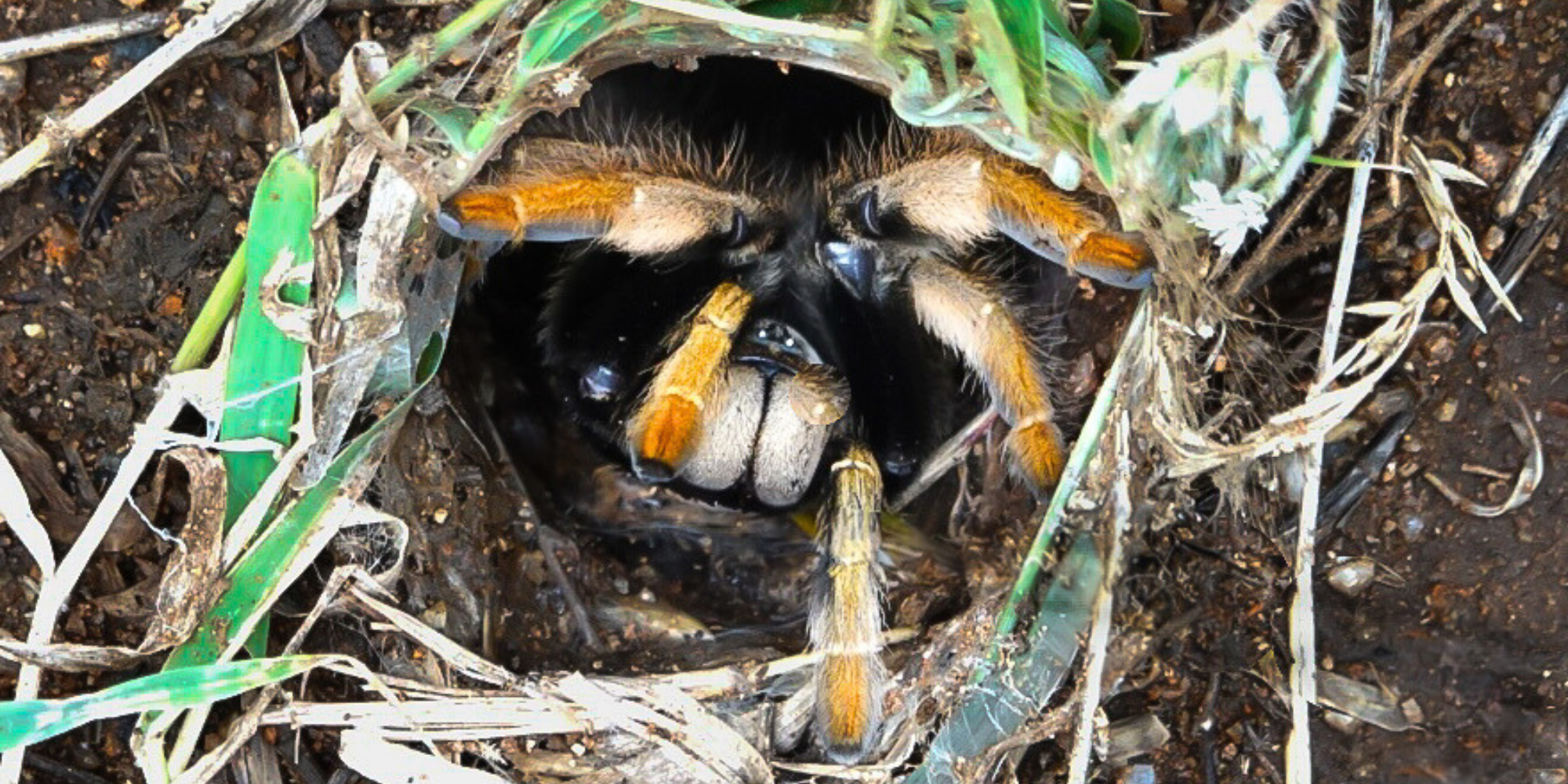
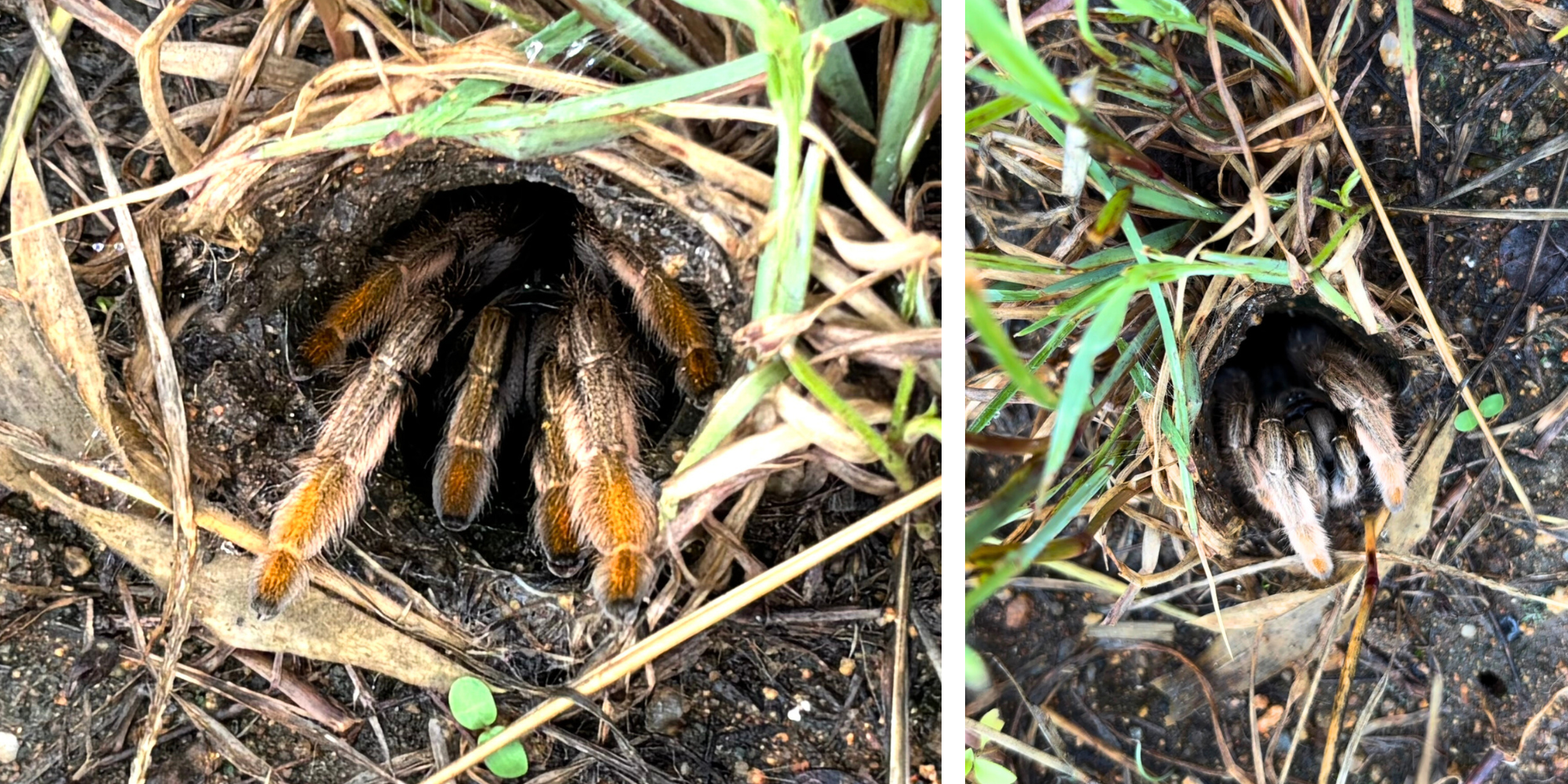
    Baboon spiders belong to the Harpactirinae subfamily, a group of tarantula-like spiders found across Africa. They’re named for the thick, hairy appearance of their legs, which resemble those of a baboon. Unlike web-building species, baboon spiders are ambush predators. They spend most of their time in burrows, which can be up to half a metre deep, using them as both a hiding place and a base for hunting. Some species line their burrow entrances with silk and bits of debris, while others create a tidy circular opening that blends into the surrounding earth.

    Their hunting method relies on patience. The spider stays tucked away, sensing vibrations on the silk lining of the burrow as insects move nearby. When the moment’s right, it quickly strikes, grabbing its prey and delivering a venomous bite. In some species, the fangs can reach nearly two centimetres in length, strong enough to pierce tough exoskeletons. That said, their venom is not considered dangerous to humans. Bites may cause some pain or swelling, but serious reactions are extremely rare.

    image

    One of the more surprising things about baboon spiders is how long they can live. While many spiders survive only a year or two, female baboon spiders can live for over 20 years. They grow slowly, moulting several times a year as they mature, and can even regenerate lost limbs over time. However, moulting leaves them vulnerable for a short while until their new exoskeleton hardens. Males, on the other hand, have a much shorter life cycle. Once they reach maturity and find a mate, their role is complete.

    Despite their resilience, baboon spiders are under threat. Expanding agriculture and urban development are reducing the natural areas where they can safely build burrows. Illegal collection for the pet trade is another concern, especially for species with slower growth rates. Although they may still seem fairly common, their slow life cycle means populations can decline quickly. Conservation efforts are underway in some regions, but changing how people see them is just as important.

    image

    Baboon spiders are a good example of how first impressions can be misleading. What at first seems frightening can, with time and understanding, become something worth protecting. These spiders aren’t aggressive or dangerous – they’re simply well-adapted survivors, playing their part in the ecosystem like so many others. And once we start to see them that way, it’s hard not to be impressed.

    Want to experience Africa’s wildlife up close? Join a Bushwise course and learn from experts while seeing incredible wildlife.

  • Following the tracks: Discovering a new passion in the African bush

    This blog was written by Chante Broodryk, a Bushwise Professional Safari Guide student. Each student takes a turn as camp manager, and writing a blog is part of the experience.

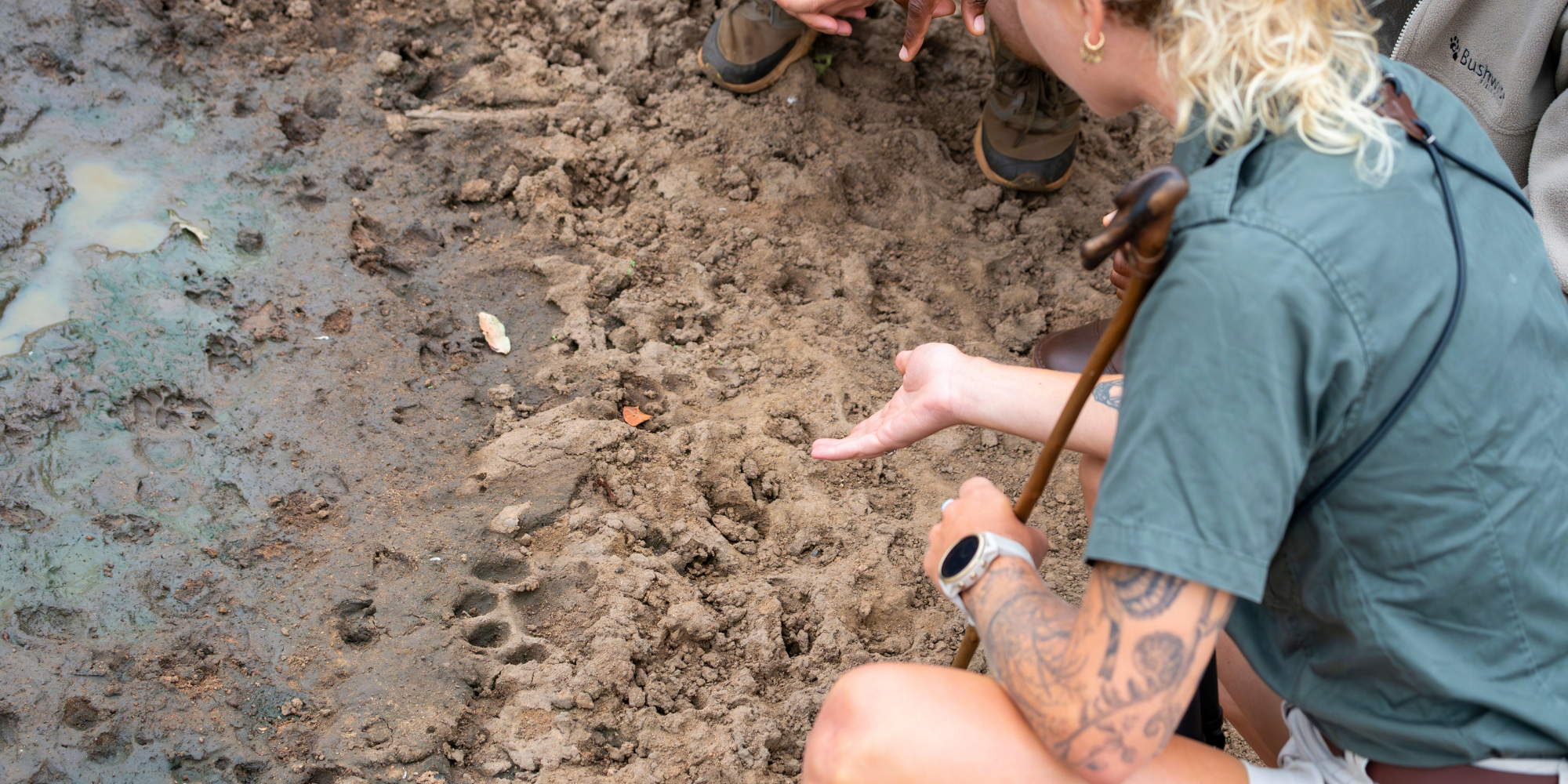
    I never expected animal tracking to capture my interest the way it did. What started as a casual curiosity quickly turned into a deep appreciation for the stories written in footprints, scratch marks, and feeding signs left behind in the wild.
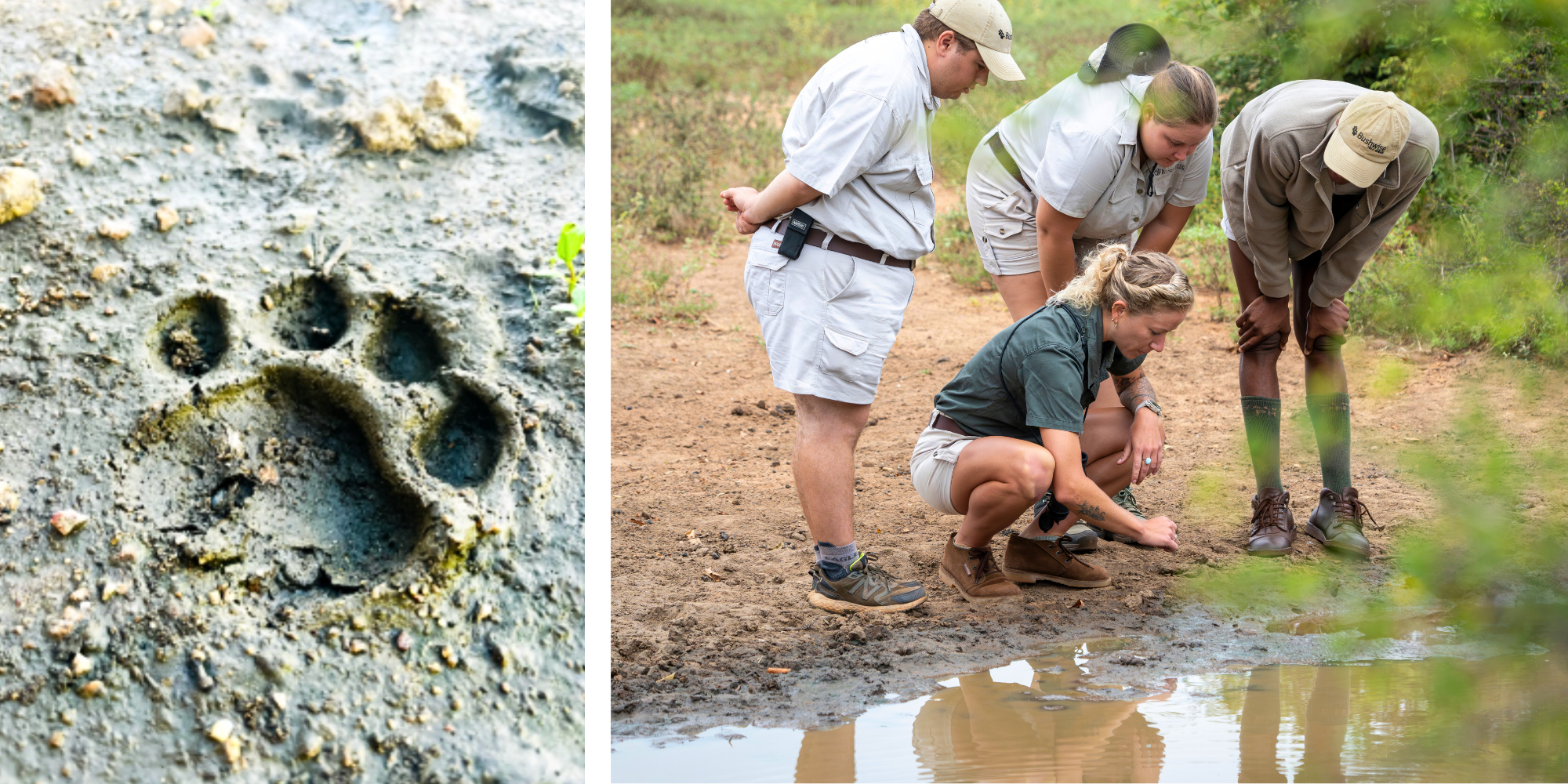
    Over two immersive weeks, we covered track and sign, trailing, and even human tracking as part of our Bushwise field guide training. At first, I didn’t think much of it – just footprints in the sand. But as we began to study and interpret these signs more closely, a whole new world opened up. I found myself fascinated by the details: which animal had passed by, how fast it was moving, what direction it was heading – and why.

    image

    During the first week, we spent hours analysing the tiny details within a single print. I quickly realised that tracking is about more than just footprints. Rubbing against trees, scratch marks on the ground, bite marks, and even the way the grass is bent – all of it contributes to a larger picture. It tells a story. Learning how to read that story gave me a new lens through which to see the bush. I became eager to learn more every day.

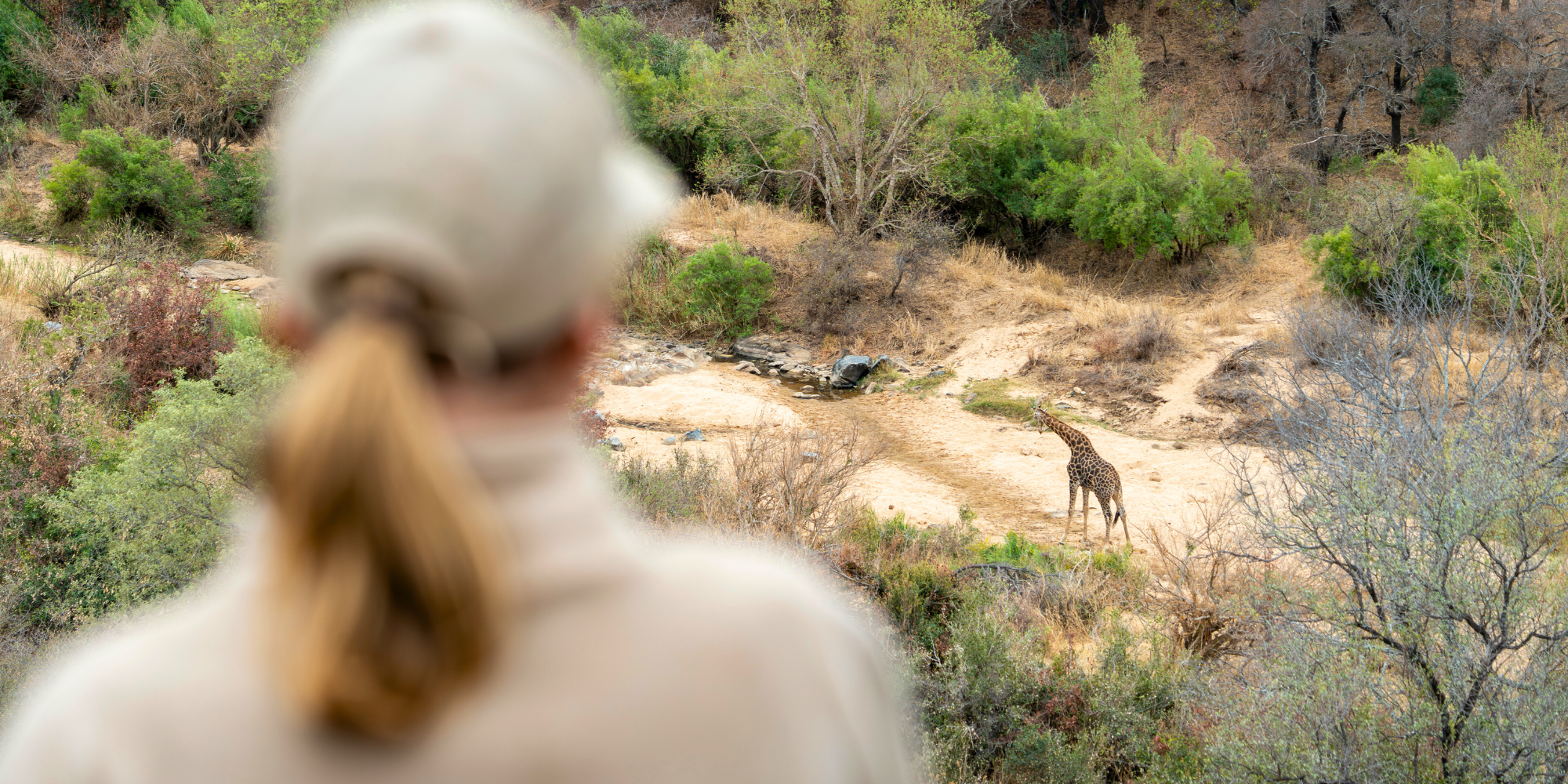
    In the second week, we travelled to Moholoholo Wildlife Rehabilitation Centre for a practical trailing experience. This is where it all clicked. Walking through the bush for kilometres on foot, following the path of an animal, changed everything. Suddenly, I had to think like the animal and imagine what it would do next and why. The awareness it gave me of my surroundings was profound. Being on foot in the wilderness is completely different from viewing it from a vehicle. Every sound becomes significant. Every movement feels meaningful.

    image

    Trailing tracks was more challenging than I expected. It’s incredibly easy to lose the spoor, especially in thick terrain. But with more practice, it becomes a little easier to read the landscape. Even experienced trackers lose the trail sometimes, but finding it again gives you an incredible rush – an adrenaline spike that keeps you motivated and focused.

    Alongside animal tracking, we also learnt about human tracking, which I found equally fascinating. Just by studying footprints, you can determine where a person was looking, if they were rushing or strolling, what shoes they wore, and even estimate their height. It was mind-blowing to see how much detail the human eye can interpret from a simple track when trained to do so.

    image

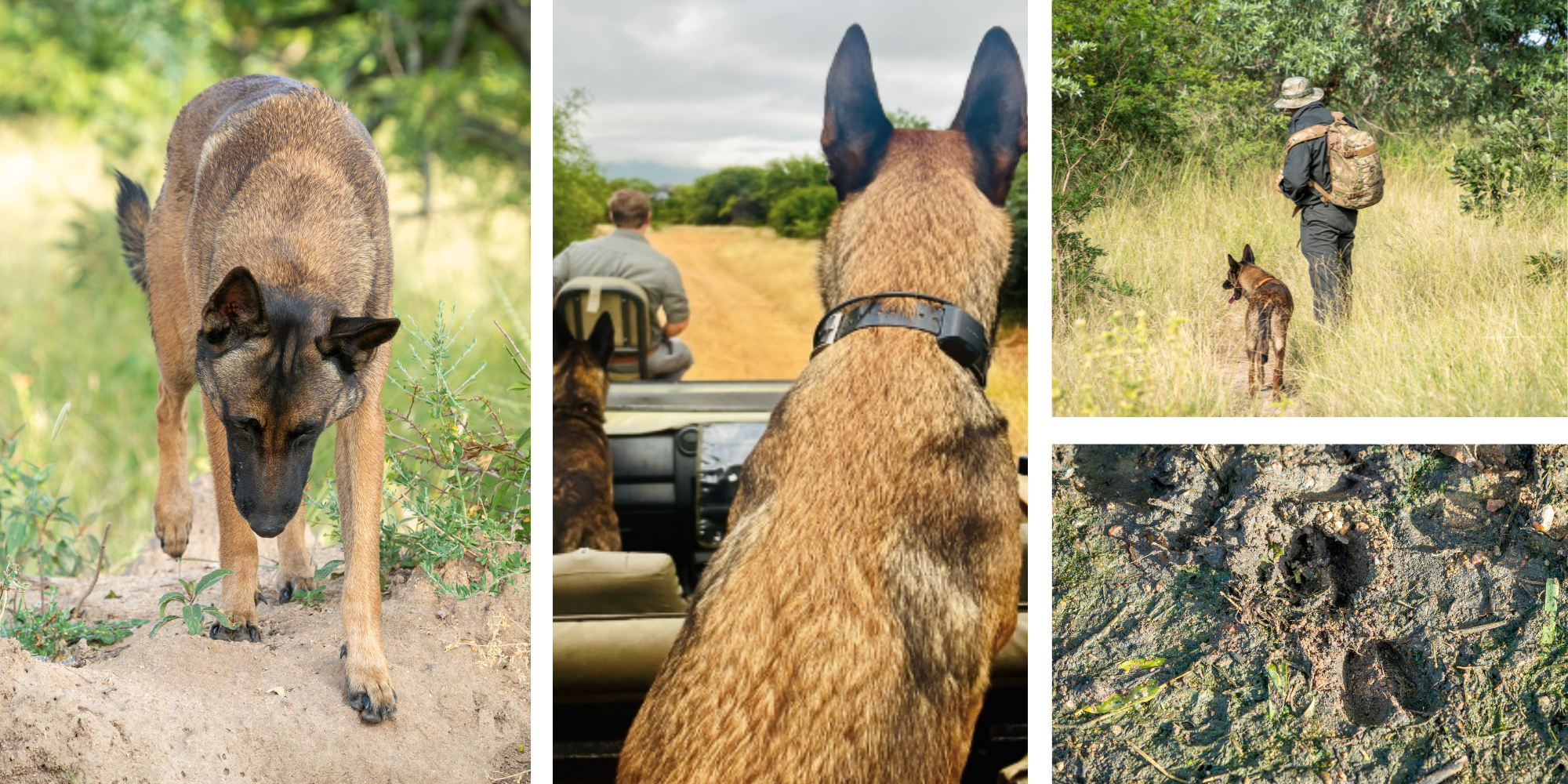
    One of the highlights of this experience was working alongside K9 tracking dogs. Watching them in action and seeing how their instincts and human handlers work together was an unforgettable experience. There’s something special about having a four-legged partner with you in the bush.

    For me, this journey into the world of tracking wasn’t the end, but just the beginning. It’s changed how I experience the wild and even how I see the world around me in everyday life. I now notice the finer details, the things most people overlook. Being at Bushwise, I truly feel like I’m following the tracks to success, and I’m walking the right path.

    image

    Curious about life as a field guide and the skills that bring you closer to nature? Discover Bushwise wildlife courses and take your first steps into the wild.

  • Why zebras have stripes: Uncovering the secrets behind their iconic patterns

    This blog was written by Maurits Van Eeden, a Bushwise Professional Safari Guide student. Each student takes a turn as camp manager, and writing a blog is part of the experience.

    There’s something undeniably iconic about zebras. Maybe it’s their bold black-and-white stripes or the way their stripes are instantly recognisable, no matter where in the world you are. You’ll spot their markings on clothing, art, and even branding,  but what fascinates me is the question behind it all – why do zebras have stripes?

    image

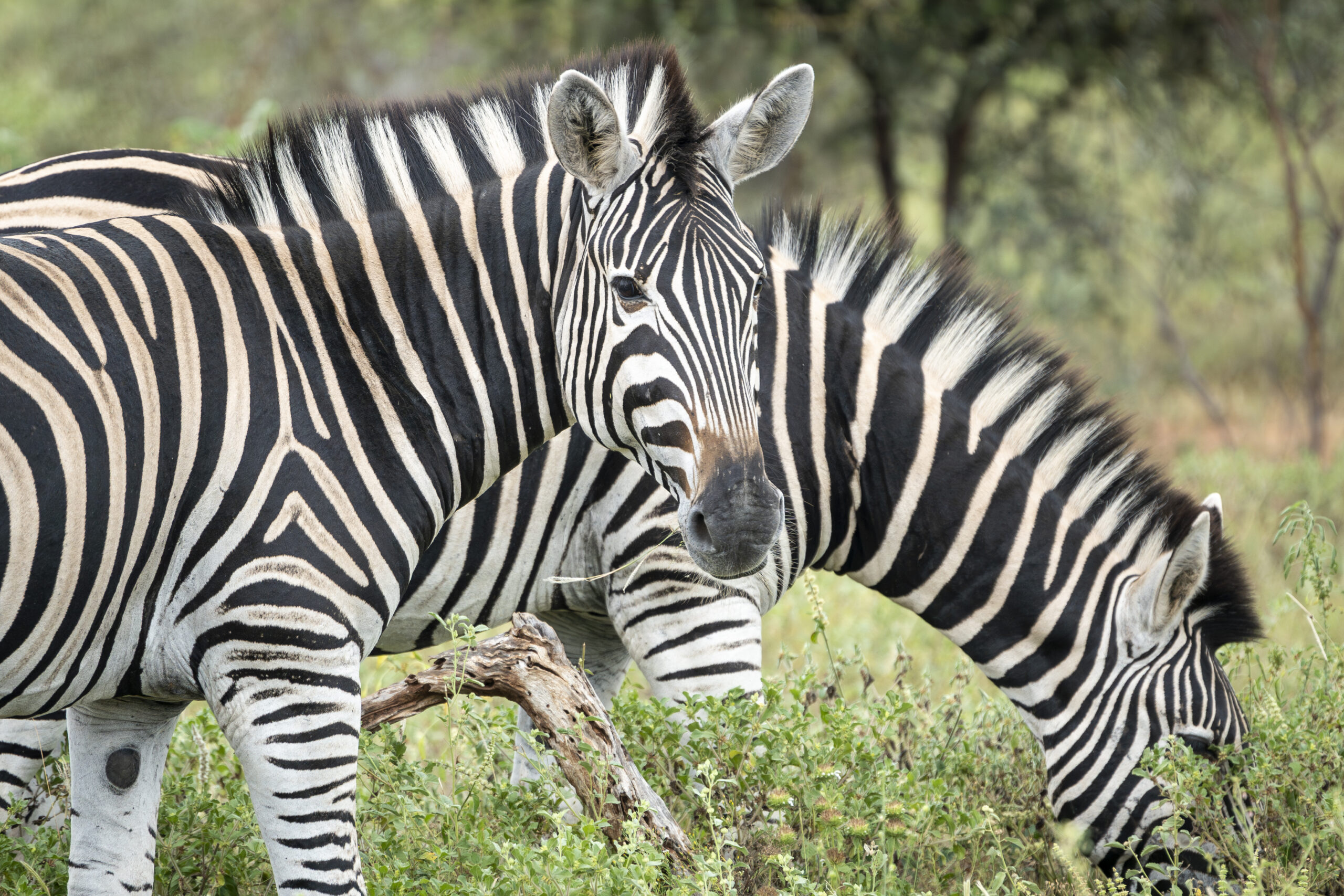
    In Africa, there are three different species of zebra: the Grévy’s zebra, the mountain zebra, and the plains zebra, each having a distinctive look. Grévy’s zebras are the most finely striped and have large, rounded ears and a narrower build than the others. Mountain zebras have thick, bold stripes that wrap all the way around their legs. This is one of the easiest ways to tell them apart. And then there’s the plains zebra, the most common species, known for their wider black stripes and the mysterious “shadow stripes” that sit between them. These faint brown stripes don’t appear on every individual, and to this day, no one’s entirely sure what purpose they serve.

    So, back to the big question – why do zebras have stripes at all? This question has fascinated scientists for decades, and while no single theory has been universally accepted, several compelling explanations have emerged.

    image

    One of the most widely accepted ideas is that stripes help keep biting insects, like tsetse flies and horseflies, at bay. Studies have shown that these insects are less likely to land on striped surfaces, possibly because the bold patterns confuse their vision. Fewer flies mean less irritation, and more importantly, less risk of disease.

    Camouflage is another possible explanation. At first, black and white stripes might not seem like the best choice for blending into their environment,  but during the low light of dawn or dusk, those contrasting patterns can work in the zebra’s favour. The stripes help disrupt their outline, making it harder for predators to pick out one animal from the herd. And when zebras move together, this “motion dazzle” effect becomes even more effective – a blur of stripes that’s tricky to track.

    image

    Another theory is around thermoregulation. The idea is that the black and white stripes absorb and reflect heat differently, creating tiny air currents over the zebra’s skin. These currents could help cool the animal down by boosting sweat evaporation. It’s still being studied, but it’s a fascinating possibility.

    Of course, there’s much more to zebras than their stripes, and as a field guide, understanding zebras beyond their stripes is just as important. Zebras are bulk grazers, eating a wide variety of grasses rather than being selective. That’s a big advantage in environments where food availability shifts with the seasons. When grass is scarce, they’ll even browse on shrubs. Because of this generalist diet, zebras often move ahead of more selective grazers like wildebeest, essentially prepping the landscape for others.

    image

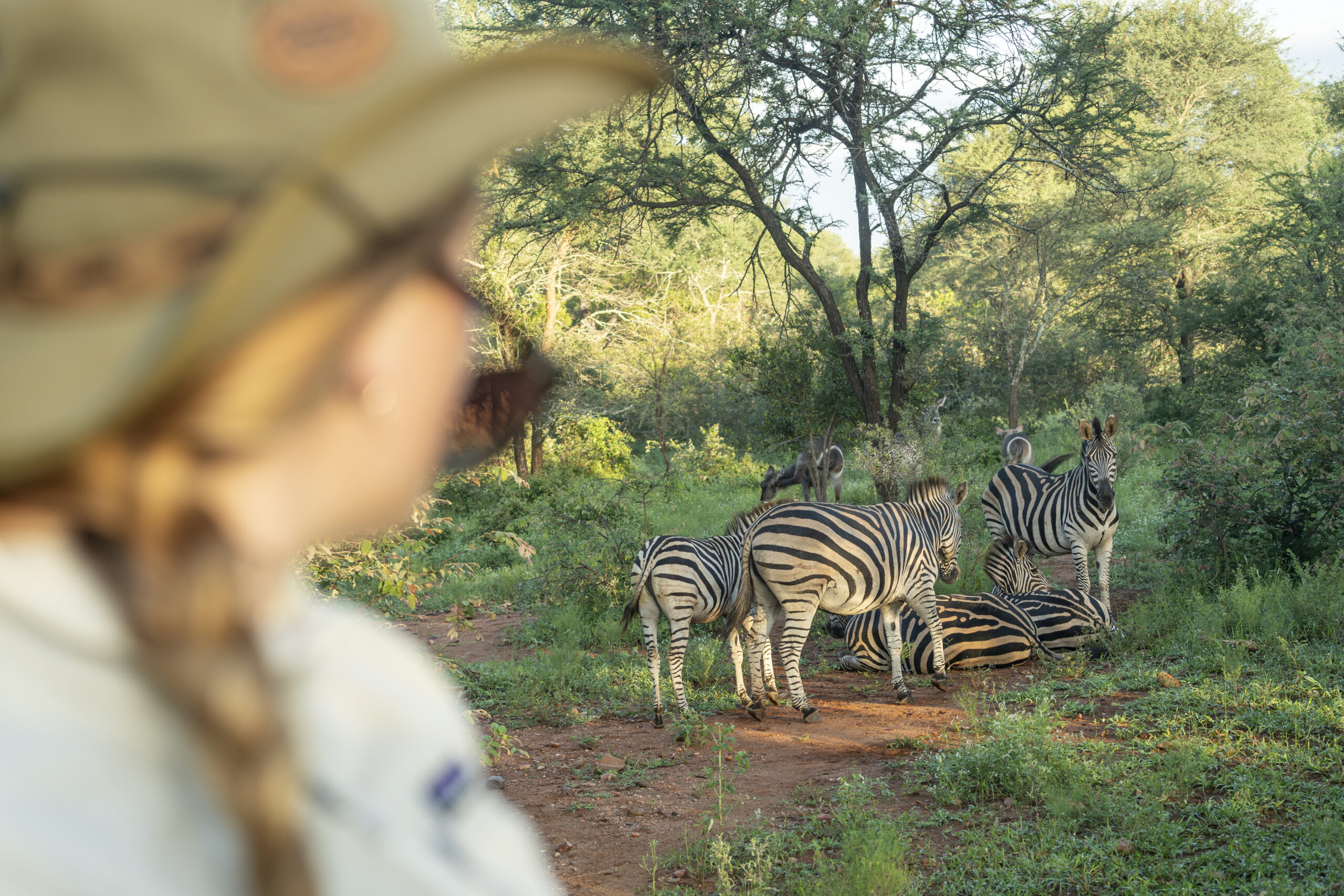
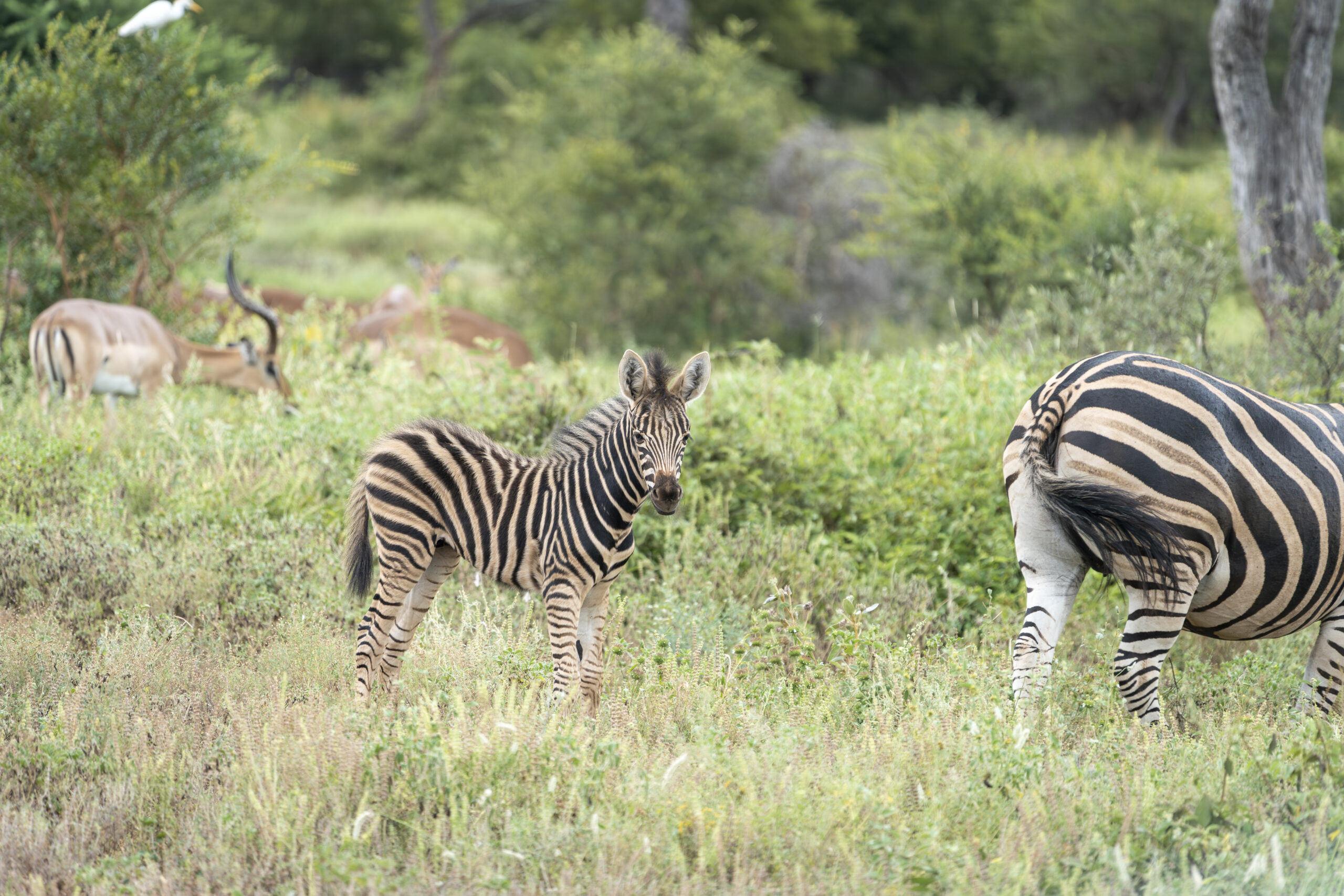
    They’re also highly social animals and are often seen mingling with species like impalas and wildebeest. This isn’t by chance, more animals mean more eyes and ears to detect predators –  a clever survival strategy.

    The more I learn about zebras, the more fascinating they become. Their unique adaptations, social behaviour, and the ongoing scientific debate around their stripes keep me curious. In many ways, zebras are still a mystery – and that’s exactly what makes them so interesting. 

    Ready to learn more about nature’s incredible creatures firsthand?  Explore our wildlife courses to begin your journey into field guiding. 

  • From Switzerland to the South African bush: How Bushwise is helping me achieve my dream

    Tiana Cuttelod, a Bushwise Professional Safari Guide student, wrote this blog. Each student takes a turn as camp manager, and writing a blog is part of the experience.

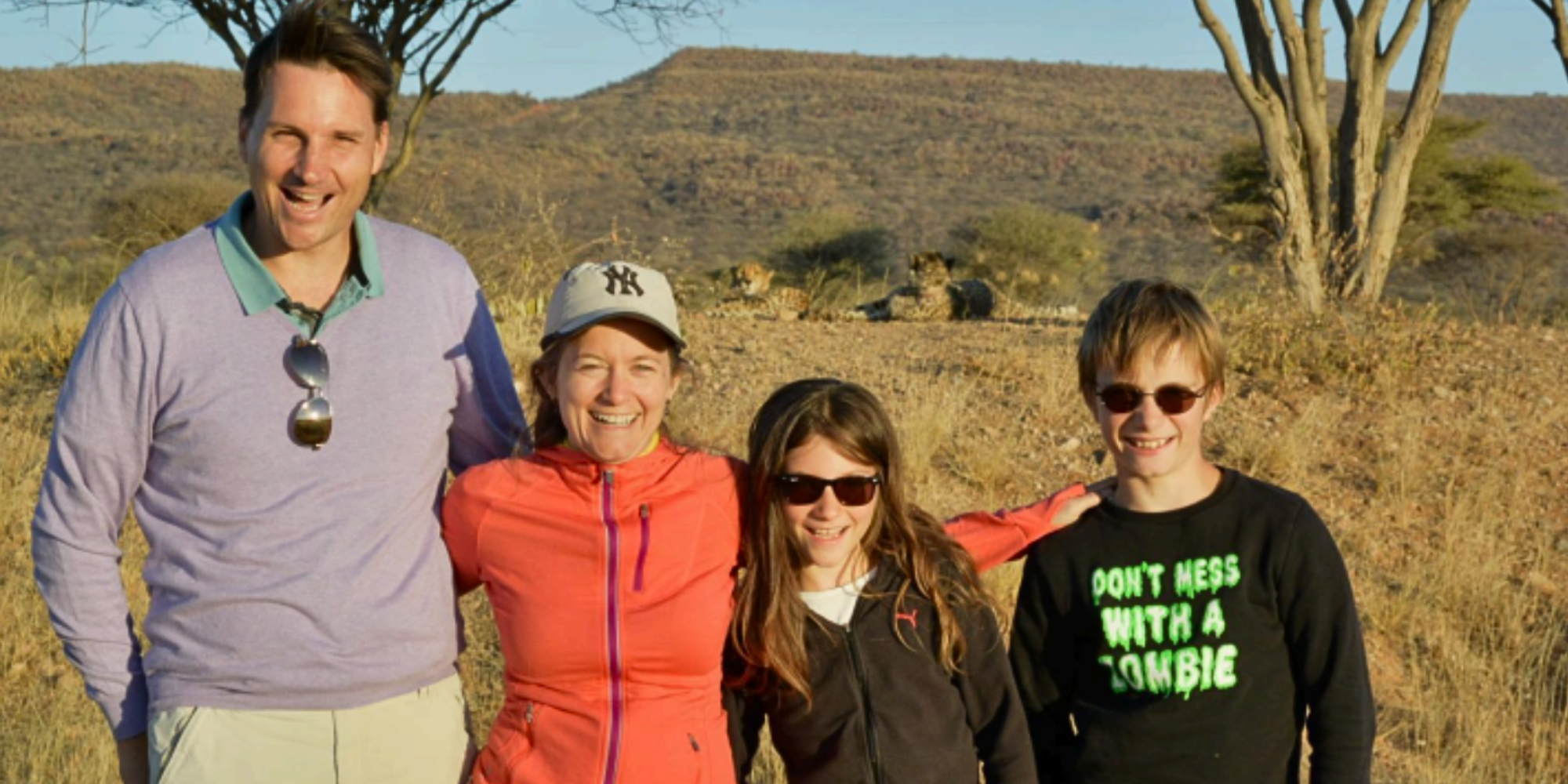
    My journey to Bushwise began many years ago, although I didn’t realise it at the time. When I was just 10 years old, I visited Namibia – the first African country I had ever experienced. While travelling with my family, I was instantly captivated by the unique ecosystems and wildlife that Africa had to offer. 

    image

    My first game drive left a lasting impression. The sense of wonder I felt, immersed in a completely different wildlife scene, was unforgettable. Sitting in the back of the safari vehicle, I would often watch the field guide in admiration, amazed by his ability to drive, spot animals, and share his knowledge at the same time. It was at this moment I told my parents I wanted to become a field guide. At the time, they found this humorous, thinking it was just a childhood fantasy.

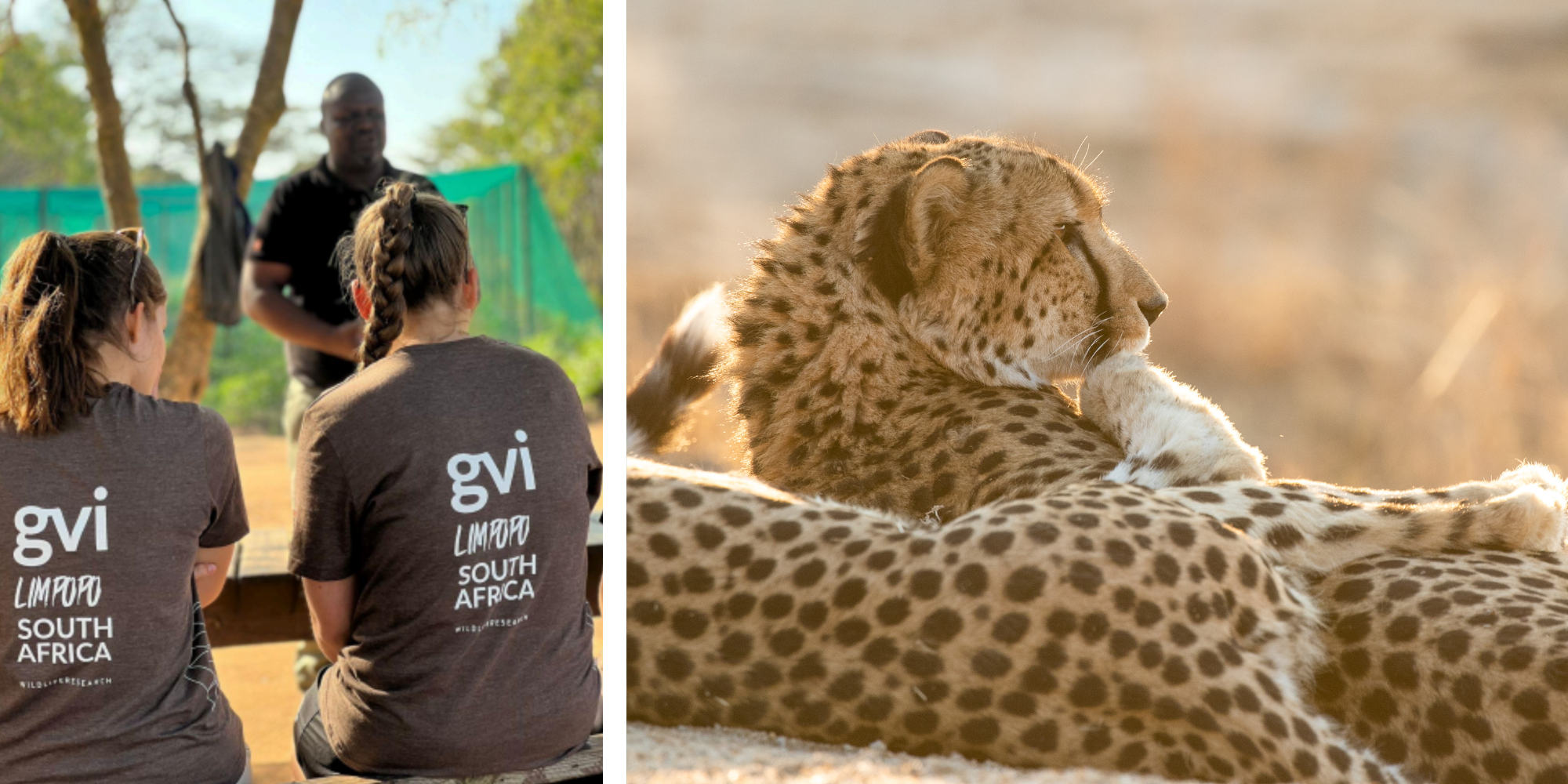
    But my fascination with Africa only grew, and over the years, I travelled back to the continent multiple times. During one of our visits, I discovered a GVI course for under-18s in South Africa. I convinced my parents to let me attend, hoping to find out if guiding was truly the right path for me. While there, I met like-minded individuals, all trying to figure out their futures. 

    image

    As part of the course, I had the opportunity to visit Bushwise’s Mahlahla campus. That visit left a deep impression on me, and I knew I wanted to return one day as a student. When I returned to Switzerland, I spoke to my parents again — this time about the Bushwise IFGA Professional Safari Guide course (6/12 months). While they were initially concerned about the distance and the idea of postponing university, their opinion changed after researching the course themselves. Two years later, I’m proud to say I’ve made it to Bushwise.

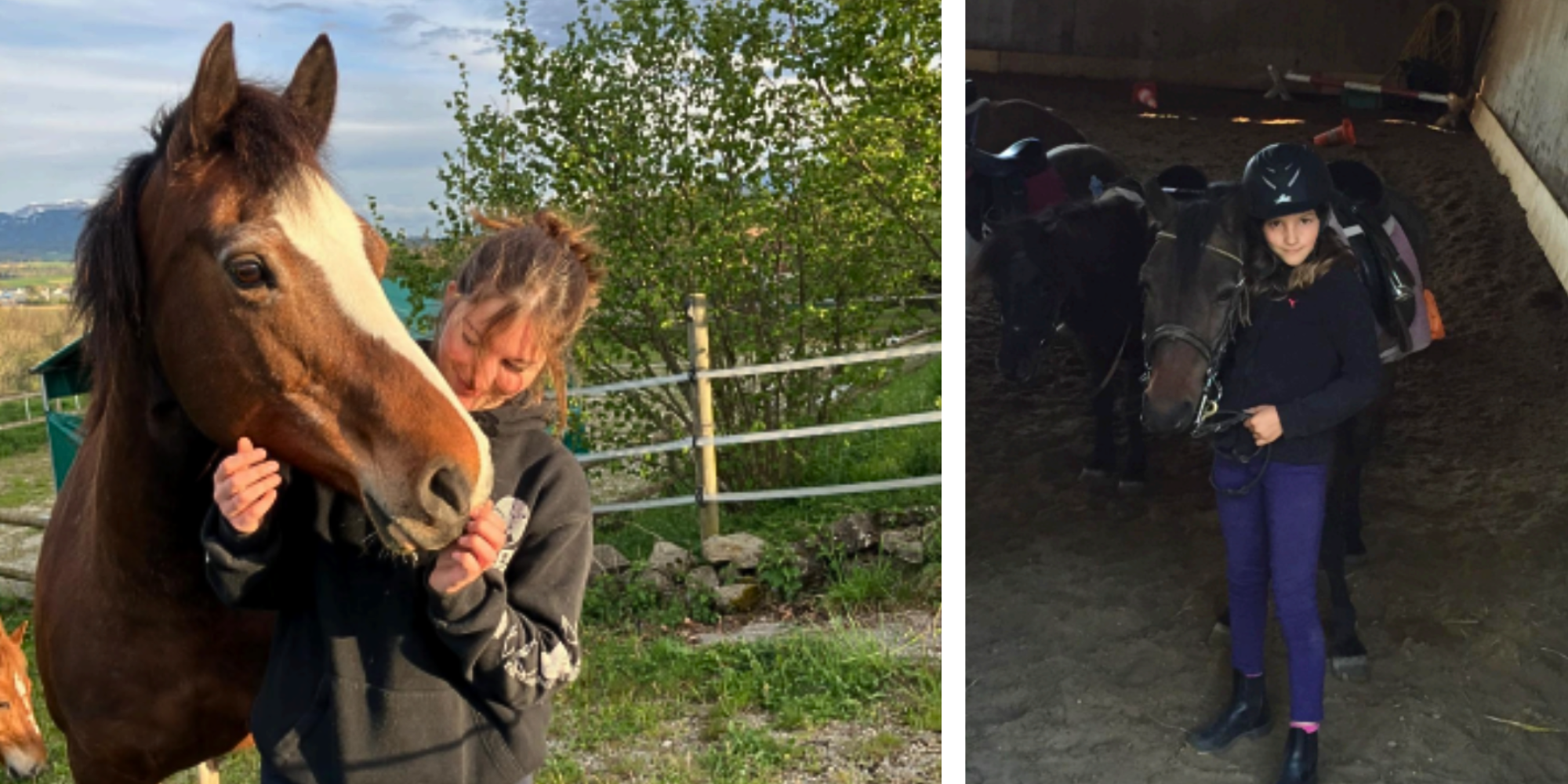
    Back home, I had always been drawn to the outdoors. I started horse riding at the age of six, and in 2022, I bought my first horse. My friends and I would often spend the whole day on long trail rides. During this time, I discovered that horse-riding safaris were a real possibility in parts of Africa — and I began to imagine what life might be like working in that environment. It eventually inspired a new dream – to combine my love for horse safaris, game drives, and walking trails into a career. One where I can create meaningful experiences that benefit both visitors and local communities. 

    image

    A year before joining Bushwise, I was torn between studying wildlife sciences at the University of Queensland in Australia or taking a more hands-on path in South Africa. After finishing the International Baccalaureate, I didn’t feel ready to dive straight into another academic setting. I needed something different — a new rhythm, a more active way of learning.

    Now that I’ve spent a few weeks in South Africa, I know I made the right decision. I’ve fallen in love with this place and the lifestyle. Bushwise is providing me with everything I need to take the first step into the guiding world — practical experience, valuable knowledge, and the chance to build connections in the lodge industry. The six-month placement will allow me to understand the realities of working in the bush, and whether it’s something I want to pursue long-term.

    image

    Ultimately, this course is a launchpad for the future I’ve envisioned since I was ten years old — running a lodge that offers guests immersive experiences through horseback safaris, game drives, and walking trails. I’m so grateful that Bushwise is helping me take those first important steps.

    Dreaming of a life in the African bush? Explore Bushwise’s CATHSSETA-accredited wildlife courses and find out how you can turn your passion for wildlife into a professional career.

  • A young conservationist’s journey begins with Bushwise

    This blog was written by Luke Levitas, a Bushwise Professional Safari Guide student. Each student takes a turn as camp manager, and writing a blog is part of the experience.

    From a young age, nature has been an integral part of my life. Growing up in South Africa, the connection to the bush felt natural, almost ingrained in us. Some of my fondest memories are of late-night fires with family and friends, surrounded by the sounds of wildlife, and the awe of stargazing on clear nights. These experiences shaped my childhood and instilled in me a strong appreciation for the environment. Over time, this appreciation evolved into a deeper understanding of the importance of conservation. I realised that protecting our natural world is a shared responsibility, and it became clear that I wanted to play a part in it. This led me to pursue a career in wildlife conservation and to consider ways to build a global network dedicated to this cause.

    image

    Growing up, I was inspired by figures like David Attenborough, Steve Irwin, and Lawrence Anthony. Attenborough’s documentaries, which highlight the intricate balance of nature and the interconnection of all life, sparked a curiosity about the world around us. Steve Irwin’s enthusiasm for wildlife and his approach to educating the public showed me the power of passion in conservation. Additionally, Lawrence Anthony’s work with elephants, particularly the herd he rehabilitated as described in The Elephant Whisperer, demonstrated the significant impact one person can make. These figures shaped my outlook and reinforced the idea that every contribution matters.

    In adulthood, I spent nearly seven years living and travelling abroad, where I saw that many of the conservation challenges we face in South Africa, such as habitat loss, poaching, and climate change, are present around the world. I saw landscapes where forests had been replaced by farmland and witnessed how urbanisation was reshaping both natural environments and local communities. It became evident to me that wildlife conservation is not just a local issue, but a global one. If we are to make a meaningful impact, collaboration across borders is crucial.

    image

    One idea I’ve been exploring is the creation of a program similar to the Erasmus+ program, but with a focus on conservation and wildlife work. This program would offer students and young professionals the opportunity to gain practical experience abroad, working on projects aligned with their interests. Beyond the professional skills gained, it would also foster connections between people from diverse backgrounds, all united by a passion for wildlife conservation.

    In addition to this, I believe that stronger connections between game lodges, conservation projects, breeding programs, and research institutions are essential. Currently, many of these organisations operate independently, which can limit the sharing of resources and knowledge. Strengthening these collaborations, both virtually and in-person, could help maximise the impact of their efforts.

    Technology also has a significant role to play in conservation. Drones, AI-powered camera traps, and satellite monitoring systems allow for more precise tracking of animal movements, monitoring of habitats, and detection of poaching activities. A shared database, where conservation teams across different countries can upload and access findings, could revolutionise the way we approach conservation challenges.

    image

    For me, becoming a field guide was a way to stay connected to nature while actively contributing to conservation efforts. Through the IFGA Professional Safari Guide course (6/12 months), I have had the opportunity to share my passion for the environment with people from around the world. When individuals experience the beauty of nature firsthand, they often develop a greater sense of responsibility for its protection.

    The challenges facing conservation are significant – habitat loss, poaching, and climate change present real obstacles. However, collaboration, new technologies, and a shared commitment to the cause can help us make a meaningful difference.

    image

    Nature has provided me with a deep sense of purpose and countless rewarding experiences. Now, I’m focused on giving back and ensuring that future generations have the opportunity to experience the same wonders. By building stronger networks and working together, we can help preserve our natural world for the long term.

    Ready to start your journey into wildlife conservation? Bushwise offers a range of wildlife courses that can help you gain the skills and knowledge needed to jumpstart your career!

  • Everything you need to know about the greater kudu

    This blog was written by Whian Kruyshaar, a Bushwise Professional Safari Guide student. Each student takes a turn as camp manager, and writing a blog is part of the experience.

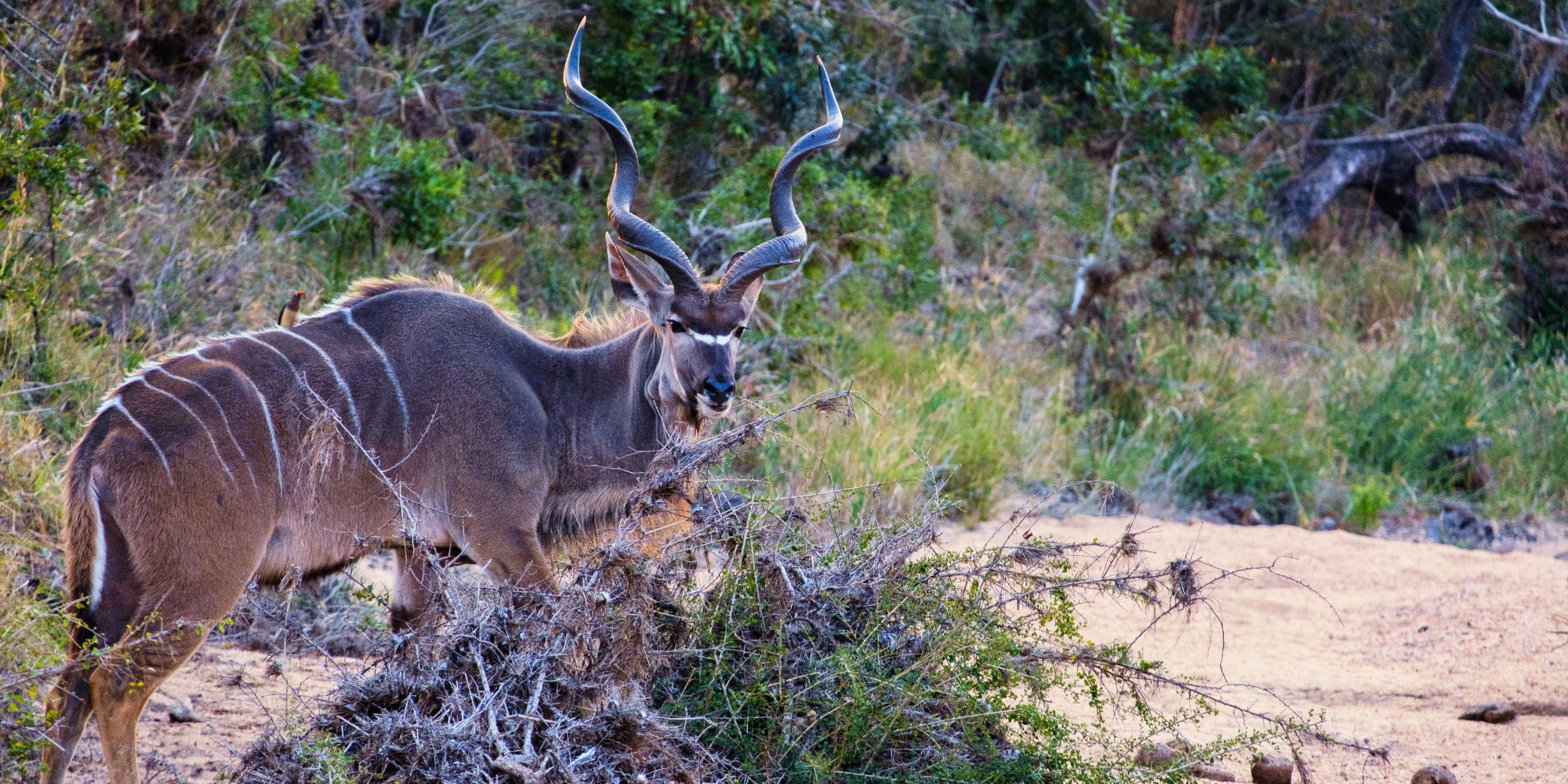
    The Kruger National Park is one of Africa’s most famous wildlife reserves and is home to a variety of animals. Among them is the greater kudu, which stands out as one of the most striking and elegant antelope species. With its spiralled horns, sleek body, and distinctive markings, the kudu is truly a magnificent sight to see. 

    A closer look at the greater kudu

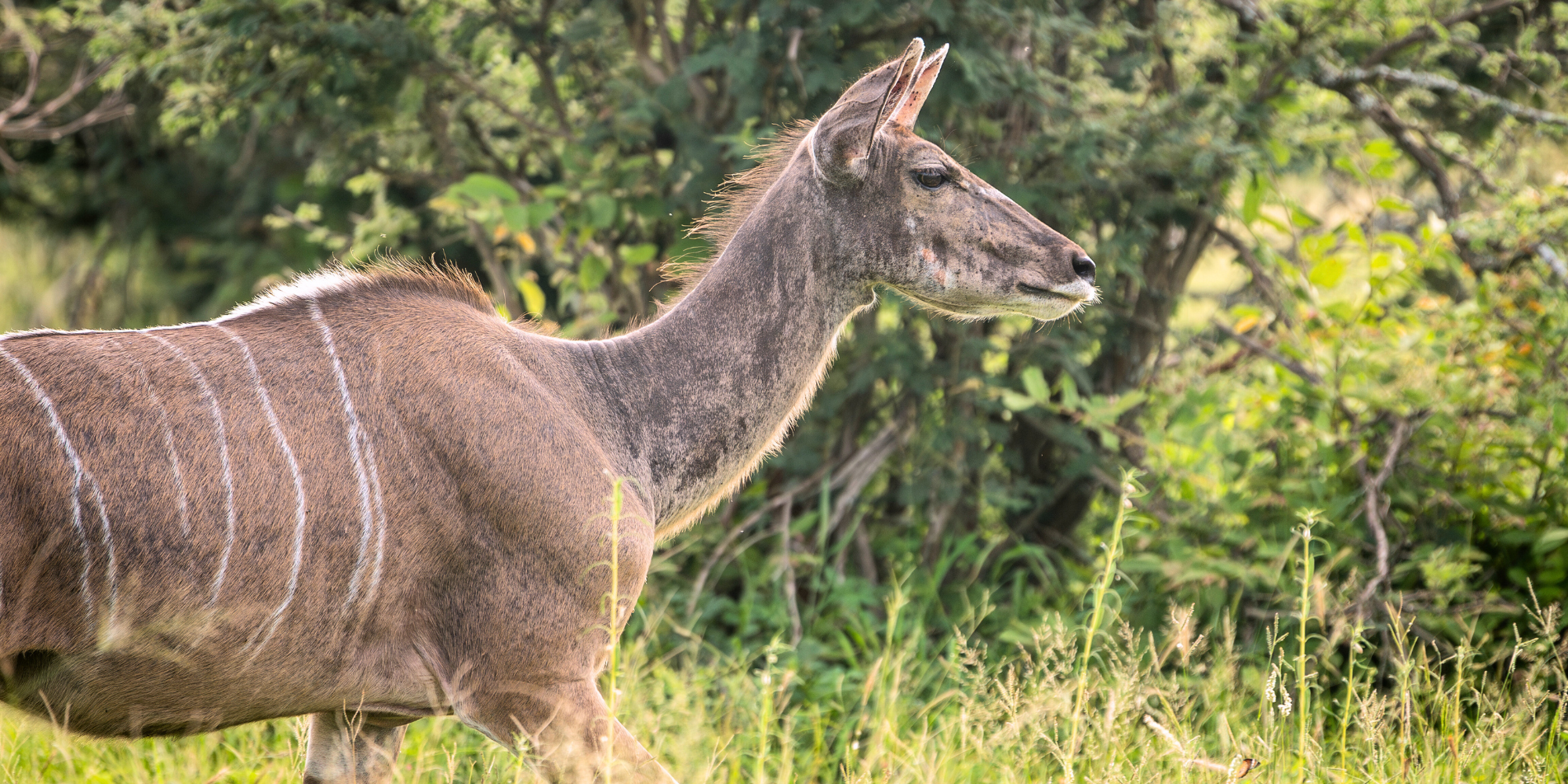
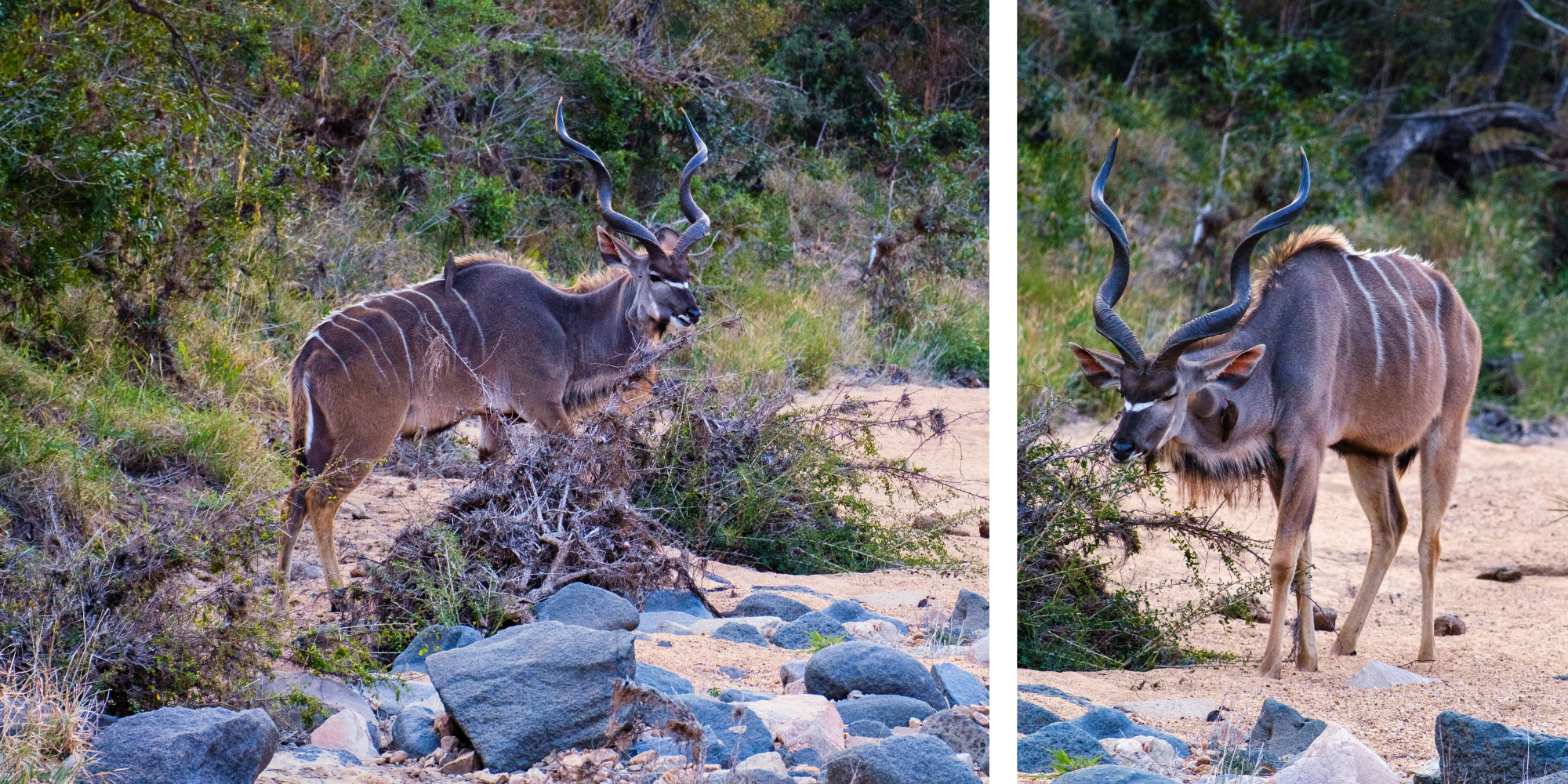
    The greater kudu is one of Africa’s largest antelope species, admired for its majestic presence and elusive nature. Males can weigh up to 315 kg (694 lbs) and boast impressive, spiralling horns that can reach up to 1.8 metres (6 feet) long. These horns contribute to the kudu’s regal appearance. Females are smaller and don’t have horns, making them easier to identify.

    image

    One of the defining features of the greater kudu is the colour of its coat. It has a tawny or greyish-brown fur, marked with white vertical stripes along its sides, which provide excellent

    camouflage in the dappled light of the African bush. This colouration helps them blend

    seamlessly into their surroundings, making them harder for predators to spot.

    Where to find the greater kudu in the Kruger National Park

    Kudus are found in a range of habitats across Kruger National Park, but they prefer dense

    woodlands, thickets, and bushveld regions. They are commonly seen in areas with lots of

     tree cover, such as along riverbanks or near mopane and acacia forests. 

    Kudus prefer areas with more tree cover, likely because of their feeding habits. As browsers, they mainly eat leaves, fruits, and flowers, so it makes sense they’re drawn to regions with plenty of trees.

    image

    Behaviour of the greater kudu

    Despite their size, greater kudus can be shy. Unlike more social antelope species, kudus tend to be found by themselves or in small groups, usually consisting of females and their young. Males are often solitary except during the mating season when they compete for dominance and mating rights.

    Kudus are most active during the early morning and late afternoon, making these the best times to spot them on a game drive. They are, however, able to stand still for long periods, which can make them challenging to see, given that they blend perfectly into the bush. However, their loud and distinctive alarm call, similar to a dog’s bark, can sometimes give away their presence.

    Predators and survival strategies 

    Lions, leopards, and wild dogs are among the main predators of greater kudus. Their primary defence mechanism is their agility, speed, and ability to jump as high as 3 metres. They also have an excellent sense of hearing – especially with those large ears – and smell that usually allows them to pick up any signs of predators in the area. 

    How the kudu fits into the ecosystem

    As browsers, kudu play a role in controlling vegetation growth and helping with seed dispersal. They spread seeds by defecating what they’ve eaten but not fully digested while moving around. And, of course, they’re also an important food source for predators.

    Conservation status

    Although greater kudus aren’t considered endangered, they do face threats from habitat loss and human activities outside protected areas. In some regions, they can also be vulnerable to diseases like anthrax, which can occasionally affect their numbers. However, this is less of a concern in game reserves that focus on strict conservation efforts while maintaining a healthy, balanced ecosystem.

    image

    Spotting a greater kudu is always a treat, whether it’s a lone male with his striking spiral horns or a group of females and their young moving elegantly through the bush. While they may be fairly common in some areas, it’s worth taking a moment to appreciate their role in the ecosystem – and to look a little closer to rediscover the magic of these incredible animals.

    Want to experience Africa’s wildlife up close? Join a Bushwise course and learn from experts while seeing incredible wildlife.