Tag: #gameranger

  • How to identify birds using the GISS method

    How to identify birds using the GISS method

    Birdwatching is one of those skills that becomes more rewarding the longer you do it. At first, all the fluttering wings and quick movements can feel overwhelming, but once you know what to look for, patterns start to appear. The GISS method is one of the best tools to help you get there.

    GISS stands for General Impression of Size and Shape. It’s a method used by guides, rangers, and birders around the world to identify birds quickly and confidently, even with only a short glimpse. Instead of fixating on tiny markings, GISS encourages you to take in the whole bird – its size, its proportions, how it moves, and where it’s found. Here’s how it works.
    General
    The “General” part of GISS refers to your first impression. What’s the bird’s overall look and feel? Is it elegant and slender like a heron, or compact and busy like a sparrow? Sometimes, your instinctive sense of a bird can be the most accurate clue. The more time you spend watching birds, the sharper that instinct becomes.
    Impression
    “Impression” focuses on the bird’s movement and personality. How does it behave? Is it gliding effortlessly, darting between branches, or bobbing its tail as it walks? Behaviour can tell you a lot — for instance, wagtails are known for their characteristic tail-bobbing, while hornbills tend to move deliberately through the trees. Watching how a bird acts in its environment often gives you just as much information as what it looks like.
    Size
    Size can help narrow things down quickly. Compare the bird to others nearby or to something familiar. Is it smaller than a dove? Bigger than a starling? Size can be deceptive depending on distance, so use it as a rough guide rather than a strict rule. Still, it’s a good way to eliminate possibilities — a bird much larger than a sparrow, for example, isn’t going to be one.
    Shape
    Shape is one of the most reliable identifiers. Look at the silhouette — long neck, short tail, broad wings? Raptors tend to have sturdy bodies and hooked beaks, while swallows are streamlined for fast flight. Even without colour, an experienced guide can identify a bird just by its outline against the sky. Practising this skill takes time, but it pays off quickly once you start noticing patterns.
    Using GISS in the field
    When you’re out in the bush, you rarely get the luxury of a perfect view. Birds hide in thick foliage or take off before you can grab your binoculars. The GISS method helps you make quick, confident identifications using what you can see in the moment. Start with your overall impression, watch how it behaves, note its size and shape — and only then, if you can, check colours or markings to confirm your guess.
    Developing your bird identification skills takes patience and practice, but it’s one of the most rewarding parts of spending time in nature. Each sighting sharpens your observation skills and deepens your connection to the natural world.
    Want to turn your passion for wildlife and the bush into a career? Learn more about Bushwise’s professional wildlife courses and start a career in the safari, conservation, or tourism industries.
  • The Spotted Bush Snake: Misunderstood and harmless

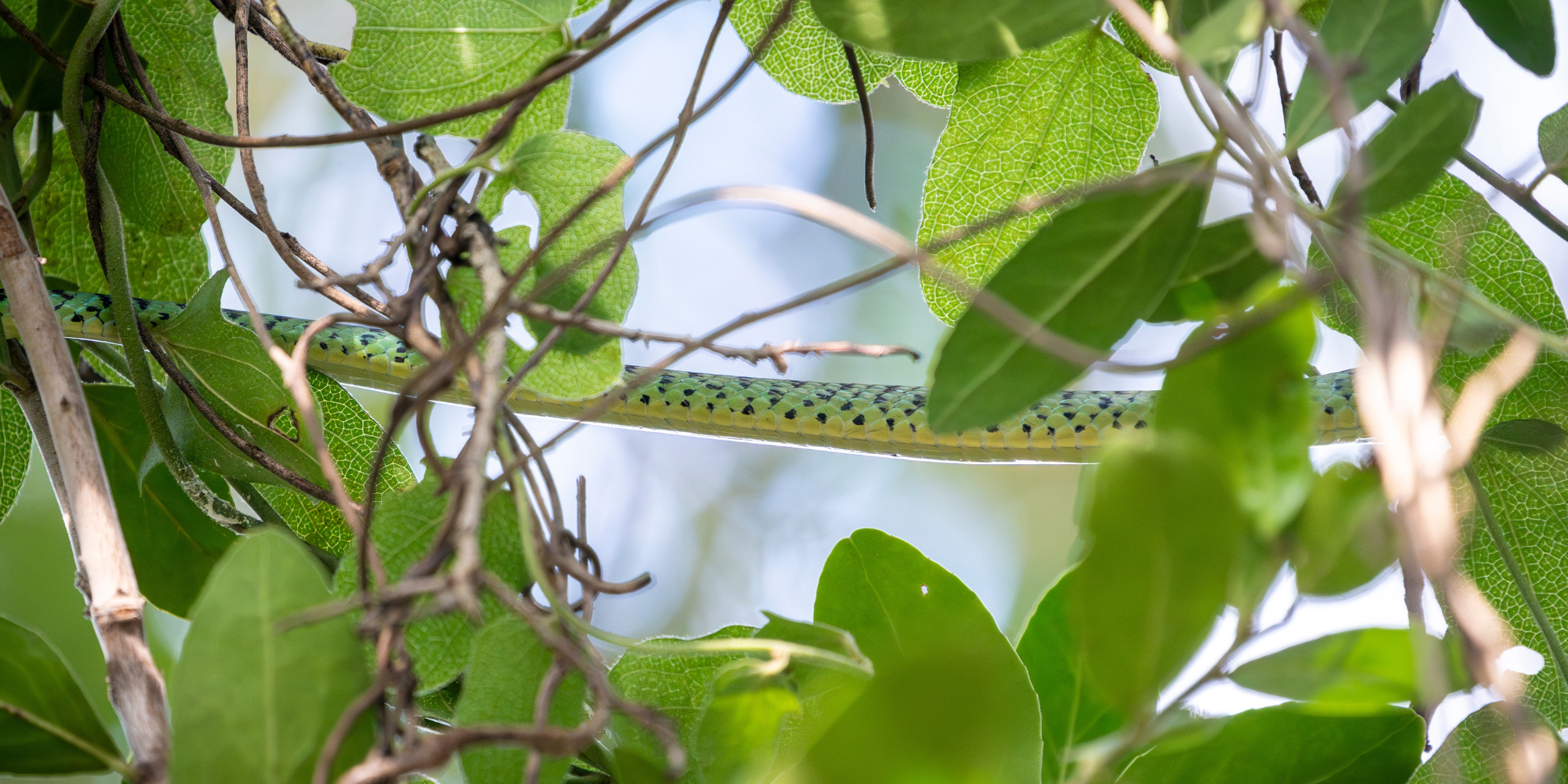
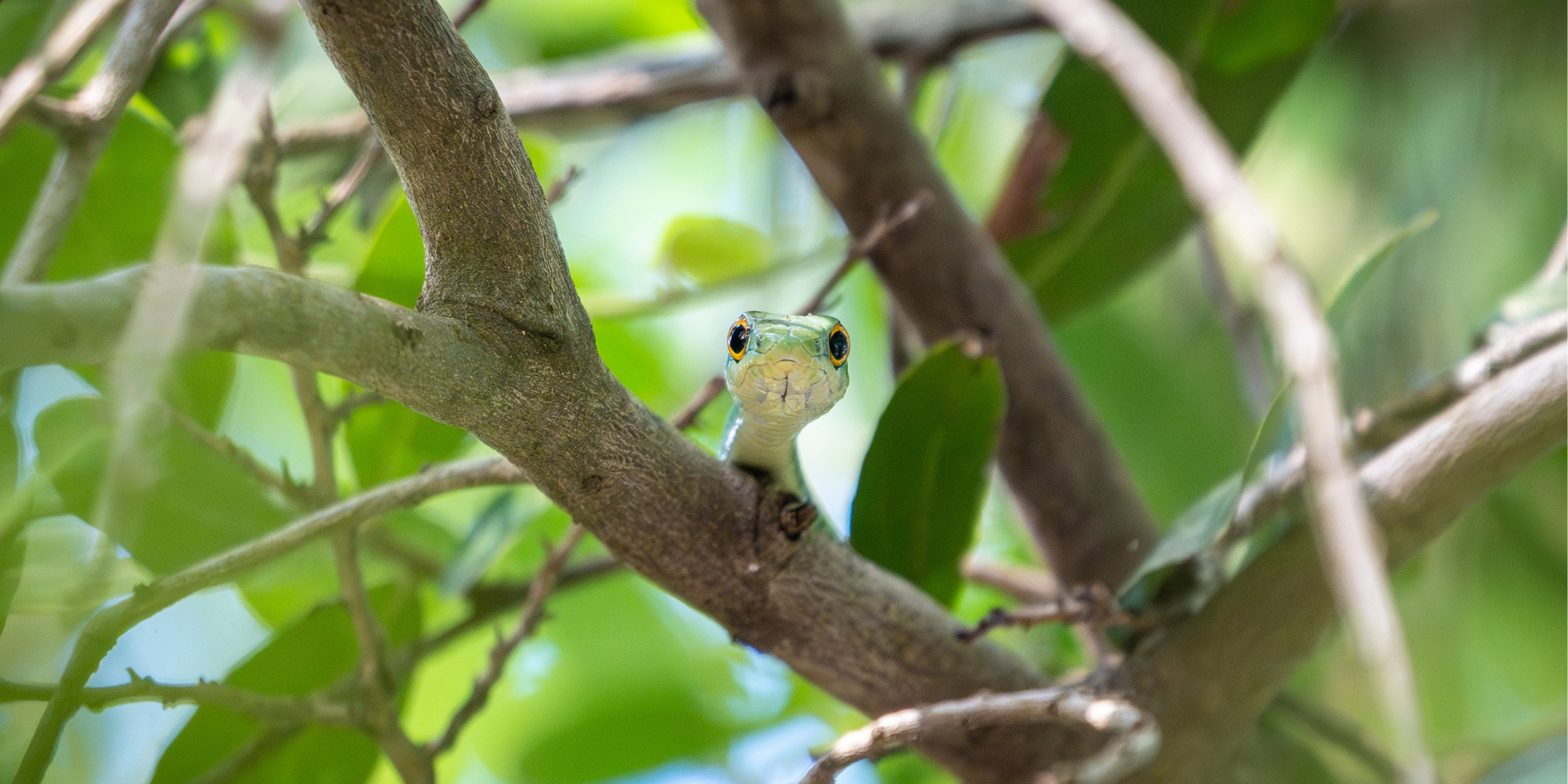
    Every so often, someone spots a bright green snake sliding across a wall or sunning itself in a tree and immediately sounds the alarm — “Boomslang!” It’s an understandable reaction, but more often than not, what they’ve actually seen is the spotted bush snake. And despite the confusion, this sleek little reptile couldn’t be more different from its venomous lookalike.

    image

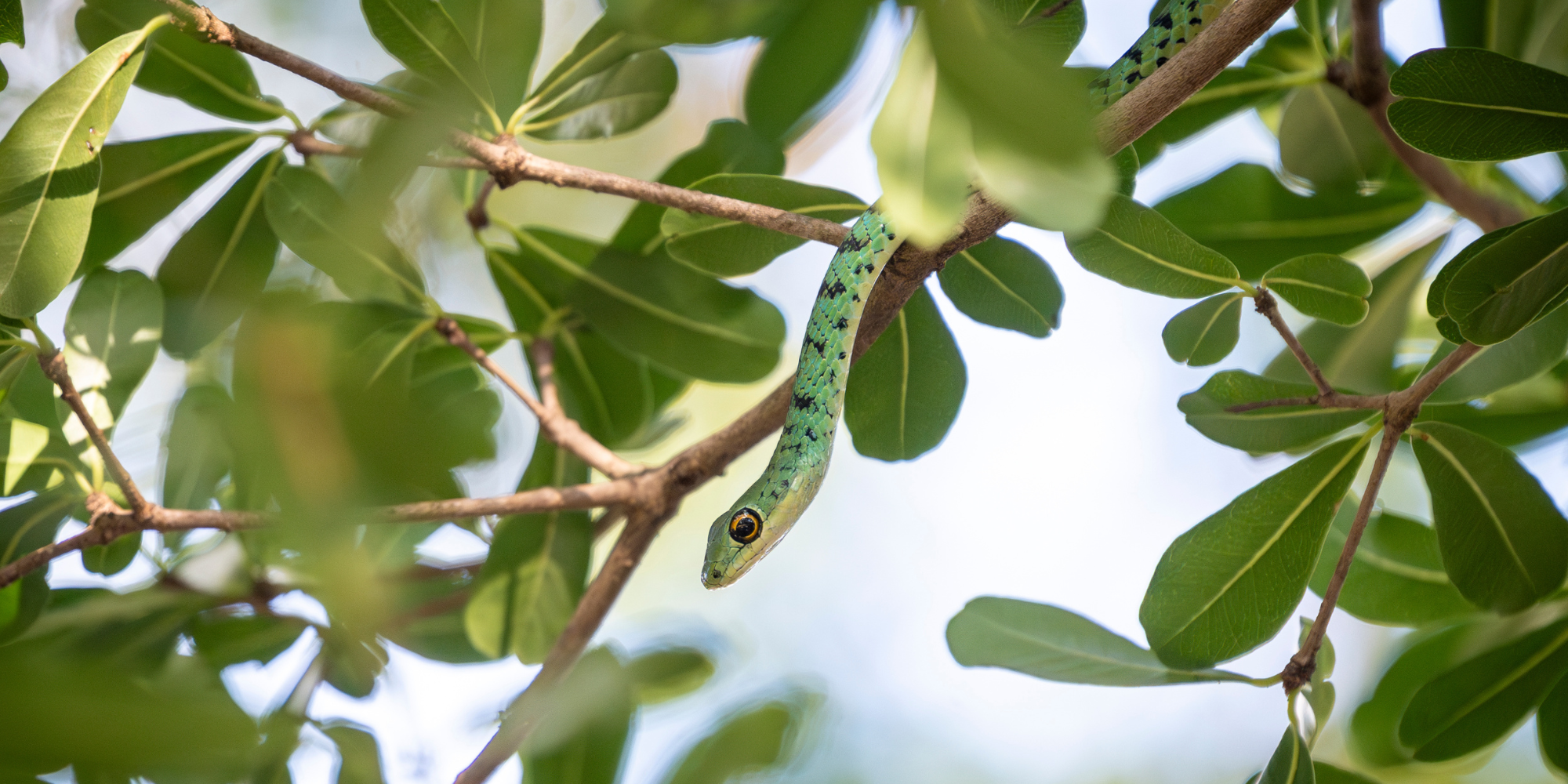
    The spotted bush snake (Philothamnus semivariegatus) is one of the most commonly seen snakes in southern Africa, and one of the most misunderstood. It’s completely non-venomous, harmless to people, and actually quite shy. But because it shares that vivid green colouring with the boomslang (Dispholidus typus), it often gets mistaken for one.

    Spotted bush snakes are slim, agile, and usually measure around 80 to 100 centimetres in length. Their colour can vary from bright leaf green to a more turquoise tone, often with a scattering of black or blue spots along the body, which is where they get their name. Their eyes are large and golden, with round pupils, giving them a very alert look. They’re diurnal, meaning they’re active during the day, and they’re almost always found in trees, shrubs, or even on walls and roofs where they can chase their favourite prey: geckos and small lizards. Occasionally, they’ll take a frog, but their diet is mainly made up of fast-moving reptiles.

    image

    You can find spotted bush snakes throughout most of sub-Saharan Africa. In South Africa, they occur widely across the eastern and northern provinces, KwaZulu-Natal, Limpopo, Mpumalanga and parts of Gauteng, wherever there’s enough vegetation and warmth. They’re particularly common in gardens and around homes that border natural areas, which explains why so many people encounter them without realising what they are.

    The boomslang, on the other hand, is indeed one of Africa’s most venomous snakes, and it also happens to be green – at least the males are. But there are a few simple ways to tell the two apart. For one, the boomslang has a noticeably larger head and an extremely large eye relative to its head size. It’s also stockier, with a thicker body and a more defined neck. The spotted bush snake, in contrast, is slender, even delicate, with a more uniform head shape and smaller eyes. Boomslangs also tend to have smoother, shinier scales and a more olive or matte green tone, while spotted bush snakes often have those characteristic dark speckles and a hint of blue.

    image

    Another key difference is behaviour. Spotted bush snakes are quick to flee and almost impossible to corner. If approached, they’ll zip up a wall, into a tree, or disappear into a gutter. Boomslangs, on the other hand, tend to freeze when threatened, relying on camouflage. And of course, while the boomslang’s bite can be deadly, the spotted bush snake doesn’t possess venom that poses any risk to humans or pets.

    Want to learn more about Africa’s wildlife? Bushwise offers wildlife courses that range from a few days to a year.

  • Understanding and protecting Africa’s elusive leopards

    This blog was written by Tia Bell, a Bushwise Professional Safari Guide student. Each student takes a turn as camp manager, and writing a blog is part of the experience.

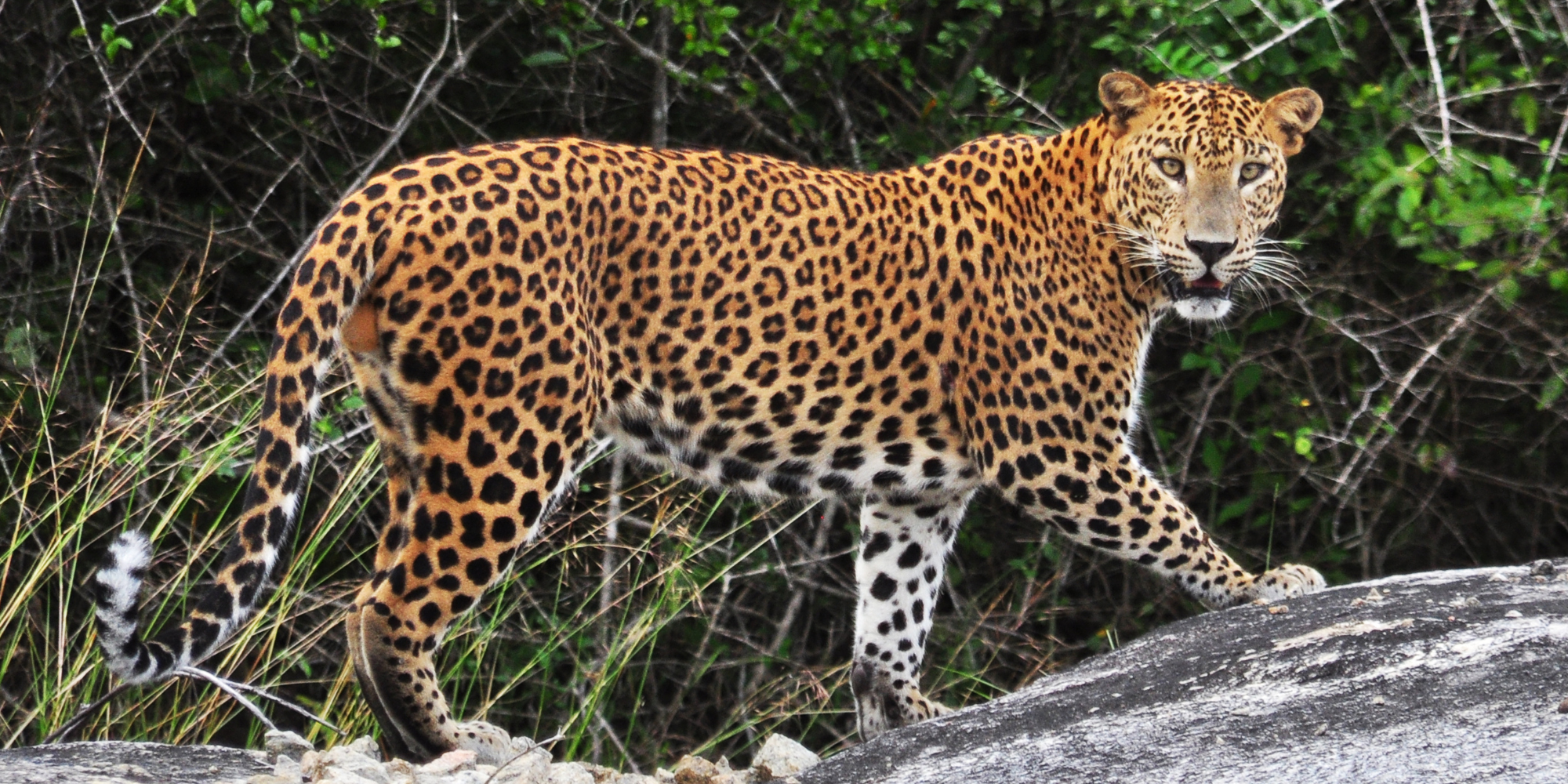
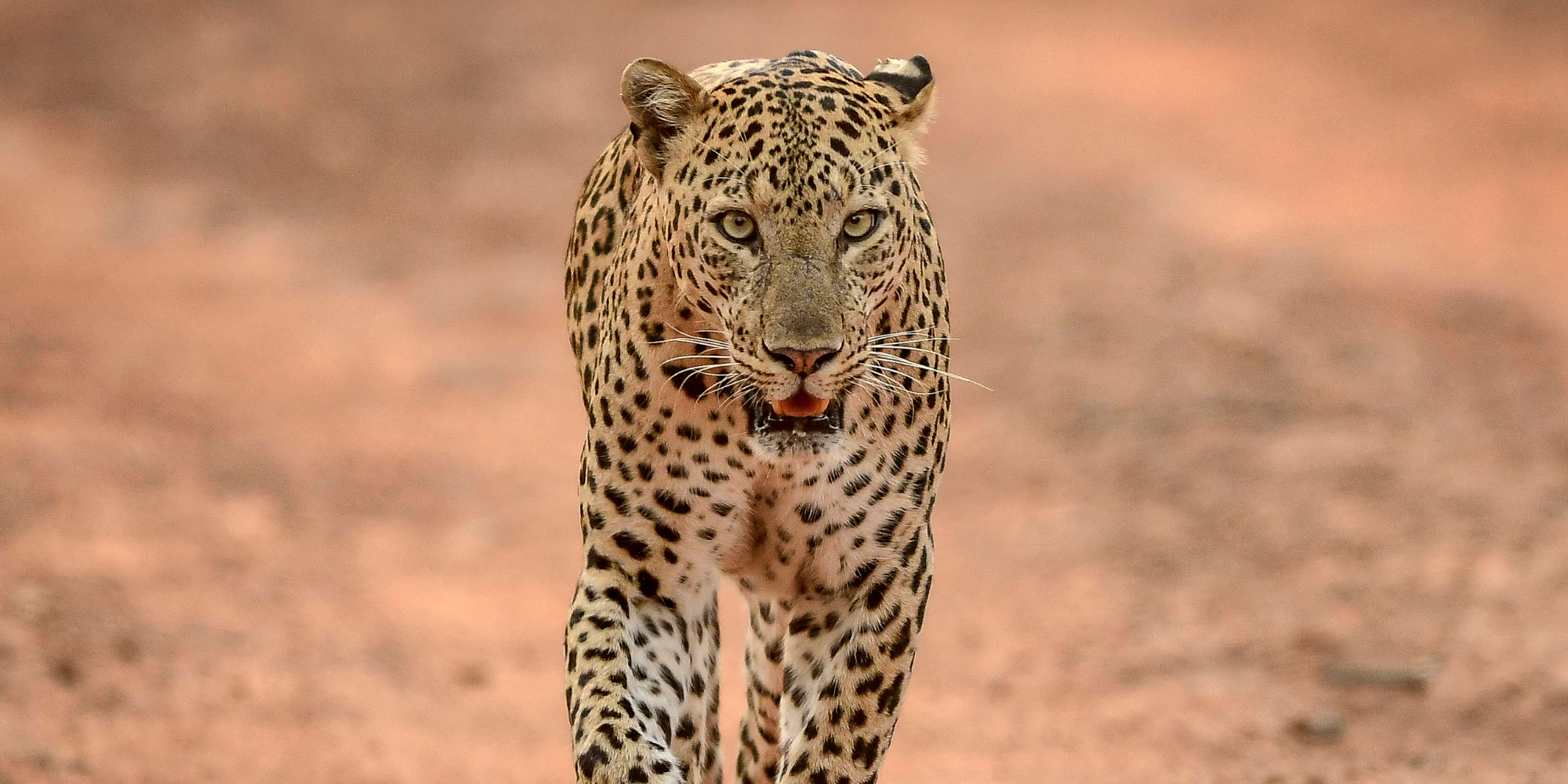
    The leopard is one of Africa’s most mysterious and graceful creatures. Powerful, stealthy, and beautifully patterned, it’s an apex predator and one of the Big Five, a true sign of a healthy ecosystem. But despite being such a master of survival, leopards are facing more threats than ever. Human activity is shrinking their world, and without our help, these incredible cats could disappear from places they’ve lived for generations.

    image

    Leopards are the ultimate experts in staying out of sight. Mostly solitary and active at night, they rely on camouflage and patience to hunt. They don’t sprint after their prey like cheetahs—they stalk quietly, wait for the perfect moment, and then strike with speed and precision. Hunting isn’t easy, and even the most skilled leopard doesn’t succeed every time.

    Competition is tough. Lions, hyenas, and even some scavenging birds are always trying to steal a leopard’s hard-earned meal. To protect their food, leopards often drag it up into trees, sometimes prey as heavy as they are. It’s a brilliant survival trick, keeping their dinner safe from other predators while showing off just how strong and adaptable they are.

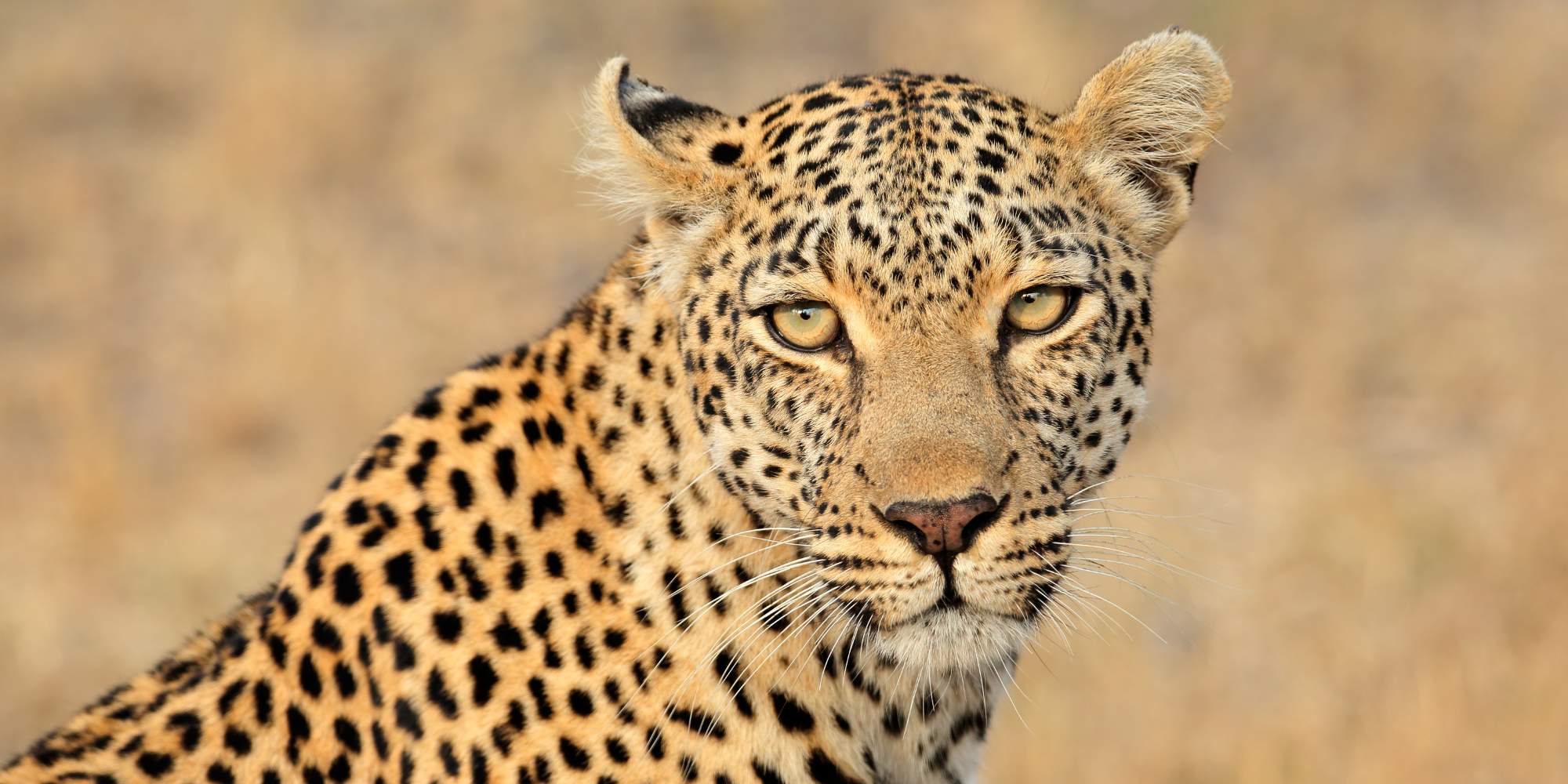
    Life as a leopard is mostly a solo adventure. They only come together briefly to mate, and after that, the female takes care of the cubs alone. Usually, she raises two or three little ones, teaching them how to survive in the wild until they’re ready to go off on their own. Scientists are even exploring whether the spots on a leopard—their unique rosette patterns—might tell us something about family connections. That’s still early research, but it could help with tracking and protecting them.

    image

    Even though they’re at the top of the food chain, leopards are considered vulnerable on the IUCN Red List. Human pressures are the main threat. Farmland and development break up their habitats, poachers and trophy hunters reduce their numbers, and conflict with livestock often ends badly for the cats. Protecting leopards isn’t just about saving one species; it’s about keeping ecosystems balanced and healthy.

    The good news is that conservation can work, especially when communities are involved. Educating people about leopards, helping them coexist safely, and showing the benefits of protecting wildlife can make a real difference. It’s a team effort: people, science, and nature working together.
    image

    Leopards may move silently through the bush, but they’re not invisible in importance. Their survival is tied to the health of their environment and the communities around them. By understanding them, protecting them, and giving local people a stake in their future, we can make sure these shadows of strength continue to roam Africa’s wild places and that we don’t lose the beauty, mystery, and vital role they play in our world.

    Want to see African wildlife up close and make a real difference? Bushwise offers a wide range of professional wildlife programs where you can get hands-on, learn from experts, and help conserve these amazing animals.

  • Through the viewfinder: wildlife photography

    This blog was written by Skye Ludbrook, Bushwise student at our Mahlahla campus. Skye has a keen interest in photography and is currently completing the IFGA Safari Guide Course 6/12 Months.

    3 min read

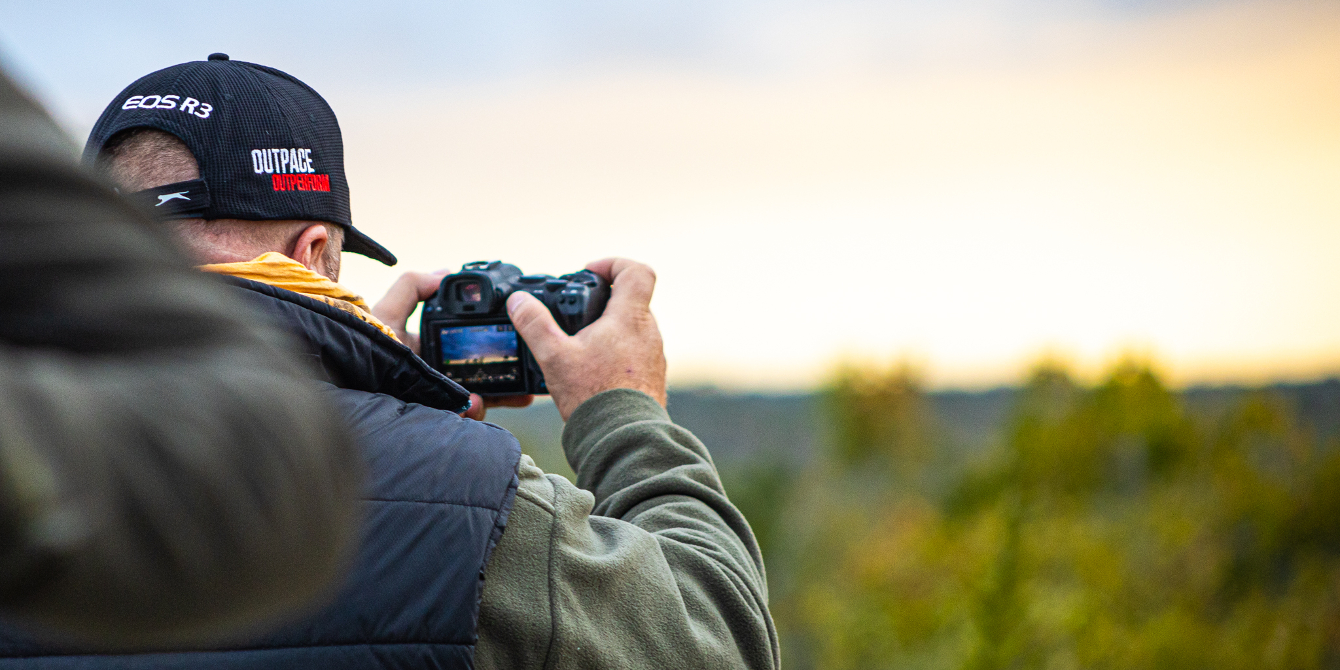
    Looking through the viewfinder on your camera is an incredible ability. It replicates taking a split second out of a moment and viewing it from a completely different perspective.

    The power of a camera

    image

    Wildlife and nature itself are overwhelming things to experience. Seeing how all the branches of life work together to create a sensational whole and being able to feel that sensation through a picture is beautiful. When making use of the artistic medium, you open up many doors in terms of making your game drive the best possible experience.

    Photography is a particularly important part of my life. It allows me to express emotions and experience through a visual source. When I look through my viewfinder I find an open space where I can encourage my creative side. Creativity is a vital aspect that all people should have in their lives.

    Wildlife photography in particular, is an exceptional way of sharing information to people all over the world. As a guide one of our roles is to play a part in the conservation of the natural environment. I feel that photography is the best way to reach out about conservation.

    image

    Not only can you revisit that experience, but you also feel this sense of extreme focus. Taking photos of the environment around you allows you to feel abundantly engaged with what surrounds you and your experience. Over time those pictures will hopefully spark a focus on moments in your life that you never really focused on.

    As a guide it is important to try and know a little bit about all the aspects that come with the job. Having an understanding of photography is one of them as it will increase the quality of your drive for both you and most importantly your guests.

    Why photography is a useful guiding skill

    image

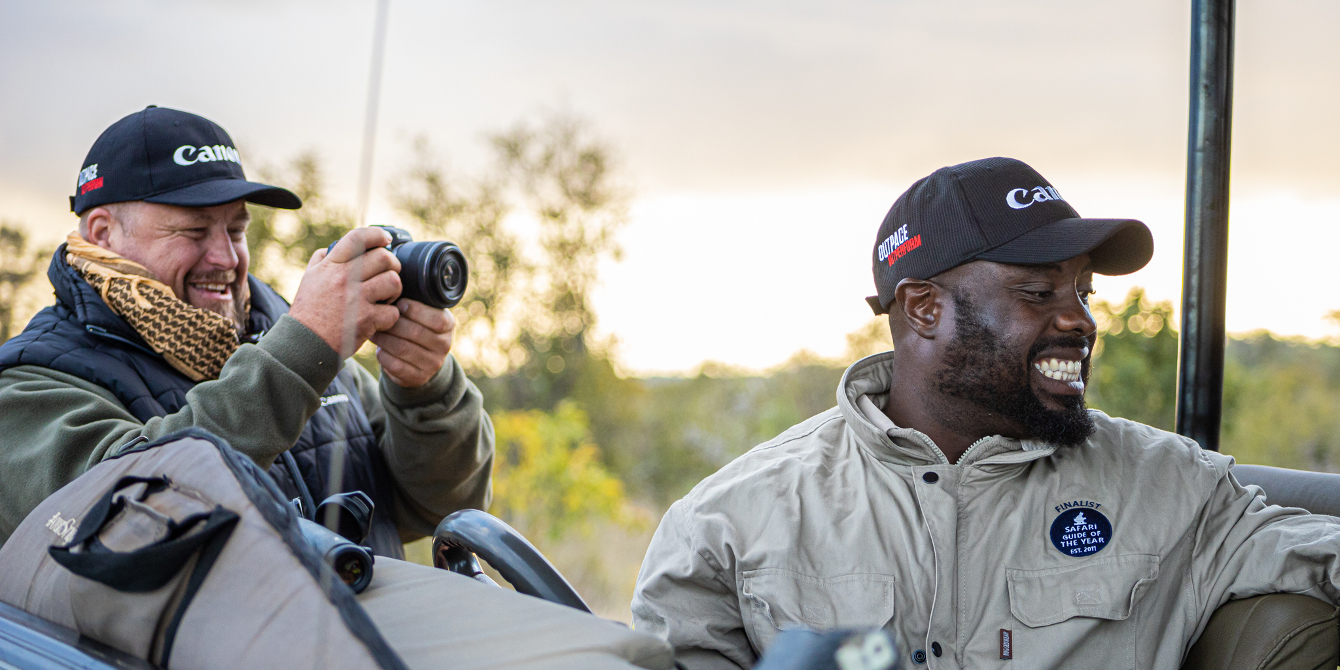
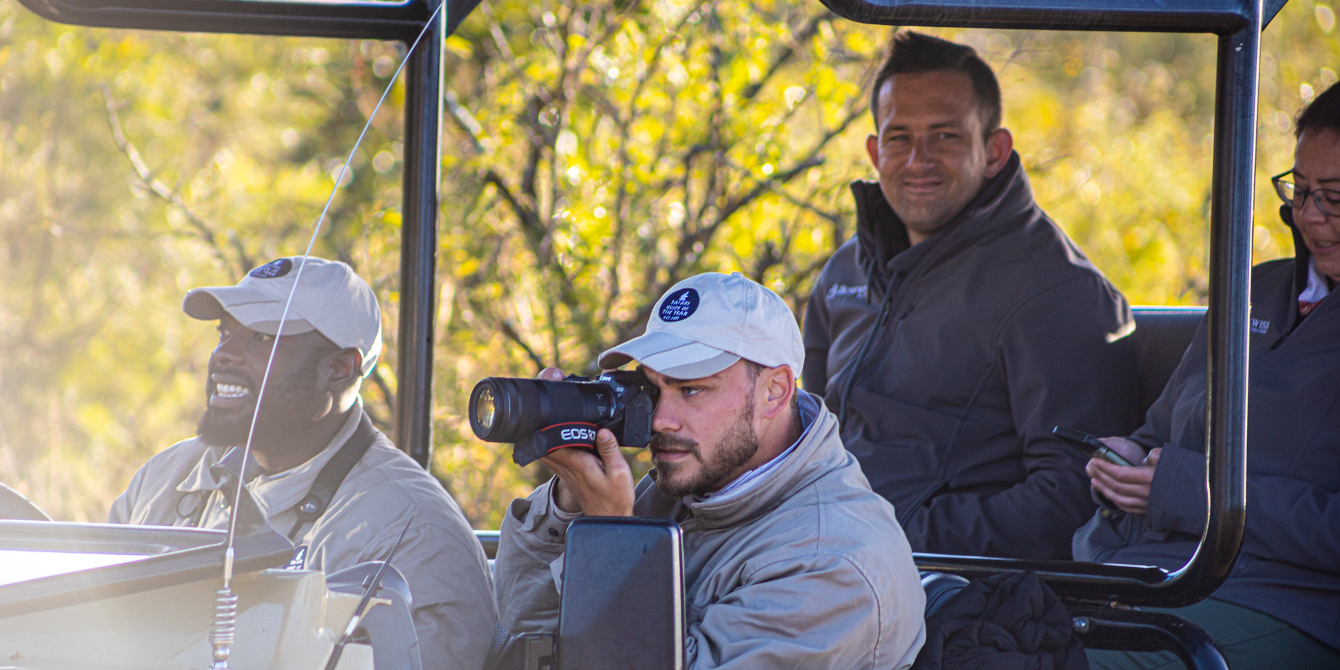
    By knowing how photography works, you can be both a guide to people starting out as wildlife photographers and most importantly to your guests who are trying to capture memories of their life changing experience.

    You’ll be able to tell your guests what the best composition is for the image they want to take. You can guide them on the shutter speed (how fast or slow the shutter on your camera closes), the aperture they should set (the amount of focus the photo will show), and the ISO that should be used (this is dependent on the lighting you are in).

    Throughout your guiding career, you’ll learn and gain more experience. This time spent learning and growing your photographic skills will reflect positively on your photo outcomes and help you impart some of these skills to your guests.

    image

    By enriching their skills, you create an overall positive experience for them which they will carry with them for the rest of their lives. I look forward to seeing smiles on my future guests’ faces when they take an image they love.

    Capturing moments to last a lifetime

    image

    Wildlife photography can be as simple as sharing content you captured of amazing sightings or as important as sharing information about animals that are in danger and need saving. Our society absorbs information primarily through visual content. Using my abilities and passion for photography and the natural environment around me, motivates me to use it to my advantage.

    I love capturing moments and being able to share them with the inquisitive people that make up the world, and I hope you find your spark to make a difference through your viewfinder. If you need a little extra inspiration, consider applying for a Bushwise course and take your wildlife photography to the next level.

    Words by Skye Ludbrook, photos by Louise Pavid

    #lion #wildlife #gameranger #Birding #bushwise #fieldguide #safariguide #Exam #training #guidejobs #animals #apprenticefieldguide #safari #fieldguiding #gamedrive #guiding #fieldguidecourse #studying #fieldguides