Tag: #lion

  • The Mapogo coalition: How five lions ruled the Sabi Sands

    This blog was written by Keegan Williams, a Bushwise Professional Field Guide student. Each student takes a turn as camp manager, and writing a blog is part of the experience.

    3 min read

    During a visit to the Kruger Park towards the end of 2018, I became very interested in the coalition of lions. These coalitions are formed to make it easier for them to fight, dominate other male lions and to hunt. I was particularly interested in the history of the infamous Sabi Sands Mapogo lion coalition who originated from the Eyrefield Pride and made their first appearance in March of 2006.

    This coalition became known for their sheer power and strength and managed to take over an area of about 70 000 hectares of the Sabi Sand Reserve by moving in with great dominance and power killing the males in the area with ease.

    They did what the lion population never does and that was to control and protect an expansive area of land reducing eight other prides to just one.
    image

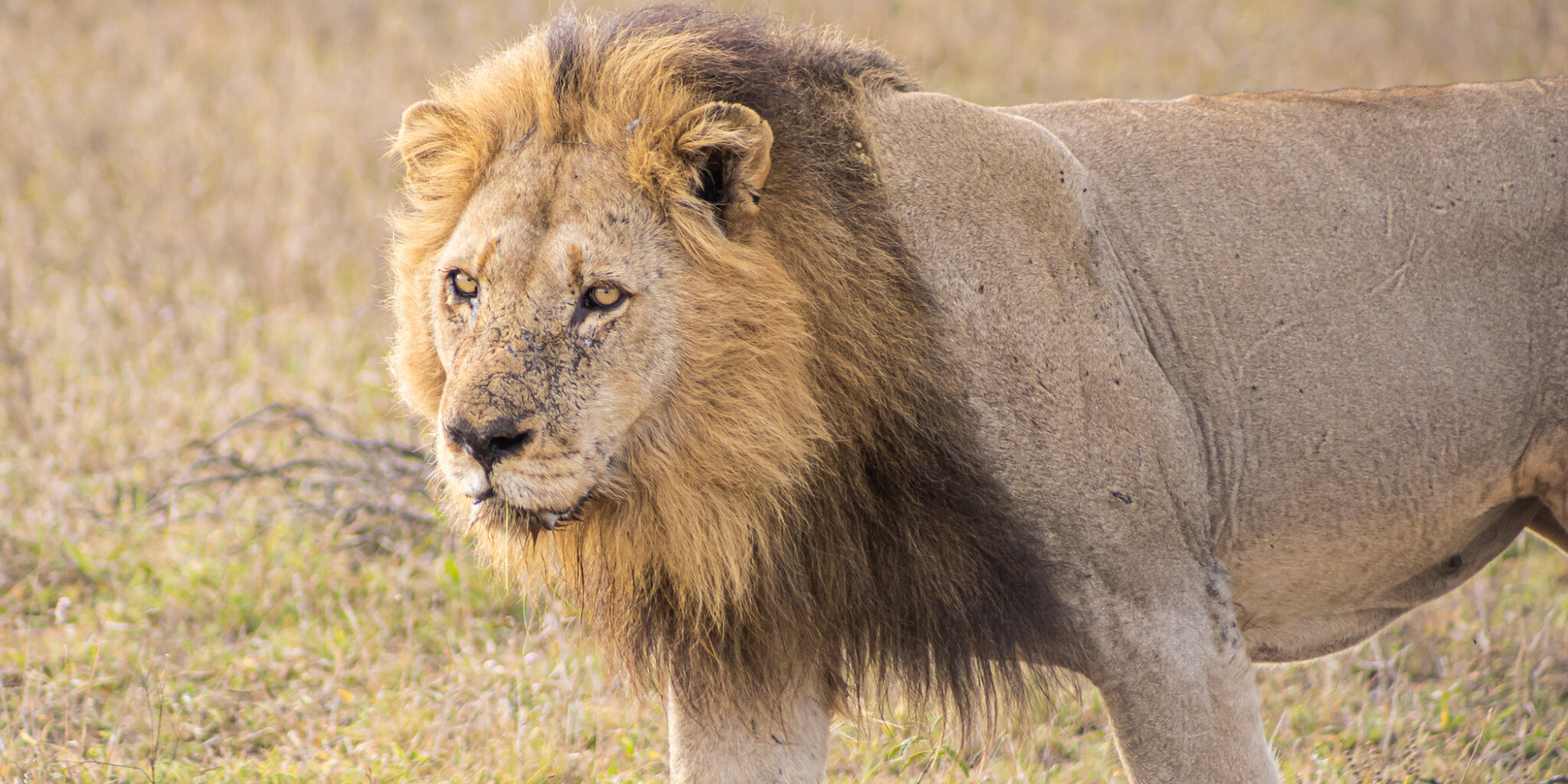
    The Mapogo lion coalition was named after a South African security company, which was known for their heavy handling in dealing with criminals. The six male lions in the Mapogo coalition were named as follows: Makulu (meaning “big” in Zulu) who was the leader and not related to the other brothers. He joined the coalition as a four-year-old without resistance from the pride. Dreadlocks and Rasta were named for their specifically styled abundant manes. Pretty Boy was seen as being more pretty looking than his brothers, hence his name. Kinky Tail had a tightly curled tail and Mr T, whose mane was groomed in a natural mohawk style, was also known for his extreme brutality.

    The Mapogo coalition killed over 100 lions, including females and cubs when taking over whole territories. They were extremely aggressive and would often eat their challengers. This behaviour was considered unnatural. In addition, these lions would kill their own cubs in case they were competition in the future and would eat them too. The Mapogos were responsible for the drastic decline in spotted hyena in the Sabi Sands.
    image

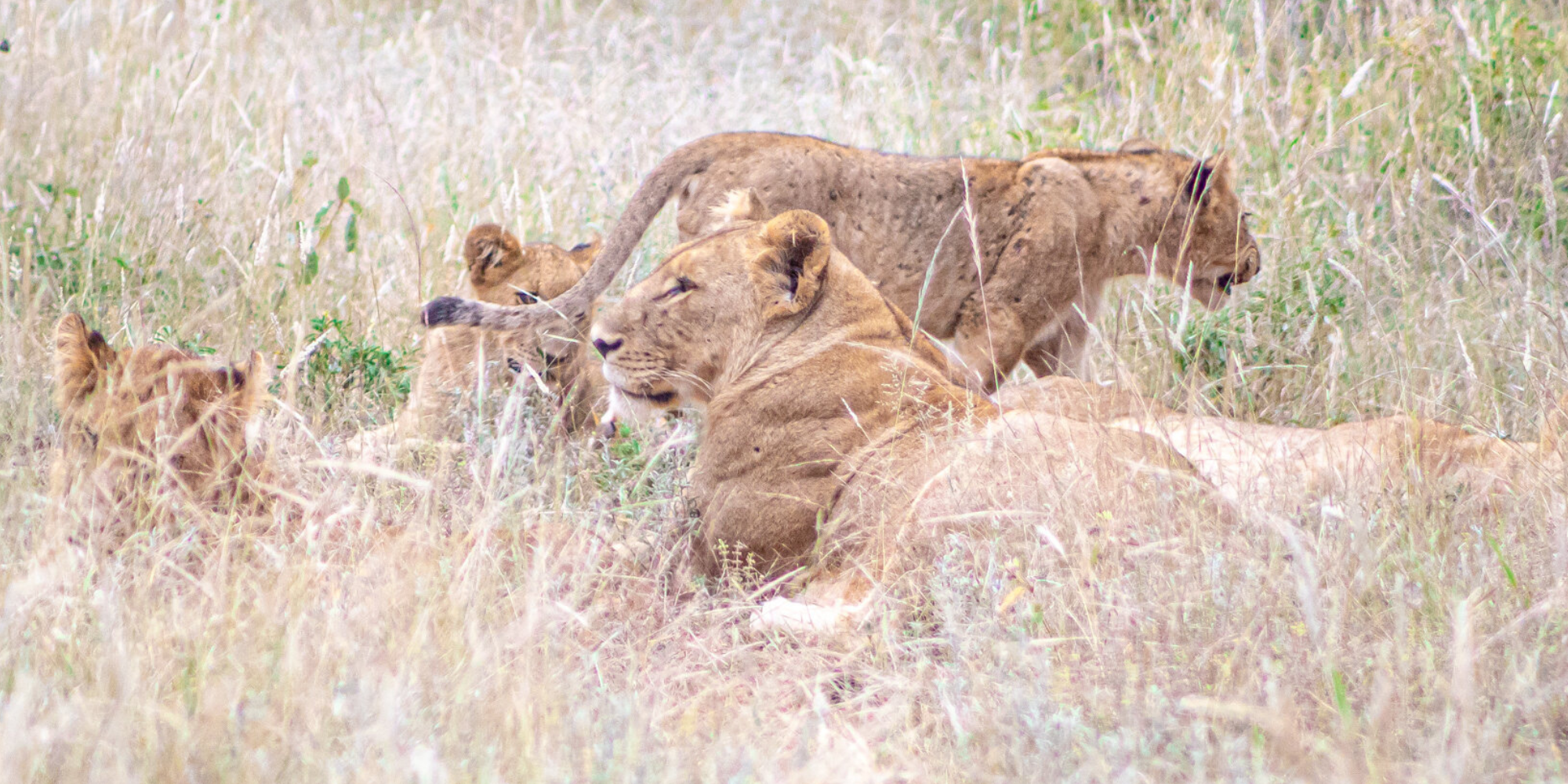
    As young lions they left their pride in order to hunt, live and destroy other prides together. These lions dominated the Northern and Southern territories of Sabi Sands protecting each other. Rasta, Dreadlocks, Makulu and Pretty Boy formed one band guarding the southern side while Mr T and Kinky Tail guarded the North.

    In 2010 a new pride of Manjigilane lions tried to take control of Sabi Sands. This led to a battle between them, Kinky Tail, and Mr T. During this battle, Kinky Tail was killed forcing Mr T to join his brothers in the South. This was the first time that he had been seen with the other brothers in about 2 years. As soon as Mr T came back he started killing the other cubs, as he wanted to mate with the other females and he wanted the pride to have his offspring.

    In the next few months, the remaining five lions managed to fight off competition and take over new prides. However, things began to change when Rasta was killed in July 2010 by a young Manjigilane coalition. Dreadlocks never returned from a night patrol and it is believed that he had been killed by poachers or possibly another coalition.

    In March 2012, Mr T was killed by the Selati pride. The last time Makulu was seen alive was in January 2013 at the Mala Mala Game Reserve. He was almost 15 years old at the time. It is not known how Pretty Boy died but it is believed that he could have died of starvation as the last time rangers had seen him he appeared weak and thin.

    This rare coalition of six cannibalistic lions ruled by fear and wiped out prides that posed a threat to them, between 2006 and 2013. The Mapogo lions of Sabi Sands will forever be known as the majestic beasts that once ruled the wild.

    Interested in wildlife conservation? Dive deeper into the world of lions and more with Bushwise programs. Apply today!
  • The Weekly Events of a Bushwise Student

    This blog was written by David Lubbe, Bushwise Professional Field Guide student. Each student takes a turn as camp manager, and writing a blog is part of the experience.

    Read time: 3 mins

    The past week was quite interesting and busy, to say the least. 

    Lion Kill Sighting

    The week started very early for a few of the students because of the mock assessment drives that started on Monday. Emma kicked it off with a brilliant game drive; not only delivering an outstanding performance, but also the best lion sighting possible. 

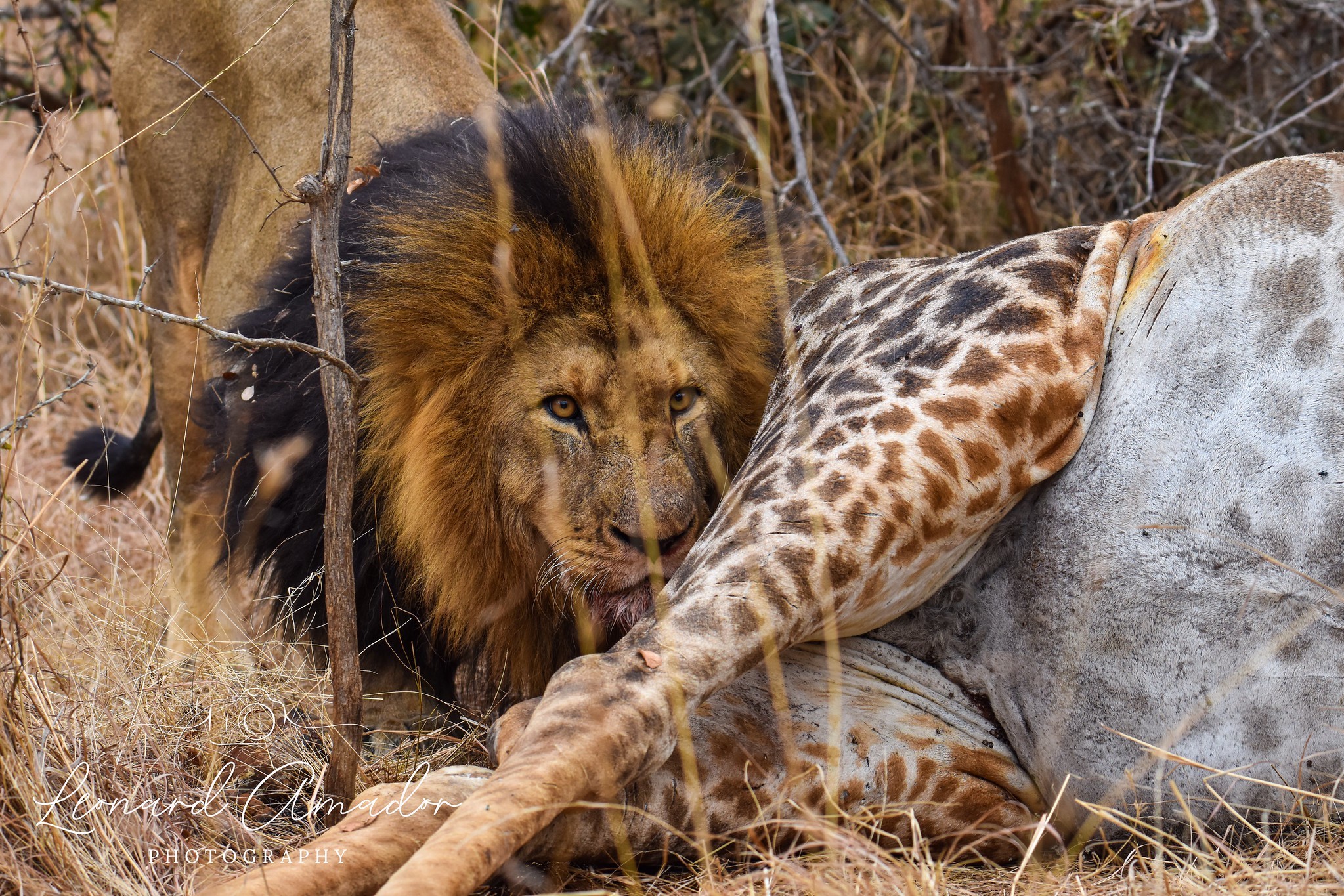
    We were on our way to make a coffee stop when FP, our new trainer, observed signs of something being dragged across the road. So being prospective field guides, we started investigating these signs, and sure enough, lions took down a giraffe and were busy feeding nearby. 

    As soon as we pulled into the sighting, two cubs appeared. They were the cutest things you could possibly imagine. We sat with these lions for a while and so the time came for us to make way for other guides with guests to inspect these little ones. 

    image

    On Wednesday, one of the afternoon drives got yet another black rhino sighting. Here at the Mahlahla campus, we have quite the thing for finding black rhinos! This was a truly great way for the last pair of students to complete their mock drives.

    No One Likes Writing Exams

    Thursday and Friday were used to refresh our memories of all the modules we did over the last two semesters in preparation for the IFGA exam on Saturday. We did quick recap sessions per module and asked questions if we did not understand something. This all took place in the mornings. After lunch, we were given the rest of the day off to go and study. 

    The tension on campus was high due to the stress of the test and everybody was putting in a lot of effort. It was tough to communicate with anyone mostly because they were glued to their textbook. We were all just looking forward to letting our hair down after the test. Saturday arrived very quickly.

     We all wrote the test, and just before lunch (chicken nuggets and muffins), we got word from the trainers that we had all passed! The only thing I can say is that there was a collective sigh of relief. 

    Rugby and braaing… need I say more?

    It must have changed the wind direction or kickstarted the wind again because there was suddenly a w energy at camp. We all decided that the pool was our best move and had a great and relaxing time there. Then we had the brilliant idea to braai in the immense heat and we succeeded. Once everyone was done eating and the dishes were washed, we got ready to go to Mahlahla Lodge to relax and watch the Springboks play against Ireland. 

    image

    We all got to the lodge and started playing pool with people from Siyafunda and were having the best time. Then the time for rugby came and the tension started all over again. The place erupted whenever the referee did something ‘wrong’ and when the Irish scored points. Once we lost against Ireland, the mood was a bit sour. We all decided that the best idea was to all just go back home and go to bed. 

    To be honest, I wouldn’t mind it if this week repeated itself – well except the whole test stuff and the Springboks losing, but otherwise, it was a successful week. 

    Out here even exam week can be filled with fun. No two days in the bush are the same. Take our introductory online course to learn more!

  • Through the viewfinder: wildlife photography

    This blog was written by Skye Ludbrook, Bushwise student at our Mahlahla campus. Skye has a keen interest in photography and is currently completing the IFGA Safari Guide Course 6/12 Months.

    3 min read

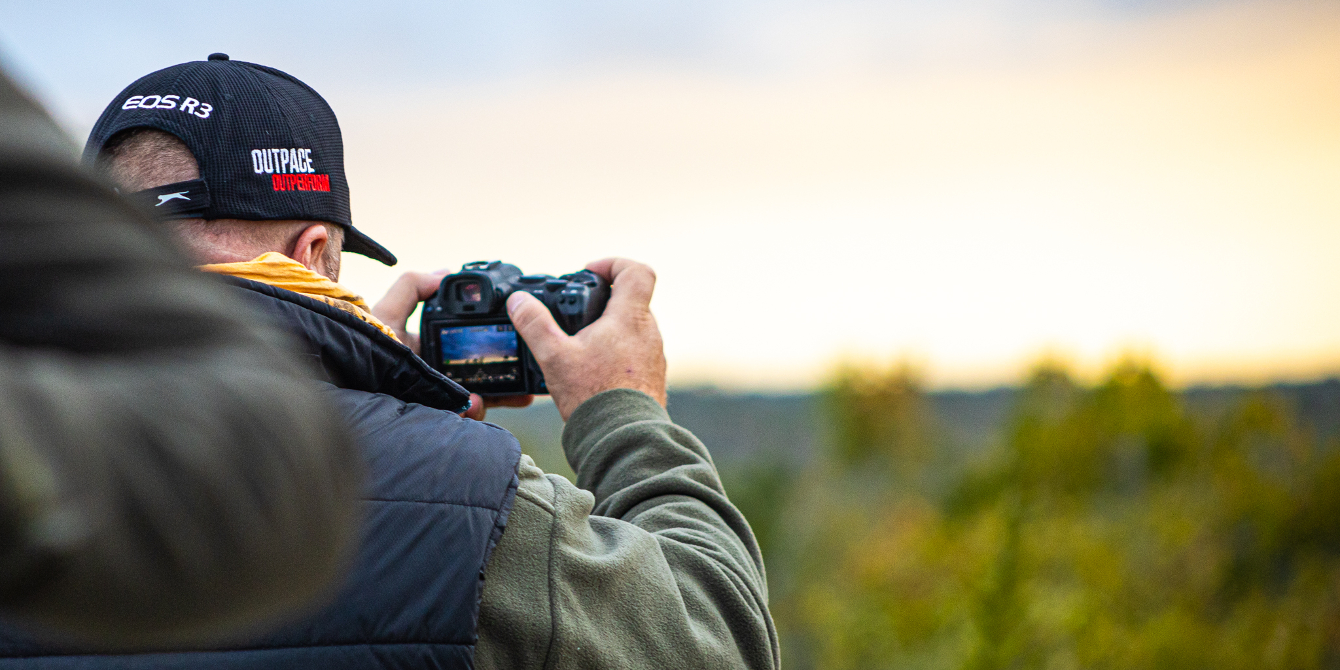
    Looking through the viewfinder on your camera is an incredible ability. It replicates taking a split second out of a moment and viewing it from a completely different perspective.

    The power of a camera

    image

    Wildlife and nature itself are overwhelming things to experience. Seeing how all the branches of life work together to create a sensational whole and being able to feel that sensation through a picture is beautiful. When making use of the artistic medium, you open up many doors in terms of making your game drive the best possible experience.

    Photography is a particularly important part of my life. It allows me to express emotions and experience through a visual source. When I look through my viewfinder I find an open space where I can encourage my creative side. Creativity is a vital aspect that all people should have in their lives.

    Wildlife photography in particular, is an exceptional way of sharing information to people all over the world. As a guide one of our roles is to play a part in the conservation of the natural environment. I feel that photography is the best way to reach out about conservation.

    image

    Not only can you revisit that experience, but you also feel this sense of extreme focus. Taking photos of the environment around you allows you to feel abundantly engaged with what surrounds you and your experience. Over time those pictures will hopefully spark a focus on moments in your life that you never really focused on.

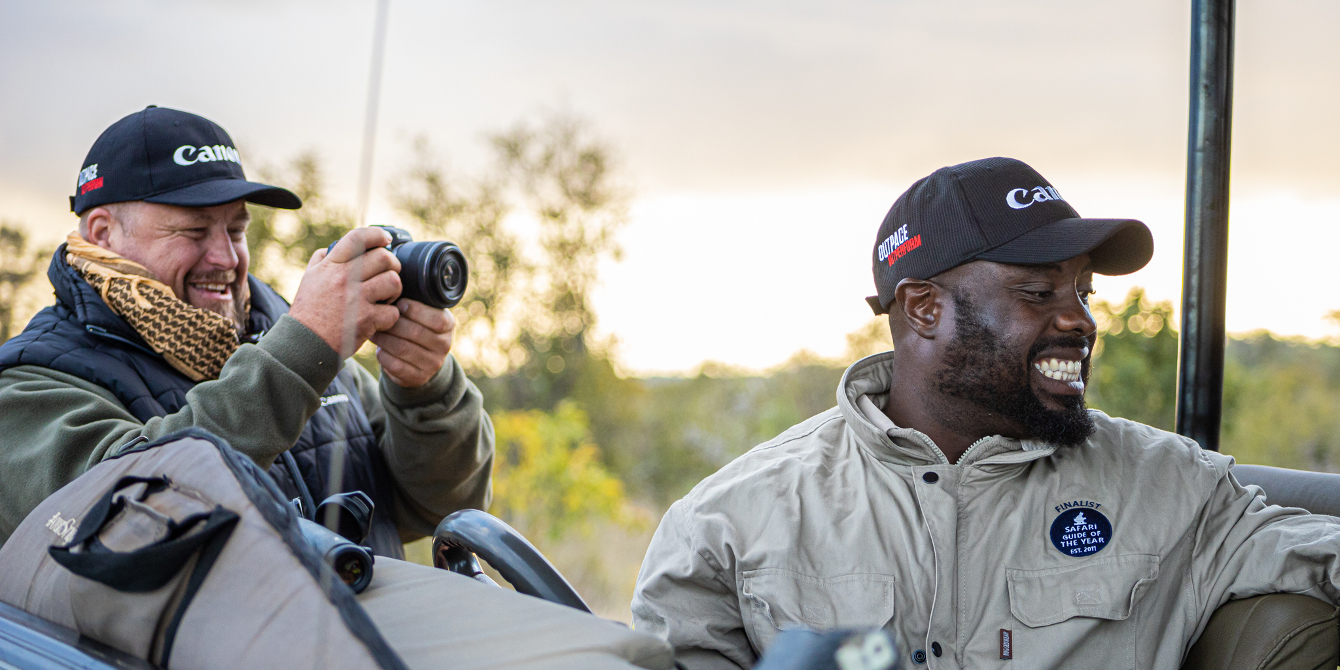
    As a guide it is important to try and know a little bit about all the aspects that come with the job. Having an understanding of photography is one of them as it will increase the quality of your drive for both you and most importantly your guests.

    Why photography is a useful guiding skill

    image

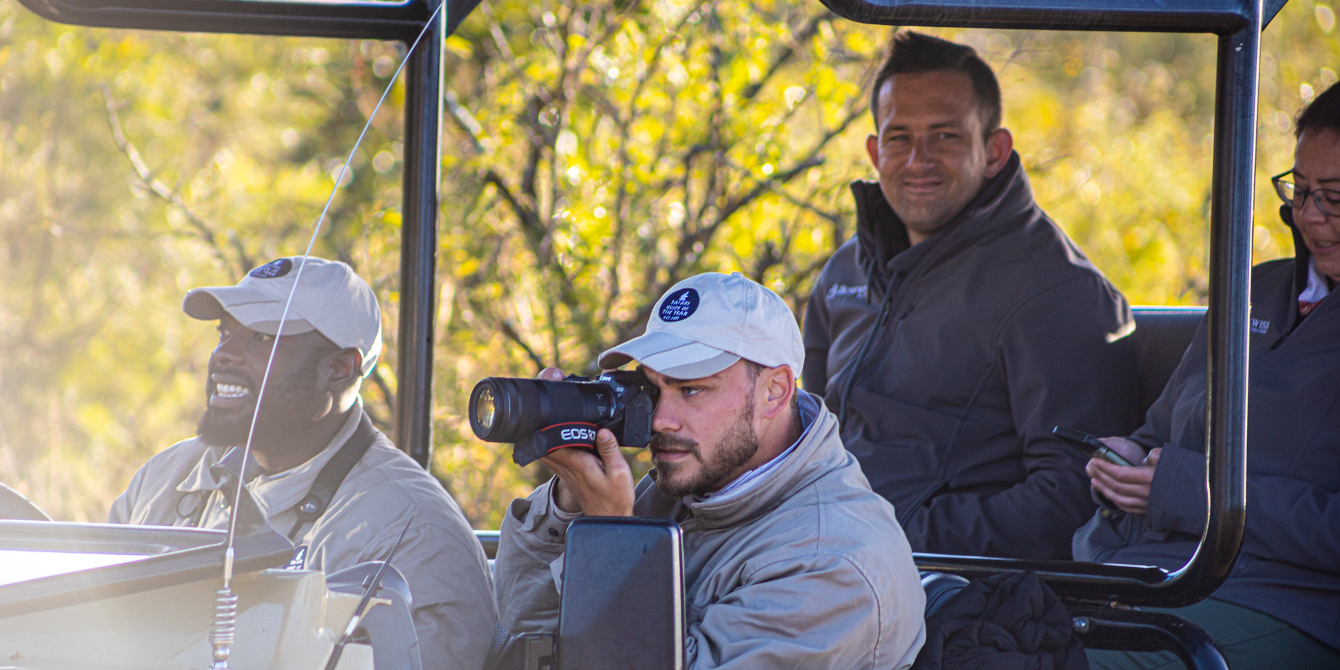
    By knowing how photography works, you can be both a guide to people starting out as wildlife photographers and most importantly to your guests who are trying to capture memories of their life changing experience.

    You’ll be able to tell your guests what the best composition is for the image they want to take. You can guide them on the shutter speed (how fast or slow the shutter on your camera closes), the aperture they should set (the amount of focus the photo will show), and the ISO that should be used (this is dependent on the lighting you are in).

    Throughout your guiding career, you’ll learn and gain more experience. This time spent learning and growing your photographic skills will reflect positively on your photo outcomes and help you impart some of these skills to your guests.

    image

    By enriching their skills, you create an overall positive experience for them which they will carry with them for the rest of their lives. I look forward to seeing smiles on my future guests’ faces when they take an image they love.

    Capturing moments to last a lifetime

    image

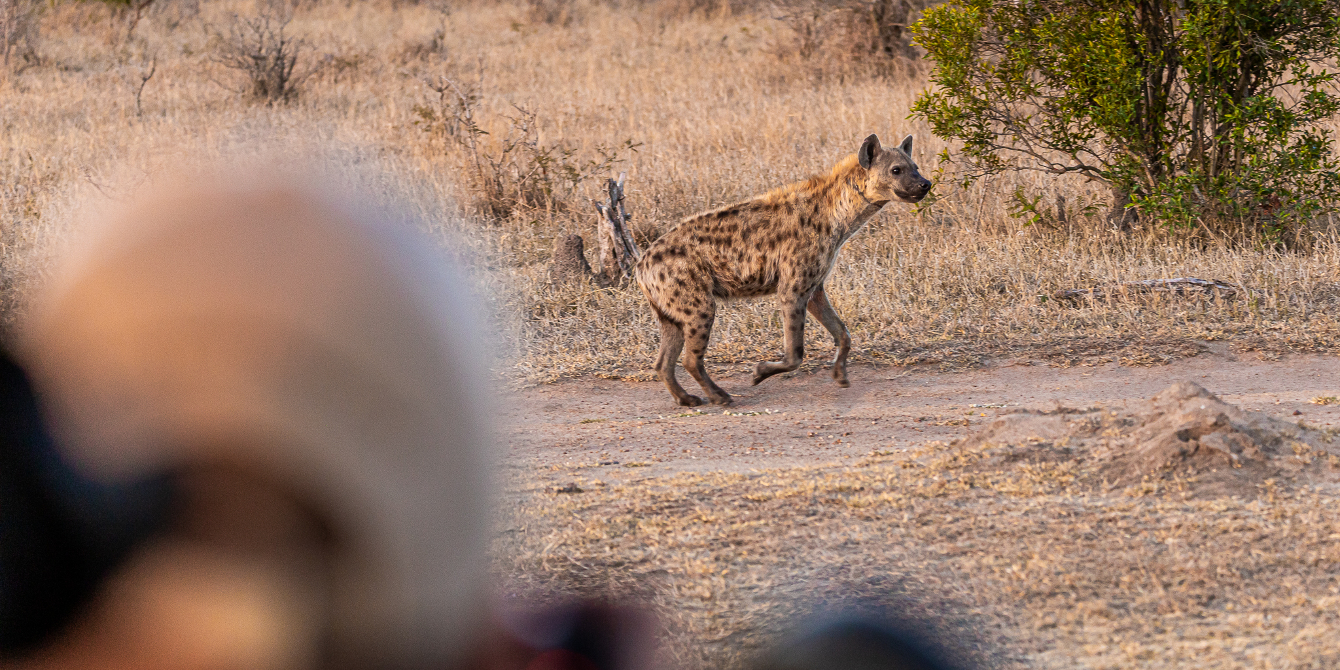
    Wildlife photography can be as simple as sharing content you captured of amazing sightings or as important as sharing information about animals that are in danger and need saving. Our society absorbs information primarily through visual content. Using my abilities and passion for photography and the natural environment around me, motivates me to use it to my advantage.

    I love capturing moments and being able to share them with the inquisitive people that make up the world, and I hope you find your spark to make a difference through your viewfinder. If you need a little extra inspiration, consider applying for a Bushwise course and take your wildlife photography to the next level.

    Words by Skye Ludbrook, photos by Louise Pavid

    #lion #wildlife #gameranger #Birding #bushwise #fieldguide #safariguide #Exam #training #guidejobs #animals #apprenticefieldguide #safari #fieldguiding #gamedrive #guiding #fieldguidecourse #studying #fieldguides