Tag: #naturejobs

  • Inside the world of the cuckoo wasp

    This blog was written by Benjamin Loon, a Bushwise Professional Safari Guide student. Each student takes a turn as camp manager, and writing a blog is part of the experience. All images accompanying this blog were captured by Benjamin.

    Cuckoo wasps are small, mostly solitary wasps best known for their bright metallic, iridescent body colours, which have earned many species the common name “jewel wasps”. However, the more widespread name “cuckoo wasp” comes from their unique reproductive strategy: brood parasitism, much like that of cuckoo birds. It is this unusual behaviour, combined with their brilliant colours, that fascinated me from a young age.

    The beautiful colours of the cuckoo wasp are what first drew me to them, but the reason behind these colours is just as intriguing. The vibrant, jewel-like appearance of many cuckoo wasps is not pigment-based alone, but largely structural. Their exoskeleton has a unique multilayered structure composed of extremely thin, semi-transparent layers that act as light reflectors. These layers produce vivid iridescent colours through selective interference as light hits them. Because the colours depend on the angle of incoming light, they can shift dramatically simply by changing your viewing angle.

    Scientists suggest several possible reasons for this striking colouration. These include camouflage among shiny or reflective surfaces, visual signalling (including limited sexual signalling), thermoregulatory effects, or even added structural strength to the exoskeleton itself. No single explanation applies to all species, and the true function may differ between lineages. As a photographer myself, these colours make cuckoo wasps a dream subject to photograph (when they finally sit still!) and make the moment of getting the shot even more rewarding.
    Cuckoo wasps practise kleptoparasitism, the theft of food collected by another individual,  as well as parasitoidism, where the parasite’s young ultimately kill the host’s brood. After a female cuckoo wasp sneakily infiltrates a host’s nest, she lays her egg in the same cell as the host’s eggs before quickly leaving the area. The cuckoo wasp egg usually hatches sooner than the host’s, and the larva consumes the food stored for the host larva (kleptoparasitism). In some cases, the cuckoo wasp larva will also eat its foster siblings (parasitoidism).
    Cuckoo wasps parasitise a wide range of hosts, including many solitary bees and wasps such as mason bees, potter wasps and mud-dauber wasps. I recently observed this behaviour while sitting at a termite mound chimney, watching cuckoo wasps shadow potter wasps in an attempt to locate their nests. The potter wasps would repeatedly chase the cuckoo wasps away whenever they got too close, much like brood-host birds do when defending against cuckoos.
    The interaction between cuckoo wasps and their hosts is a classic example of brood-parasitic coevolution. Host species evolve behaviours that reduce the risk of parasitism, such as sealing nest cells more quickly after laying eggs, nesting in more concealed locations, guarding their nests, or making subtle changes to nest architecture. In response, cuckoo wasps evolve counter-strategies such as stealthy approaches, rapid egg laying, repeated nest visits, and closely shadowing hosts to locate nesting sites.
    Interestingly, some observations suggest that multiple cuckoo wasps may occasionally mob or distract a host wasp, which superficially resembles the distraction tactics used by some avian brood parasites. While this is not a universal or well-documented strategy across all cuckoo wasp species, it is a fascinating example of how similar pressures can lead to convergent behaviours in very different animals. Like cuckoo birds, cuckoo wasps are locked in an evolutionary arms race with their hosts – a dynamic that highlights how much complexity exists in the often-overlooked insect world.

    Many physical and behavioural traits of cuckoo wasps appear to be adaptations to their risky lifestyle as nest invaders of often larger and more venomous hosts. They possess an unusually dense and tough exoskeleton that helps resist stings from angry hosts if caught. They also exhibit a unique defensive behaviour known as conglobation, where the wasp rolls into a tight ball, tucking in its legs and antennae to protect softer body parts. This combination of armour-like exoskeleton and balling behaviour greatly reduces the risk of injury during host encounters and increases the wasp’s chance of escape after laying its eggs.

    Cuckoo wasps are not merely “parasites”, but important components of solitary bee and wasp communities. They influence host population dynamics, drive changes in nest architecture and behaviour, and even play a minor role as incidental pollinators when visiting flowers for nectar. Unfortunately, like many insects, cuckoo wasps face growing threats from habitat loss and environmental change. As my favourite insects, I sincerely hope their populations remain healthy and continue to delight our eyes while remaining a persistent nuisance to the local insects!

    If you’d like to see the fascinating small creatures of the wild for yourself, Bushwise offers a selection of wildlife courses designed to help you turn your passion into purpose.
  • Why Cheetahs Belong to Acinonyx, Not Panthera

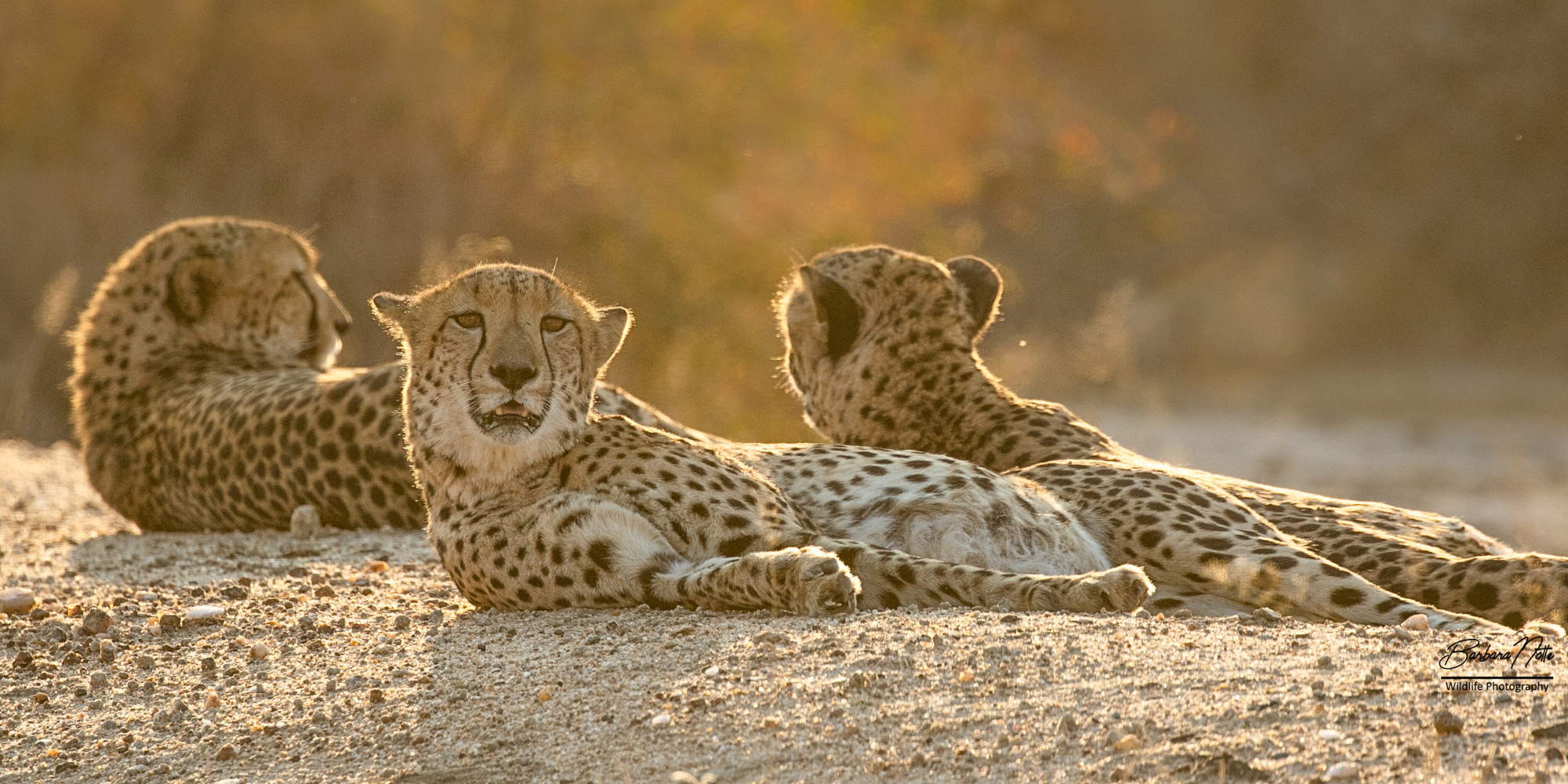
    Cheetahs are often lumped in with other big cats, but the reality is that they have very little in common with lions, leopards, and jaguars. What may look like a close relationship is mostly superficial. Under the surface, cheetahs follow their own evolutionary path, with unique adaptations that set them apart in almost every way. Genetic studies confirm that they split from the Panthera lineage millions of years ago and have been on their own branch of the cat family ever since, evolving features optimised for one particular purpose: running.

    image

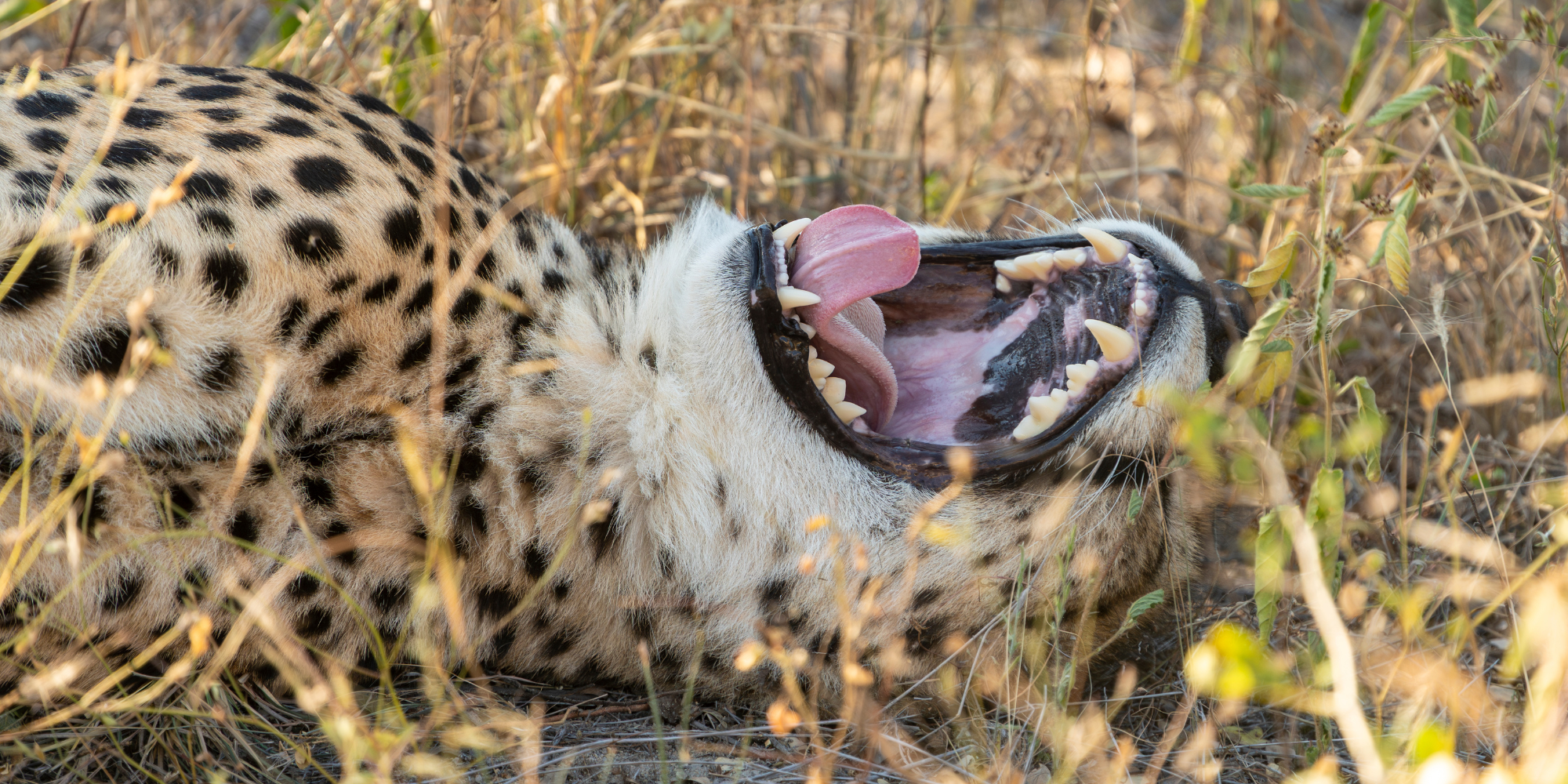
    One of the clearest differences is in their voice. Lions, tigers, leopards, and jaguars can roar because of a specialised larynx with an elastic ligament that amplifies deep sounds. Cheetahs lack this structure and cannot roar. Instead, they purr, chirp, yowl, and make bird-like trills. These sounds are used for communication, especially between mothers and cubs, but a deep, resonant roar is impossible for them.

    Claws provide another stark contrast. Panthera cats have fully retractable claws, which they keep sheathed until needed for climbing or capturing prey. Cheetahs have semi-retractable claws that stay partially exposed, giving them traction like natural cleats. Their paws are narrow with hard pads and raised ridges, all contributing to exceptional grip during high-speed sprints. This design, combined with a lightweight frame, allows cheetahs to accelerate from zero to nearly 100 kilometres per hour in just a few seconds.

    image

    Their skeletal structure reinforces this specialisation. The spine is highly flexible and acts like a spring, extending and contracting with each stride. Their shoulder blades are unattached to the collarbone, allowing their front legs maximum reach. Long, slender limbs, a narrow waist, and lean musculature all maximise stride length and frequency. The small head and large nasal passages improve oxygen intake during sprints. Unlike lions that rely on strength or leopards that rely on stealth and power, cheetahs rely on explosive bursts of speed and precise timing to catch prey.

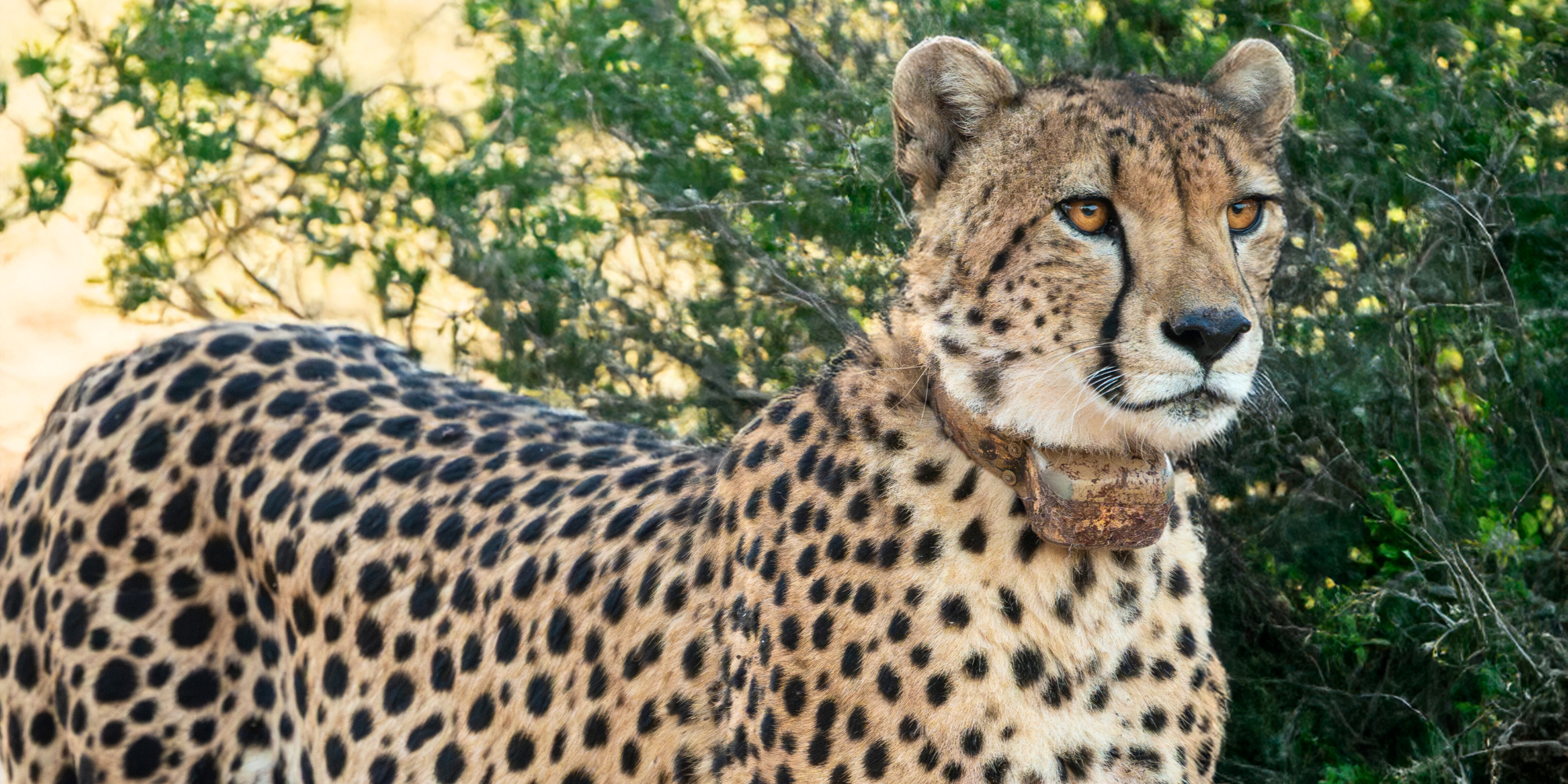
    The coat of a cheetah is also distinctive, with 2,000 odd solid black spots breaking up their outline in grasslands, providing camouflage during stalking. Cheetah cubs also have a unique appearance with a silvery-grey mantle of longer fur along their backs, which helps conceal them from predators during the early months of life.

    image

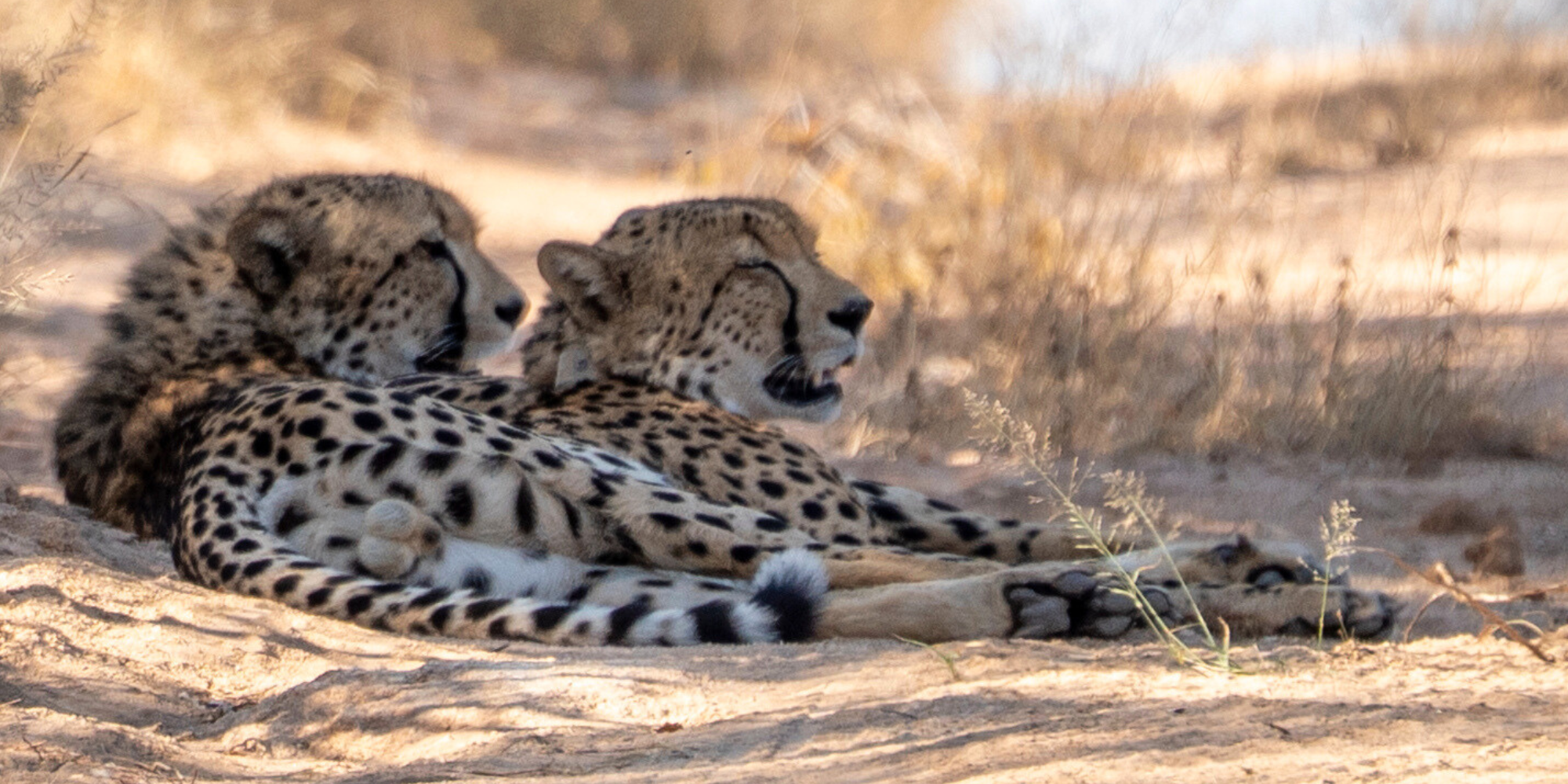
    Their social behaviour sets them apart further. Female cheetahs are largely solitary, except when raising cubs, while males may form small coalitions, usually composed of brothers. They rarely climb trees or hoist kills like leopards, and hunt primarily during the day to reduce competition with larger nocturnal predators, relying on speed rather than brute strength.

    Cheetahs are a study in efficiency and focus. They demonstrate that being different from your family does not mean being inferior. Their design prioritises speed, endurance, and survival, making them one of the most remarkable predators in the animal kingdom.

    image

    Next time you’re lucky enough to see a cheetah, take notice of the semi-retractable claws, the long, spring-like stride, and the chirps that punctuate their hunt. Every detail is a sign of a species that belongs to a genus all its own, not a lion, not a leopard, not a jaguar, but something entirely exceptional.

    If you want to experience wildlife like the cheetah firsthand, explore Bushwise’s wildlife courses and learn from experienced guides in the African bush.

  • Living my dream under the African sun – My field guide journey

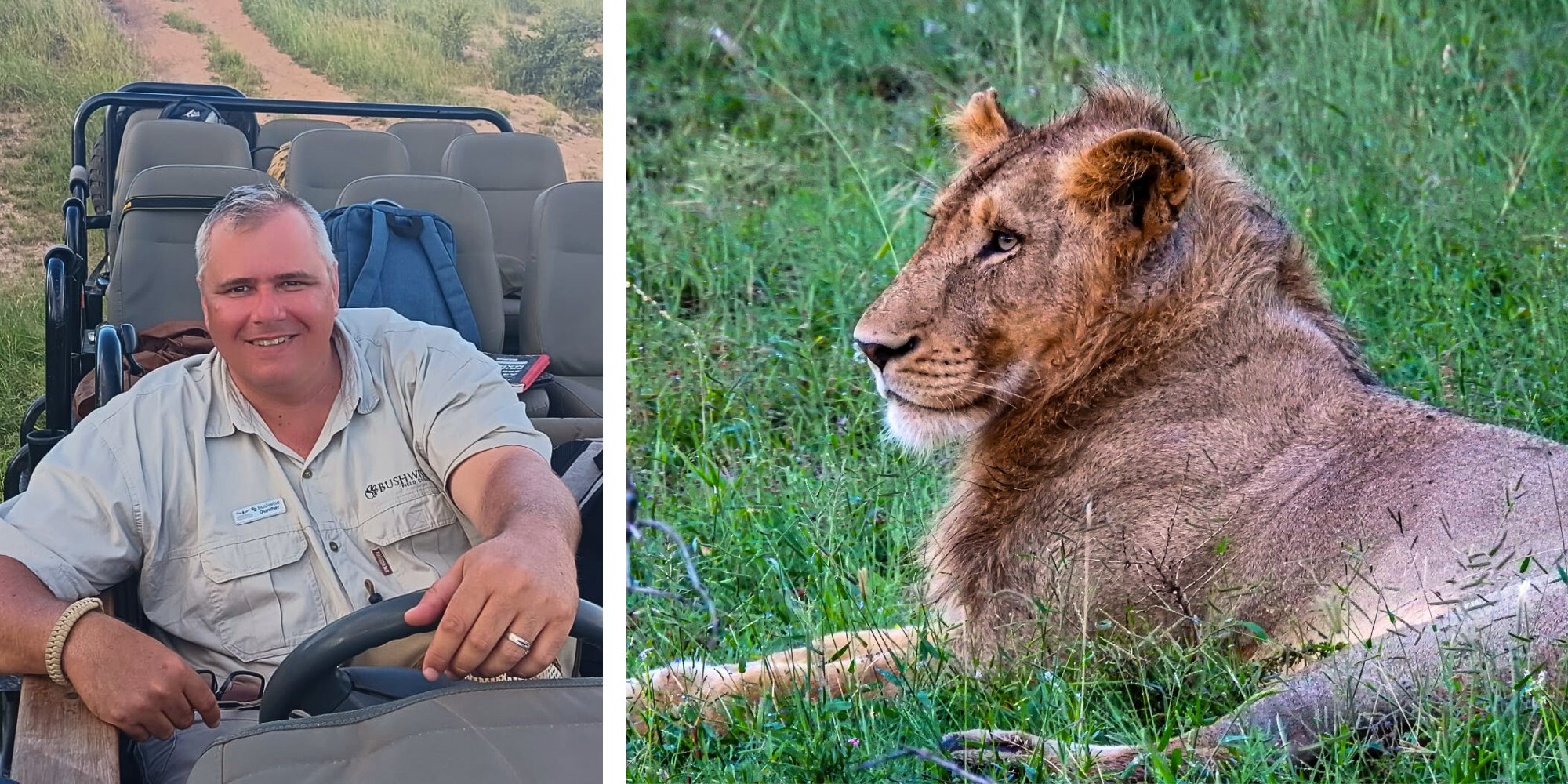
    This blog was written by Gunther Bauer, a Bushwise Professional Safari Guide student. Each student takes a turn as camp manager, and writing a blog is part of the experience.

    From a young age, my parents nurtured in me a deep love and respect for the natural world. Whenever we had the chance, we would pack up and head to Kruger National Park — camping, exploring, and soaking up everything the park had to offer.

    We’d leave home in the early hours of the morning, always aiming to reach the gate by sunrise. Most of our trips started in Phalaborwa, where we’d check in and watch the first golden rays break over the bushveld. Our destination was usually Letaba or Shingwedzi rest camps, where we’d set up camp for eight unforgettable days. And, of course, no trip ever began without a little family game: each of us would choose the animal we thought we’d see first.

    image

    It was during one of these family holidays, when I was 12 years old, that everything changed for me. I attended a presentation by a herpetologist volunteering as an Honorary Ranger at the Elephant Hall in Letaba. After the talk, I stayed behind to chat with him. His passion was contagious, and right then and there, I knew  I wanted a future connected to nature. But life had other plans.

    After school, I was offered a management position at the restaurant where I’d worked as a waiter. What was supposed to be a temporary detour became a 25-year career in the food and beverage industry. I worked my way up to Operations Manager and held that role for ten years.

    Eventually, I hit a ceiling. I’d achieved everything I could in that field, and I knew it was time for a change. Two years later, after much reflection, that little boy inside me, the one who sat mesmerised in Letaba rest camp, reminded me of his dream. With the encouragement of my beautiful wife and son, I took a leap of faith and enrolled at Bushwise. That decision changed everything.

    image

    Now, four months into the IFGA Professional Safari Guide Course (6/12 months), I still can’t quite believe that I wake up to the African bush and its sunrises every single day. It’s been challenging and incredibly rewarding as my knowledge has grown exponentially since day one.

    While there have been countless memorable moments, what I value most are our trainers. Their passion for guiding and willingness to share their knowledge is something truly special. To anyone considering this path, soak up every bit of wisdom your trainers offer.

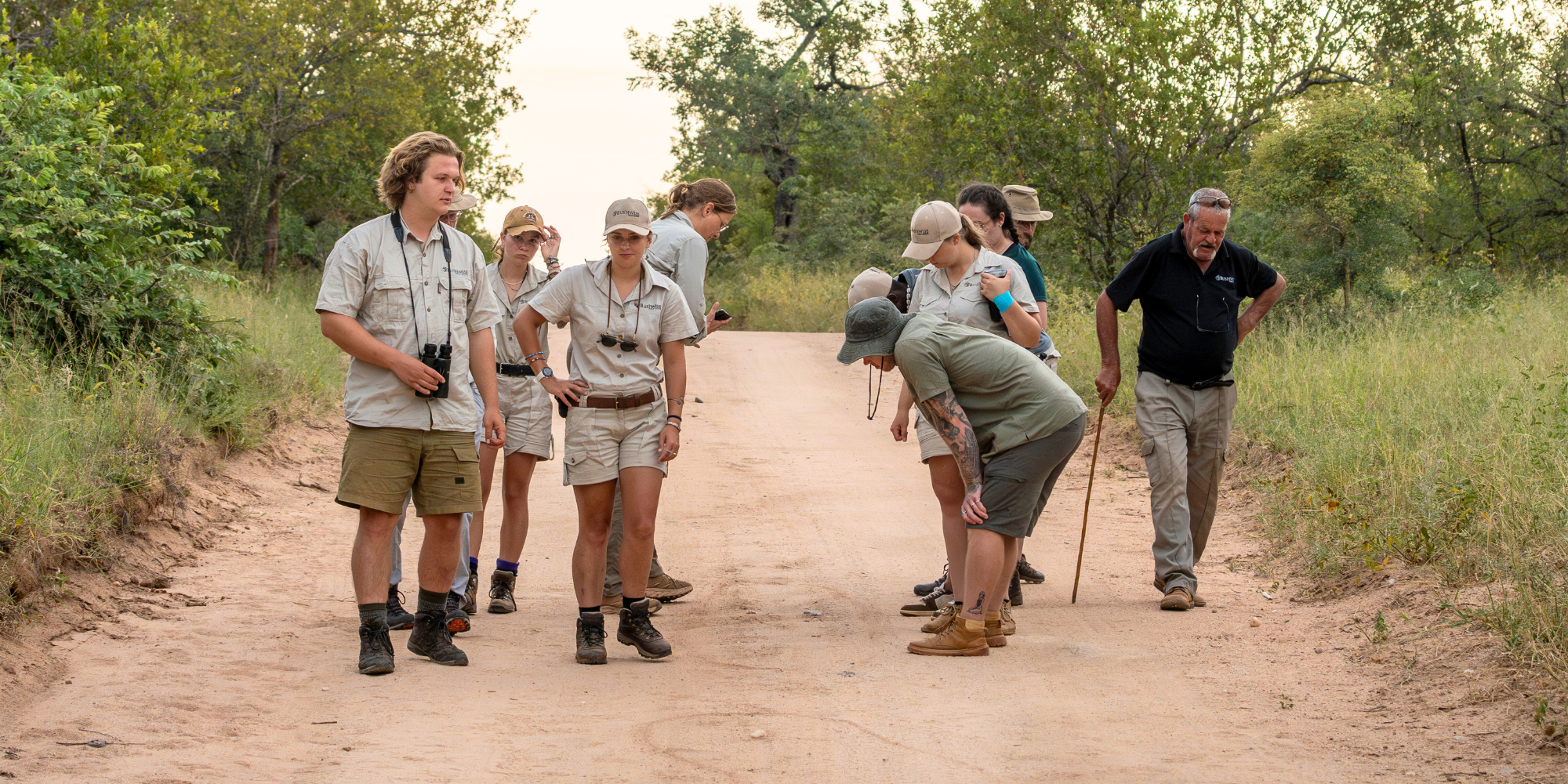
    One of my favourite things about training here is the unpredictability of each day. One moment, you’re having a quiet drive, identifying trees and grasses, and the next, you’re stumbling upon a giraffe carcass with lions nearby or tracking elephant herds. The freedom of stepping off the vehicle and following lion tracks down a dusty path is indescribable. My highlight so far? Learning to read tracks and truly understand animal behaviour. It’s like deciphering stories left behind in the sand.

    image

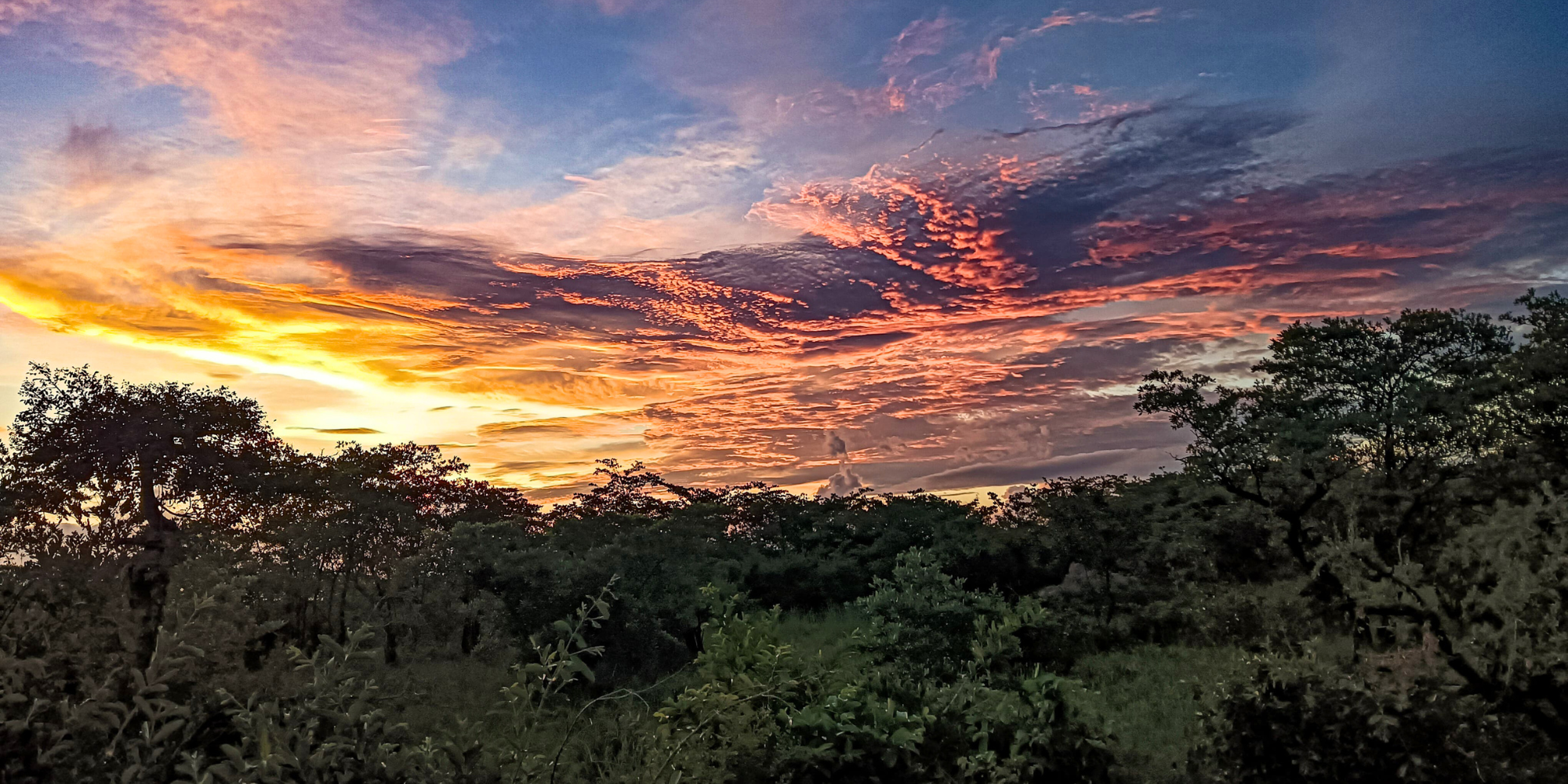
    Every day consists of early mornings spent packing my gear and savouring a quiet coffee, followed by 5:30 am game drives, incredible wildlife sightings, daily lectures, and afternoons chasing sunsets, and the best part is, I get to do it all again the next day.

    It really does feel like I’m living my dream out here under the African sun, and I’m excited to see where my journey takes me once I complete the course.

    image

    Ready to reignite your childhood love for nature and turn it into a career? Explore Bushwise’s courses and take the first step!