Tag: #southafricansafari

  • Dogs, but Wild

    image

    This blog about wild dogs was written by Allison Sponder. Special topic blogs are written by Bushwise students during their course, and all facts included are based on their research.

    Read time: 4 mins

    African wild dogs are my absolute favourite and have been for quite some time – long before I even thought I would witness them in person. Unfortunately, I think many people either do not realise just how fascinating they are, both as individuals and as a pack, or have been misled by misinformation. 

    What’s in a name

    For quite some time, but even more so recently, there has been a push to change the common name from wild dogs to painted wolves. Many people think the name wild dog makes them sound basically like stray dogs, which is one reason there are many misconceptions about them. While I understand the thought process, I also believe we should rethink why the term “wild” or even “dog” has such a negative connotation. Although wildly different, they do share similarities to our domestic breeds of dogs. People both underestimate domestic dogs and misunderstand wild dogs, but that’s a whole other issue. 

    Coats 

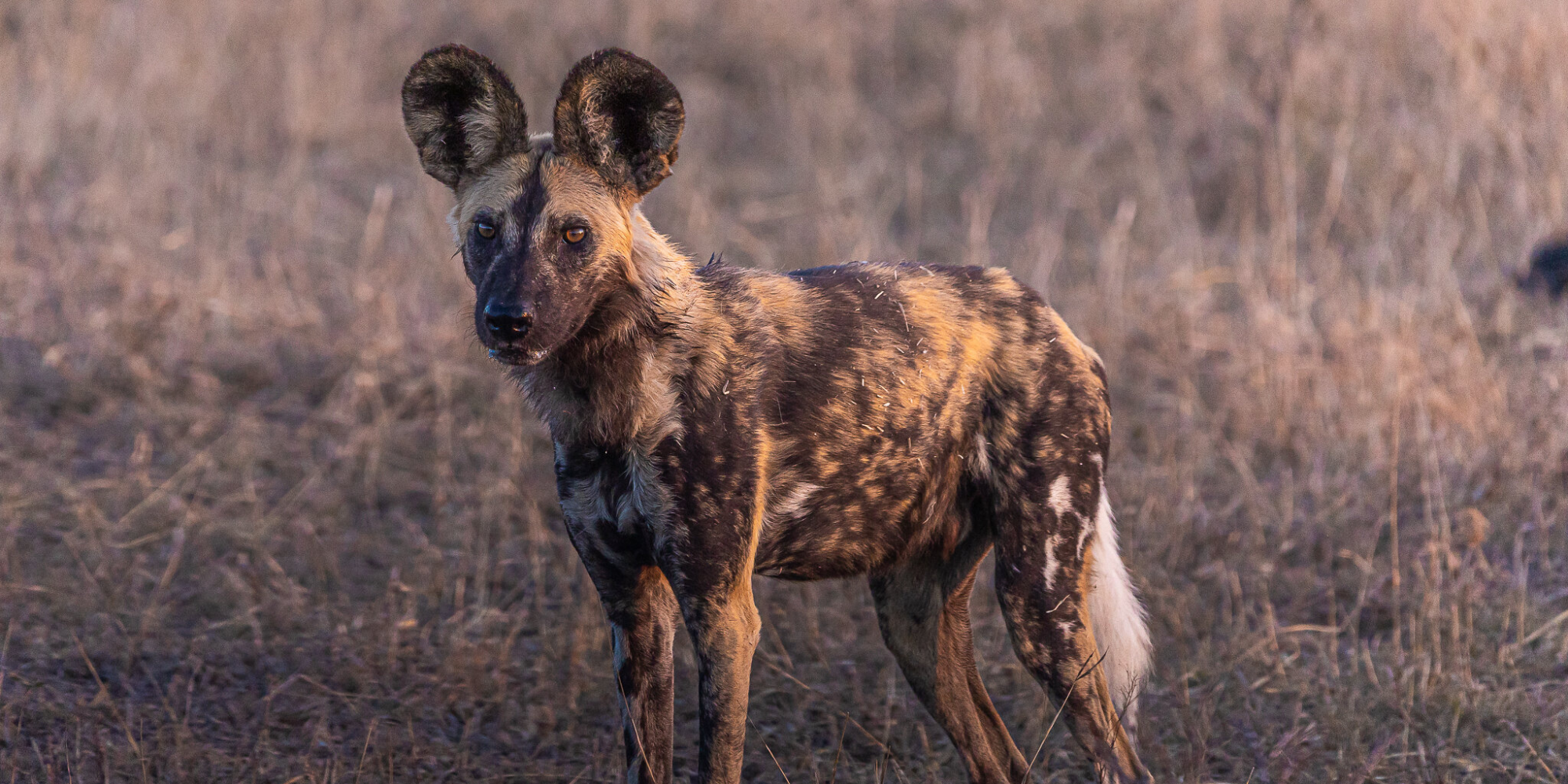
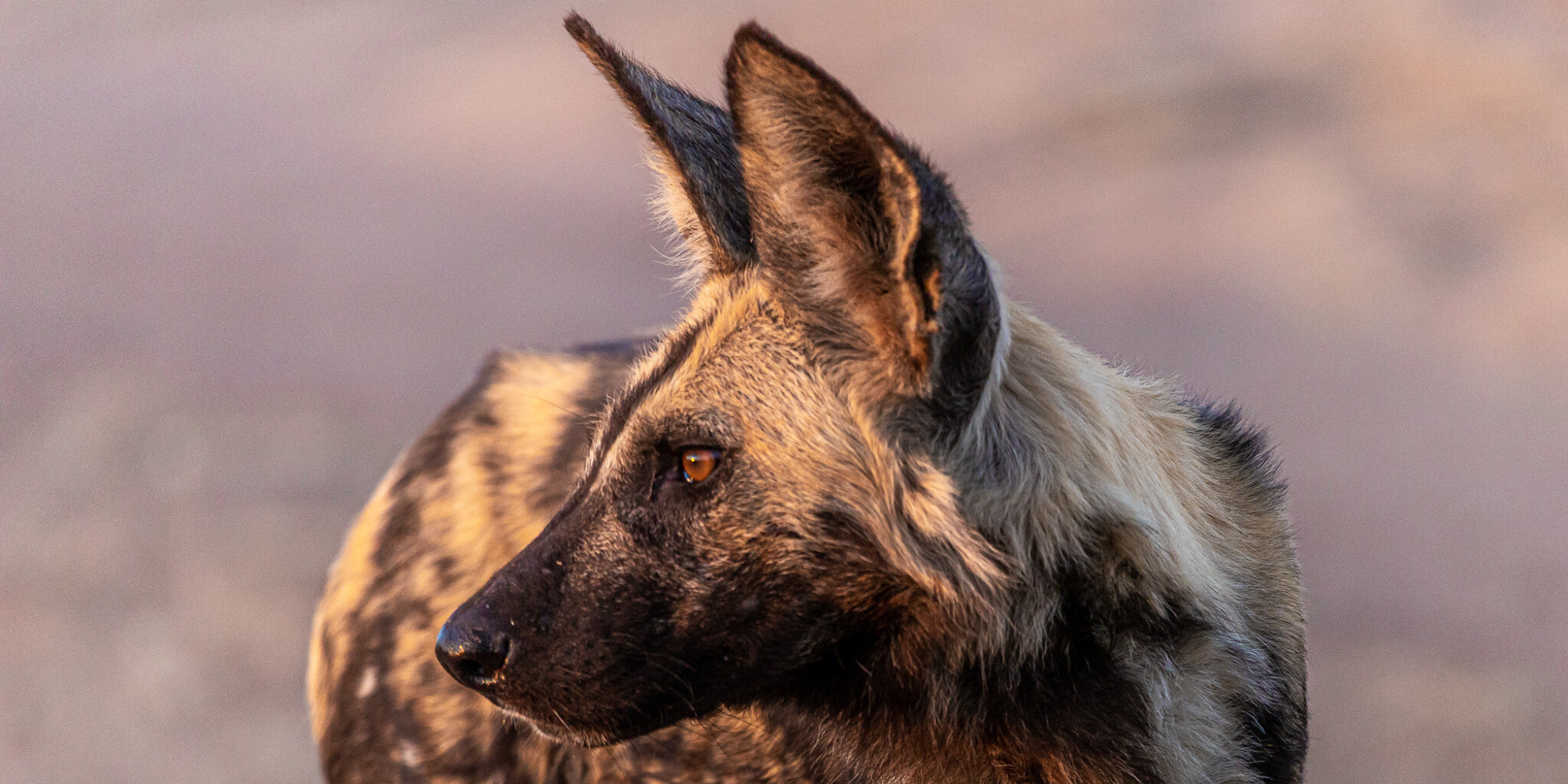
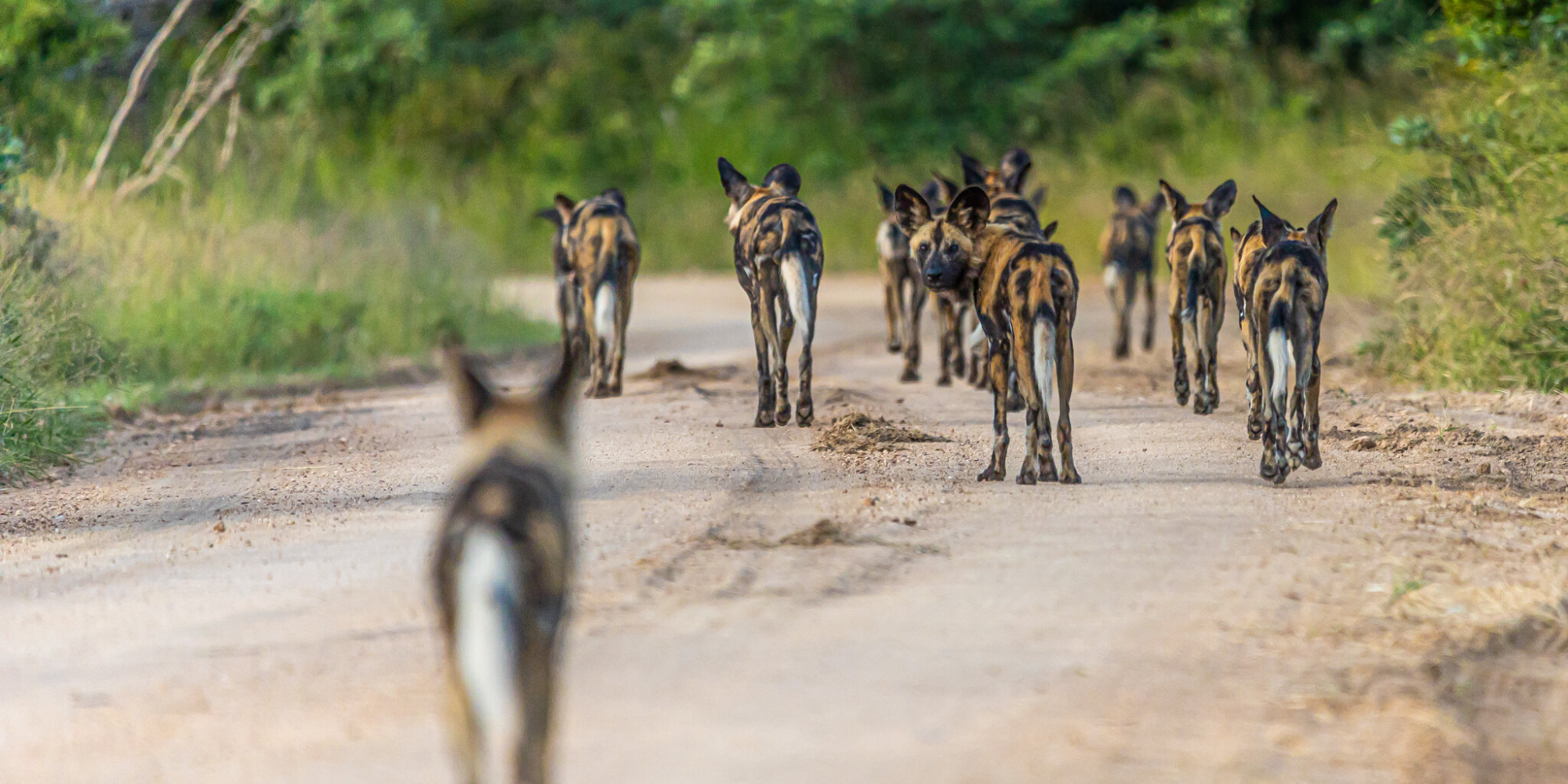
    Wild dogs are fantastically unique, both in terms of behaviour and physical characteristics. The coat colour of wild dogs is highly varied; it can include red, black, white, yellow, and brown. Each individual has a completely different fur pattern that can be used to identify them. Some of the dogs have larger patches of white fur on them – which I personally find just stunning. 
    image

    They have large, rounded ears, almost seemingly too big for their body. They are not large in size; they are actually quite similar in size to many domestic dogs, weighing anywhere between 18–36 kilograms and roughly one metre in length. Their lifespan is roughly 10–12 years as well. 

    Wild dog packs

    Each individual not only has their own look but their own personality as well. Which makes for quite an interesting pack. The packs can consist of anywhere from two to 30 dogs, but generally a minimum of six dogs is ideal for consistent successful hunting. 

    The female alpha is in charge of the entire pack, making many decisions and choosing where to den. The alpha male and female are the only two dogs allowed to breed in a pack, but the priority of the group is to take care of the entire pack. All of the dogs look after each other, care for each other even when sick or injured, and take care of the pups. 
    image

    Everyone in the pack will look after the pups. When the pups are still denning, and it is time to hunt, generally the alpha female will stay with the pups. The rest of the pack will head off on a hunt, and after they are successful, they will return and regurgitate the meal for the pups and mother. After the pups are old enough to join in on hunts, they will be allowed to eat first at a kill. 

    Wild dog hunts

    One of the most fascinating behaviours exhibited by wild dogs is their hunts. They practise something unknown to most other species, democracy

    Okay, it’s not that complex. However, they have been observed basically voting on whether or not to pursue a hunt. They do this by sneezing. If the majority of the pack sneezes, the hunt will be a go. Mind-bending! 

    The hunt itself is also unique. Firstly, they are one of the most successful predators in the area with roughly 80% of their hunts ending in a kill. Although wild dogs can rely on surprise and quick bursts of speed, they generally take a different approach. These individuals have unmatched endurance even at high speeds, up to 60 kilometres per hour. They often will chase their prey until it exhausts and can no longer run. They eat quickly in order to consume as much as possible as fast as possible, because unfortunately for them, there is a good chance a much larger and more powerful predator is lurking nearby ready to steal the kill. 
    image

    Wild dog packs eat a variety of things and the size of their prey generally depends on the size of the pack. They generally consume small-to-medium-sized antelopes such as impala, and warthogs, but can even take down wildebeest, kudu, or small buffalo – although quite rare. 

    There is so much to observe and learn about this species. Their behaviour, social structure, and capabilities endlessly fascinate me. Not to mention, they are stunning. Unfortunately, they are quite endangered with only around 6,600 individuals left in the wild. One of the biggest threats to these dogs is the loss of habitat, one pack can cover a range of roughly 1,500 kilometres which is incredibly large. Since habitat is shrinking constantly, they are running out of room to roam which means they are also running into other predators and in conflict with humans, specifically farmers. There are many efforts in place to conserve them, however we still have a long way to go.

    Out here we’re constantly discovering new things about the birds, plants, and animals that call the African savanna their home. Join us where the wild becomes home.
  • Look Up…

    image

    This blog about astrology was written by Henlo Lourens. Special topic blogs are written by Bushwise students during their course, and all facts included are based on their research.

    Read time: 4 mins

    “Keep your eyes on the stars”, “we are truly children of the stars”, and “look to the stars and from them we learn”, are just a few thought-provoking words that demonstrate the beauty and symbolic importance that comes from understanding and learning about these celestial bodies. This blog is about not only the stars, but also the importance of understanding them as a field guide.

    Every culture on Earth has at some point looked to the stars for practical information and answers to the biggest of questions. A lot of what was first known is wrapped up in stories and passed down through generations. If we look at the invention of the telescope for example, it can be argued that Galileo’s invention was the result of all the questions asked and the astonishing predictions of what the stars mean, where they come from, and the general fascination that comes from the beauty of the night sky.

    image

    Learning about the Southern Cross

    During the numerous game drives that happened during the winter when the sun set early, we conducted lessons about astronomy and more specifically about the Southern Cross. 

    As field guides, it is important that we understand how to use the Southern Cross and constellations alike as not only a way of direction but to also further our understanding and local knowledge of ancestral beliefs and societal influences that come from the speculations and beliefs of others. In doing so, we as field guides can create conversations about these celestial bodies. As well as encourage a new understanding and passion for astronomy. 

    I personally enjoy trying to see comets and learning about meteors. It really delights me when I get the opportunity to study the night sky and expand my knowledge about astronomy. I have always been fascinated by conversations about astronomy, and getting to know the different ideas and beliefs around astronomy that have been constructed from the questions asked by people. 

    image

    Traditional beliefs about the Southern Cross

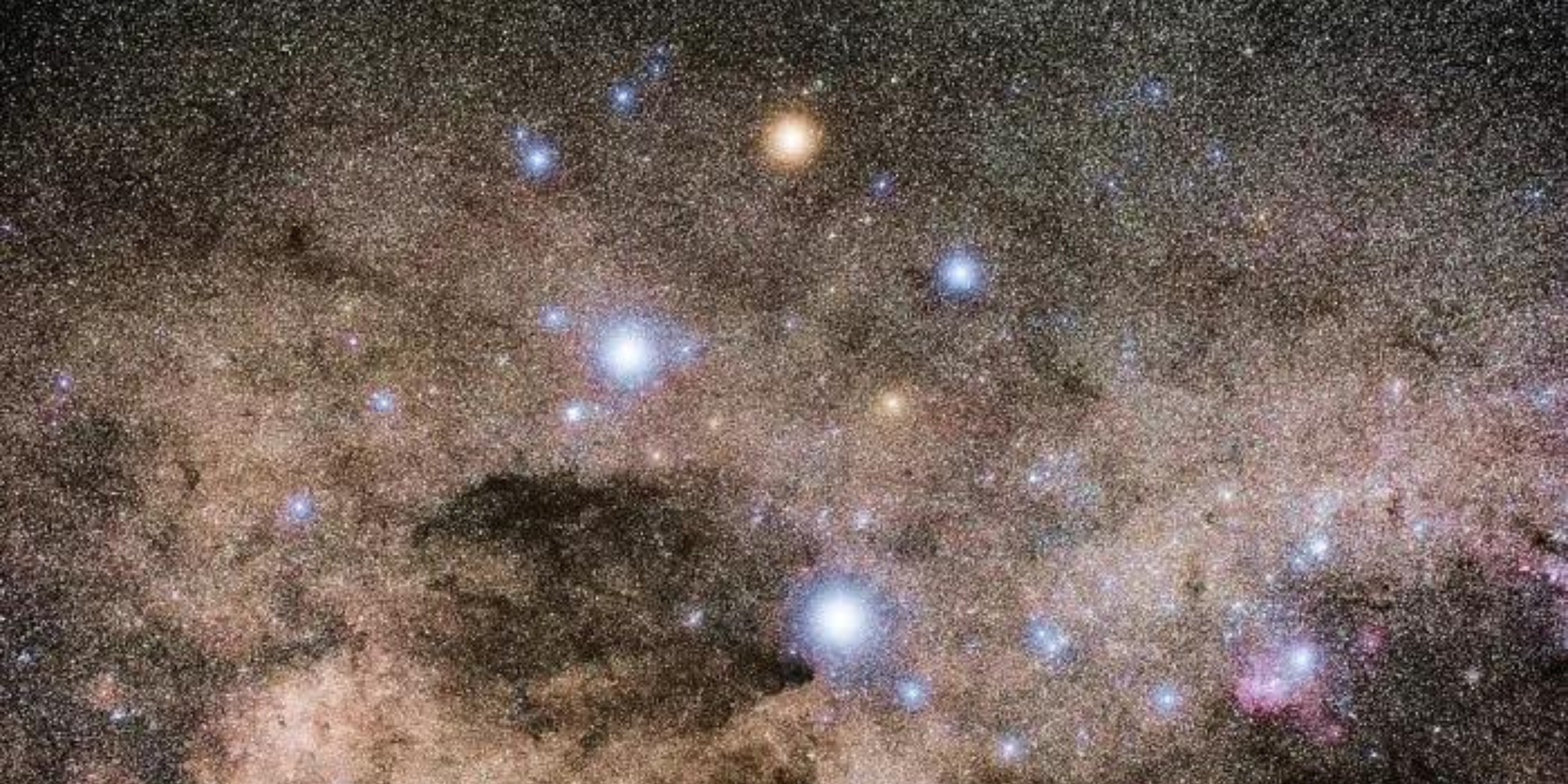
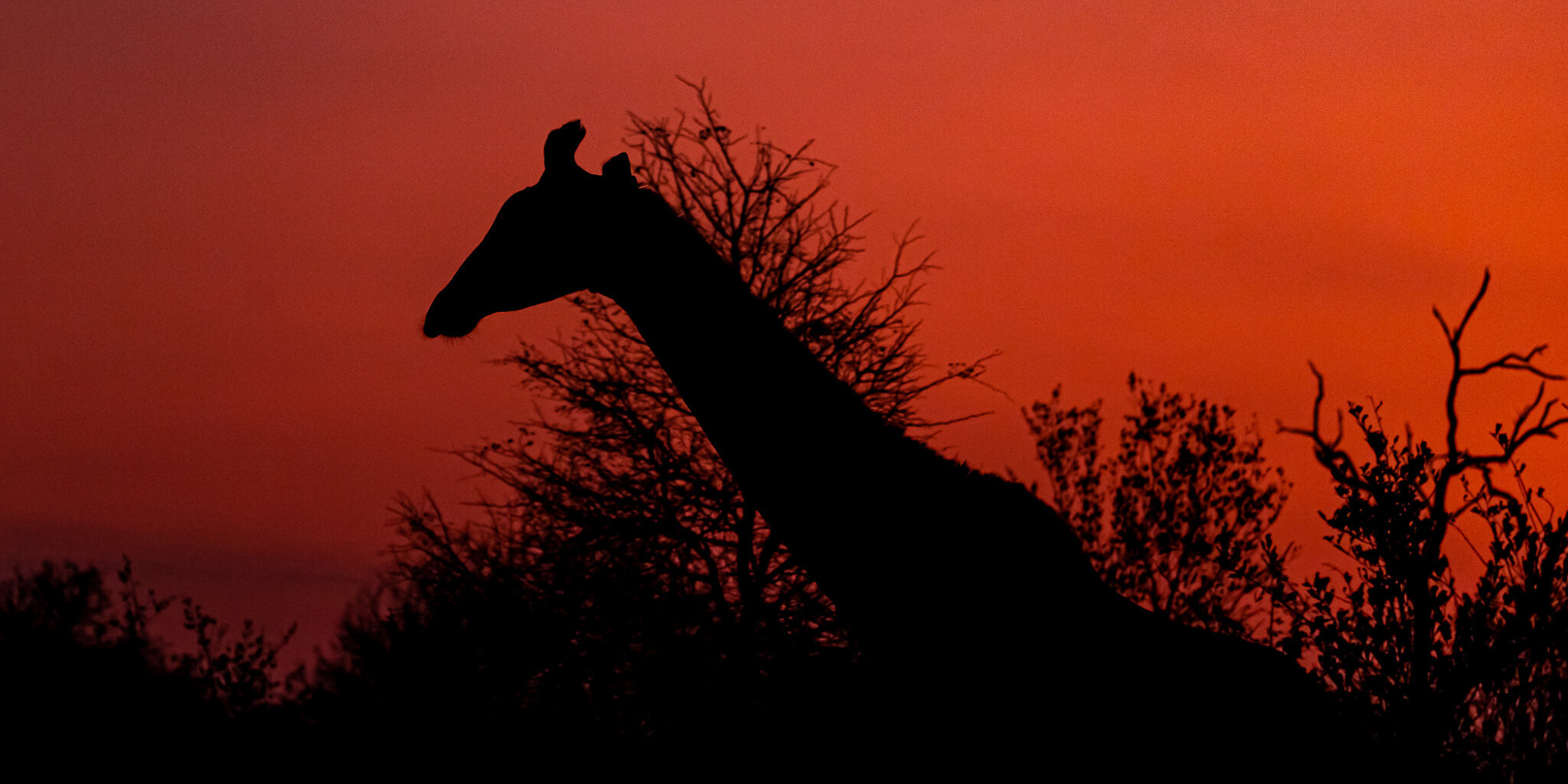
    Within different traditional belief systems, the Southern Cross is more than just a way to find the southern point. The bright stars of the pointers and the Southern Cross were often referred to as a metaphorical group of giraffes by the Zulu, who traditionally believe that giraffes travel across the heavens to keep track of the location of the moon and the stars. 

    Among the Venda, these giraffes were known as Thutiwa. In October, the giraffes are believed to be moving above the trees on the evening horizon, reminding people to finish their agricultural objectives of planting crops. 

    The Karanga people believe the stars are the eyes of the dead. This gives them great solace in finding hope and trust for their protection.

    image

    Experiencing the night sky at Bushwise

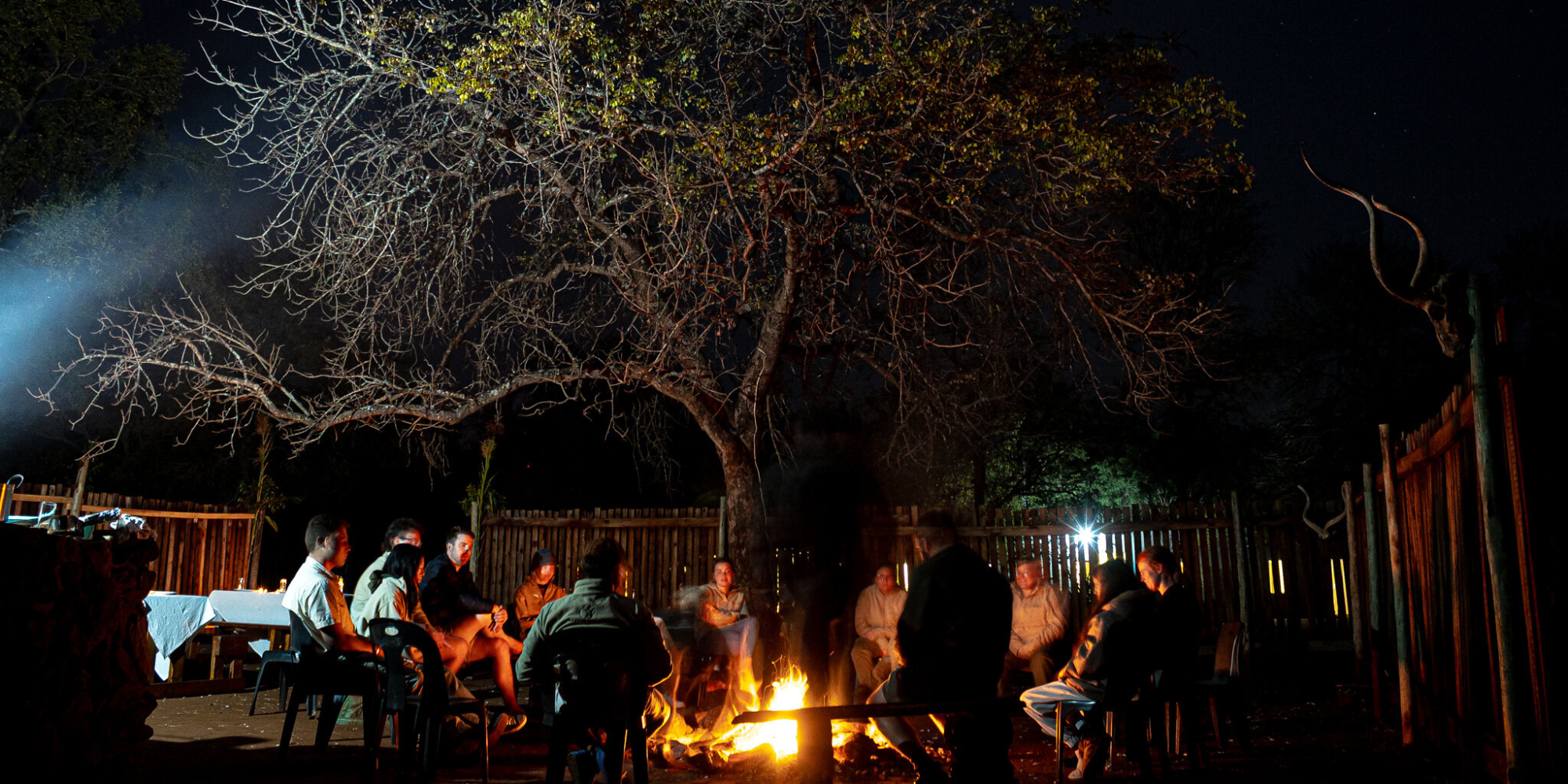
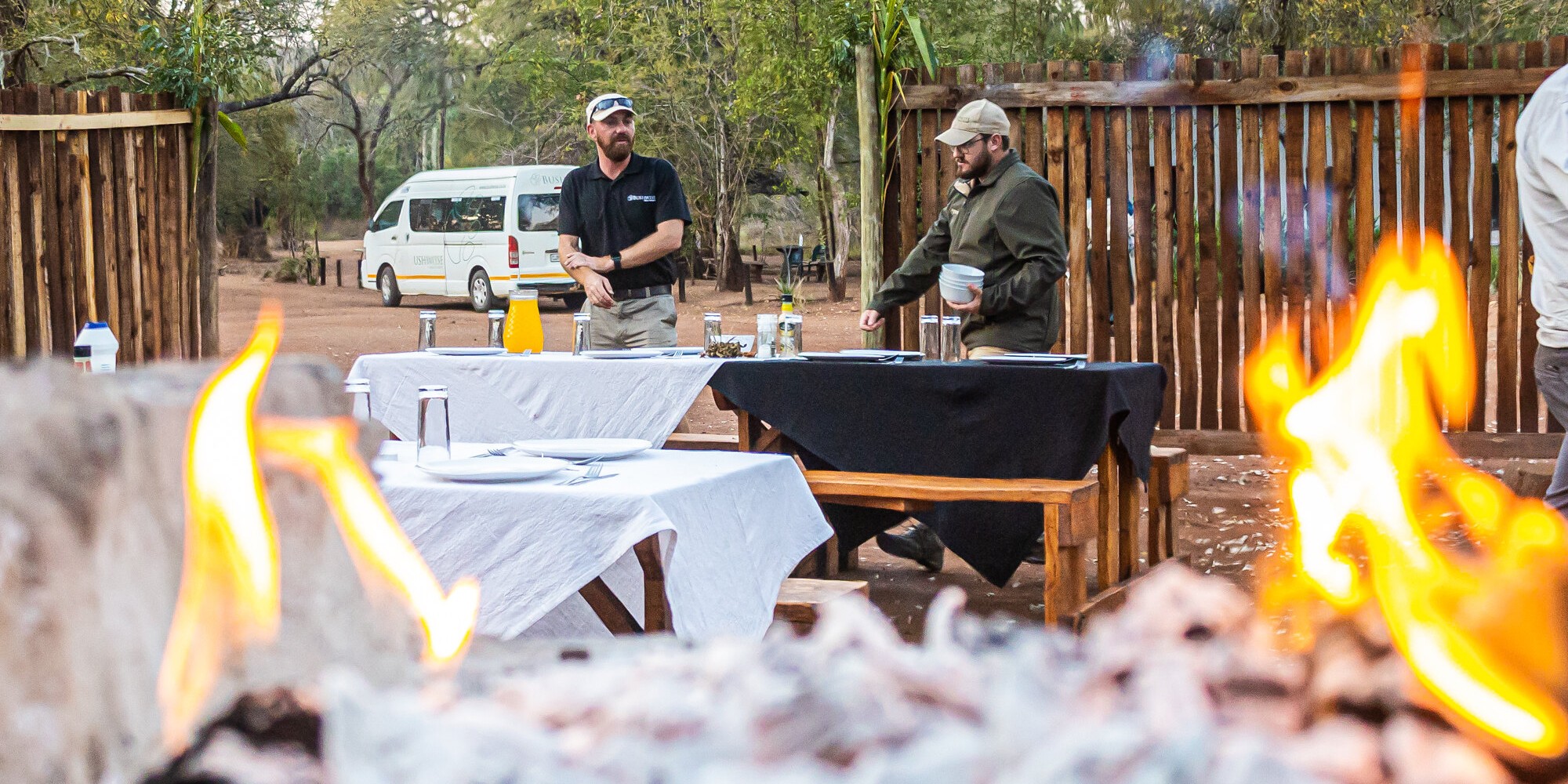
    During our course, we were able to experience the night sky on numerous occasions. One of my favourites was when we had a sleepout, where we were fully immersed in the environment and nature as a whole. 

    I found it particularly calming to look up at the stars and think about the challenges and achievements that I have experienced. I personally found happiness and a feeling of gratitude in having the opportunity to learn about the world we live in and appreciate the togetherness of both having my fellow students and my greatest passion in one place. 

    We get to experience so much peace and fulfillment when we take a moment out of their busy life to simply look up. Join us out here to experience it for yourself.

  • The Weekly Events of a Bushwise Student

    This blog was written by David Lubbe, Bushwise Professional Field Guide student. Each student takes a turn as camp manager, and writing a blog is part of the experience.

    Read time: 3 mins

    The past week was quite interesting and busy, to say the least. 

    Lion Kill Sighting

    The week started very early for a few of the students because of the mock assessment drives that started on Monday. Emma kicked it off with a brilliant game drive; not only delivering an outstanding performance, but also the best lion sighting possible. 

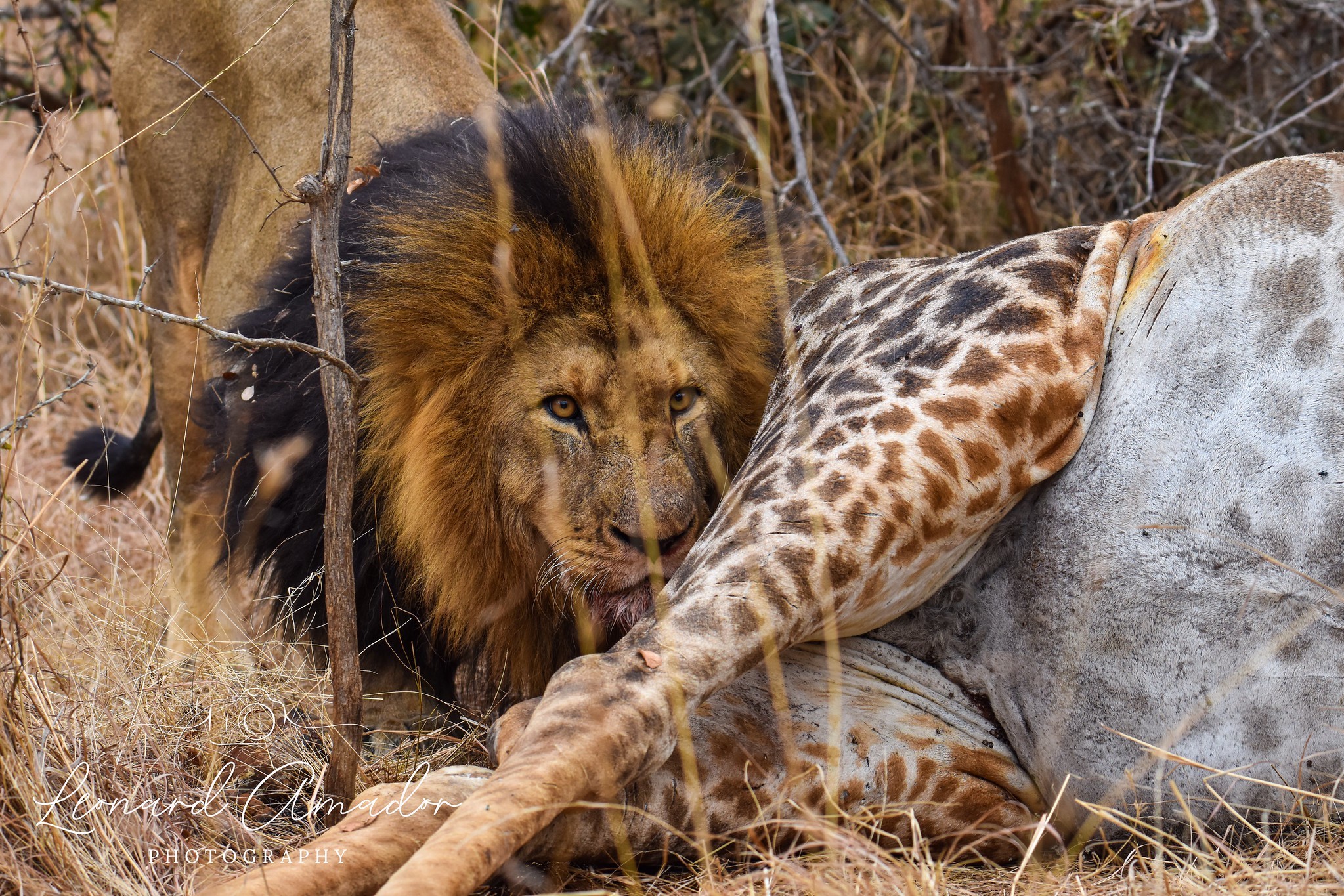
    We were on our way to make a coffee stop when FP, our new trainer, observed signs of something being dragged across the road. So being prospective field guides, we started investigating these signs, and sure enough, lions took down a giraffe and were busy feeding nearby. 

    As soon as we pulled into the sighting, two cubs appeared. They were the cutest things you could possibly imagine. We sat with these lions for a while and so the time came for us to make way for other guides with guests to inspect these little ones. 

    image

    On Wednesday, one of the afternoon drives got yet another black rhino sighting. Here at the Mahlahla campus, we have quite the thing for finding black rhinos! This was a truly great way for the last pair of students to complete their mock drives.

    No One Likes Writing Exams

    Thursday and Friday were used to refresh our memories of all the modules we did over the last two semesters in preparation for the IFGA exam on Saturday. We did quick recap sessions per module and asked questions if we did not understand something. This all took place in the mornings. After lunch, we were given the rest of the day off to go and study. 

    The tension on campus was high due to the stress of the test and everybody was putting in a lot of effort. It was tough to communicate with anyone mostly because they were glued to their textbook. We were all just looking forward to letting our hair down after the test. Saturday arrived very quickly.

     We all wrote the test, and just before lunch (chicken nuggets and muffins), we got word from the trainers that we had all passed! The only thing I can say is that there was a collective sigh of relief. 

    Rugby and braaing… need I say more?

    It must have changed the wind direction or kickstarted the wind again because there was suddenly a w energy at camp. We all decided that the pool was our best move and had a great and relaxing time there. Then we had the brilliant idea to braai in the immense heat and we succeeded. Once everyone was done eating and the dishes were washed, we got ready to go to Mahlahla Lodge to relax and watch the Springboks play against Ireland. 

    image

    We all got to the lodge and started playing pool with people from Siyafunda and were having the best time. Then the time for rugby came and the tension started all over again. The place erupted whenever the referee did something ‘wrong’ and when the Irish scored points. Once we lost against Ireland, the mood was a bit sour. We all decided that the best idea was to all just go back home and go to bed. 

    To be honest, I wouldn’t mind it if this week repeated itself – well except the whole test stuff and the Springboks losing, but otherwise, it was a successful week. 

    Out here even exam week can be filled with fun. No two days in the bush are the same. Take our introductory online course to learn more!

  • Get To Know The Black And White Rhino

    This blog about rhinos was written by Nokwanda Mthembu. Special topic blogs are written by Bushwise students during their course, and all facts included are based on their research.

    Read time: 4 mins

    image

    What is a rhino? 

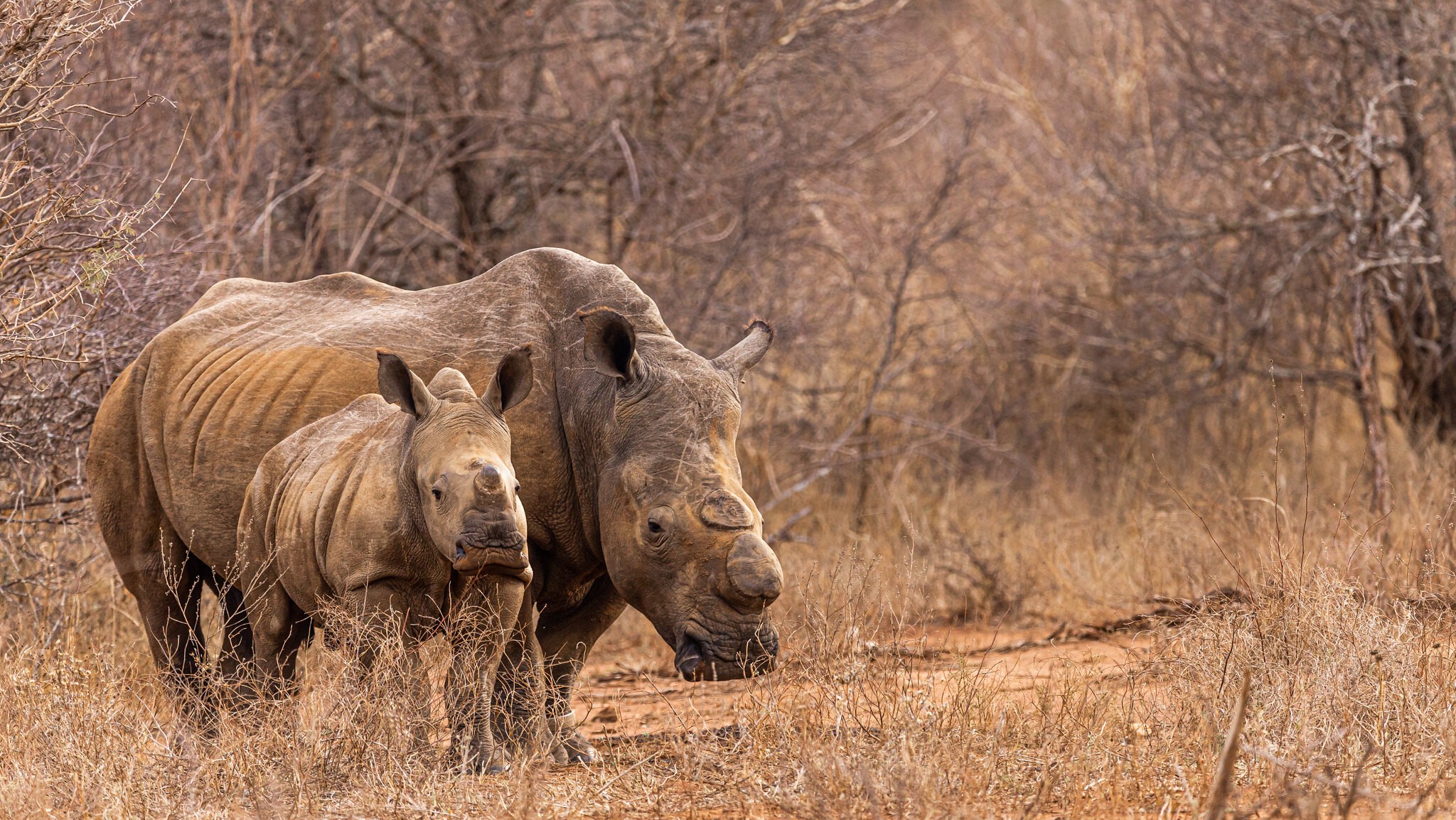
    A rhino is an abbreviation for rhinoceros. Rhinoceros are large herbivores which means they feed on plant matter and grass and they are characterised by their horned snouts. The word rhinoceros comes from the Greek word rhino which means nose and ceros means horn. Some have one horn and others have two horns. There are five species of rhino, including two African rhino species – the black and white rhinos – and three Asian rhino species which include Javan, Sumatran and greater one-horned rhino which is the only rhino with one horn.

    Fun facts

    • Rhinos sometimes chew soil (geophagia) to supplement mineral deficiency.

    • A collective noun for a group of rhinos is a crash of rhino.

    • Rhino horn is made of keratin, the same protein which forms the basis of hair and nails.

    image

    The difference between the black rhino and white rhino

    Rhinos don’t get their names from their skin colour. They are all grey in colour, but this depends on the soil colour of their environment as they often roll in mud and soil to help them keep cool in the summer heat.

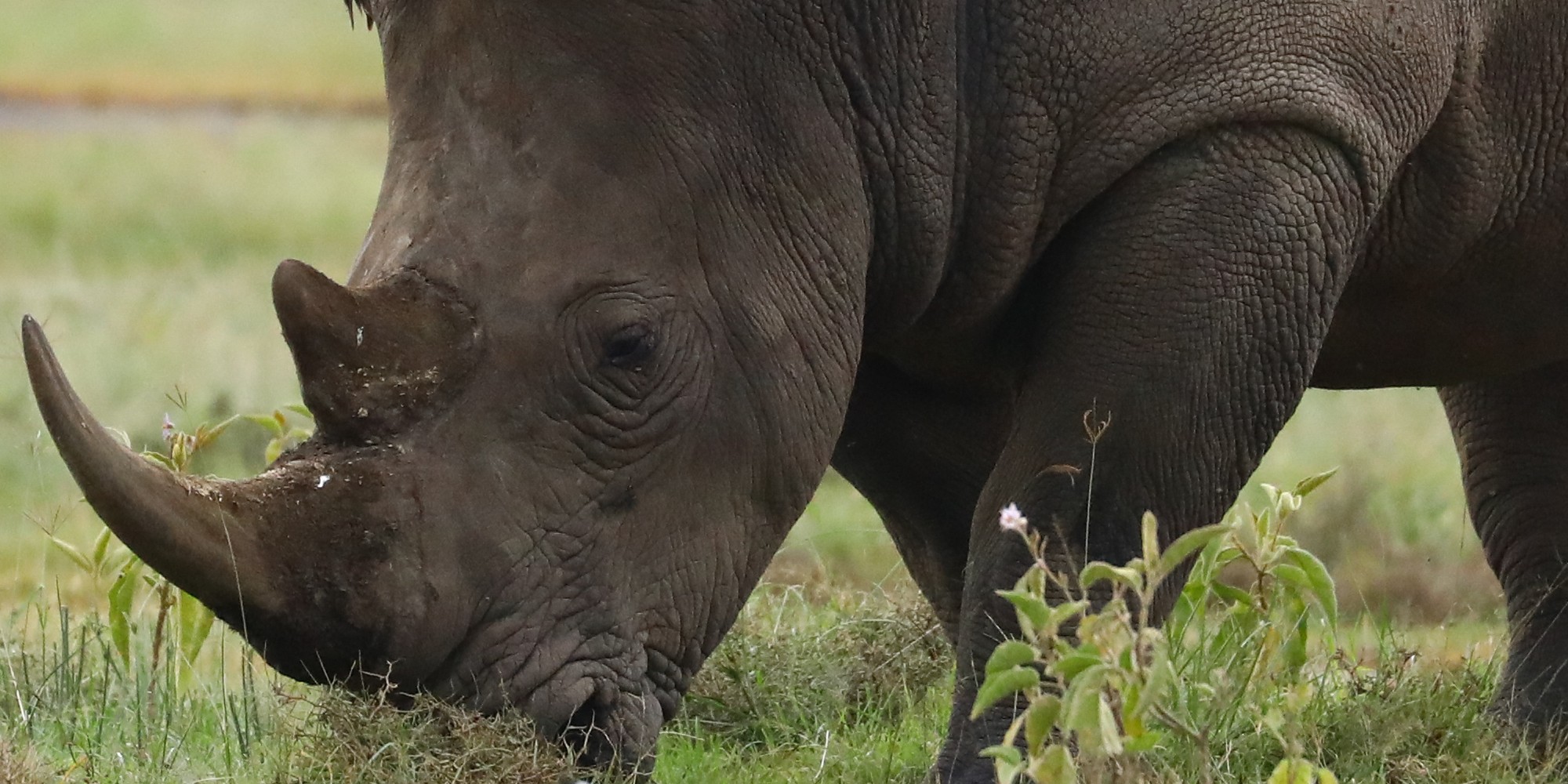
    The white rhino got its name from a misinterpretation of the Dutch name for white rhinos was widj neushoorn, which means wide rhinoceros – referring to its wide upper lip. However, early English settlers misunderstood widj for white, which is how they got their name. The white rhino is the second-largest land mammal on Earth. 

    In contrast, a black rhino can be distinguished from a white rhino by its hooked upper lip and is smaller overall. They also have a shorter head which they carry higher up on the shoulders to accommodate their browsing habits. Their ears are also smaller and rounder. The head of the white rhino is long and carried low – frequently only a few centimetres above the ground because they are grazers and grass makes 99% of their diet. 

    image

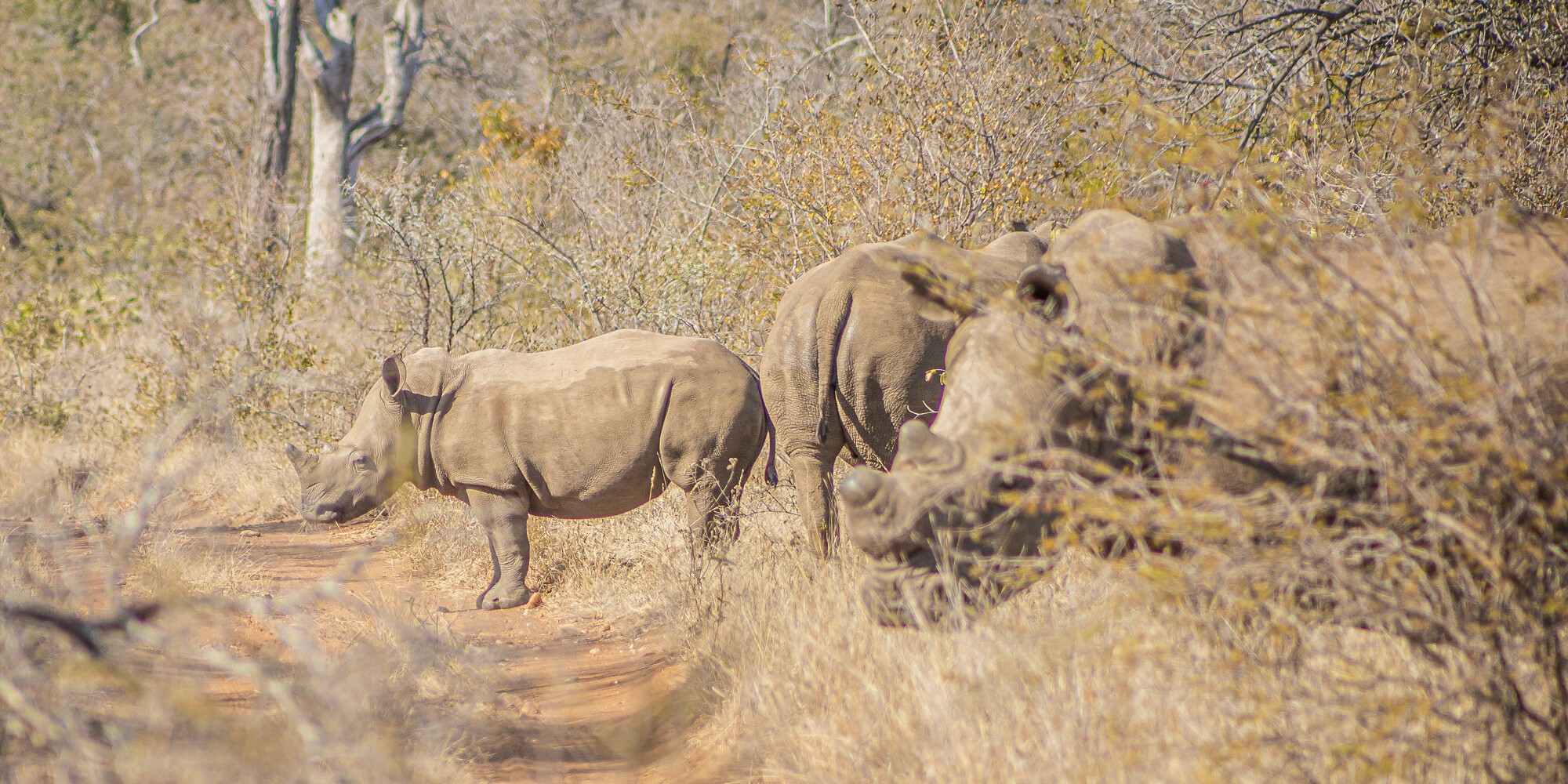
    Black rhino prefers woodland with thickets and permanent water, while the white rhino prefers grassland and savanna. White rhinos also do not like closed forests or thick bushes.

    Territory marking

    Rhino bulls are territorial, and they occupy clearly defined territories which they defend against neighbouring bulls. Younger bulls are allowed to remain within a territory if they remain submissive. 

    To mark their territory, the bull will patrol well-used paths to establish and reinforce boundaries. While patrolling, he will spray urine backwards on the bushes. He will also rub his feet in the urine to get some of his scent on his feet to spread it as he walks. 

    The bull also uses the same spot to defecate; these spots are called middens. Everytime after defecating, he will kick open his dung using his hind legs to indicate to other bulls that this is his territory. 

    The cows and the subordinates males can use the territorial bull midden, but they won’t kick open the dung to show respect to the territory bull. If another bull comes and uses the midden and kicks open the dung, this is taken as a challenge to the bull occupying the territory. Bulls will fight using their horns, which means fights can get deadly.

    image

    Bushwise black rhino sighting 

    We were out on our afternoon drive. It was still early on our course and we were focusing on botany, learning how to identify trees and grass. After an hour of driving, we were looking for a nice spot to stop to enjoy some coffee and look at the beautiful African sunset when our trainer Daryn suddenly shouted, stop stop stop!!! Black rhino, there on the plains! Quick turn around!!! 

    I couldn’t believe my ears. I had never seen a black rhino before. Imelda quickly turned the game viewer around and we went towards the black rhino. It was a very big male with a massive horn busy browsing. Even though it was starting to get dark and we were still quite a distance from him, he immediately reacted to our presence. 

    Rhinos have very poor eyesight; they can only see well at a very close range and can see movement at a greater distance. But their senses of hearing and smell are well developed, but they depend on the direction of the wind to carry sounds and smells to them. 

    After we had switched off the engine, his ears started moving – rotating independently in all directions to collect all the sounds around him. We all remain seated, watching him. There was no wind blowing, so while he knew that there was something out there because he’d heard the rolling engine, his poor eyesight and the lack of wind meant he didn’t know what had made it. 

    After a few minutes, he took a few steps, he was so curious – his ears were busy collecting sounds. He then took a few more steps until he was behind a small bush and he hid himself there. It was so funny because he thought that because he can’t see us, we also can’t see him. But we certainly could see his massive horn sticking out of the bush and also his giant body.

    Want to learn more? Check out our online course that helps you to gain valuable wildlife knowledge!