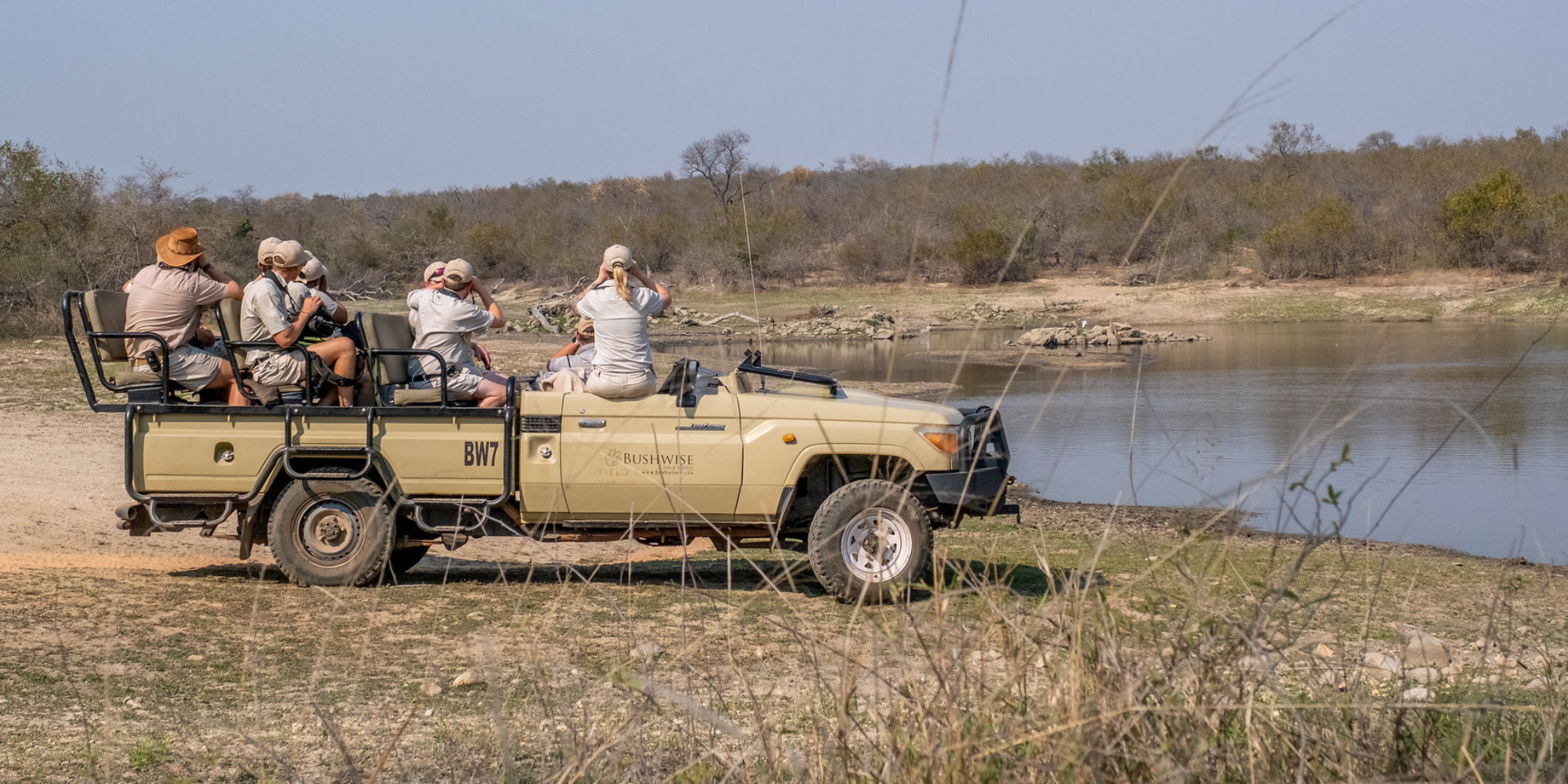
Tag: #southafricansafari

  • Meet the Shy Five: Africa’s most elusive creatures

    This blog was written by Jessica Piper, a Bushwise International Field Guide student. Each student takes a turn as camp manager, and writing a blog is part of the experience. 

    3 min read

    Not many people know or have heard about the Shy Five. Completely different from the Big Five, you’ll rarely see them out in the open. For these five cuties you’ll have to go out early in the  mornings and look carefully because they get spooked easily. These animals are nocturnal, which is mainly why they are tough sightings but are no less exciting then the Big Five. They are  not big or dangerous but are secretive about how they go about their lives. The Shy Five are the  Aardwolf, Aardvark, Bat-eared fox, Pangolin and Porcupine. 

    Aardwolf  [view image here]

    The aardwolf is a part of the hyena family and is referred to as the termite-eating hyena because unlike other hyena family members, the aardwolf mainly eats termites and other insects. They have a bushy tail and slender body with a mane or ridge of hair running down their back, and  their tongue is especially sticky to catch all their favourite food. They have an acute sense of  smell which they use to locate termite mounds and can consume thousands of termites in one night. The shy nature of the Aardwolf and its preference for the darkness is the reason that it is  rarely seen.  

    Aardvark [view image here]

    The aardvark, or more often referred to as ‘earth pig’, is a peculiar looking animal with thick  almost hairless skin, a long snout and rabbit-like ears. These animals, like the aardwolf, are  nocturnal and eat mostly termites and ants, with a preference for termites. They have powerful claws built for digging which can break through termite mounds easily. The aardvark can escape predators by quickly digging underground. The burrows that they leave behind can be crucial to other species, creating shelter for multiple animals, including small mammals, snakes and some insects. However, due to their solitary nature and the fact that they are nocturnal they are very rarely seen. 

    Bat-eared Fox 
    image

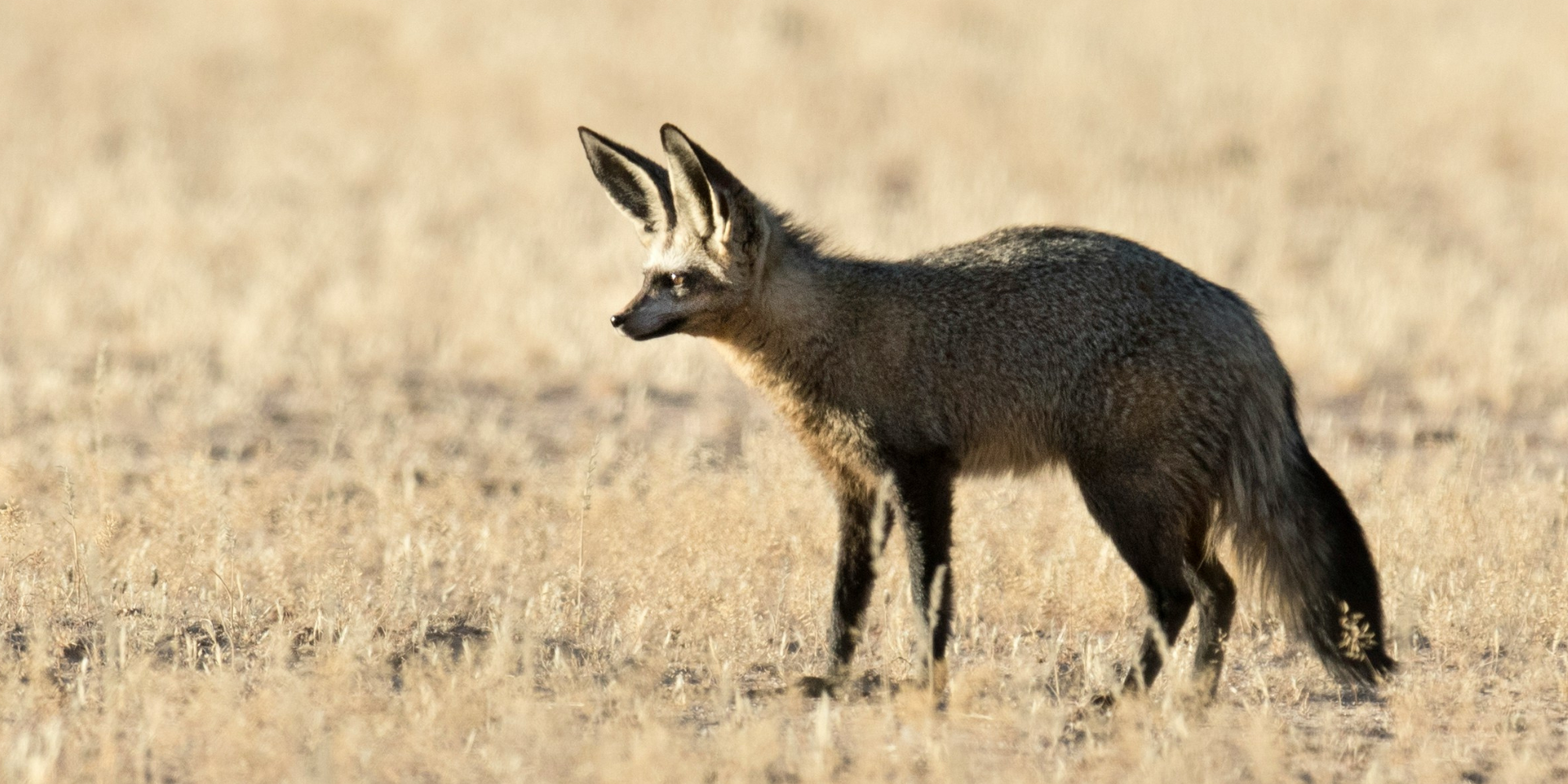
    The bat-eared fox got its name from its enormous ears, which are used to detect insect movement underground. Their ears aren’t just for hunting but can also aid in regulating its body temperature in hotter climates. Their diet has been highly adapted for insects, mainly beetles  and termites. The bat-eared fox is usually seen in small family groups or pairs and is known to be a more social animal although they are still difficult to spot. They spend their days in their burrows to avoid the heat. The fact that they prefer the open and that they are nocturnal makes them very elusive. 

    Pangolin 
    image

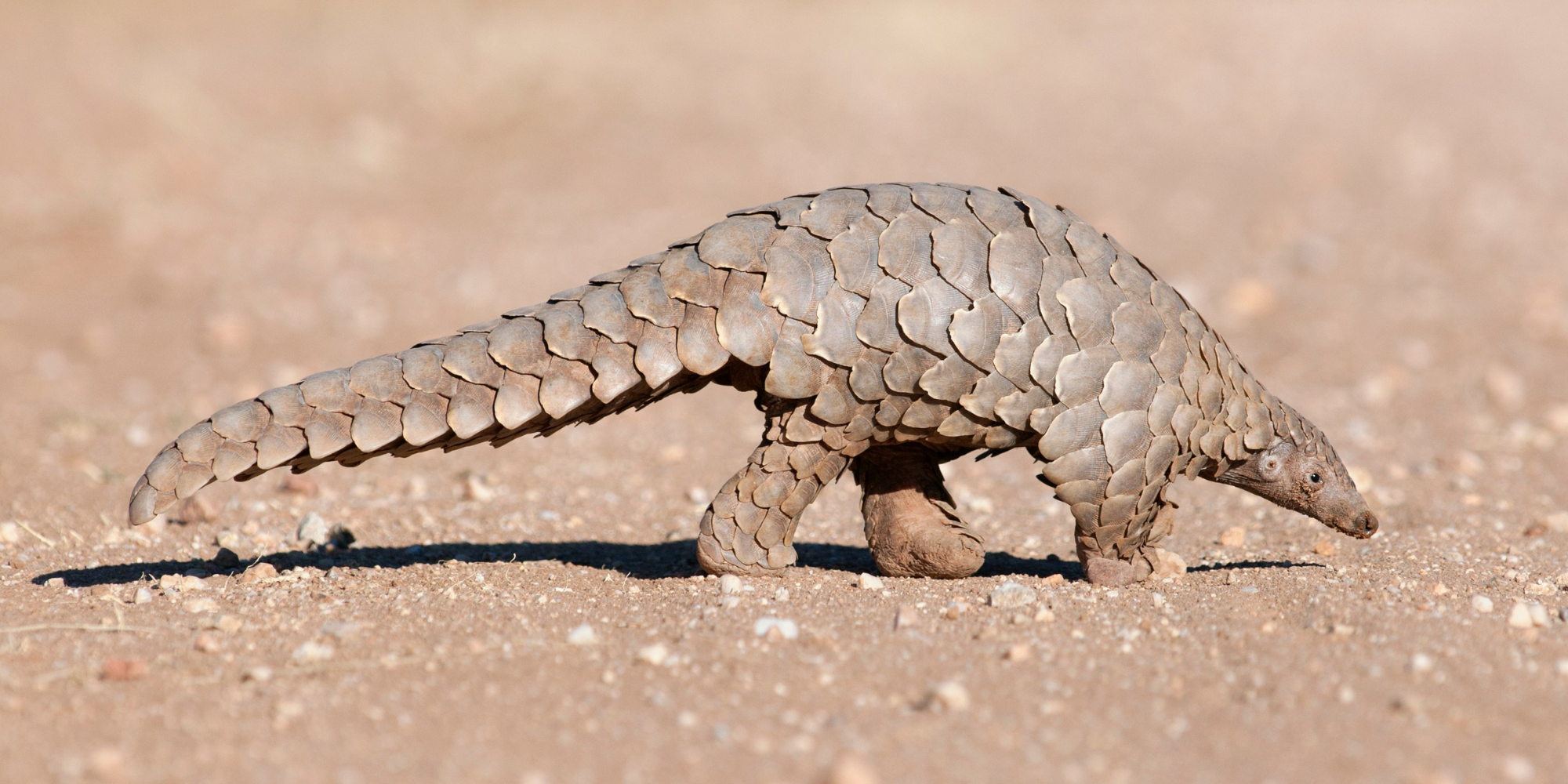
    The pangolin is considered to be the most elusive of the Shy Five. It is covered in scales made of  keratin that overlap each other. When threatened they curl up into a tight ball using its scales as armor protection. Like the aardwolf and the aardvark, the pangolin’s diet mainly consists of ants and termites, using its sticky tongue to lap them up. The pangolin is solitary and nocturnal and spends most of its life in thick vegetation or hidden in burrows. Due to its declining population sightings are extremely rare, making it a very sought-after animal to see in the bush. 

    Porcupine 
    image

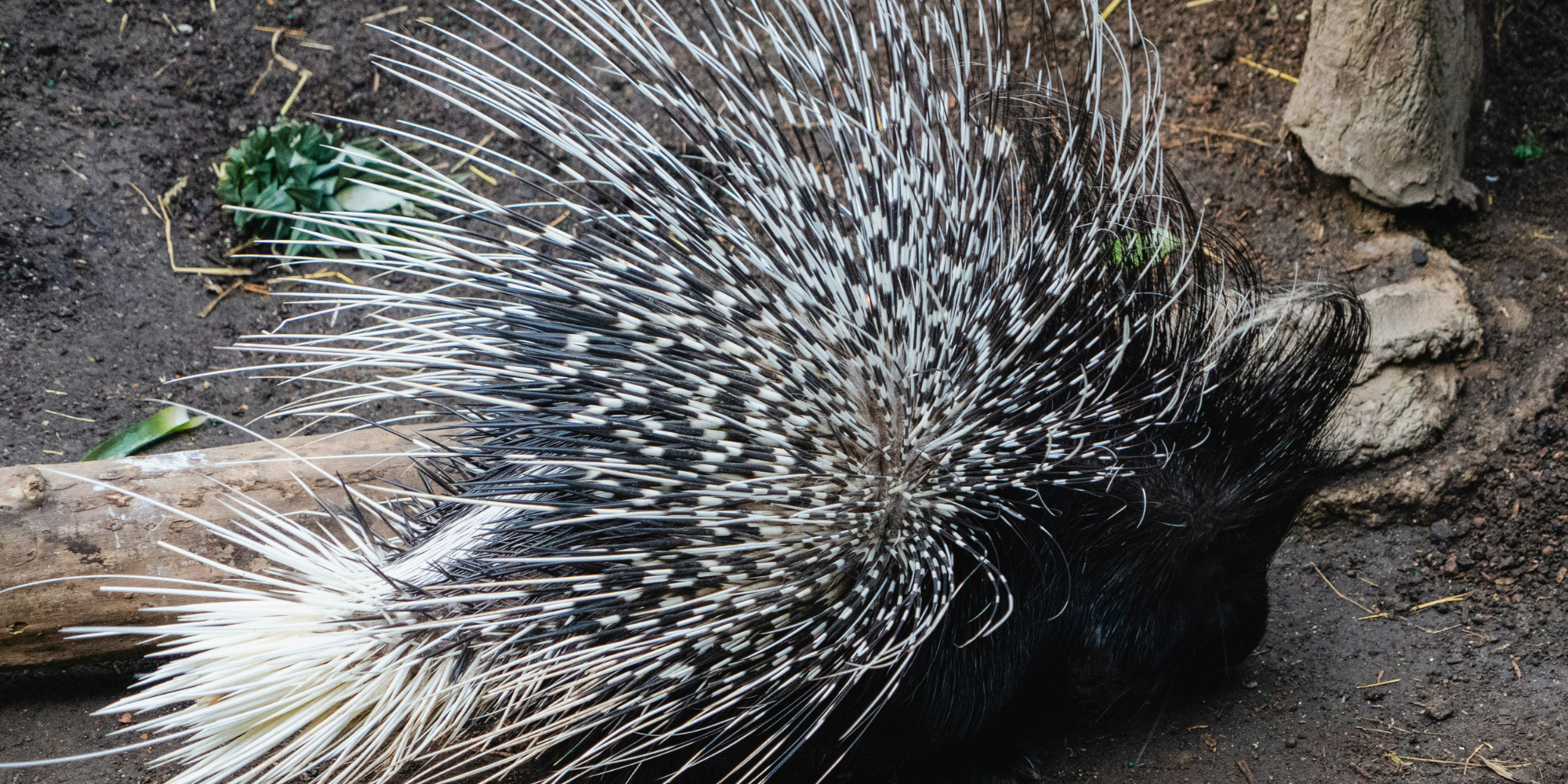
    The porcupine is the largest rodent in Africa and can be recognised easily by the sharp quills. It  uses its quills mainly for defence against predators and when the porcupine is threatened it will  raise and rattle its quills as a warning before running backwards towards the threat to try to  impale them with its barbed, sharp spines. Porcupines forage for bark, roots and tubers during  the night and spend their days in their burrows or rocky crevices. They have a very secretive nature which makes them difficult to spot, however, you can tell if one has been in an area by the  quills often left behind. 

    The Big Five is definitely more of a fan-favourite and on people’s list to see, but the Shy Five are no less interesting. Their roles in the ecosystem and their elusive nature make them a compelling topic for those who are willing to go beyond the beaten path. Seeing any of the Shy Five will require patience, but when spotted will leave a lifetime impression on enthusiasts. 

    Want to explore the fascinating world of Africa’s wildlife? Join a Bushwise course today and take the first step toward becoming a field guide!
  • From city streets to safari seats: My first three weeks as a Bushwise student

    This blog was written by Taylor Mee, a Bushwise International Field Guide student. Each student takes a turn as camp manager, and writing a blog is part of the experience.

    3 min read

    We’ve reached week three and I think it’s pretty safe to say we are really starting to settle into being full time Bushwise students. The 5am wake-ups, the intermittent phone signal, showering with frogs – it’s all becoming wonderfully familiar. 

    Not long ago, I was drifting off to sleep to the delightful screech of mating foxes, and instead my eyes now closed after a “hard” day’s work to the distant call of a hyena. I say “hard” because being out here really feels like anything but hard work. Would I rather be sitting on the 77 bus, stuck in traffic, listening to some school kids shout about which TikTok they watched last night or be on the back of a game viewer, stuck behind a buffalo herd, listening to the wondrous sounds of the bush? Sorry, London, this man chooses Mahlahla. 

    image

    Amongst all the fun we’ve been having, it has also been a huge privilege and honour to be appointed camp manager for this past week and, in turn, become a shoulder to lean on for my newly adopted Bushwise family. 

    Our first exam week hit camp hard as I took over the reins, further extenuating the need for me to be a strong figure that my people could turn to in their toughest moments. But it was so encouraging to witness that seemingly nothing brings people together in a mutual act of support and solidarity quite like revising for, and attempting to pass, the first of your CATHSSETA exams

    It’s wild to think (excuse the pun) that in the short space of time we’ve been here, our knowledge base has already grown massively. Not long ago my field guiding mental database consisted of being able to provide a list of mammals commonly found in this part of the world – your giraffes, your zebra, of course your big five! 

    I don’t want you thinking I’m a fool, though! Don’t get me wrong I’ve watched my fair share of BBC Natural History Unit programmes, but there’s only so much information three series of Planet Earth can provide you with (we want series four please, Dave!). 

    image

    Now, however, if you want me to distinguish the difference between basalt and granite based soils, I can do so without a second’s hesitation. Need to know the cloud formation before a cold front hits? Hit me up! What taxonomic family does an Otter belong to, you ask? Mustelids people, they’re obviously mustelids. If by the end of the six months here I’m not able to distinguish a tree by a solitary lick of its bark or decipher which bird has flown past simply by listening to the flap of its wings, I’ll be incredibly disappointed – at this moment in time it feels like anything is possible thanks to the amazing experiences we are having and the training we are receiving.

    I also never thought I’d get so much continued joy out of looking at poo! The dogs walking in the hotspots of London won’t know what’s hit them when I return. We’ve already become so accomplished at identifying dung by its shape, colour and context that after six months here learning everything Darryn, Jason and Simone have to offer, I’ll have absolutely no hesitation in determining that it was the owner of the black labrador, approximately 8 months old, on a strictly dry food diet that didn’t pick up their dogs waste last Wednesday morning between 07:22 and 07:36 am.  You’re a welcome, officer. 

    image

    All in all, I think there is no doubt we can call semester one a success! New lifelong friendships are beginning to form, a whopping 8 modules worth of knowledge stored away (hopefully) forever and plenty of awesome sightings under our brown belts!

    It’s very sad to be hanging up my camp manager boots at the end of this hard week of studying. But I take one last look at the base, as I climb into the taxi taking us for a few well-earned days of relaxing in Hoedspruit, knowing that I’ve left Bushwise Mahlahla in a better place than I found it.  


    Ready to start your own adventure with Bushwise? Explore our courses and apply today to begin your journey in the African bush!

  • I left my job in the UK to be a safari guide in South Africa

    This blog was written by Matthew Dufty, a Bushwise International Field Guide student. Each student takes a turn as camp manager, and writing a blog is part of the experience.

    4 min read

    I’m Matthew, a 26-year-old from the United Kingdom who gave up his life back in England to travel over 8000 miles to pursue my life-long passion of working within nature. But, why?

    From an early age I was obsessed with the wildlife in the southern part of Africa. My earliest memory is watching a documentary following the lives of a pack of wild dogs. I was hooked from then on. 

    Being from the UK the only opportunity to see these animals would be on TV, so from that moment I added “South African safari” to my bucket list. This was only emphasised more when a TV show called “Wild at Heart” came out when I was eight. The series shows the journey of a family emigrating to South Africa where they attempt to rehabilitate a game reserve for animals. This opened my eyes to the fact that not only can you go to South Africa to see these animals but you can also go there to work with them. This blew my mind. 

    image

    In 2019 and 2021 I ticked “South African Safari” off the bucket list with trips to Malelane and the Sabi Sands, and as mind-blowing as those experiences were, it just wasn’t enough; there was still something missing.

    That something was working with animals. In 2023 in had the privilege of spending three weeks in Namibia volunteering at the Namibia wildlife sanctuary and the Kanaan Desert Retreat. The first 2 weeks were spent at the wildlife sanctuary where the focus is to rehabilitate vulnerable animals, with the hope of releasing them back to the wild. The final week was more focussed on the conservation of the area allowing animals to have free movement in the area without the obstruction of the fences from farming areas that were once there. These 3 weeks gave me the realisation that I couldn’t spend the rest of my life working in a retail environment with the mundanity of repeating the same day over again. I spent a couple of weeks reminiscing about the past 3 weeks when I returned home and made the decision to search for something that could help me scratch that itch of working in nature. That’s when I found Bushwise.

    But why Bushwise? The thought of becoming a nature guide had me hooked instantly and I knew that was my future. As mentioned, I have been on safaris before, some better than others, but what was the factor that defined each of them? The guide. 

    image

    For me, personally, the guide is the most important piece in the game drive puzzle. They are the person that turns a good sighting into a great sighting and also creates an experience which will be memorable for the guests on board. An international trip to South Africa for safari isn’t cheap and the last thing you want is for your experience to be ruined by a guide that doesn’t show the same excitement and enthusiasm as you. Having spent time researching Bushwise I soon realised that, for what I wanted, Bushwise was the logical choice. 

    Other organisations provide a very similar experience but the option of a 6-month placement seemed like an opportunity I couldn’t pass on. The possibility of actually working within a lodge environment had me sold. In addition to the advantage of being taught by high-quality and knowledgeable trainers, the Bushwise team are also there to help support the transition of becoming a qualified nature guide.

    image

    So what does the future hold and what do I want to do with my career? I would love to have a long and distinguished career as a nature guide. I left my job of 6 and a half years to pursue a dream and I want to make that dream my reality. I enjoy my life back home – the job security, financial freedom and being surrounded by friends and family – but I am only truly myself when in a natural environment surrounded by the sights and sounds of all things South Africa has to offer.

    It’s not going to be easy – becoming a nature guide isn’t something that happens overnight, it’s dedication to a purpose which is greater than yourself. You’re not only an ambassador for the country and place you work but also for the conservation and protection of the wildlife. You are being a voice for the voiceless and need to spread the impact that humans are having on the natural environment.

    I am currently in my second week of my 50-week course and I am already gaining invaluable knowledge on, not only what a nature guide should know, but also how to carry yourself to ensure that you are being professional every day. It’s a long way from my life back in the UK, but with the environment Bushwise has created, they give you the best chance of following your dreams. Here is to the next 48 weeks!

    Ready to follow your passion for wildlife and conservation? Learn more about Bushwise courses and apply now to start your adventure!

  • Living my wildest dreams: A Belgian girl in the South African bushveld

    This blog was written by Rose Braeckman, a Bushwise Professional Field Guide student. Each student takes a turn as camp manager, and writing a blog is part of the experience.

    3 min read 

    Hello, and welcome to my blog post! My name is Rose Braeckman, a Belgian girl in the bush of South Africa!


    How did I end up here? Let me tell you this little story.

    As a child, I have always been passionate about animals and nature. Even though I am 30 years old, I still have that inner child living within me. The kid who loves observing nature from up-close and is still mind blown every time by what it is able to do, create and adapt to.


    Which is what lead me to studying Agro- & Biotechnology, with a specialisation in animal care at university in Belgium. I still remember very clearly how in my first year, I immediately went to a student meeting to get all of the information on how to do my internship abroad. Small detail about this, the meeting was apparently only meant for third-year students. Whoops!

    I decided to stay and listened carefully because I knew that was what I wanted to do: travel to the African continent to learn everything about the wildlife and nature in that amazing place. And so, by the time my third year finally arrived, I had managed to find a way to complete my internship and thesis in Zimbabwe, at a rescue, rehabilitation and conservation orphanage for wildlife.

    image

    The feeling was amazing: I finally made it! I also knew, after this experience of working with these beautiful animals in captivity, that my dream was to work with and for the animals in the wild. However, due to Covid-19, I was back in Belgium and I had started working with a veterinary, having to take care of sick animals day in and day out. The urge to go back to Africa was growing in me more than ever, so the search for a way back there began.


    For years, my family, friends and partner all knew that I wanted to go to Africa to realise my dream, and they were actively supporting me in pursuing my dream. But sadly, I was faced with a series of misfortunes and heartbreaks that stopped me in my tracks. First heartbreak was when I lost my 17-year-old dog, who was both the love of my life and my best friend. His passing happened shortly after learning that my mother was gravely sick and she saw no other way out but by going through with euthanasia, a very heavy but brave decision that broke the rest of my heart and that of my family. My pretty amazing (little) life became a nightmare.

    The long anticipated trip to South Africa that my three sisters and I had planned on taking with our mom had to wait. Although a year later, we still went on that trip, with our dad. Before leaving, I asked my angels and the universe to give me a sign and help me find my way back to Africa. During the trip, we encountered all of these amazing guides and trackers that I started talking to, until one day I met a Dutch guide. They say “sometimes bad things have to happen before good things can.”

    image

    We spoke for a long time and I asked him all the questions I could think off on how he got here, on how to become a field guide and that is when he mentioned the name Bushwise. After our conversation, I spent hours looking at the website of Bushwise, reading everything I could read on the programs they offered and I immediately fell in love with the field guiding course. This course was everything I ever wanted to learn, all in one place. I felt like I was dreaming. While we were still in South Africa, I created a powerpoint presentation to explain to my sisters and my dad what my plan was.


    And so here I am today, a professional field guide apprentice, living in a tent 24/7 in the middle of the South African bush, realising a childhood dream! Learning everything about nature, from the sky and clouds, to the stars, from the wildlife, to the trees, while making new friends for life. I love to learn something new every day and that is exactly what I’m doing here.

    image

    Driving around the bush with these amazing people and in this mind blowing scenery that is surrounding us everyday is definitely the best experience I could have ever dreamed of. Cradled in the heart of nature, it keeps me close to my mom who was the person that pushed me to follow my dreams. She also taught me all about essential oils and alternative medicine, so learning about the traditional uses of trees and plants in the nature, I know she is very proud and happy for me, while keeping an eye on me from up above – like she will always do.

    Live your wildest dreams with Bushwise! Apply for one of our courses here.

  • Why I left my job in Spain to become a safari guide in Africa

    This blog was written by Africa Banzo, a Bushwise Professional Field Guide student. Each student takes a turn as camp manager, and writing a blog is part of the experience.

    4 min read

    Why would a person with a stable job in Spain decide to start studying again to become a safari guide on the other side of the world? Why not?

    Do we need to live in comfort? Do we need to get out of our comfort zone to be happy? Do we know how to make the most of the little time we have in this world? I really don’t know. But I do know that life is short and everyone is different. We have to enjoy life and make the most of it, because it will be gone before we know it. If it can help you, I’ll tell you my story. 

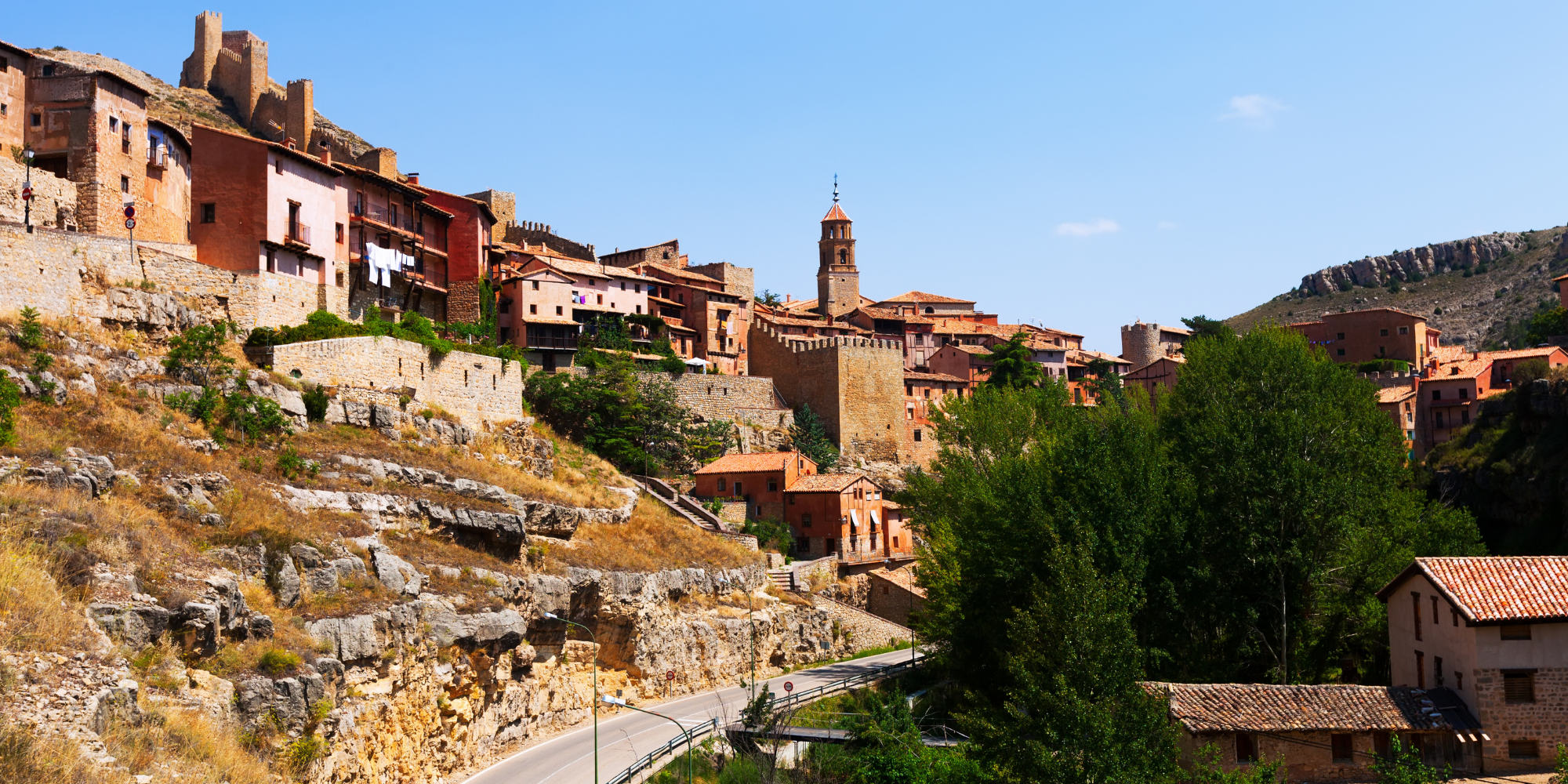
    I was born in a small, rural village in “the empty Spain”, in Navaleno (Soria). I lived my youth there, surrounded by family and friends, playing in the street and in the countryside where we were surrounded by the purest nature and had the best environment to grow up in. 

    image

    But I had to leave my village to go study in one of the big cities of Spain – Zaragoza. I was very happy there. I completed my veterinary studies, always thinking of becoming a wildlife veterinarian. Although in Spain, it was complicated. Even so, I trained as much as I could, and my parents helped me (they always support me). 

    I finished my training and, one day, suddenly everything changed. A hard blow came to my family (my eyes water at the memory). My father has always been a strong man, and still is. He showed me that you have to fight to get what you want. From then on, my mentality (and that of my family) changed radically, and now we look at life with the intention of making the most of it, enjoying it and doing what we are most passionate about. 

    So we (my husband and I) decided to set up a travel agency specialising in safaris in Africa. We loved travelling, nature and animals. We loved the African wildlife and the continent itself. Everyone told us we were crazy, as we both had our jobs. They said, “Don’t get into trouble”, “You have a quiet life, why do you want this now?”

    But that’s what life is all about – adventures, moving, feeling, falling down and getting up. And we fell down. Of course, we fell down. But we are still standing, not without a fight, with an agency that works and that, moreover, continues to grow. 

    image

    My job, apart from our agency, was as a vet in a small animal clinic in a village in the Aragonese Pyrenees. I was passionate about looking after the little four-legged animals in the house, the surgeries, general medicine, ultrasound scans, even the emergencies. But little by little, it was getting muddy. Until I decided that I couldn’t cry anymore, and that I needed a change in my life.

    It was time, I had the opportunity. I packed my bags and hugged my husband who pushed me to take that plane. Yes, the opportunity of a lifetime. The chance to enter the world of African wildlife. The chance to learn more about them and everything that surrounds them. It was the perfect opportunity to discover that I am happy in the savannah. 

    After many nerve-racking decisions, tears and smiles, headaches and family toasts, incredible dreams and nightmares, I decided to embark on the world of safari guiding. I am going to be one of them. 

    I’m not going to kid you, my world stopped when I was queuing to catch that plane. I didn’t know whether to run away or keep going through the baggage check. It was hard to start. It was hard to leave my family and my husband there. It was hard to leave my job (though necessary). It was hard to make the most incredible decision I have ever made in my life, but it would have been even harder not to. 

    image

    The first days on campus were “complicated”. Understand me – 30 years old, with a house, a family, a life on the other side of the world. Now you have to share a room with two other people, in a small glamping tent, surrounded by all kinds of critters from the African arthropod world (although you will not care about this in a few days). 

    You are on one of the best safari guide campuses in the world, with people who love what you love, with trainers who are well known in the industry, surrounded by the wildlife that you can see on your morning walks. This is the life I want – to be surrounded by nature, animals and people who fight to preserve what we love. 

    I am now part of the Bushwise family. Now it’s my turn to be happy in the bush.

    Want to become a safari guide? Learn more about Bushwise courses and apply today!

  • Finding my way home: My journey from Switzerland to the South African bushveld

    This blog was written by Tecla Mohr, a Bushwise Professional Field Guide student. Each student takes a turn as camp manager, and writing a blog is part of the experience.

    4 min read

    Who am I?

    When Bushwise assigned me to write a blog, I considered various topics, such as animals or messages, to share with the audience. However, I decided to introduce myself and reveal my true identity.  My name is Tecla, I am 31 years old, and I come from Switzerland, known for its chocolate and watches. Before discovering the South African bushveld, my life was typical of any other European. I lived with my parents in a nice flat, attended school, and spent evenings with friends.  How did a Swiss girl end up at the Bushwise camp in South Africa? This is a good question and all the answers will be revealed below. 

    Although I appeared similar to my friends, I always felt out of place. When faced with the choice between spending a day shopping or hiking in the Alps, I always chose the latter.  I felt suffocated by the society I lived in and unable to express my true self. I grew up surrounded by animals such as cats, dogs, and rabbits. From a young age, I had a passion for animal welfare and dreamed of one day owning a zoo to save and protect them. 

    image

    The big change of life

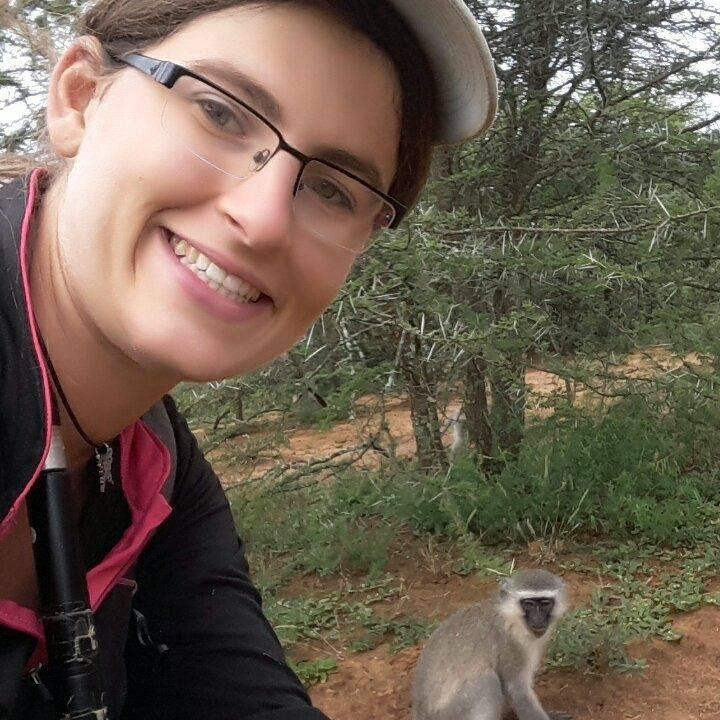
    I believe in destiny, and I think that each of us has a thread with a beginning and an end, leading us to where we are destined to be. My thread led me to South Africa. In this location, I have had the privilege of meeting people from diverse cultures and ethnicities, providing me with the opportunity to learn more about humanity. Additionally, I have had the fortune of working with a variety of wild animals, including lions, leopards, and hyenas, as well as smaller, harmless animals such as dwarf mongooses and vervets, which contributed to the project of my PhD.

    image

    Although South Africa was once my biggest dream, it also became my biggest fear. In recent years, I have faced significant personal challenges that have caused me to lose myself. I was never afraid of getting lost in the bush because, thankfully, my orientation skills have always been good enough. However, I never thought I would lose myself as a person. After almost eight years of working with wild animals in South Africa, it seemed like this dream was no longer achievable. 

    After a car accident, I spent two months in bed with a broken back. For almost two years, I experienced instability and fear, despite doctors’ attempts to provide hope for recovery. I struggled to regain my confidence and hope, but eventually some lovely people helped me. Through hard work and determination, I was able to return to my normal life, until the day I took the plane which brought me back into the bush. 

    At first, It was not easy to return to my previous wildlife. I found myself unable to walk for hours, I could not carry heavy bags, and I needed frequent breaks during the day. Additionally, I think the hardest part was that due to all these limitations, I was unable to care for people. But as in all things the glass is not always half empty, in fact mine was becoming full again. I was back in South Africa and despite my fears I was once again surrounded by nature and animals, I was back and with the animals, my dream also returned. Am I now the same Tecla I was before? No, I acknowledge that I have undergone a transformation and become a new version of myself (I hope a better one) who recognises the fallibility of her body but is driven by her mind, motivation and dream.

    image

    The person I am today, and the person I will be in the future

    And so here I am, writing this blog from the Bushwise camp classroom, learning and studying everything that surrounds me, so that one day I will have the opportunity to share my knowledge but also the emotions and adventures that this magnificent world has given me and that I hope I will continue to experience in the future. A friend once described me as “a South African girl born in the wrong country” and I think she was right because here in the bush I am at home.

    Ready to embark on a life-changing journey of your own? Explore Bushwise programs today to experience the wonders of the South African bushveld firsthand.

  • A life-altering adventure at the Southern African Wildlife College

    This blog was written by Reggie van der Westhuizen, a Bushwise Professional Field Guide student. Each student takes a turn as camp manager and writing a blog is part of the experience.

    3 min read

    As the sun dipped below the horizon, casting a golden tone across the vast African wilderness, I found myself standing on the doorstep of a life-altering adventure. Little did I know that my role as the camp manager at the Southern African Wildlife College (SAWC) for Bushwise would unfold into a week of wild experiences including: driving assessments, tree explorations, and a newfound fascination with bird calls. With 31 ambitious students from all across the globe, our journey towards becoming nature guides unfolded like the pages of a fascinating novel, I became not only a camp manager but also a proud member of the “Black-Backed Puffbacks,” a name that echoed the spirit of tents 15,16 and 17…

    image

    The week started with the anticipation of driving assessments that would test our capacity as future nature guides. After departure we navigated the rugged terrain of SAWC, learning the art of 4X4 driving. The adrenaline-fueled moments were not only a testament to our individual capabilities but also served as the foundation of teamwork. 

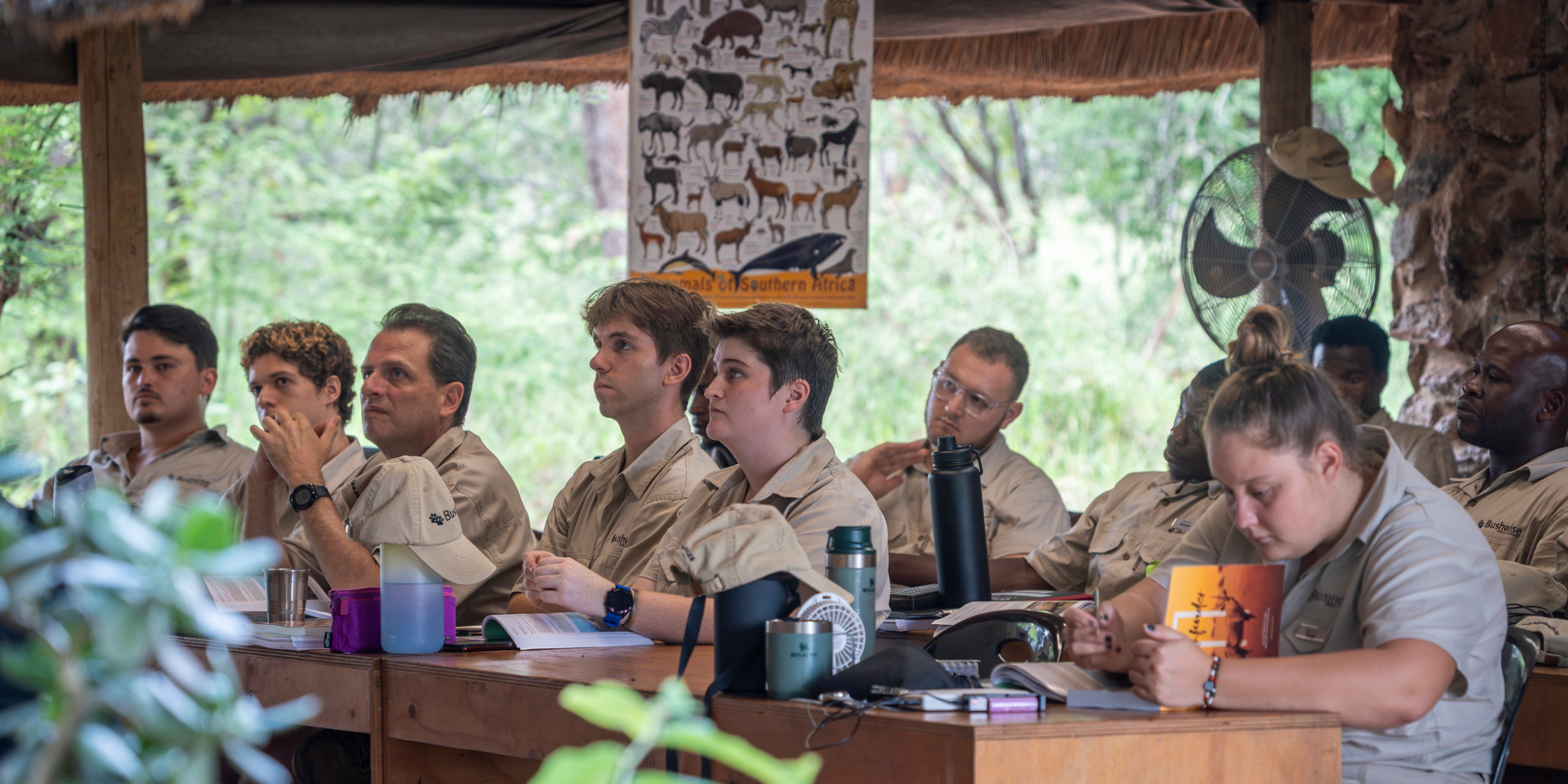
    In the classroom, we delved into the world of trees, immersing ourselves in the study of various species and their leaf structures. With our newfound knowledge, we ventured into the wilderness alerted on all fronts to the subtle whispers of the bushveld. The connection between theory and practice became evident as we identified trees, deciphering the language of leaves that spoke volumes about the ecosystem we have always been a part of. 

    image

    One of the highlights of my journey as of yet, was exploring the bird calls – an art that proved both intriguing and challenging (was maybe a case of the more I hear it the less I know it). The symphony of birdlife filled the air as we learned to distinguish the amazing tunes, our ears became finely tuned instruments capable of distinguishing a black-backed puffback from a black headed oriole. The fascination with bird calls was also a reminder of the delicate balance that sustains ecosystems. Every organism has a role to play in this wonderful ball we call earth, it is honestly mind blowing. 

    We 31 students became united by a common passion for nature, we formed a unique bond that transcended borders and cultural differences. The birth of our group, the “Black-Backed Puffbacks,” was marked by laughter, shared discoveries but more so mischief, like the bird we called ourselves after, we became a symbol of resilience and adaptability, navigating our life in the bush through brotherhood. 

    image

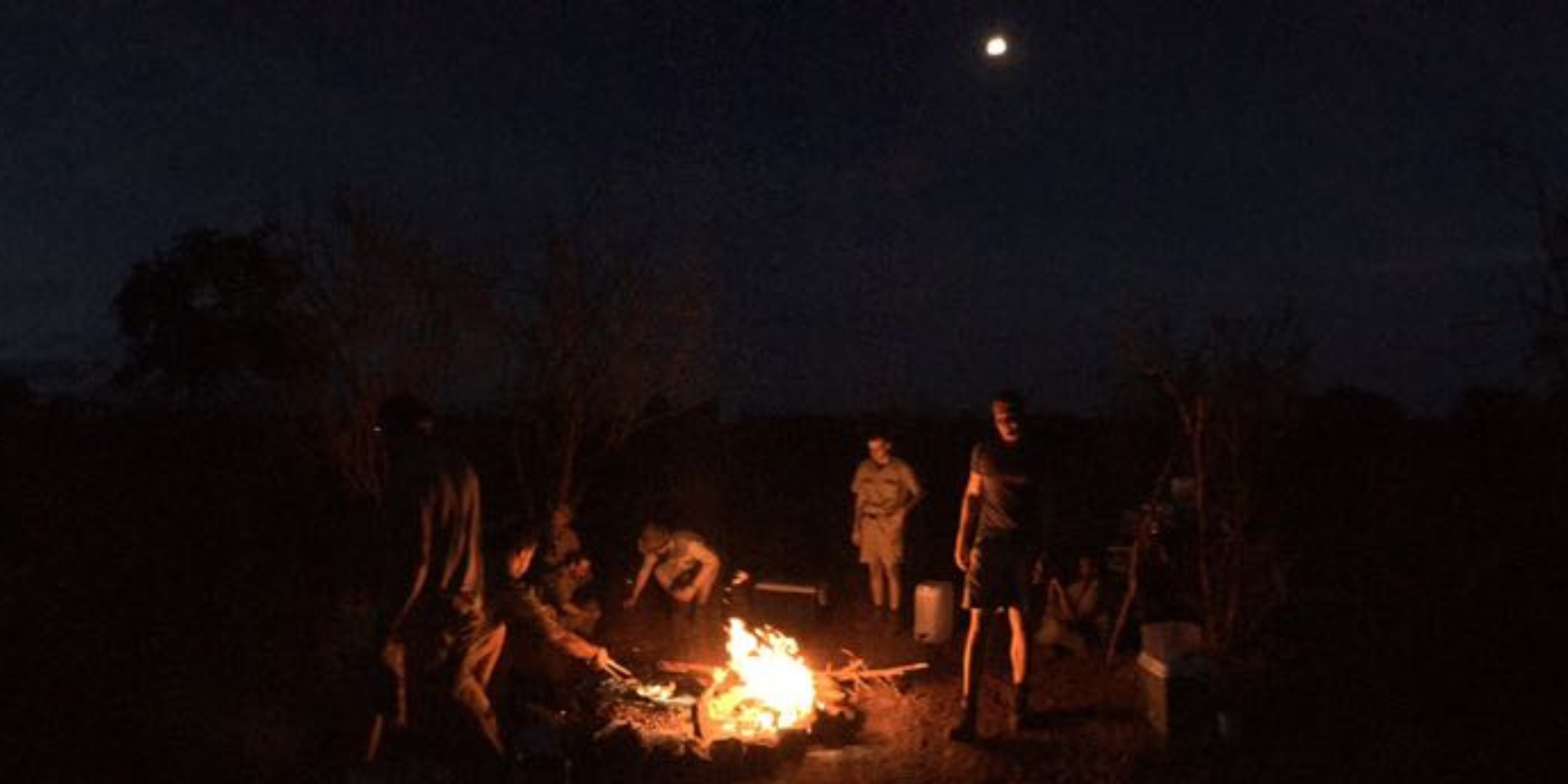
    The evenings around the campfire (mainly Saturday nights) became an environment for everyone to be themselves, and you tell me what is more beautiful than that? The diversity within our group became a source of strength, enriching our understanding of the natural world and creating a global perspective on LIFE.

    As the week as camp manager drew to a close, I found myself reflecting on the profound impact this experience had on my journey as a future nature guide. The challenges, the moments of fun, and the bonds forged during this week were not just chapters in a training program; they were the building blocks of a lifelong adventure in understanding and protecting our planet’s natural wonders. In the heart of the African wilderness, I discovered not only the secrets of trees and bird calls but also to hurry up and slow down – the true essence of the Black-Backed Puffbacks. PS – To any members of the Black-Backed Puffbacks if you are reading this, I love you gents. 

    Ready to embark on your own wildlife adventure? Explore more about Bushwise on our website!

  • “Wild dogs? On the airstrip? Yeah I’m coming!”

    4 min read

    This blog was written by James Frost, a Bushwise Professional Field Guide student. Each student takes a turn as camp manager and writing a blog is part of the experience.

    Two weeks. Just two weeks in the bush and everything seems to have happened all at once.

    I am James Frost, a ‘fake Aussie’ as one of my new friends has named me recently. Half Australian, half South African and all human, I was born in Australia and then moved to South Africa, which is the opposite direction to most people. We’ve been at Bushwise on the Southern African Wildlife College (SAWC) campus for two weeks and have had some pretty incredible experiences.

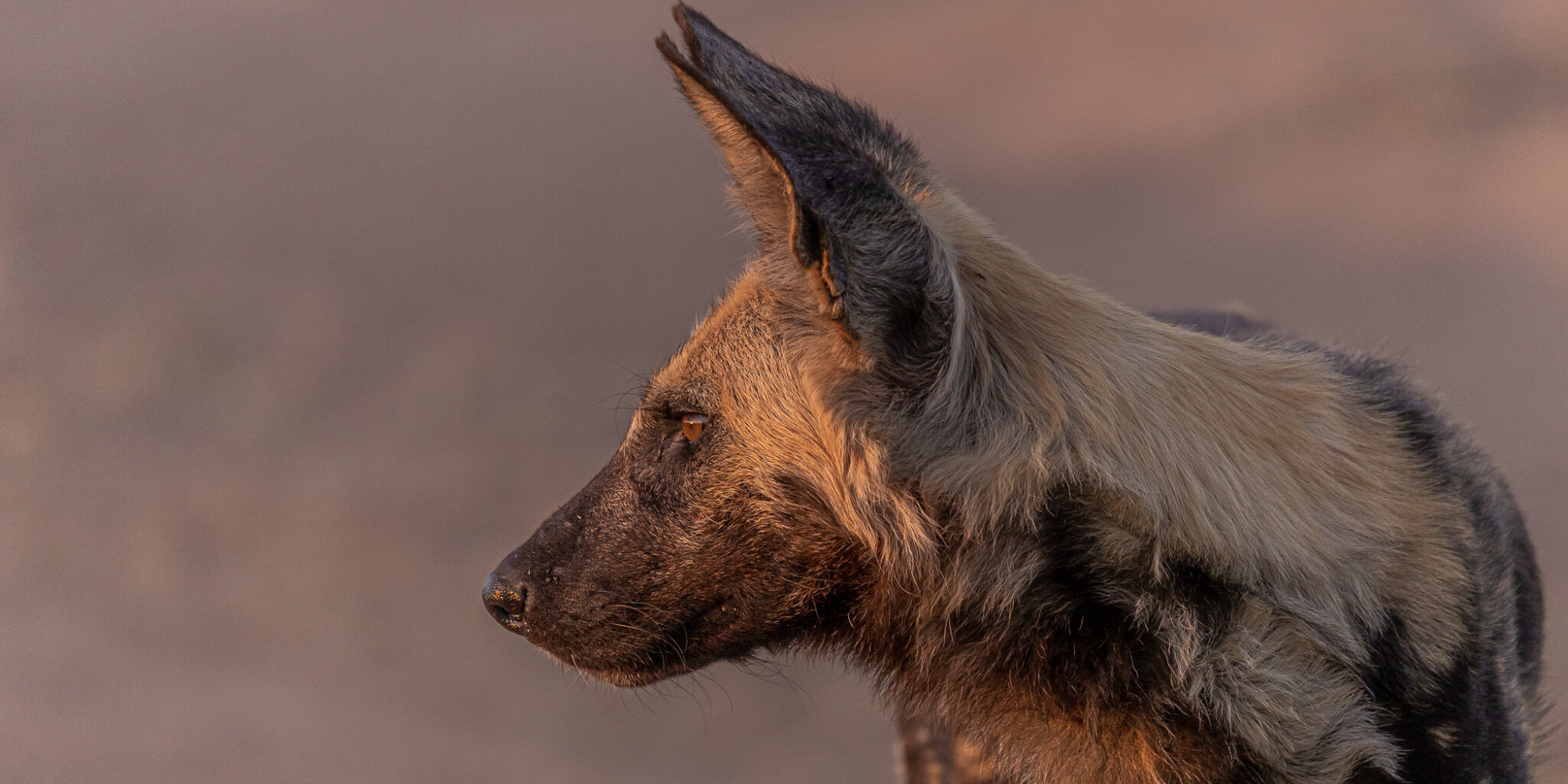
    After doing some serious theory busting for the first week, we finally started doing our first game drives. Each vehicle had a trainer with them and six members of each driving group had about an hour each to drive throughout the concession that SAWC is based on. I had the first go on Tuesday morning and we hadn’t been driving for more than fifteen minutes when we came upon some wild dogs. 

    image

    These dogs are a part of the Orpen Pack and their alpha male has very floppy ears, one of the ways to identify them as wild dogs have massive home ranges that they traverse. These home ranges can be as large as 1000km² however, 500 – 600km² is more common. The dogs will traverse this range regularly, often covering great distances in a day. A big pack like the Orpen Pack hunts once a day most of the time. Impala is one of their favourite foods and mostly they will target smaller antelope. However, there are reports of certain packs going for much larger prey like buffalo but this is very rare behaviour. Melchize and I have affectionately named the Orpen Pack alpha male ‘Floppo’ due to his ears. 

    It’s not the first time we had seen this particular pack either. They made a kill right on the fence line on Monday evening. Myself and three others watched it happen. Although, to be fair, we barely saw any of it. An impala burst out of the scrub, bolted across the airstrip and hit the fence at full speed. All four of us immediately turned to look in the direction she came from. And then the dogs came, dead silent and would have looked quite scary had they not been bouncing above the tall grass like painted dolphins. 

    image

    Once the front runner was in the clear it caught up to the impala who had gotten up and was a little dazed. There was a slight scuffle as another dog caught up as well, a single anguished call from the impala ewe and then dead silence. None of us could get decent photos because it was so dark but soon all of us had a chance to see one of the rarest sights on the planet. Quite often the dogs start feeding before their prey is fully dead and will tear into it with wild abandon. Our trainers have told us stories of dogs eviscerating prey on the run and the guests looking rather sick upon witnessing their brutality.

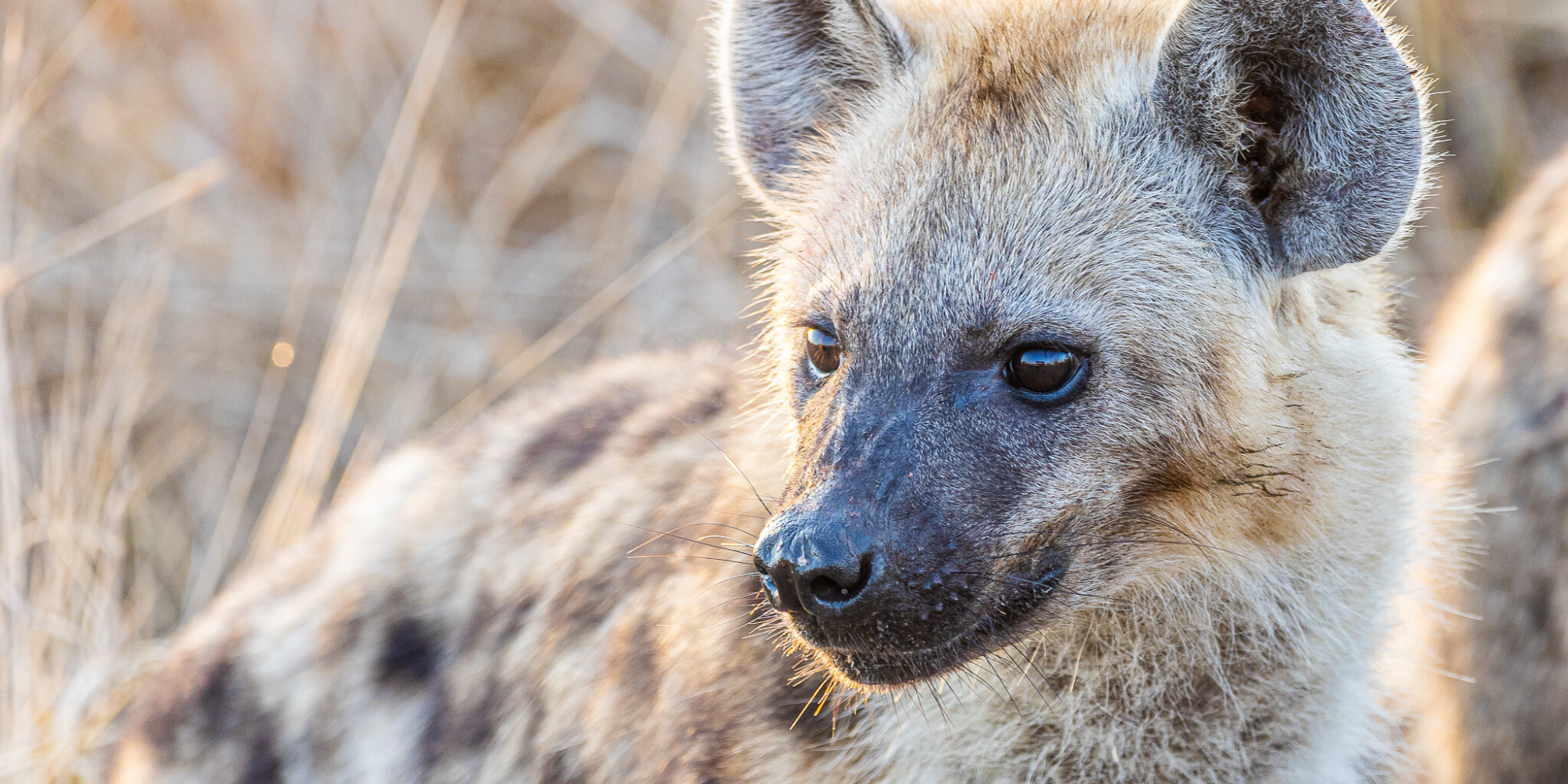
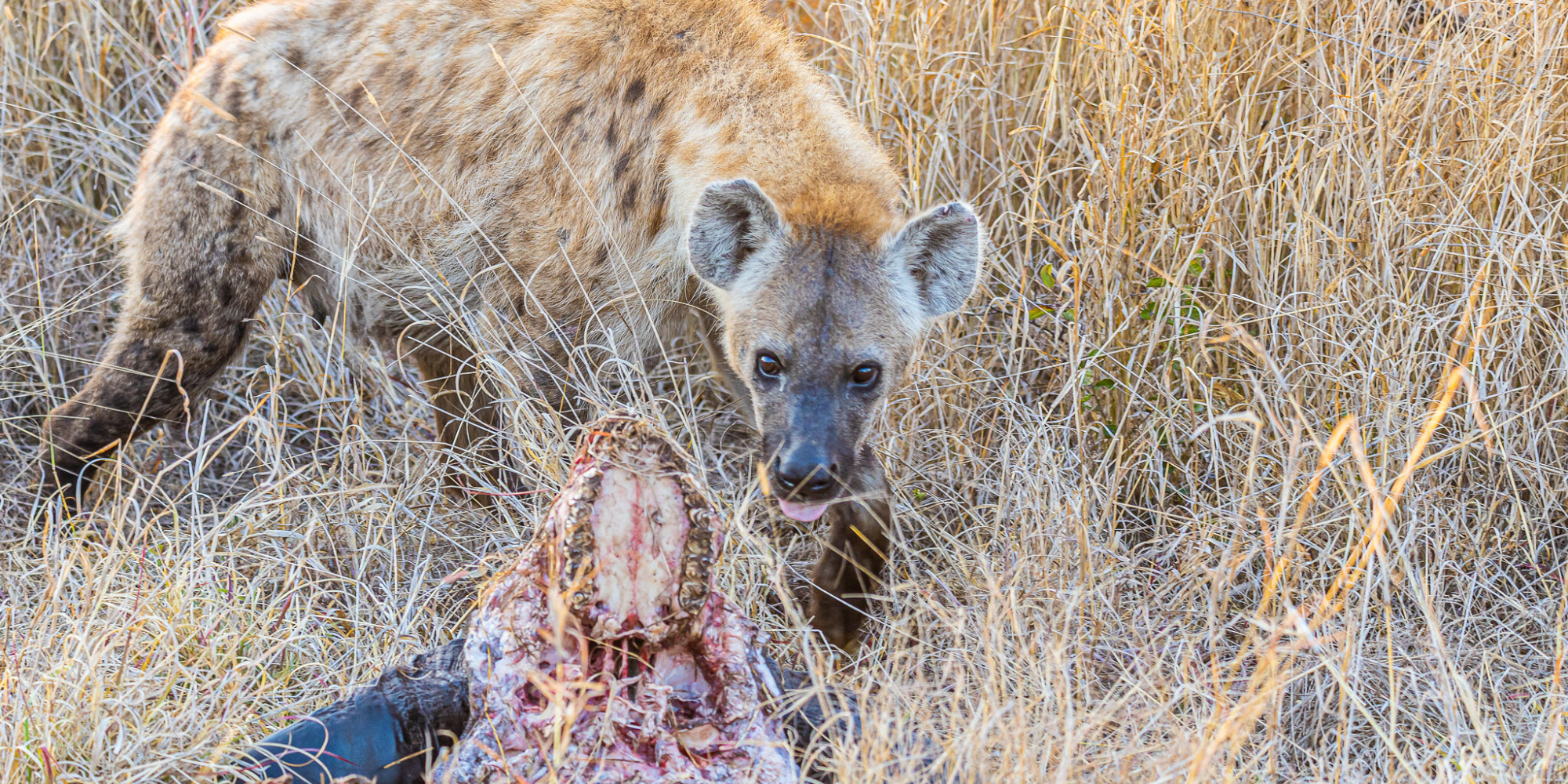
    By the next morning there was nothing left of the carcass and the dogs, after greeting me in the morning, were off and had made it quite a distance away from campus when we finally caught up to them. They were spread out, buried in the long grass snoozing off their meal from the night before. I was driving, as I mentioned previously, and we crept past them slowly when, out of the bushes, appearing like a breaching whale was a spotted hyena. 

    From what I’ve observed in the last few days and from what I’ve been told by Fred (one of our trainers), hyenas follow dogs around hoping to glean scraps from their meals. The dogs aren’t a fan of this and will harass the hyenas, driving them away from their kills. We were fortunate enough to see this on Sunday night when the dogs first appeared. Yes, we saw the pack three days in a row. The younger dogs had backed a hyena against a bush and were really bugging it. 

    image

    Eventually the hyena found an opening into the bush behind it and soon the dogs got bored and went off for a nap. This particular hyena next to our vehicle was looking rather concerned. She was looking for the dogs very carefully and was also staying downwind of them. This meant that she roughly knew where they were at all times. She was careful to stay near enough to them that she could follow them when they started hunting but just far enough away to avoid suspicion.

    Just three days. That’s all it took to learn an incredible amount about one of the rarest creatures on the planet. We saw them hunting (briefly), saw them playing and relaxing. Saw the interspecific competition with hyenas, even had a chance to see how they reacted to an elephant running through their midst. If I’ve taken anything away from the past two weeks it’s that there’s going to be a lot of experiences, a lot of insane little moments that need to be respected, shared and treasured. Both with the animals and with the friends we’ve made.

    Would you love to experience wildlife firsthand like James? Apply today and make it a reality!

  • Get to Know the Mongoose

    image

    This blog was written by Ryan Sakinofsky, a Bushwise IFGA Safari Field Guide student. Each student takes a turn as camp manager, and writing a blog is part of the experience.

    Read time: 3 mins

    No one is quite sure of the plural of mongoose, is it mongooses? Mongeese? Mongera? Well according to a trusted source (Google), it is mongooses. 

    Mongooses are small carnivores well known for their long tails, agile bodies, small ears and pointed faces that are adapted for burrowing. Mongooses occupy many habitats from forest to savannah. They have a wide range of behavioural traits, whether they live in social groups or are solitary individuals.

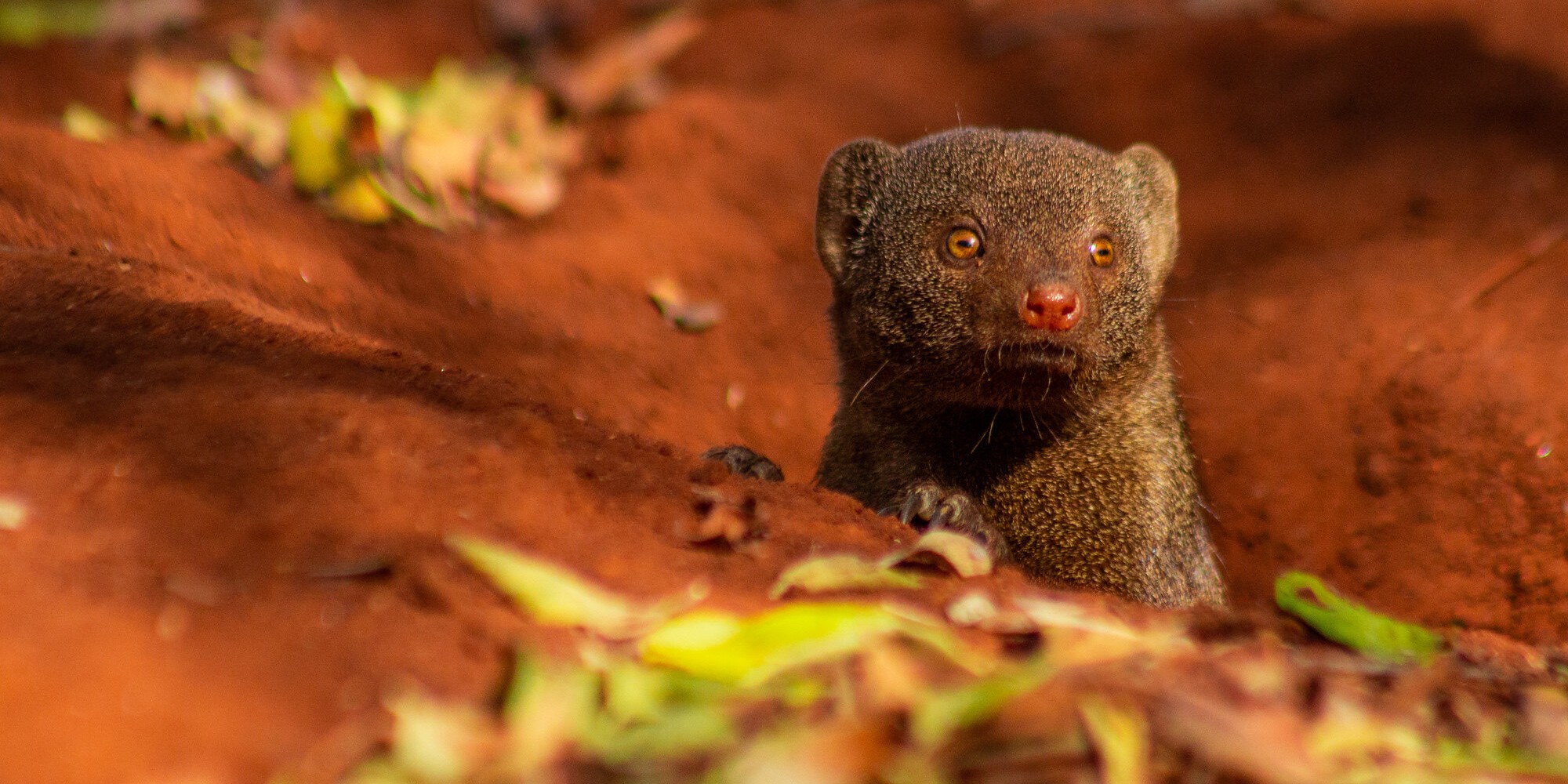
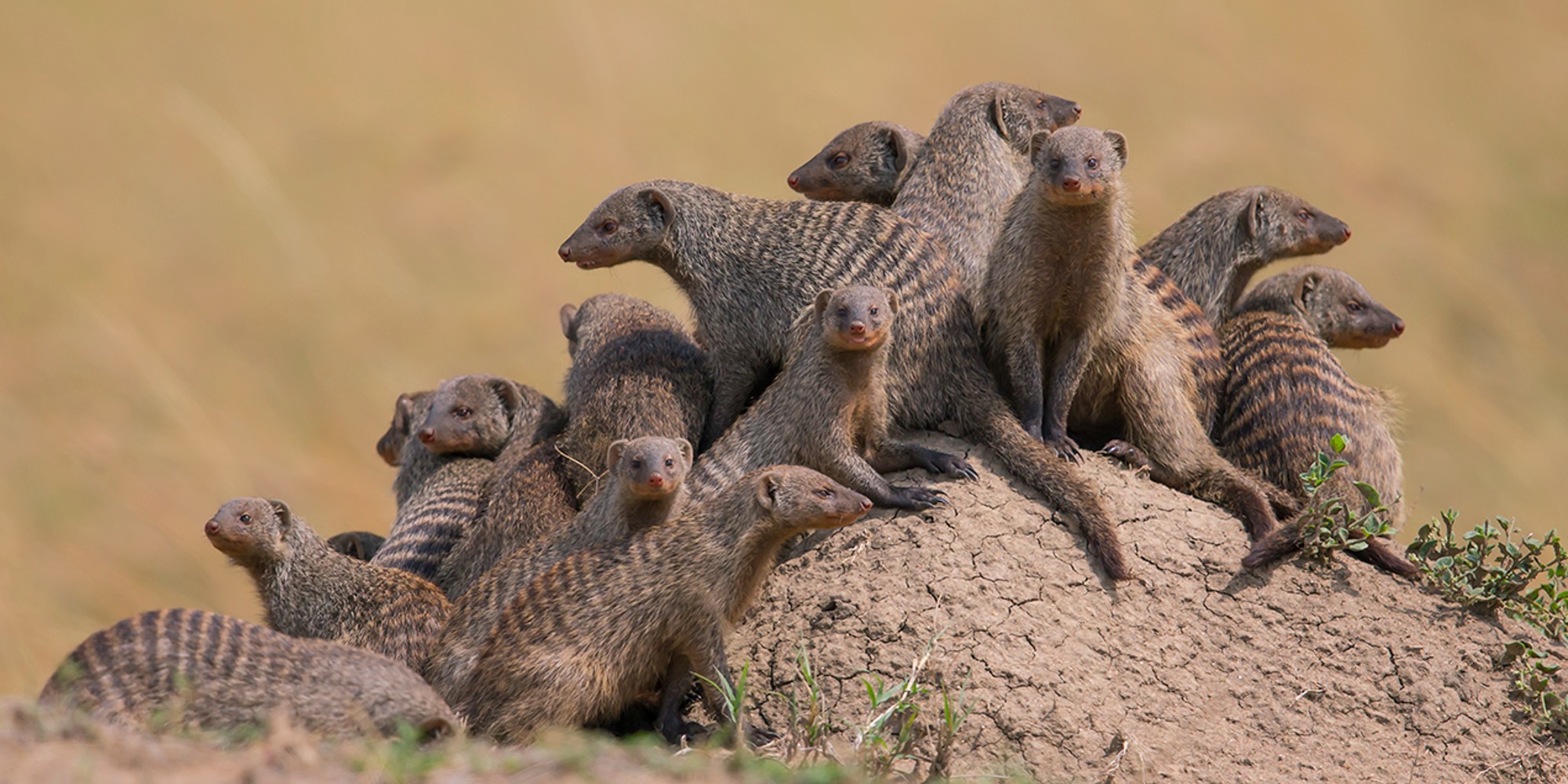
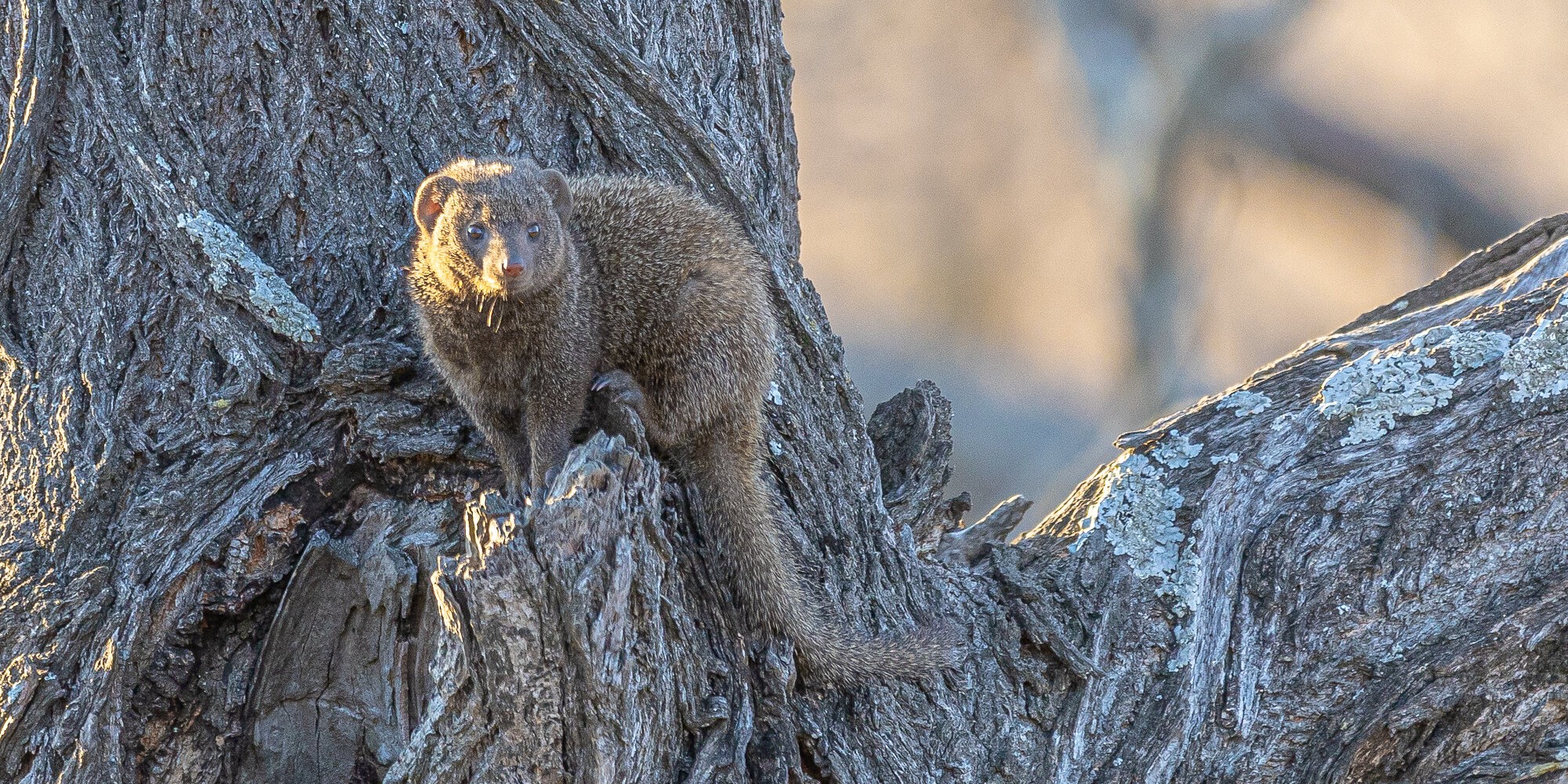
    Mongooses belong to the family Herpestidae, which includes all mongoose species as well as suricates. Those who have visited the Mahlahla Campus have undoubtedly caught a glimpse of our cutest residents, the dwarf mongooses.

    Since arriving at Bushwise in July, we have spotted or seen tracks of: 

    • dwarf mongoose (Helogale parva)

    • banded mongoose (Mungos mungo)

    • white tail mongoose (Ichneumia albicauda)

    • water mongoose (Atilax paludinosus)

    A mongooses’ place in the food web

    Ecologically, mongooses are important links in food webs acting as secondary consumers. They consume insects, rodents, and even birds. Mongoose get eaten by larger carnivores – known as tertiary consumers – such as jackals, hyenas, eagles, and other birds of prey. However, a major threat to the mongoose species is the wildlife and traditional medicine trade. 

    Unfortunately, many conservation measures are focused on large species and not the smaller species we have. There is a method in the madness though as larger species need more space and resources and by conserving areas that are suitable for them, many of the smaller species will be conserved as well.

    image

    Mongoose business

    The social mongoose species – dwarf and banded – live in large family groups called a business. Individuals within the business will all contribute to its success. Individuals will groom each other – known as allo-grooming – to strengthen social bonds. Social mongooses are even known to mark each other with secretions from the anal glands which means that the business will have a very distinct smell and members can recognize each other. 

    Members of the business will also assist in the raising of the young which ensures that most young make it to adulthood. Most importantly, there is safety in numbers and social mongooses will often mob potential threats to intimidate them and cause them to flee.

    The birds and the mongooses

    Dwarf mongoose has mutualistic relationships with many insectivorous birds, such as fork-tailed drongos, lilac-breasted rollers, shrikes, and hornbills. Drongos are exceptionally useful to the mongooses as they alert the mongoose to any potential predators in the area. In exchange, the birds eat any insects that are disturbed by the mongooses while they forage. 

    However, drongos are exceptionally good at mimicking the calls of other birds and animals and will sometimes mimic the alarm call of the mongoose! The mongooses scatter, leaving the drongo to feast on the insects they left behind. It is fair to think that the mongooses would get annoyed with the drongos for cheating them out of a meal, but the drongos are smarter than that and rarely cry wolf.

    image

    Mongooses are intelligent. They see the value in working with insectivorous birds and using them as alarm systems. Those that do work with birds have less of a need for sentries which means each individual gets to spend more time foraging. 

    Social mongooses

    Recent research has shown that yellow mongooses (Cynictis penicillate) in residential areas can learn how to solve puzzle boxes and can do the puzzles quicker over time. Additionally, social mongoose species as well as the suricate (Suricata suricatta) show a wider variation in their communication signals compared to the slender mongoose, which is solitary.

    Many of us, myself included, have previously seen mongoose species as something cute and entertaining to watch, but once they disappear into the long grass or back into their burrows, we never really give them a second thought. Mongooses are intelligent, socially adept creatures. I have had the pleasure of observing them every day on campus, and I know that many future students will get as much joy out of watching our smallest mammal residents as I do.

    Join us out here and be part of the next group of Bushwise students discovering all the new and incredible things there are to see in the African bush.

  • Late Nights And Early Mornings

    image

    This blog was written by Zac Newman, a Bushwise IFGA Safari Field Guide student. Each student takes a turn as camp manager, and writing a blog is part of the experience.

    Read time: 3 mins

    Turns out I can be a morning person

    Monday morning I woke up early to open the kitchen for the students completing their mock drives that morning. Due to the earlier game drive times this week, the morning jobs were done earlier than usual.

    By now most people know around camp that I can be a bit grumpy in the morning. However, due to this earlier-than-usual wake-up (4:00), I found myself becoming a bit of an “early bird gets the worm type of” guy. Setting up breakfast items like tea and coffee, whilst filling the urns forced a wake up making the morning drive much more enjoyable. 

    image

    Botany walks

    Throughout the week, we had been revising for the botany exam which was on Friday. Because of the panic, some students had gotten themselves into (myself included), several students led botany walks around the campus which were organised with my co-camp manager because of his knowledge of the trees and plant life all around. This greatly helped most students pass the exam on Friday. 

    And if you are thinking “Zac did everyone go thirsty during this practical assessment?”, I would say no. I was up on the day at the crack of dawn making hot boxes for the group… and despite them not being used, it was a success.

    Discovering quirks of the industry

    When managing the camp, there are several responsibilities that you have. There is the obvious job of opening and closing the kitchen as well as ensuring it stays clean. Then there are other things to consider like having a strong leadership attitude when there are problems within the group and making sure they are resolved as smoothly as possible. This includes problems being brought up to you or discovering them yourself. 

    Toward the end of the week, I was given responsibility for the camp radio, which luckily I did not have to use as there were no medical emergencies, snakes, or other issues. Although I did look important carrying it, the only noise that was ever heard from it was the occasional low battery beep in the late evening. 

    image

    As the end of the week came to a close, all students had a bird exam to write early on a Saturday morning meaning that the kitchen had to be open late the night before. Late nights and early mornings, as I found out that day, are something that will be a big part of the industry and not the most pleasant. However, making that small sacrifice is majorly worth it and not an opportunity to pass up because of a bit of sleep deprivation. And anyway who needs sleep… not me. 

    My week as camp manager was enjoyable and a great learning opportunity. It will hopefully majorly benefit me going forward in this line of work – which we have learned this week can be very tiring but worth it. 

    Out here we’re constantly discovering new things about the birds, plants, and animals that call the African savanna their home. Join us where the wild becomes home.