Tag: #studying

  • Through the viewfinder: wildlife photography

    This blog was written by Skye Ludbrook, Bushwise student at our Mahlahla campus. Skye has a keen interest in photography and is currently completing the IFGA Safari Guide Course 6/12 Months.

    3 min read

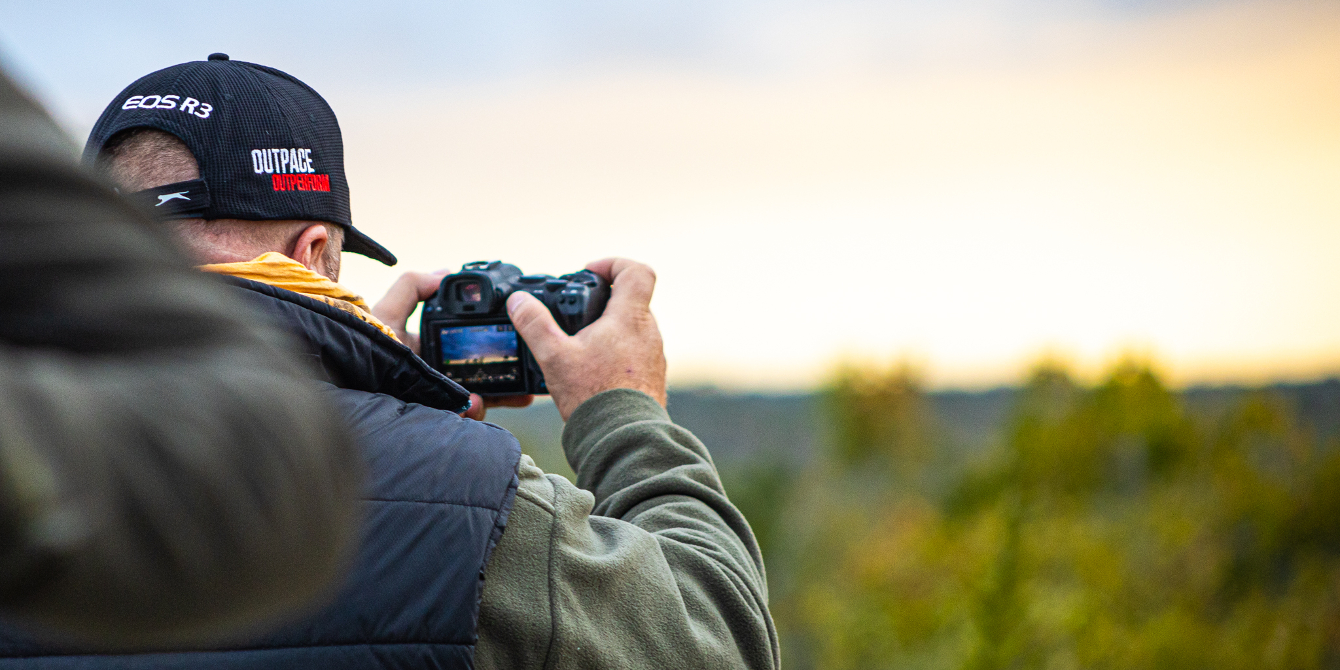
    Looking through the viewfinder on your camera is an incredible ability. It replicates taking a split second out of a moment and viewing it from a completely different perspective.

    The power of a camera
    image

    Wildlife and nature itself are overwhelming things to experience. Seeing how all the branches of life work together to create a sensational whole and being able to feel that sensation through a picture is beautiful. When making use of the artistic medium, you open up many doors in terms of making your game drive the best possible experience.

    Photography is a particularly important part of my life. It allows me to express emotions and experience through a visual source. When I look through my viewfinder I find an open space where I can encourage my creative side. Creativity is a vital aspect that all people should have in their lives.

    Wildlife photography in particular, is an exceptional way of sharing information to people all over the world. As a guide one of our roles is to play a part in the conservation of the natural environment. I feel that photography is the best way to reach out about conservation.
    image

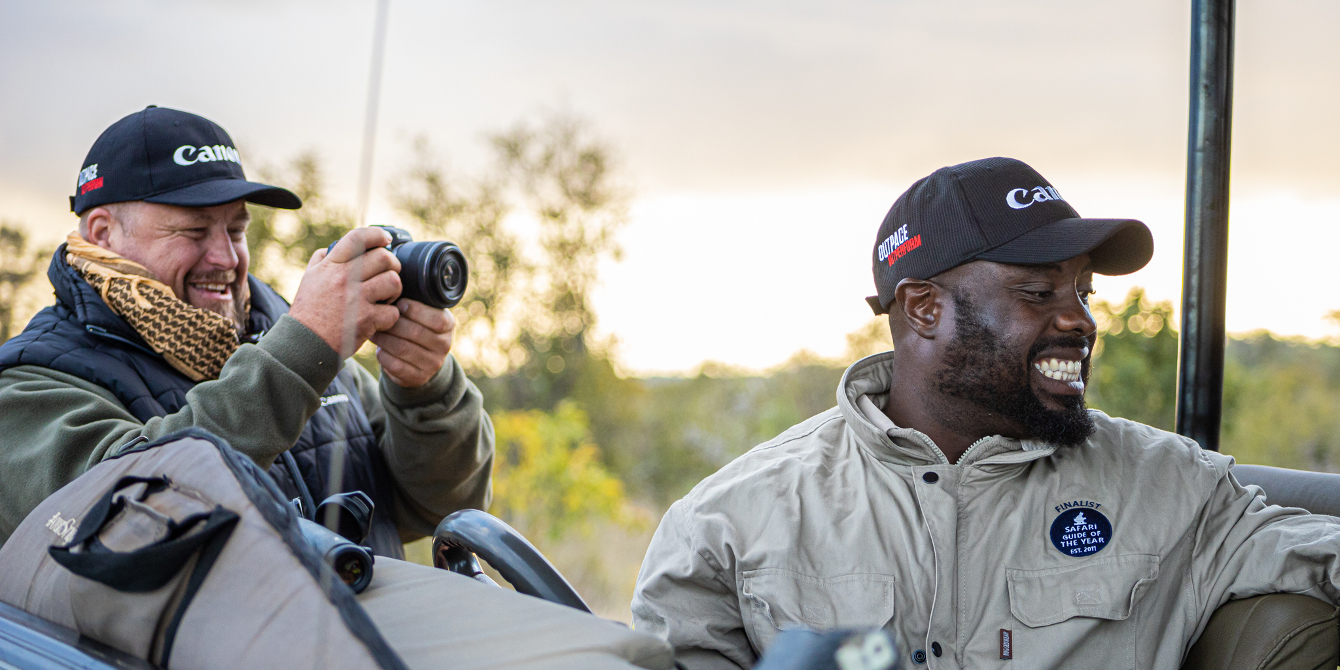
    Not only can you revisit that experience, but you also feel this sense of extreme focus. Taking photos of the environment around you allows you to feel abundantly engaged with what surrounds you and your experience. Over time those pictures will hopefully spark a focus on moments in your life that you never really focused on.

    As a guide it is important to try and know a little bit about all the aspects that come with the job. Having an understanding of photography is one of them as it will increase the quality of your drive for both you and most importantly your guests.

    Why photography is a useful guiding skill
    image

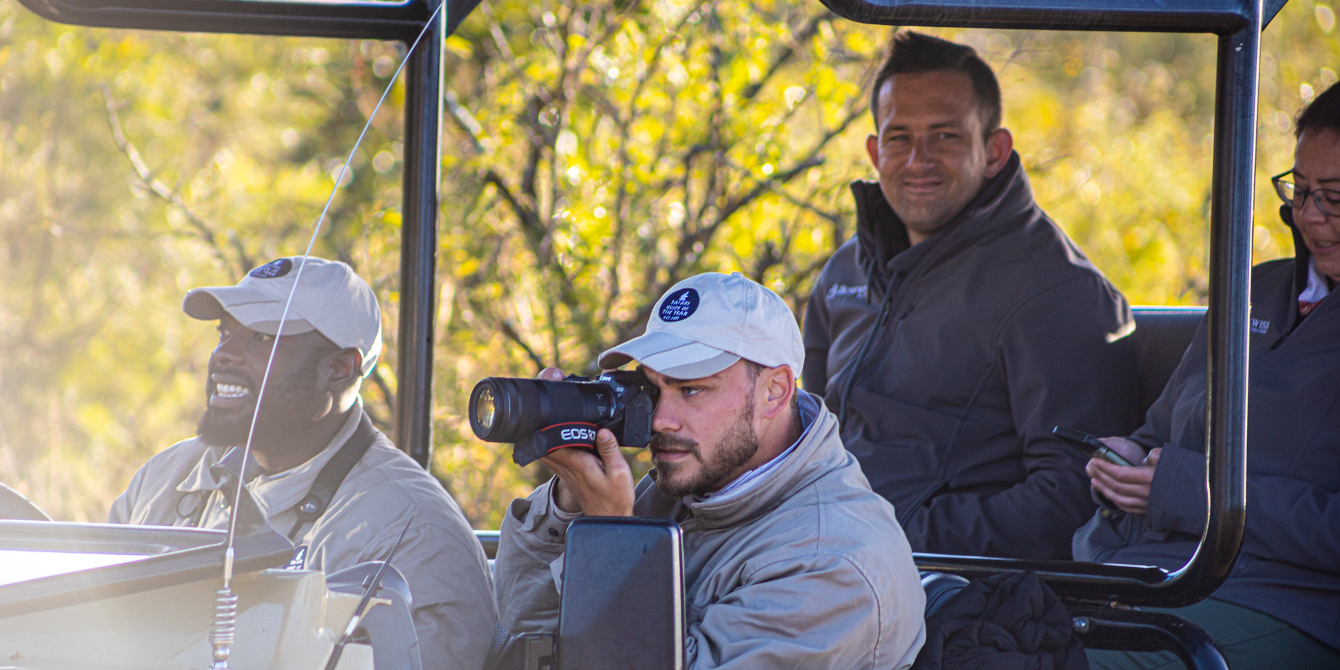
    By knowing how photography works, you can be both a guide to people starting out as wildlife photographers and most importantly to your guests who are trying to capture memories of their life changing experience.

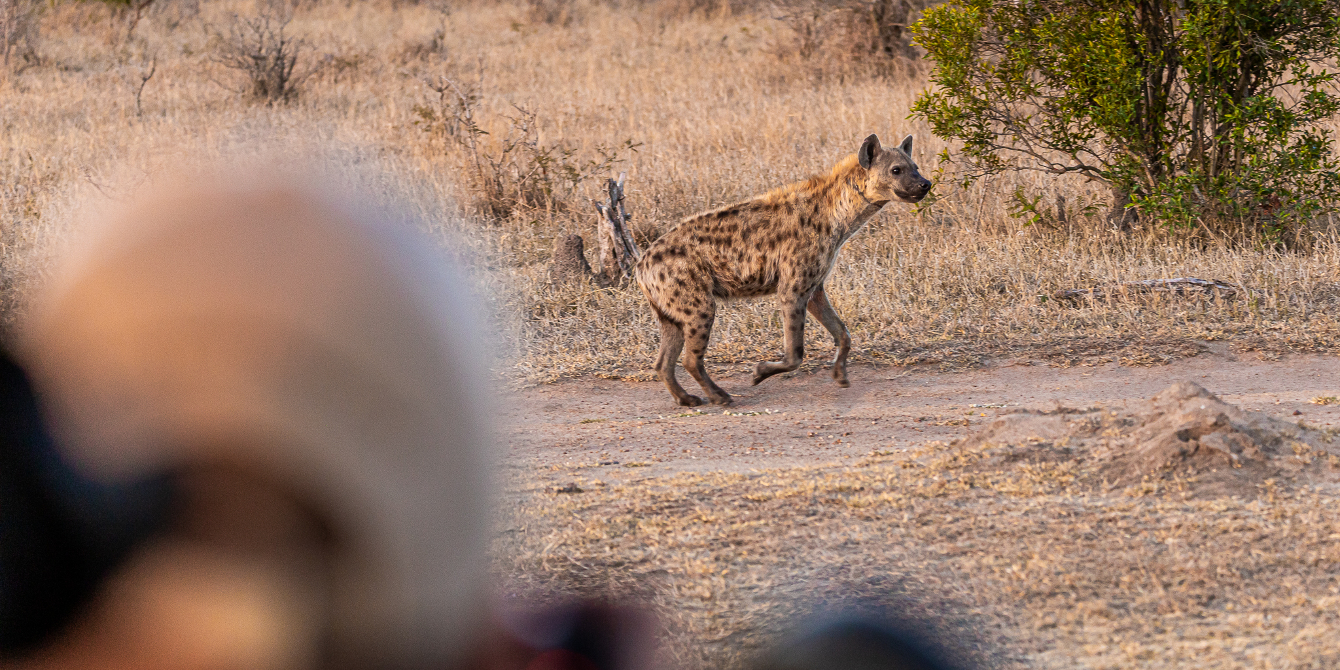
    You’ll be able to tell your guests what the best composition is for the image they want to take. You can guide them on the shutter speed (how fast or slow the shutter on your camera closes), the aperture they should set (the amount of focus the photo will show), and the ISO that should be used (this is dependent on the lighting you are in).

    Throughout your guiding career, you’ll learn and gain more experience. This time spent learning and growing your photographic skills will reflect positively on your photo outcomes and help you impart some of these skills to your guests.
    image

    By enriching their skills, you create an overall positive experience for them which they will carry with them for the rest of their lives. I look forward to seeing smiles on my future guests’ faces when they take an image they love.

    Capturing moments to last a lifetime
    image

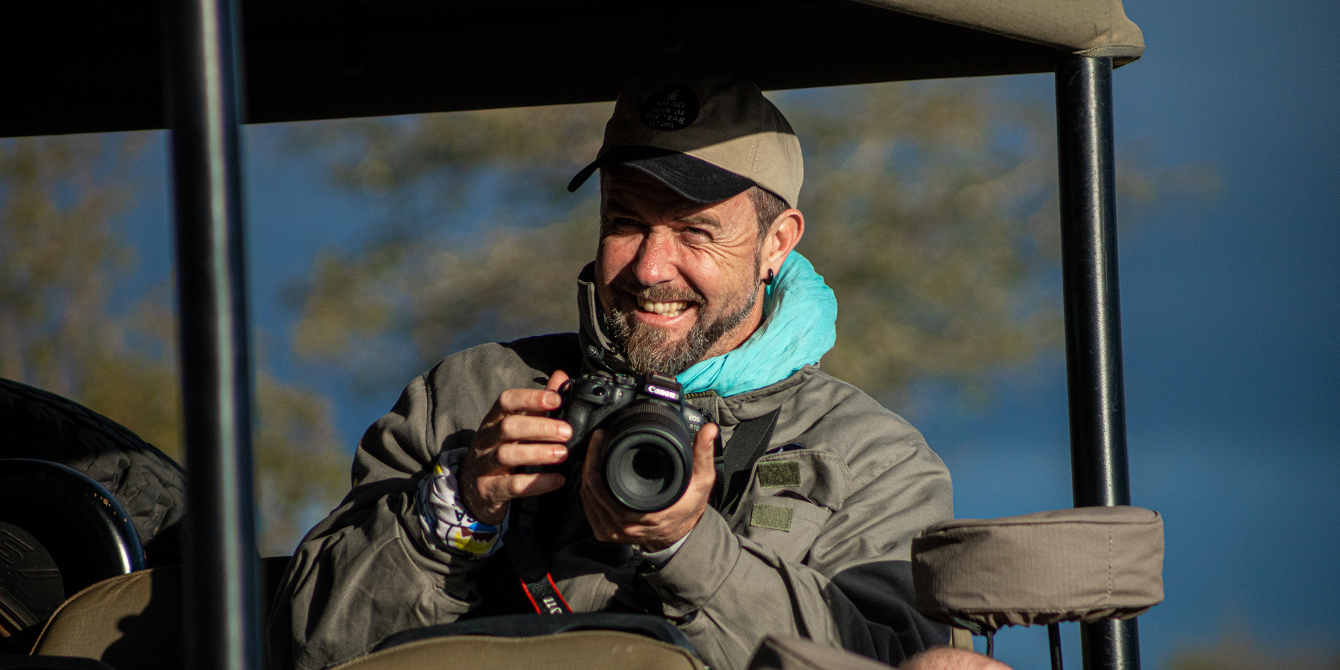
    Wildlife photography can be as simple as sharing content you captured of amazing sightings or as important as sharing information about animals that are in danger and need saving. Our society absorbs information primarily through visual content. Using my abilities and passion for photography and the natural environment around me, motivates me to use it to my advantage.

    I love capturing moments and being able to share them with the inquisitive people that make up the world, and I hope you find your spark to make a difference through your viewfinder. If you need a little extra inspiration, consider applying for a Bushwise course and take your wildlife photography to the next level.

    Words by Skye Ludbrook, photos by Louise Pavid

    #lion #wildlife #gameranger #Birding #bushwise #fieldguide #safariguide #Exam #training #guidejobs #animals #apprenticefieldguide #safari #fieldguiding #gamedrive #guiding #fieldguidecourse #studying #fieldguides
  • I never thought I’d become a field guide

    Updated: Sep 10, 2025

    This blog was written by a current Bushwise student.

    3 min read

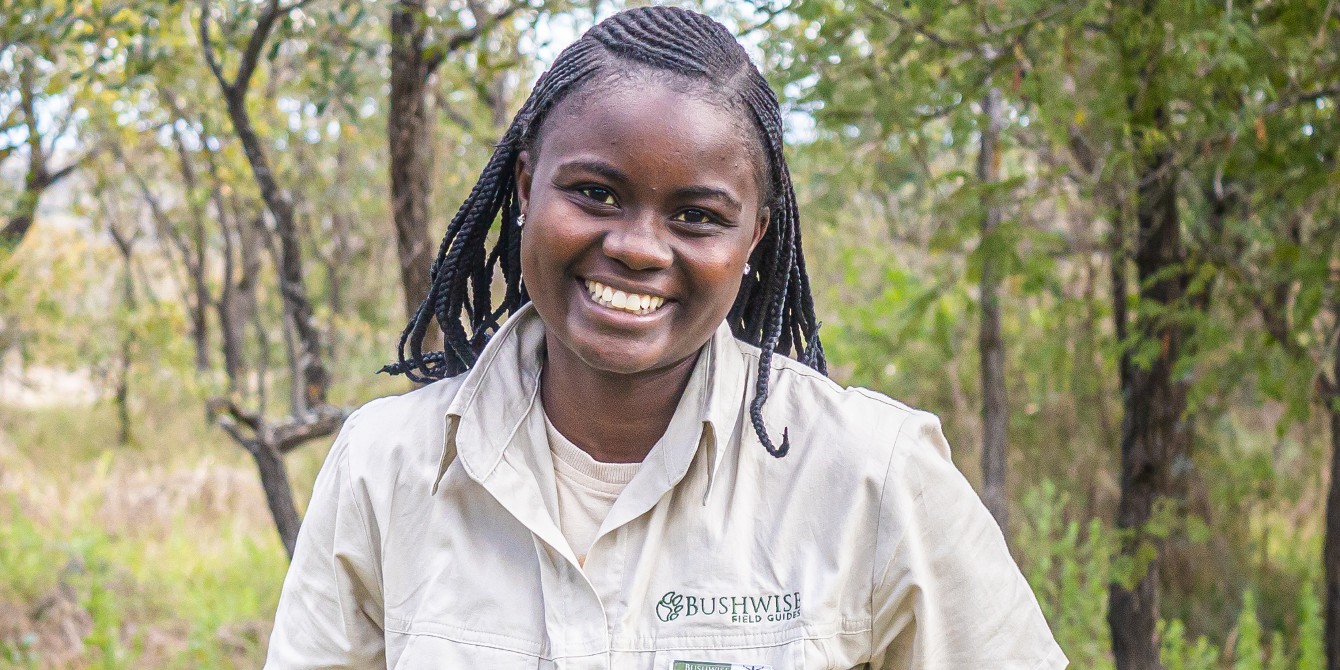
    My name is Queeneth Seepano, born and bred in Welverdiend, Mpumalanga. I am a person who is passionate about wildlife. But growing up I was an indoor person and I didn’t like being around nature, so I thought I would never want to be part of conservation.

    That all changed when I was selected in 2019 for the Bridging Course at the Southern African Wildlife College (SAWC), a partner of Bushwise Field Guides. It exposed me to a lot that I didn’t know about and it led to my interest in conservation.

    My first step into conservation

    image

    For a year, I was part of the RISE (Rural Initiatives for a Sustainable Environment) department at the SAWC. I worked as a coach in the ‘Coaching Conservation’ program, for kids in grades 5, 6 and 7 at a few primary schools.

    As a coach in this program, my eyes were opened and I saw how these communities, mostly the young kids, didn’t know much about the animals being protected or their importance in our daily lives. And I saw a reflection of myself when I was in school.

    It was a good feeling to educate these kids about conservation so they can grow up with a conservation-minded mentality. In that year, I was also exposed to guiding the kids around the Kempiana area. I fell in love with being out in the bush, especially the part where I was able to share my knowledge with these kids.

    Applying to join Bushwise

    image

    I then realised it was something I wanted to do for a living – sharing my knowledge with people, and helping them experience and enjoy nature.

    I didn’t have a qualification then, until I saw the scholarship posted at the college, wanting candidates to join Bushwise and the SAWC in their field guide training collaboration. At first, I was nervous to apply, but after my supervisor encouraged me, I did.

    I passed my interviews and started with the online learning course where only four of the six candidates would be chosen. I was lucky enough to be chosen by Bushwise. It was my happiest day ever when I received their email. Tears of joy were rolling down my cheeks.

    I joined Bushwise on 8 July 2022, where I am now completing my course as a field guide. Over the past three months, I have gained so much more knowledge.

    One of my best experiences so far

    image

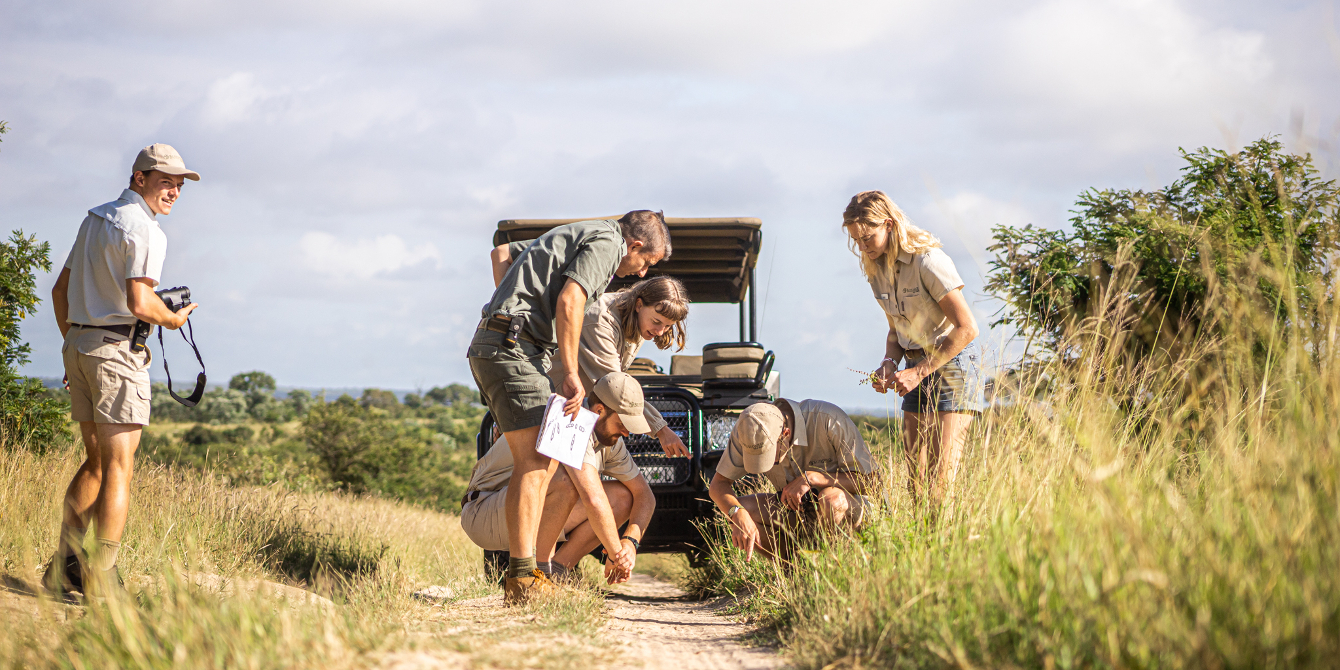
    A highlight of my time with Bushwise was the week in September when I was camp manager. It was a very busy week and quite tiring as we were learning about track and sign and trailing with Colin and Samantha Patrick. It was a very educational week for all of us. I was in group A who learnt track and sign with Samantha.

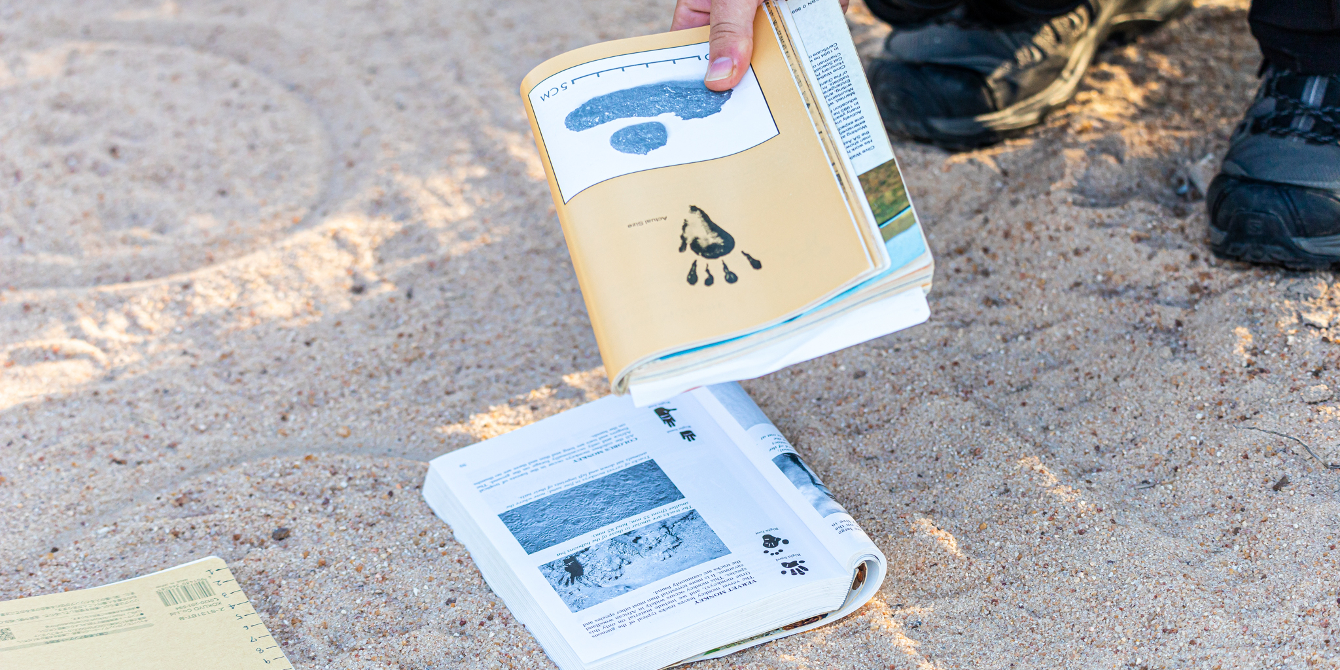
    Samantha made it easy for us to understand and see the differences between different tracks. I am still so amazed at how much we didn’t know about tracks. During that week, we thought we saw civet tracks, but they were actually jackal tracks. So Samantha showed us how we could differentiate between them.

    image

    Being out and examining tracks all week prepared us for our assessments. The little tracks like squirrels, mongooses, genets, you name them really drove us crazy. Even the impala, bushbuck, steenbok and duiker tracks twisted our brains into knots.

    But I am glad to say that at the end of this week, we all got our levels in track and sign. It was a very great week, I had fun. As camp manager I am very proud of my fellow students for making it through this week.

    It was a great week as we were able to see the pack of wild dogs, a herd of buffalo and pride of lions right outside the reception which is not far from the campus. It was a very amazing week all in all.

    What a journey it’s been

    image

    I must say Bushwise does push you to your limits to help you create a better version of yourself and prepare you for the real world. I am very happy with the efforts of everyone at Bushwise and all experiences I’ve been exposed to.

    Learn more about track and sign on our IFGA Safari Guide Course 6/12 Months.

    Words by Queeneth Seepano and photos by Louise Pavid and Queeneth.

    #AdvancedRifleHandling #bushwise #fieldguide #qualification #safariguide #Exam #training #animals #apprenticefieldguide #safari #fieldguidetrainer #fieldguiding #gamedrive #guiding #fieldguidecourse #studying #fieldguides
  • The Lowveld is lekker: living next to Kruger

    This blog was written by Menina Nightingale, a Bushwise student who’s currently studying at our Kempiana campus where we train future field guides in collaboration with the Southern African Wildlife College.

    3 min read

    Imagine being able to say that you live just outside of Kruger National Park. Our campus is on a reserve that’s part of the Greater Kruger National Park, so we can nip down to the Orpen Gate and go for game drives on the weekend. Just in case we don’t do enough of that during the week!

    image

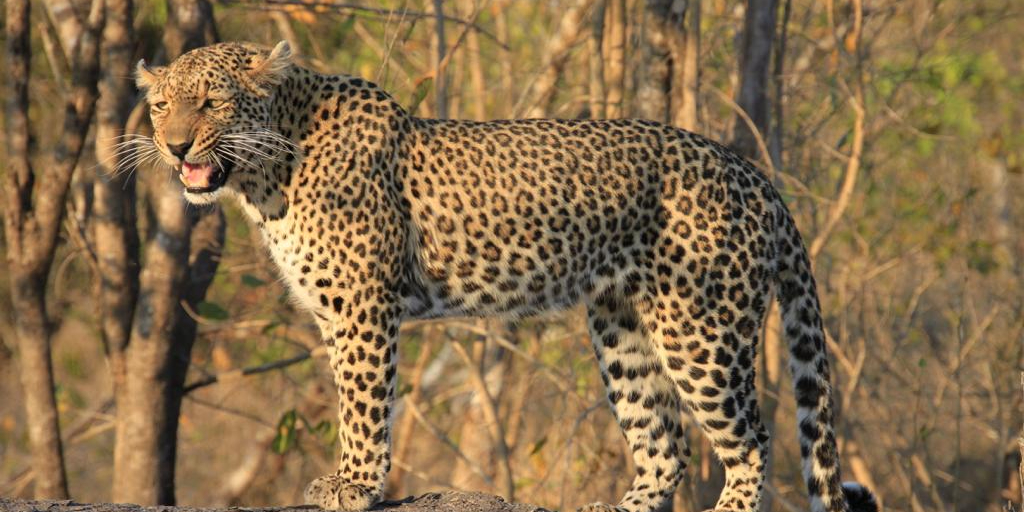
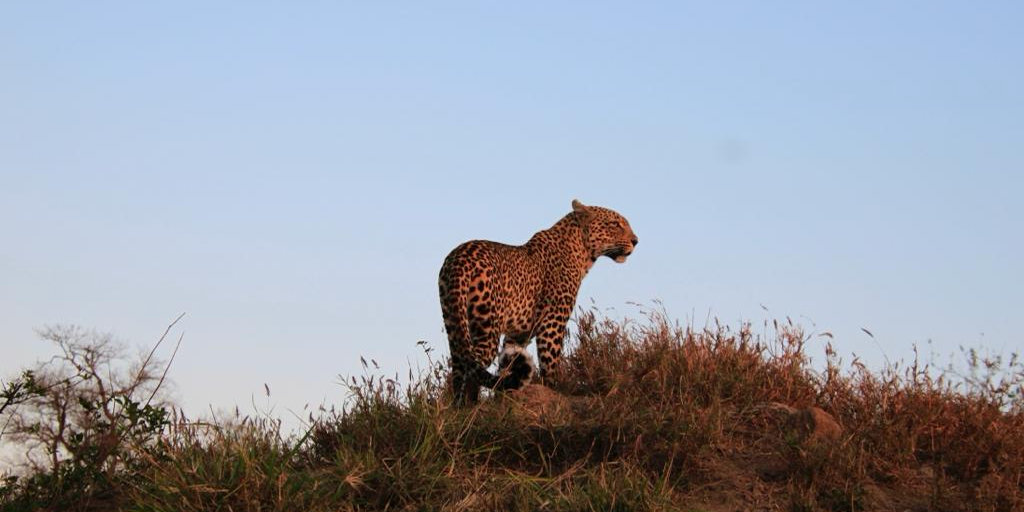
    This also has its perks for planning adventures for our off weeks. Being right next to Kruger, I jumped at the opportunity to drive down to Sabi Sands with Jos, another Bushwise student. We were desperate to get some of the epic leopard sightings the area is so well known for. After four weeks of hard work studying for the final Bushwise exam, a week off to explore “the Sands” was much needed.

    Sure enough, the Sands met our expectations with leopard sightings that were out of this world! The whole of our first morning was spent in awe with a beautiful female, Kuchaba, rasping endlessly for her cub. The following days we were lucky enough to find her cub, a few other leopards, and even a male, Marieps. Nine leopard sightings and five different leopards all in one off week! Unreal. It’s fair to say that Sabi Sands definitely lived up to its expectations.

    image

    After the most relaxing week along the Sabi River near Kruger, it was time to get back to business, and start my week as camp manager – kicking it off with mock assessment drives at 6:00 on Monday morning. Everyone has been hard at work preparing for this week over the last few months and with mock assessments through the week and exam on Saturday,  the nerves were definitely noticeable.

    The mock assessment drives act as a practice run before our real drives next week. It was a quiet week for mammals, but – much to some peoples horror (or dread) – the birding was amazing.

    image

    Those that had morning drives had a great morning chorus to practise their bird call identification. We are also beginning to get all the migrants back – which is both very exciting and a bit daunting, as it adds to the birds we need to be able to identify. As it is the start of the mating season for some of the birds, we’re also beginning to see some flamboyant displays.

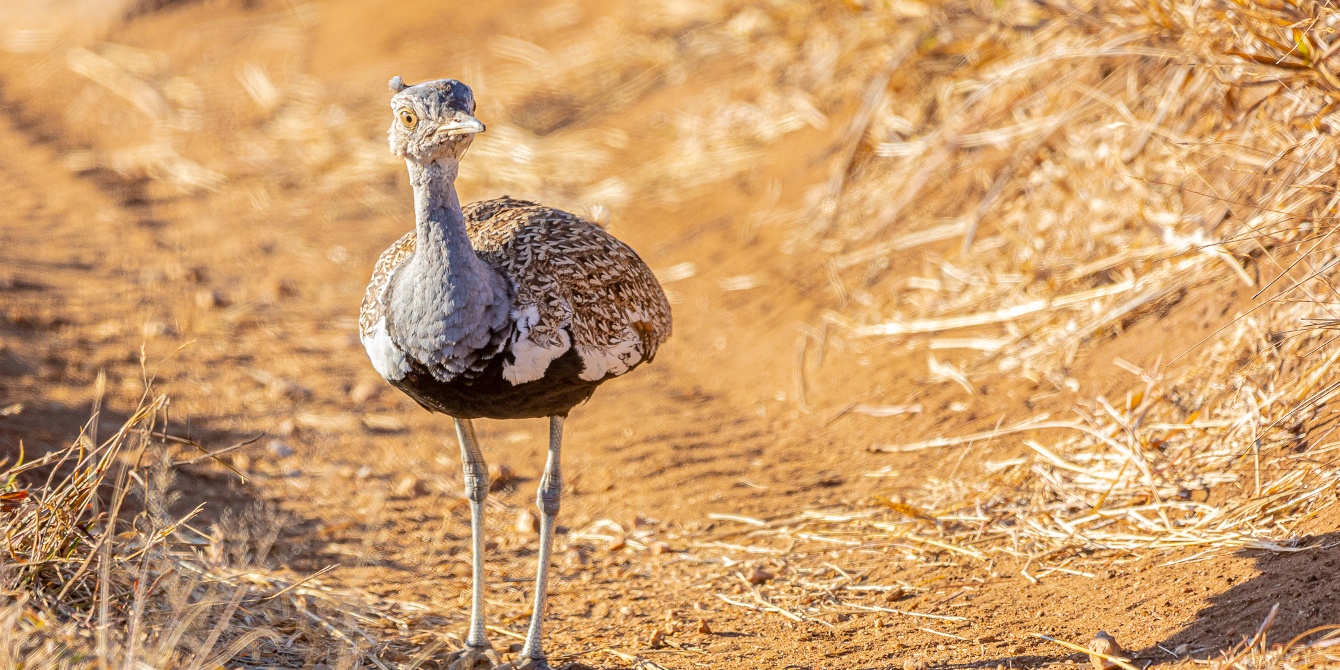
    An absolute highlight for me this week on a drive was getting to see the first red crested korhaan display dive of the season! As part of their mating ritual, the red crested korhaan displays both his brilliant red crest, from which his name is derived, but also an incredible aerial display.

    image

    This begins with a series of indicative clicks and high pitched vocal calls before he flies straight up into the air. Once up in the air, he stalls and locks his wings and falls to the ground. Right before he hits the ground, he flaps his wings to catch the fall. The bravest male, who will most likely find a mate, is the one who waits the longest to catch his fall.

    There was much excitement in the car for the rest of the drive back to camp. In between drives, we spent most of our time studying to get ready for the theory exam. A lot of flash cards were made and several late night study groups were had. After all the hard work, it was worth it to get through the exam, crack open a few beers, have a braai and watch rugby.

    image

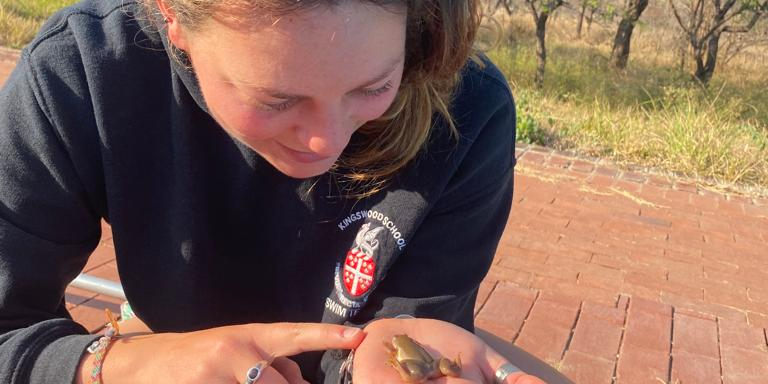
    The weekend ended with two reptile surprises and an amphibian rescue. A common platana was having a morning swim in the pool. With much hilarity, we executed a relocation mission back to the pond.

    A day later an alarming big spotted bush snake found its way into my and Daisy’s room. Keen to keep our distance, Ricardo, Trevor, Daisy and I tried to calmly talk it out of the room, but it ended up on my bed instead . Thankfully, he did eventually make his way off the bed and out of the room.

    In the very same afternoon a rock monitor lizard unexpectedly joined the lunch queue. Now that winter is coming to an end, we’re clearly getting all the reptiles back! What a week! The Lowveld really is lekker.

    Imagine a week where you see leopards, rare birds, reptiles and more. This could be you – and soon – if you apply for a course with Bushwise.

    Words and photos by Menina Nightingale (red-crested korhaan image by Louise Pavid)

    #wildlife #Birding #bushwise #fieldguide #qualification #safariguide #Exam #training #guidejobs #animals #safari #sightings #fieldguiding #tracking #endangeredspecies #Assessments #gamedrive #guiding #fieldguidecourse #studying #fieldguides
  • Africa’s frogs: sightings from a lowveld campus

    About 115 species of frogs and toads can be found in South Africa. Naturally it’s quite difficult to find them all, but in this blog Bushwise student Kyla Jordan shares what she’s learned about Lowveld frogs.

    4 min read

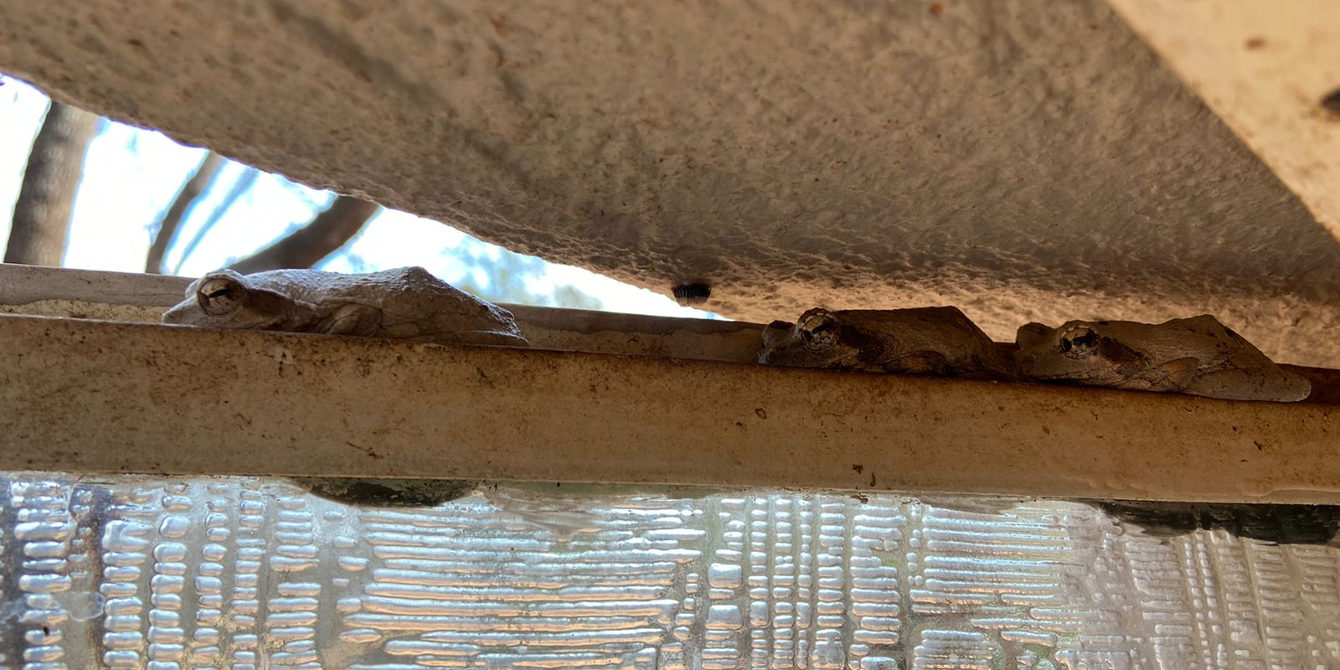
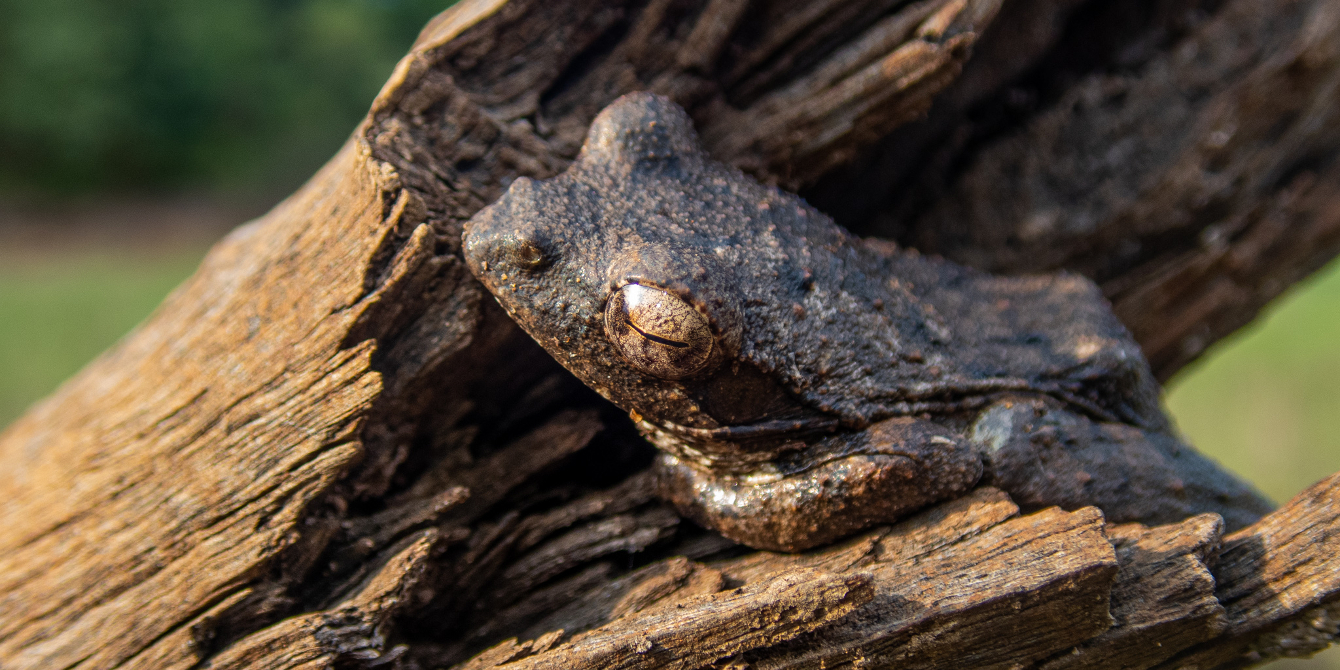
    We have seen many different species of frogs around our campus. We have a resident frog that we see every day in our rooms, bathrooms and the classroom. Our most commonly seen resident frog is called the foam-nest tree frog. We have three locals in our ladies bathroom which have been sleeping in the window from the start of our course!

    image

    Image by Kyla Jordan

    Like many frogs, foam-nest tree frogs have adapted to survive without water during the dry season (which in the Lowveld is winter). Like all amphibians, oxygen can pass through the frog’s highly permeable skin. This helps keep the frogs moist at all times. In order to survive during the dry season, frogs will enter into aestivation – a state of metabolic dormancy – which makes its skin resistant to evaporation.

    I particularly like that some foam-nest tree frogs are a stone white colour which means they’re able to camouflage with the toilet seat – giving you a nice big fright if you don’t spot them early enough. The three in our bathroom sleep all huddled up together and always look like they’re smiling, which is the cutest thing ever.

    Our resident frogs

    image

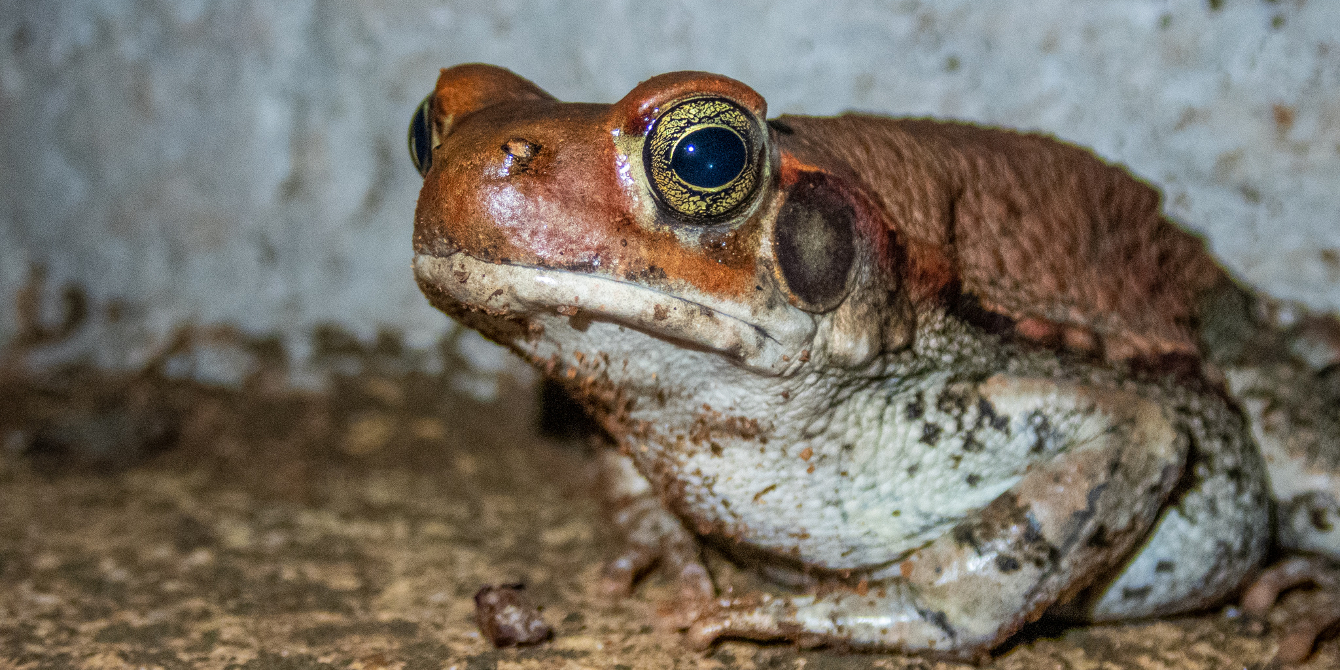
    My friend Shannon and I spotted a red toad one evening along our pathway to our room. Their call sounds almost similar to the giant bullfrog. This is not a frog but a toad. Frogs and toads are two completely different things. Frogs have long legs that are longer than their heads and body, which are made for hopping. 

    Toads have much shorter legs and prefer to crawl rather than hop. One easy way to tell them apart is to look at their skin – frogs have smooth, slimy skin where toads have dry, warty skin.

    What can frogs tell us about an ecosystem?

    image

    Frogs are considered to be an “indicator” species because they are the first to be affected by degradation of the environment. Their decreasing numbers may be a warning to us that conditions of the Earth are changing. Frogs also play an important part in the food chain as both predator and prey. Frogs control the insect population, which controls diseases such as malaria. They are also a very good food source for other animals. 

    Another cool thing about frogs is that some frogs use aposematic coloration (aka warning colours) to alert predators that they are foul tasting or poisonous. This protects them against predators. 

    What sounds do frogs make?

    image

    Frogs also have a variety of different calls. They have release calls, aggressive calls, satellite behaviour calls, time sharing calls and distress calls. 

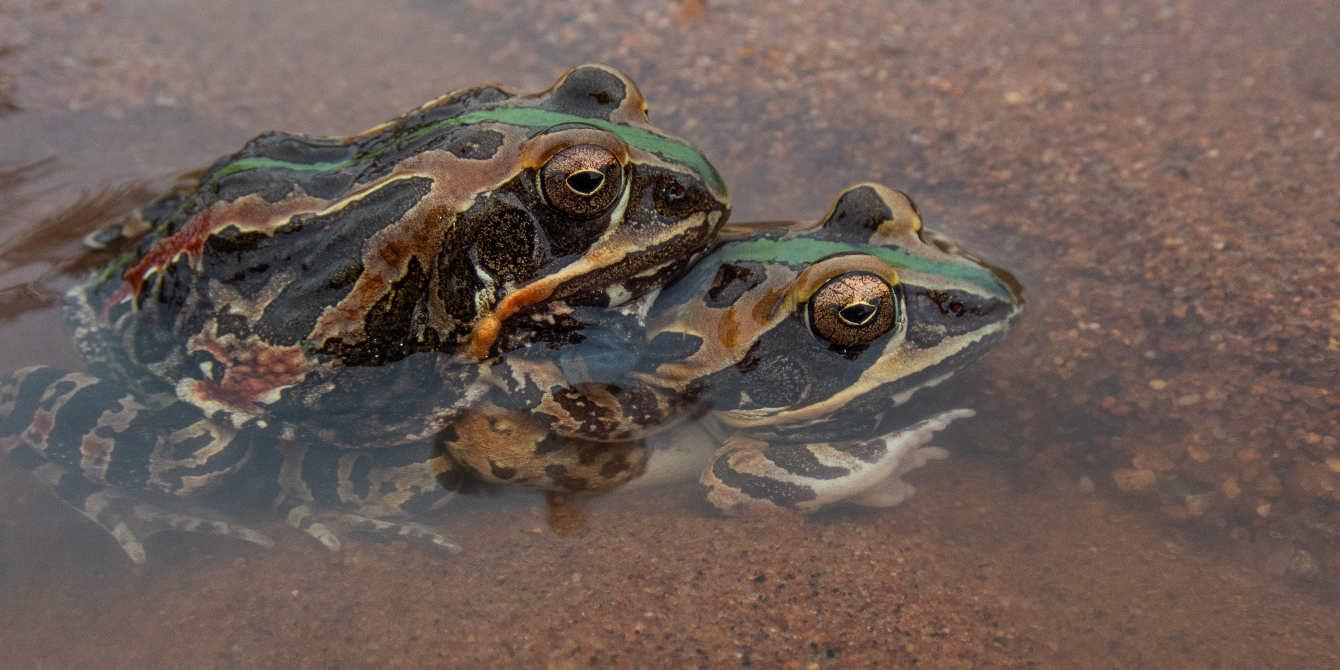
    Frogs give a release call when the male accidently clasps the wrong species or a female will use this call if she is not ready to mate. Aggressive calls are used in combat fighting. 

    Another interesting sound is used in satellite behaviour. Satellite behaviour is when a sexually matured male calls for a mate but a silent male sits nearby. The female approaches the calling male but the silent male intercepts and clasps her. 

    image

    If you hear frogs call in a song-like rhythm, this is the males calling and it’s a behaviour known as time-sharing. This allows them to actively spread out so that females can listen to the different calling males and know where to go. So the next time you hear frogs calling you know there is a reason for each different call.

    The frogs I’m looking forward to seeing

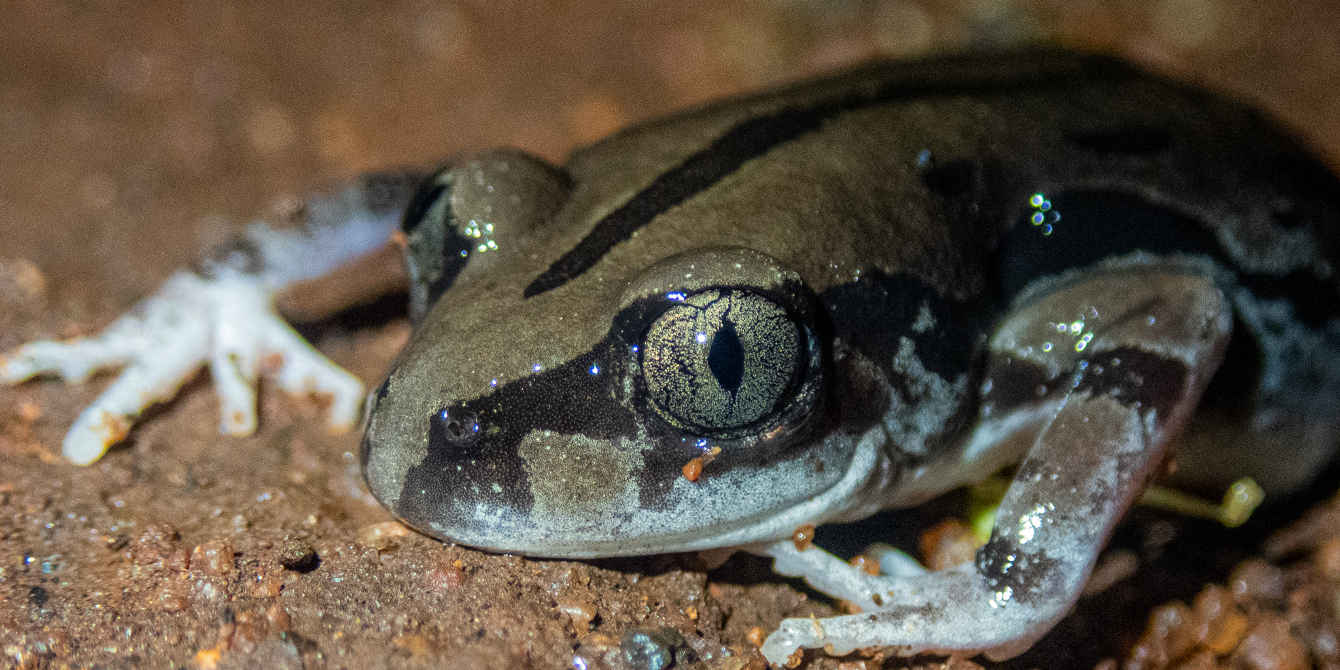
    We have not yet seen many frogs because of the dry season. But there are tons of species to be found here in the Lowveld. We can expect to see these species here around campus:

    1. Banded rubber frog
    2. African bullfrog
    3. Giant bullfrog
    4. Painted reed frog
    5. Bushveld rain frog
    6. Common river frog
    7. Broad banded tree frog
    8. Bubbling Kassina
    9. Plain river frog
    10. Mottled shovel nosed frog
    11. Brown backed tree frog

    All these species are likely to start showing up in the rainy season, which would be in summer, and that is just around the corner!

    Frogs play an important role in the ecosystem and they are such interesting animals to study. Are you interested in frogs like Kyla? Apply to join a Bushwise course and soon you could be learning about animals in their natural habitat!

    Words by Kyla Jordan, photos by Callum Evans unless captioned otherwise.

    #wildlife #bushwise #fieldguide #Exam #training #animals #tracks #tracking #endangeredspecies #fieldguidecourse #studying