Tag: #wild dogs

  • The Bushwise Journey: Looking Back on Unforgettable Experiences

    This blog was written by Femke van Nieuwkerk, Bushwise Professional Field Guide student. Each student takes a turn as camp manager, and writing a blog is part of the experience.

    3 min read

    It all started on the 7th of January, when some of us arrived on time by car, others arrived together through an organised shuttle and one of us took a lovely detour to the wrong campus, but luckily ended up with us. The first day consisted of filling in forms, forms and some more forms. Keys to the tents were distributed and you got to know who was your roommate for the next 22 weeks. 
    image

    First aid training and new wildlife sightings

    The first week consisted of First-Aid training, seeing wild dogs and spotted hyenas at the fence line, the early beginnings of many friendships and getting our uniforms. Afterwards, we started to dig into the modules and learn all about topics such as geology, weather and climate and botany. In the meantime, we slowly started to go on game drives, where everyone had turns in driving for one hour. During the first semester real friendships formed – such as the Black Backed Puffbacks (blog of Regardt van der Westhuizen). Who would have known from the beginning that in many cases in this course, the two other random people in your tent would become such good friends?!

    After the first off-week, our big group of 31 people was split into two groups – those doing their International Field Guide Association qualification and those doing the Bushwise Professional Field Guide qualification – each with its own schedule. Where PFG had their exams on bird sights and sounds, IFGA was busy with their Track & Sign. On days that PFG had a late start, IFGA had to start early. Most of us had to get used to this difference, even some friendships got lightly tested during the first days and afterwards came out stronger than before. 
    image

    Getting into the game drives

    For PFG the first three hour drives started and we got a real taste of how it feels to guide and the preparations that come with it, such as making sure the hotbox is filled, making sure that your route makes sense and doing a vehicle check. Semester two ended with the FGASA exam for all of us. As of now, we don’t have the official results back yet – but most of us feel positive about it. In my opinion, you could sense the growth in everyone during this semester, be it in becoming more professional, having better study methods, having more confidence or in becoming more open. 

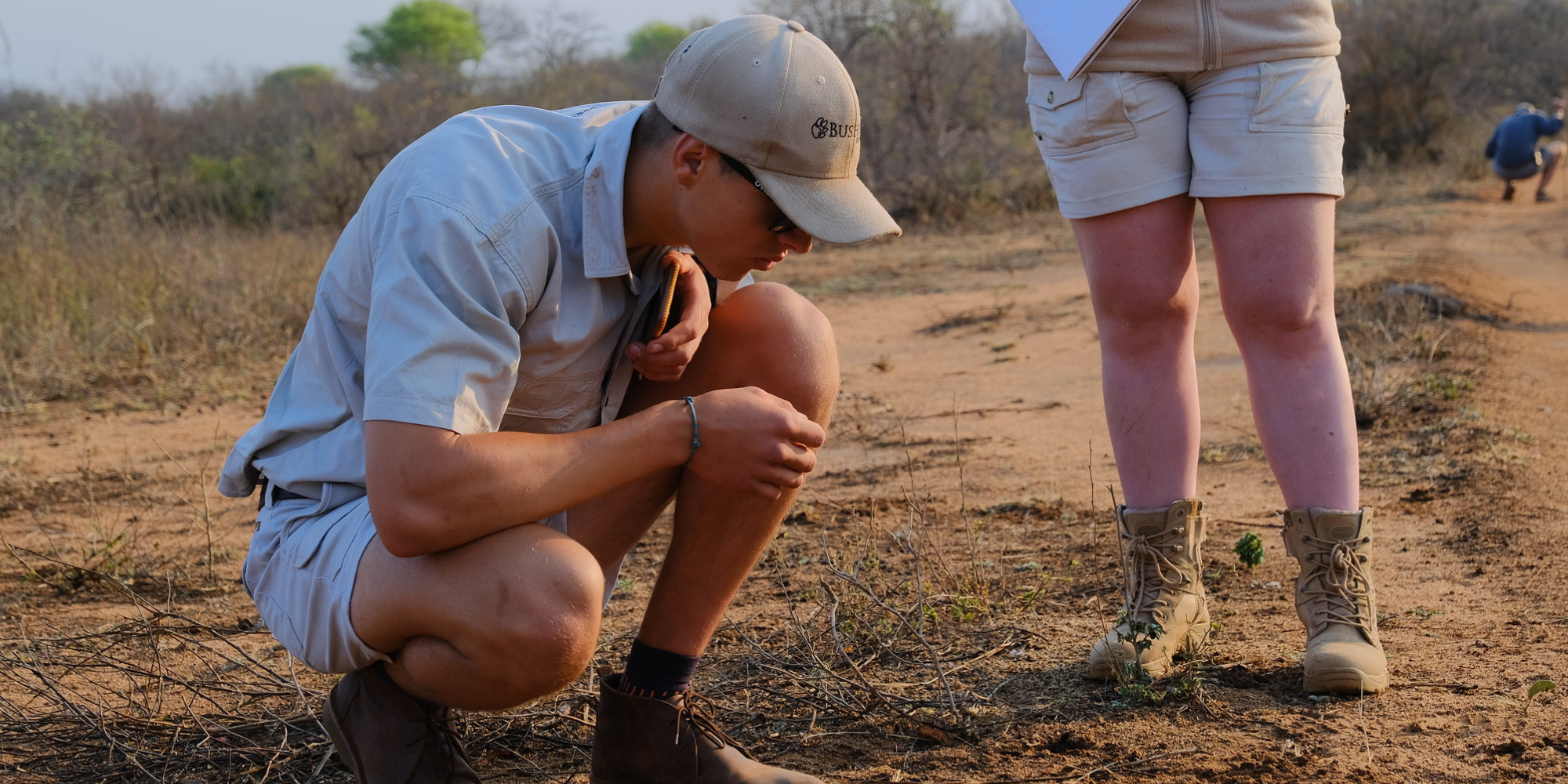
    We are now two weeks into the third semester and this time it is IFGA’s turn to learn bird sounds. The PFG group had their two weeks of Track & Sign with Colin and Sam Patrick, which is considered as a highlight for most of us. As I am writing this blog, half of our group (IFGA) will leave to go to Sabi Sands for four course weeks to get experience with working in a lodge. This leads to a day which is filled with a lot of mixed emotions; saying (a teary) goodbye to each other, excitement and anxiety about what has to come and maybe even some – healthy – jealousy of the group staying at SAWC. 
    image

    Looking forward to the next steps

    For PFG the rest of semester will be about botany, bird theory, slide and sounds of all species and mock assessment drives. For IFGA it will be about birds, mock assessment drives, learning how to work in a lodge and how to effectively heat your water for your shower – as they will not have proper showers for the next four weeks (something nobody in PFG is jealous about). 

    In conclusion, we have learned vast amounts about nature, guiding and ourselves during the past months. Strong bonds have been formed, which probably only will become deeper and stronger as the time will pass on. I can only imagine how much we will learn in the next semesters, for example doing ARH and our assessment drives, but the thing I am looking the most forward to is for the IFGA group to come back and tell us all about their stories. 

    Ready to start on your own field guiding journey with Bushwise? Apply today!
  • “Wild dogs? On the airstrip? Yeah I’m coming!”

    4 min read

    This blog was written by James Frost, a Bushwise Professional Field Guide student. Each student takes a turn as camp manager and writing a blog is part of the experience.

    Two weeks. Just two weeks in the bush and everything seems to have happened all at once.

    I am James Frost, a ‘fake Aussie’ as one of my new friends has named me recently. Half Australian, half South African and all human, I was born in Australia and then moved to South Africa, which is the opposite direction to most people. We’ve been at Bushwise on the Southern African Wildlife College (SAWC) campus for two weeks and have had some pretty incredible experiences.

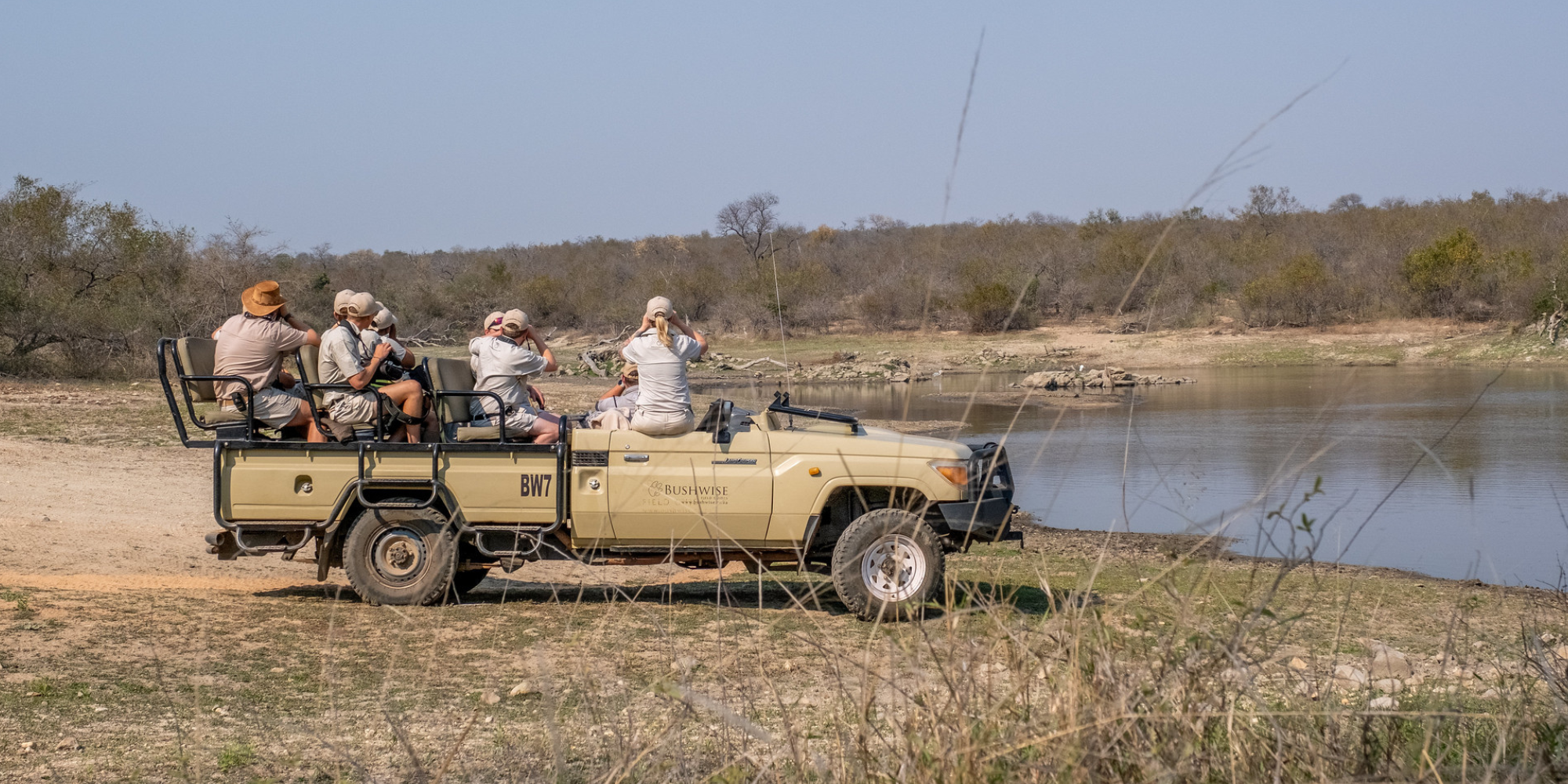
    After doing some serious theory busting for the first week, we finally started doing our first game drives. Each vehicle had a trainer with them and six members of each driving group had about an hour each to drive throughout the concession that SAWC is based on. I had the first go on Tuesday morning and we hadn’t been driving for more than fifteen minutes when we came upon some wild dogs. 

    image

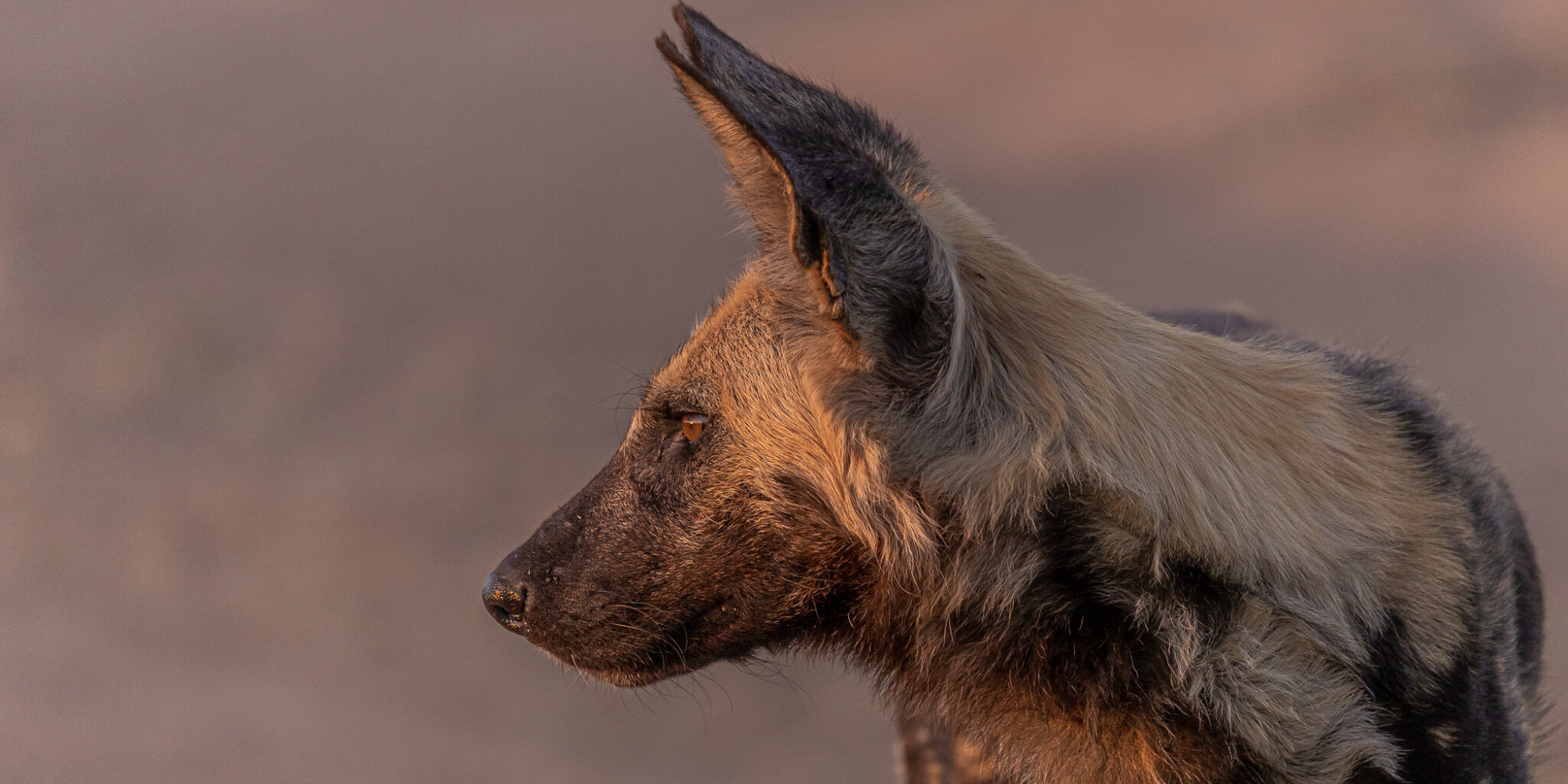
    These dogs are a part of the Orpen Pack and their alpha male has very floppy ears, one of the ways to identify them as wild dogs have massive home ranges that they traverse. These home ranges can be as large as 1000km² however, 500 – 600km² is more common. The dogs will traverse this range regularly, often covering great distances in a day. A big pack like the Orpen Pack hunts once a day most of the time. Impala is one of their favourite foods and mostly they will target smaller antelope. However, there are reports of certain packs going for much larger prey like buffalo but this is very rare behaviour. Melchize and I have affectionately named the Orpen Pack alpha male ‘Floppo’ due to his ears. 

    It’s not the first time we had seen this particular pack either. They made a kill right on the fence line on Monday evening. Myself and three others watched it happen. Although, to be fair, we barely saw any of it. An impala burst out of the scrub, bolted across the airstrip and hit the fence at full speed. All four of us immediately turned to look in the direction she came from. And then the dogs came, dead silent and would have looked quite scary had they not been bouncing above the tall grass like painted dolphins. 

    image

    Once the front runner was in the clear it caught up to the impala who had gotten up and was a little dazed. There was a slight scuffle as another dog caught up as well, a single anguished call from the impala ewe and then dead silence. None of us could get decent photos because it was so dark but soon all of us had a chance to see one of the rarest sights on the planet. Quite often the dogs start feeding before their prey is fully dead and will tear into it with wild abandon. Our trainers have told us stories of dogs eviscerating prey on the run and the guests looking rather sick upon witnessing their brutality.

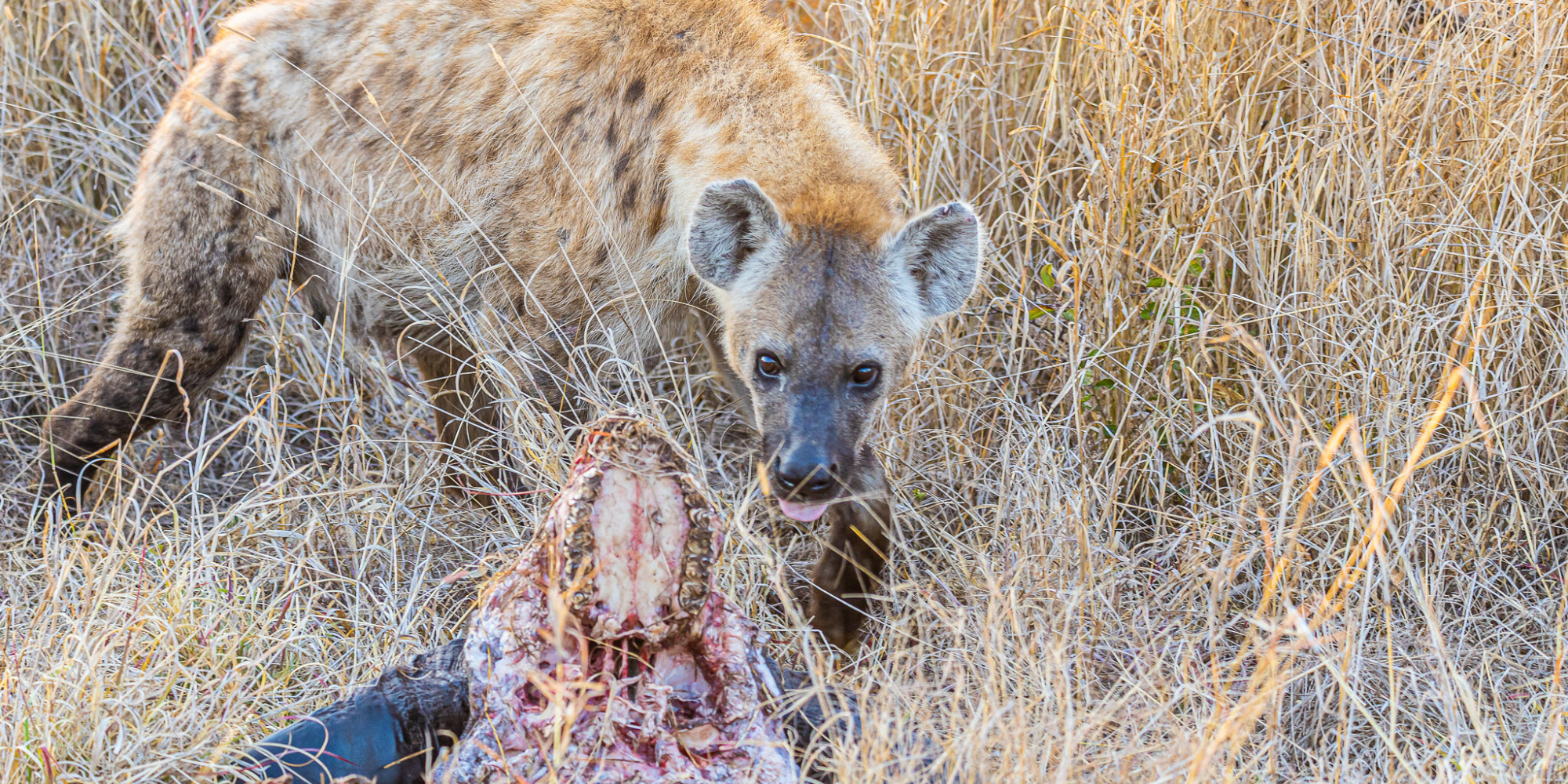
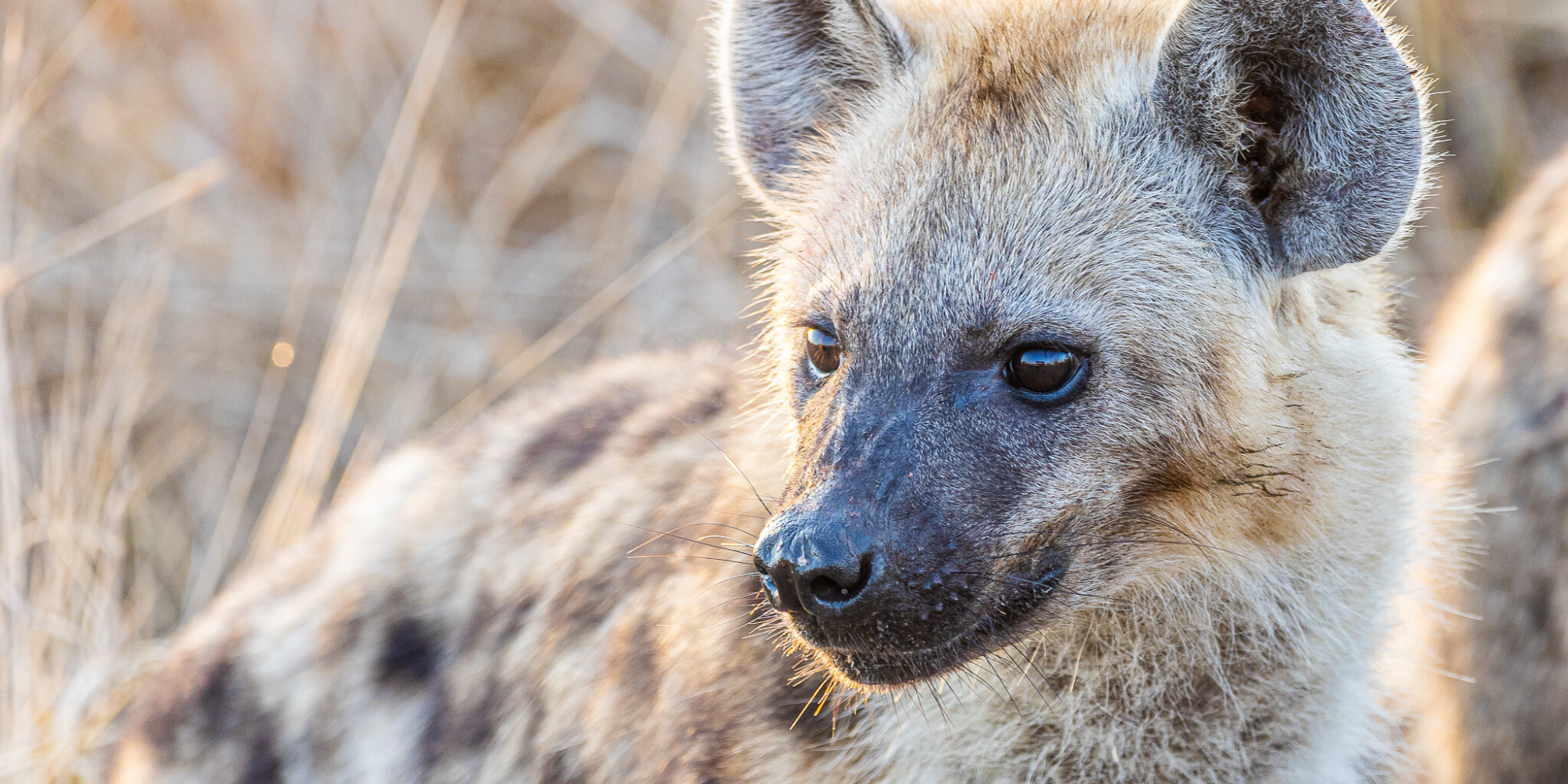
    By the next morning there was nothing left of the carcass and the dogs, after greeting me in the morning, were off and had made it quite a distance away from campus when we finally caught up to them. They were spread out, buried in the long grass snoozing off their meal from the night before. I was driving, as I mentioned previously, and we crept past them slowly when, out of the bushes, appearing like a breaching whale was a spotted hyena. 

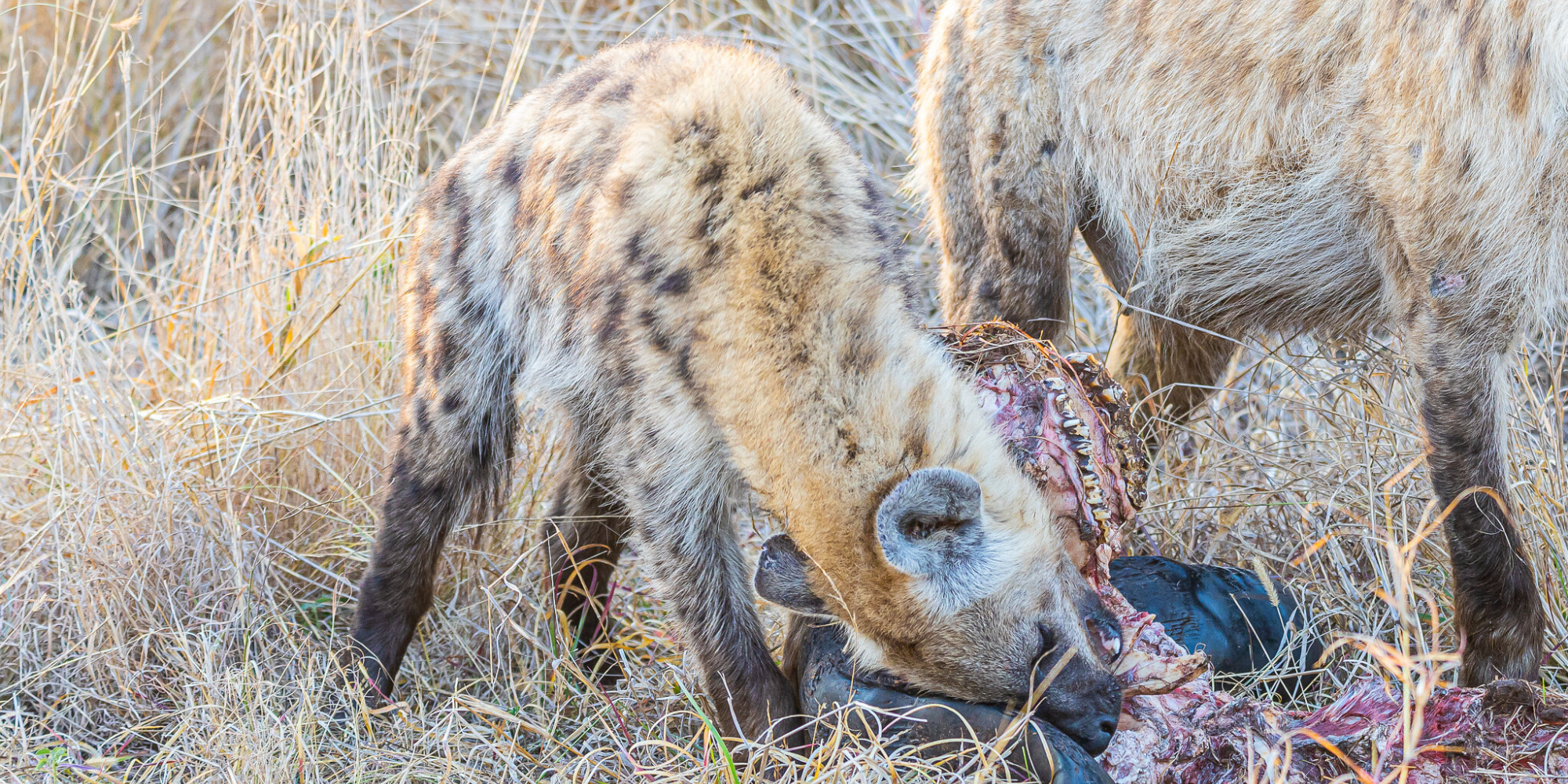
    From what I’ve observed in the last few days and from what I’ve been told by Fred (one of our trainers), hyenas follow dogs around hoping to glean scraps from their meals. The dogs aren’t a fan of this and will harass the hyenas, driving them away from their kills. We were fortunate enough to see this on Sunday night when the dogs first appeared. Yes, we saw the pack three days in a row. The younger dogs had backed a hyena against a bush and were really bugging it. 

    image

    Eventually the hyena found an opening into the bush behind it and soon the dogs got bored and went off for a nap. This particular hyena next to our vehicle was looking rather concerned. She was looking for the dogs very carefully and was also staying downwind of them. This meant that she roughly knew where they were at all times. She was careful to stay near enough to them that she could follow them when they started hunting but just far enough away to avoid suspicion.

    Just three days. That’s all it took to learn an incredible amount about one of the rarest creatures on the planet. We saw them hunting (briefly), saw them playing and relaxing. Saw the interspecific competition with hyenas, even had a chance to see how they reacted to an elephant running through their midst. If I’ve taken anything away from the past two weeks it’s that there’s going to be a lot of experiences, a lot of insane little moments that need to be respected, shared and treasured. Both with the animals and with the friends we’ve made.

    Would you love to experience wildlife firsthand like James? Apply today and make it a reality!

  • Dogs, but Wild

    image

    This blog about wild dogs was written by Allison Sponder. Special topic blogs are written by Bushwise students during their course, and all facts included are based on their research.

    Read time: 4 mins

    African wild dogs are my absolute favourite and have been for quite some time – long before I even thought I would witness them in person. Unfortunately, I think many people either do not realise just how fascinating they are, both as individuals and as a pack, or have been misled by misinformation. 

    What’s in a name

    For quite some time, but even more so recently, there has been a push to change the common name from wild dogs to painted wolves. Many people think the name wild dog makes them sound basically like stray dogs, which is one reason there are many misconceptions about them. While I understand the thought process, I also believe we should rethink why the term “wild” or even “dog” has such a negative connotation. Although wildly different, they do share similarities to our domestic breeds of dogs. People both underestimate domestic dogs and misunderstand wild dogs, but that’s a whole other issue. 

    Coats 

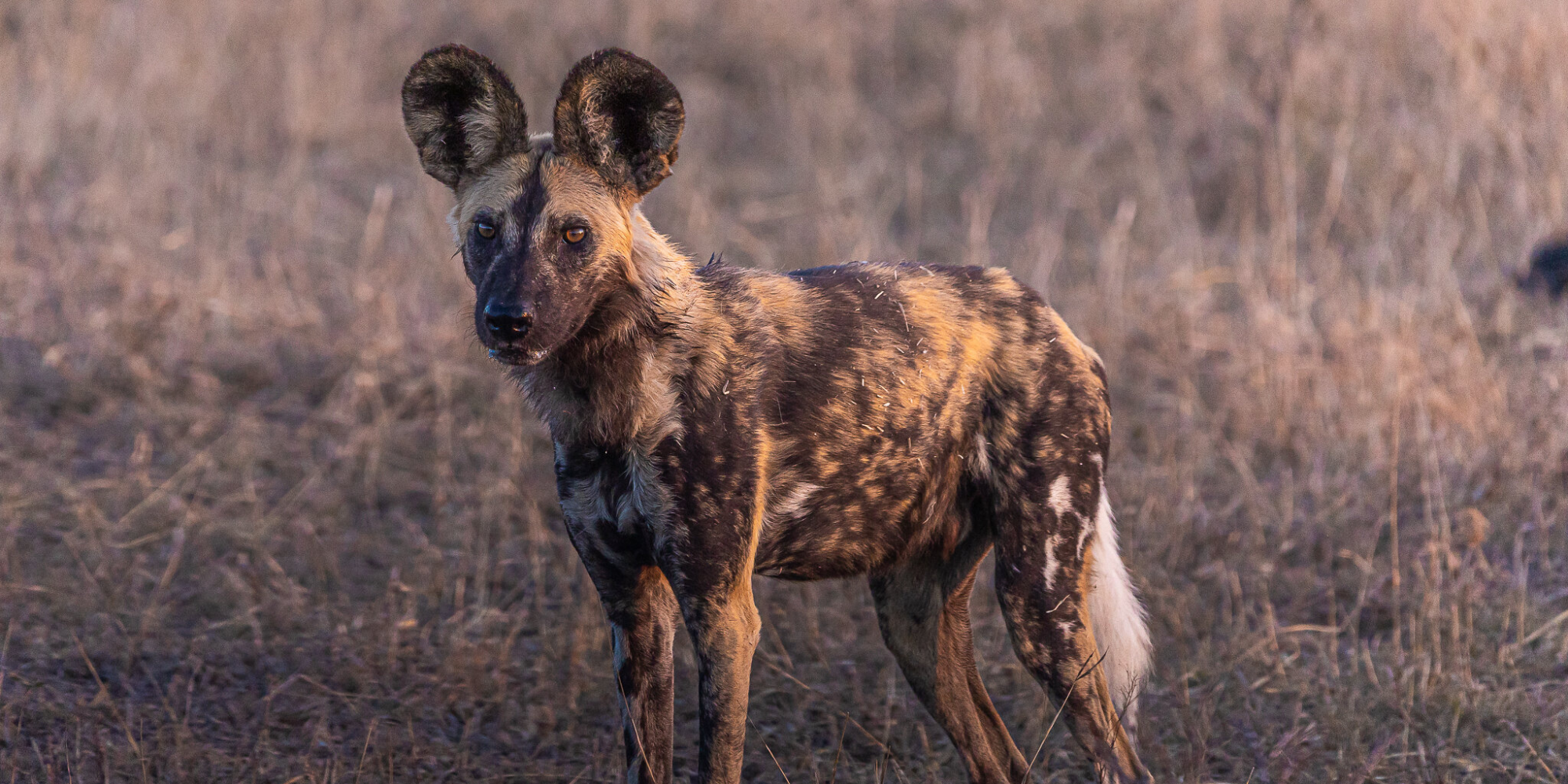
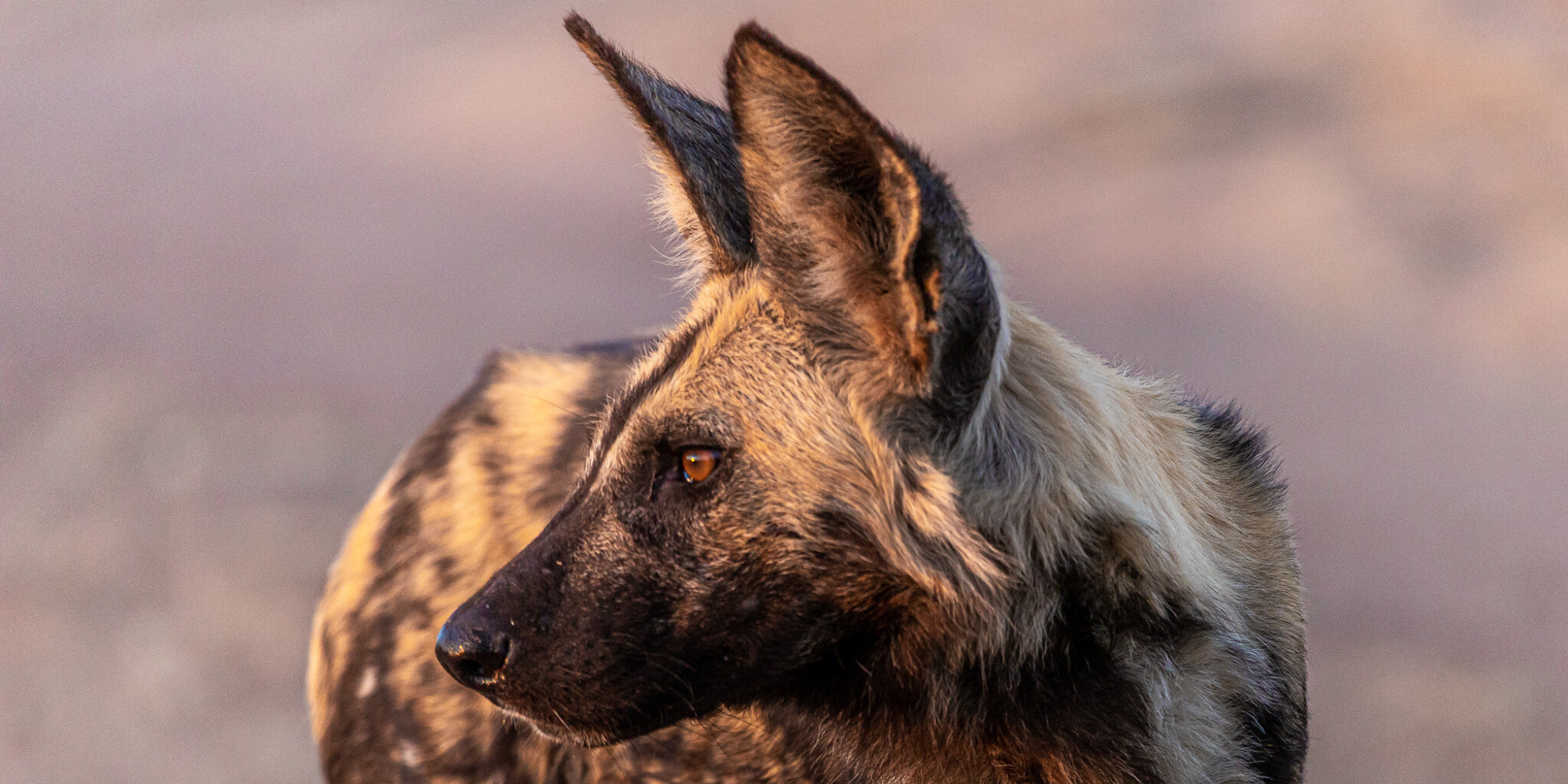
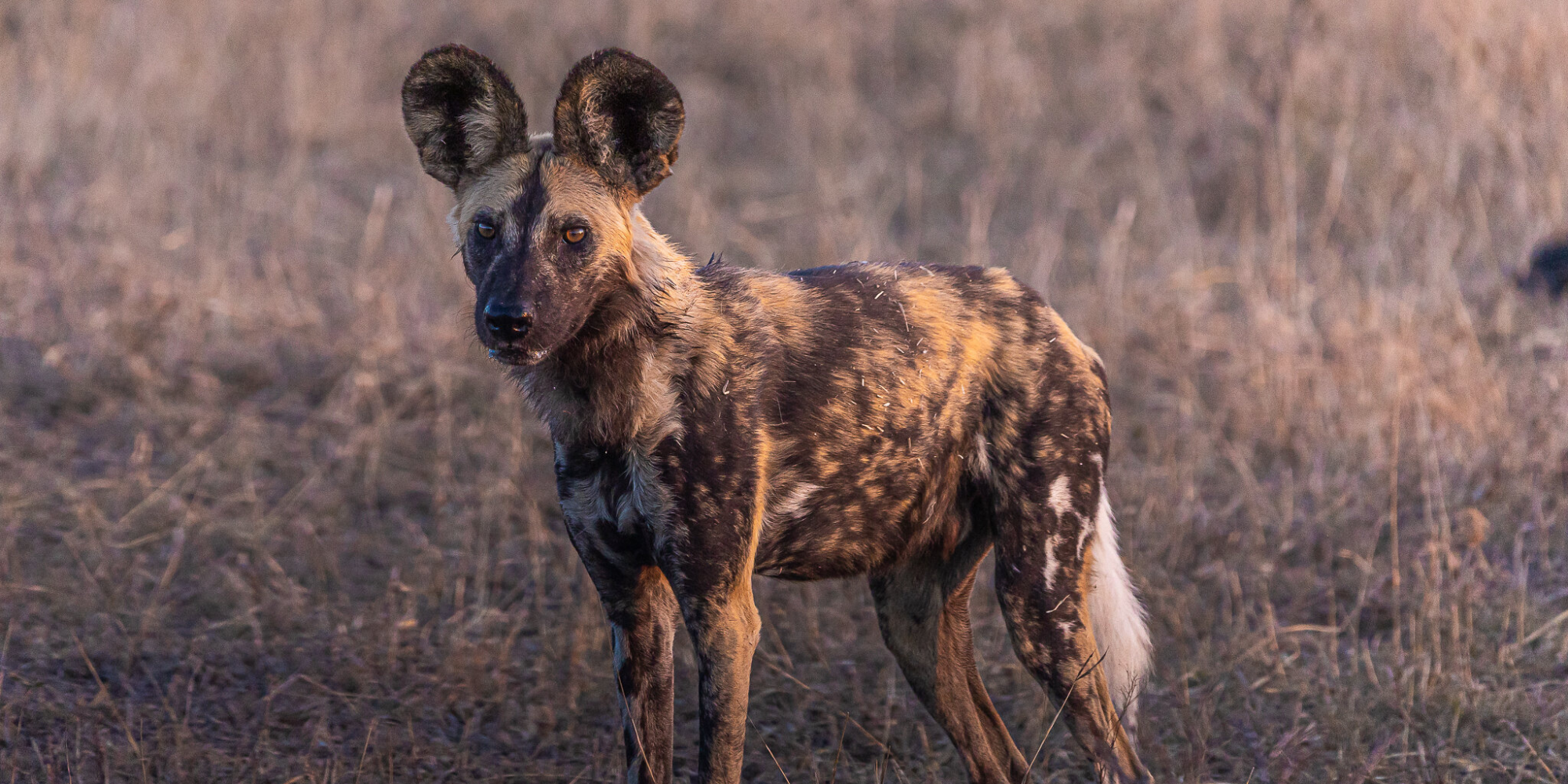
    Wild dogs are fantastically unique, both in terms of behaviour and physical characteristics. The coat colour of wild dogs is highly varied; it can include red, black, white, yellow, and brown. Each individual has a completely different fur pattern that can be used to identify them. Some of the dogs have larger patches of white fur on them – which I personally find just stunning. 

    image

    They have large, rounded ears, almost seemingly too big for their body. They are not large in size; they are actually quite similar in size to many domestic dogs, weighing anywhere between 18–36 kilograms and roughly one metre in length. Their lifespan is roughly 10–12 years as well. 

    Wild dog packs

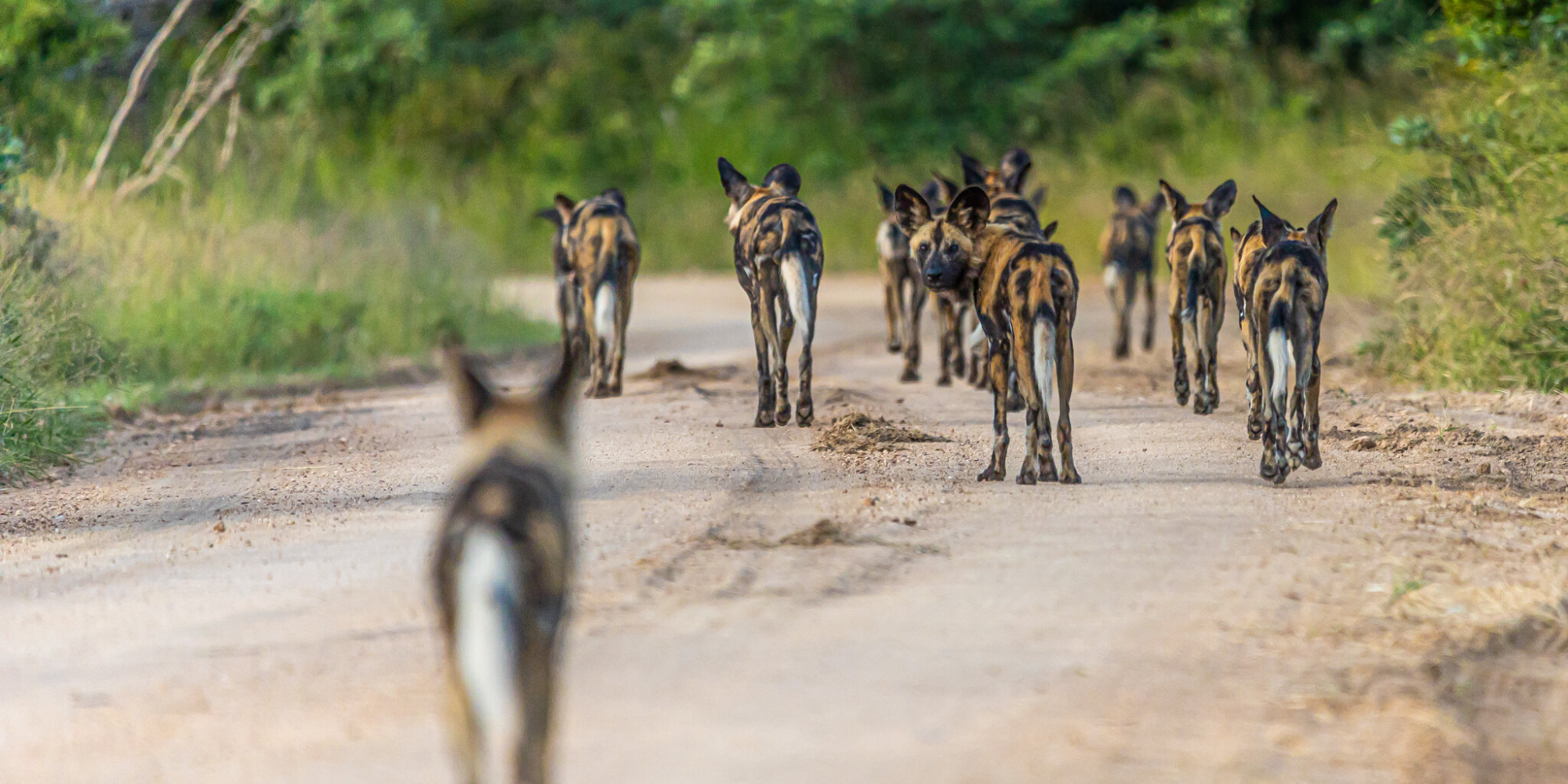
    Each individual not only has their own look but their own personality as well. Which makes for quite an interesting pack. The packs can consist of anywhere from two to 30 dogs, but generally a minimum of six dogs is ideal for consistent successful hunting. 

    The female alpha is in charge of the entire pack, making many decisions and choosing where to den. The alpha male and female are the only two dogs allowed to breed in a pack, but the priority of the group is to take care of the entire pack. All of the dogs look after each other, care for each other even when sick or injured, and take care of the pups. 

    image

    Everyone in the pack will look after the pups. When the pups are still denning, and it is time to hunt, generally the alpha female will stay with the pups. The rest of the pack will head off on a hunt, and after they are successful, they will return and regurgitate the meal for the pups and mother. After the pups are old enough to join in on hunts, they will be allowed to eat first at a kill. 

    Wild dog hunts

    One of the most fascinating behaviours exhibited by wild dogs is their hunts. They practise something unknown to most other species, democracy

    Okay, it’s not that complex. However, they have been observed basically voting on whether or not to pursue a hunt. They do this by sneezing. If the majority of the pack sneezes, the hunt will be a go. Mind-bending! 

    The hunt itself is also unique. Firstly, they are one of the most successful predators in the area with roughly 80% of their hunts ending in a kill. Although wild dogs can rely on surprise and quick bursts of speed, they generally take a different approach. These individuals have unmatched endurance even at high speeds, up to 60 kilometres per hour. They often will chase their prey until it exhausts and can no longer run. They eat quickly in order to consume as much as possible as fast as possible, because unfortunately for them, there is a good chance a much larger and more powerful predator is lurking nearby ready to steal the kill. 

    image

    Wild dog packs eat a variety of things and the size of their prey generally depends on the size of the pack. They generally consume small-to-medium-sized antelopes such as impala, and warthogs, but can even take down wildebeest, kudu, or small buffalo – although quite rare. 

    There is so much to observe and learn about this species. Their behaviour, social structure, and capabilities endlessly fascinate me. Not to mention, they are stunning. Unfortunately, they are quite endangered with only around 6,600 individuals left in the wild. One of the biggest threats to these dogs is the loss of habitat, one pack can cover a range of roughly 1,500 kilometres which is incredibly large. Since habitat is shrinking constantly, they are running out of room to roam which means they are also running into other predators and in conflict with humans, specifically farmers. There are many efforts in place to conserve them, however we still have a long way to go.

    Out here we’re constantly discovering new things about the birds, plants, and animals that call the African savanna their home. Join us where the wild becomes home.