Tag: #wildlifejobs

  • The ultimate Bushwise packing guide

    Wondering what to pack for your Bushwise course? Student Emma Dalmeijer, an IFGA Professional Safari Guide student, shares her experience (and a few lessons learned) about what really works in the African bush – from vellies and khaki shorts to rain jackets you might never use.

    Before arriving at Bushwise, I stood in front of my wardrobe, wondering what on earth to bring. I had never been to Africa before, so I had little idea of what to expect. In the end, I chose what seemed sensible: a pair of mountain shoes from a local outdoor store, one pair of zip-off pants, some denim shorts, a few old shirts, a rain jacket, and, for headwear, a cap and some headbands.
    image

    My plan was simple – comfortable, practical, and multi-functional clothing.

    However, when I arrived in South Africa, I quickly realised that dressing for the bush is something of a science in itself.

    The shoe dilemma

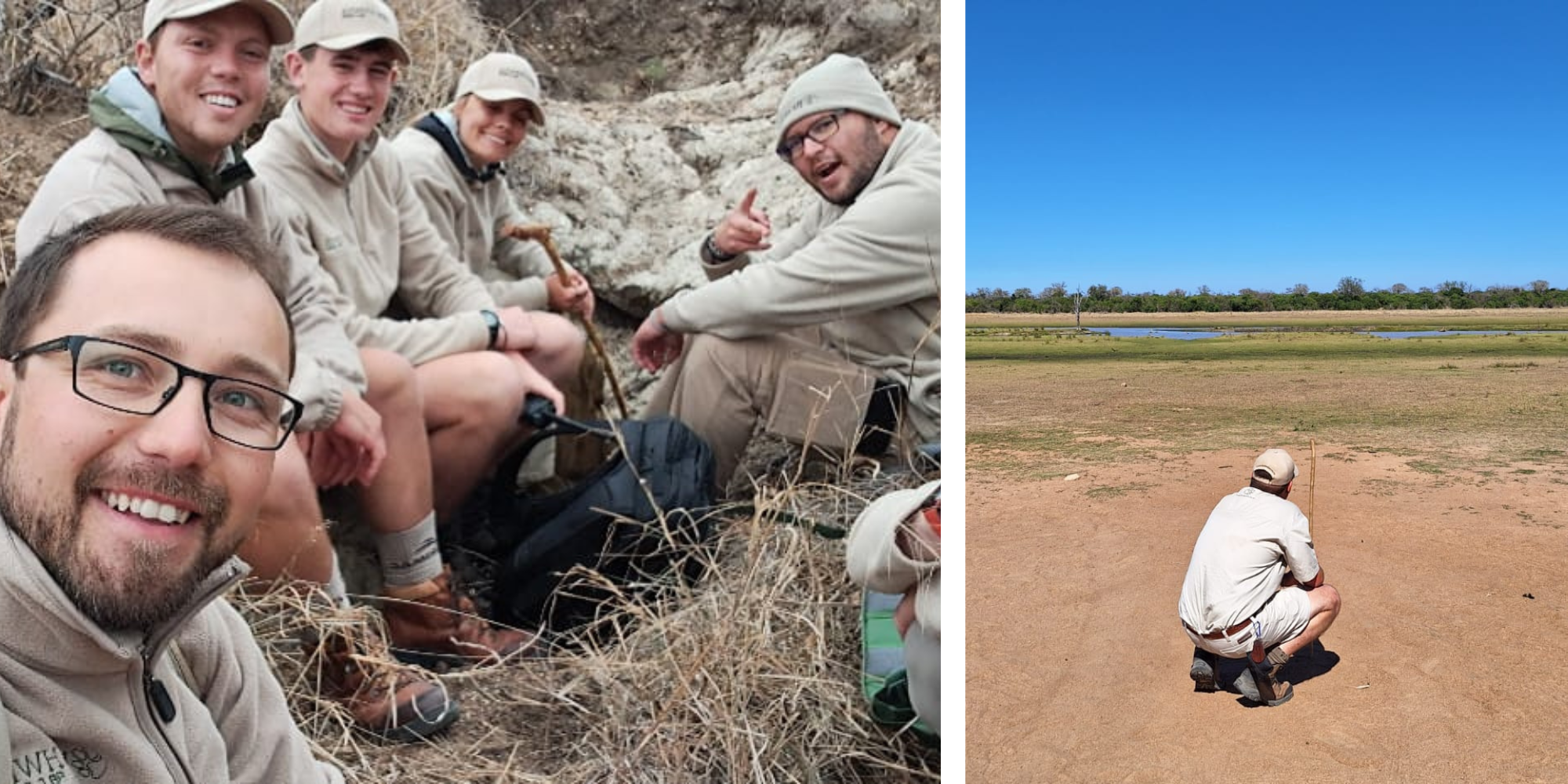
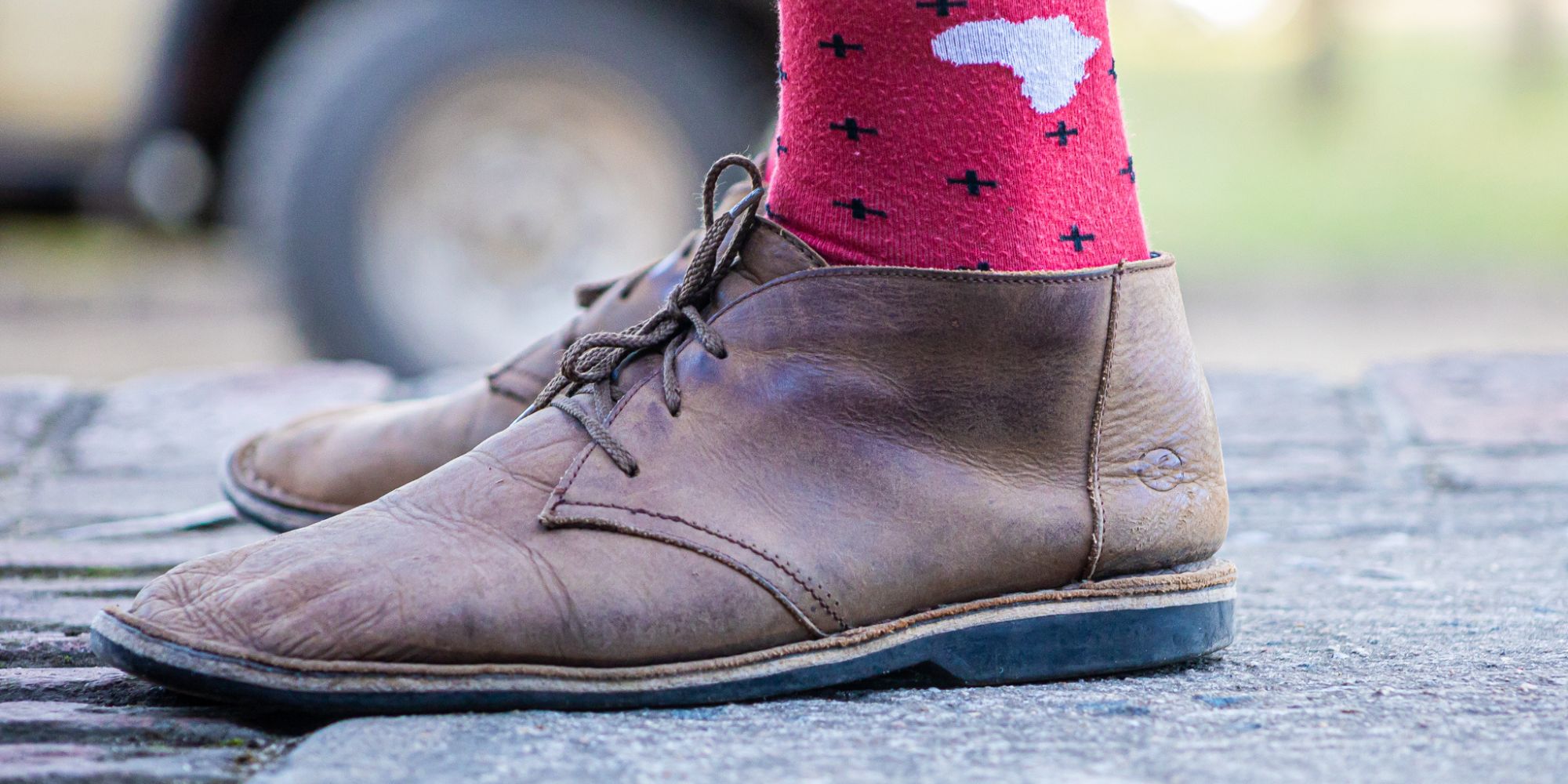
    On my first morning on campus, I stepped out in my sturdy mountain shoes — only to have another student say, “Your feet will be so hot! We’re buying vellies in town.”

    (Vellies are a shoew worn by almost all South Africans, usually made from leather)
    image

    At first, I didn’t think much of it. My shoes were perfectly fine… during winter, at least. But when summer arrived, the inside of those shoes became almost unbearable. That’s when I decided to try a pair of vellies.

    I immediately understood why South Africans rely on them. They’re breathable, lightweight, and quiet, making them ideal for tracking animals without leaving heavy footprints in the sand. My mountain shoes didn’t stand a chance against them!

    That said, my personal favourite footwear remains flip-flops, or “plakkies”, as they’re called here. Every South African seems to live in them, and I now understand why.
    image

    Shorts that mean business

    My zip-off pants seemed like a clever idea at the time, until I met the thorny vegetation of South Africa. Every branch I brushed past caught onto the material, leaving small holes behind.

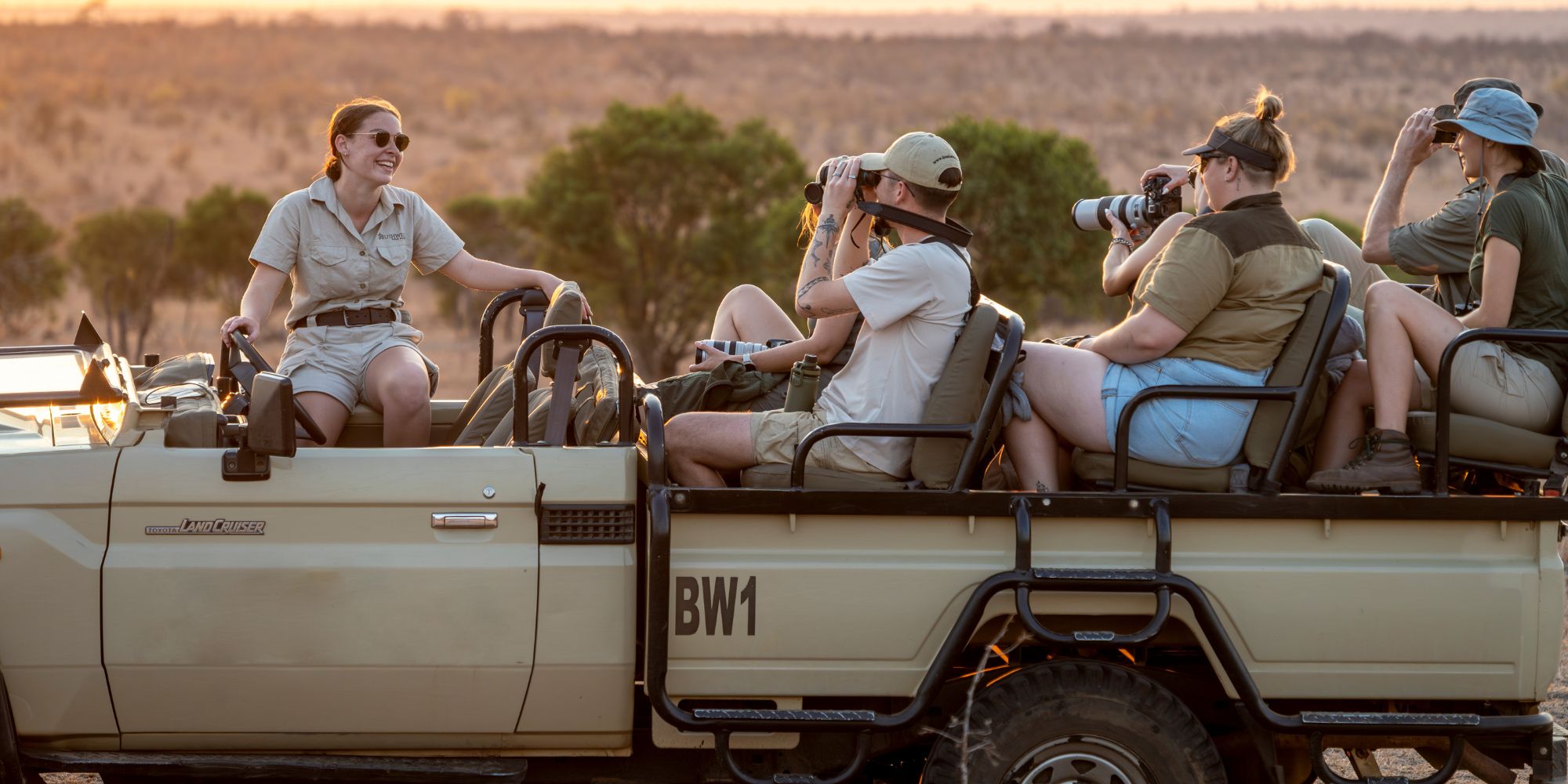
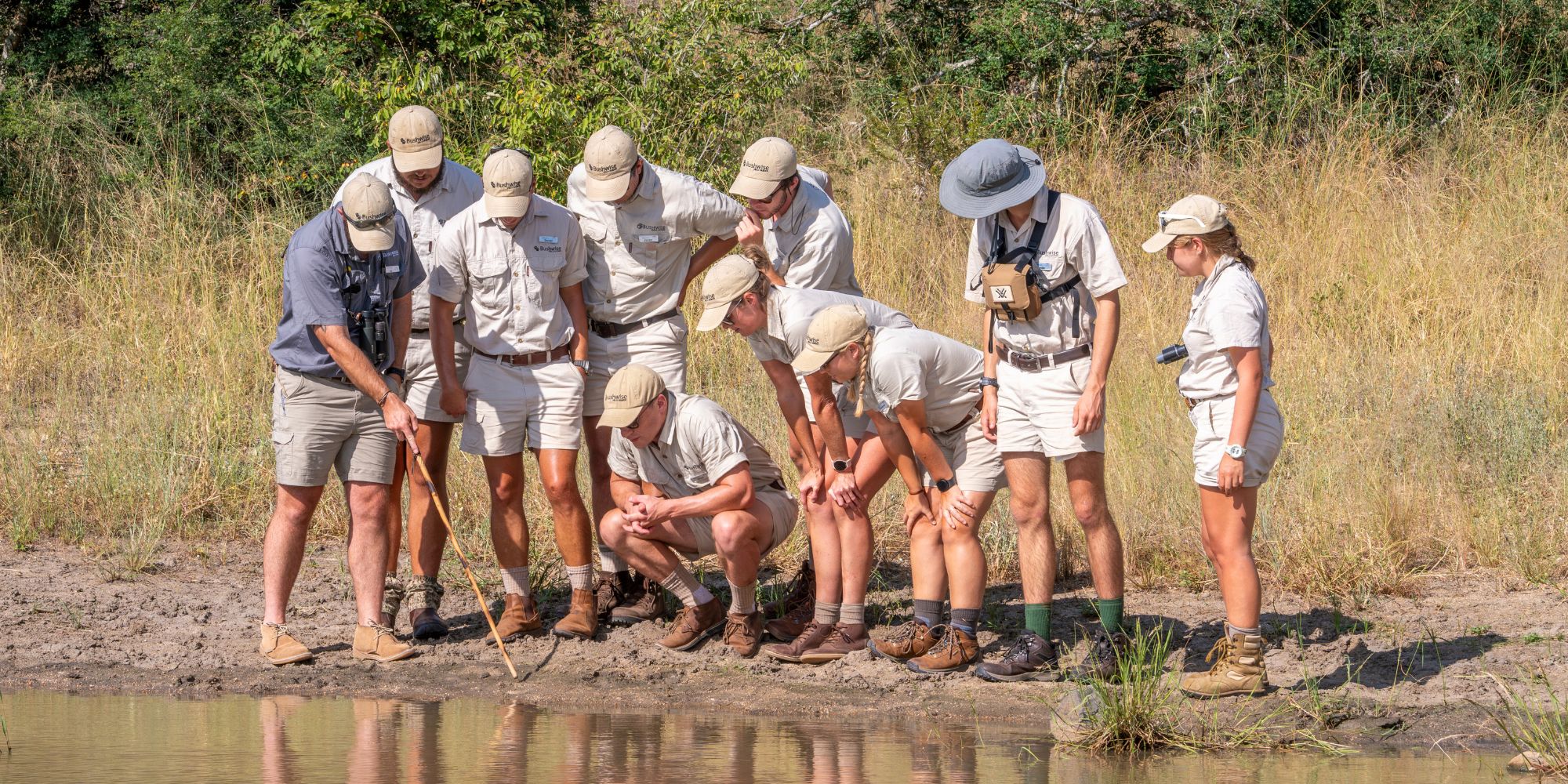
    Fortunately, Bushwise provides a professional uniform. The khaki shorts are made of durable, comfortable fabric, and the pockets are spacious, making it easy to carry everything needed for a bush walk.

    Compared to the tiny pockets on the shorts I brought from home, these were a revelation.

    Shirts and rainstorms

    When it came to shirts, my tank tops and T-shirts served me fairly well. However, most students preferred the traditional safari-style button-up shirts with roll-up sleeves and ventilation panels. Personally, I kept things simple, though I could see the appeal of those designs.

    The real surprise came during the rainy season. Coming from the Netherlands, I assumed my rain jacket would be indispensable. But when the rains arrived, I watched the South Africans walk out in shorts, plakkies, and T-shirts as though nothing had changed. Apparently, rainwear isn’t a necessity here!
    image

    Hats and sunglasses

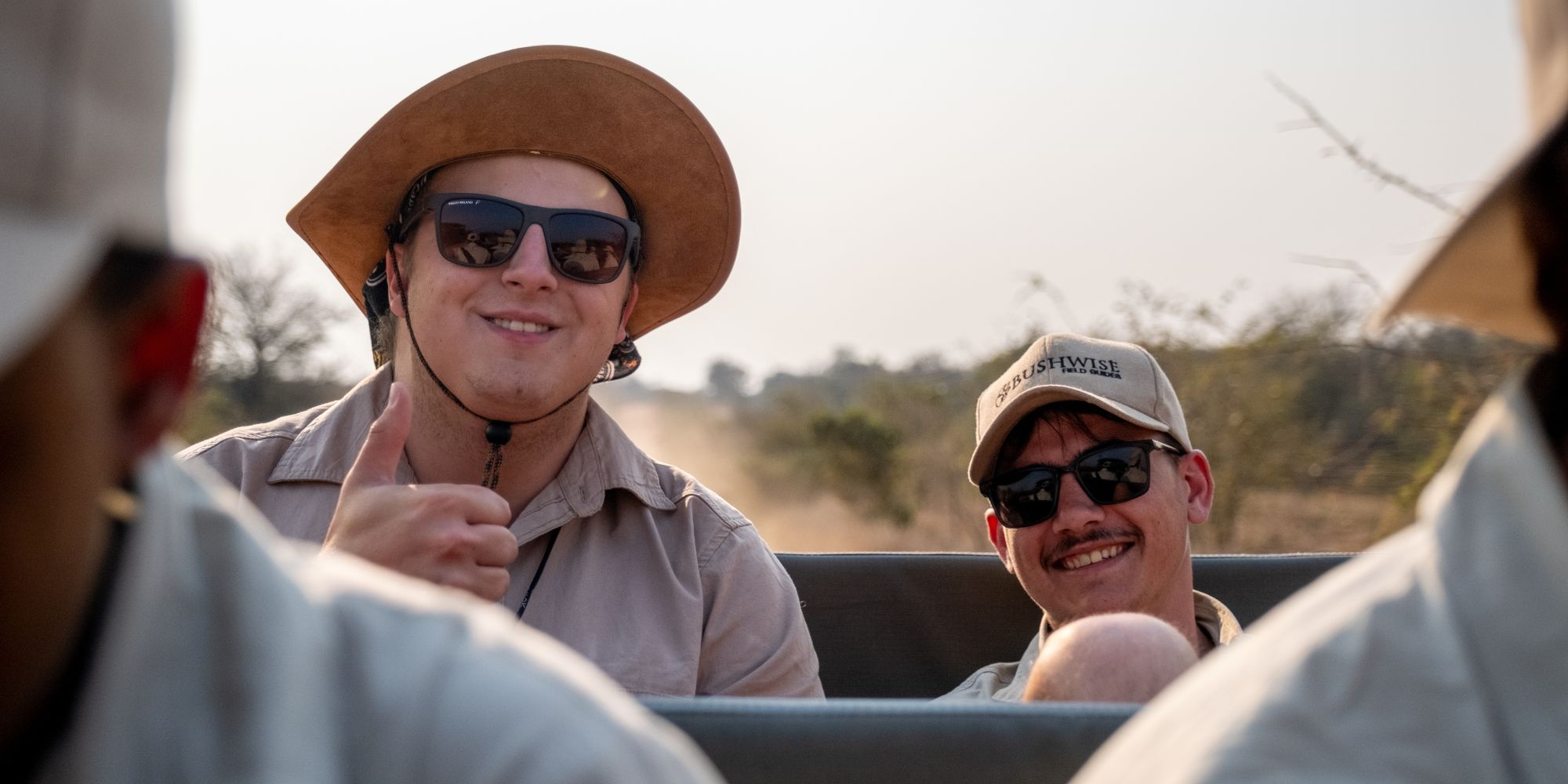
    One absolute essential is a hat. My old baseball cap works perfectly well, though around camp you’ll see everything from bucket hats to wide-brimmed safari styles. As long as it shades your face and eyes, it does the job.

    Sunglasses, surprisingly, are less critical than I expected, and a good hat provides most of the protection you need.

    Tools of the trade

    Clothing aside, one of the most useful items I brought was my Swiss Army knife. I’ve always liked multi-tools, but here I discovered the South African equivalent – the Leatherman.

    It does everything a Swiss knife can, but with the added benefit of strong pliers, which turn out to be incredibly handy. South Africans swear by them, and I can see why. They’re practical, durable, and,  if I’m honest,  rather impressive to have on hand. Naturally, I had to get one for myself.
    image

    The ultimate bush outfit

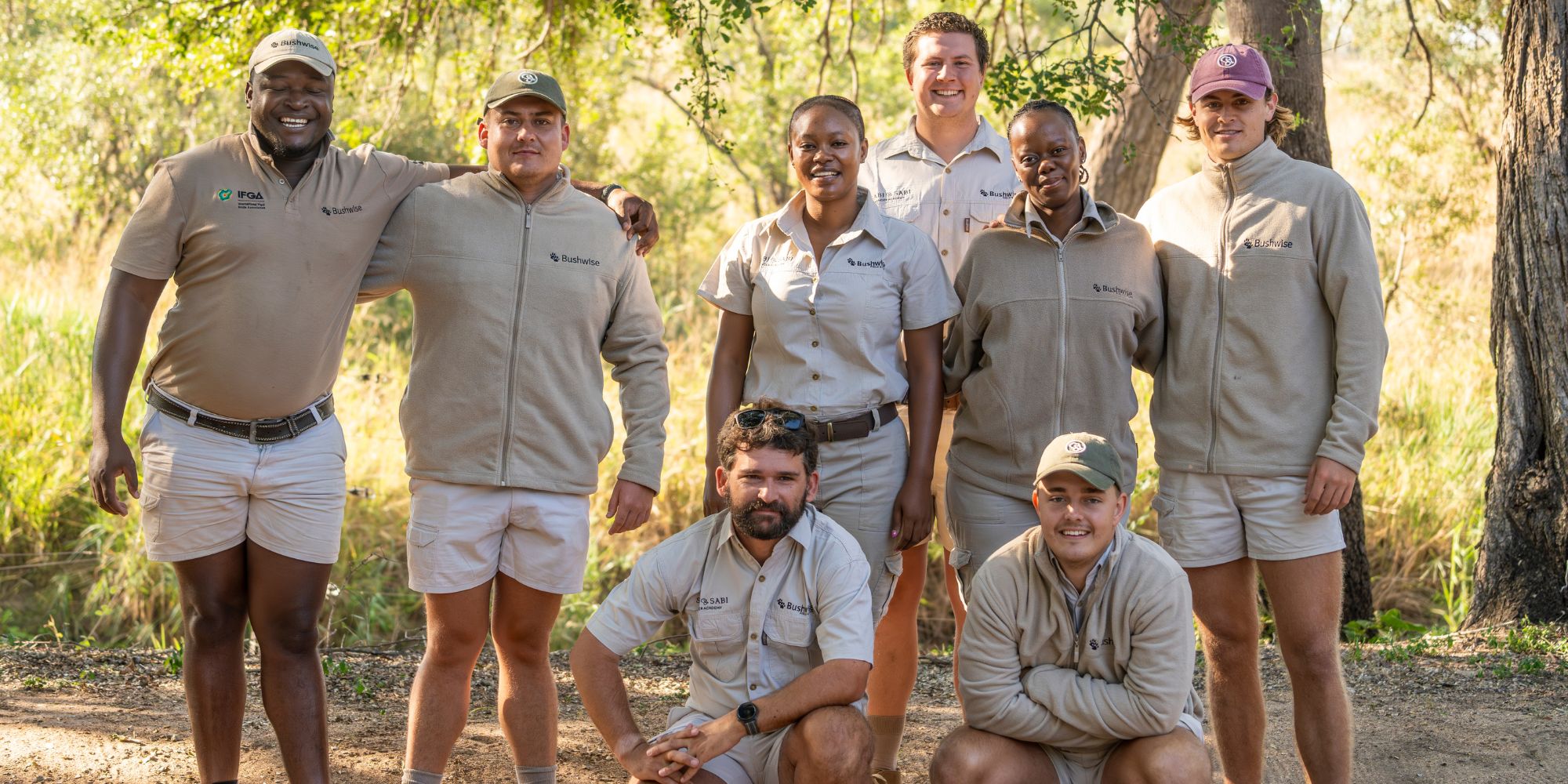
    After a few months at Bushwise, I’ve perfected my go-to outfit, and it’s quite simple: a pair of vellies, the toughest khaki shorts you can find, a light button-up shirt, a Leatherman, and a reliable hat. Stick to neutral, earthy tones, and you’ll blend right into the environment.

    Want to experience the African bush for yourself? Bushwise offers a range of wildlife courses, ranging from a few days to a year! 
  • What can a featured guide teach future guides? This is Timothy’s story.

    When we first connected with Timothy Raven, we had no idea how many twists and turns his journey had taken before he found his way to the bush.

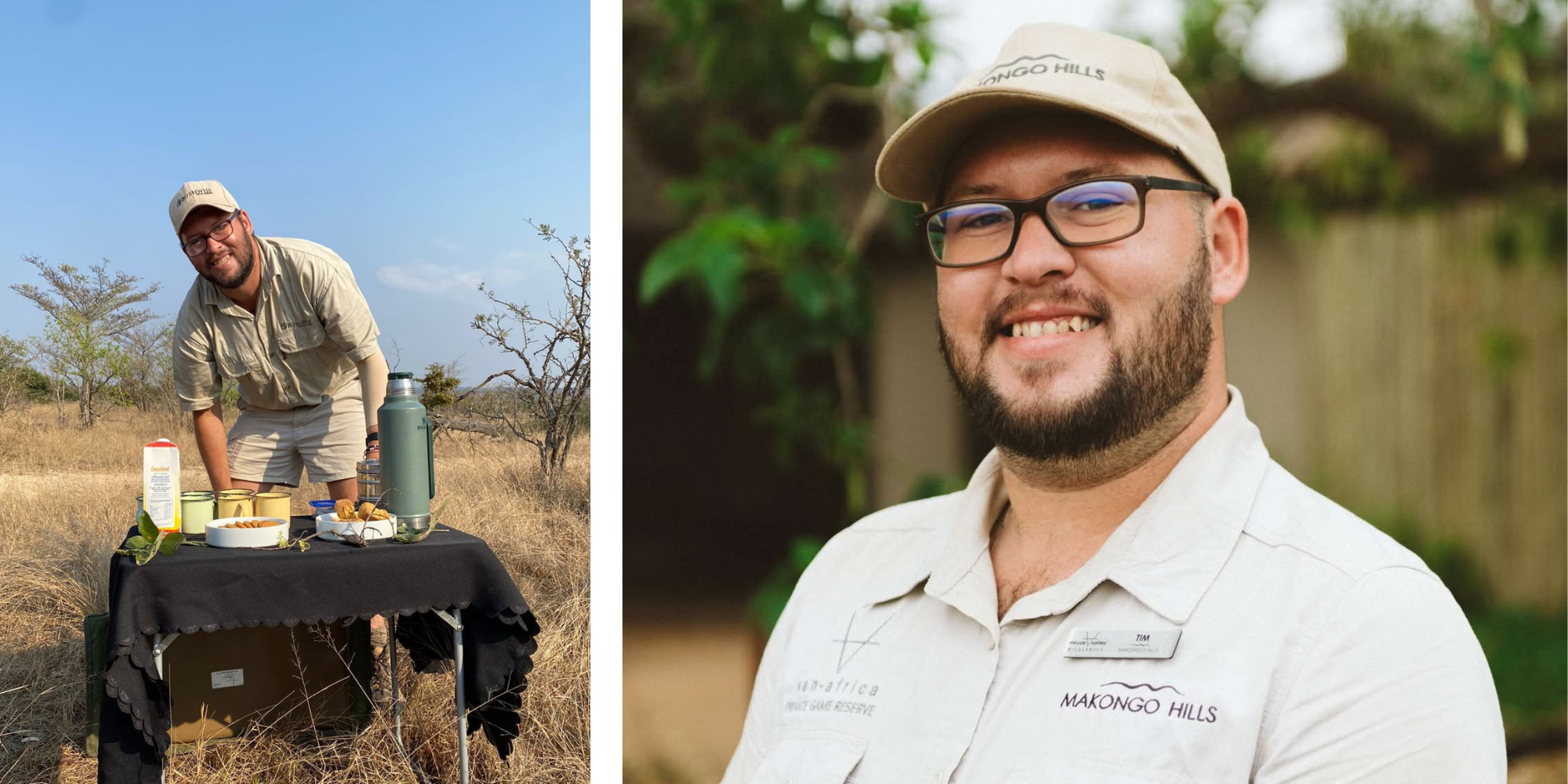
    Before field guiding, there was retail, bartending, and even managing a gaming store. He’d done a bit of everything. But through it all, he always felt the pull of the wild. He tells us he felt more at home in nature than in the city, inspired from a young age by Jurassic Park, David Attenborough, and Steve Irwin. “I saw how they made a difference,” he says. “I thought, maybe I could do that too.”

    image

    Looking for a way in, Timothy started small. He enrolled in the Bushwise 8-week Nature Enthusiast online course. It was his first real look at what a field guide’s life might be like, and it clicked. The content gave him a feel for the training and lifestyle, and he felt instantly connected to the trainers. “They felt real and grounded,” he says. “And their passion was contagious.” That experience was enough to convince him to take the next step. In July 2023, he joined the IFGA Professional Safari Guide course (6/12 months).

    Timothy calls the course both intense and transformative. “A roller coaster of good times, hectic times, and amazing times,” he laughs. It wasn’t always easy, but it gave him exactly what he needed — a real understanding of life in the bush, and the confidence to step into it.
    “Bushwise helped me figure out what I was good at, and what I didn’t even know I’d be good at.”

    image

    One of the biggest shifts came during the six-month job placement that’s included in the 12-month-long course. It gave him practical insight, hands-on experience, and opened the door to the conservation industry. “That placement was a game changer,” he says. “I learned how to navigate interviews, grew more confident, and realised where I actually belonged.”

    Now, Timothy is a working field guide on a reserve in Zululand. It’s a small team, which means he gets involved in nearly everything. From leading game drives and assisting with animal releases, to conservation efforts like wildlife monitoring,  and even dehorning. No two days look the same. “You get into it all,” he says. “And that’s what I love. The variety keeps you sharp.”

    image

    But it’s not just the work that’s kept him going. Timothy talks a lot about the animals themselves and how each has its own quirks and character. “When you respect them, they respect you back. It’s something you have to experience to believe.” And then there’s the human side of bush life: the friendships, the fireside chats, the sense of community with others who share the same love for nature. “This life changes you,” he says. “In the best way.”

    For anyone thinking about following a similar path, his advice is simple. Start with something small, like the online Nature Enthusiast course, and see how it feels. “If it speaks to you, go all in,” he says. “This job asks a lot, but it gives so much more. I wouldn’t change a thing.”

    And when we ask if he’d do it all again? His answer is immediate: “Absolutely.”

    If you’re ready to swap the ordinary for the wild and discover your own hidden strengths, explore Bushwise’s wildlife courses. Your adventure starts here.

  • A young conservationist’s journey begins with Bushwise

    This blog was written by Luke Levitas, a Bushwise Professional Safari Guide student. Each student takes a turn as camp manager, and writing a blog is part of the experience.

    From a young age, nature has been an integral part of my life. Growing up in South Africa, the connection to the bush felt natural, almost ingrained in us. Some of my fondest memories are of late-night fires with family and friends, surrounded by the sounds of wildlife, and the awe of stargazing on clear nights. These experiences shaped my childhood and instilled in me a strong appreciation for the environment. Over time, this appreciation evolved into a deeper understanding of the importance of conservation. I realised that protecting our natural world is a shared responsibility, and it became clear that I wanted to play a part in it. This led me to pursue a career in wildlife conservation and to consider ways to build a global network dedicated to this cause.

    image

    Growing up, I was inspired by figures like David Attenborough, Steve Irwin, and Lawrence Anthony. Attenborough’s documentaries, which highlight the intricate balance of nature and the interconnection of all life, sparked a curiosity about the world around us. Steve Irwin’s enthusiasm for wildlife and his approach to educating the public showed me the power of passion in conservation. Additionally, Lawrence Anthony’s work with elephants, particularly the herd he rehabilitated as described in The Elephant Whisperer, demonstrated the significant impact one person can make. These figures shaped my outlook and reinforced the idea that every contribution matters.

    In adulthood, I spent nearly seven years living and travelling abroad, where I saw that many of the conservation challenges we face in South Africa, such as habitat loss, poaching, and climate change, are present around the world. I saw landscapes where forests had been replaced by farmland and witnessed how urbanisation was reshaping both natural environments and local communities. It became evident to me that wildlife conservation is not just a local issue, but a global one. If we are to make a meaningful impact, collaboration across borders is crucial.

    image

    One idea I’ve been exploring is the creation of a program similar to the Erasmus+ program, but with a focus on conservation and wildlife work. This program would offer students and young professionals the opportunity to gain practical experience abroad, working on projects aligned with their interests. Beyond the professional skills gained, it would also foster connections between people from diverse backgrounds, all united by a passion for wildlife conservation.

    In addition to this, I believe that stronger connections between game lodges, conservation projects, breeding programs, and research institutions are essential. Currently, many of these organisations operate independently, which can limit the sharing of resources and knowledge. Strengthening these collaborations, both virtually and in-person, could help maximise the impact of their efforts.

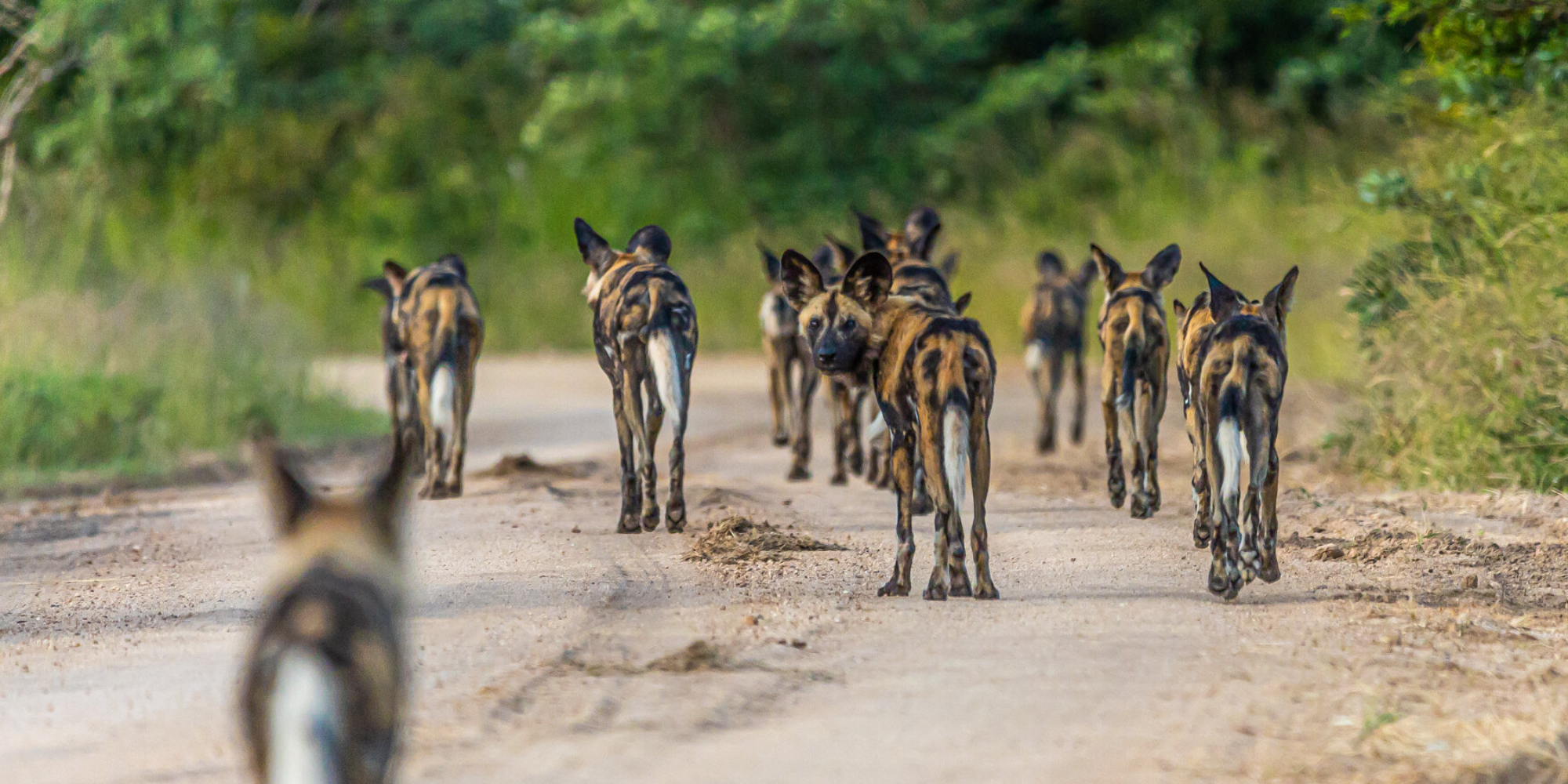
    Technology also has a significant role to play in conservation. Drones, AI-powered camera traps, and satellite monitoring systems allow for more precise tracking of animal movements, monitoring of habitats, and detection of poaching activities. A shared database, where conservation teams across different countries can upload and access findings, could revolutionise the way we approach conservation challenges.

    image

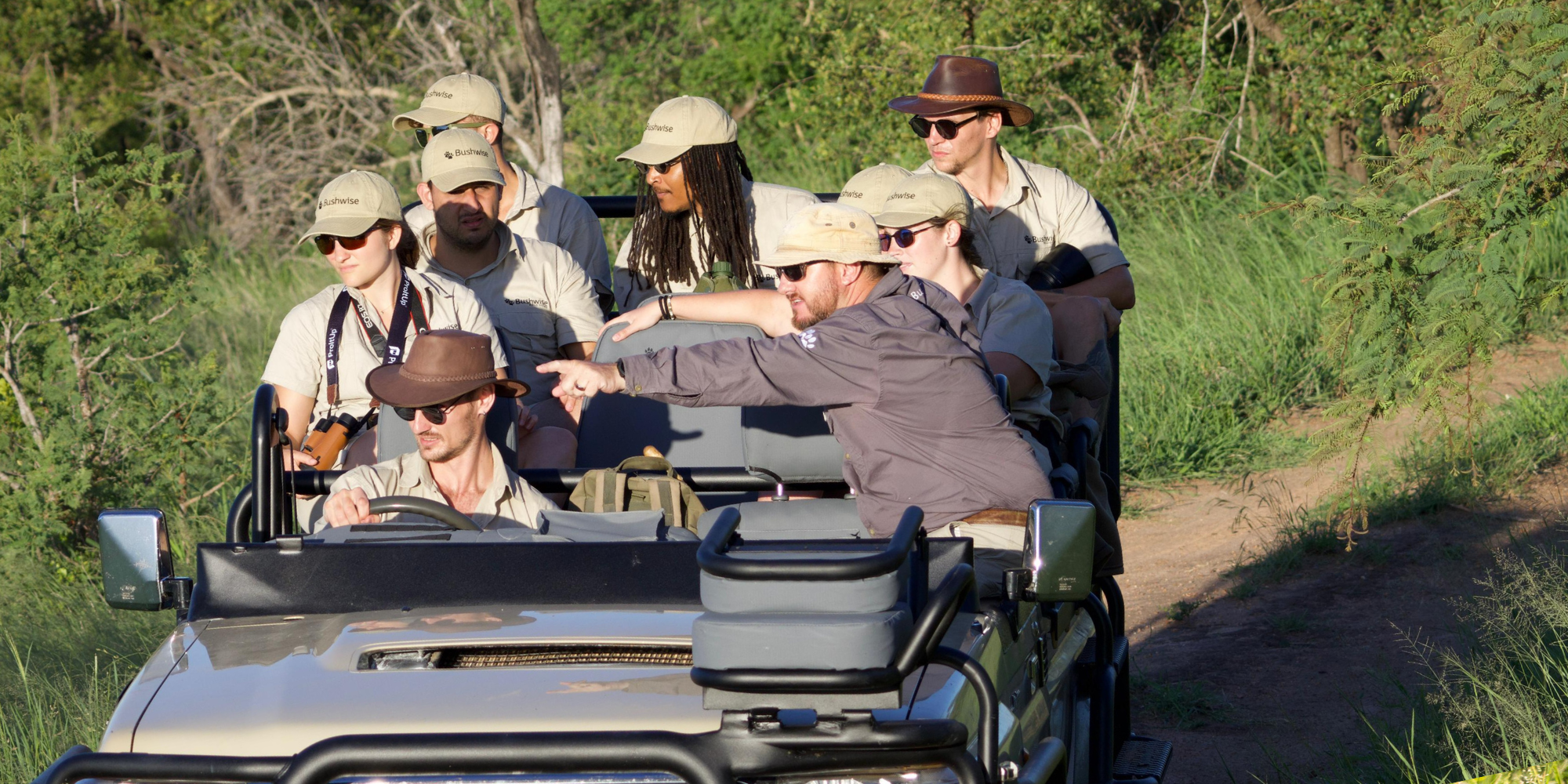
    For me, becoming a field guide was a way to stay connected to nature while actively contributing to conservation efforts. Through the IFGA Professional Safari Guide course (6/12 months), I have had the opportunity to share my passion for the environment with people from around the world. When individuals experience the beauty of nature firsthand, they often develop a greater sense of responsibility for its protection.

    The challenges facing conservation are significant – habitat loss, poaching, and climate change present real obstacles. However, collaboration, new technologies, and a shared commitment to the cause can help us make a meaningful difference.

    image

    Nature has provided me with a deep sense of purpose and countless rewarding experiences. Now, I’m focused on giving back and ensuring that future generations have the opportunity to experience the same wonders. By building stronger networks and working together, we can help preserve our natural world for the long term.

    Ready to start your journey into wildlife conservation? Bushwise offers a range of wildlife courses that can help you gain the skills and knowledge needed to jumpstart your career!