Tag: #wildlifephotography

  • How to identify birds using the GISS method

    How to identify birds using the GISS method

    Birdwatching is one of those skills that becomes more rewarding the longer you do it. At first, all the fluttering wings and quick movements can feel overwhelming, but once you know what to look for, patterns start to appear. The GISS method is one of the best tools to help you get there.

    GISS stands for General Impression of Size and Shape. It’s a method used by guides, rangers, and birders around the world to identify birds quickly and confidently, even with only a short glimpse. Instead of fixating on tiny markings, GISS encourages you to take in the whole bird – its size, its proportions, how it moves, and where it’s found. Here’s how it works.
    General
    The “General” part of GISS refers to your first impression. What’s the bird’s overall look and feel? Is it elegant and slender like a heron, or compact and busy like a sparrow? Sometimes, your instinctive sense of a bird can be the most accurate clue. The more time you spend watching birds, the sharper that instinct becomes.
    Impression
    “Impression” focuses on the bird’s movement and personality. How does it behave? Is it gliding effortlessly, darting between branches, or bobbing its tail as it walks? Behaviour can tell you a lot — for instance, wagtails are known for their characteristic tail-bobbing, while hornbills tend to move deliberately through the trees. Watching how a bird acts in its environment often gives you just as much information as what it looks like.
    Size
    Size can help narrow things down quickly. Compare the bird to others nearby or to something familiar. Is it smaller than a dove? Bigger than a starling? Size can be deceptive depending on distance, so use it as a rough guide rather than a strict rule. Still, it’s a good way to eliminate possibilities — a bird much larger than a sparrow, for example, isn’t going to be one.
    Shape
    Shape is one of the most reliable identifiers. Look at the silhouette — long neck, short tail, broad wings? Raptors tend to have sturdy bodies and hooked beaks, while swallows are streamlined for fast flight. Even without colour, an experienced guide can identify a bird just by its outline against the sky. Practising this skill takes time, but it pays off quickly once you start noticing patterns.
    Using GISS in the field
    When you’re out in the bush, you rarely get the luxury of a perfect view. Birds hide in thick foliage or take off before you can grab your binoculars. The GISS method helps you make quick, confident identifications using what you can see in the moment. Start with your overall impression, watch how it behaves, note its size and shape — and only then, if you can, check colours or markings to confirm your guess.
    Developing your bird identification skills takes patience and practice, but it’s one of the most rewarding parts of spending time in nature. Each sighting sharpens your observation skills and deepens your connection to the natural world.
    Want to turn your passion for wildlife and the bush into a career? Learn more about Bushwise’s professional wildlife courses and start a career in the safari, conservation, or tourism industries.
  • From African safaris to Alaska bears: My Bushwise journey

    This blog was written by Allison Sponder, a Bushwise alumna. Allison reflects on her time at Bushwise and shares how her experiences shaped the path that brought her to where she is today.

    Before joining Bushwise, I studied for my bachelor’s in wildlife biology. During this time, I also volunteered at a raptor and shorebird education, conservation, and medical facility, while discovering a love for photography. These experiences sparked the journey that eventually led me to Bushwise.

    image

    As a child, I always dreamed of going on safari. My passion for wildlife and photography led me to a photographic workshop in Namibia. During those ten days, I became completely captivated by the experience. I admired the landscapes and wildlife, but what truly inspired me was the joy and knowledge our guides shared. They explained everything, from large mammals and their behaviour to insects, geology, astronomy, and even the physics of a bird’s feather. By the end of the workshop, I knew I wanted to return and become a guide.

    Four months later, I enrolled in Bushwise’s 12-month IFGA Professional Safari Guide course. I chose Bushwise after a guide I met in Namibia spoke highly of their training and experience. The enrollment process was straightforward, and I felt fully supported throughout the interview, acceptance, and visa process. I opted for the twelve-month course because it offered the most comprehensive training and the best opportunity to gain the experience I needed.

    image

    The placement program at Bushwise proved invaluable. Bushwise partners with a variety of lodges and companies and works to match students with roles suited to their personality and abilities.

    My time at Bushwise remains unforgettable. One of the highlights was meeting so many like-minded people who shared my passions and zest for life. Some of these people became lifelong friends, and one even became my fiancé. The training felt intense, as the guiding industry demands, but Bushwise maximises every moment. We learned in a variety of ways, and fieldwork quickly became my favourite. The course went beyond memorising facts. It sparked curiosity, encouraged self-motivation, and developed skills in teamwork, presentation, guest experience, and more. The trainers consistently shared their experience, expertise, passion, and care throughout the process.

    After six months on campus, I moved to my placement lodge for six months. There, I gained hands-on experience in guiding and learned many aspects of running a lodge. I stayed on for a few extra months in other roles before returning home.

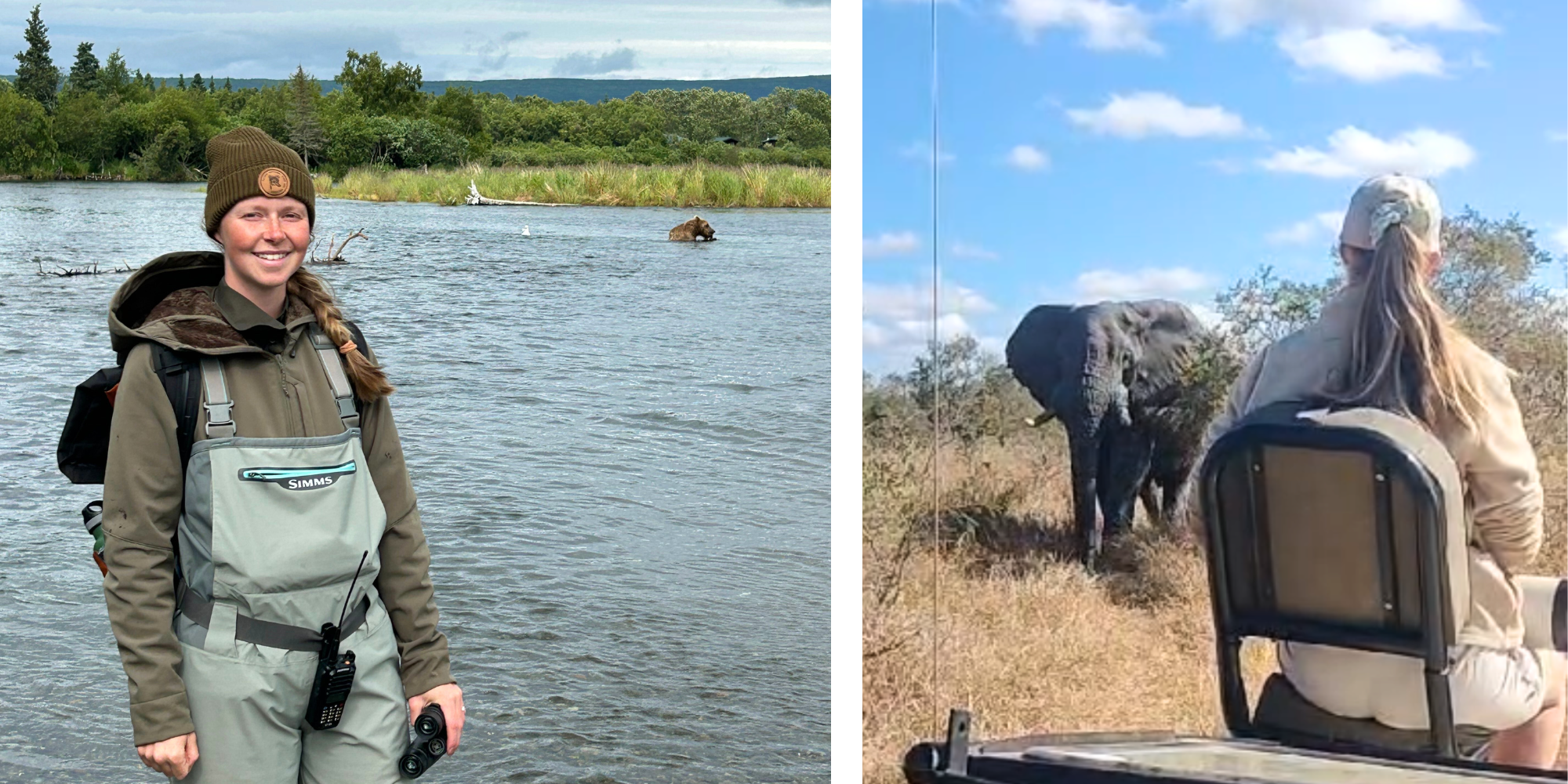
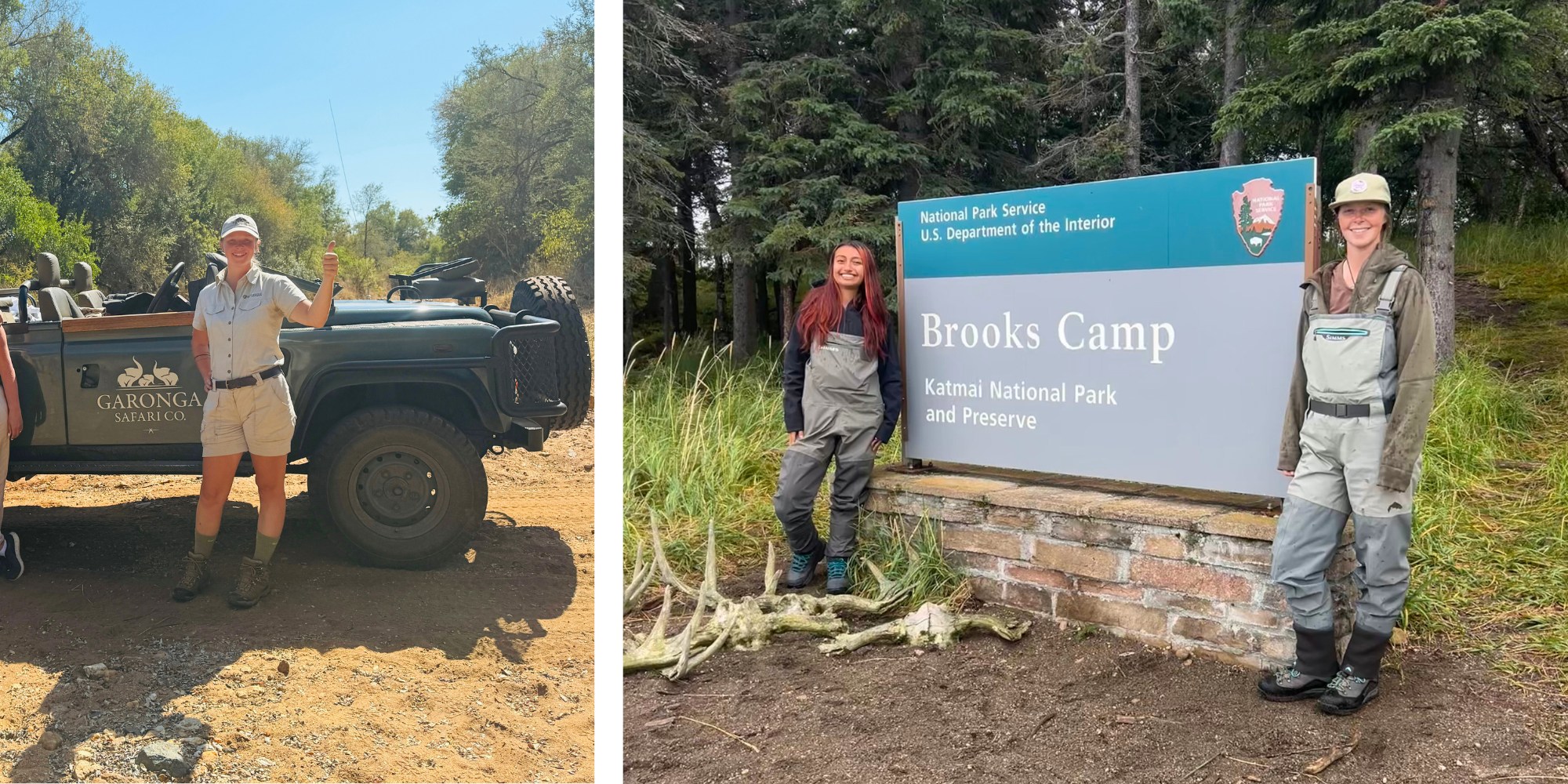
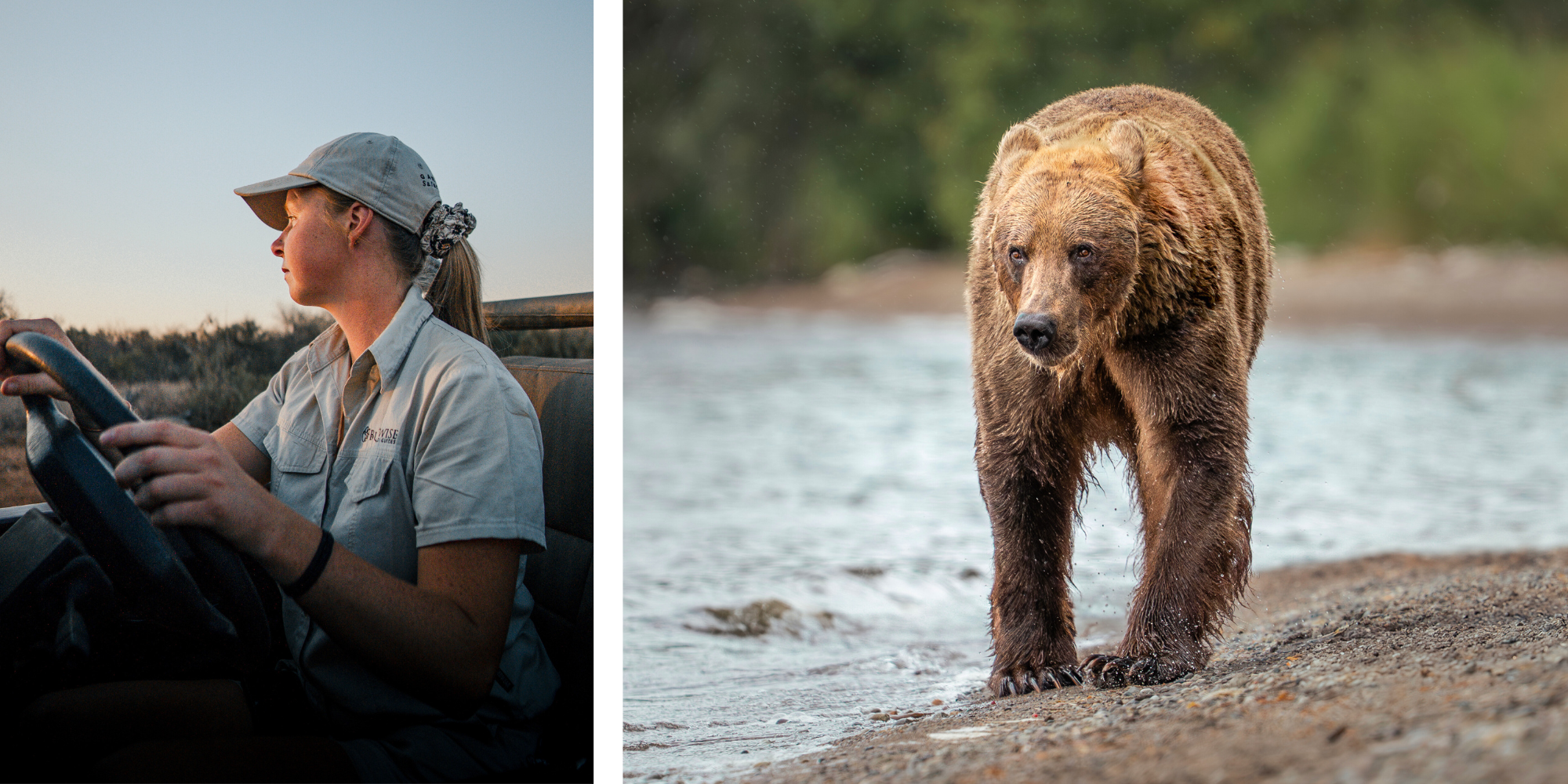
    Although my initial goal focused on returning to South Africa, Bushwise opened doors to another dream. I spent the past summer in Katmai National Park, Alaska, working as a bear viewing guide. This role mirrored guiding in South Africa, with responsibilities including guest safety, ethical wildlife experiences, and education. My Bushwise training in animal behaviour and guest care gave me the skills to succeed.

    image

    I have explored incredible places thanks to my experience with Bushwise. While I plan to live and work in South Africa permanently, I also hope to return to Alaska.

    For anyone considering Bushwise, I say go for it. Be passionate about all aspects of guiding. The role involves early mornings, long hours, all weather conditions, close work with guests and staff, and managing dangerous wildlife encounters. You may also assist with maintenance, hosting, check-ins, bartending, or shuttling. It can be exhausting, but if you love living in nature, educating others, and inspiring people to protect wild places, this career could be perfect for you.

    If this story inspires you, take the first step yourself! Bushwise offers a range of wildlife courses to help you start your journey.