Author: Bushwise Trainer

  • The Secret life of Antlions

    By Darryn Murray – Bushwise trainer

    image

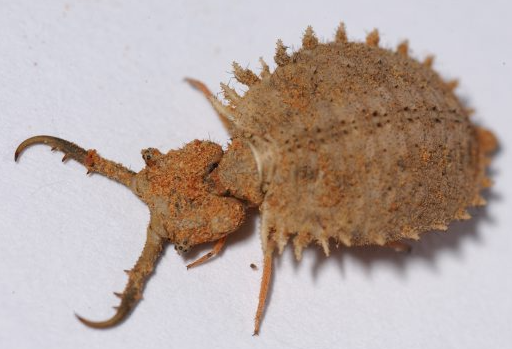
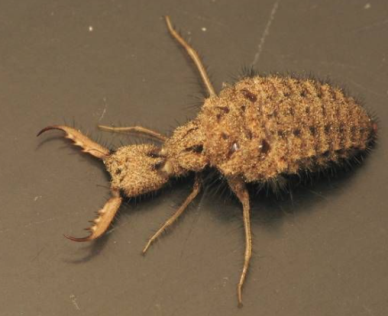
    Having had a look at the above picture with no scale reference, one would be forgiven for thinking that we might be looking at something out of Jurassic Park or even Alien vs Predator. These amazing creatures are called Antlions and we are going to have a look at their secretive existence. 

    image

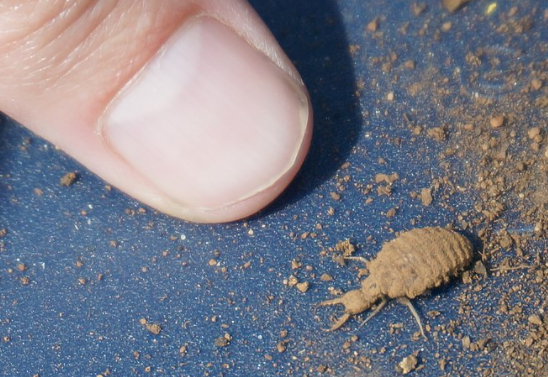
    With an adult male thumb nail for size reference, the Antlion larva measures roughly 10-12mm.

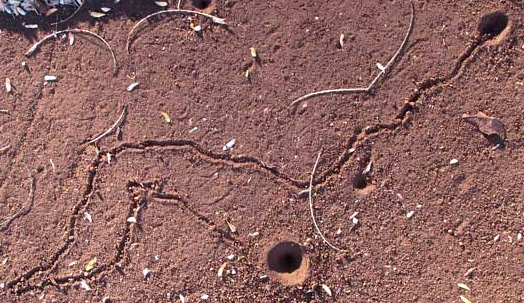
    The Antlion is in some cases referred to as a Doodlebug, this is due to the patterns that it leaves in the sand as it moves below the surface. This is believed to look like someone has been “drawing” in the sand.

    image

    The pitfall trap:

    Due to the fact that the adult Antlion’s only goal in life is to mate and reproduce before it dies, it can’t afford to spend too much time looking for food. As a result of this most of the feeding is done in the larval stage. Some species’ adults feed on pollen and nectar but typically they stop feeding after the larval stage. The larvae begin the process of building themselves a pitfall trap by locating suitably soft, sandy soil. 

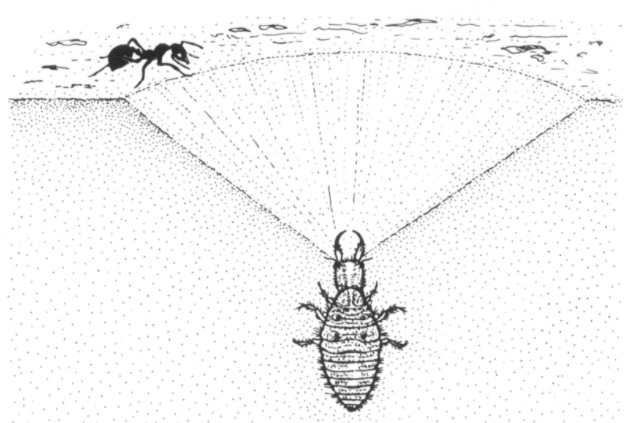
    Once they have found their preferred soil type, they begin digging themselves in. The process is started by moving backwards in circular motions and using its head in a shovel-like manner to remove sand, creating a cone-like depression in the soil. The trap is complete when the larvae are buried just below the surface of the soil in the centre of the pit trap as can be seen in the cross section drawing below.   

    image

    Now the waiting game begins, any unsuspecting insect that gets itself stuck in the pit trap will struggle to get out. This flailing around in the soft sand alerts the Antlion to the presence of its next potential meal.

    Using its head the same way it did during the construction process, to shovel soil, it flings soil particles over the victim struggling to get out. This causes a small scale avalanche in the soil and the victim ends up at the bottom of the pit trap right in the strong snapping jaws of the Antlion.

    The whole process can be seen in the pictures a, b, c and d above.

    image

    1. The Antlion lies in wait for a potential victim within the pitfall trap

    2. Unsuspecting insects fall into the conical shaped pit trap

    3. As the insect tries to escape, the loose sand tires it out but also gives the Antlion the opportunity to shovel sand at it causing the avalanche and bringing the victim closer to it.

    4. The Antlion captures its prey by using its strong jaws and begins the feeding process.

    The feeding process:

    Feeding is accomplished by using the sickle shaped mandibles or jaws to grab and hold onto prey. Several sharp protrusions inject a potent venom into the prey as well as enzymes to start digesting its soft parts. The Antlion “sucks” the victim dry and then simply discards the exoskeleton by using its head and “shovelling” the carcass out of the pit before resetting the trap and going back to waiting.

    From beast to beauty:

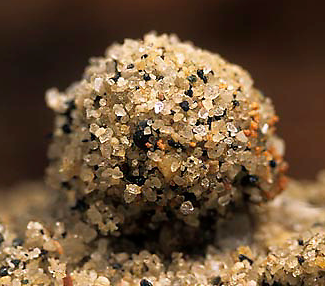
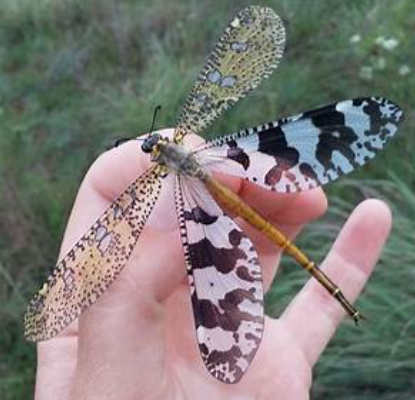
    What starts off looking like something from outer space, cocoons itself into a ball made from soft silky material and sand. When it emerges it is vastly different and almost resembles a dragonfly or damselfly. However, these adult Antlions are rather poor at flying, sometimes only managing short distances before falling to the ground.

    Life cycle of the Antlion

    image

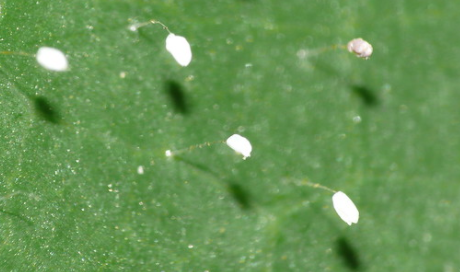
    (1) Eggs

    image

    (2) Larva

    image

    (3) Cocoon

    image

    (4) Adult

    Although the Antlion isn’t necessarily the “Lion” that guests are travelling to Africa to see, pound for pound they are just as ferocious and dangerous to their prey as their large brown namesakes. Spending time focused on the smaller aspects of the bush leads to a better understanding of the larger bits and pieces happening around us. This is what our Wildlife Research Expedition is all about.

  • What goes on inside the head of an Elephant?

    By Darryn Murray – Bushwise Mahlahla campus trainer

    To see an African Elephant while out on safari is always an amazing sight and high up on most people’s bucket lists.

    But even more amazing is what goes on beneath the skin. The skull of the African Elephant is a phenomenal work of nature. The cause behind this being the design and adaptations that it has undergone during thousands of years of evolution.

    image

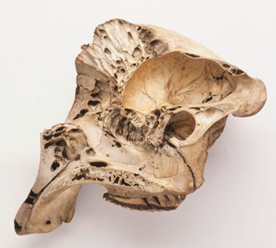
    The skull of an African elephant cut in half for scientific research purposes, showing the honeycomb-like design of the bone as well as the large brain cavity near the back of the skull.

    Unlike other mammals that have marrow filled bones, the Elephant has bones that are filled with a sponge-like bone tissue. This tissue aids in the support and structure of the bones while helping to reduce bone weight. The head of an African Elephant with all the associated muscles, trunk and tusks can weigh up to an astonishing 300kg.

    The main part of the skull is made up of air cavities and a honeycomb like design, reducing the weight of the skull but not taking away from the structural integrity of it. Only the lower jaw is solid bone. The skull, alone, of the African elephant weighs on average around 50kg.

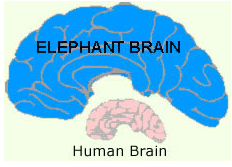
    The brain of the elephant, which is housed at the back of the skull, well away from the forehead and almost in line with the auditory canal and is the largest known of any land animal to have ever lived on the Earth!

    The growth and development of the brain are very similar to that of a human. Both are born with fairly small brain masses, however, the growth and development are rapid, giving way to greater learning ability, superior intelligence and a more sophisticated social structure.

    image

    An amazing illustration of the relative size of a human and elephant brain. (The average elephant brain is between 3 and 4 times larger than the human brain, weighing between 3.5kg -5.5kg.)

    So if the weight of the brain as well as the weight of the skull, only makes up roughly 20% of the total weight of the African elephant’s head, what accounts for the other 80% or 240 odd kilograms?

    image

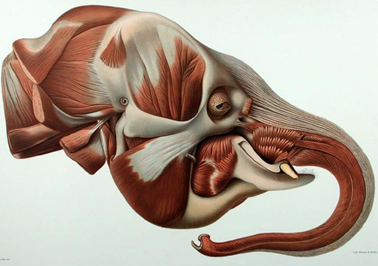
    Illustration of the various muscles on the elephant’s head that it requires for range of motion as well as to keep the head upright. 

    Tusks:     These are carried by both sexes of African Elephant, and studies show that the average weight per tusk is 25kg.

    Trunk:    Containing roughly 100 000 muscles and having a wide variety of uses for the animal from feeding to drinking to fighting and smell. The trunk alone can weigh as much as 140kg!

    Teeth:        The 4 large flat molars in an adult elephant’s mouth will weigh about 3.5kg each.

    Muscles:    The muscles that are required to keep the skull, trunk and other parts of the elephants head upright as well as giving it the range of motion that it requires to do what an elephant does will make up the remainder of the total weight, roughly 40kg.

    To put all of this into perspective, the human head (including teeth, neck, muscles, brain eyes and skull) weighs in at a mere 3.5-5.5kg.

    With the average elephant [brain] weighing roughly 50 – 60 times as much as that of the average human, it’s brain capacity is the highest in all animals. It is a well-documented fact that an elephant’s memory is incredible: years can go by without visiting a certain watering hole, but the matriarch will not fail in leading her herd to this (and other) water sources during times of drought.

    There is still so much to be learned from these magnificent creatures, making it imperative that we conserve their habitat so that future generations can experience the same amazement at seeing an elephant herd on an African Safari.

  • Always a lesson, never a failure

    BY: Jack Hutchinson, Bushwise trainer

    We had just finished with our sleep out and were on the way back to camp at Toro lodge. We had a great night looking at stars and sharing stories and watching the fire. We got onto the topic of tracking and who is the best teacher. The best teacher for everything is failure.

    When we got back to camp, everyone went off to their rooms to sleep, shower and relax. I had other plans than doing nothing. I had heard about a sighting of buffalo earlier in the morning and I thought it would be a great idea to track and find the buffalo herd. 

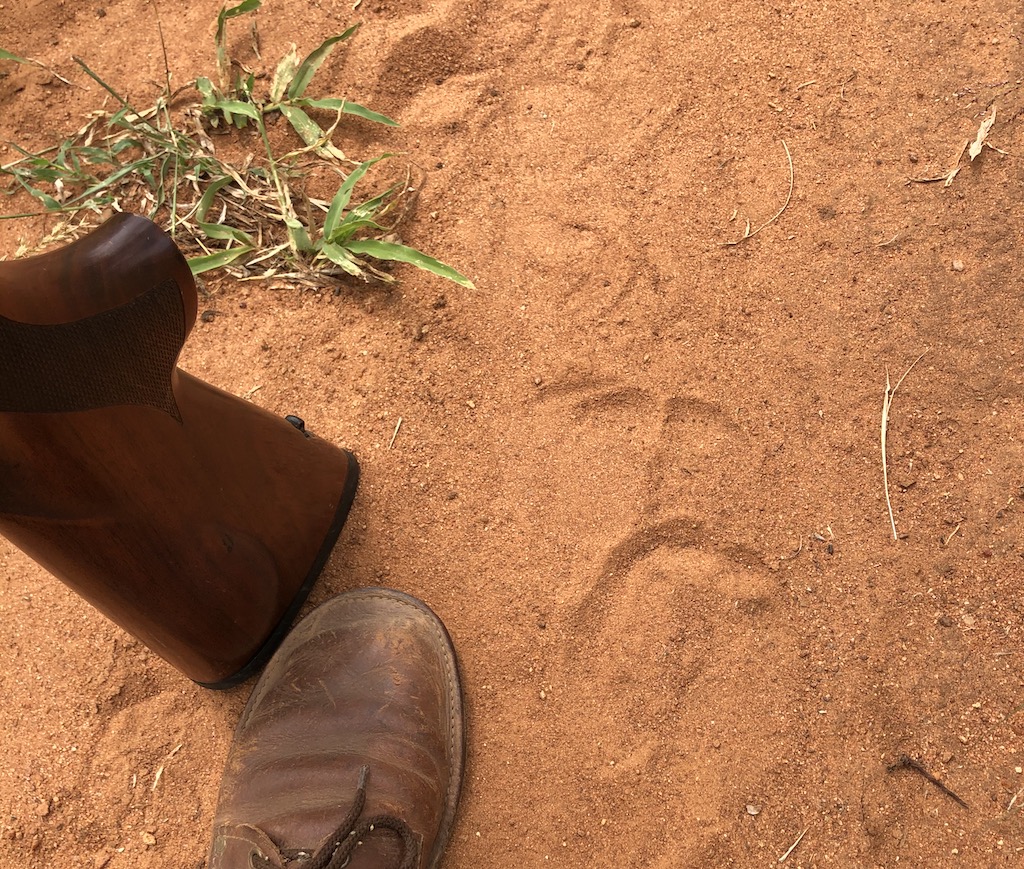
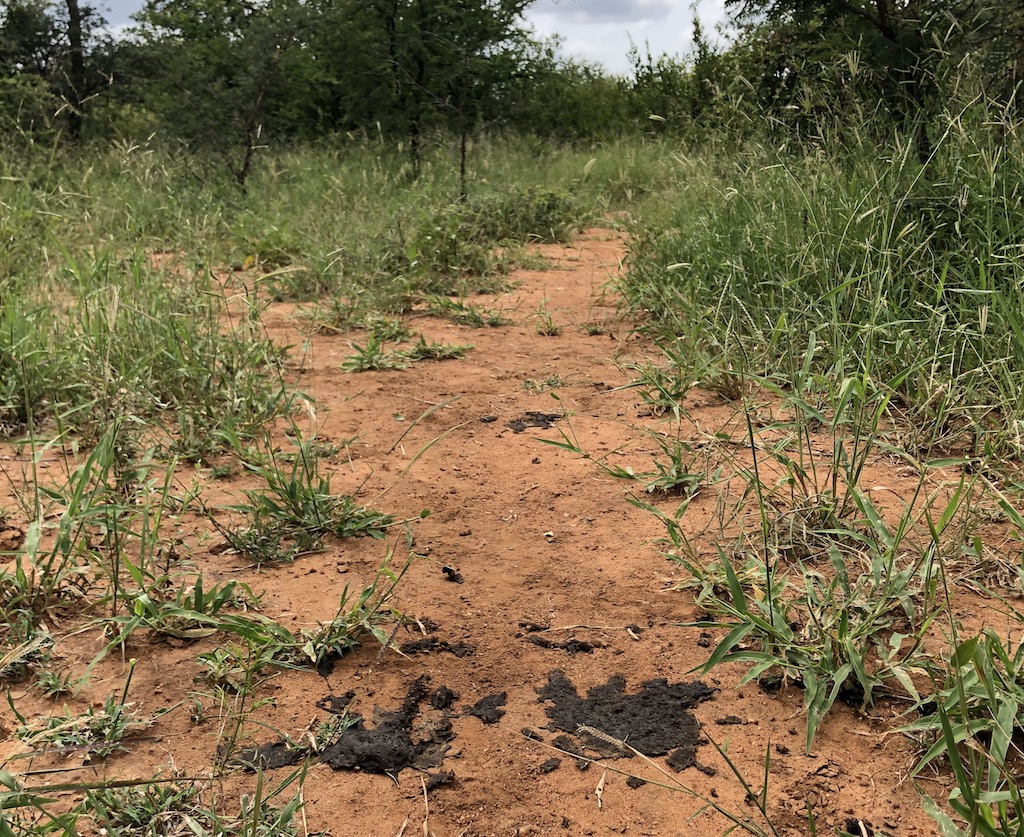
    I got my rifle and got into the cruiser and off I went down cheetah cutline towards Nanzana road where the last tracks were. I had a few stops on the way, found tracks of a female leopard walking north up the cutline towards the river and few buffalo bulls who were roaming across the cutline.

    image

    Finally, I arrived on the tracks of the herd of buffalo on Nanzana road. They were fresh and the herd was not far. I was told they were moving south towards Skova road. Now the block they moved into is a pretty big block and would be great to explore the area. Most of the reserve is new to me. So, I start following and can see the tracks are very fresh, a few pans they visited were littered with tracks going in all sorts of directions. I have learnt to follow the core of the group and not worry about the stragglers. So, stick to many tracks and not singular tracks when following a herd.

    image

    Now it’s easy to forget to track and actively follow tracks when in the back of your mind you know or where told the tracks are going south. Due to the last person saying they were going south. So, I followed half-heartedly and came short of the trail. I made several loops to see if I could find more and still, I found nothing. So back I go to the last track. I start again, follow a bit more and again I start looping southwards. Thinking again of what others tell me. I stop, I thought for a minute. I go back. Back to start, do not pass go and don’t collect 200 dollars.

    image

    This time around, I will actively follow the trail and not listen to what others said and listen to what the bush and trail are telling me. It’s like reading an article and making assumptions without finishing the article first. Now these tracks do not go south but they go north. As I followed the tracks north, I found more and more. A few hours later, there were the buffalo happily enjoying the muddy wallow. 

    I failed twice to track them but finally succeeded. Always a lesson never a failure.

  • Dung beetle season

    BY: Lindi Hutchinson, Bushwise Trainer

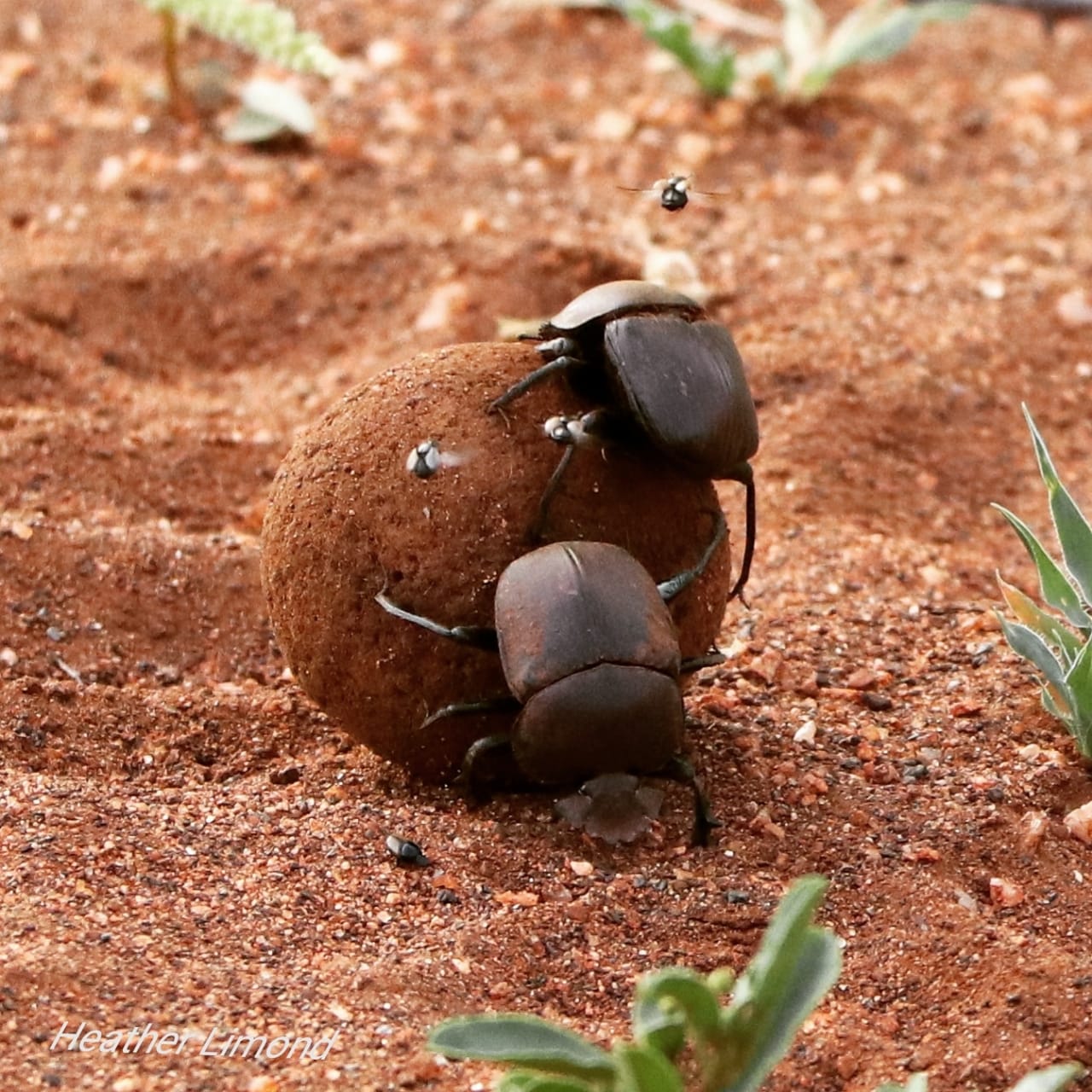
    “I want to see a dung beetle!”  An easy request to fulfill in summer after good rains when the soil is soft and dung beetles come out of the ground.  They are seen all over the bush, utilize all kinds of dung, control fly numbers and break up dung to enrich the soil. “I will find you a dung beetle! Perhaps even a rhino beetle.”  We set out on our quest and shortly came across a big pile of rhino dung alive with dung beetles. Telecoprids are the ones who push balls around in the hope to attract a female. Kleptocoprids steal the balls from telecoprids.  Endocoprids live and breed inside the dung pile and Paracoprids make tunnels into the ground beneath the pile. South Africa hosts the widest variety of dung beetle species in the world, approximately 780 of the 8000 species.

    image

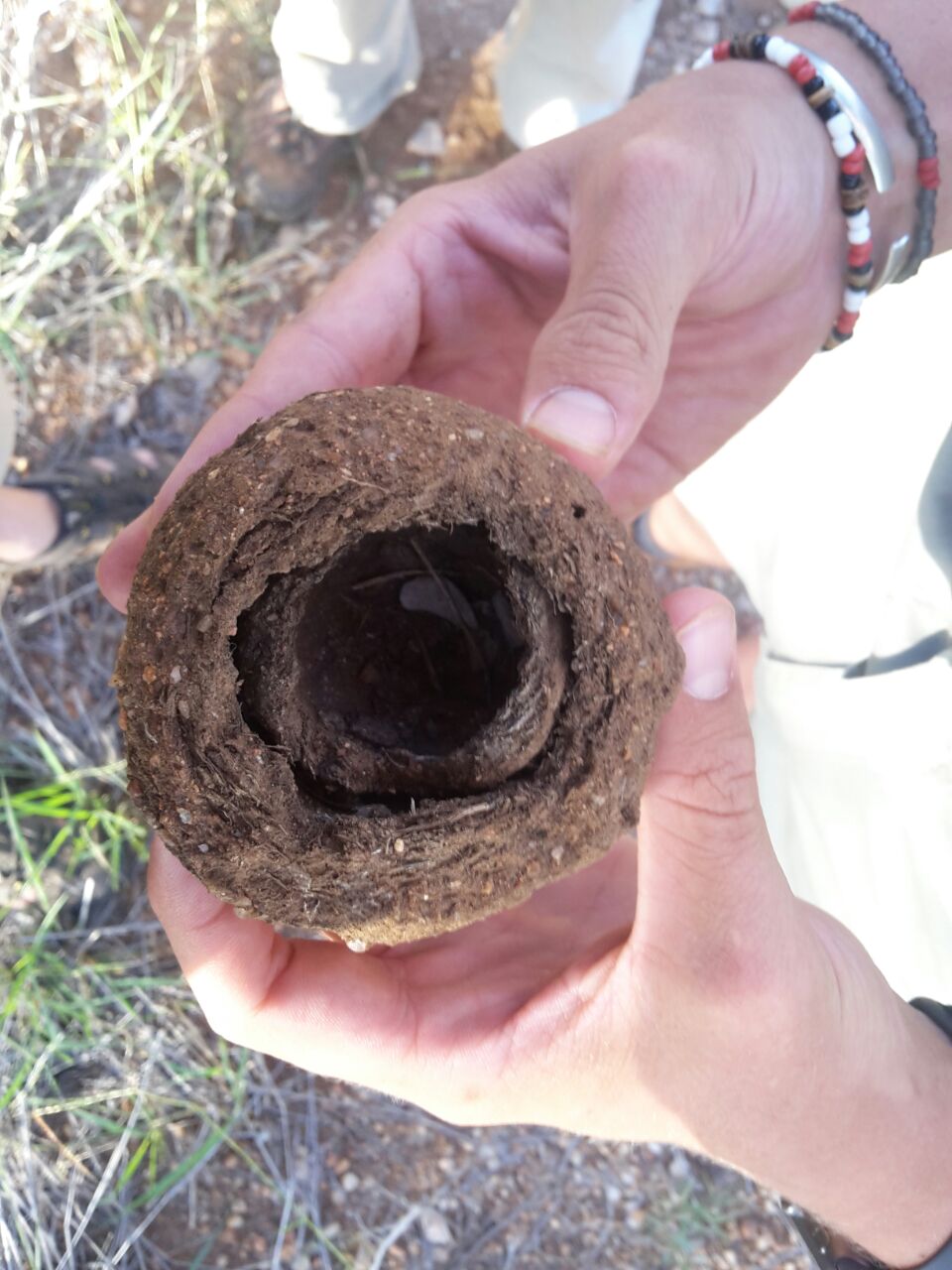
    Dung ball

    At the dinner table in the middle of the bush, I see an Australian lady flick a dung beetle off the table before I could stop her.  “Critter, I know where you’ve been!” I watched the dung beetle laying on its back with its feet wiggling in the air. Not giving up, it got back on its feet and off it went on its merry way to who knows where.  Interestingly a couple of dung beetles were introduced to Australia a few years ago to help with the fly problem over there but they all shortly died after being released. Australia employed the dung beetle but not its partner, the tiny dust mite, as they were sterilized before release.  Dung beetles share a unique symbiotic relationship with the mites hitching rides on them. The mites clean up the dung between the beetle’s mouthparts and prevent the mouth from becoming immobilized.

    image

    Photo by Heather Limond

    Mid-summer, dung beetle season is slowly coming to an end.  Here and there a male is still pushing around a ball, but big piles of dung are now missing their larger inhabitants.  In the roads are multiple flattened beetles and soon their exoskeletons will be the only evidence of their existence. At this stage most of the beetles have had multiple partners, have buried over 40 dung balls with eggs and are becoming weaker reaching the end of their life.  Dung beetles bury an estimation of 1 metric ton of dung per square hectare of land per year. Their role in decomposition, seed dispersal, and control of vertebrate parasites in grazed habitats makes them a keystone species.

    Safely tucked into a dung ball under the surface of the ground is an egg patiently waiting for the next rains, the next season to burrow out and be the new generation of dung beetles and entertainment for various foreign guests. 

    Find out more about Bushwise courses.

  • Best experiences as a Field Guide – Part 3

    Picking up from the last blog, we get to the next…..

    Anton from Manyeleti Game Reserve was a legend… most of our shared stories are not suitable for publication as the two of us together, when left to our own devices in the African Bush, used to amuse ourselves in quite creative ways. From scaring guests with our homemade lion caller (that worked so well it accidentally called in lions which caused a problem for ourselves), to galavanting and exploring the hidden sections of Manyeleti in a short wheelbase Landrover that more often than not broke down. 

    I’ll share a memory of coming back to the lodge one night and finding Anton looking like a young boy at Christmas “there are leopards mating somewhere nearby!” he exclaimed. So without further ado, we left the guests to their gourmet dinner and proceeded to track these mating leopards into the dead of the night armed only with a handy torch. As we tracked we heard the unmistakable calls of leopards mating and then we found and watched Rulani the big male leopard of the area on foot, with the night heavy around us and felt truly in sync with the Bush and its residents.

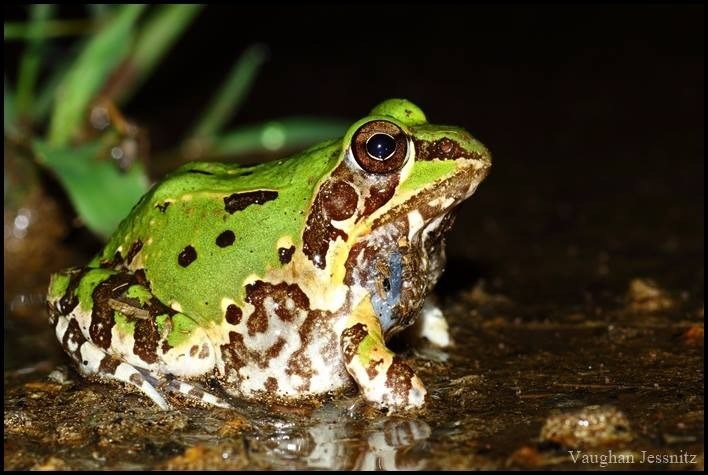
    Another of our great adventures was a balmy summer’s night when I managed to convince Anton it would be an excellent idea to go searching for frogs after the recent rain. 

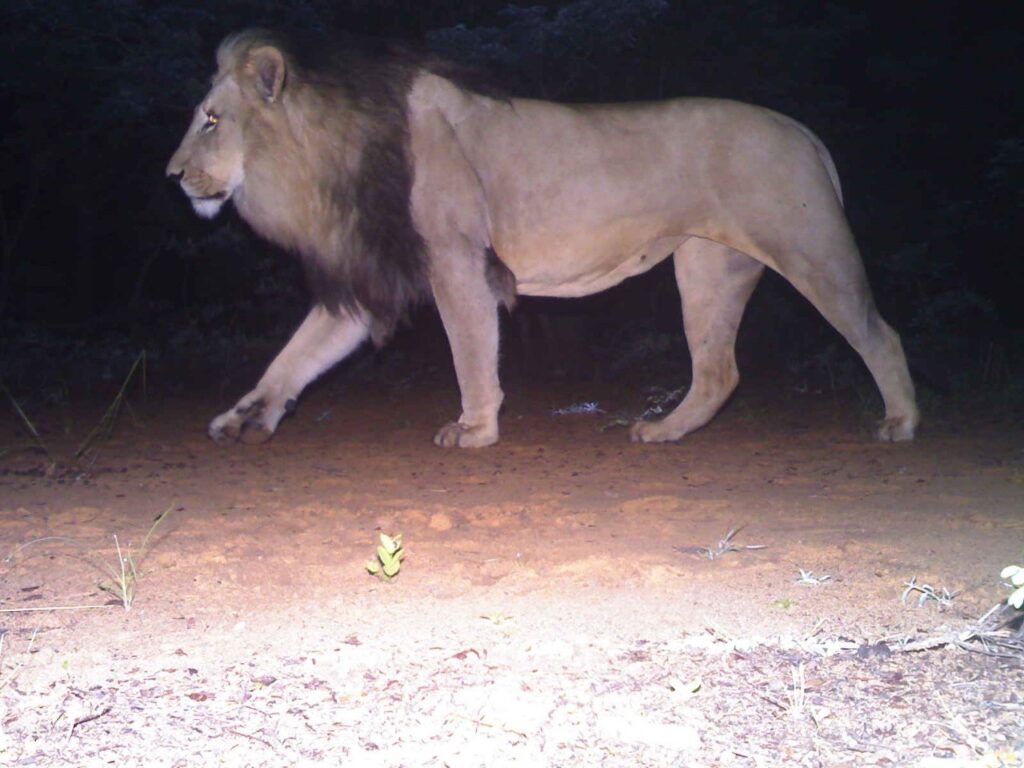
    We headed straight to one of the nearby summer bogs and heard thousands of frogs calling in all directions. Anton had less of an inclination towards the amphibians than I did and stayed on watch duty from the tracker seat with a spotlight whilst I wangled my way knee-deep into the black cotton soil mud with my trusty macro-lens and camera. Sneaking awkwardly from frog to frog, when suddenly I heard Anton, way behind me, yell out “lion!”. As I followed the beam of his spotlight I saw two massive male lions (the Matimba Brothers) sauntering towards us, 40m and closing.

    image

    Frogging

    This was hardly ideal, as my avid frogging had taken me at least 50m from the safety of the car. And as luck would have it I was in between Anton and the lions. There was nothing I could do but sit knee-deep in the thick mud, switch off my head torch and watch as the two giant lions walked right past me.

    image

    I can only assume they were far too regal to come playing in the mud with me and that they shared Anton’s lack of a desire to chase frogs in the dead of night.

    Blog & photos by Vaughan Jessnitz

    image

  • Fever pitch is high

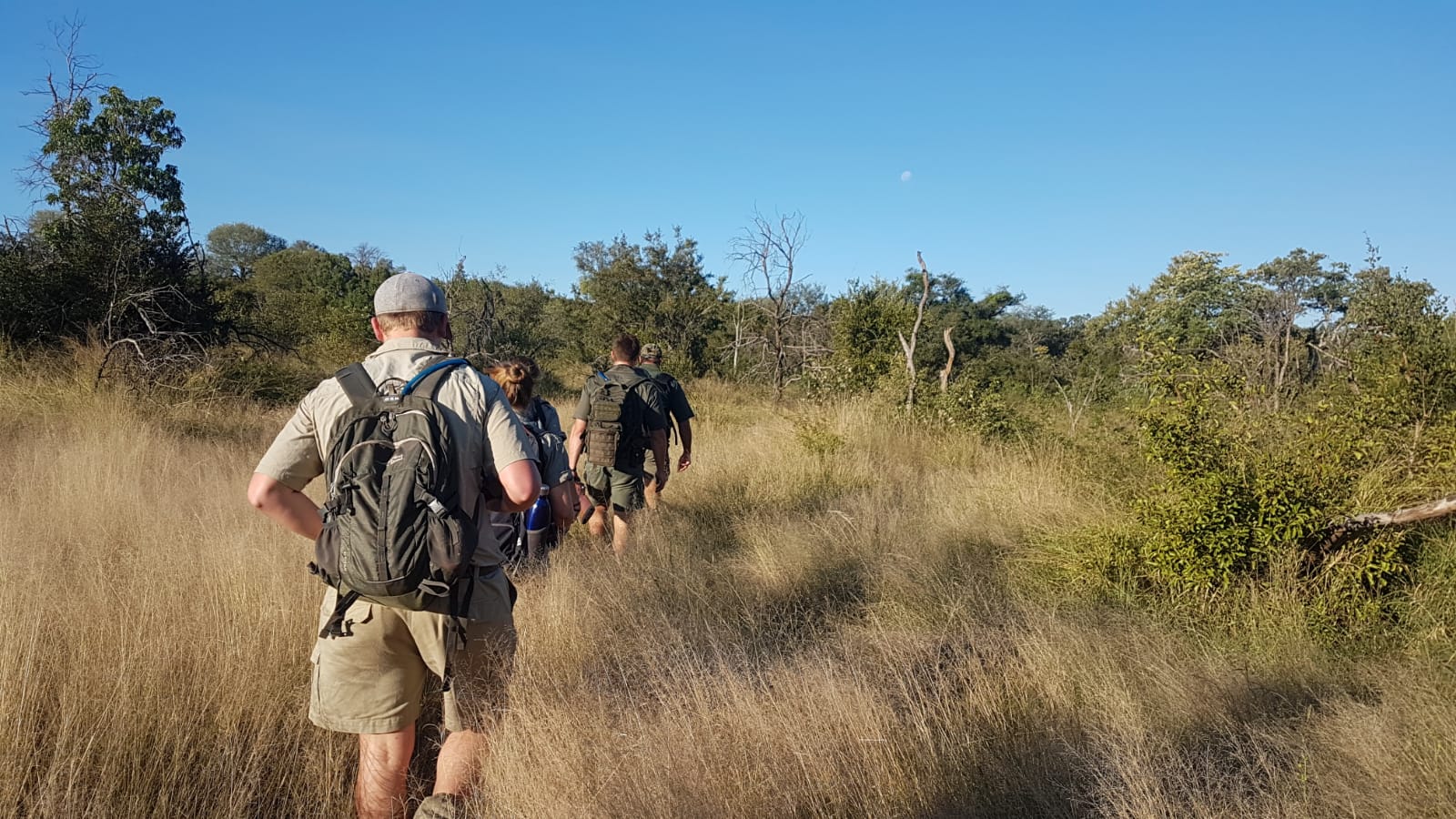
    The mood on campus for the week has been both tense and feverishly ‘busy’. Apart from the last few remaining Advanced Rifle Handling assessments that had to be conducted, as well as the preparation for the upcoming Apprentice Trails Guide exams, all were waiting in anticipation for the Bushwise Field Guides award ceremony that was to be held after the exam. In amongst all this activity, morning and afternoon bush walks were the order of the day for the students who were to be joining our partners, Lowveld Trails Co. for the next phase of the Bushwise Field Guide course – this in order to get their “trails legs” for the 12 day mentorship course that Brendan and Wayne facilitate.

    image

    Needless to say, all survived the 2-hour exam, and arrived at the venue for the Awards evening relatively unscathed. Thank you to our hosts, Mahlahla Game Lodge for a fantastic evening, the delicious 3 course meal, the great music and the “Happy hour”!

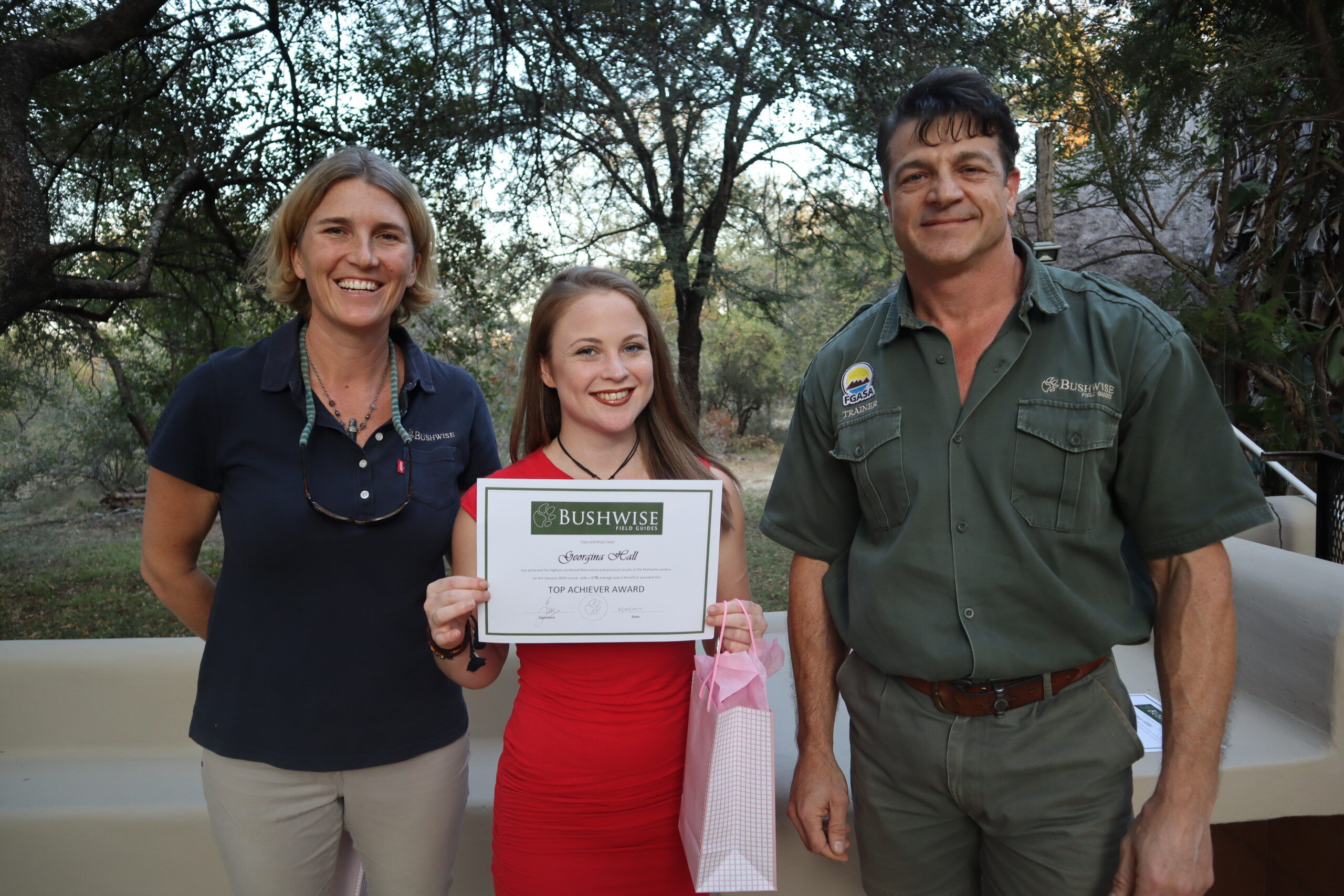
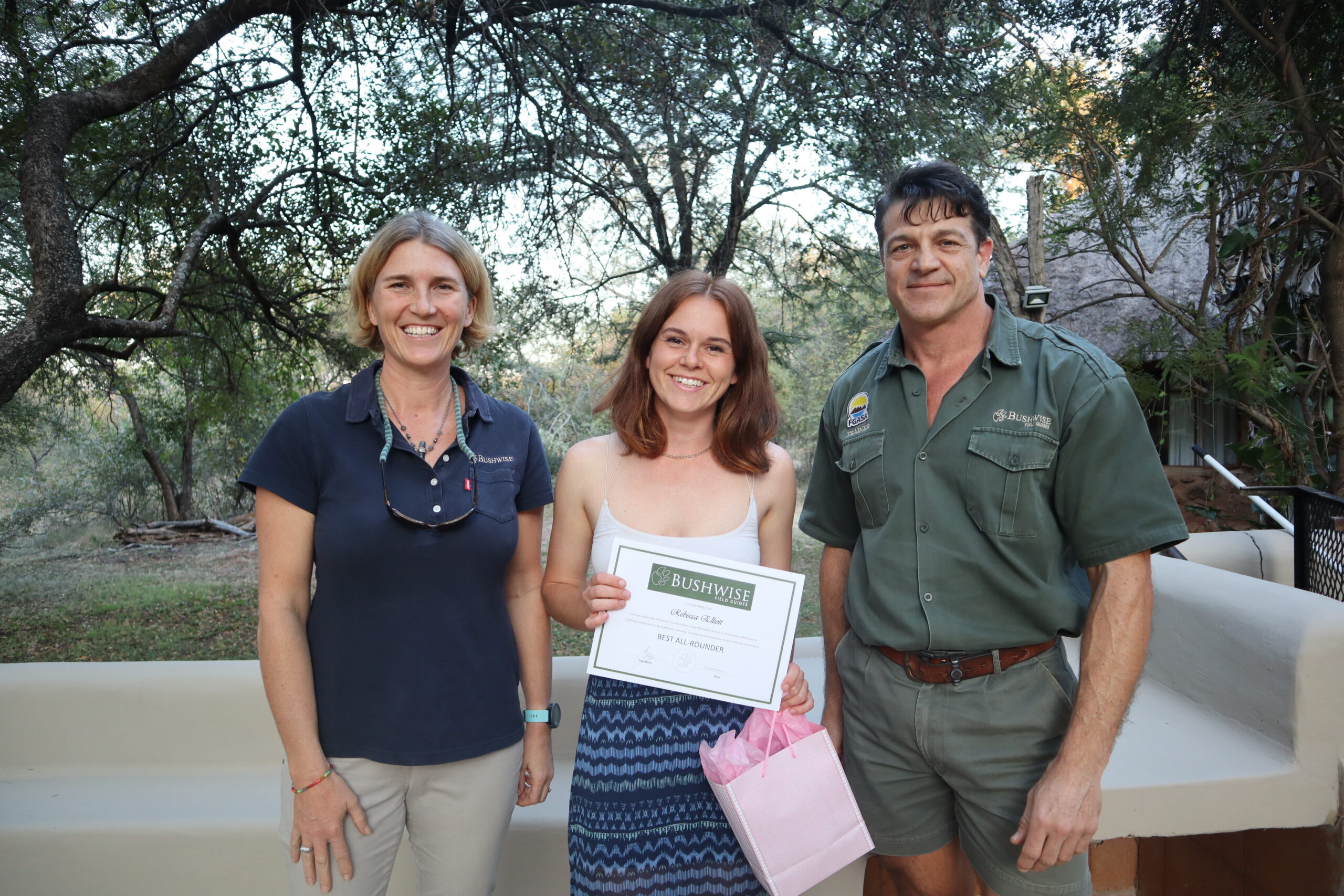
    Congratulations to Georgina Hall for Top Achiever Award and to Becca Elliott for the Best All-Rounder Award! Congratulations also go out to all the remaining students for their individual achievements, your hard work has finally paid off, well done.

    image
    image

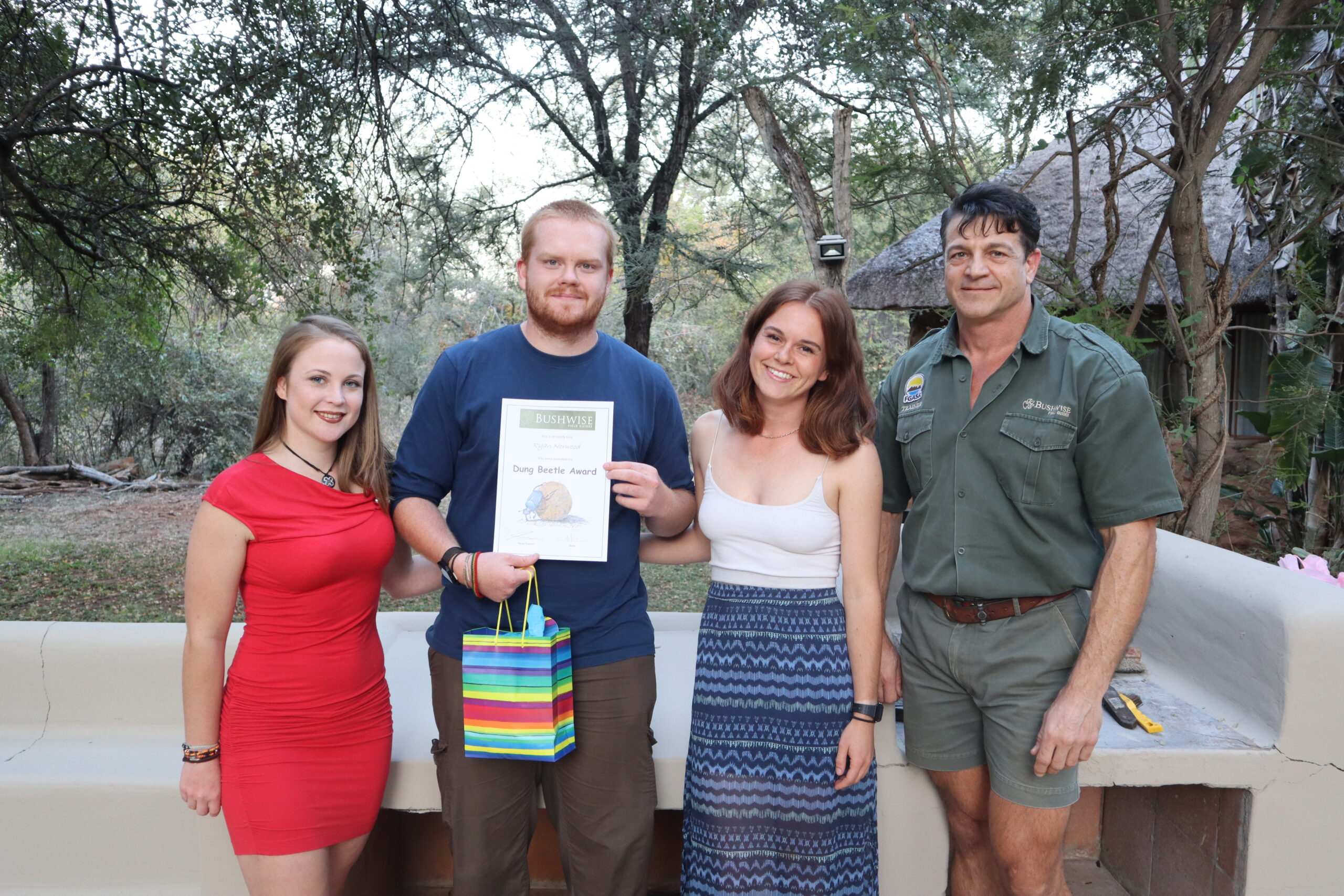
    In closing, a special mention should go out to young Ryan Norwood for the prestigious “Dung Beetle” Award. This title was hotly contested by the group throughout the course; however it was fitting to present it to Ryan as he proved to be the worthy recipient after many a hilarious incident that provided the laughter and banter that the students have shared over the last 6 months.

    image

    Until next time, Happy Trails all!

    Blog Trevor Myburgh

    #fieldguide #trailsguide #Exam #bestallrounder #topacheiver #Awards #bushwalks #graduation

  • The important role Game Rangers play in Conservation

    Today is a special day, Rangers Day 2018, to remember the important of Game Rangers and the role they play in Conservation. The role of a Game Ranger differs vastly from that of a field guide, from training to their day to day responsibilities. This makes the Game Ranger far more capable of filling his/her role in conservation to a whole different level. Their tasks are multi-faceted and include; ensuring the day to day health and well-being of the game, research and monitoring, game capture and introductions, population management, burning programs, infrastructure and equipment maintenance, public relations, environmental education, and, crucially, local community relations, liaison and involvement. Added to these are the normal day to day financial controls, human resource planning and administration, which must also be carried out.

    image
    image

    Rangers work at the “coal face” of conservation. They are the foot soldiers of all conservation efforts. They work in protected areas across Africa and are tasked with, among other things, ensuring the territorial integrity of these wild places. They are the ‘boots on the ground’ in Africa’s protected areas.

    image

    It takes a unique type of individual to perform the tasks expected of a field ranger in what are often extreme conditions. Due to the physical nature of the job a high level of fitness and strength is required. It is also imperative that those seeking employment as field rangers have adequate security clearance as they will be involved in law enforcement and in some instances will be trained to carry firearms.

    image

    Basic training will be needed in order to develop the required skills to operate as a field ranger. Choosing a reputable training provider is critical. The GRAA can assist you in making this choice to ensure that your qualification is sought after in the market place.

    We at Bushwise do not offer Game Ranger training, as we are endorsed by FGASA, not GRAA. So we only train field guides, however the skills you learn as a Field Guide are transferable and lend themselves well to the transition from Field Guide to Game Ranger. Many guides have gone from guiding to Reserve Management.

    Blog by Vaughan Jessnitz

    #gameranger #ranger

  • ‘Guides guide’ to Essential Gear

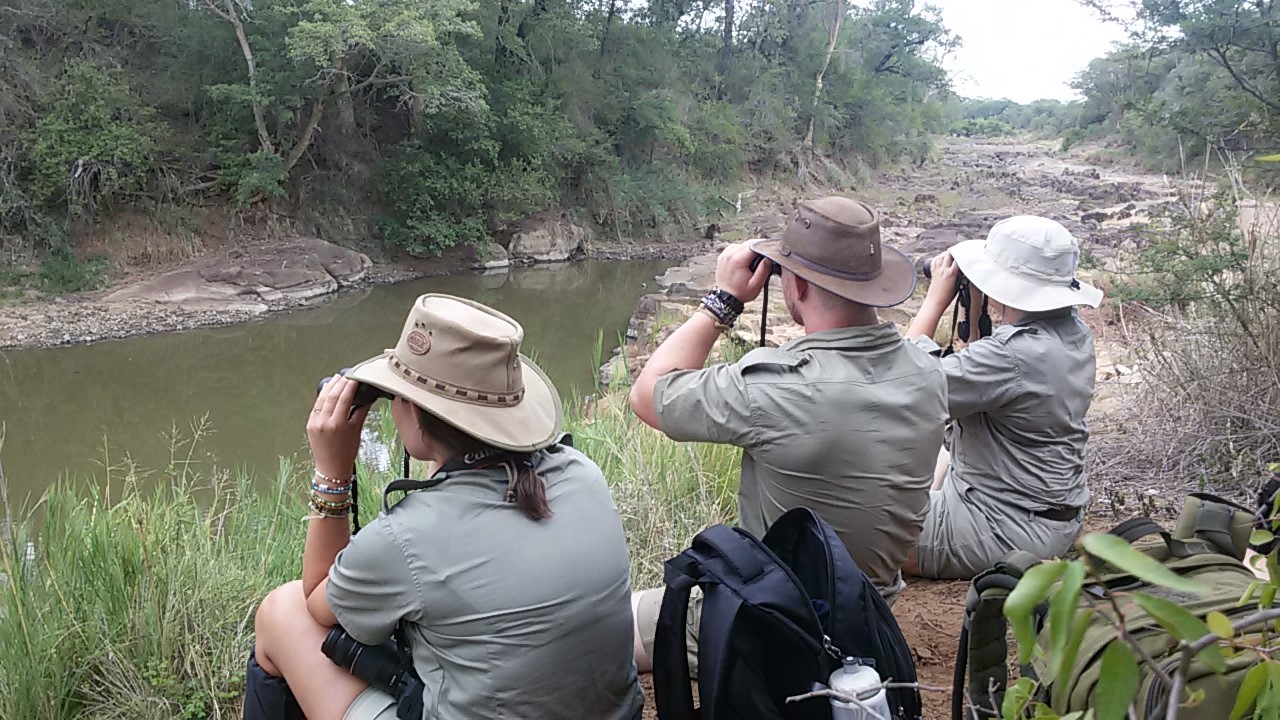
    Since numerous excellent articles have been published regarding the above-mention title, the writer is sharing his personal experiences as to what is or is not a thorough guideline for essential bush gear for Field Guides. Bear in mind that the following is assuming that you are guiding on foot and are not vehicle bound.

    These boots were made for walking

    First and foremost is a stout pair of walking boots that have already been worn in, never start a trail or a bush walk with new shoes unless you enjoy treating blisters! Boots with leather uppers and hand stitched soles are my personal favourite, with Jim Green being the brand I prefer (with a life-long guarantee you cannot go wrong) and secondly, woollen socks are a strong recommendation. Once again to avoid blisters going with woollen socks is the way to avoid blisters. Experience has taught me that poly-cotton or any synthetic material seems to cause friction which produces blisters! Remember, take care of your feet as they are your only means of transport, a lesson learnt the hard way during my military days!

    image

    The trusty back pack

    Apart from the abovementioned, a sturdy 35 litre back pack with a water bladder is of equal importance. Broad shoulder straps are something to look out for since the thin straps dig into your shoulders cutting off blood supply to your arms causing fatigue and pins and needles in your hands and arms.

    In your back pack ensure you have a suitable first aid kit to render aid in the case of minor scratches, scrapes, stings etc. these are available at any pharmacy outlet at reasonable prices or you could choose to make up one using your common sense in terms of available space in your pack and the weight there-of!

    image

    Save yourself from the harsh African sun

    A wide brimmed hat to protect your ears and the back of your neck is a must in the harsh African sun, not forgetting sun screen with a high plus factor. Some prefer wearing only a baseball type of cap, yet I have found this to be inadequate for extended periods out in the bush.

    image

    Be prepared for that late afternoon thunder showers

    At the other extreme, a rain poncho is also of importance for obvious reasons! At the very least it can also be used to build a water proof shelter or used as a stretcher if a serious injury has occurred and one needs to be evacuated!

    image

    Blend in

    Clothing of a neutral colour and light weight to dry out quickly if caught in the rain is another strong recommendation, long trousers are the writer’s preference despite the heat of the day, however, shorts and a set of gators for leg protection are an alternative. Try not to use gators of a cloth material as they will hook on thorn trees and thick vegetation which means you will need to replace them constantly!

    The little extras that really help

    Lastly, other “brick a brack” items such as para-cord (to repair broken back packs, replace broken shoe laces etc.) cable ties, zip lock bags for your trash (remember take out what you bring in-no littering!) “white gold” otherwise known as toilet paper also in a zip lock bag for obvious reasons, loo paper is quite difficult to work with when wet! And if you are walking in dangerous game areas with a weapon, the necessary bore-snake and cleaning materials to ensure your weapon is also looked after!

    Hopefully the reader will find some use out of the afore-mentioned and thus “happy Trails” ladies and gentlemen.

    Find out more about Bushwise courses here.

    Author: Trevor Myburgh – Trainer at Bushwise

    #guidegear #boots #backpack #hat #gear #equipment #fieldguides

  • The most fascinating tree in the South African Lowveld

    Legends about the marula abound – from its use as a food source, it’s magical qualities as a healing ingredient, to its virility/fertility properties, and the many uses of its bark, leaves, fruit, nut and kernels. Legends include Feast of First Fruits, The Marriage Tree, Determining Babies’ Sex, Sangoma’s Dice, Fertility Fruit, The Elephant Tree, and Fire Water. In so doing the writer researched and compiled a few interesting not often known legends for the reader’s enjoyment!

    Throughout Southern Africa, the ripening of the marula fruits from December to March is celebrated, and is referred to as the “great harvest” which begins in February/March. This also marks planting season.

    image

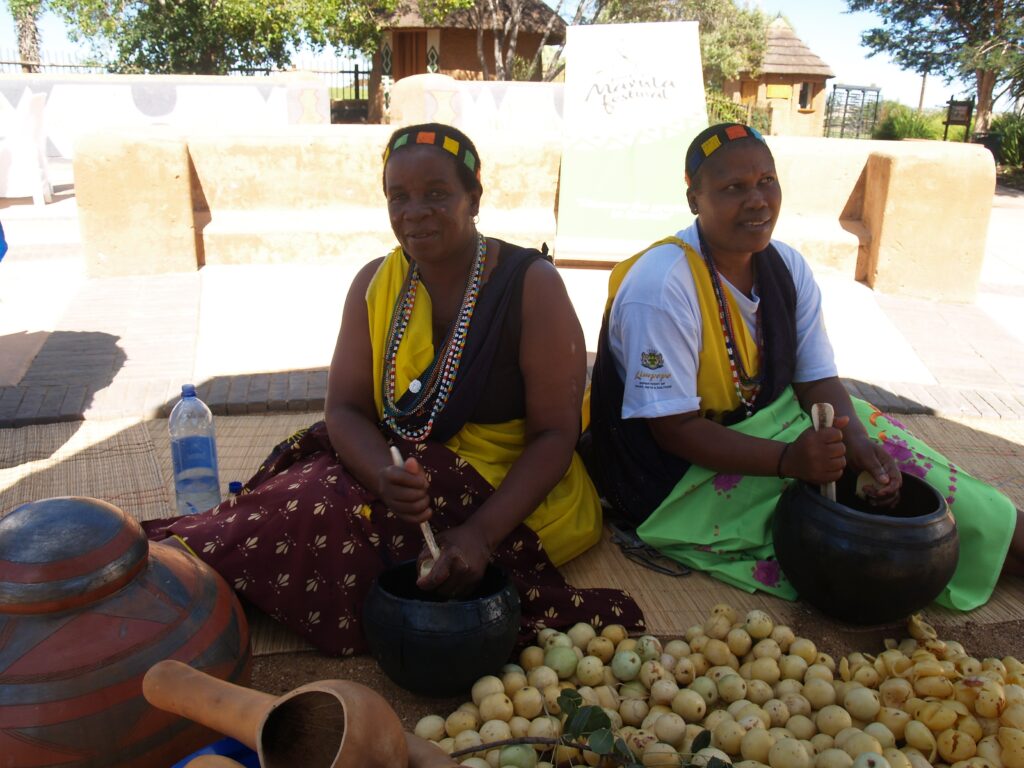
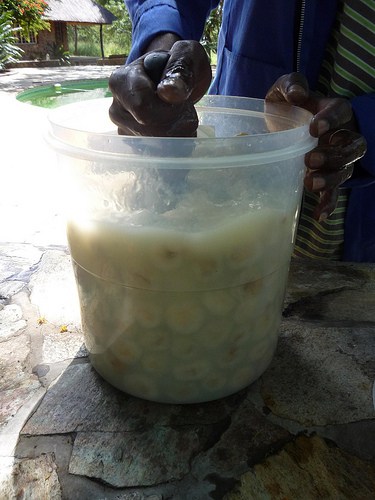
    Feast of First Fruits Festivals are held in the marula fruits’ honour throughout southern Africa, to celebrate the harvest from the fields in February. At the end of the marula harvesting season, women make marula beer, and gather at the chief’s kraal, and sing, present the chief with a calabash full of marula beer. They sing special songs and praises. Everyone can drink beer, and the festival gives people a sense of oneness and togetherness and belonging.

    One-person is responsible for guarding the calabash. Once this person tilts the calabash and the women see the calabash in a skew position, then they must go home. The left-over marula beer is called “hongwe” and is considered too strong for women. So, the men carry on and celebrate the rest of the marula festival.

    image

    The Venda people look at the season as a time of festivity with much time being spent sitting under the shade of the trees, preparing the brew and doing much tasting to ensure “quality control”!

    The Marriage Tree

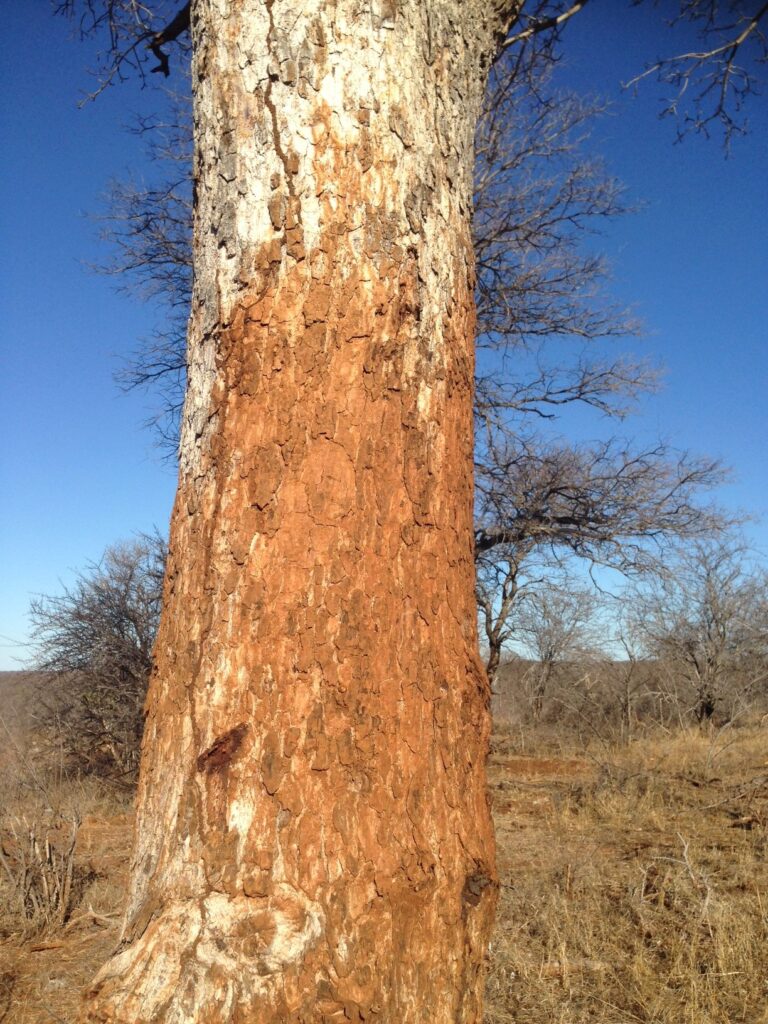
    A whole range of beliefs is developed around the marula tree; it is known to the Zulu as the “marriage tree,” for it is a symbol of fertility and is used in a cleansing ritual before marriage. As there are separate male and female trees, you will always find them near one another, happily co-existing for a life span of several hundred years, as they must grow next to each other to produce fruit. This translates into the interdependence between male and female which is deeply entrenched into Africa’s ancient fertility rites and thus giving rise to another traditional belief.

    A traditional method of resolving arguments between man and wife would be to tie them to both to a large maroela tree and leave them there until they made friends. It would thus to be wise to argue when the tree is in fruit since if it were to be a drawn-out argument, at least both man and wife had sustenance from the fruits!

    Determining Babies’ Sex

    An infusion of the male or female trees’ bark is believed to help determine the sex of an unborn child. Amongst the Venda, a woman seeking a baby boy will take in an infusion from the bark of the male tree. Or if a girl, from the female tree. If the child is born of the opposite sex than wished for, then he/she is said to be very special in being able to defy the spirits, furthermore, newly-born girls and their mothers are washed on a fire heated by marula twigs so that the baby may be endued with fertility, softness, tenderness and early maturity

    Sangoma’s Dice

    image

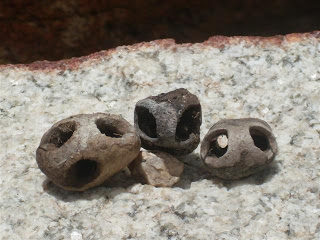
    The marula stone is used as dice by Shangaan diviners, who cast their “bones” to foresee the future or help their clients with a variety of problems or maladies.

    Fertility Fruit

    Local lore has it that by eating the marula fruit women are more likely to become pregnant. It is probably not a coincidence that when migrant men come home to their rural villages and their wives greet them with marula beer, that when they leave in January for work, that many of the women are pregnant!

    The Elephant Tree

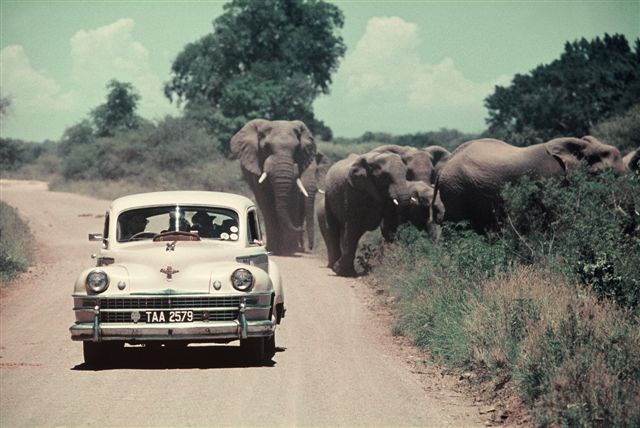
    It is well known that the elephant loves the taste of marula fruit, and will go to all lengths to get the fruit during harvest season. Tradition has it that Hare acted kindly towards Elephant during the year of drought, and was rewarded with a tusk. This he planted in his garden, which grew into a beautiful fruit-bearing tree. And so, the elephant gave up his precious tusk, and the Hare could enjoy marula fruit in the time of famine. Forever after, the elephant seeks out its tusk and devours hundreds of kilograms.

    image

    Fire Water

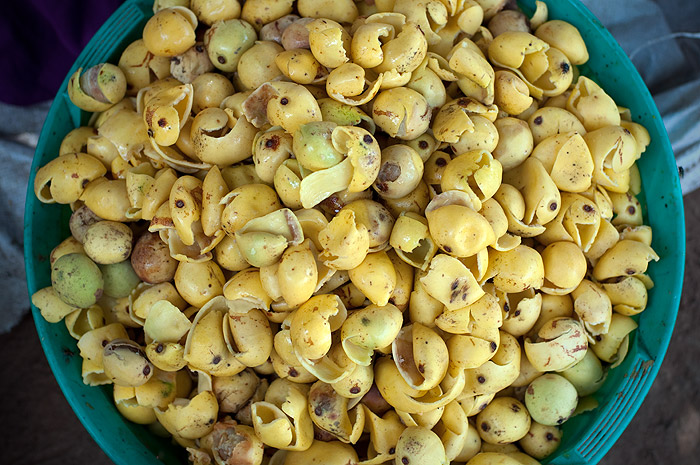
    The overripe fruit of Marula is used to brew a very tasty, potent alcoholic beverage known locally as “Mampoer” in South Africa. It is a local fire water that makes grown men weep. Mampoer was named after chief Mampuru of the ancient Sekukuniland, who favoured this drink.

    image

    A truly remarkable tree !

    Learn more about Bushwise experiences here.

    Blog by Trevor Myburgh

  • The History of the Lowveld

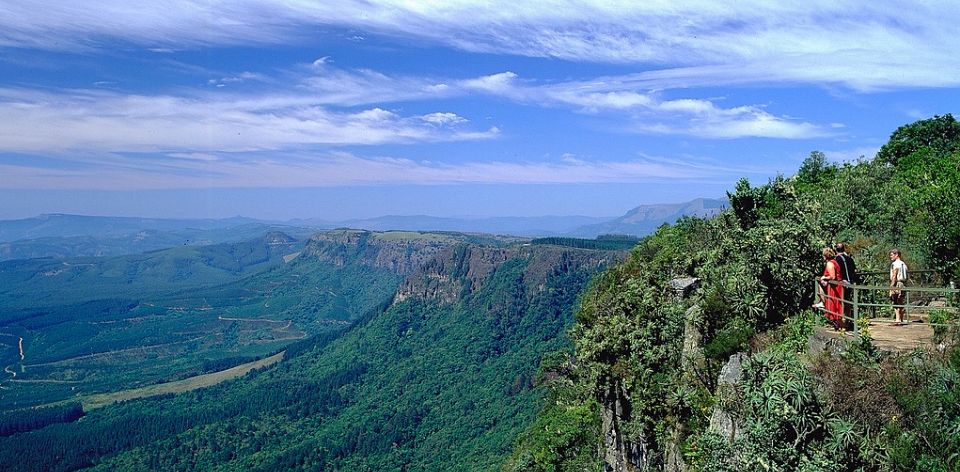
    The area known as the Lowveld is the lowland area, below 500 metres in altitude along South Africa’s’ northern border with Botswana and Zimbabwe with the famed Kruger National Park comprising half of it. It also comprises sections of Limpopo Province that extend down to the east of the Drakensberg escarpment, through Mpumalanga and then into eastern Swaziland, joining the border of Mozambique to the East and the Drakensberg to the West.
    image

    Although rather poor in water resources, mighty rivers rise along the face of the escarpment which flow swiftly to the Indian ocean via Mozambique, rivers such as the Sabie and the Crocodile rivers which merge with the Komati in the South, and in the North, the Oliphant’s and letaba rivers which join up with the Limpopo river, giving rise to thriving towns – Tzaneen, Phalaborwa, Sabie, Graskop, White river, Komatipoort and Barberton to name but a few. Today a rich agricultural environment of tropical fruits as well as huge timber forests, yet still an area of sweeping grasslands, indigenous forests, rolling mountains and natural beauty.

    Yet it is this stretch of country that is rich with legends, myths, rumour and romance, not unlike the frontier days of the old “Wild west” made famous by stories by JT Edson and louis Lamour, the old dime novel American cowboy authors of yesteryear! It tells of men and women of all races, mostly Boer, Briton and Hollander, toiling against almost overwhelming odds; some for the sheer love of adventure, others for financial gain, some with the desire to share the word of Christianity, yet all collectively contributing to the rich tapestry of the Lowveld. Picture tribal warfare, trekking Boers, gold reefs ready for the taking, big game hunters, tricksters, con-artists, thieves, disease and sickness such as malaria, blackwater fever and nagana and I believe the reader will have a pretty fair idea of the hardships endured by these early pioneers!

    Now this will probably conjure up the names of well-known individuals such Sir Percy Fitzpatrick, James Stevenson-Hamilton, Harry Wolhuter, TV Bulpin, Courteney Selous, Jock of the Bushveld, places such as Crook’s corner, Baobab Hill, Steinecker’s post to name but a few, so the writer thought to make mention of lesser known (although as important) role players in this kaleidoscope of events that make up the History of the Lowveld.

    image
    image

    To start off, cultural and historical sites occur throughout the region including Early, Middle and late stone age as well as iron age sites. Radio carbon dating on pottery shards found in the Wolkberg mountains near Tzaneen, were found to be similar to pottery found in East Africa, which in its ‘own is quite amazing, however, seed traces in these shards provides evidence that South Africa is one of the sites of oldest food cultivation. In addition to this, yet it still remains a mystery, is that the Lowveld is the original home of the entire Worlds ‘cotton!

    Woven cotton preserved in a silver jar, dating back to 3000BC was found in Pakistan, and upon studies by Sir Joseph Hutchinson, a British biologist, the linting gene that enables cotton to be spun could only have originated from the wild species that grows in the Lowveld! Humans thus carried cotton up Africa over to India and across to Peru-yet cotton never became a crop of importance at its ‘birthplace!                                                                                                                      Ref: David Hilton-Baber

    This as already mentioned remains a mystery since this took place before recorded history, thus it could have been the San people who occupied caves near Ohrigstad (and others scattered across the Lowveld) many millennia ago, or as a result of Negroid tribes arriving on the scene some 1500 years ago in successive waves from Central Africa consequently displacing the San.

    These newcomers brought with them the knowledge of iron smelting, often also working gold, if only for ornamental purposes, practising simple agriculture, but also tending sheep, goats and cattle. Roughly 1400AD, a second massive wave of Bantu-speaking people migrated from the North, bringing with them huge populations and huge herds with more sophisticated iron-smelting technology. This however heralded the beginning of multiple tribal clashes (The Mfecane, which was a widespread period of chaos and warfare amongst the indigenous ethnic communities in Southern Africa from around 1815 to 1840) which dominated the scene in the Lowveld for many years to come.

    This in turn saw the rise and fall of several Kingdoms, notably that of the Pedi Kingdom under the rule of Thulare, who lived a peaceful existence until being crushed by the Matabele under the reign of Mzilikazi. The then scattered remnants of the Pedi Kingdom often times resorted to cattle raiding and skirmishes with both Boers and British troops ultimately contributing to the instability of the Lowveld area, and despite being heroic warriors, lost the battle against progress.

    Quote -unquote, the Pedi were a major stumbling block to British rule and had been:’… a potent symbol of the possibility of continued African resistance to colonial claims to the land and demands for labour and tax!

    The Balubedi, at this time also came into being, and were considered direct descendants of the powerful royal house of Monomatapa. Monomatapa was rumoured to be the area of untold wealth from whence King Solomon obtained all his gold and diamonds and lent weight to the myth of the land of the Ophir, and, the legend of Ophir which is that King Solomon was to receive his treasure every three years.

    I have included the Balubedi since their belief system is based around their queen, Queen Modjadji, or the Rain Queen, and deserves mention in this tapestry of the Lowveld. She is recognised as the only traditional ruling Queen in Southern Africa and rules from her present day royal kraal in ga-Modjadji, formerly known as Duiwelskloof in Limpopo. Historically she was known as an extremely powerful magician with the ability to bring rain to her friends and drought to her enemies, respected and feared for centuries by many. Not a single King would knowingly incur her wrath-even King Shaka would send top emissaries to request her blessings. So strong is their tradition, that she may not marry, and only a suitor may be chosen for her by the royal council when she decides to have a child. She is chosen for her role only by the ghost of her predecessor, her destined end being death at her own hand by means of ritual suicide in order that she may rule by divine right.

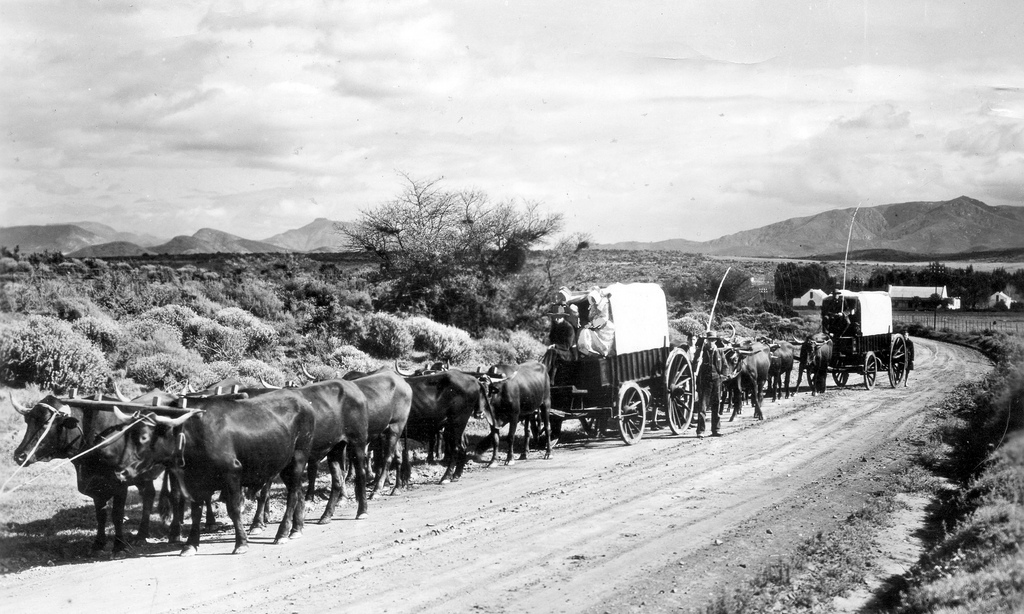
    1835 saw the start of the Great Trek, which saw more than 10,000 Boers leaving the Cape Colony with their families to move north. Plagued by problems such as exorbitant taxes, conflict with the Xhosa on the Eastern frontiers, and a hearty dislike for the English colonial authorities, made the decision to seek fertile lands and to establish their own country for want of a word, all the more important. Under the leadership of Andries Potgieter, Andries Pretorius and Louis Trichardt these early pioneers made their way northwards, with the Lowveld being among the areas where they settled. In retrospect, the complexities and setbacks encountered (as most will know) by the Boers, were largely due to the quarrelsome nature of their leaders! If only they had discovered gold first, it would have sorted out most of the differences I believe!!

    In closing, no tales of the Lowveld can be complete without including the role of missionaries in the fabric of this collage’. Alexander Merensky and his co-founder Karl-Heinrich Grutzner, both from the Berlin Missionary Society started their first mission station north of the Vaal river. Due to the local tribesmen unfortunately continually plundering and raiding the station, the two missionaries obtained permission from the ba-Pedi (see above-Pedi Kingdom) to move the station to a more hospitable location named Botshabelo – translated meaning “place of refuge”. A blacksmith shop, a workshop to build and repair wagons and a mill were established, thus empowering the local community and members of the congregation to learn critical skills.
    image

    Other European mission stations also deserve mention such as Mission Suisse, Mission Vaudoise who have gone on to become known as Tsonga Presbyterian Church and the Evangelical Presbyterian Church, and in more recent times, increased missionary activities by the Catholic, Anglican and Dutch Reformed Missionaries. We owe a great deal to the current and earlier efforts of these missionaries who have for almost 3 centuries since the arrival of European settlers in South Africa, provided education and assistance to the less fortunate.
    Despite leaving out hundreds of colourful characters and events that are worthy of inclusion in this blog, the writer must at some point retire as this would become a narration worthy of a book signing! Hopefully I have cast a different perspective on this wonderful part of the country, and would welcome any discussions or chats telephonically or via e-mail.

    Check out Bushwise here.

    Yours in Guiding

    Trevor Myburgh