Author: Bushwise Trainer

  • The dwarf mongoose: Small body, big story

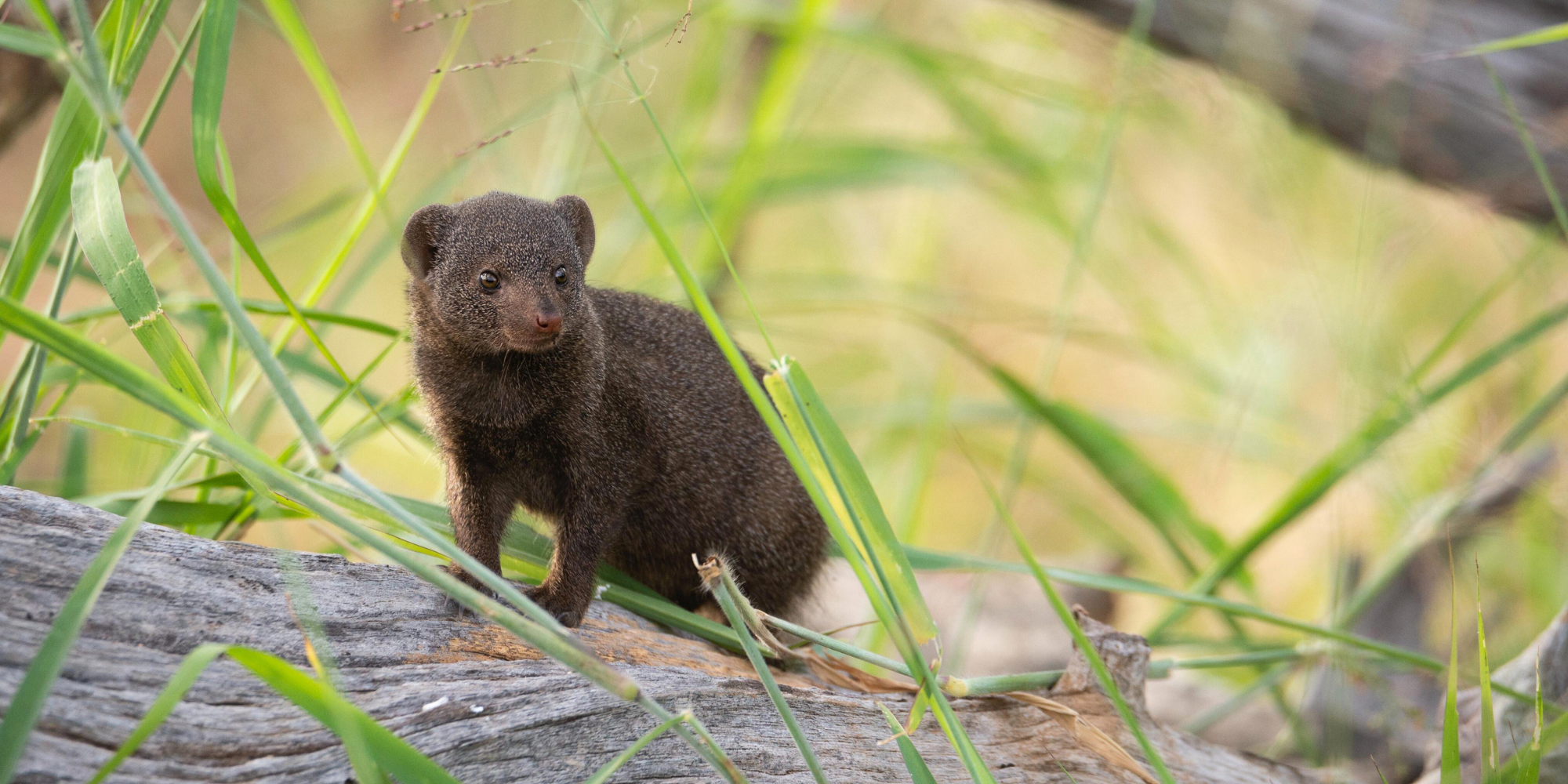
    The dwarf mongoose is Africa’s smallest carnivore, and one of its most entertaining. Found across a wide range of habitats in sub-Saharan Africa, from dry savannas to open woodlands, this tiny mammal punches well above its weight when it comes to personality, intelligence, and teamwork.
    image

    Fully grown, a dwarf mongoose weighs less than half a kilogram and is no longer than a school ruler. But what they lack in size, they more than make up for in social smarts. These animals live in close-knit groups of around 8 to 15 individuals, though sometimes you’ll see gangs of 20 or more. The group is usually led by a dominant female and male, and while they do most of the breeding, everyone plays a role in raising the pups, foraging for food, and keeping watch for predators.

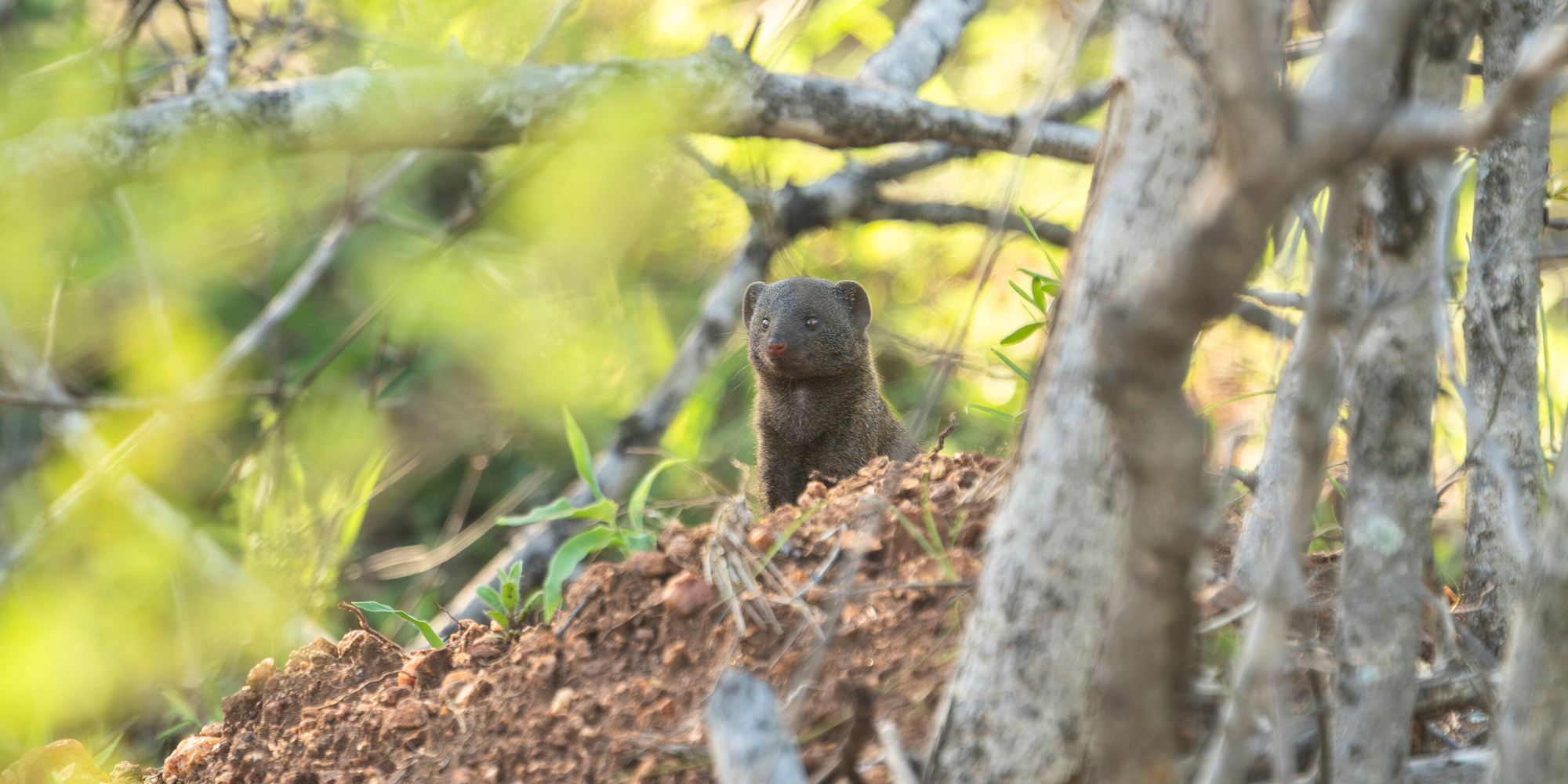
    Teamwork is key. Dwarf mongooses are constantly communicating, using chirps, squeaks, and trills to stay in touch and alert one another to danger. While the group forages, one mongoose often takes on the role of sentry, climbing onto a rock or tree stump to keep lookout. If a threat is spotted, like an eagle or a snake, a sharp alarm call sends the whole group looking for cover.
    image

    Their diet mainly consists of insects like beetles, grasshoppers, larvae, and termites, but they’ll also snack on small lizards, eggs, and the occasional fruit. They use their sharp claws to dig into soil or pry open bark, sniffing out anything edible. They’re not fussy eaters, and their small size means they can access food sources that larger predators might overlook.

    Dwarf mongooses are most often found living in abandoned termite mounds, which offer plenty of entrances and hidden chambers that are perfect for sleeping, hiding, and raising young. These dens are the centre of their world. At night, the group piles in together to rest, and in the mornings, they groom one another before heading out to forage.
    image

    Pups are usually born during the wet season, when food is more plentiful. A litter typically includes two to four pups, and although only the dominant female breeds, everyone in the group helps care for the young. It’s common to see babysitters staying behind at the den while the rest of the group goes out, or adults sharing food with hungry pups to help them grow.

    Although dwarf mongooses are not endangered, they do face some challenges. Habitat loss from agriculture and development can reduce their range, and the destruction of termite mounds, often unintentionally, removes vital shelter. They’re also vulnerable to natural predators like snakes, birds of prey, and jackals. But their alertness, speed, and social structure give them a good chance of survival.
    image

    They might not be as famous as lions or elephants, but dwarf mongooses are a vital part of the African ecosystem. They control insect populations, serve as prey for larger animals, and show just how effective cooperation in the wild can be. For anyone lucky enough to spot them on safari, watching a group of dwarf mongooses darting in and out of a termite mound or chattering to each other in the grass is always a highlight. Small, scrappy, and full of character, they’re proof that great things really do come in small packages.

    Want to see species like the dwarf mongoose in their natural environment, while gaining practical knowledge and guiding skills? Bushwise offers a range of wildlife courses for you to experience and learn about Africa’s wildlife firsthand. 
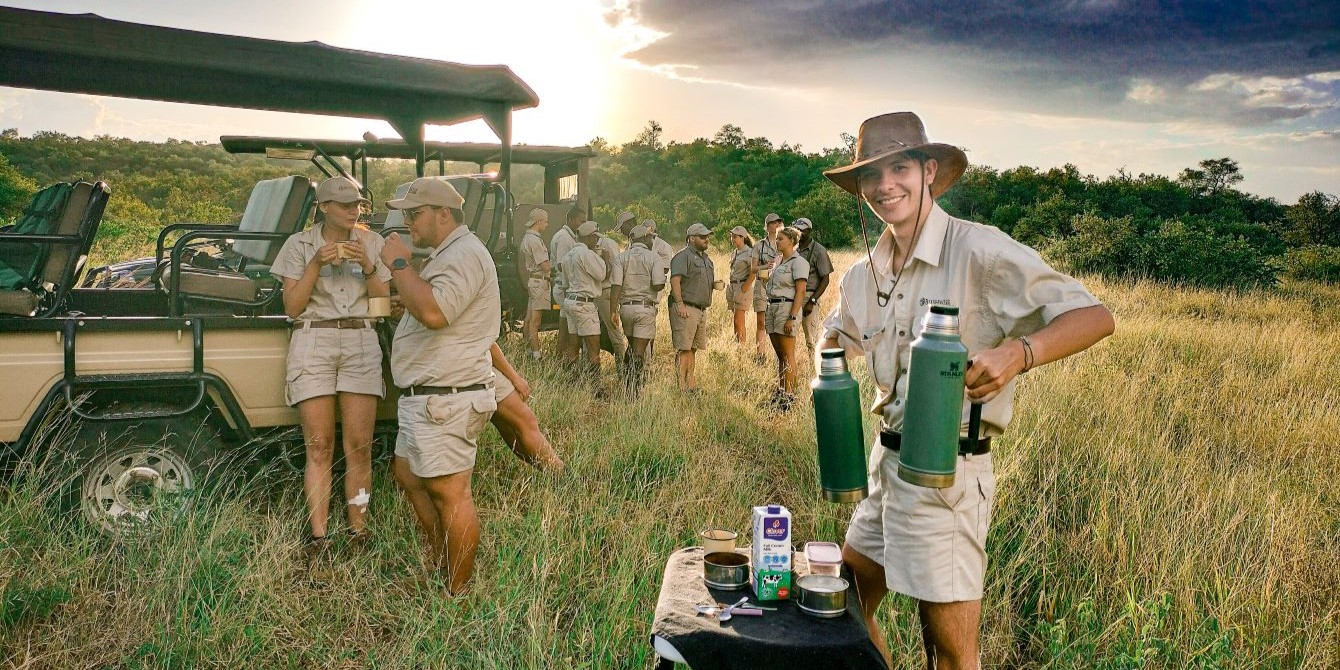
  • Reflections on the recent Bushwise class and their journey as Field Guides

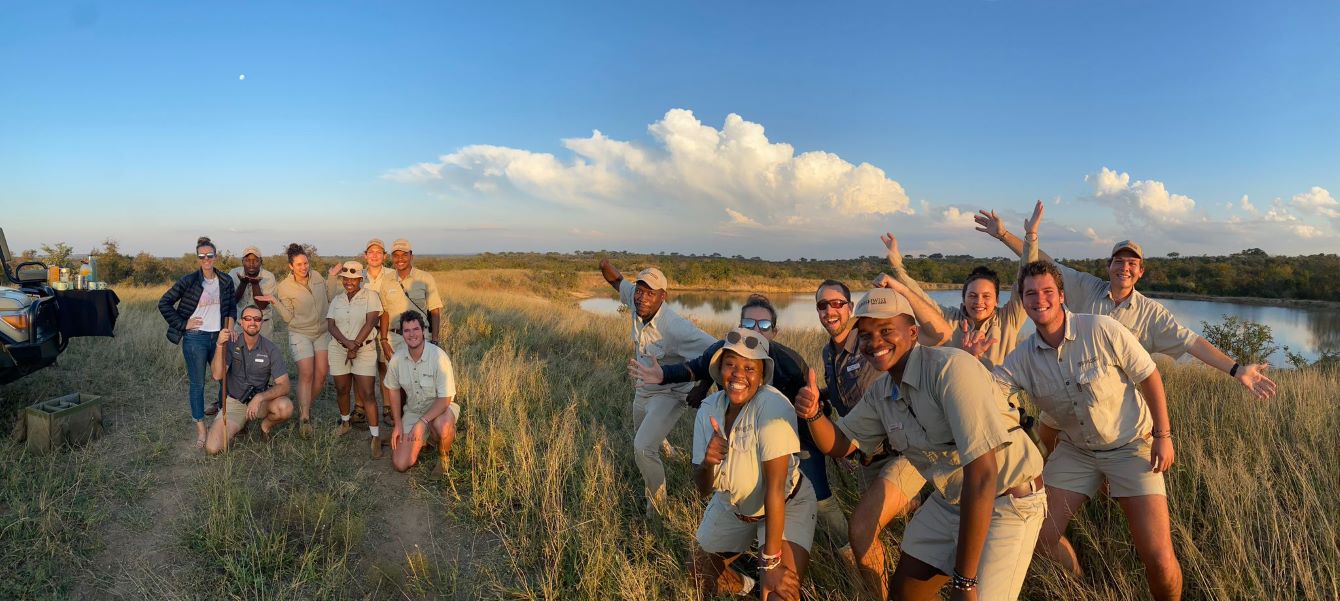
    This blog was written to the current graduating class of Bushwise field guides. It’s a farewell, good luck and see you again soon from Bushwise trainer Sophie Barrett.

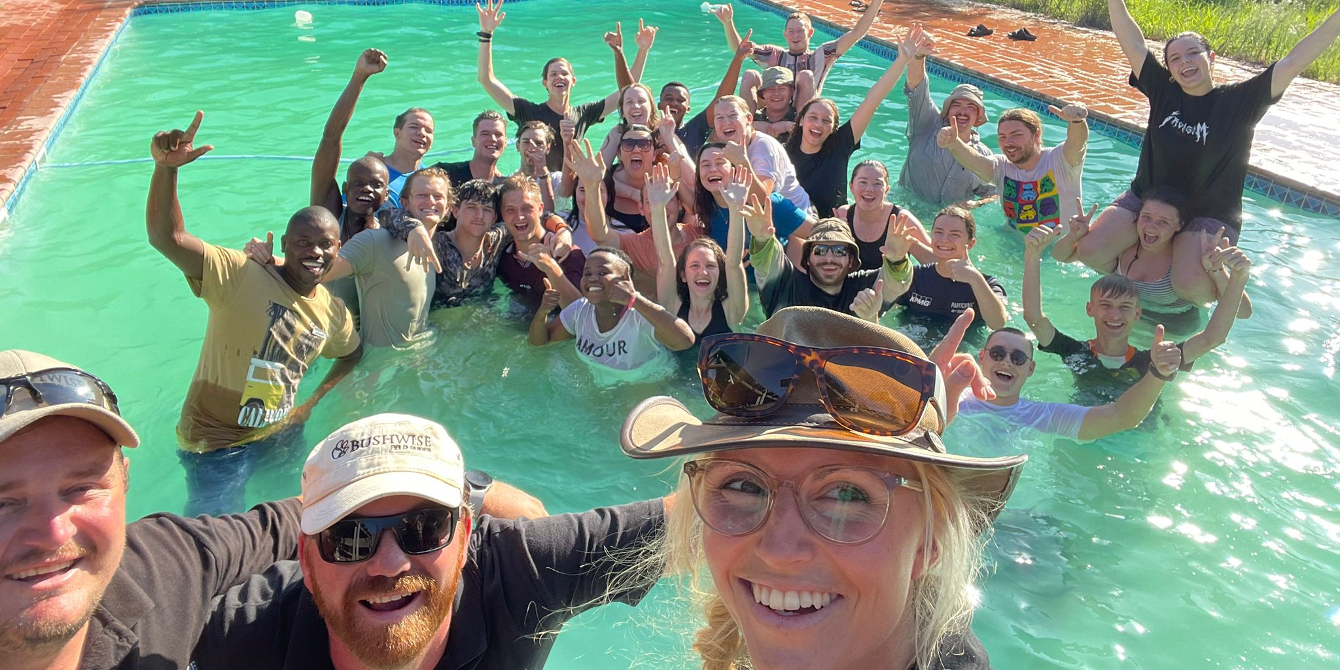
    This has been the largest simultaneous cohort of Bushwise students that we have ever had. To say that the training team had zero nerves about how this would turn out at the start would be as unreasonable as a flying warthog.

    Preparing for Success: Welcoming the Largest Cohort of Bushwise Students

    image

    I can remember prepping to ensure a smooth start when the students first arrived. With 30 on the one campus, even handing out books had the potential to be unbridled chaos. Little did we know that our cunning plan to set out the books and label the desks with student names to allow that first session to run a bit smoother would dictate the seating habits of 30 field guides in training for the next six months.

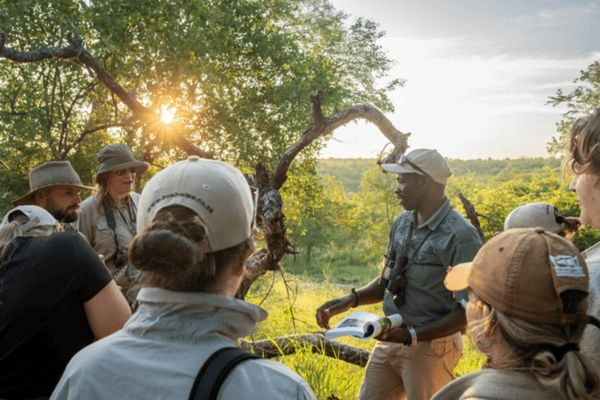
    The course can be intense and stressful at times, I am sure that the students would agree with me there is a huge amount to learn whether it is the rainfall and flagship species of the different biomes; or how to interpret previously invisible tracks on the ground; or how to identify a bird (or even a frog) by its call alone – there is limited time to catch your breath. 

    And somehow in amongst all of this, the students are finding time to form bonds and friendships that will last them a lifetime.

    Bittersweet Endings: Assessments Completed, Departures Looming

    image

    That makes the approaching end of the course bittersweet. With the assessments, both theory and practical, that have been a constant companion for our students finally out of the way, there is space to relax and revel in the wonders of the bush around them, but somehow also little to distract them from their approaching departure and separation. As a trainer, I cannot help but be excited for the students and the adventures that await them.

    Our students stand at the edge of one of their most exciting adventures yet. They are about to join a world where they will find themselves at the heart of memories that will be spoken about all across the globe and treasured by their makers for years and years to come. 

    Their daily office companions will include leopard cubs, rainbow coloured birds and therapeutic elephants, and the most exciting part for me is that every day – no matter how many years they spend in this industry – offers a chance for them to learn something new.

    Privileged Mentors: Reflecting on the Growth of Apprentice Field Guides

    image

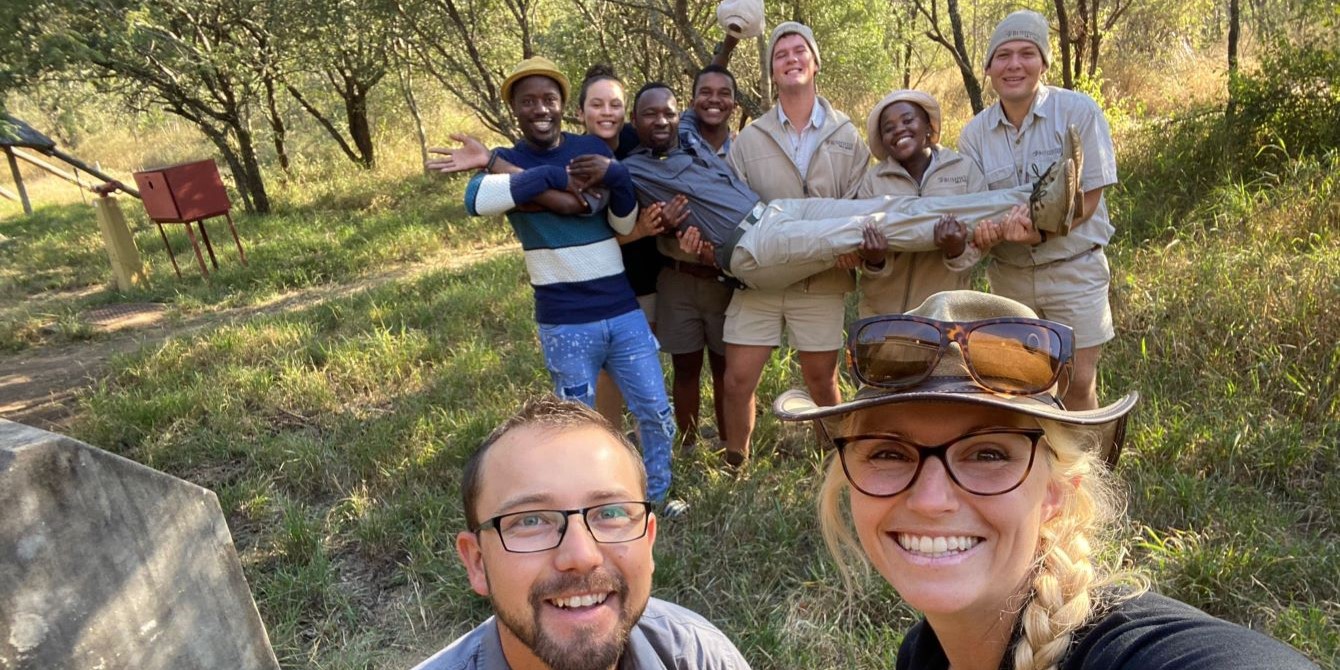
    As trainers it has been a privilege to have a part in the journey of all of our students. We are proud beyond words to see how they have grown and flourished into apprentice field guides and whilst the next step for our students is exciting, it can be intimidating too. I hope they know that they can continue to count on us for support, advice and mentorship and that they will share the highlights with us too! 

    As we say goodbye to the students, we contend with a mixture of emotions: sadness to see our students leave; pride at their accomplishments; and excitement to share in their adventures going forwards as they continue to grow, develop and flourish in the industry.

    One of the great joys of being a field guide is that there are endless possibilities ahead of you, and as we send our students into the world, we hope that they will be ambassadors and custodians for all of the incredible aspects of nature, helping us to protect and be amazed by it for years to come.

    Learn from incredible trainers like Sophie, and make life-long memories of your own, on a Bushwise course.

    #wildlife #bushwise #qualification #safariguide #Exam #training #animals #apprenticefieldguide #fieldguidetrainer #ifga #endangeredspecies #Assessments #guiding #fieldguidecourse #studying

  • From Buckingham Palace to Bushwise: My journey to becoming a field guide trainer

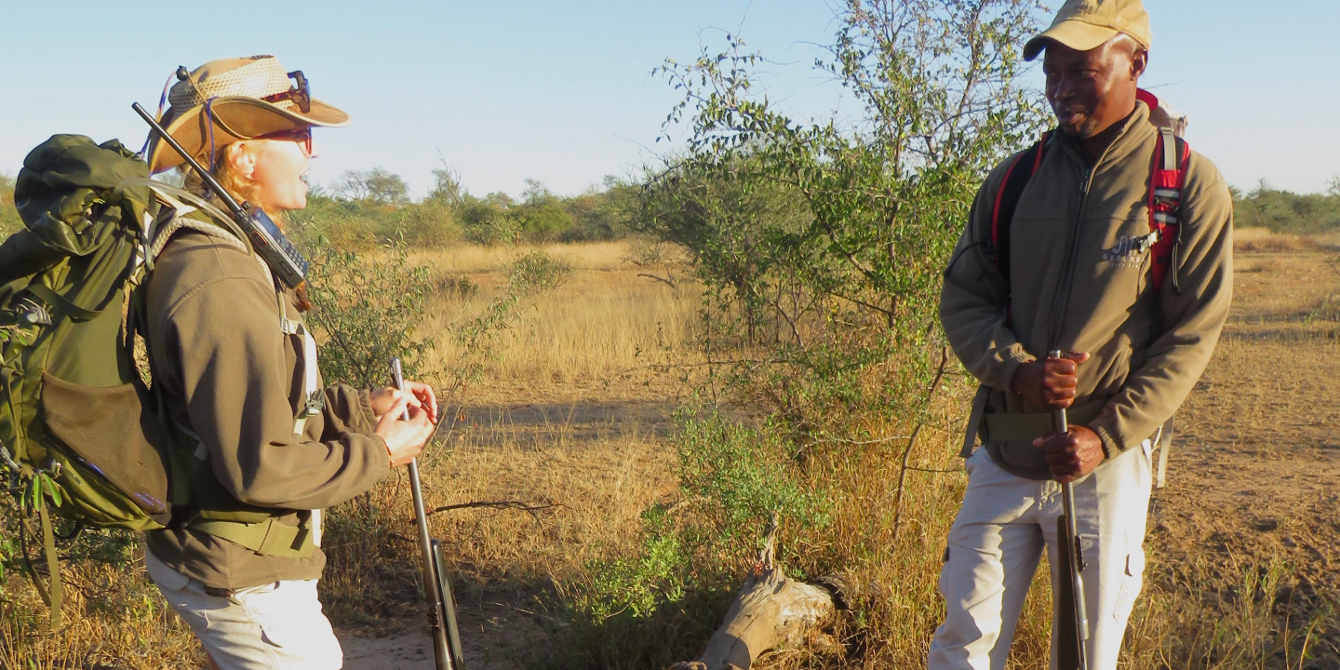
    Welcome to the Bushwise team, Sophie Barrett! This blog was written by one of our newest trainers, who is based at our campus on the Southern African Wildlife College. In this blog, she introduces herself and shares why she’s passionate about being a field guide trainer. Words and images by Sophie.

    3 min read

    image

    I recently joined the Bushwise team and received a message asking me to introduce myself to the world. A few key questions were suggested starting with “Who am I?”. Now, this is a pretty deep question to start a blog with. In this day and age, it is a question few typically have an answer to. Some people travel the world, exploring different cultures, environments and careers just to scratch at the surface of the answer. I, however, will start with the basics. 

    My varied career history and how it led me to Bushwise

    image

    I am Sophie; obviously not Sophie the Founder of Bushwise – so I guess you could say I am the “other Sophie”. A wildly passionate conservationist, inherent nature nerd, optimist, master of the Dad joke and a couple of other things besides. 

    I have called the South African bush my home for about seven years and hope to continue to do so for an indefinite number of years to come. My career history has been erratic or, more kindly viewed, varied. If you name a job, I have probably done a stint in it. 

    image

    From bartending to working at Buckingham Palace, death metal music awards, global accountancy firms, oil and gas conglomerates, and a brief stint at CNN. I qualified and worked (briefly) as a lawyer. I have been a field guide for many years as well as an assistant head guide and head guide, Pangolin Project coordinator, conservationist, and long-time volunteer for a local conservation NGO. 

    The significance of nature in shaping me as a person

    image

    One of my favourite things about nature is that we are constantly learning. To find a career where you are seeing or experiencing something new on a daily basis is pretty special. I spend my free-time exploring the remote areas of South Africa. When you find yourself doing the same thing in your working hours as in your free time, you know you have cracked the code. 

    I believe that life is made up of experiences. Some good, some bad, but all of them come together to create the person you’re meant to be at the end of it all. As a field guide, your job is unique. You are privileged enough to be entrusted to help people fulfil their lifelong dreams and as part of your daily ‘grind’, you get to share experiences that your guests will remember for the rest of their lives. Years, even decades from now, they will tell family and friends about the time they spent with you. For many years, I have loved being the custodian of those experiences.

    Transitioning from a field guide to a field guide trainer at Bushwise

    image

    As a field guide trainer, I am looking forward to passing on my passion and skills to the next generation of guides. I am looking forward to honing a different set of skills as a trainer and to the opportunity to make an impact on the other side of the equation. And as a nature nerd, the return to education will enable me to work on and add to my various guiding and conservation certifications throughout my time with Bushwise.

    Meet incredible people like Sophie on a Bushwise course. Interested in growing in your career like she has? Apply today!

    #wildlife #AdvancedRifleHandling #gameranger #Birding #bushwise #fieldguide #qualification #safariguide #trailsguide #training #guidejobs #animals #tracks #safari #fieldguidetrainer #sightings #fieldguiding #tracking #endangeredspecies #gamedrive #guiding #fieldguidecourse #fieldguides

  • Animal tracks and tracking

    This blog about tracking animals was written by Francois Theron. With years of guiding experience, Francois shares his knowledge on tracks and tracking in the bush.

    There are hundreds of species of endangered animals living across Africa, and tracking wildlife and monitoring endangered species are essential to their conservation.

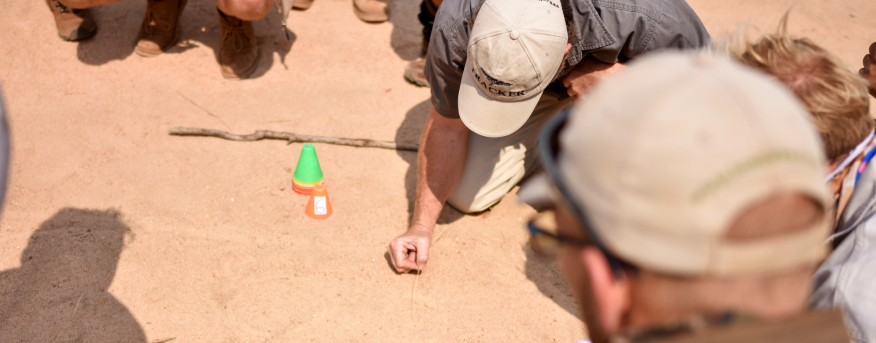
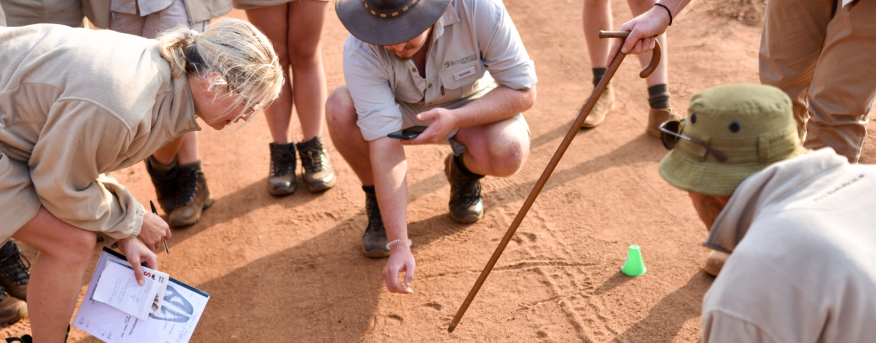
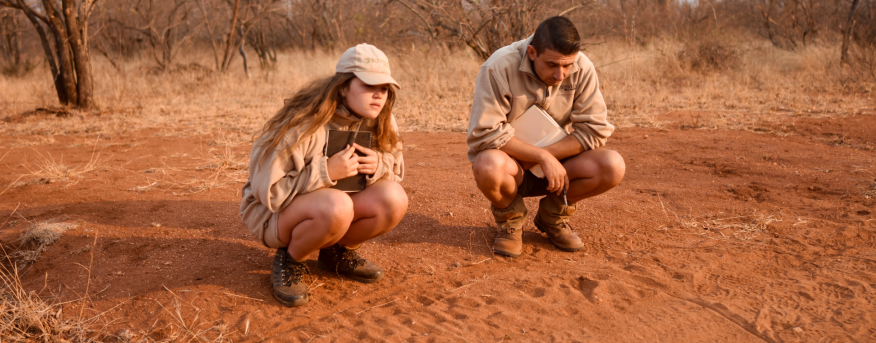
    Tracking animals is like learning to read. First you start with your ABCs, then you work your way up to simple sentences, then paragraphs and, finally, books. With more and more practice, you can read difficult books. And the same goes for tracking.

    image

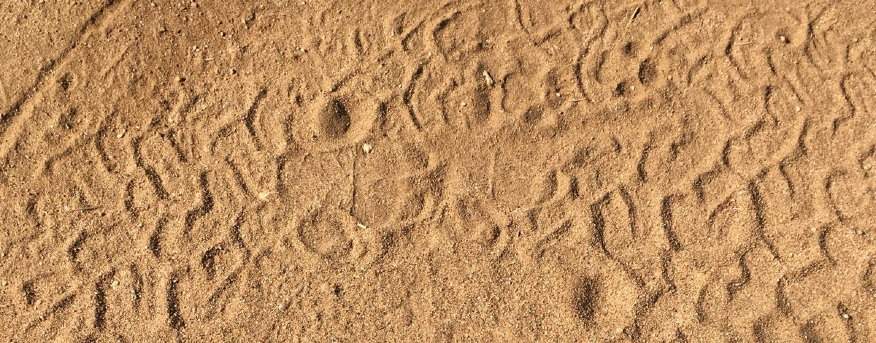
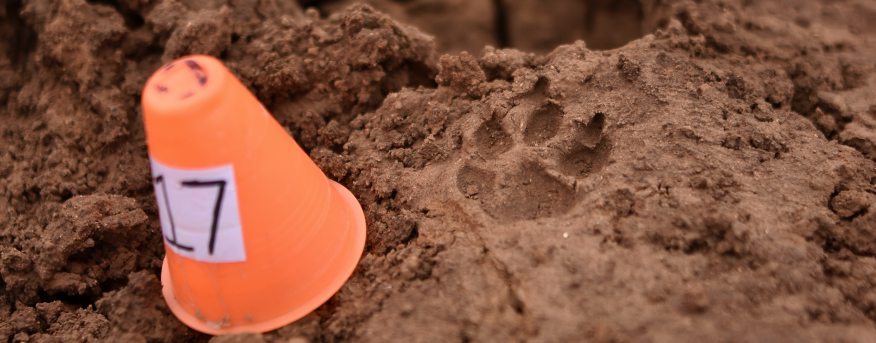
    A track, print, or geological mark is made and then slowly worn down, or built upon, by the forces of natural erosion and gravity. In wildlife tracking, the first thing to learn is knowing where to look. 

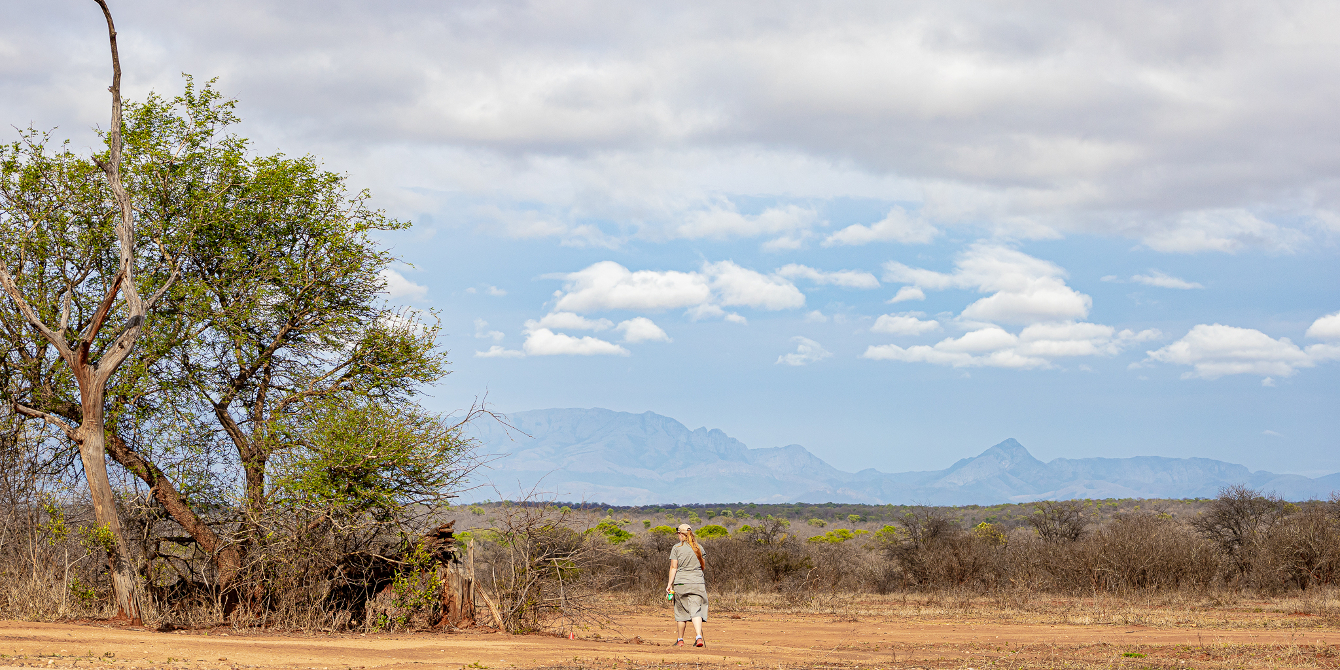
    Earth is like a manuscript of tracks that gets added to every day. Table Mountain is a geological track, the Limpopo River (also known as the Crocodile River) is a track, and so is the Drakensberg escarpment. 

    A track is a window into the past of an animal’s life. Imagine the ground as if it were a manuscript of the animal’s movements through life. Learning to read these tracks will help you understand how animals move within an area, migrate, and evolve over time.

    Parts of a track

    image

    When a track is made, an organism’s heel slides into the ground, registers and pulls out. No track will be straight and level. There’s always some angled component either from the foot pressing down or pulling out.

    The softer the soil, the greater the slope of the track. This affects how we measure a track and helps us tell the difference between a lion track and a leopard track for example. 

    Lions and leopards both have one large pad with three clear lobes under their paws. Another telltale sign is that cats also have retractable claws. Once a track has been identified as belonging to either a lion or leopard, the simplest way to tell which animal it was left by is by its size. 

    image

    The weight and sex of the animal plays an important role here. An adult male lion can reach between 150 and 260 kilograms, making it the heaviest of Africa’s cats. They also have large and wide front paws. A male lion’s front paw track can measure up to 14.5 centimetres in length, while a female’s track will measure around 13 centimetres.

    An adult male leopard weighs around 30 to 70 kilograms; a substantial difference to its bulkier feline cousin. This gives leopards the agility necessary to climb and pull prey up in trees. A male leopard’s tracks are longer and wider measuring up to nine centimetres long on the back foot, while a female’s back foot track will be about eight centimetres long.

    Measuring a track

    image

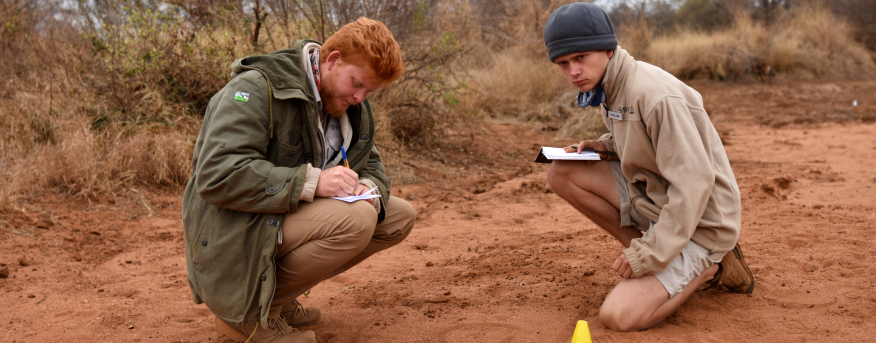
    You will need to measure the length and width of all four tracks (two in humans). When measuring animal tracks, the readings between tracks are measured from toe to toe because animals walk with their toes first. In humans, we measure tracks from heel to heel because we land heel first.

    1) Establish the line of travel

    This can be done by the eye if the tracks are clear, or by placing and connecting strings along the track.

    2) Length of the track

    Measure the length of the track.

    3) Width

    Measure the widest part of the track.

    image

    4) Stride

    This is measured from the heel of one foot to the heel of the other foot.

    5) Straddle

    If you draw a line of travel between the left and right heels, the distance between them is the straddle.

    6) Pitch

    The pitch is the degree to which the foot angles out from the line of travel. At the widest point of the track, draw a line bisecting the track along its axis. The distance from where the line exits the front of the foot to the heel line is the overall pitch.

    7) Overall stride

    This is measured from heel to heel. Thus, there is a left overall stride and a right overall stride. Comparing these two can help you determine the orientation of the animal.

    8) Determining orientation

    The dominant side of the animal makes a short step (punch), while the non-dominant side makes a long step (feeler). So if you try walking blindfolded, you’ll circulate towards your dominant side.

    image

    Classification of tracks

    1. Clear print: When you can see the track clearly in soft soil, with all toes visible.

    2. Pattern classification: When there is no clear print, you must identify the track by its general shape and size.

    3. Track card: You can use a basic track card to help identify animals.

    Bonus: Bird tracking

    Here are some useful hints to keep in mind when identifying bird tracks:

    1. Ground birds: Spend most of their time on the ground and show a walking gait.

    2. Perching birds: Spend most of their time in trees – shows a hopping gait.

    3. Mix: If a track shows both hopping and walking gaits, it probably belongs to a bird that splits its time between trees and the ground, like a crow.

    Aging Tracks

    image

    The single biggest cause of track degradation (and thereby aging) is weather fluctuation. Gravity is also a major contributing factor, as well as the type of soil the track was made on. 

    The only way to learn how to calculate the age of a track is to observe how a track degrades over time, given the soil conditions. Different types of soils are classified between one and ten, with soft sand being one and hard clay being ten (in other words, a scale of soft to hard soil). 

    You must estimate the soil classification first. Then, keep an accurate record of weather changes while observing a track over time. Weather conditions to be aware of include temperature, humidity, wind, precipitation and hours of direct sunlight on the tracks.

    Are you ready to test your track knowledge? Join us in the bush and help us identify animals in Africa.

  • What I enjoy most about being a field guide trainer

    What is it like to be a Bushwise trainer? In this blog Wayne Lubbe shares his experience with teaching and learning from aspiring field guides.

    3 min read

    We’re always learning

    There are many challenges that come with being in charge of future field guides’ training. One thing I find challenging, but also extremely satisfying, is that even we trainers will never know everything. The opportunity to constantly learn and experience new things in the bush is always a plus. It’s also important to teach young students to always be open and take in as much as they can within the time that they spend with Bushwise. 

    image

    For me, the most important thing is to teach upcoming field guides to be entertaining, informative and to create memorable nature experiences to their respective future guests that they will have the privilege of guiding around this beautiful country of ours.

    Interpreting the natural world

    The aims of nature guiding are to reveal and expose people to the natural heritage, history, folklore and the beauty of the country. Field guides need to create awareness of the complexities of the natural environment by sharing factual knowledge and meaningful interpretation of the events taking place around them. 

    For us as trainers, we are trying to be the best examples of what a good nature guide is and to share our passion, knowledge and above all respect for the environment and wildlife. As students become field guides they will have a responsibility towards their clients, but an equal if not greater responsibility towards the natural environment. 

    image

    With the methods and skills thatI have developed over the years in the industry I try to develop not only an understanding of each subject we cover, but to demonstrate the interdependence of all aspects within the ecosystem and how everything is essentially linked together. It is important that you as a guide supply an overall understanding of the “bigger picture”.  And if we can successfully help the students to create that experience, then I am utterly grateful.

    Teaching is a privilege

    When I see the growth of each student not only within this exciting field, but also within themselves then I am happy. I enjoy helping someone’s dream become a reality.

    Trainers have the privilege of being part of people’s journeys and sending out future custodians of nature into such a wonderful occupation. Being a teacher and trainer does not stop after a lecture or when the time is up in the classroom, the reality is that you are the older brother to some, the shoulder to cry on when things aren’t going great and the person to give advice when needed. 

    image

    The bonds you form with students become lifelong bonds of kinship. This is not just a job for me, but rather an investment in the future of an individual. I am proud to be a part of such a journey and I am proud to be a part of Bushwise that sets some of the highest standards in the field guiding industry.

    Learn from our world-class field guide trainers like Wayne when you join a Bushwise course. Apply today.

    #lodges #wildlife #AdvancedRifleHandling #gameranger #bushwise #fieldguide #safariguide #trailsguide #guidejobs #animals #safari #fieldguidetrainer #sightings #fieldguiding #endangeredspecies #gamedrive #guiding #fieldguides

  • Bushwise big birding week

    This blog is by Darryn Murray, Bushwise Trainer, who among his many qualifications holds SKS (specialised knowledge and skills) in birding. 

    3 min read

    Over the past week, the Bushwise trainers and students have been embroiled in an epic birding challenge. 

    image

    Eight students and a trainer were paired up to see how many birds they could correctly identify –  either by sight or sound – over the course of a week at several different locations. 

    The prize for the winning team at the end of the week was an aptly named “winners vs waiters” dinner – where  come Saturday afternoon, the winners would be hosted by the losing team and trainer for a full evening’s braai and fireside experience.

    The birding competition heats up

    image

    The competition started out friendly, but the teams soon became super competitive and the competition heated up.

    The first afternoon took place at the Southern African Wildlife College campus for a speed birding round – each team was allowed three hours to identify as many birds as possible. Ashwell Glasson, registrar from SAWC, joined in the competition for the afternoon, sharing his wealth of birding knowledge and experience with the students. 

    On day 2 and 3, the groups explored the Manyeleti Game Reserve for a full day. This allowed the groups to venture into a new area, see different vegetation and species as well as allow them 10 solid hours to bird.

    Bird counts on the rise

    image

    By the end of day 3, one would swear the students were protecting state secrets with their team’s scores. Misinformation began to spread, students tried to get hold of the other team’s lists, and there were many sceptical questions about each and every bird the other team claimed to have seen. 

    The trainers spurred on the groups, constantly reminding the students (and each other) about the prize at the end of the week.

    Day 4 was the highlight for students and trainers alike. At first light, everyone loaded onto their respective vehicles and headed for Mariepskop State Forest. The trainers were possibly the most excited of the lot as it was a chance to bird in a brand new area that nobody in the group had previously been to.

    Birding on top of the mountain

    image

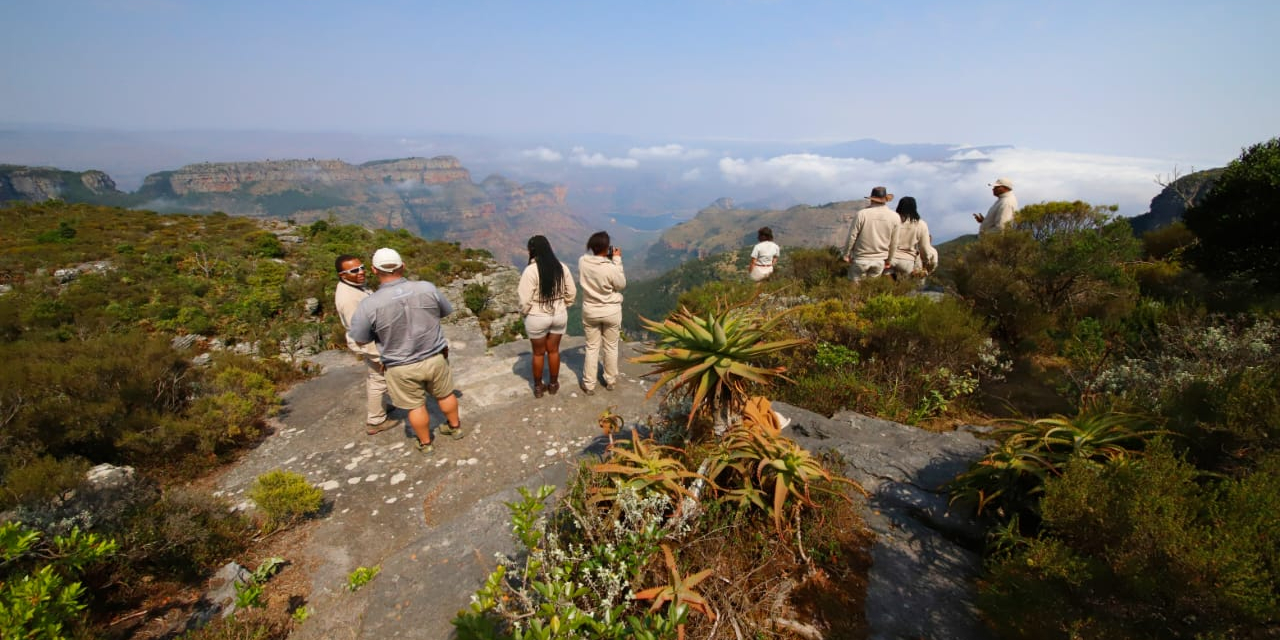
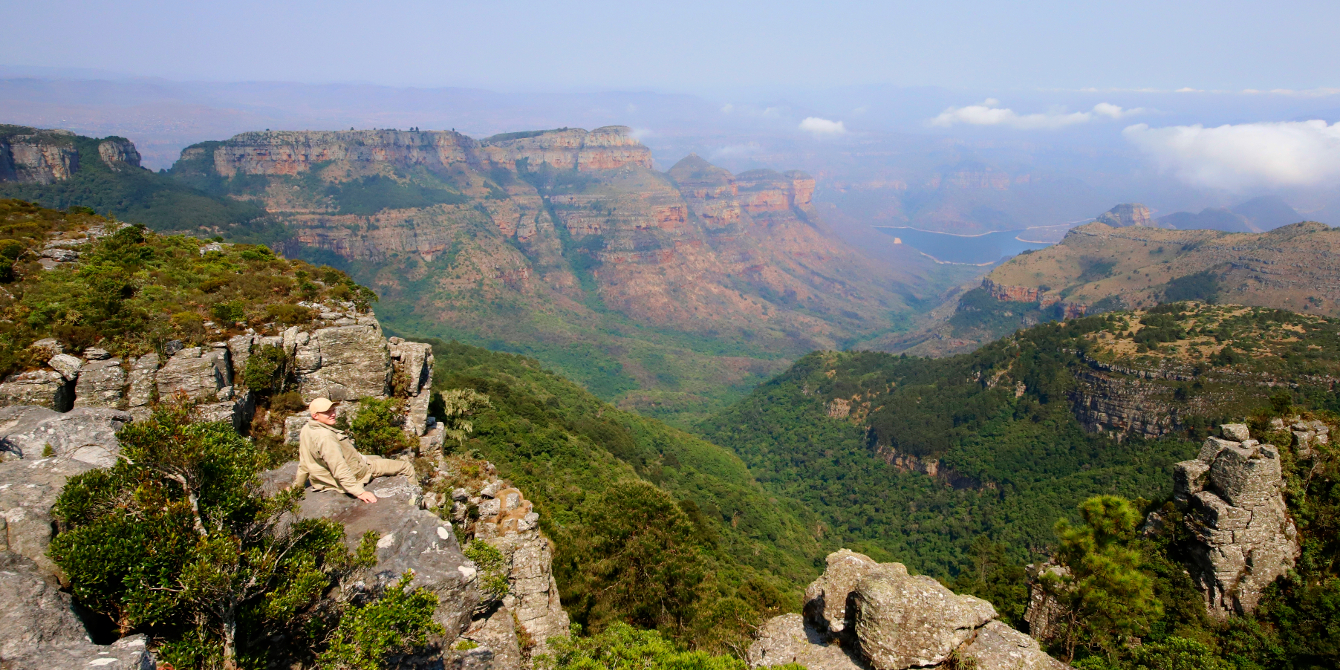
    The views from the top of the Drakensberg mountains were amazing and the group as a whole took an hour out of their birding challenge just to take it all in, walk around, take pictures and drink coffee with a view.

    Lunch was eaten at the Klaserie Waterfall, before returning to the campus and getting a final tally of birds for the week.

    The scores were extremely close. Group 1 scored 159 species, but the winning score was 167 by group 2!

    Incredible bird counts from all participants

    image

    The amazing part of the whole experience was that between the two groups a total of 196 bird species were seen over the week. The students learned the value of patience with long periods of staring at vegetation and describing what they had seen as well as how to keep the group tally a secret.

    Everyone learned from the birding week –the trainers were even able to add a few birds to their life list. So all in all a great week was had by all.

    Do you have a special passion for birds? Or would you like to learn more about our feathered friends? Join a Bushwise course and see how amazing the world of birds truly is! Apply today.

    Words by Darryn Murray, photos by Jacques du Toit

    #wildlife #AdvancedRifleHandling #Birding #bushwise #fieldguide #guidejobs #animals #fieldguidetrainer #sightings #fieldguiding #endangeredspecies #guiding #fieldguidecourse #fieldguides

  • Anthropomorphism and the safari experience

    In this blog, Bushwise award-winning trainer Nico Brits discusses anthropomorphism (the act of attributing human qualities to animals) on the African safari. Does it have a place in guiding? Let’s see what Nico has to say about it…

    3 min read

    As a guide and trainer, anthropomorphism is something that I must deal with more than I would have thought. Not only with guests and students but for some reason for myself as well. I would like to share two experiences where anthropomorphism was prevalent in my career.

    What is anthropomorphism?

    image

    In simple terms relating to animals, anthropomorphism is when we attribute human emotions, traits and intentions to animals.

    From what I have learnt and experienced in my years of guiding and training, is that nature is brutal but also incredibly beautiful and amazing. We often like to imagine ourselves in the situation animals are in. This could be good for us because we feel certain emotions that we would not get otherwise. 

    For example, have you ever watched a great nature documentary where a baby animal got lost and despite all the odds stacked against it, it managed to survive? This gives us this feel-good emotion that lifts us up. So then why is anthropomorphism a bad thing?

    The role anthropomorphism plays

    image

    Before we get to why anthropomorphism can be negative, I would like to share an experience from my early days of guiding when I started to realise the role anthropomorphism plays with the guest that I’m guiding. This all played out within a single sighting where guests had the feel-good emotion as well as extreme sadness. 

    We were out looking for lions one morning and in particular lion cubs. This was a special request from the guest as I have told them that one of the prides has a 5-month-old cub. After about an hour, one of my colleagues found the pride and we did not hesitate to join them. 

    As we approached the sighting, we drove past a brand-new red hartebeest calf that was probably less than 48 hours old, just lying in the grass.

    image

    As we were watching the hartebeest, we could also see the lions walking in its direction. Already I could hear the guest saying, “Oh NO”, “NO NO NO”, but as we were watching the lions did not notice the little one and proceeded to walk straight past. There were cheers all round the vehicle and very happy faces. 

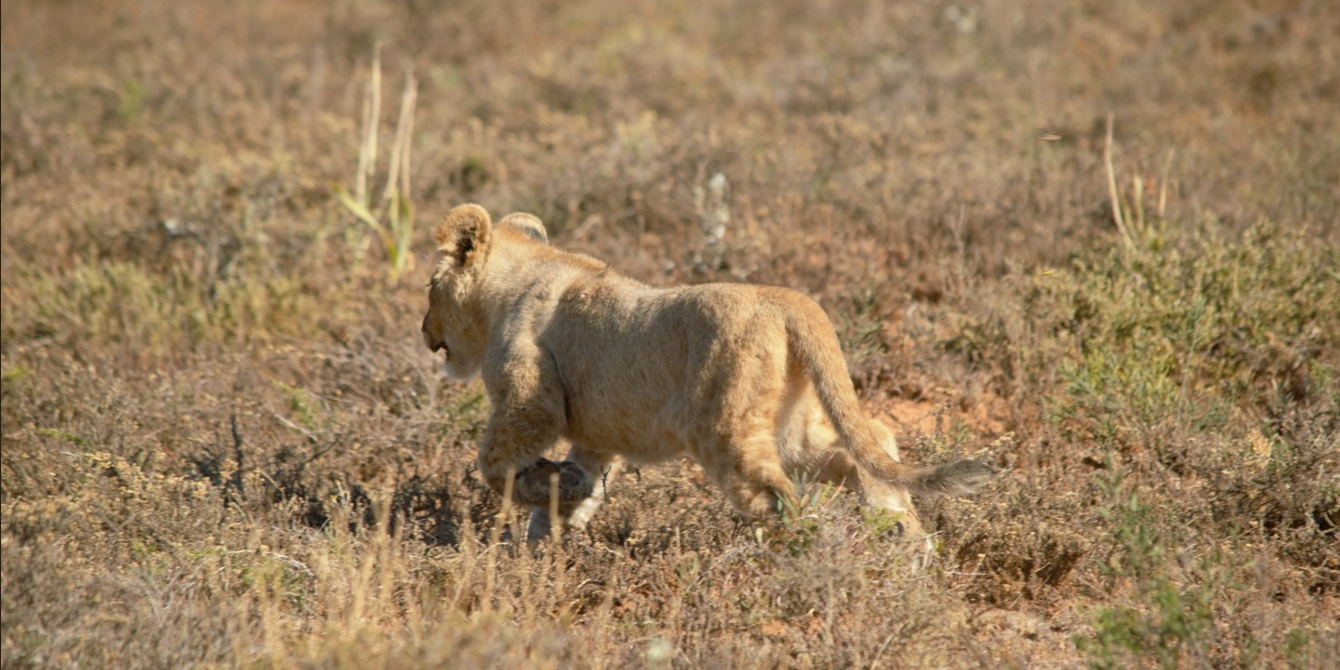
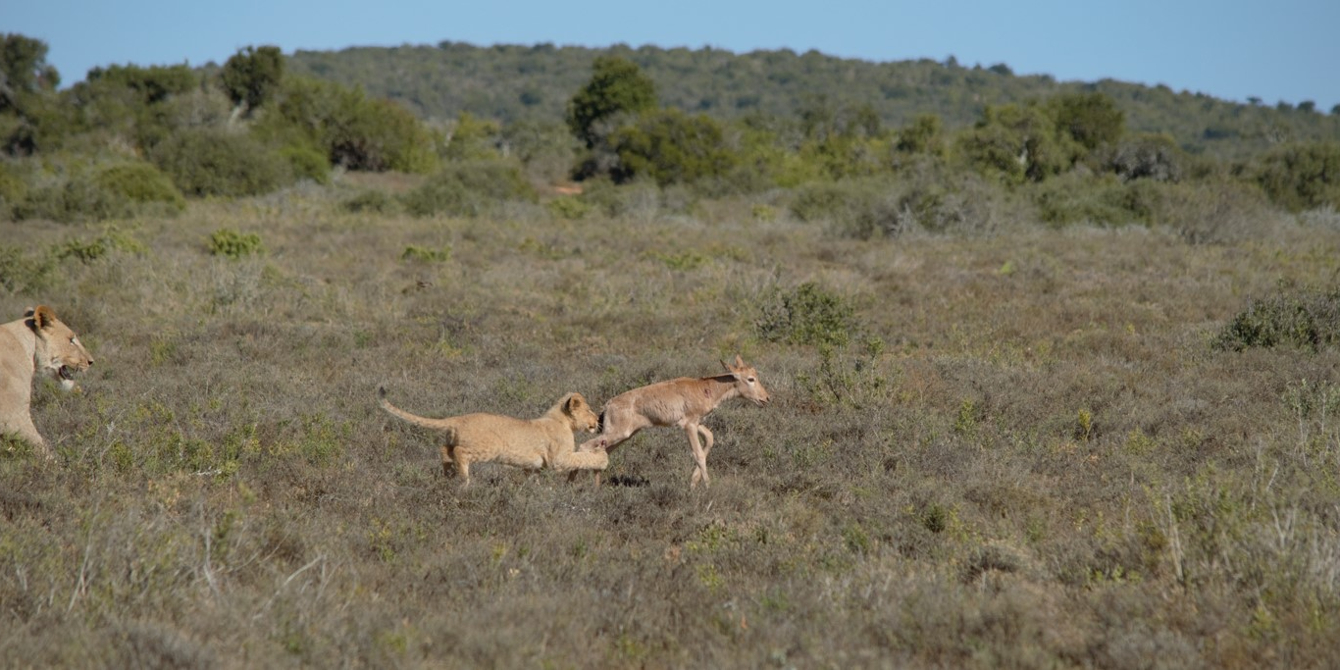
    But as quickly as the feel-good emotions for this baby hartebeest came, it left even quicker when the hartebeest got up and was spotted by the lions. This all ended with the lionesses catching the hartebeest calf and not killing it, but letting the cub learn to take it down and play with it. We eventually left without knowing what the outcome was – even though we all knew what it was going to be. 

    The downside to anthropomorphism

    image

    After all this, I had to have a good hard think about what was going on with the guests on my vehicle. The see-saw of emotions was something strange for me because as far as I was concerned this was a once in a lifetime thing to see. And the conclusion I got to was anthropomorphism.

    My opinion is that from a very young age we read these children’s books about “Dumbo” the elephant, “Bambi” the deer and the biggest of them all “The Lion King”. And from that age we start to attach emotions to all animals we see, and we relate our feelings to their feelings. 

    From our point of view, this hartebeest calf is all alone and so young, immediately we start thinking this baby hartebeest is feeling what a human baby would feel in that same situation. And when the lions approach it, this feeling intensifies. But as they walk past this great feeling of relief and happiness comes over us – with the odds stacked against this hartebeest, he survived. 

    image

    We forget to think about this lion cub that must eat and start to learn to hunt so that it can one day contribute to the genetic wealth and growth of lion populations. 

    A lot of times anthropomorphism is responsible for poor conservation decisions and prevents certain conservation practices from taking place because we think animals feel, think and behave like us.

    As field guides, we need to know when anthropomorphism is appropriate in a sighting, and when it should be avoided. 

    Knowing how to tell the difference comes with experience, like the kind you can get on a IFGA Safari Guide Course 6/12 Months.

    Words by Nico Brits, photos by Louise Pavid

    #lion #wildlife #AdvancedRifleHandling #gameranger #bushwise #fieldguide #safariguide #trailsguide #guidejobs #animals #safari #fieldguidetrainer #sightings #fieldguiding #tracking #gamedrive #guiding #fieldguidecourse #fieldguides

  • South Africa’s predator guild… and the Springboks

    As the week built up to a Springboks rugby match, Bushwise students were lucky enough to observe two species from South Africa’s predator guild: lions and wild dogs.

    This blog was written by Jocene de Kock, who shares her experience as camp manager during one of the most exciting weeks on course so far!

    4 min read

    image

    The best lodges are often given their titles because of the amazing game that they see or the epic sightings that guests have or perhaps its the exorbitant amount of money that guests pay. But no one stops to appreciate all the effort that goes on behind the scenes.

    To run a lodge successfully and to the highest standard, you need to have an amazing team of housekeepers, chefs, front and back of house staff, and very importantly a general/camp manager to make sure that everything runs smoothly.

    The start of an incredible week

    image

    My week as camp manager did not start off as smoothly as I would’ve hoped with one of my fellow trainees unfortunately losing her phone on drive and our spare kitchen key with it. Even though we tried to retrace our steps to find her phone and the kitchen key, we had no luck. 

    So here we sit with four months of our course to go and one working kitchen key to share amongst sixteen people… This might not seem like a dilemma to most people, but when you have a group of serial coffee consumers and cereal munchers, every five minutes someone comes knocking on the door asking for “The kitchen key please!”.

    Lions: top of South Africa’s predator guild

    image

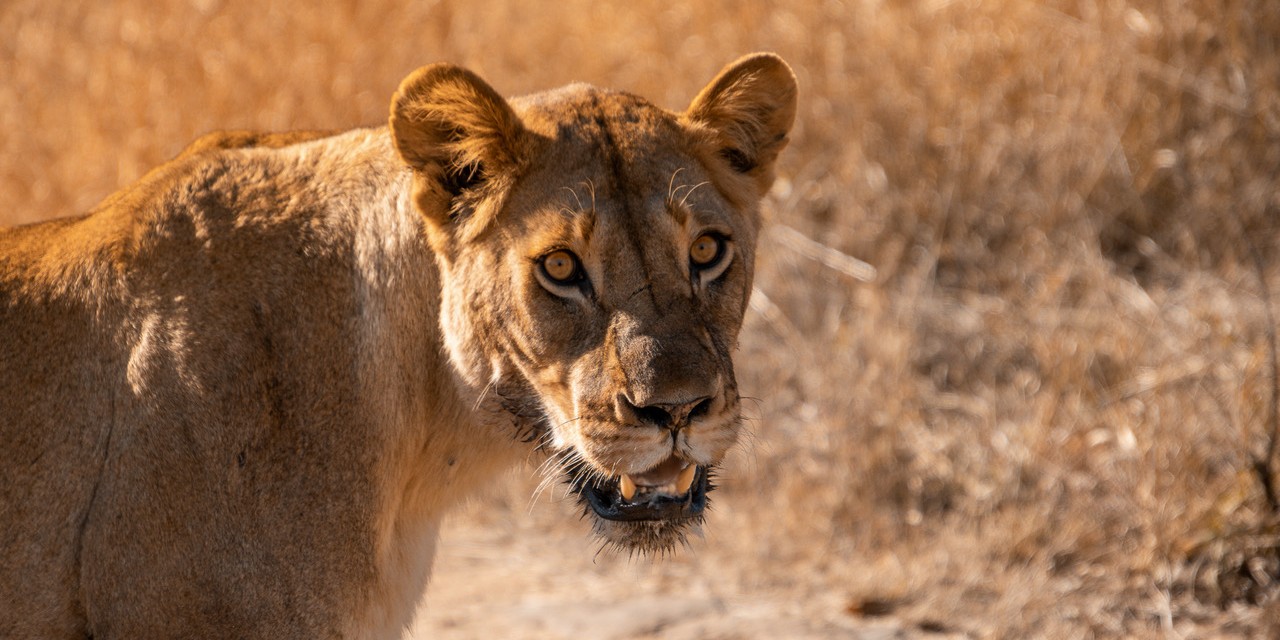
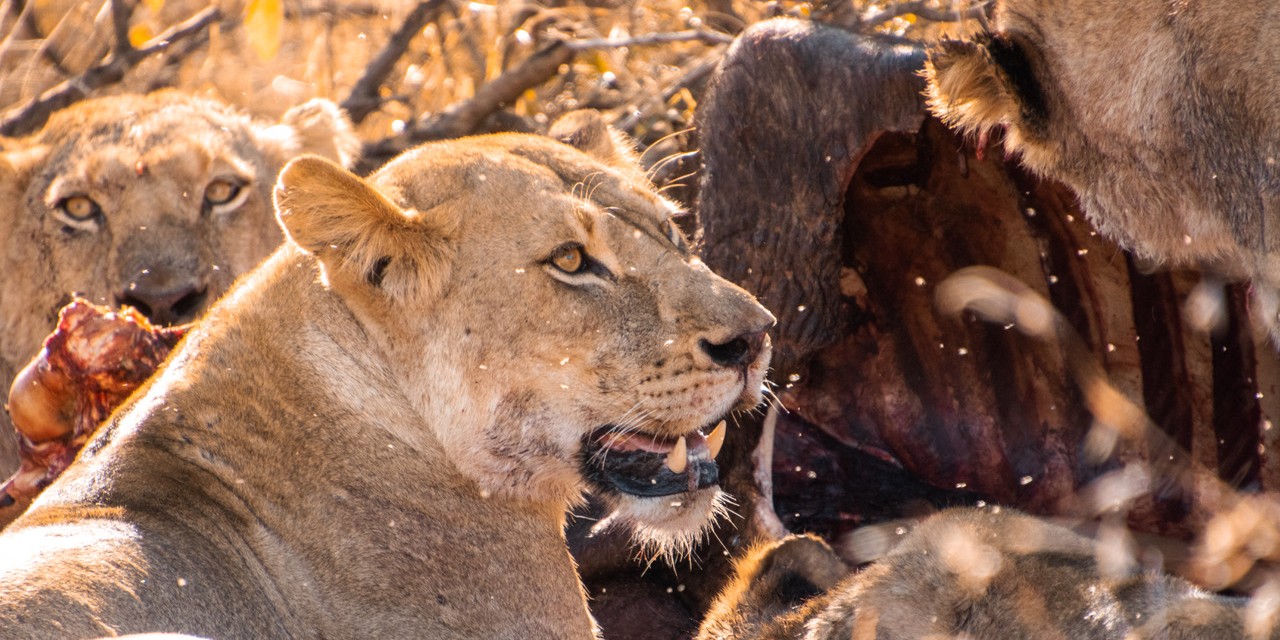
    The week took a drastic upturn on Wednesday morning when we had thirteen lions from the Breakaway pride (of the Birmingham pride) on a buffalo kill, all of them fighting over scraps. It was an intense morning with this being one of our first major sightings and naturally it was rather gruesome. 

    The lions were extremely vocal causing some of us to vibrate in our seats and the others to pull blankets over their heads. It was absolutely phenomenal to watch as they fed with one of the cubs emerging from within the carcass completely covered in blood.

    image

    Luckily for us the lions were extremely hungry so we got to visit them in the afternoon as well but with a much more relaxed setting as only a few were feeding. We decided that we had enough feeding action for the afternoon and so we went off and continued on the rest of our game drive. Everyone was so overjoyed with the amazing day that we had and no one could have bargained for how much better it was going to get… 

    The most endangered of South Africa’s predator guild: the wild dog

    image

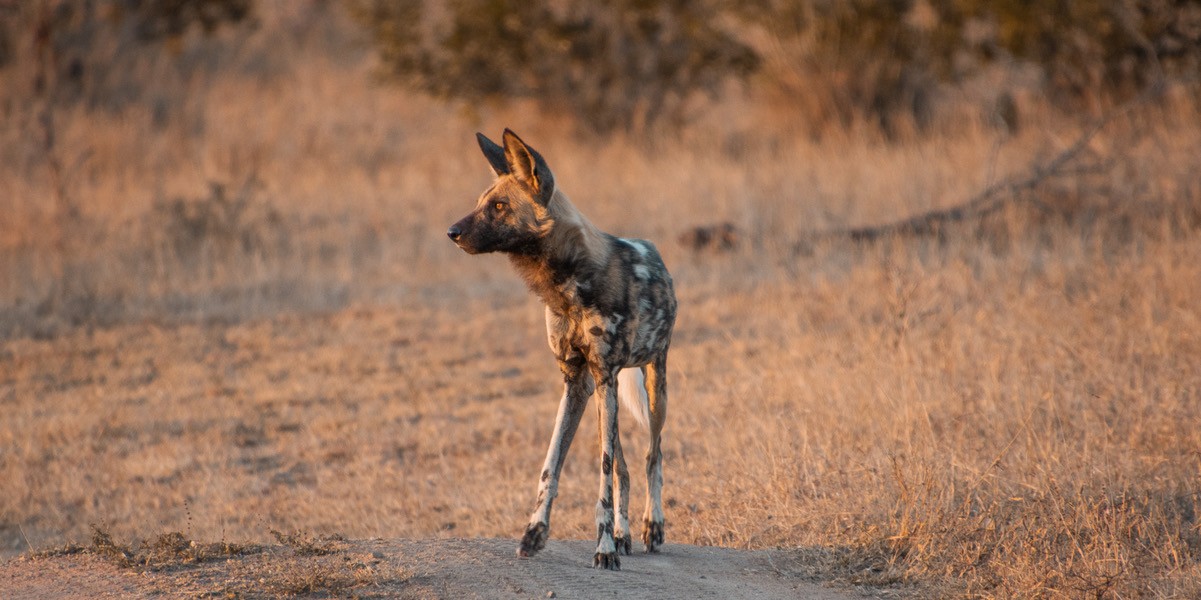
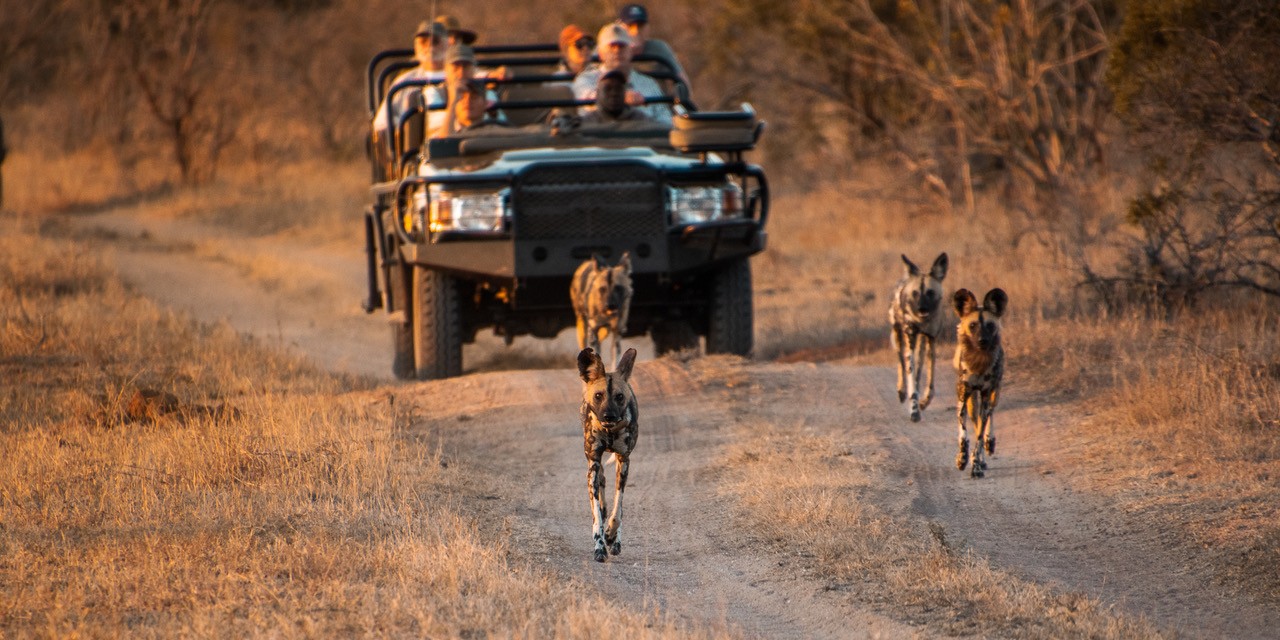
    En route to one of the dams, we suddenly got a call that a pack of wild dogs was running across the plains with a spotted hyena fumbling along behind them. We instantly turned around and all that we could see on the horizon were multiple dust clouds from highly mobile game vehicles also heading in the direction of dogs. 

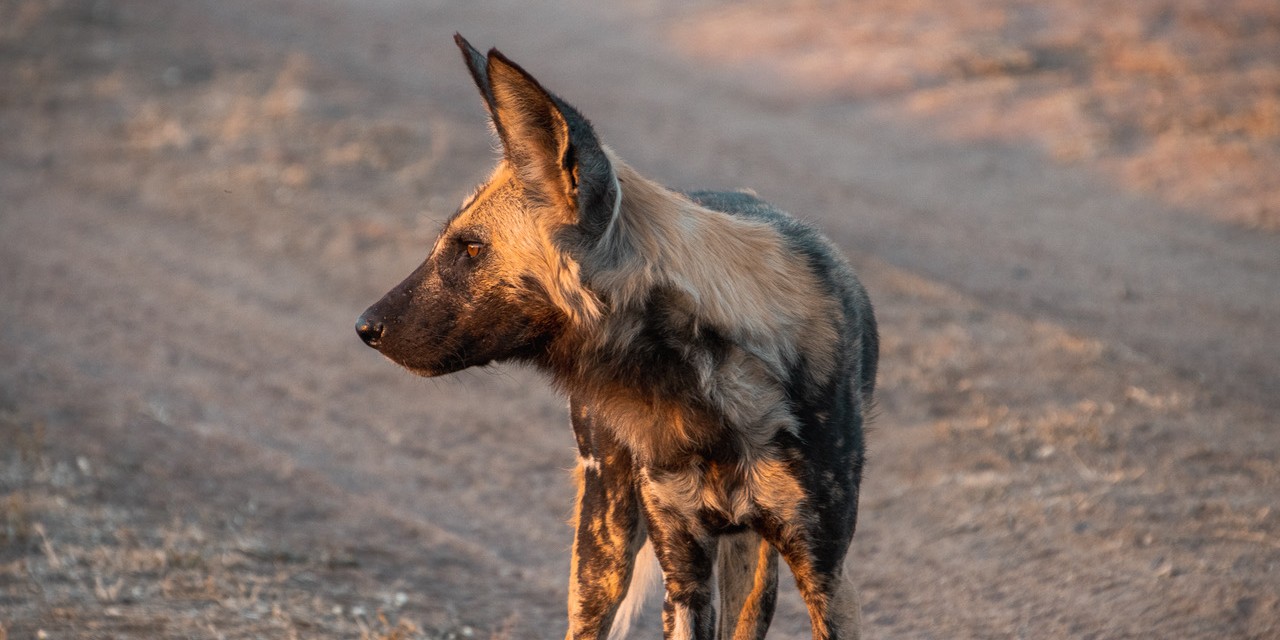
    Orders were given to “Put foot!” and best believe the ‘foot’ was ‘put’. We arrived in the nick of time to enjoy an amazing sighting of the dogs running past our car and briefly stopping to stand still and look over the plains at sunset. 

    image

    Most of us returned to camp completely overwhelmed and struggling to comprehend the insane afternoon we had just had. Everyone was bubbling over with delight which lasted for the rest of the week and the energy within the group was amazing. 

    Everyone was so excited to carry on the energy into sleep out on Friday night, but while we were writing our test on Friday morning a unanimous decision was made that, instead of a sleep out, a break in the boma seemed like a much better option. After all, our sleep out area was roughly 400m from the fresh buffalo kill and seeing as no one knew where the lions were, we thought it would be best to braai our food from the safety of our boma.

    A hopeful ending to the week

    image

    Unfortunately our epic week has to come to an end and all we can do is hope that the rugby this weekend goes well. Because if the Springboks lose against the Aussies then next week’s camp manager is going to have to do some emotional damage control. No one can cope with the highs of lions and wild dogs and the lows of a bad Rugby game all in one week.

    Even the Springboks’ loss that week couldn’t put a damper on the amazing sightings these Bushwise students had! Don’t you want to experience some of South Africa’s predator guild in the wild? Apply for a Bushwise course today.

    Words and photos by Jocene de Kock

    #lion #bushwise #safariguide #apprenticefieldguide #safari #wilddogs #endangeredspecies

  • Animal scavengers and the ecological role they play

    This article about animal scavengers is by Bushwise Trainer Wayne Lubbe. Based at our Mahlahla campus, Wayne is a highly qualified guide with NQF4, Trails Guide, ARF, Level 2 Wilderness First Aid, and additional specialties.

    Which animals are scavengers?

    image

    A scavenger is an organism that primarily consumes other organisms that have either died of natural causes or have been killed by a carnivore (meat-eating organism). It’s important to note that not all scavengers are the same and some scavengers are more than adequate and successful hunters.

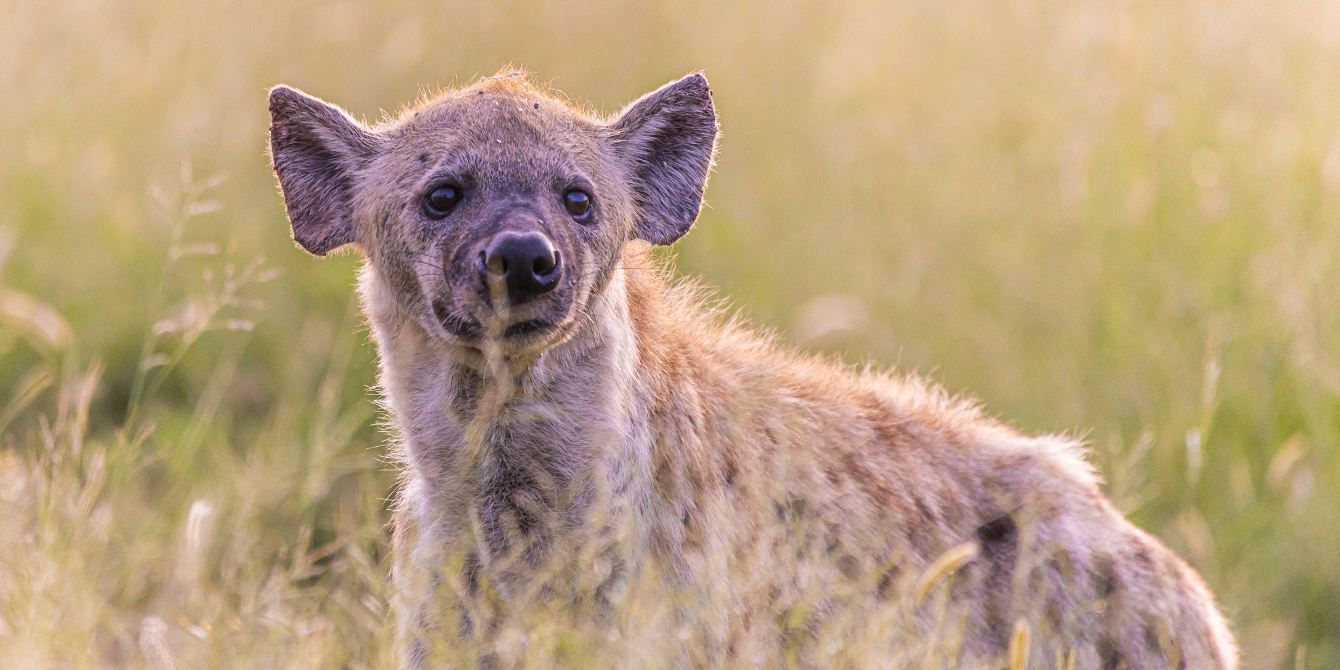
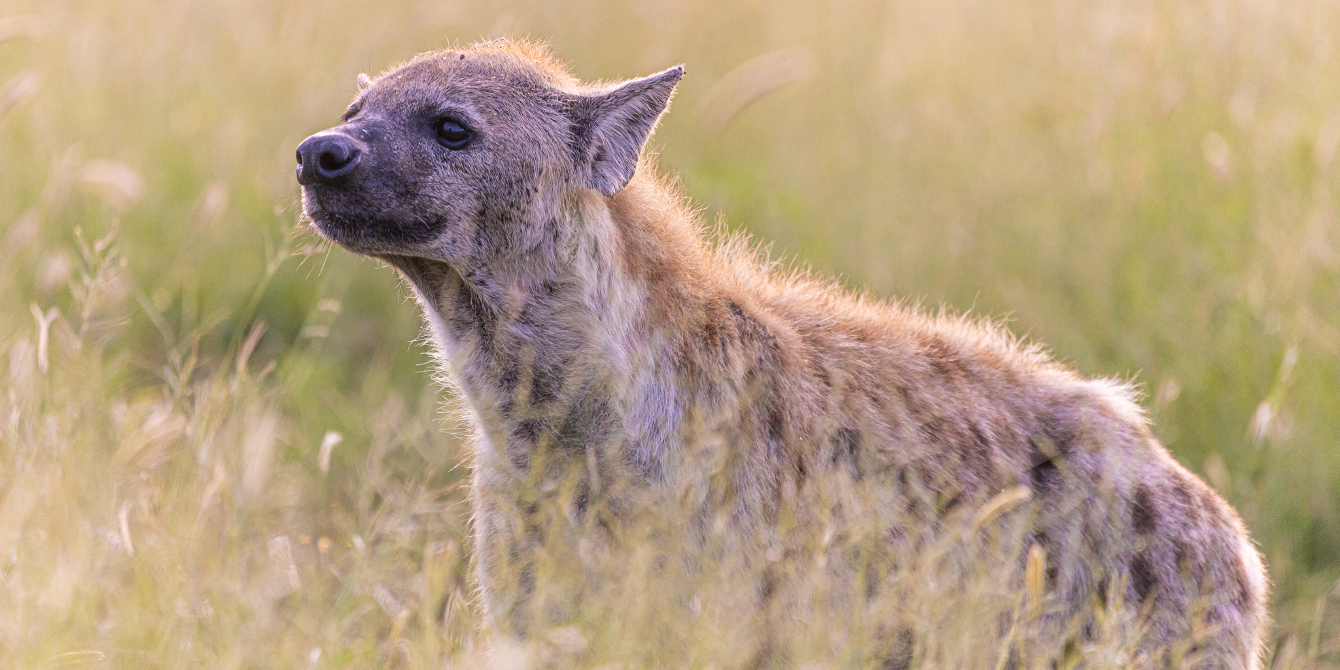
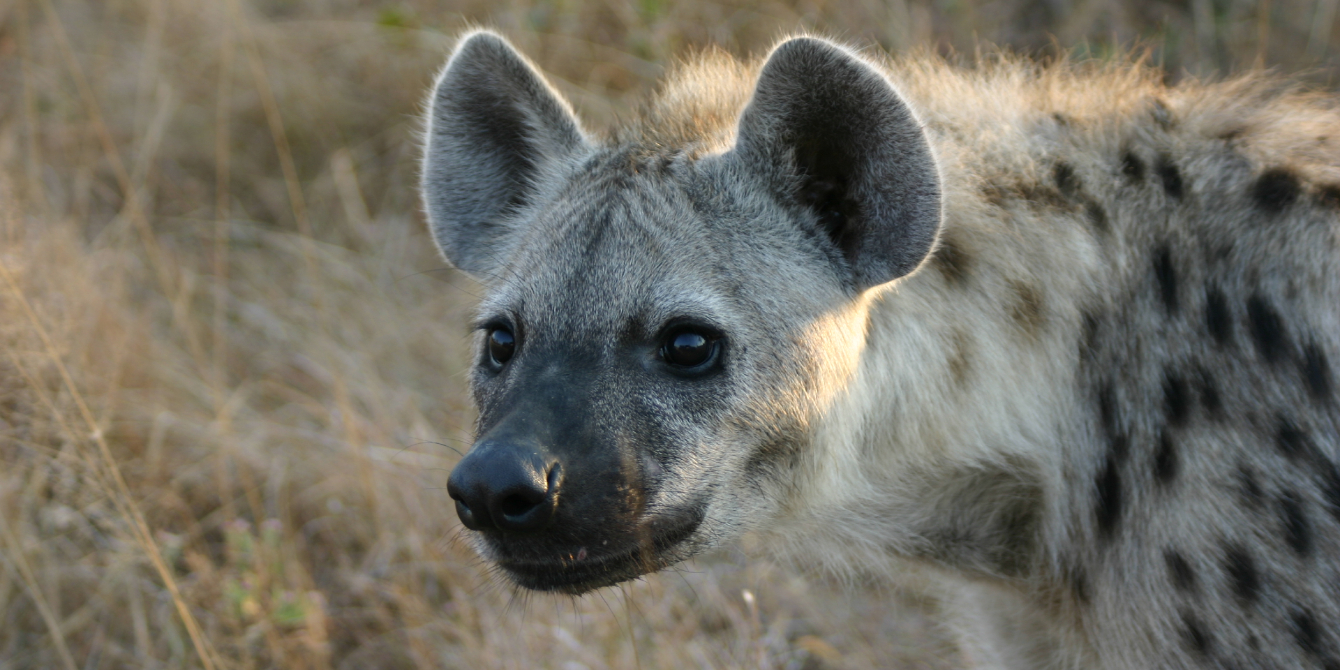
    The spotted hyena, for example, hunts 50-75% of their food. A clan of hyenas will work together to hunt antelope much larger than themselves – and they do this with a surprisingly high success rate, much higher than compared to a pride of lions. 

    image

    Spotted hyenas are opportunists that will eat carrion, when possible. Their digestive systems have been adapted to process bones, hooves and skin – rightfully earning them the title of “cleaners of the bushveld”. 

    Vultures are well-known scavengers

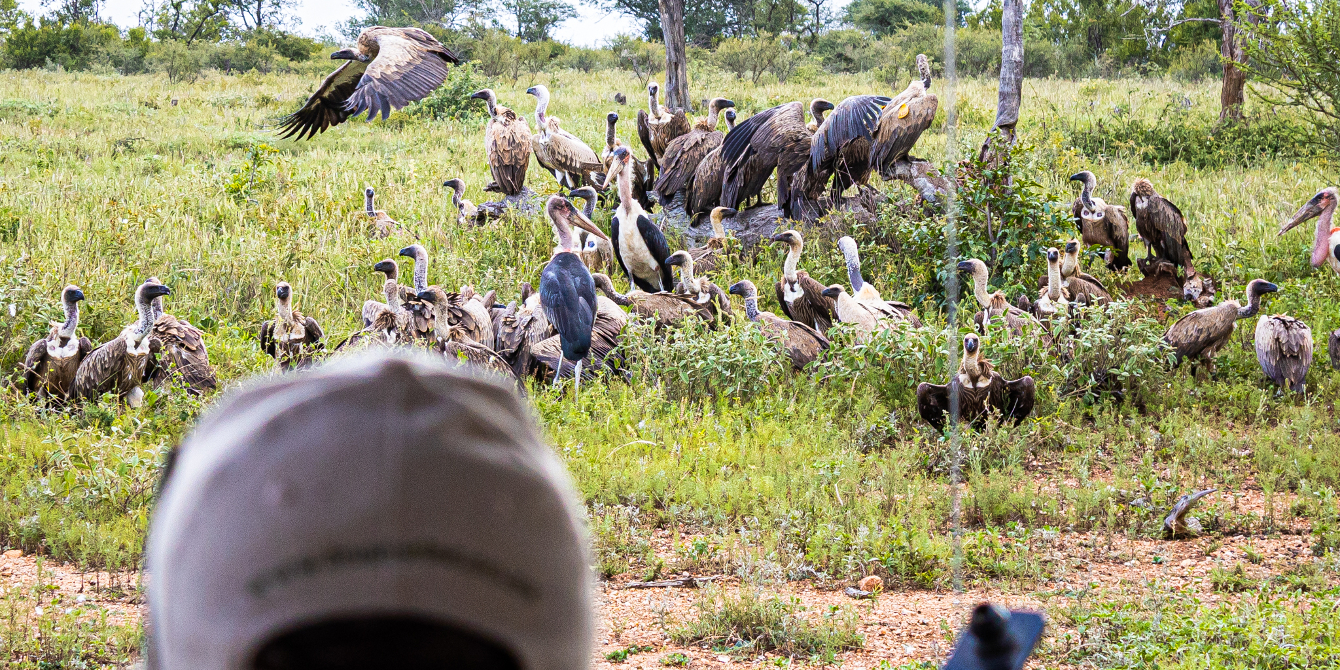
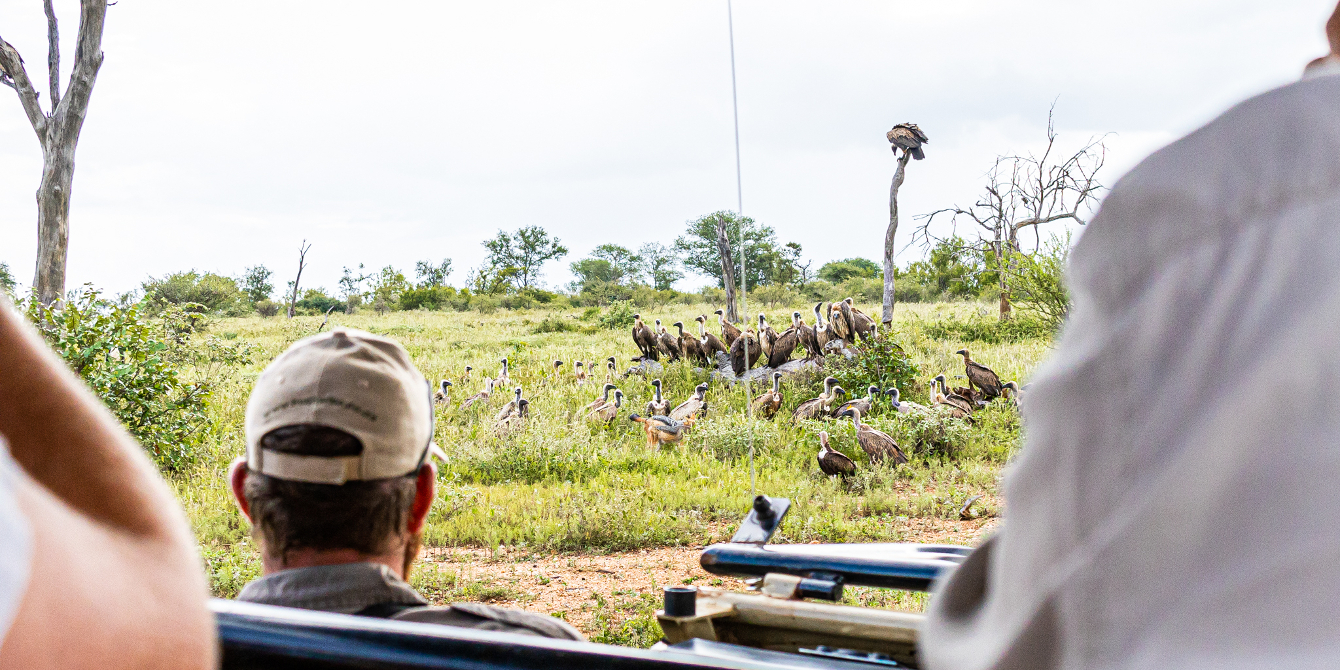
    An example of a true scavenger would be vultures, as they feed almost exclusively on carrion (dead animals). When it comes to feeding, each species of vulture has evolved into a niche system. 

    image

    Large vultures, such as the lappet-faced vulture, have large well-developed beaks capable of tackling tough skin, tendons and ligaments too tough for other vultures. One of the more commonly seen vultures are white-backed vultures. These vultures focus on eating the softer pieces of carrion, such as flesh, organs and eyes. 

    Lastly, you would find the hooded vulture. Smaller than the other vultures, they focus on picking off maggots and other insects associated with the carrion. Their beak shape and size resembles a pair of tweezers, which they use to pick off pieces of meat around bones and in areas where the larger beaked vultures aren’t able to reach.  

    image

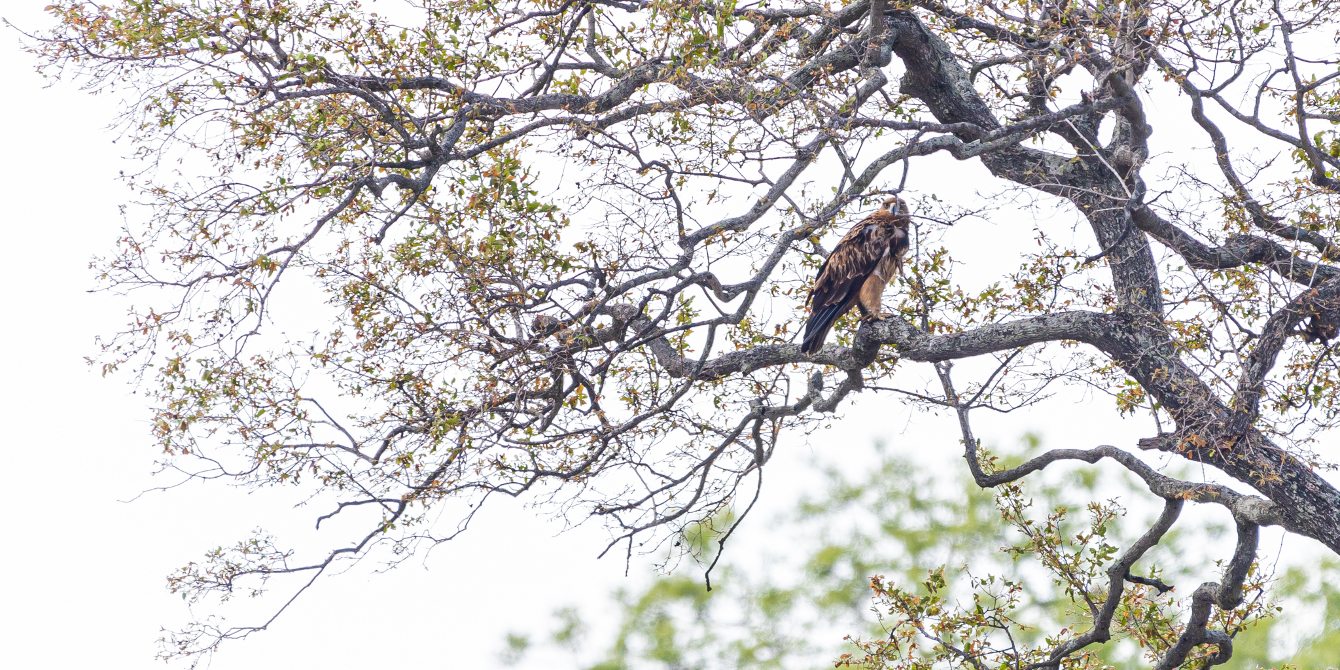
    There are many different bird of prey species you can encounter around a dead animal, including the vultures mentioned above and eagles such as the tawny eagle and the bateleur eagle. Mammals like brown and spotted hyenas, leopards, large and small spotted genets, civets, omnivorous warthogs and even the “king of the jungle” the lion will scavenge when an opportunity comes around.
    What role do animal scavengers play in the ecosystem?

    image

    Scavengers play an important role as they keep the ecosystem free of the bodies of dead animals and they speed up the process of nutrient recycling. Imagine an ecosystem without any scavengers – there would be an accumulation of rotting dead carrion and an explosion in the numbers of parasites, pests and diseases caused by rotting waste piling up. 

    Bacteria and other diseases would spread within the local environment and infect other animals, including livestock and humans. There would be a decline in healthy soil and plants caused by the waste accumulation, which in turn would influence the plant-eating herbivores. The meat-eating carnivores would have fewer and fewer herbivores to feed on and after a duration of time the fine balance of the food web would start to collapse. 

    What lessons can we take from animal scavengers?

    image

    The lesson we can learn from this is that nature is a well-maintained, self-sustaining organism that interacts with living and nonliving organisms in a harmonious way – which makes up the ebb and flow of life on Earth. 

    We as humans have a huge direct influence on the planet and life around us and should be considered the custodians of our wonderful planet. Each organism, no matter how large or small, serves a special role in the ecosystem. When removed from that role it has a devastating negative effect on the natural environment and eventually on humans in a direct or indirect way.

    image

    All things big and small are connected in a thriving ecosystem. Animal scavengers, while often looked down upon, play an essential role in maintaining a healthy planet. 

    Are you interested in learning more about how different animal species, including animal scavengers, interact in the Lowveld of South Africa? Apply today to join the next Bushwise IFGA Safari Guide Course 6/12 Months. You could be learning all this and more!

    #lion #Birding #bushwise #training #animals #apprenticefieldguide #safari #Assessments #fieldguidecourse #studying

  • From field guide to field guide trainer

    Bushwise trainer Wayne Lubbe is based at our Mahlahla campus, near the Greater Makalali Game Reserve. In this post he tells his story of growing from a field guide himself, into the field guide trainer he is today!

    image

    Ever since I can remember, I’ve had this internal desire to be close to nature. So back in 2010 I traded my office job in Johannesburg to pursue a job with ever-changing sunrises and sunsets. I enrolled in a field guide training course with a training company in the northern-most parts of KwaZulu Natal, a province of South Africa. 

    My training was divided into six months of theory-based training and six months of practical training. My time there was full of adventures and countless hours of learning about the African fauna and flora, which is the same as what Bushwise students experience now. After completing my studies in 2011, I got an opportunity to work as an apprentice guide on a private game reserve just outside Hoedspruit called Kapama

    image

    On this reserve, I learnt to lead and guide guests, and to see things through the guests’ eyes. This was done in open game viewers and on foot as a back-up trails guide. I loved working in nature and exploring the great outdoors. I’ve managed to find and live out my passion as a true nature ambassador.

    After five years, my time on Kapama came to an end. I wanted to explore the industry a bit and got an opportunity to work as trails guide at Elephants Plains in the Sabi Sands game reserve. There, I focused mainly on walks, and exploring the fauna and flora with guests on foot. I very quickly had plenty of animal encounters and countless hours on foot as a walking guide. This was also when I discovered a hidden passion for wildlife photography, and soon I purchased my very first DSLR camera.
    image

    In 2017, I changed locations and worked at Madikwe in Northwest Province on South Africa’s border with Botswana. At Madikwe, I worked as a field guide, trails guide, and later as an intern guide trainer and mentor for young field guides doing their practical training. My purpose was to develop interns so that they have a vast knowledge of the environment, and are driven by a passion for guiding. I was dedicated to teaching young people about our extraordinary natural heritage and inspiring the students to do their part to protect it. 

    It was also at Madikwe Safari Lodge that I met Byron Ross, field guide trainer, who did our mentorship training with his company. Byron’s influence on me was instrumental; he is a true mentor and someone I will always look up to and aspire to be like.

    After 11 years of guiding, I decided to focus my attention on the training of field guides on a full-time basis with an opportunity that was presented to me by Bushwise. I joined the team in February 2022, as a field guide trainer. 

    image

    Bushwise supports the professional growth of its trainers, and so I began studying to write my IFGA Safari guide exam and to register for my professional trails guiding qualification. I was also determined to get my SKS (Birding) qualification as I am a passionate and keen birder. My purpose at Bushwise is to share my knowledge and experience that I have acquired over the past decade with students young and old, and to help each of them to find their individual niche in this extraordinary field.

    It is still early days for me as a trainer, but the days have been full of adventures since joining Bushwise. I honestly love being able to see the joy and personal growth from each of the different students as they live the campus life to the full, just as I did from my training days.

    Train with the best of the best, like Bushwise trainer Wayne on our Mahlahla campus, or at our Greater Kruger campus. Apply today and start your field guide career.

    #gameranger #bushwise #fieldguide #qualification #safariguide #trailsguide #training #apprenticefieldguide #safari #fieldguidetrainer #fieldguiding #gamedrive #guiding #fieldguidecourse #fieldguides