Category: Student journeys

  • My life on a Bushwise field guide course

    Bushwise student Rian Gouws talks about his choice to join the Bushwise IFGA Safari Guide course, and how it’s opened his eyes to many new experiences. 

    Camp manager blogs are written by our current students who each get a chance to lead and manage a group (of their fellow students) for a period of one week.

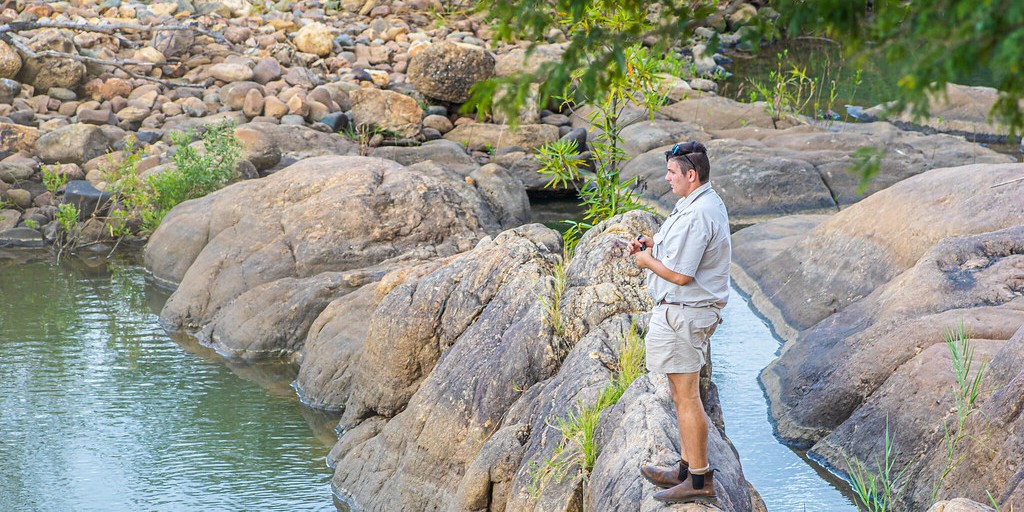
    My name is Rian Gouws and I come from Boksburg, a city near Johannesburg. In my younger life, I was surrounded by animals of all kinds, from birds to antelope, cattle and fish. My dad and grandad often took me out on weekends to go see our farm and go fishing.
    image

    One day, my dad’s nephew – who owns a game lodge  – came with us and told us many stories about what it is like managing a lodge. From then on, I have been excited by the idea of managing or working with animals and learning how they survived in the wild. He taught me how animals reacted to different situations and how to read their behaviour. 

    So, I decided to join a Bushwise field guide course after school to understand animals and educate people about them. In the past five months, Bushwise has changed my view on nature and the world.

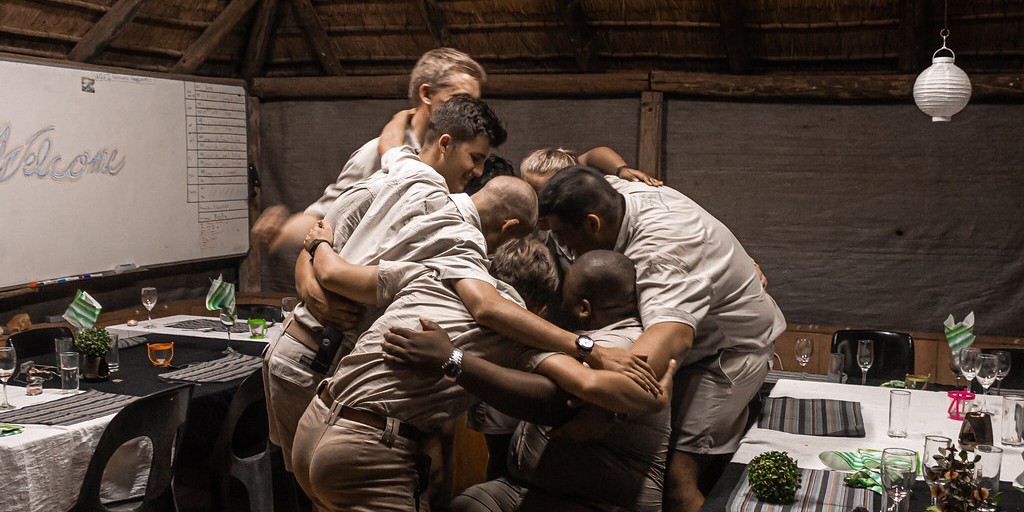
    Starting out I was nervous because there was a lot to learn and a lot of theory to get through.  But I didn’t mind this  because all of it was done to educate me so I can pass on the knowledge to other people. Sitting in class and just listening to the trainers speak about their experiences motivated me even more. Being surrounded by trainers and students who share the same enthusiasm and interests as me has made just about everything about the experience even more enjoyable. 
    image

    Even when I’m washing dishes and taking out the dustbin on campus, I’m reminded that I’m in nature. Sometimes you can hear a hyena calling in the background or see a sable walking down to the dam to drink some water. I always like these moments because I feel part of nature then, just listening to what’s going on and observing my surroundings. 

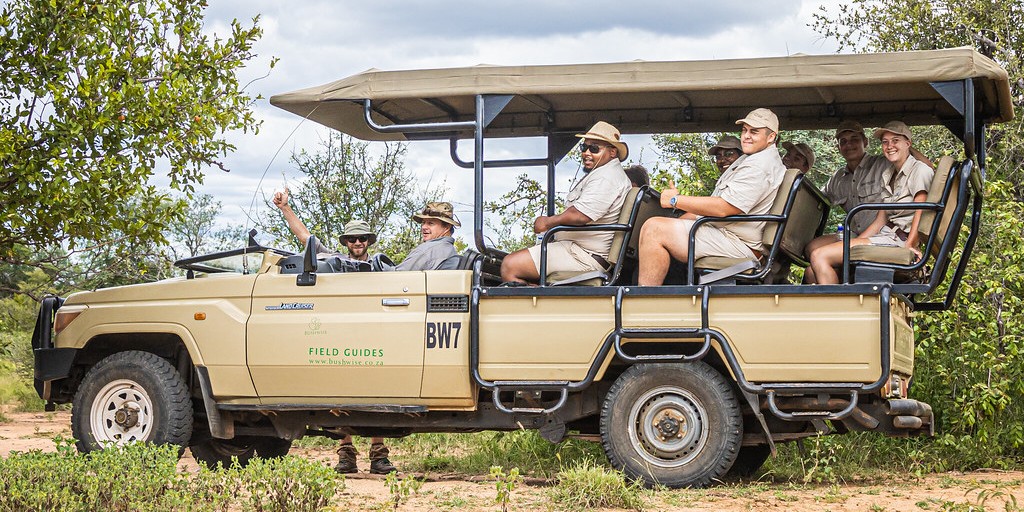
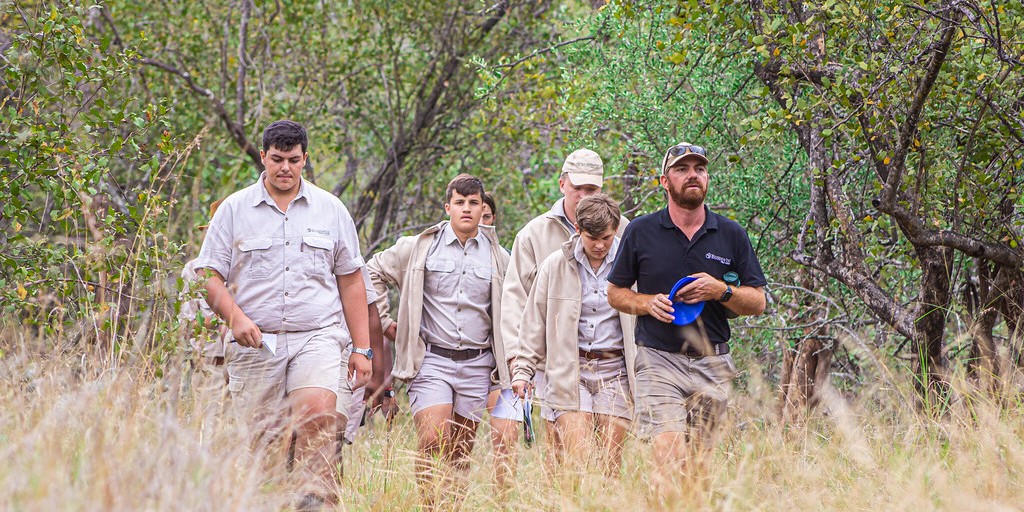
    Game drives were a whole new experience for me because I haven’t been on very many. Driving around and looking for animals was almost as much fun as seeing them because I made so many friends on those drives. We would stop at an interesting tree and listen to the trainers explain interesting facts and stories about this particular tree, which we will one day get to tell our visitors. 
    image

    I always like hearing about the beliefs behind certain trees, like how a buffalo thorn would protect you from lightning or how by eating a marula tree bark could determine the sex of your unborn child. I feel like it’s important to tell these stories so visitors can understand more about the people who lived here and how these stories form part of their culture.

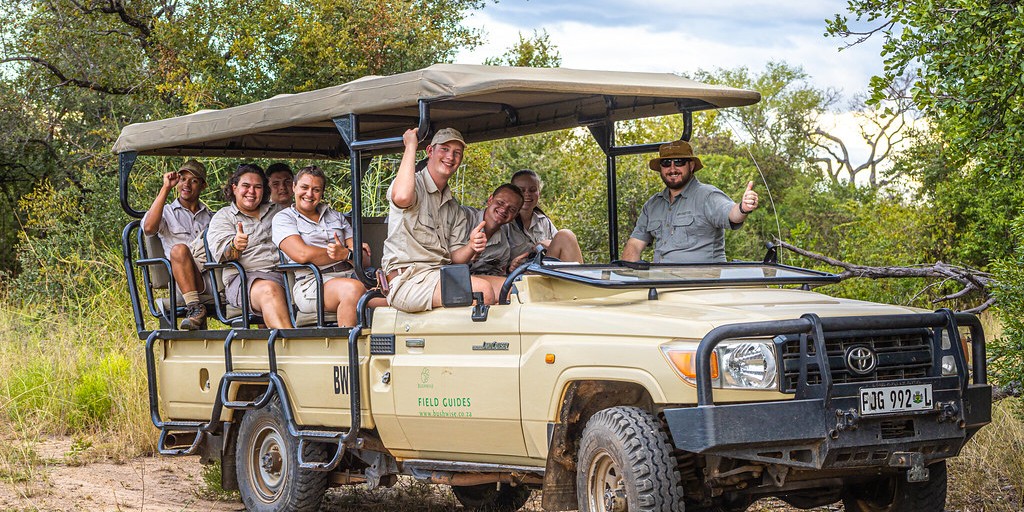
    One of my favourite experiences on this field guide course is when we came across a curious tree squirrel that was standing guard in the middle of the road. As we were observing him, he slowly crept closer until he was right next to the car’s front right wheel. Then, with an extreme burst of speed, he climbed onto a dead tree next to us and just stood there not three metres away looking at us. As he attempted to make a jump to the next branch, he decided against it … MID AIR. With a motion I’ve never seen before he made a backflip and landed on the ground. The whole car burst out laughing because when in your entire life have you ever seen a squirrel bail out of a jump for no apparent reason?
    image

    Being camp manager for a week was quite stressful because I had the responsibility of keeping everyone in check and it was up to me to try and resolve any problem that occurred or pass it along to the head trainer if it was serious. It was much nicer than I expected though, and the experience  taught me how to manage different situations and be more responsible.

    Overall, I think this experience is so much better to live than to read about and is something everybody should do if they have the chance. It changes your view about life and your place in nature for the better. Bushwise has taught me so much and will continue to do so in the future. I can’t recommend them enough. 

    Do you want to expand your knowledge of African animals and experience life on a field guide course? Apply today and pretty soon you could be here!

    #bushwise #fieldguide #qualification #safariguide #apprenticefieldguide #fieldguiding #gamedrive #fieldguidecourse
  • Lifelong memories on a Bushwise course

    Divan Mclachlan and Heindre Gericke, students on a Bushwise course, recall some of their favourite experiences so far – including learning about the night sky with astronomy expert Ben Coley. In this blog, we share their experiences, and their newfound appreciation for the night sky.

    Camp manager blogs are written by our current students who each get a chance to lead and manage a group (of their fellow students) for a period of one week.

    image

    Divan: I have been lucky to be part of a Bushwise course and to be with my fellow students for the past five months. I never would have thought that this campus would be so fun. This place will always have a special place in my heart. 

    Every day is a busy day some will say, but I believe that if you’re passionate about something you will never work a day in your life. I love the bushveld that’s why I am here at Bushwise. The things I’ve seen on game drives many people will never see. I have seen epic sightings and all of the Big Five here at Bushwise.

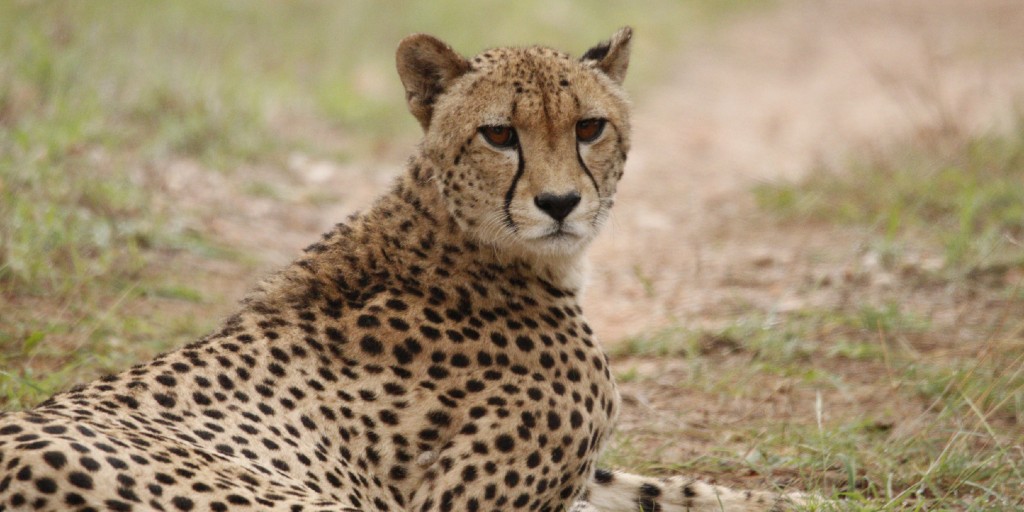
    Hiendre: There is nothing more special (and cold) than sitting on the back of a Cruiser on your way to the game reserve and not knowing what the bush holds for you today. One of my favourite weeks started out like any other, getting on the back of the Cruiser with my friend and singing “Tell me why” by the Backstreet Boys while we were driving to Makalali Game Reserve. After our quick karaoke session, we arrived at the main gate where we saw the two cheetahs who live in that area right at the gate. That’s when you just know it’s going to be a good week.

    image

    Divan: I have already done so much and my knowledge is growing everyday. Like they say, you learn something new every day – from the jokes on coffee stops to the focused game drives. I have also made friends that will stay with us forever in the field guiding industry. The trainers have always looked after us and pushed us to do our best.

    I used to know just 20 birds. Now I know over 100, which is incredible and I am still learning. We go on game drives almost every day and we always see something different – from the tiniest little termites to the biggest elephants. It’s always nice to learn something new about even the tiniest creature. 

    I also love sitting around the boma at the end of the day with a nice fire. Listening to stories and telling them just to have a little laugh are the moments I’ll always appreciate. 

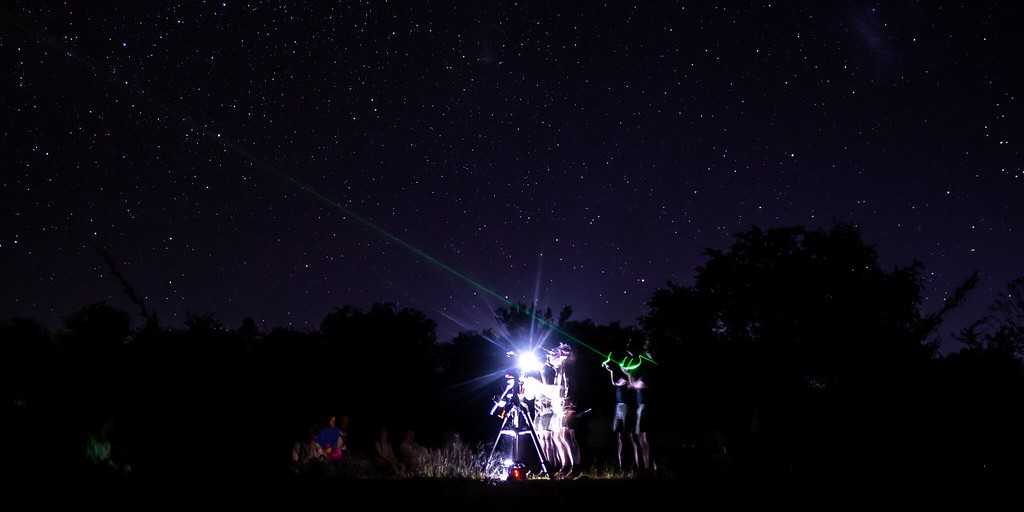
    Hiendre: One of the highlights so far was when Ben Coley visited our campus and gave an introduction to astronomy course.

    image

    We learnt how ancient civilisations used the stars to find direction and to know when to harvest and plant crops. The constellation used to determine the best time to harvest crops was Libra because it would rise just before winter. 

    We also learnt the amazing story of Canis Major and Canis Minor. Canis Major was Laelaps the dog who caught whatever it wanted, and Canis Minor was the Teumessian fox that could never be caught. Laelaps was sent to hunt down the Teumesiian fox, but Zeus realised that the hunt would continue for eternity. So he turned them into stone and placed them in the sky/ These are the constellations we see today. The irony is that they still continue the chase because Canis Minor rises an hour before Canis Major in the winter sky. 

    We also learnt about the battle between Hercules and the Nemean Lion and how Hercules had to strangle it because it could not be harmed by any man-made weapon. After Hercules killed the lion, he took its skin and made a cloak because of its protective abilities. Leo was then placed in the sky as a reminder of Hercules’ heroism and bravery.

    image

    Divan: The astronomy course we did with Ben was so interesting. We  learnt all the wonderful stories of the 12 constellations and the zodiac signs, as well as some extras like the big and small hunting dogs of Orion, Canis Major and Canis Minor. There is still so much that we still need to learn about space. Right now we think that Earth is the only planet with life on it, but there are so many  unexplored galaxies and a number of them might have planets with life on them. It’s incredible.

    Hiendre: After Ben told us about the constellations in our skies, we looked at a few of them through his telescope. The one that surprised me the most was the Jewel Box constellation that is located next to  the Southern Cross. Seeing it through our eyes, it  looks like a mere blur of light. But when you look at it through a telescope, you can see an amazing number of stars.

    I have had the best time here at Bushwise and can’t wait to see what the rest of the course holds for me and my friends.

    image

    Divan: I have enjoyed every moment on this Bushwise course. The staff are friendly and patient, and the trainers are top tier – I wouldn’t swap my trainers for anyone else, not even for a million bucks. I will make the most of my remaining time with Bushwise, knowing the memories will never fade. I am looking forward to what the future has in store for me.

    Astronomy lessons, campfires, game drives and new friends – they’re all part of the Bushwise course experience. Apply today and join one of our upcoming courses.

    #bushwise #fieldguide #stars #safariguide #astronomy #apprenticefieldguide #fieldguidecourse
  • My favourite wildlife sightings in the African bushveld

    Throughout his time on the Bushwise IFGA Safari Guide course, Kieth Windy has had some incredible wildlife sightings.

    Camp manager blogs are written by our current students who each get a chance to lead and manage a group (of their fellow students) for a period of one week.

    Studying at Bushwise’s Mahlahla campus has been a blessing because I have learned much more than I ever expected. It is mind blowing just how much information about nature we have learned, and the detail that is included with overall experience that the trainers provided. My mind has been opened to so many new facts about animals, plants and ecosystems. 

    image

    It has been a wonderful experience, from day one when we received the greatest welcome into the bush. Meeting the students with different cultures and traditions was the best experience and biggest learning curve. The respect everyone gave to all the candidates was a blessing. The Bushwise trainers have enhanced the experience, they are kind and caring, and most of all helpful to all students, providing sufficient information and attention to help each student with what they need. 

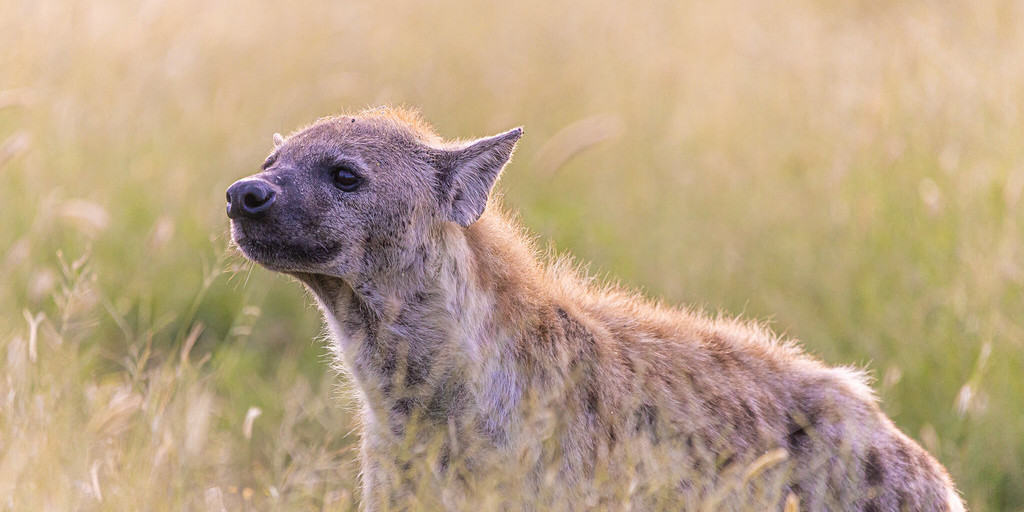
    Our days are filled with so many different activities, and there have been so many amazing highlights along the way. One of these highlights was an experience that I believe was a once-in-a-lifetime wildlife sighting. It happened during my second time behind the game viewer wheel, when a spotted hyena – my personal favourite animal – popped out of the blue, making the whole group practice an emergency stop.

    image

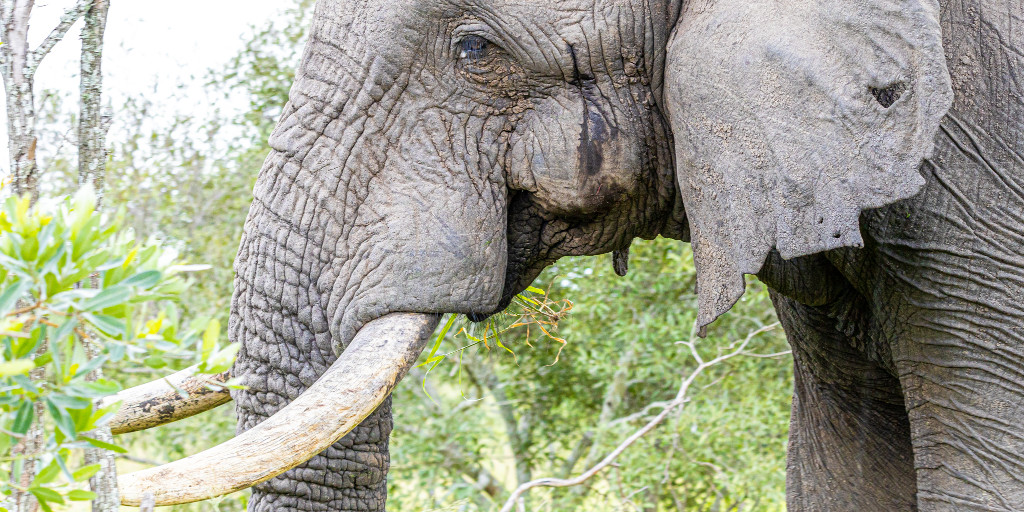
    Another unforgettable moment was our group’s first elephant sighting of the course. After months of trying to track down an elephant to complete our big five sightings, the moment finally came. 

    We had an elephant crossing that blew everyone’s mind. I felt this massive being approaching the car, at first I was a little apprehensive about the encounter, but then, with the help of our trainer interpreting the elephant’s behaviour, I realised that the elephant was gentle and meant no harm. I felt more relaxed as I realised it was just as curious as I was in that wonderful moment. As the elephant smelled the car, I was intrigued by her size and the way she moved so gracefully. It was an absolutely magical moment and I hope that she enjoyed it just as much as I did.

    image

    One other sighting I am incredibly grateful for is the moment when we unexpectedly saw a baby leopard. We were not even on an official game drive that day, but rather going to practise our 4×4 training (another highlight of the course). Not even a minute past the entrance gate, a student shouted “Stop!”, and we all turned to see what he spotted. Sitting low in the grass, blended in perfectly with its surroundings, was a beautiful baby leopard. 

    It was unbelievable how close it was and it was fascinating to observe its behaviour. Of course, that was the day everyone left their cameras at camp, but it was a wonderful opportunity to observe the animal and truly appreciate how lucky we are to be doing this.

     Learning about all the different species of animals, from the big mammals and reptiles to the smallest amphibians and arthropods – as well as the abundance of trees, grasses and wildflowers – has been an eye-opening experience. Seeing how they all contribute to the ecosystem has really helped me see how everything is connected and how important every little component is. 

    image

    One of my favourite things to learn was track and sign. Being able to read the different animal tracks, including the behaviour through tracks, was fantastic. Knowing and understanding how to track animals in their natural environment was the best skill I have gained overall.

    I am glad to be one of the candidates that had this marvellous experience, and all the incredible wildlife sightings, with unlimited information. I am proud to say I am a Bushwise baby.  

    Do you want to make life-long memories and see incredible wildlife sightings while earning a valuable CATHSSETA qualification? Apply today to start your career journey with Bushwise. 

    #gameranger #bushwise #qualification #safariguide #apprenticefieldguide #safari #fieldguidetrainer #fieldguiding #cybertracker #wildlifesightings #trackandsign #gamedrive

  • The wild dogs are in town – call the pup-arazzi!

    It’s not every day that a pack of African wild dogs appears in the middle of your game drive. Bushwise student Lauren Noakes shares her incredible experience observing these endangered canines.

    Camp manager blogs are written by our current students who each get a chance to lead and manage a group (of their fellow students) for a period of one week. 

    We have been treated to some spectacular sightings with Bushwise, but wow, have we had an incredible week!

    image

    To be perfectly honest, my purpose for coming out here was quite different to most of the other students. Having finished a zoology degree (with my final year spent researching Banded mongoose social behaviour) I travelled here with the aim of improving my communication skills and soaking up every possible piece of information about the African bush. But with every drive, I’ve fallen more and more in love with guiding. Getting to guide the spectacular sighting we had this week was what really solidified my intention to pursue this incredible career path.

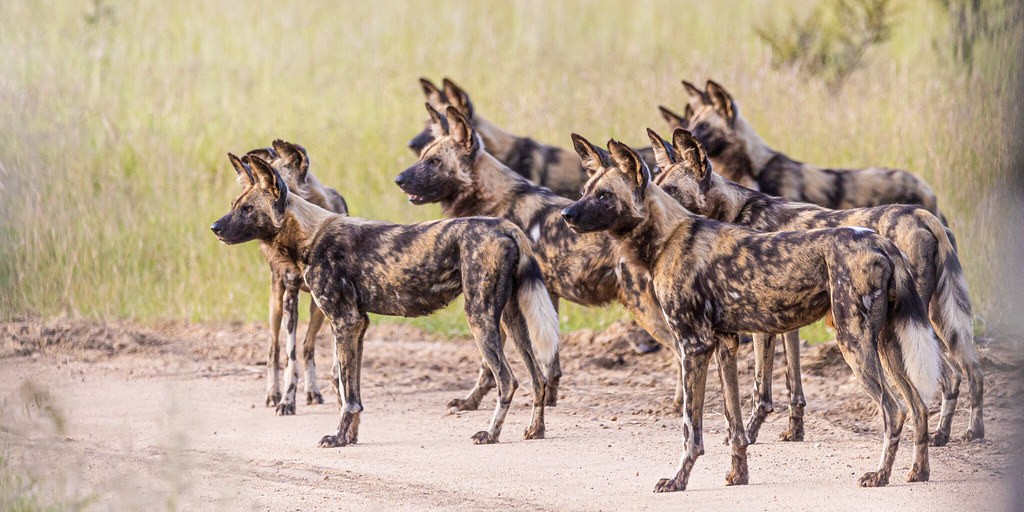
    It was halfway through my drive and I was making coffee at the drinks stop, congratulating myself on what I considered a pretty successful drive so far. Little did I know what was just around the corner! We set off again, and as we came up over the hill, I heard excitable chittering and chattering and saw a flash of white tails – it was a pack of wild dogs!

    image

    Following protocol, I quickly radioed my fellow guide: “All stations, we have a pack of wild dogs, just west of the 4-way junction, visual 5 out of 5”. Well, I say that. I think it came out more like: “HI, WILD DOG!!” Not quite as professional, perhaps, but I think it got the point across! My excitement only grew when we realised they were on a kill.

    My radio procedure may have gone out the window, but my guiding skills did not! I quickly positioned the vehicle into a nice viewing spot in the shade, watching as the other students whipped out their cameras and began clicking away, capturing the carnage of the dogs tearing apart what was once an impala.

    Wild dogs live in packs and are well known for their altruism and selflessness, allowing the injured, old or juvenile dogs to eat first, even before the alpha pair. We noted that the alpha female of this pack was pregnant, which was quite exciting as the denning season (the period when wild dogs give birth and reside in a den with the pups until they’re big enough to leave) is right around the corner. One of the dogs is easy to distinguish as it has droopy ears… we have creatively nicknamed this dog “Floppy”.

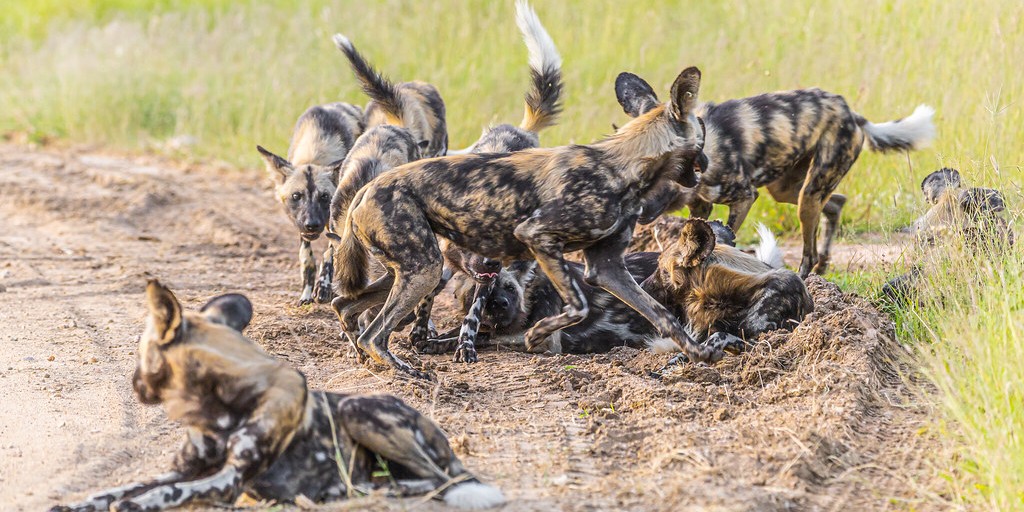
    After the dogs finished, they moved even closer to our vehicle, sharing our shade and even scent-marking the front of our vehicle! Wild dogs are

    incredibly social creatures, reaffirming their bonds and hierarchy through play. We got a front row seat of this behaviour, with the dogs practically bumping into our car as they bounded about.

    Once things settled down with the dogs, we soon got to view the next step of the food chain – the scavengers! White-backed vultures swooped in by the dozen, eagerly waiting for the dogs to leave the carcass. The dogs seemed to love this, leaving the impala’s remains only to charge back to chase the vultures away, scattering them into the skies.

    Vultures may be smart raptors, but not smart enough to outwit the hyenas that had been lurking around the outskirts of all the drama. Two individuals dashed in and stole the carcass, leaving the vultures looking very disappointed! These guys don’t deserve the bad press they often get from TV and movies, as they truly are fundamental to an ecosystem’s health. This is because they act as the cleaning crew of the bush, even being able to eat diseased carcasses, removing them from the environment.

    image

    After spending a few hours with the dogs, and being very late for dinner (although surprisingly no one complained) we set off for home. As if the day couldn’t have gotten any better, we also found two male lions on the way back to the college!

    For me, there really is nothing more satisfying and fulfilling than watching the faces of your guests light up at a sighting – whether it’s their first safari or their hundredth – the excitement never gets old. We are so lucky to be heading into a career where we get to be the interpreters of this incredible biome, unlocking the door to the natural world for many people.

    Would you like to feel the rush of adrenaline at a wild dog sighting, sharing that experience with your guests? Apply today and soon you could be guiding a safari in the African bushveld.

    All photos by Louise Pavid.

    #bushwise #fieldguide #safariguide #animals #apprenticefieldguide #safari #wilddogs #endangeredspecies #fieldguidecourse
  • Field guide training with the best of the best

    Bushwise student Tasia Simons shares her experiences during Bushwise field guide training, learning from experts in the industry.

    Camp manager blogs are written by our current students who each get a chance to lead and manage a group (of their fellow students) for a period of one week.

    A brief introduction about myself. My name is Tasia and I’m 23 years old. I’ve always had a passion for wildlife and knew from a young age I wanted to work in and with nature. Being a little introverted, I thought being a field guide would be too difficult but I forced myself out of my comfort zone. Soon I realised how much I love working with people and getting to tell stories about South Africa’s incredible wildlife.

    I was nervous to join Bushwise but heard only positive stories about them and so I took a leap of faith and signed up. Upon arrival, I immediately relaxed, the trainers were warm and welcoming, and I felt at home straight away.

    image

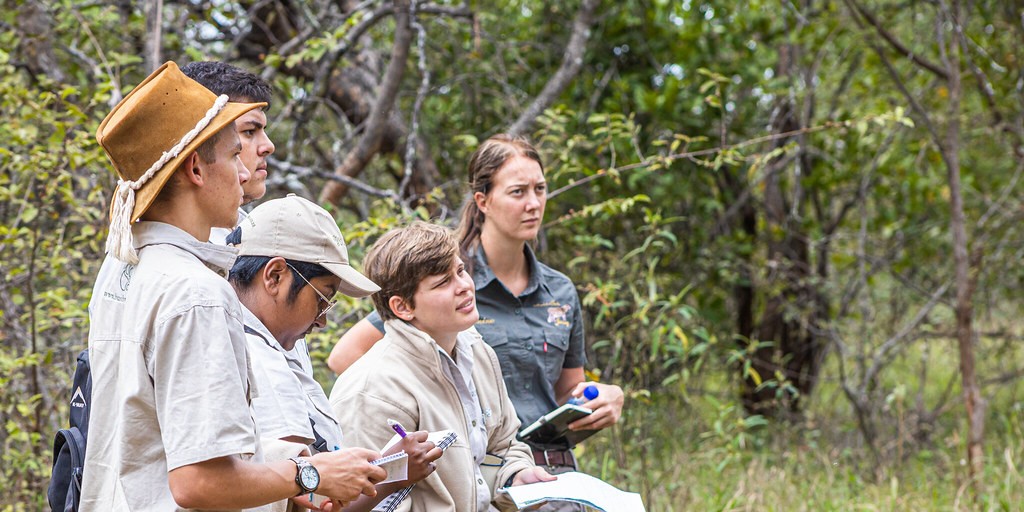
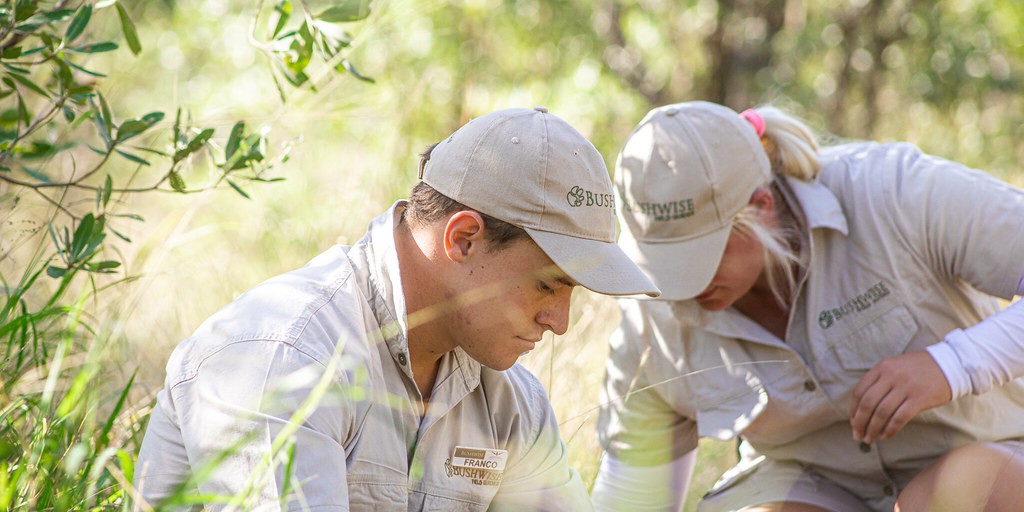
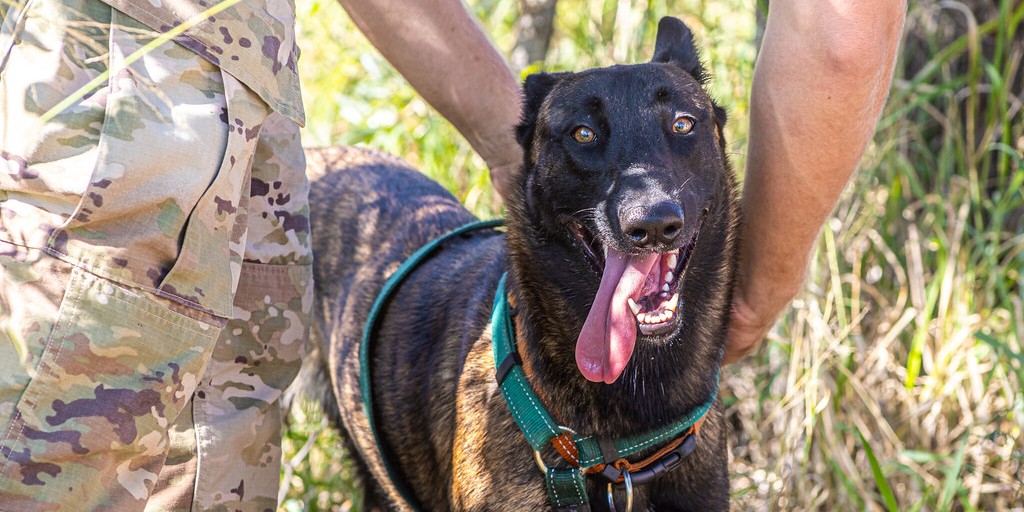
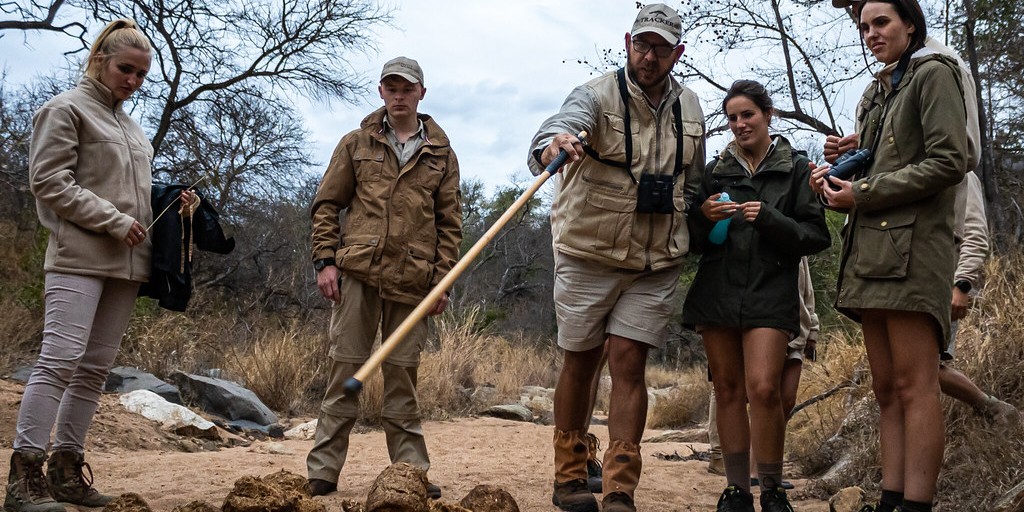
    Finally it’s my turn to be camp manager and get a taste of what it’s like to “run” things for a week. During my week as camp manager, I got to experience doing track and sign with my group which included meeting the k9 unit and watching them work. We also got to learn about responsible resource use, and the amazing work that’s being done to give back to the community and sustain our land for future use.

    Let’s jump into track and sign this week. When you’re in field guide training you soon hear stories about the best of the best in this industry. Colin Patrick was one of those names that came up often. He led our track and sign course, which was both exciting and terrifying at the same time.

    In the beginning of the week Colin told us to trust him, which I really wanted to do, but could I possibly learn so many tracks and signs in just one week? I decided that if I really put my heart into it and worked hard, then I could get a level (you can earn level one, two or three in the assessment). From Monday to Wednesday we spent hours every day staring at the floor so on Thursday we had a little bit of a break and went to meet the K9 unit.

    image

    Running through the bush trailing someone’s scent with a Belgian malinois tugging on the lead is an experience I will never forget. Putting all your trust in a dog and letting it do its work was incredible. There’s so many hours of training these dogs go through, but this is what they live for, they absolutely love it. The excitement the dog gets from finding someone at the end of the trail and making their handler proud really gives you goosebumps. We then got to see the dog track down a 1.2km scent trail, they did that in two minutes and eight seconds!

    We spent a few hours with the K9 unit and I’m sure we’ll all be talking about our experience for a long time. For me personally, I realised how much I admire what these dogs do for us and our wildlife conservation. We enjoyed our break from tracking but the following day was the test and we were all worried whether we would get a level or not. I went in with the mentality to have fun and I was already proud with how much I had learnt throughout the week.

    At the end of the day, all our hard work had paid off and we all walked away with a Cybertracker track and sign level.

    image

    The following week we started with responsible resource use. As field guide training students we were all excited to learn how we could help towards the preservation of our land and resources and one day be able to share this knowledge with our future guests. We went to locally owned cafes and we met farmers who are helping in their own way to give back to the communities and create job opportunities as well as using the land responsibly.

    It was a great learning experience being camp manager for the week and I’m so glad Bushwise came up with so many ways to keep us learning. It’s nearly time for the semester to end now and, although we all look forward to the short break, we also can’t wait to get back and learn more!

    Do you want to train with the best of the best? Apply now and soon you could be part of this incredible field guide training experience!

    #gameranger #bushwise #safariguide #trailsguide #apprenticefieldguide #safari #fieldguidetrainer #fieldguiding #tracking #cybertracker #trackandsign #gamedrive

  • Tuning in to the natural world

    The natural world is all around us – and we play an important role in protecting it. Bushwise student Joshua Stacey shares his experience immersing himself in nature.

    Camp manager blogs are written by our current students who each get a chance to lead and manage a group (of their fellow students) for a period of one week.

    No matter which direction you look in the bush, if you look hard enough for long enough, there is always something to be seen. It could be the head of a giraffe poking up above the tree line in the distance or a nesting bird, camouflaged in the fork of a branch just a few feet from the vehicle. 

    image

    Photo by Joshua Stacey

    The difficulty comes when you can’t look everywhere all of the time, as something interesting is bound to be missed. I learnt this very quickly on our first game drives and accepted it, but as we have all progressed and trained our eyes, less and less seems to slip through the net. 

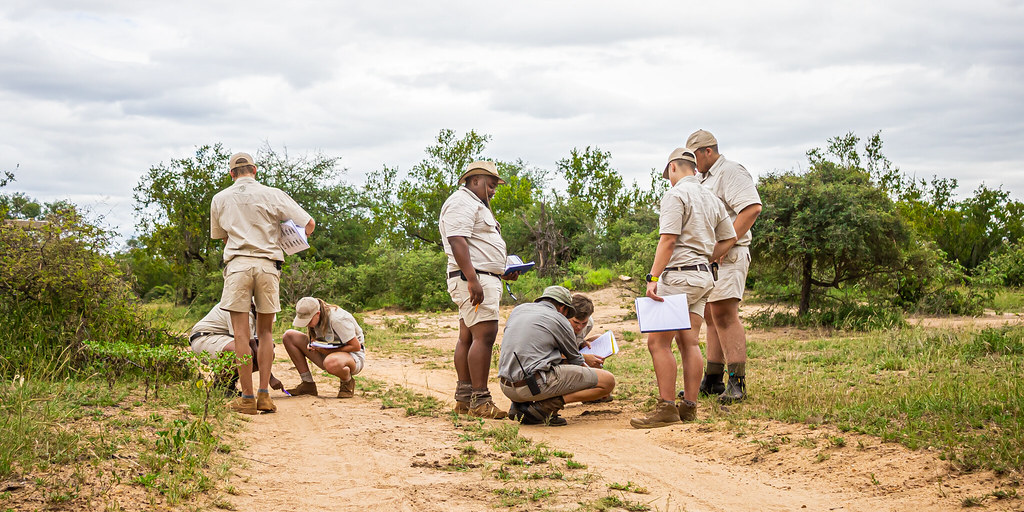
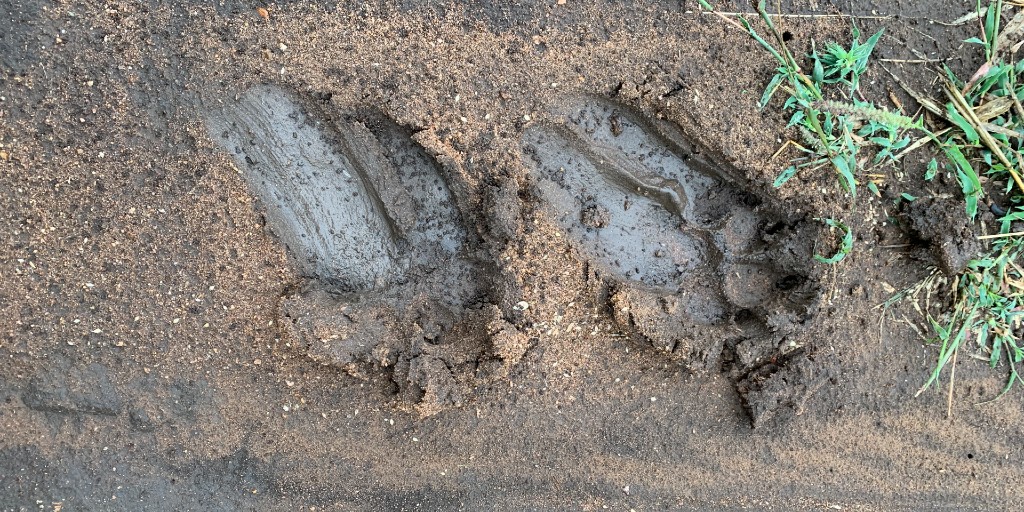
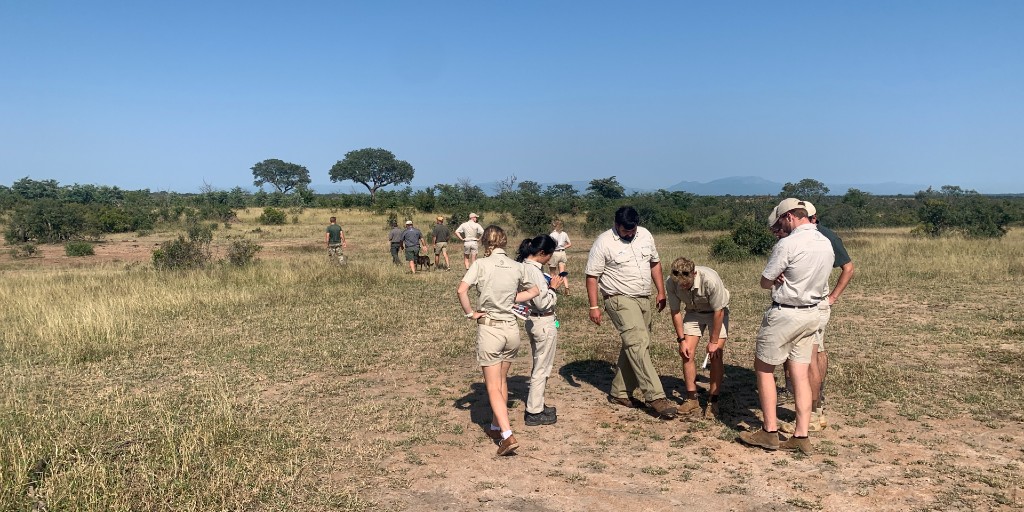
    This semester we spent a week with Colin Patrick, a local tracking legend, learning how to recognise tracks, describe their characteristics and shapes, how wide or rounded they were and a plethora of other signs in the bush – with the hope of getting a track and sign qualification after completing the end-of-week assessment. In other words, we spent a week staring at the ground. 

    image

    Photo by Joshua Stacey

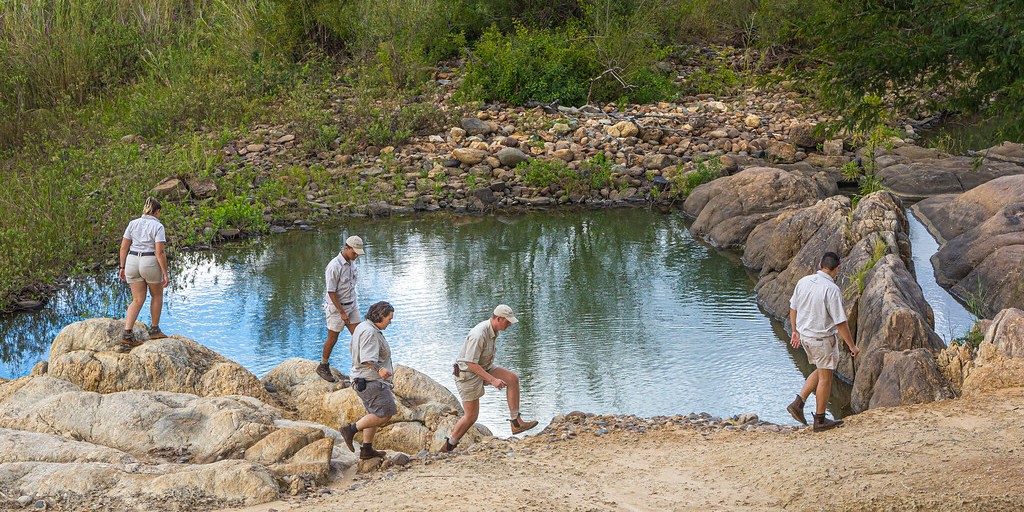
    It was great to get out a bit more on foot, walk along the water’s edge at pans and dams, exploring dried up riverbeds we hadn’t yet seen, learning from such a pro. Finding tracks of aardvark and African wild cat – which are rare species we knew were probably here, but now had proof of – was a thrill. The week itself was a journey of rapid improvement and growing confidence, like many other weeks at my time at Bushwise. I was getting truly immersed in the natural world. 

    It occurred to me that during that week, my eyes were always pointed down, craning my neck closer and closer to the ground, trying to catch the outline of something that I had been told was “there”. Everybody else was doing the same – I would stand up straight to ease the pain in my neck and see the others also had their eyes glued to the floor. I am sure somebody was keeping watch, but it felt like anything could approach us undetected as we were so engrossed in the tracks in the sand. 

    image

    Photo by Joshua Stacey

    Aside from what could have been approaching, what were we missing in the sky above? It is one thing trying to identify a species of bird sitting still on a perch, but a different thing altogether trying to identify a silhouette in the sky from below. When I first arrived in South Africa in January, I didn’t think it was possible for me to be looking at a bird in flight, judging its flight pattern, the shape of its tail, the angle of its head and then accurately narrowing down the options to what it could be.

    Like track and sign, being able to identify a bird in flight from below comes from doing it over and over – and goes from being a frustrating game to a fun one. This applies to whichever direction you look. When you try to tune into the bush, and what is going on around you all the time, you observe things you would not have seen before. The more time you spend looking, the more pieces of the puzzle fall into place. 

    Above all, being on the Bushwise field guiding course has been a journey of personal development, in terms of knowledge and confidence in that knowledge. 

    image

    Photo by Joshua Stacey

    I have always had a keen interest in the natural world which has been fed by watching nature documentaries. But when you watch a documentary on TV or visit a place for a short time, you don’t get a sense of the bigger picture – the whole ecosystem and each small component.

    Like most people, I used to enjoy sitting in the comfort of my home and soaking up the action of a lion hunt, or a flamboyant courting bird.  Now with all the knowledge I’ve gained, I consider the special moments that somebody felt while tuning into their surroundings in the months and years they had to wait to film those moments.  

    By the way, I achieved a track and sign level 2 qualification, another proud moment from my time at Bushwise that I once thought was beyond me.

    Have you ever immersed yourself in the natural world? Apply today and soon you too could be living wild.

    #gameranger #bushwise #safariguide #apprenticefieldguide #safari #cybertracker #trackandsign #gamedrive #fieldguides

  • Adventure on course in the African bush

    Bushwise student Marlene Botha takes us on an adventure in the African bush alongside her fellow students.

    Camp manager blogs are written by our current students who each get a chance to lead and manage a group (of their fellow students) for a period of one week.

    And so another very eventful semester at Bushwise Mahlahla Campus comes to an end. Between game drives, two weeks of studying, learning about hospitality, competency, and track and sign, we have experienced (and grown) so much in the past five weeks.

    I will never forget arriving on campus for the very first time, not knowing what to expect but being extremely excited about what was to come. I remember the anticipation and nerves I felt when meeting all the people I would be spending the next six months of my adventure with, not yet knowing that we would become such a close-knit family. Going on our first game drive and having our first drinks (phuza) stop and now laughing about how we forgot our snacks on that first drive.

    Compared to where we are now, the theory component to becoming a level 1 field guide (apprentice field guide) – and beyond excited to be back in the bush on the game viewers, learning and laughing. 

    image

    Despite spending many hours sitting in the classroom, you can easily tell that we are passionate about the bushveld. Every break is spent identifying bird calls. All of us swarm out of the classroom when we see sable antelopes on campus. We walk to and from the classroom with our heads down to identify different animal tracks. Not to mention driving around campus in our own vehicle trying to spot the mysterious leopard. 

    As we have become more experienced, we’ve spent time talking about how we miss the madness of our first game drives and all the jokes and memories made on them. I have really enjoyed the phuza stops and rusks every morning, and the afternoon sunsets with coffee or Oros (in some cases coffee accidentally mixed with Oros). 

    We have also met a few interesting creatures living around our rooms, like Gregory the rainbow skink that gives you a fright every time you come around the corner by rustling the leaves under the trees. There’s also the dynamic duo Jenny and Joshua, two bats who live just outside our roof.

    image

    A lot of nights are spent around the fire in the boma area, where I usually find my roommate’s head pointed straight up at the sky, trying to identify different constellations of stars.

    Our week was also filled with a bit of adventure when we did an EAP (emergency action plan). This is similar to when you plan a fire exit plan at your house, school, or office, in order to be properly prepared when something happens in the future . Our bacon and toast breakfast was left behind and forgotten as well as some of the people’s plakkies (flip flop shoes) as we ran across the bridge to assist where we were needed.

    Despite some emotions running high, we were able to successfully complete the EAP (for context – imagine the fire alarm going off at school during a drill, and you and the other students rushing out the door to your meeting place). 

    image

    So far, this course has exceeded all of my expectations and is one of the best decisions I have ever made. I get to wake up every morning with the sounds of the bushveld around me, and I get to share this adventure with incredible people. I am beyond lucky to spend day in and day out enjoying the wildlife and going on game drives – simply being in the middle of the bush. 

    After a well-deserved week off and some much-needed rest, I am grateful and happy to have had the chance to spend my first week back as acting camp manager. I am beyond excited to see what the rest of the third semester has in store for us and the memories that will be made in the next three weeks.

    Are you keen on adventures in the African bush? Apply today and start your career journey!

    #gameranger #bushwise #safariguide #apprenticefieldguide #safari #fieldguidetrainer #adventure #fieldguidecourse
  • Elephants: the big feisty giants

    Elephants have the power to amaze and mesmerise. Bushwise student Oryx Nauwelaers shares his experience with getting to know these gentle giants even better. 

    Camp manager blogs are written by our current students who each get a chance to lead and manage a group (of their fellow students) for a period of one week.

    Growing up I was the stereotypical kid who liked lions and leopards, and never paid much attention to other animals. But after joining Bushwise, that changed very quickly.

    Now I know what you’re thinking: “Who names their kid Oryx?” If it makes you feel any better, my sister is called Nyala. My family has always been very keen on the bush. So much so that I consider it a second home. Nature always succeeded in keeping me calm and helping me clear my mind. That’s actually one of the reasons I decided to join the course.

    It soon became very clear that there is so much more to safari than rushing from lions to leopards to hyenas. Don’t get me wrong, they are all great sightings. But there had to be more, right? That is when elephants piqued my interest.

    image

    I didn’t achieve this interest on my own – we often stayed and watched them. In the beginning the trainers always told us to cup our ears with our hands and just listen to them. Hearing them eat, shake a marula, and communicate. A smile started to form on my face and a new interest was born. 

    The trainers at Bushwise are very good at sparking new interest in people and I have to admit, I strongly underestimated how difficult it is to be a field guide. Hearing countless field guides speak and tell stories about nature in such a fluent and interesting way. Thinking to myself, “How hard can it be?” But when it was my time to shine, I just froze. Words didn’t make sense and my mind was scattered. After this my respect for field guides skyrocketed and I told myself I was going to do better!

    Soon it was my turn to be camp manager. Receiving my first guest, I gave a quick tour of the campus before going on our first official bush walk. It was a new experience for all of us and it is very different from sitting in a game vehicle. We all realised we were much more vulnerable and because of that had to be extremely cautious and follow strict rules.

    image

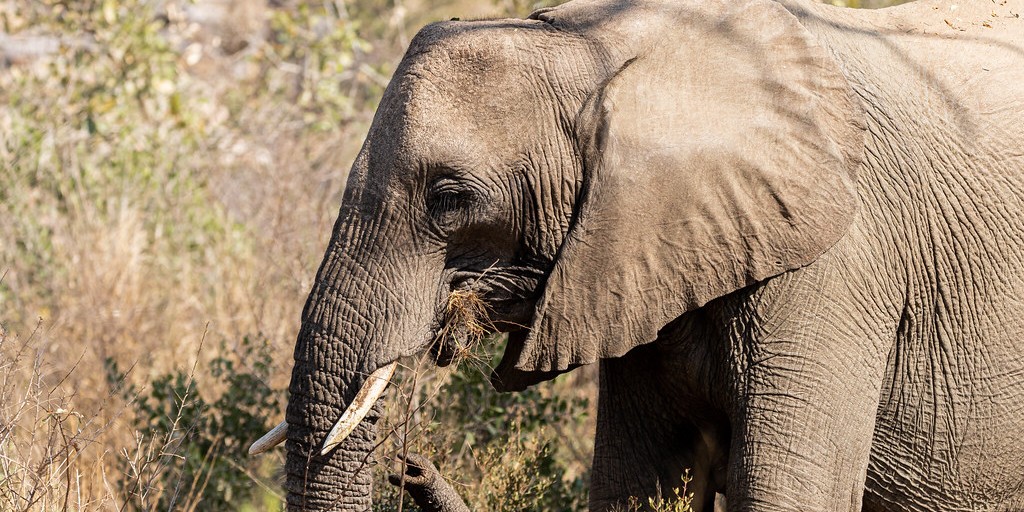
    When you are walking through the bush, you truly get the full nature experience. The walk was from campus to a nearby waterhole and took around three hours to complete. During the walk we had a total of four elephant encounters, each one getting better and better. Seeing these magnificent giants from up close, on foot, was a whole new experience that we’ll never forget. Some of them were curious, some of them were scared, but most, even after sensing our presence, remained calm and unbothered. 

    At the end of the walk we came across a breeding herd that was a bit too close for comfort. As we watched the other elephants drink from the waterhole while slowly making our way back to campus, the brave male bulls kept all of us in their sight. 

    The next day we encountered an elephant bull in musth. With the wind blowing in our direction, let’s just say it did not smell like roses.

    image

    There are a lot of potentially dangerous things that can happen during a bushwalk. Because of this all of us have to learn how to handle a rifle. The group was split into two – one half beginning with track and sign and the other half with rifle handling.

    As someone who had never handled a rifle before it was quite a scary experience at first. Once you have the rifle in your hands, adrenaline starts pumping through your veins and you have to prevent your body from moving while trying to hit the target as perfectly as possible. In the end I managed to only miss one shot, and nearly got a bullseye, which made my day.

    All in all, being a camp manager was not so different from a normal day on campus, and I hope that I get to see more of those big feisty giants.

    Do you dream of elephants? Apply now and join the next class of Bushwise IFGA Safari Guide students!

    #gameranger #bushwise #fieldguide #qualification #safariguide #safari #fieldguidetrainer #fieldguiding #cybertracker #trackandsign #gamedrive #elephant #fieldguidecourse #studying #fieldguides
  • Off-roading in the bush – and in life

    Leaving the fast-paced life of the German autobahn behind, Bushwise student Marc Weber discusses slowing down and off-roading in the African bush. 

    Camp manager blogs are written by our current students who each get a chance to lead and manage a group (of their fellow students) for a period of one week.

    As a stereotypical German, I enjoy driving on the autobahn with the goal of reaching my destination as fast as possible. I adapted this behaviour beyond the road and into my everyday life. I sped through my studies and quickly landed a good job with a nice income. But after finally reaching that goal, I realised that even though I had a well-paid job, I didn’t even like the street of life I was driving on.

    image

    This awareness made me change lanes, which ultimately led me to a game farm in Namibia where I experienced my first safari. There I learned that the Swahili word safari means “journey”, which reminded me of a famous quote by Confucius. He once said that one’s path is not about the destination, but about the journey and experiences along the way.

    Although my final destination is yet unclear, my path is currently winding through the field guide course with Bushwise in South Africa. Through theoretical lectures I am learning about the miracles of nature, to best understand what’s happening around me and to be able to share that consciousness with future guests. This knowledge is directly put to the test during daily game drives in the bush. These off-roading drives are unpredictable as you never know what you might happen upon.

    image

    For this reason, it is important to be equipped with a broad knowledge about the flora and fauna as well as the animal life specific to this region. Beyond this, it is crucial to be ready for any unexpected occurrences, such as dealing with a flat tyre with lions nearby, or giving first aid to a guest with a snake or insect bite. Specialists regularly visit Bushwise to give guest lectures, further strengthening the foundation of knowledge which the future field guides will require out in the bush. 

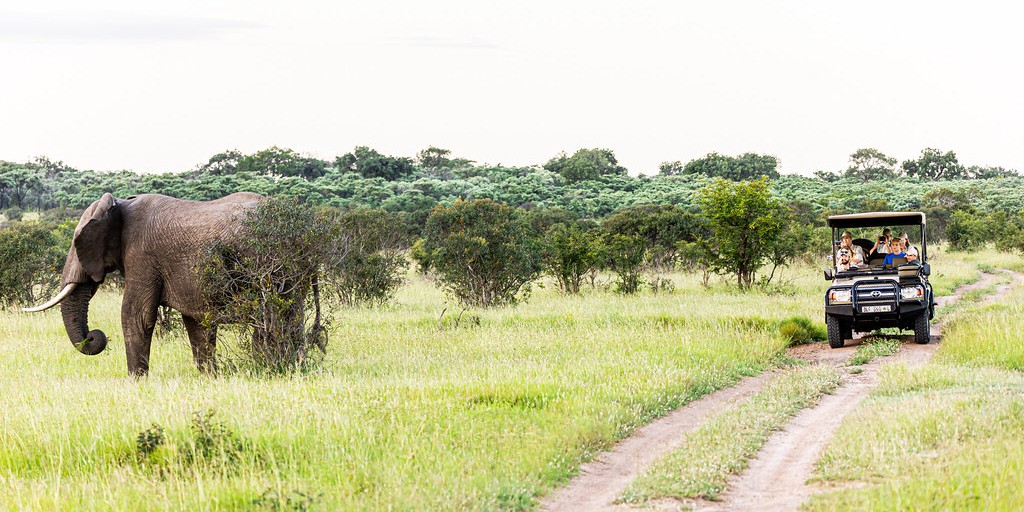
    In addition to the lectures and game drives, students are each required at one time during the course to be camp managers. During my week as a camp manager, we had 4×4 and off-roading theoretical lessons in addition to our regular lessons. This was directly followed by practical application in the field. My instinct to drive and get to my destination as quickly as possible was of no use here. We were taught how to stop a vehicle in the case of a sighting so that all the guests can be participants and observers. We also learned safety procedures, such as how to tow a stranded vehicle. These lessons allow the field guides to maneuver guests safely through the bush, even in places where there are no roads to follow.

    image

    Roads are only present because someone has driven them in advance. First and foremost, this means somebody physically drove there before, creating the road itself. But furthermore, more and more people chose that path. Which in nature can make things more predictable because wildlife can adapt to the roads, with high chances of them avoiding the streets and the loud game viewers in favour or being undisturbed. In my opinion, one of the best sightings we had (two cheetah brothers) wasn´t in the car driving on the usual roads, but during a trail walk in the bush.

    And just as when off-roading, in life you never know what to expect – again it’s about the journey and the experience itself. You see that sometimes the obvious streets are just the paths most people took. It does not necessarily make this the right one for you. Learn that even if you’re stuck there’s always a way out, but admit that sometimes you will need help from others. 

    Therefore, enjoy the journey as it’s happening, without worrying about the destination. And be adventurous enough to not use the worn-out streets, because sometimes the best sightings are off the road. 

    Slow down and enjoy the journey like Marc. Apply today and start your career journey on the road less traveled.

    #bushwise #fieldguide #safariguide #apprenticefieldguide #safari #fieldguidetrainer #tracking #cybertracker #trackandsign #fieldguidecourse #studying #fieldguides
  • Lions on a kill – and incredible pride dynamics

    Lions provide great opportunities to study group behaviour. In this blog, Bushwise student Charlie Beardall shares his recent experience observing lions near campus.

    Camp manager blogs are written by our current students who each get a chance to lead and manage a group (of their fellow students) for a period of one week.

    How would you react if you were relaxing in the pool and received this message from your trainer: “Lions about 75 metres off the road … be at the car park in 5 mins”?

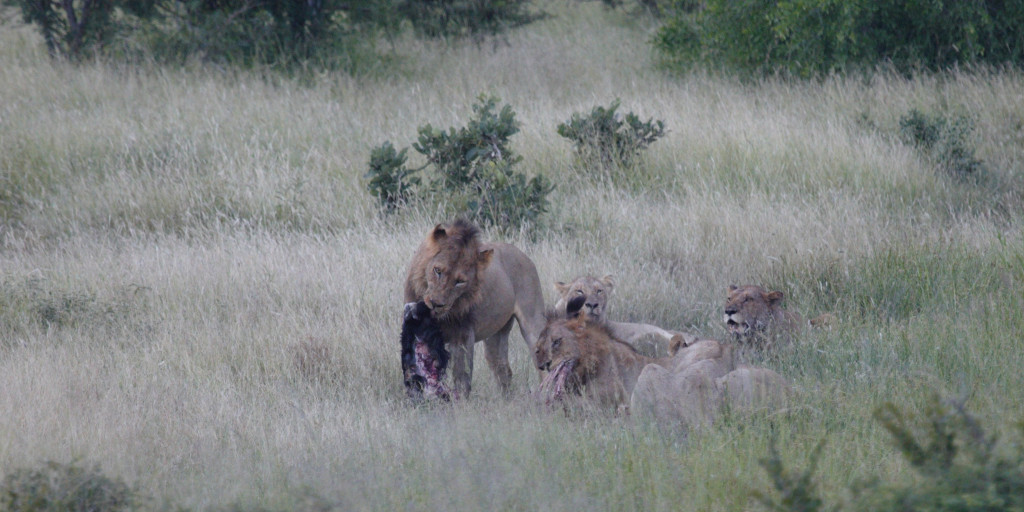
    It was a late Sunday afternoon, the sun was burning, and some of us had just jumped in the pool when that message from trainer Ben came through. A few minutes and several burning calf muscles later, the vehicle was full of students and we were off to see the lions. Excitement levels were high. We drove not two minutes, swung around the corner of the plains and there right in front of us – a pride of lions on a kill!

    image

    Outside of an example to the sheer unpredictability of student life out here, I thought this would be a good opportunity to talk about the dynamics of a pride of lions – and especially in this case – talk about what happens when the juvenile males grow to sexual maturity.

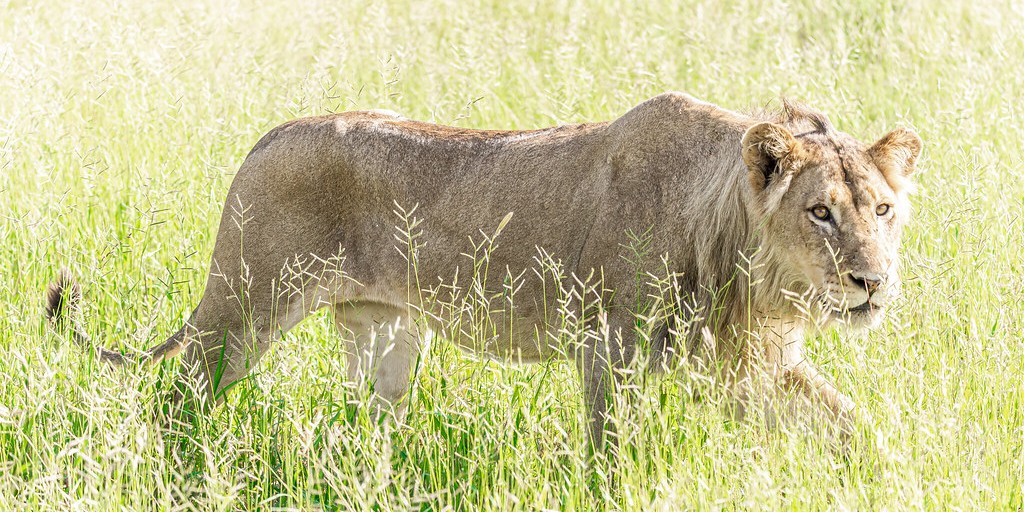
    The pride was made up of two dominant males, two juvenile males, and five females. At the time we arrived, and as you can see from the photo, the two dominant males were on the kill.

    For me this was fascinating, I have never seen a pride of lions on a kill before so had no idea what to expect. It was clear from the off the two dominant males were not tolerant of sharing their prize meal.

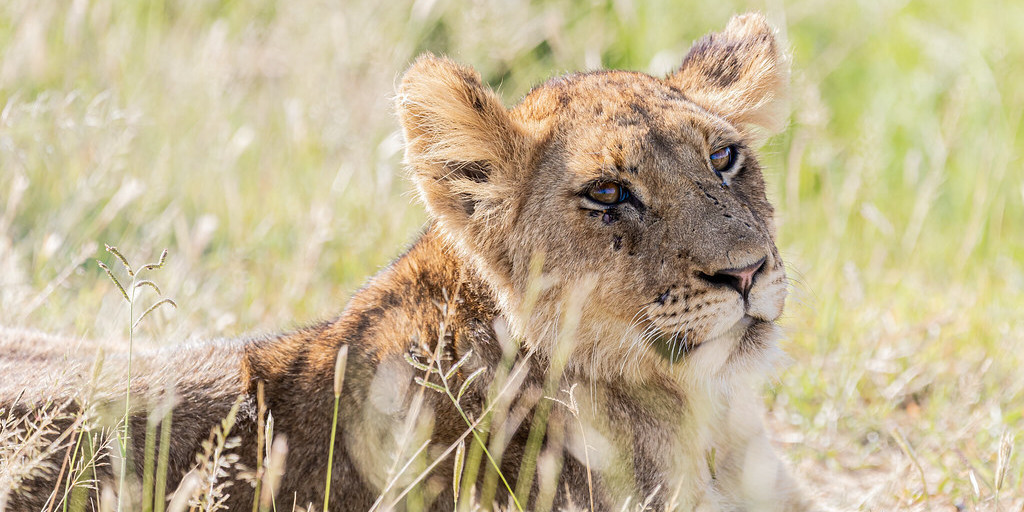
    One of the juvenile males, who we estimated was around two years of age, came in for a closer look and quickly received a short, sharp, snap of a growl. The youngster quickly backed off, tail between his legs, maybe oblivious to the wider consequences of his actions.

    image

    We stayed with the lions until the sun set and our own dinner called. What a sighting to break up the day and clear our minds before the next day’s test!

    The following day, after a morning of tests and lectures, we were desperate to see if the lions were still there. We know lions have a tendency to rest and digest for quite some time after a large meal, especially when they can sleep for up to 20 hours of the day!

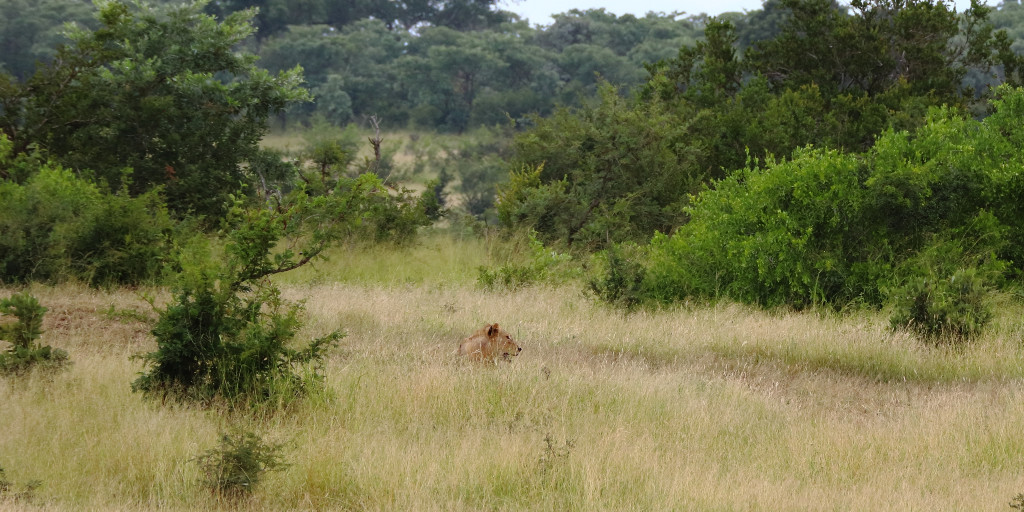
    On the road up to the plains, we spotted one of our juvenile males, but something was different.

    The juvenile looked almost lost, confused, and incredibly skittish. Any noise – from a bird shouting an alarm call to the sound of a vehicle driving past – his head was bolt upright and ears pricked.

    We soon came to the realisation that this male lion was all by himself and the rest of the pride was nowhere to be seen. This sparked a conversation on the vehicle around the eviction event of juvenile males who are coming of age.

    image

    We understand the reasons why dominant male lions tolerate the juvenile males – more muscle and claws to take down the larger prey to feed the pride, as well as an extra set of razor-sharp teeth to defend against rival males. However, at around the 2.5 to 3.5 year mark, these juveniles start to become sexually active. And when the name of the game out here is to spread your genetics, this does not sit well with the dominant males, even if these juveniles are family.

    In an attempt to drive home the message that it is time to leave the pride and start anew in a foreign land, the dominant males start to become aggressive towards the juveniles. This is a dangerous time for juvenile male lions – unfamiliar terrain, surrounding enemies, a lack of skill and experience. They are simply thrown out into the harsh environment and forced to survive for themselves.

    Back to the lone juvenile male spotted along the side of the road. Although we can’t say for sure, I think we can assume this juvenile had been kicked out of the pride. The silver lining, however, is this could be the start of a new, powerful coalition of brothers – the beginning of a new legacy.

    image

    To sum up, lions on a kill is something I will never forget. The sounds, the tension, the fact that there was a pride of lions right in front of me. Watching that juvenile male by himself is something I will never forget. The tightness in his body, the loneliness.

    And also how this sighting came about. Life out here on campus and in the South African bush is so unpredictable. It’s wonderful to wake up every morning to the genuine thought, “Well what’s today got in store for me?” It’s a fantastic feeling and I’m hooked on it!

    If you apply today, pretty soon you too could be waking up feeling inspired just like Charlie. Keen to make a fresh start? Let’s get going.

    #lion #gameranger #bushwise #fieldguide #qualification #safariguide #apprenticefieldguide #safari # #guiding #fieldguidecourse #fieldguides