Category: Student journeys

  • It’s the small things that bring the wild to life

    BY: Louise Pavid

    image

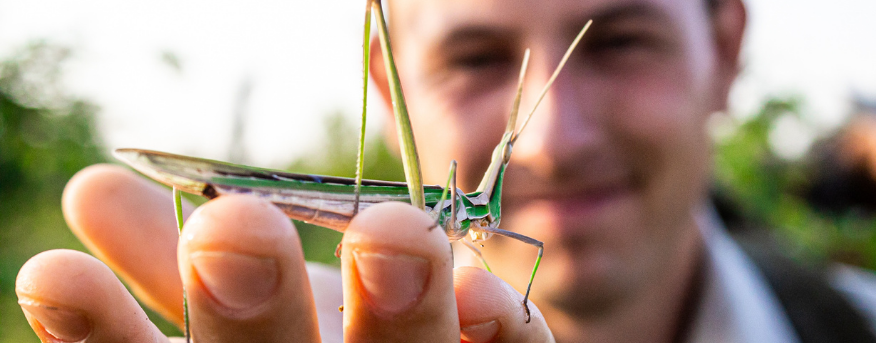
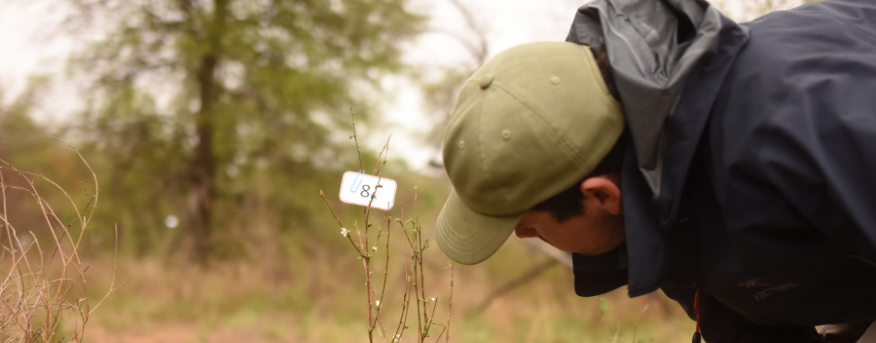
    Chasing the big five is always the number one priority for most bushveld newcomers. The thrill of spotting a leopard or having an elephant stand within metres of you is prized above all else. Yet, it’s often the case that the smaller things are what makes an experience in the wild most memorable.
    image

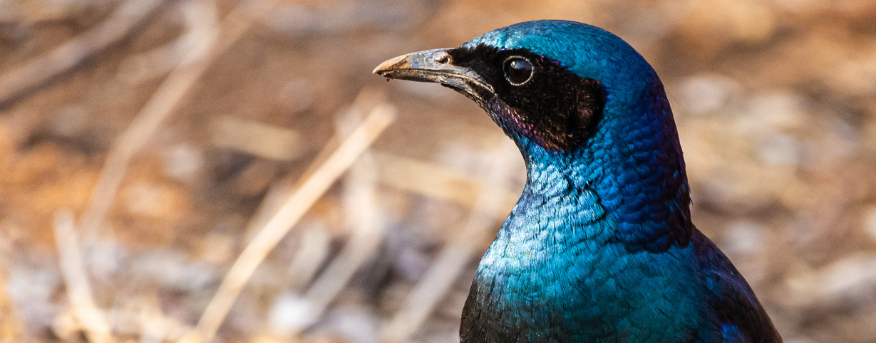
    There is staggering beauty and intricacy in the wild that is often overlooked in the pursuit of more iconic mammals. The iridescence of a Burchell’s starling’s feathers as they gleam in the light, brought on, not by pigment, but by layers of protein keratin stacked together in such a way that it delivers a sort of optical illusion that surpasses any human imagination and enters the realm of nature’s ingenious patterns and designs.
    image

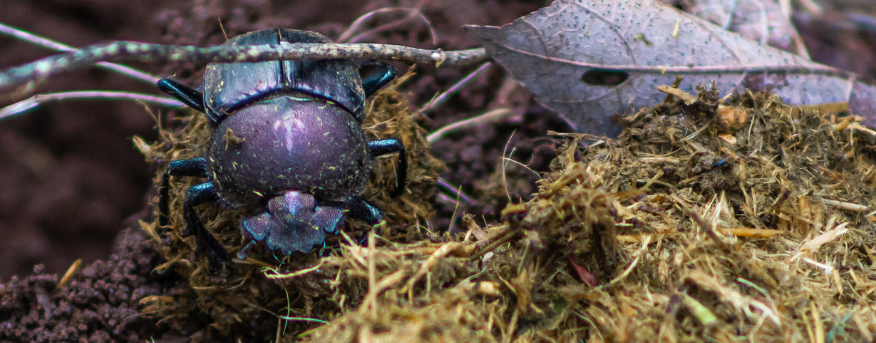
    Iconic insects inhabit their own ecological niches, playing vital roles in the maintenance of healthy, natural landscapes and delighting us in their behaviour. Rolling balls of fresh dung, fastidiously built and moved by dung beetles, not only provide an essential cleaning service, but also keep the constant rotation of Earth’s nutrient cycle.
    image

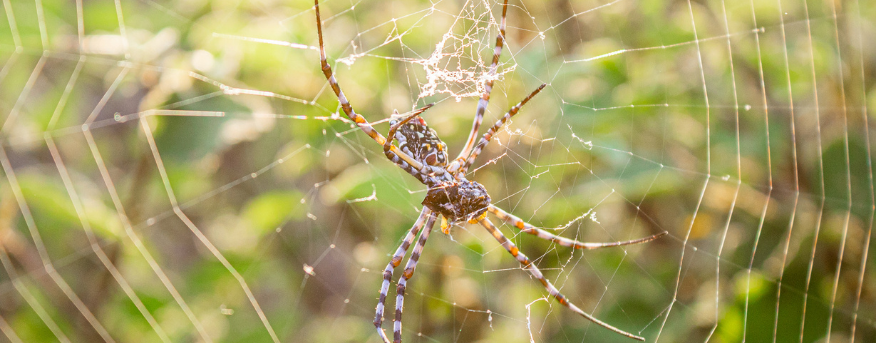
    An eight-legged beauty cast in a vast matrix of silken scaffolds. Garden orb-web spiders are intricately decorated with red, yellow and black as a warning of toxicity. Beauty in the wild is not meaningless. Her markings caution against eating her – it will be regretful! Despite her colourful warnings, her bite is not dangerous to humans.
    image

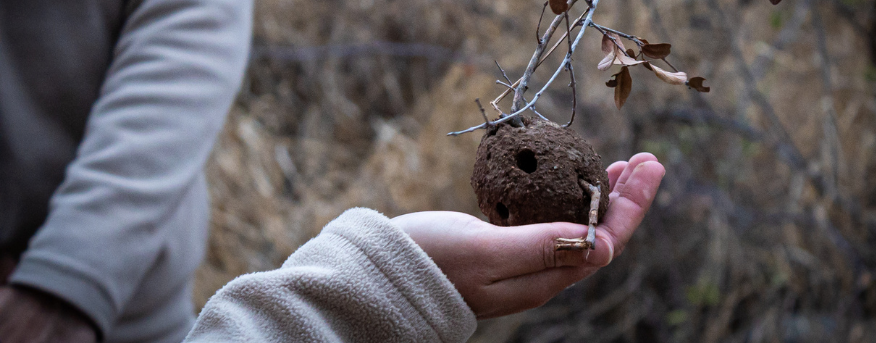
    Animal architecture is not driven by learning, but rather instinct. Potter wasps are ancestrally and genetically hard-wired to build perfect spheres out of mud to house offspring they will never meet. Precise, calculated construction provides safety for larvae. And paralysed caterpillars are built into this muddy tomb to serve as live, fresh feeding until the new wasp breaks free, ready to repeat the cycle.
    image

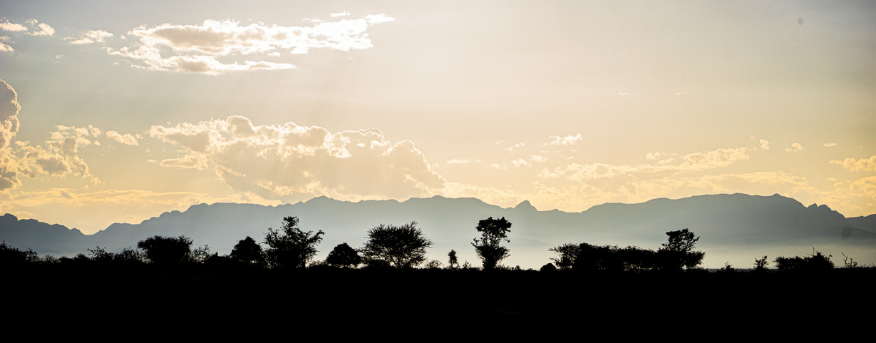
    It’s one thing to appreciate the smaller things, but it would be a mistake to neglect the venue that plays host to all things wild. The landscape of South Africa’s Lowveld is veiled in verdant beauty and defended by the buttresses of the Drakensberg mountains. The sheer scale of the landscape in its entirety boggles the mind and defies the capacity of what can be imagined. You don’t need a pride of lions to be captivated and awe-inspired –, all you need to do is look around.
  • A week with lions and leopards

    BY: David Miles

    Camp manager blogs are written by our current students who each get a chance to lead and manage a group (of their fellow students) for a period of one week.

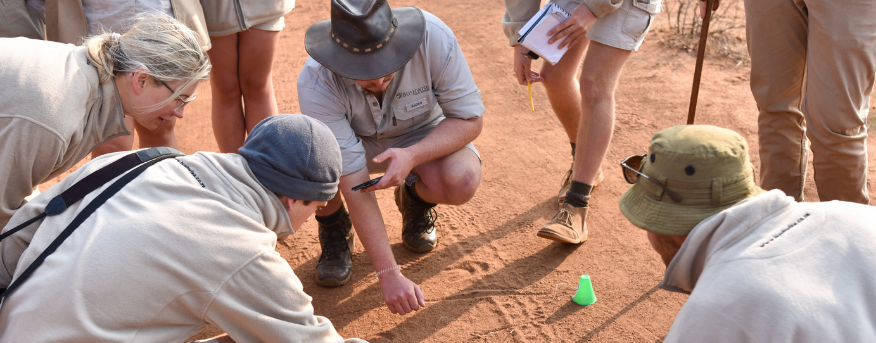
    I enjoyed being camp manager during an eventful week! The week started with game drives and practical observation tests. We learned about animal feeding signs, as well as local trees and shrubs. 

    image

    On Tuesday, we had game drives in the morning and afternoon, practising for our practical game drives. 

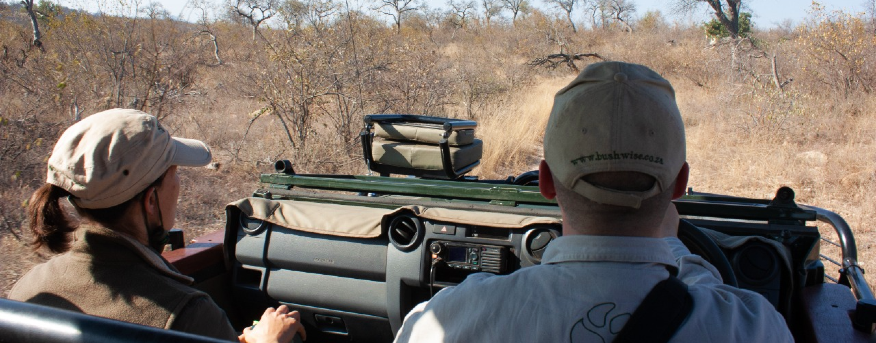
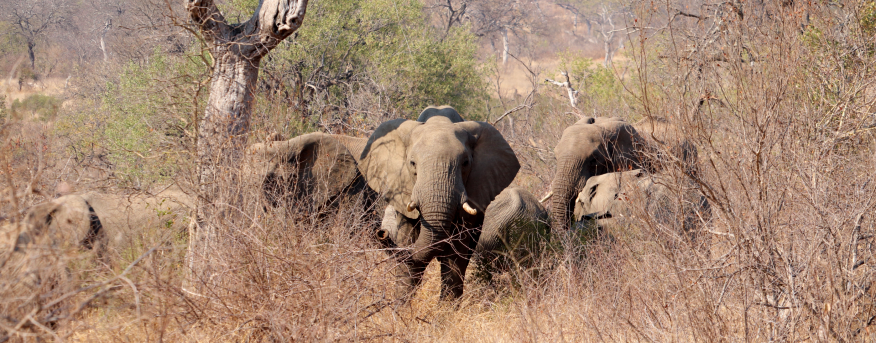
    During a practical drive on Wednesday morning, we observed a herd of elephants and had an amazing lion sighting following a tip from the guests at the connecting reserve who had spotted the lions just hours before they were scheduled to leave for the airport!

    My favourite subject is probably tracking because I love how you can connect guests to nature. Tracking during a game drive gets the guests involved in the natural experience and helps build a real-life understanding of animal behaviour.

    image

    This image was taken pre-COVID-19. 

    On Thursday, we had the long-awaited assessment on mammals, amphibians, and arthropods, which tested our ability to recognise different species from photos and sound recordings. The rest of the students and I had been talking about this test for a long time, and we studied hard to learn to identify birds based on their calls, and other animals like mammals based on their features. 

    Despite all the hard work, we all enjoyed the experience of the test and I think all the studying we did for it will really help us when leading game drives in the future.

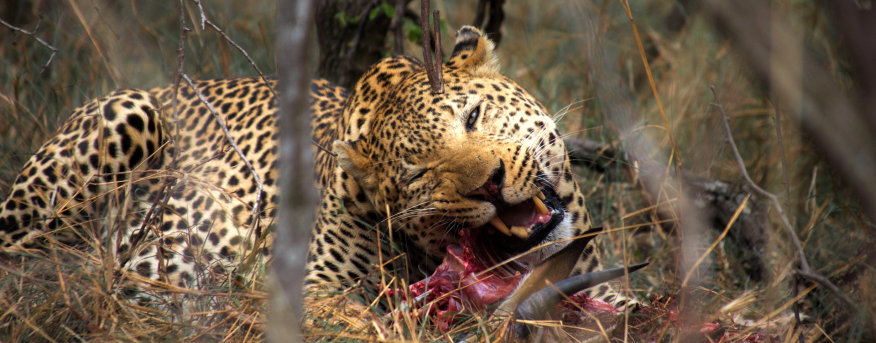
    After the test, the students got to go on a trip to town to get some supplies. On the way back from town, we saw a leopard with an impala kill less than 25 metres from our vehicle. It was a fantastic sight!

    image

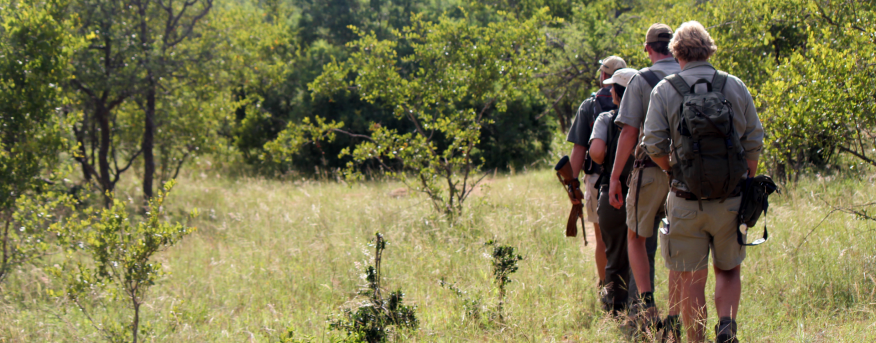
    We went on interesting bush walks on Friday morning and afternoon, focusing on identifying birds by sound for the bird exam we had coming up in a few days’ time. Oxpeckers, rollers and kingfishers were our group of students’ personal favourites. 

    During our walk, we came across a giraffe that had been killed by lions. We had been tracking these lions from the river for a few kilometres, so this was an exciting discovery! 

    It was a week I’m sure none of us will ever forget. 

    Spend time in the African safari and get to share your story like David. Join a Bushwise course.

  • Nearing the end of the course

    BY: Lorena Peter

    Camp manager blogs are written by our current students who each get a chance to lead and manage a group (of their fellow students) for a period of one week.

    “This is it!” I thought. We were in the final leg of our Bushwise journey, with only one week to go before our last off-week and one more test before our big CATHSSETA NQF 2 exam. 

    image

    My week as camp manager happened to be an important week at Bushwise. It started off with assessments on identifying animals by sight and sounds on Monday. 

    Tuesday was one of the hottest days we had experienced during our time there. The international students had spent all day in Hoedspruit at the traffic department to do our driver’s tests. It was an important step towards becoming field guides.

    Our South African friends back at camp had started the day with their first mock assessment drives. They were tasked with planning routes and delivering guided experiences for fellow students acting as guests. 

    image

    Photo by: Ben Klunder

    We experienced hot days throughout the week followed by thunderstorms at night. Luckily, our mock assessment drives weren’t affected. We were excited to see all the insects and frogs appear and to be able to identify them! 

    My experience at Bushwise has been one big adventure so far, with only a few hiccups along the way as all good adventures go. But overall, it’s honestly been a life-changing experience and I’ll always cherish the memories I’ve made in the Lowveld. 

    image

    Photo by: Donald Fraser

    Coming from a small town in Switzerland where there isn’t much wildlife and with the cold winter months approaching, I’m glad to be in the African bush. Nothing beats the sounds of the wild, the picturesque sunsets and sunrises, and the vast landscapes! 

    Joining Bushwise was a lifelong dream come true. I got to gain knowledge and understanding of a place I love most in the world – the African wilderness – and I couldn’t have asked for a better host than Bushwise. 

    I look forward to seeing where everyone ends up after completing the course!

    Travel to South Africa for a Bush adventure like Lorena. Sign up for a Bushwise course now.

  • Building a career after Bushwise

    The images in this article were taken pre-COVID-19.

    BY: Tracey Bruton

    This blog was written by Tracey, a graduate of Bushwise. Here, Tracey shares her career journey as a field guide after completing a course with Bushwise.

    I was born in Makhanda, in the Eastern Cape in South Africa, and moved to Cape Town when I was 12. From a young age, I knew I wanted to work in nature because of my love for animals. But after finishing school, I decided to study film and television, and I worked in that industry for many years. 

    image

    I never considered becoming a field guide until I started investigating my next steps after ending a TV contract and needing a change in my life. Field guiding seemed like such a male-dominated industry to me, so I didn’t think I could do it. 

    But then I came across the Bushwise website. I felt inspired to go for it, and applied to join a course. The Bushwise Professional Safari Guide course looked like the right fit for me, and included everything I needed to get started as a guide. Even better – the course offers additional training, including Advanced Rifle Handling and first aid. South African students are also guaranteed employment after successfully completing the course. 

    image

    My trainers – Charles, Conrad, Trevor, and Kobus – as well as the rest of the Bushwise trainers, were top-notch and highly experienced in bush knowledge. Each trainer had something different that added value to my experience at Bushwise. 

    The most valuable thing I learned at Bushwise: even though I’m a woman in a typically male-dominated industry, I’m fully capable of doing the job too! Whether it’s 4×4 driving, changing tyres, shooting a rifle, or leading bush walks, we’re equal in this industry. 

    image

    The course and instructors also taught me the importance of being an ethical guide, treating animals and nature with respect at all times. I learned the importance of the smaller things in nature that are just as interesting and remarkable as the Big Five.

    Once I completed the course, Bushwise assisted me in finding a work placement at Ivory Tree Game Lodge in Pilanesberg Nature Reserve. I left Bushwise with a lot of confidence in my theoretical and practical knowledge, having completed many hours of guiding with my fellow students and trainers during the course, so it wasn’t a difficult transition for me to start guiding. 

    image

    After spending a year and a half in Pilanesberg, I guided in Botswana for a few months before moving to Tangala Safari Camp in Thornybush Nature Reserve. After that, I went to work for Kings Camp in Timbavati Nature Reserve before moving to my current role. I currently work at Thornybush Game Lodge and am very happy. 

    I am now a qualified CATHESSETA Nature Sitr Guide (NQF4) as well as an Advanced Trails Guide. Getting my trails guiding qualification was a long and tough process, especially when finding colleagues willing to walk with me so I could gain practical hours and encounters. But I kept going and finally became qualified after many years! 

    image

    I hope to continue gaining as much knowledge about the bush as I can to become the best guide I can be. I also wish to continue being a custodian of nature by teaching my guests the importance of conserving nature and helping with conservation initiatives.

    The Bushwise Field Guide courses are an excellent starting point for aspiring guides. You can rest assured you’ll get all you need to excel in your field guiding career – from basic knowledge on all aspects of guiding, to gaining certifications and qualifications. You’ll also build confidence in your guiding abilities and this will be instrumental during your first work placement following the course.

    So what are you waiting for? Jump into new challenges and experiences like Tracey, by becoming a field guide

    Did this blog speak to you? Have you always wanted to work with animals – but aren’t sure how? Get started with jobs working with animals.

  • Crunch time on campus

    Some images in this article were taken pre-COVID-19.

    BY: Darryn Murray

    This blog was written by Darryn, one of our trainers. In this blog, Darryn talks about exam time for the Bushwise students. 

    As the students on campus approach the end of the course, their months of learning, training and studying will be put to the test. And at this stage of their guiding careers, this may be the most important test yet. 

    image

    The CATHSSETA NQF 2 exam will be written at the end of the week, and the students are hard at work in preparation.

    The trainers have been noticing something interesting about the students – there are several different groups of students that employ different methods of studying for the exam. Let’s take a look at some ways the Bushwise students are preparing.

    Night owls

    image

    These are the students that prefer to study late into the evenings (and sometimes into the early hours of the morning) when the campus is at its quietest. 

    The only downside to this is that they tend to have the sleeping habits of owls, too – during the daytime!

    Early birds

    image

    These students sometimes wake up before the real birds in the bushveld!  

    The trainers have recorded limited interactions between the night owls and the early birds. The early risers aren’t very social early in the morning – that is until they’ve had their morning cup of coffee. The students that study at night, on the other hand, don’t get much sleep, so they’re often heard exchanging greetings with a series of moans and groans!

    Social butterflies

    image

    These are students that flitter between various study groups, learning as they go, and never spending too much time at one study venue. They exchange knowledge with their peers before moving along to the next study group to ask questions and exchange any newly gained knowledge.

    Pack dwellers

    These groups of students elect a “pack leader” to act as a teacher for the group during their study sessions. Sometimes the leader changes between modules; more often it remains the same throughout the study period.

    Lone rangers

    image

    These students tend to study on their own, and only join the group for meals and other group activities before retreating to their “study caves” again for hours on end.

    As the days draw closer to the exam, the stress levels get greater too, and any mention of “Don’t stress; relax; take a break for a bit” from the trainer’s is unwelcomed!

    Regardless of which study group the students belong to, they’re all putting in a great effort to prepare for the upcoming exam. We wish them all of the very best for the remaining days!

    Which study group do you think you’d belong to? Join a course and find out.

  • Adventures in the African safari

    BY: Adam Christensen

    Camp manager blogs are written by our current students who each get a chance to lead and manage a group (of their fellow students) for a period of one week.

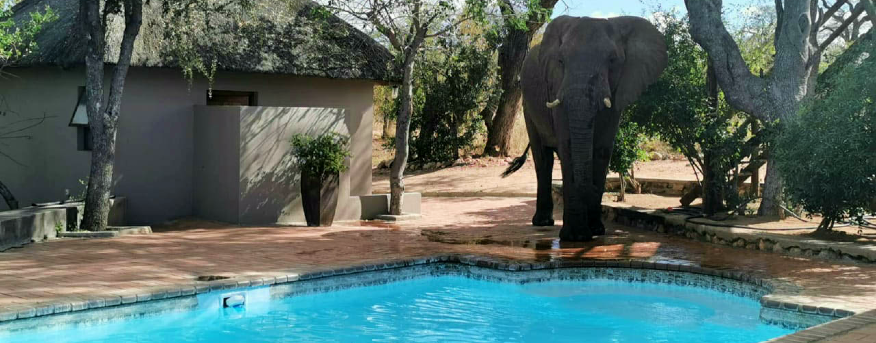
    When everyone returned to campus, we shared stories about the adventures everyone had during off-week. My week off was one for the books! It was spent sharing our camp pool with a couple new friends – African elephants. 

    image

    Photo by: Brendan Davis

    This semester is going to be filled with practical assessments and game drives in preparation for our  CATHSSETA NQF 2 exam, so everyone was feeling the pressure and I could sense a different atmosphere on campus this time around. 
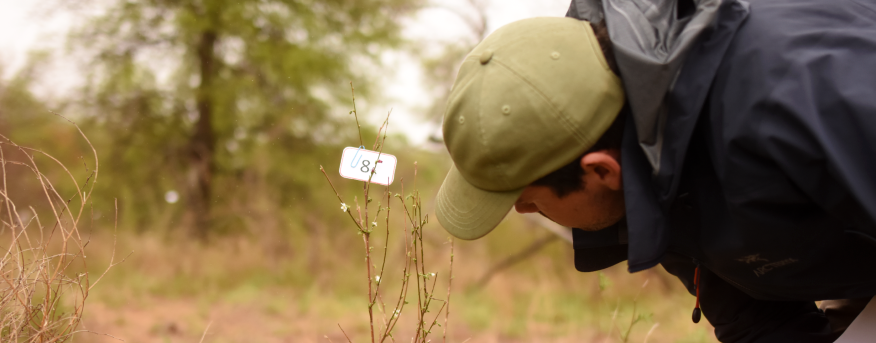
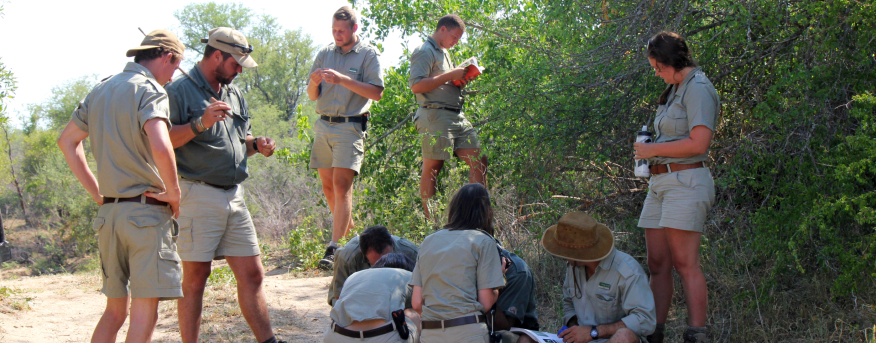
    During my week as camp manager, we studied trees and plants for our first practical assessment of the semester on Thursday. We spent every free moment we had discussing things like whether a leaf was compound or simple, or what types of thorns were present on each tree we learned about. 

    image

    This image was taken pre-COVID-19. 

    Something about the team I’m part of at Bushwise is different compared to any other group I’ve been part of before. Here, everyone genuinely wants each other to succeed and do well. Throughout the week, I’d find groups of students walking around camp teaching each other what they know about trees, or how to properly identify a specific plant. Slowly but surely, everyone became more comfortable and more prepared for the upcoming exam.

    The beginning of summer rains brought the bushveld to life again – welcoming the return of migratory birds, flowers, fruit, and the serenading croaks and sounds of amphibians in the evening. The week was filled with amazing sightings as well. On Sunday, after the students returned to campus, we were lucky to witness a small pride of lions out on a kill – a rare sight on our part of the reserve. We were also visited by elephants on camp and had brief encounters with these amazing creatures throughout the week, right from the comfort of our porches! 

    image

    Each student is getting closer to having all the skills and abilities needed to live out our field guiding dreams! As the camp manager, I learned the importance of teamwork, and I’m glad to see everyone continuing to do their part to ensure that each student’s experience on campus is a fulfilling adventure in the African bushveld.

    Have a safari adventure like Adam by joining a Bushwise Field Guides course.

  • Leadership and teamwork go together

    The images in this article were taken pre-COVID-19.

    BY: Matilde Sant’Ana 

    Camp manager blogs are written by our current students who each get a chance to lead and manage a group (of their fellow students) for a period of one week.

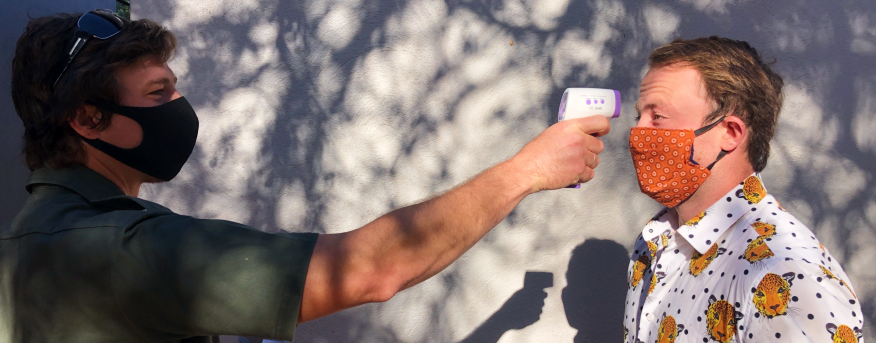
    After an exciting and relaxing week off, the students at the Mahlahla campus met to get our COVID-19 tests before we could return to campus. After all staff and students tested negative, we were ready to roll! That’s when my job as camp manager began.

    image

    The first Sunday after an off-week is always filled with laughter. At Mahlahla, we make an effort to sit around the dining area or the boma to share our off-week stories. My family had come all the way from Portugal to visit me, and brought me snacks and treats to share with everyone – a good Portuguese tradition! By 6:00 pm on Sunday, I’d arranged a table with cheese, crackers, ham and chorizo (a type of pork sausage used in Spanish and Mexican cuisine), as well as a chocolate dessert made by my grandma. It was a great way to start semester four – with food and friends! 

    I have managerial experience from my previous job as a volunteer and camp coordinator at a wildlife conservation organisation, and I was confident it would help me take on the camp manager role. 

    image

    From making sure COVID-19 protocols were followed (like getting everyone’s temperatures taken twice a day), to making sure the students completed their tasks (like doing dishes, emptying bins and maintaining classroom cleanliness), being camp manager can sometimes be overwhelming. But I felt really supported by everyone. 

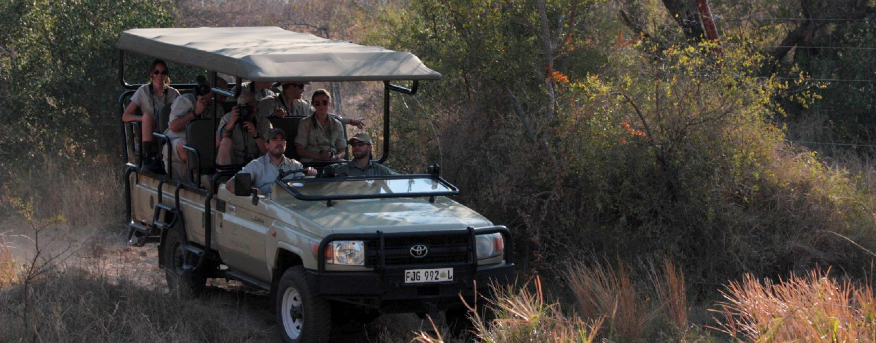
    On Monday and Tuesday, we went for game drives in the Greater Makalali Private Game Reserve. These drives help us learn the routes and practise our guiding skills before our final mock-drive assessment at the end of the semester, and ultimately, our CATHSSETA NQF 2 practical assessments. 

    image

    Photo by: Ben Klunder

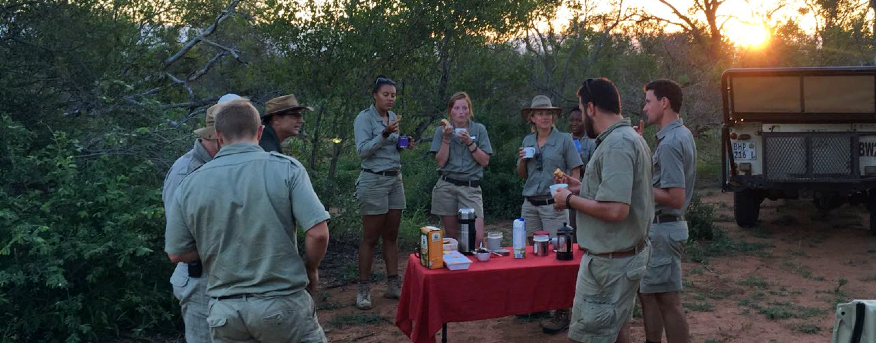
    As the camp manager, I had to ensure the students who had driving slots were aware of their departure times and how to keep the vehicles clean. I also had to prepare the hot boxes – snacks and drinks.

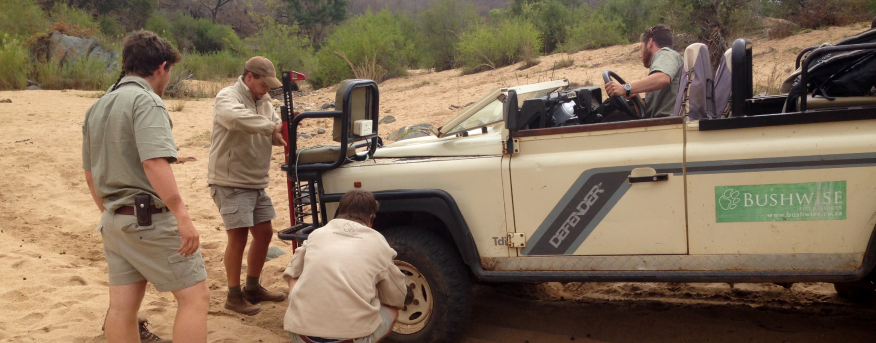
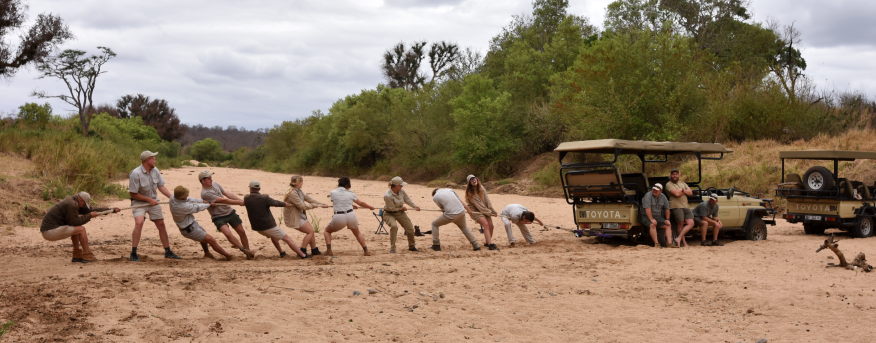
    Andre De Clerk and Mark Frazer, an external assessor and a facilitator, came to campus to conduct our 4×4 theory and practical assessments. 4×4 training at Bushwise is always a fun week! Reverse stall starts, changing tyres in riverbeds and driving a land cruiser are always extremely exciting. 

    image

    By Friday, the students at the Mahlahla Campus had finished their assessments and were all declared competent – another amazing experience and certificate to add to our already long list of achievements since we started our course! 

    I learned a lot from being responsible for this group – something I’m sure will benefit me in my career. Being the camp manager is as much about leadership as it is about being a team player, and thankfully enough, those skills are something we all work on here at Bushwise.

    Get the chance to learn valuable leadership and teamwork skills like Matilde, by joining a Bushwise course.

  • Animals don’t always play by the book

    Photo by: Carl Louis Steenkamp

    BY: Nico Brits

    This blog was written by Nico, one of our trainers. Here, Nico shares his experiences with wild animals in the African safari.

    As a field guide, it’s important to have academic knowledge of animals, but it’s equally important to observe and interpret what’s happening with the animals you’re viewing. There are so many facts written about animals in books that contradict what you will sometimes witness out in the field.

    image

    This image was taken pre-COVID-19.

    There have been many instances, throughout my career, where animals haven’t demonstrated textbook behaviour, and I’ve been left having to explain what the animals were doing and why I think they were behaving that way.

    Every book I’ve read about cheetahs says they’re diurnal animals (active during the day), and mainly hunt in open areas where they can use their speed. But, during my time working in the Eastern Cape, I noticed that the male cheetahs in a specific area started to change their behaviour, and became more nocturnal. They also started to hunt in thicker areas, where they stalked prey like leopards do; and where there were coalitions of cheetahs, they hunted like lions (one cheetah would chase the prey towards the other cheetah).

    image

    The first time I had to explain this phenomenon to guests was while we were sitting with two cheetah brothers on a warm afternoon. I could see the animals were hungry, and explained to the guests that we should wait with them for a little while – knowing they’d likely get up before sunset to hunt. I thought the cheetahs might be behaving this way because of a lack of competition from spotted hyenas in that area. Just as I thought, once the sun had set, the two brothers got up and started moving.

    When there are changes in animal behaviour, field guides often have to find a reason, because these are things you wouldn’t usually find in books. I think there’s a lot we still don’t know and understand about animals and their behaviour.

    image

    Photo by: Callum Evans

    Some of the other strange changes I’ve seen include zebras only roaming around one specific tree, and lions joining prides they weren’t born into.  I imagine there are plenty of unusual behaviours that other field guides have seen but not documented. 

    So when you see animals do things that you’ve never heard or read about before, don’t worry. Watch and try to figure out why.

    Don’t just read it – find out what wild animals are really like by joining a Bushwise course.

  • Rusks, rain and 4×4

    The images in this article were taken pre-COVID-19. 

    BY: Christian Rabie

    Camp manager blogs are written by our students who each get a chance to lead and manage a group (of their fellow students) for a period of one week.

    Being given an opportunity to be the camp manager was great, especially with the team I had behind me. 

    image

    The students at the Balule campus have quickly grown into a close-knit family, so it was a breeze getting everyone to work together. That is, unless I forgot the rusks and Rice Krispies – my word, the amount my fellow students eat is astonishing! Exciting, busy days in the bush really do build up an appetite. Luckily, the wonderful chef, Sibu, was always ready to meet me with a smile and hand me the goods.

    Following a tip from the friendly manager at Greenfire Lodge, who showed us his operating procedures, I moved our cereal and coffee into translucent plastic containers. These kept me aware of what was close to being finished, so I could top them up. It’s clear that a full stomach equals happy students!

    image

    I was lucky enough to have a great guest stay with us during my week as camp manager. Donovan Prince stayed with us for three days to deliver 4×4 training. Hosting him was amazing and the stories he told were the cherry on the cake.

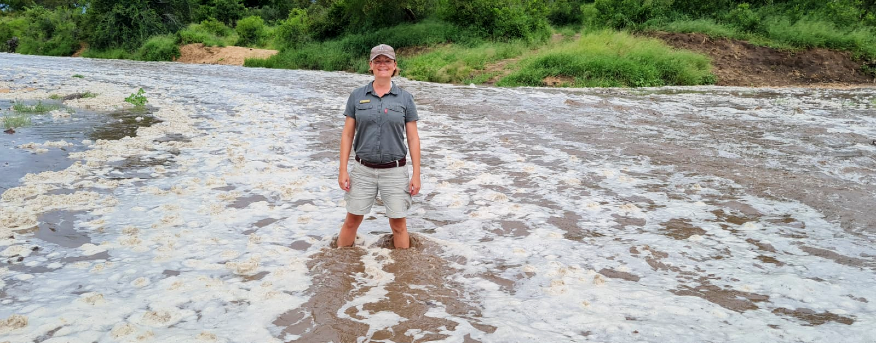
    During Donovan’s training, we learned how to recover a car. We got blessed with the first rains, and decided to get dirty in the riverbed. It was a lovely break from the heat we had that week.

    image

    At the end of the week, I realised just how much I’ve grown as a person and how much we’ve all learned over the last few months. I honestly do believe Bushwise prepares you for anything in the industry and I cannot wait for the next challenge.

    Have a bush experience like Christian by joining a program with Bushwise.

  • An international student shares their experience as a camp manager

    The images in this article were taken pre-COVID-19. 

    BY: Corina Rewijk

    Camp manager blogs are written by our students who each get a chance to lead and manage a group (of their fellow students) for a period of one week.

    After two busy weeks of Track and Sign, and Advanced Rifle Handling training, my week as the camp manager was just as busy! I came to South Africa all the way from the Netherlands, only knowing about five bird species and one South African tree. With Bushwise, I can say my knowledge about the bush improved by 500%!

    image

    On Monday, the rest of the international students and I went to Hoedspruit to do a theoretical exam for our Professional Driving Permit (PDP) licenses, which allows us to drive guests during placements. It’s an important test to pass, and I found it difficult to study again because it’s been a long time since I got my driver’s license!

    The next two days were all about 4×4 driving and how to safely drive and recover the game vehicle in the bush. Donovan, a staff member from Marking Africa, took us into the Greater Makalali Private Game Reserve, where we practised starting up a stalled vehicle and driving downhill. 

    image

    We also had to change a tyre and recover the vehicle from the sand. It was very interesting and made us realise that a lot can happen in the bush. The most important lesson about going on a safari drive is to always keep your guests and yourself safe.

    The other days were spent practising bird identification using sounds and sight. We need to know at least 230 birds by sight and 122 by sound, which is not something you learn in a few days! 

    Our new morning routine is to have coffee and play bird sounds. It’s been really helpful, because now we don’t just hear a bird singing, but we are also able to recognise what type of bird it is.

    image

    And with the tree assessment coming up soon, everyone got a bit stressed. So we went back to the game reserve and had to identify 50 trees. Since it’s the end of winter in Limpopo, most of the trees don’t have any leaves or flowers, which makes it even more difficult. Luckily for us, we’ll get another chance to practise our tree-sighting skills next semester.

    Looking back at the past three months, I realise how much we’ve learned, and how much there is still to come. But for now, we’re starting our well-deserved off week, to unwind and prepare ourselves for the last two semesters.

    Travel to South Africa and up your wildlife knowledge in the heart of the African bushveld!