Tag: #wildlifecareers

  • Finding my way home: My journey from Switzerland to the South African bushveld

    This blog was written by Tecla Mohr, a Bushwise Professional Field Guide student. Each student takes a turn as camp manager, and writing a blog is part of the experience.

    4 min read

    Who am I?

    When Bushwise assigned me to write a blog, I considered various topics, such as animals or messages, to share with the audience. However, I decided to introduce myself and reveal my true identity.  My name is Tecla, I am 31 years old, and I come from Switzerland, known for its chocolate and watches. Before discovering the South African bushveld, my life was typical of any other European. I lived with my parents in a nice flat, attended school, and spent evenings with friends.  How did a Swiss girl end up at the Bushwise camp in South Africa? This is a good question and all the answers will be revealed below. 

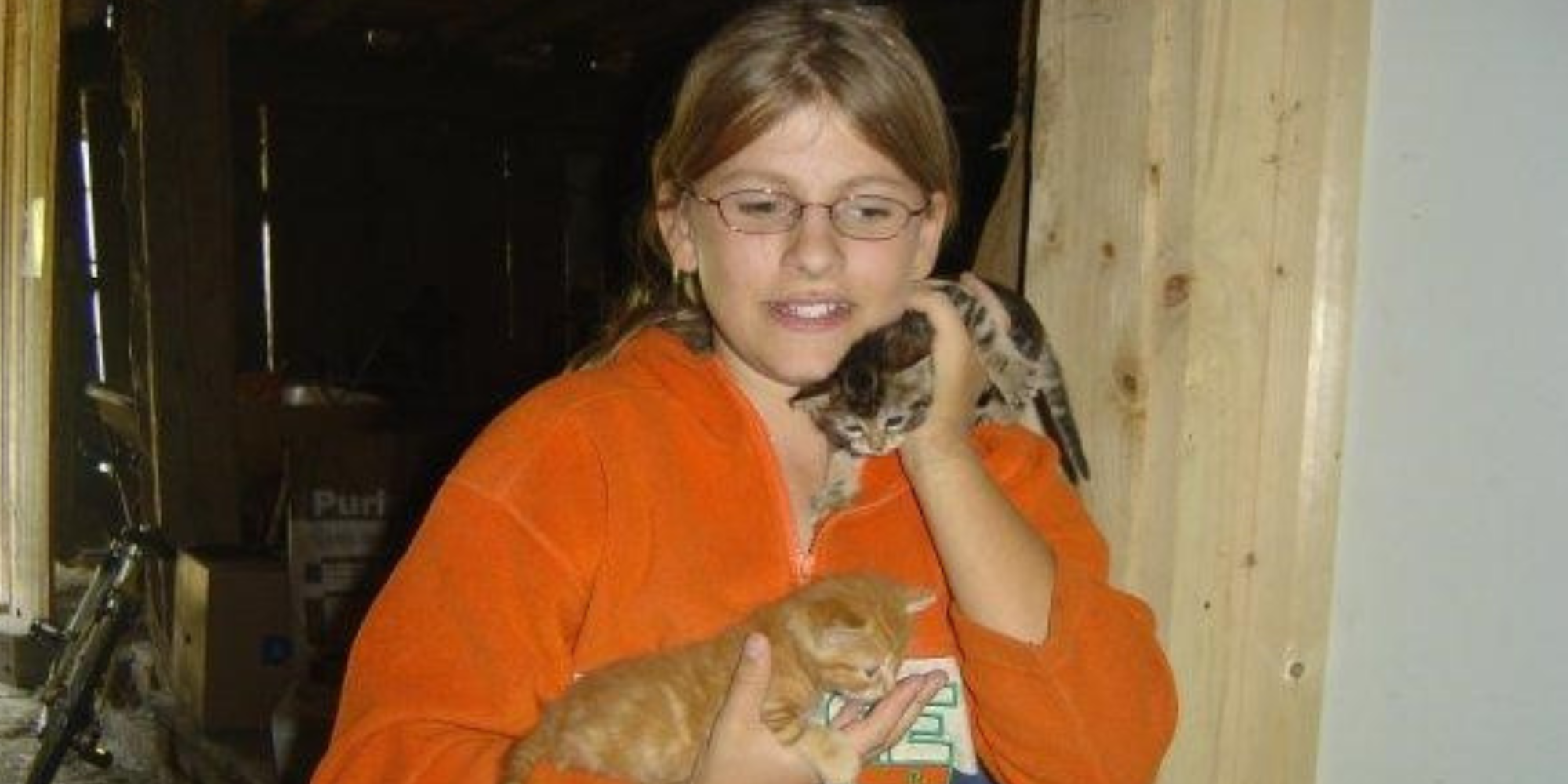
    Although I appeared similar to my friends, I always felt out of place. When faced with the choice between spending a day shopping or hiking in the Alps, I always chose the latter.  I felt suffocated by the society I lived in and unable to express my true self. I grew up surrounded by animals such as cats, dogs, and rabbits. From a young age, I had a passion for animal welfare and dreamed of one day owning a zoo to save and protect them. 
    image

    The big change of life

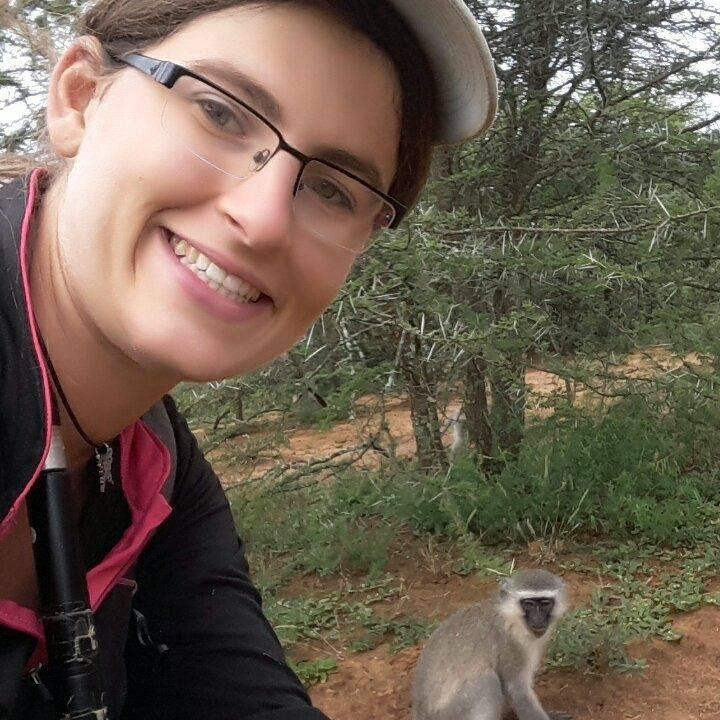
    I believe in destiny, and I think that each of us has a thread with a beginning and an end, leading us to where we are destined to be. My thread led me to South Africa. In this location, I have had the privilege of meeting people from diverse cultures and ethnicities, providing me with the opportunity to learn more about humanity. Additionally, I have had the fortune of working with a variety of wild animals, including lions, leopards, and hyenas, as well as smaller, harmless animals such as dwarf mongooses and vervets, which contributed to the project of my PhD.
    image

    Although South Africa was once my biggest dream, it also became my biggest fear. In recent years, I have faced significant personal challenges that have caused me to lose myself. I was never afraid of getting lost in the bush because, thankfully, my orientation skills have always been good enough. However, I never thought I would lose myself as a person. After almost eight years of working with wild animals in South Africa, it seemed like this dream was no longer achievable. 

    After a car accident, I spent two months in bed with a broken back. For almost two years, I experienced instability and fear, despite doctors’ attempts to provide hope for recovery. I struggled to regain my confidence and hope, but eventually some lovely people helped me. Through hard work and determination, I was able to return to my normal life, until the day I took the plane which brought me back into the bush. 

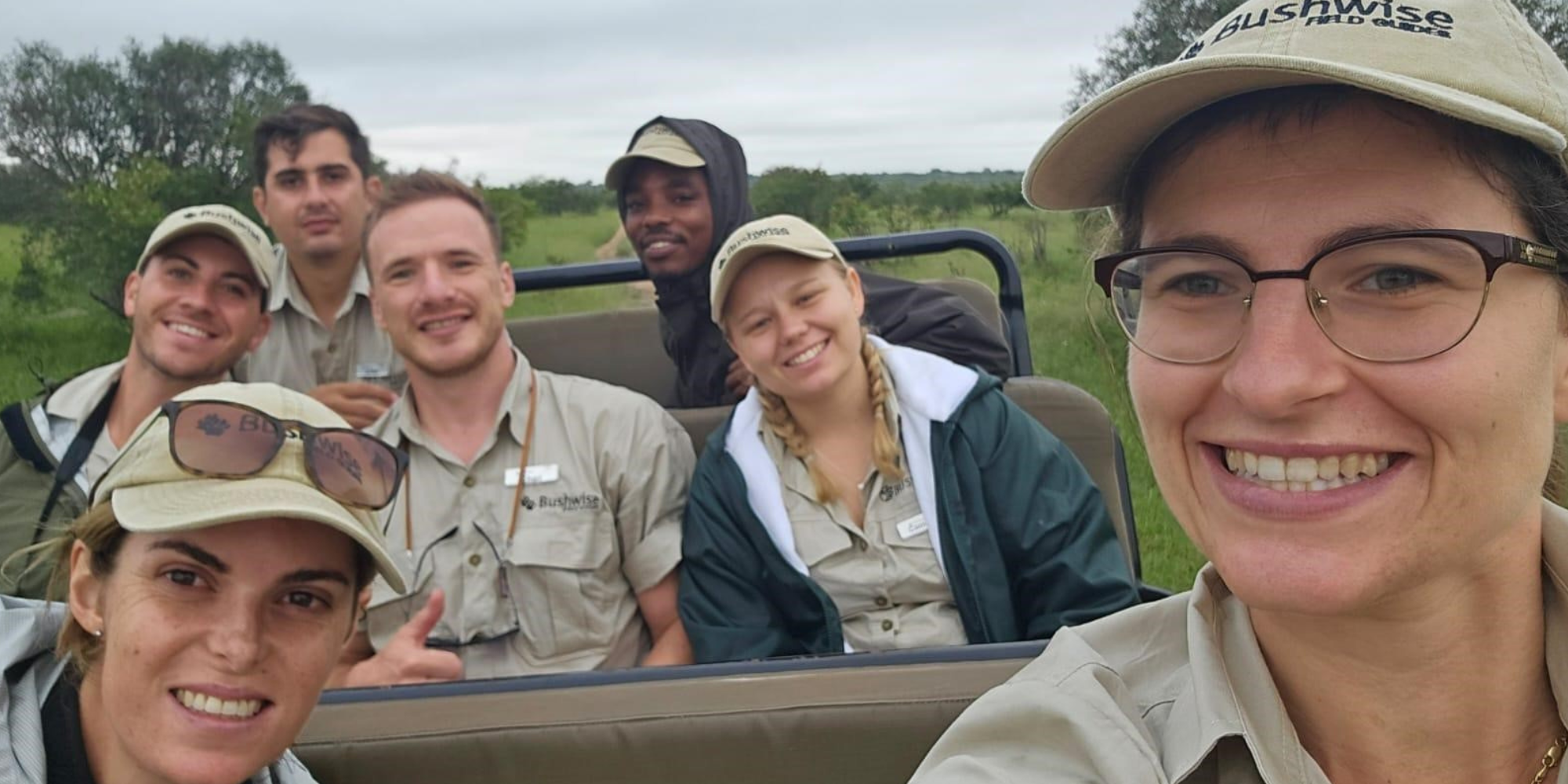
    At first, It was not easy to return to my previous wildlife. I found myself unable to walk for hours, I could not carry heavy bags, and I needed frequent breaks during the day. Additionally, I think the hardest part was that due to all these limitations, I was unable to care for people. But as in all things the glass is not always half empty, in fact mine was becoming full again. I was back in South Africa and despite my fears I was once again surrounded by nature and animals, I was back and with the animals, my dream also returned. Am I now the same Tecla I was before? No, I acknowledge that I have undergone a transformation and become a new version of myself (I hope a better one) who recognises the fallibility of her body but is driven by her mind, motivation and dream.
    image

    The person I am today, and the person I will be in the future

    And so here I am, writing this blog from the Bushwise camp classroom, learning and studying everything that surrounds me, so that one day I will have the opportunity to share my knowledge but also the emotions and adventures that this magnificent world has given me and that I hope I will continue to experience in the future. A friend once described me as “a South African girl born in the wrong country” and I think she was right because here in the bush I am at home.

    Ready to embark on a life-changing journey of your own? Explore Bushwise programs today to experience the wonders of the South African bushveld firsthand.
  • Unleashing our secret weapon: How dogs are fighting poaching in South Africa

    This blog was written by Keenan Rencken, a Bushwise Professional Field Guide student. Each student takes a turn as camp manager, and writing a blog is part of the experience.

    4 min read

    Since an early age I have had an undeniable passion for dogs, their innate abilities to learn various commands and the utilisation of various breeds for specific functions. Growing up on a small holding on the north coast of KwaZulu-Natal, I had the opportunity to have several dogs and see many of them in action. The first dog to have a profound impact on my life was a border collie. I was intrigued by his intelligence, natural or genetic disposition to listen and his fierce loyalty to his loved ones. 

    Tapping into these traits that various breeds have allows us a select opportunity to tailor dogs for certain requirements. This fascination of mine has led to many hours of researching dogs and understanding the psyche behind them. Dogs, like humans, need a “purpose”, and like many of these breeds their jobs have become redundant. However, their abilities to do things that people, or even technology, still at this present time cannot do, gives dogs the opportunity to be at the forefront of stopping and deterring poachers.  Dogs, therefore, have a strong place in conservation and the protection of South African wildlife

    image

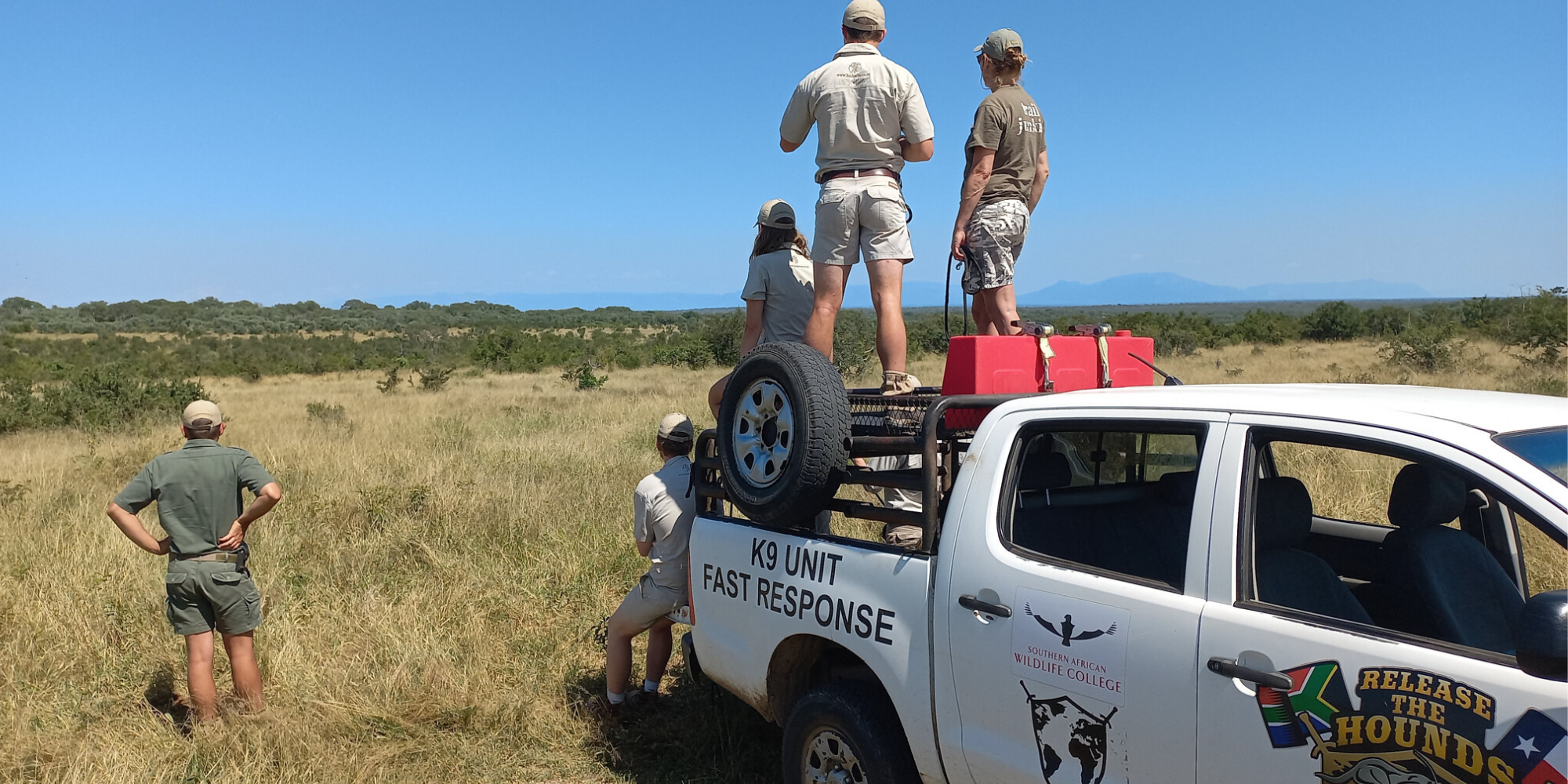
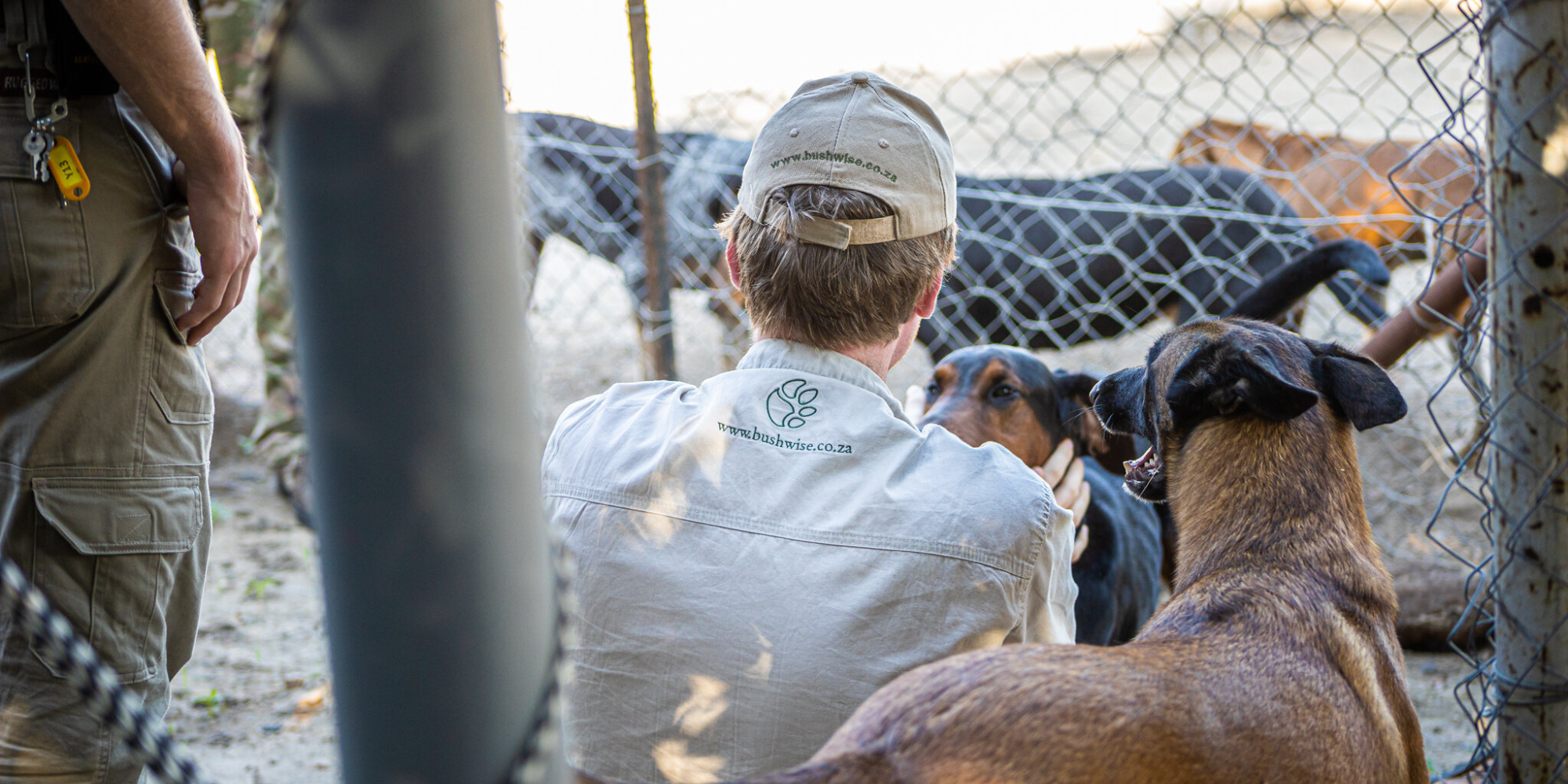
    Before the Bushwise course I had an opportunity to see the Manyoni K9 unit in action. The things that I took note of were the undeniable bonds between the handlers and their canines. Secondly, every dog was treated differently – what motivated them, how they were trained, what they were used for – ensuring that the dog received positive reinforcement even if it was slightly off the mark. Their handlers are so in tune with these dogs that they can sense whether the poacher is within a 100m radius or if the scent has been lost. Whether they are trained to track pangolins or a specific person in a vehicle, these vital resources (which can cost anything upwards of 100K) have an important role to play in the conservation of that area. 

    Since I joined Bushwise doing my 6 months Field Guide Course, I have come into contact with many of the dogs that are at the K9 unit just below our Campus at SAWC in Hoedspruit. Whether it be in passing on a game drive as the dogs are out on their morning training activities, on campus while the dogs get some socialisation and exposure to various sights and smells of the campus or at night hearing them howl while I lie in bed. These are all things I treasure and cannot wait to experience on the course. 

    image

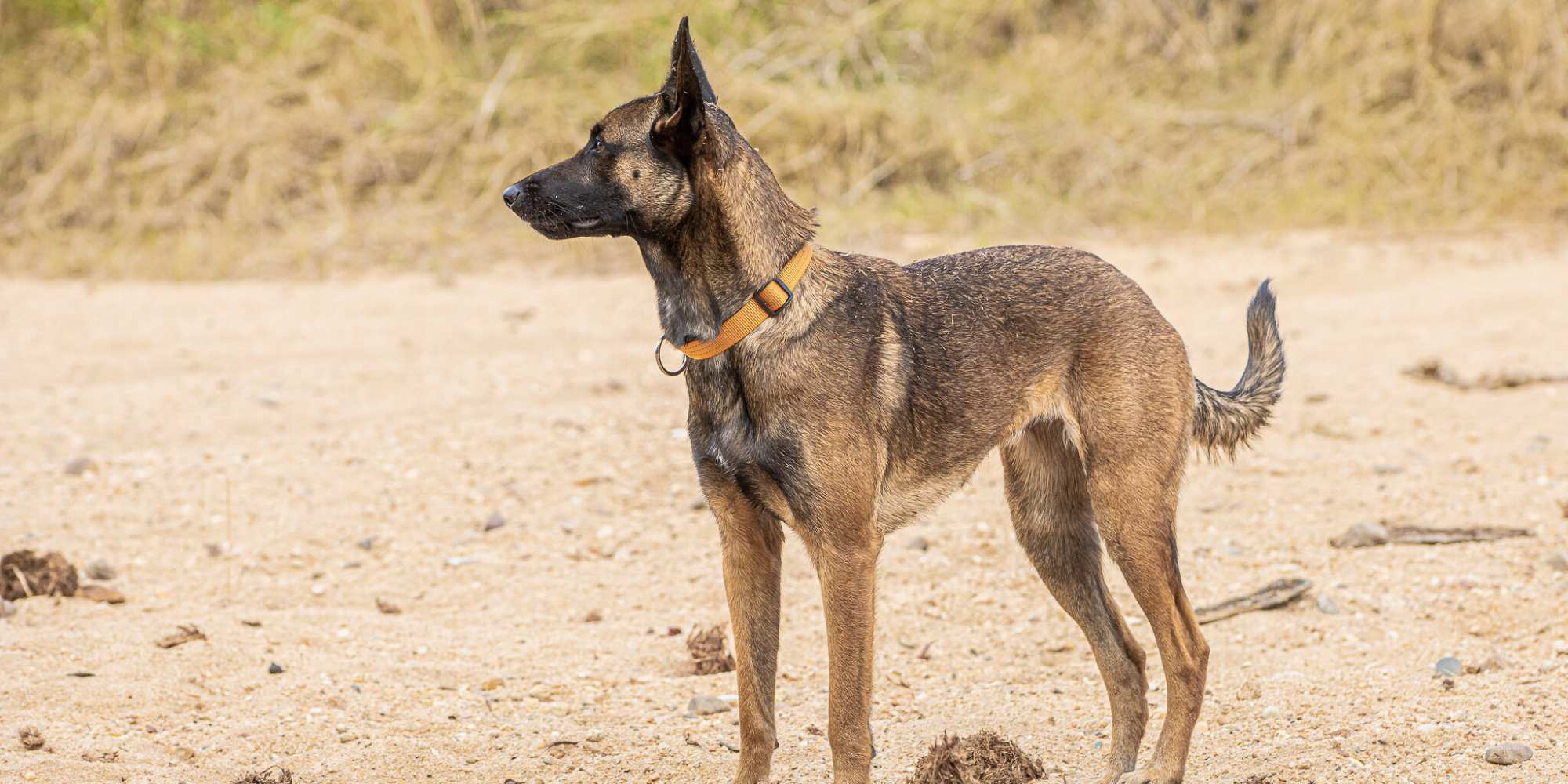
    There have been several breeds that I have been in contact with, each utilised slightly differently. Bloodhounds have been in operation all over the world, primarily in use of tracking, often on old trails. However, due to their size, in recent times they have been crossbred with dobermanns to ensure that they are a little sleeker to fit the helicopter, and for increased stamina and endurance. The German shepherds and malinois are used more on new and shorter tracks as well as for the apprehension of poachers. 

    The K9 unit at the SAWC campus has been the pioneer for handler-free pack running dogs. These are usually hounds such as the “Blue Tick”, “Red” and “Walker Treeing” variety. These are used specifically on fresh tracks due to the pace that the pack is able to track. Dogs (5-8) are flown by helicopter to the point at where the poachers were lost and fitted with tracking devices and GPS harnesses. From this point they are released and the armed handlers remain in the helicopter while the dogs trace the scent of the poachers. The helicopter follows the dogs and will be alerted by their behavior and GPS movements. Once the poachers are apprehended, the dogs are rewarded and taken back to camp. This ability to let the dogs loose with no handler ensures a faster apprehension. This is a “game changer” with something where time is of the essence. 

    Some statistics that have been taken from Feb 2019- Dec 2022: 

    • 81 rhino saved 

    • 193 arrest made 

    • 88 weapons removed

    These statistics show an increase in apprehension from 10% to over 60% when off-leash or on-leash dogs are utilised. These dogs are seen as a great asset in the fight against poaching. Not only are the dogs carefully selected, they are also paired with the appropriate ranger. This is seen as a “must” for a field ranger to competently do his job. 

    image

    As is evident, these canines ensure efficiency and effectiveness in the apprehension of poachers due to their ability to pick up on subtleties such as perimeter intrusions, ability to follow tracks and their ability to apprehend. This tool is fundamental to the success of the park’s efforts and ensuring the longevity of animals for future generations. With all these added efforts I feel we have barely scraped the surface of human/canine potential. And with a dog and handler relationship being more and more recognised for higher successes, this can only go up. 

    Explore Bushwise programs now and become part of the solution to safeguard our wildlife.

  • Answering Mama Africa’s call: My journey to wildlife conservation

    This blog was written by Luke Rauby, a Bushwise Professional Field Guide student. Each student takes a turn as camp manager, and writing a blog is part of the experience.

    3 min read

    At age 21, I find myself sitting on a patio outside my tent, which I now call home for the next six months, overlooking the expansive bushveld of the greater Kruger. How on earth did a boy from the Winelands of the Western Cape end up here? Back when my parents were young, dumb, and broke, they were guiding overlanding trips through Southern Africa. It was during this time that they met, and a few years later, I arrived. 

    image

    I grew up in a small town called Riebeek West in the Western Cape. My Father is an architect and my mom worked in tourism for a long while before becoming a full-time mother. My grandfather on my dad’s side owned a game farm outside of Kimberley in the Northern Cape, which I grew up visiting from a very young age. He taught me a lot about the complexities of the African bush, and this is where my love for the bushveld was born. 

    With my parents’ background in overlanding, I was very fortunate to go on many family trips across Southern Africa and to see the most amazing things at a young age. From this early age, my love and interest in nature continued to grow. I was never the child who wanted a PlayStation or had any interest in anything indoors. You would always find me outdoors chasing the chickens or finding eggs in birds’ nests up dangerously tall trees. 

    image

    I matriculated from Paarl Boys High School, and like most teens nowadays, I had no idea what I wanted to do with my life. I was, however, very passionate about rugby and pursued a career in the sport I loved most. After two years of playing rugby full-time, I had sustained too many injuries, and it was no longer safe for me to continue. During high school and playing rugby after, I was so caught up in the rat race of life. I never had time to visit the bush like I did when I was younger, and slowly, I started to forget what it was like. 

    When rugby didn’t work out, I decided to chase money and moved to Cape Town. I enjoyed the pretentious life of a city boy for about a month until I realised something just didn’t seem to feel right, but I couldn’t put my finger on what it was. The city was driving me crazy, but I had no idea what else to do. This unsettling feeling sat with me for a while. 

    image

    One day, a few months later, I got an invite from an old friend from school to visit him on his game farm in the Karoo. It was on that farm, while sitting under a starlit night sky around a crackling fire in the veld, that I heard it. I heard Mama Africa’s whisper, calling me back to where I belonged. To the place where generations of my family had always found themselves – the African Bush.

    I knew instantly that the bush was where I wanted, and needed, to be. It was the part of my soul that was missing. A month after visiting my friend’s farm I heard about Bushwise. And, to make a long story short, here I am, sitting on my patio outside my tent which I now call home for the next six months, overlooking the expansive bushveld of the greater Kruger. 

    Explore Bushwise courses and embark on a journey of your own. Apply now to start the adventure!

  • Late Nights And Early Mornings

    image

    This blog was written by Zac Newman, a Bushwise IFGA Safari Field Guide student. Each student takes a turn as camp manager, and writing a blog is part of the experience.

    Read time: 3 mins

    Turns out I can be a morning person

    Monday morning I woke up early to open the kitchen for the students completing their mock drives that morning. Due to the earlier game drive times this week, the morning jobs were done earlier than usual.

    By now most people know around camp that I can be a bit grumpy in the morning. However, due to this earlier-than-usual wake-up (4:00), I found myself becoming a bit of an “early bird gets the worm type of” guy. Setting up breakfast items like tea and coffee, whilst filling the urns forced a wake up making the morning drive much more enjoyable. 

    image

    Botany walks

    Throughout the week, we had been revising for the botany exam which was on Friday. Because of the panic, some students had gotten themselves into (myself included), several students led botany walks around the campus which were organised with my co-camp manager because of his knowledge of the trees and plant life all around. This greatly helped most students pass the exam on Friday. 

    And if you are thinking “Zac did everyone go thirsty during this practical assessment?”, I would say no. I was up on the day at the crack of dawn making hot boxes for the group… and despite them not being used, it was a success.

    Discovering quirks of the industry

    When managing the camp, there are several responsibilities that you have. There is the obvious job of opening and closing the kitchen as well as ensuring it stays clean. Then there are other things to consider like having a strong leadership attitude when there are problems within the group and making sure they are resolved as smoothly as possible. This includes problems being brought up to you or discovering them yourself. 

    Toward the end of the week, I was given responsibility for the camp radio, which luckily I did not have to use as there were no medical emergencies, snakes, or other issues. Although I did look important carrying it, the only noise that was ever heard from it was the occasional low battery beep in the late evening. 

    image

    As the end of the week came to a close, all students had a bird exam to write early on a Saturday morning meaning that the kitchen had to be open late the night before. Late nights and early mornings, as I found out that day, are something that will be a big part of the industry and not the most pleasant. However, making that small sacrifice is majorly worth it and not an opportunity to pass up because of a bit of sleep deprivation. And anyway who needs sleep… not me. 

    My week as camp manager was enjoyable and a great learning opportunity. It will hopefully majorly benefit me going forward in this line of work – which we have learned this week can be very tiring but worth it. 

    Out here we’re constantly discovering new things about the birds, plants, and animals that call the African savanna their home. Join us where the wild becomes home.

  • The Life & Habits of Black-Backed and Side-Striped Jackal

    image

    This blog about black-back and side-striped jackals was written by Jordan Grove. Special topic blogs are written by Bushwise students during their course, and all facts included are based on their research.

    Read time: 3 mins

    I will be sharing some interesting facts about both the black-backed and side-striped jackal. Both animals are found in various parts of the country, with the black-backed jackal being more prevalent. I will be focusing on the appearance, habitat, diet and breeding behaviours of each.

    Appearance

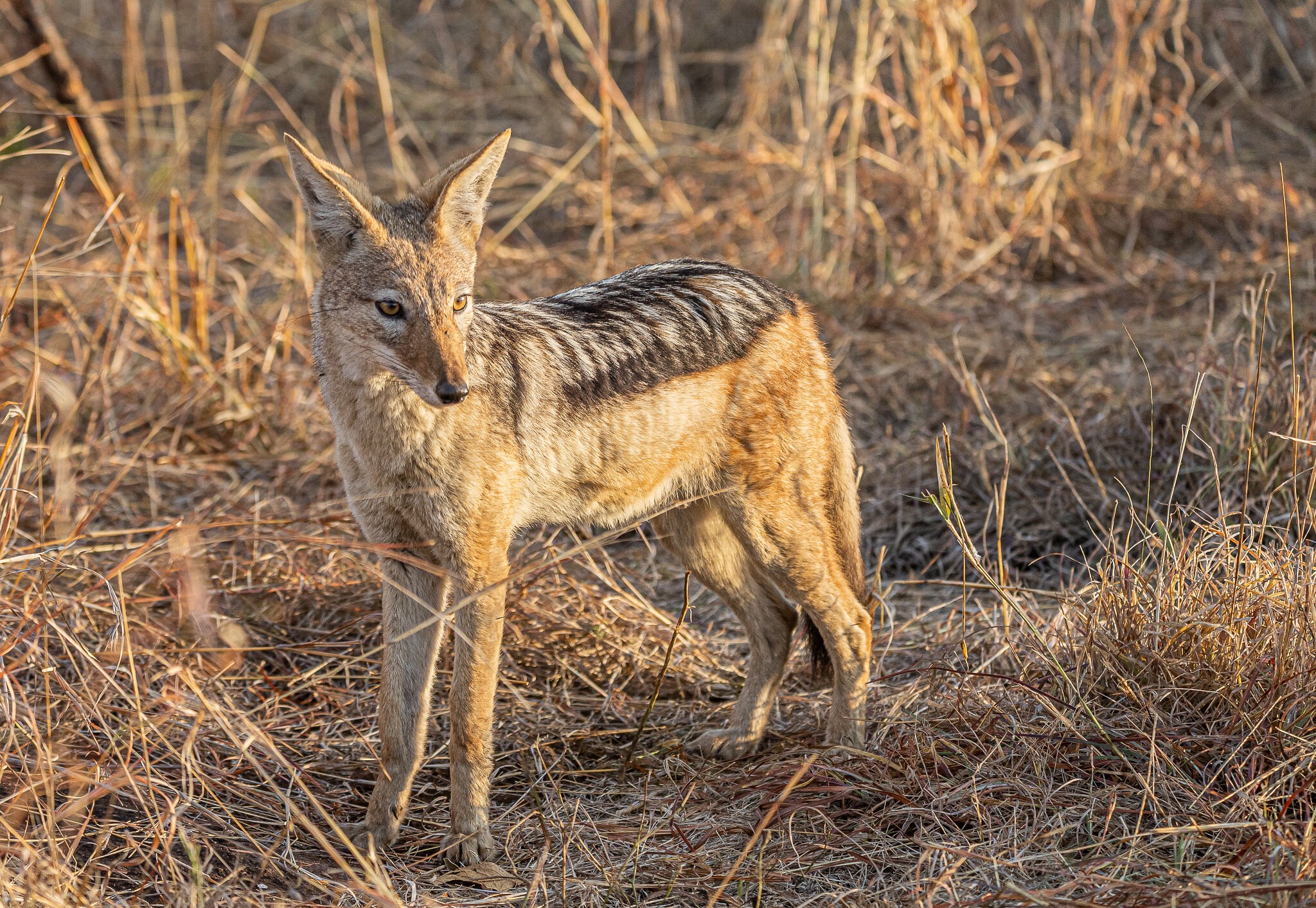
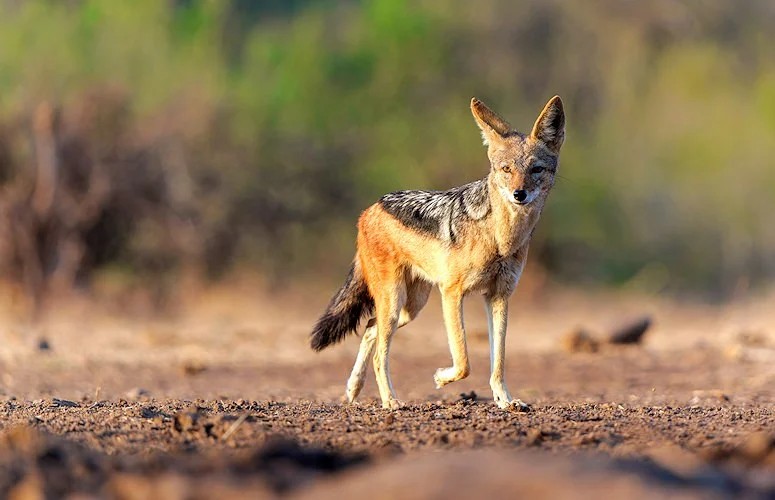
    The black-backed jackal has a distinctive dark black patch on the back, starting at the neck and running down to the base of the tail. The rest of the body has a rusty, reddish colour which stands out more in thick grass, making them easier to spot. They usually weigh between 8–10 kilograms. And in terms of their call, they have a unique wailing call which is difficult to mistake for most other animals. 

    In contrast to the black-backed jackal, the side-striped jackal has a more doglike appearance and is also larger, weighing up to 14 kilograms. They have grey-brown fur, with faint white stripes on their sides. Their tails are dark with a white tip. And their call is an almost owl-like hoot or a loud scream when threatened. 

    Diet and habitat

    Black-backed jackals are far from being picky eaters. Besides scavenging, they feed on almost anything, including insects, fruit, lizards, rodents and sometimes two jackals will form a pair to hunt larger prey such as impala. 

    As a result of their widespread diet and being generally adaptable, they are found in many areas and habitats. The only areas that they do not thrive in are dense forests, as they prefer areas which are more open – possibly to give them more visibility of potential threats such as leopards or lions – when foraging and resting in these open areas.

    image

    Similarly to the black-backed jackal, the side-striped jackal scavenges for food. Being omnivores, their diet consists of small mammals like rodents, invertebrates like millipedes and other insects, and plants, mainly fruits. They are very opportunistic and will also scavenge from the kills of other animals. Hunting happens at night, either alone or in pairs, but they can be found in groups of up to twelve when they are in a good feeding area. 

    Breeding habits 

    The black-backed jackal forms a monogamous pair, sharing the same mate for life. After a gestation period of two months, a litter of between one and six pups are born, usually between August to October. 

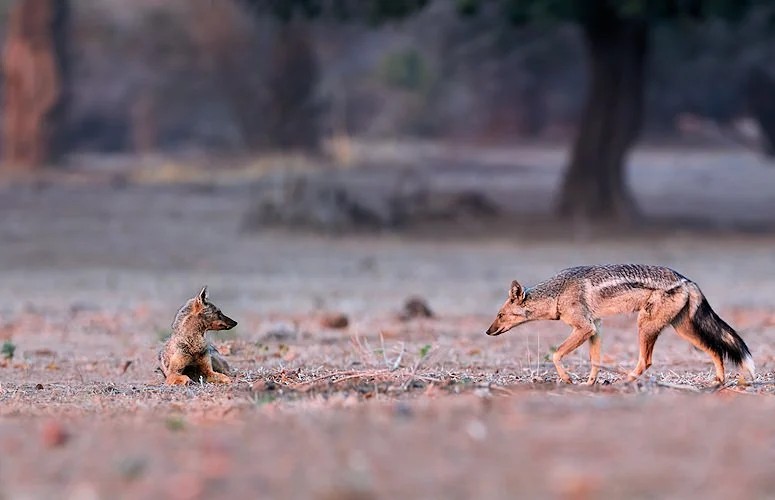
    The pups are generally born and raised in protected areas such as abandoned termite mounds, where they at first suckle from their mother and then feed on regurgitated food from their parents for the first three months of their lives. They stay in the same territory as their parents until they are old enough to establish their own territories. 

    image

    Side-striped jackals are territorial and can live in family groups or in some cases on their own. These family groups consist of up to seven jackals and are dominated by the breeding pair, who are also monogamous and pair for life. Side-striped jackals reach reproductive maturity at between 6–8 months. 

    Breeding season for side-striped jackals depends on where they live, but it is usually between June and November. After a gestation period of around 57–70 days, 3–6 helpless pups are born and nursed by their mother for between 8–10 weeks. At 11 months, the pups will leave their home to establish their own territory.

    And there you have it — nature’s dynamic duo, the black-backed and side-striped jackals. Next time you’re in their neck of the woods, listen for the echoes of their wails and hoots. 

    Join us out here at Bushwise where the faces and calls of the African bush will soon begin to feel like old friends. 

  • The Weekly Events of a Bushwise Student

    This blog was written by David Lubbe, Bushwise Professional Field Guide student. Each student takes a turn as camp manager, and writing a blog is part of the experience.

    Read time: 3 mins

    The past week was quite interesting and busy, to say the least. 

    Lion Kill Sighting

    The week started very early for a few of the students because of the mock assessment drives that started on Monday. Emma kicked it off with a brilliant game drive; not only delivering an outstanding performance, but also the best lion sighting possible. 

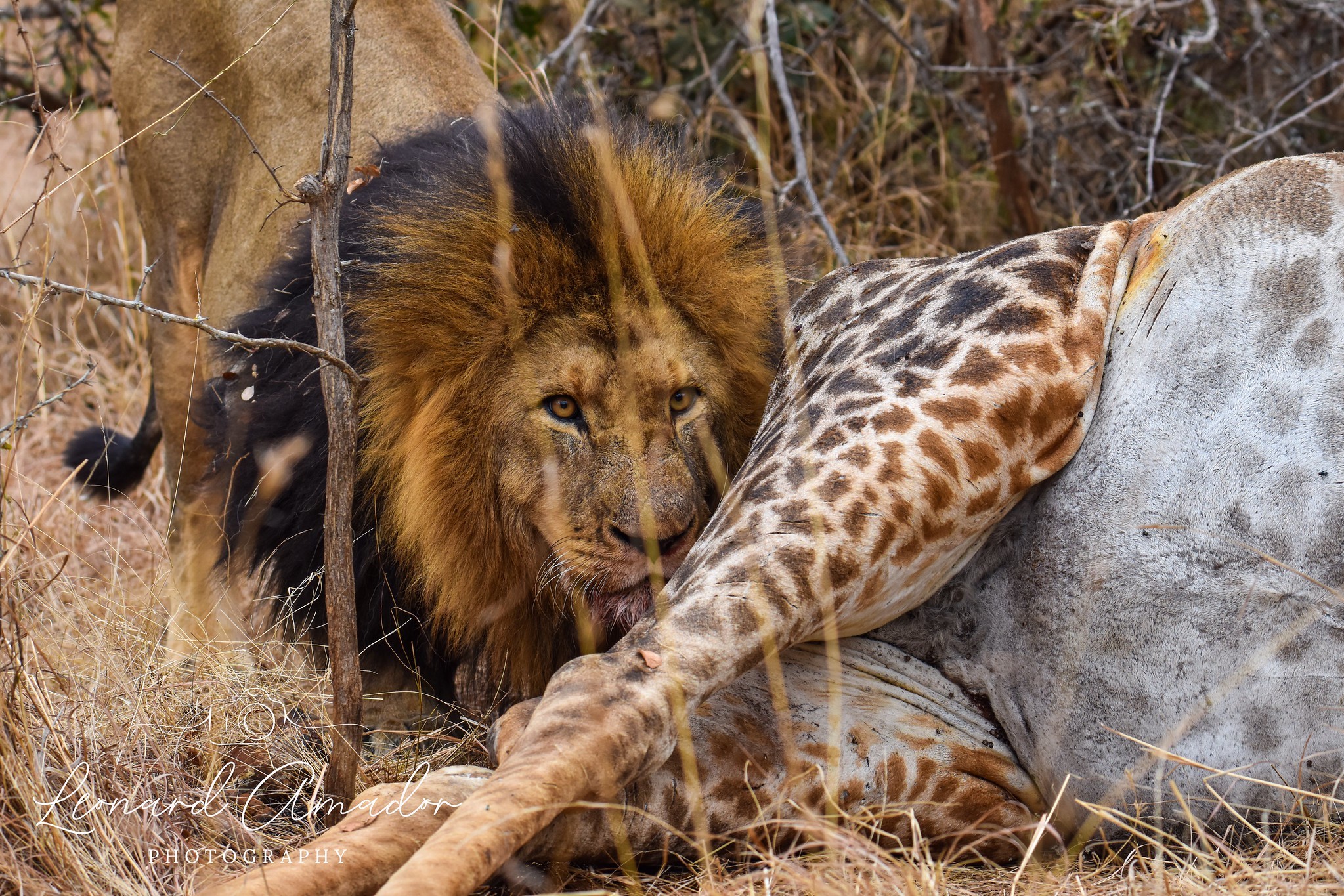
    We were on our way to make a coffee stop when FP, our new trainer, observed signs of something being dragged across the road. So being prospective field guides, we started investigating these signs, and sure enough, lions took down a giraffe and were busy feeding nearby. 

    As soon as we pulled into the sighting, two cubs appeared. They were the cutest things you could possibly imagine. We sat with these lions for a while and so the time came for us to make way for other guides with guests to inspect these little ones. 

    image

    On Wednesday, one of the afternoon drives got yet another black rhino sighting. Here at the Mahlahla campus, we have quite the thing for finding black rhinos! This was a truly great way for the last pair of students to complete their mock drives.

    No One Likes Writing Exams

    Thursday and Friday were used to refresh our memories of all the modules we did over the last two semesters in preparation for the IFGA exam on Saturday. We did quick recap sessions per module and asked questions if we did not understand something. This all took place in the mornings. After lunch, we were given the rest of the day off to go and study. 

    The tension on campus was high due to the stress of the test and everybody was putting in a lot of effort. It was tough to communicate with anyone mostly because they were glued to their textbook. We were all just looking forward to letting our hair down after the test. Saturday arrived very quickly.

     We all wrote the test, and just before lunch (chicken nuggets and muffins), we got word from the trainers that we had all passed! The only thing I can say is that there was a collective sigh of relief. 

    Rugby and braaing… need I say more?

    It must have changed the wind direction or kickstarted the wind again because there was suddenly a w energy at camp. We all decided that the pool was our best move and had a great and relaxing time there. Then we had the brilliant idea to braai in the immense heat and we succeeded. Once everyone was done eating and the dishes were washed, we got ready to go to Mahlahla Lodge to relax and watch the Springboks play against Ireland. 

    image

    We all got to the lodge and started playing pool with people from Siyafunda and were having the best time. Then the time for rugby came and the tension started all over again. The place erupted whenever the referee did something ‘wrong’ and when the Irish scored points. Once we lost against Ireland, the mood was a bit sour. We all decided that the best idea was to all just go back home and go to bed. 

    To be honest, I wouldn’t mind it if this week repeated itself – well except the whole test stuff and the Springboks losing, but otherwise, it was a successful week. 

    Out here even exam week can be filled with fun. No two days in the bush are the same. Take our introductory online course to learn more!

  • Get To Know The Black And White Rhino

    This blog about rhinos was written by Nokwanda Mthembu. Special topic blogs are written by Bushwise students during their course, and all facts included are based on their research.

    Read time: 4 mins

    image

    What is a rhino? 

    A rhino is an abbreviation for rhinoceros. Rhinoceros are large herbivores which means they feed on plant matter and grass and they are characterised by their horned snouts. The word rhinoceros comes from the Greek word rhino which means nose and ceros means horn. Some have one horn and others have two horns. There are five species of rhino, including two African rhino species – the black and white rhinos – and three Asian rhino species which include Javan, Sumatran and greater one-horned rhino which is the only rhino with one horn.

    Fun facts

    • Rhinos sometimes chew soil (geophagia) to supplement mineral deficiency.

    • A collective noun for a group of rhinos is a crash of rhino.

    • Rhino horn is made of keratin, the same protein which forms the basis of hair and nails.

    image

    The difference between the black rhino and white rhino

    Rhinos don’t get their names from their skin colour. They are all grey in colour, but this depends on the soil colour of their environment as they often roll in mud and soil to help them keep cool in the summer heat.

    The white rhino got its name from a misinterpretation of the Dutch name for white rhinos was widj neushoorn, which means wide rhinoceros – referring to its wide upper lip. However, early English settlers misunderstood widj for white, which is how they got their name. The white rhino is the second-largest land mammal on Earth. 

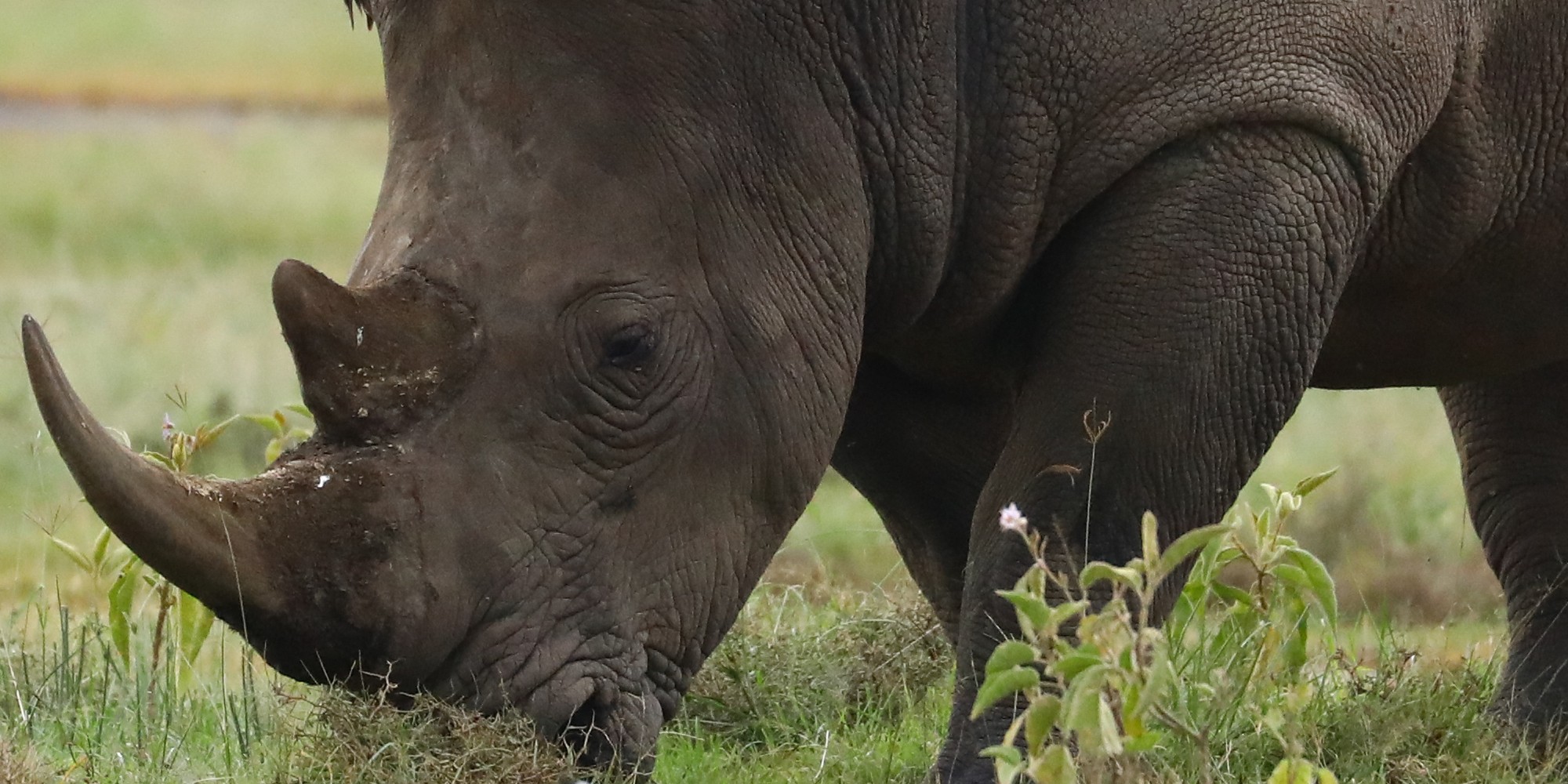
    In contrast, a black rhino can be distinguished from a white rhino by its hooked upper lip and is smaller overall. They also have a shorter head which they carry higher up on the shoulders to accommodate their browsing habits. Their ears are also smaller and rounder. The head of the white rhino is long and carried low – frequently only a few centimetres above the ground because they are grazers and grass makes 99% of their diet. 

    image

    Black rhino prefers woodland with thickets and permanent water, while the white rhino prefers grassland and savanna. White rhinos also do not like closed forests or thick bushes.

    Territory marking

    Rhino bulls are territorial, and they occupy clearly defined territories which they defend against neighbouring bulls. Younger bulls are allowed to remain within a territory if they remain submissive. 

    To mark their territory, the bull will patrol well-used paths to establish and reinforce boundaries. While patrolling, he will spray urine backwards on the bushes. He will also rub his feet in the urine to get some of his scent on his feet to spread it as he walks. 

    The bull also uses the same spot to defecate; these spots are called middens. Everytime after defecating, he will kick open his dung using his hind legs to indicate to other bulls that this is his territory. 

    The cows and the subordinates males can use the territorial bull midden, but they won’t kick open the dung to show respect to the territory bull. If another bull comes and uses the midden and kicks open the dung, this is taken as a challenge to the bull occupying the territory. Bulls will fight using their horns, which means fights can get deadly.

    image

    Bushwise black rhino sighting 

    We were out on our afternoon drive. It was still early on our course and we were focusing on botany, learning how to identify trees and grass. After an hour of driving, we were looking for a nice spot to stop to enjoy some coffee and look at the beautiful African sunset when our trainer Daryn suddenly shouted, stop stop stop!!! Black rhino, there on the plains! Quick turn around!!! 

    I couldn’t believe my ears. I had never seen a black rhino before. Imelda quickly turned the game viewer around and we went towards the black rhino. It was a very big male with a massive horn busy browsing. Even though it was starting to get dark and we were still quite a distance from him, he immediately reacted to our presence. 

    Rhinos have very poor eyesight; they can only see well at a very close range and can see movement at a greater distance. But their senses of hearing and smell are well developed, but they depend on the direction of the wind to carry sounds and smells to them. 

    After we had switched off the engine, his ears started moving – rotating independently in all directions to collect all the sounds around him. We all remain seated, watching him. There was no wind blowing, so while he knew that there was something out there because he’d heard the rolling engine, his poor eyesight and the lack of wind meant he didn’t know what had made it. 

    After a few minutes, he took a few steps, he was so curious – his ears were busy collecting sounds. He then took a few more steps until he was behind a small bush and he hid himself there. It was so funny because he thought that because he can’t see us, we also can’t see him. But we certainly could see his massive horn sticking out of the bush and also his giant body.

    Want to learn more? Check out our online course that helps you to gain valuable wildlife knowledge!

  • Have You Heard About The Bird?

    This blog was written by Emma Matthews, Bushwise Professional Field Guide student. Each student takes a turn as camp manager, and writing a blog is part of the experience.

    Read time: 4 mins

    image

    Cape Townians in 40-degree weather and life u-turns

    It is the aftermath of a sweltering Saturday, and the coolest place I can find seems to be the simple rondavel that has been my home for the last 10 weeks. The Capetonian in me is still in shock – seriously questioning my decision to voluntarily submit myself to the 40+ degree weather we’ve had this past week — only the beginning of summer apparently! 

    Yet, I find myself questioning what the alternative would have been had I followed through with 2023’s ‘plan’ to move to the UK and work in a nursing home. Simply put, I would have been miserable no doubt, homesick and freezing cold. No, I came out the winner with this last minute decision to go out on a limb and combine two of my greatest passions: hospitality and nature. It took many years longer than it should have to walk this path, but I have had my expectations exceeded daily, and every day serves as an opportunity for growth.

    My reign as ‘camp damager’ 

    On that note, as part of Bushwise tradition, each student takes a turn at running the show as weekly camp manager. My turn landed up coinciding with the introduction of our new trainer FP, the beginning of the Rugby World Cup, Bushwise Open Day, and a whole week dedicated solely to the existence of birds. 

    My reign as ‘camp damager’ (as we’ve affectionately coined it) had no real hiccups — besides a rogue honey badger in the fridge and resident porcupines through the bio-bins. But making sure things run smoothly and no one burns the place down is usually easiest after a week of holidays, so I do believe I got lucky.

    The underestimated art of bird watching 

    Bird week had our trainers visibly ecstatic – like kids at Christmas. I honestly believe they had the best time of us all as we competed to beat the last course’s record of species sighted over the week. At one point a leopard was seen, but “if it doesn’t have an oxpecker on it, we’re not stopping”. 

    Roaring winds and scorching heat put our goal out of reach by mere single digits, but you won’t find a sore loser in me. There is a serious art to birding, and it is something I look forward to building on in the years to come. Trees at least stay still, as well as mammals to a certain degree, but you really need to have your wits about you and be on constant alert to get the most out of a day looking for birds.

    Birds aside, our first week back in Semester 3 was a winner with the climax definitely being Thursday’s visit up Mariepskop to ‘go birding’ in four different biomes. The beauty of having such a small group of nine means we all fitted on one Cruiser and were able to share in the same sense of awe as we encountered the beauty that surrounded us. From the hurricane-force gales that were unable to deter the peregrine falcons on top of the mountain to the tranquil forests filled with elusive birds and Sykes monkeys, we were repeatedly awestruck. 

    Open day in 40-degree weather

    Since the previous 60-day group left at the end of last semester, we have had the campus to ourselves, and we’re reaching the stage of becoming a small family — albeit a rather crazy one after sharing one vehicle for 12 hours. I believe we were able to convey this sense of comradery to all the visitors at the most recent Open Day — which of course had to happen in 40-degree weather! The heat deterred no one and I do believe we may be seeing some of those faces on a more permanent basis at Bushwise again at a later point.

    South Africa looks set to destroy Romania in the Rugby World Cup tomorrow, and put everyone in a cheerful mood to enter the new week where we begin with mock drives as preparation for our IFGA practical finals. Theory finals are in a week’s time, and then we will finally be able to let our hair down a bit, just in time for our new group of 60-day students. I want to say that the stress is overwhelming everyone, but we have been so well-prepared to get to this point that I believe my whole group will ace it.

    image

    In summary, I can’t say I’ve ever really had much direction in my life. A decade spent waitressing was always a hand-to-mouth way of living for me. I really enjoyed it, but I always felt stagnant. The sheer amount of knowledge and skills acquired over such a short time here has been unfathomable. I’m finally putting my brain back to work and gearing up to embrace my 30s at year-end. With each week, I’m closer to realising my potential and I look forward to what the rest of the year has to bring.

    Ready to go out on a limb and pursue your dreams of living a wilder life? Join us out here at Bushwise for the start of something special. 

  • My Bushwise journey: A dream come true

    This blog was written by Tsakani Precious Maluleke, a Bushwise Professional Field Guide student. Each student takes a turn as camp manager, and writing a blog is part of the experience.

    2 min read

    Greetings everyone! My name is Tsakani Maluleke from Makuleke Village, and I want to share a very exciting chapter of my life with you. Over the past five months, I have experienced a journey that has not only broadened my knowledge but also deeply touched my heart.

    I have always loved nature and that is what led me to study Conservation Management, but I never thought I could find myself in field guiding. Last year in April I got a job as a housekeeper at The OutPost Lodge in the Kruger. It was during this time that I suddenly had this burning desire of wanting to be a nature guide.

    image

    On the 24th of August 2023, I went searching online for field guiding courses and I came across Bushwise. I enquired that day about their Field Guiding Online course for the April to June class and while still thinking about how I’m going to pay for this course a friend of mine sent me a document. It was a Bursary application form from Southern African Wildlife College (SAWC).

    I applied immediately and, to cut that story short, I ended up at the SAWC as a Bushwise student. This was a dream come true for me. The opportunity to learn and grow in this field was now the only thing I wanted. The SAWC, together with one of its UK-based supporters, Metamorphosis Foundation, and Bushwise, made it a reality.

    The course was intense and I learned so much in a very short space of time. From understanding the intricate ecosystems of our beautiful landscapes to mastering the skills needed to guide and educate others, every moment was filled with valuable lessons. The training not only expanded my knowledge but also honed my practical skills, preparing me for a future in guiding.

    image

    Beyond the studies, the people I met during this journey were truly remarkable. My fellow students, my trainers, the whole Bushwise team and the SAWC were all incredibly supportive and inspiring. We shared many unforgettable moments, from early morning game drives to late-night study sessions. These individuals have become like family to me, and I will treasure each moment we spent together for the rest of my life.

    Reflecting on these past months, I am filled with gratitude and joy. The experience has been nothing short of amazing, and it has strengthened my resolve to pursue a career in guiding and conservation. I am excited about the future and look forward to applying everything I have learned to make a positive impact.

    image

    Thank you to every organisation or every person who made this dream a reality, and for providing me with such an enriching and unforgettable experience. Here’s to many more adventures and to the continuous journey of learning and growing in the world of nature and wildlife!

    Ready to turn your passion for nature into a career? Learn more about Bushwise in-person and online courses and apply now to start your journey as a field guide!