Tag: #wildlifecareers

  • Spotted hyenas and how hydration shapes their survival

    This blog was written by Koketso Barongwa Sekome, a Bushwise Professional Safari Guide student. Each student takes a turn as camp manager, and writing a blog is part of the experience.

    Across Africa’s open plains, the sound of a spotted hyena’s call cuts through the night. These animals are clever, complex, and highly adaptable, but even the most resourceful creatures need one thing to survive: water.
    image

    In the bush, where dry seasons can stretch for months, water plays a surprisingly big role in shaping hyena behaviour and survival. It helps them regulate body temperature, digest food, heal from injuries, and keep their coats in good condition. It also influences where they live, how they hunt, and how their clans interact.

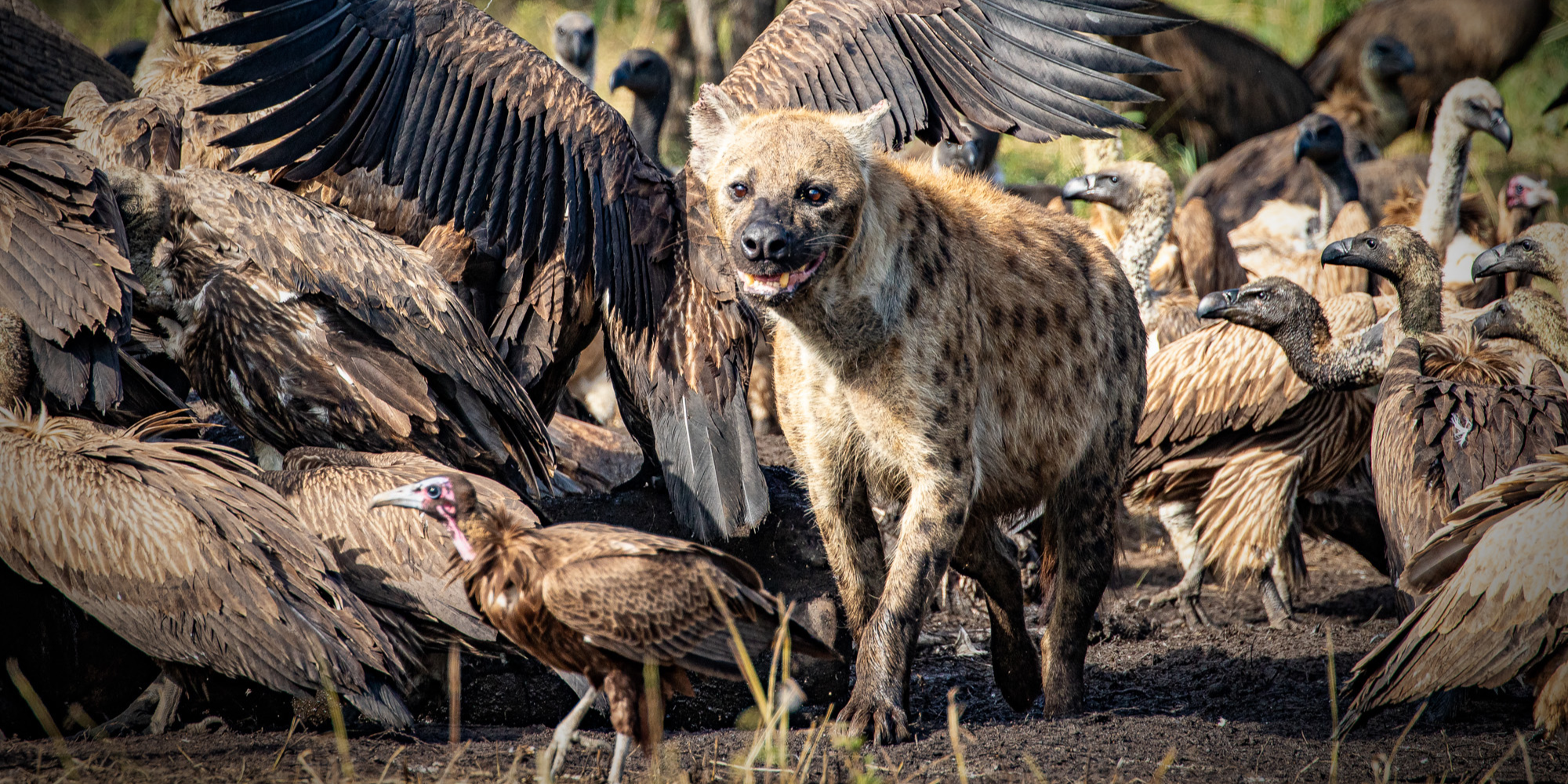
    Spotted hyenas get most of their water from their prey. The blood and soft tissues of animals they hunt or scavenge contain enough moisture to sustain them for several days. When water is easy to find, they’ll drink often and use rivers, dams, or pans to cool off in the heat. In dry conditions, they can go a week or more without drinking, depending almost entirely on prey fluids for hydration.

    Hyenas are often drawn to waterholes – not just to drink, but to cool down, socialise, and hunt. Water sources attract herbivores, and where there are prey animals, predators are never far behind. Researchers have even seen hyenas submerging carcasses in water to hide them from other scavengers and return later for a second meal.
    image

    Areas with reliable water tend to support more hyenas. That’s partly because water brings in more prey, but also because it provides central meeting points for clans. Hyenas use these spots to interact, reinforce social bonds, and communicate through scent marking and vocalisations. When drought hits and waterholes dry up, these important gathering places disappear, and clan territories may spread wider as they search for food and hydration.

    To cope with the heat, hyenas adjust their routines. They’re mostly active at night, when temperatures are cooler and less energy is lost to the sun. During the day, they’ll rest in the shade or in shallow pools of water. Their bodies are well adapted to conserving moisture, and their kidneys are efficient at holding onto water even in arid environments.

    Water shapes every part of a spotted hyena’s life – from hunting to social structure to territory size. Protecting natural water sources like rivers, pans, and wetlands helps ensure not only the survival of hyenas but also the balance of the broader ecosystem they’re part of. When water thrives, so does everything else around it.
    image

    If learning about the natural world excites you, imagine studying it in person. Join Bushwise to explore Africa’s wildlife up close, understand the behaviours that keep ecosystems in balance, and take the first step towards a career in field guiding, wildlife tourism, or conservation.
  • The Spotted Bush Snake: Misunderstood and harmless

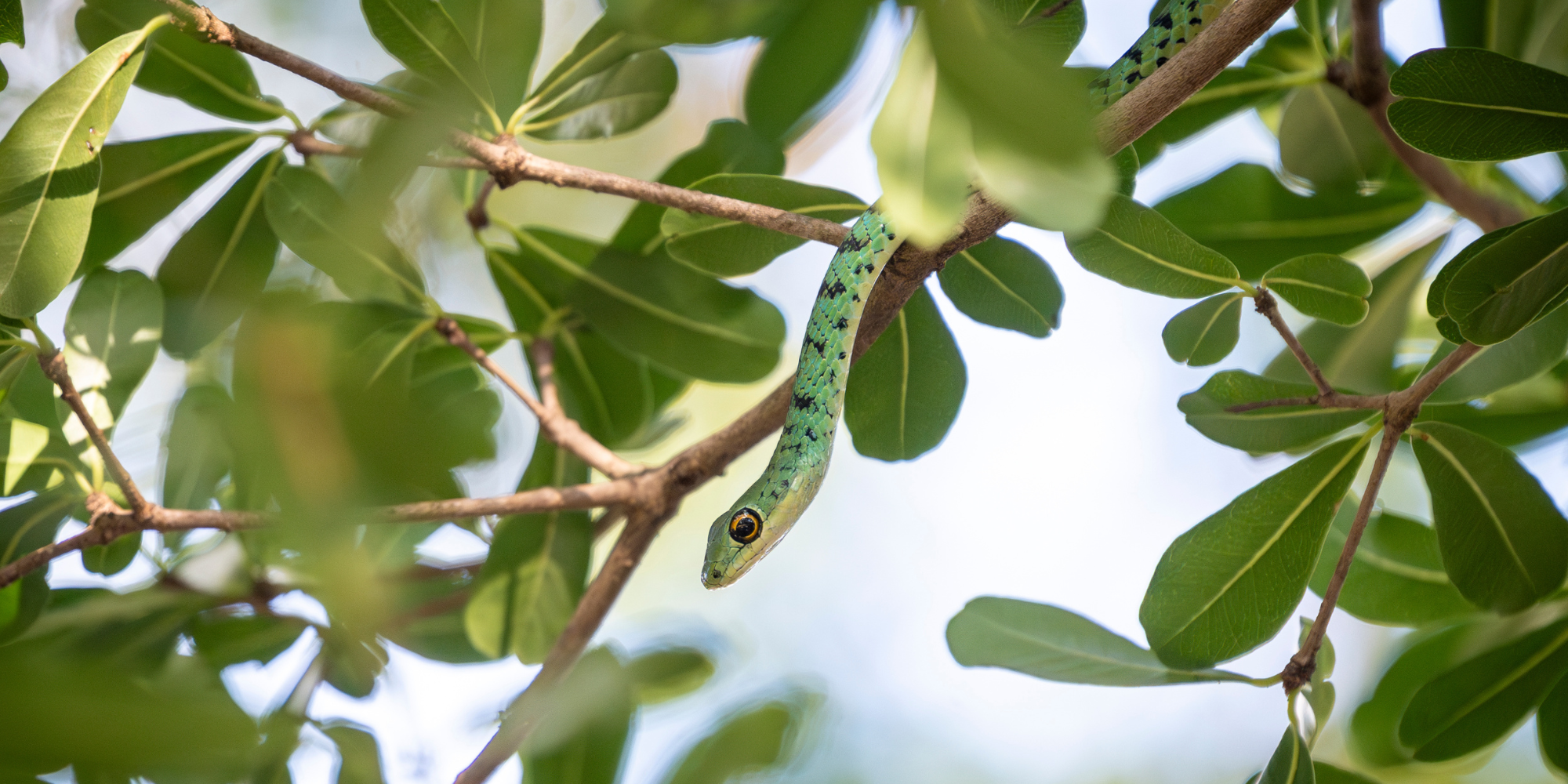
    Every so often, someone spots a bright green snake sliding across a wall or sunning itself in a tree and immediately sounds the alarm — “Boomslang!” It’s an understandable reaction, but more often than not, what they’ve actually seen is the spotted bush snake. And despite the confusion, this sleek little reptile couldn’t be more different from its venomous lookalike.

    image

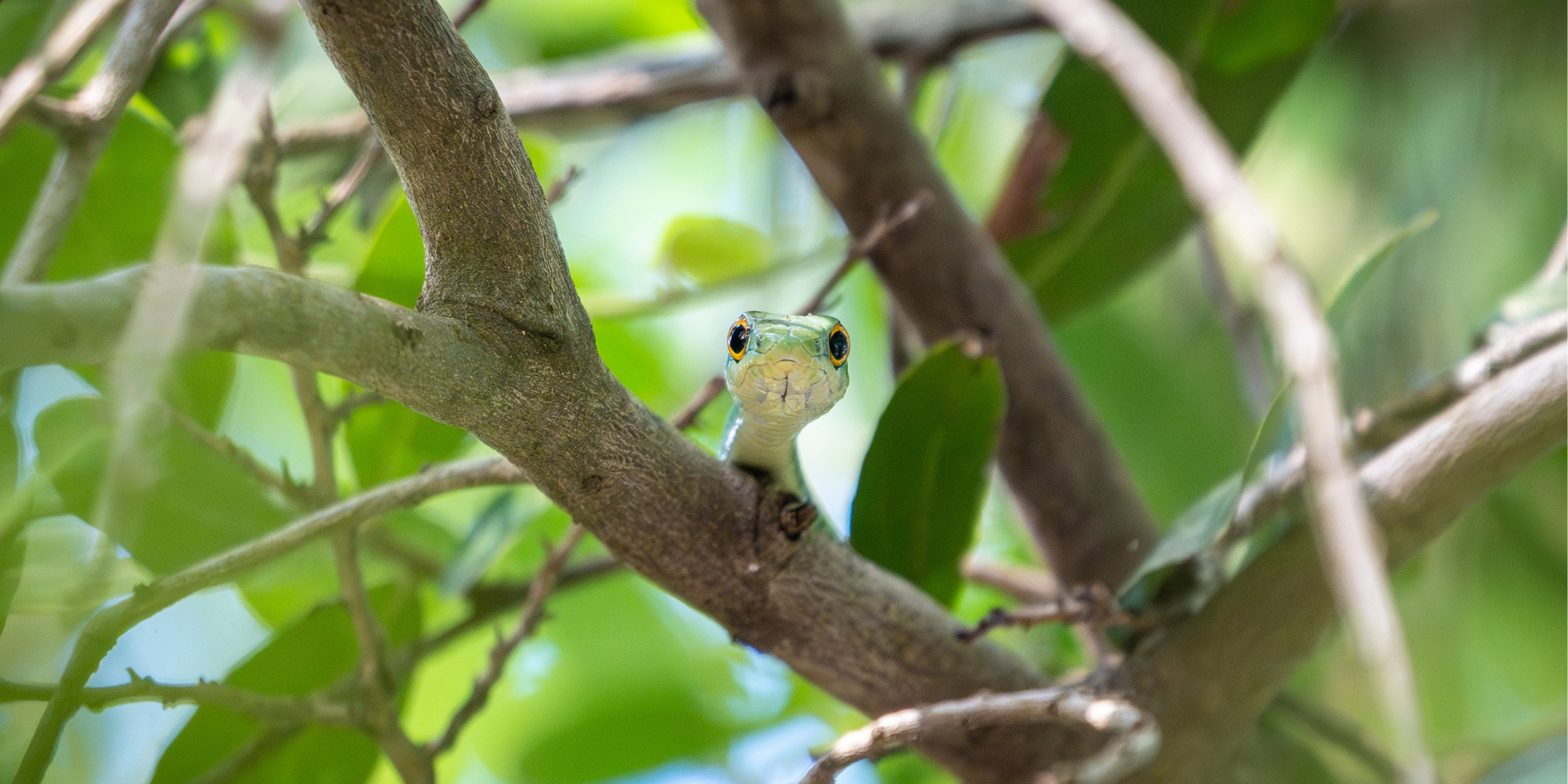
    The spotted bush snake (Philothamnus semivariegatus) is one of the most commonly seen snakes in southern Africa, and one of the most misunderstood. It’s completely non-venomous, harmless to people, and actually quite shy. But because it shares that vivid green colouring with the boomslang (Dispholidus typus), it often gets mistaken for one.

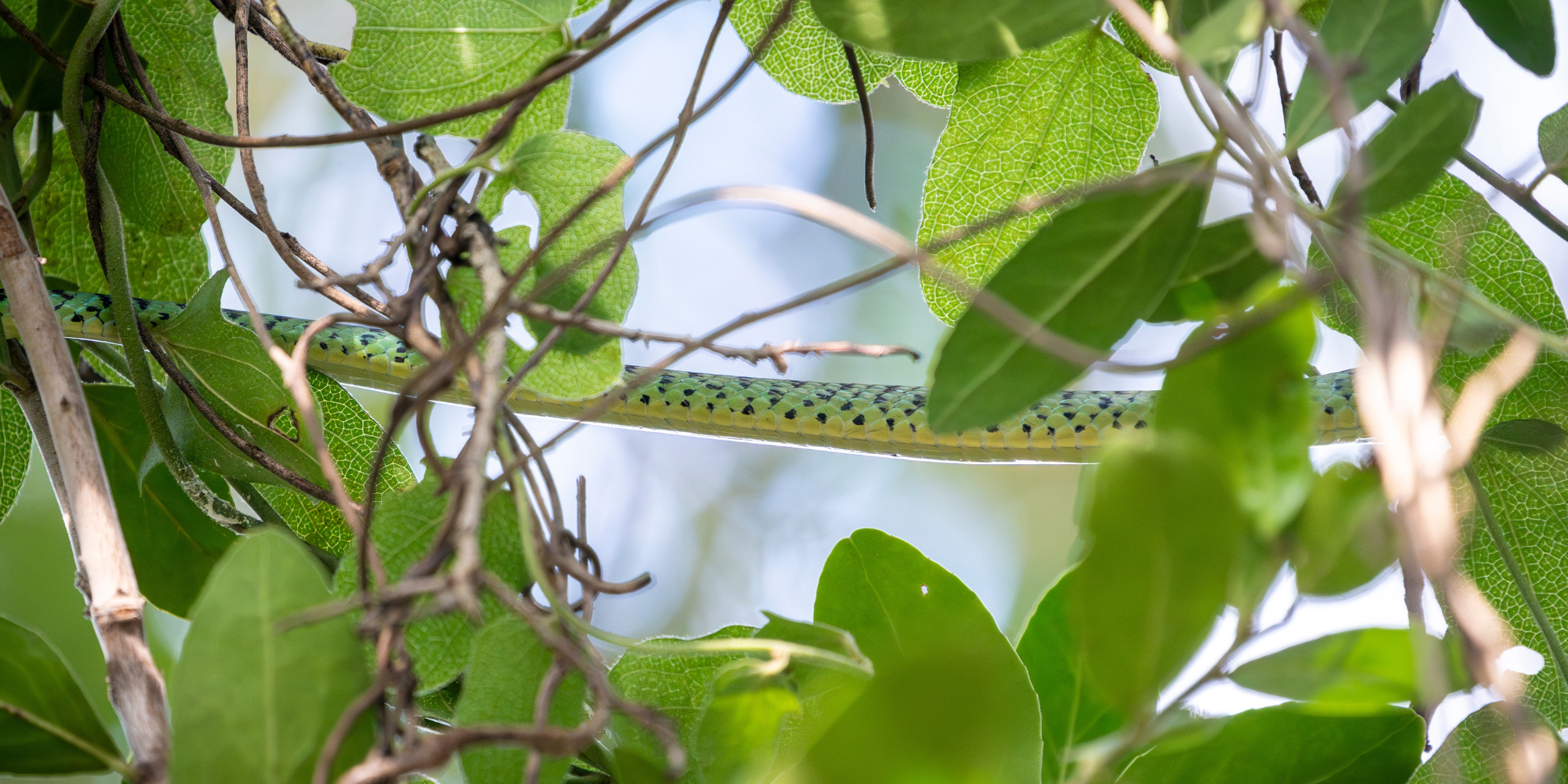
    Spotted bush snakes are slim, agile, and usually measure around 80 to 100 centimetres in length. Their colour can vary from bright leaf green to a more turquoise tone, often with a scattering of black or blue spots along the body, which is where they get their name. Their eyes are large and golden, with round pupils, giving them a very alert look. They’re diurnal, meaning they’re active during the day, and they’re almost always found in trees, shrubs, or even on walls and roofs where they can chase their favourite prey: geckos and small lizards. Occasionally, they’ll take a frog, but their diet is mainly made up of fast-moving reptiles.

    image

    You can find spotted bush snakes throughout most of sub-Saharan Africa. In South Africa, they occur widely across the eastern and northern provinces, KwaZulu-Natal, Limpopo, Mpumalanga and parts of Gauteng, wherever there’s enough vegetation and warmth. They’re particularly common in gardens and around homes that border natural areas, which explains why so many people encounter them without realising what they are.

    The boomslang, on the other hand, is indeed one of Africa’s most venomous snakes, and it also happens to be green – at least the males are. But there are a few simple ways to tell the two apart. For one, the boomslang has a noticeably larger head and an extremely large eye relative to its head size. It’s also stockier, with a thicker body and a more defined neck. The spotted bush snake, in contrast, is slender, even delicate, with a more uniform head shape and smaller eyes. Boomslangs also tend to have smoother, shinier scales and a more olive or matte green tone, while spotted bush snakes often have those characteristic dark speckles and a hint of blue.

    image

    Another key difference is behaviour. Spotted bush snakes are quick to flee and almost impossible to corner. If approached, they’ll zip up a wall, into a tree, or disappear into a gutter. Boomslangs, on the other hand, tend to freeze when threatened, relying on camouflage. And of course, while the boomslang’s bite can be deadly, the spotted bush snake doesn’t possess venom that poses any risk to humans or pets.

    Want to learn more about Africa’s wildlife? Bushwise offers wildlife courses that range from a few days to a year.

  • African vs Cape Buffalo: What’s the Difference, Really?

    Spend a little time around safari chatter and you’ll hear people use the words African buffalo and Cape buffalo like they mean the same thing. It’s an easy mix-up – after all, they look pretty similar, they’re both part of Africa’s famous Big Five, and they both have that same “don’t mess with me” stare. But there is a difference.

    image

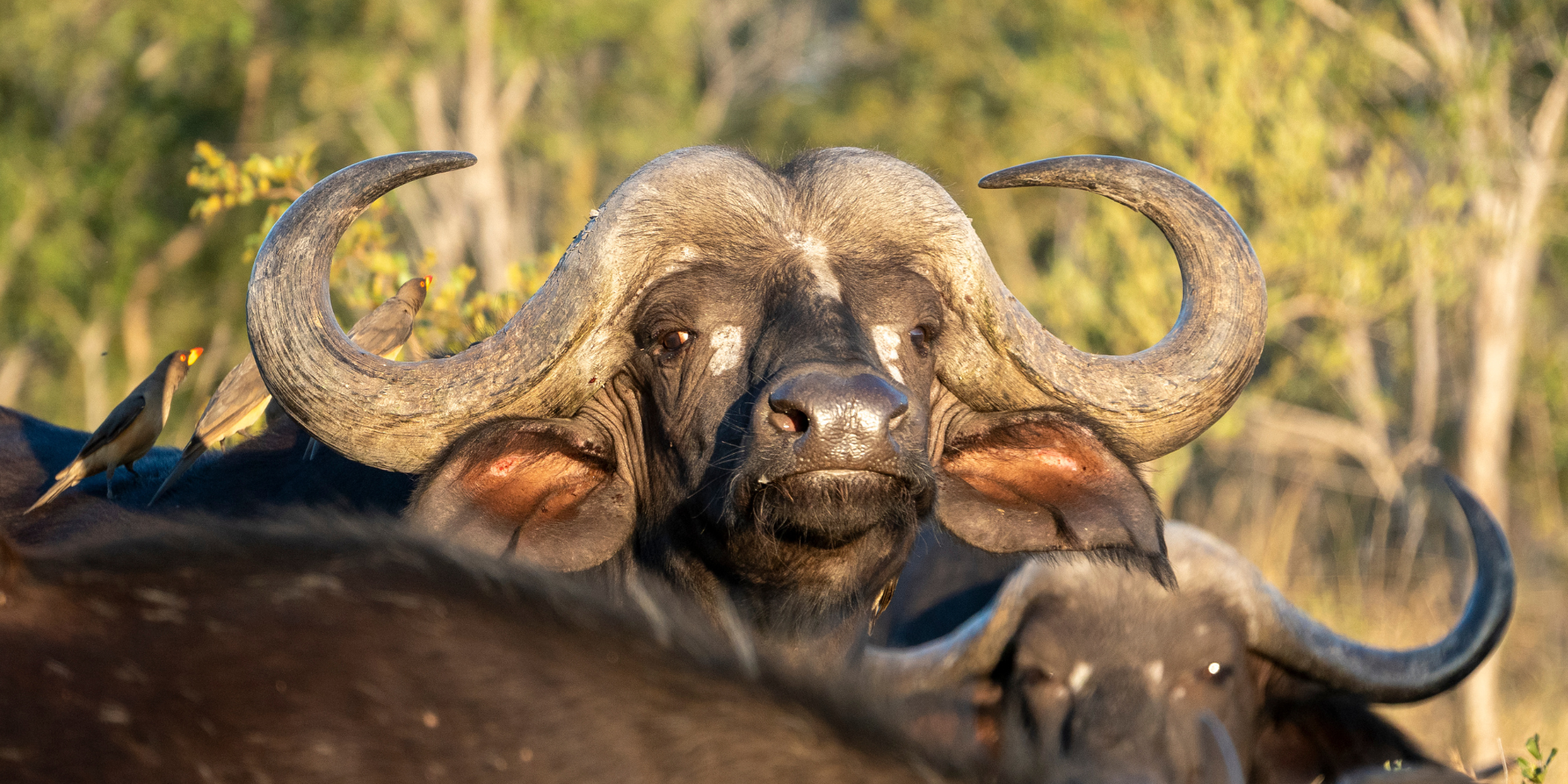
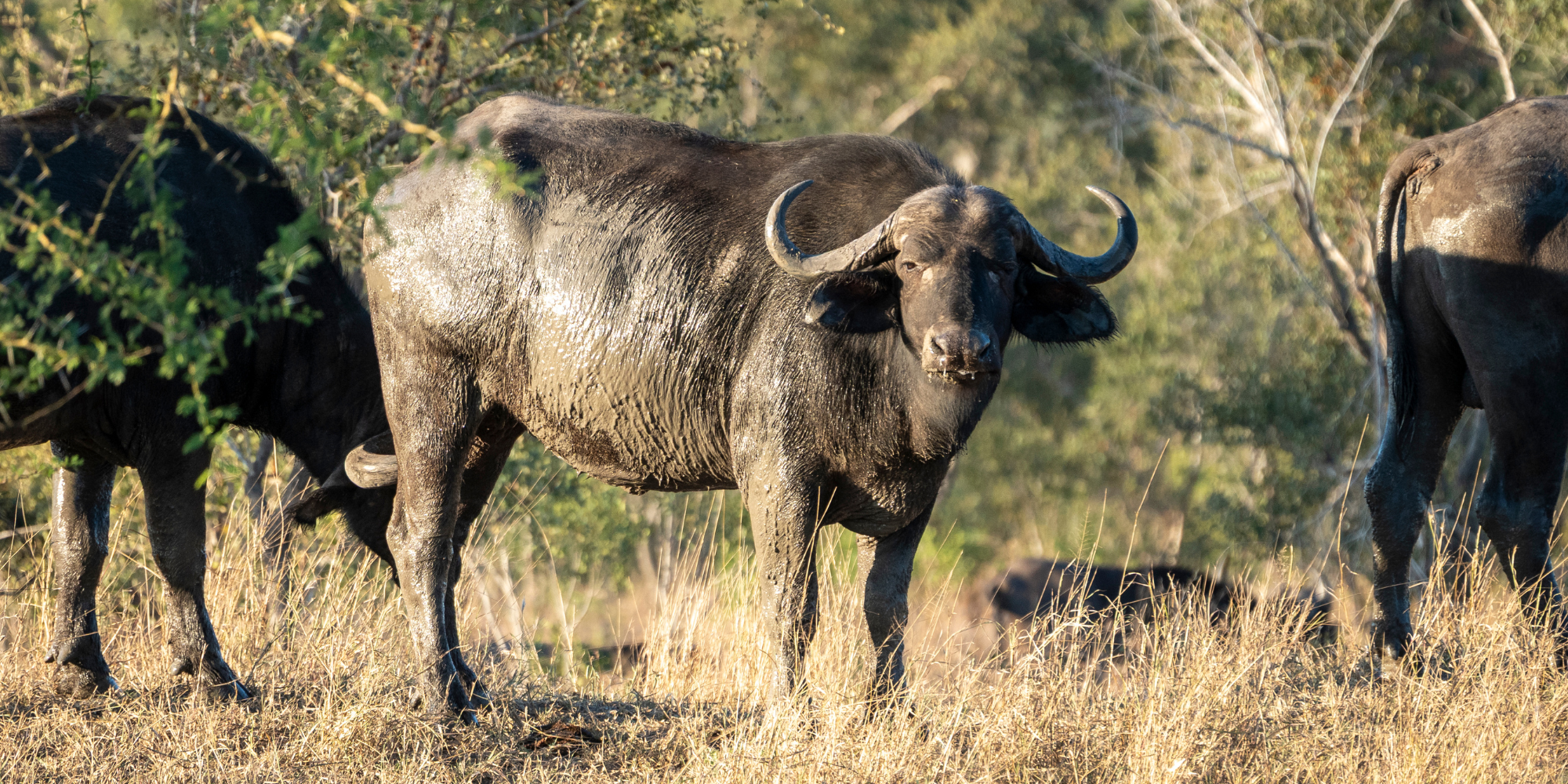
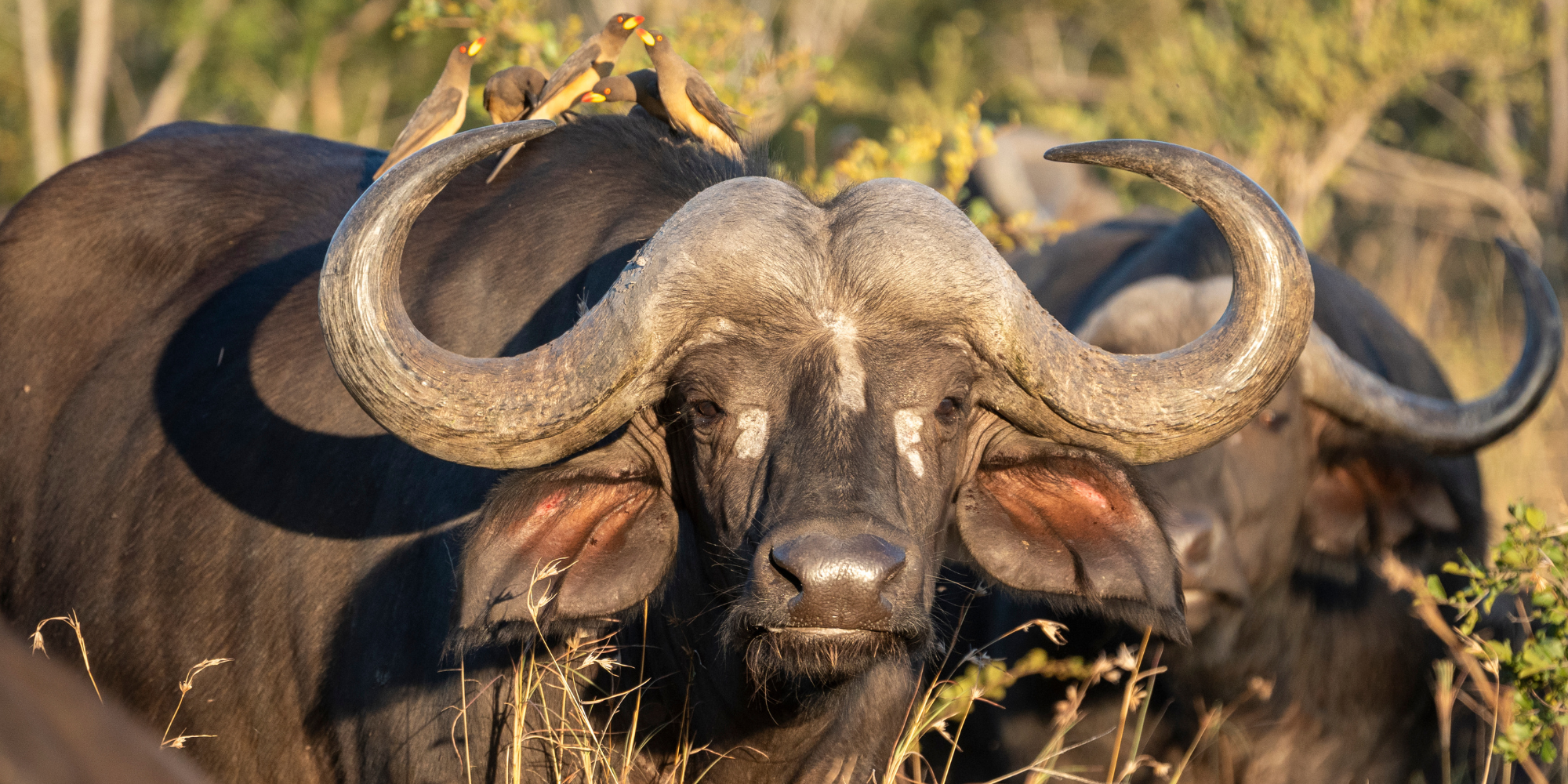
    Let’s start with the basics. The African buffalo (Syncerus caffer) is the umbrella species – the big picture term. Within that species, there are a few recognised subspecies found across the continent. The Cape buffalo (Syncerus caffer caffer) is just one of them. It’s the largest, most common, and the one most people think of when they picture a buffalo charging through the bush. So when you hear someone say “African buffalo,” they might be referring to any of the continent’s buffalo types. But when they say “Cape buffalo,” they’re talking about a very specific one – the southern heavyweight.

    Cape buffalo are the ones you’ll see in southern and East Africa: South Africa, Botswana, Zimbabwe, Tanzania, and Kenya. They’re large, muscular, and dark in colour, often almost black, with thick, curved horns that meet in the middle of their heads to form that solid “boss”. They tend to move in large herds, sometimes hundreds strong, and are known for their unpredictable, stand-your-ground attitude. That’s what earned them their reputation and their place among the Big Five.

    image

    Head further north or into central and western Africa, and you’ll meet the Cape buffalo’s smaller cousins. The forest buffalo (Syncerus caffer nanus), for instance, lives in the dense rainforests of Central and West Africa. It’s reddish-brown, smaller, and far more secretive than the Cape buffalo. Instead of wide open grasslands, it moves quietly through the undergrowth, more shy than showy. There are also a couple of intermediate subspecies, like the Sudan buffalo and Nile buffalo, which have traits that sit somewhere between the forest and Cape types, depending on where they live.

    So, to sum it up simply:

    • The African buffalo is the species as a whole.
    • The Cape buffalo is one subspecies – the biggest, darkest, and most widely seen on safari in southern Africa.
    • The forest buffalo and others are smaller, redder, and adapted to different environments further north in Africa.

    Every Cape buffalo is an African buffalo, but not every African buffalo is a Cape buffalo.

    image

    And what about water buffalo? You can read more about how they differ from the African buffalo here.

  • The Lowveld of South Africa: A look at its fauna and flora

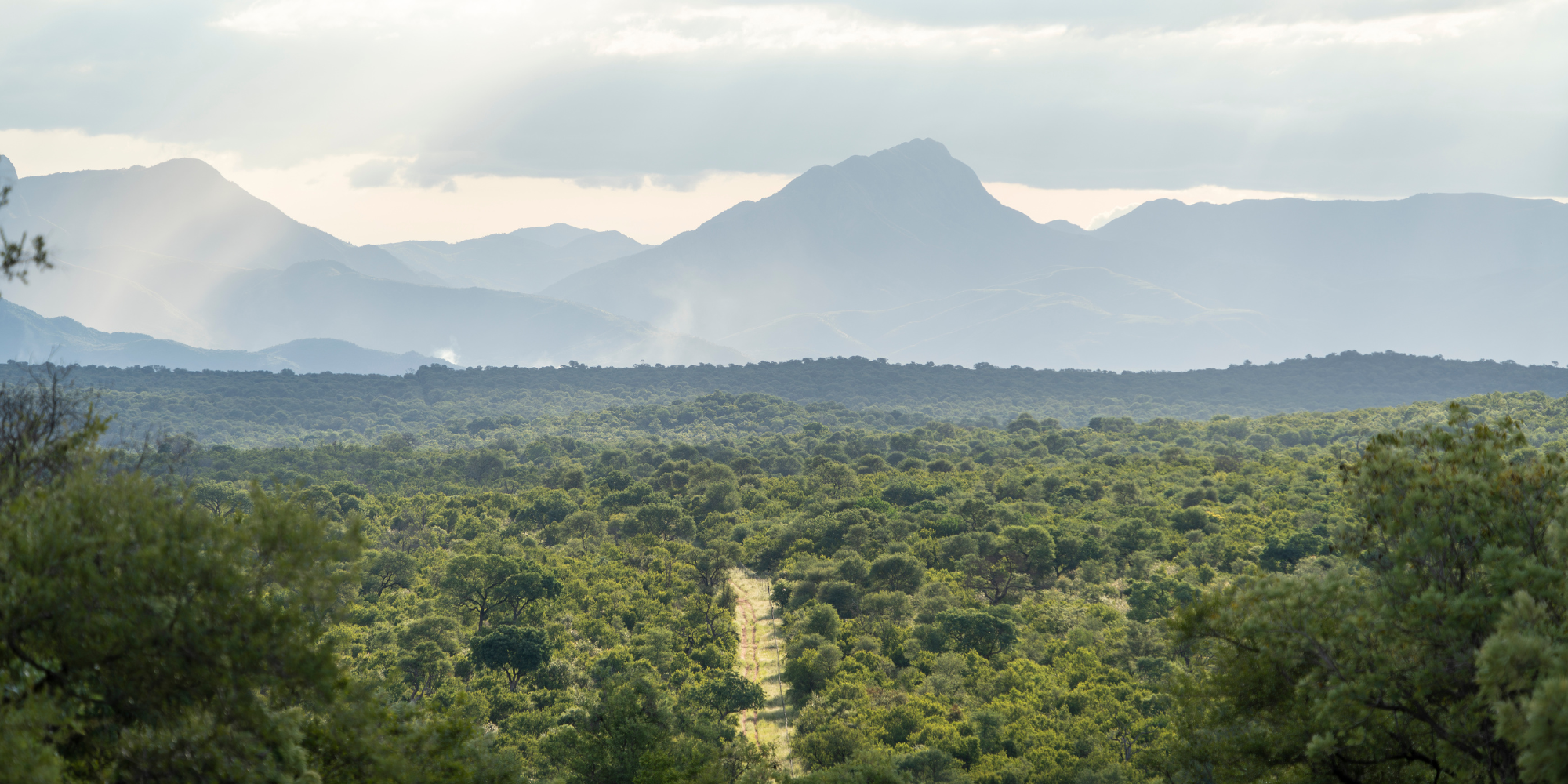
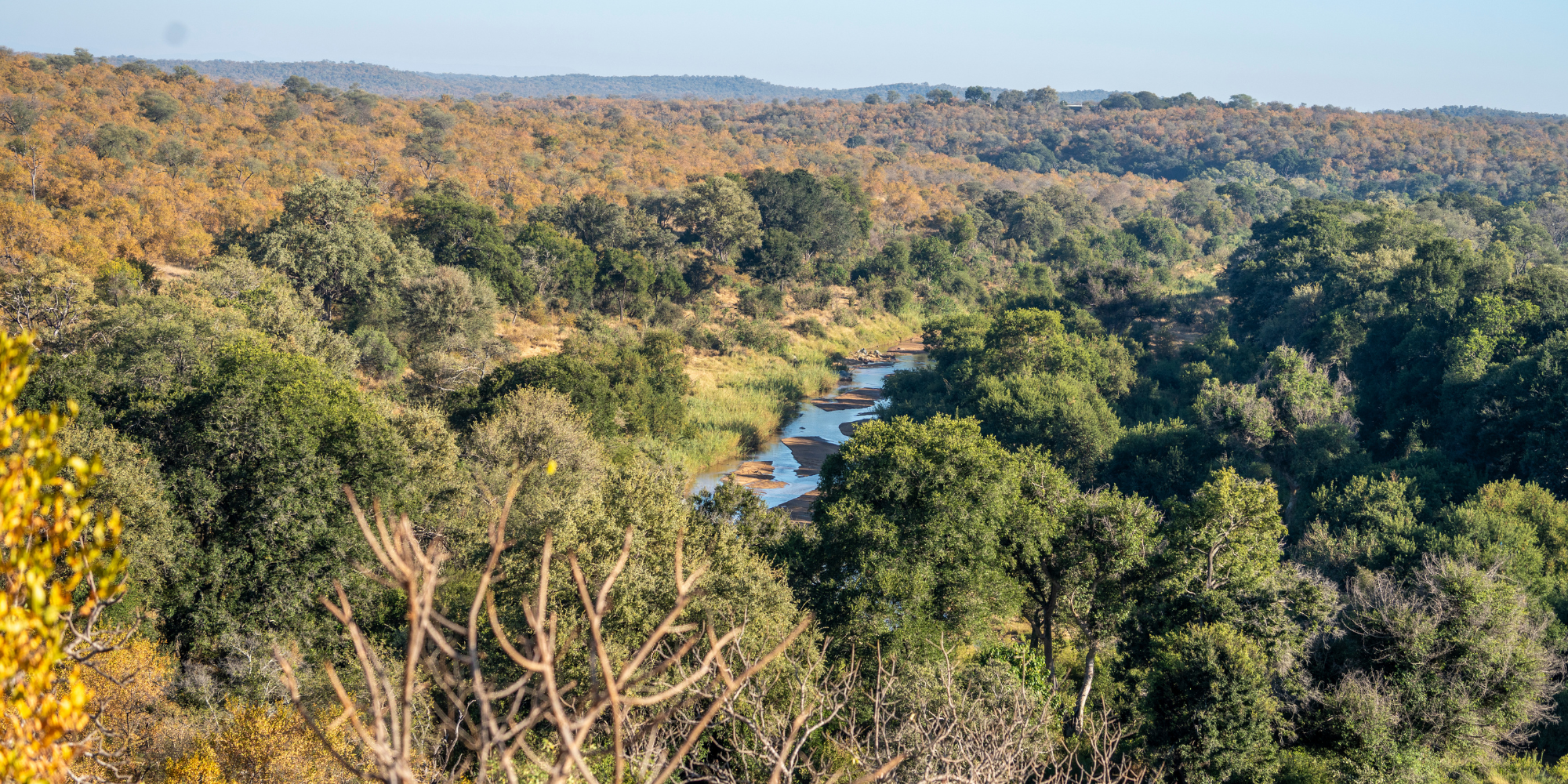
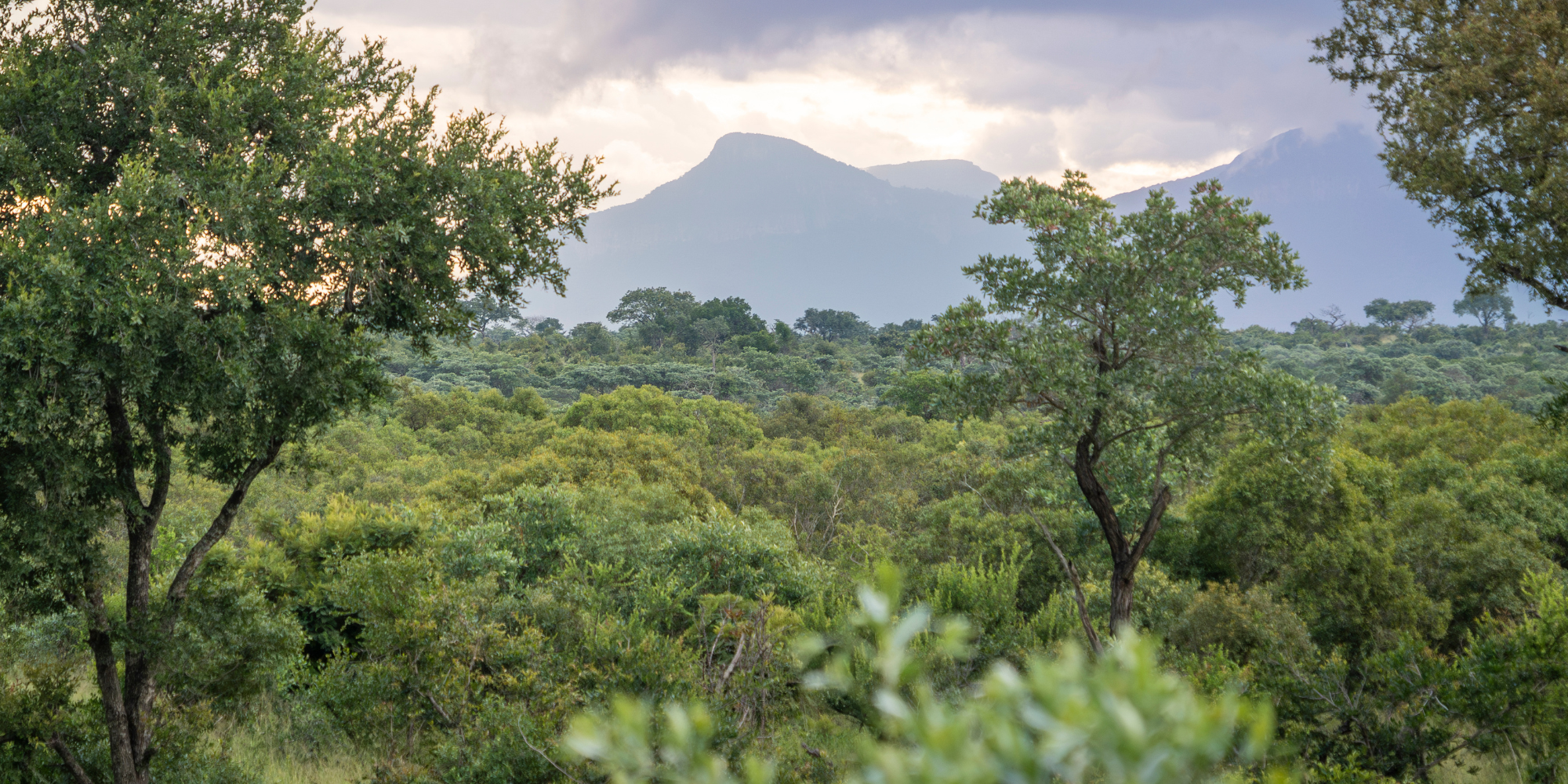
    The Lowveld is the low-lying, subtropical region of north-eastern South Africa, mostly below 1 000 metres. It is known for its warm climate, open bushveld, and rich wildlife. Many people think of this area as the “classic African landscape” because of its broad valleys, rivers, and variety of plants and animals.

    image

    The climate of the Lowveld is a key factor in shaping its vegetation and wildlife. Summers are hot and wet, with most rain falling between October and April. The rest of the year is warm and dry. This pattern affects when plants grow and when animals breed or move. Soil type and elevation also influence which species are found in different areas.

    Vegetation in the Lowveld includes open woodlands and savannahs with a mix of trees, shrubs, and grasses. Mopane woodland, common in parts of Limpopo, is dominated by the mopane tree, which supports many insects and browsing animals. Other areas feature acacia or thorn bushveld, fever trees, baobabs, and forest along rivers. This mix of plant types creates many different habitats for animals.

    image

    The wildlife of the Lowveld is closely linked to its plants. The region supports large herbivores and predators, including the Big Five, as well as smaller mammals and specialist species. Birds are common in areas with water and varied vegetation. Wetlands, rivers, and different types of woodland each attract their own bird species. The range of habitats is one reason the Lowveld is so rich in wildlife.

    Different parts of the Lowveld have different species because of variations in climate, soil, and water. Temperature and rainfall can change quickly across the region, especially near escarpments and rivers. Soil types affect which plants can grow, with some soils supporting moisture-loving species and others supporting drought-tolerant trees like mopane. Permanent rivers and pans provide water for animals and attract migratory birds. Past land use, fire, and grazing also shape the landscape and the species it can support.

    image

    The Lowveld is a region of diversity. Bird-rich thickets sit beside open grasslands, mopane woodlands surround pans that attract elephants, and rivers provide life for many animals. Protecting these areas requires conserving rivers, managing fire carefully, and allowing grazing that does not harm native plants.

    For guides, naturalists, and travellers, the Lowveld offers an opportunity to see how plants and animals are connected. By observing the trees, grasses, and water sources, it is possible to understand why each part of the Lowveld supports different communities of life.

    If you want to experience the Lowveld and its species first-hand, view Bushwise’s professional wildlife courses and start your journey in South Africa’s remarkable bush.

  • Understanding and protecting Africa’s elusive leopards

    This blog was written by Tia Bell, a Bushwise Professional Safari Guide student. Each student takes a turn as camp manager, and writing a blog is part of the experience.

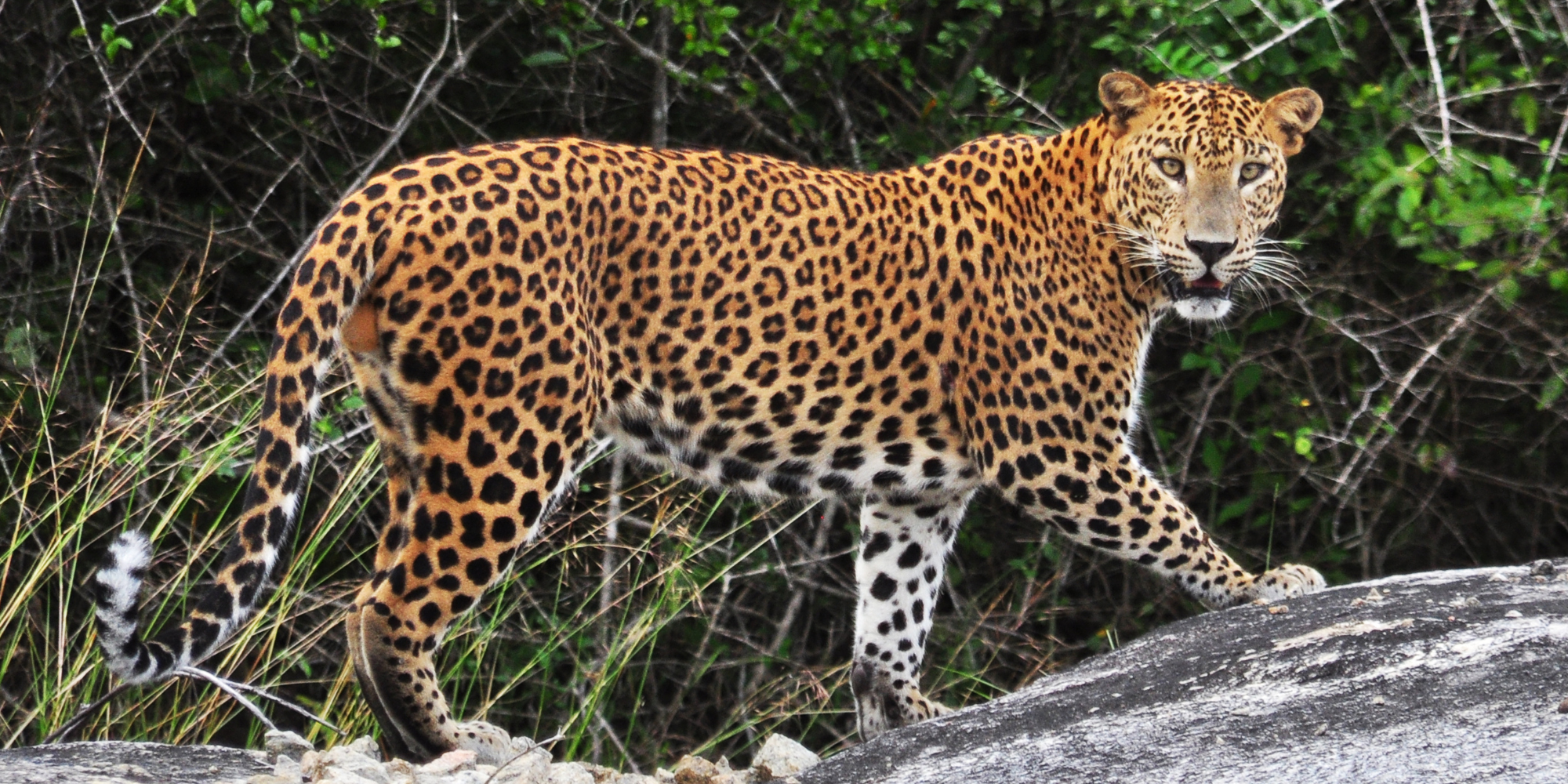
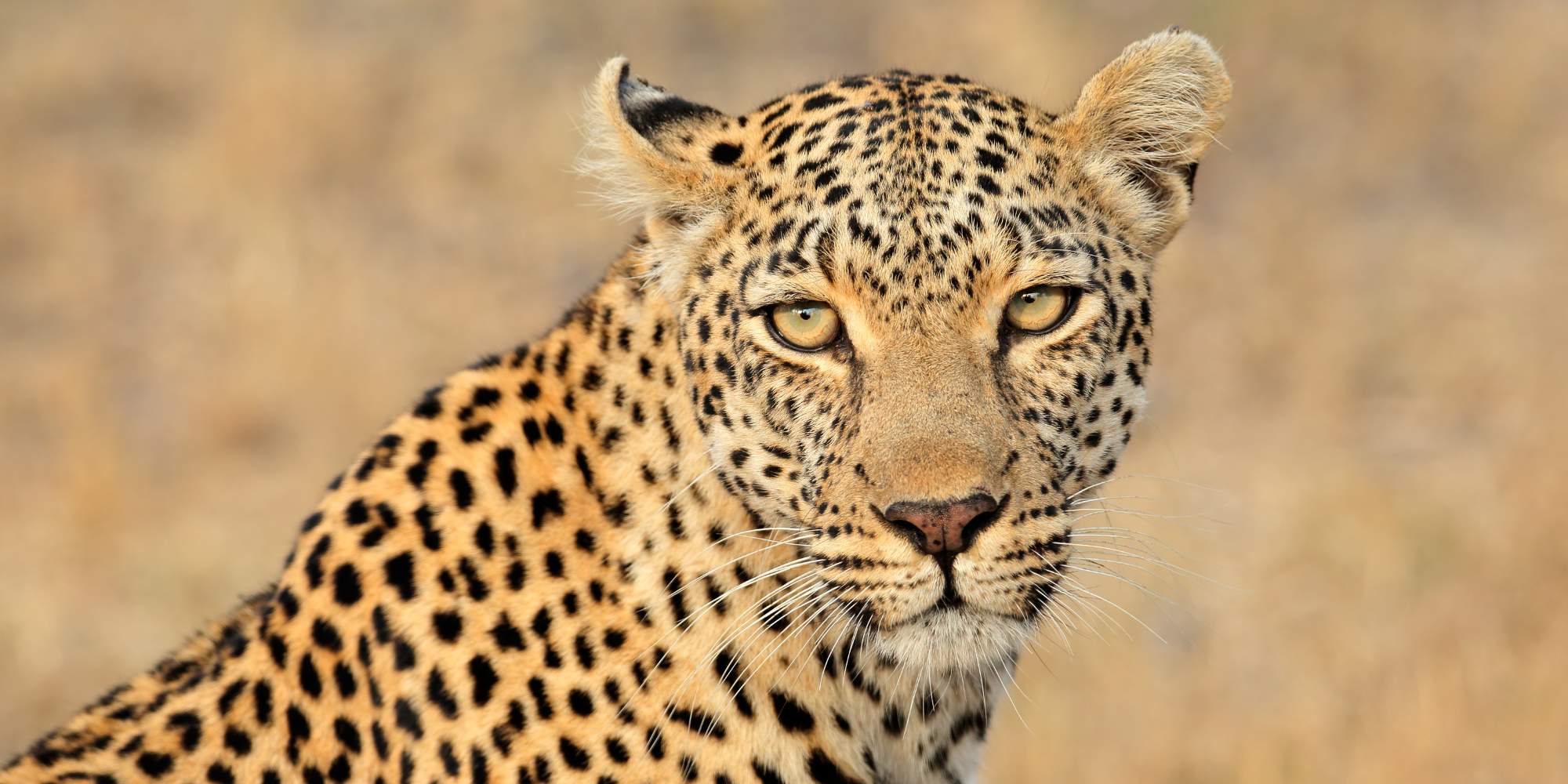
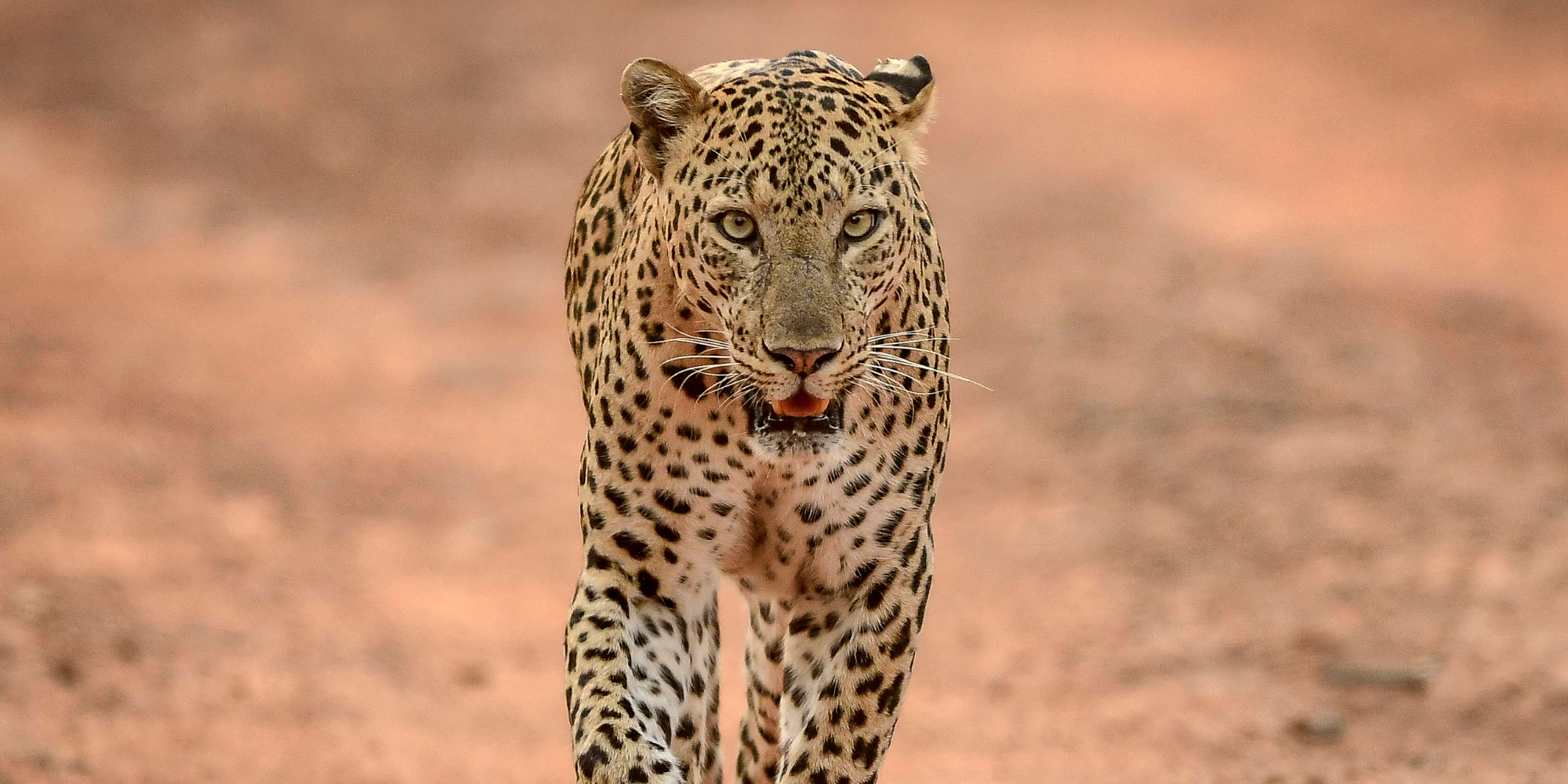
    The leopard is one of Africa’s most mysterious and graceful creatures. Powerful, stealthy, and beautifully patterned, it’s an apex predator and one of the Big Five, a true sign of a healthy ecosystem. But despite being such a master of survival, leopards are facing more threats than ever. Human activity is shrinking their world, and without our help, these incredible cats could disappear from places they’ve lived for generations.

    image

    Leopards are the ultimate experts in staying out of sight. Mostly solitary and active at night, they rely on camouflage and patience to hunt. They don’t sprint after their prey like cheetahs—they stalk quietly, wait for the perfect moment, and then strike with speed and precision. Hunting isn’t easy, and even the most skilled leopard doesn’t succeed every time.

    Competition is tough. Lions, hyenas, and even some scavenging birds are always trying to steal a leopard’s hard-earned meal. To protect their food, leopards often drag it up into trees, sometimes prey as heavy as they are. It’s a brilliant survival trick, keeping their dinner safe from other predators while showing off just how strong and adaptable they are.

    Life as a leopard is mostly a solo adventure. They only come together briefly to mate, and after that, the female takes care of the cubs alone. Usually, she raises two or three little ones, teaching them how to survive in the wild until they’re ready to go off on their own. Scientists are even exploring whether the spots on a leopard—their unique rosette patterns—might tell us something about family connections. That’s still early research, but it could help with tracking and protecting them.

    image

    Even though they’re at the top of the food chain, leopards are considered vulnerable on the IUCN Red List. Human pressures are the main threat. Farmland and development break up their habitats, poachers and trophy hunters reduce their numbers, and conflict with livestock often ends badly for the cats. Protecting leopards isn’t just about saving one species; it’s about keeping ecosystems balanced and healthy.

    The good news is that conservation can work, especially when communities are involved. Educating people about leopards, helping them coexist safely, and showing the benefits of protecting wildlife can make a real difference. It’s a team effort: people, science, and nature working together.
    image

    Leopards may move silently through the bush, but they’re not invisible in importance. Their survival is tied to the health of their environment and the communities around them. By understanding them, protecting them, and giving local people a stake in their future, we can make sure these shadows of strength continue to roam Africa’s wild places and that we don’t lose the beauty, mystery, and vital role they play in our world.

    Want to see African wildlife up close and make a real difference? Bushwise offers a wide range of professional wildlife programs where you can get hands-on, learn from experts, and help conserve these amazing animals.

  • African Wild Dog Pups Spotted in Makalali Game Reserve

    This blog was written by Brandon Huxtable, a IFGA Safari Guide student. Each student takes a turn as camp manager, and writing a blog is part of the experience.

    Some mornings in the bush start like any other: a 5 am wake-up, the comforting smell of coffee, and lions roaring in the distance as they patrol their territory. But every so often, the ordinary turns into something extraordinary.

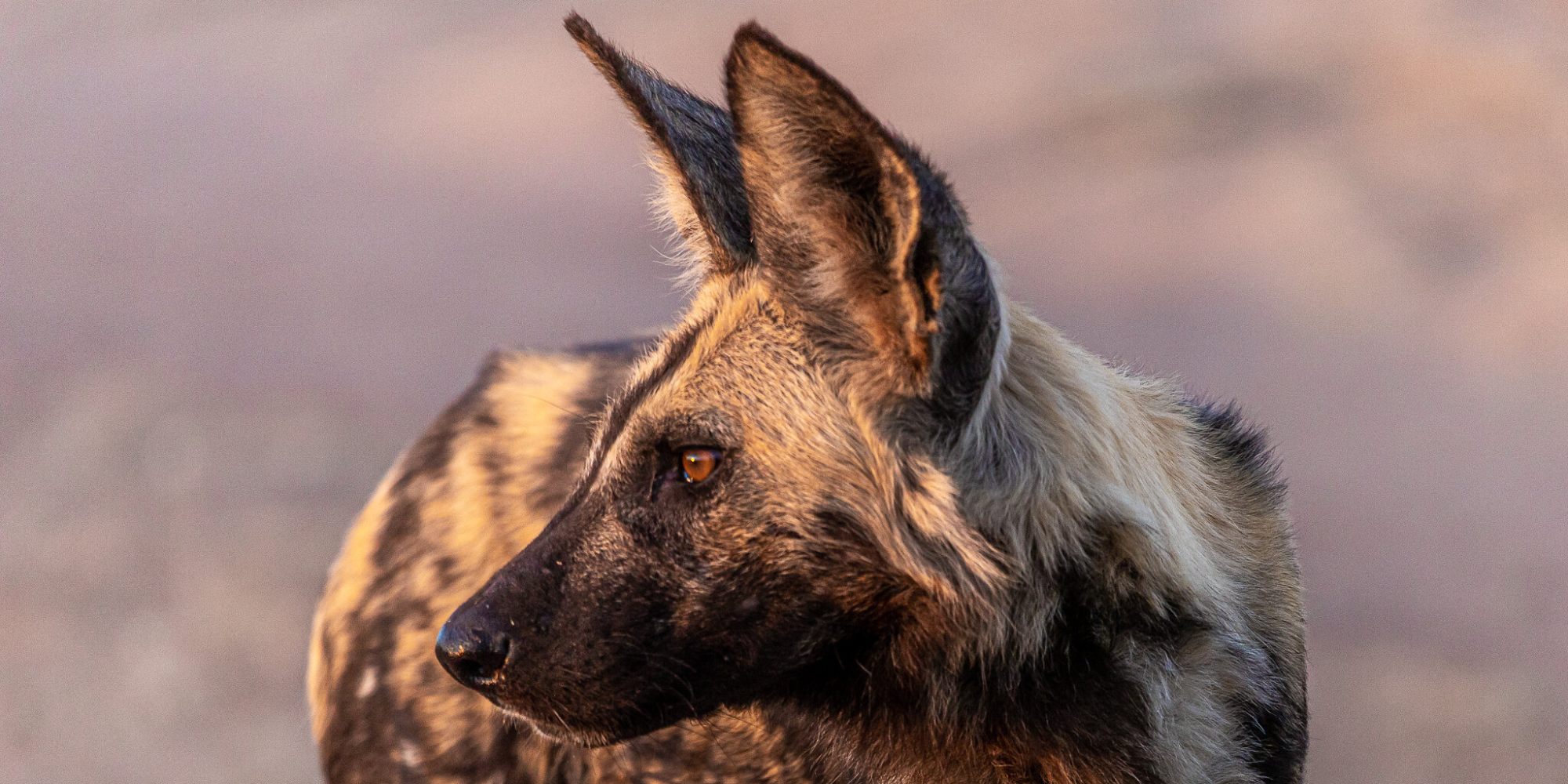
    In late August, Makalali Game Reserve witnessed a rare and unforgettable moment – a pack of African wild dogs with playful pups.

    image

    The morning drive began quietly, with a pause at a dam to watch a saddle-billed stork land gracefully on the water. But anticipation was building. Word had spread that wild dogs, also known as painted wolves, had been spotted with pups.

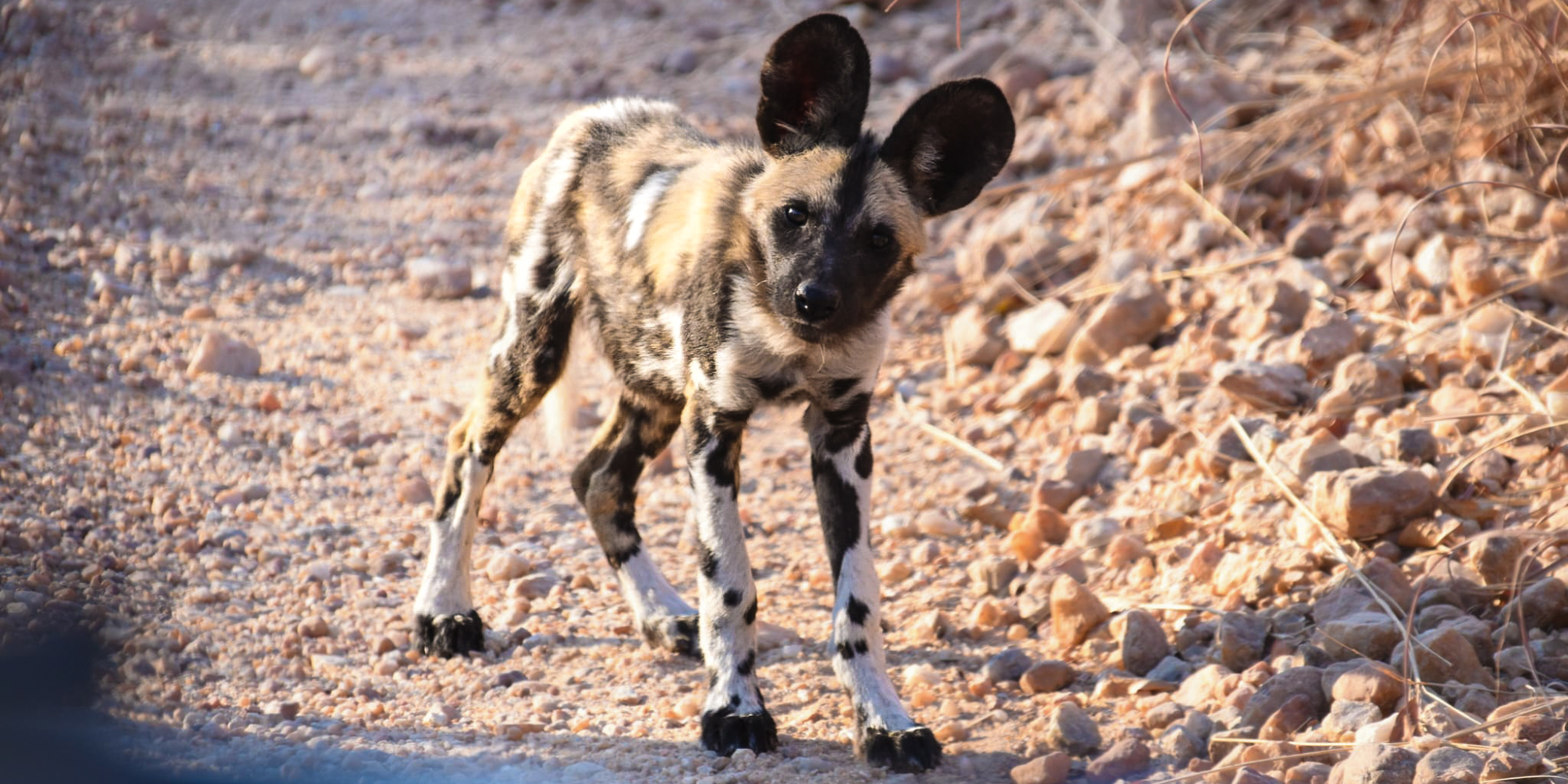
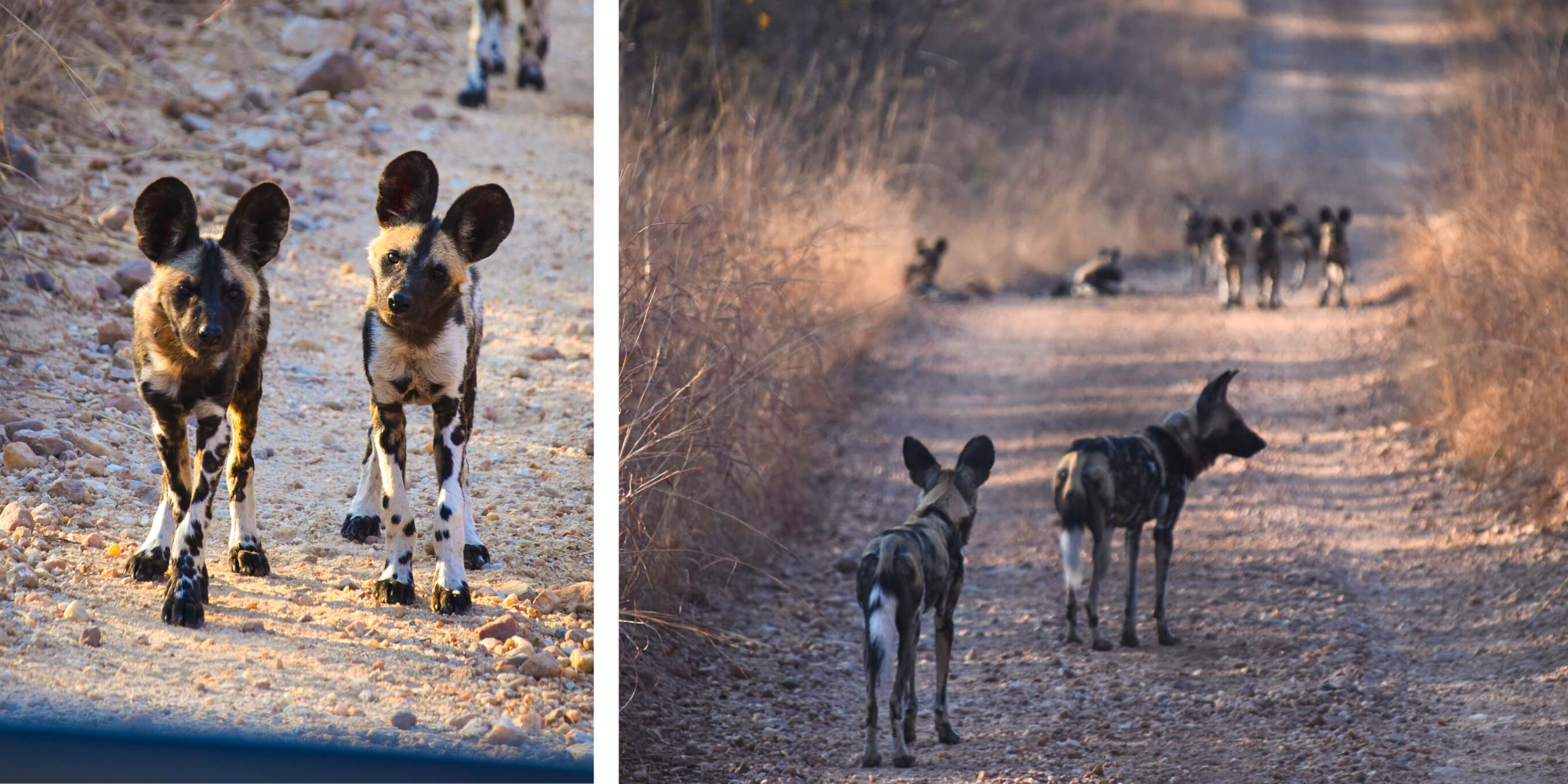
    When the group arrived, only one wild dog appeared in the distance at first. Then, to everyone’s amazement, six tiny pups tumbled out of the bush, full of energy, playfully tackling each other on the road. Their oversized ears and curious glances gave them a comical, almost Mickey Mouse-like appearance, as they edged closer to the vehicle to investigate.

    image

    For over an hour, the group watched in awe. The pups’ boundless curiosity and playful antics were a reminder of what makes these animals so special, and why their conservation matters. As one of Africa’s most endangered predators, every new litter is a reason to celebrate and a sign of hope for the species’ future.

    Eventually, it was time to move on. Yet the excitement of the sighting lingered, filling conversations throughout the day. For some, it was their very first encounter with wild dogs, making the experience even more unforgettable.

    image

    The arrival of pups in Makalali is a highlight for those who witnessed it and an indicator of a meaningful step forward for conservation. With luck, these youngsters will grow strong, survive into adulthood, and one day contribute to the growth of their pack, strengthening the population in the area.
    Want to witness and learn about incredible wildlife firsthand? Bushwise offers a range of wildlife courses and experiences, ranging from 3 days to a year. 

  • Why Cheetahs Belong to Acinonyx, Not Panthera

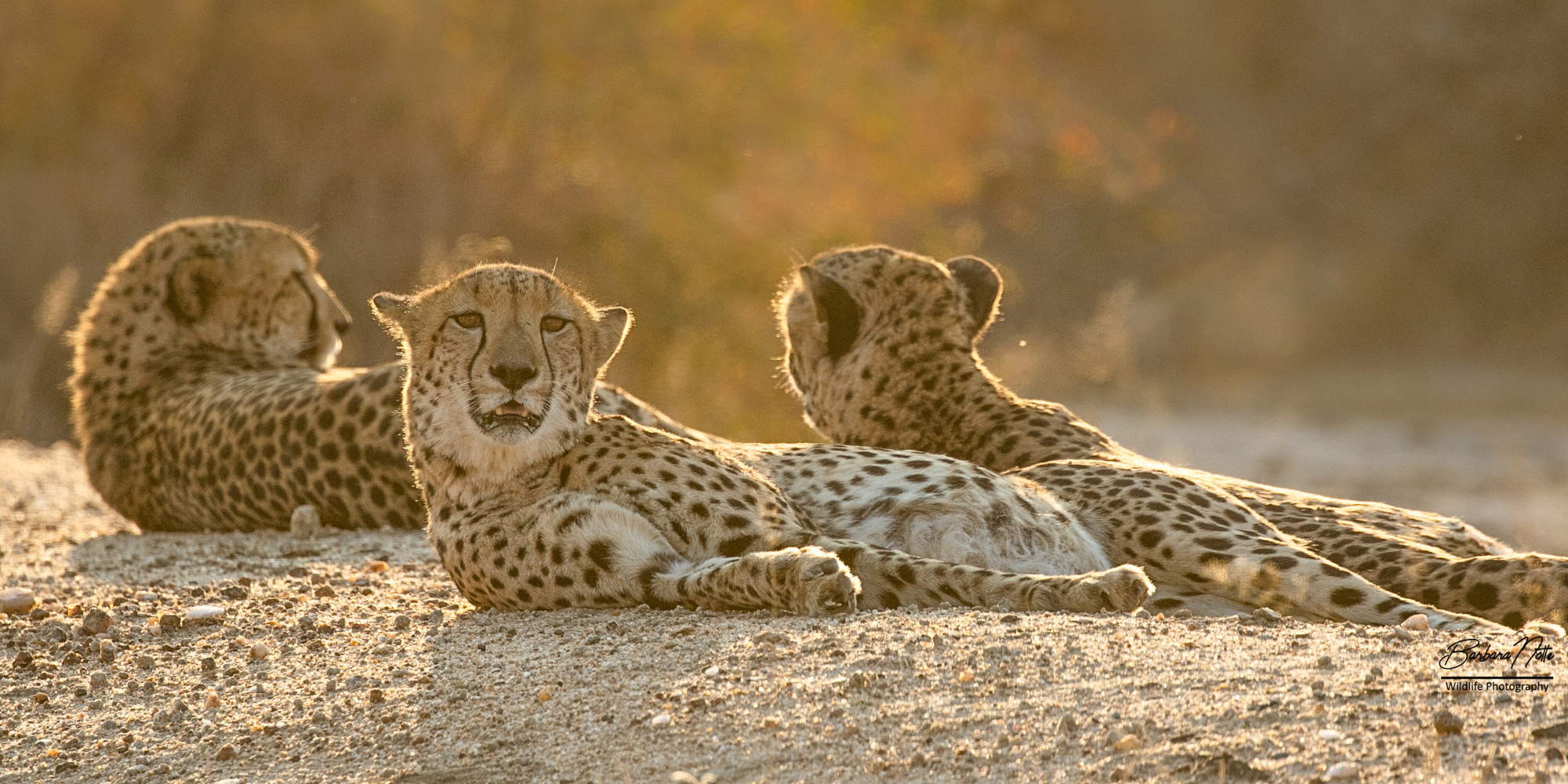
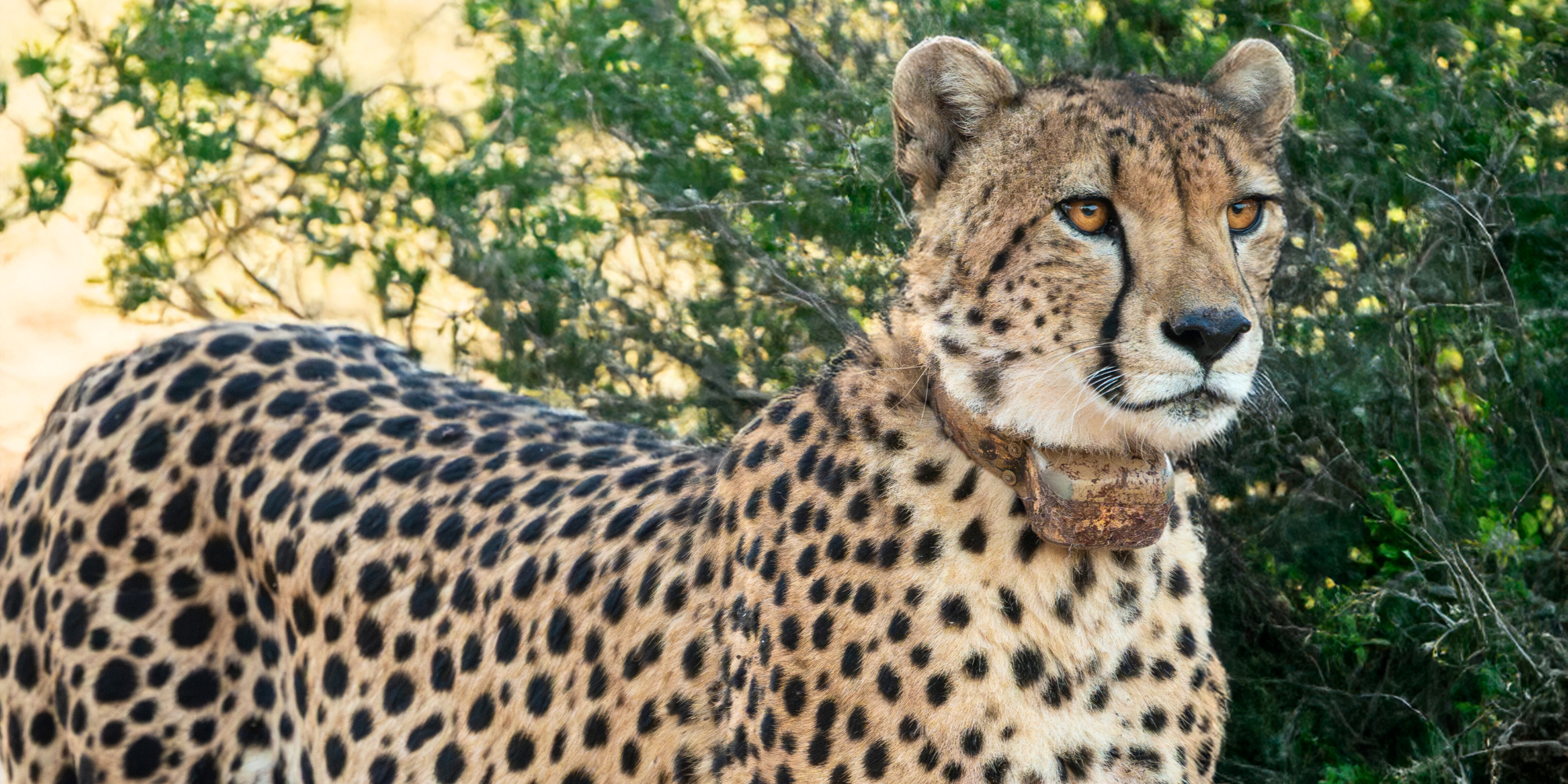
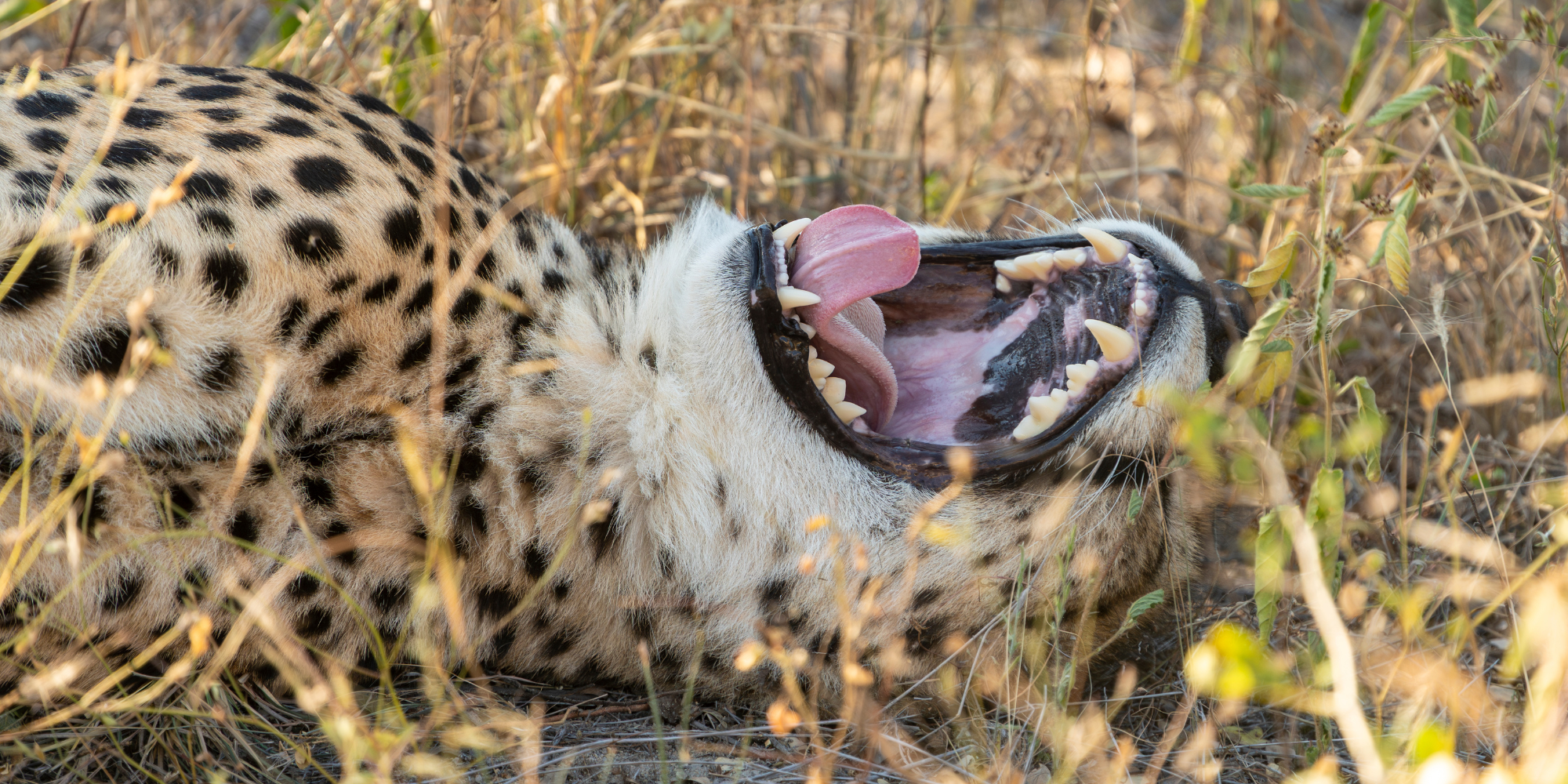
    Cheetahs are often lumped in with other big cats, but the reality is that they have very little in common with lions, leopards, and jaguars. What may look like a close relationship is mostly superficial. Under the surface, cheetahs follow their own evolutionary path, with unique adaptations that set them apart in almost every way. Genetic studies confirm that they split from the Panthera lineage millions of years ago and have been on their own branch of the cat family ever since, evolving features optimised for one particular purpose: running.

    image

    One of the clearest differences is in their voice. Lions, tigers, leopards, and jaguars can roar because of a specialised larynx with an elastic ligament that amplifies deep sounds. Cheetahs lack this structure and cannot roar. Instead, they purr, chirp, yowl, and make bird-like trills. These sounds are used for communication, especially between mothers and cubs, but a deep, resonant roar is impossible for them.

    Claws provide another stark contrast. Panthera cats have fully retractable claws, which they keep sheathed until needed for climbing or capturing prey. Cheetahs have semi-retractable claws that stay partially exposed, giving them traction like natural cleats. Their paws are narrow with hard pads and raised ridges, all contributing to exceptional grip during high-speed sprints. This design, combined with a lightweight frame, allows cheetahs to accelerate from zero to nearly 100 kilometres per hour in just a few seconds.

    image

    Their skeletal structure reinforces this specialisation. The spine is highly flexible and acts like a spring, extending and contracting with each stride. Their shoulder blades are unattached to the collarbone, allowing their front legs maximum reach. Long, slender limbs, a narrow waist, and lean musculature all maximise stride length and frequency. The small head and large nasal passages improve oxygen intake during sprints. Unlike lions that rely on strength or leopards that rely on stealth and power, cheetahs rely on explosive bursts of speed and precise timing to catch prey.

    The coat of a cheetah is also distinctive, with 2,000 odd solid black spots breaking up their outline in grasslands, providing camouflage during stalking. Cheetah cubs also have a unique appearance with a silvery-grey mantle of longer fur along their backs, which helps conceal them from predators during the early months of life.

    image

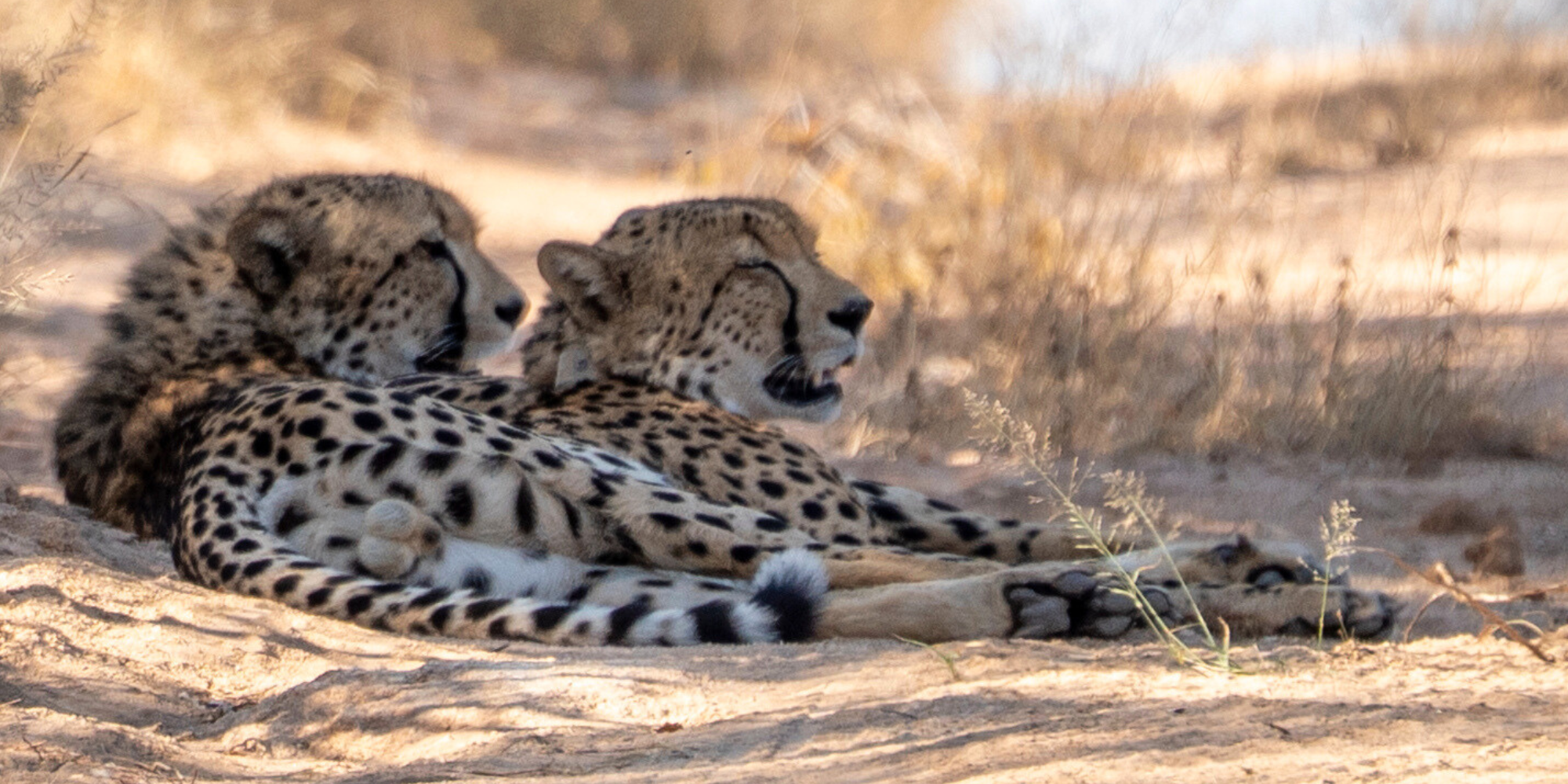
    Their social behaviour sets them apart further. Female cheetahs are largely solitary, except when raising cubs, while males may form small coalitions, usually composed of brothers. They rarely climb trees or hoist kills like leopards, and hunt primarily during the day to reduce competition with larger nocturnal predators, relying on speed rather than brute strength.

    Cheetahs are a study in efficiency and focus. They demonstrate that being different from your family does not mean being inferior. Their design prioritises speed, endurance, and survival, making them one of the most remarkable predators in the animal kingdom.

    image

    Next time you’re lucky enough to see a cheetah, take notice of the semi-retractable claws, the long, spring-like stride, and the chirps that punctuate their hunt. Every detail is a sign of a species that belongs to a genus all its own, not a lion, not a leopard, not a jaguar, but something entirely exceptional.

    If you want to experience wildlife like the cheetah firsthand, explore Bushwise’s wildlife courses and learn from experienced guides in the African bush.

  • Frankfurt to field guide: Starting a safari career in South Africa

    It’s Monday. I’ve just said goodbye to my friends and family at the airport, and now I’m sitting at the gate watching travellers pass by. Each person around me is heading somewhere, maybe a honeymoon, a business trip, a long-awaited reunion. As for me? I’ve got field boots on, a sleeping bag clipped to my backpack, and a head full of nerves, excitement, and an overwhelming sense of adventure.

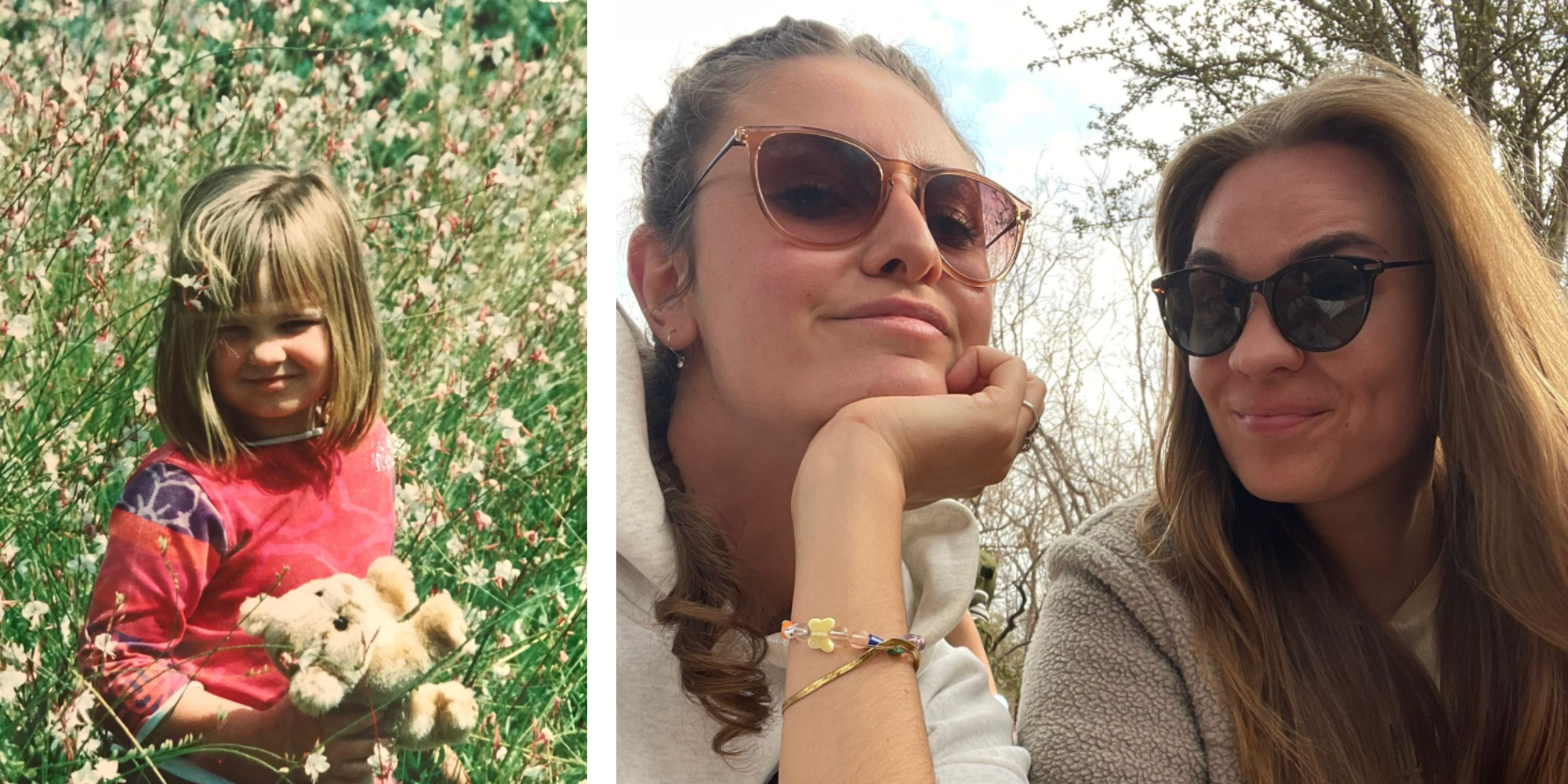
    I’m Nathalie, though most people call me Nats. I grew up in Frankfurt, Germany, in a family that’s always had a strong connection to southern Africa. Over the years, we’ve spent a lot of time here in South Africa, so much so that it stopped feeling like a destination. It started feeling like home. The people, the landscapes, the rhythm of life… it all just resonated. Some of the friendships we’ve made along the way have grown into something more lasting, and returning here always feels like reconnecting with a part of myself.

    image

    I’ve always known I wanted to follow my passion for Africa, so I studied tourism management. I even spent a semester abroad working for a tour operator in Cape Town, then continued in the tourism industry back in Germany. For a while, that path made sense.

    Then one day, I had to prepare a university presentation on sustainable tourism. One section was focused on the status of animal poaching in South Africa’s national parks. It was a small section, only a few slides, but while I spoke, something clicked. For context, I usually over-prepare for presentations (public speaking isn’t my favourite), but that day I barely glanced at my notes. I just spoke from the heart – my professor had to cut me off, and told me he’d never seen someone speak with so much passion. That moment stayed with me. I knew then that I needed to connect my love for Africa and wildlife in a more hands-on and meaningful way.

    After months of research, late nights at work, and questioning everything, one email changed the course of my life: You’re booked.

    image

    Fast forward to July 8th: I’m sitting at OR Tambo International Airport in South Africa, waiting for my transfer to Bushwise Mahlahla Campus. That’s where I meet my classmates – the people I’ll spend the next six months learning and growing with. We’re a mixed bunch: some fresh out of school, some international students who’ve never set foot in Africa, and a few seasoned South Africans who probably learned to track animals before they could walk. We’re different in many ways, but united by one thing – a deep love for the bush and its wildlife. Being surrounded by people who share that passion is incredibly energising.

    The first few days at camp flew by. New faces, settling into a new rhythm, carrying a torch to the bathroom at night, and quickly learning the golden rule: always check your boots before putting them on.

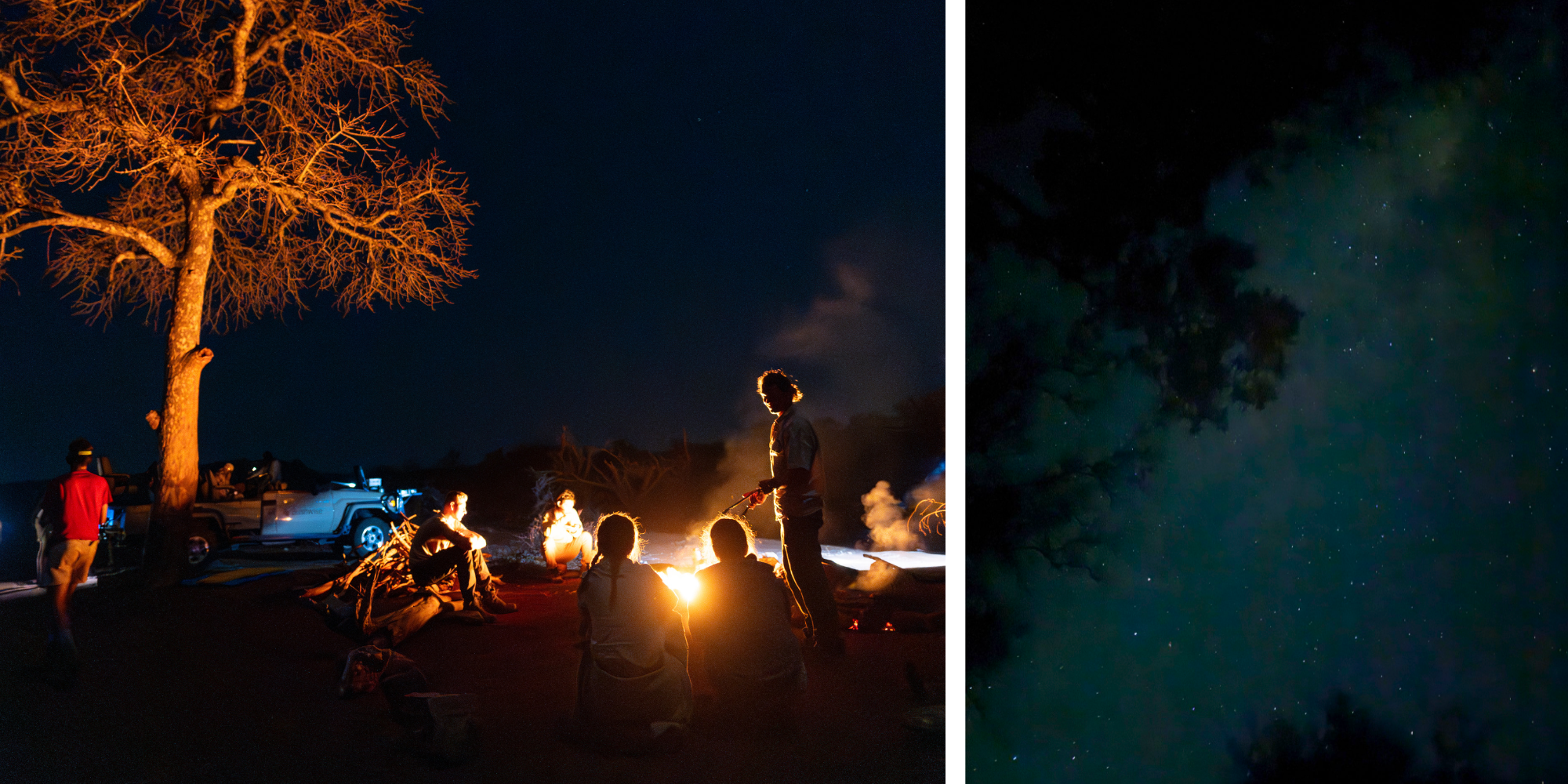
    Once orientation and admin were behind us, it was time for our first sleep-out in the bush. You could feel the buzz of excitement among all of us. We stocked up on snacks in town, packed our gear, and loaded up the safari vehicles. There’s something incredibly humbling about being out in the wild without the comfort of a vehicle or a roof over your head. Your senses sharpen, and every rustle and distant call feels amplified. That night reminded me why I fell in love with South Africa, and why the idea of a traditional nine-to-five just doesn’t appeal to me anymore.

    image

    During my watch duty (everyone on a sleepout takes turns to keep an eye out for any species that might walk past), I heard lions roaring in the distance. Possibly a leopard, too! After my turn, I climbed back into my sleeping bag, looked up at the stars, and realised that every moment of doubt and every step along the way – it’s all led me here. And here? This feels right. I can’t wait to see what’s next in this beautiful country.

    If Nathalie’s story resonated with you and you’d like to explore the wild for yourself, Bushwise offers a selection of wildlife courses designed to help you turn your passion into purpose.

  • From Switzerland to the South African bush: How Bushwise is helping me achieve my dream

    Tiana Cuttelod, a Bushwise Professional Safari Guide student, wrote this blog. Each student takes a turn as camp manager, and writing a blog is part of the experience.

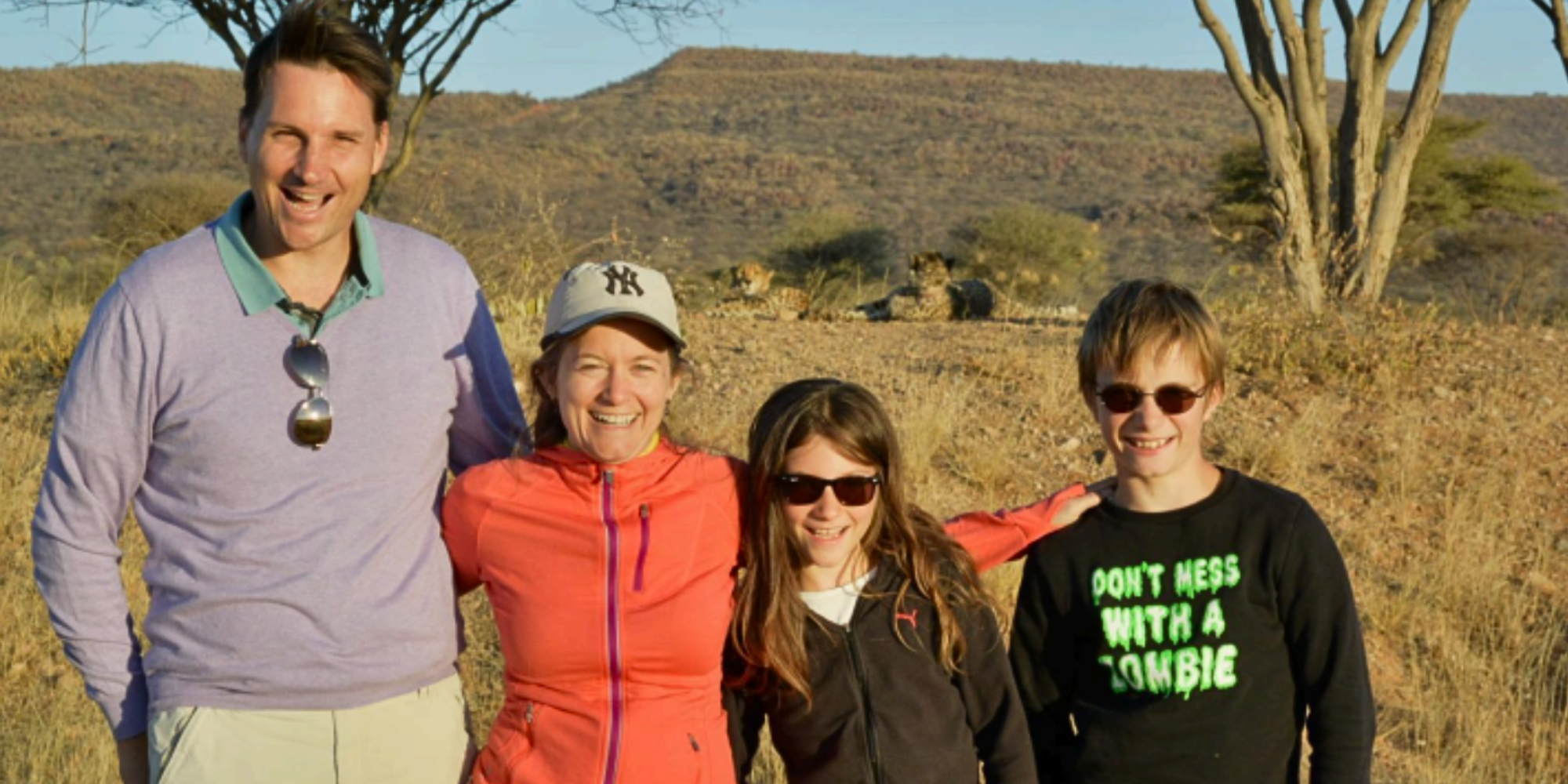
    My journey to Bushwise began many years ago, although I didn’t realise it at the time. When I was just 10 years old, I visited Namibia – the first African country I had ever experienced. While travelling with my family, I was instantly captivated by the unique ecosystems and wildlife that Africa had to offer. 

    image

    My first game drive left a lasting impression. The sense of wonder I felt, immersed in a completely different wildlife scene, was unforgettable. Sitting in the back of the safari vehicle, I would often watch the field guide in admiration, amazed by his ability to drive, spot animals, and share his knowledge at the same time. It was at this moment I told my parents I wanted to become a field guide. At the time, they found this humorous, thinking it was just a childhood fantasy.

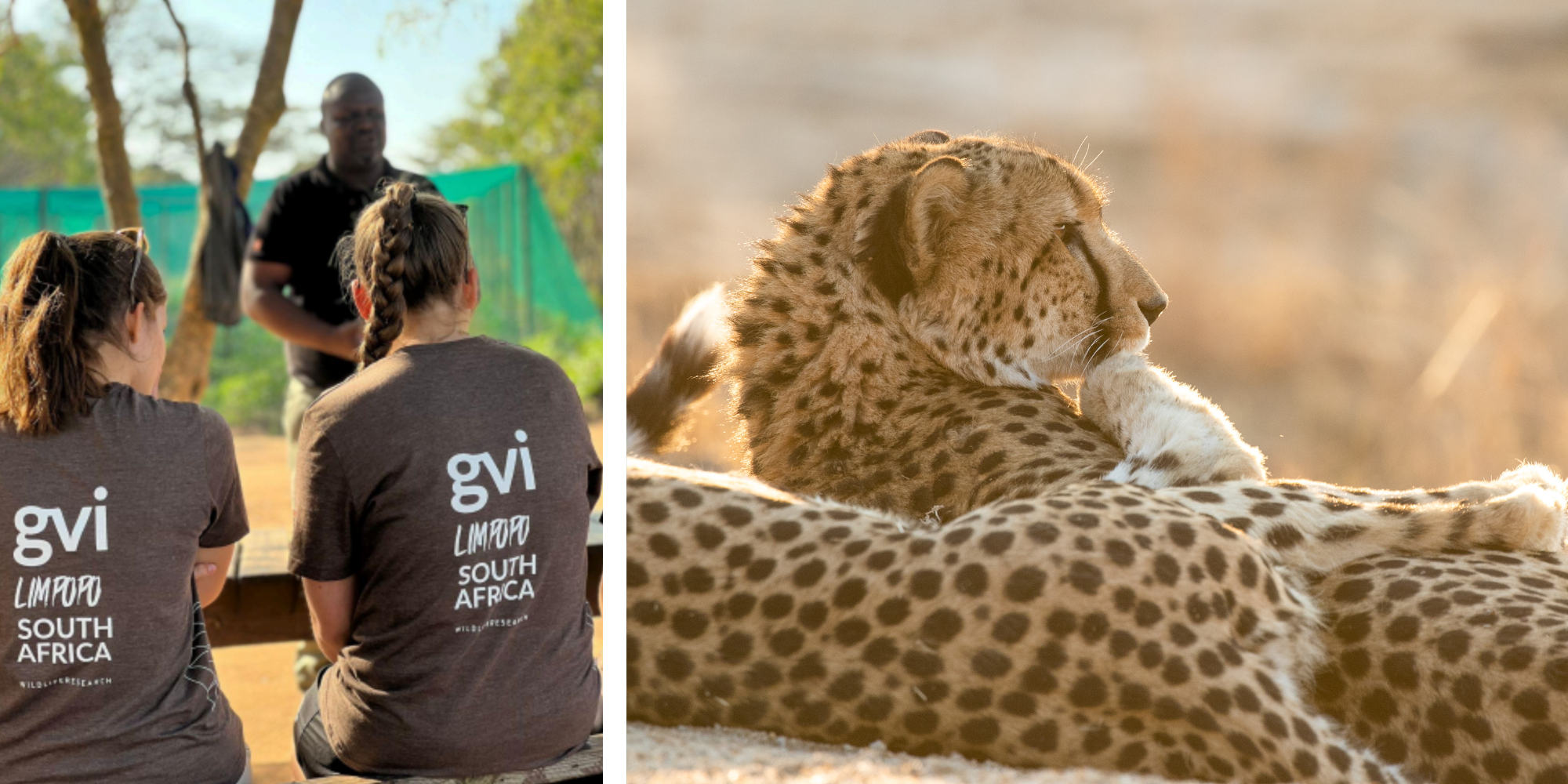
    But my fascination with Africa only grew, and over the years, I travelled back to the continent multiple times. During one of our visits, I discovered a GVI course for under-18s in South Africa. I convinced my parents to let me attend, hoping to find out if guiding was truly the right path for me. While there, I met like-minded individuals, all trying to figure out their futures. 

    image

    As part of the course, I had the opportunity to visit Bushwise’s Mahlahla campus. That visit left a deep impression on me, and I knew I wanted to return one day as a student. When I returned to Switzerland, I spoke to my parents again — this time about the Bushwise IFGA Professional Safari Guide course (6/12 months). While they were initially concerned about the distance and the idea of postponing university, their opinion changed after researching the course themselves. Two years later, I’m proud to say I’ve made it to Bushwise.

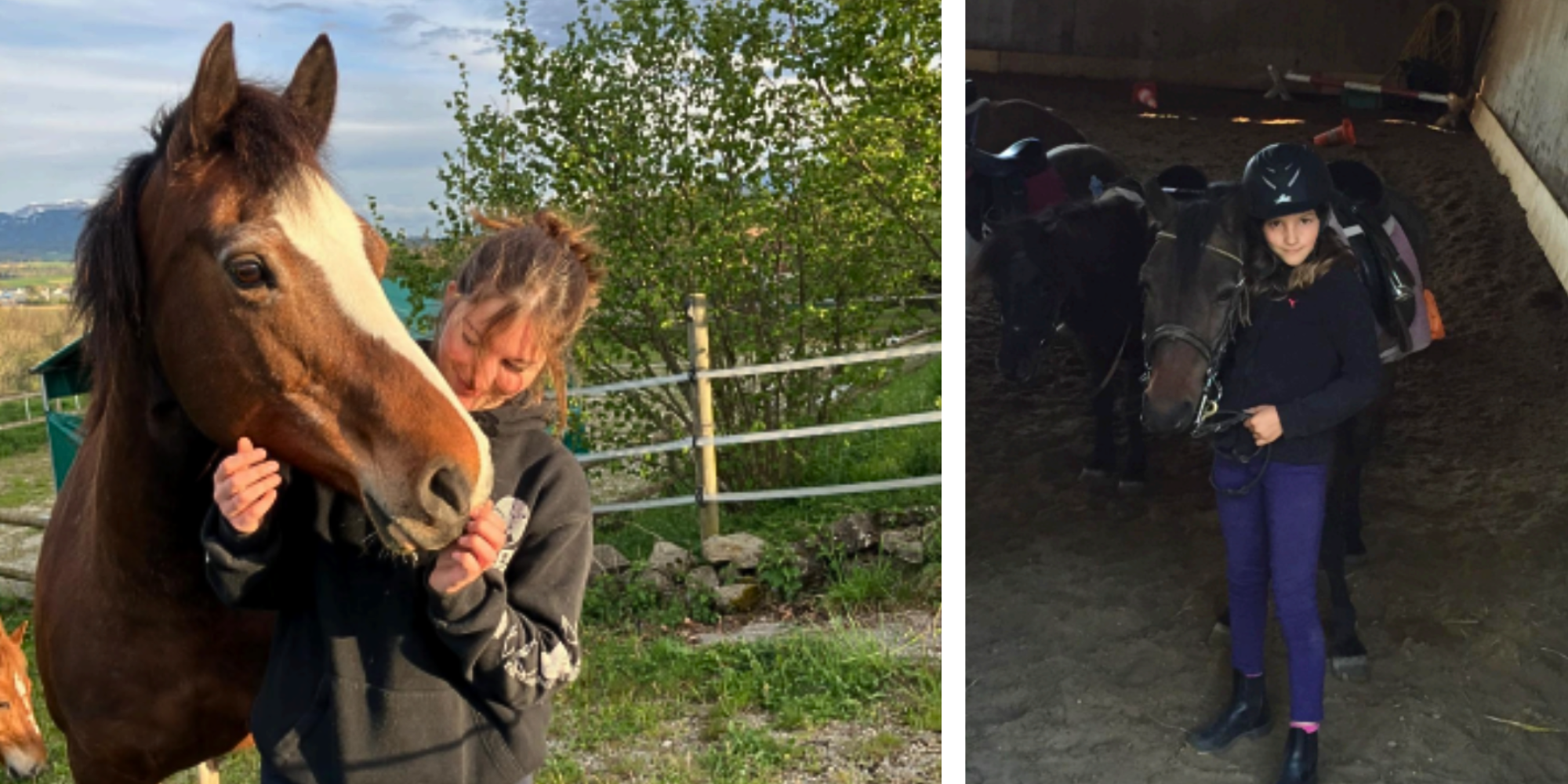
    Back home, I had always been drawn to the outdoors. I started horse riding at the age of six, and in 2022, I bought my first horse. My friends and I would often spend the whole day on long trail rides. During this time, I discovered that horse-riding safaris were a real possibility in parts of Africa — and I began to imagine what life might be like working in that environment. It eventually inspired a new dream – to combine my love for horse safaris, game drives, and walking trails into a career. One where I can create meaningful experiences that benefit both visitors and local communities. 

    image

    A year before joining Bushwise, I was torn between studying wildlife sciences at the University of Queensland in Australia or taking a more hands-on path in South Africa. After finishing the International Baccalaureate, I didn’t feel ready to dive straight into another academic setting. I needed something different — a new rhythm, a more active way of learning.

    Now that I’ve spent a few weeks in South Africa, I know I made the right decision. I’ve fallen in love with this place and the lifestyle. Bushwise is providing me with everything I need to take the first step into the guiding world — practical experience, valuable knowledge, and the chance to build connections in the lodge industry. The six-month placement will allow me to understand the realities of working in the bush, and whether it’s something I want to pursue long-term.

    image

    Ultimately, this course is a launchpad for the future I’ve envisioned since I was ten years old — running a lodge that offers guests immersive experiences through horseback safaris, game drives, and walking trails. I’m so grateful that Bushwise is helping me take those first important steps.

    Dreaming of a life in the African bush? Explore Bushwise’s CATHSSETA-accredited wildlife courses and find out how you can turn your passion for wildlife into a professional career.

  • Living my dream under the African sun – My field guide journey

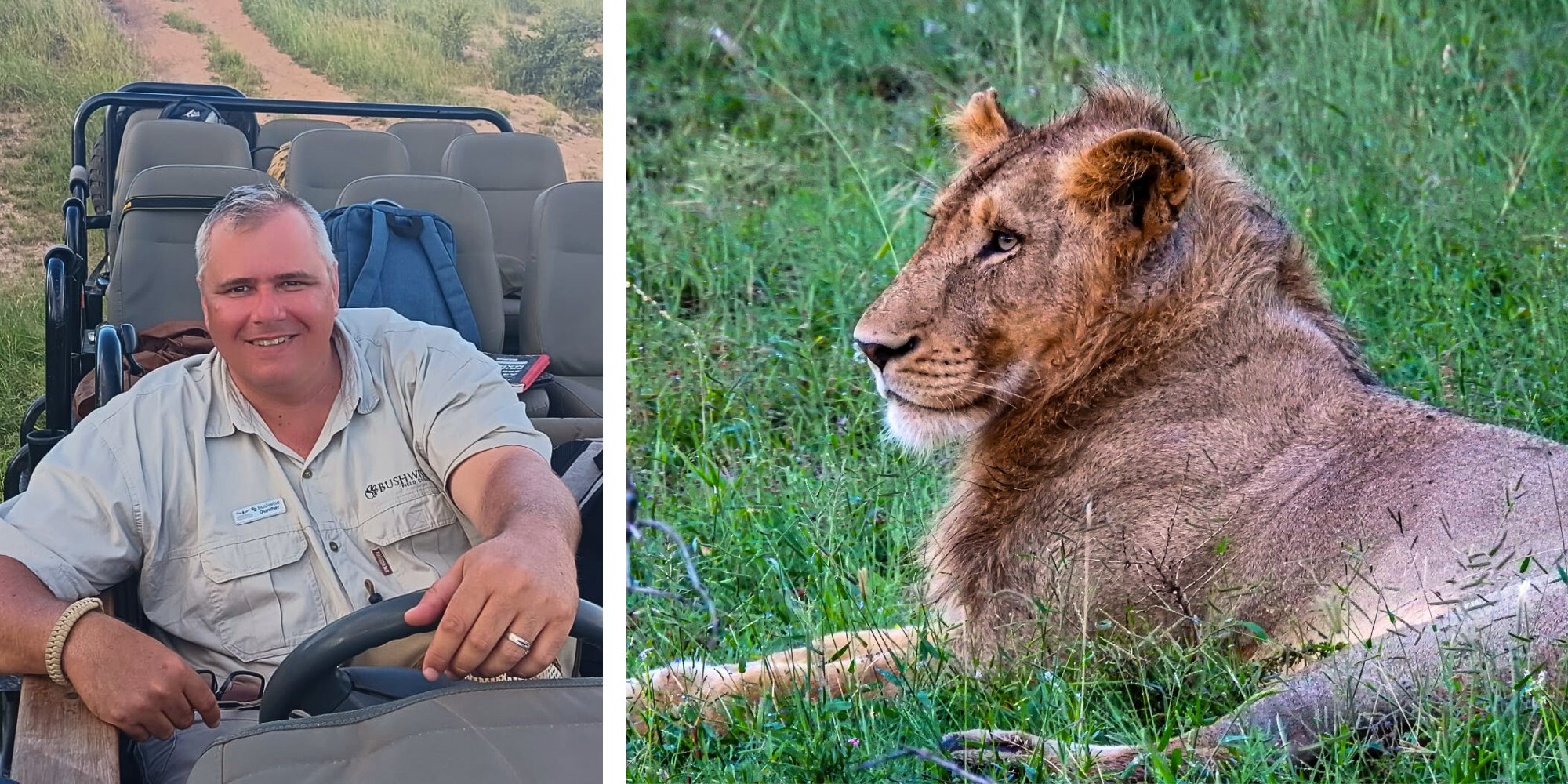
    This blog was written by Gunther Bauer, a Bushwise Professional Safari Guide student. Each student takes a turn as camp manager, and writing a blog is part of the experience.

    From a young age, my parents nurtured in me a deep love and respect for the natural world. Whenever we had the chance, we would pack up and head to Kruger National Park — camping, exploring, and soaking up everything the park had to offer.

    We’d leave home in the early hours of the morning, always aiming to reach the gate by sunrise. Most of our trips started in Phalaborwa, where we’d check in and watch the first golden rays break over the bushveld. Our destination was usually Letaba or Shingwedzi rest camps, where we’d set up camp for eight unforgettable days. And, of course, no trip ever began without a little family game: each of us would choose the animal we thought we’d see first.

    image

    It was during one of these family holidays, when I was 12 years old, that everything changed for me. I attended a presentation by a herpetologist volunteering as an Honorary Ranger at the Elephant Hall in Letaba. After the talk, I stayed behind to chat with him. His passion was contagious, and right then and there, I knew  I wanted a future connected to nature. But life had other plans.

    After school, I was offered a management position at the restaurant where I’d worked as a waiter. What was supposed to be a temporary detour became a 25-year career in the food and beverage industry. I worked my way up to Operations Manager and held that role for ten years.

    Eventually, I hit a ceiling. I’d achieved everything I could in that field, and I knew it was time for a change. Two years later, after much reflection, that little boy inside me, the one who sat mesmerised in Letaba rest camp, reminded me of his dream. With the encouragement of my beautiful wife and son, I took a leap of faith and enrolled at Bushwise. That decision changed everything.

    image

    Now, four months into the IFGA Professional Safari Guide Course (6/12 months), I still can’t quite believe that I wake up to the African bush and its sunrises every single day. It’s been challenging and incredibly rewarding as my knowledge has grown exponentially since day one.

    While there have been countless memorable moments, what I value most are our trainers. Their passion for guiding and willingness to share their knowledge is something truly special. To anyone considering this path, soak up every bit of wisdom your trainers offer.

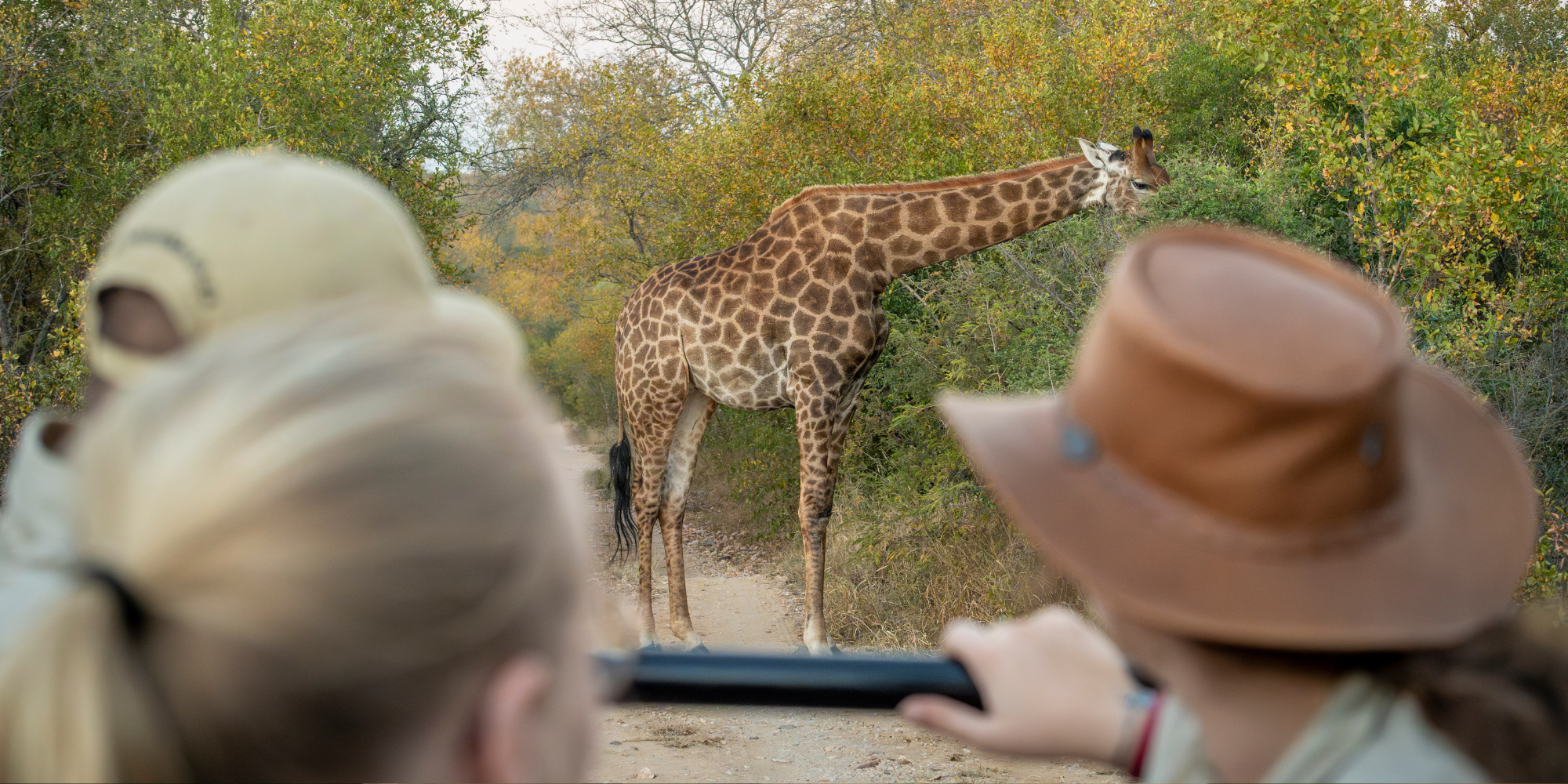
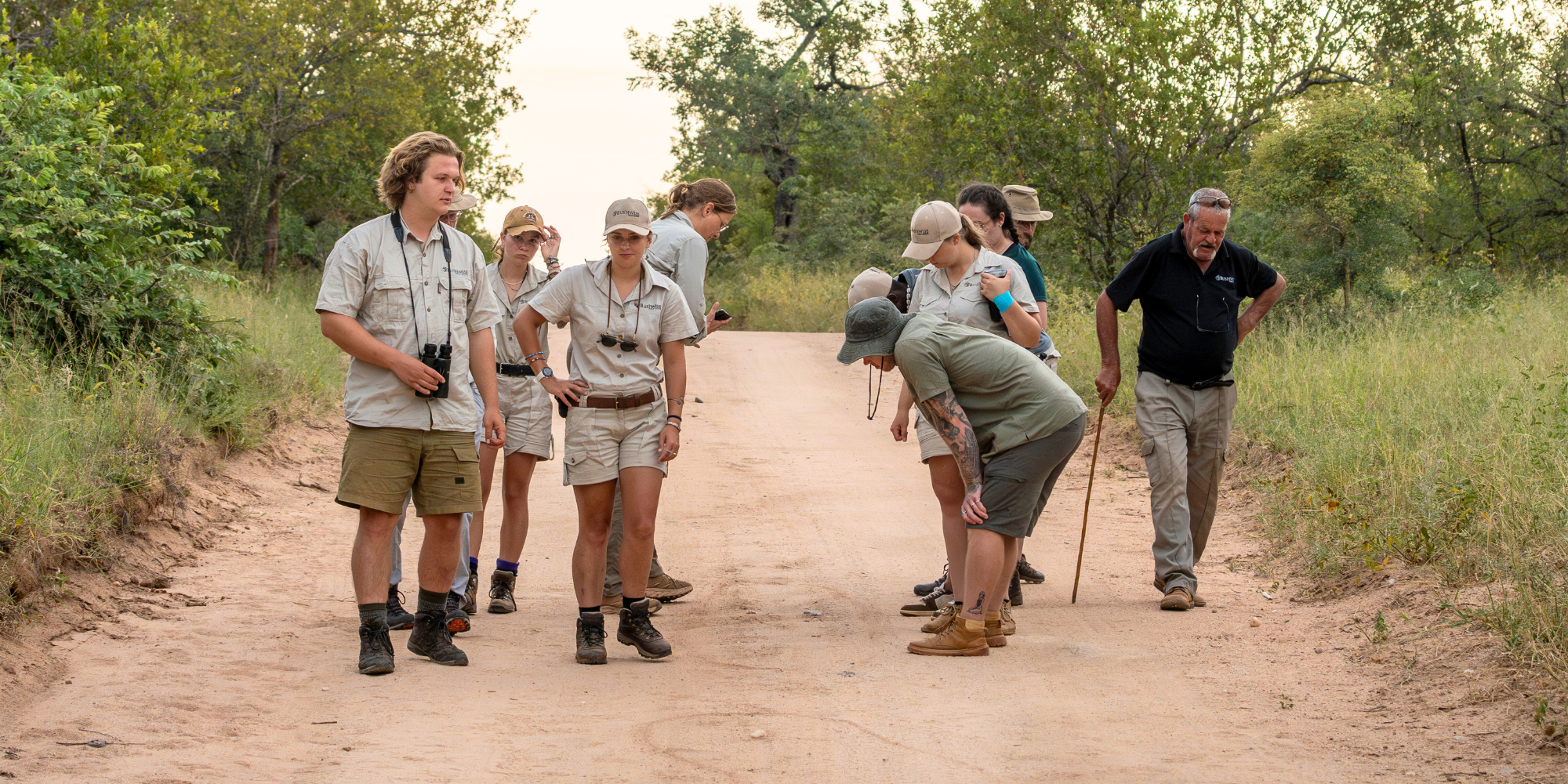
    One of my favourite things about training here is the unpredictability of each day. One moment, you’re having a quiet drive, identifying trees and grasses, and the next, you’re stumbling upon a giraffe carcass with lions nearby or tracking elephant herds. The freedom of stepping off the vehicle and following lion tracks down a dusty path is indescribable. My highlight so far? Learning to read tracks and truly understand animal behaviour. It’s like deciphering stories left behind in the sand.

    image

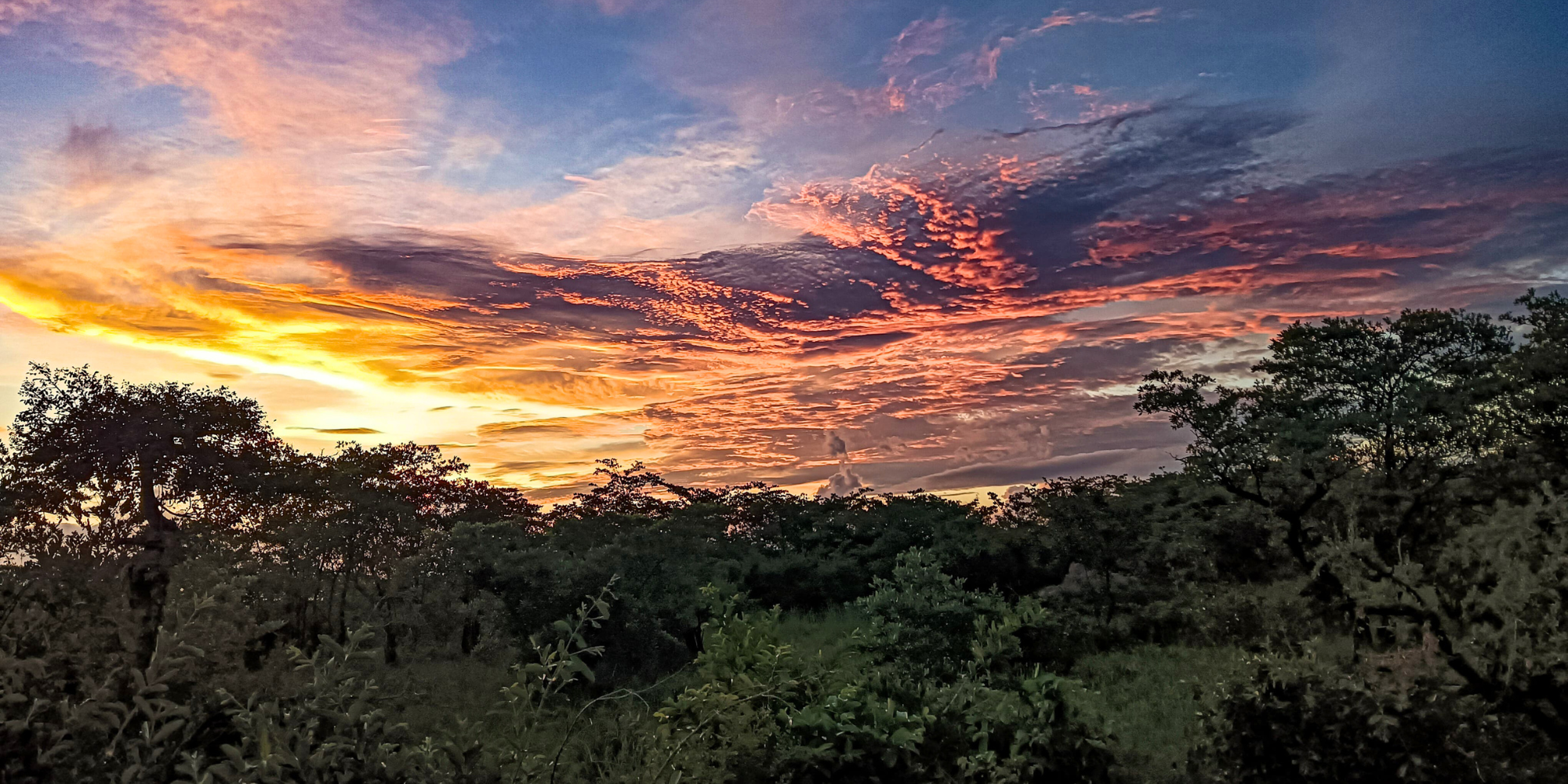
    Every day consists of early mornings spent packing my gear and savouring a quiet coffee, followed by 5:30 am game drives, incredible wildlife sightings, daily lectures, and afternoons chasing sunsets, and the best part is, I get to do it all again the next day.

    It really does feel like I’m living my dream out here under the African sun, and I’m excited to see where my journey takes me once I complete the course.

    image

    Ready to reignite your childhood love for nature and turn it into a career? Explore Bushwise’s courses and take the first step!