Author: Bushwise

  • Women in Guiding!

    To become a guide, no less a female guide. You need to have a sense of purpose to educate and inspire your guest’s well as have a passion for nature.

    As a Field guide, you would need to be dynamic, passionate, great with people and very knowledgeable. You need to provide a unique guided safari experience to your guests and contribute towards their overall visit. In a traditionally male dominated industry, as a women, you would be expected to go beyond expectations, because I can assure you that your guests probably did not expect a female guide in the first place!
    image

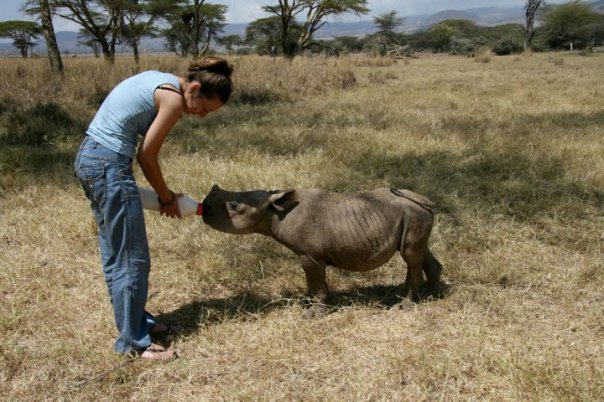
    Sophie Niemann, is a perfect example of how guiding can pave the way to other wildlife based careers. Starting off as a guide and now a Director of Bushwise, her story is inspiring and shows that Field Guiding is not one dimensional and can lead to many other possibilities.

    I was a ‘farm girl’ and grew up in the UK countryside known as the midlands near Worcester. I went on to study zoology at Swansea University and always planned to come to Africa. I had a friend that lived in Zimbabwe and told me about a position available at a lodge outside Harare, so I naively jumped on a plane and came over. Thankfully it all worked out fine. I was then given the opportunity to be interview by CC Africa through a contact and was offered to come on their selection course to become a Field Guide.  I was then trained as a guide and placed at Makalali Lodge which was operated by CC Africa at that time. My aim was to get into research but the right path started off with guiding to order to gain experience and for people to take me seriously. There were very few females guides around that time in the 90’s and CC Africa were one of the pioneers in giving females an opportunity in guiding.
    image

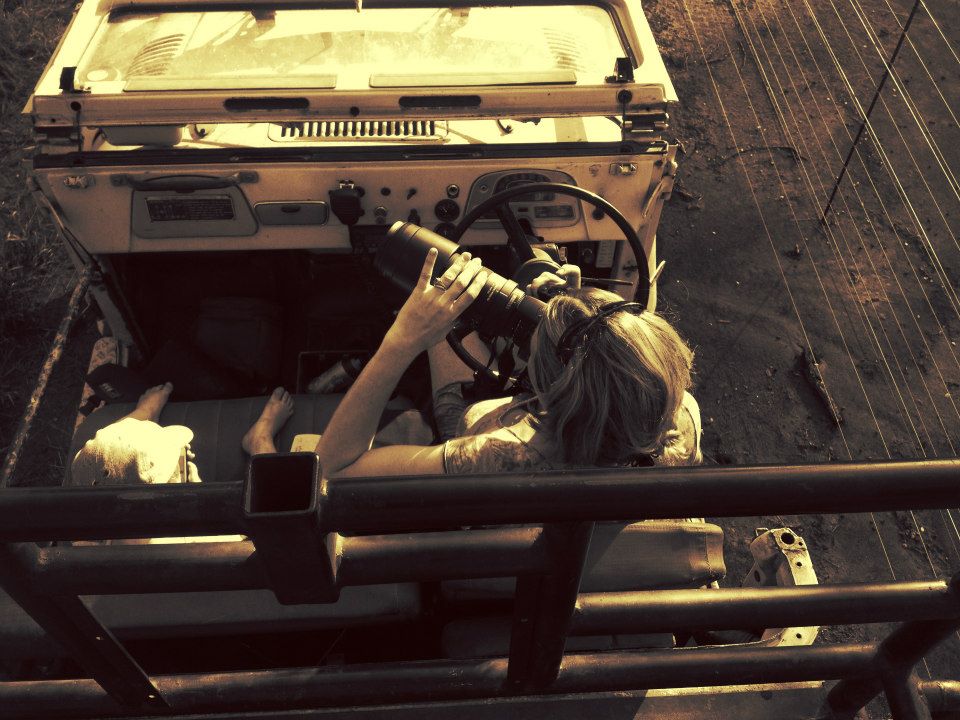
    After guiding I assisted with the set up the Makalali Land and Wildlife Trust with the aim to do research. I was then given the opportunity to do Lion research in the Okavango Delta, Botswana. I was then asked to assist with the setup of GVI Karongwe doing predator research.
    image

    Through my time at GVI I realised there so many passionate young students wanting to get into the guiding and research careers but were struggling to get the qualifications and the training involved. This is how the idea of starting a Field Guiding training school came about. I wanted to provide a comprehensive course that would give them all the necessary skills to become a guide and to follow it up with working experience after the course.

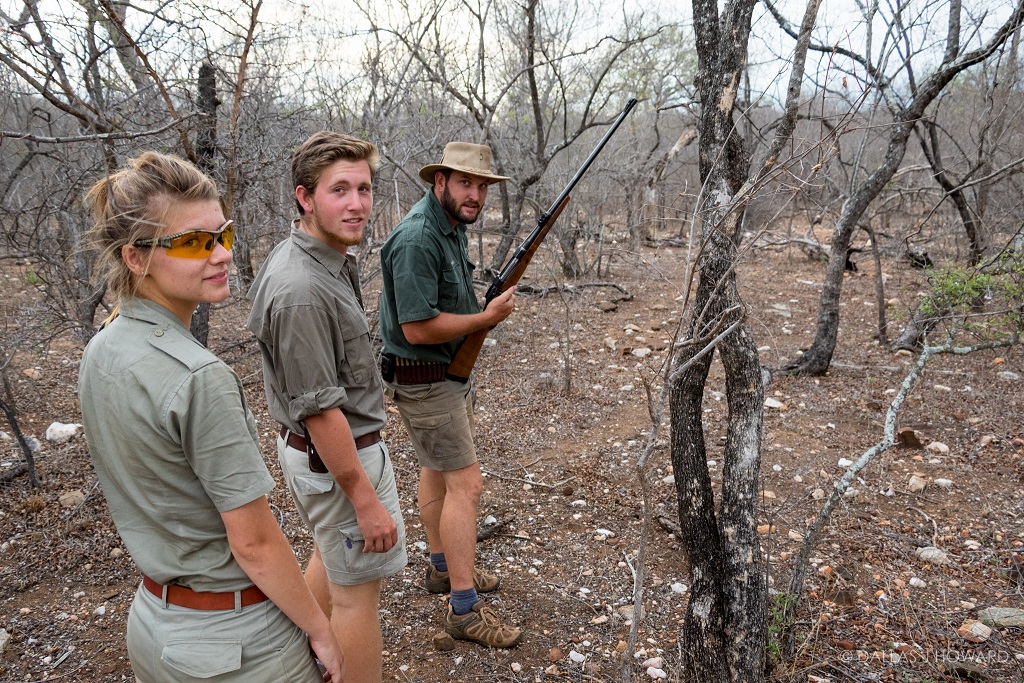
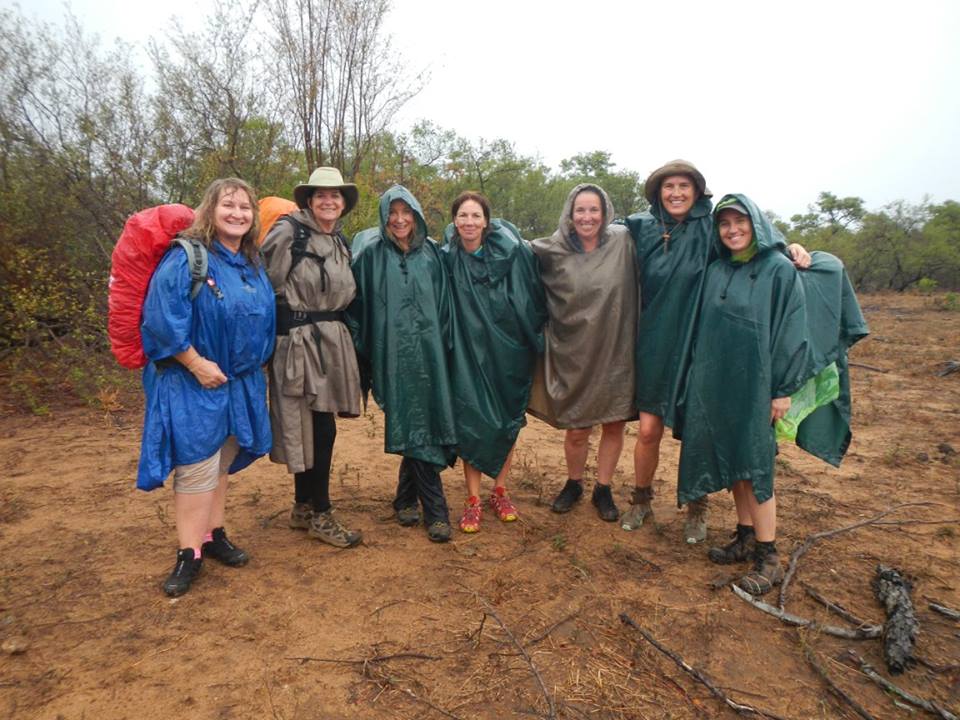
    Back in the 90’s, there were many challenges I faced as a female guide – one was that the perception was that I was not able to carry the guests luggage. Others were that I was not capable of using a firearm or being able to change a flat tyre. Many male guests would challenge me and test me before I eventually proved myself to them. It was also a challenge to be in charge of fellow male colleagues because culturally they do not respond female authority.
    image

    Advice I would offer to future female guides is that they need to be prepared that many perceptions have still not changed. I truly feel that female guides give a different experience to guests from a female perception which I think is more appreciated now then it was in the past. Respect your fellow male colleagues but do not believe for a moment that you are any less capable as a guide.

    Other Inspiring stories from past students – Adeline Lobbes, student in 2011

    ​‘I was 34 years old when I first came to South Africa after I had completed 3 years studying tourism. I had already worked for few months in Kenya and Canada, as well as few years in as a Travel agent and then a further 2 years in a Tour operator company based in Paris Called Objectif Nature. They specialized in creating safaris across Africa for wildlife photographers.

    ​​After a trip in South Africa in May 2010 with my TO Objectif Nature I felt in love with the country. I met an amazing Field Guide​on Djuma Private Game Reserve and decided this was the work I wanted to do. When I came back to France I started doing research on the internet and looked into different field guiding schools. I chose Bushwise because it seems that it was the one closer to all my different wishes and never regretted it.

    ​After the course I went to do my work placements for 6 months at Mopaya Safari Lodge. This lodge specialised in French speaking guests. Thereafter then went in Nepal to guide in a Lodge in Bardia National Park where you can see Tigers, Rhinos and Asian bears. I then went back to Africa,​my biggest Love is Africa, and started to work in Kenya for a company called East African Eagle were I created special tours which takes them across Kenya and Tanzania. I have been involved with this for the last 2 years. After this I was also lucky enough to guide in Senegal for 2 years
    image

    ​The biggest challenge I faced as a female Field Guide were mainly to be taken seriously​from the beginning when you first are introduced to your clients. Although some expect you to be a ‘Tom Boy’ I love being feminine and showing it. Most people believe that being feminine and being a good guide is something that doesn’t fit together. The big challenge is that you always have to prove to people that you know how to do the job, that they can trust you, and to remain professional. Knowing how to react in any type of situation is also very important. After a few days with the guests, and you have been able to give them a beautiful guiding experience, they forget their doubts about you and they appreciate you as a Professional Field guide rather than focus on your gender.

    ​I have now established myself as a free-lance guide. I am creating special trips for small groups across Africa (Mainly Senegal, East and Southern Africa)

    ​The best advice I can give to future female guides is don’t be afraid of anything, do the best you can and don’t think for a minute of failure. Just take one step after the other, and in the end you will find success. There is a quote that I would love to share and that is: “People will throw stones at you, don’t throw them back, collect them all and build an empire”​

    image

    Don’t be afraid to you create your own opportunities and be tenacious. Aim to be the best in your field so that nobody can question your ability, regardless of the fact that you a female. Never complain and always remain humble and sincere.  You will have to work far harder and prove to be far more competent in order to be treated as an equal and gain the respect from fellow male guides and trackers. If you show determination, initiative and not let challenges define you then you can be a sort after guide and leader in the industry and inspire other young women wanting to pursue this Field Guiding as a career!’

    Times have changed though and over the last few years more and more female guides can be seen working on some of the best Game Lodges throughout Africa. Over the years at Bushwise Field Guides, more and more female students are applying and then going on the have successful careers in the bush.

    More than 150 females have participated in the Bushwise Field Guide course since 2012.

    Here are some other links to inspiring stories:

    The Girl Guides of Africa: Pioneering Women on Safari

    10 Women Who Changed the Way We See Nature

    Blog by Kim van Greunen

    Find out more about Bushwise Courses.
  • Get to know the Bushwise trainers

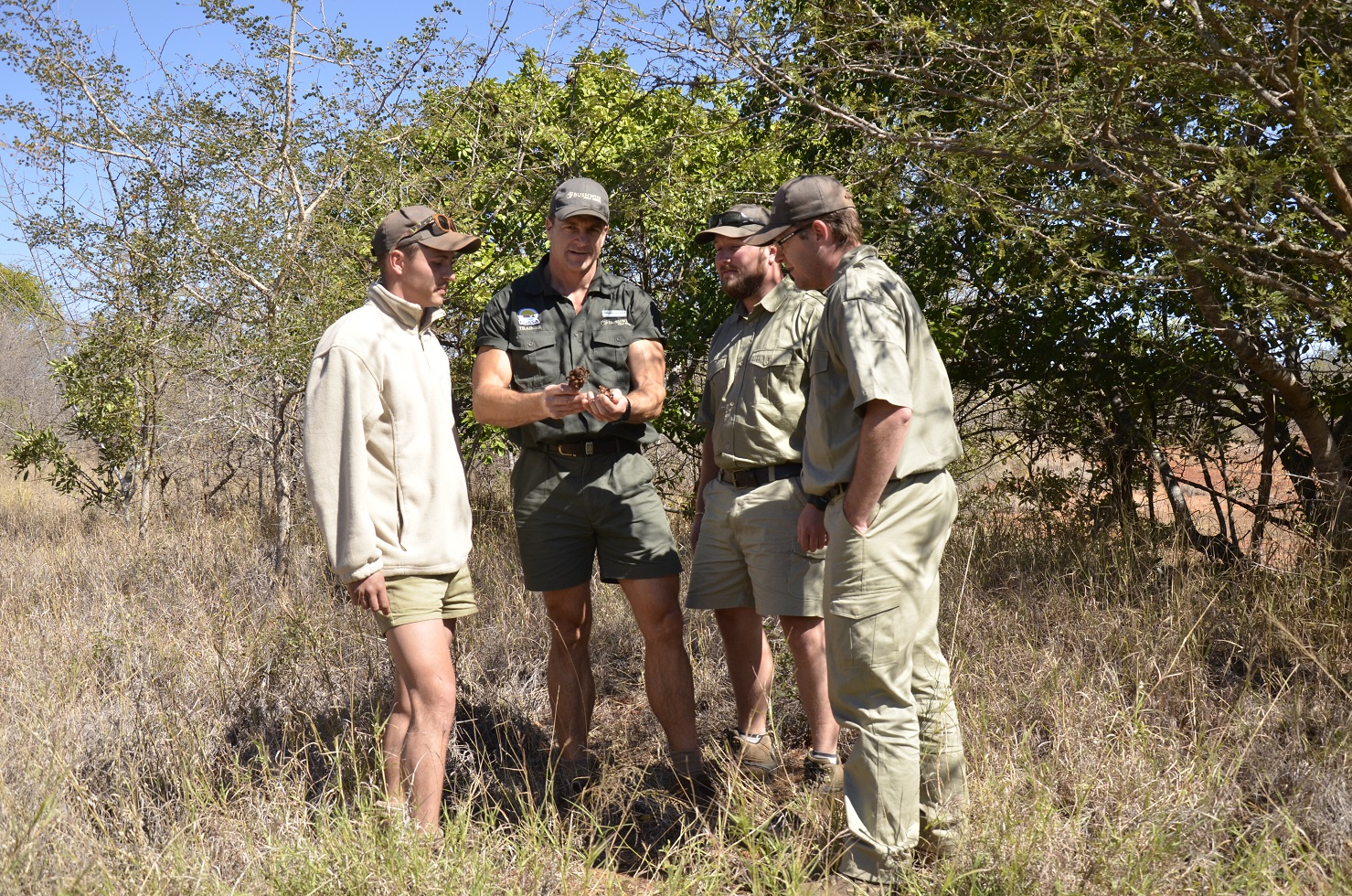
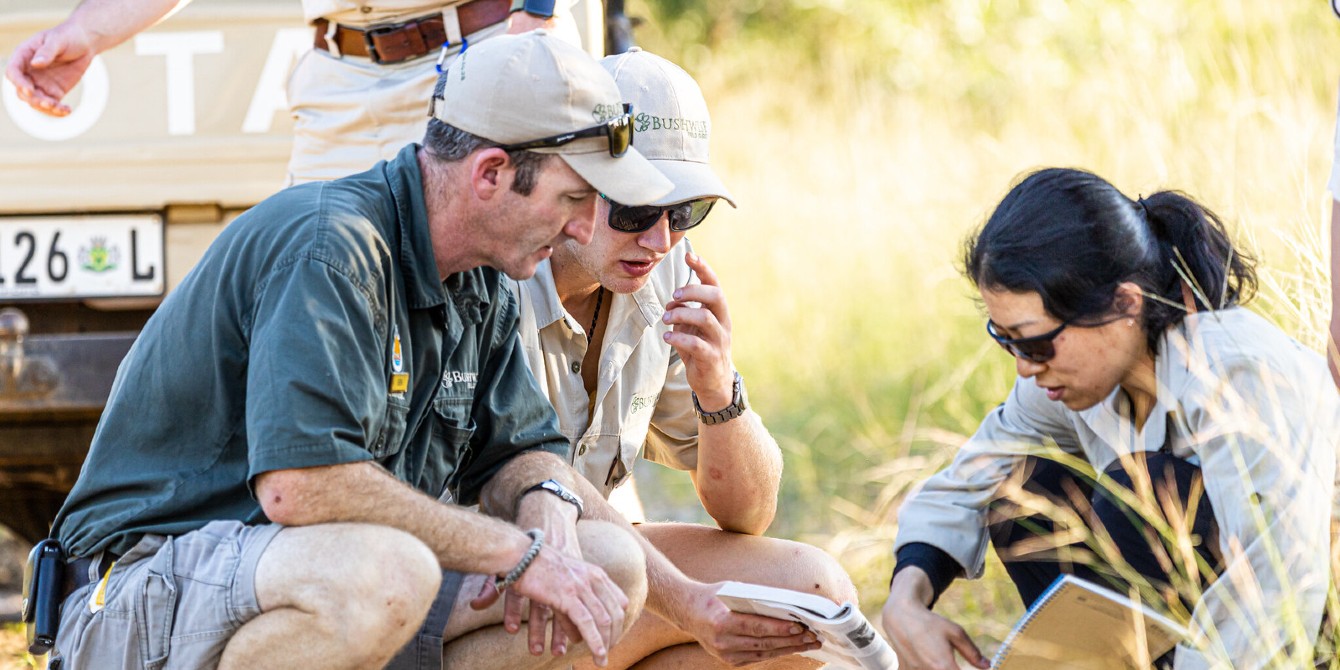
    Having trained and worked as guides within the Lodge industry, our current trainers have built a name for themselves and have a good reputation in the small and close nit industry. It is well known that our trainers are professional, passionate and knowledgeable and collectively have over 40 years of combined experience that enabled Bushwise Field Guides to be the Leaders in the training of aspirant field guides.

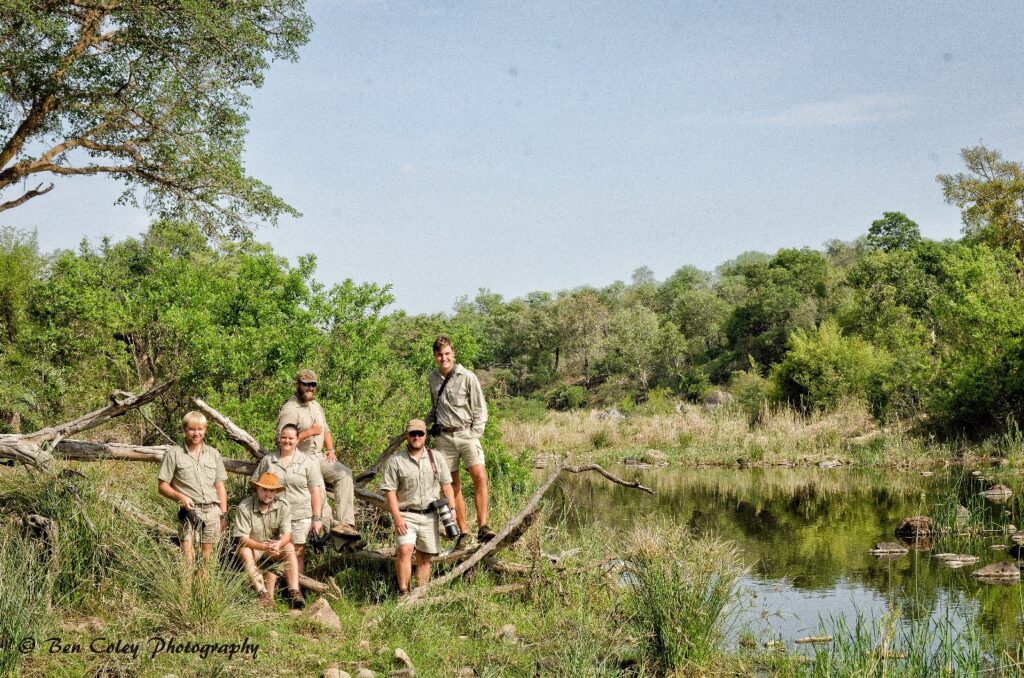
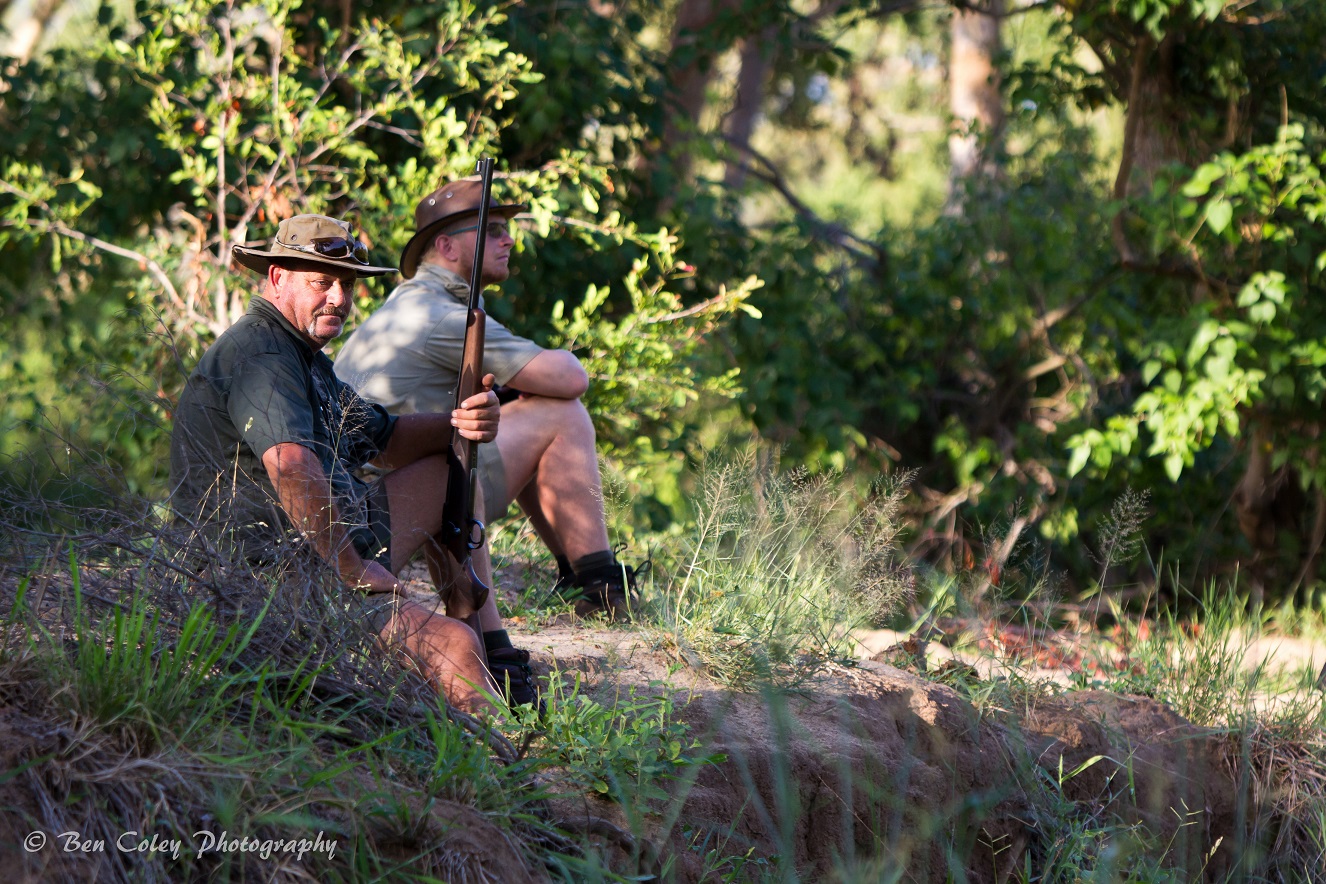
    Ben Coley, our Head Trainer knew from a young age that he was destined to work with African animals. Whilst his friends were happy playing football in the inevitable English rain, he was quite happy listening to legend that is David Attenborough discuss the migratory habits of wildebeest and the like!

    Eventually he could follow his childhood dream and boarded a plane to visit Africa for the first time as a student of Bushwise field guides in 2007. Upon graduation, he was immersed into the guiding world and fell in love with the African bush.

    Over the next 8 years he was fortunate enough to work at some of the top lodges in the country and even a year in Tanzania, experiencing some of the best game viewing that Africa had to offer. What he learnt more than anything else was that sharing these experiences was the most rewarding part of the job. To be a part of someone’s life changing experience is a special moment. As well as the responsibility of educating the next generation in the importance of the natural world and the role we can all play in its protection.

    Over the years, he developed a passion for birds and astronomy to go along with what has been described by many as his leopard obsession!

    Fast forward 10 years and as a level 3 lead trails guide he now loves to share the knowledge and experience he has gained with like-minded individuals looking to embark on a similar path as he once did.

    image

    Trevor Myburgh, our Senior Trainer, having enough of the corporate world and his materialistic existence, decided to make a lifestyle change and completed a Field guiding course like the one that Bushwise offers and became hooked on the outdoor way of life. Starting out as a junior guide in the Waterberg area, Trevor began exploring various other avenues within the guiding industry to become an all-rounder insofar as working amongst other positions, as an overland tour guide, Senior and Head ranger at well-known 5* Lodges, completing a stint heading up an Anti-poaching unit, managing a couple of Lodges, as well as spending time as a reserve manager in the Lowveld area. With these skill sets and experiences, he decided he would like to impart these to aspirant Field Guides, and when the position for a Trainer at Bushwise Field Guides presented itself, Trevor grabbed the opportunity with both hands, and has never looked back since.

    image

    Vaughan Jessnitz, has been part of the tourism industry for the last 10 years, guiding and managing camps throughout South Africa, although focusing more on the Greater Kruger National Park. Alongside his career he is also involved in various conservation and research projects specializing in entomology and bio-diversity mapping throughout South Africa. He started working for legend lodges as a field guide, followed by a few camps as head ranger and ended up running a small luxury safari camp in the greater Kruger. Alongside his career in the lodge industry he is also involved in various conservation and research projects specializing in entomology and bio-diversity mapping throughout South Africa. Vaughan joined Bushwise in 2016 and is enjoying every moment of teaching students and sharing his vast knowledge.

    In 2002 he was awarded the Derik Grey Award for his research project focusing on using certain species of butterflies and beetles as biological indicators, and represented South Africa at the SIIRS conferences in Stockholm Sweden. Since then he has made many contributions towards insect research and has a deep passion for entomology.

    image

    Gerhard van Niekerk, decided that after around 16 years in the corporate rat race that he wanted to get out of it. Dealing with financial and insurance contracts no longer floated his boat. He remembered that as a young boy he wanted to become a game warden or wildlife manager, however he couldn’t just leave his job and financial commitments to follow a full-time diploma or degree. This is when he came across field guiding training courses and the possibility to do it part time and then he could do practical sessions over weekends. This worked out perfectly for him and 1 year later he passed his Level 1 Guiding course with distinction.

    During that year, he realised that not only would he love guiding guests in natural environments but he also realised that training would be his goal in this industry. He set out to do his trails guiding course and got that qualification behind him. He then worked as a freelance trails guide in various parks to eventually get his lead guide qualification. He knew he had to get at least level 2 with 5 years of guiding experience before he could start teaching so he had his goals laid out to follow for a few years.

    After attaining his FGASA level 2 and has 5 years of guiding experience, he was lucky enough to find a vacancy at a very well established training institution in the Lowveld. He trained guides there for 2 years after which an opportunity presented itself at Bushwise which he accepted gladly.

    image

    And so, our team goes on to inspire, teach and mentor our students while realizing their dreams. Ultimately the greatest feeling of pride for the Bushwise Trainers is seeing the growth of the students when they arrive at the start of the course, to then becoming full-fledged guides who go on to develop their guiding & wildlife careers even further. Knowing that we had a small part to play in their life as guides makes our jobs definitely worth it!

    Meet our growing team here.

  • What time of the year is best to visit South Africa?

    Often referred to as “Sunny South Africa”, this phrase is has proved to be true for South Africa. In general South Africa has some of the more agreeable weather in the world. South Africa is a large and diverse country with a climate that varies from region to region and has various things to offer in terms of landscape and natural wonders.

    For many travellers to this vast and diverse continent, wildlife is the major attraction.

    But where to go………

    Wildlife safaris are often very high on the agenda, followed by the Garden Route, Cape Town, the whales of the south coast , the flowers of Namaqualand, the Drakensberg Mountains and of course the hundreds of kilometres of beach destinations to choose from. There are some adventures in South Africa that can only be experienced at specific times of year. For example, if you want to experience the world-famous Namaqualand daisies, then September (our spring) is the time to visit. The famous Sardine Run, a unique phenomenon when millions of sardines travel up the east coast of South Africa causing a feeding frenzy that attracts thousands of sharks, dolphins, whales, birds and other ocean predators, occurs between May and July.

    South African season calendar

    The seasons fall in the year as follows:

    Spring – September & October

    Summer – November to February

    Autumn – March & April

    Winter – June – August

    Winter is best! Here’s why!

    The drier winter months between May and October is the best time for superb game viewing on a game drive in Kruger National Park, Madikwe, Pilanesberg and KwaZulu-Natal.

    image
    1. Animals are concentrated around water sources and are easier to spot in the thinned-out bush. This is also the low season for tourism.

    2. During this time the mornings and nights are cooler to quite cold during June & July.

    3. May and September are wonderful because it is less cold and, especially in September, the rain will come bringing with it colourful and diverse wildflowers.

    4. The wildlife viewing is excellent, this is because the wildlife is easier to spot because there is less vegetation and animals gather around rivers and waterholes.

    5. There is little to no rain, the skies are clear, most days are sunny and there are fewer mosquitos.

    6. This is the low season and parks are not crowded, except for Kruger during school holidays.

    Don’t despair, Summer & Spring also has its perks…

    1. The summer months (often referred to as the green season), is the best time to see the African bush at its greenest with bursting river banks and dams.

    2. The birdlife is at its best, with allot of migratory birds visiting

    3. It will be calving season for many of the antelope species. Nothing cuter than baby Impala’s pouncing around.

    4. The sunsets during this time of year can be a riot of pinks and reds and the air is generally very clean.

    image

    The negative side to being on safari during the green season is that fact the bush is thick and therefore visibility can at times be limited. Another factor to consider is that surface water scattered all over the bush, causes game movements to become less predictable, in that there is now no reason for animals to go and drink at the traditional permanent water holes and rivers as they would have done in the dry season. Let’s not forget the temperature which can reach into the 40’s.

    What about the Cape & other regions?

    Autumn, winter and spring are also ideal times to visit the Northern Cape’s wonderful national parks with their black-maned lions, and is a good time to enjoy animal tracking adventures with the Kalahari Bushmen. During summer months, temperatures here can get unbearably hot.

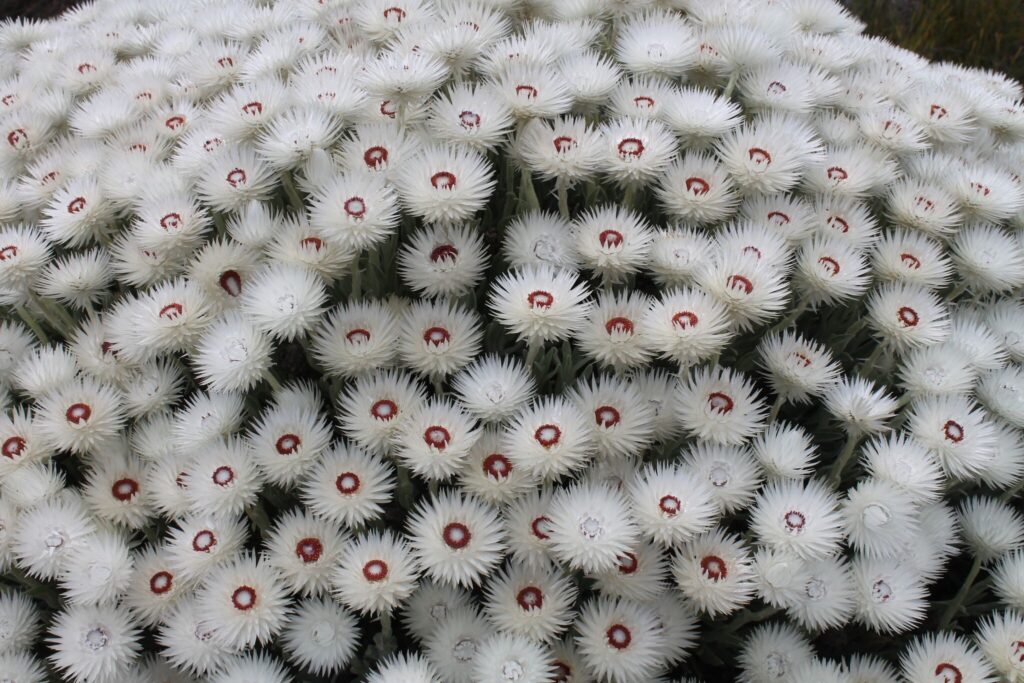
    As for the Namaqua National Park – an arid semi-desert landscape with mountains, roads, rocks and shrubs. In spring the transformation of this landscape is completely transformed by a blanket of beautiful flowers.

    image

    The world’s smallest tortoise, the speckled padloper (padloper means ‘path walker’), is found in Namaqualand. From horizon to horizon, orange daisies take over the Namaqua National Park in spring. It’s a sight so beautiful and unique, it’ll take your breath away.

    The timing of the flowers and how many will bloom changes every year but its guaranteed that sometime between August and the beginning of October the dusty land will spring to life. It’s also rich in bulb flora and over 1000 of the estimated 3500 plant species that occur here are found nowhere else in the world.

    World renowned Drakensburg Mountains

    Hiking in the Drakensberg Mountains is also great all year round. Do be aware that in winter, night temperatures can drop below freezing, and snow can sometimes be found in the higher reaches. During the summer months, afternoon thunderstorms are a frequent occurrence. You can visit cascading waterfalls and crystal clear streams in summer with an array insects, birds and small mammals.

    Wetland & Marine reserves

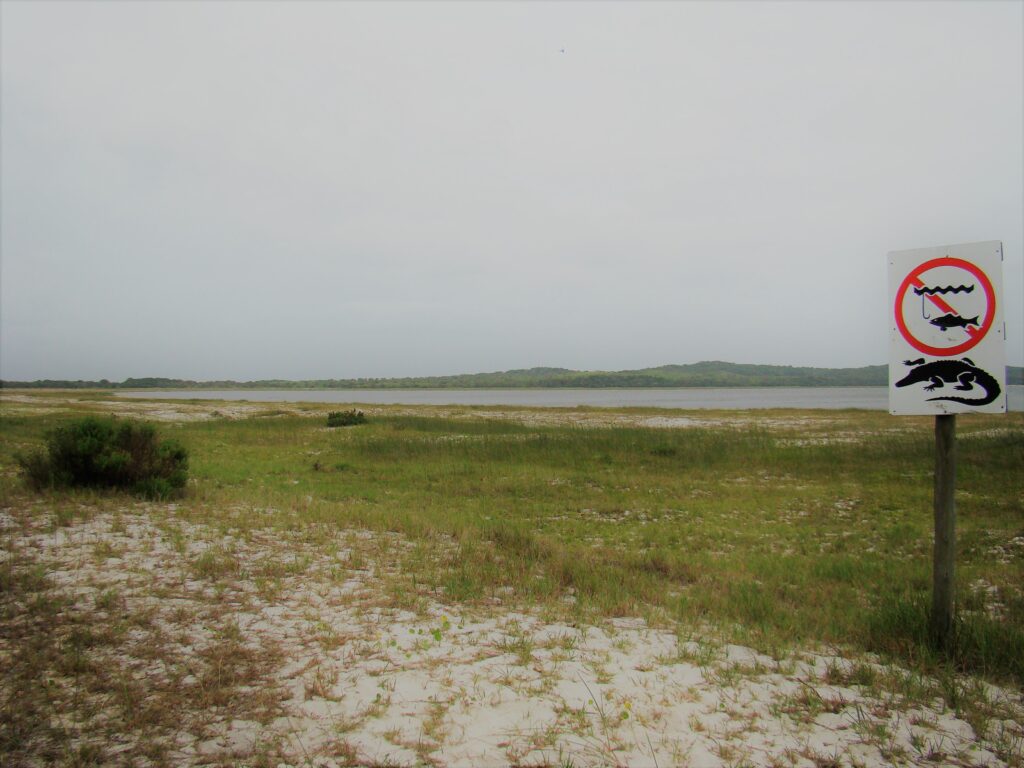
    A very special slice of Africa, the iSimangaliso Wetland Park St offers Eco tourists some of the most diverse wildlife and outdoor experiences imaginable.  Besides Lake St Lucia – a unique, 38 000 ha expanse of lake, islands and estuary – the park incorporates an astonishing variety of habitats ranging from the Ubombo mountains to grasslands, forests, wetlands, mangroves and vegetated dunes, with magnificent beaches and coral reefs.

    You can dive on coral reefs or walk for miles along golden beaches; explore great dunes and wander through magical coastal forests; roam across grassy plains as the wind carries the whistling calls of reedbuck on the alert, go fishing or take a boat cruise on Lake St Lucia.

    image

    So, no matter what area you go to, you will no doubt find something special and memorable which will make you wanting to come back, again, again and again………Keen to learn more about South Africa’s natural landscapes? Join a course with Bushwise, today!

    Bush greeting,

    Kim & The Bushwise Team

  • Smoke but no fire……

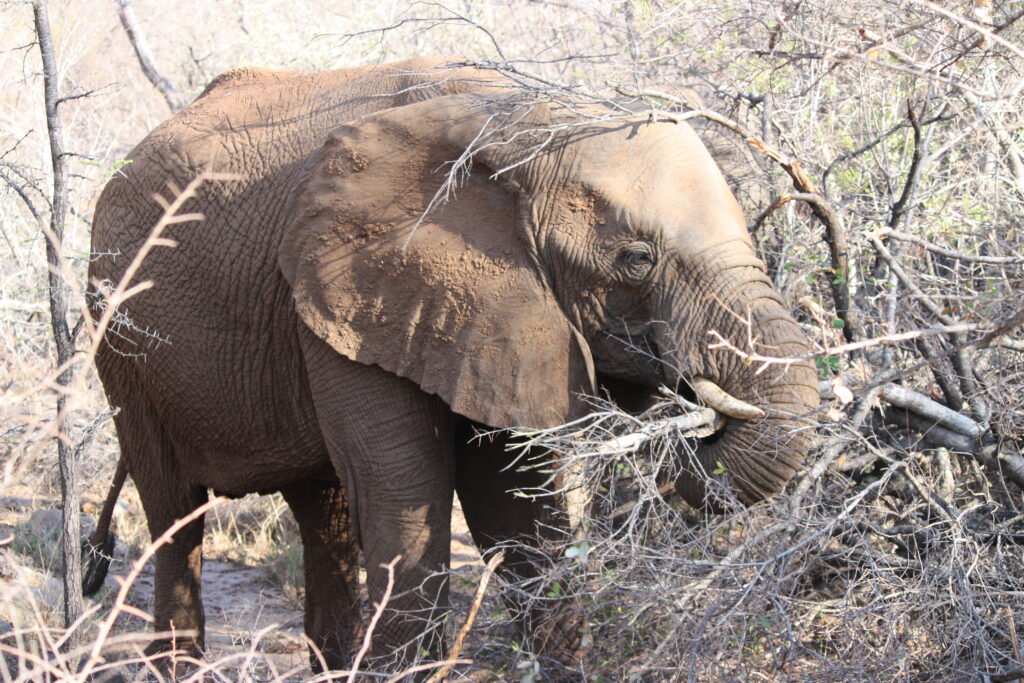
    What a treat it is to begin the week by observing the giants of the savanna feeding. While this is a commonplace experience for us here on Makalali Game Reserve, we never forget how privileged we are. It’s pretty amazing to think that elephants need to consume 5-6% of their body weight in plant matter each day in order to maintain condition. This translates as a big elephant bull easily consuming 300kg daily.

    image

    Observing their feeding behaviour was easy for the students, but identifying the tree and grass species the elephants were feeding on, justifiably proved a little more difficult. We are currently in the middle of a severe drought here in the Lowveld, and to top this off, we are also at the end of the dry season. These factors combined mean we have very few trees with leaves and no grass at all. However our expert trainers still ensured the students were introduced to numerous trees during our Botany & Biomes Week, although grasses remain a challenge for now.

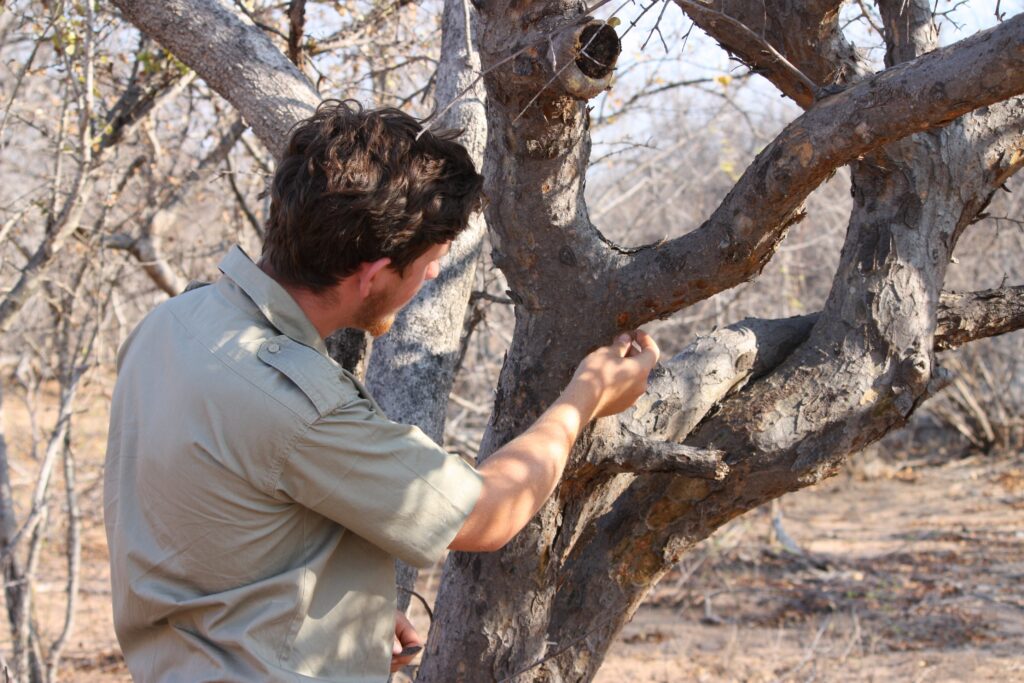
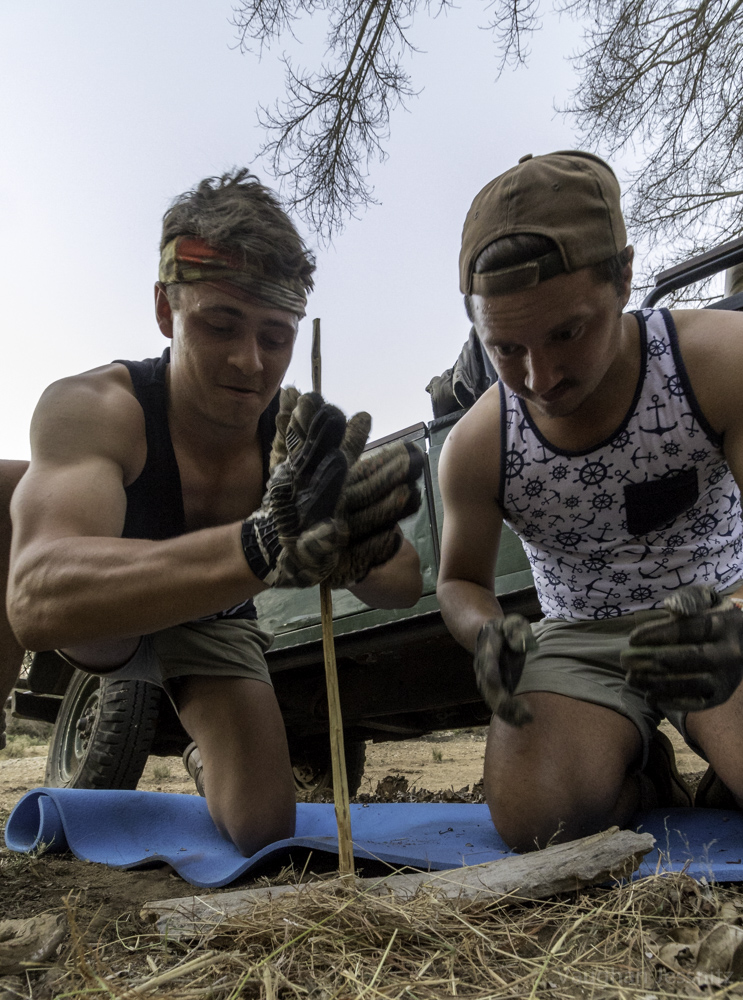
    Students were also made aware of the many interesting traditional uses and beliefs connected to each tree e.g. the Tall Firethorn Tree was a popular choice of the Bushmen for making fire by friction. Simple…………or is it? While the botanical name Commiphora pyracanthoides subsp. glandilosa (pyro being the Greek word for fire) was a mouthful for some, the Afrikaans name – Kanniedood, meaning can’t die – was more manageable and of great interest.  Old time farmers favoured the branches of these trees as fence posts because they are so light in weight and are easily cut. However, after only a week or two of planting these posts, branches started to show new growth, hence the name Kanniedood.

    image

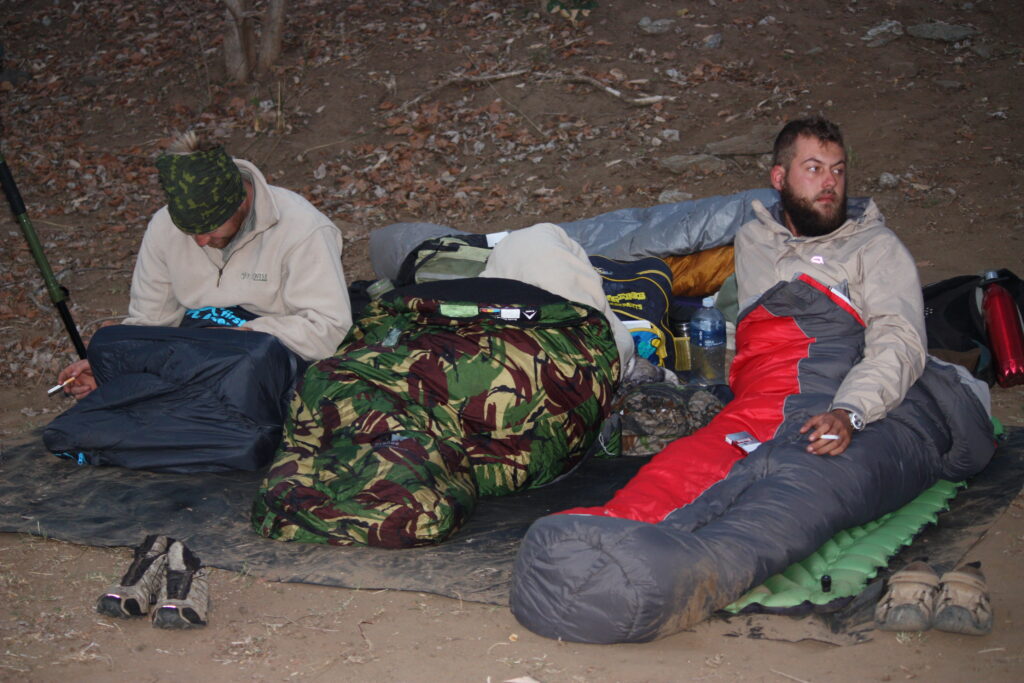
    Full of gusto and self-belief, students made sure to take some Kanniedood wood with them on our sleepout and create fire by friction. It wasn’t long before there was smoke and lots of hope. But smoke and hope weren’t enough to produce a flame and a newfound respect was born for our primitive ancestors and Bushmen. We were faced with two choices, continue in vain and risk being without food and heat for the night or graciously give in and produce matches or a lighter……………Food went down well and we were nice and toastie in our sleeping bags ready to sleep under the stars for the night.

    image

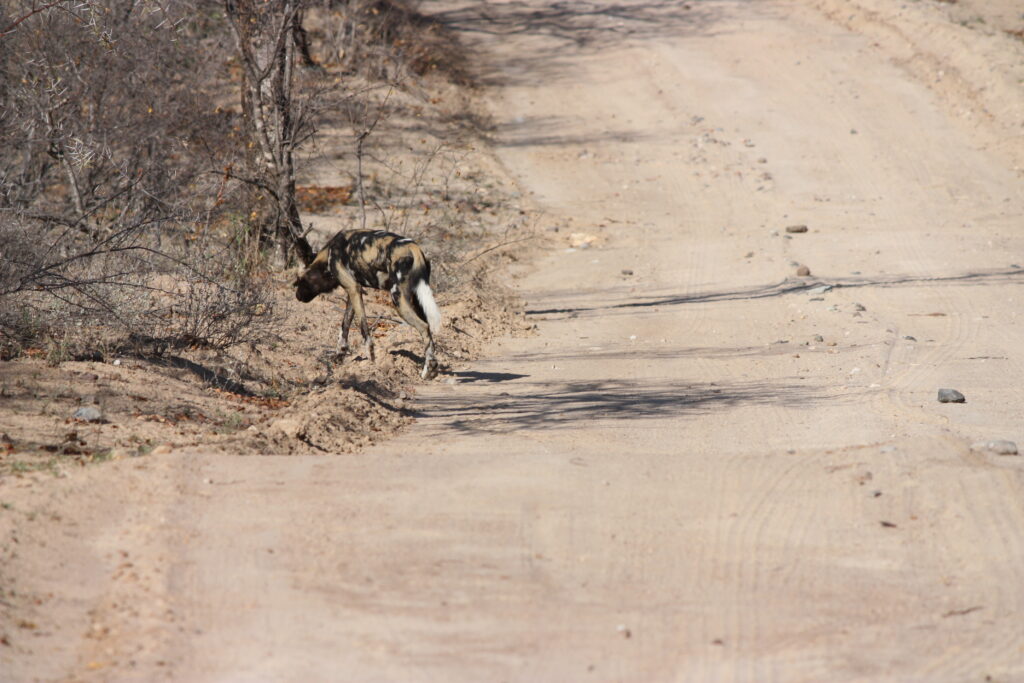
    Whilst trying to sleep, a lion was keen to remind us that he is still king. His roars echoed every now and then from the hillside into our souls, while the distant laughter of the spotted hyena distracted us from the king on other occasions. Also competing for attention was a leopard, whose rasping sound was drowned by the blunt grunting of hippos not too far away. By some, the lion, hyena, leopard and hippo are viewed as having more gravitas than the imperiled African wild dogs, but not by us. The highlight of our adventure-packed week was without doubt watching a pack of Painted Wolves proudly show off its patchy-pelted puppies to us. Our excitement was truly palpable.

    image
    image

    Finally, we wish all students good luck in their Botany & Biomes test this past Saturday and hope they now know the difference between a spine and a thorn…

    Until next week,

    Gerhard & the Bushwise Team

  • Top tips from Industry experts for Field Guides

    “The key to being a good nature guide is the ability to create a unique guided nature experience and promote conservation. It is about combining one’s individual talents, abilities and personality with educating and entertaining guests and instilling in them an interest in all aspects of nature and ensuring that they have a richly rewarding experience. People who do well as nature guides are generally passionate about nature, enthusiastic, good communicators and get on well with people.” – Field Guides Association of Southern Africa (FGASA).

    Field Guides are the critical link between the guest and their wildlife/safari experience. As a visitor to a Game Reserve or National Park you want an overall amazing experience from the food and service to the accommodation and all important game drives. Most of the time guests are coming to see Africa’s iconic animals and unforgettable sunsets! For many, the most important aspect of a visit to the African bush are the game drives, this is where the field guide makes all the difference – tracking and spotting animals, finding the right position for the best viewing spots and photographs, being at the right place at the right time all the while explaining and giving guests interesting facts about what they are seeing, smelling & hearing. The field guide needs to be able to translate the secret language of nature and it’s intricacies for the guests, to give them a true understanding and appreciation of the wonders of the wild.

    Good communication skills are key!

    See through your guests eyes: Anticipate their wishes before they are voiced. And remember what it was like to see a giraffe for the first time.” – James Kidd, creator and editor of Ranger Diaries.

    This is an important part of gauging the expectations of your guests. The key to this is to read between the lines and pick up on bits of general conversation and interest on what they would like to see, rather than asking the obvious question ‘what would you like to see?’ Explaining certain situations, signs and interactions is also vital to the guests understanding of your reasoning and helping them to understand the environment they are in. For example, explain why it is important to not get too close to rare and / or skittish animals in case you make them uncomfortable and chase them off.

    image

    P*A*S*S*I*O*N!!!!!

    ‘Passion, passion, passion’ are what the top & most experienced Field Guides have told me is the most important attribute of a field guide when asking them what their TOP TIPS are for our up and coming field guides. In addition to passion and possibly as a symptom of it, a positive attitude and enthusiasm goes a long way. Guides can spend up to 10 hours per day with their guests and this goes a long way in creating a memorable experience. If field guides are not passionate, pleasant and enthusiastic the guests can sense this and there is nothing to ruin and amazing experience for a guest than an insincere or disinterested guide.

    Humility should be an understated and valued asset!

    “Stay humble and don’t be subservient. Be thankful for the blessing that nature allow us to enjoy every on the job we do.” – Trevor, Senior Bushwise Trainer.

    Long time safari guests often say, ‘If the guide is humble s/he will tend to listen to the guests requests. They will realize that they don’t always know everything and that they should be willing to learn new things. A stubborn, know-it-all guide will get NO TIP from us! Some guests feel obligated to give tips yet the tip should be for service above and beyond’’

    It’s all about your ATTITUDE!!!

    “Enthusiasm is one of the most important traits in a guide’s arsenal. Someone very influential in my own guiding career, many moons ago, pointed out that if you don’t show enthusiasm for the smaller things, you can’t expect your guests to be excited about it either. This applies especially when viewing or explaining the non-Big game, when big game may be scarce.” – Charles Delport, previous Head Trainer for Bushwise and now owner of Nightjar Training & Consulting.

    Knowledge is power….

    “You can never stop learning about the Natural world. Knowledge is key, so take advantage of that fact that you are in the environment on a daily basis to keep on learning and experiencing new things. If you think you know everything, then you need to stop guiding!” – Ben Coley, Bushwise Head Trainer

    image

    The Lodge industry is highly competitive and most (if not all) lodges are looking for the best guides, the guides that will make their lodge stand out. Guides who are a cut above the rest will achieve this and add so much more value to each guest’s experience.

    Find out more about Bushwise courses.

    Bush greetings from Kim & The Bushwise Team

  • Spotted Bush Snake enjoys a frog for breakfast…

    With the end of winter drawing close and spring in full start, the anticipation of a facelift for the bush in general is the main talking point at the moment.  As the temperatures are slowly increasing, our cold blooded friends are starting to show face, with an increasing amount of “snake trails” that can be seen crossing the roads and one of our resident spotted bush snakes around the campus peeping out its head out of it crevices where he had been lying dormant for the winter. A few students had unexpected surprises whilst studying in the lecture room and all of the sudden a snake passing by their feet or eye level.

    Whilst doing a lecture last semester, the students hear a rather disturbing call and with further investigation came across the snake catching a foam nest frog for breakfast.

    The Spotted Bush snake is harmless (well at least to humans) because it does not have any venom glands.  This arboreal (tree living) snake employs a different method catching its prey. The Spotted Bush snake will keep dead still and waits patiently for an unwary skink or frog to pass by; it then lashes out at the speed of light and catches the prey item with a mouth full of needle sharp teeth. It sometime uses constrictor methods to crash bones or makes its prey easier to swallow.  The prey item is then encircled by the coiling motion of the snake’s body, which clinches tighter and tighter every time the prey exhales. It is only a matter of time before the inevitable is achieved and the prey is swallowed whole, usually with the head first to avoid one of the limbs causing a blockage.

    This method of catching prey is also employed by Southern Africa’s largest snake, the African Rock Python which can get up to 6 meters. It is an excellent climber and can be found in bushes, trees, on walls or even gliding in between the cracks of bricks. When this snake is disturbed, it will move away fast and in short bursts to the nearest cover. If it is cornered or when it turns defensive, it will inflate its neck like some other snakes and the blue skin in between the scales will be visible. This makes it look more dangerous, almost like a Boomslang. It bites readily if you try to catch it.

    This snake is almost always mistaken for a Boomslang. Although there are many differences, they both can be seen in trees and both are green. The spotted bush snake is harmless to humans, but often killed by us, because of this confusion

    The Spotted bush snake is a very pretty snake; it is a bright green colour with black dots from the head all the way down the body for about two thirds of the body length. The last section of the snake towards the tail fades from a bright green to a blue/purple colour.

    Always keep your eyes open for the small creatures that the bush often keeps hidden!

    Find out more about Bushwise Courses.
  • Capturing the Good Times

    As you might have guessed from the title of this blog – the start of this week was purely dedicated to learning all about photography, photographic techniques and how to guide guests who are photographers. Sean Patrick, co-author of “Game Ranger in your Backpack”, conducted the two day workshop for our Grietjie Campus, whilst well know photographic guide, Albie Venter of Africa-Unlocked, conducted the course for the Mahlahla Campus.

    Both well-known photographers provided invaluable lessons to our students about all the tricks of the trade to get ‘that special shot’ (mainly by making use of all those lesser known settings & buttons on everyone’s camera!).  They also covered the importance of understanding how to guide photographers in today’s day and age. After everything from aperture, ISO, Shutter speed, exposure compensation to composition and lighting was explained – our students quickly moved away from that simple auto option and their latest batch of photos are certainly demonstrating this!

    Having spent time in the lecture room discussing the various techniques it was time to go out there and try and get some photos. Everything from Kite spiders and blades of grass to elephants, grumpy lions and hyenas were photographed during the practical sessions. Comparisons were made afterwards, with some more helpful hints from the experts. All in in all, a fantastic photographic workshop, which we were all sad to see come to an end.

    On Wednesday it was business as usual with various lectures covered, including Taxonomy & Ecology. Later on in the day, the Mahlahla Group headed out on their first bush sleepout, which also had a planned Survival & Navigation lecture and practical. Although most people are on edge on their first sleepout on a Big 5 reserve – the only visitor was a curious spotted hyena who quickly moved off when he was spotted (excuse the pun)!

    Meanwhile, back at the Grietjie campus, Thursday morning started off with a walk. Tracking and spoor identification was on the agenda and the walk began with tracks of 2 buffalo as well as a male lion that had been drinking at the waterhole sometime during the night. The highlight came with Sunil spotting a honey badger, but unfortunately it moved off too quickly and no-one else got to see it.

    Whilst the Mahlahla group headed back from their sleepout and got ready for their afternoon drive, the Grietjie group left for the Amarula Lapa for a light lunch and tour of the factory where the underrated Marula fruit is processed, before being shipped to the Cape to turn into one of South Africa’s most famous alcoholic liqueurs….Amarula Cream. The students had the opportunity to try out various cocktails and food dishes which had been made with Amarula cream. The fruit is such a versatile item in the bush and there are so many products which can be made from it, it was interesting to watch the process for just one of its many uses.

    Tomorrow marks the last set of tests for the first Semester! Our students then head off on a well-deserved week off, with plans which include visits Kruger, Cape Town and Mozambique! Enjoy ladies and gents, see you soon!

    Until Next Time,

    The Bushwise Team

    (Thanks to Jacques Briam and Adam Mohr for use of your pics!)

    Find out more about Bushwise Courses.