Author: Bushwise

  • Arrival of the green

    Featured photo by Sophie Pyper

    BY: Edward Smith

    Between the one hundred millimeters of rain and the summer heat, I don’t know who has been more excited about the changes in seasons’ the students and trainers on campus or the thousands of animals and organisms who directly benefit from the greenery and overabundance of water. 
    image

    Photo by Andi Dill

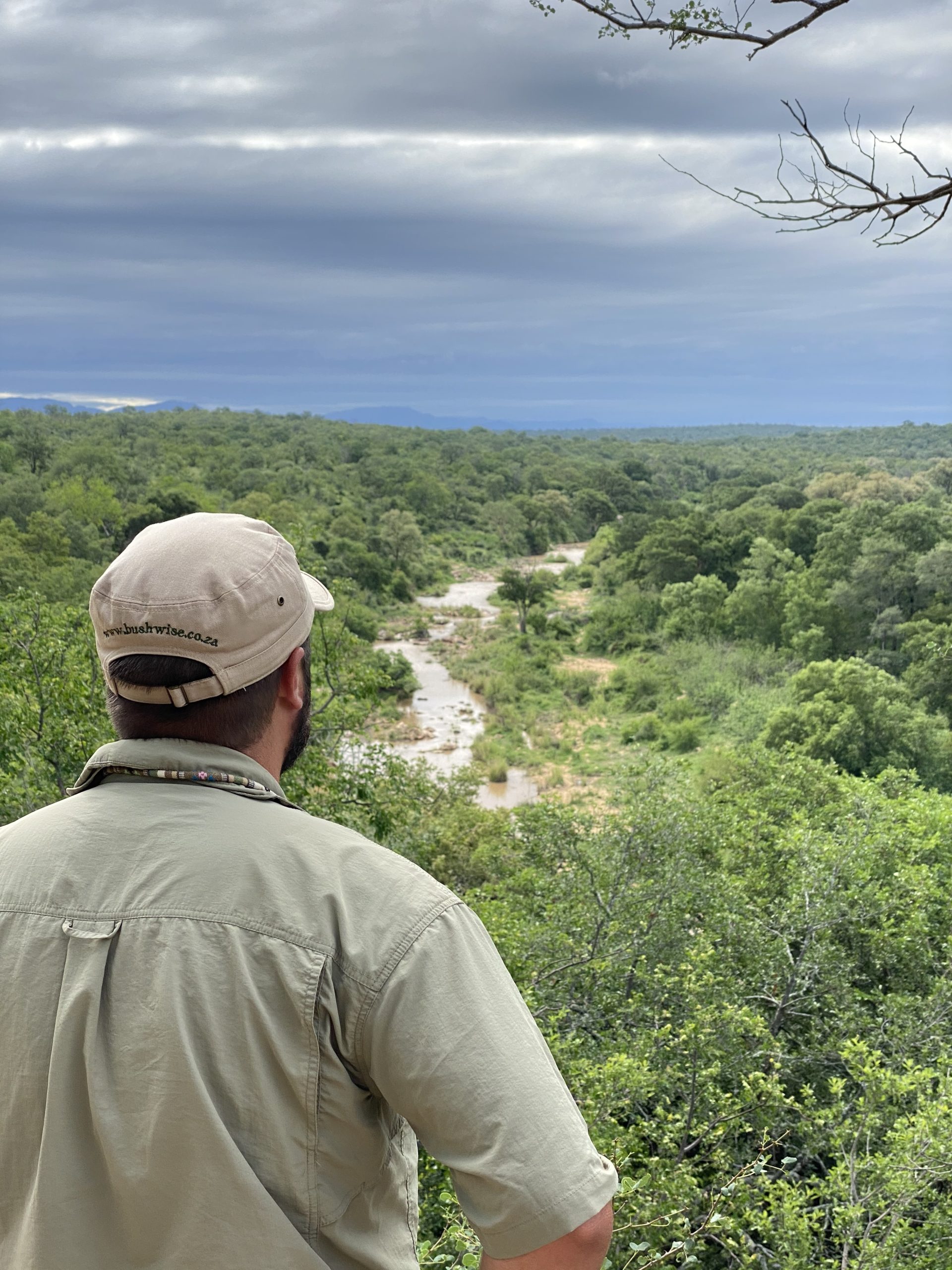
    Once again I have found it an incredible privilege to call the bush my home as well as my “happy place”. Living on campus in the middle of the bush means that we get a front-row seat at seeing the magnificent changes that come with each and every season. Since early December 2019, the bush has started changing from a bare, dry yellow piece of paradise which we enjoy just as much, to a warm, green, humid forest making conditions favourable to many inhabitants who struggle during the colder winter months. 

    January has not only been the return of our summer rains allowing the bush to become an almost impenetrable wall of green but along with it has come so much more. To many people from the city it might seem that it is the season for insects and sweating but to nature lovers and field guides alike it is the months of little sleep and lots of research. With more than one hundred returning migrant bird species coming from far and wide to either breed or feast on the billions of insects which have returned to make the most of summer while attempting to escape the thousands of frogs freshly active after a state of hibernation, field guides get very little rest.

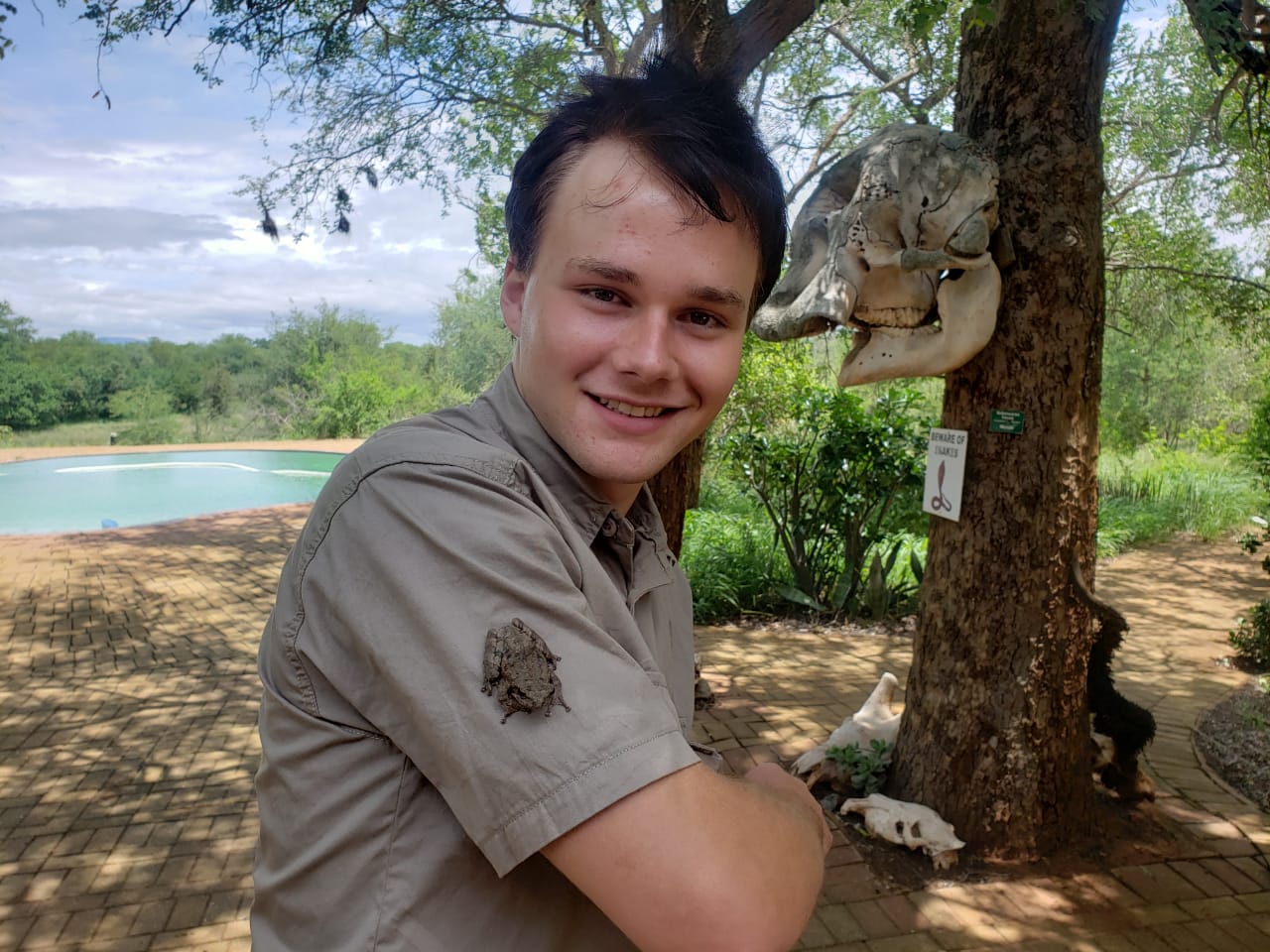
    Over the last few months Mahlahla Campus has become a paradise of green and a single day just simply doesn’t have enough time. Since the rains, the campus dam has filled and frogs can be heard throughout the night from all corners of the property. When students and trainers aren’t busy with lectures or out on drives, we`re often busy identifying all the weird and wonderful insects, amphibians, and arachnids that can currently be found on campus.
    image

    Photo by Alistair Dyason

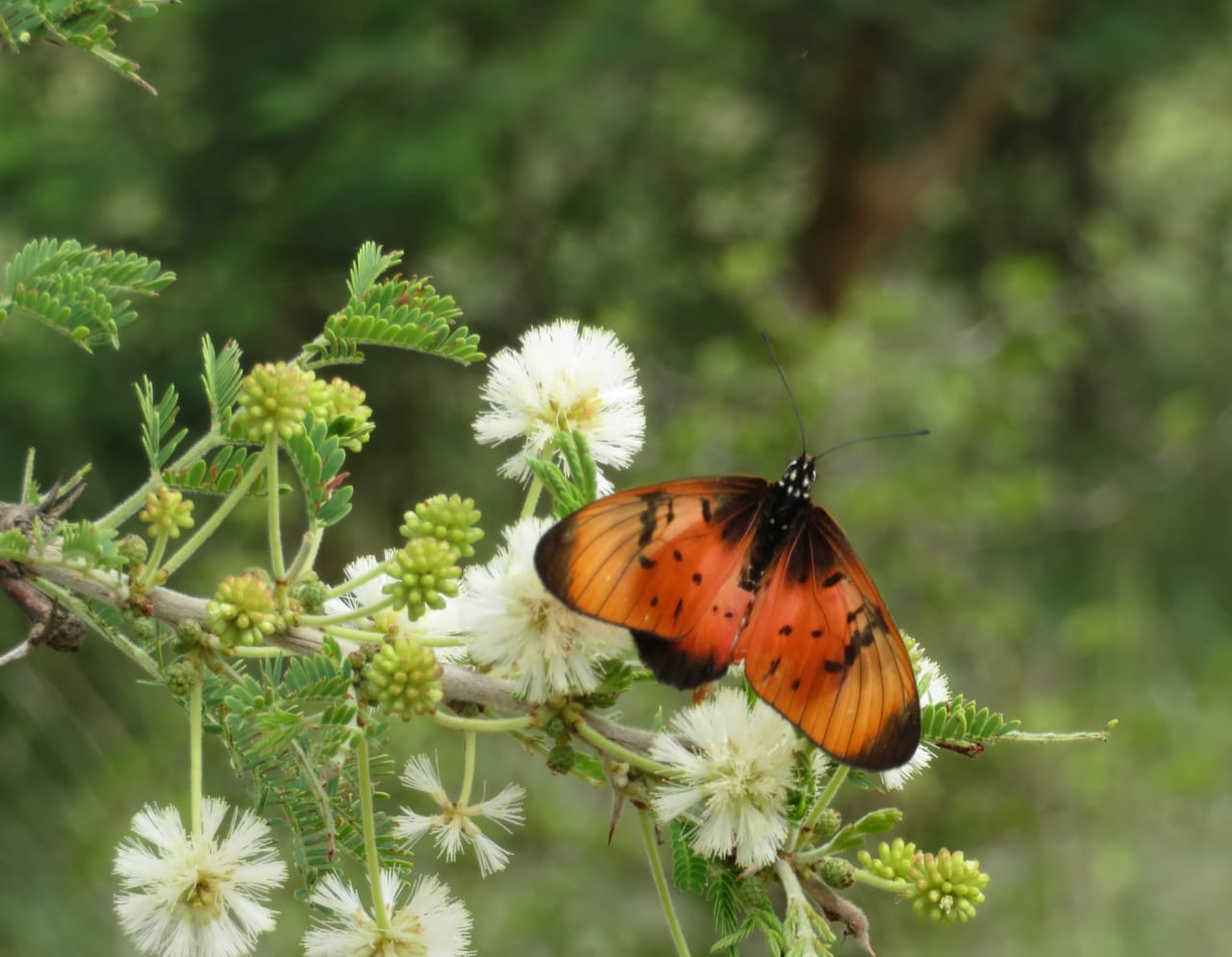
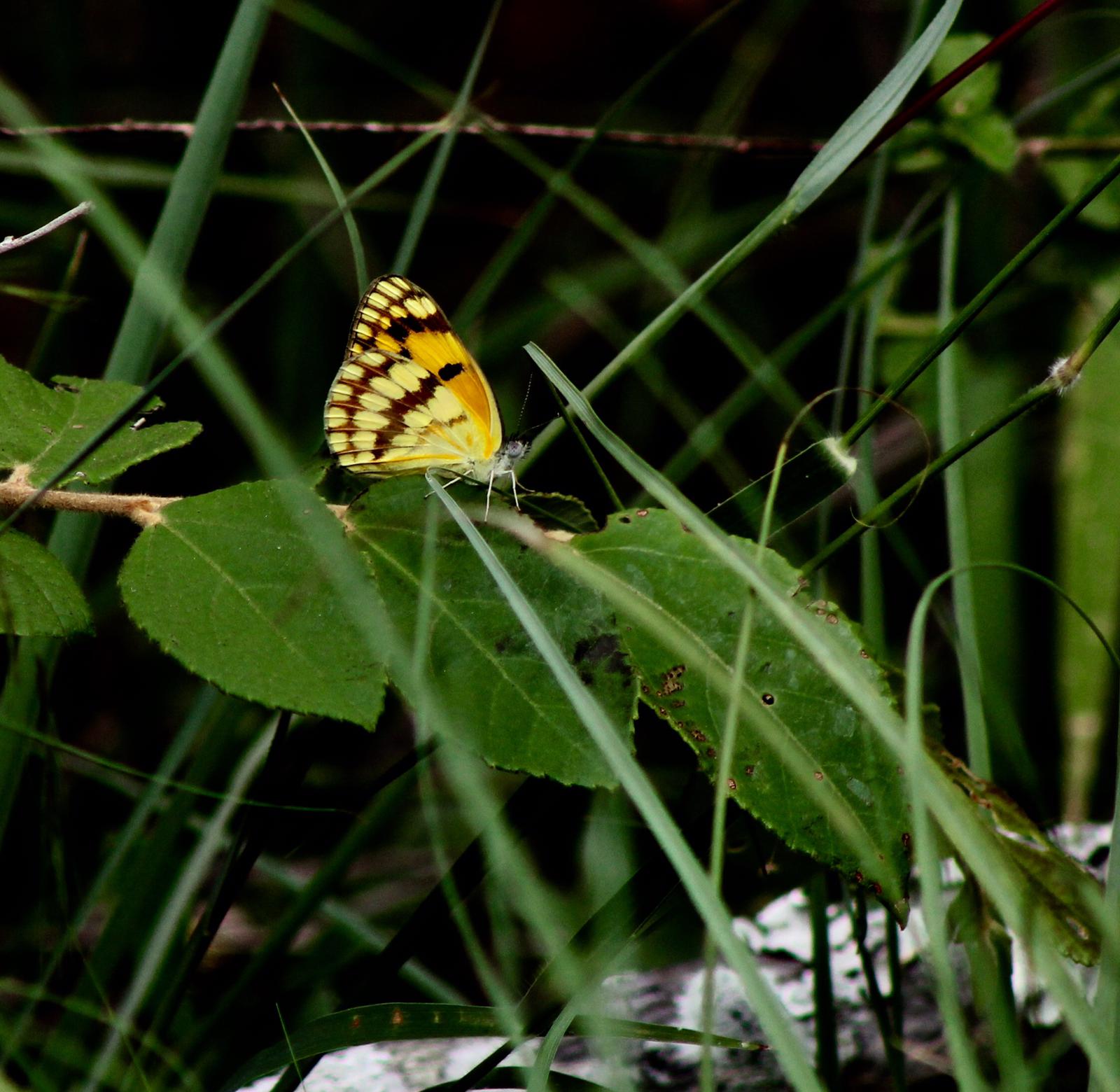
    I am fairly new to the world of butterflies and have loved learning about all the different families and what caterpillars turn into which butterfly or moth. The challenge of identifying one of over 660 species of butterflies found throughout South Africa is no easy feat. t’s amazing to learn which butterflies are responsible for pollinating which wildflowers and other vegetation. The thousands of wildflowers have painted the bushveld floor and their bright colours have made them impossible to miss.
    image

    Photo by Chane Doman

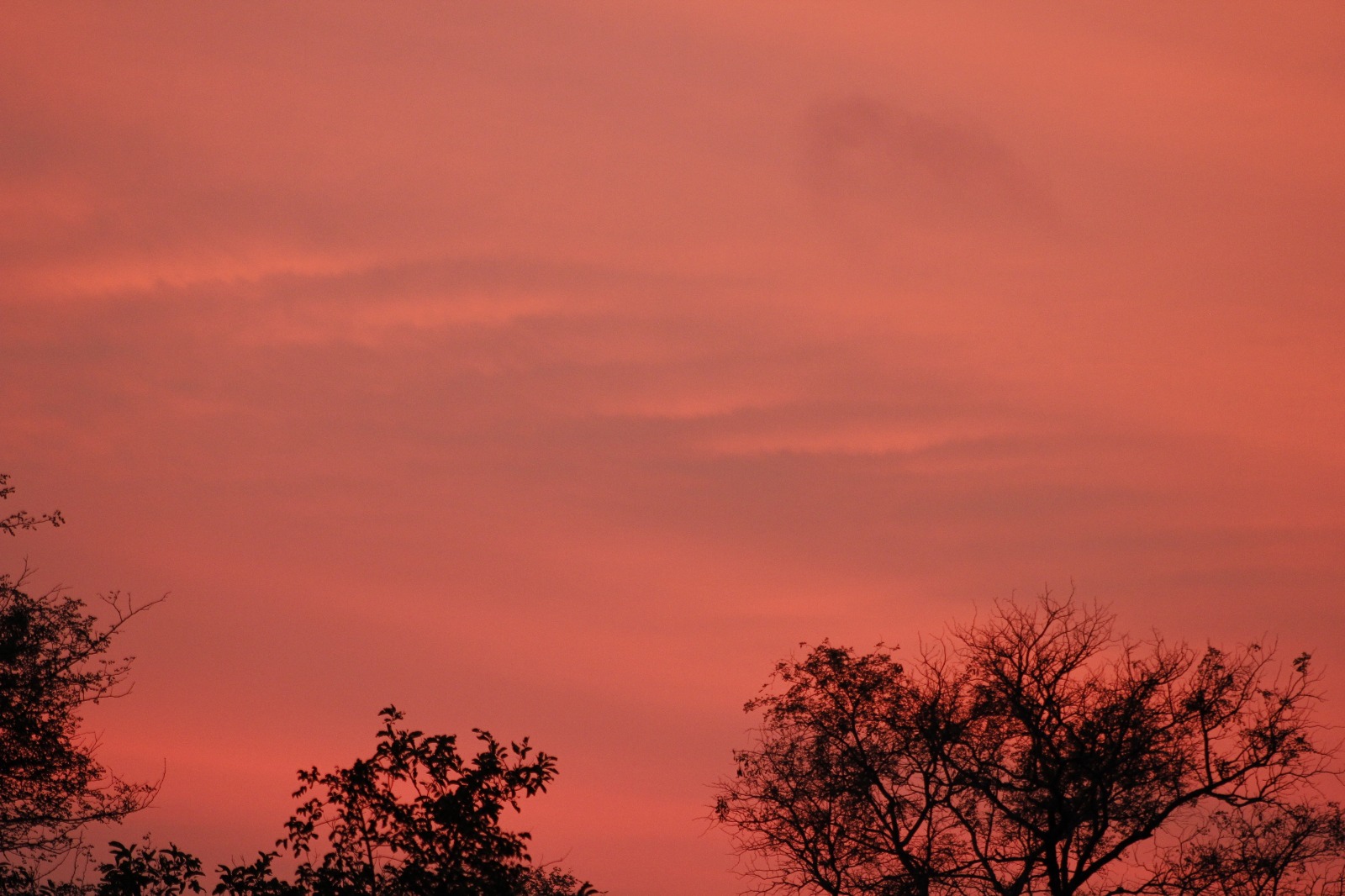
    Living an outdoor life is like moving between four homes in a single year and there is no greater excitement than seeing what the new season might bring. The overabundance of both food and water have made life easy for the time being, but winter will bring its own challenges and along with that change, arise specific individuals that will dominate the season. Each season is special in a unique way and there is not a single thing I would ever wish to see different.
    image

    Photo by Tommy Curley
  • The importance of being above average

    Becoming the best field guide that you could possibly be is probably one of the most important goals any field guide or ranger can set for themselves. Becoming a field guide, in itself is not that hard, but it requires passion. Becoming one of the best in the industry is a whole other ball game. When I first decided to take on the world of field guiding, I was told that if I am not planning on being the best or at least working towards it, that I would be wasting my time. 

    image

    Today I am 27 years old and still many miles and years away from becoming a top field guide or trainer in the industry but working towards it is has been one of the most rewarding things I have ever done. As an individual, you must consistently challenge and push yourself to be the best, if you reach a comfort zone and become bored with going through the everyday phases, you will soon just become another number in the industry. Being a field guide is one of the most fascinating and entertaining jobs to have where your office has no walls, it generally stretches over a few thousand hectares and you NEVER know what the day holds. Not knowing what your office could present you with means you need to know enough and be updated with the most recent research and ‘bush’ knowledge, so you seldom or never need to answer a question with “I do not know”.

    image

    Here at Bushwise Field Guides, Apprentice Field Guide students are provided with the guidance, lectures, knowledge, books and experience from a variety of field guide trainers. All have very different backgrounds and working experience. This allows the students to start moulding themselves into the field guides they would like to be one day. Typical days consist of 4-5 hour morning and afternoon sessions and enough time in between these sessions are provided so you can focus on single aspects of the bush you might find more interesting than the others.

    Once you qualify as an Apprentice Field Guide, the world of guiding will prove that you possibly know more than the typical guest you might be guiding but never allow this to be enough. Push yourself to climb the qualification ladder by becoming as qualified as you could possibly be. There are so many options and directions one could take after completing your apprentice field guide qualification but your focus can never be lost. Whether your focus is birding, tracking, insects, botany, wildflowers, or any of the other options that are available you should never stop growing. With having the time of your life as a field guide, it is very easy to become comfortable in your role, therefore, set yearly goals and consistently work towards them.

    image

    Buswise has assisted more than 12 871 people, qualify as Field Guides. If you want to stand out amongst them, you need to work hard and have consistent dedication. Our world as field guides is so diverse and constantly changing with new research and information that becomes available to us – simply being average is never going to be enough.

    There is absolutely no space for stagnation in this industry but is yet so easy to fall into, when you get too comfortable. Bushwise will allow you the greatest opportunity to be the best you could be but it is up to each individual to make the most of every single opportunity that comes your way.

    Edward Smith

    image

  • How to navigate a tricky situation with dangerous game

    Humans have been super predators for some time, and animals have thus developed an instinctive understanding of this fact which in turn has led to various responses to humans in terms of this understanding. Essentially animals do not want confrontation with a super-predator such as humans and would rather avoid humans than make physical contact!

    image

    Secondly, animals respond to threats, therefore if there is no threat there should be no response. If an animal perceives a threat it will be forced into action and respond accordingly! If the threat is removed by some or other means, the response will change, therefore the idea is to interact in such a way that the animal does not know about you, or if unavoidable, perceives no threat from you.

    Regardless if you are guiding on foot or are vehicle-based, taking into account the above-mentioned the key aspect is-stay out of trouble! With this in mind, the training at Bushwise Field Guides places heavy emphasis on – the wisest choice is to stay out of trouble!

    Should you find yourself in an unforeseen situation that is potentially dangerous, understand what the animal is doing and why it is reacting in a given way, but most importantly, you must also understand where your safety margins are and only operate within those safety margins!

    image

    With this being said, understanding animal behaviour is of paramount importance. Aspects such as species characteristics, sex of the animal, previous experience and environmental conditions all play a major role in the make-up of the animals’ standard behaviour patterns and thus will usually behave in terms of the norm for that species. However, this behaviour can be influenced by the surrounds in which it has to act, e.g. available cover, slope, the density of vegetation, the distance of the threat, to name but a few.

    Often these factors determine the outcome of a confrontation, for example, animals will flee upwind since they will be able to both see and smell what is lying ahead of them, an important consideration when considering an escape route for an animal.

    Another ‘pearl of wisdom’, strange as it may sound, talk to the animal! This often will defuse a situation as animals are susceptible to verbal communication, and while not understanding your language, are capable of reading the tone of your voice and the implied message!

    image

    Fundamentally the skill of staying out of trouble should be practised unconditionally to avoid sticky situations. I believe that the true skill of the bush is to not buy safety by means of shooting your way out of trouble, but rather to move through the bush with minimum interference, a principle that is invoked throughout the 50-week course provided by Bushwise Field Guides.

    Until next time, safe guiding.

    Trevor Myburgh

    #fieldguide #gamedrive #safari

  • Back in the Bush

    Returning to Game Drives

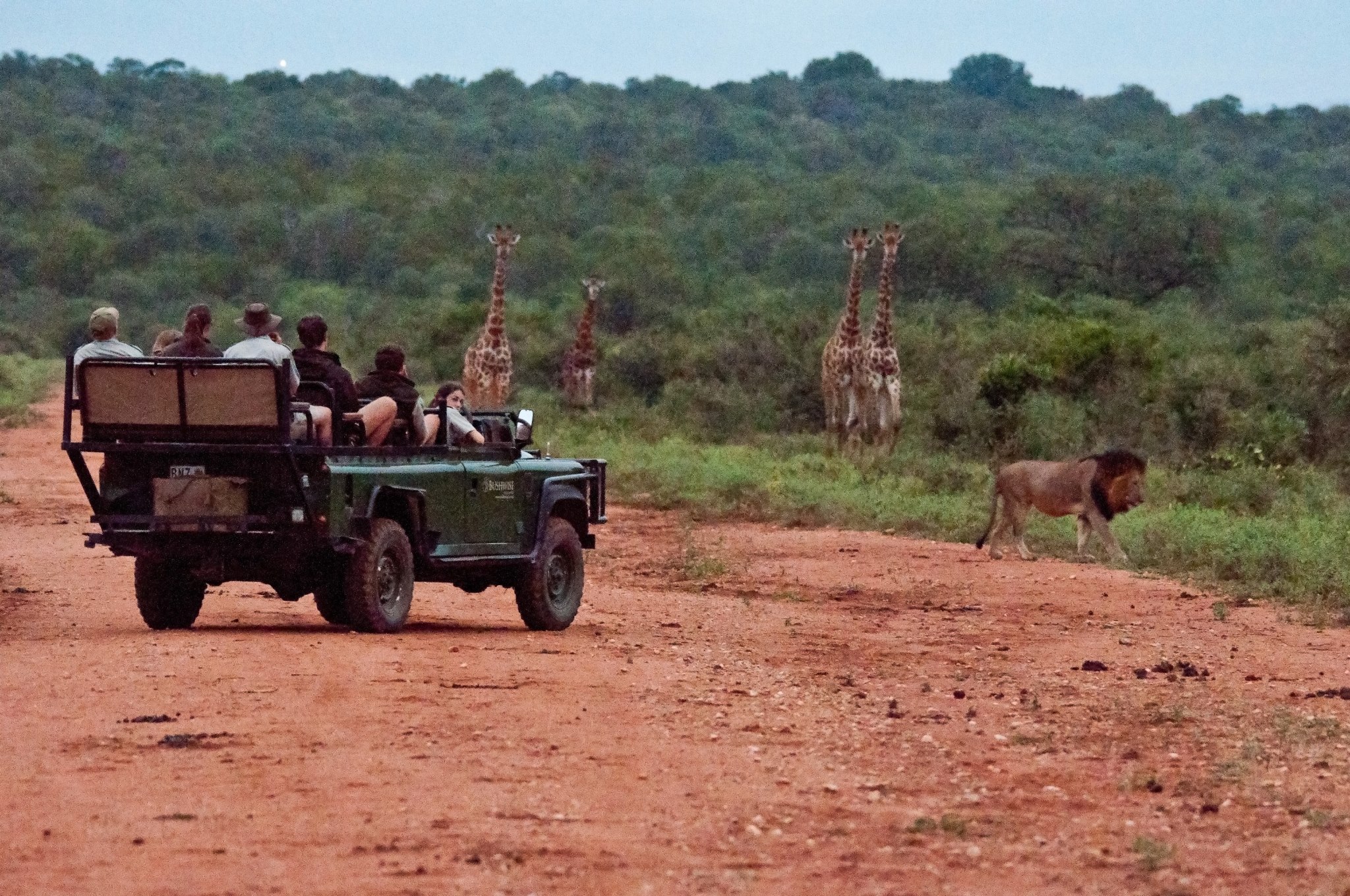
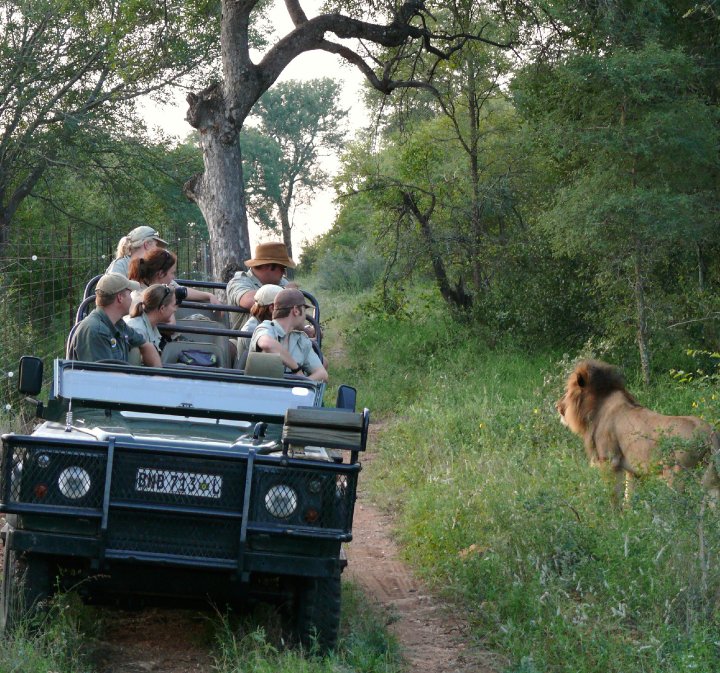
    Following two excellent weeks developing our skills in track and sign with Colin Patrick, and rifle handling on campus it is perhaps no surprise that everyone was excited to return to game drives and put some of our new skills into practice. We started the week with lectures in ecology and arthropods, meaning that we paid close attention to features such as termite mounds and spiders’ nests.  We were also able to appreciate the complexity of the relationships present in the bush whilst observing some of the most active watering holes in the reserve. The drives this week were punctuated with many notable sightings, one group were even so lucky to see a pair of mature maned lions, giraffe and elephant in a single drive!

    Snake in the Loo!

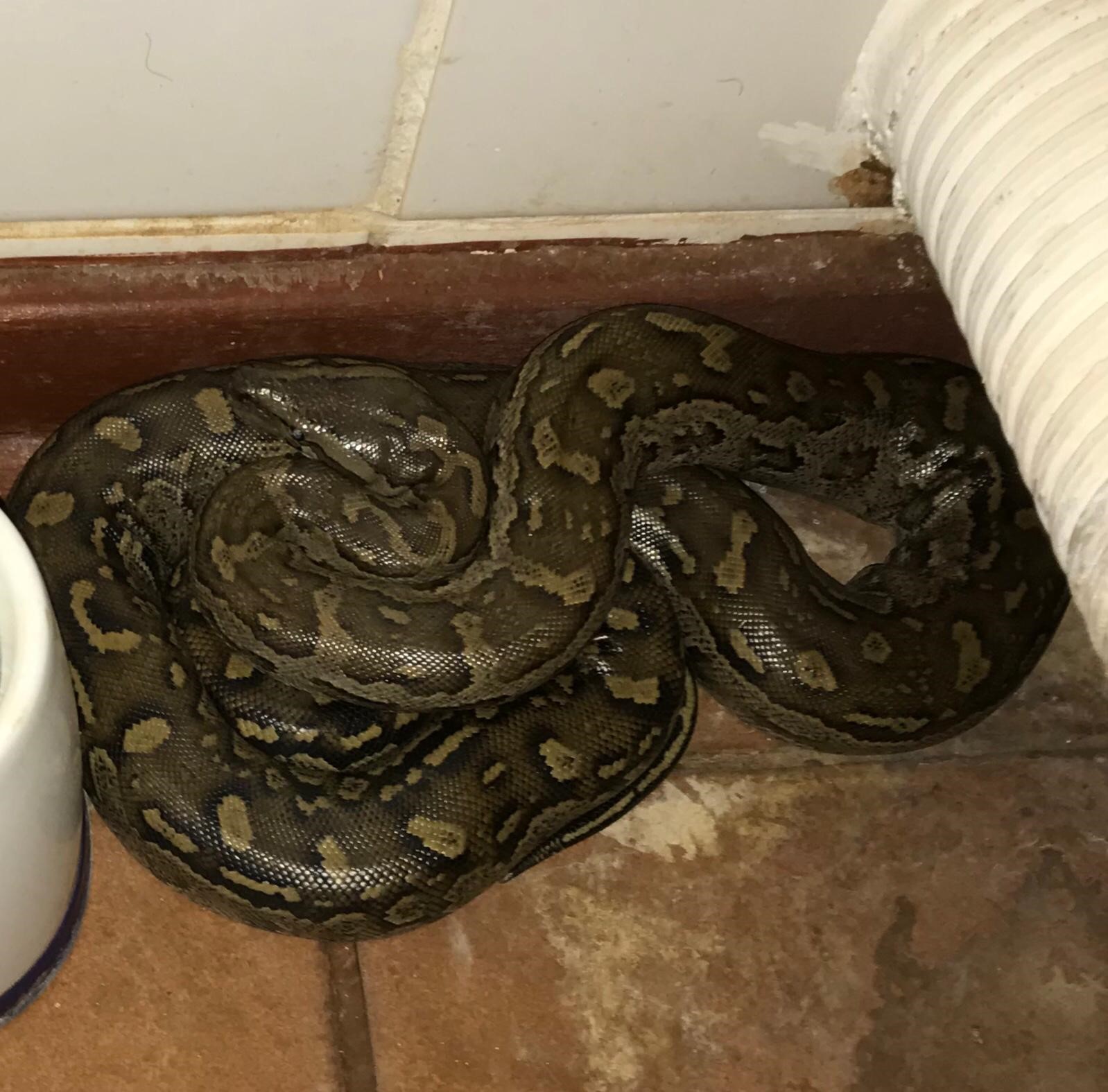
    Returning from one such game drive on Tuesday evening, the ladies were shocked to discover a certain slithery individual in their bathrooms, an African Rock Python! Thankfully not venomous, although large and rather intimidating. We tried to explain to him that he was not allowed to be there, but in the end, it took Vaughan with his trusty snake bin and hook to ensure his safe departure.

    image

    African Rock Python

    Reserve Work

    On Thursday, whilst the internationals dashed off to Hoedspruit for driving lessons, the group got stuck into some much-needed reserve work. The morning consisted of blocking new roads created by vehicles ‘choosing their own path’ to watering holes and dams (naughty, naughty!). This protects the diversity of life contained in the grassy bush and helps limit erosion to only the most established roads.

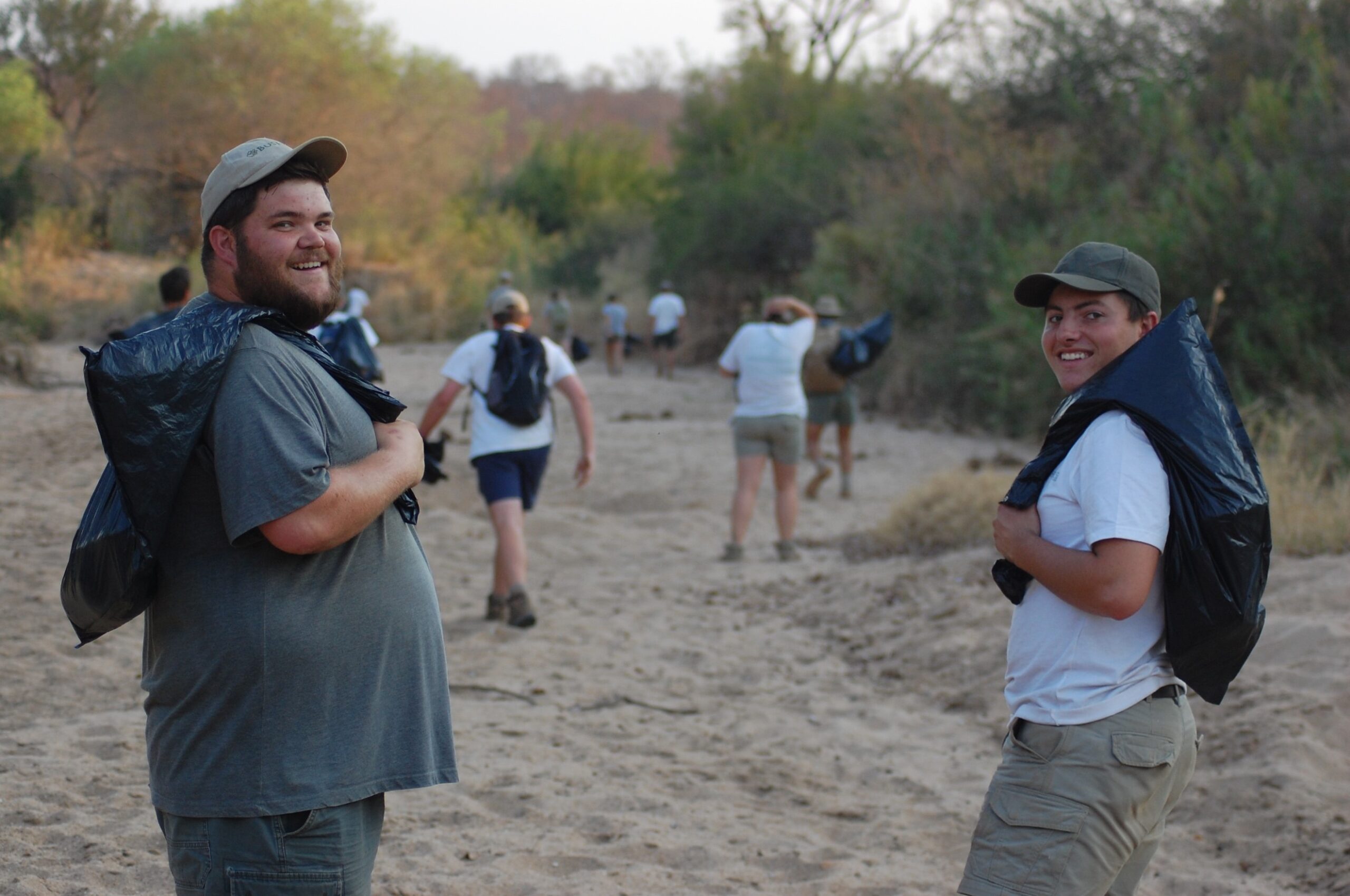
    After lunch, with the internationals back, the group returned to the reserve in full force to clear the Makhutswi River bed of litter. We covered roughly 1km of the river and managed to leave the area free of rubbish ahead of the coming rains. This will make a significant improvement to the aquatic life once the rains arrive, and certainly left the group with an incredible sense of a job well done.

    image

    Reserve work

    On Friday we all received feedback from the trainers to conclude the second semester. With the afternoon came our first hint of rain, reminding us that in just a few weeks the terrain is likely to burst into life. Students and staff then departed on Saturday morning for a well-deserved off week, with excited anticipation of what semester 3 will bring!

    Blog by Harry Travers

    image
  • A Night in the wild

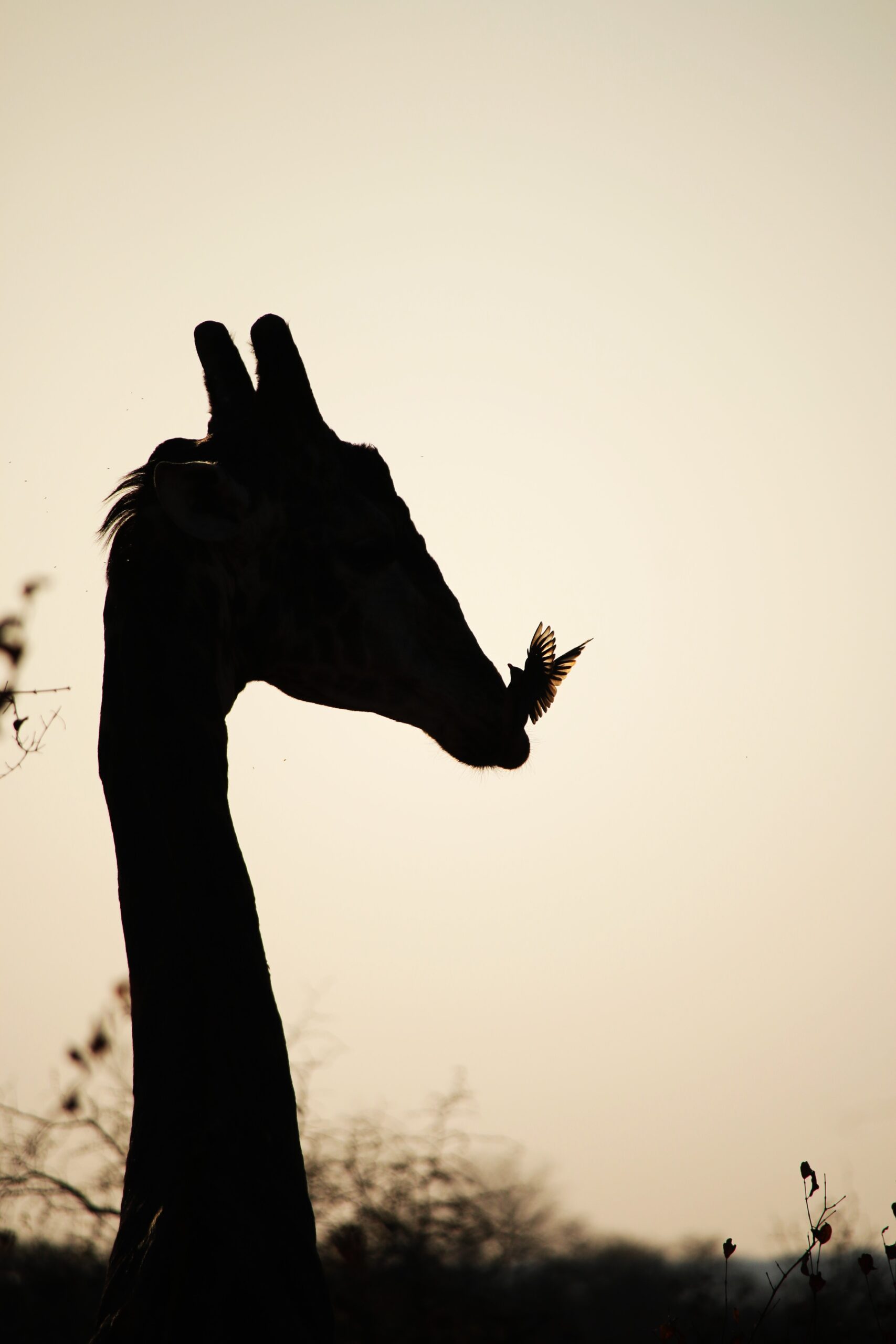
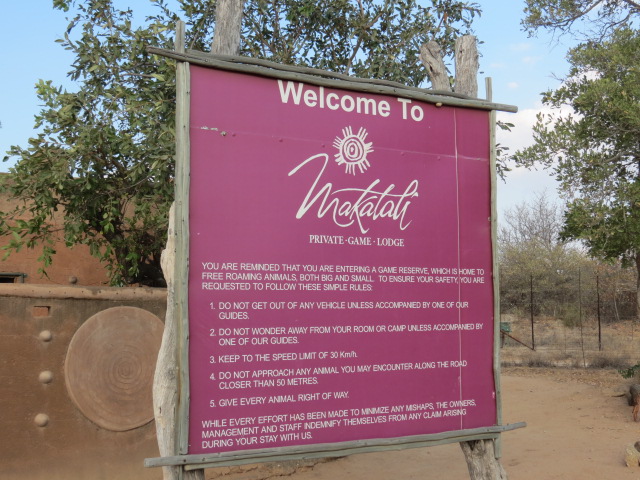
    The final week of Semester 1 already! On Tuesday evening, with land rovers and cruisers alike packed up with sleeping bags, roll mats and students, we headed out to Makalali for a much-anticipated sleepout. Our first camp out in a big 5 reserve territory. On the way there we had a chance to watch a pair of black-backed jackals on an evening hunt and I had the chance to snap some lovely silhouette pictures of giraffe grudgingly accepting a clean from a few persistent red-billed oxpeckers.

    image

    Giraffe and ox-pecker silhouette

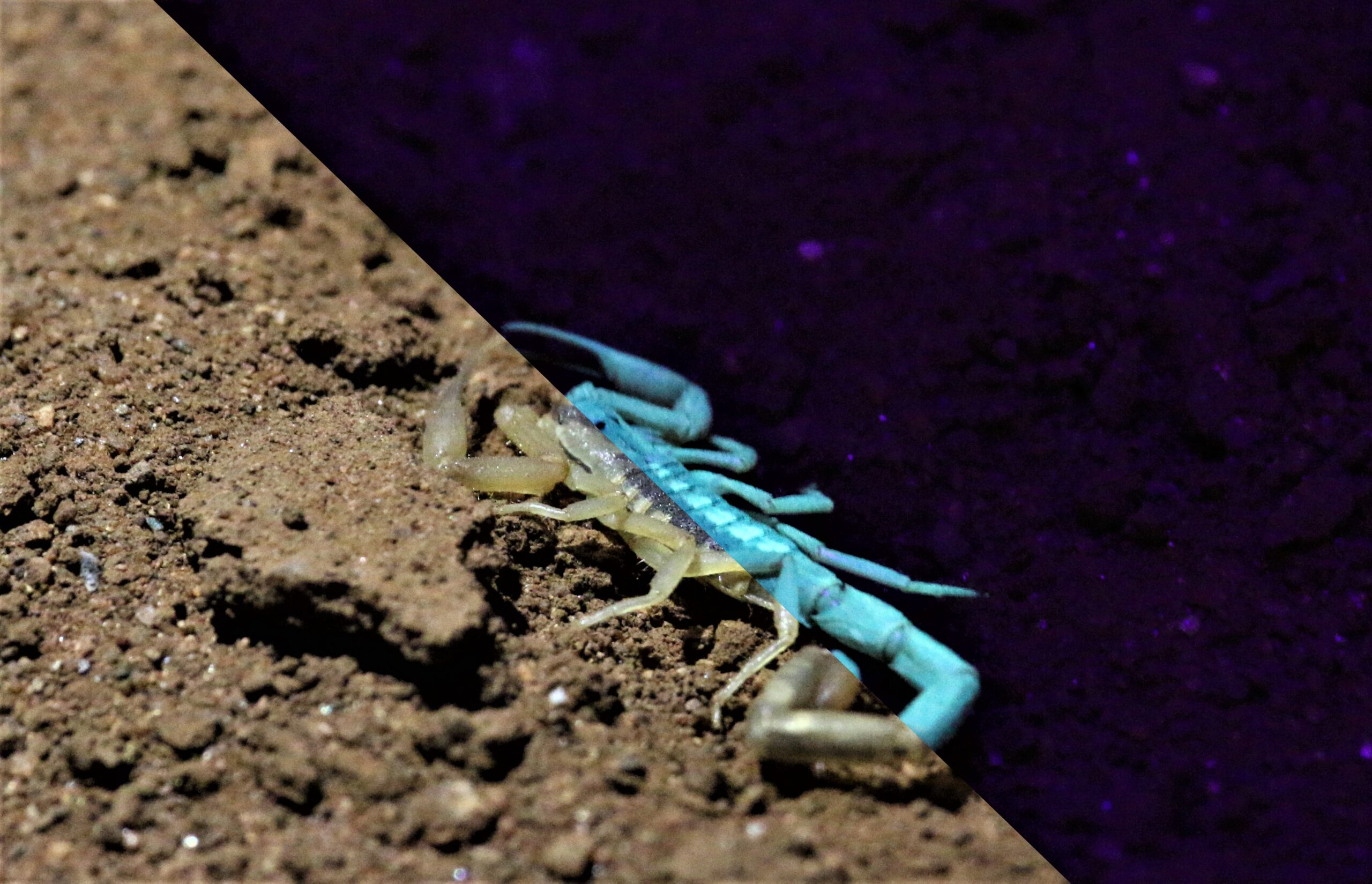
    As the sun went down over our camp, a few hyenas wandered past, evidently curious about the ‘new residents’ in their territory. Other than their brief visit again in the early morning and a couple of noisy bush babies, the night went by very peacefully. Allowing us to take in the beauty of the stars and the peace of sleeping in nature with the knowledge that those on lookout duty were keeping us safe. For a few of us, a highlight of the night was discovering the effectiveness of our UV ‘scorpion torches’ which allowed us to check wood over for the little guys before we took it away for firewood.

    image

    Scorpion under UV light

    Over the next couple of days, we all put our noses to the grindstone, revising extra hard for our practical test on Friday afternoon. We were all tested on our ability to recognize and name the surrounding species of grass and trees and identify the spoor and dung of various animals as indicated to us by our instructors. As the sunset at the end of the test, it also brought us to an end of the final week of our first semester here at Bushwise.

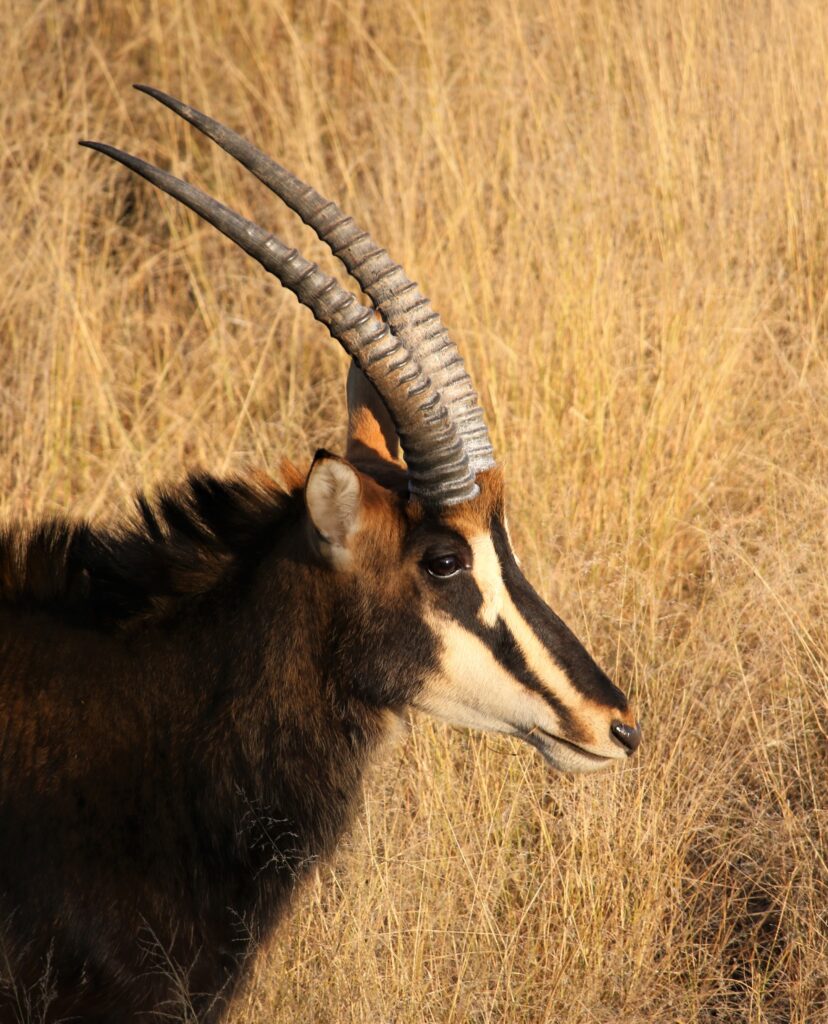
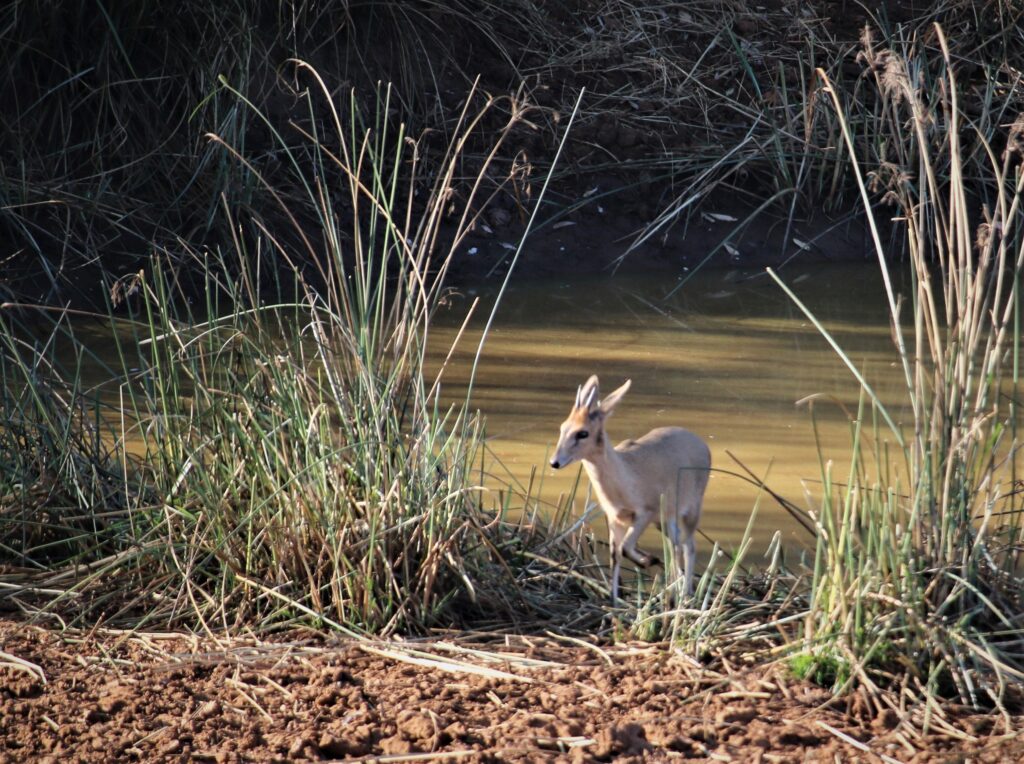
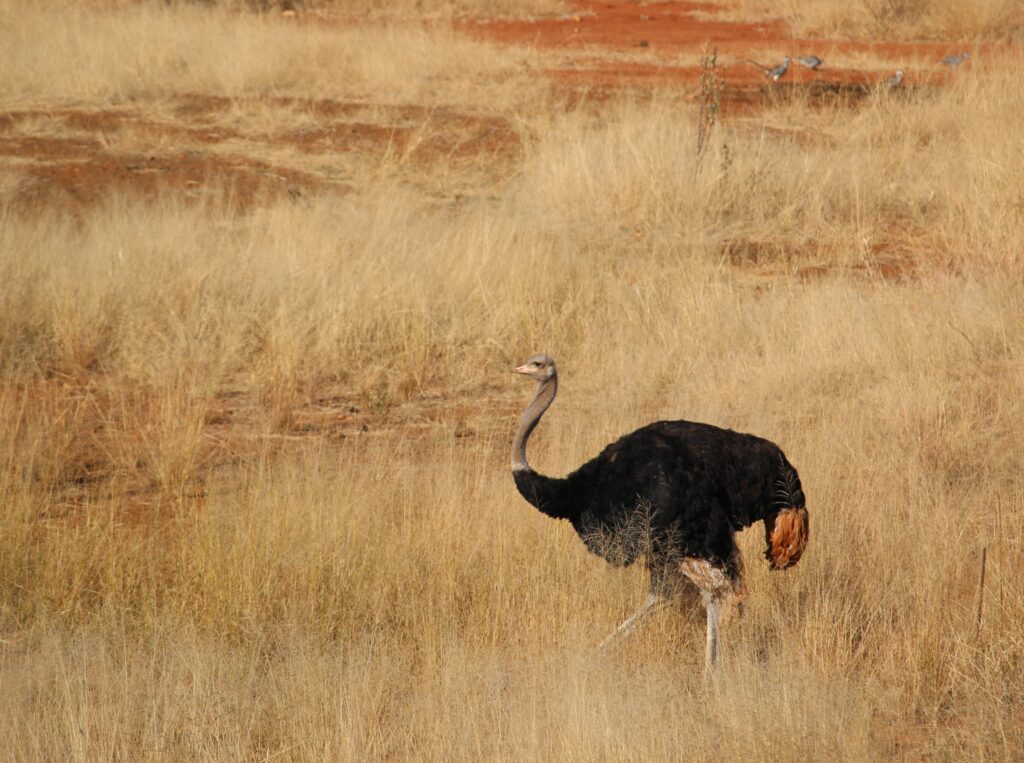
    Now that we have finished semester one, we have a chance to slow down and take in the wildlife surrounding us on campus. Varying from the foam nest tree frogs that keep us company in the classroom as we work, to the Sable, Duiker, and Ostrich that regularly visit the dam.

    image

    Sable

    image

    Grey duiker

    image

    Ostrich

    For the South Africans, this break is an opportunity to visit family and friends back home, while the International students tackle the SA learner driver licenses in order to later try to pass the South African driving license. Regardless of nationality, this is an opportunity to absorb all that we have learned this semester. Whilst the break is much needed after our brains have been filled to the brim over the course thus far, I am sure that we are all greatly looking forward to the next installments we have waiting for us in our next semester.

    Blog & photos by Georgina Stewart

    image
  • Now We’re Getting Serious

    Week 4, semester 3, two more tests down in Astronomy and Weather & Climate, not the easiest to learn when you want to focus on the amazing wildlife all around you. But these very important cosmic and atmospherically processes interact and affect our Earth and allow the multitude of life on it to develop and thrive! That and they make for some stunning backdrops to the Bushveld!

    image

    Bushveld sunset

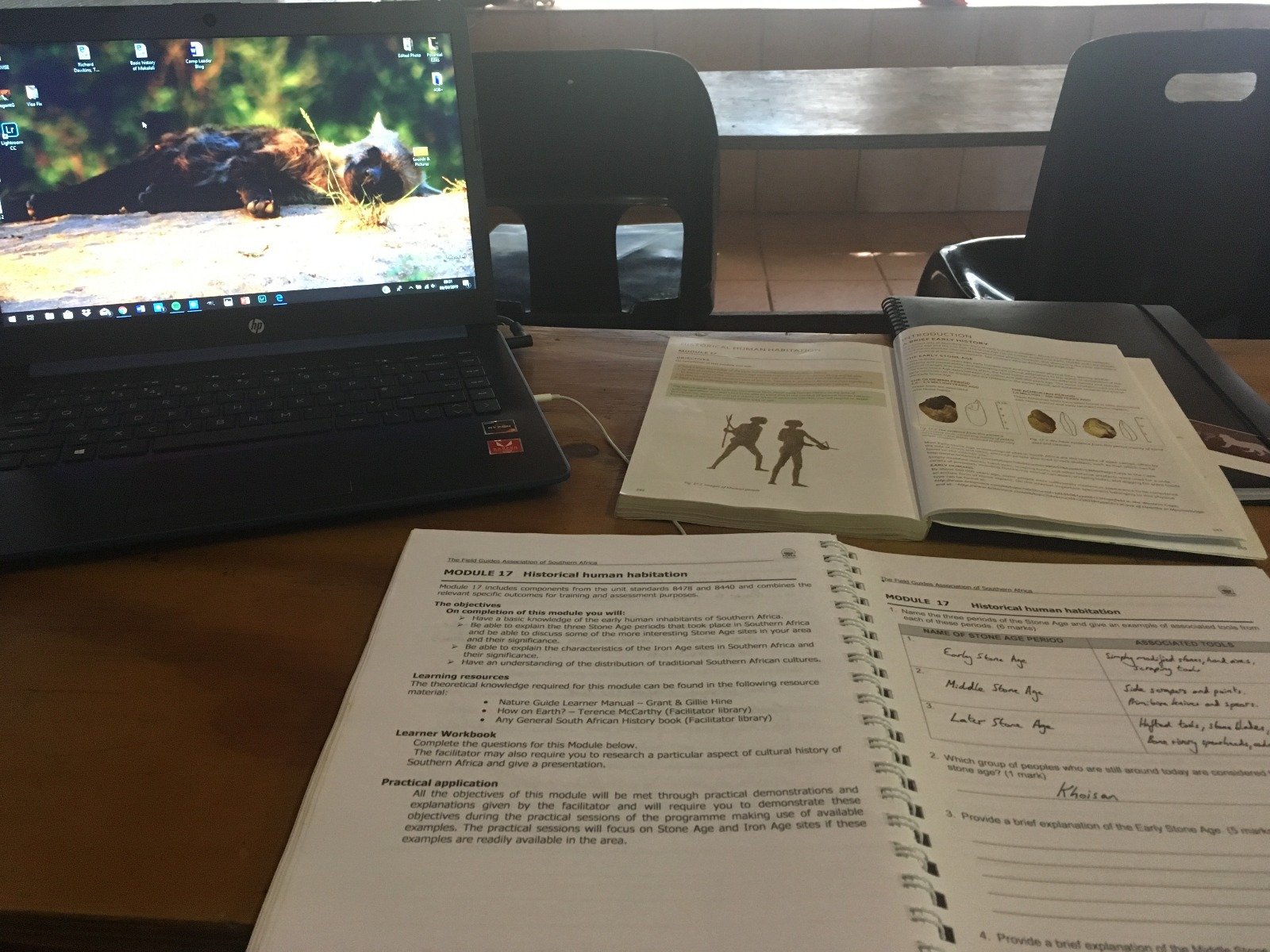
    With only two modules left for theory to cover, Human Habitation & History and Viewing Potentially Dangerous Animals, its dawning on us that the end is closer than we think with the FGASA exam and practical assessments just around the corner next semester. It’s a fine balance of broadening and strengthening our knowledge of the Bush for our practical assessments and the need to ingrain our theoretical knowledge ready for the theory exam, but hopefully we can marry the two together for the best in both.

    image

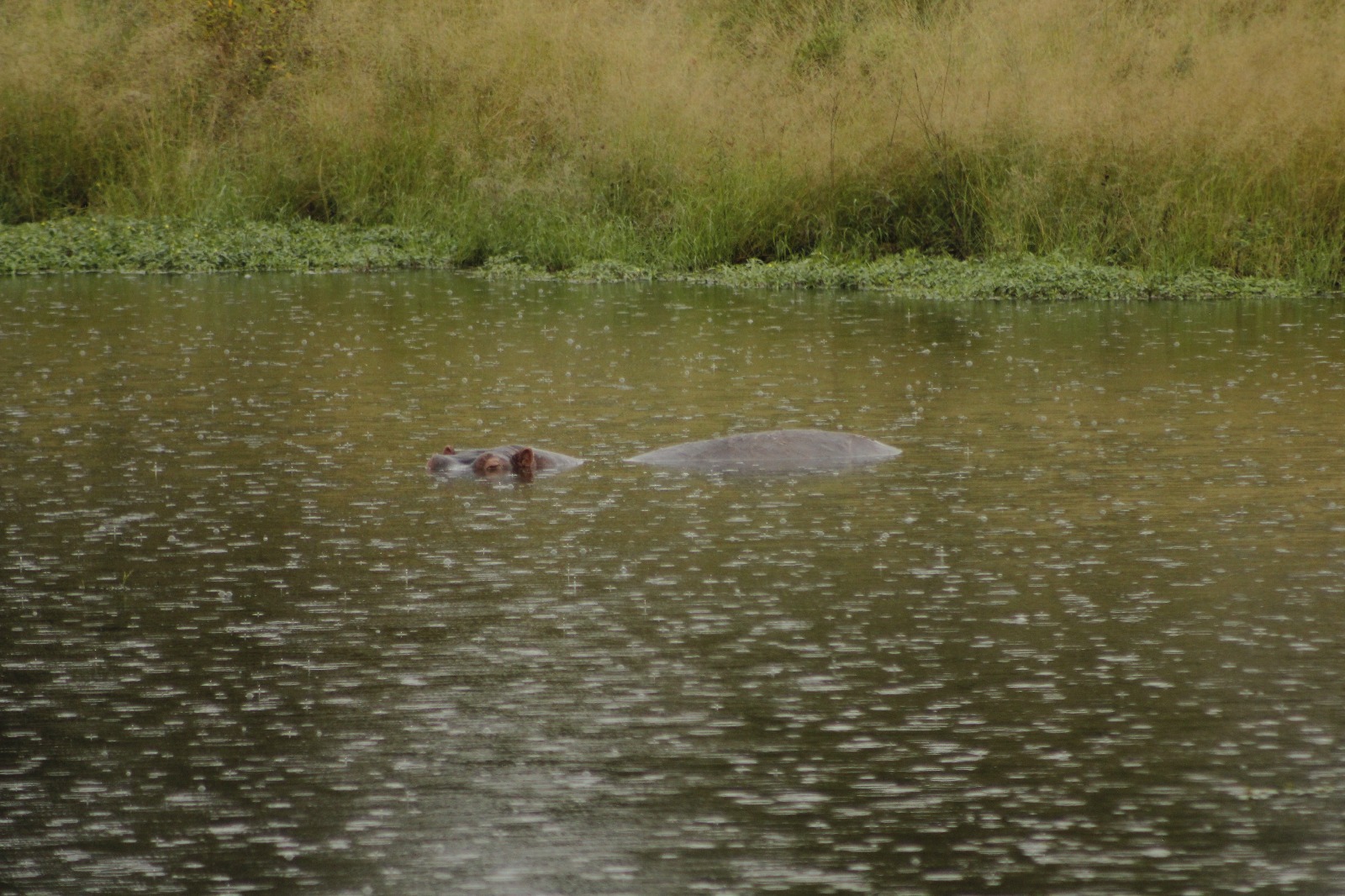
    Our practical Astronomy tests have been delayed till next semester due to the thunderstorms and generally cloudy, rainy weather we’ve been having, but its good for the Bushveld to get some final rainfall before winter sets in properly. The Hippos certainly don’t mind it!

    image

    Wallowing hippos

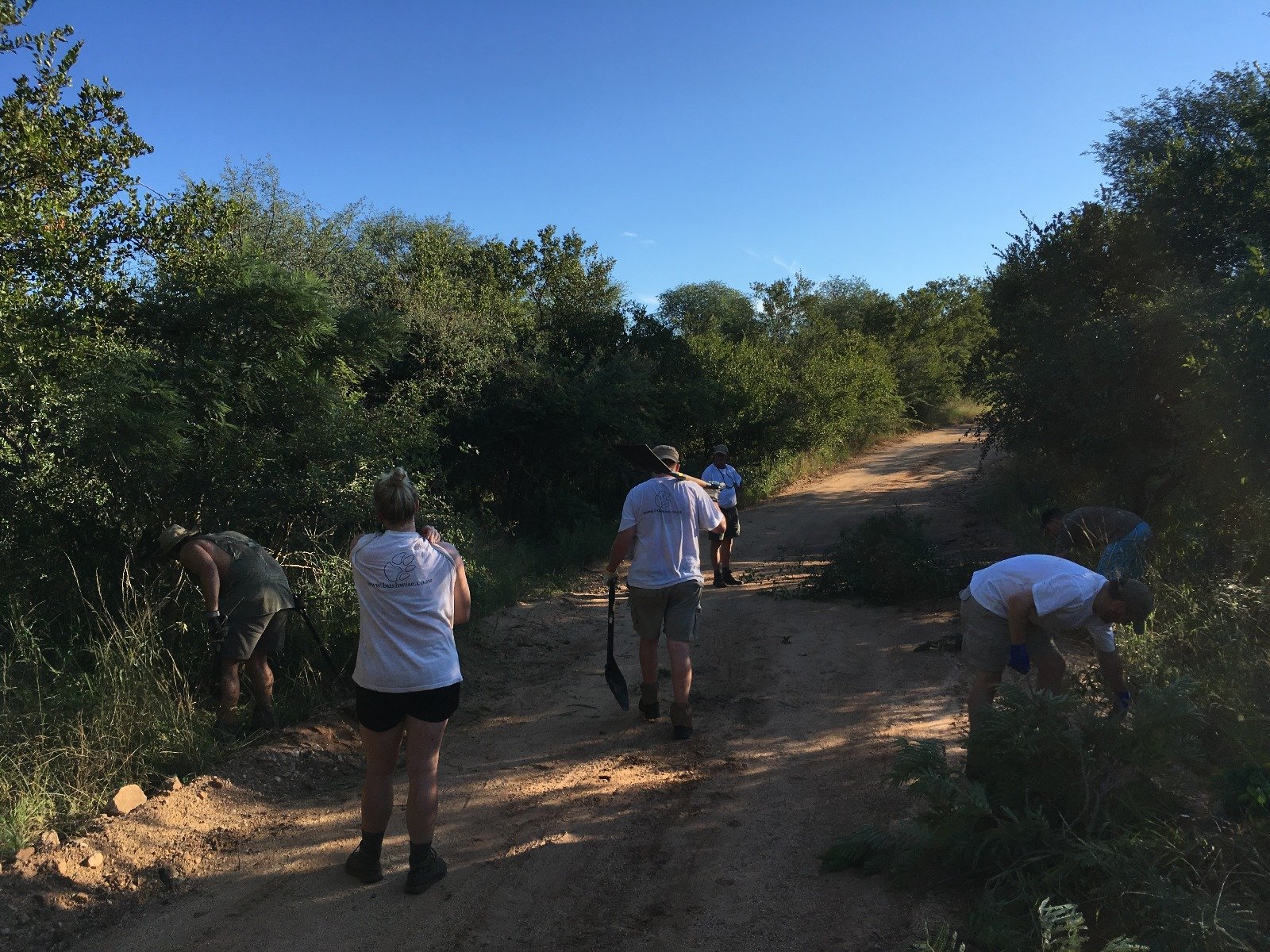
    Tuesday afternoon we all blew off some steam and some energy doing reserve work on Makalali. The bush gets quite a boost with all this rain and grows prolifically, so we were chopping and sawing along the edges of the reserve’s roads to clear the overhanging branches and encroaching bushes.

    image

    Bush clearing

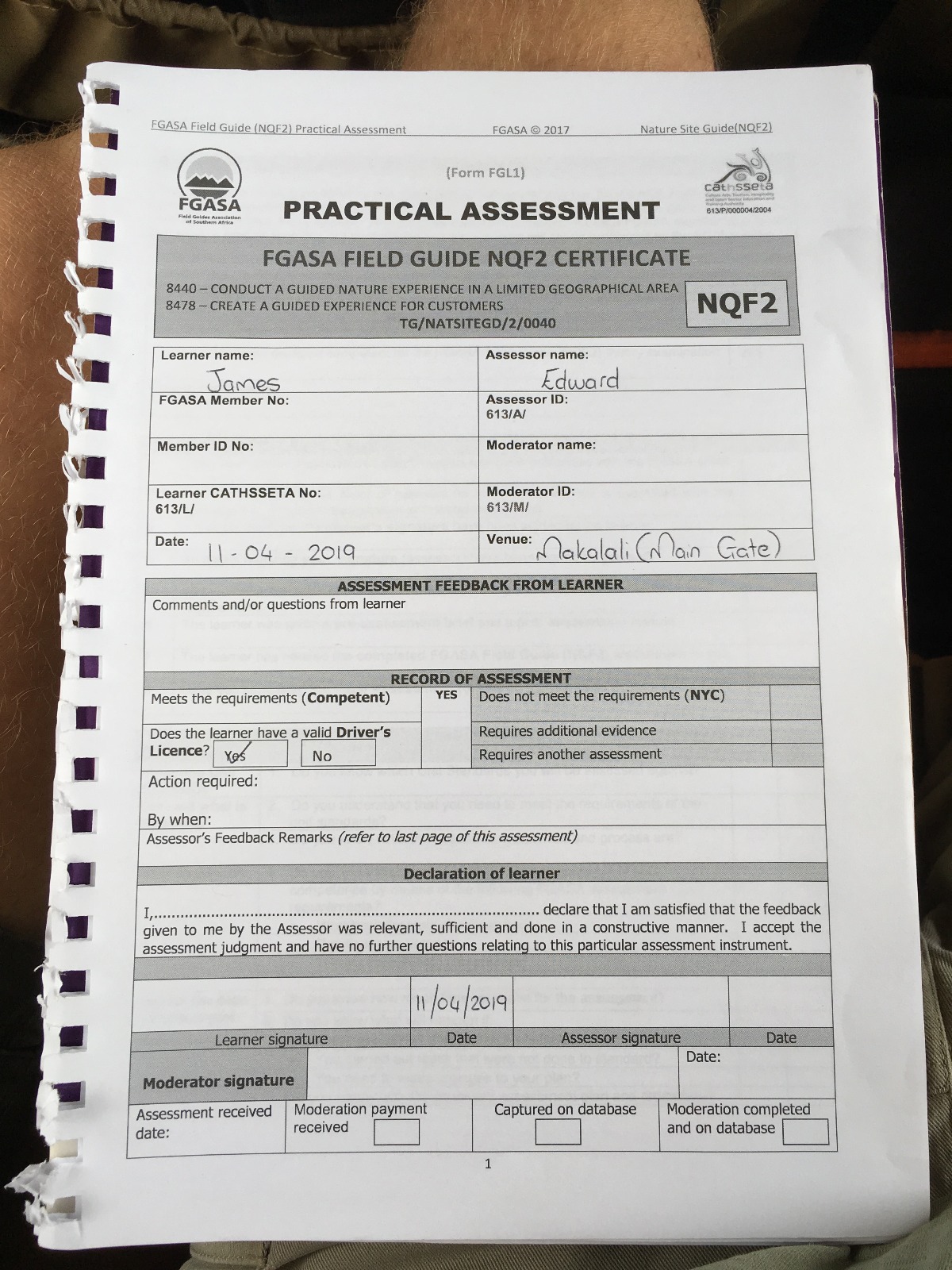
    People have now finished their last practice solo drives and a few of us had mock assessments this week, they all seemed to go pretty well and with a few tweaks here and there things a looking good going forward.

    image

    Exam prep

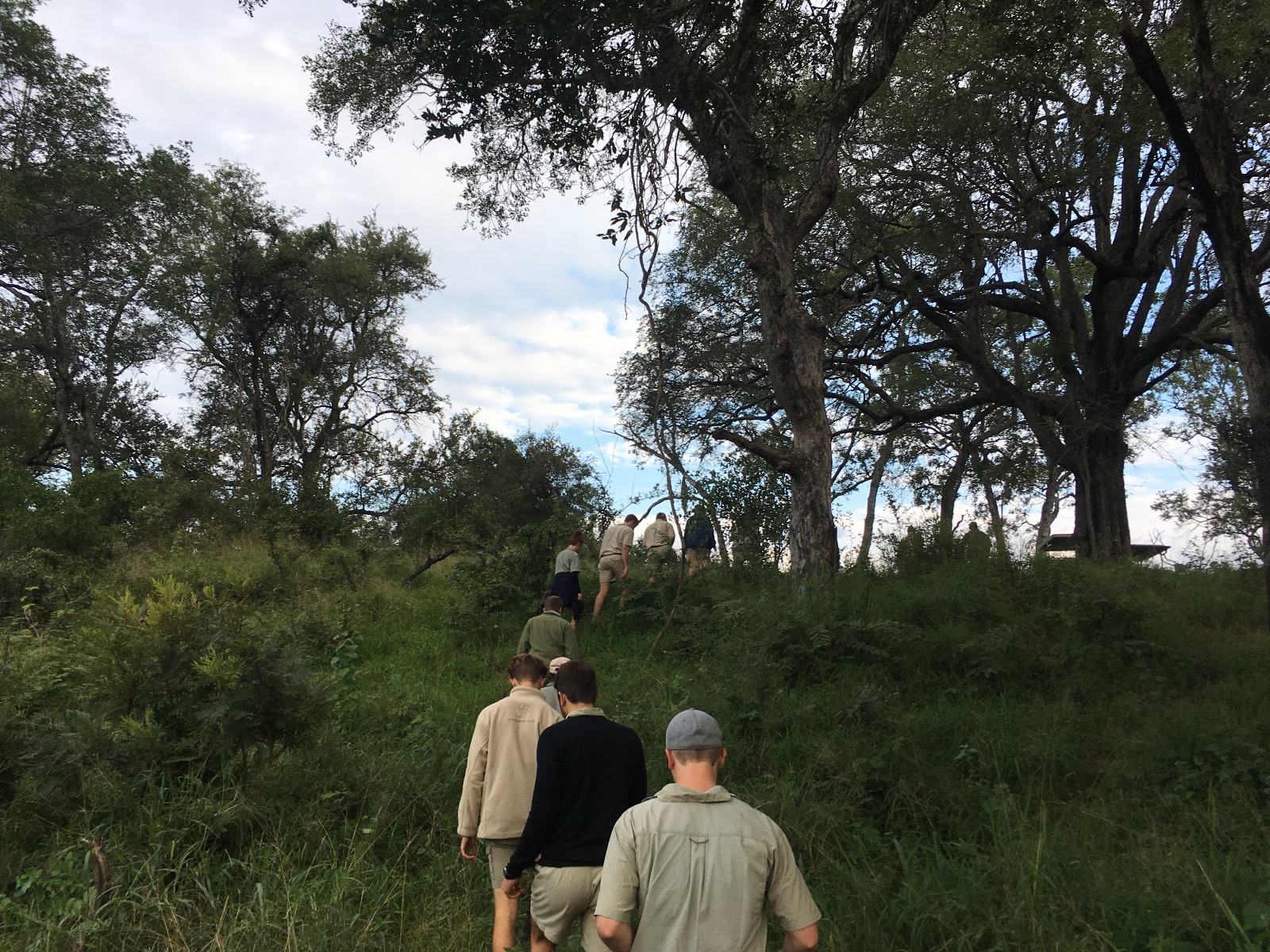
    Friday afternoon saw us all go out for a final botany review of species we’ve covered since we started in January and got us off the vehicles in Makalali and in amongst the bushes.

    image

    Exploring

    Its off-week now, can we relax? Maybe a bit but it will also involve completing workbooks, filling in knowledge gaps and prepping for our last few theory tests for Bushwise at the start of semester four. Also, with the added pressure of interviews for placements rapidly approaching for some.

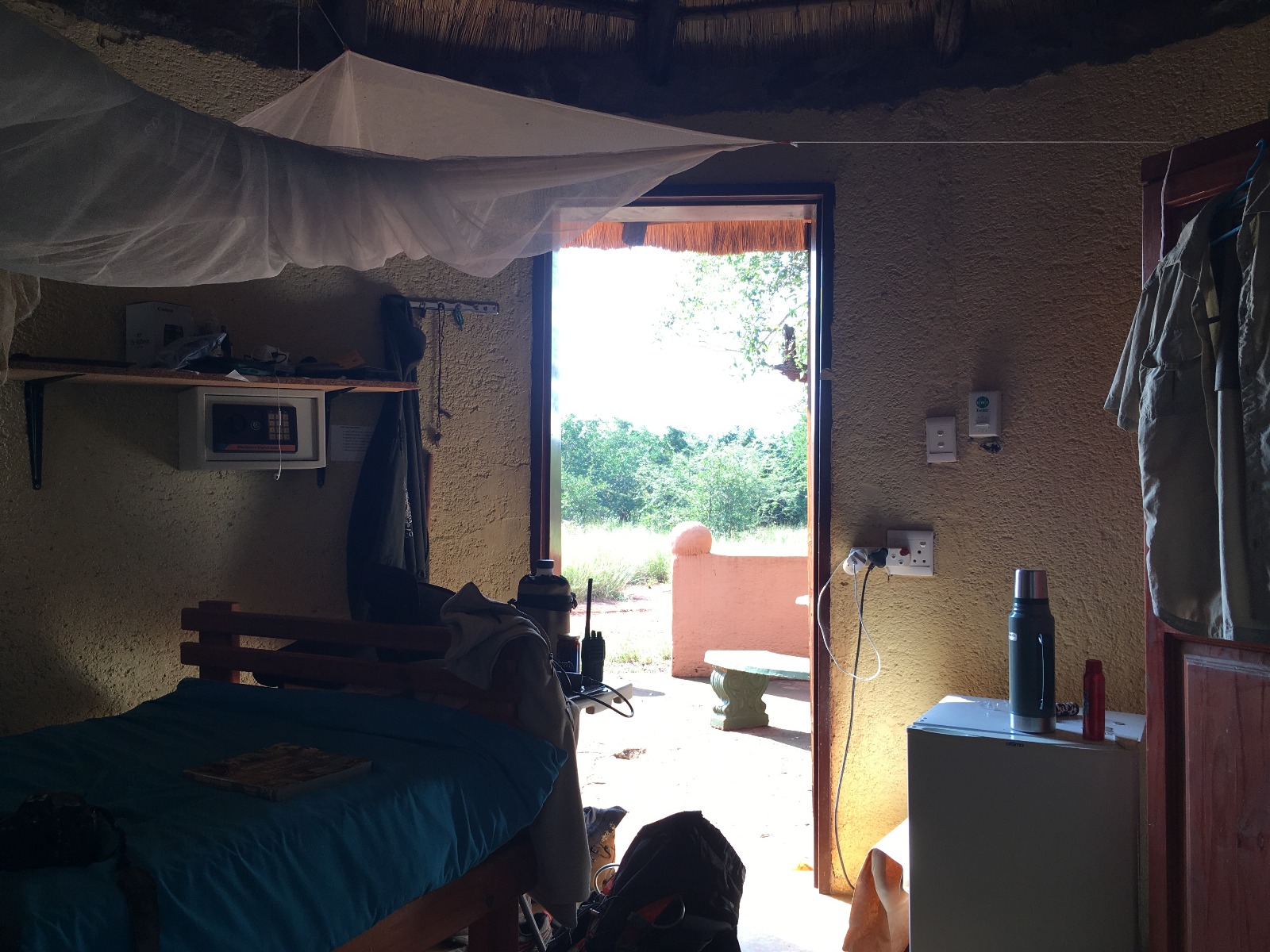
    I find myself this time writing this in my own little home of my room on campus with the door open and sunshine streaming in, listening to movie soundtracks and the birds I’ve come to know very well outside.

    image

    Campus hut

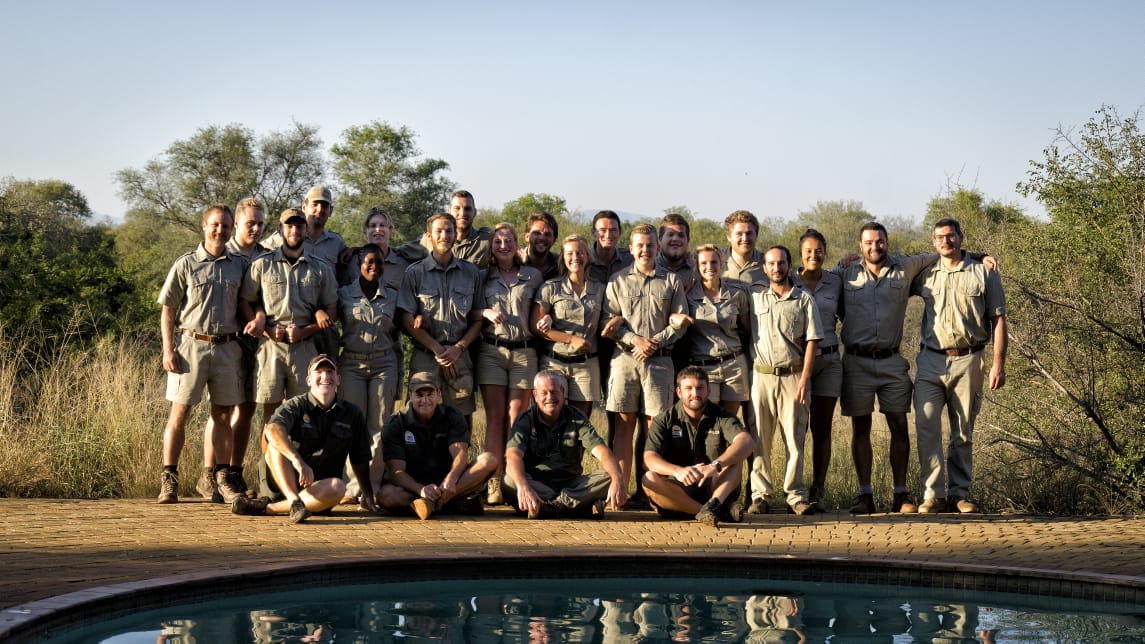
    Blog by Jack Broadley
    image
  • Game drive assessments looming

    Lately it has all been about practicing for our mock game drives, which will eventually lead to our real Game Drive assessments. This meant everyone practicing their routes through the reserve as well as brushing up our knowledge of all the different roads and locations in case there is a sighting or a reason to change our planned route mid-drive. These practice drives are a really good opportunity to make notes on where interesting plants, trees and ecological sites are, such as sodic sites, elephant scratching trees, big cat scratching posts or a particularly impressive termite mound. They are also a chance to keep things interesting by sharing knowledge we have gained during our independent reading and research instead of sharing things we have all already learnt as a group either in the classroom or on earlier drives.
    These extra-curricular gems of information, like the fact the world’s tallest building, the Burj Khalifa’s architecture was partly inspired by the architecture of termite minds, or that Hyaena have a exaggerated bony crest on their skulls (the sagittal crest) that allows more surface area for jaw muscles to attach to, which contributes to their impressive bite strength, are really important both for us as guides both to be able to offer extra information to our guests but also to keep our drives interesting for the rest of the students as we build up to assessments.

    image

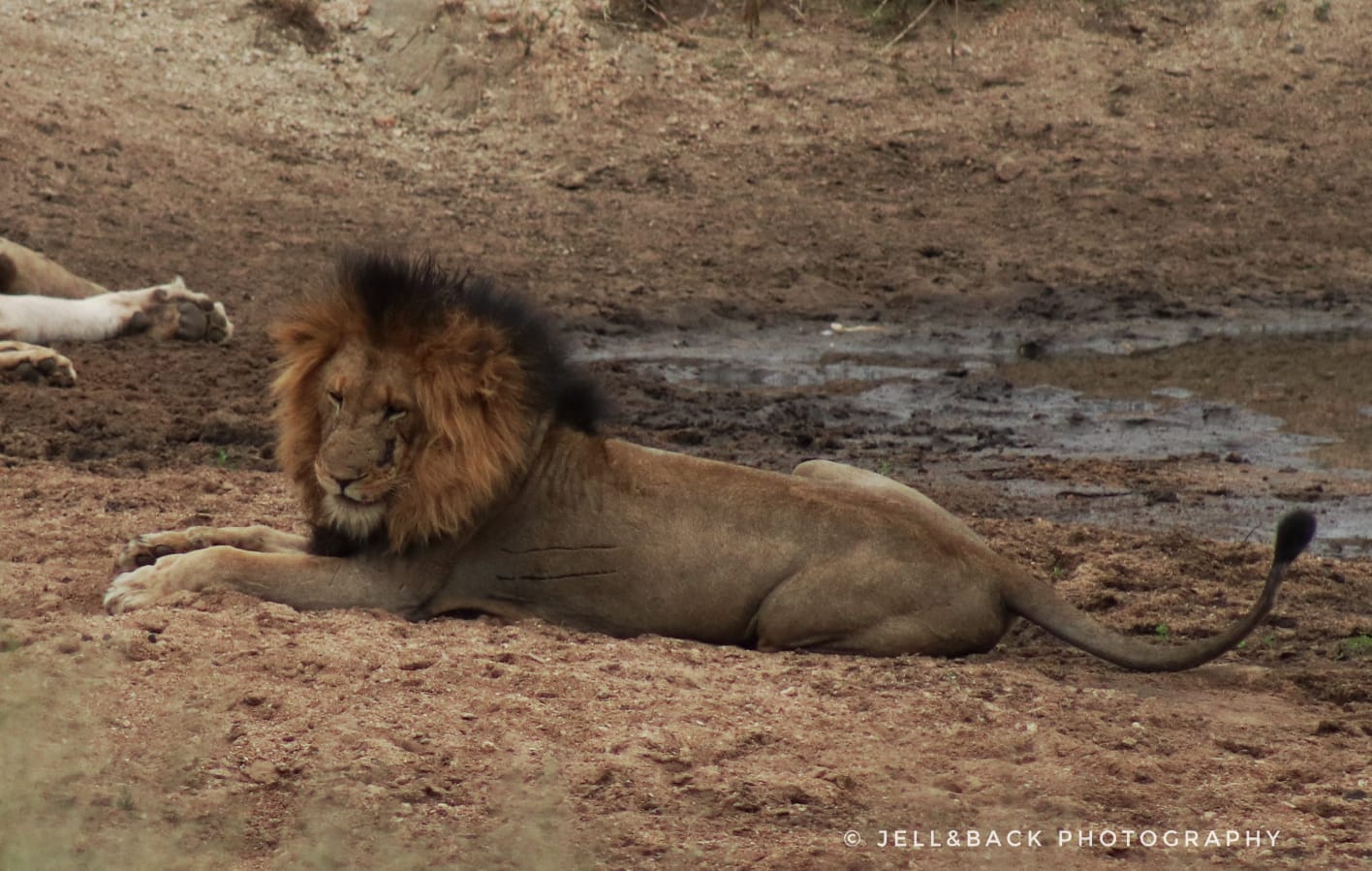
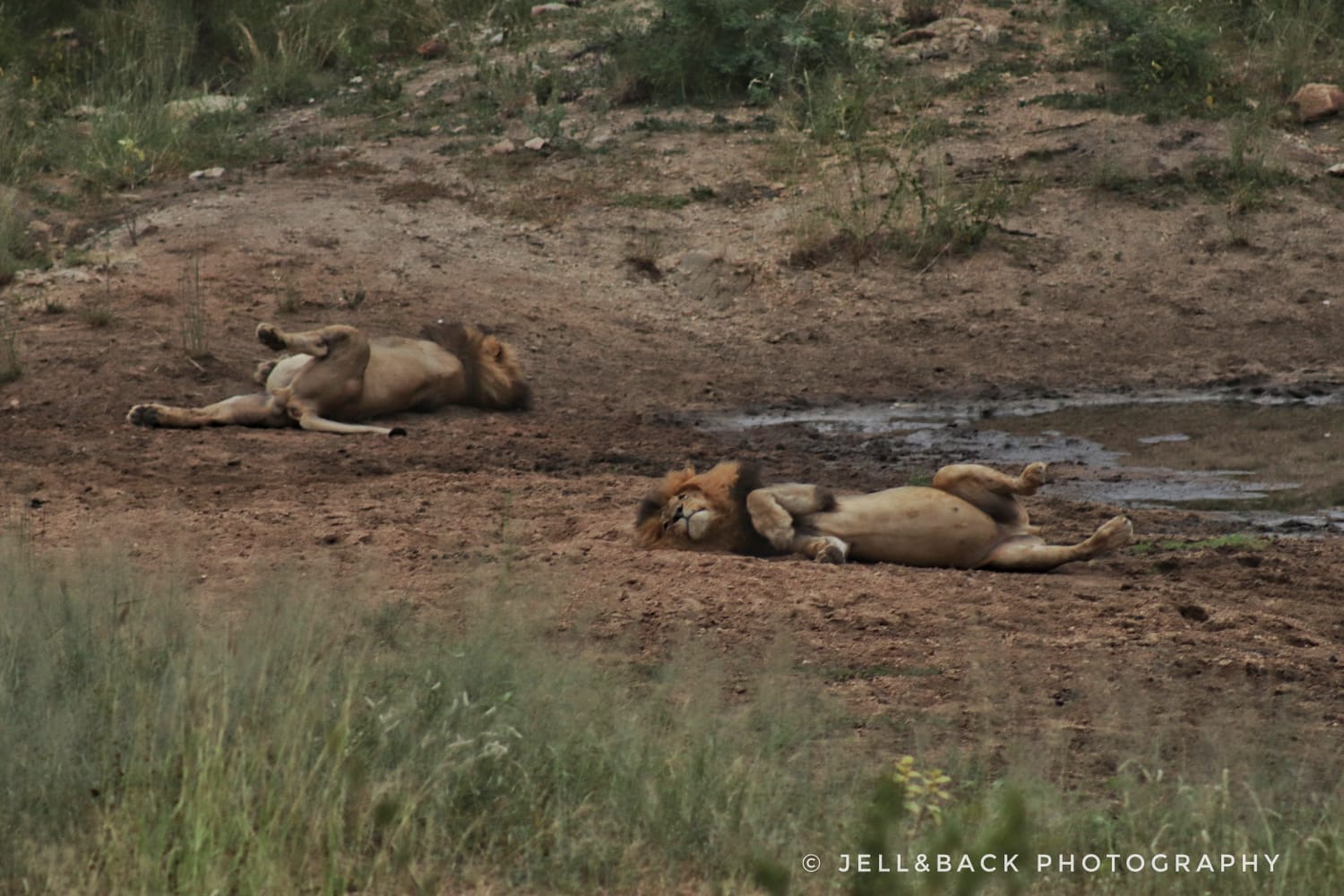
    The trainers also took the opportunity this week to have us calling in sightings to the other drive group over the radio, valuable practice for when we start working in other reserves during our placement. One group came across a young male lion relaxing by a dam and so we tried to radio in the other group, unfortunately the radio was struggling to get through and we couldn’t maintain proper contact with them. Luckily though, and unbeknownst to us, the other group had also sighted lions at another dam, two adult males relaxing in the sun.

    image

    image

    All in all this was a fantastic week where, as students we really started to push ourselves and develop our guiding abilities on drive and also had some fantastic sightings at the same time.

    Blog by Ryan Norwood

    image
  • Top lodges where you could do your guiding placement

    An important aspect to any entry level Field Guide is gaining valuable working experience. The best way to do this is to complete a work placement right after doing a course. If you chose to do our comprehensive 6-month course, a 6-month work placement is guaranteed. This is a sure way of gaining that work experience, getting a foot in the door and getting the opportunity to work towards a job as a field guide. This platform allows you to prove yourself and show what you are capable of.

    image

    Over the last decade Bushwise Field Guides has worked closely with many well-known, award winning lodges throughout South Africa. Providing them with students to do their work placements as well as permanent staff with our Bushwise Alumni, part of our Bushwise Recruitment arm.

    Past Bushwise students have gone onto to gain job offers during theses work placements which has assisted them to further their growing careers as Field Guides.

    Here are some Top lodges where you could do your work placement!

    Africa on Foot – https://www.africaonfoot.com/

    With excellent reviews on Tripadvisor, Booking.com and Google reviews you can only hope to work for such a reputable venue. They have also won Best Walking Safari lodge in 2016 – https://www.sundestinations.co.za/blog/africa-on-foot-winner-of-best-walking-safari-in-2016/

    Students specifically wanting to get into Trails guiding should strive to do their placements here. Not only will they get ample opportunities to do Trails guiding, they can build on their hours and encounters to work their way from Back up Trails to Lead trails and beyond and learn from the guides working at these lodges. An experience on foot for guests is very different to vehicle safaris and is a growing strongly in the industry. Many of the staff at Africa on Foot are Bushwise alumni and they continue to build up on their hours.

    image

    The Ant Collection – Ants Hill and Ants Nest – Horseback Safaris – https://waterberg.net/

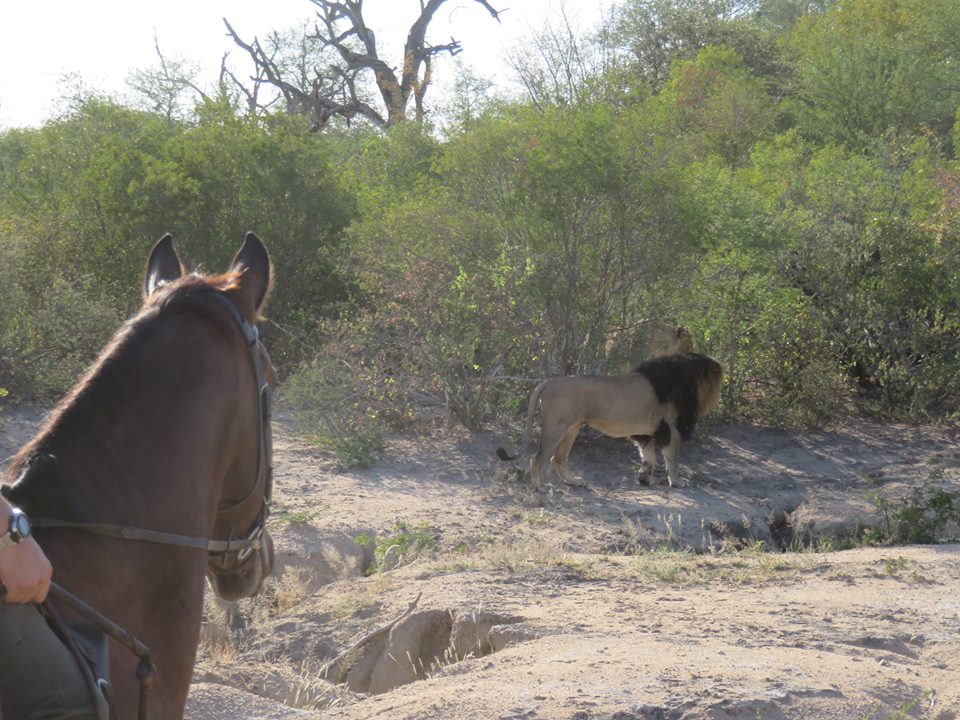
    If you have an affinity towards horses and have experience with horse riding and wish to combine guiding and horse riding then this is for you! Ant’s Hill and Ant’s Nest has given Bushwise students a chance to hone in on these skills. Again, this is a very different set of skills needed to take guests on a Horse safari in Big territory

    image

    Kapama Game Reserve – https://www.kapama.com/

    This is a very well-known 5 Star reserve and offers an intensive field guide internship program which is perfect for an entry level guide. The reserve is well known for amazing sightings and has luxurious lodges where guides can learn allow about Hospitality as well.

    Greenfire Game Lodge – https://www.greenfire.co.za/Situated in the Balule Private Game Reserve, this lodge offers personal training and helps uplift the students. With 10 other lodges, being part of a bigger groups, also gives students an opportunity to grow and move to various other locations and add to their work experience in the Tourism industry

    image

    Greenfire Game Lodge – https://www.greenfire.co.za/

    Situated in the Balule Private Game Reserve, this lodge offers personal training and helps uplift the students. With 10 other lodges, being part of a bigger groups, also gives students an opportunity to grow and move to various other locations and add to their work experience in the Tourism industry.

    image

    Nyati Safari Lodge – https://nyati.com/

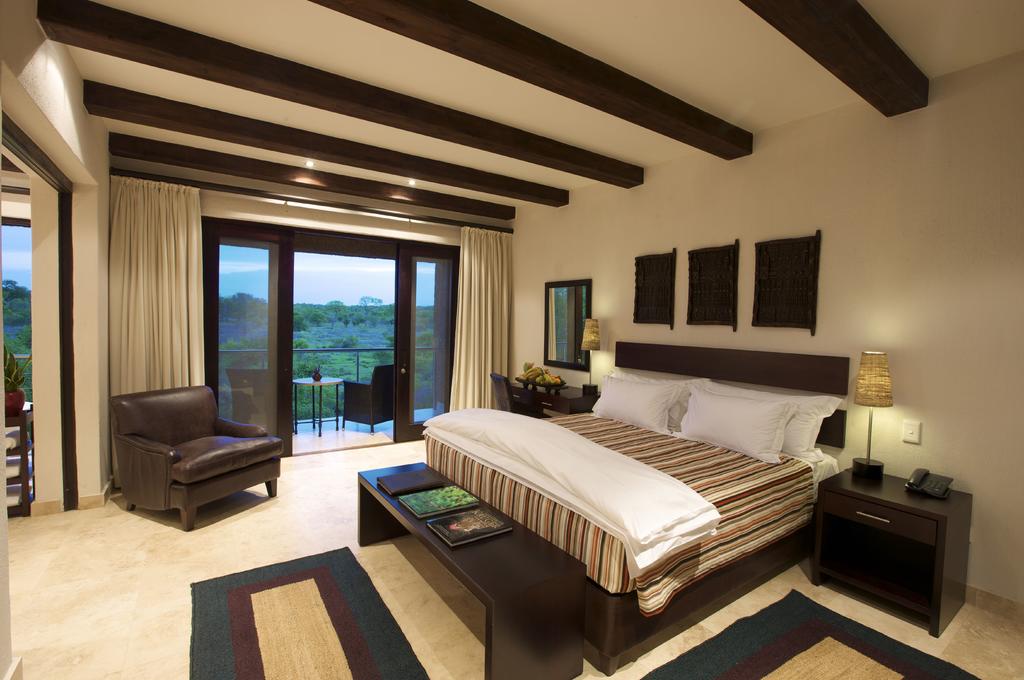
    Open to South African and International students for placements, NYATI Safari offers world-class safari in our own exclusive safari lodge in South Africa. The lodge is located on a private 10,000 ha “Big 5” wildlife reserve, which is part of South Africa’s famous Kruger National Park. Here they can guarantee that guests will get close to Africa’s wildlife.

    image

    There are many other lodges where we have placed students through the years and we also continue to forge new relationships with new lodges! Its always good to have a variety in order to place students with lodges specific to what they are looking for and provide an eclectic choice of placements options. Thus increasing all the students chances of securing that dream job!

    Until next time,

    Kim van Greunen & The Bushwise Team

  • 10 reasons why Bushwise is the best place to do a Field Guide Course

    Firstly, the main reason to do our course should be to start a career in Field Guiding. A course likes ours is designed for career driven students who are focused on this and therefore willing to invest themselves fully. Not only does our course train students professionally and ethically but the add on skills and qualifications learnt adds to your employability and makes you a better, more experienced entry level guide in this competitive industry.

    1.Job security

    Since 2012, 100% our SA students who graduated were offered permanent positions in the industry and 50 – 70% of the International students have gone on to get permanent job offers.

    We are now looking at giving job security to students by offering a free recruiting service to all students who graduated after the course and to past students looking for new opportunities

    image

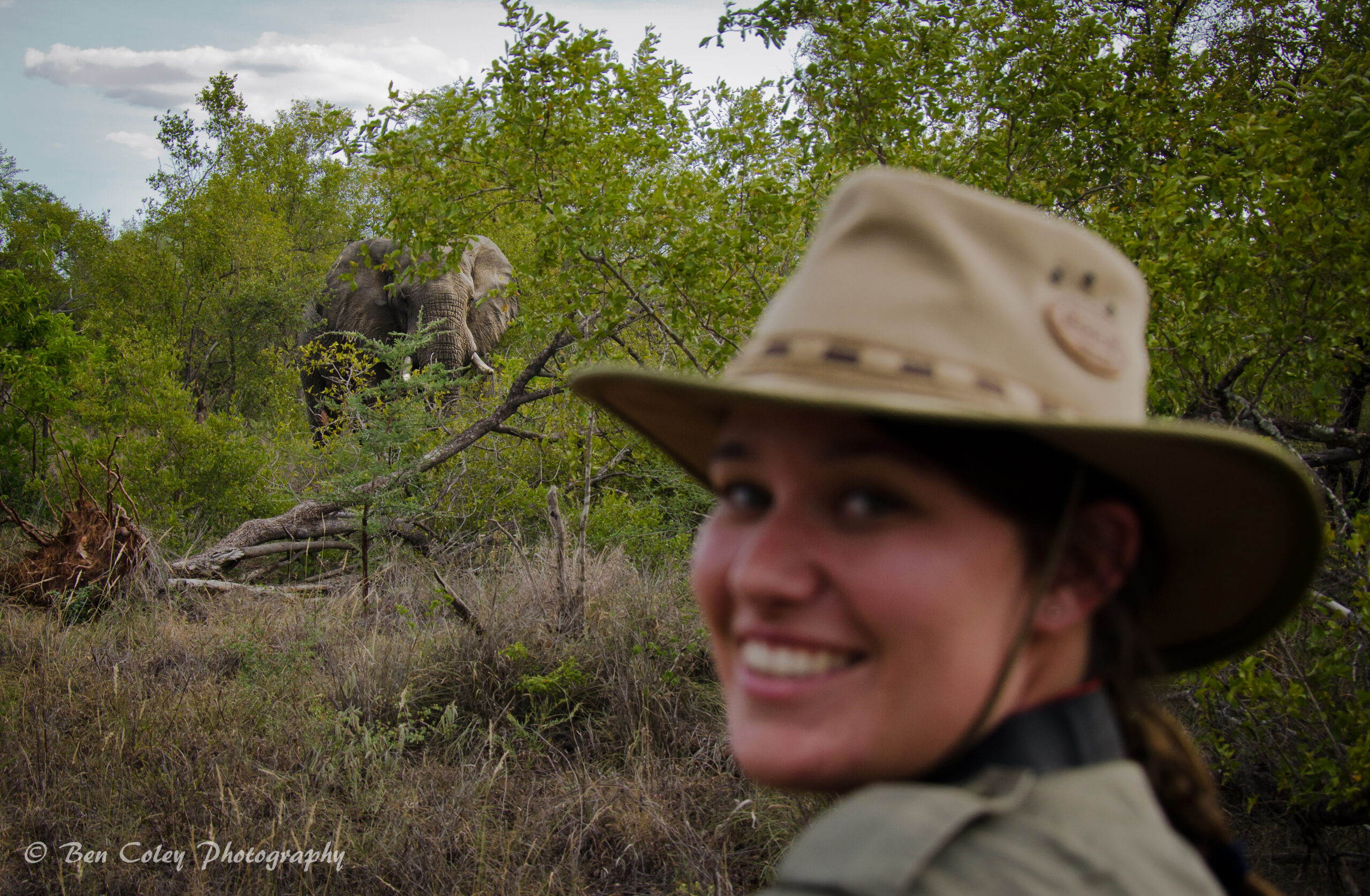
    Photo by Ben Coley

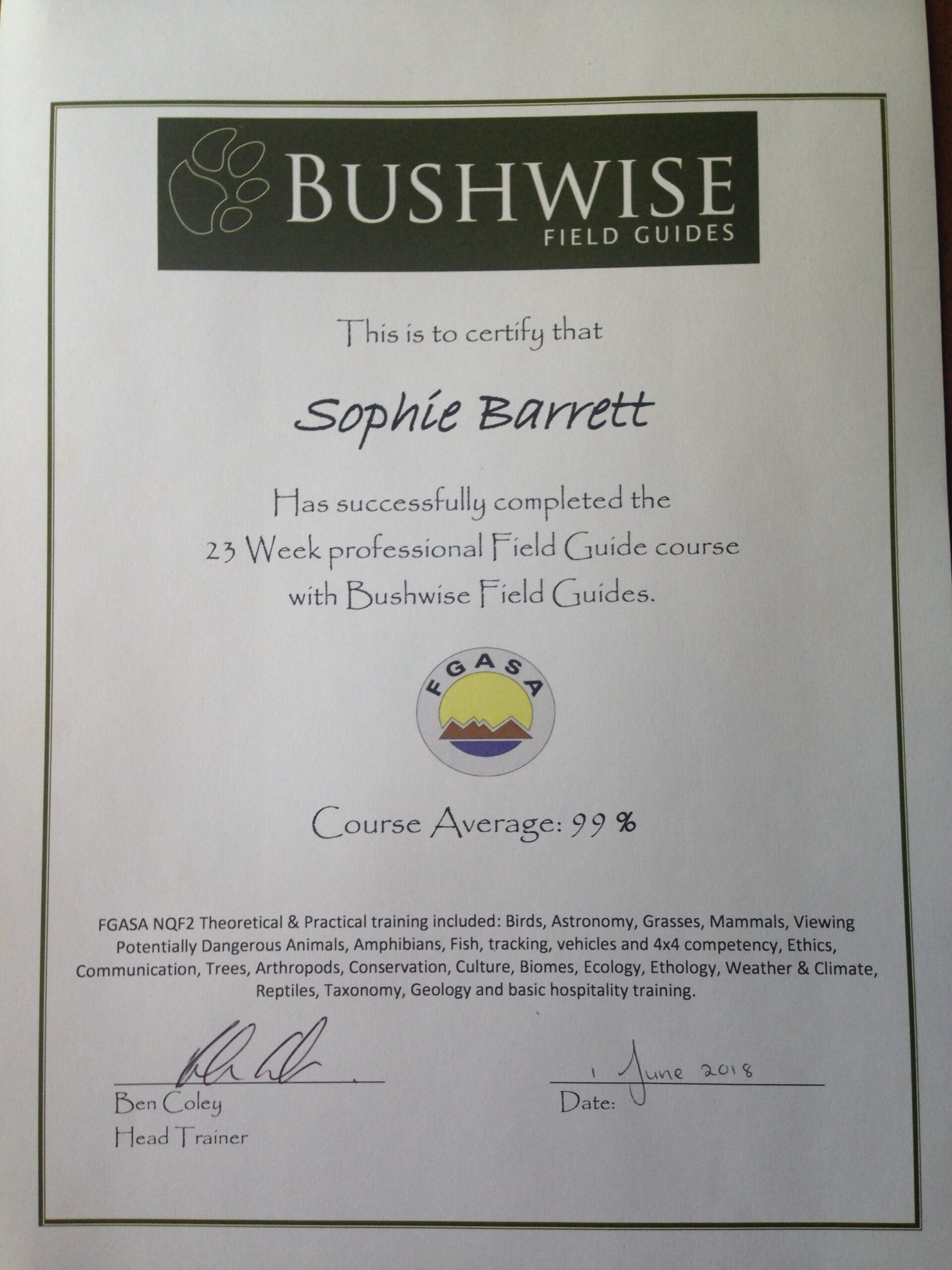
    2. Pass rate DOES matter

    We have maintained the highest pass rate in the last 6 YEARS compared to any other long-term training providers in the industry. So, what does this say about us? No matter what your background, your age, your nationality, gender, past knowledge of wildlife or educational background, the students we train receive the best training available in terms of teachers in the field, training material, lectures, practical training and special attention to each and every student. Regular tests assist with retaining information, we touch on all modules throughout the course and the theory and classwork time is backed up by practical training to assist even further with retention of information.

    image

    Top marks for recent student Sophie Barrett

    3. Who are your teachers?

    Just because you were an excellent Field Guide, does not necessarily make you a good mentor or teacher. Collectively our trainers have over 50 years’ experience. To be the best you need to be trained by the best!

    image

    Class of January 2018

    4. Work in a top lodge

    Many of our students are now working in top lodges in South Africa like Singita, Mala Mala and Lion Sands & others followed Wildlife career paths for National Geographic, Safari Live and many reputable research centres.

    image

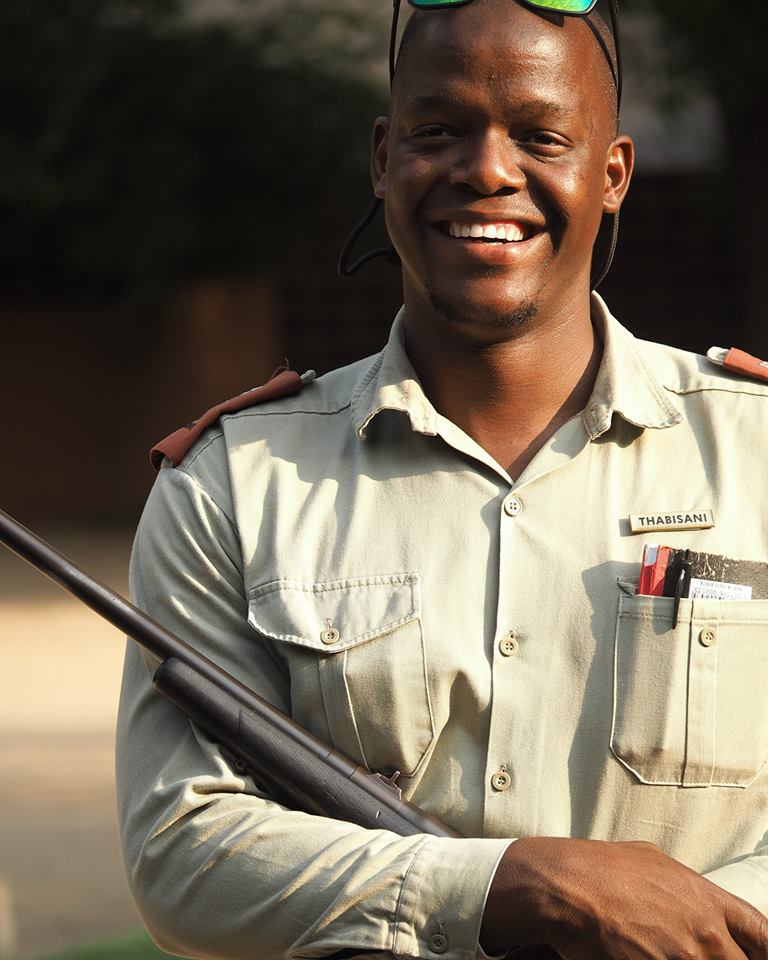
    Photo by Judy G Diver, past student Thabisani Buthelezi now working at Mala Mala

    5. Reputation speaks for itself!

    Over the last 10 years we have built an excellent reputation – many lodges contact us regularly looking for Bushwise students to work at their establishments, as opposed to going through recruitment agencies.

    6. One of the most comprehensive courses you can get

    You can get up to 8 Nationally accredited certificates on the 6-month course

    FGASA Level 1​, First aid level 1 & 2​​, Trails theory​, 4 X 4​ Driving course, Cybertracker​, SASSETA firearm certificates​ & Advanced Rifle Handling​​

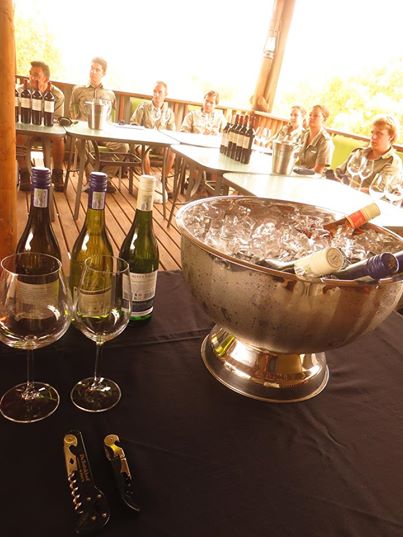
    Other valuable certificates & skills learnt: ​Bushwise course certificate, Birding specialist​, Snake handling course​, Photography workshop​, Wine tasting​, Survival skills, Basic mechanics​, Hospitality training, Social media​, astronomy, Navigational & Orientation skills, Principals of Nature Conservation which forms part of our day to day training.

    image

    Wine tasting and food paring

    7. Prime Bushveld surroundings

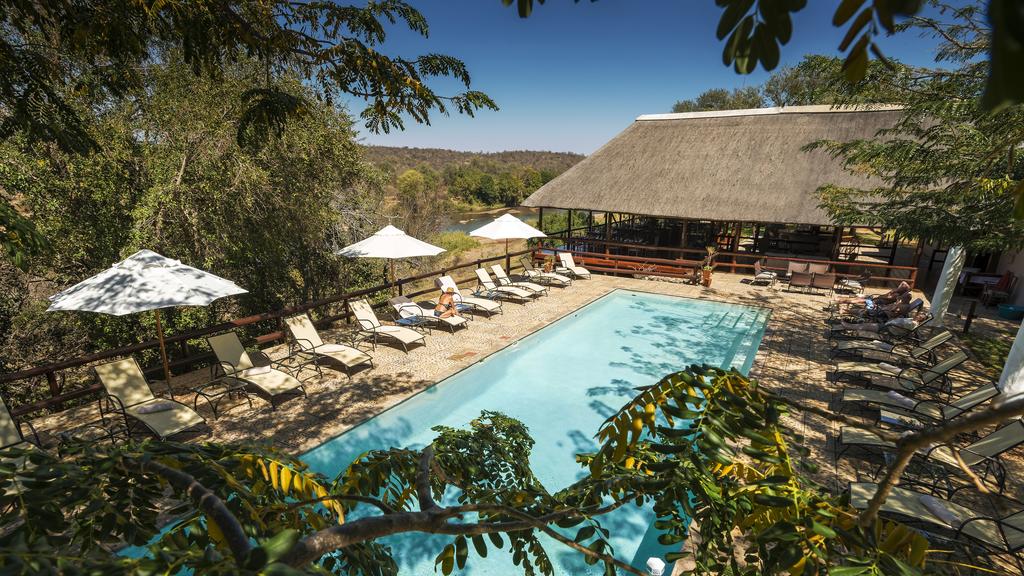
    We do all our activities on a well know 35,000 HA Game Reserve in the Lowveld, with game such as Elephant, Lion, Leopard, Brown Hyena, Wild dog, Cheetah and more. And the Bushwise campus has comfortable bungalows, a pool which is a necessity for those hot summer months, braai area for socialising and wifi for keeping in touch with friends & family.

    image

    Makalali Private Game Reserve

    8. Long term = more experience

    Over a 6 month period you will gain valuable practical experience. Each student will get a chance to conduct their own game drives and hone in on their guiding skills. The more practical training you get, the more experienced you will be and in turn the more employable you are.

    9. Work placements

    Most lodges are looking to employ guides with experience. It is sometimes not enough to just do a course and then expect to find a job straight after that. A work placement gives students an opportunity to put what they have been taught on the course to the test. It also gives students a foot in the door and the chance to prove their worth to potential employers. Many of our students were offered permanent positions during this period which is a testament to what a great opportunity a work placement is.

    image

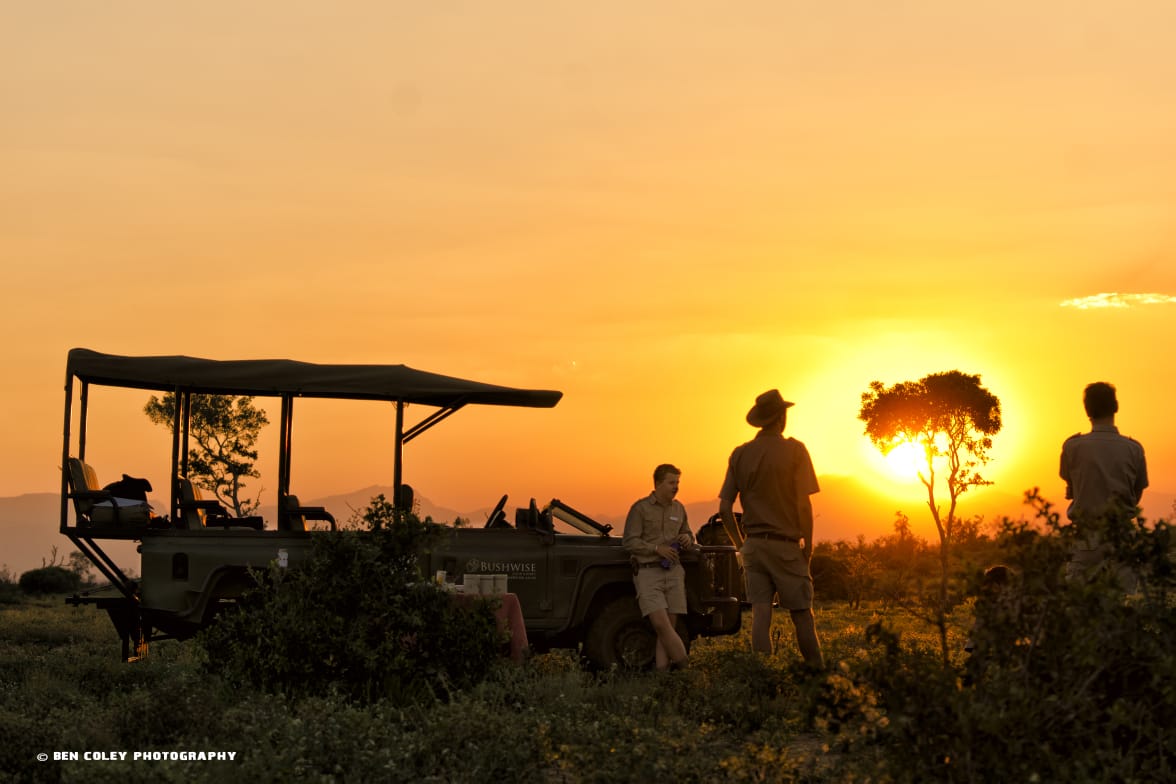
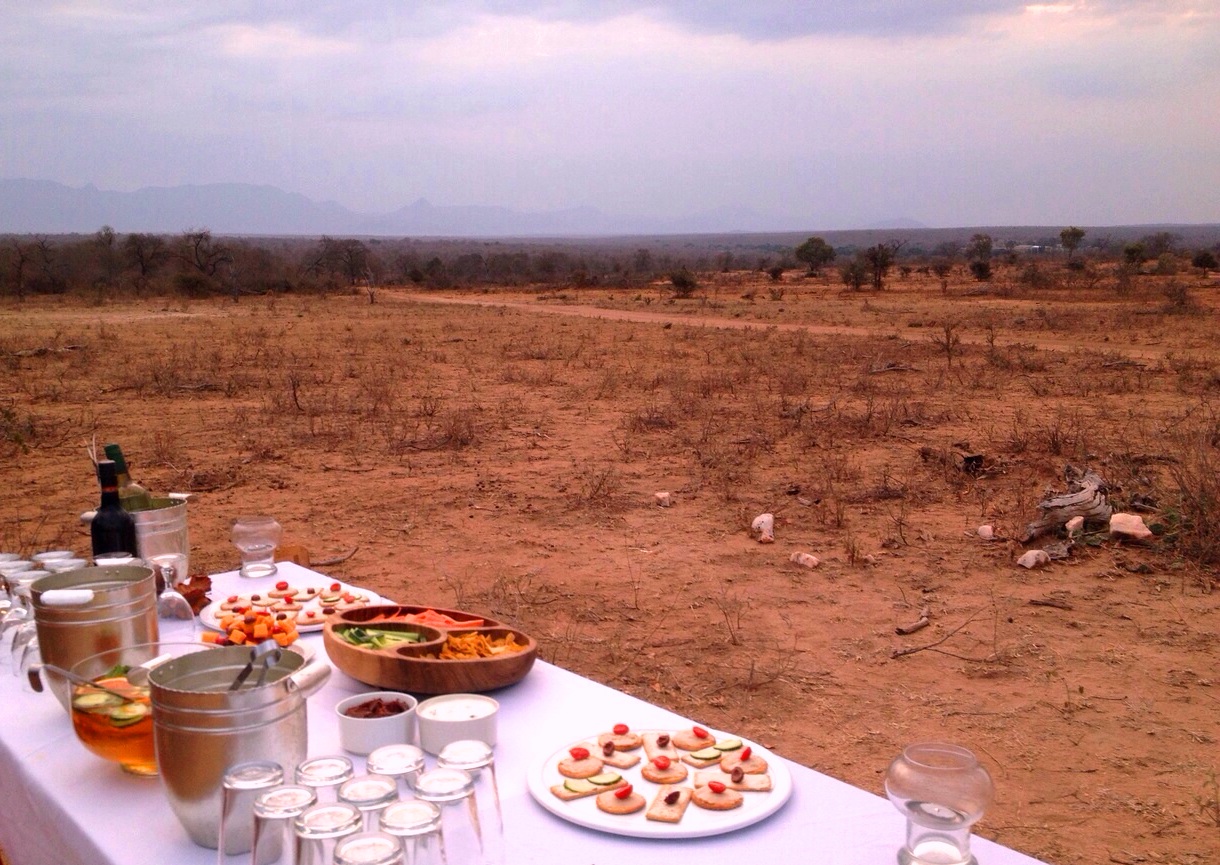
    Game drive sundowners, photo by Ben Coley

    10. Once in a lifetime experience

    On top of everything else, the experiences to be had on this course are amazing. You will have the opportunity to go a game drive nearly every single day bringing you exciting game viewing and sightings that allot of people pay allot of money to experience. You will also meet great liked minded people and form friendships that will last for years to come. In some cases you may meet your life partner ???? The outings in Kruger National Park and very special and the chance to do Sleepouts in Big 5 territory is some that very people are able to experience. It is never to late to change your path through life. Make the change and follow your dreams today!

    Find out more about Bushwise courses.

    image

    Sleepout

  • The importance of a work placement

    You have just left your family and friends behind, even potentially relocated to South Africa, to live and breathe the intensive six month training that Bushwise has to offer. Then you make it, you are now a fully qualified FGASA Level 1 Field Guide. It feels amazing the hard work paid off and then you realise you are about to start a six month placement…

    image

    The trainers have spent all that time instilling in you valuable knowledge, the essence of what it is to be a guide and the ethics that will drive you to be the best guide that you can be. During this time they have told you time and time again how they are trying to set you up for the real world and you have nodded and agreed that you understand exactly what they are talking about…but let’s face it you don’t, not really. You have an idea of where you may like to go, some idea of what you want your career and future to look like but have faith in the placement that has been chosen for you. It has been carefully selected for your skill set, your needs and your hopes. But the rest is up to you…

    image

    Experience is something that cannot be bought!

    First and foremost the most important and fundamental point to remember is that your placement gives you the necessary experience to compliment that qualification you earned. Take the time to figure out your strengths and weaknesses, learn from the people who are there to train you, chances are they have been doing this a while, they are there to help you and will have a wealth of knowledge and experience that you can learn from. It is not about the accommodation you have been given or the food that is provided, it is your attitude towards everything in its entirety that counts. If you are looking for an easy nine to five you are in the wrong industry (get out now).  As an entry level newly qualified guide you will be expected to go the extra mile, work those extra hours, offer to do those extra jobs even if you don’t believe that they fall under a “guide’s purview”. Don’t think of it this way, think of it as an opportunity to gain experience in every aspect of the industry from housekeeping, mechanics, lodge management etc. You spend months worrying about exams and exam results, but in the real world these scores become inconsequential because what truly matters is how your guests feel by the end of their stay. This should be the measure and standard that you should be working towards.

    image

    Although not the be all and end all of a placement, there is never any guarantee that at the end of six months that there is a full time position available. You may have given everything that you have, shone more brightly than others yet there is still not a full time job available. However don’t dismay, do not to your own detriment give up, because remember your employer is still going to be giving you a reference as you apply for new endeavors. Your placement will give you the exposure that you need, it is your chance to network, this industry may seem big but its community is small and connected, what you do (or don’t do) in those six months can inform the rest of your career.

    image

    More than meets the eye to placements

    Your placement is instrumental for your future, not just for references and experiences…ultimately it shows you what your own ethics are, helps you figure out the kind of guide you want to be and more importantly above all what kind of guide you are.

    Never stop learning,

    Trevor Myburgh

    #fieldguide #student #entrylevel #work #placement