Author: Bushwise

  • We don’t know these roads yet

    Some images in this article were taken pre-COVID-19. 

    BY: Danelle Ferreira

    Camp manager blogs are written by our current students who each get a chance to lead and manage a group (of their fellow students) for a period of one week.

    My first week with Bushwise at the Southern African Wildlife College (SAWC) can only be described as all other things in the African bush – wild!

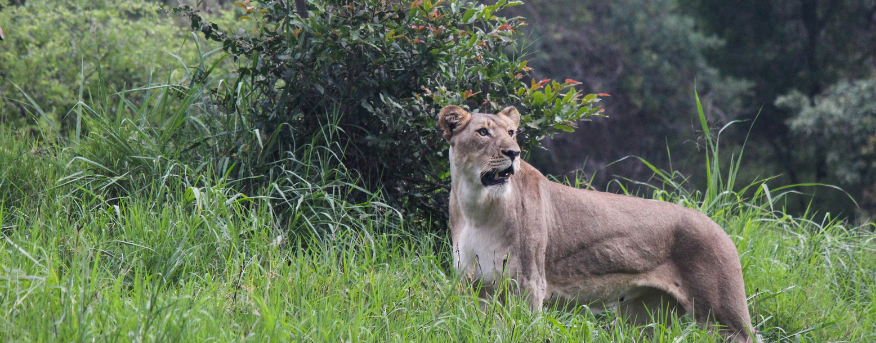
    Things were thrilling from day one. As I drove in the gate towards campus, a lion sighting was reported on our student group chat. Rushed, excited, and a little bit unsure, I drove straight past the lions right by the side of the road on my way to the reception. Perhaps not boasting too well for my skills as a possible future field guide…

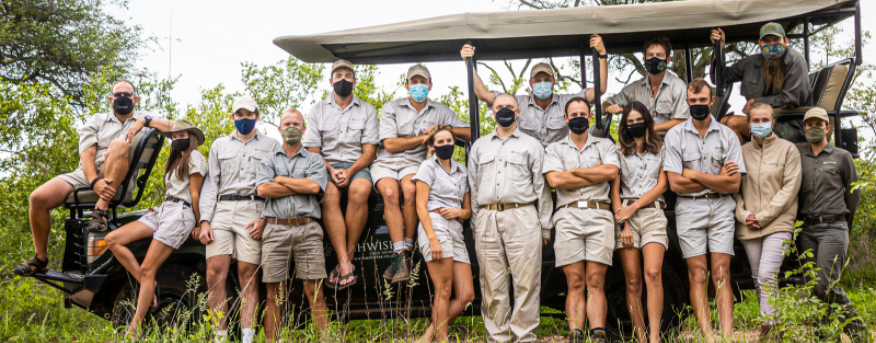
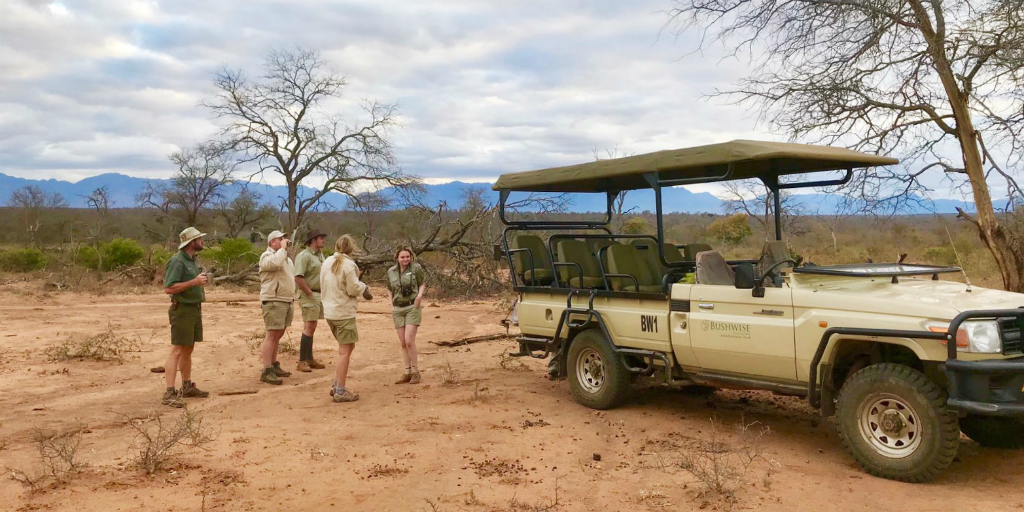
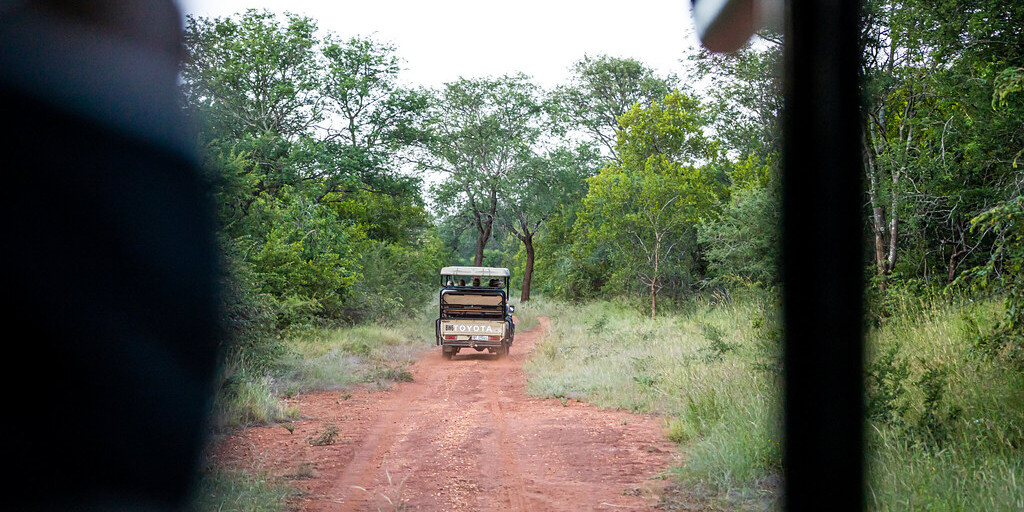
    But my disappointment was soon forgotten as I was greeted by friendly faces. The Bushwise students are from all over the place. Some flew halfway round the globe to start a new career path, while others have practically only moved down the road. Being the new Bushwise group at the SAWC campus meant finding our footing in a new and exciting environment.
    image

    Photo by: Louise Pavid

    The possibilities and unknowns of the new campus and concession have provided so many opportunities for us as a group. We have implemented procedures that work for us and it has really enriched our learning experience and sparked curiosity.

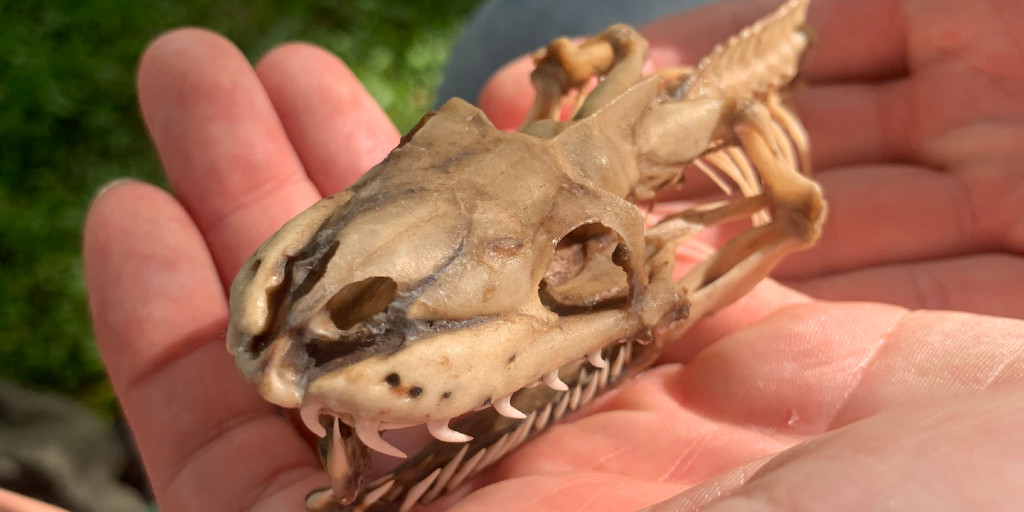
    During my week as Camp Manager, we started off with some necessary admin, our first aid course. Guides must be prepared for anything in the bush and know how to react quickly and safely! The week rounded out with a reptile orientation course, which was much less gruesome than I anticipated.
    image

    Photo by: Danelle Ferreira

    Throughout all of this, I still had to fulfill my camp manager duties, such as welcoming guests and external trainers, checking them in and out, and handling other small admin tasks. This has proven to be great exercise for my people skills – which is an essential part of becoming a high-quality guide!

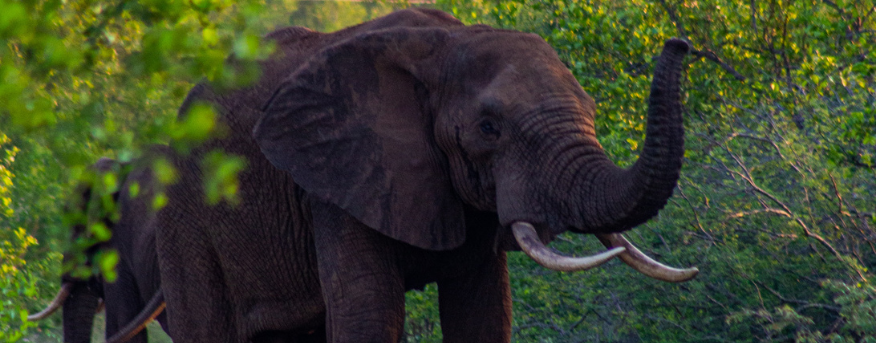
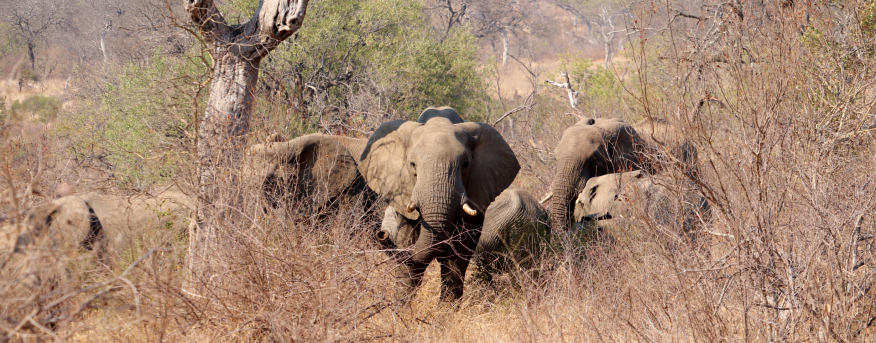
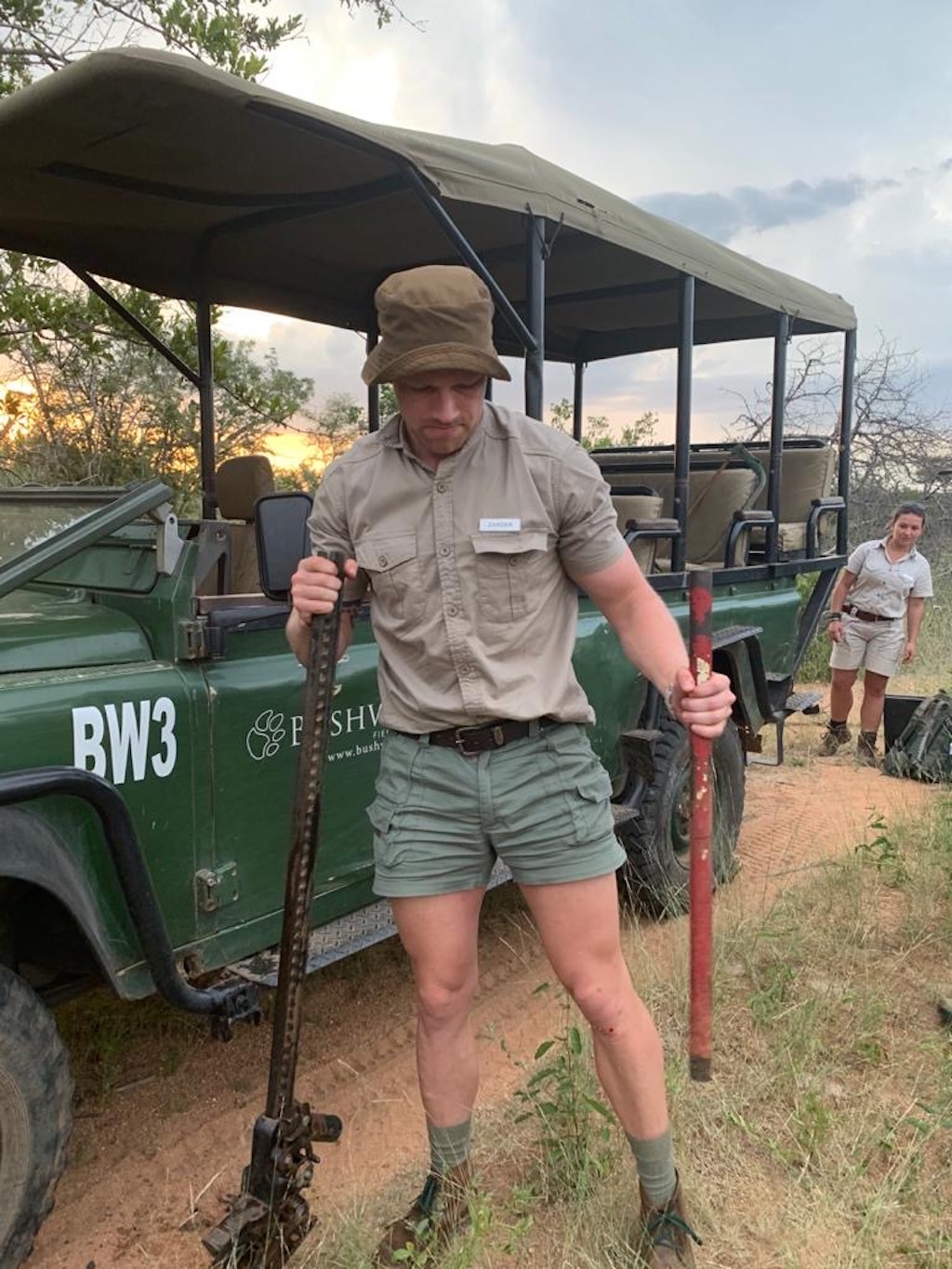
    On Saturday we practiced tyre changing exercises. During this training, we had an unexpected visit from an elephant bull – our first close encounter – which was handled safely and respectfully by the trainers. This experience definitely made the group hungry for more.

    Although the first half of our week was busy, I was constantly aware of how calm everything and everyone around me was. That observation reminded me again of one of the reasons that I joined the Bushwise IFGA Safari Guiding course, and why we all love the Lowveld.
    image

    Photo by: Danelle Ferreira

    After a long week of training, Sundays are generally spent studying or relaxing. On our first Sunday, However, we received a message from one of the trainers saying to gather our cameras and binoculars and meet him at the gate in five minutes. No one hesitated – when you get a message like that from a trainer, you jump to it!

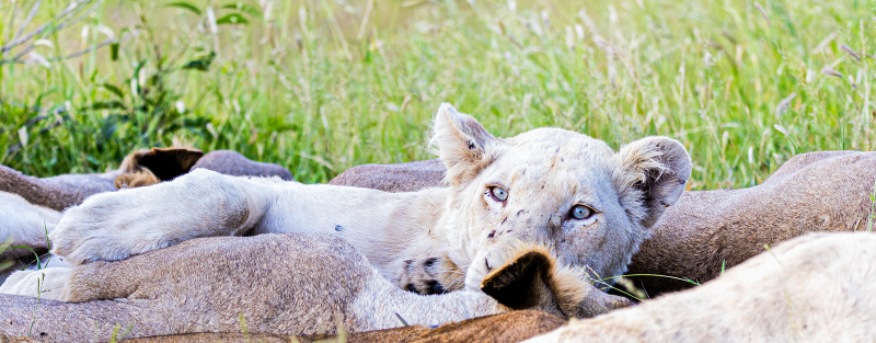
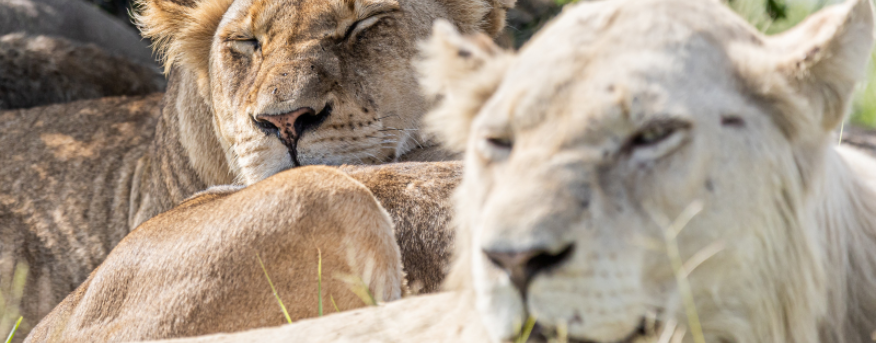
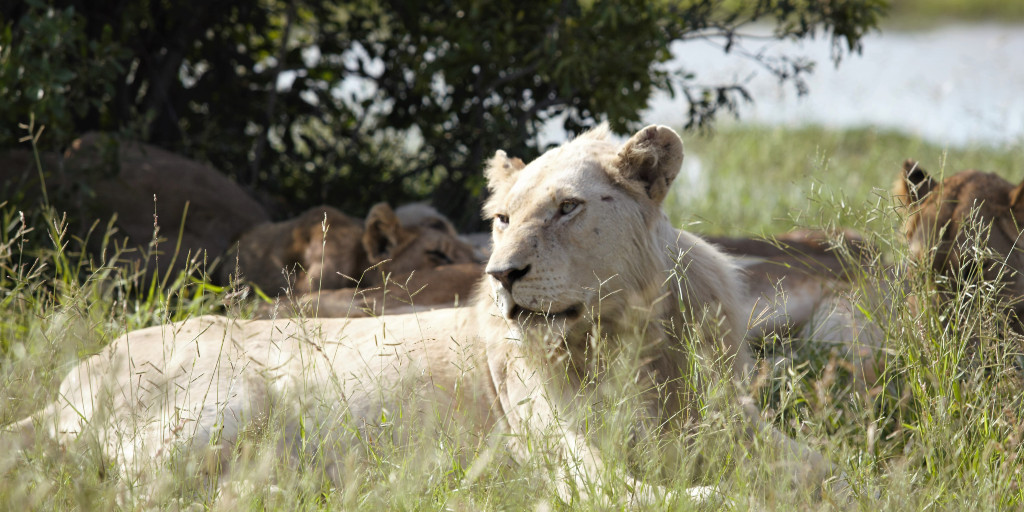
    We didn’t know it – but we were about to be treated to a sighting of the world-famous Birmingham pride with its two white lions. This was many of the students’ first sighting of white lions in the wild. This day certainly took the cake for me, as it is a rare occurrence and something that we had certainly hoped for.

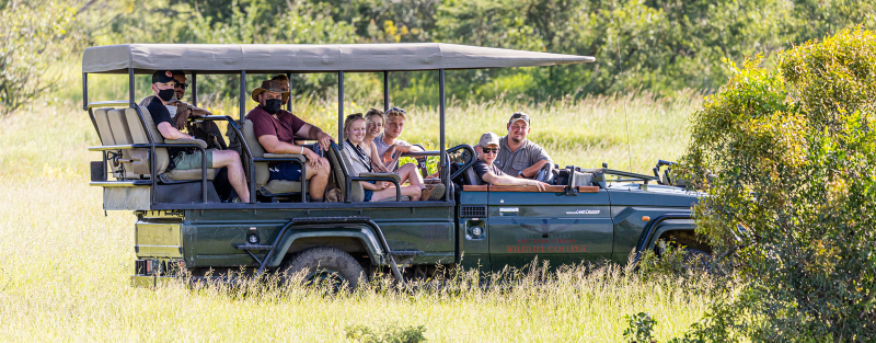
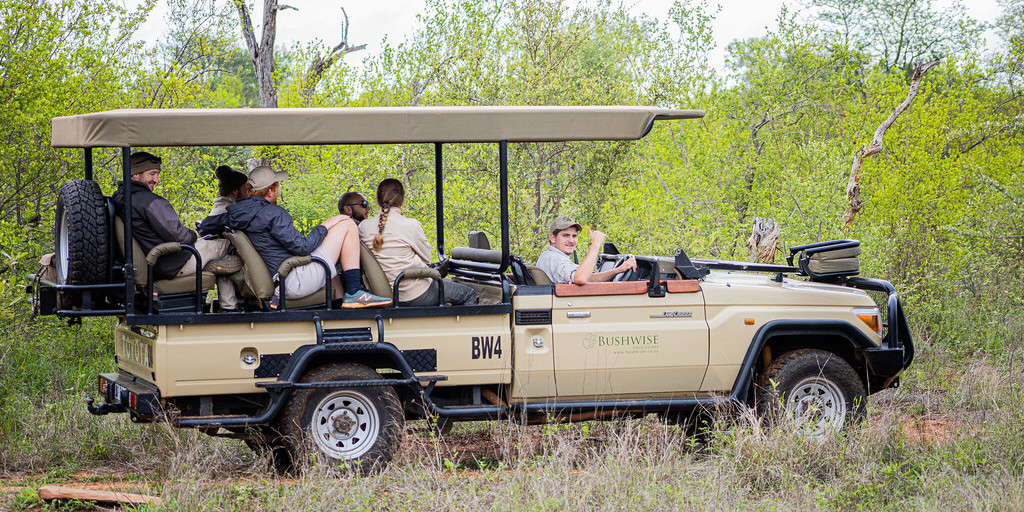
    With the excitement of the previous day still in my head, on Monday we set off on our first mock game drives. This is the time when students get a chance to drive a game viewer vehicle, sometimes for the first time. I was one of the first to go, and definitely felt nerves again as I had on day one.
    image

    Photo by: Louise Pavid

    On that drive, I didn’t go 10 meters without learning something new, and this has been the case every drive since.

    All in all, week one was quite the learning curve. I’m experiencing and learning so much. Each student in the group brings unique skills and attributes to the program, and learning from each other is helping us all become better guides. At times it has been overwhelming, but mostly very insightful for my expectations of the guiding industry.

    For all prospective students – watch this space – we are brewing up a conservation storm here at Bushwise!

    Do you want to have life-changing experiences like Danelle? Apply today and secure your spot in an upcoming Bushwise course.
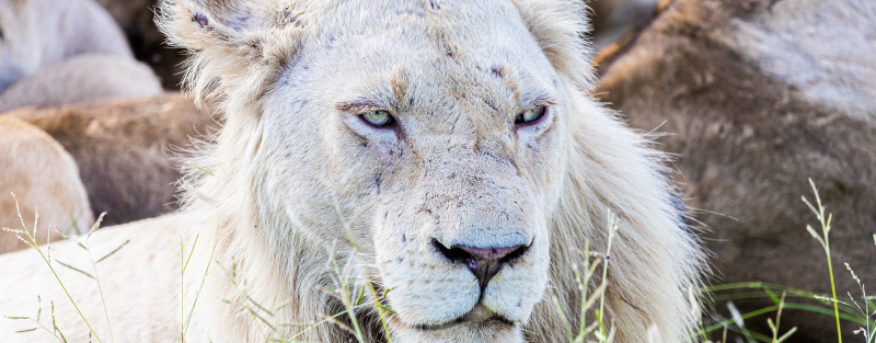
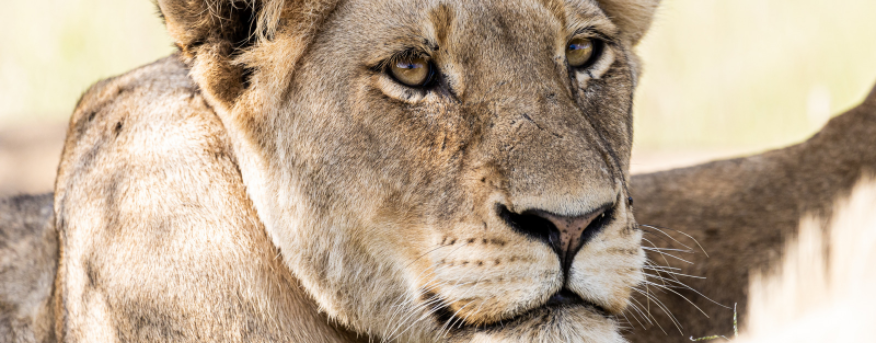
  • The Birmingham Pride

    Lions. Lions are without doubt the most sought after sighting for safari-goers throughout Africa. First timers and veterans alike will always be delighted at the sight of Africa’s largest cat. And even more so, the famed, revered and iconic white lions of the Timbavati.

    image

    But what is in a white lion? What makes a white lion, more than, their tawny counterparts? Why do some cultures believe that the white lions have devine or angelic powers and characteristics? I can tell you it doesn’t come from their behaviour. As much as we’d like to think white lions are more special, they are simply the same, regular, plain old lions we’ve seen time and time again.

    image

    Yet, there is something in their presence that captivates us, that elicits a sense of “specialness” that we attribute to them over others. This is all thanks to a rare genetic mutation.

    image

    White lions do not suffer from albinism, or the total lack of pigmentation in their skin, fur and eyes. Rather, they are leucistic, this means that the gene responsible for melanin production (melanin being responsible for pigmentation), functions differently to that of a tawny lion.

    image

    This particular gene mutation is a recessive trait inherited by lions which means that almost any lion in the region of southern Africa may carry the gene. However, the chances of the gene being expressed are quite low. Even if two wild, white lions were to mate and successfully produce a litter of cubs, there is only a one in six chance that a cub will be born leucistic or white. 

    image

    Vast amounts of research has been conducted on these unique cats and so far, their lighter colouration does not advantage or disadvantage them in any way. They are fully capable of fending for themselves in the wild despite their obvious lack of the usual coloured camouflage.

    No matter how you feel about lions, there is no denying the humbling sense of privilege that fills your being when their gaze washes over you, or when they stroll within meters of your safari vehicle, be they white or otherwise.

    “Find out more about Bushwise courses.

  • Hitting the ground running

    Some images in this article were taken pre-COVID-19. 

    BY: Suvania Govender

    Camp manager blogs are written by our current students who each get a chance to lead and manage a group (of their fellow students) for a period of one week.

    In just two short weeks, the lives of 16 enthusiastic nature lovers have been irreversibly changed. We arrived at the Bushwise Mahlahla campus, the place we would call home for the next six months, on a hot Friday afternoon, eager to see what awaits us and to meet the people with whom we would share this extraordinary journey.

    In the Bushwise Field Guide course, I fully expected to meet like-minded people who I could get on with. What I did not expect, however, was just how easily and naturally the bond between us would form.

    image

    As the first few days passed and the magic of the bushveld engulfed us, we very quickly became our own little family of sorts. Together, we were ready to take on whatever was in store for us… and there was a lot in store.

    I could say we began to settle into a routine, but as I have quickly learned, you can never truly have a set routine when living in the bush! Anything can (and will) change in a moment’s notice. In short, life in the bush means constantly expecting the unexpected.

    Side note, this is also the reason why you will see every true bush person with their signature Leatherman at hand, prepared for anything and everything.

    image

    This “expect the unexpected” lifestyle wasted no time in teaching us the ways of the bush. From excellent sightings of mammals, birds, reptiles, and other animals, we’ve been going nonstop since our arrival. We’ve learned about trees, grasses, game viewer maintenance, camp duties, and much more. It has already been the experience of a lifetime, that none of us are likely to forget any time soon.

    A story that I will never forget, and that I will be telling around bonfires for the rest of my life, took place on the third day of student game drives. We were wrapping up an afternoon drive and heading back towards camp for supper. Mealtimes were undoubtedly everyone’s favourite time of day, thanks to camp Masterchef Iris, so we were very eager to get back in time.

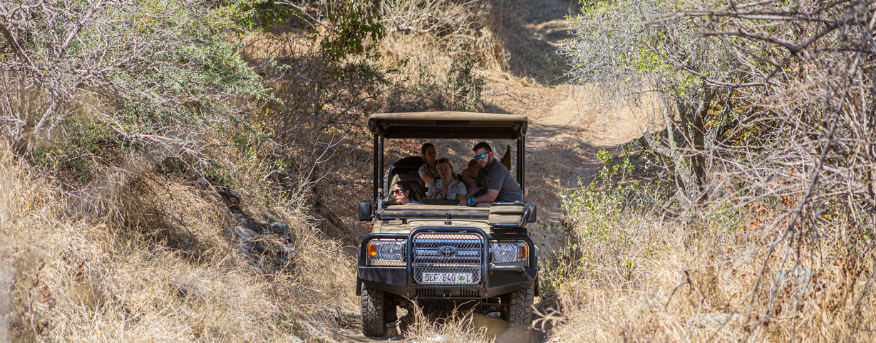
    We decided to take a river crossing that would be the shortest way home, but the river had other plans for us. As can happen on river crossings, one of our tires became stuck in the soft sand, just on the edge of the riverbank. Even with the nine of us on the game viewer pushing as hard as we could, we still could not budge the vehicle, so it was time to call for backup.

    There we stood on the banks of the river, muddy and with adrenaline coursing through us, telling stories while waiting for backup to arrive. While it might have seemed scary, we knew everything would be fine, and completely trusted our trainers and fellow students to help us out. I can honestly say that that moment is one that will be with me forever.

    We finally saw the approach of rescuers in the other game vehicle. Together, with 16 students and two trainers, we had enough manpower to get the vehicle moving out of its stuck position. With one great push we were out of the river and on the other side.

    Wet and hungry, but in the highest of spirits, we drove back to camp with the first of many jaw-dropping bonfire stories in our back pockets.

    image

    This story is just one of the best things that has happened in the first weeks of training. It has been an exciting start to the journey to becoming certified through Bushwise Field Guides. With momentum like this, it is impossible to guess the kinds of stories I will have at the end of this course.

    Every morning at Bushwise I wake up grateful for this amazing, one in a million opportunity I have been given. Every night I go to sleep in awe of the absolute glory of the bush and all that comes with it, including the incredible people I get to share it with. These two weeks have been some of the most incredible days of my life, I truly cannot wait to see what the rest of this journey has in store for me!

    Do you want to have incredible life-changing experiences like Suvania? Apply today and join one of our future Bushwise IFGA Safari Guide courses and start making memories.

  • On the trail: A student’s introduction to tracking

    BY: Callum Evans

    Camp manager blogs are written by our current students who each get a chance to lead and manage a group (of their fellow students) for a period of one week.

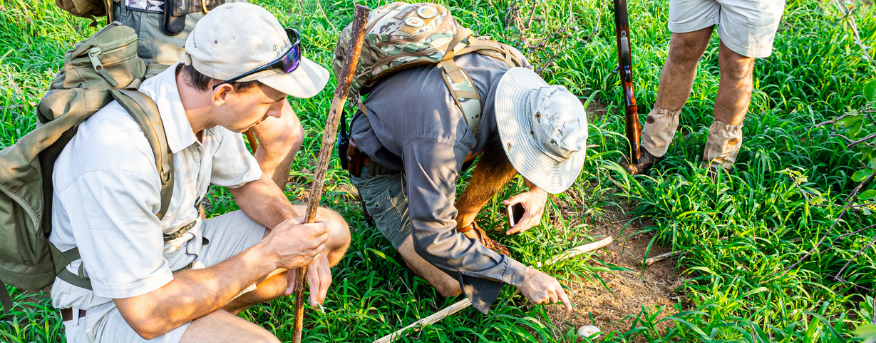
    During the fourth off-week of the semester, some of the Bushwise students attended a week-long course on trailing animals at Colin Patrick Training. We were based in the Balule Nature Reserve (BNR), a private reserve that forms part of the Greater Kruger National Park. 

    image

    This was one of the most intense and exciting weeks I’ve experienced during my five months in the Lowveld, and the encounters were only a small part of the excitement. I finally had the chance to learn about tracking on-the-ground and in more detail. 

    And, having done very well on track and sign identification assessments, I was very keen to embark on the next step and learn how to track animals in the wild!

    image

    We arrived at iNkaya Camp in the BNR at around midday and had our first introduction to trailing later that afternoon. My group was tasked with following the path of an elephant herd leaving a small wallow. 

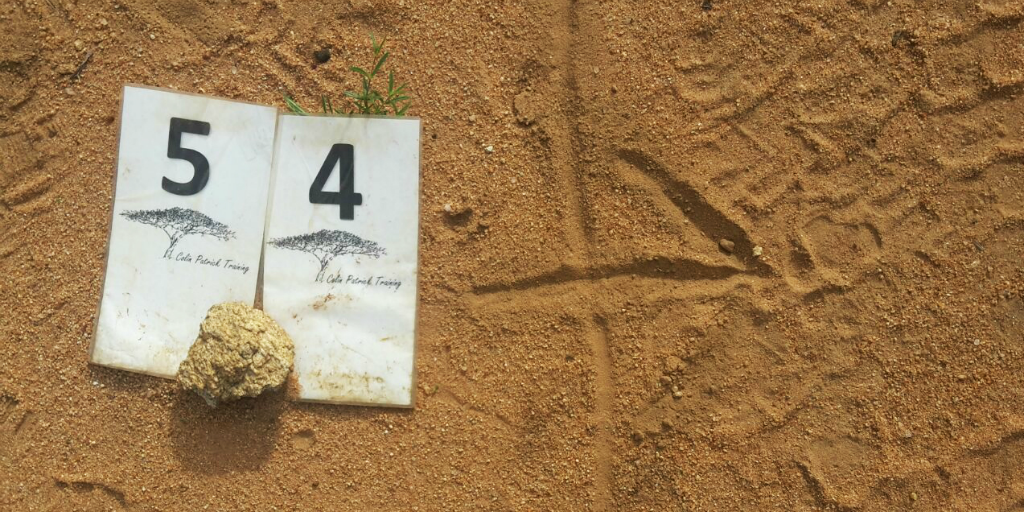
    We took turns following the tracks with our trainer from Colin Patrick Training, Jacques, as he explained the process and the principles we should employ when tracking. We quickly realised how difficult tracking actually is. 

    Elephant tracks, for example, are surprisingly hard to follow given their size. The trails often go through long grass, thick bush and across substrates where the tracks are very hard to make out. 

    image

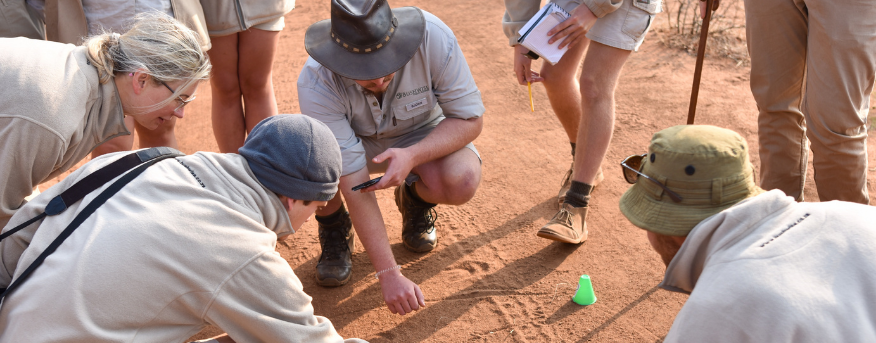
    We had to learn how to identify partial tracks and scrapes on the ground, look out for feeding signs, assess dung freshness based on its temperature or the presence of dung beetles, and follow pathways of damaged vegetation where the elephants had been. 

    We also learned how to identify alternative routes when the trail became unclear, and how to find our way back to a lost trail (which happens a lot in tracking). Even though we didn’t find the elephants that day, it was still a great experience.

    The following day, we tracked elephants twice again, with no luck at first. But, we did spot a large bull elephant moving through the bushes during our morning trail! That was my first time encountering an elephant on foot, which was incredibly special. 

    image

    Photo by: Callum Evans

    Later that afternoon, we were finally able to find the herd of elephants we had been tracking. We found them feeding on top of a ridge about 50 metres away from us! We quietly placed ourselves to not disturb them and had an excellent sighting before moving away and giving them space to continue on. The best way to observe animals on foot is to go unnoticed!

    We also did a bit of human tracking as practice, with some students laying a trail for the others to follow. This is an interesting way to see the difference between following wild animals and following people. I went with the group laying the trail, and as we were walking alongside a drainage line, we heard something moving in the bushes nearby. 

    Jack, our Bushwise trainer, took a couple of steps forward and suddenly, a large lioness jumped out of the drainage line and onto the opposite side of the bank! She was almost fully concealed by the dense bush. We were very surprised and excited to see a lion on foot!

    image

    Our trainer quickly realised there were two other lions nearby, so he cautioned us to back away slowly, while he kept his eyes on the lions. Soon, we reached a safer distance away, where we stopped to view them. 

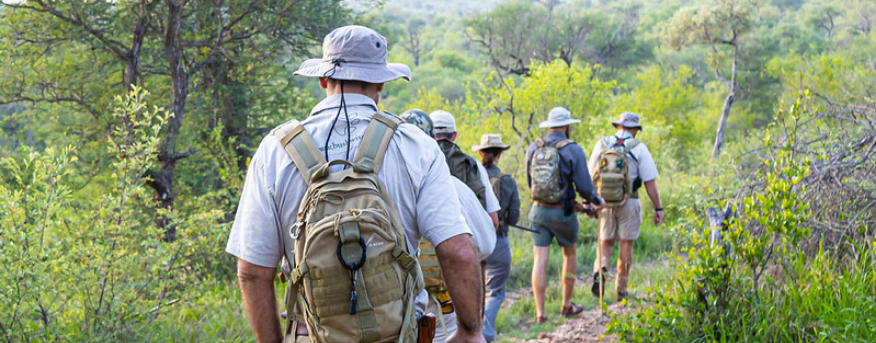
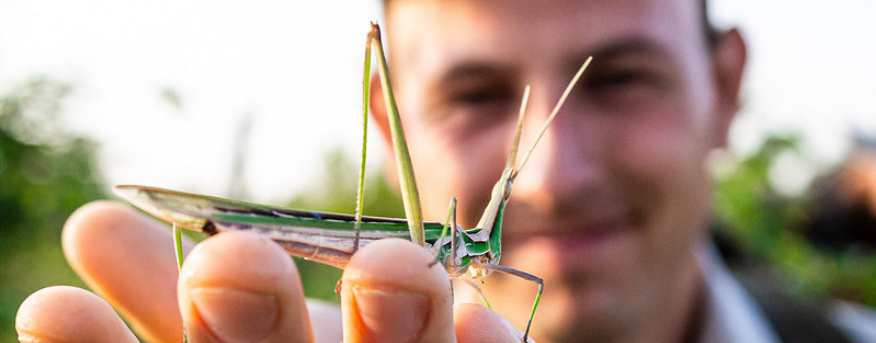
    Learning about tracking challenged us all, and in the end, it was rewarding. Being on foot in the bush allowed us to notice the smaller things that are easily overlooked and we were able to learn so many new things. From the diversity of wildflowers in full bloom to tiny velvet mites, from spotting a rock monitor digging a burrow to watching a long-billed crombec perched on its nest, there were a host of beautiful things to observe on foot, away from the roads. 

    image

    To top things off, there were many special and fun moments shared between the students. Everyone on the course was able to achieve a level one or two in trailing (you can learn more about these kinds of certifications on the CyberTracker website). But I’m sure that for all of us, this is only the beginning. 

    I can definitely say that I’m hooked! I plan to keep developing my ability to track as much as I can. As with any aspect of nature, there is always so much more to learn.

    Go on exciting adventures with fellow students in the bush, like Callum, and find your passion in field guiding too.

  • Feeling alive on game drives

    Some images in this article were taken pre-COVID-19. 

    image

    The wild has beckoned adventurers, explorers and nature enthusiasts for hundreds, if not thousands, of years. The thrill of never knowing what lies around the next corner, under the next tree or behind the next bush entices us to always push further.

    image

    Going on game drives in a totally wild and completely natural landscape can be likened to the awe-inspiring scenes from Jurassic Park. Strange footprints and telltale signs of animals lie all around us. All you need to do is take a closer look at the ground to know exactly what’s out and about.

    image

    Photo by: Donald Fraser

    Africa’s megafauna are by far the most sought after when it comes to experiencing African wildlife. The peace and humility you experience when surrounded by the world’s largest land mammal is a connection to the natural world that is almost tangible in its intensity. The tolerance of savannah elephants is graceful and forgiving when they allow you into their space.

    image

    Over the course of the past six to seven decades, animals have become habituated to the presence of game drive vehicles and modern humans within their ecological domains. Ethical guiding and encounters have played a huge role in developing safe and comfortable environments for these iconic mammals, where we are able to experience intimate and close-quarter encounters with them for conservation research, without stressing or aggravating the animals in any way.

    image

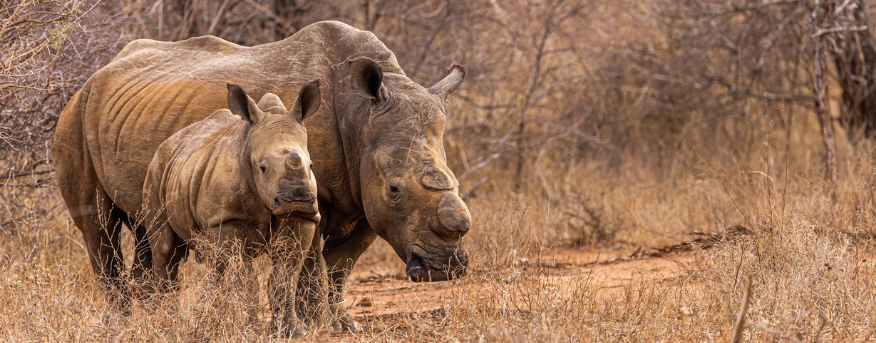
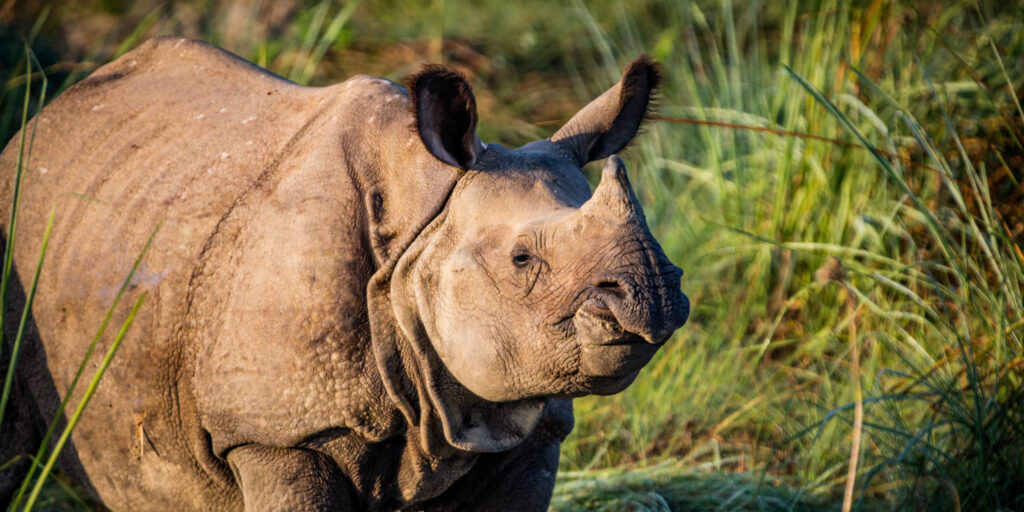
    We are beyond privileged to be able to experience the wilderness in such a connected and immersive way. Viewing animals without disrupting their natural behaviour leads to a more insightful and deeper understanding of just how similar we are. A mother’s love and care for her offspring is as obvious to rhinos as it is to humans.

    image

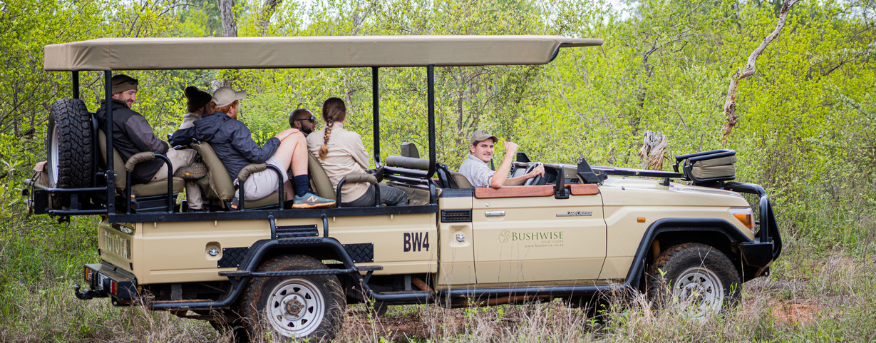
    However, animals aren’t the only part of what makes game drives exciting. Human connection and camaraderie are linked by one commonality – a shared love and passion for something. When you and everyone else on the vehicle are bonded by the same rooted respect and love for wildlife, the relationship between you as the guide and your guests will flourish as much as the plants and animals do!

    image

    Ultimately, going on a professional-led game drive is not only about looking at animals. It’s about an immersive, connected understanding of the natural world that exists around us.

  • Becoming a guardian of nature

    This blog isn’t meant to conjure up visions of doom and gloom. Rather, it is meant to inspire field guides to act as ambassadors. To make known to their visitors the truth about the dire situation that we are currently facing with regards to the loss of our natural world.

    Field guides have a critical mandate: to explore wild places and the biodiversity thriving within them. They can then highlight their discoveries and enlighten visitors from all over the world about what could happen if we do not look after our planet. 

    image

    The following statistics were taken over an 83-year period. A lifetime for many humans. 

    1. The world population was 2.3 billion in 1937 and now stands at a staggering 7.8 billion people

    2. The remaining wilderness stood at 66% and has dropped to a mere 35%

    3. Carbon dioxide in the atmosphere has risen from 280 parts per million to an astonishing 415 parts per million.

    Human beings have had a detrimental effect on the planet. We have exploited natural resources and exhausted them to the point where it is predicted that a person born in 2020 will witness

    1. the Amazon and the African savannah turn into desolate deserts

    2. an ice-free Arctic

    3. fish populations plummeting

    4. pollinating insects disappearing

    5. a dramatic fall in global food production.

    image

    As it stands there are 50 billion trees being cut down each year, while freshwater resources have been reduced by 80%.

    The Earth has faced five mass extinctions and if we continue the way we are now, humans will be responsible for the sixth. There has never been a more urgent call to change the way we are living.

    In order to leave something of worth for the following generations, we must do everything in our power to reduce the carbon footprint now before it is too late. 

    Scientists are busy exploring Mars on a mission called Hope, but I believe we should rather be exploring ways to save this planet from ourselves before we destroy it! 

  • Walks, drives and dreams coming true – Brendan’s week as camp manager

    Camp manager blogs are written by our current students who each get a chance to lead and manage a group (of their fellow students) for a period of one week.

    On Wednesday the 17th of March, Erin Anderson handed over the responsibility of Camp Manager to myself, Brendan Davis. This came with a complimentary walkie-talkie, a Covid thermometer and the opportunity to host the entire group on the upcoming Friday night. Camp Manager is an important leadership role that allows students to get a taste of what it is like to be in a management position within a lodge environment. 

    We started the day bright and early, continuing the practical drive trend that was to carry on throughout our third semester. These drives are great opportunities for students to gain the necessary practice for our FGASA assessments, as well as enjoy being out in the bush while learning about the surrounding environment on a daily basis. 

    image

    On Thursday, we had a special visit from Sophie, the co-founder of Bushwise, as well as the Bushwise management team, Sharin and Trevor. The purpose of their visit was not only to get their weekly dose of the beautiful Balule Nature Reserve, but also to provide students with important feedback on our progress in the course and areas in which we can improve. 

    Friday flew by and before we knew it, the weekend had arrived. Chris, a Bushwise alumni who is currently on placement, took our skilled chef Sibu and his wife Thembeka on a complimentary game drive. Our trainers Jack and Lindi organized bush walks for the students on both Saturday and Sunday. Trailing of Rhino, Elephant, Giraffe and Zebra took place with one amazing encounter of White Rhino being the highlight, leaving a few students elated and energised by their first big game encounter on foot. 

    image

    Monday morning came with an air of importance as we wrote our Mammals and Ethology tests, two large sections that are very relevant to our future careers. Everyone did considerably well, and the finish line was now a few steps closer, with only 2 modules left until we have completed our theory section of the course. 

    image

    Tuesday’s afternoon drive was by far the most eventful with a brilliant Lion sighting. We used our newly learned skills of Track & Sign from Colin Patrick to piece together the puzzles of the bush and find 9 young lions in the Mohlabetsi Riverbed, very close to Greenfire Main Camp. This served as a promising start to the rest of the semester, and a great ending to my week as camp manager.

    image
  • The differences between online and traditional education in a field guiding course

    BY: Tasneem Johnson-Dollie

    Between learning online and studying in the bushveld, which is better when it comes to field guiding? Well, it all depends on you. Let’s take a closer look to see why. 

    A Bushwise Field Guides course is the ideal way to learn all about South African animals and the environments they live in. You can do this up close and personal on a practical field guide course in the savannah, or start off from a distance on an online web learning field guiding course. 

    Either way, you’ll open up a world of experience in the field of conservation, and gain a solid understanding of South African animals. 

    To help you make up your mind about whether or not an online learning or practical course is better for you, we’ve listed three of the biggest differences between online and traditional education in field guiding. 

    The focus of field guiding courses

    image

    It’s obvious that, when it comes to field guiding, online web learning is different to dashing out into the wild in a safari vehicle. But this doesn’t mean that you’re not gaining a valuable education when you learn online.

    In fact, the best field guide courses can be effectively taught to students in face-to-face classes or through online web learning platforms. This is because the most important part of every field guide course is having trainers with expertise, and equipping students with the understanding and skills they need to become professional field guides. 

    With these two components intact, the rest of the course can be built around the learning environment that students prefer.

    Our approach to teaching may vary depending on the teaching environment, but every course is developed to achieve your field guiding learning objectives.

    image

    Our Field Guide training online course, one of our three online courses, can help you cover 100 of these hours. And, it’ll get you well on your way to your field guide qualification – without the worry of travel restrictions, global health concerns, or budget constraints that could benefit from a few more months of saving. 

    Here’s a closer look at what you’ll cover in an online web learning course, and the biggest differences between online and traditional education in field guiding.

    The biggest differences between online and traditional education in field guiding

    What you’ll learn on an online web learning field guide course

    If you’re wondering which parts of field guiding you’ll cover on an online course versus a traditional course, the answer is, all of them.

    Yes, that’s right. An online field guide course will get you just as clued up on theory as any course that’s held at Bushwise’s campus in the bushveld. 

    image

    In fact, every reputable field guide course – whether it’s taught traditionally or via online web learning – should help you gain all the skills you need to set a good foundation for your future career.

    When you take part in our Bushwise Field Guiding online course, you’ll learn all about the South African animals that live in the savannah. These include amphibians, arthropods, birds, fish, mammals, and reptiles. You’ll also add to your understanding of savannah plants, like trees and grasses. 

    But, your online learning experience isn’t just about becoming book smart. It also prepares you to apply specific skills once you get out into the field. Start filling your field-guide toolkit with a deeper understanding of subjects like:

    1. astronomy

    2. conducting a guided experience

    3. conservation management

    4. ecology

    5. ethology

    6. geology

    7. historical human habitation

    8. radio procedures

    9. rifles and advanced rifle handling

    10. South African biomes

    11. taxonomy

    12. viewing potentially dangerous animals

    13. weather and climate. 

    image

    Together, these theoretical components will fill you in on what you need to know to work as a conservationist in the field. 

    So, the biggest difference between online and traditional education in field guiding isn’t what you’ll learn, but how you’ll learn it.

    The classroom set up

    On a traditional field guiding course, you’ll make your way to Bushwise’s campus in the Limpopo bushveld – just outside the gates of the Greater Makalali Game Reserve. And, while you learn online, you can look forward to travelling to this segment of the savannah in the future to complete your practical hours in the field. 

    Just like the coursework based at the Limpopo campus, learning online will be an engaging and collaborative experience. You’ll interact with other students from all over the world, as well as lecturers who are experts in their field.

    The Field Guiding online course includes an orientation period and ten weeks of coursework taught over 24 live sessions. Beyond adding to a comprehensive field guide education, these live sessions will also introduce you to the real-life challenges that conservationists experience in their line of work. 

    Can you think of any other opportunity where you could gain firsthand insight from field experts in the comfort of your own home? 

    image

    How you’ll gain experience with South African animals

    You’ll work through a list of South African animals, from start to finish on any Bushwise course. The differences between online and traditional education in field guiding are really more about how much practical experience you’ll gain from observing animals in the field. 
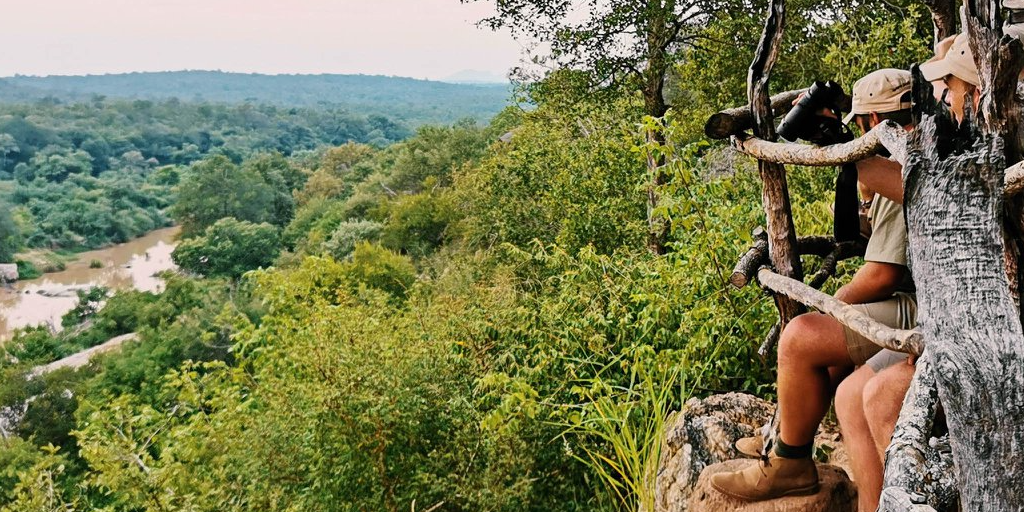
    Practical hours are important, but there are a few fundamental steps that need to be taken first. For example, you need to be competent in the taxonomy of animals before you can make any meaningful observations. 

    What’s taxonomy, you ask? It’s the scientific way that animals are named, defined and classified. So, instead of trying to describe “that big buck with a black stripe on either side and curly horns”, course instructors can use specific and meaningful scientific names to make sure you’re all on the same page. 

    And that’s not all. Animal taxonomy doesn’t just put a formal name to wild animals. It also acts as a clue to the lineage of all creatures, as well as their evolutionary history. 

    If you get a good grasp on it, the taxonomy of animals can act as a quick guide to animal characteristics – like whether they are herbivores or carnivores. It’ll also get you well acquainted with which animals are the most closely related and why – since animals classified in the same family or species have more characteristics in common.

    image

    If you choose to do a field guiding course online, you’ll end off with a stellar understanding of animal kingdom taxonomy. During an on-the-ground course, you’ll get to delve even deeper and clock-in valuable practical hours observing South African animals in their natural habitats. 

    How will you start off your field guiding career?

    There’s no right or wrong choice when it comes to which field guide course you should pick. Your decision should take into account what your travel restrictions are, how much time you can commit to the course, and how soon you want to start working as a field guide.

    Yes, an on-site course will help you shoot ahead with practical hours, but to become a professional field guide, laying the right groundwork is key. 

    Stay home and join one of Bushwise’s online professional field guiding courses or work in the bushveld on our on-site IFGA Safari Guide Course 6/12 months.

  • Are giraffes endangered? Their silent road towards extinction

    BY: Megan Colborne

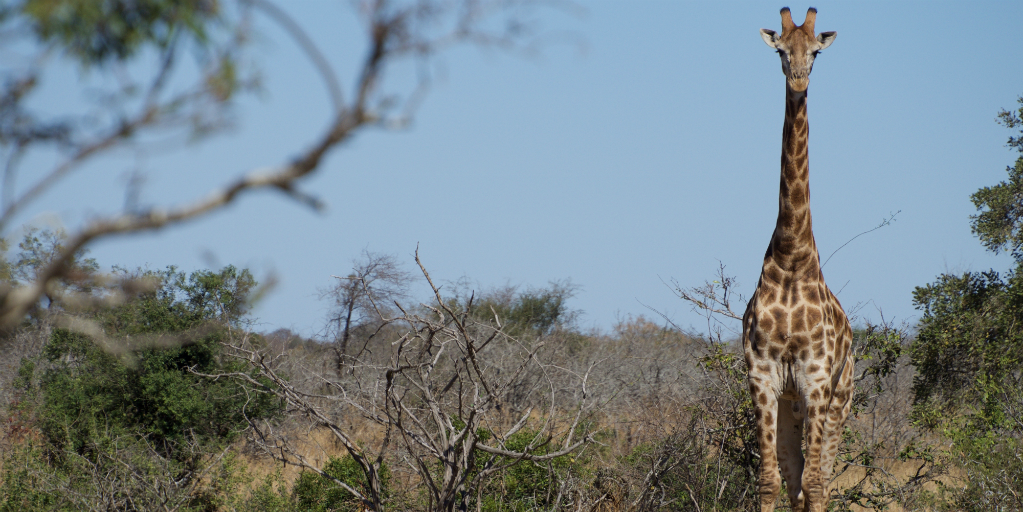
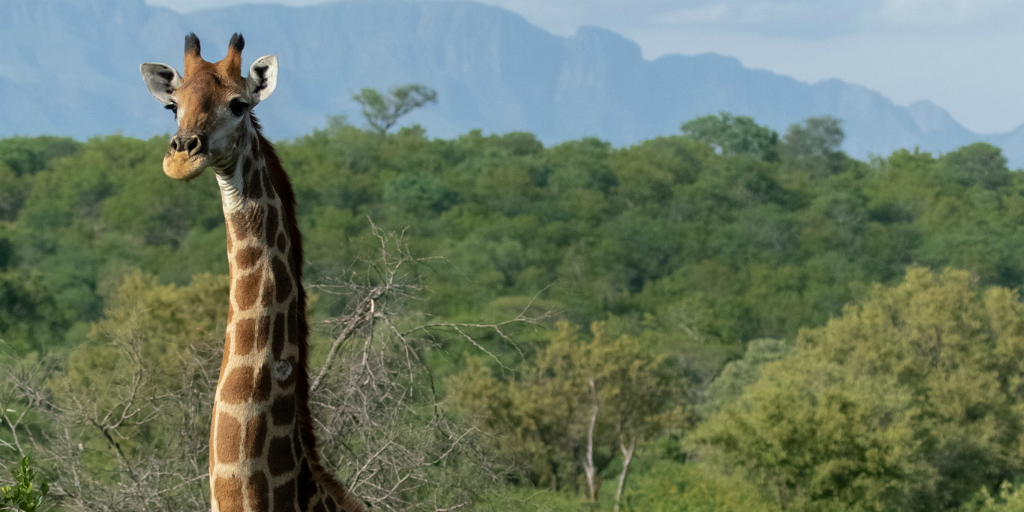
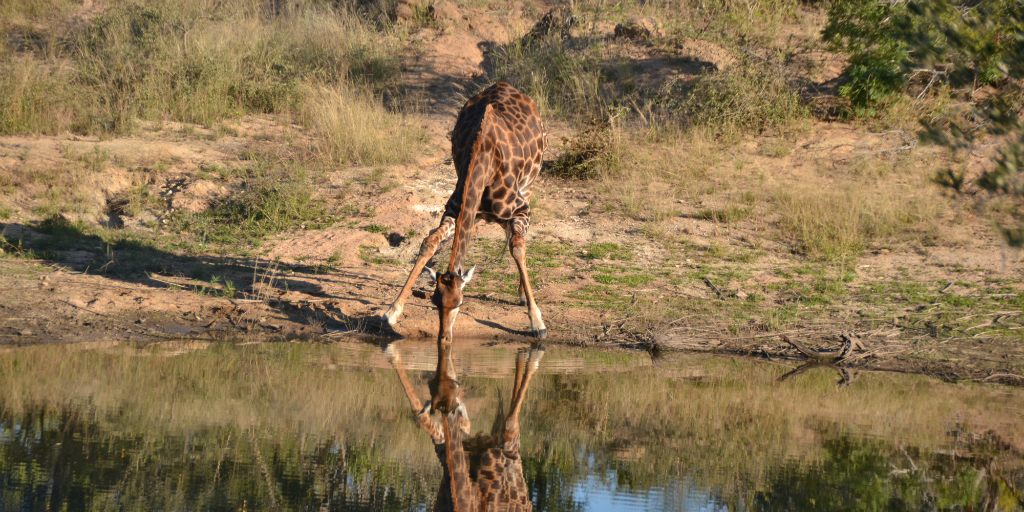
    Giraffes are probably one of the easiest animals to identify all around the world. This is really no surprise when you look at their distinctive lanky long legs and necks. But what could come as a surprise to most people is the answer to the question, “Are giraffes endangered?” 

    If you’re a field guide, keeping your guests entertained with folklore about how the giraffe got its long neck is an important part of your role, but it’s also your responsibility to keep them informed on the facts about giraffes too. Most people know that the giraffe is the tallest animal in the world. But what they don’t know is that these African animals play an important role in their ecosystem, and are often forgotten when it comes to conservation efforts.

    This lack of knowledge and conservation efforts is part of the reason why the number of these towering herbivores has plummeted over the last three decades, without anyone even really noticing. 

    Known as the silent extinction, it came as a shock to most when giraffes were suddenly labelled as vulnerable on the International Union for Conservation of Nature’s (IUCN’s) Red List in 2016. This after a survey found that nearly 40% of the population had been wiped out in just one generation. 

    A species is categorised as vulnerable by the IUCN when it’s clear that the animal is likely to become endangered – unless the circumstances that are threatening its survival and reproduction rates improve.

    Why are giraffes endangered?

    image

    Over the past 30 years, this African herbivore’s numbers have decreased by an alarming 30%.

    The cause of this massive decline? Habitat loss and fragmentation, poaching, as well as climate change are said to be the driving forces behind their declining numbers.And to make matters worse, very little is known about the behaviour of giraffe populations. With so many questions about giraffes left unanswered, how could anyone have seen this decline coming? 

    For example, we don’t really know how long they live, whether they travel long distances, what their cognitive abilities are, or even the real answer to the question: “Why do giraffes have long necks?”

    There have also been no long-term conservation efforts involving giraffe populations, which makes it difficult to know or predict what’s going to happen to giraffes in the future, or how much time we have left. In an effort to change the outcomes for giraffe populations, a group of conservationists are working tirelessly to figure out the mystery behind their rapid decline in Africa, and they’ve come up with some effective solutions. 

    Some of these efforts include giraffe counting, and tracking where and how far they roam. Through giraffe counting and tracking, we are able to find answers to questions like, “How many giraffes are there? Where are they? How far do they range? And how many species and subspecies are there?”

    Why are giraffes important?

    image

    So why are giraffes so important? 

    Giraffes are considered to be a keystone species in Africa. This basically means that they are essential to the survival of the ecosystems they live in. Without them, these ecosystems would begin to collapse and change completely. You see, because of their impressive height, giraffes eat the plants that other animals can’t reach. This promotes the distribution and growth of plants lower down, which are important for the survival of smaller animals.

    The survival of giraffes is also vital to the acacia tree. These two are so intertwined that some acacia tree seedlings can’t successfully germinate until they have passed through the digestive system of a giraffe.It’s also believed that the height of giraffes, paired with their excellent vision, allows them to spot predators and danger earlier than other animals, which can act as an early-warning system for other animals.

    Giraffe conservation: What can I do to help?

    image

    It’s important to educate communities on how and why we need to protect giraffe populations. When communities closest to giraffes are properly informed on how their actions affect giraffes, they are able to change their day-to-day practices in a way that will positively impact these herbivores. 

    An example of these day-to-day changes could be adopting more sustainable farming practices to minimise damage to land that could otherwise be inhabited by giraffes. Other measures that have been implemented to help in giraffe conservation include the reforestation of acacia trees. More acacia trees means more food. More food for giraffe populations means a greater chance of survival, which could help to increase their numbers significantly.

    If you love giraffes and other wildlife and want to work towards their conservation, think about joining a field guiding course with Bushwise. You could also sign up to the Nature Enthusiast FGASA Online Course today.
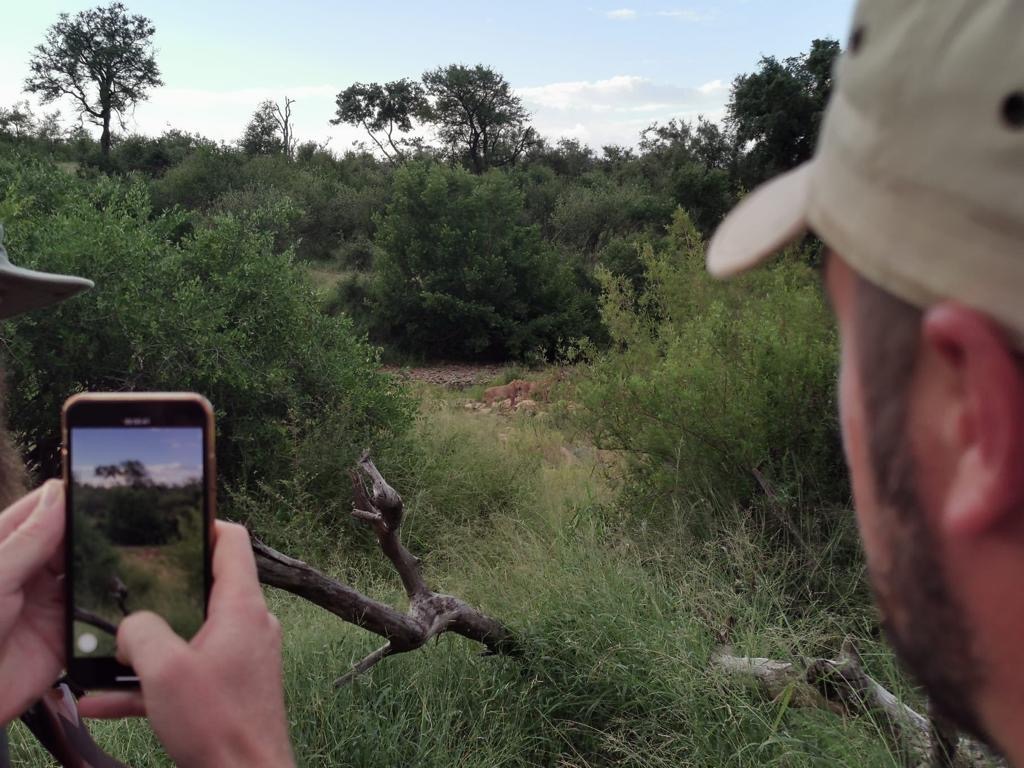
  • Camp Manager’s Review

    BY: Matthew Holland

    John Hemingway once said, ”if you have ever seen magic, it has been in Africa”. There is nothing like a blanket of stars covering the night sky, or the glowing embers of a fire that tell African tales. There is nothing like the low guttural growl of a lion warning that you are in its space or the call of a fish eagle at dawn. At Bushwise, Toro campus this is the magic we see and hear every day. 

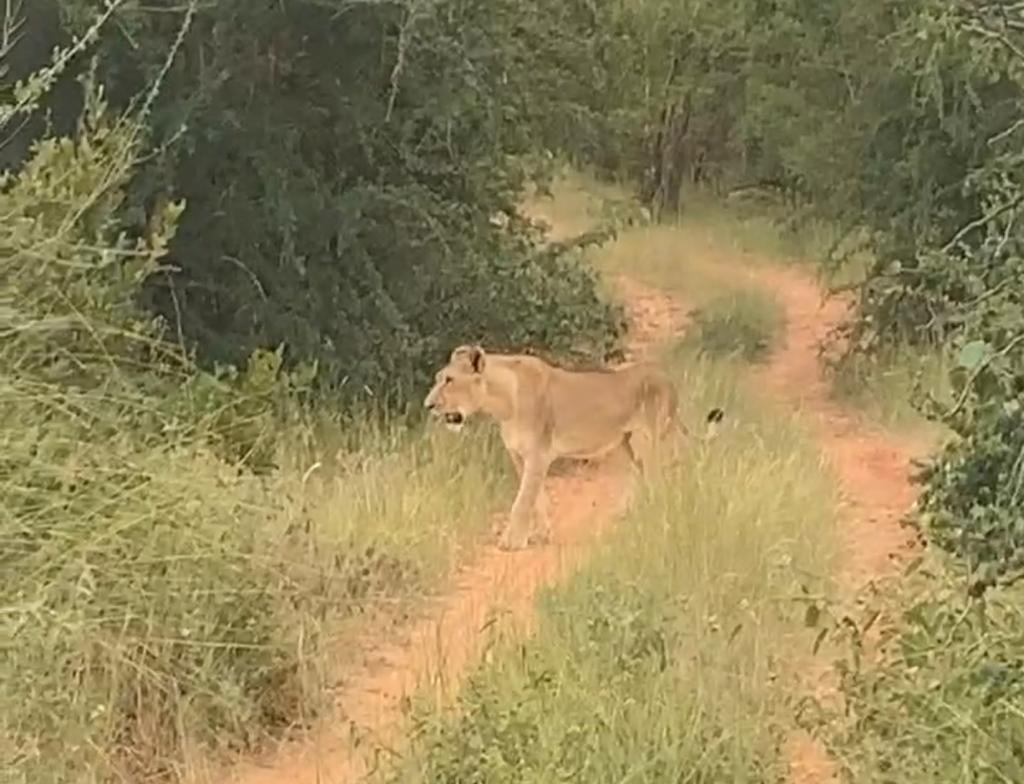
    This week started off with a very tedious rifles test to welcome us back from a very restful off week. The students at Toro over excelled in the test with some great results. We were allowed to have some off time before we had a lecture on reptiles. The reptiles lecture was really fascinating with every single one of us learning something new. After a very informative lecture, Jack (one of our trainers) offered the students to go on a walk, to which myself, Benno and Chloè happily obliged. We decided to walk to Pel’s pools which is an amazing spot right on our doorstep. We began to track zebra and ended up bumping into the Thembe pride and two big males. This was an incredible experience on foot and a first for me. It is also incredible to know that these magnificent creatures are on our doorstep.
    image

    Lions on foot – photo by Chloe Potier

    Later on in the week after all the lectures on Amphibians and Fish were done, we began going on practical drives again, which we all enjoy as we are always excited to see what the reserve has to offer. Needless to say, the Toro campus got luckier than expected with our guide Benno. We were following up on lions that were called in on the radio near Kristy’s camp. We were all eager and on the edge of our seats until a flat tyre dampened the spirits.

    image

    Tyre changing time photo by Matthew Holland

     However because the Thembe pride and the students have an ongoing relationship, where they always seem to surprise us after coffee breaks, we were not surprised to see what was waiting for us LITERALLY around the corner, the Thembe Pride. We are very blessed, as Zander would say.

    image

    Thembe pride, photo by Matthew Holland

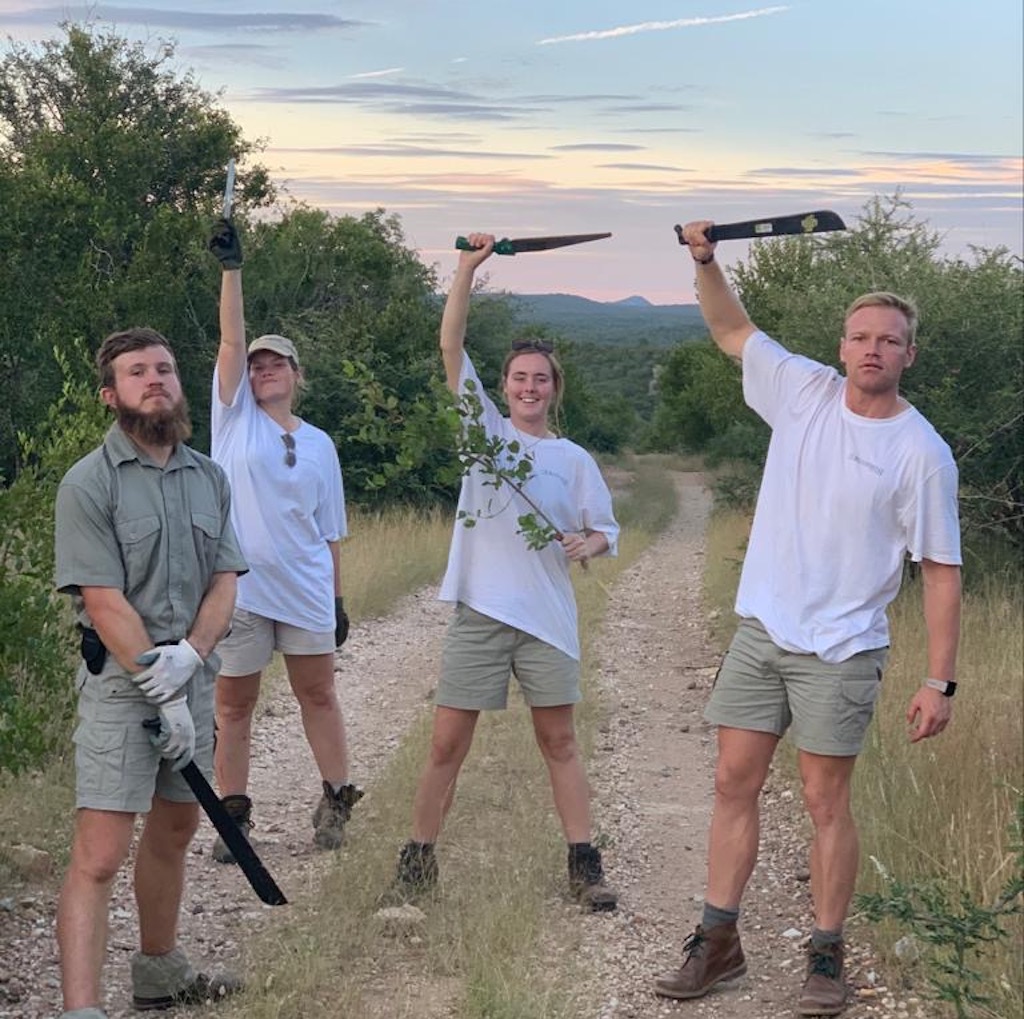
    Earlier on in the week, the students at Toro campus did some reserve work where we had to essentially go and clear the roads. This was the first time many of us had done this and it was actually very enjoyable and the students at Toro work very well together, so it wasn’t long before we were all done and Makalali Private Game Reserve was just that little bit cleaner because of us.

    image

    Reserve work photo by Matthew Holland

    The rest of the drives were enjoyable, especially Zander’s drive, where we heard a lion soft contact calling on the other side of the Makhutswe river which is literally opposite camp. We followed what we presumed to be a very big male lion of the Mpande crossing. After driving quite slowly we managed to pick up his tracks and Jack and Zander sprang into action. The adrenaline started to kick in and the pure thrill of tracking a male lion is not a feeling many can put into words. Unlucky for us the road came to a dead-end and unfortunately, the male lion had disappeared. Andi was deeply upset about the fact that he is still the only one who hasn’t seen a male lion on the reserve. 

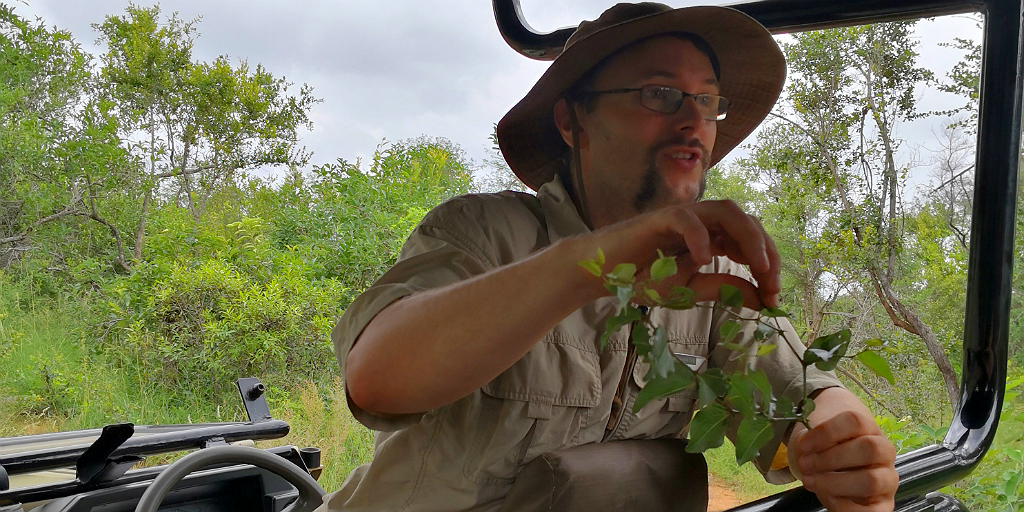
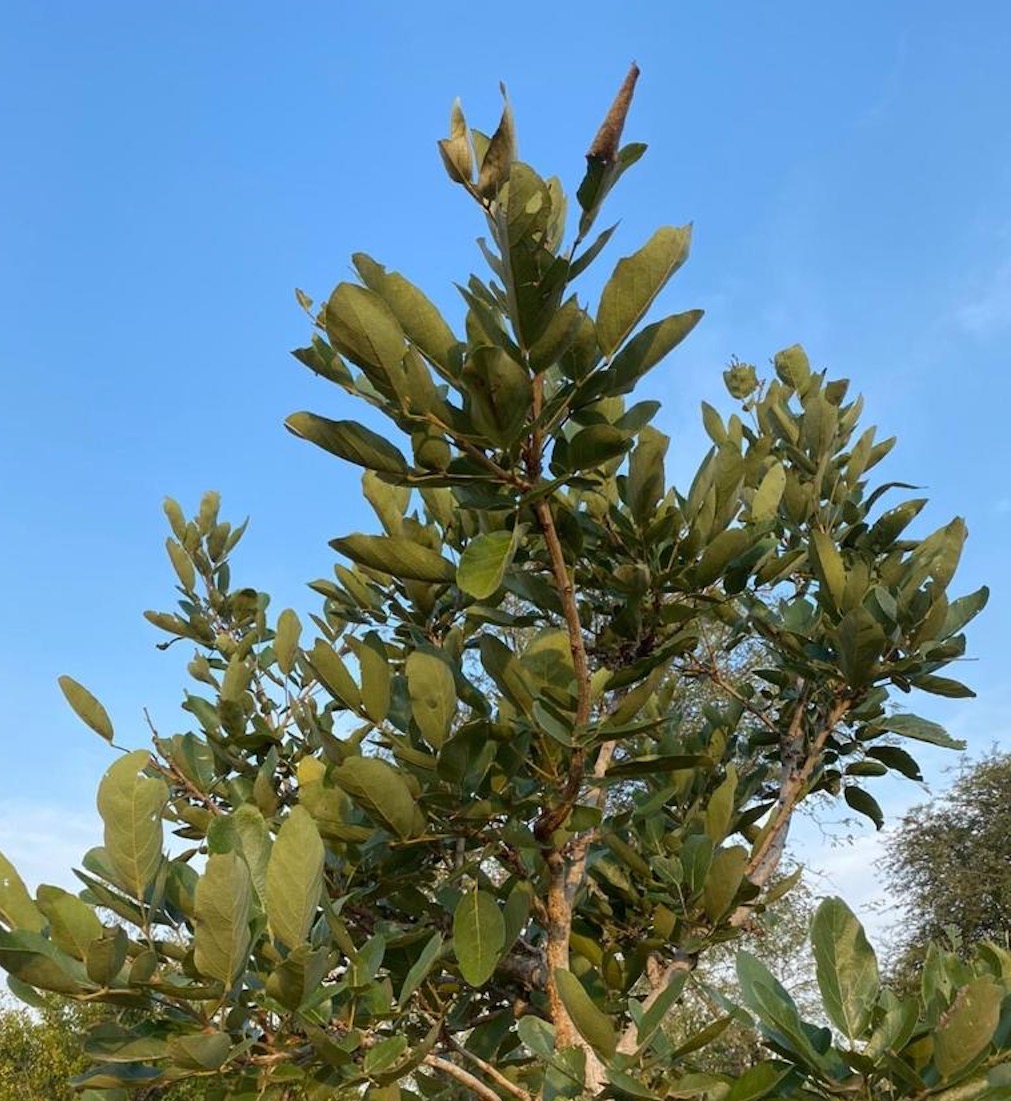
    Later on in the week, the students decided that we needed to do some more identifying of trees and so we set off towards Garonga (which is a part of the reserve we don’t see very much of) to do just that. We took a road near the airstrip just to quickly check for Wild Dog because they had been called in earlier that day but to no avail. The tree identifying was ongoing and we made excellent progress. The one thing all the students here have learnt is that in the bush you will never know everything, it is an ongoing learning experience where you learn from your first day on the job to your very last in the future.

    image

    Apple leaf tree, photo by Andi Dill

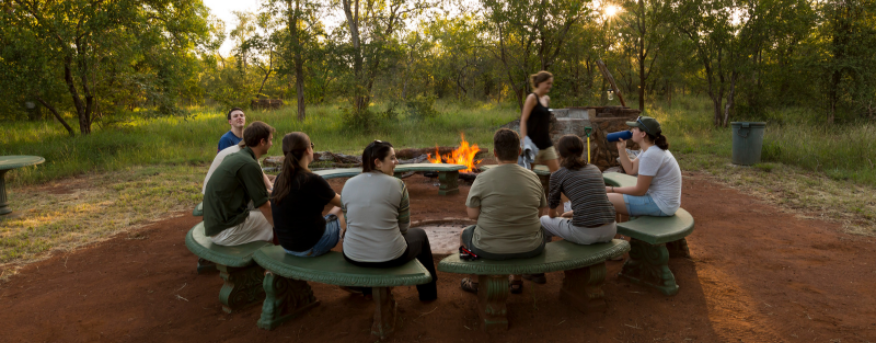
    After a long week it was very rewarding to sit around a fire with your new bush family and enjoy the scent of the bush, under a painted African sky, riddled with stars. Nothing quite beats it, and with this group of people at Toro campus, it just makes life a little better.

    image

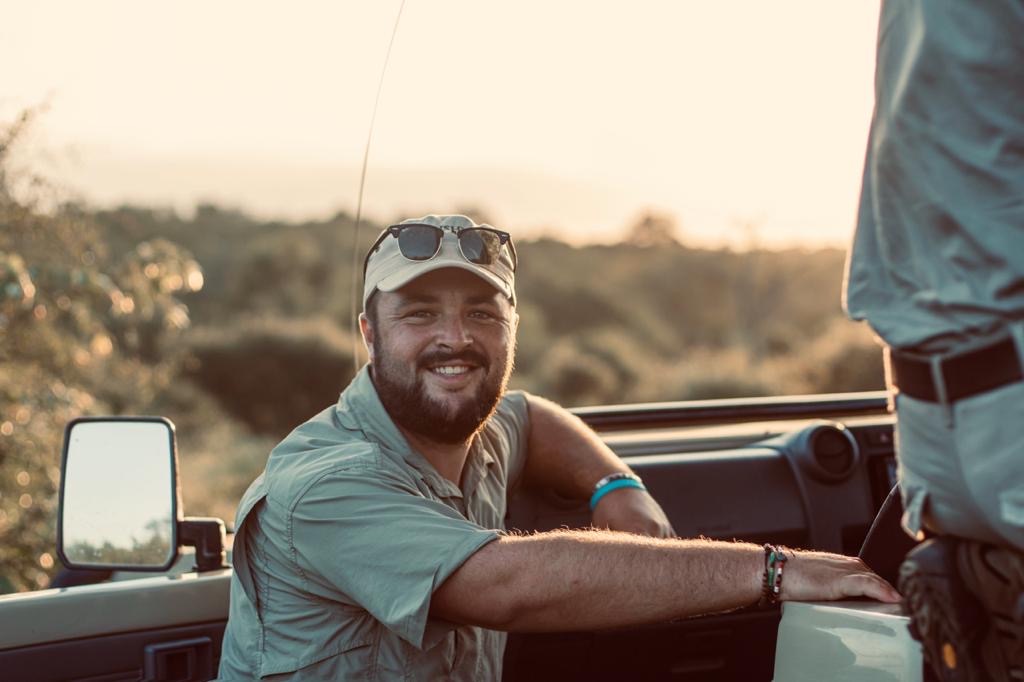
    Matthew Holland