Author: Bushwise Student

  • A year in the making

    BY: Callum Evans

    Camp manager blogs are written by our students who each get a chance to lead and manage a group (of their fellow students) for a period of one week. Callum has just started his Bushwise Field Guide course and was selected to be the first camp manager. 

    My goal of one day embarking on a Field Guides Association of Southern Africa (FGASA) course finally became a reality on 8 July 2021. At the end of the last year I signed up for a year-long course offered by Bushwise Field Guides. Fast forward eight months and I’ve caught a shuttle from OR Tambo International Airport to arrive at Bushwise’s Mahlahla Campus in the middle of the Lowveld region. 

    First experiences 

    After an introductory briefing by the Head Trainer Vaughan, we had a much needed dinner, an incredible chicken curry made by the two chefs Rose and Iris. After dinner, we went to get sorted out in our rooms and have a well-earned sleep.

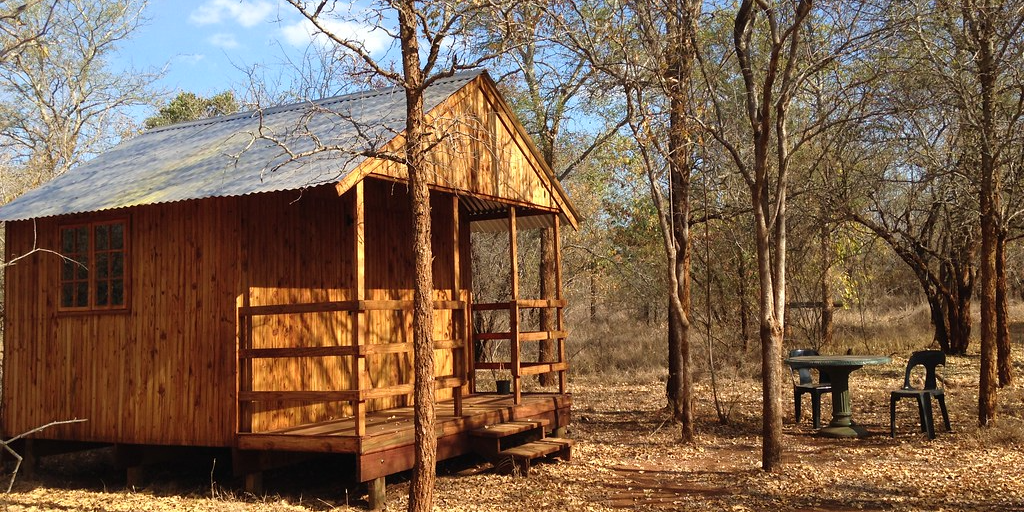
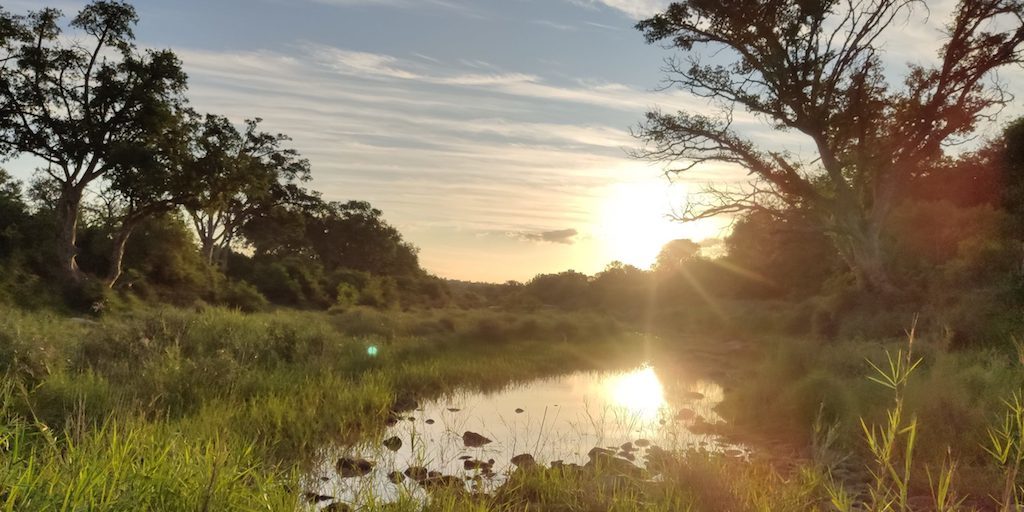
    The next morning, we all got our first good look at the campus. In the early morning, the view was everything I’d expected and more. The warm light seeped among towering trees in  between our rondavels and cabins. 

    image

    The next two days involved a lot of admin and preparation for the next six months. It was on the first day that I found out that I would be the first of the 20 students to take on the role of camp manager, which was quite a shock. It was my first week at Bushwise and I was going to be the camp manager for the first five days. 

    Camp manager, right out of the gate

    At first, I was quite stressed out when I found out about this and was worried that the responsibilities would be overwhelming (particularly since I had little experience in leadership roles before arriving at Bushwise). But I knew that this would not be the first time I would find myself outside of my comfort zone on this course and ultimately this would help me, so I decided to give it my best effort. 

    One job was taking everyone’s temperatures twice a day to monitor for COVID-19 symptoms. This could sometimes be challenging since some people arrived late for meals on occasion. I also helped out where I could on campus, checking for any signs of animal damage or loose trash, making sure the bins were emptied and dishes washed, coordinating with that week’s group leaders and making sure everyone was on time for meetings and meals.

    Wildlife in the bush

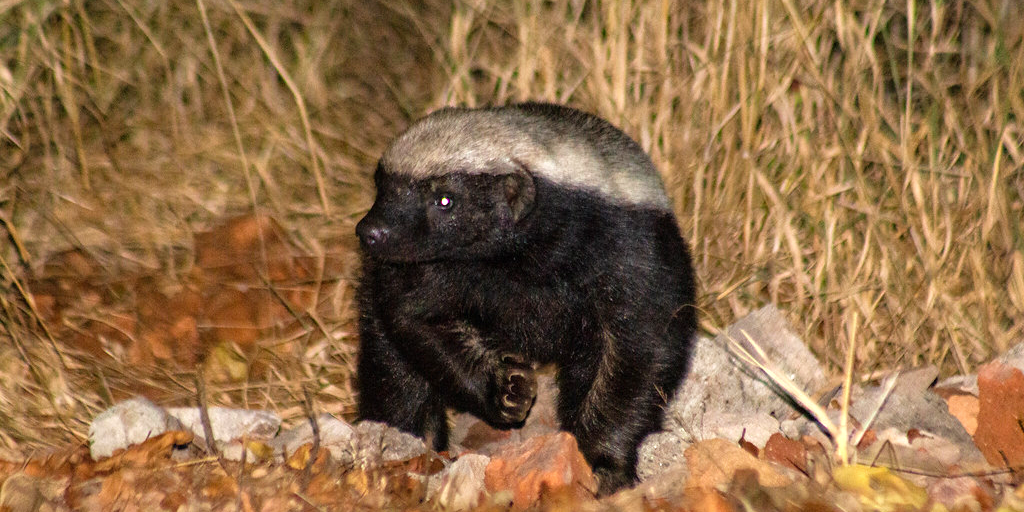
    When living out in the bush, you soon realise how many of the animals in the area are quick to take advantage of the presence of people. At night, several animals are quite bold and walk around the campus in search of scraps of food. Most nights, the two local honey badgers visit the kitchens and often knock over the bins to see if there’s something left behind. So it was quite important to have the bins empty every night! 

    image

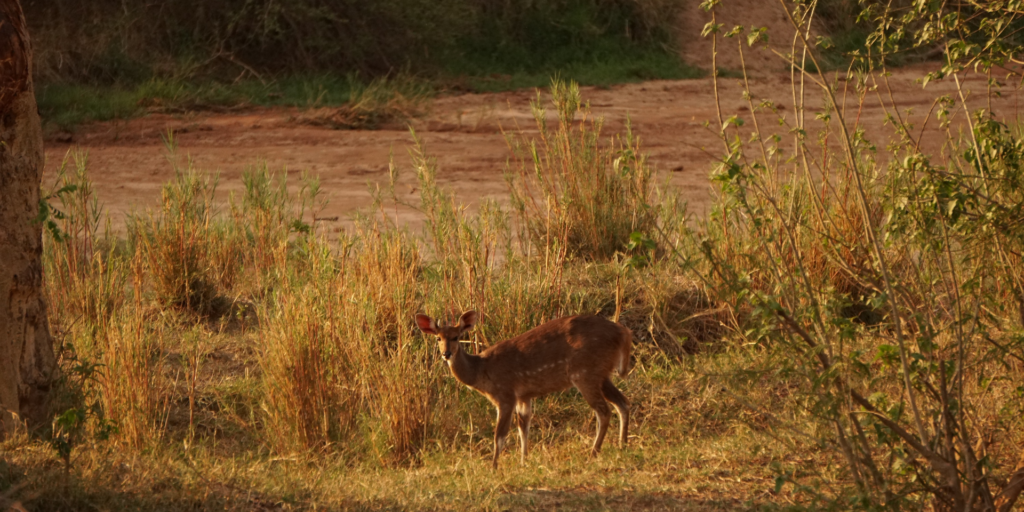
    Over the course of the week, we were lucky enough to see several nyala, a bushbuck ram, a grey duiker, civets, genets, tree squirrels, the honey badgers and a couple of people even saw a porcupine visit the bio-bins. A family of dwarf mongoose paid a couple of visits to campus. Sable and warthog occasionally visited the dam, along with hamerkops, a grey heron, and pied and brown-hooded kingfishers. 

    As the week progressed, more and more birds began to appear in camp, including pearl spotted owlet, black-collared barbet, yellow-bellied greenbul, brubru, bearded woodpecker and several species of sunbird and hornbill. For a nature lover, this place is paradise.

    It isn’t all about the wildlife

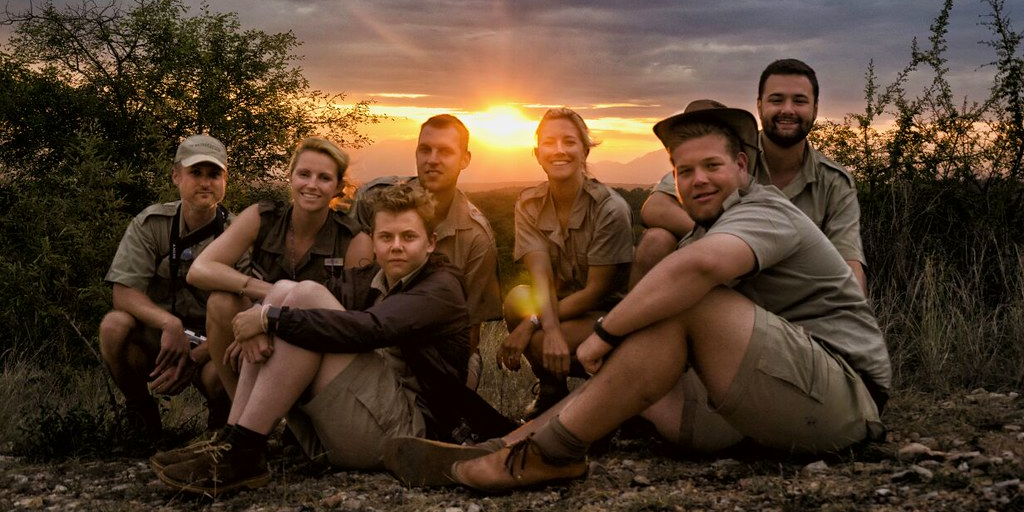
    While the wildlife has been incredible so far , it is the people who ultimately make or break a course like this. It has been amazing to see how quickly everyone has started to get along and work together in the way that they have been doing. 

    image

    The next few months will really test our abilities to work together, which will determine our success as field guides. I think the same is true for our periods as camp managers. While those days were a challenging new experience for me, I hope that that experience will help me over the next six months at Bushwise, and maybe beyond too.

    You can have an experience like Callum by joining a Bushwise course now.

  • First week on the job

    BY: Christie JANSE VAN RENSBURG

    Camp manager blogs are written by our students who each get a chance to lead and manage a group (of their fellow students) for a period of one week. Christie has just started her Bushwise Field Guide course and was selected to be the first camp manager.

    Being camp manager during week one

    I was nervous but also excited when I was selected to be the camp manager from 9 to 17 July 2021, during the very first week of our Bushwise Field Guide course at Balule campus. 

    image

    We were all still finding our feet at our new house in the bush, so it was quite stressful to be the first camp manager. I didn’t know what to expect and the students also didn’t know each other well yet. But once I got into it, it became a very eventful, exciting and rewarding experience!

    What does a camp manager do?

    Being camp manager requires you to take up a number of responsibilities. For example, camp managers man the camp radio to stay in touch with instructors in case anything happens out in the field. I also had to ensure that all duties assigned to the two different groups at the campus were completed. 

    On Wednesday 14 July, I had to host an evening event where I provided a presentation on the week’s main news events. This included updates that ranged from news on what’s happening in South Africa to the weather. I also included some awesome news about animals and that we might have found a new bioluminescent centipede species on the Balule Bushwise campus (currently sent for research to be done on it). 

    image

    As camp manager I also had to arrange some games as entertainment for students, and decided to include these names by playing my game called “The Shangaan”. 

    In this game, the students each drew a Shangaan name and had to find their hidden English animal match around the classroom and kitchen. This was great, and now even one and a half weeks later – most students already know many Shangaan names. Sometimes, they’ll even introduce themselves as their own Shangaan name along with the English translation.

    My other game was the famous “bok-drol spoeg” sport. That was also great fun. 

    Our first game drives

    On Wednesday on 14 July we had our first game drive. We were extremely excited when we saw nearly all of the Big Five animals, just missing leopard and lion, in just three game drives.

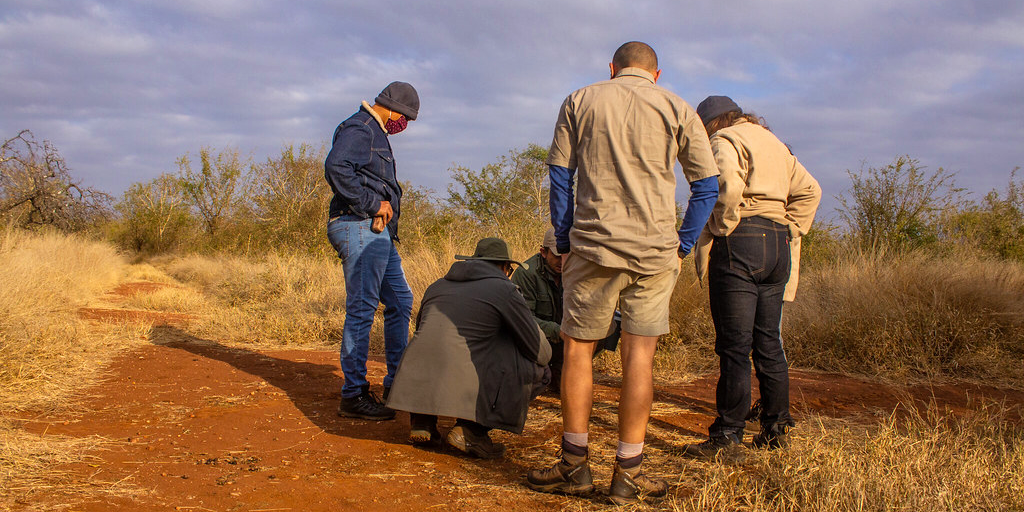
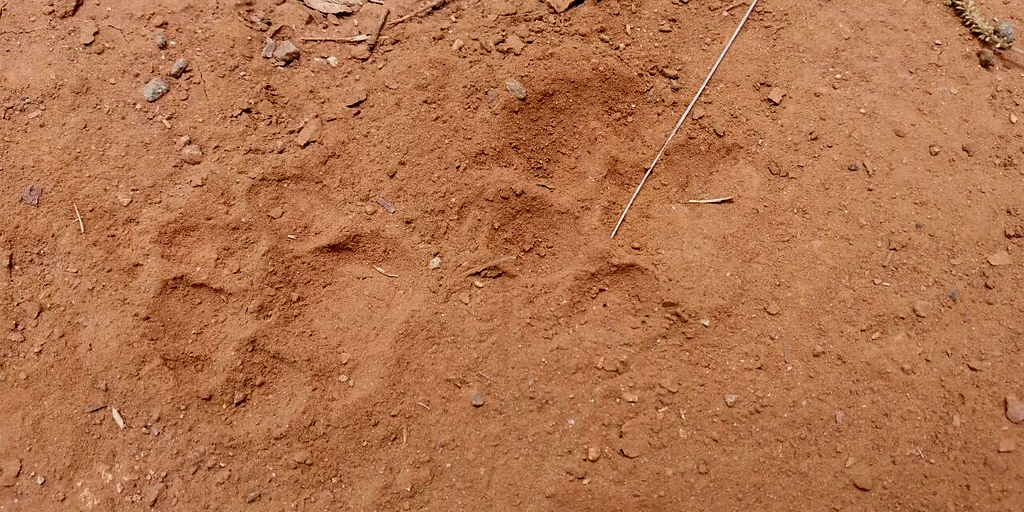
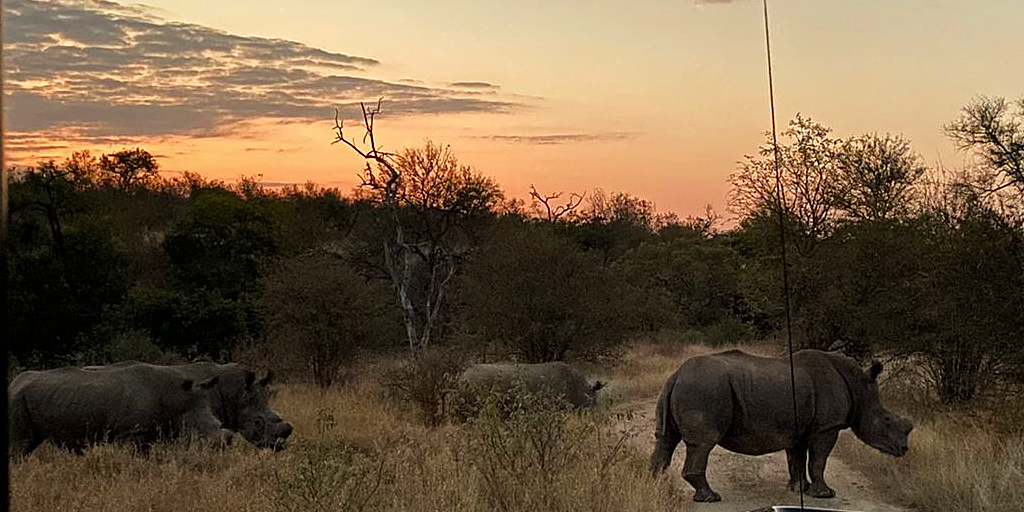
    We did come across some lion tracks, but had to be satisfied with only hearing them roaring at night. On our Thursday morning drive we came across fresh white rhino tracks along the dried up riverbed.   We told everyone when we got back to camp, so when group B went to the same location during their afternoon drive they had some excellent sightings. 

    image

    During our first week of game drives we also had our first opportunity to learn how to drive the big cruisers. I’ve always loved to drive big vehicles and this was just the cherry on the cake for me. 

    Conclusion

    My week as a camp manager was rewarding, and I was impressed by everyone’s efforts and work they put in. I didn’t have any issue telling anyone to complete their duties. 

    We learned a lot in the first week. Some areas that I used to find less interesting (trees, birds, insects, arachnids and astronomy) are now topics I can’t get enough of. I am so fascinated by everything and eager to learn more as the course progresses.

    image

    I am astonished that we’ve already learned so much in such a short amount of time, how close our friendships have become and how exciting this course really is. So far, it is the most amazing experience I’ve ever had. This is a great course to do when you really feel like you belong in the bush. 

    Thank you Lindi, Jack and Ryan for everything you’ve taught us and will teach us in the times to come. This is one experience that will never be forgotten. 

    You can have an experience like Christie by joining a Bushwise course now.

  • Forget animals. Field guiding’s about people too.

    BY: Geena Wegner

    Camp manager blogs are written by our current students who each get a chance to lead and manage a group (of their fellow students) for a period of one week. Geena was part of our January class and led the group earlier in the year.

    “Who is doing this course because they love animals?” 

    This was one of the first questions that the students were asked on the Bushwise field guide course at the beginning of the year. Understandably, several people put their hands up. “The field guide industry is more about people than it is about animals,” said the trainer. 

    Initially, this came as a bit of a shock. The biodiversity of the Bushveld was one of my main deciding factors when I opted to pursue field guiding. But, over the course of the last six months, I came to understand the importance of this statement. 

    image

    People are creative. Oisin attempted to make marula beer using the fruits of the marula tree. Johan carved an incredible walking stick out of tamboti tree wood. And Jack taught us how to weave coasters using wild date palm leaves. 

    People are passionate. Jared is extremely knowledgeable when it comes to reptiles. Brendan has become the biggest birder on campus. Danny is an amazing photographer and Sarah absolutely adores butterflies. 

    image

    People are caring. “Can I make you a cup of coffee?” “Remember your jacket for the morning drive!” “What did you see during your bush walk this afternoon?” “Good luck with the test!” “Who wants the last muffin?”

    People are excitable. Foulsham is always on the lookout for the Burchell’s coucal. Erin loves seeing elephants. Lindi starts dancing when someone passes their Advanced Rifle Handling exam. Taya’s face lights up when she hears a familiar bird call.

    image

    People are adventure-seeking. Our days are filled with game drives where we look at birds, bush walks where we search for buffalo herds, study sessions where we learn about insects, coffee breaks on the deck where we take in our surroundings and staying up late to build up our friendships. 

    “The field guide industry is more about people than it is about animals.” 

    Although this statement was aimed more at the guest aspect of field guiding, my trainers and fellow students have taught me so much more than I could have ever imagined. 

    image

    The biodiversity we experience daily is an undeniable privilege, but it’s the people that make it worthwhile.

    Click here to meet some of the incredible people you’ll meet on base.

  • My experience at Bushwise

    BY: Carel-Louis Steenkamp

    Camp manager blogs are written by our current students who each get a chance to lead and manage a group (of their fellow students) for a period of one week. Where do I begin? The past six months at Bushwise have contained a bit of everything. It’s been action-packed, adventurous, funny, sad, and at times, even a little frustrating. 

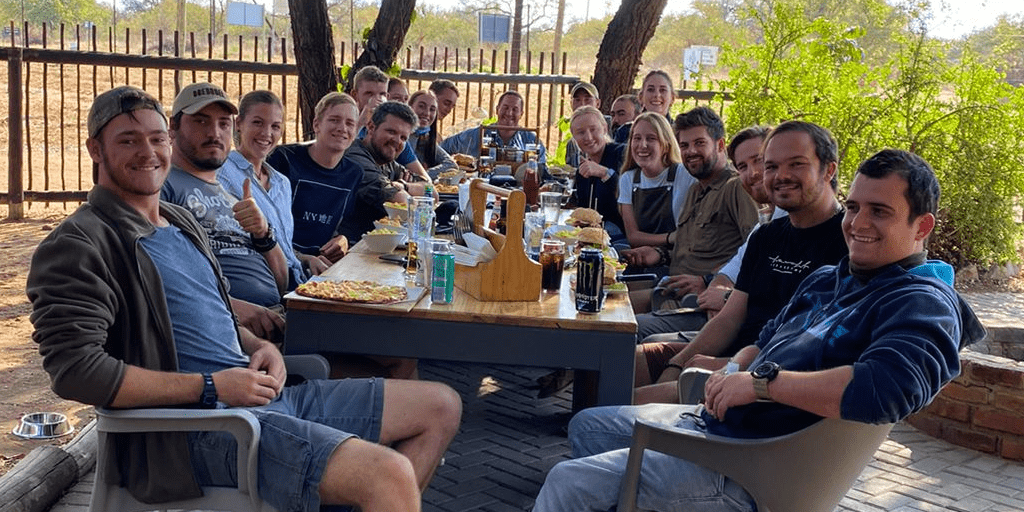
    The friendships and bonds that were formed among students and staff are priceless, and something that I will cherish for the rest of my life. We grew together as a family, learning the ways of how things are done in the bush, and getting to know ourselves better too.

    image

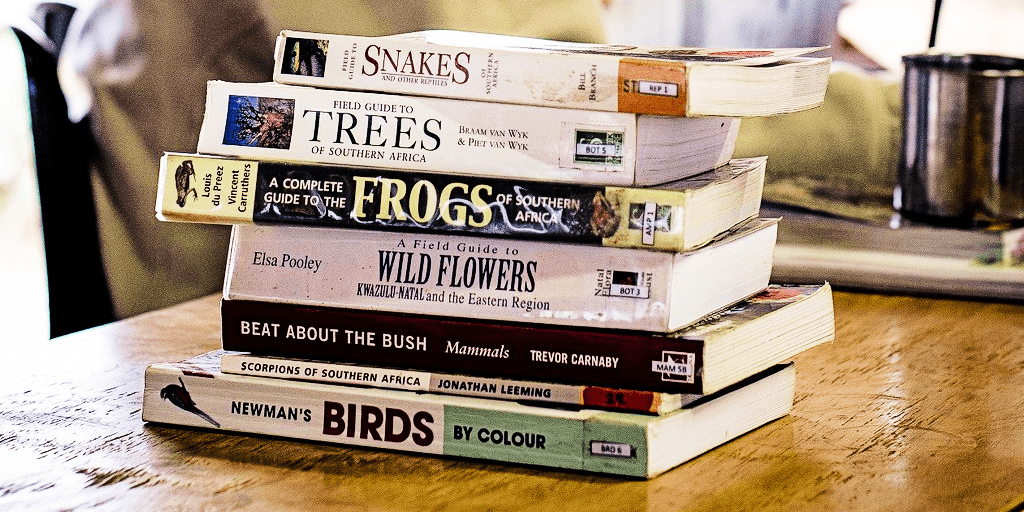
    The first semester focused on studying to increase our knowledge about the bush. We wrote weekly tests on all the CATHSSETA modules, like advanced rifle handling (ARH) and viewing potentially dangerous animals (VPDA). These tests helped to prepare us for the CATHSSETA Apprentice Field Guide theory test, and paid off greatly with a 100% pass rate for our campus. 

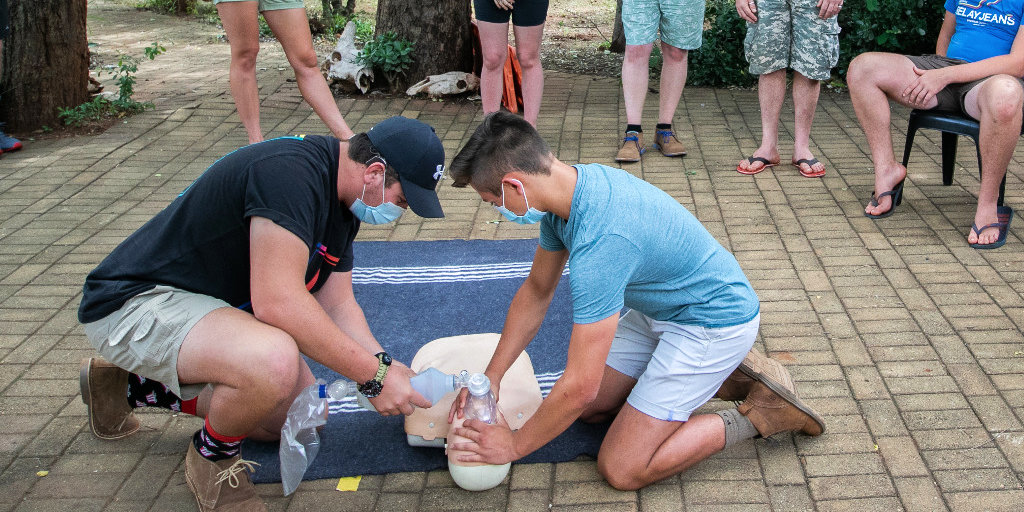
    We went on daily morning and afternoon game drives, where each student got the opportunity to drive and guide the group. This prepared us for the practical assessment of the CATHSSETA Apprentice Field Guide qualification. What makes Bushwise unique compared to other training schools, is the extra training they offer to give students as many qualifications as possible. This helps students to stand out as Apprentice Field Guides when applying for jobs. A few examples of additional training that Bushwise offers includes 4×4 training, an in-depth photography lecture and first-aid training.

    image

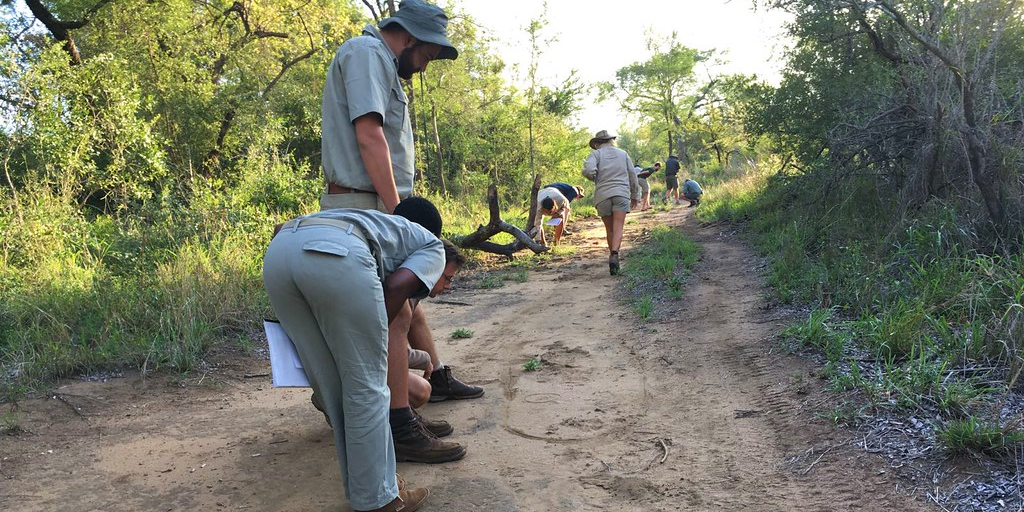
    After we wrote the theory exam, it was time for the real fun to begin. We spent a week with Colin Patrick, where we learned about Tracks and Signs. This gave us a new perspective of the bush. I found it mind-blowing that you can gather so much information about an animal just by looking at its tracks. During this time, we also obtained our rifle competency training, which was very interesting for me as I’ve never worked with guns before. This was followed by days of dry firing .375 rifles to help us practise how to handle rifles safely in the bush.

    The practical drive assessment training was a very stressful week! This was the make-or-break moment of the course, so naturally the nerves got to all of us. 

    image

    It was funny to see how some of the students’ personalities changed when they were nervous. All of us made a few minor mistakes and everyone shared a good laugh with one another. But, at the end of the week everyone was smiling because everybody passed their assessment.

    The final semester focused on walking trails and practicing for the ARH assessment. We saw interesting animals and learned how different people react in their fight-or-flight response. 

    The ARH assessment eventually got its turn and we had to give it our best shot to try and successfully complete all the different exercises. This was just a summary of the events that stood out for me, but at Bushwise, you’re always kept busy with fun activities, tasks and new assessments that you have to prepare for.

    image

    These past six months had a massive impact on the person I am today. Bushwise courses allow you to connect to nature, create new hobbies (birding is mine), build confidence and get to know who you are. What I found funny is that prior to starting the course, I thought that I already had a good understanding of the bush. After these six months, I was surprised to look back and remember that I walked in here without really knowing anything.

    And, even though we meet the CATHSSETA standards and have much more knowledge of the bush compared to the average person, I  know that our knowledge is still a drop in the ocean. Bushwise has successfully managed to grow my passion for nature, and it’s because of this that I will strive to keep on learning.

    You can have an experience like Carel-Louis by joining a Bushwise course now.

  • Exam week

    BY: Sarah Bennett

    Camp manager blogs are written by our current students who each get a chance to lead and manage a group (of their fellow students) for a period of one week.

    This was the week we had all been waiting for. That we had all been studying, reading, and testing for.

    Exam week.

    Luckily, we had our off-week before through, so this gave us some much needed time to dedicate to our studies (and some well-deserved rest).

    Before any of that could happen, we still had final practice drives and a practical botany exam. This involved spending three hours walking through the bush and identifying different trees, bushes, flowers, and even the occasional rock.

    image

    After we got through that, we had a little end of semester celebration at Three Bridges. A way to say “well done” to everyone for a gruelling four weeks.

    It’s time to study

    With the amount that needed to be studied, it would have been good to have an extra few hours in the day. But soon enough everyone was back on campus and ready to get back to the grind. And with only 36 hours before we had our FGASA exam, that’s exactly what we did.

    Most of Monday consisted of people memorising definitions, filling out tables, and discussing what we thought we would be asked in the exam. 

    “If there’s only 150 marks and 17 modules, that’s less than 10 marks per module right?” 

    “What if they don’t ask anything about astronomy?” 

    “What do you think they’re going to ask about biomes?” 

    image

    The exam was growing ever closer, and we still hadn’t come to any conclusions. All we could do was get a good night’s sleep and hope for the best.

    Exam day

    Everyone was up early on Tuesday morning, frantically re-reading notes and flashcards. About 30 minutes before the test, a herd of elephants stopped on the driveway to wish us luck. This was a nice sign that everything was going to be alright.

    Once everyone had put down their pens and handed in their exams, there was a palpable sense of relief. It was done. We had made it through. All we could do now was wait for the results.

  • A week of walks

    BY: Jenika Pohl PHOTO BY: Taya Maasch 

    Camp manager blogs are written by our current students who each get a chance to lead and manage a group (of their fellow students) for a period of one week.

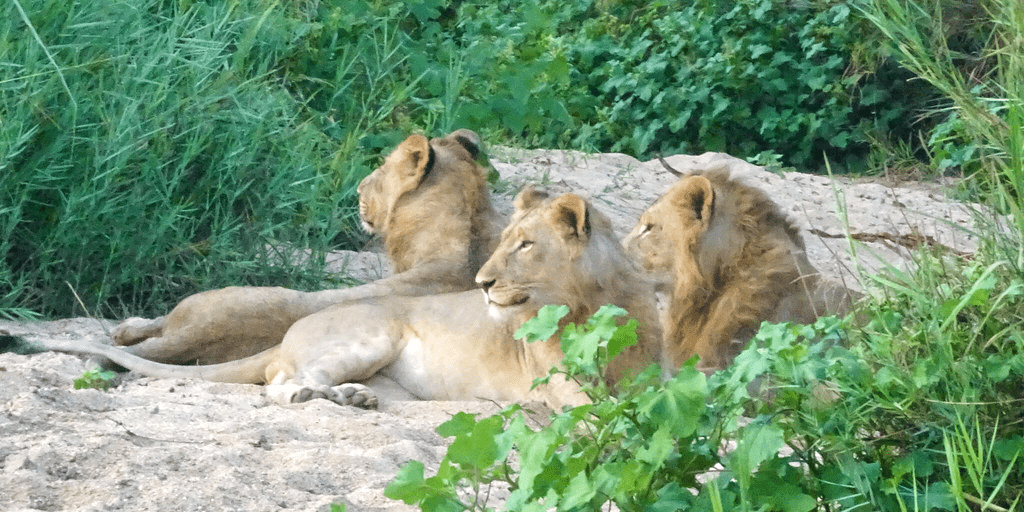
    On 13 May, the sightings we caught on-foot were amazing. In the morning, I walked along the river with our trainer Lindi. We saw a pride of lions across the river. They saw us too, watched us for a bit, and then sped off to the rocky outcrops. We sat down and watched them while they were standing on the rocks. This was an amazing experience. 

    image

    The afternoon walk was great too. Jaques, who works for Colin Patrick Training, came to teach us more about trailing animals. This was loads of fun, because it’s one of my greatest passions. 

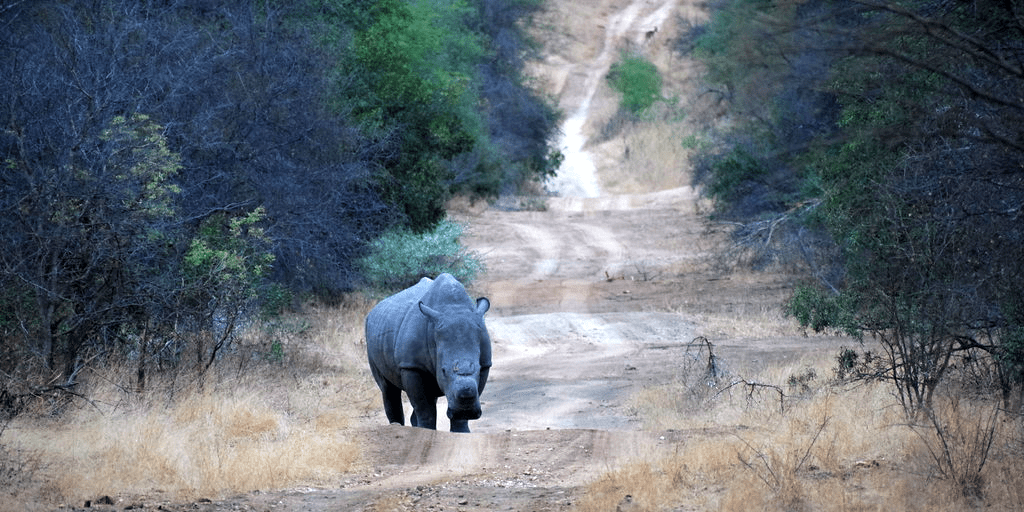
    We found tracks that belonged to a white rhino, on the road. From there, we partnered up and each pair got a chance to trail the rhino. 

    After about an hour, my classmates Erin and Daniel were trailing the rhino and eventually spotted it in the field. We saw Erin and Daniel a few meters away. We walked after them for a while and eventually spotted the rhino about 50 metres from us.

    image

    On Friday night, before our off-week, I acted as the host for the evening and after dinner we played Mario Kart for the rest of the night. During our off-week, some of us went to Colin Patrick Training for the trailing course. We had loads of fun there as well, and saw amazing sightings on foot. On Sunday morning, our whole group met at Marula Bar before Jack and Lindi picked us up at the stack and store. 

    We had a nice braai after we arrived back in the evening. Pieter Kruger joined us for the upcoming week to participate in the walks. The sightings we caught on foot were incredible. 

    On the Monday afternoon walk, we had two encounters with two different herds of elephants in the same area. Tuesday’s walks were quiet, but you can’t have amazing encounters every day. 

    image

    Image: Geena Wegner

    Wednesday was my last day as camp manager. The morning walk was quiet again and the afternoon walk blessed us with an elephant bull sighting, 15 metres away from us. I had an absolute amazing week as camp manager, with unforgettable sightings and incredible people.

    See the most interesting wildlife animals by joining one of our field guide courses.

  • Erin Anderson’s record setting week as camp manager

    Camp manager blogs are written by our current students who each get a chance to lead and manage a group (of their fellow students) for a period of one week.

    The role of a camp manager includes the weighty responsibilities of carry around the radio and essentially being a look-out for any unusual sightings or happenings around our campus; making sure everyone is doing their duties; and checking everybody’s temperatures in the morning and at the end of the day – which I found was a really nice way to have little catch up with everyone on campus.

    After a very busy week of rifle handling and tracking, a game drive was scheduled for Wednesday afternoon which everyone was excited about. We decided to do things differently and change up the groups: instead of staying in our designated A and B groups, we lined up to randomly select a card. The colour card each of us picked indicated the vehicle we were going to be on for the game drive, which was a nice way of mixing it up and learning how our fellow future field guides would do things.

    image

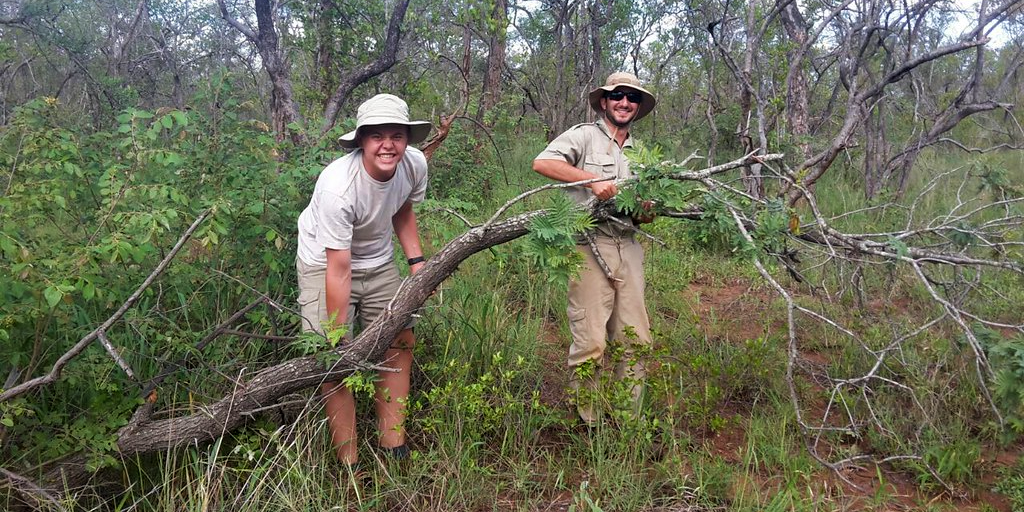
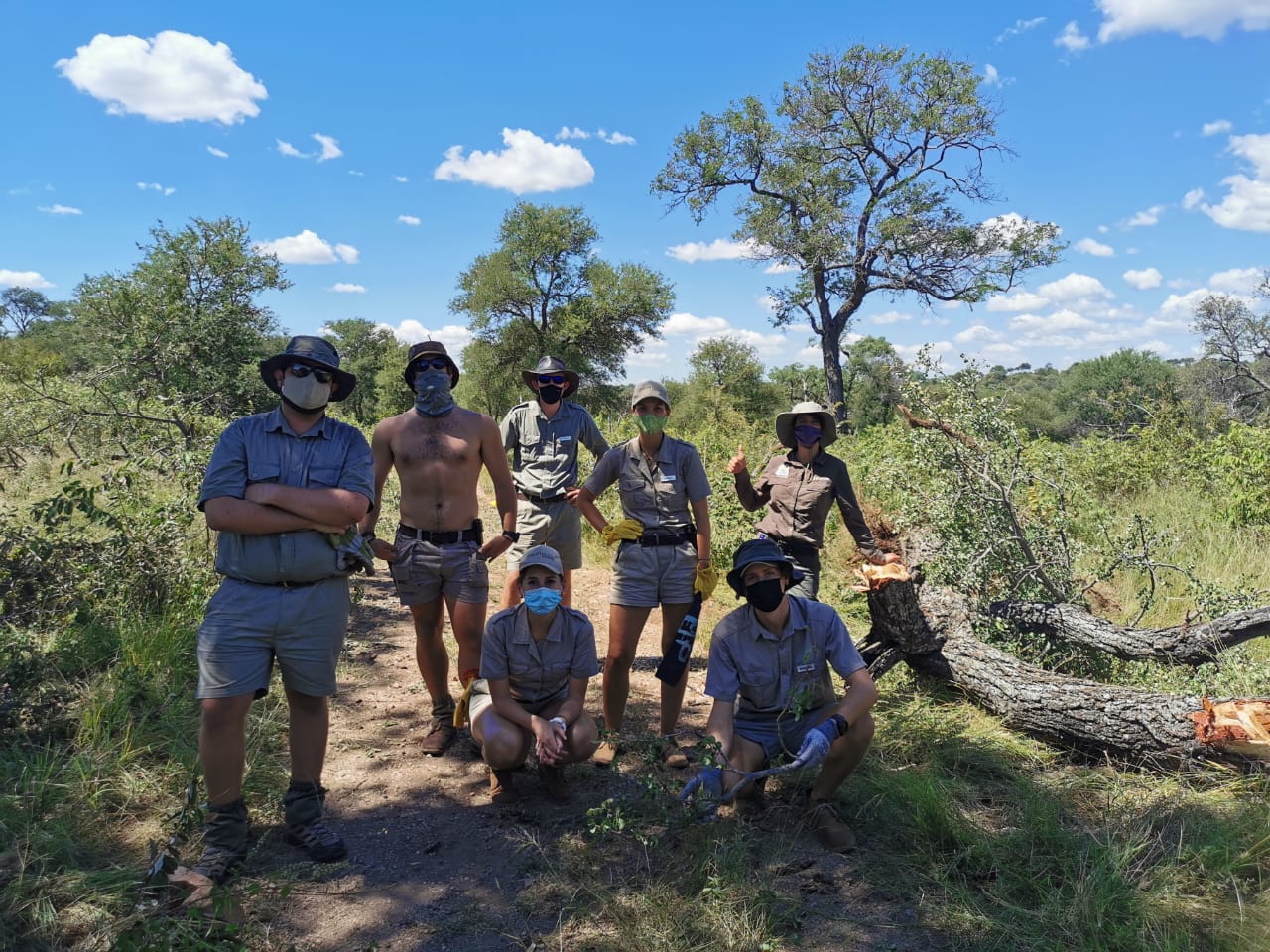
    A morning of gruelling reserve management awaited us on Thursday, with half of us being assigned to help with the digging of  a waterhole and the other half with removing the dreaded Knob Thorn trees out of the road. Thankfully Friday was packed with rewards.

    We enjoyed an amazing game drive during which a new record for this course was set: The most bird species spotted on a single game drive – 54 different species to be exact! This enthralling excursion was followed by a workbook session, and then by our mammal orals (something that we had been working on all semester. Well…some of us). As soon as the last oral was done, Off Week was finally a reality! Much needed after a very busy semester.

    image

    On Sunday 14th March we were reunited after a well-rested week off. After a quick catch up session it was straight back into the swing of things with study for the amphibians and reptile test the next day. 

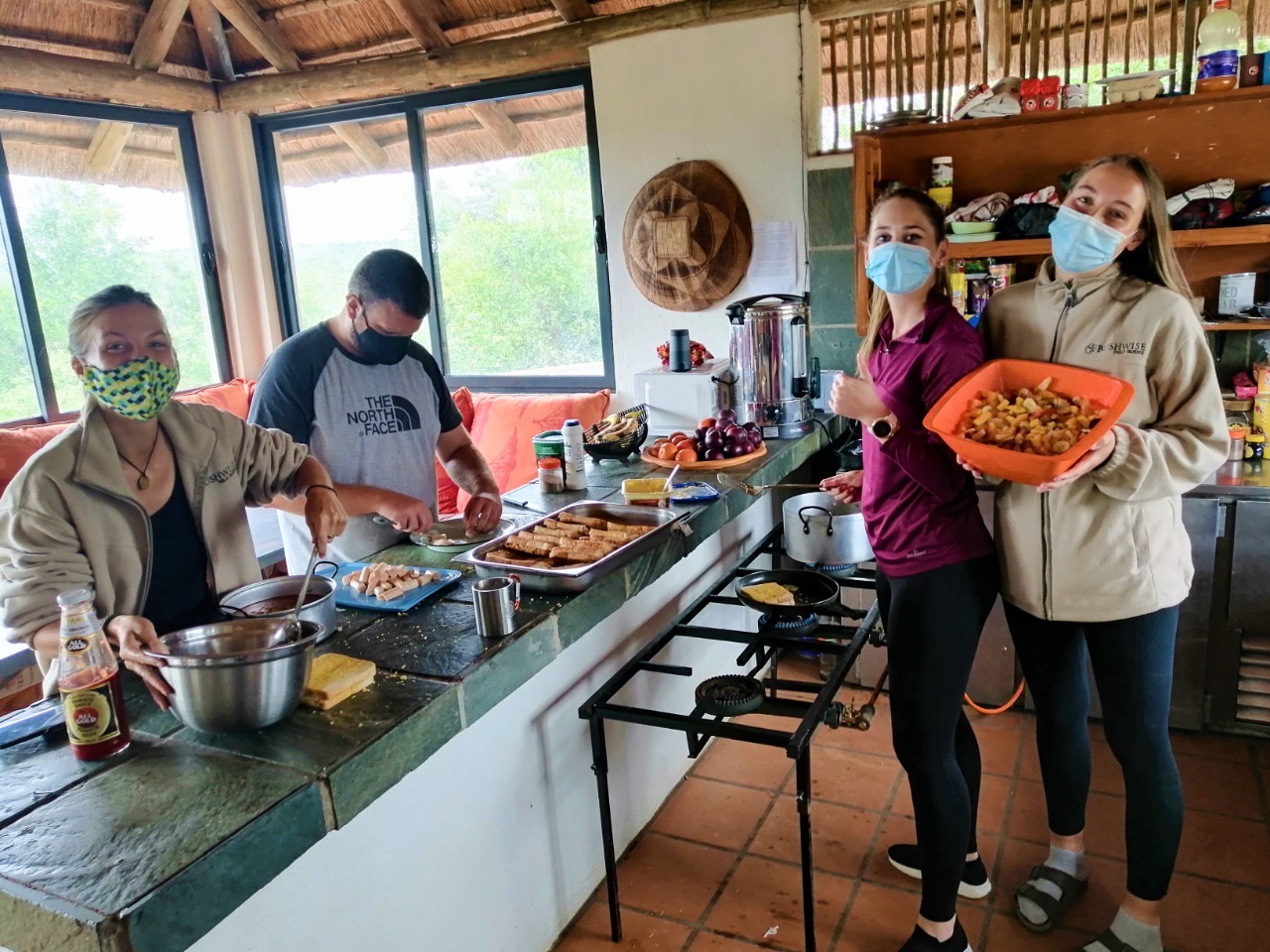
    Each action-packed day filled with lectures, study, workouts (an optional extra) or game drives was followed by a delicious home cooked dinner made by our amazing chef Sibo – bringing us together as a team to share in the day’s many laughs and memorable moments

  • First student camp manager blog for 2021

    BY: Taya Maasch, student 2021

    At the start of the second week, I was assigned the duty of Camp Manager, which was a mix of nerves and doubt as everything was still new to us, as well as being the first student camp manager of the course.

    We kick-started the first day with our very first lectures on Introduction to guiding, Radio procedures and Geology, which was very exciting, although the scorching heat and constant humidity were challenging but we still managed to give our trainers, Jack and Lindi, our undivided attention.

    On our second day, we all headed into town (Hoedspruit) to get our much anticipated Bushwise uniforms and we had the opportunity to visit the famous Hoedspruit Reptile Centre. While group A was being charmed by an array of reptiles, group B had gone into town to get their uniforms. My group, which was group A, headed straight to the Hoedspruit Reptile Centre to learn more about our fellow reptiles, ranging from the not-so-friendly Nile crocodile to the fascinating Chameleon. We were lucky enough to witness a trio of Black mambas feeding, having the opportunity to feed the chameleons as well as being the only visitors, meaning that Chris, our tour guide, was able to give each and every one individual attention.

    image

    After a few hours, our group headed into town to get all khakied up in our new and exciting uniforms. Some of us grabbed a bite to eat at the one and only Fig and Bean Café, while some of us went on a shopping spree, stocking up on snacks and other goodies such as drawers and fans which, to be honest, was a necessity. After a long, yet successful day we ‘just’ managed to fit in all our shopping and food as we headed back towards campus.

    The next day we all woke up at dawn and got straight into some practical work with the vehicles, learning how to use a jack and change tyres, which was a good workout for some of us. The next important bit was for us to do a driving assessment, which for most of us was quite nerve-racking as not all of us have driven a big, 4×4 vehicle before, although we all managed to pass. In simpler terms, it felt like I was driving a tractor.

    image

    After a much needed weekend off, we jumped straight into the next week with our very first tests on Introduction to guiding, geology and radios. The nerves were real as everyone was unsure of what to expect but the constant graft (studying) definitely paid off.

    We ended the week off with an afternoon game drive, learning about the wide variety of trees, birds, mammals and learning how to nkonzo (track), as Jack would say. Halfway into the game drive, we stopped for a phuza (drink) in a wide open area, where we reflected back on our first week.

    image
  • The importance of plants in South African environments

    BY: Tasneem Johnson-Dollie

    With the overdevelopment of natural spaces and plant extinction coined as key local contributors to climate change, you probably already have some idea about the importance of plants in South Africa

    image

    But are all plants important? And what do plants actually do for South African environments?

    Well, to answer this question, let’s start off with an exercise.

    Imagine hovering high above South Africa, looking down on an assortment of wild spaces. Now, pick any plant you can spot: one of the bristly, golden grasses in the savannah, or a fine clump of fynbos cosying up to a rocky crevice.

    Now, guess at the importance of that plant in South African environments. Wondering if you’re right?

    Well, whatever plant you’ve chosen, you can be sure that it has a meaningful role to play in keeping South African environments healthy. And the same can be said for plants found anywhere else in the world.

    The specific plants that grow in an area set the scene for the animals that live there, and even the local climate. Still need some convincing about the importance of plants? Well, let’s take an even closer look.

    What’s the ecological importance of plants?

    image

    There are three major roles that all plants play in any ecosystem. This includes being part of:

    1. the water cycle
    2. the oxygen cycle
    3. the nutritional cycle.

    What does this mean exactly?

    It means that plants are lifeforms that can take water out of the atmosphere, bring it down to the ground, and make it available to other living things that need water to survive – this is known as the water cycle. Think of the plant as a sponge that soaks up water from the air, keeps some of it for itself, and lets some of it drip away to be used elsewhere.

    Plus, plants convert carbon dioxide into oxygen. In high concentrations, carbon dioxide adds to global warming. But oxygen is an essential part of why there’s life on Earth. Every living thing needs oxygen!

    Plants also provide food for people, animals and insects, allowing them to survive, grow and reproduce – and for life on Earth to continue. This is how plants contribute towards nutrition.

    How do plants contribute to South African environments?

    Many countries in Africa experience hot, dry conditions for large parts of the year. These areas are prone to droughts and dusty soils that don’t encourage the growth of plants.

    Despite this, countries like South Africa are home to some of the world’s most biodiverse natural spaces, and the plants found in South African environments are to thank for the wild scenery you can experience here.

    What types of plants are found in South African environments?

    image

    There’s no one-size-fits-all description when it comes to the plants and animals found in South Africa. This is because the country is pieced together by many different types of natural environments, where a variety of different kinds of plants and animals can be found.

    There are eight biomes – naturally occurring environments – in South Africa:

    1. grassland – where tons of different grasses dominate the terrain
    2. savannah – stretches of grass interspersed with tall trees
    3. nama karoo – a semi-desert area where dwarf shrubs squat among tall grass
    4. succulent karoo – where turgid succulents are dotted across the semi-desert terrain
    5. forest – a large area dominated by tons of trees
    6. fynbos – clumps of low-growing heather-like trees and shrubs that clamber over rocks and sand
    7. desert – where grasses are common during the rainy season and you can expect to see nothing but sand during the dry season
    8. thicket – an environment where short trees poke through low-growing shrubs.

    Further reading: All you need to know about field guiding and biomes of South Africa

    Beyond its multitude of terrestrial terrains, the South African coastline is also stroked by two different oceans – the Atlantic and Indian oceans – and boasts a myriad of marine species.

    This abundance of land and sea settings is one of the biggest reasons why there are so many different plants and animals found in South Africa.

    Other factors that feed into the biodiversity of South African environments are the climate of the country, which ranges from subtropical to arid, and the protected areas that allow for various species of plants and animals to continue to thrive here.

    Why do South African environments matter?

    image

    South Africa is ranked as the world’s third-most biodiverse country according to the South African National Biodiversity Institute (SANBI). It’s classified as a megadiverse country because, while South Africa only covers 2% of the world’s land surface area, it’s packed full of plant and animal species.

    To be more specific, South Africa is home to:

    1. 5,000 species of endemic plants and 10% of the world’s plant population
    2. 7% of the world’s reptiles, birds and mammals
    3. 15% of the world’s coastal marine species.

    And, the wealth of plants and animals in South Africa contributes to the well-being of people living in the country too – since they provide the food, water, medicines and materials that people need to live.

    But, savannah plants and other South African foliage are also an important part of continental and global development. How? Well, when South African environments are doing well, they add to global oxygen, water and nutrition cycles in a way that builds on the well-being of global communities.

    While all the plants of South Africa are important, savannah plants play a big role in keeping the country up and running. Here’s why.

    What’s the importance of plants in the savannah?

    image

    The savannah biome is one of the most important South African environments because it makes up almost half of the land surface area of the country. This means that what happens in the savannah has a big effect on the rest of the country.

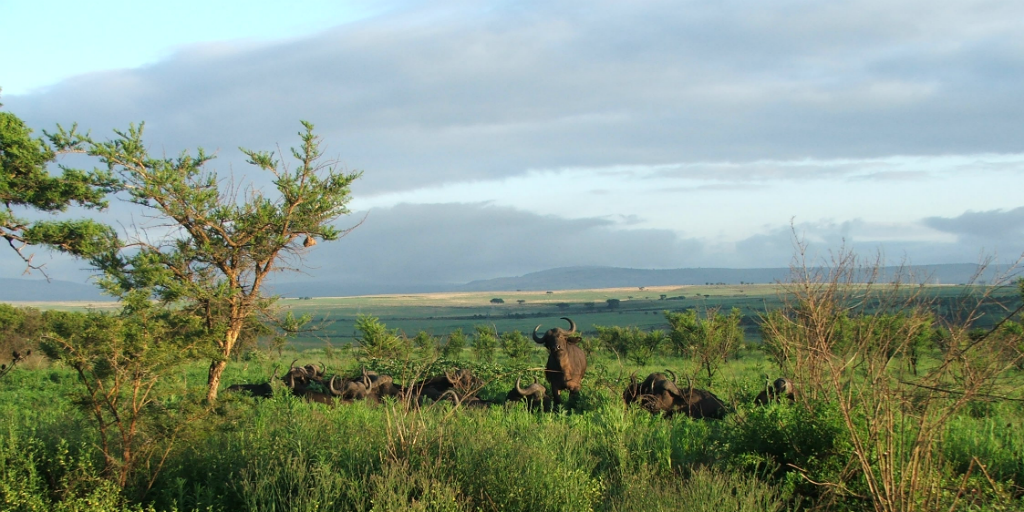
    And some of Africa and the world’s biggest and most well-known animals – like lions, elephants, buffaloes, leopards and rhinos – depend on savannah plants for survival.

    But, how do the plants in the savannah support the mammals, reptiles, and scurries of insects that can be spotted in this terrain?

    This is where the ecological importance of plants shines through. Plants are what make the otherwise uninhabitable dustbowl of the savannah the perfect choice for a whole host of species.

    The ecological importance of African savannah plants

    image

    The savannah is characterised by a hot and dry climate with seasonal shortages of water.

    It’s covered in clumps of different grasses, like Rhode’s, red oats, lemon, bermuda and elephant grass, as well as tall trees – like acacia, baobab and candelabra trees – that provide much needed shelter.

    How is this the ideal place for the plants of the savannah to lay down their roots? Well, savannah plants have some interesting adaptations that make surviving these challenging conditions so much easier.

    The following are some special features that savannah plants have acquired:

    1. Savannah grasses can go dormant during the dry season – which can last for six months in some areas – and grow rapidly again when the rainy season arrives.
    2. Many plants in the savannah have roots that grow deep into the ground. This means that they can access deep water sources.
    3. Having deep roots also prevents the entire root from being damaged during the fires that are common in the savannah – so plants can survive and regrow after a fire sweeps through an area.
    4. Plants of the savannah flower for only part of the year to preserve water.
    5. Some savannah plants grow corms or bulbs that allow them to store water.

    And these adaptations aren’t just great for the plants, they also see to the needs of the creatures living in the savannah.

    For example, corms and bulbs provide the savannah’s inhabitants with water when the rain is scarce. And grasses can trap the dust that’s kicked up on a daily basis, and purify the air – so it’s a good thing that there’s an abundance of it.

    How to learn even more about the importance of plants

    image

    We’ve just scratched the surface of the importance of plants in the savannah. While we may never know it all, learning more about plants is one way that we can get involved in the conservation of Earth’s natural spaces – which feeds into the well-being of animals and people too.

    And what better time than the present to make a start, with 79 South African plant species having gone extinct over the last 300 years, and 21 more predicted to be gone by 2030?

    Take a look at Bushwise Field Guides’ online course for nature enthusiasts and get a step ahead in making a positive impact. 
  • Why hyenas aren’t the black sheep of the savannah

    BY: Tasneem Johnson-Dollie

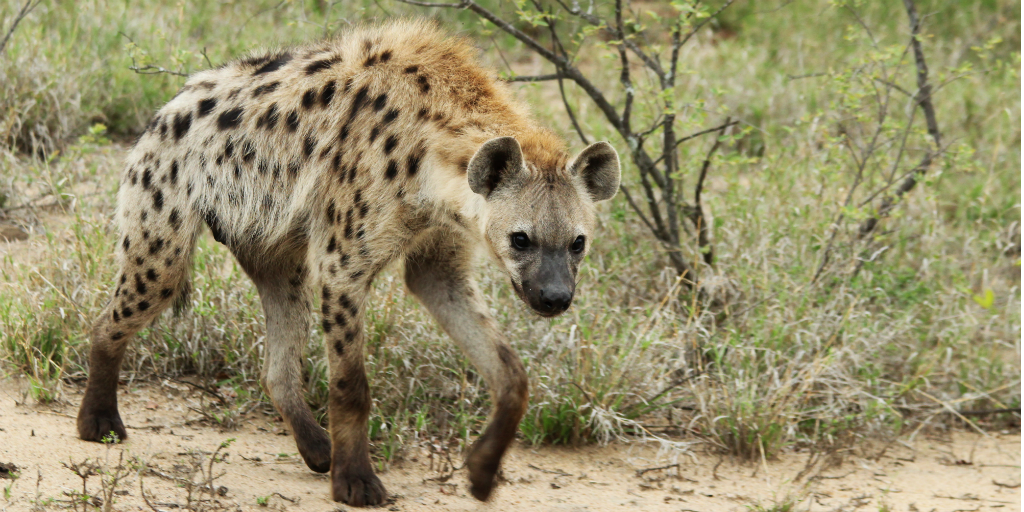
    The Crocuta crocuta is one of the world’s most successful hunters, has a super keen sense of smell, and striking cat-like features. Did you get hyena from all that?

    Many of us know hyenas as shaggy beasts with a shifty gait and an unnerving cackle of a call. But why have these features overshadowed their success as predators and the interesting social behaviour of these African grassland animals?

    Well, it may have to do with their looks, or even how they’re portrayed in kids films. Whatever the reason, we’re getting to know much more about these African animals, and the findings are painting hyenas in a very different light.
    What to take from pictures of African animals

    image

    For many of us, pictures of African animals are our first introduction to these wild creatures. And who tells us what we’re seeing in these pictures, and gives us background on the African wild animals captured in the shot?

    It’d most likely be a teacher, a parent, a tour guide at a museum, or – if you’re lucky – a conservationist with experience working with South African animals.

    Keep in mind that not everyone is an expert on African wild animals, or able to give a valid description of what South African animals are really like.

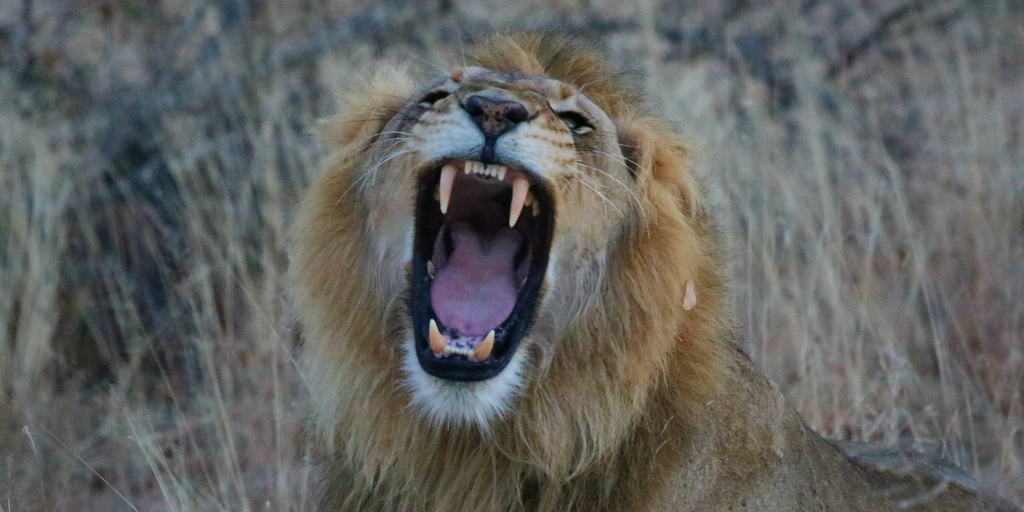
    For example, male lions are often snapped roaring fiercely, chasing after prey, or striking a regal pose while surrounded by their partners and progeny. This pushes the idea of lions as the kings of the savannah, and can easily sell you on their regal status.

    image

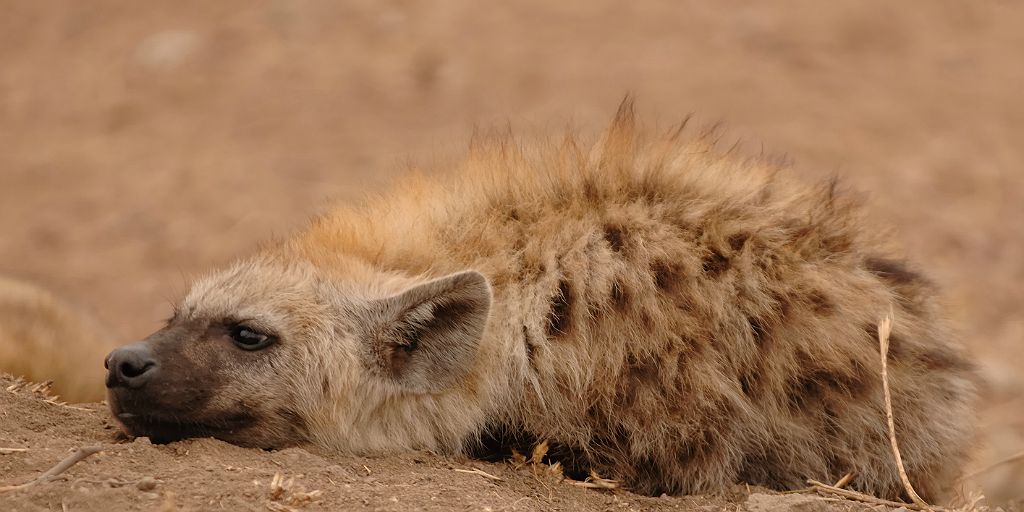
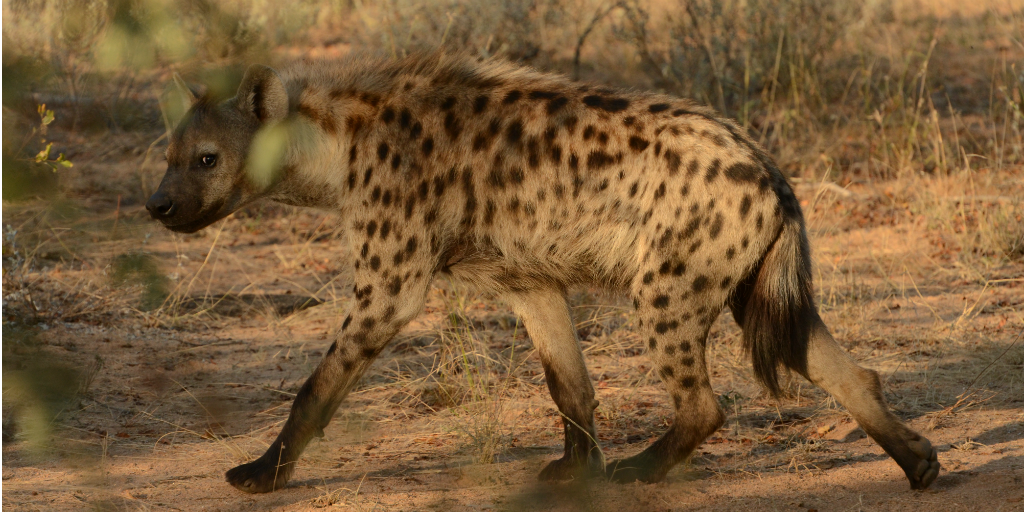
    Hyenas on the other hand are often photographed dipping their heads into a meaty morsel, while shiftily raising their eyes to survey their surroundings. Or, you may have seen an image of them midstride, head lowered as if they’re running away after doing something sly.

    A picture is worth a thousand words, but whether those words are well informed or not is up to you.

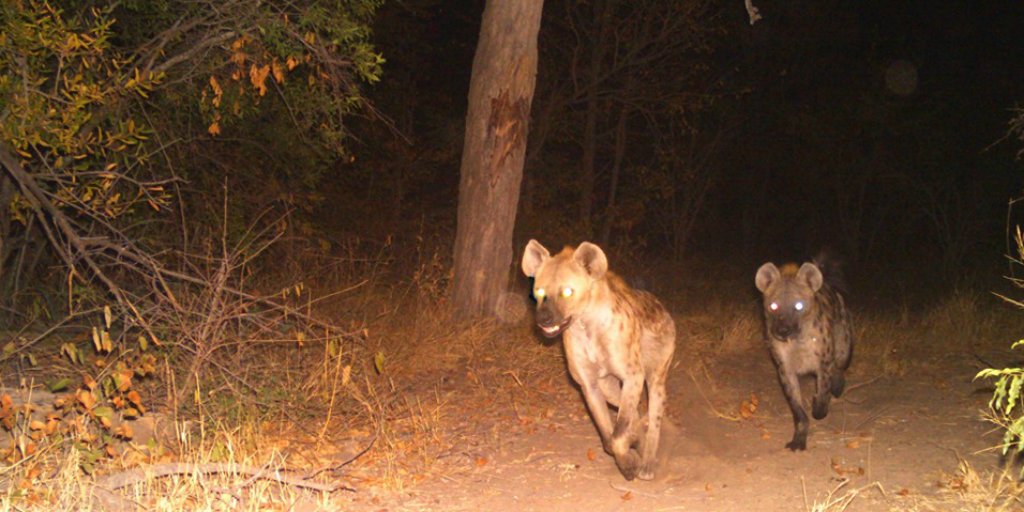
    For years pictures of hyenas portrayed them as some of the world’s sneakiest scavengers. But today we know that they’re actually highly skilled predators, brave enough to take on lions or tackle large prey – like buffalo.

    Here are some facts about hyenas that’ll make it clear why they’re just as dashing as every other African animal.

    There’s not just one type of hyena

    image

    While hyenas are probably best known as being African animals they’re also found in southwest Asia and India. Hyenas aren’t a very diverse group of animals and there are only four different hyena species:

    1. Crocuta crocuta – the spotted hyena
    2. Hyeana hyeana – the striped hyena
    3. Hyeana burunnea – the brown hyena
    4. Proteles cristata – the aardwolf.

    These creatures range in size from 10–80 kilograms and have a bushy tail and rounded ears in common.

    Hyenas also have forelimbs that are longer than their back limbs, and this is one of the reasons why they move the way they do – being taller in front makes them walk or run as though they’re moving uphill.

    Another identifying feature of all hyena species, except for aardwolves, is their huge jaw and massive premolars and molars that all come in handy for crushing bone.

    This canine-like feature may come as no surprise. After all, you probably pegged hyenas as a wild dog of the African savannah anyways? But what if we told you that hyenas may be cat-like too?

    Cat or dog? Well, hyenas may be both.

    image

    There’s just something about hyenas that can easily remind you of your pet rottweiler, or neighbour’s alsatian. Then again, they don’t perfectly fit the mould of any dog or wolf you’ve seen before, do they?

    That’s because, although hyenas have many canine characteristics – like catching prey with their teeth and not spending time in trees – they have some striking cat-like features too.

    In fact, these Asian and African animals are classified as cat-like carnivores (Feliformia) instead of canine-like carnivores (Carnivora).

    These are some of the cat-like features that hyenas have:

    1. The structure of hyenas’ heads resembles cats more than dogs.
    2. They groom themselves the same way that cats do – by resting on their lower back while licking themselves clean.
    3. Hyenas don’t lift one leg while urinating (like canines do), and they have the same scent-marking behaviour as cats.
    4. Their mating and parenting behaviour is the same as felines.
    image

    Hyenas are social creatures

    So maybe you’re still thinking, “Well why did the hyenas live in a shadowy cave in an elephant graveyard in the Lion King if they weren’t social pariahs?” Again, don’t just believe everything you see or hear, even in your favourite childhood tale.

    Hyenas live out on the sunlit, grassy plains of the savannah, in woodlands, at the edge of forests, or in desert terrains – usually without an elephant skull in sight.

    Spotted and brown hyenas live in social structures known as clans, or with one other hyena. Clans can consist of 3–80 members depending on the species. Aardwolves and striped hyenas are known to be solitary, but also form groups at certain times of the year and have important social interactions.

    Male spotted hyenas bow to females before mating, striped hyenas nurse their young for up to 12 months, and female brown hyenas communally care for offspring by nursing each other’s cubs.

    image

    Many hyenas spend part of their lives alone once they’ve matured, but this type of behaviour is seen in many African wild animals, like leopards, civets and caracals.

    So, the next time you’re looking at pictures of African animals, watching a movie, or listening to someone’s description of hyenas, don’t just assume that your first impression is the right one.

    Make sure that you take the time to learn your African animal facts, and find out for yourself from reputable sources when you aren’t sure if something’s true or not.

    It may mean the difference between you gaining insight into one of the most interesting African animals, or having an uninformed image stuck in your mind.

    Take a look at Bushwise Field Guides’ Wildlife Research Expedition where you can get out into the bush and learn about hyenas and other South African animals for yourself.