Author: Bushwise Student

  • How to navigate using the stars in the savannah

    BY: Tasneem Johnson-Dollie

    How to navigate using the stars isn’t just something that’s nice to know when living or working in the bush – it’s vital! 

    Whether you’re learning to become a wildlife researcher or a field guide, your future career will mean living in or visiting remote locations from time to time.

    Yes, you’ll probably go out as part of a team, but how can you be sure that you’ll be able to find your way around if you happen to get lost?

    One way is to learn how to make use of your surroundings for navigation. Sound like something out of an adventure flick?

    Well it doesn’t have to be, because on a Bushwise Field Guides’ course you’ll learn the basic astronomy that will set you off on the right track. Here’s a little taste of what it’s all about.

    Astronomy class 101
    image

    Astronomy is the study of the universe beyond Earth’s atmosphere, including all of the objects that exist in space.

    It’s the oldest natural science. But, before the invention of the telescope in the seventeenth century, basic astronomy was focused on predicting the position of the sun, moon and planets.

    Today, it’s an out-of-this-world endeavour – literally – and includes the study of objects that we can see with our eyes or a telescope, and those that we can’t!

    If you sat in a modern-day astronomy class you’d get to:

    1. study the position and behaviour of the sun, moon and planets
    2. learn about the patterns in the stars and their uses
    3. gain an understanding of the physics of space and everything in it.

    Interesting astronomy facts
    image

    Most of our understanding of space comes from what we’ve learnt from Earth-bound observations, astronauts who spend small amounts of time in orbit, or probes and robots that are sent to do some interstellar snooping.

    Here are just some of the interesting astronomy facts that this field has filled us in on:

    1. The moon is lemon-shaped and only appears to be round from Earth.
    2. The planet Saturn would float on water.
    3. Mars has both the biggest volcano and the longest valley of all the planets in our solar system.
    4. You’d experience hurricane-like winds on Venus and these winds are growing stronger over time.
    5. Stars are the building blocks of galaxies, and the Milky Way galaxy is made up of around 300 billion stars.
    6. We’ll never be able to see the first population of stars ever created, because they’ve been moving away from Earth at an increasing rate since the beginning of time.
    image

    Luckily, there are around 5,000 stars and 88 constellations – a recognisable pattern of stars – that we can make out in the night sky. This means that navigation by the stars, a practice that has been around since ancient times, is still possible today. Here’s how.

    Navigation by the stars

    Star navigation can be even easier than using a compass. And some of the most interesting astronomy facts are the ones that allow us to navigate by the stars.

    Here are just three star navigation facts to fill you in on how to navigate using stars. You’ll learn more about these facts in a field guide astronomy class.

    1) Location, location, location
    image

    To navigate your way to your destination, you first need to know where you’re at. Basic field guide training will teach you how to keep track of your location as you move from place to place.

    This way, you won’t have to try to decipher your location in the dark, and you can get a head start on finding the stars used for navigation.

    2) Think of stars as lampposts

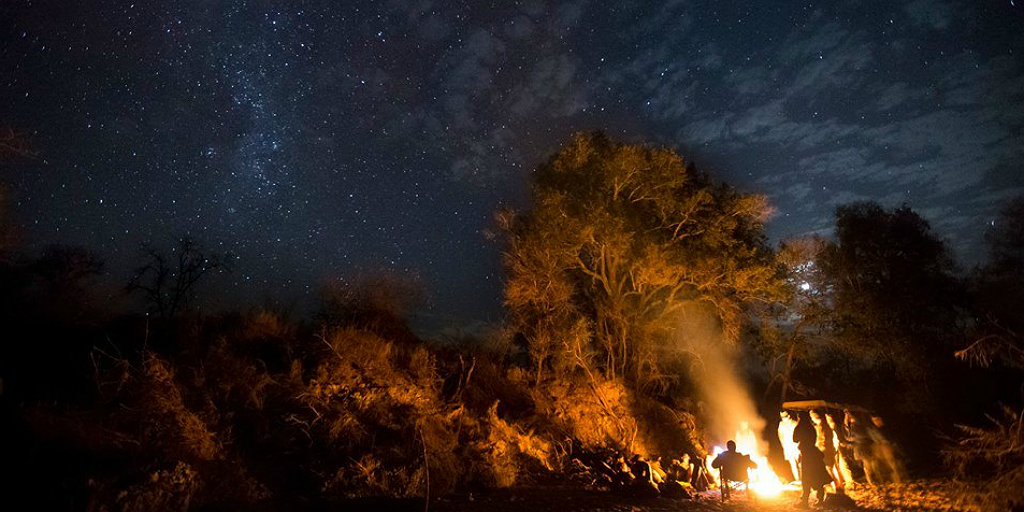
    As the night creeps on, we can see the stars moving around the sky. But some of them stay in position. These are the stars used for navigation.

    Think about the street in the city where you live, lit up by lampposts at the end of every day.

    These lampposts light your way, and can even help you see how far you’ve travelled from your initial position once you’re on the move.
    image

    Polaris (or the North Star) is one of these lamppost stars used for navigation.

    Navigation by the stars boils down to pinpointing Polaris in the night sky. To do this, you’ll need to spot a specific group of seven stars known as the Plough, or the Big Dipper.

    3) Become a starry-eyed dreamer

    Locating specific constellations can be tricky at first. Practise makes perfect, and it helps to get in touch with your creative side.

    Start off by spotting the Southern Cross,  a constellation of four stars that lights the skies of the southern hemisphere.  This arrangement of stars is also also known as Crux, and can point any traveller in the direction of the south pole.

    But how would one use this constellation for star navigation?

    Well, with a little imagination, you can link up the pairs of stars in the constellation, and imagine one short and one long line that intersect to make a  cross.
    image

    Now, focus on that longer line. The distance between the stars that make up this line is what you’ll use to figure out which way south is. How?

    Start by holding up your thumb and index finger to measure the distance between the two stars making up the longer  line. From the bottom-most star of the Southern Cross, move four times this distance away from the Southern Cross in a line that extends straight down from the cross itself.

    Now, look at the spot on the horizon that lies directly beneath your endpoint. You’ve found south!

    Not quite with us? Well, there’s another way to find south using the Southern Cross that may just clear things up.

    Look over to one side of the Southern Cross and spot the constellation Centaurus – one of the largest constellations in the sky which is said to resemble the mythological half-horse, half-man creature known as a centaur. Take note of the two brightest stars in this constellation. These are known as Alpha and Beta Centauri, and are amongst the brightest of all the stars in the sky.
    image

    These stunning sparklers act as pointer stars that can help you to more accurately pinpoint which direction south is. Here’s how:

    1. Extend the line linking the stars at the head and foot of the Southern Cross just like you did in the first example, let’s call this Line 1. Keep this line in your mind.
    2. Now, imagine a line linking Alpha and Beta Centauri. Find the midpoint of this line and drop a perpendicular line down from this point. This will be Line 2.
    3. The point directly beneath where Line 1 and Line 2 intersect is known as the south celestial pole, and moving in that direction will mean you’re heading south.

    How to navigate using stars in the bush
    image

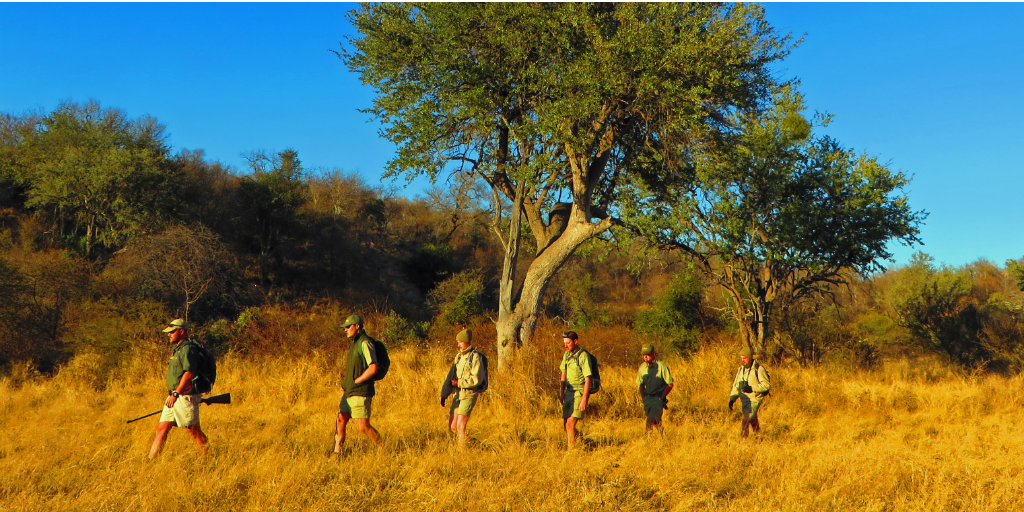
    Star navigation in the bush uses all the same techniques you’ll learn in any basic astronomy class.

    But, navigation by stars in the African wild means that you’d also have to consider the terrain and safety considerations that go with moving through the savannah – like not stepping on a snake, or tripping over an antelope.

    Take a look at Bushwise’s IFGA Professional Field Guide course and see how you can learn how to navigate using stars while becoming a field guide.
  • How to celebrate International Cheetah Day: learn all about cheetahs

    BY: Tasneem Johnson-Dollie

    International Cheetah Day has claimed its spot on 4 December, but what can you do that will add to cheetah conservation all year round? Why not learn all about cheetahs?

    There’s no excuse for us to lounge around waiting for cheetahs to conserve themselves, but what is it that stops even the most passionate cat lover from leaping into action? Not knowing enough about the cheetah is something that can hit pause on anyone’s conservation pursuits, even if they’ve already made a start.

    Why? Well, you don’t know what you don’t know. You can’t contribute towards cheetah conservation if you don’t know what cheetah conservation entails, and you can’t add to the well-being of the cheetah if you don’t know enough about these creatures.

    What to do? Well, since we’ve just celebrated International Cheetah Day, why not just learn all about these wild cats so that you can hit the ground running? Easier said than done you say? Well, not necessarily. Take a look at these top cheetah facts that will start you off on solid ground.

    Interesting facts about cheetahs

    image

    If you’re wondering “What is a cheetah really?”, “What’s the difference between a cheetah and a leopard?” or “What are the most interesting facts about cheetahs?” then brace yourself because you’re about to find out!

    What is a cheetah?

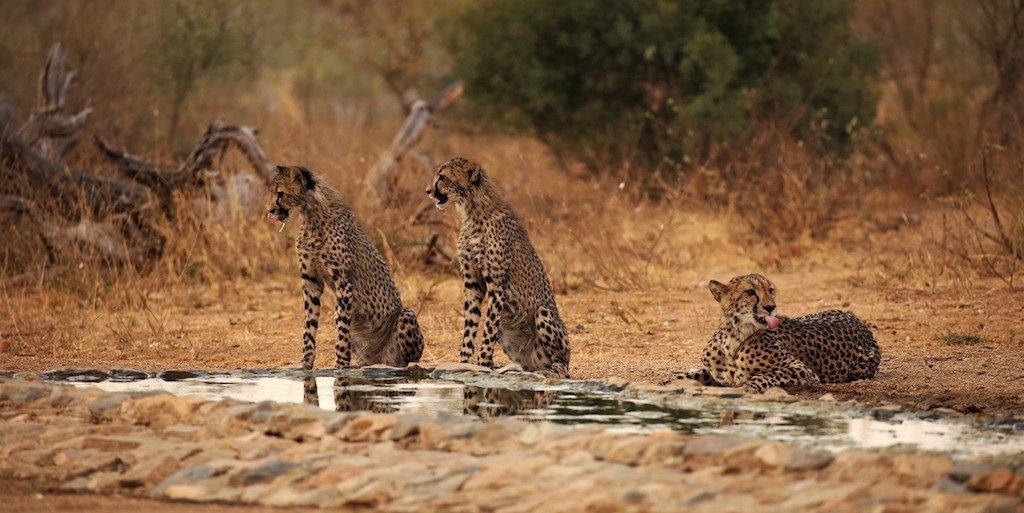
    More formally known as the Acinonyx jubatus – its scientific name – cheetahs are carnivorous wild cats that are found in Africa and Asia.

    Their sleek, spotted bodies and smaller heads set them apart from the bulkier members of the big cat family – like lions, tigers, leopards, snow leopards, lynxes and jaguars.

    How fast can the cheetah run?

    image

    The cheetah trumps all other land mammals in the speed department, and this has to do with how quickly they can go from standing still to reaching phenomenal speeds – also known as acceleration.

    The record among cheetahs was officially set by Sarah, an 11-year-old cheetah from the Cincinnati Zoo in the United States, who blitzed through a 100-metre stretch in just 5,95 seconds. This dashing young lady was also radar-timed and caught moving at a speed of 98 kilometres per hour.

    These are epic abilities when compared to the fastest Olympic athlete – Usain Bolt – who set a “human” 100-metre speed record in almost double Sarah’s time, or the fastest horse which clocked in at a top speed of only 89 kilometres per hour.

    The cheetah has pushed mammalian capabilities and our understanding of high-performance predators to the brink – and has left us feeling a bit whiplashed!

    How is the cheetah adapted for speed?

    In some ways, the build of the cheetah can be compared to the whittled limbs of leaping buck like springbok and impala. The sleek lines of high-speed birds like peregrine falcons also hint at some of the aerodynamics that make it possible for cheetahs to reach jaw-dropping speeds.

    All of these animals are built for fast acceleration, and you’ll get a lot further in learning all about cheetahs by becoming acquainted with their swift-creature features. Here’s a look at some of them:

    1. They outpace other big cats because their leaner and sleeker builds make them more aerodynamic than the rest.
    2. The cheetah is the only big cat with semi-retractable claws. This gives them more traction while running and allows them to push to top speeds.
    3. Having incredible eyesight and hunting during daylight hours makes it possible for cheetahs to pounce on prey with precision while travelling as fast as a sports car on a highway.
    4. They have powerful muscles and flexible spines that allow them to pick up and maintain high speeds.
    5. Because dashing about at great speed takes tons of energy, the cheetah has wide nostrils, big lungs, a strong heart, and large arteries that make it possible to pump lots of oxygen to the cheetah’s working muscles.
    image

    Is there another cheetah besides the African cheetah?

    While the African cheetah that prowls the savannah is the most well-known, they’re not the only one of the species.

    In fact, a small and critically endangered group of cheetahs lives among the desert terrain of Iran in Western Asia. They’re known as Asiatic cheetahs and are smaller in size and more slender in build than African cheetahs.

    Because of their slighter figures, scientists believe that the Asiatic cheetah may be even faster than the African cheetah. But, to date, there’s no data to show that they’ve broken the record just yet.

    But wait, what’s the other spotty wild cat called then?

    image

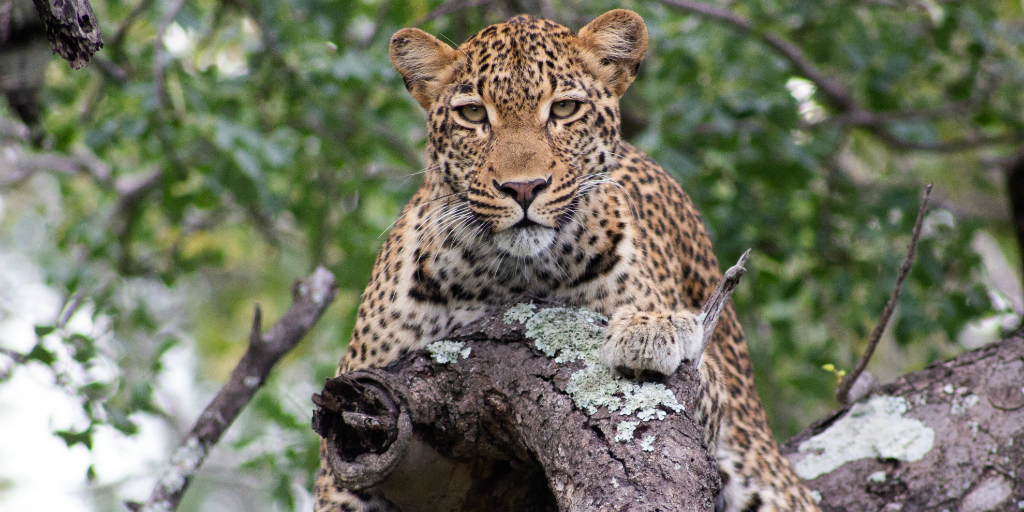
    Leopards are another type of dotted wild cat that you may mistake for a more muscular cheetah.

    What are the biggest leopard and cheetah differences?

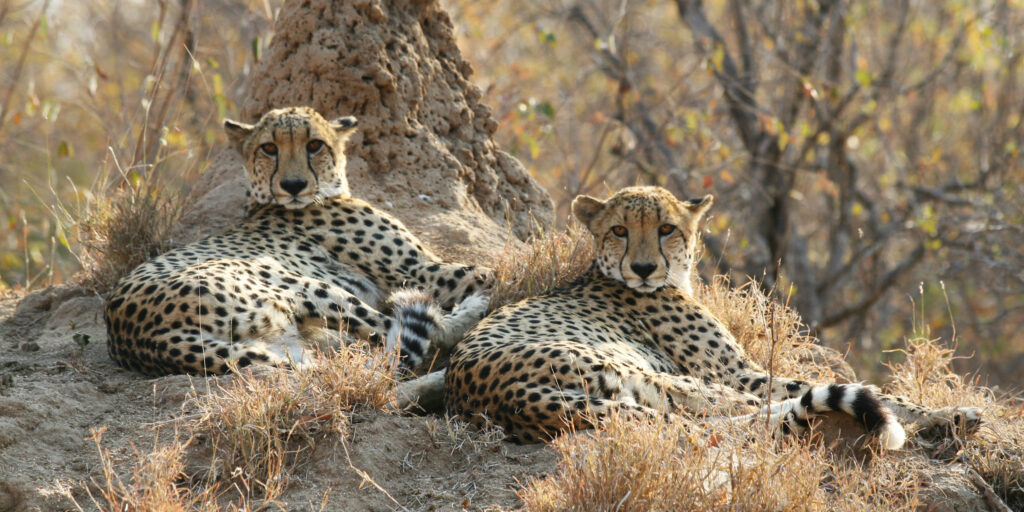
    Both the cheetah and the leopard boast dark dots sprinkled across gleaming golden pelts.

    But look a bit closer and you’ll see that these spots aren’t actually the same, and they’re one way to spot the difference between a cheetah and a leopard.

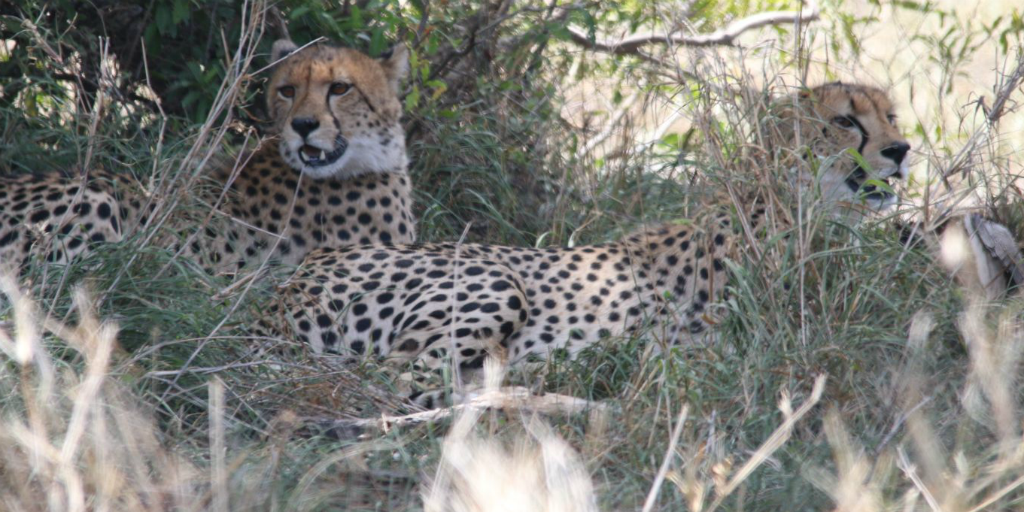
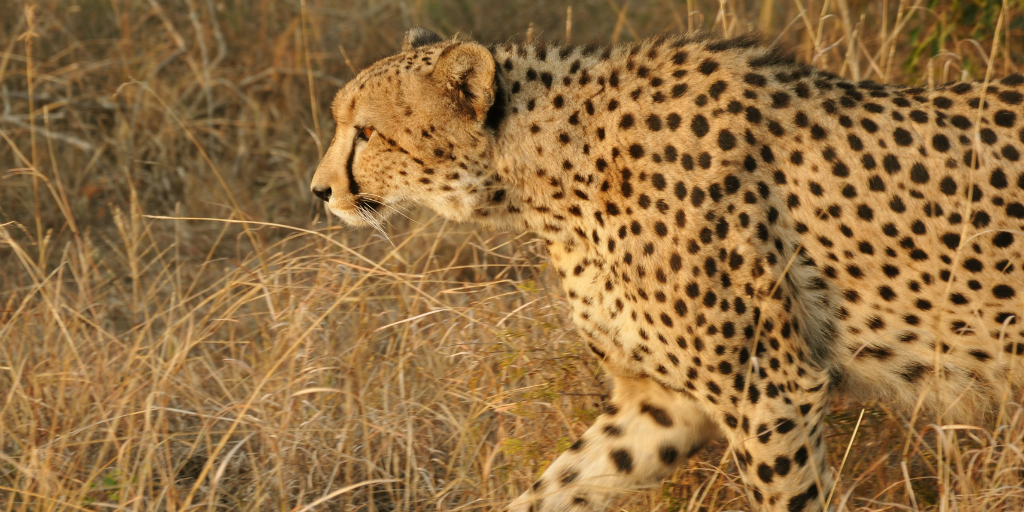
    The cheetah has solid spots that are pretty uniform in size across their bodies. Leopards on the other hand have rosettes, which are black rose-shaped markings. These rosettes range in size depending on where on the body they’re found.

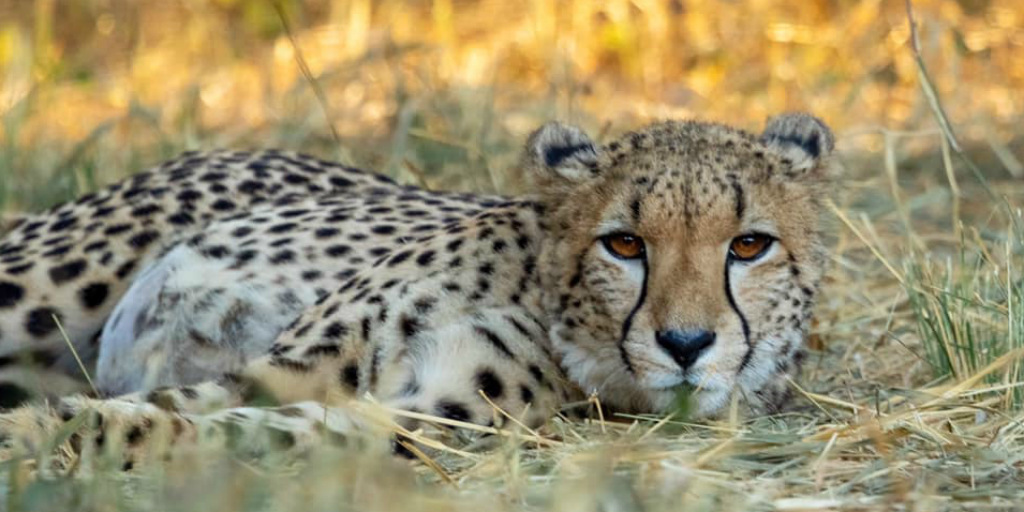
    Cheetahs also have tear marks, black lines running down their faces from the inner corner of each eye. These are one of the most obvious leopard and cheetah differences.

    But beyond their markings, if you saw a cheetah and leopard side by side in the savannah, you’d probably spot some obvious differences straight away. These are just a few:

    1. Leopards are bigger and bulkier than cheetahs, with significantly bigger heads.
    2. The cheetah has a flattened tail, while the leopard’s tail is tubular in shape.
    3. Leopards and cheetahs have different coloured eyes. The green-blue colour of leopard’s eyes are quite different to the cheetah’s amber-coloured orbs.
    4. If you’re lucky enough to spot a cheetah and leopard hunting, you’ll see that cheetahs trip up their prey while running at high speed while leopards stalk their prey before pouncing on them.

    Why are cheetahs endangered?

    image

    The cheetah, with its speedy superpower, is one of Africa’s most well-known animals.

    But, while their build allows for quick acceleration, it doesn’t make them big in the muscle department when compared to other big cats, nor does it give them super strength.

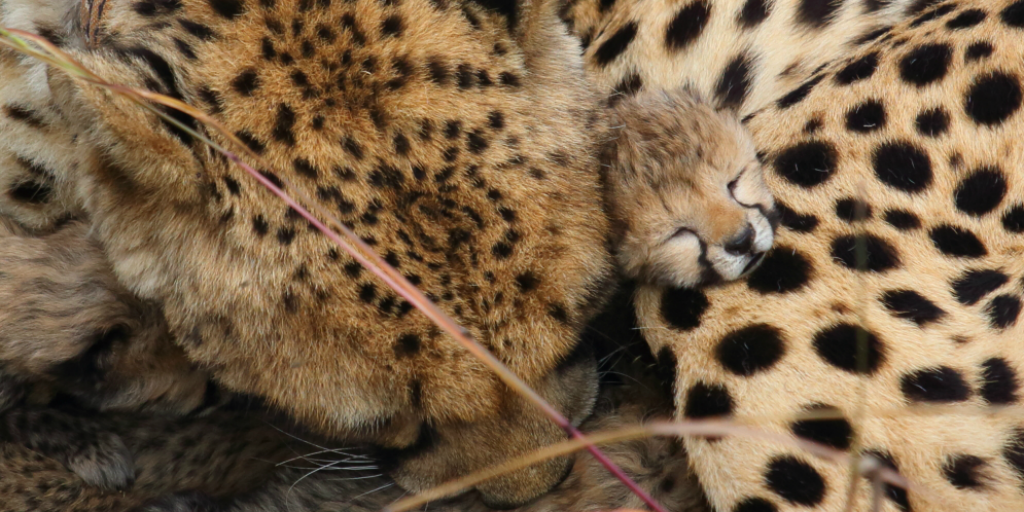
    This means that when cheetahs come up against stronger predators like lions or leopards, they’re at a disadvantage. Lions and hyenas are known to prey on cheetah cubs. This has a big impact on the cheetah’s population size.

    Add to this the fact that the wild spaces that make up cheetah habitats are greatly affected by habitat destruction, and you’ll have some of the top answers to the question “Why are cheetahs endangered?” In Africa and Asia, the expansion of agricultural areas, roads and human settlements has seen the cheetah’s natural habitat offering less and less space for them to live and reproduce.

    According to the International Union for Conservation of Nature’s (IUCN’s) Red List, there are just over 6,000 mature cheetahs around today. This is down by 94,000 individuals when compared to the early 1900s.

    In addition to this, the cheetah was once found in 44 different countries across Asia and Africa but can only be spotted in 29 countries today. So it’s easy to see why these clawed creatures are in need of conservation.

    image

    After learning all about cheetahs, you probably have some good answers to the question “What is a cheetah?” You’ll even be able to start up a conversation about the difference between a cheetah and a leopard, and drop some interesting facts about cheetahs while you’re at it.

    While this may be great for your ego, there are also ways that animals can benefit from you knowing all about cheetahs. With a wealth of knowledge and an eagerness to match it, you’ll be able to raise awareness on the conservation status of cheetahs and the challenges they’re facing, and continue to grow your wealth of cheetah facts and information.

    This will set you up to make a bigger impact in conservation activities aimed at the cheetah, or even start a career in cheetah conservation. In the end, knowing all about cheetahs and applying this knowledge can go a long way in preserving cheetah habitats. And this adds to the well-being of cheetahs and the animals that share an ecosystem with, and depend on the cheetah for their own survival.

    Sign up for Bushwise Field Guides’ Field Guide Association of Southern Africa (FGASA) Field Guiding online course and learn all about cheetahs and other species.

  • Now for the fun stuff

    By: Christopher Magee

    Before we knew it, the sun had set on the second semester and a new day had started in the third semester. In our week off, I had been studying really hard for what was the most important and difficult test which kicked off the third semester – our Level 1 IFGA test. I was feeling quite confident with the amount of studying I had put in and I felt ready as ever when I went in. But…. I also came out just as stressed after the test. Later that evening I was told that, based on our trainer’s preliminary review of our tests, I had passed! That made it a really great start to the third semester.

    image

    The third semester had started with a bang and we had jumped into so many new things. For one, we had started doing our own game drives on a big 5 game reserve. It was a new experience and we had to learn how-to guide on our own – it was important to show our guests the wonders of nature in our own unique way. Of course, we had our guides with us to help out when we needed them. However, there is so much to talk about when it comes to nature. I sometimes felt like I knew nothing, but I have also learned that a field guide will never really know everything and that is what makes this career fun and interesting: you get to learn something new each and every day.

    image

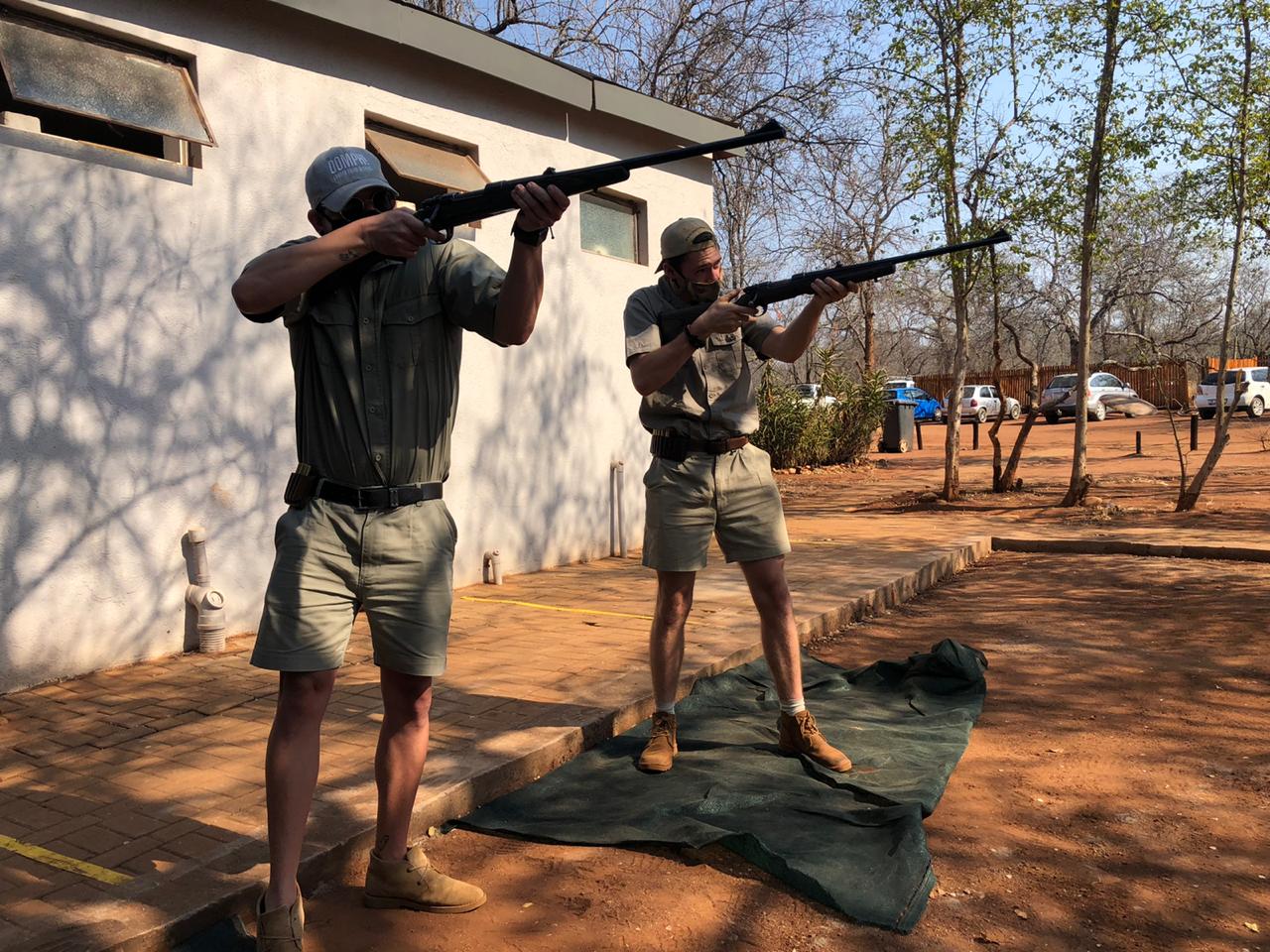
    In this semester there were two important activities that we received training on.  This included track and sign training and rifle training. It was fun to practice and grow our knowledge in these areas. I enjoyed shooting a .22 and a .223 calibre rifle at the shooting range and obtaining the experience to protect my guests should the need ever arise. The track and sign practice, and then the assessment, was most enjoyable as well. In our assessment, we had to identify certain tracks and I was very happy to receive a Level 2 Track and Sign badge. I was excited and proud to share my achievement with my family and friends.

    image

    Coming to the end of this semester, I was excited to go home for a week as I had not seen my family for two months. I was missing them quite a bit. It was so much fun to share the wonderful pictures that I had taken during my time at Bushwise and answering the questions that arose about the wonders of nature. It made me realise how much I had learned and how excited I was to continue learning and growing my knowledge. Even though I will be sad to leave my family again, I was excited to return to my second family in the bush and continue to expand my knowledge of the amazing African wildlife.

    image

  • Why Bushwise offers the best accommodation for aspiring field guides

    BY: Tasneem Johnson-Dollie

    Disclaimer: A number of images in this article were taken pre-COVID-19.

    Living in the bush isn’t easy, but when you’re in the best accommodation it can add to your field guiding experience in a big way. 

    The longer you stay in the bush, the more you’ll learn about field guiding and the savannah environment. On Bushwise Professional Field Guide course, you could spend almost a year living and working in the wild.

    What’s it like living in the bush for so long? And what is the on site accommodation like?

    Read on to find out the answers to these questions, as well as five reasons why Bushwise offers the best accommodation for aspiring field guides.

    What to consider when preparing to live in the bushveld

    image

    One thing you should be clear on before travelling to take part in a Bushwise course is that the campus is in an isolated spot in Limpopo.

    Bushwise’s student accommodation is located at the Mahlahla camp just outside the gates of the Greater Makalali Game Reserve. This private reserve is a 50-minute drive from the town of Hoedspruit, and is the perfect place for students to become immersed in the African bushveld.

    It’s home to the Big Five animals – as well as myriad African antelope, small mammals, reptiles and insects.

    A big part of the appeal of a Bushwise course is that you’ll be in student accommodation that’s in the wild. So becoming a field guide also means having the opportunity to get away from the hustle and bustle of city life, and slow down and take in the sights and sounds of nature.

    Further reading: Overcoming some challenges

    What’s Bushwise’s site accommodation like?

    image

    Located in the lowveld region of the Limpopo Province, the Bushwise campus is something like an oasis in the savannah.

    Driving to campus from the airport will take some time – up to six hours. But this is the perfect amount of time for you to adjust your city senses to the expanses of tall grass and rocky mountain views that will be the backdrop to your field guide adventure.

    As you travel deeper into the savannah, you may start to wonder how well you’ll fare in these vast plains, with fewer and fewer buildings in sight the closer you get to your destination.

    Take a breath, because the next thing you know you’ll be pulling up to Bushwise’s campus, which is nestled into the sun-baked scenery of the lowveld.

    Bushwise’s on-site staff are pros at introducing newbies to the ways of the wild. They’ll start you off by allowing you time to settle into your room before orienting you to the campus and the course.

    image

    The site accommodation sees to all the essentials you’ll need while studying in the bush, including a:

    1. communal kitchen
    2. dining room
    3. ablution block
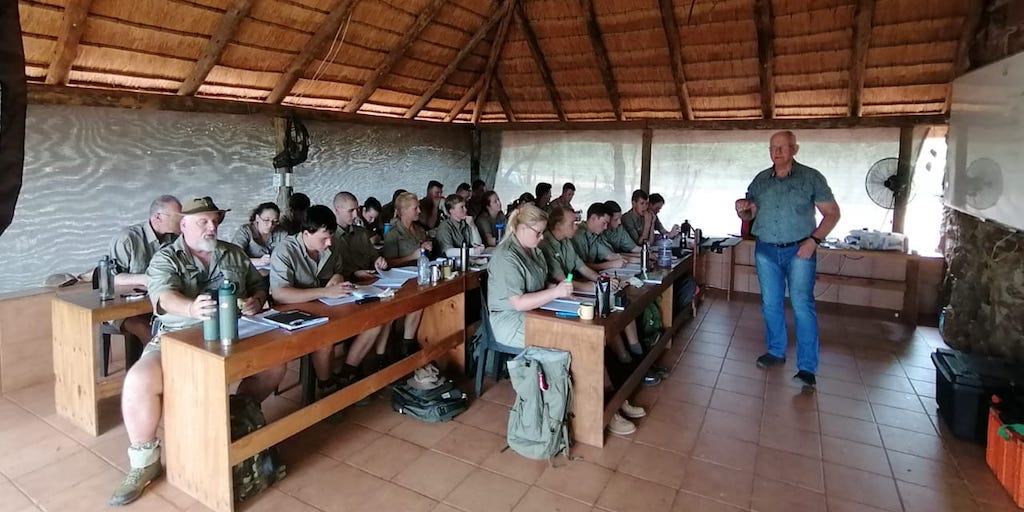
    4. fully functional and equipped lecture room
    5. rondavels that are shared between two students
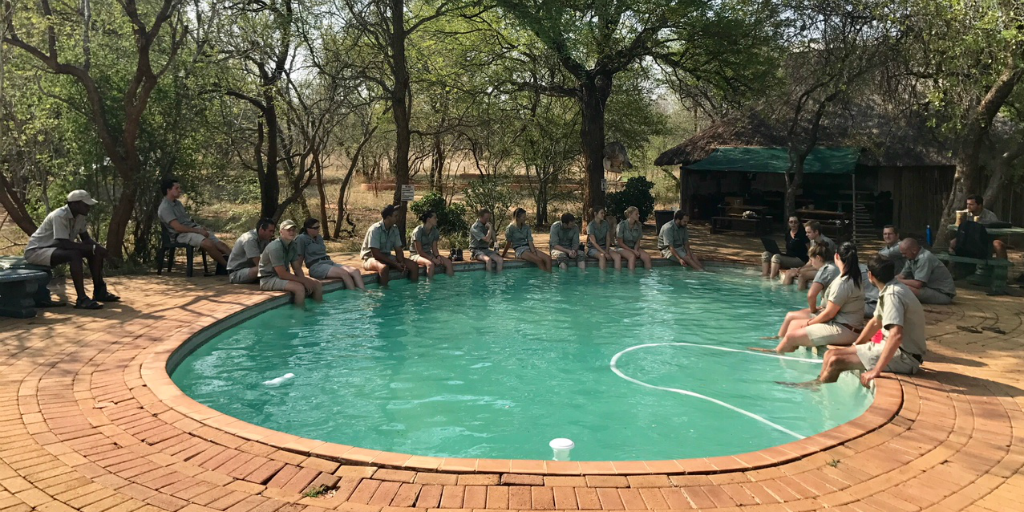
    6. swimming pool and boma braai (because taking a break is important too)
    7. access to wireless internet.

    But let’s not waste time dropping hints as to why Bushwise has the best accommodation for field guiding students.

    Here are five reasons why student accommodation on the Bushwise campus is tops.

    1) Bushwise has a world-class campus

    image

    Where you study to become a field guide is an important part of the credibility of your qualification, and the quality of your learning experience.

    The best field guide training campuses ensure that:

    1. health and safety is prioritised on campus as well as out in the field
    2. the facilities allow for comprehensive theory and practical lessons
    3. student supervision and assistance is part and parcel of every experience
    4. you’re surrounded by nature on a daily basis
    5. students can work with a wide variety of African animals.
    image

    Because Bushwise partners with a reputable wildlife reserve, and has experienced and knowledgeable staff, our courses offer all of this and more.

    The Makalali Game Reserve stretches over 25,000 hectares and is a registered protected area.

    From here, Bushwise students get to see first-hand the type of daily activities that conservationists do. The reserve’s main aim is to try to re-establish the ancient wildlife migration routes that ran between the Kruger National Park and the Drakensberg mountain range.

    They’re all about ethical interactions with wildlife that add to the conservation of African animals in the most impactful ways. So, you’ll get involved in work focused on ensuring the well-being of the animals that call this reserve home.

    image

    Makalali has also assisted in preventing the culling of animals by taking in elephants from neighbouring reserves. And you’ll be able to draw on the experiences of staff who’ve been involved in these efforts while on campus!

    So where better to get a feel for African plants and animals, and the types of activities you’ll do when working as a field guide?

    Working from this campus, Bushwise students continuously achieve the highest pass marks in the industry.

    There’s also the Bushwise Employment Guarantee, which is only possible because of the comprehensive training and training facilities on offer at the Bushwise campus.

    2) You’ll have everything you need

    image

    Because not everyone grew up hobnobbing with African wildlife in the lowveld of Limpopo, you may be a bit more anxious than you expected when arriving at your student accommodation.

    It helps to know that you’ll have everything you need at Bushwise’s site accommodation, and these creature comforts will make settling in so much easier.

    The kitchen is where Iris – the campus cook – will whip up dishes that will get you well acquainted with traditional food in South Africa. Whether it’s a waterblommetjie bredie, or a Cape Malay-style curry, what could lift your spirits more than home-cooked comfort food?

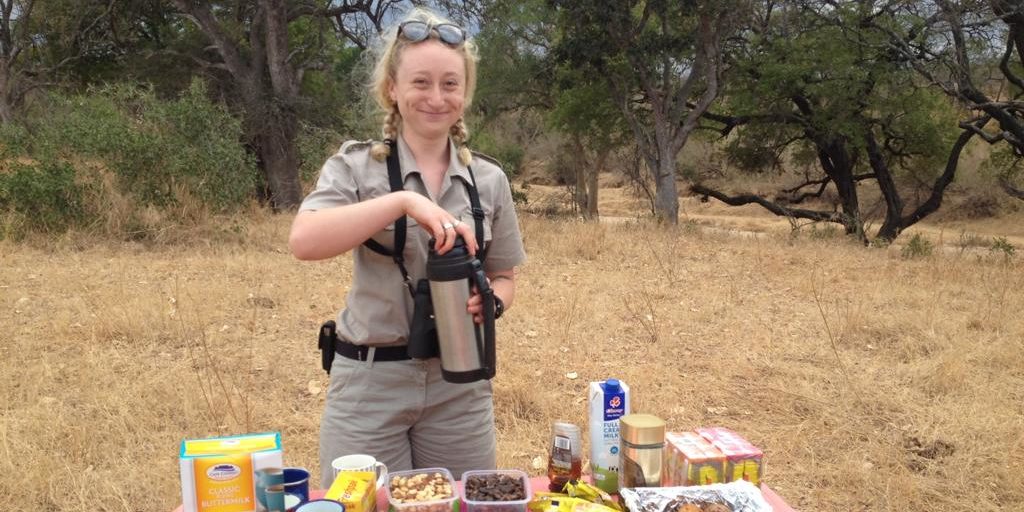
    You can look forward to having two cooked meals a day in the company of your fellow students and Bushwise staff. And if you’re feeling peckish in between you can top up with the fruit, cereals, porridges, tea, coffee and bread available on campus.

    Keen on trying out other traditional food in South Africa? Well, there’s always the option to take a 50-minute trip to Hoedspruit during your free time. You can get a taste for the town’s specialities at the local restaurants – which include pizzas and pastas with a South African spin.

    image

    And when you find that it’s your friends and family you’re craving instead of food, you don’t have to resort to snail mail. The campus has access to wireless internet, and you’re encouraged to bring along your own cell phone so that you can easily connect with your loved ones.

    Besides moments of homesickness, you’ll keep busy on campus, and won’t have much time to feel down during your field guide training. And, after a hard day’s work under the African sun, you can unwind with a hot shower in a clean and comfortable ablution block.

    Feeling refreshed? Next, why not stroll around the campus perimeter and take a whack at describing the wildlife you see using your best David Attenborough impersonation!

    Round up your wildlife documentary just in time to stop off at the laundry and get your uniform in tip-top shape for the next day. This is one of the best accommodation services because it makes it easy to maintain your course attire, which you’ll need to wear each day.

    At the end of the day, it’s up to you whether you wind down with a fire-side get-together, or leaf through a book on your bed. But you’ll rest easy knowing you have everything you need for a comfortable stay at your site accommodation while learning to become a field guide.
    3) You’ll stay connected to nature

    image

    Seeing wild animals often is a great way to ground the theory you learn in a real-life context.

    This will get you in tune with animal behaviours sooner, and help you gain a better understanding of the bushveld ecosystems.

    And Bushwise’s student accommodation caters for just that. The campus is home to porcupines, aardvarks, birds and leopards.

    Of course, you’ll be able to view them from a safe distance because the site accommodation is fully enclosed by a fence!

    Remote camping is also part of the training you’ll receive as a Bushwise student. So you’ll not only get to step out of your student accommodation into the African wild, you’ll get to sleep in the wild too!

    image

    Further reading: Our first sleep out in the bushveld

    This is when your first-hand animal sightings will really start to add up.

    Out in the field you’ll be able to spot:

    1. buffaloes
    2. cheetahs
    3. elephants
    4. hyenas
    5. giraffes
    6. zebras.

    Further reading: The lessons

    4) Safety is a top priority

    image

    Besides all the accommodation services that make it comfortable, Bushwise’s focus on health and safety is what takes your experience in the Limpopo lowveld to the next level.

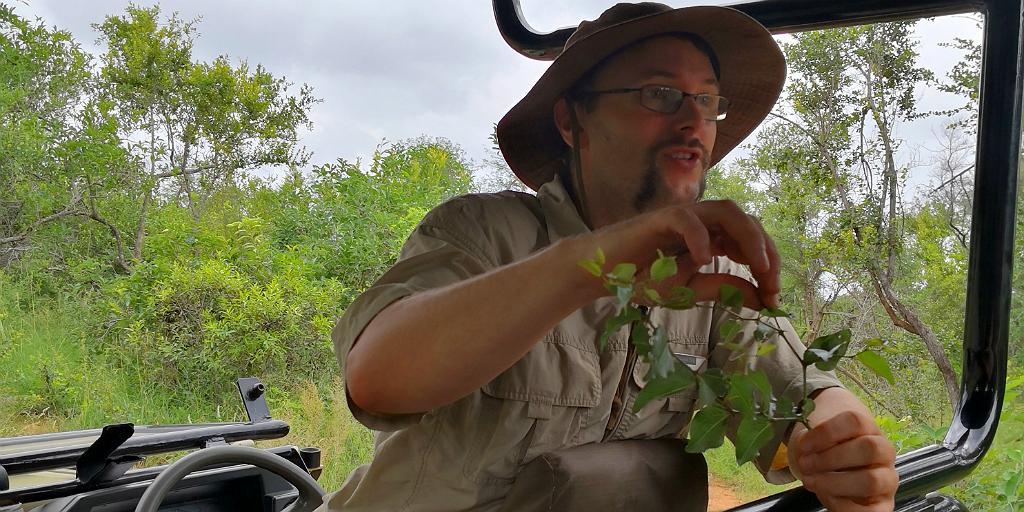
    There are dedicated Bushwise personnel on campus who know their way around the area extremely well. They’re fully capable of ensuring student safety at the site accommodation and out in the field. And these experts are the ones who will guide you through your theoretical and practical coursework.

    And, because the Makalali Game Reserve is home to larger and more dangerous African animals (like the Big Five), having the campus and site accommodation outside of the reserve provides a safe space for students to get to grips with the wild.

    And when you’re kitted out and ready to go, it’s just a short 4×4 ride to the reserve, where you’ll have access to amazing learning opportunities under supervision.

    5) You’ll get a real feel for life in the bush

    image

    Forget just observing, or just taking notes while others get stuck into the action. Bushwise courses aim to prepare you to become a field guide with hands-on experience.

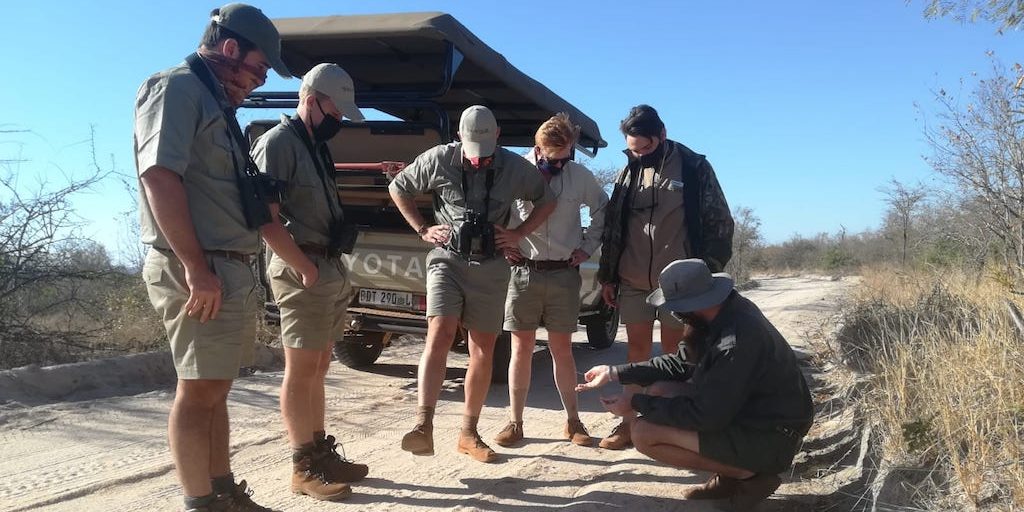
    You’ll try your hand at animal tracking, 4×4 driving and navigating your way around the wild, to name but a few activities. And, you’ll work with conservationists with years of experience working in the bush.

    So by the end of your field guide training course, you’ll have in-depth experience and confidence out in the field, and be a step ahead in landing a career in conservation.

    And while it may not be what you lead with when telling your most epic tales of the savannah, remember that part of what made for an amazing experience was living in the best accommodation in the bush.

    Take a look at Bushwise’s on-site IFGA Safari Guide Course 6/12 months, and get ready to experience the best accommodation on one of the most comprehensive field guide courses out there. 

  • Why geology matters in field guiding

    BY: Tasneem Johnson-Dollie

    For field guides, knowing about geology means that you can bring to life what many of your guests may take for granted – the ground! 

    Geology is important because all ecosystems are supported by the layers of rock that make up our planet. And if these rock layers could talk, what do you think they would tell us?

    Well, thanks to geology, we don’t have to guess at everything.

    In fact, the work done by geologists has filled us in on the timeline of the Earth, provided details of each historic period, and even given us a glimpse of the creatures who roamed the planet before.

    So let’s dig up some dirt about geology, and discover why it’s important to nature field guides.

    What is the study of geology?

    image

    Geology is the study of the Earth. Geologists focus on understanding the:

    1. physical structure of the Earth
    2. materials that make up the Earth
    3. history of the Earth
    4. processes that act on the Earth
    5. organisms that inhabited the Earth in the past.

    One of the most valuable things we’ve learnt from geology is how our planet, and the organisms that live on it, have changed over time.

    What is geology about?

    image

    If you were to ask the question, “What is geology about?” you’d probably be answered with another question, “Which field of geology do you want to know about?”

    This is because geologists work in a wide variety of fields from mining to waterworks and agriculture to construction.

    But, a general answer is that geology is about applying our understanding of the Earth to help us interact with it responsibly.

    And of course, there are geologists whose main job is to continue gathering information about the Earth, so there’s no telling how much our understanding will grow in the future.

    How do field guides use geology in the field?

    image

    When guiding guests along a bushveld trail, you can talk about all the trimmings – the trees, the plants, and the animals.

    But what brings it all together? What’s made up of the matter of yesterday, as well as the stuff of years gone by? The ground of course.

    The ground is a catalogue of time, bearing the marks of species gone by. And by using your understanding of geology out in the field, you can build on your guests’ understanding of nature and help them understand how every part of an ecosystem is connected.

    After all, how would the great acacia tree be able to withstand the winds in the savannah without its roots being anchored in the ground? How would termites build their galleries without the soil?

    image

    And, how would we ever be able to successfully grow our crops, or build our houses if we couldn’t understand the foundations they were set on?

    While the reason why geology matters in field guiding is clear, it also matters in so many other aspects of our lives, and we could all benefit from learning more about it.

    Find out more about Bushwise Field Guides’ online course for nature enthusiasts, and broaden your understanding of why geology matters in field guiding, and in life in general. 

  • Five of the biggest differences between field guides and game rangers

    BY: Tasneem Johnson-Dollie

    Looking to become a conservationist? Well, getting a feel for the differences between what game rangers and field guides do is a good place to start when planning for a career in conservation. 

    Yes, field guides and game rangers work at the same establishments, and they may even interact with each other on a daily basis.

    But field guide and game ranger jobs add to wildlife conservation in their own unique ways.

    Here are five of the biggest differences between field guides and game rangers that can help you to make up your mind, and get into a career that meets your expectations.

    1) Where do wildlife rangers and field guides work?

    image

    Both game rangers and field guides work in national parks, game reserves and private lodges.

    In fact, field guide and game ranger courses may offer their practical component in the exact same places.

    But, game rangers are more concerned with the maintenance of the wild spaces that make up lodges and reserves.

    Field guides, on the other hand, focus more on tourist activities – which means they’re most active in areas of the lodge or reserve where tourists are allowed to go.

    2) What field guides and game rangers do

    image

    Wildlife management became a key focus area in South Africa around the early 1800s. This sparked the establishment of game reserves, nature reserves and national parks.

    Here, people who were passionate about conservation could make a living working with wild animals in their natural habitats.

    Many of these establishments were run by individuals who had years of experience living in or visiting the bush. These pioneers came to be known as game rangers or wildlife rangers.

    The title just made sense, since the word “ranger” is used to refer to the “keepers” – or maintainers – of natural spaces.

    With their wealth of practical bush and wildlife knowledge, wildlife rangers were able to take tourists out into the wild.

    This made it easier for individuals with less – or no – experience in the wild to explore safely.

    Safari drives are still the most well-known of these early activities. But, over time, tourists wanted new ways to experience the wild, and the role played by game rangers developed into something much more specific.

    Today, the type of work done by game rangers still includes managing game reserves and collaborating with other reserve managers, as well as ecologists.

    image

    But if you decide to go into a career as a wildlife ranger, you’ll be expected to:

    1. manage animal populations and check for diseases
    2. maintain the reserve’s roads and fences
    3. manage water reserves, water erosion and alien plant growth
    4. ensure that the game reserve is run sustainably
    5. control threats such as poaching
    6. interact with the public and local communities, and add to their understanding of and contribution to conservation.

    As tourism in the country grew, other activities like bush walks became more popular. And, specialists who could provide the best guided experiences in the wild were even more in demand.

    But, with wildlife rangers already having lots of responsibilities that were essential to the well-being of the reserve’s plants, animals and economic well-being, they couldn’t take on much more.

    This is when the conservation career known as “field guide” came about. It was set up to see to the needs of tourists visiting reserves and to lighten the load for game rangers.

    Field guides were trained to:

    1. take tourists out on walking or 4×4 safaris
    2. provide a guided experience that adds to the guests’ understanding of natural environments and the animals that live in them
    3. assist wildlife rangers in their daily activities in the field whenever necessary.
    image

    And this is what you’d get to do if you decided to go into a conservation career as a field guide.
    3) What game rangers and field guides study

    Field guides and game rangers study similar topics but work towards different qualifications.

    Wildlife rangers need to have a tertiary-level qualification that’s relevant to conservation. This means that you’ll need to achieve at least a national diploma with a wildlife focus.

    Your game ranger studies should also equip you with everything you need to know about African ecosystems and their conservation.

    Field guides also need to have a good understanding of all the plants, animals and natural environments that make up African ecosystems.

    But, as an aspiring field guide, you’ll only need to complete the theory and practical components of a IFGA accredited field guide course to be able to work in the industry.

    So, being smart about the qualification you get is key in ensuring that you can land the conservation job you’re hoping for.

    4) Where to study field guide and game ranger courses

    image

    You can get involved in programs that gear your professional development towards game ranger jobs at any one of these South African institutions:

    1. Cape Peninsula University of Technology
    2. University of Cape Town
    3. University of the Western Cape
    4. University of South Africa (UNISA)
    5. Southern African Wildlife College
    6. Tshwane University of Technology
    7. University of Stellenbosch
    8. College of African Wildlife Management.

    And if you’re looking to land jobs as a field guide, you’ll need to achieve your qualification on a field guiding course that’s accredited by IFGA.

    Where would you go to do this?

    Well, there are many different field guide training providers. But, Bushwise Field Guides offers an award-winning IFGA Safari Field Guide course and boasts the highest pass rate in the industry. Not to mention that Bushwise has an employment guarantee that ensures all South African graduates will secure a role within six months of completing this course.
    And you could learn all you need to know about field guiding and gain comprehensive practical experience that adds to your employability in the field.
    5) How wildlife rangers and field guides make an impact

    image

    So how do field guide and game ranger jobs differ in the impact that they have in conservation?

    Well, despite the differences between these conservation careers, getting involved in either of them means that you’ll make a meaningful impact in the conservation of ecosystems.

    But, wildlife rangers are more focused on wildlife and reserve management. And, while they’re bound to interact with lodge and reserve guests from time to time, it isn’t the focus of their day-to-day activities. The work they do has a direct benefit for wild animals and their well-being.

    In comparison, a field guide’s main aim is to interact with tourists in an informative and engaging way, and assist in broadening their understanding of the wilderness. In this way, they build on the global community’s awareness of wildlife conservation and the role that each individual can play in it.

    Start your conservation career

    image

    So, which conservation career do you see yourself in?

    Well, now that you know the differences between field guide and game ranger jobs, you can have a clearer vision of where you’re headed.

    And this will make it easier to work towards the conservation career that speaks to your strengths and passions, and pick the field guide or game ranger course that will get you to where you want to be.

    Even if you’re still not quite sure, you could start out on a field guiding course, and build towards a career as a wildlife ranger in the future.

    Take a look at the Bushwise professional field guiding course and internship that make dreams come true for aspiring field guides or game rangers.

  • The Lessons

    BY: Alex Walker, Bushwise student 2020

    I never grew up on a farm or around bush life, I have never really seen what this industry is about. Until arriving at Bushwise, we start by learning small things around camp from the trees and the

    folklore behind them, like how the magic gwarrie can be used as a toothbrush.

    Slowly we worked our way up to our studies, learning more and more about the land that we walk on, from weather and climate all the way to the biomes of South Africa. The more I learnt, the more I became astounded with this field. The way the earth and stone were made, how the stone creates soil, the soil grows specific grass that specific species eat and the cycle continuous. From creation to destruction. All from just one month of learning, one semester is all it took for me to realize the huge passion and appreciation for the South African bush and all the life surrounding every tree and every little bee.

    image

    Now it does get a bit challenging, it’s a lot of information and a lot of work, but the way it taught to you would think you have had a passion for it all your life. The trainers just add to the experience and increase it 100 times over. The extensive amount of knowledge they have is incredible. Every Thursday we go on a game drive from early morning to late evening, each team rotates between the 3 trainers. Every time you switch a trainer its like closing one book and opening another, different experiences and stories. Each trainer has a different background, a different way of teaching, a different way of telling a story!

    It was weird getting to know everyone, you know back home you are the odd one with the bush addiction, you see a bug at a braai and wonder what it is or wonder what type of animal would eat the grass in the backyard. But coming out here, every single person has the same fascination you do. Everyone has the same love for nature, although everyone has a different love. Some people love the sound of birds and can identify them with ease, some, like me. Some love the trees and love being able to identify them, knowing what it is that you are sleeping under, being able to look at the bark and leaves and identify the difference between a Marula and a false Marula.

    image

    In conclusion, the world of field guiding is one of great exploration, the skill and knowledge put together is so rare. Only in this beautiful country of ours can we discover and explore this field. Only in the South African bush can we really discover people and ourselves. From the termite mounds and their Sandton like mounds to the hyena in their packs. We live and copy nature at every single point, and I think that every person on earth needs to experience it at least once.

  • Then the rains came

    By: Sergio Cerrai

    The dust of the dry winter had settled on the cars parked on campus. This prompted me to wash my car……. and then…… the rains came. What if I had washed my car a few weeks earlier? The overcast sky and rain stayed with us for five days. A river that has been dry since we started the course in July, now flowed strongly for 4 days.

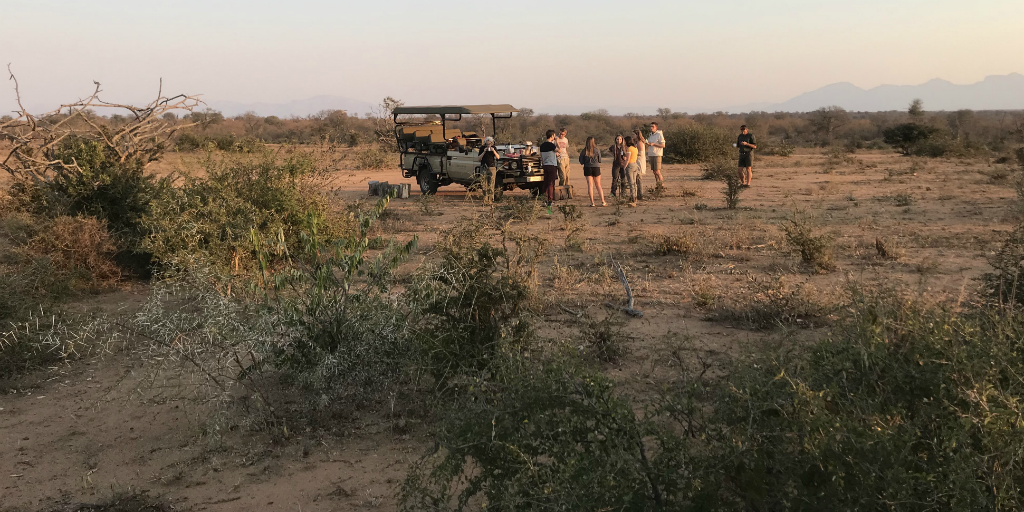
    Nature and has its ways, beauty and many languages. Yes, languages, in the plural. Since our course started in July this year, we have been experiencing nature in various forms. Our theoretical studies introduced us to many aspects of nature BUT the practical lessons learned while on our game drives and bush walks put another dimension to the theory. The languages I have experienced recently have been with us since the dawn of life on earth. Bird songs, frog calls, the roar of a lion, and jackal shouting.

    image

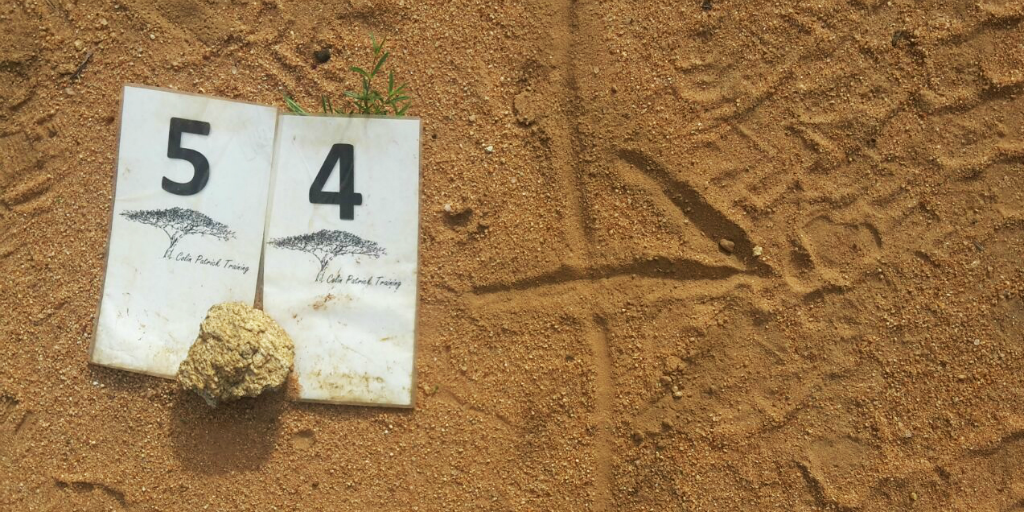
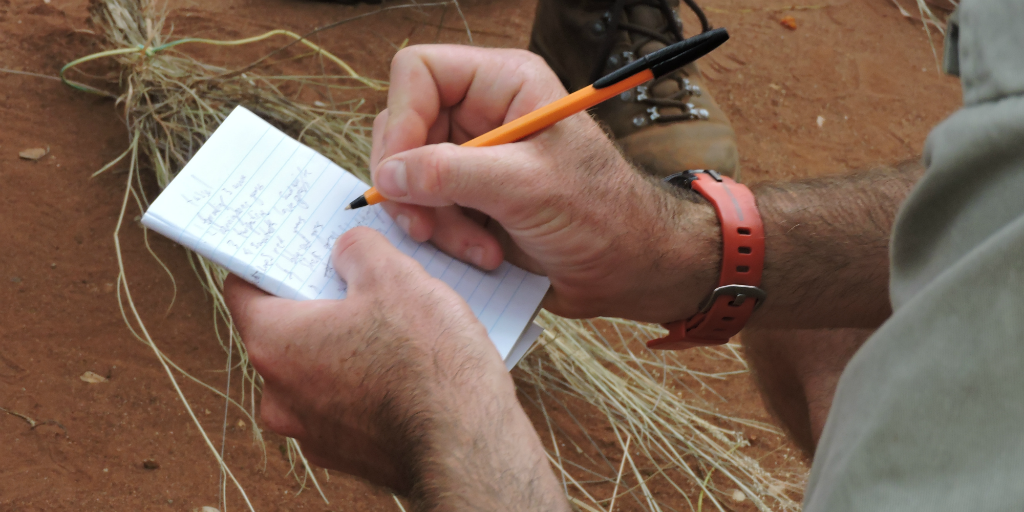
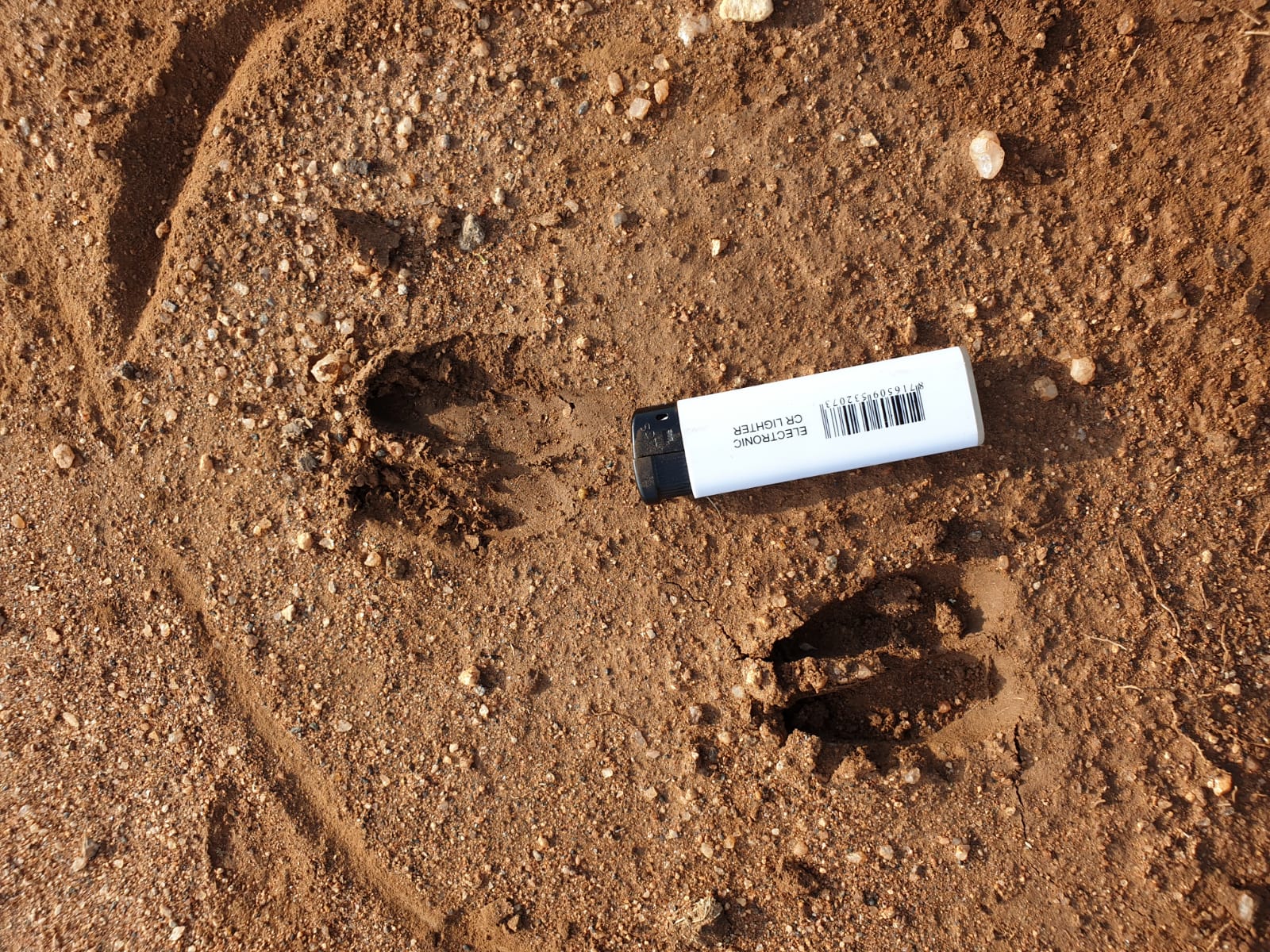
    A fascinating aspect of these languages was revealed to us last week when our Track and Sign course began. We were introduced to Colin Patrick by Trevor Myburgh. Trevor spoke about some of Colin’s achievements and abilities and warned us to pay careful attention, as an opportunity such as we now have does not come along very often. Very prophetic words. After a brief lesson between four walls, we were taken to the classroom of life. The question “why is that a Kudu track? and answer BECAUSE IT IS A KUDU TRACK” comes to mind. This was Colin’s way of telling us that if you look at all the “evidence” you will see that it was the kudu that had walked there.

    image

    That certainly was not the end of the story of track and sign. Being shown where a lioness sat on her haunches, the outline of her tail, hock and paws in the sand, the tracks of a nightjar (a magnifying glass would have helped a bit here), the signs of an Aardvark resting near its recent digging, the hoof tracks of a wildebeest walking along and being able to tell that it was looking in a specific direction. The wanderings of a Black Rhino and its signs were all part of the teaching. (It was during one such lesson that I discovered a hybrid subspecies of a Grey Duiker and a Steenbok. It proved quite difficult to convince the experts even though I saw these tracks over several days)

    image

    I now understand that the spoken word that humankind uses is but one language, and that nature has given us so many more.

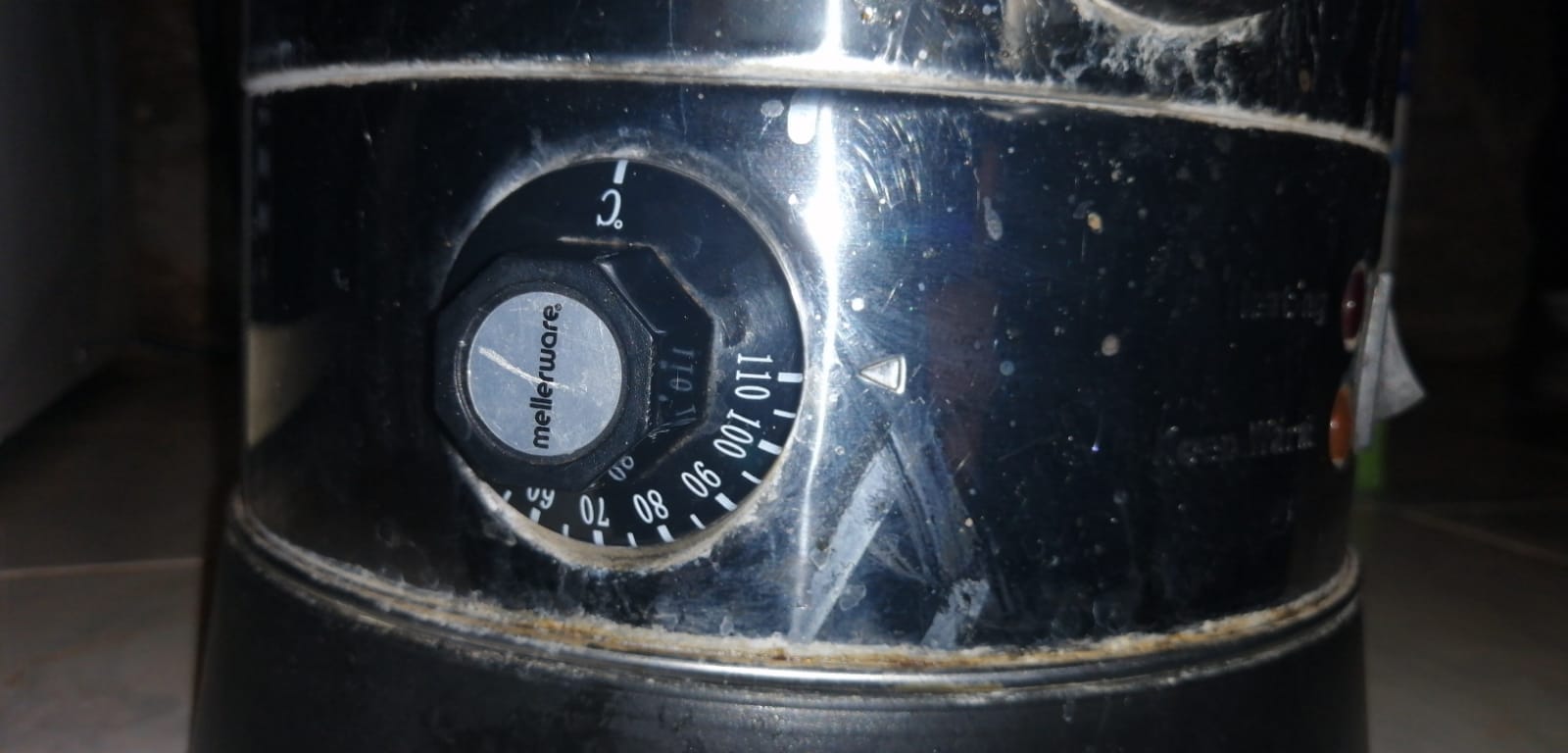
    Camp life carried on as usual with no extraordinary events being reported to me. The hot water urn remains a challenge and we should be able to master the temperature control knob soon.

    image

    ARH stands for Advanced Rifle Handling aka build your muscle memory. It was an exciting practical and the times that were recorded during the exercises were amazing. It was humbling to be beaten by my wife on the 12m shooting range during the accredited assessment in Tzaneen.

    image

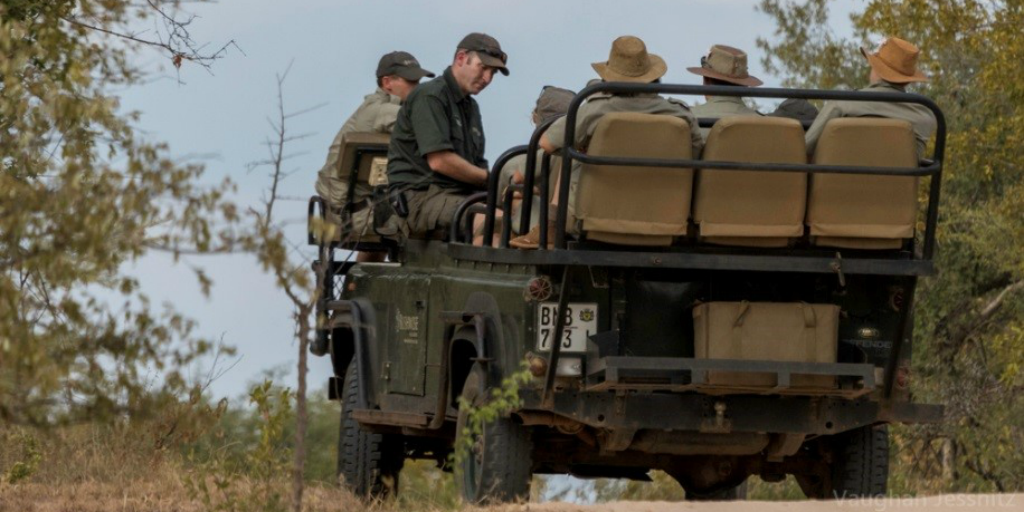
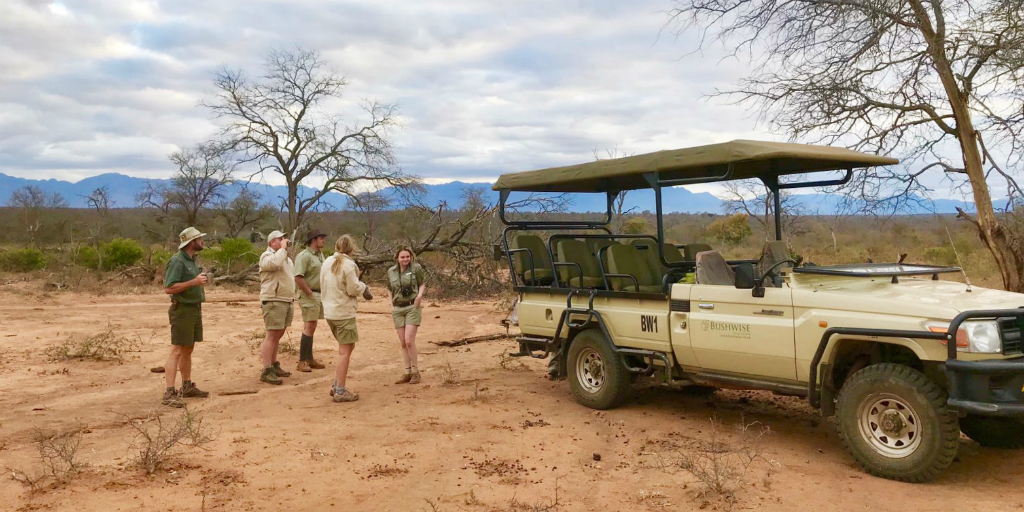
    The drives to practice all our acquired guiding skills have begun in earnest and it is so much easier when someone else was guiding. To speak and look out for anything of interest while attempting to control a 6m long 3,5-ton beast on four wheels takes some skill. All this while trying to keep the guests from bouncing around the passenger compartment.

    Our trainers as always, have been there for us, to guide us and correct us and to lean on when we encounter some slippery slopes on our paths. We now know how much we still have to learn to get to their level of experience.

  • Time for me to be the camp manager

    By: Garrick Stead

    Becoming a camp manager and overseeing the campus radio is quite a stressful thing for me, yet once I got into it was not bad at all. We need to be comfortable with this sort of responsibility because many lodges need duty managers on a day to day basis.

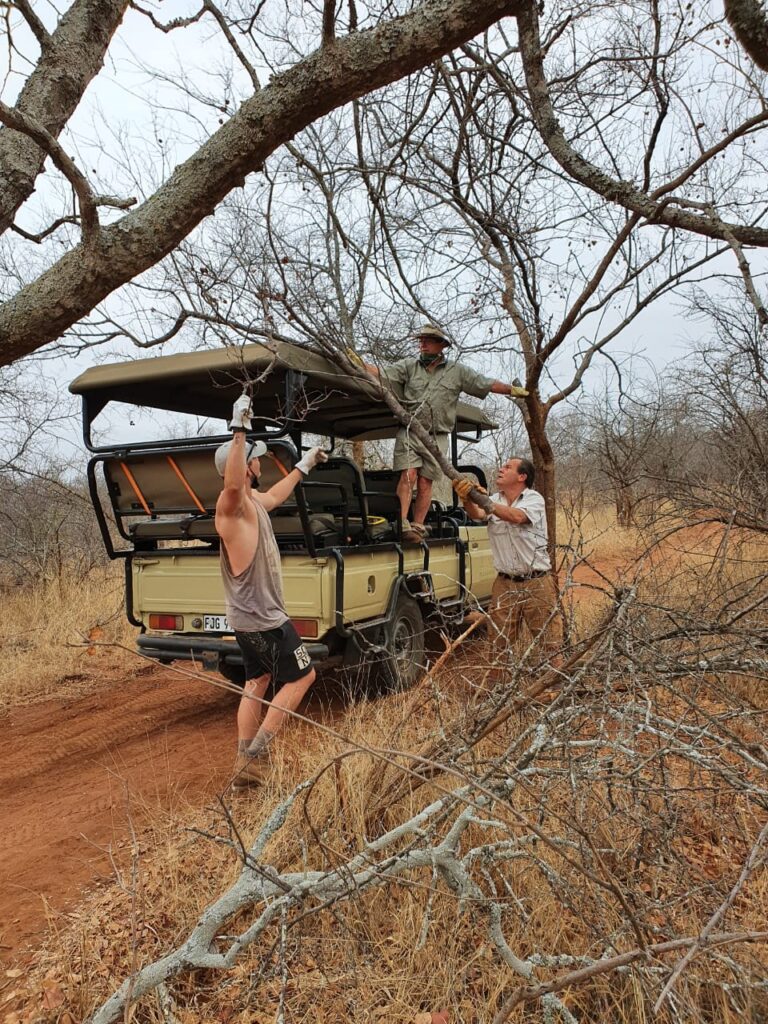
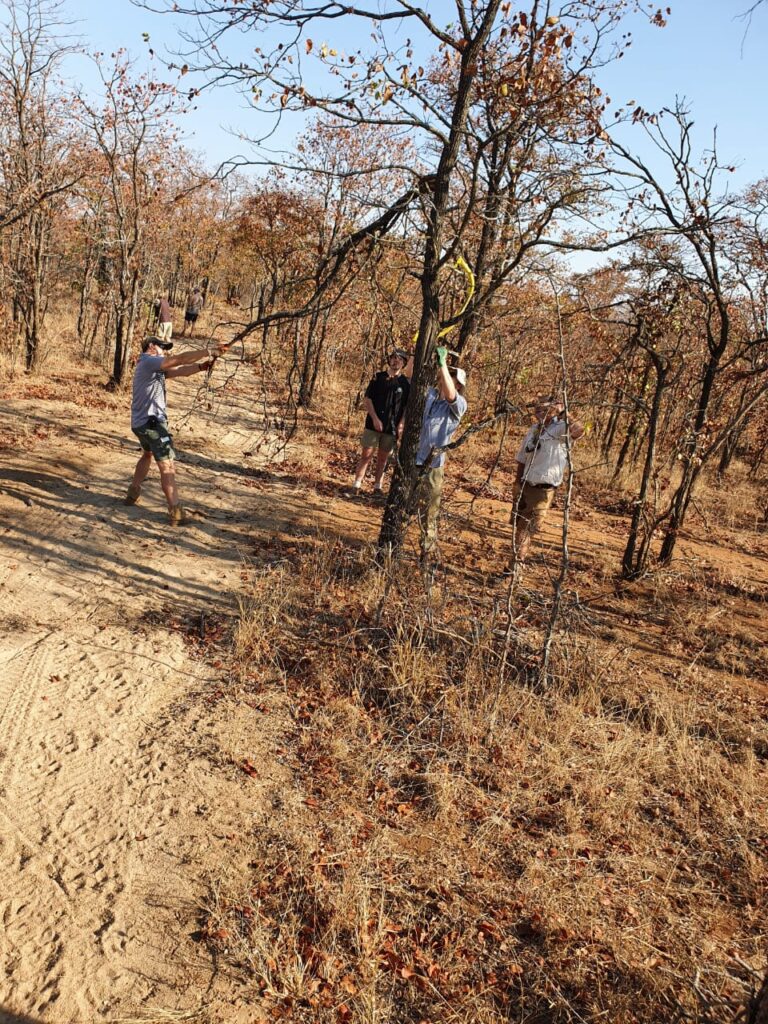
    The first two days of being me being camp manager involved conservation work on Wednesday was on the reserve where we do all our practical training. This included bush clearing and cutting away hanging branches on the roads. When we first heard about this, many of us were not too excited, but once we got into the swing of things many people enjoyed it and there were multiple funny moments with allot of thorn trees.

    image
    image

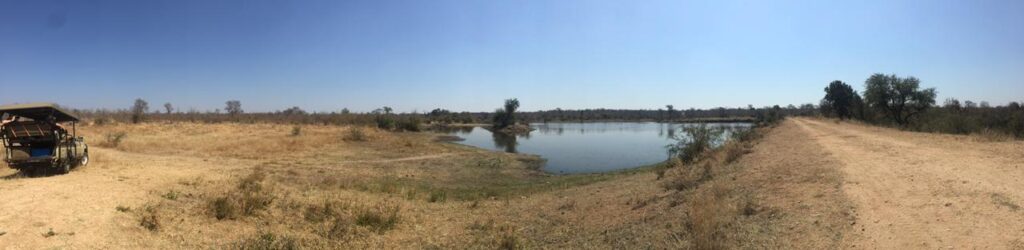
    We stopped at a dam for lunch with the sounds of grunting hippos in the background and birds singing their sons. We all took in the wonderful environment we now live in and it was nice to relax after a tough few hours of work. The following day we continued with conservation work but only on the Mahlahla campus. This was also rather tough, but a good time was had with a lot of laughs between us.

    image
    image

    Group A had the day with a trainer and had to learn bird calls. They had to memorise all the bird sounds for as assessment which included matching picture slides with the sounds.  The trainer’s advice was to make them a part of your everyday life, playing at least 10 different sounds every week and try learn them off by heart.

    During my week as a camp manager, we also attended the South Africa wine training course. It was interesting for me because I did not know much about wine and how you go about paring them with food to enhance not only the wine but your food too. This industry is also so important in the South African economy and for job creation. South African wines are some of the best in the world and many tourists fond of wine, travel to South Africa for this very reason! This is also part of the job as a field guide, having to host your guests. We realised how important it is as part of your guest’s experience at a lodge. It is not just about the game drives but everything else in between.

    All in all, being the camp manager was not as bad as I thought and was rather enjoyable. A responsibility I am now ready for again! Wouldn’t you like to experience this too?

  • World Day to Combat Desertification and Drought: why it acts as an important reminder

    BY: Tasneem Johnson-Dollie

    What’s so special about 17 June? Well it’s the date of World Day to Combat Desertification and Drought, and we can all get clued up on conservation from this annual reminder. 

    Keeping track of the causes and impacts of climate change can be tricky on a day-to-day basis.

    But World Day to Combat Desertification and Drought can fill us in on all the latest facts, and help us to see how things change each year.

    Even those asking – “Is climate change real?” – can get some informative answers from this annual event.

    And we can all get a clearer picture of what we can do to address these impacts of climate change ourselves.

    What are the causes of drought and desertification?

    The word drought refers to prolonged periods of low rainfall.

    But what causes drought in the first place? Well it’s just one of the many effects of climate change.

    image

    Some of the leading causes of drought worldwide include:

    1. changing ocean and land temperatures that lead to a drier environment
    2. altered weather patterns, like decreased winter rainfall and warmer summers
    3. reduced soil moisture, which means that less water can evaporate from the soil, travel to the clouds, and rain back down as water
    4. human activity – like the overuse of water.

    If droughts occur regularly in an area with fertile soil, the soil will eventually dry out completely, lose its nutrients and become unable to support plant life. So think no crops, or fields full of flowers in spring.

    This is called desertification.

    Plants are an important part of any natural environment. And, when plants are lost from an area, it affects the survival of animals and humans living in the area too, because plants purify the air and provide food, building materials and even medicines.

    Besides drought, overgrazing – when cattle graze excessively on a piece of land – is also one of the major causes of desertification.

    image

    When animals eat the plant matter in an area faster than it can re-grow, eventually these plants will stop growing and leave the land bare.

    Desertification and drought are both causes and effects of climate change. This is because they happen as a result of changing global temperatures, but they also affect global temperatures and humidity – which adds to the impacts of climate change.

    What’s the purpose of World Day to Combat Desertification and Drought?

    The effects and causes of climate change have a big influence on the well-being of the global community.

    In fact, research has shown that desertification and drought affect the living conditions, economic potential, and health of communities.

    By the late nineties, desertification and drought were acknowledged as being key focus areas for global development efforts.

    And, on 17 June 1994 the United Nations Convention to Combat Desertification (UNCCD) was put into play globally, and adopted by a number of states across the world.

    This convention was a turning point because it:

    1. put a spotlight on desertification and drought as a global concern
    2. highlighted how best to address these effects of climate change
    3. identified where in the world these efforts were most needed.

    And so began the first step in a global approach to identifying and addressing the causes of drought and desertification.

    image

    So why do we celebrate World Day to Combat Desertification and Drought each year?

    Because this convention adds to the global community’s awareness of the leading causes and effects of climate change.

    It also makes it clearer how we can all contribute towards curbing the effects of climate change.

    Here are some of the important facts about desertification and drought that this annual event has taught us over the past ten years.

    Facts about desertification and drought

    1. Over 1 billion people depend on land that is slowly becoming desert for their personal and economic well-being.
    2. Each year the global community loses 12 million hectares of fertile land to desertification and drought.
    3. Land degradation and desertification account for a loss of $42 billion in earnings every year.

    The bottom line is that desertification and drought are still a big global challenge, even after years of efforts to address them.

    But the big benefit here is that these facts about desertification and drought have pushed international organisations to take the next step – developing and implementing more impactful climate-change solutions.

    And you could be part of the team contributing towards the goals set in the UNCCD. How?

    By getting involved in environmental conservation work of course!

    image

    How to contribute towards World Day to Combat Desertification and Drought

    Adding to environmental and wildlife conservation programs means you can make a positive impact in addressing desertification and drought.

    And what’s better than that?

    Well, having the skills and background that you need to contribute in the best ways possible is important too.

    Bushwise Field Guides offers top-rated courses in environmental conservation, wildlife conservation and wildlife conservation research.

    These courses will set you up with all the conservation knowledge and practical experience you need to start adding to environmental conservation in an impactful way.

    Check out Bushwise’s conservation and wildlife research programs, or look into our internship in conservation, and see how you can start amplifying the message of the World Day to Combat Desertification and Drought.