Author: Bushwise Student

  • Eight things to do during your time off from field guiding in Limpopo

    BY: Tasneem Johnson-Dollie

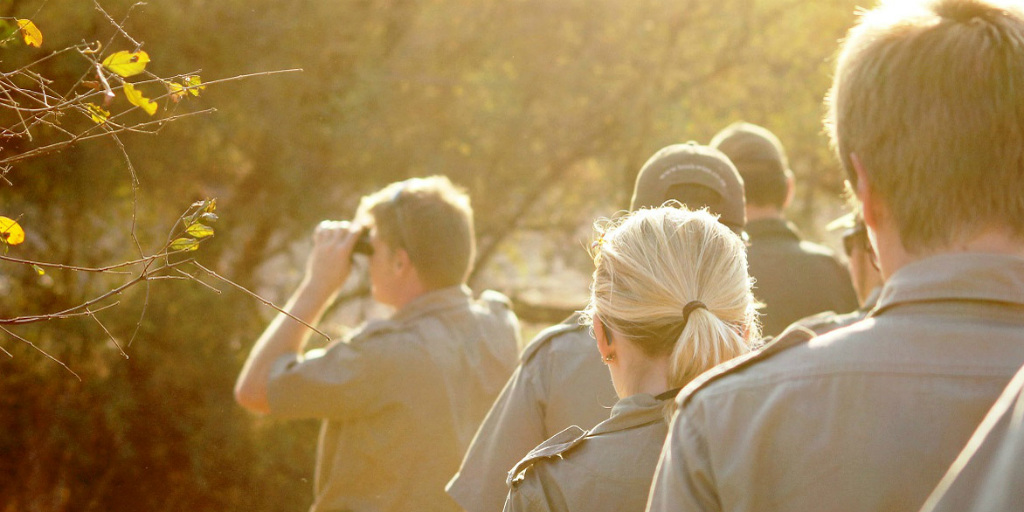
    You may have travelled to Limpopo, South Africa to become a field guide. But being in Limpopo means that you can fill your time off with tons of exciting activities too.

    The Limpopo province is the fifth-largest province in South Africa, with a population of over five million people.

    It also accounts for 10% of South Africa’s land surface area, so there’s more than enough room to explore.

    And if you’re wondering, “Where is Limpopo?” or “What does ‘Limpopo’ mean?” you’re about to find out!

    Let’s take a look at some facts about Limpopo, South Africa and what you can do during your time there.

    Facts about Limpopo, South Africa

    Where is Limpopo?
    image

    The Limpopo province is the northernmost tip of South Africa, bordered by Botswana, Zimbabwe and Mozambique.

    Because of its location, it acts as one of the gateways to South Africa. And, it’s also home to some of the country’s biggest attractions.

    In fact, part of the Kruger National Park – South Africa’s most well-known game reserve – falls within this province.

    And there are many different types of safaris offered in the Limpopo province.

    You could set out on one of many birding safaris and spot the multi-coloured lilac-breasted roller during a mating display in mid-air.

    Or, what about experiencing one of Limpopo’s savannah-at-sunset safaris? You could even dash through the rugged terrain on one of the best South African safaris out there, where you can spot the big five animals – the lion, leopard, rhino, elephant and buffalo.

    What does “Limpopo” mean?

    The Limpopo province is named after the Limpopo River – South Africa’s second-largest river.

    The word Limpopo has roots in the Sepedi language, which is spoken by one-third of the population in Limpopo, South Africa.

    It stems from the phrase “diphororo tša meetse”, which means strong gushing waterfalls.

    What is Limpopo’s weather like?
    image

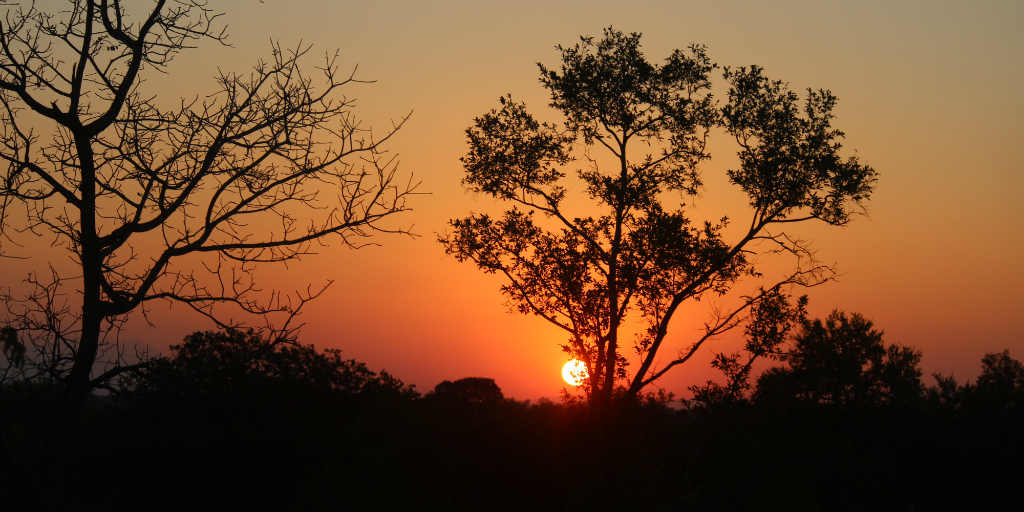
    Limpopo weather is dry and hot, with almost year-round sunshine. In the summertime, temperatures average at around 27 degrees Celsius in the capital city, Polokwane.

    And, in the lowveld – low-lying bushveld areas – summer temperatures can reach 45 degrees Celsius!

    You can also expect thunderstorms during the summer season.

    In winter, the weather changes slightly, with early-morning and night-time temperatures dropping to around 10 and 17 degrees Celsius respectively.

    But, during the day, Limpopo weather can still peak to around 30 degrees Celsius in the winter months.

    When do Bushwise Field Guide students get personal time off?
    image

    Bushwise Field Guides courses offer top-rated learning experiences, and each program’s curriculum is clearly set out on our website.

    And, if you take a look at the course information for any one of our on-campus study opportunities, you’ll see that time off is factored into each one.

    Further reading: Now we’re getting serious

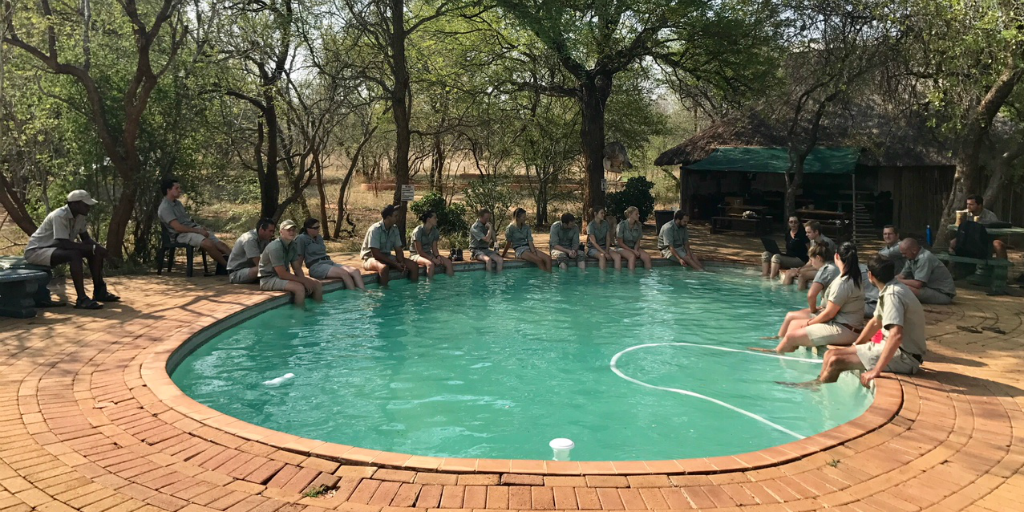
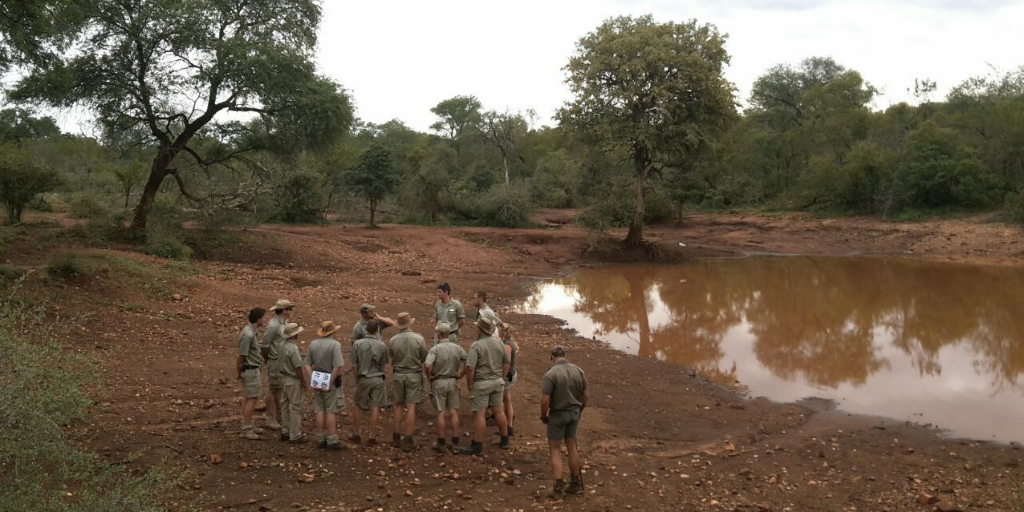
    As a field guide student in Limpopo, South Africa, you can explore the province on Saturdays and Sundays – but don’t forget to make time for your studies too!

    But, your personal time off from coursework doesn’t end there.

    After every fourth week on campus, field-guide students are given a full week off! You’re encouraged to use this time to see even more of the attractions in the Limpopo province.

    Here are some of the best activities to dive into during your time off from a Bushwise course.

    Eight of the best things to do during your time off from field guiding

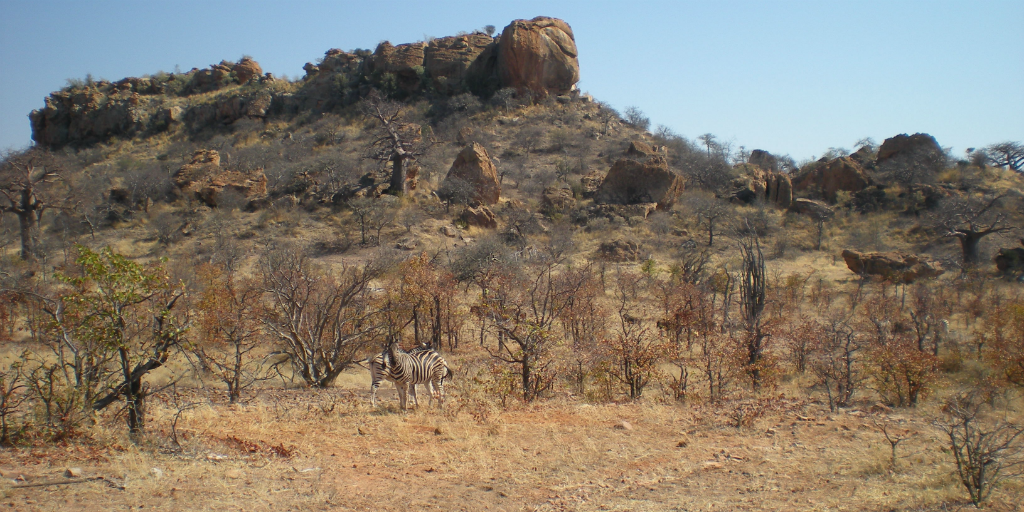
    1) Stay over in Mapungubwe National Park
    image

    Original photo: Landscape in the Mapungubwe National Park, Limpopo Province South Africa, zebra by Petrus Potgieter is licensed under CC BY-SA 3.0

    The Mapungubwe area of the Limpopo province is a United Nations Educational, Scientific and Cultural Organization (UNESCO) World Heritage site.

    It’s also the place where you can see two of the biggest rivers in Limpopo – the Limpopo River and the Sashe River – merging.

    And, between the eleventh and the fourteenth century, this historic location housed the largest kingdom in sub-Saharan Africa.

    In Mapungubwe National Park, field guides can spend their time off in nature to get a feel for even more of the terrain of the Limpopo province.

    Become immersed in local culture and traditions by staying in a themed cottage in one of the park’s sandstone-edged valleys.

    Or, to get closer to the outdoors, journey on over to the tented camps situated in the riverine forest of the Limpopo River.

    From either of these sites, you can take a quick trip to see the artefacts of the Kingdom of Mapungubwe – including the famous golden rhino – which are spread all around the 280 square kilometres of the park.

    2) Find your way to the falls

    Since we know that Limpopo means “strong gushing waterfalls”, it’s no surprise that waterfalls are some of the biggest attractions in the Limpopo Province.

    Visit the Phiphidi Waterfall, a small cascade in Thohoyandou, which is sacred to the VhaVenda clans of Limpopo.

    It’s important to note that this site experiences temporary closures from time to time. If you’re planning to visit, check the opening dates to avoid disappointment.

    This is a site where much of the culture of the VhaVenda people has been preserved, and it’s still one of the preferred places for their religious practices today. If you visit the falls, please be respectful to the site.

    You can also take a trip to the Debengeni Waterfall, a torrential sight where water gushes down from an 80-metre height!

    Situated near the forests of Magoebaskloof, Debengeni Falls is a great spot for swimming and picnicking.

    You could also travel to the Tshirova Waterfall, which can be found in Thulamela in the Limpopo province. Thulamela, which means “the place of giving birth” in Tshivenda, one of South Africa’s 11 official languages, was home to an Iron-Age kingdom, now often referred to as the city of “Thulamela”.

    Here, you can soak up the sights and sounds of Limpopo’s natural environment, while picnicking or taking a dip in the pool beneath the waterfall.

    You could also get to know more about one of South Africa’s earliest kingdoms by taking a guided tour of the surrounding area.

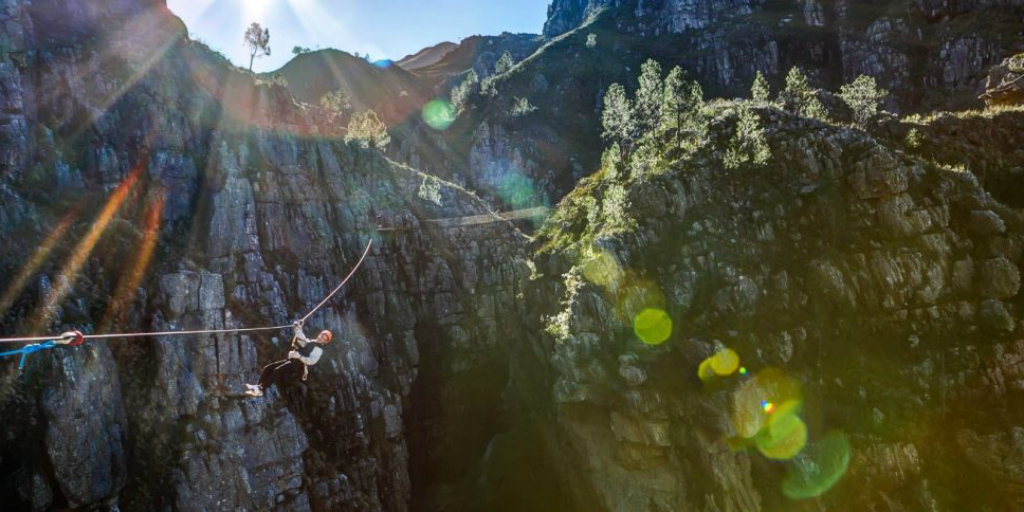
    3) Zoom across the Limpopo province on a zipline
    image

    With its wealth of peaks and valleys, sprinkled with forested areas, ziplining across hillsides or tree canopies has become a must-do activity in Limpopo.

    There are many different zipline providers offering you a bird’s-eye view of the Limpopo province during your time off from field guiding.

    Remember to research these organisations before signing up. Then, go with a reputable provider that has eco-friendly activities at the heart of what they do.

    This way, you can enjoy what the natural environment has to offer while making sure it remains protected at the same time.

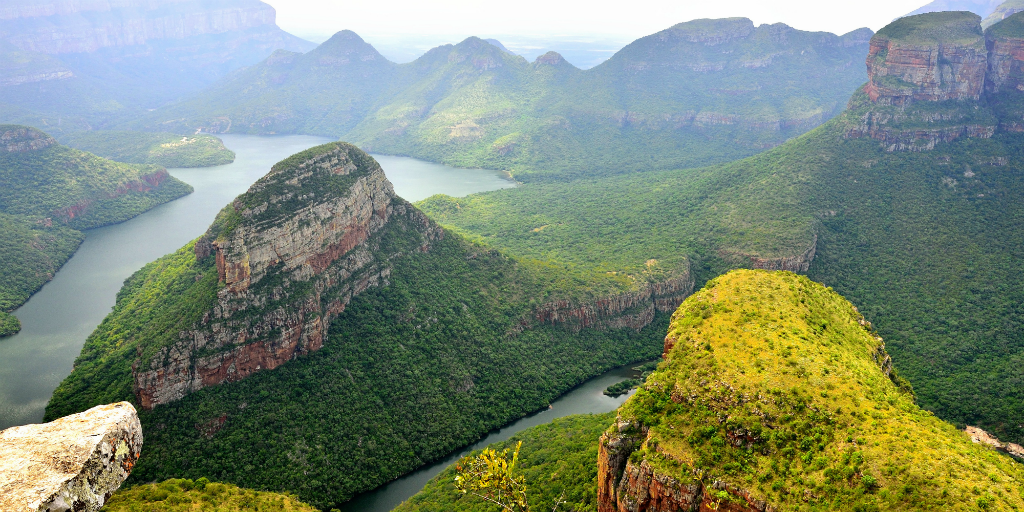
    4) Bob along on a Blyde Dam boat cruise
    image

    Original photo: Blyde River Canyon Dam, Mpumalanga, South Africa by South African Tourism is licensed under CC BY-SA 2.0

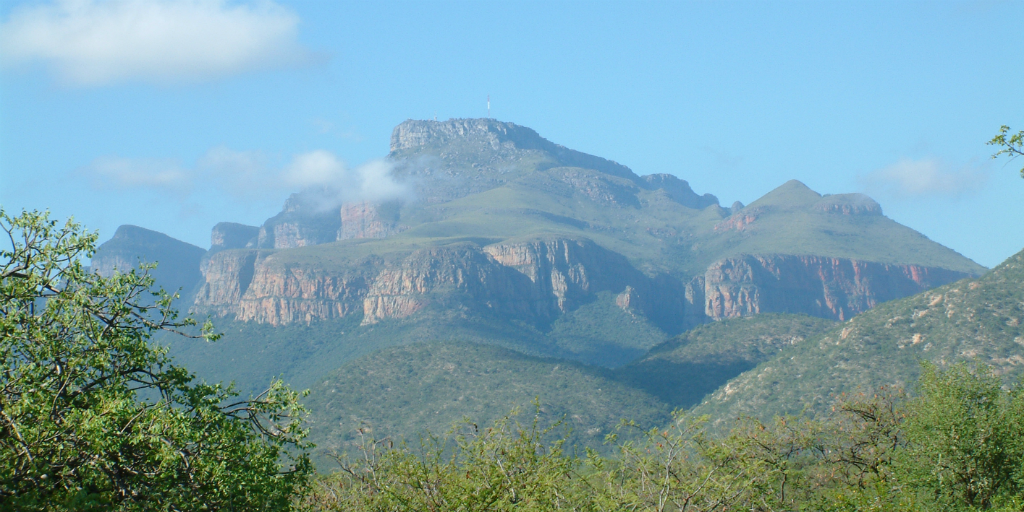
    Blyde River Canyon is the third-largest canyon in the world and the largest “green canyon” due to its abundance of tropical foliage – thanks to Limpopo’s weather and climate!

    You can take a boat cruise across the valley to see the diversity of wildlife in the area – including various fish, bird and primate species, as well as hippos and crocodiles.

    You can also get a glimpse of the Kadishi Tufa Waterfall, which is said to resemble the face of a person crying profusely!

    5) Uncover Limpopo’s past at the Polokwane Museum

    You can also take a trip to the Polokwane Museum and get a feel for the broader history of the area.

    The museum displays artefacts from the Iron Age and Stone Age in the region. There’s also a display depicting the culture and origins of the Limpopo people.

    Viewing this display can give any field guide valuable insight into the region that you may not learn about in-depth on a field guiding course.

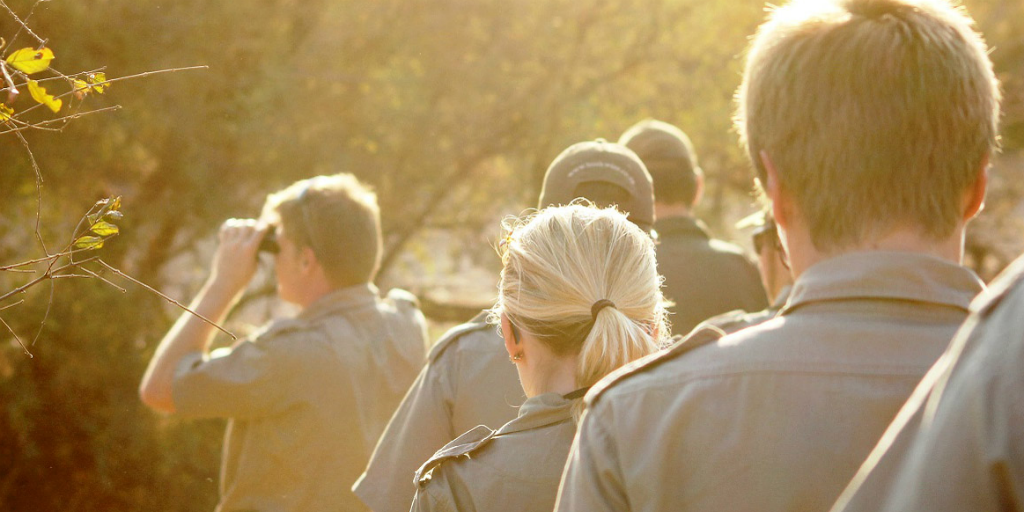
    6) Hit your step count at the Hans Merensky Nature Reserve
    image

    Follow the Letaba River through Limpopo province, and you’ll come upon the Hans Merensky Nature Reserve along part of its banks.

    One of the big benefits of visiting this reserve is that you can navigate most of it on foot!

    Also, because it’s alongside one of the Limpopo province’s largest rivers, the reserve is home to flocks of water-loving bird species – even in winter.

    You can also catch sight of antelopes, zebras, wildebeests, warthogs, giraffes, and a whole host of snakes too!

    7) Count the cycads in the Modjadji Nature Reserve

    It’s believed that, in prehistoric times, Limpopo was home to mammal-like reptiles.

    These creatures were thought to feed mainly on the cycads that grow in the area of the Limpopo province now known as the Modjadji Nature Reserve.

    Today, Modjadji Nature Reserve is a protected area where you can see some of the oldest and biggest cycads in the world.

    And, once you’re surrounded by this forest of single-species cycads, you may start to feel like you’ve travelled back in time. Remember to keep an eye out for prehistoric reptiles!

    8) Take home a souvenir from the Baleni Salt Pans

    The Tsonga people of the Limpopo province have been harvesting salt in Baleni for centuries.

    Today, 2,000-year-old techniques are still used by local people to harvest salt from their tribal lands. And the industry contributes to Limpopo’s economy in a big way.

    You can take a tour of the salt pans to see the salt-making process in action – which starts with the local people leaving a “gift” at the foot of a motswiri (or leadwood tree) as a thanks to the ancestors.

    And, why not take home a bag of salt from your experience, and add a new flavour to your special meals at home? This can act as a tasty reminder of how you spent your time off in Limpopo.

    With so many activities to choose from, you can be sure that you’ll never have a dull moment during your personal time off from a Bushwise course.

    Take a look at our Bushwise courses in field guiding and wildlife research, and get a head start in a career in wildlife conservation.
  • Understanding weather and climate from a field guide’s perspective

    BY: Tasneem Johnson-Dollie

    Understanding weather and climate is essential for field guides because it can tell you a lot about any natural environment. Let’s take a closer look at climate and weather from a field guide’s perspective. 

    Because weather and climate have an impact on natural environments (and everything that lives in them), understanding weather and climate is key in the work that field guides do every day.

    In fact, without this understanding, field guides wouldn’t be able to do their work quite as well.

    Let’s take a closer look at climate and weather in field guiding.

    What’s the difference between climate and weather?

    image

    “Weather” refers to the short-term, or day-to-day changes in the atmosphere. And “climate” tells us what the weather is like in a specific area. The National Centers for Environmental Information simply states, “Climate is what you expect, weather is what you get.”

    So, when you’re told that Cape Town has the perfect holiday-weather from December to February, you expect to soak up the sun while you tan on the beach. But when you travel to Cape Town, you’ll experience the day-to-day atmospheric conditions. This may be a strong south-easterly wind to knock your sunhat right off. These short-term fluctuations create a yearly pattern that adds up to the climate of the region over time.

    There are five major climate types:

    1. tropical
    2. dry
    3. mild
    4. continental
    5. polar.

    Learning about these weather and climate types can tell field guides a lot about how nature works, and allow them to keep an eye on the health of natural environments in real-time.

    Here’s why understanding weather and climate is essential for field guides.

    Understanding weather and climate from a field guide’s perspective

    image

    Since a field guide’s everyday activities involve analysing and interpreting nature, climate and weather fall under the basics of things you need to know to be good at what field guides do.

    But understanding climate and weather goes beyond being aware of when to wear a winter jacket and when to keep your shades at hand.

    In fact, because climate and weather are external forces that are felt by everyone – and everything – on Earth, they have a big impact on the way plants, animals and people live their lives.

    While the types of plants present in an area are key in setting up a certain type of climate, they’re also affected by the climate and weather in an important way.

    The reproductive system of plants is sensitive to changes in the atmosphere. As the weather shifts from winter to spring, plants begin their reproductive cycle. Similarly, wild animals sync their breeding season so that their offspring are born when the weather is at its warmest. This means that baby wildlife are born into a season where food and water is easier to find – giving offspring the best chance to survive and thrive.

    image

    And while people may reproduce all year round, climate and weather still have an impact on our daily lives in a significant way. Not only does the climate and weather play a role in the types and amounts of fruit and vegetables that grow, but adverse weather conditions – that are occurring more frequently around the world – affect where human beings can live and their long-term well-being.

    With climate and weather being strongly linked to the next generation of plants, animals and people, we can’t deny its importance in our everyday lives and in maintaining healthy ecosystems.

    For field guides, understanding weather and climate means getting to grips with how plants, animals and people function in the environments they live and grow in. And this is one of the best ways to truly grasp what’s going on in ecosystems around the world.

    Why keeping up with weather and climate change is key

    image

    Let’s face it, if you try learning about weather and climate from a 1950’s textbook, you’ll miss out on an avalanche of new information. You could even learn about weather and climate conditions that no longer exist. That’s because, when we compare weather and climate back then to what it is today, we’re talking about vastly different situations.

    For example, droughts have become much more common across the African continent. This has affected the length of the dry season and the amount of water present during the wet season.

    In keeping with what we know about how weather and climate changes affect natural environments, it’s no surprise that things on the African continent have changed in a big way due to climate change. Some examples are:

    1. Food productivity is a growing concern.
    2. Water has become even more scarce.
    3. People, plants and animals are being faced with more and more environmental challenges each year.

    This can be seen by the number of animals going extinct and the growing number of people faced with health challenges. While many of us have heard about the effects of climate change in Africa, weather and climate changes are being felt across the world. This means that every country is facing some sort of obstacle in the face of climate change. And if we want to see some positive change, we all need to get involved in efforts to address climate change where we live, as well as globally.  A good first step is learning about weather and climate change from the comfort of your own home.

    How to learn about weather and climate from home

    image

    You can learn about weather and climate by stepping outside, searching Google, or even talking about it with your friends and family. But how can you learn about weather and climate in a structured way that will leave you with some qualifications? By signing up for an online meteorology course!

    Meteorology is the scientific study of the atmosphere, which includes atmospheric processes like climate and weather. Further reading: Why World Meteorological Day 2020 is worth all the fuss

    Programs that offer a combination of online meteorology and online field guide training provide the perfect combination of theoretical information. They also make it easy to gain practical experience, because your theoretical knowledge will equip you for in-field work when you join a program. This opportunity is great for anyone looking to understand weather and climate in a meaningful way.

    These types of courses take the study of weather and climate to a convenient setting – your home. But more than this, they provide a supportive and interactive learning platform that’s delivered by experts in the field. You can start off on a good footing with Bushwise’s IFGA Nature Enthusiast online course. This is one of those courses online that will bring you up to speed on the science behind natural environments and the different types of weather and climate experienced in these areas. Then, take it up a notch and get involved in our IFGA Field Guiding online course, a course where you’ll gain a deeper understanding of weather and climate and become an accredited field guide too!

    How understanding climate and weather makes for better field guiding

    image

    And once you can confidently answer the question, “What is the difference between climate and weather”, and have a solid understanding of weather and climate as it applies to field guiding, what’s next? Making a positive impact on climate change! Since climate change is one of the biggest global challenges the world has ever faced, field guides who are tuned-in to climate and weather concerns are a valuable asset.

    Why?

    Understanding weather and climate makes conservation efforts and ecosystem management more effective and relevant. Without an understanding of weather and climate, we’d miss opportunities to do meaningful work in the wild. We wouldn’t get to build on efforts aimed at addressing climate change, or be able to predict and prepare for adverse weather events.

    But, one good thing about the seriousness of climate change is that it has brought change when it comes to getting educated about climate and weather.

    Learning about weather and climate is easier than ever before, and the study of these topics is a big part of sustainable efforts worldwide.

    Find out more about our online field guide courses, gain an understanding of weather and climate, and get involved in conservation efforts that will blow you away.

  • Five steps to creating the best field guide tours

    BY: Tasneem Johnson-Dollie

    What makes field guide tours memorable? By starting with a passion for nature and following through with some flair, any field guide can create one of the best guided experiences on offer. 

    Can it really be that simple? Well, creating a memorable field guide tour starts with knowing what tourists are looking for, and keeping them entertained while filling them in on all things nature.

    But it goes deeper than that.

    When delivering a field guide tour, field guides are also expected to give tourists a safe experience in nature, and provide them with information that’s interesting and easy to understand.

    While this can be tricky to perfect, you can follow these five steps to becoming one of the world’s best nature field guides.

    Five steps to creating the best field guide tours

    1) Use your passion to get educated

    image

    To be one of the best nature field guides, you’ll need to have the necessary education that comes from completing a top-notch field guide course.

    While there are many accredited courses on offer by different organisations, Bushwise Field Guides is the top-rated provider.

    This ups your chances of employment once you graduate. In fact, more than 90% of our graduates go on to land a job in the field-guiding sector after earning their entry-level qualification.

    And, with a field guiding and conservation careers internship, South African participants are guaranteed a job placement within six months of completing the course.

    These types of providers offer courses where you’ll learn everything you need to know about entry-level field guiding and beyond. They also give you the opportunity to gain the confidence you need to work and problem-solve effectively in the field.

    And, there are even ways to start your studies without having to travel right away.

    Online field guide courses with an interactive spin make it easy to earn a field guiding qualification right now, and get a foot in the door to creating the best guided experiences.

    And, setting yourself up with a solid theoretical foundation as a field guide will give you the insight and wealth of information you need to offer an engaging wildlife tour.

    2) Gain relevant practical experience

    image

    Once you’re equipped with all the theory you need, it’s best to start practising your new-found skills in the types of environments that nature field guides work in.

    This is the best way to figure out the practical skills you need, like how to track animals and find your way through the terrain to see the most interesting attractions. It’s also the perfect opportunity to pick up on the body-language and oration skills that will engage an audience without chasing away any wildlife. You can learn these skills first-hand from the seasoned field guides you’ll work with.

    While you’re out in the field, think about your career as a field guide, and the types of field guide tours you’d like to offer.

    If you’re keen on feathery wildlife, try to spot every bird in South African bird field guide books and keep a record of your experience. This way, you’ll have a better idea of how to find them in the future, and have real-life experience to share on wildlife tours.

    Maybe, you’re more of a plant fundi? Well, you’ll need to get out there and experience the look and smell of these plants for yourself, so that you’ll know what you’re talking about when you tell their story.

    And perhaps you picture yourself as a wildlife safari tour guide in the future?

    Well, being able to grab your audience’s attention out in the savannah – with lions, leopards, rhinos, Cape buffaloes and elephants lurking close by – may seem simple. But, if you don’t gain experience in providing safe encounters, you’ll never get to the top of the field guiding game.

    These first two steps will set you up to be a skillful provider of field guide tours, who knows what they’re doing in the field. But, creating the best field guide tours doesn’t stop there.

    You’ll need to know how to tell the perfect story, and get your guests swept up in tales of South Africa’s wild spaces.

    3) Make a connection

    image

    So you know what to say about nature, but do you know how to say it in a way that gets a group excited?

    There’s no one-size-fits-all approach to getting this right, but a good starting point is getting to know your audience.

    You can find out more by checking with the booking office whether your guests are colleagues from a corporate company, or a family on a vacation. By doing this, you’ll be one step ahead before you meet them face-to-face.

    And once you meet up, take some time to chit-chat and get to know more about the group. This way they’ll start to feel like they’re in the company of a friend, and you’ll have a better idea of the types of personalities you’re looking to entertain.

    But being charismatic doesn’t come easily to us all, and it doesn’t necessarily need to.

    Beyond just your personality, you can make a connection with guests by telling them more about your journey as a field guide, and giving them a glimpse of what it’s like working in the wild – which is a tale in itself!

    4) Hold their interest

    image

    Yes, your audience will often consist of people who are already excited about the topic of the field guide tour – be it the big five, or trees of South Africa!

    But, if you can’t hold their interest, some might feel that the tour was less valuable.

    While different types of nature field guides may speak about vastly different topics, the same rule applies when it comes to capturing your guests’ attention: keep it relevant.

    For example, waffling on about medicinal plants on a wildlife safari tour might leave your guests feeling like they’ve missed out on interesting information about animals.

    Similarly, going off on a tangent about trees may not tickle the fancy of tourists looking to learn more about the birds listed in South African bird field guides.

    So, as a field guide, you need to be well-rounded.

    You can practise your storytelling before setting off to make sure you’re not leaving any important information out. Be sure to consider these questions:

    1. What is this field guide tour about? Is it about wildlife, plants, or seeing the savannah at sunset?
    2. Why have these particular guests chosen to come on this field guide tour? What do they want to see or hear about?
    3. What scientific information is important to convey? (Think about what would engage the group).
    4. What real-life experience do I have as a field guide that adds value to this type of tour?
    5. Is any extra information necessary, and what type of information would this crowd appreciate?

    This way, you’ll be able to focus on what keeps your audience engaged, and create the type of field guide tours that visitors can think back on fondly.

    5) Provide a satisfying conclusion

    image

    Here’s where you may start to feel the pressure – ending the field guide tour with a bang. But don’t fret, we have some tips for you to follow here too.

    Firstly, by the end of the tour you should have tied up all loose ends. Check in with yourself and the audience regularly so that you can be sure that:

    1. all of your guests are keeping up with the information
    2. guests’ questions are being acknowledged and answered without disrupting the flow of the field guide tour
    3. you refer back to the topic of the tour often, and show how new information is relevant to the topic
    4. you answer any hanging questions you may have introduced
    5. you establish awareness regarding conservation in a professional and engaging manner.

    It helps to carry a well set-out checklist with you that you can glance at, to remind yourself of what you might have missed.

    With all of these taken care of you can focus on making your finale unforgettable.

    So what makes for a good ending when it comes to field guide tours?

    Well, it’s good to help the guest relive the experience one last time.

    Find your own way of highlighting the best parts of the trip, and threading them together in a way that piques your audience’s interest all over again.

    image

    Remind them about the lioness encounter, the temperamental elephant calf, or the towering ant hill that you spotted on the tour. Ask guests what they remember about that moment, and allow them to share their thoughts with one another.

    Engage the group and ask about their favourite parts of the tour, and what they’d like to revisit the most.

    Then, slip in a last-minute, astonishing fact about nature: one that will generate a few gasps, and have some guests sinking into silent contemplation. And you’ll know exactly what to say because you’ve got a wealth of field guide tour knowledge!

    And once you’ve set the mood, bring the perfect field guide tour home with a call to action. Tell your group about practical ways that they can contribute to the well-being of nature – in the wild, or at home – and how they can get involved in the type of nature conservation that assists field guides in doing their work well.

    This way, you won’t just be offering tourists the best guided experience, you’ll leave them feeling empowered to make an impact in nature, after experiencing one of the world’s best field guide tours.

    Find out more about Bushwise’s online field guide course, and see how you can get closer to creating the world’s best field guide tours today.

  • How the different leaf types tell an environmental story

    BY: Tasneem Johnson-Dollie

    Like leafing through your favourite paperback, browsing through the different leaf types in nature can tell you a story. It’s a story that will stretch your environmental know-how back to the very beginning. 

    We all know that leaves are structures found on plants of all kinds and are often green in colour. But, take a closer look and you’ll see that they are much more complex than that. In fact, there’s tons to look at when examining the different leaf types, including: types of leaf shapes, types of leaf margins, and types of leaf veins.

    Altogether, these features give us insight into how plants adapt to different environments, why some of them have outlived the dinosaurs, and why they’re probably the most important part of our environment today.

    How the different leaf types are classified

    Before we can understand the environmental story they tell, we’ve got to get a feel for the different plant leaf types. You can learn everything you need to know on online environmental courses, but let’s make a start by taking a look at how the different leaf types are classified.

    image

    Getting to know the different plant leaf types

    Scientists have come up with two broad categories of leaf types, namely, simple and compound. You can spot these leaf types in the following ways:

    1. Simple leaf types consist of a single, undivided leaf on a stem. This type of leaf can be seen on maple, oak, banana, guava, black cherry, black gum and sweet gum trees.
    2. Compound leaf types consist of multiple leaflets that are all attached to the same leaf stem. This type of leaf grows on neem, horse chestnut and baobab trees, and on rose, clover, desert cotton and poison ivy plants.

    Delving deeper into the different leaf types

    Once you’ve wrapped your head around these two plant leaf types, prepare for even more fun, because the different leaf types can be categorised even further! When examining them, environmentalists look at key features to tell the different leaf types apart.

    Here’s what it comes down to:

    image

    Types of leaf shapes

    There are tons of different types of leaf shapes. In fact, there are 16 different shape categories.

    Leaf shapes can be classified as simple shapes like linear – slender, narrow and long – or a more complex shape like lyrate – plant leaf types that are a similar shape to the harp-like instrument known as a lyre.

    Types of leaf margins

    Different types of leaf margins are another way of splitting these tree-trimmings into separate groups. Leaf margins are the area along the edge of the leaf. There are four categories of leaf margins:

    1. entire leaf: the margin of these are smooth and even around the entire leaf edge
    2. toothed or serrated leaf: these have a margin with a series of pointed “teeth” that go right around the edge of the leaf
    3. lobed leaf: the margin has one or many indentations that go less than halfway to the midrib – central vein – of the leaf
    4. parted leaf: these have indentations that go more than halfway to the midrib of the leaf.

    And finally, you can tell the different leaf types apart by comparing the different types of leaf veins.

    image

    Types of leaf veins

    The different types of leaf veins add to the difference in patterning that we see. Leaves can have two types of leaf veins:

    1. pinnate venation – where the veins stretch from the midrib to the leaf margin
    2. palmate venation – with veins that radiate in a fan shape from the leaf petiole (the stalk that joins the leaf to the stem of the plant).

    That’s a lot to remember! But together, these different leaf types have led us to discover heaps about natural environments.

    How the different leaf types tell us about nature

    Because plants grow in nature – unless we decide to place them in our homes or transplant them into our gardens – studying them is a great way to understand how organisms survive living outdoors.

    Scientists state that the leaves are the most important part of any plant, and that the main role of all the other plant parts – like the stems, trunk and roots – is to support the leaves.

    This is because all the different leaf types provide the plant with the water and food it needs to survive. Leaves are the best structures for the job too, because of all of their functional adaptations that separate them into the different leaf types.

    image

    The different types of leaf shapes, types of leaf margins and types of leaf veins allow plants to make the best of the supply of water, sunlight and nutrients in the environments where they live. This is why the different leaf types can tell us a lot about natural environments.

    And, since many of today’s plants have their beginnings rooted in prehistoric times, some of their characteristics also tell us about the plants and environments of the past. Without learning about the different leaf types, we may have never figured out that plants need water and sunshine to grow and survive.

    We may also never have found out that plants absorb lots of carbon dioxide from the air, and that they’re the reason we can breathe and survive in the Earth’s atmosphere today. In fact, because they can create food from carbon dioxide, they were able to outlast the dinosaurs when this gas flooded the Earth’s atmosphere,  as the result of violent volcanic explosions, meteors, or any number of events that caused the multiple mass extinctions.

    image

    And without being able to study the fresh and fossilised leaf types of plants that survived mass extinctions – like cycads – we’d know much less about what natural environments were like before human beings even set foot on the soil. This also means we’d be much further away from understanding how the conditions on Earth had to change to support human life, and how delicately balanced life on this planet really is.

    How to learn more about the different leaf types

    Plant leaf types have shed light on how life on Earth began and blossomed. And learning more about them may hold the key to understanding the future. Further reading: We should learn from the fascinating Apple-leaf tree

    So the next time you see a leaf flutter by, take heed. The answers to humankind’s biggest questions may be closer than you think, just flitting about in the breeze.

    Find out even more about our environment by signing up for one of Bushwise Field Guides online environmental courses and let the story unravel before your very eyes.

  • Cold-blooded reptiles and the first game drive

    By: Kaden Maasch, feature photo by Samuel Bramley

    At the start of the second week of our course, I was given the duty of Camp Manager, and to be honest, it was a mix of nerves and false confidence. Everyone was more settled in and this took a lot of weight off my shoulders.

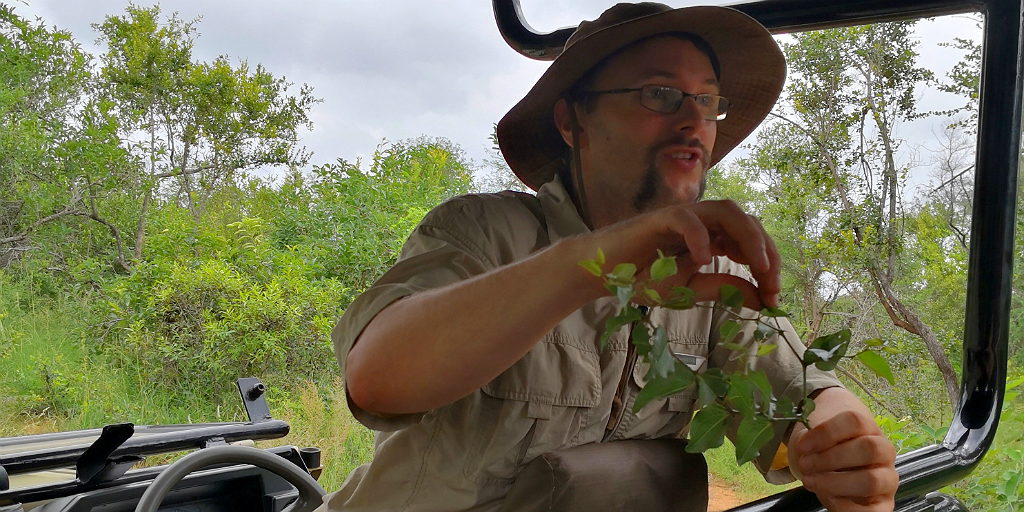
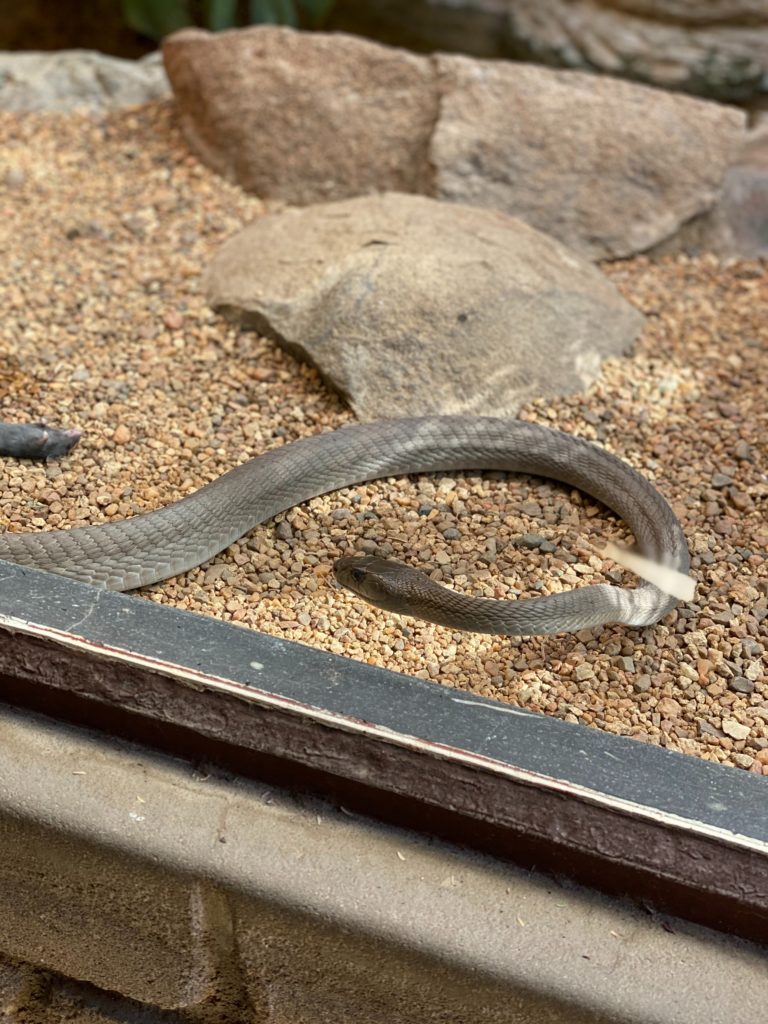
    We launched straight into the second week with a visit to the reptile park for our Reptile orientation course. This was a chance for everyone to relax and enjoy the beauty of our cold-blooded friends. We were shown a myriad of creatures, ranging from tiny lizards to Nile crocodiles who could swallow you whole without a second thought. Due to the ongoing pandemic, we were lucky enough to have the entire park to ourselves, and our guide Chris was able to give us his undivided individual attention. One of the highlights for us, as a group, was the opportunity to see a trio of mambas feeding, as well as being able to learn how to handle some of Southern Africa’s most dangerous and venomous snakes.

    image

    While half of us were entertained at the reptile park, the other half was sent into town to get kitted up in their brand-new khaki uniforms. These smart looking uniforms, at first, did make us feel uncomfortable and out of place but as time wore on, we grew into them a bit more and started to develop a sense of belonging. This outing to town gave us the opportunity to explore, socialize and get to know our fellow students better, as well as being able to indulge in some rare bushveld cuisine such as a standard spur burger and a milkshake. After stocking up with snacks at Pick ‘N Pay that should have lasted us a month (they did not) we regrouped and made our way back to campus. A select few of us were lucky enough (debatably) to get a ride back with Ed on the open-top game vehicle.

    image
    image

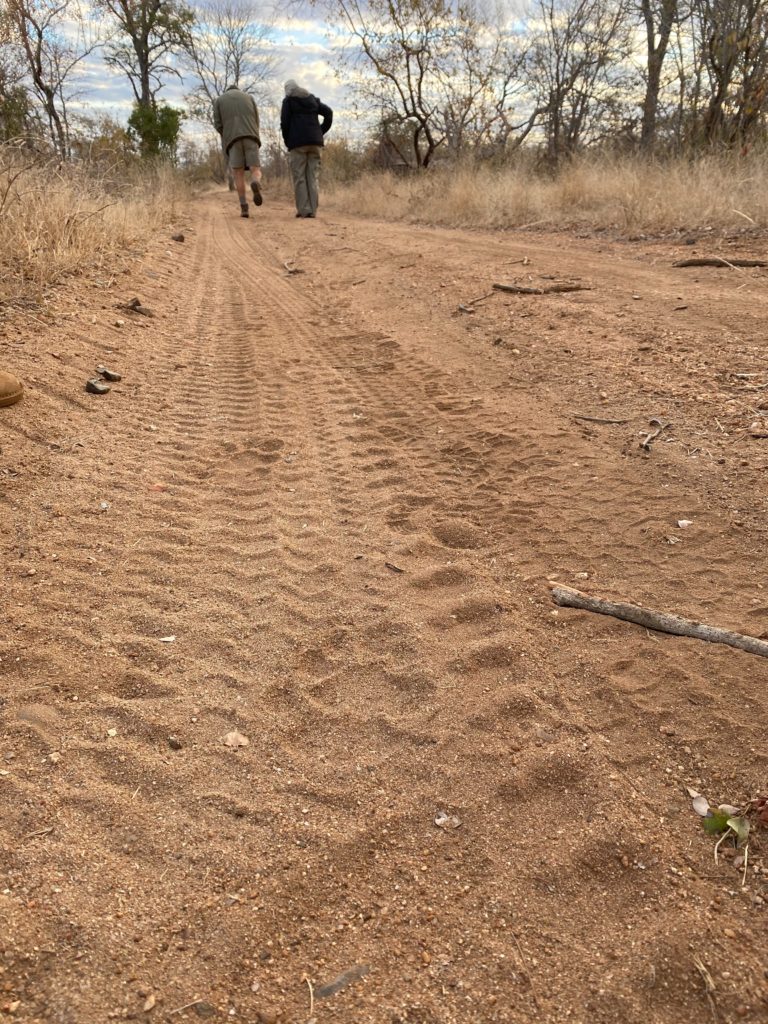
    The next big event started bright and early with basic vehicle maintenance as well as tyre changing (while avoiding the deadly uppercut of the high lift jack). We would be required to check the vehicles before any drive from now on and this was a brand-new essential skill for many of us. Many of us were very nervous for the upcoming driving tests because some had never driven a large, off-road vehicle before. Despite our nerves we all managed to pass the test even those that had to drive the tractor (Land Rover). Now that we had proved ourselves competent behind the wheel we commenced with regular drives around campus through the coming week. Along with the drives came the responsibility of giving pre-drive briefings to our ‘guests’.

    image
    image

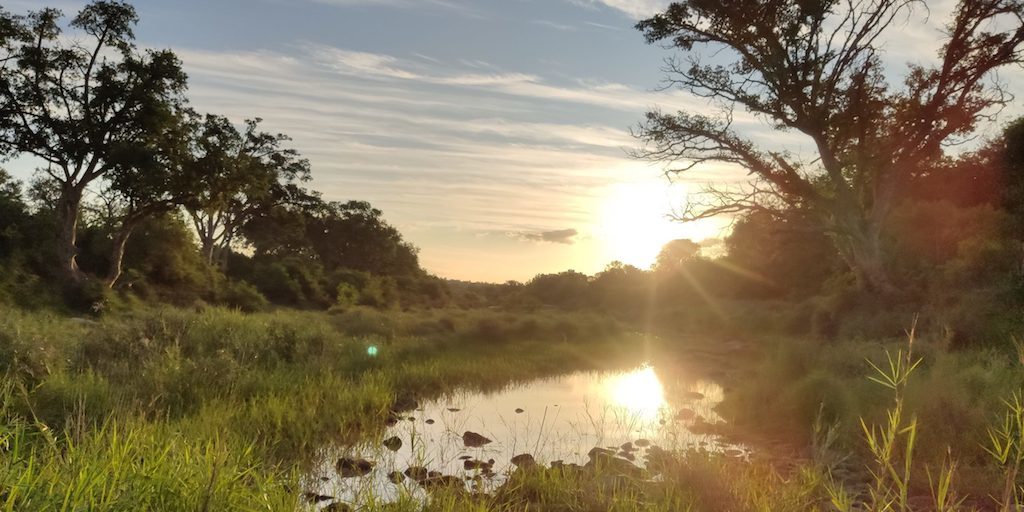
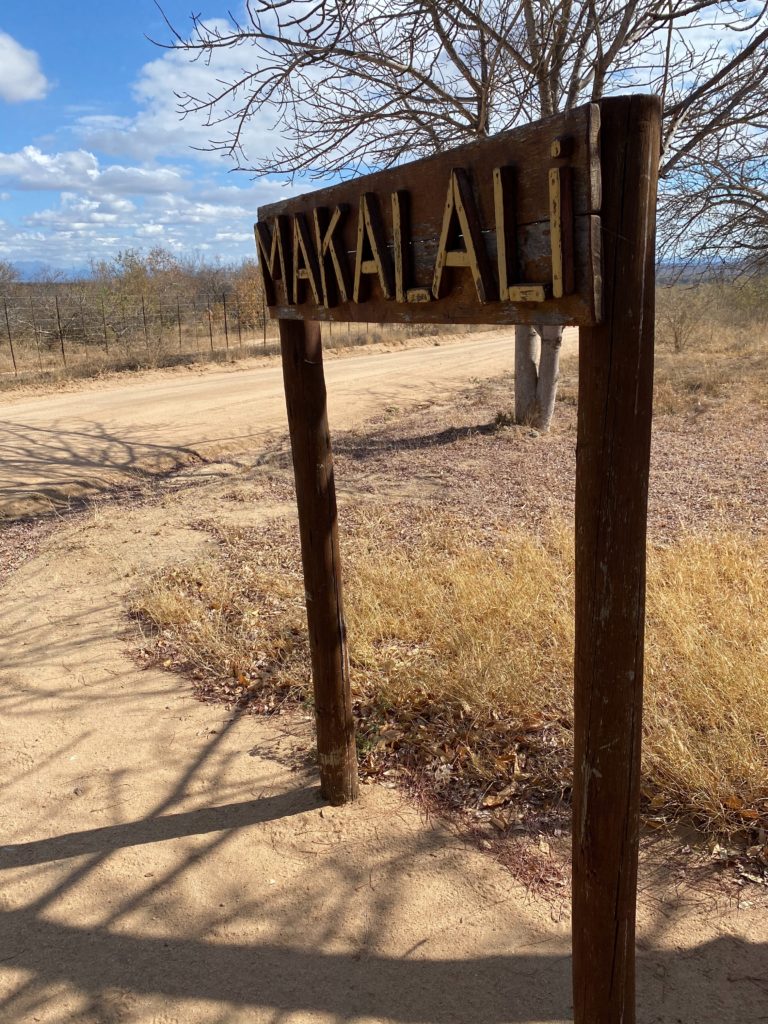
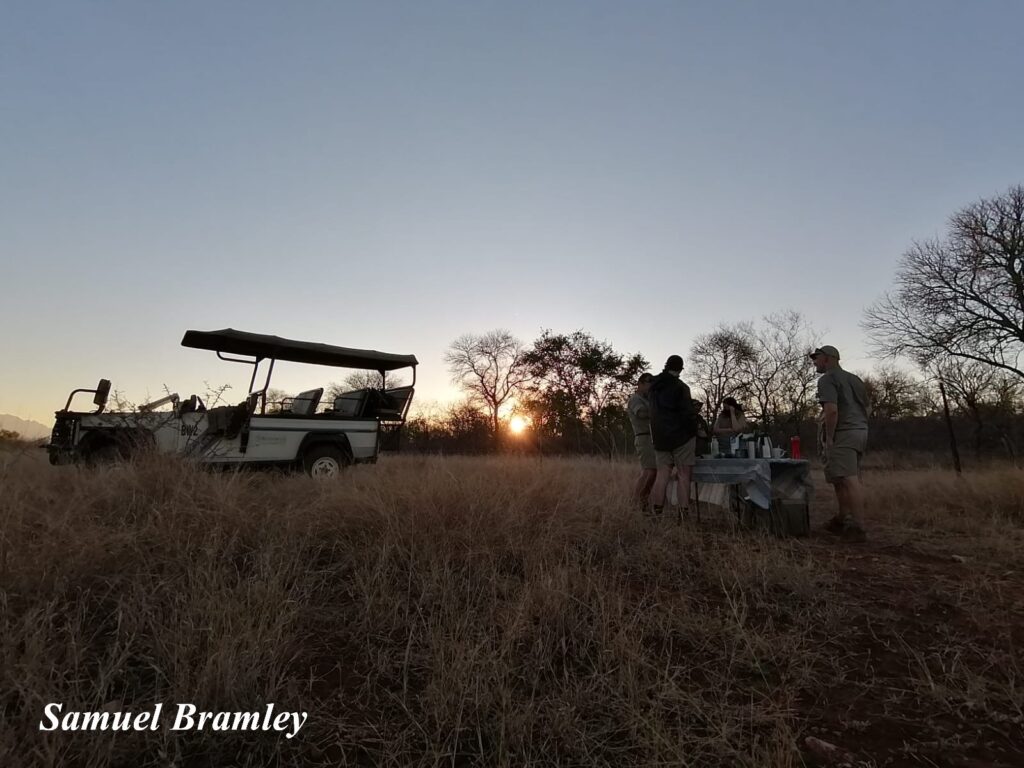
    The trainers got to show us how it was done with a very rewarding evening drive around the adjacent Makalali Reserve. Ending with a lovely ‘phuza’ (drinks) break, watching the sun dip below the horizon, painting the sky a beautiful array of colours.

    image

    So, despite all my nerves and all the other students’ nerves, my week as camp manager ended very peacefully with us settling into our new student lives.

  • A camp managers perspective

    By: Zarina Cooper

    During my first week as being camp manager, I read a quote that really touched my heart and made me feel even more grateful for this experience and a new beginning, especially with all the craziness and uncertainty going on in the world at the moment.

    “Africa is not just a place. It is a feeling. Africa is the heart of the world and there are only a few of us who have been touched by her. Africa defines our soul and people can feel it, people just know…”

    image

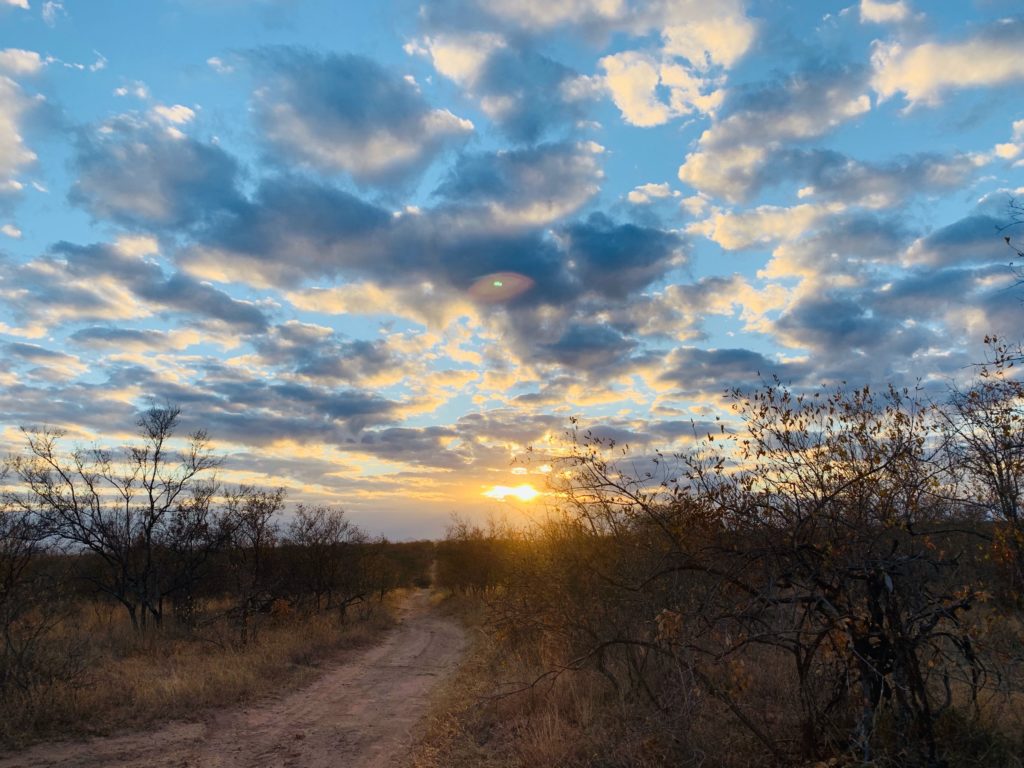
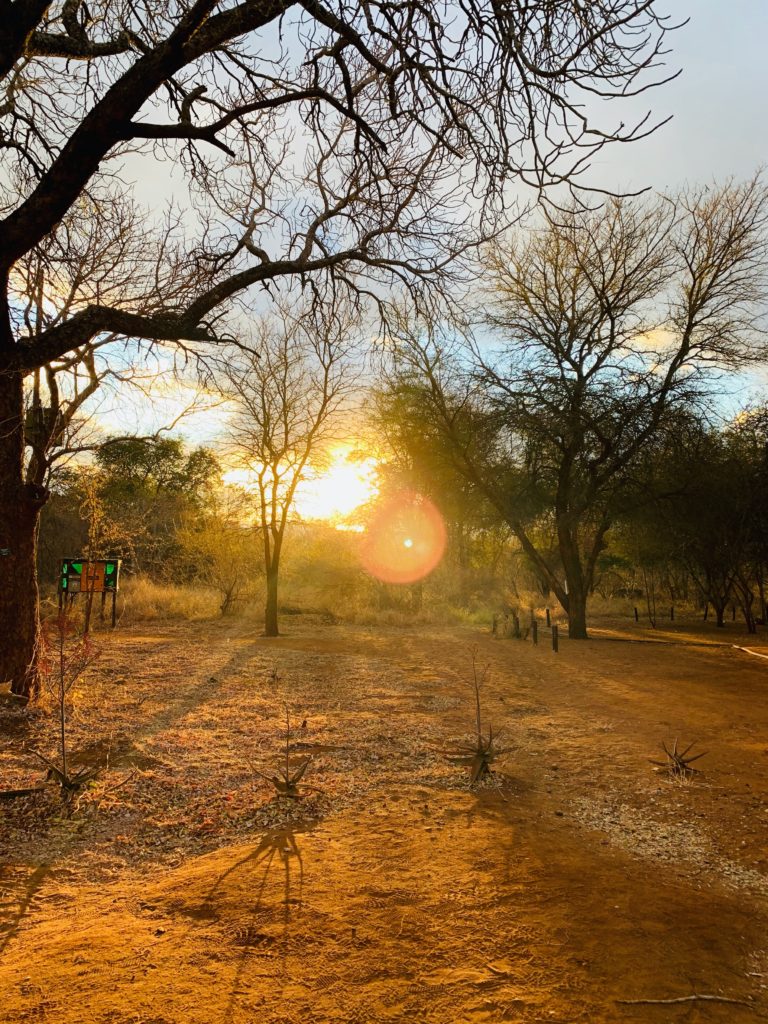
    This past week, aside from the chaos of all the tests, overwhelming workload and just missing home and my dogs, I found a few moments admiring the sunrises and breath-taking sunsets where I just thought “Wow, I live in Africa, I am so lucky to be on this journey.”

    image

    I left Johannesburg to come on this course after doing a tedious and boring corporate degree to finally follow my passion and to honestly wake up every day and feel like I have a purpose. I definitely came to the right place.

    So far, I’ve been pushed to my limits and been challenged every day but waking up to the zebras calling in the distance and of course the Crested Franklins screaming outside my window, I feel reminded of where I want to be and what I want to do with my life. Nothing is more motivating to push through and I cannot help feeling eager to see what each day will bring.

    The past week has definitely made me pull up my socks and has made me realise that studying and the workload is definitely not something to take lightly. I now know the meaning of play hard, but work harder.

    We are so lucky to live in such a beautifully diverse country. Bushwise has made me realise this more and more with each passing moment. I have never been more excited to learn – even just about rocks and grasses.

    image
  • First week at Bushwise campus and what to expect

    BY: John David, student July 2020

    Arriving at Bushwise and meeting the staff, trainers and students were both exciting and terrifying. Upon arriving we were required to wear face masks and keep social distancing, the first question on my mind was; “would I fit in, and would I make friends?”

    The first day was a bit weird as we all came from different places and backgrounds. The second day kicked off with plenty of paperwork and indemnity forms. Once I discovered I was the first camp manager, I was simultaneously shocked and excited, this was my chance to prove myself to the trainers and staff that I have the drive and determination to do my best, and that I am ready for the responsibility.

    image

    sdr

    Once we were split into respective groups, it was exciting to meet my new teammates and show them that I am a hard worker and that I will do my best to make our team the best in all aspects and duties that we as a team will have to face. Once I found out that Oom Jan was coming to teach us first aid, I was afraid and intimidated as I have no first aid experience and I was afraid of making mistakes. However, without mistakes, we will never make progress and may never truly have exciting experiences. As Oom Jan explained and demonstrated, I became more comfortable and started enjoying the lectures and the practicals. My roommate and I had to work on each other for the practical first aid tests, while still conforming to the Covid-19 camp rules, and it was a load of fun.

    The next day we were expected to complete a practical assessment and a theoretical exam. Just knowing that we were all in this together gave me peace of mind, we finished the lecture and promptly wrote the exam. After which we were all waiting for our marks with bated breath, suddenly we all heard voices shouting out for help in the distance, and we genuinely thought something terrible had happened. As we all ran to their aid, we discovered that this was just a drill! Just like that all of Oom Jan’s training kicked in and we all assisted our “injured fellow student”. Once handling the situation, Oom Jan let us know that we handled the surprise assessment very well and had all passed with flying colours.

    image

    As my week as camp manager came to an end, I handed over my duties to the next camp manager. I have had so much fun with the responsibilities in my first week at Bushwise. All of us students are here with a common goal and purpose to rise to the occasion and to do our best, and I am honoured to be a Bushwise student.

  • More about migratory birds and why they matter

    Original image by USFWS Mountain-Prairie is licensed under CC BY-SA 2.0

    BY: Tasneem Johnson-Dollie

    When the cold creeps up on you, you can reach for another blanket or sip on something warm. But migratory birds have a different way of dealing with the cold that’s worth knowing more about as a field guide.

    The colours and calls of migratory birds, as well as their migration displays in the sky, have made bird migration a well-known phenomenon that gives us a glimpse into the workings of mother nature. Let’s find out more about bird migration and how keeping our eye on migratory birds is an important part of wildlife conservation today.

    Why do birds migrate?

    image

    Original image: USFWS Mountain-Prairie is licensed under CC BY-SA 2.0

    Migration is the seasonal movement of animals from one region to another, and it’s not just for fun. With the change in weather, animals move from colder areas – where resources become less – to warmer regions with an abundance of food and shelter.

    The biggest migration that takes place each year involves the migration of birds from the Northern Hemisphere to the Southern Hemisphere, but there are also bird migrations within each hemisphere.

    But how do migratory birds know when to take off? Well, the jury is still out on this one. Although it’s believed that migratory birds are quick to pick up on the changes in day length and temperatures, we still don’t know what exactly signals birds to fly south for winter.

    What we do know, is that around half of the world’s bird species migrate, which is an incredible amount when we consider that migration can be really risky. Travelling long distances takes a lot of effort and migratory birds can’t always be sure that they’ll be able to replenish their supplies once they reach their destination.

    Right now, many migratory birds have already left their wintering areas – the areas in the Southern Hemisphere that they travel to, to avoid the cold winters in the Northern Hemisphere – and are settling in to breed back home. Let’s find out more about these sky-studding travellers.

    The different types of migratory birds

    image

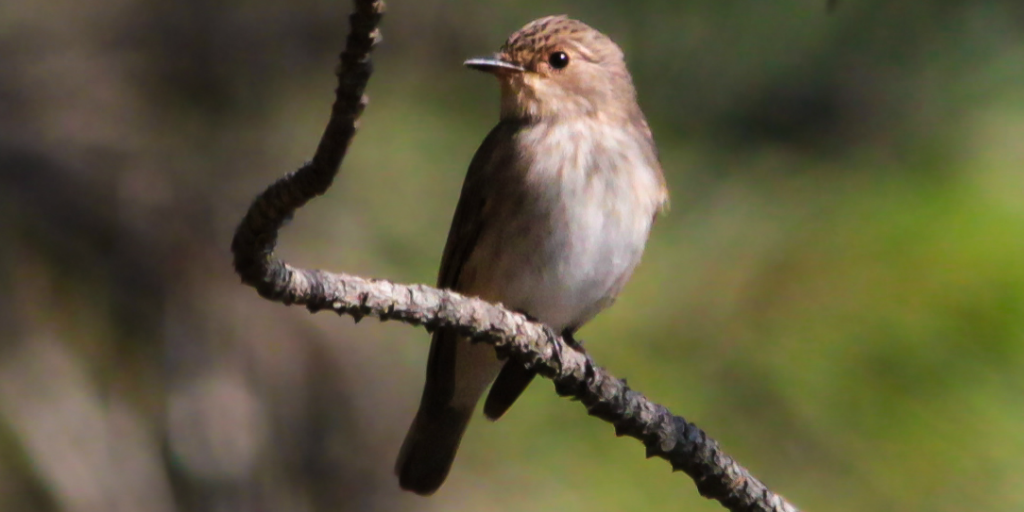
    Original image: Spotted Flycatcher by Daniela is licensed under CC BY-SA 2.0

    The reward of migration often trumps the effort that it takes, and this is why a whole host of different bird species take to the migration flyways – flight paths used by birds during migration – each year.

    Different types of migratory birds are built differently – for example, the arctic tern has a sleek and compact form when compared to the lanky figure of the flamingo. Depending on their build, each species of migratory bird will follow a different migration flyway that suits them. Some flight paths follow the land to allow for frequent stops while others are mostly over water.

    Migratory birds are categorised according to their species type, which determines the migration flyway route they’d take. There are different migration flyways for:

    1. seabirds
    2. shorebirds
    3. birds of prey
    4. waterfowl
    5. landbirds.

    But how do they know where they’re going?

    How do birds navigate during bird migration?

    image

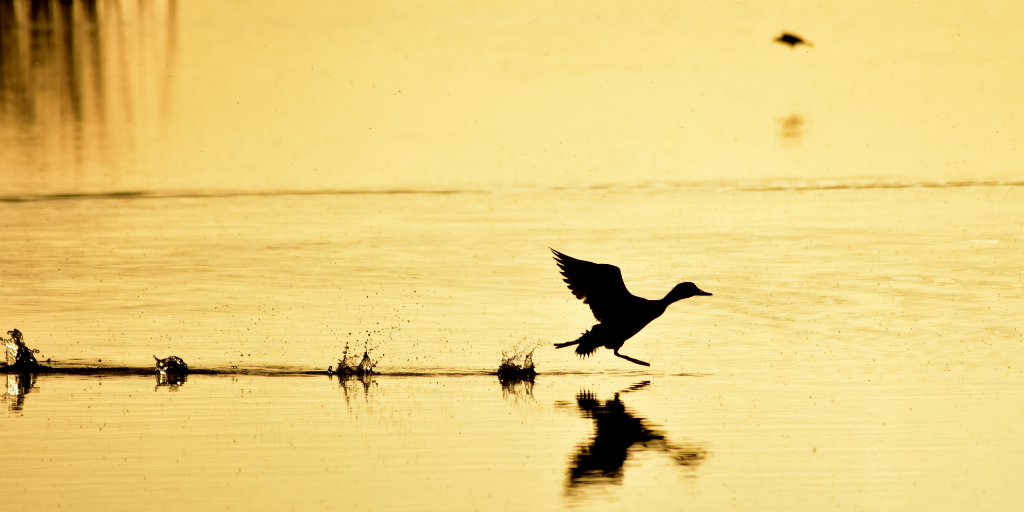
    Original image: Takeoff by USFWS Mountain-Prairie is licensed under CC BY-SA 2.0

    The different types of migratory birds follow the same migration flyways every year. The eight major migratory bird flyways are the:

    1. Pacific Americas
    2. Central Americas
    3. Atlantic Americas
    4. East Atlantic
    5. Black Sea-Mediterranean
    6. East Asia-East Africa
    7. Central Asia
    8. East Asia-Australasia.

    Many of these migratory flyways are thousands of kilometres long. With so much distance to cover, how do birds navigate without GPS?

    Well, these winged travellers have their own built-in bird navigation system that doesn’t run out of power. According to scientists, it’s made up of a combination of specialised cells in birds’ eyes – that may help them to see magnetic fields – and magnetised spots on their beaks – that act as a built-in compass.

    This is one way that migratory birds are kept from going off course – even in the type of weather that would ground an aeroplane. But there are also many other proposed mechanisms involved in bird navigation – like the use of olfactory mapping and magnetic inner ears.

    Whatever the mechanism, bird navigation allows migratory birds to take on a monumental trip twice a year that allows millions of birds to survive and thrive. But bird migration has another important job, and that’s contributing towards our understanding of global wildlife conservation.
    What does bird migration have to do with global wildlife conservation?

    image

    The spectacular sky-displays seen during bird migration season are still commonplace all over the world. But for those with a keen eye on bird conservation, something seems to be amiss.

    On closer observation, we’re seeing fewer birds each year, and in some cases, whole species of migratory birds are missing from migration flyways.

    Since migratory birds are able to travel across continents and inhabit a wide variety of environments – from waterlogged swamps to ever-shifting desert terrains – their disappearance has a significant and far-reaching effect on global ecosystems.

    And with half the world’s birds being migratory, there’s a strong link between the well-being of the world’s bird population, and what’s happening with migratory birds.

    Getting involved in the field of bird conservation

    image

    There are migratory bird conservation efforts focused on protecting important migration flyways, as well as the places where migratory birds come to settle at the end of their bi-annual journey.

    Getting involved in bird conservation activities is important. But the best approach to bird conservation involves improving our understanding of why birds migrate, determining which factors are key in migratory bird conservation and how migratory bird conservation contributes to global wildlife conservation efforts that benefit us all.

    Bushwise Field Guides offers award-winning courses in nature conservation where you’ll learn the theory and gain the practical experience you need to get involved in the conservation of migratory birds.

    Unable to travel, but still want to kick start your career in conservation? With our Nature Enthusiast IFGA Online Course you can.  Attend live lectures and masterclasses from industry experts while you complete various theory-based IFGA modules – the first step towards becoming a qualified field guide!

  • We should learn from the fascinating Apple-leaf tree

    BY: Andy Dill, Bushwise student 2020

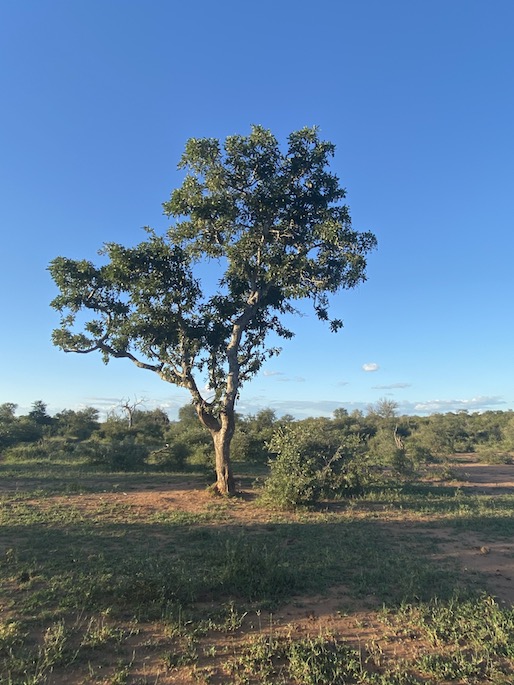
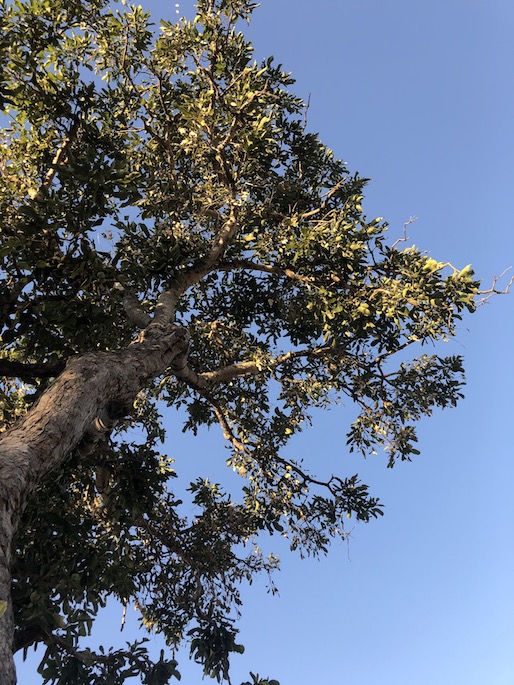
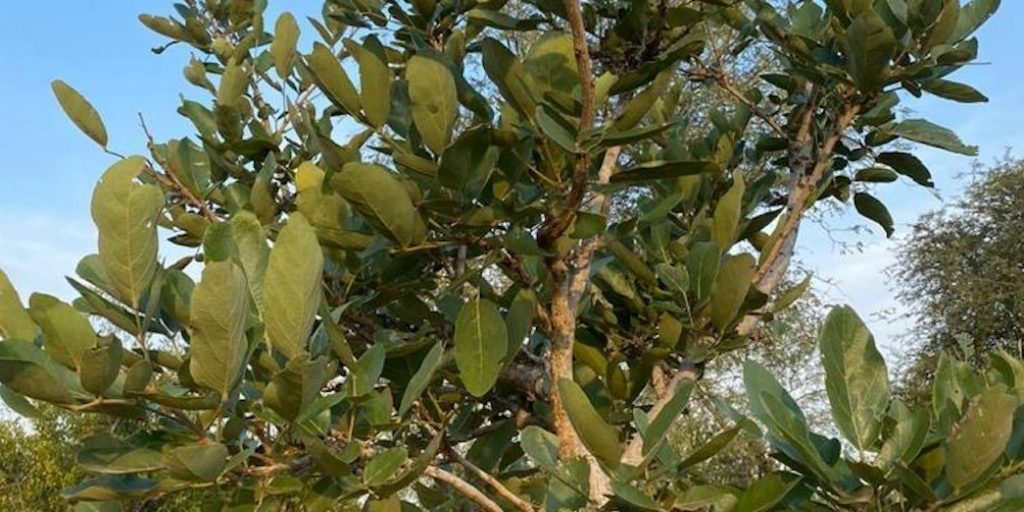
    I recently came across a quote by Hal Borland which reads “If you would know strength and patience, welcome to the company of trees”, this got me thinking about how a specific tree has helped me with valuable lessons and just continues to teach me about life. It is the Apple-Leaf tree.

    image

    My love affair with this tree started from the minute I first read about it, its odd appearance and quirky name, the way it stands out from the crowd, is easily recognisable and the almost goofy nature to it, fueled me to find out more. The deeper I dug the more I fell in love.

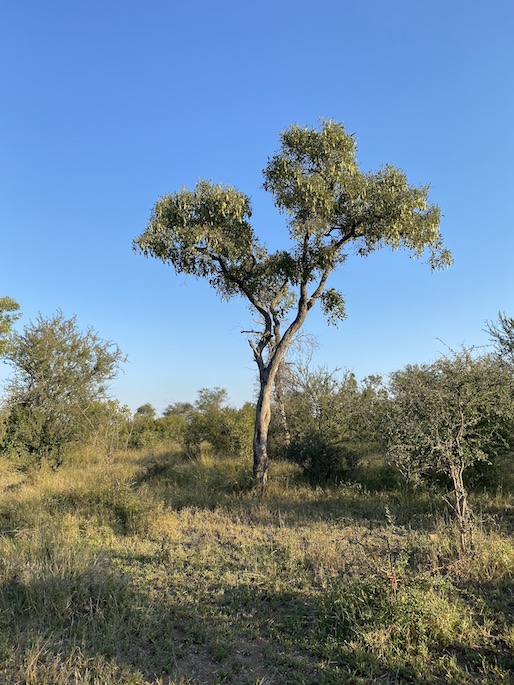
    An often solitary tree in the Savanna, unafraid, to be alone and growing in whichever direction it’s drawn showing a beautiful sense of wanderlust and independence, got me thinking about how we as humans have somewhat grown away from this. Always wanting recognition, gratification and approval, ahead of actually being comfortable with who we are. There is a special magic, about spending alone time with nature and the Apple-leaf is the perfect example of this.

    The slow, unrushed growth of this tree gives it a very hardy wood and the best opportunity for survival against the worst of storms and winds, showing the merit in patience and perseverance. And that whatever we are trying to achieve in life, let it happen, allow it to be slow. We will be rewarded for it later.

    image

    Not only does this tree stand proud and is seemingly unafraid of the opinion of others, but it also has a nurturing side to it in that it acts as a pioneer species for an area by increasing the nitrogen levels in the soil and thus paving the way for new life. This caring side to the Apple-leaf shows us how important it is to enhance the area around us for the lives of others and work as a community for the greater good.

    Often referred to as “The Rain Tree”, during certain times of the year the Apple-leaf gets attacked by the Spittlebug (Ptyelus grossis) causing exudation of water from stems and branches, to such an extent that it creates an impression that there is a light drizzle. The Apple-leaf again choosing to see the positive, actually uses this moisture to almost “self water” and because of this is able to survive in drought conditions.

    It comes as no surprise that in local folklore it’s said: “if you keep a piece of the root in your pocket, you will always have friends.” As well as “The Apple-leaf is said to be a lucky charm and is used to resolve disputes.”

    image

    So much of what I personally struggle with in life, Where to from here? How do I look to others? Is age catching up with me? All of this is eased when I think of the Apple-leaf and how it finds a way to survive and enjoy life; while helping others to succeed and grow around it. With the world in its current situation of fear and angst with the Coronavirus, I think a lot of us should take a step back, slow down and be more like the Apple-leaf.

    Learn all about botany and trees on a course with Bushwise!

  • My Bushwise journey: A dream come true

    This blog was written by Tsakani Precious Maluleke, a Bushwise Professional Field Guide student. Each student takes a turn as camp manager, and writing a blog is part of the experience.

    2 min read

    Greetings everyone! My name is Tsakani Maluleke from Makuleke Village, and I want to share a very exciting chapter of my life with you. Over the past five months, I have experienced a journey that has not only broadened my knowledge but also deeply touched my heart.

    I have always loved nature and that is what led me to study Conservation Management, but I never thought I could find myself in field guiding. Last year in April I got a job as a housekeeper at The OutPost Lodge in the Kruger. It was during this time that I suddenly had this burning desire of wanting to be a nature guide.

    image

    On the 24th of August 2023, I went searching online for field guiding courses and I came across Bushwise. I enquired that day about their Field Guiding Online course for the April to June class and while still thinking about how I’m going to pay for this course a friend of mine sent me a document. It was a Bursary application form from Southern African Wildlife College (SAWC).

    I applied immediately and, to cut that story short, I ended up at the SAWC as a Bushwise student. This was a dream come true for me. The opportunity to learn and grow in this field was now the only thing I wanted. The SAWC, together with one of its UK-based supporters, Metamorphosis Foundation, and Bushwise, made it a reality.

    The course was intense and I learned so much in a very short space of time. From understanding the intricate ecosystems of our beautiful landscapes to mastering the skills needed to guide and educate others, every moment was filled with valuable lessons. The training not only expanded my knowledge but also honed my practical skills, preparing me for a future in guiding.

    image

    Beyond the studies, the people I met during this journey were truly remarkable. My fellow students, my trainers, the whole Bushwise team and the SAWC were all incredibly supportive and inspiring. We shared many unforgettable moments, from early morning game drives to late-night study sessions. These individuals have become like family to me, and I will treasure each moment we spent together for the rest of my life.

    Reflecting on these past months, I am filled with gratitude and joy. The experience has been nothing short of amazing, and it has strengthened my resolve to pursue a career in guiding and conservation. I am excited about the future and look forward to applying everything I have learned to make a positive impact.
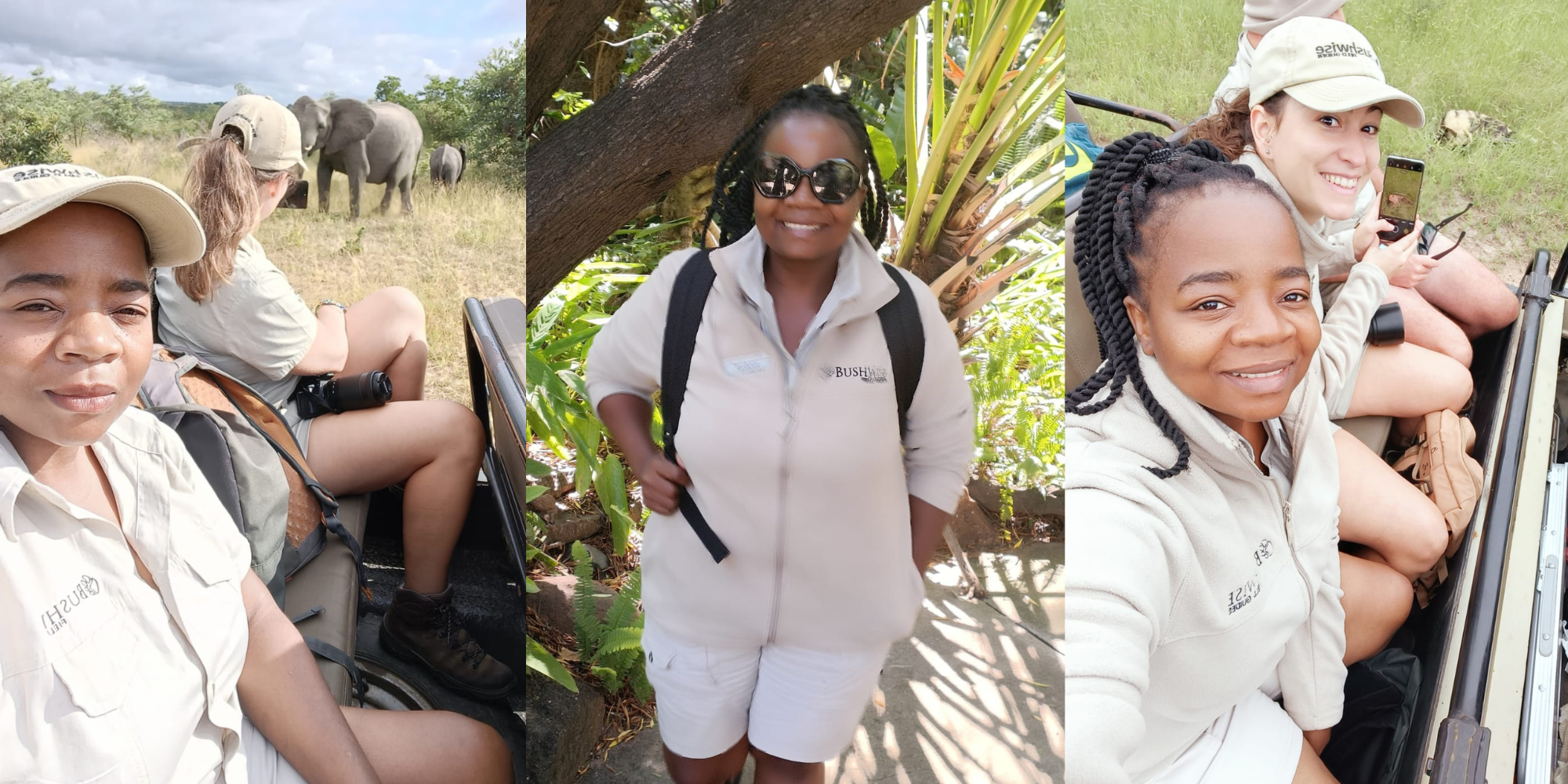
    image

    Thank you to every organisation or every person who made this dream a reality, and for providing me with such an enriching and unforgettable experience. Here’s to many more adventures and to the continuous journey of learning and growing in the world of nature and wildlife!

    Ready to turn your passion for nature into a career? Learn more about Bushwise in-person and online courses and apply now to start your journey as a field guide!