Author: Bushwise Student

  • Tracking with Colin Patrick

    BY: Karl Lewinsky, Bushwise student 2020

    Our week began by being divided into two groups,  track and sign, and rifle handling. My group, the cheetahs and half of the bateleur group, started with tracking. Our tracking teacher and assessor was Collin and his dog Annie.

    The first day we were given an introduction to our tracking week. We had to introduce ourselves and why this course and tracking is so important for us. Collin explained to us what will happen during this week and how we will progress. That same afternoon we spent time in the bush to get the first impressions of track and sign (with a nice puza stop). Collin also showed us Annie´s skills, she was able to track two of us even though we were hidden on the top of a huge tree. 
    image

    On Wednesday morning we started our tracking journey at 6 am. We learned the four principles of track and sign:

    1. Position yourself in the most optimistic position

    2. Get your direction right with a start and an end

    3. Study/ analyze the track

    4. Get the whole picture

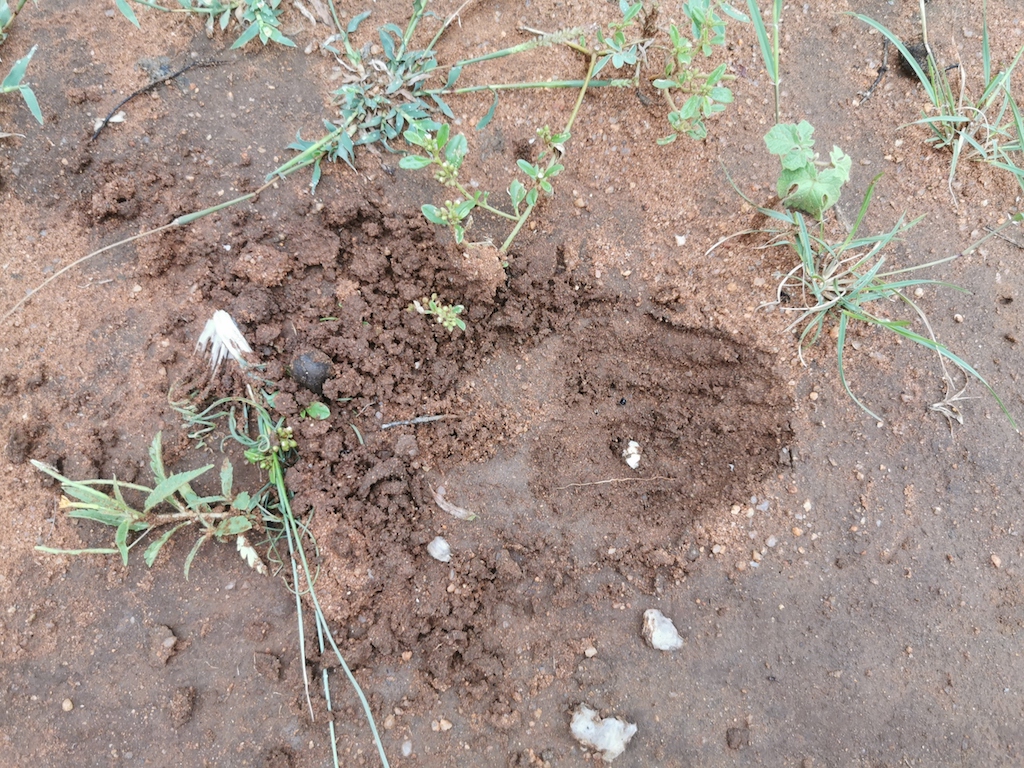
    We carried on by learning and identifying different tracks and how to separate them. After brunch at 1.30 pm we kept learning and practising. During this time it was raining a little bit, so it was more difficult for us to identify or even get a nice track, but in nature nothing is perfect and you have to get used to every type of condition out in the bush. We were finished by 6 pm.
    image

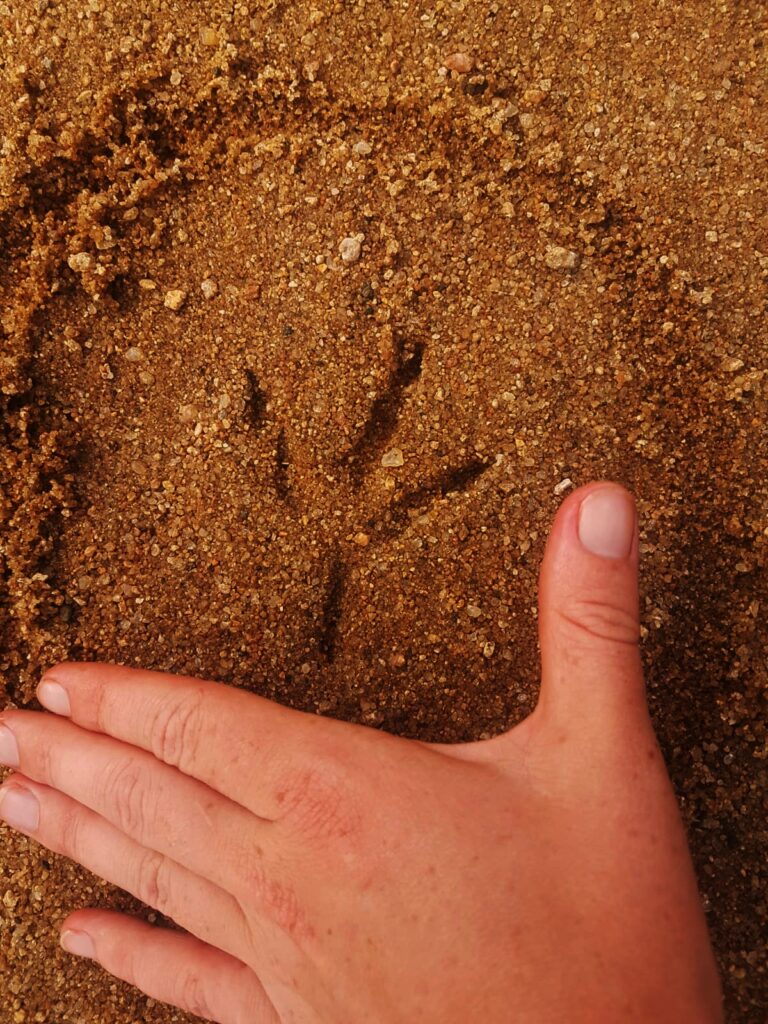
    The next day we headed off at the same time in the morning. We learned about the different shapes of antelope tracks, like the triangle and parallel pieces. We also looked at the front of the tracks ( sharp, blunt or mixed), the edge profile, the under soil and the gate. We also learned to identify if the animal was walking, trotting and running. We got to know many more animals each time when we were out. After brunch, we had a lesson in our classroom and Collin showed us all the different tracks you are able to find in this area and how to actually tag the different bird feet structures. We watched videos about what dogs are able to do during anti-poaching, how fast they are able to run, and how well-trained they can get to listen to human commands. That was really awesome to watch. He also shared his experiences of how dangerous it can get while tracking poachers. 

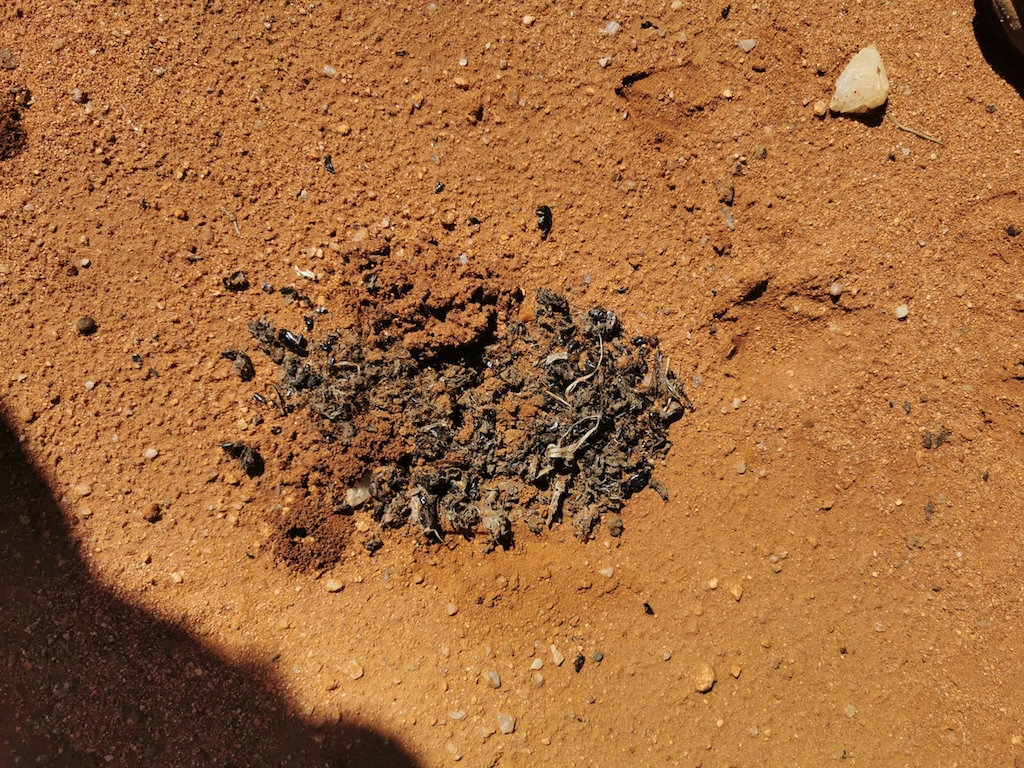
    On Friday morning we practised for our assessment in the afternoon. We got to know Collin´s daughter who is already a professional tracker. Luckily we had found some more interesting insect tracks that morning. The assessment took us one day and we finished at 11 am Saturday morning. Afterwards, we got our results considerably fast and then had a nice brunch in a Big Five reserve in the bush.

    Tracking is like reading a newspaper but it´s always telling the truth. You never stop learning, because there is always something new. Never give up on your passion, it´s easy to give up, but when you keep pushing yourself you will reach what you´re dreaming for. Find out more about Bushwise courses.
  • Competitve photo ops during week 4 of Semester 1

    BY: Oliver Harvey, Bushwise Student 2020

    Week four has come and gone already and what an interesting four weeks it has been! This week has been filled with much excitement and danger. From the competitive photography competition on Tuesday, the sleep out Wednesday night on Makalali game reserve and then a close encounter with a Mozambican spitting Cobra on Friday night.

    The week started off slow and then got exponentially more exciting. Monday was like any other day starting off at 7 am with a lecture on birds and birding, followed by a lecture on Taxonomy. During the birds and birding lecture, Ed, our trainer, proposed an interesting birding competition and between this week and the next we would have to log down as many birds as possible with the winner potentially winning a sticker. Now, a sticker may not sound like much but the best way I can describe it to someone reading this is to think about it as a golden ticket that goes into your portfolio, representing a good work ethic which will come in handy when you are looking for a job in the future.

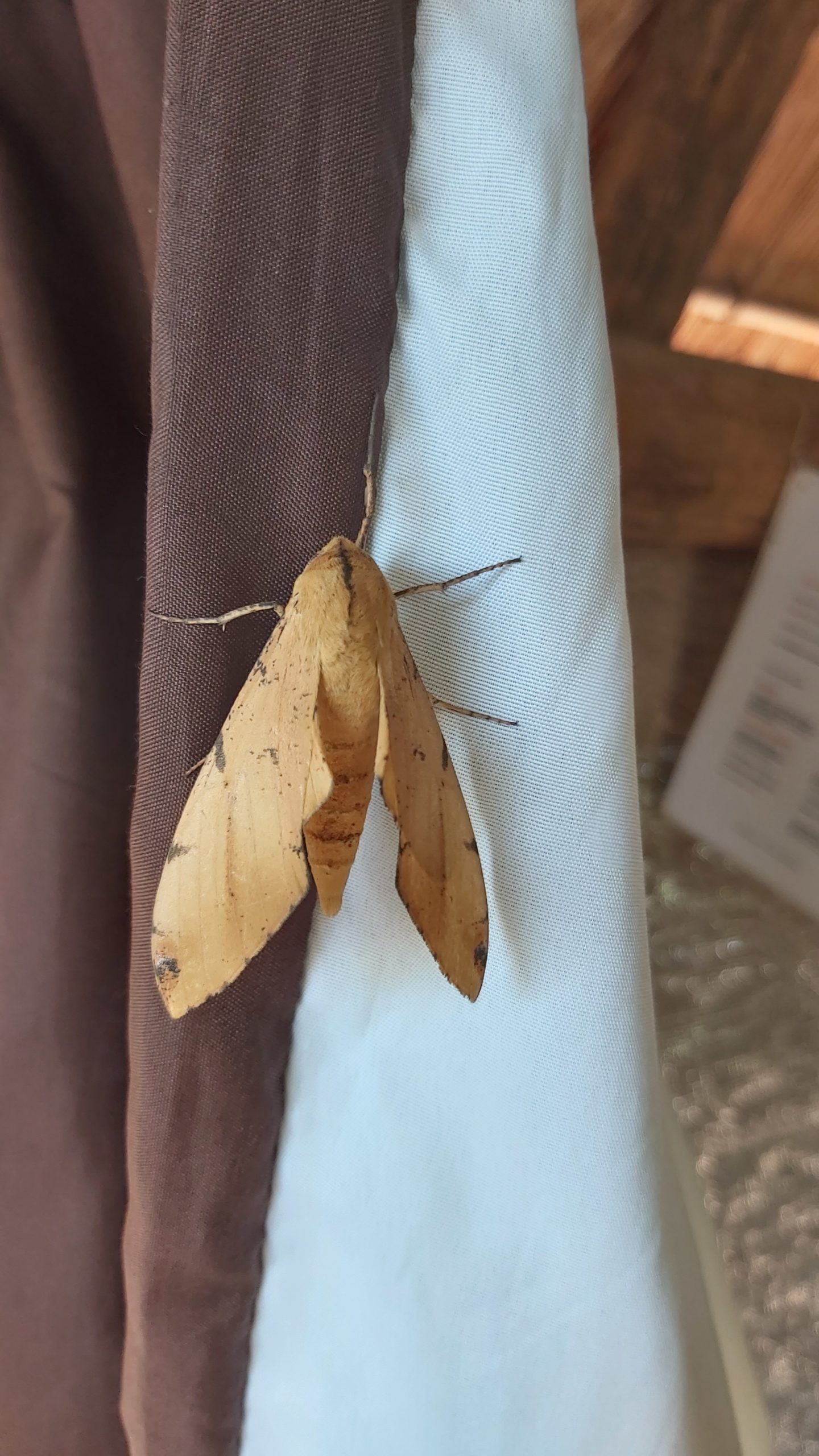
    Tuesday morning started at 7 am and signalled the start of the photography competition on campus. Vaughan gave us a quick introductory lecture on how to use our cameras and then set us loose to flex our creative muscles for the day. For me personally, this was a great opportunity to get to grips with my camera that I was lucky enough to get for Christmas. We were given 5 themes; sad, happy, colourful, creepy and flying. Once all the photos were in, we discovered the most of the ‘sad’ photos were of dead moths that had been massacred the night before through repeatedly smashing themselves into the lights around campus. This was truly a depressing sight to see. All the pictures submitted were high quality and I felt sorry for the Henk, the Marketing Manager, who had to select his top photos. 

    image

    Photo by Oliver Harvey

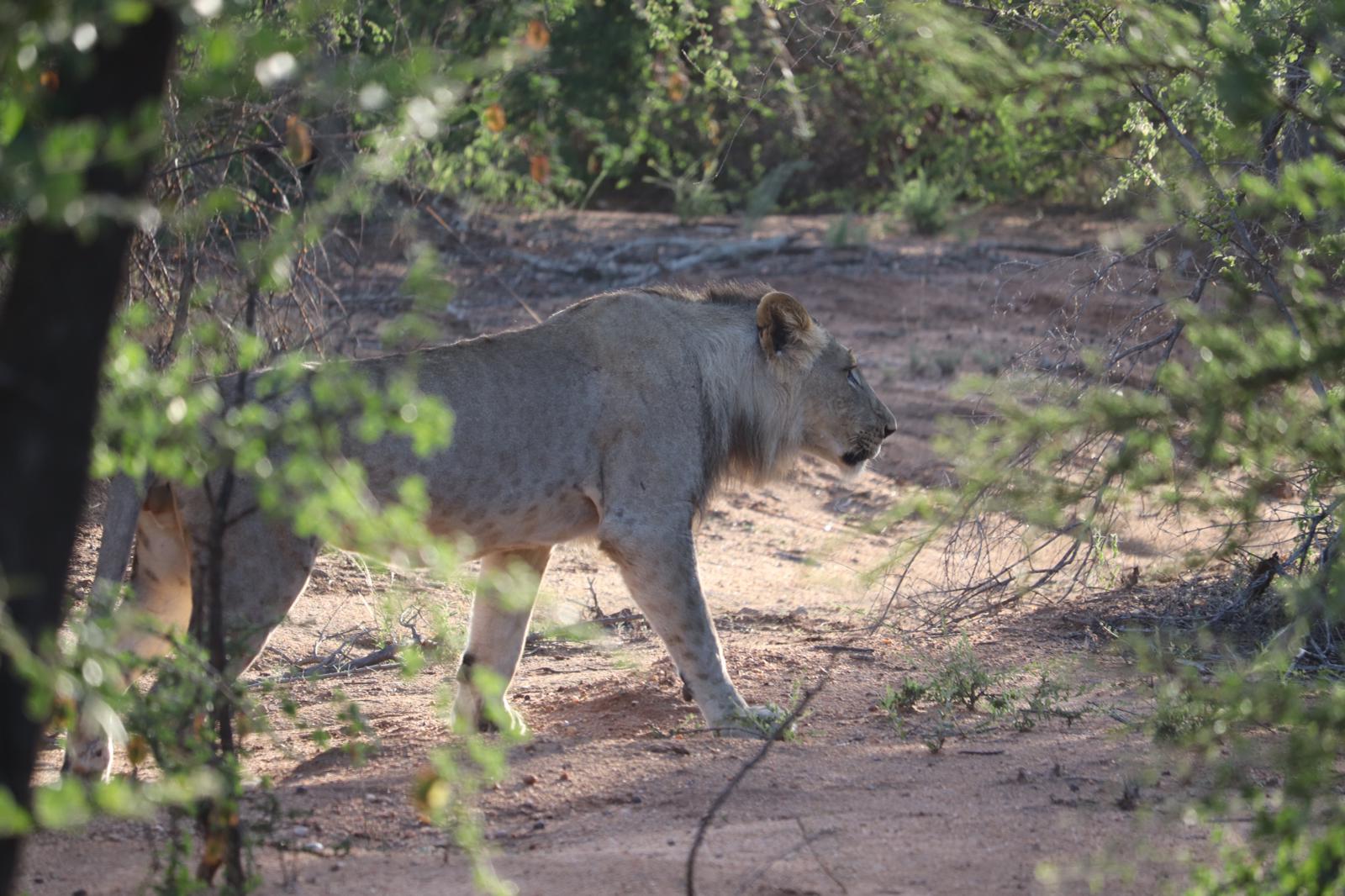
    Wednesday was an early start with all of us waking up at 5am for a practical drive. The drive was fun and informative. We learnt a lot about tracks and signs, orientation skills and the common lion track. I call it common due to the number of times we have seen them so far, every week it’s almost guaranteed. To say the least, they are cool to see but very boring to watch for extended periods of time, especially when they just sleeping. I often find myself doing a little birding when we stop to watch the lions, this is because lions love to sleep, and what’s fun about watching a cat sleep? 

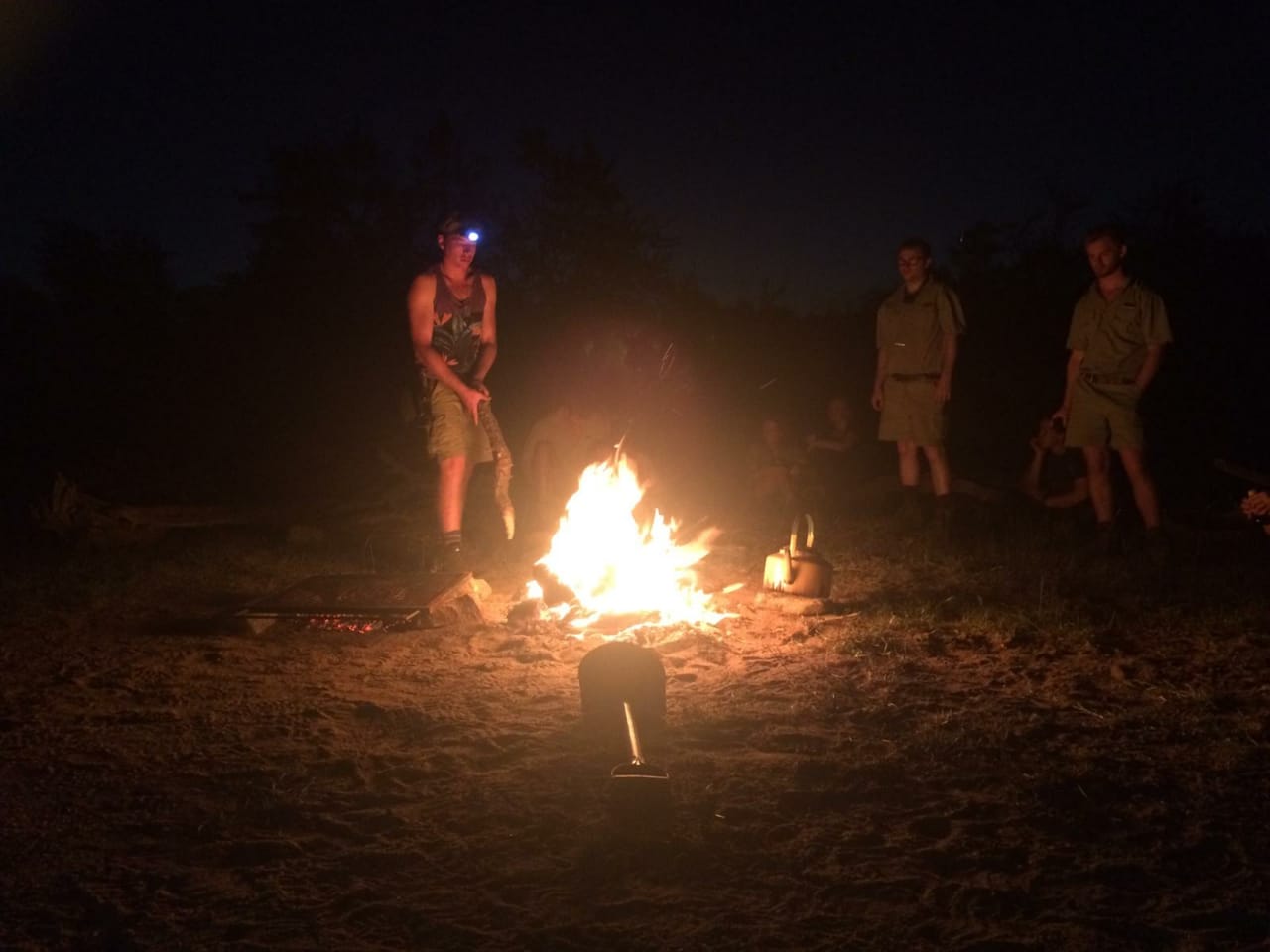
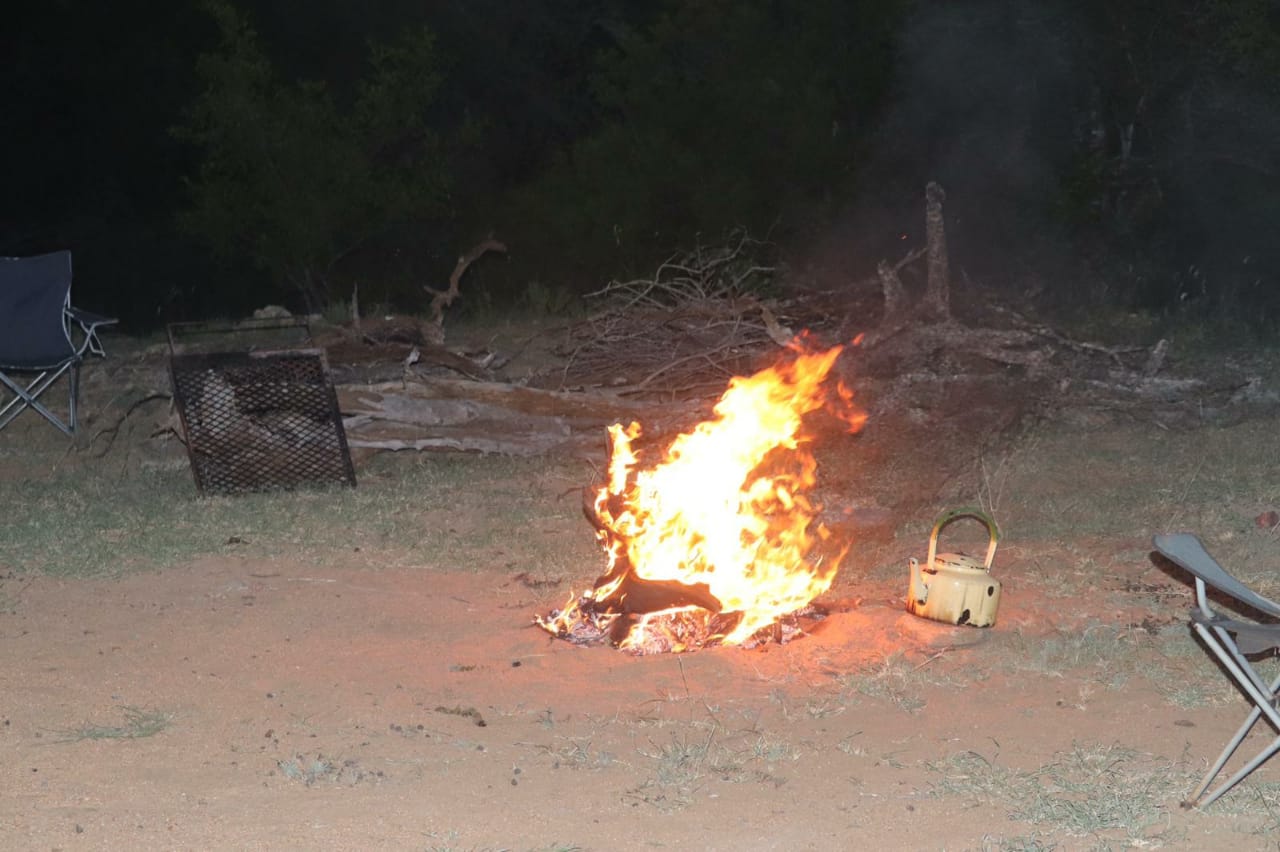
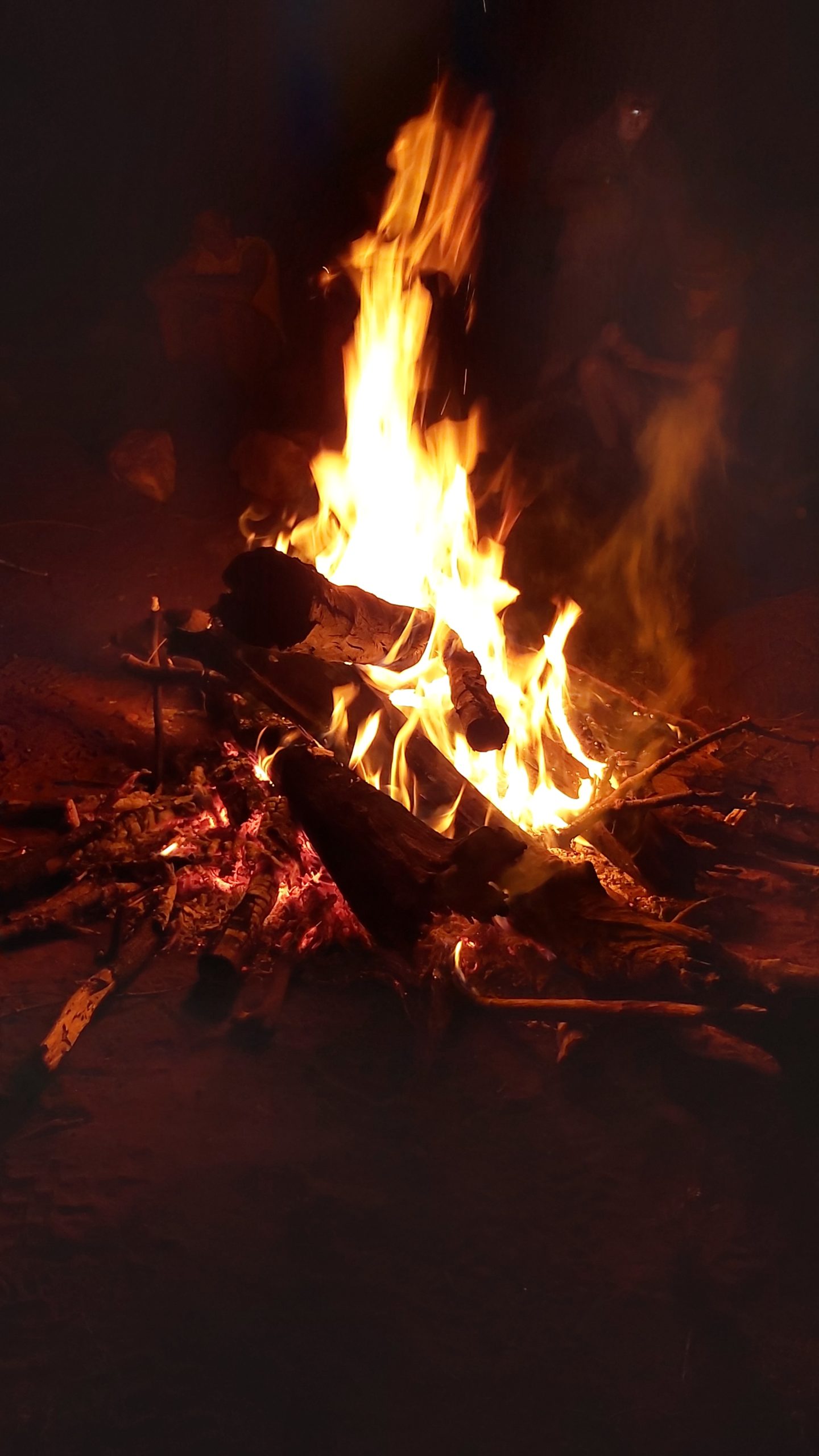
    The afternoon after the drive was filled with anticipation for the sleep out, most of us were wondering what we were in for. I was half expecting to have hyena breathing down our necks as we slept. However, I was not to get a wake-up kiss from my hyena princess, due to the ever-vigilant eyes of the people on night watch duty. 

    image

    Photo by Oliver Harvey

    Thursday morning was a rough morning with many of us waking up feeling like we had slept on a bed of rocks, which many of us had been. Seems we overestimated the thickness of our mattresses we bought beforehand. This left the rest of Thursday as a write-off in terms of work as we were all far too tired to do anything of meaning, so the trainers took it easy on us and made us run through radio procedures which at times was quite funny to listen to as people forgot their words. After dinner, we all had an early night except for the nocturnal creepy crawlies. 

    image

    Photo by Oliver Harvey

    Friday was a rather stressful start as we got feedback on our performance during the course and our tests which left many feeling they needed, or deserved, the holiday that was going to start on Saturday. There was a sight and sound test in the afternoon which was thankfully nowhere near as stressful as the morning. The feedback, which did not count for any marks, was just to see how much knowledge we had retained during our practical drives and what we could improve on. From the results, it looked like we all knew what most things looked like but had no idea what the sounds were which led to some very interesting answers from some of the teams! 

    In the evening we had quite an exciting yet dangerous encounter with a Cobra. A small Mozambican spitting Cobra tried to have a go at someone who walked by, spraying them with potentially deadly venom. Thankfully the venom sprayed harmlessly onto their skin only leaving its victim a little shaken. The snake was safely removed by the trainers almost immediately after the incident, leaving the snake a little stressed out but unharmed. This was quite the way to end off the term reminding us that we all need to have a healthy yet passionate respect for the bush, making this term all that more memorable.

  • Driving the path less travelled by

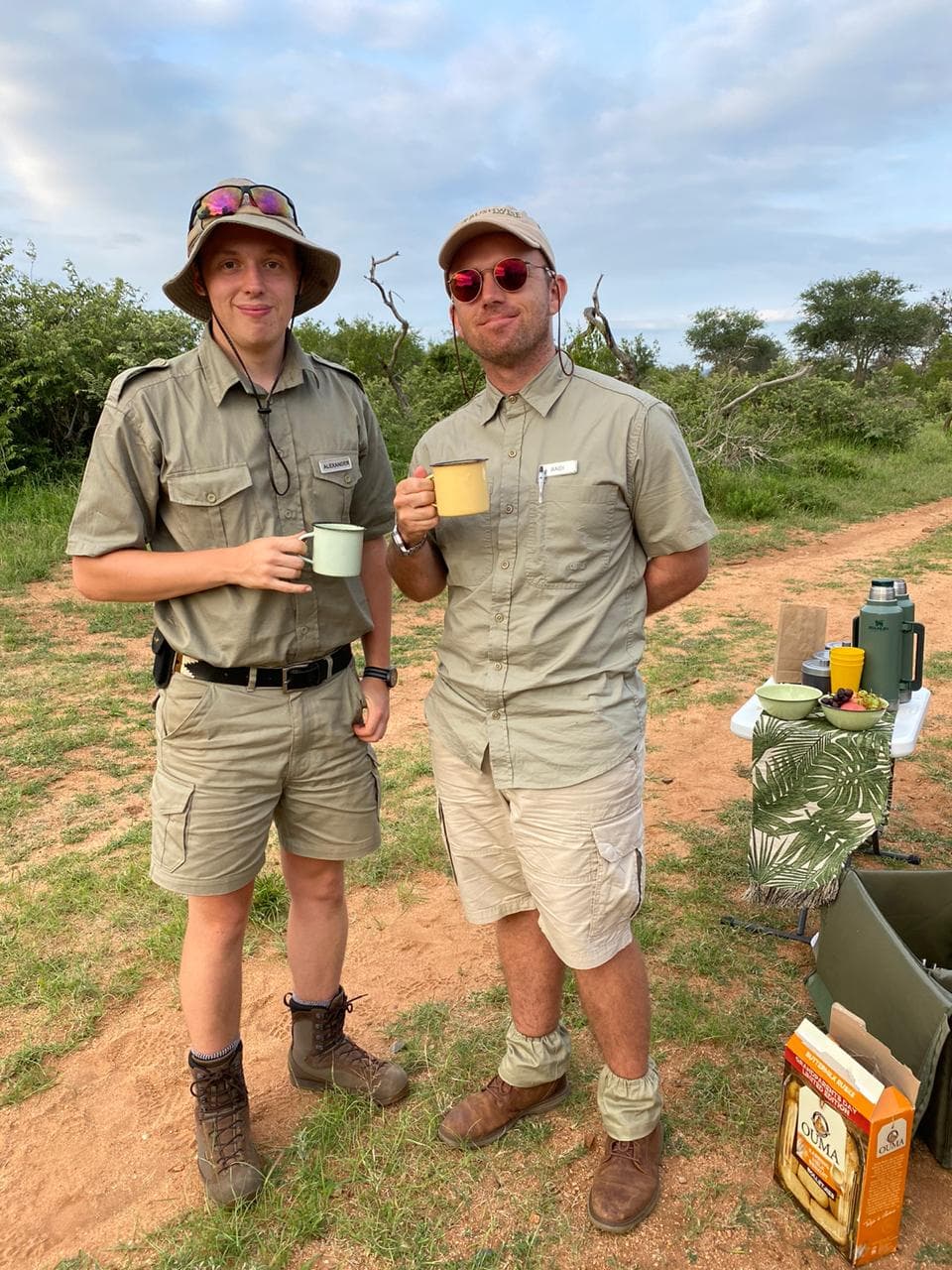
    The 3rd week at Toro campus started off rather hectic! We wrote our exams on botany and introduction to guiding which we were all glad to get sorted. Following this was our individual practical drives, where we take turns twice a day to be the guide for a full trip out in the bush. This involved packing the hot box with a variety of hot and cold drinks, snacks and some of the best buttermilk rusks money can buy!

    image

    Photo by Matthew Holland

    image

    Photo by Chloe Potier

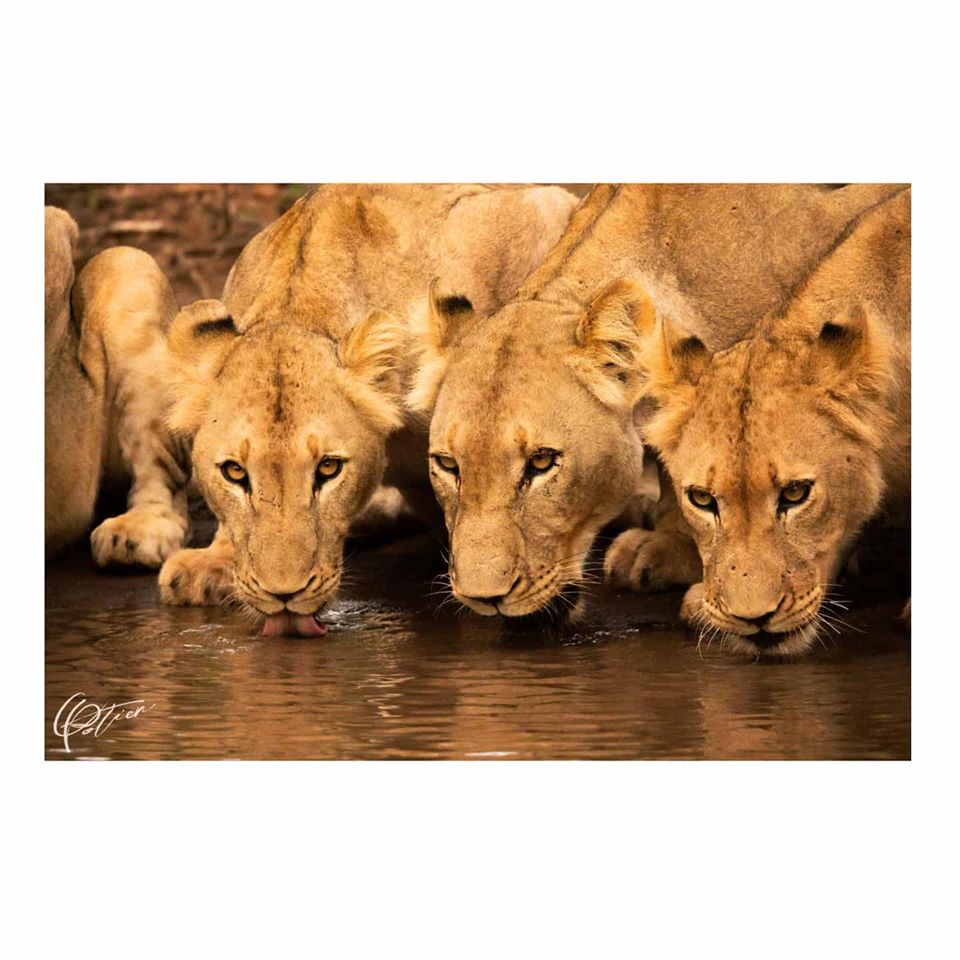
    The best drive during the week was Chloe’s. We ended up deciding to stay out later and headed to the other side of the reserve to see if we could get a look at the Tenby pride. Not only did we get an amazing sighting up close, but we followed on when others didn’t and managed to get a sighting of them all taking a drink not even 15 meters away from us. On the way back we were seven meters away from a Spotted Eagle-owl. Beautiful, not only because it was right there, but no one could really get a picture, so we could treasure the moment, and that moment was ours.

    image

    Photo by Alexander Turnbull

    image

    Photo by Alexander Turnbull

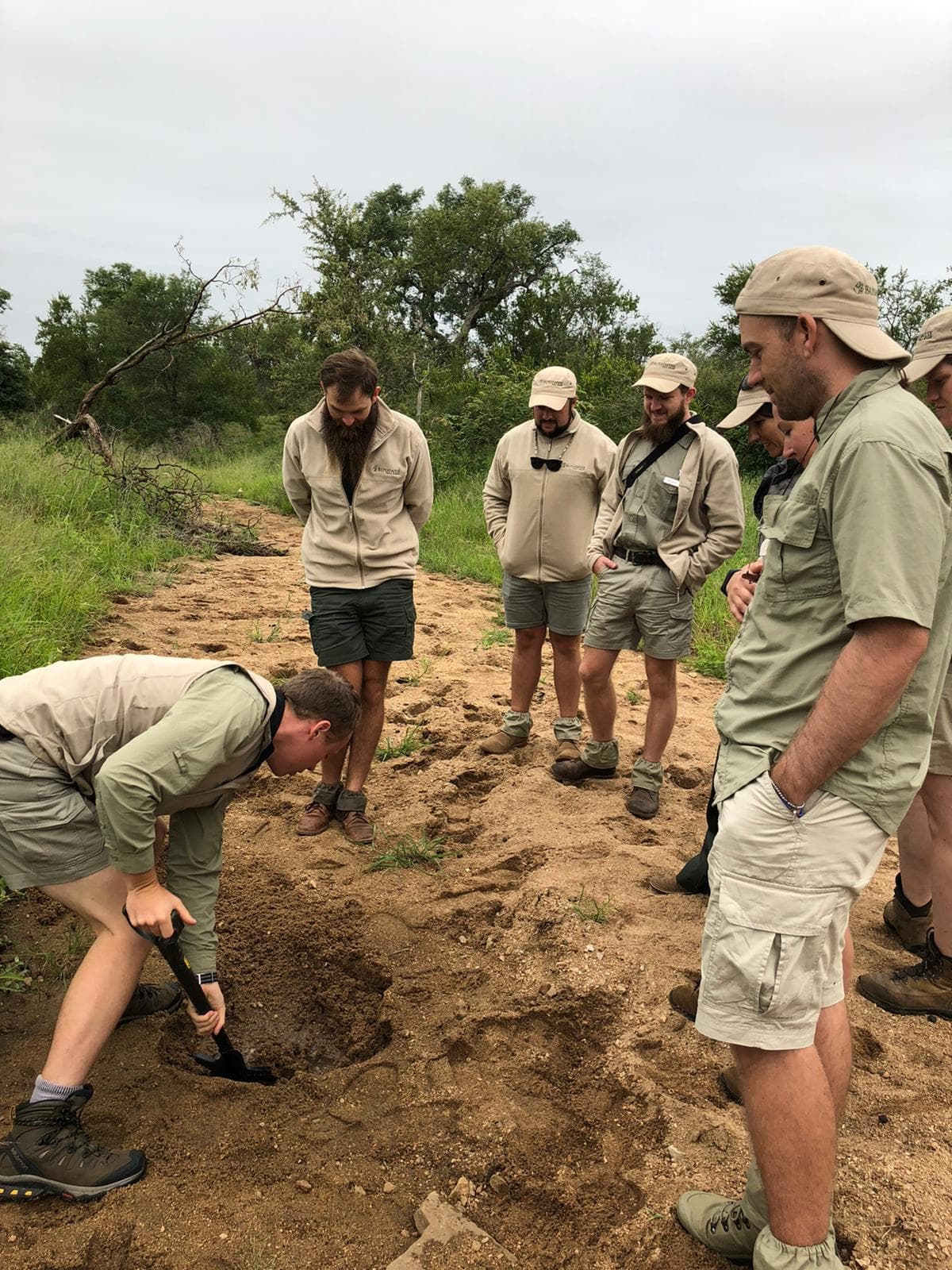
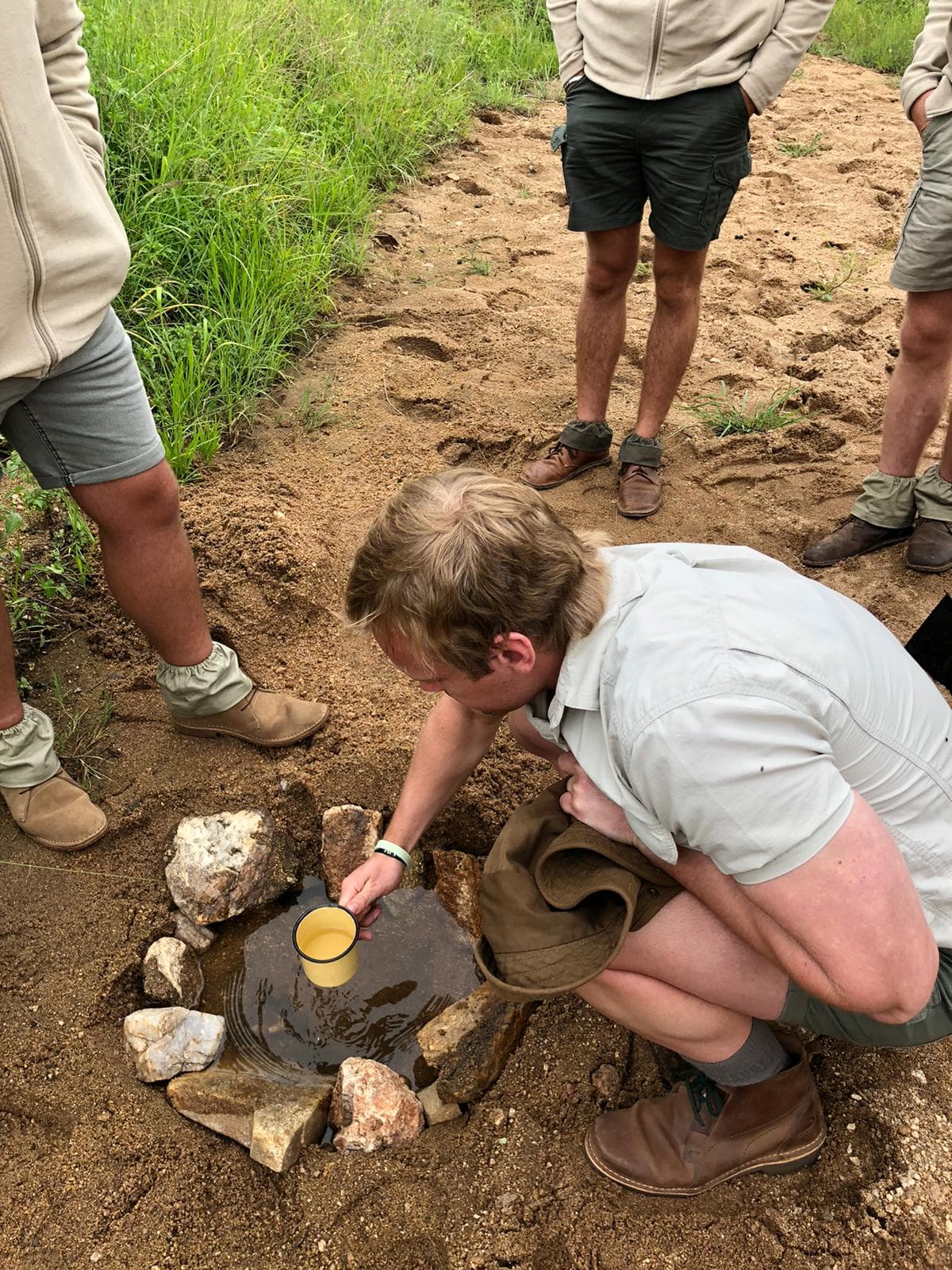
    Often when we do a game drive, we tend to go for a short bushwalk, but instead, we went to a dry riverbed and our trainer Jack showed us a technique for getting clean water when out walking on the trail. This involved digging a small hole and placing rocks around the outside and pooling out the dirty water using the sand to filter it until it’s clean and drinkable. Which tasted even better than the water at camp!

    image

    Photo by Alexander Turnbull

    All our practical work led to our 4×4 training, learning about our land rover and cruiser, about the different gears and abilities, and how to use these so that no obstacle is unassailable! After a day of theory, we then went off to a sandy area and learnt about all the rescue kit and how to use it. Then taking part in a kinetic rescue where one of the vehicles accelerates as fast as possible and in one big tug pulls the bogged down vehicle free.

    Overall a great week getting hands-on experience with how to drive in the bush, and how to enjoy a nice coffee after a good long drive.

    Blog by: Alexander Turnbull

    image
  • Biting the bullet

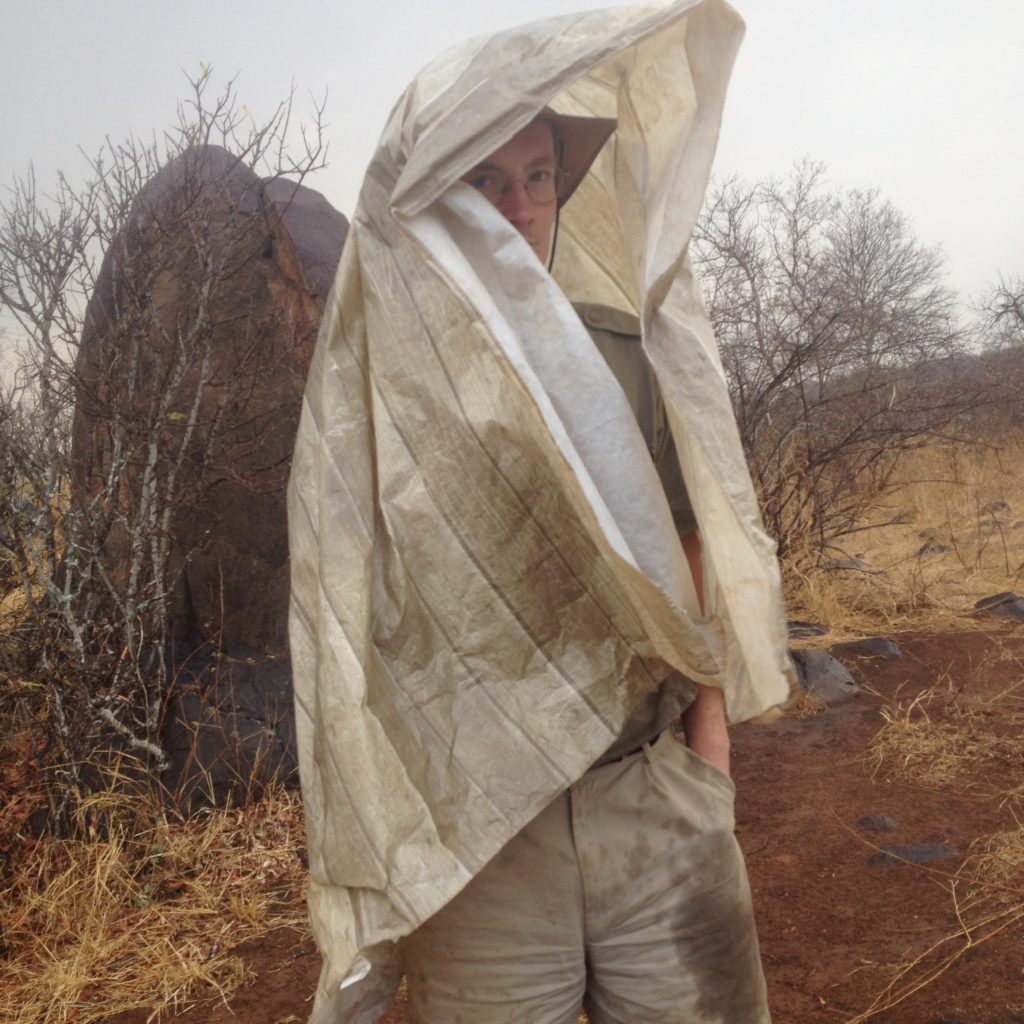
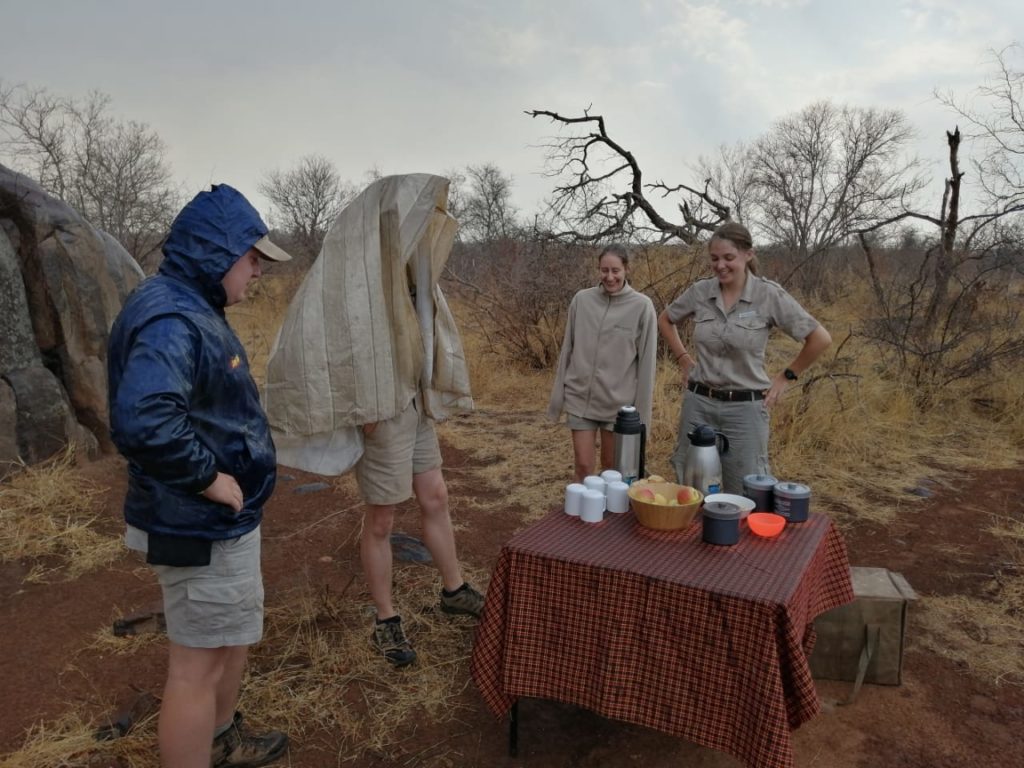
    Along with mock drives preparing us for our assessment drives, the first little bit of rain came, preparing us for the summer rains; or so we thought during a coffee stop as people sheltered under a tablecloth.

    image

    With the hopes of rain quickly dampened and quenched altogether, for now, excitement for our futures shone through as the week ended, bringing us closer to our final exams and the next steps to our journey.

    image

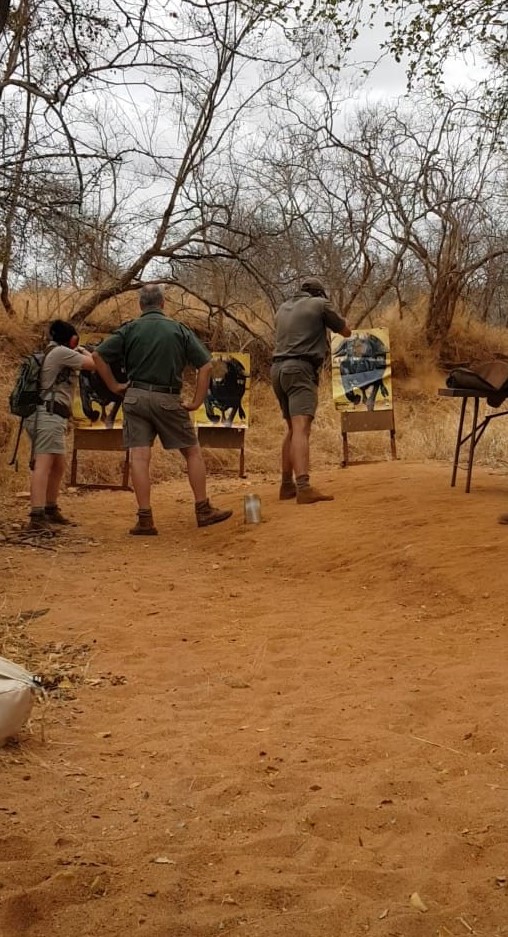
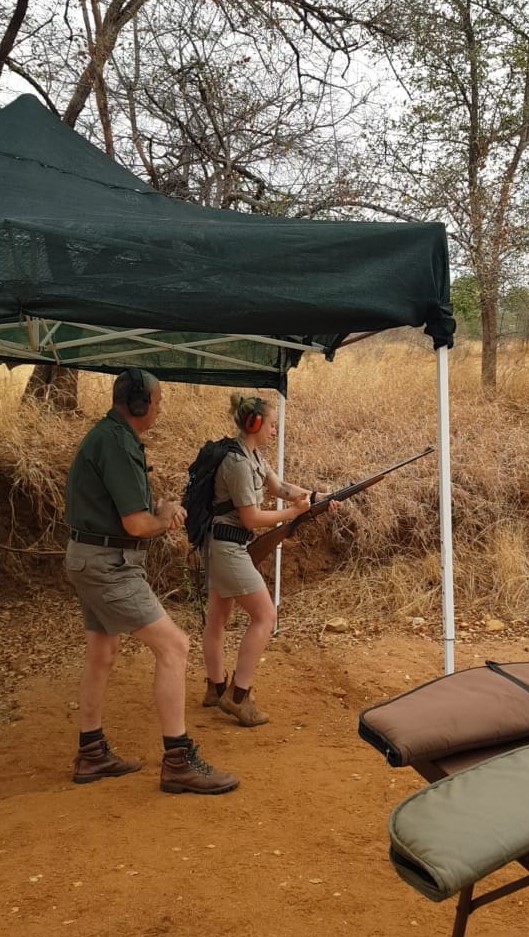
    With the week of mock drives over, this week started off with a bang, quite literally as a week of rifle practice commenced. Shouts of “lion, stand still” could be heard throughout campus as everyone practiced the drill with and without the rifles over the next few days. With the drill practices under our belts, we launched ourselves to the next target, changing our sights from lion and buffalo posters to radio practice and our final sights and sounds test of the course. As the birds flew across the screen during the test and the last of the calls came to an end, the excited chattering began as everyone passed with flying colours and became qualified as birders.

    image
    image

    Along with the rifle practice, we also did a refresher crash course in 4×4, practicing our reverse stall starts up an embankment and skills gained during the course at the start of our first semester. With our refresher session banked, our road now leads us to our final preparations for the up and coming exam, sitting in the not too distant future.

    Blog by Sam Parker

    image

  • A Week of Rifle Handling

    This week started off with a bang, quite literally! The Bushwise students have been split into two groups for Tracks and Signs with Colin Patrick and rifle competency. Having already completed our week of tracks and signs, it was our turn to learn all there is about rifle handling in the guiding environment. 

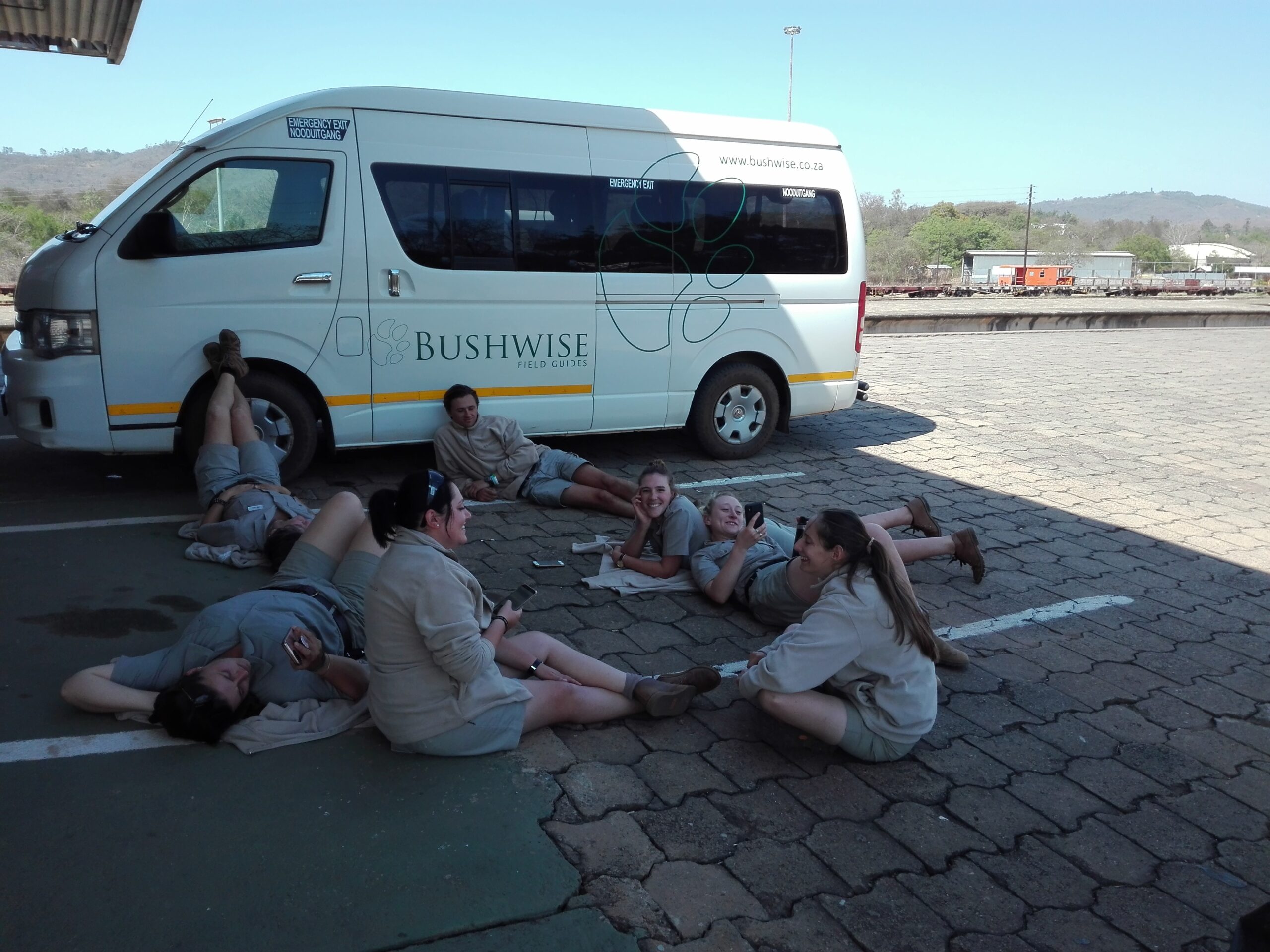
    We spent our Monday in Tzaneen to write our rifle competency tests, so the only rifling going on was through papers. We spent plenty of time waiting outside the venue waiting anxiously to see if we passed as this decided whether we would continue to get the chance to fire a rifle.

    image

    Waiting for their turn…. – Photo by Devlin Loader

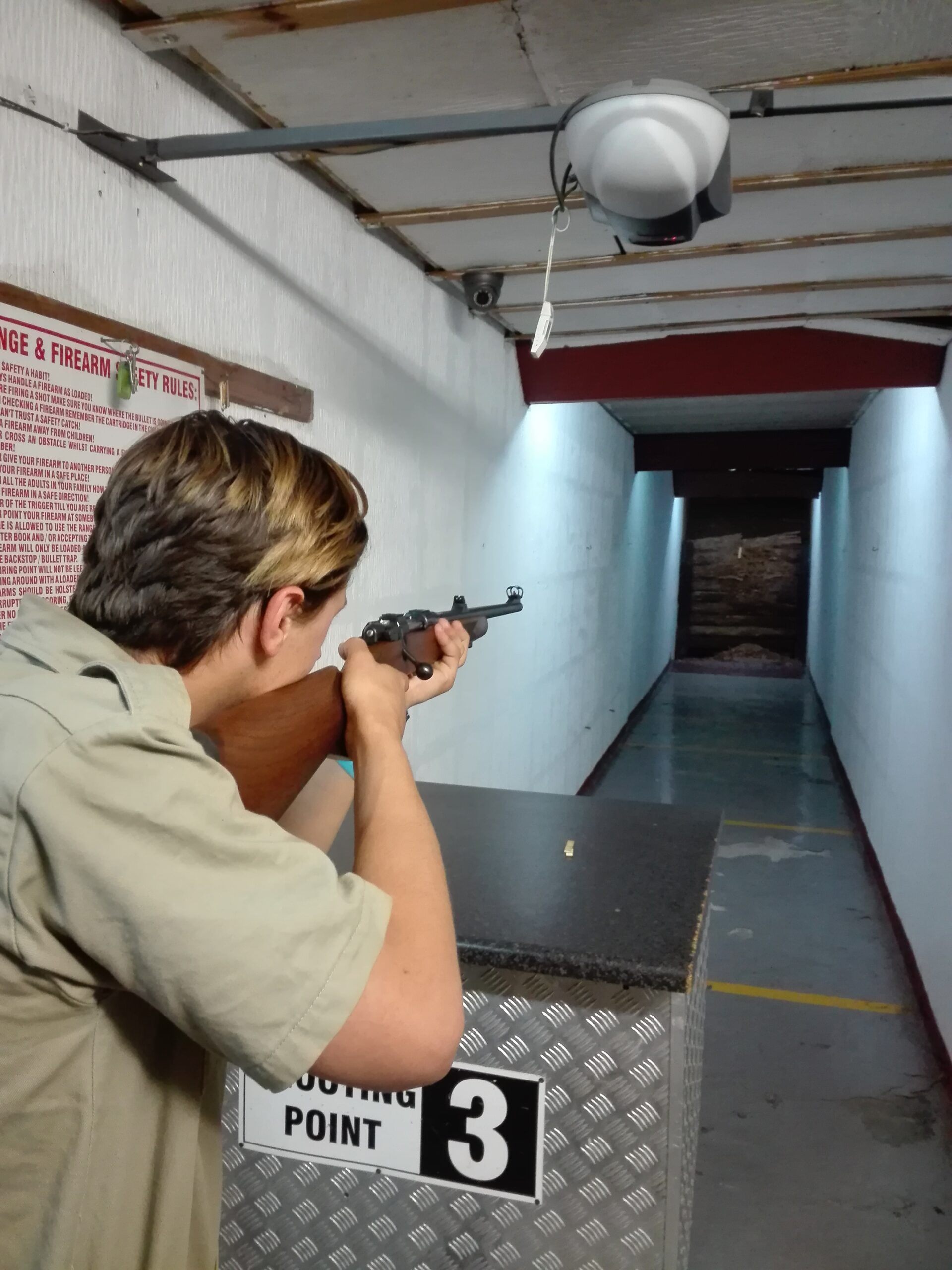
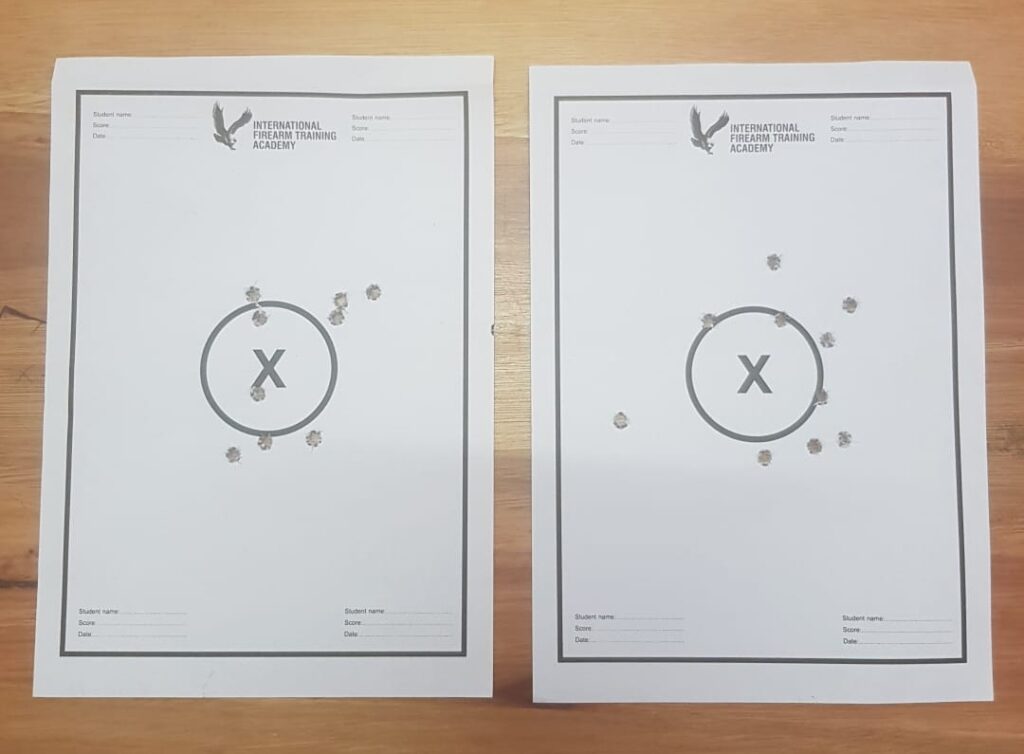
    Luckily we all passed. Tuesday brought on our accuracy test, firing ten rounds onto an A5 sized page, three times over. This involved more waiting on the pavement next to our minibus for our turn. With our group being mostly comprised of girls there wasn’t as much testosterone flowing as the previous group, being the complete opposite. However, this didn’t stop any competition between the students as to who could be the best shot. Everybody did well to get all their rounds on the pages. 

    image

    Rifle competency – photo by Devlin Loader

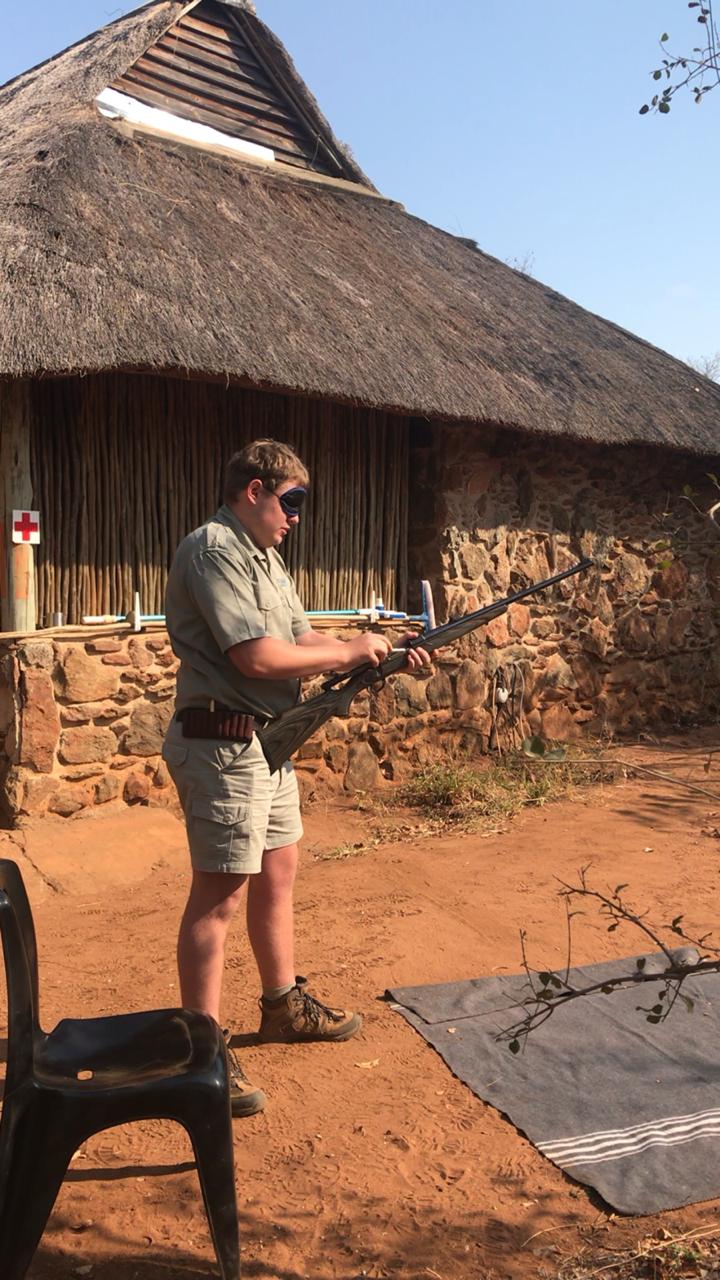
    Wednesday brought with it lots of drills on campus with regards to being able to reload a .375 rifle blindfolded, for example, so that one can be able to reload one’s firearm in the dark. The immediate action drill, being able to deal with a misfire. These tasks all have a slight twist to them, in that they must be done in under prescribed times, mostly in a matter of seconds. This brought more opportunities for competition between students. Thursday was comprised of these same drills but were now committed to muscle memory and everyone’s rifle handling was already greatly better. 

    image

    Devlin busy with Rifle handling practice – photo by Harry Travers

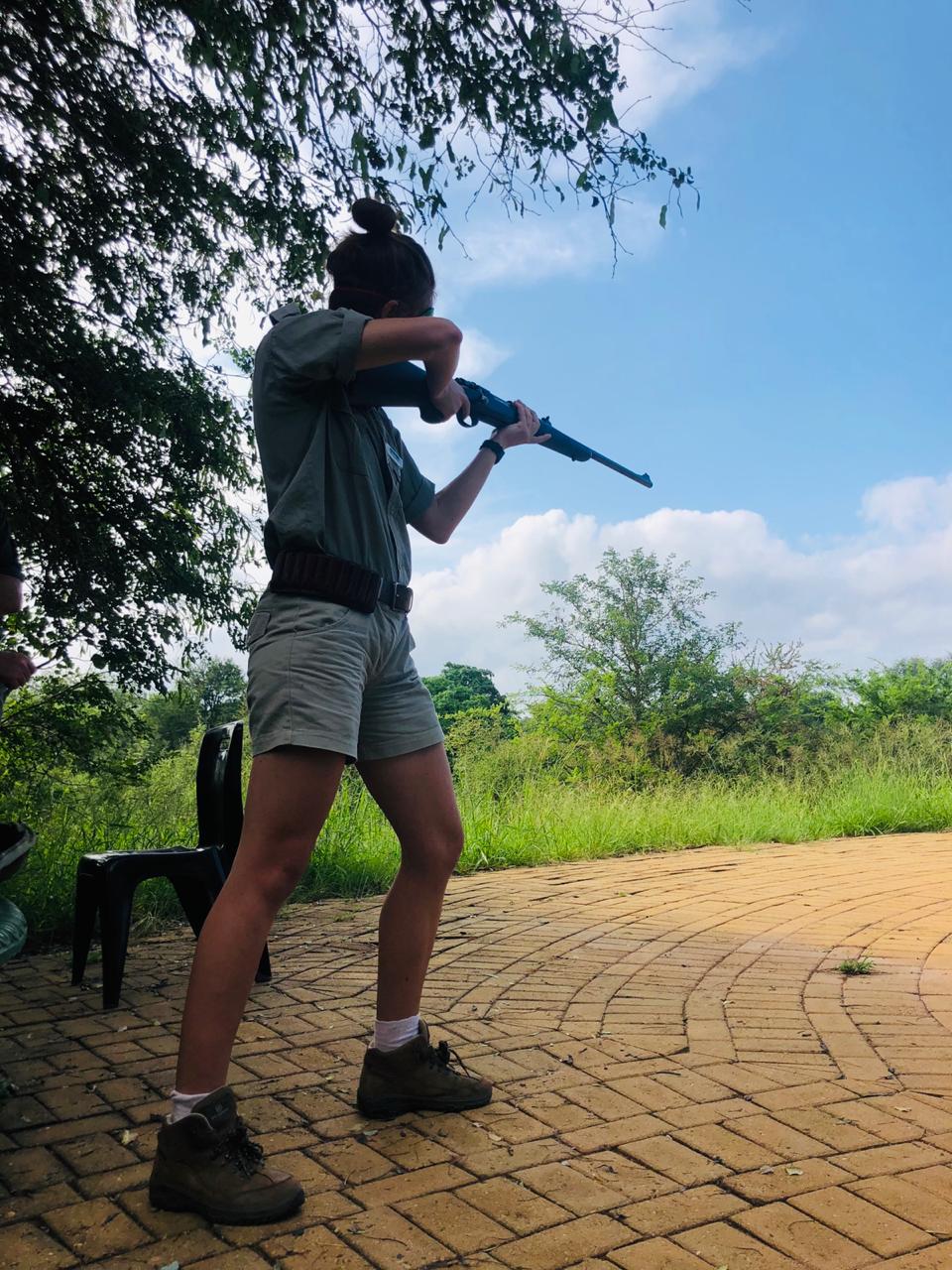
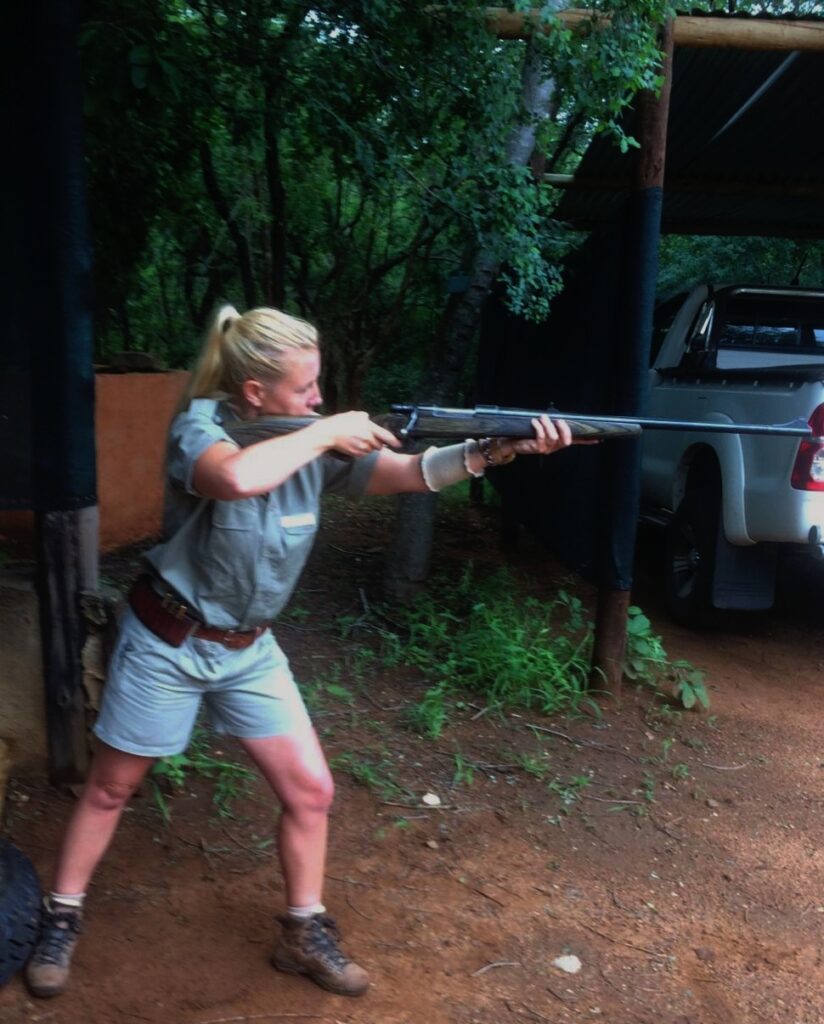
    Friday was a highlight in that it gave us a chance to learn a new drill, the charging lion drill which involved lots of shouting and adrenalin. Campus rang out with shouts of: “Lion, stand still!” as everyone practised their shouting voices. All these drills were completed with dummy rounds to be as safe as possible, although the safety aspect is very much reinforced with everything we do. As the saying goes ‘guns don’t kill, people do’. Although we are all very excited to get the chance sometime in the coming weeks to fire live rounds regardless of how bruised our shoulders might possibly be afterwards. 

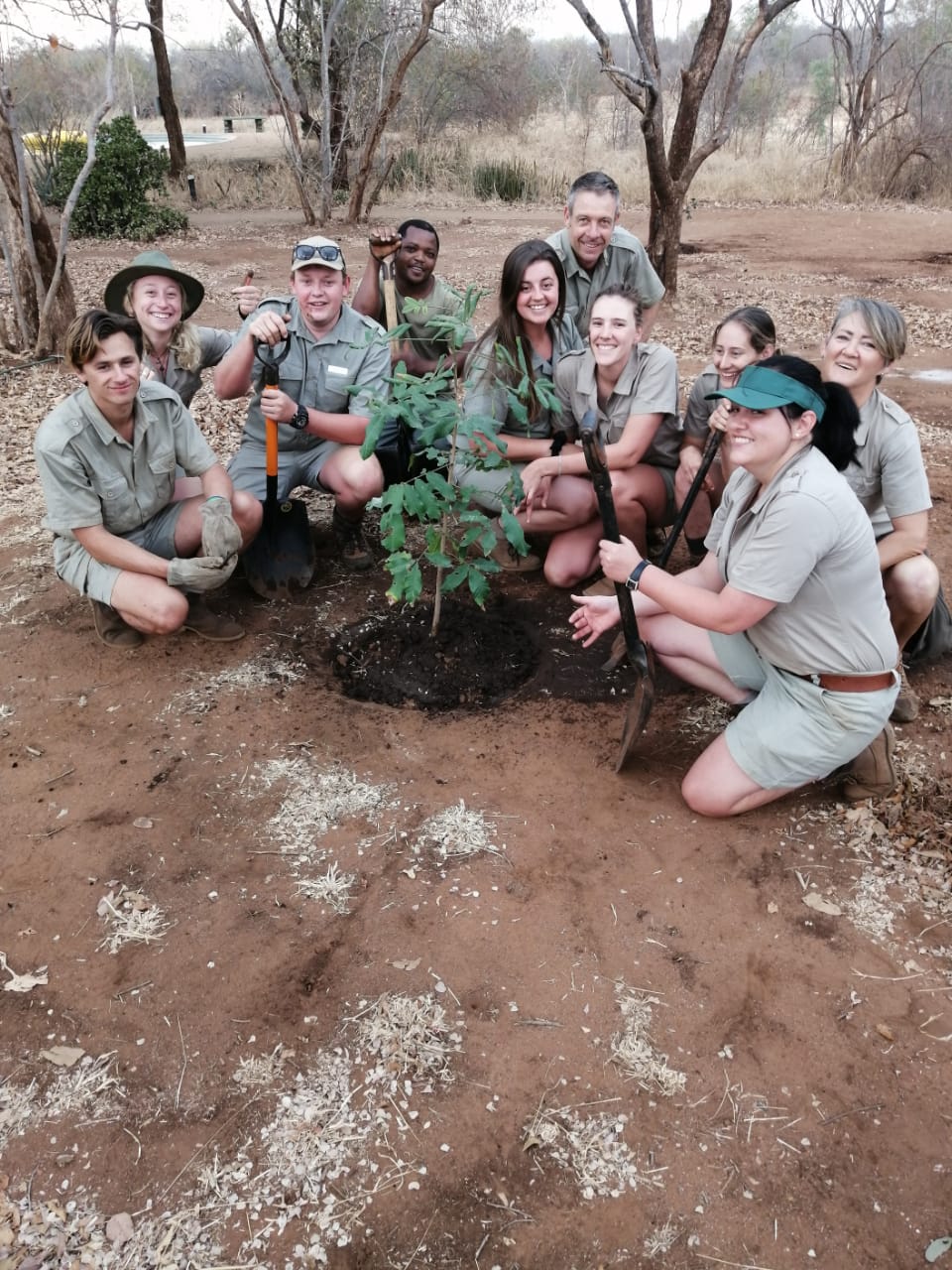
    We spent Arbor Day planting seven trees to have our part in kicking spring off on the right note. As we see the flora coming into bloom, most prevalent of which is the knob thorns, looking across the landscape it is dotted with yellow-white blotches marking all their location. 

    image

    Tree planting on Arbor day – photo by Sharin

    Blog by Devlin Loader

    image

    Devlin Loader

    #shooting #cybertracker #trackandsign #riflehandling #rifles

  • Assessment drives are here

    This has been a bit of a varied week for most people. We started off the week with the final few assessment drives – everyone passed! All the practice drives, hotbox packing, fact learning, extra research, 4×4 training, route planning, branch clearing, map studying and vehicle cleaning all finally culminating in this last crucial 4 hours. Such relief and joy around campus; all our hard work at last paying off.

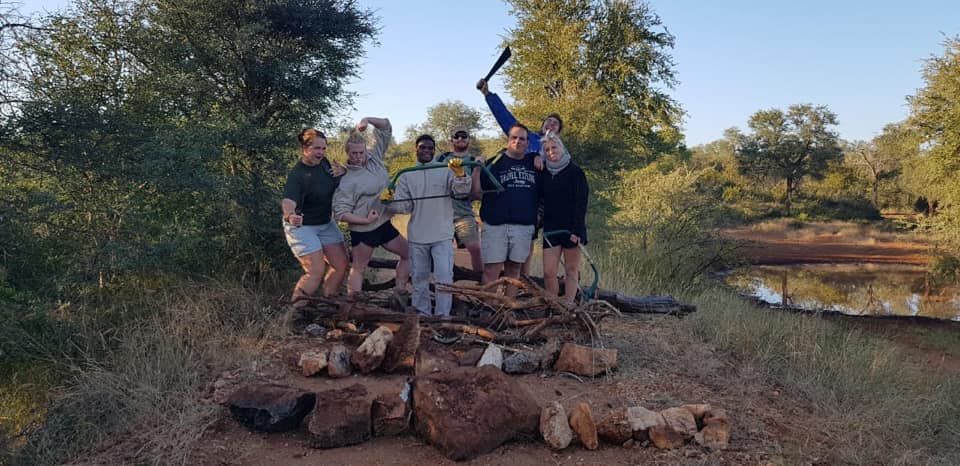
    On Tuesday we had a nice relaxing day off to celebrate… yeah right! We had a full day of reserve work, working to block off the road either side of a broken dam wall and clearing branches from overgrown roads. Kind of an irony that we did this after we just used those same roads for our assessments! But it was a good day hauling around rocks and branches, getting tangled in thorn trees and picking black jacks out of each other’s hair- it’s nice doing something that feels useful for the next people who drive through.

    image

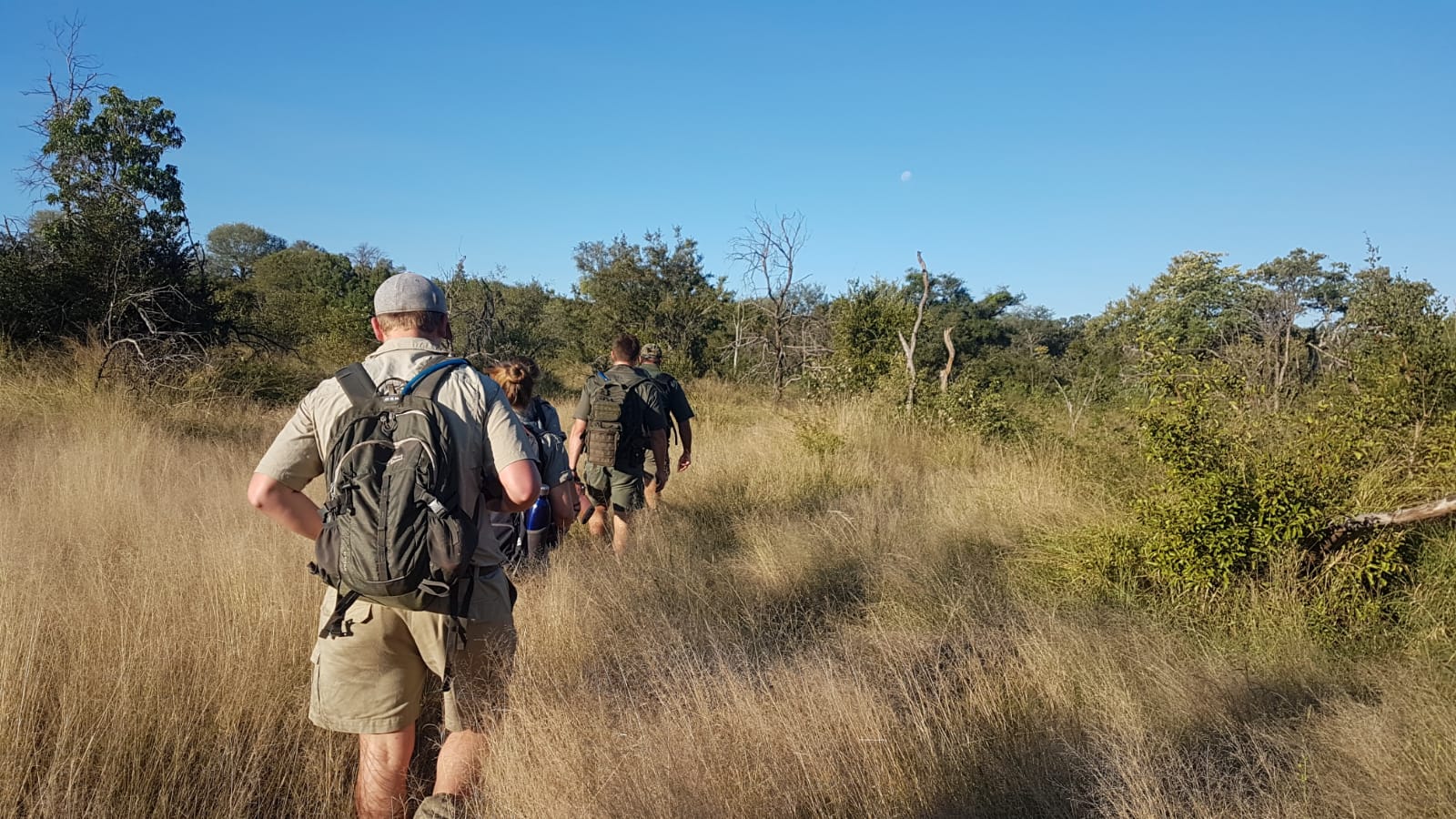
    Then the rest of the week we have variously been doing our Advanced Rifle Handling Assessments, and going out on walks on Makalali with Gerhard and Ed. Now that we’ve done our FGASA Level 1 exam and assessment, we’re gearing towards our Trails Guiding exam next semester and then most of us will be going off on a 12-day Lowveld Trails course. Six people a day did their ARH Assessments, and the rest went on morning or afternoon walks to try and accrue some walking hours and dangerous game encounters to count towards our Trails Guide Assessment on the Lowveld Trails course. The walks have been awesome, a few lion encounters and a cheetah with cubs (albeit very far away)! We’ve been developing the skills to walk whilst simultaneously looking for tracks, looking for animals, keeping an eye out for danger, looking for trees or termite mounds we could climb in an emergency, watching you don’t trip over, and listening hard for any signs of animals! Seems overwhelming at first but practice makes perfect!

    image

    Without our ARH qualification we cannot be assessed by Lowveld Trails as a Back-Up Guide (although we can still log hours and encounters on the course) so everyone was pretty keen to get the ARH under their belts. The ARH results have been mixed- it’s a notoriously difficult qualification to get, as even those who are great shots can be put off or unnerved by the tough time limits imposed, especially with the pressure you put on yourself to pass. The drill that has inevitably been catching the most people out is the simulated lion charge- having to shoot a “lion” target charging at you at 22 meters/sec is pretty stressful, let alone having to yell at it, and “manage your clients” at the same time! It’s a tough thing and no shame to anyone who doesn’t pass first time- hopefully reassessments next semester will prove fruitful.

    image

    I think everyone is looking forward to a well-earned off week next week, and will come back ready to ace the Trails exam and take on two weeks of walking!

    Find out more about Bushwise courses.
    Rebecca Elliott

    image
  • How to fall in love… with birds

    If you love something, you have to love it fully! If you only love half, how fair would it be to the opposite party? Sometimes falling in love takes time and we first need to overcome a lot of things and other times it’s as easy as 1, 2, 3.

    Birds can easily feel like this never-ending species list and what’s on top of that you might ask? They don’t sit still! It can drive you mad with frustration if you’re trying to identify a bird and it decides to fly to the next tree. They are small, which means spotting them can very difficult. Sometimes falling in love takes time because it can feel daunting and you feel vulnerable.

    image

    Some people just need a little time to fall in love. They need to get past the overwhelming factors first. Then you get the “love at first sight” kind of people. They will just fall into the bird-world with ease. I personally needed a little time to fall in love with birds.

    image

    It took me a while to move past all these factors. To me this was a very intimidating situation. I had no idea where to start. Have you ever seen someone complicate their own life? Well this was me.

    image

    When meeting someone for the first time you get an overall impression of them. Birds are the same. When you meet one for the first time you get an overall impression and when time was limiting because the bird decided to fly away it is still easy to get the overall impression. You need to get a general size impression and shape. As you get to know the different species the general shape will steer you in the right direction.

    image

    When you meet someone new, talking is quite important. How will you get to know them without talking to them? Learning bird calls are tricky but definitely doable! Sometime when you don’t get to see each other, calling just so you know they are there is more than enough.

    image

    A Birds bill is very important to their diet. Their bills are adapted to what and how they eat. Some birds will need to kill a scorpion where others will eat fruit. Then you get the show off that will catch their prey in-flight. There is also the “big boys” that will scavenge and eat from carcasses. These birds have a very important role to play in our ecosystems, since they do the clean up.
    image

    Birds are classified by their feet structure. Their feet structure will determine if they can climb a tree or if they should walk on the ground. If you have wondered how a bird is able to hold onto a branch, it’s because of their feet structure. Some birds have 3 toes facing forward where others have 3 toes facing forward and another toe face backwards. Then you get the Swimmers that have webbing between their toes.
    image

    The colour of some birds are all over the place whereas others are quite dull. Something to note is that a male is usually more vibrant than the female. Sexual dimorphism is quite abundant in the bird community. You will start loving the individual species for all their little quarks.
    Just like people, birds need their own personal space. Just like we have a preference as to where we live, birds have the same preference. A Bird that eats fruit will live where there is an abundant of fruit. Birds that eat fish will live near or even on top of water. Some birds like the ground so much they will even lay their eggs on the ground. Every species has their own liking.
    image

    How a bird flies will also help with this whole process. To give you a tip , if you think the bird cannot fly and should probably have some flying lessons , it’s a Bateleur.

    If you have come this far you probably have a lot of questions! This is a good thing! Go and find answers to every question and the love will grow as mine did. Falling in love with birds is a lot easier than you think. You are probably already intrigued and wanting more from this relationship!

    Blog by current student Megan Smith

    image

    #birdwatching #Birding #birds

  • From students to Field guides

    We’re almost halfway through our 6 months at Bushwise now before some of us go on placement. When I look back to our first semester here, I can see how all of us have grown. Our breadth of knowledge is almost incomparable now thanks to our incredible trainers working hard to teach us to be the best we can be. We have also grown in terms of professionalism and I feel that we are now starting to act more like guides than students, especially now that our assessments are right around the corner. I have absolutely no doubt that we would not be where we are now without the help and dedication of our trainers, managers, and everyone else here for us at Bushwise and I will always be grateful for their extra help getting us international students all of the documentation required to work here as a guide.

    This week we have been practicing our full drives and working out which routes around the reserve we want to take for our assessment drives. We need to ensure that our routes will be long enough to cover aspects of everything we have learnt at Bushwise, but short enough to stay within our three-hour time limit. Most of us have a rough idea of the routes we want to take but there’s so much to talk about that three hours never seems enough! It’s such a great feeling to have too much to say, it demonstrates our knowledge and how we now feel comfortable being able to talk to ‘guests’ (our fellow students). We’re now not afraid to identify trees or birds that we don’t know about and are learning new facts every drive from each student, even about things we talk about every day, which is a great feeling.

    image

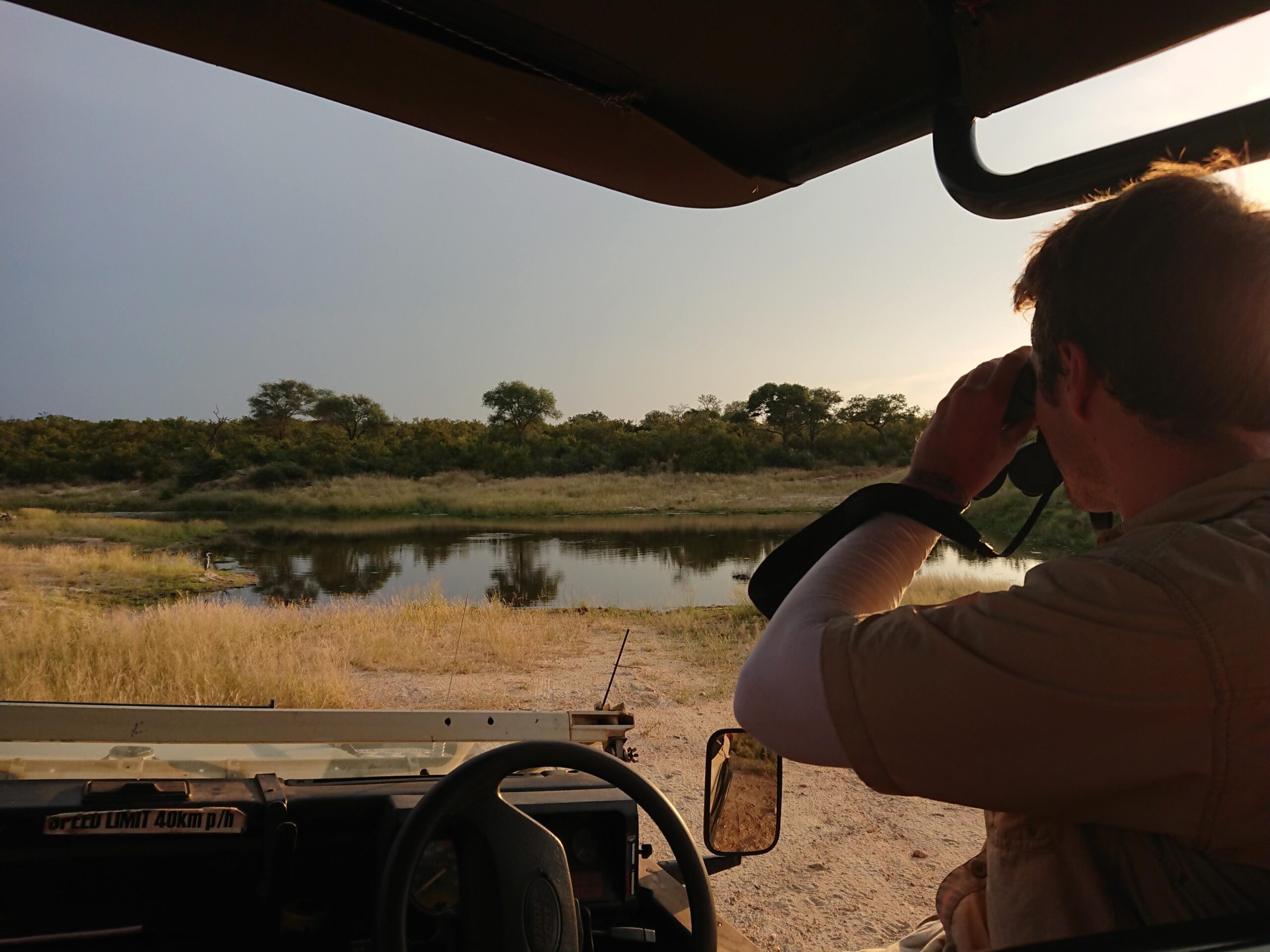
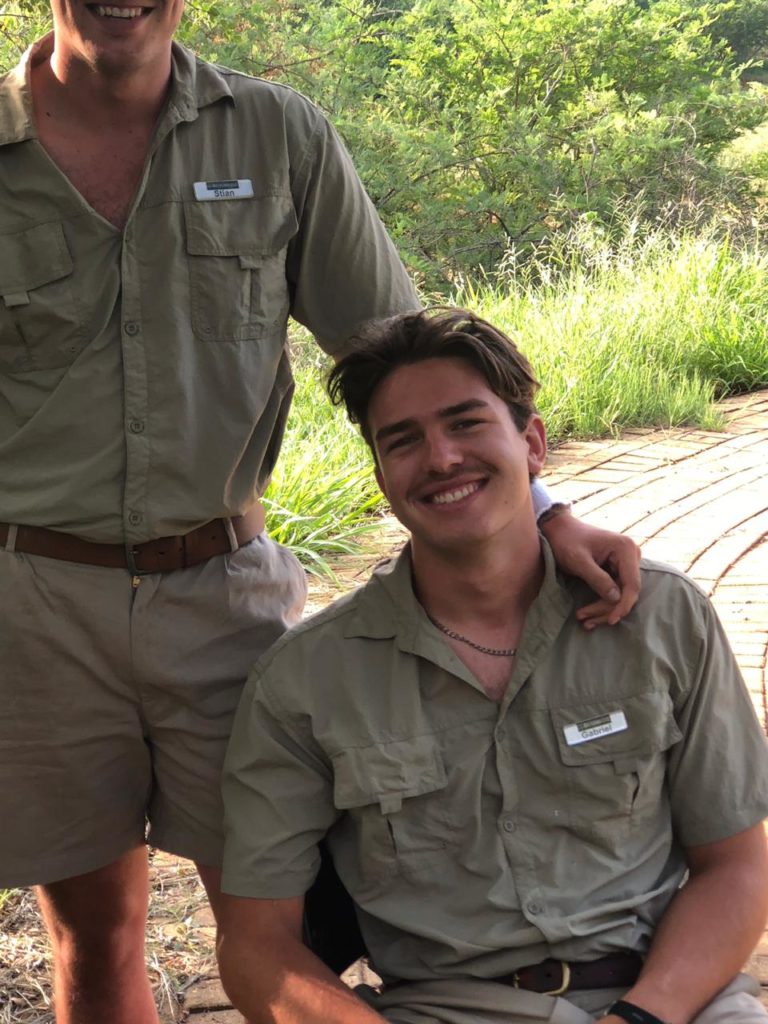
    Stian on his drive watching a hippo mother and her calf in the dam before giving us some interesting facts about them.

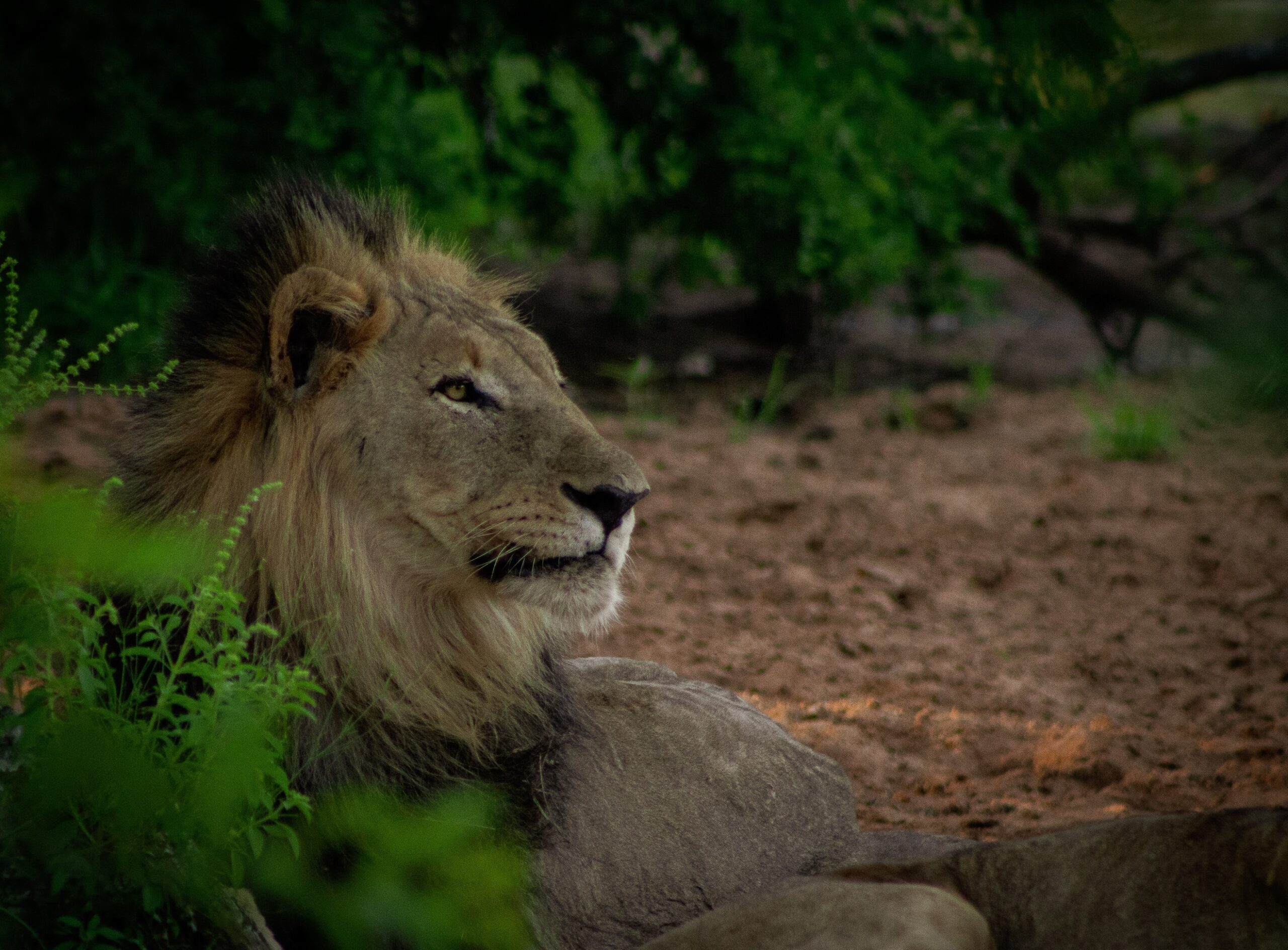
    We have been really lucky with our sightings this week, especially with lions. On one drive, both groups had lion sightings at two nearby dams at different times. One group had a juvenile male and the other had two mature males, one of which had some impressive battle scars. It was a great opportunity to learn from our trainers as they coordinated the other guides who wanted to respond to the sighting, as we will have to manage sightings ourselves soon. It is important to manage a sighting as too many vehicles often affect the animal’s natural behaviour and can cause stress. It also makes it difficult for guests to see the animal due to crowding and causes damage to the surrounding environment when vehicles drive off-road to get a better position. For this reason, Bushwise emphasises ethical guiding and restricting a sighting to a suitable number of vehicles depending on the situation. This is something we as students have not yet had to do so watching our trainers organise an influx of vehicles was really beneficial. And of course, seeing the lions relax by the water is a beautiful sight!

    image

    A beautiful adult male lion by a dam. It’s easy to see why they’re called the “King of the jungle”.

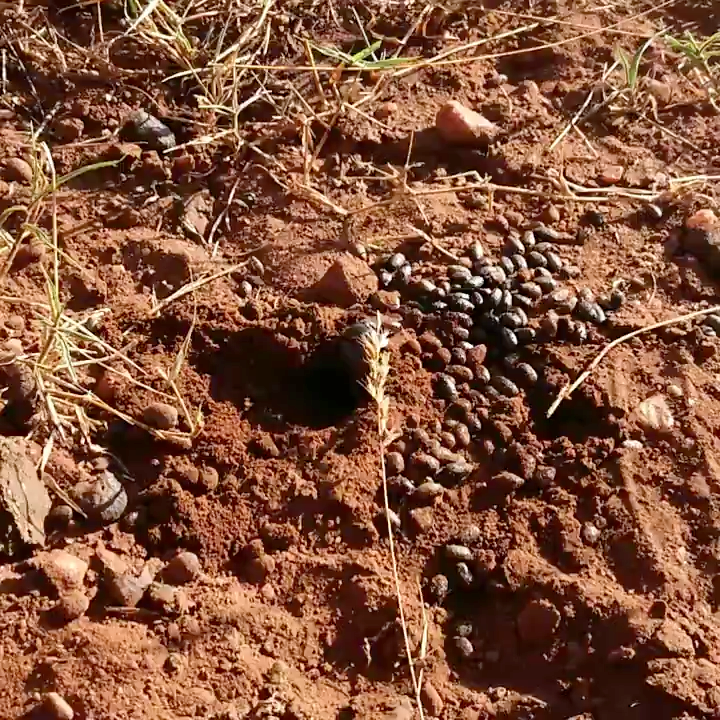
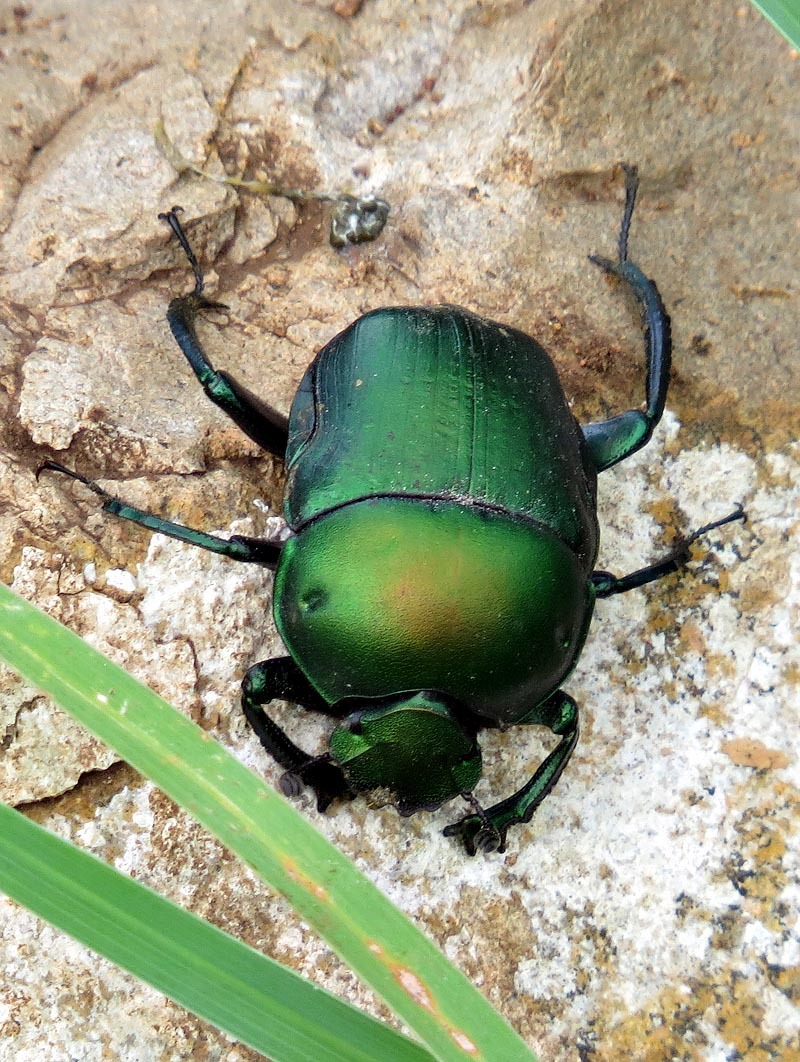
    Alongside seeing exciting animals like lions, we are always reminded to appreciate the small things in life. During one drink stop (or “phuza”) we witnessed a dung beetle gathering impala dung and placing it in a hole it had dug. This is behaviour that we have not seen before as they are usually found using dung from larger animals such as elephants. We were all transfixed watching the dung beetle, and to an outsider I’m sure we looked absolutely mad! However, these little guys are not to be overlooked as they play an important role in the ecosystem by recycling nutrients back to the soil, facilitating the growth of seeds that are within the dung. They also destroy the eggs of internal parasites and reduce the population of pest species such as flies, therefore reducing the spread of diseases through flies and parasites such as worms.

    image

    Watch how the dungbeetle uses its back legs to quickly stockpile impala dung in its hole – amazing!

    As we come to the end of another amazing week, we all have our heads down and are hard at work studying our lectures and everything we have learnt this past week (which is more than you think!). Despite our hard work we still find time to go out to eat and shop in Hoedspruit before relaxing. We also love to cool off in the pool on hot days – if you ever need to find me, I’ll often be there!

    image

    We always find time to have a laugh and relax in-between working and studying.

    Next week we are focusing on astronomy and I think I can speak for everyone when I say we’re excited for our next sleep out where we can admire the stars all night. Wish us luck for some more amazing sightings while we’re out there!

    Blog by Georgie Hall

    image
  • Bang, Bang. Rifle training and Track & sign week

    This week, group one and two did two very different but equally important practical training: Rifle handling and Track & Sign.

    I was in the Rifle handling group which actually turned out to be a lot of fun despite the serious nature surrounding firearms. We started of by doing three theory exams which had to be passed by at least 80 percent in order for us to move on and do the practical exam. This at first, seemed like a daunting challenge, but we helped each other out and read through the well laid out manuals and before we knew it we had all passed. Although, our instructor Jan did lead us to believe that we had failed and made us run and do push-ups as punishment much to his amusement. We were most relieved and somewhat annoyed by this practical joke but it was all in good fun.

    image

    Rifle practice – photo by Caroline Prior

    We then moved on to the practical exam where we had to land 20 shots from 12 metres on a A5 piece of paper, which we also all passed. Somewhere along the line it was suggested that a bet be made between some of the guys (myself included) as to who could have the most shots in the centre of the target. So, we each pulled out a R50, some more hesitantly than others, and hoped for the best. I was quite confident with my shots but there were still two who had to shoot and those two happened to be the hunters in the group, needles to say I lost. 

    image

    Target practice – photo by Caroline Prior

    We then moved on to rifle handling where our group was split into two, a group per trainer. We ran over some safety rules again and were shown the various exercises we’d have to do in order to achieve our ARH (advanced Rifle Handling) these exercises were timed and we had to be done in a certain manner with some leeway for optimal performance. Constructive criticism was crucial through out this process, we were told what we were doing wrong and how we could improve our times by making some adjustments to body position and technique. This was extremely useful and times were halved in just minutes of being told what to do differently or better. We all left after four sessions over two days with bruised shoulders and slightly less bruised egos. Our ARH assessment is still to come so fingers crossed for that.

    The Track and Sign group had a very interrupted week due to very heavy rains which were much appreciated but not all that convenient.

    image

    Identifying some tracks – photo by Rebecca Elliott

    Despite the limited time that had in the field and the less than preferable conditions everyone passed, some with level 1, most with a level 2 and a few obtained their level 3 Track and sign. Congrats to them, now we need to see if we can top their scores. 

    Blog by Gabriel Dowling

    image

    Gabriel Dowling

  • First sleepout

    Monday morning started with 3 tests including birds, geology and sights and sounds. Everyone was a bit nervous, but thankfully there are a few jokers in our group that got a few smiles out of us. For the rest of the day, every one relaxed and later it was time for the botany lecture.

    The game drives just keep getting better and better. Each time we go we are learning more and more. The trainers teach us about plants, grass, animals as well as the art of tracking. Already, we are becoming one big family working together and learning together. We all helps each other and support each, with good laughs in between. Crazy to think how much we have already done and it is still week 3!!!!! We just have to wait and see how week 4 will go.

    image

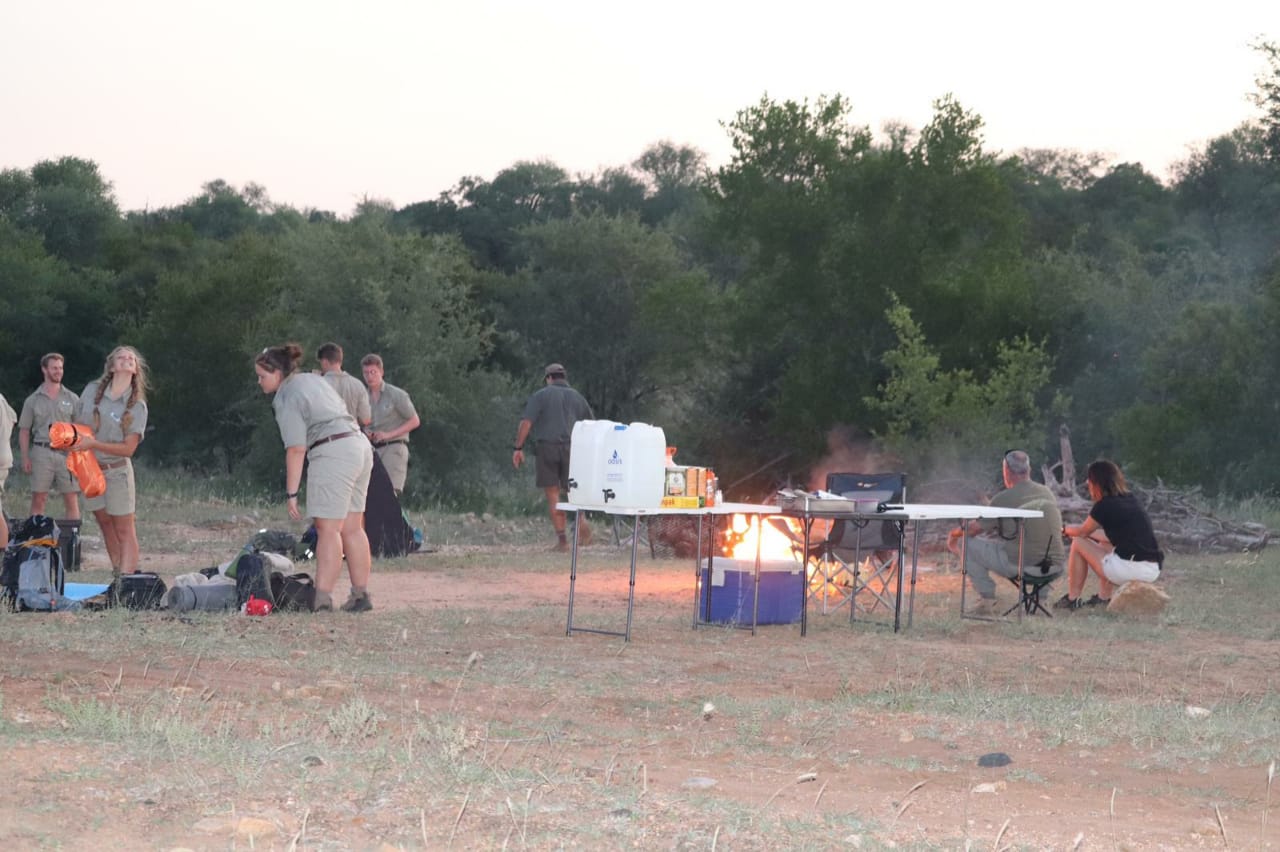
    The it was time for our fist sleepout. During game drive we were tracking lions and learning more about their behaviour. After game drive, we settled in at camp and prepared for the night ahead.

    image
    image
    image

    That night, around 10 pm when everyone went to bed, the first group started with their night watch. Armed with coffee and spotlight, it was quite fun and interesting to see how quick the group worked together as a team. In the early hours of the morning, Caroline spotted the lions close to the camp. We quickly packed up and followed their tracks and successfully found them.

    image

    Photo by Caroline Prior

    By the end of the week we went on a botany walk to revise all the plants and grasses were we focussing on before writing the upcoming test. After that, most of the students went for a swim and the others went to their rooms to go and study for the test on Monday.

    And so, ends another week ends in a flash.

    Blog by Christiaan van Ryneveld (featured image by Jack Broadley)

    image