Author: Bushwise Student

  • Secrets of the trunk: an elephant-astic tool

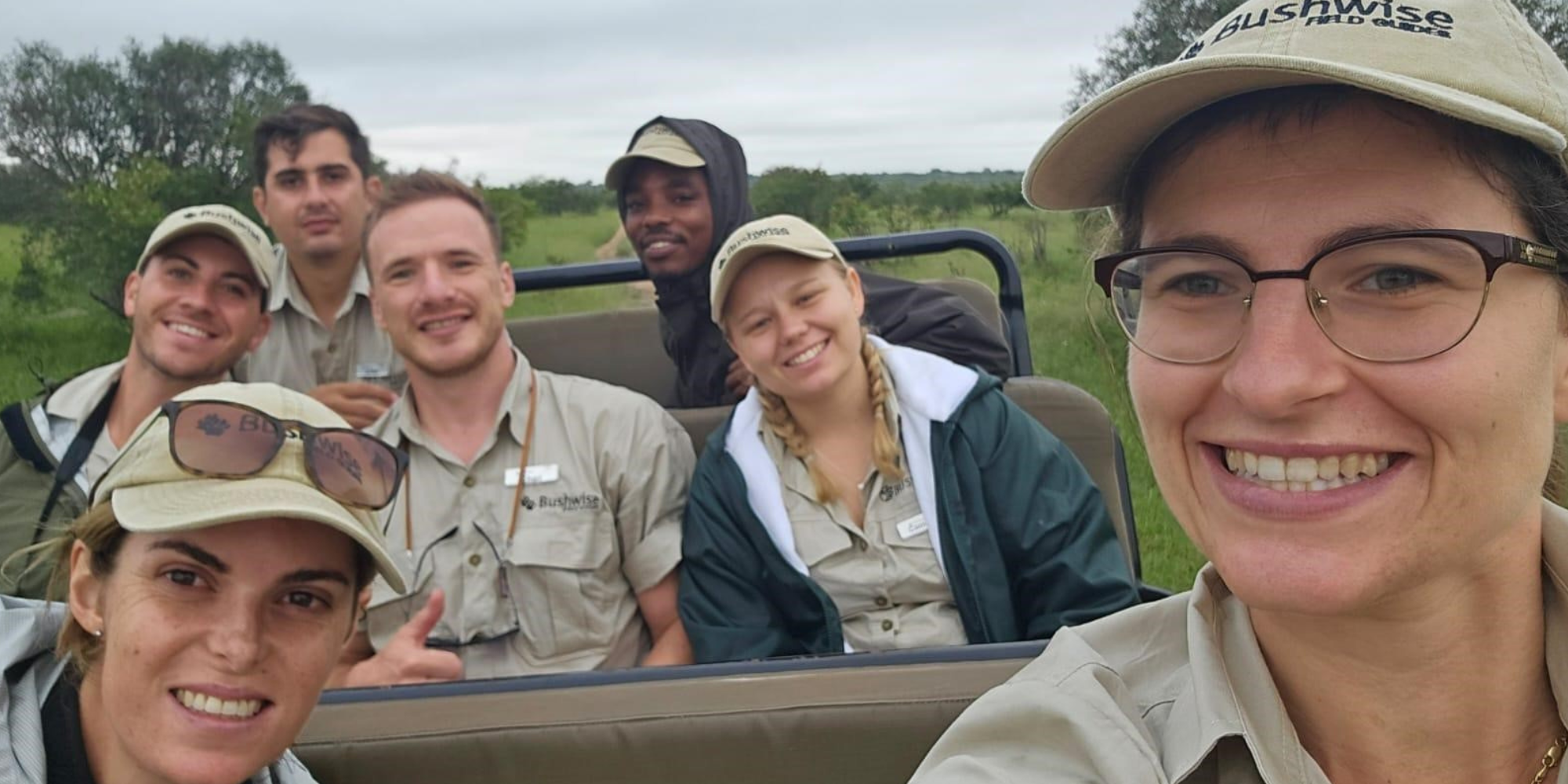
    This blog was written by Meline Klopfenstein, a Bushwise Professional Field Guide student. Each student takes a turn as camp manager, and writing a blog is part of the experience.

    4 min read 

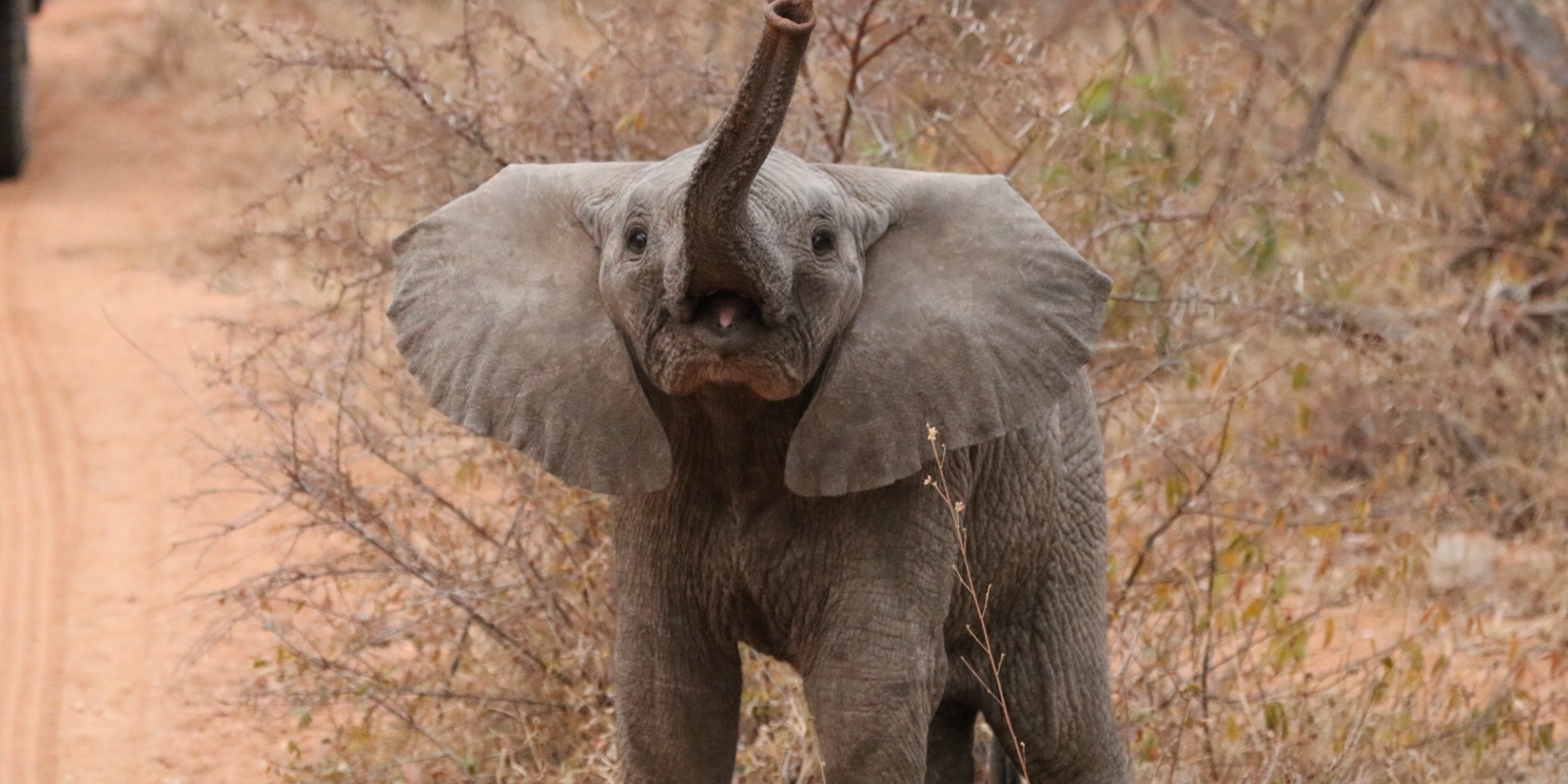
    One of the cutest events I have ever seen was an elephant calf trying to control its trunk. Can you imagine having to control up to 40,000 muscles at a time? Can you imagine being able to push a whole tree down with the trunk, but also, pick up a single shoot of grass? It is incredible!
    image

    What is it ?

    The trunk is the fusion of the upper lip and the nose of the elephant. It weighs up to 140 kg and measures between 1.5 to 2 m! It is one of the only appendages that is moveable without any bone structure. The arrangement and small size of the muscles, enable an acute control for fine movement, and an undeniable strength. The tip of the trunk is extremely sensitive as it contains a dense network of sensory receptors.

    The vital role of the trunk

    The trunk is a vital tool for the elephants. From shaking a marula tree to get the fruits, to gently caressing a calf, to simply breathing, elephants display immense dexterity and strength. It is used for feeding, drinking, communicating, and so much more.

    Elephants use their trunks to get food – be it twigs, fruits or grass – and bring it to their mouths. An adult elephant’s trunk can also carry up to 12 litres of water to the mouth. Sometimes we also see them putting their trunks in their mouths and then drinking. They have a pharyngeal pouch at the back of the mouth that serves to store water. It can hold about 4.5 litres of water, but without a trunk, it would not be possible for the elephant to use this water!

    The trunk is also vital for elephants to dust, mud, and water-bath. These activities are carried out as social interaction and bonding experiences, but are also important for many other reasons. It enables better thermoregulation by creating a protective layer over the skin and directly cooling down the elephant. It also maintains the skin in good health by moisturising it. Mud also plays insect repellent and antiseptic roles, helping with the healing of wounds.
    image

    Communication using the trunk

    Elephants also use their trunks to communicate in different ways. To start with, the long trunk enables the elephant to have an acute sense of smell. The genome of the elephant is composed of up to 2,000 functional olfactory receptor genes! To make a comparison, domestic dogs have about 800 and humans have 400 functional olfactory receptor genes. Smell is central to their survival. It allows them to find food, water and navigate their environment safely, as they are able to smell danger from a distance. Smell is also central in their communication with other elephants. 

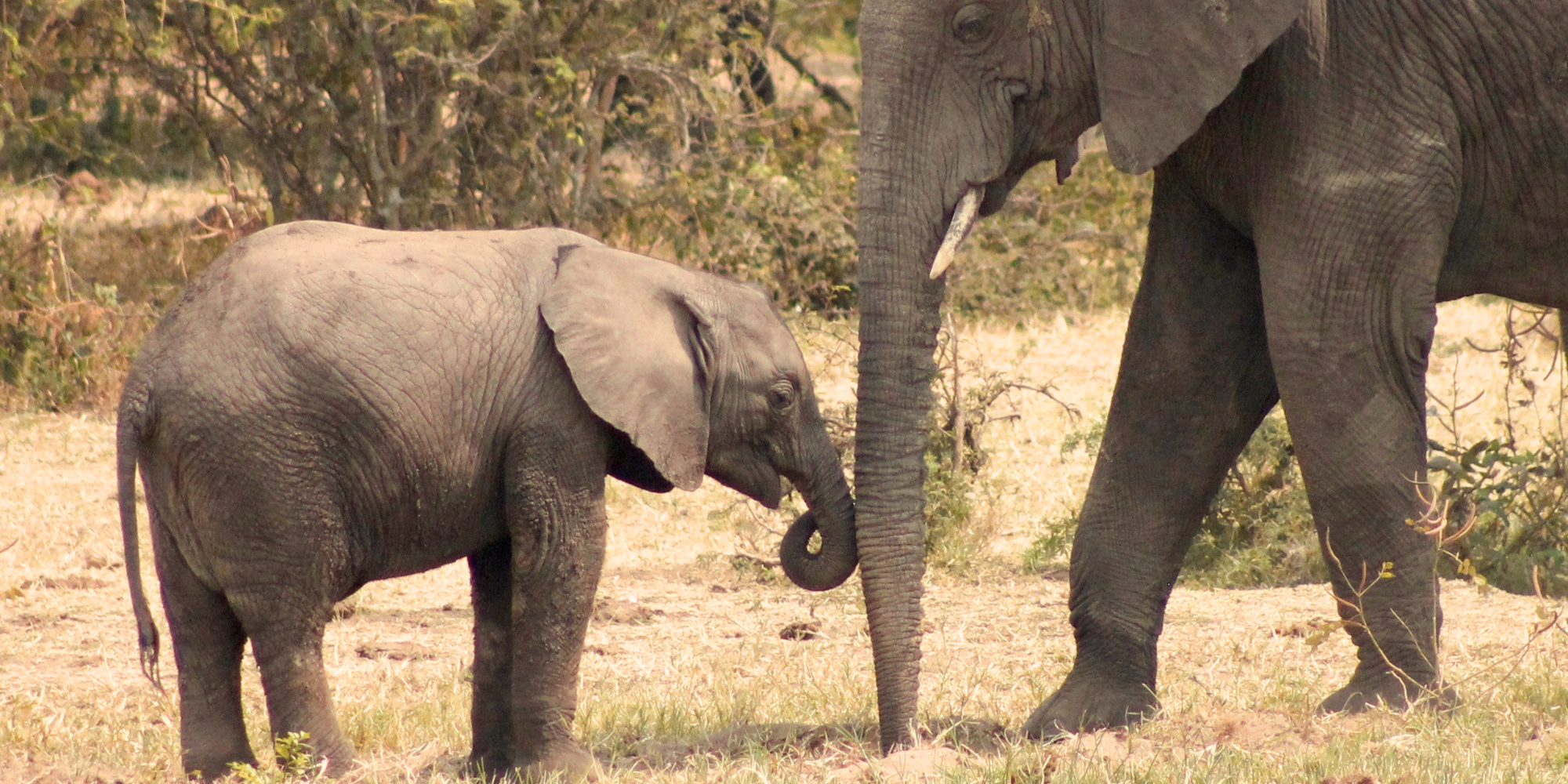
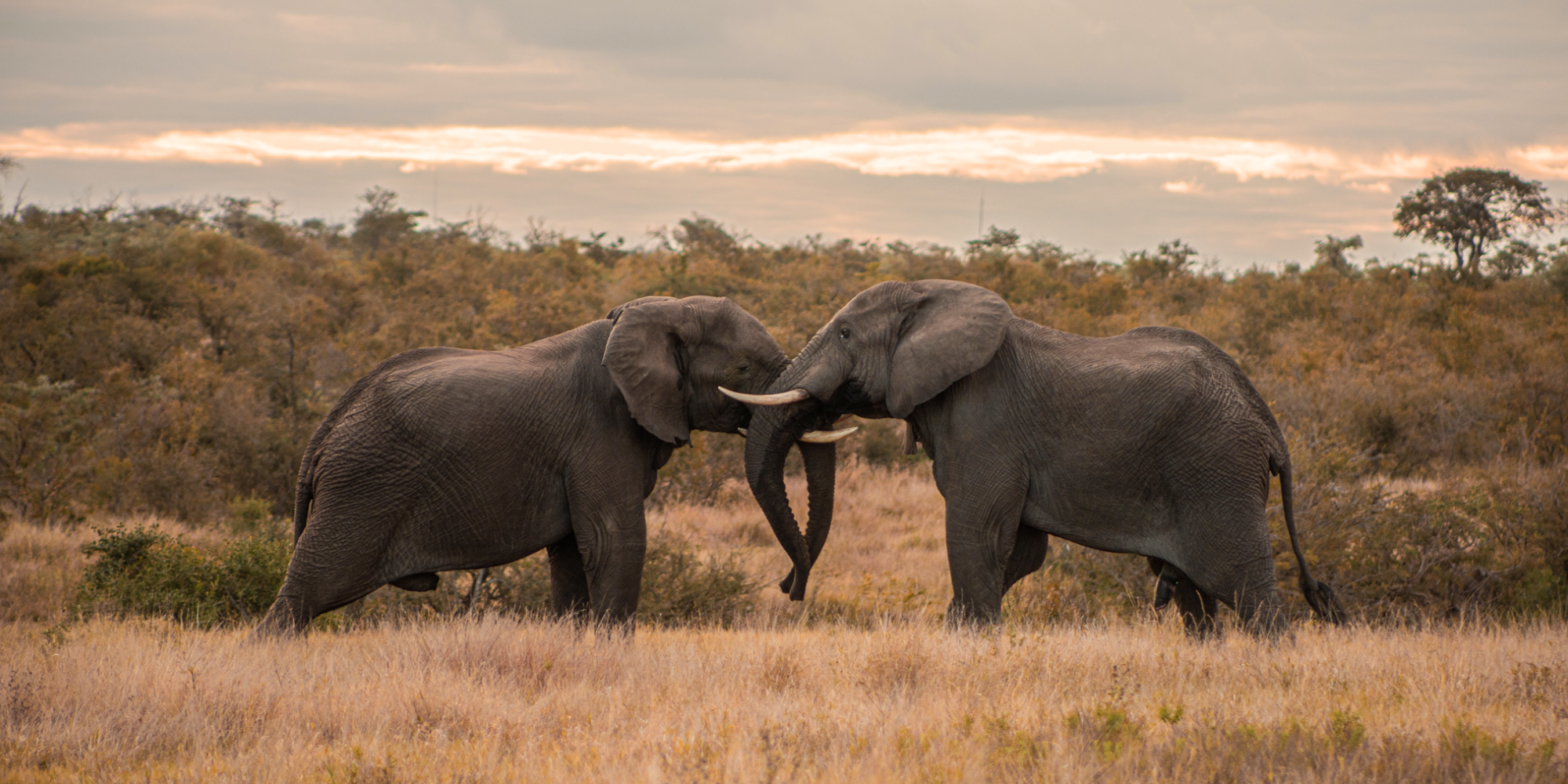
    The trunk of an elephant is one of the most sensitive parts of its body. It is therefore often used for reassurance or bonding. A mother will sometimes gently caress the calf to make sure it is awake, following the group or to guide it. Upon greeting one another, or as they face danger, elephants will sometimes reach their trunk to the mouth of the other individual. Calves have also been observed sucking their own trunk. This was often in a situation where the calf showed signs of uncertainty or discomfort. It is thought to serve a reassurance purpose, just as a human child would suck his/her thumb when needing reassurance.

    Sounds elephants emit are varied. The larynx is situated in the throat of the elephant and is responsible for emitting most of the sounds: rumbling, trumpeting, infrasound. The trunk, however, can be used to modify the tones of the trumpeting, thus expanding the range of sounds possible. The trunk itself can also emit a kind of snorting sound, that shows high arousal.
    image

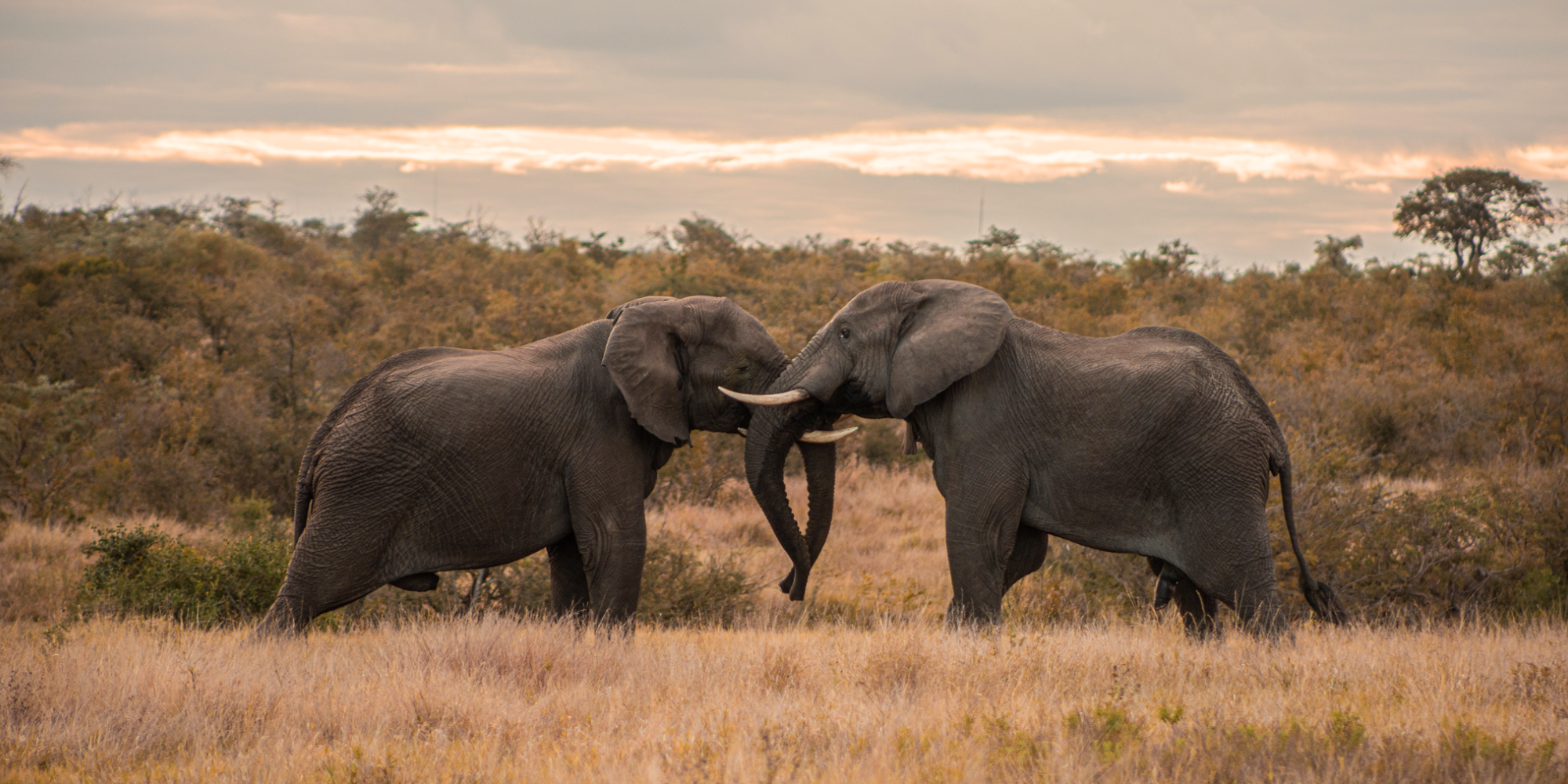
    It is also possible to read the state of mind of the elephant by the movement and position of its trunk. For example, a male in musth will display many recognisable behaviours such as curling and uncurling, or dragging the trunk on the ground. Dragging and bouncing the trunk can also be observed when threatening. I have seen young elephants playing and chasing birds, throwing their trunks forward to frighten them.

    Joyce Pool (Co-Founder and Co-Director of ElephantVoices) also believes that when elephants point their trunk straight to a direction or an object, it is to attract and direct the attention of other members of the group to this object, and not only for smelling. If an individual smells something and does not want to attract the attention of other members of the group, only the tip of the trunk will subtly move in the direction of the smell.

    With such a complex appendage, how do calves learn to use it?

    They are born with a trunk that is fully functional but they do not have the control over it. Controlling it is a colossal task and it takes up to a year for the calf to be fully comfortable. The calf will learn by observing the other members of the group and imitating. It is through a lot of trial and error that the calf gains control over its trunk.

    Want to learn more about the wonders of wildlife? Explore Bushwise courses and apply now to start your adventure in field guiding!

    Sources used:

    Longren, L. L., Eigen, L., Shubitidze, A., Lieschnegg, O., Baum, D., Nyakatura, J. A., Hildebrandt, T., & Brecht, M. (2023). Dense reconstruction of elephant trunk musculature. Current Biology, 33(21), 4713-4720.e3. https://doi.org/10.1016/j.cub.2023.09.007

    Kirstein, K. A., & Berlin, H.-U. zu. (2023). Giants with microscopic muscles: New findings reveal the structure of the dexterous elephant trunk. Phys.orghttps://phys.org/news/2023-09-giants-microscopic-muscles-reveal-dexterous.html

    Poole, JH., (n.d.). Ethogram table. Retrieved 27 April 2024, from https://www.elephantvoices.org/elephant-ethogram/ethogram-table/overview.html
  • Following the signs: Learning to track elephants in the wild

    This blog was written by Kayla Pieterse, a Bushwise Professional Field Guide student. Each student takes a turn as camp manager, and writing a blog is part of the experience.

    3 min read

    A long, hot day. We walked almost 13 kilometers that day. Where could they possibly be? My body was exhausted and my water was running low. We kept going, still staying strong. Being cut by buffalo thorns was not the best. 

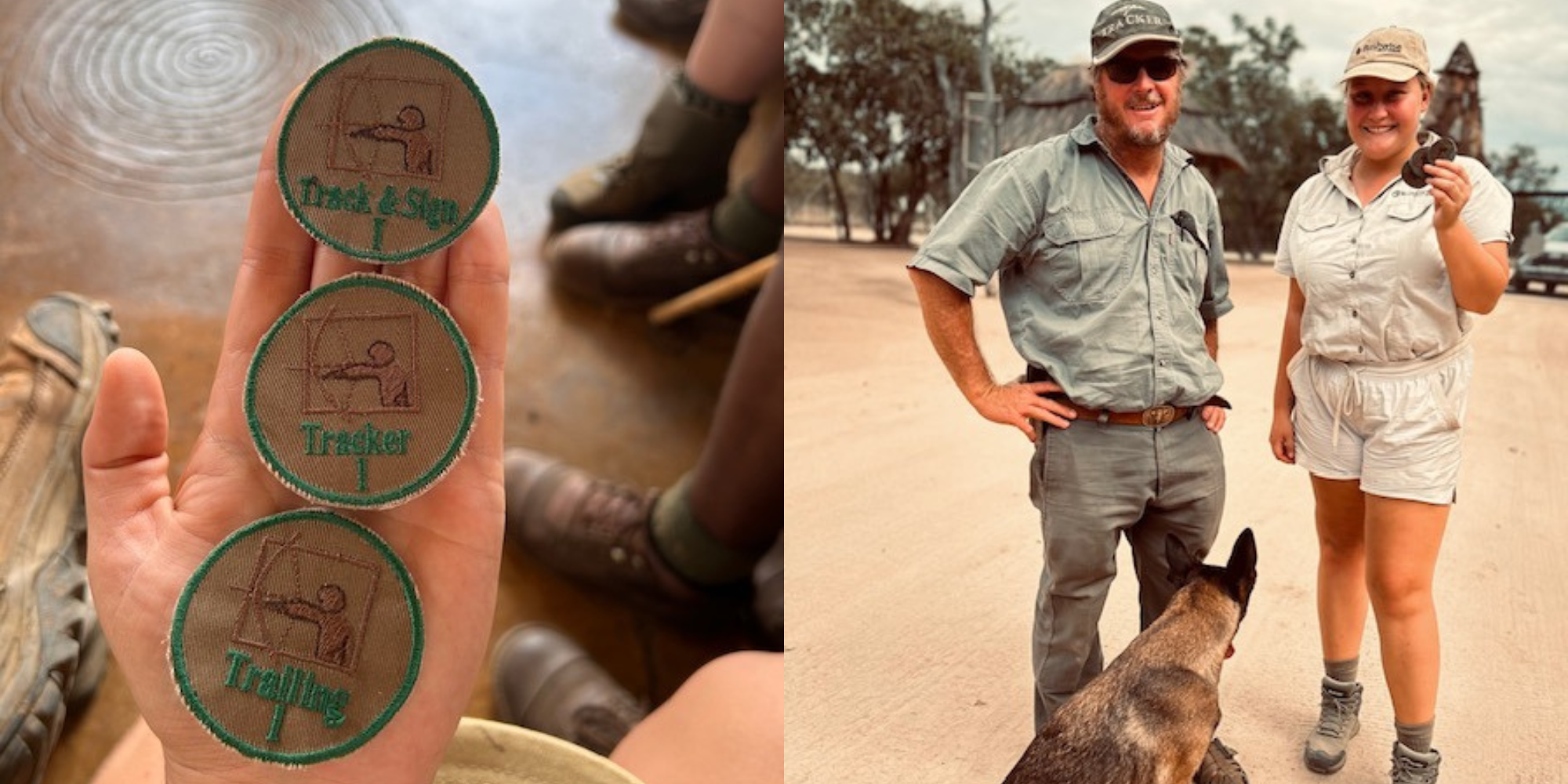
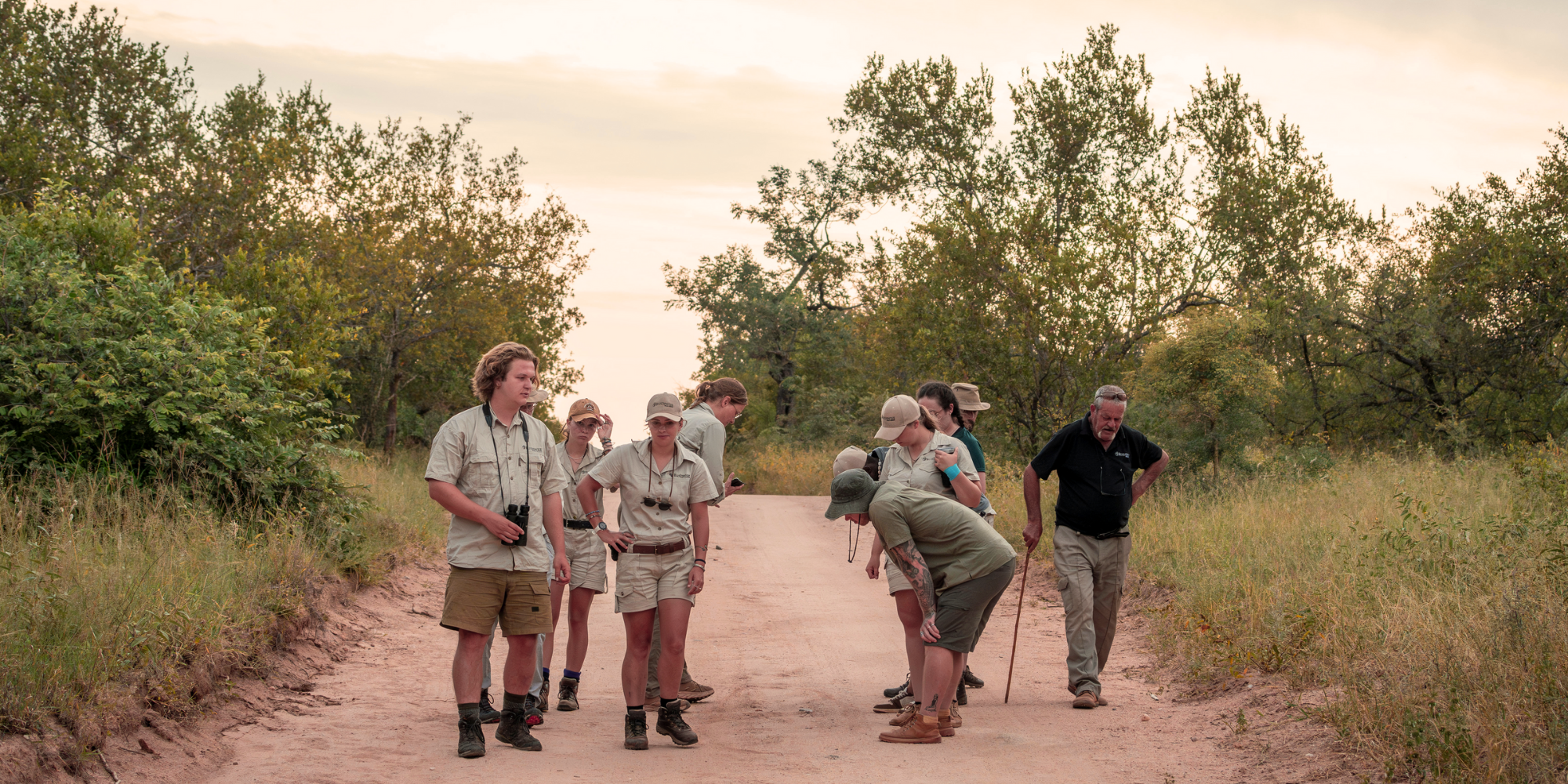
    This was the day of trailing with Colin Patrick, the legend. It all started with a cold morning drive in search for some tracks that were fresh. We suddenly stopped and there was a small branch laying on the side of the road. How is that even a track? How can Colin even say it was an elephant? How do we trust this? Those were all questions running through our mind. We got out of the vehicle and we started walking to the other side of the road. It was magical, there it was, a beautiful, clear track imprinted in the sand. So, we started walking and following those tracks. Each student got a chance to do this trail. It wasn’t easy as it was all of the students’ first time doing this. 

    image

    The time went by and everyone got used to how it works, what to look for and what signs to follow. Then my turn came. We were on the road, the tracks were crystal-clear… well, not for me. I could recognise one or two tracks of this beauty, but for some reason my eye just wasn’t used to this yet. Colin saw the confusion in my eyes and asked the next student to join me and help. It was as if he just knew exactly where this elephant was walking. I felt embarrassed. Colin said he could go on and I should fall back in line. We only had one turn so my heart started racing. 

    I wasn’t sure if I failed or not, but I knew that it didn’t go as planned. Everyone else did so well. How do they see these tracks and signs so easily? I was hoping to get called to try again, but time ran out and we went back to camp for breakfast. The afternoon was also allocated for trailing and we went back. The remaining students all got their turn. There was one student remaining, it was as if we started running, because there was fresh elephant dung, fresh leaves that were eaten, and there were clear tracks. The adrenaline was real; out of breath and no more water left at this stage. They are close, I can feel it! Colin called out my name. 

    image

    This is it; it is your time to shine, girl. Colin said, “take it slow,” but after that adrenaline rush, I couldn’t even think straight. Suddenly, all those tracks became super clear, the dung was everywhere. Finally, we got to a river. I knew this time I did much better with this trail. As if I just knew where they were. So, Colin told me I did a good job, but they are on the other side of the river and we don’t have time to go there now. I was confident that I would’ve gotten them if we kept going, but everyone was too exhausted. It was a long and hot day. My confidence got boosted and I felt as if I could find anything. I was proud of myself. As I should be, because a few days later I got a tracker level one qualification.

    image

    Time will tell and even if everything doesn’t always work out the first time, do as Colin says – get back up and try again. Press your reset button and take things slow. Never doubt your first instinct. 

    Want to learn to track wildlife? Learn more about Bushwise courses, and apply now to begin your adventure in the bush!

  • Living my wildest dreams: A Belgian girl in the South African bushveld

    This blog was written by Rose Braeckman, a Bushwise Professional Field Guide student. Each student takes a turn as camp manager, and writing a blog is part of the experience.

    3 min read 

    Hello, and welcome to my blog post! My name is Rose Braeckman, a Belgian girl in the bush of South Africa!


    How did I end up here? Let me tell you this little story.

    As a child, I have always been passionate about animals and nature. Even though I am 30 years old, I still have that inner child living within me. The kid who loves observing nature from up-close and is still mind blown every time by what it is able to do, create and adapt to.


    Which is what lead me to studying Agro- & Biotechnology, with a specialisation in animal care at university in Belgium. I still remember very clearly how in my first year, I immediately went to a student meeting to get all of the information on how to do my internship abroad. Small detail about this, the meeting was apparently only meant for third-year students. Whoops!

    I decided to stay and listened carefully because I knew that was what I wanted to do: travel to the African continent to learn everything about the wildlife and nature in that amazing place. And so, by the time my third year finally arrived, I had managed to find a way to complete my internship and thesis in Zimbabwe, at a rescue, rehabilitation and conservation orphanage for wildlife.

    image

    The feeling was amazing: I finally made it! I also knew, after this experience of working with these beautiful animals in captivity, that my dream was to work with and for the animals in the wild. However, due to Covid-19, I was back in Belgium and I had started working with a veterinary, having to take care of sick animals day in and day out. The urge to go back to Africa was growing in me more than ever, so the search for a way back there began.


    For years, my family, friends and partner all knew that I wanted to go to Africa to realise my dream, and they were actively supporting me in pursuing my dream. But sadly, I was faced with a series of misfortunes and heartbreaks that stopped me in my tracks. First heartbreak was when I lost my 17-year-old dog, who was both the love of my life and my best friend. His passing happened shortly after learning that my mother was gravely sick and she saw no other way out but by going through with euthanasia, a very heavy but brave decision that broke the rest of my heart and that of my family. My pretty amazing (little) life became a nightmare.

    The long anticipated trip to South Africa that my three sisters and I had planned on taking with our mom had to wait. Although a year later, we still went on that trip, with our dad. Before leaving, I asked my angels and the universe to give me a sign and help me find my way back to Africa. During the trip, we encountered all of these amazing guides and trackers that I started talking to, until one day I met a Dutch guide. They say “sometimes bad things have to happen before good things can.”

    image

    We spoke for a long time and I asked him all the questions I could think off on how he got here, on how to become a field guide and that is when he mentioned the name Bushwise. After our conversation, I spent hours looking at the website of Bushwise, reading everything I could read on the programs they offered and I immediately fell in love with the field guiding course. This course was everything I ever wanted to learn, all in one place. I felt like I was dreaming. While we were still in South Africa, I created a powerpoint presentation to explain to my sisters and my dad what my plan was.


    And so here I am today, a professional field guide apprentice, living in a tent 24/7 in the middle of the South African bush, realising a childhood dream! Learning everything about nature, from the sky and clouds, to the stars, from the wildlife, to the trees, while making new friends for life. I love to learn something new every day and that is exactly what I’m doing here.

    image

    Driving around the bush with these amazing people and in this mind blowing scenery that is surrounding us everyday is definitely the best experience I could have ever dreamed of. Cradled in the heart of nature, it keeps me close to my mom who was the person that pushed me to follow my dreams. She also taught me all about essential oils and alternative medicine, so learning about the traditional uses of trees and plants in the nature, I know she is very proud and happy for me, while keeping an eye on me from up above – like she will always do.

    Live your wildest dreams with Bushwise! Apply for one of our courses here.

  • Embracing change at 45! My journey as a Bushwise Field Guide

    This blog was written by Natalie Steiner, a Bushwise Professional Field Guide student. Each student takes a turn as camp manager, and writing a blog is part of the experience.

    4 min read 

    I’m currently on day 91 of my 50-week Bushwise NQF2 field guide training course, and let’s just say it’s been a whirlwind since day 1. Sitting down to write this blog is the first opportunity I’ve had to reflect on how and why I’ve ended up here, and there’s no doubt it has been a unique and valuable adventure. Thankfully, it is far from over yet…

    There are 30 students on my course and we all have our own reasons and motivation for signing up and committing to the program, with one thing in common – our desire to spend time outdoors and to learn about the natural world that surrounds us. I knew coming into the course that I would likely be the oldest student in my cohort – at the ripe old age of 45, I know that I’m not ancient but I’m definitely on the more ‘mature’ end of the age scale. 

    image

    Some of my friends back home asked how I thought I might get on, given that everyone would likely be younger than me. Without meaning to, often people project their own fears and anxieties onto you when you’re making a decision that they know would make them feel uncomfortable if they were in your shoes. 

    I tried to avoid those thoughts, but it was hard not to mull it over a lot before I arrived on campus. I was worried about whether I’d feel too old and boring, be too inflexible to deal with living life in a tent and if I still had the ability to study and remember everything for the exams, not to mention if I’d have the skills to complete all the practical aspects of the course. I tried to counter all the worries by reminding myself that I’ve been driving a car for over 20 years, which would surely help with the handling of the game viewer vehicle. I’ve also worked as a corporate executive assistant for many years so I’ve had my fair share of working for difficult bosses, handling conflicts with colleagues and being exposed to high pressure and stressful environments, so surely that would help me navigate campus life and the pressure of the assessments.

    In some ways, the course has been much harder than I imagined. The workload, the deadlines and the volume of information to learn has seemed overwhelming at times. For weeks at a time, I’ve just lived and breathed studying, assessments and pushing myself to attain the best possible results with little thought for anything outside of the Bushwise bubble. But at no time during that have I ever felt that my age was holding me back, if anything, it was providing me with the resilience I needed to take everything one day at a time and to deal with the rollercoaster of emotions that come with field guide training. And let’s not even talk about the mind games that track and sign assessments cause! 

    image

    The truth is, you never really know how you’re going to handle a situation until you’re in it. The older you get, the more you realise that all the experiences you’ve had up to that point, help you to build an inner confidence in your own abilities and teach you to trust your own judgement. Even if those around you may have doubts about your decision, the reality is, it isn’t their life, it’s yours. It is for you to determine what is best for you, for you to trust in your instincts and follow your own path and for you to chase the dreams and adventures you’ve held in your heart and maybe never thought could become a possibility. 

    And as for age, as the saying goes, it is just a number. The positive mindset, energy and good vibes you bring to any situation are far more important than the year you were born. Of course, I’ve learnt an incredible amount about the bush so far and, at the same time, I’ve also proved to myself that it is never too late. I’m one assessment drive away from qualifying as a field guide, so just in case you’re reading this and wondering whether you should take the leap into something new, the answer is, absolutely YES! I can promise you, you won’t regret it ????.

    Learn more about Bushwise courses, and apply now to start your own adventure as a safari guide. 

  • Why I left my job in Spain to become a safari guide in Africa

    This blog was written by Africa Banzo, a Bushwise Professional Field Guide student. Each student takes a turn as camp manager, and writing a blog is part of the experience.

    4 min read

    Why would a person with a stable job in Spain decide to start studying again to become a safari guide on the other side of the world? Why not?

    Do we need to live in comfort? Do we need to get out of our comfort zone to be happy? Do we know how to make the most of the little time we have in this world? I really don’t know. But I do know that life is short and everyone is different. We have to enjoy life and make the most of it, because it will be gone before we know it. If it can help you, I’ll tell you my story. 

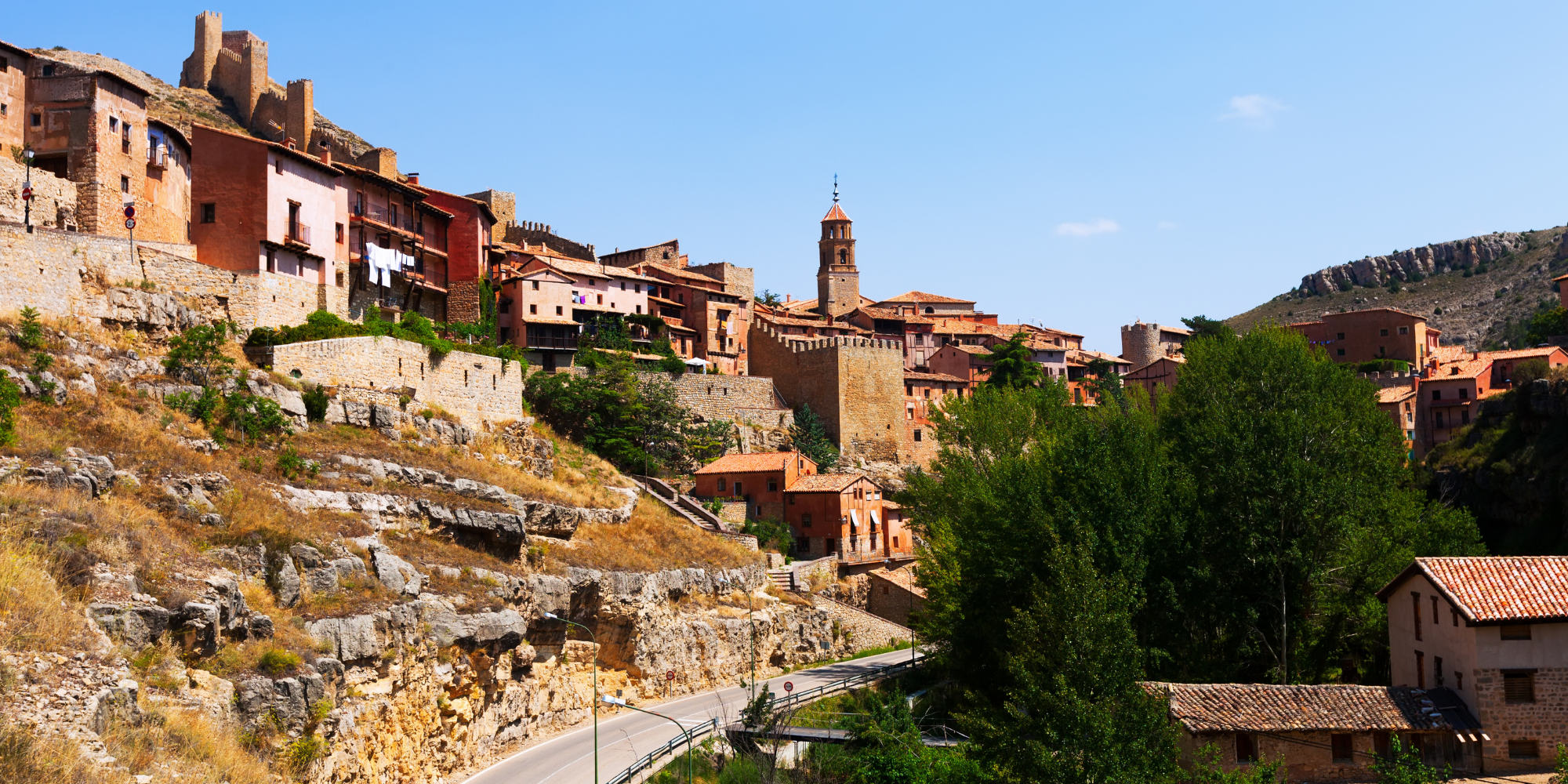
    I was born in a small, rural village in “the empty Spain”, in Navaleno (Soria). I lived my youth there, surrounded by family and friends, playing in the street and in the countryside where we were surrounded by the purest nature and had the best environment to grow up in. 

    image

    But I had to leave my village to go study in one of the big cities of Spain – Zaragoza. I was very happy there. I completed my veterinary studies, always thinking of becoming a wildlife veterinarian. Although in Spain, it was complicated. Even so, I trained as much as I could, and my parents helped me (they always support me). 

    I finished my training and, one day, suddenly everything changed. A hard blow came to my family (my eyes water at the memory). My father has always been a strong man, and still is. He showed me that you have to fight to get what you want. From then on, my mentality (and that of my family) changed radically, and now we look at life with the intention of making the most of it, enjoying it and doing what we are most passionate about. 

    So we (my husband and I) decided to set up a travel agency specialising in safaris in Africa. We loved travelling, nature and animals. We loved the African wildlife and the continent itself. Everyone told us we were crazy, as we both had our jobs. They said, “Don’t get into trouble”, “You have a quiet life, why do you want this now?”

    But that’s what life is all about – adventures, moving, feeling, falling down and getting up. And we fell down. Of course, we fell down. But we are still standing, not without a fight, with an agency that works and that, moreover, continues to grow. 

    image

    My job, apart from our agency, was as a vet in a small animal clinic in a village in the Aragonese Pyrenees. I was passionate about looking after the little four-legged animals in the house, the surgeries, general medicine, ultrasound scans, even the emergencies. But little by little, it was getting muddy. Until I decided that I couldn’t cry anymore, and that I needed a change in my life.

    It was time, I had the opportunity. I packed my bags and hugged my husband who pushed me to take that plane. Yes, the opportunity of a lifetime. The chance to enter the world of African wildlife. The chance to learn more about them and everything that surrounds them. It was the perfect opportunity to discover that I am happy in the savannah. 

    After many nerve-racking decisions, tears and smiles, headaches and family toasts, incredible dreams and nightmares, I decided to embark on the world of safari guiding. I am going to be one of them. 

    I’m not going to kid you, my world stopped when I was queuing to catch that plane. I didn’t know whether to run away or keep going through the baggage check. It was hard to start. It was hard to leave my family and my husband there. It was hard to leave my job (though necessary). It was hard to make the most incredible decision I have ever made in my life, but it would have been even harder not to. 

    image

    The first days on campus were “complicated”. Understand me – 30 years old, with a house, a family, a life on the other side of the world. Now you have to share a room with two other people, in a small glamping tent, surrounded by all kinds of critters from the African arthropod world (although you will not care about this in a few days). 

    You are on one of the best safari guide campuses in the world, with people who love what you love, with trainers who are well known in the industry, surrounded by the wildlife that you can see on your morning walks. This is the life I want – to be surrounded by nature, animals and people who fight to preserve what we love. 

    I am now part of the Bushwise family. Now it’s my turn to be happy in the bush.

    Want to become a safari guide? Learn more about Bushwise courses and apply today!

  • How my passion for birding took flight

    This blog was written by Phoebe Gordon, a Bushwise Professional Field Guide student. Each student takes a turn as camp manager, and writing a blog is part of the experience.

    3 min read

    It seems there is some sort of addictive component associated with the South African bush. Something in the air, an almost tangible narcotic, that evokes this intense sense of passion and appreciation. I’ve seen it too. This industry is built on those who relish waking up in the early hours, who happily drive in 40 degree days, who tirelessly strive to satisfy guests and who only go to bed when all the work around the lodge is done. Their work ethic is unbelievable, and from a distance, seems almost a bout of insanity.

    I nearly verged on such insanity in the past week. The dreaded birding week. Don’t get me wrong, I love the odd bird now and then. Watching a little wren hop around or admiring the beauty of a regal eagle is an awesome experience. They are an intrinsic part of almost every ecosystem, from the penguins huddled on the sub zero plains of Antarctica to the smallest hummingbirds in the Amazon Rainforest. As a general nature lover, I can appreciate their beauty and importance, and in all honesty, I tried very hard to be interested. But learning to recognise 127 bird calls and 200 birds by sight, in a mere seven days, was quite the challenge. 

    I can highlight some of the difficulties:

    • They all look the same.

    • They all sound the same.

    image

    In that week, I was not the positive guide who happily got up at 4:30 to go on a drive. Through exhaustion, I found it difficult to appreciate the birds – we were doing two 3-hour game drives a day, plus socialising, plus camp duties, and the remaining time was for studying. And it wasn’t even enjoyable information. But I had a test to pass, so I persevered; listening to the same squawk on repeat, or trying to see if a starling had red or black eyes. I couldn’t understand those around me that adored it – I even started wondering if some just have a genetic predisposition for birding.

    It was only on the Thursday, two days before the test, that I suddenly realised that I was enjoying it. I was excited to see if I could identify the birds on drive, or see one that I hadn’t seen before.

    And, just like that, I was hooked. I had transitioned, seemingly overnight, into a birder.

    image

    I ordered a new pair of binoculars, and the latest version of Robert’s bird book. I wrote line after line on behaviours of the different species, and the minute differences that make all of them unique. Some examples:

    • The fiscal shrike will impale insects on the thorns of a specific tree in his territory, to exhibit his hunting skills as a method of impressing females.

    • White-backed vulture pairs will stay together for their entire lives.

    • Little swifts are almost exclusively airborne, and will only ever land for annual breeding purposes.

    • The oldest southern ground hornbill lived for 60 years.

    • The heaviest sociable weavers nest ever found weighed over 7 tonnes.

    • African harrier hawks have double jointed knees, to allow them to enter the holes of other birds to eat their eggs.

    • Ostriches can run at speeds of up to 70 km/hr.

    • Due to the muscle structure within their oesophagus, flamingos are only able to feed with their heads upside-down.

    I’m not going to say I’m an expert – far from it – but I am proud to say that I have developed a love of birding. 

    image

    I’ve come to realise that there is no secret ingredient in the food, or intoxicating chemical in the air, that compels people to return to the bush day after day, year after year. It isn’t even an inbuilt gene that means that some people adore birds or not. It is the pure nature itself that is so addictive, and the desire to understand the processes behind it, that are the driving forces. The raw experience, the unlimited things to learn, the intrigue of what we may never know. 

    Things are only ever boring if you don’t understand them.

    Want to explore your passion for bird watching? Join a Bushwise program today and get ready to soar.

  • The Mapogo coalition: How five lions ruled the Sabi Sands

    This blog was written by Keegan Williams, a Bushwise Professional Field Guide student. Each student takes a turn as camp manager, and writing a blog is part of the experience.

    3 min read

    During a visit to the Kruger Park towards the end of 2018, I became very interested in the coalition of lions. These coalitions are formed to make it easier for them to fight, dominate other male lions and to hunt. I was particularly interested in the history of the infamous Sabi Sands Mapogo lion coalition who originated from the Eyrefield Pride and made their first appearance in March of 2006.

    This coalition became known for their sheer power and strength and managed to take over an area of about 70 000 hectares of the Sabi Sand Reserve by moving in with great dominance and power killing the males in the area with ease.

    They did what the lion population never does and that was to control and protect an expansive area of land reducing eight other prides to just one.

    image

    The Mapogo lion coalition was named after a South African security company, which was known for their heavy handling in dealing with criminals. The six male lions in the Mapogo coalition were named as follows: Makulu (meaning “big” in Zulu) who was the leader and not related to the other brothers. He joined the coalition as a four-year-old without resistance from the pride. Dreadlocks and Rasta were named for their specifically styled abundant manes. Pretty Boy was seen as being more pretty looking than his brothers, hence his name. Kinky Tail had a tightly curled tail and Mr T, whose mane was groomed in a natural mohawk style, was also known for his extreme brutality.

    The Mapogo coalition killed over 100 lions, including females and cubs when taking over whole territories. They were extremely aggressive and would often eat their challengers. This behaviour was considered unnatural. In addition, these lions would kill their own cubs in case they were competition in the future and would eat them too. The Mapogos were responsible for the drastic decline in spotted hyena in the Sabi Sands.

    image

    As young lions they left their pride in order to hunt, live and destroy other prides together. These lions dominated the Northern and Southern territories of Sabi Sands protecting each other. Rasta, Dreadlocks, Makulu and Pretty Boy formed one band guarding the southern side while Mr T and Kinky Tail guarded the North.

    In 2010 a new pride of Manjigilane lions tried to take control of Sabi Sands. This led to a battle between them, Kinky Tail, and Mr T. During this battle, Kinky Tail was killed forcing Mr T to join his brothers in the South. This was the first time that he had been seen with the other brothers in about 2 years. As soon as Mr T came back he started killing the other cubs, as he wanted to mate with the other females and he wanted the pride to have his offspring.

    In the next few months, the remaining five lions managed to fight off competition and take over new prides. However, things began to change when Rasta was killed in July 2010 by a young Manjigilane coalition. Dreadlocks never returned from a night patrol and it is believed that he had been killed by poachers or possibly another coalition.

    In March 2012, Mr T was killed by the Selati pride. The last time Makulu was seen alive was in January 2013 at the Mala Mala Game Reserve. He was almost 15 years old at the time. It is not known how Pretty Boy died but it is believed that he could have died of starvation as the last time rangers had seen him he appeared weak and thin.

    This rare coalition of six cannibalistic lions ruled by fear and wiped out prides that posed a threat to them, between 2006 and 2013. The Mapogo lions of Sabi Sands will forever be known as the majestic beasts that once ruled the wild.

    Interested in wildlife conservation? Dive deeper into the world of lions and more with Bushwise programs. Apply today!

  • The Bushwise Journey: Looking Back on Unforgettable Experiences

    This blog was written by Femke van Nieuwkerk, Bushwise Professional Field Guide student. Each student takes a turn as camp manager, and writing a blog is part of the experience.

    3 min read

    It all started on the 7th of January, when some of us arrived on time by car, others arrived together through an organised shuttle and one of us took a lovely detour to the wrong campus, but luckily ended up with us. The first day consisted of filling in forms, forms and some more forms. Keys to the tents were distributed and you got to know who was your roommate for the next 22 weeks. 

    image

    First aid training and new wildlife sightings

    The first week consisted of First-Aid training, seeing wild dogs and spotted hyenas at the fence line, the early beginnings of many friendships and getting our uniforms. Afterwards, we started to dig into the modules and learn all about topics such as geology, weather and climate and botany. In the meantime, we slowly started to go on game drives, where everyone had turns in driving for one hour. During the first semester real friendships formed – such as the Black Backed Puffbacks (blog of Regardt van der Westhuizen). Who would have known from the beginning that in many cases in this course, the two other random people in your tent would become such good friends?!

    After the first off-week, our big group of 31 people was split into two groups – those doing their International Field Guide Association qualification and those doing the Bushwise Professional Field Guide qualification – each with its own schedule. Where PFG had their exams on bird sights and sounds, IFGA was busy with their Track & Sign. On days that PFG had a late start, IFGA had to start early. Most of us had to get used to this difference, even some friendships got lightly tested during the first days and afterwards came out stronger than before. 

    image

    Getting into the game drives

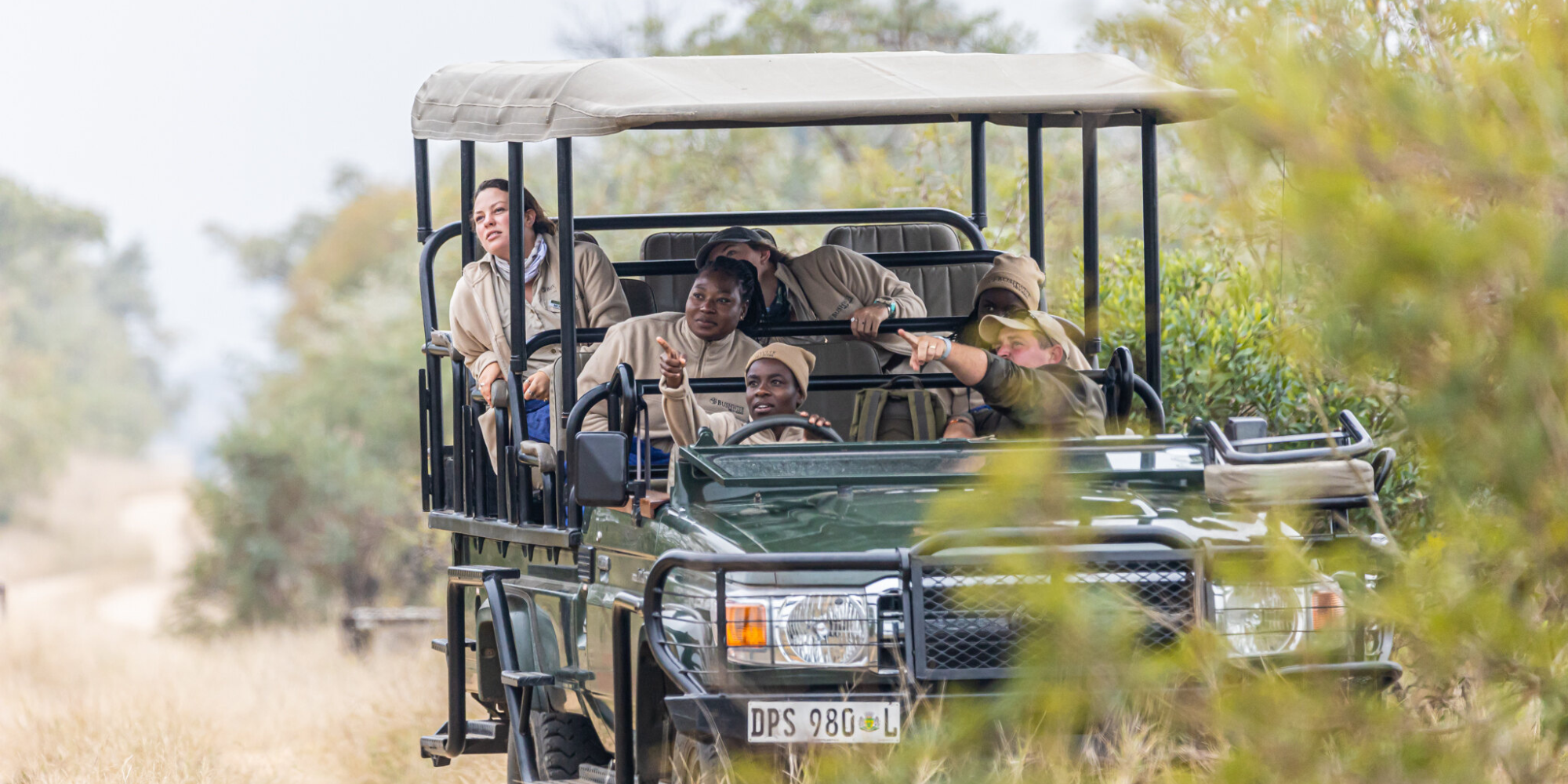
    For PFG the first three hour drives started and we got a real taste of how it feels to guide and the preparations that come with it, such as making sure the hotbox is filled, making sure that your route makes sense and doing a vehicle check. Semester two ended with the FGASA exam for all of us. As of now, we don’t have the official results back yet – but most of us feel positive about it. In my opinion, you could sense the growth in everyone during this semester, be it in becoming more professional, having better study methods, having more confidence or in becoming more open. 

    We are now two weeks into the third semester and this time it is IFGA’s turn to learn bird sounds. The PFG group had their two weeks of Track & Sign with Colin and Sam Patrick, which is considered as a highlight for most of us. As I am writing this blog, half of our group (IFGA) will leave to go to Sabi Sands for four course weeks to get experience with working in a lodge. This leads to a day which is filled with a lot of mixed emotions; saying (a teary) goodbye to each other, excitement and anxiety about what has to come and maybe even some – healthy – jealousy of the group staying at SAWC. 

    image

    Looking forward to the next steps

    For PFG the rest of semester will be about botany, bird theory, slide and sounds of all species and mock assessment drives. For IFGA it will be about birds, mock assessment drives, learning how to work in a lodge and how to effectively heat your water for your shower – as they will not have proper showers for the next four weeks (something nobody in PFG is jealous about). 

    In conclusion, we have learned vast amounts about nature, guiding and ourselves during the past months. Strong bonds have been formed, which probably only will become deeper and stronger as the time will pass on. I can only imagine how much we will learn in the next semesters, for example doing ARH and our assessment drives, but the thing I am looking the most forward to is for the IFGA group to come back and tell us all about their stories. 

    Ready to start on your own field guiding journey with Bushwise? Apply today!

  • Signs of life: Following the trail that leads back to me

    This blog was written by Cameron Dodge, a Bushwise Professional Field Guide student. Each student takes a turn as camp manager, and writing a blog is part of the experience.

    3 min read

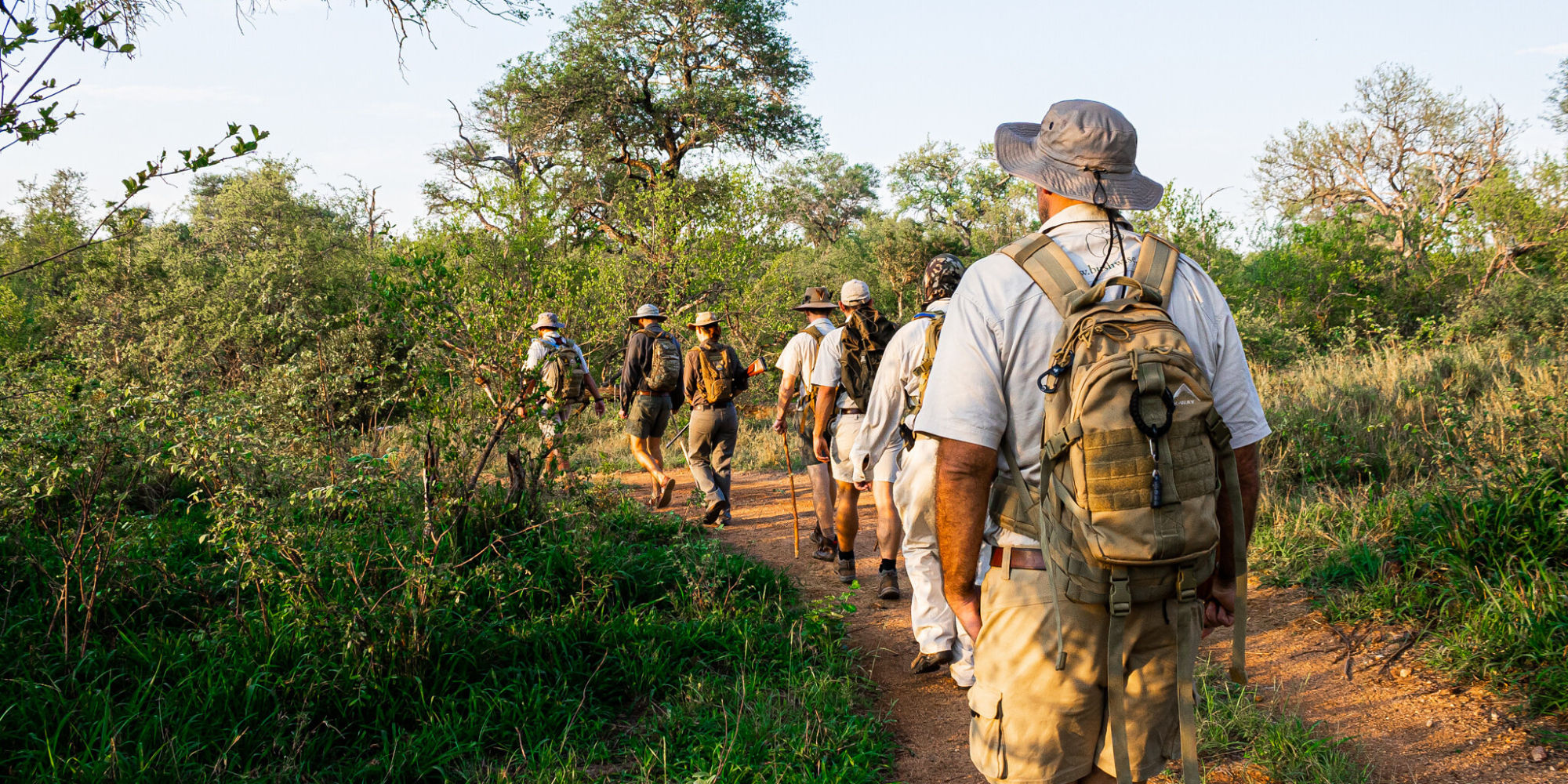
    At the start of my camp manager week, my peers and I have begun to learn the art of tracking and trailing, a skill used to track animals in the bush. Track and sign has, for me at least, opened up a new dimension to the bush. As I slowly begin to understand the story of each trail and spoor, I feel that the bush slowly begins to reveal its secrets to me. By being able to see the activity of the bush you begin to write your own story about the daily comings and goings of animals and the journey each one takes. 

    As we looked deeper into animal behaviour and the trails that each species leaves behind, I started to wonder what story has been left behind in my wake? As I trudge through the hard times and overcome the obstacles I face in my own life, I started to question what signs are guiding me to my next destination. My own life’s path is marked by signs, perhaps subtle and easily overlooked, yet each a vital turning point to reach today’s destination. 

    image

    My journey to Bushwise is a perfect example of how my own trail through life has been met with unexpected twists and turns. My decision to join Bushwise was at the very last minute. It was a choice I made one afternoon when I was having a small meltdown about what to do with my life. It was an instinctive click on an Instagram ad that has now led me to sit miles away from my past life learning how to track wildlife through the bush. Just less than 4 months ago I was at university attempting to finish up my honours research paper on perceptions of crime in urban areas, now I am spending my days traipsing through the bushveld and having naps under shady trees whilst looking out for signs of animal activity. 

    This drastic change has led to a lot of introspection in an attempt to understand how and why I ended up here. The trail I have left behind in my own personal journey is filled with twists, turns, and unexpected encounters. What seemed like an impulsive decision to venture into the bush and become a guide transformed not only my physical surroundings but the people I face every day, as well as my daily routine right down to what I eat and the clothes I wear. I am not the same person; I don’t have the same friends, nor do I live in the same place. But somehow, somewhere, there was a sign along my track that pointed me in the direction of the bush. 

    image

    When coming to Bushwise I had little to no idea what to expect, I wanted a change, a new life outside of anything I had known before. This past week trekking through the bush and discovering its secrets has shown me that taking the initial leap and joining Bushwise was a decision that I am proud of, one that has made all those sleepless nights worrying about what I would possibly do after university seem pointless, and one that makes me excited for my future. As I now reflect on my week as camp manager, I can appreciate the choices I have made leading me to where I am today. I have had an unbelievable week getting to know the bush, myself and my peers. My week as camp manager was one which placed me in a role of responsibility, but also a position that allowed me to reflect on my experience at camp so far. I have had a week filled with brand new experiences and adventures that I could have only dreamed possible before. 

    Follow your trail of self-discovery at Bushwise. Join one of our programs now.

  • Finding my way home: My journey from Switzerland to the South African bushveld

    This blog was written by Tecla Mohr, a Bushwise Professional Field Guide student. Each student takes a turn as camp manager, and writing a blog is part of the experience.

    4 min read

    Who am I?

    When Bushwise assigned me to write a blog, I considered various topics, such as animals or messages, to share with the audience. However, I decided to introduce myself and reveal my true identity.  My name is Tecla, I am 31 years old, and I come from Switzerland, known for its chocolate and watches. Before discovering the South African bushveld, my life was typical of any other European. I lived with my parents in a nice flat, attended school, and spent evenings with friends.  How did a Swiss girl end up at the Bushwise camp in South Africa? This is a good question and all the answers will be revealed below. 

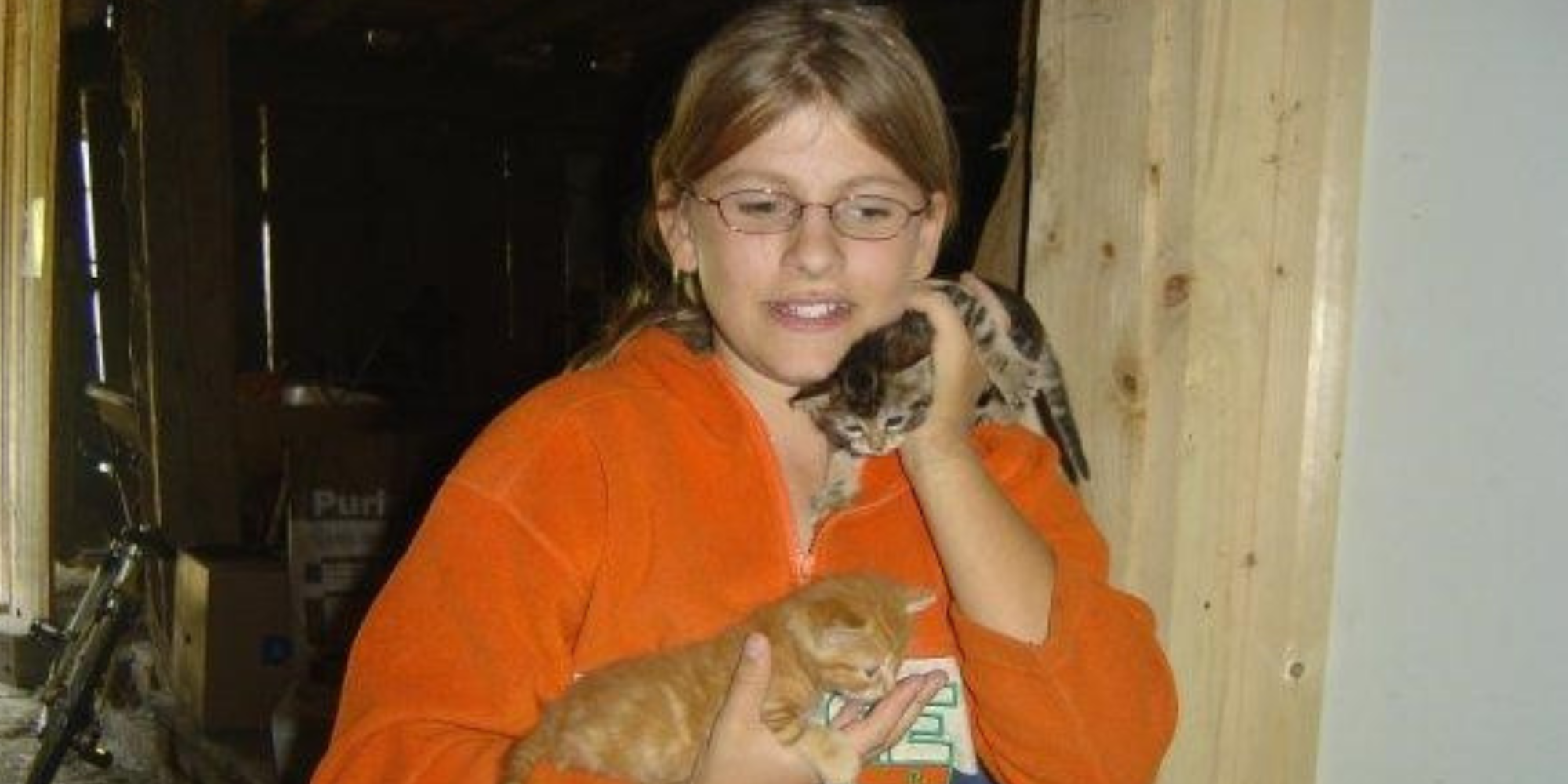
    Although I appeared similar to my friends, I always felt out of place. When faced with the choice between spending a day shopping or hiking in the Alps, I always chose the latter.  I felt suffocated by the society I lived in and unable to express my true self. I grew up surrounded by animals such as cats, dogs, and rabbits. From a young age, I had a passion for animal welfare and dreamed of one day owning a zoo to save and protect them. 

    image

    The big change of life

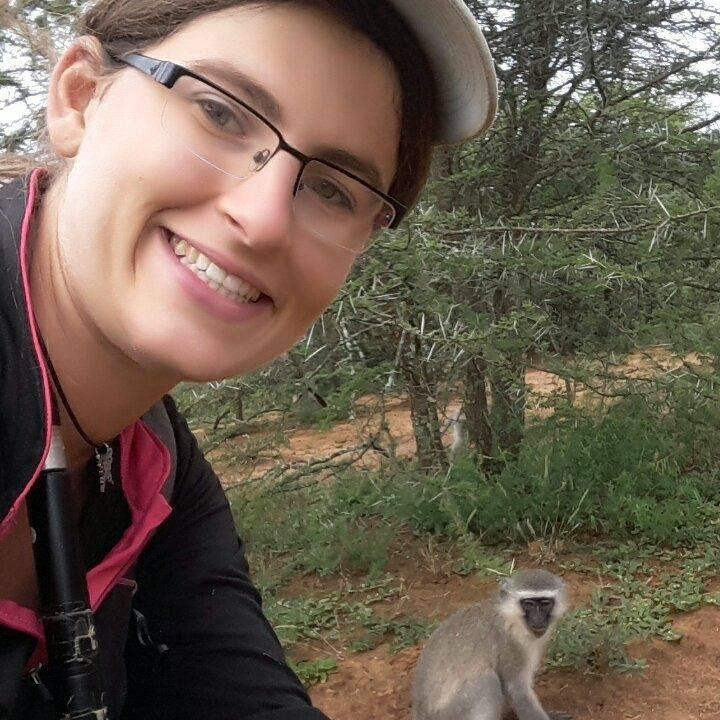
    I believe in destiny, and I think that each of us has a thread with a beginning and an end, leading us to where we are destined to be. My thread led me to South Africa. In this location, I have had the privilege of meeting people from diverse cultures and ethnicities, providing me with the opportunity to learn more about humanity. Additionally, I have had the fortune of working with a variety of wild animals, including lions, leopards, and hyenas, as well as smaller, harmless animals such as dwarf mongooses and vervets, which contributed to the project of my PhD.

    image

    Although South Africa was once my biggest dream, it also became my biggest fear. In recent years, I have faced significant personal challenges that have caused me to lose myself. I was never afraid of getting lost in the bush because, thankfully, my orientation skills have always been good enough. However, I never thought I would lose myself as a person. After almost eight years of working with wild animals in South Africa, it seemed like this dream was no longer achievable. 

    After a car accident, I spent two months in bed with a broken back. For almost two years, I experienced instability and fear, despite doctors’ attempts to provide hope for recovery. I struggled to regain my confidence and hope, but eventually some lovely people helped me. Through hard work and determination, I was able to return to my normal life, until the day I took the plane which brought me back into the bush. 

    At first, It was not easy to return to my previous wildlife. I found myself unable to walk for hours, I could not carry heavy bags, and I needed frequent breaks during the day. Additionally, I think the hardest part was that due to all these limitations, I was unable to care for people. But as in all things the glass is not always half empty, in fact mine was becoming full again. I was back in South Africa and despite my fears I was once again surrounded by nature and animals, I was back and with the animals, my dream also returned. Am I now the same Tecla I was before? No, I acknowledge that I have undergone a transformation and become a new version of myself (I hope a better one) who recognises the fallibility of her body but is driven by her mind, motivation and dream.

    image

    The person I am today, and the person I will be in the future

    And so here I am, writing this blog from the Bushwise camp classroom, learning and studying everything that surrounds me, so that one day I will have the opportunity to share my knowledge but also the emotions and adventures that this magnificent world has given me and that I hope I will continue to experience in the future. A friend once described me as “a South African girl born in the wrong country” and I think she was right because here in the bush I am at home.

    Ready to embark on a life-changing journey of your own? Explore Bushwise programs today to experience the wonders of the South African bushveld firsthand.