Author: Marketing Team

  • It’s crunch time for the Class of January 2019

    We, the students of 2019, are in crunch time! To most of us our mock assessment drives, which are like practise drives, was a good indicator of where you are in terms of FGASA standards. We have all finished our final Bushwise practicals. These practical tests included birds, mammals, arthropods, reptiles, amphibians, botany, fish and the handling of radios.

    image

    Mock assessments

    All of this preparation comes down to one big FGASA test and assessment drive. Bushwise has proven that they truly are the most comprehensive training provider. Our Field Guide trainers will go out of their way to help you make the dream come true, as long as you put in the effort.

    image

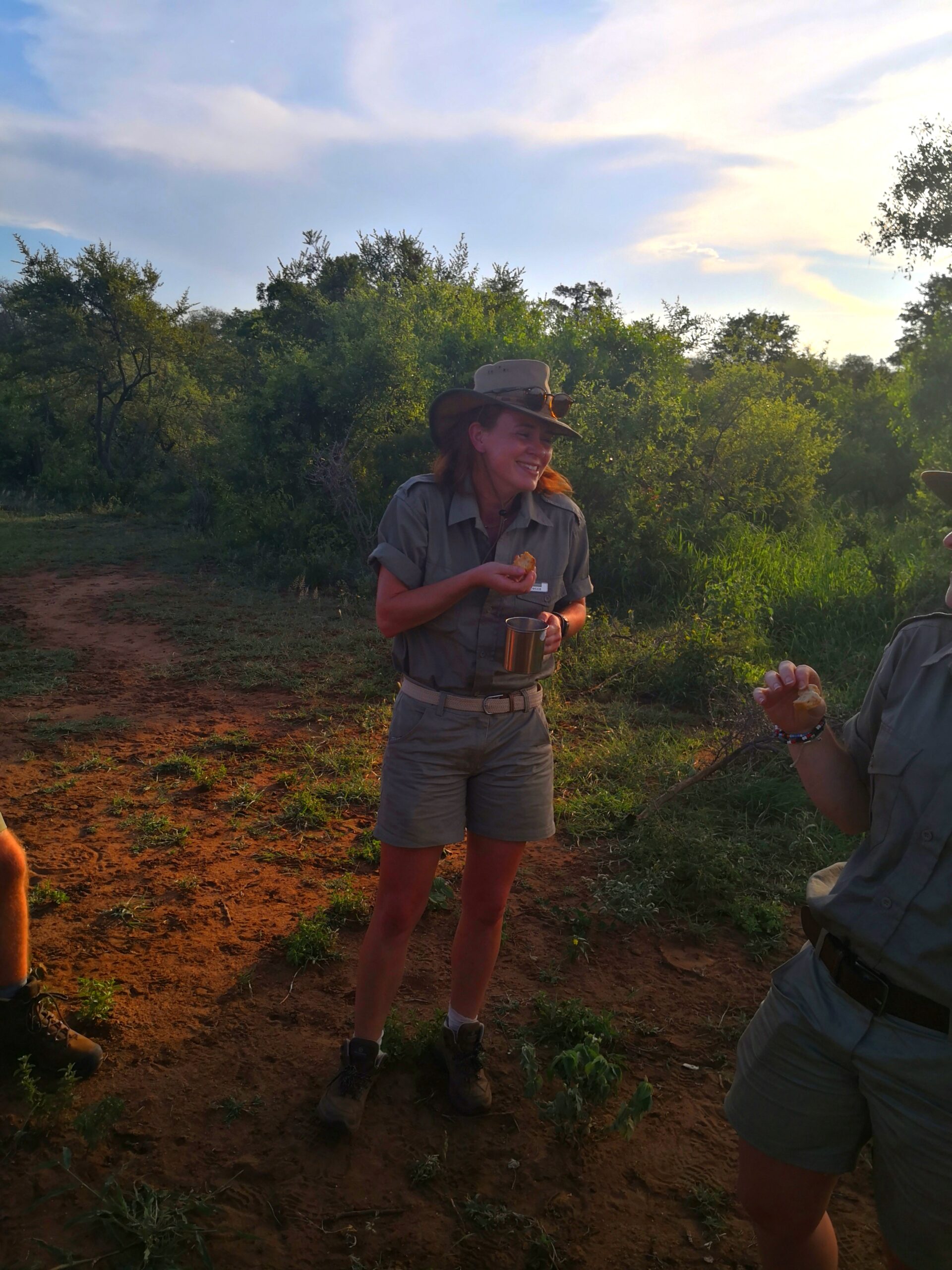
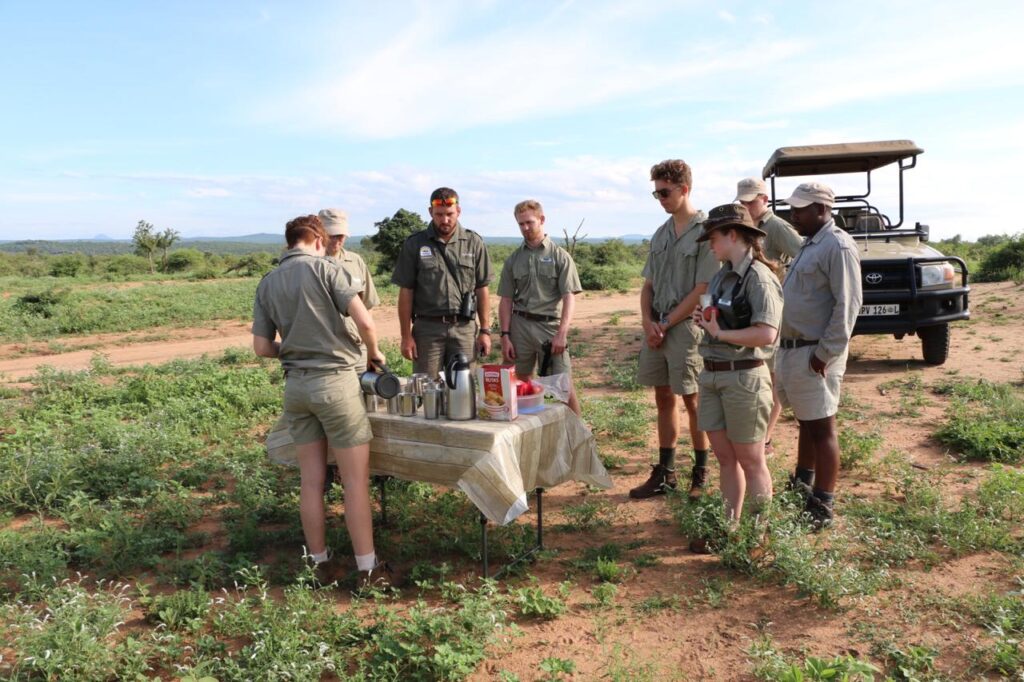
    Coffee break

    This has been a really tough course but I wouldn’t want it any other way! We are not trained to be good guides but trained to be amazing field guides! We have done a lot of “on the side” courses that will help further our career. These little extras are things like a 4×4 course and an SA wine training course.

    image

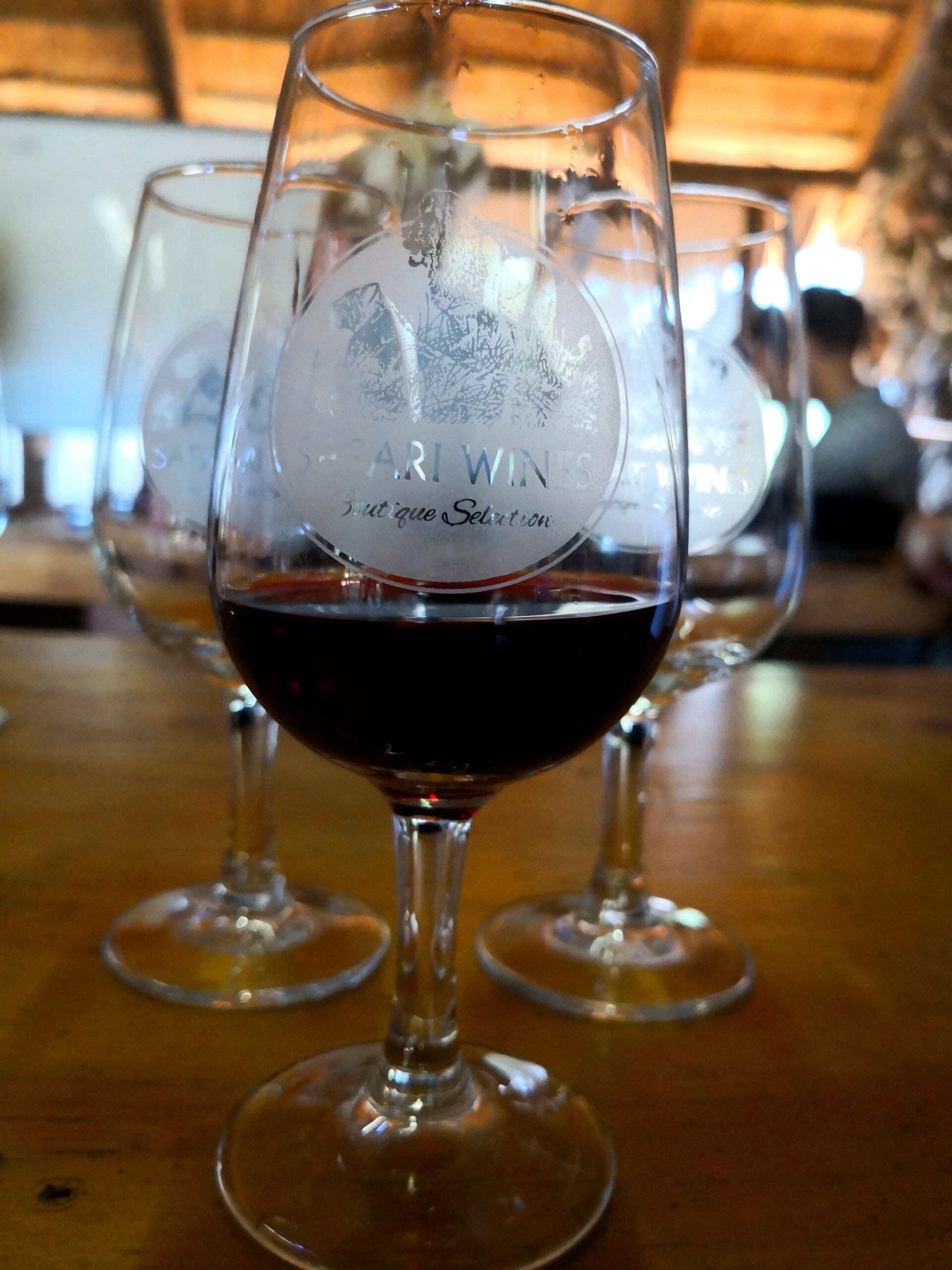
    Wine tasting course

    Bushwise offers a placement to students who have passed not just the FGASA requirements but the Bushwise requirements as well. Most of us know where we are going and some has already gone for interviews. This is such a good learning curve. Gaining experience from the work environment around you with the security of Bushwise standing behind you.

    image

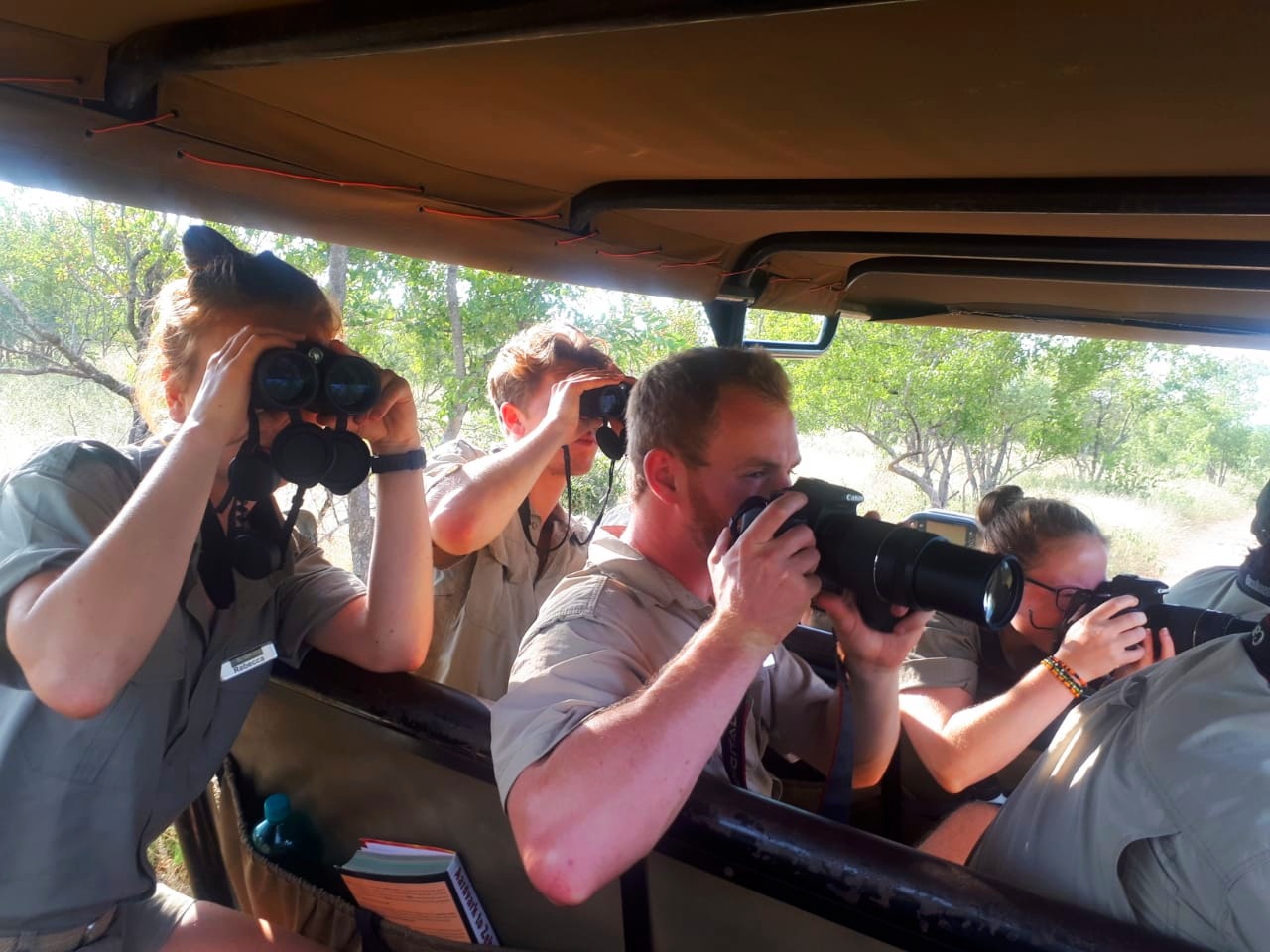
    Mock assessment drives

    With all this said and done, you can take a horse to the water but you cannot force them to drink. You need to be willing to work! Sometimes you need to sacrifice what you want to do and focus on want you need to do. To use myself as an example, my weak point was birds when I started the course. I got so frustrated and picked on for struggling, that I wanted to be an ostrich and stick my head in ground! I buckled down and studied. This forced action made me realise how magnificent birds truly are and I fell in love with them.

    The difference between a good field guide and an exceptional field guide is clearly shown to us by our trainers. You ultimately have to make this decision by yourself. It takes a lot more effort and time to become a great guide, but you have every opportunity here at Bushwise!

    image

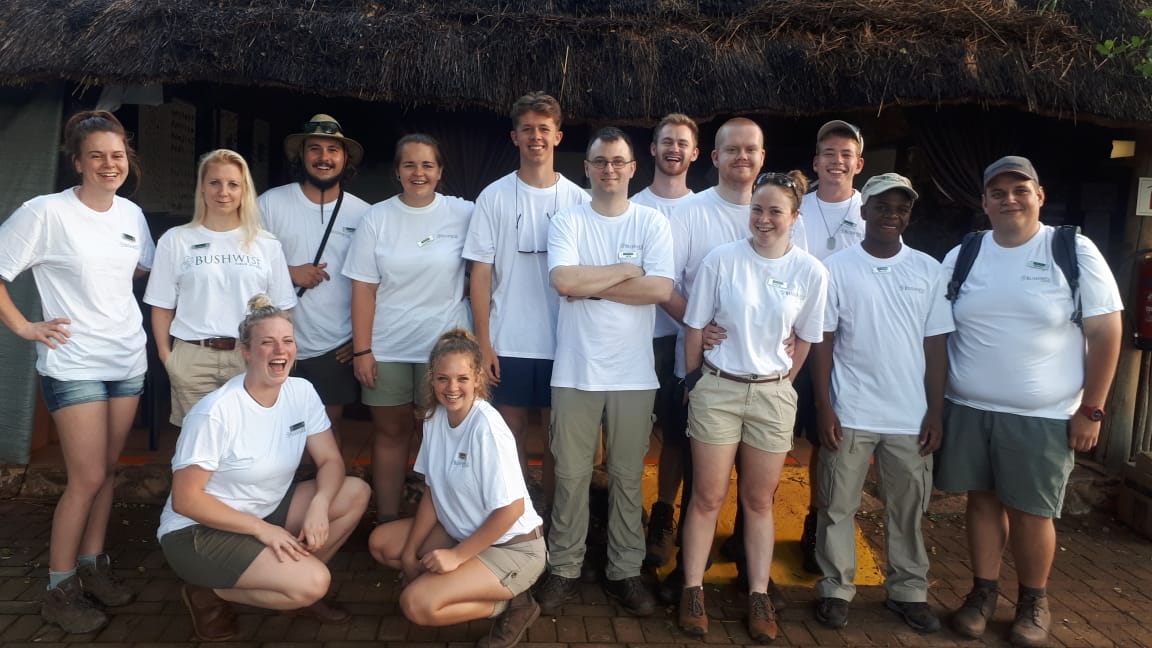
    Class of January 2019

    So in a few weeks time we could possibly be qualified field guides! Just need to knuckle down and work hard to push through the next few assessments.

    Blog by Megan Smith

    image

    #STUDY #fgasa #practicals #Assessments #fgasaexam #mockassessmentts

  • What Field guiding is all about

    Field guiding is far more about people than animals. You may spend ten hours a day looking at four-legged animals, but you will spend between fifteen to eighteen hours daily with the two-legged ones. There are a few professions where you spend so much time with the same people. On any kind of safari, you are with your clients almost every waking hour, which is normally from dawn till around ten at night.

    image

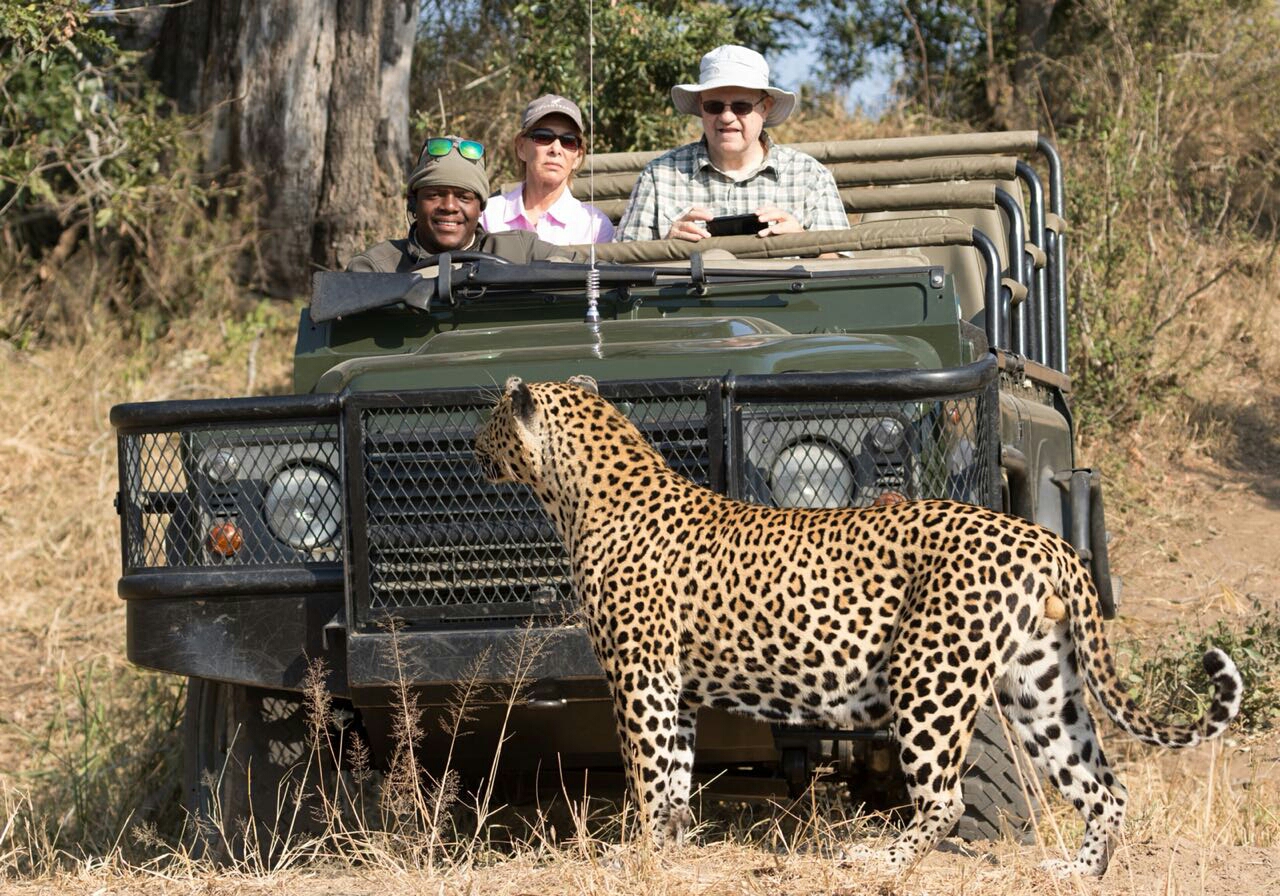
    Game drive

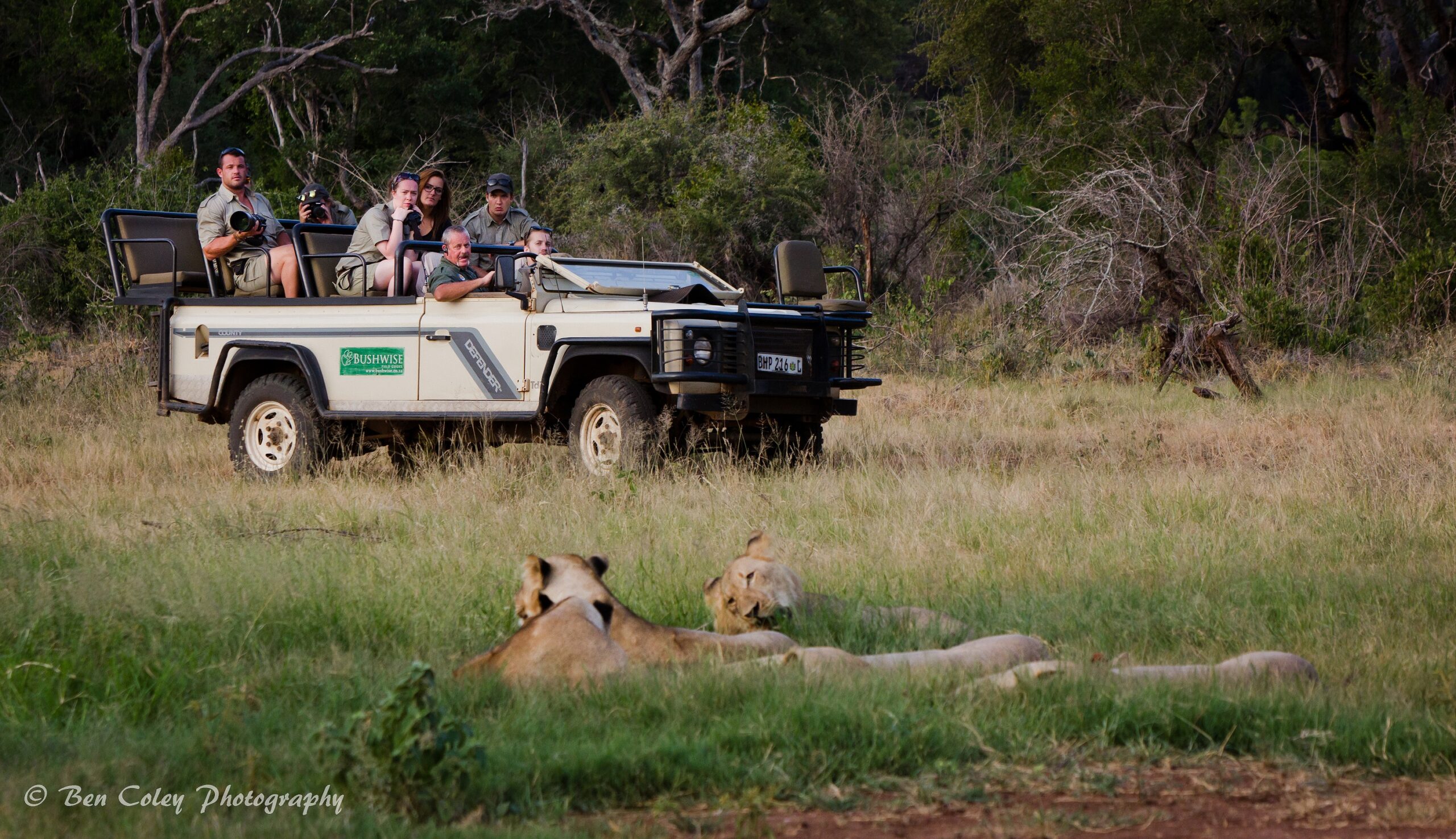
    You will be asked so many times “you must hate doing this every day?” Look at it in another way. As a field guide you see the best side of humanity. Firstly, you work in the biggest and most beautiful office in the world. Secondly, your clients are on holiday. They are out for a good time. They want fun, laughter and a safe adventure.

    image

    Past student Annie White with here guests

    In modern society people are so worried about their image, money, surviving, the day to day stresses of just keeping afloat. Yet when these people join you on a game drive, they drop all the social barriers and pretences they need to survive in their daily lives. Guests will meet other guests who comes from totally different social, financial and political and cultural backgrounds and sometimes life-long friendships are formed.

    What draws these social opposites together? The answer lies in the beauty and simplicity of untouched nature. Imagine how rewarding it feels after moments where the “very bossy and high-ranking businessman” change whilst he is out on game drive with you. Field guiding is such a privileged profession: your “office” is this massive reserve, teeming with so many colourful and interesting forms of wildlife. In turn, your reserve is a theatre, an amazing open-air amphitheatre where the props are real living trees, clouds, rivers and mountains. The orchestra comprises the combined melody made up from the sounds of the wind, bird songs, gurgling rivers, a lion’s roar, a hippo’s snort and the call of the zebra.

    image

    Game drive sightings, photo by Megan Smith

    The animals are the actors, their beauty and actions speaking their parts. You are the presenter, with endless opportunities to share an ever-changing and unwritten show with your fellow man. Your guests from all corners of the globe and from all walks of life, are the mobile audience.

    image

    Past student Ernest, with his guests on game drive

    You hold in your hands the opportunity to realise your guests dreams and fantasies of Africa. Make every moment count for you and your guests and give them the experience of a lifetime!

    Until next time

    Trevor @ Bushwise

    #fieldguide #fgasaguide #guests #safari #fieldguiding #gamedrive #guiding

  • Trails by tyres

    “Being a field guide without knowing how to drive your vehicle, is like walking a trail as first rifle and not even knowing how to use that rifle” – Mark Frazer

    image

    Vehicle recovery

    One of the most vital skills a field guide can have is understanding their vehicle. Not only does this ensure an enjoyable experience for guests, by allowing the guide to focus on other parts of the drive such as looking for animals and relaying interesting information, but it ensures that the guide will provide a safe drive to the guests. Safety is one of the most important aspects of a game drive, and as we are driving in the bush, it can become a little tricky in certain terrains.

    For this reason, Bushwise gave us with a week of 4X4 training through the training company Nostophobic Adventures. Mark started us off with a thorough lecture on all things vehicle-related on Monday morning, and showed us some interesting videos of what we could expect from the course.  The next day was a day full of learning some of the most important actions we need to ace in our vehicles, like a downhill and uphill stall, as well as understanding the mechanisms in the car that were covered in theory, helping us to physically see how different gear settings of the vehicle work in different situations, and just when to use them. He patiently explained to each of us in turn what to do and helped us to understand where we may have gone wrong.

    image

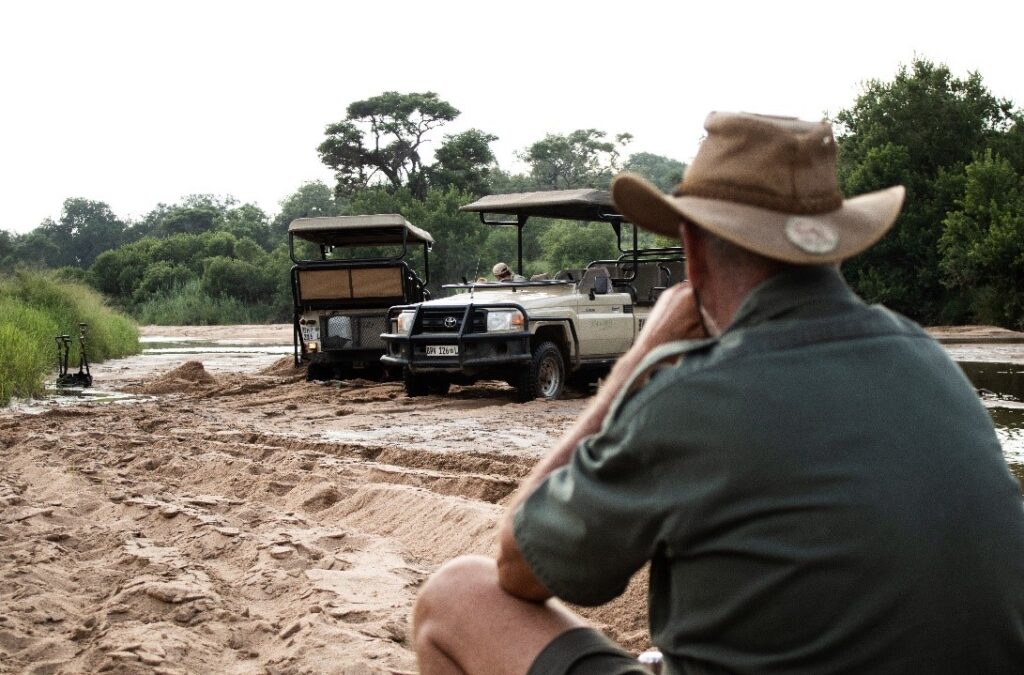
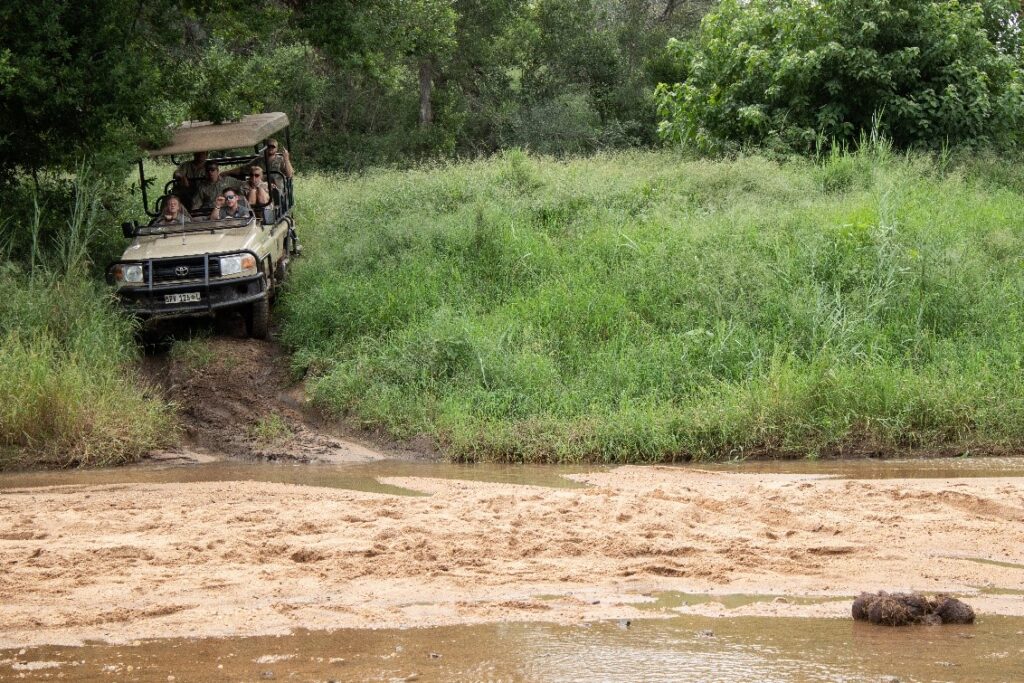
    River crossing

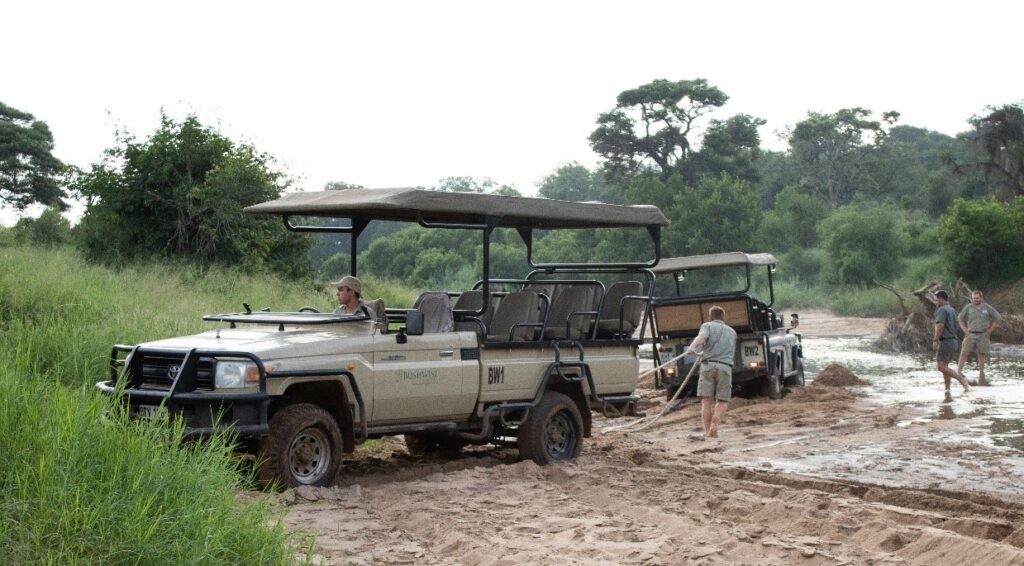
    The next day was recovery day. Well, not for us, but rather how to recover vehicles from sticky situations – literally. Mark and the other trainers got one of the vehicles stuck on purpose and, after explaining the different parts of the recovery kit, gave us a briefing of what to do and sent us off. After a few mistakes, a lot of sweating and a little bit of digging, we were ready for a few attempts at pulling the Landy out of the wet sand with the extremely useful snatch method and the great power of the Cruiser.

    image

    Towing

    Finally, after a written test, some admin, and finally a practical assessment, we’re all ready for any tricks nature may try throw our way. Learning these skills through such a great company could not have been easier and will definitely help us all in our futures in the guiding industry.

    Thank you to Mark, Andre and the trainers who helped us in this course!

    Blog by Gabriel Dowling

    image

    Gabriel Dowling

    #vehiclerecovery #drivingcourse #driving #4×4 #landcruiser #4x4training

  • Guns, tracks and family

    So, this week has been one of the busiest weeks for some of us, with the group splitting up. One half of the group was doing the Track and Sign course with the one and only Colin Patrick, and the other half of the group learning the fundamentals of rifle handling and going to Tzaneen to do our rifle competency examinations.

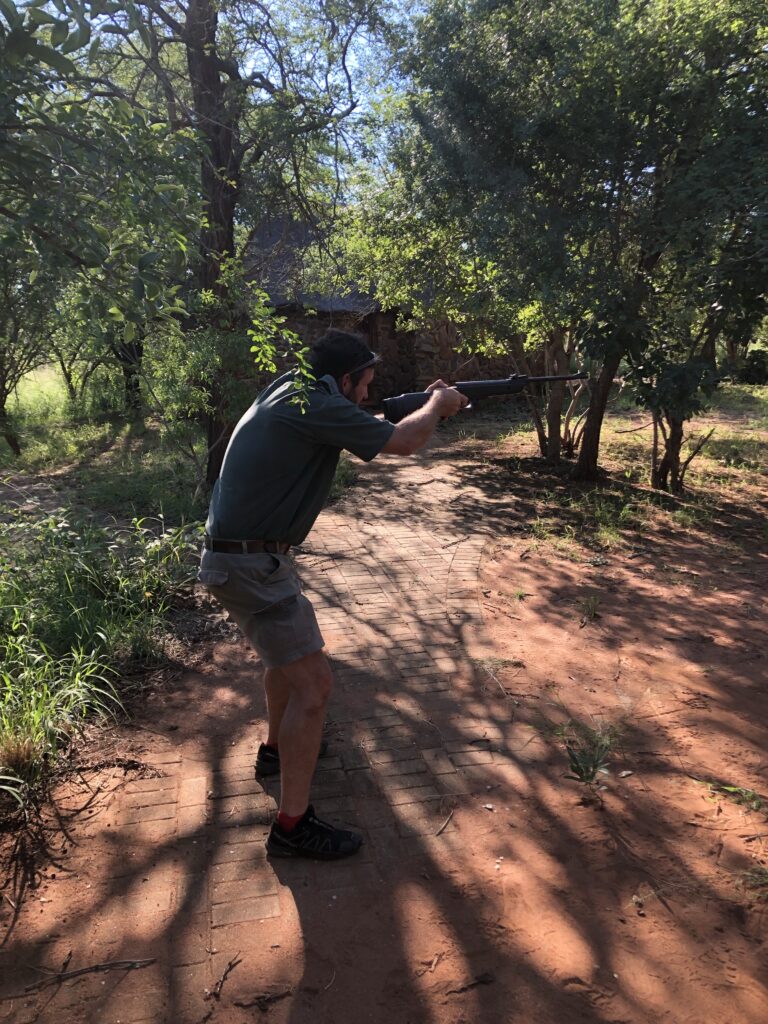
    Being in the rifle group, I can easily say that I have enjoyed the week very much. A special thanks to Trevor and Vaughan who were showing us the ropes. Learning the various aspects of shooting was often tedious for those of us who hadn’t really handled rifles before. Then with a lucky turn of events, we were allowed shoot a .22 rifle and the .375. One by one we went to shoot a single round.

    image

    With some saying that it feels like a kick from a horse and others saying it was a punch, I was dreading going down for my turn (due to my shoulder injury), as I took aim, I just thought about getting over with, and with the high possibility my shoulder could be seriously hurt due to the recoil, I was happy to see that Trevor was standing behind me whilst I took the shot, seemingly prepared to catch my shoulder once it flew off my body.

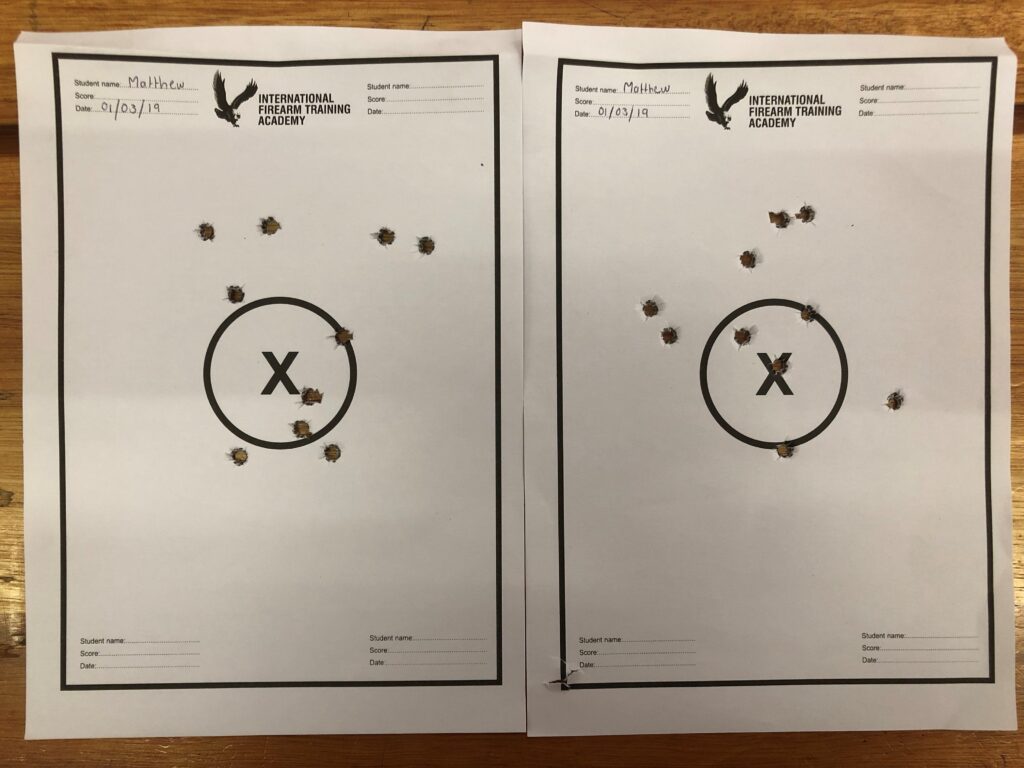
    Then came the two days when we drove for about an hour and a half to Tzaneen to write our rifle competency tests. It started with a quick run to a tree… and then another… followed by push-ups… fun. Then came the tests, and I am so happy to say that we all passed all the tests, including putting 20 rounds into a A5 sheet of paper from 15 meters away.

    image

    On a more personal note, camp life is not what it used to be. Last semester there were a few people (myself included) who were not as involved as we should have been. This semester is different, we are seeing each other’s good sides, bad sides, interesting sides, we have argued, agreed (to disagree some of the time) but this is all strengthening the bond between us all. The friendships made here are never to be forgotten.

    image

    Simply because, we are a family.

    Blog by Matthew Durek

  • Insects and other bugs

    We have just started to do our very own full drives, which is kind of stressful, yet exciting at the same time! This will give us better insight to what it would feel like to be a working field guide. The responsibilities and preparation that goes into it is a lot more than what I had actually expected. Especially when it comes to the information that we have to deliver to our ‘guests’. On the other hand, it is probably the greatest way to practice. The trainers are really putting in the effort and I feel like they are doing an outstanding job.

    image

    Game drive

    Track and signs training continued as well as rifle handling with the groups switching up. I’m sure both groups were looking forward to the activities that lay ahead. Camp life is a lot different this semester as we are all starting to see each-others the true colours and getting to know one another on a different level.

    image

    Game drive

    We have had a substantial amount of rain this semester so far which is great! good for the area we are in as it really needed it, it also kept us a bit cooler from the heat! On the downside … there are lots of insects and millions of mosquitoes! They are so persistent and lots of students are showing battle scars from these little buggers!

    One of the highlights of this week for me was definitely the reserve clean up! I cannot explain how satisfying it was to get out there and do some physical work for a change. All the groups and students worked exceptionally hard and I am proud of the work my fellow students and I had done towards helping the reserve.

    image

    Learning never stops

    Unfortunately, in this week we have had a few students including myself being sick with stomach bugs. Most probably due to the fact that we have had “hot, cold, hot, cold, hot” temperatures the whole week with the rain that has passed, but nothing too serious.

    Everyone on campus is performing well and the passion for the wildlife and the bushveld is very prominent in all of us! It’s a great journey that we are all walking together with hard work and determination! This is the start to the rest of our lives!

    Blog by Tyron Coetzee

    image

    Tyron Coetzee

  • There and back again

    Two and a half years ago I spent six months as an intern at GVI Karongwe on their conservation program, six amazing months spent living and learning in the South African Bushveld. I loved it, I learnt new skills, met some fantastic people and had some amazing sightings of the iconic African animals, both big and small.

    image

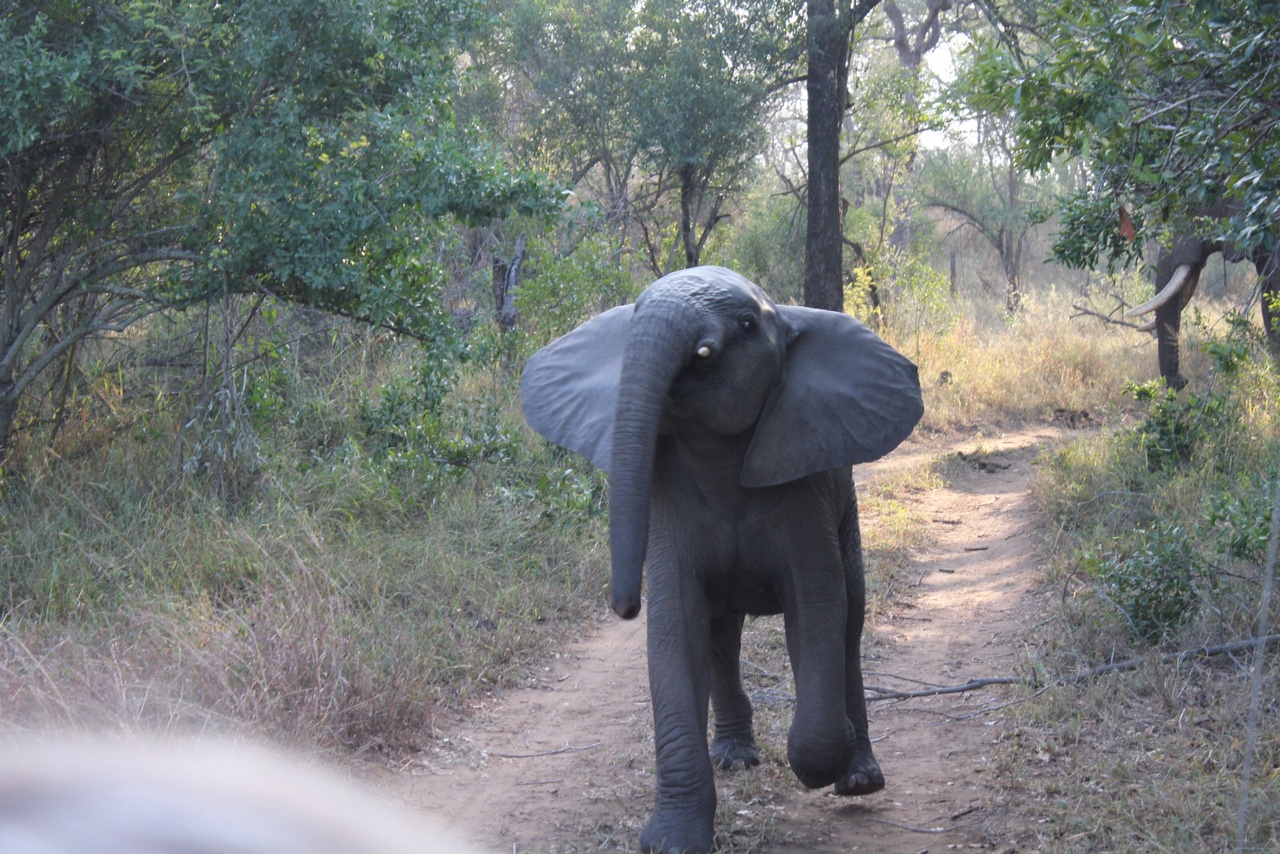
    From the unusually relaxed herd of elephants on the reserve, which is a very humbling experience if they allow you into their space, there is an enigmatic intelligence behind those eyes.

    image

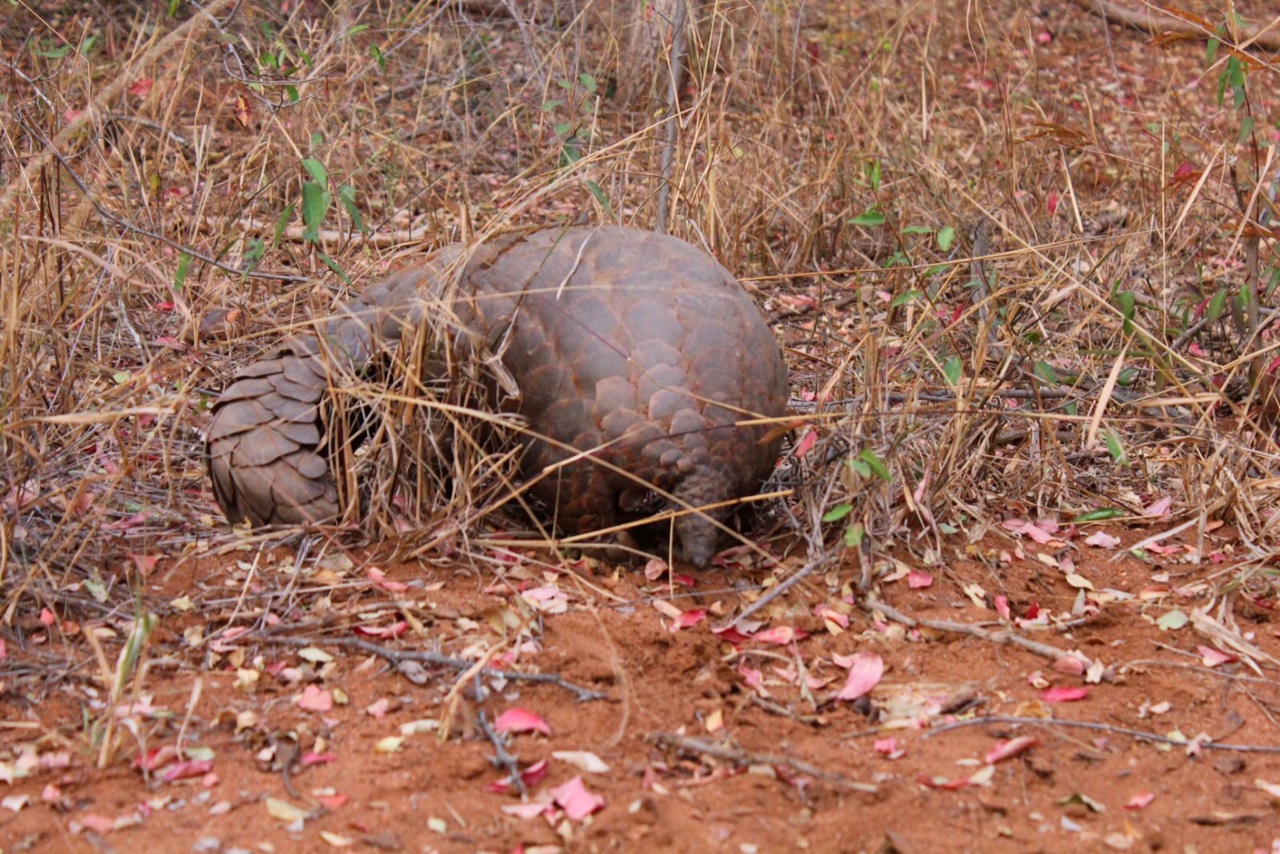
    To the incredibly rare and endangered pangolin I was lucky enough to see, much to the chagrin of the base manager at the time who has still yet to see one. Pangolins are so rare because they are one of the most poached animals in the world, illegally poached for their scales which is falsely believed to have medicinal properties. They are made of keratin just like our fingernails and hair, which is also what a rhino’s horn is made of!

    image

    I did not want to leave by the end of the six months, as I’d found myself a home living in the bush surrounded by nature. However, several of the staff there encouraged me to pursue my passion through Bushwise Field Guides, as they themselves had trained there.

    image

    Fast forward to now, after hard work and saving up, I am sat writing this in the Bushwise classroom on Mahlahla campus surrounded by the bush once more! One month into the year long course it’s been intensive study so far but an incredibly enjoyable learning experience.

    image

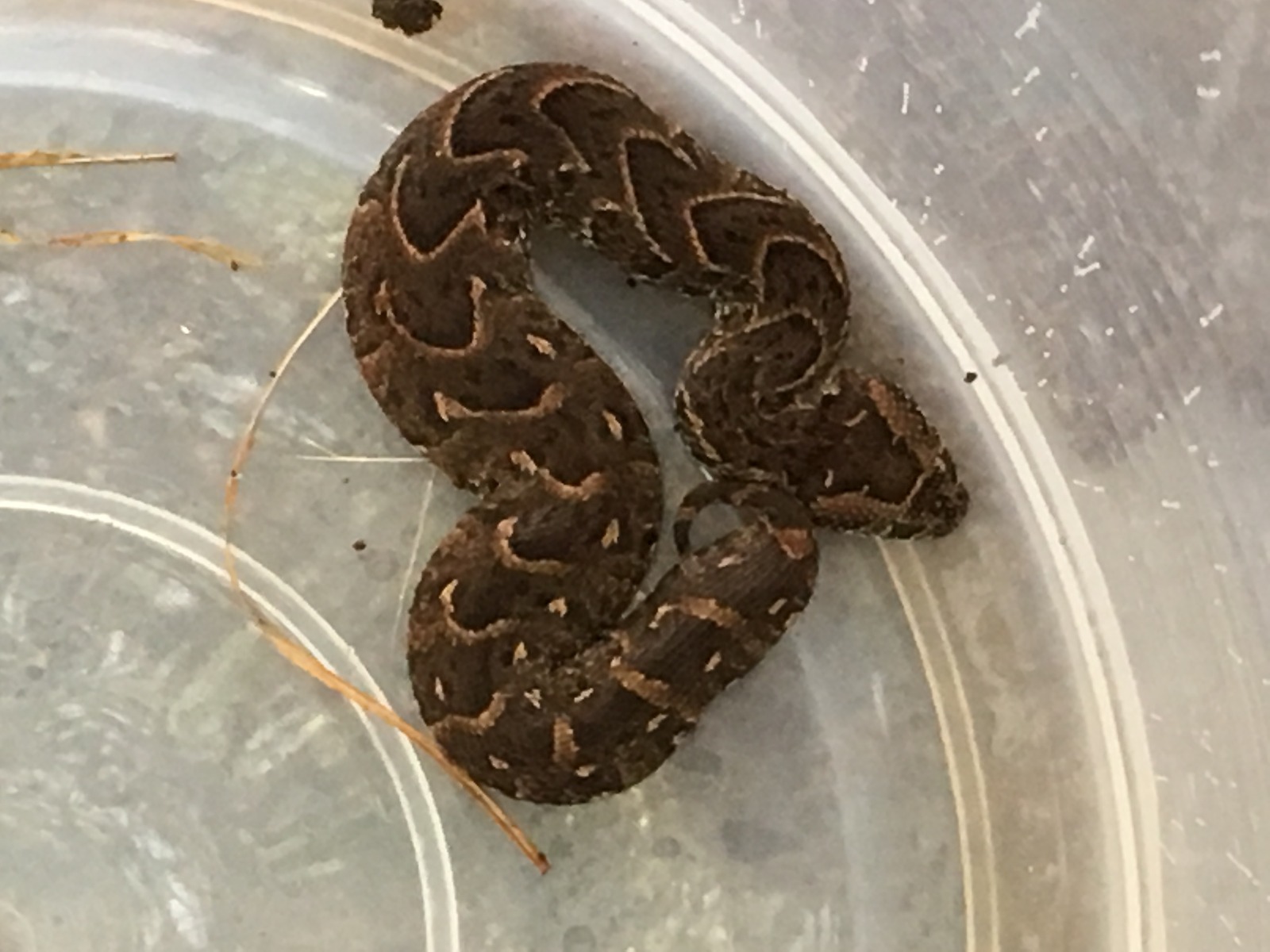
    Its summer here and with that are a lot of potentially dangerous, but beautiful, insects and reptiles, such as a Puff Adder that was found by the pool here after some stormy weather!

    image
    image

    With each practical drive we go on, old knowledge from my time at GVI resurfaces and is added to thanks to the experience of the trainers here and being able to immerse my self in the sights and sounds of the bushveld once again. I will leave you with this, living in the bush isn’t for everyone, its not always comfortable and you can’t just pop out to the shops or relax on a sofa. But when a kudu horn is sounded to call you for dinner and a family of jackals howl back from the darkness in response, for me it doesn’t get any better.

    image

    Blog & photos by current student, Jack Broadley

    image

  • What’s New at Bushwise for 2019!!!

    Firstly, a big welcome to all the new Field Guide recruits! Everyone arrived safe and sound and are ready to make this their year to start their amazing careers. We wish the #ClassofJanuary2019 the best of luck!

    image

    New Programs!

    FGASA Field Guiding and Conservation Careers Internship

    Join us in South Africa’s Lowveld region, and train to become a qualified field guide while experiencing the African bush at its most exquisite. This course, which is available to anyone 18 years or older, provides a training platform for prospective field guides or conservation professionals who are eager to get a head start in these competitive industries. It will also offer students exposure in various fields to help them decide what they wish to do with their future careers.

    image

    The FGASA Field Guiding and Conservation Careers Internship allows you to choose your Internship Placements, ranging from 1, 3 or 6 months, depending on the time commitment you wish to make to gain practical experience and improve your CV, ahead of looking for a job in the industry. See the project details tab for more info on each of the specific internship placements and what they each entail.

    Students on this course have an opportunity to undertake a career exposure internship (with varying lengths) after completion of the 6-month certified course. This allows you to gain valuable hands-on experience, as well as cementing the information and skills learnt during the training period, as you ‘set foot-in-the-door’ towards the exhilarating and competitive safari tourism industry or in the direction of your intended wildlife and/or conservation career. On this course no PDP is required.

    Possible activities you could get involved with and exposed to on career exposure internship:

    1. Wildlife research and monitoring: spend time with a dedicated team of researchers learning about what life is like as a field researcher, logistics, research techniques and data collection.

    2. Anti-poaching: learn from the dedicated anti-poaching personal and be trained in the basics dog handling and anti-poaching techniques, essentially a real’ hands on’ and ‘boots on the ground’ experience.

    3. Assisting at an ecotourism lodge: assist in all departments of a luxury ecotourism lodge to see how it works behind the scenes and gain new skills and experiences.

    4. Environmental education and animal rehabilitation: help a team to teach local children the importance of protecting wildlife, care for injured or abandoned wildlife.

    5. Game farming and reserve management: get involved in some of the activities on game farm and intensive breeding programmes and get stuck in to some hands-on reserve management tasks and activities.
    image

    The career exposure placements provide you with the opportunity to gain experience in the fields of research, anti-poaching, and more, all while getting practical insight and experience and learning about what life will be like a field guide. You are guaranteed to get a practical head start on the other guides in the industry, and to solidify yourself as a field guide to be reckoned with, as soon as you turn 21 and are able to acquire your PrDP (driver’s permit).

    For more info please check out this link – FGASA Field Guiding and Conservation Careers Internship

    Scientific Field Research and Techniques Internship

    This program, which takes place in 4, 8- or 12-week durations, is of particular relevance to students wishing to gain practical exposure and experience in the field, as well as to develop the necessary ‘on the ground’ skills in order to become a more well-rounded wildlife field researcher in the conservation industry. Alongside intensive field experiences, lectures, practical surveys, research and tracking techniques and skills are taught as a focus for the duration of the course.

    It also aims to give students a holistic experience and to provide the necessary skills for living and working in a remote field location. This includes everything from managing a camp, safety considerations and awareness, orientation, 4×4 driving and so much more. The course also offers training in fauna and flora identification, animal behaviour and fundamental field techniques to collect data. This aims to enable students to work safely and effectively in the field, while having a better understanding of species in the context of their environment.

    Through hands-on experience, game drives and lectures, students will have the opportunity to develop their bush and field biologists’ skills and to elevate their understanding and skills as field biologist.

    This could possibly include:

    1. Interpreting the environment for field safety, specifically utilising and using field survey techniques;

    2. Gaining skills to set up and manage field camp;

    3. Learning fundamental skills in identification of fauna and flora;

    4. Learning how to interpret animal behaviour in relation to safety and scientific data collection;

    5. Developing techniques and skills for studying wildlife, animal behaviour and biodiversity survey of reptiles, birds, amphibians and arthropods;

    6. Gaining training and skills in 4×4 driving and learn how to communicate via VHF radios;

    7. Learning fundamentals of tracking animals using tracks and signs.

    image

    For more info please go to this link – https://www.bushwise.co.za/scientific-field-research-techniques-internship/

    Free recruitment service

    Since 2012, 100% our SA students who graduated were offered permanent positions in the industry and 50 – 70% of the International students have gone on to get permanent job offers.

    We are now looking at giving job security to students by offering a free recruiting service to all students who graduated after the course and to past students looking for new opportunities.

    image

    T’s & C’s apply, For more info please go to this link – https://www.bushwise.co.za/bushwise-recruitment/

    50% money back guarantee

    The team at Bushwise has launched an exhilarating employment guarantee offer for South African students taking part in the 2019 FGASA Professional Field Guide Course start dates (8 January or 8 July).

    What the offer entails, is the opportunity for incoming students to get half of their course fee back in cash, should our recruitment service not be able to secure a job offer within 6 months after successful completion of our 6-month course and 6-month work placement. That’s an unheard-of rand value of R90 000.00 in your pocket at the end of you achieving your qualification, if we can’t secure a job offer for you to work in the field after!

    We intend to continue this positive trend and have faith in our guides as highly skilled, motivated, professional ambassadors not only for Bushwise, but for the industry as a whole. We believe in you so much, that we’re willing to put our money where our mouth is.

    This offer is exclusive to South African students. For a full list of T’s & C’s, please navigate to our website footer.

    So, here’s to an exciting 2019 with Bushwise!

    #courses #moneybackguarentee #fieldguiding #careeroption #wildlifecourse #fieldguidecourse
  • Various guiding pathways one can pursue

    Being a Field Guide does not have to be one dimensional, in fact there are various pathways you can choose from your entry level FGASA Field Guiding qualification. Here is some more info on Field Guide NQF2 & Advanced Field guiding qualifications (previously known as FGASA level 1 and Level 2 – What is FGASA Level 1 and Level 2?

    This exciting field can lead you to follow your own passion depending on your interests and this could be trails guiding, marine guiding and even Birding.

    Cultural guide

    A Cultural Guide conducts guided experience based on local attractions of that specific area. They must be well-informed in terms of the local culture, traditions, the history and interesting information in a way that is entertaining and informative to visitors. To become a Culture Guide, one needs to acquire the FGASA (NQF4) Culture Guide qualification.

    image

    Birding guide

    A Bird Field Guide or Birding specialist is a person who guides guests and identifies bird species by sight and sound. They then also explain the bird behaviour and interesting information on that bird. Within this field you can obtain your: Local Bird Guide Certificate, Regional Bird Guide Certificate, National Bird Guide Certificate, The SKS(Birding) Qualification.

    image

    Biome guide

    A Biomes guide is specialised in the understanding of various biomes which is defined as very large ecological areas on the earth’s surface. This includes the various fauna, flora which have adapted to their environment. It is influenced by geology, soils, rain fall, climate, and vegetation.  The field guide is able to conduct a specialist guided biome experience of any of the biomes of South Africa based upon which Biomes they chose to specialise in and in South Africa there is a wide variety to choose from that vary quite allot.

    image

    Marine guide

    The FGASA Marine Guide (NQF2) [Previously known as FGASA Level 1 Marine Guide] is able to identify the major living and non-living features of the coastal-marine environment in which s/he operates and interpret them at a level based mainly on observation and from an elementary scientific and cultural perspective.

    As a general guideline, a Marine Guide(NQF2) has a sound knowledge of the history, geology, plants and animals (i.e. birds, mammals, reptiles, etc.) in the specific area of guiding operation. It is very helpful to have this additional qualification is working on a coastal reserve that includes beach and bush safaris. The FGASA Marine Guide(NQF2) must be registered with the National Department of Tourism in order to legally operate as a Nature Guide in a coastal-marine environment.

    image

    Photography Guide

    A Photography guide is a person who has an understanding of the technical aspects of photography and has an excellent knowledge and understanding of nature. Having this additional skill can add to a guide’s employability and enhances the visitors’ experience as they understand what is required by photography enthusiasts, especially those who are travelling for photographic opportunities. By understanding components such as vehicle positioning in relation to the subject or natural lighting, background and foreground can help the guide offer their guests best photographic opportunities.

    image

    Trails guide

    Once the field guide has achieved their FGASA FIELD GUIDE NQF2 (level 1) certification, and have obtained your Advanced Rifle handling, they are able to work towards their Trails Guide qualification. Step one is to acquire the Back-up Trails Guide certificate which consists of a theory test and then a practical component. Let us explain what these roles are first. A BACK UP Trails guide once qualified is able to provides support to the Lead Trails Guide while conducting an on-foot walking experience to view potentially dangerous animals. Once you have completed the set number of hours and encounters and passed your assessment you can then work your way towards the Leads trails guide qualification.

    A Lead Trails Guide is a person who guides visitors on a nature experience to view potentially dangerous animals on foot in biodiverse wilderness areas with the assistance of a Backup Trails guide.

    image

    Tracker

    A Tracker Field Guide is a person who interprets animal tracks and signs found in nature. This can be anything related to the signs of an animal’s presences from tracks, droppings, disturbed vegetation, scat, feeding habits etc. and includes mammals, invertebrates, amphibians, birds and reptiles). This is a great skill to have in order to trail and animal and find this for your guests to view.  Mastering trailing takes years of working in this field and experience with animal behaviour and reading the signs accurately. There are various level within this field including Tracker Level 1, Tracker Level 2, Tracker Level 3, Tracker Level 4, Senior Tracker and Head Tracker.

    image

    There are a few unconventional ones too, like boating safaris, mountain bike safaris and horse back safaris but we will leave this for the next blog!

    With so many aspects and paths to choose from. It is wonderful to diversify yourself as a Field Guide. Give yourself the best start by doing our long-term course which includes parts of all the above aspects aswell as a 6-month work placement.
    Recourses – https://www.fgasa.co.za/default/38/Field%20Guide%20Qualifications

    Blog by Kim van Greunen

    #fieldguide #safariguide #trailsguide #photographyguide #culturalguide #Birdingguide #marineguide #fgasa #tracking #natureguide #biomeguide

  • Beauty in the bush

    “Life is either a daring adventure or nothing at all” – Helen Keller

    Coming from the city to the bush was definitely one of the biggest changes for me, as life in the city is so much different to life in the bush. Although change can be risky and difficult, it can also be beautiful… Very much like being in the bush, it might be scary, risky and difficult at times, but every moment spent in the bush is a beautiful adventure and memory made.

    No day is ever the same and every day is as beautiful as ever. In the city it is always so busy that you don’t look at the bigger picture but out here you get to experience and see all the little things up to all the big things. Out here you see things that you never would have seen and things that you never would have thought about seeing whilst living in a city.

    image

    We get to see the most amazing sightings like Hyenas with their cubs, Elephants chasing a pride of lions away and a Lion being lazy after a giraffe kill. Even getting up close and personal with elephants that are curios enough to come and investigate the game viewers.

    We have had amazing and stressful times during the period of this course so far, but I am very happy to have met everyone on course from the Trainers to my fellow students. There is never a dull moment when it comes to this course as you are always learning new things and constantly trying to figure things out if you don’t know it yet. Gaining knowledge of things and learning about the behaviour behind why the animals do what they do and when they do it. It is a challenge, but it is a challenge that is absolutely worth it.
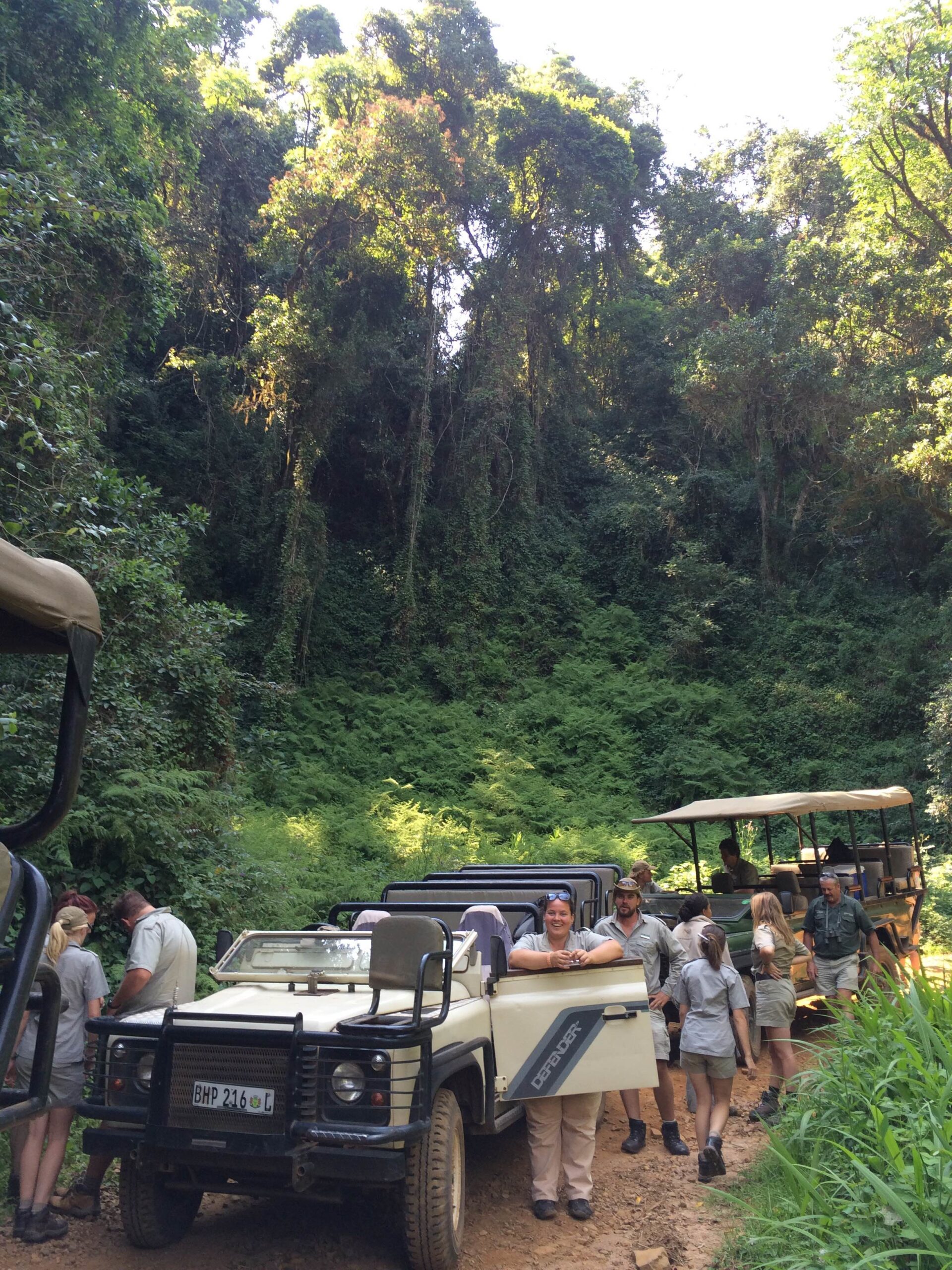
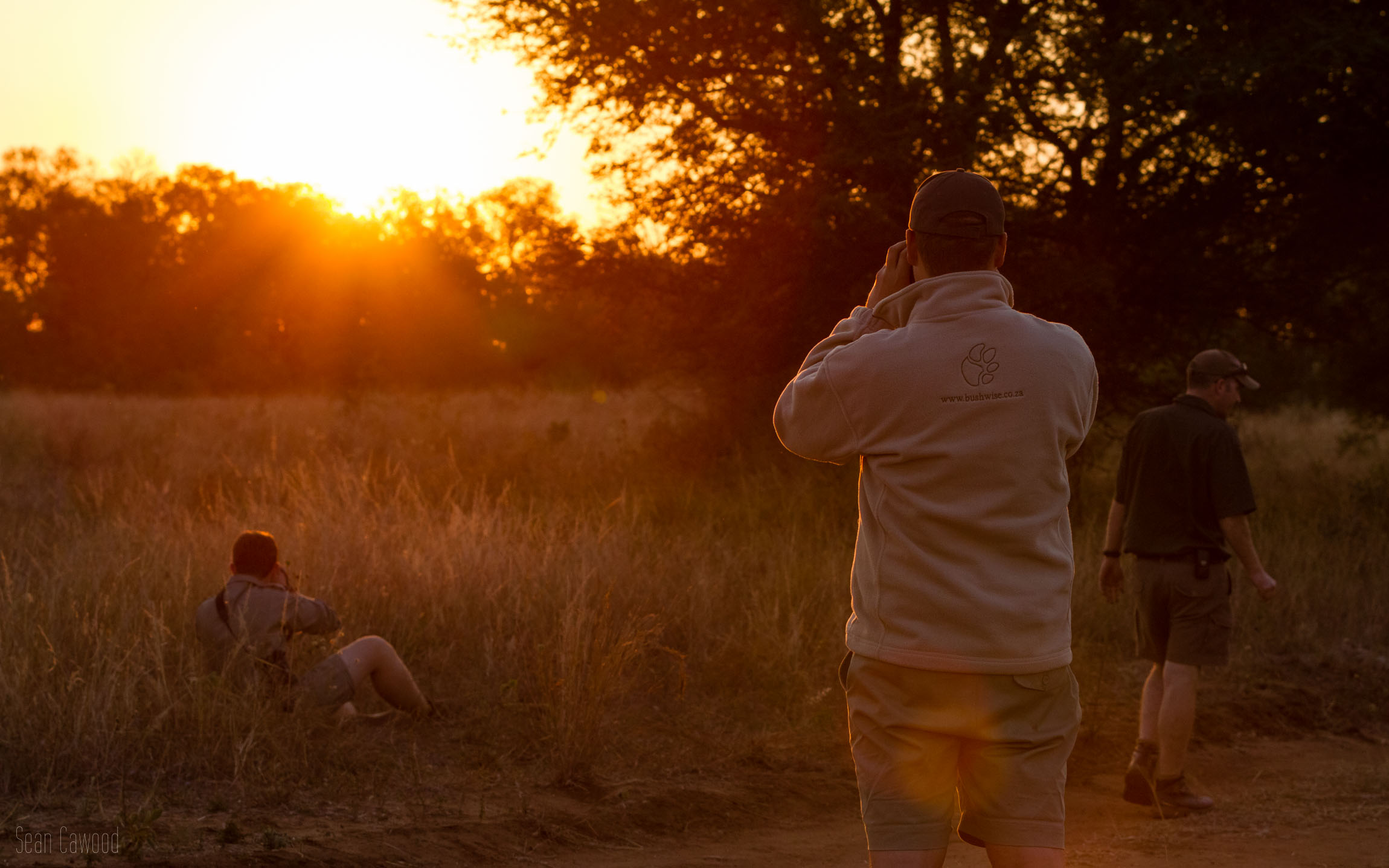
    Campus life is not all studying though… We have all come a long way and we have fun, we make memories together and share in laughs as well. I couldn’t have chosen a better group of people to spend these couple of months with. Who would have thought that getting duties and chores done could be fun (I definitely didn’t think that it could ever have been fun) but somehow washing the vehicles, dishes and taking out the bins are not a problem when you have good people around you – It became another way of bonding, where we laugh and have fun.
    image

    As we are starting with Mock assessments this week (which is a very scary thought) we are all a bit stressed out, but with the support from the trainers and everyone on course we will get through it.  It is now time to put everything that we have learnt into play on a 3-hour drive.

    I can’t wait to see what happens next.

    Blog done by Lindi Taljaard.

    image
  • What to Bring? – from a students perspective

    We have written our field guide exam a few weeks ago, done our assessment drives and, thankfully although not surprisingly, everyone has passed. This time of the course is bittersweet for everyone involved. We are happy to be declared qualified field guides and begin to chase a dream we all share, but at the same time melancholic at the thought that we won’t be seeing the close friends we’ve made on the course again for some time. Most of the students went off on the Back up Trails practical course and a few will be finishing off this Friday.

    Thinking back on the last 20 or so weeks, one remembers a few “ah I should have brought that with” moments. Whilst the Bushwise list is more than adequate for packing, there are a few “luxuries” that might come in handy.

    image

    Here are a few items to bare in mind when packing for the course:

    1. Bluetooth Speaker: This may seem like a bit of a strange addition to the list, however, if I had a buck for every time that someone turned on a speaker on the course, I would have enough money to buy one of those pricy little things. Whether it’s watching a movie on a laptop, or sitting around the fire on a Saturday, a bit of music is always welcome.

    2. Tent: The Kruger National Park is an hour drive away, making it a perfect destination for a weekend trip or even for an off-week’s visit. However, accommodation within the park can be a bit pricy but camping is a much cheaper alternative. In my experience a 4 or 6-man tent works best as it allows for more good people to join you on a trip.

    3. Deck of cards: whilst the course is an intense learning experience, there is some down time. A perfect way to spend this is by playing cards, be it poker or go fish, many afternoons were spent this way.

    4. Hard drive: preferably full of legally downloaded movies… cough… we live in the bush, and with that comes one or two slight limitations. One of these is that the Wi-Fi is slow at best rendering online movie watching an impossibility. However, one can prepare for this by bringing plenty of media with them to the course.

    5. Headphones: personally, I prefer to listen to music when studying and this is best done with a nice pair of headphones. Otherwise this is also great is you just want to switch off for a while and relax!

    6. Warm clothes: as a local I was prepared, but almost the entirety of the international base of students were unprepared for just how cold winter can be in the bush especially when on the back of an open top vehicle travelling to the reserve. Gloves, scarf, balaclava, fleece, thermals and even an electric hot water bottle is recommended.

    7. Gaiters: those funny looking pieces of material that go around your ankles and protect them from grass seeds and ticks. Highly recommended, unless you enjoy the feeling of a thousand grass seeds penetrating your lower leg along with tick bites.

    8. The right attitude: Last but not least is attitude. You are living in close proximity with up to 20 students, being told what to do and when to do it all day, being strictly scheduled, sleep deprived, and having stressful assessments weekly. Don’t misunderstand, it is tough but also 100% worth it. However, if you don’t come to this course with the correct mindset which is one of understanding, empathy, a willingness to learn, and respect for your peers, then you will quickly be alienated from the group and have a long 23 weeks ahead of you.

    image

    Make friends on the course, friends that will probably endure for years and enjoy the experience because it will be over before you know it.

    image

    Good luck and hope you are well prepared and open-minded!

    Jordan Wallace