Author: Marketing Team

  • Nearly there

    Another intense week lies behind everyone in the camp, full of Level 1 assessment game drives and Advanced Rifle Handling (ARH) assessments. By now, it is safe to say that all of us successfully passed our assessment drives, to the explicit noteworthiness by our Head Trainer. Well, well done, class of January 2018! The unfortunate truth nonetheless is that practical assessments are only half of the entire effort. This is why everyone’s focus now is on getting past the theoretical part of the Level 1 assessment. Needless to say, but ideally as successful as past the practical one.

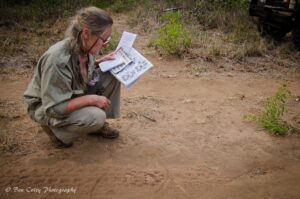
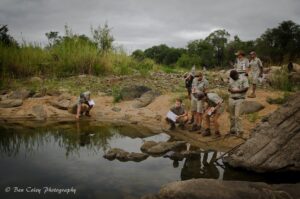
    The official agenda of the entire course is close to over which leaves room for spending some quality time on our last mutual game drives. With the South African winter now chilling the morning (and evening) air, our trainers took us on some amazing game drives as a distraction from further studying. Without the time constraints (and pressure) from past assessments, these drives took us to some more remote locations on the reserves we never came to witness before. And all of a sudden everything feels way different than just a couple of weeks ago. One of the students picks up some fresh tracks, others make out the sound of branches cracking in the background and shortly after we easily run into the next exciting sighting.
    image

    Photo by Amy Villis

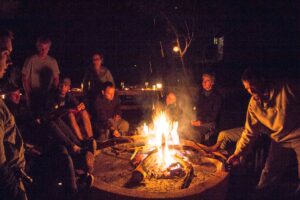
    And then there is the abrupt realization of the fact that this very Saturday is the last one that everyone on this course will spend together, probably over the (already) routine Saturday evening braai. Some of us might regret this fact, some might just look forward to what lies ahead. But in fact we have come to the end of an extremely interesting and quite challenging 20 plus weeks course.

    Most of the students are close to start the optional second half of the program, namely a six-month-placement either in the lodging industry or with a research placement. After going through their individual interview process, the majority of placement students will be staying in the Bushveld area, with some going to places as far as the Waterberg region. The rest of the class will either be taking on a job within the industry straight away or heading home towards Europe.
    image

    Photo by Ben Coley

    I once heard that it is highly recommended to finish an essay (or whatever kind of text) with a quote, most notably since there is always someone else who is able to express the essence of it in a more fancy, more spot-on or maybe more humorous way. Well, that is probably even true. However, I simply hope you guys have found / will find what you have been looking for by coming here.

    Blog by Philipp Reick
    image

    Philipp Reick

    #AdvancedRifleHandling #ARH #Assessments
  • Amphibians vs Reptiles….

    This week marks the completion of our last modules and theory exams. It was all about Fish, History and Culture, Taxonomy and Conservation. Classroom lectures sparked interactive debates amongst students in regards to conservation and it became a good forum for people to share ideas, personal views and opinions.

    History and Culture taught us more about the previous inhabitants and history of the area in which we are staying which has given us a greater appreciation and understanding of local traditions and beliefs.

    Taxonomy confused some students at first, but eventually we all got our heads around the simple complex in the end.  In brief, Taxonomy is the science of naming, describing and classifying organisms and includes all plants, animals and microorganisms of the world. Using morphological, behavioral, and genetic and biochemical observations, taxonomists identify, describe and arrange species into classifications, including those that are new to science.

    We also now know a hell of a lot more about Fish! Actually it was very interesting learning about how fish play a vital ecological role in our area of operation and also their contribution to population control of mosquito’s thus reducing the spread of Malaria.

    It’s been an exciting and productive week for a lot of people as we have also been preparing for our ARH practical exam (Advanced Rifle Handling). This has involved spending a lot of time down at the shooting range firing both .22 and .375 calibre rifles. Our trainers were very patient with us all and we started off by doing some dry runs, which involved loading and unloading a rifle and practicing some drills. There was even some friendly competition with the speediness of this between the girls and boys. We then got to shoot at some stationary targets.

    Later we progressed to shooting a charging Lion target that moves at a speed of 22 metres per second which only gives you 2 seconds to aim and shoot! For some it was the first time holding a rifle and it has been great to see everyone’s progress from the beginning of the week up to now.

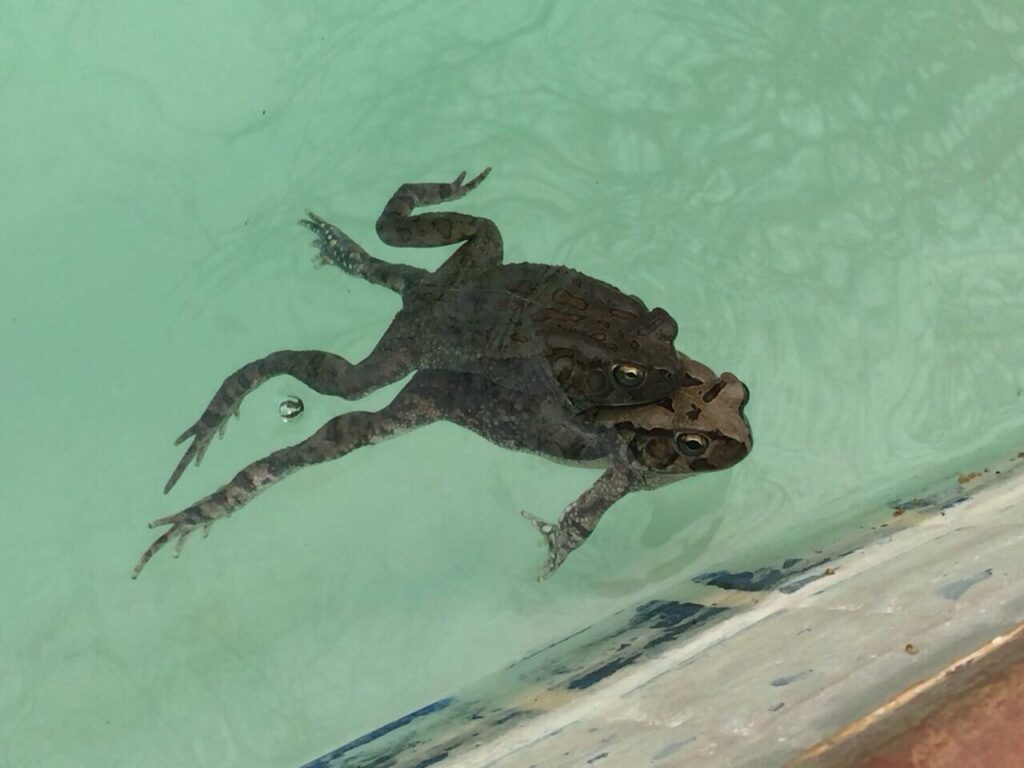
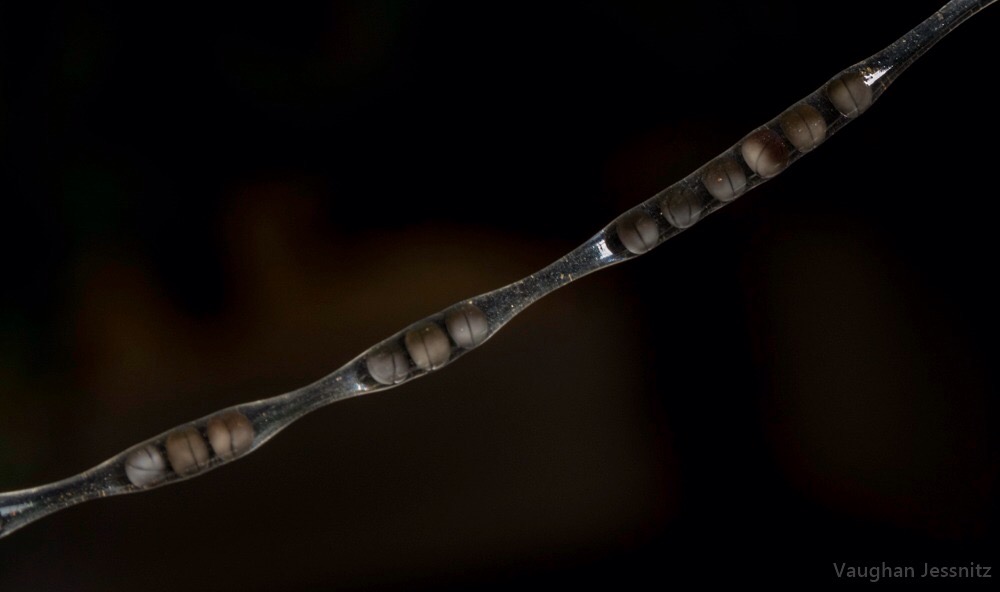
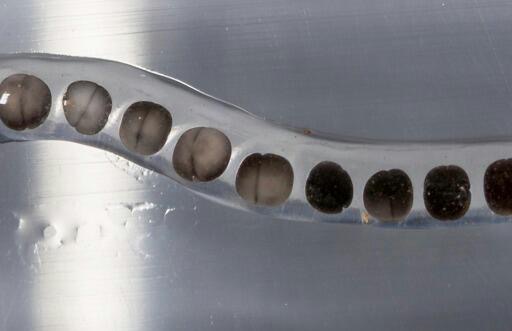
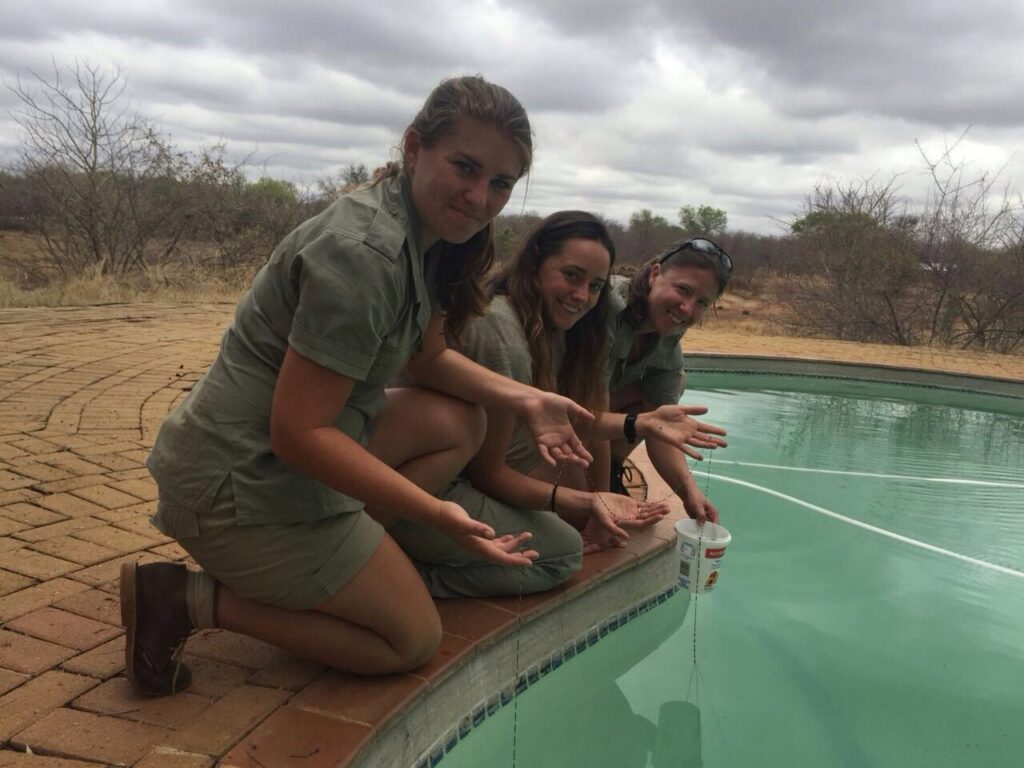
    We also welcomed the first spring rains! Bringing with it the arrival of new season, new life and the many frog species that now like to occupy the dam and swimming pool. A few lucky students got to witness two Eastern Olive Toads preforming aplexus, (2 toads ‘mating’ in the swimming pool) and this has given us an interesting lesson on collecting and observing the development of egg embryo to tadpole metamorphis.

    image
    image
    image
    image
    image

    It has also been a week of relocating a few lucky reptiles!

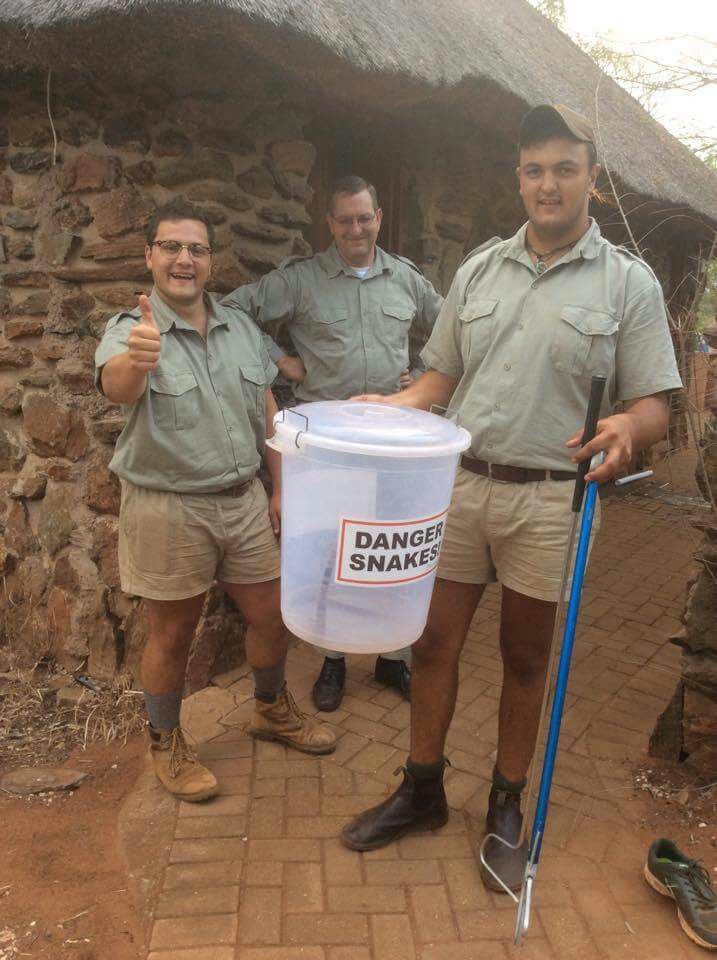
    The first being a Mozambique Spitting Cobra that was residing in camp. It has now been moved safely, just as we have been trained to do with the snake handling course done a few months ago, to an accommodating game reserve down the road far away from human interference.

    image

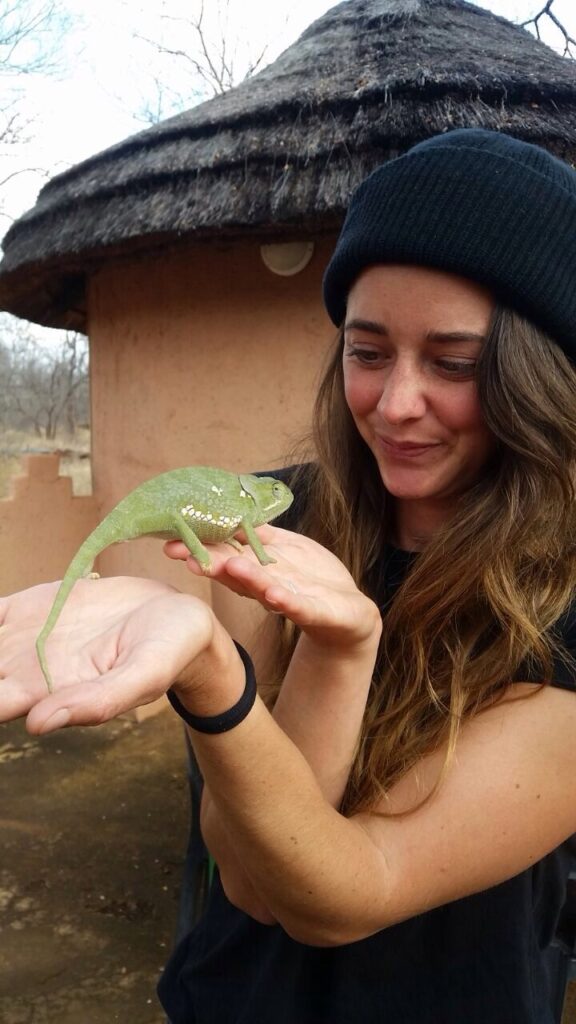
    The next being one very lucky pregnant chameleon that a few students rescued from the road side on their way back from town. She has been relocated to the lovely green garden at camp, hopefully where she will lay her eggs and we may get to see some baby chameleons around camp in the future.

    image

    Blog by Louise Hissey

  • Biomimicry

    Let us start with a simple question: If you had a water leak in your house, would you call a recent graduate with no experience or would you call a seasoned expert? I think we would agree that the latter is the most suited to the role. Simply put this is the crux of biomimicry.

    Mankind has achieved some great feats during its limited time on Earth but have we really tapped into all the skills that are available to us? Great minds such as Newton and Einstein have shaped the way we see the world but their experience is a mere blink of an eye in the history of our blue planet. Humans have been around for 200,000 years. This may seem like an age ago but in comparison to life in general it was yesterday. 3.5 billion years ago, life on Earth began to flourish, and it is this wealth of knowledge that is perhaps the greatest resource available to modern man. How could we possibly compete with this amount of experience!?

    Mankind’s technical know-how and achievements have made our world what is it today, but in the process we have put great strain on our planet’s ability to provide for us. In fact we are quickly raping our home of all that it once was. It is now time to look to nature’s vast experience to better our world. The human brain is a remarkable piece of equipment but it is no match to billions of years of evolution!

    Biomimicry is a relatively new field of engineering that looks to take inspiration from nature to create greener, more efficient and ultimately more sustainable answers to a whole host of problems. Here is a list of some of the more well-known inventions that have been inspired by observing the mechanisms that have shaped Life’s success on planet Earth:

    1. Velcro

    Velcro is used the world over as a fastener of a whole host of objects but its birthplace was not in a laboratory, but rather a field in Switzerland. With the help of a dog… In 1941, Swiss engineer George de Mestral examined the cockleburs that had become entangled in his dog’s fur after a walk and discovered the mechanism of tiny hooks. After a few years of research de Mestral patented is ‘velcro’ strips, and the rest is history.

    2. Gecko Tape

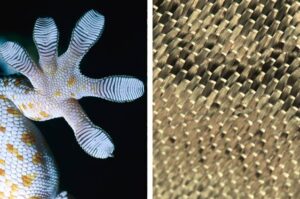
    Who among you has not been frustrated by sticky tape losing its adhesive properties due to the build-up of dust other deposits on its surface? The answer to this irritating problem had been staring engineers in the face for millennia – gecko feet. Each tiny gecko foot has over half a million small hairs that are further sub-divided, giving a massive attachment area that is also fueled by phenomena called van de Waals force and capillary action. The outcome is a man-made material inspired by the gecko’s foot that is not only ultra-‘sticky’ and self-cleaning but also reusable. To put in perspective, a postage stamp sized piece of gecko tape could suspend a car tyre from a ceiling!!

    image

    3. Wind Turbines

    In the search for reusable clean energy sources, wind farms are becoming more and more common place in the world. Despite their clean energy production, they are not overly efficient. One of the big problems is air resistance and drag created by the smooth sails. Humpback whales however can more effortlessly through the water using fins that are lined with tuberculous projections. Studies have shown that these tubercles can reduce drag by up to 35%! This design concept is now being used to increase the efficiency of wind farms and has overwhelming implications in the field of air and water travel.

    4. Shark Skin

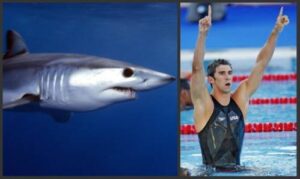
    Sharks have remained unchanged for millions of years. The old adage of ‘if it’s not broken, don’t fix it’ is pertinent here and it is this evolutionary perfection that has led to the development of ‘shark skin’. The structure of a shark’s skin is not only beautifully efficient in terms of streamlining but also prevents bacteria and fungus growing on it. This discovery has seen the invention of shark suits that proved so efficient in swimmers that it has since been banned from competitions. The ability to inhibit bacterial and fungal growth has massive implications in the health sector and veneers have been trialed in hospitals that have massively reduced the spread of bacteria on surfaces. The maritime industry has also benefited by applying this ‘paint’ to the hulls of ships, thus inhibiting organisms from growing on it which in turn means less time and money spent on chemical cleaning.

    image

    5. Bullet Train

    The Shinkansen Bullet Train can reach speeds of over 200mph but as it emerged from a tunnel, it did so with a loud sonic boom because of the air pressure generated. In country with strict laws on noise pollution this provided engineers with a problem. The solution: remodel the nose of the train on the beak of a kingfisher. Not only did this allow the train to cut through the air more aerodynamically, thus reducing the noise, but also increased the train’s speed and efficiency.

    6. Spider Web Glass

    Hundreds of millions of birds are killed every year by flying into windows. Skyscrapers dominate skylines and their massive glass facades are nearly invisible to the myriad of birds that live among us. Spider silk reflects UV light and whilst this can aid in attracting insects, it also allows birds (that can see in the UV spectrum) to avoid becoming entangled in its sticky midst. Engineers have now invented Spider Web Glass as a way to try and protect our avian friends. A network of UV reflecting film is added to the glass that, whilst invisible to the human eye, warns birds of the dangers ahead.

    image

    Blog written by Ben Coley

  • Top ‘Bush holiday’ picks from the Bushwise Team

    Most people think us ‘bush people’ are quite strange, choosing to spend our off time on other game reserves or wilderness areas. This includes lodge staff, guides, managers and land owners already spending their working days on game reserves. You will never hear this phrase often from the likes of us – Oh, I am going to Johannesburg on holiday!’

    ‘Don’t you ever get tired of the bush’ is the question that comes to mind when we tell our friends and family we will be spending our off week or leave in Kruger National Park. The truth is that the bush & wildlife is our passion and when you have this deep passion, a need to explore and experience different wilderness areas, it comes easily and without hesitation. The more remote the better!

    We are spoilt for choice in Southern Africa. From Coastal areas to inland sanctuaries, each offering a multitude and variety of birdlife, biomes, eco-systems, fauna & flora.

    Namibia – A place of Wonder, Kim’s choice – ‘I have been fortunate enough to have visited most Game Reserves in South Africa as well as visit other countries such as Swaziland, Lesotho, Mozambique, Namibia, Botswana, Zimbabwe & Malawi.

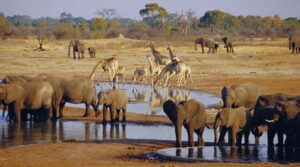
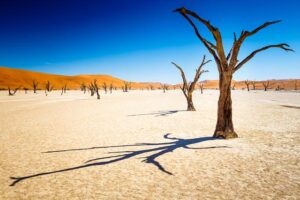
    The most special place for me is Namibia. You feel so insignificant in such wide open and untouched spaces. The desert is memorising and for me a very spiritual place. Star gazing on the dunes, with the sea below you in Henties Bay is something I will never forget. Not one night went by without me seeing a shooting star. Etosha Game Reserve has amazing game viewing, with the animals congregating around the rivers and water holes. I will definitely be back!’

    image
    image

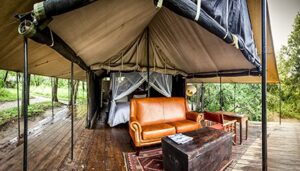
    Vaughan’s top choice is Honeyguide Tented Safari Camps. ‘In my opinion it offers the same quality as Sabi sands, has far less traffic and has more diversity to offer on drives. You can visit Honeyguide throughout the year. You would need a higher budget for this lodge but I would suggest that one save’s up in order to treat your family to a weekend at Mantobeni Safari Camp.

    image

    Honey Guide

    Gerhard’s enjoys visiting Mkuze in Kwa Zulu Natal – ‘This reserve has amazing waterholes and proper hides where game viewing is epic. Another pic for him is Manyane Restcamp in the Pilansberg game Reserve, North West province.  This is for more of an economical conscious traveller who prefers camping or has an adventurous camper. It provides great game viewing opportunities. Madikwe is also very beautiful and have many lodges to choose from but this is more on the expensive side.’

    Mkuze

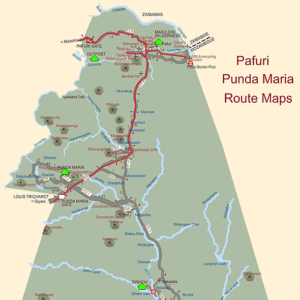
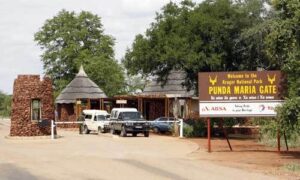
    Ben suggests Punda Maria, where anytime is amazing. ‘Due to the fact that in today’s touristic and capitalist world, the southern, more accessible parts of Kruger are becoming increasingly crowded and it is hard to avoid other traffic.  The point of going to the park for me is to not chase sightings of high profile animals but to lose oneself in one of the largest conservation areas in the world.  Not only does the far north of Kruger offer peace, quiet and solitude but it is also home to some of the most stunning scenery in the park.  Towering baobabs follow your progress as you drive the deserted roads and as a birder, the north is home to a magnificent variety of species, many of which cannot be found anywhere else in South Africa!  Keep your eyes peeled for specials such as Variable Sunbird, Racket Tailed Roller, Black Throated Wattle Eye and Pels Fishing Owl!!’

    image
    image

    Sharin & Trevor would recommend the surrounding areas of Hoedspruit. This area in itself is a great bush holiday destination and very close to the campus. So during off weeks it would not be far for students to travel.

    ‘There are so much to do and the best time to visit is all year round as both winter & summer months offer different views to the landscape. Students can visit all the top bush destinations around Hoedspruit for example:

    * Game Drives on private reserves or visit our top lodges around Hoedspruit, you are also in close proximity to Kruger National Park and stay over or go for the day.

    * Moholoholo Rehab Center or Hoedspruit Wildlife Endangered Centre

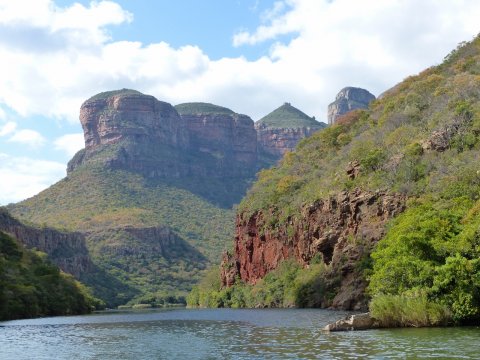
    * Blyde River Canyon & sight-seeing around the Canyon’

    image

    Nick’s top pic is Kgalagadi Trans frontier National Park – ‘It is evident by its increasing popularity, is one of the most beautiful places in South Africa. The harsh environment, extreme temperatures and contrasting landscapes make you feel alive. With very hot and dry summers and icy cold winter nights, Kgalagadi is a unique experience every time. In addition to the spectacular landscapes and wide open spaces, Kgalagadi rarely disappoints when it comes to spectacular big cat sightings. If your wanting a unique holiday experience, a taste of true wilderness, once in a lifetime animal sightings and star filled nights under clear night skies, a campsite in Kgalagadi is a good place to start.’

    Picture by Dallas Howard

    Picture by Dallas Howard

    So good luck with your planning and we hope that if you chose to visit any of these special places that they resonate with you the same way it does for us!

    Happy Travel,

    Kim & Bushwise Team

  • Rifles, bullets, targets and lots of practice!

    After a busy last week with tracking, this last week has been a bit more relaxing with no lectures. Instead it was dedicated to completing our SASSETA certificate, which is necessary to have to be assessed in Advanced Rifle Handling (ARH).

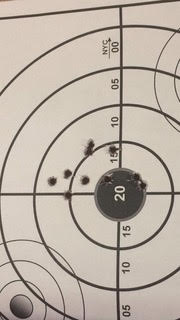
    The group was split in two, with half of the students going to Tzaneen Monday-Tuesday, and the rest Wednesday -Thursday. In Tzaneen we went to the training facilities where we had to do the last theoretical rifle tests as well as the practical shooting. Doing the practical shooting we were assessed one by one. For the self-defence assessment we had to show that we could load a rifle (calibre .22) in a safe way, shoot five rounds, reload and shoot five more. In the assessment for business purposes we should load six rounds. The purpose of this was to prepare us for ammunition that doesn’t fire. Five out of six rounds were shot, the last one had to be loaded into the chamber but ejected instead of fired.

    image

    In all we had to get 20 shots unto the targets to pass. For me it was the first time shooting a rifle so was a bit nervous. But it all went well. Everybody passed and are now ready to start practicing for ARH.

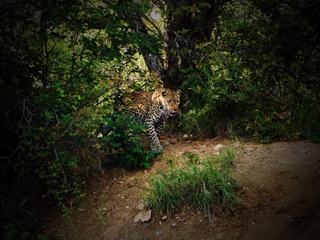
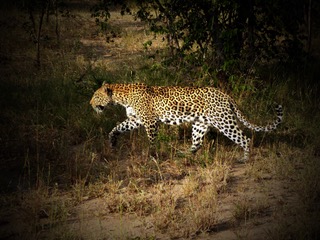
    The half that stayed behind did practical game drives, the last practice before mock assessments. During the drives there was some great encounters. Elephant close by, male lion running after giraffes, and the highlight for me was definitely the leopard sighting! She came down to a small dam for a drink, and then she walked off into the bush. We followed her for a bit and were lucky to have her walking by right in front of the vehicle into the bushes.

    image
    image

    Friday the group was again split in two. The international students who are doing placement went to Polokwane to get their traffic number so they can register for their drivers license.

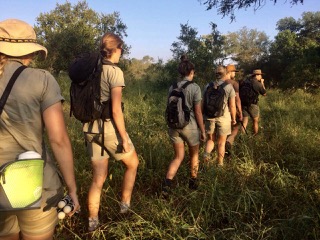
    The students left behind got to do a walking trail, which is always a great experience. This time one group encountered some giraffes and the other saw the tails of mating lions.

    image

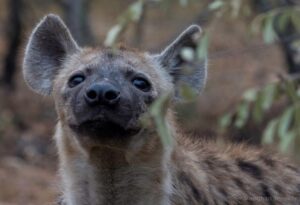
    In the evening we got the option to do a night drive at Makalali and what an experience that was. We stopped in the middle of a clearing looking at stars with hyenas walking right next to the vehicle. We also bumped into a herd of elephants where all lights on the vehicle was turned off  an all we could hear was elephants making their way through the bush pushing over trees.

    Because there were no lectures doing the week, Saturday was a full off day with no tests.

    Written by Malene Jepsen

    image

    Photos by, Malene Jepsen, Sam Hankss and Jess Talbot

  • The ‘PERKS’ of being a Field Guide!

    Yes, we get to live our dreams………which for most doing this rewarding job is to be surrounded by nature in all its beauty. From the animals, the lifestyle and the new people we get to meet. You get the opportunity to give guests an abundance of amazing memories and experiences they will never forget. As a Field Guide you will get to travel, live and work in some of the most breath taking wild life reserves in Africa and generally live a happy, contented life!

    image

    However, let us explore the acronym PERKS.

    P – Professionalism

    E – Enthusiasm

    R – Respect

    K – Knowledge

    S – Skills

    Quote/unquote Mark Frazer (Nostrophobic Adventures)

    From a core values viewpoint, these should be without fail, in the fore front of your mind at all times to ensure that you remain at the top of your game and a much sought after Field Guide throughout your guiding career! Quite simply put, these are your foundation and building blocks.

    Without belabouring the point however, we at Bushwise Field Guides strive throughout the course to instil these foundations on an ongoing basis, and thus would simply like to share from the Bushwise team some of the SKILLS that we have gained over the past few workshops we as Trainers have attended, in order to strengthen you as future field guides in becoming the PROFESSIONALS you already are. After all your ENTHUSIASM, RESPECT for the environment, and KNOWLEDGE is abundantly evident and thus the acronym PERKS is validated.

    Before I continue though, it is important to remind yourselves that you are a narrator, a story teller if you wish….. after all, how many of you have sat around a campfire, mesmerized by the stories of the older generation of ‘game rangers’ recounting their experiences and adventures in the African bush and not been left with a longing to be able to do the same and experience those same adventures?

    image

    The key here of course, is to remember to tell a story, in doing so, you are engaging your guests all the time through the means of your body language, maintaining eye contact (without sunglasses on remember), maintaining your presence by using the sound of your voice, creating energy with hand and body movements, using a little light humour and above all……., enjoy what you are doing since that is part and parcel of the ENTHUSIASM aspect of a successful and competent Field Guide!

    In closing, this week sees the end of a long, somewhat physically tiring second semester which included the 4×4 training course, Cyber tracker ‘Track & Sign’ course, trips into the Kruger National Park, some Firearm practice as well as the ongoing solo game drives done by students. Thus I am sure it is a most welcome break for the students to enjoy a little Rest and Relaxation!

    image
    image

    Have fun Guys and Girls, and whatever your plans are, keep safe and we look forward to seeing you in the Third semester.

    Trevor and the Bushwise team

  • The long awaited rain finally arrives!

    This last week was one which started off with hard work, as the students studied and got to terms with two very dynamic aspects of our region, namely Astronomy and Geology. The classes were entertaining though, as trainers took the students down a virtual exploration, from the depths of the Earth’s crust, to the galaxies and beyond! All this time, the clouds were brewing beyond the distant mountains, and the smell of long awaited rain became ever more present!

    image

    After some serious studies, the students went on a day’s trip to Kruger, as well as a full day drive on Makalali, where they could start practising the real deal, leading a guided Safari! With the knowledge they have been absorbing over the last weeks, this was the time to brag with what they have learned, and the skills they had developed thus far. The transformation from when they first started the course till now was very rewarding for the trainers, and the students performed amazingly, with us often forgetting that these students have only been with us for two months!

    Some epic

    sightings have been had on the reserves lately, as we encountered Hyena, Cheetah, Lions and Elephants, along with plenty of general game, and the spaces in between filled with a multitude of birds and other interesting elements of nature! Little did we know though, that we would be treated to the first proper rains of the season this week!

    There is certainly something special about the smell of rain after many months of drought, and when the heavens decided to eventually open, everything, including the students rejoiced! This ended in a lot of soaked, muddy, but most importantly happy students, who have come to appreciate the importance and necessity of rain! A lot of white Bushwise T-shirts, will never be the same again, but none the less, a special moment among the team!

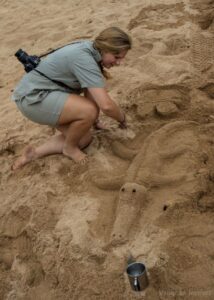
    The following morning we headed off on drive, and witnessed quite a fascinating occurrence as the Makutsi River started flowing again! We spent most of the morning watching the water creeping along the dry sand, slowly at first as it soaked in, then speeding up and covering ground, greeting the parched dry river sand section by section, bubbling along. Some students made a few little sand sculptures as they waited, whilst others had fun trying to catch the first eager catfish (Barbel) that were swimming in the pools, which only moments back did not have any water!

    The week ended off with exams as usual, as they knowledge passed down during the week was tested. Most of the students did exceptionally well, and are eagerly awaiting the upcoming week where we continue with the assessment safari drives and add more to their experiences which they will need to become great field guides!

    image
  • What makes a Top Field Guide!

    What makes a top Field Guide!

    When a guest is paying top prices for, what he believes will be an unforgettable experience in the bush, the last thing they will want to get is driving around endlessly on game drive with little to no sightings and a boring Field Guide.

    The difference….

    1. A Field Guide plays a very important role in this experience and they can either make or break the whole adventure!

    2. Some of the best game drives I have been on has involved no BIG 5 sightings but the guide was so engaging and knowledgeable, offering a wide variety of interesting and unusual facts that they tend leave out of the text books!

    What is takes!

    1. This, one would only gain by a unique way of dealing with people, experience in the field and having a passion for Wildlife! This combination makes for the best Field Guides in the industry.

    2. Here at Bushwise we try and instill this in each of the students while on the IFGA Safari Guide Course 6/12 Months.

    What qualities you need….

    Having theory knowledge is one thing but to know how to apply it in the field is quite another. How to read your guests, relate to them and interact with them is a fine skill that cannot always be taught.

    1. Being a ‘people person’ is definitely a pre-requisite for this job. You will get all kinds of guests from all over the world.

    2. What they expect is nothing short of learning all they can and seeing everything they see on Animal planet in a few days. They come with high expectations which can easily be brought down to size.

    3. Top Field Guides need to be versatile and use their initiative and intuition well. They will be expected to host their guests and do various other duties around the lodge.

    The little extras….

    1. Planning your drive for the best viewing times for certain animals is key.

    2. Many a times have I seen guests on game drives watching sleeping lions in the afternoon or viewing Elephants at night………good luck with that!

    3. Top Field Guides would rather wait until early evening when they start to wake, groom each other and if males are around no doubt dazzle you with their bone chilling roars before getting on the move for the nights hunt.

    The truly amazing experiences count!

    Imagine the excitement when the tracker finds leopard tracks and goes on foot with your Field Guide to see where they lead. All the while, leaving the guests on the vehicle to wonder in anticipation of ‘what’s happening’. Getting back to the vehicle and following the tracks off road through the bush, navigating the terrain while at the same time knowing that the leopard could appear at any moment is an experience you wish for. After hours of tracking, finding the leopard is so rewarding and exhilarating that the rest of the game drive seems unimportant.

    End results and lasting impressions!

    Many guests return to the same lodges over and over again just because of the Field Guide. Getting requested can be a regular occurrence for the best guides and with this comes the added benefit of great tips and amazing guests who make your job that extra bit special. The industry is small, impress your guests and management alike and you will work for the best lodge in the most amazing location and live the life that most can only dream about.

  • A Bushwise Hospitality Intern’s Transition Guide! Part 1

    1.       The Appeal of the African Bush

    It is all about Africa – this vast ancient continent full of sights, sounds and smells that mesmerize the soul. For anyone interested in participating on the Bushwise Hospitality course, a natural yearning to immerse oneself in the African bush is an essential prerequisite to maintain motivation and sustain enthusiasm for the duration of the programme.   It is amazing how easy it is to adapt and adjust to bush living – the world of cars, street lights, skyscrapers and

    Tim’s Personal Log –  I had the good fortune of being able to visit Africa for the first time in October 2013 for a two week period.  During this time I gained my introduction to the safari lodge experience in Kafue National Park, Zambia with wonderful animal encounters, and moved onto Livingstone where I witnessed the force of nature that is Victoria Falls.   Upon returning to my home in Australia I suffered the worst case of traveller blues that I had ever experienced; the Africa bug had bitten and after weeks of dreaming about Africa every night I resolved to take action.   My plan was simple.  Discover a way to work and live in a safari lodge in Africa.   Fatefully I sat down in front of the computer and googled three words, ‘Africa’  ‘hospitality’ and ‘volunteer.’   Bushwise appeared on top of my search engine screen and after scanning the information on the website it appeared I had instantly discovered my pathway back to Africa.   Life was never supposed to be this simple!    I did not act immediately but searched around for other options but nothing came close to the opportunity that was being offered by Bushwise.  I contacted GVI Australia about my interest in the Bushwise Hospitality Internship programme with a start date in March for a twenty week period.   I received an application form which I completed and sent to Bushwise Communications Manager, Rachel Greenwood on 31st December 2013.   My last action of the year proved to have the most decisive influence on the course of my life in 2014.   A telephone interview with Rachel was scheduled and after a half hour conversation it was evident that Bushwise was my new path.   Fast forward to June 2014 and I am currently living and working in a safari lodge in the Limpopo Province of South Africa bordering Kruger National Park.   Here I have had three fantastic months of experiences to being substance and reality to what was once a dream called Africa.      

  • Welcome!

    This week saw us kicking off with a very eagerly awaited new group. There are a lot of exciting plans for this group, such as the addition of not just one, but two extra reserves for our practicals! As the saying goes, variety is the spice of life and with the new areas, comes more diversity in animal sightings! This course we also wish to welcome a new, and now fourth Trainer to our team, Cobus Spies. Cobus is a FGASA level 3, back-up trails guide and is also a FGASA assessor. With his past training experience and passion to the smaller things around, we are certain he will add to the quality of our training courses, welcome Cobus!

    On the student front, welcome to each and every one of you, we hope you grab this opportunity with both hands, and make the most of what we have been told by past students time and time again, is a life changing experience! Welcome to Lawrence, Shawn, Nuria, Sean, Debbie and Matt from South Africa; Ben & Tina from Germany; James from Ireland; Mayra and Frank from the Netherlands; Macon, CJ and Hayley from the U.S.A; Vitor from Wales; Andrew, Kate, Emma and Ash from the U.K and finally Anna-Marie from Australia. A diverse group of nationalities always makes for a more interesting learning experience and we look forward to getting to you know all better.

    After the majority of our students arrived at around 5.30pm on Monday, the order of the evening was to do a brief welcome, explanation and H&S chat, after a delicious meal cooked by Iris of course! Tuesday came round and the usually H&S, camp walk through, explanation of the course itinerary etc was presented, with the afternoon set out for handing out the Bushwise clothing packs and a welcome Braai, where we got to know each other a bit better.

    Three days into the course, we had our usual town trip to equip our students with the ever necessary, and popular, khaki uniforms. On our way back from town, one of the groups were fortunate enough to spot 4 cheetahs, two being on the reserve we were heading to for our first game drives! Knowing roughly where they were, we knew we were in for a good sighting! Roughly 15 minutes into our drive, we saw 2 animals walking down the road, and as we approached, the silhouettes developed spots, and there they were, walking into the wind, and at quite a pace until they veered off the road and started disappearing into the long grass. It was clear that they were hunting, and before long, disappeared. What a way to start your first ever drive! As it started getting darker, we had our usual drinks break, for one of our groups, this was briefly interrupted by a rather big female hyena! Other groups also had nice views of some of those secretive animals such as porcupine, and everybody’s favourite…… Honey badger!

    During the latter parts of the week students all completed the very vital First aid qualification, had a lecture on the guiding industry and an introduction to the guiding world, which was followed with another game drive that produced some great sightings of general game including sable, porcupine and some bushbabies!

    This morning continues with a lecture on VPDCritters – getting to know all the creepy crawlies which may have a bit of a bite!

    After a very busy first week, we can only look forward to a possibly even busier second week!

    Regards,

    Charles and the Bushwise team!